In the conservation laboratories of the Auschwitz-Birkenau State Museum, specialists dedicate themselves to preserving one of humanity’s most tragic historical records: the personal belongings of the Nazi concentration camp victims.
Among these experts is Dariia Martyniuk, a 34-year-old Ukrainian conservator who joined the museum team in March 2022.
Yellow Blue journalist Roksana Rublevska spoke with Dariia about the unique demands of her work at Auschwitz-Birkenau, the structural changes needed within Ukraine’s own conservation sector, and what a future museum dedicated to Russian war crimes should look like once the full-scale war concludes.
On the beginning of the journey
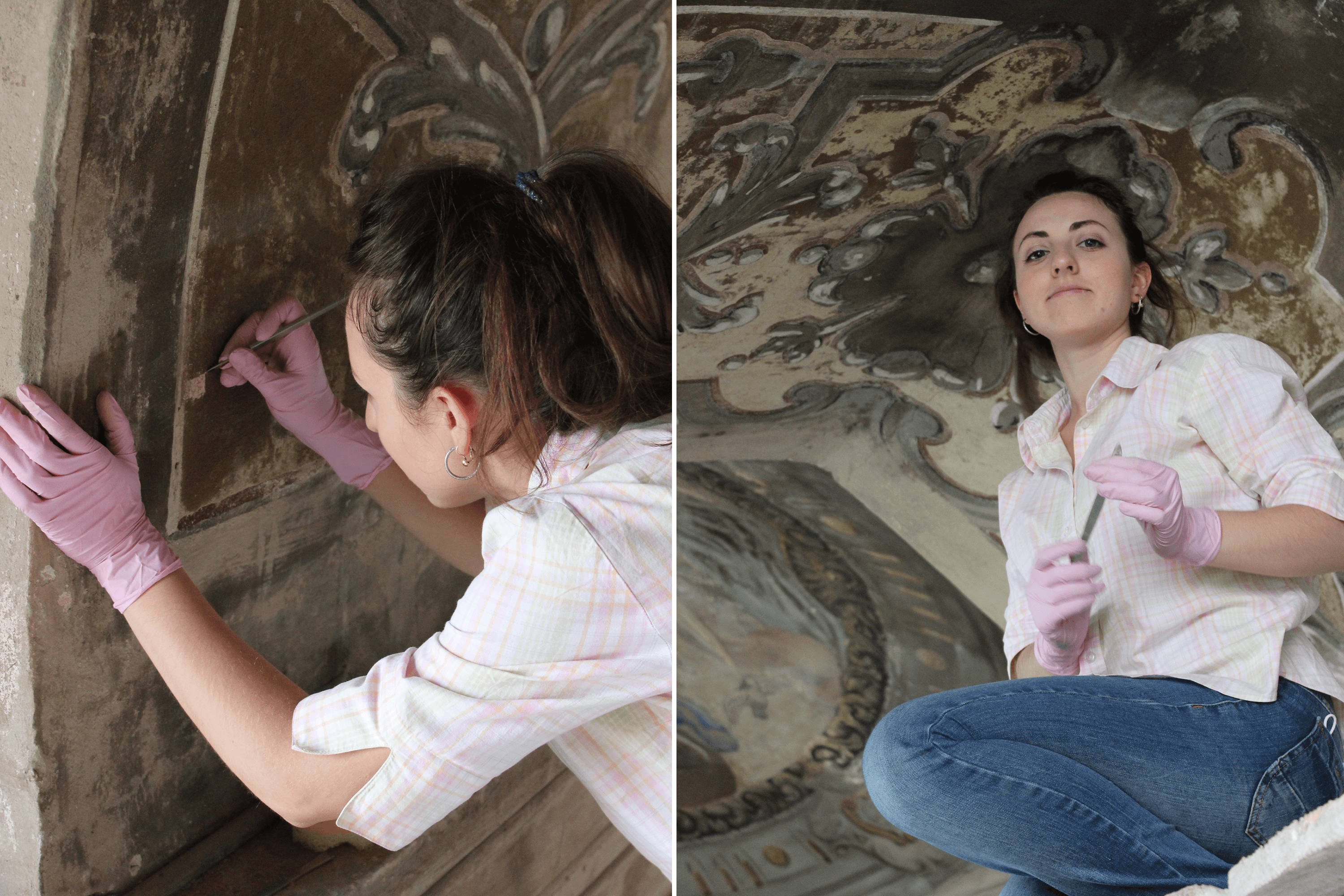
I have been drawn to art for as long as I can remember. I took drawing classes as a child, and by the age of 15, I had resolved to become an artist. However, my teacher advised me to pursue conservation instead, pointing to it as a more stable career path. Following her advice, I enrolled in the Faculty of Monumental Painting and Conservation at the Lviv National Academy of Arts. By my second year, I was already working with the collections at the Lviv Historical Museum. I still vividly recall my thesis projects: conserving an 18th-century portrait of an Armenian judge and restoring a massive icon of the Mother of God from a church iconostasis. It was then that I truly realized conservation is a blend of art, chemistry, and immense responsibility for unique, irreplaceable objects.
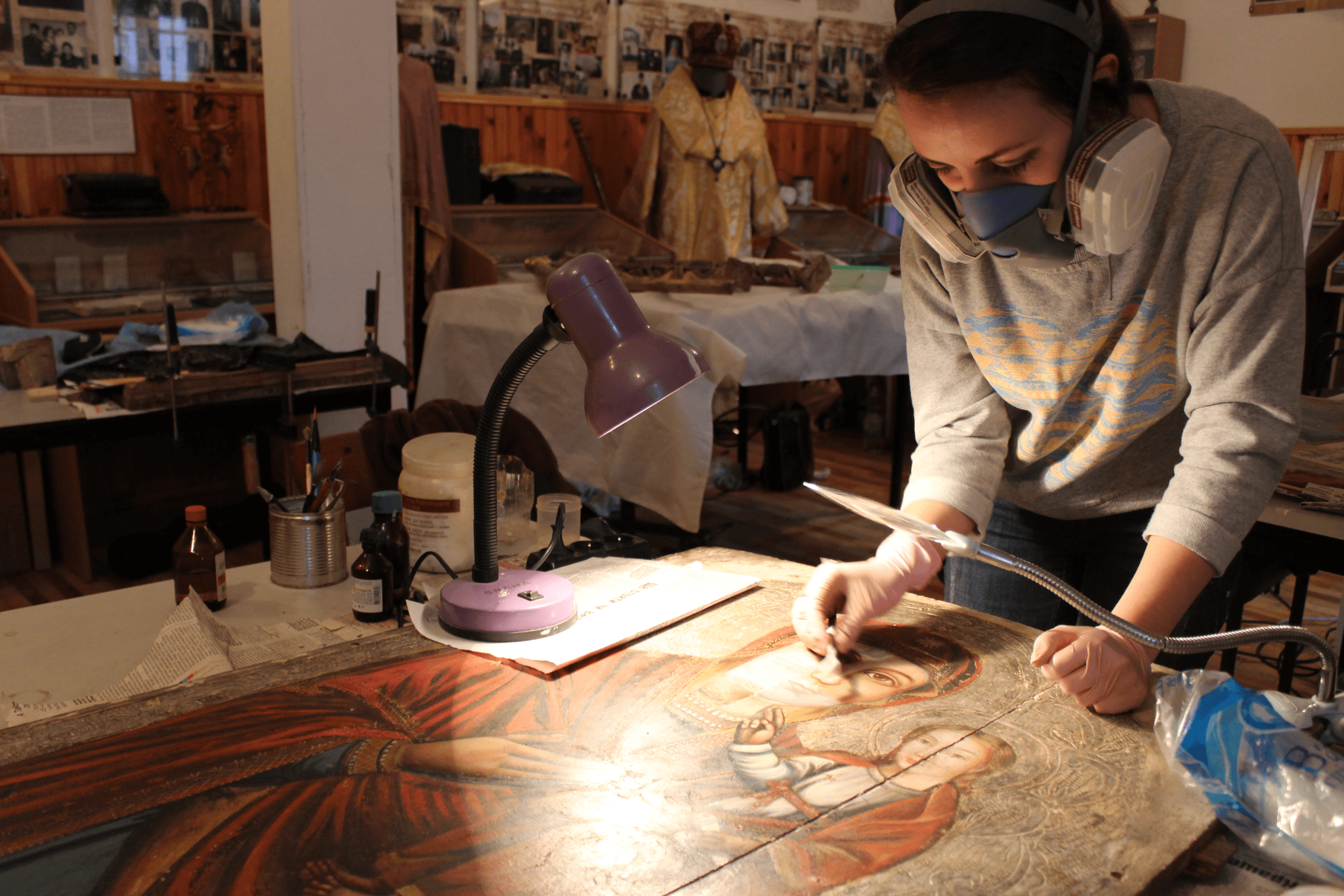
Photo: Photos provided by Dariia Martyniuk / YB 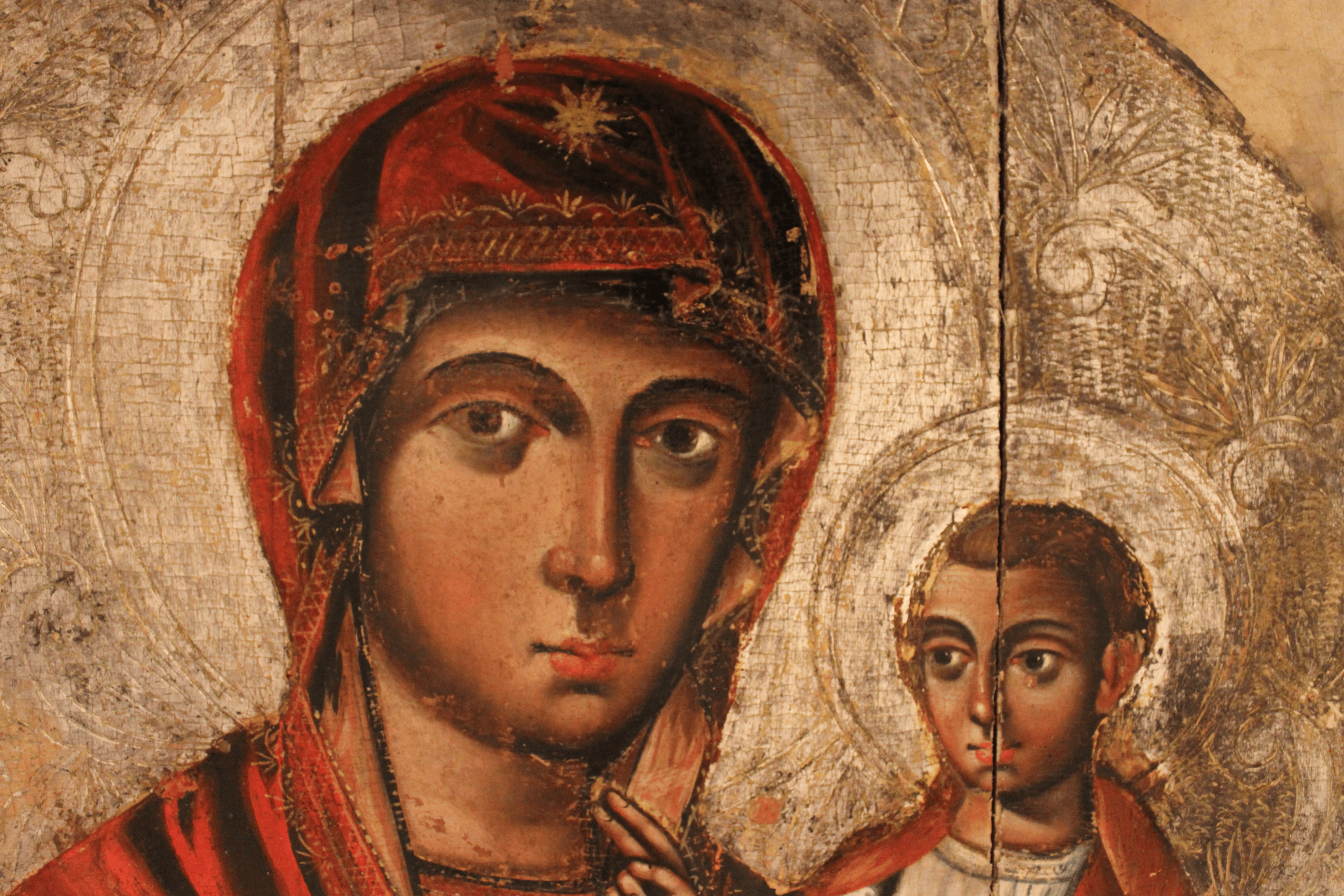
Photo: Photos provided by Dariia Martyniuk / YB 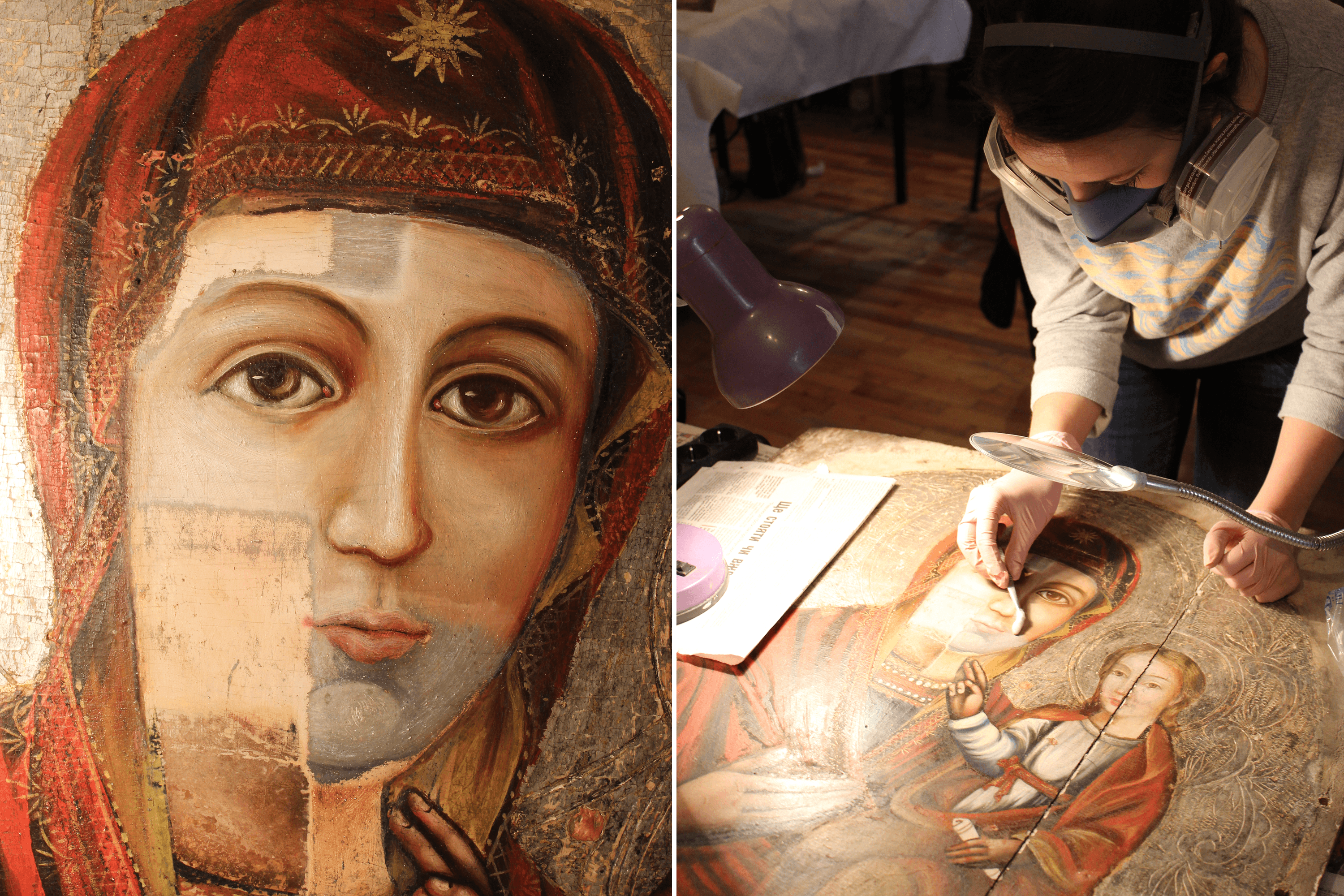
Photo: Photos provided by Dariia Martyniuk / YB 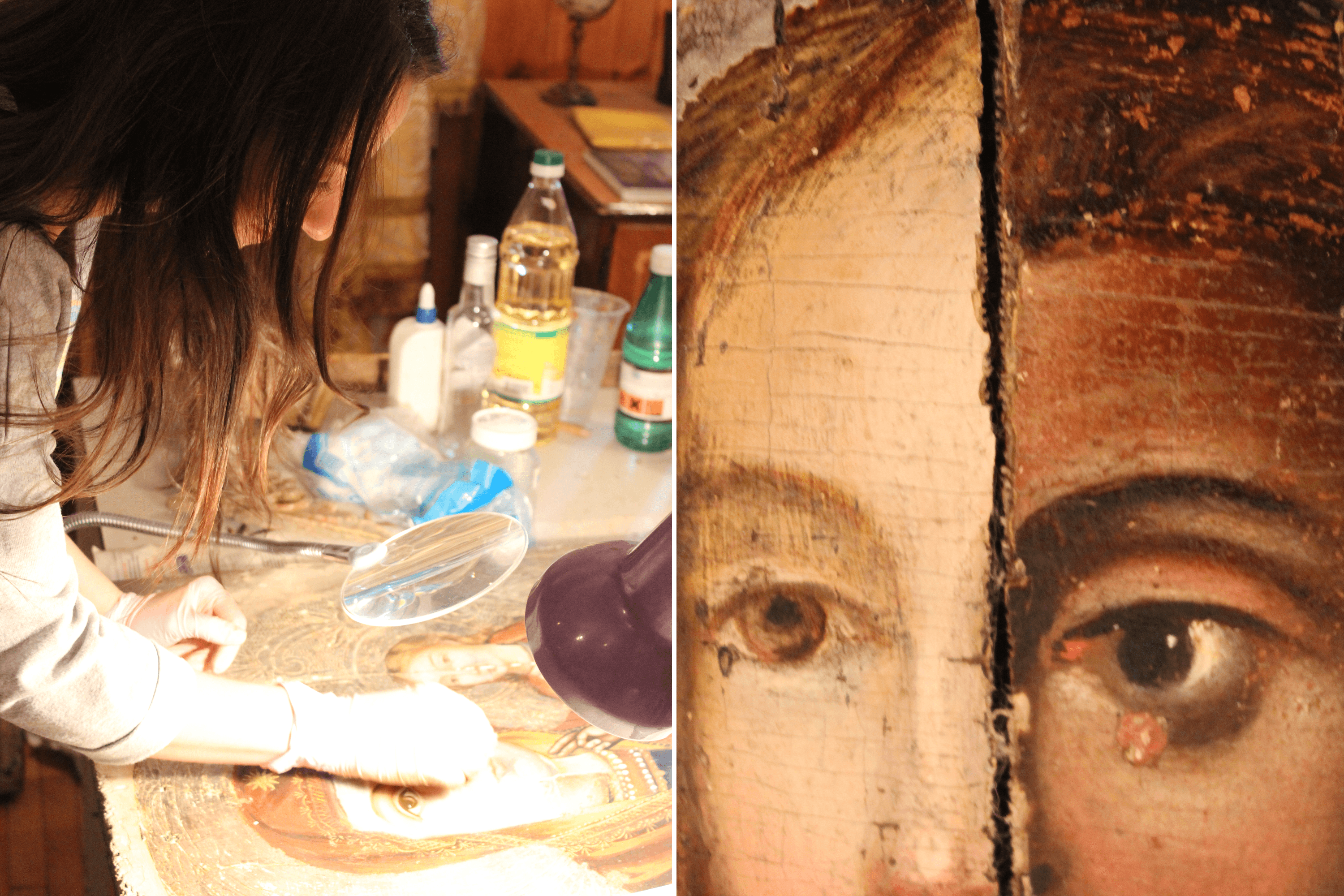
Photo: Photos provided by Dariia Martyniuk / YB 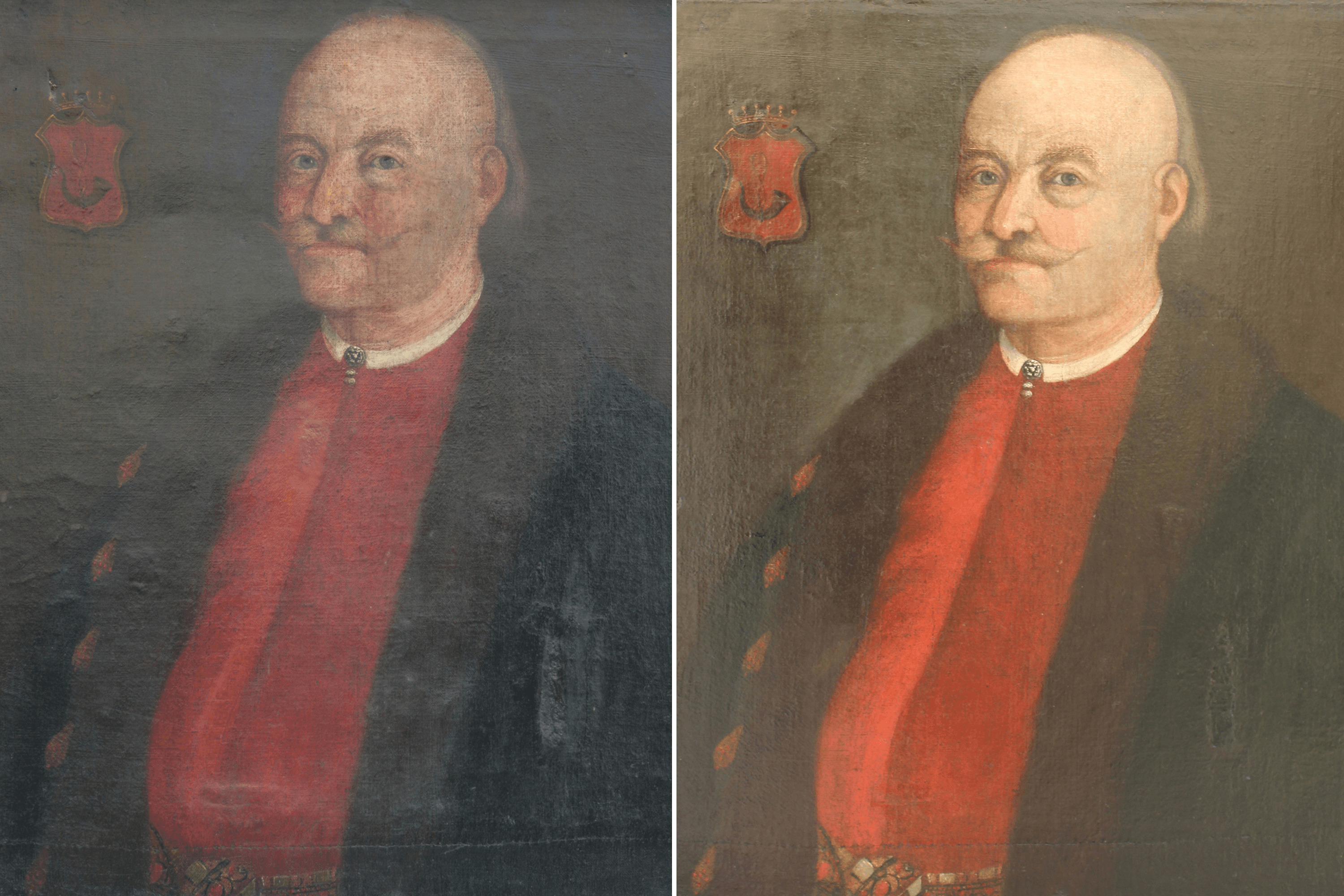
Photo: Photos provided by Dariia Martyniuk / YB 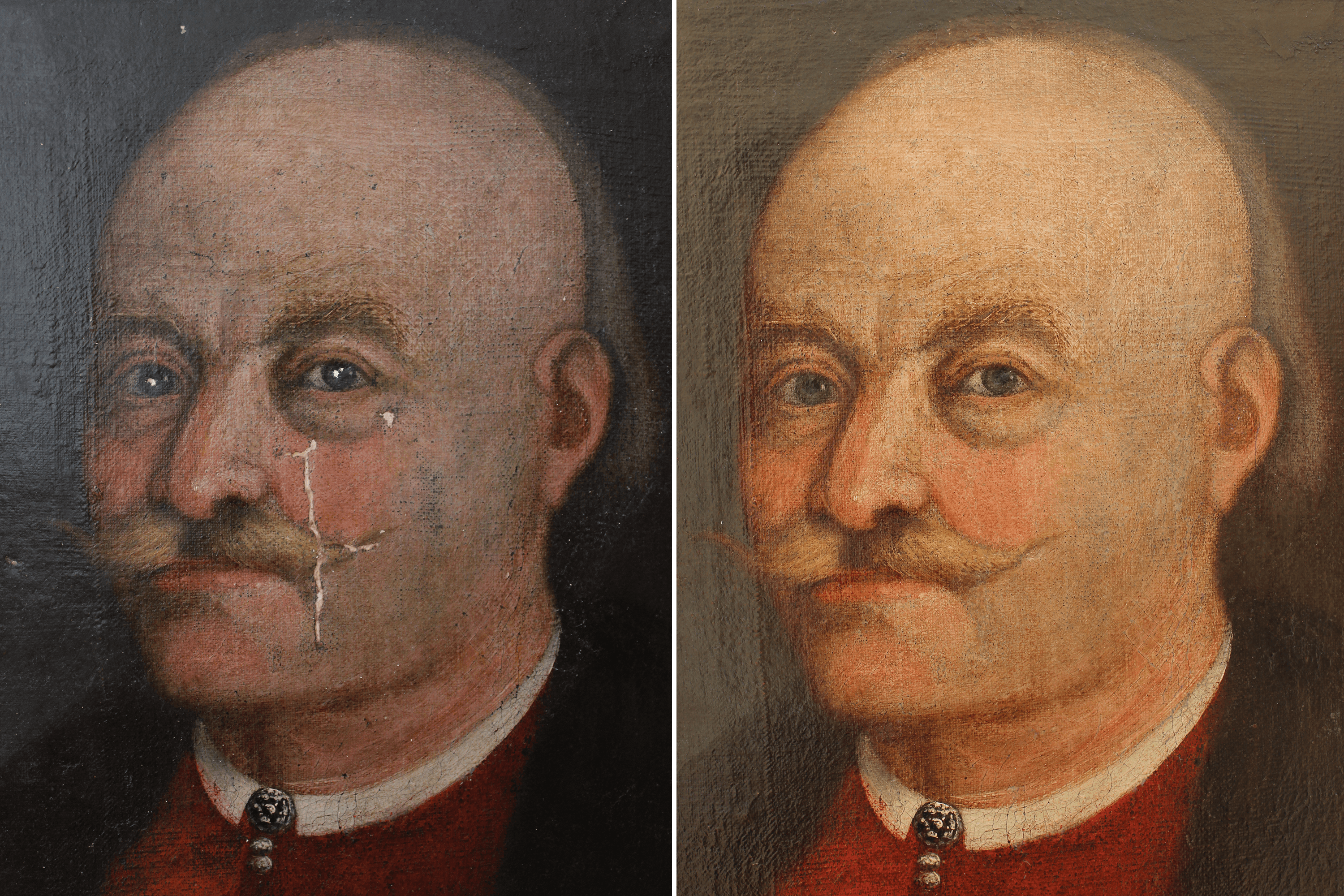
Photo: Photos provided by Dariia Martyniuk / YB
After graduating in 2015, I worked on monumental paintings at the Holy Cross Cathedral in Uzhhorod. Later, my supervisor informed me about an opening for a textile conservator at the Lviv Historical Museum. Sewing had been a part of my life since childhood—a skill shared by most women in my family—so I decided to step into this new and one of the most challenging fields of conservation. My first major challenge was an embroidered shirt from eastern Ukraine that was nearly shredded. I had to manually reinforce it with microscopic stitches, stabilizing the fragile areas to save the authentic fabric. After completing several projects like this, I earned my professional certification. The museum was facing severe funding shortages back then, so I frequently bought needles, threads, and paints out of my own pocket.
On good and bad conservation
The first thing that catches my eye is how an object is displayed in the exhibition hall. Exhibition methods reveal a great deal about the quality of the conservation work. For instance, textiles should never be placed on a mannequin directly opposite a window, as light exposure rapidly degrades the material. Unfortunately, this is a rule that many Ukrainian museums still overlook.
I also look out for technical details: the stitches, the mounting methods, and the choice of materials. I once encountered a display in an Austrian museum where fundamental conservation principles had been violated: fabric was glued directly onto the original artifact, using coarse stitches and entirely unsuitable materials. In textile conservation, such errors are critical. Different fibers react differently to light, humidity, and the passage of time.
On studying in Poland
While working at the Lviv Historical Museum, I applied for a fellowship at the Wawel Royal Castle Museum’s textile conservation workshop. My goal was to gain international experience and eventually bring that knowledge back to Ukraine.
Wawel Castle in Kraków is world-renowned for its collection of tapestries and arrases—rare, intricately woven works that survive today only in limited numbers. Over decades, a specialized school of conservation expertise has formed around them. I went there to master the care of tapestries, learn fabric and thread dyeing, and immerse myself in advanced conservation technologies.
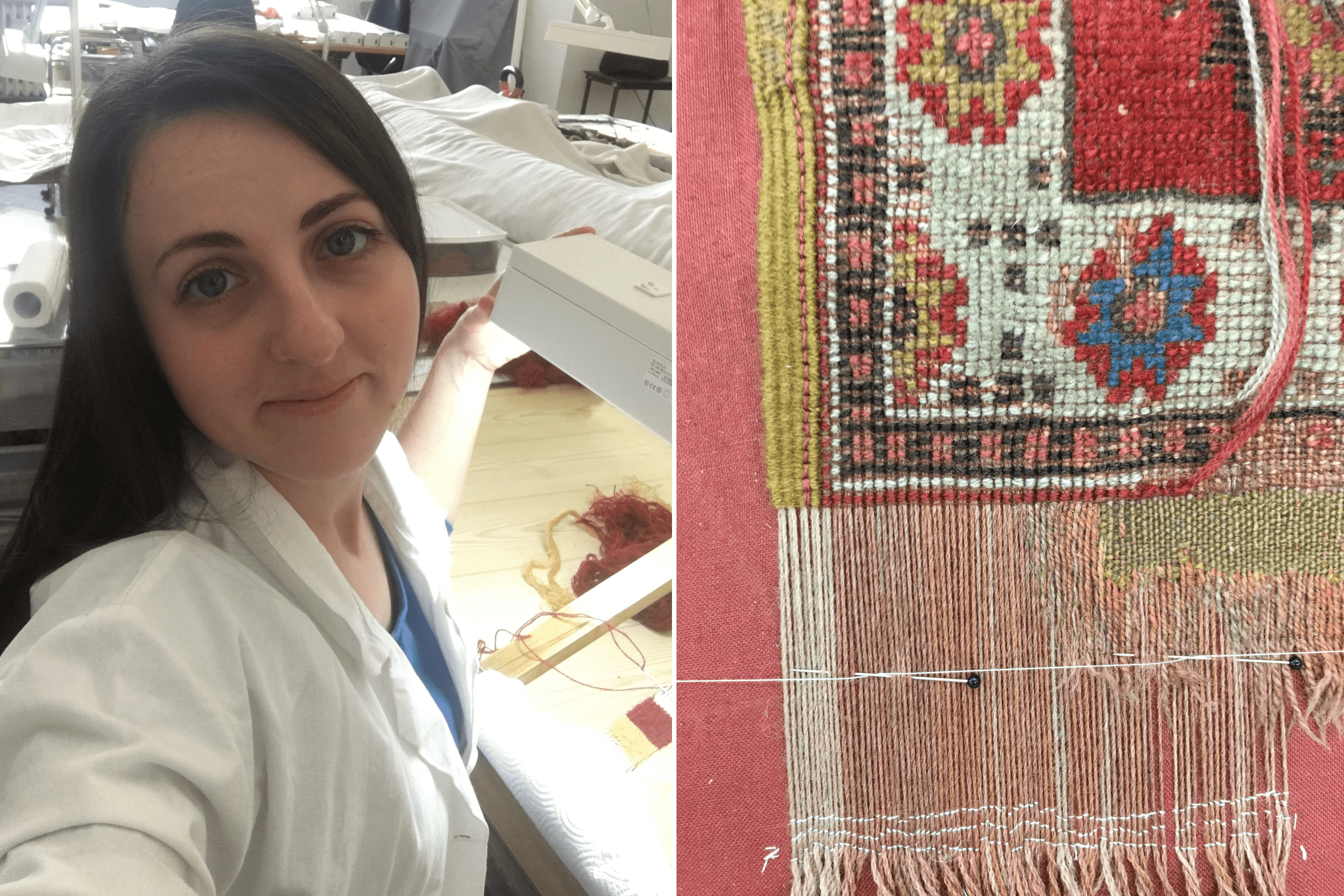
Photo: Photos provided by Dariia Martyniuk / YB 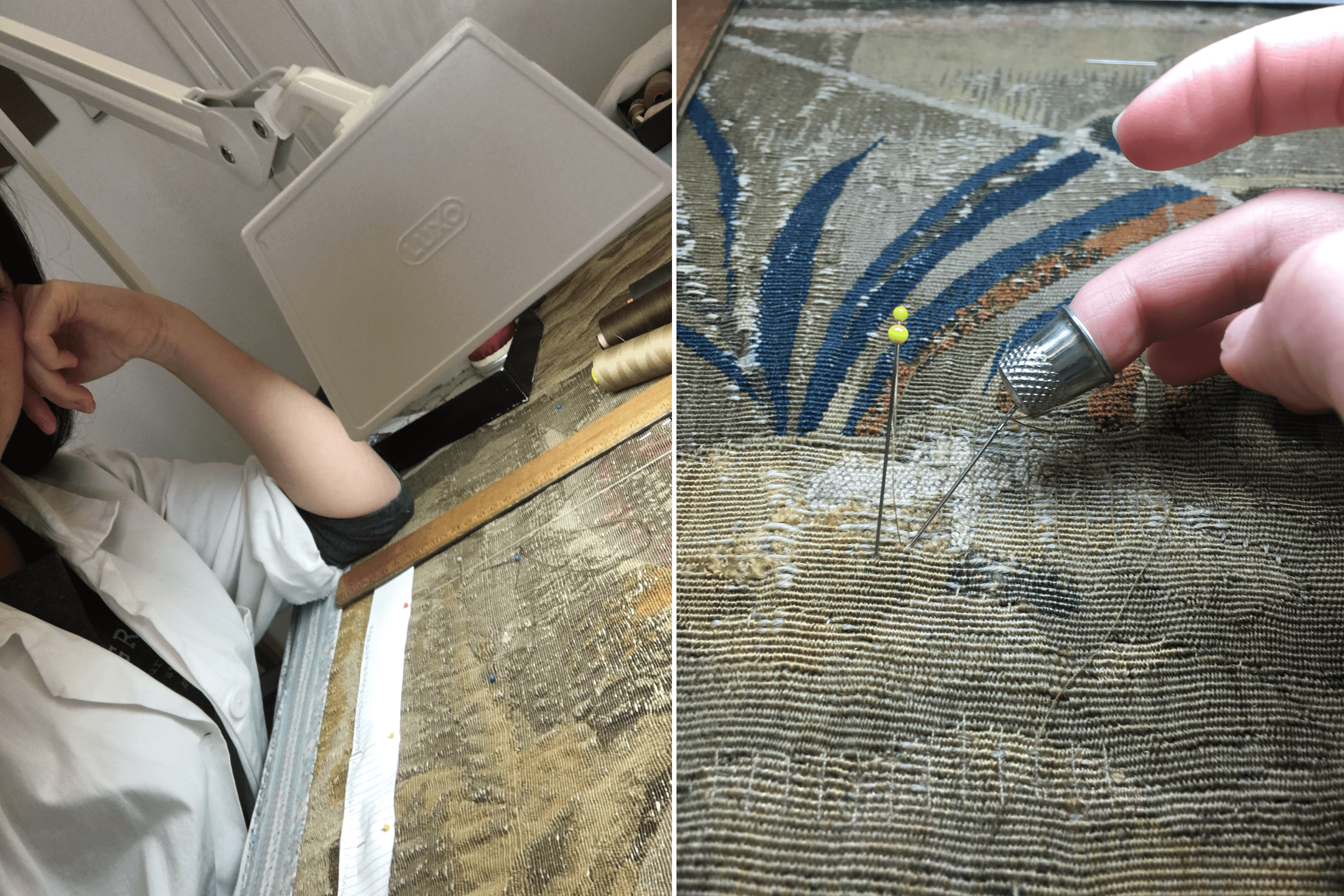
Photo: Photos provided by Dariia Martyniuk / YB
I spent eight months at Wawel. My primary project was the conservation of unique 15th-century Turkish tents from the Lviv collection, which were then in critical condition. My work was supervised by Jerzy Holc, one of the world’s leading textile conservators. Despite mastering the Polish language during my stay, I never planned to remain abroad. I returned to Ukraine, eager to elevate local conservation practices. However, I quickly realized how difficult it is to implement international experience within an institutional framework that remains deeply rooted in outdated Soviet methods.
On working at the Auschwitz Museum
Following the outbreak of the full-scale invasion, I fled to Poland. I still remember the morning I was jolted awake by a shockwave: an explosion in a neighboring village was so powerful it cracked my windowpane. From my very first days abroad, I searched for ways to continue practicing. Acquaintances told me that the Auschwitz-Birkenau Museum was launching fellowship programs for certified Ukrainian conservators, aimed at helping Ukraine safeguard its cultural expertise during the war. I submitted my portfolio and was accepted immediately. By March 2022, I had relocated to the town of Oświęcim.
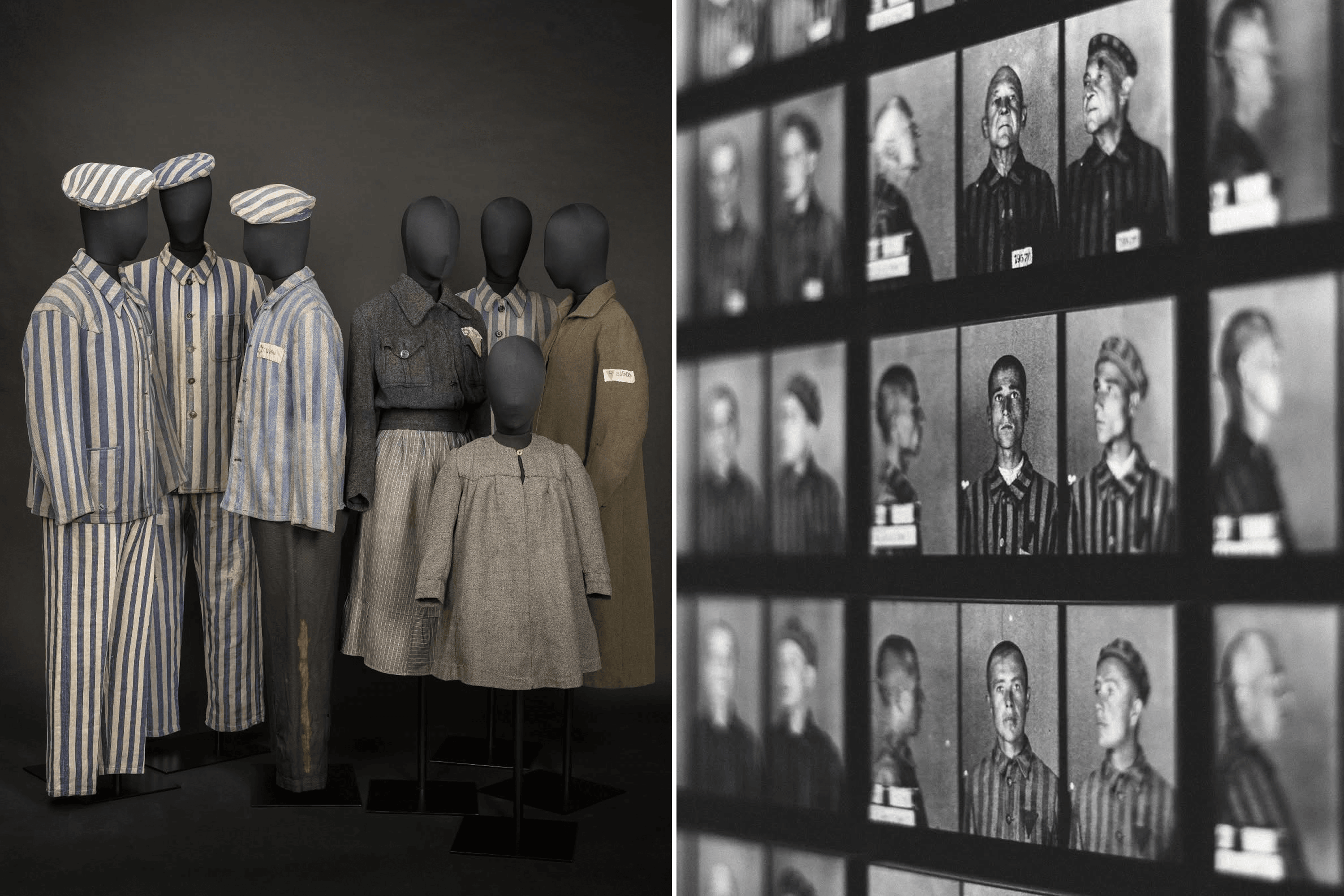
Every day, the conservators at Auschwitz touch objects that have outlived their owners—children’s shoes, suitcases marked with names, and clothes that once held the body heat of people murdered in the concentration camp. I never envisioned myself working with artifacts like these; I had spent my entire career conserving delicate Baroque textiles, luxury silks, and tapestries. Today, however, my mission is to prevent time from erasing the evidence of Nazi atrocities.
The museum complex is split into two areas: Auschwitz and Birkenau. Former barracks now serve as exhibition spaces, alongside collection storage and conservation workshops. I live on-site, and from my window, the gallows and a gas chamber are clearly visible. When I first arrived, I hadn’t fully grasped the scale and staggering weight of this place’s history. Fortunately, the team welcomed me with warmth and support, which helped me adapt quickly, yet the sheer context of the objects we handle remains heavy.
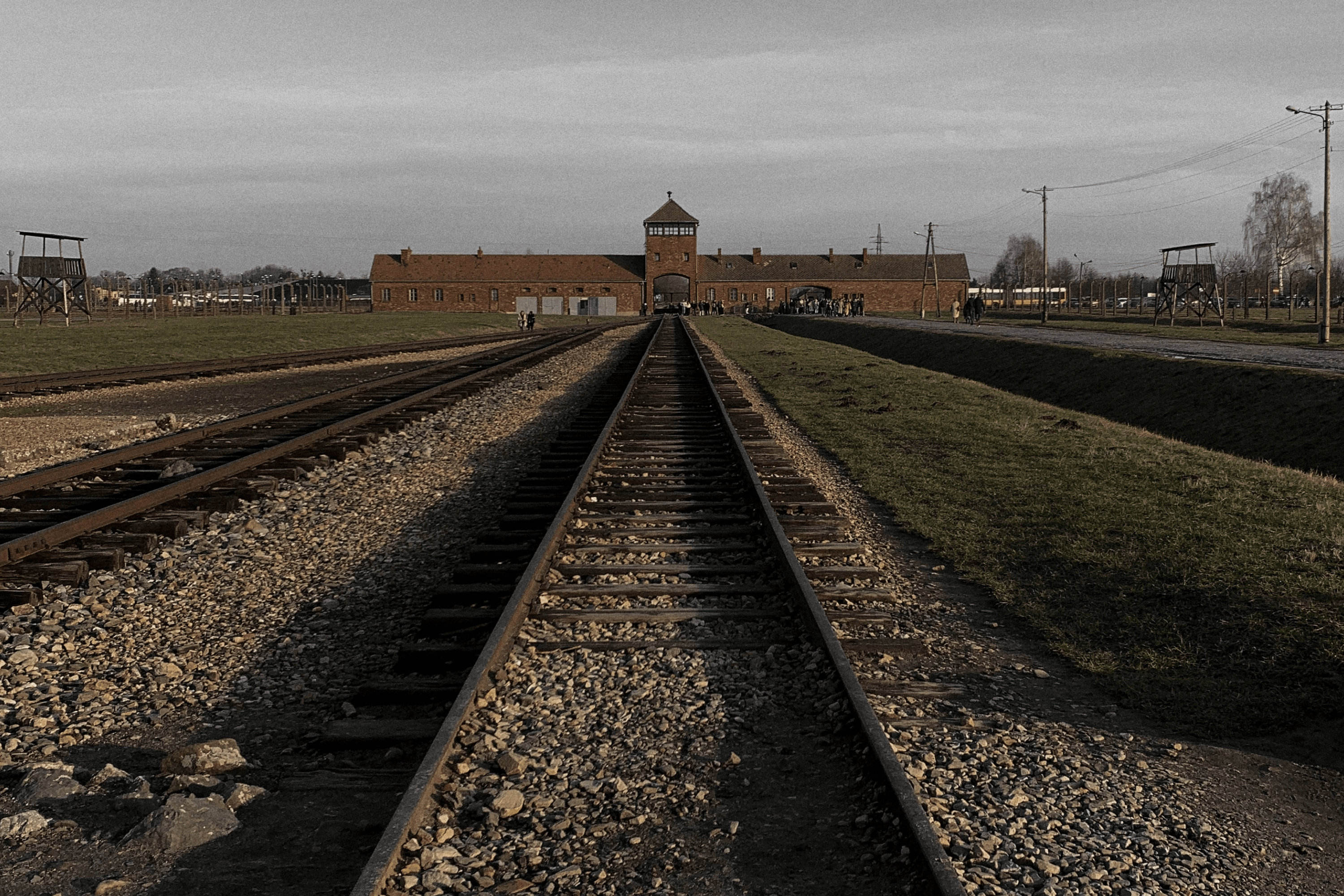
The Auschwitz-Birkenau Memorial and Museum. Photo: Anhelina Kotkova / YB 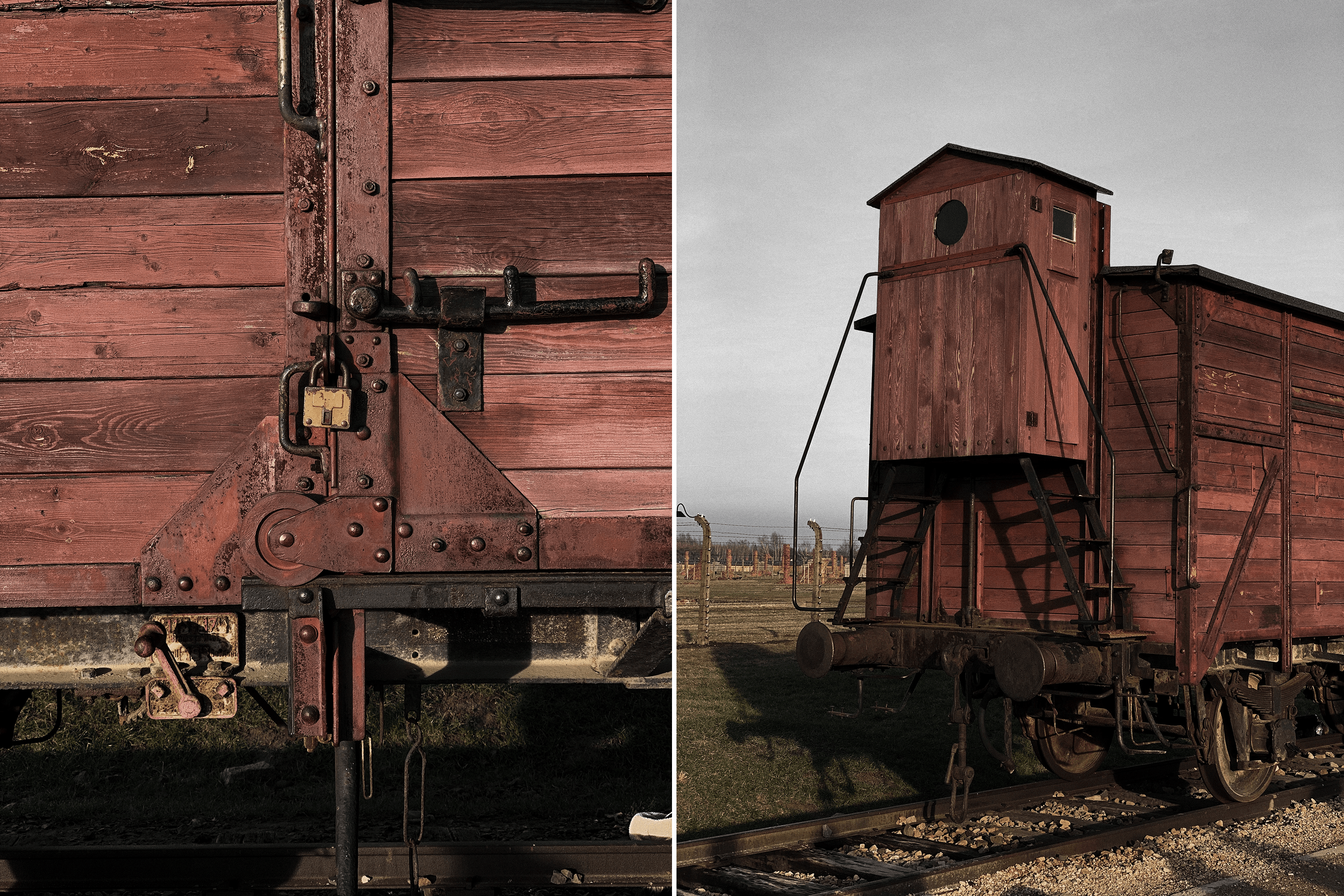
Photo: Anhelina Kotkova / YB 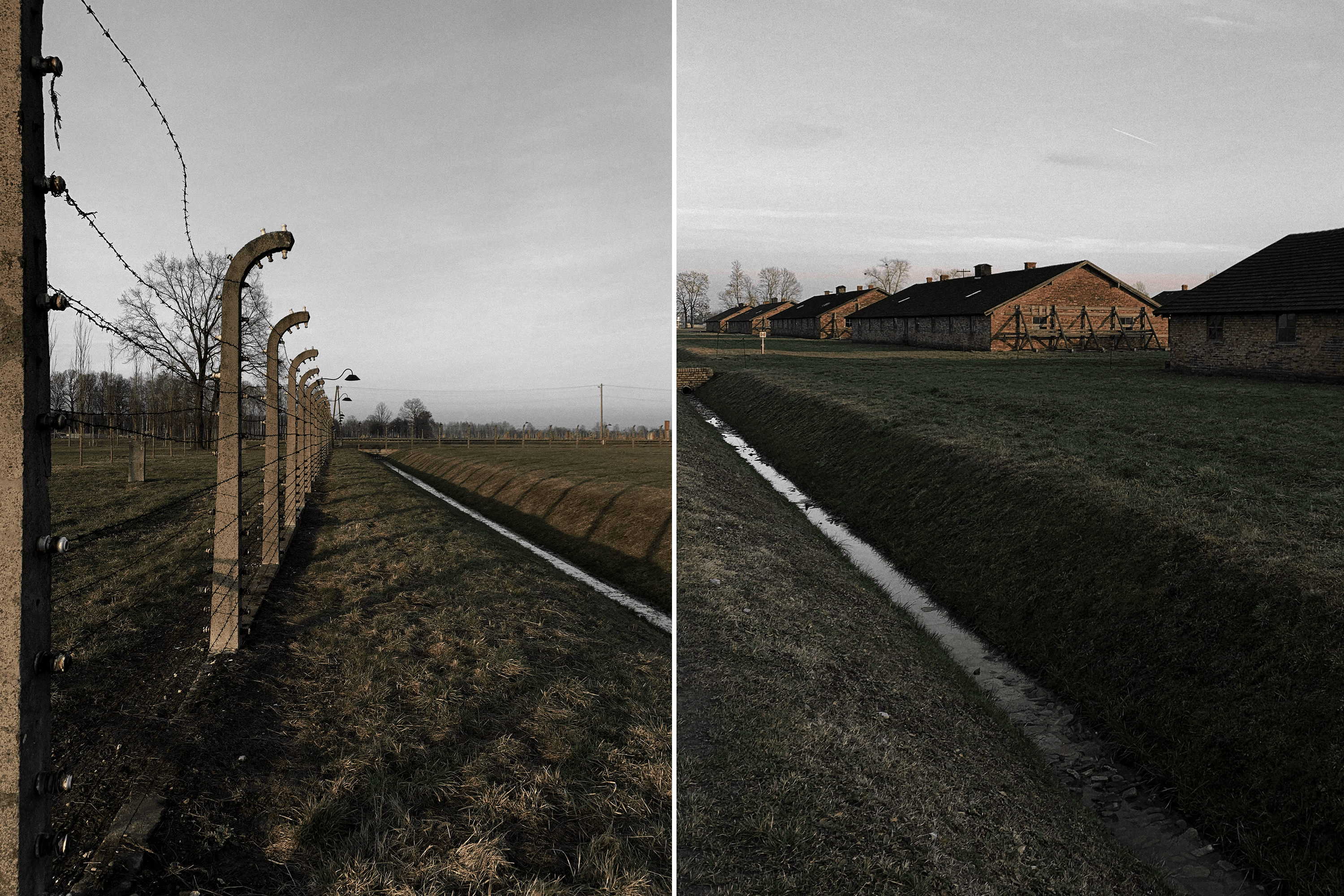
Photo: Anhelina Kotkova / YB 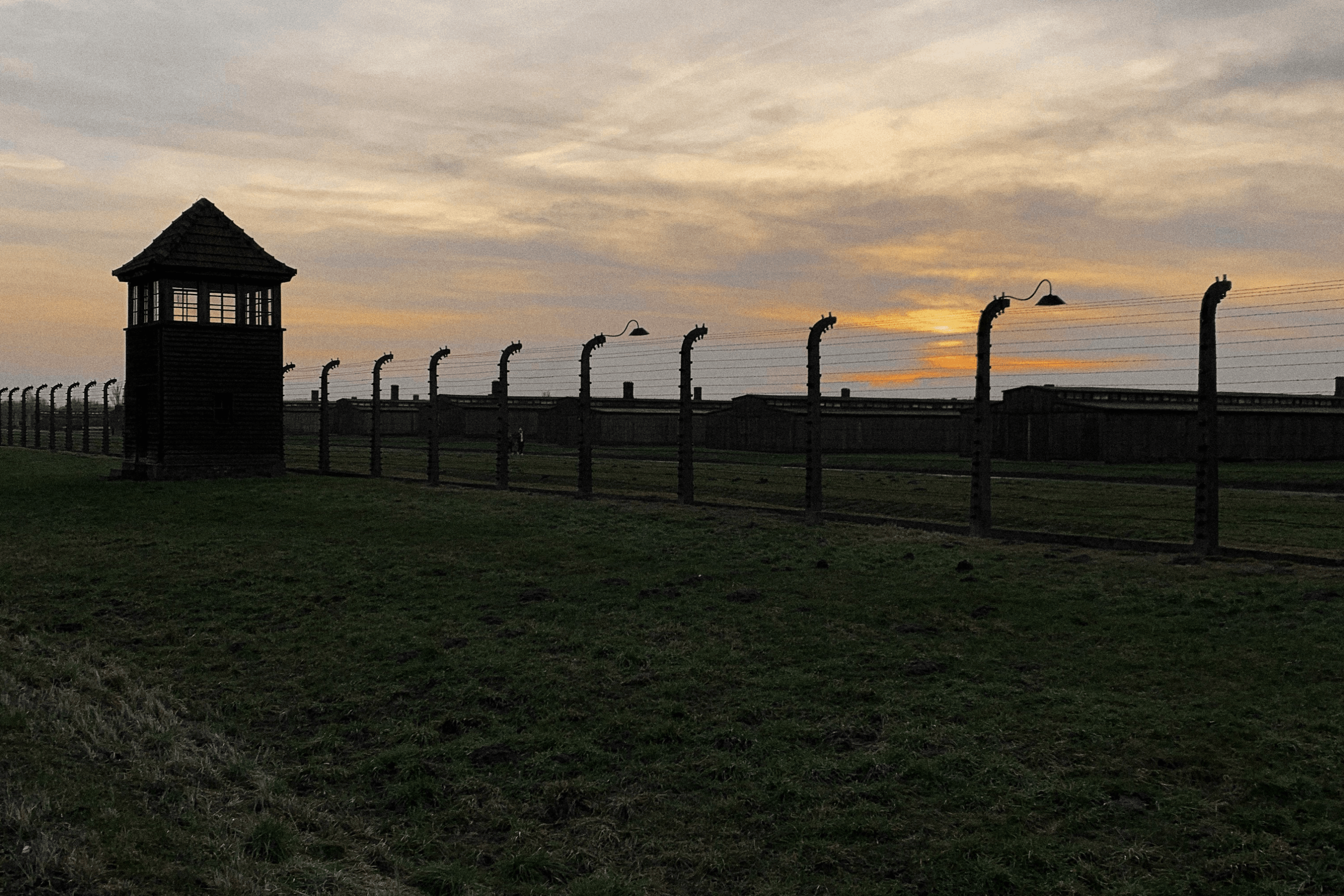
Photo: Anhelina Kotkova / YB 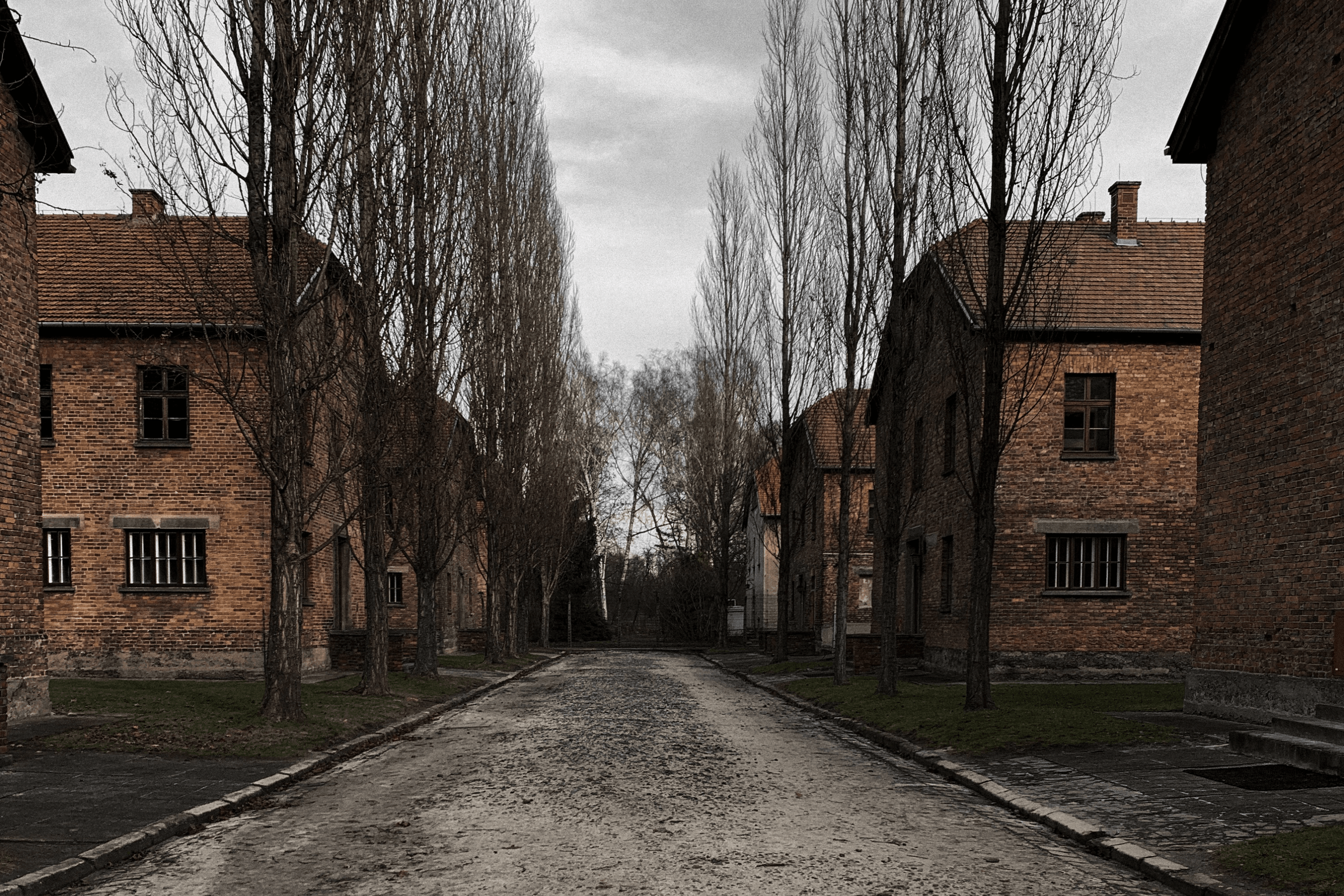
Photo: Anhelina Kotkova / YB 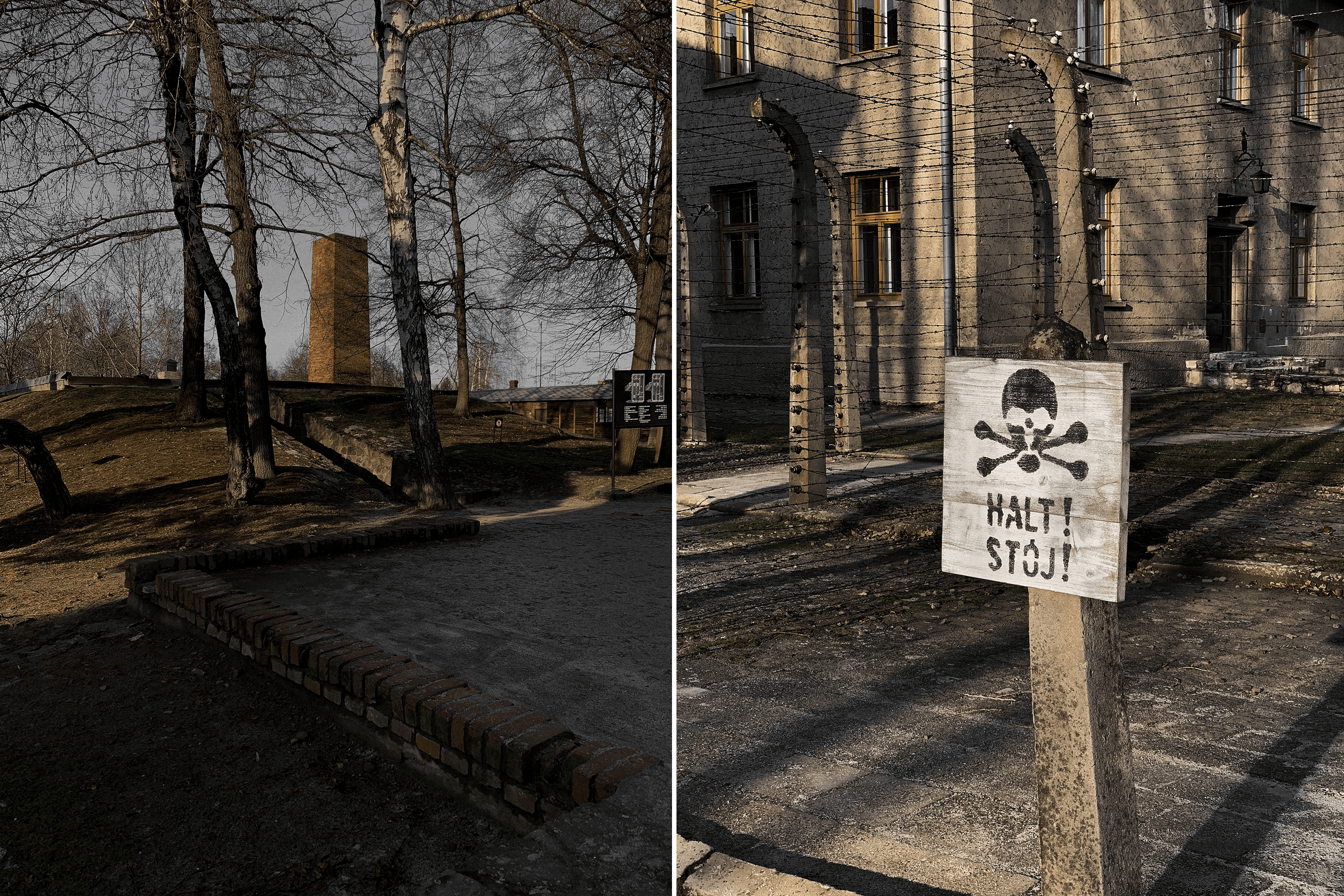
Photo: Anhelina Kotkova / YB
If there is one thing I find difficult, it is the inability to openly share my ongoing conservation work with the public. Although some of the world’s finest conservators operate here, their breakthroughs remain largely invisible due to strict internal regulations. Access to the archives is tightly restricted, and we are prohibited from featuring these projects in our personal portfolios.
On conservation at the Auschwitz-Birkenau Museum
Here, objects are not restored in the traditional sense. Our mission is to preserve them in a state as close as possible to how they reached us. For example, a tear in a fabric is never fully repaired; it is stabilized to prevent further fraying. We might apply a backing fabric or secure weakened fibers, but the physical traces of destruction remain visible. The same applies to cleaning, which usually means nothing more than the delicate removal of dust. Everything else is treated as an essential historical layer.
My work here spans textiles, metal, and footwear. One of the initiatives I am involved in is the "Stop Kanada" project. The title carries a deliberate double meaning: in Polish, “stop” means both a command to halt and a metal “alloy” formed through melting and destruction, while “Kanada” refers to the Birkenau warehouse zones where prisoners' confiscated belongings were stored. This project deals with thousands of everyday items—spoons, forks, and glasses—often heavily corroded and fused together into massive, distorted lumps.
My task is to sort them by type and shape, then clean them using a micro-sandblasting machine. After that, I stabilize the metal: degreasing it with alcohol and applying a specialized protective varnish developed right in our museum laboratory. Once each object receives an individual inventory number and its own documentation, it ceases to be part of a nameless mass and becomes a distinct museum artifact.
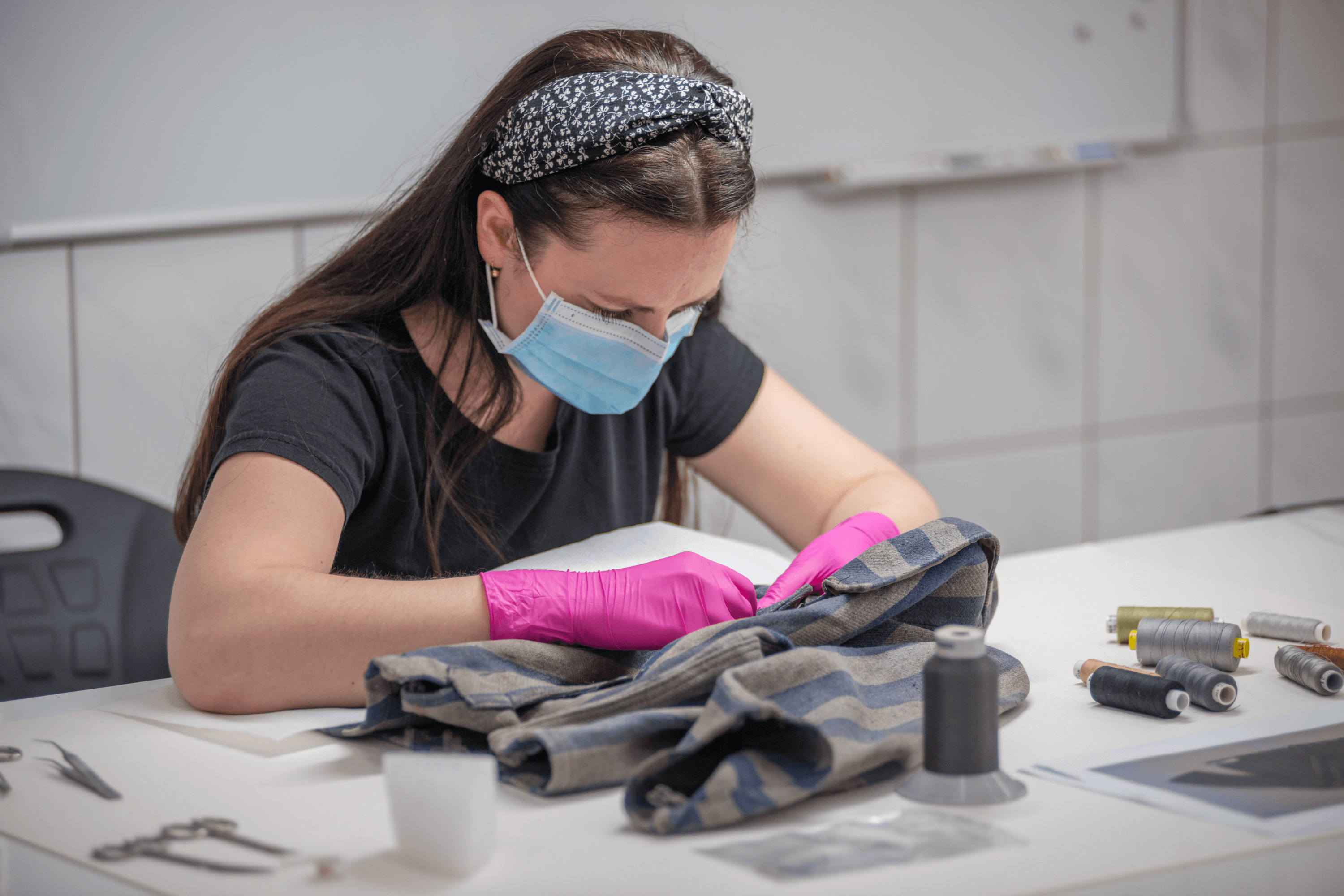
Photo: Photos provided by Dariia Martyniuk / YB 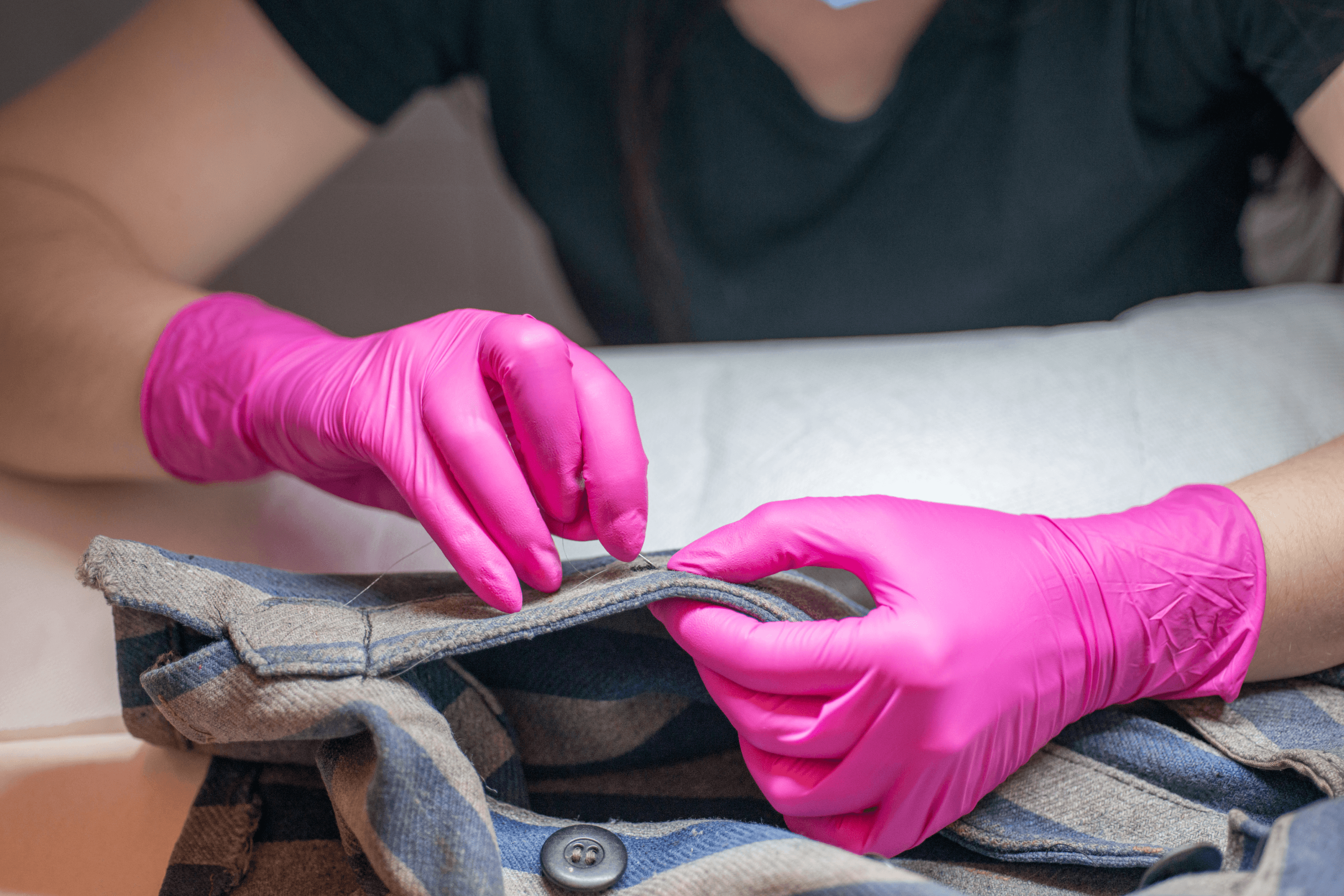
Photo: Photos provided by Dariia Martyniuk / YB 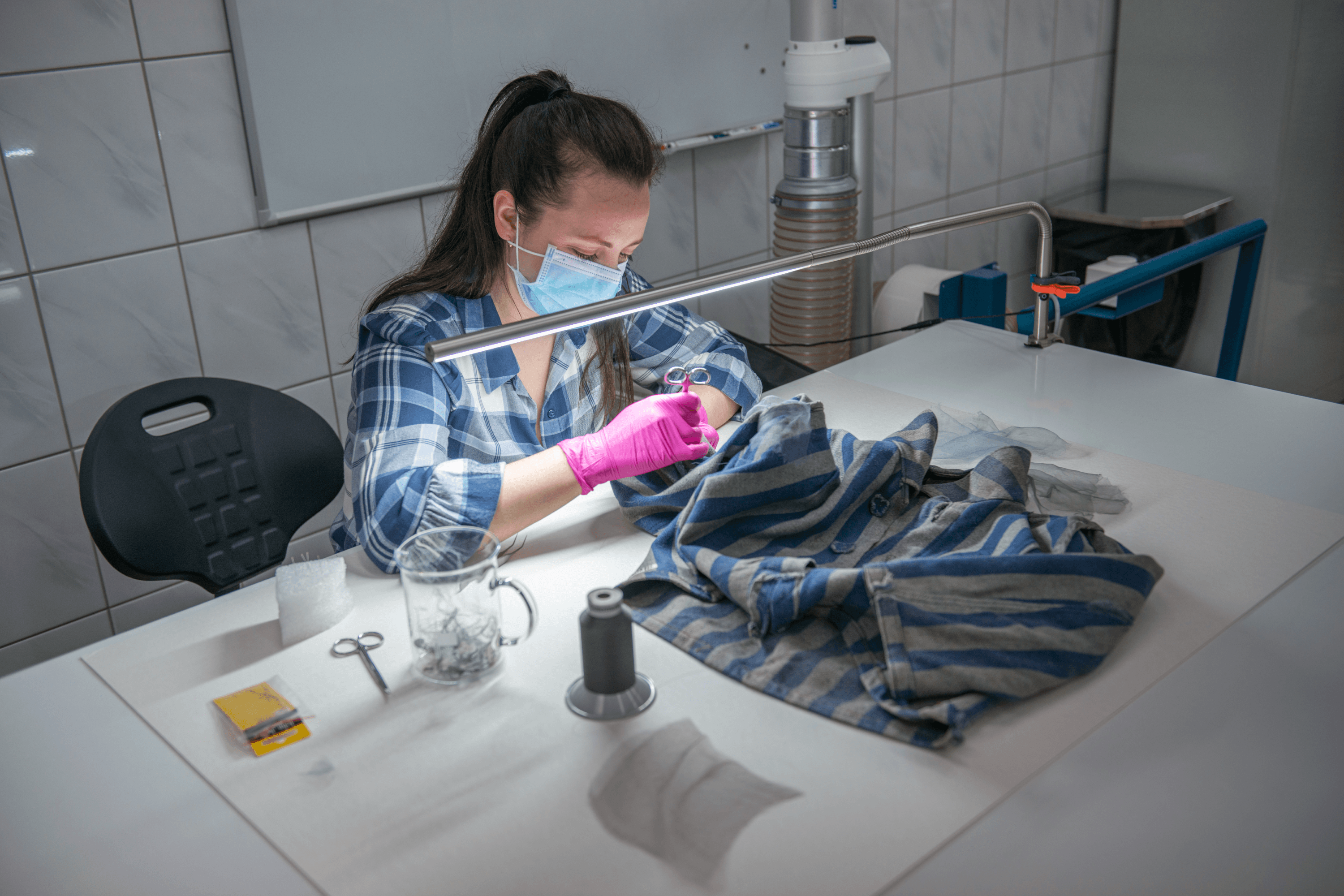
Photo: Photos provided by Dariia Martyniuk / YB
On the most difficult objects
Emotionally, the most devastating project I’ve done was a recent one: a dress that belonged to a nine-year-old girl imprisoned in the camp. I studied every available record about it. Dating back to around 1943, the dress was made at a time when the camp ran out of the standard striped uniform fabric. Children’s clothes were often pieced together from whatever materials were at hand—sometimes rugs or blankets. Despite this, the dress was professionally tailored, a heartbreaking testament to the skill of the people who were in the camp.
The garment was agonizingly small, meant for an emaciated child who likely looked much younger than her nine years. That contrast is what haunts you. After the camp was liberated, many of these items lost their original context: they were washed, taken as keepsakes, or used as ordinary clothing in everyday life. When I began to picture the life of the child who wore it, the professional distance I usually maintain collapsed. This was no longer just an artifact; it was someone’s last remaining trace on Earth.
Technically, my biggest challenges are three-dimensional objects, especially footwear. I recently conserved 40 children’s shoes. It’s grueling work because you are dealing with a 3D structure and internal cavities. You have to stabilize the shape and secure fragile fragments within a severely restricted space.
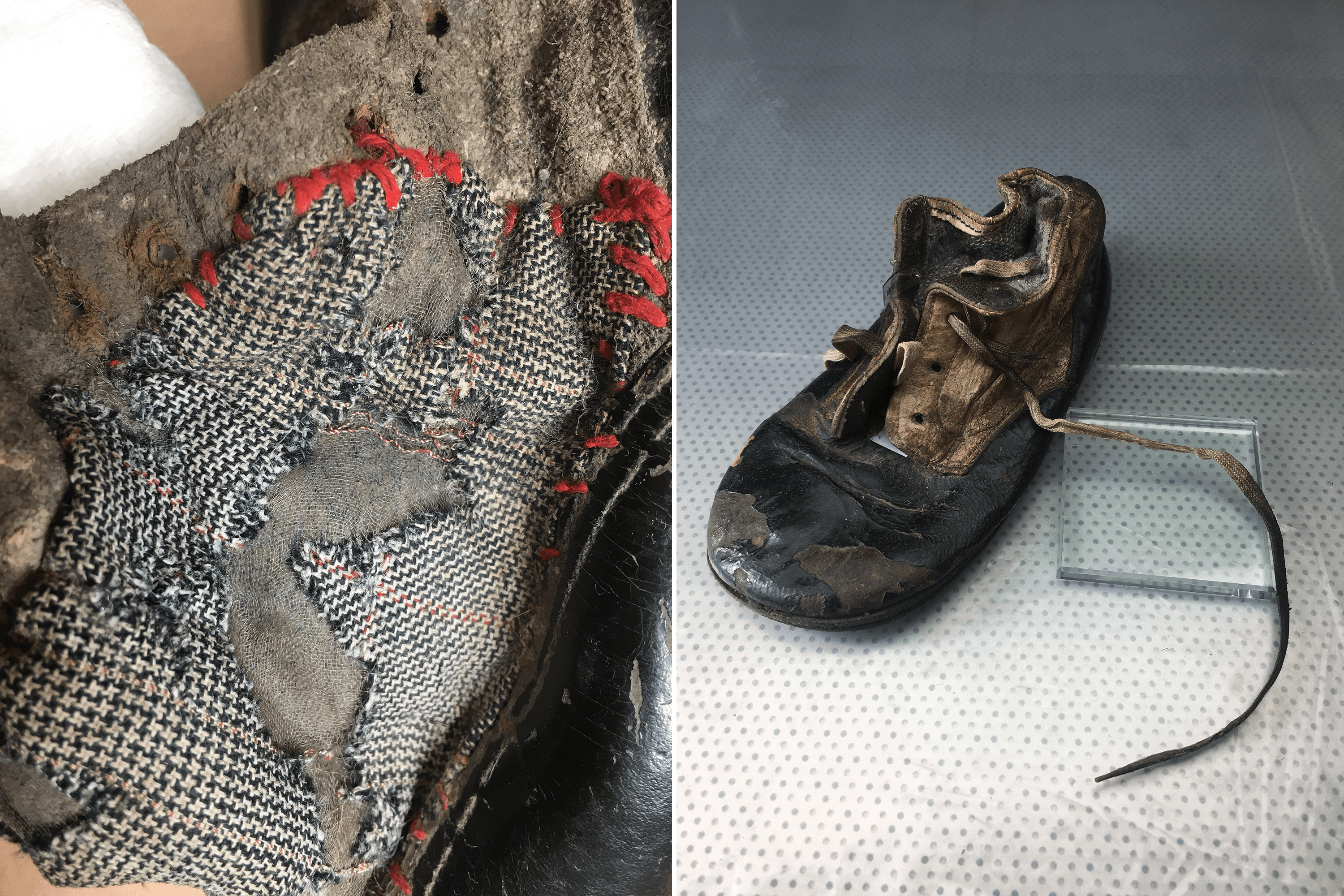
Photo: Photos provided by Dariia Martyniuk / YB 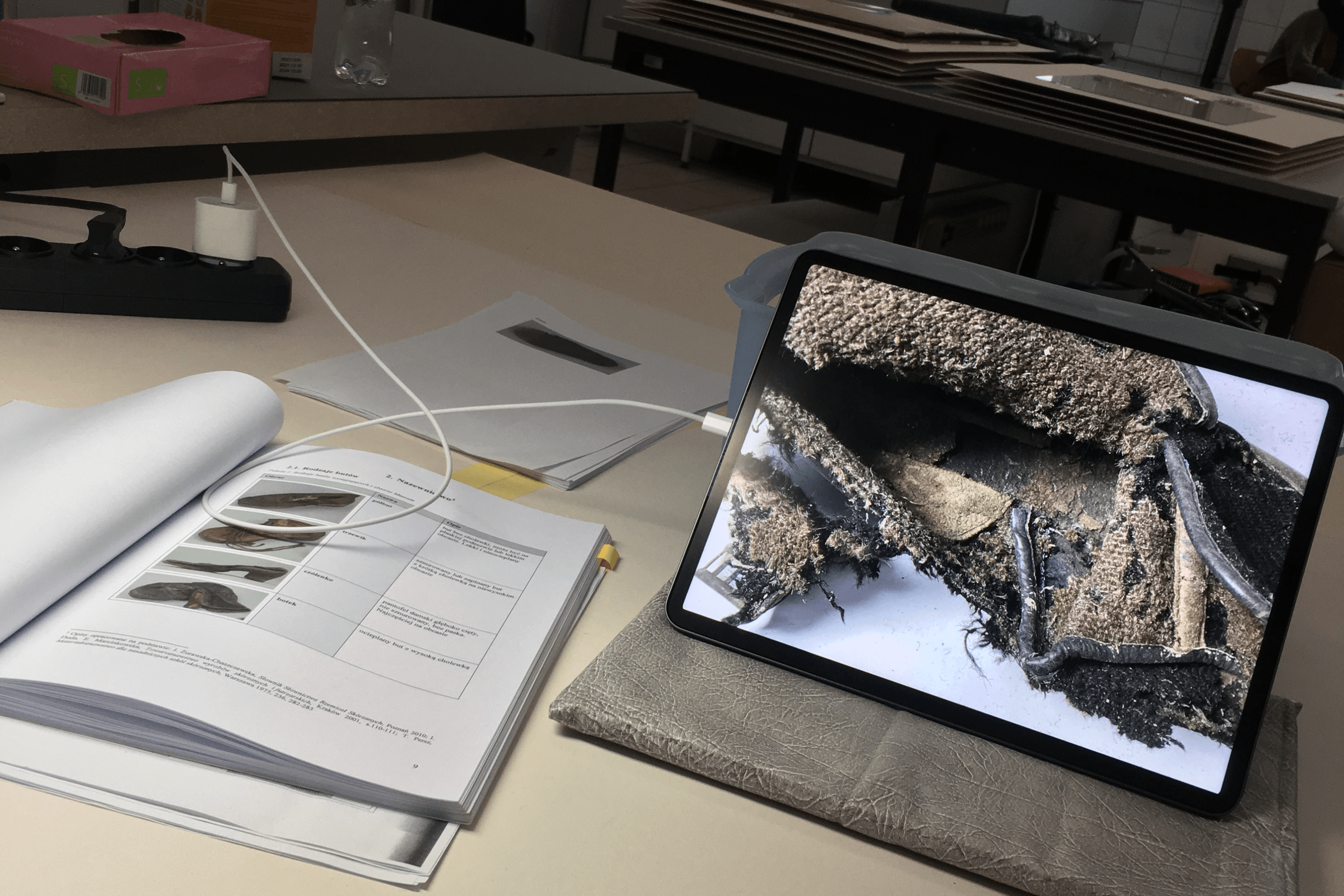
Photo: Photos provided by Dariia Martyniuk / YB
On international exchange
First and foremost, Ukrainian museums could adopt the systemic approach to international cooperation modeled by Auschwitz-Birkenau. The museum maintains a permanent institutional framework designed to engage external specialists. This includes international fellowships for students and emerging researchers, volunteer programs, and the active involvement of foreign conservators and historians in collection management and collection-based research. Crucially, these are not ad-hoc initiatives; they are woven into the museum’s daily operations. Interns and fellows actively participate in archiving, conservation, and the scientific cataloging of objects, all under the direct supervision of senior specialists.
Ukrainian museums could first and foremost borrow Auschwitz-Birkenau’s systemic approach to international cooperation. The museum operates a permanent infrastructure to engage external specialists: international internships for students and young researchers, volunteer programs, the participation of conservators and historians from various countries in working with the collections, as well as research projects based on what the museum has. Importantly, these are not one-off initiatives, but a part of daily museum work: interns take part in archiving and conservation processes, as well as the scientific description of objects under the supervision of specialists.
On the cooperation between the Auschwitz-Birkenau Museum and Russia
Following the liberation of the camp in 1945, the site fell under the control of the Soviet army. A significant portion of the remaining property was plundered and shipped to the USSR to be used as spoils of war. Consequently, a definitive inventory of these displaced artifacts simply doesn’t exist.
Since the 1990s, the Auschwitz-Birkenau Museum has launched numerous collaborative exhibitions and research projects with international institutions, including those in Russia, while also participating in temporary loans to major museums worldwide. However, following Russia’s full-scale invasion of Ukraine in 2022, many global cultural entities—Auschwitz-Birkenau among them—severed all ties with Moscow. Today, the question of whether all loaned artifacts were successfully repatriated to the museum remains open.
On the future museum of Russian crimes
I am convinced that in the post-war era, Ukraine must establish a dedicated museum of Russian war crimes. Crucially, this institution must be built on rigorous methodology rather than serving as a purely commemorative memorial.
The scale of these crimes must be documented on three distinct levels. The first is the human toll: deportations, captivity, and eyewitness testimonies, supported by digitized archives of photographic and video evidence. The second is material devastation: the systematic destruction of infrastructure. The third is the erasure of cultural heritage: ruined or damaged museums, theaters, libraries, and architectural monuments, alongside plundered or displaced cultural property.
Such a museum must function not only as a space of memory but as an active repository of evidence for education, scholarly research, and international justice.
In building this institution, Ukraine should look to established models for documenting mass atrocities, particularly the Auschwitz-Birkenau Museum, where the core principle is absolute authenticity and the preservation of evidence. Atrocity sites must not be reconstructed or aestheticized; they must be preserved as raw, painful historical evidence.
The Auschwitz-Birkenau Memorial and Museum. Photo: Auschwitz Memorial / Muzeum Auschwitz / Facebook / YB 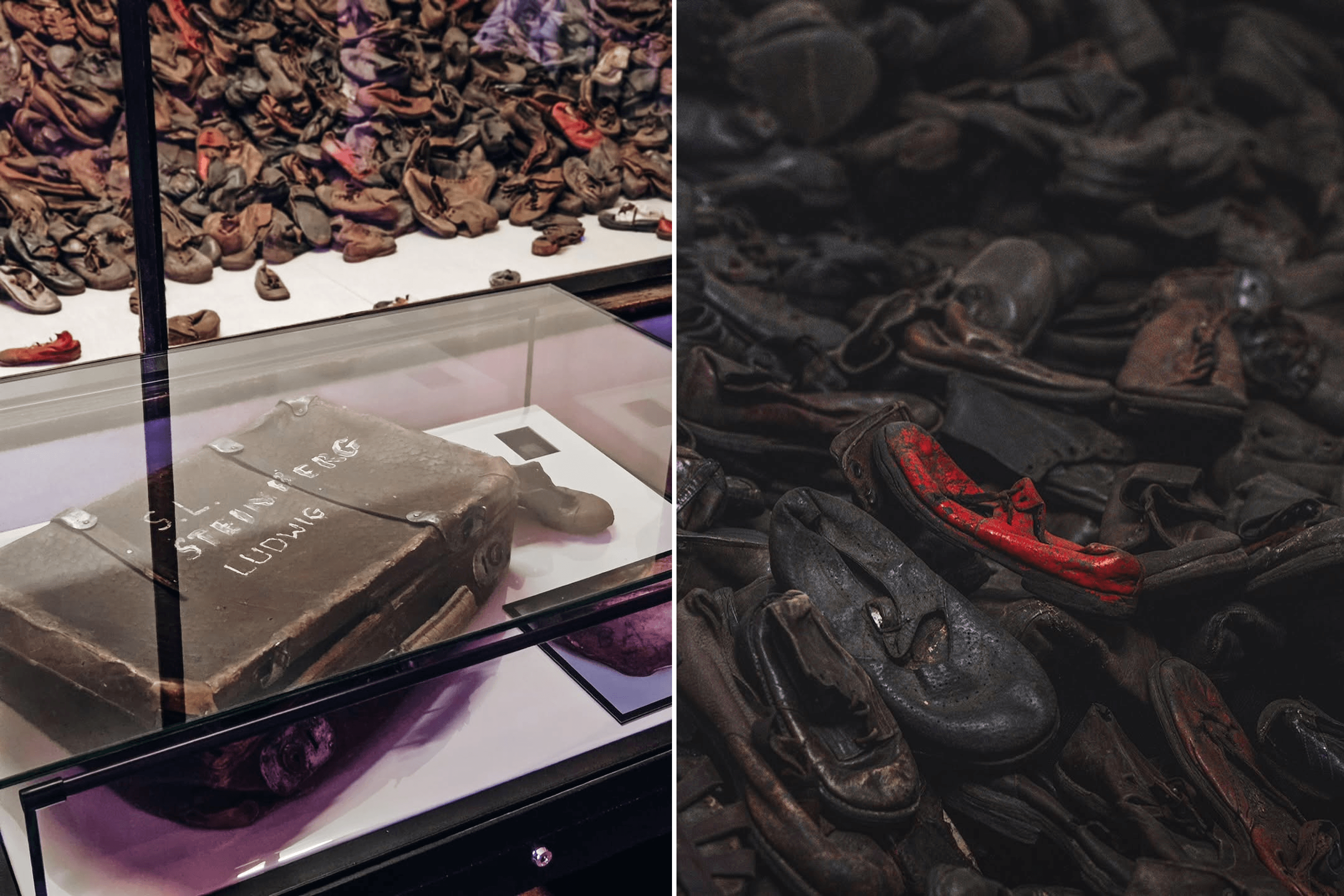
Photo: Auschwitz Memorial / Muzeum Auschwitz / Facebook / YB 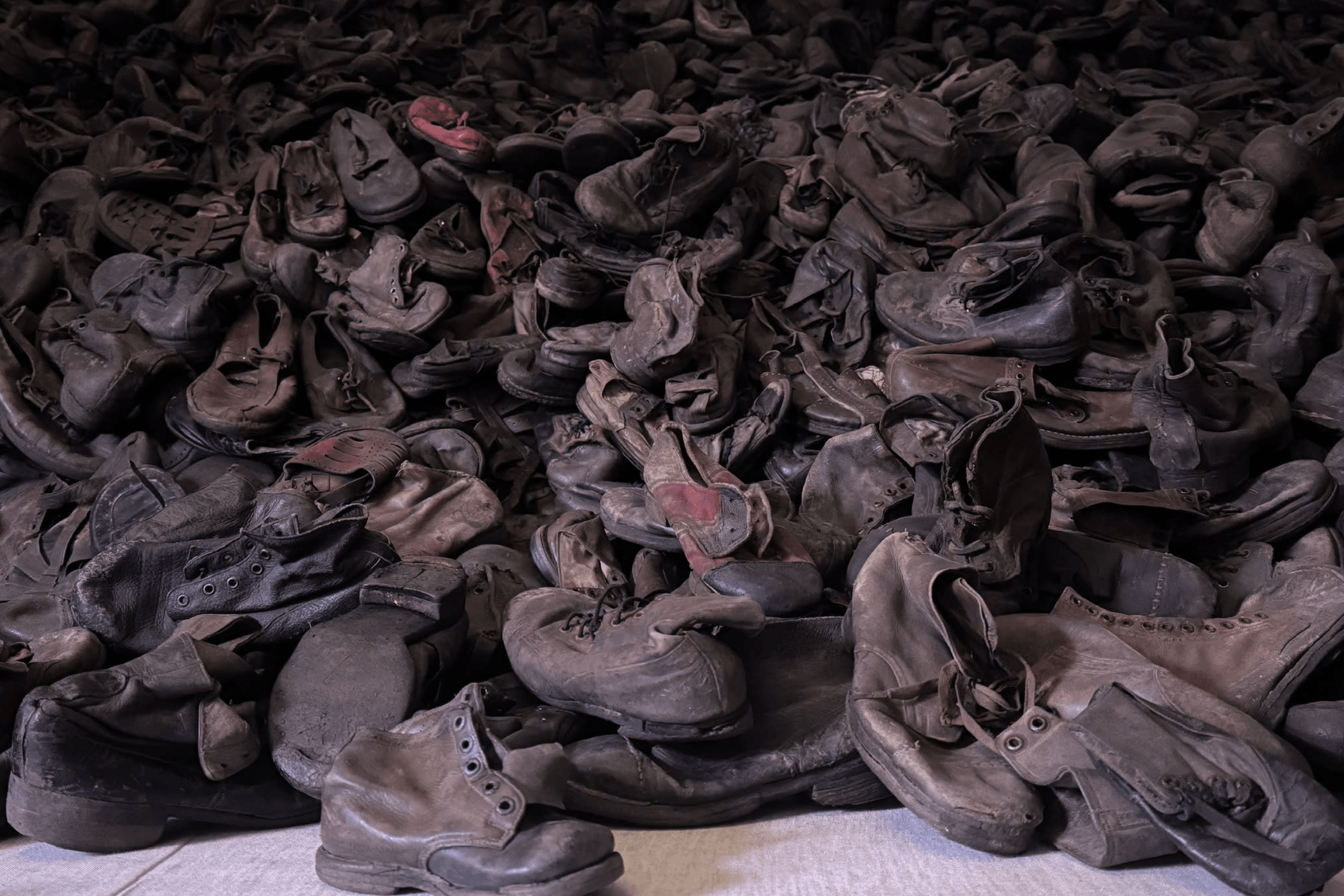
Photo: Auschwitz Memorial / Muzeum Auschwitz / Facebook / YB 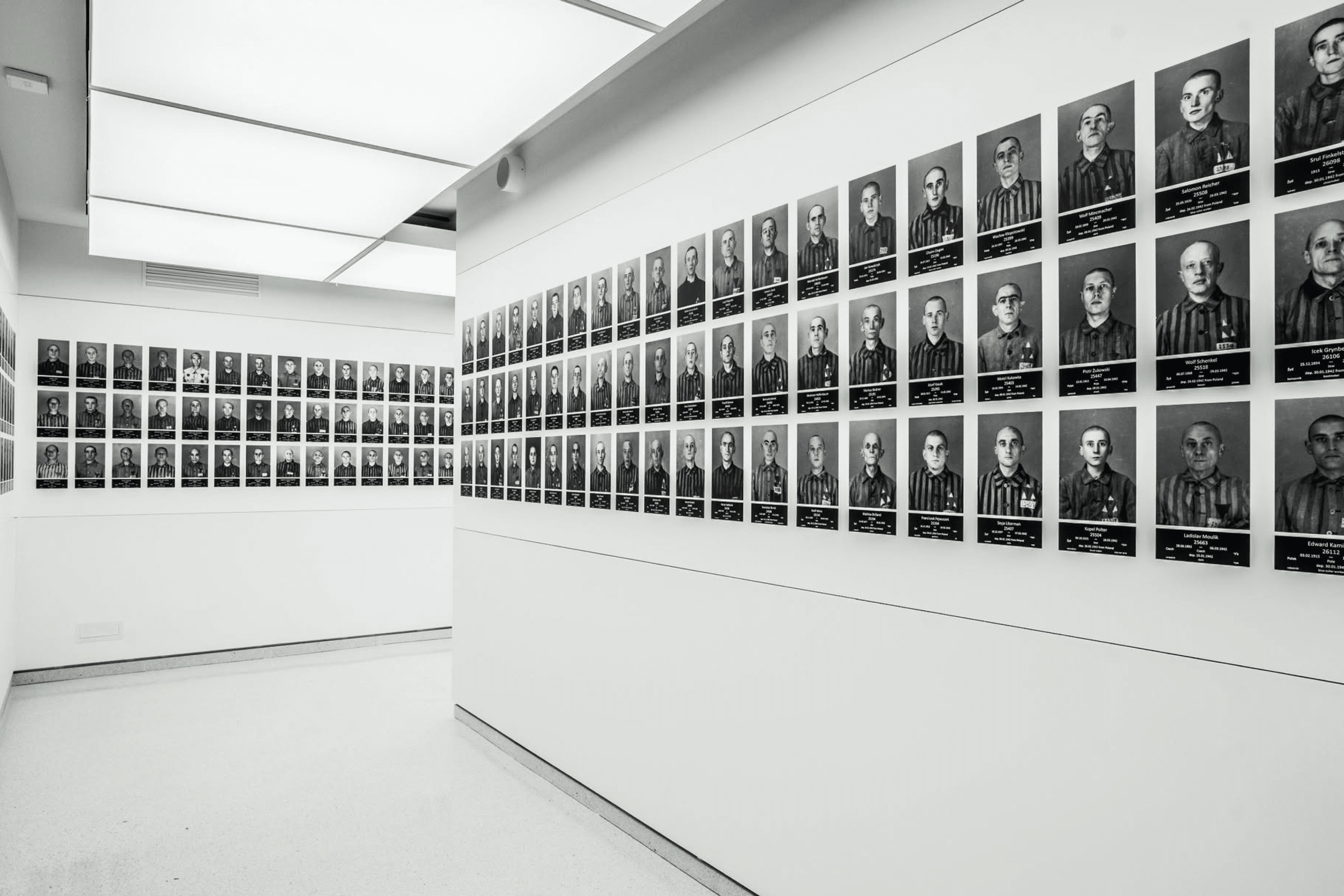
Photo: Auschwitz Memorial / Muzeum Auschwitz / Facebook / YB 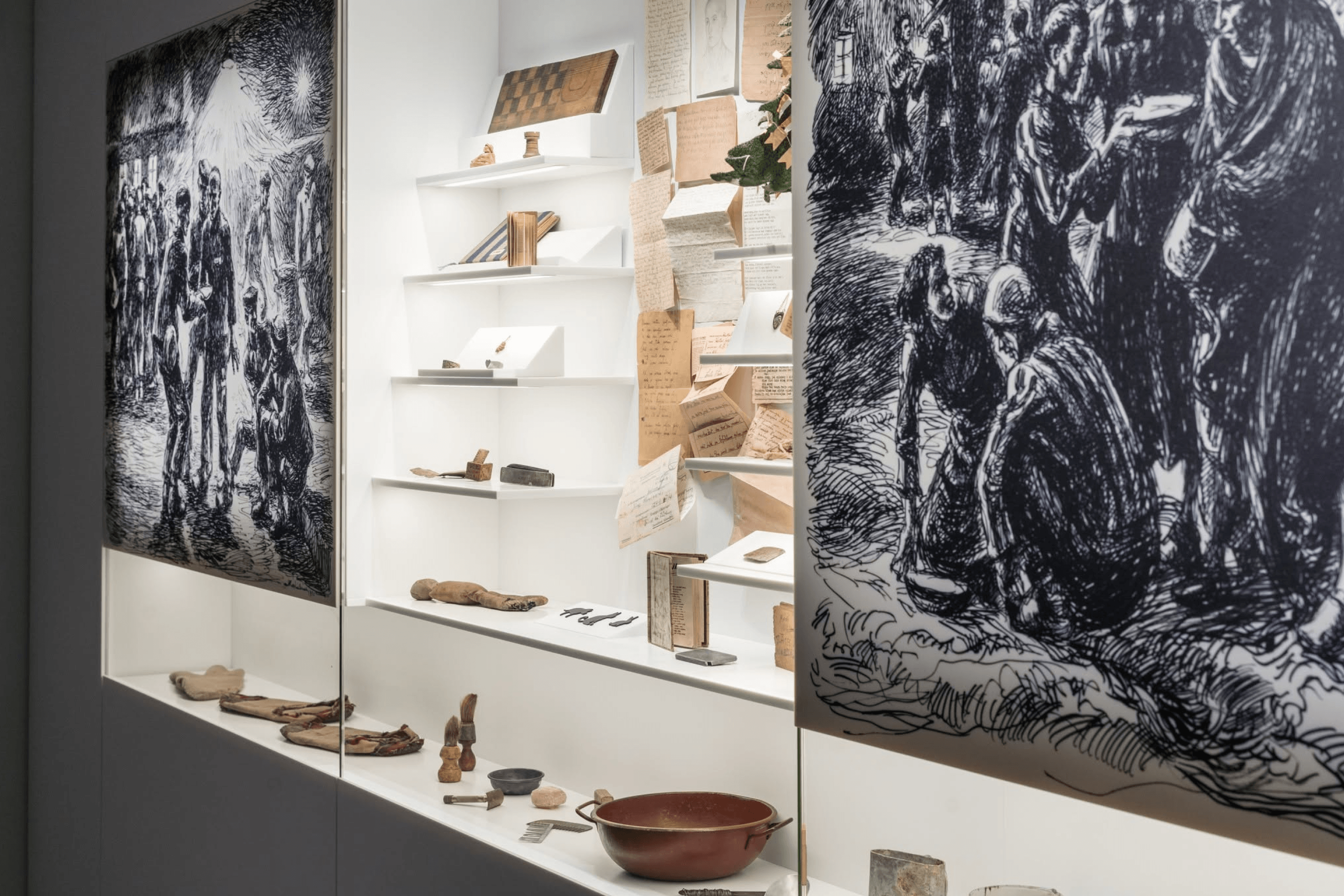
Photo: Auschwitz Memorial / Muzeum Auschwitz / Facebook / YB 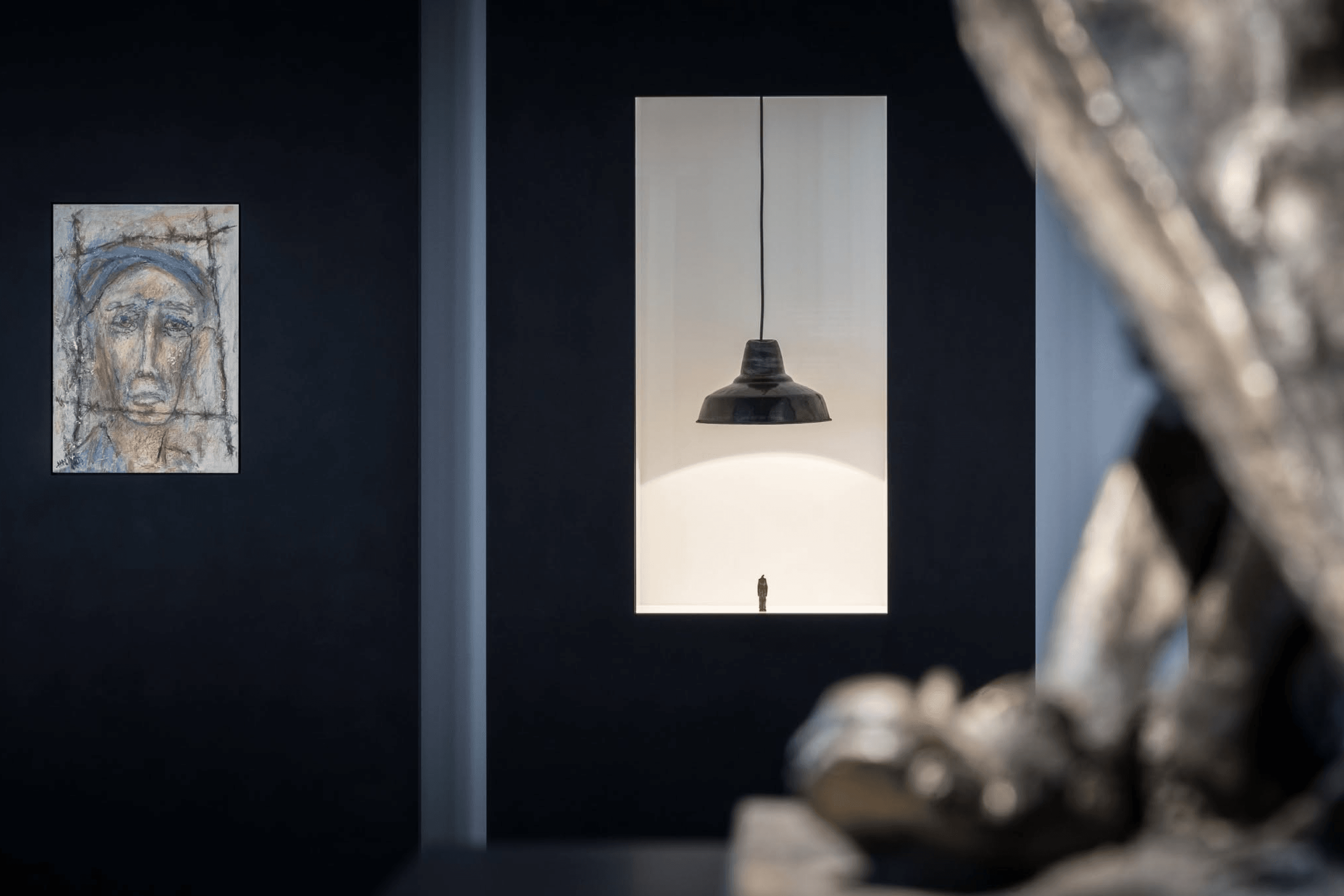
Photo: Auschwitz Memorial / Muzeum Auschwitz / Facebook / YB 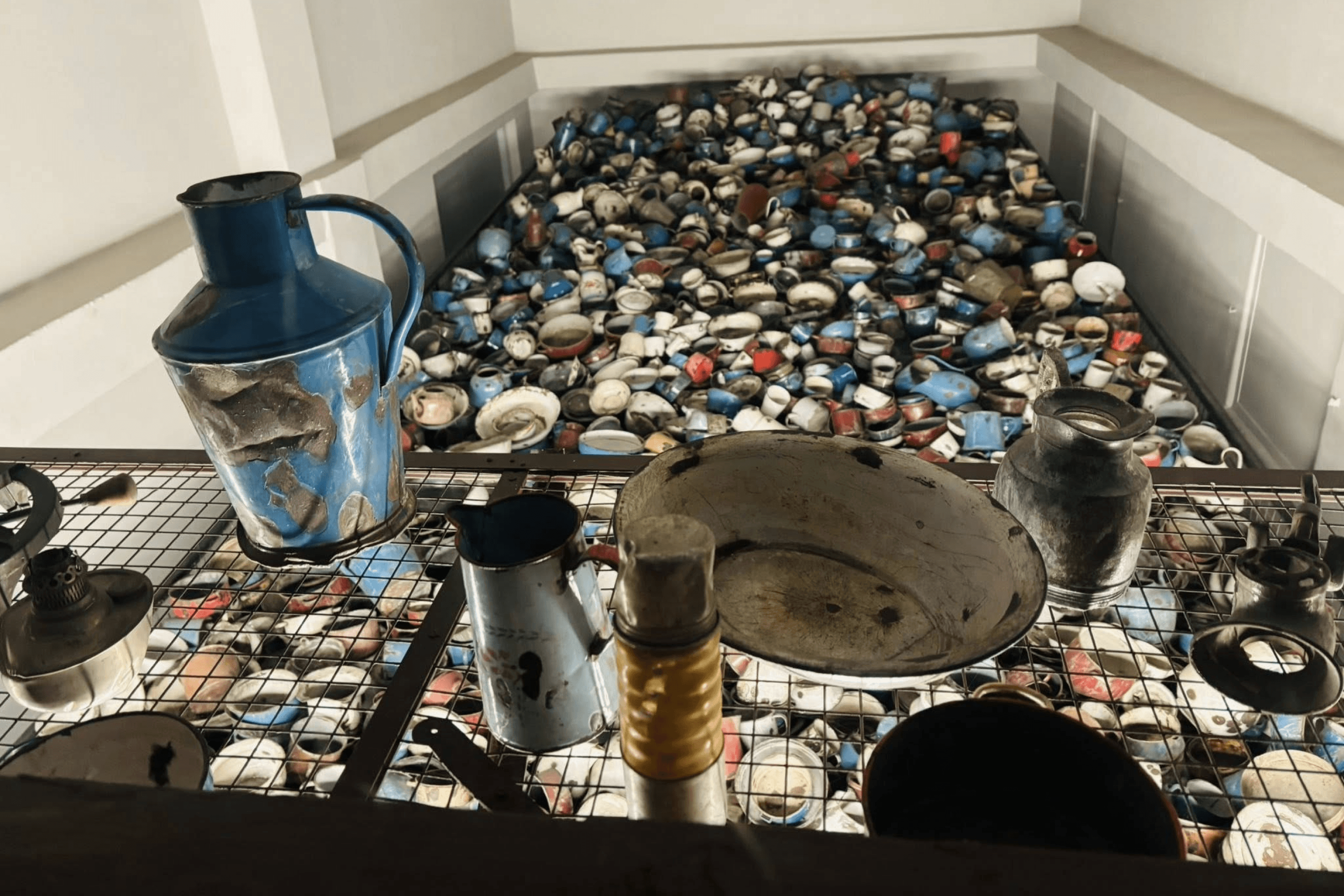
Photo: Auschwitz Memorial / Muzeum Auschwitz / Facebook / YB 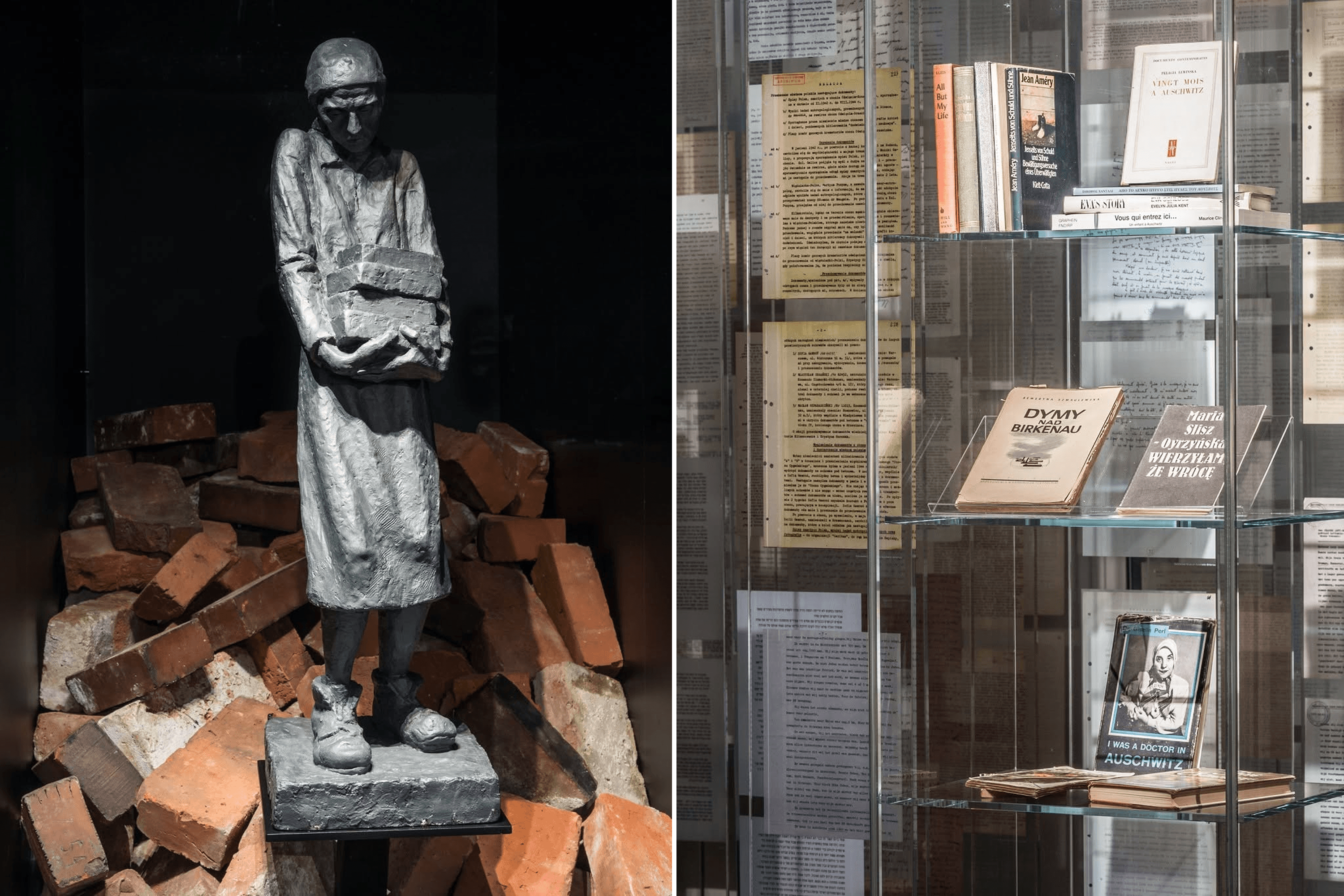
Photo: Auschwitz Memorial / Muzeum Auschwitz / Facebook / YB
On conservation in Ukraine after the war
I think that after the war, the approach to conservation in Ukraine must change radically toward the European model. In European practice, any intervention must be reversible and safe for the original. The Soviet model used materials and methods that didn’t allow for subsequent adjustments and can damage the object over time.
The problem also lies in the lag of the institutional framework. In European conservation, multidisciplinary teams have long been at work, using laboratory research, digital documentation, and climate monitoring. This is lacking in Ukraine due to outdated equipment and limited access to international education.
After the war, this will become a critical issue because the country will have to restore a large number of damaged monuments and museum collections. There is a risk of rapid reconstruction without compliance with conservation standards. Therefore, the development of the field depends on integration into the European professional space, updating methodologies, and changing institutional culture.
About state cultural policy
At the level of state policy, culture in Ukraine is funded on a residual basis: its share in the state budget is usually less than one percent. As a result, culture is perceived as an additional sphere, although in fact it works as a tool for preserving identity and historical memory.
In my view, the key problem is the lack of a unified crisis response system for museums. International practice involves emergency plans. This is a basic standard of museum security in Europe and the United States.
In Ukraine, such protocols didn’t exist everywhere and, until 2022, weren’t a uniform state requirement. Because of this, at the beginning of the full-scale war, the evacuation of collections often took place situationally, without identical standards or centralized logistics. Unfortunately, a conservator in this system doesn’t make management decisions, but only assesses the condition of objects and the risks. Decisions are made by the museum administration and cultural management bodies. For comparison, the Auschwitz Museum has long-term protocols for the preservation and prioritization of collections, including the evacuation of certain objects to the US in case of a threat.