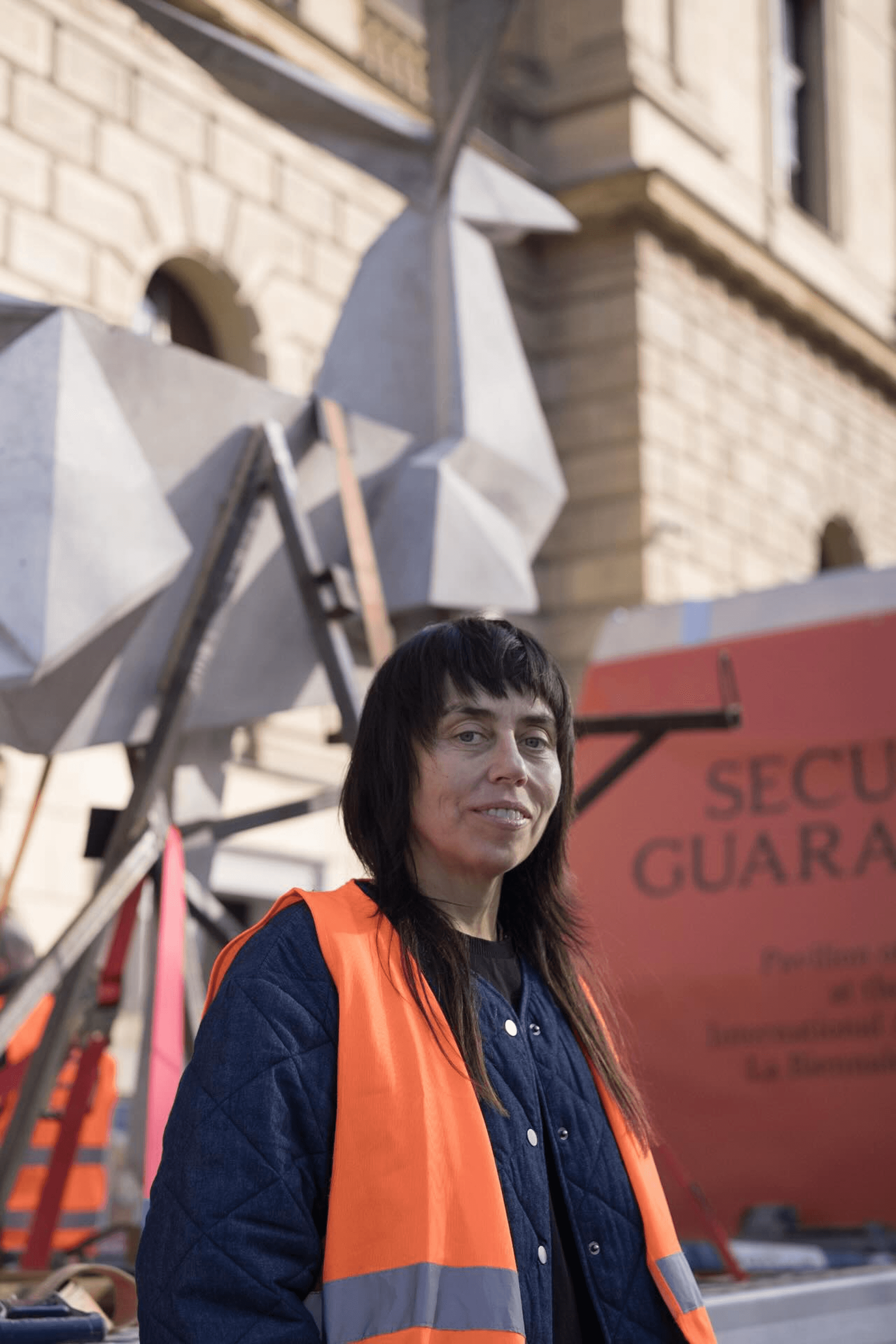
Zhanna Kadyrova is one of the most prominent Ukrainian artists. In her works, she has frequently engaged with urban space, and since 2022, she has been speaking about and conceptualizing the war.
This year, Kadyrova represented Ukraine at the Venice Biennale with her project "Security Guarantees"—the sculpture Zhanna Kadyrova and Leonid Marushchak transport the sculpture Origami Deer. which was evacuated from Pokrovsk in 2024. Yellow Blue has already published a reportage from the Biennale.
Now, journalist Roksana Rublevska talks with Zhanna Kadyrova about the Biennale and art during wartime.
Zhanna, how do you evaluate the work of the Ukrainian pavilion this year, with so many scandals surrounding the Venice Biennale?
We definitely made the “Security Guarantees” project come true: we transported the sculpture from Pokrovsk to Venice, documented its journey across Europe, produced 28 videos, and presented the work at two locations: Giardini and Arsenale. However, this year the Biennale itself ceased to be a professional competition. My colleagues and I don’t consider the “audience choice” format to be a professional tool for evaluating art, so we deliberately chose not to participate in the competition. It was a unanimous decision by the entire team.
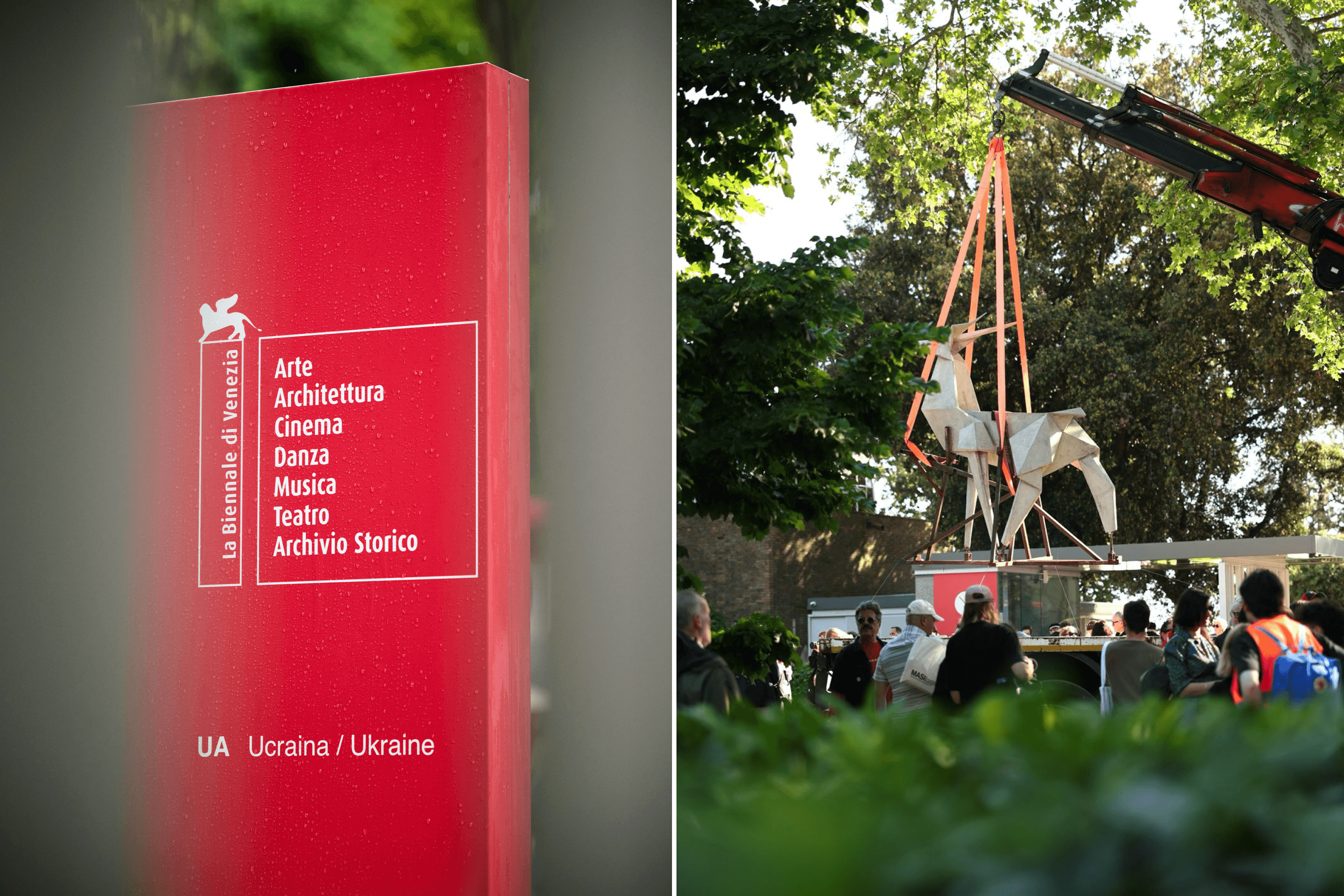
The sculpture Origami Deer at the 2026 Biennale. Photo: Valentyna Rostovikova for Ukrainian Pavilion / YB 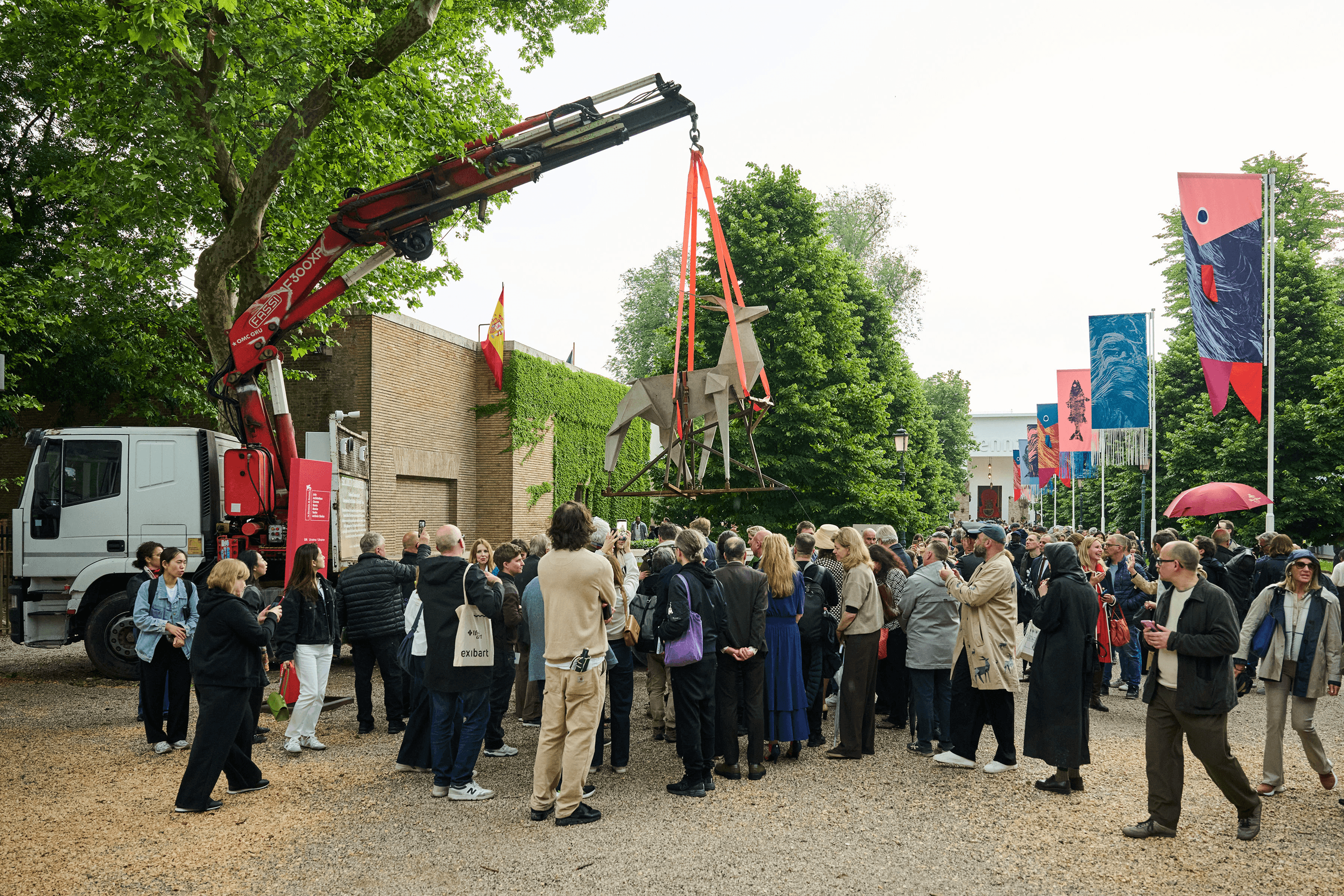
Photo: Valentyna Rostovikova for Ukrainian Pavilion / YB 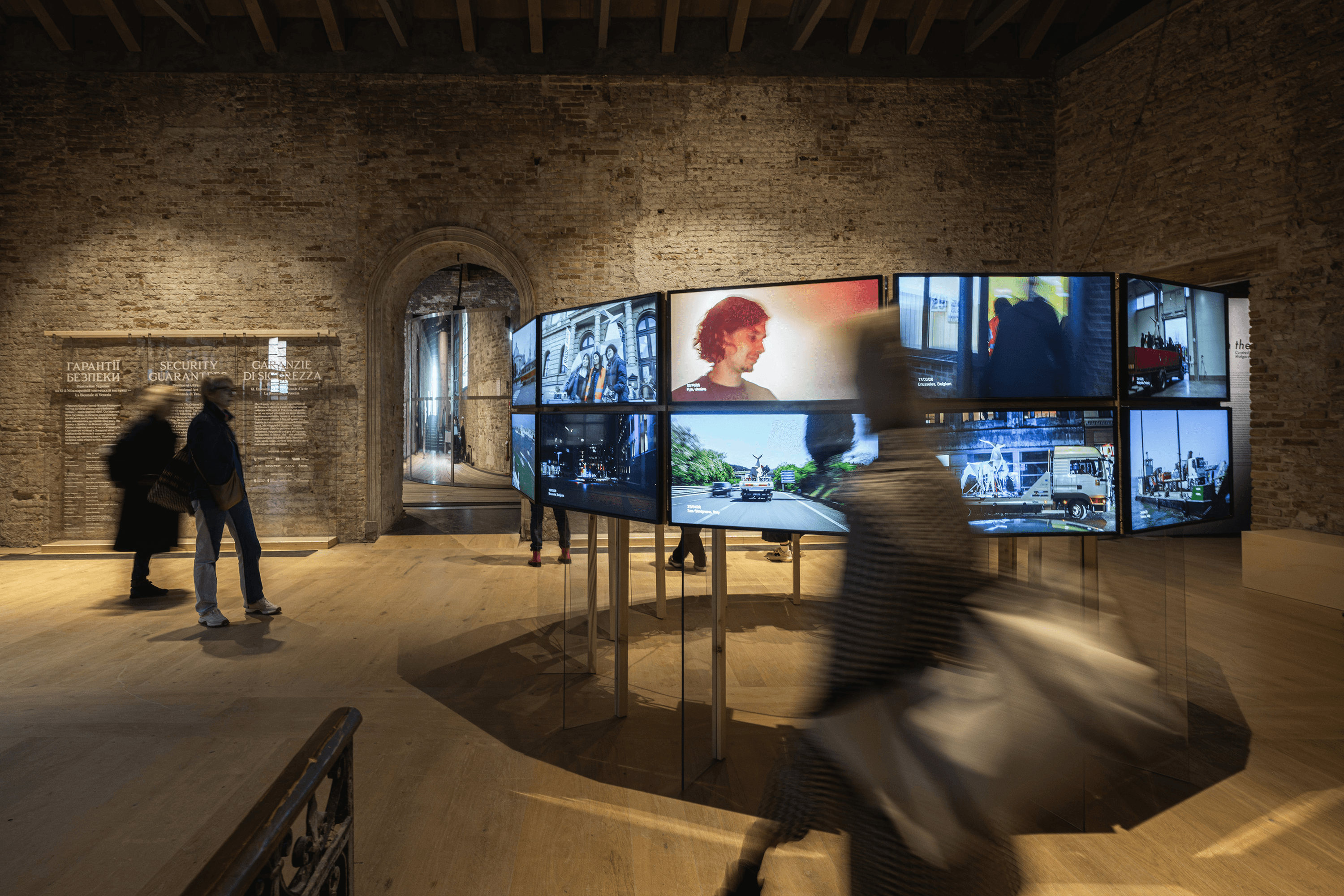
Photo: Valentyna Rostovikova for Ukrainian Pavilion / YB 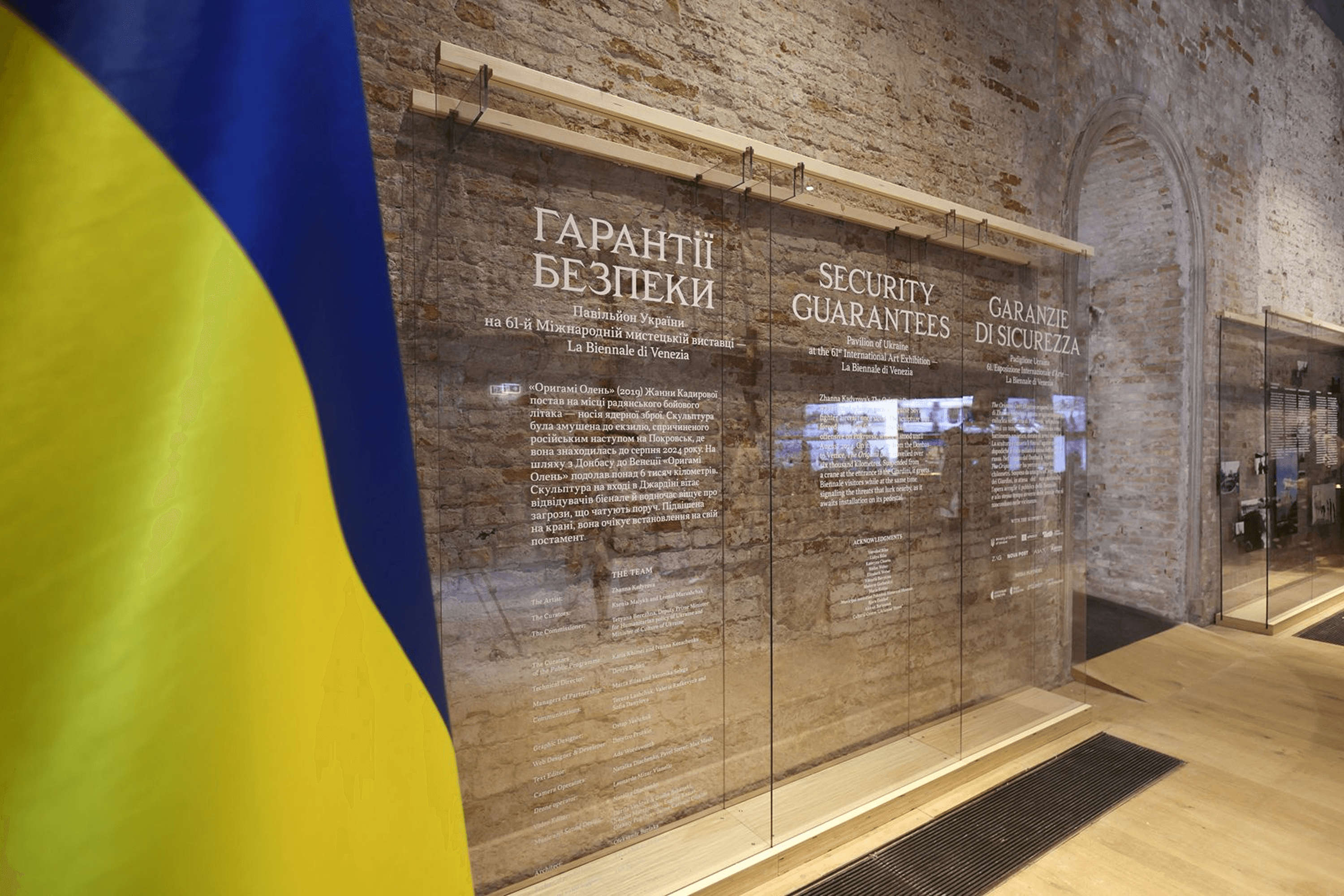
Photo: Anton Tkachenko / Ministry of Culture / YB
You mentioned that you gave many interviews in Venice. What were foreign journalists most interested in?
Russia’s appearance at the Biennale and our attitude toward it. They weren’t asking so much about the reasons for its return as they were interested in our reaction.
And did that annoy you? Because you looked nervous.
It was rather distracting, because it shifted the focus of attention away from the Ukrainian pavilion and our message. Of course, it disgusted me to see Russia among the participants, because its participation is a form of cultural legitimization for a terrorist state. However, we came to speak about our own project.
How did the public perceive the “Origami Deer” sculpture? Was the foreign viewer truly able to read it as a story of war, the loss of one’s home, and living in uncertainty?
Partially, yes—through the image of the suspended object as a metaphor for losing one’s footing and instability. But the full meaning—the history of Pokrovsk, the evacuation, and the experience of displacement—is revealed only through the accompanying materials, because there are so many locations at the Biennale, and the focus of attention gets blurred.
Zhanna, in your view, is there a risk that the European viewer has already learned to perceive the Ukrainian war as an aesthetic image, as a beautiful metaphor for a tragedy rather than the tragedy itself where action is required?
This is precisely why it’s important for me to work not only with the image, but also with the context, the documentation, and the history of the object itself. Today, a significant part of Ukrainian culture effectively exists in an evacuation mode, and “Origami Deer” has become a literal symbol of this.
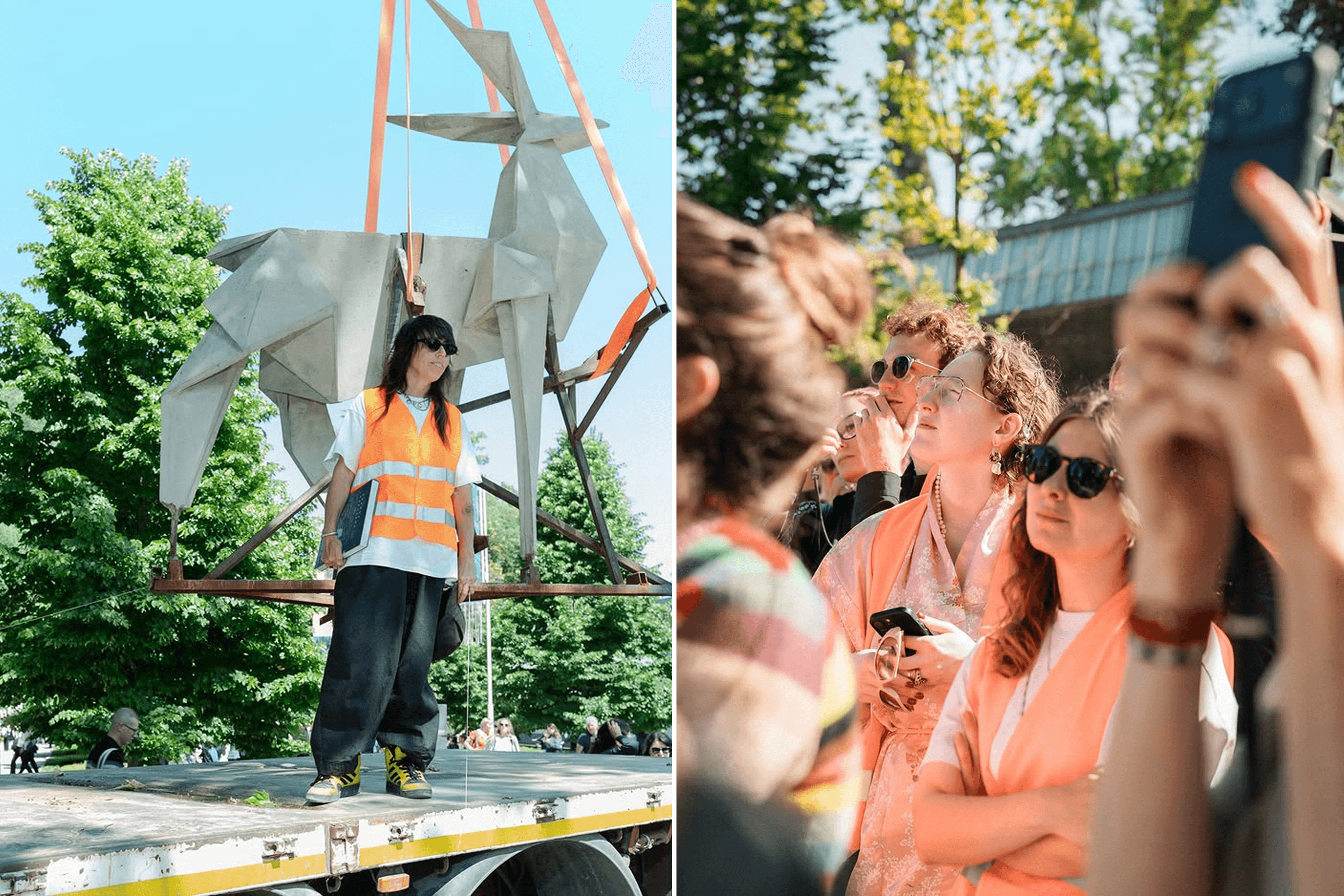
Zhanna Kadyrova at the 2026 Biennale. Photo: jannkad / Instagram / YB 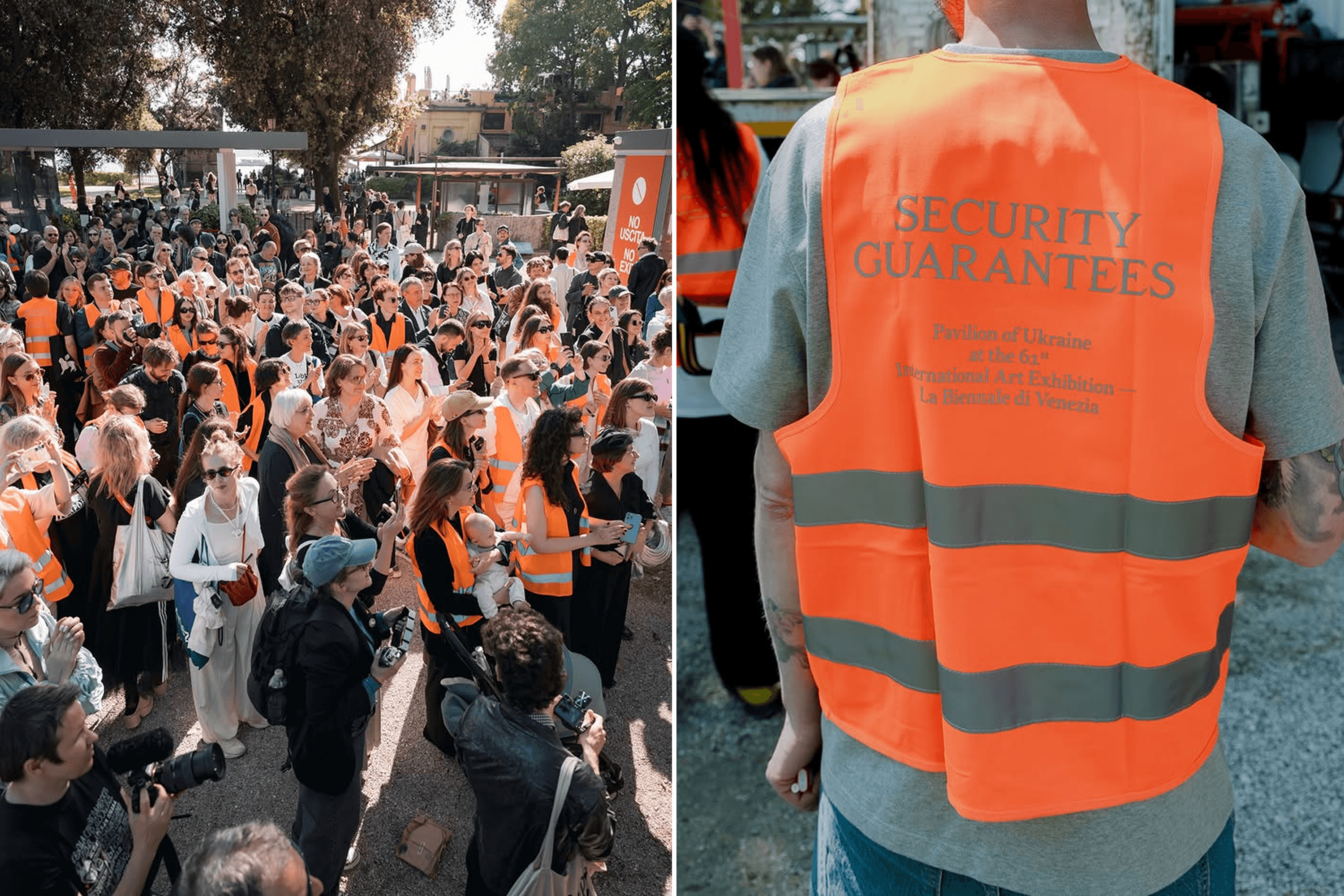
Photo: jannkad / Instagram / YB 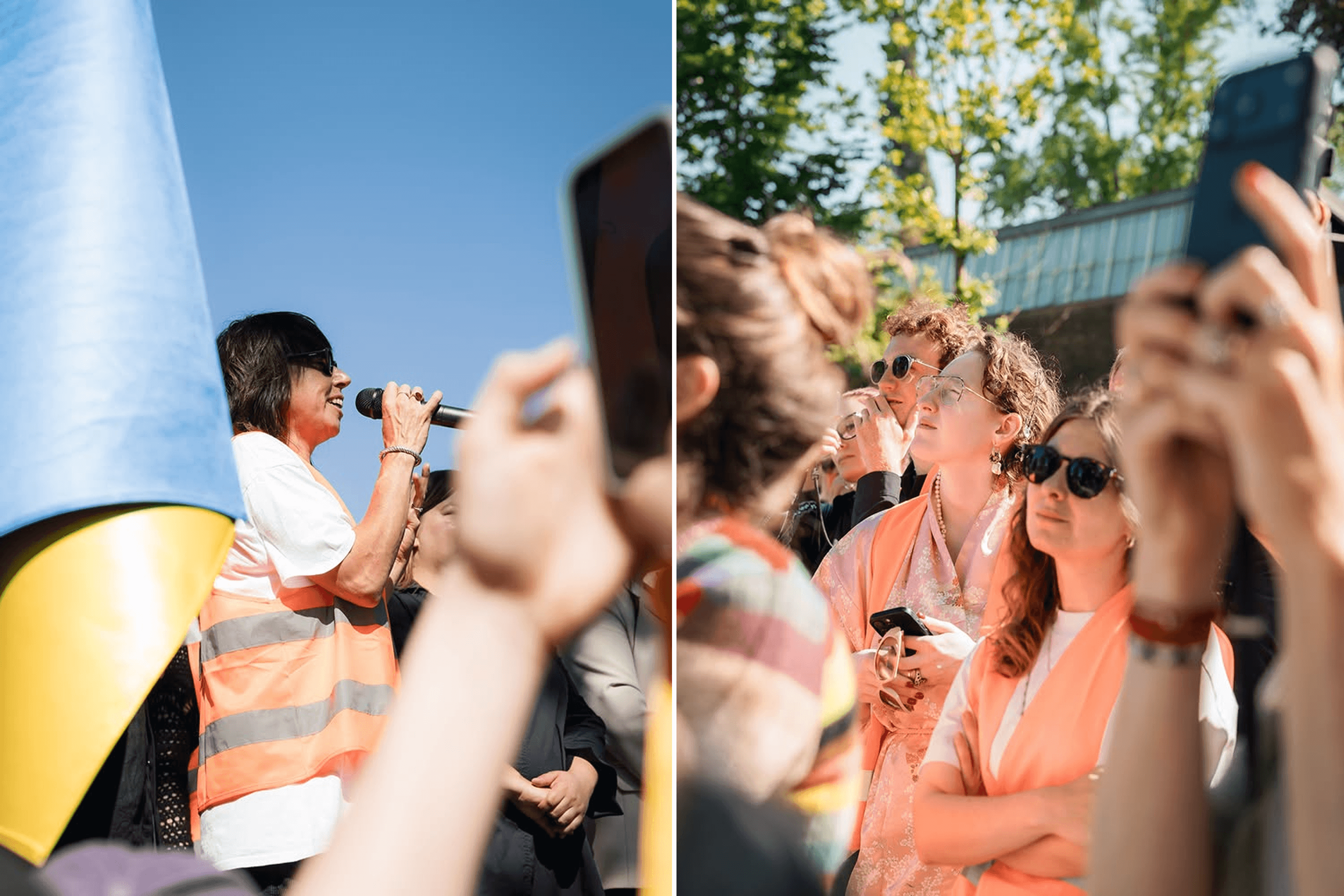
Photo: jannkad / Instagram / YB 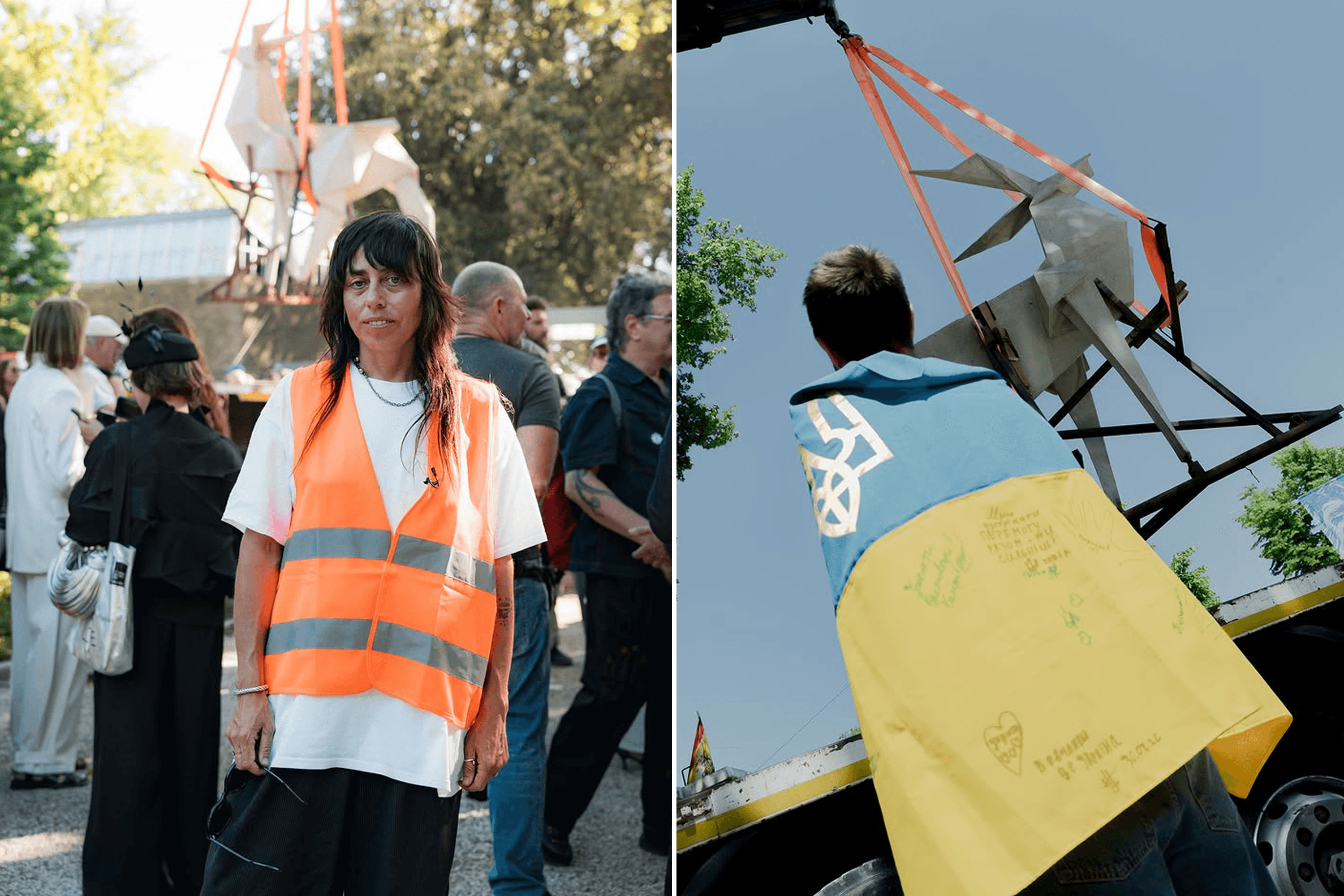
Photo: jannkad / Instagram / YB
Curator Ksenia Malykh mentioned that a national pavilion allows one to understand what exactly is causing pain to a country today. For instance, the Swiss pavilion is addressing the issues of the queer community for the second time. And that is cool, but you realize that when a country speaks about this, it means everything is going well for them. Do you agree?
I barely saw any other pavilions due to a frantic work schedule, but I think so, yes. I’m primarily concerned with the lives of displaced people and the fact that the Budapest Memorandum failed to provide Ukraine with any security guarantees. In a broader sense, this is a question of global security that we are putting to the viewers at the Biennale.
So, this is no longer just an artistic statement, but also a political accusation of the West?
I wouldn’t call it an accusation. It’s rather an attempt to raise the question of responsibility and how international security guarantees operate. And personally for me, the project is the embodiment of my experiences as a person who has been living in the conditions of a full-scale war for five years now and deliberately chooses not to leave [Ukraine].
When the full-scale invasion began, you said that art seemed like something unnecessary to you. At what point did you change your mind?
When my project “Palianytsia” started bringing in funds. The more money we managed to raise, the more I saw that I could truly help people. We managed to purchase vehicles, gear, and construction materials for housing restoration. All of this is targeted assistance to people I know personally and in whom I’m confident: mostly artists and musicians who became military personnel.
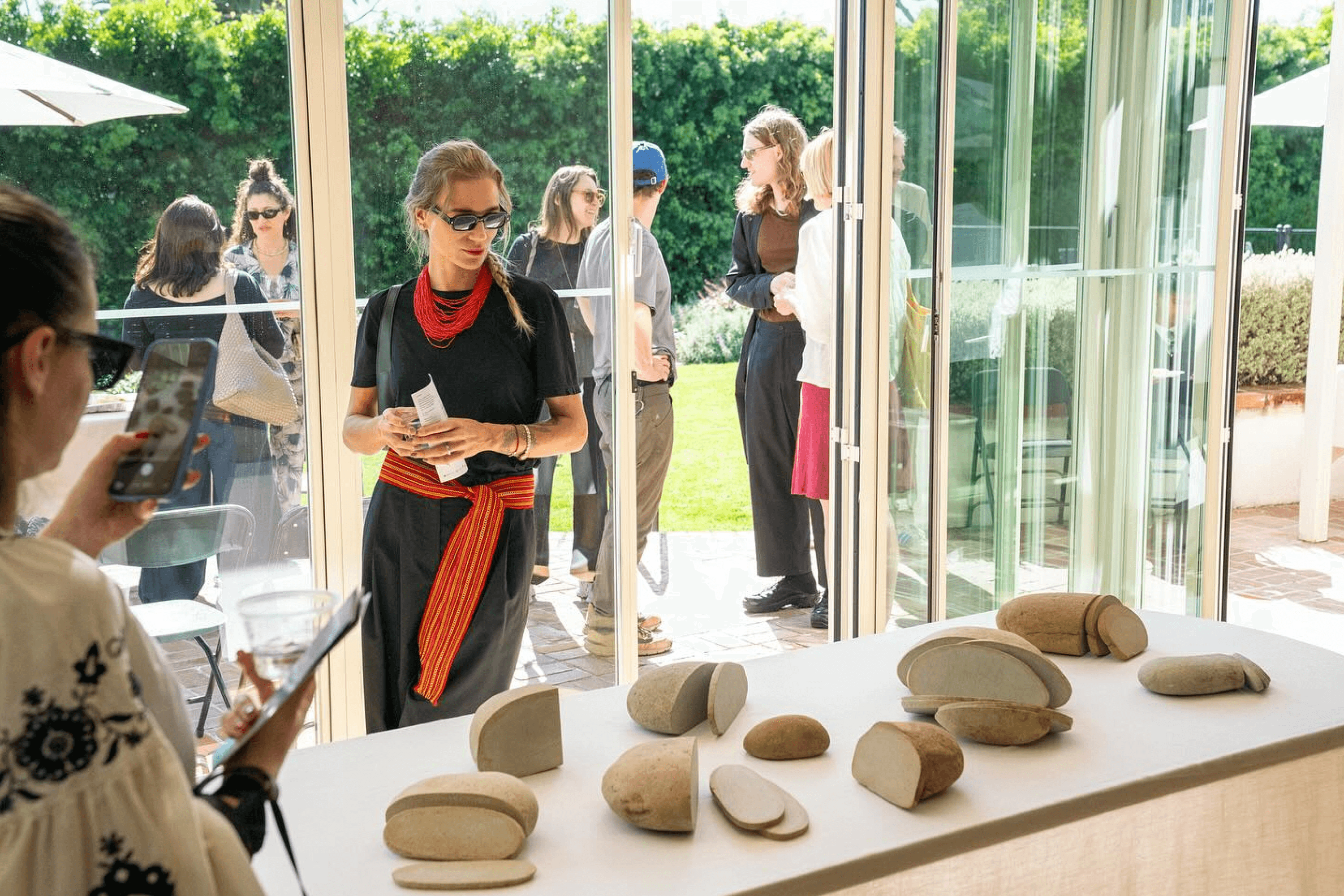
Works by Zhanna Kadyrova at the solo exhibition Sliced Realities at Thomas Mann House in Los Angeles, USA. February 2025. Photo: jannkad / Instagram / YB 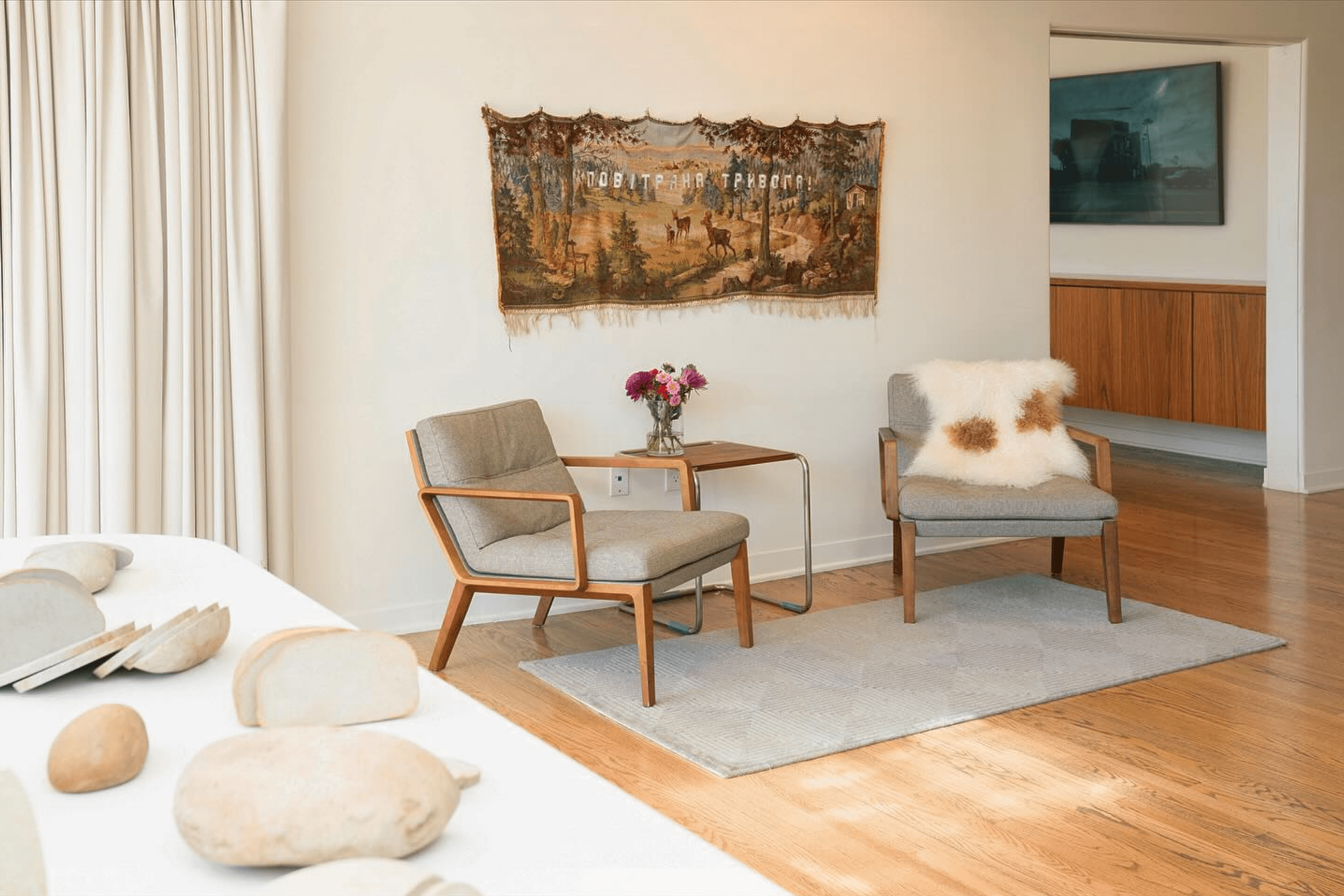
Photo: jannkad / Instagram / YB 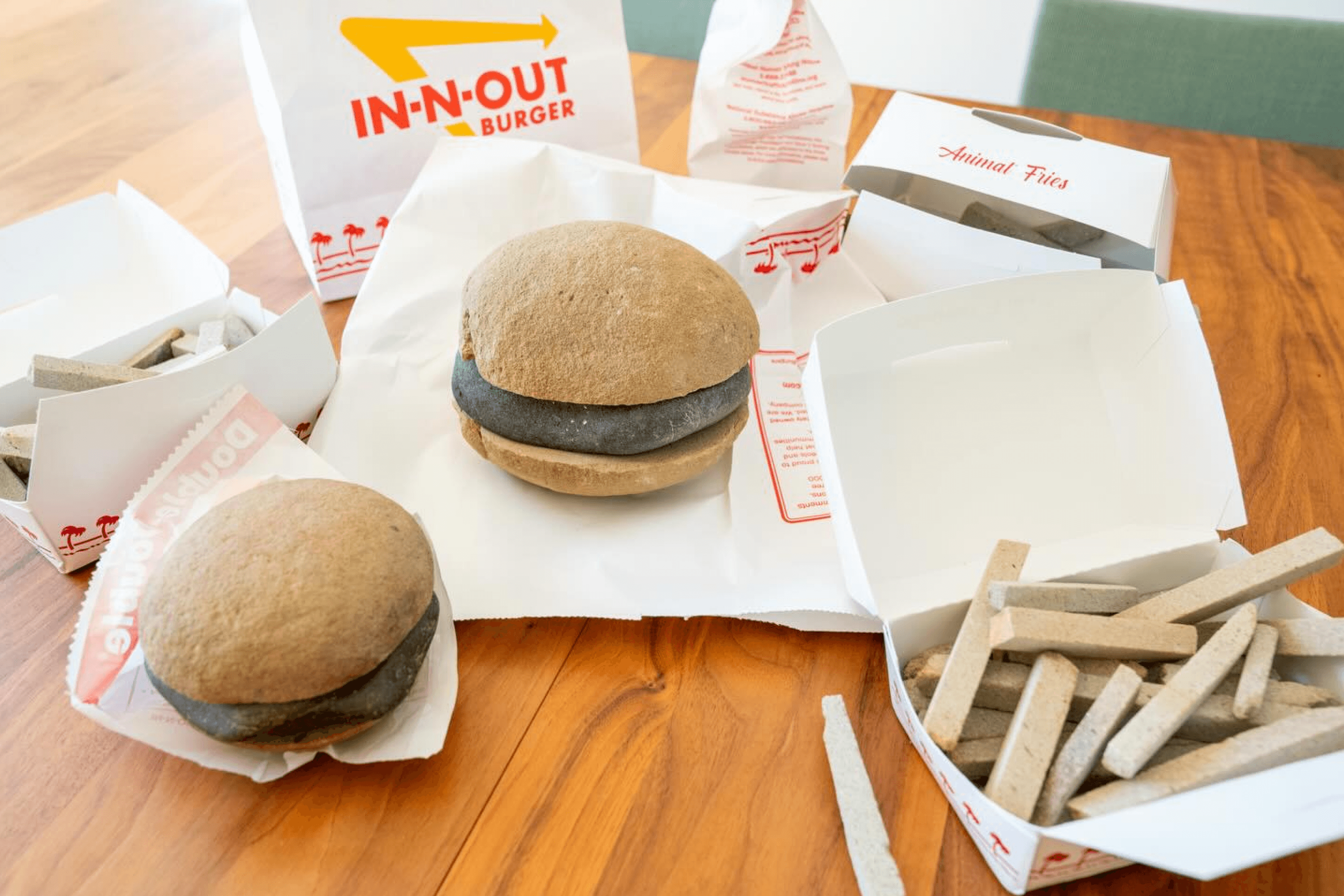
Photo: jannkad / Instagram / YB 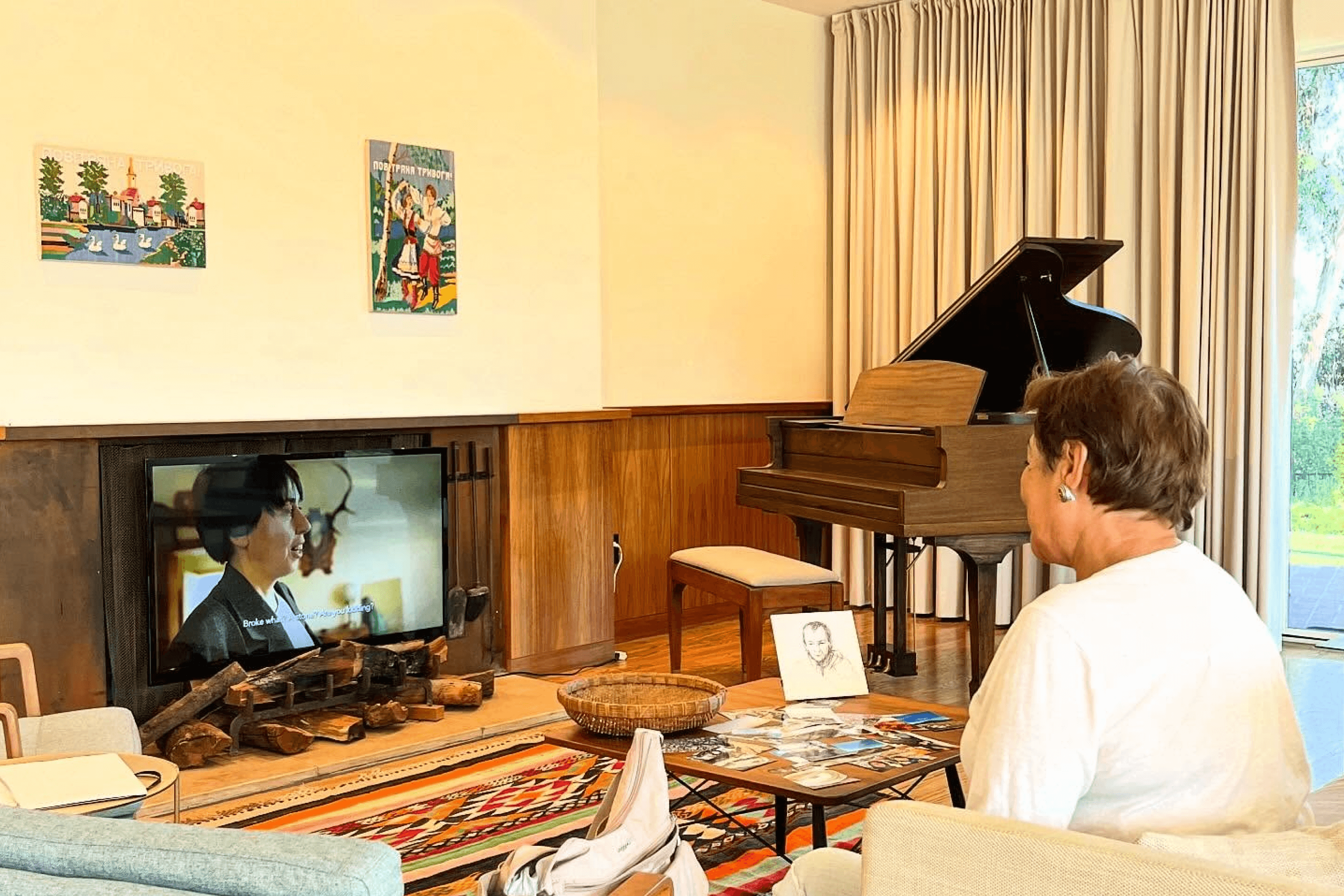
Photo: jannkad / Instagram / YB 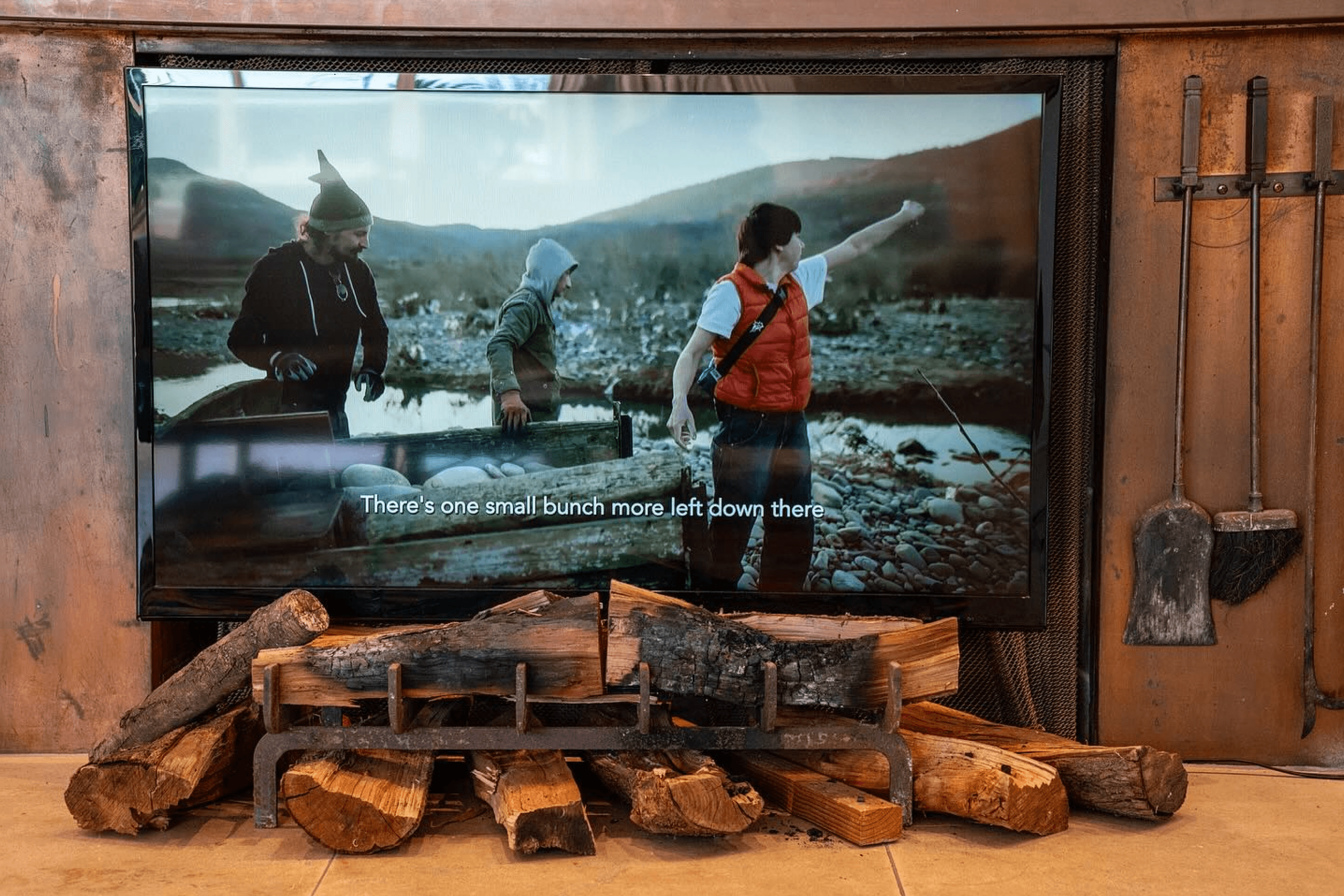
Photo: jannkad / Instagram / YB 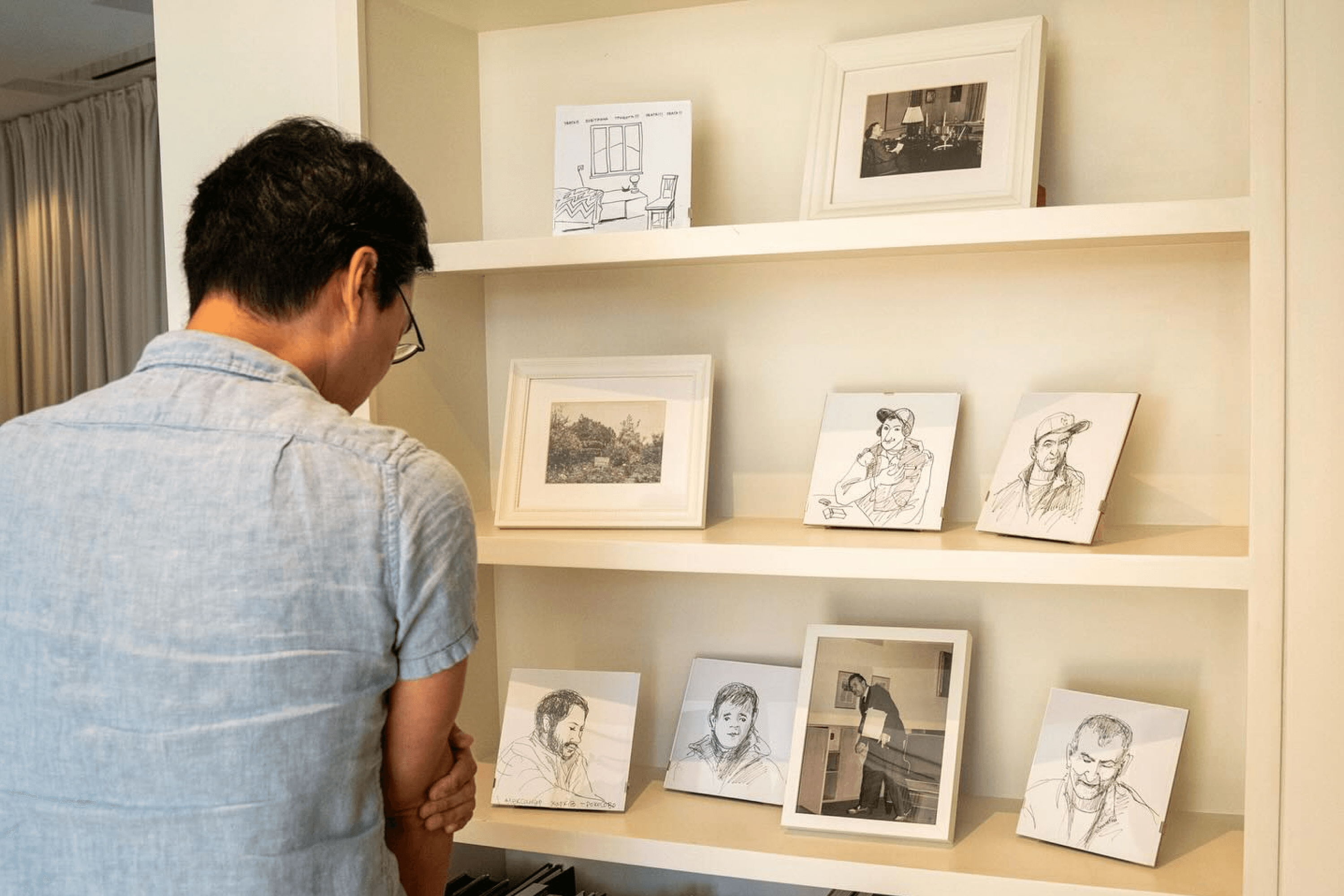
Photo: jannkad / Instagram / YB
Are you not afraid that under wartime conditions, art begins to be evaluated solely through its utilitarianism: how much money it raised or what it bought for the front line?
No, because for me, this isn’t about replacing art with charity. It’s about the opportunity to use my profession as a tool of support.
As of the end of 2025, “Palianytsia” has raised over €553,000. Given the scale of the war, this is very little, because war is a black hole. But for me, it’s an opportunity to do concrete things here and now. That was when I realized that I didn’t need to change my profession—to become, for example, a paramedic or a driver. Such thoughts crossed my mind during the first weeks of the full-scale invasion.
Did Galleria CONTINUA finance the “Palianytsia” project?
No. I created “Palianytsia” at my own expense together with Denys Ruban, with whom we evacuated to the Zakarpattia region. I approached CONTINUA only after the first exhibition, which I organized independently. The gallery helped present the project in Venice: they found an exhibition space, organized transport, volunteers, and accommodation. As a distinct gesture of support, the gallery waived its commission on artwork sales, with the proceeds directed toward aiding Ukraine. Following this presentation, the project was shown at over 75 exhibitions in various countries worldwide.
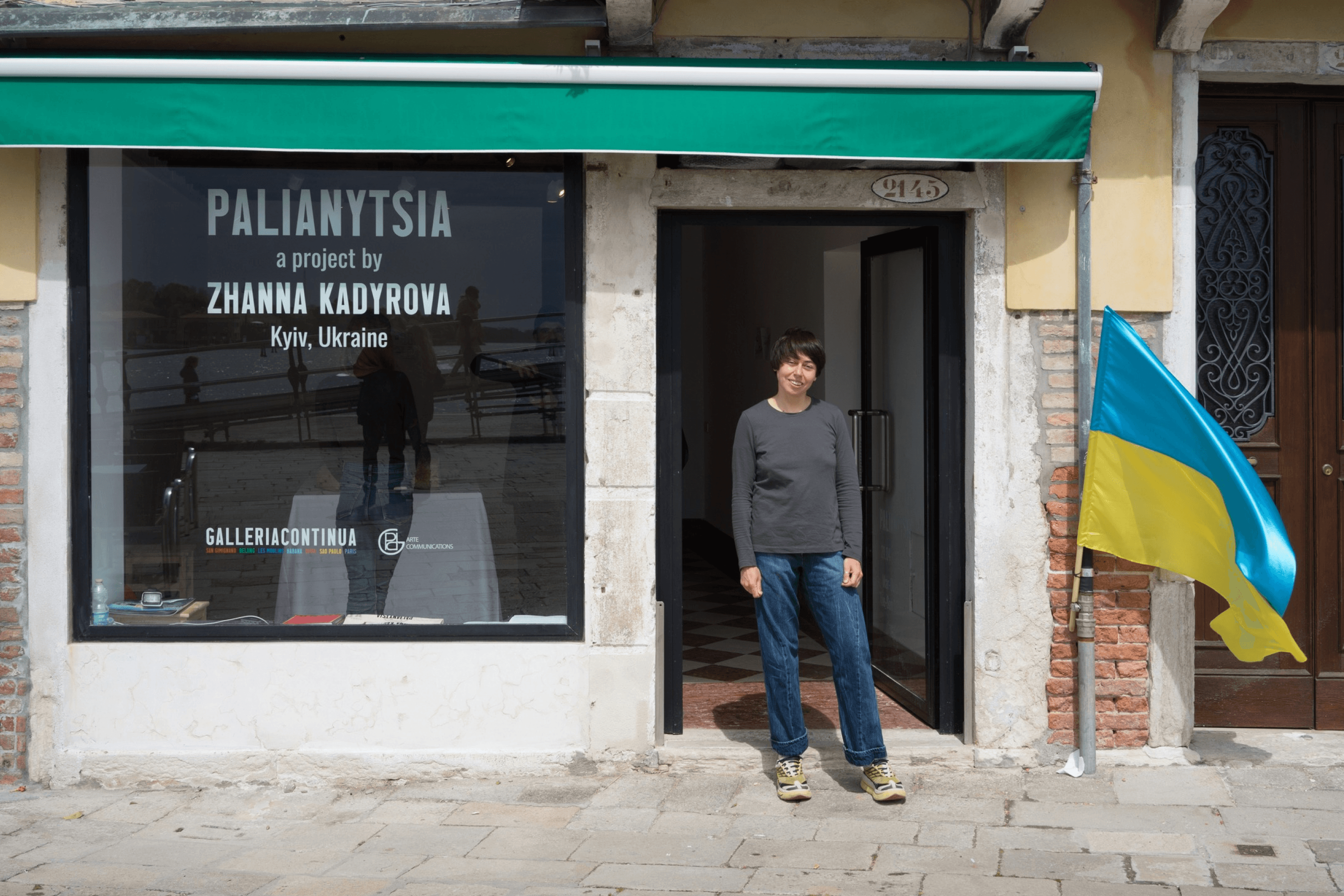
Artist Zhanna Kadyrova’s Palianytsia project at Castello 2145, Venice. 2022. Photo: jannkad / Instagram / YB 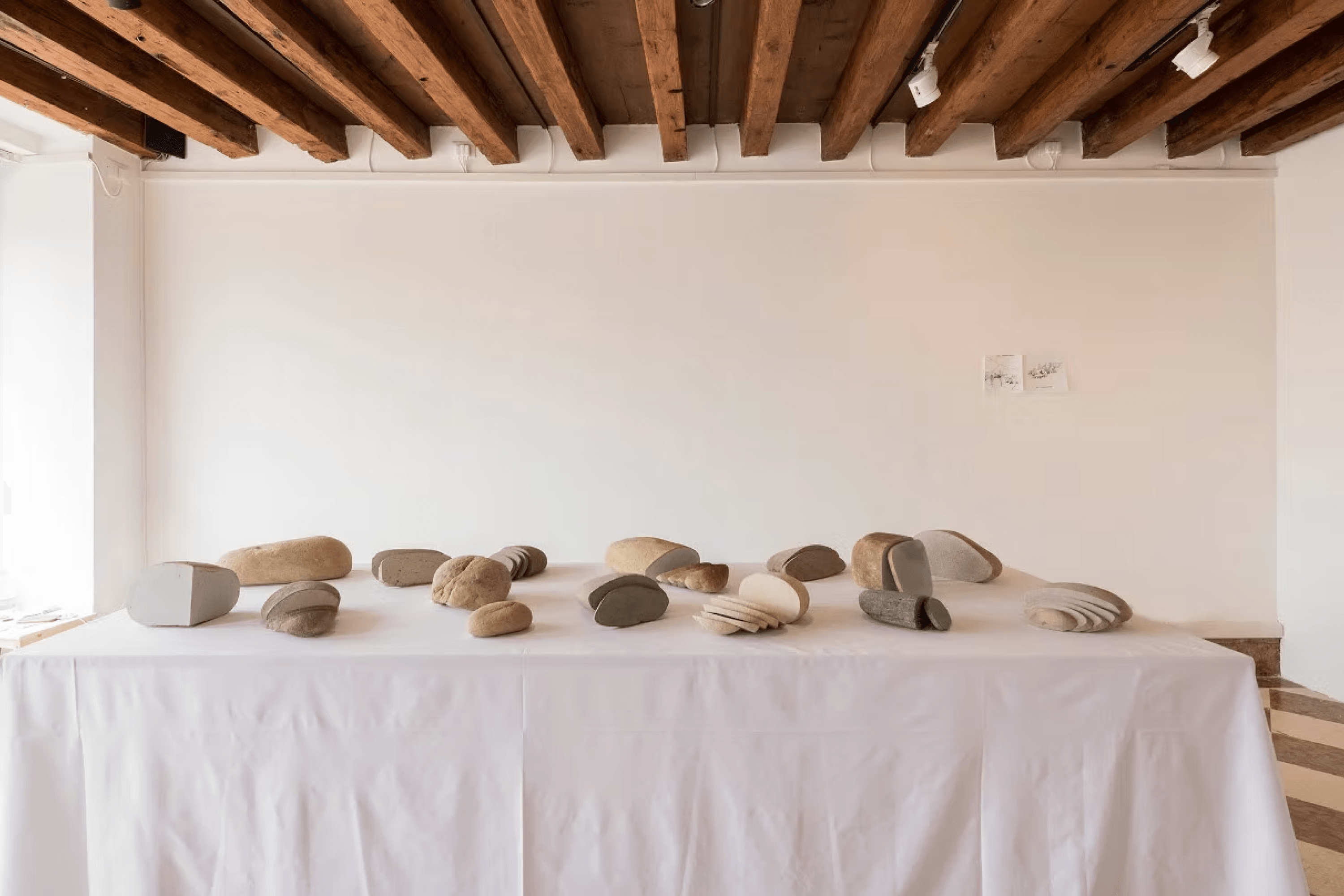
Photo: kadyrova.com / YB 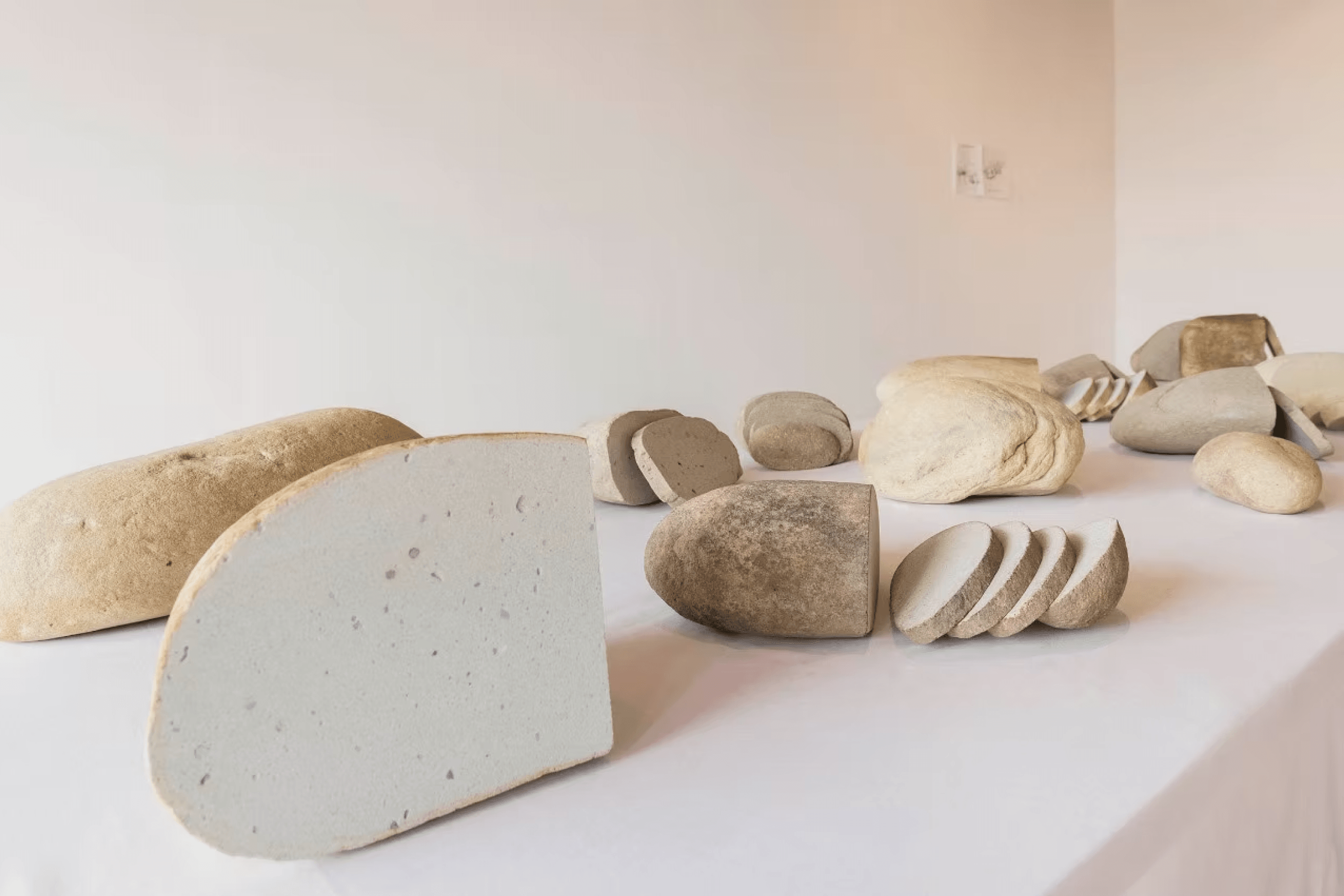
Photo: kadyrova.com / YB 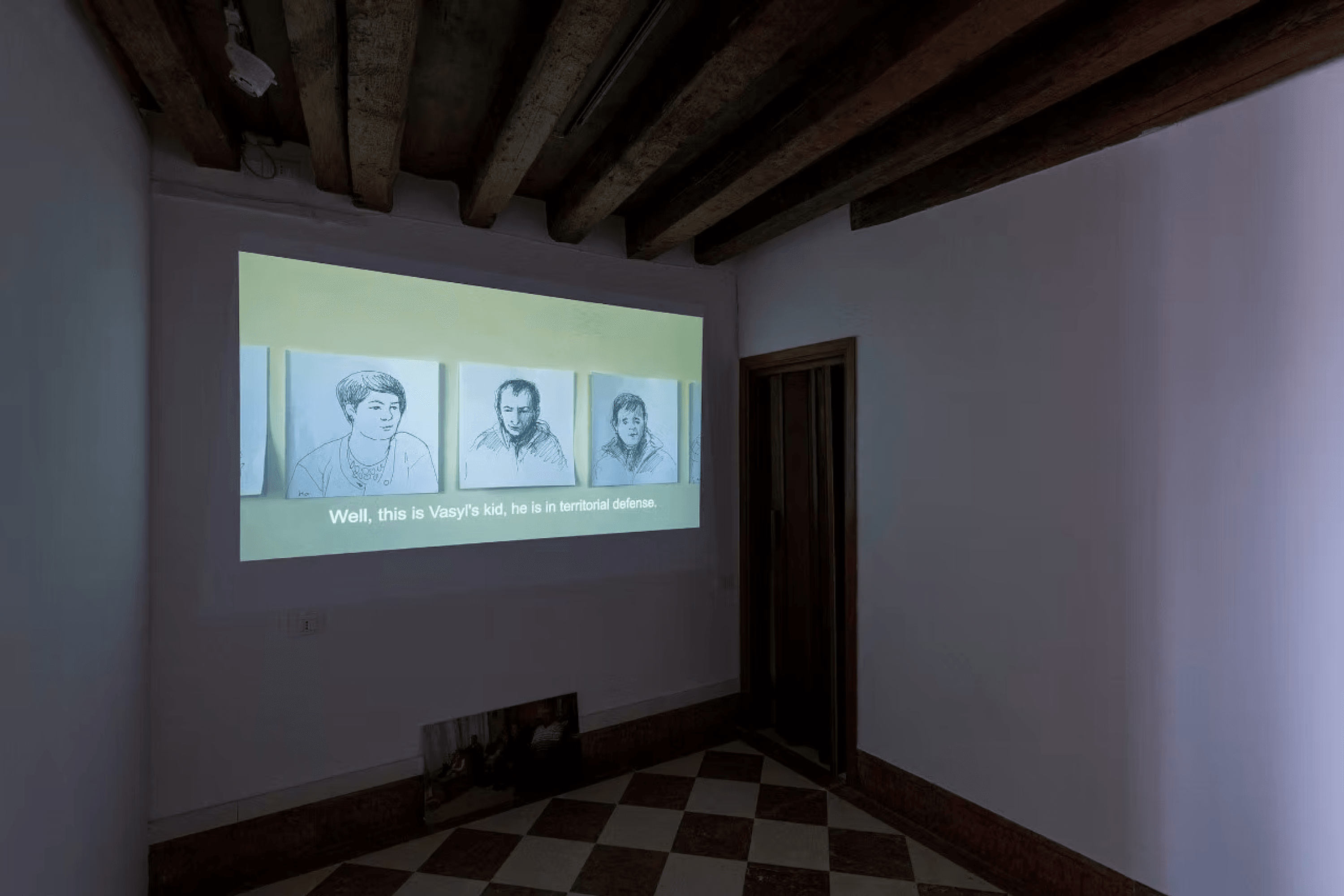
Photo: kadyrova.com / YB 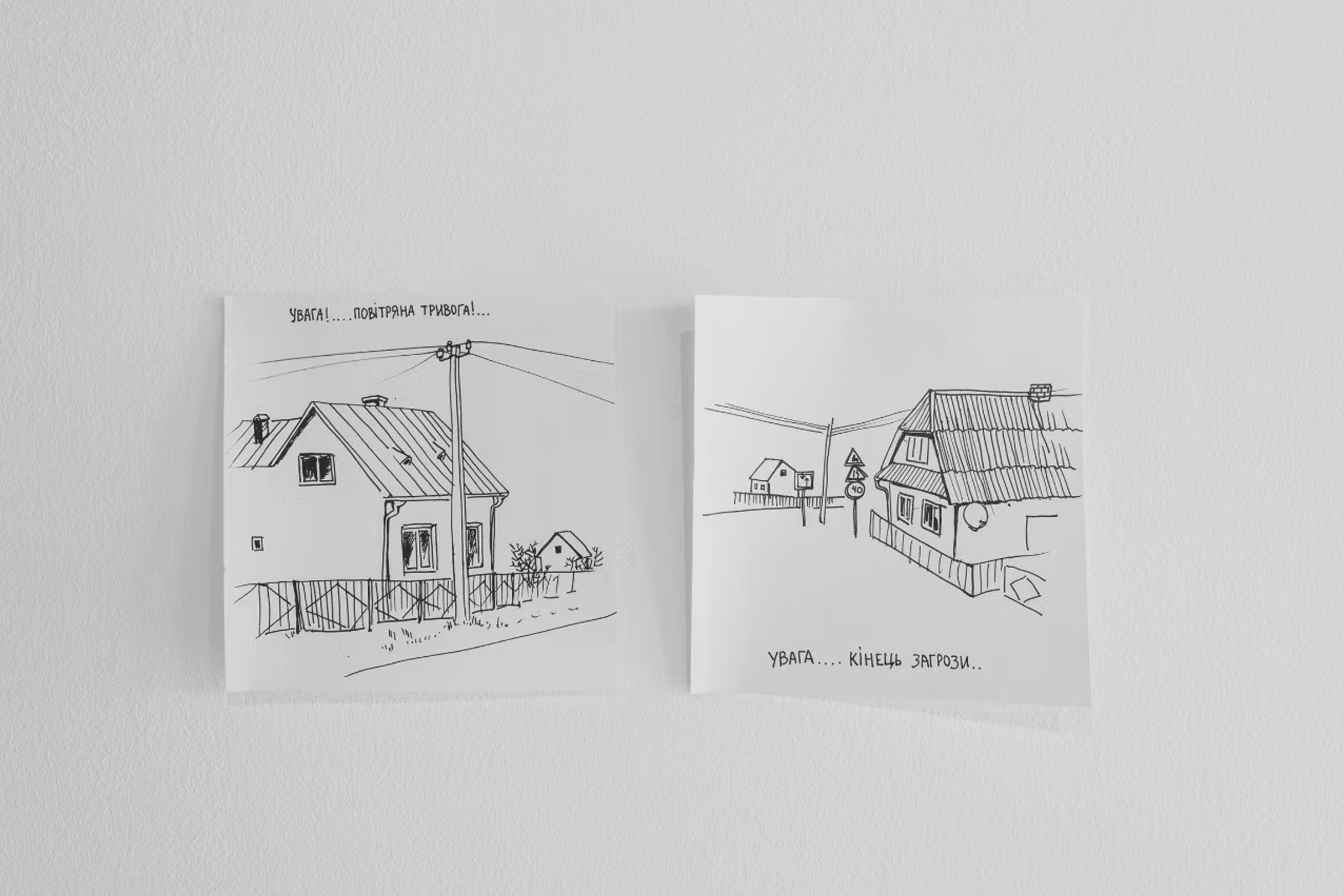
Photo: kadyrova.com / YB 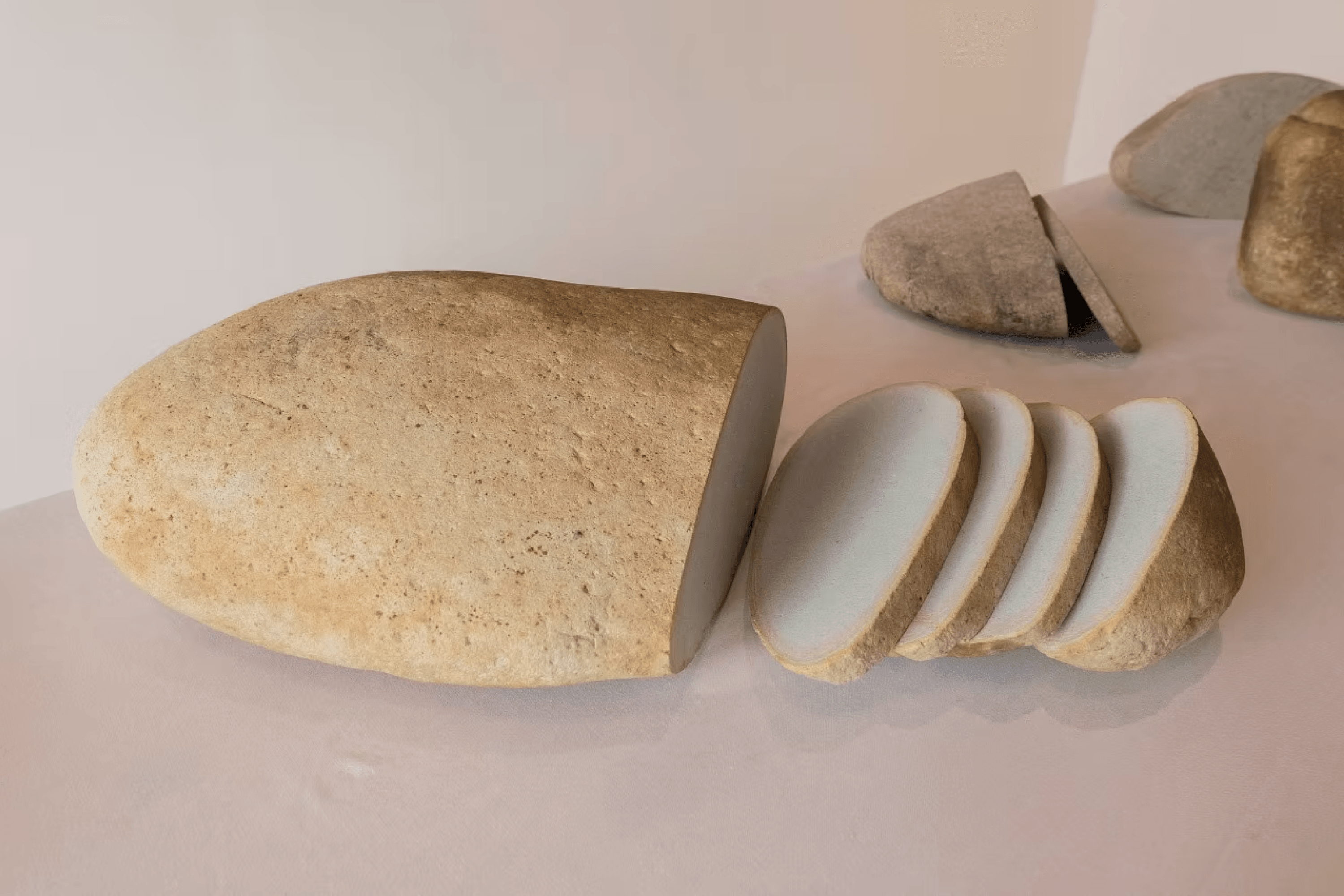
Photo: kadyrova.com / YB
Ukraine still speaks about culture as a series of projects. Why, after four and a half years of full-scale war, has the state still not transitioned to a systemic cultural policy? In fact, Ukrainian art today survives thanks to Western institutions. What do you think about this?
A systemic cultural policy takes years to build, and in Ukraine, they actually only began to shape it after the Orange Revolution. The war merely exposed this absence, but it could not instantly fix everything on enthusiasm alone. We have many strong artists and we have institutions, but there is no stable mechanism for a long-term presence: support, planning, continuous international programs. Therefore, culture often looks like a set of separate events.
However, today I see changes. For example, the Ministry of Culture, particularly in the person of its head Tetiana Berezhna, helped us organize the Ukrainian pavilion at the Venice Biennale.
Have you ever feared becoming dependent on such large Western institutions? After all, CONTINUA is a massive gallery with ten branches worldwide, a staff of over a hundred employees, and its own rules and selection criteria.
No, because I can clearly see the immense work they do.
Your friend, artist Nikita Kravtsov, expressed in a conversation with me that galleries only restrict an artist’s freedom. Do you disagree?
It’s difficult for me to agree with that. For example, I have large, physically heavy works that simply cannot be safely stored anywhere in Kyiv during the war. The gallery handles storage, logistics, transportation, communication, and sales. They even published my monograph together with the Kunstverein Hannover and the PinchukArtCentre. In this sense, they are not clipping my wings, but rather helping them grow and smoothing them out.
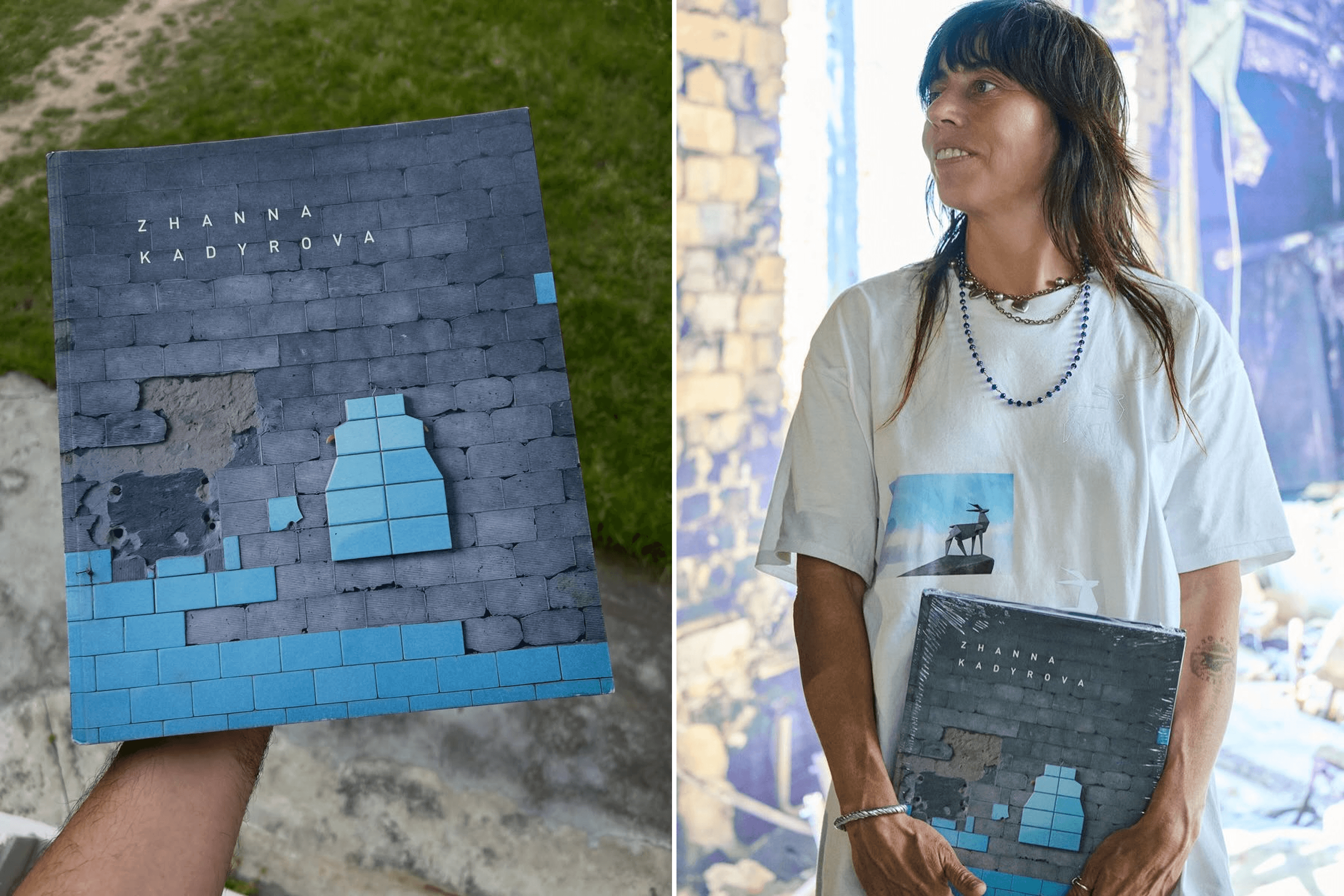
A monograph on Zhanna Kadyrova. Photo: jannkad / Instagram / YB 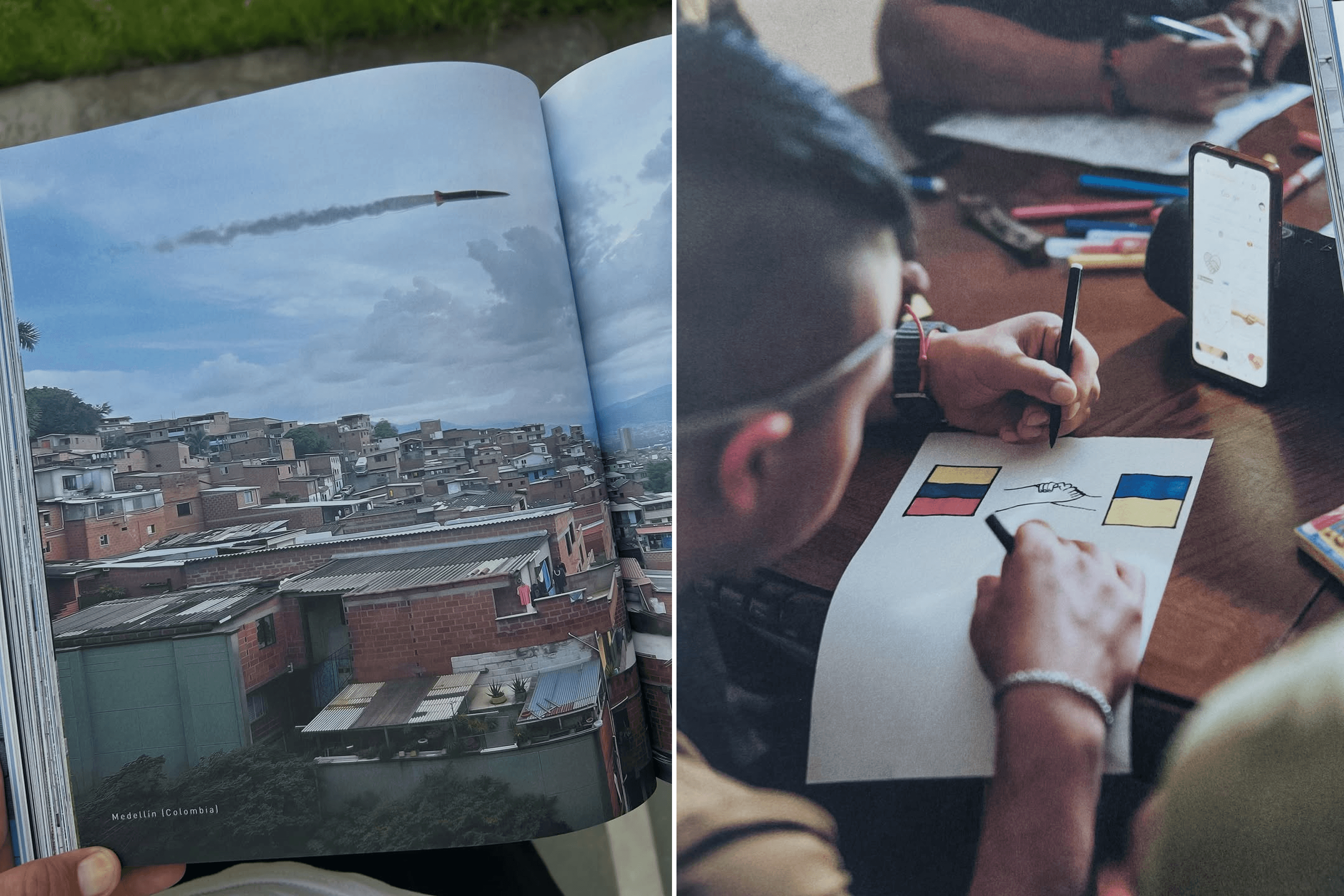
Photo: jannkad / Instagram / YB 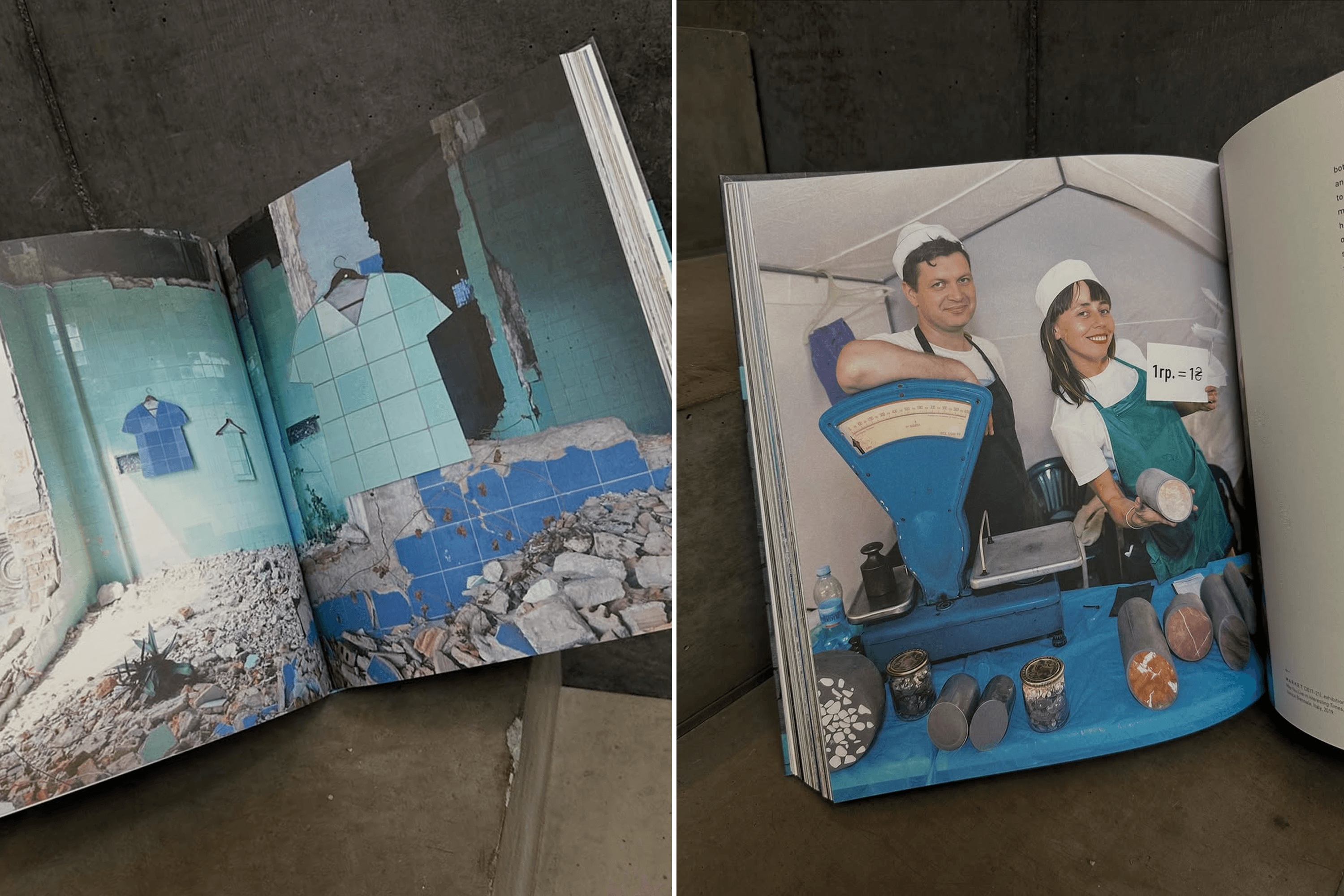
Photo: jannkad / Instagram / YB 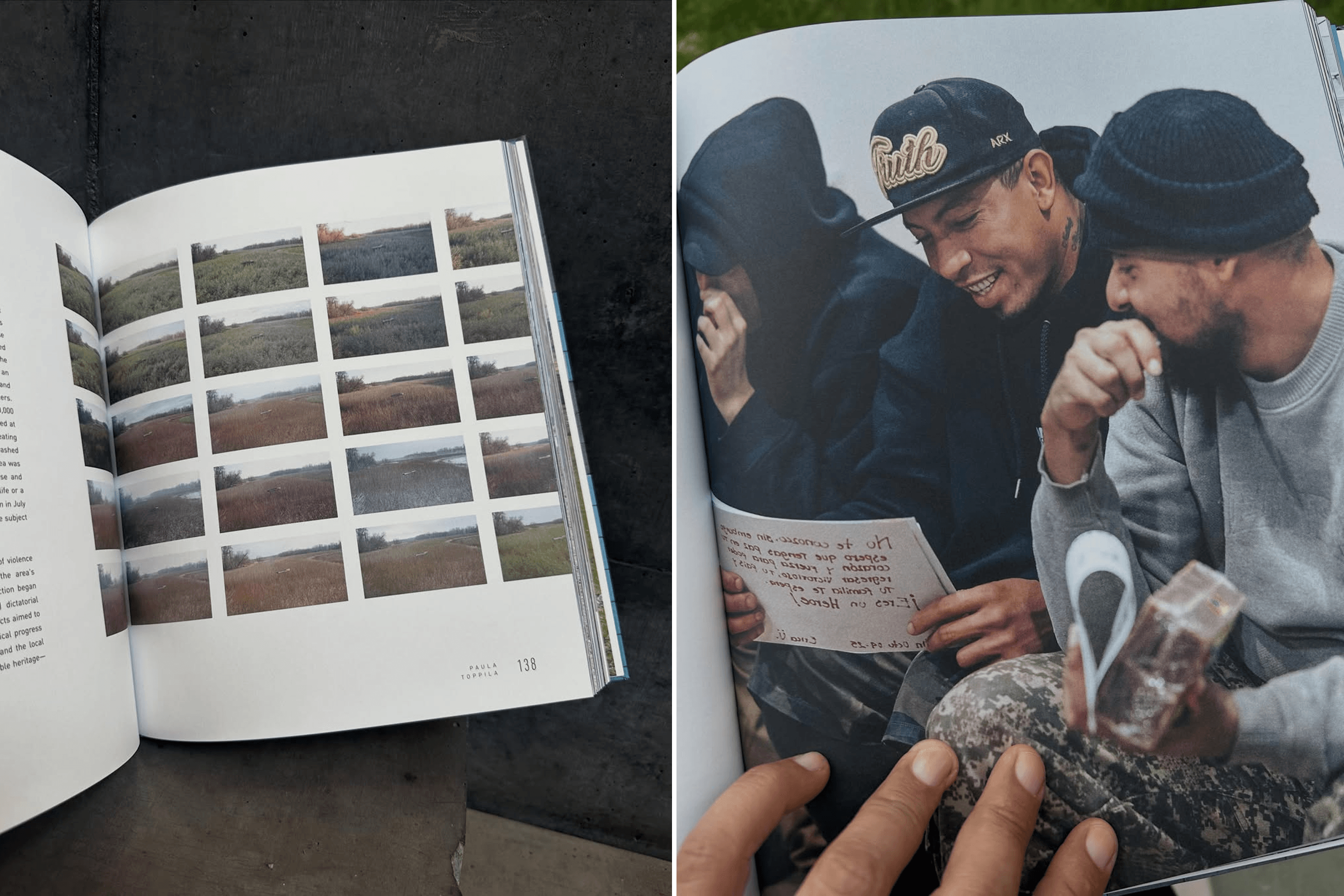
Photo: jannkad / Instagram / YB
Yet the gallery still influences what exactly becomes “visible” art. Do you really feel independent within this system?
I think that without CONTINUA’s support, I simply wouldn’t have been able to become who I am. At an early stage [in 2012], they saw my potential and funded the production of my works, their transport, and the printing of my first catalogue. This was not a one-time aid, but a long-term process of investing in me. Such a business model is fundamental for galleries of this kind: first, they invest resources in an artist for years, and only years later—in my case, after about five years—do they begin to make a profit. Unfortunately, there are no such galleries in Ukraine. By the way, this is my primary gallery, but not the only one. I also work with Zahorian & Van Espen in Bratislava.
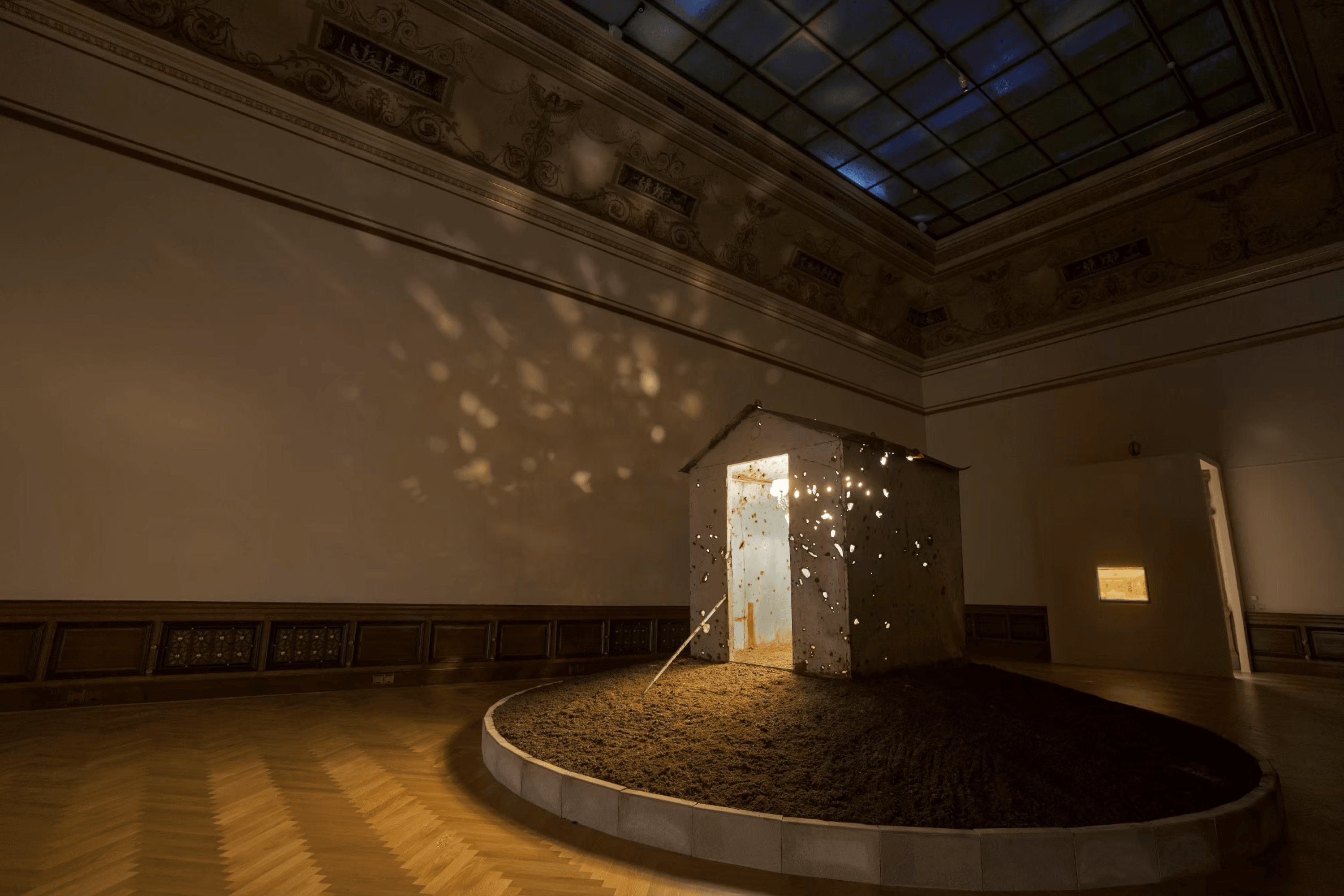
Some works by Zhanna Kadyrova. HOUSE of CULTURE, 2023. Photo: kadyrova.com / YB 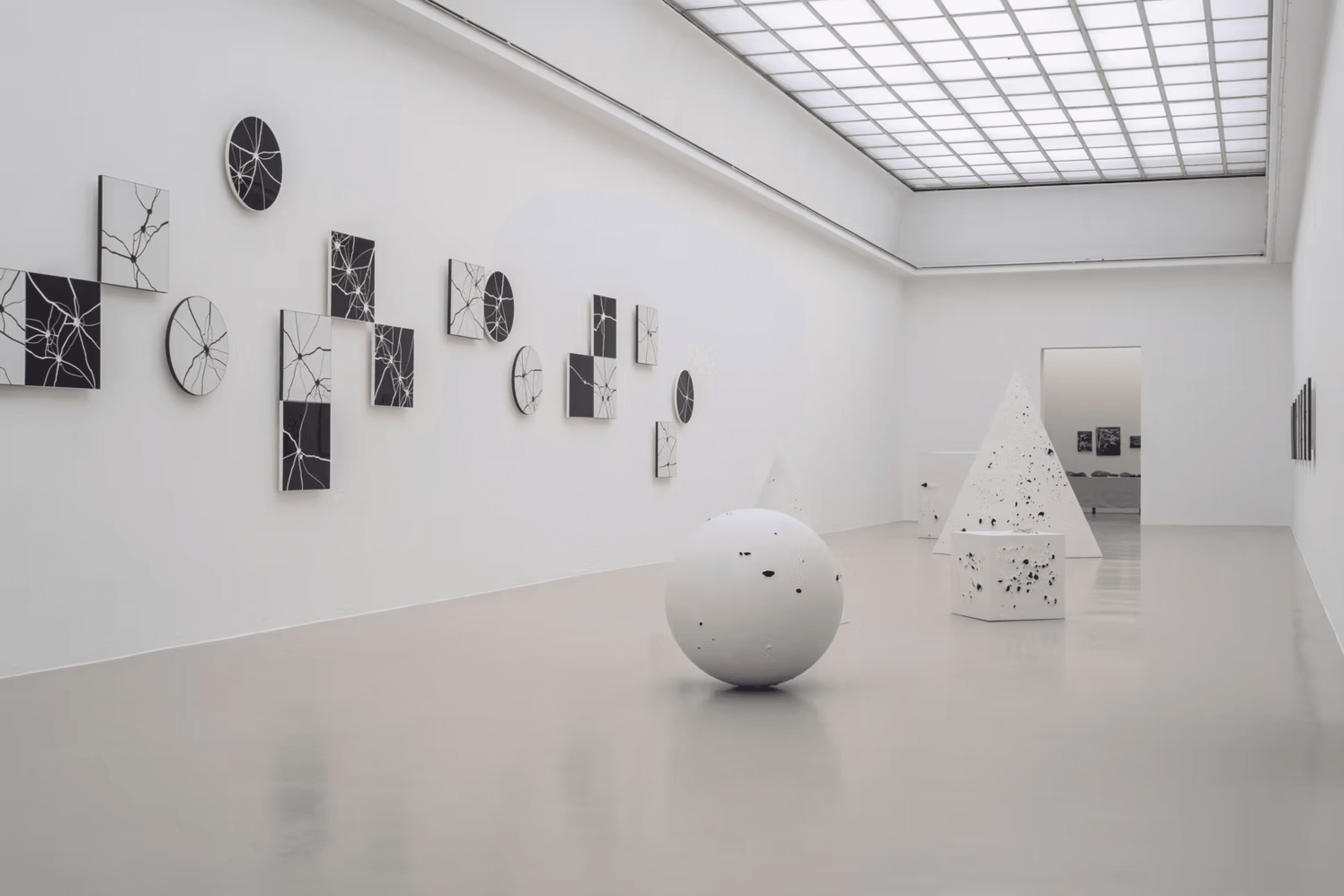
HARMLESS WAR 2023. Photo: kadyrova.com / YB 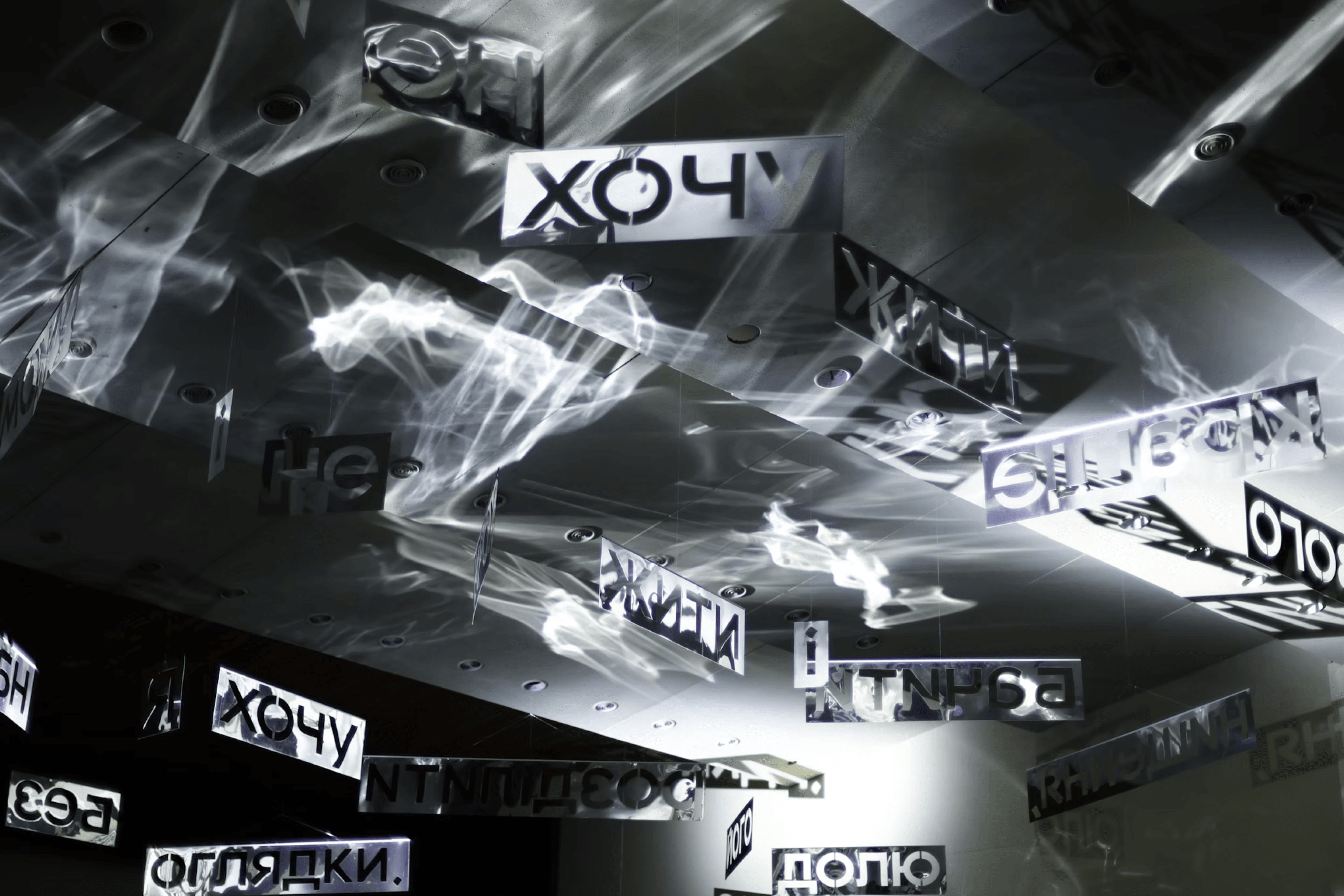
REFLECTION 2025. Kyiv, Ukraine. Photo: kadyrova.com / YB 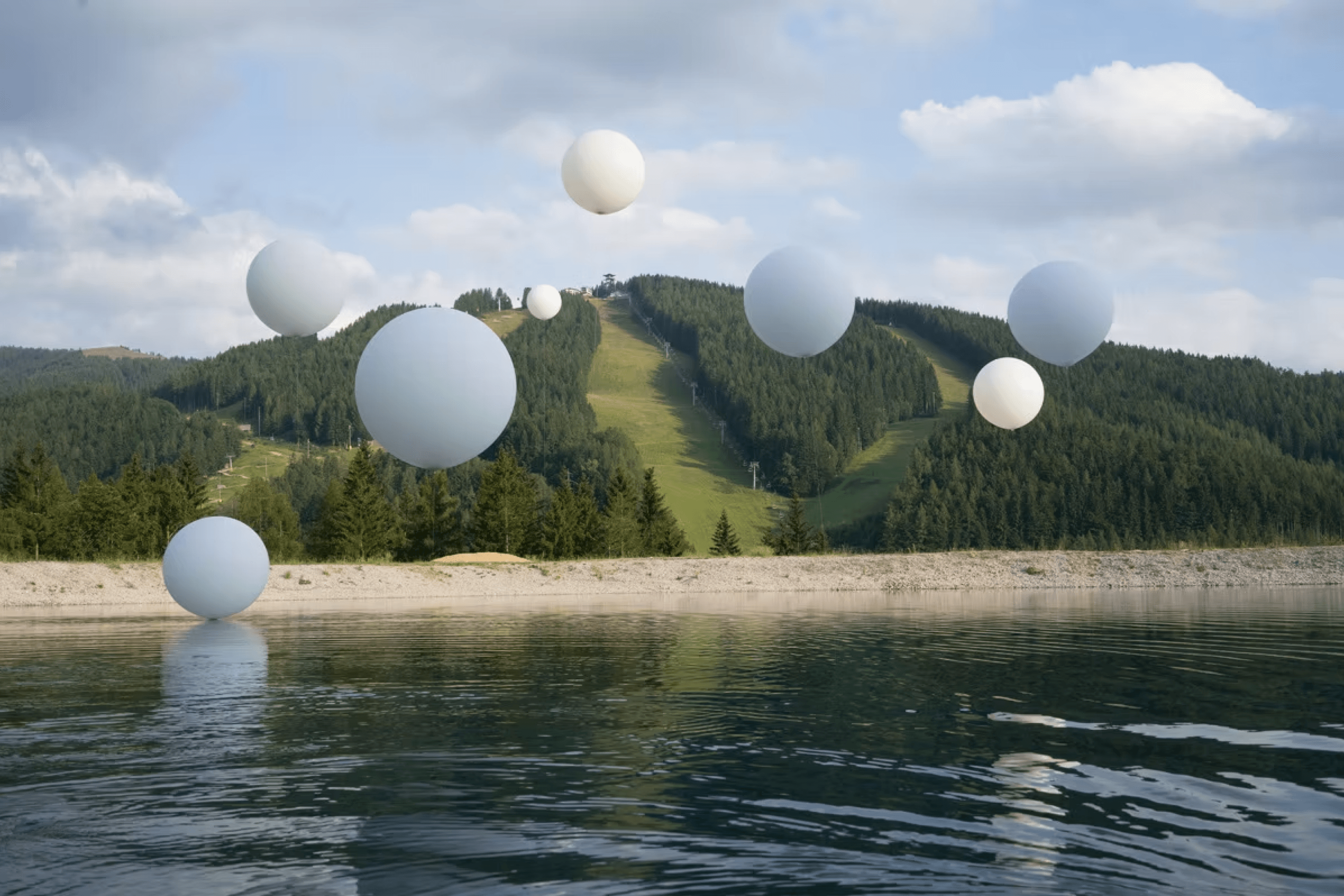
VOLATILITY 2021. Photo: kadyrova.com / YB 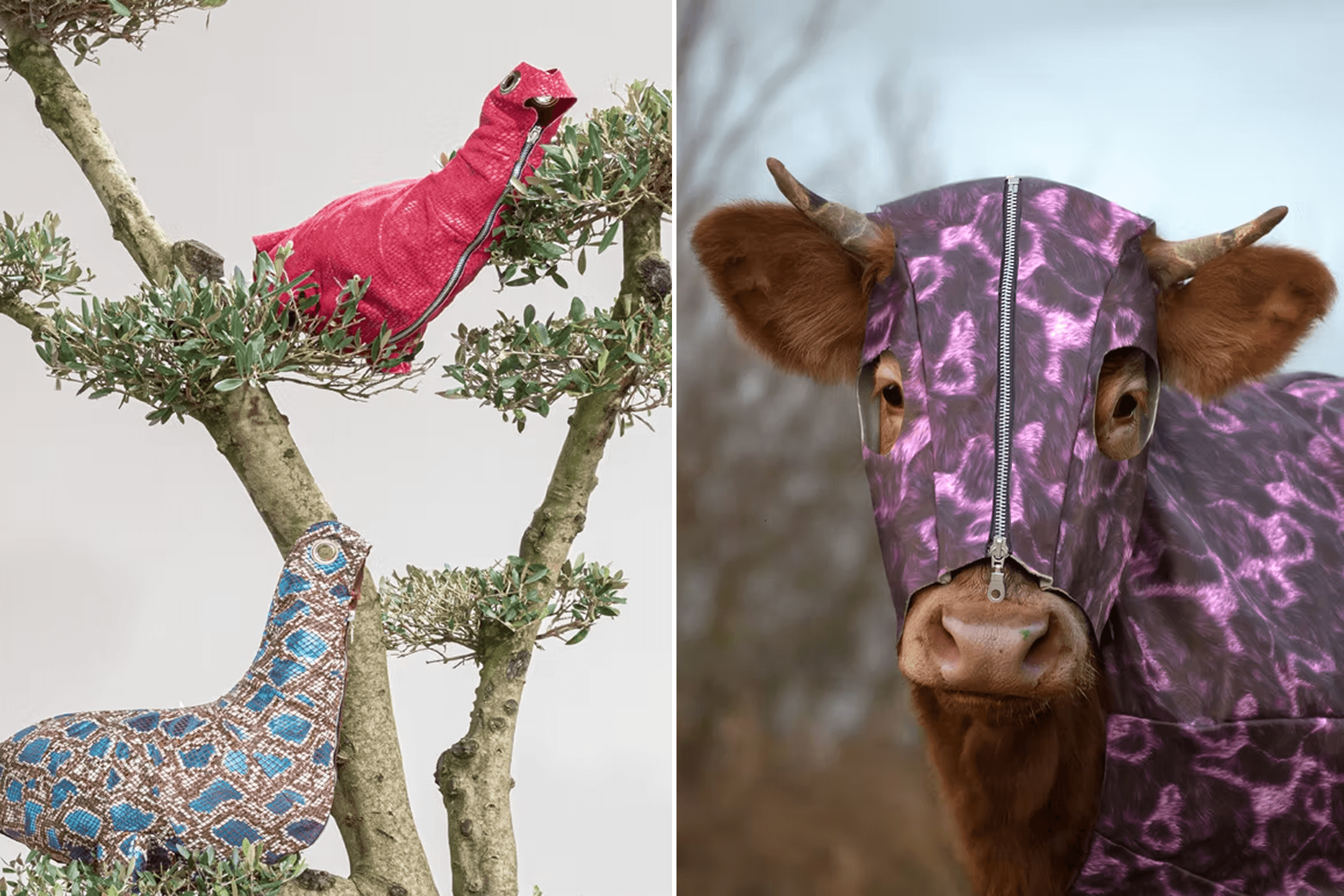
ANIMALIER 2020. Photo: kadyrova.com / YB 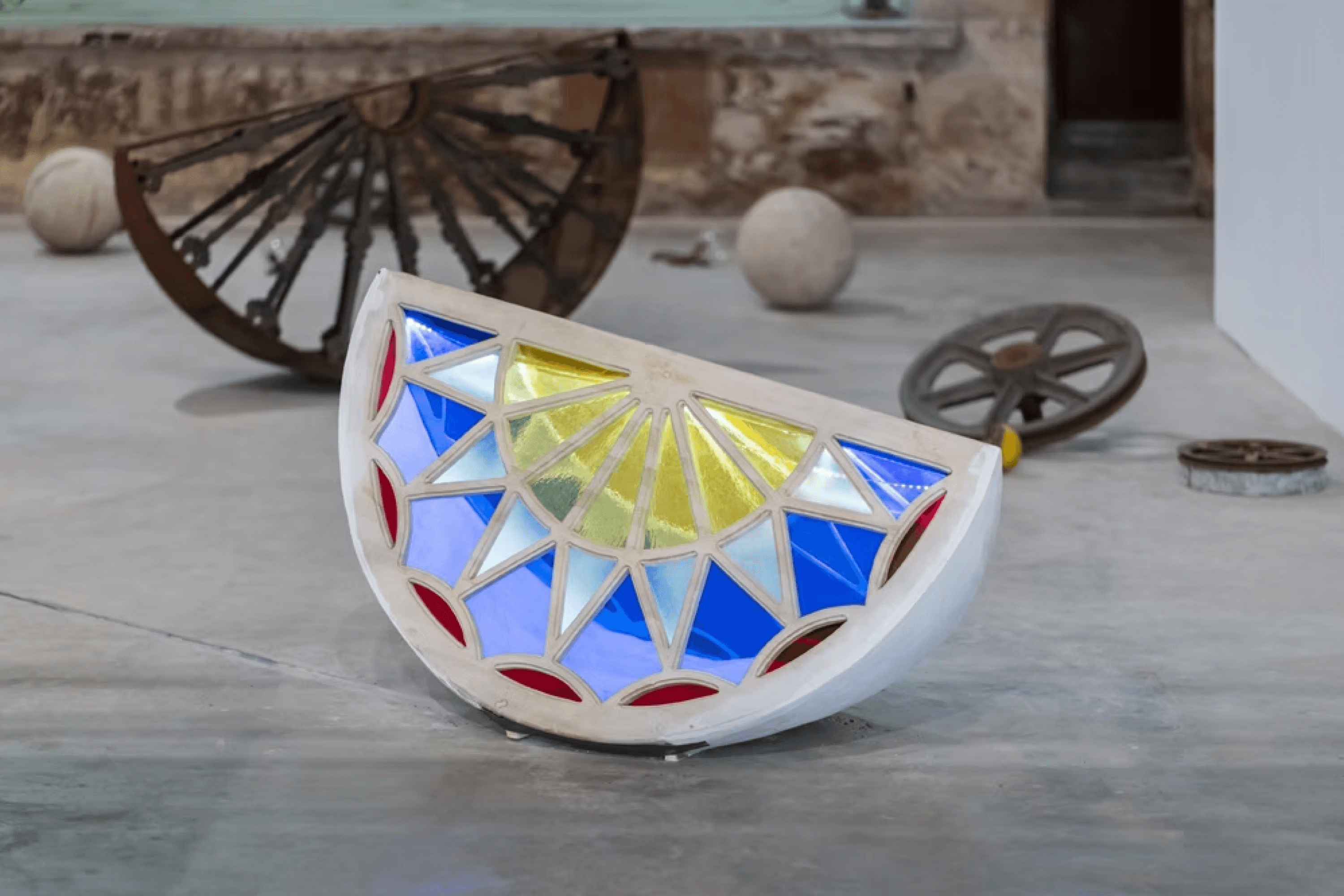
PERMISSION TO COCKTAIL 2019. Photo: kadyrova.com / YB
Have you really not had a single misunderstanding in 14 years with CONTINUA?
Only once. In early 2022, I was developing a public art project for a private chateau in the south of France. However, after the start of the full-scale war, I made a personal decision not to work on projects unrelated to the war, and therefore put its realization on pause. A year later, a CONTINUA gallerist tried to get me back to work. I advised him to call [Russian President Vladimir] Putin and ask him to end the war so that I could prioritize the chateau project again.
How is your process of creating large installations structured? For example, your project “The Instrument"—a real organ in which the pipes terminate in fragments of torn rockets. Was it also organized and funded by CONTINUA?
No. Specifically, this work was created for an exhibition in Venice organized by the PinchukArtCentre in 2024. It was funded by Victor Pinchuk. I coordinated the process and oversaw production, which included traveling to the site in the Czech Republic. A separate team of managers handled the rest. They dealt with the complex logistics and paperwork required to transport the remnants of Russian rockets and gathered all the necessary permits, including from the Office of the President.
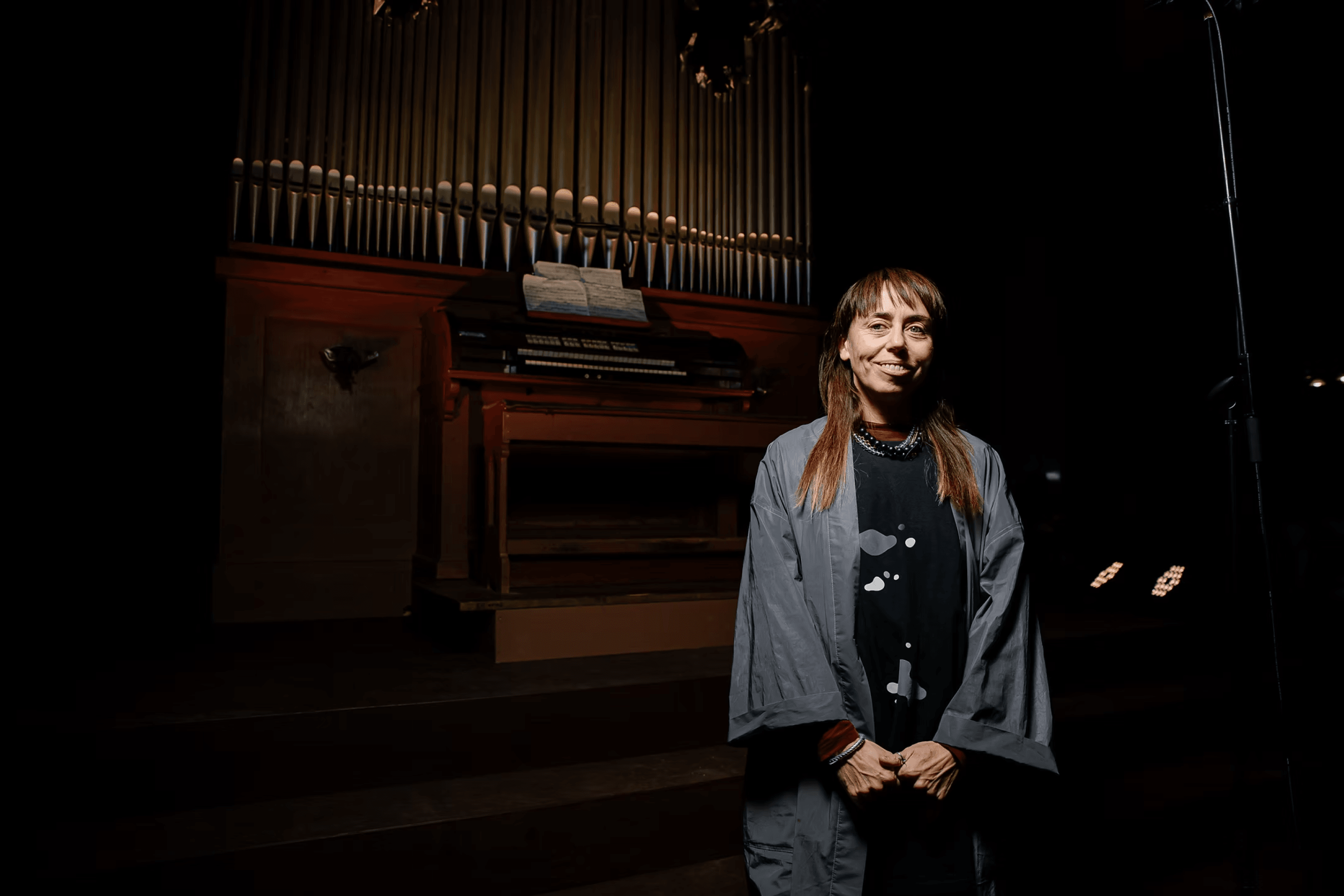
The installation Instrument by artist Zhanna Kadyrova, created from an organ and fragments of Russian missiles. Venice Biennale, Venice, Italy. 2024. Photo: kadyrova.com / YB 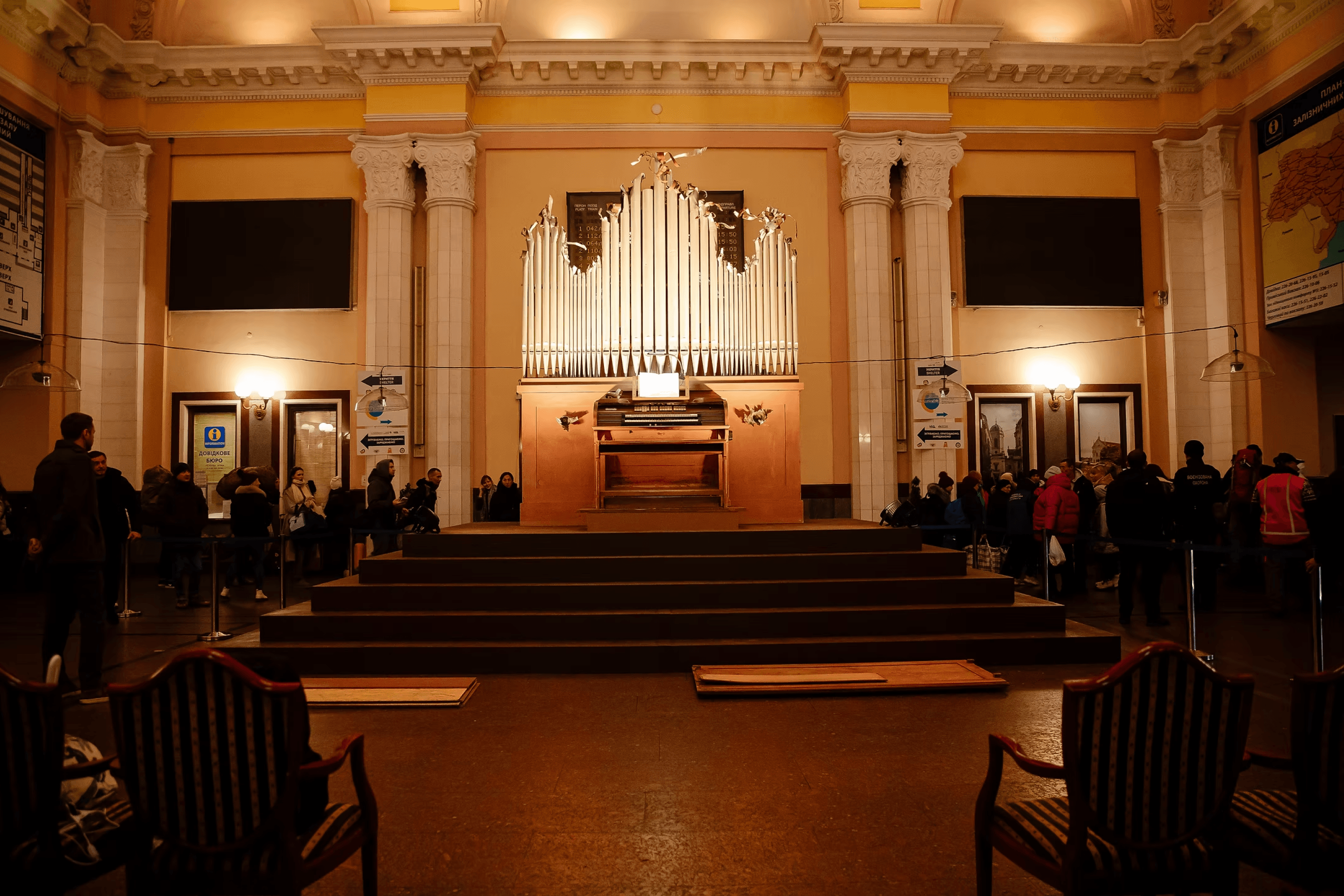
Photo: kadyrova.com / YB 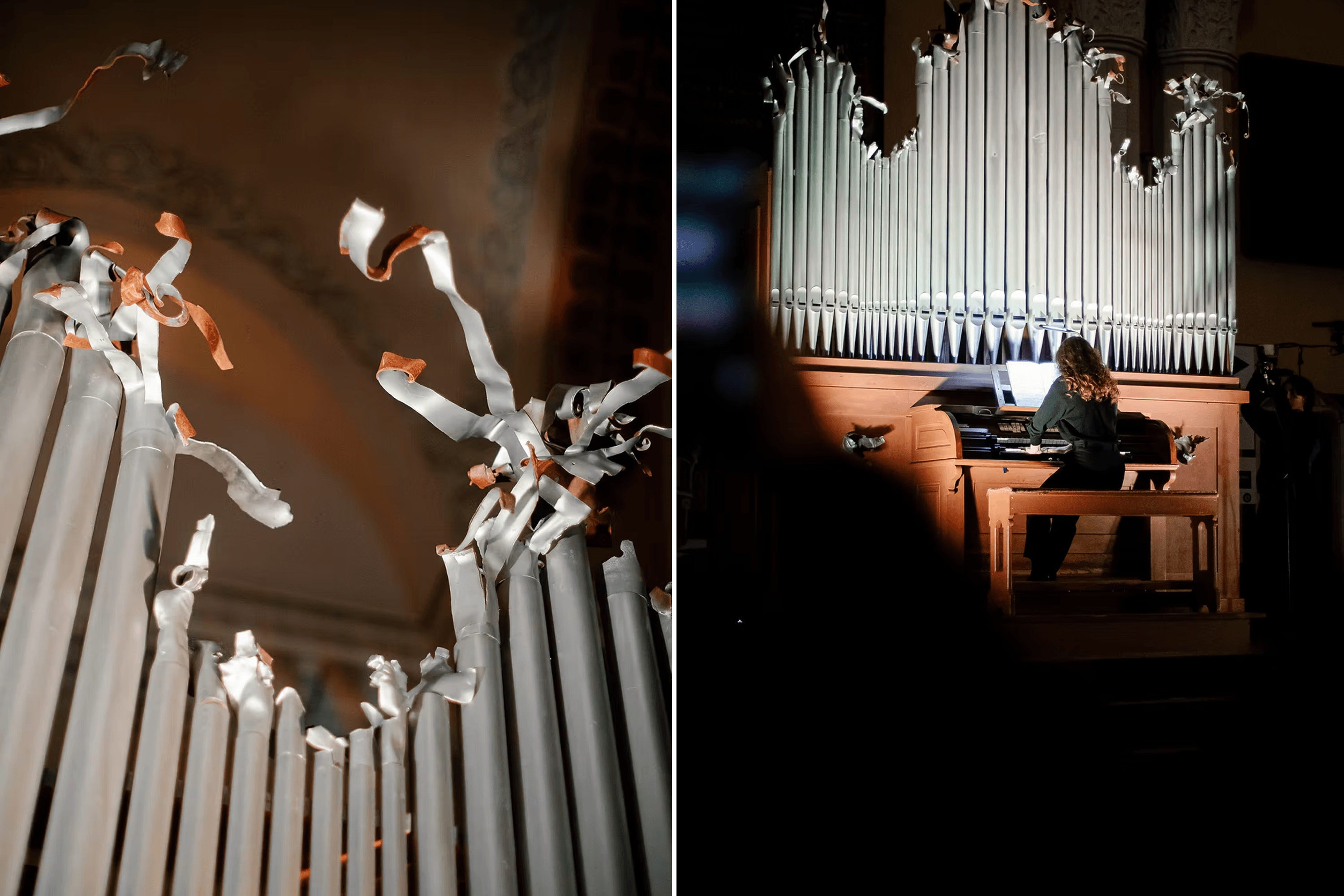
Photo: kadyrova.com / YB 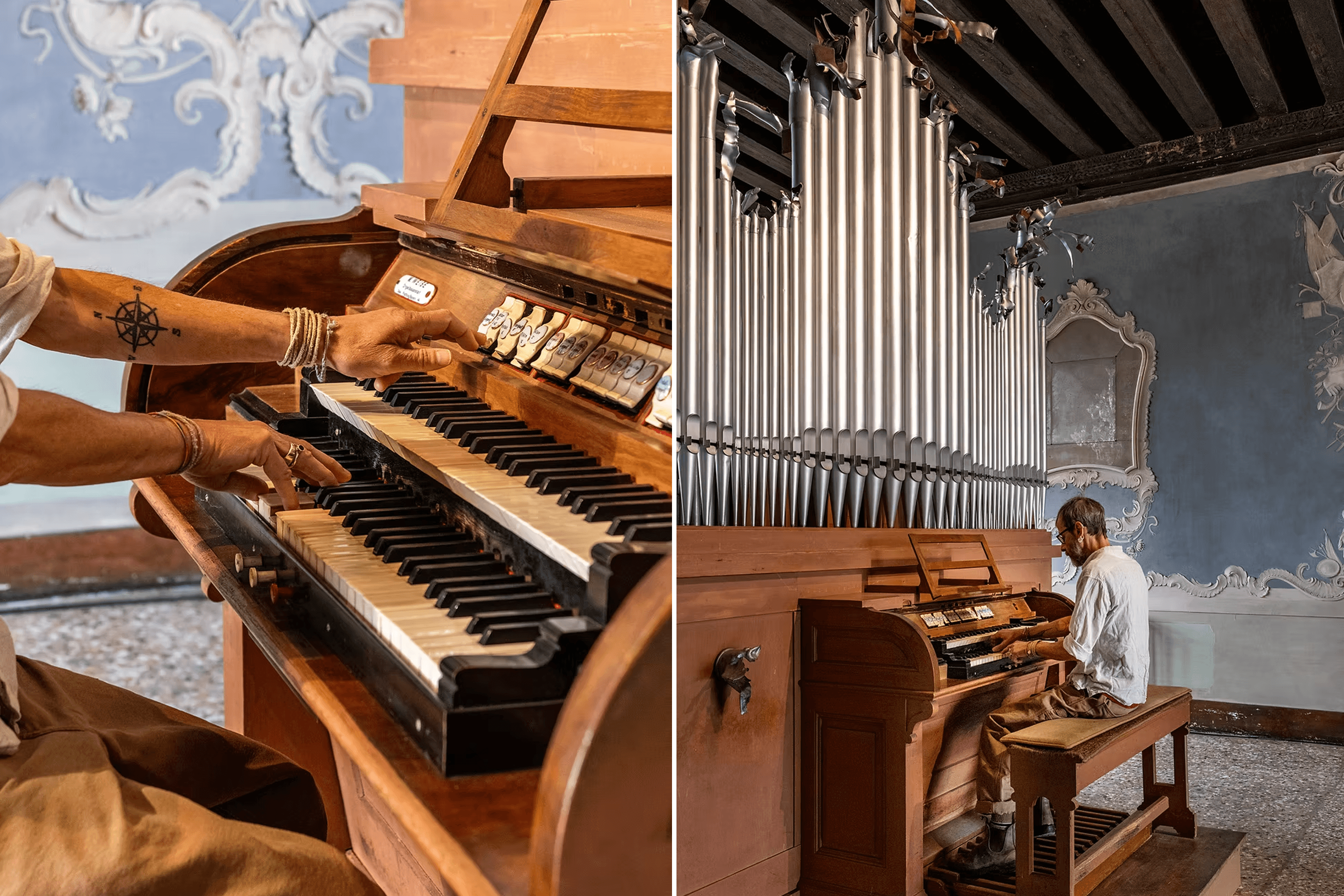
Photo: kadyrova.com / YB
Regarding your question, usually galleries and partners take on production, logistics, and complex organizational stages. I coordinate the concept, production, and final stages of the process.
As an artist who works with urban space, how do you experience the process of its daily destruction?
Since 2022, I haven’t had any park or urban works.
Because the space itself ceased to be perceived as safe?
For me, it’s no longer just about urban space. On my very first night back in Kyiv after returning from Venice, there was a horrific shelling attack: 28 people were killed, and a rocket hit a residential building. At that moment, space ceases to exist as a neutral backdrop for work. It becomes an immediate experience of risk.
Do you ponder the fact that your installations might outlive humans and remain as witnesses to this war?
Yes. Material has memory. And in my works after the start of the war, I use it as a testament to what is happening. This will serve as evidence of the Russian Federation’s war crimes against Ukraine for future generations.
You frequently travel to the frontline zone. Why is this important to you, given that many artists also respond to the war but only see it through photographs or videos?
I don’t travel there as a tourist. Almost every single one of my trips is connected to a specific project. In Kharkiv, I worked with military personnel as part of the Military Mail Express together with “Khartia” battalion: when Colombian soldiers wrote letters to their homeland. In Zaporizhzhia, I was implementing a project for the Helsinki Art Commission 2025 and returned there many times while working on the installation “The Forest.” In Kherson, I collected plants—some of which I managed to find in a destroyed university—for the project “Refugees.”
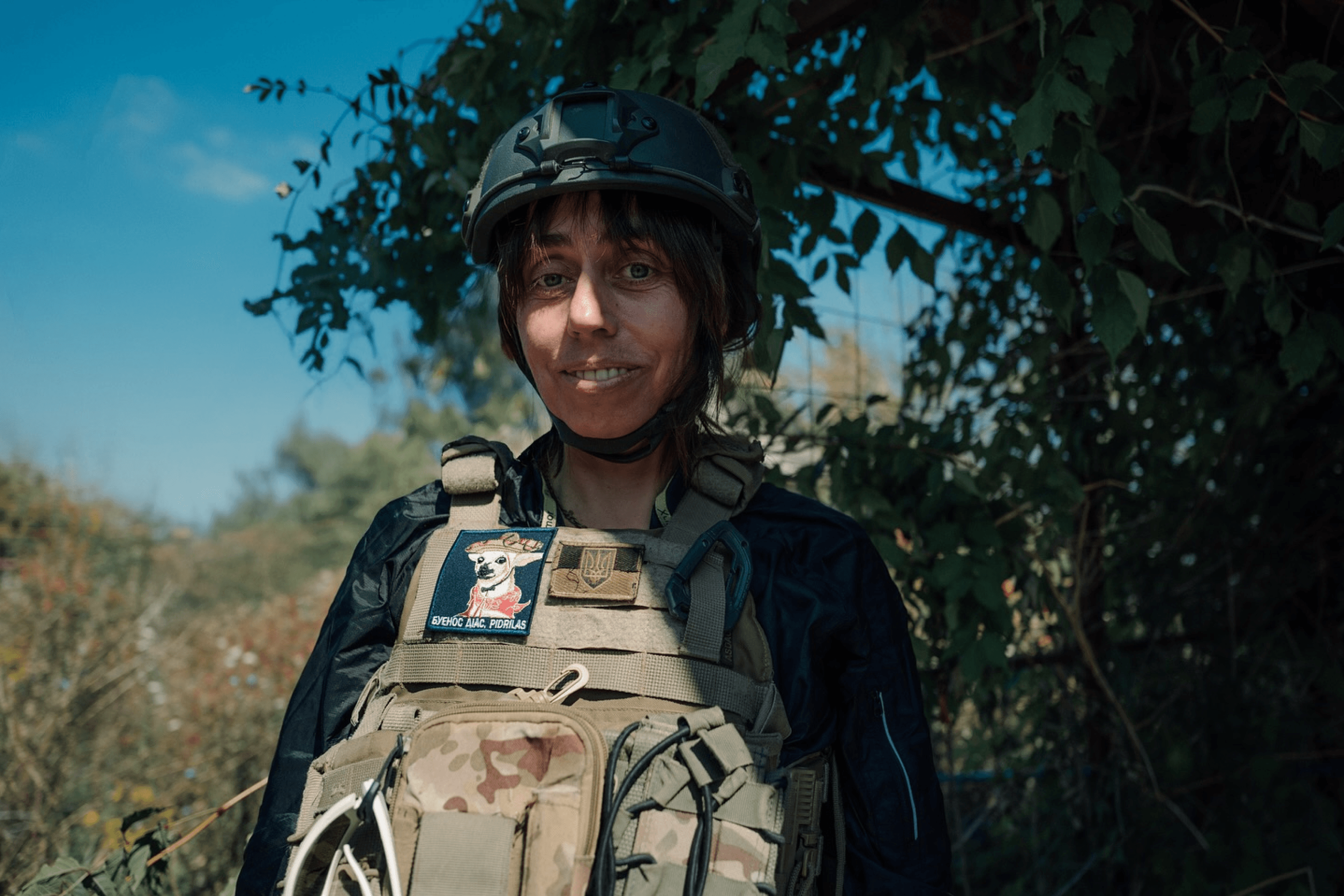
Zhanna Kadyrova during a meeting with fighters of the “Khartia” Brigade in Kharkiv Oblast. 2025. Photo: kadyrova.com / YB 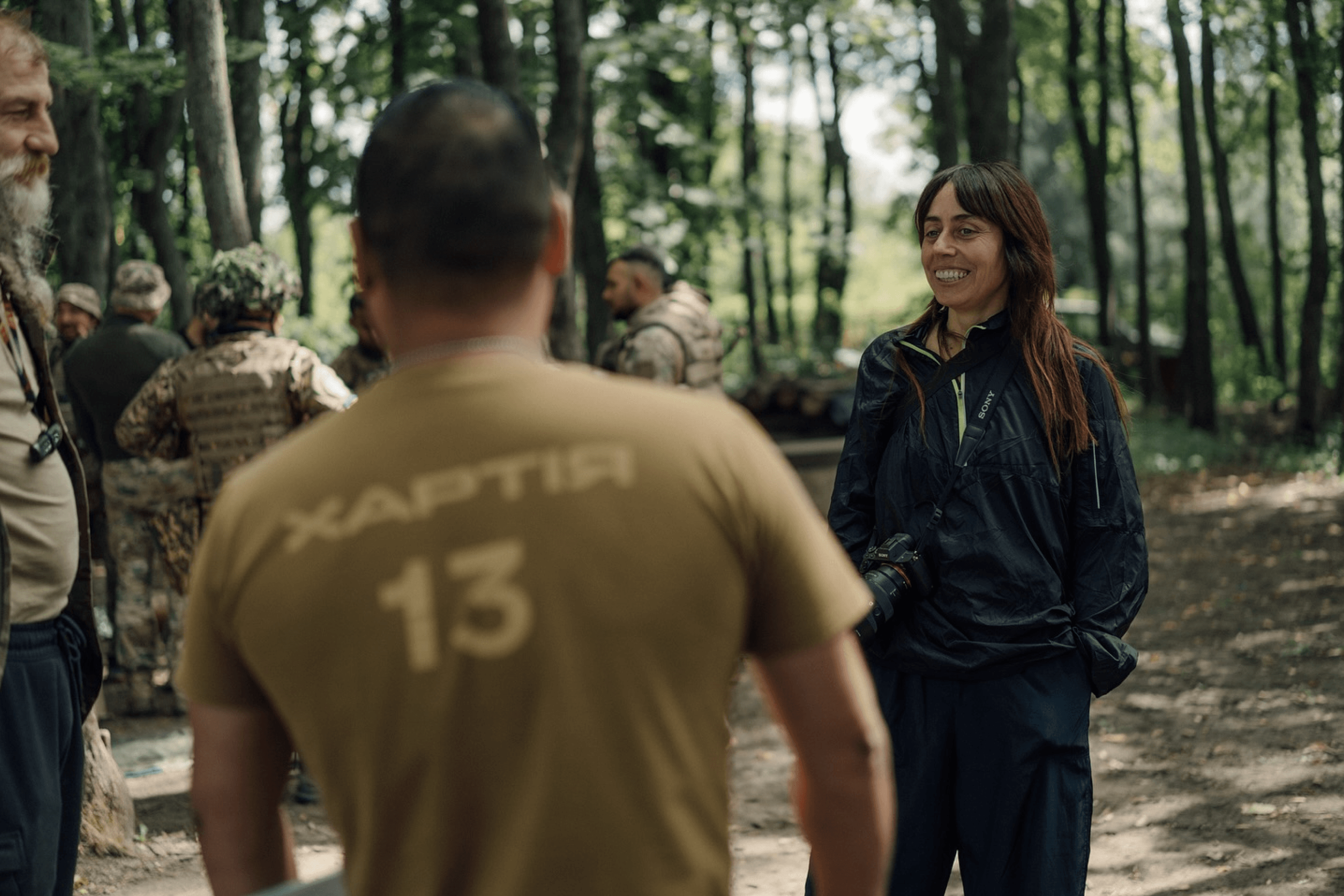
Photo: kadyrova.com / YB 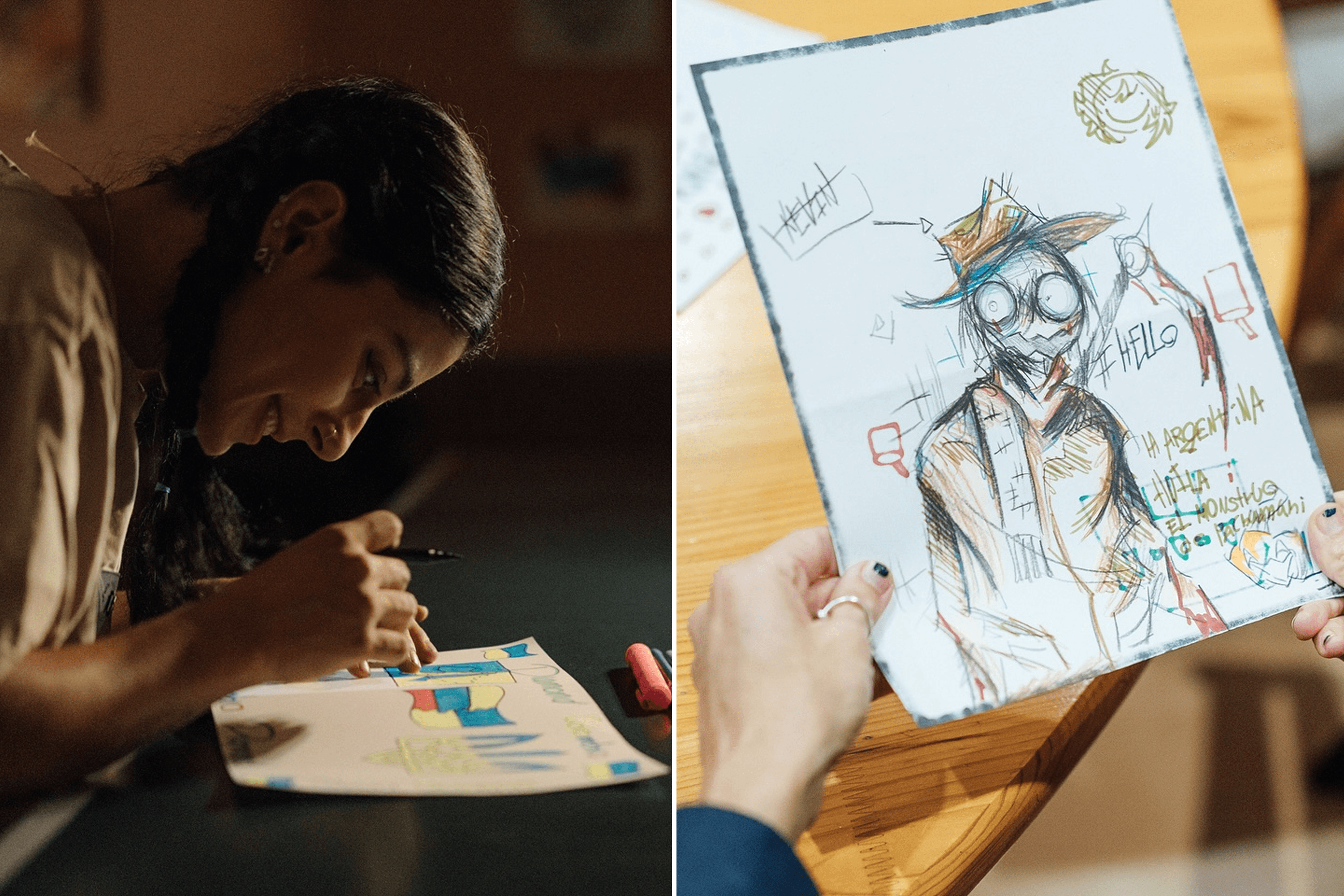
Photo: kadyrova.com / YB 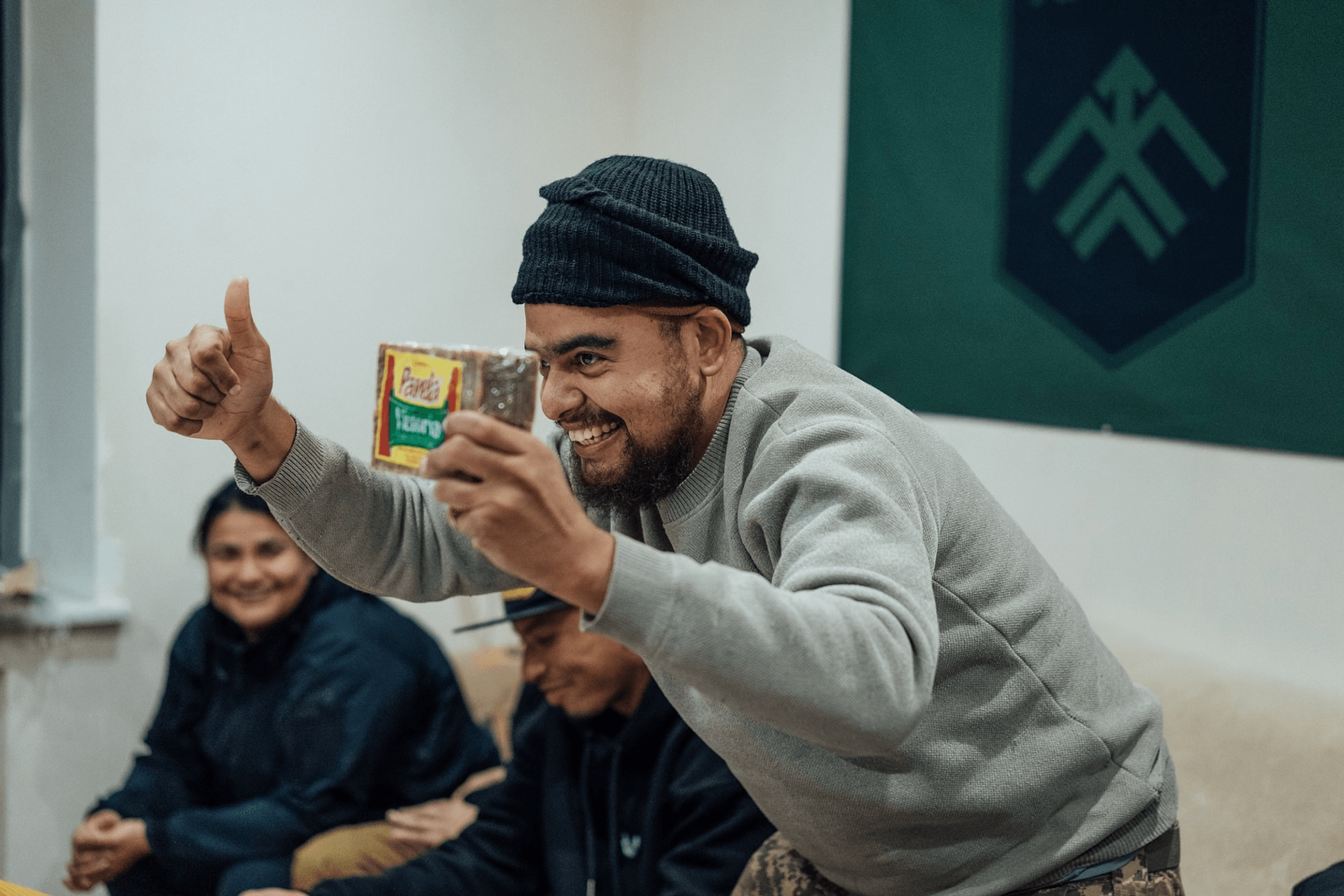
Photo: kadyrova.com / YB 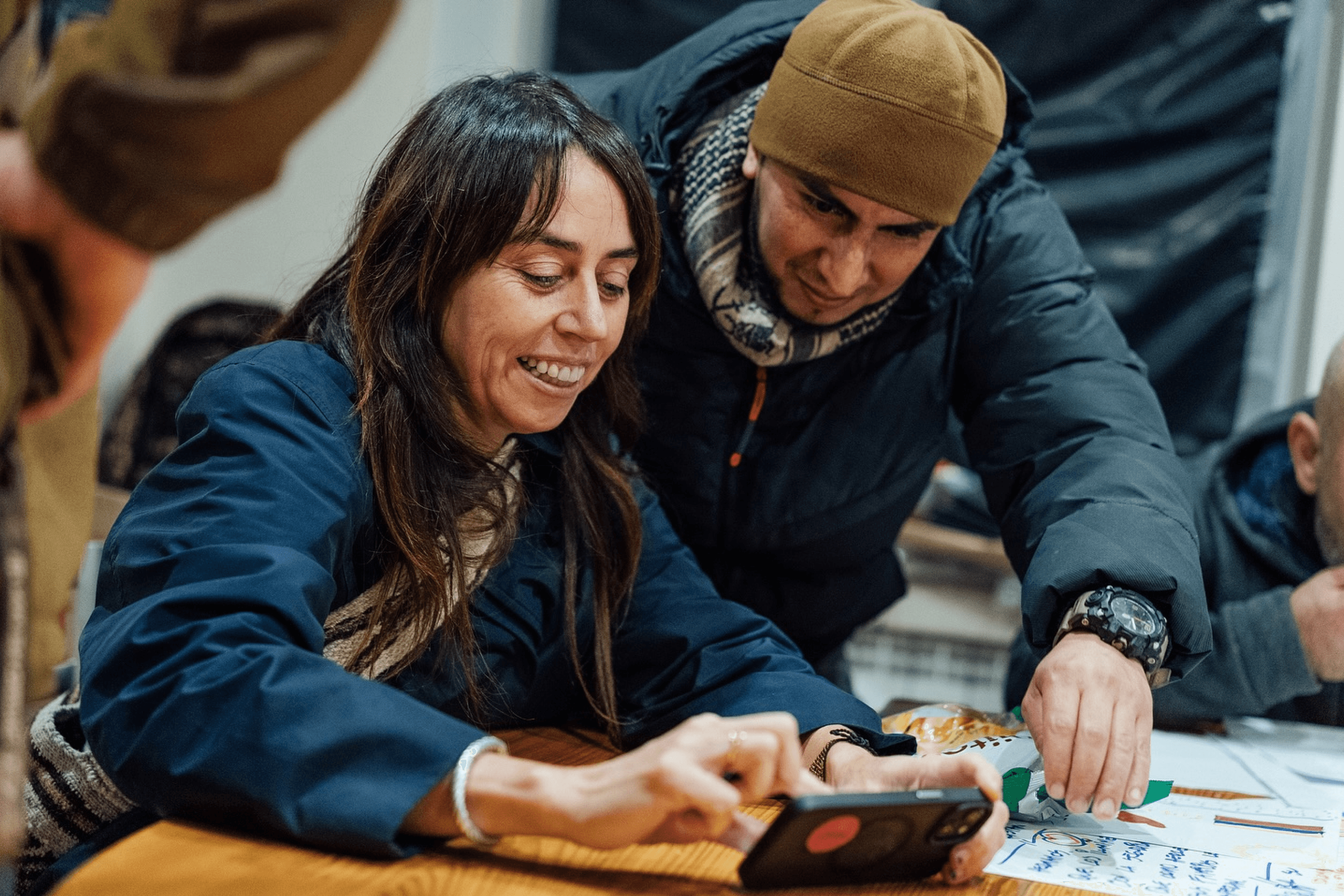
Photo: kadyrova.com / YB 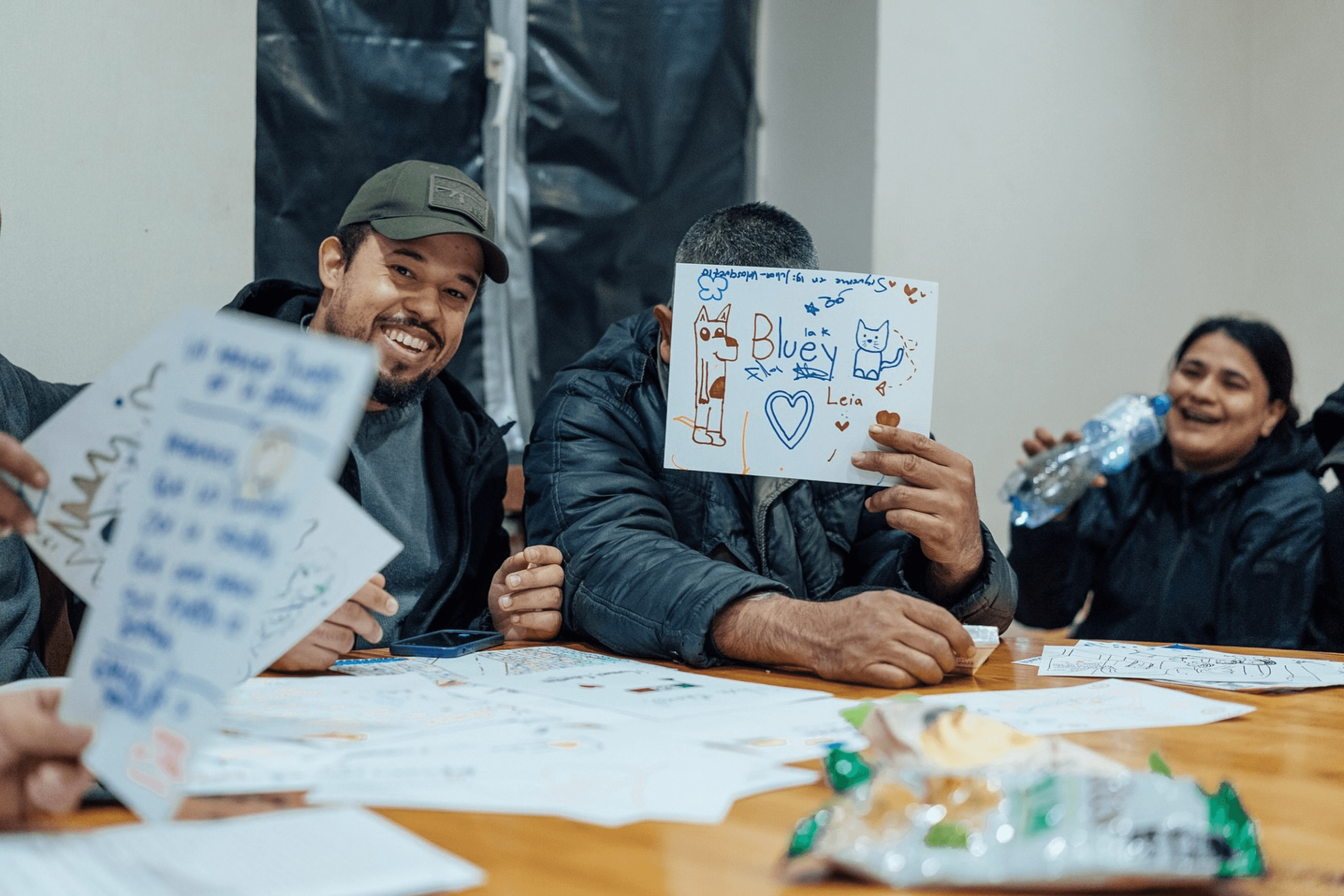
Photo: kadyrova.com / YB
In your opinion, how is the full-scale war in Ukraine changing the very logic of heroization? In the Soviet tradition, the hero was a clearly suggested figure. Today, a hero can be not only a service member but also a civilian. One can heroize a private psychological experience, discipline, utility, or an artistic practice that documents the war.
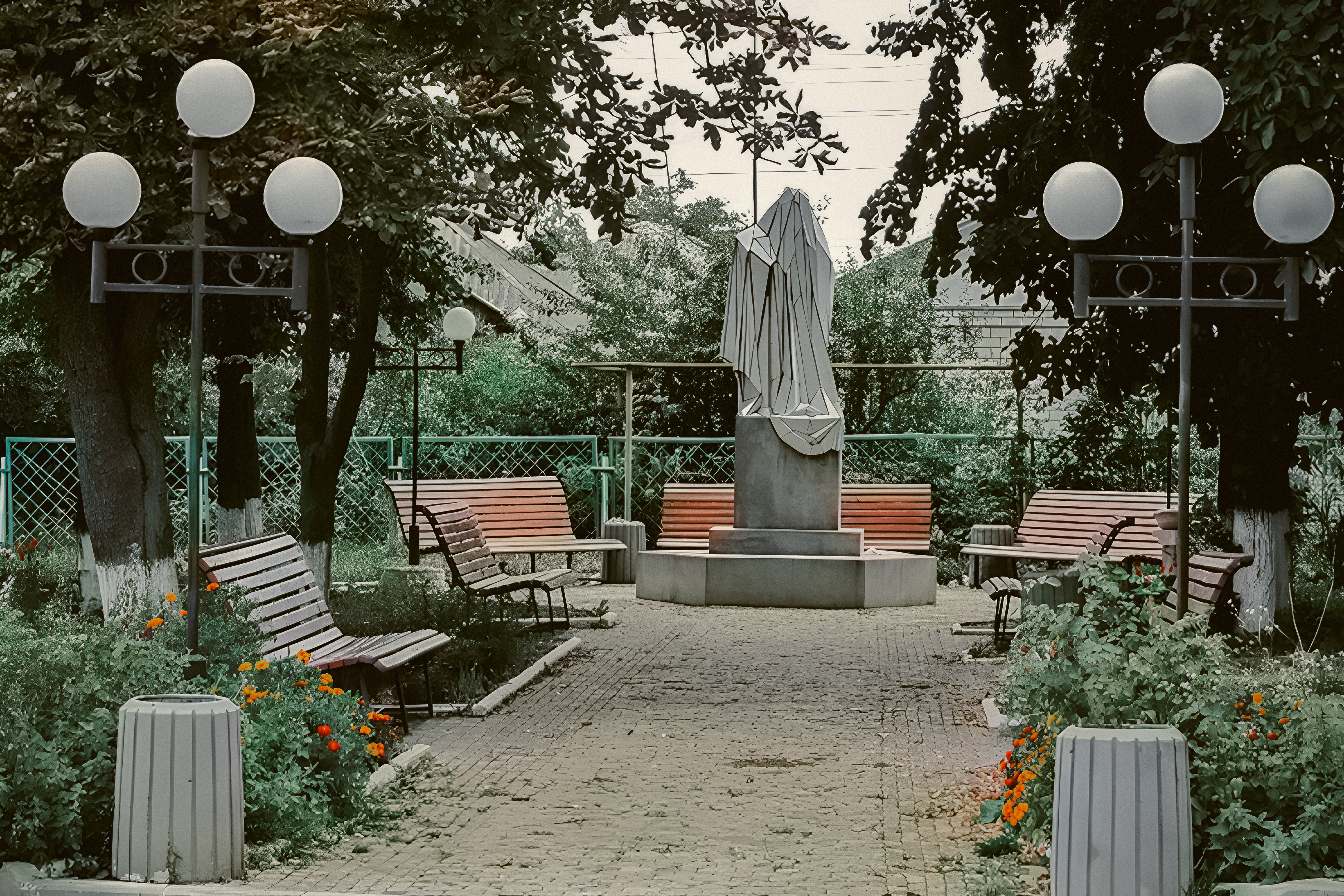
Yes. The war literally rewrites the meanings of older works. And that is why my work “Monument to a New Monument,” which I created in 2007, reads completely differently now. Back then, I was working with the idea of transforming the image of a hero. In the Soviet system, it was a rigid vertical model: a hero was a monumental figure with unquestionable authority. Today, this logic is collapsing. In a war situation, there is no single hero. Instead, a multiplicity emerges: military personnel, medics, volunteers, rescue workers, people who restore infrastructure, and those who keep society functioning under wartime conditions.
When you worked with Soviet heritage, were you more interested in the deconstruction of the system or in researching how its traces still sprout in Ukraine today?
I’m primarily interested in the history of Ukraine. Even what we call Soviet heritage was to a large extent created by Ukrainian artists—and it’s important to remember this. Russia has always tried to erase this, appropriate it, and blend experiences together. Therefore, for me, it is not about discarding everything Soviet, but about an attempt to understand the country’s complex history. This is my personal interest in sculpture, mosaic, and how it developed here. Similarly, I’m interested in comparing this experience with other countries where a similar system existed, for instance, in post-Soviet republics.
If we set aside your assistance to the Armed Forces of Ukraine, the development of your creative work in institutions, and your market growth, what is the main purpose of art for you today?
To convey the truth to the world. We do not possess a powerful state machine of cultural diplomacy, so individual artistic statements effectively fulfill this role. Art has become a way to speak to a large audience about what is happening in Ukraine. It is an opportunity to make visible a reality that is often not seen or understood in the world. Unfortunately, Russia systematically uses culture as an instrument of influence. It’s not for nothing that the director of the Hermitage said: “Our exhibitions abroad are simply a powerful cultural offensive. If you like, a kind of special operation.”