
In the late 1980s, Ukrainian scientists Oleksandr Filipov and Viktor Martyniuk developed a compact device to measure radioactive contamination. Building on that breakthrough, they created the world’s first benchtop spectrometer capable of accurately analyzing the chemical composition of virtually any material—and founded Elvatech.
Today, Elvatech exports its precision instruments to over 70 countries. With 2025 revenues reaching $10.4 million, its analyzers are deployed across jewelry manufacturing, heavy industry, art authentication, and humanitarian demining. Now, the company aims to become one of the top three global industry leaders, scaling production despite the ongoing risks of the war.
Yellow Blue journalist Sofiia Korotunenko spoke with Oleksandr Filipov about transforming scientific innovation into an international business, why a superior product alone doesn't guarantee strong sales, and how a Ukrainian firm competes with global industry giants.
You got your start in science back in the 1980s. What was it like?
My career in science began in 1981, during my fifth year at the Radiophysics Faculty of Taras Shevchenko National University of Kyiv. I was writing my graduation thesis at the Kurdyumov Institute for Metal Physics, where I stayed on after graduation. Together with my classmate Viktor Martyniuk, I worked on physical processes and designed experimental hardware that was scarce back then. Over time, I defended my thesis and received my Candidate of Sciences degree in physics and mathematics.
Following the 1986 Chornobyl disaster, measuring radioactive contamination in soil, water, and food became a matter of critical urgency. This was done using ionizing radiation spectrometers—devices that picked up gamma rays via detectors connected to large, stationary setups where specialists retrieved and analyzed the data.
In the late 1980s, Viktor and I built a compact circuit board designed to fit right inside a desktop computer. A scientist could plug a detector into the computer and immediately see the radiation spectrum on screen. It was revolutionary: small, accessible, and vastly more efficient for data analysis.
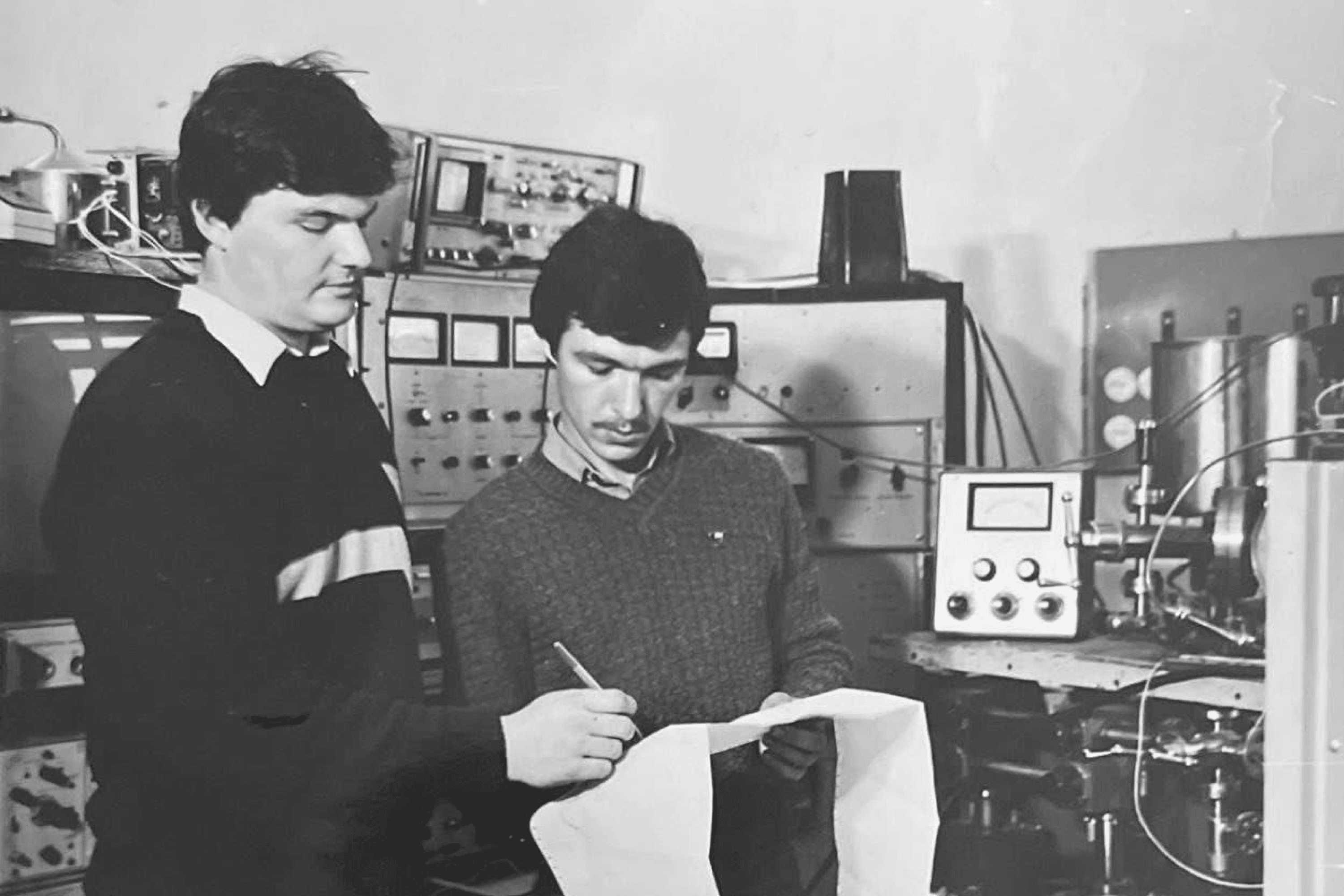
For a few years, we manufactured these boards for a Kyiv company that assembled full spectrometer units and sold them across the Soviet Union to nuclear plants, sanitary stations, and monitoring agencies.
In 1987, as private business activity was first permitted in the USSR, Viktor and I set up our own engineering bureau under the Progress Center for Youth Innovation in Kyiv. We started building custom spectrometers for scientists. When the Soviet Union collapsed, research funding completely vanished, taking our clientele with it. But we had the experience by then, and we knew we could launch a new venture from scratch.
You and Viktor Martyniuk founded Elvatech in 1991. Early on, you took on all sorts of projects, even repurposing helicopter batteries for car use. But in 1999, you pivoted to manufacturing X-ray fluorescence (XRF) spectrometers. How did that idea come about, and what made the technology unique?
XRF analyzers already existed back then, both in the USSR and abroad, but they were massive, stationary systems. They relied on lithium-drifted silicon detectors that required non-stop cooling—otherwise, they’d break down. To keep them cold, the detector was submerged in an aluminum tank of liquid nitrogen. The nitrogen evaporated quickly and had to be topped up at least once a week.
Meanwhile, American companies were working on room-temperature silicon detectors. One of those pioneers was Moxtek. In 1998, I proposed adapting their detector for X-ray spectrometry. I traveled to the US, and we struck a deal to collaborate. Backed by a grant from CRDF Global, Viktor and I built our first XRF prototype by combining Moxtek’s detector with our custom electronics. We assembled the units by hand—sitting in our office after hours with soldering irons and screwdrivers.
Elvatech X-ray fluorescence spectrometers. October 2022. Photo: Elvatech Ltd. / Facebook 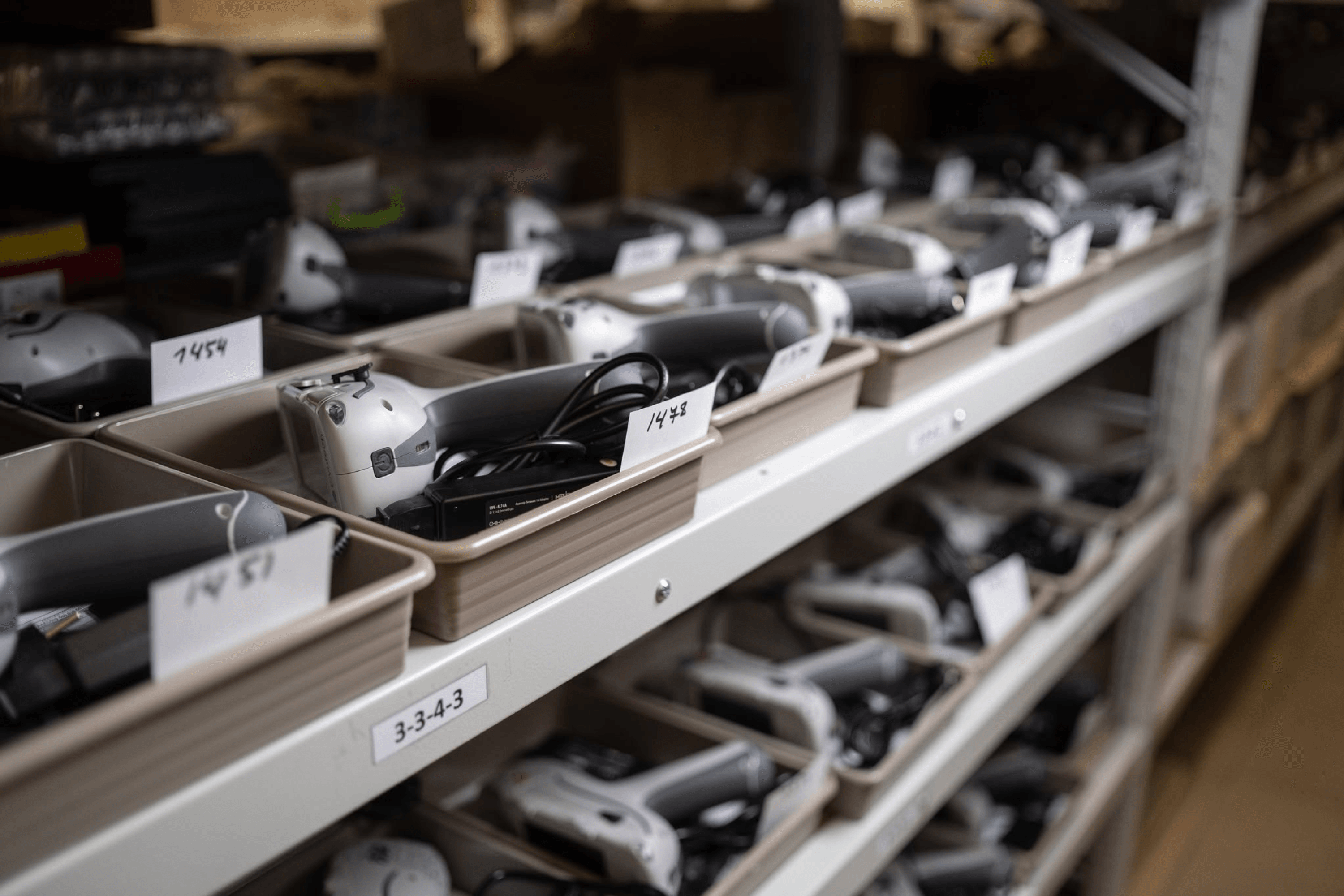
Photo: Elvatech Ltd. / Facebook
We were the first in the world to bring a mass-produced, commercially viable XRF analyzer of this kind to market. Instead of a bulky setup, we offered a compact benchtop device. You could compare this leap to the shift from mainframes to personal computers. That is our contribution to history.
Could you explain in simple terms how these devices actually work?
Inside the instrument sits an X-ray tube. It shoots an X-ray beam at the material, exciting its atoms. In response, those atoms emit secondary X-rays with energy levels unique to each chemical element. By measuring these energy signatures, the device identifies which elements are present—and by measuring the intensity of that radiation, it calculates their exact concentration.
Who was your first client?
When we were just starting work on the benchtop unit, we didn’t know the market well yet, but we recognized potential in jewelers: they needed to accurately determine gold purity and apply hallmarks. XRF analyzers already existed for the jewelry sector, but they lacked the necessary accuracy.
In 1998, a representative from Ashlyn Chemunnoor Instruments—an Indian company manufacturing scales and equipment for jewelers—reached out to Moxtek. They needed a reliable solution for testing gold, so our American colleagues directed them to us. We developed a prototype jewelry analyzer that determined precious metal composition with high precision.
I’ll never forget the beginning of our partnership in India. We spent a month traveling across the country, demonstrating the device to jewelers. At every presentation, we were surrounded by hundreds of people, each eager to test their items—literally kilograms of gold. It was overwhelming, but most importantly, we saw that the technology delivered, and that we could build a viable business on it.
Since 2000, India has been our primary market for jewelry analyzers—roughly 75 percent of global jewelry production is concentrated in the southern part of the country. Rather than massive factories, the market consists of millions of independent jewelers. Dubai came next, accounting for about 10 percent of the global jewelry industry. Today, we ship five to seven units a year to India and Dubai.
Working with components of Elvatech X-ray fluorescence analyzers. November 2022. Photo: Elvatech Ltd. / Facebook 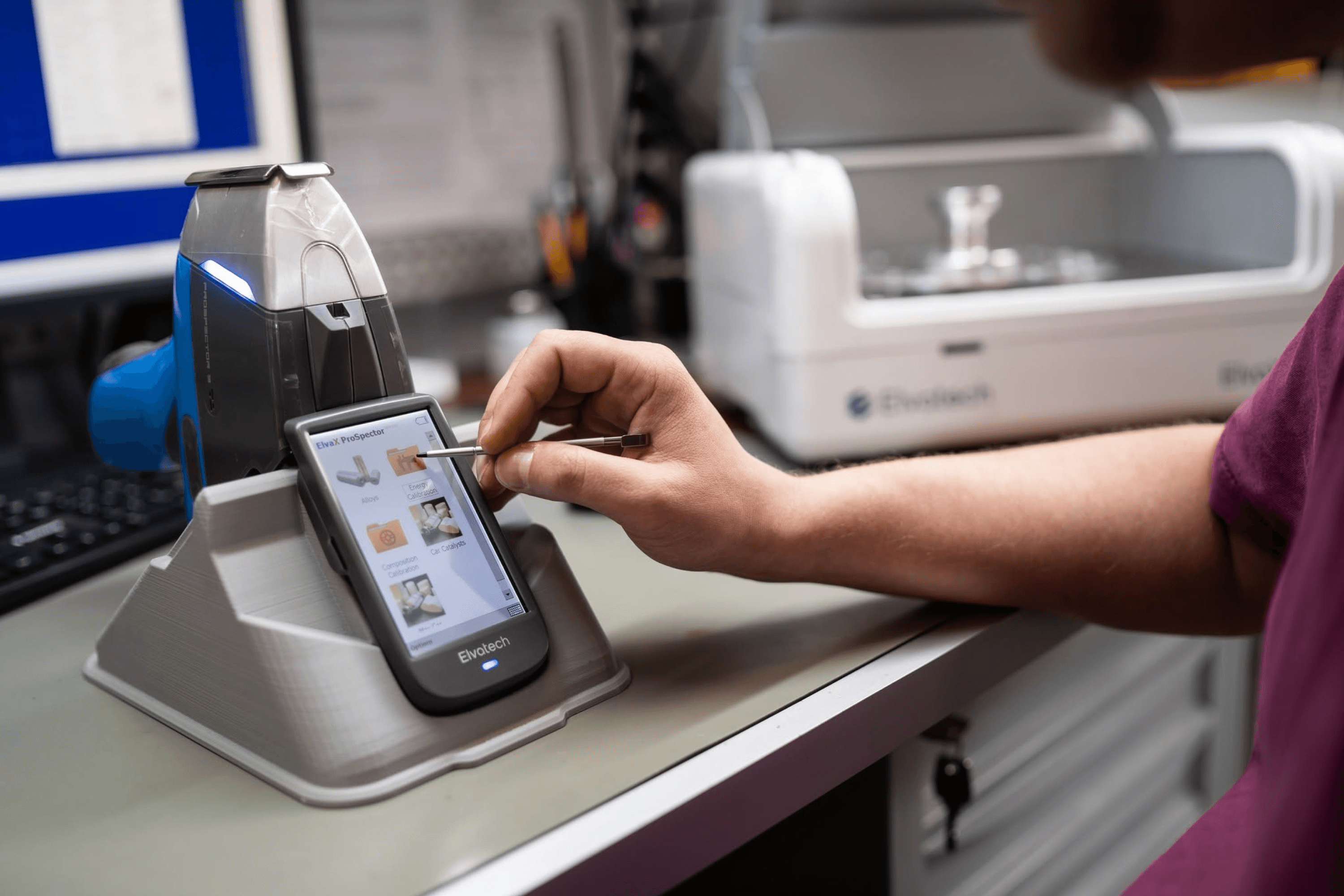
Photo: Elvatech Ltd. / Facebook 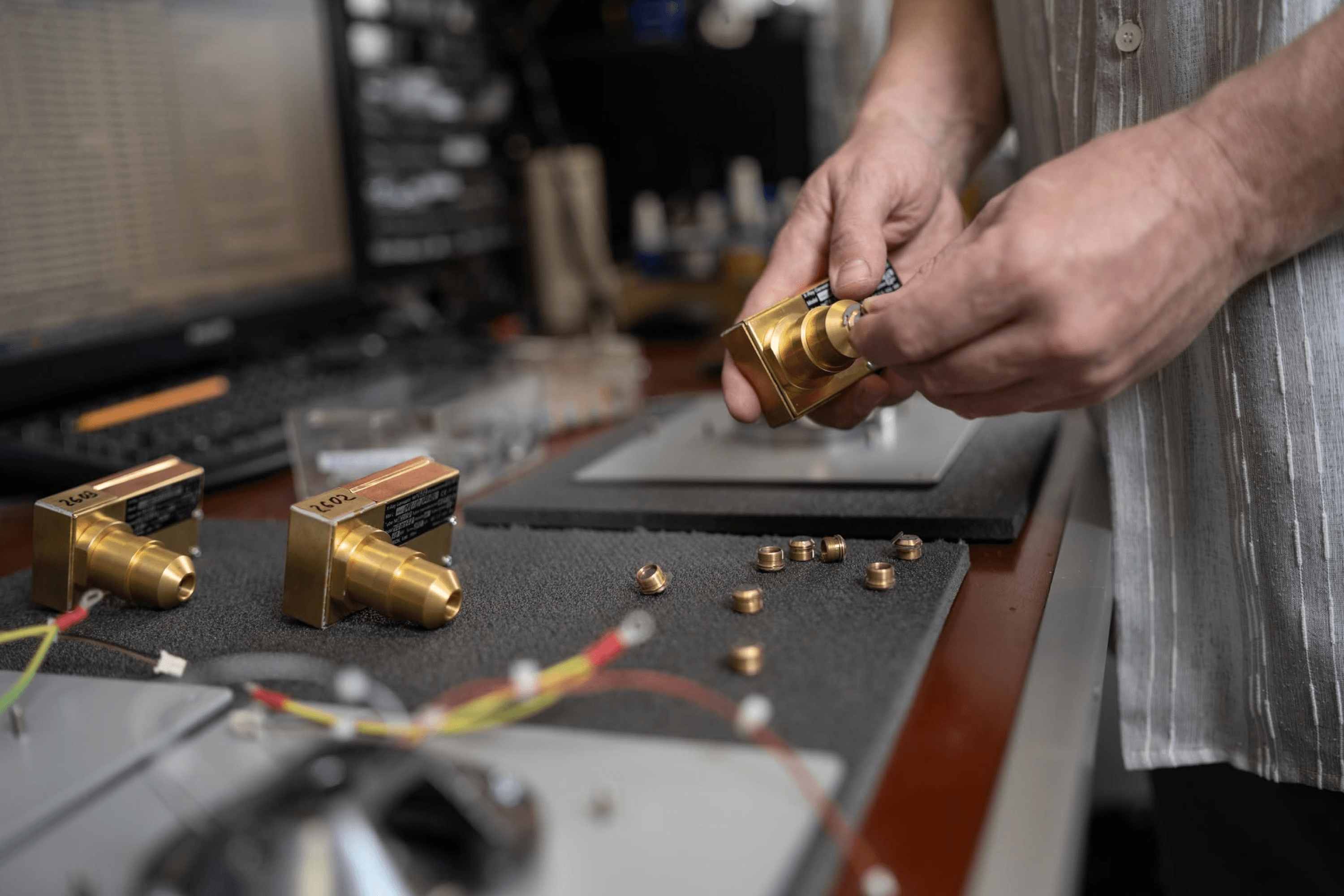
Photo: Elvatech Ltd. / Facebook 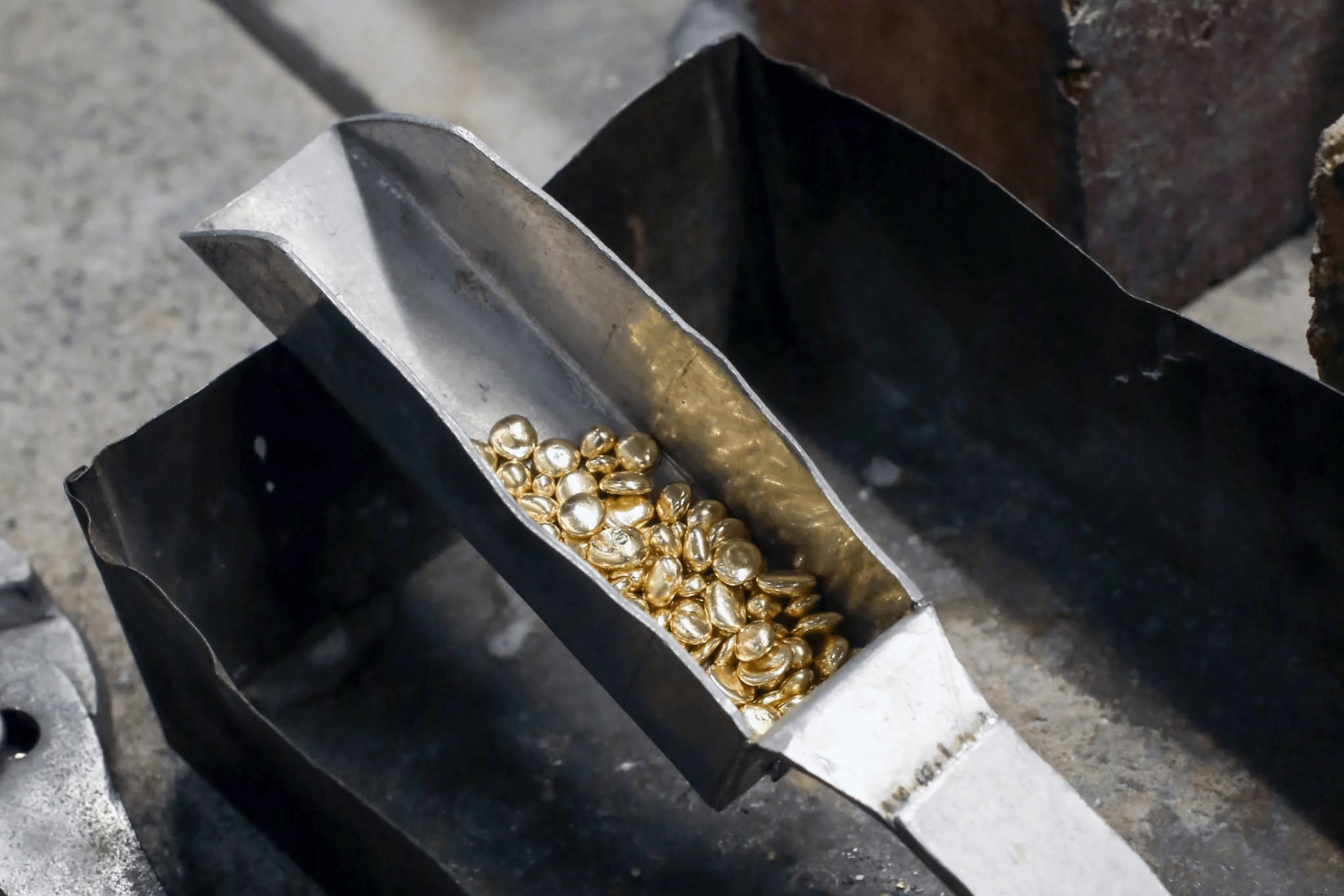
Photo: Elvatech Ltd. / Facebook 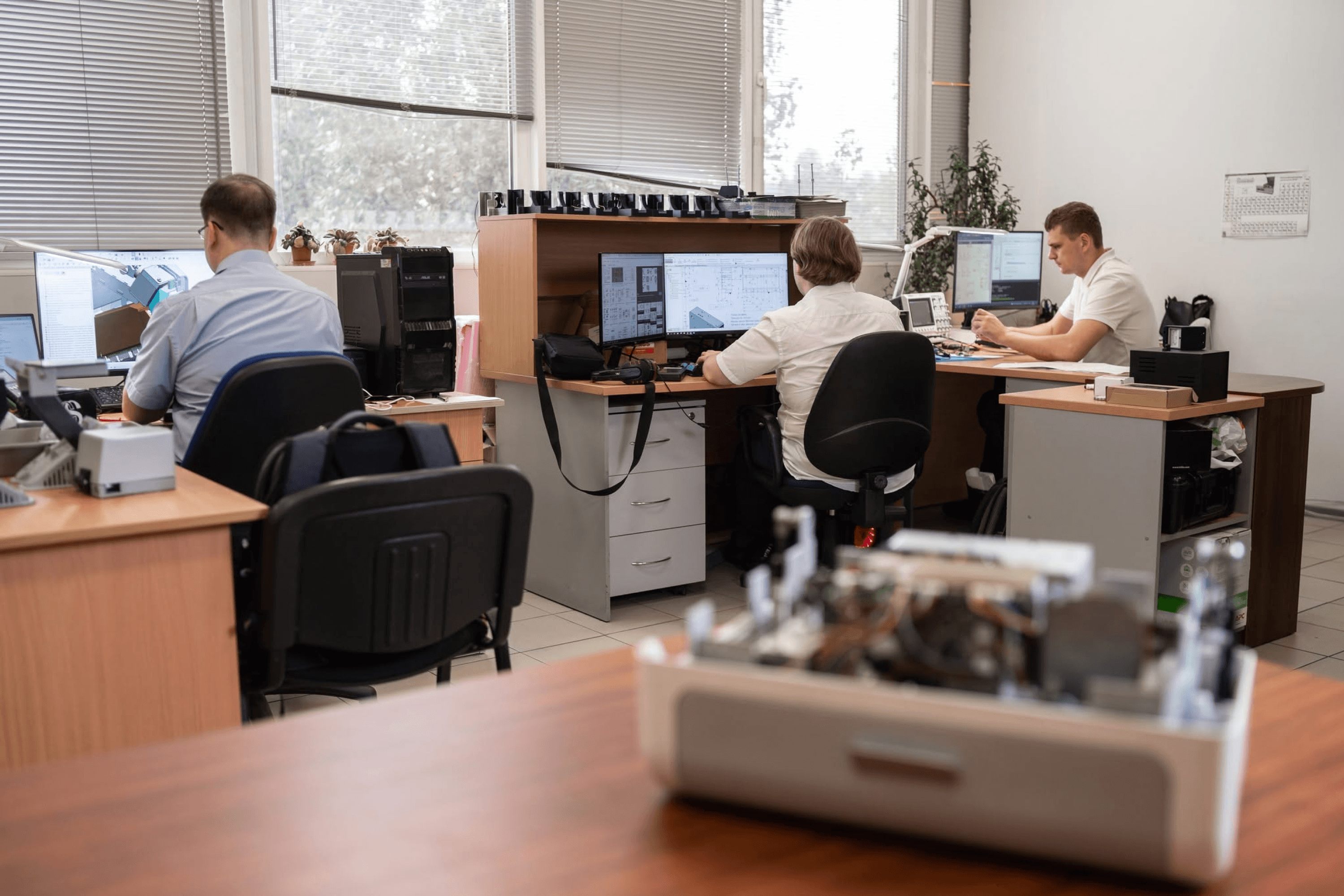
Photo: Elvatech Ltd. / Facebook
Was there demand for these analyzers in Ukraine?
Yes. Parallel to exporting to India, we launched a partnership with the State Assay Chamber of Ukraine. Over the course of a year, we analyzed jewelry brought in for hallmarking and cross-referenced the findings against certified standard samples.
Based on our findings, Ukraine approved an official state methodology for measuring gold alloy composition. Since 2001, every state assay facility across Ukraine’s regions has been equipped with our instruments. In this domain, our expertise remains unmatched. We know practically everything about it.
Which markets did you expand into next?
In 2003, we entered the US market. A representative from Xcalibur XRF Services, who sold bulky third-party XRF spectrometers to American jewelers, discovered our website and took an interest in our compact benchtop model. He flew to Kyiv with a stack of test samples and spent a week running tests on our spectrometer. Ultimately, he admitted he had never seen anything like it. He became our US distributor and was soon selling up to 50 units a year.
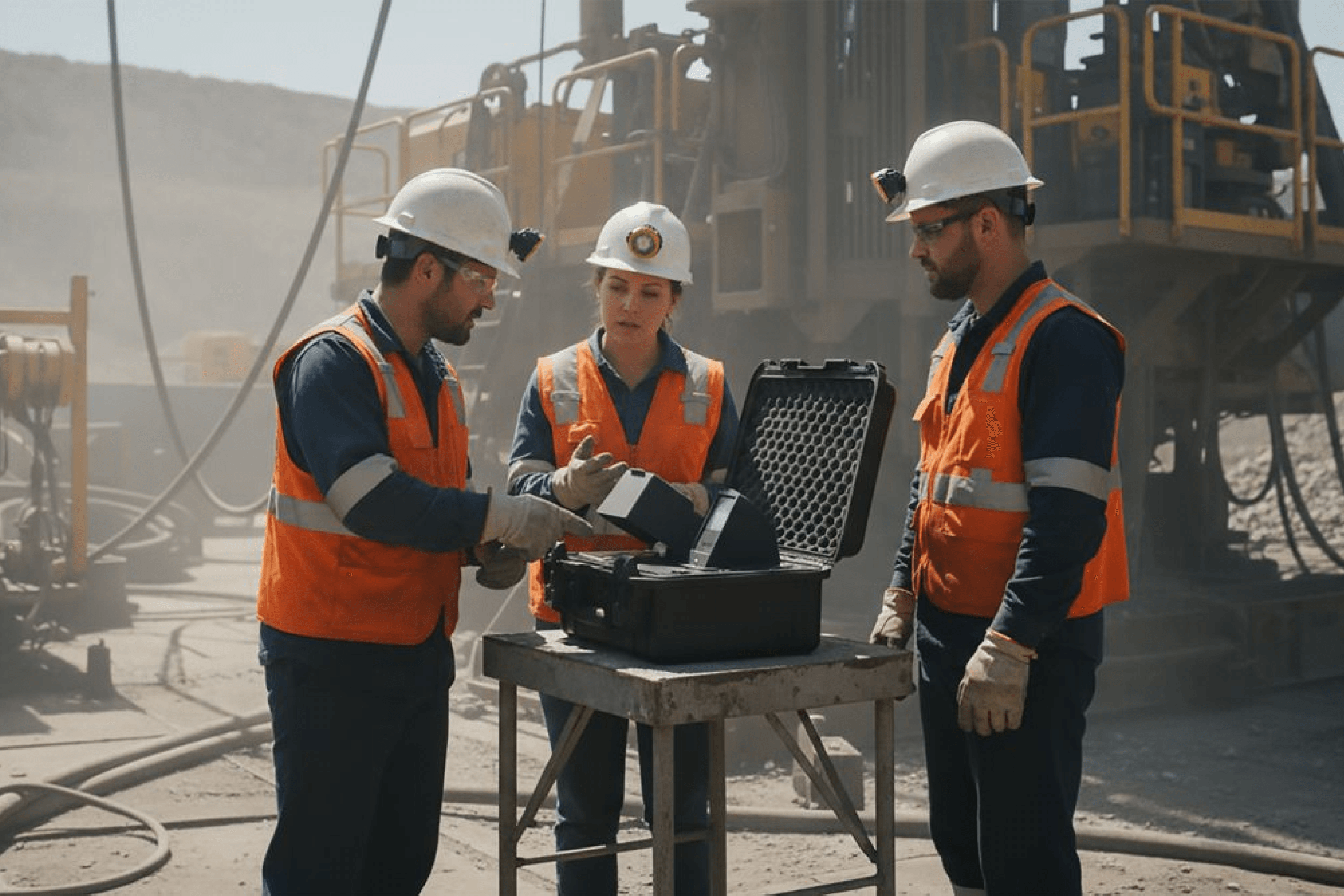
Elvatech X-ray fluorescence spectrometers and their use in analyzing material composition across various industries. Photo: Elvatech Ltd. / Facebook 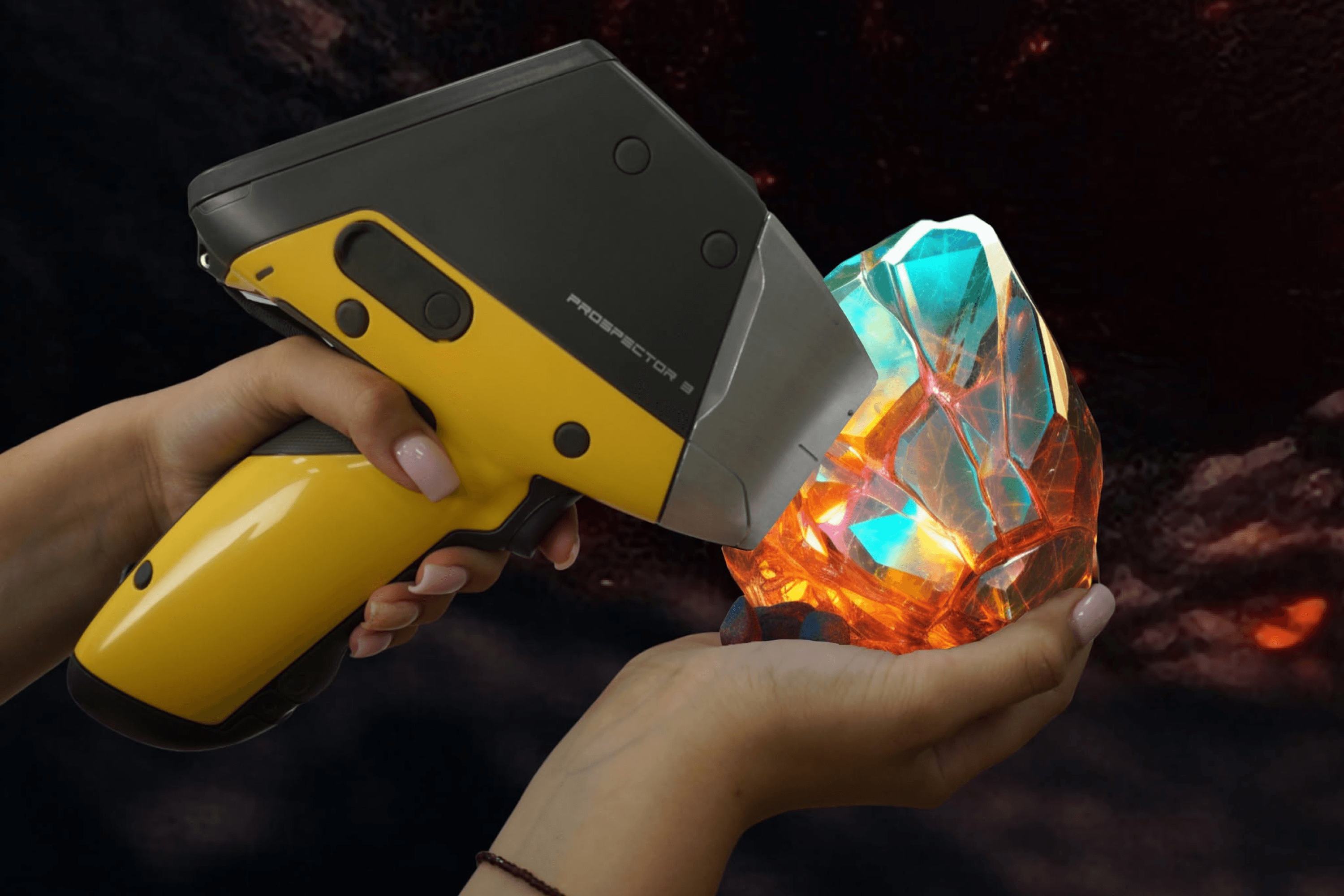
Photo: Elvatech Ltd. / Facebook 
Photo: Elvatech Ltd. / Facebook 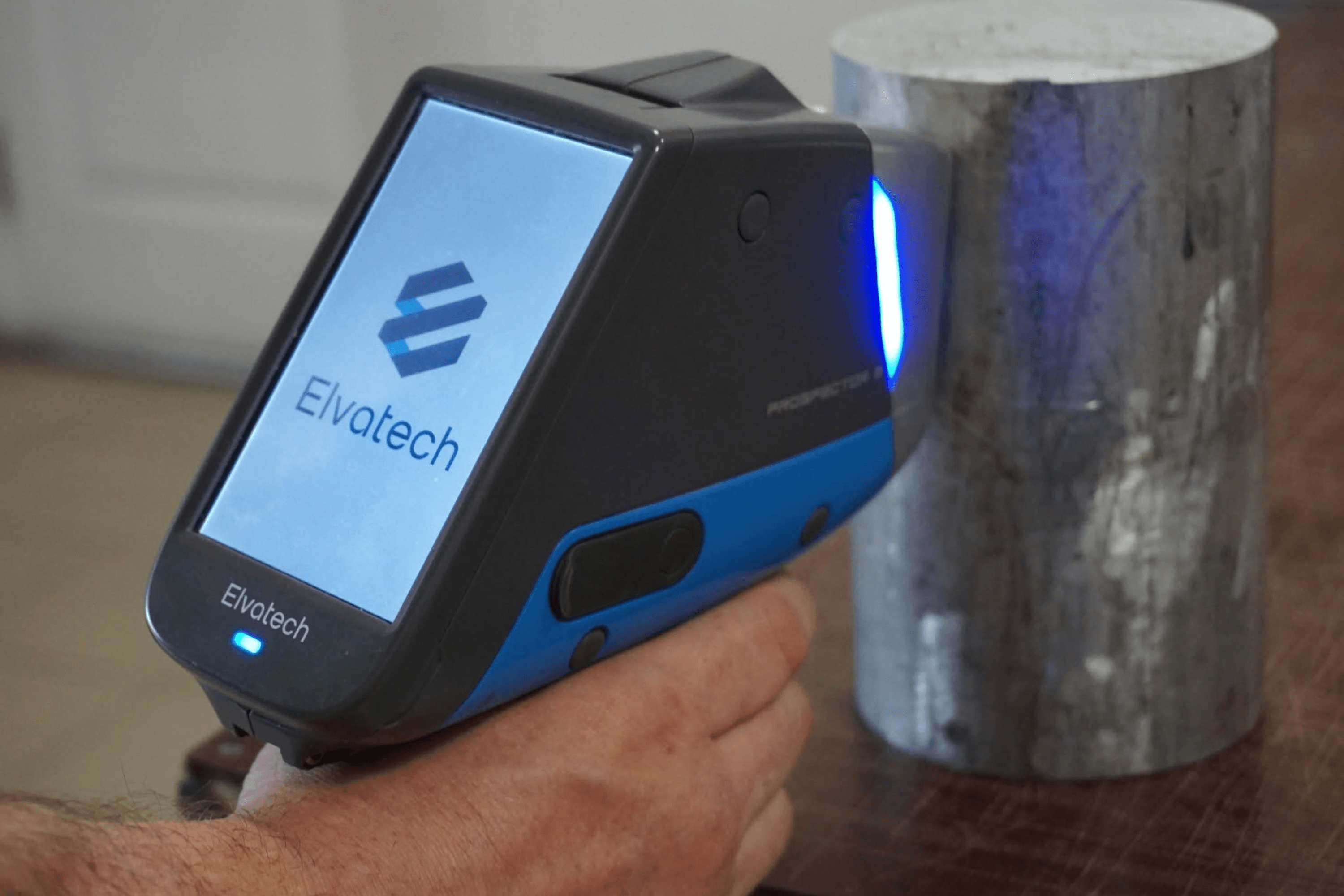
Photo: Elvatech Ltd. / Facebook 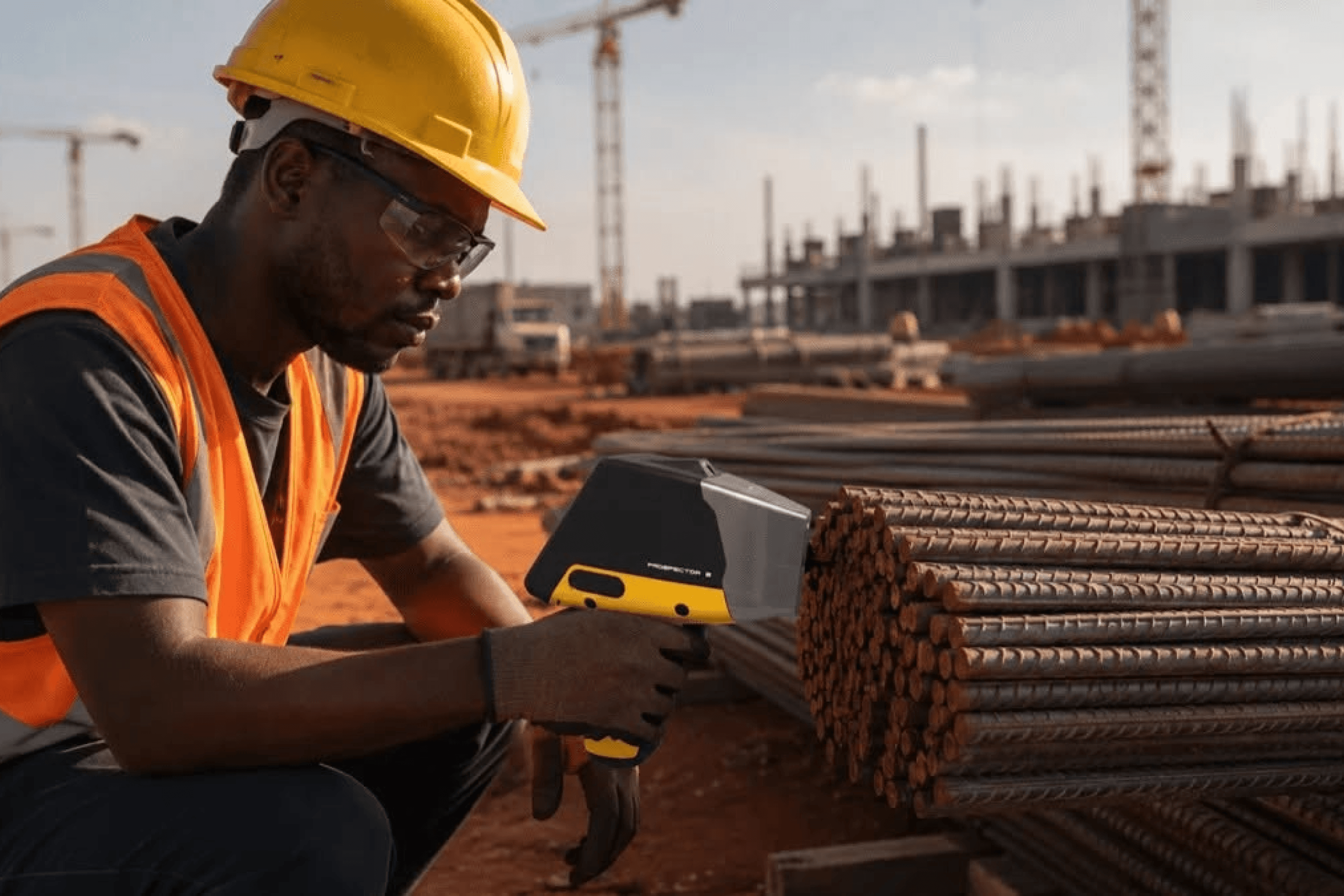
Photo: Elvatech Ltd. / Facebook
When did you start expanding into other industries? Did you need to adapt your instruments for new sectors?
Our benchtop analyzers are universal—they can measure virtually any material or compound. From the mid-2000s, we gradually began entering new markets, though initially on an ad hoc basis: clients learned about our devices by word of mouth or found us online.
Back then, Viktor and I knew little about commercial scaling, so we didn’t pursue rapid business growth. We were convinced we made the best instruments in the world, kept expanding our product line, and assumed that was enough—believing whoever needed our hardware would find us on their own.
Elvatech currently offers around 20 models. How do they differ, and what is their price range?
Our portfolio is divided into three main product lines.
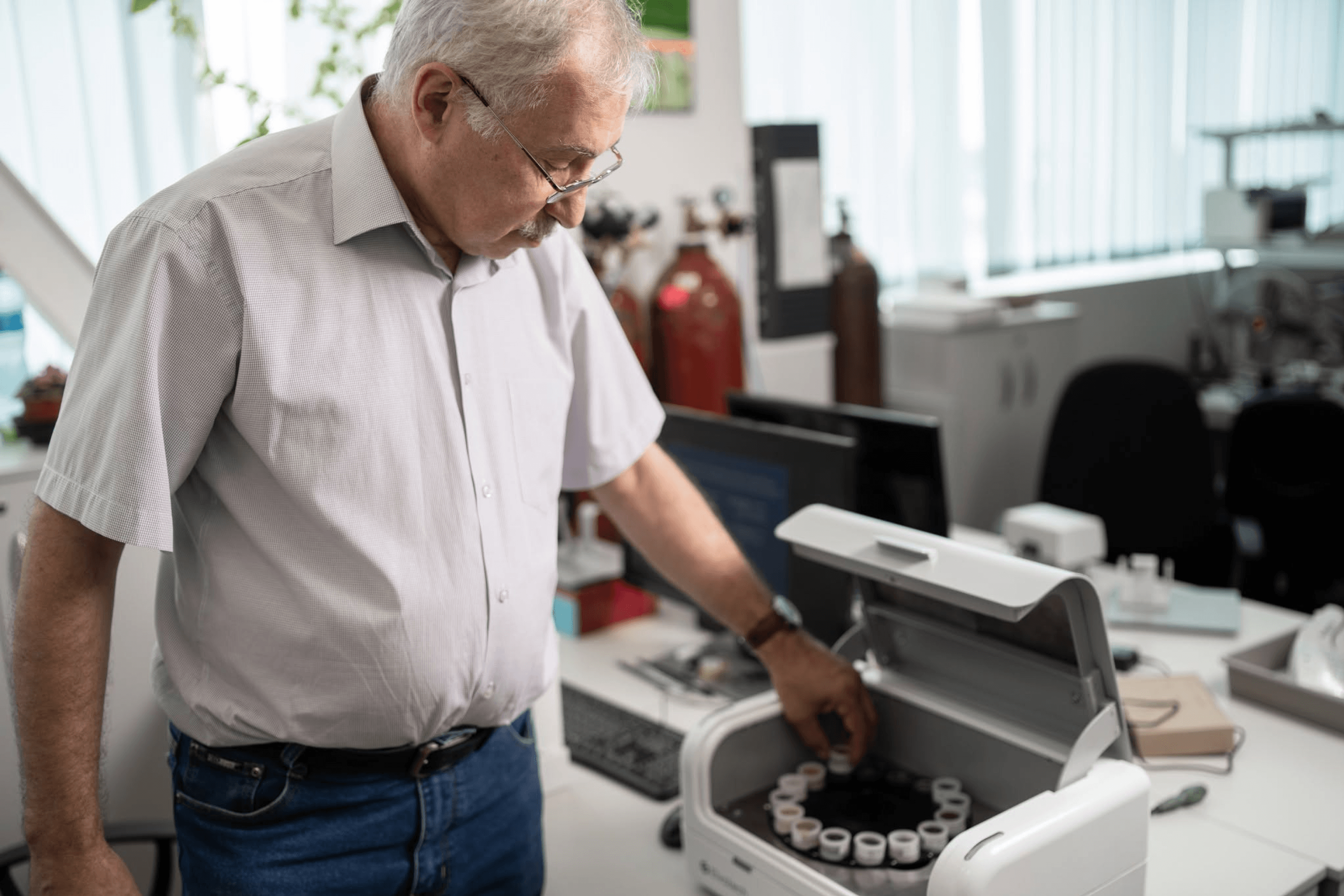
The first consists of benchtop XRF analyzers and spectrometers—modernized iterations of the hardware we originally built back in 1999. They can be calibrated for highly specific tasks, making them indispensable across industries where precise material composition is critical. Our clients include the Paton Electric Welding Institute’s Experimental Plant, Metinvest metallurgical facilities, the Antonov State Enterprise, as well as forensic labs within the Ministry of Internal Affairs and the Security Service of Ukraine.
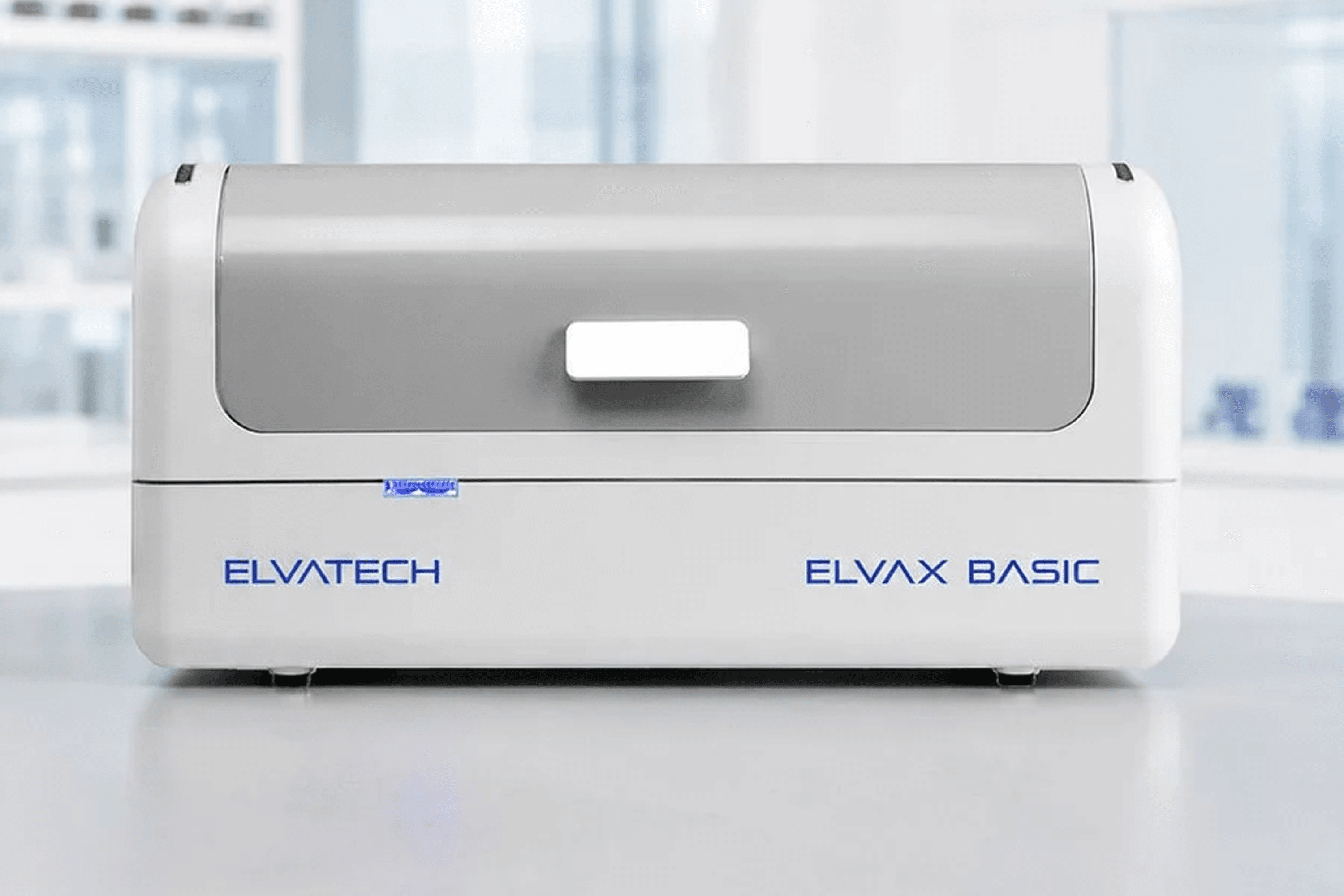
ElvaX Basic. Photo: elvatech.com 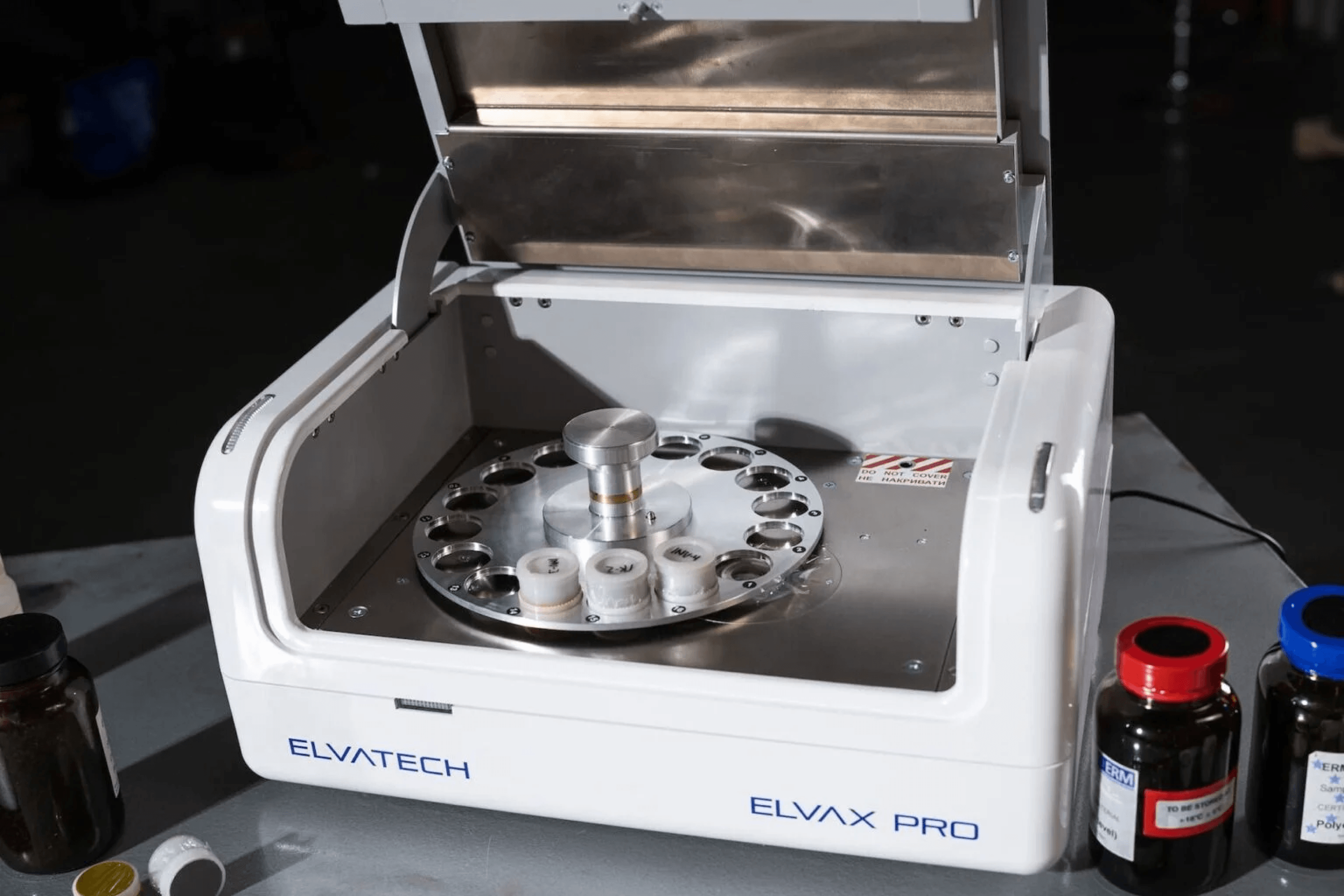
ElvaX Pro. Photo: elvatech.com 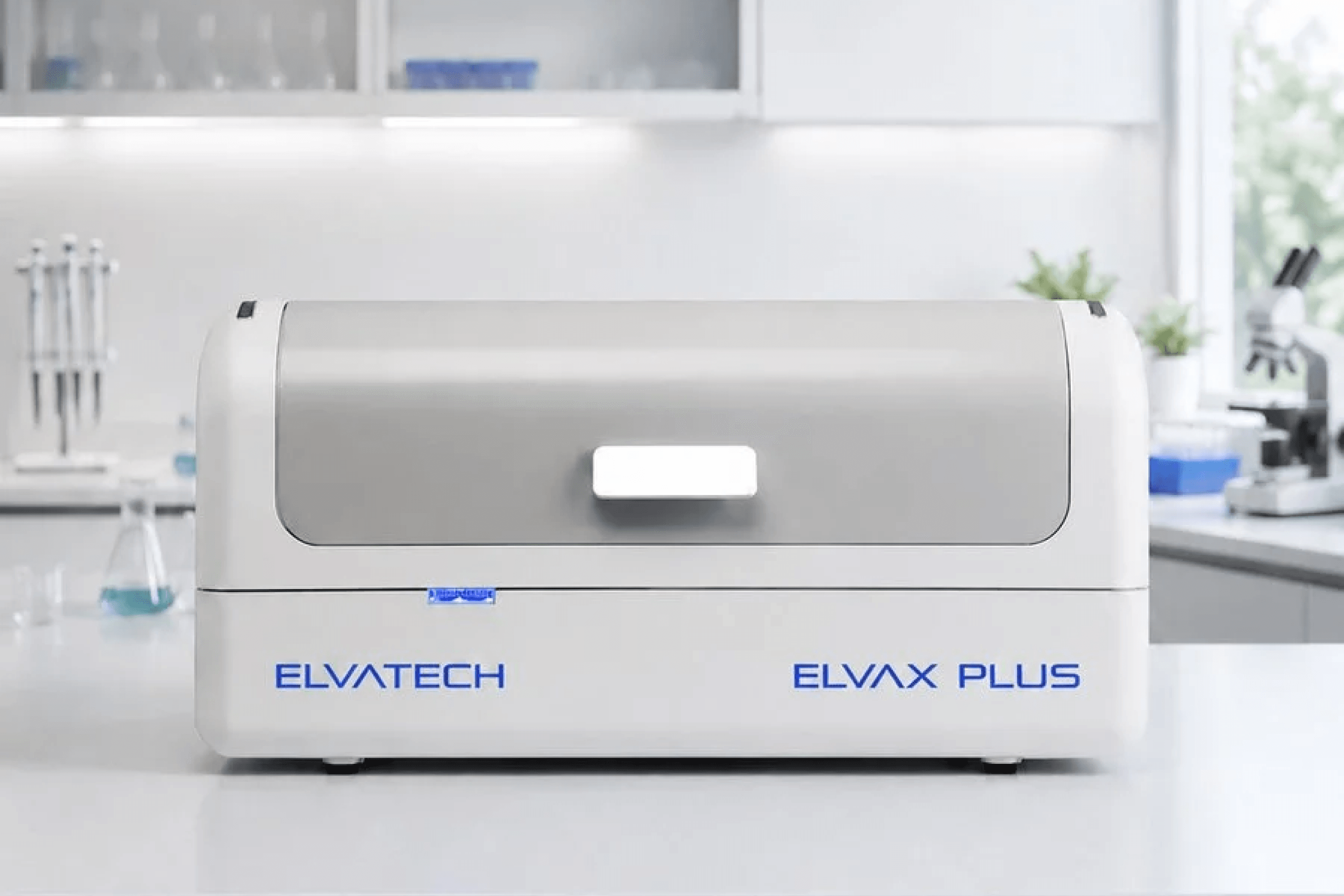
Photo: elvatech.com
This line features three models differentiated by power and feature set. Higher-end units sport larger detector surface areas and deliver significantly faster scan times. The top-tier model can process up to 16 samples automatically in sequence.
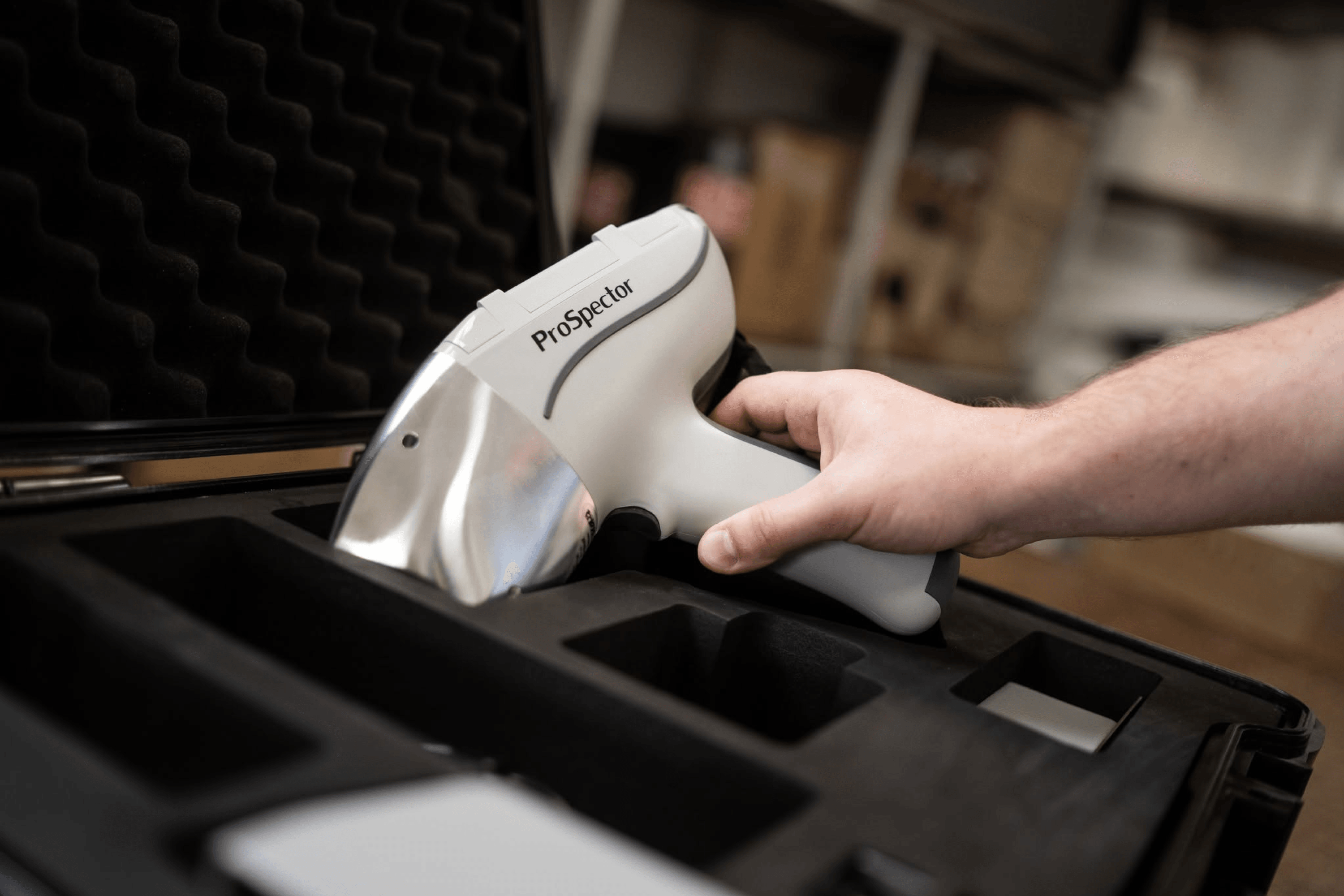
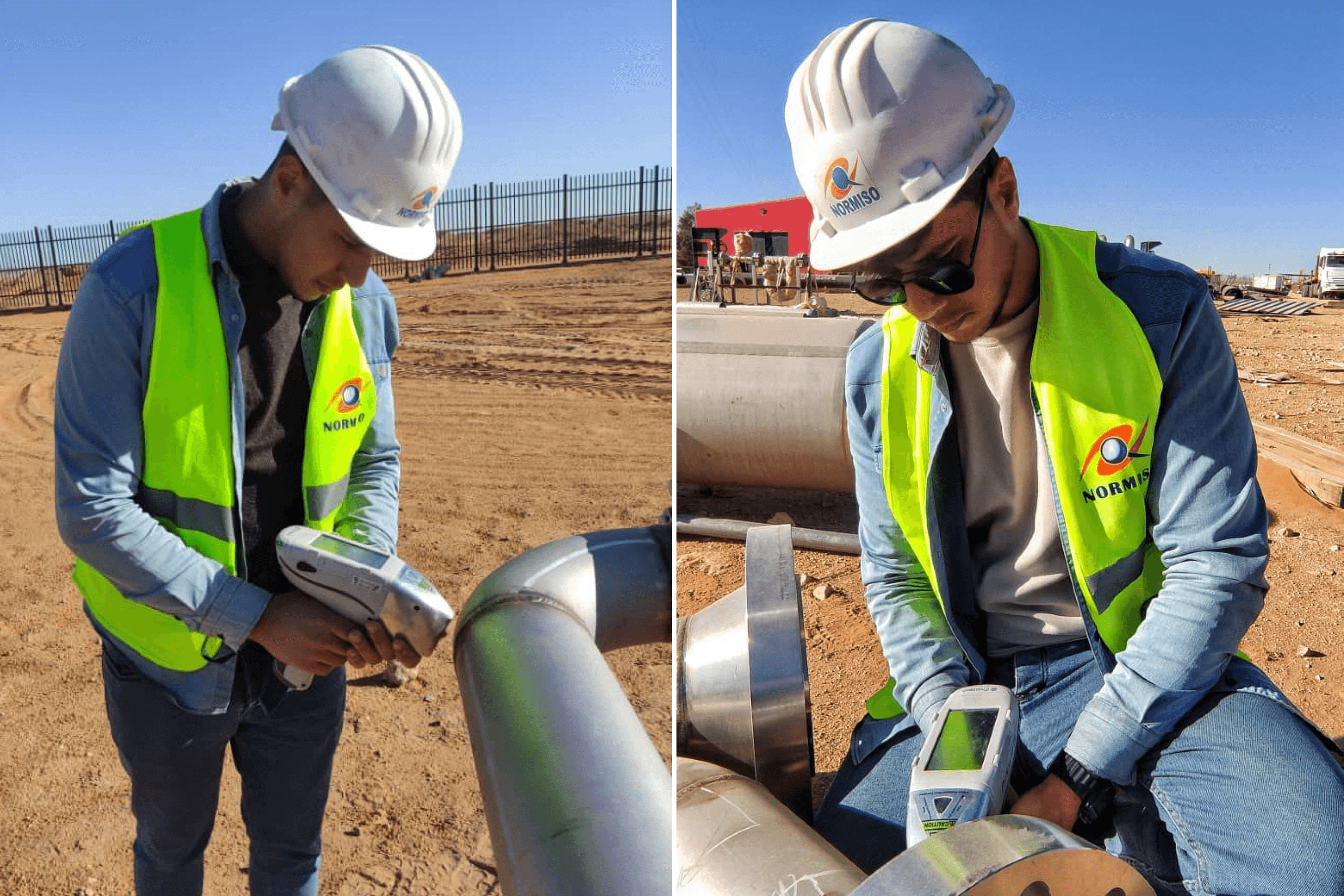
The second line features handheld devices, which we’ve been producing since 2010. Designed with an ergonomic pistol grip, you simply press the device against an object and pull the trigger to get a complete chemical profile in three seconds. This is our most sought-after series, featuring two models that differ in processing speed. Handheld spectrometers are deployed, among other uses, in humanitarian demining and environmental surveys in liberated territories, in collaboration with researchers from the Askania-Nova Reserve and the Hryshko National Botanical Garden.
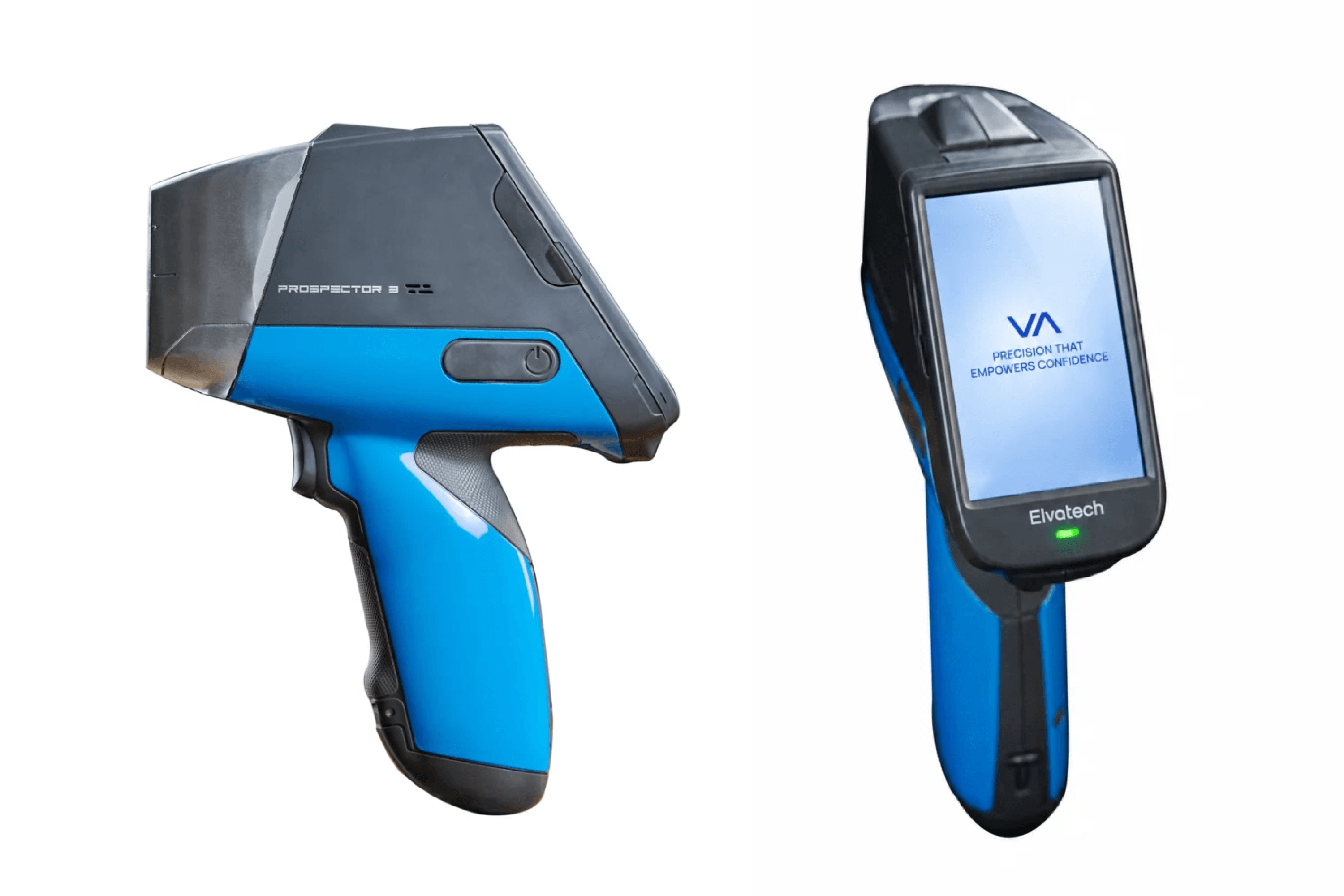
ProSpector 3. Photo: elvatech.com 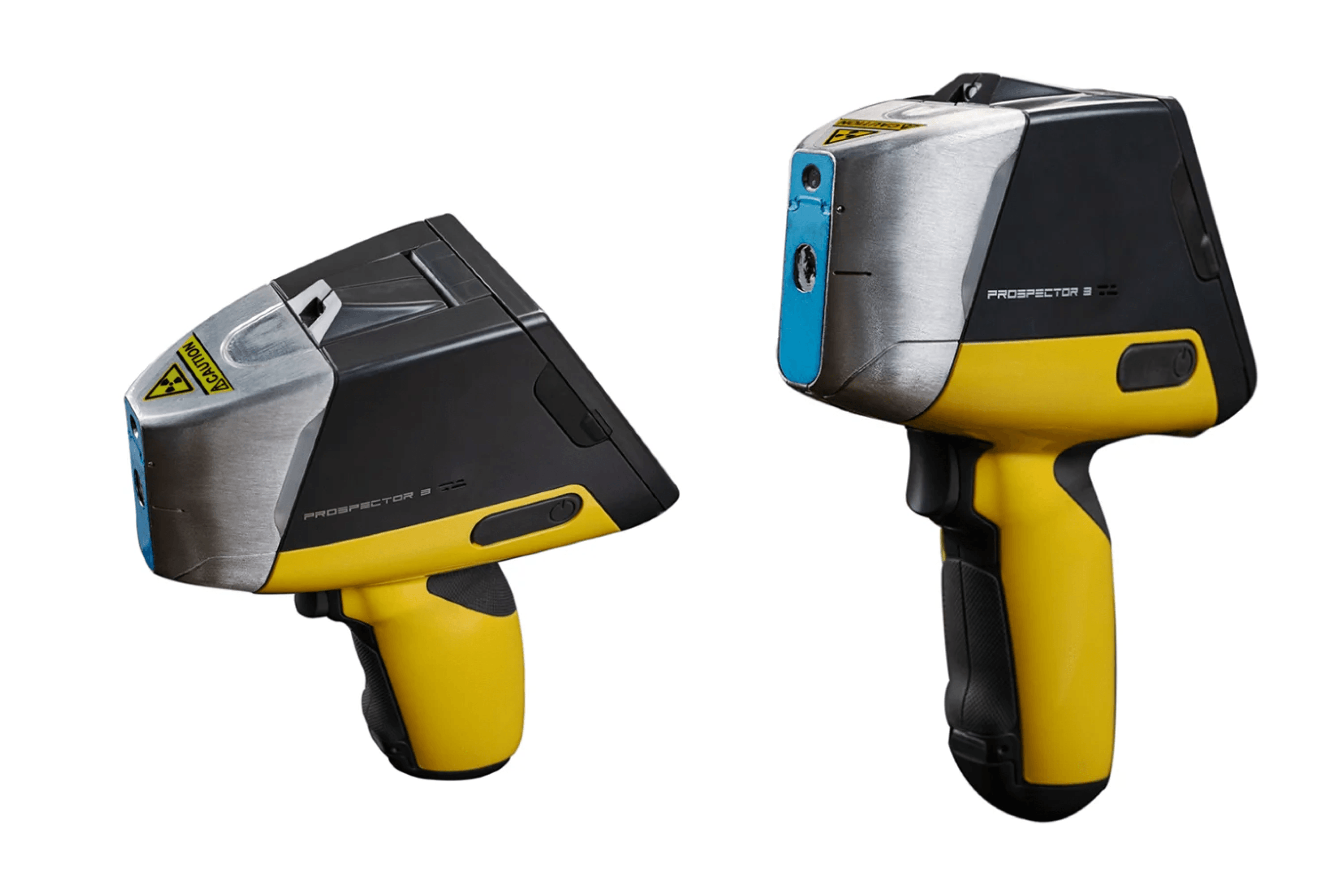
ProSpector 3 Advanced. Photo: elvatech.com 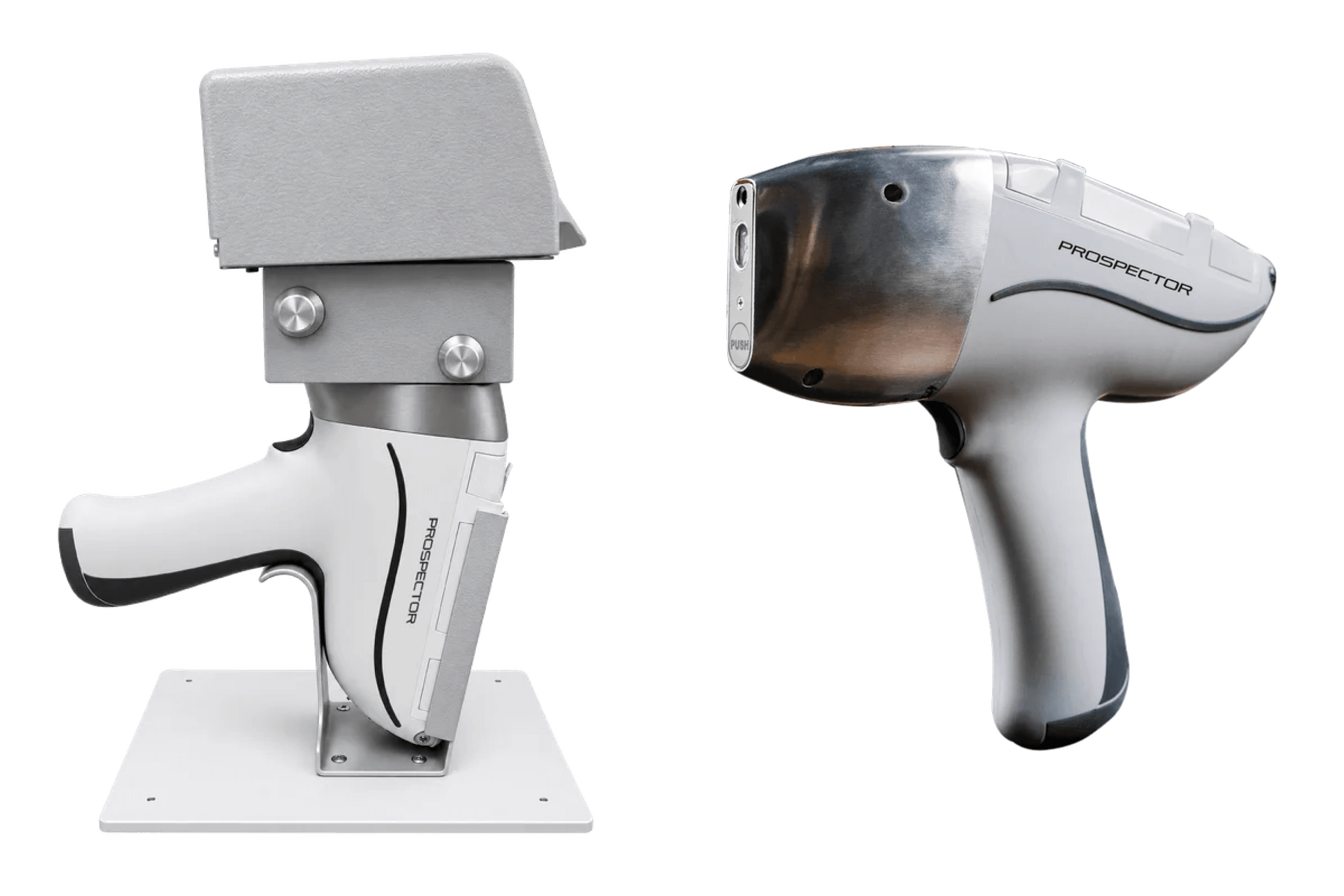
ProSpector 2. Photo: elvatech.com 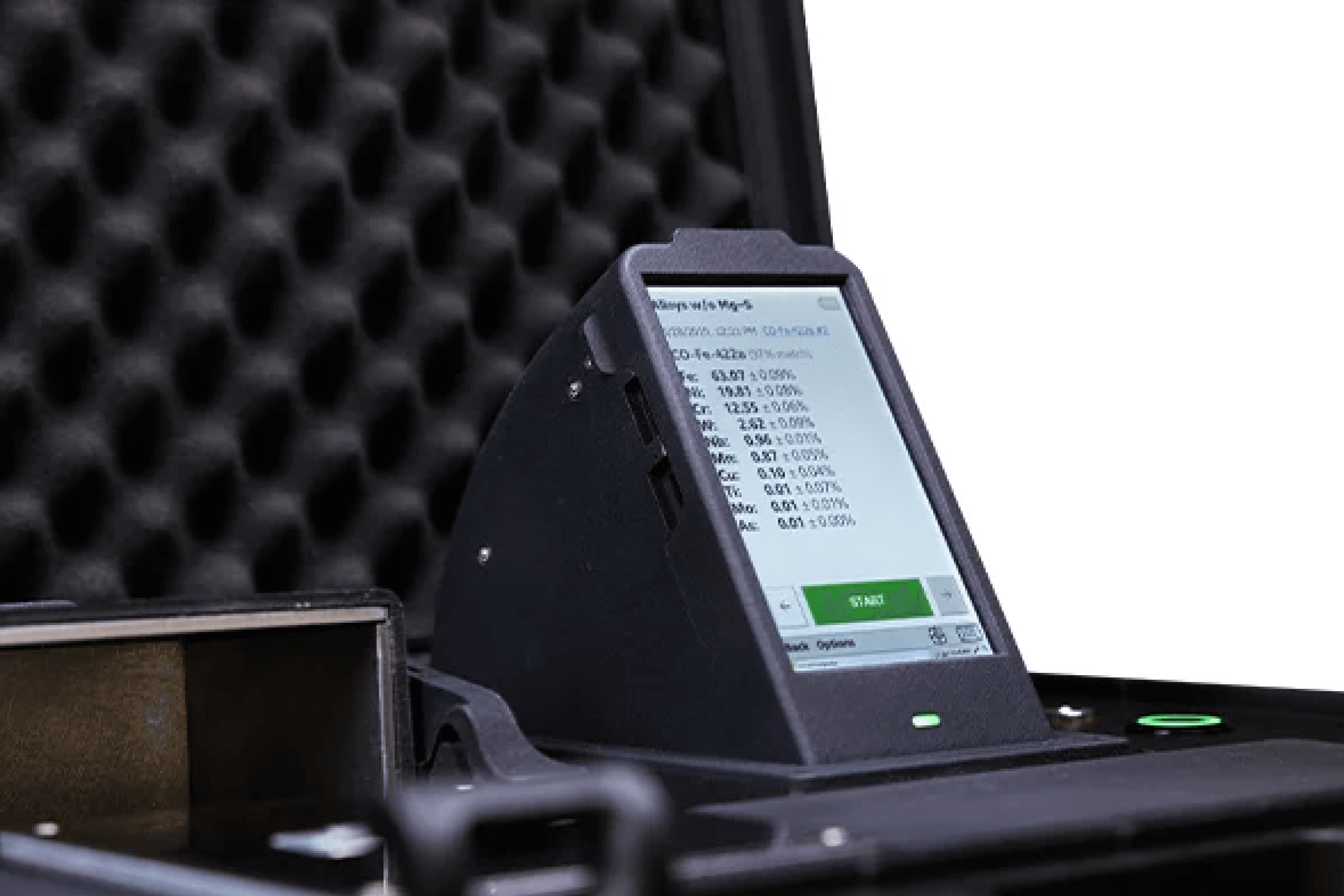
ElvaX Mobile. Photo: elvatech.com
The third line comprises custom industrial solutions tailored to niche requirements—such as analyzers measuring sulfur content in petroleum products or ambient air quality monitors. The air monitor was particularly challenging to engineer because standard spectrometers analyze solid samples. Our system draws air through a specialized filter film where airborne particulates collect, allowing the sensor to calculate their chemical composition. While vital for environmental monitoring, its technical complexity and cost make it a specialized, low-volume product.
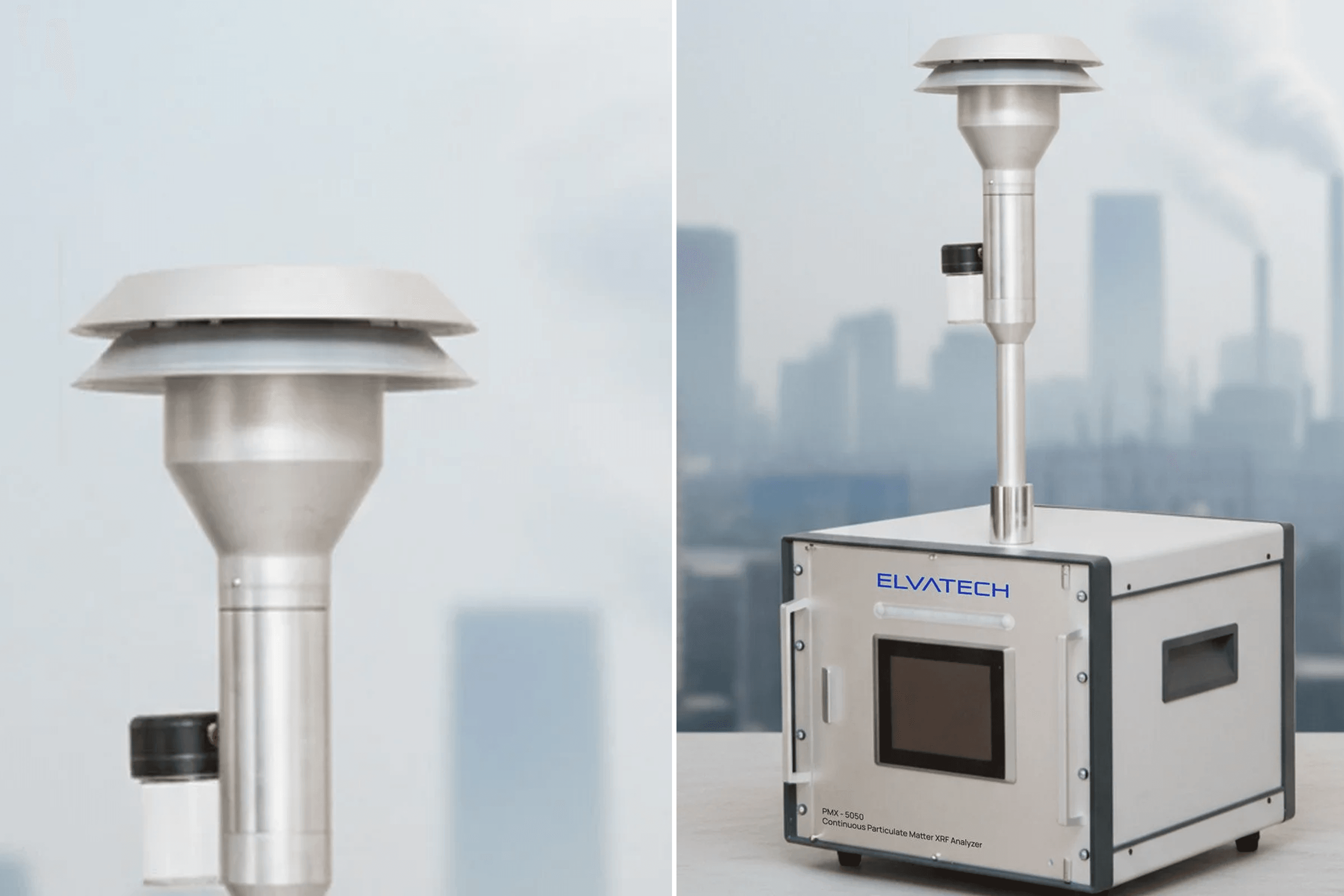
ElvaX PmX-5050. Photo: elvatech.com 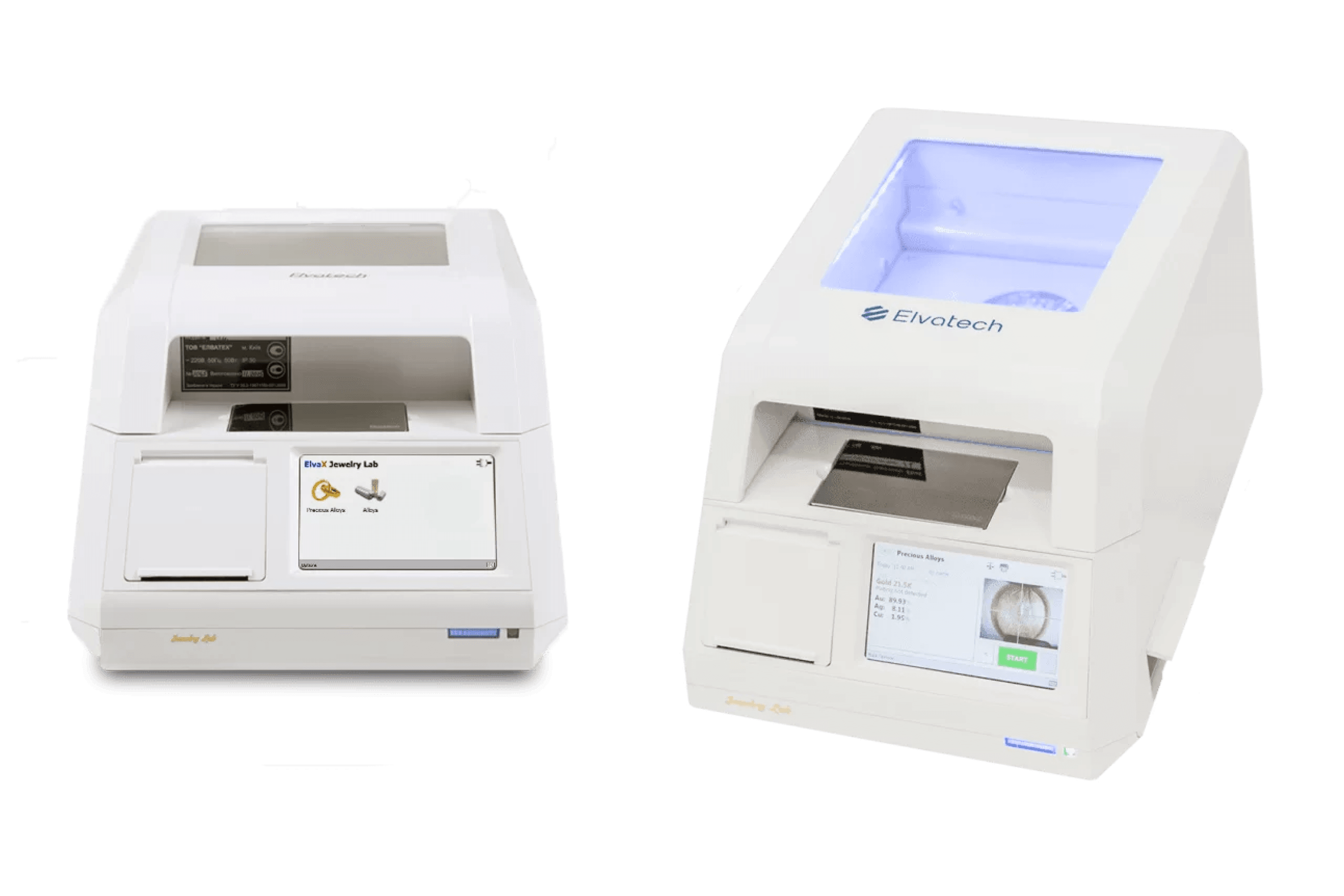
Jewelry Lab. Photo: elvatech.com 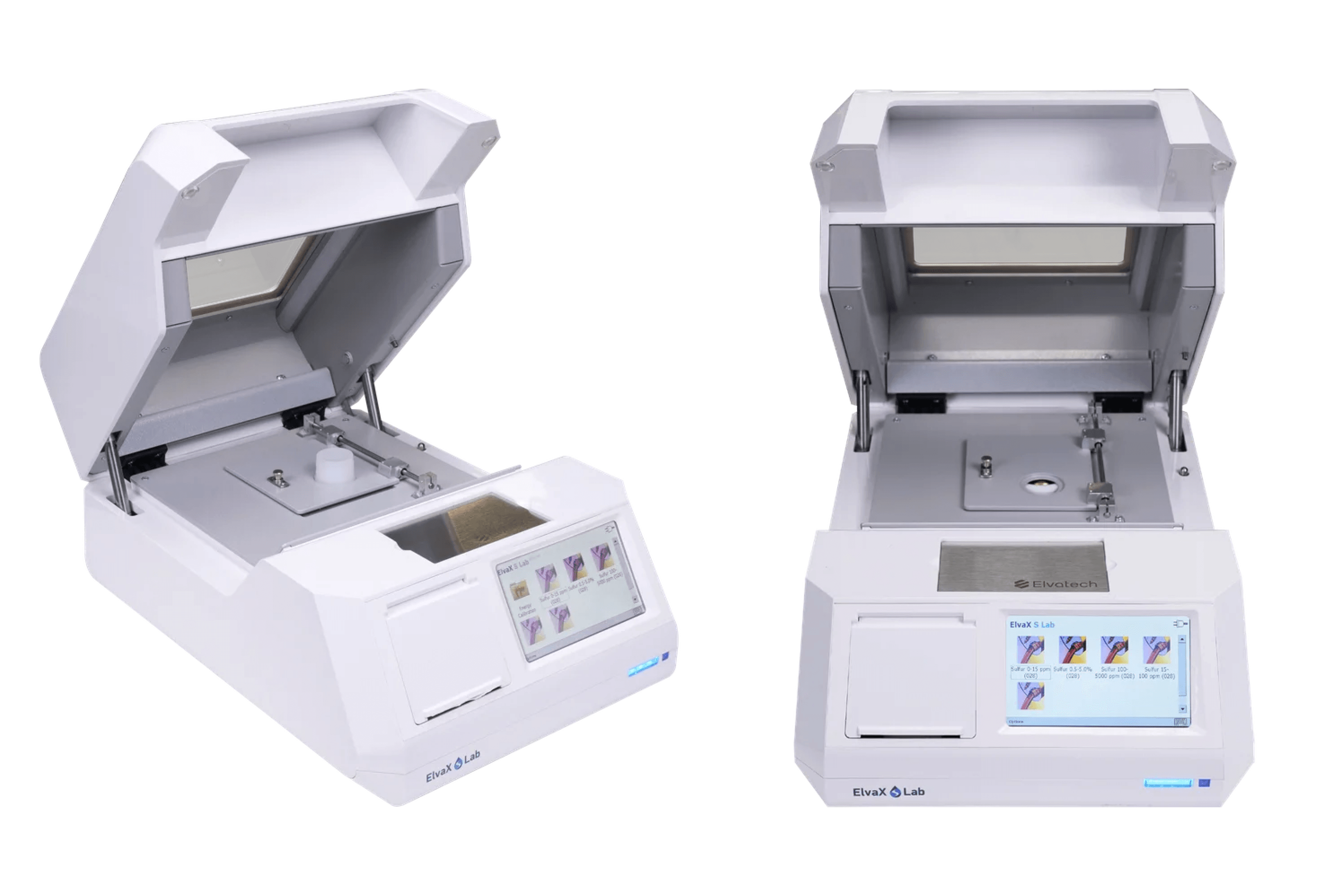
ElvaX S Lab. Photo: elvatech.com
Another specialized innovation is our fine art analyzer, which detects pigment composition to help distinguish authentic antiques from clever forgeries, as paint formulas changed dramatically over the centuries. It is used by auction houses prior to sales and by art restorers selecting period-accurate pigments. We have sold fewer than ten of these units to date: five in Kyiv, and the rest internationally.
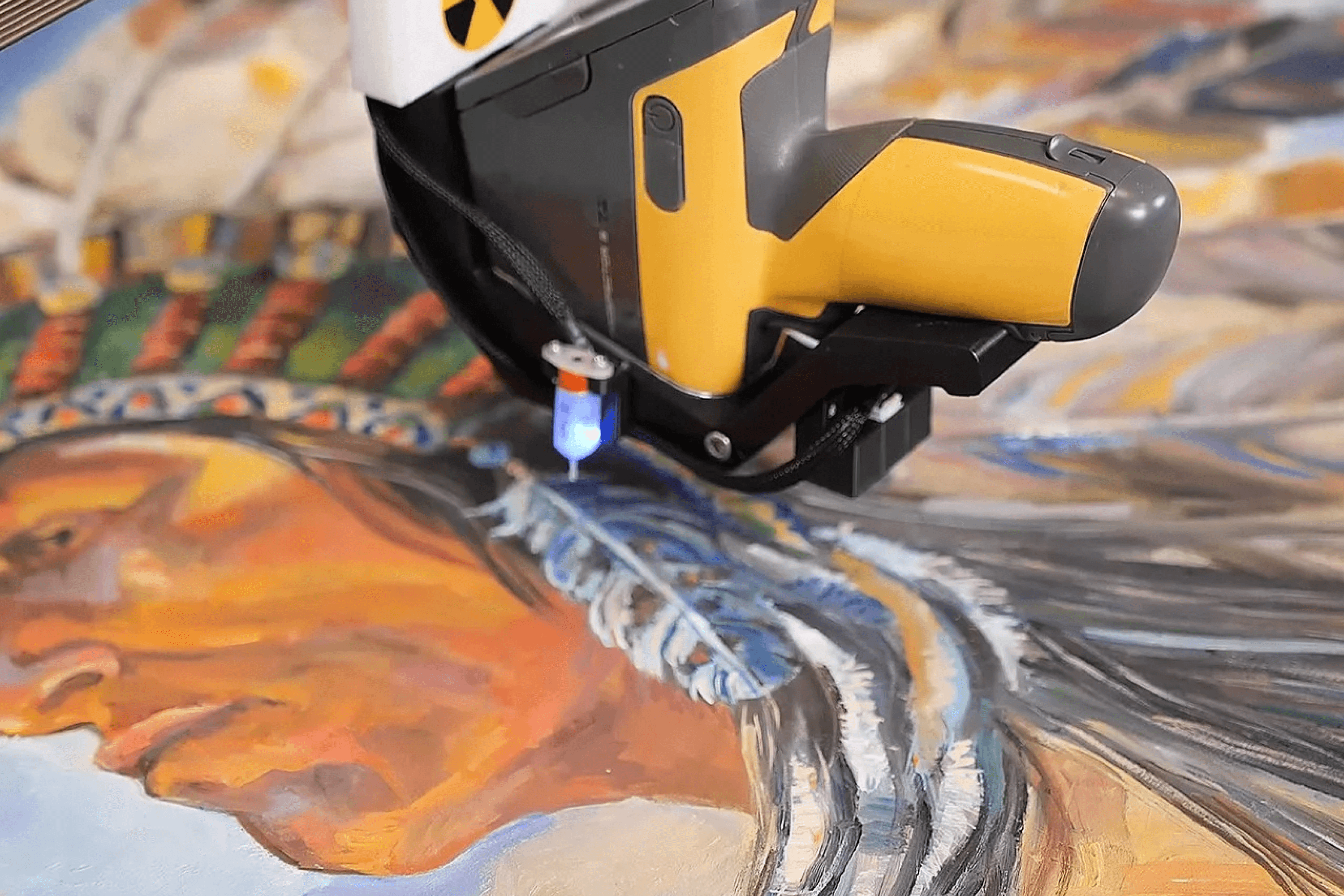
Photo: elvatech.com 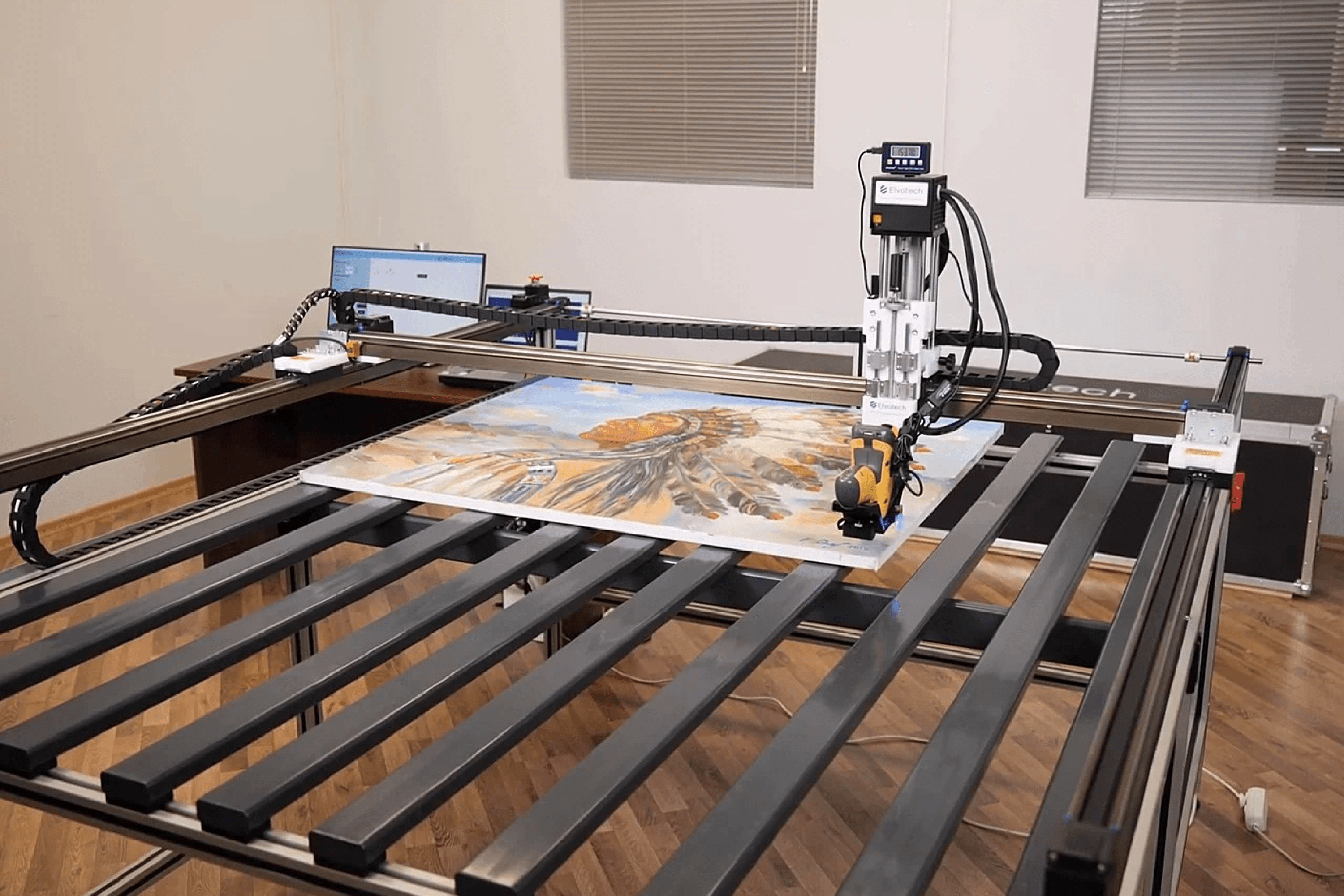
ElvaX Art. Photo: elvatech.com
Our price range spans from $15,000 to $150,000. Custom solutions like our air quality monitors sit at the top of the spectrum, while handheld models serve as our most accessible entry point.
How has your business model evolved over Elvatech’s more than three decades in operation?
Between 2000 and 2010, we steadily scaled production, starting from 50 units per year and reaching 250 by 2019. Back then, however, our sole marketing channel was exhibiting at Pittcon, the world’s largest analytical chemistry trade show. We’ve been participating since 2005, and it was there that we connected with key clients, including India’s Labindia, with whom we still maintain a successful partnership today.
Our approach shifted fundamentally following the COVID-19 pandemic. During the lockdown, I had some downtime and came across an online masterclass for business owners. The speaker described a situation identical to ours: a mature product and established manufacturing, but a lack of structured management, long-term planning, and financial controls. He called this the “ground zero” moment for business growth.
That insight prompted me to delve deeper. Starting in 2021, we began systematizing Elvatech’s operations—formalizing our organizational structure, defining roles and responsibilities, expanding sales and marketing, and implementing financial and production planning. We also pivoted toward digital marketing, launching targeted ad campaigns and optimizing our web presence. Today, we are adapting to the rise of AI assistants like ChatGPT, with our specialists working to ensure AI models recognize our technology and recommend our devices to prospective buyers.
Elvatech’s revenue since 2020, per Opendatabot data | |
2020 | $2.272 million |
2021 | $3.662 million |
2022 | $4.093 million |
2023 | $4.655 million |
2024 | $7.507 million |
2025 | $10.431 million |
How has the full-scale war impacted your operations?
In February and March 2022, we completely halted operations and relocated our finished goods warehouse from Kyiv to Ivano-Frankivsk in western Ukraine. It was chaotic—employees scattered everywhere, going abroad or moving to the western regions. In April, following the de-occupation of the Kyiv region, we began restarting operations. The marketing and sales teams worked remotely, while the researchers who stayed in Kyiv returned to the facility. Even in 2022, our turnover kept growing, though more slowly, posting an 11.8% increase.
What challenges are you facing because of the full-scale war?
Logistics have grown more complex: previously, shipments flew straight out of Boryspil Airport to the client’s country, whereas now we first transport them to an airport in Poland. We also face supply chain issues with components that some manufacturers categorize as dual-use goods, forcing us to clear extra red tape.
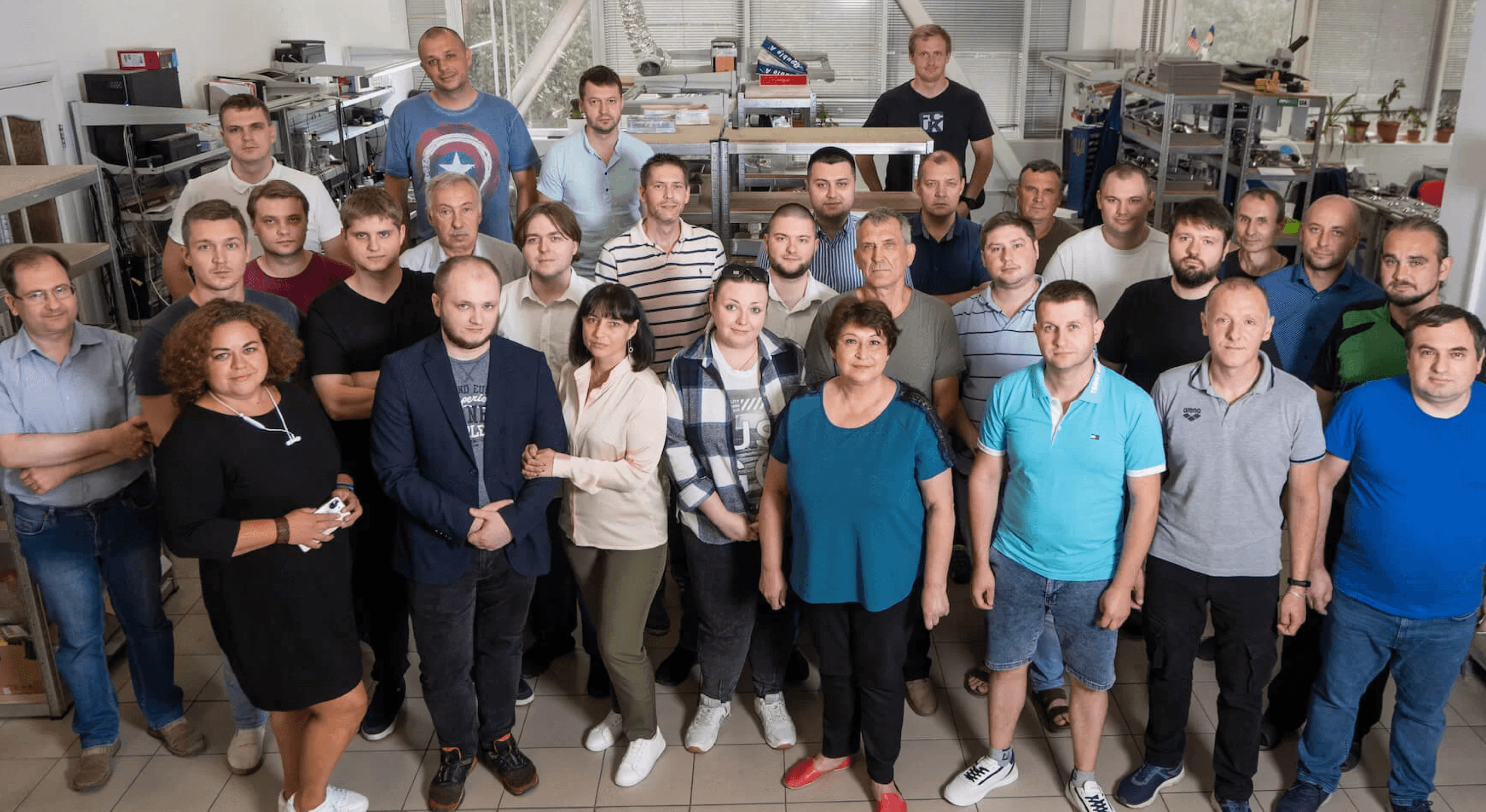
Another hurdle is staffing shortages. Some employees have transitioned to military tech, others moved abroad, and some are serving in the Ukrainian Armed Forces. We currently employ around 80 people, but as sales scale up, we’re constantly recruiting engineers, lab technicians, software developers, lathe operators, and electronics assemblers. We eventually find them, but the hiring process takes much longer.
We run generators, so blackouts drive up operating costs but don’t bring production to a halt. The most physical damage comes from Russian shelling—shockwaves repeatedly knock down ceiling panels. It happens so frequently that we gave up on repairing the ceiling altogether and just left the grid frame bare.
The war also shook client confidence initially. Because our equipment is high-value, customers in 2022–2023 feared that the production facility, team, or instruments might be compromised. By now, they’ve adapted and know we always deliver on time. Still, I believe that without the war, we would be growing at least three times faster—in production volume, sales, and export expansion.
You mentioned that the facility was damaged by multiple blast waves. How severe was the actual damage?
Not too severe. The nearest strike landed 200 meters away, though Russian strikes completely flattened several neighboring businesses. We aren’t planning to relocate production for now—it’s large-scale and highly specialized. On top of that, it’s unlikely we could quickly source and train specialists of the right caliber in places like Poland or Lithuania.
How have your sales figures and export ratio shifted since the outbreak of the war?
Right now, exports account for about 95% of our sales, with Ukraine making up 5%. Interestingly, domestic sales grew after the full-scale invasion began, as many enterprises relocated from frontline zones to central and western regions. Some are rebuilding operations from scratch after being destroyed by Russian shelling, and they turn to us for equipment. Another factor is that several global manufacturers of similar instruments exited the Ukrainian market in 2022. Today, when we participate in tenders, we practically face no competition.
Overall, we sold 744 units last year. This year, I hope we’ll break the 1,000-unit mark for the first time.
You export your devices to more than 70 countries. What are these markets, and how is your export network structured?
Currently, our primary export destinations are the US (35% of total exports), India (30%), and Brazil (10%). The remainder goes to China, Europe, and smaller niche markets with lower demand.
In Europe, our strongest footprint is in the Czech Republic and Slovakia, where our products are distributed by RMI. The company is headed by Tomáš Černohorský, who spent many years leading the Czech Spectroscopy Society. Today, he’s a professor of analytical chemistry at the University of Pardubice. He’s a dream distributor: he turned us into market leaders and near-monopolists in both countries.
In primary markets, we work with distributors who buy and resell inventory in bulk. In smaller markets, local partners source clients and purchase devices on an order-by-order basis. In countries where we have no partners, clients order directly through our website. One way or another, our instruments can be found in virtually every corner of the globe.
Which markets are the most competitive, and how do you manage to win market share?
Competition is fiercest in the US and China. In the US and globally, we compete against major American and Japanese industry giants like Olympus, Thermo Fisher Scientific, and Bruker. In China, numerous small domestic players offer cheaper instruments, though they don’t deliver true value in terms of quality. In Europe, we compete with both multinational giants and regional players like Malvern Panalytical.
Our main competitive edge is product quality. Across many key metrics, our instruments outperform even top-tier American brands, particularly in handheld devices. Our flagship model, the ProSpector 3, is the smallest, lightest, most precise, and fastest hand-held analyzer in the world. It weighs around 1.1 kg, compared to 1.3 kg for our closest rival and 1.5–1.7 kg for other manufacturers. The ProSpector 3 analyzes a sample in roughly three seconds—four times faster than competing models. When you’re holding an instrument for an eight-hour shift, that makes a world of difference.
Back in 2024, you mentioned wanting to build a recognizable brand to compete more effectively with industry titans. Have you made progress there?
Yes, but we still have a long way to go. Currently, our global market share is around 5%. To compete on equal footing with the top industry players and join the global top three, we need at least 20–25%. So we are focusing on brand awareness—in 2024, the Kyiv-based agency Grape developed a new visual identity, core messaging, and communication framework for us. We haven’t launched a full-scale PR campaign yet out of concern that we wouldn’t be able to scale up manufacturing quickly enough if demand spiked overnight.
We’re rolling out changes step by step. For instance, we’ve designed a modern website that will launch soon. At trade fairs, we now feature a vibrant booth that tells the Elvatech story and sets us apart. We participate in two or three trade shows a year across the US, Europe, and Ukraine, while our distributors showcase our products at local events in their respective countries. That also builds brand awareness. According to internal projections, demand for our instruments could double or triple next year.
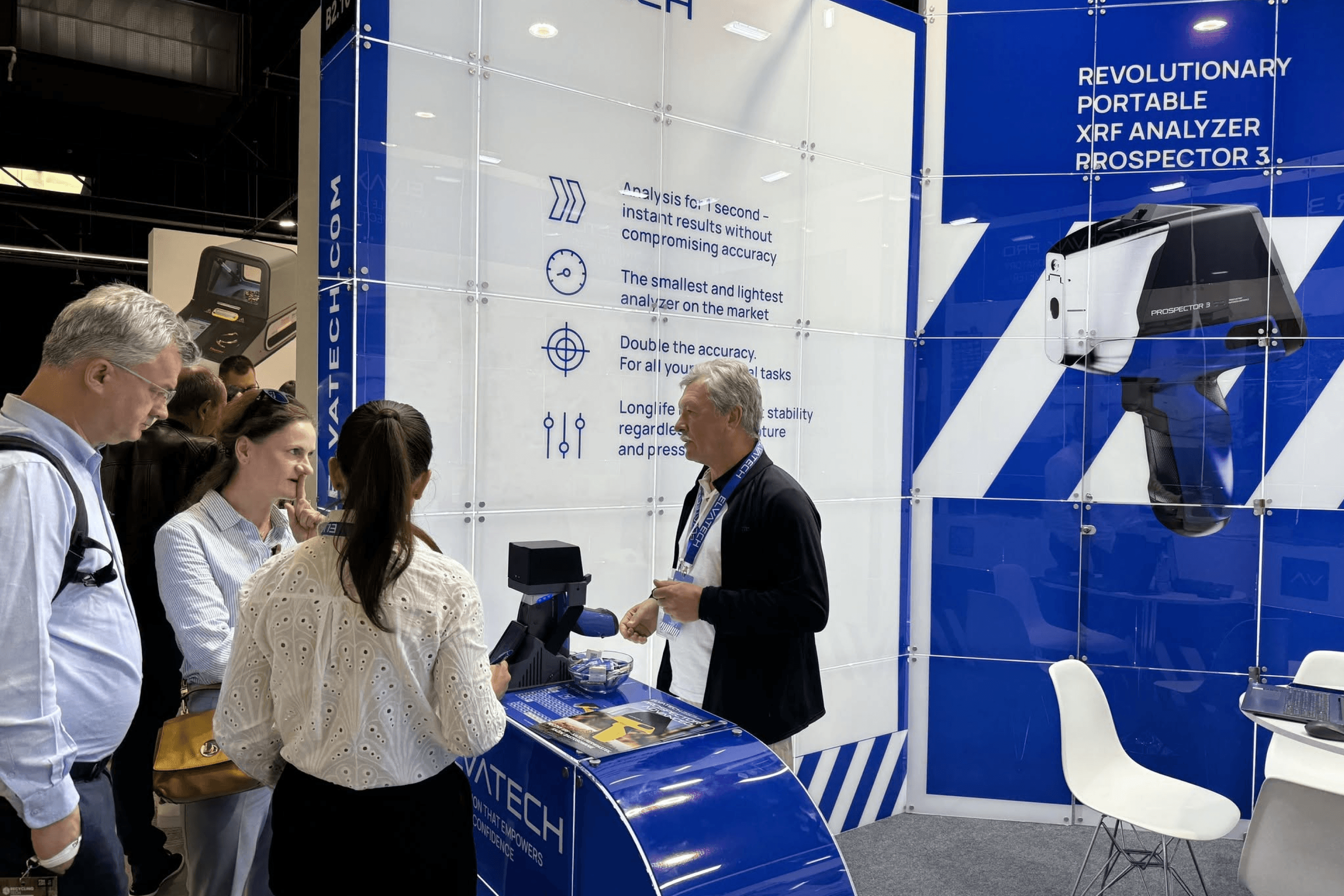
Elvatech’s exhibition booths at international industry trade shows. Photo: Elvatech / LinkedIn 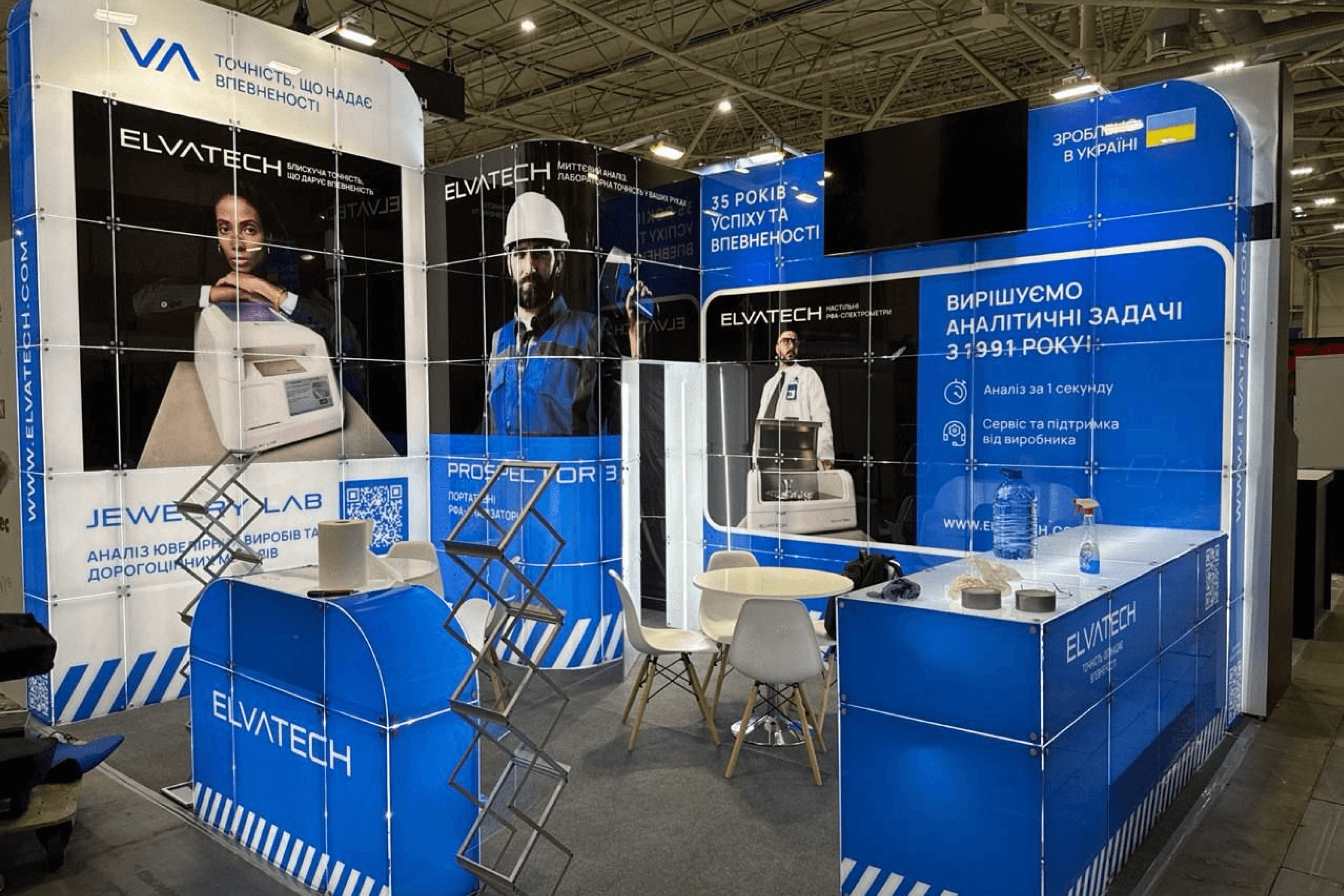
Photo: Elvatech / LinkedIn 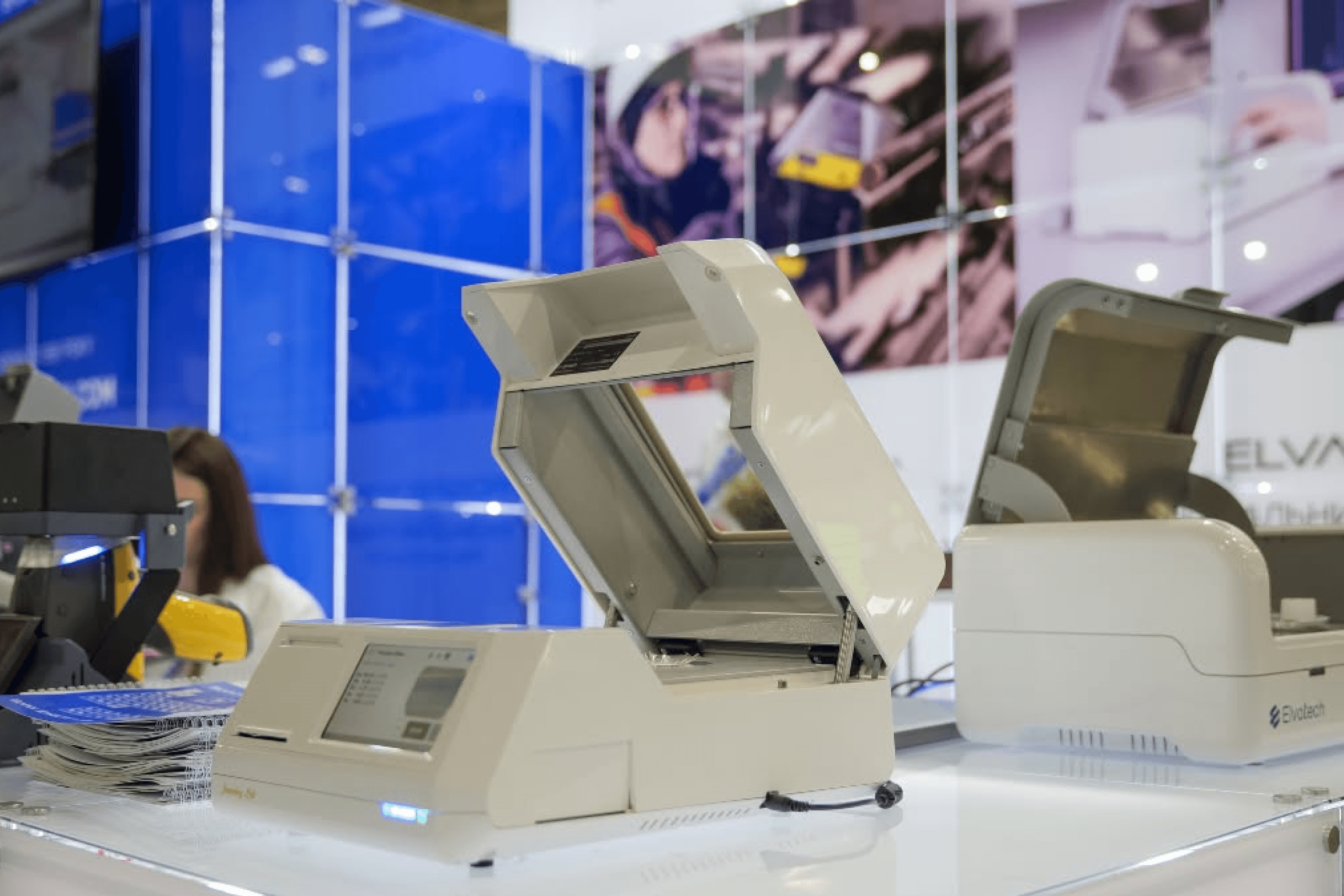
Photo: Elvatech / LinkedIn 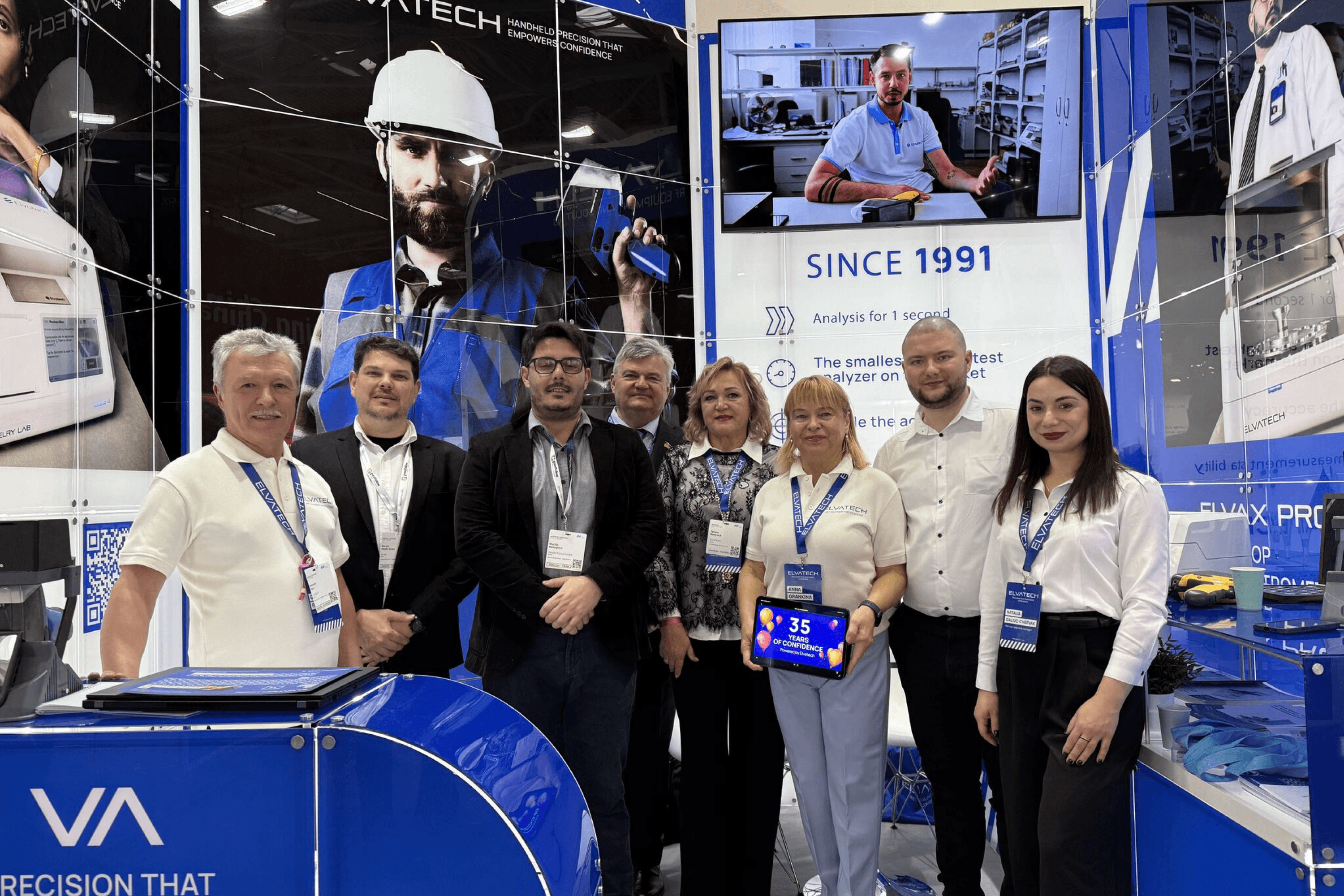
Photo: Elvatech / LinkedIn
How do you plan to scale manufacturing to meet higher sales targets? And what are your next objectives?
We currently operate a 1,500 m² full-cycle manufacturing facility in Kyiv and are drafting an expansion roadmap. We could roughly double our output at this existing facility, but expanding here carries high risks due to ongoing Russian shelling. We’re weighing several options, such as opening a second plant in Lviv or another city in western Ukraine, or establishing production abroad. For now, though, these remain preliminary concepts under discussion.
Our ultimate ambition is to become number one globally. We truly have a world-class product, so there’s really no reason for customers to settle for inferior alternatives from other brands—we want everyone choosing ours (laughs).


