Nikita Nogovitsyn was born and raised in the Mykolaiv region, near a major nuclear power plant. In 2008, he enrolled at Bohomolets National Medical University іn Kyiv to study psychiatry. In 2015, determined to pursue research, Nikita moved to Canada where he worked as a scientist. At age 34, he is a consultant for pharmaceutical companies. We talked with Nogovitsyn about career opportunities in Canadian science, what it’s like in the pharma industry, and how depression affects the brain.
1. Education and Research Career
Why did you decide to become a psychiatrist?
As a teenager, I read a lot of Freud and Jung. Back then, I didn’t understand the difference between a psychologist, psychiatrist, psychotherapist, researcher, or neurobiologist. I studied psychology for two years, then switched to psychiatry. That’s when I realized I wanted to prescribe medications. I believed they could improve someone’s psychological state and even change how they see the world. I didn’t know that doctors rarely read academic literature. Seeing patients is hard work, and at the time in Ukraine, a psychiatrist made just $300 a month.
During my fifth year, I got a job in television as a staff psychologist. But I still wanted to do research. I entered medical residency and shifted my focus to neurobiology. I asked if I could do research in my department, but my academic supervisor discouraged me, and so did my friends who were already in doctoral programs. So I reached out to a colleague who’d graduated from our university and become a psychiatrist in Canada. I asked how she’d done it, and she explained the scholarship process. During my final year of residency, I was working in television and writing to professors who ran university labs in the U.S., Canada, and even Australia. I sent five to seven emails every day. After a year, one professor told me he had funding for research in his lab and invited me to join as a master’s student. That’s how my life in Ukraine came to an end in 2015.
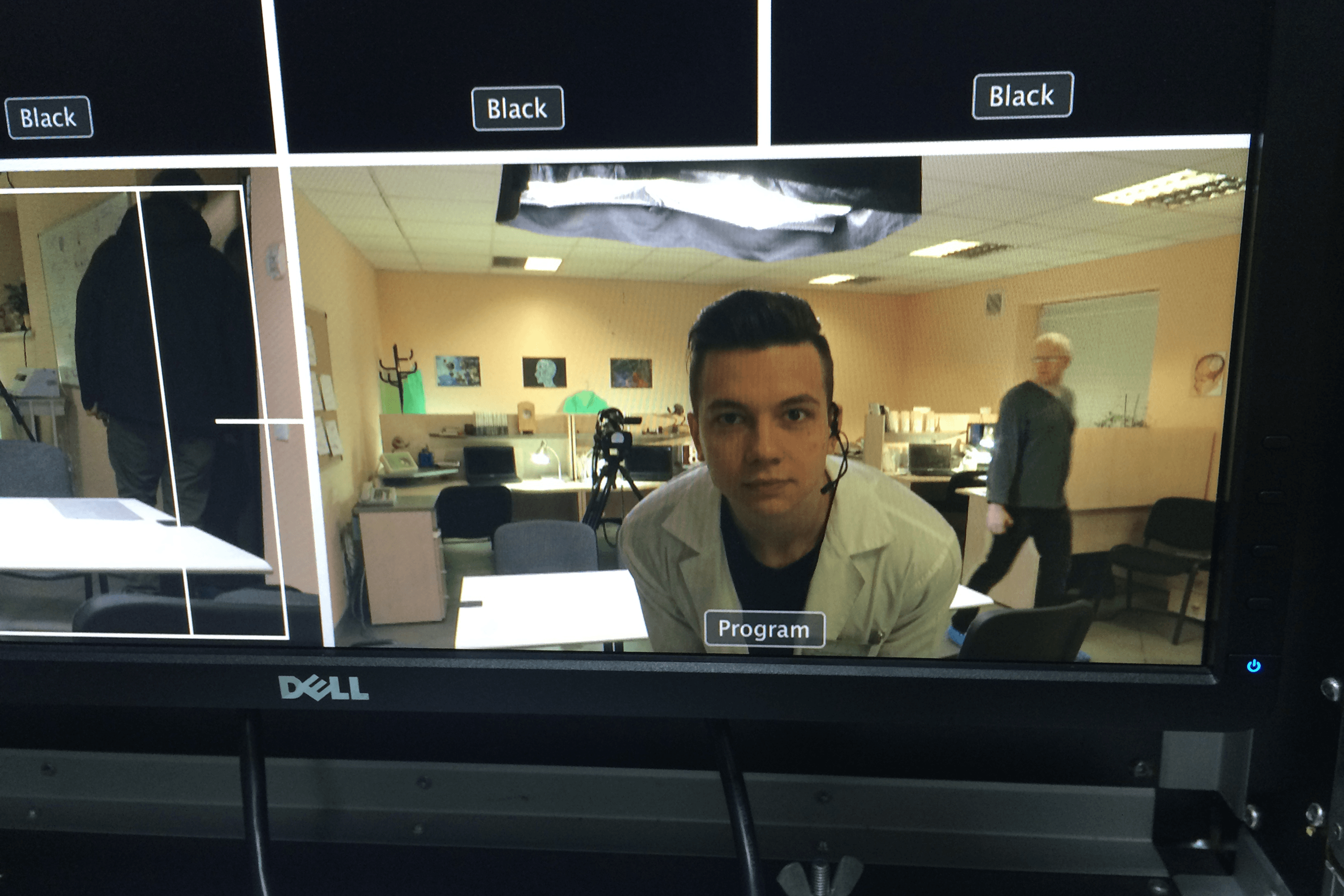
Nikita Nogovitsyn works as a full-time psychologist on television. Photo: Photos provided by Nikita Nogovitsyn / YB 
Photo: Photos provided by Nikita Nogovitsyn / YB
How did you prepare for the move?
I had to translate my medical diploma and course descriptions and have them assessed under the Canadian system so the university could calculate whether I qualified for a scholarship. Then I took the IELTS exam. Then a one-way ticket. Preparation took about nine months.
Did you believe your career in Canada would succeed?
I wasn’t sure I’d make it. What kept me going were stories of students whose native language wasn’t English but who eventually became professors. I arrived in Saskatchewan, Canada, in June 2015. My first thought was, “What am I even doing here?” I was shocked by how far I was from Ukraine and everyone I knew. I was right in the middle of the Canadian prairies, surrounded by endless kilometers of open fields. Over the summer, I learned to run laboratory experiments. Everything was fine until September, when classes began. One of the courses was biostatistics. I spent nights translating every single word. It was extremely difficult.
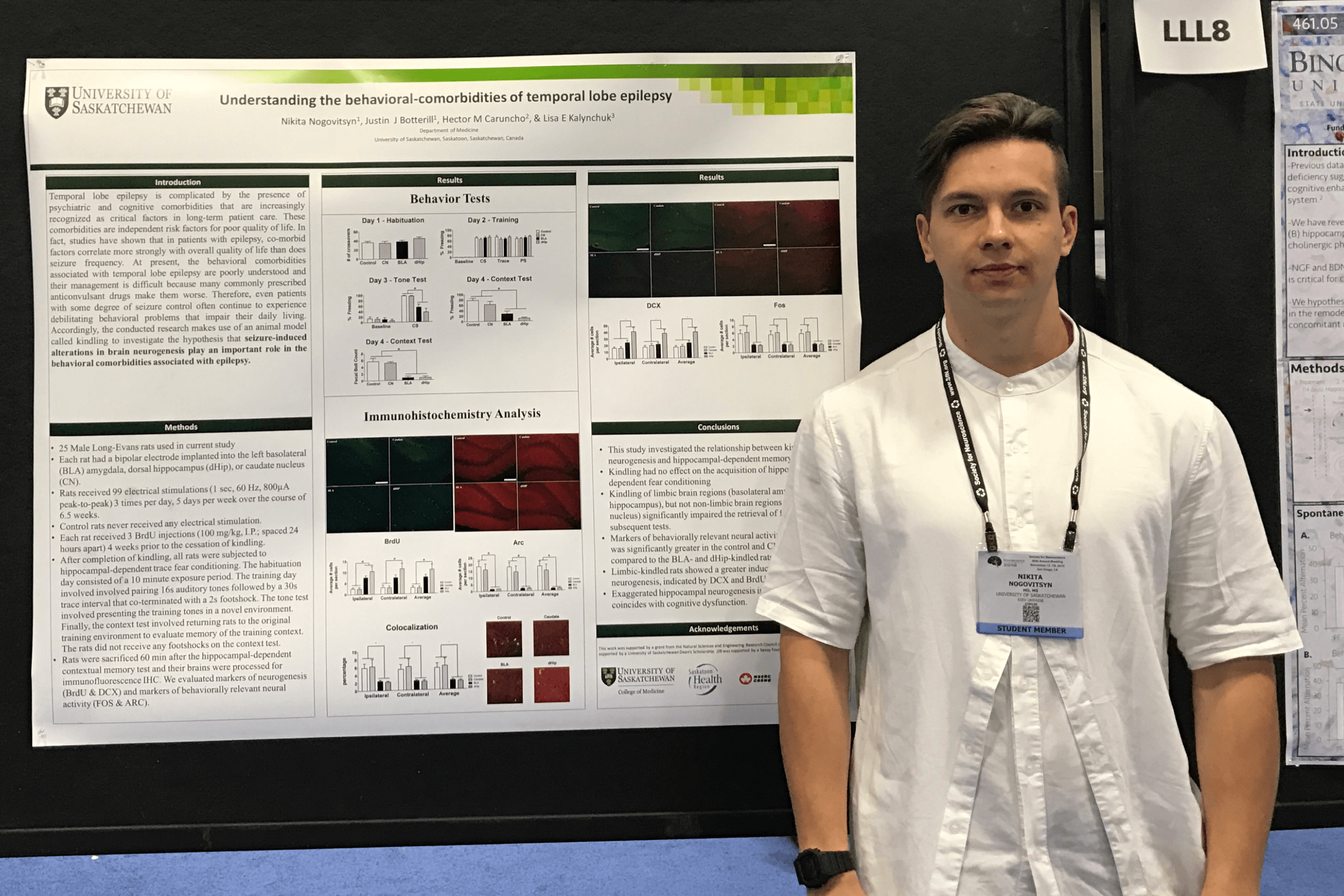
I lived on campus and approached student organizations, asking where I could work part-time in the library, the pool, or the gym. Graduate stipends back then were around 18,000–20,000 CAD per year. You wouldn’t starve, but you couldn’t afford a laptop or anything extra. With the money I earned, I hired a statistics tutor. For me, it was a make-it-or-break-it moment. I knew that either I pushed as hard as I could, or that was the end of the story.
What ultimately helped you adapt?
To immerse myself in English, I avoided people who spoke Ukrainian or Russian in the first years. Sport helped a lot. It builds stress resilience, and I got into bodybuilding. And at 23, I saw emigration as an adventure. Small steps matter. Just as much as a supportive environment. If your supervisor doesn’t believe in you, it’s hard to succeed in science. Choosing the right mentor is critical.
Central and western Canada historically have many second- and third-generation Ukrainians. You often see English first names with Ukrainian surnames, like John Boychuk. They don’t speak Ukrainian, but their grandparents came from Ukraine. I moved into an environment that was welcoming to Ukrainians and never experienced discrimination.
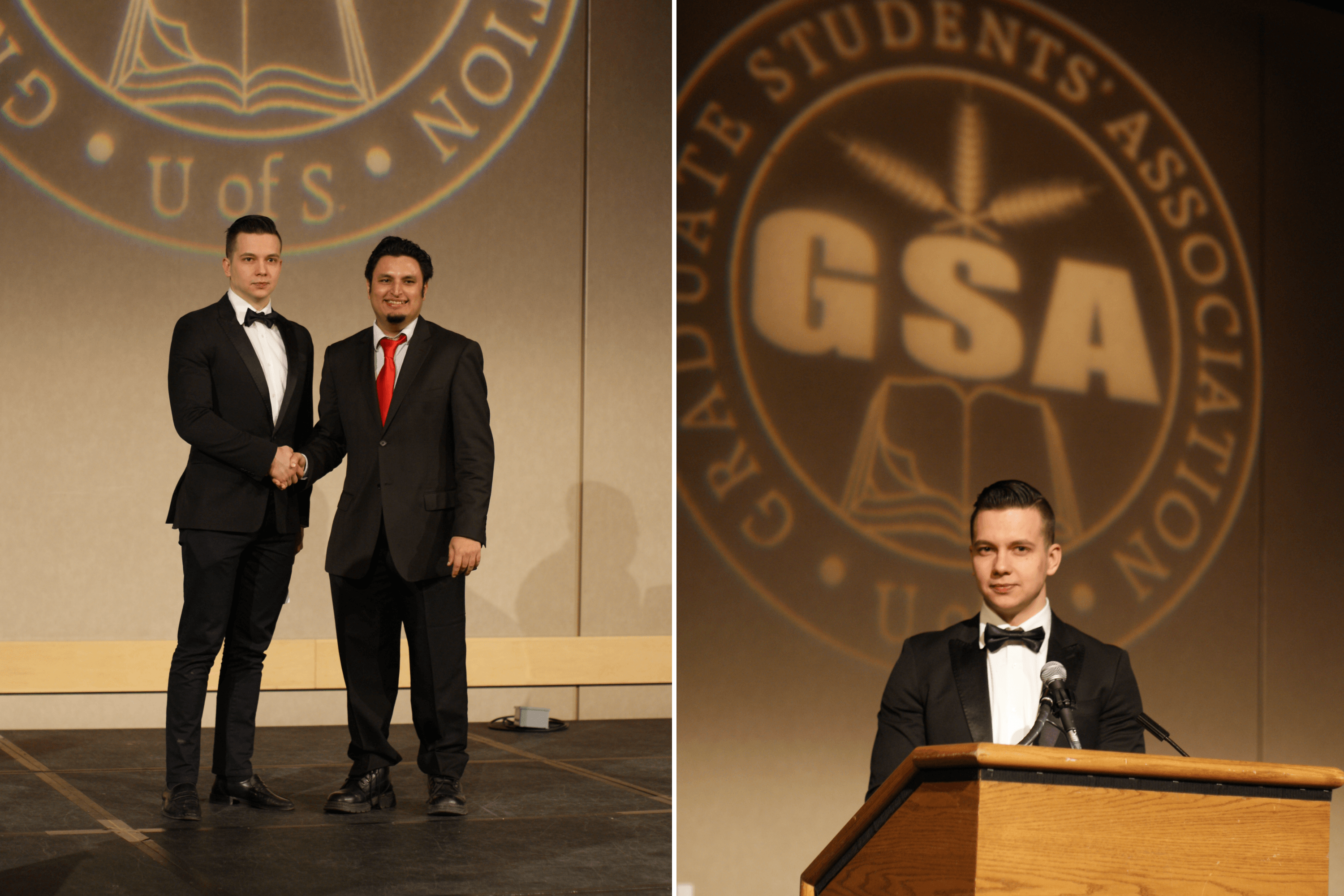
You moved several times within Canada. Was that for new research opportunities?
Yes. In 2017, I finished my master’s and met a professor at the University of Calgary. I moved to Alberta for my PhD, where there’s also a large Ukrainian community. After that, I took a postdoctoral fellowship in Toronto.
How did you choose a university for your PhD? What were the funding terms?
I chose a supervisor, not an institution. Our research interests aligned. PhD stipends are slightly higher than at the master’s level: around 30,000–35,000 CAD per year, sometimes up to 40,000 CAD. After completing a PhD, you can get a university research scientist position starting around 60,000 CAD per year. After paying all taxes, that’s modest for Canada, but you can live on it. In North America, a PhD usually takes five to six years, but I finished mine in three.
How did your career develop after that? Did you move to Toronto?
When you finish a PhD, you need to find your niche. I worked at St. Michael’s Hospital, connected to the University of Toronto, at the Centre for Depression and Suicide Studies. I studied MRI scans of patients at different stages of depression, trying to predict which medications would help them recover
What should future students know about working in laboratories?
Each one has its own focus. Skills you pick up in one lab may be completely useless in another, so you have to learn fast. During my PhD, I learned to analyze massive datasets. Neural networks were becoming popular then, and I was among the first researchers to use them to process large-scale MRI datasets.
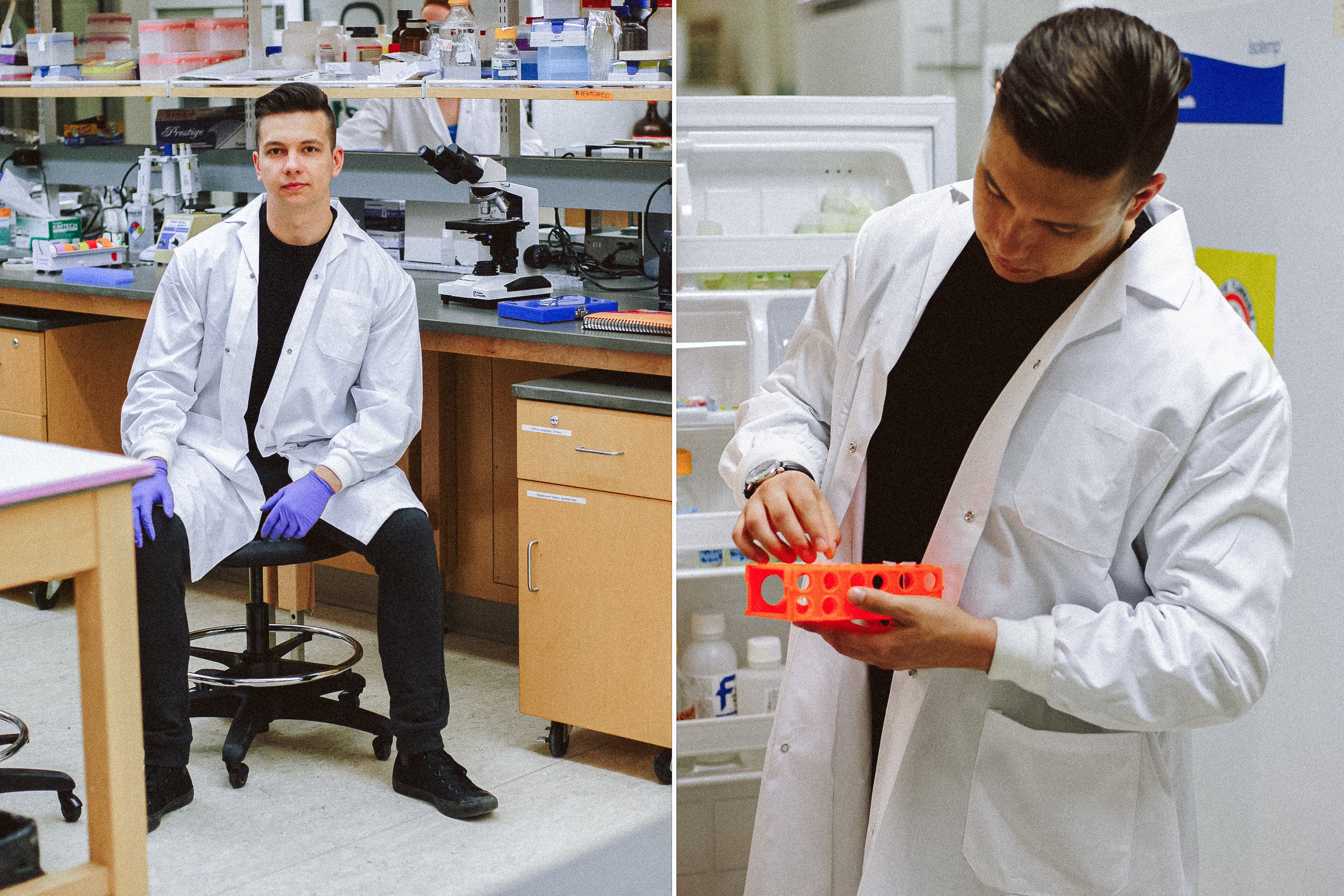
Photo: Photos provided by Nikita Nogovitsyn / YB 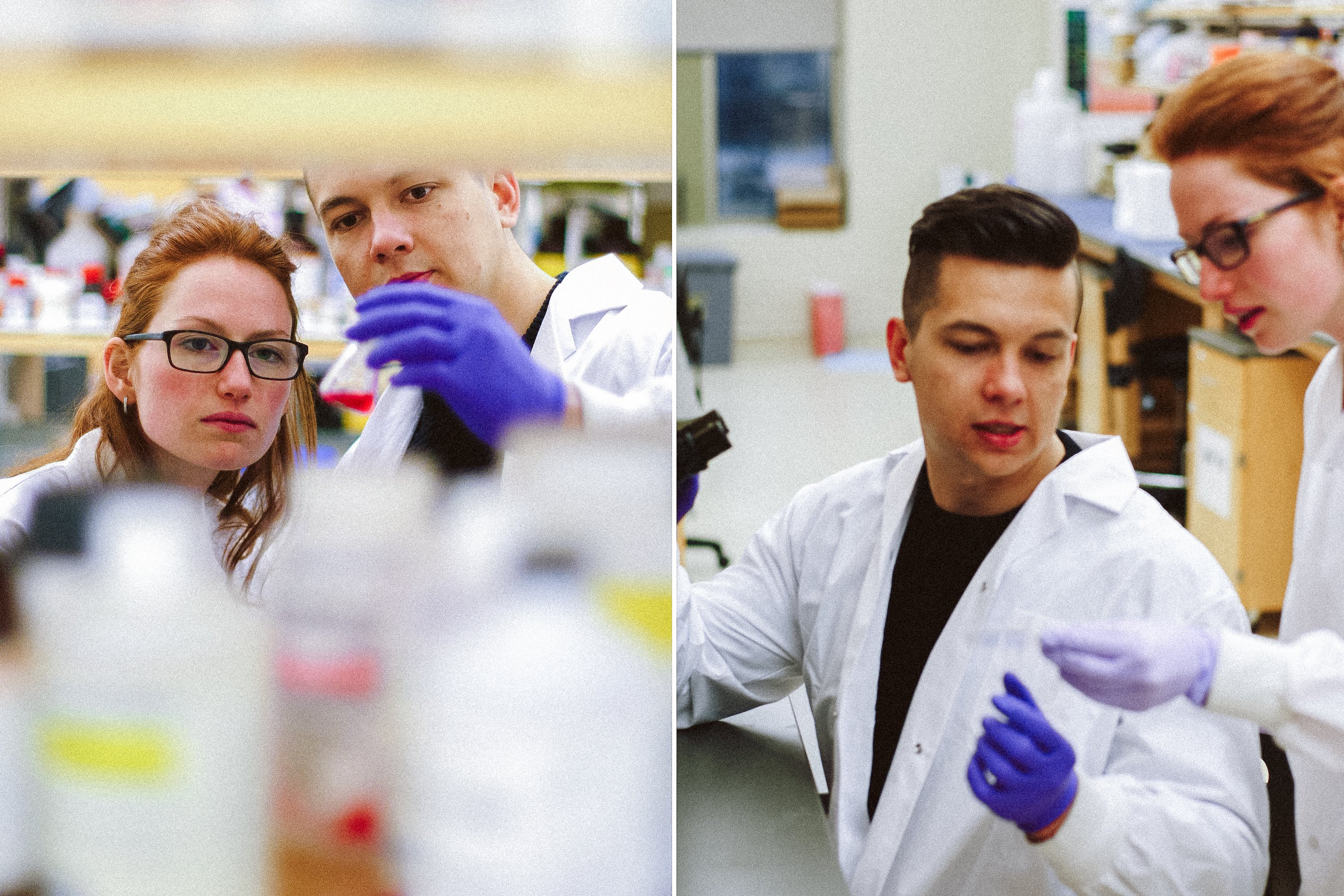
Photo: Photos provided by Nikita Nogovitsyn / YB 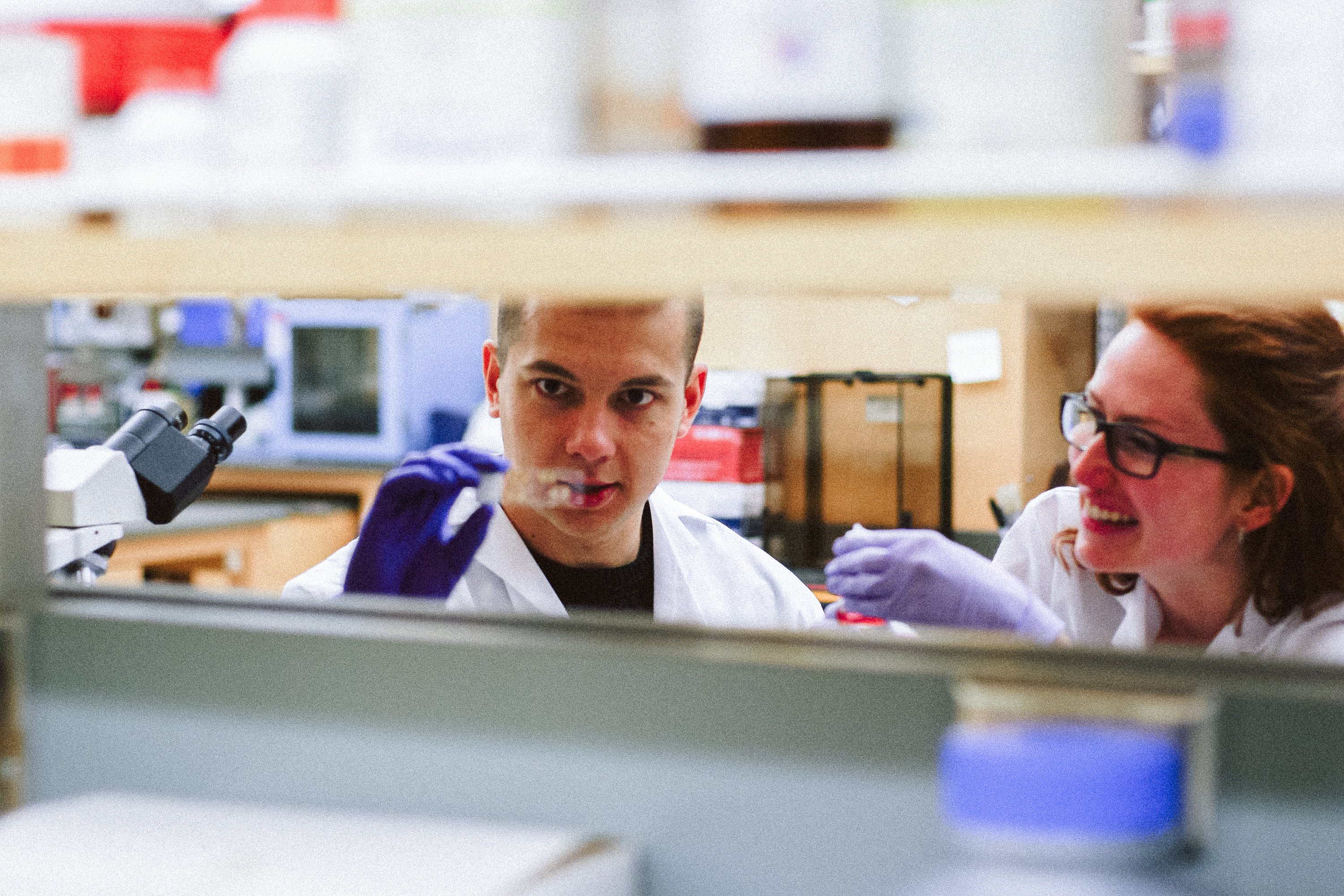
Photo: Photos provided by Nikita Nogovitsyn / YB
When you publish, you have to prove your research is ethical. Did each participant give voluntary consent? Because a patient must consciously agree to have their test results used for scientific purposes. It’s important to register these consents properly. And before you start an experiment, a special committee reviews whether it’s ethical to conduct it at all.
A major part of being a scientist is publishing in reputable journals, usually in the UK, the U.S., or Canada. Networking and a good reputation matter. I became a co-author on papers because I was part of the scientific community, and we shared data.
Which mental health research areas are currently the most relevant?
Science follows trends. Every 5-7 years, a topic becomes especially prominent. In the 2010s, researchers discovered that modulating gut microbiota could reduce flare-ups of certain psychiatric disorders, including bipolar disorder. In the 2000s, it became clear that new neurons are generated not just until age 25, but throughout life. That discovery triggered a wave of research into how to keep our brains young. At the same time, studies showed that people with psychiatric disorders have inflammation of the brain or nervous system. Since then, researchers have been studying ways to reduce it.
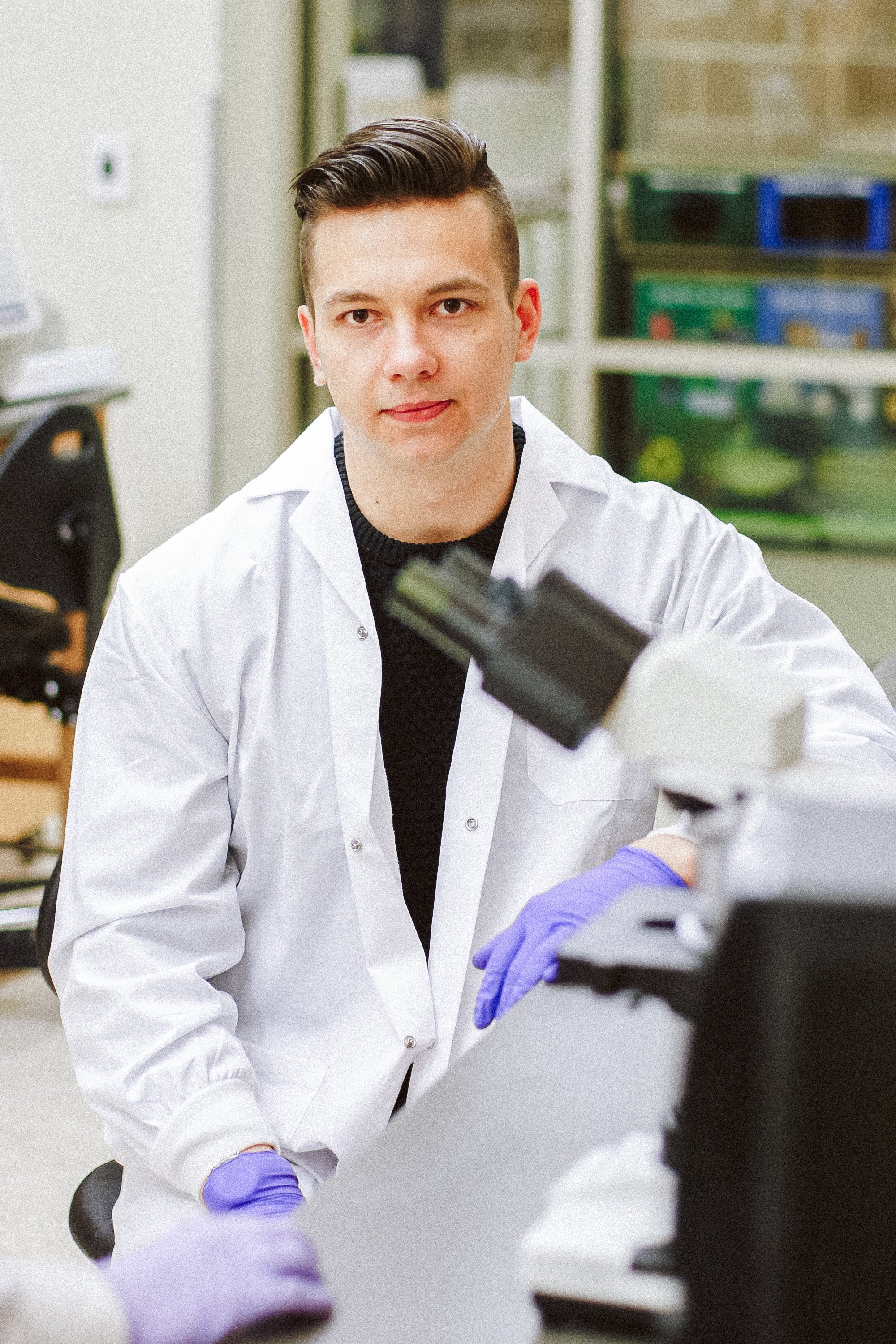
What are the current trends in psychiatry?
There’s a real crisis in psychiatric drug development. Traditional approaches have reached their limits, and over the past 40 years, there have been no fundamentally new treatments invented. So scientists have started looking back at older ideas, exploring ketamine or LSD in new ways. Ongoing research is also looking at using psychedelics in microdoses for therapeutic purposes.
You co-authored research on childhood psychological trauma and brain aging. How are these findings used?
These studies try to understand what happens in the body and brain when someone has conditions like schizophrenia, bipolar disorder, or depression. For the past 25 years, MRI has been a key tool in this research, allowing scientists to observe how the brain changes during illness and in response to pills. About five years ago, we found that psychiatric disorders accelerate brain aging. The longer a disorder persists, the more pronounced these changes become. There are no medications yet that reverse this process. This is now an accepted scientific fact.
These changes are most likely to occur when depression or anxiety disorders last longer than 12 to 16 months. That’s why symptoms that persist for more than two weeks are generally considered a signal to seek professional help. Often, one of the earliest warning signs is sleep disturbance. There can also be reduced productivity or a loss of the ability to enjoy things that used to bring pleasure.
What are the differences between education and research in Ukraine and Canada?
The biggest difference is infrastructure. Ukraine has historically invested very little in science, while the U.S. and Canada had decent public funding for science in the early 2000s. Now, Canada is also dealing with a recession and underfunding.
When I first moved to Saskatchewan, I viewed professors primarily as teachers. Over time, I realized that most of them do research at the university and don’t want to teach. Their main task is securing grants for their labs. In Ukraine, the situation is the opposite.
What’s required to apply for scientific programs in Canada?
Good grades are essential, and you need to show your potential. Publications in journals and presentations at conferences add credibility and increase your chances of being invited. You need language skills to communicate clearly with colleagues. And professional networks are critical. I was recently in Amsterdam at the European Congress of Neuropsychopharmacology (ECNP), one of the major conferences in the field. I saw many Ukrainian specialists there. Making connections and presenting your work at conferences is crucial for success in science.
Is Russia’s war against Ukraine felt in the scientific community?
In recent years, people of Russian origin in Canada don’t necessarily hide their background, but many avoid engaging in discussions or emphasizing their connection to Russia.
2. Working in Pharmaceutical Companies
What’s specific about working in pharma companies? How did this change what you do?
In 2023, I left academia and began working as a scientific consultant in the pharmaceutical industry. I had to adapt to the business factor. Companies only invest in research that may pay back. At a university, you can explore purely theoretical questions.
Is this considered one of the most prestigious career paths for a scientist in Canada?
Yes, it’s generally seen as prestigious. The work is significantly better paid and offers real-world impact. You’re solving practical problems in medicine. As a PhD student, I spent years trying to understand why the brain deteriorates in psychiatric disorders. In pharma, the question is much more direct: will this molecule actually improve a patient’s health? That’s why there’s a common perception that academic scientists are more independent and free to choose their topics, while biotech firms tell you what to research.
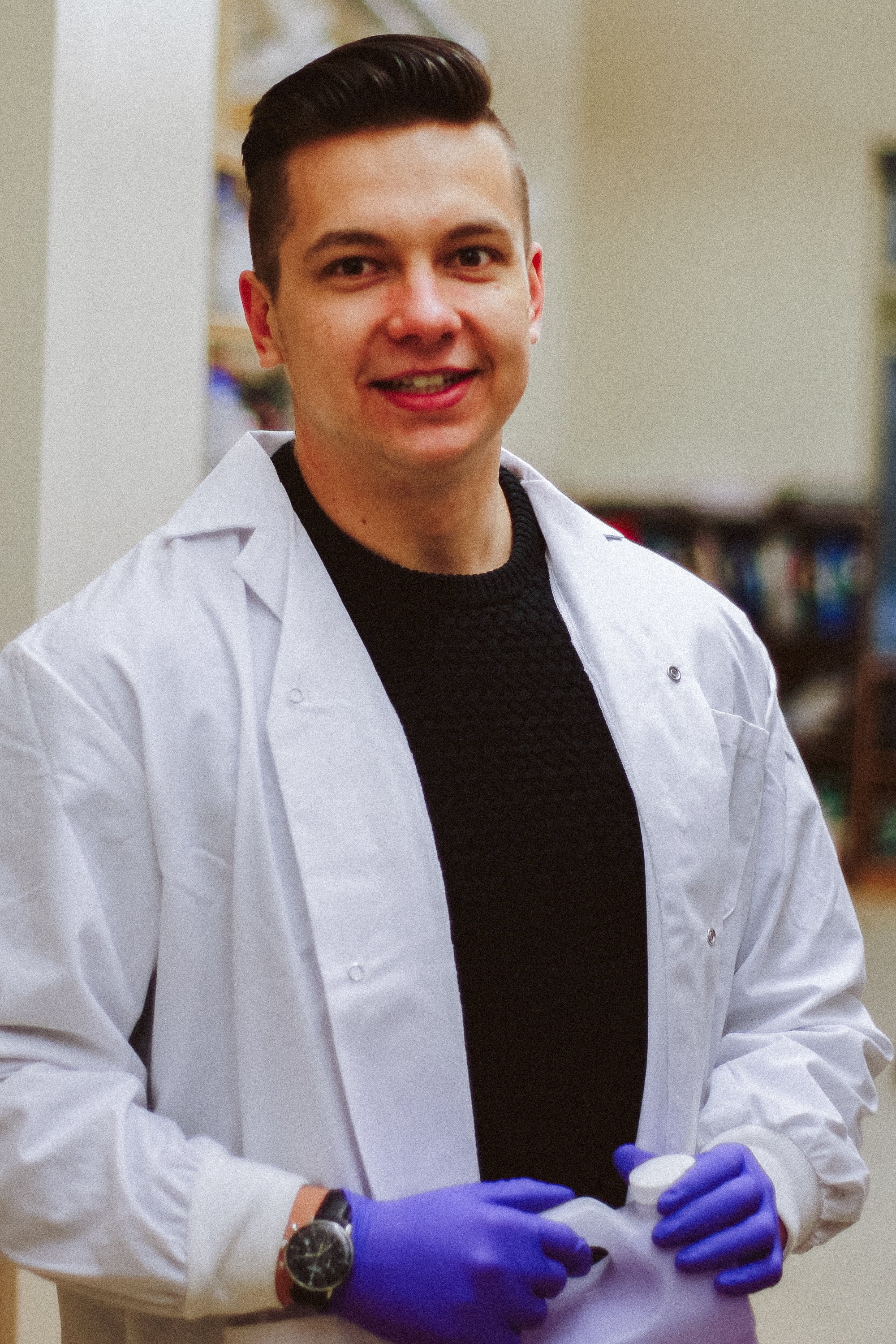
How do salaries differ between academia and pharma?
A scientific consultant in a pharmaceutical company can earn two to three times more than an early-career university researcher. With strong business skills, that difference can grow to five times. Some specialists earn salaries comparable to physicians in Canada, which is considered very high.
Is disappointment with science related to money or burnout?
The demands on scientists increase every year. Public funding stays relatively fixed, while the number of researchers continues to grow. As a result, the chances of getting a grant keep shrinking. When I applied for funding, my lab had about a 10% success rate. Today, it’s below 5%. At some point, I realized that the effort I was putting in was no longer proportionally rewarded. At 29, I had spent almost 12 years as a student. I was ready for a change.
I was already interested in moving into pharmaceutical and biotech corporations, and I met people who needed an experienced neurobiology specialist to help advance new drugs.
What is your current role, and how do you see your career developing?
I work for a global pharmaceutical company developing new treatments in psychiatry. As a scientific consultant, I’m essentially a liaison. There are clinical trials for a drug, and there’s how doctors actually use it in practice. My job is to keep the connection between science and practice.
For example, last week I traveled to a small town in northern Canada to present an antipsychotic drug to psychiatrists. They wanted to know if it could be prescribed to a certain patient group. I showed all the clinical data on that group, and we discussed it. That kind of two-way dialogue ultimately improves patient health.
Right now I focus on tactical issues and am responsible for a province or region. But my long-term goal is to contribute to the development of new drugs. To do that, I need to reach a level where I can make strategic scientific decisions within the company.
Do you learn about adverse drug reactions through working with doctors?
Yes. Side effects aren’t always negative. About 15 years ago, a drug for treating depression entered the Canadian market. Three years later, it was discovered that it also reduced nicotine cravings. Today, there’s a surge of interest in GLP-1 inhibitors. They’re widely studied not only for weight loss but also in psychiatry, because they show that effect as well.
What’s the difference in work hours between a researcher and a pharma worker?
As an academic scientist, I had a lot of flexibility with my schedule. What mattered most was whether I had produced enough data to publish. As a pharmaceutical consultant, the schedule is completely unpredictable. Days can run 12 to 14 hours. I travel to conferences, give presentations, and attend business meetings with potential partners.
3. Personal Life
What helps you keep going in such an intense work marathon?
I love what I do. I’ve been lucky that neurobiology and psychiatry are especially relevant right now. Mental health has become one of the most discussed topics. Outside of work, my wife and I travel a lot. In North America, vacation time is usually 14 to 20 days a year, depending on how long you’ve been with a company.

Photo: Photos provided by Nikita Nogovitsyn / YB 
Photo: Photos provided by Nikita Nogovitsyn / YB
Do you notice professional habits from your work as a psychiatrist or researcher spilling into daily life?
When I’m planning a vacation, I build a spreadsheet and ask ChatGPT to compare countries: price levels, the best seasons to visit, and tourist reviews. I track my nutrition the same way. I photograph my meals, AI calculates the calories, and I look at the statistics. At the gym, I log my workouts on a smartwatch: how many sets, how much weight. And then analyze the trends.
Is your wife also from an academic background?
No, she works in operations at one of Canada’s largest banks. We met in 2021 and got married three years later. She’s Canadian with Dutch roots, the daughter of a Protestant pastor. We were married in a Ukrainian church. For many North Americans, an Orthodox church has a beautiful atmosphere. My wife is fond of the Ukrainian culture and traditions.

Photo from Nikita Nogovitsyn's wedding. Photo: Nikita Nogovitsyn / Instagram / YB 
Photo: Nikita Nogovitsyn / Instagram / YB 
Photo: Nikita Nogovitsyn / Instagram / YB
People often think that a scientist must be an atheist. Did your church wedding raise any questions among colleagues?
Many scientists are atheists or agnostics. I’m not a religious person, but I consider myself a non-practicing Christian. It doesn’t conflict with my scientific views and hasn’t raised any eyebrows. This is a very liberal society. For many people who emigrated, faith or church communities became a form of support. It’s more about social connection and community.
Did Ukrainian researchers ask you for advice on how to build a career?
Yes, people asked how to get into Canadian universities for a master’s degree or a PhD. I was happy to spend time telling them about my own journey. But out of ten people who reached out, only two actually followed through and put in the effort to change their lives. The rest listened and realized it’s too much for them.
Do you currently have a Ukrainian social or scientific community around you?
I live in a largely Ukrainian-Polish neighborhood in Toronto. There’s a nearby street where a Ukrainian festival is held every year. After ten years in Canada, I’ve come to appreciate the richness of our culture and to realize how meaningful that heritage is to me. I bought my first vyshyvanka recently. I never used to like them. I mostly speak English, and I’m not an active member of the Ukrainian community, but that heritage matters to me more than ever.