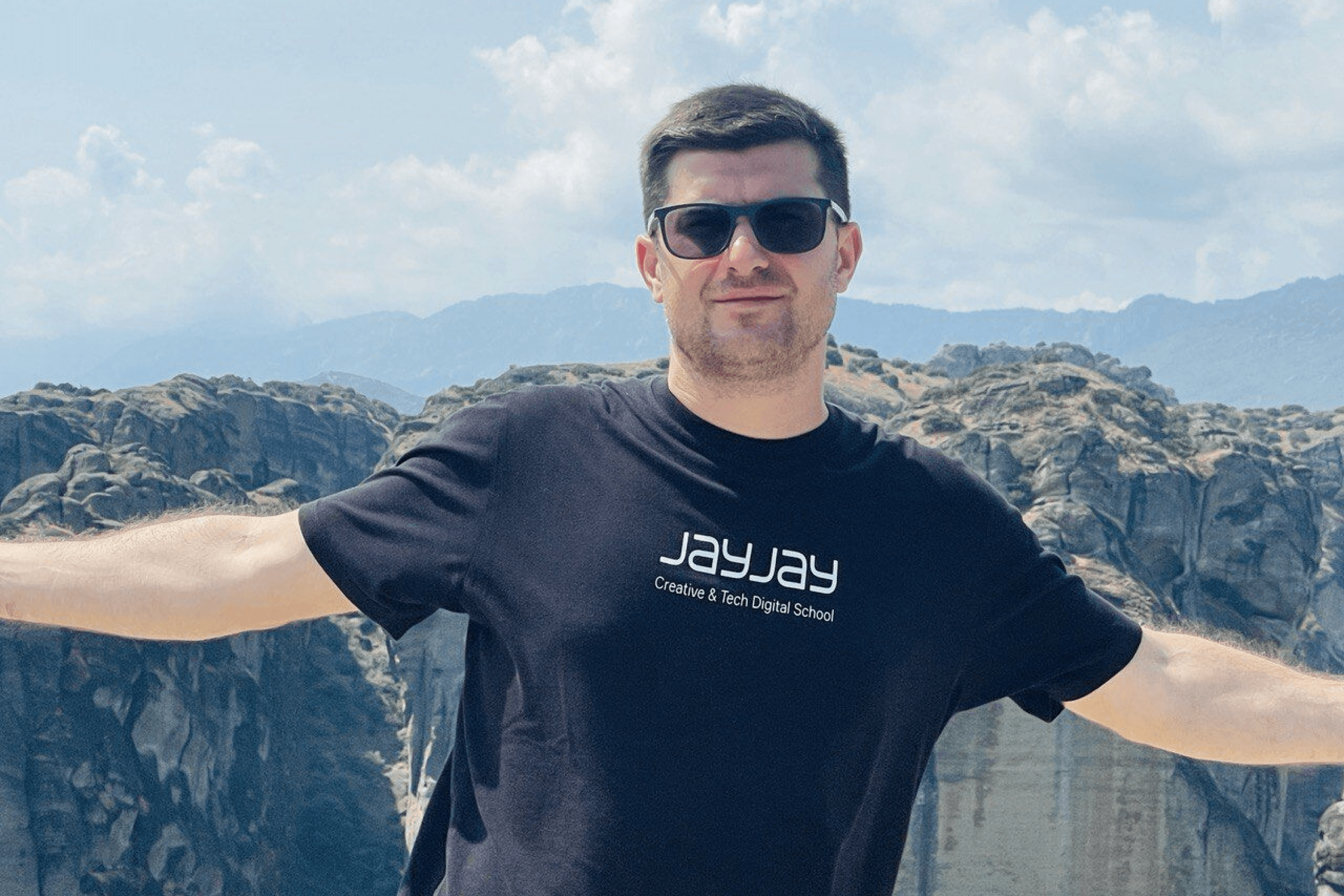
In 2021, businessman Vitalii Somka was looking for a country where he could set up an online professional education platform. After researching markets on four continents, he chose Indonesia because of its strong potential and limited competition. In May 2022, he launched JayJay. During its first year, the platform underwent a change in its business model because of the full-scale invasion, raised $1 million in investment, and found its niche in creative industries education.
Yellow Blue journalist Artem Moskalenko spoke with JayJay founder Vitalii Somka about starting a business in Indonesia, working with a local team, and plans to enter other Asian markets.
You have been developing the telecommunications company Anteniti for more than 20 years. Why did you decide to create an education platform as well?
In 2018, I enrolled at Kyiv-Mohyla Business School. Those were two awesome years of study for me, both as an entrepreneur and as a person. I realized that regardless of your field or position, you need to keep learning to stay relevant. Later, it started to dawn on me that I wasn’t the only one. Many people want to update their knowledge. So why not create an educational product for them?
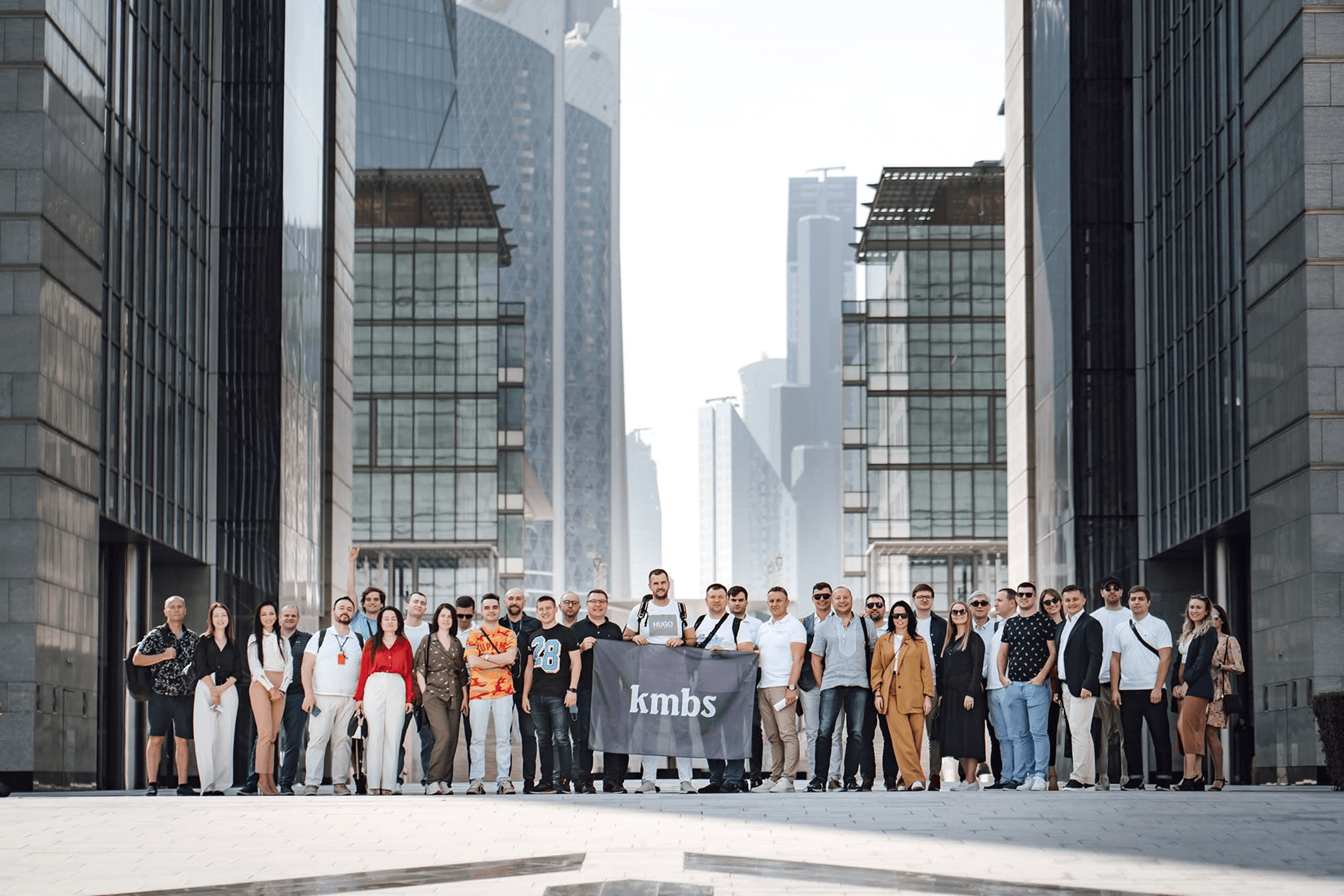
Vitalii Somka and other participants of the Presidents’ MBA program at Kyiv-Mohyla Business School at Expo 2020 Dubai. UAE, 2021. Photo: Kyiv-Mohyla Business School [kmbs] / Facebook 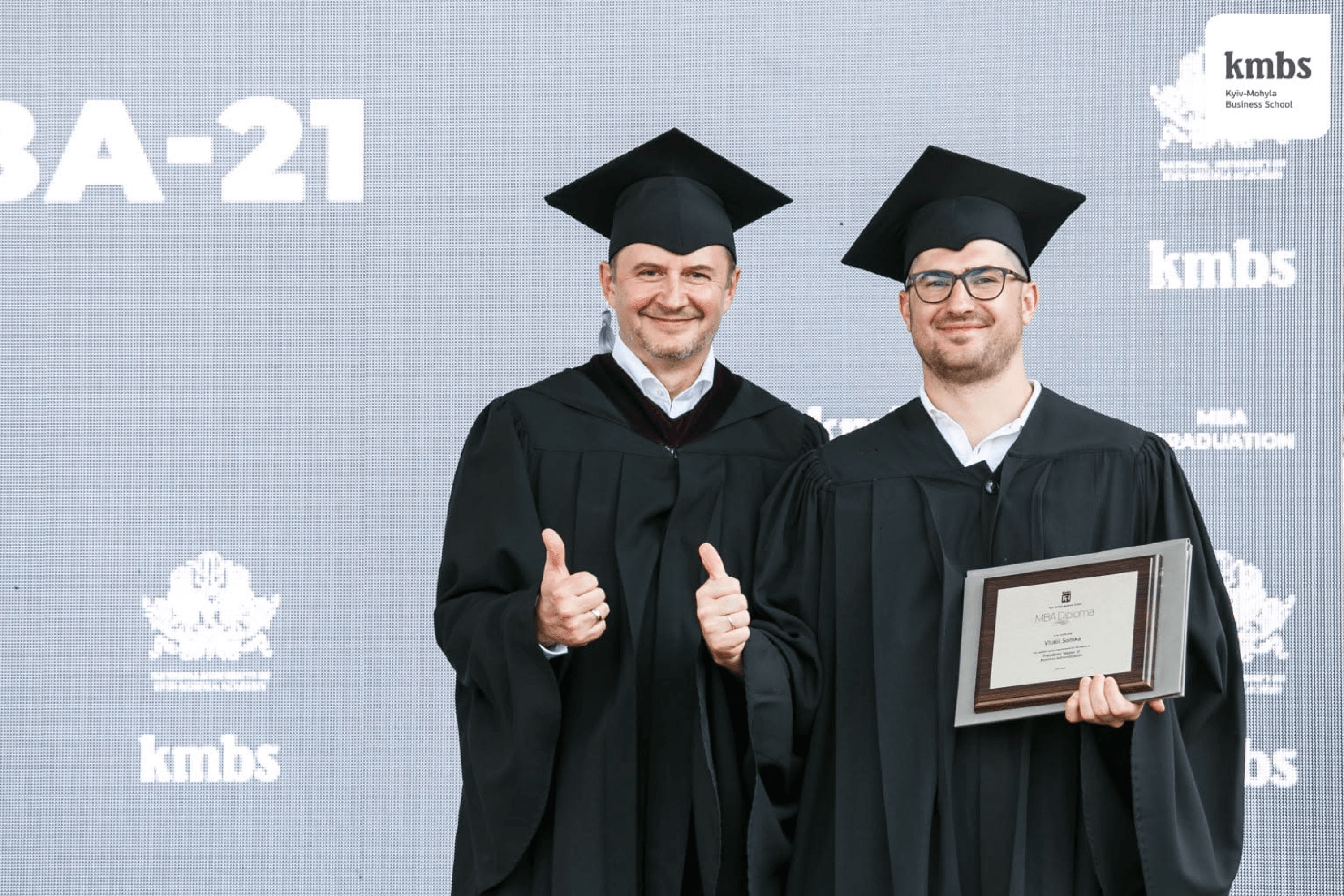
Photo: Kyiv-Mohyla Business School [kmbs] / Facebook 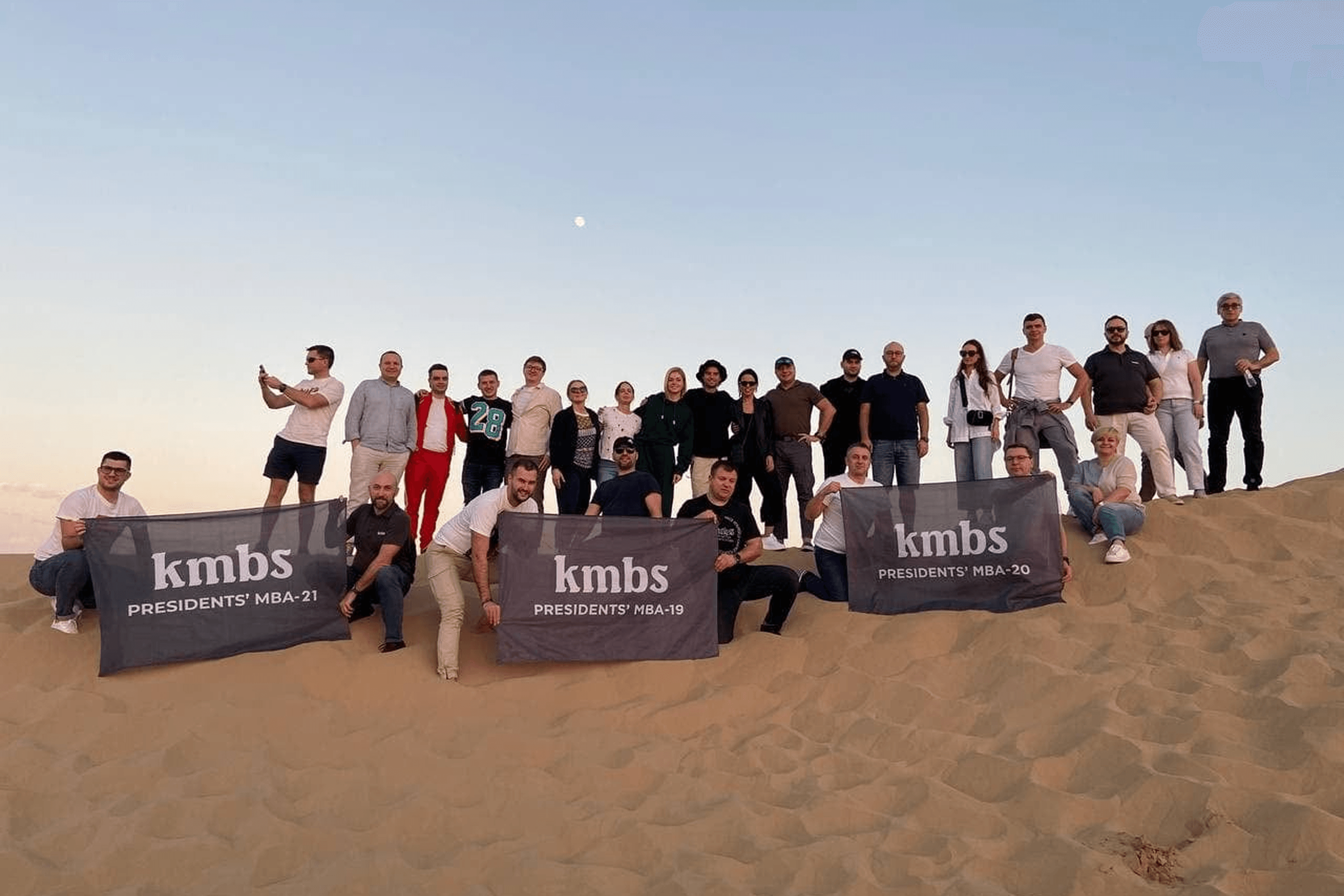
Photo: Kyiv-Mohyla Business School [kmbs] / Facebook
Why did you decide to focus specifically on the Indonesian market?
It was 2021, the height of the pandemic, and online was developing at a breakneck pace in every field, including education. Ukraine already had strong online school brands, so there was no point in launching a product here. I researched markets on every continent, looking at how they worked, their business models, and the competition. I even wrote my thesis about it.
Based on this research, four regions became priorities: Latin America, Africa, Southeast Asia, and the Middle East. Then I looked for a large market with relatively low competition. I compared GDP per capita in different countries, the number of internet users, Instagram and Facebook accounts, and average salaries. Saudi Arabia fell short on all these points, Brazil was ruled out because of high competition, and Nigeria because of low salaries and GDP. I did not consider China because I had experience there in the telecommunications business and understood how difficult and closed that market was.
That left Indonesia, where there were around 22 to 23 competitors. But I looked at their educational platforms and saw that they were five to seven years behind Ukrainian ones. So I made my decision.
You launched JayJay in Indonesia in May 2022, after the full-scale invasion had already begun. What was your development plan, and how did the war affect it?
From the very beginning, I wanted to build a venture model. The plan was this: I would use my own capital to get the first MVP up and running, we would enter the market, and if there was demand, we would raise investment in a seed round. But then the full-scale invasion began, and our platform wasn’t yet ready to go live. It was obvious that no one in Ukraine would give us money. No one in Indonesia would either, because we were Ukrainians whom nobody knew.
I gathered the team and said, “That’s it. Let’s quickly finish the landing pages, complete the courses, and enter the market. We won’t be able to keep investing our own money for long, and we won’t get venture funding. We’ll do business the way I’m used to: invest one dollar and make three.”
In May 2022, we released the finished product with three courses: UX Writing, QA in Digital Illustration, and Digital Marketing. The next day, we made our first sale. A day later, we made our second, and after that, we had sales every day.
How much did you invest in JayJay?
I think the total investment is around $250,000, but I stopped counting somewhere around the $200,000 mark. By the fall of 2022, we had almost reached break-even, and then we managed to raise external investment.
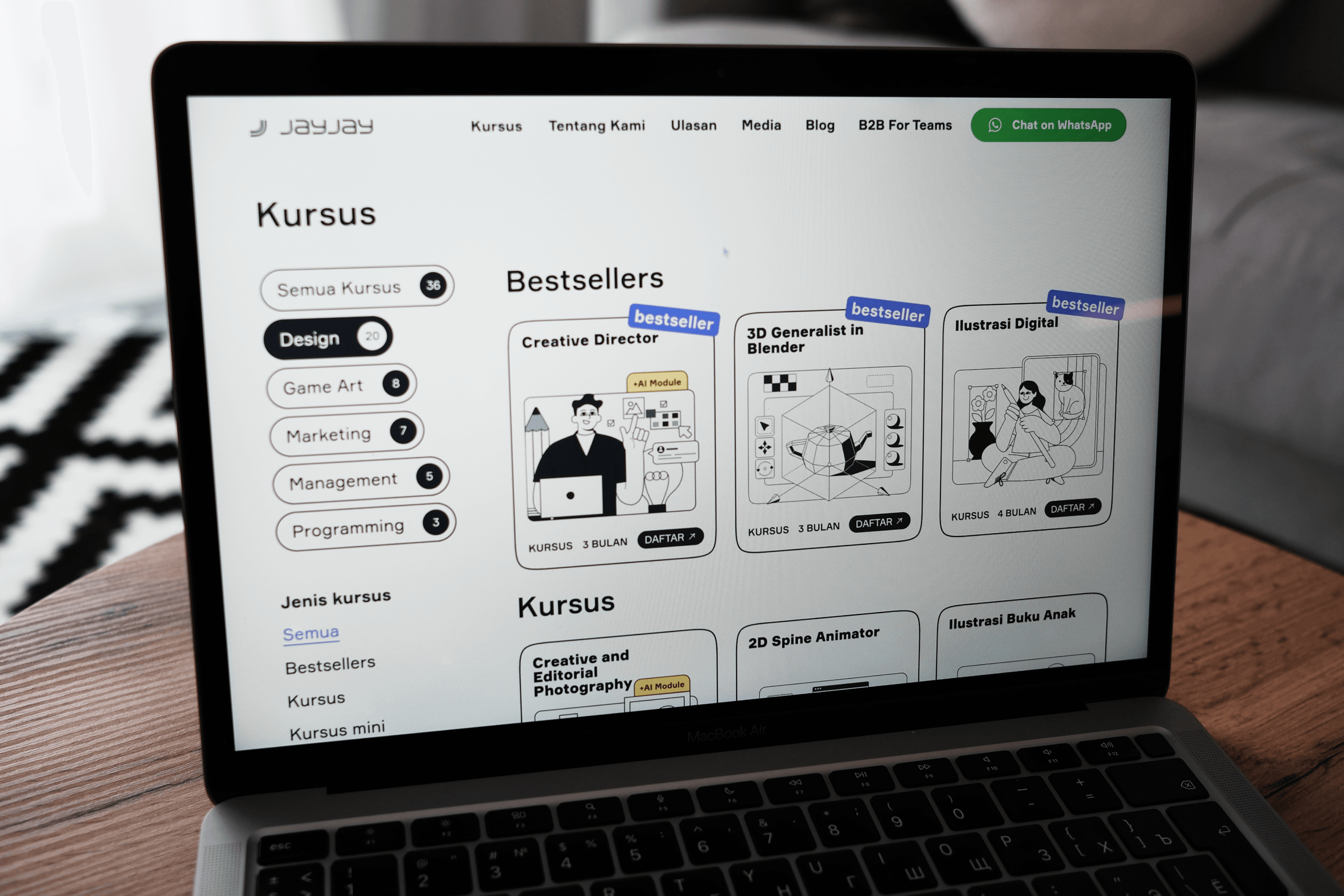
Screens from the JayJay website. Photo: YB 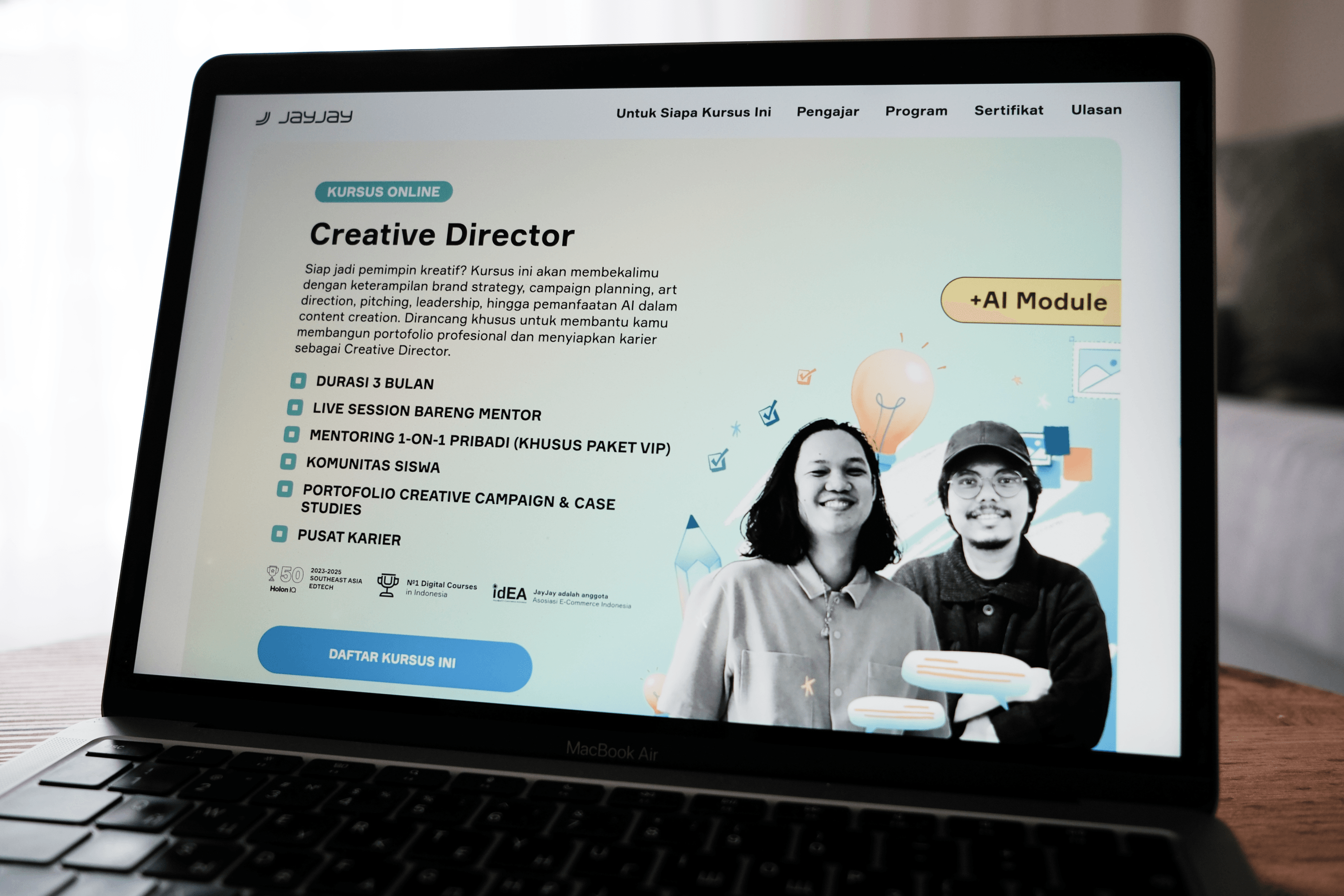
Photo: YB 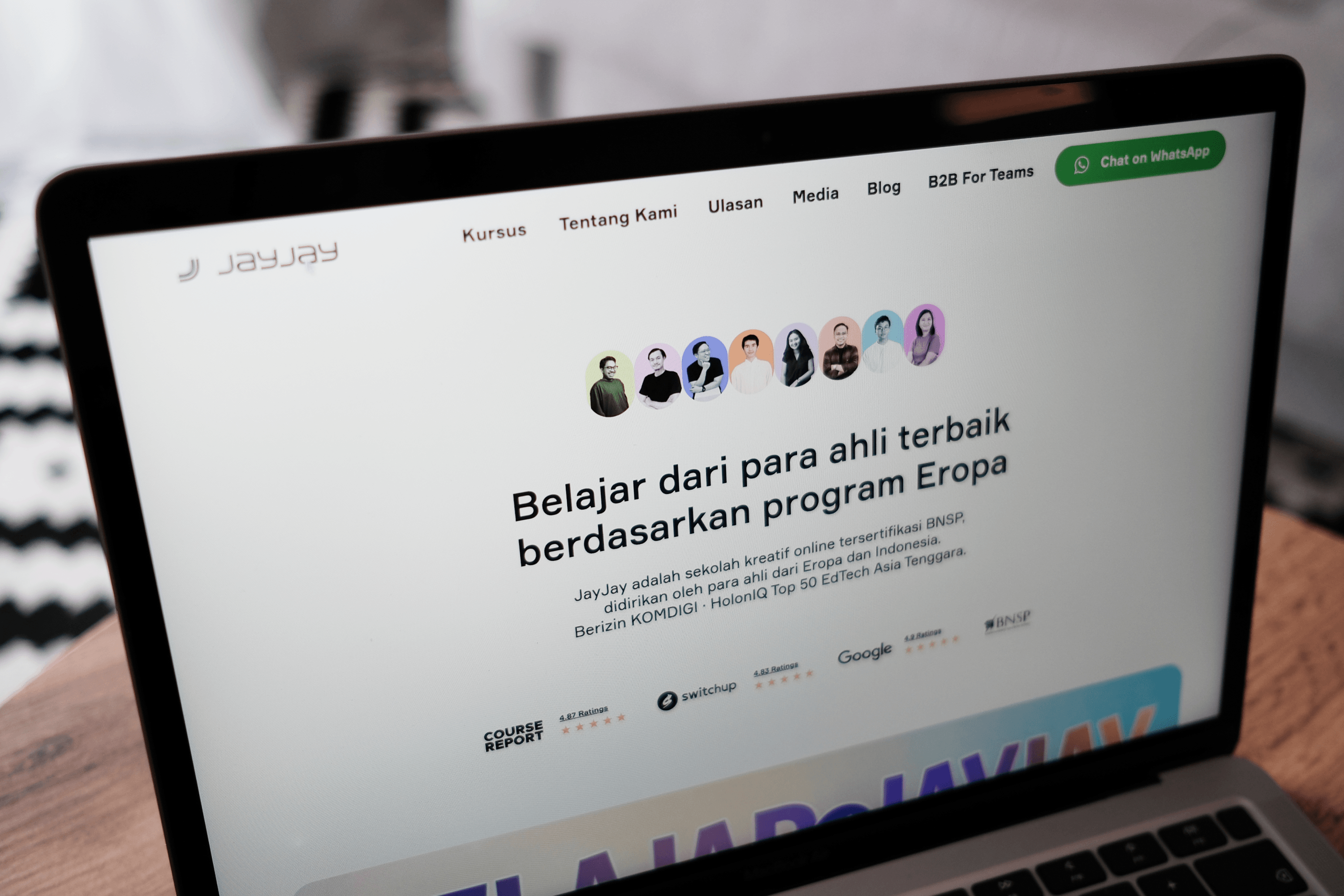
Photo: YB
In September 2022, JayJay received $1 million in funding from Jooble. Why did they invest in you, and what did you spend the money on?
Back in 2021, when the project was still at the idea stage, I put together a pool of potential investors and began approaching them. After two of them turned me down, the third one explained that you shouldn’t come with an idea. You should first build a product and get traction, and if it’s good, then go and raise money.
In 2022, we launched, made our first sales, and our revenue grew every month. But because of the cultural differences between us and Asia and the need to adapt the product to the local market, we needed to “buy time” to bring the project to profitability. I approached one of Jooble’s founders. He immediately arranged a meeting, we talked for about 30 minutes, and he agreed.
The money gave us time to test different models. At first, we offered upskilling courses, then professional courses with a job placement guarantee, and later returned to upskilling. We also experimented with the niche. From the very beginning, one of our three courses didn’t take off: Digital Marketing. Digital Illustration (QA), however, sold like crazy. We didn’t fully understand why, but we decided to try programming and design as well. At the end of 2022, we launched two new courses, frontend development and, I don’t remember exactly, either graphic or motion design. The design course took off again, while frontend didn’t sell.
Then we analyzed the market and saw that there were only two or three online schools for creative industries in Indonesia. It was practically an open niche. So we closed almost all of our IT courses and decided to focus on creative fields.

Vitalii Somka talks about the development of the JayJay online school in Indonesia at the A2A Business Forum. 2025. Photo: Vitalii Somka / LinkedIn 
Photo: Vitalii Somka / LinkedIn 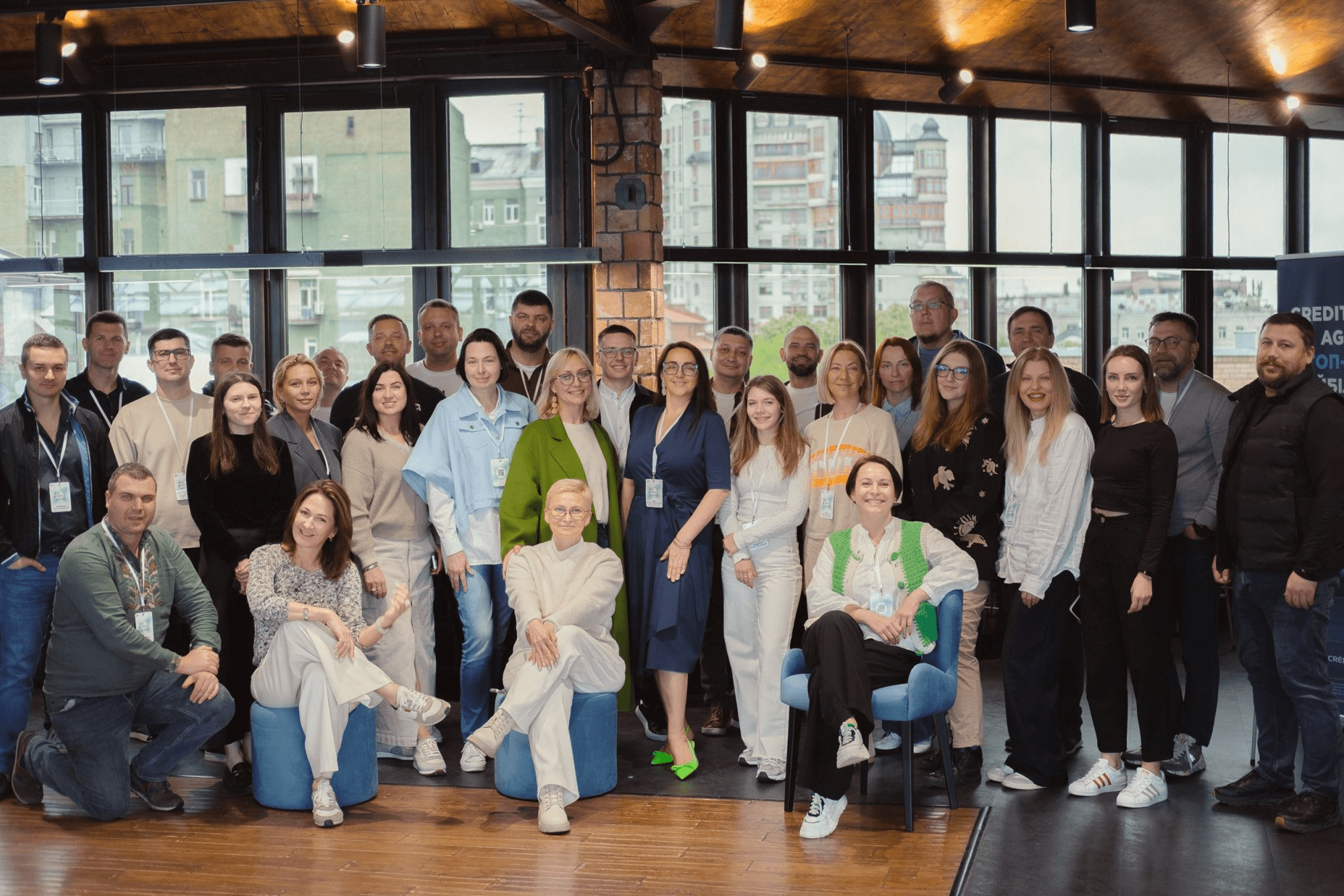
Photo: Vitalii Somka / LinkedIn
When JayJay started, one course cost $350. How did you set the price, and is that a normal price for the Indonesian market?
I don’t remember why, but I decided that the price of a course should be equal to the average salary in the country. In 2021, it was around $300. The average salary in Jakarta, the capital of Indonesia, whose residents I primarily considered our potential customers, was around $450. So I took something between those two figures, which came to $350.
How did your team change after entering the Indonesian market? Did you hire local employees right away?
In the beginning, our team consisted of only four Ukrainians. They handled marketing, technical support, and management. I hired five local salespeople, and later a local copywriter, translator, and others joined. The team grew rapidly, and by 2025 we had 10 Ukrainians and 40 Indonesians. The Ukrainians were responsible for management, analytics, development, and marketing, while the local team handled sales, support, operations, and accounting.
The business grew by around 30 to 50 percent every year, but in 2026 an economic crisis began in Indonesia. Fuel became more expensive because of the U.S. attack on Iran, the country got a new president and, with him, a new economic policy, the rupiah fell, while inflation, on the other hand, is rising. We had to reduce our headcount somewhat. The team now consists of six Ukrainians and around 30 Indonesians.
What cultural differences have you noticed when working with the Indonesian team?
Most of the differences are in communication. For example, if you give an employee negative feedback during a general meeting, it’s perceived as an enormous sign of disrespect. And it’s not only the person you addressed who will be offended, but everyone present. With Indonesians, you need to discuss such things privately, but even then, direct criticism can shock someone so much that they quit.
Another characteristic is that Indonesians often need more time for training and for tasks to be explained. They may say they understood everything when in fact they understood only part of it or didn’t understand it at all. So after a few days, you have to check the result and, if necessary, explain it again. In Ukraine, people are more likely to say directly if they didn’t understand something.
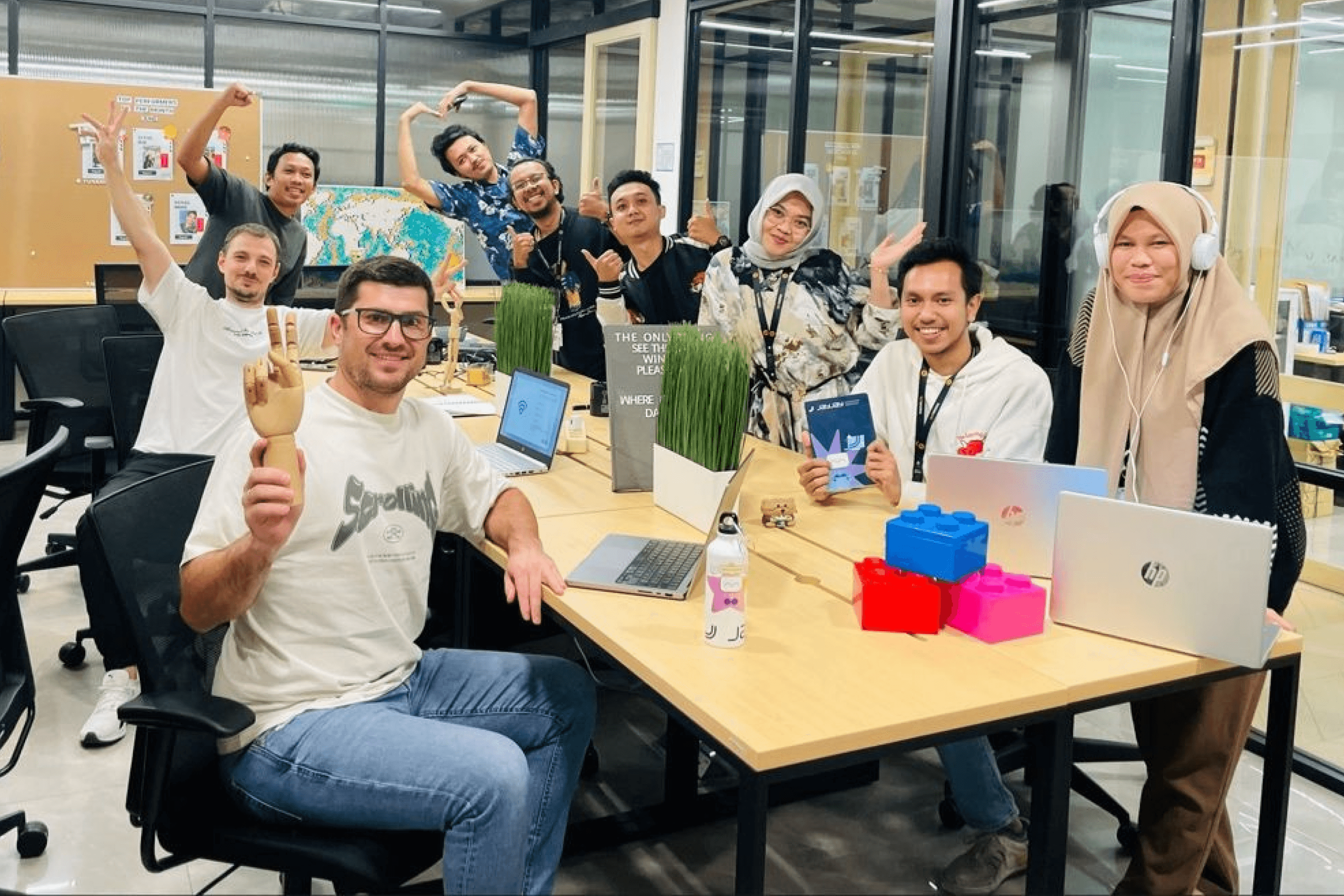
The JayJay team. Photo: Vitalii Somka / LinkedIn 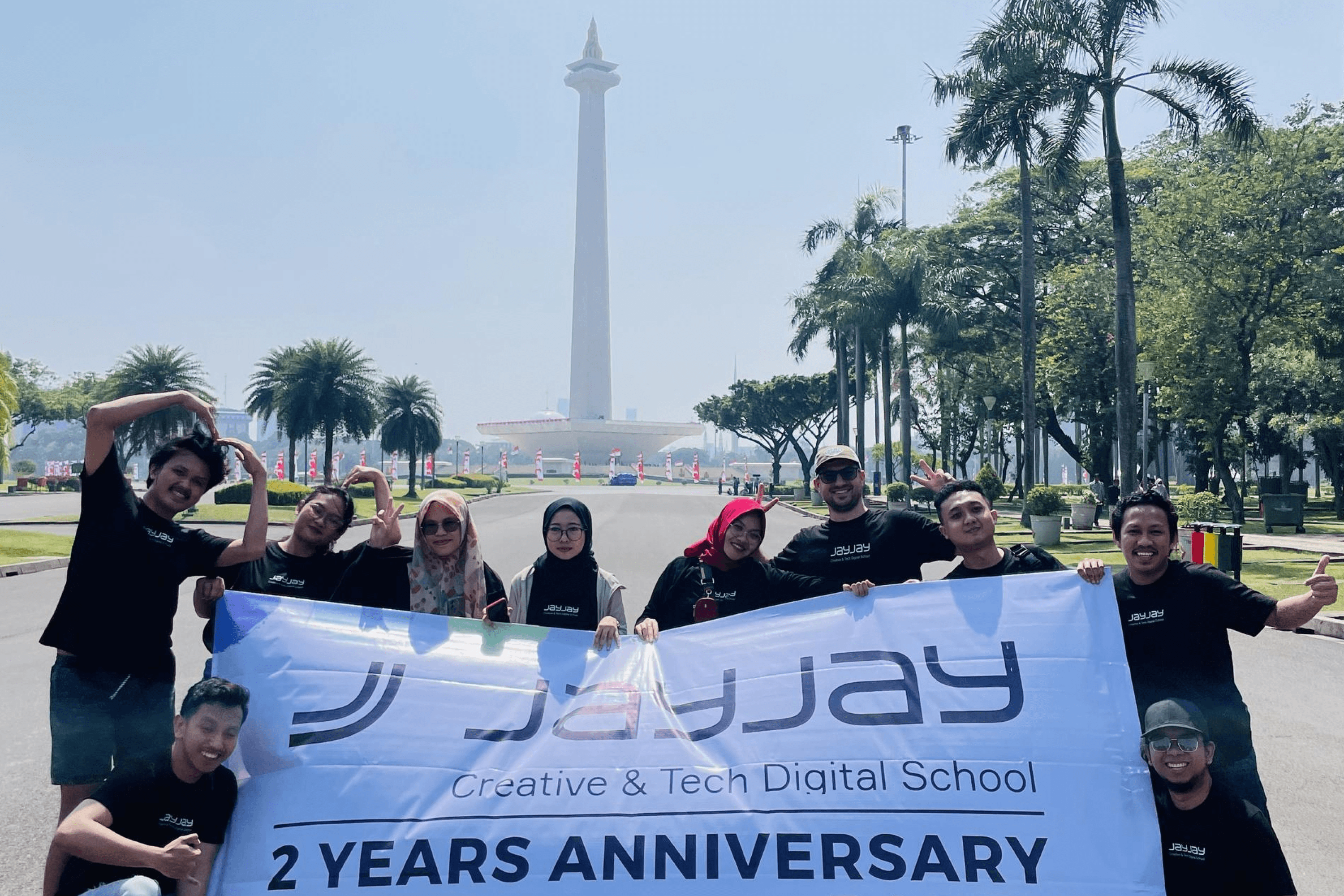
Photo: jobs.dou.ua 
Photo: jobs.dou.ua 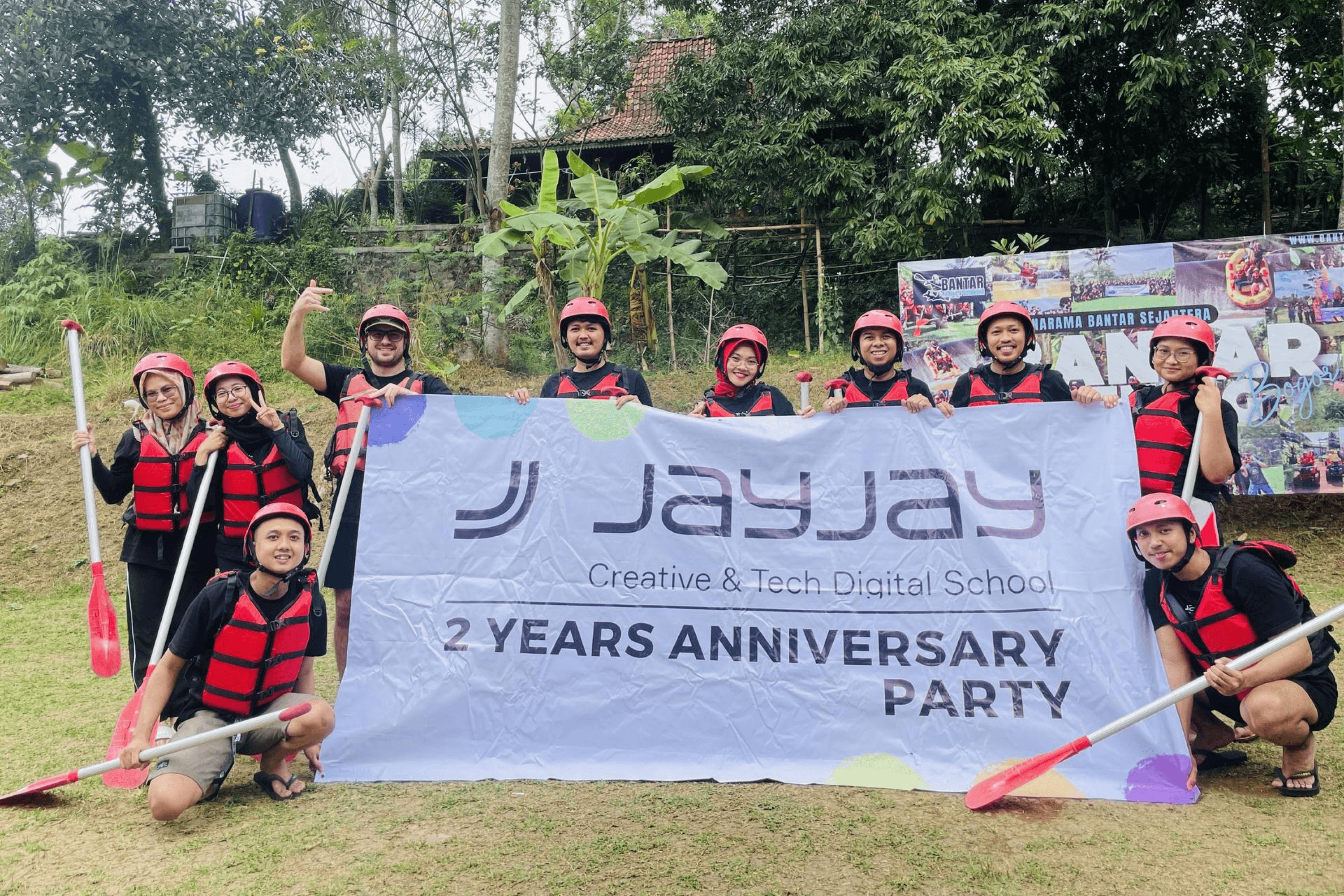
Photo: jobs.dou.ua 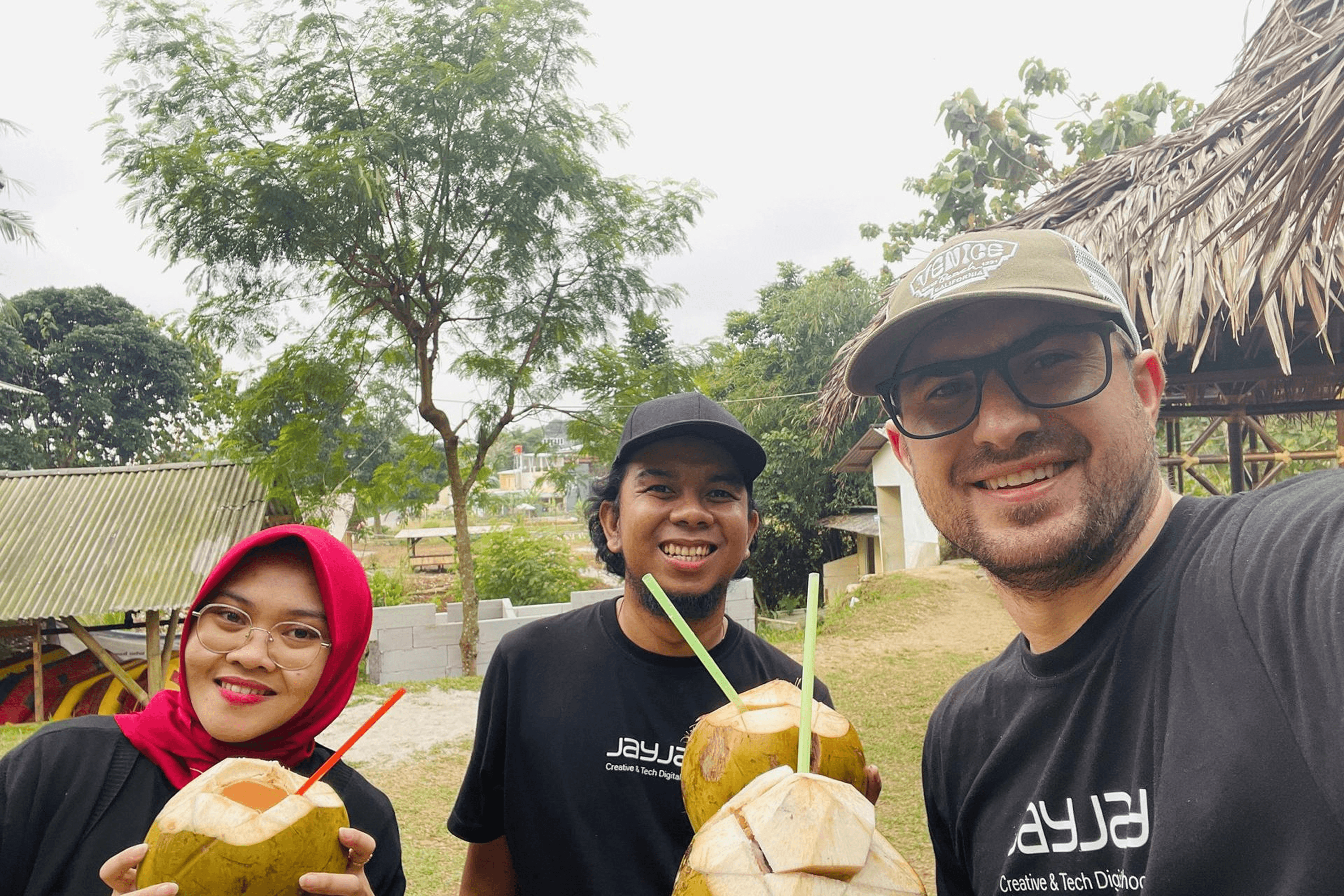
Photo: jobs.dou.ua 
Photo: jobs.dou.ua
What do you pay attention to when hiring people in Indonesia?
I hire people based on values. The most important one is honesty. I’m honest in my family, at work, and with my employees, and I want the same from the team. I look for proactive people who strive for results. Indonesians are not only slow, but often quite lazy as well. But there are those among them who really want to earn money and want a good quality of life. Those are the people who work for us.
How do the Ukrainian and Indonesian teams get along?
The first two or three years were difficult for both sides. When JayJay was just starting out, I lived in Indonesia, and during informal conversations over dinner, local employees often complained, “We don’t understand you. One moment you want one thing, then you want something else.”
But now we have “learned” each other’s quirks, and the Ukrainian and Indonesian teams have synchronized. For example, our marketing department is mixed. The media specialist, content manager, copywriter, course producer, and designers who produce the ad creatives are local specialists. Ukrainians handle traffic acquisition on Facebook, Google, and TikTok. Most of these people have worked with us for a long time, so they know the context and understand each other almost without words.
You said that JayJay grew by 30 to 50 percent every year. What made that possible?
In the beginning, we tested different marketing tools to attract more customers. But eventually we realized that it was expensive, and the quality of the audience coming to our pages dropped significantly. So we focused on expanding our offerings and finding new topics for courses. It worked: add one product, and you get another $5,000 to $7,000 in revenue.
How many courses do you have today?
Our main product is upskilling courses that run from three to five months. We also have mini-courses lasting up to three months. In total, that adds up to around 36.
According to your estimates, when JayJay launched, it was five to seven years ahead of local educational platforms. Has that changed? How do you remain competitive now?
The gap has narrowed because Indonesians copy things fairly quickly. Compared with Ukrainian platforms, Indonesian ones are about two to three years behind. JayJay now has around 40 competitors in the local market, but we are number one in the creative industries education niche.
In November 2025, JayJay was included in the HolonIQ Southeast Asia EdTech Top 50 international ranking for the third year in a row, which recognizes the region’s most promising edtech startups. How does this affect the company’s development?
It’s difficult to say how much it affects customers, but being included in the ranking certainly adds credibility.
What is the main limitation on JayJay’s growth today?
Economic turbulence in Indonesia. We’re operating in “manual” mode to get through it, constantly monitoring the indicators and adjusting our processes. Our plan for this year is to keep revenue at the previous year’s level, but it’s difficult to talk about growth. I see great prospects for JayJay in the Indonesian market, but we will see what happens in 2027.
Do you see potential for scaling JayJay’s model to other Southeast Asian countries?
In the summer of 2025, the team and I held a strategy session where we identified the next country whose market we wanted to enter. We planned to do it within three to four months, but the preparations stretched to six months, and then the United States attacked Iran and our main market hit a rough patch. We decided that we first needed to focus on Indonesia, and once we get through this rough patch, we’ll return to launching in a new country.