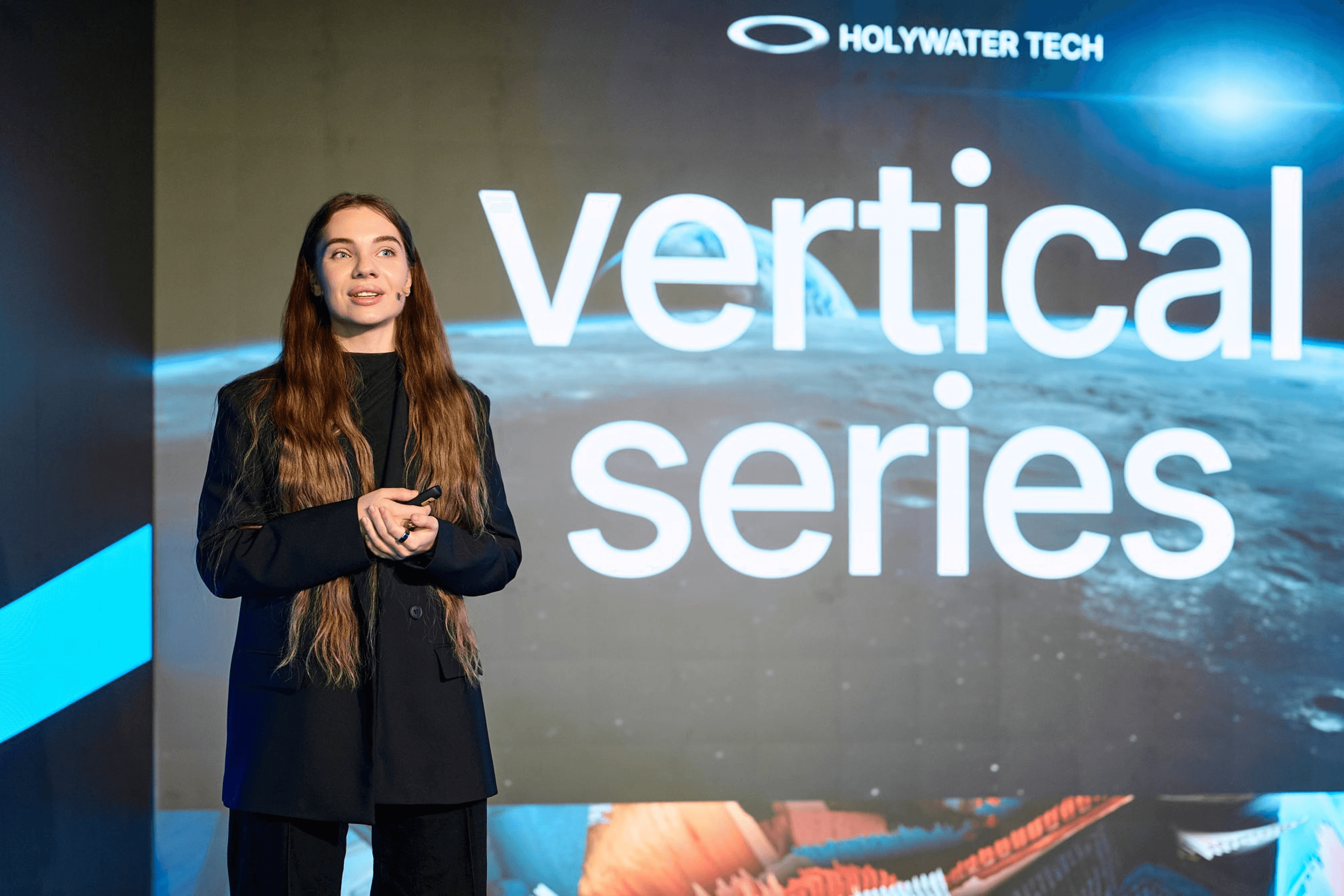
A hitman in love with his target, a hockey player hiding his feelings for the team captain, and a bride who runs away from her wedding only to end up in the lair of a seductive vampire. These are the heroes of the English-language vertical series on the My Drama app. They are created by the Ukrainian company Holywater under the leadership of main producer Julia Smyrnova.
In an interview with Yellow Blue journalist Sofiia Korotunenko, Smyrnova talks about the work of her creative team, the company's collaboration with Fox Entertainment, and how to write a story that is impossible to put down.
|
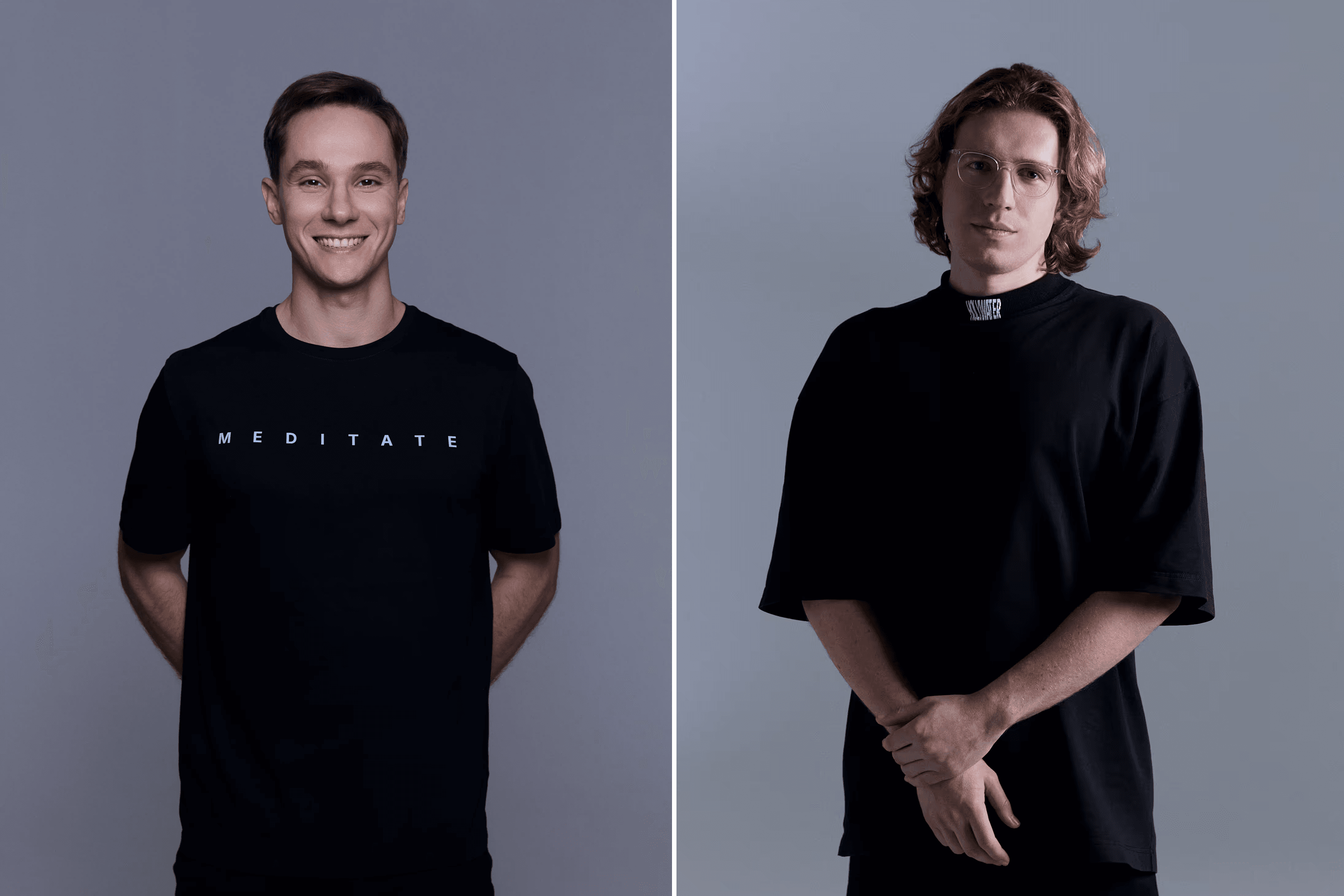
In 2025, Holywater was included in the Sifted 250 ranking of Europe’s most successful startups. At the beginning of 2026, the company raised $22 million in investment. |
The company’s ecosystem includes four apps: the romance fiction library My Passion and three vertical series platforms, My Drama, FreeBits, and My Muse. Holywater’s series are produced in English, with subtitles available in more than 20 languages. |
Vertical series consist of episodes that run for about a minute and are connected by a single storyline. Their key difference from traditional TV series is the fast-paced plot and the large number of unexpected twists that usually end each episode. Some episodes require payment and can be unlocked using the platforms' in-app currency. |
Chinese bloggers were the first to produce vertical series in 2019. Since 2022, Chinese studios have dominated this niche through their own mobile apps. The most popular platforms are ReelShort, DramaBox, and ShortMax. They target both Chinese audiences and international viewers, especially English speakers. |
On the app marketplaces, Holywater’s apps rank among the top five in their category. They have been downloaded on more than 100 million devices worldwide and attract between three and eight million monthly active users. |
How long have you been working at Holywater, and at what stage did you join My Drama?
Since 2023. I worked on the My Passion app, which is a library of books by our authors, and also on an apps with interactive story games where users chose dialogue options and determined how the story would unfold. At first, I created marketing creatives and advertisements, and later I combined those responsibilities with content development. At the same time, we were preparing for the launch of My Drama. Our first series, released in late 2023 and early 2024, were created under my leadership.
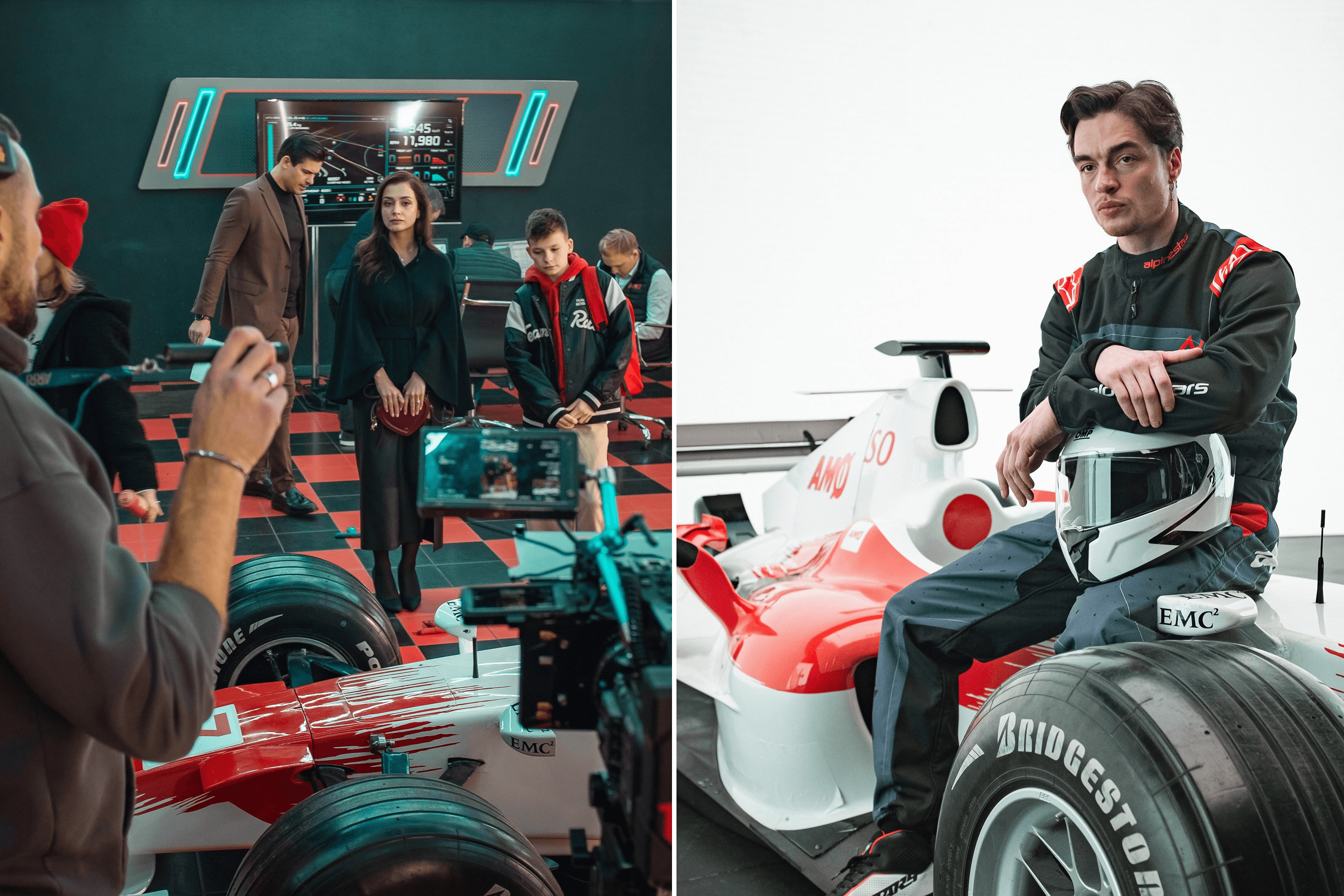
Behind the scenes of the filming of Overdrive to My Heart. Photo: My Drama / Facebook / YB 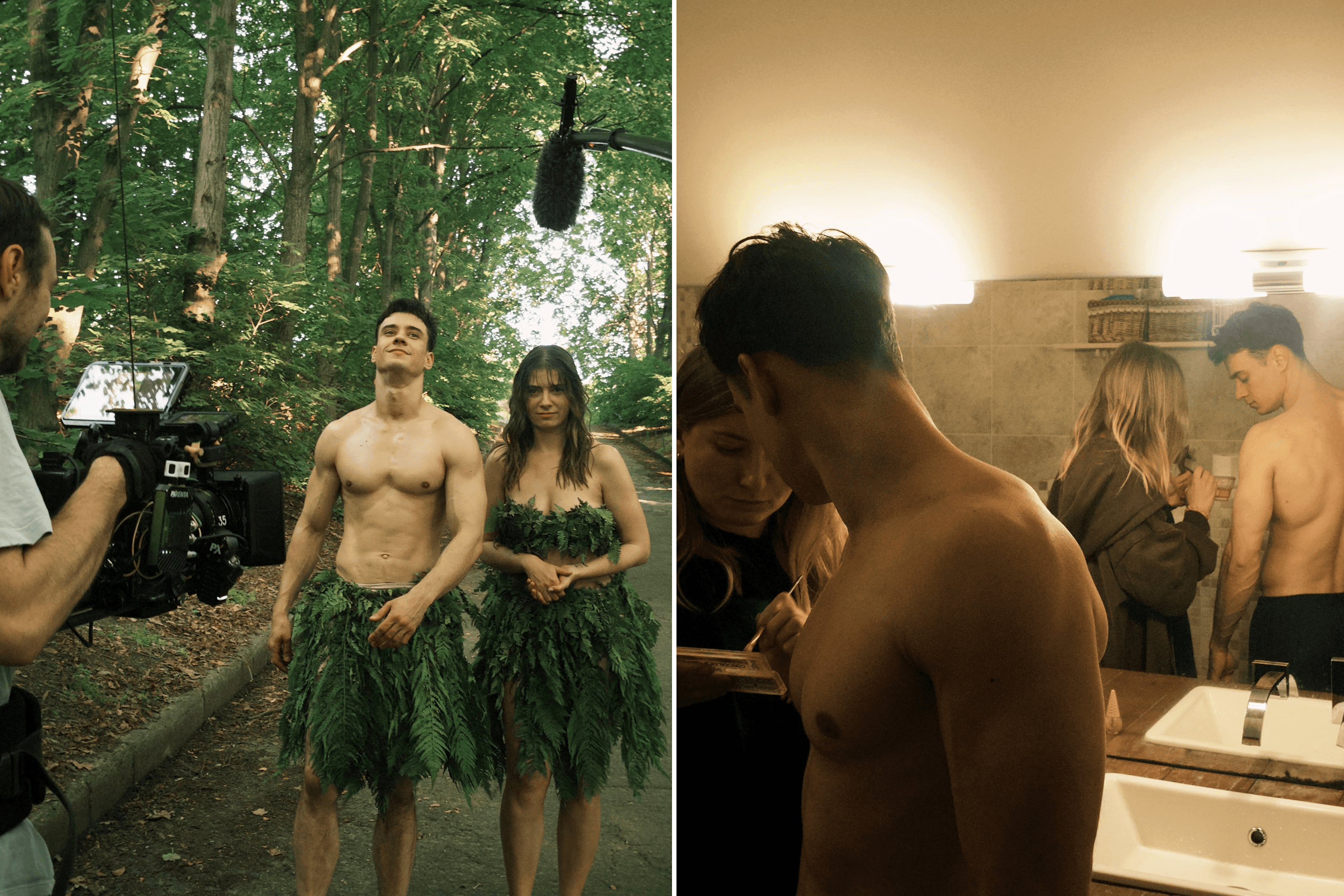
Behind the scenes of the filming of My Perfect Stranger. Photo: My Drama / Facebook / YB 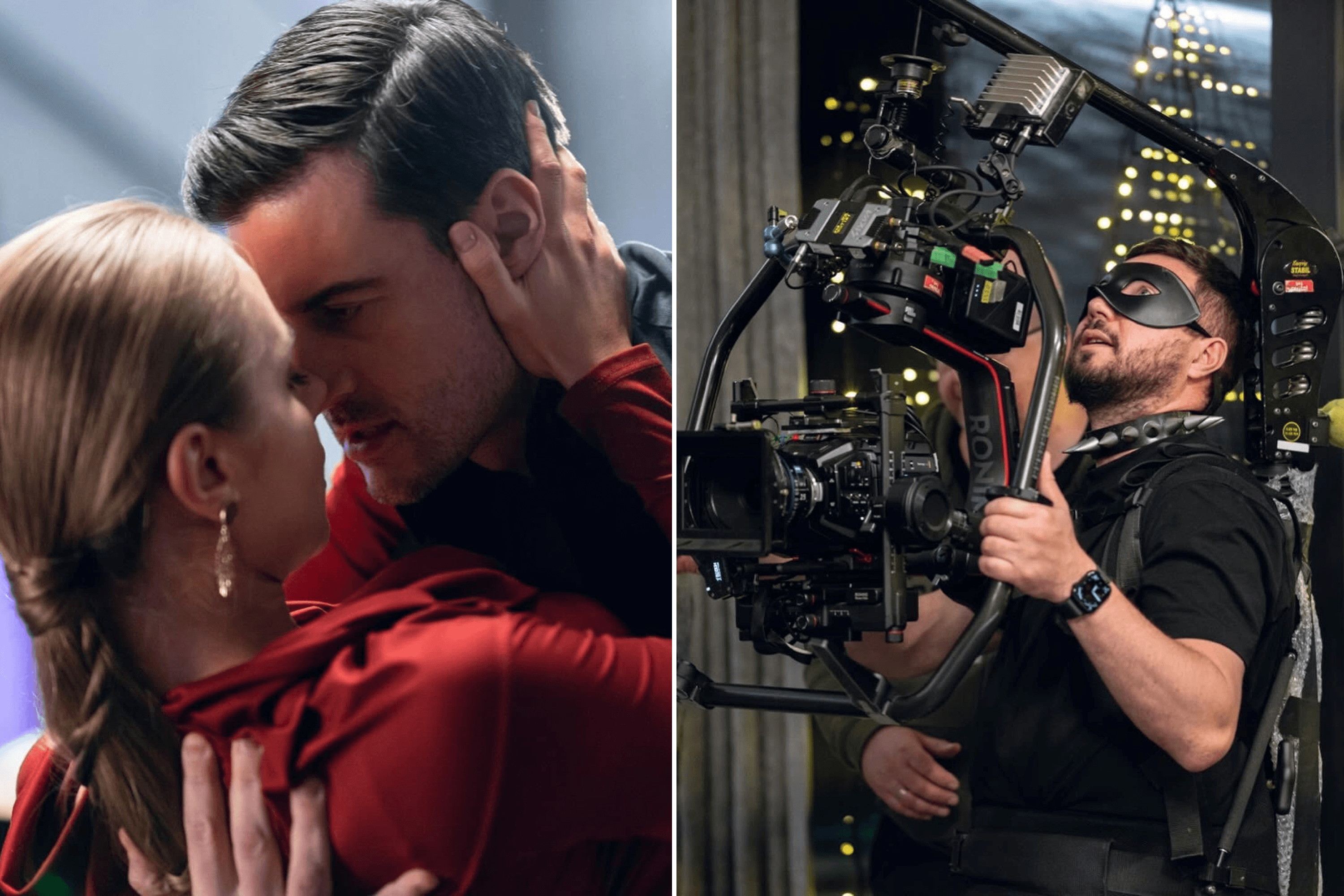
Behind the scenes of the filming of Untouched Scent. Photo: My Drama / Facebook / YB 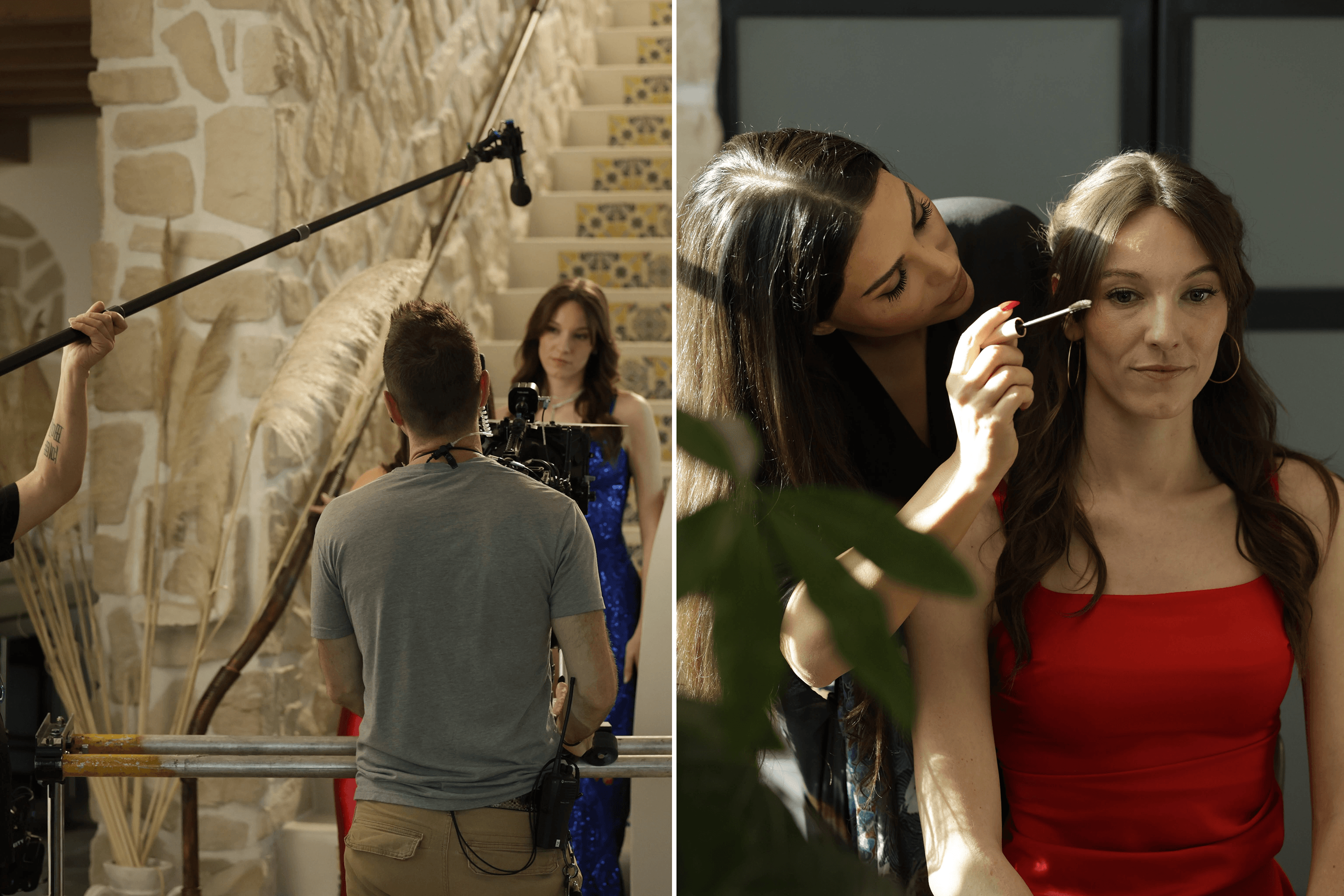
Behind the scenes of the filming of Playing Her Dirty. Photo: My Drama / Facebook / YB
Why did Holywater decide to invest specifically in vertical series?
The first successful platforms featuring vertical series appeared on the Chinese market. This type of content matched our format because Holywater’s other apps also tell fictional stories and immerse people in imaginary worlds. Today, those Chinese platforms are our direct competitors, and every year there are more of them. The companies leading the market are the ones that entered it first and found their own unique focus. We are one of them.
What sets you apart from your competitors? What is your focus?
Our Chinese competitors mostly produce microdramas, while we create vertical series. Microdramas are stories built around familiar tropes such as “enemies to lovers” or “forced marriage.” They have simple plots without detailed backstories or deep character development. But they engage viewers with twists that no one expects.
Vertical series go beyond those limits. We do not simply make a drama about a businessman the heroine owes money to. There is more to it than that. We tell a story where she is actually a secret agent, and he turns out not to be a businessman at all. We develop our characters and add elements of thrillers or horror to the script. We can also reinterpret the story of a popular film or book from a different perspective.
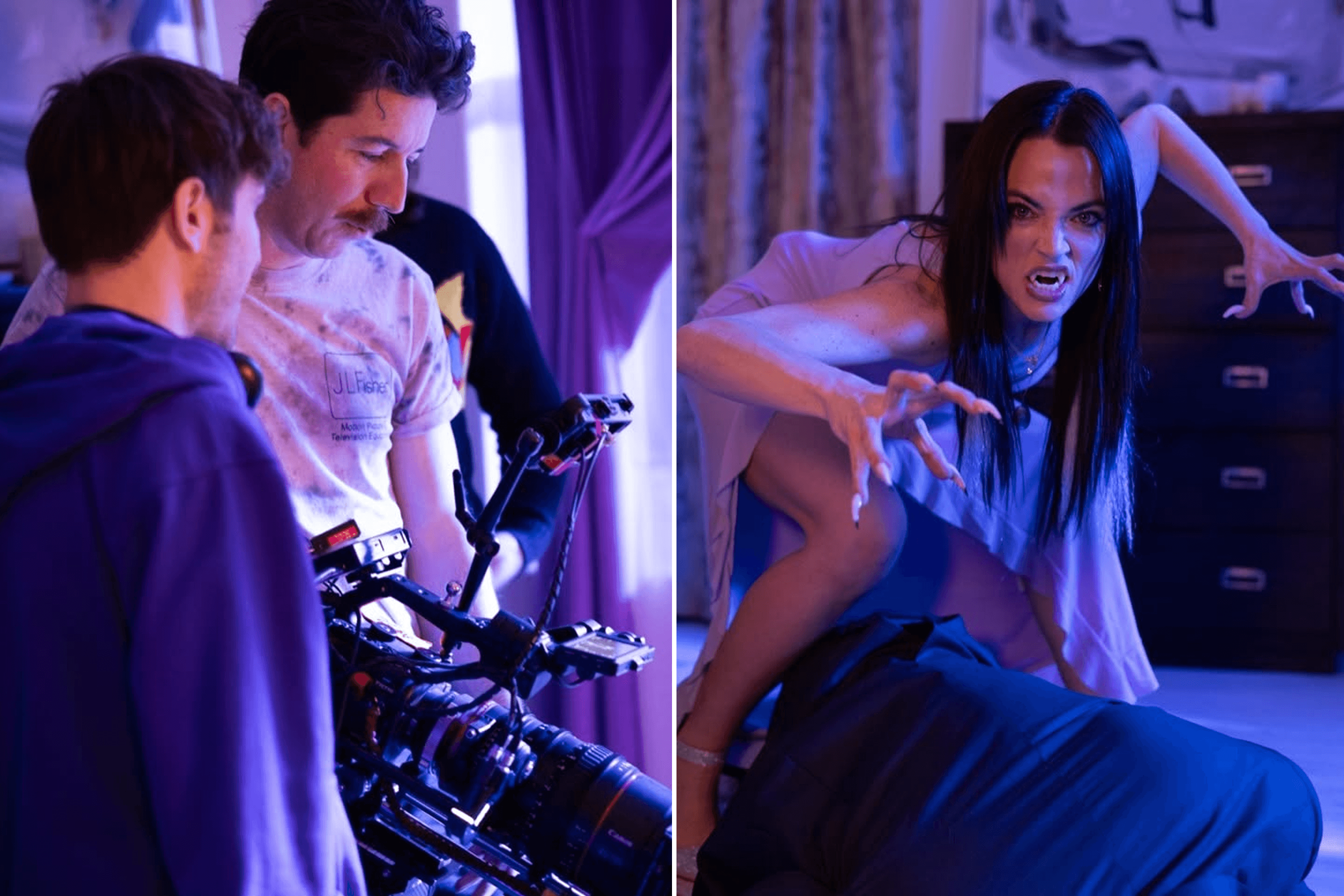
Scenes from the series Alpha’s Love Captive. Photo: My Drama / Facebook / YB 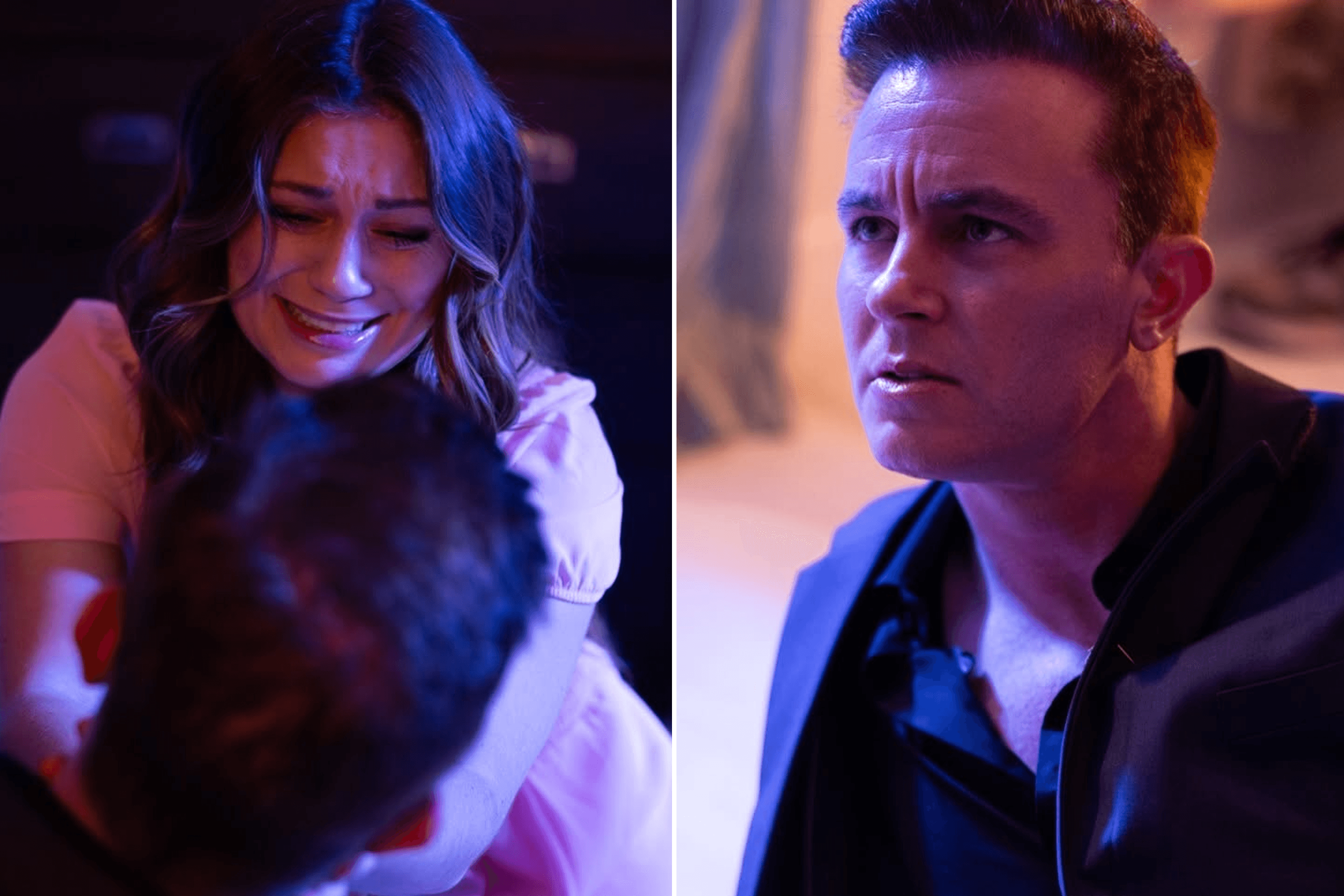
Photo: My Drama / Facebook / YB 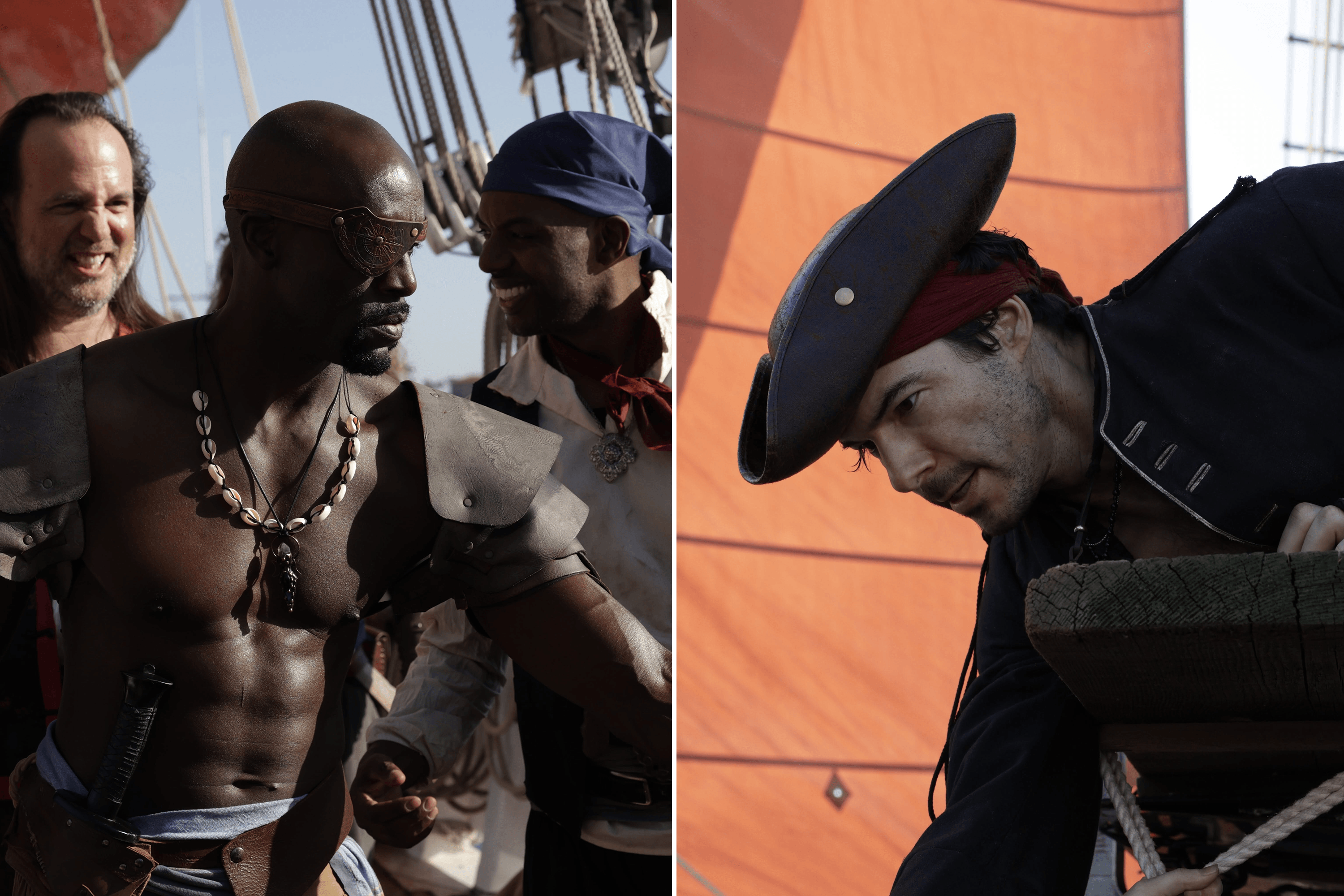
Behind the scenes of the filming of Kiss of the Pirate King. Photo: My Drama / Facebook / YB 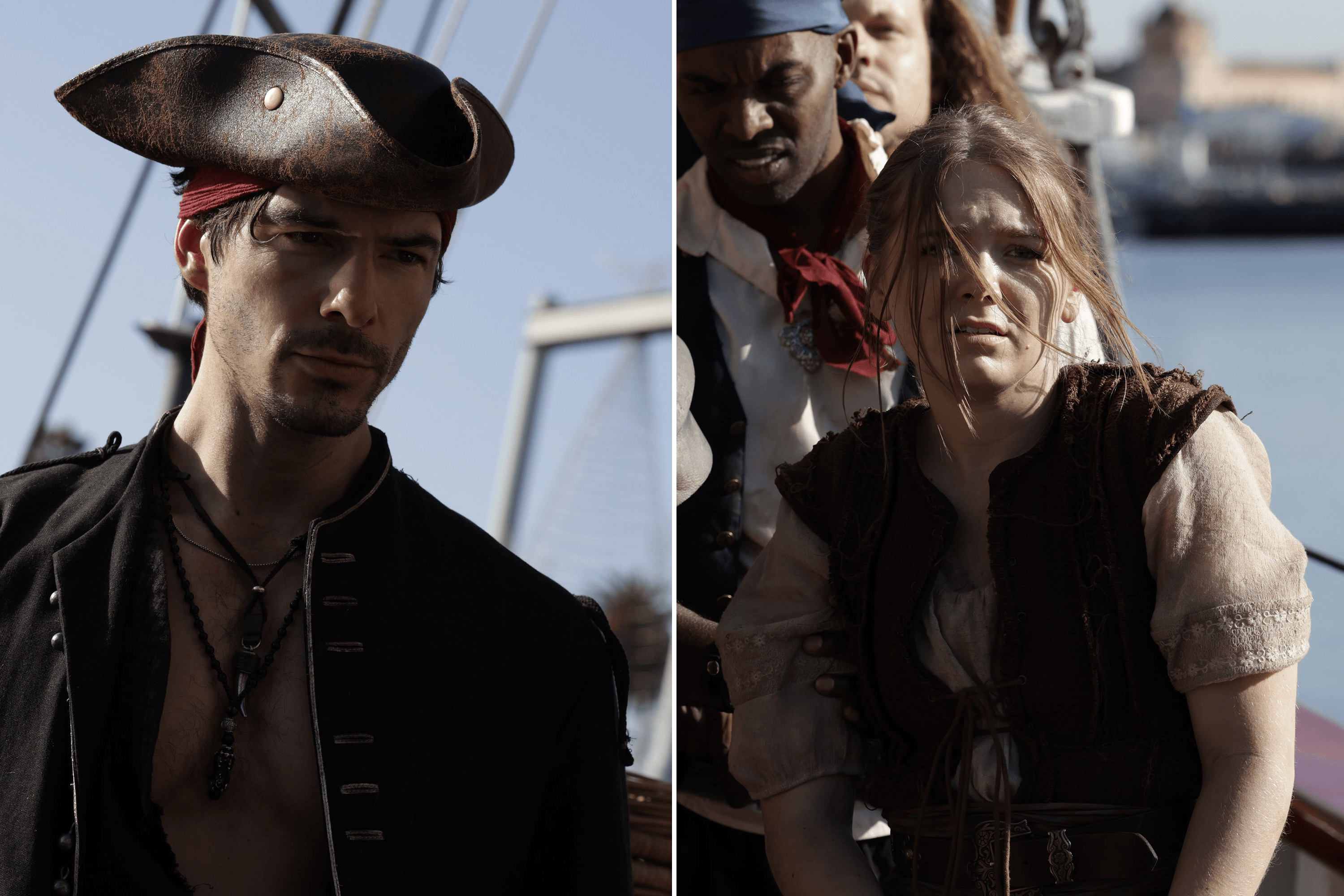
Photo: My Drama / Facebook / YB
When you come up with a new story, what inspires you?
We look to big stories, Hollywood films, and books, especially those that go viral on BookTok. We also draw inspiration from manga and manhwa, for example, stories about reincarnation or Groundhog Day loops. We even look to music videos by stars like Madonna. Her work inspired a scene in which a character gains power and rises to the status of a deity. We combine many different ideas in a single story, but the most important thing is that the writers can describe its plot and moral in two or three sentences.
Where do you draw the line between inspiration and borrowing? How do you approach copyright when, for example, you adapt the relationship between Mr. Darcy and Elizabeth from Pride and Prejudice?
In cases like that, we only use their relationship as the foundation. In 2024, a very popular BookTok novel called My Dark Romeo was published. Essentially, it is the story of Mr. Darcy and the Bennet sisters, but set in a different world and with the relationship developing in a slightly different way. The third book in that series, My Dark Prince, is essentially the story of Cinderella, with the prince searching for her.
So, in our niche there are many clear parallels between books and the original films. We draw inspiration from relationship dynamics and character archetypes rather than taking an entire story. As for classics, we can adapt them exactly as in the original or reinterpret them in our own way because they are already part of the public domain rather than someone’s intellectual property. A typical example is our new series The Sins of Dorian Gray.
My Drama has more than eight million monthly active users. Who are they?
Geographically, our largest audiences are in the United States, Canada, Europe, and Australia. In terms of age, they range from 21 to over 60. The gender split depends on the series. Some stories appeal to both men and women, while others are primarily watched by one gender.
How does the content preferred by men differ from what women choose?
Men are generally not interested in Cinderella-style heroines. They prefer stories where the main character is a man. In romantic series, that can mean either traditional relationships where the hero falls in love with a woman or same-sex romances. In thrillers and action stories, they expect a fast-moving plot and a well-developed protagonist. Think of characters like Max Payne, John Wick, or the heroes of Wrath of Man or Fast & Furious.
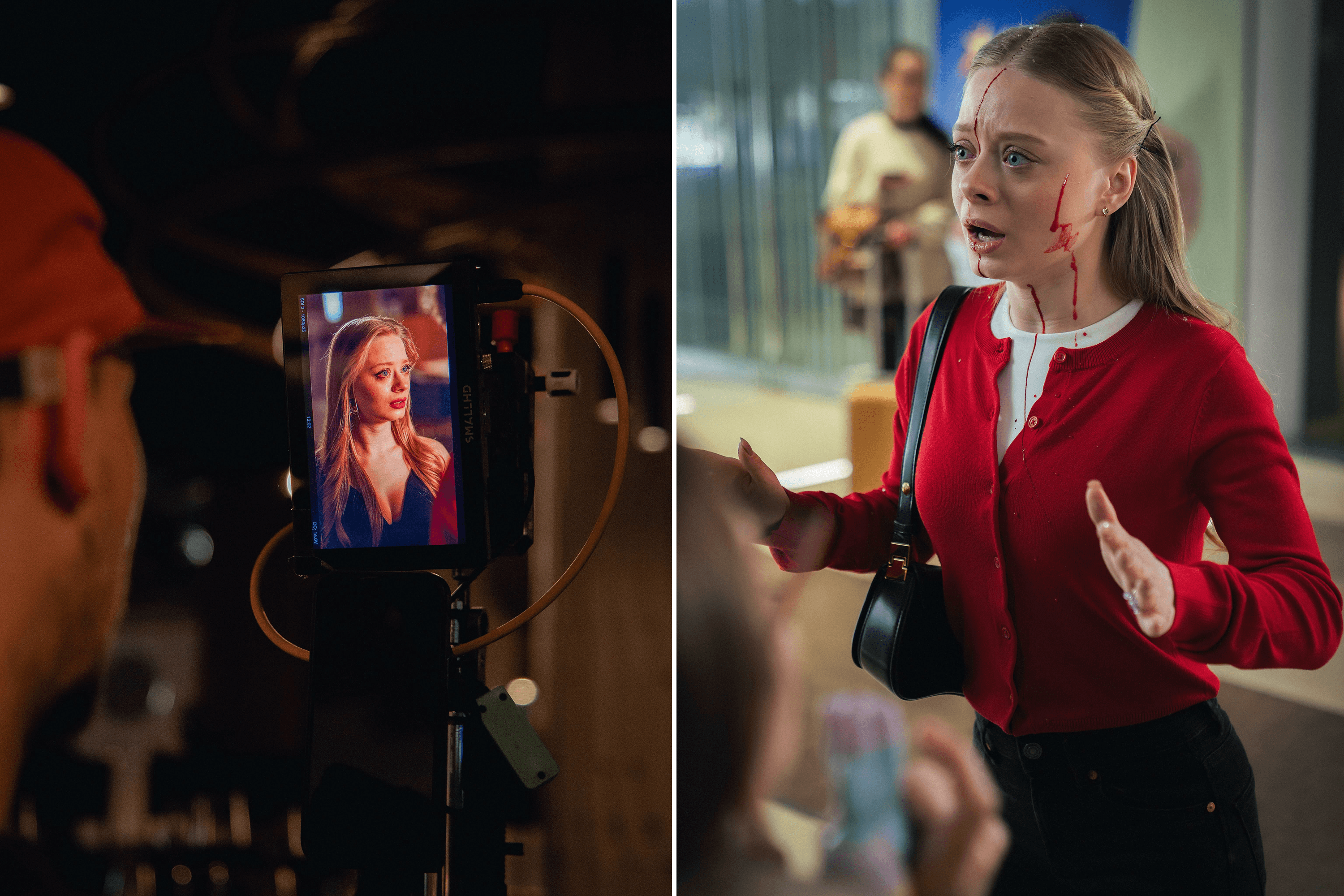
Behind the scenes of the filming of His Next Target: My Heart. Photo: My Drama / Facebook / YB 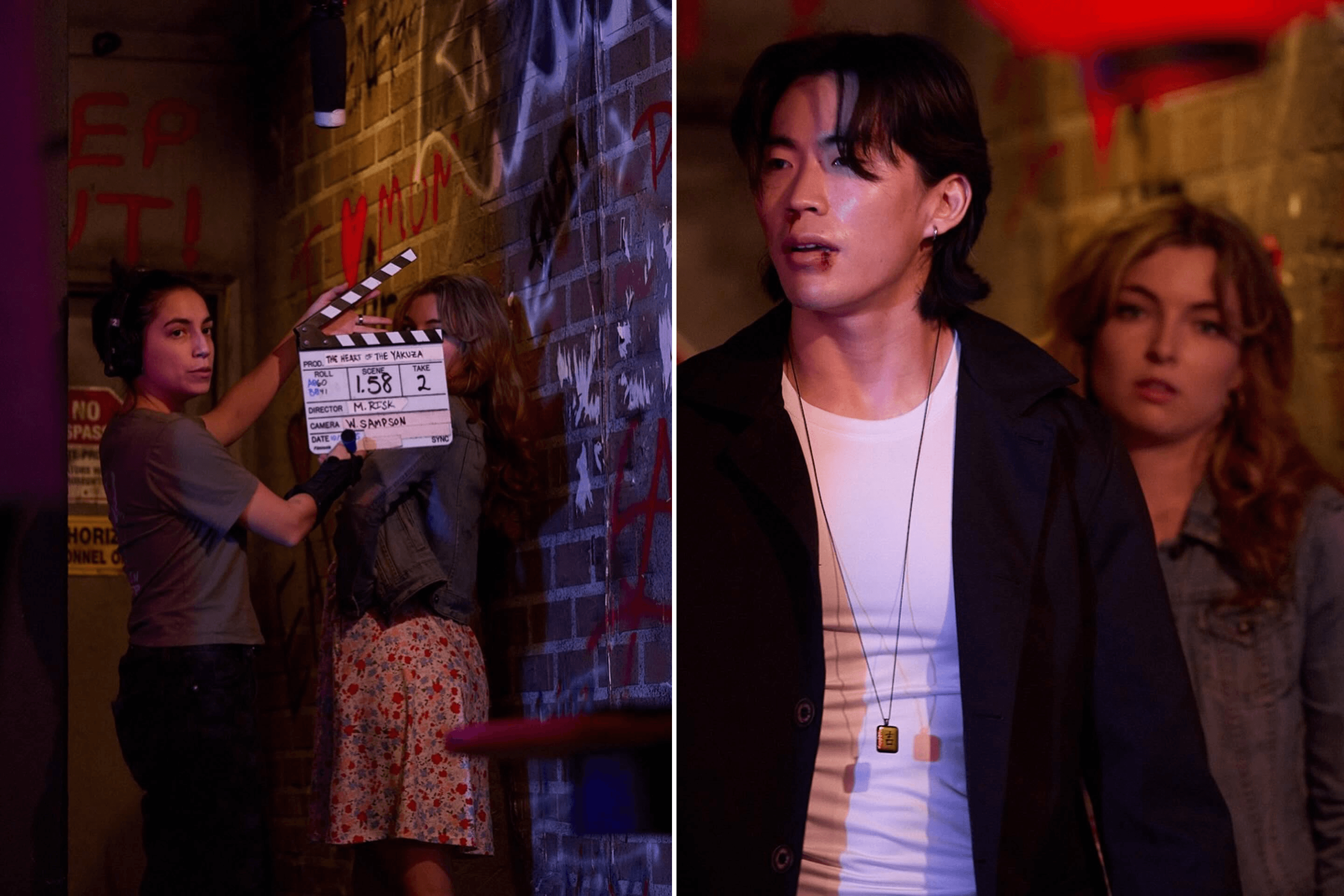
Behind the scenes of the filming of Heart of the Yakuza. Photo: My Drama / Facebook / YB 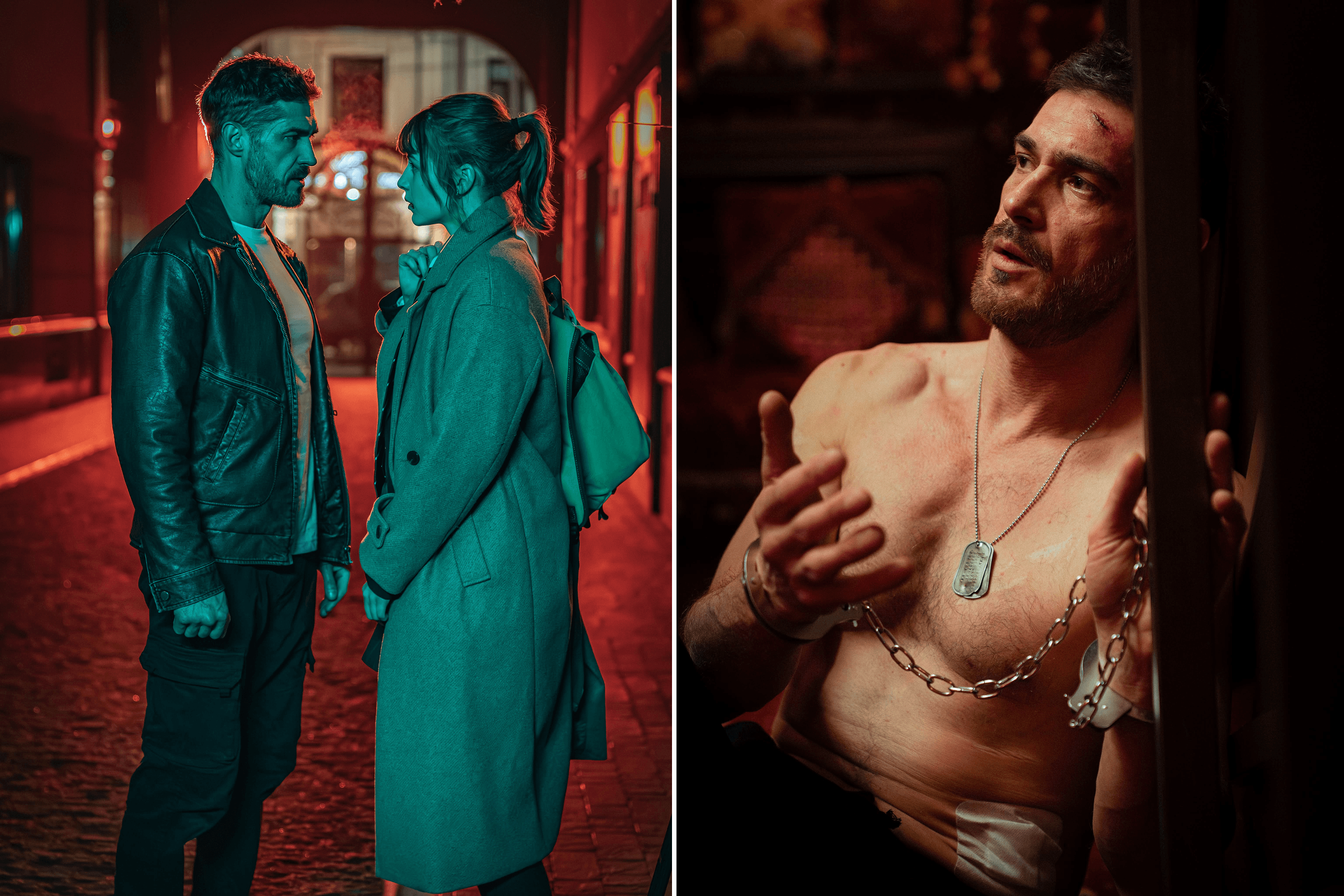
Behind the scenes of the filming of My Only Secret Desire. Photo: My Drama / Facebook / YB 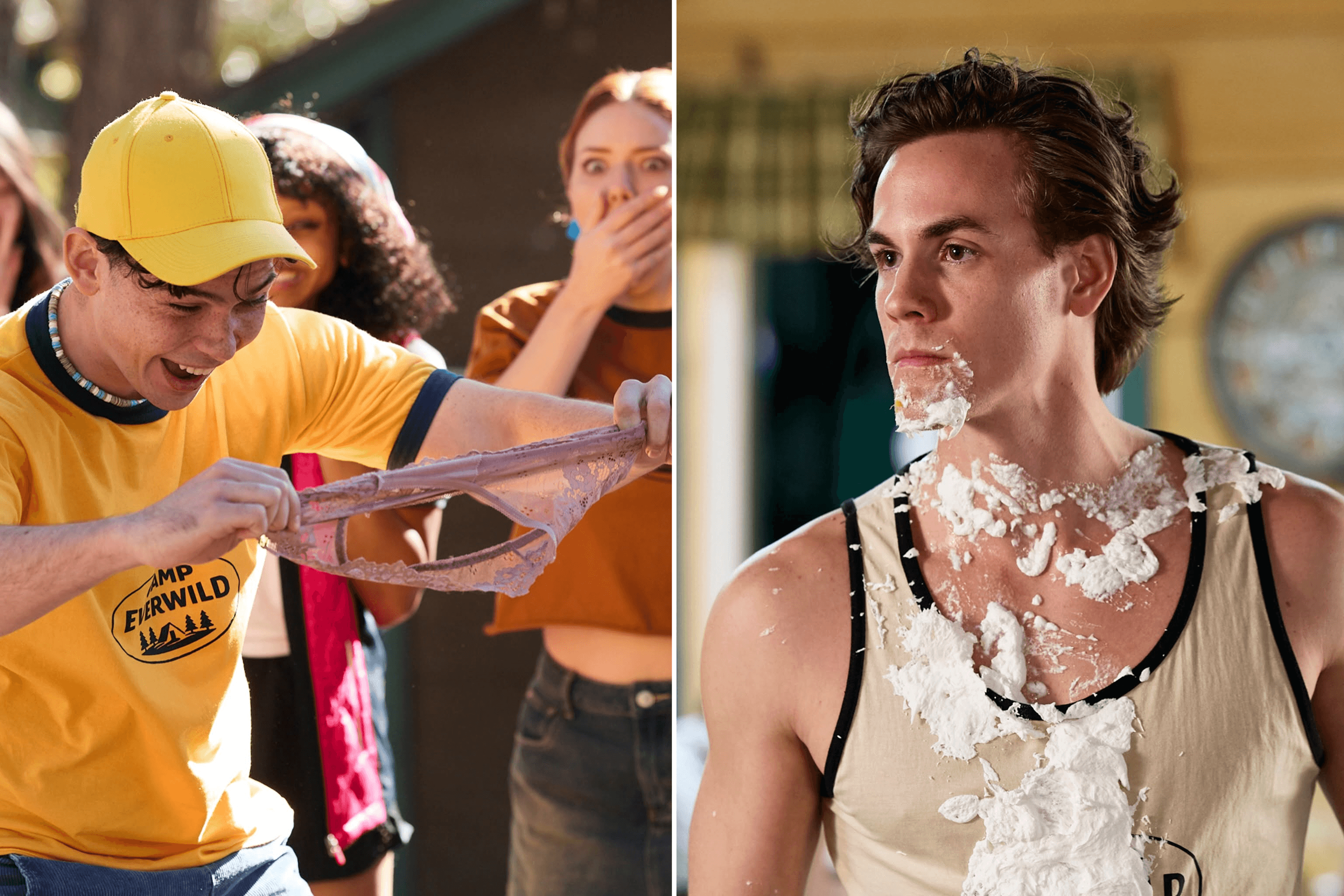
Behind the scenes of the filming of The Summer in Between. Photo: My Drama / Facebook / YB
Women enjoy romantic stories with a female lead. There has to be a fairy-tale element because many female viewers are looking for an escape from reality, and these series help them do that. Everyone who grew up with Disney fairy tales wants to experience that feeling again as an adult. But it is not only about a generic Cinderella story. We have a series about a marriage that slowly falls apart over time, and that appeals to people who have gone through something similar.
We also have stories about abusive relationships. One of them follows a woman who lived for years under the same roof as a serial killer without knowing it. Our characters may have red flags. We do not romanticize them. On the contrary, we want to teach female viewers to recognize them, so they know who they should not be in a relationship with.
Two of the five most popular series on your platform are about same-sex relationships, one featuring two men and the other featuring two women. In your opinion, are these stories just as popular with your audience as your series about heterosexual couples?
Yes. Some of them are even more popular than stories about heterosexual couples. In our niche, we were the first to produce a series about a relationship between two women, and it received extremely positive feedback from viewers.
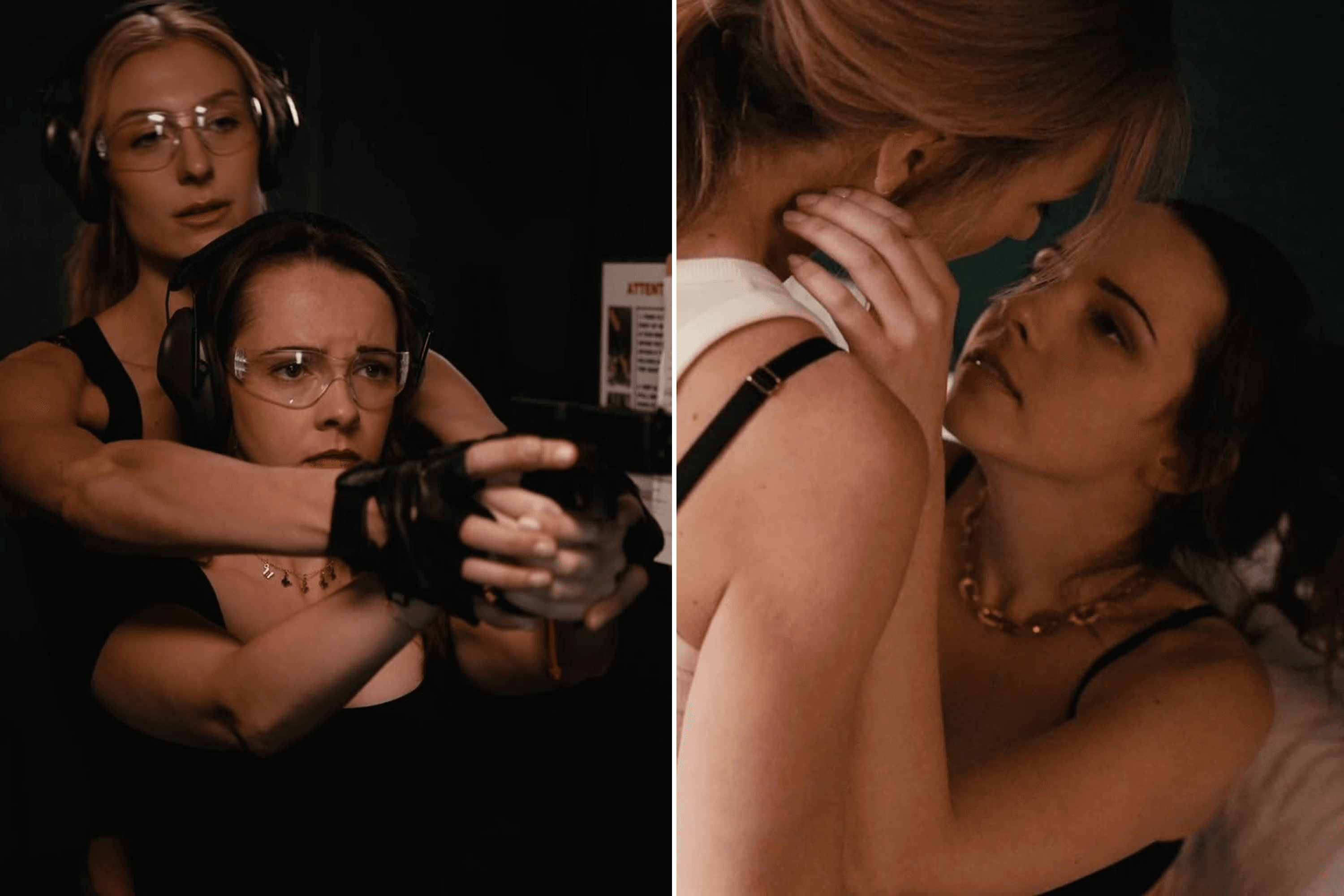
Promotional artwork for the series Under Her Protection on the My Drama platform. Photo: My Drama / Facebook / YB 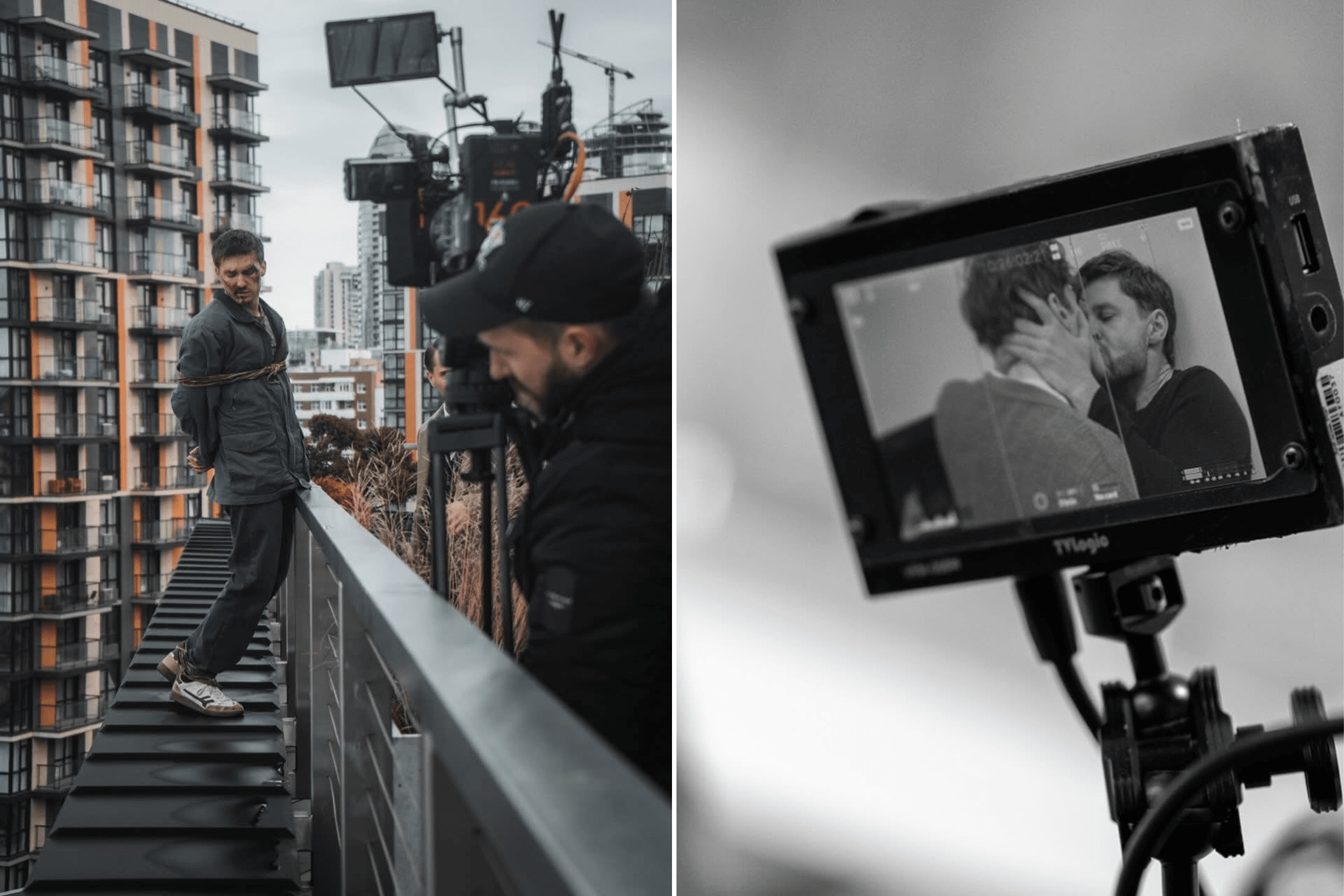
Behind the scenes of the filming of My Only Secret Desire. Photo: My Drama / Facebook / YB 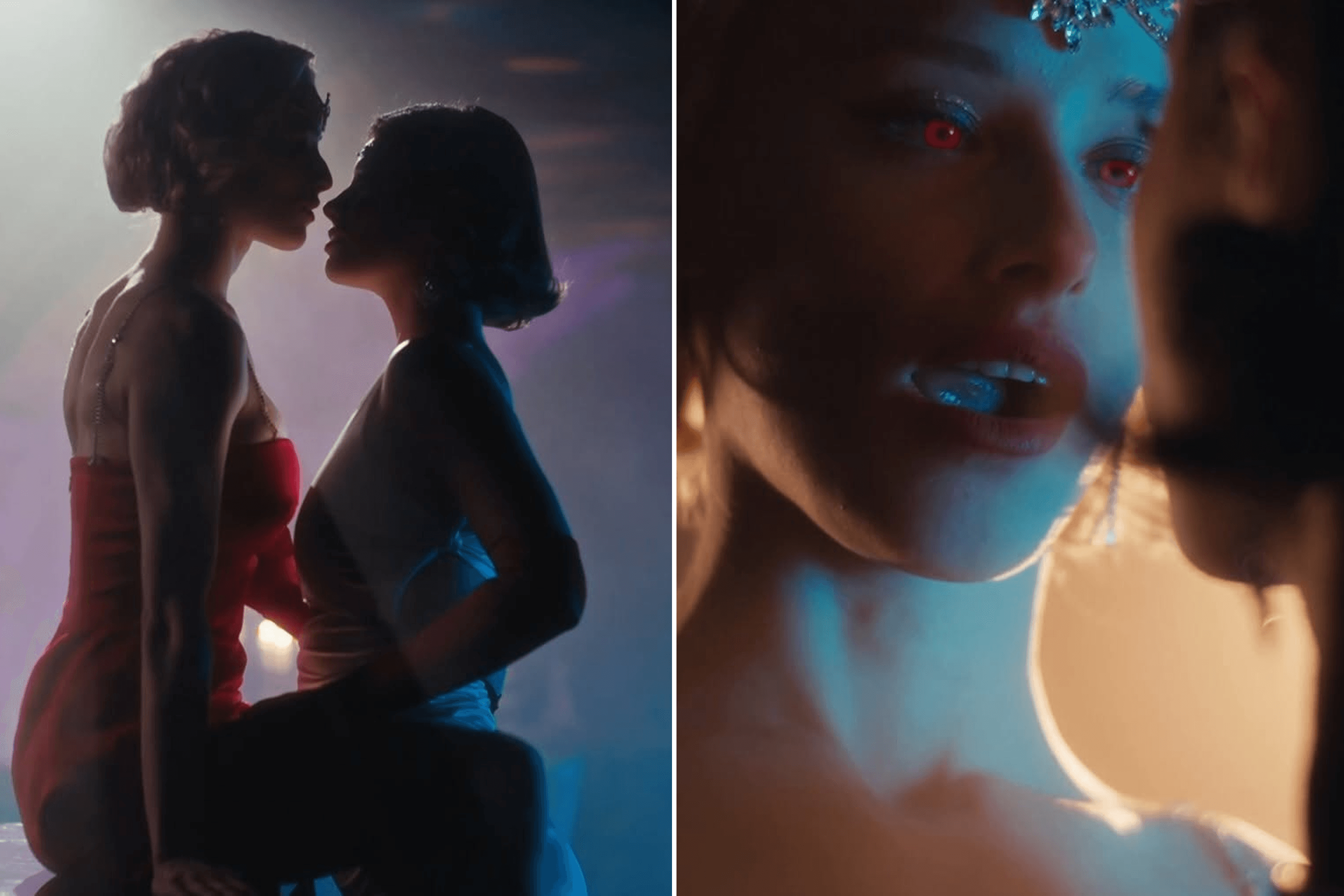
Promotional artwork for the series Bloodlust on the My Drama platform. Photo: My Drama / Facebook / YB 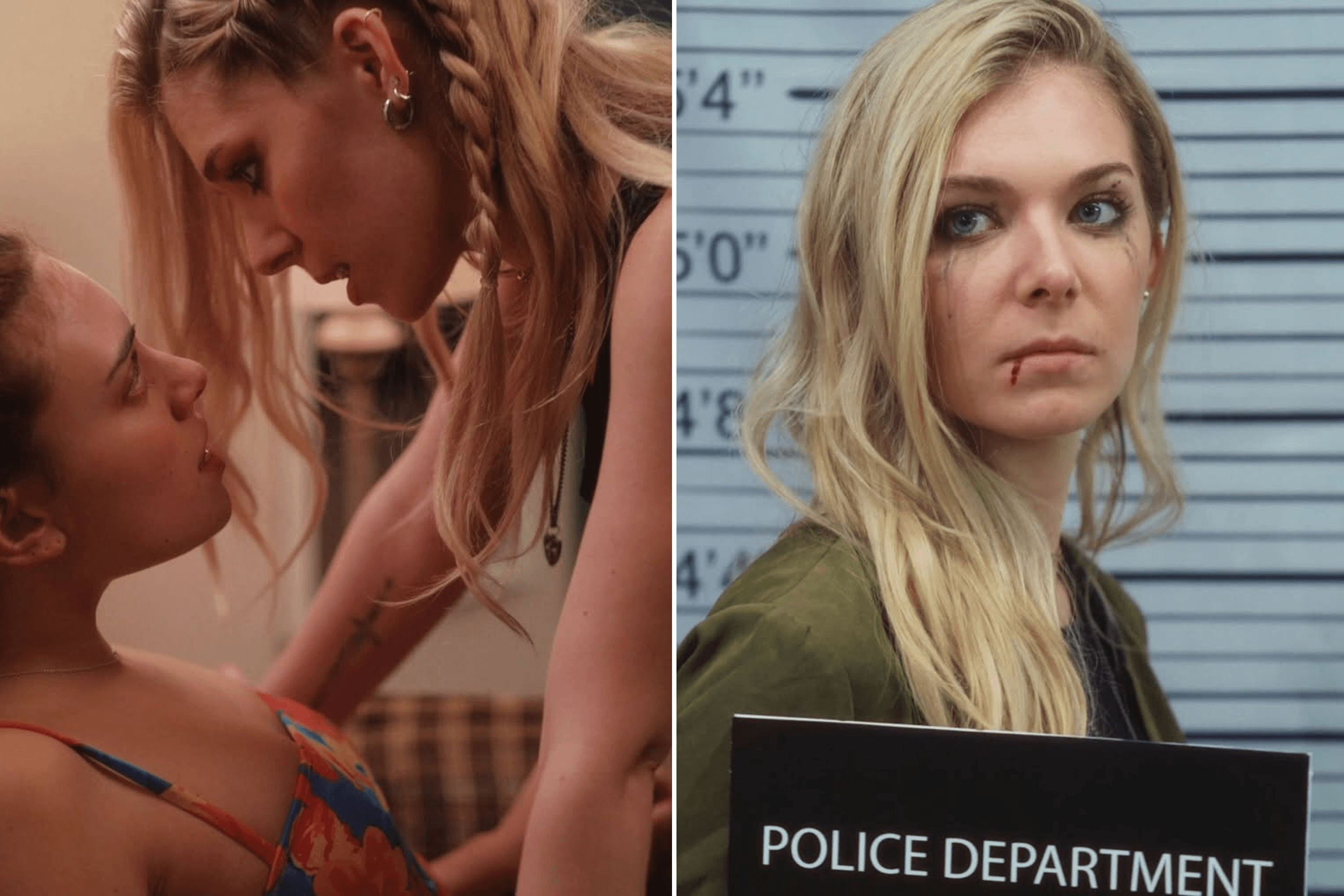
Promotional artwork for the series The Summer in Between on the My Drama platform. Photo: My Drama / Facebook / YB
Hollywood has been moving toward simpler television writing so audiences do not get bored and can keep scrolling while watching. How do you hold your viewers' attention?
Our main tools are storytelling packed with twists that constantly capture attention and emotional highs and lows throughout the plot. For example, two characters finally meet and are just about to kiss. Suddenly, a gunshot rings out and he collapses. The viewer thinks, “No, that can’t be happening,” and the next shot shows him lying motionless on the floor. While his partner is calling an ambulance, someone suddenly grabs her and drives her away. It turns out she has been kidnapped by her father and her demonic sister. From there, the story can go in any direction. For example, the evil sister may suddenly have a gun pointed at her by the same hero who was shot in the previous episode. He survived because he was wearing a bulletproof vest.
We always follow the classic “3-7-20” formula. You have three seconds to capture the viewer’s attention. The next seven seconds deliver an unexpected plot twist. The following twenty seconds are devoted to the story or a dialogue between the characters. Within that structure, you also need to weave in the deeper elements of the story, such as a character’s backstory, motivation, and values. Then it becomes impossible to look away because the story taps into simple attention triggers.
Of course, viewers may stop watching if there is something they really dislike in the story. We monitor that through analytics so we can avoid making the same mistakes in the future. It is a constant search for the ideal combination that keeps every story engaging.
How do you strike a balance between keeping viewers glued to the screen and not exhausting them with constant plot twists, such as repeated fake deaths?
Overall, we rely on instinct and the viewing experience we have built up over the years. Another rule is to avoid repeating the same kind of cliffhanger at the end of an episode. For example, if a character dies and comes back to life for a second time, it has to happen differently from the previous episodes. Otherwise, the device simply stops working.
Right now, AI-generated videos featuring strawberries and bananas or Dior and Creed perfume bottles with human faces are very popular on social media. These videos engage viewers extremely well because they are packed with one twist after another, constantly shocking the audience. You watch them thinking, “This is a nightmare, but I want more.” We have stories like that too, full of dramatic twists and characters who die and come back to life over and over again, because we fill our platform with a wide variety of storylines to reach a broader audience.
I watched one of your series, and the characters shifted very quickly from emotional arguments or fights to intimate scenes. They also seemed to find frequent reasons to partially undress. Do you have a quota for how much screen time should be devoted to spicy content?
We do not have a quota, but we follow a few rules. We always need to explain why a character is taking off their clothes. Otherwise, it feels implausible. Of course, you could simply tell an actor they have a great body that everyone should see, but that is not the right approach. A character may be partially undressed because they have just woken up or because they are completely immersed in the moment during a passionate scene.
When it comes to spicy scenes, I follow one very simple principle. What happens on screen should feel like real life. In the real world, if two people love each other, they do not just kiss and suddenly end up in a sex scene that is already blurred out. I do not believe that kind of story. Show me the emotional peak that I came to see.
The same kinds of scenes exist in traditional films and television series. Vertical series are not fairy tales for children. They are content made for an adult audience that is comfortable watching intimate scenes on screen. There is nothing strange or wrong about that.
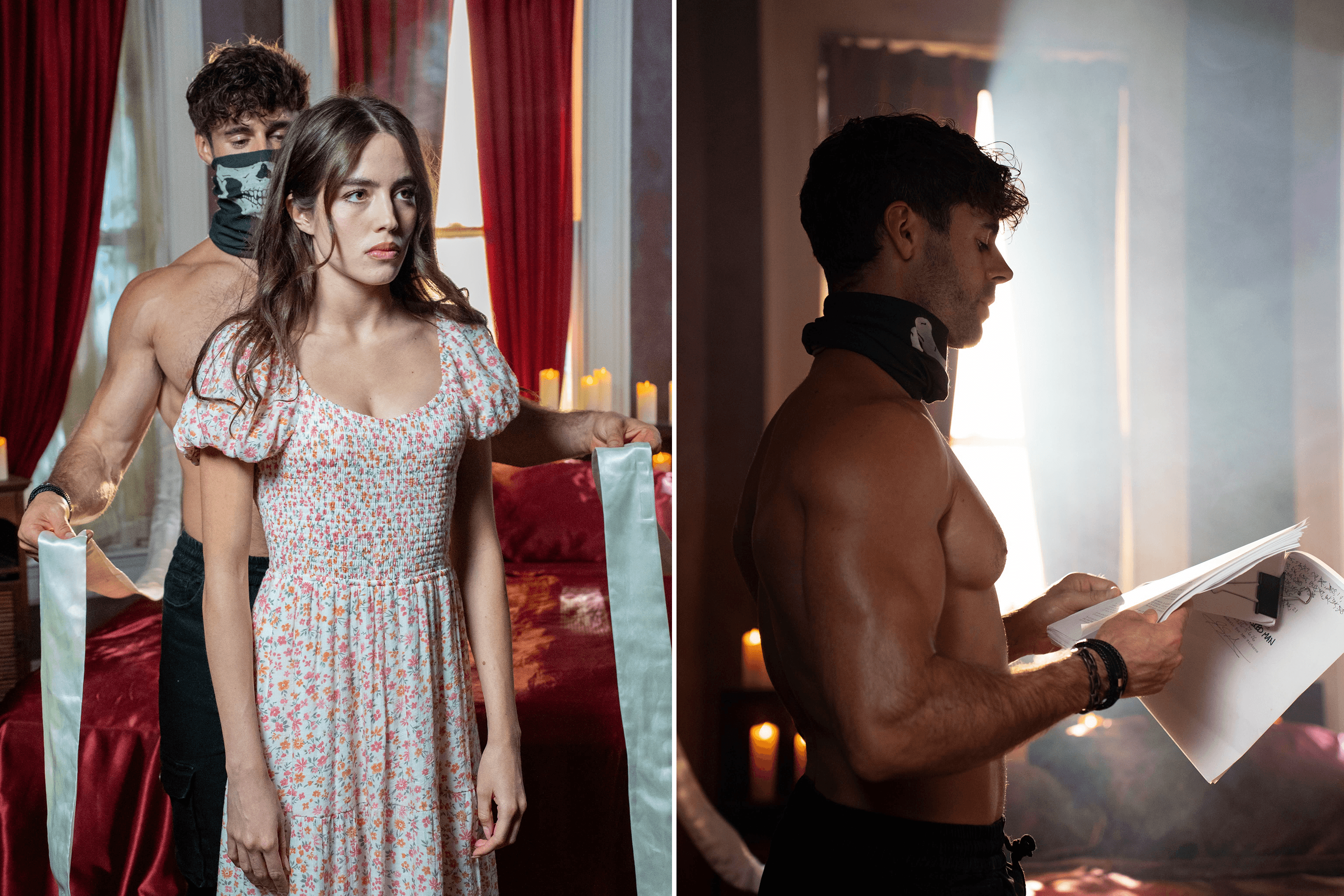
Behind the scenes of the filming of Forbidden Eyes in the Dark. Photo: My Drama / Facebook / YB 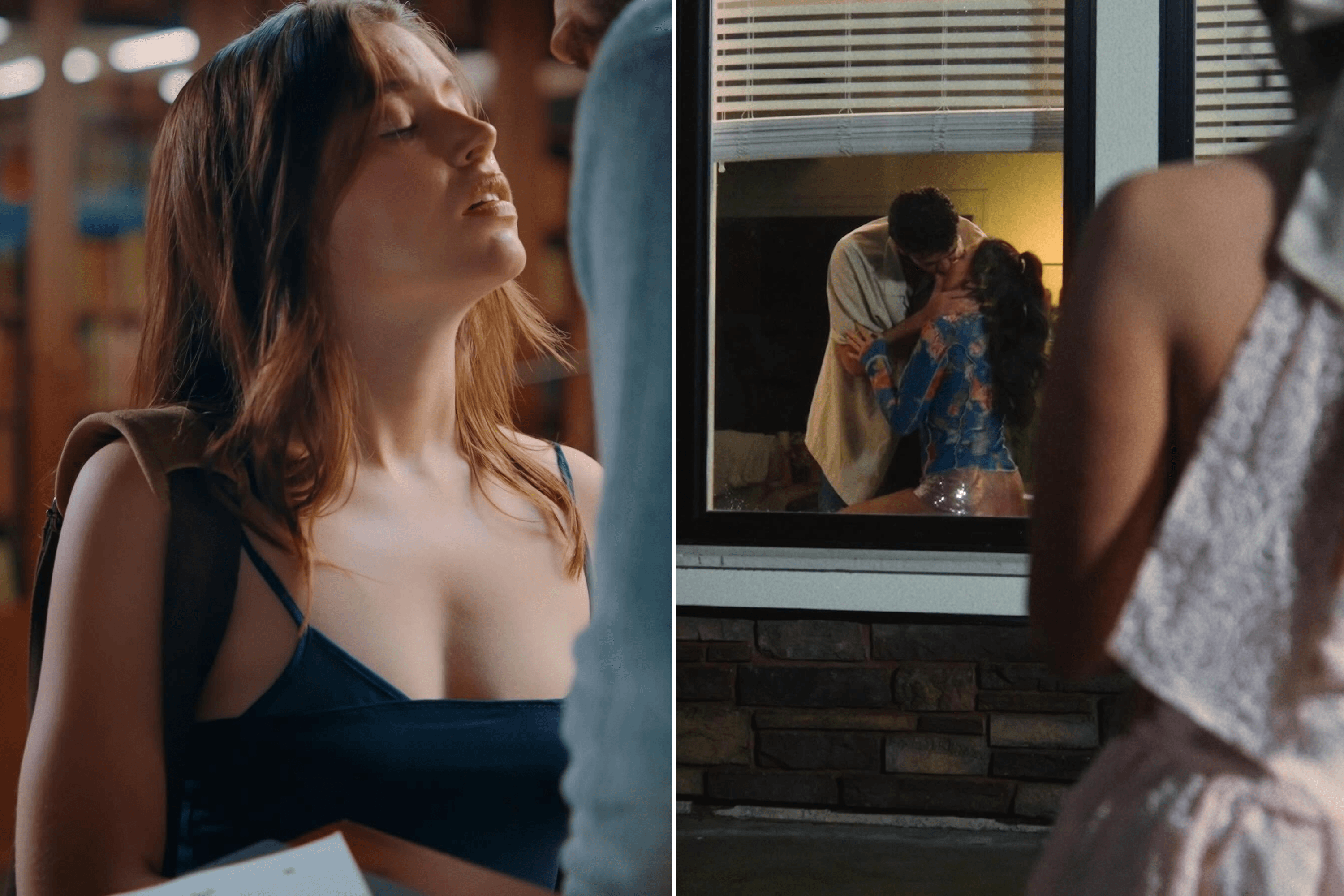
Promotional artwork for the series Teach Me After Dark on the My Drama platform. Photo: My Drama / Facebook / YB 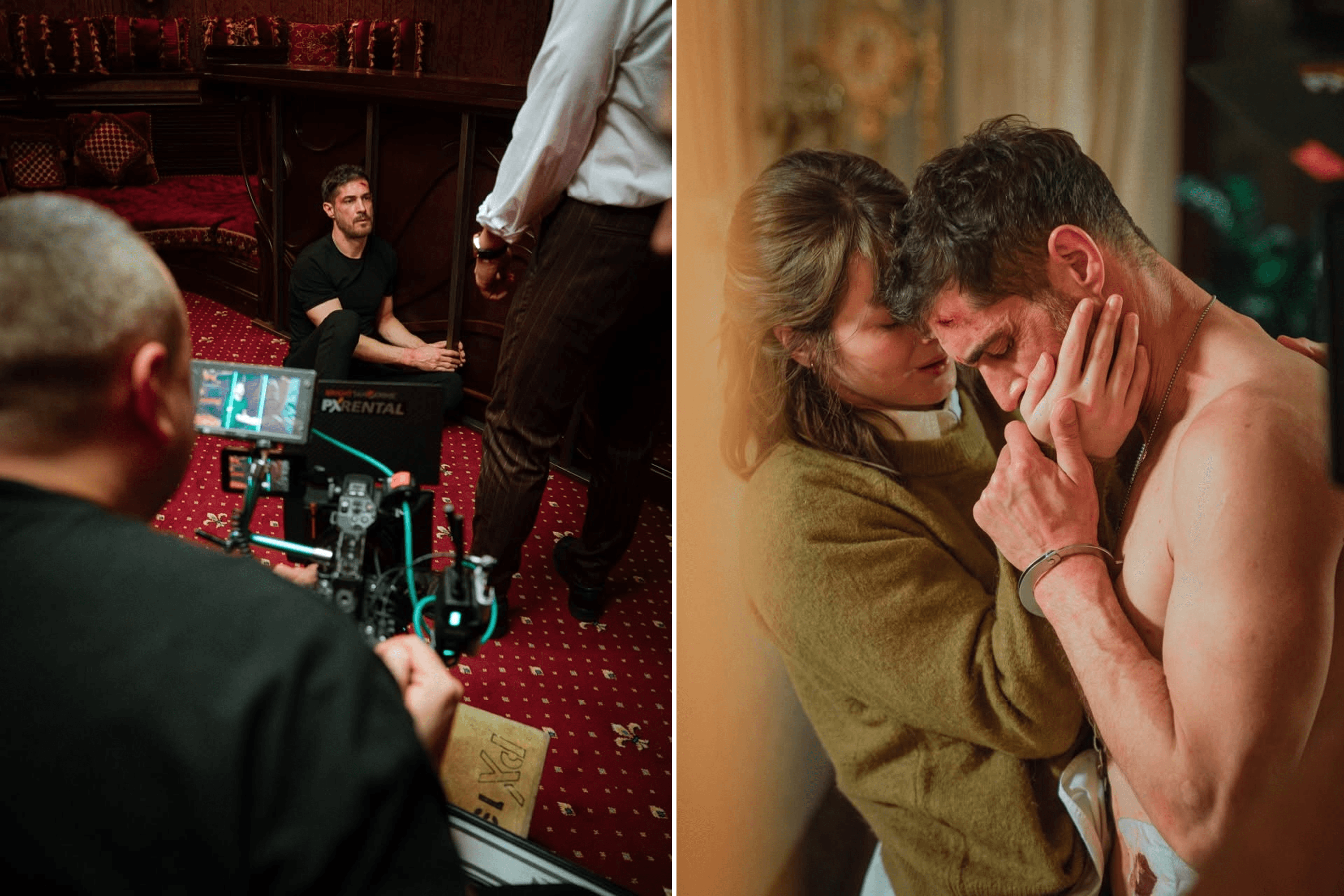
Behind the scenes of the filming of My Only Secret Desire. Photo: My Drama / Facebook / YB 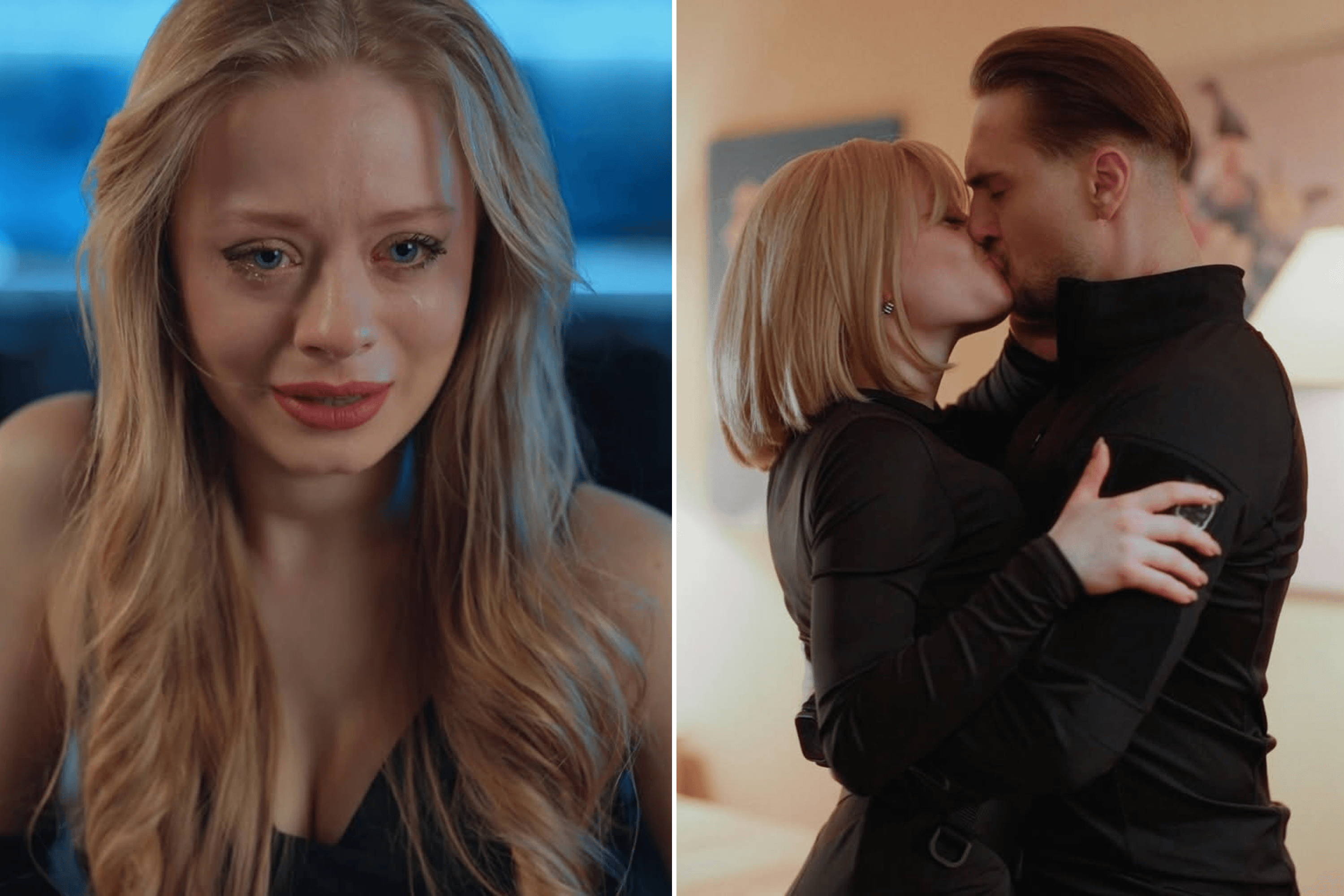
Promotional artwork for the crime thriller His Next Target: My Heart on the My Drama platform. Photo: My Drama / Facebook / YB
You produce series in collaboration with Ukrainian, European, and American production studios. What does that collaboration look like?
Our product is the result of collaboration. The production company handles the entire filming process, including casting, locations, and costumes. We bring them a completed script and also share ideas for the production process, such as how we imagine our characters. Conversely, the production team may suggest changes to our script. There are other formats as well. Sometimes a studio offers us a script or even a completed series that we then release on our platform. In some cases, our creative team and theirs come together to develop a story jointly.
I cannot disclose the names of the production studios we work with, except for Fox Entertainment. In 2025, we signed an agreement with them covering more than 200 vertical series. Our team understands what European audiences want, while their team knows how to create content for American viewers. It is precisely the combination of different cultures on our team that helps us produce stories that resonate with large audiences in both the United States and Europe.
Approximately how long does it take to create a series, from the initial idea to the finished product?
Writing a strong script from scratch takes us about a month. The process can move faster if we use an idea we developed earlier and set aside for the right moment. Pre-production takes about a month, while filming lasts around two to three weeks. Post-production takes anywhere from three to nine weeks, depending on the complexity of the project and the amount of VFX involved.
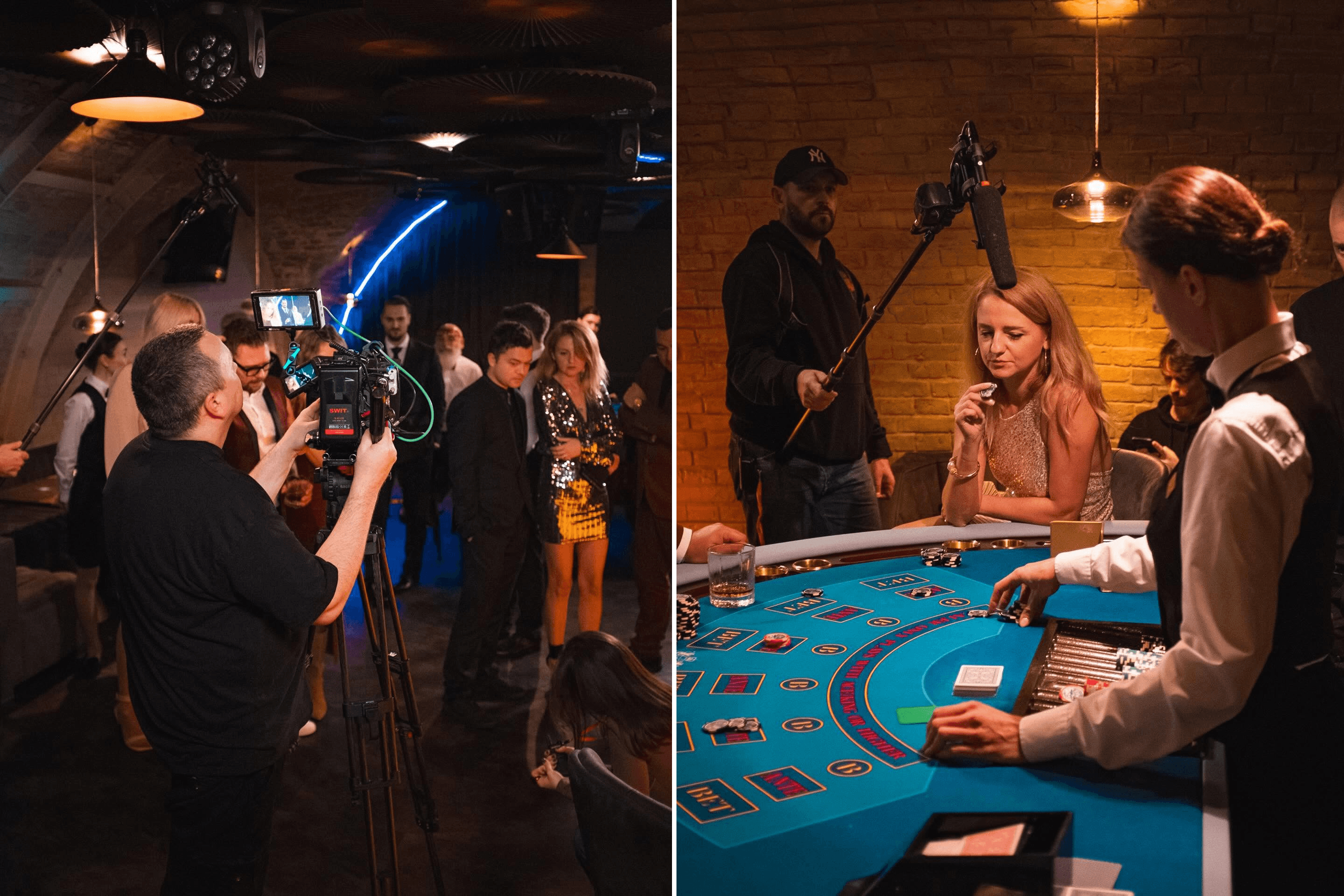
Behind the scenes of a My Drama series. Photo: My Drama / Facebook / YB 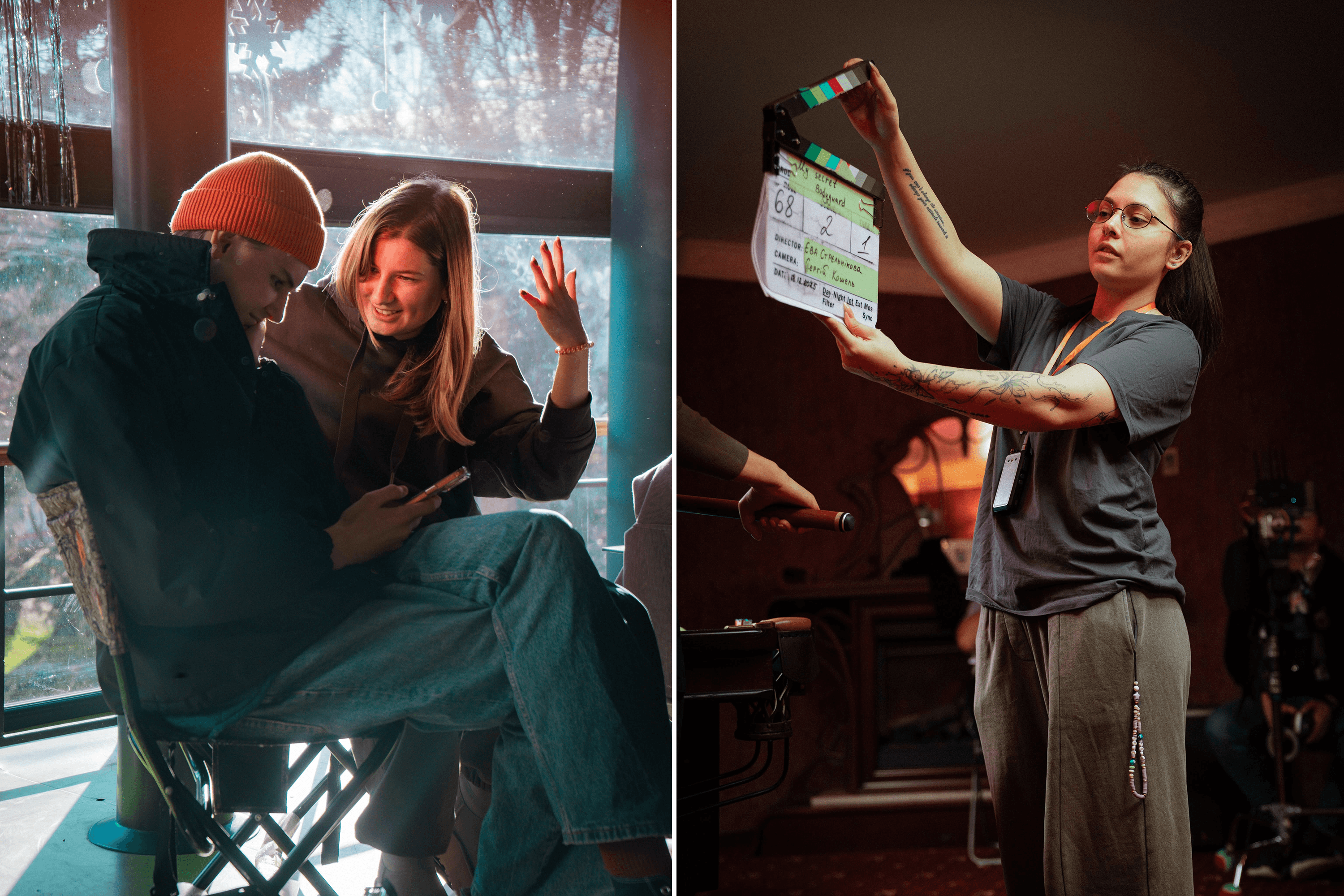
Behind the scenes of the filming of My Only Secret Desire. Photo: My Drama / Facebook / YB 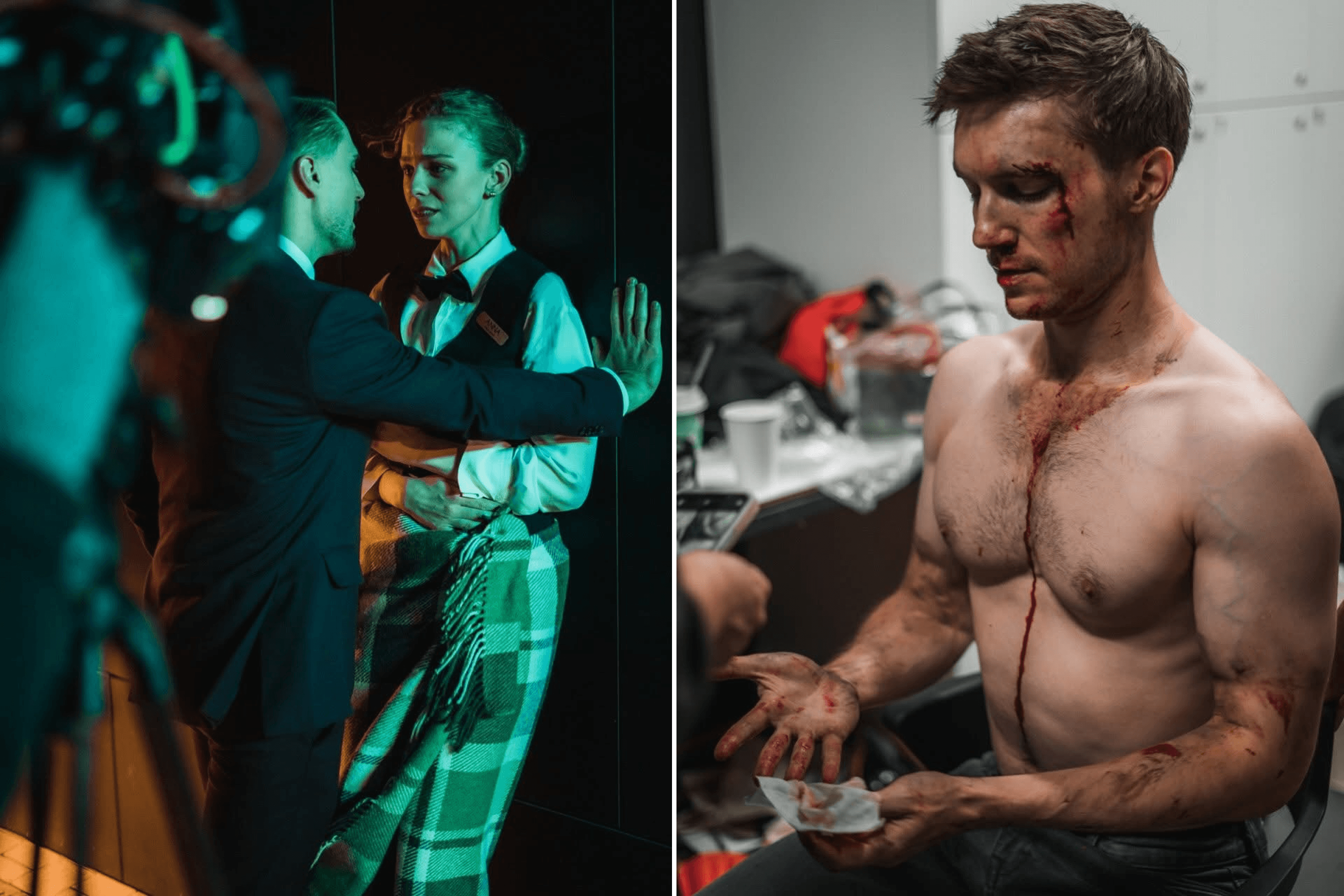
Behind the scenes of a My Drama series. Photo: My Drama / Facebook / YB 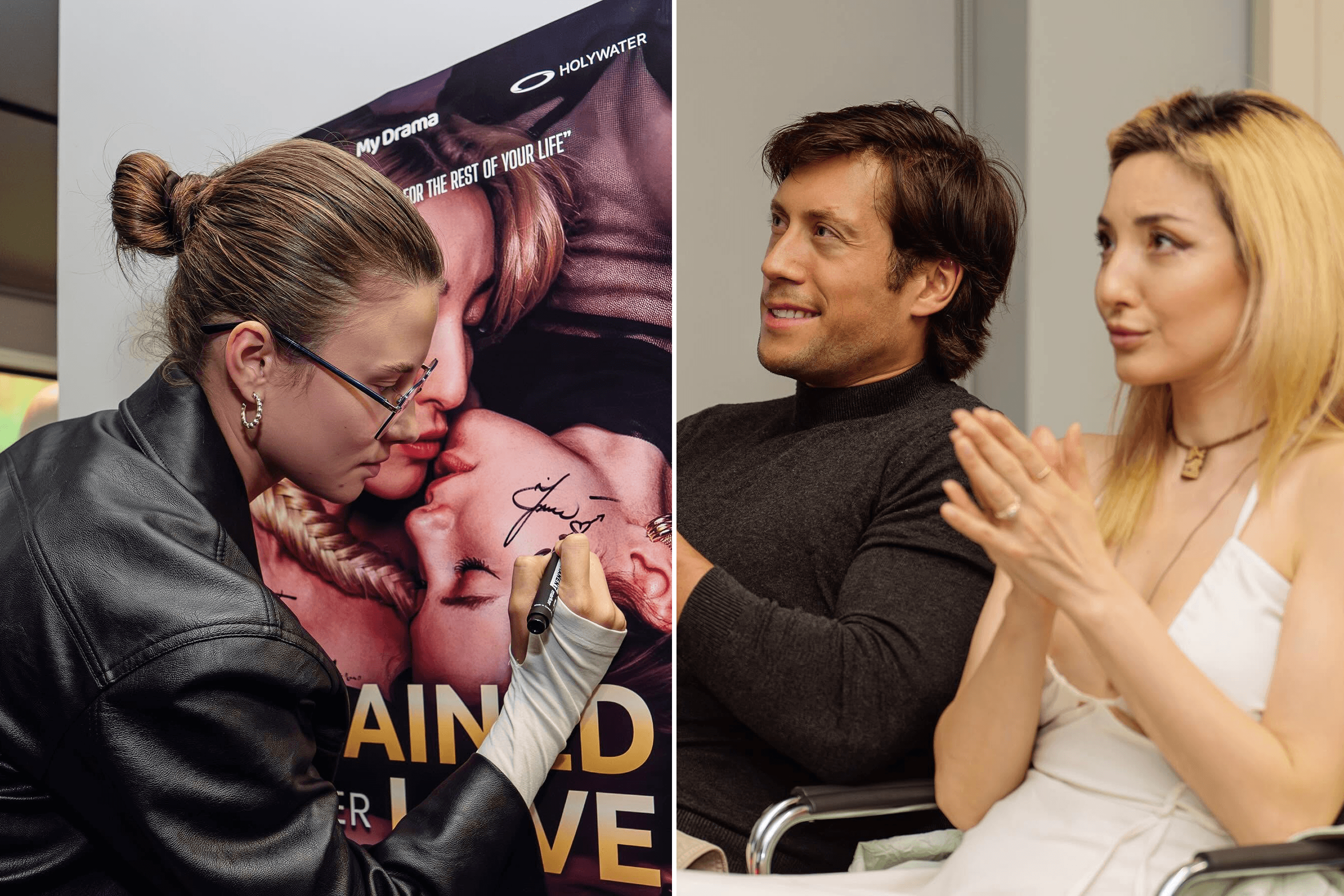
Special screening of Chained by Her Love attended by the cast. Photo: My Drama / Facebook / YB
How do you use AI in your work?
We generate crowd scenes so we do not have to spend shooting days and the director’s time coordinating hundreds of extras and giving them acting instructions on set. We also generate complex and dangerous scenes because we do not want the crew to be under pressure while filming a fire, or to have an actor cover the entire set in blood when the script requires them to smash a mirror with their hand. Our VFX team can generate that sequence, and everyone is happy. Of course, we always inform the crew and the actors and never add AI-generated elements without their knowledge.
We also use AI to clean audio recordings if they are affected by unwanted background noise, or to create sound effects or music that fit the story perfectly. In the past, you had to buy a kilogram of celery and snap it in a recording studio to imitate the sound of breaking bones. Now that sound can be generated quickly.
How much does it cost to produce one series?
Between $150,000 and $250,000. The final cost depends on many factors, including the country where we are filming, the number of shooting days, the complexity of the production, and the number of lead actors and extras involved.
How do you monetize your series? Is it through native advertising or only through the app’s virtual currency?
We do not use native advertising. It is an interesting idea, and we are going to explore it. Our platform currently has several monetization models. The first model is based on in-app coins that users spend to unlock new episodes. The first nine episodes of every series are free, and each subsequent episode costs 99 coins.
|
The second model is a subscription that provides unlimited access to our content. The weekly subscription costs up to $20. Its price varies depending on the user’s country.
How many people are on your team today? How much has it grown compared to 2024?
When we started, the team consisted of me, an operations manager, and two female marketers. Today, we have around 30 people, including post-production specialists such as editors, sound engineers, and VFX artists, as well as screenwriters and creative producers. Even so, our team is nowhere near the size of the Chinese platforms we compete with.
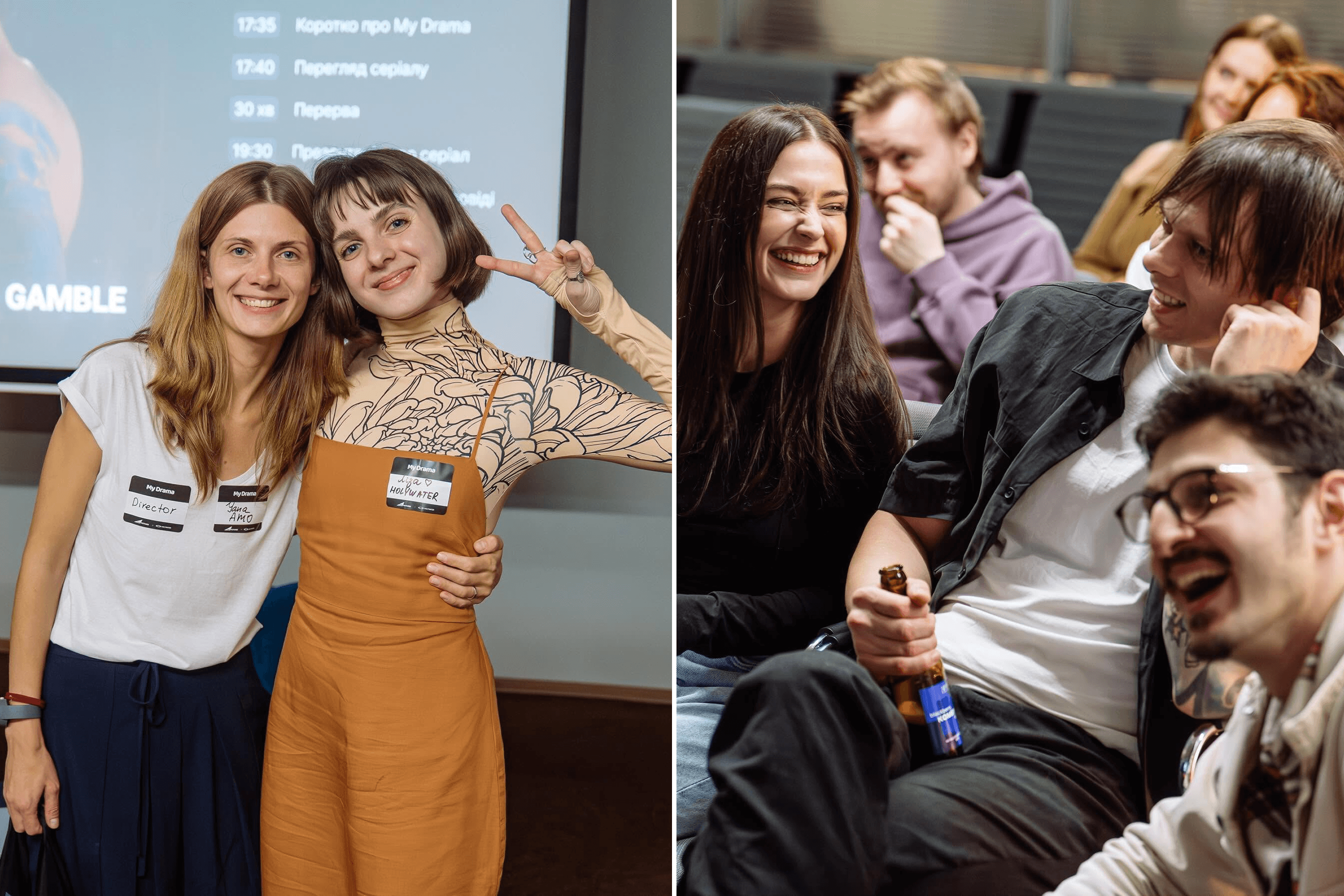
The cast of The Mafia Beast Won Me in a Gamble at the series’ special screening. Photo: My Drama / Facebook / YB 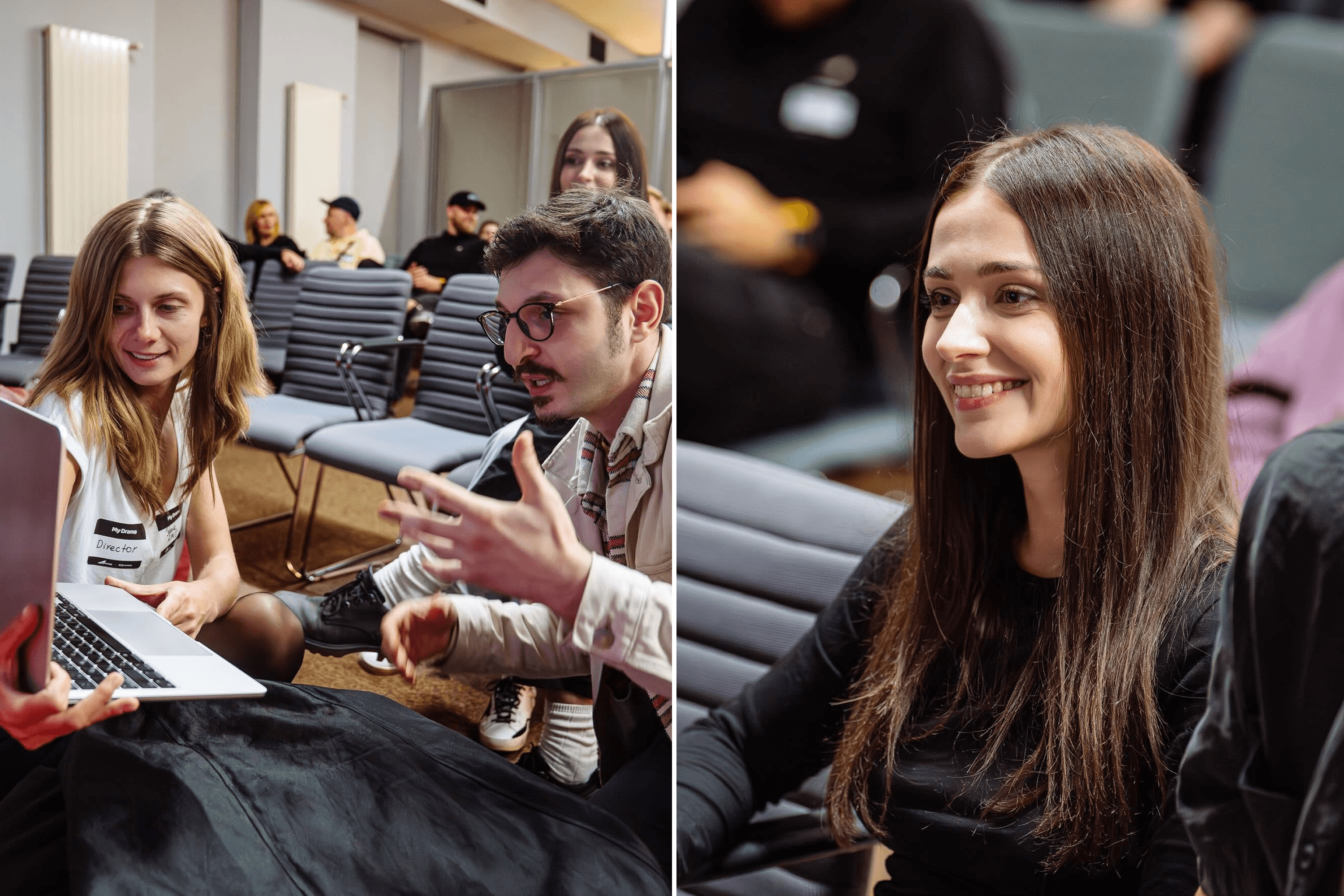
Photo: My Drama / Facebook / YB
In your opinion, what has allowed you to compete successfully with the Chinese giants in the industry?
It’s the people who create high-quality content that we’re proud to show to our families and friends. Back in 2024, our small team managed to enter this niche and establish itself, something many Chinese platforms failed to do. They have entire armies of screenwriters and producers, along with unlimited financial resources. We lead because of our unique vision. In this niche, everything comes down to the content.
We also have strong creative marketing. We attract many new users through advertising and our social media channels, where we interact with viewers, show behind-the-scenes footage from our productions, and create content featuring our actors.
I am proud of our product, both the series and the app itself. For example, I am proud of how intuitive our player is. On some platforms, it is difficult even to find the play button. Whenever friends come over, I always make them sit down and watch our series (laughs). We simply love what we do.
More and more apps with AI-generated vertical series are entering the market. Do you see those platforms as competitors?
Yes, because Holywater has its own app, My Muse, which features AI-generated vertical series. But it is important to understand that these series are watched by the same audience that watches live-action vertical series. Our users have multiple interests. They read books, use Netflix, go to the movies, and watch vertical content.
The live-action series on My Drama compete for viewers' attention with the AI-generated series on My Muse, as well as with the books on My Passion. That is exactly the point. We want users to choose between our own products because together they meet all of their entertainment needs.
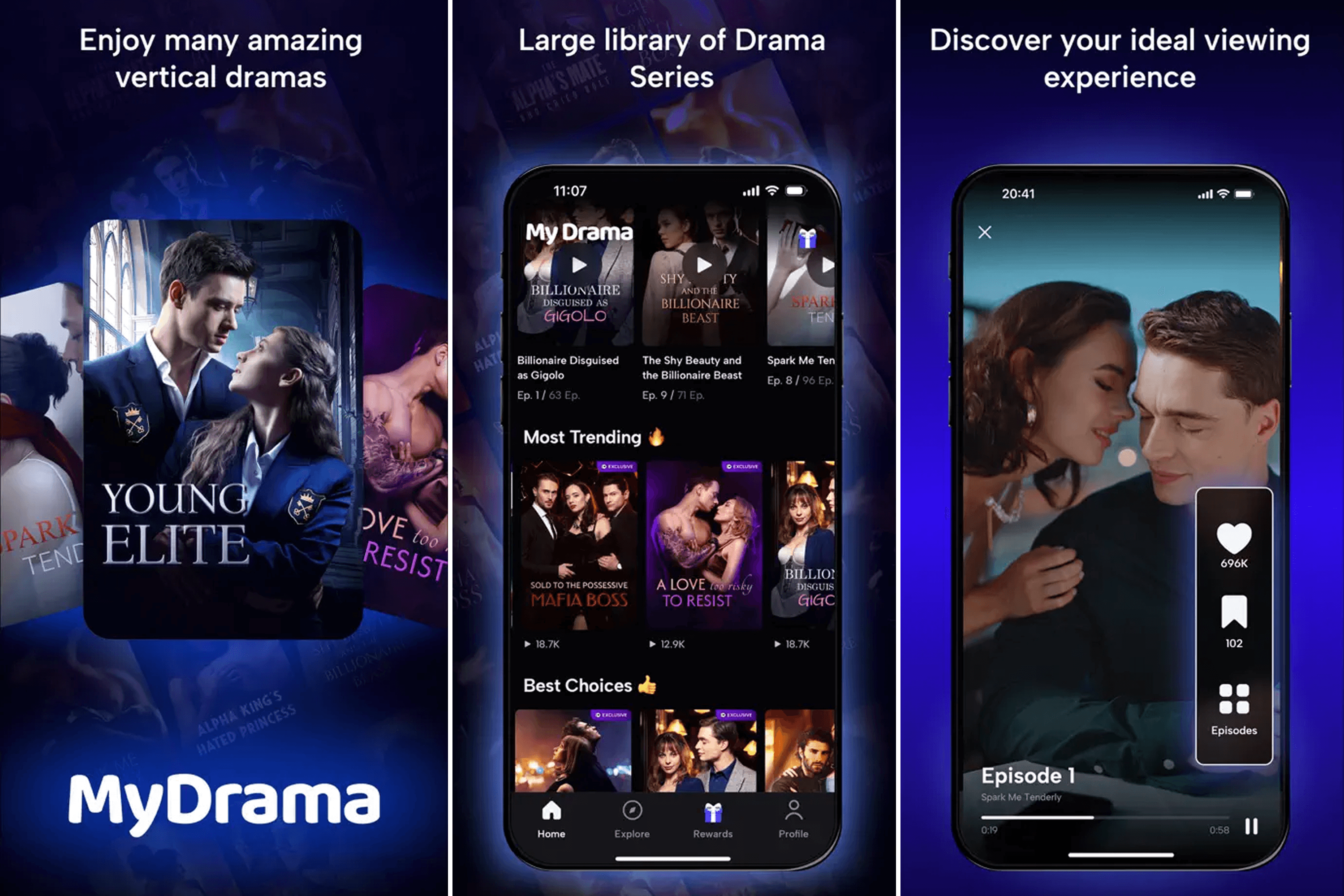
Screens from the My Drama app. Photo: My Drama / App Store 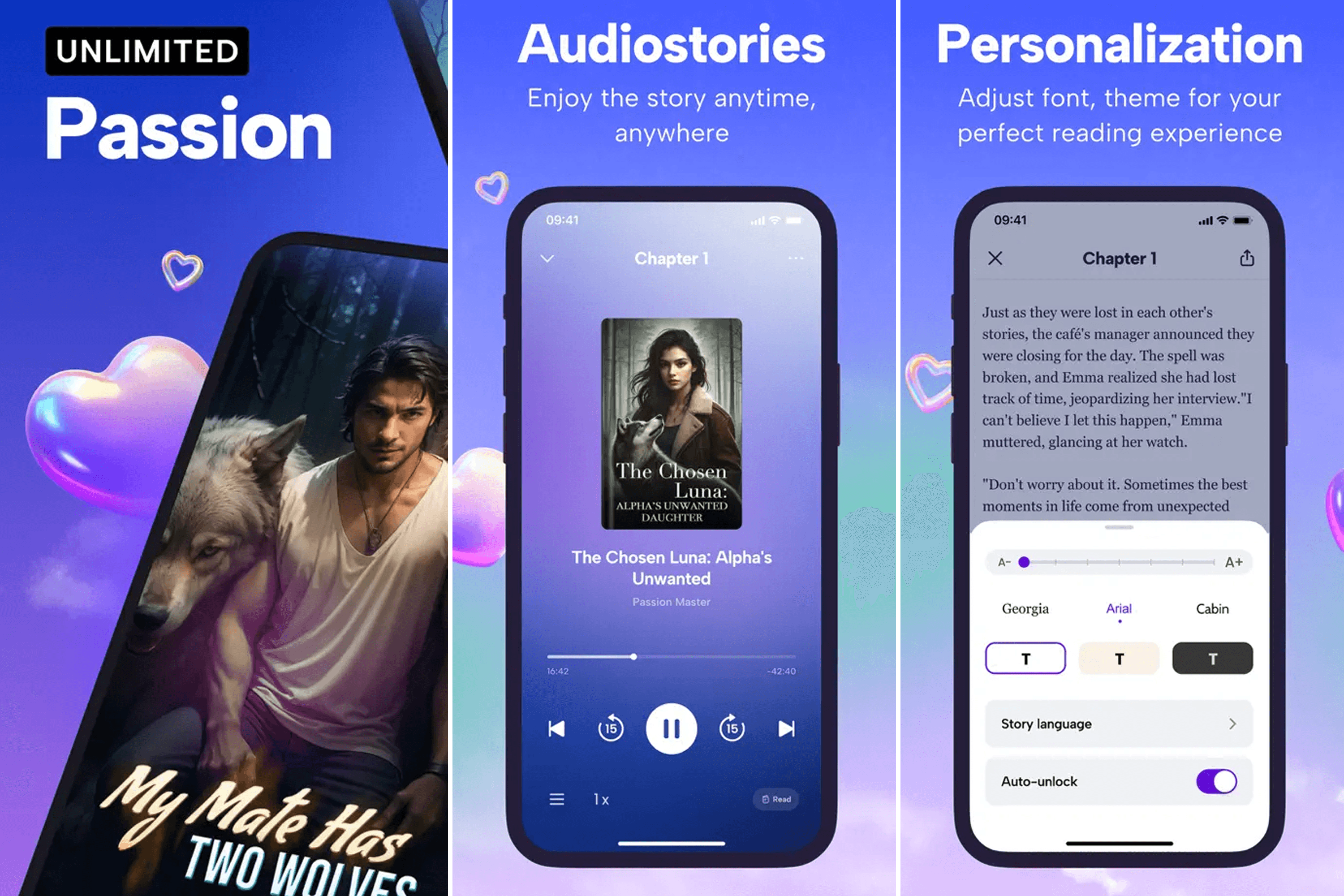
Screens from the My Passion app. Photo: My Passion / App Store 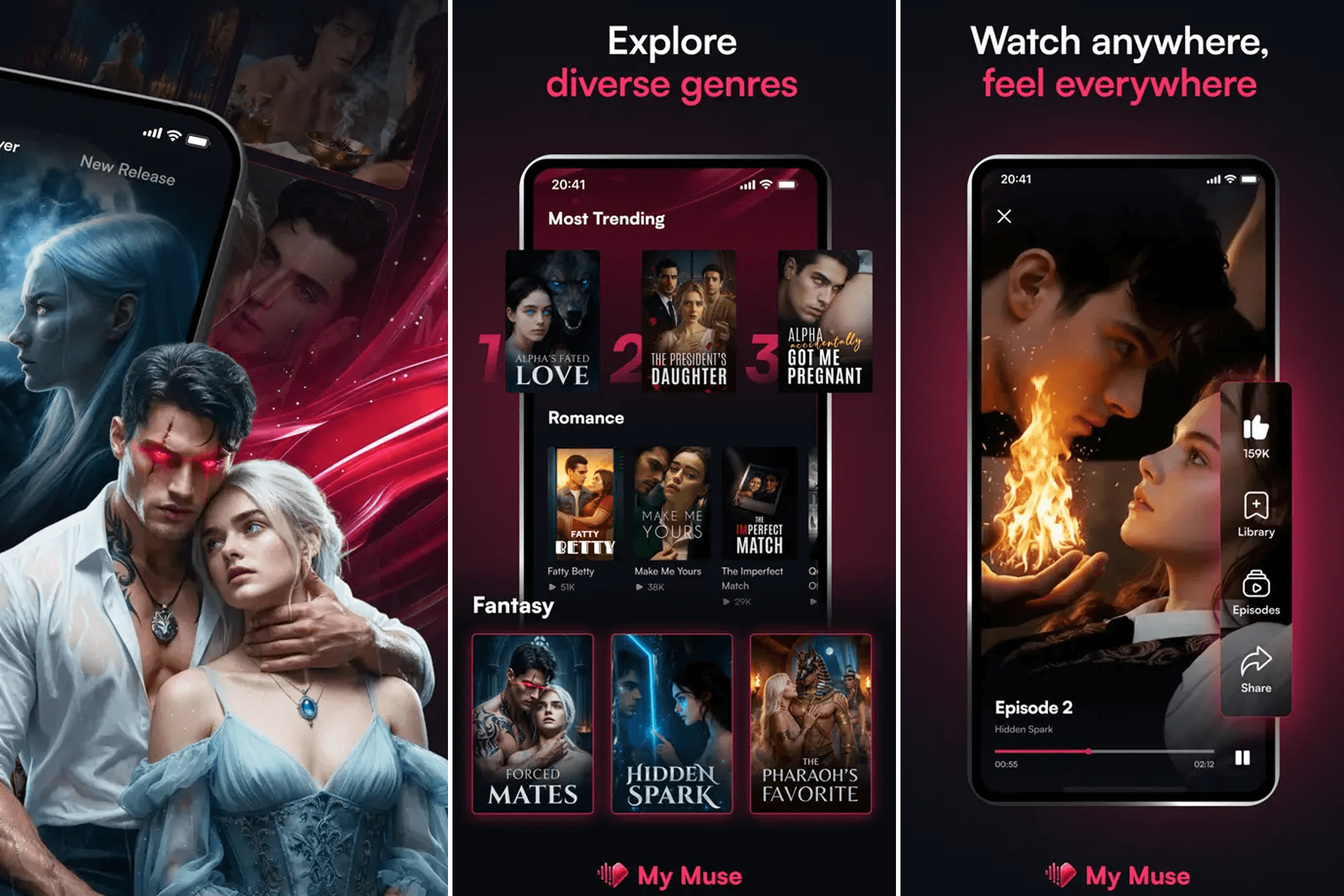
Screens from the My Muse app. Photo: My Muse / App Store 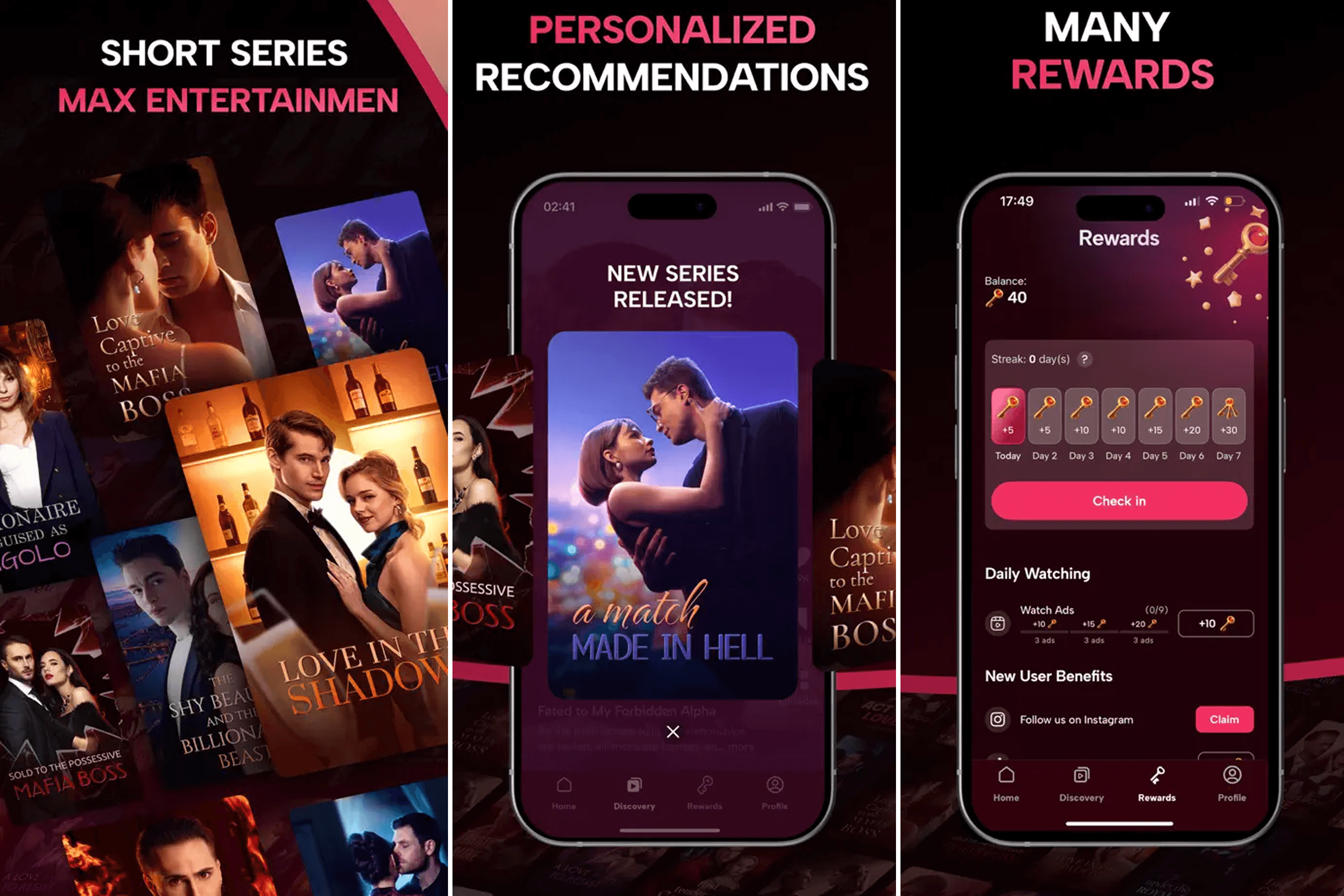
Screens from the Freebits app. Photo: Freebits / App Store
How has the global market for vertical series changed over the past two years?
Our niche is like a wheel rolling downhill, picking up more speed every second. When artificial intelligence appeared, that wheel also caught fire. The market is developing incredibly fast, and it is difficult to predict what comes next. For example, we used to think AI would only help us with VFX and music. Now we also use it to collect and analyze data from our platform. It has also become a way to strengthen our live-action series.
At the same time, you no longer have to be Christopher Nolan or Steven Spielberg to create spectacular scenes. They can now be generated. Anyone with imagination and creativity can produce something exciting. I think that is wonderful. To me, it is part of an evolution. People once drew everything by hand, then Photoshop appeared, and now you can write a prompt and generate an image. Of course, you still need to know how to do it well and put in the effort to achieve a great result.
How do you plan to develop My Drama? Which directions interest you the most?
Everything interests me. I want to adapt the best book on BookTok, work with the most talented director, collaborate with more actors, bring our series to global streaming platforms like Apple TV and Google TV, and release the music from our productions on iTunes.
I am also interested in building an entire universe around our content that exists across multiple formats. For example, we could write a book based on one of our series, turn it into an audiobook, and then create an AI-generated series. Each of those formats would continue developing the main story and revealing what happened next.
If talented screenwriters, editors, sound engineers, or production studios reach out to me after this interview, I will be delighted and very happy to collaborate.
What are the most important lessons you have learned over these two years of working with vertical content?
If something does not work out, it is not the end of the world. Learn from it and keep moving forward. Never stand still. Think not just two or three steps ahead, but fifty. And finally, learn to let go of ideas you are deeply attached to. Those are the three rules I follow.