
Vladyslav Perstok is a 38-year-old economist and father of three. He graduated from Donetsk National University and the University of Westminster in London. He worked at PwC’s Kyiv office and later in Donetsk. When the war in Donbas began in 2014, he and his wife Olha moved to Canada, where he continued his career in Toronto. His business experience led to entrepreneurship: in 2023, the couple opened a private licensed childcare centre, Lighthouse Montessori Canada, in Guelph. The centre enrolls 103 children, operates under the federal childcare program, and has a two-year waiting list. In 2025, the centre received city recognition in the Childcare Service category. Yellow Blue journalist Roksana Rublevska spoke with Vladyslav Perstok about building a business in preschool education.
- According to Statistics Canada, in 2025, 50% of parents complained about difficulty finding childcare.
- 56% of parents of infants are on waiting lists for daycare spots in Canada.
- Thanks to the federal Canada-Wide Early Learning and Child Care (CWELCC) program, Canadian provinces reduced fees to CAD 10–22 per day.
- In 2024, 86% of Canadian centres faced staff shortages because of a limited pool of experienced candidates. Compared to pre-COVID levels, the sector is short 16,100 workers.
- Out of 14,523 childcare centres in Canada, only 391 operate under the Montessori method.
After graduating from Donetsk National University and the University of Westminster in London, you worked at PwC’s Ukrainian offices. How did you get a job at the company’s Canadian office?
International companies offer internal mobility programs where employees can apply for jobs in international offices. Hiring works like normal recruitment but simpler, since the candidate already knows the company and its processes. My advantage was fluent English: much of our work in Ukraine was in English. After the interview, I received an offer for a position in the Toronto office, and the company paid for our relocation, covering documents, flights, shipping belongings, and the first months of rent. We were lucky that a colleague of mine had moved to Toronto a month earlier and helped Olha and me adapt more quickly.

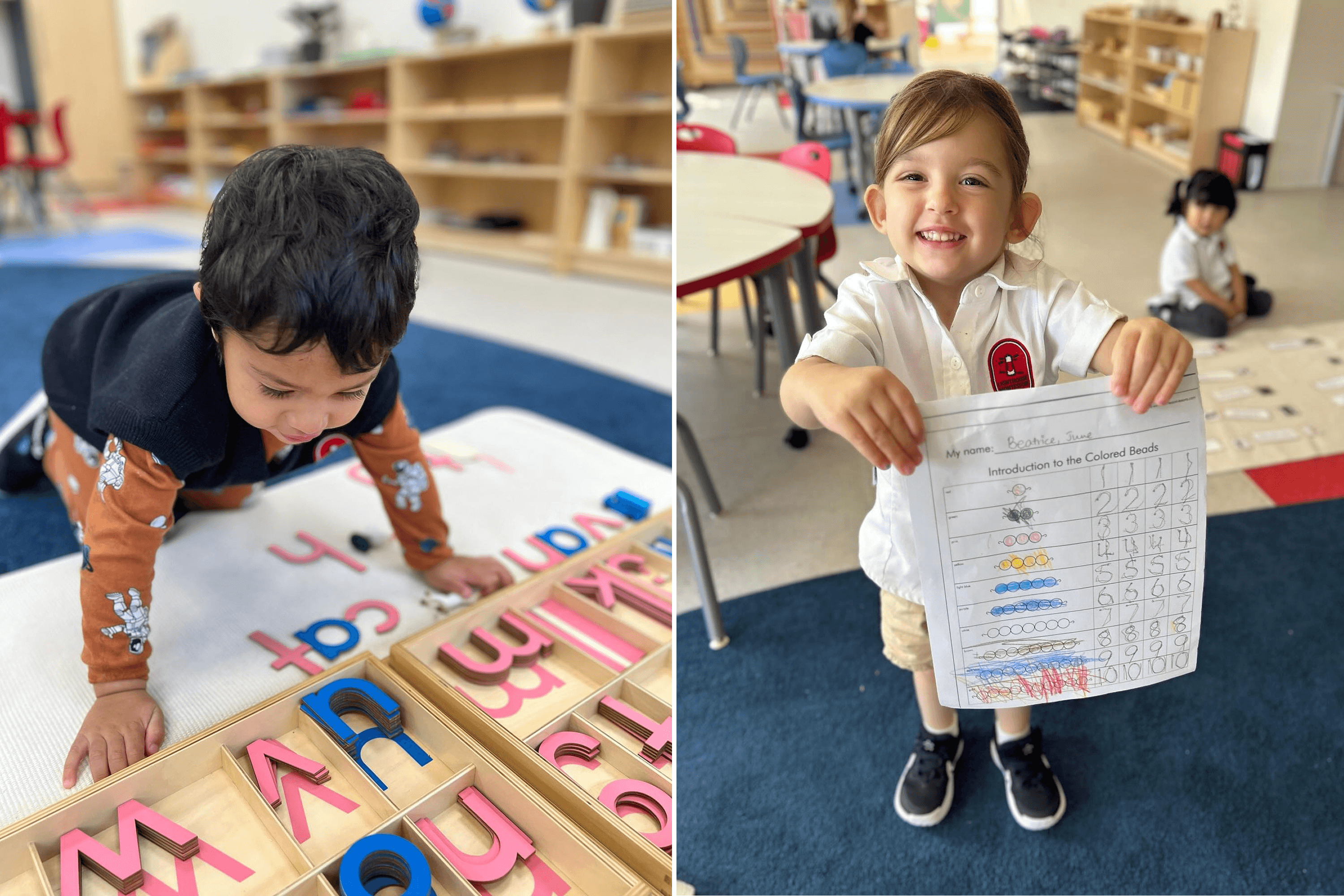
Children playing educational games at Lighthouse Montessori Canada. Photo: Lighthouse Montessori Canada / YB 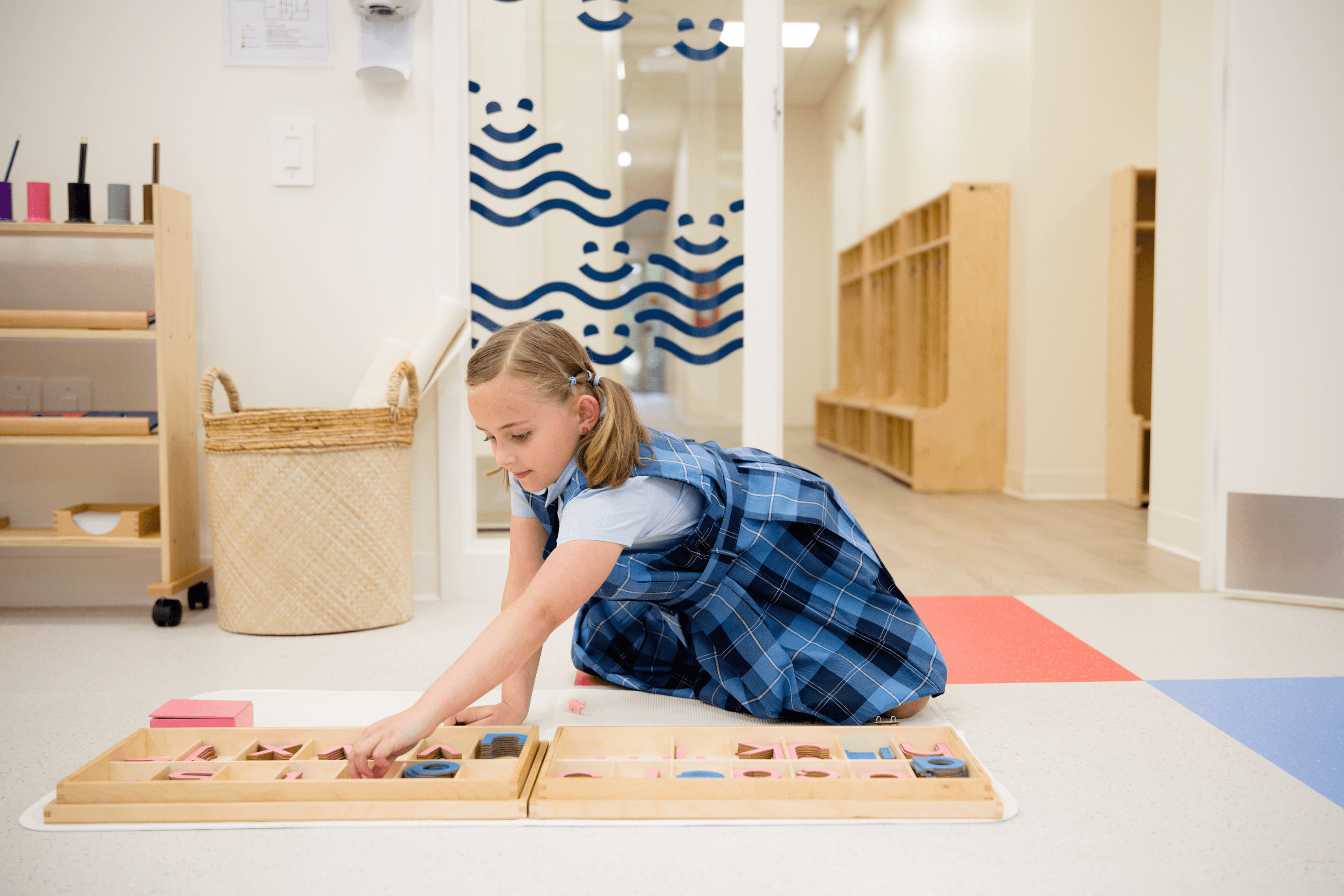
Photo: Lighthouse Montessori Canada / YB 
Photo: Lighthouse Montessori Canada / YB 
Photo: Lighthouse Montessori Canada / YB 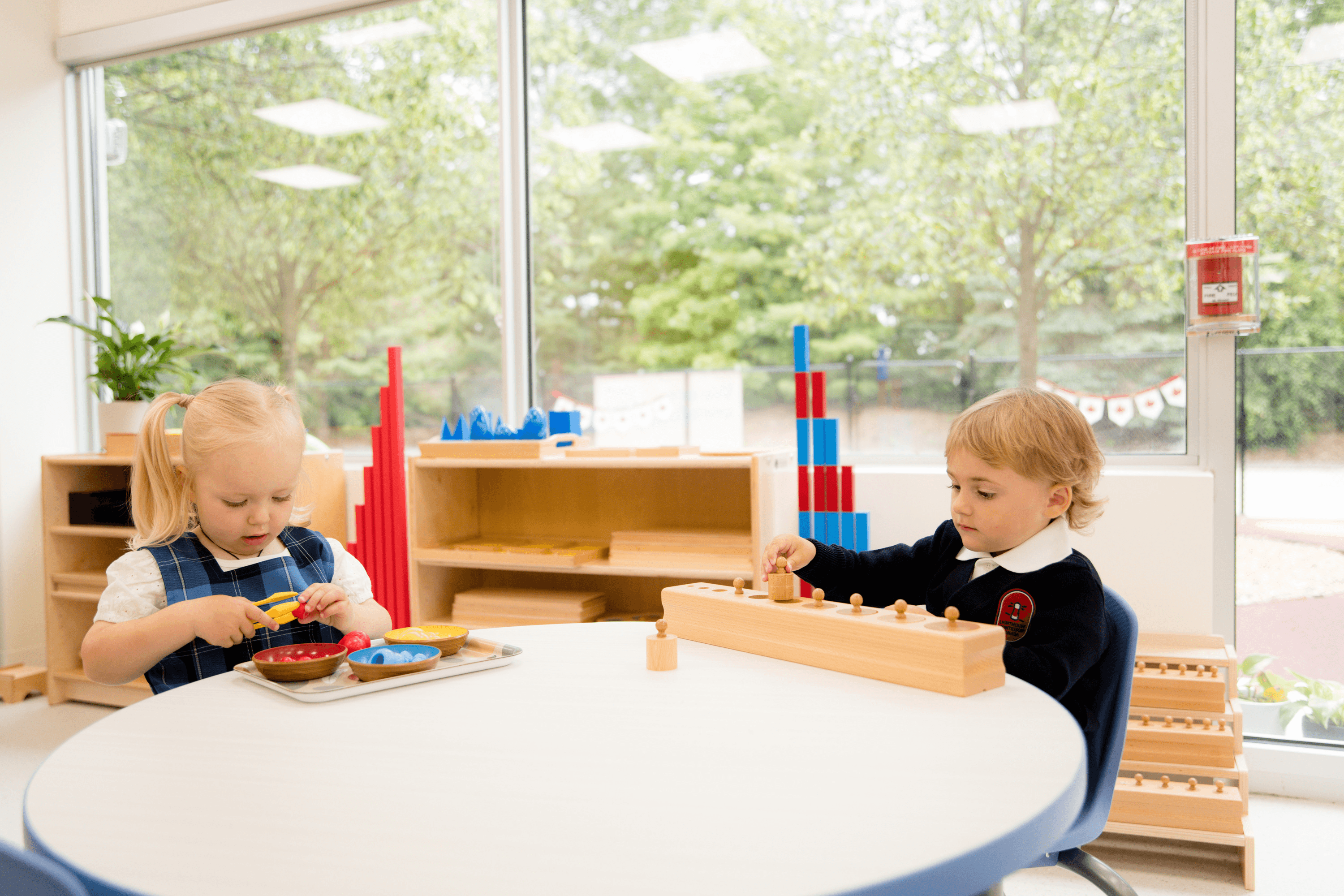
Photo: Lighthouse Montessori Canada / YB 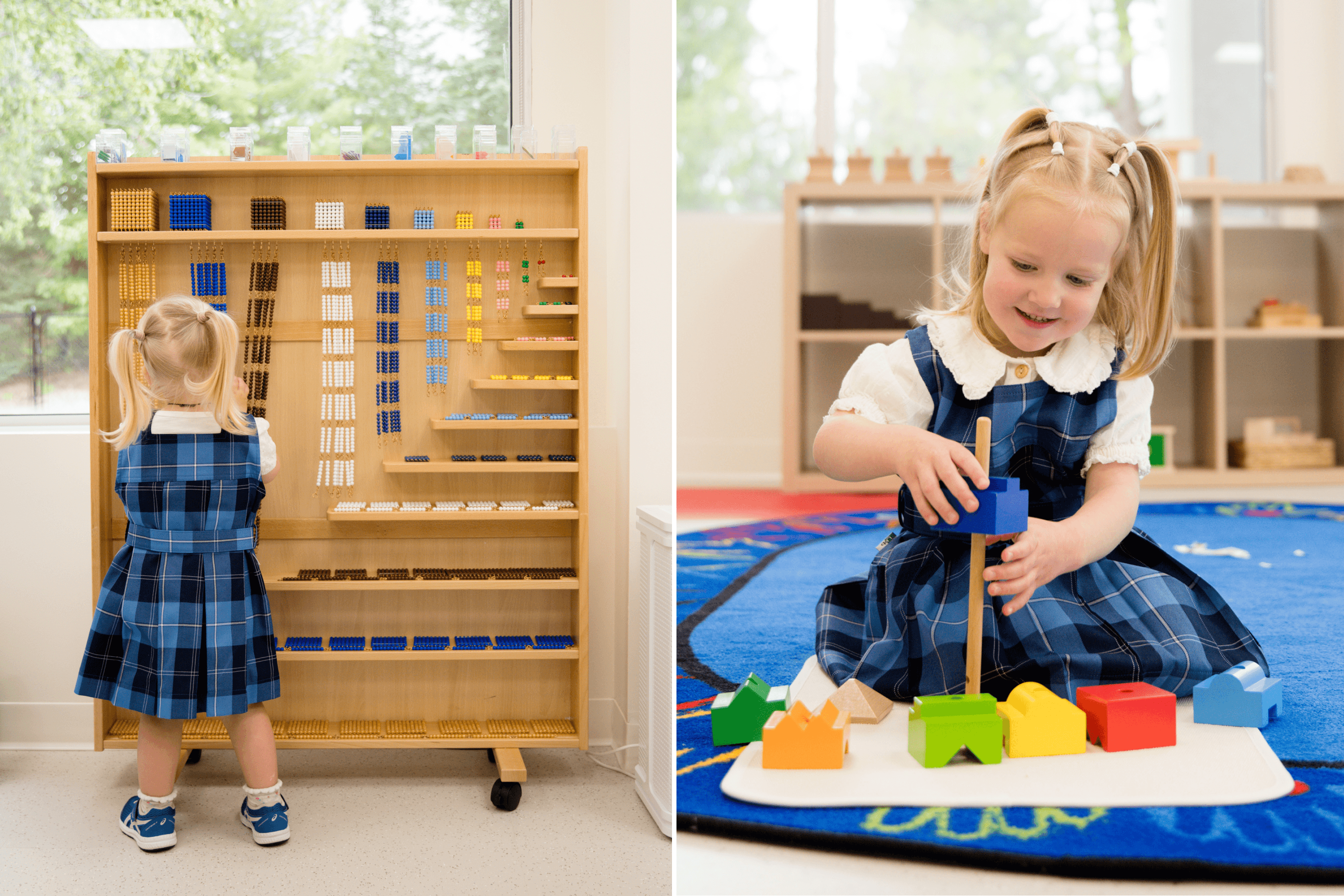
Photo: Lighthouse Montessori Canada / YB
When did you start thinking about launching your own business in Canada? And what was decisive in choosing the childcare centre format?
Even in Ukraine, we wanted our own business. We had some experience: Olha ran a small foreign language school in Donetsk. After moving to Canada, we spent the first years getting legal status and permanent residency. I worked as an auditor, while Olha completed her Montessori teaching diploma at the Toronto Montessori Institute and later worked at such a school in Milton, Ontario. We started thinking about opening our own kindergarten in 2020 during the COVID-19 pandemic, but finally opened in 2023. It made sense because Olha had the qualifications and experience. We also had a daughter, so we felt the childcare shortage firsthand.
What were your first steps?
We researched the Ontario market to understand how it works, demand, and pricing. Based on our findings, we wrote a business plan and applied for a bank loan.
How much money do you need to open a childcare centre in Ontario, and how does financing work?
In Canada, most people start businesses with loans instead of personal savings. For a first project, this is difficult without credit history: we were rejected four times before getting financing through a federal business support program that covers 75% of what you need. You have to put in 25% of your own money. We took out CAD 500,000 in loans and put in CAD 150,000 of our own. Some money goes to renovation and equipment, the rest to running costs during the first two years. The repayment term was six years, but with stable income you can extend it to ten years to reduce monthly payments. Once approved, the bank gives you six months to launch. Otherwise, you have to apply again.
How hard is the regulatory system for childcare centres?
Very strict, and they vary by province. Regulations cover everything: from minimum space per child to window size and playground specifications. The building must be approved by the city and in a convenient location. Finding the right space took us nearly two years and involved difficult negotiations with landlords, since new businesses without history rarely get long-term leases. Eventually, we found a partner who believed in the project and signed a 10-year contract. Today, we rent 650 m² for CAD 20,000 per month and run six full classrooms for 103 children, which is considered a large childcare centre by Canadian standards.
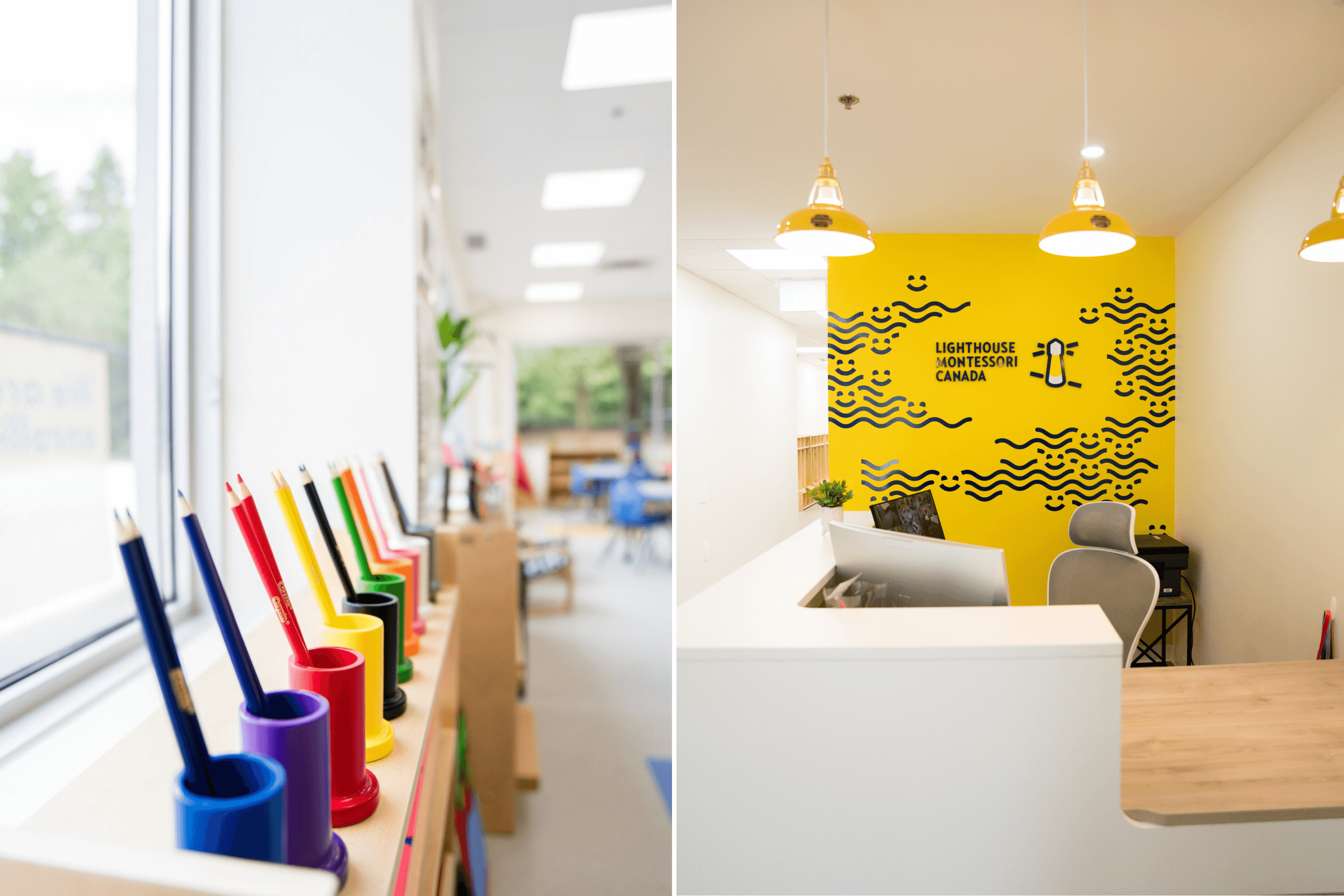
The premises of Lighthouse Montessori Canada. Photo: Lighthouse Montessori Canada / YB 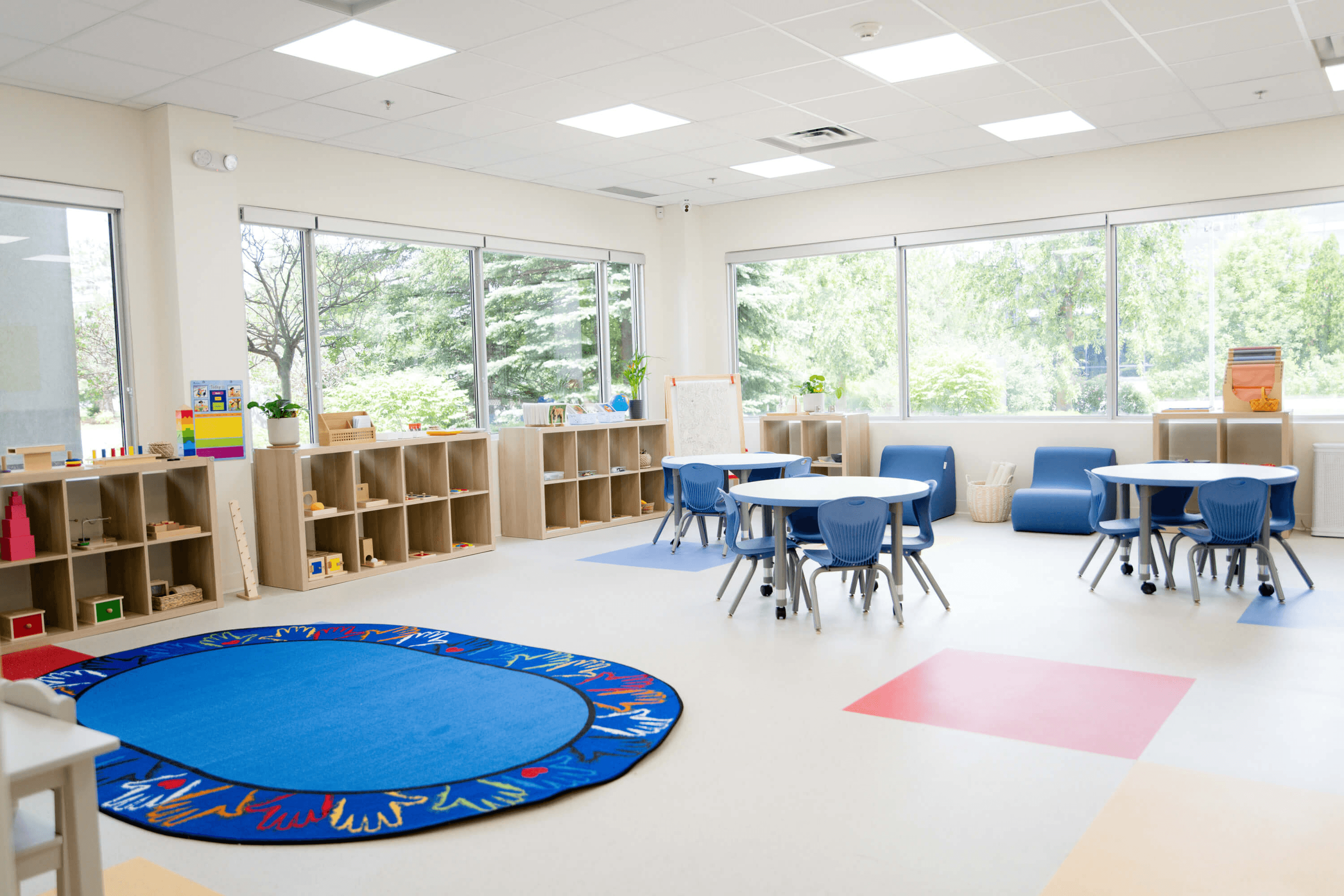
Photo: Lighthouse Montessori Canada / YB 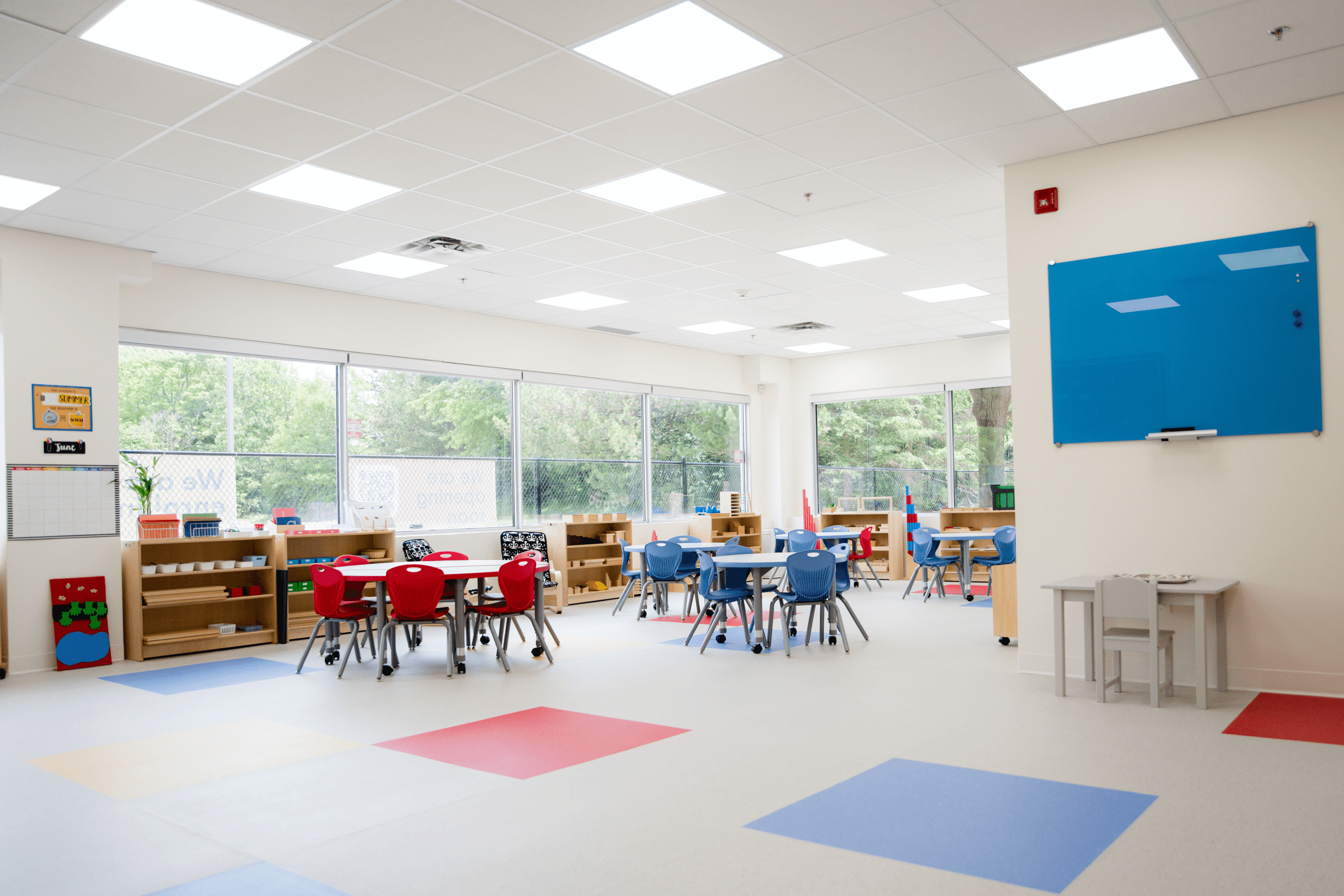
Photo: Lighthouse Montessori Canada / YB
Can you explain the Montessori approach in more detail?
It’s about structured routine and building independence. The educator’s role isn’t control but careful observation, timely guidance, and support only when truly needed. This helps children develop self-discipline, concentration, and responsibility for their own decisions. The environment is organized so each child can choose activities, work at their own pace, and see the results of their work. Montessori doesn’t “accelerate” a child but teaches independent thinking, time management, and respect for others' boundaries without pressure or punishment.
Montessori is often called alternative education. How do you fit it with Canada’s public system requirements?
In Canada, Montessori isn’t legally considered alternative education. The educational approach is the centre’s choice, as long as all staffing and child welfare requirements are met. Ministry of Education inspections may give teaching advice, but it’s not mandatory unless it’s about health or safety. The government doesn’t dictate teaching methodology.
How do you get Montessori accreditation in Canada, and who grants it?
Montessori Canada grants it. The childcare centre applies, pays a membership fee, and goes through an accreditation process that lasts about three years. During this time, regular inspections verify compliance with Montessori principles, check learning materials, and confirm the presence of certified specialists on staff.

Children playing educational games at Lighthouse Montessori Canada. Photo: Lighthouse Montessori Canada / YB 
Photo: Lighthouse Montessori Canada / YB 
Photo: Lighthouse Montessori Canada / YB 
Photo: Lighthouse Montessori Canada / YB
How did you divide responsibilities with Olha?
Olha handles the educational process, prepares for inspections, works with regulators, and manages staff. I take care of finances and legal matters: budgeting, family contracts, enrollment, regulatory compliance, and working with funding programs. We make strategic decisions together.
You operate as a licensed Child Care centre. Why not choose a simpler and cheaper format, such as Day Care?
Under the rules, if you plan to care for more than six children outside your home, you need a fully licensed childcare centre with complete regulatory requirements. Getting licensed takes about six months and involves documenting founders, experience, the space, number of classrooms, children, and age groups.
How many children did you have on opening day?
We opened on July 1, 2023, with six children, including our twin sons. Within a month, we had 42, and today we have 103 children. We also have a waiting list of about two years. Families are from Guelph and other cities in Wellington County.
How are children grouped by age, and what are the adult-to-child ratios?
Toddler groups have one adult for every five children. Preschool groups have one per eight. We run three classes for each age level. Within these groups, children may be mixed by age: for example, younger and older ones separately, to better meet their physical and psychological needs. We deliberately chose not to offer infant groups because they require significantly more investment: separate sleeping areas and a specialized kitchen. This format usually makes sense only in very large centres where constant movement of children between groups ensures stable enrollment.
How does child adaptation work?
After enrollment, parents visit with their child to meet the teachers and assistants. The first week is the hardest. Crying and looking for parents are normal. Our job is to gently engage the kid through play, activities, walks, and interaction with other children. If these reactions don’t diminish after the first week, it signals they need additional support. In about 90% of cases, kids adapt within this time, and if not, we allow parents to stay nearby for a period so they feel safe.
How do you handle behavioral issues?
We don’t use punishment in the traditional sense. Any physical contact with a child is prohibited by law and must be immediately reported to the Children’s Aid Society (CAS). In difficult situations, teachers first try gentle redirection: changing the activity, giving individual attention, or calm interaction. Classrooms also have a designated calming corner. At the same time, one child’s behavior cannot disrupt others. If issues persist and don’t respond to intervention, we involve parents. If even after this the situation doesn’t change, we may need to discontinue their enrollment. Our centre isn’t equipped for such specialized cases.
Your childcare centre has a uniform. How do you explain its necessity to parents, and doesn’t it restrict children’s freedom?
We see the uniform as a discipline tool, not a restriction. The only requirement is one item with our logo, like a T-shirt, sweater, or cardigan. Everything else is up to parents. The uniform costs CAD 35–40 per item and significantly simplifies family routines. A few sets are enough. If a child comes without a uniform one day, we never send them home. Only in cases of systematic non-compliance do we gently remind parents about this requirement.
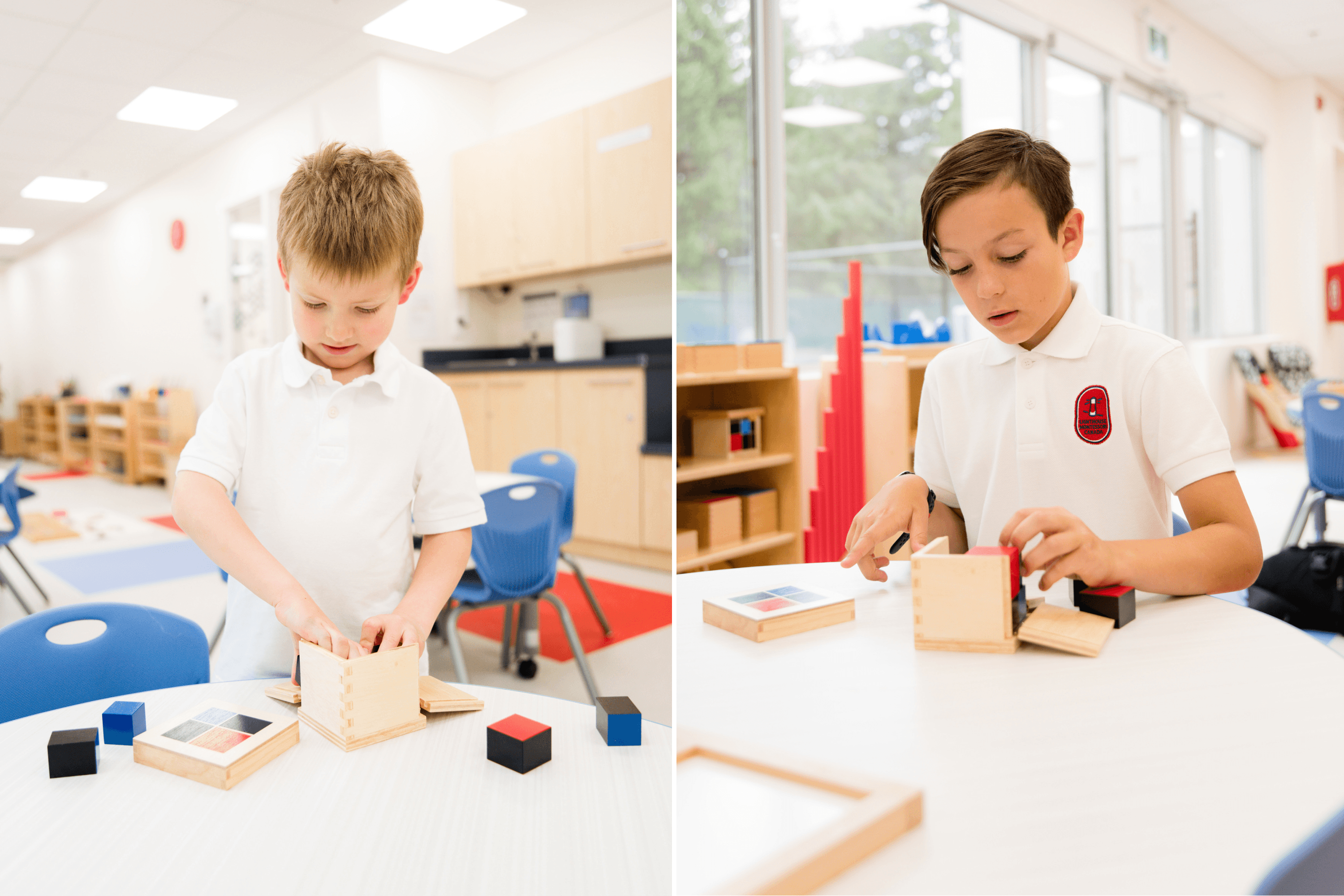
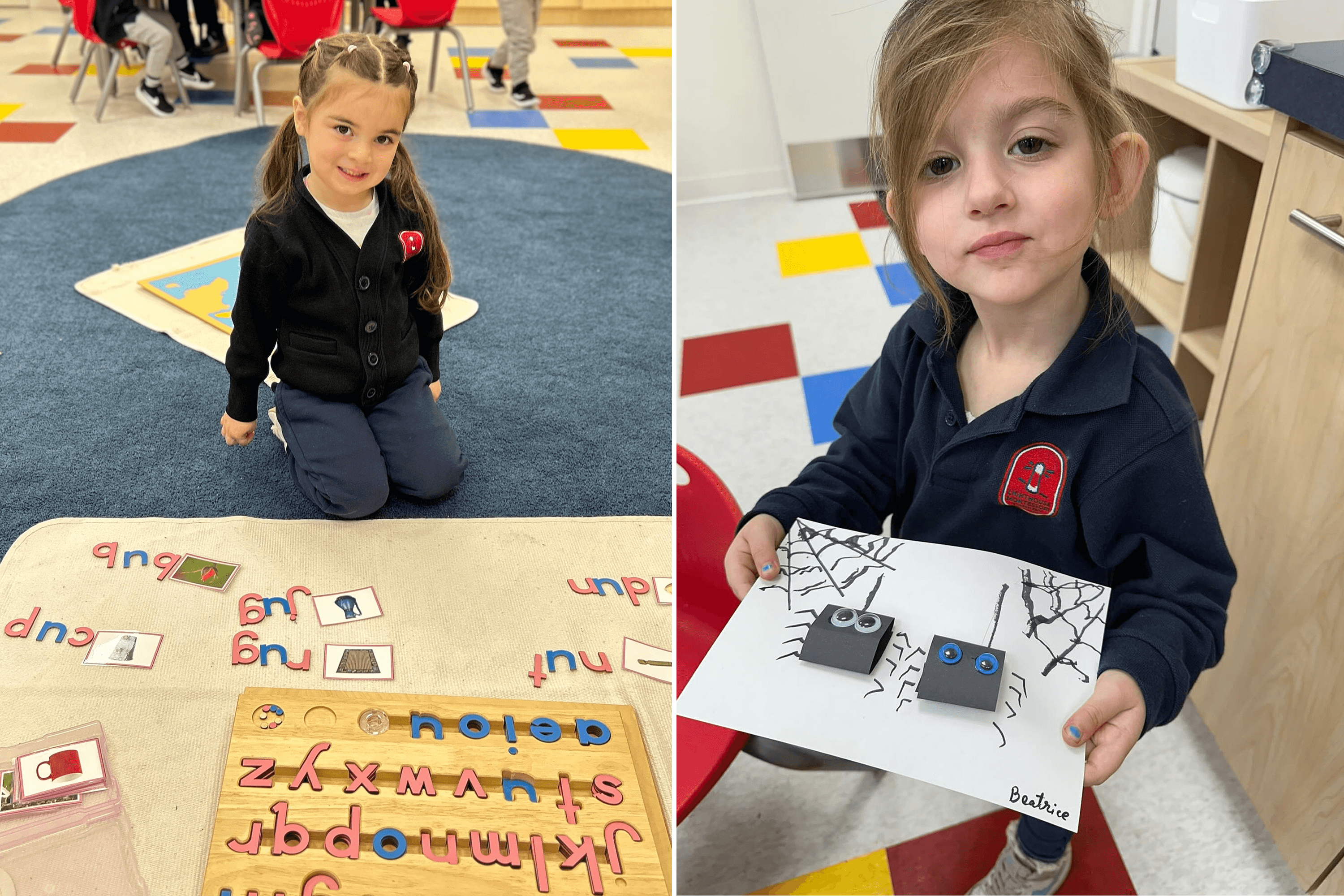
Children wearing clothing with the Lighthouse Montessori Canada logo. Photo: Lighthouse Montessori Canada / YB 
Photo: Lighthouse Montessori Canada / YB 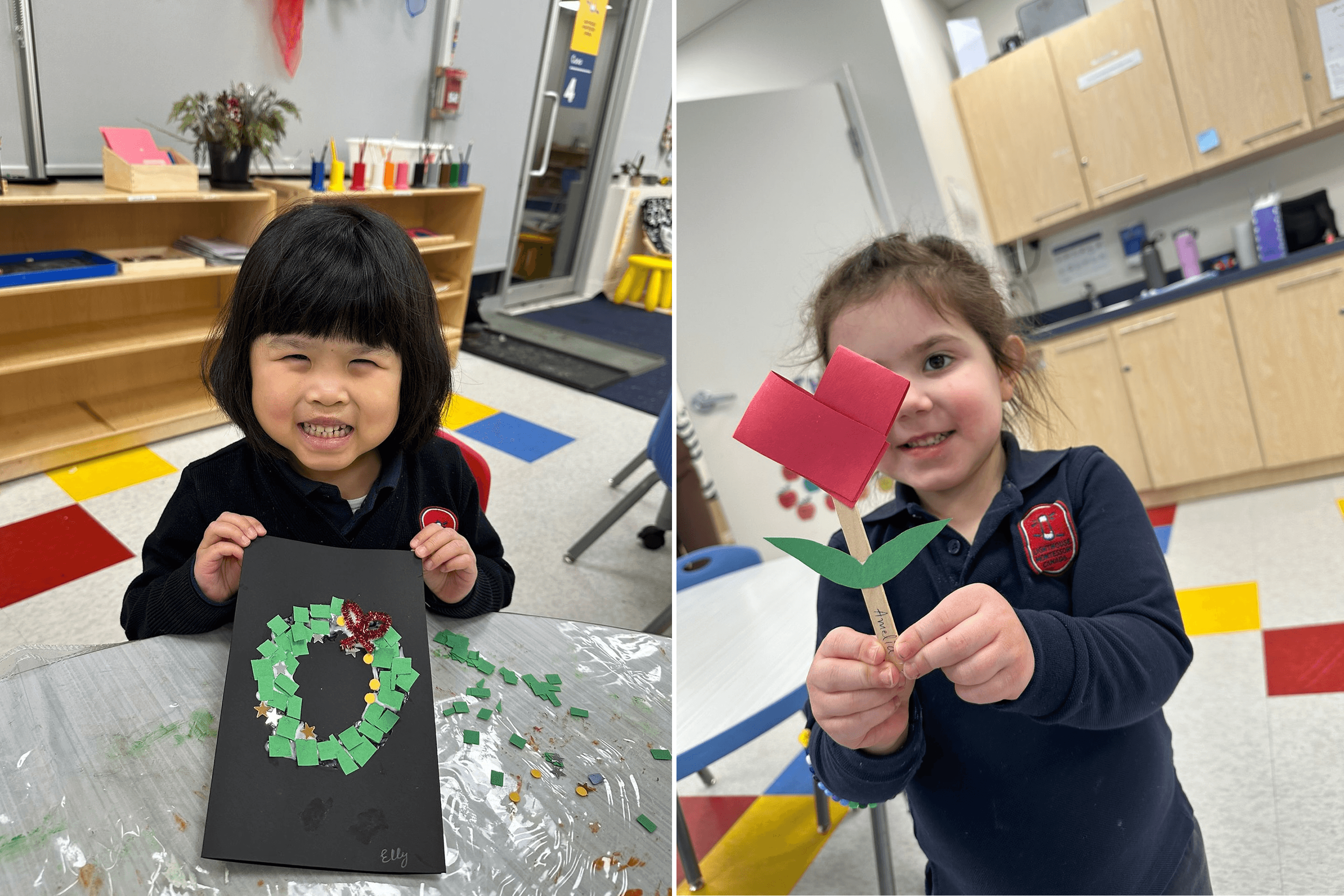

How do you handle schedules if parents work until 6:30 p.m. and pick up their child later?
Since the pandemic, hybrid work has become widespread in Canada, so most parents can work from home at least two days a week. A childcare centre cannot adjust to individual family schedules, so it operates on a standard schedule, from 7:30 a.m. to 5:30 p.m. In case of delay, parents must notify us in advance. The child will stay at the centre until they arrive, but after 5:30 p.m. we charge parents an additional fee for each minute of delay. Such cases are very rare because the bill can equal a month’s childcare fee.
How did you promote it and attract parents?
From the start, we invested in branding and worked with design studio Gutsulyak.Studio. Yurko Gutsulyak’s team created a cohesive identity for us: from colors and materials to interior and printed elements. We had only a name and general idea, and the studio helped turn it into a complete brand.
We started promoting before getting our license, which is allowed if the space is ready and can be shown to parents. We knew the approximate opening date, so in May 2023 we did a photoshoot with our own and friends' children, started tours, parent meetings, and active social media communication.
Instagram and Facebook were the main channels. We also tested Google ads, but social media gave significantly better organic reach and engagement. At the same time, parent referrals became the strongest growth driver. For a childcare centre, trust is a key factor that creates stable demand.
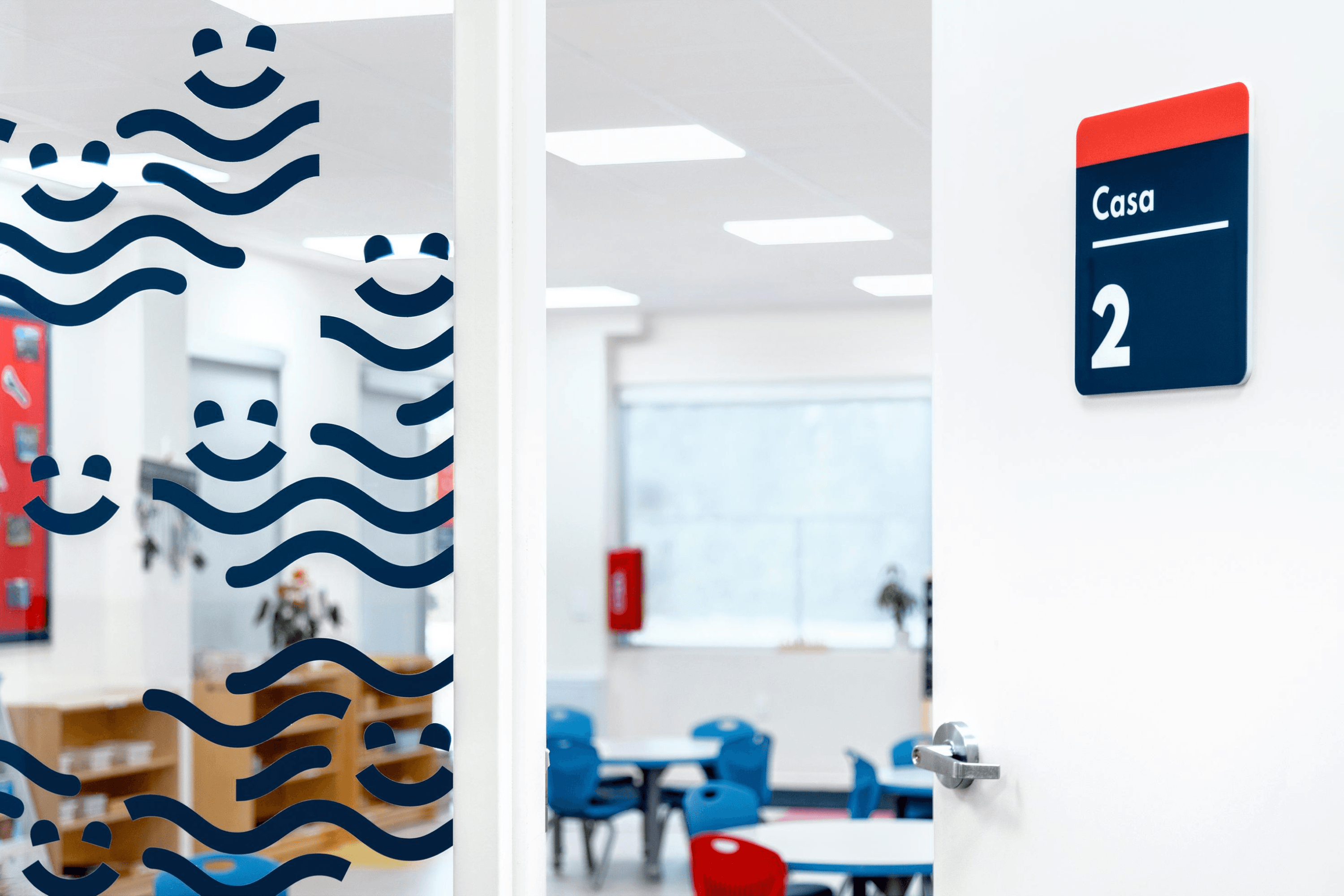
Visual identity elements for Lighthouse Montessori Canada by Gutsulyak.Studio. Photo: Lighthouse Montessori Canada / YB 
Photo: Lighthouse Montessori Canada / YB 
Photo: Lighthouse Montessori Canada / YB 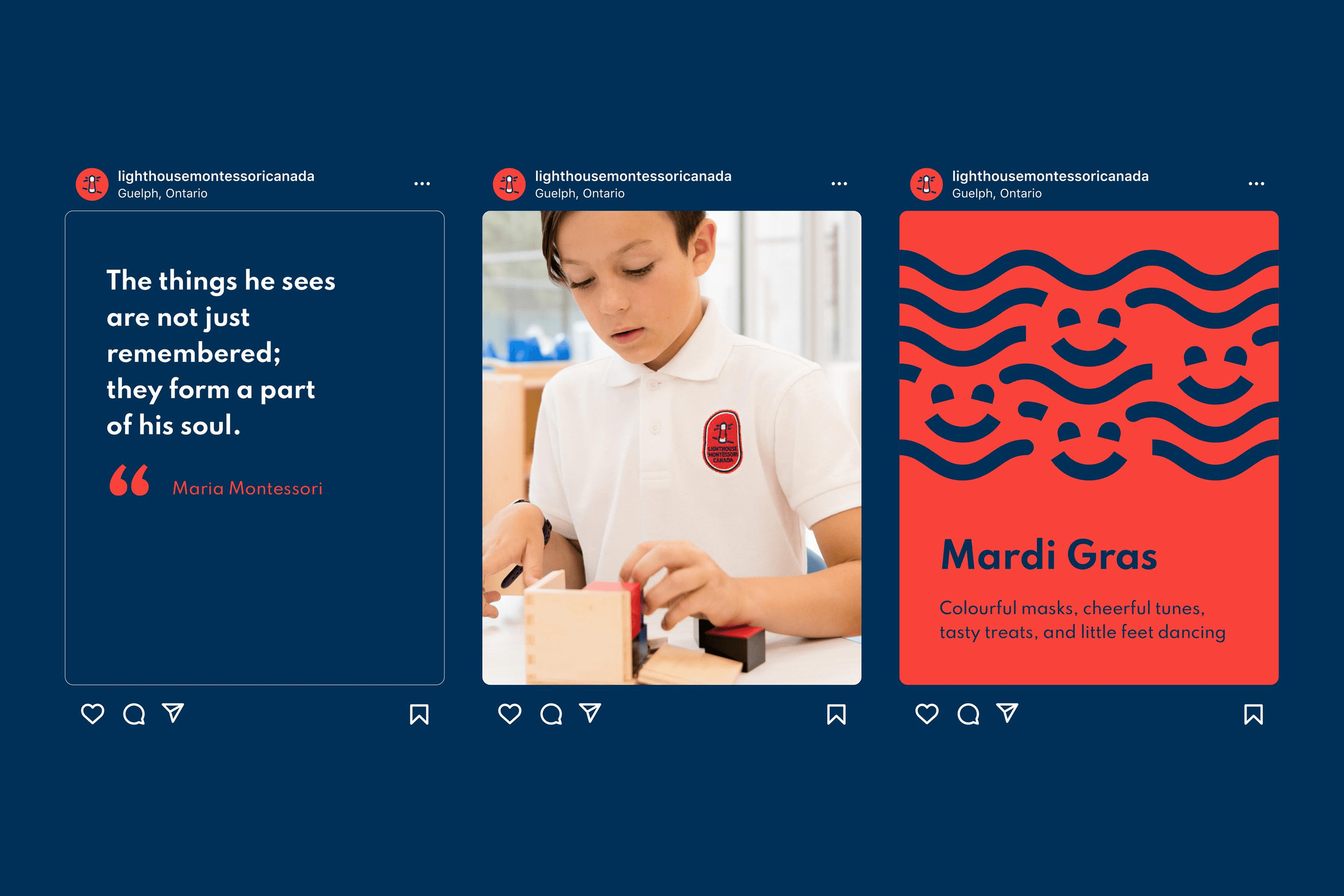
Photo: Lighthouse Montessori Canada / YB
How do parents enroll their children?
Parents register on our website and add their child to the waiting list. We notify them when their turn comes.
Who are your clients: Ukrainians, expats, or Canadians?
Canada is a country of immigrants, and this is reflected in our centre. Most children come from Indian, Dutch, French, and German families. There aren’t many Ukrainian families yet. Our city has a small Ukrainian community, so right now we have only one child from Ukraine.
What infrastructure requirements must childcare centres meet? For example, is a playground mandatory?
Yes. Space per child, permitted equipment, fence height and type, and location relative to the building are all regulated. If the playground isn’t adjacent to the building, there must be an approved procedure for staff supervision so no one gets lost.
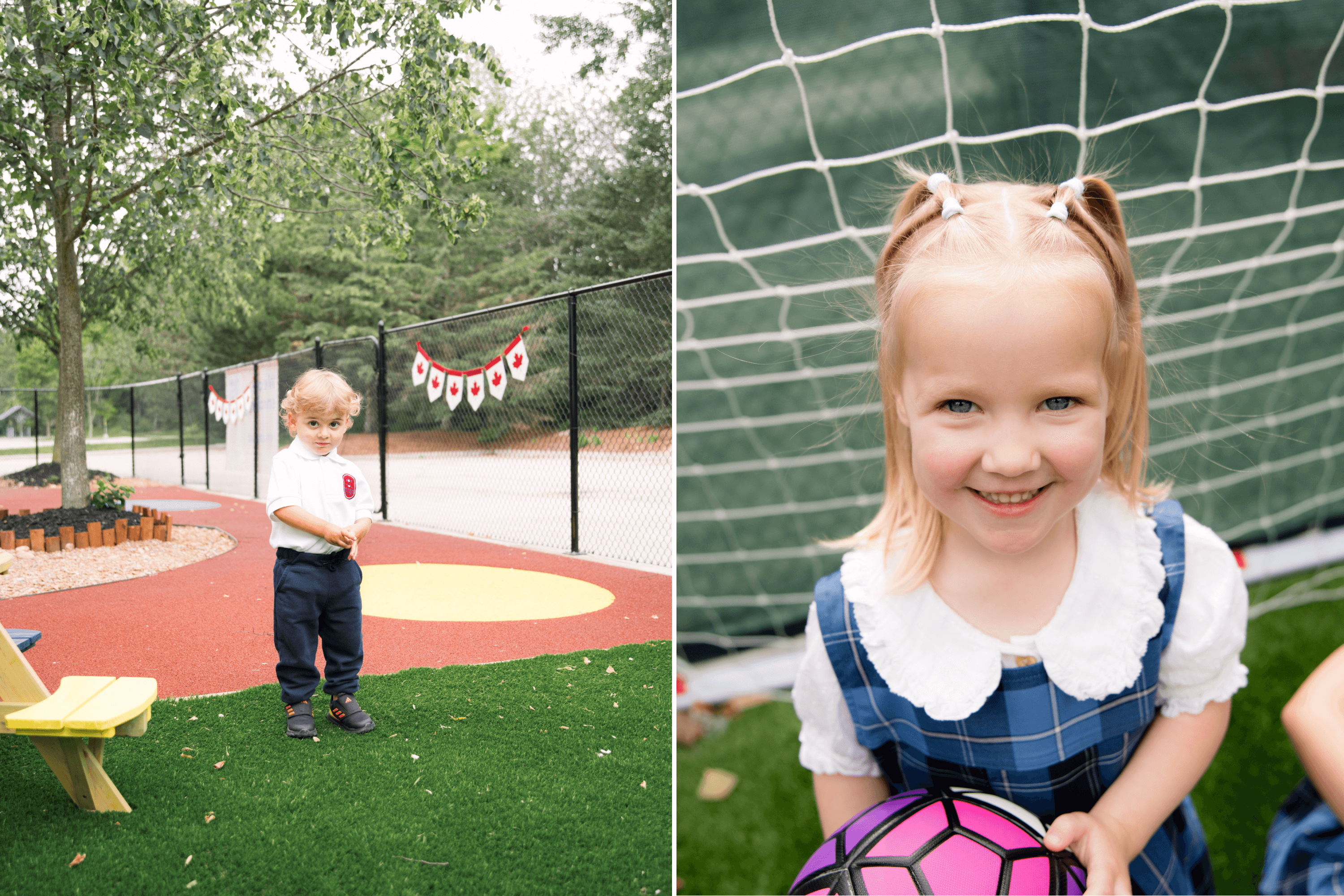
The playground yard of Lighthouse Montessori Canada. Photo: Lighthouse Montessori Canada / YB 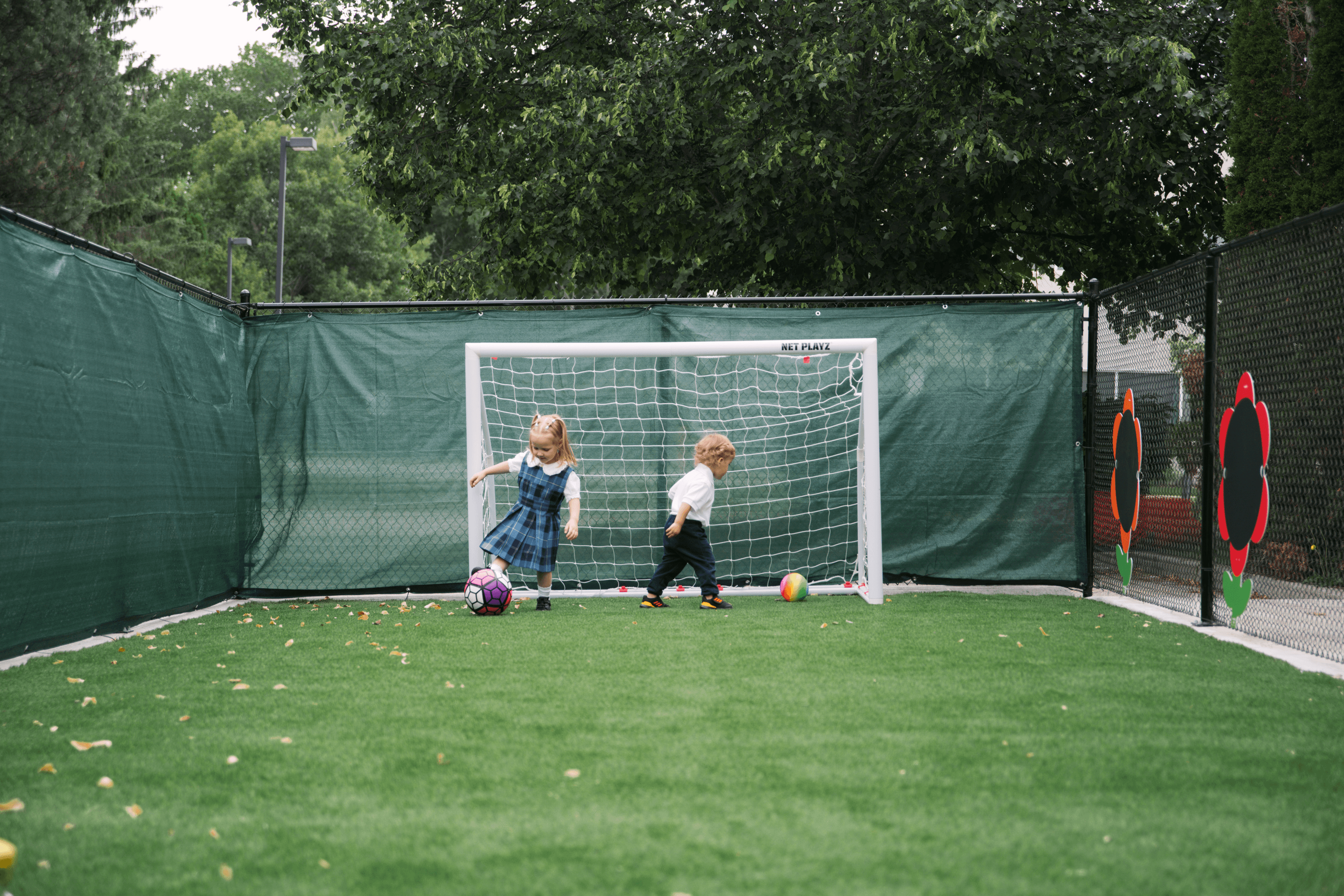
Photo: Lighthouse Montessori Canada / YB 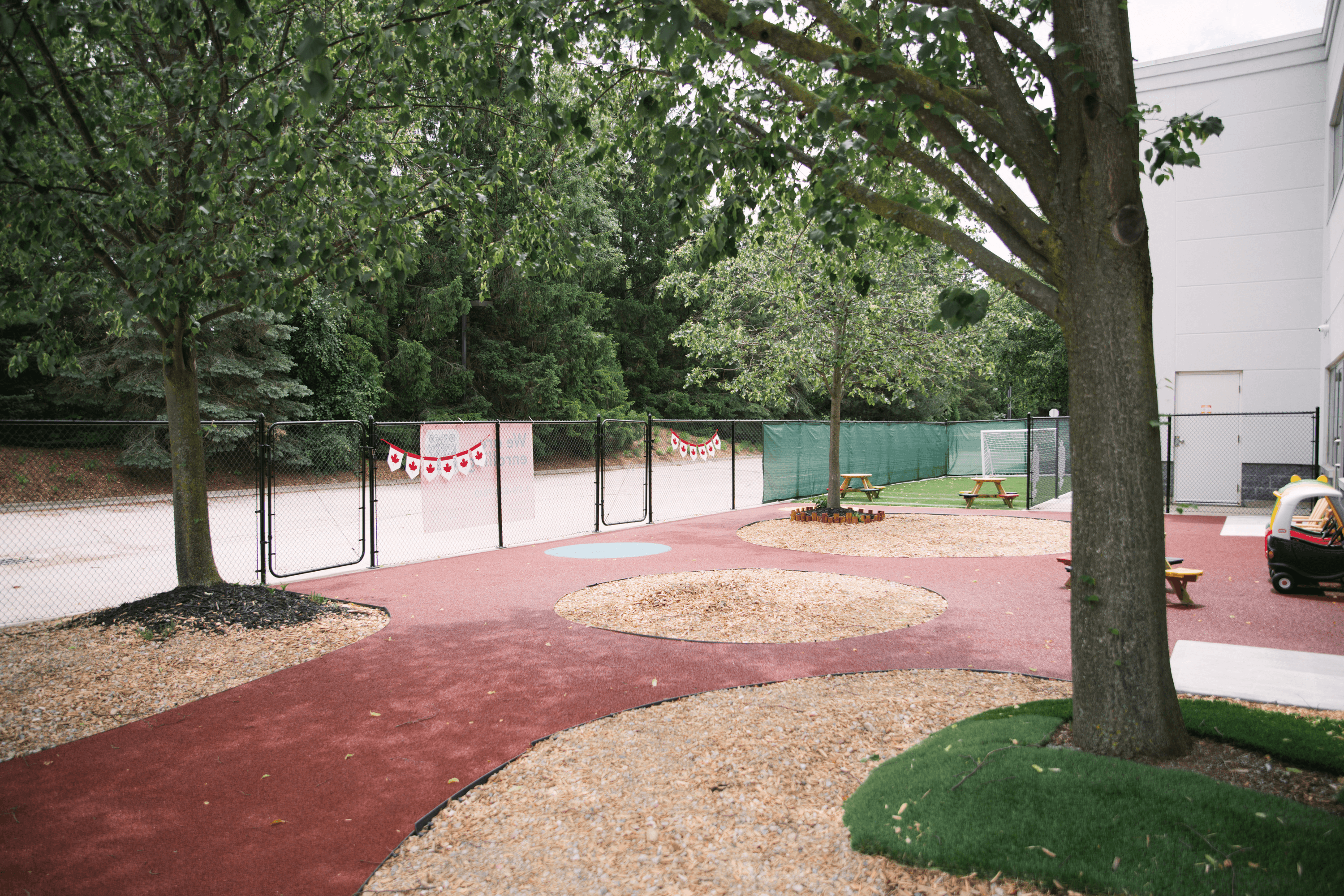
Photo: Lighthouse Montessori Canada / YB
Do you have a kitchen in your facility? Do you prepare food directly at the centre?
You can organize your own kitchen, but it requires significant additional investment and comes with many regulatory requirements and risks. Therefore, most childcare centres, including ours, use outsourcing companies with the appropriate license that deliver prepared food daily. We have dedicated staff who handle portioning, cutting fruits and vegetables, and distributing them to classrooms.
How many staff members did you need at launch, and how many work now?
We built the team gradually as the number of children increased. At launch, we needed four qualified teachers, including Olha. Today, 23 staff members work at the centre, with 18 in teaching roles, most migrants from India.
How do you select teachers?
We have two types of staff: Montessori assistants, some AMI-trained, without pedagogical qualifications, and educators with credentials such as Registered Early Childhood Educator or certified Montessori teacher status. The latter require specialized education, but everyone working with children must provide police clearance, Food Handler certificate and First Aid certificates, and vaccination documentation. We verify official databases and registries, then check backgrounds through social media to assess candidates' character. Any incidents or disciplinary issues at previous workplaces show up in public records.
What are teacher salaries?
They vary depending on experience and qualifications: from CAD 18.50 to CAD 27 per hour, before taxes.
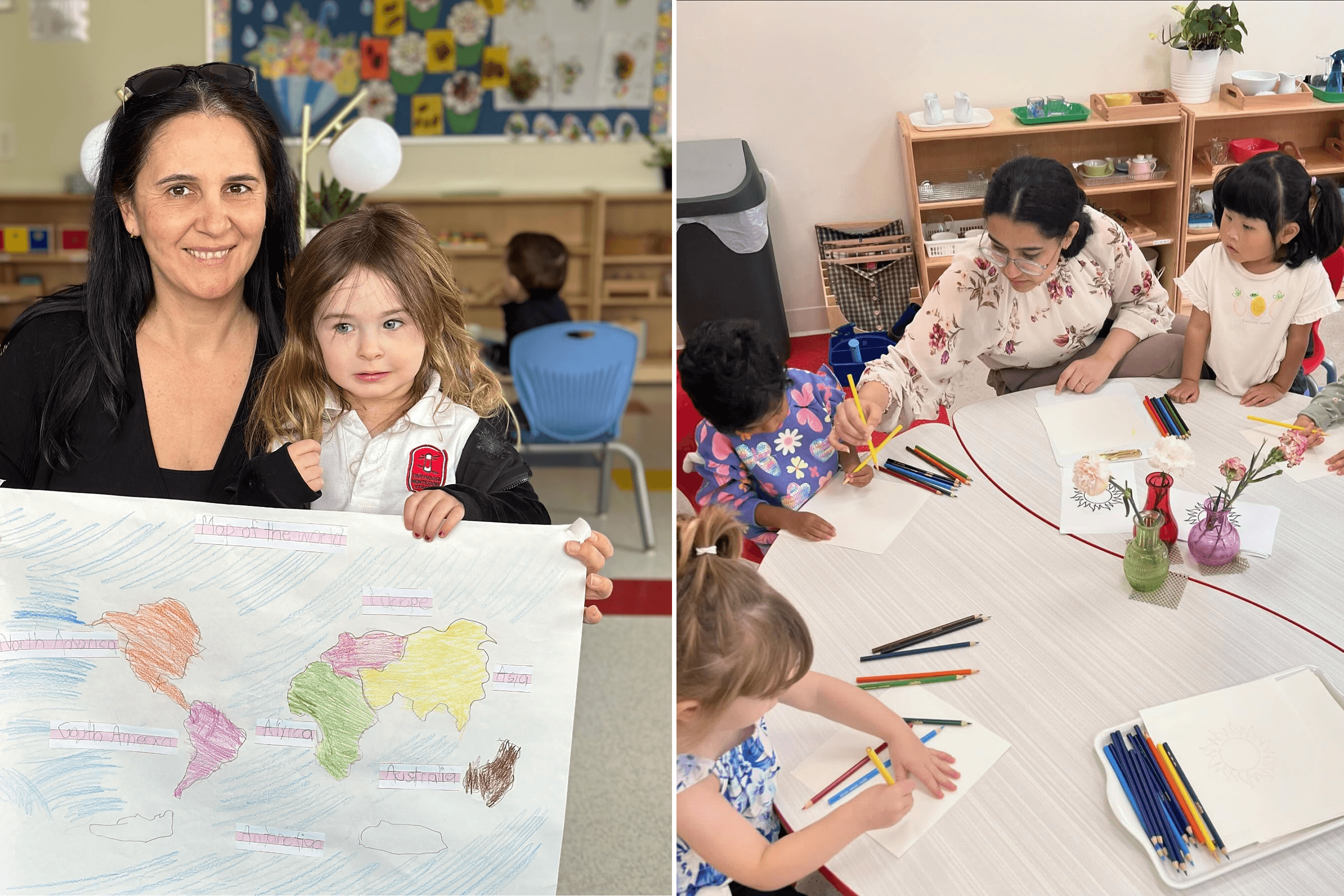
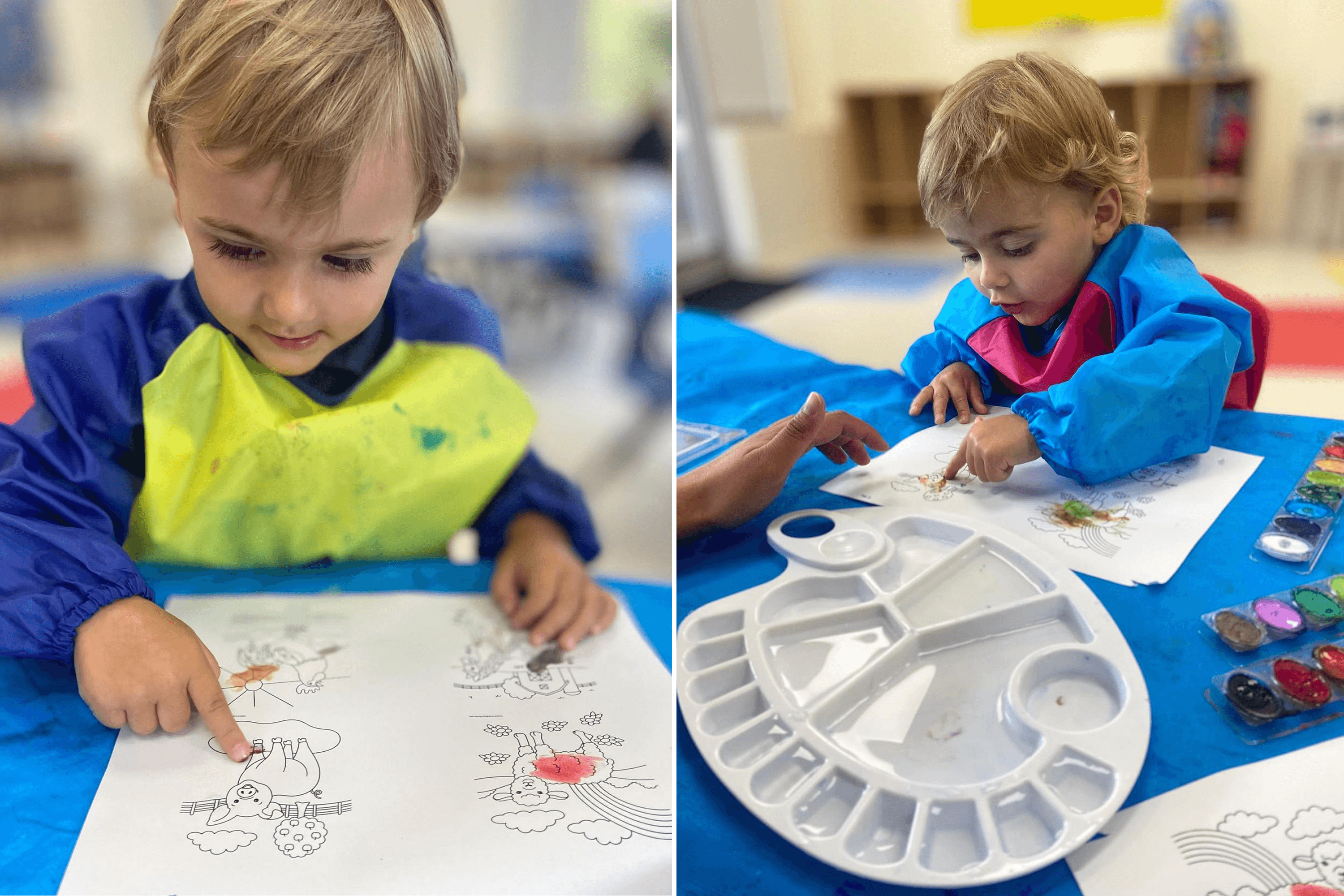
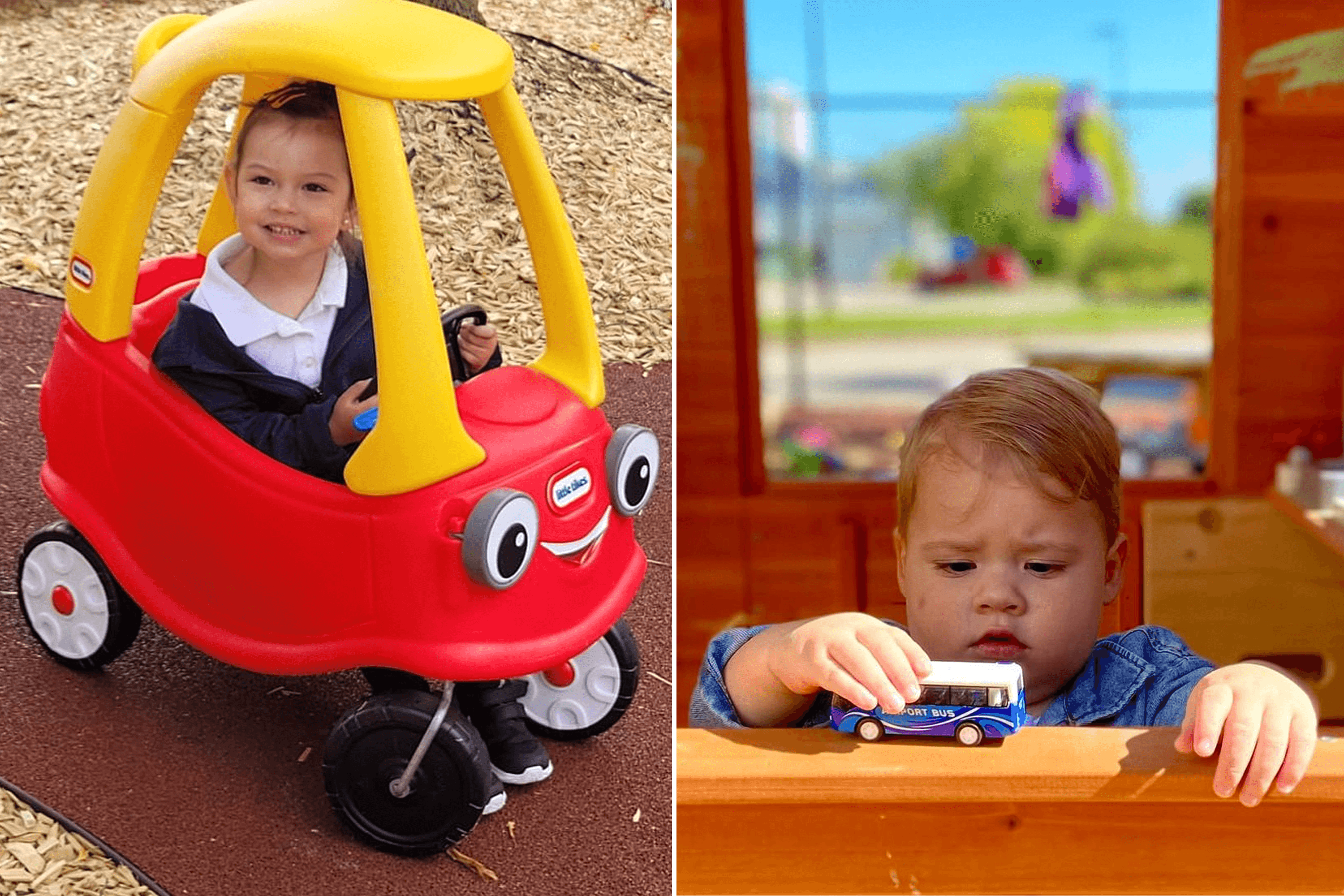
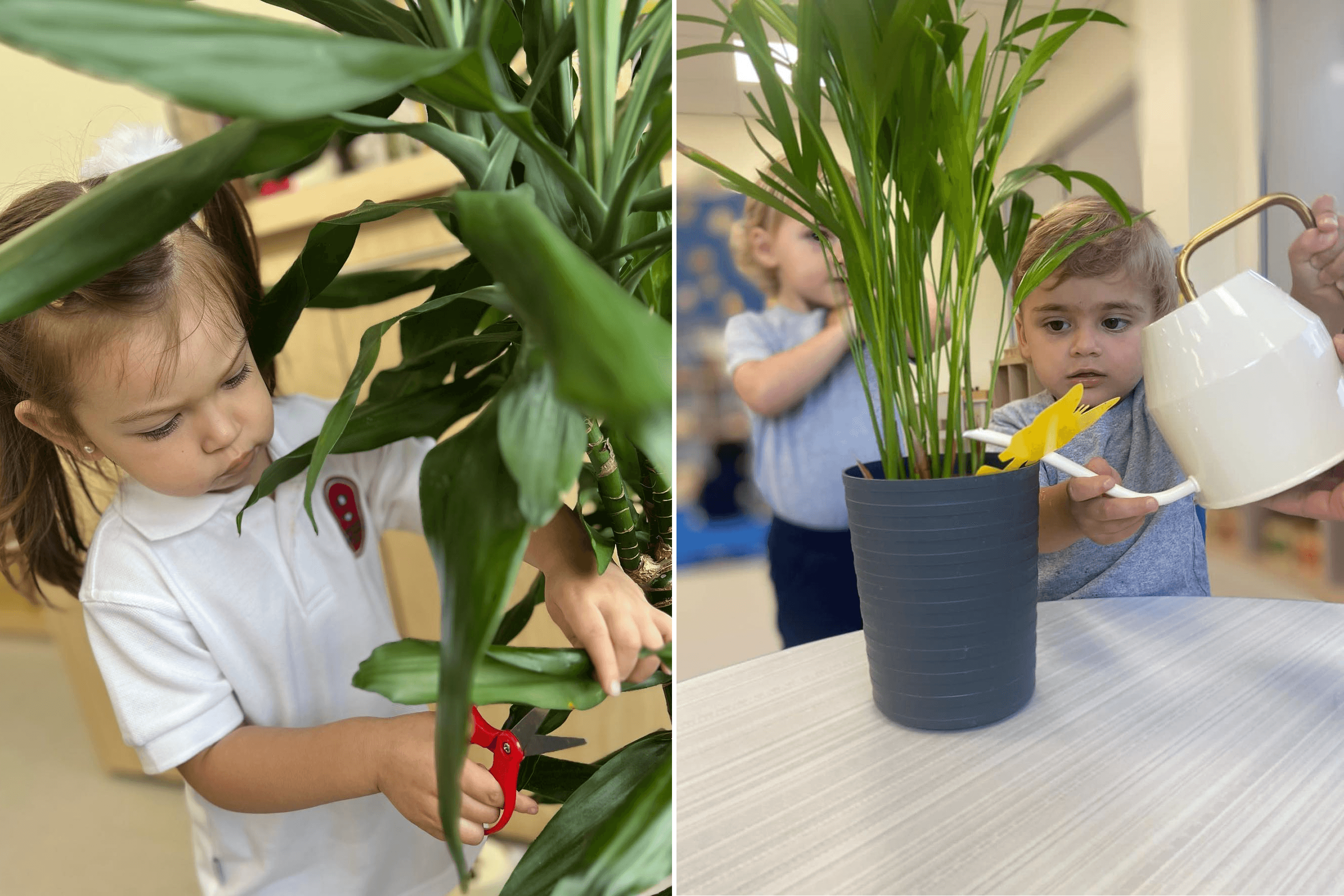
Children with teachers at Lighthouse Montessori Canada. 

How do parents pay fees?
Under the CWELCC program, parents pay only CAD 22 per full day or CAD 478.50 per month for their child’s stay at the centre, and we receive the rest from the government. We also offer optional programs for an additional fee: music, yoga, and art classes.
How are childcare centres inspected in Canada?
There are at least two annual inspections, always unannounced. Inspectors spend the entire day at the centre: they enter all classrooms, count children, check staff ratios, observe teachers' work, see how meals are organized, and whether there are EpiPens. Environmental Health conducts separate inspections. Documentation must be impeccable.
Have inspectors found violations?
Yes, minor ones almost every time, but never serious. In Ontario there’s a registry of violations where you can find information about confirmed cases at childcare centres.
The centre has been operating for 2.5 years. How do you assess the business model’s effectiveness?
Regional childcare shortage and multi-year waiting lists guarantee us full occupancy. The centre operates year-round, except for Christmas holidays. We have predictable expenses and revenue, and profitability averages around 20% per year. I’m confident in the business model’s effectiveness, but it’s still a young business, so it’s too early to draw final conclusions. Every year, GTA cities hold nominations and voting among local businesses. In 2025, Lighthouse Montessori Canada received the highest platinum award in the Childcare Service category. For Olha and me, it’s not just an award but confirmation of parents' and the community’s trust.


