For more than four years, World Central Kitchen (WCK) has been feeding people in frontline communities, helping displaced people, and reaching the sites of Russian attacks. What began in 2022 with hot meals at the Lviv railway station has grown into a large system with teams working in different regions of Ukraine.
WCK's mission in Ukraine is led by Yuliya Stefanyuk, who worked in the restaurant business before the full-scale war. Yellow Blue journalist Artem Moskalenko spoke with her about working near the front line, providing aid after Russian attacks, and the scenarios WCK is preparing for today.
Before the full-scale invasion, you worked in the restaurant business. How did you move into humanitarian work?
I was a co-owner and managing partner of a catering company that was part of the ! FEST holding company. On February 24, we were supposed to work at a large event for 300 guests in Lviv. But the invasion began, and of course the event did not take place. We decided to take the food to the military. I remember them joking, “Are we celebrating the start of the war?”
It was clear that there would be no corporate events or conferences anytime soon. But large numbers of people fleeing the war were arriving in Lviv. They needed tea, cookies, and hot food. My team and I began cooking for them using the food we had. At the same time, we opened a big humanitarian warehouse in Lviv, where people brought aid such as grains, pasta, and rice. Later, large partners began to join us as well. For example, after McDonald’s closed, it gave us buns, sauces, and other food it had left.
Just a few days later, you began working with WCK. How did that happen?
A culinary blogger I knew saw an Instagram post saying that World Central Kitchen was looking for Ukrainian partners and gave them my contact information. They called me on the evening of February 27. It was snowing in Lviv, an air raid siren was sounding, and as I spoke with them, I did not fully understand what was happening or what would come next. On March 2, WCK founder José Andrés arrived in Lviv. We met, and he asked me, “How much food can you prepare?” I said, “Two thousand portions a day, easily.” And he said, “We need twenty thousand.” At the time, that sounded impossible to me.
What did your cooperation involve at the start?
The organization supplied food products, while we, together with restaurants that had also become WCK partners, prepared meals and distributed them to displaced people. During the first weeks of the invasion, we worked mainly at the Lviv railway station and in shelters. Trains were overcrowded, people traveled standing up, and families with children spent days in waiting rooms. Food was needed around the clock. We cooked concentrated bograch in large containers, brought it to the railway station, and diluted it there with boiling water. By September 2022, we had prepared more than 1.5 million portions of bograch. Alongside this, we made sandwiches. Our friends at Kormotech gave us their conveyor line, and we assembled sandwiches on it step by step: bread, sauce, sausage, cheese, vegetables. We could make up to 34,000 a day. We worked around the clock for a month and a half to two months, until the flow of people at the railway stations began to decrease.
Until May 2022, I was a volunteer. I coordinated the movement of humanitarian shipments across the border, their delivery and distribution throughout Ukraine, established partnerships in the regions, and also helped build WCK’s warehouse and operational infrastructure in Ukraine. Then I became head of WCK’s Ukraine office.
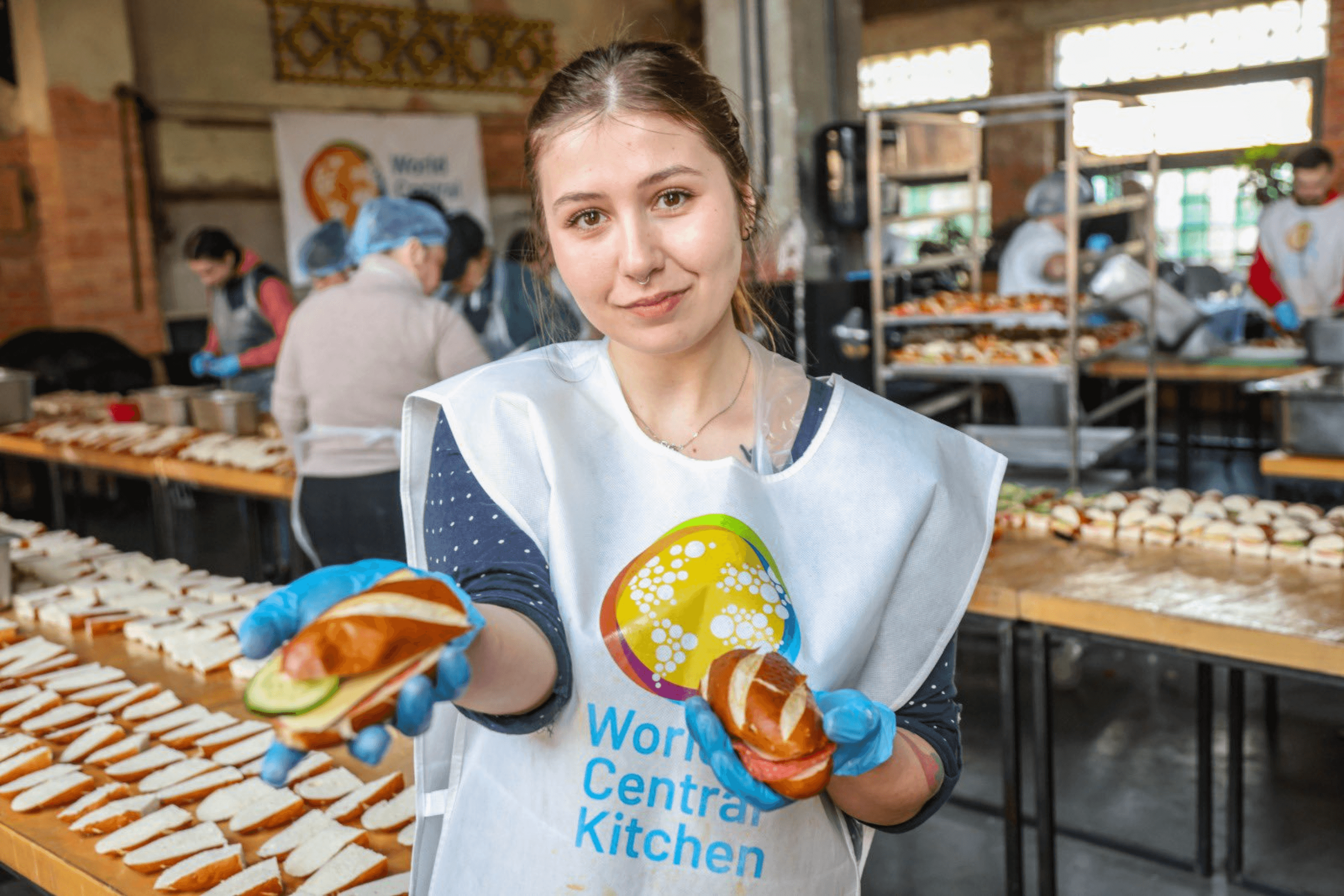
The World Central Kitchen team prepares food at the FEST kitchen in Lviv. March 2022. Photo: World Central Kitchen / X 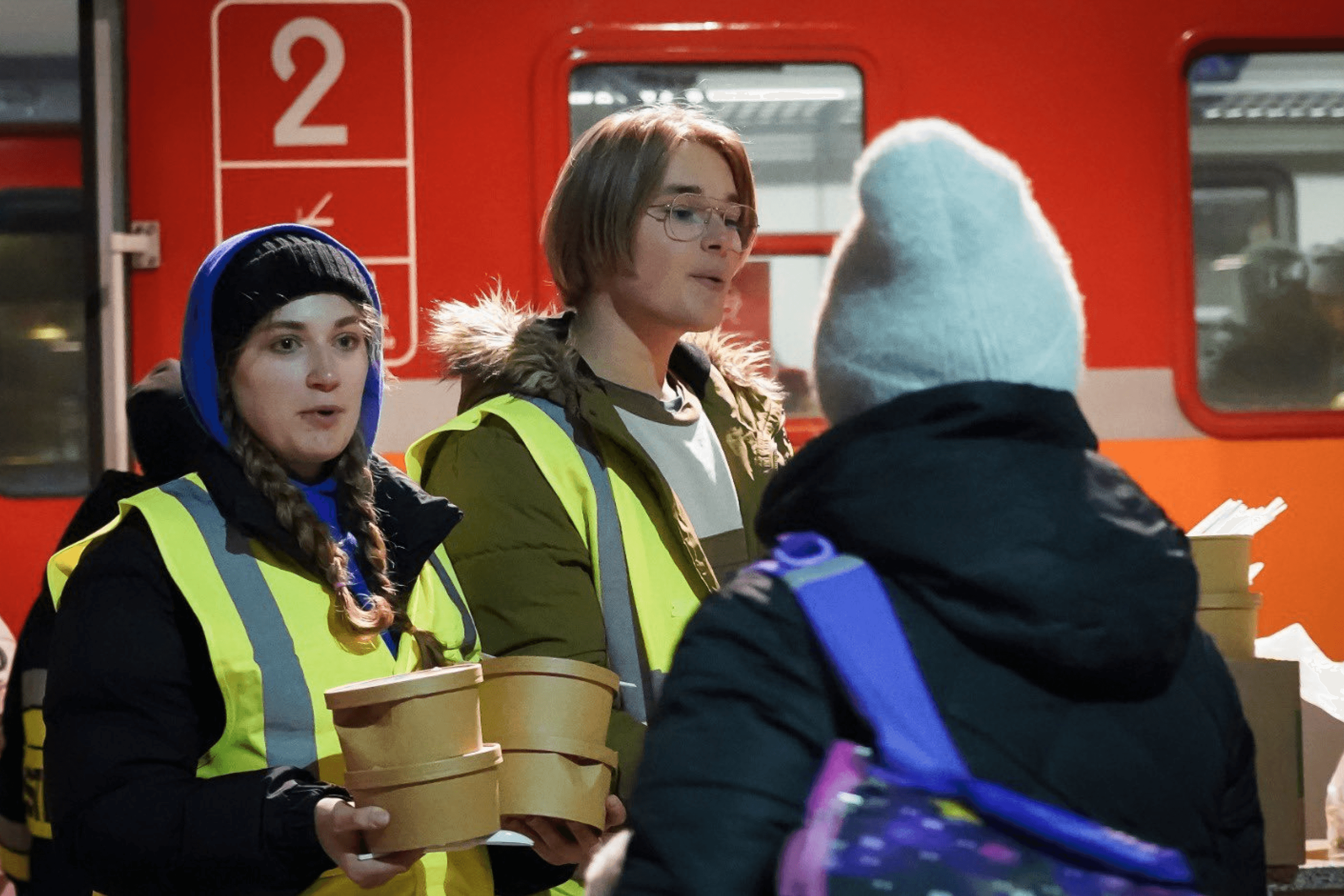
16-year-old twins Gnitecki and Gabrielab help World Central Kitchen distribute food to Ukrainians arriving in Poland. March 2022. Photo: World Central Kitchen / X 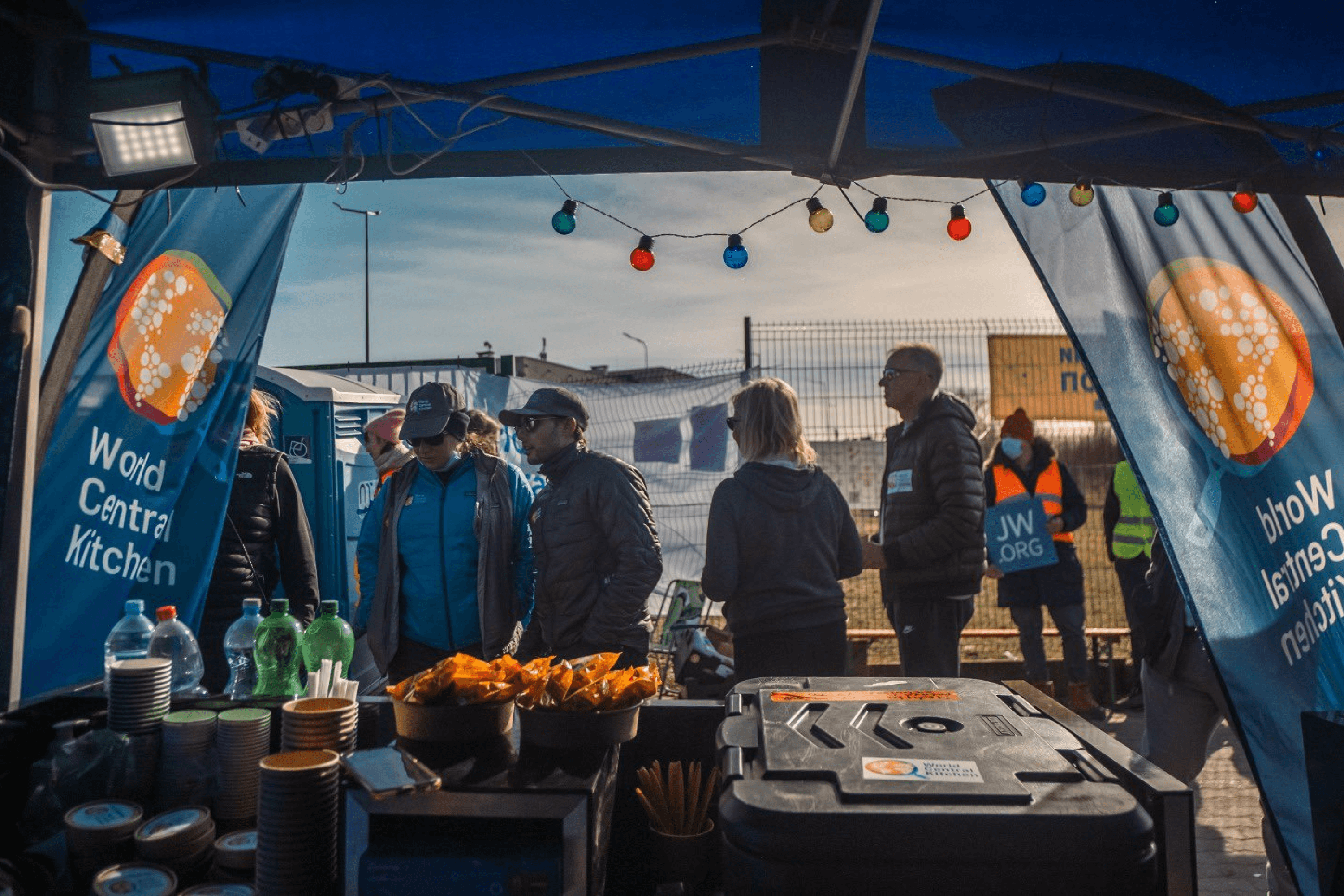
A World Central Kitchen distribution point at the Medyka border crossing, where food was provided to people leaving Ukraine for Poland. March 2022. Photo: World Central Kitchen / X 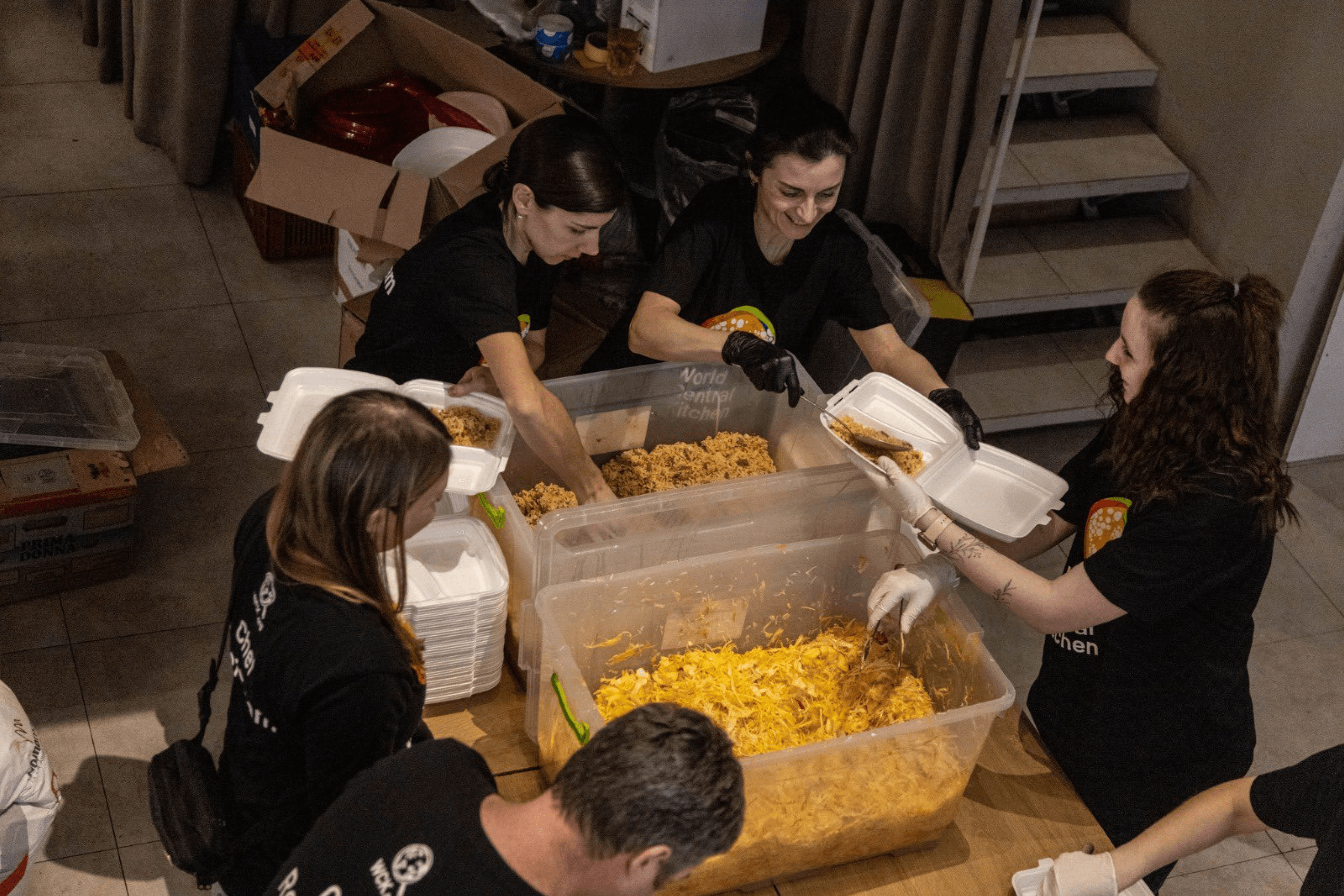
The team at Lviv’s Pasta Cafe restaurants, partners of World Central Kitchen, prepares and packs food. Lviv, March 2022. Photo: World Central Kitchen / X 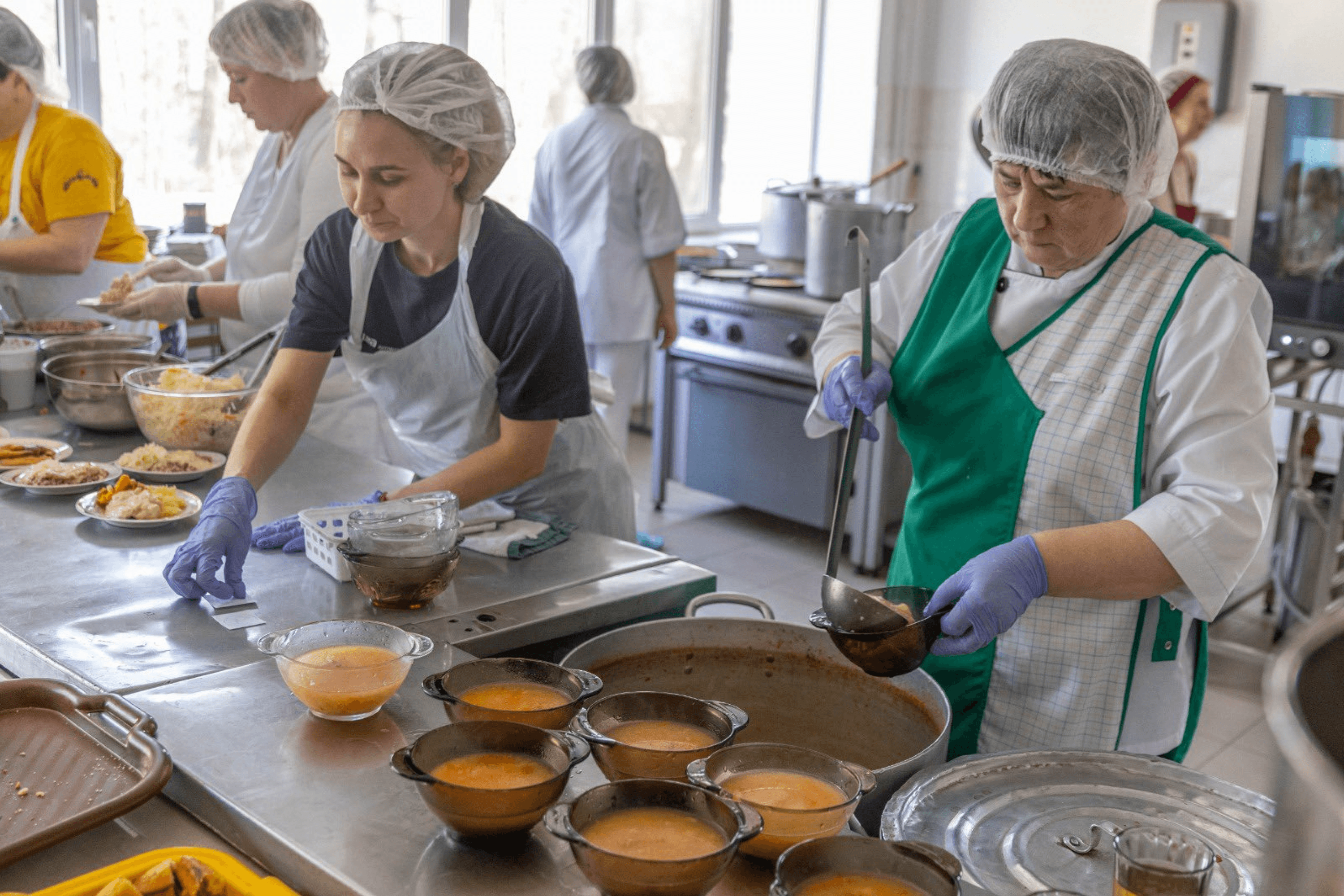
Local residents prepare food for displaced people at one of the kitchens in Morshyn supported by World Central Kitchen. March 2022. Photo: World Central Kitchen / X 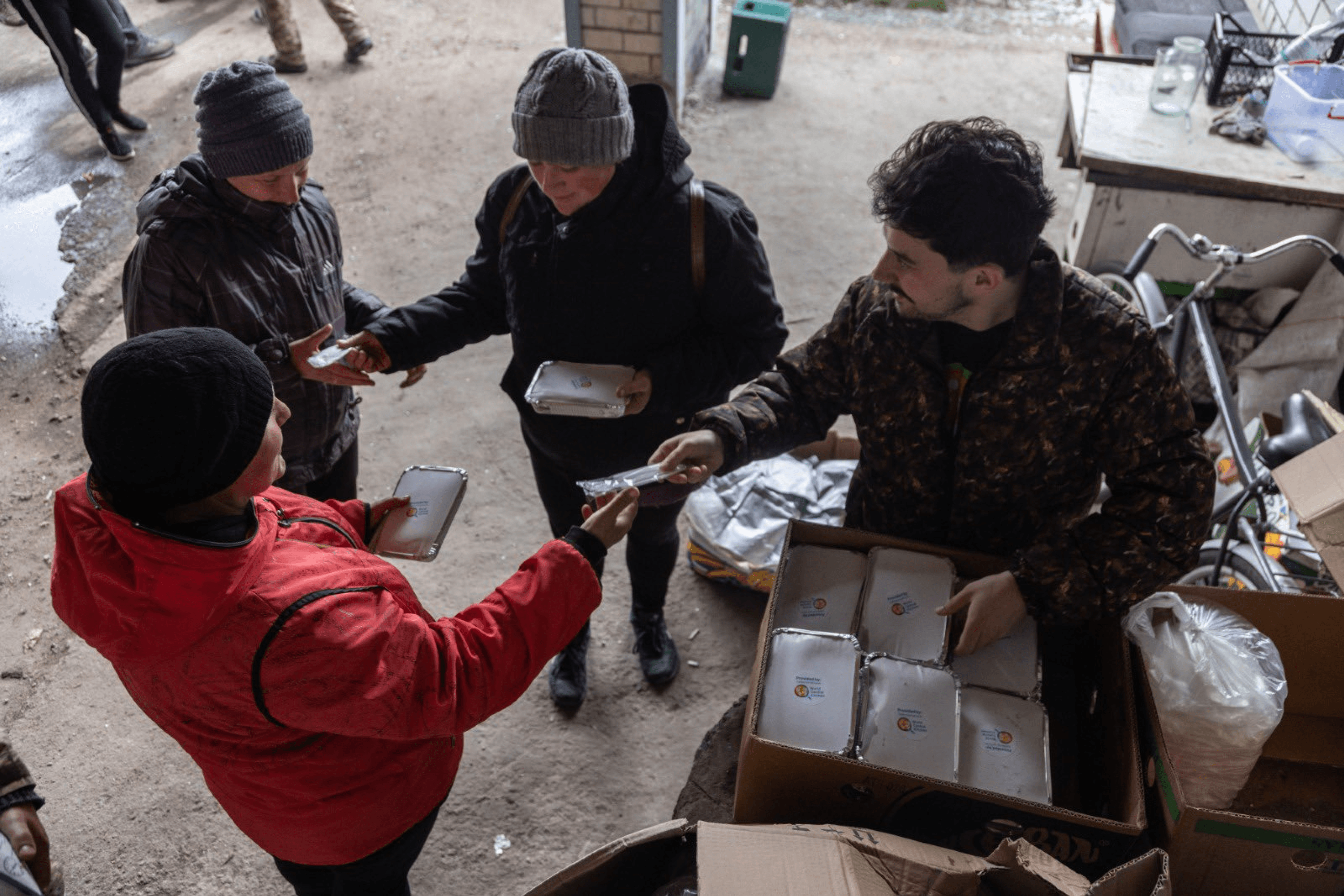
The World Central Kitchen team delivers hot meals and food kits to liberated Chernihiv. April 2022. Photo: World Central Kitchen / X
What did you focus on first at that time?
We had two parallel areas of work. The first was hot meals for people who had evacuated and were living in shelters. By the end of March, we had around 500 partners. We worked everywhere large numbers of displaced people were arriving: Lviv, Chernivtsi, Vinnytsia, Khmelnytskyi, Dnipro, Kryvyi Rih, and other cities. For example, in Zaporizhzhia, a large humanitarian hub was based at an Epicentr facility. People arrived there from the occupied part of the region and from nearby cities that were under heavy Russian shelling. They waited there for further evacuation, and we fed them.
The second area of work emerged after the de-occupation of the Kyiv region. When Irpin and Bucha were liberated, José Andrés was among the first to bring food there. Later, World Central Kitchen began assembling food kits and delivering them to other liberated communities in the Kyiv region, and later to other regions.
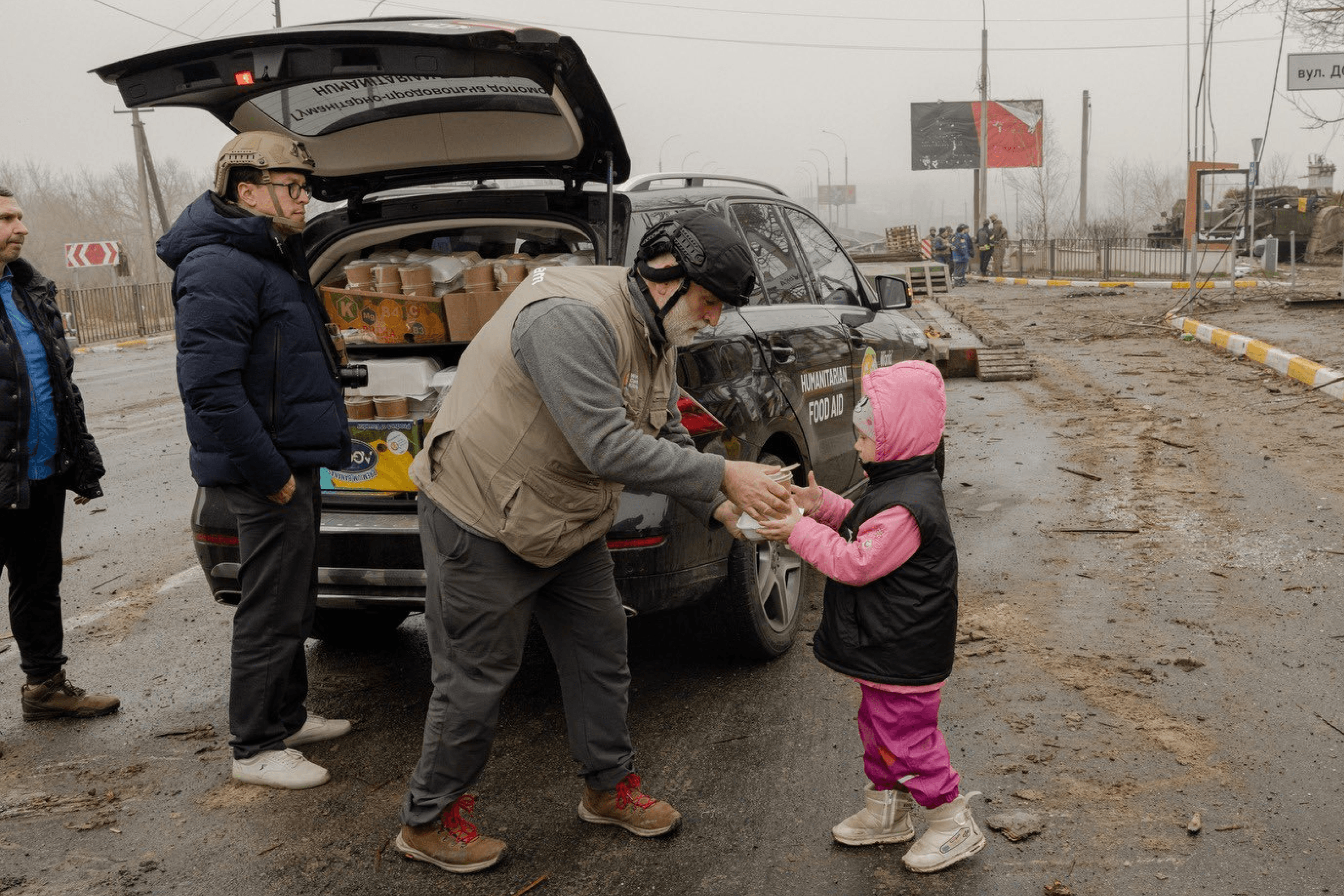
The World Central Kitchen team delivers food to the newly liberated cities of Irpin and Bucha. April 2022. Photo: World Central Kitchen / X 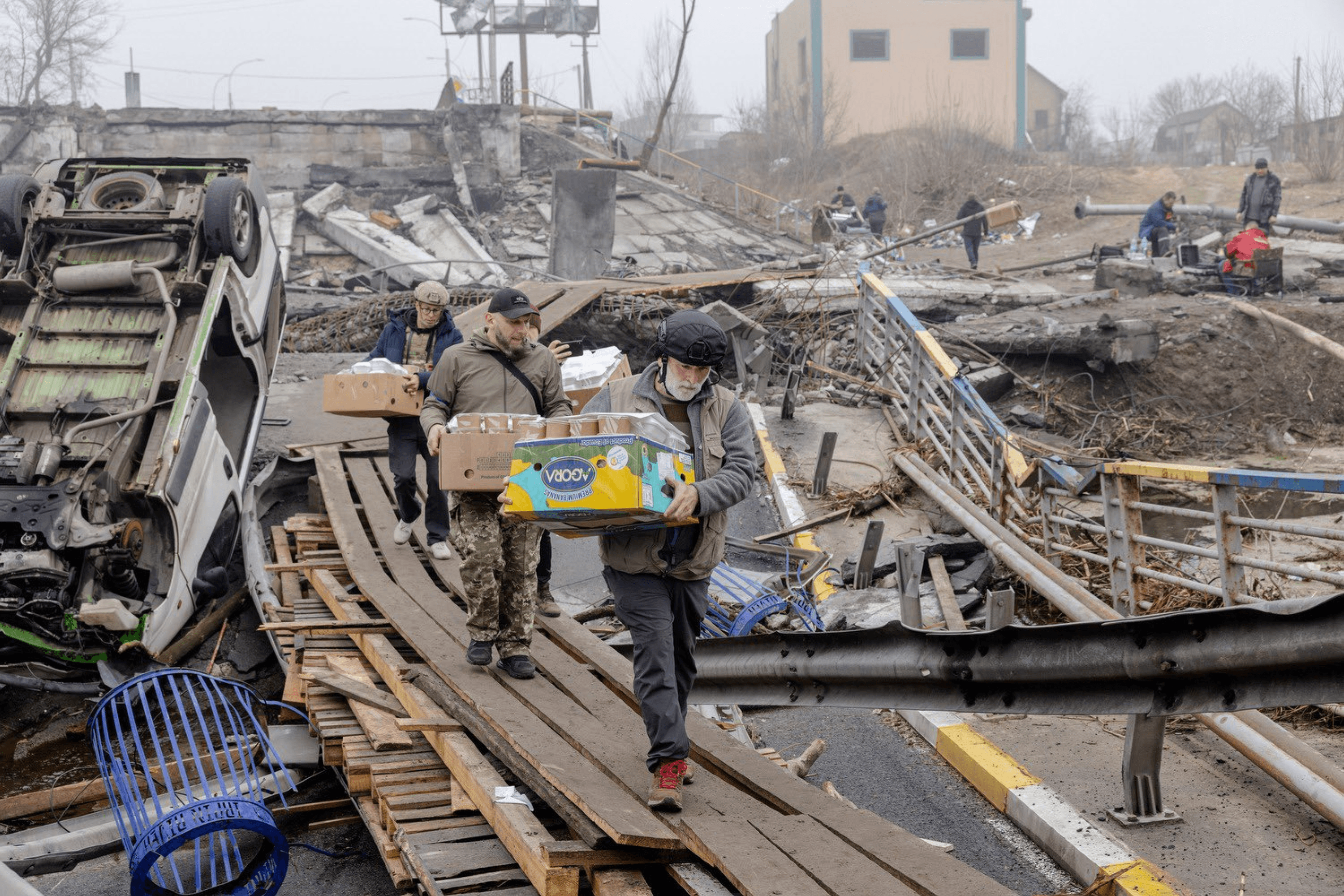
Photo: World Central Kitchen / X 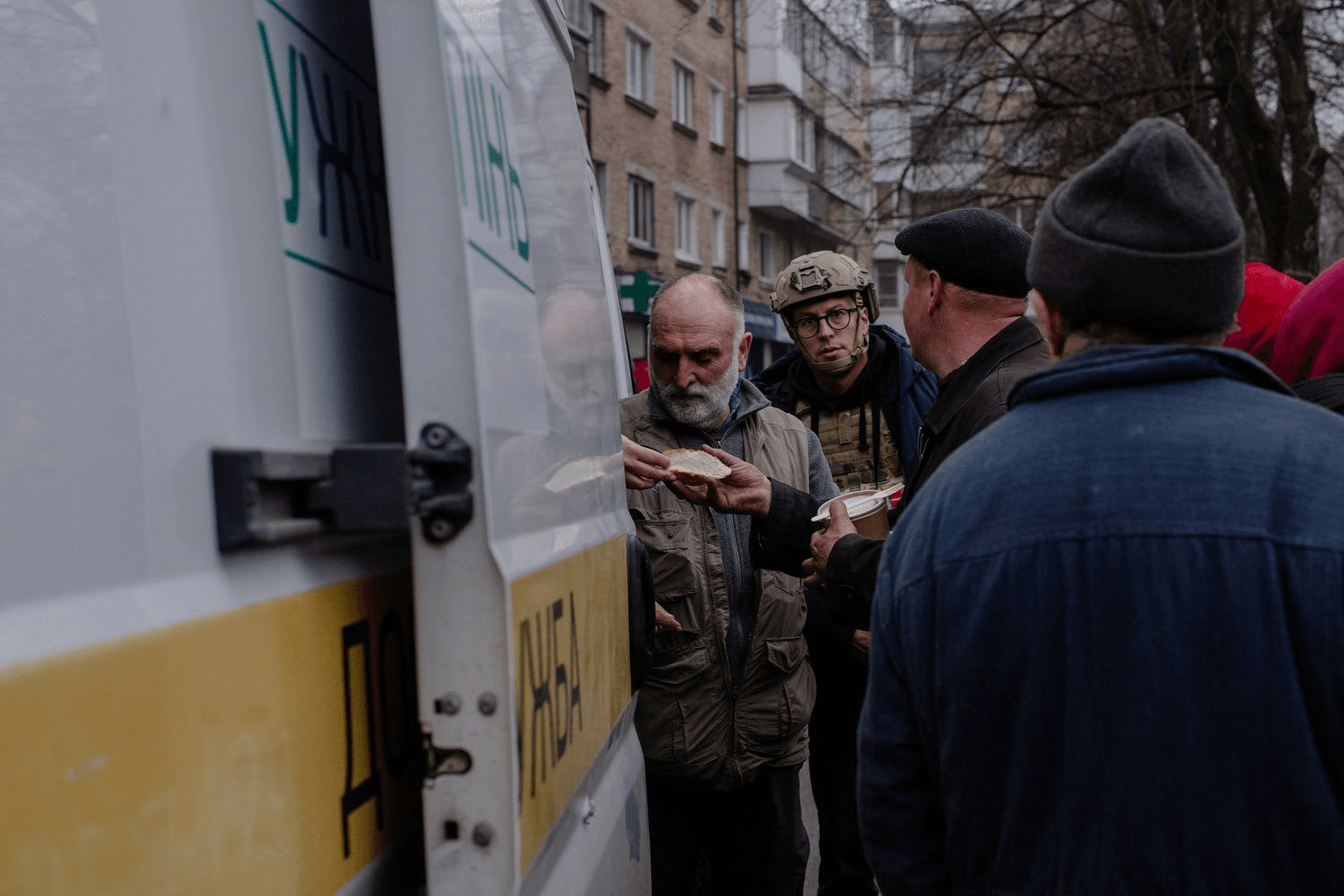
Photo: World Central Kitchen / X
How did you find enough food to prepare so many meals?
It was difficult because Odesa and other ports were blocked, and Russian attacks had destroyed many warehouses in Kyiv and other regions. People abroad helped with food, which was transported by truck from outside Ukraine, including from WCK’s warehouse in Warsaw. We also received aid from foreign companies that supported WCK and Ukrainians. Once, friends of José Andrés sent us a van full of Spanish jamón. We made sandwiches with it, and it seemed incredible. Ukrainian producers helped as well, giving whatever products they had available.
We processed some of the food locally and used it to feed displaced people in Lviv. The rest was sent to Kyiv and other cities in the south, north, and east of the country. In the southern regions, we even created reserves in case of occupation, since Kherson and part of the Zaporizhzhia region were already occupied.
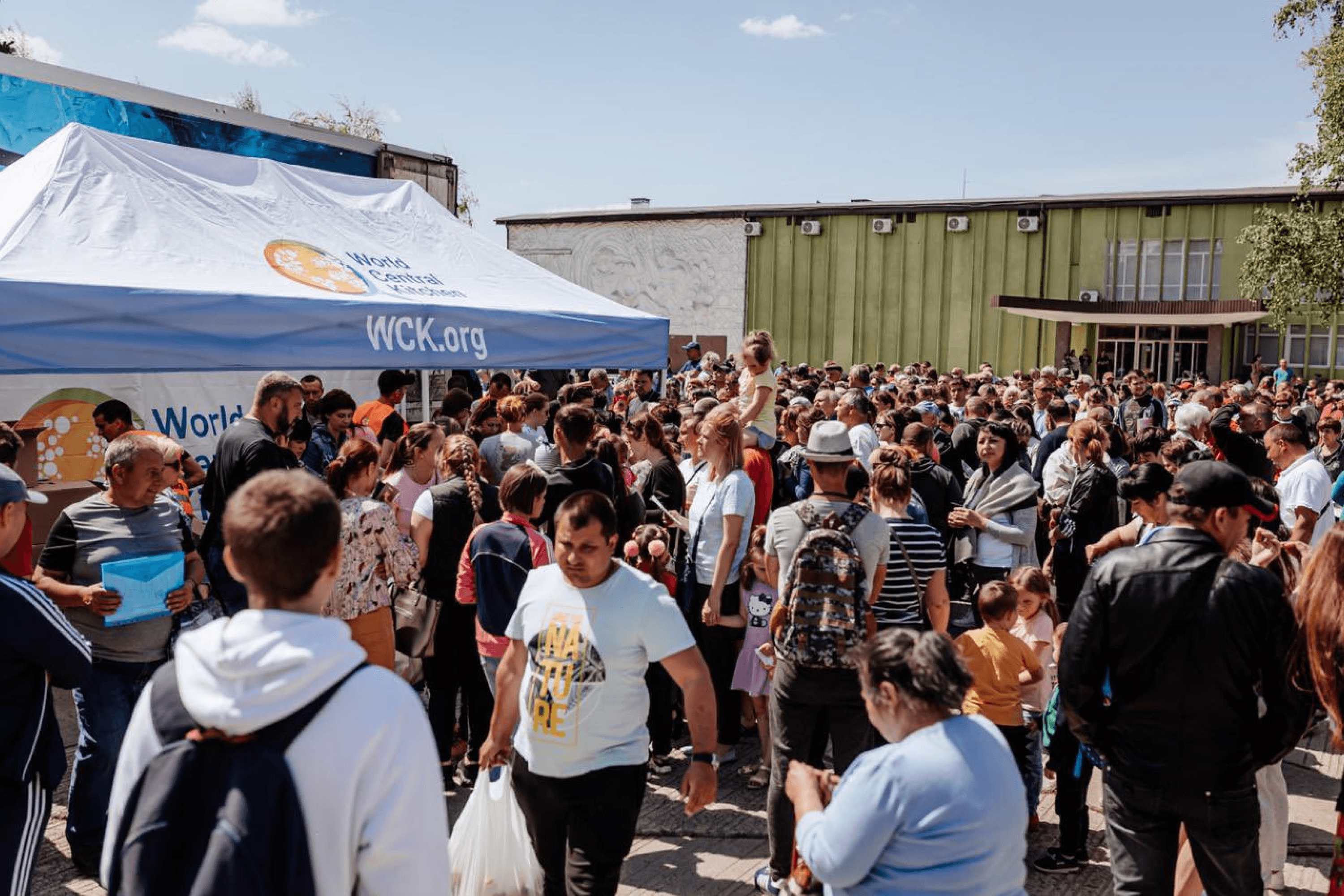
World Central Kitchen distributes food kits to 1,200 families in Mahdalynivka. May 2022. Photo: World Central Kitchen / X 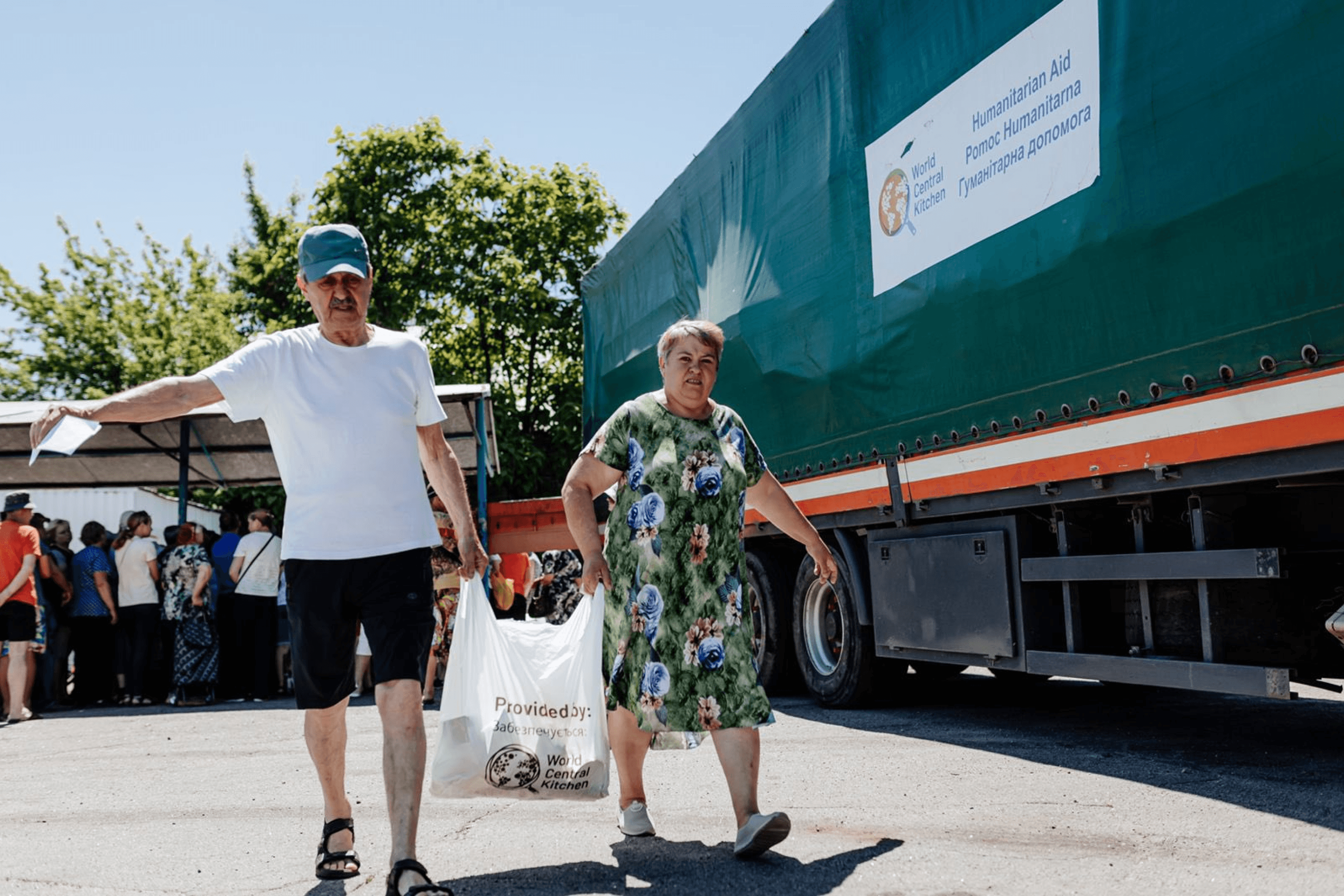
World Central Kitchen delivers 1,350 food kits to eight villages near Dnipro. June 2022. Photo: World Central Kitchen / X 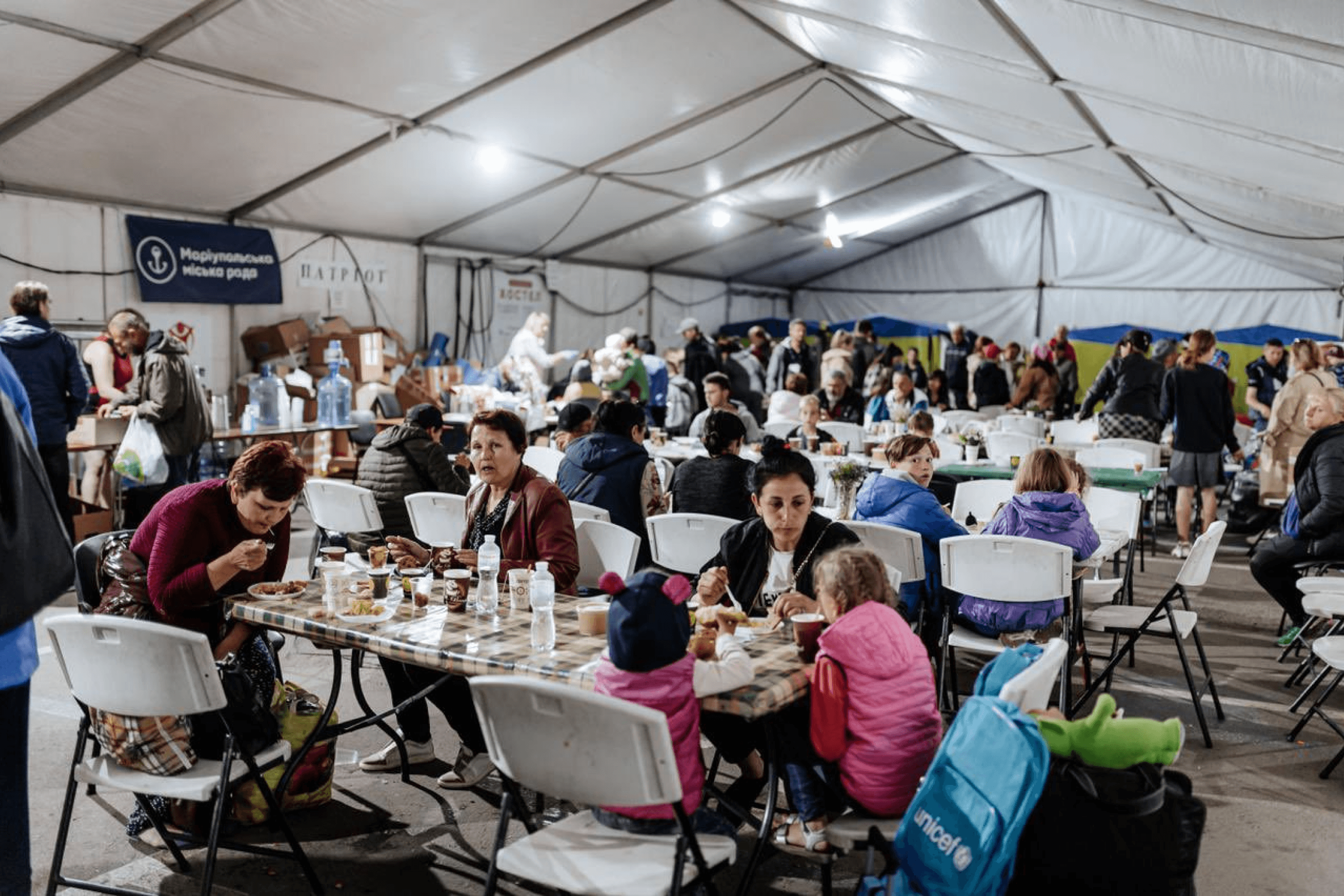
The World Central Kitchen team prepares hot meals for people who fled Mariupol, Kherson, and Berdiansk. May 2022. Photo: World Central Kitchen / X 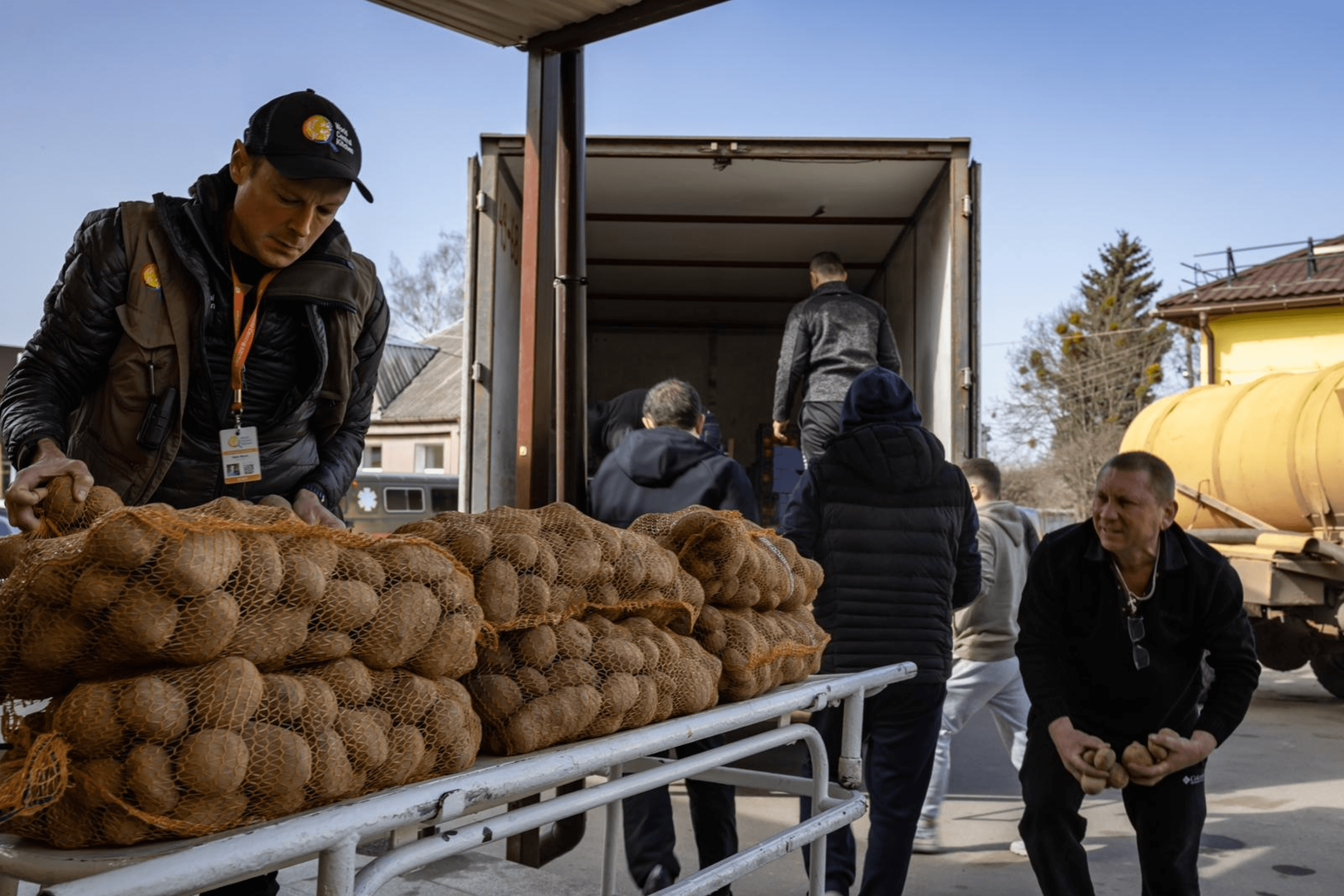
World Central Kitchen delivers food to a hospital in Derhachi, Kharkiv Oblast. April 2022. Photo: World Central Kitchen / X 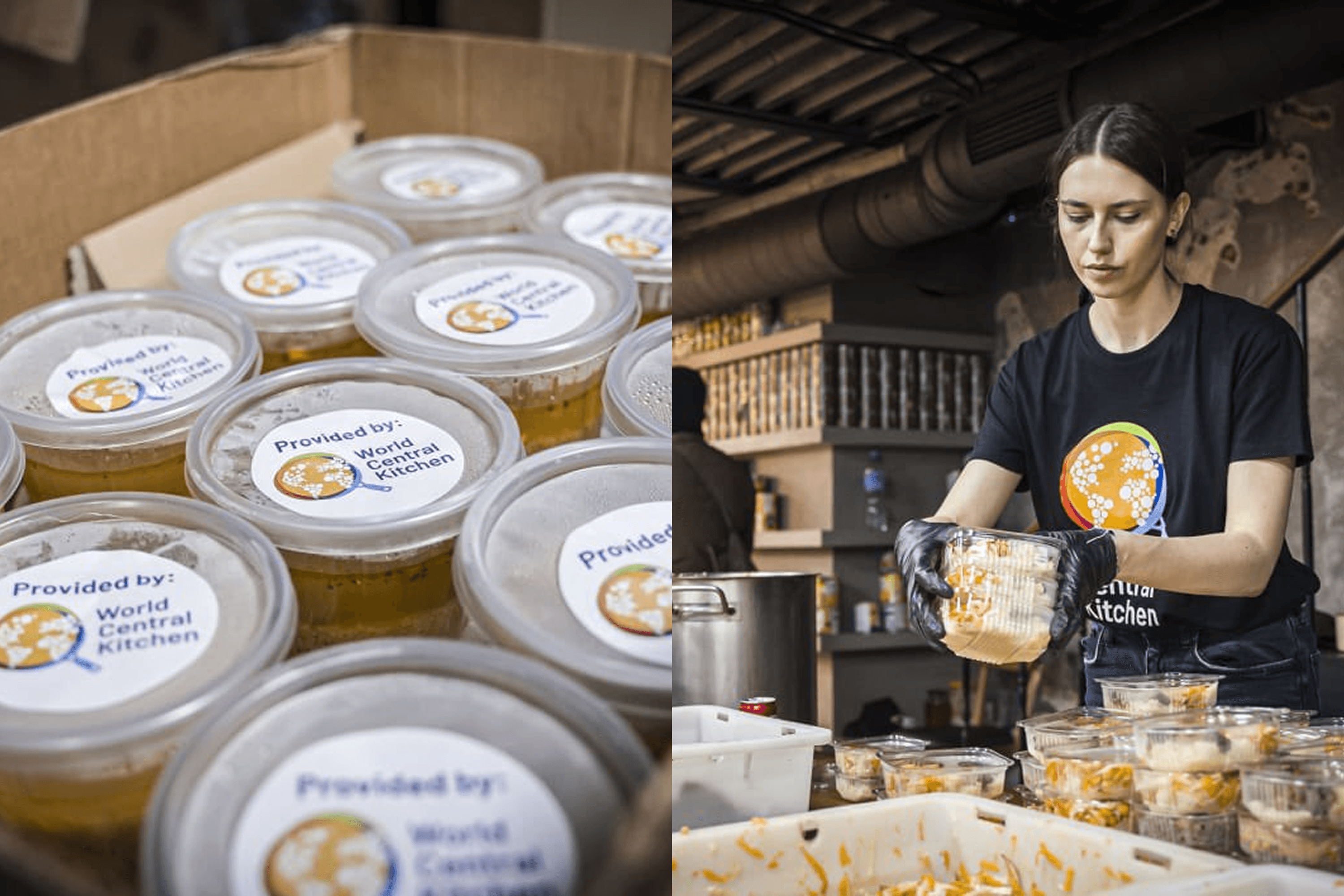
The team at Kyiv’s Match restaurant, a World Central Kitchen partner, prepares more than 1,500 meals daily for people in need. Kyiv, April 2022. Photo: World Central Kitchen / X 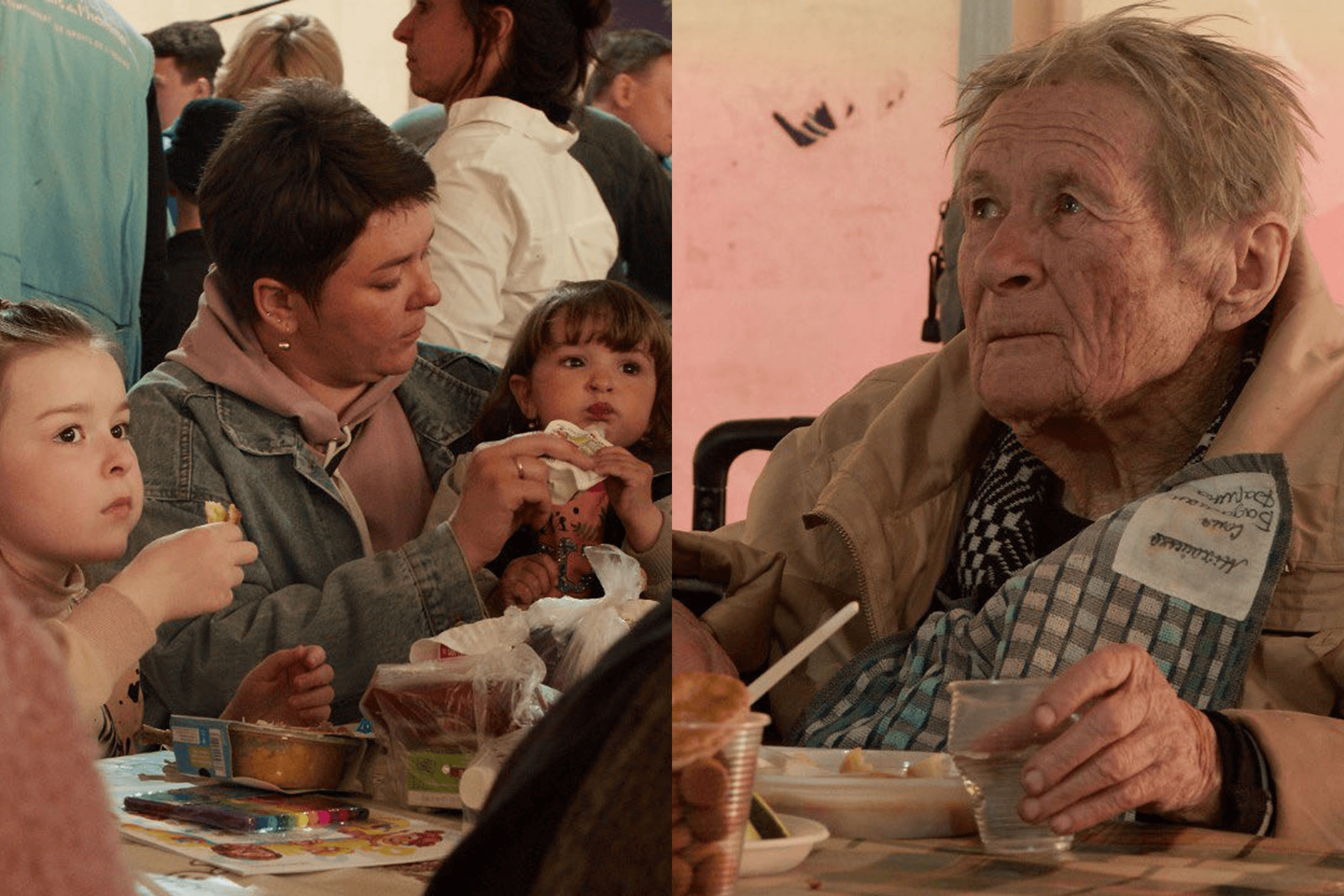
Ukrainians evacuated from the Azovstal steel plant in Mariupol receive food from World Central Kitchen at a reception center in Zaporizhzhia. May 2022. Photo: World Central Kitchen / X
In mid-July, the organization began purchasing food in Ukraine. Supporting Ukrainian producers, farmers, restaurants, and suppliers is a matter of principle for us. WCK pays market prices for products and services, and thanks to this, many people did not lose their jobs in 2022.
How did your work change in the second half of 2022, when the front line stabilized?
We began creating emergency response teams across the country. They quickly deploy to the sites of Russian attacks to provide those affected with hot food and water. At the same time, we opened warehouses near the front line, from which we continue to deliver food kits to frontline communities. Since the end of 2022, supporting frontline areas has been our main focus.
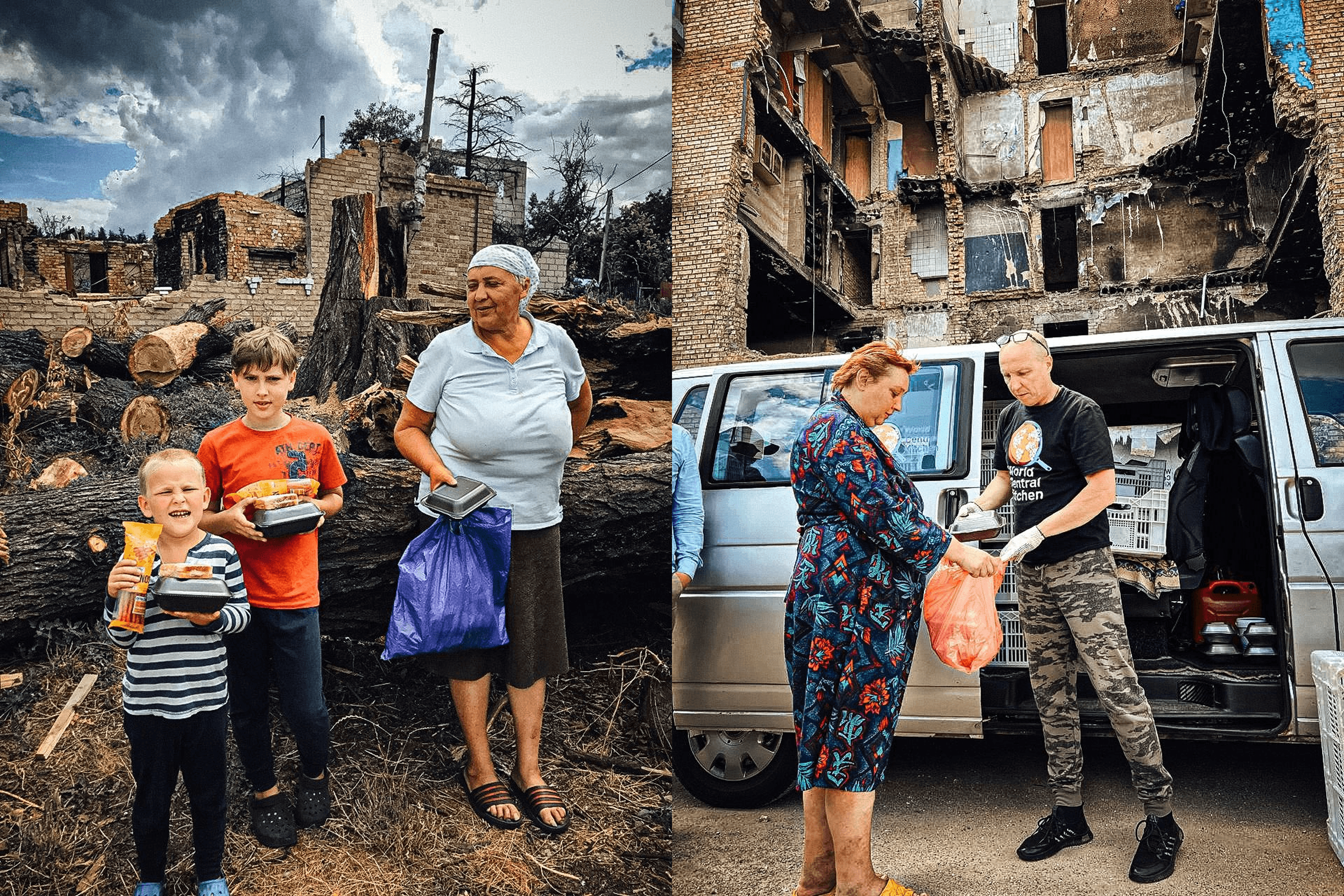
The World Central Kitchen team delivers prepared meals to residents of Horenka, Kyiv Oblast, after the village was liberated from Russian forces. July 2022. Photo: World Central Kitchen / Facebook 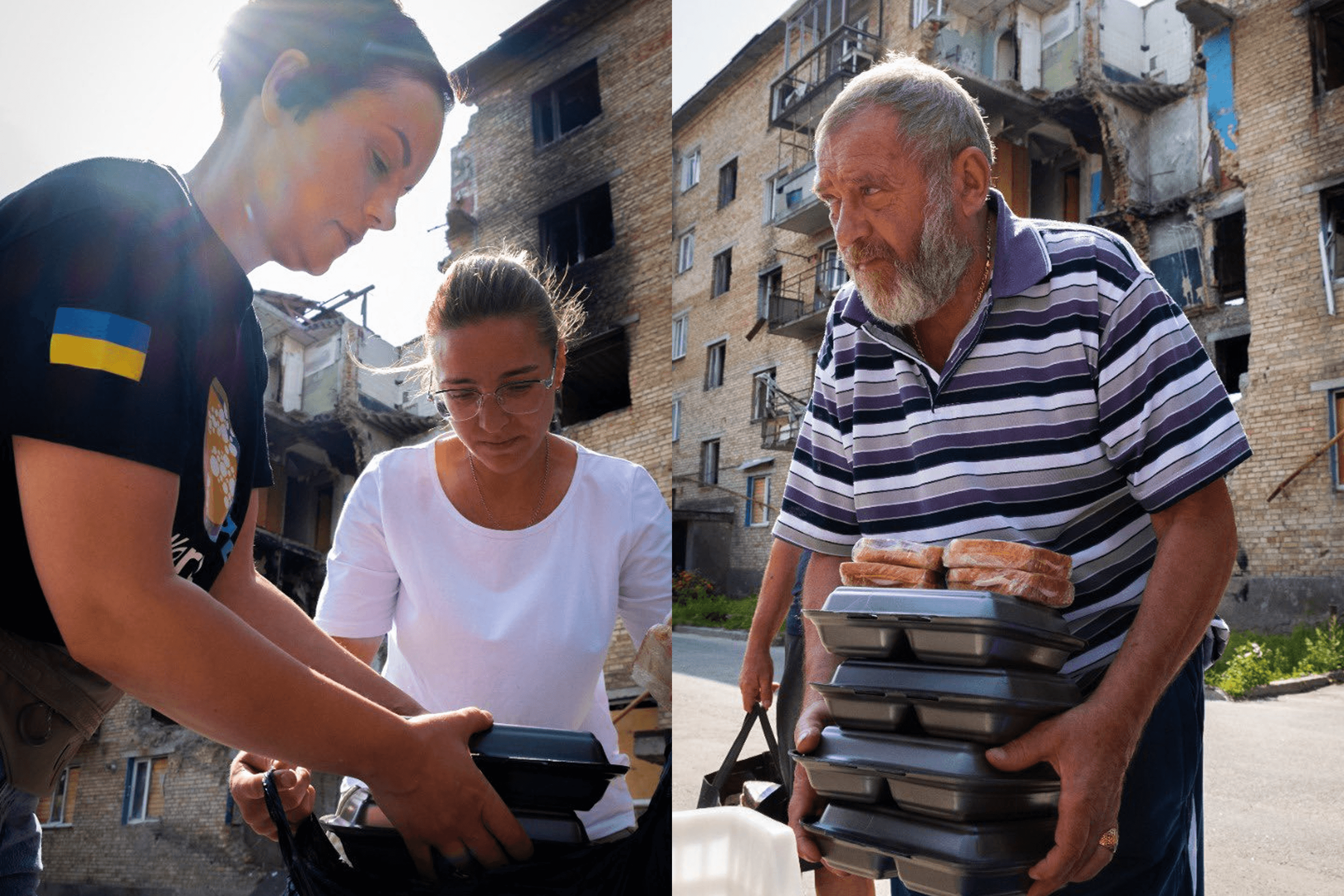
World Central Kitchen distributes 600 prepared meals daily to residents of Horenka, Kyiv Oblast. August 2022. Photo: World Central Kitchen / Facebook 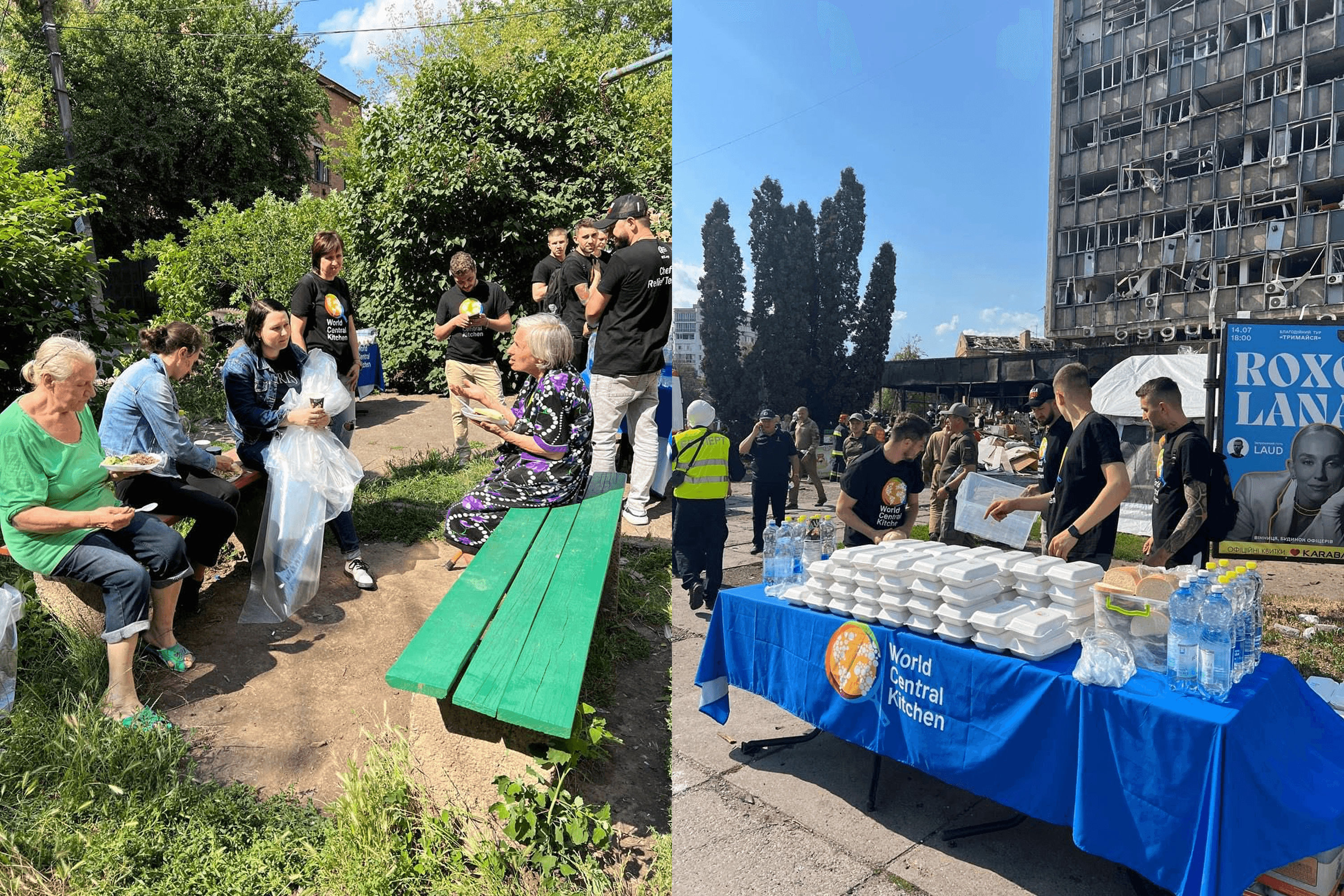
The World Central Kitchen team distributes food in Vinnytsia following a Russian missile strike. July 2022. Photo: World Central Kitchen / Facebook 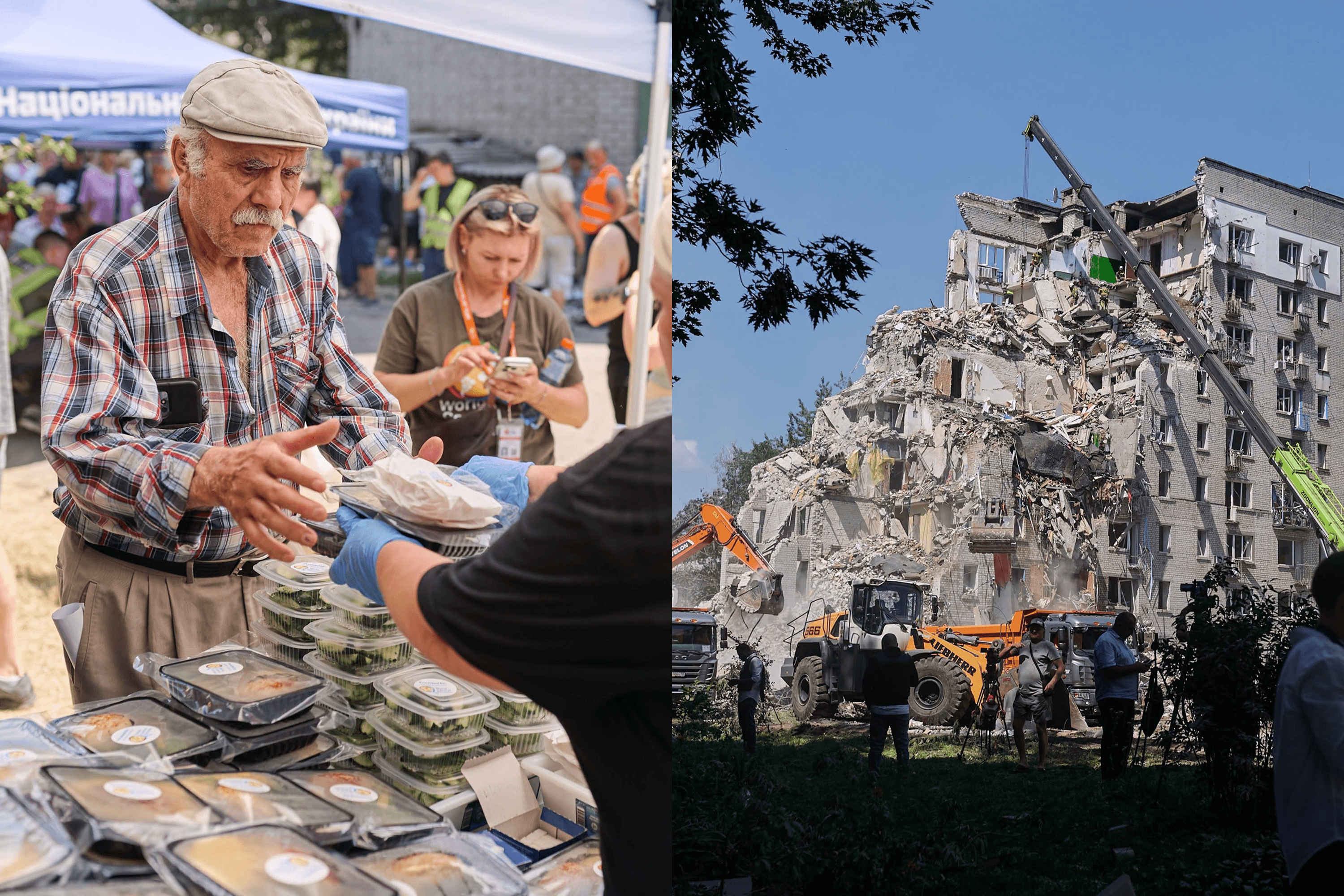
World Central Kitchen distributes hot meals to Kyiv residents and emergency responders following a massive Russian attack. July 2, 2026. Photo: World Central Kitchen / Facebook
When it became clear that the war would last a long time, did you change your approach?
We realized that, in addition to emergency aid, long-term projects were needed. So in 2023, we launched the Seeds of Victory program. We began distributing seed kits in frontline and de-occupied communities so that people could provide at least some food for themselves. This year, we started handing out small greenhouses. We also give families in these communities laying hens and a three-month supply of feed.
We help farmers as well. For example, for the past two years, we have been supplying a community in the Sumy region with seeds and fertilizers for growing vegetables. We gave a family from a de-occupied part of the Mykolaiv region more than 900 fruit tree seedlings. Russian forces had destroyed the orchard where they grew fruit for sale.
This summer, we began working on restoring vineyards. We are supporting several displaced families from the Kherson region who used to grow grapes for sale at home. We gave them grapevine seedlings and materials so they could rebuild their farms in a new place.
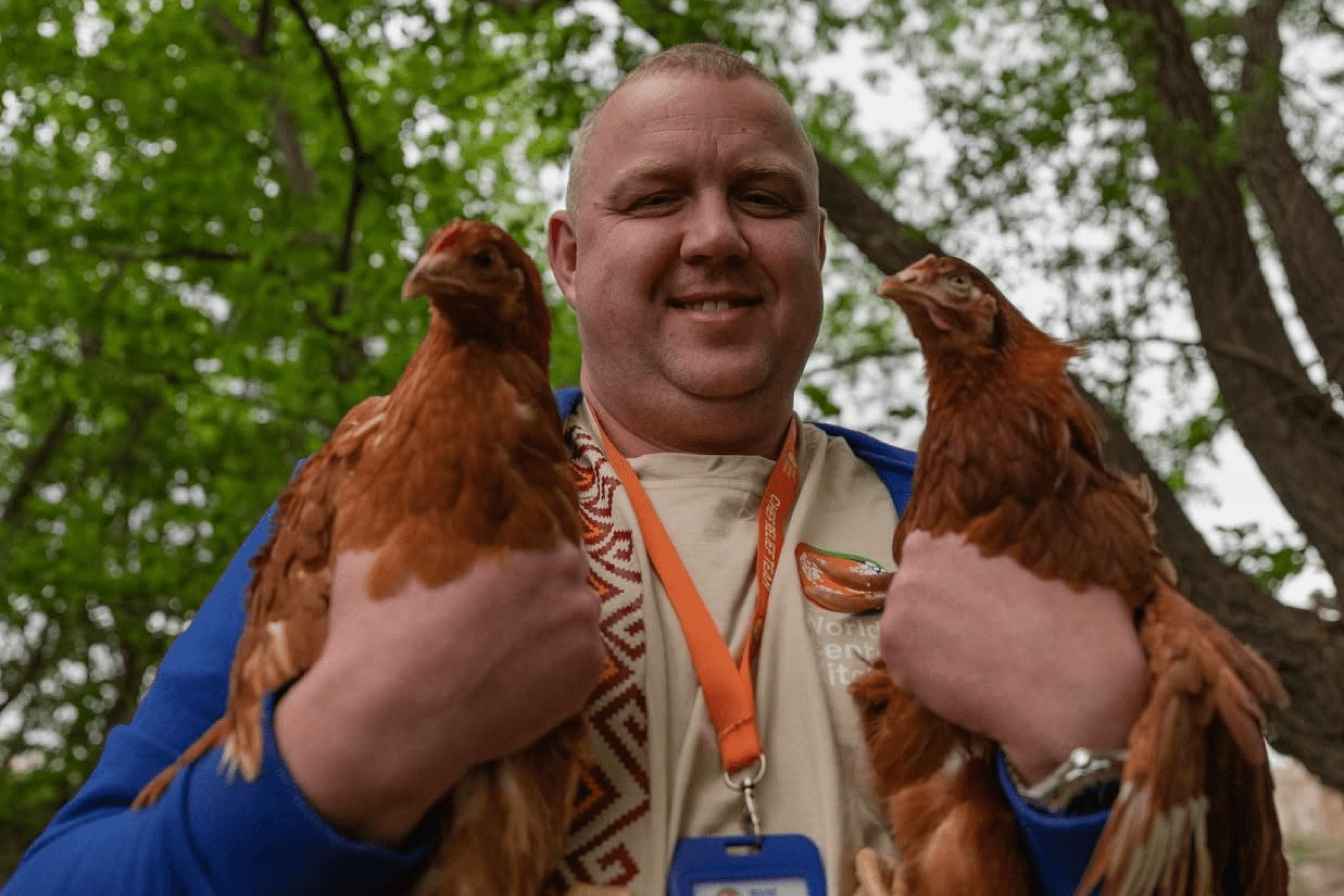
The World Central Kitchen team provides chickens, feed, and essential supplies to families in frontline areas of Donetsk Oblast. May 2025. Photo: World Central Kitchen / Facebook 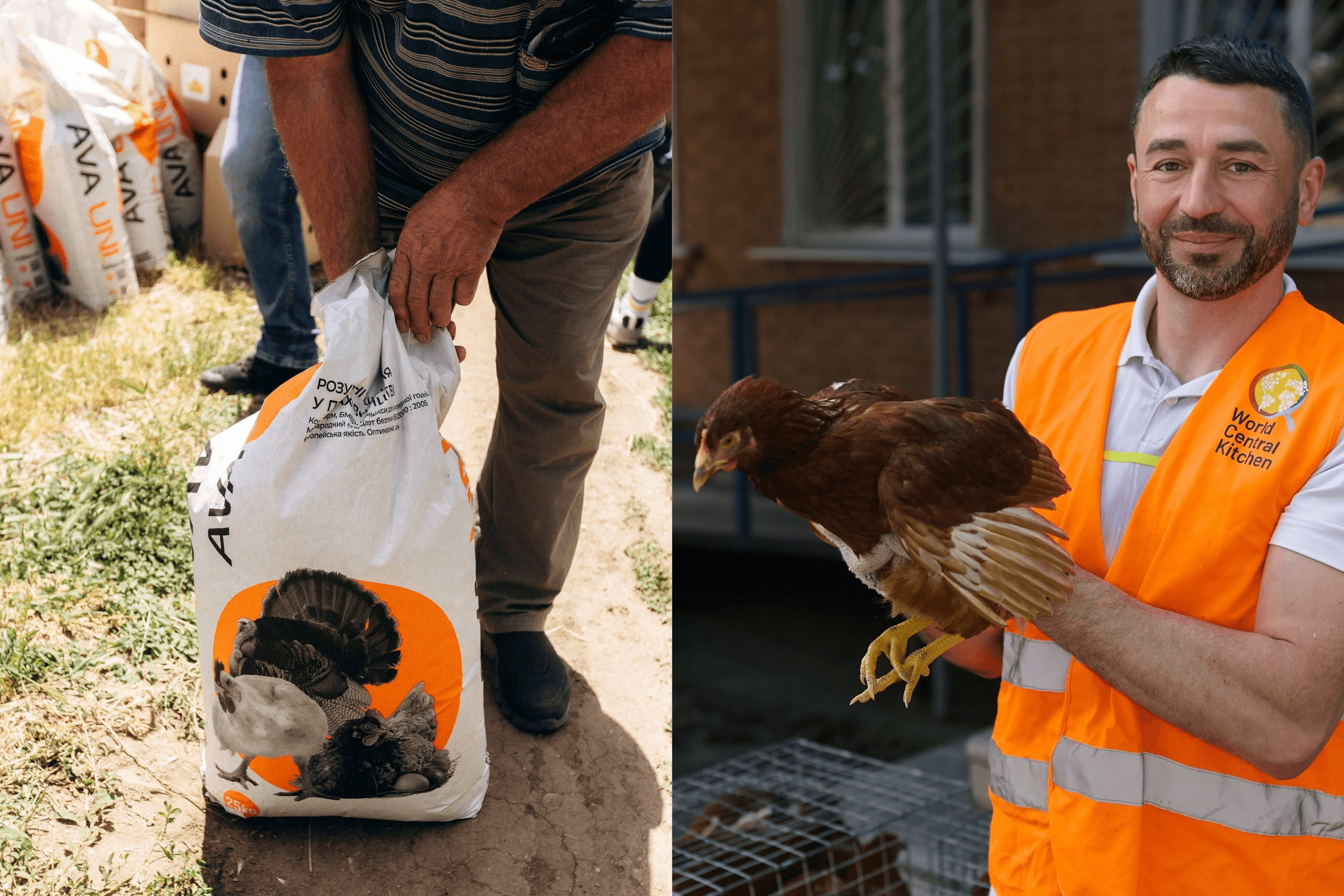
The World Central Kitchen team distributes kits containing chickens, feed, and waterers to families for their households. June 2026. Photo: World Central Kitchen / Facebook 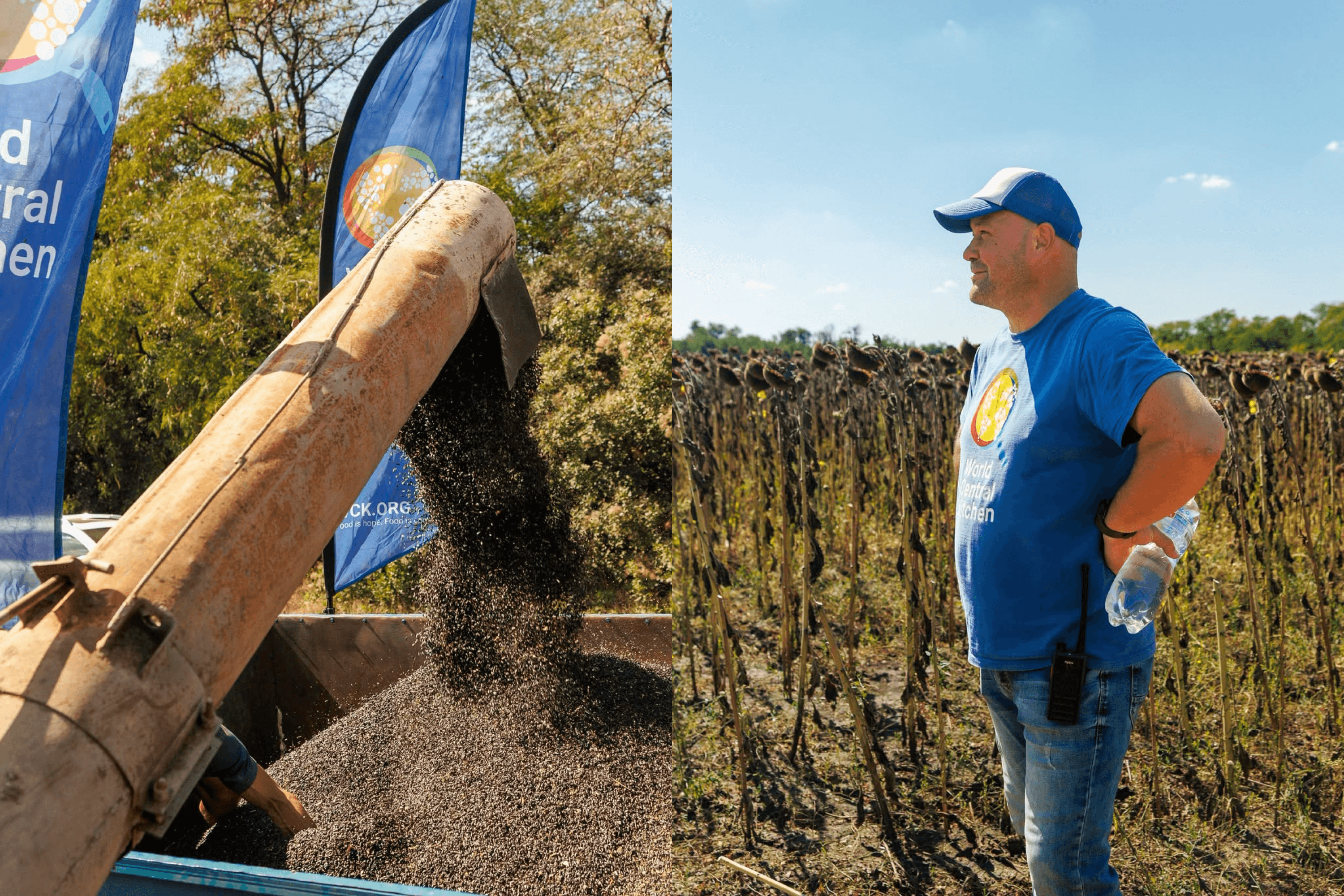
World Central Kitchen helps farmer Ivan in southern Ukraine grow and harvest sunflowers on 11 hectares of land. 2026. Photo: World Central Kitchen / Facebook 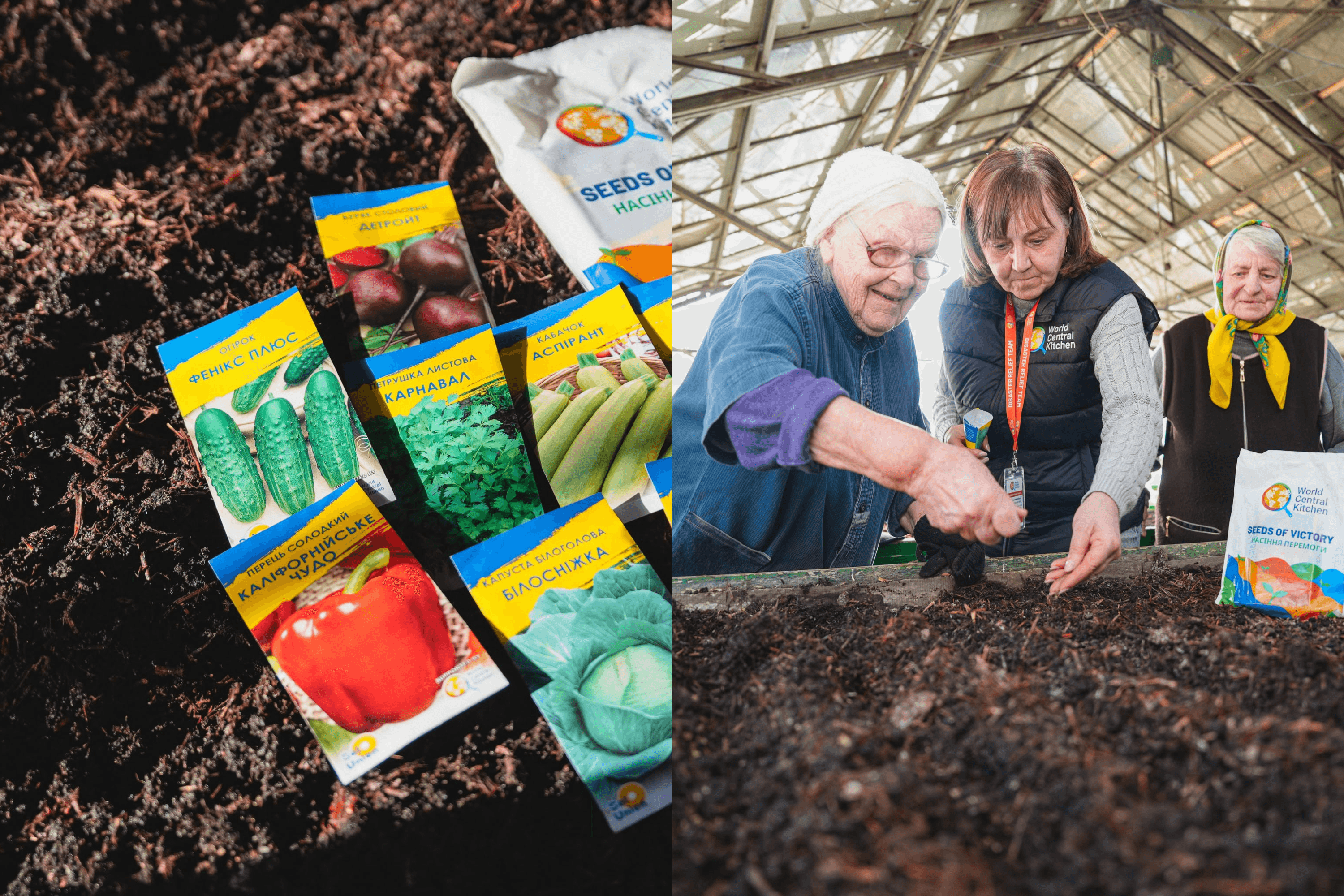
Adele, 95, who was evacuated from Zaporizhzhia to Khmelnytskyi, plants seeds from a World Central Kitchen kit in the greenhouse at the facility where she lives. June 2026. Photo: World Central Kitchen / Facebook 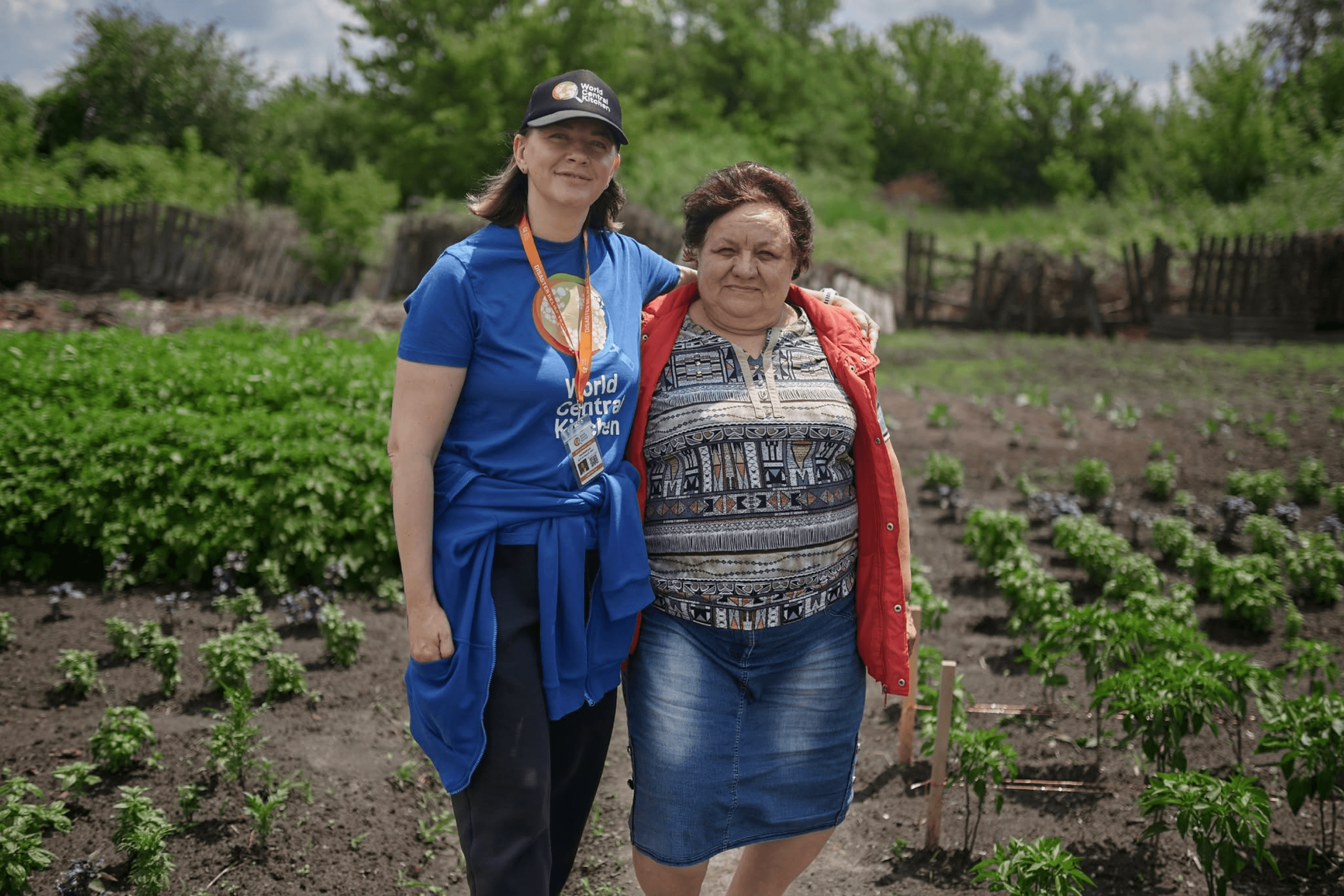
Halyna, a resident of Studenok, grows vegetables and herbs from seeds provided by World Central Kitchen. July 2025. Photo: World Central Kitchen / Facebook 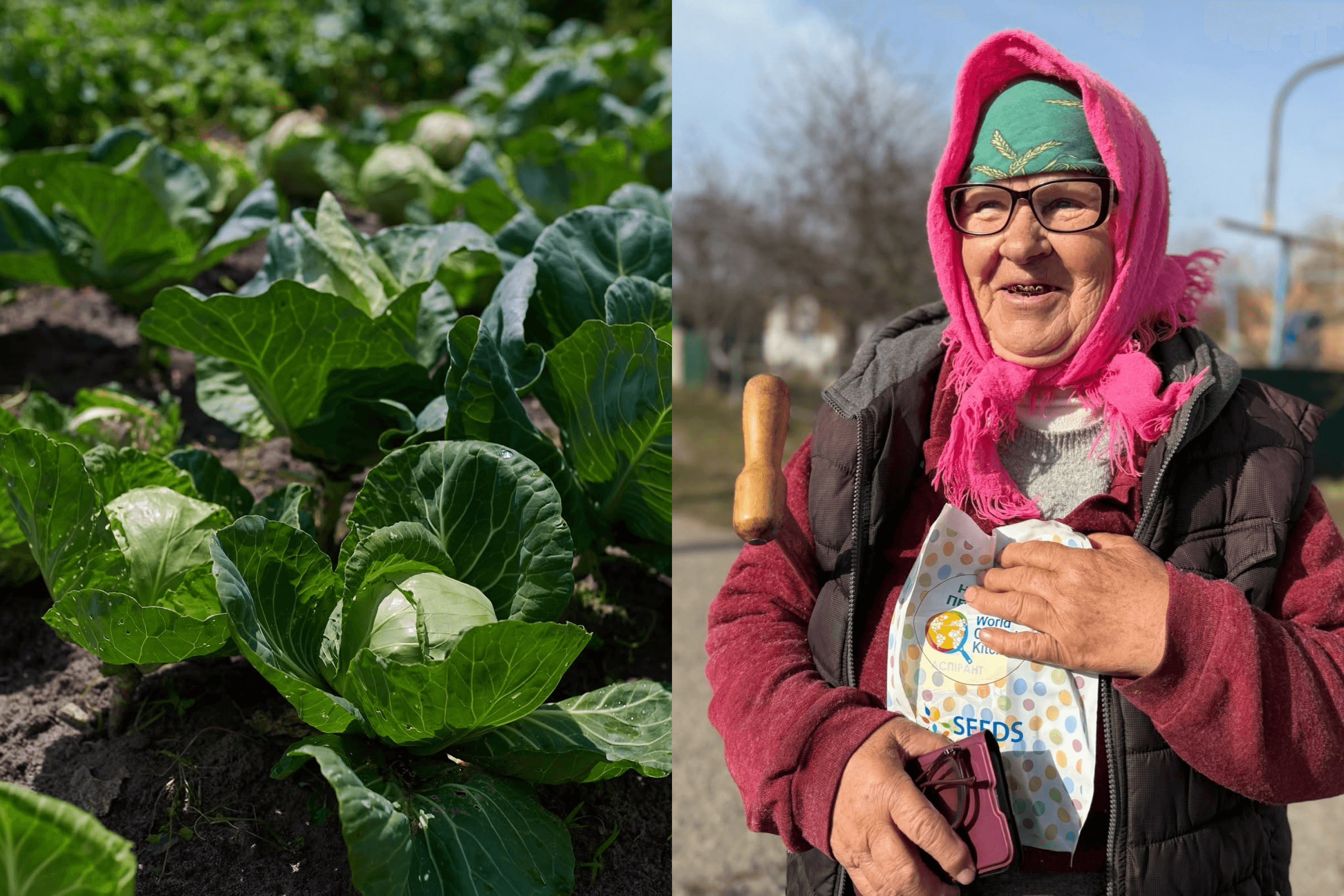
World Central Kitchen distributes 50,000 seed kits across war-affected agricultural regions of Ukraine. March 2025. Photo: World Central Kitchen / Facebook
In addition, we continue to prepare hot meals for shelters and evacuation centers and deliver food and vegetable kits to frontline communities.
How close to the front line can you work now?
Until 2025, we could get within 10 to 15 kilometers of the front line. Now, because of the growing number of drones, that distance has increased to 30 to 35 kilometers.
The situation changes every day. For example, we still deliver food kits to Kherson, but we had to stop supplying hot meals because of heavy shelling. The situation is similar in Kramatorsk now.
While working in these regions, we developed a ready-to-eat Survival Kit. The meals, enough for seven days, are packaged in retort pouches. We adapted the recipes to the needs of civilians so that we can come once a week and leave them with a supply of food. We bring ready-made Ukrainian dishes, including potatoes with chicken, wheat, rice, buckwheat, and pearl barley porridges with meat, and soups.
How do you decide where you can still help, and where it has become too dangerous?
We constantly assess the risks. We reduce the amount of time people spend at warehouses, limit the number of staff, and change transportation routes. In particularly dangerous areas, such as the road from Izium to Sloviansk and Kramatorsk, we adapt our logistics every day.
Communities often help us. If we cannot safely enter a settlement, we hand the food shipment over to local people 30 to 35 kilometers from the dangerous area. They take it farther and distribute it to people there.
Unfortunately, sometimes we have to halt support precisely because of safety concerns. It is painful to see cities we helped after their de-occupation in 2022 come under threat again.
How do you decide where to open new humanitarian hubs and where, on the contrary, to scale back operations?
We are guided by needs. For example, when evacuations from the Donetsk region intensify, we open new support points in the cities where people are relocating. If these are small, remote towns, we think about how to optimize food deliveries. For example, we may bring several months' worth of supplies at once. We’re now planning with Ukrposhta to distribute food kits through its branches.
Last winter was difficult. Severe frosts lasted a long time, there were power outages, and there was no heating. What was your work like during that period?
The situation was particularly critical in Kyiv and Odesa, so we supplied people there with hot meals. For example, in Kyiv, we ran 54 distribution points, delivering and distributing up to 6,000 portions every day. During attacks, we worked together with emergency services. They told us where a strike had occurred, approximately how long it would take to clear the rubble, and what kind of assistance was needed. We quickly brought hot soups and sandwiches to those locations. During the winter, we also handed out portable stoves to people whose homes had been left without electricity or gas.
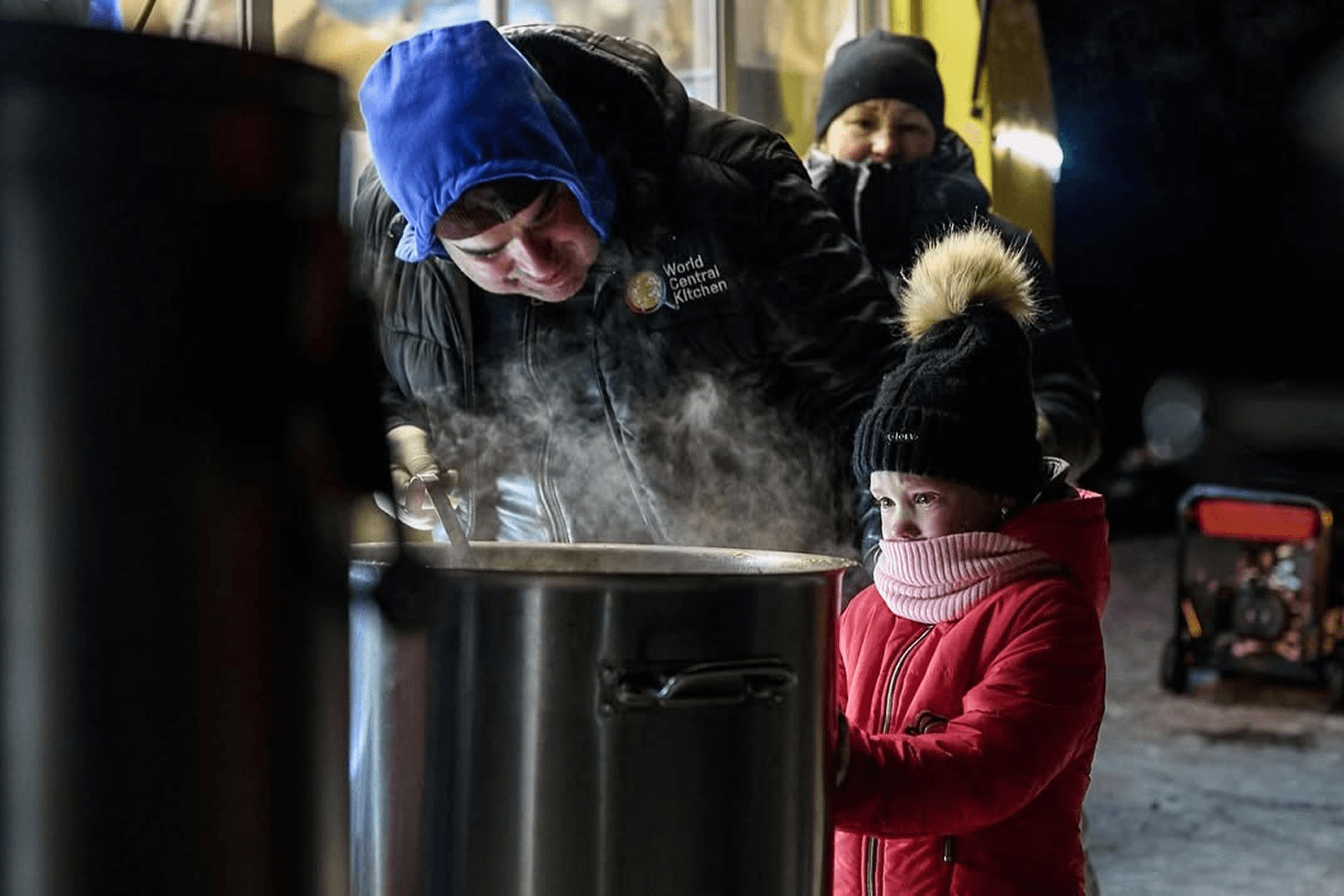
The World Central Kitchen team distributes hot meals to Kyiv residents during winter power outages. January 2026. Photo: World Central Kitchen / Facebook 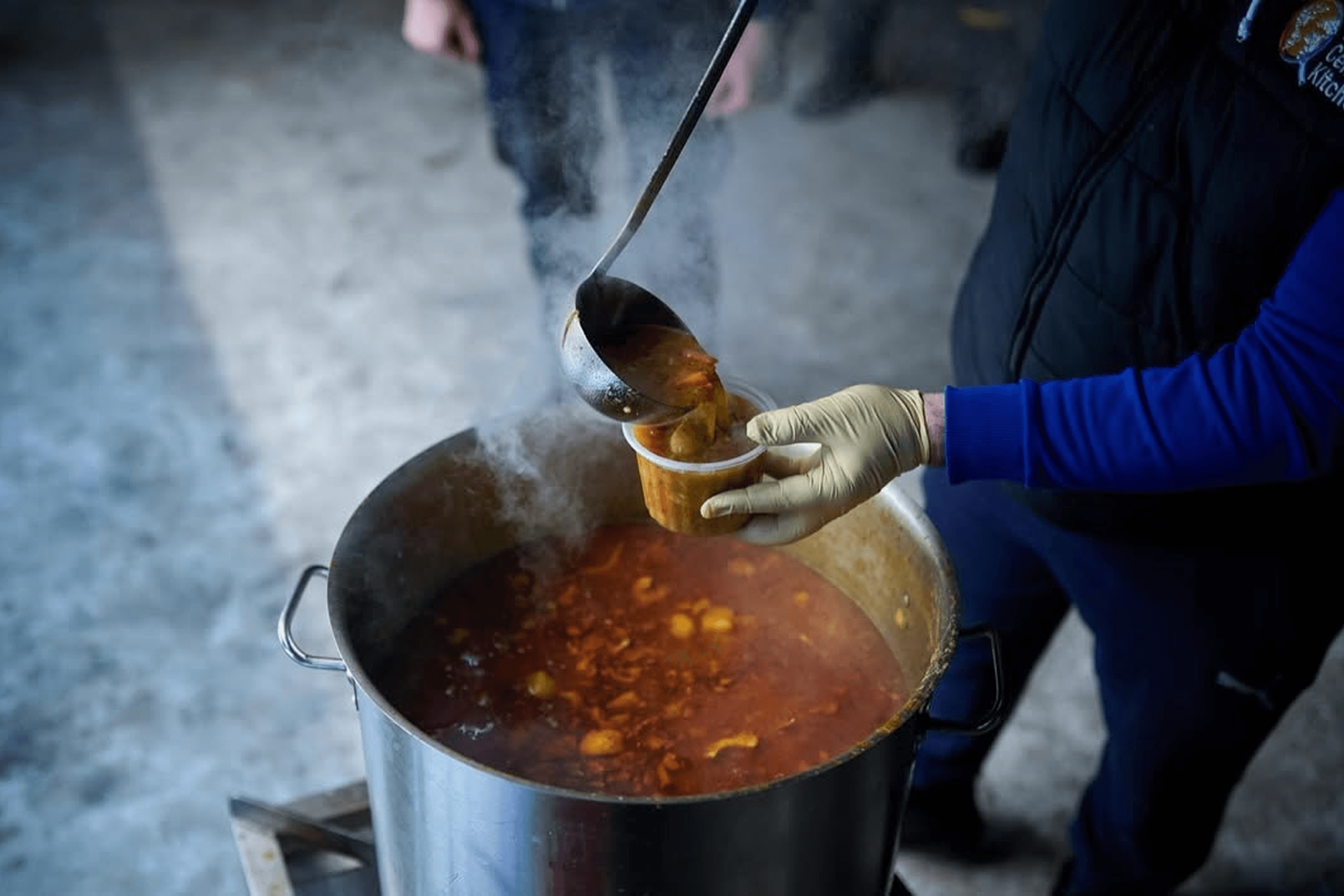
Photo: World Central Kitchen / Facebook 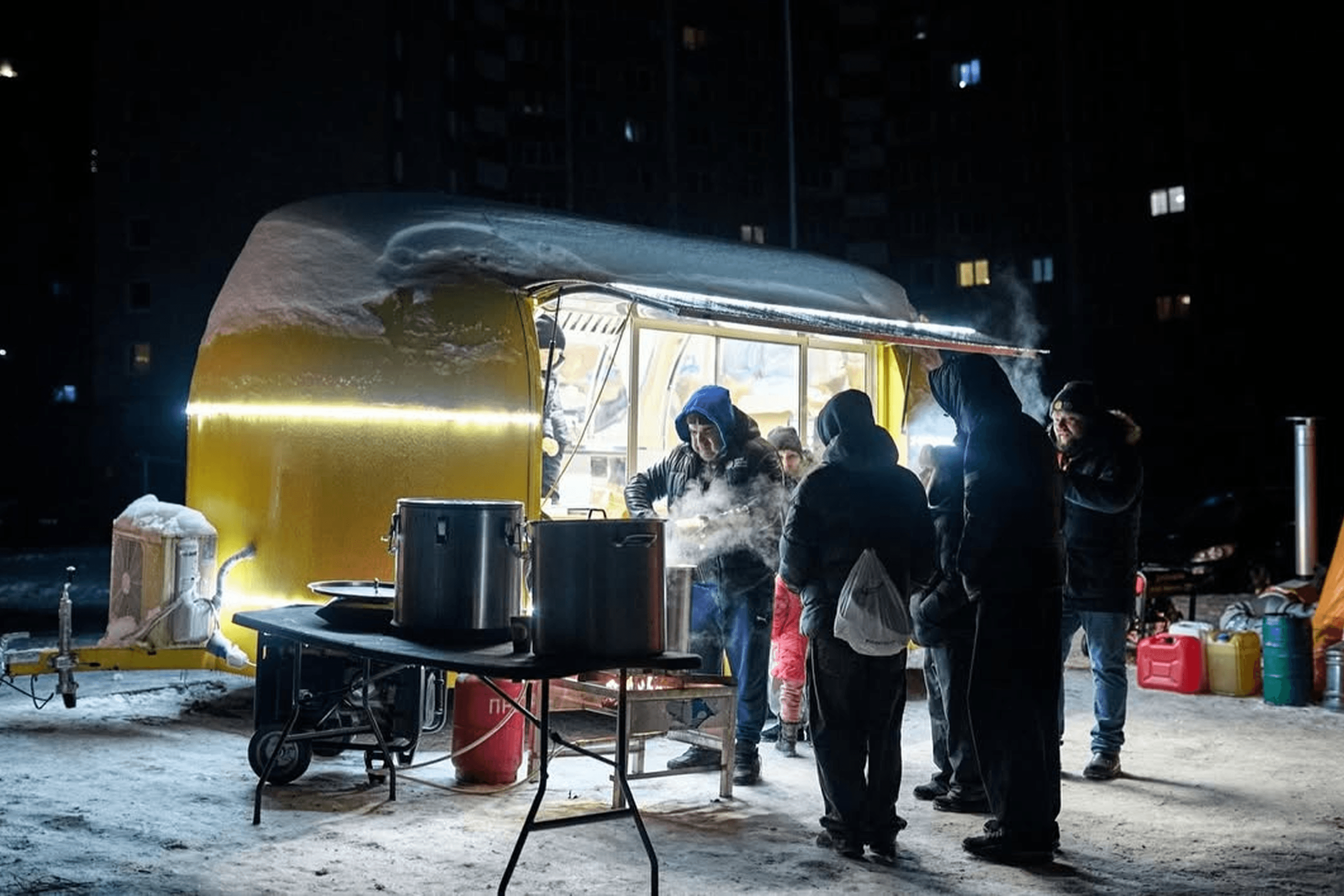
Photo: World Central Kitchen / Facebook
Russian forces now frequently attack the railway, and passenger trains can be delayed for several hours. Do you cooperate with Ukrzaliznytsia?
Because of Russian attacks, trains can be delayed for five, six, or even eight hours, so we began serving passengers hot meals. Trains may stop and remain in the middle of a field or at railway stations. We established partnerships with restaurants near the stations where this happens most often.
When train delays can be predicted, for example, after a strike, Ukrzaliznytsia gives us the train numbers, the number of passengers and crew members, and the stations where the trains may stop. Then we act according to the situation. If a train is expected to arrive at a station in a few hours, a partner restaurant prepares hot meals. If there is little time, we distribute the UZ Meal Kit to passengers and crew. It is a quick meal kit for people on the road. It contains dehydrated food, an energy bar, juice for children, cookies, and other products that can help people get through several hours.
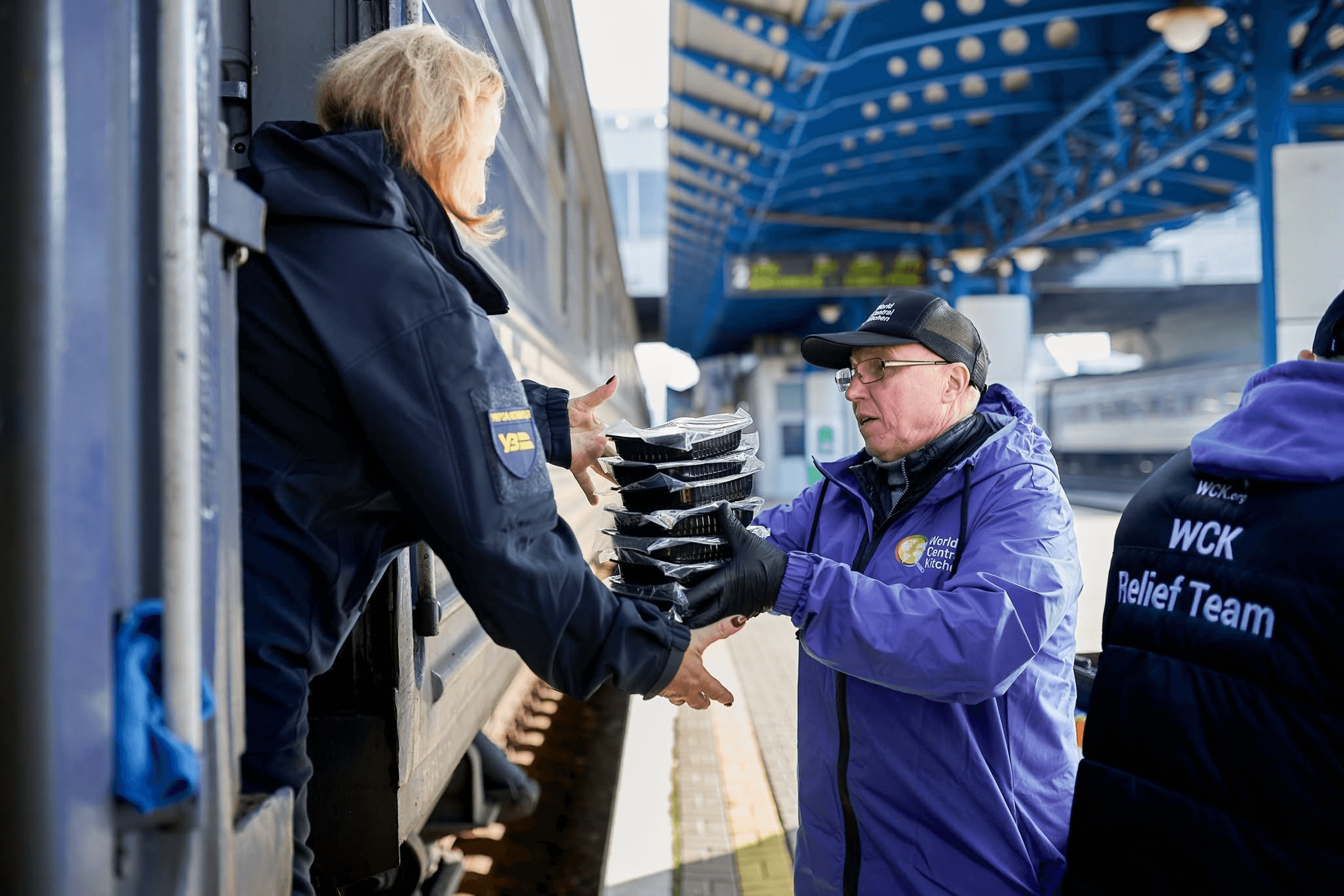
The World Central Kitchen team provides food to Ukrzaliznytsia employees and passengers following attacks on railway infrastructure. December 2025. Photo: World Central Kitchen / Facebook 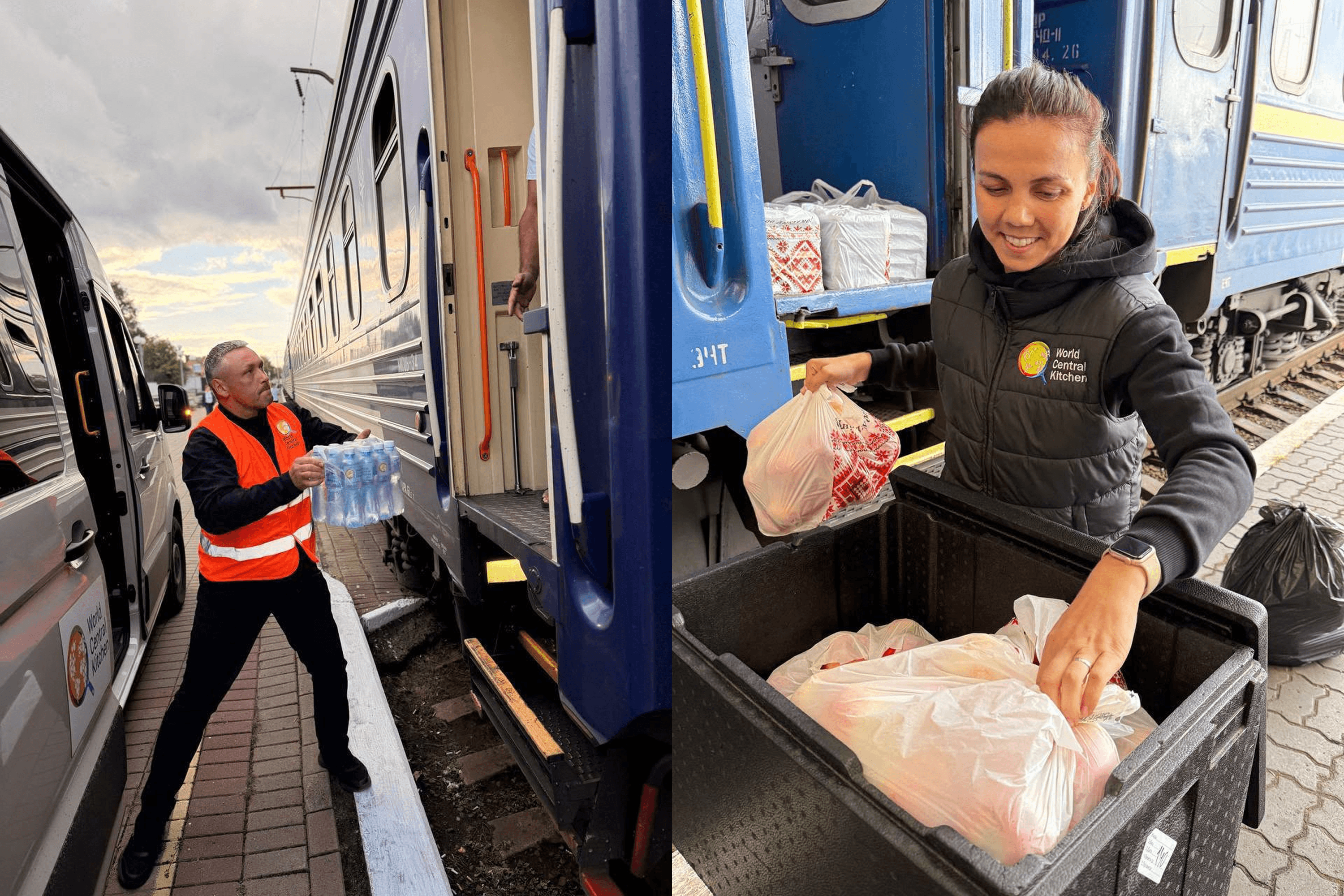
The World Central Kitchen team provides food and water to Ukrzaliznytsia passengers and employees during train delays caused by Russian attacks. Photo: World Central Kitchen / Facebook 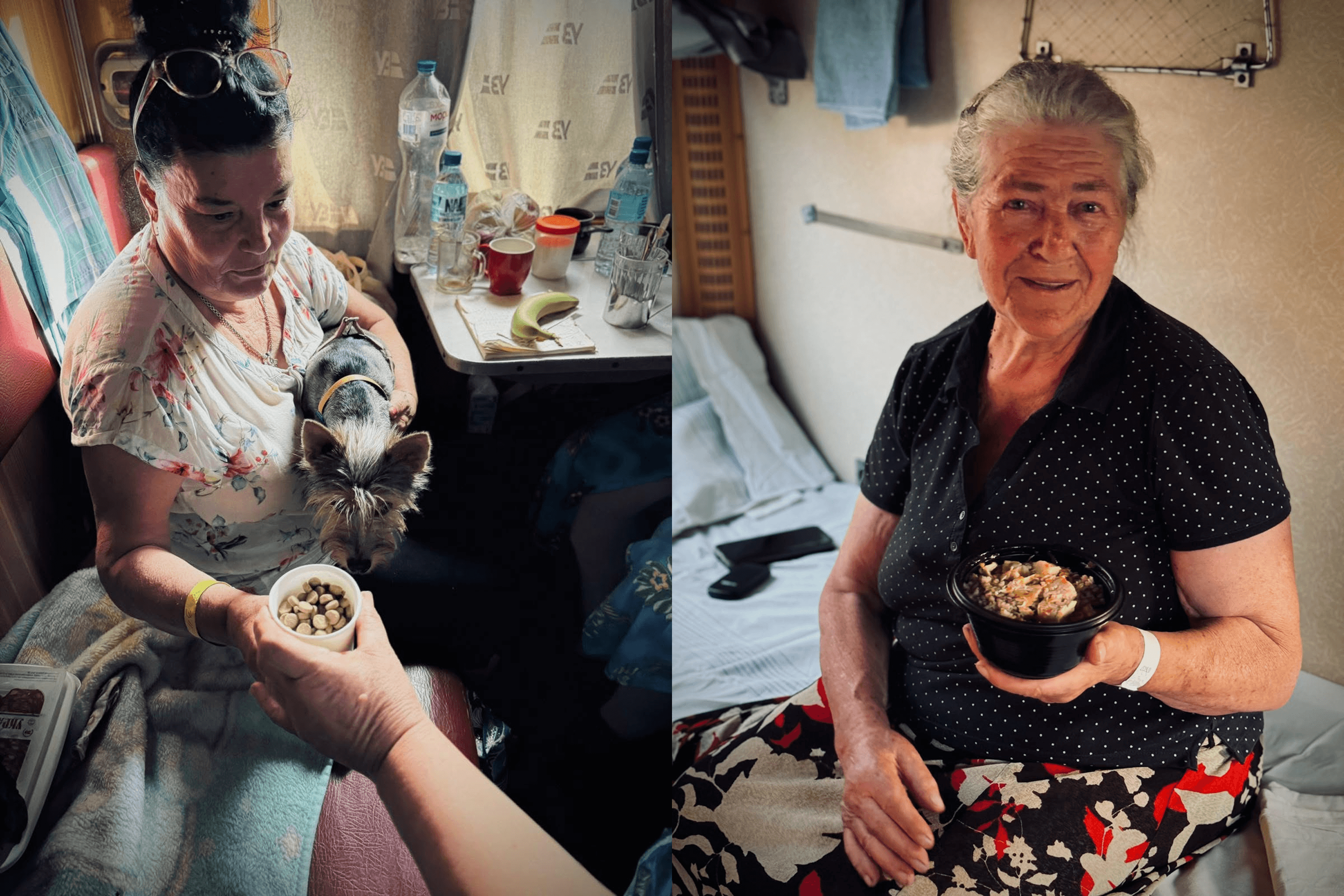
World Central Kitchen provides meals to passengers on Ukrzaliznytsia evacuation trains. August 2024. Photo: Укрзалізниця - Ukrzaliznytsia / Facebook
Who currently funds World Central Kitchen’s mission in Ukraine: private foundations, corporations, or governments? Did the closure of USAID in 2025 affect your work?
It did not affect us because we are funded by private donors abroad. Many of them make monthly donations starting at $10. Of course, compared with 2022, the level of support for Ukraine has changed, but we adapt the scale and format of our assistance to the situation.
What are the results of WCK’s mission in Ukraine in numbers?
We do not evaluate our work by numbers alone. Just yesterday we were able to feed a thousand people in Druzhkivka, but today that’s impossible because of the security situation. We currently distribute around 20,000 food kits across Ukraine every week, but that number is not constant either. In some places, the need increases, while in others it decreases.
The total amount of aid we have delivered over more than four years of work is now approaching 300 million portions. But this is a notional figure: we convert into portion-equivalents not just hot meals but all other types of aid.
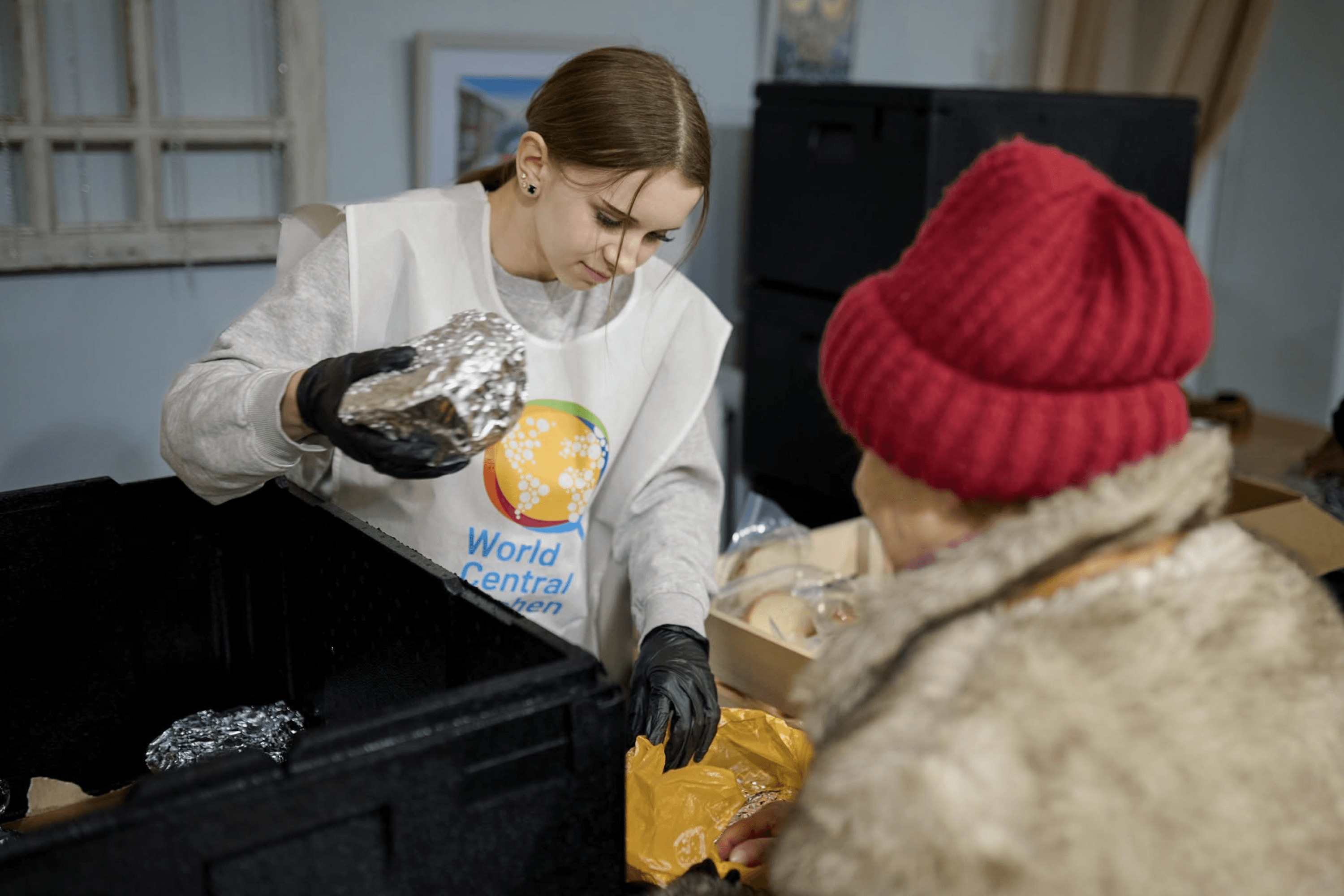
Anastasiia, 16, from Irpin volunteers with the World Central Kitchen team helping families in Kyiv during freezing temperatures and power outages. Photo: World Central Kitchen / Facebook 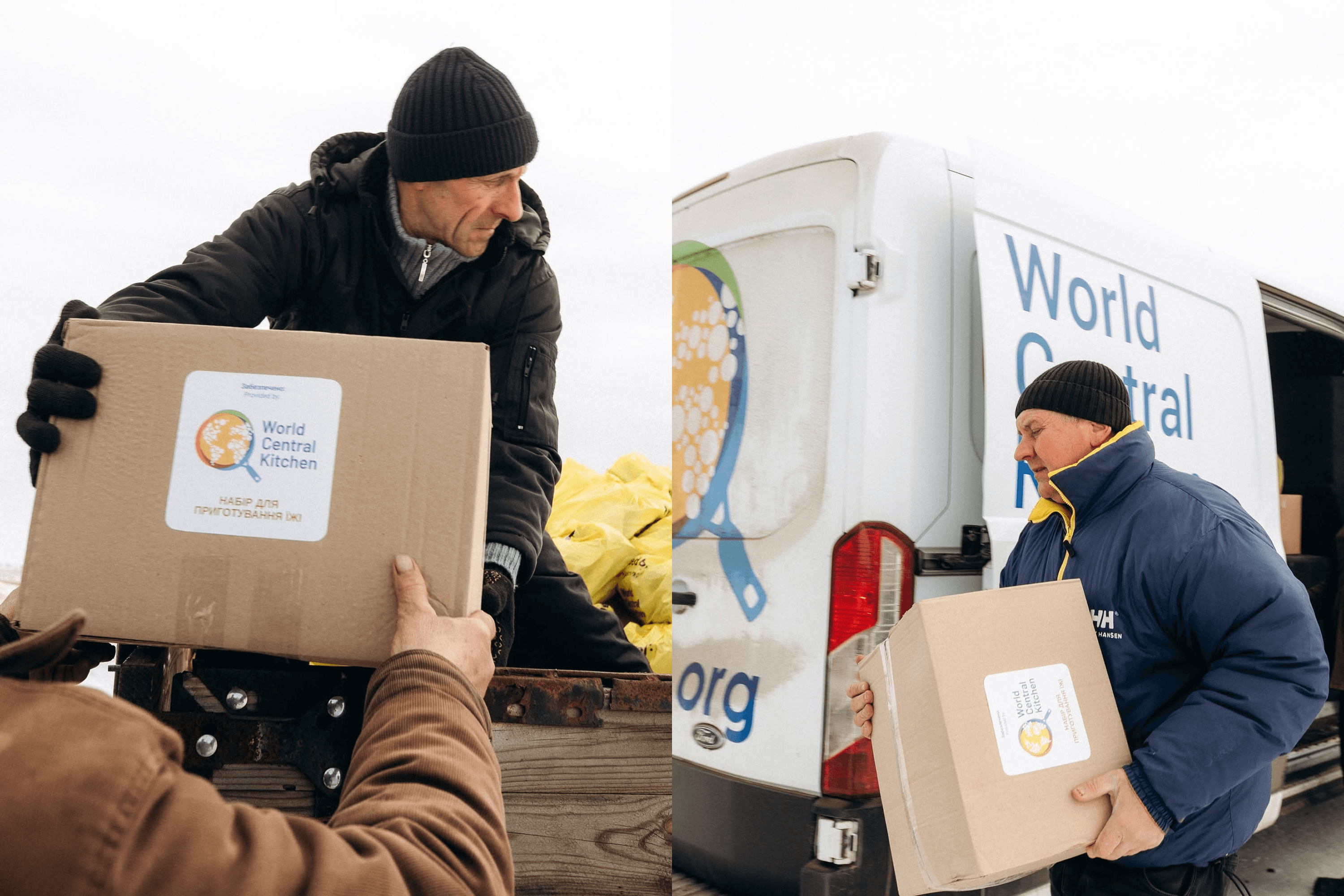
World Central Kitchen distributes cooking kits to Ukrainian families during power outages. The kits include a portable gas stove, gas canisters, and safety equipment. Photo: World Central Kitchen / Facebook 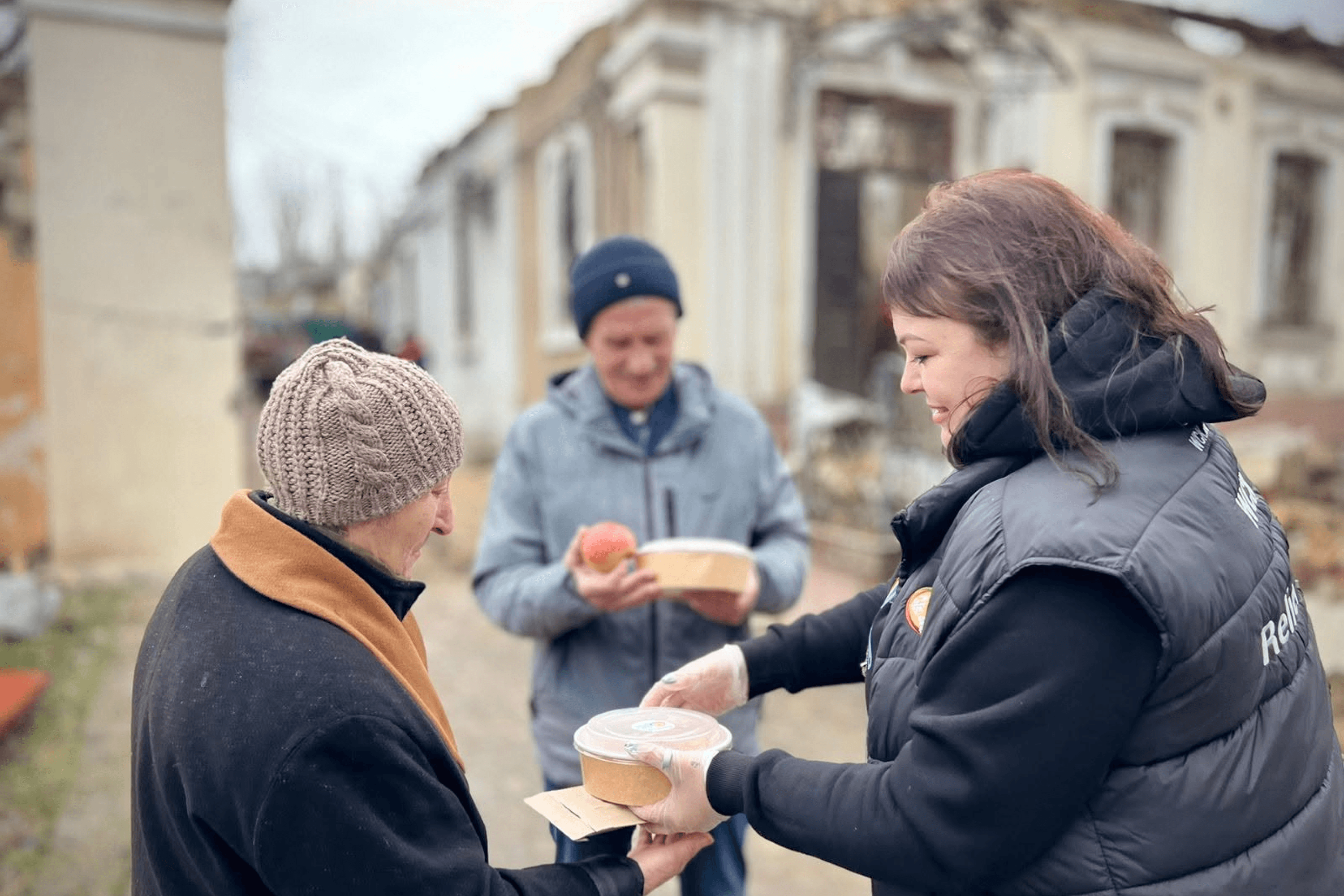
The World Central Kitchen team distributes hot meals and drinks to residents and emergency responders following Russian attacks in Zaporizhzhia and Mykolaiv. January 2025. Photo: World Central Kitchen / Facebook 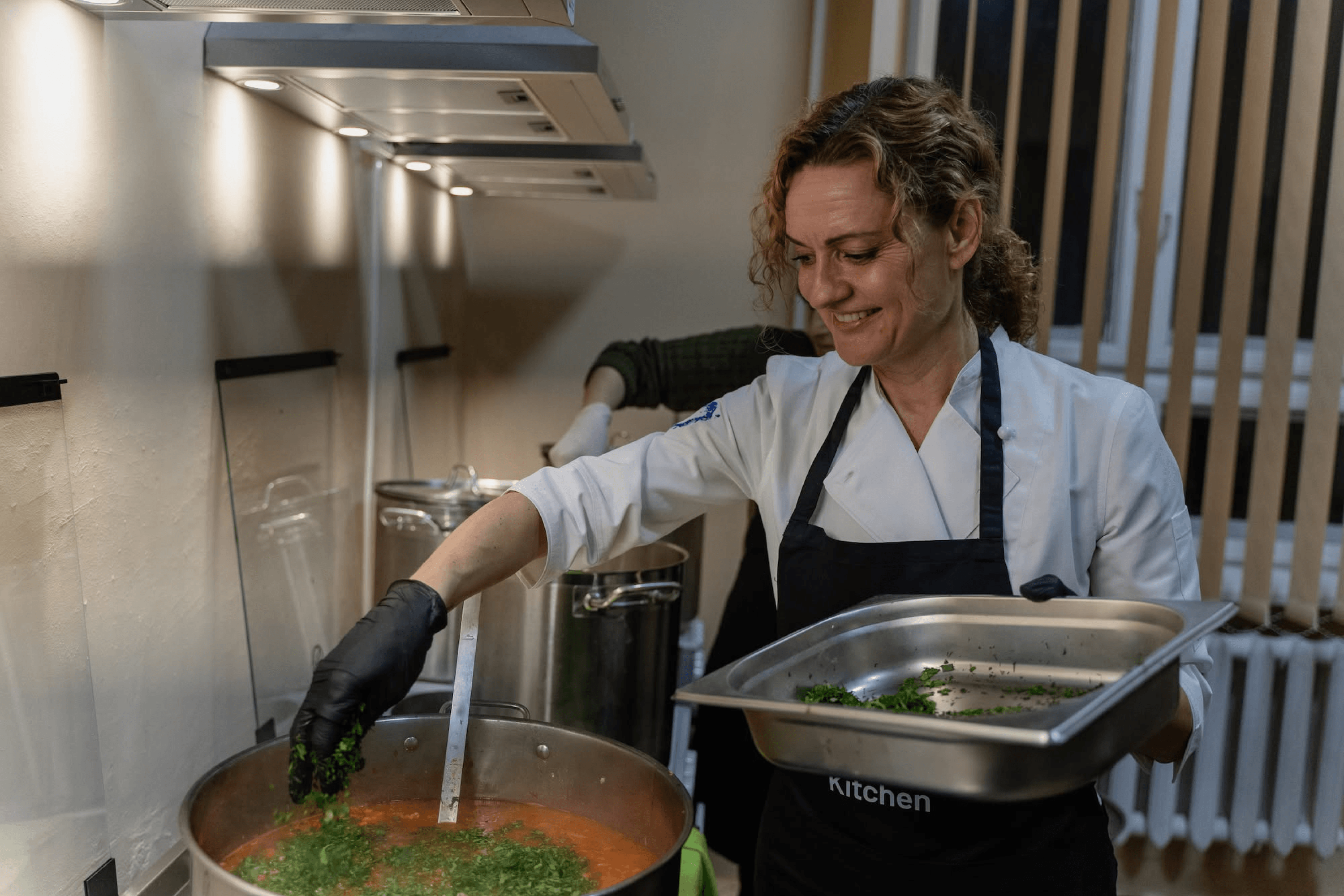
Chef Polina leads a cooking class for shelter residents at a World Central Kitchen community kitchen in Lviv. December 12, 2024. Photo: World Central Kitchen / Facebook
What does the structure of WCK’s Ukraine office look like today, and how is your work organized?
We have a leadership team that coordinates operations, sets priorities, and ensures cooperation between different areas of work. There are regional teams that know the context on the ground and the needs of communities well and have established relationships with partners. We also have separate emergency response teams that respond quickly after attacks or other crises.
Local partners are an important part of the system. These include restaurants, kitchens, nonprofit organizations, and other groups that prepare and deliver food or help implement our programs.
As head of WCK’s mission in Ukraine, do you have the freedom to make decisions? Which issues do you decide independently, and which are decided at the global level?
Every year, WCK’s headquarters approves a budget for Ukraine. We conduct procurement tenders independently, while the central office signs off on the results. We make all decisions concerning work near the front line together with the international security team.
Otherwise, we are independent, which allows us to respond quickly to challenges. If there is a large-scale attack or a blackout, we do not wait for additional permissions. We know our budget, have approved operational and security procedures, and begin helping before the workday in the United States even starts.
World Central Kitchen works in different countries. How do you interact with the global network?
Many of the solutions we developed in Ukraine are now being used in other countries. For example, projects such as Seeds of Victory and ready-made food kits are gradually becoming part of long-term missions in Gaza and Lebanon.
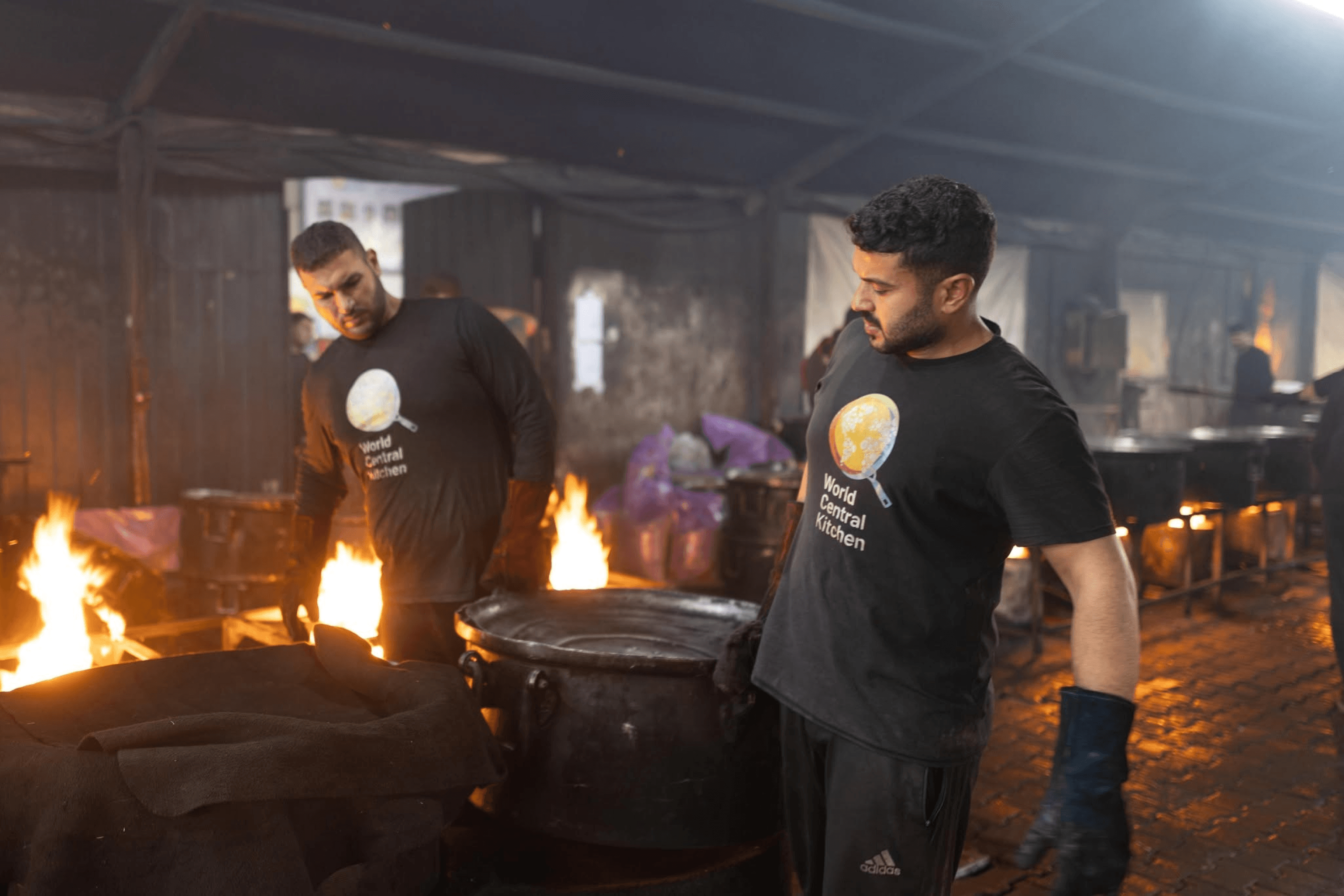
Hot meals being prepared at a World Central Kitchen kitchen in the Gaza Strip during Ramadan. March 11, 2026. Photo: World Central Kitchen / Facebook 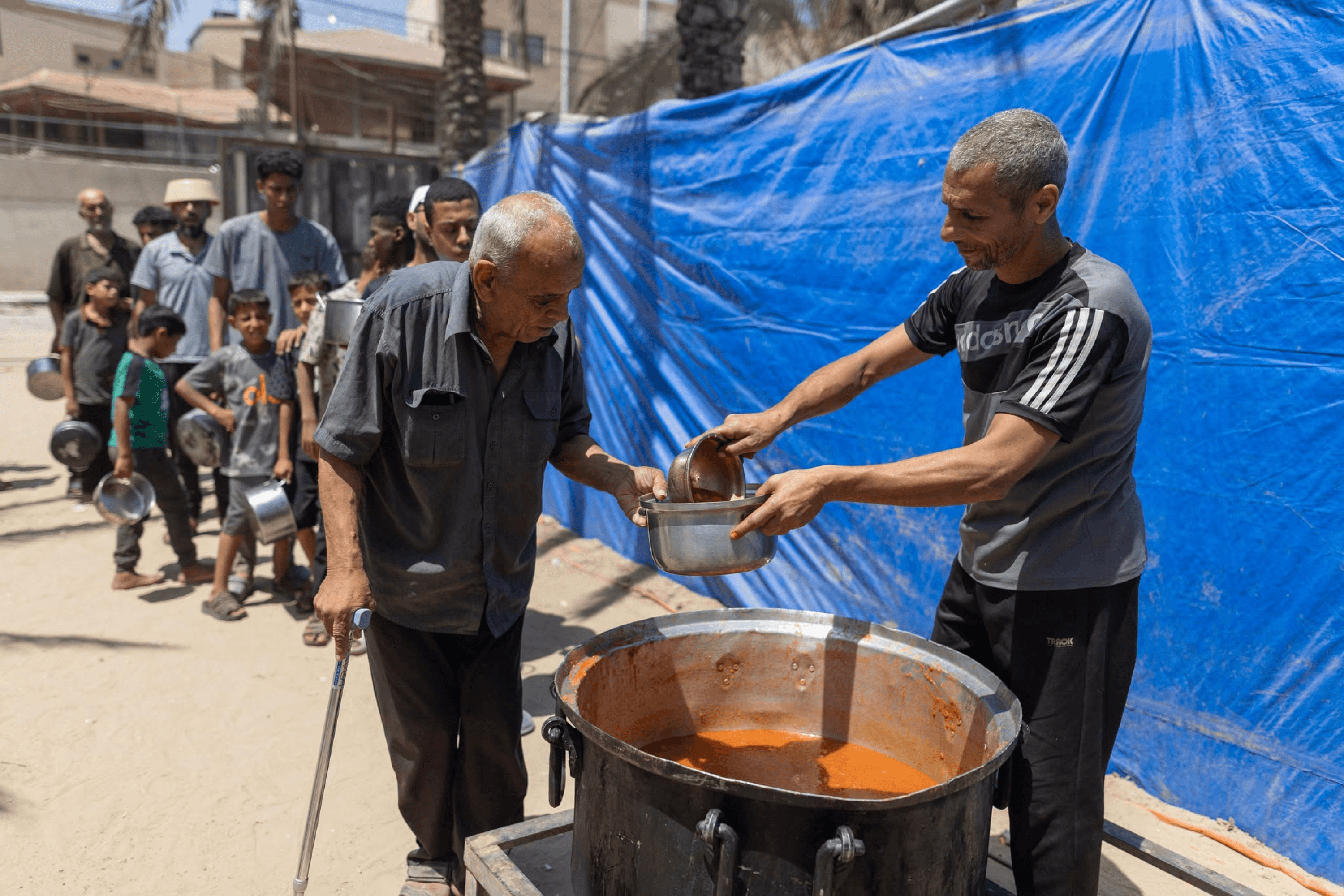
Raed Hassan helps distribute World Central Kitchen food to displaced families in Deir al-Balah, Gaza Strip. July 16, 2026. Photo: World Central Kitchen / Facebook 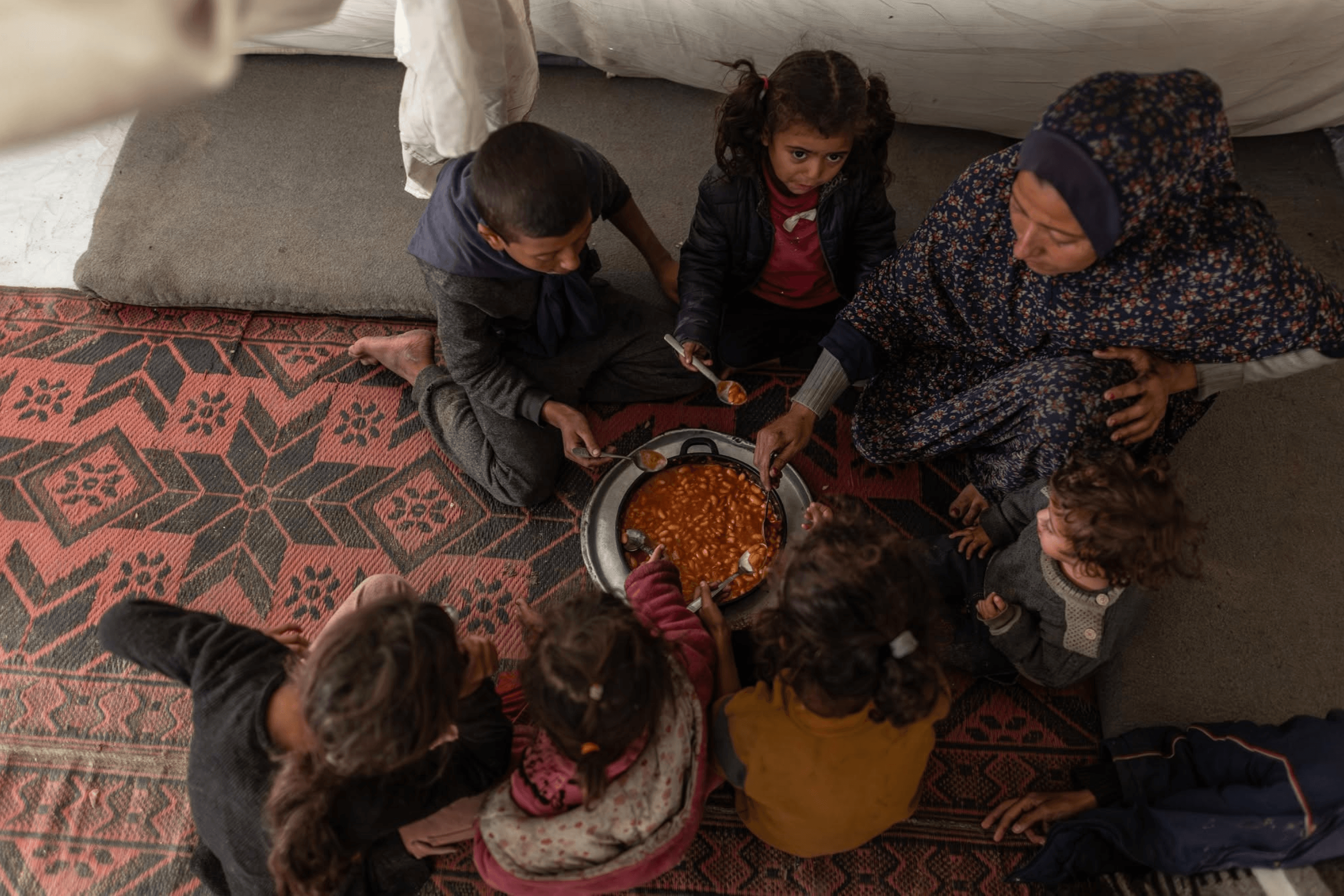
Nimat and her children receive food from World Central Kitchen in Khan Younis, Gaza Strip. January 9, 2026. Photo: World Central Kitchen / Facebook 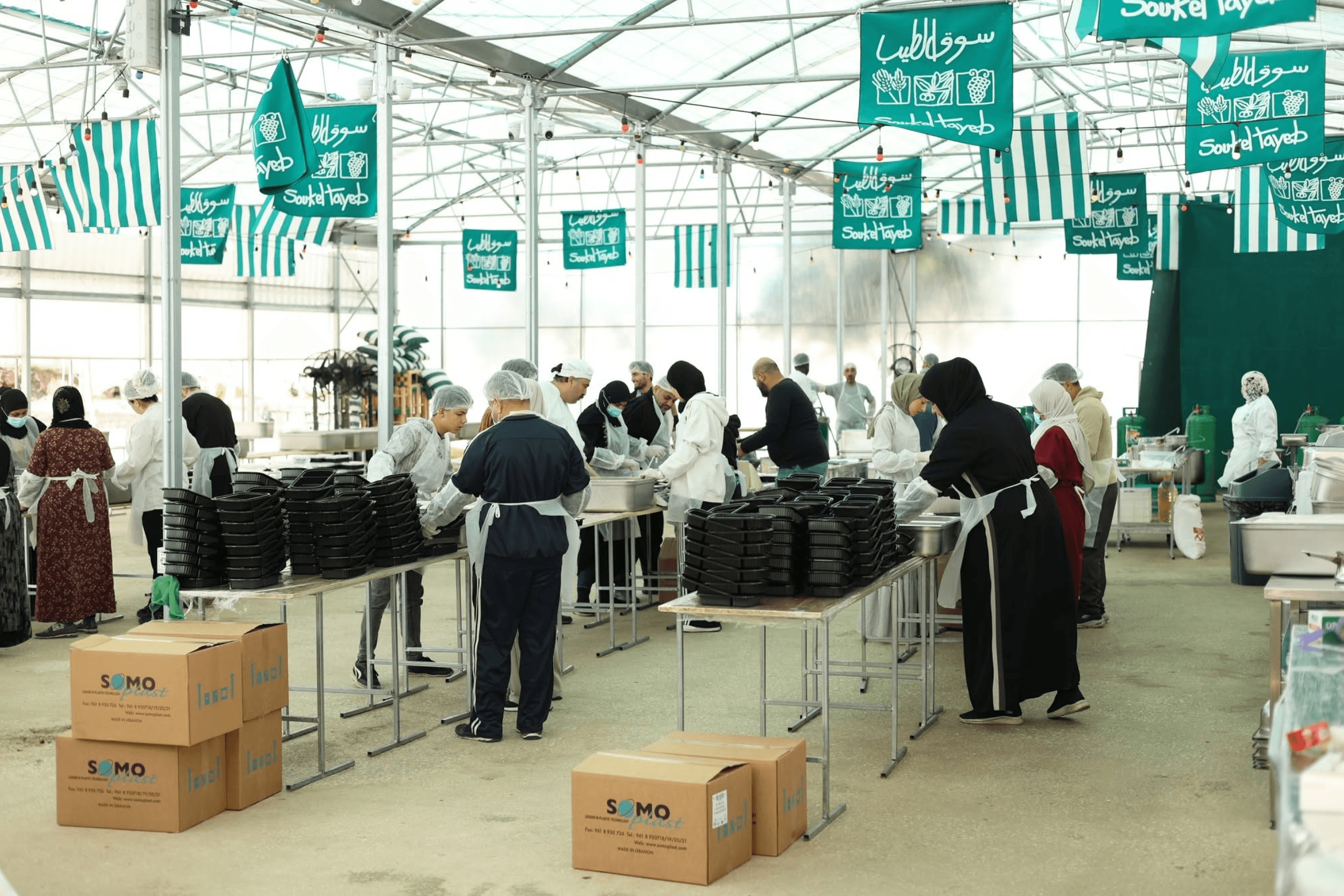
Food being prepared at a new World Central Kitchen community kitchen in Beirut, Lebanon. April 16, 2026. Photo: World Central Kitchen / Facebook 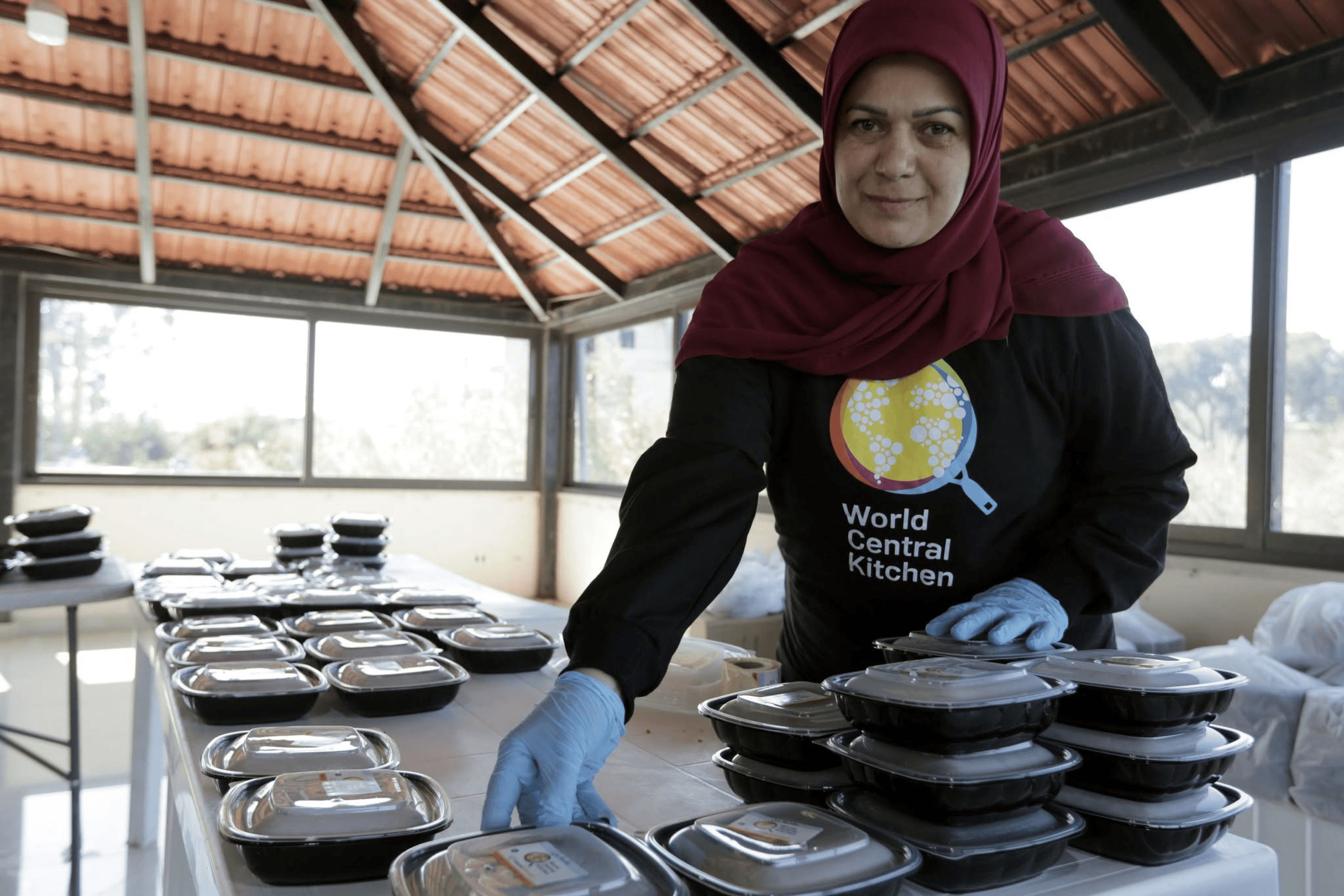
Afrak prepares food for displaced families at a World Central Kitchen kitchen in Jbeil, Lebanon. March 24, 2026. Photo: World Central Kitchen / Facebook 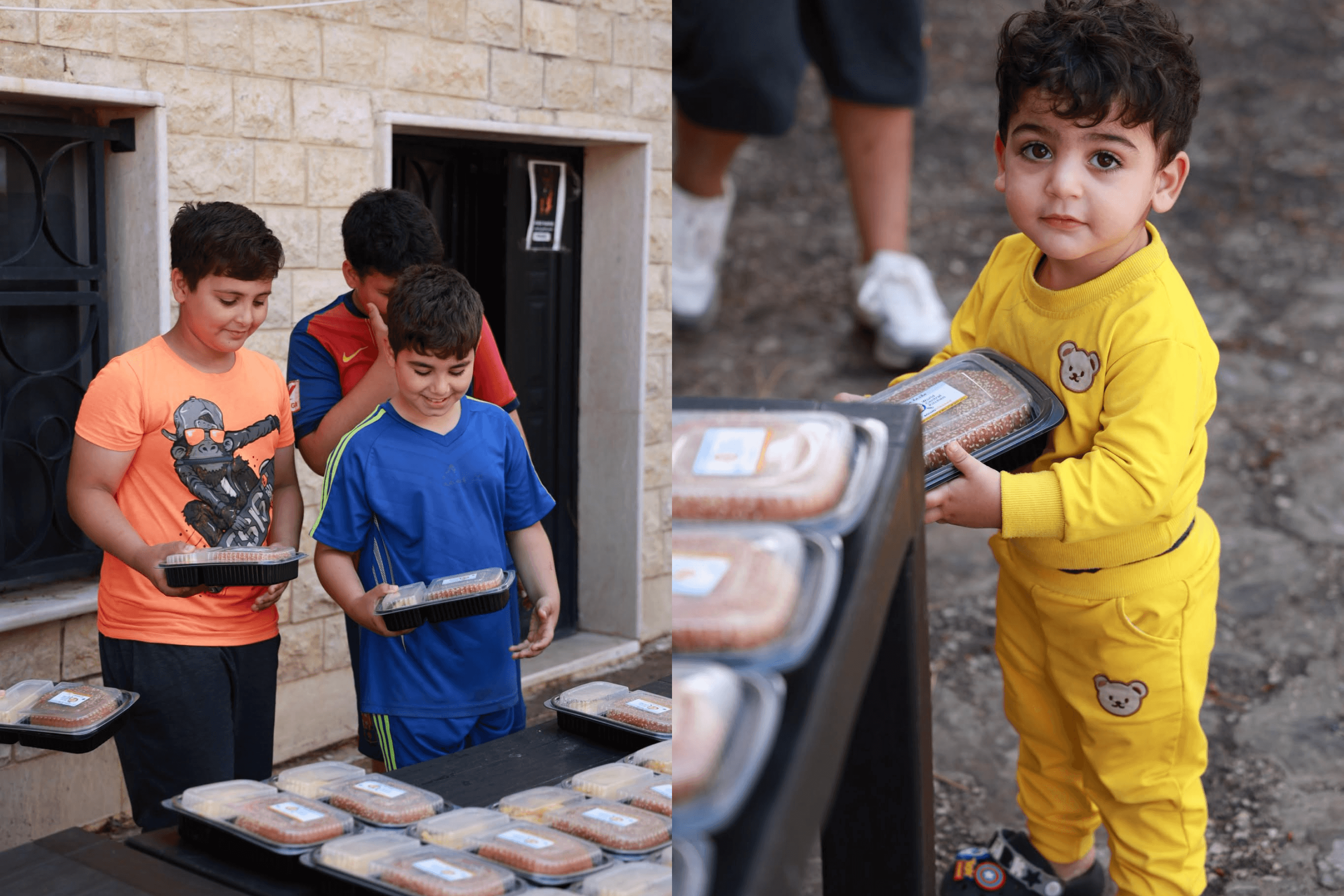
World Central Kitchen prepares and distributes burgers to families living in shelters in Jbeil, Lebanon. September 4, 2026. Photo: World Central Kitchen / Facebook
There have also been projects that WCK first implemented in other countries and that later worked well in Ukraine. For example, at the beginning of the invasion, well-known American chefs prepared food for Ukrainian refugees in Przemyśl and posted about it on social media, drawing attention to Ukraine and the organization’s work. They were members of the WCK Chef Corps, an international community of chefs and restaurant owners who support World Central Kitchen. Its members organize charity events, raise funds, or take part in missions in different countries.
What risks are you preparing for over the next few months?
We are preparing for a possible deterioration in the fuel situation in frontline areas. Russian forces are currently actively targeting gas stations, so we are building up reserves of food and fuel to respond quickly if necessary. We are preparing for winter and possible blackouts by purchasing backup equipment, generators, and other resources that may be needed to keep everything running without interruption.
Following the large-scale attacks on Kyiv in the winter of 2026, we are strengthening our emergency response team in the capital. It works according to the same principles as the other regional teams, but its work is particularly important because of the scale and nature of emergencies there. There will be separate warehouses, partner networks, and volunteers on both banks of the Dnipro in Kyiv. We are even preparing for a scenario in which damage to the bridges could temporarily divide Kyiv into two parts. We are considering similar risks for Zaporizhzhia and Dnipro.
We also regularly strengthen our security protocols for the team and invest in training. All employees receive instruction on how to respond to drone threats and administer first aid.
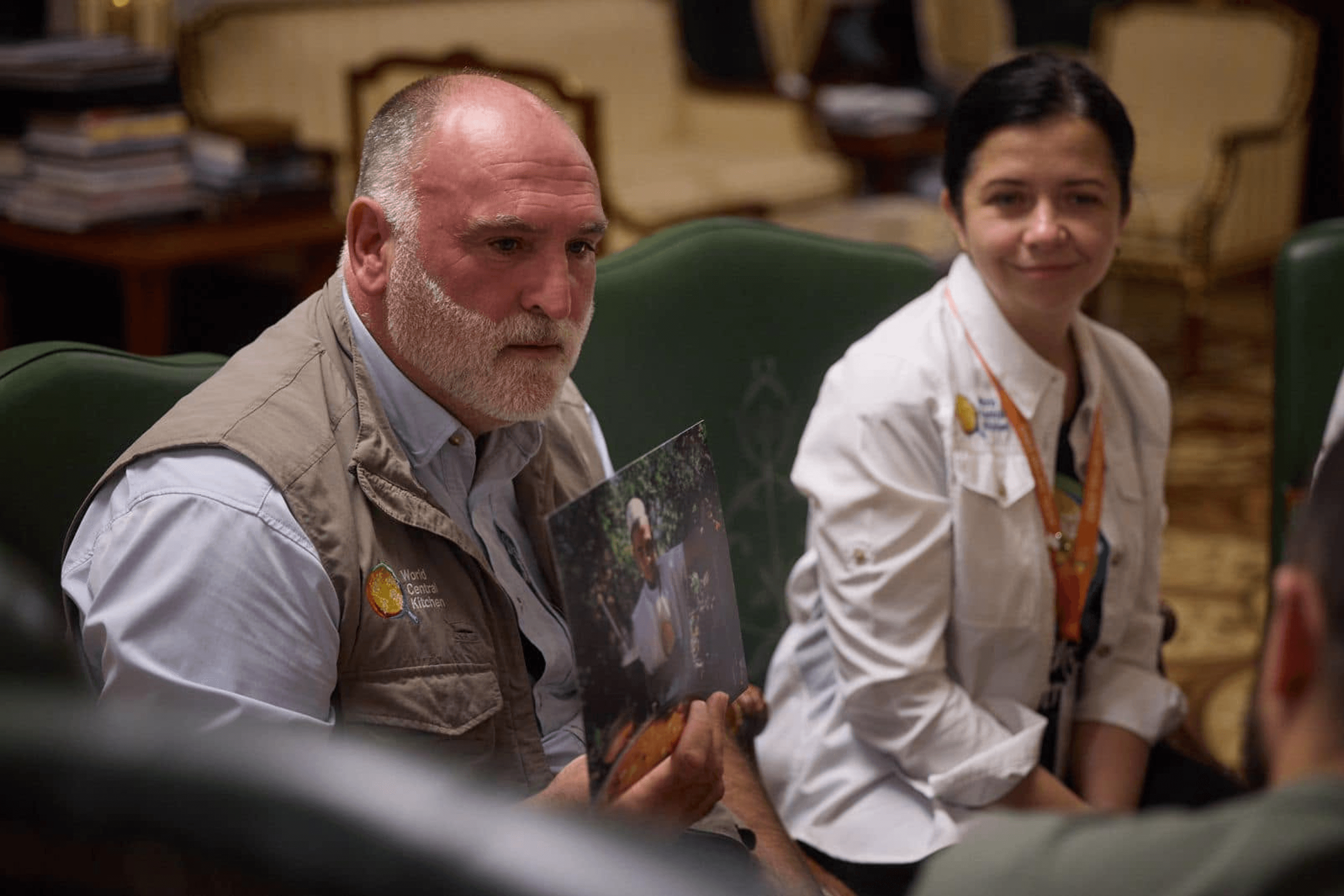
Yuliia Stefaniuk, José Andrés, and the World Central Kitchen team during a meeting with Ukrainian President Volodymyr Zelenskyy. Kyiv, August 2022. Photo: World Central Kitchen / Facebook 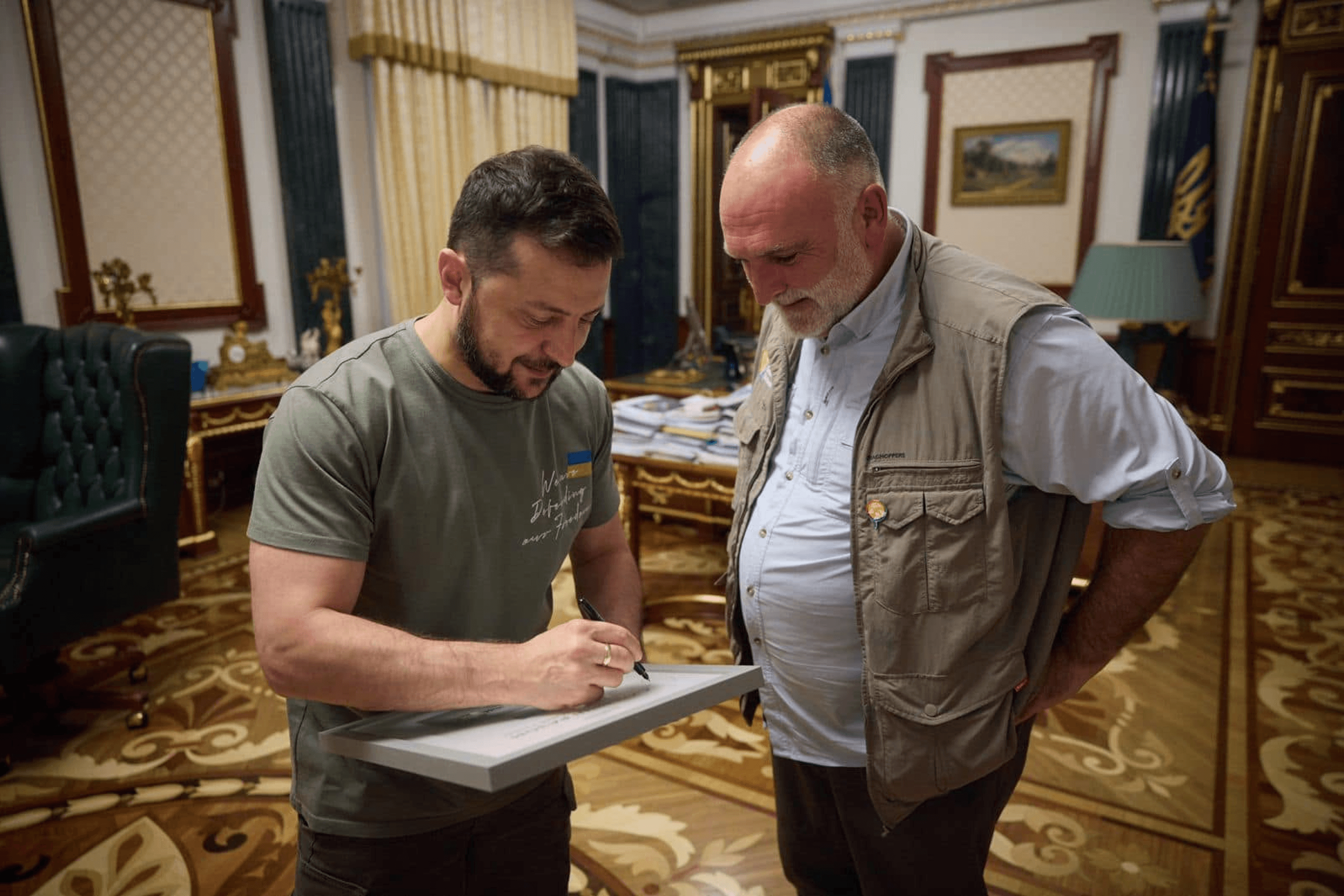
Photo: World Central Kitchen / Facebook 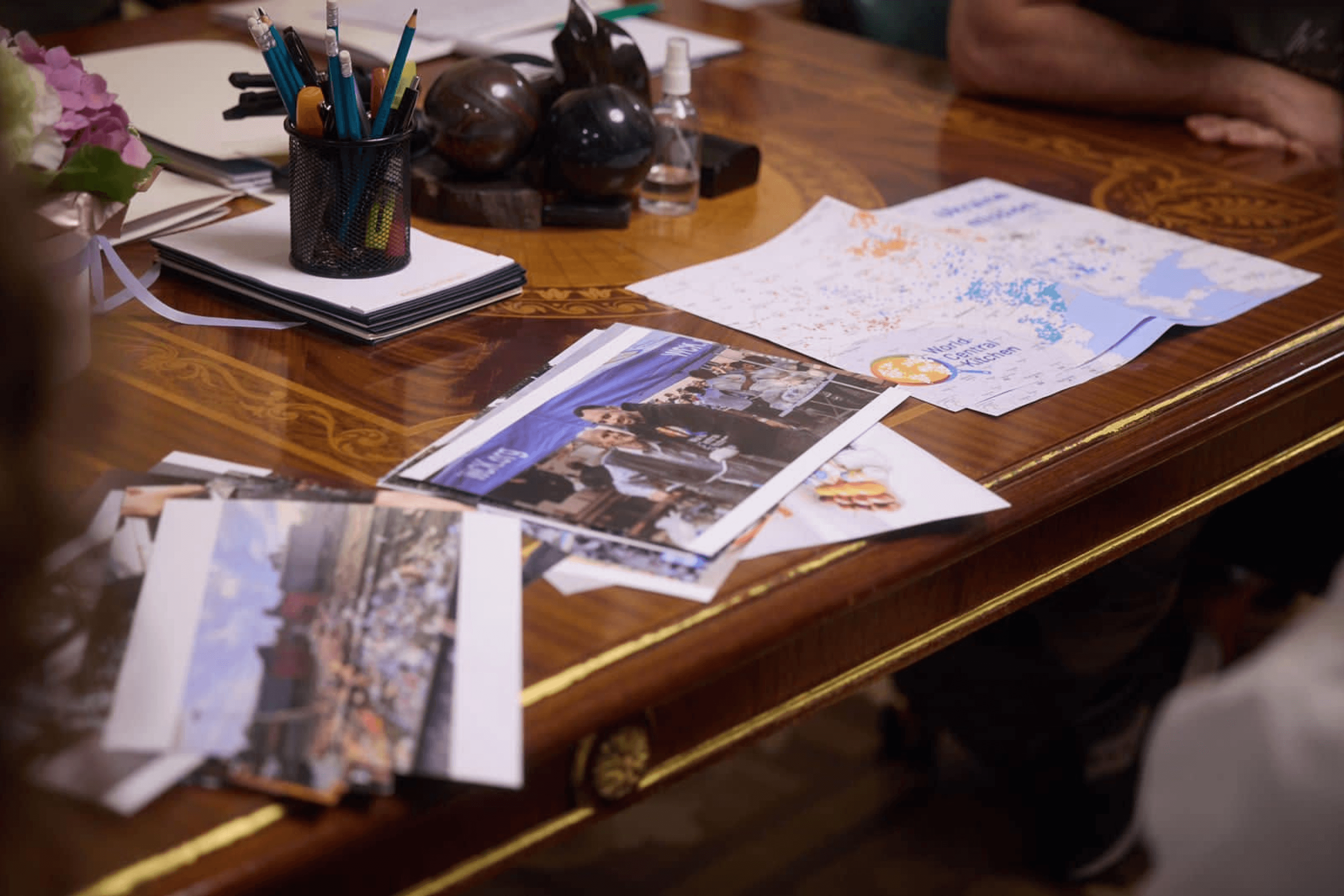
Photo: World Central Kitchen / Facebook