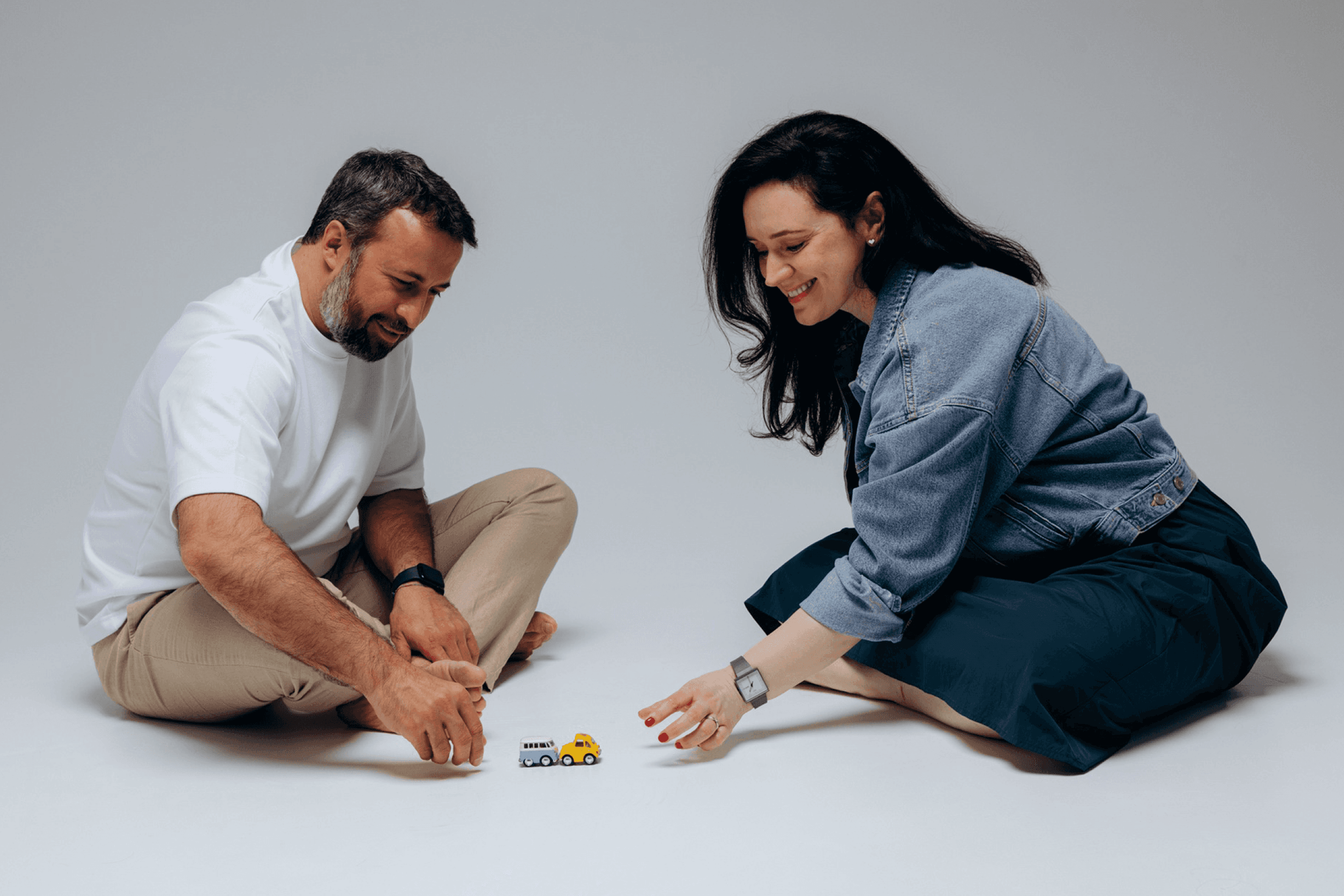
Olena Rozvadovska and Azad Safarov founded the Voices of Children foundation after working on the film A House Made of Splinters about a children’s shelter in Lysychansk. The film was shortlisted for an Oscar, and their collaboration grew into an organization that helps children affected by war.
Over nearly seven years, Voices of Children has grown into one of Ukraine’s largest foundations in this field, with an annual budget of about $4 million. It has supported more than 162,000 children and parents.
Yellow Blue journalist Roksana Rublevska tells the story of how the founders' personal experiences, international support, and war transformed a small initiative into a large-scale system of assistance for children across Ukraine.
1
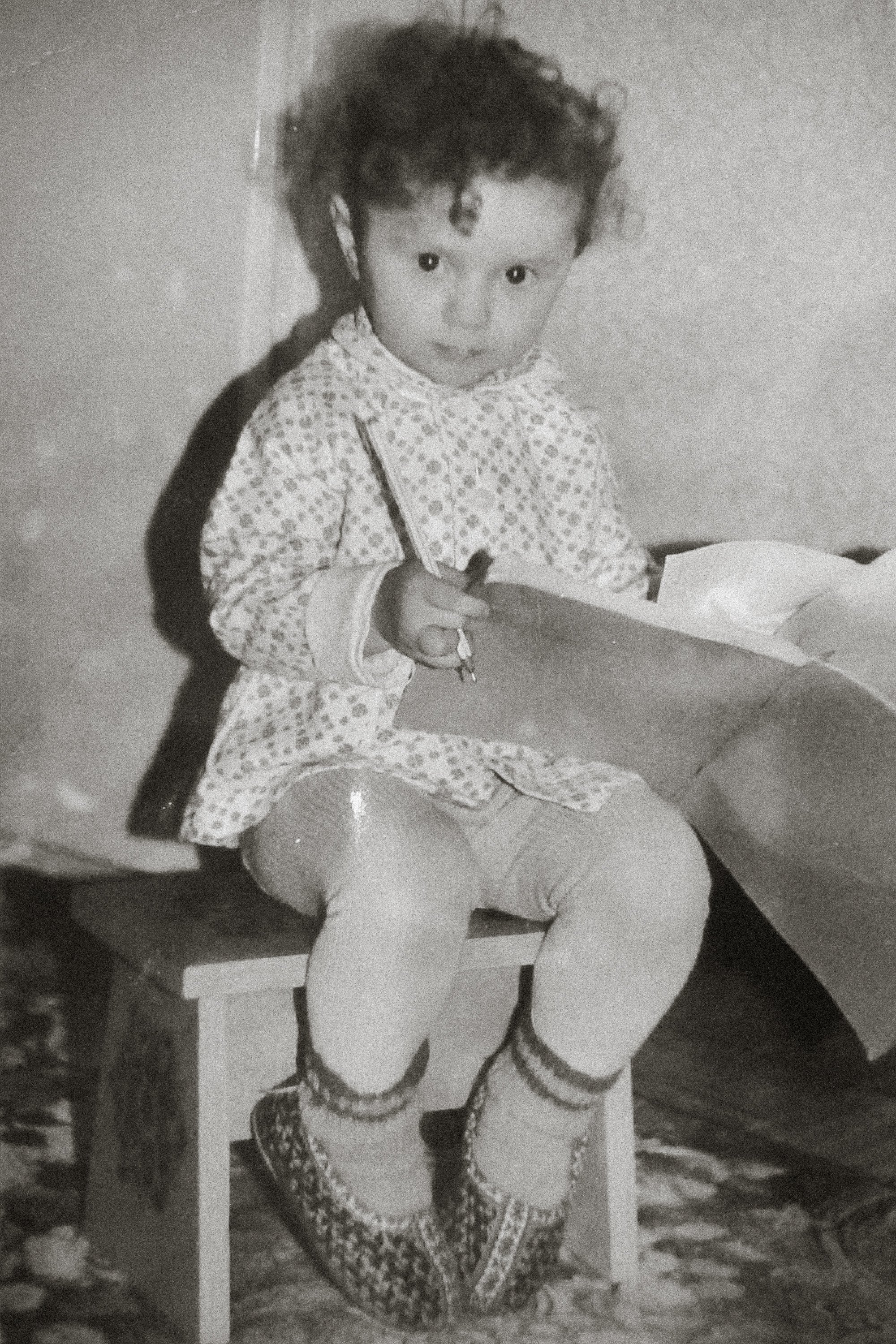
Olena Rozvadovska grew up in Truskavets, a small resort town in the Lviv region that, in the 1990s, lived through the same post-Soviet uncertainty as much of the country. Her parents, both medical professionals, had a clear idea of what a “proper” child should be: an obedient, well-behaved pupil who caused no trouble. Olena learned easily and became independent from an early age. Yet beyond the role of the “good girl,” it was as if she did not exist. “I grew up feeling invisible. All I wanted was to be rid of it.”
In 2001, she moved to Kyiv, enrolled in the Faculty of Economics, and began working in her second year of university. First as an administrator, then for more than ten years as a manager in various companies. It all provided stability, but not an answer to the question that eventually became the most important one: what did she truly want to do with her life?
In 2011, Olena took a break. During a conversation with an acquaintance, she said: “I’m not looking for a job, I’m looking for meaning.” The response was unexpected: an offer to become press secretary of the newly established Office of the Presidential Commissioner for Children’s Rights.
Olena had no experience in either media or human rights work. But she agreed immediately and, for the first time, felt that she had found a cause she wanted to devote her life to. Within a few months, Rozvadovska built the office’s communications from scratch and began to learn how the child protection system worked. It was then that she first understood: children have a voice and rights that can and should be defended.
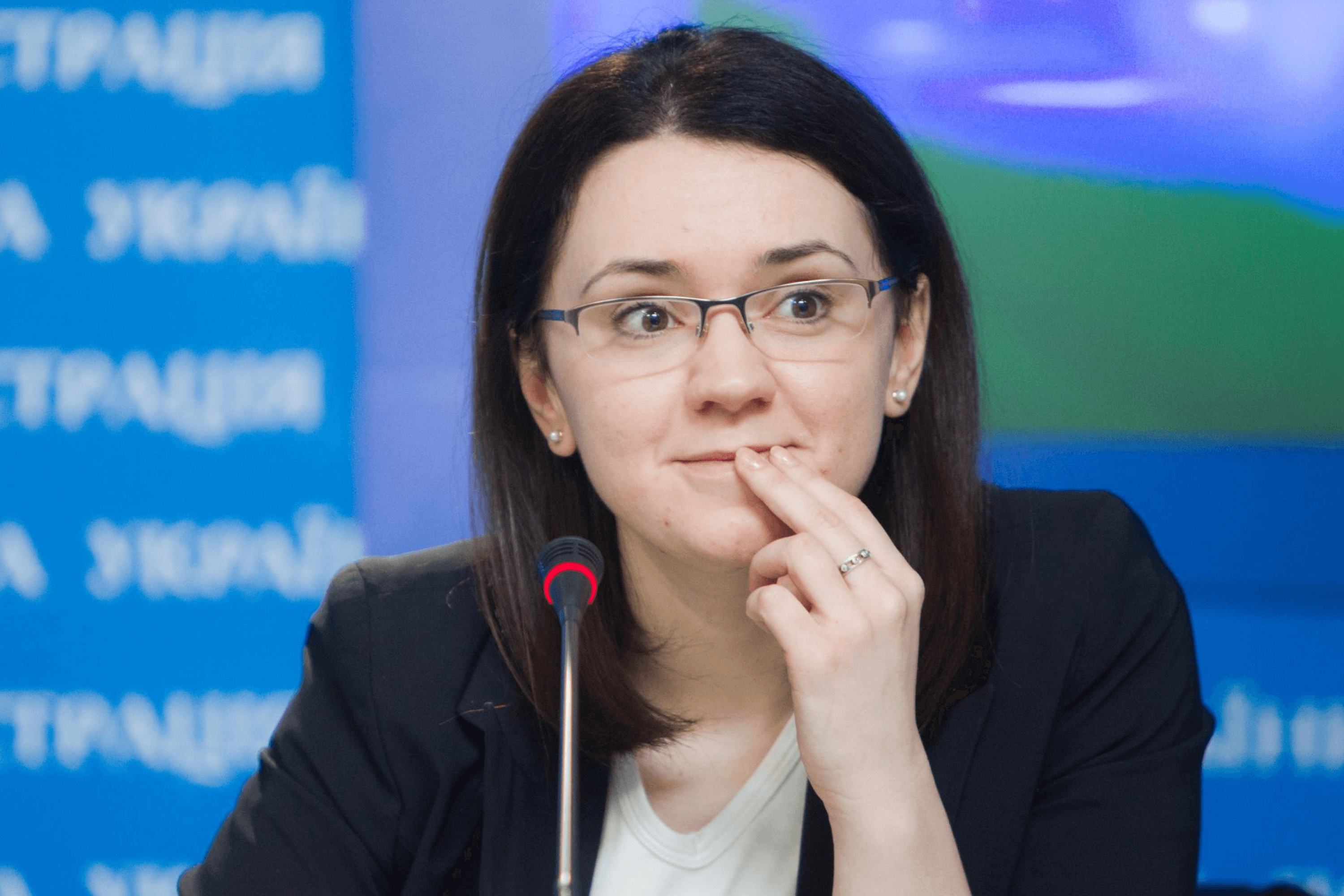
When the war in the Donetsk region began, it became clear that the state had no ready answers. There were no protocols for psychological assistance and no specialists trained to work with war trauma. Rozvadovska travelled to Sloviansk on what was meant to be a short assignment to study the problem properly and ended up staying for five years, caring for local children.
She lived free of charge at a center for internally displaced people, stayed in housing for volunteers, and constantly travelled along frontline roads. She visited hundreds of schools and kindergartens on the line of contact, explaining to children what mines looked like and why they should never touch them. Gradually, Olena realized that children needed more than emergency assistance. They needed long-term psychological support.
“The children I worked with in schools and residential institutions were traumatized not only by the war, but also by the absence of a safe adult environment,” Rozvadovska says.
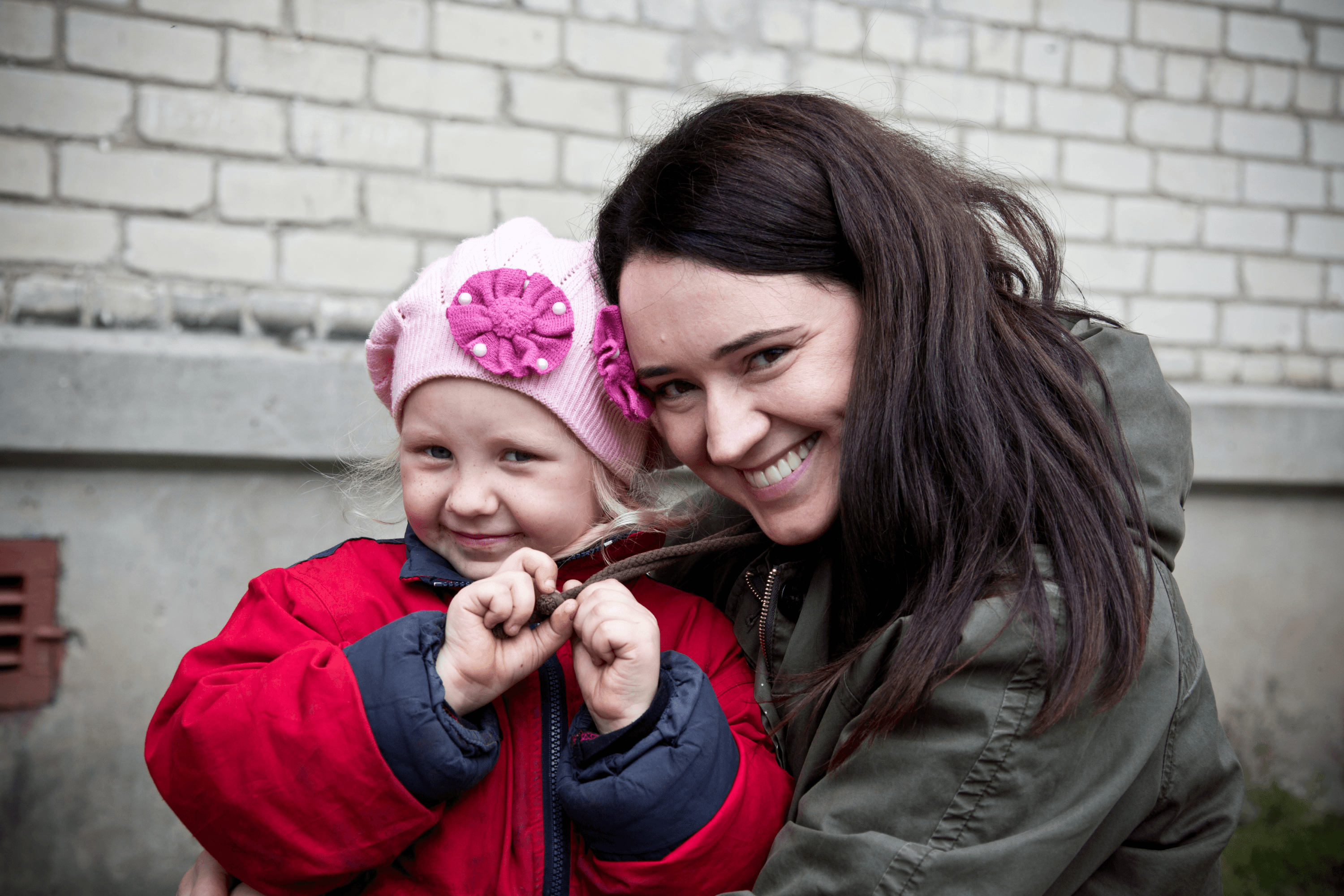
Olena Rozvadovska with children. Archival photos. Photo: Voices of Children / YB 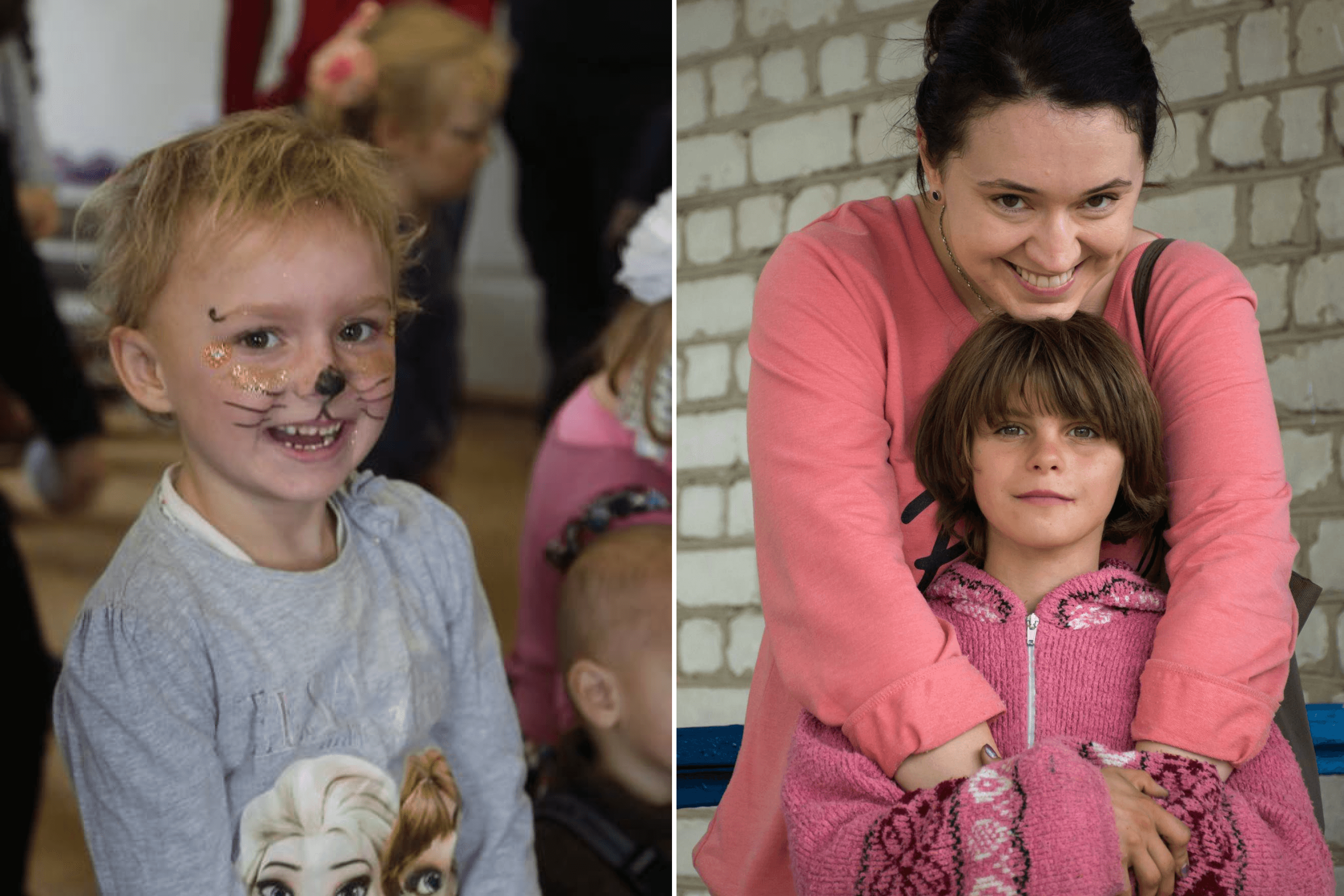
Photo: Voices of Children / YB 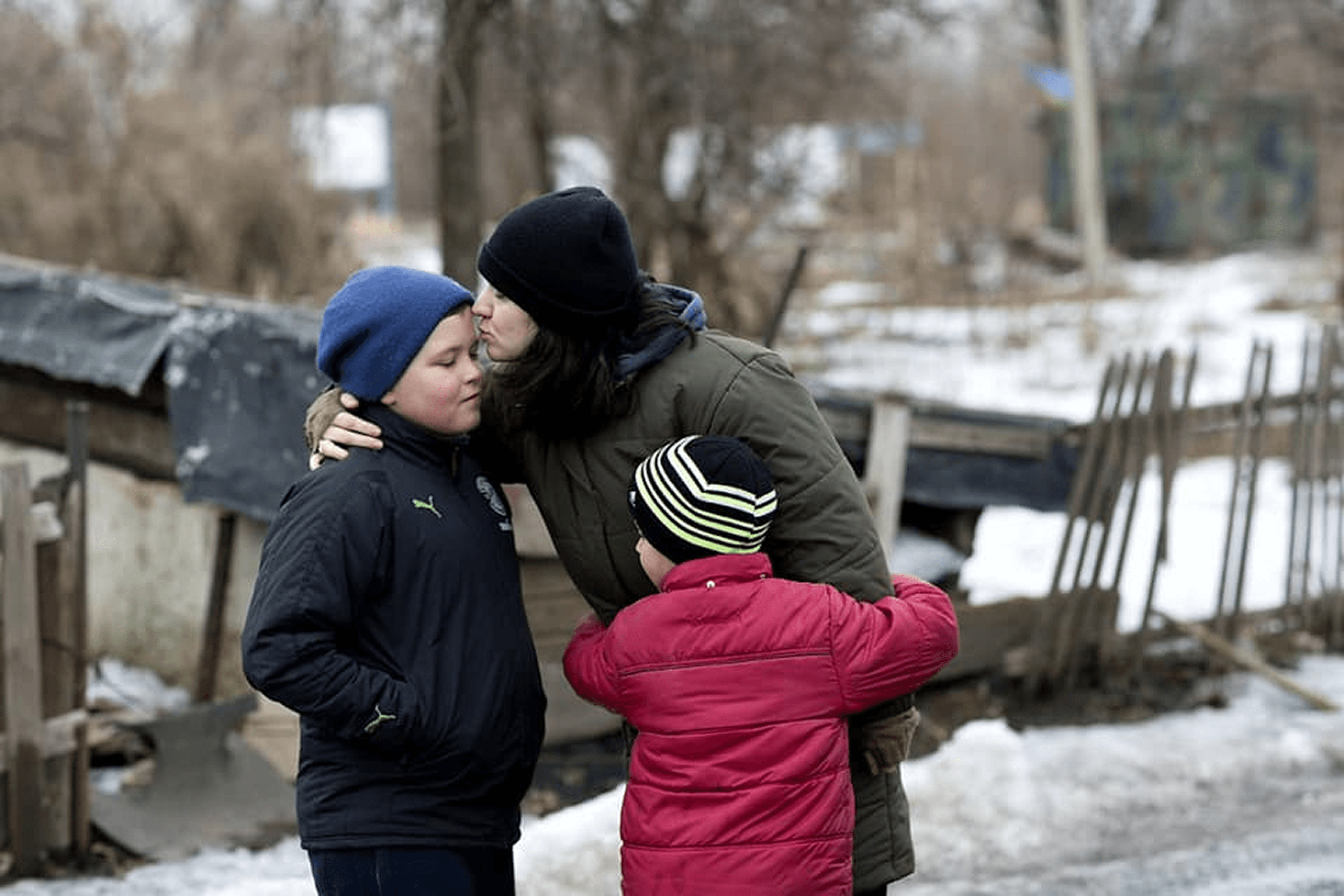
Photo: Voices of Children / YB 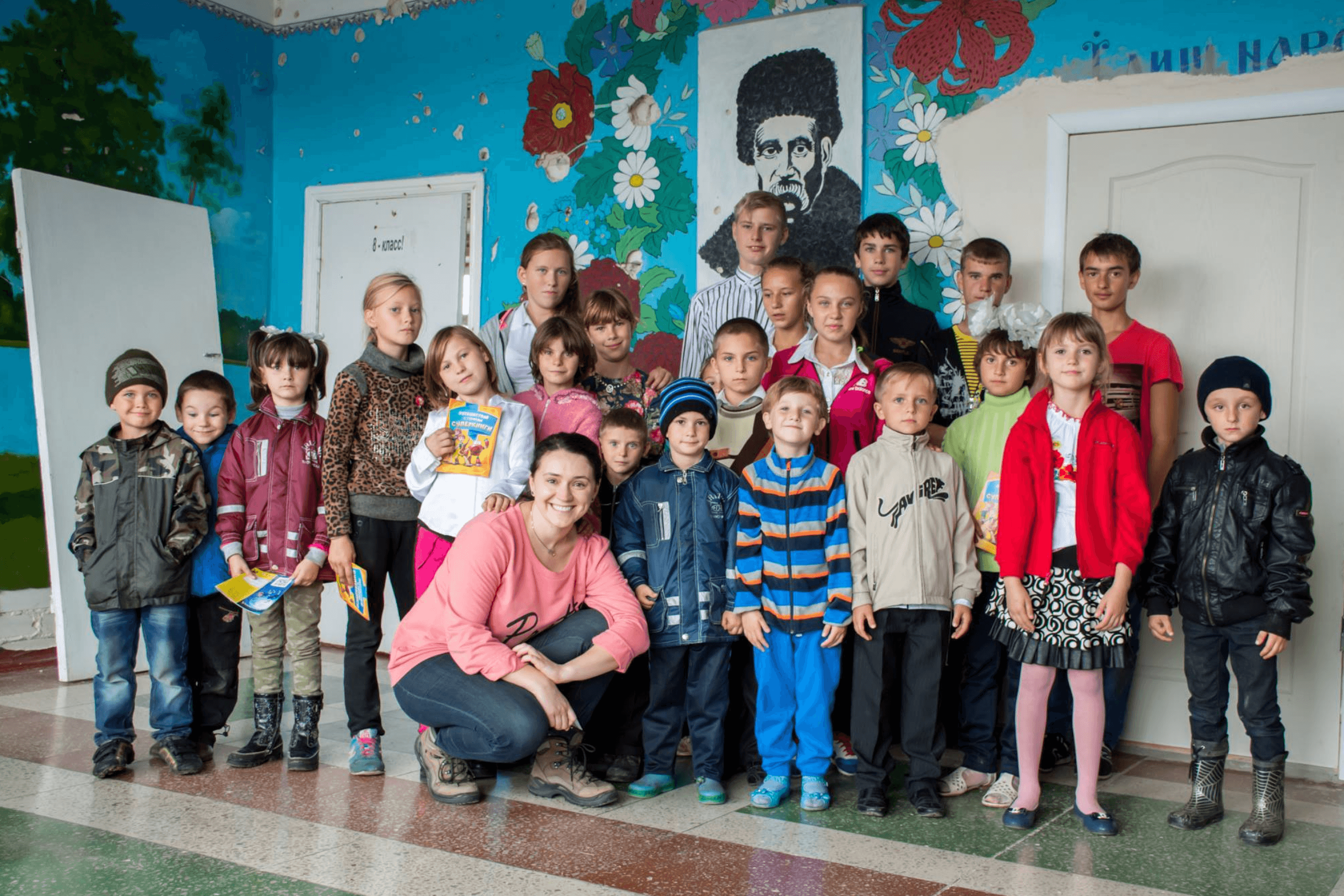
Photo: Voices of Children / YB 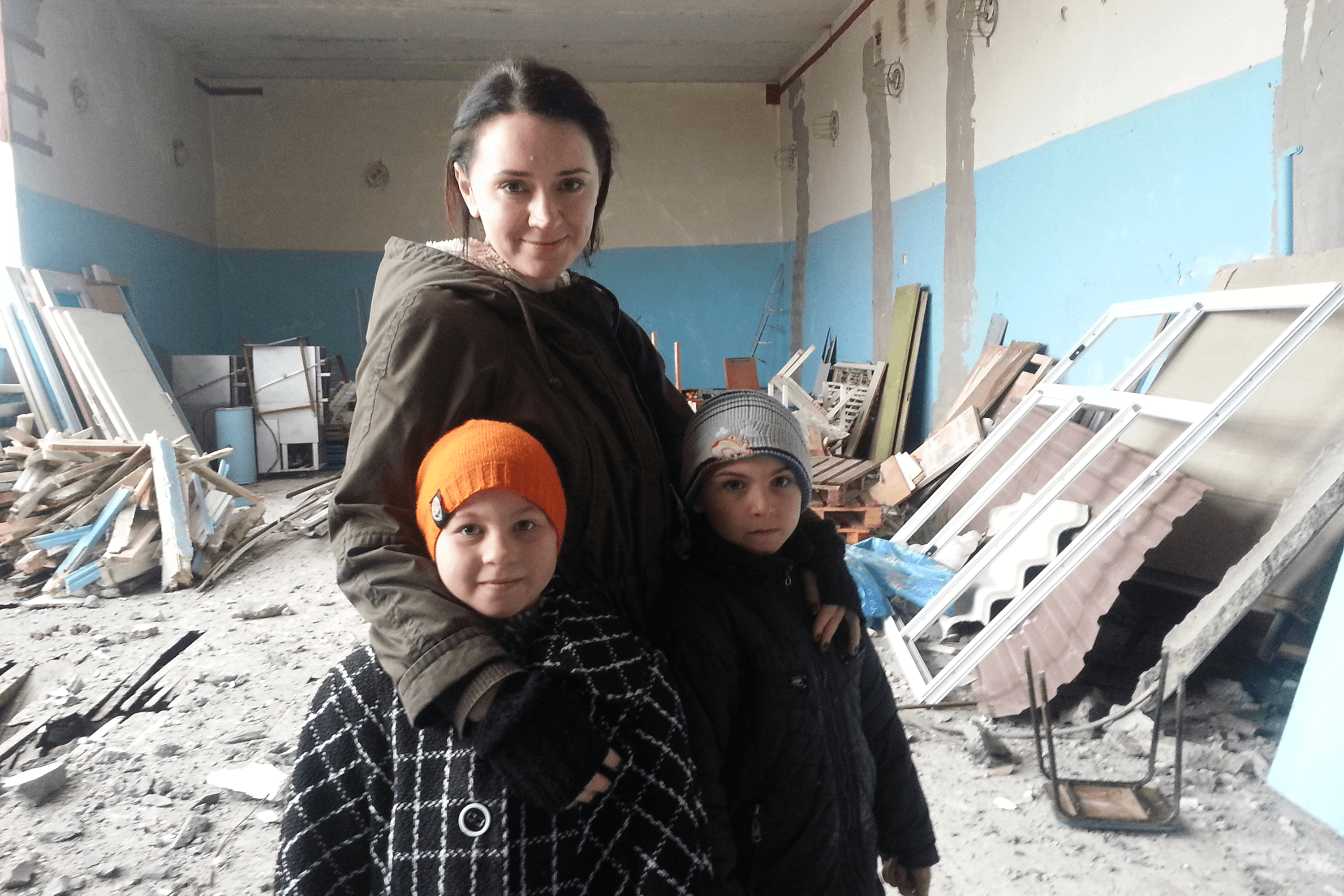
Photo: Voices of Children / YB 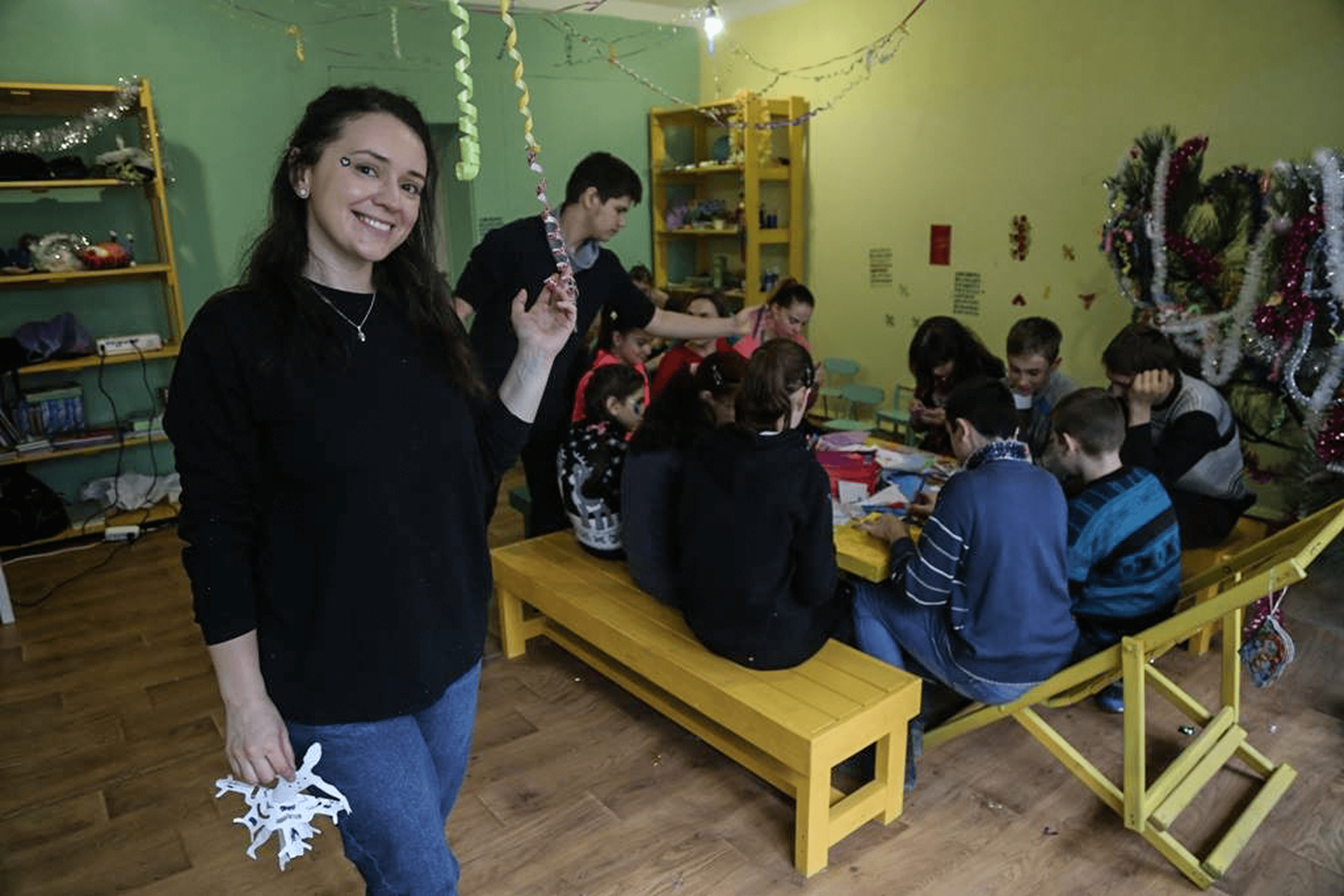
Photo: Voices of Children / YB
2
Azad Safarov grew up a thousand kilometers away from Olena, but with a similar sense of being different.
His family moved from Baku to Donetsk in the mid-1990s because of the war in Nagorno-Karabakh. At school, he was bullied for years because of his nationality. Azad tried to hide it, although his accent and appearance still set him apart from Ukrainians around him. After his father’s death during his teenage years, he began standing up for himself more firmly.
“I never won a single fight that I started. But people stopped picking on me,” he recalls.
His mother imagined her son working in television, so she encouraged him to study journalism. After receiving his degree, Azad moved to Kyiv, put on a cheap, slightly ridiculous classic suit, and went from newsroom to newsroom with one question: “Do you need a young and energetic journalist?” People looked at him as if he were a bit odd. Eventually, though, he was hired by the newspaper Arguments and Facts.
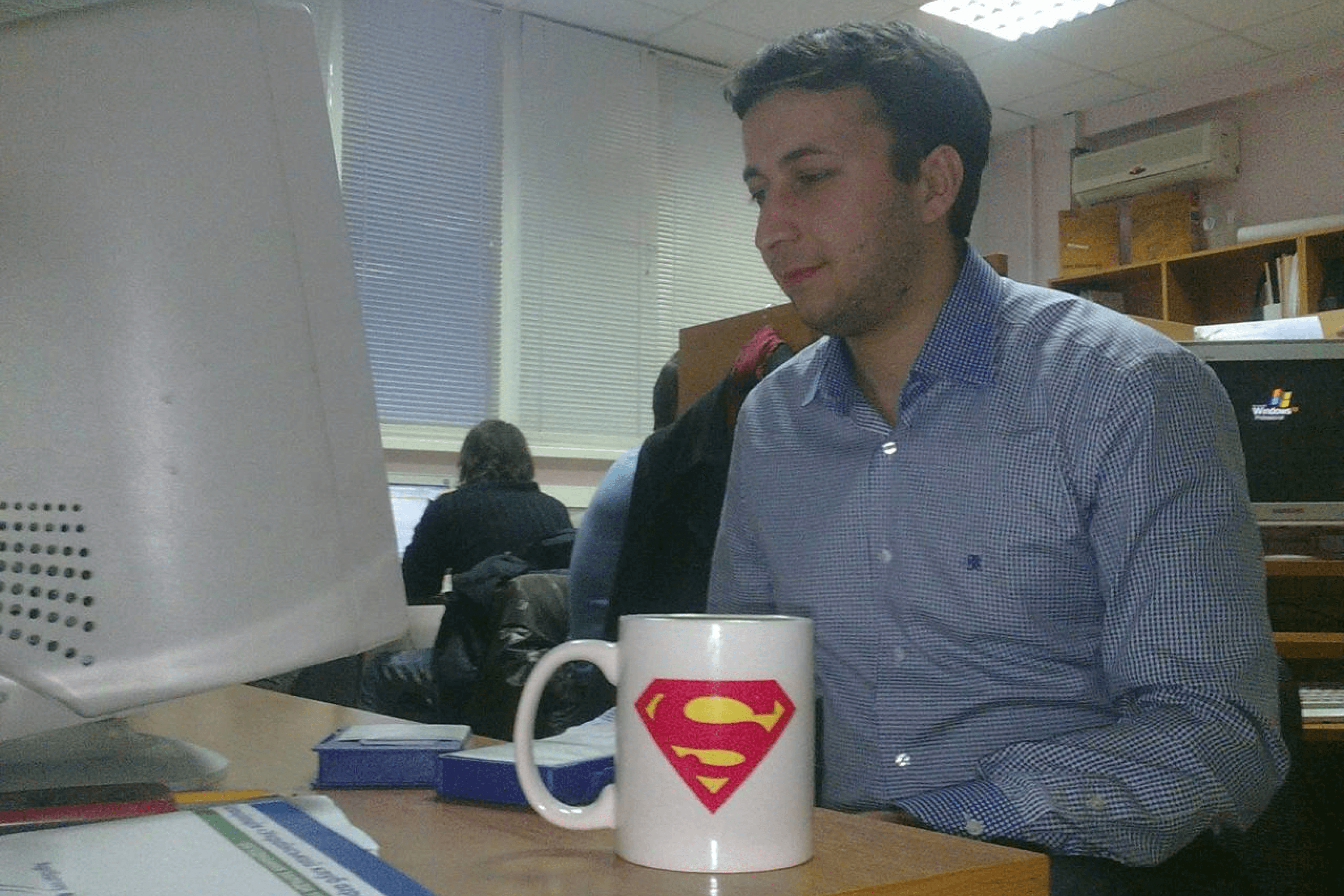
Later, he moved into television, holding several positions at Channel 5 and working as a freelancer with international media outlets. One of his most dangerous assignments came in 2014, when CNN sent him to Russian-occupied Donetsk. He travelled there secretly to gather material about the lives of Ukrainians under occupation. When he was exposed, acquaintances barely managed to get him out of the city.
In 2015, Azad was invited to join Deutsche Welle. He moved to Germany and became interested in documentary filmmaking. He came across a vacancy in the team of Danish director Simon Lereng Wilmont, who was looking for an assistant for a film about a boy growing up in wartime Donetsk region. Azad got the job. As line producer and assistant director, he travelled between Germany and Donetsk region while working on The Distant Barking of Dogs, a documentary that was later shortlisted for an Oscar.
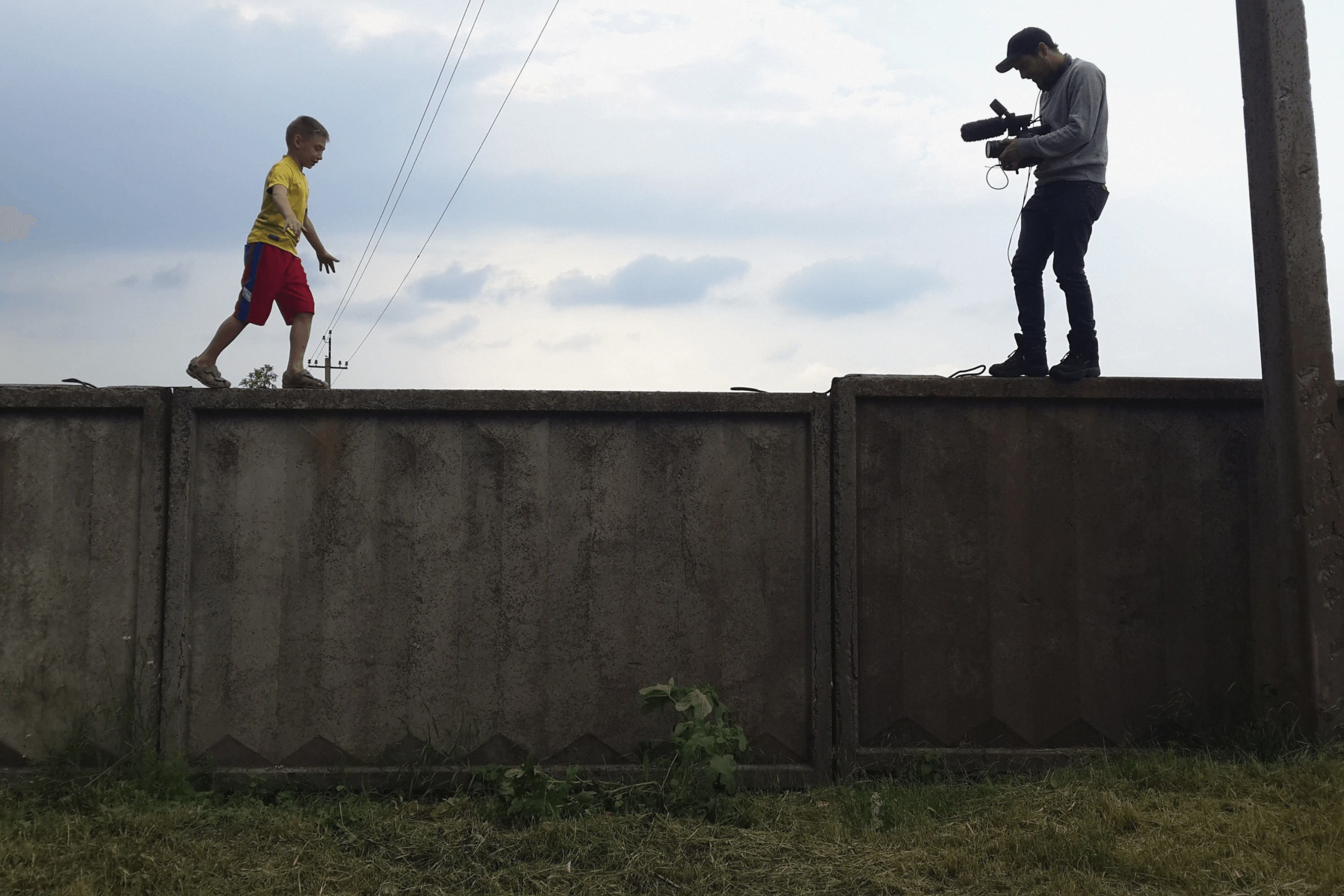
Scenes from the filming of The Distant Barking of Dogs. Photo: Voices of Children / YB 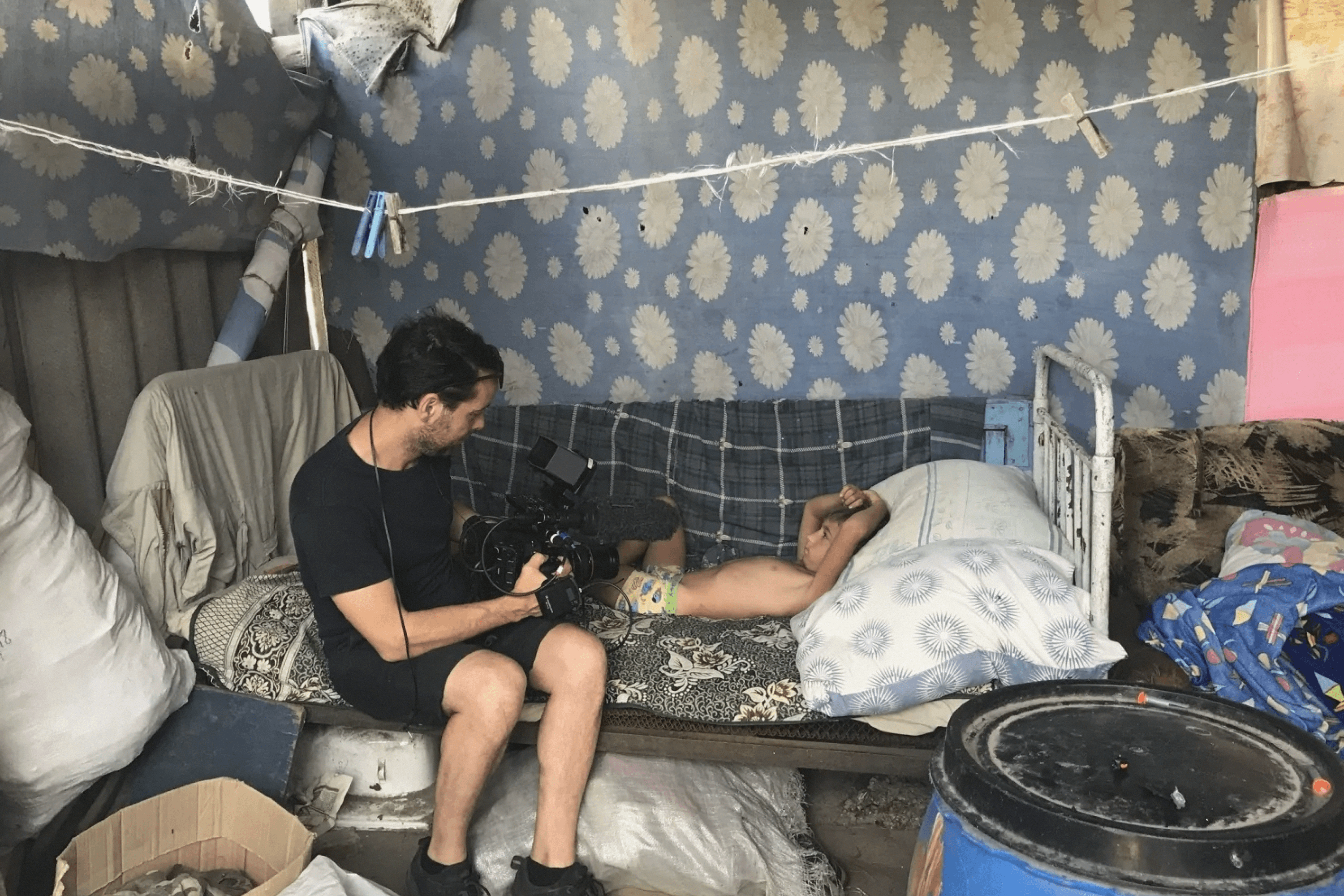
Photo: Azad Safarov / Facebook / YB 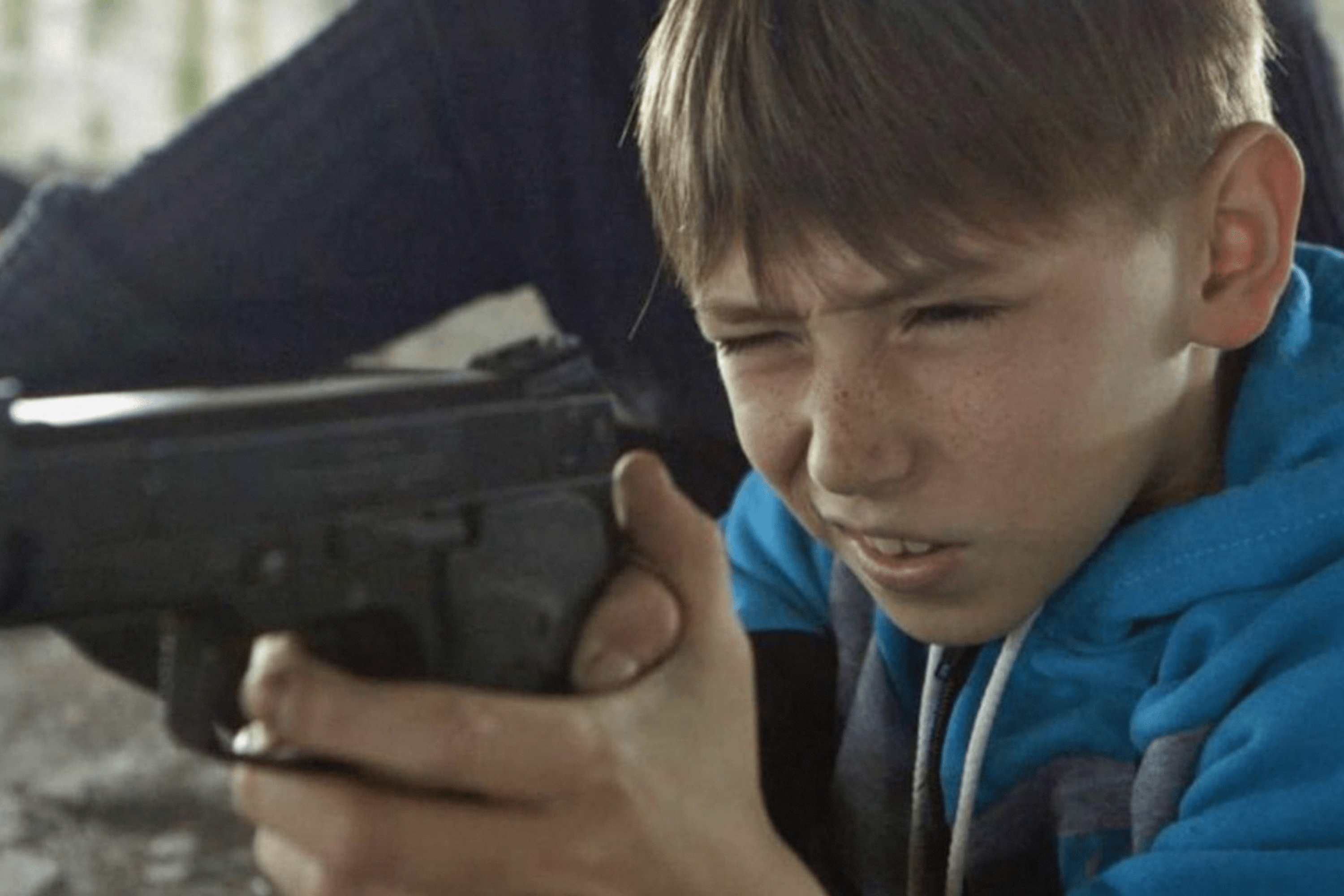
Photo: Azad Safarov / Facebook / YB 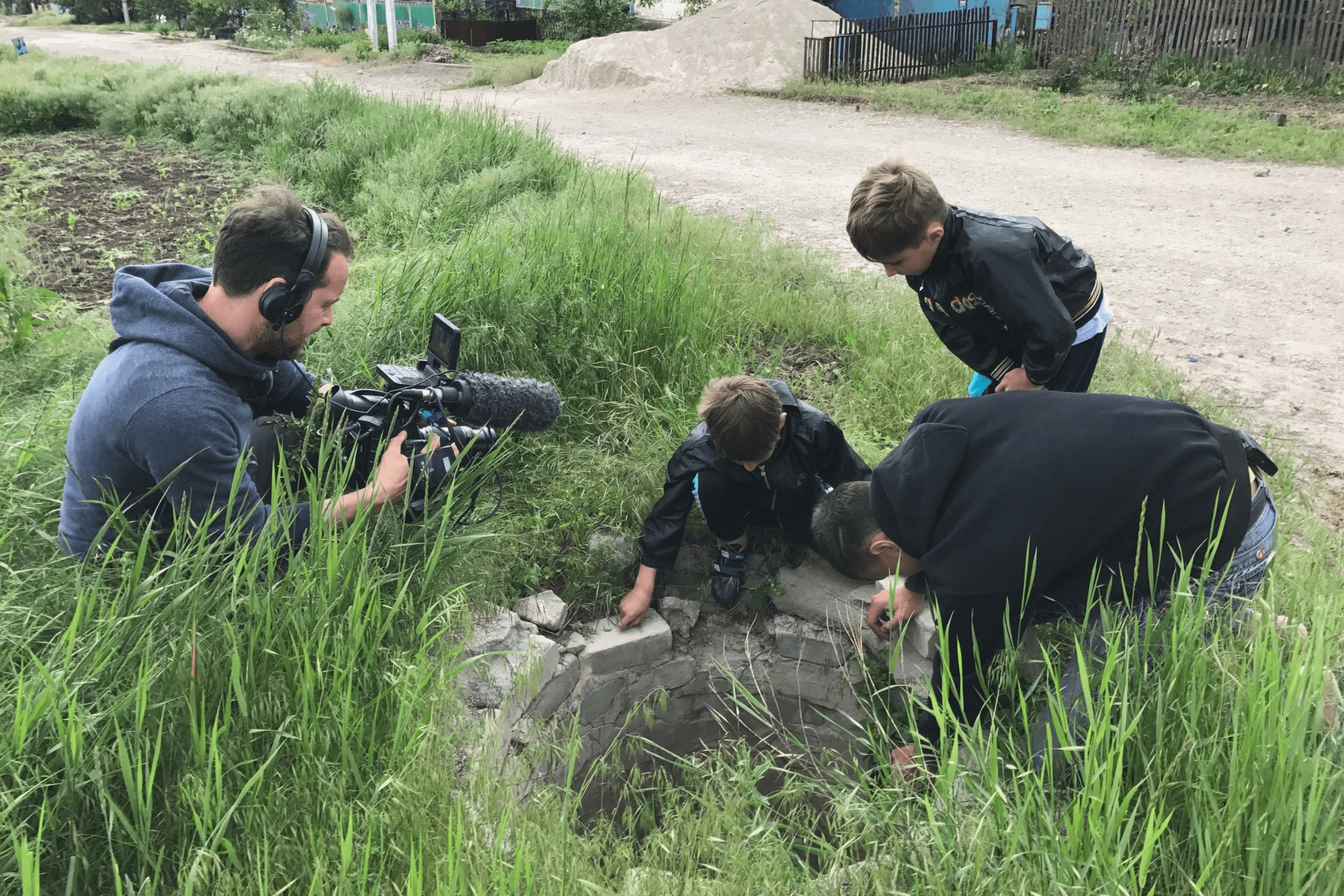
Photo: Voices of Children / YB 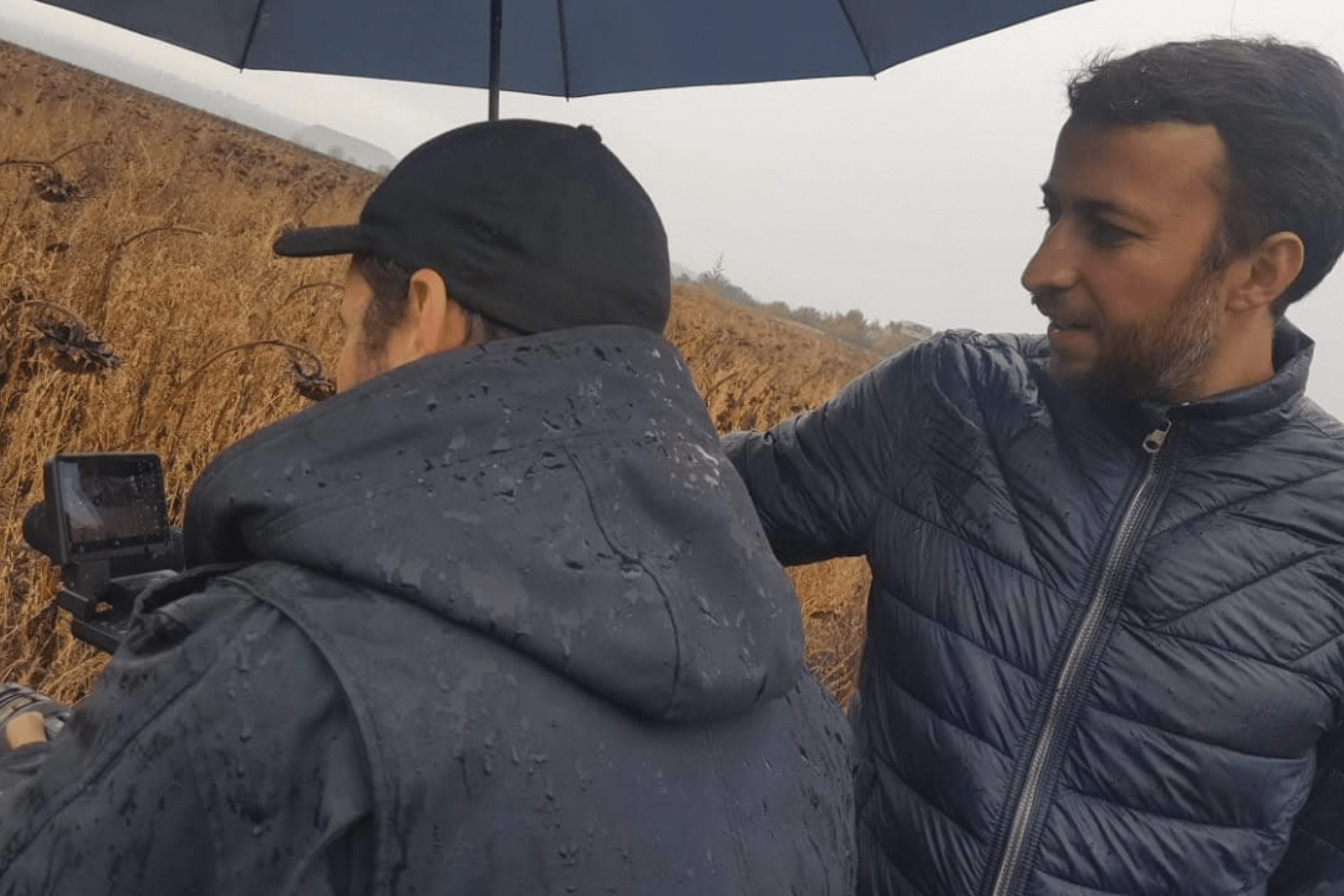
Photo: Voices of Children / YB 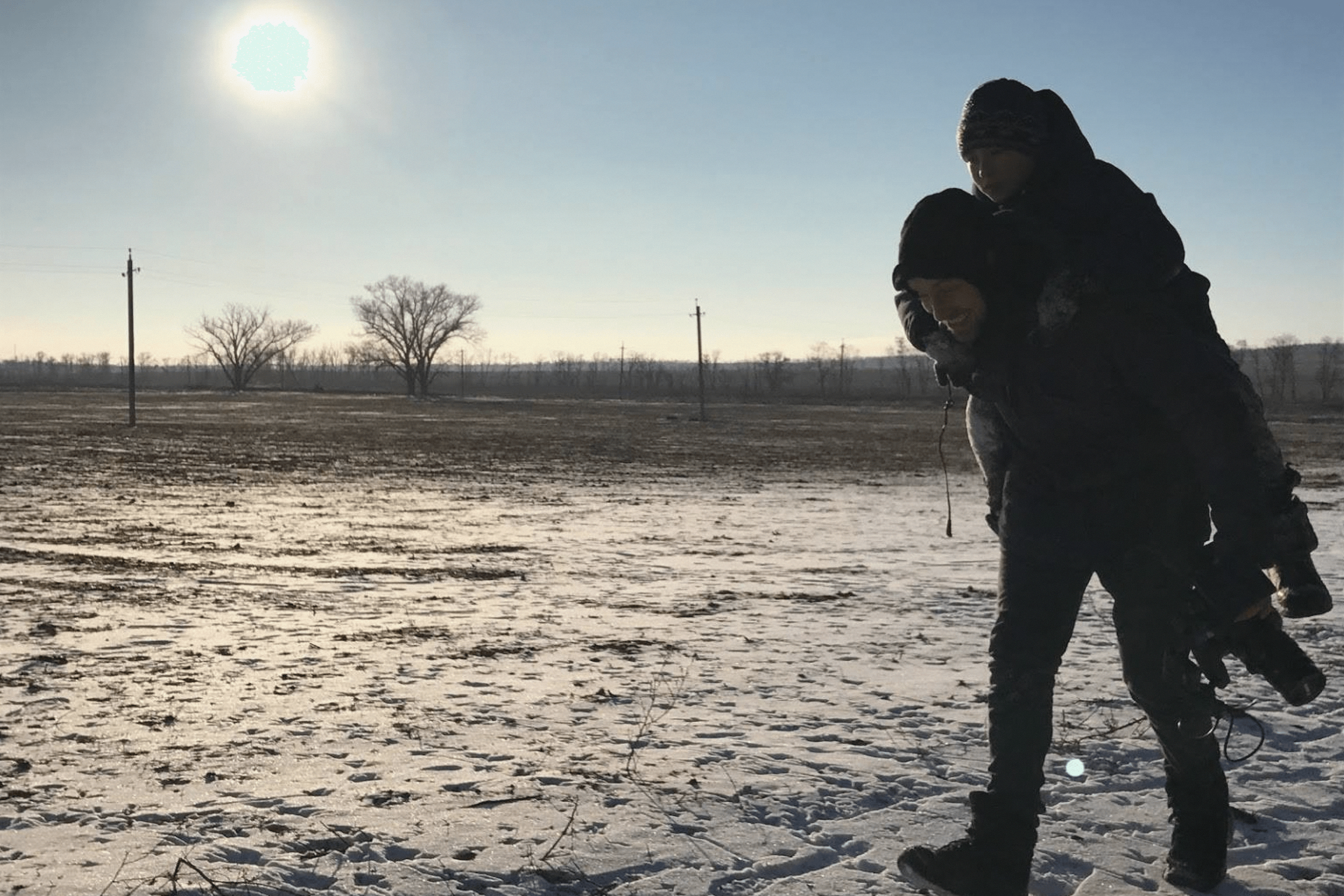
Photo: Azad Safarov / Facebook / YB
After completing the film, Azad and Simon began thinking about children who had lost not only a normal childhood but also any parental support. That led to the idea for their next documentary, A House Made of Splinters, about children living in a shelter near the frontline. They needed someone from the field: a person who understood the context, had the trust of local people, and could serve as a bridge between the film crew and the children. That is how Olena Rozvadovska was recommended to him.
Olena approached the request with caution. She had seen cases where children’s stories were simply exploited without any responsibility for the consequences. She agreed only after a long phone conversation, when she realized that the film would provide an opportunity to speak to an international audience about children living in wartime conditions.
Their first meeting took place on April 6, 2019. On the way back from the shelter in Lysychansk, their vehicle came under fire.
“It felt as though some huge hand had grabbed our car, squeezed it, and shaken it violently. We were thrown upward and then slammed back down. Everything went flying, and there was a ringing in our ears. Olena stopped the car and turned around to us: 'How is this possible? This has never happened before! ' I started shouting, 'Drive! Don’t stop! ' because I could see she was in shock. She only started moving after I shouted the third time,” Azad recalls.
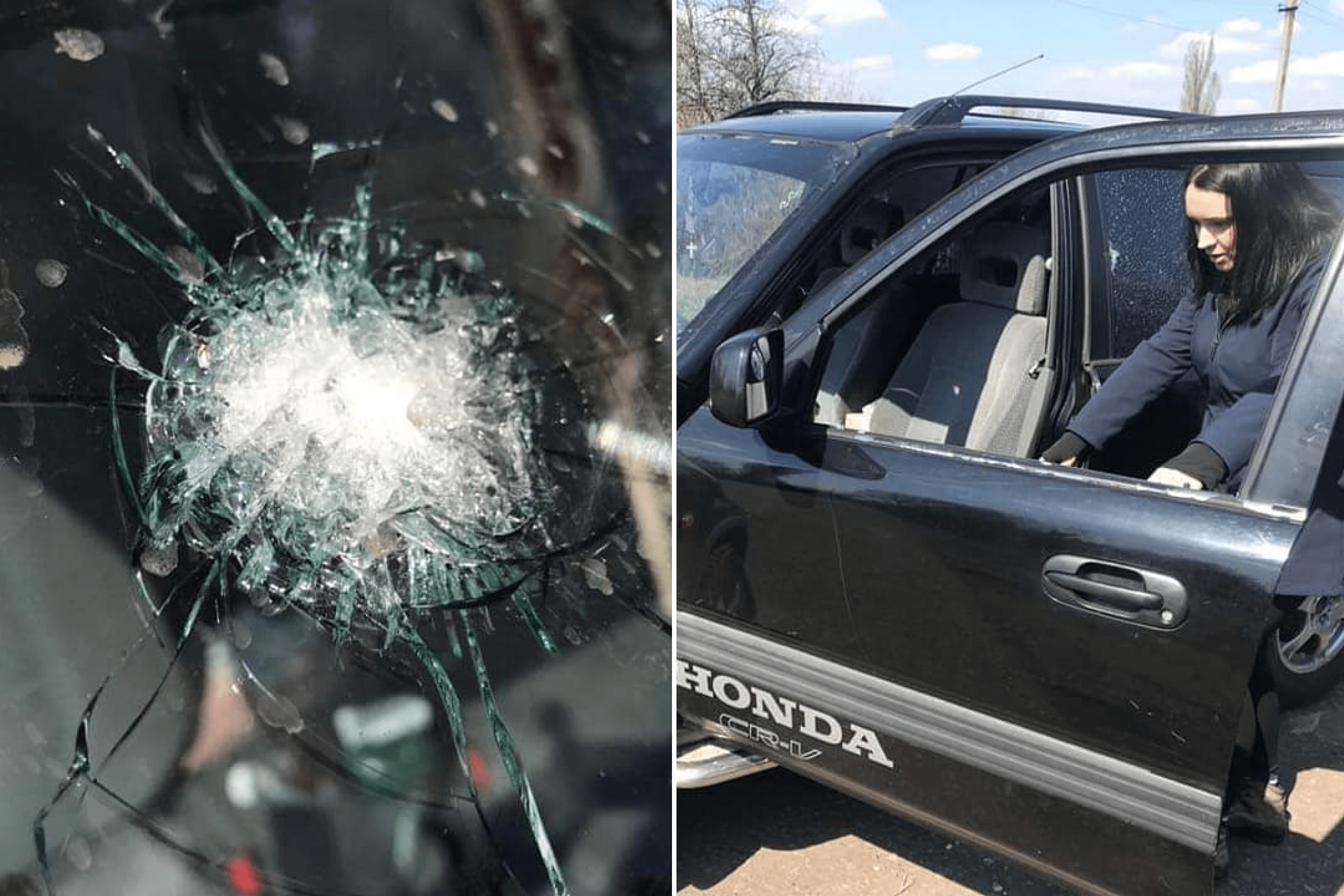
Photo: Olena Rozvadovska / Facebook / YB 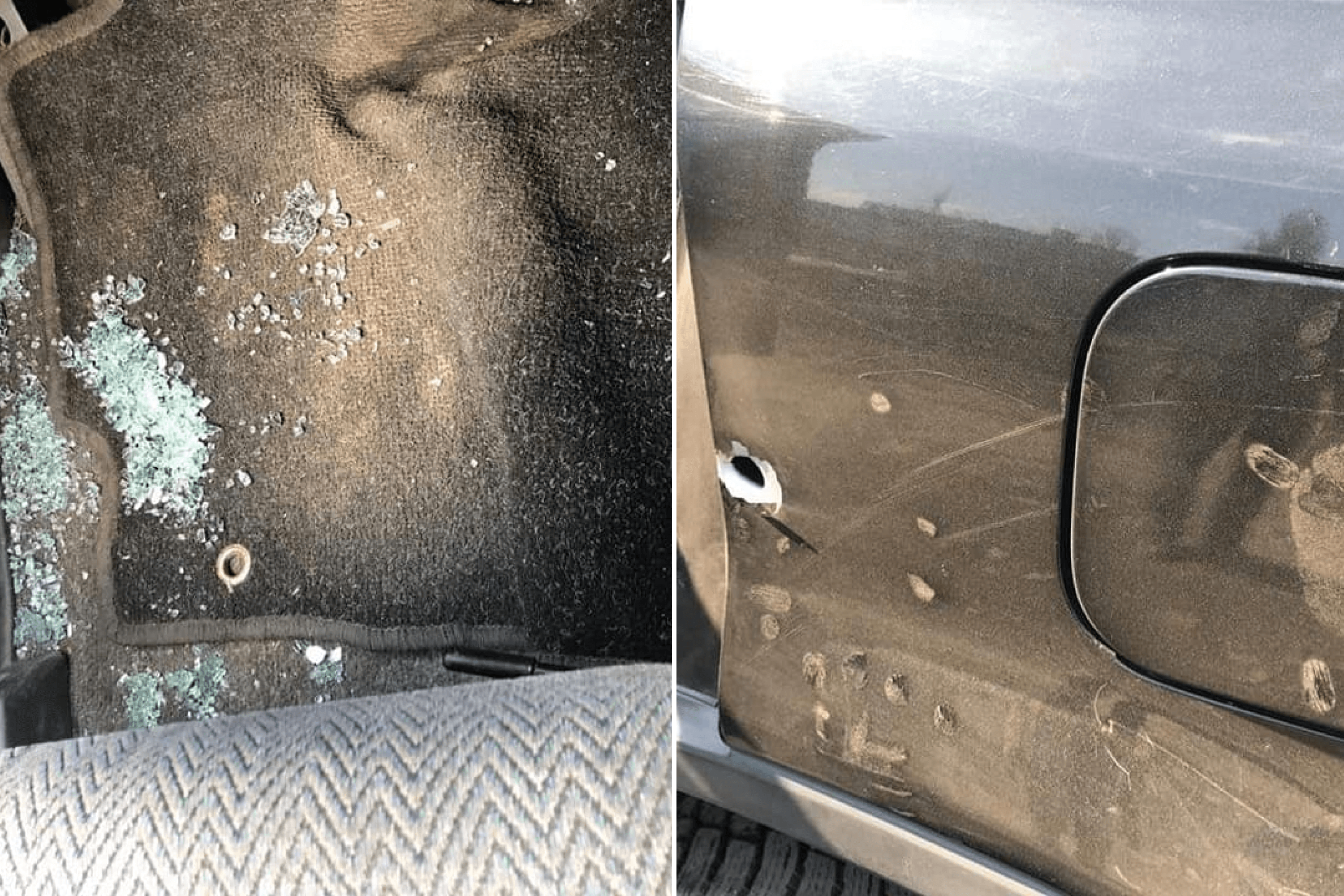
Photo: Olena Rozvadovska / Facebook / YB 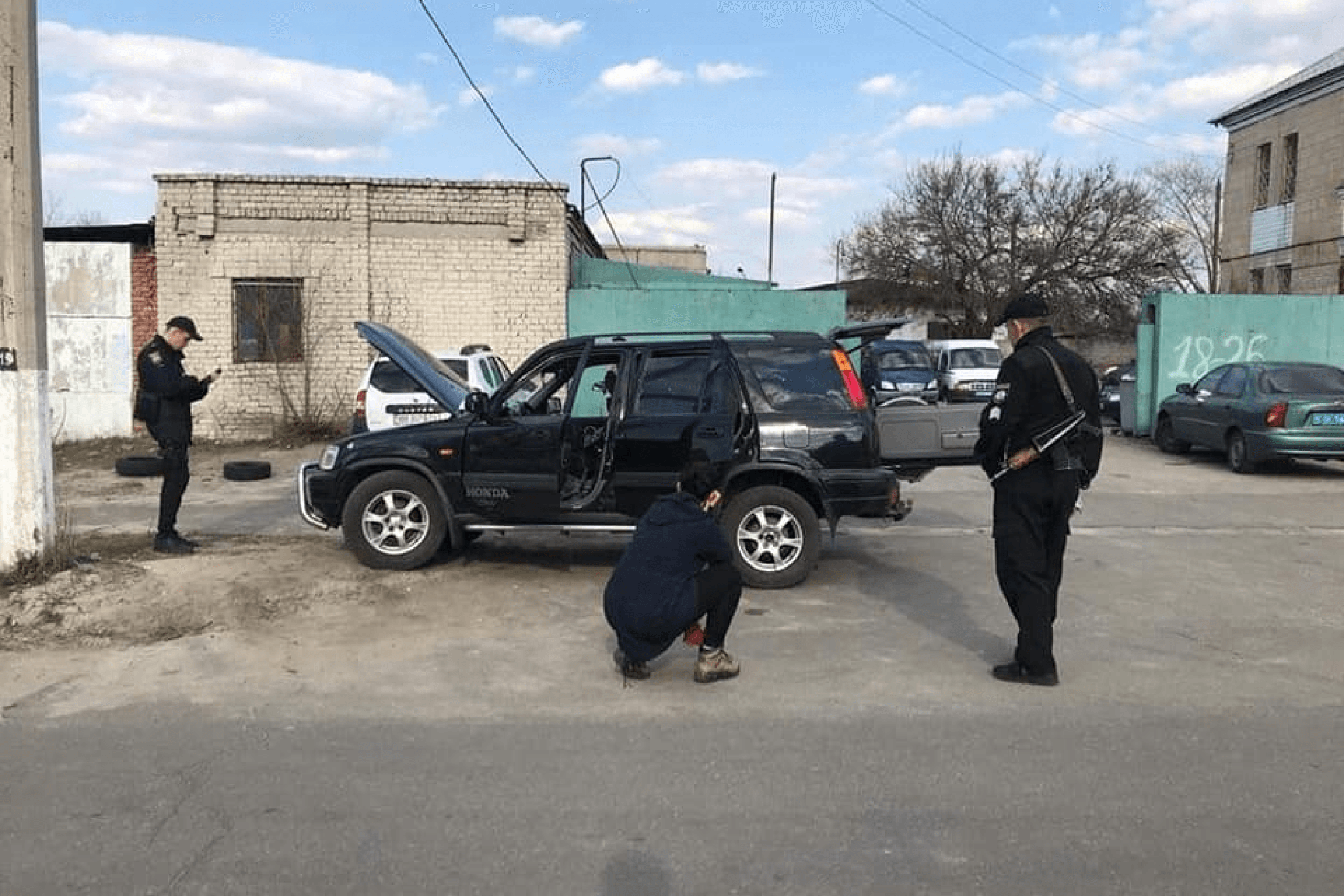
Photo: Olena Rozvadovska / Facebook / YB 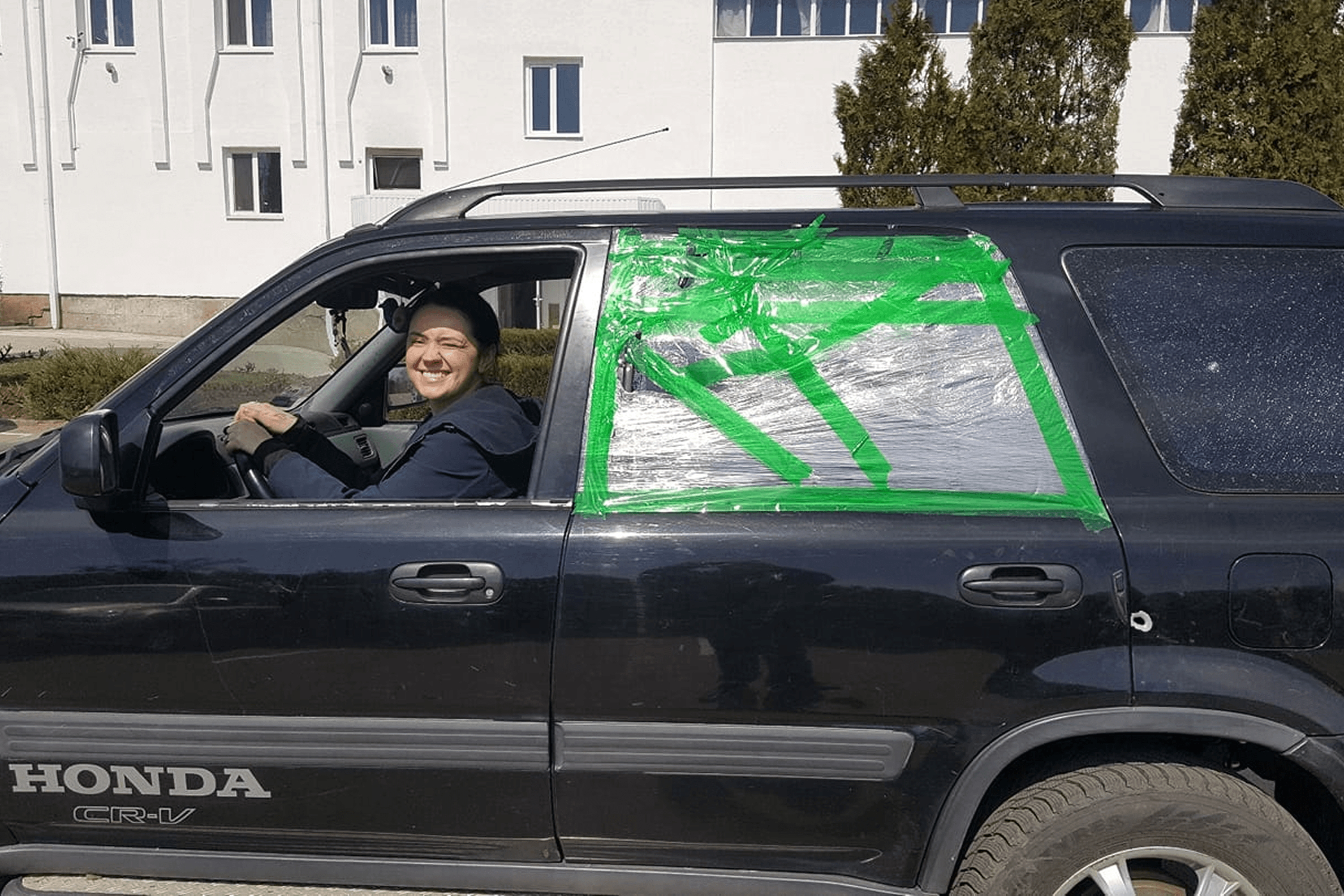
Photo: Olena Rozvadovska / Facebook / YB
A tree by the roadside stopped the fragments. No one on the team was injured. But afterward, still in shock, Olena stopped at every checkpoint and told the soldiers what had happened. More than anything, she worried about the shattered windows of the vehicle because she had no money for repairs, and dozens of children were still waiting for her in places that could only be reached by car.
The incident brought Azad and Olena closer together. Their interactions grew into friendship and eventually a relationship. Azad says he was struck by how different they were. He had grown up in an environment where stability was everything. At first, he was surprised by her nomadic way of life, but he also admired the magnitude of her personality and her dedication to the cause.
“Olena can be gentle and caring, but she is also completely uncompromising when it comes to protecting children. Though her habit of leaving everything until the last minute sometimes drives me crazy,” Azad says, laughing.
Olena found him too controlling and intense. Her own approach was more ascetic and exploratory: intuition over structure, freedom over rules.
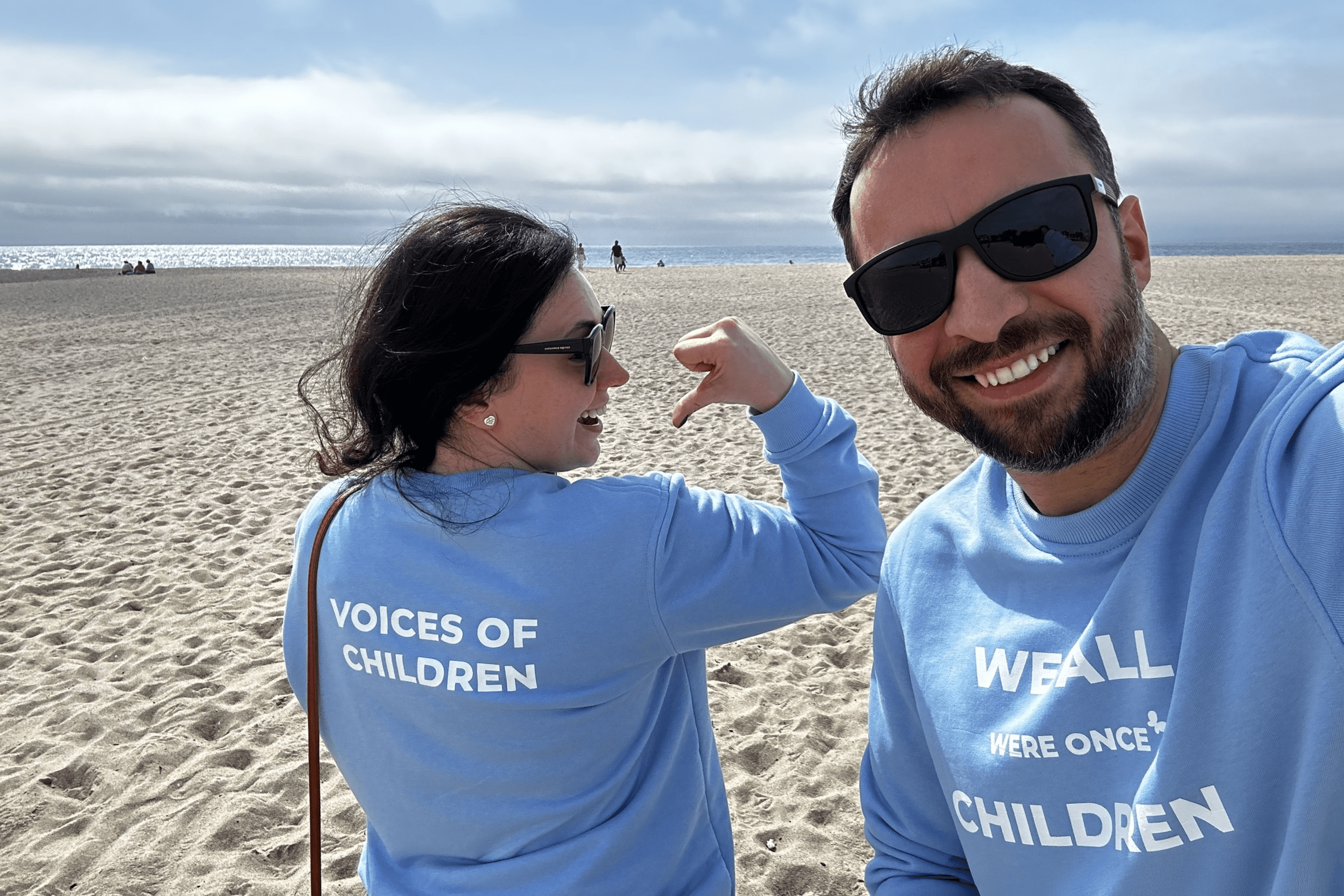
The film crew returned to the shelter every month for a year. They staged nothing, simply observing and allowing the children themselves to decide what they were willing to show.
After A House Made of Splinters was completed, however, a practical question emerged: what should be done with the support that would come once the film was released?
“I realized that personal help reaches dozens of people. A foundation makes it possible to scale that work and help thousands. So I started persuading Olena to create a foundation.”
3
In December 2019, Olena was flying to Germany to spend Christmas with Azad when, in her usual spontaneous manner, she registered the Voices of Children charitable foundation in Kyiv.
In practice, almost nothing changed right away. There was no team and no office. She and Azad continued travelling to eastern Ukraine, talking to children, sharing their stories on social media, and looking for ways to help them. The foundation’s first employee was an accountant. After Azad persuaded her at length, Olena officially appointed herself director on a minimum salary.
“We agreed from the very beginning: either we work transparently, or we do not do it at all,” says Azad. Initially, the biggest obstacle was not money but fear. Olena was wary of public fundraising. In Ukraine, charitable work has traditionally been accompanied by suspicion and accusations.
During its early days, the foundation raised only modest amounts. At one of its first events, Ukrainian celebrities bought handmade children’s toys. The foundation collected just $500, but Azad and Olena kept going. Drawing attention to children affected by war mattered more than any amount of money.
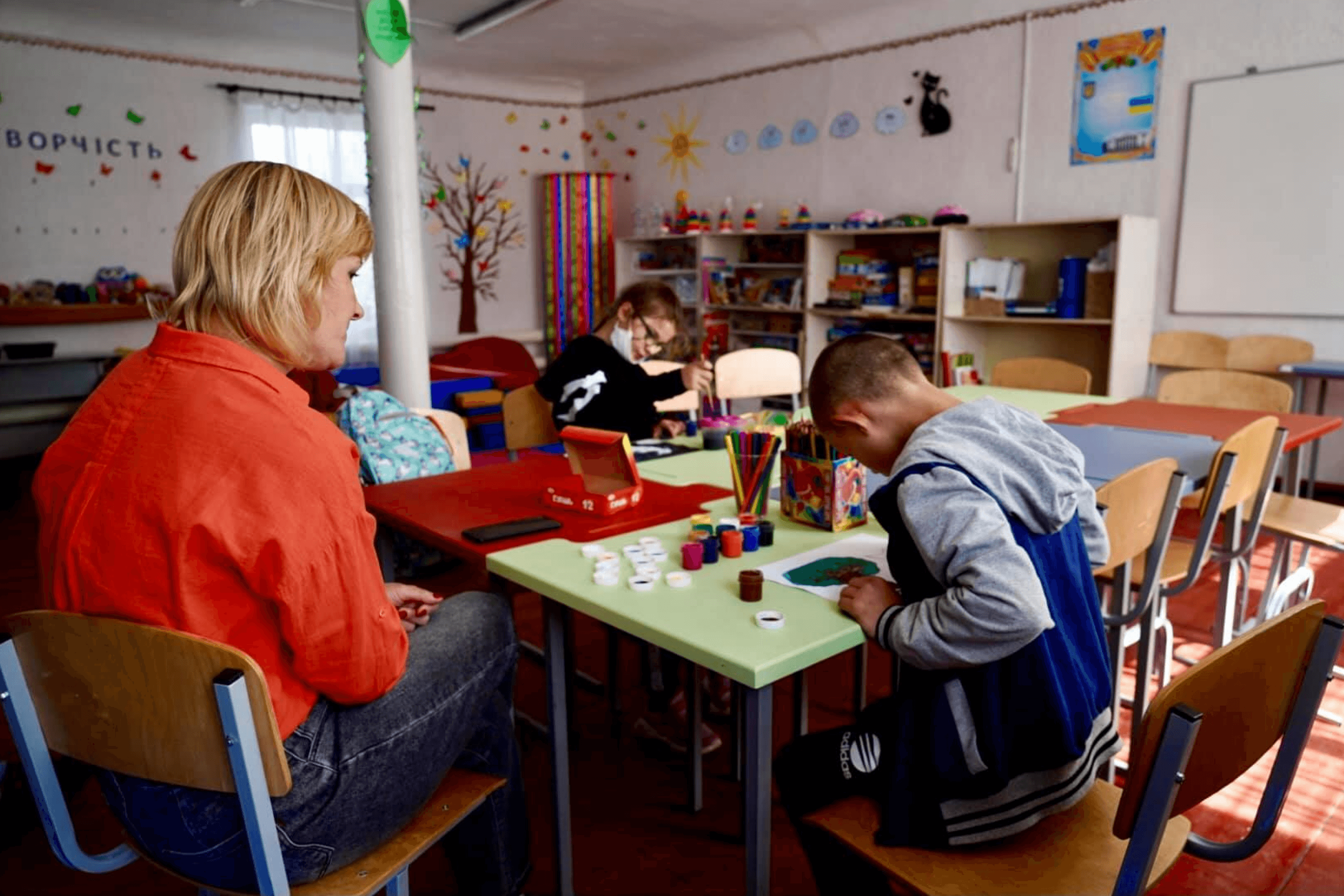
Archival photos of the work of the “Voices of Children” foundation before 2022. Photo: Voices of Children / YB 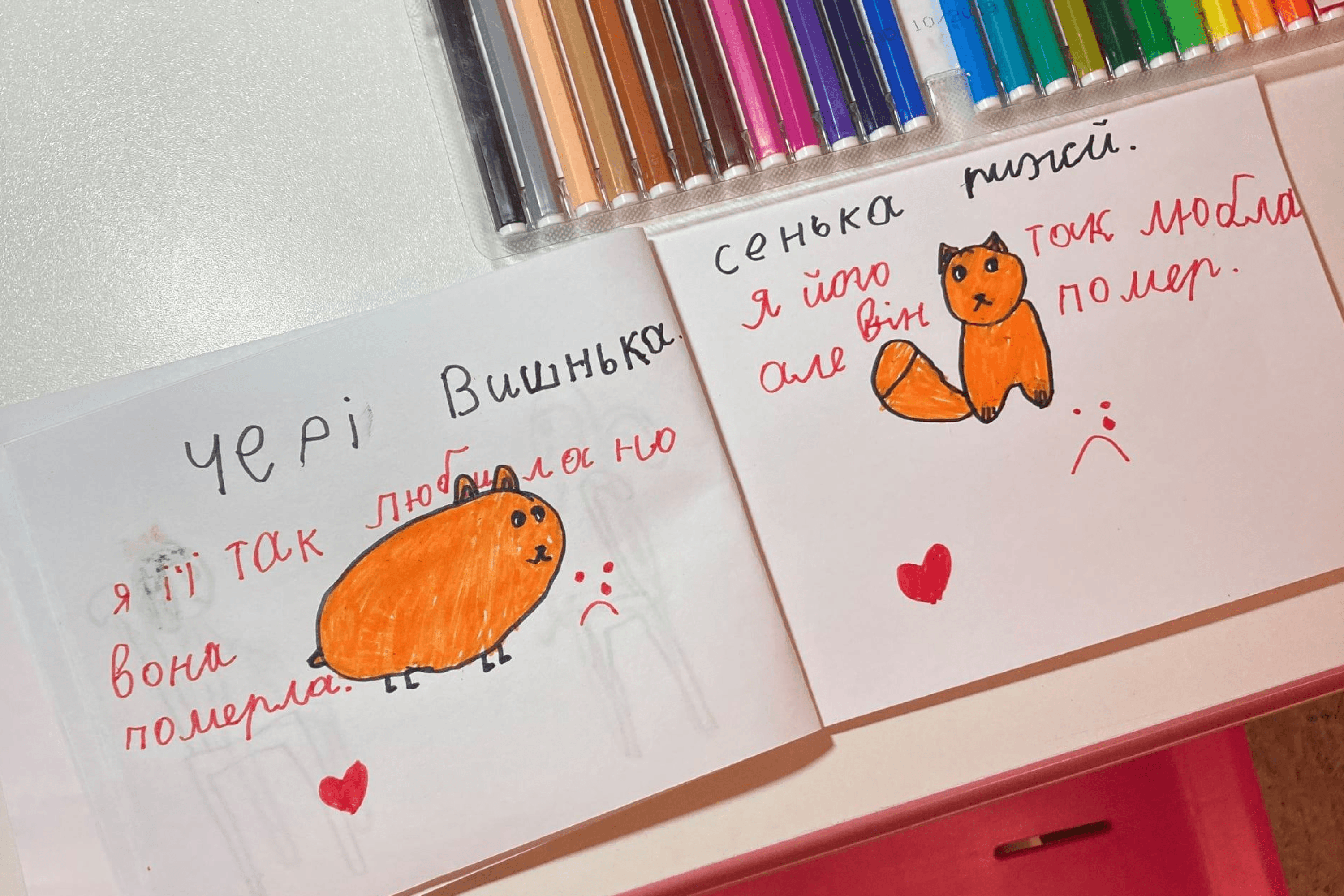
Photo: Voices of Children / YB 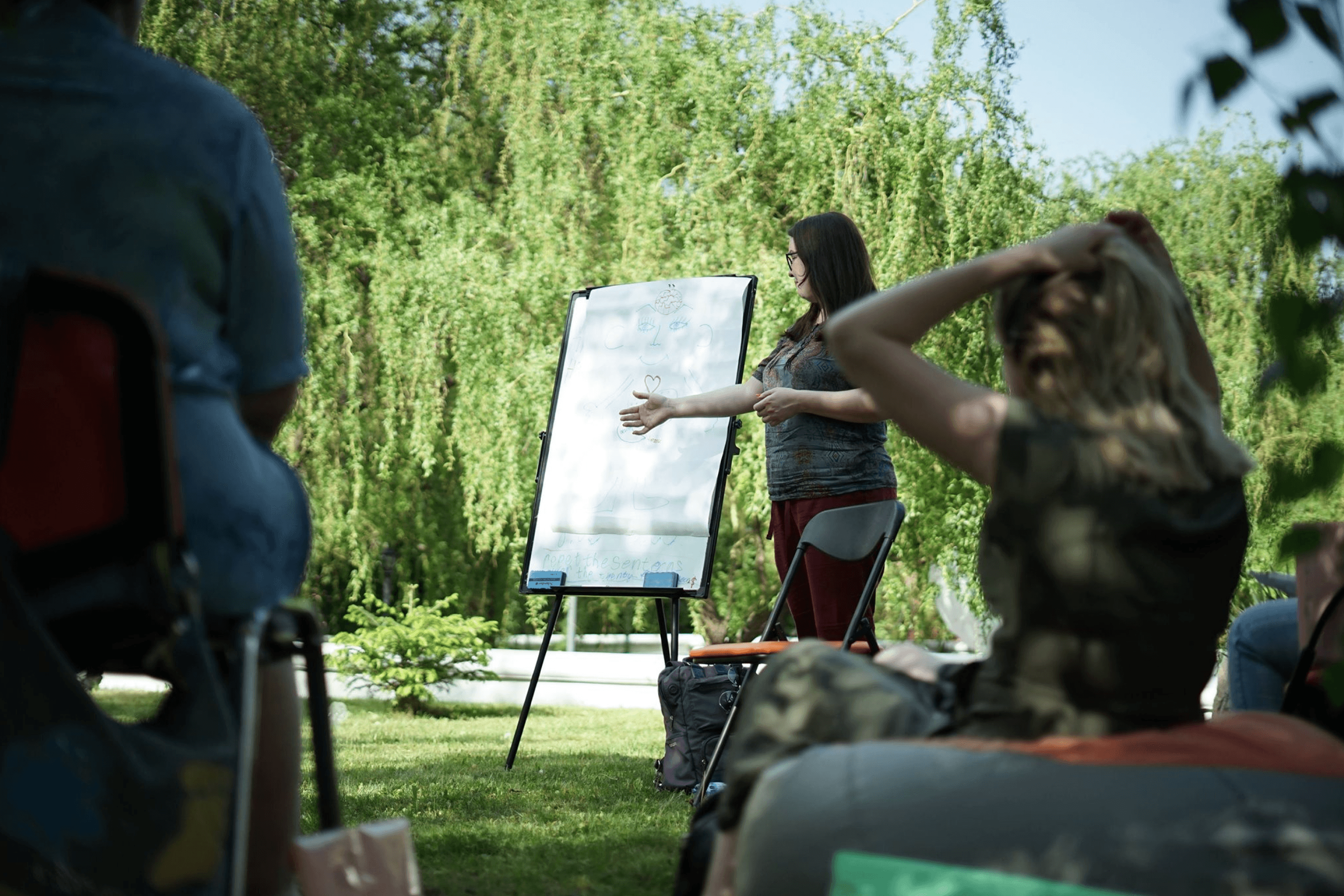
Photo: Voices of Children / YB 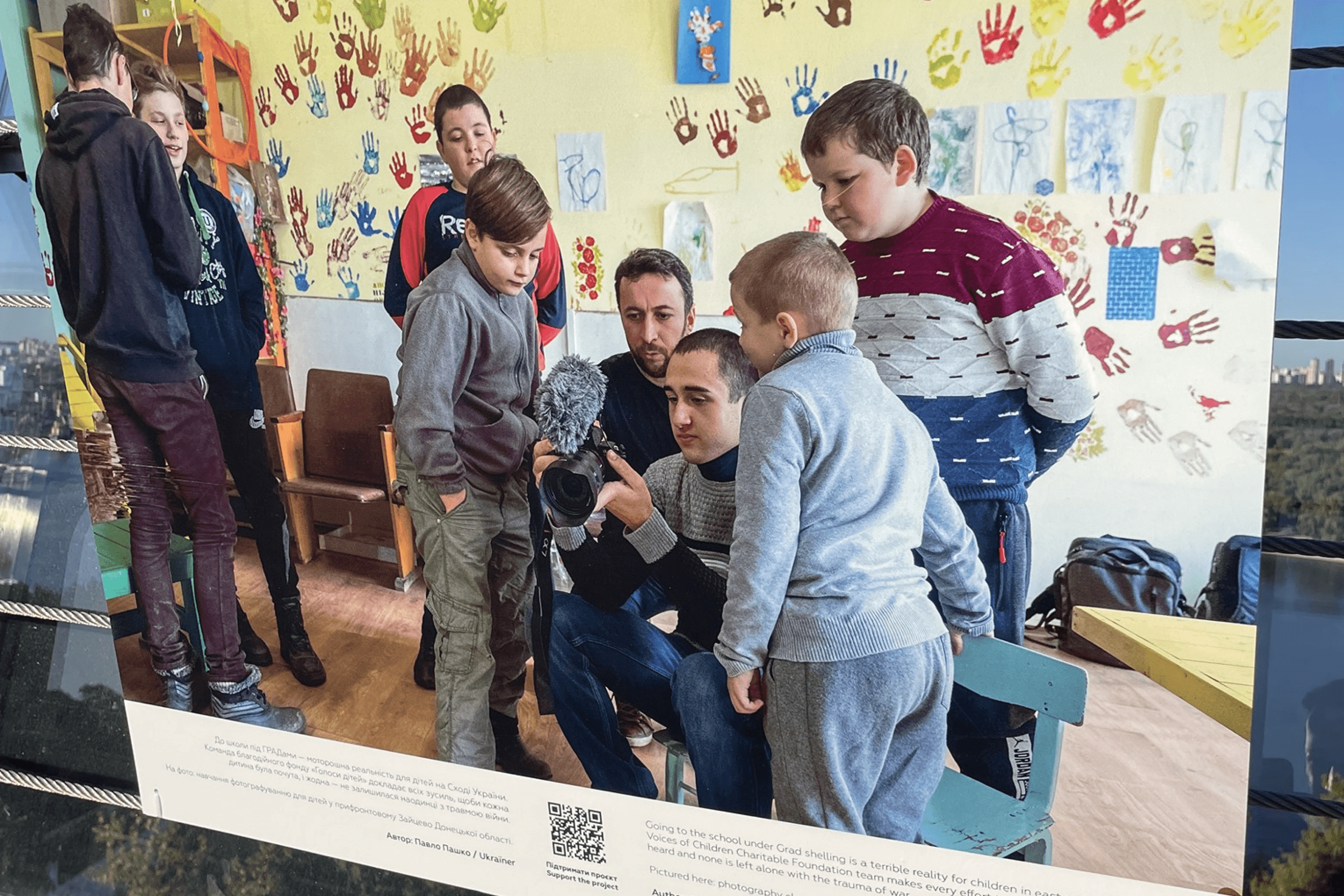
Photo: Voices of Children / YB
During the COVID pandemic, the foundation’s annual budget did not exceed $40,000. The team consisted of 15 people: Olena, twelve psychologists, an accountant, and a beneficiary support manager. Each year, the foundation helped around 1,000 children, providing everything from food assistance to art therapy. The team worked with families living along the frontline and in remote towns that large humanitarian organizations often did not reach.
The turning point came after February 24, 2022, when Russia launched its full-scale invasion of Ukraine.
In the first days, the team worked almost without interruption. Families the foundation had supported in previous years called for help and passed on contact details to others. “It felt as though we simply could not keep up with the scale of the catastrophe,” Olena recalls.
It quickly became clear that most humanitarian initiatives were covering basic needs, while almost no one was systematically providing psychological support for children. Voices of Children had already been doing this work before the full-scale war and suddenly found itself in the spotlight. The BBC and CNN wrote about the foundation. In April 2022, Forbes included it among Ukraine’s ten most effective charitable organizations. Donations began arriving from abroad, including from the United States, the United Kingdom, and Germany.
At the same time, singer Madonna and digital artist Beeple launched the NFT project Mother of Creation and donated part of the proceeds to the foundation. The cryptocurrency platform MoonPay made a separate donation of $100,000. Later, Oprah Winfrey wrote about the organization and called on people to support Ukrainian children. Within a month and a half, the foundation raised more than $2 million.
Before 2022, its annual budget had been around $100,000. After the invasion began, it grew to $4 million. This allowed the team to rapidly hire psychologists, crisis coordinators, and other specialists. They evacuated families, searched for housing, delivered humanitarian aid, and answered calls from parents whose children had stopped speaking, sleeping, or leaving their rooms after shelling.
“We were hiring people as we went along. Looking back, that was probably one of our biggest mistakes. Later, we had to part ways with many of them,” says Azad. Today, the foundation takes a more careful approach to recruitment. Skills matter, but shared values matter just as much.
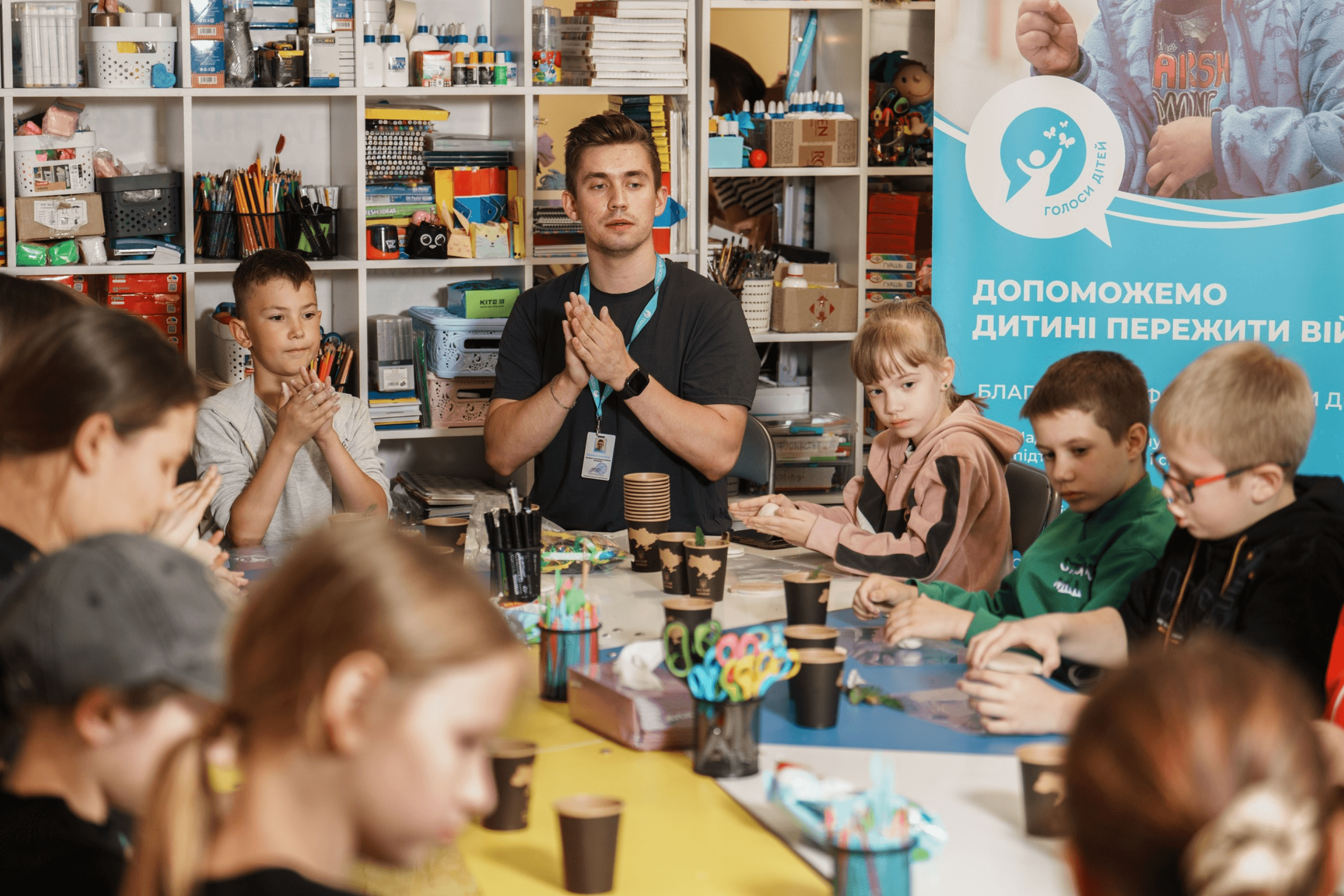
Specialists from the “Voices of Children” foundation work with children. Photo: Voices of Children / YB 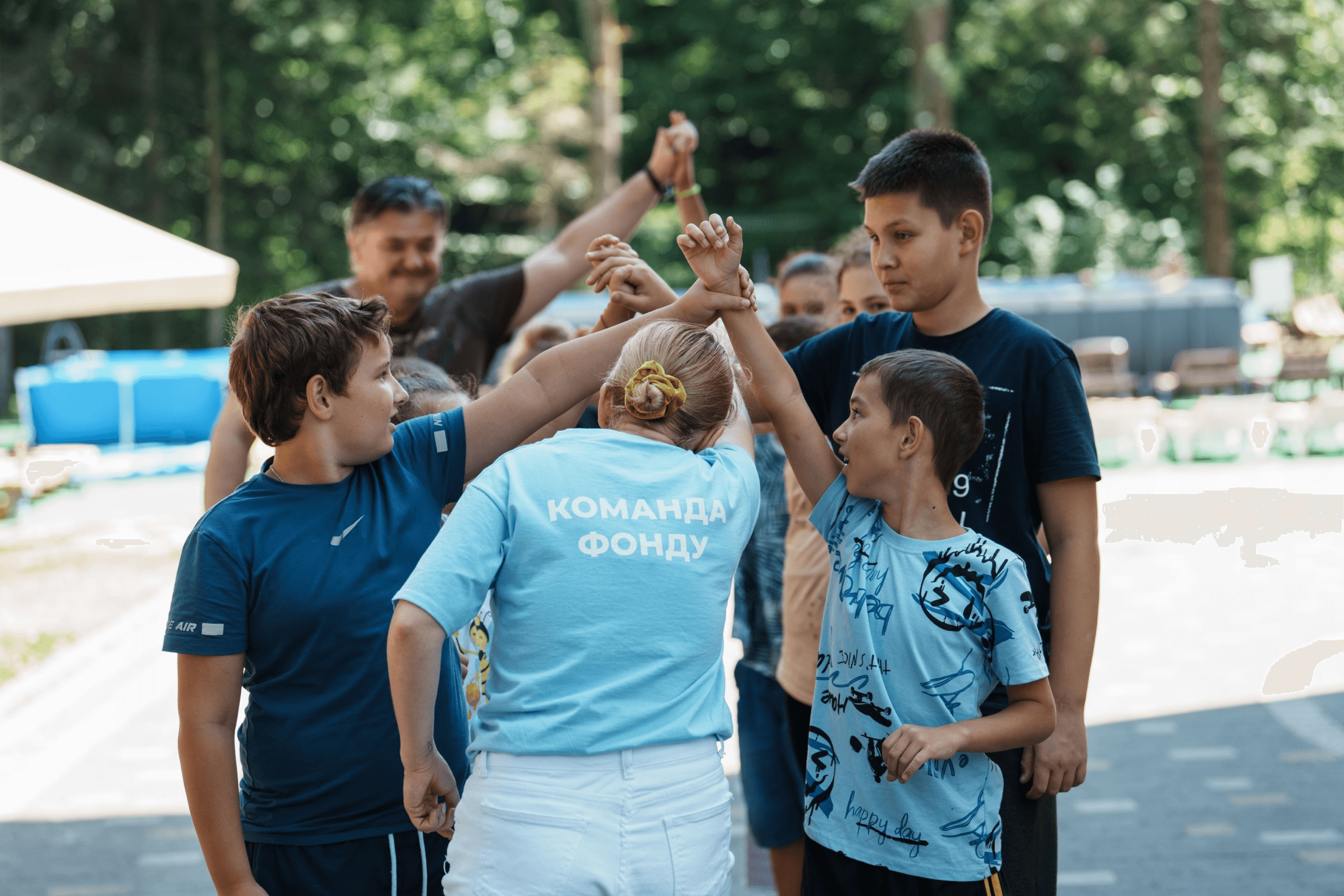
Photo: Voices of Children / YB 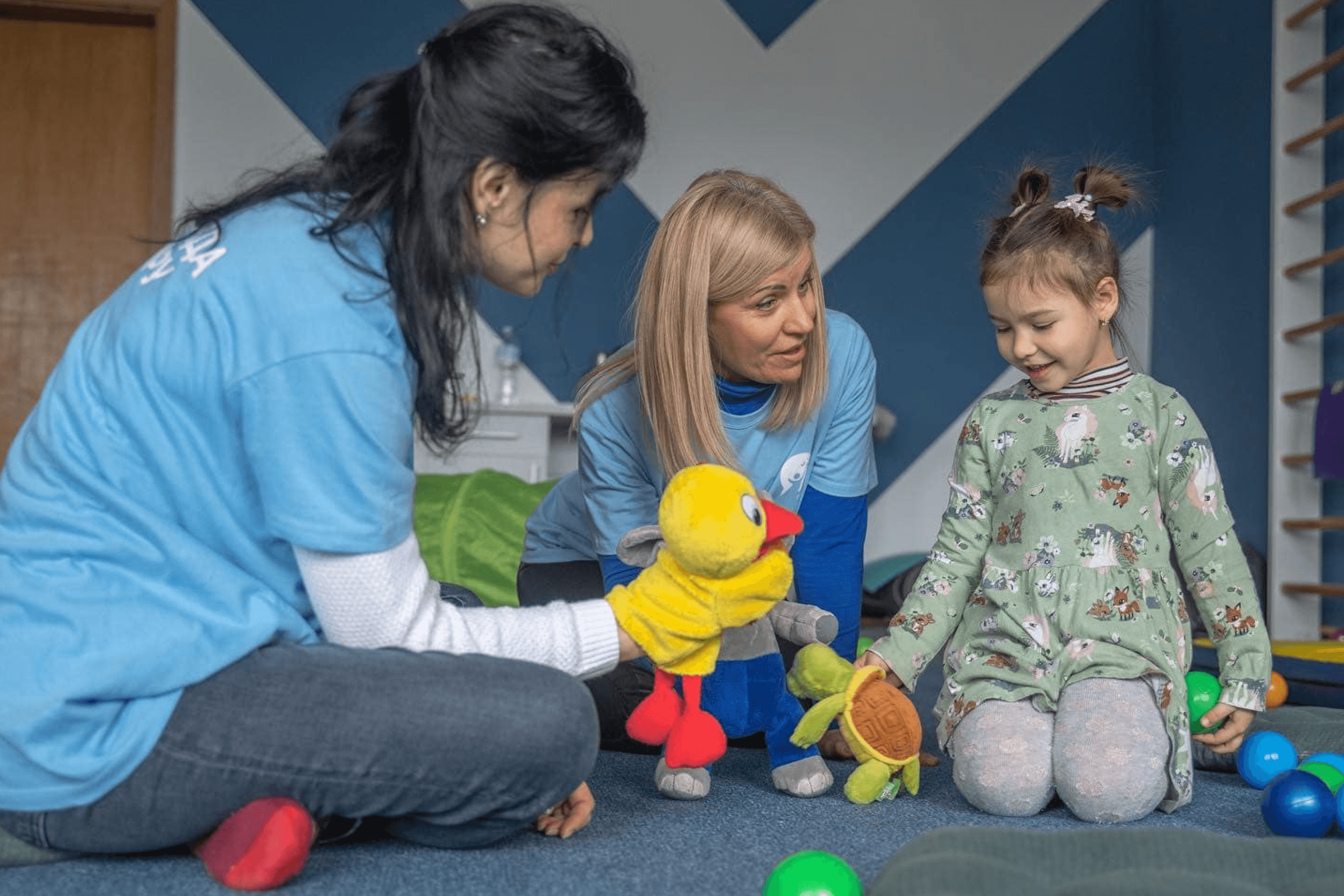
Photo: Voices of Children / YB 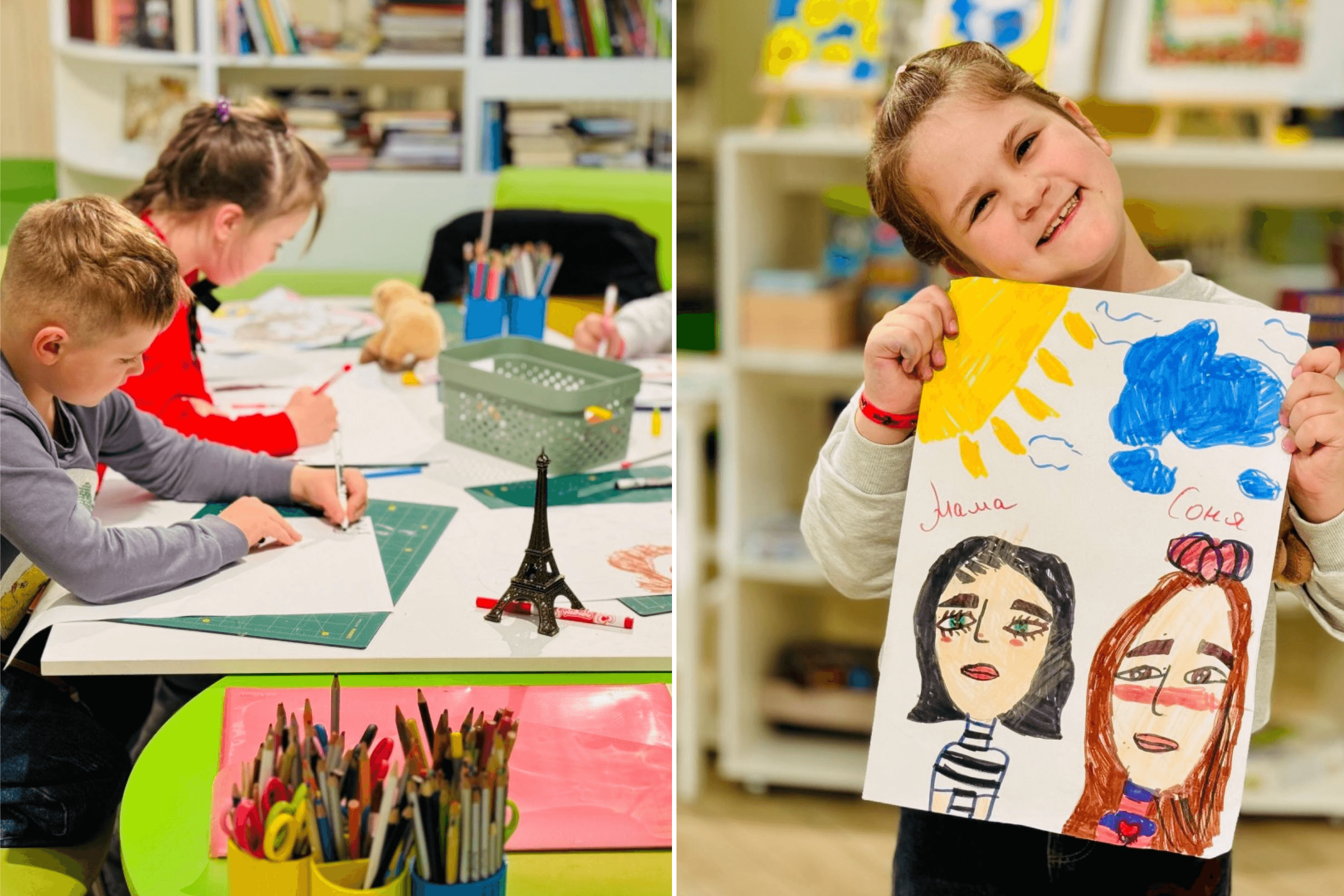
Photo: Voices of Children / YB 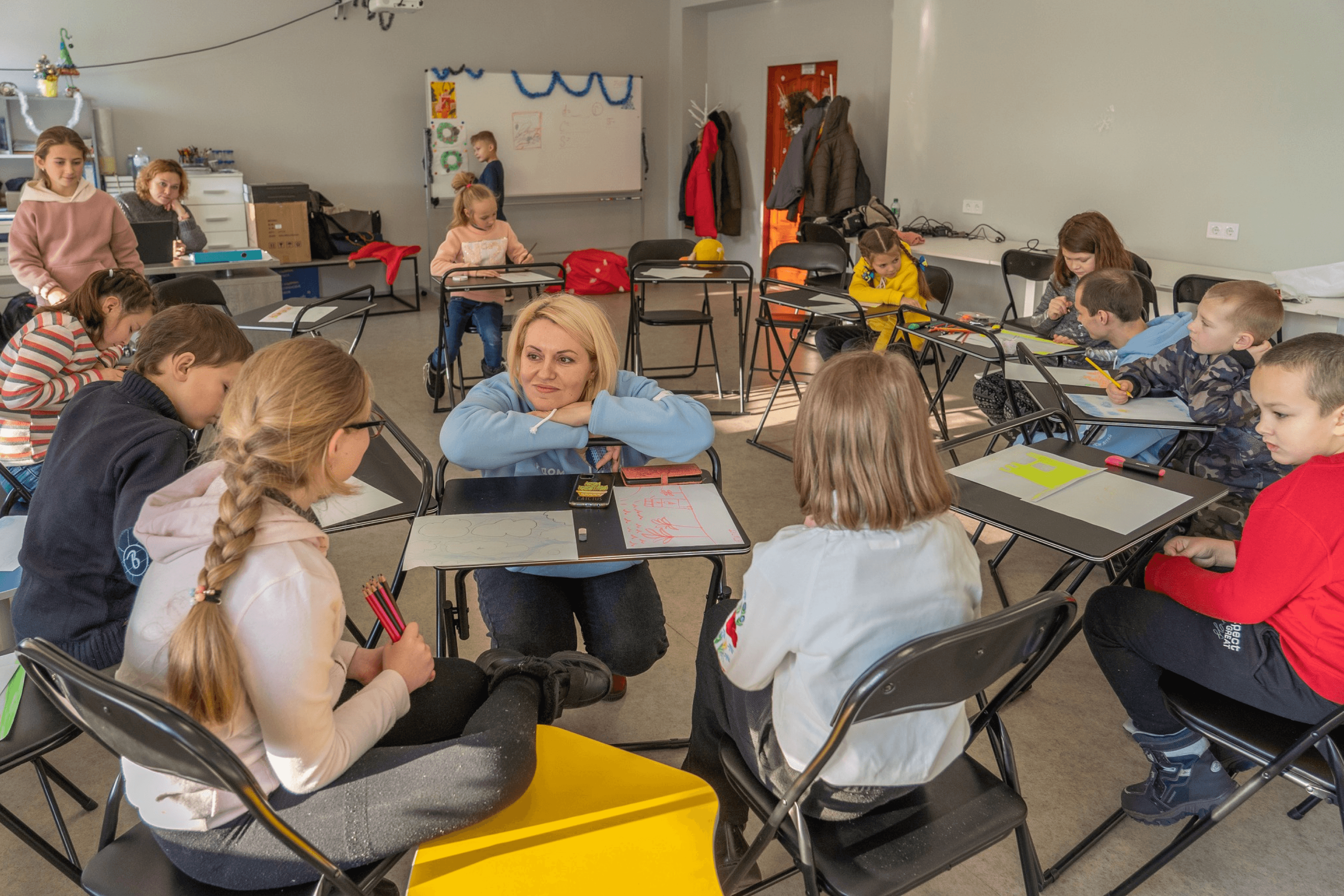
Photo: Voices of Children / YB 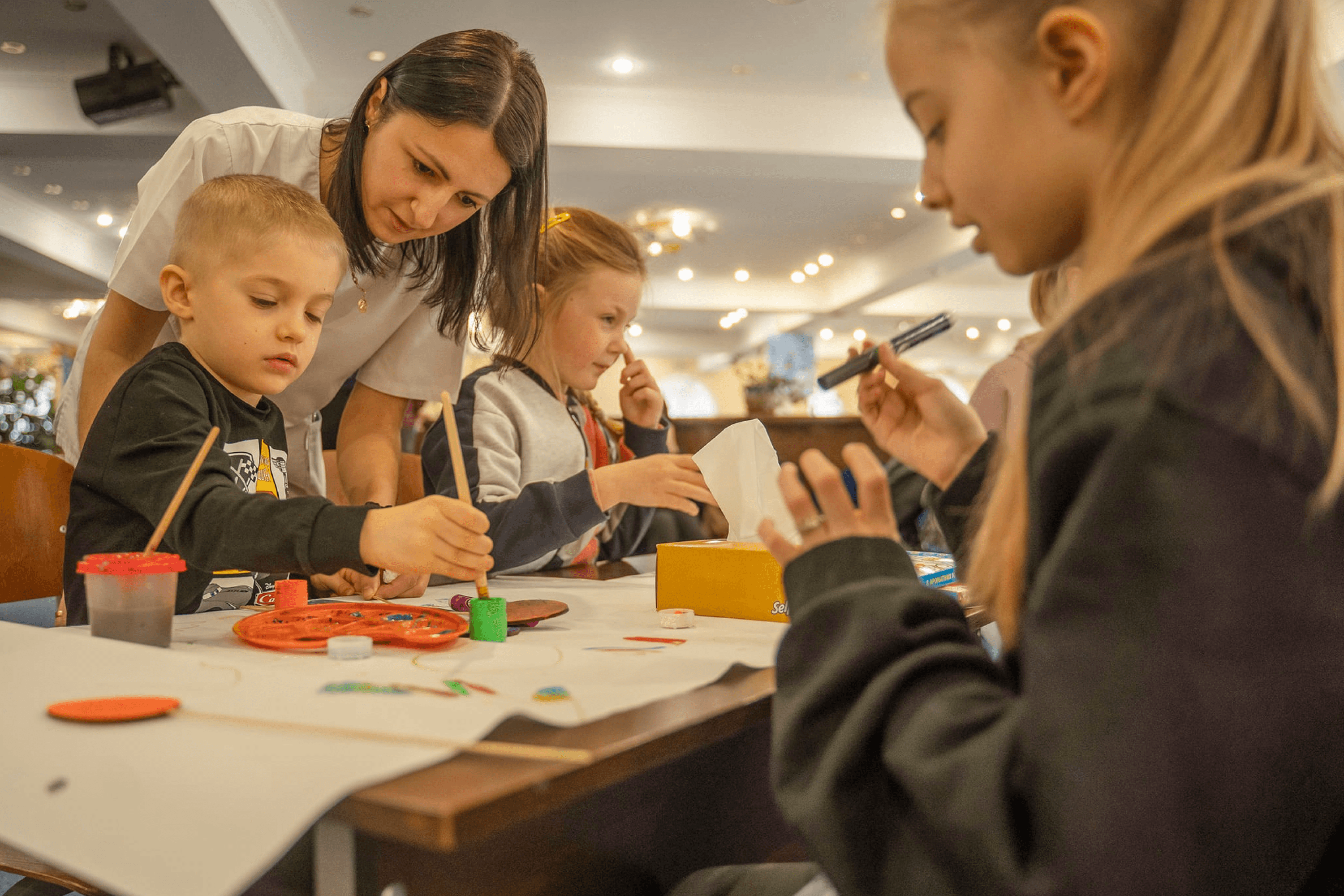
Photo: Voices of Children / YB
In the winter of 2023, A House Made of Splinters was one of five nominees for an Oscar, and the foundation once again found itself at the center of international attention. For the team, however, something else mattered most at that moment.
Kolya, one of the film’s protagonists, had appeared in the documentary with his brother and sister, children placed in institutional care. In the film, he comes across as a complicated teenager: responsible for his younger siblings, yet distrustful of adults. After the documentary was released, a man named Oleh took an interest in Kolya’s story. At first, he became the boy’s mentor. After the full-scale invasion began, he and his wife officially took him into their care.
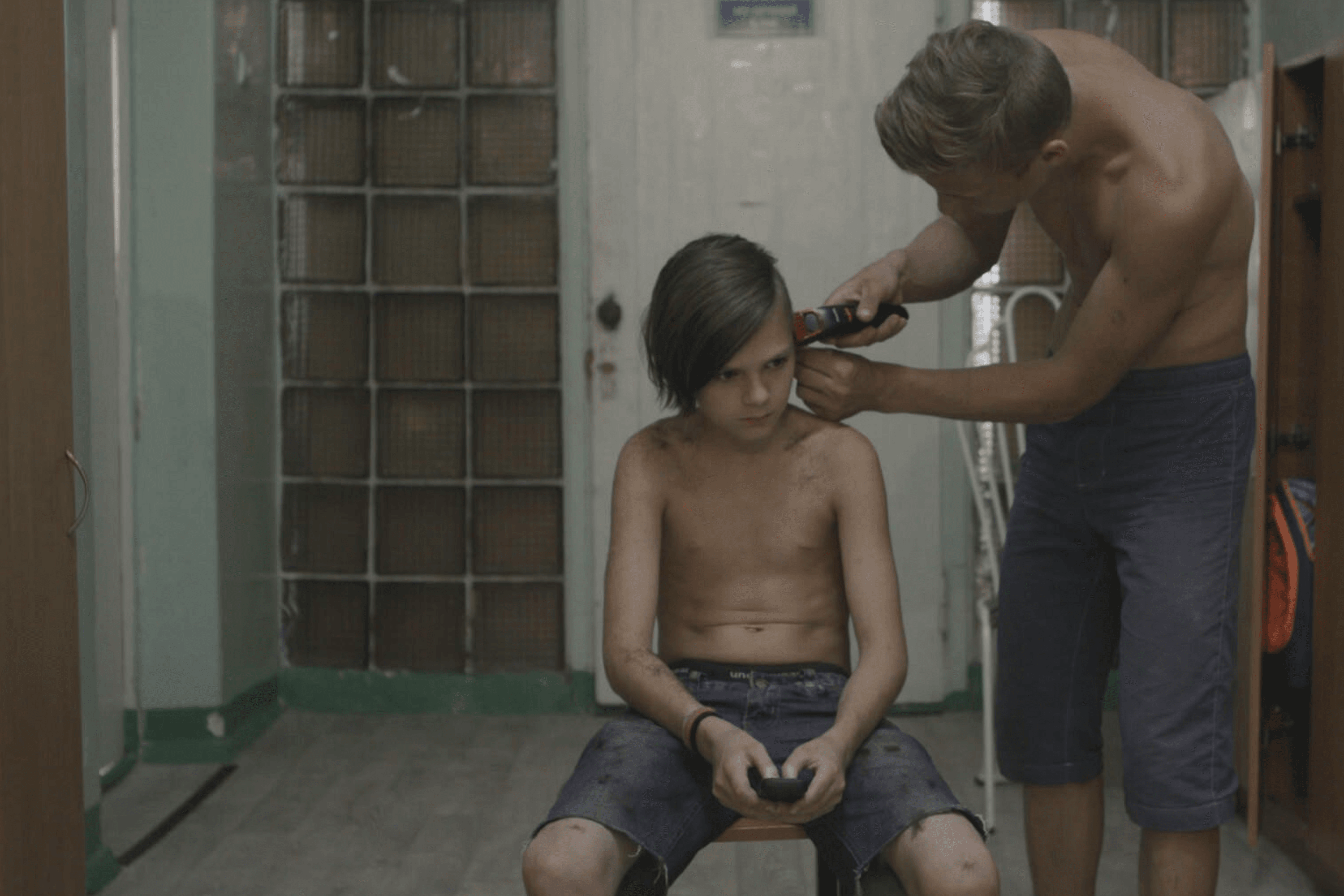
Kolya in the documentary A House Made of Splinters. Photo: Still from A House Made of Splinters documentary film / YB 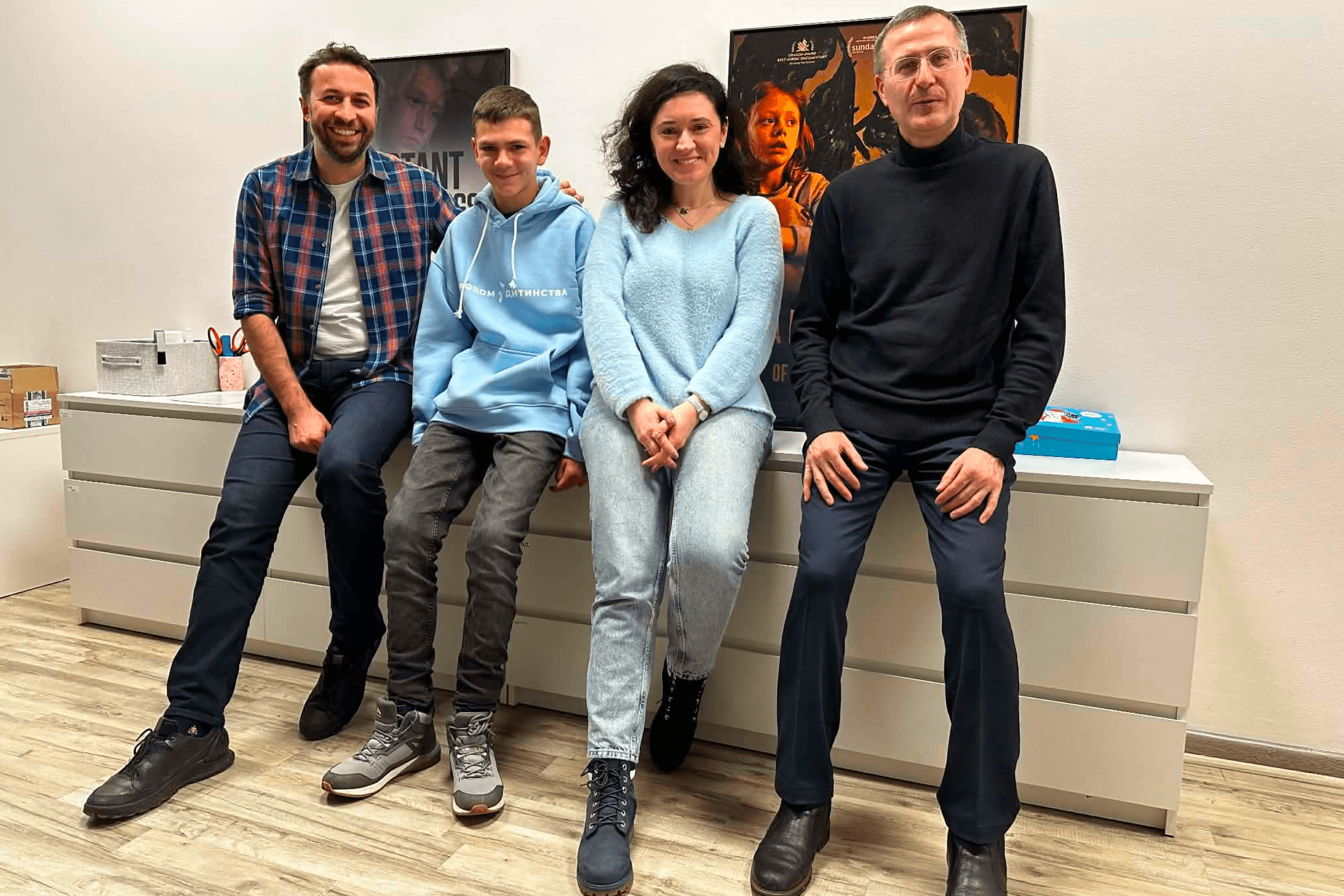
Kolya after his adoption with his father, Oleh. Photo: Voices of Children / YB 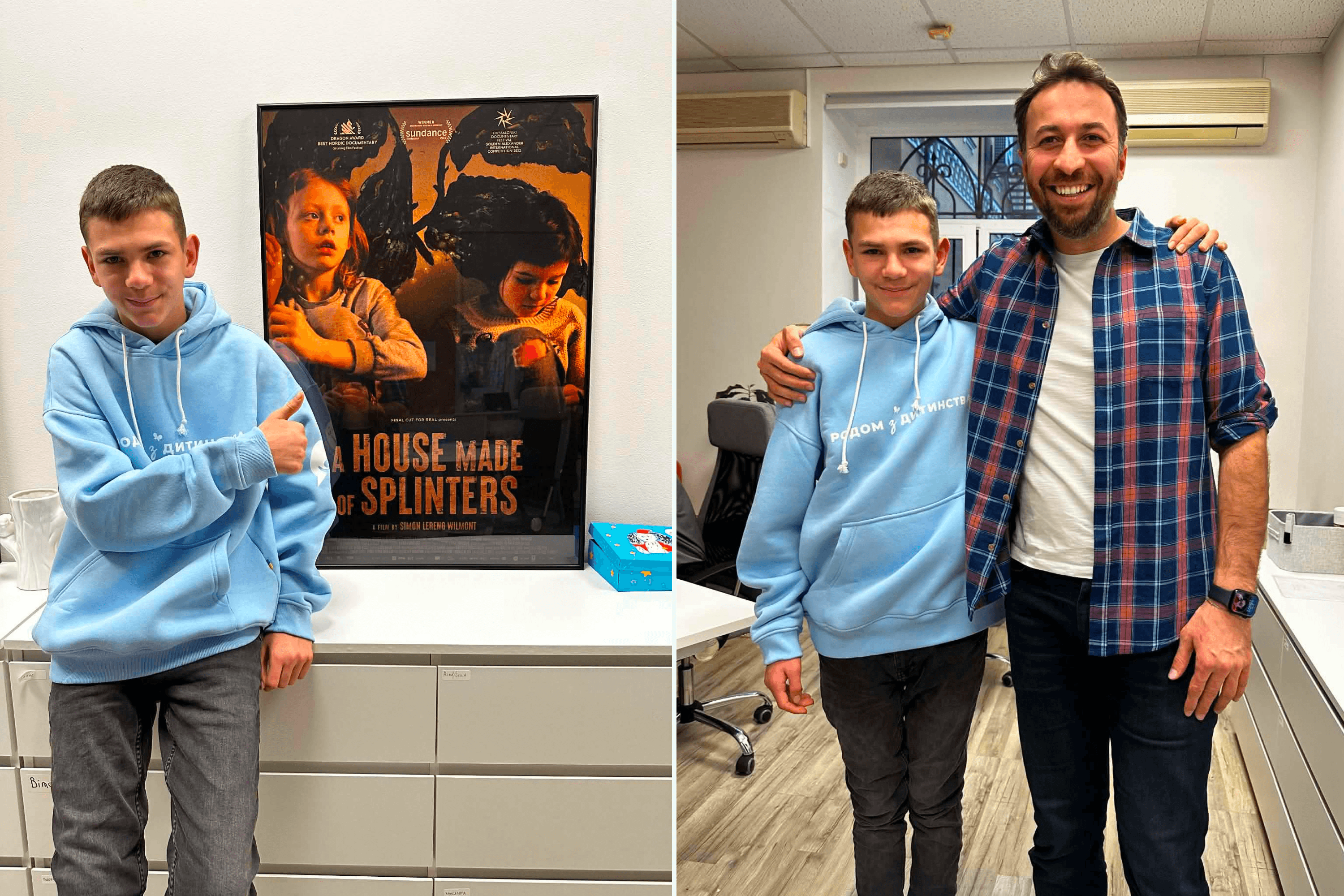
Photo: Voices of Children / YB
Around the same time, Azad received an Emmy Award for the report “The Battle for Bucha and Irpin.” The BBC included Olena in its annual list of the 100 most influential women in the world.

To mark the anniversary of the full-scale invasion, the foundation published the book War Through the Voices of Children. The rights were acquired by HarperCollins, unprecedented for a Ukrainian charitable foundation.
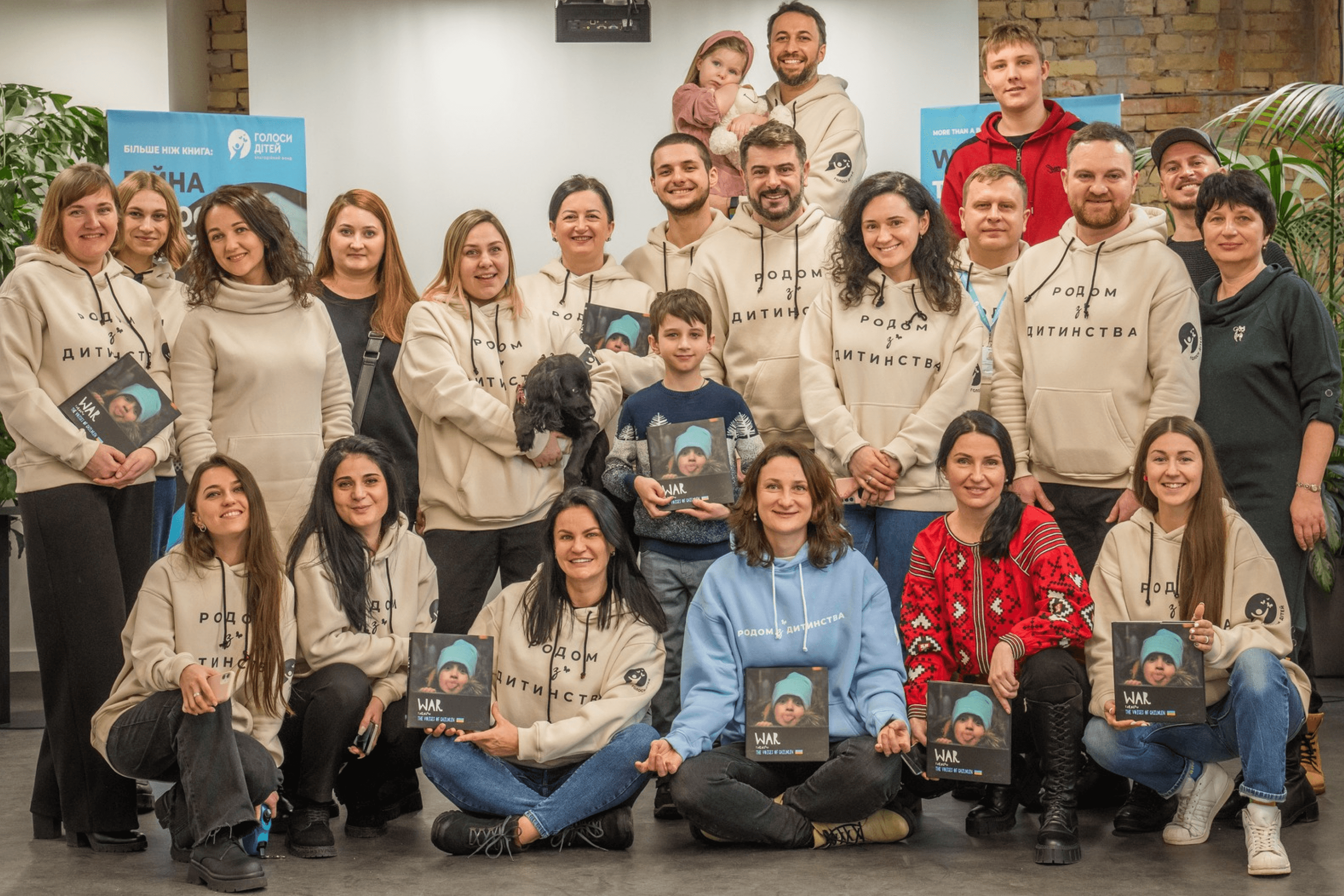
Presentation of the book War Through the Voices of Children. Photo: Voices of Children / YB 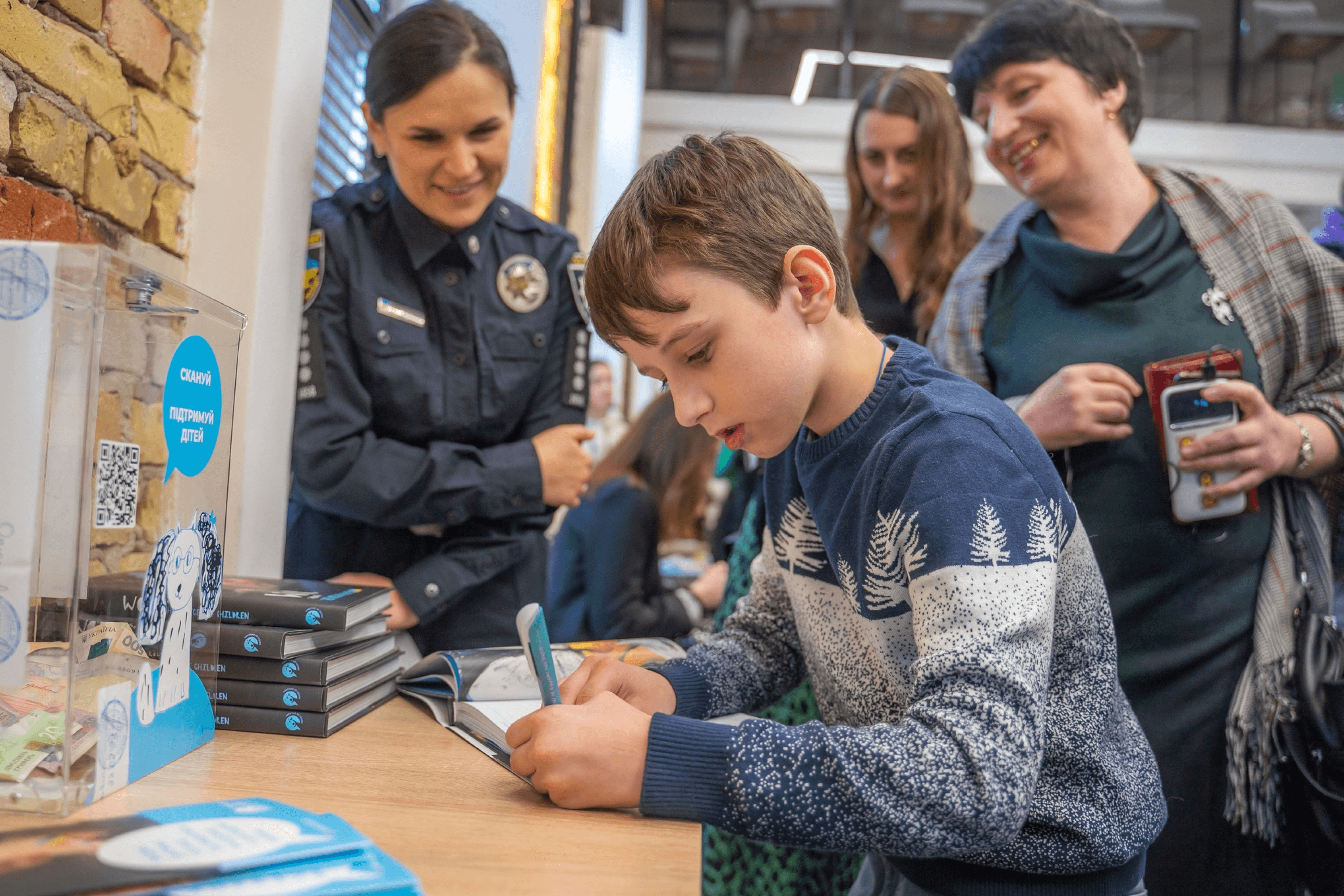
Photo: Voices of Children / YB 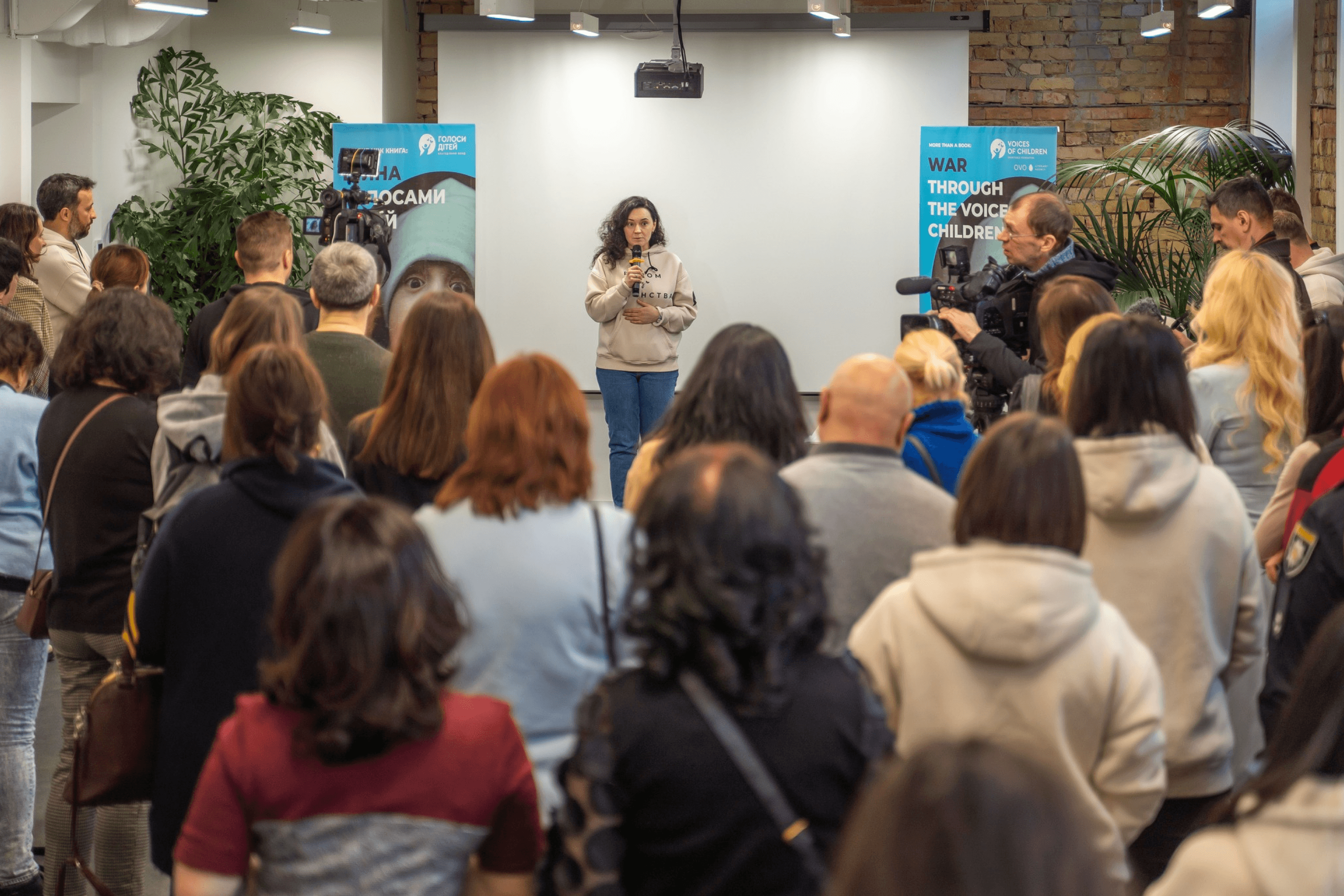
Photo: Voices of Children / YB 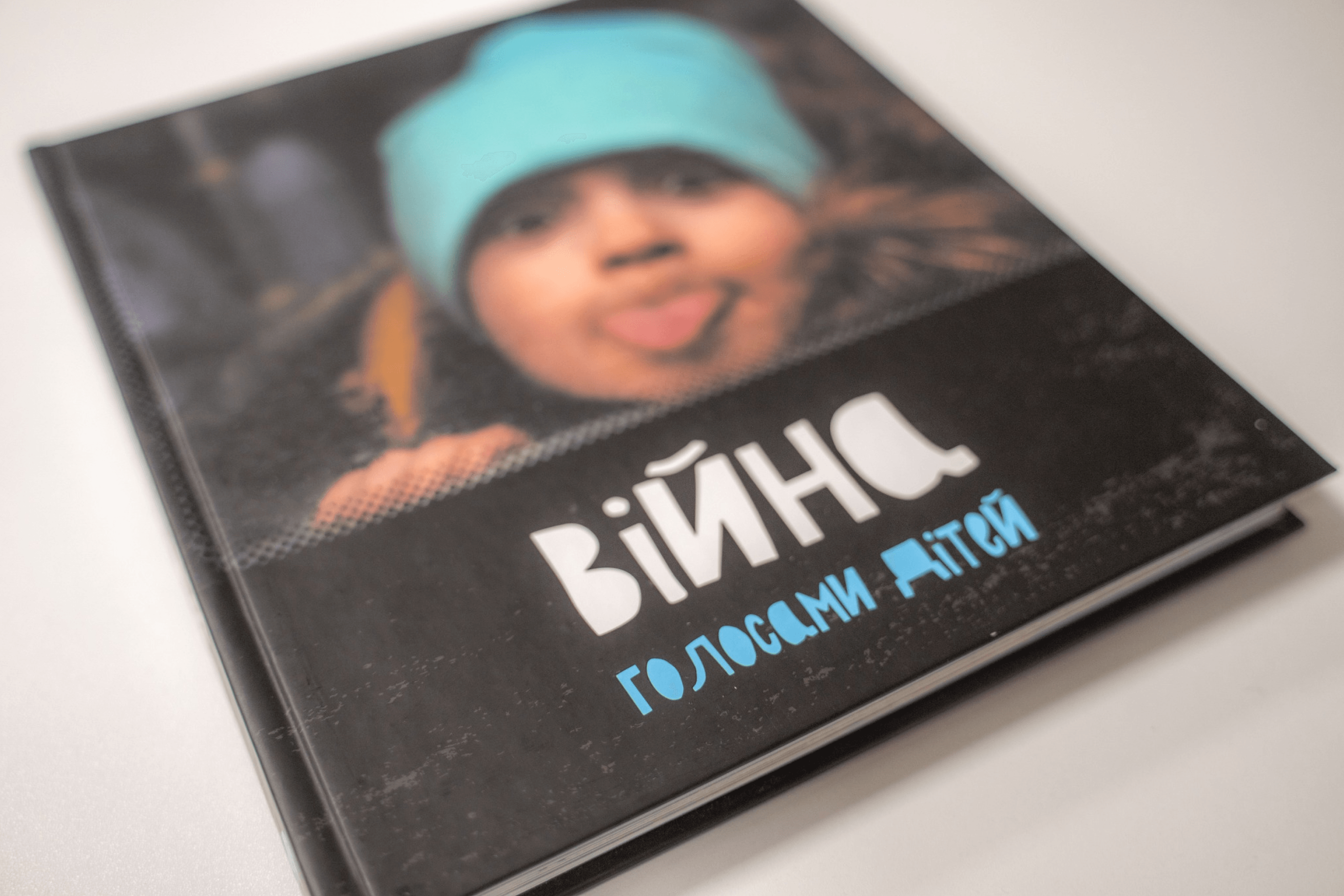
Photo: Voices of Children / YB 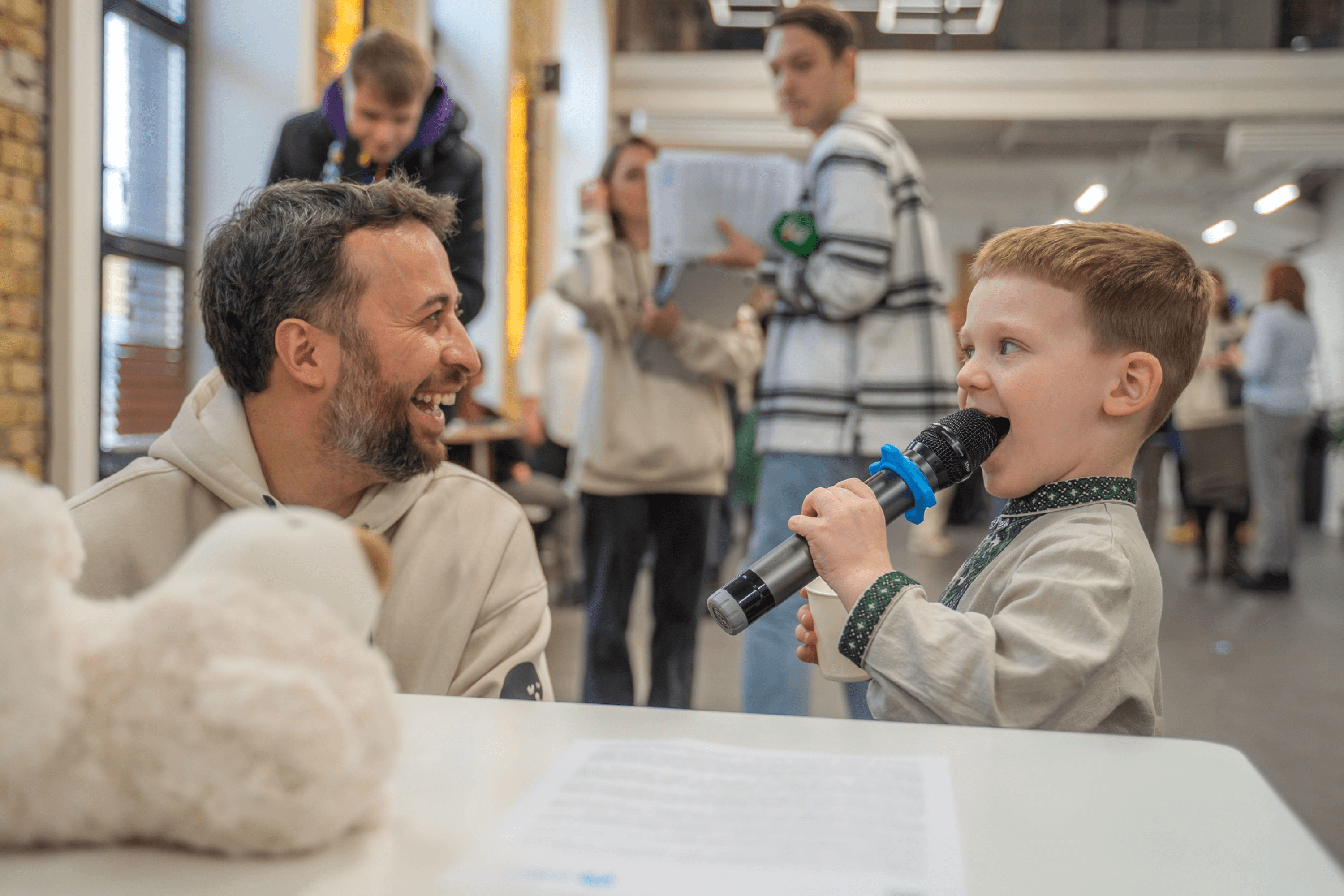
Photo: Voices of Children / YB 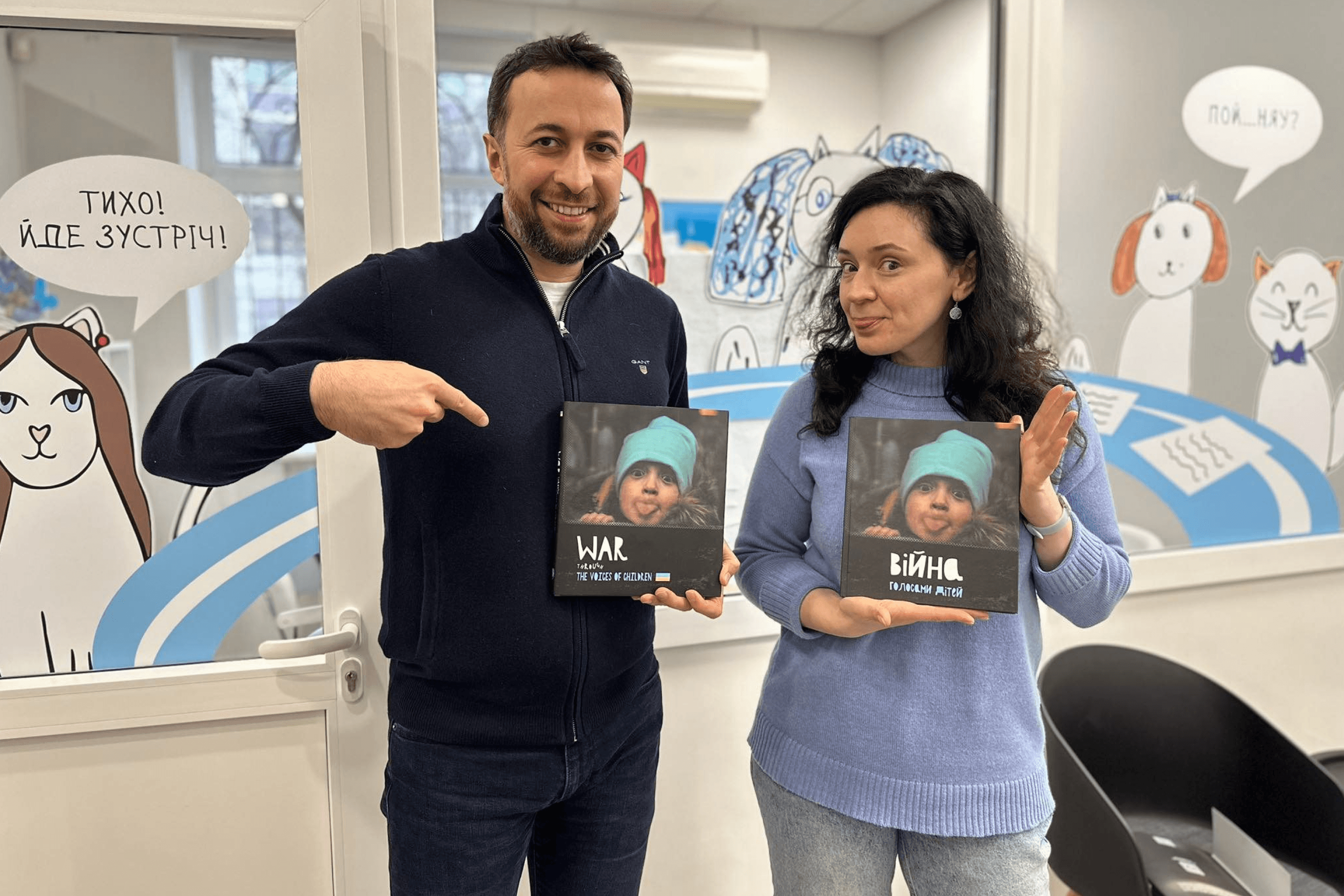
Photo: Voices of Children / YB
4
Voices of Children now employs more than two hundred people. Its primary focus is providing psychological support to children and families affected by war.
After 2022, demand for child psychologists grew so rapidly that Azad and Olena had to build their own quality-control system. The foundation established a Center for Psychological and Methodological Expertise. It evaluates not only specialists' qualifications but also their ability to cope with work involving death, loss, aggression, and suicidal thoughts.
“A diploma does not mean a person can handle this kind of work,” says Rozvadovska.
One psychological consultation costs the foundation about $38. On average, a child receives around ten individual and group sessions, although in some cases support continues much longer.
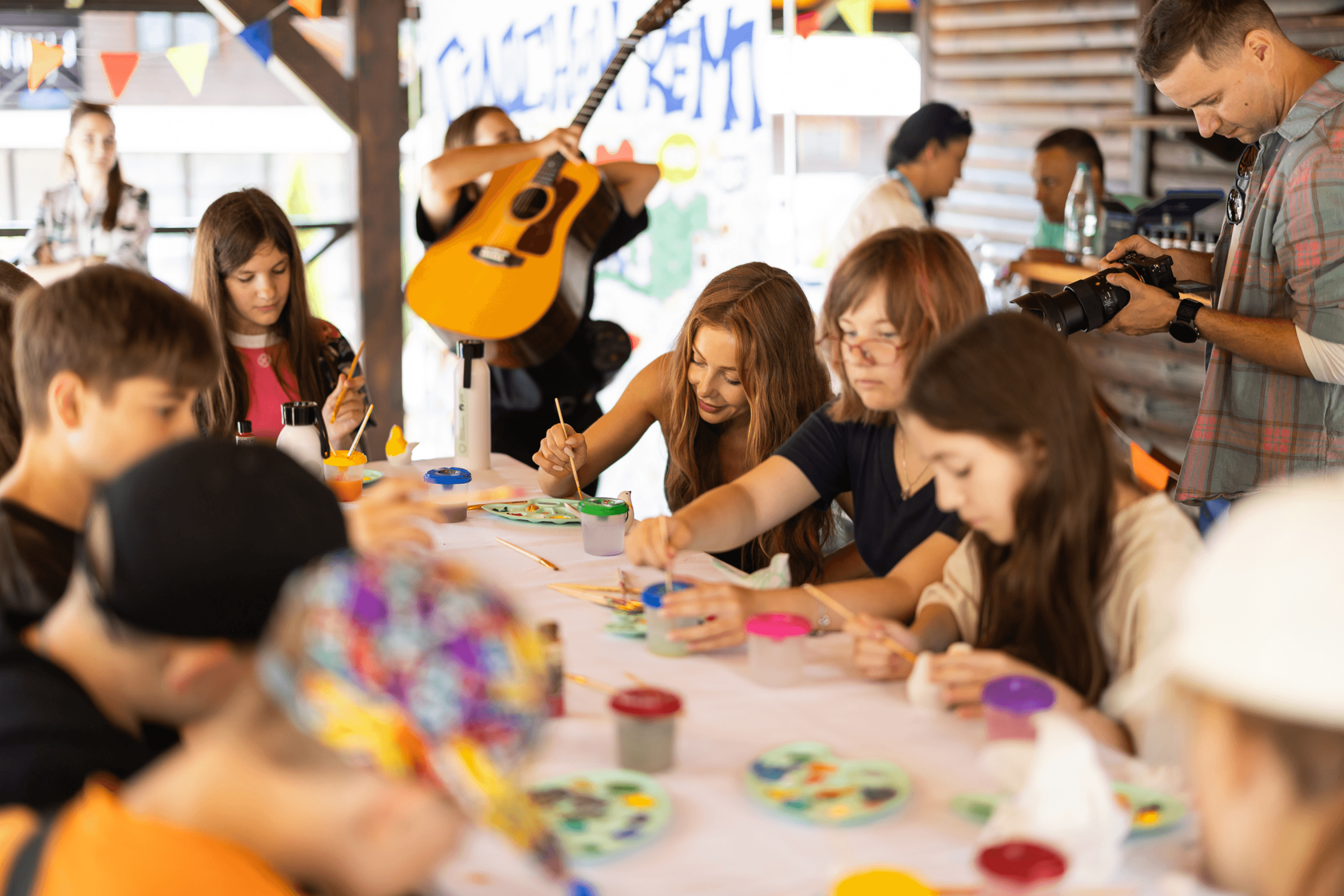
The “Loud Camp” of the “Voices of Children” charitable foundation in Bukovyna. Photo: Voices of Children / YB 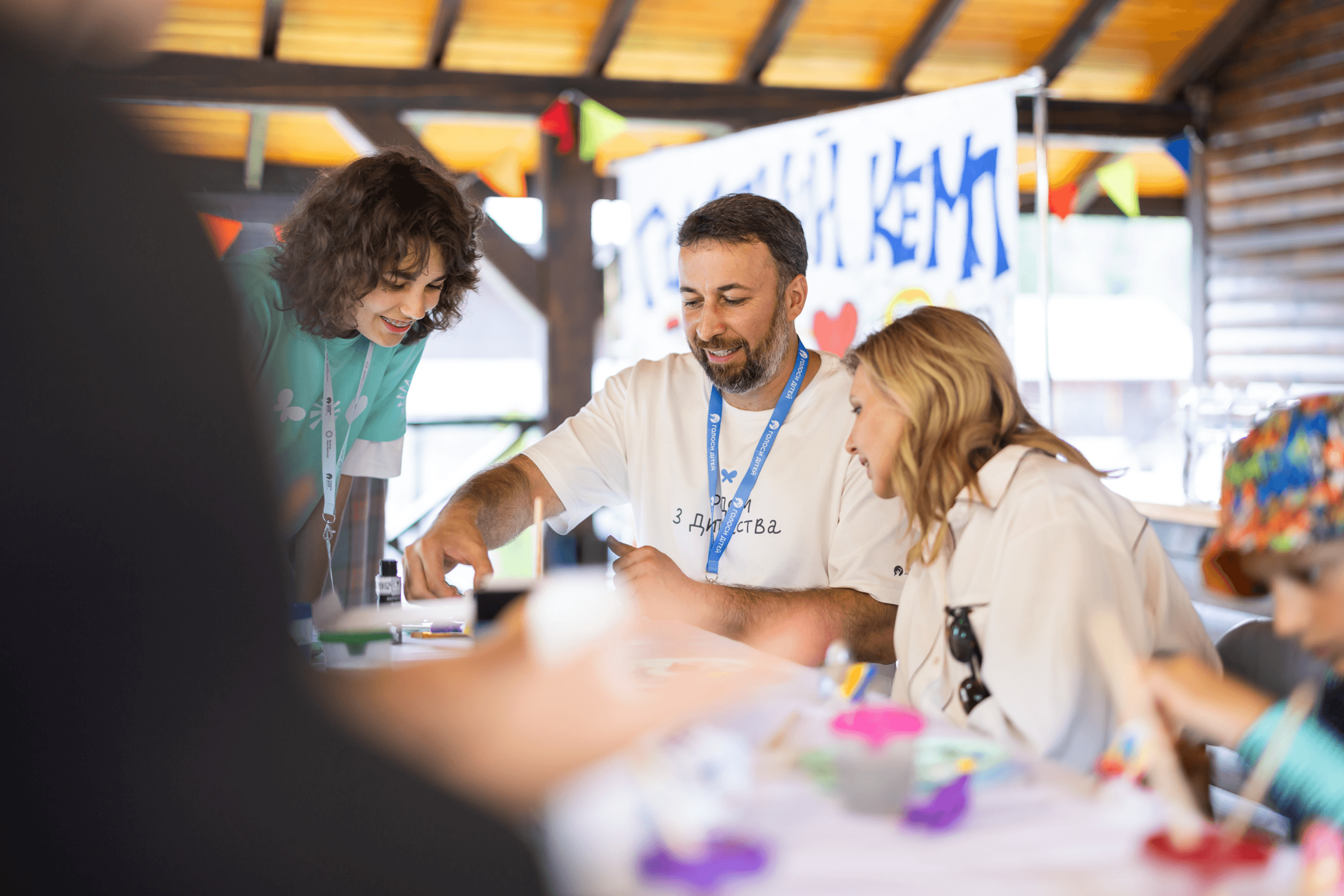
Photo: Voices of Children / YB 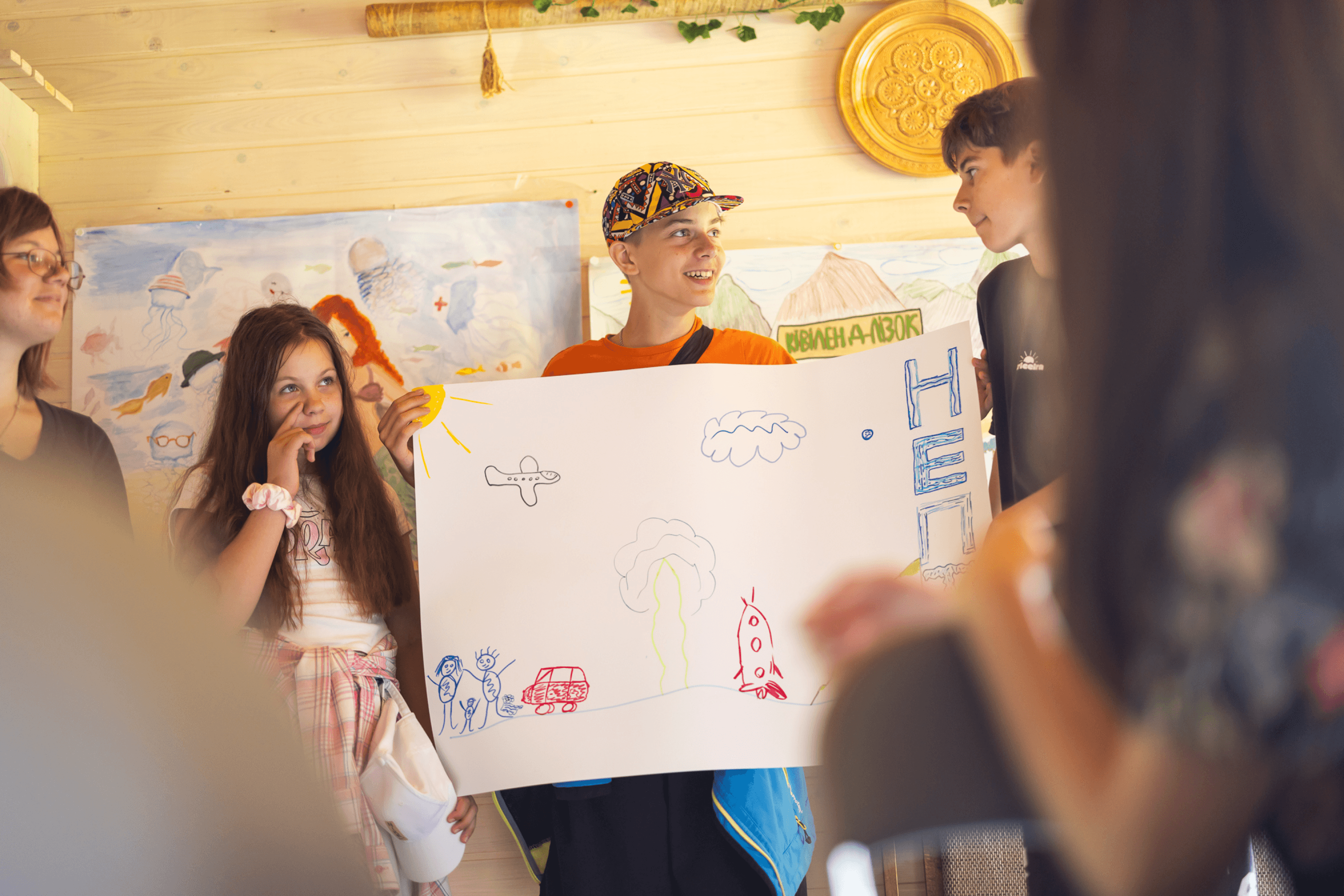
Photo: Voices of Children / YB 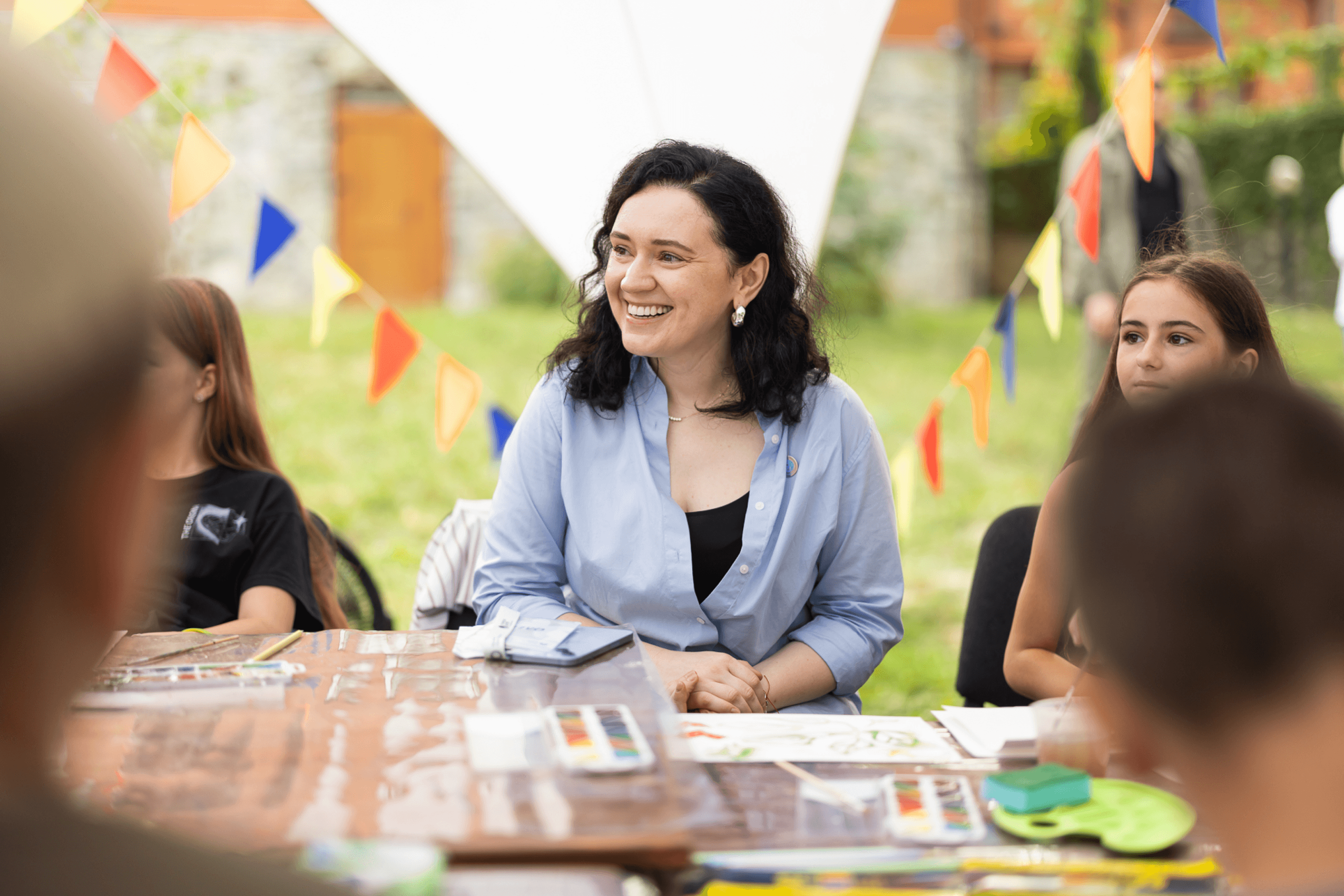
Photo: Voices of Children / YB 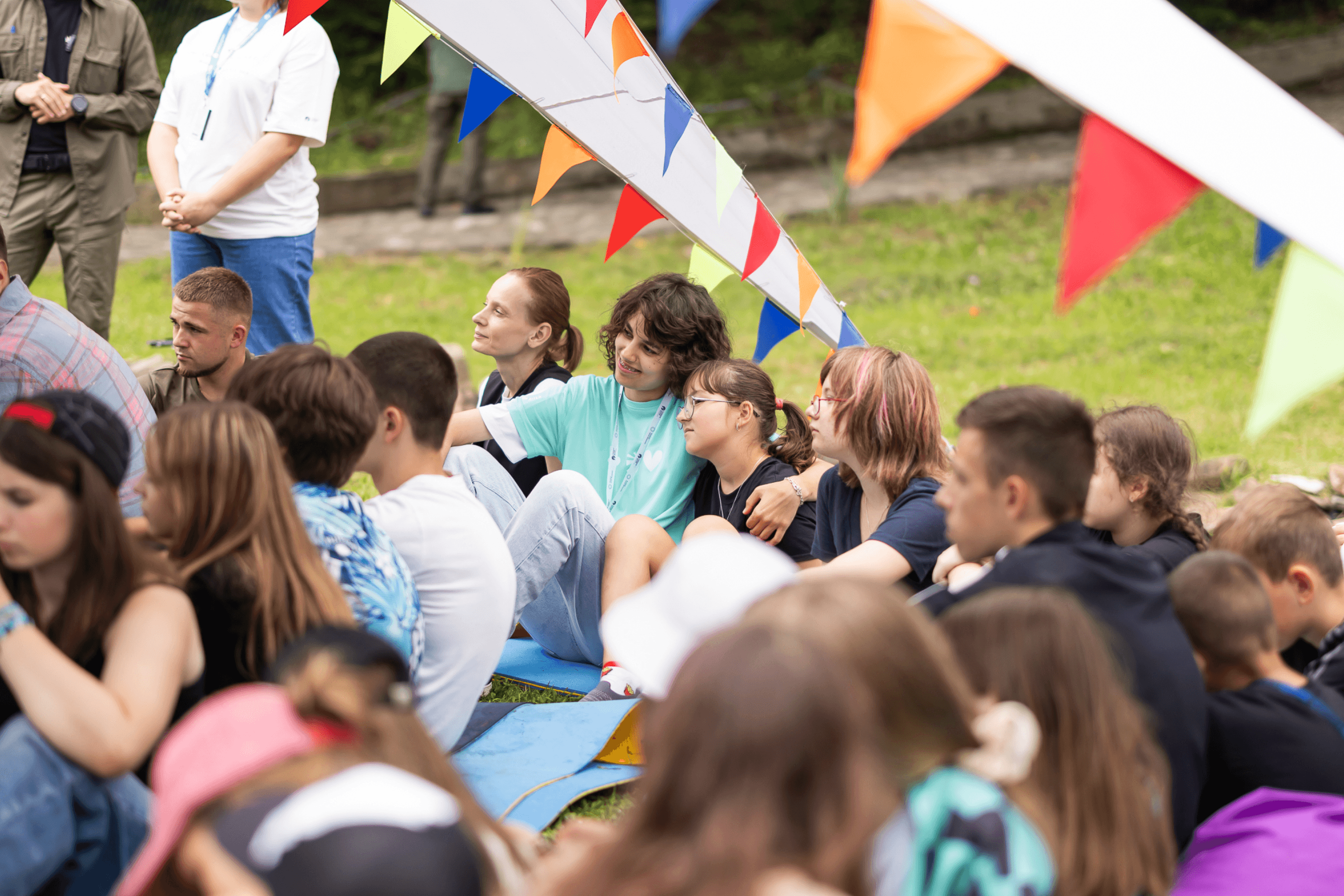
Photo: Voices of Children / YB 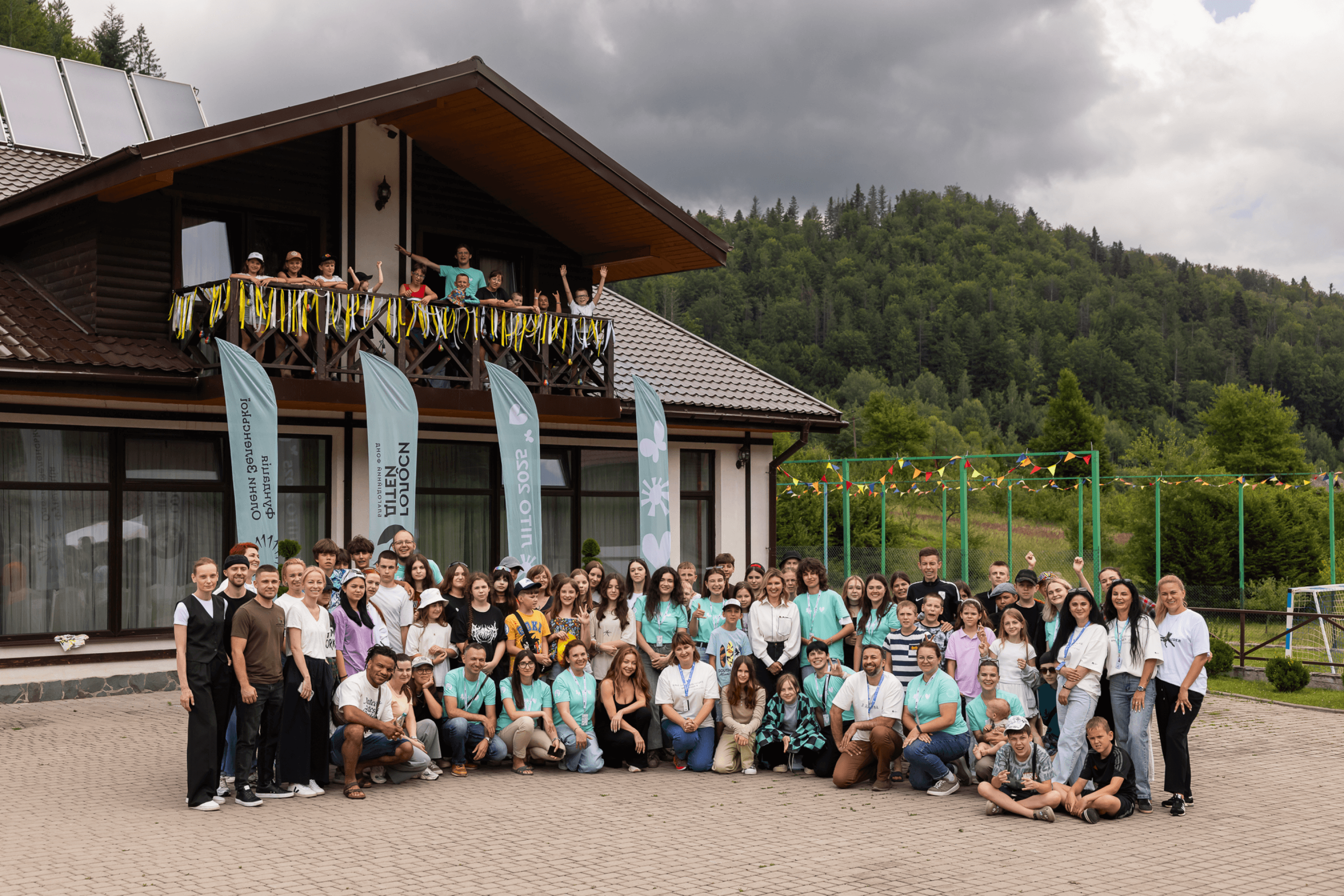
Photo: Voices of Children / YB
At the same time, the foundation provides humanitarian assistance. Case managers assess the specific needs of each family. “We can buy furniture, books, medication, or pay for education,” Olena explains. Often, a child comes to the foundation because of a basic need such as evacuation assistance or a food package. Later, the family enters long-term psychological support simply because they no longer know how to carry on.
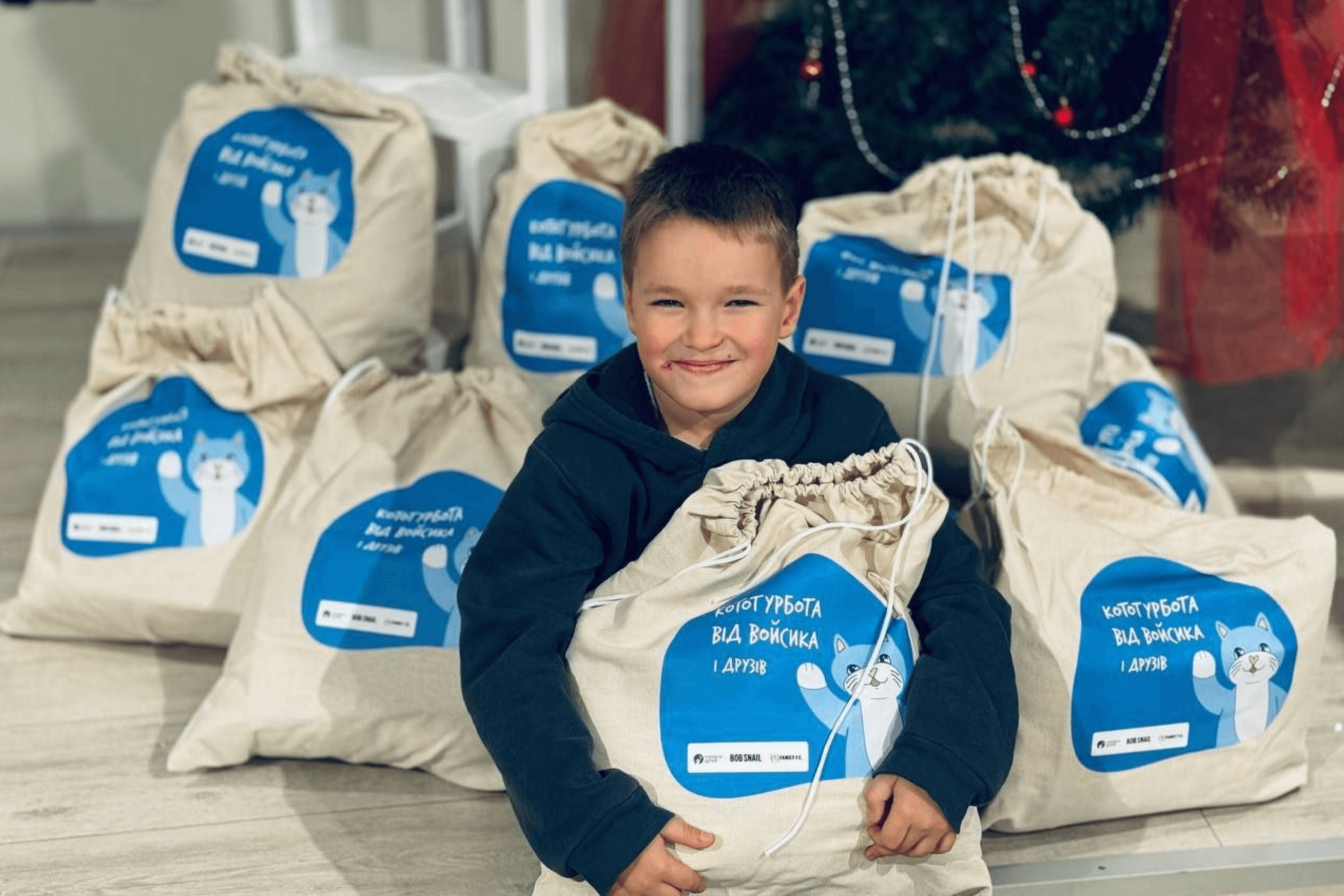
Humanitarian aid provided by the “Voices of Children” foundation. Photo: Voices of Children / YB 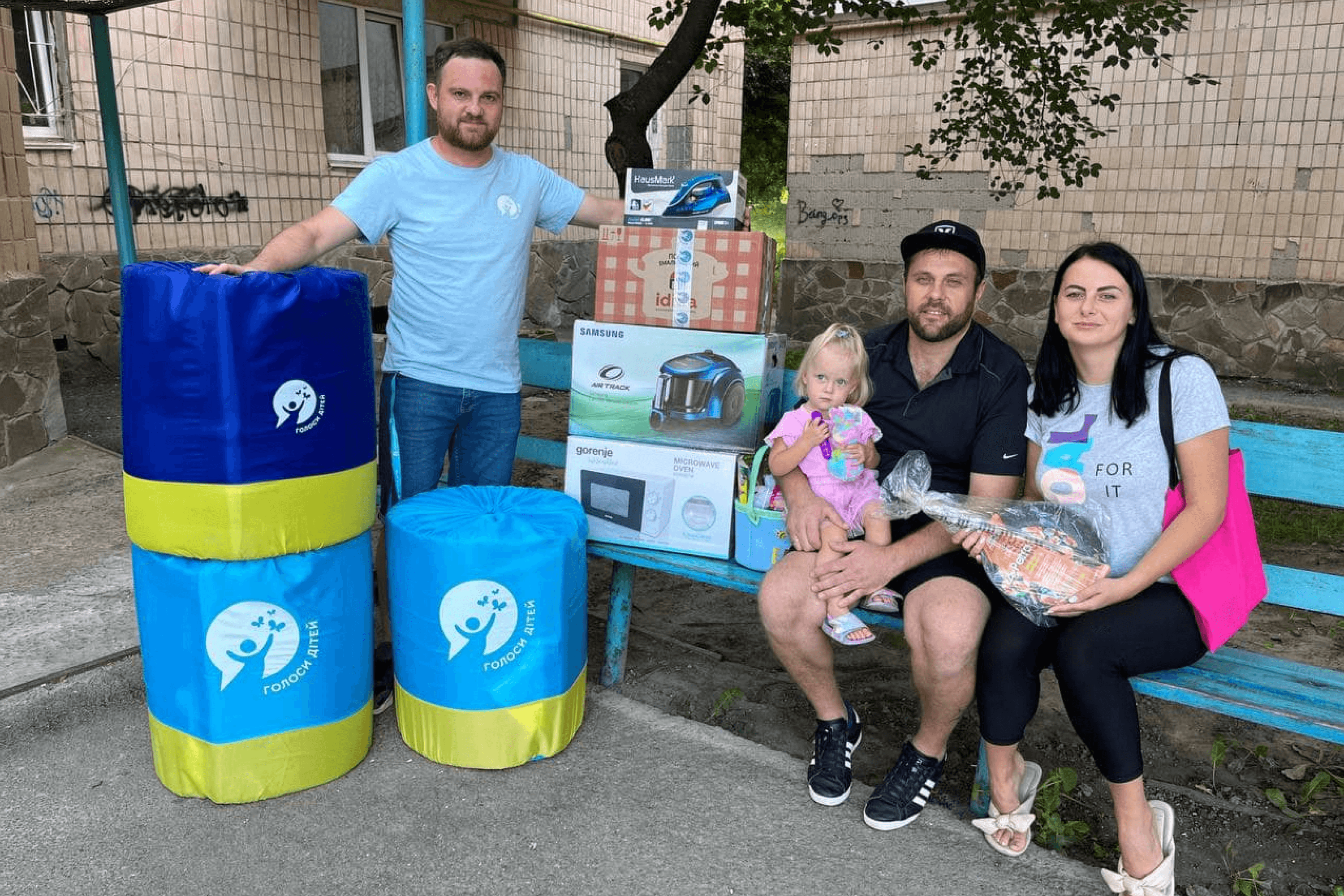
Photo: Voices of Children / YB 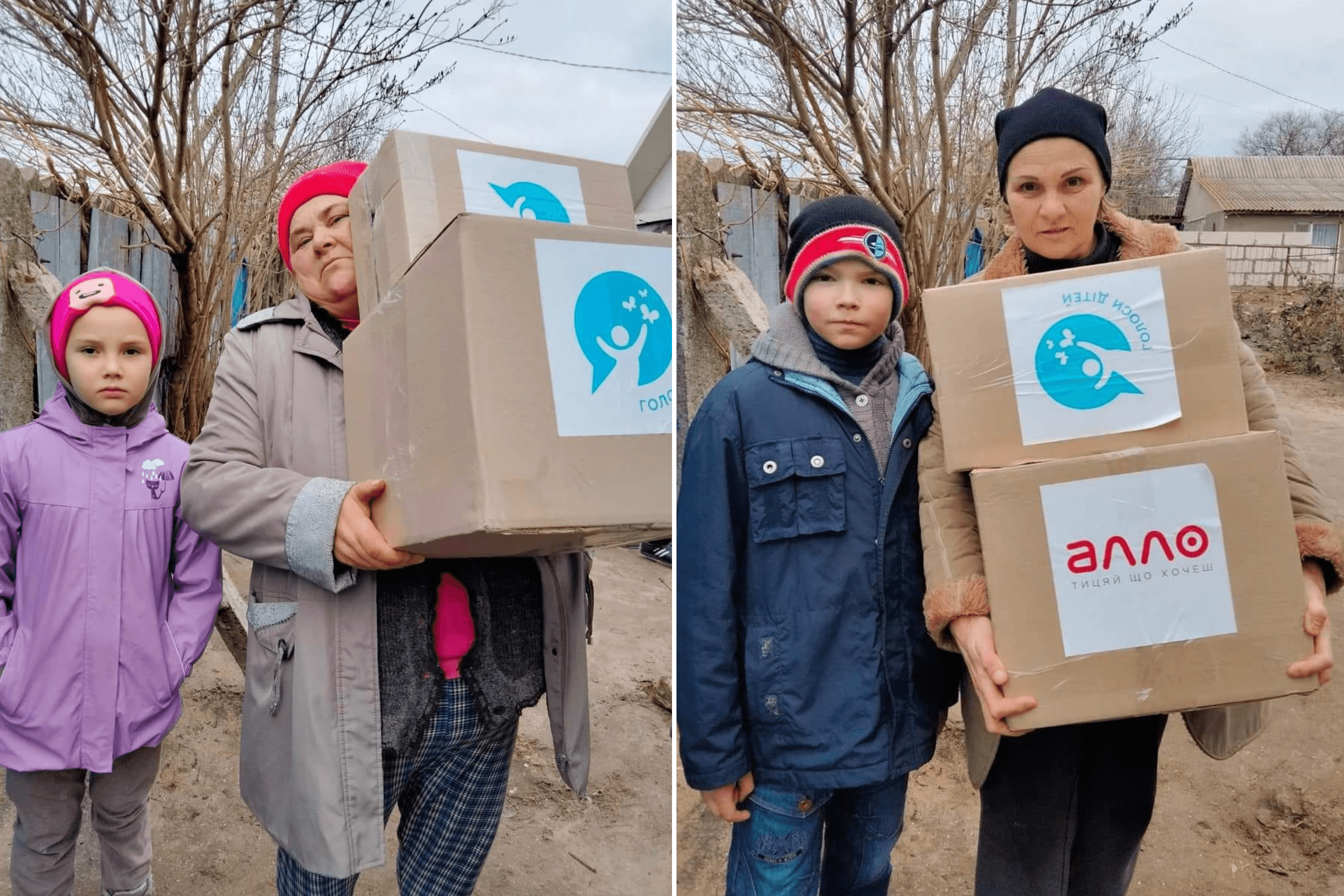
Photo: Voices of Children / YB 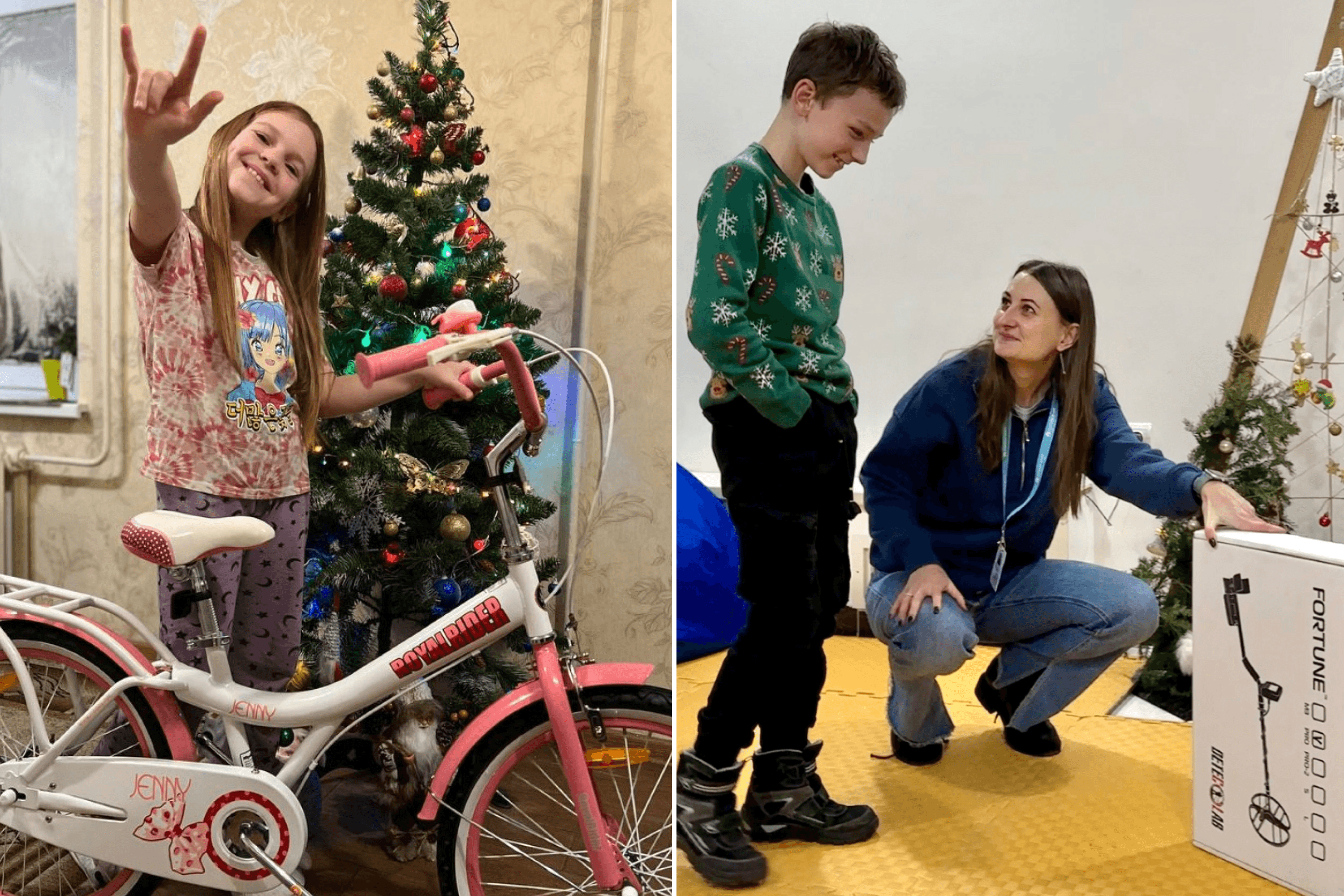
Photo: Voices of Children / YB 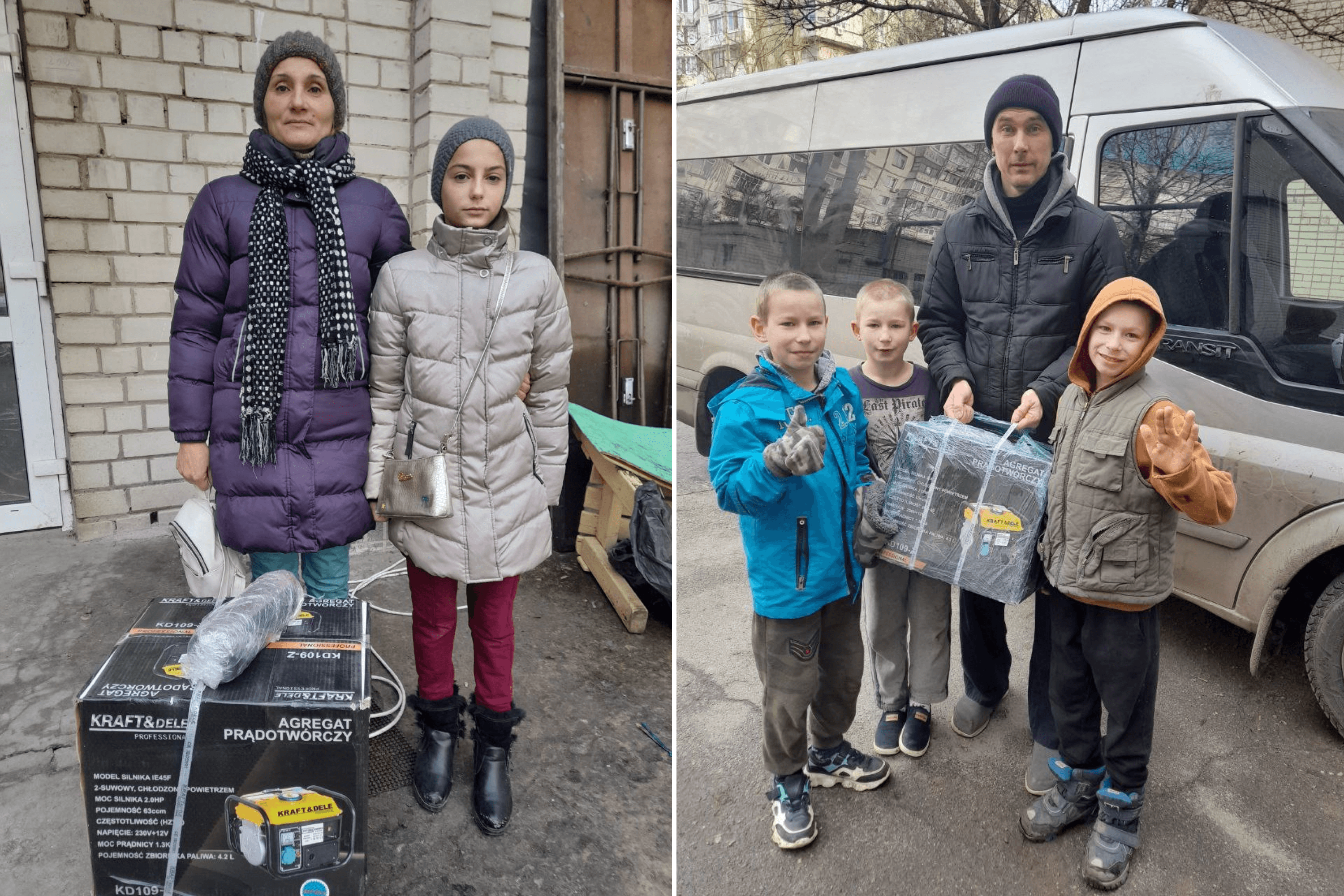
Photo: Voices of Children / YB
The foundation still does not have a typical donor profile. Some support comes through Patreon, some through letters, and some through local initiatives. Most donations come from people whom no one at the foundation has ever met.
That is why the organization built a strict reporting system from the very beginning. Regular audits, documented expenses, and complete transparency are standard practice. “I joke that the only thing I haven’t shown donors yet is an X-ray of my lungs,” Olena says. More than 70 percent of the foundation’s budget comes from international grants provided by government institutions and major charitable organizations. The foundation spends nothing on advertising. Instead, it relies on journalists, international events, and social media.
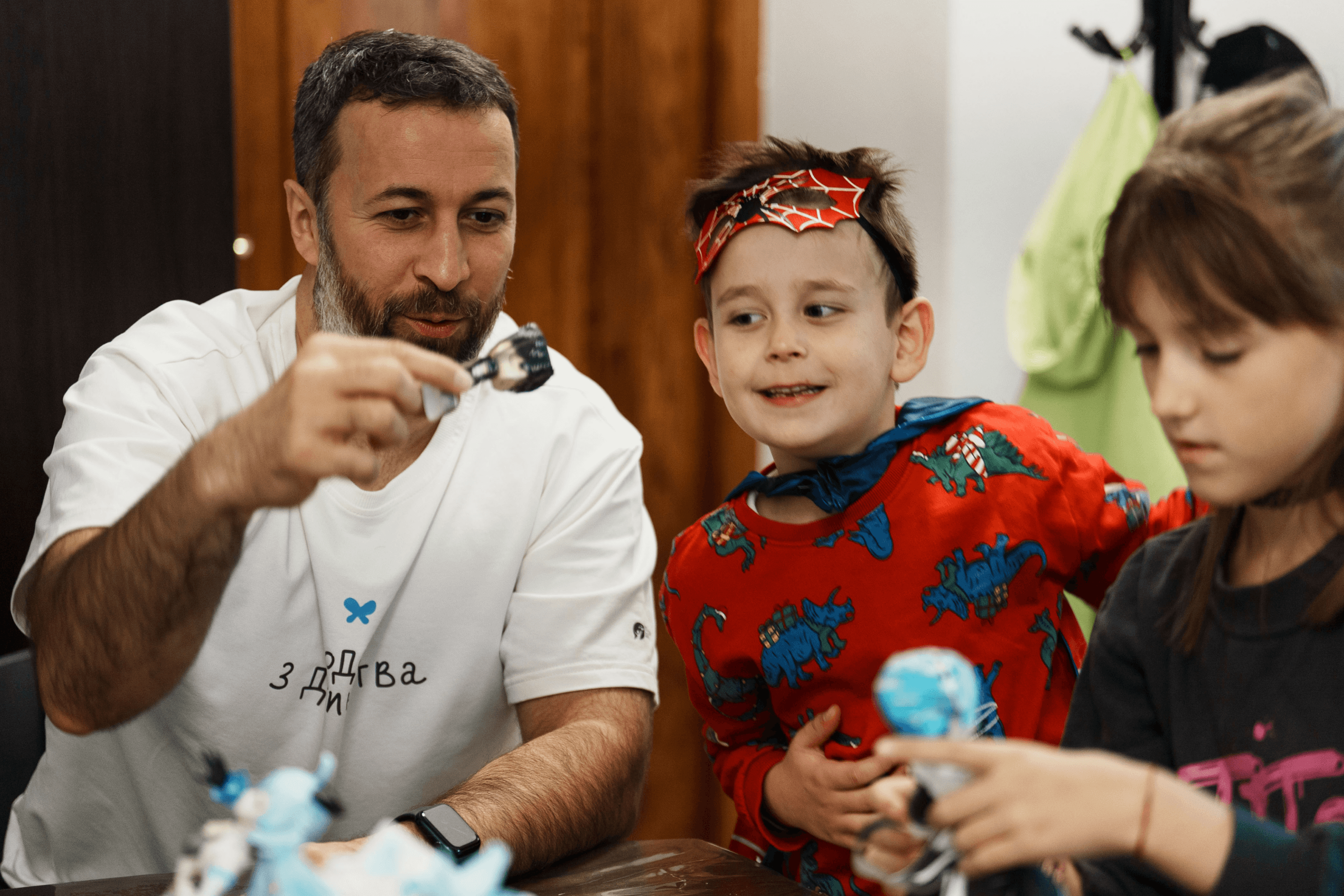
Azad Safarov with children. Photo: Voices of Children / YB 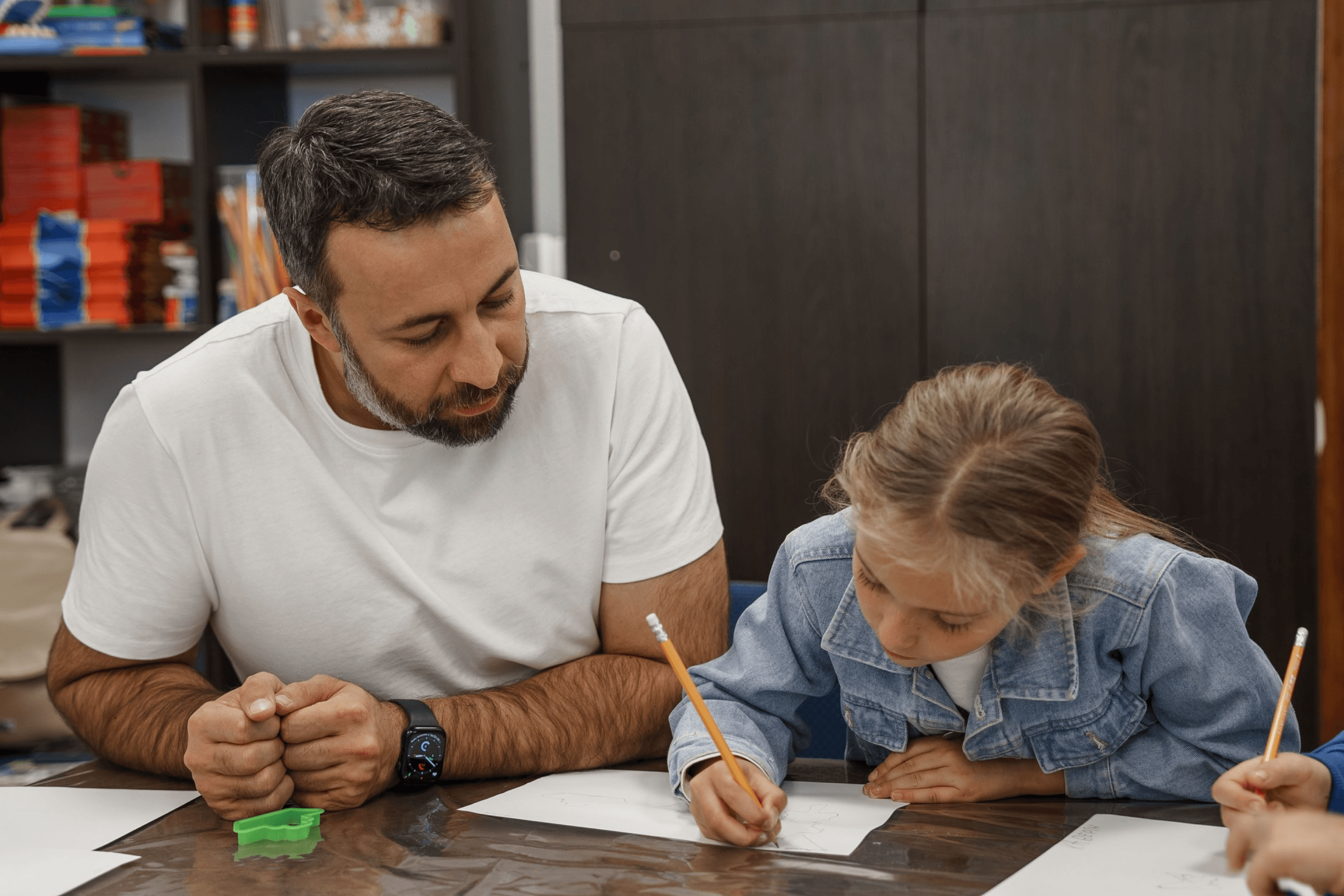
Photo: Voices of Children / YB 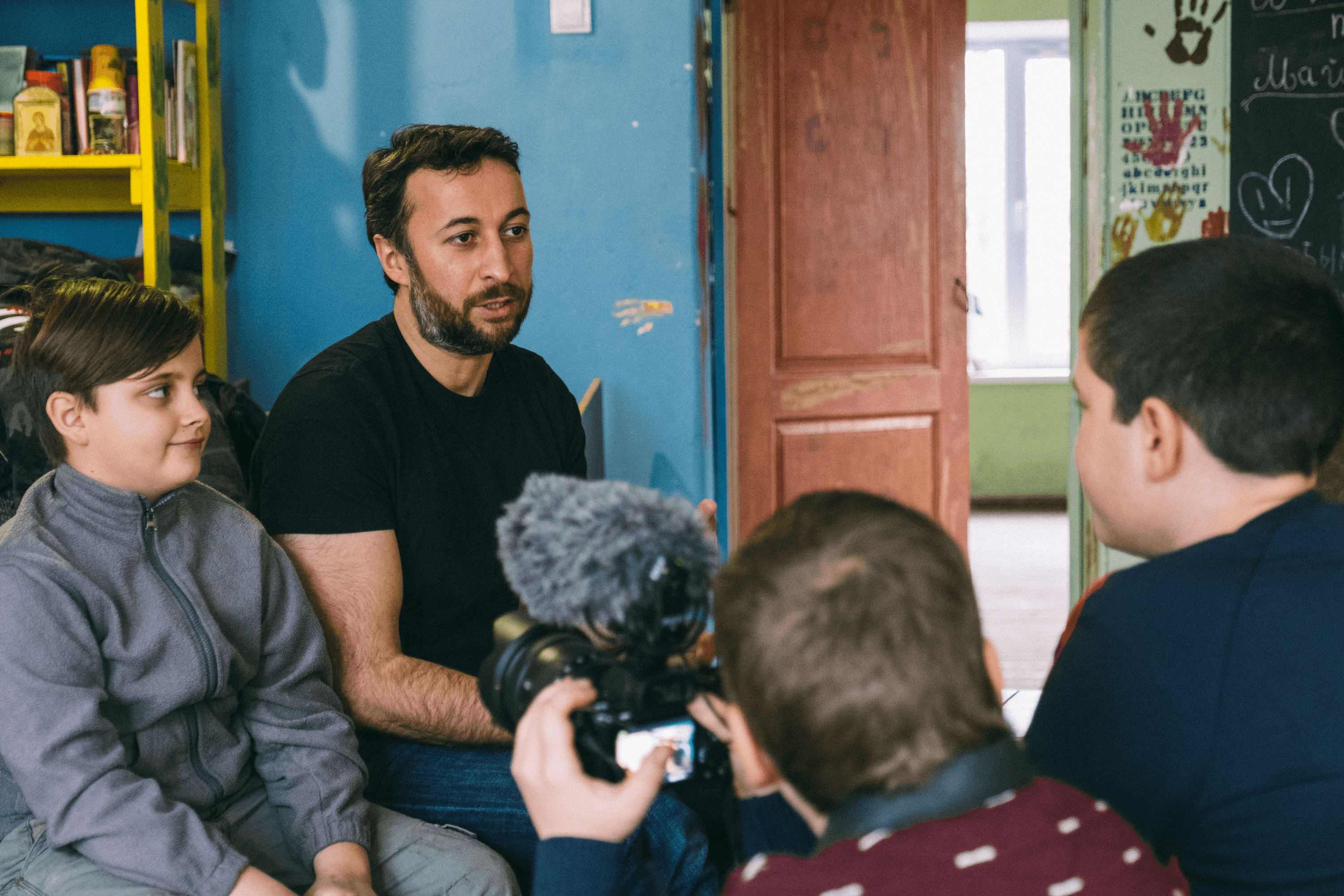
Photo: Voices of Children / YB 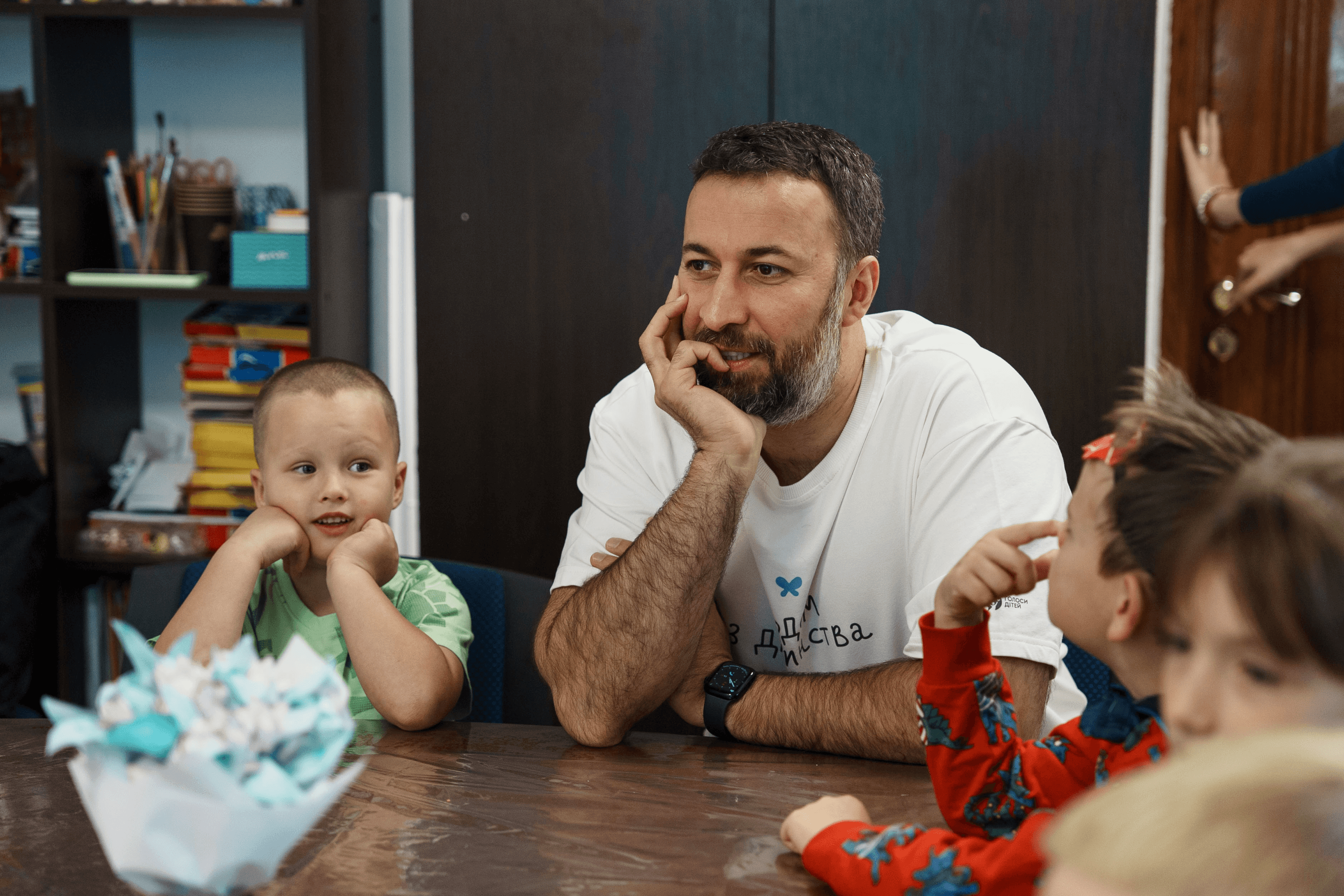
Photo: Voices of Children / YB 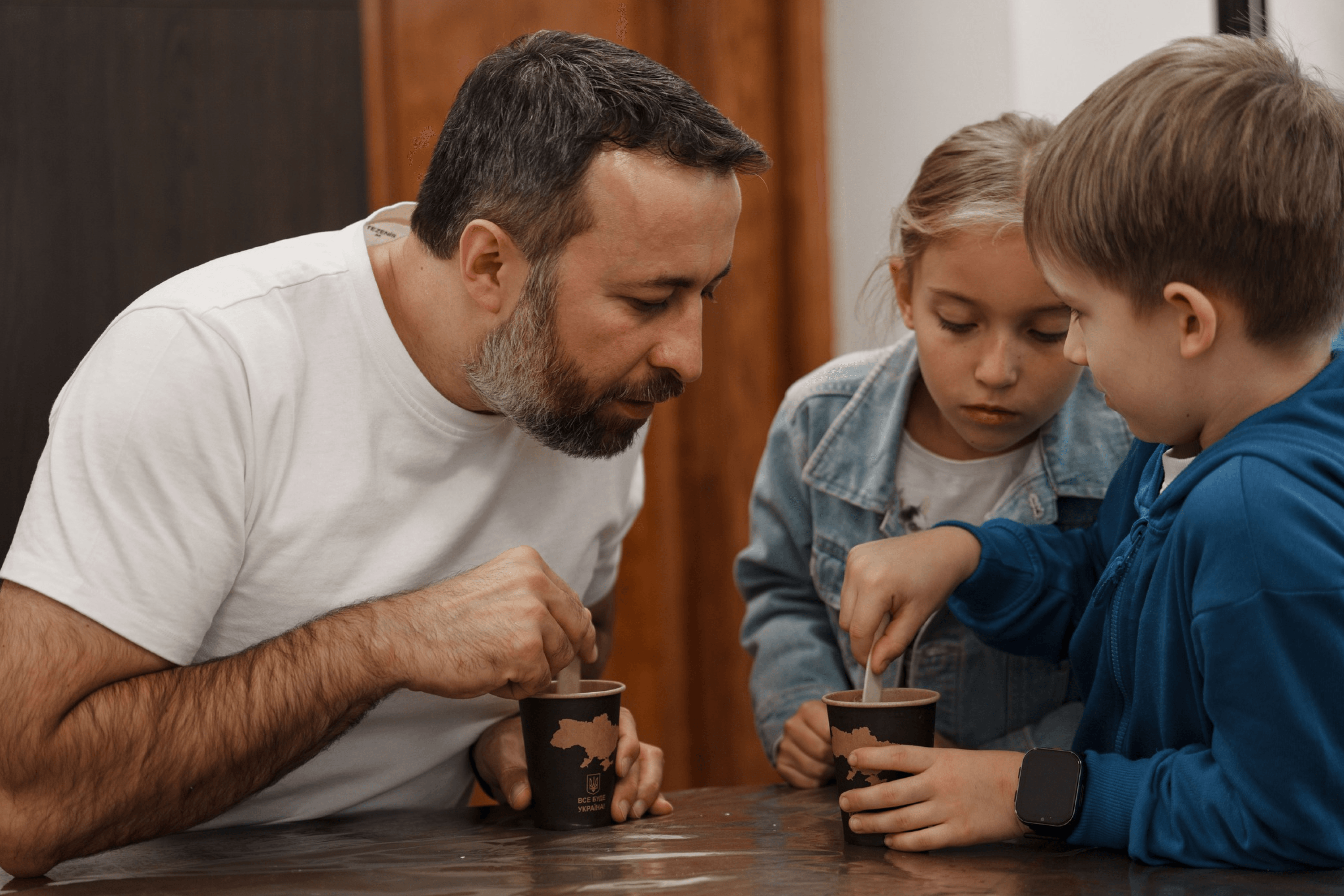
Photo: Voices of Children / YB
Azad also serves as Chief Producer for Sky News in Ukraine. He draws no salary from the foundation, where he oversees communications, production, parts of the HR process, and fundraising. Olena is responsible for operational management, programme strategy, and the psychological support work.
5
Azad and Olena think in decades, not years.
Back in 2014, many people believed the war would be temporary. After 2022, it became clear that childhood trauma does not disappear when the fighting ends. “Years from now, these children will enter universities, the military, healthcare, culture, and politics. What we fail to do for them now, the country will one day encounter in its adult population,” says Olena.
That is why the foundation is building a rehabilitation center in the village of Dzvinkove near Kyiv, a place where children will be able to feel what normal life is like again. The center will include rooms for individual and group sessions with psychologists, art spaces, areas for study and sports, residential buildings, bomb shelters, and a large green courtyard without the constant feeling of danger. At any one time, the center will be able to accommodate up to one hundred children together with their parents. Programmes will last from seven days to three weeks.
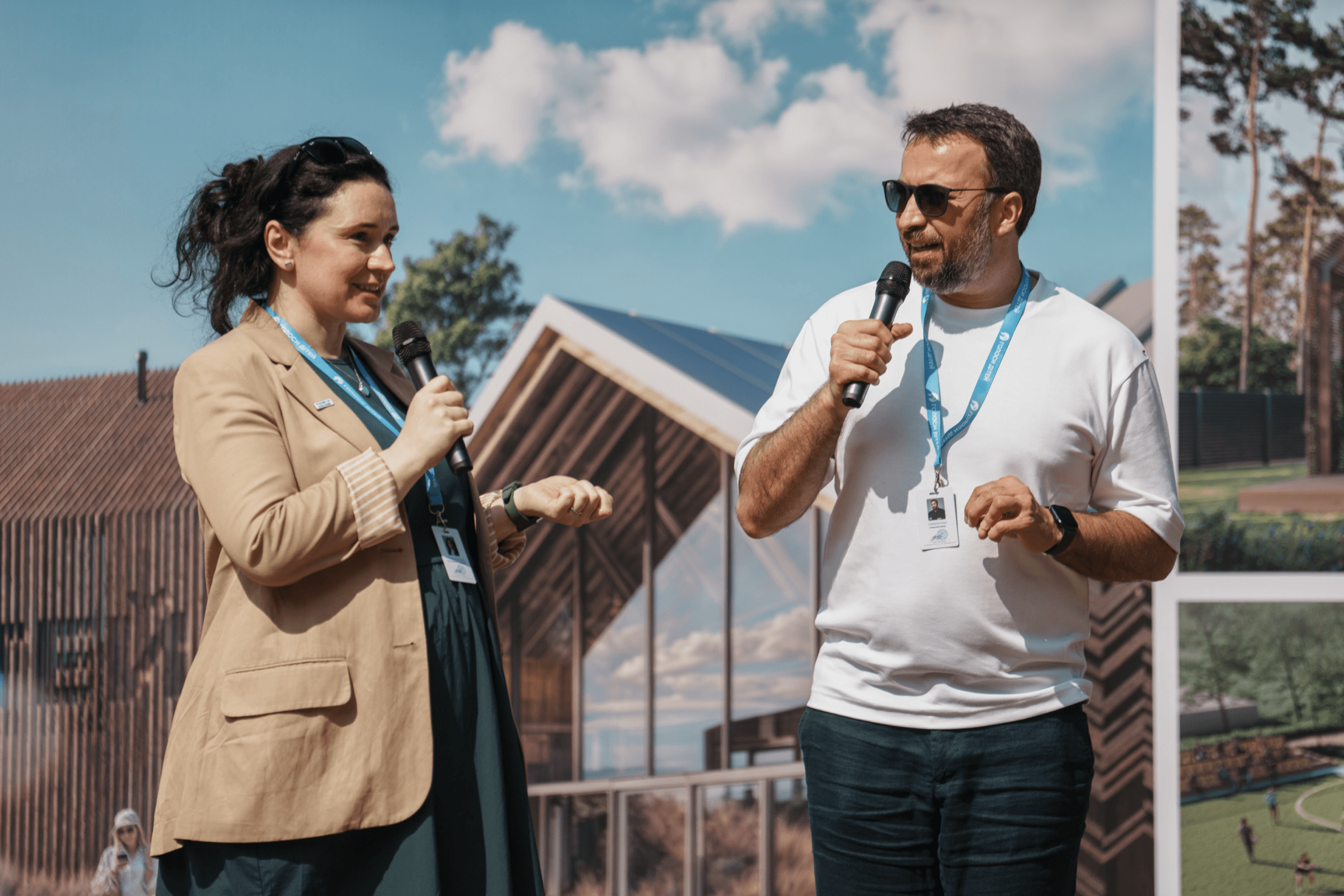
An event marking the start of construction of the Voices of Children Childhood Center in the village of Dzvinkove, Kyiv Oblast. June 5, 2025. Photo: Voices of Children / YB 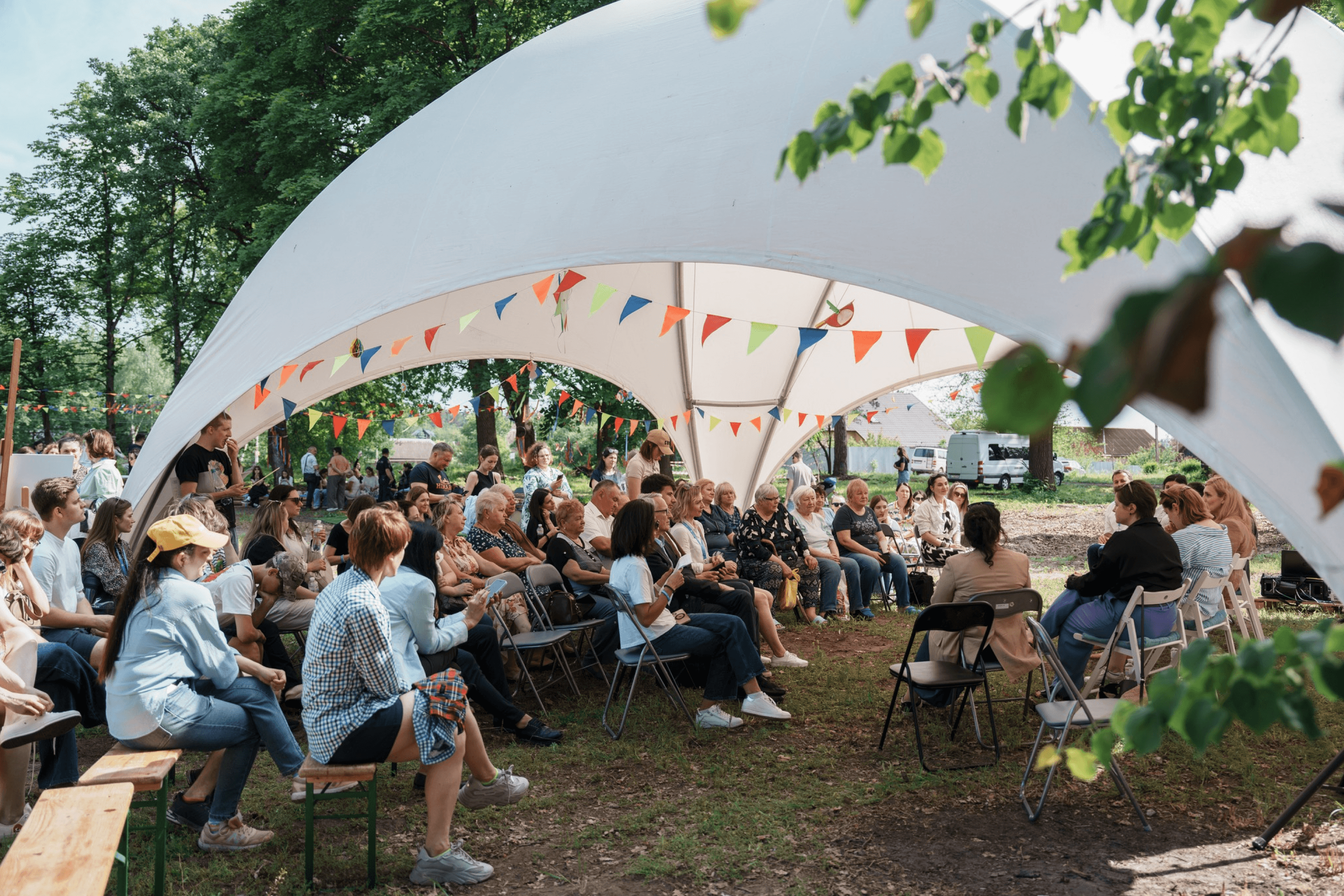
Photo: Voices of Children / YB 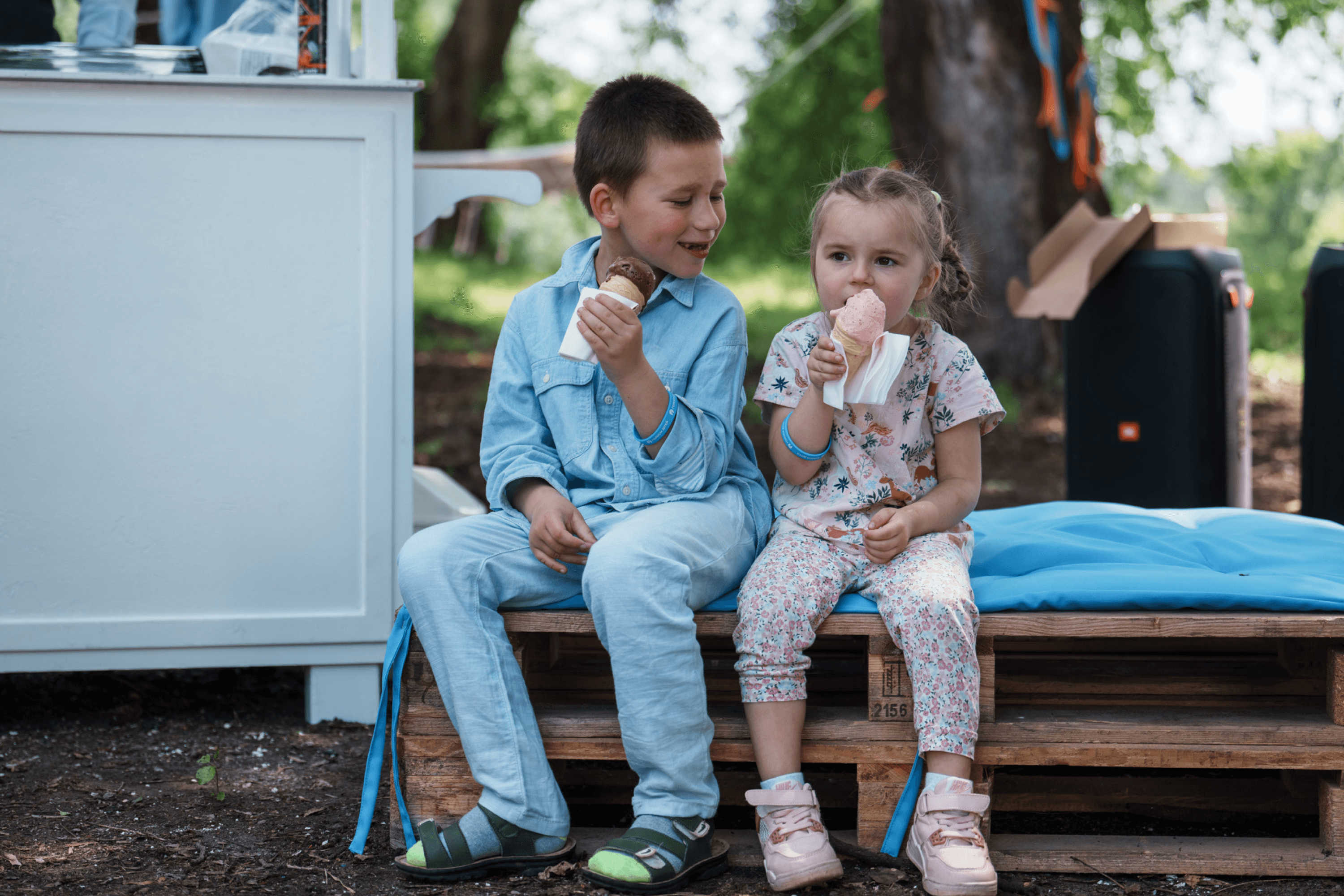
Photo: Voices of Children / YB 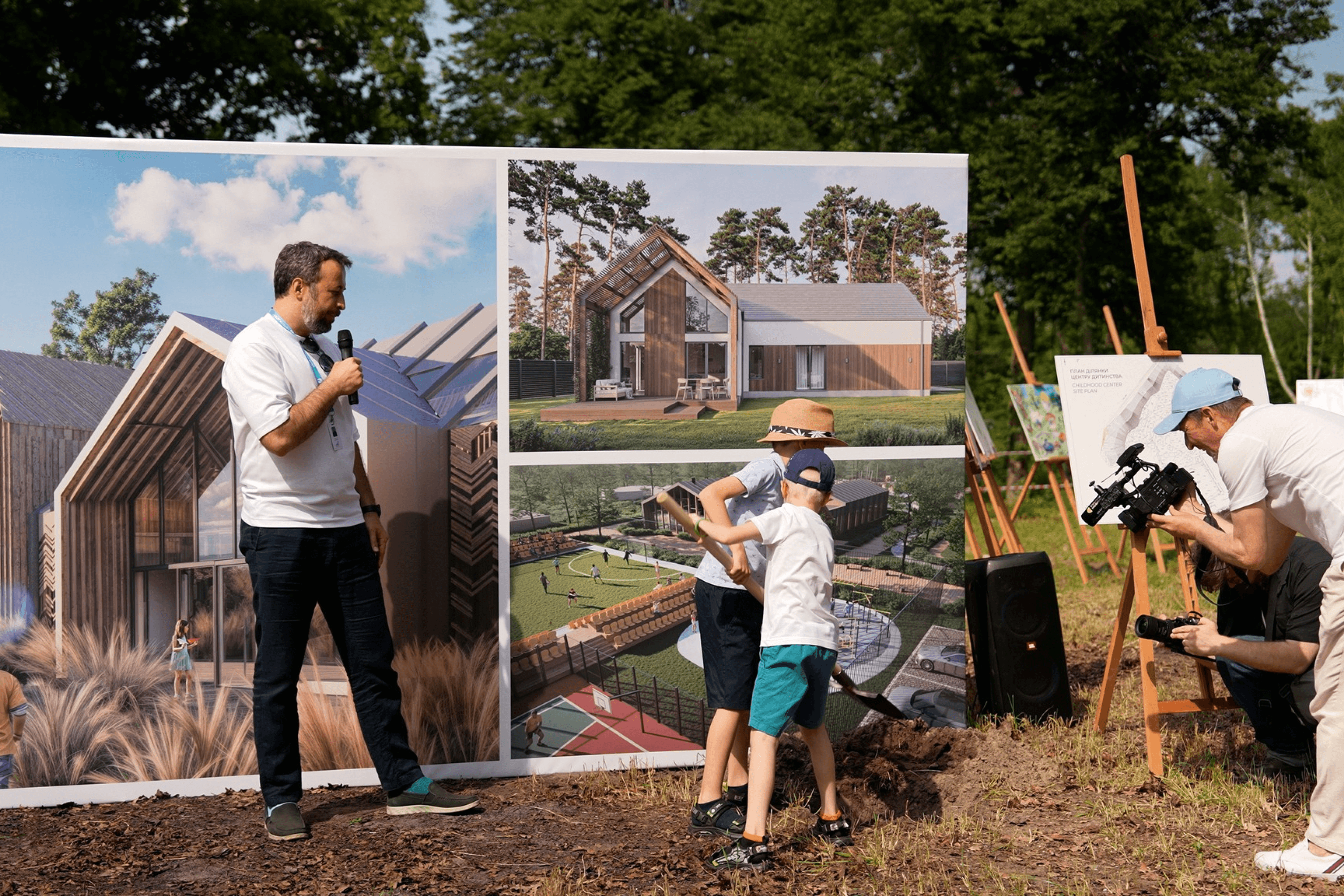
Photo: Voices of Children / YB 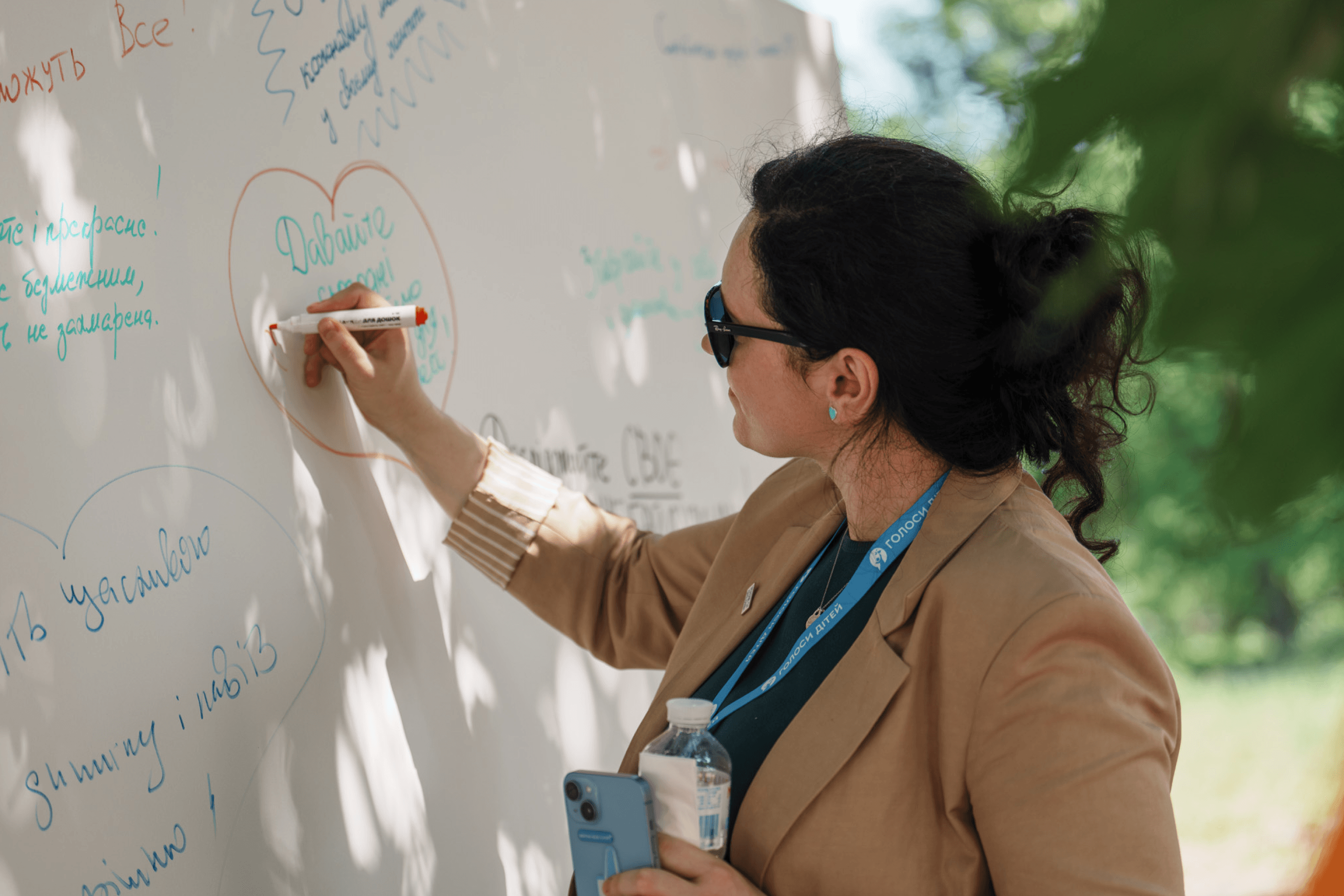
Photo: Voices of Children / YB 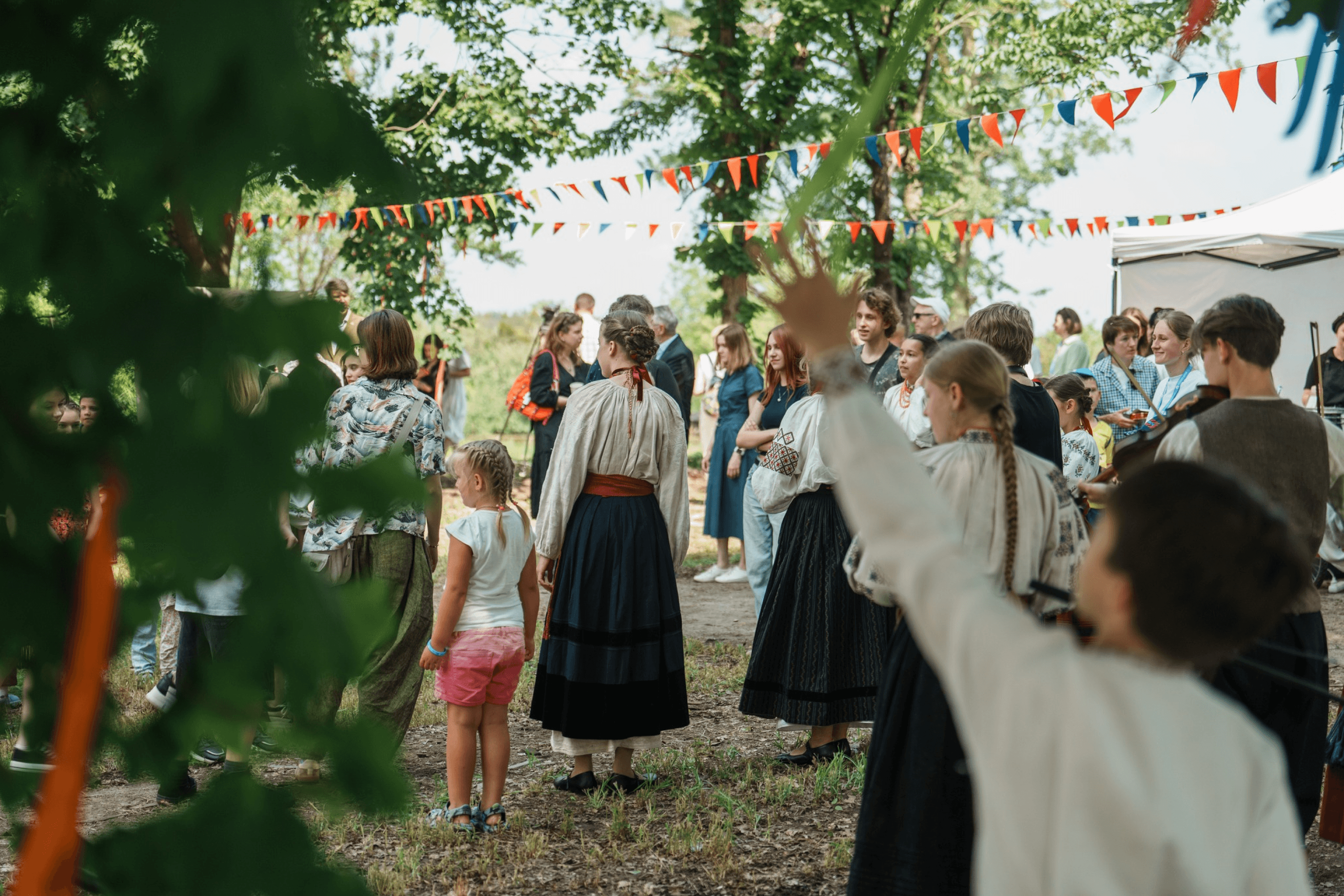
Photo: Voices of Children / YB
These will cover PTSD, anxiety disorders, aggression, grief, attachment disorders, and the consequences of occupation.
The foundation has already purchased the land for $300,000 and developed the architectural concept. The first major donor was the platform itch.io, which contributed about $3 million. GlobalGiving provided another $250,000, while the German initiative Stimmen der Kinder raised $2.3 million. The total construction budget exceeds $9 million. Because of the war, costs have increased, and the foundation still needs to raise another $3,5 million.
The idea is not to stop at a single center. Over time, similar spaces are expected to appear in regions across the country, with Voices of Children sharing its methodologies and established practices.
Editor's note: Following publication, the figures regarding the cost of a psychological consultation, the number of the foundation’s employees, and the amount required to build the rehabilitation center near Kyiv have been updated.
“We do not want to be irreplaceable. In an ideal system, the state should be able to do this itself. But while it does not exist, we will keep building it,” says Azad.