
In the summer of 2023, volunteers from Kharkiv working with the Volonterska foundation were active in liberated communities. They delivered medicine and food, repaired roofs and windows. At the same time, they realized that local residents needed much more than one-off aid. What they needed was work and stable sources of income. This is how the De-Occupation Shop was born, a charitable project that helps farmers grow and sell produce. The team works with different sales channels, including restaurants, and is currently in negotiations with a large retail chain.
Yellow Blue journalist Artem Moskalenko spoke with the project’s co-founder Meriam Yol about how the De-Occupation Shop operates, what challenges the team faces, and how it plans to develop further.
How did it all begin, and how did you get into volunteering?
It started a little over four years ago, when Russia’s full-scale invasion of Ukraine began. Together with several dozen people who remained in Kharkiv, I co-founded the charitable foundation Volonterska. We raise funds to buy and repair vehicles for the military, and to supply them with drones, EW and ELINT systems, generators, and EcoFlow units.
At the same time, the foundation also supports civilians. Initially, the greatest need was for food, medicine, and hygiene products. After the liberation of the Kharkiv region, we began repairing roofs and windows in destroyed villages. During blackouts, we purchased generators and delivered them to communities.
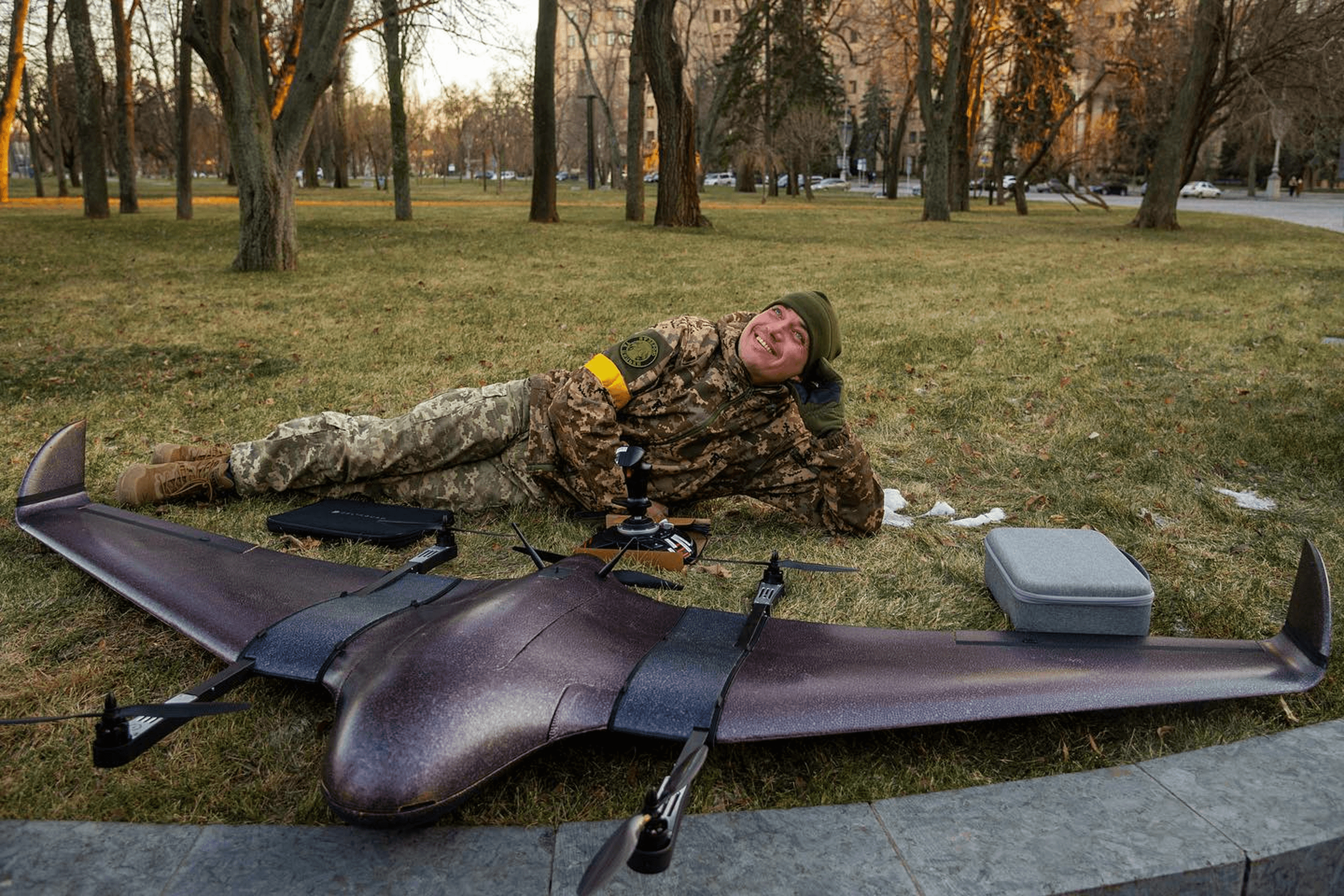
Volunteers delivered a DeltaQuad Pro UAV to an aerial reconnaissance unit for combat missions. Kharkiv Oblast, December 2022. Photo: volonterska_ua / Instagram / YB 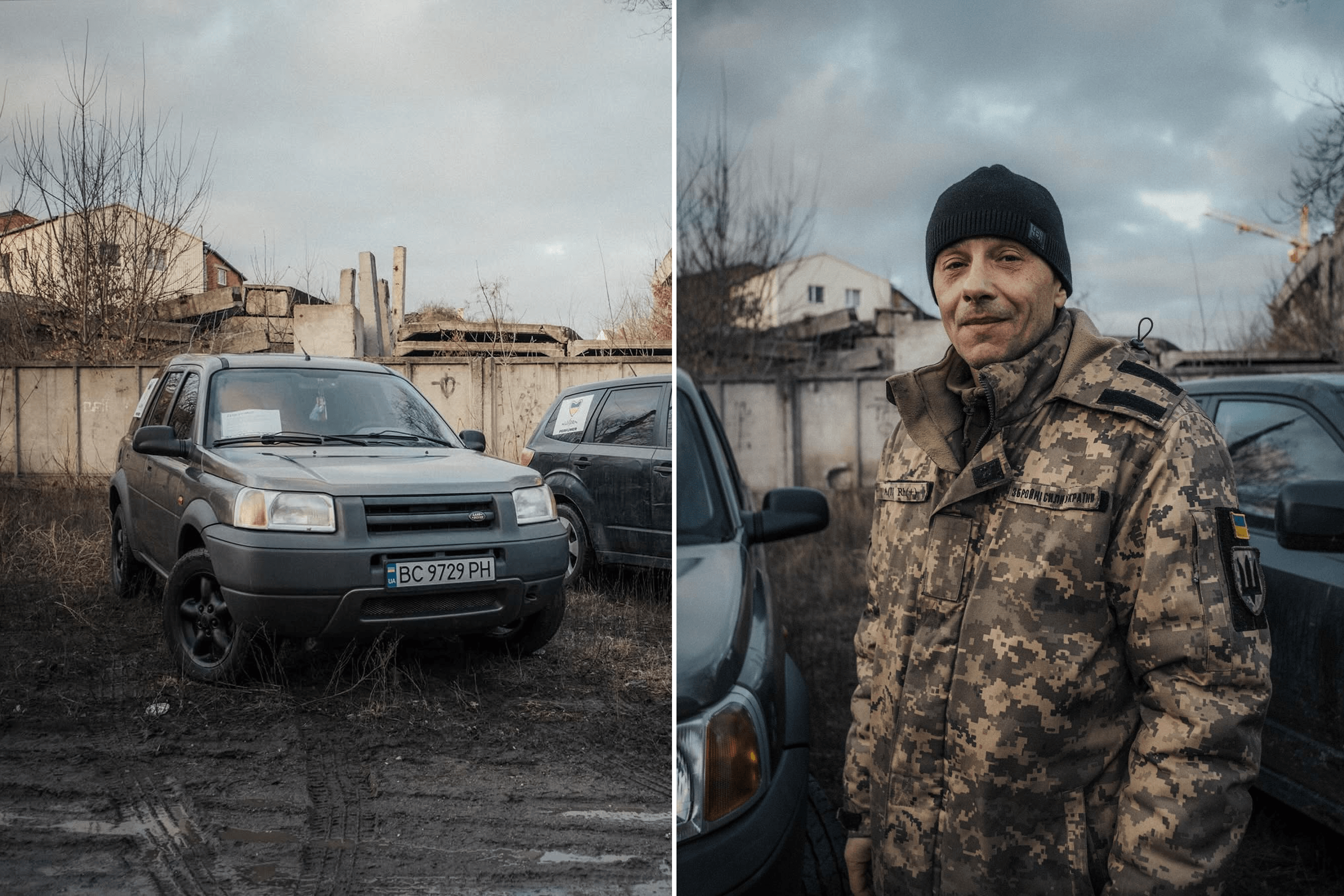
Volunteers delivered off-road vehicles to the military for combat missions. Kharkiv Oblast, December 2023. Photo: volonterska_ua / Instagram / YB 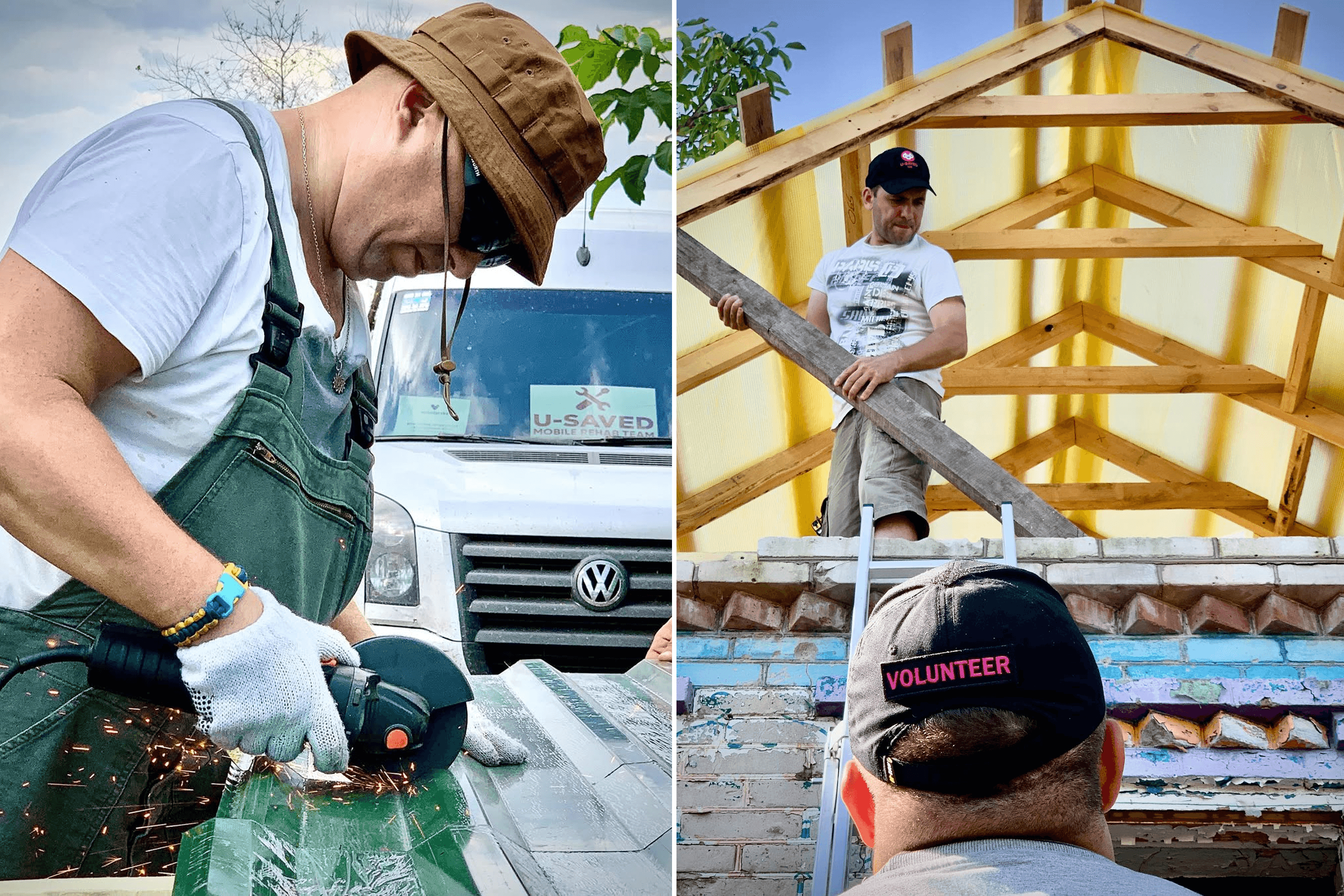
Volunteers worked on restoring a house for a family in the village of Dovhenke. Kharkiv Oblast, September 2023. Photo: volonterska_ua / Instagram / YB 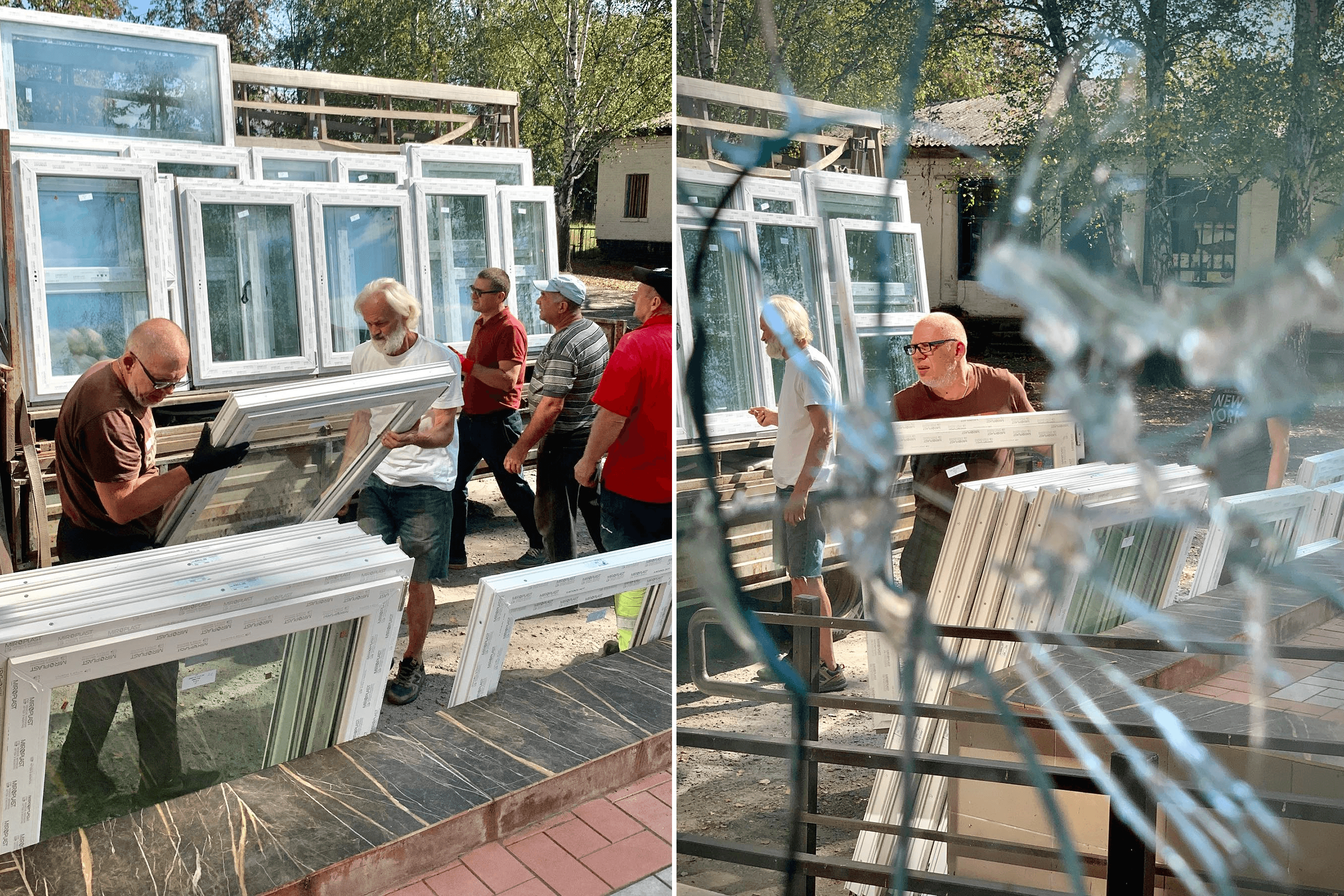
Volunteers delivered windows for 14 households in villages of the Izium district. Izium district, September 2023. Photo: volonterska_ua / Instagram / YB 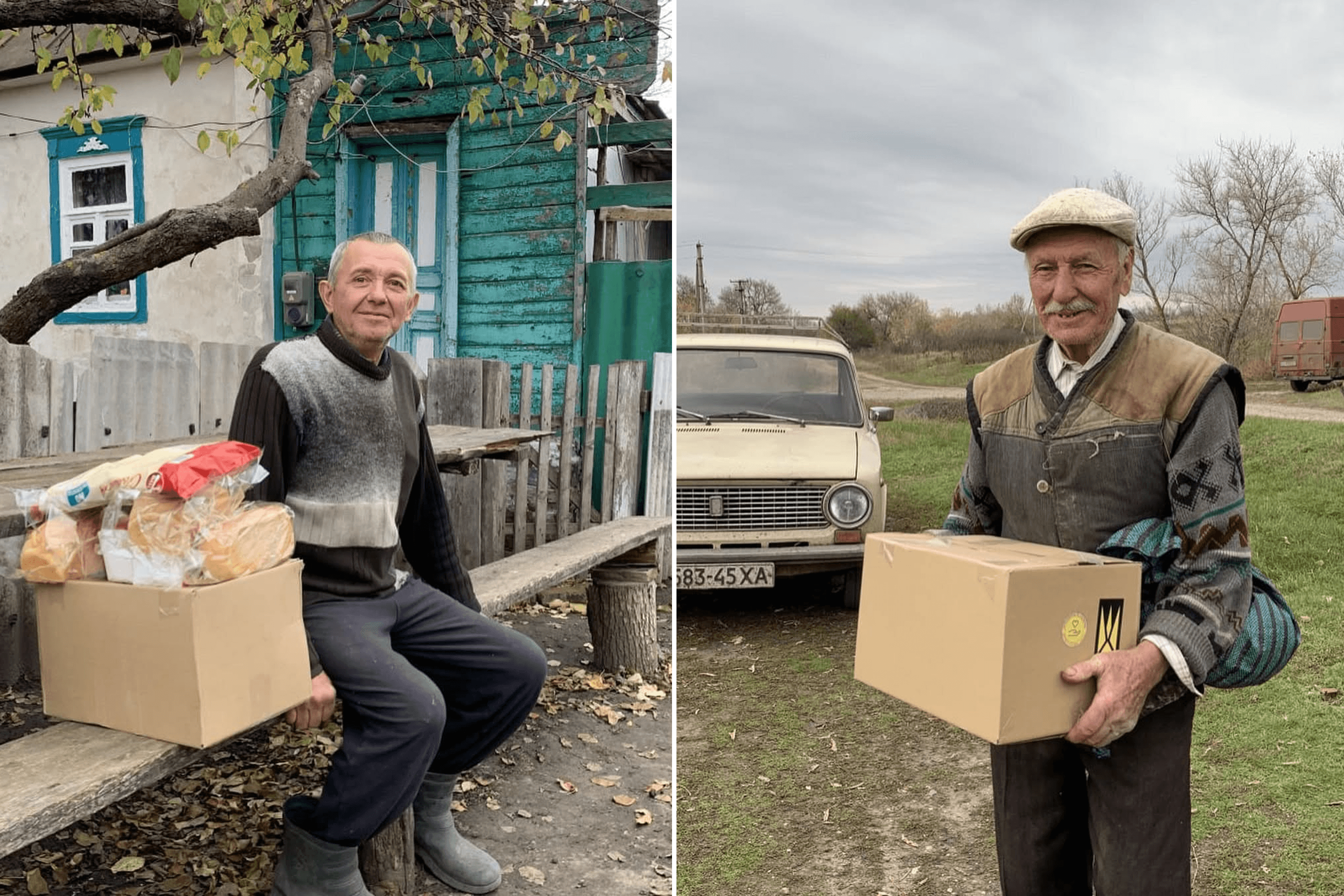
Volunteers delivered humanitarian aid to residents of de-occupied villages in Kharkiv Oblast. Kharkiv Oblast, November 2022. Photo: volonterska_ua / Instagram / YB 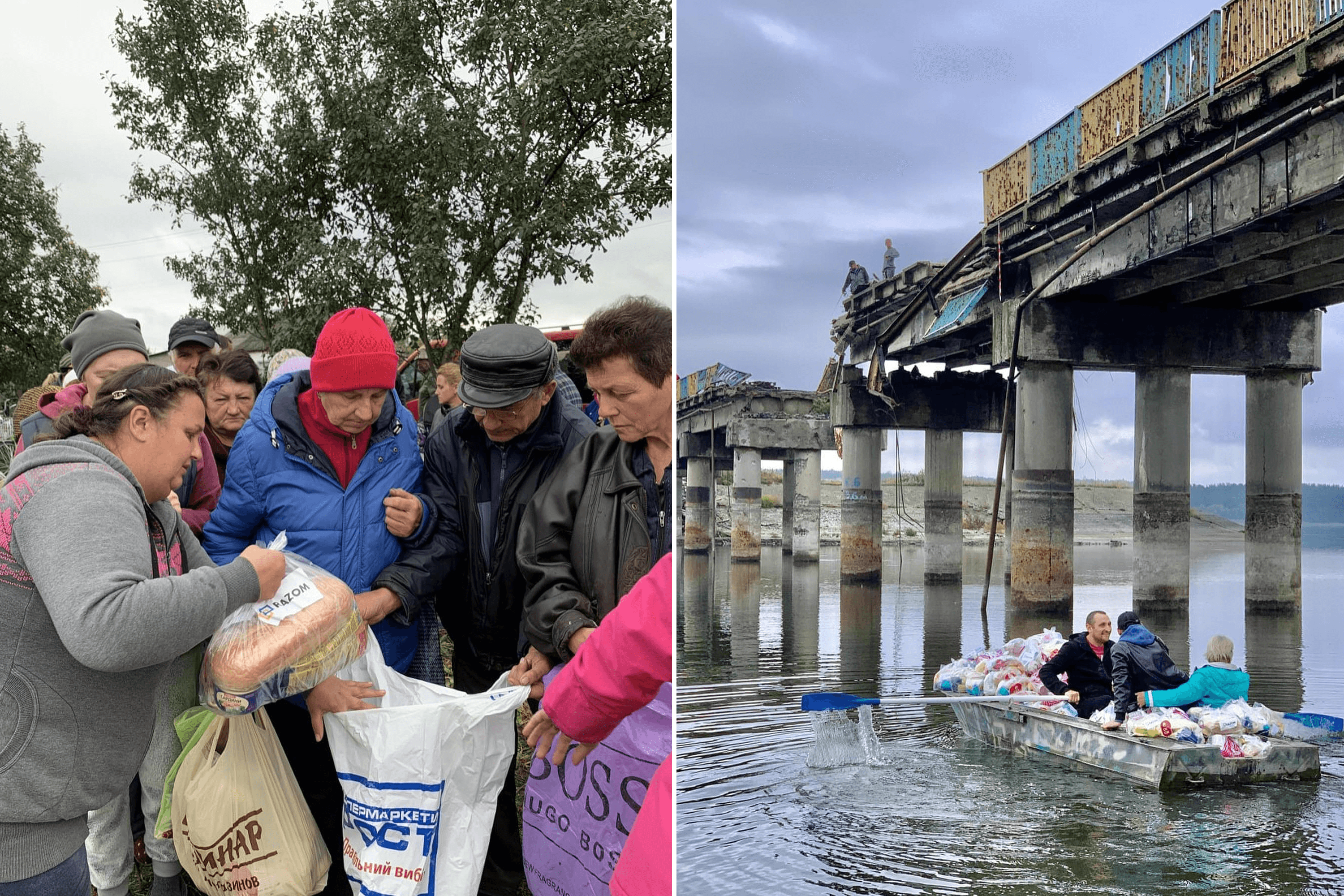
Volunteers delivered humanitarian aid to de-occupied territories by boat for the first time. Kharkiv Oblast, October 2022. Photo: volonterska_ua / Instagram / YB
What was happening in the formerly occupied territories when you started working there?
In September 2022, after the liberation, communities were facing a large-scale humanitarian crisis. Residents had no access to basic medical care and were effectively dying due to the lack of common medicines. Villages were almost completely destroyed. People had no electricity, no gas, no water, and in some places no communication. Russian forces left roads, farmland, houses, and household plots mined.
By mid-2023, the state and volunteers had managed to at least partially address the basic needs of residents in formerly occupied communities. However, a new problem emerged. Most people complained about the lack of jobs and prospects. At that point, we understood that we needed to create a way for them to earn money.
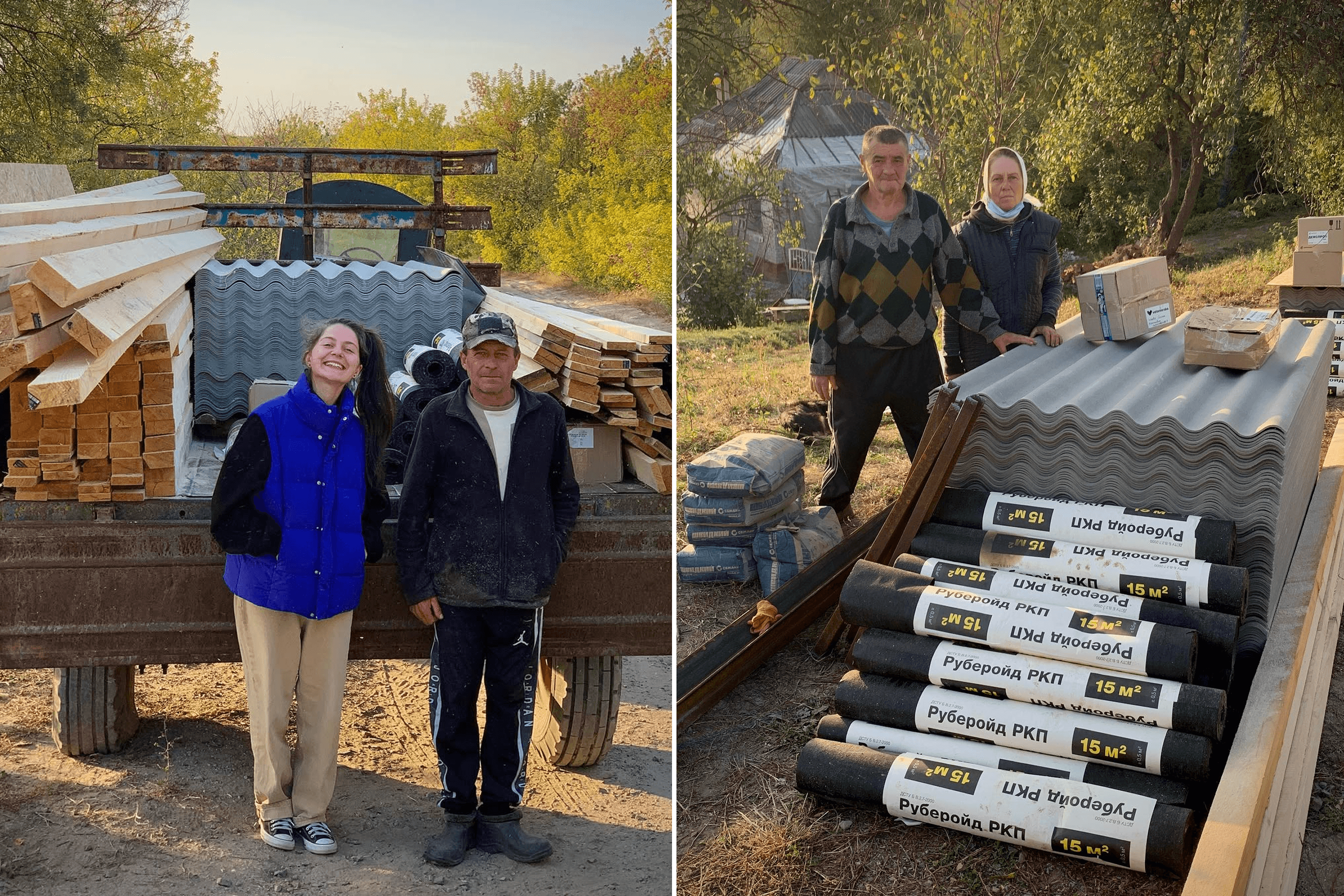
Volunteers began construction and delivered materials to restore housing for 10 families. Izium district, October 2023. Photo: volonterska_ua / Instagram / YB 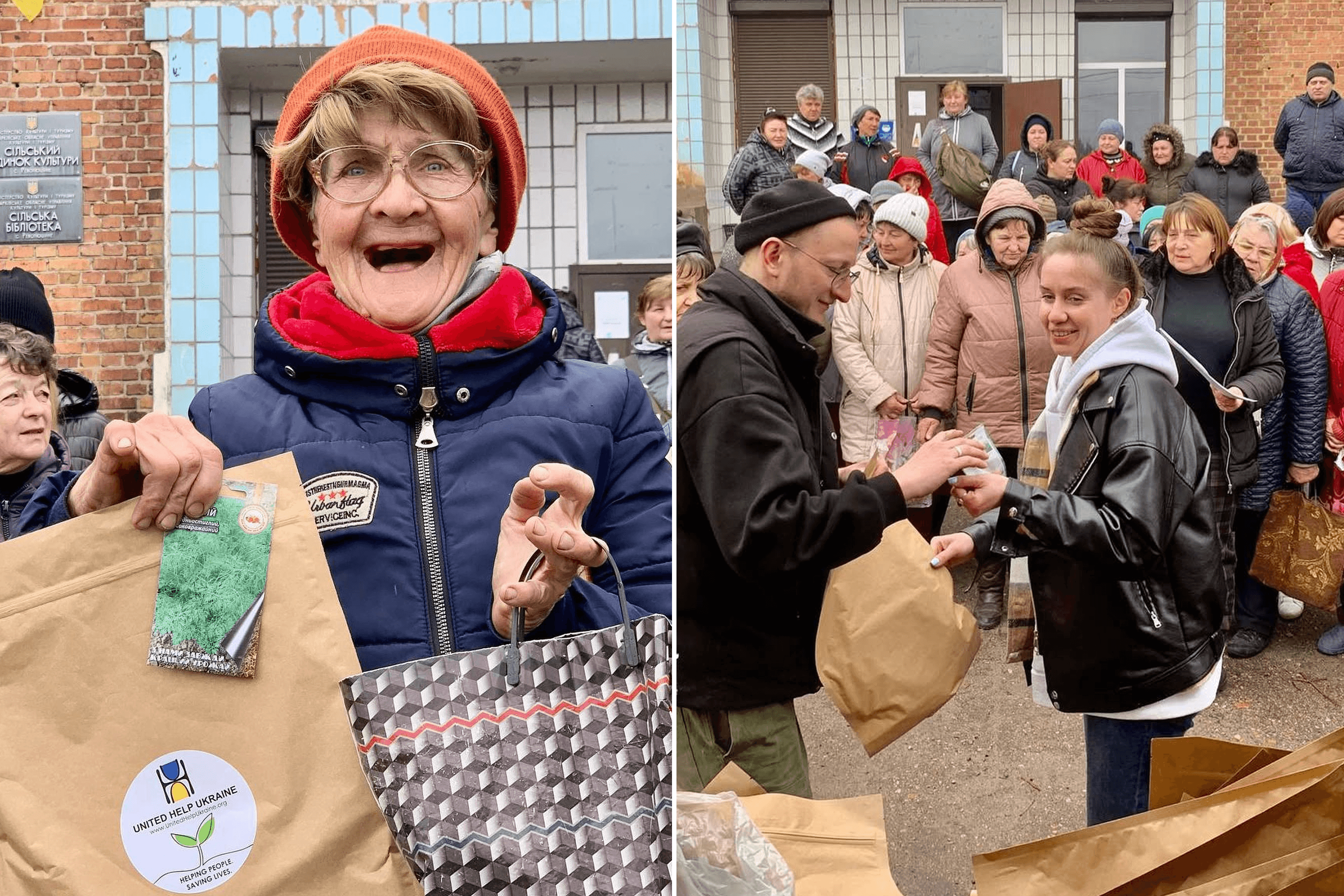
Volunteers delivered 1,166 seed kits to residents of de-occupied territories. Kharkiv Oblast, May 2023. Photo: volonterska_ua / Instagram / YB 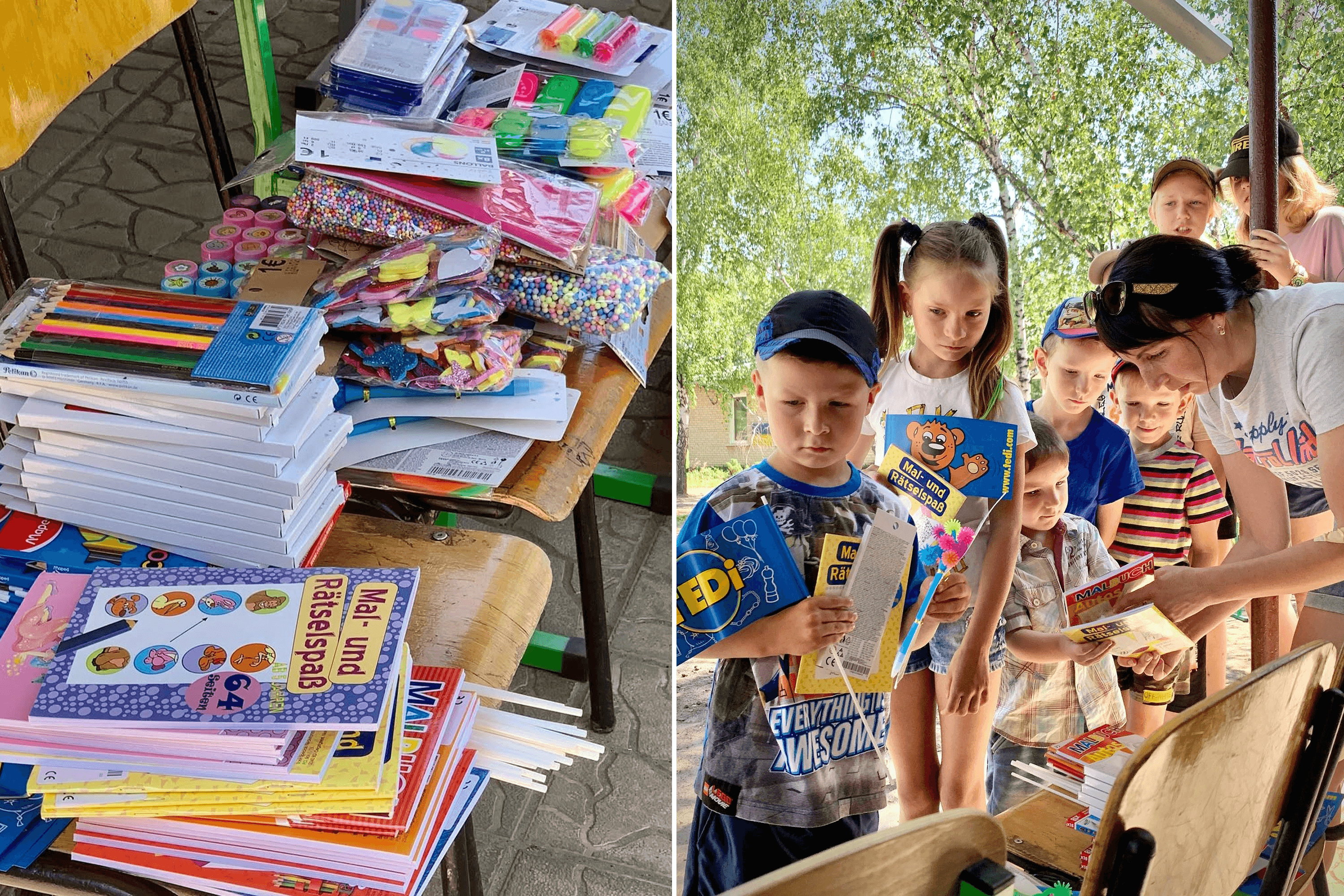
Volunteers gave children gifts and creative materials during a festive event. Izium district, July 2023. Photo: volonterska_ua / Instagram / YB 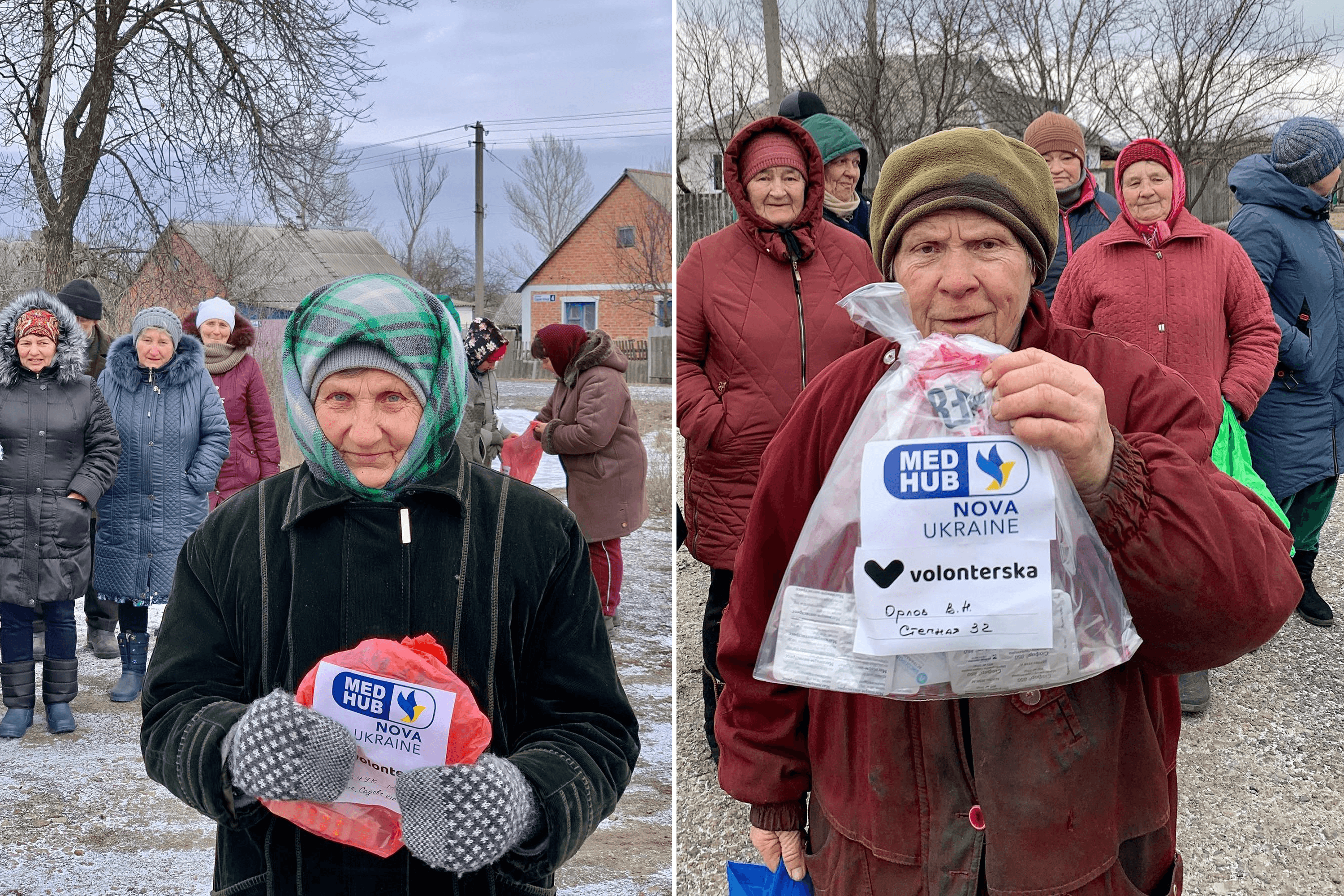
Volunteers delivered medicines to frontline villages and distributed them to more than 100 families. Kharkiv Oblast, February 2023. Photo: volonterska_ua / Instagram / YB 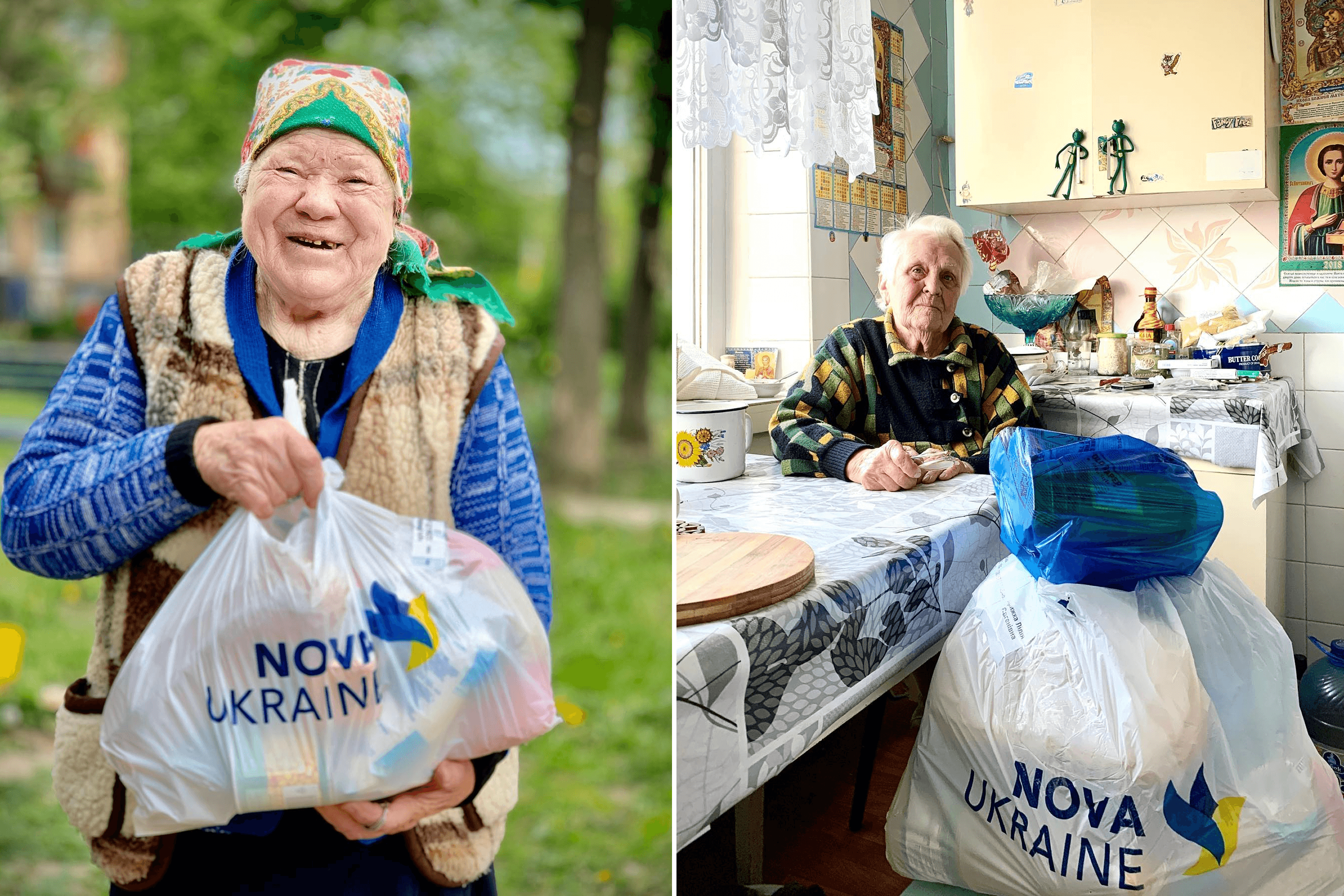
Volunteers provide regular support to people in need. Kharkiv, May 2023. Photo: volonterska_ua / Instagram / YB 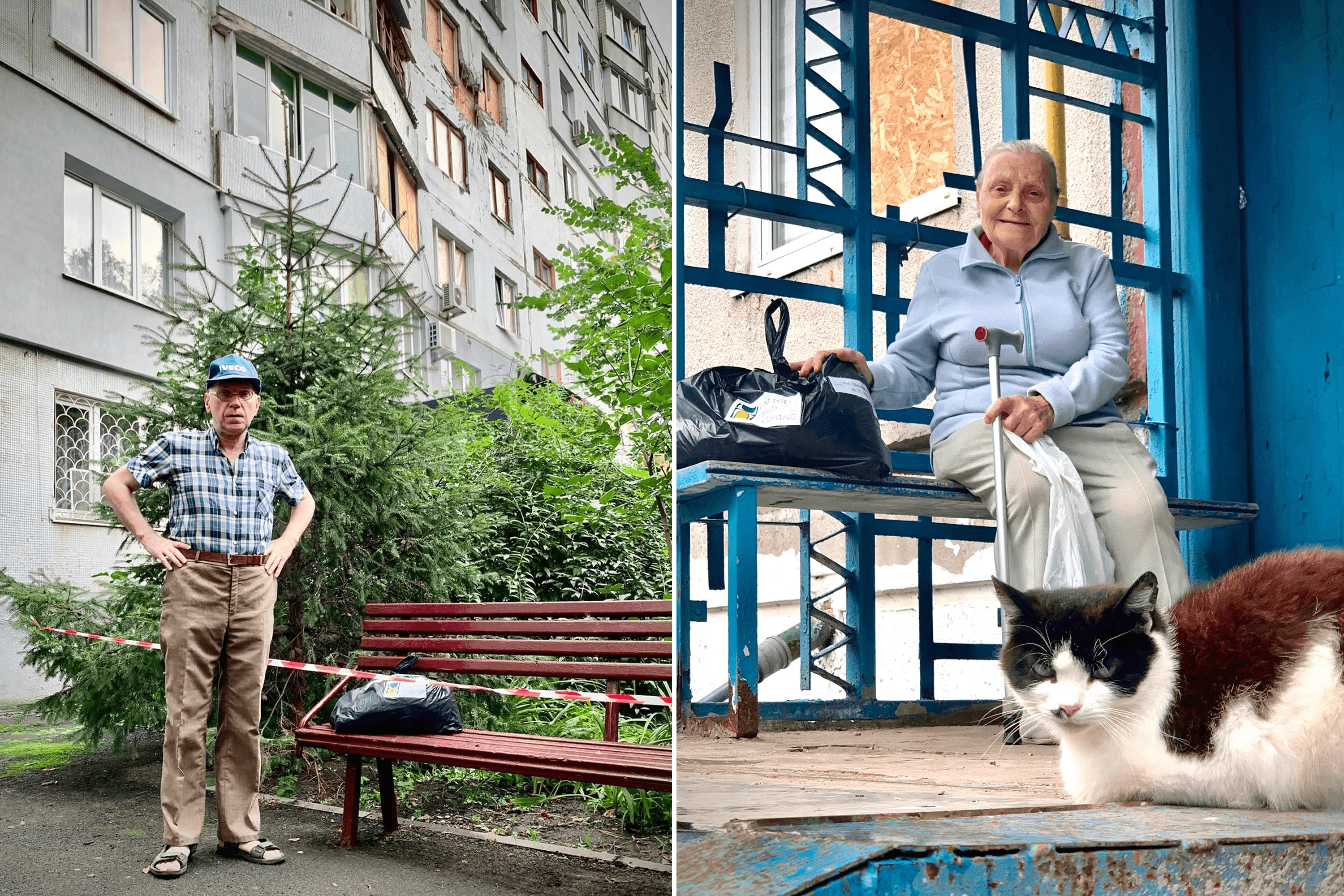
Volunteers delivered humanitarian aid to residents who needed it most. Kharkiv, August 2023. Photo: volonterska_ua / Instagram / YB
Is that how the De-Occupation Shop appeared?
Not exactly. At that point, it was more of a pilot version of the Shop. In August 2023, we were restoring houses in the village of Dovhenke, located on the border of the Kharkiv and Donetsk regions. According to unofficial information from the military, the village changed hands 18 times and was completely destroyed. There we met a local resident, Liudmyla. She was one of the first to return after liberation and personally cleared mines from her garden.
At the end of one of our meetings, Liudmyla gave us a bag of freshly boiled corn that she had grown herself. We planned to try it in Kharkiv, but it smelled so good that we could not resist. We stopped in Izium and ate it there. It tasted incredible.
At that moment, I realized that I wanted to help Liudmyla sell her corn. I reached out to friends connected to the gastronomic scene. They jumped at the idea, brought in acquaintances from Kharkiv establishments, and over one weekend they bought all the corn she had. She earned around 10,000 hryvnias, and restaurants added grilled corn, salads, and even corn ice cream to their menus. That is how the idea for the Shop came about. However, it was already the end of the season, so we had to launch the following year.
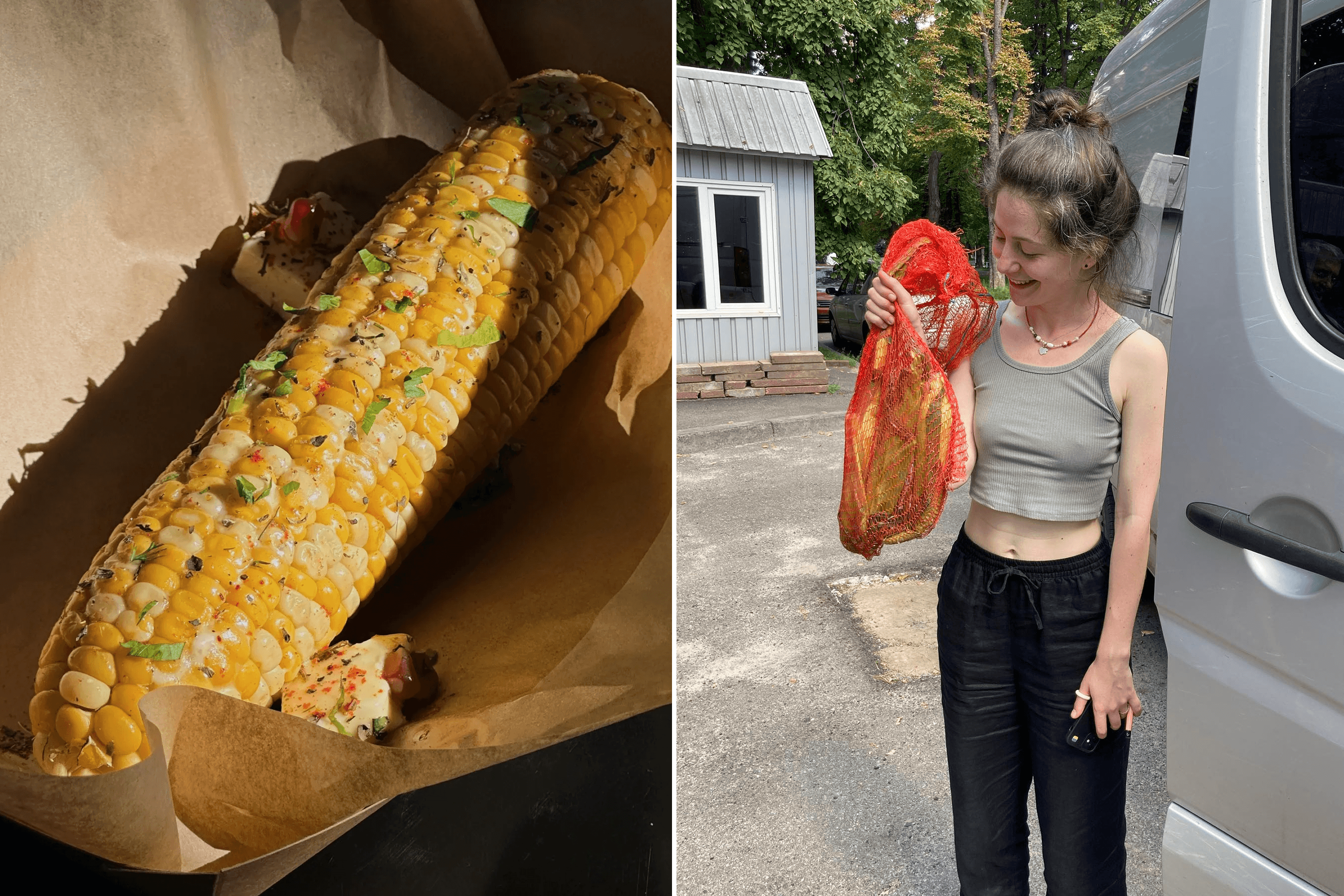
Volunteers joined an initiative to support residents of de-occupied territories through the sale of local products. Kharkiv, August 2023. Photo: volonterska_ua / Instagram / YB 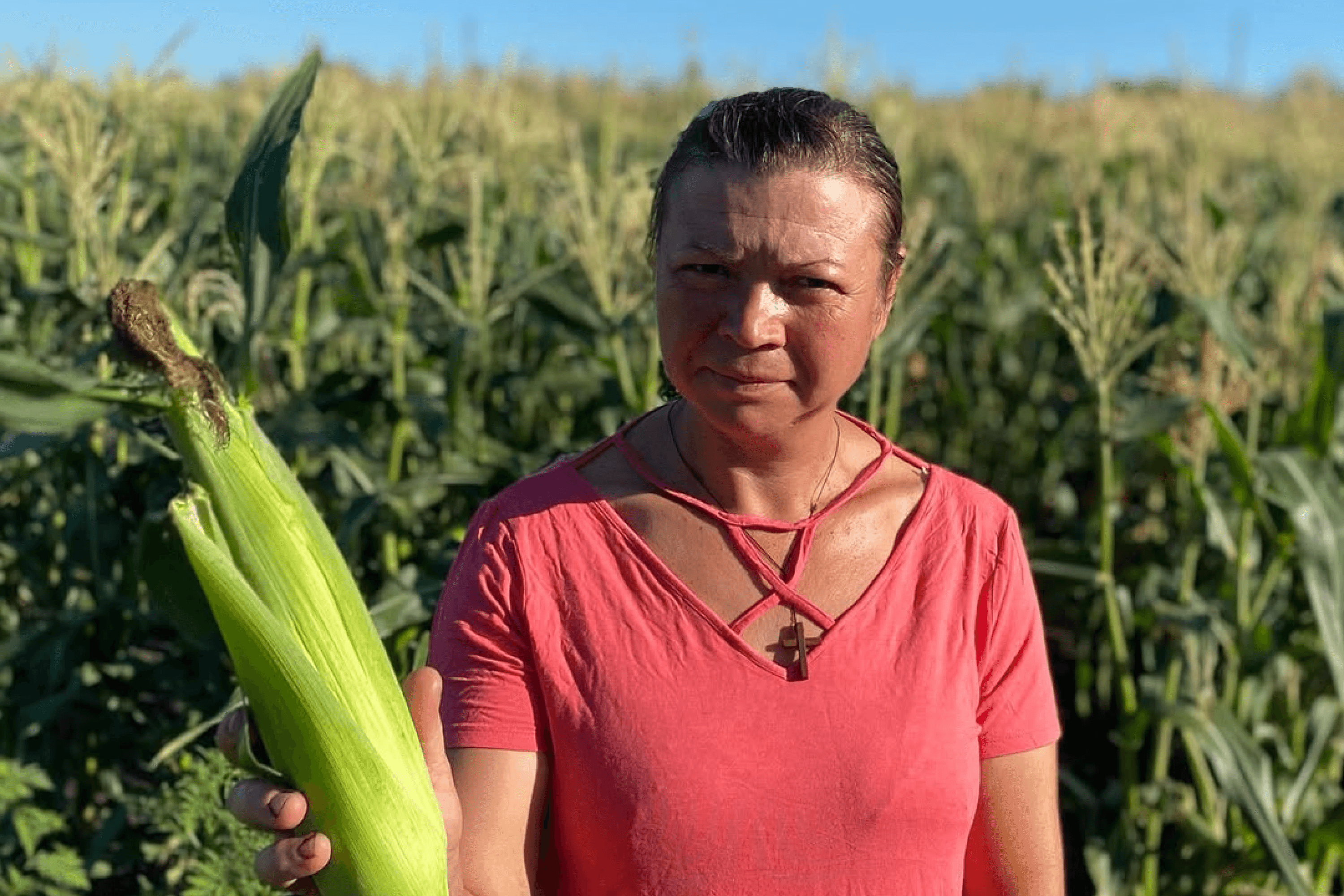
Liudmyla returned to her de-occupied village, cleared her garden of mines, and began growing corn. Izium district, August 2023. Photo: volonterska_ua / Instagram / YB 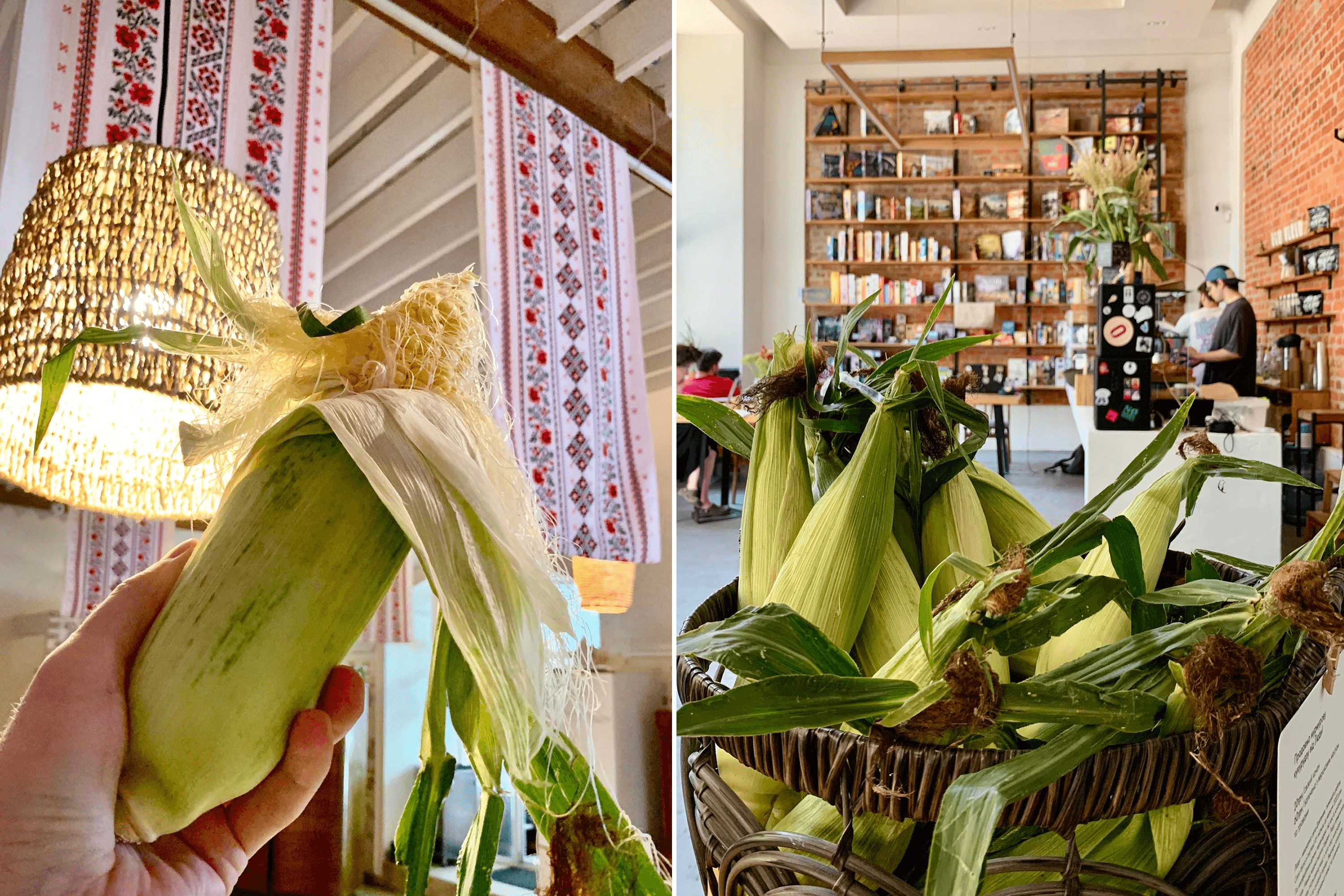
Photo: volonterska_ua / Instagram / YB 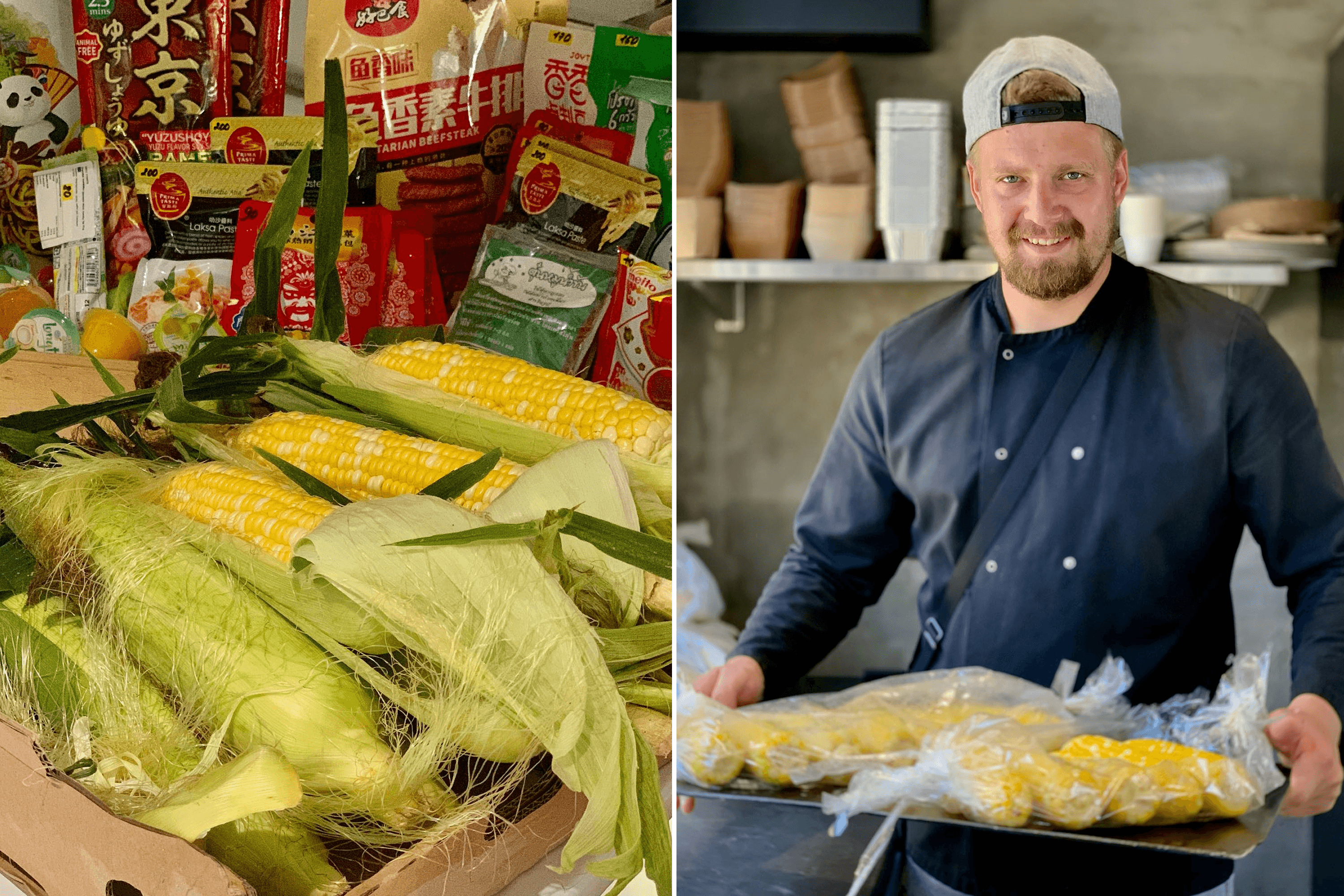
Photo: volonterska_ua / Instagram / YB 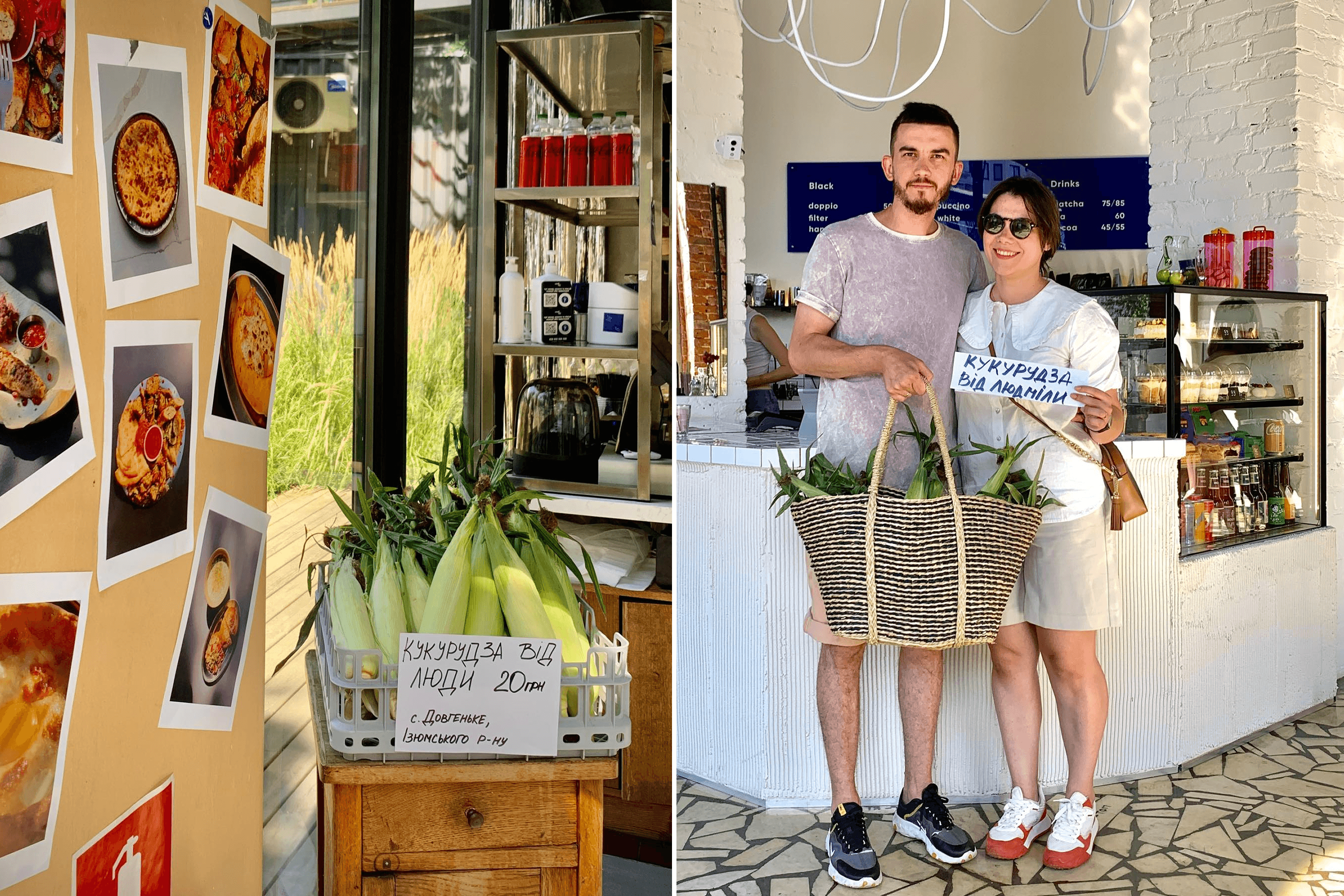
Photo: volonterska_ua / Instagram / YB 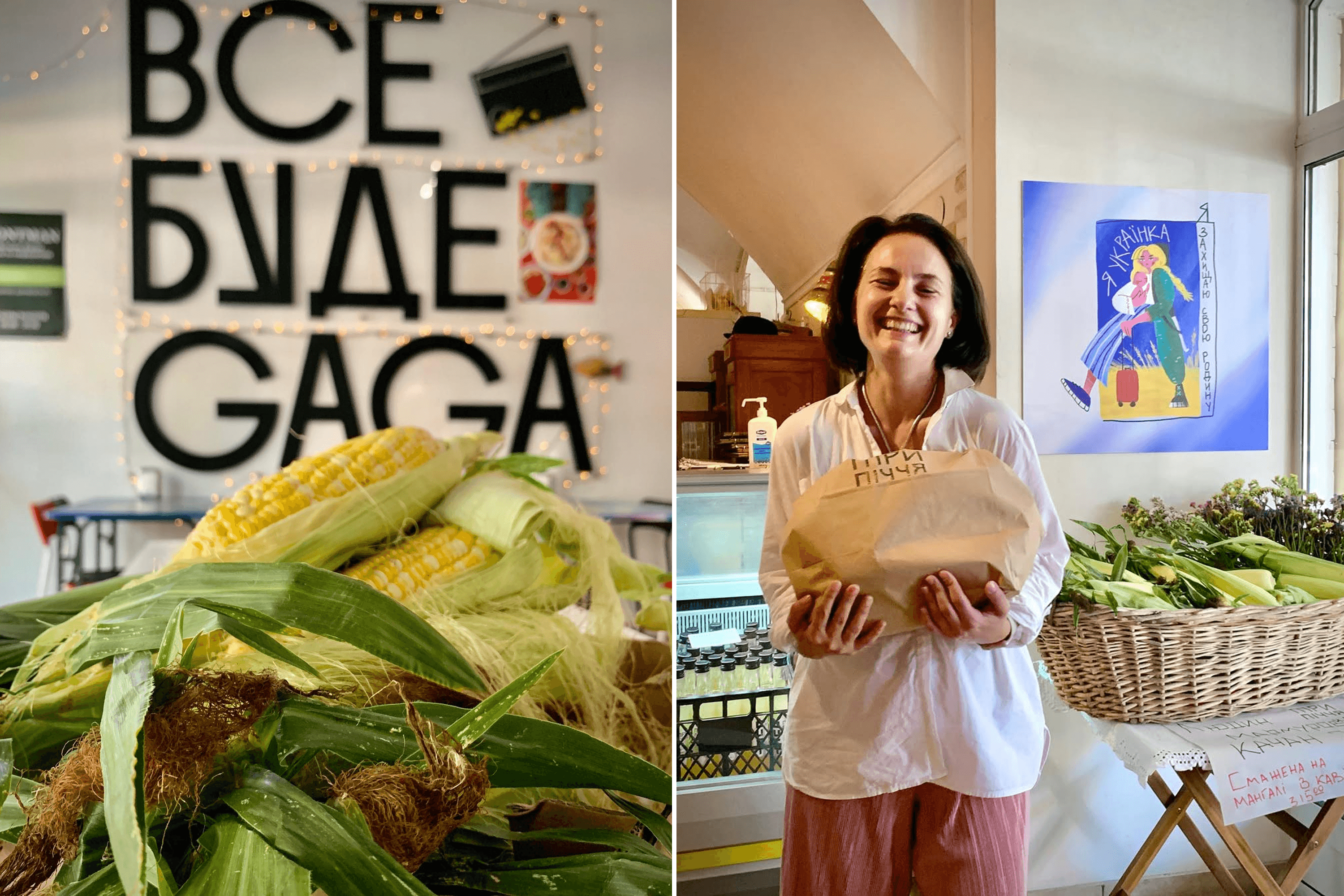
Photo: volonterska_ua / Instagram / YB
How did you prepare for the launch in 2024?
First, we brought the idea to the village head in Studenok. After liberation, many houses there were under restoration. He posted in a local Viber group that there were people who wanted to help residents sell their produce. He organized a meeting where we could present the idea. Twenty people attended. The meeting lasted more than four hours. By the end, around half of them were still there. With them, we started building the Shop. During that same meeting, we discussed the concept and which vegetables we would sell.
What model did you arrive at for the De-Occupation Shop? What part of the work did farmers have to take on, and what part the project team?
First, we find a donor or partner who covers the cost of seeds, greenhouses, equipment, and fuel. Then we buy everything needed and provide it to farmers as charitable aid.
Farmers plant the seeds, and we wait for the harvest. When the season begins, we visit them once a week, collect the produce, and sell it. Retail sales go through a physical stall in Kharkiv. Online sales go through social media, and B2B through restaurants.
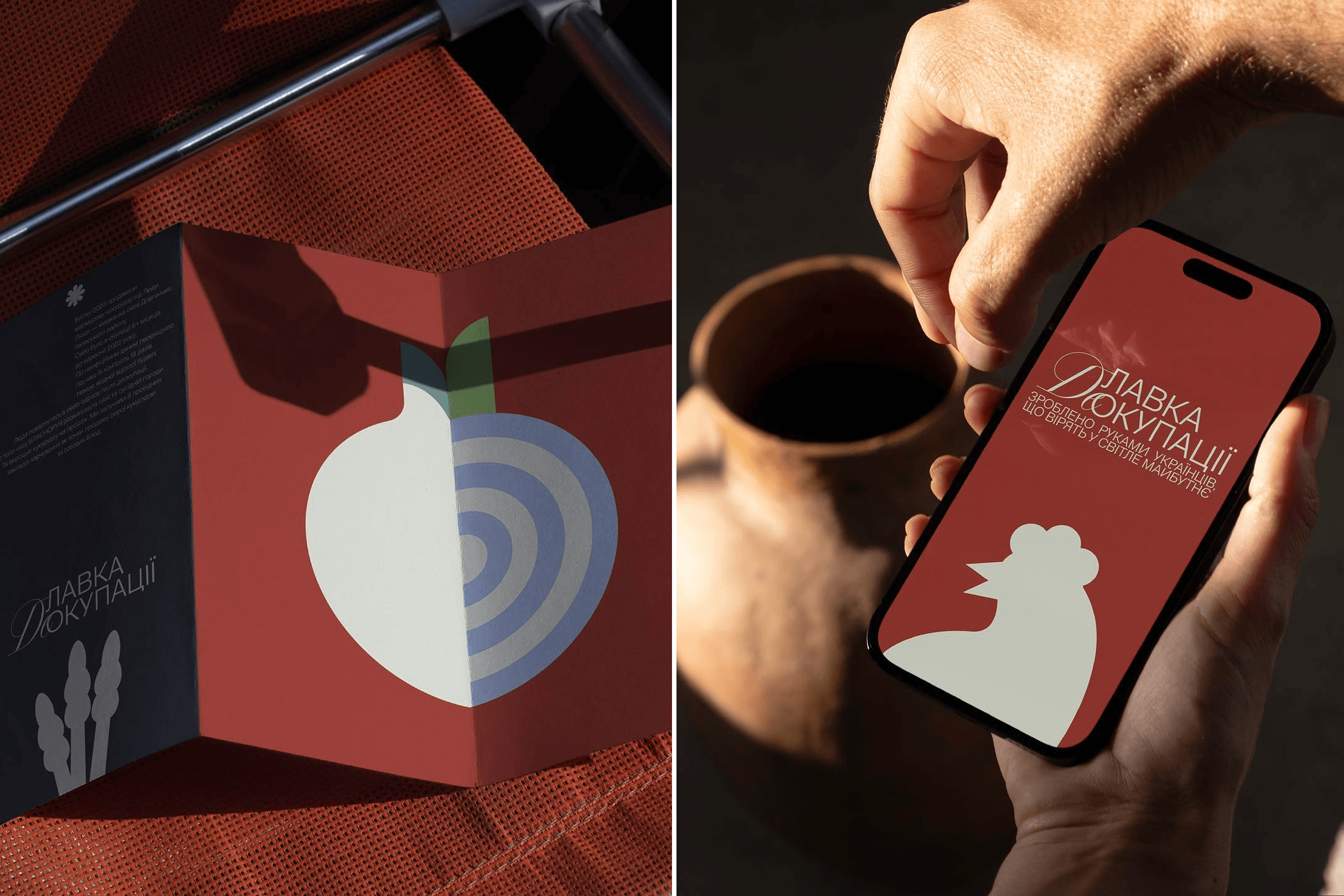
Visual identity for The De-Occupation Shop created by the vsenismargo studio. Kharkiv, May 2024. Photo: lavka_deokupatsii / Instagram / YB 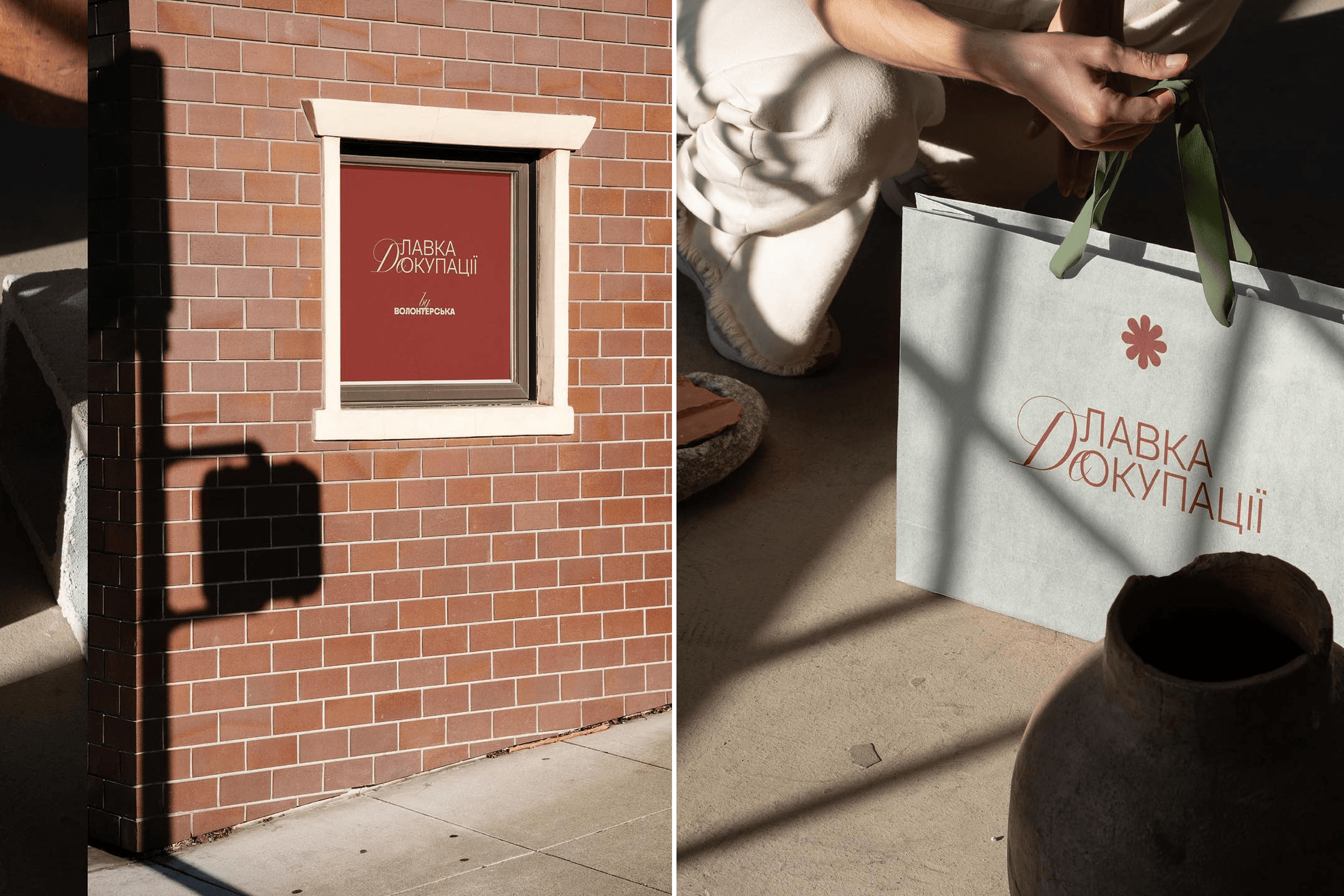
Photo: lavka_deokupatsii / Instagram / YB 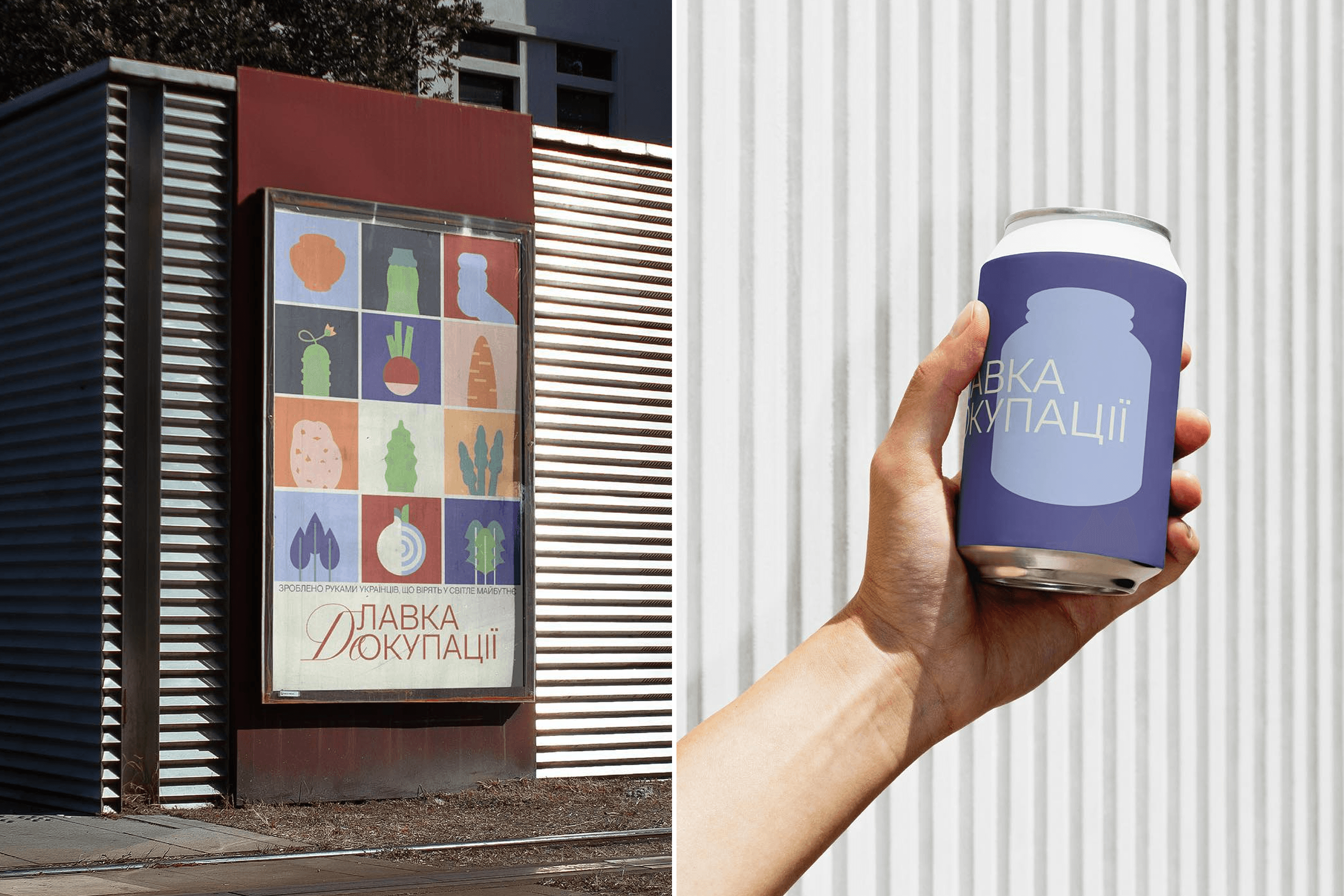
Photo: lavka_deokupatsii / Instagram / YB 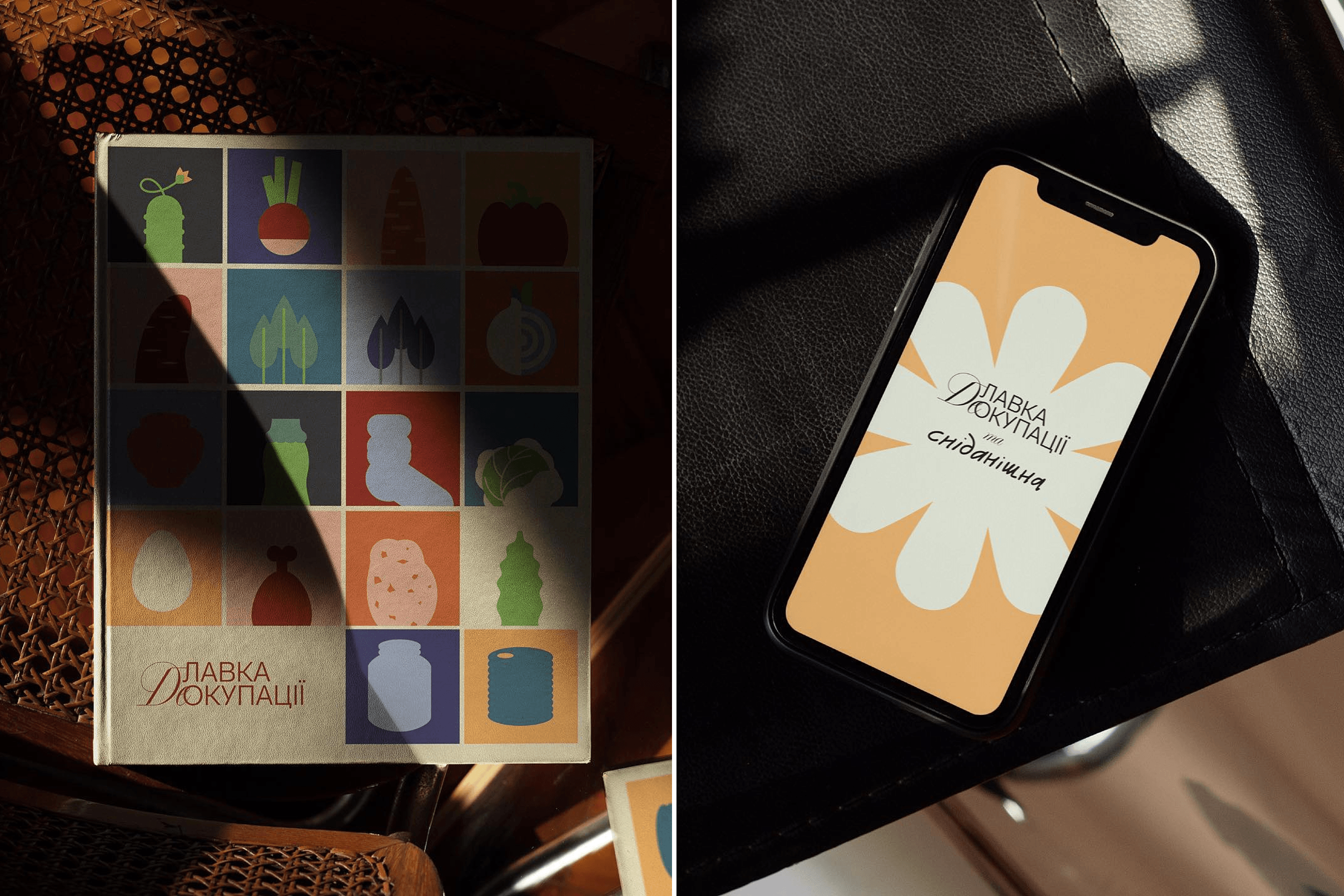
Photo: lavka_deokupatsii / Instagram / YB
How did locals initially respond to your idea?
They reacted with surprise. It seemed that they did not fully trust us and did not understand how it would work. Locals were used to a different model of aid, where supplies are delivered, signed off on, photographed for reporting, and then that is the end of it. We proposed a completely different approach.
Who decides which crops to grow?
It is a joint decision between us and the farmers. Most of them are not professional farmers. They are simply people with vegetable plots. The most common crops are potatoes and cucumbers. Of course, we do not buy supermarket seeds for 20 hryvnias a pack. We use professional-grade seeds from specialized agricultural companies. At the same time, we always discuss with farmers what they want to grow and what conditions they have.
What share of the profit do farmers receive?
Almost 100 percent. We only retain funds to cover rent for the physical point of sale and salaries for its staff. In the first season in 2024, the profit was about 170,000 hryvnias. In 2025, it reached nearly 500,000 hryvnias.
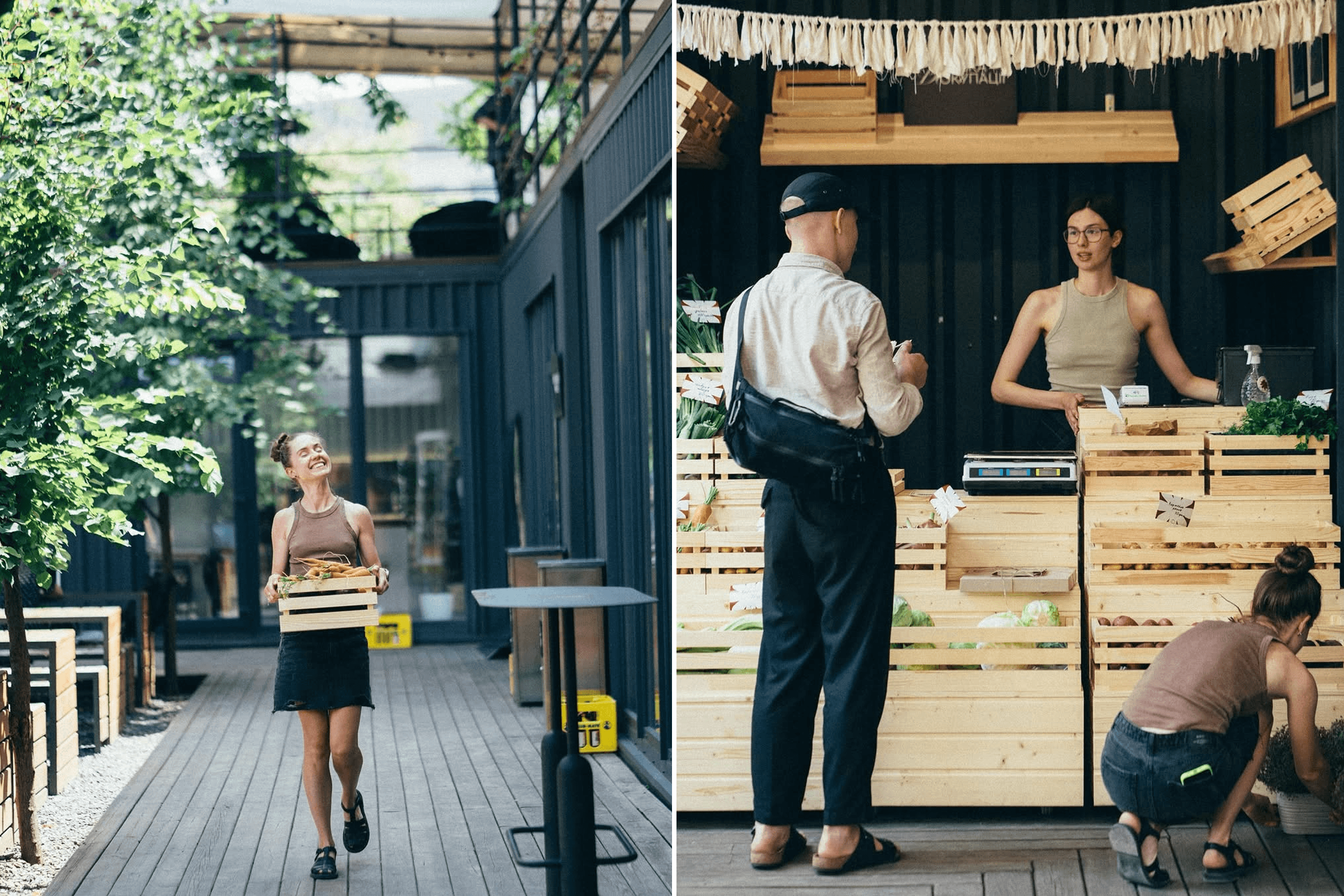
Opening of the physical location of The De-Occupation Shop and the launch of a project selling products from frontline territories. Kharkiv, June 2024. Photo: anisia_reutova / lavka_deokupatsii / Instagram / YB 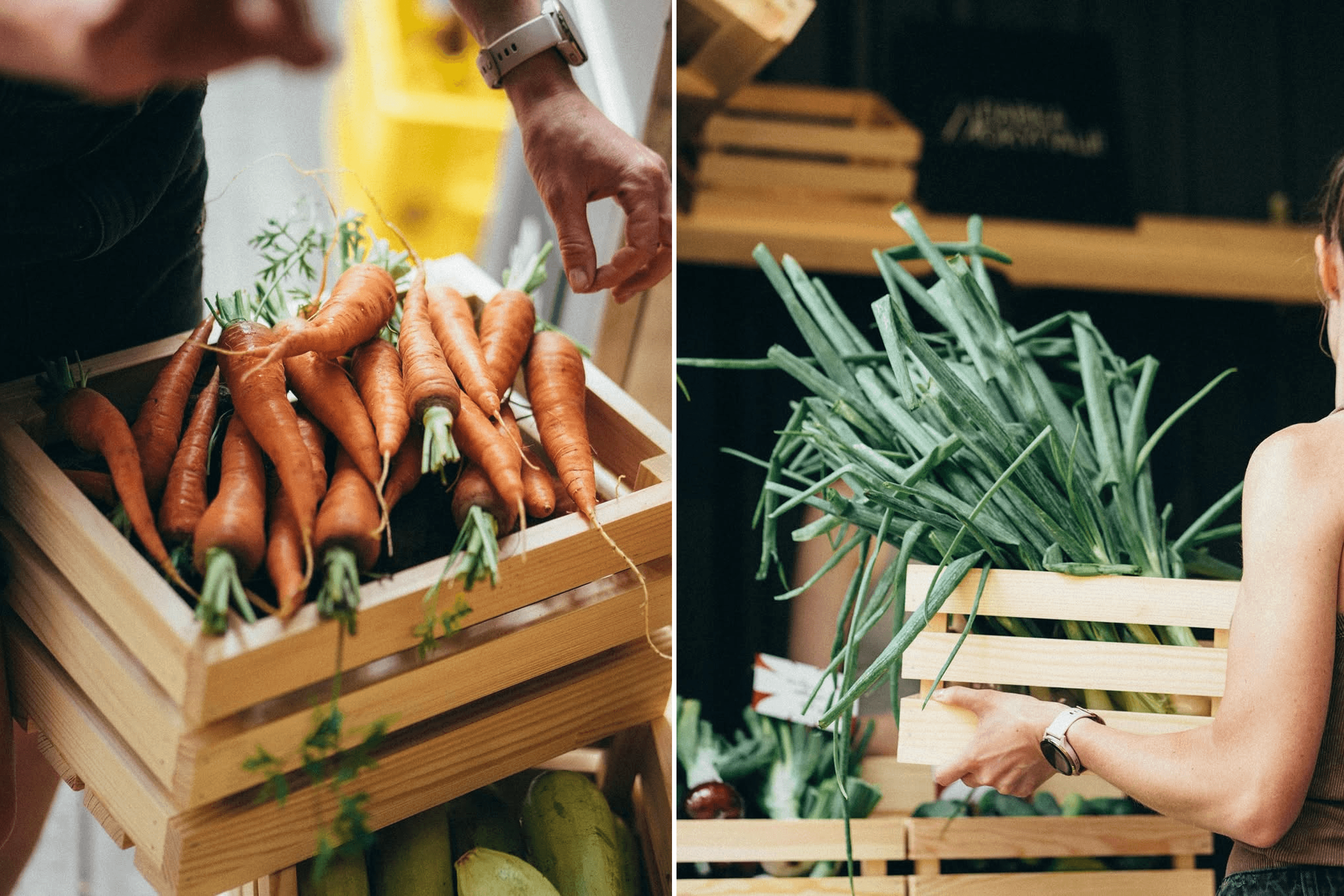
Photo: anisia_reutova / lavka_deokupatsii / Instagram / YB 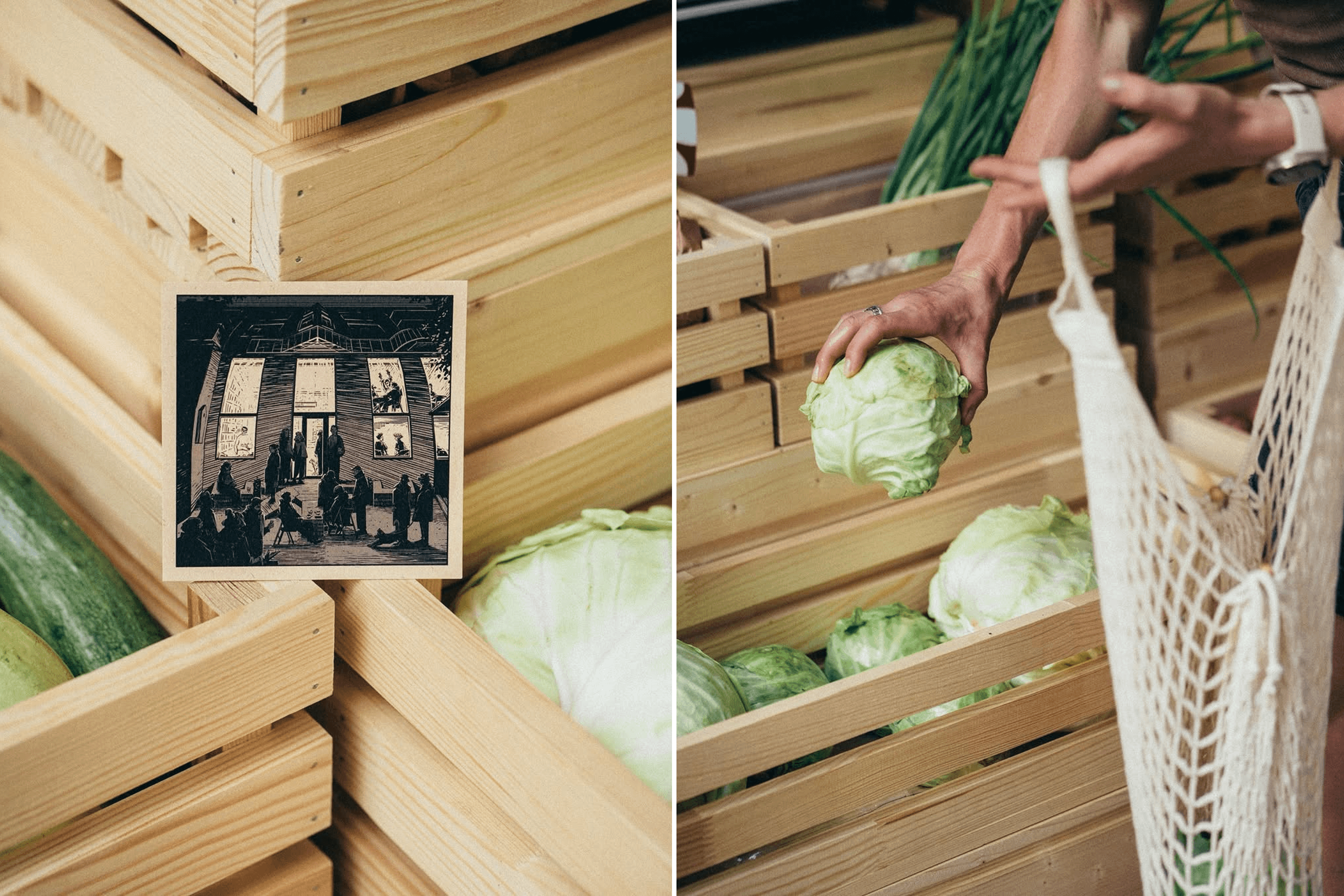
Photo: anisia_reutova / lavka_deokupatsii / Instagram / YB 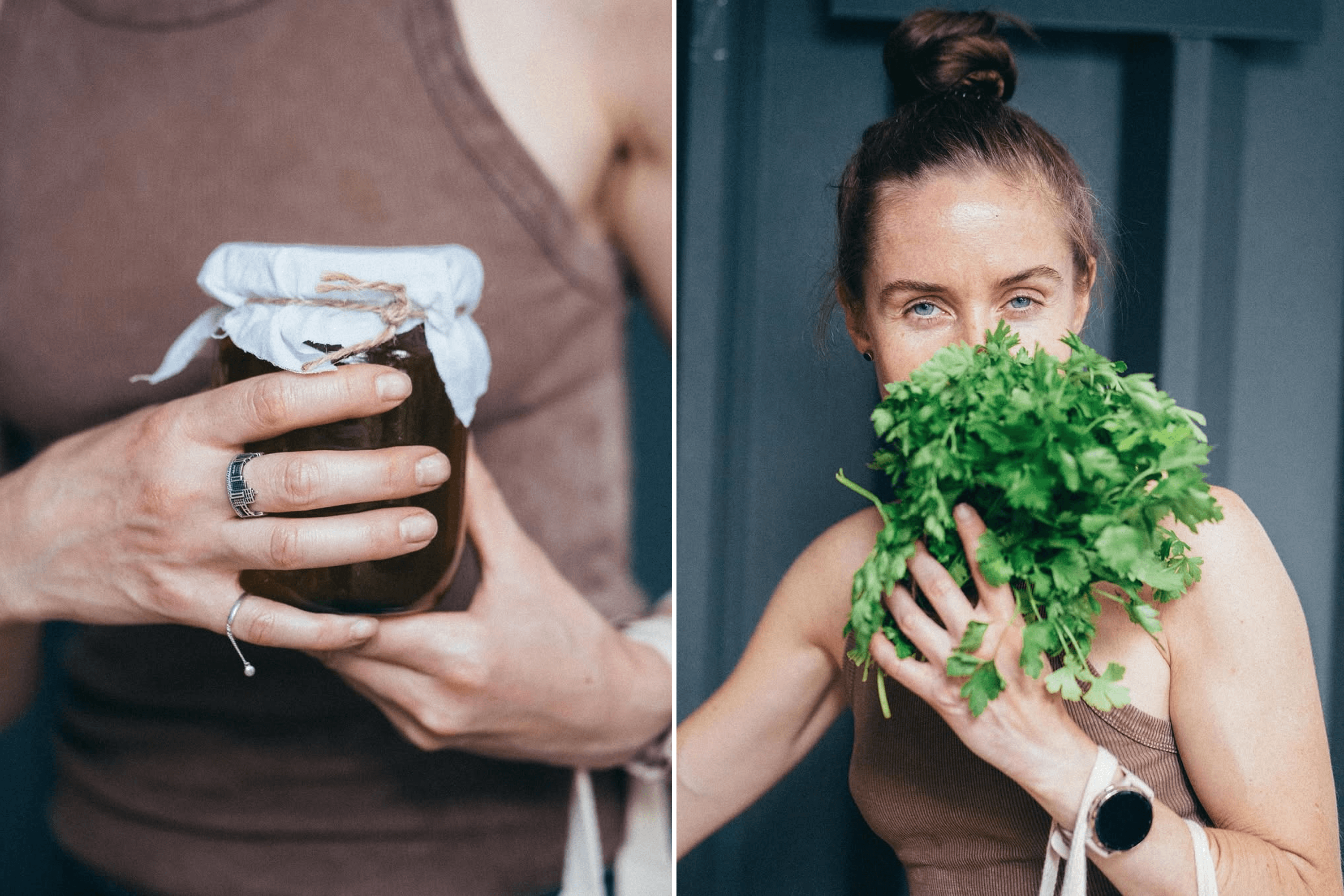
Photo: anisia_reutova / lavka_deokupatsii / Instagram / YB 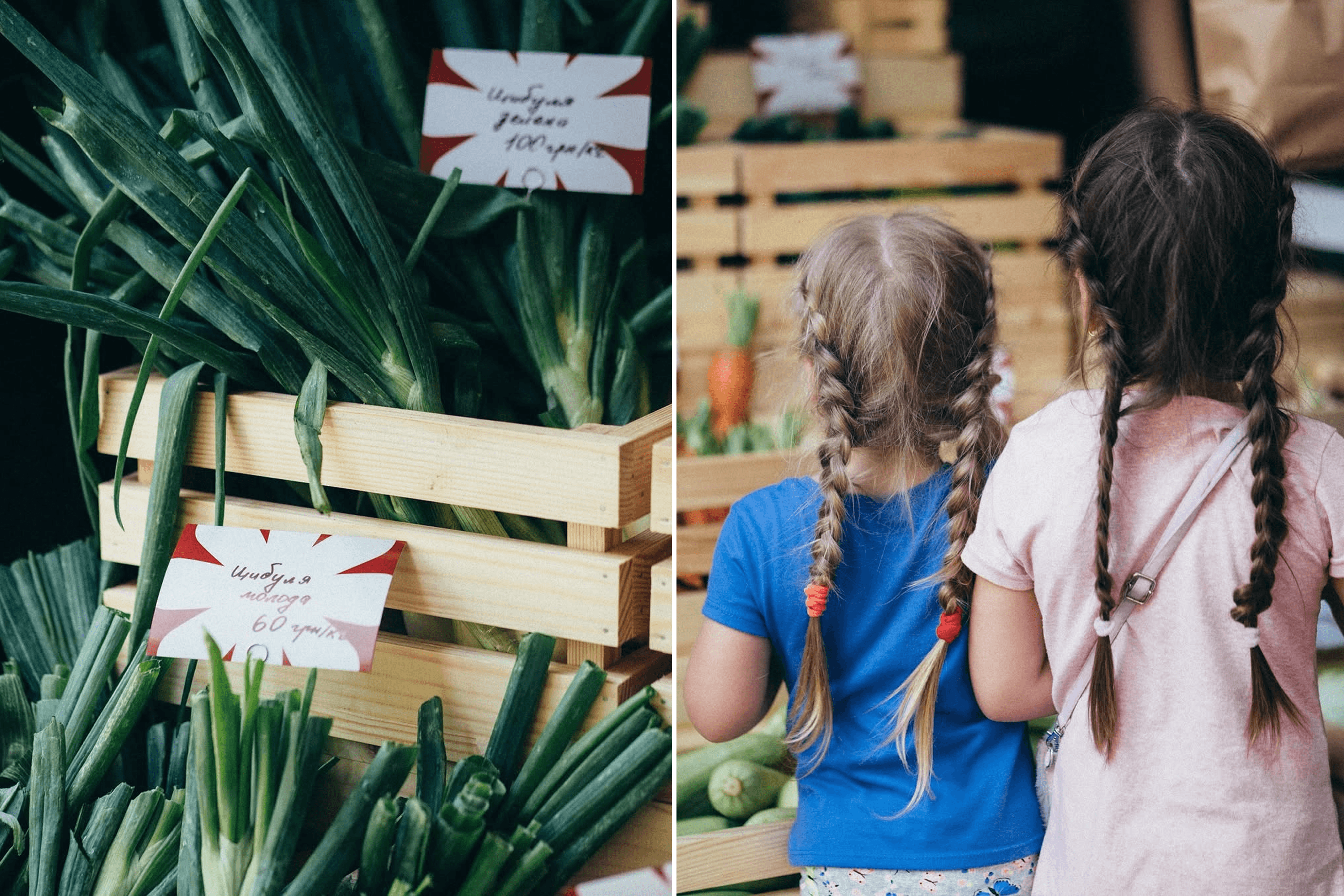
Photo: anisia_reutova / lavka_deokupatsii / Instagram / YB 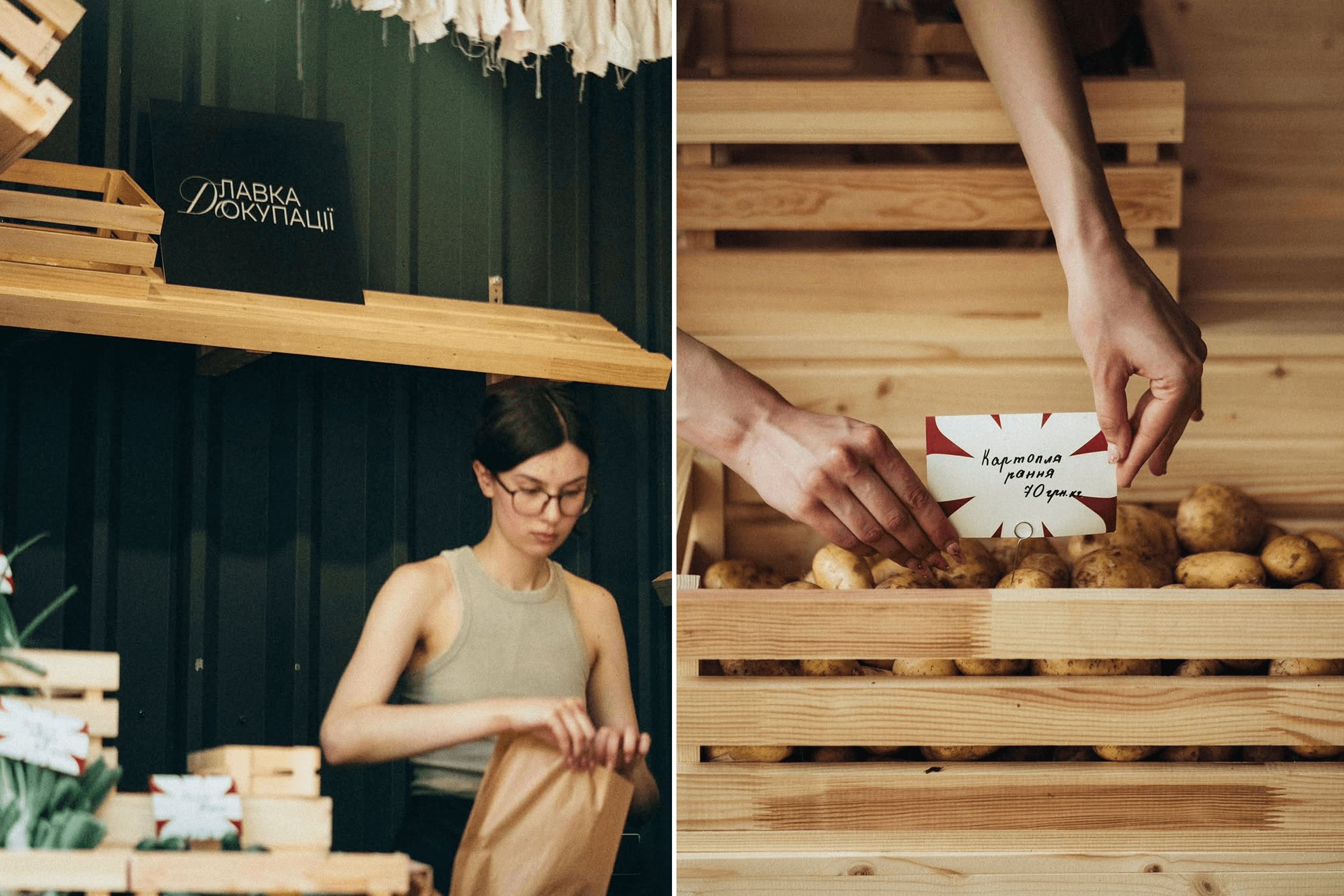
Photo: anisia_reutova / lavka_deokupatsii / Instagram / YB
So you launched at the beginning of summer 2024. How did it go?
It was difficult. We planned to announce the launch on May 10, 2024, but on that day Russia resumed its offensive in the Kharkiv region. Everyone was in shock. Many people left the city again. We moved the announcement to May 11 or 12 and immediately began active communication with journalists and media.
We opened the stall in mid-June, at Seventh Warehouse. In the first year, we were given the space for free. By the time we opened, the project was already well known in Kharkiv. Media outlets, partners, and ordinary people on social media wrote about us.
What was the first season like?
The harvest was far bigger than we expected. At the peak of cucumber season, we did not know what to do with them. We would receive up to 200 kilograms at once, while selling about 30 kilograms per day. Eventually, we started making preserves. In general, many practical challenges arose, including storage, transportation, and quickly finding sales channels.
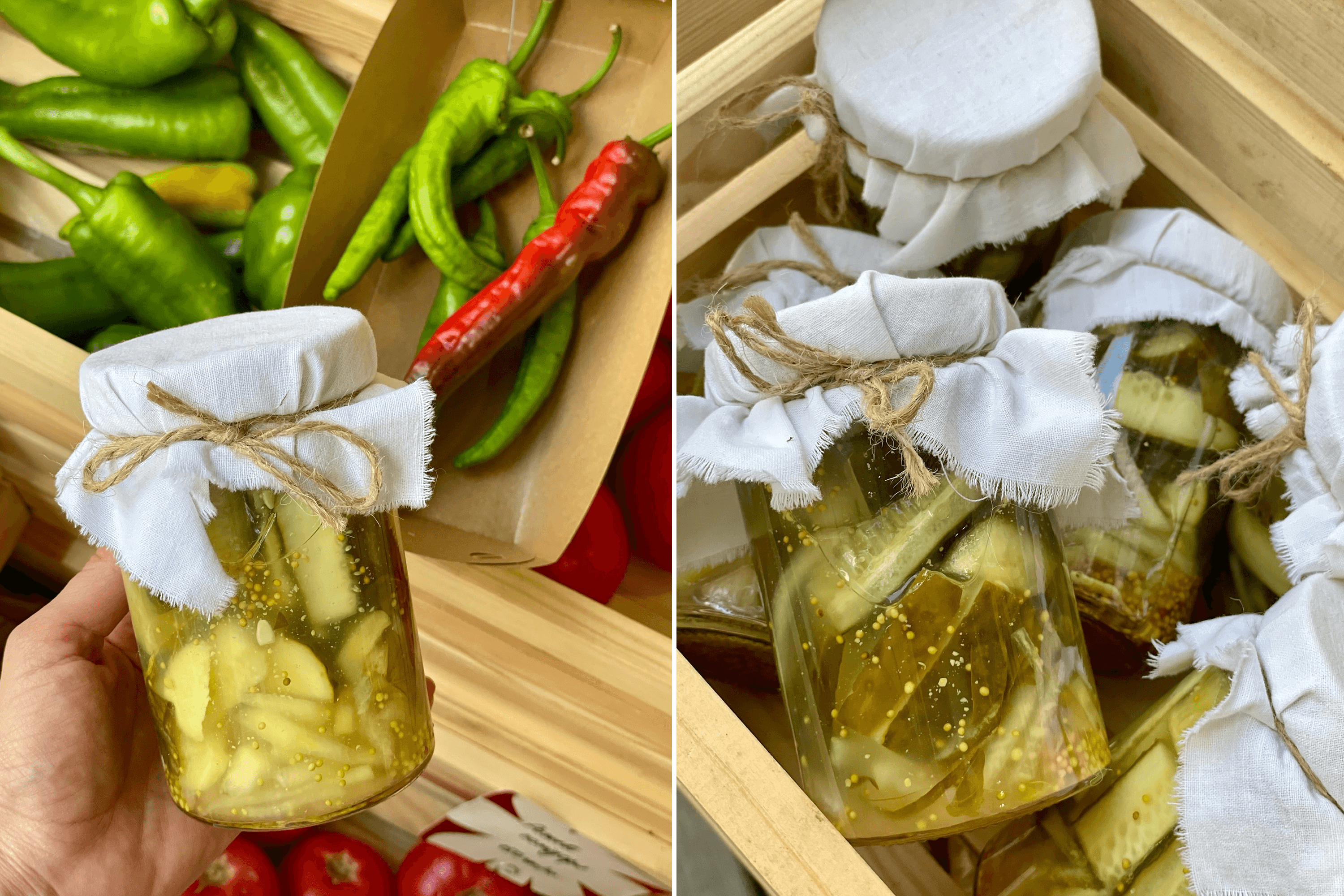
Canned cucumbers and other vegetables from The De-Occupation Shop. Photo: lavka_deokupatsii / Instagram / YB 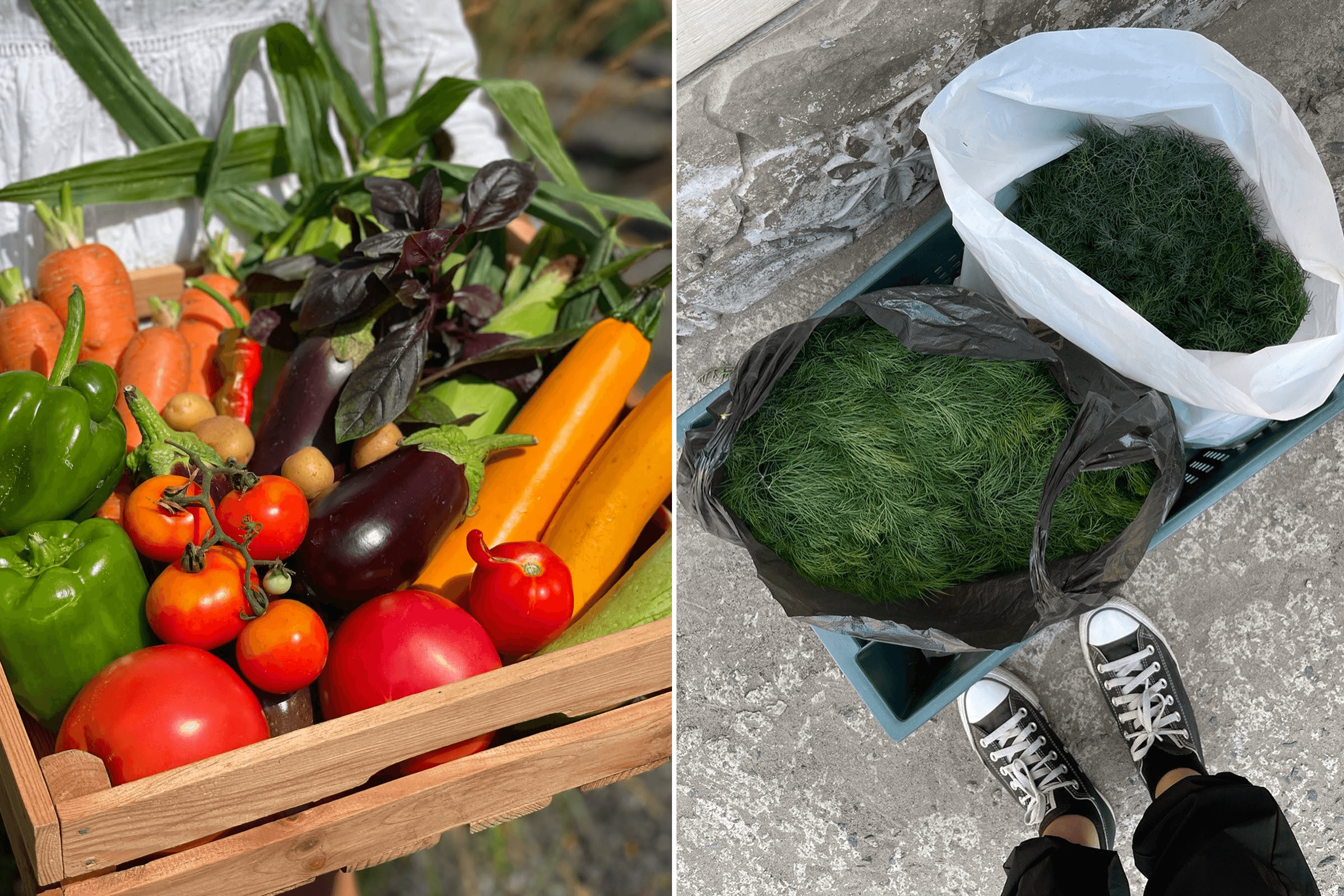
Photo: lavka_deokupatsii / Instagram / YB 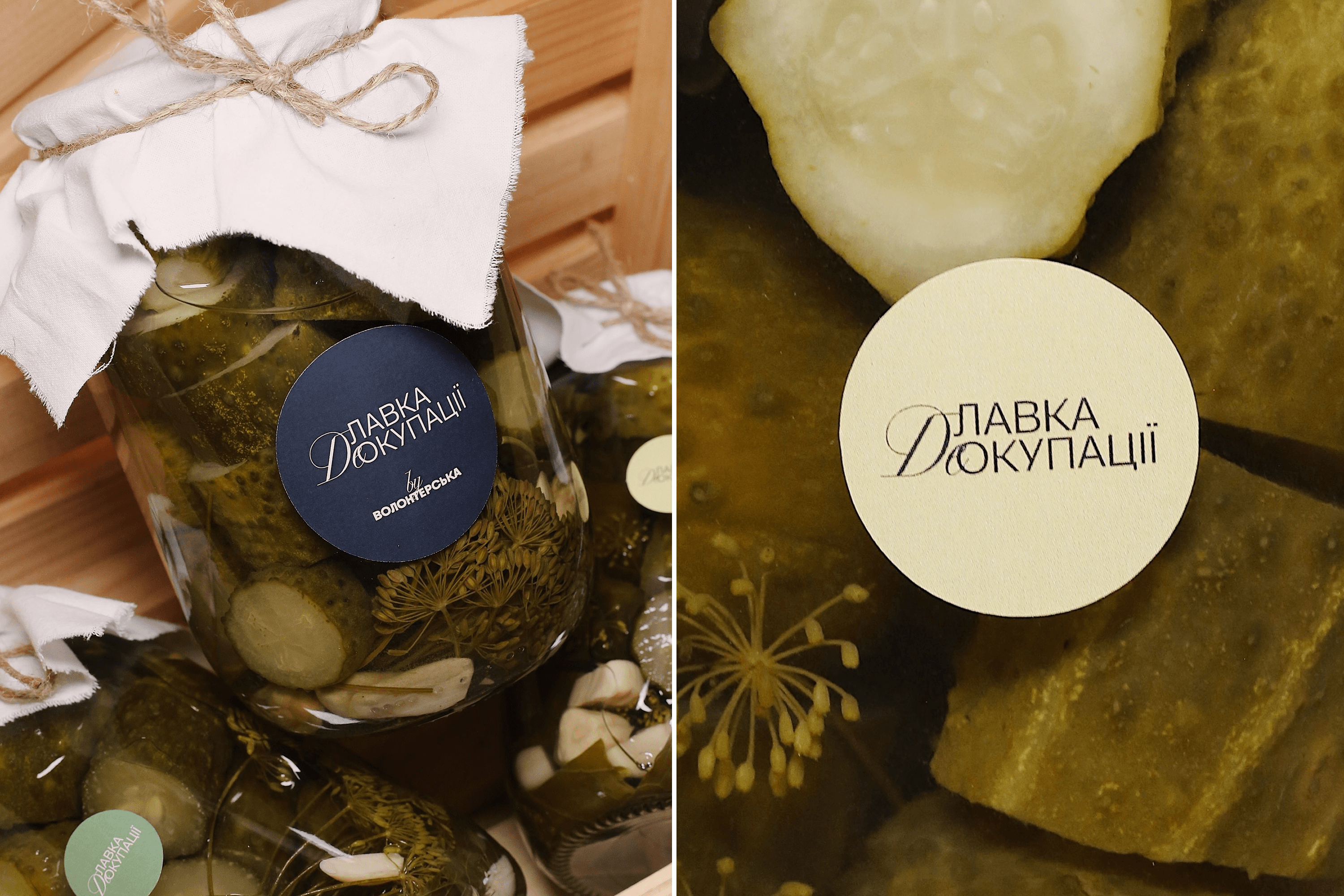
Photo: lavka_deokupatsii / Instagram / YB 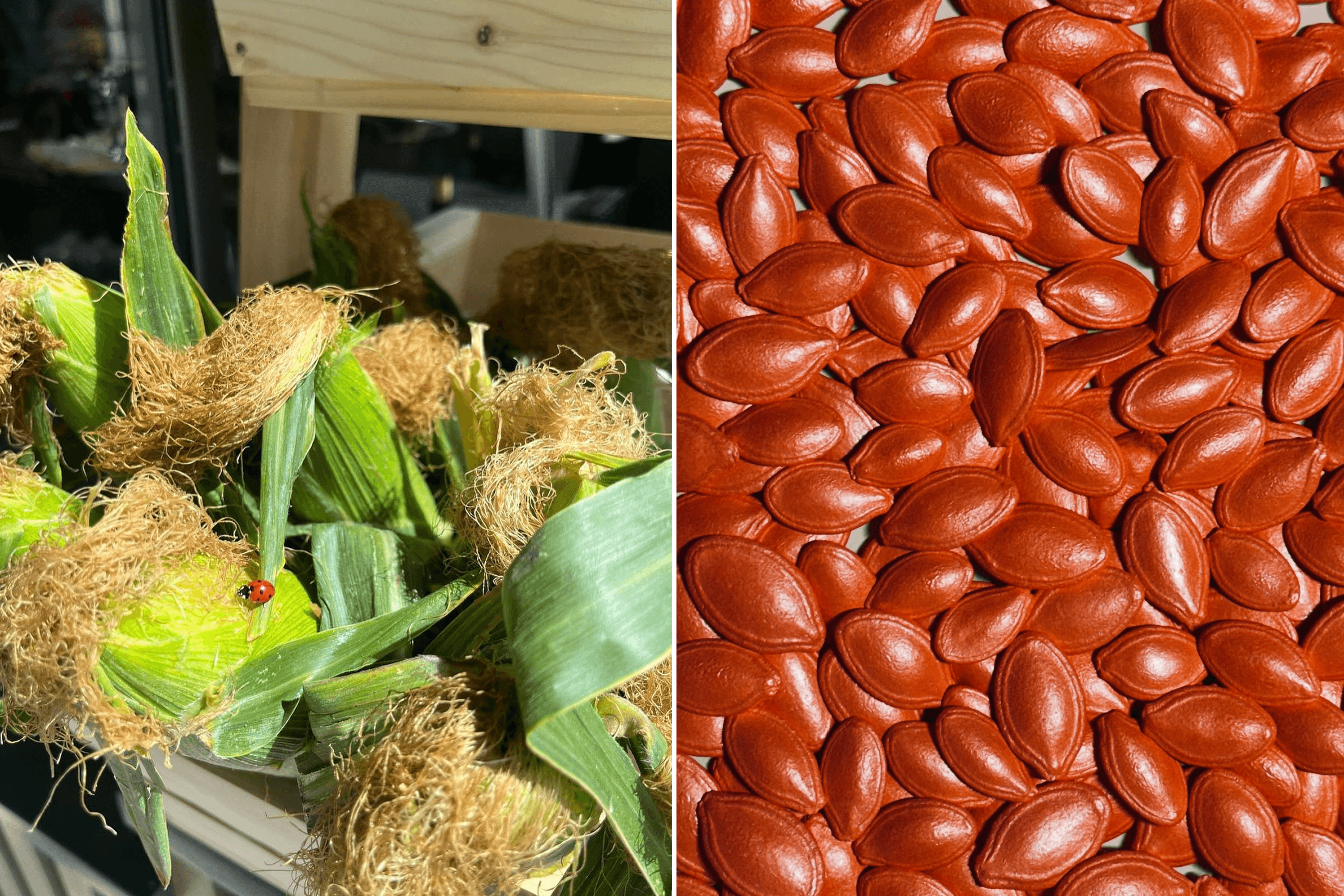
Photo: lavka_deokupatsii / Instagram / YB 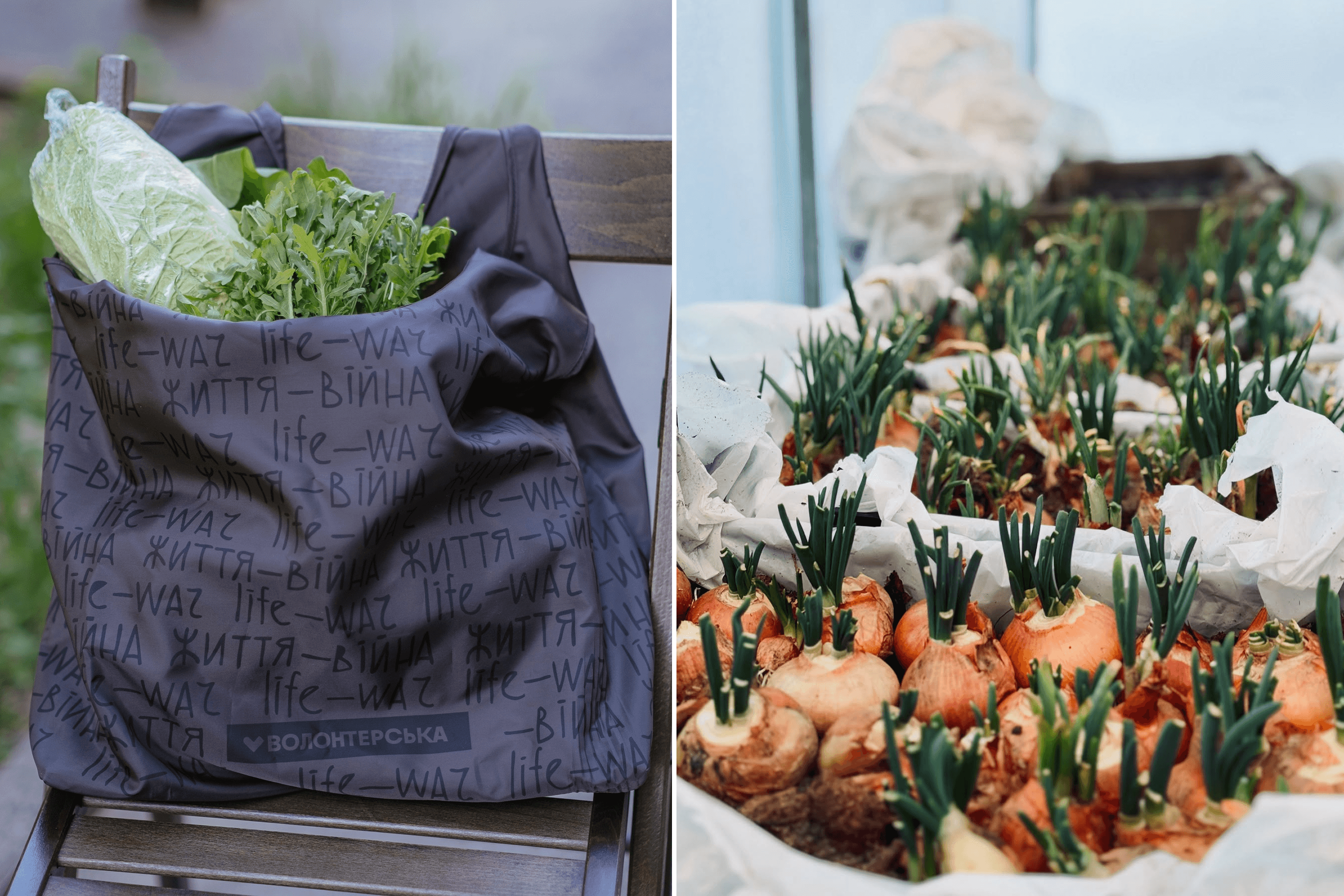
Photo: lavka_deokupatsii / Instagram / YB 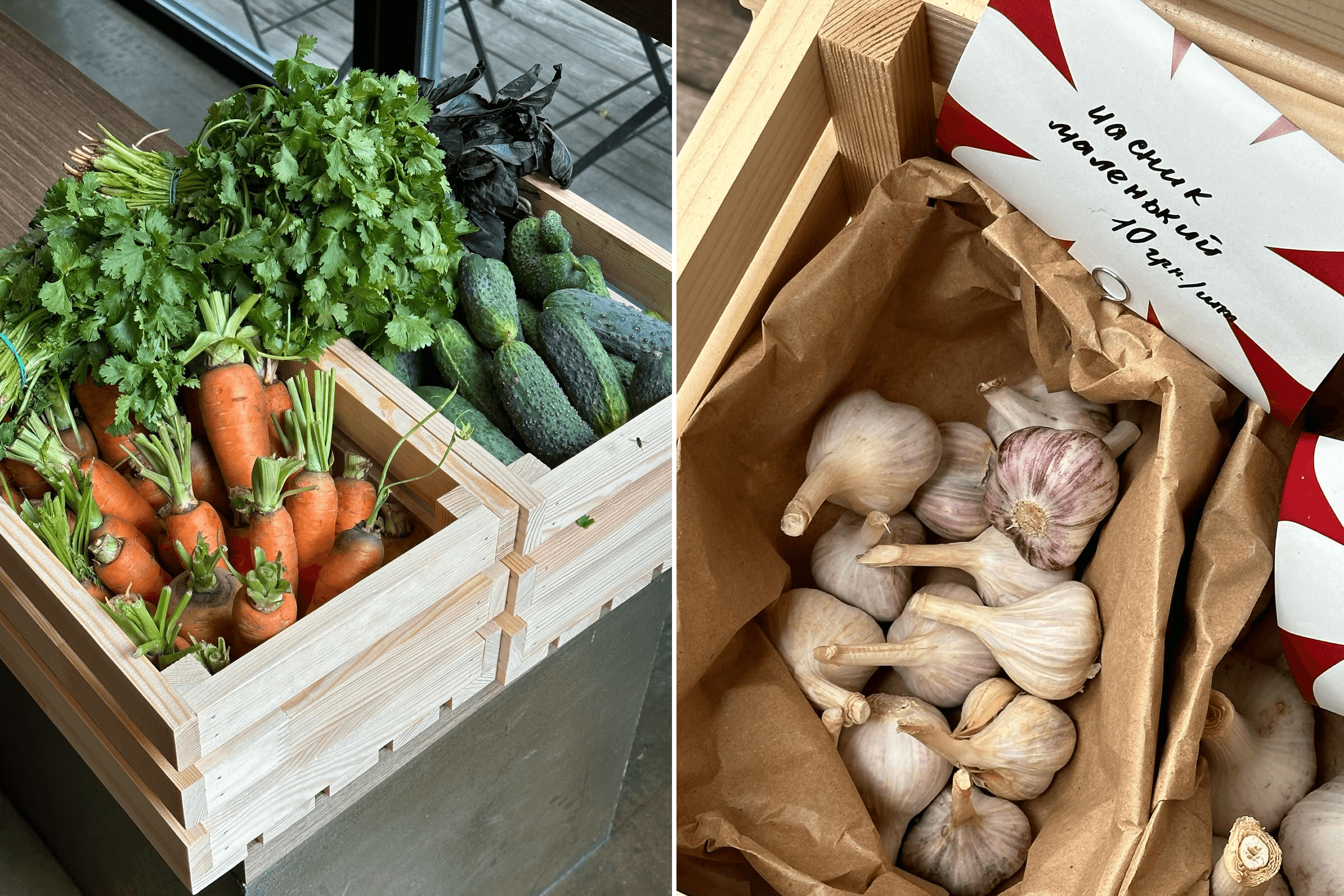
Photo: lavka_deokupatsii / Instagram / YB
The De-Occupation Shop has been operating for over two years. Have you expanded your network of farmers?
In 2024 and 2025, we worked with around twenty farmers, mostly from Studenok. There are also seasonal growers. For example, Nataliia from Izium cultivates only strawberries, and a farmer from Tsyrkuny grows blackcurrants. Nastia and her mother from Babenkove make preserves for sale.
Unfortunately, we cannot work with a large number of farmers. We do not have the capacity to manage something like 500 people at once. We are a small project, so we support small groups. However, new growers periodically join through the village head or local contacts.
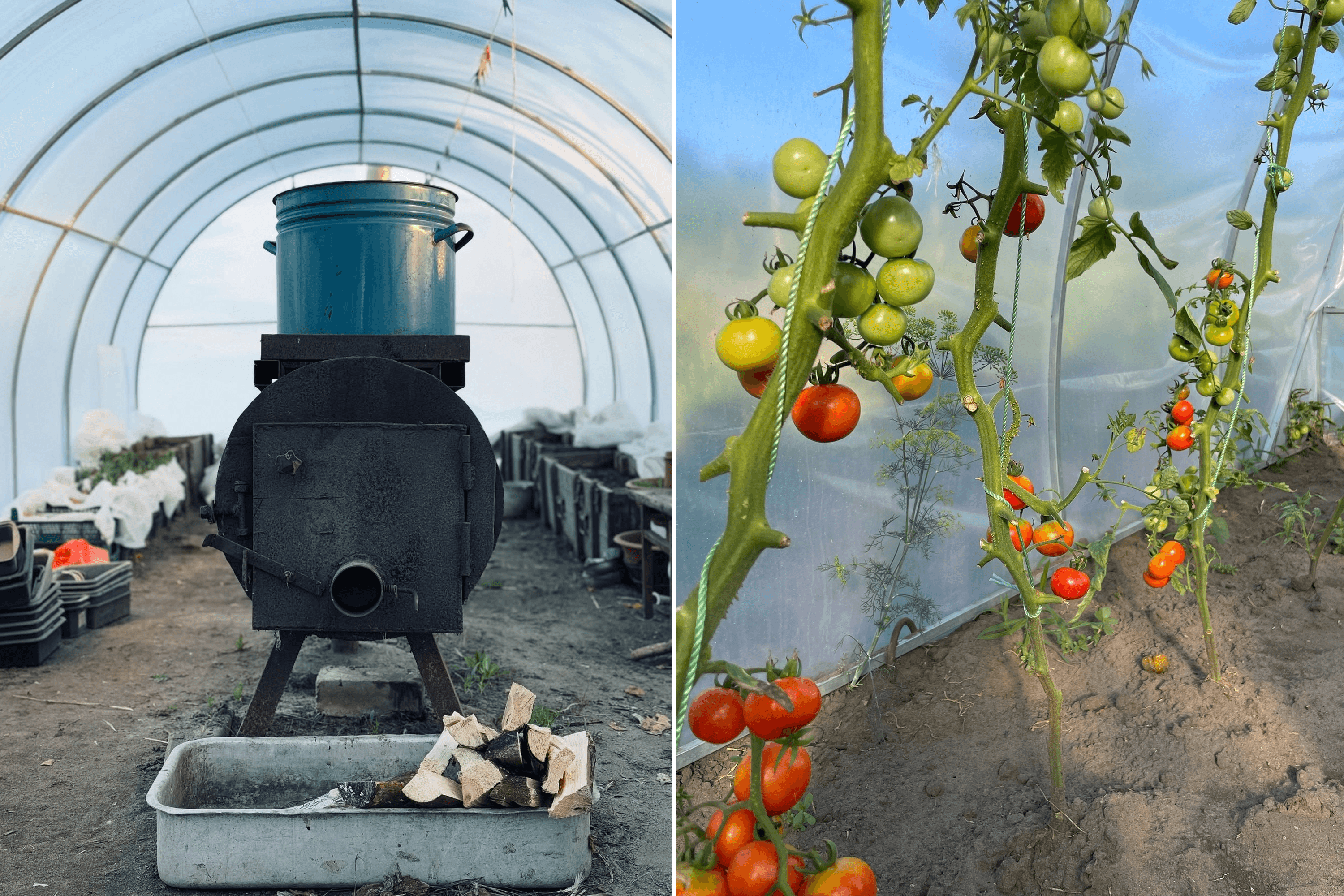
Greenhouses and vegetable gardens of farmers working with the De-Occupation Shop. Photo: lavka_deokupatsii / Instagram / YB 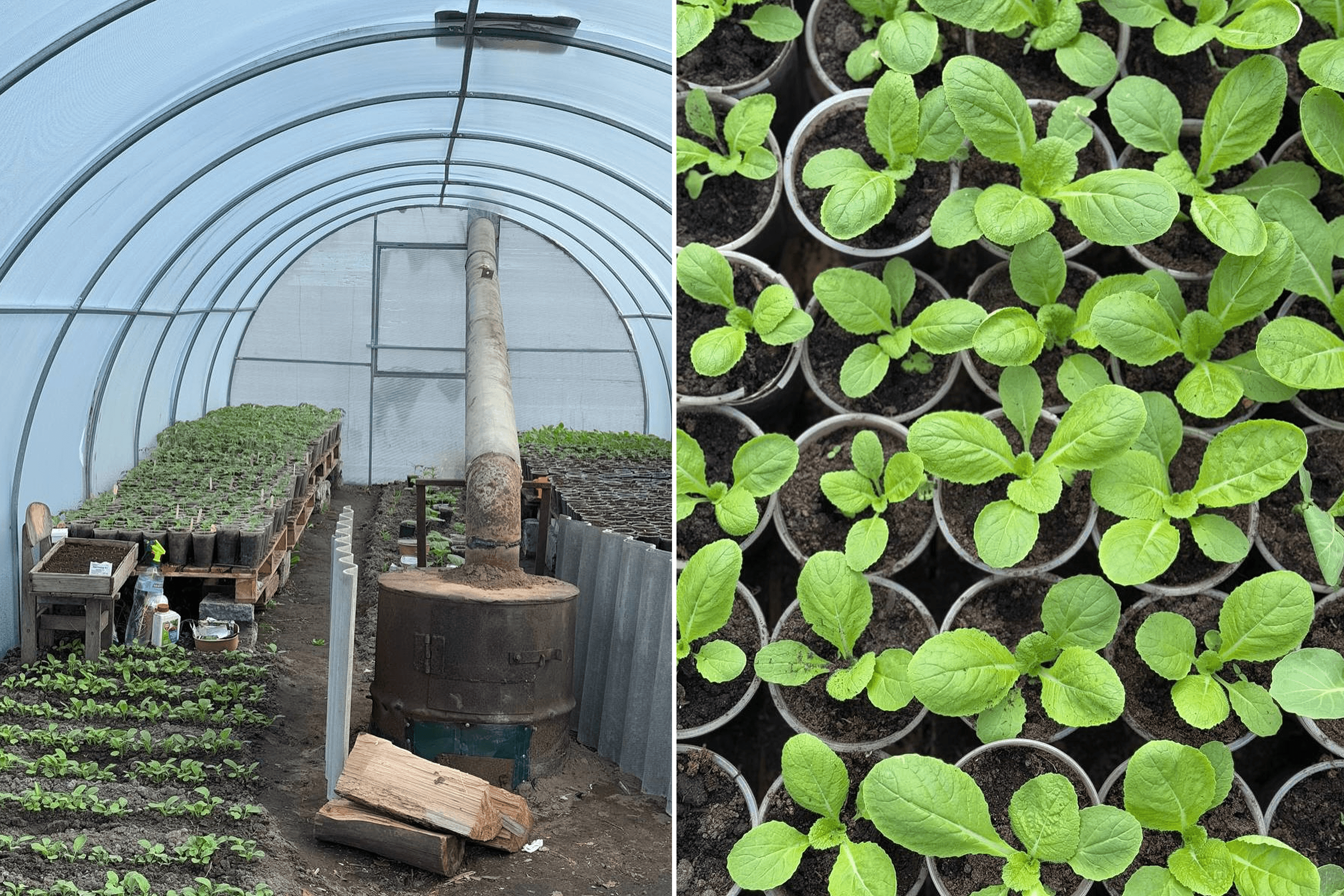
Photo: lavka_deokupatsii / Instagram / YB 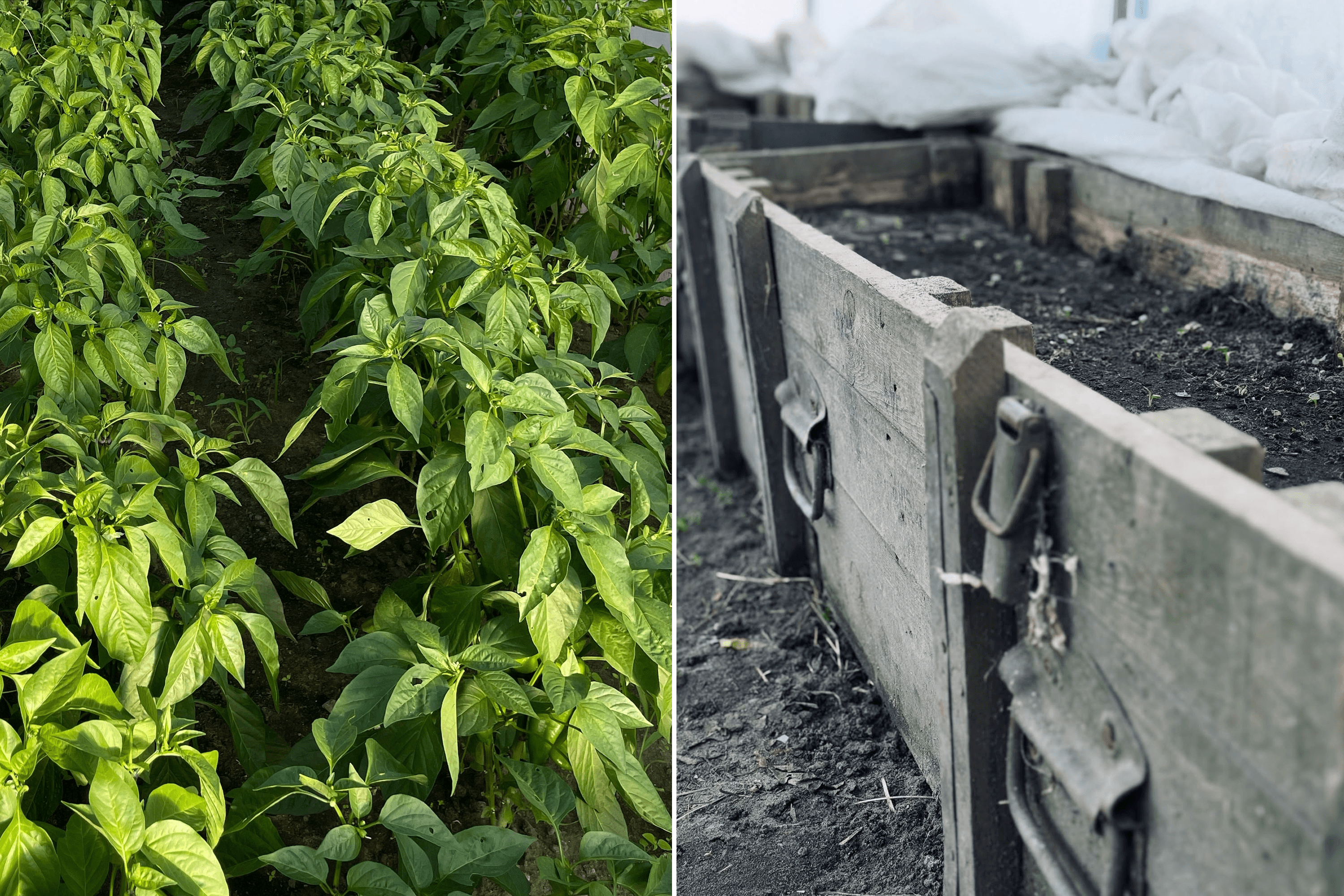
Photo: lavka_deokupatsii / Instagram / YB 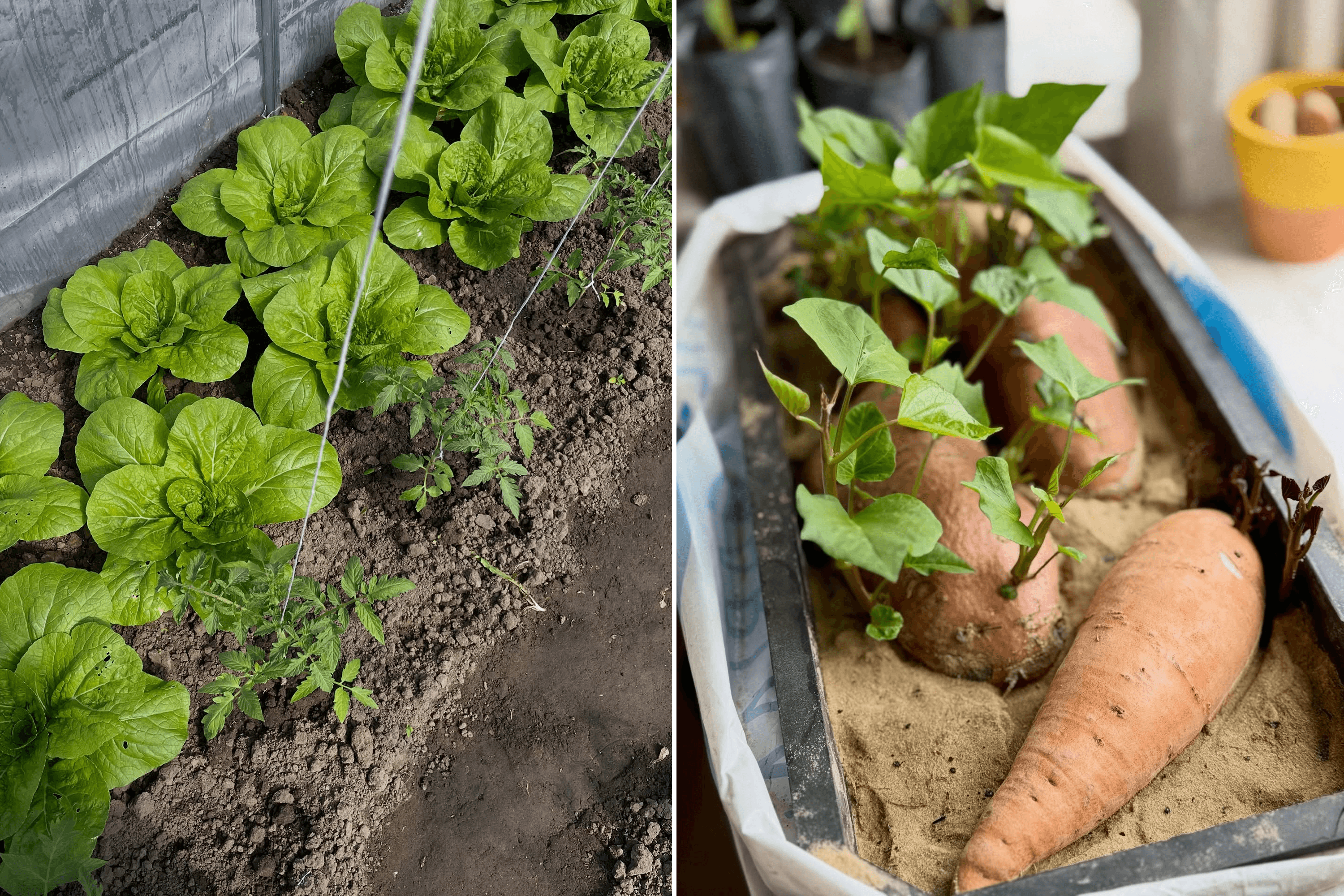
Photo: lavka_deokupatsii / Instagram / YB 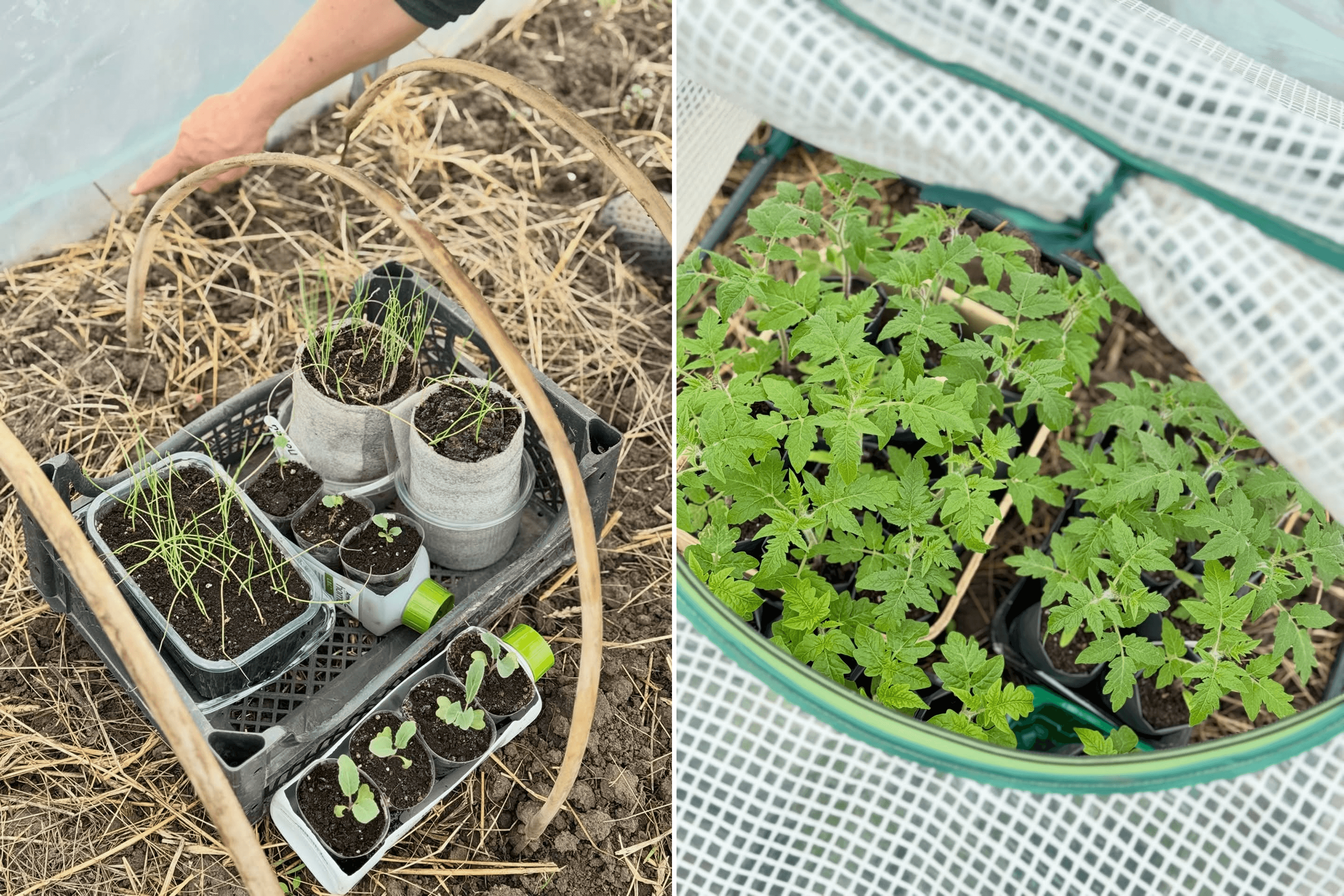
Photo: lavka_deokupatsii / Instagram / YB 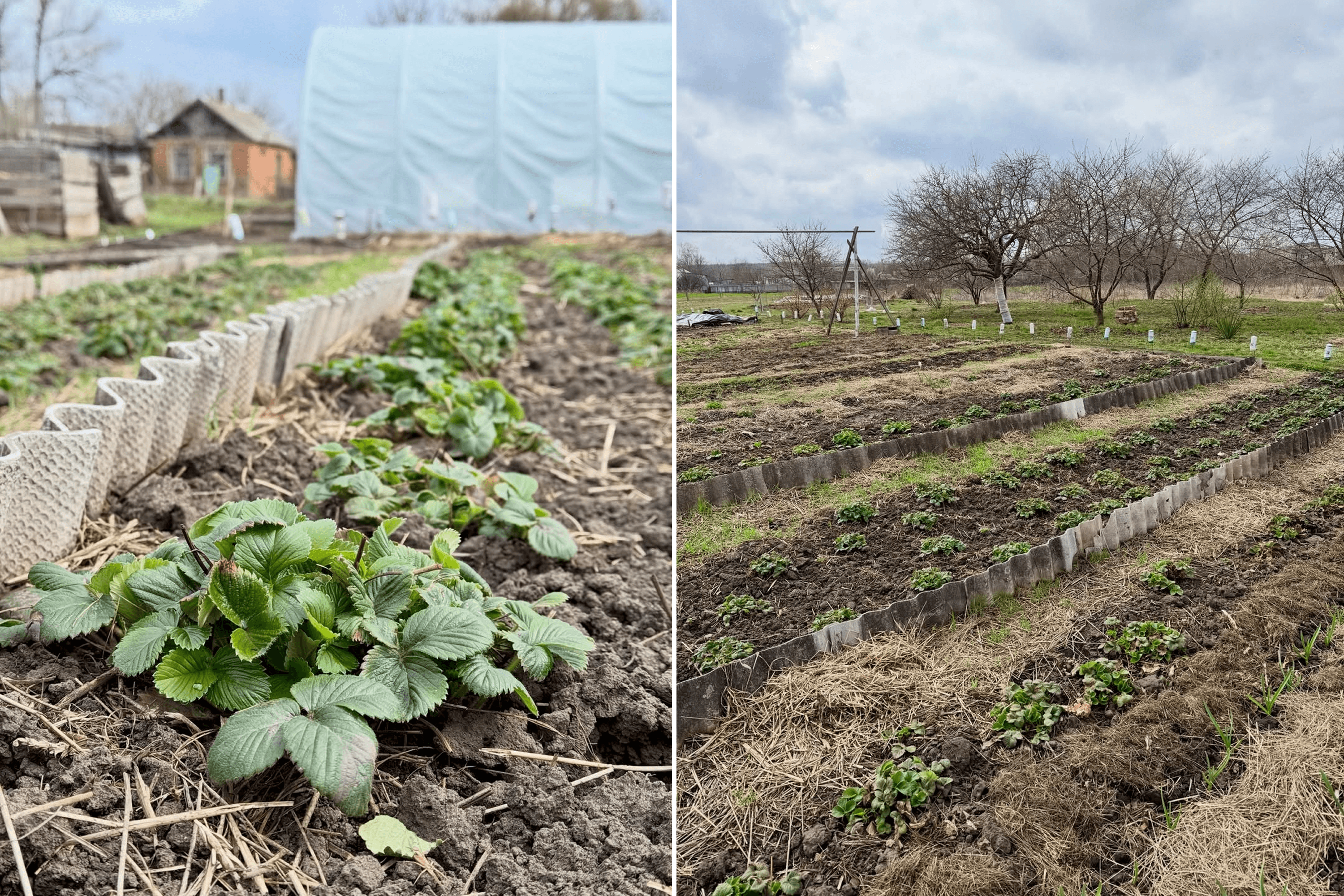
Photo: lavka_deokupatsii / Instagram / YB
Will most of your farmers this year also be from Studenok?
No. In 2025, the frontline moved to within 12 kilometers of the village. Since autumn, the road has been under fire and became dangerous. Residents were evacuated, and the last farmer left a month ago.
For the 2026 season, we will work with only two farmers from Studenok who have relocated to other villages. We now plan to cooperate with people from the village of Zalyman in the Izium district. We have already delivered the first batch of seeds and are purchasing the second.
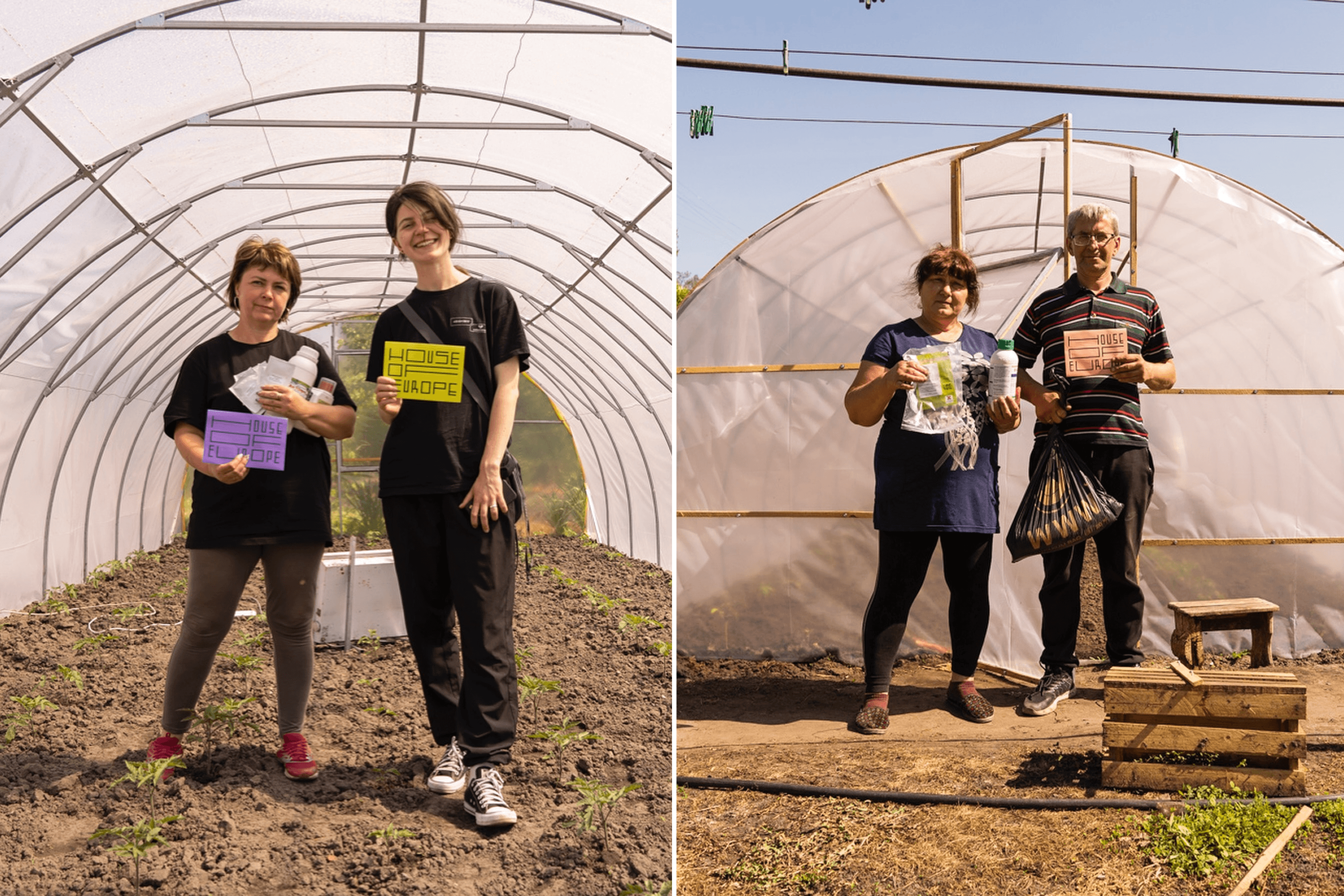
Seeds, fertilizers, and equipment were purchased with partners for the launch of the De-Occupation Shop. Kharkiv Oblast, June 2024. Photo: lavka_deokupatsii / Instagram / YB 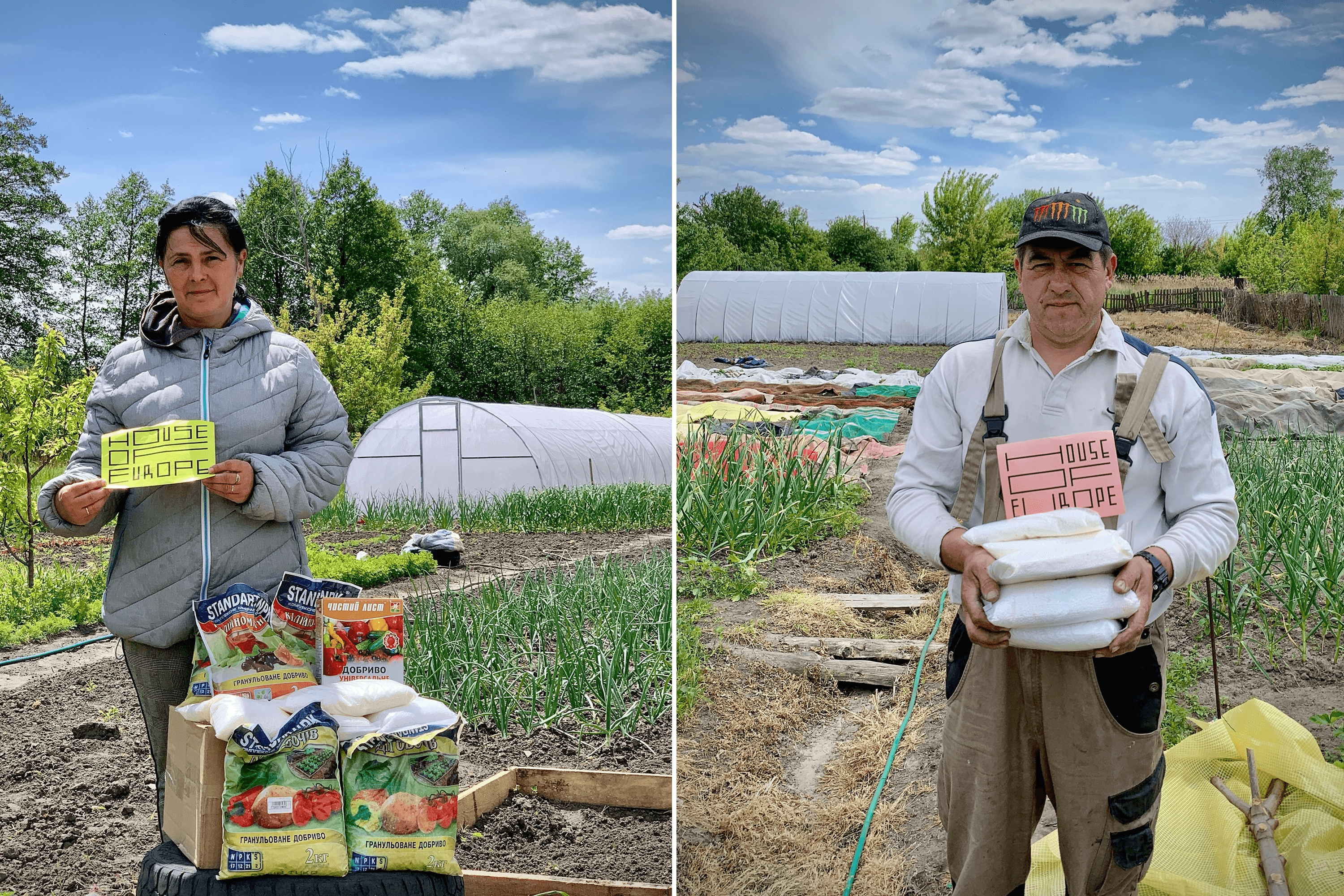
Photo: lavka_deokupatsii / Instagram / YB 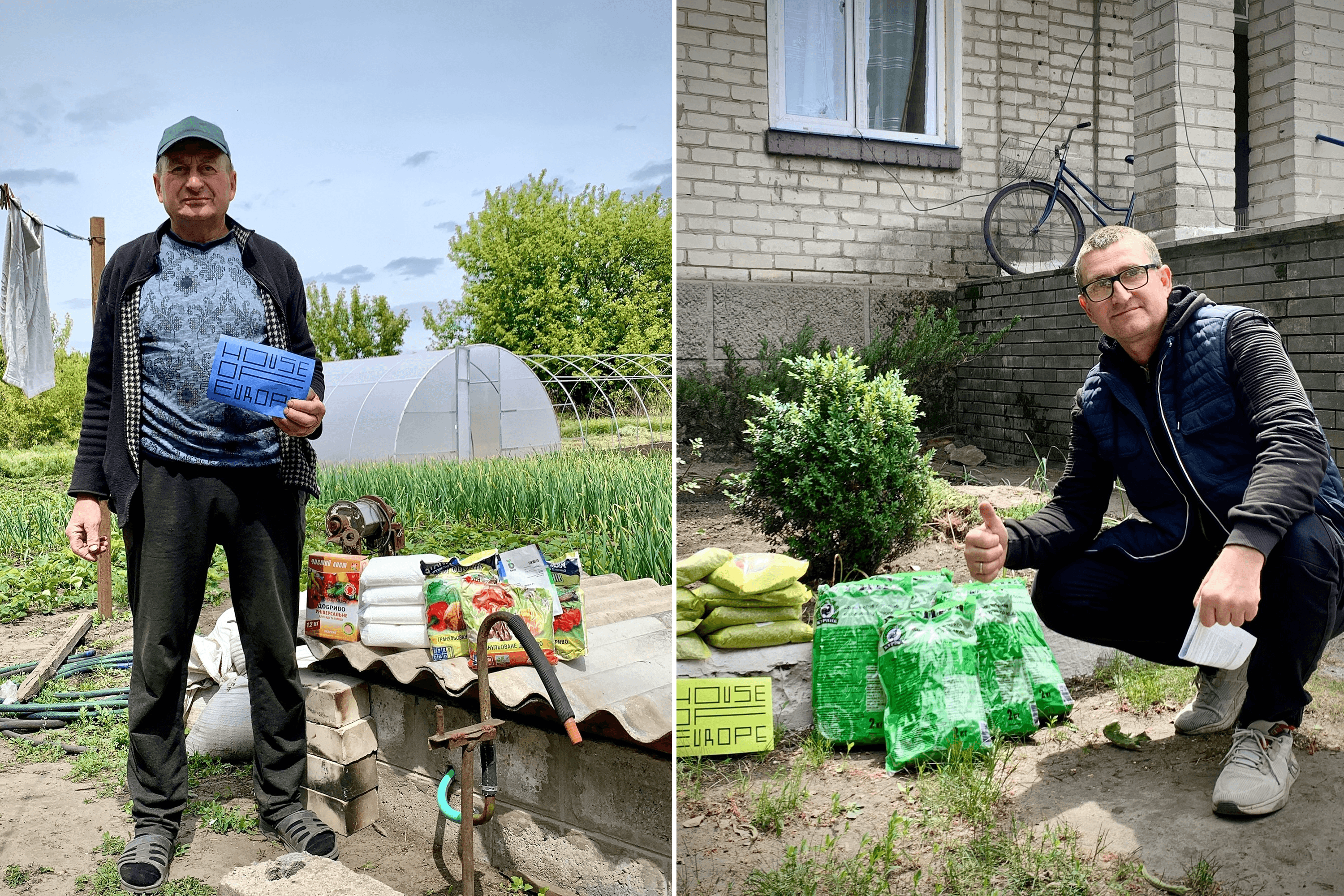
Photo: lavka_deokupatsii / Instagram / YB 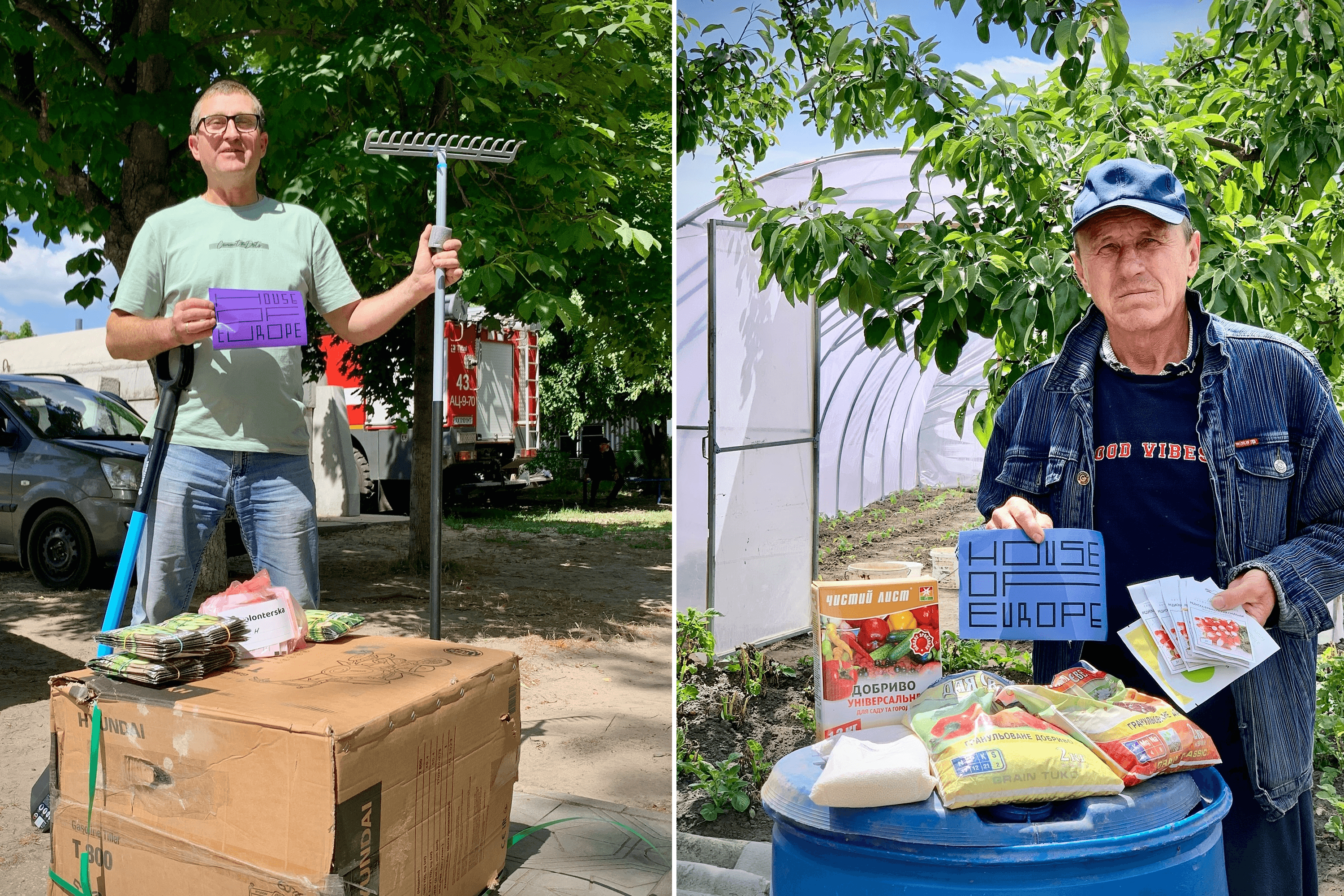
Photo: lavka_deokupatsii / Instagram / YB 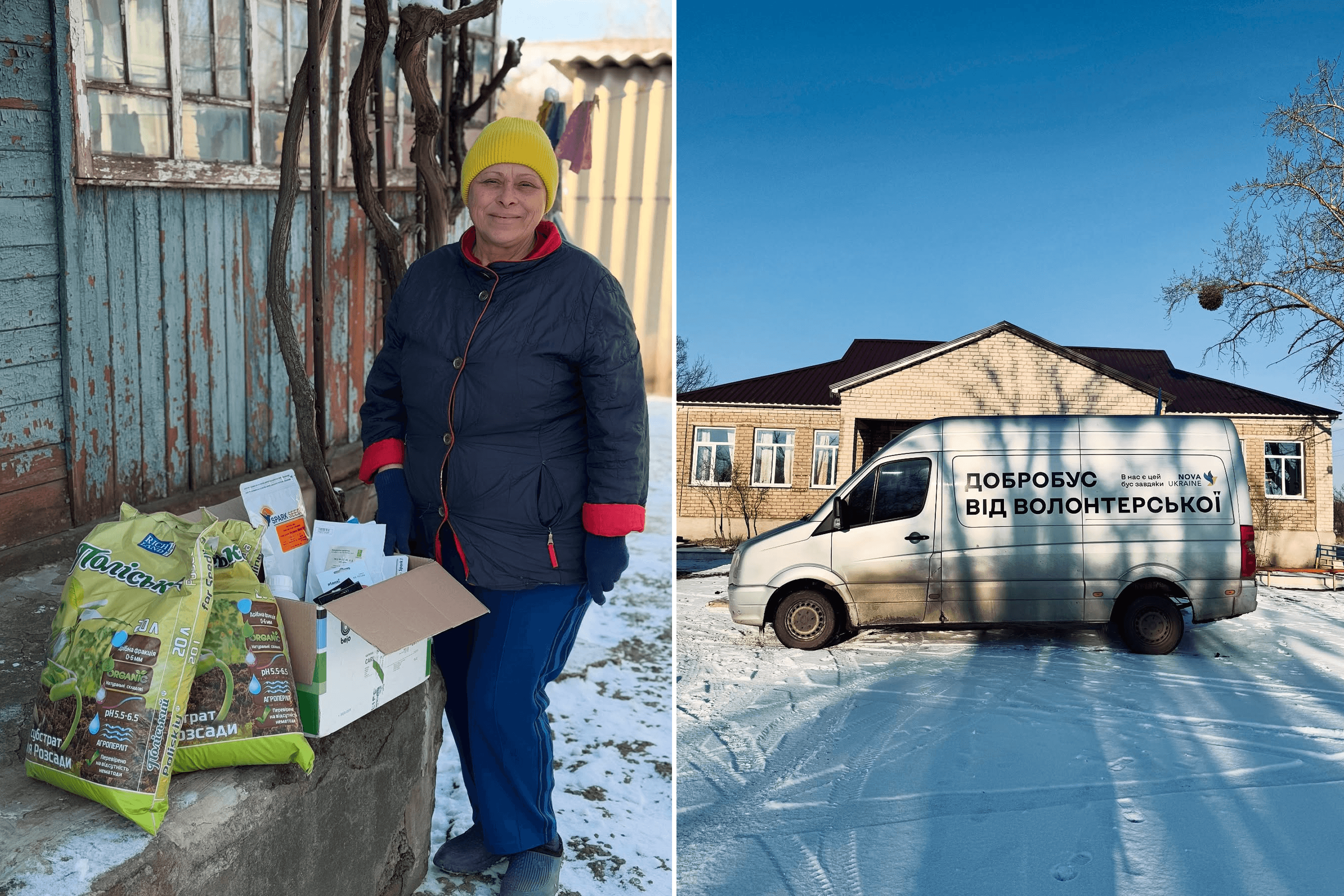
Волонтери передали фермерам перші зерна та розсаду для нового сезону вирощування. Харківська область, лютий 2025. Photo: lavka_deokupatsii / Instagram / YB 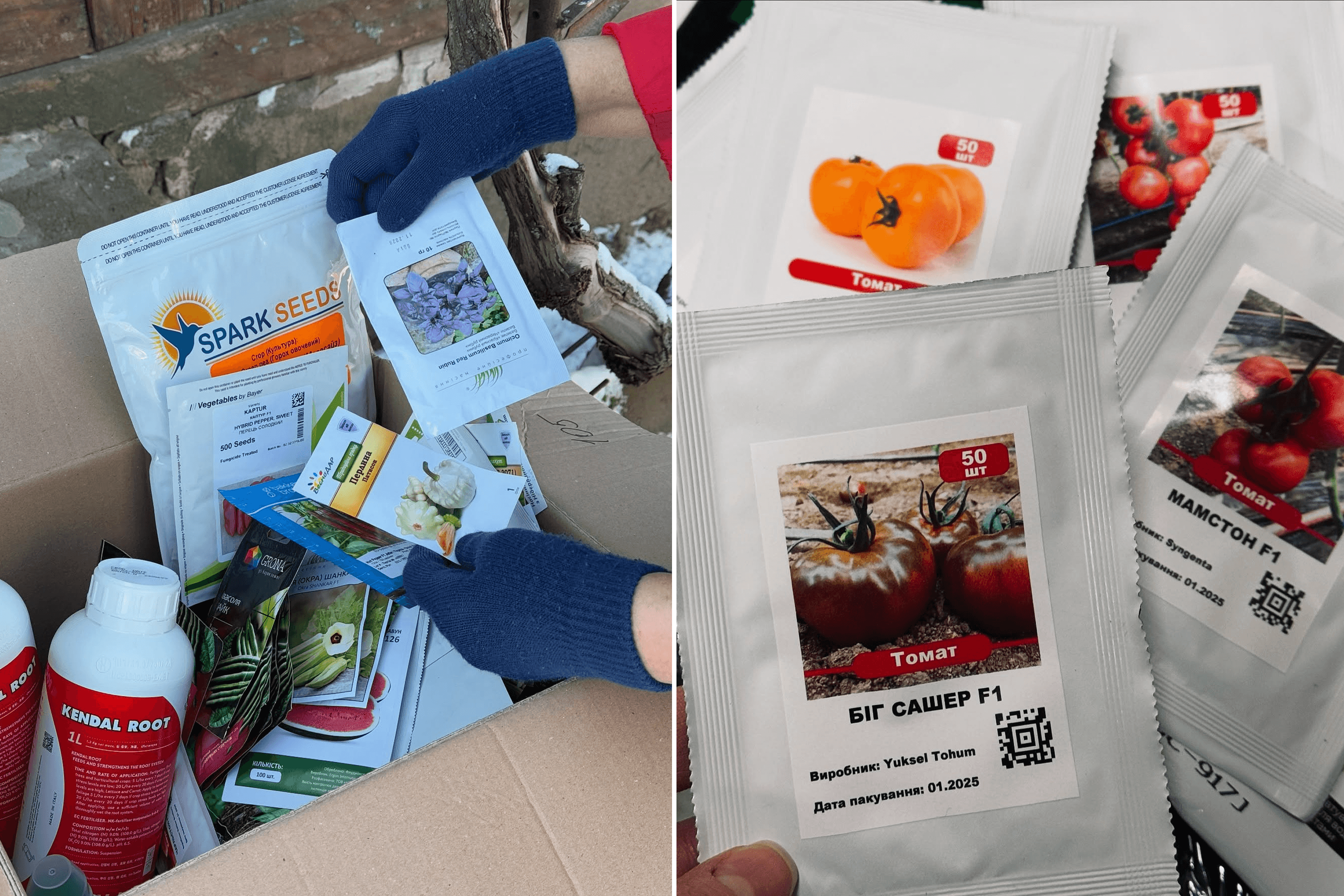
Photo: lavka_deokupatsii / Instagram / YB
You started out selling mainly vegetables and fruit, and then cheeses, salt, honey, jam, and preserves appeared in your range. Why did you move to processed products?
Honey was there from the very start because there were beekeepers in the village and we bought it from them. Salt appeared as a response to a problem.
In 2024, we could not sell part of the harvest in time and did not want to waste it. My colleague Natali decided to make a seasoning, salt with herbs. At first, it was prepared at home in an oven. Later, we acquired professional equipment, and now it is a permanent product.
Preserves also appeared because of surplus. In the first season, there were many cucumbers, and the farmers we worked with did not make preserves. My mother started doing it. Later, we met Nastia and her mother from Babenkove, and in 2025 we transported vegetables from Studenok to them for processing.
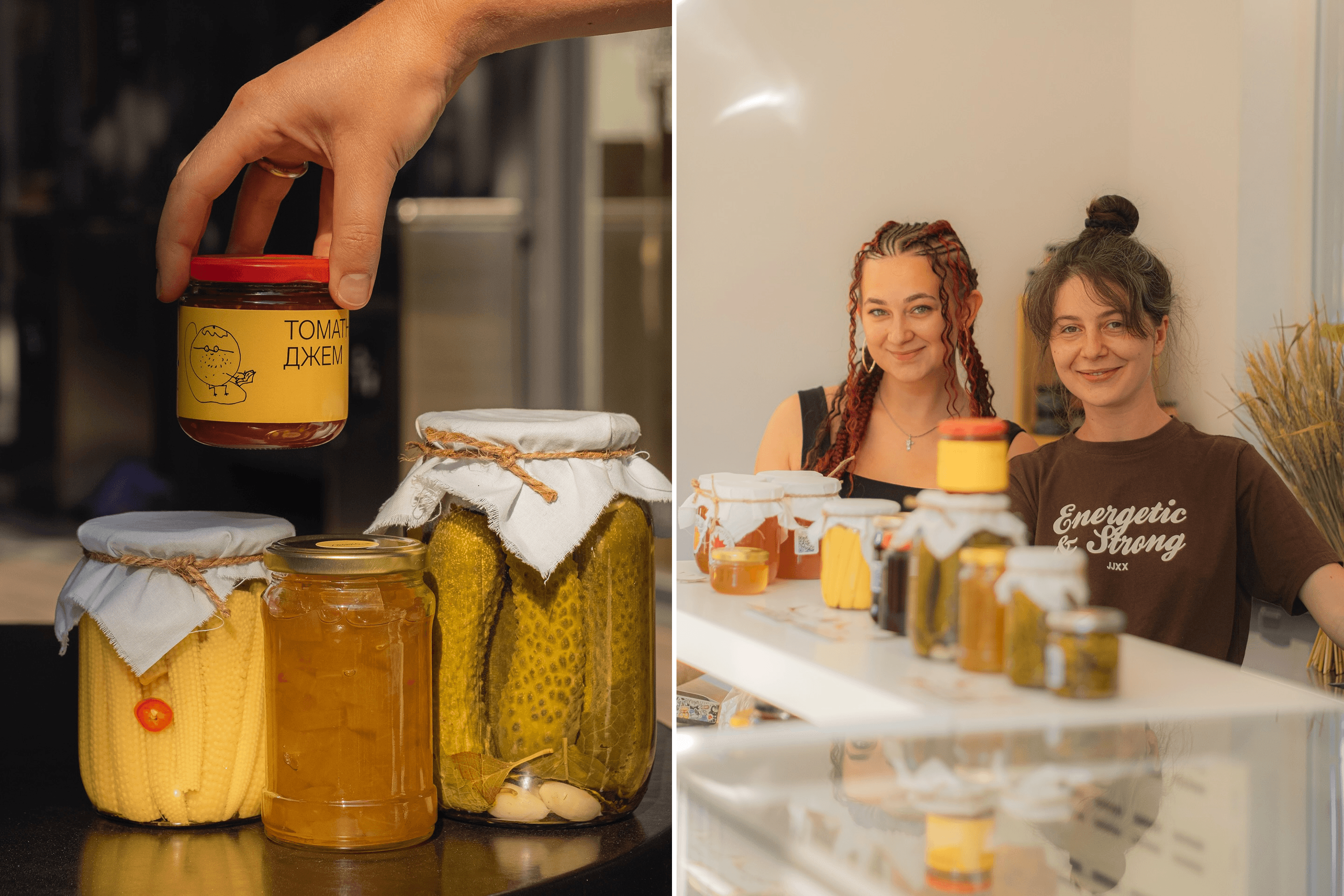
A variety of products from the De-Occupation Shop. Photo: lavka_deokupatsii / Instagram / YB 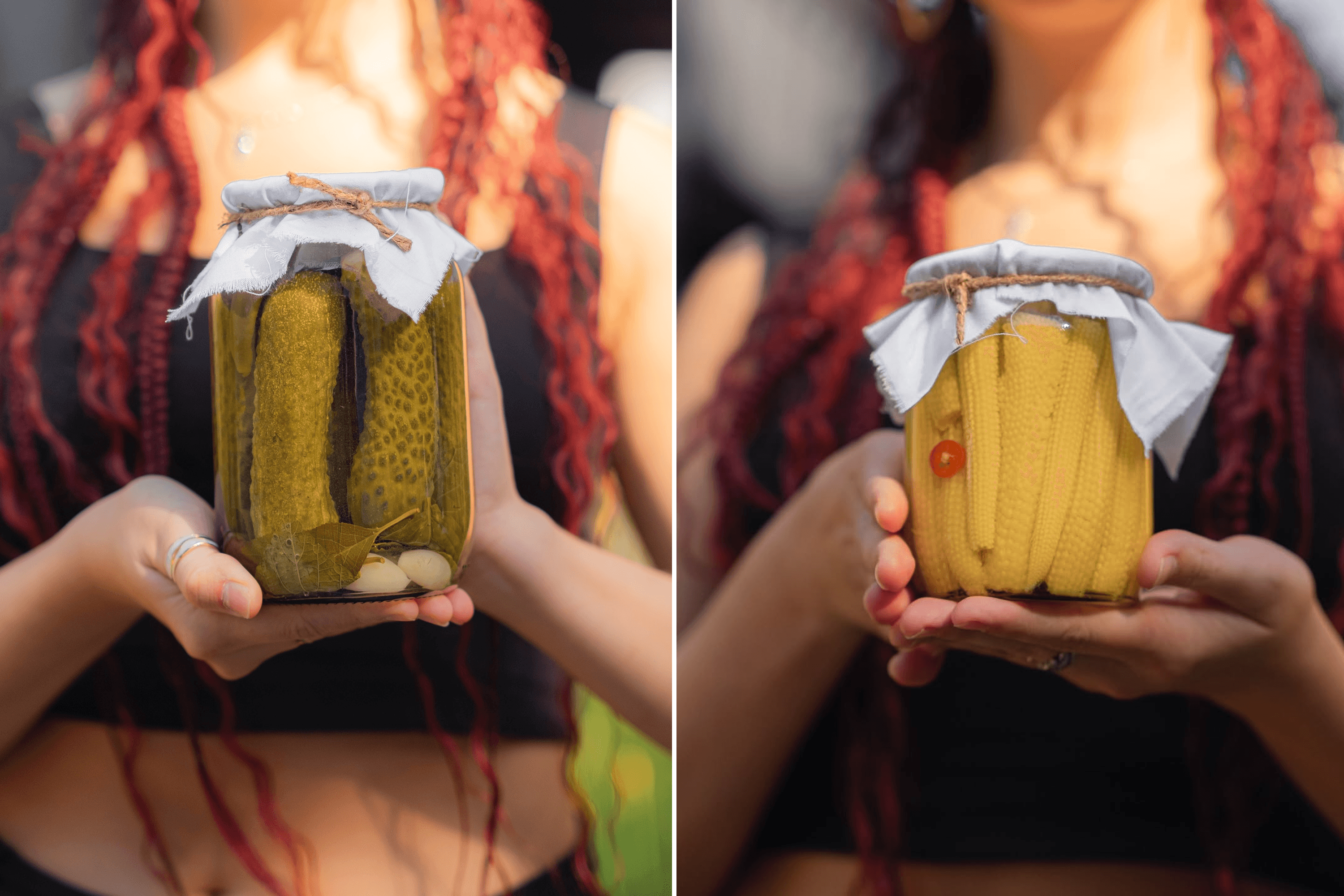
Photo: lavka_deokupatsii / Instagram / YB 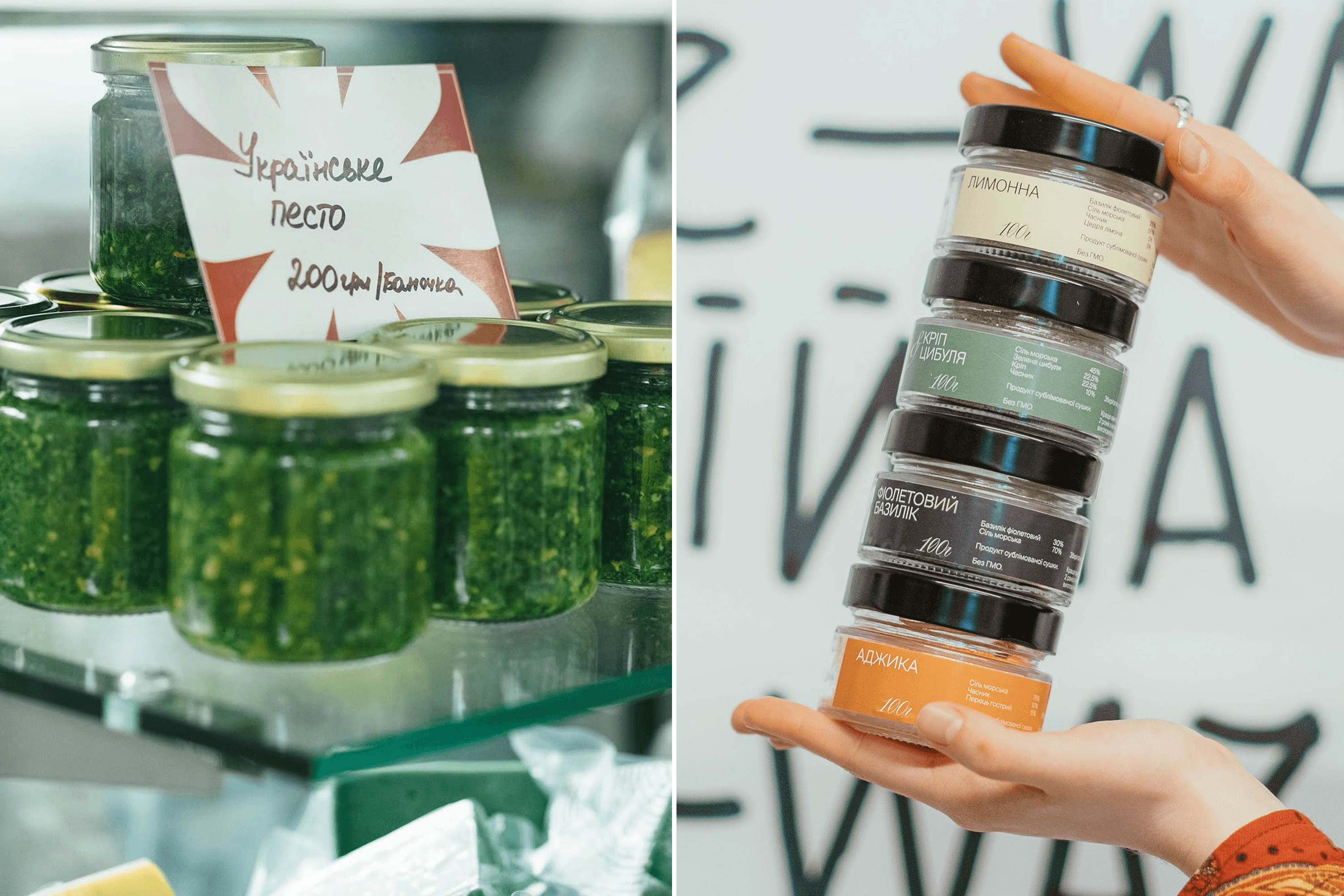
Photo: lavka_deokupatsii / Instagram / YB 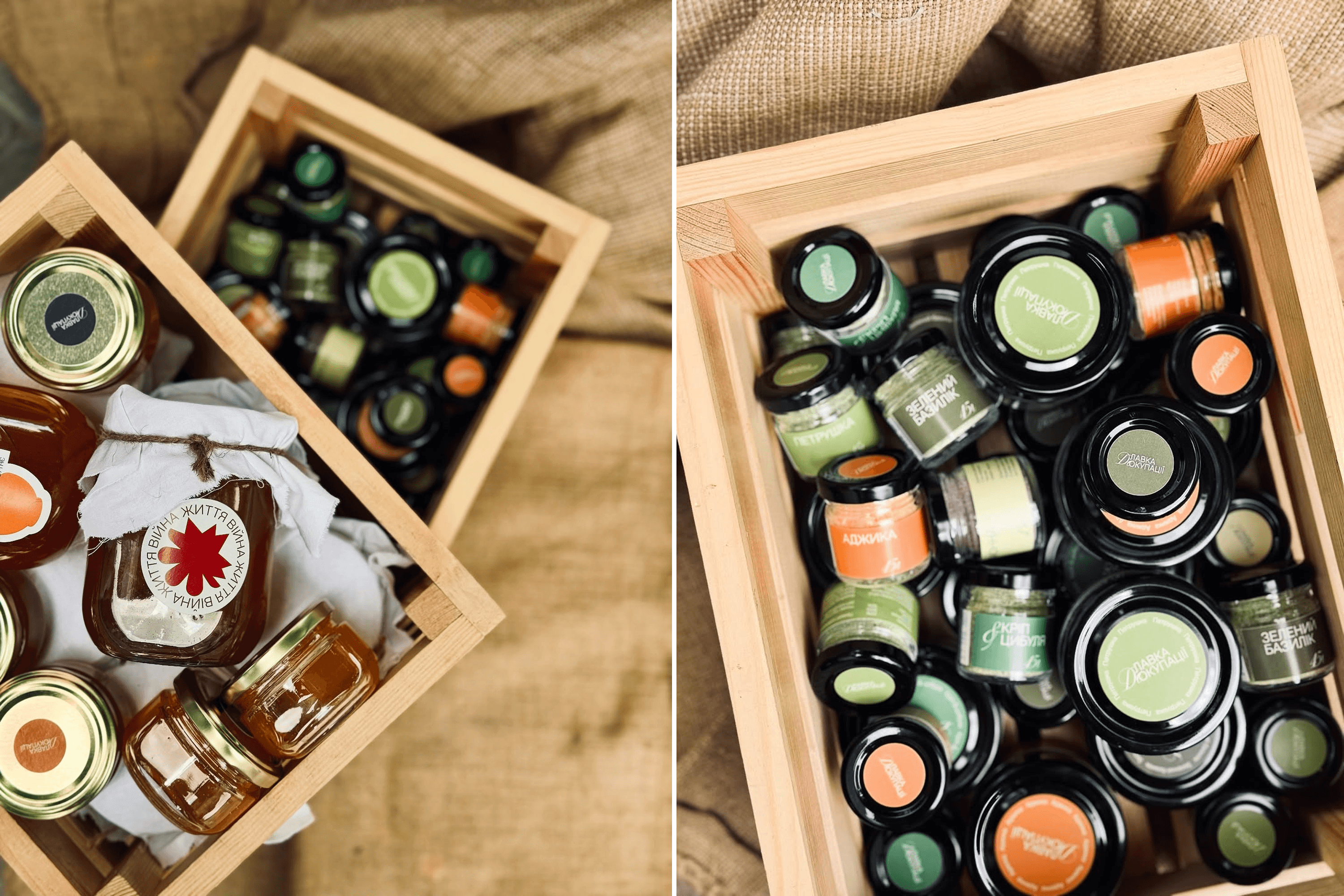
Photo: lavka_deokupatsii / Instagram / YB 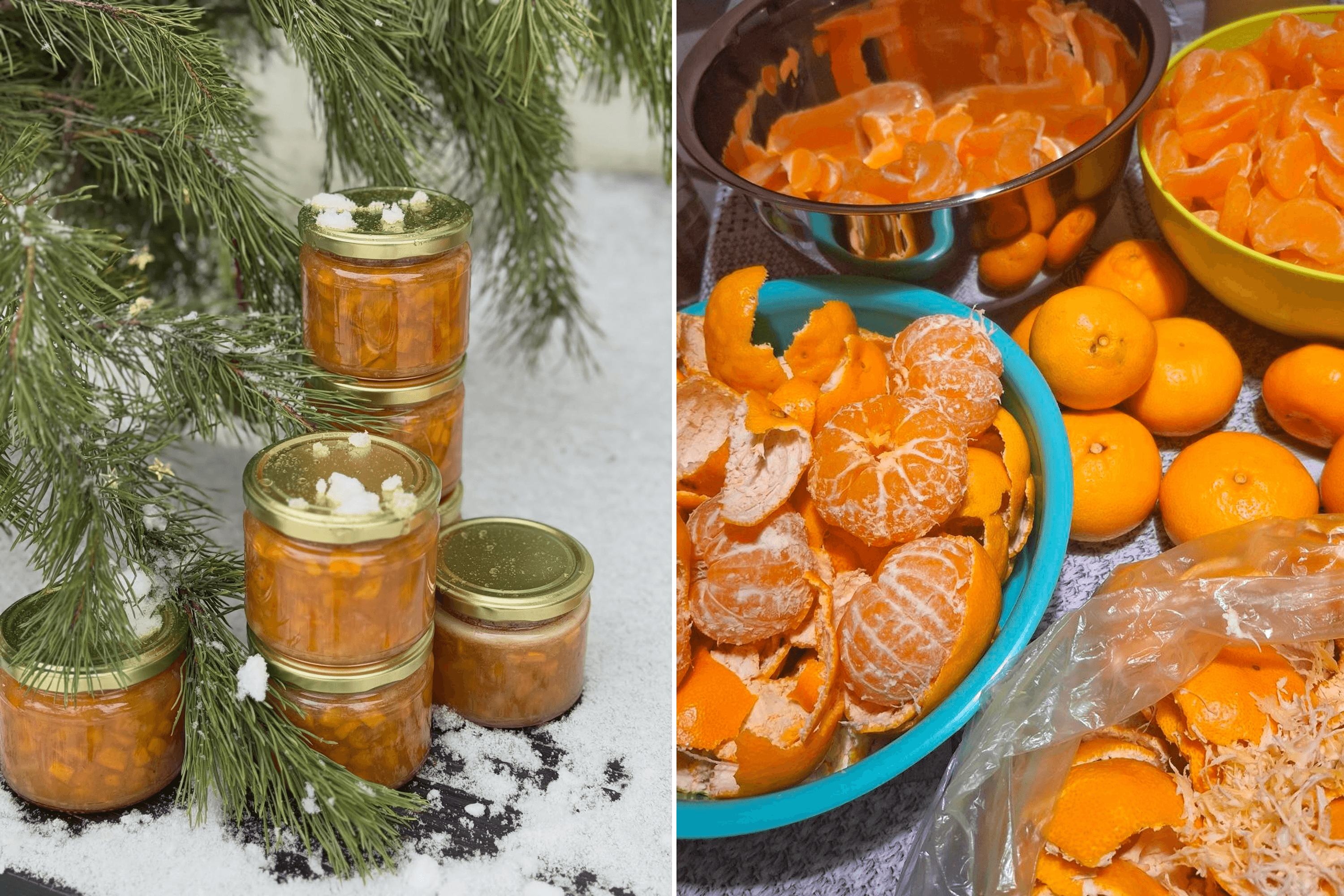
Photo: lavka_deokupatsii / Instagram / YB 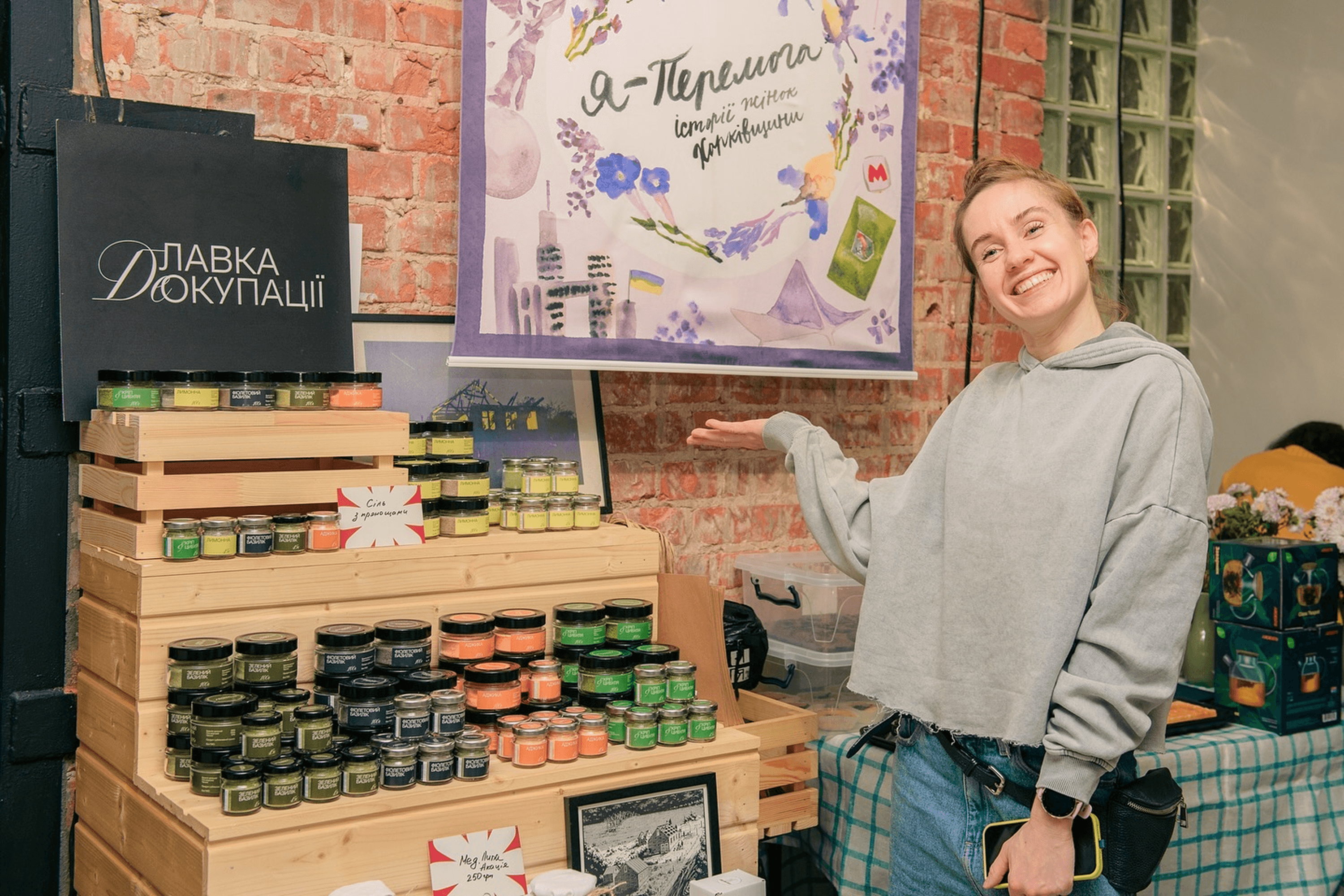
Photo: lavka_deokupatsii / Instagram / YB
Does additional processing affect farmers' income?
We purchase raw produce from farmers, so there is no direct connection. The revenue from value-added products is reinvested into the initiative. For example, in mid-March we participated in Kurazh Bazar. It cost 8,000 hryvnias, and donors do not cover such expenses. This income also allows us to buy more of their produce.
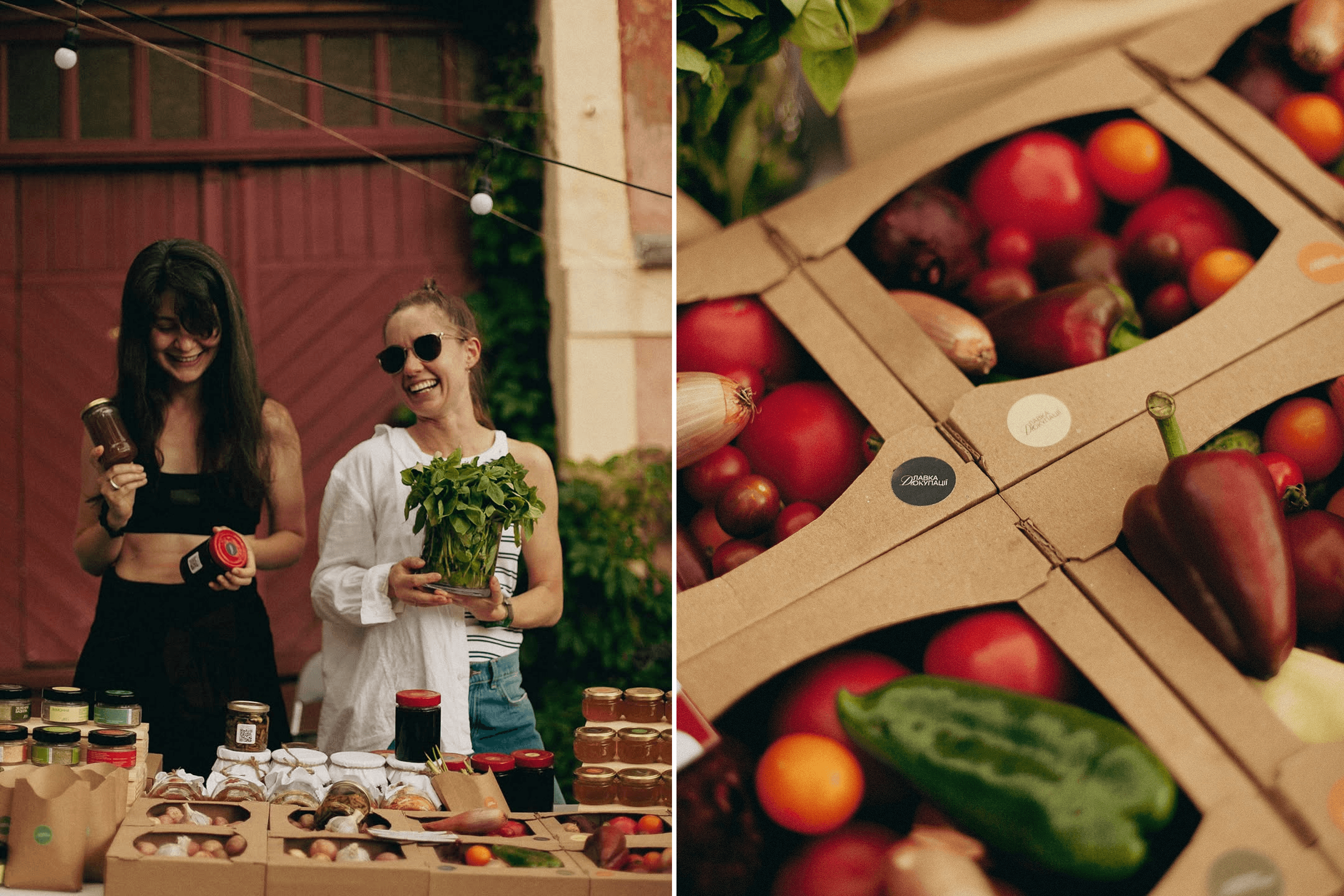
The De-Occupation Shop presented farmers’ products at a charity market. Kharkiv, August 2025. Photo: lavka_deokupatsii / Instagram / YB 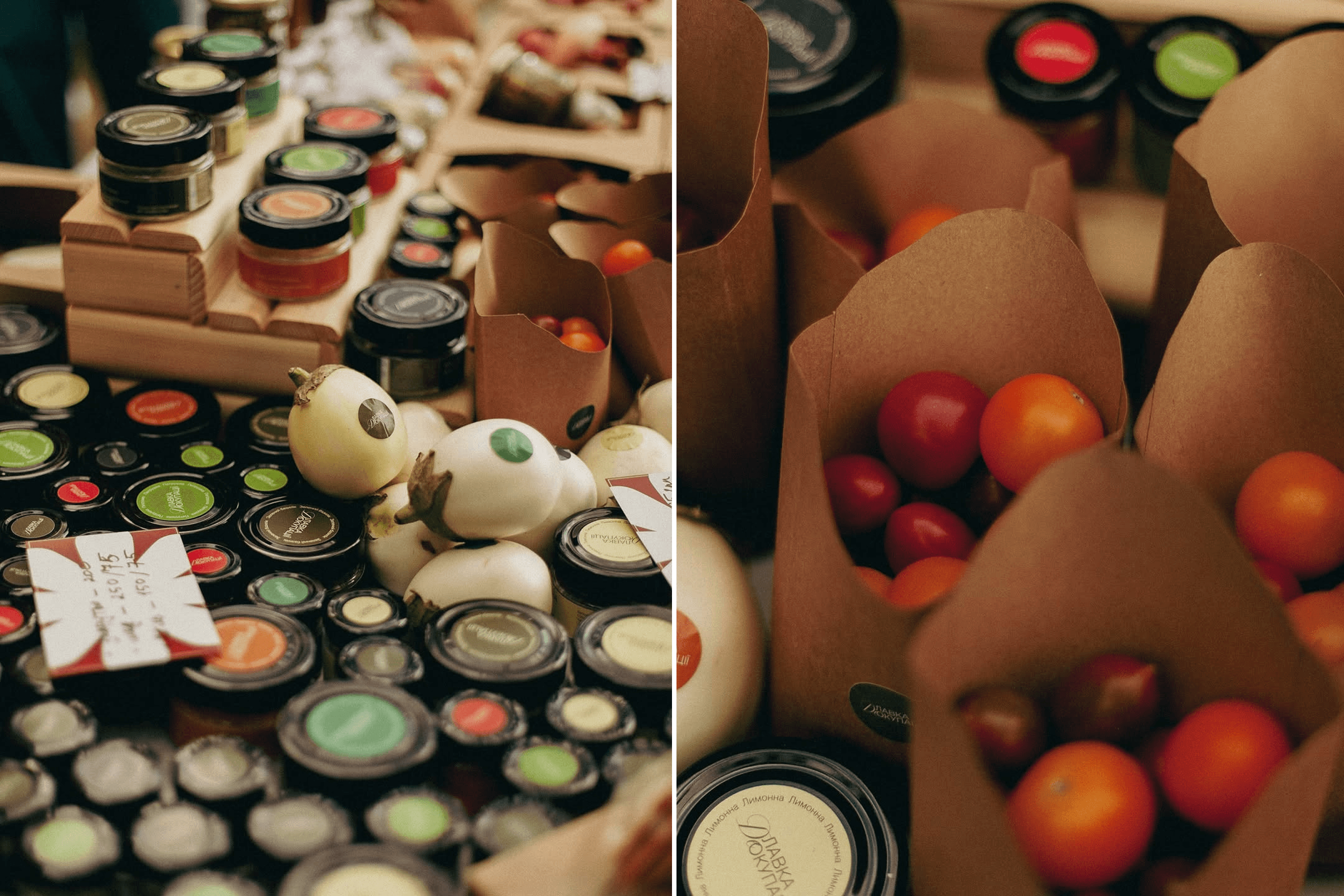
Photo: lavka_deokupatsii / Instagram / YB 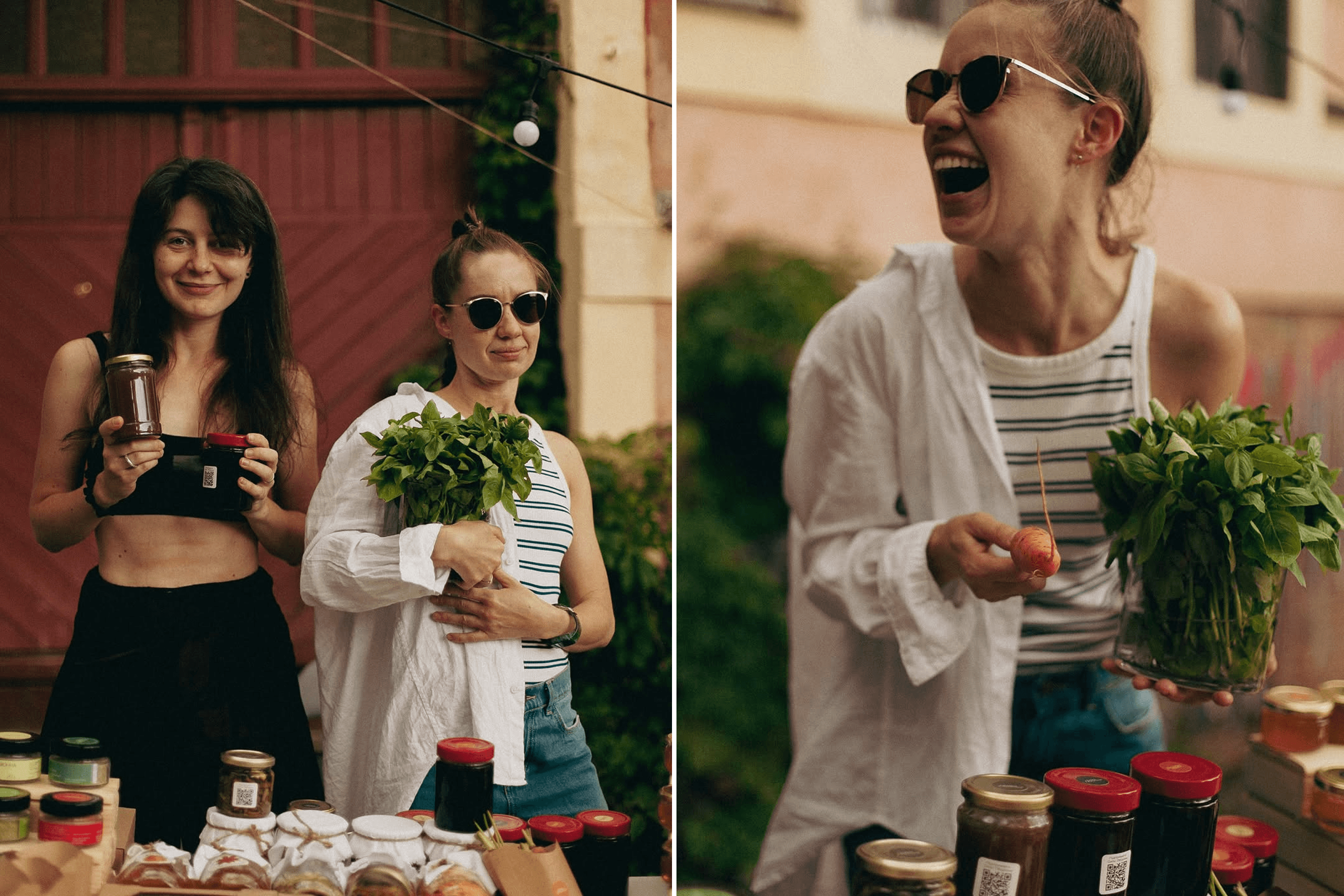
Photo: lavka_deokupatsii / Instagram / YB 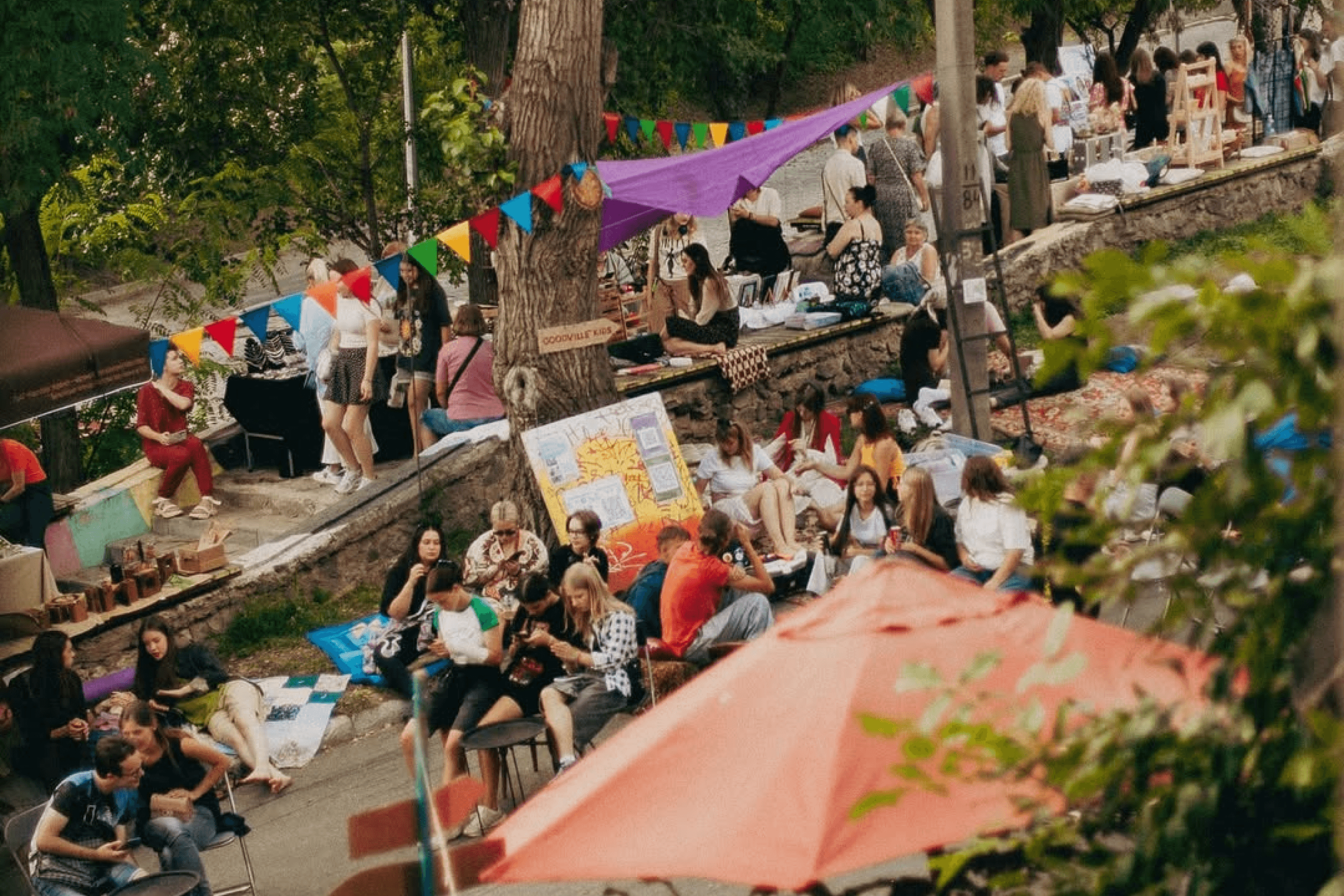
Photo: lavka_deokupatsii / Instagram / YB
You sell products from farmers online, through a physical point of sale, and to local restaurants. Can you break down your sales by percentage?
In summer, when fresh produce is available, around 30 percent goes to partner restaurants, 15 percent accounts for online sales, and about 55 percent goes through retail outlets in Kharkiv. Less than one percent ends up abroad. We do not export directly because we do not have a license, but some buyers purchase in Ukraine and take products to Europe or the United States.
When you say online sales, do you mean sales through social media?
Yes. Customers contact us via direct messages. We issue invoices through a program, they pay, and we send a fiscal receipt. This system is not very convenient, so we are developing our own website which will allow us to automate most of the processes.
How do you work with Kharkiv restaurants?
We cooperate with more than ten restaurants. Most often, they purchase produce for dishes on their menu. Sometimes we create special dishes together. For example, in 2024 our farmer Larysa had amazing long carrots, and one of the restaurants made a special dish from them, a vegetable taco.
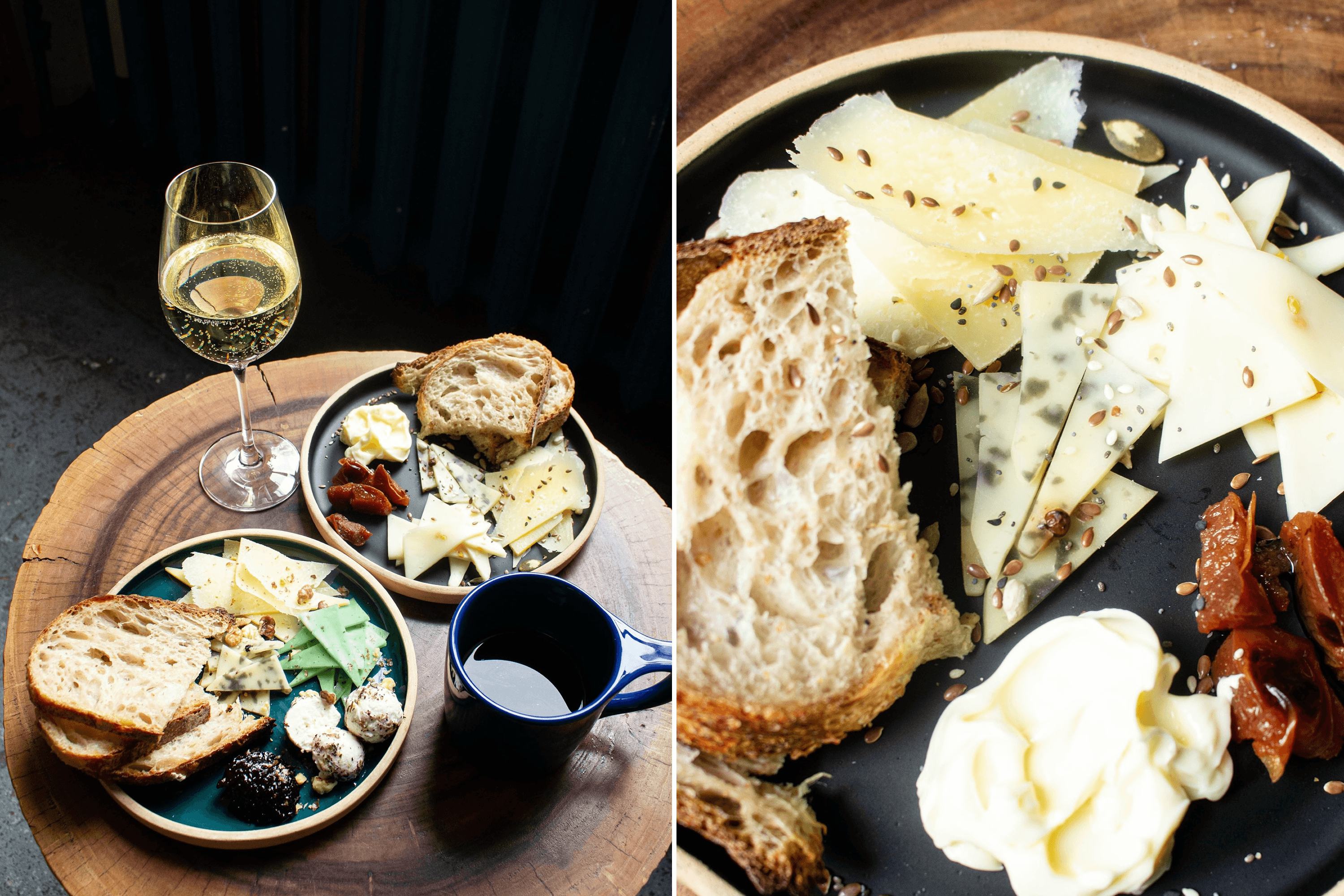
Products from the De-Occupation Shop in various restaurants. Photo: lavka_deokupatsii / Instagram / YB 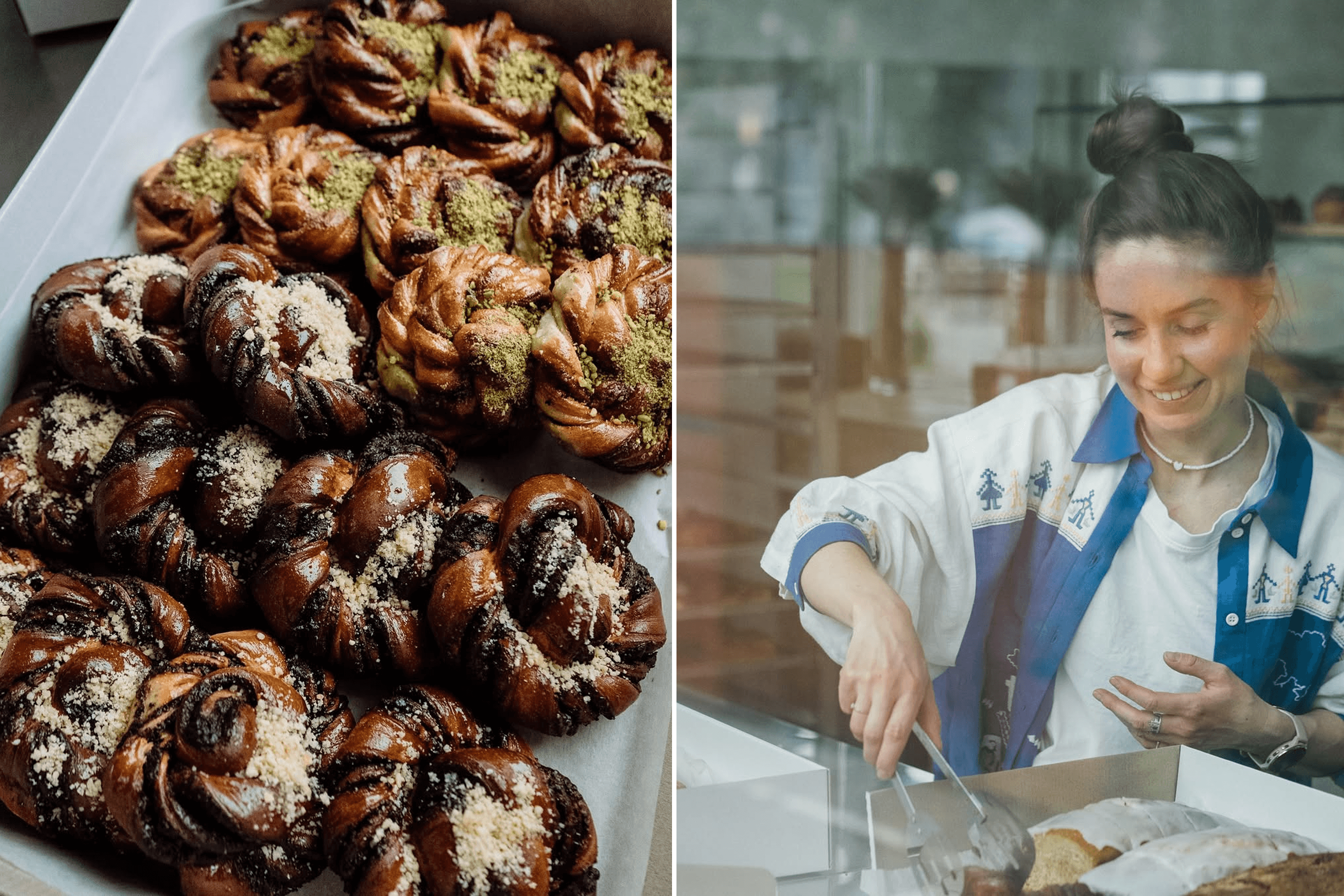
Photo: lavka_deokupatsii / Instagram / YB 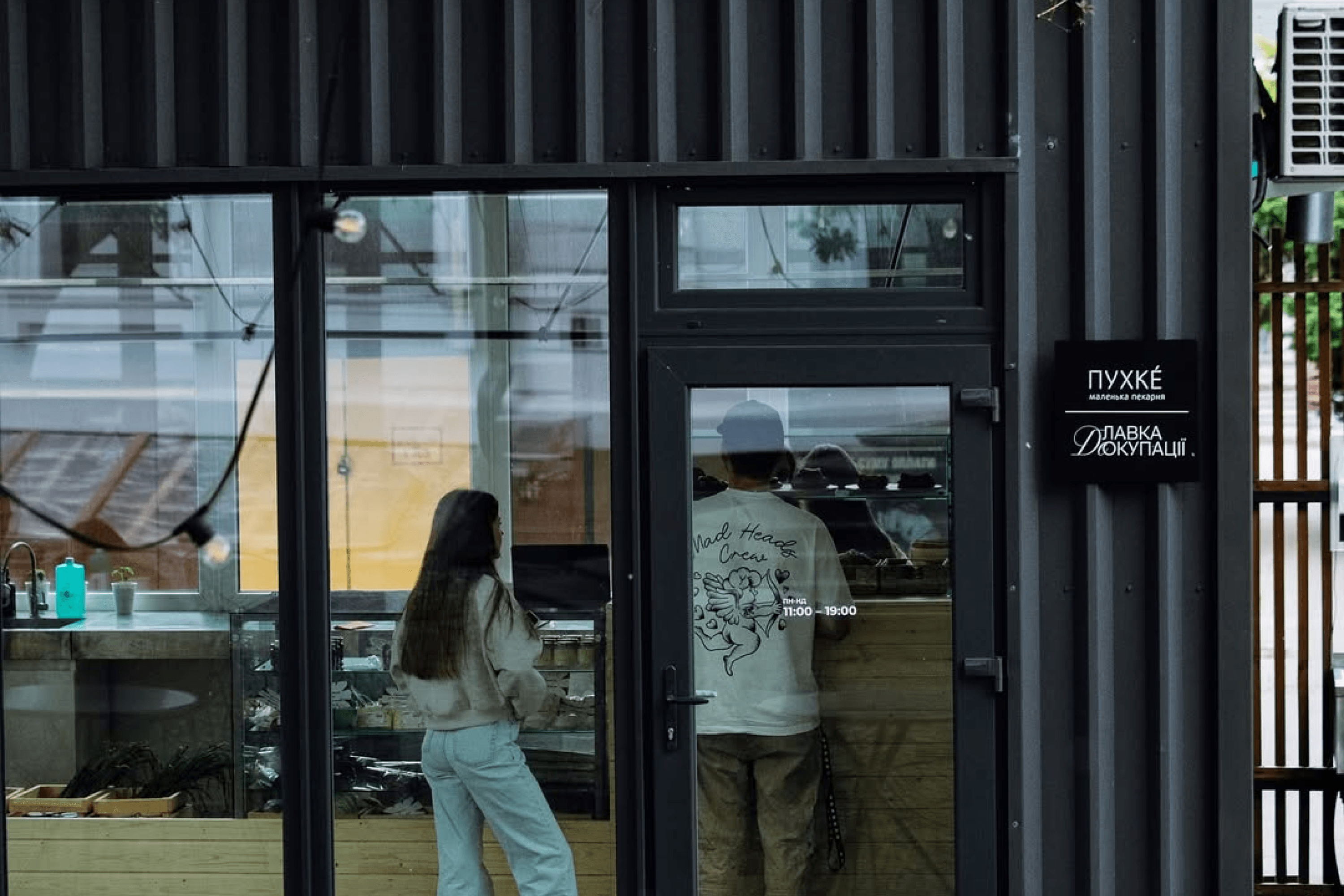
Photo: lavka_deokupatsii / Instagram / YB 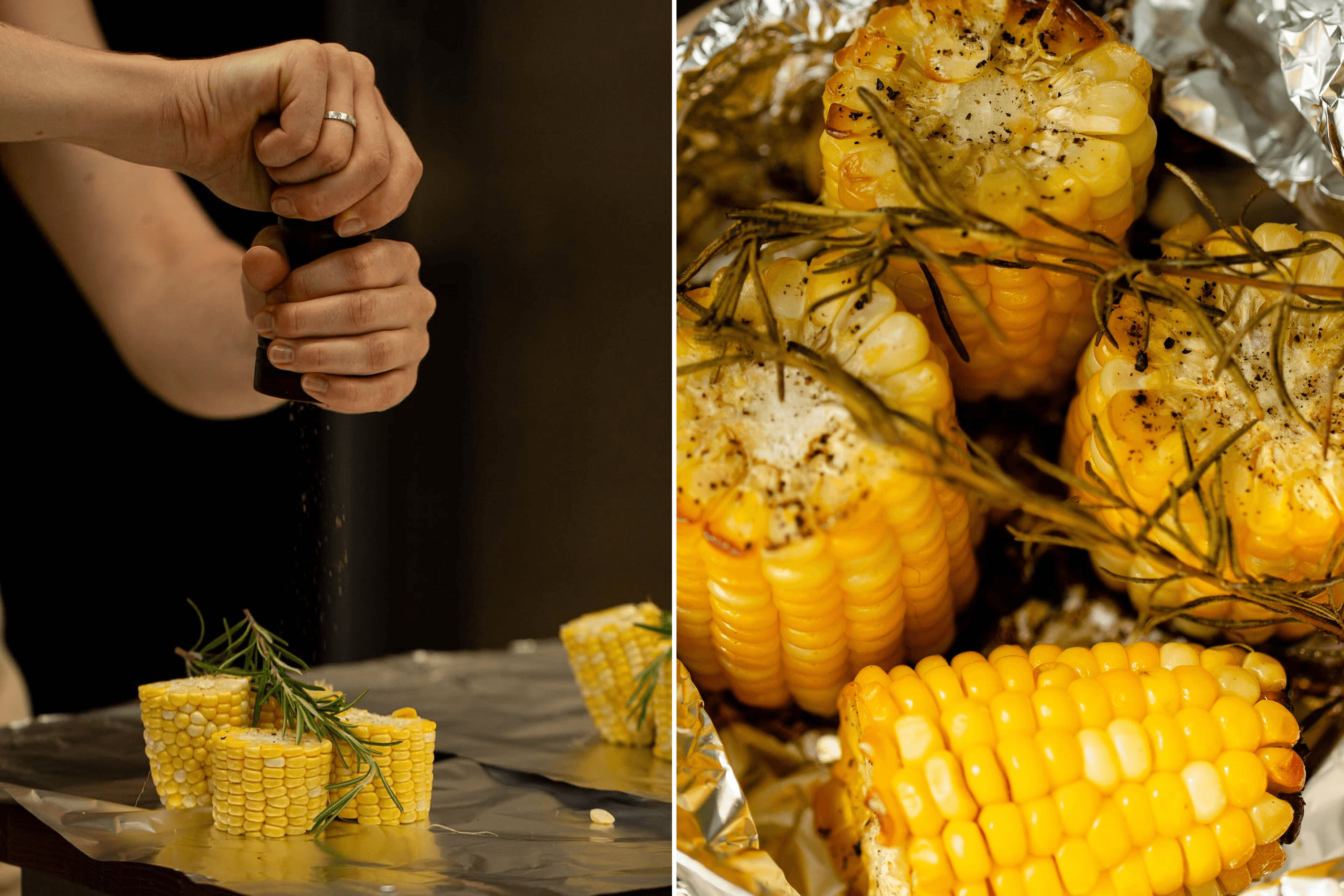
Photo: lavka_deokupatsii / Instagram / YB
We also work beyond Kharkiv. We prepare kimchi for sandwiches for the company Buterbrod, which sells through 300 partner locations in Kyiv. We collaborate with small shops and cafes across Ukraine that carry products easy to transport and store, such as salt. On several occasions, charitable organizations purchased our produce and delivered it to a military hospital in Kharkiv.
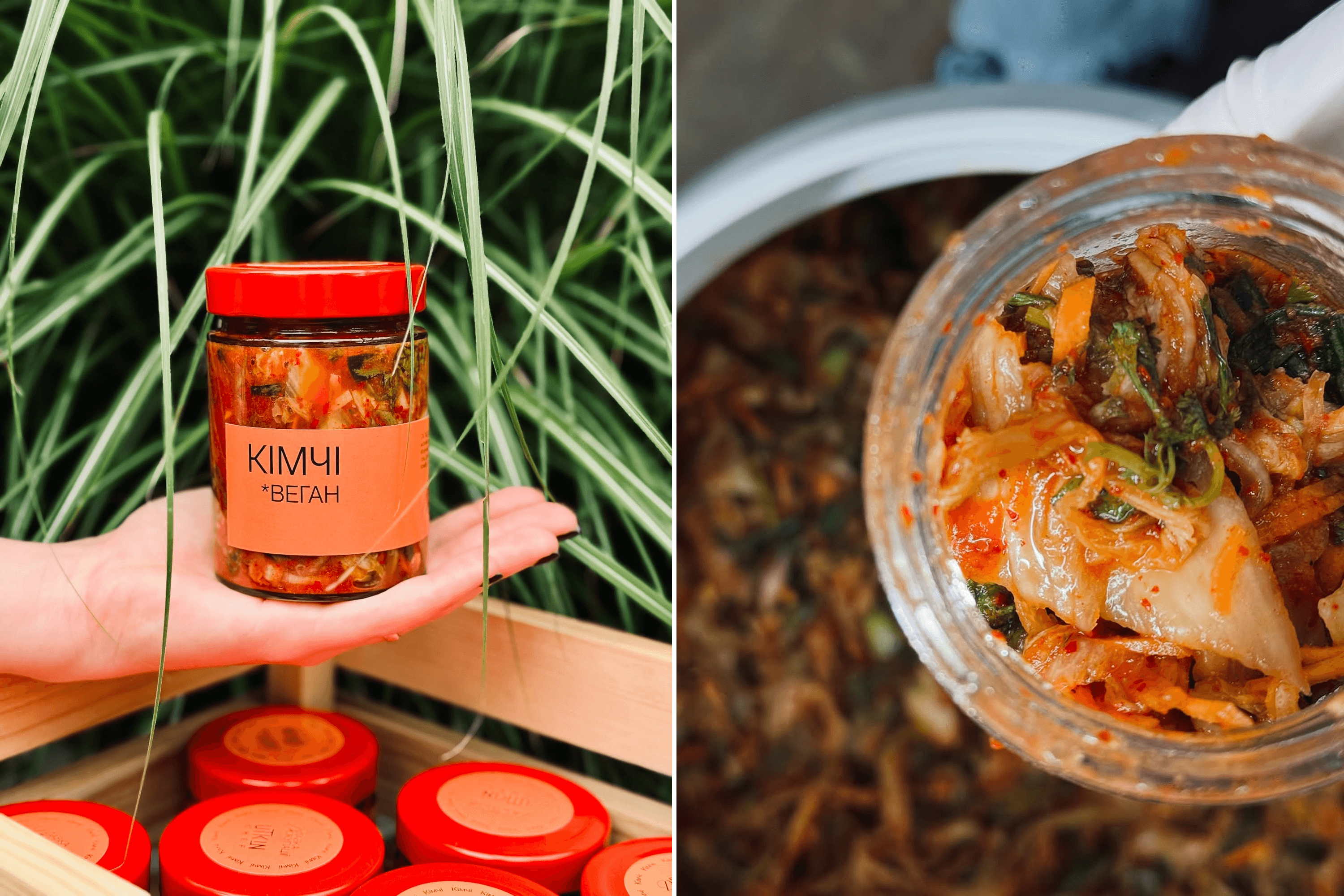
The De-Occupation Shop team prepares kimchi using produce from farmers in de-occupied territories. Kharkiv, March 2025. Photo: lavka_deokupatsii / Instagram / YB 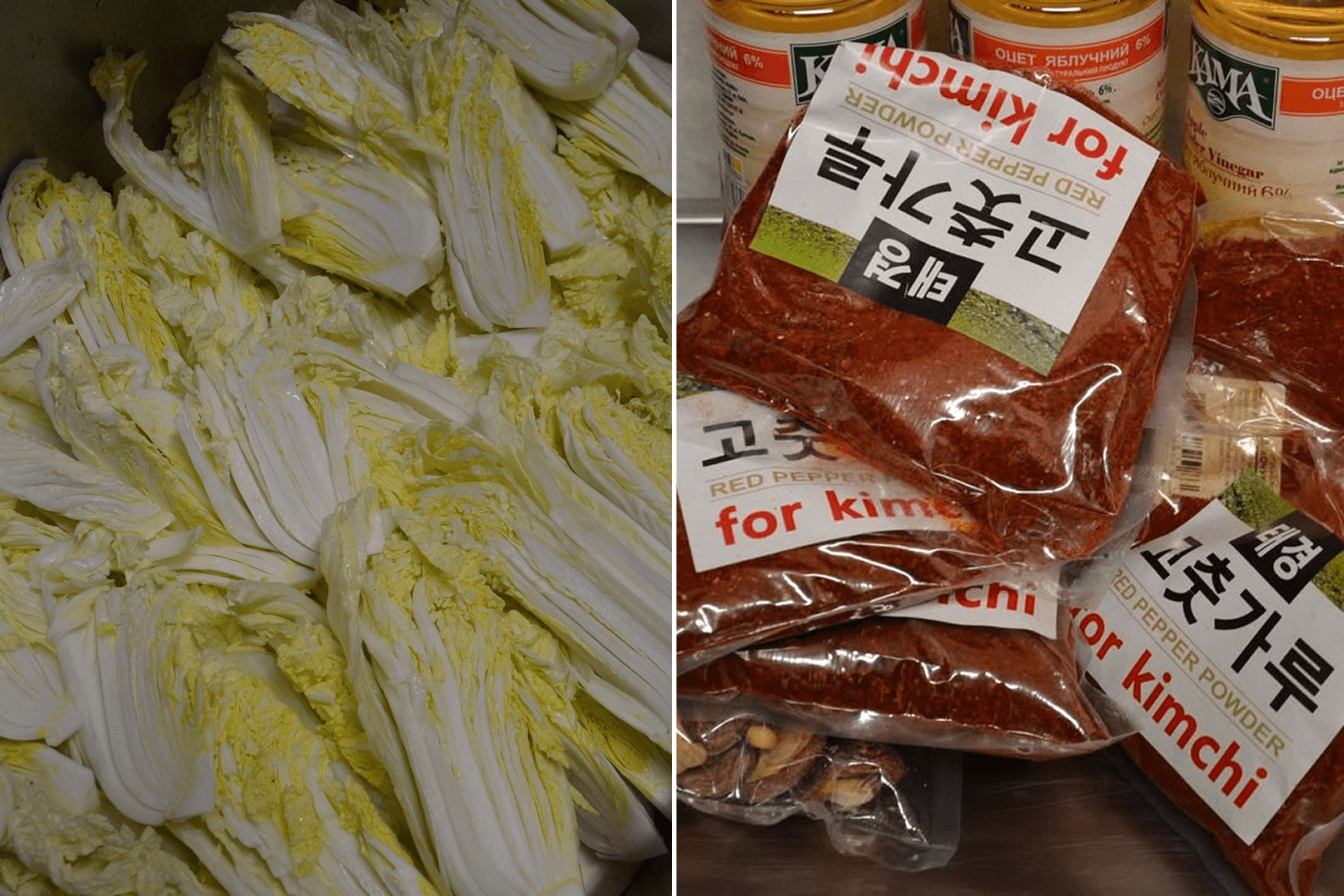
Photo: lavka_deokupatsii / Instagram / YB 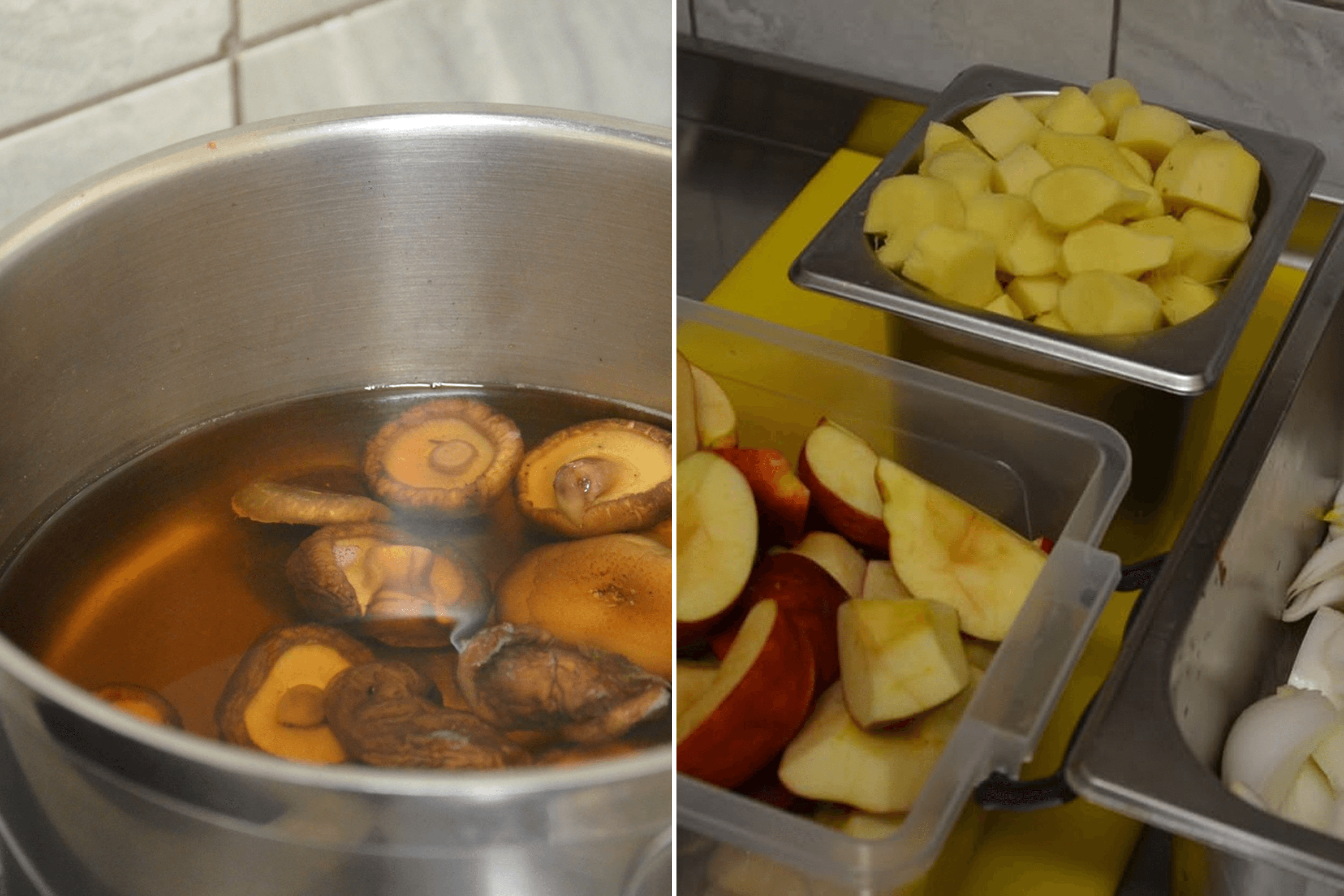
Photo: lavka_deokupatsii / Instagram / YB 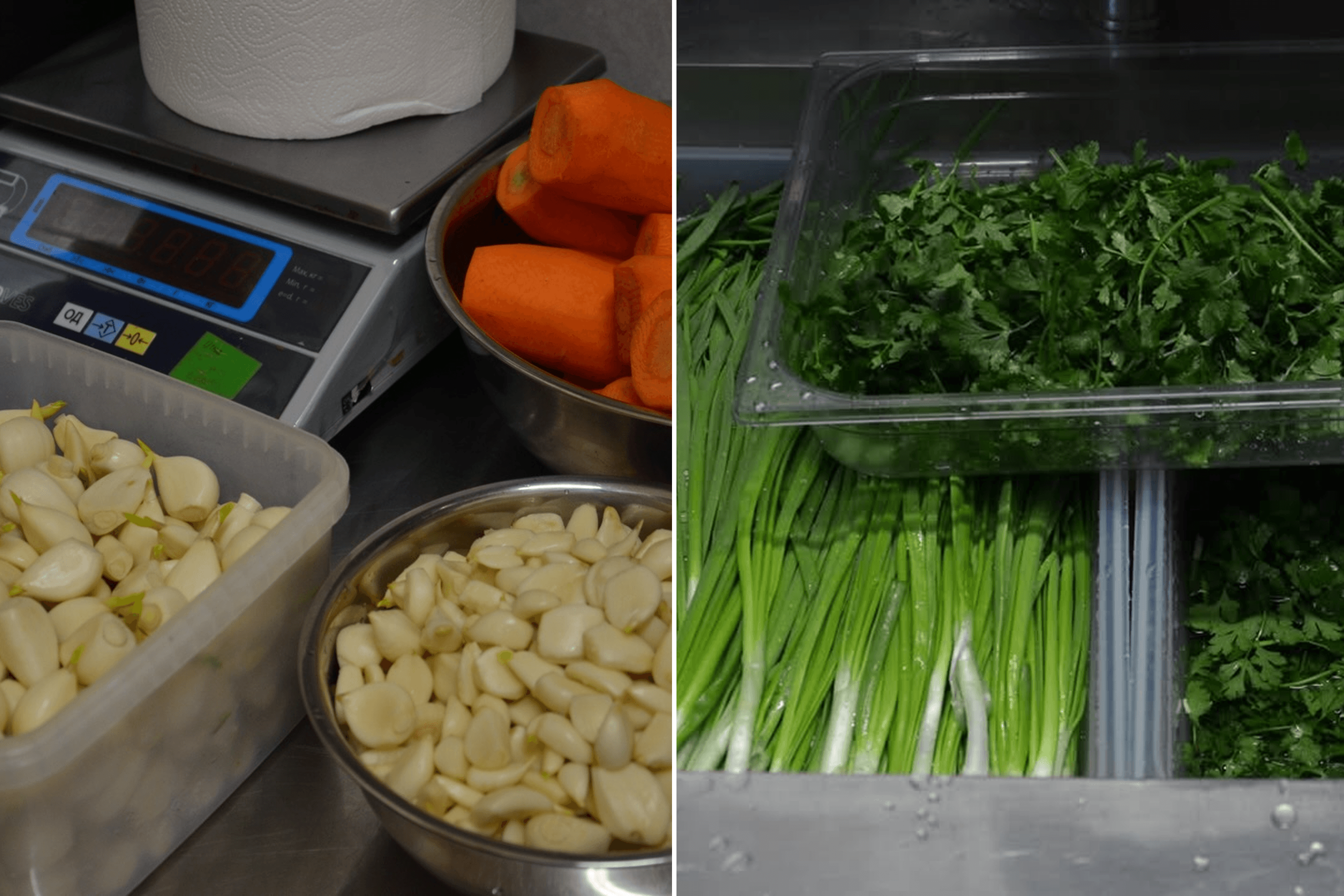
Photo: lavka_deokupatsii / Instagram / YB 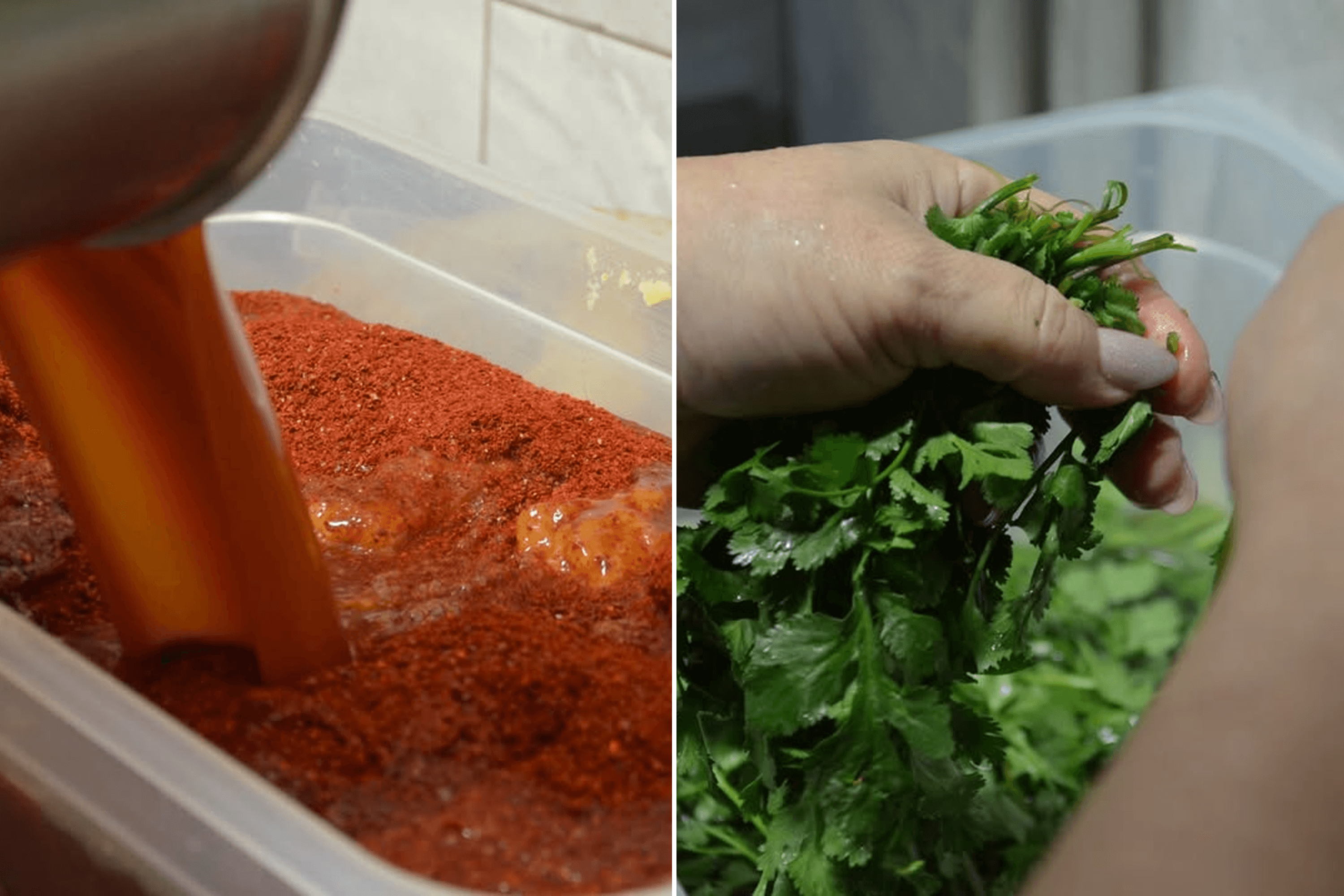
Photo: lavka_deokupatsii / Instagram / YB 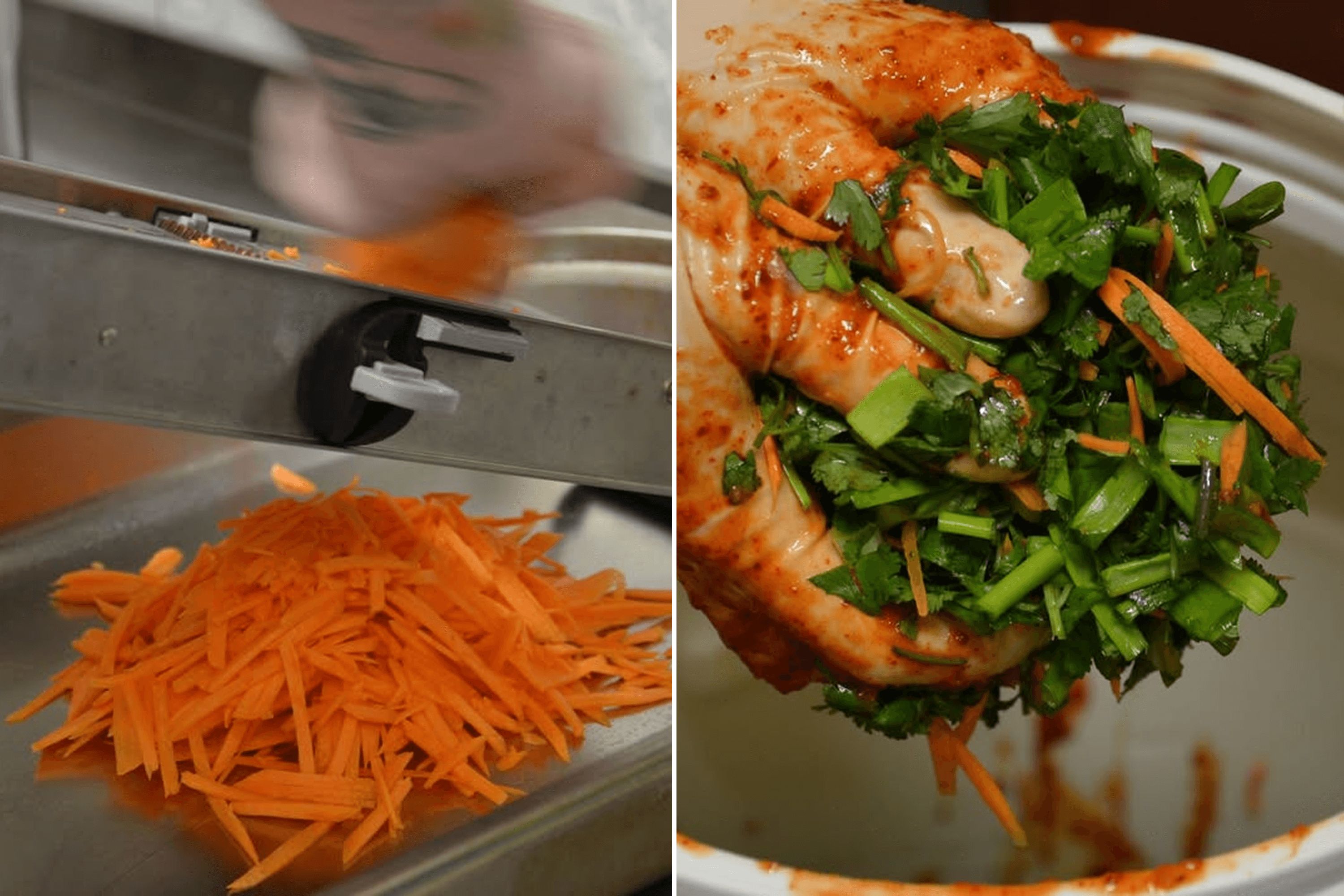
Photo: lavka_deokupatsii / Instagram / YB
What role does the support of international and Ukrainian organizations play in the development of the initiative?
We have worked with many foundations and businesses. Among our partners and donors are Plarium, a company with Ukrainian roots, the NGO Sphere, and international organizations Nova Ukraine, House of Europe, CAF America, and LiberEco. Most often it is financial support: funds go to purchasing seeds and equipment, covering logistics costs, and partially to the project team’s salaries.
When LiberEco representatives visit Ukraine, they often buy our salt and sell it in Germany for roughly €20 per jar. The proceeds are directed to the XTraverse project, which evacuates civilians from Kupiansk.
Partners also help tell a wider audience about the Shop. For example, a month ago we held a series of online meetings with German youth political organizations and NGOs. This helps us find long-term partners.
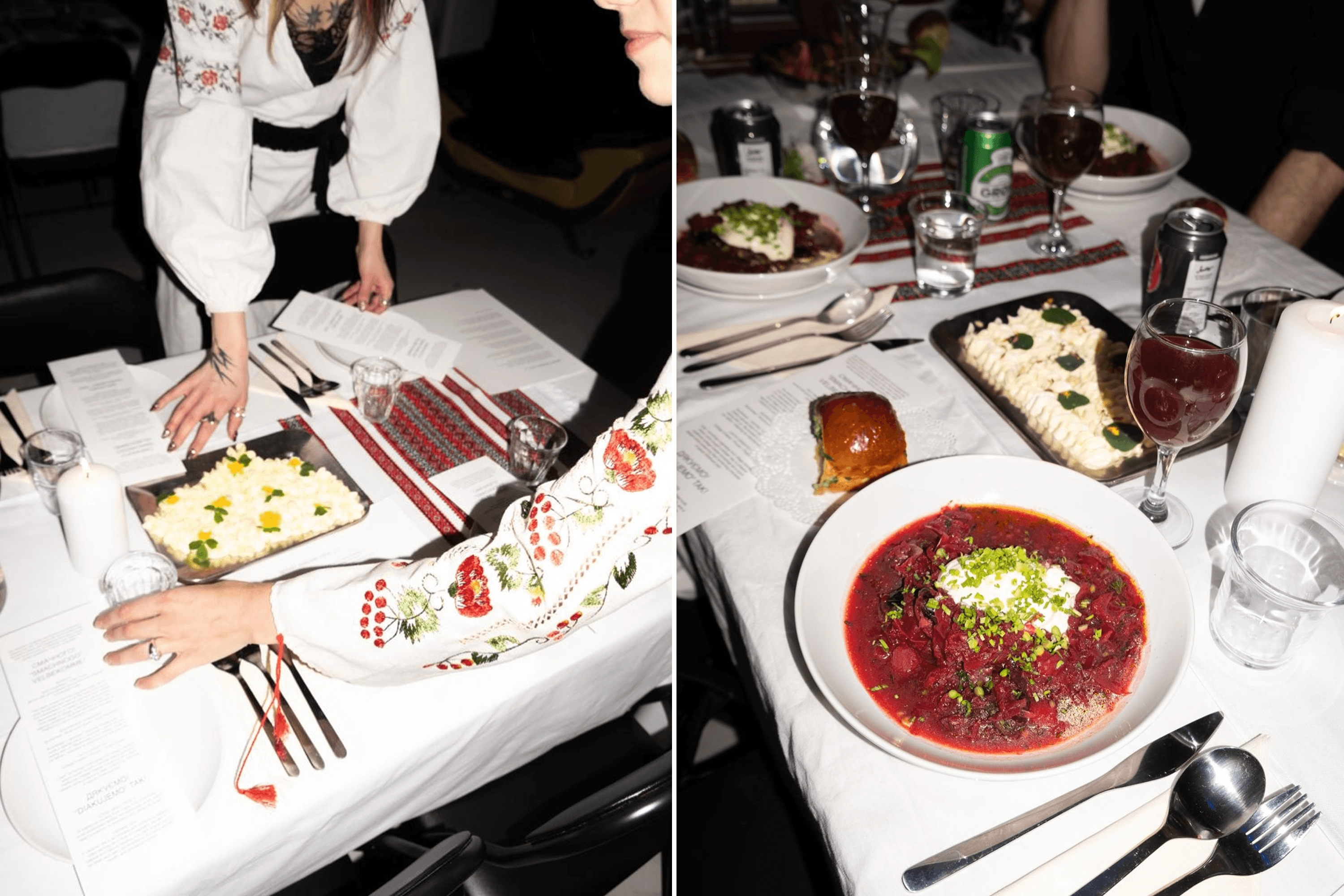
The De-Occupation Shop team hosted a charity Ukrainian dinner to raise funds in support of the project. Copenhagen, February 2026. Photo: lavka_deokupatsii / Instagram / YB 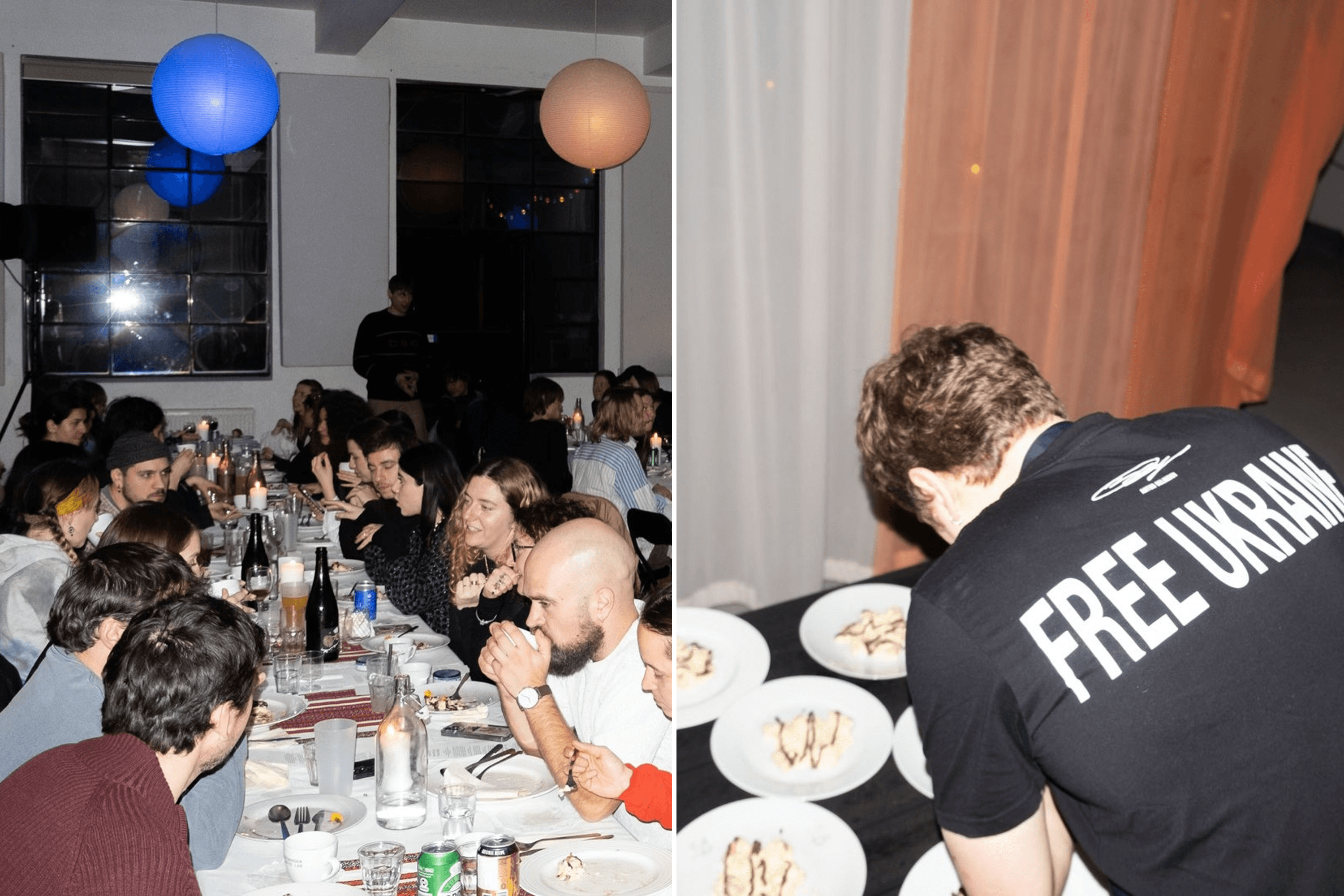
Photo: lavka_deokupatsii / Instagram / YB 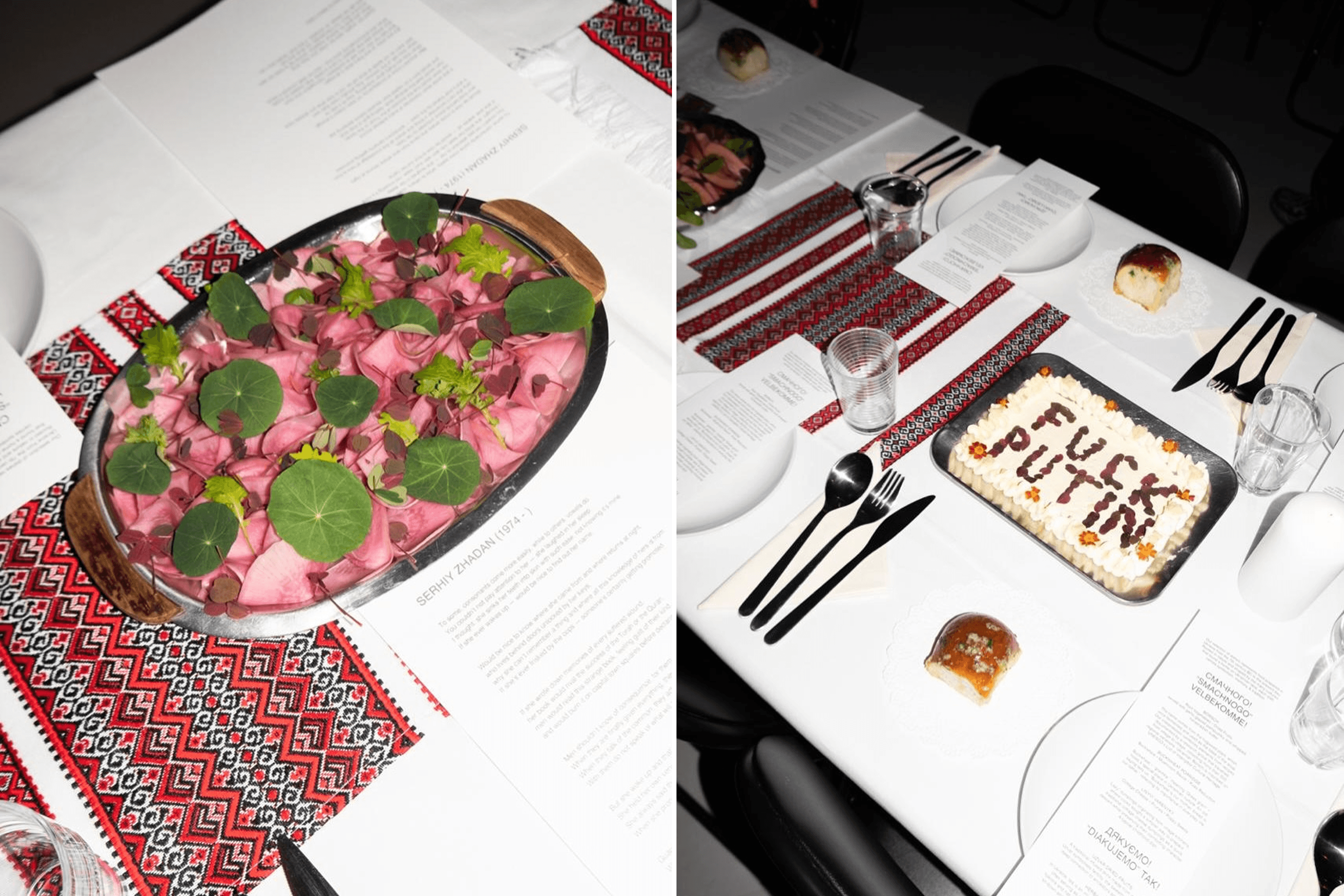
Photo: lavka_deokupatsii / Instagram / YB 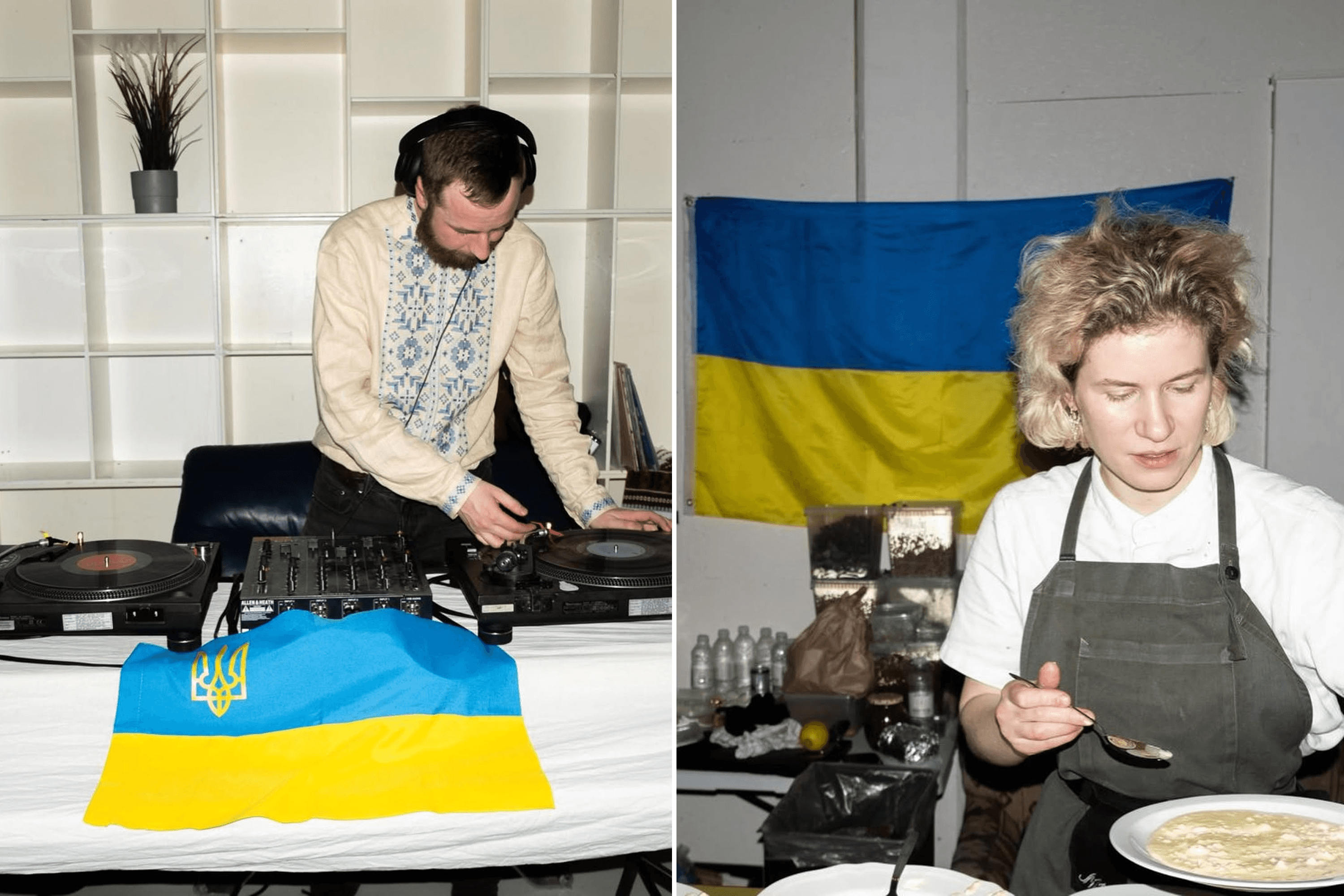
Photo: lavka_deokupatsii / Instagram / YB
Have people from other regions approached you about setting up a similar project?
Several times we were asked whether we could open the Shop in another region. We are open to others replicating our format and are ready to help and advise. But we cannot do it ourselves. We have a small team and simply do not have the capacity for another one.
How do you see the De-Occupation Shop developing over the next few years: more farmers, new products, or perhaps new regions?
We definitely do not plan to stop. We want to expand the range, work on more collaborations with chefs, and develop online sales.
That is how I see it for now, but during wartime everything changes quickly, so our planning horizon is three months at most, and right now it concerns the start of the new season.
We have many ideas for growth and collaboration. We would be interested in working with large chains like Silpo. We are already in negotiations with one of them, though I cannot say which one yet. If we come to an agreement, we will need to scale up production, attract additional funding, and rent more space. That would mean rapid growth.
Is this cooperation about produce or products like salt?
Right now it is specifically about salt, a product that is easy to transport and sell. In the future, we would like the collaboration to extend to other items, such as cheese or dairy products from small farms. Ideally, we would like to see something similar to the Lavka Traditions concept within Silpo. We like the idea of a shop-in-shop format, where a large retail chain includes a small craft-focused space.
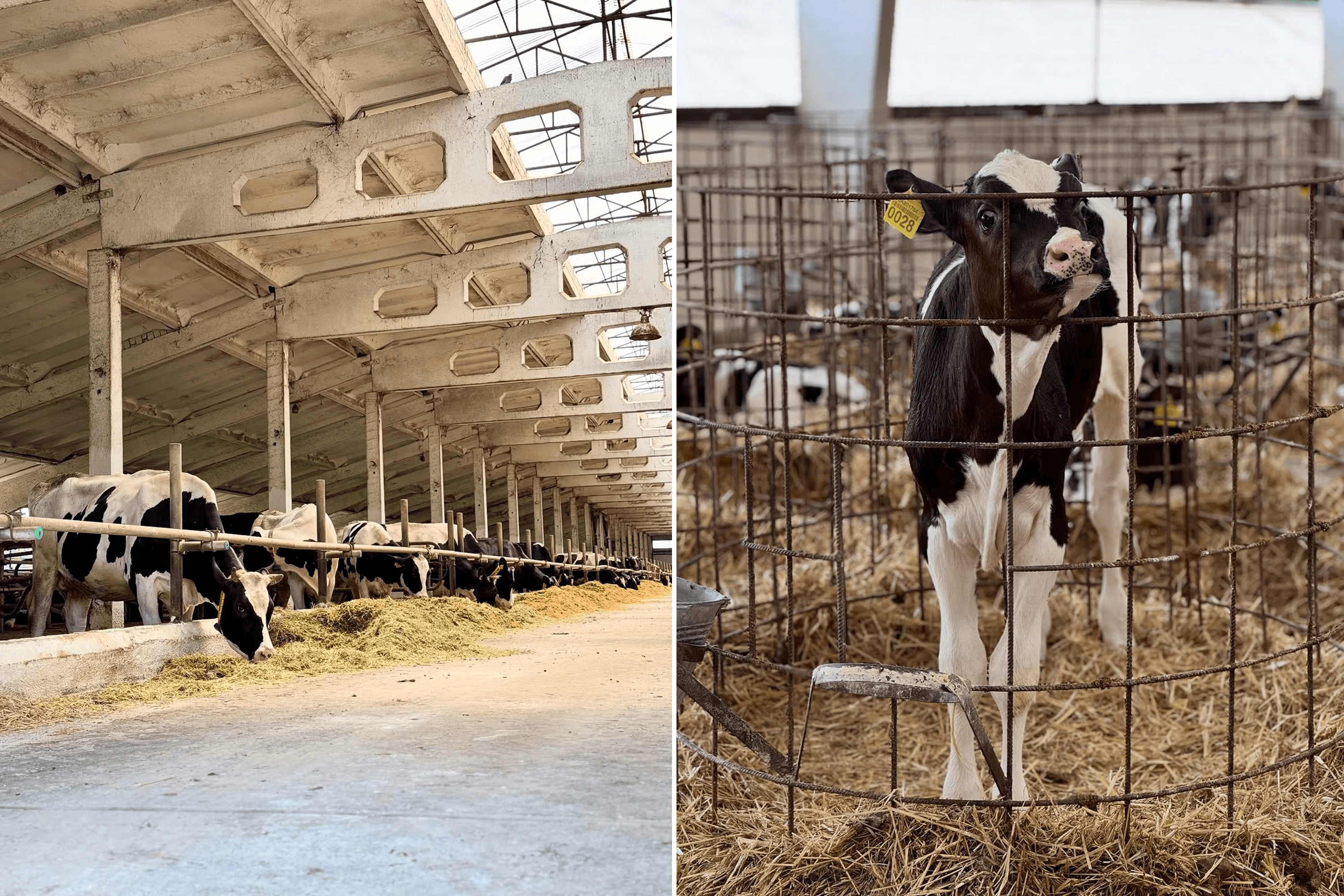
The De-Occupation Shop team supports the “Pani Jupiter” farm with product distribution and building partnerships for further sales. Kharkiv Oblast, December 2025. Photo: lavka_deokupatsii / Instagram / YB 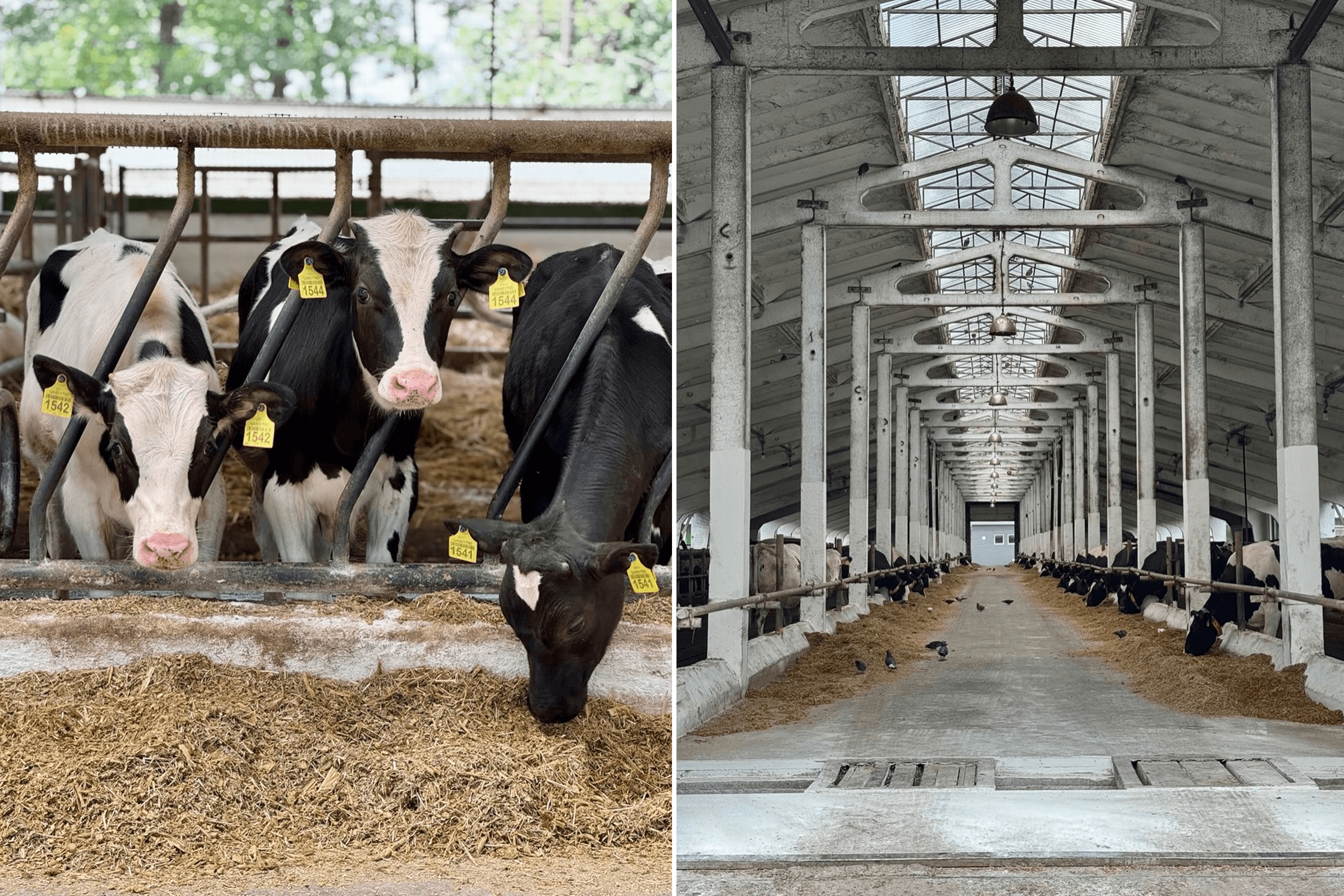
Photo: lavka_deokupatsii / Instagram / YB 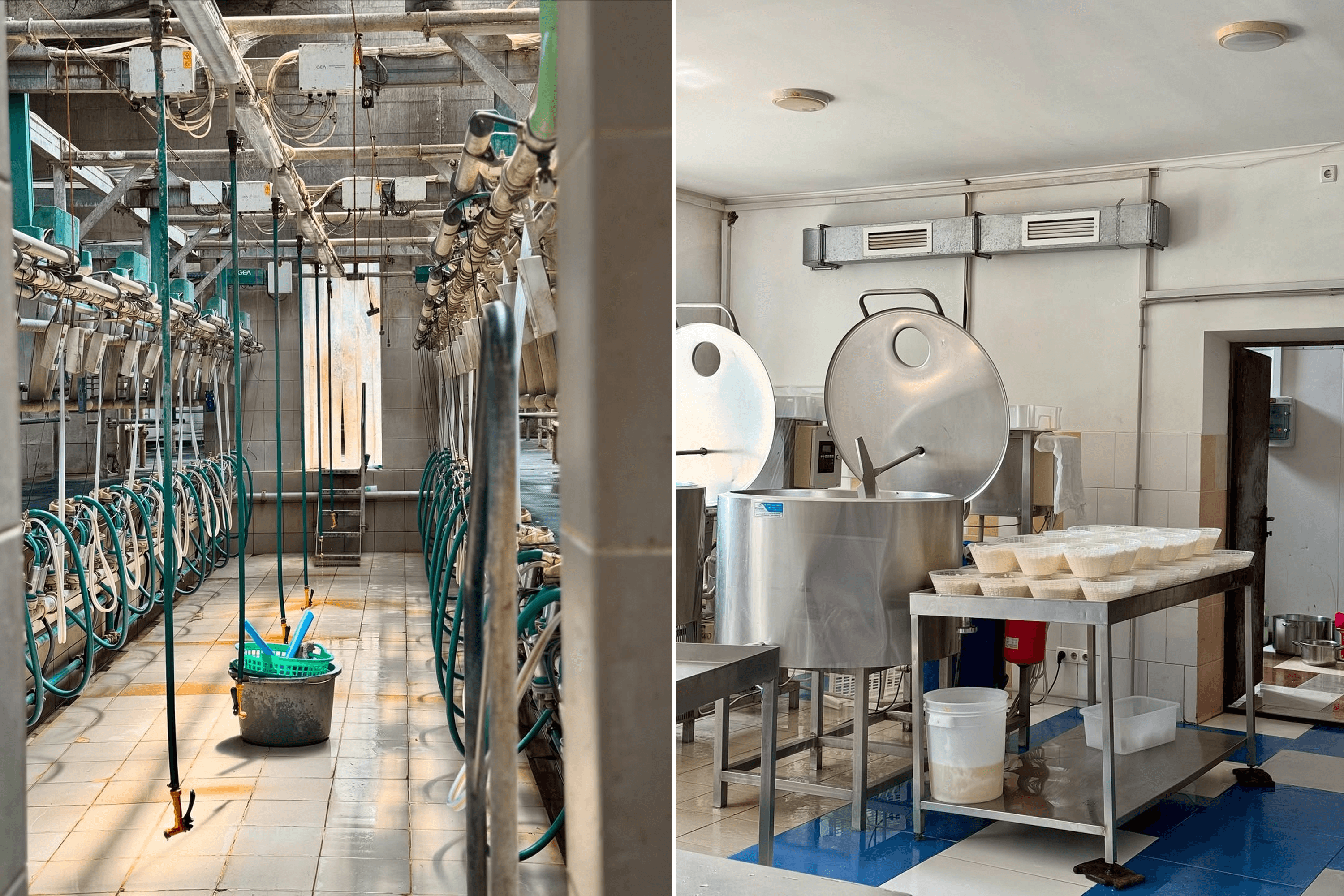
Photo: lavka_deokupatsii / Instagram / YB 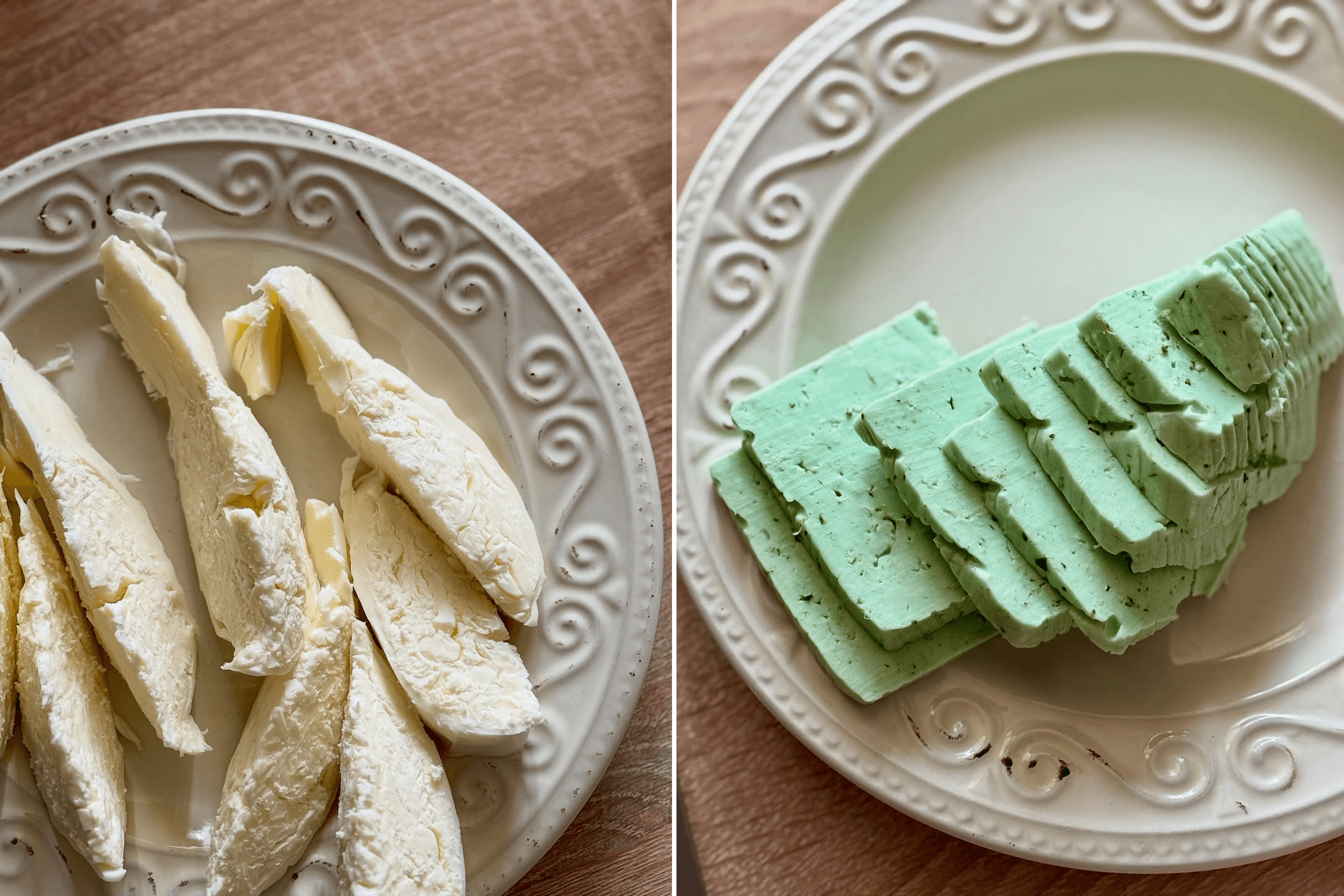
Photo: lavka_deokupatsii / Instagram / YB


