In 2012, two Lutsk locals, Volodymyr Olkhovyk and Anton Sosinskyi, founded Shans Vik, a company that harvests, dries, and exports Ukrainian herbs and berries. By 2022, they had increased exports from 900 kilograms to 250 tonnes a year and established cooperation with companies in the EU.
After the start of the full-scale war, the business came close to shutting down. Because of a ban on entering forests in Volyn, the company lost its main source of raw materials: production declined, and exports plunged. The entrepreneurs then decided to create their own product, and in 2024, the organic tea brand TRAVKA appeared.
Yellow Blue journalist Artem Moskalenko visited the company’s facility in Lutsk and spoke with Shans Vik co-founder Volodymyr Olkhovyk about how the war changed their business and how the crisis pushed it to create its own brand.
1
Every day from May through September, several women in pink aprons bearing the TRAVKA logo get into a car in the village of Berestiane, 60 kilometers from Lutsk, and drive to the nearest forest. There, away from the road, they gather herbs and berries, including raspberries, rose hips, elderflowers, and lingonberries. They take them back to the village in sacks, dry them, and send them to Lutsk, to Shans Vik’s processing facility.
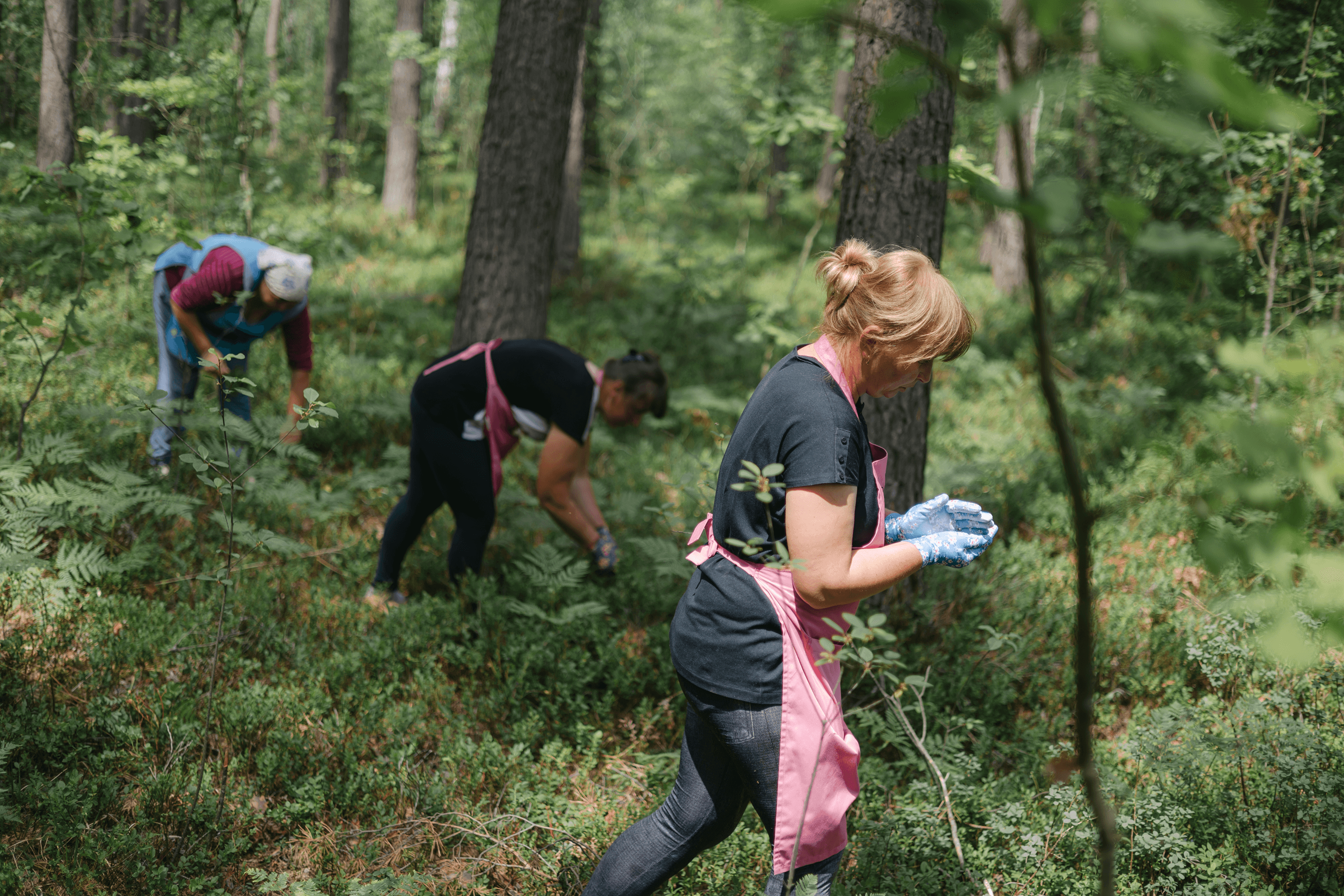
Photo: Mykhailo Melnychenko / YB 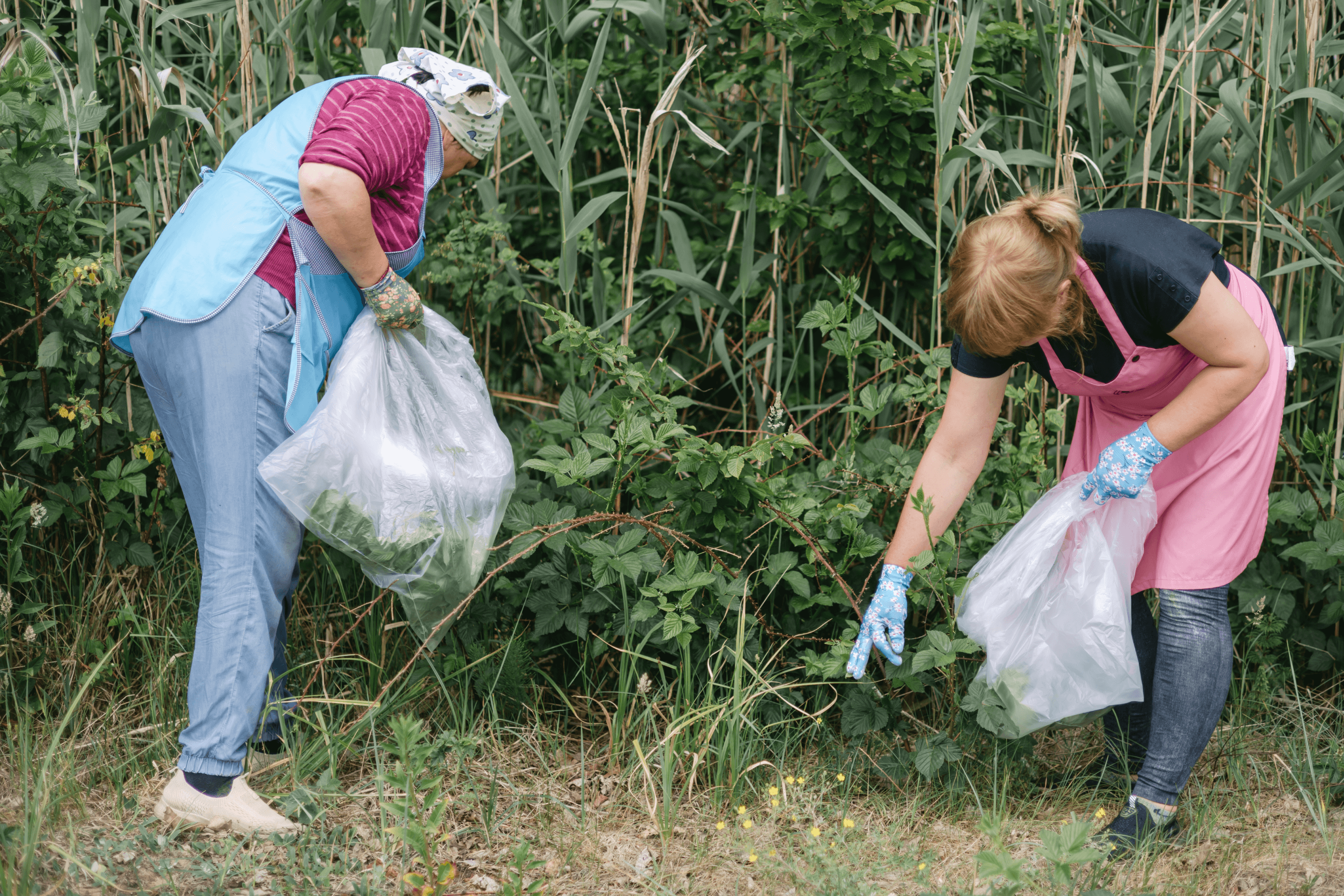
Photo: Mykhailo Melnychenko / YB 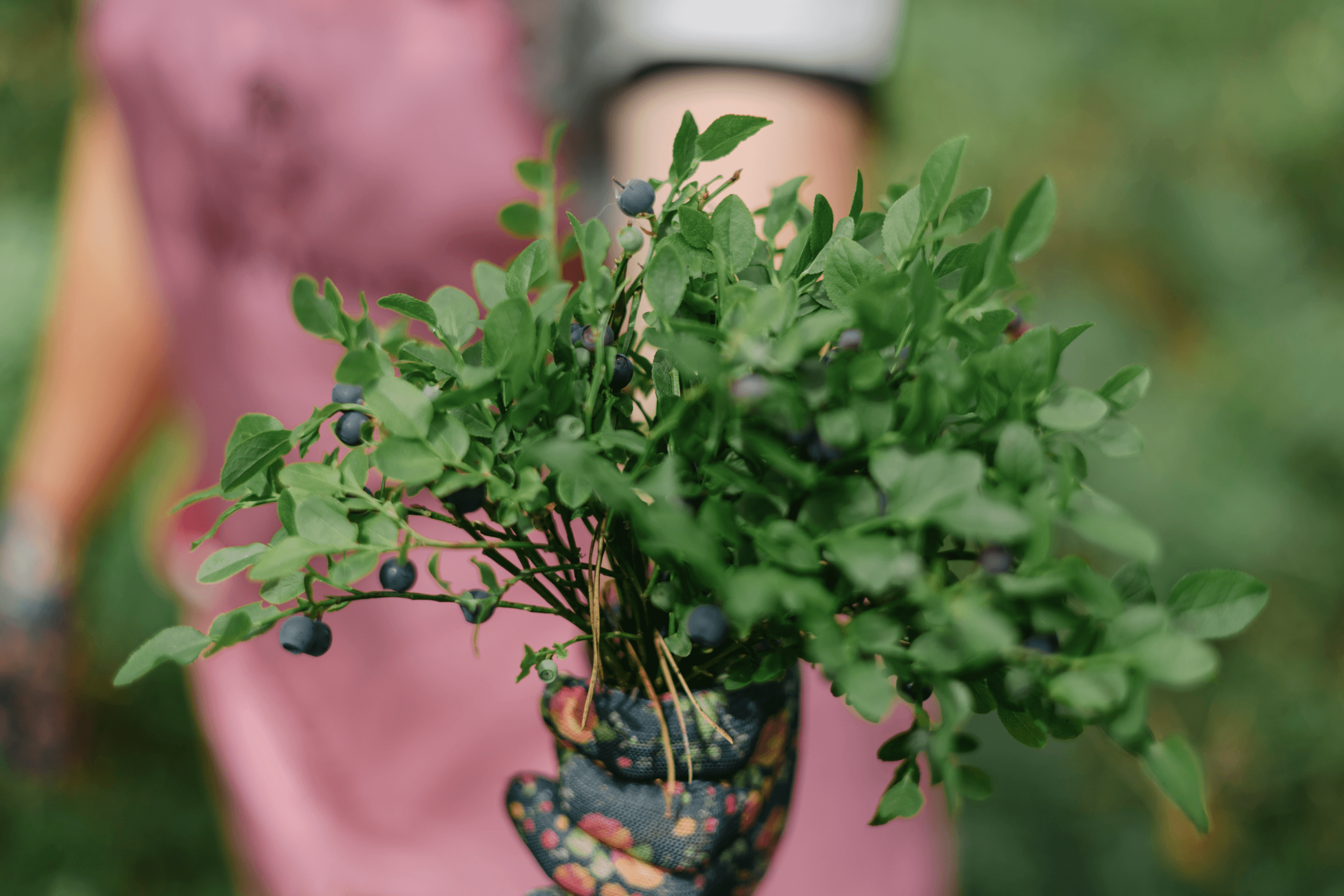
Photo: Mykhailo Melnychenko / YB 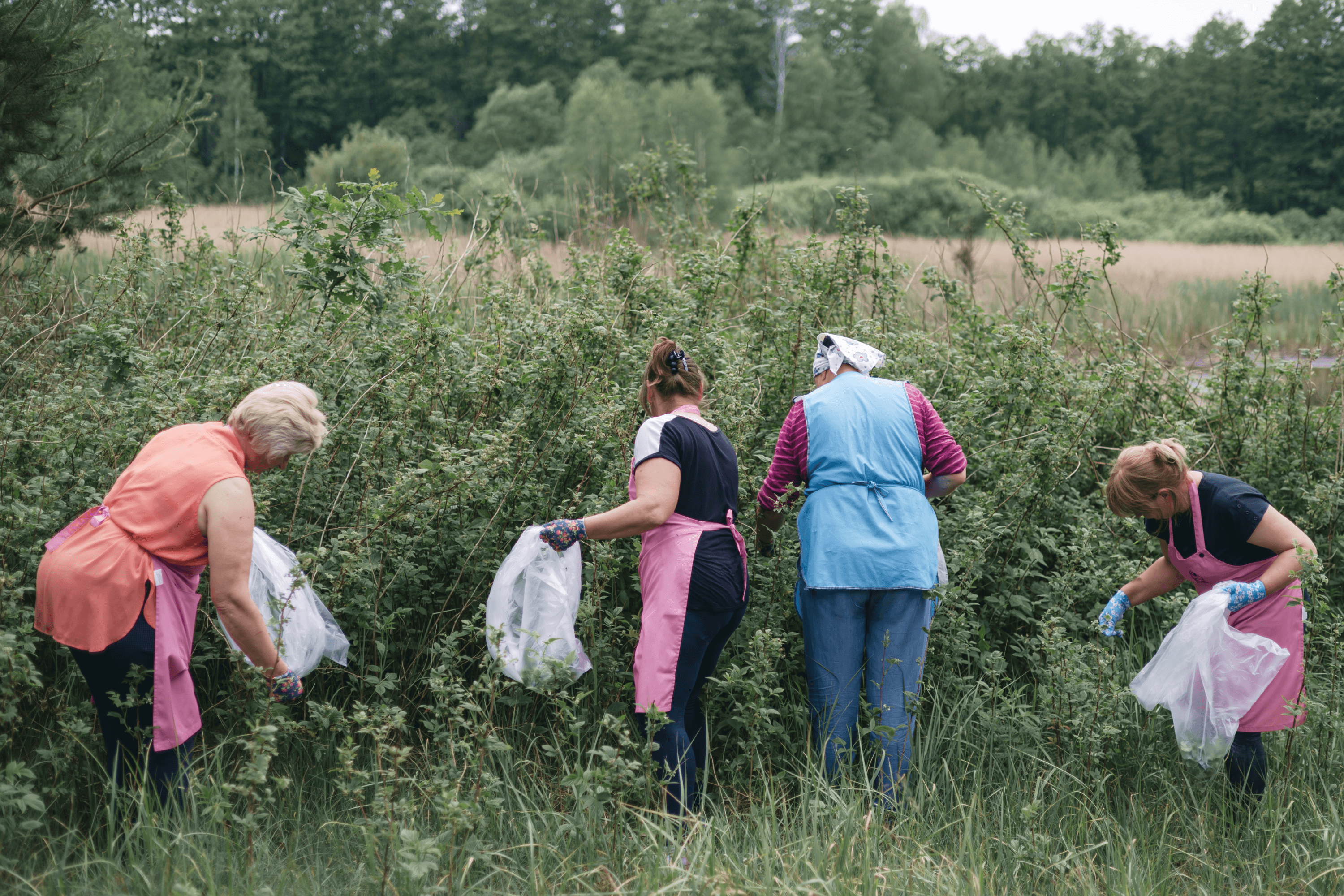
Photo: Mykhailo Melnychenko / YB 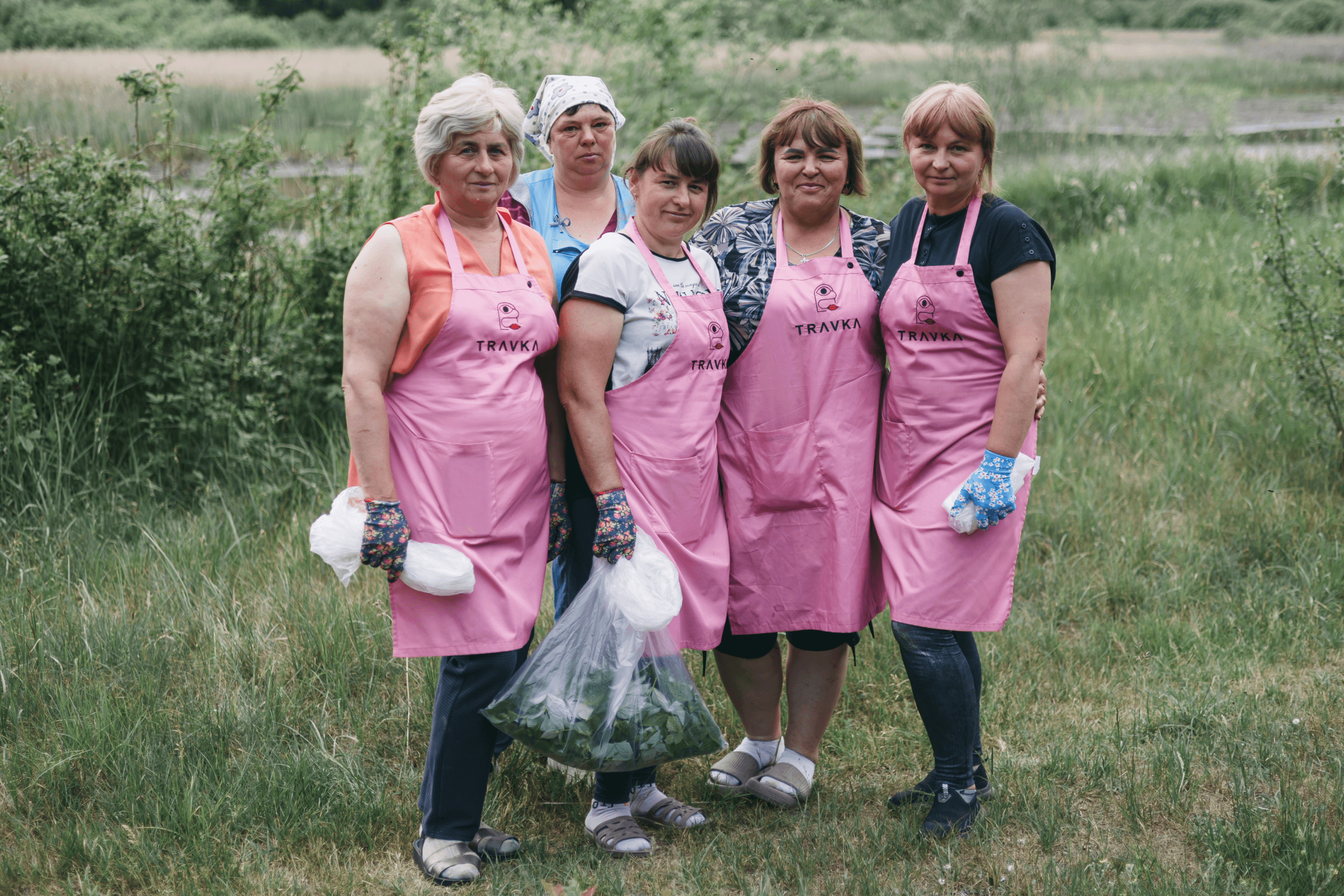
Photo: Mykhailo Melnychenko / YB
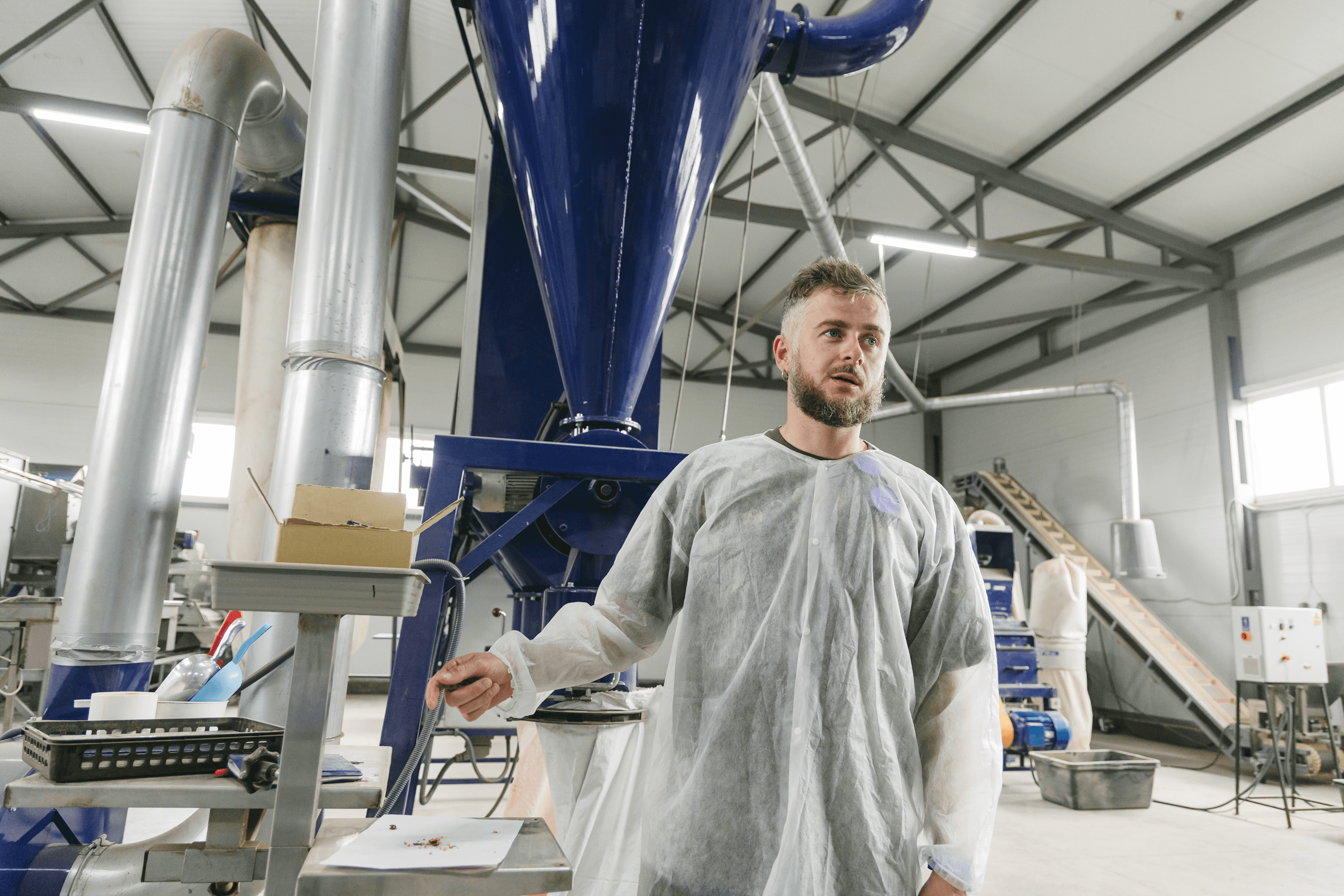
There, the dried berries and herbs first pass through a laser sorter, which cleans the raw materials of dust and foreign matter. They are then separated into parts, for example, the seeds are removed from the berries. The raw materials are then passed through a metal detector. They are cut, packaged, and sent to the warehouse. Shans Vik later sends most of them abroad for sale, while the rest are used to make TRAVKA teas, which are sold in Ukrainian stores.
Shans Vik is owned by longtime friends Anton Sosinskyi and Volodymyr Olkhovyk. Back in the 2000s, Sosinskyi worked with a foreign company that bought frozen berries in Ukraine, and in 2012, he got fired up about the idea of starting his own business exporting dried herbs and berries to Europe. There was demand. Companies from Austria, Germany, Poland, and the Netherlands bought Ukrainian plants for use in cosmetics, pharmaceuticals, and tea production.
Sosinskyi offered Olkhovyk a partnership, and he agreed without hesitation. The two men acquired an existing herb-processing business in Berestiane and got to work.
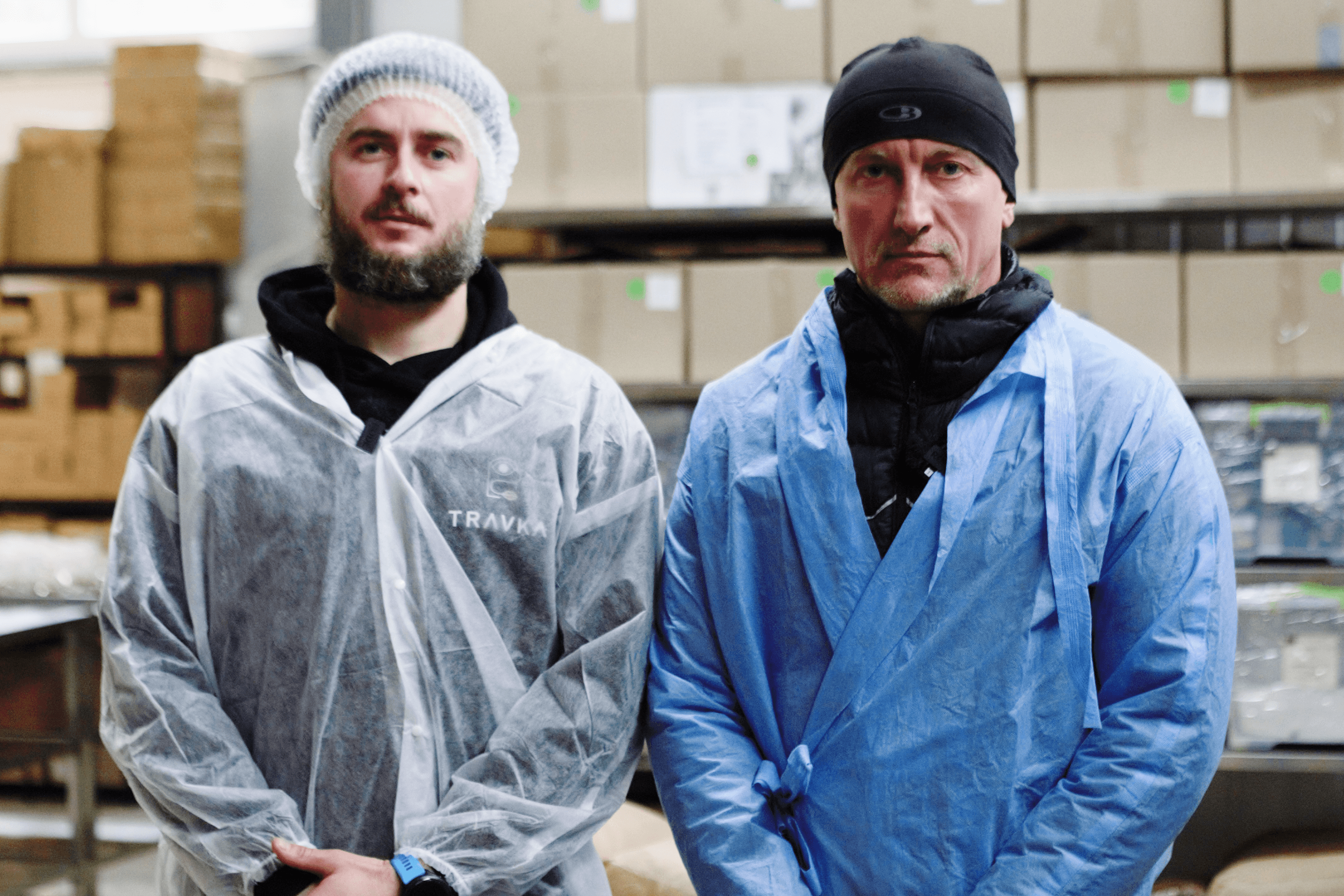
“Essentially, we bought a legal entity that had only a small leased plot of land and agreements with local residents to gather berries and herbs,” says Volodymyr Olkhovyk. “The location was important to us. It is a village in the middle of a forest in Volyn, with no production facilities nearby. Everything is clean and organic.”
Through Sosinskyi’s contacts, they found their first client abroad, a German company that buys tea ingredients from around the world. To begin exporting, they had to certify their products in Europe and verify the source of the raw materials.
“Both of these procedures are required for every shipment we send to Europe,” says Olkhovyk. “The products have to undergo laboratory testing to confirm that our herbs and berries contain no pesticides or heavy metals and that radiological and microbiological indicators are within acceptable limits. The list of tests varies from country to country. Some of them are not done in Ukraine, so we order them from laboratories in Germany and Poland. It is quite time-consuming and expensive. Last year, we spent about UAH 200,000 on additional certification costs.”
Shans Vik grew quickly. The entrepreneurs opened a processing workshop in Lutsk and took part in international industry trade shows, including Anuga, BioFach, and Food Ingredients. This helped them find new clients among pharmaceutical, cosmetics, and tea companies in Poland, Germany, and Austria.
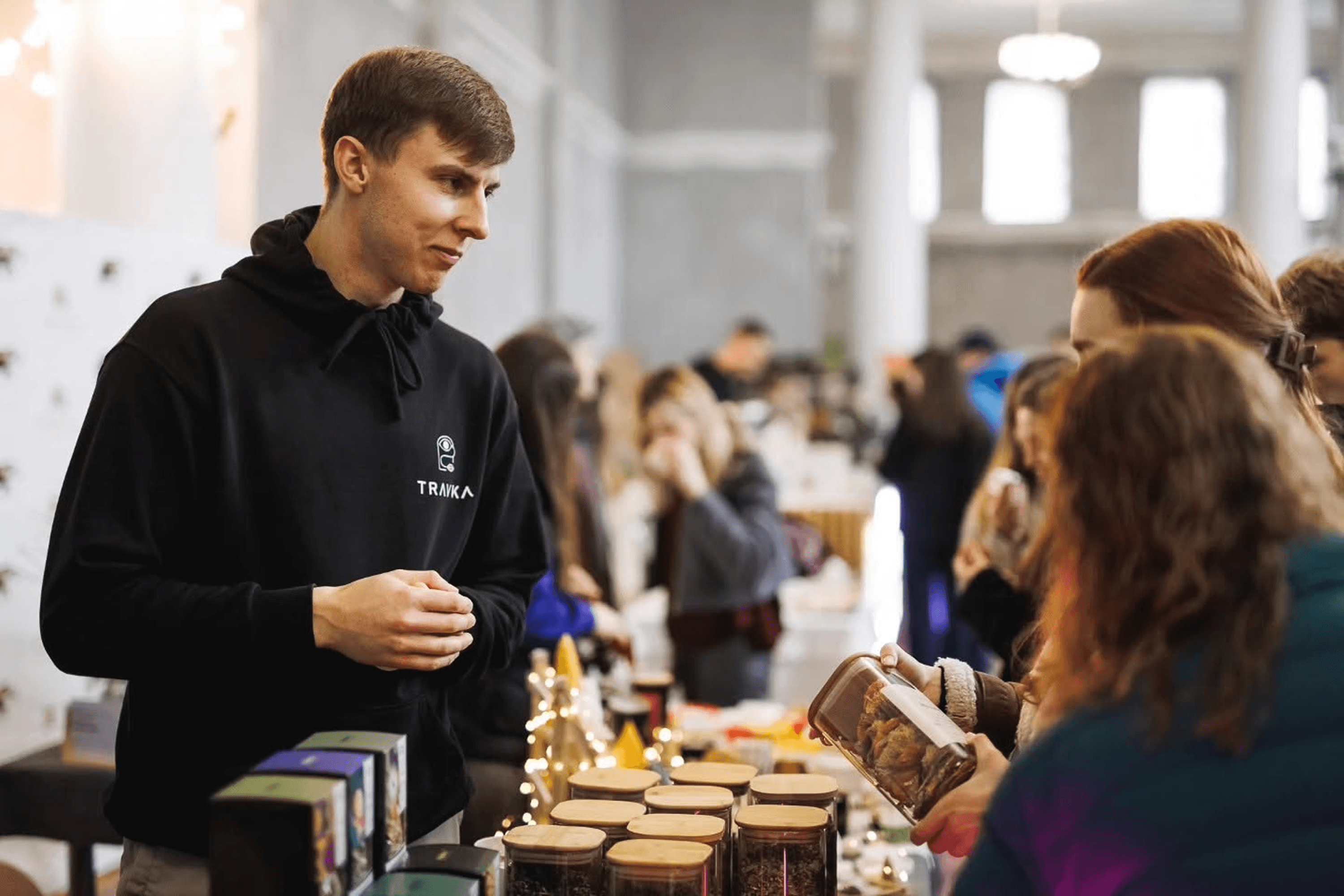
The Travka brand team at the Kyiv Tea Festival. Kyiv, October 25, 2025. Photo: Travka - цікавий чай / Facebook 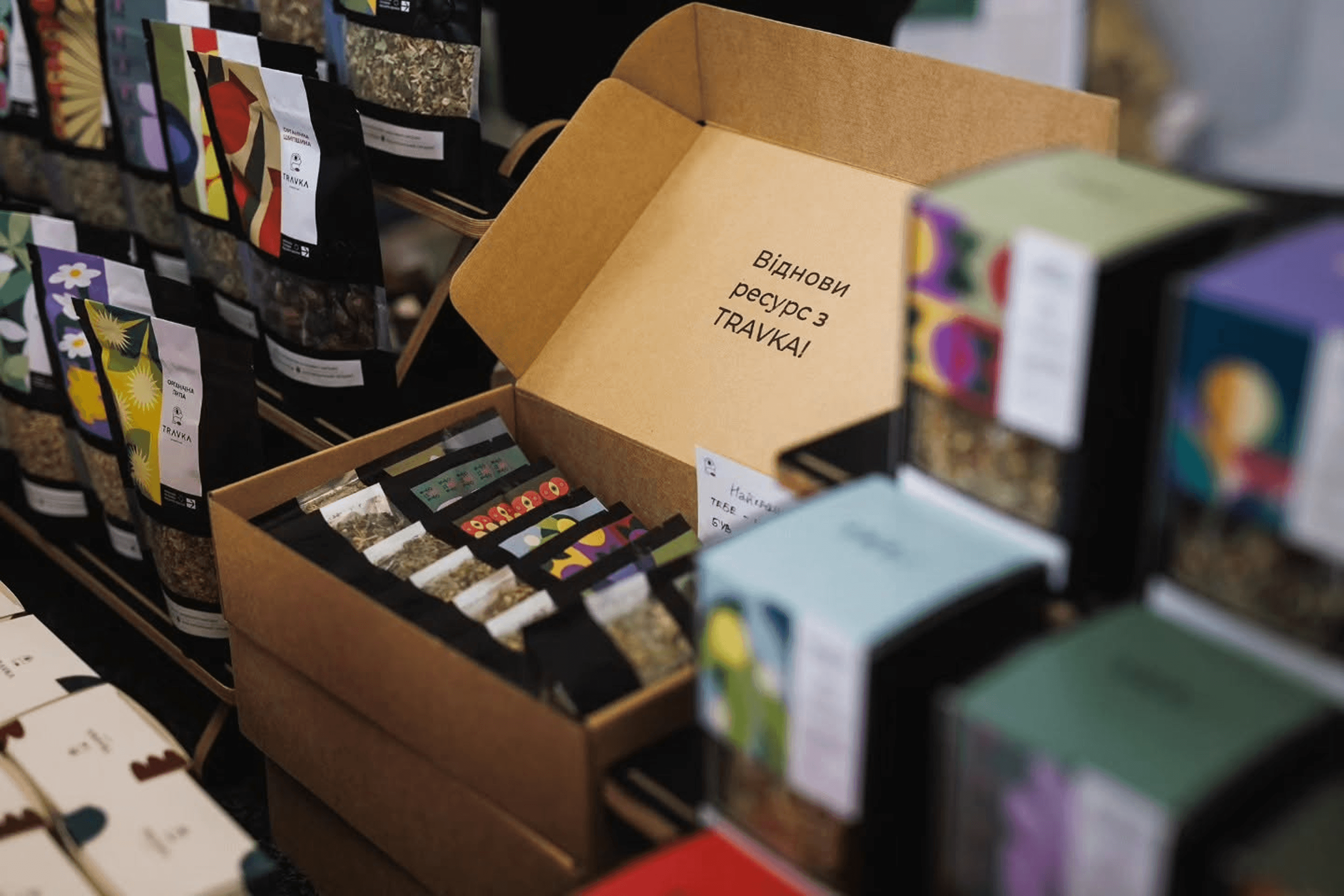
Photo: Travka - цікавий чай / Facebook 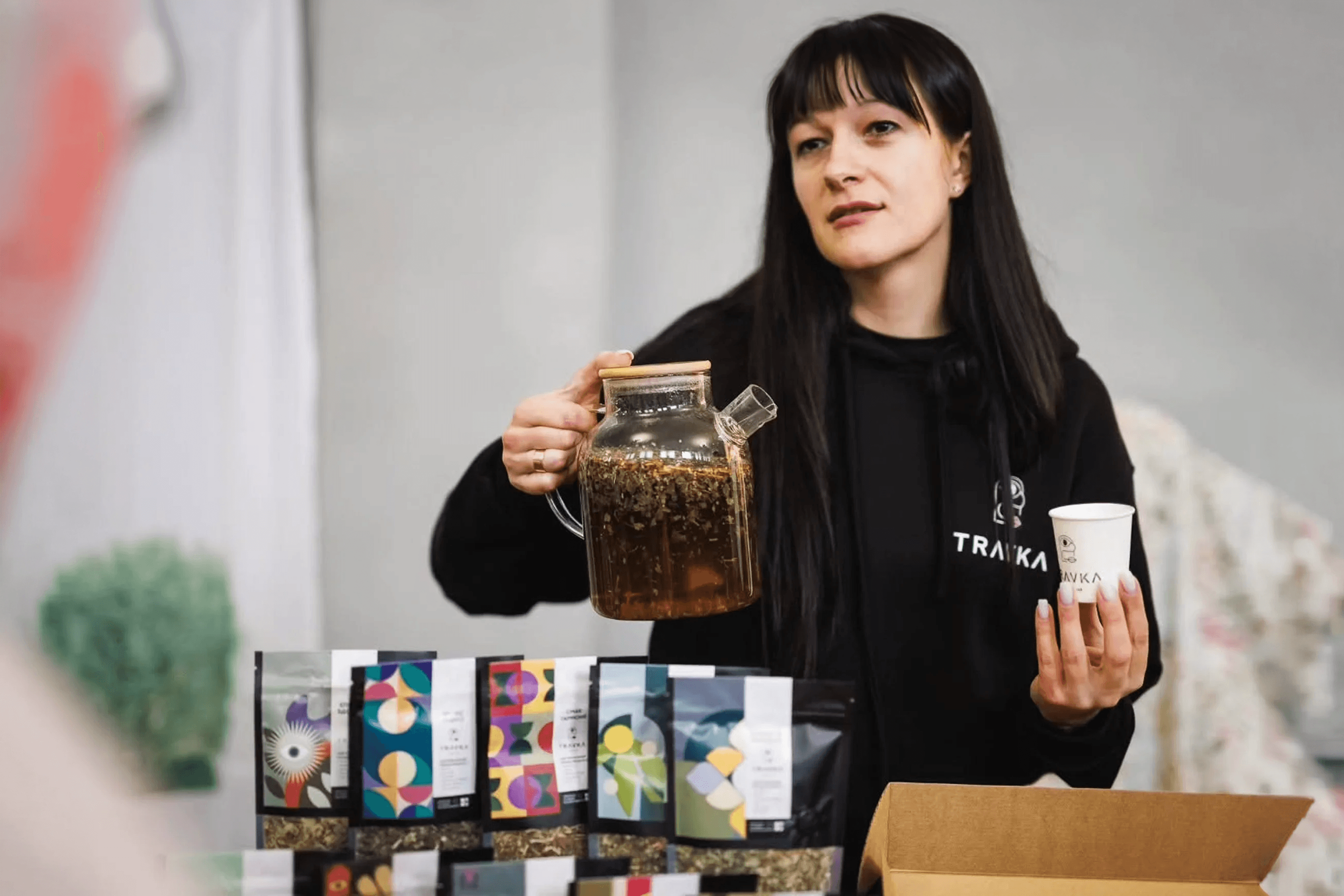
Photo: Travka - цікавий чай / Facebook 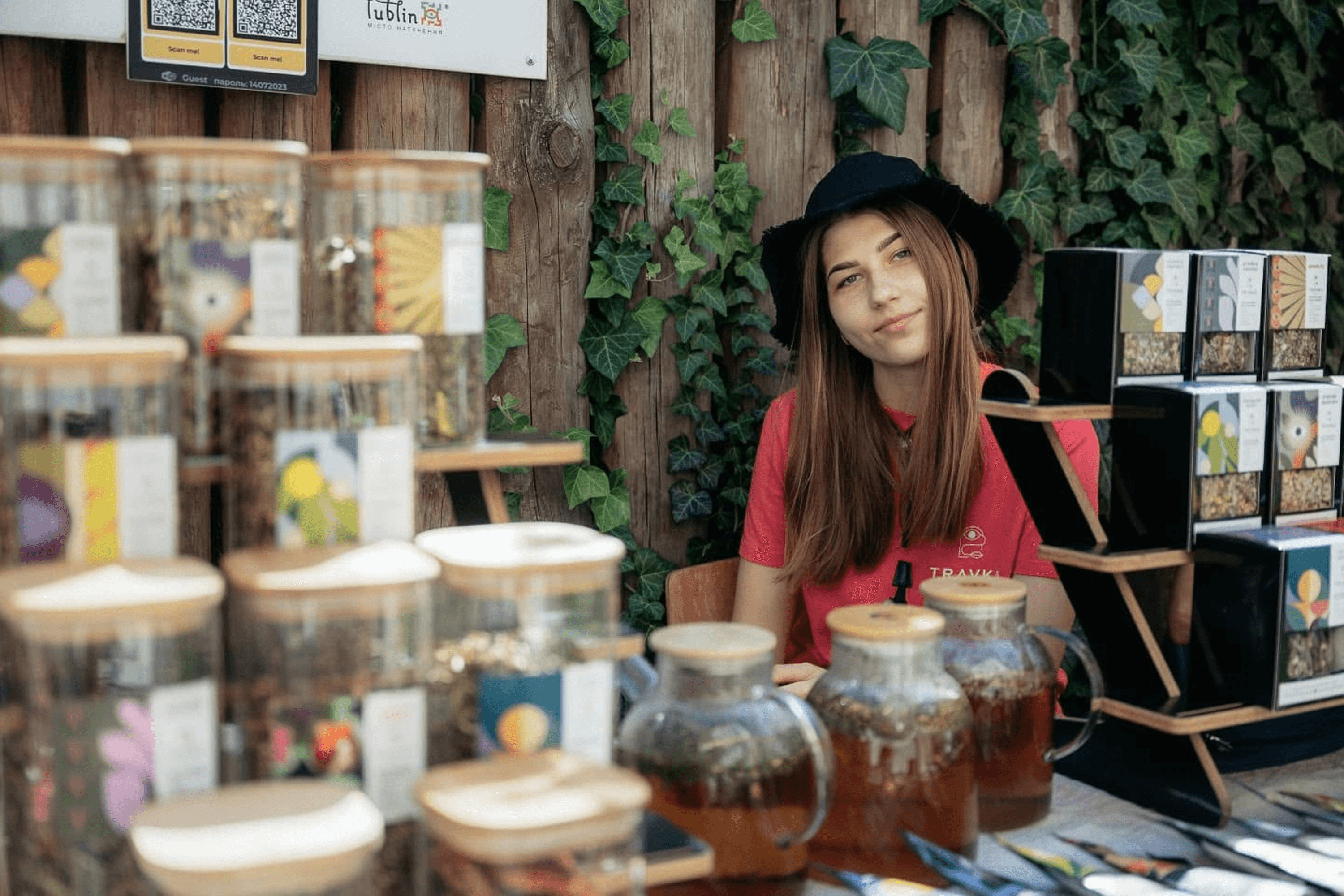
The Travka brand team at Frontera Fest in Lutsk. August 2025. Photo: Travka - цікавий чай / Facebook 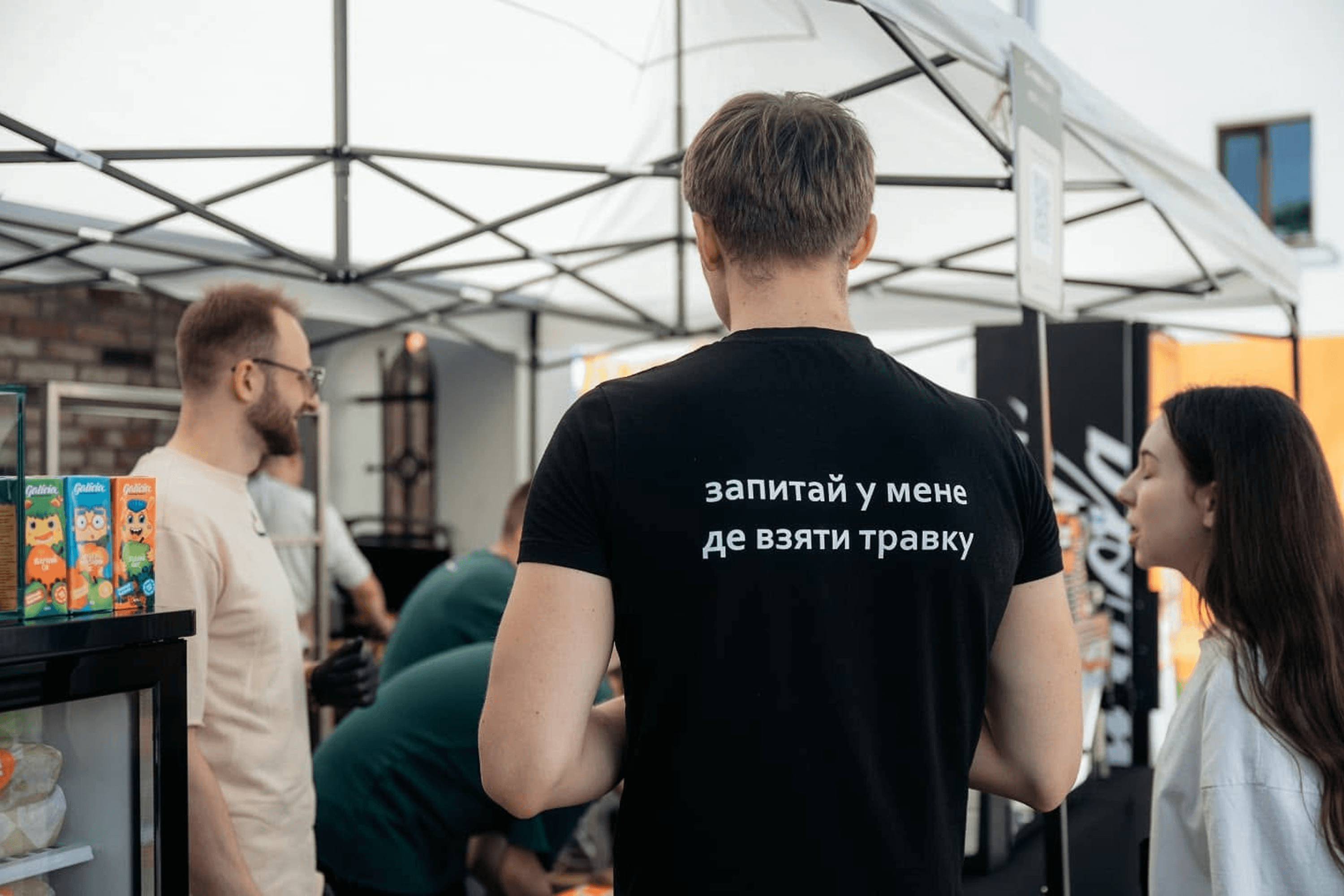
Photo: Travka - цікавий чай / Facebook
In the early years, Olkhovyk and Sosinskyi reinvested all the profits from herb sales into the business. They bought new equipment, expanded production, and hired more people. The company grew by about 20% every year. In 2012, Shans Vik exported 900 kilograms of raw materials. By the eve of the full-scale invasion, that figure had already reached about 250 tonnes. It seemed that this growth would never stop.
2
On February 24, 2022, Anton Sosinskyi was in Lublin with his family. When he found out that the full-scale invasion had begun, he got into his car and headed for Ukraine. The next day, he was in Lutsk and was mobilized into the Armed Forces of Ukraine. Olkhovyk stayed behind to manage their business, but he ran it alone for only a short time. In May 2022, Sosinskyi was wounded, discharged from military service, and returned to the business.
Production and exports were put on hold for the first six months of the war, but the entrepreneurs continued paying salaries to keep their team together. As fall approached, they began resuming operations. They inspected and cleaned the raw materials stored in their warehouses and renewed cooperation with their European clients. Some of them supported the entrepreneurs by offering advance payments or expressing willingness to host employees' families abroad. Others, however, ended their cooperation. During Shans Vik’s downtime, they had found new suppliers in other countries.
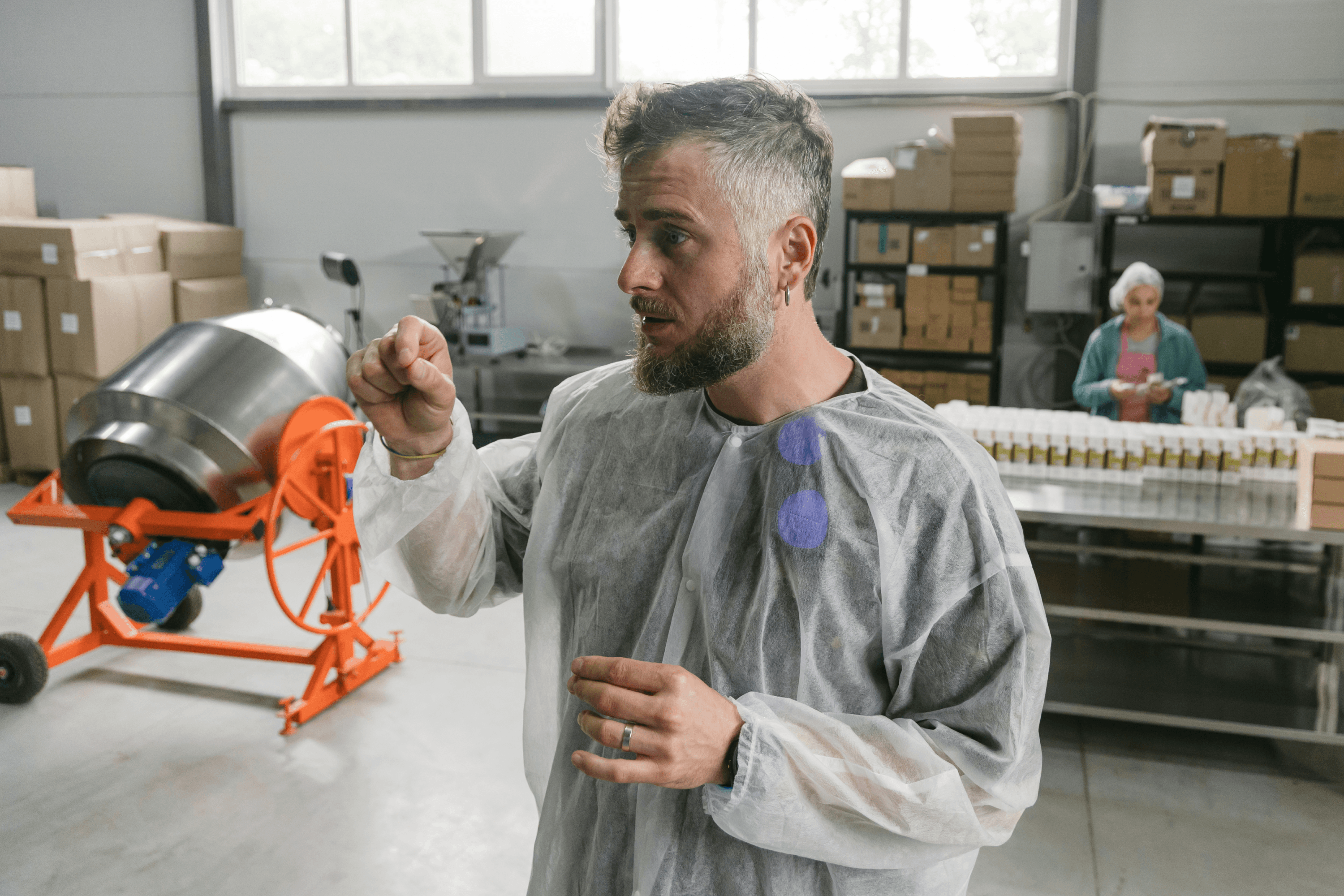
Photo: Mykhailo Melnychenko / YB 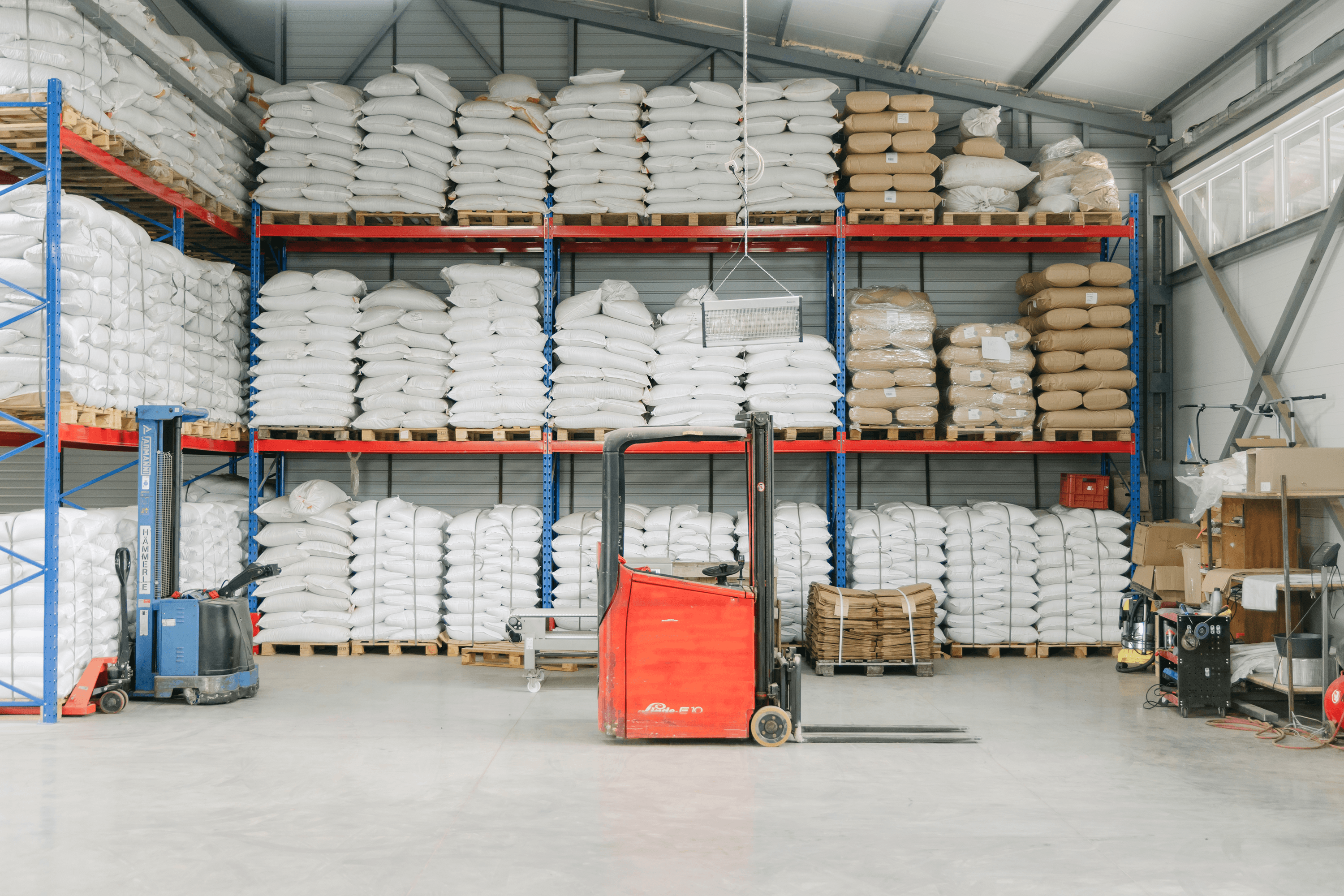
Photo: Mykhailo Melnychenko / YB 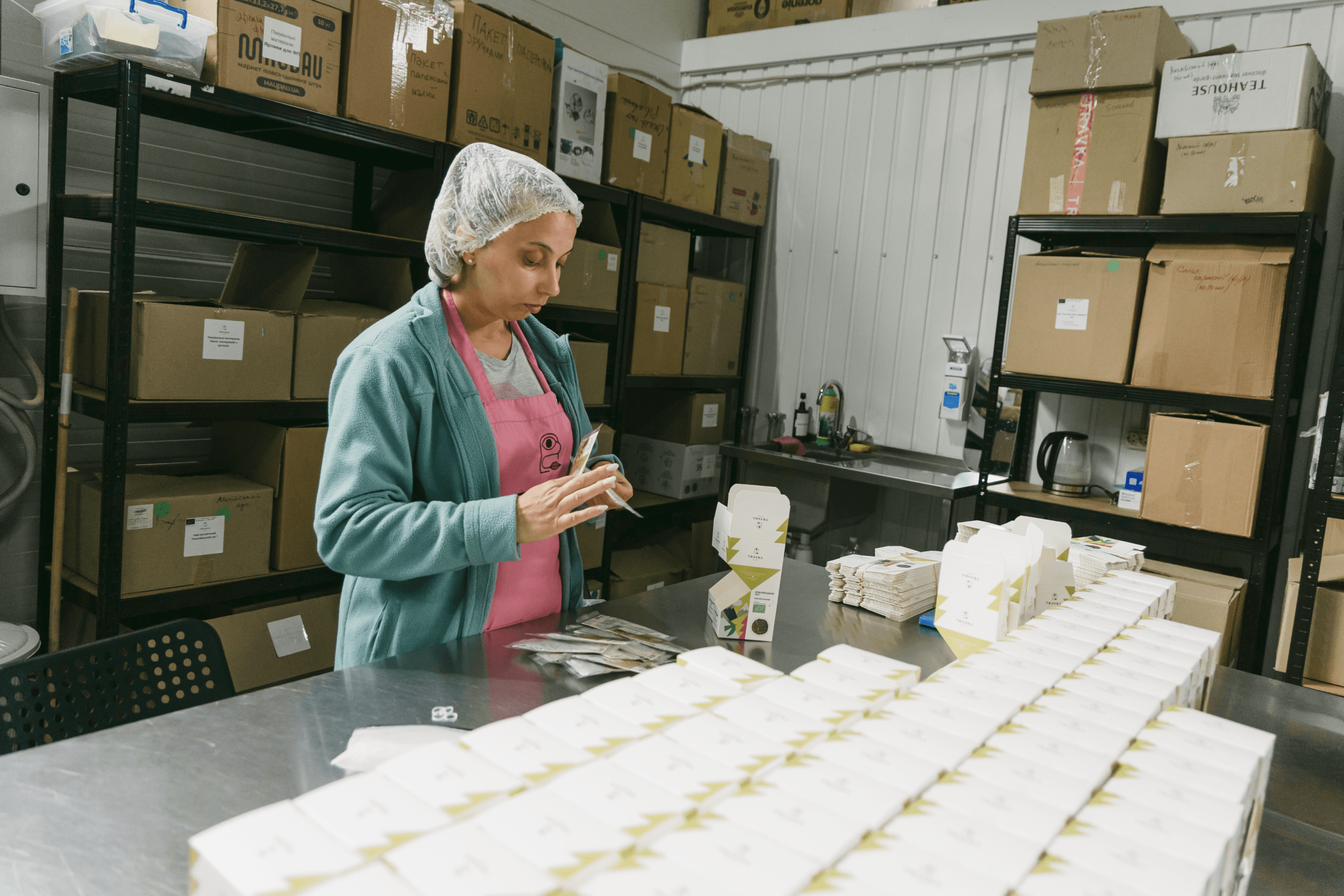
Photo: Mykhailo Melnychenko / YB 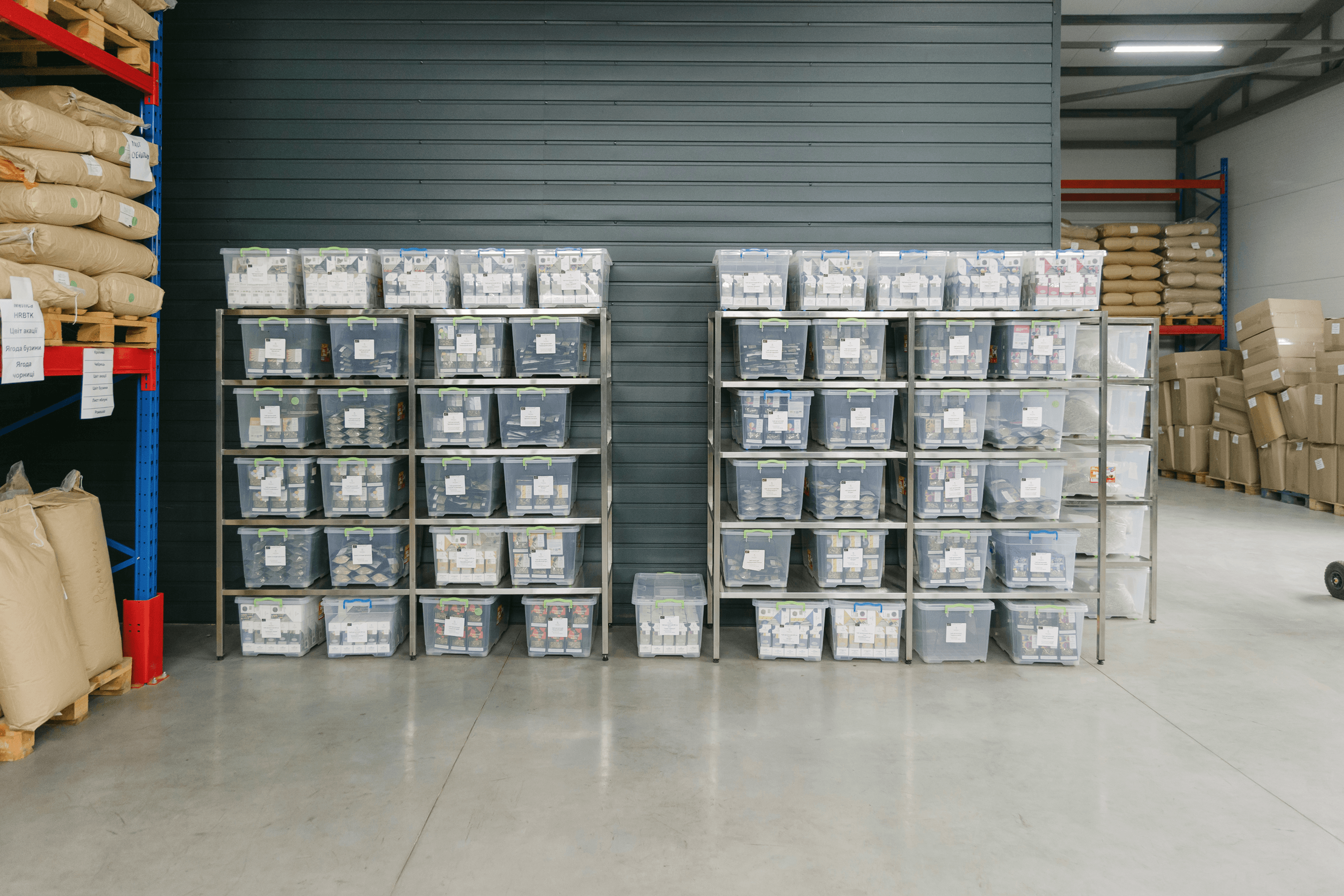
Photo: Mykhailo Melnychenko / YB 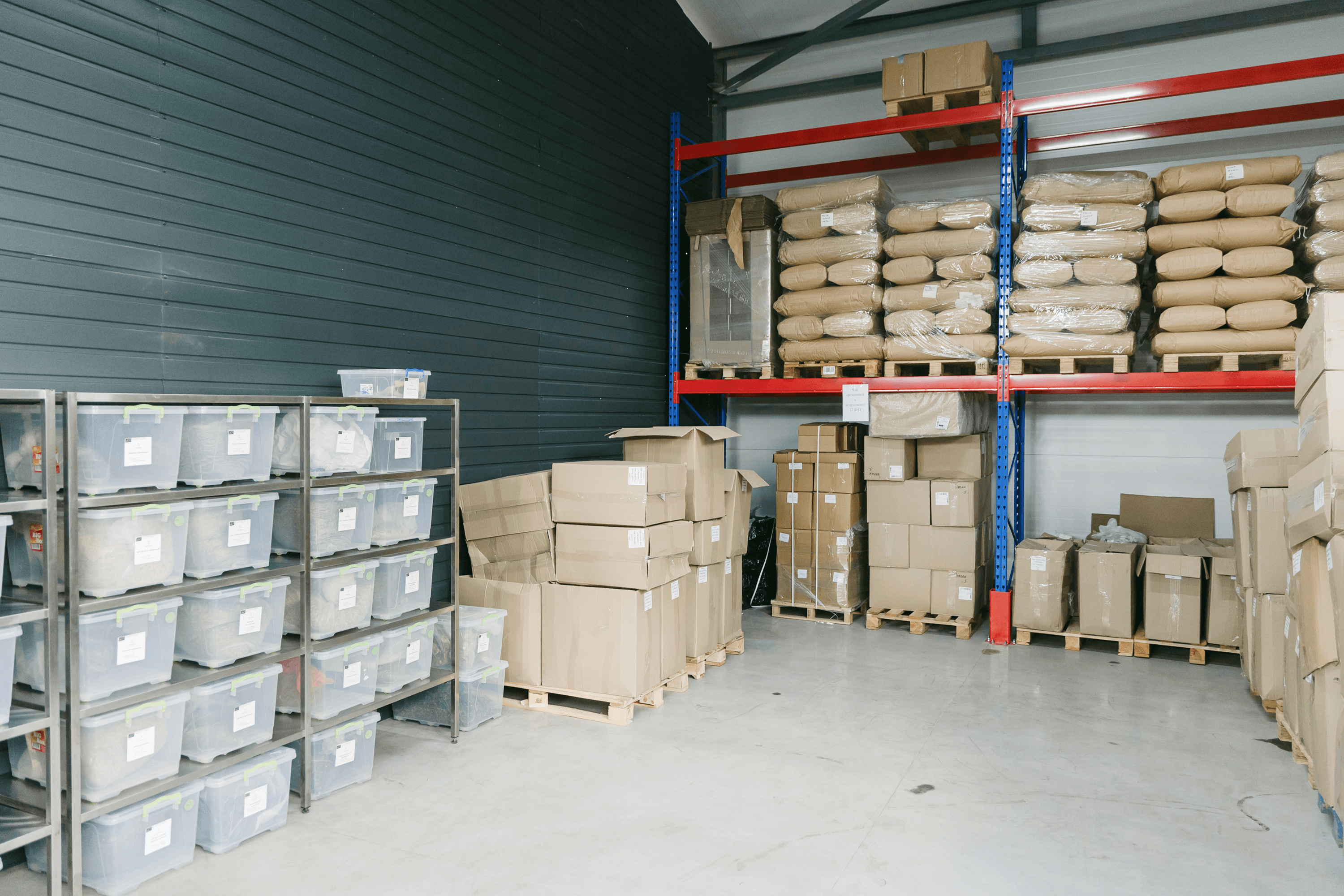
Photo: Mykhailo Melnychenko / YB
In 2022, a ban on entering forests was introduced in some Ukrainian regions, including Volyn, so it was unclear where the company could now source herbs and berries. The entrepreneurs began making arrangements with local farmers to grow herbs and sell them to Shans Vik. But this was not enough. Farmers can grow only certain crops, and only in limited quantities.
During the first years of the full-scale war, Shans Vik operated at only 10% of its production capacity. Meeting all of its clients' export requests was out of the question. If herbs and berries could be gathered in the forest near Berestiane, the company’s profits would grow by 50 to 70% each year, according to Olkhovyk.
“Then came a turning point. The company hit rock bottom and began to push off from it,” says Volodymyr Olkhovyk. “We realized that the war would last a long time and that we needed a new idea for these circumstances. That is how the TRAVKA organic tea brand appeared in 2024.”
3
The Shans Vik team spent about a year preparing to launch the brand. They developed a strategy, tea recipes, and packaging designs and researched the market. Finding the right formulations turned into a research project. The team studied literature on pharmacognosy and pharmacopoeia and even sought advice from herbalists in Volyn. They sent the recipes to a German tea manufacturer that Shans Vik had worked with for years. Its experts tasted the teas and offered recommendations on which ingredients should be added or removed to make the flavors more balanced.
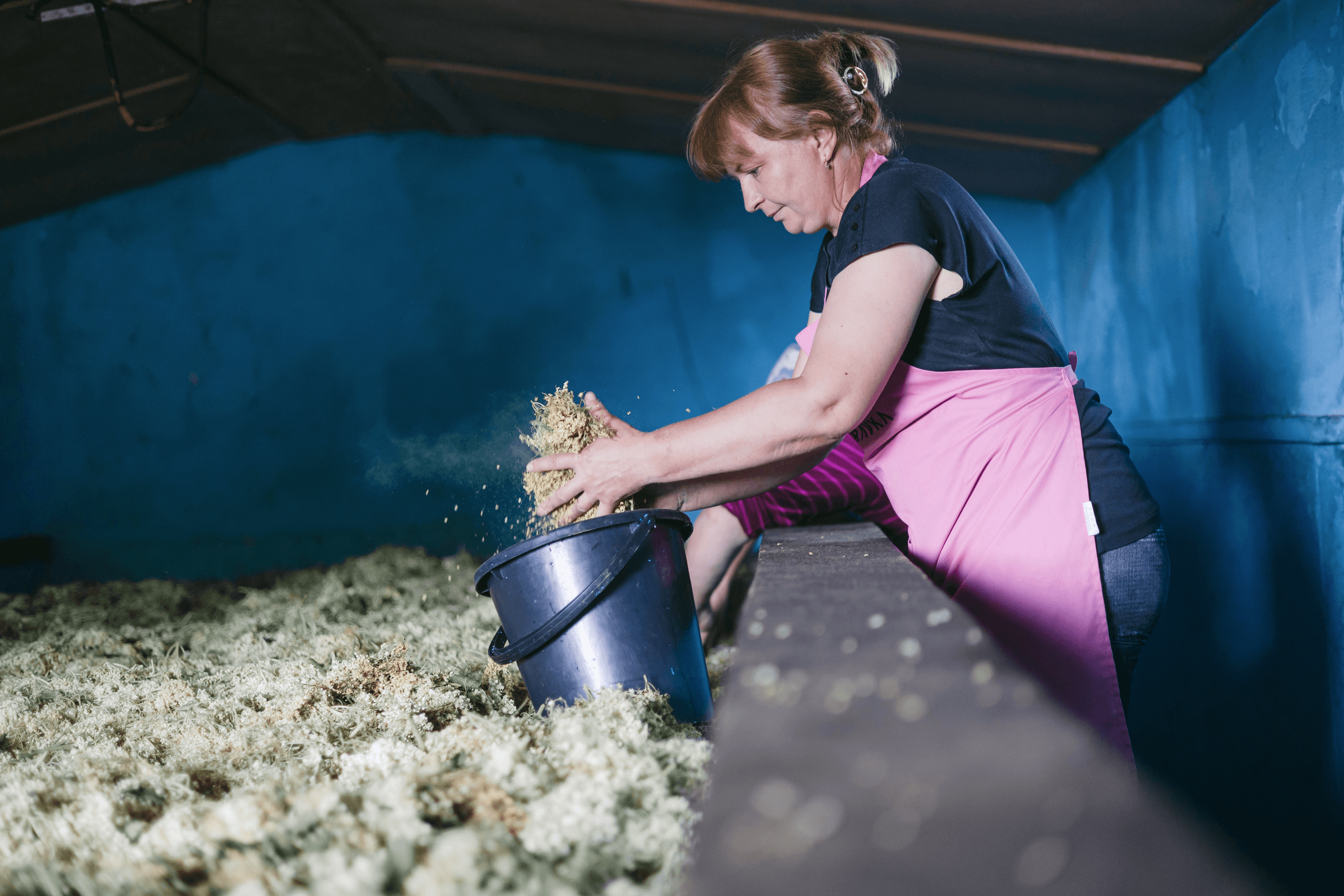
Photo: Mykhailo Melnychenko / YB 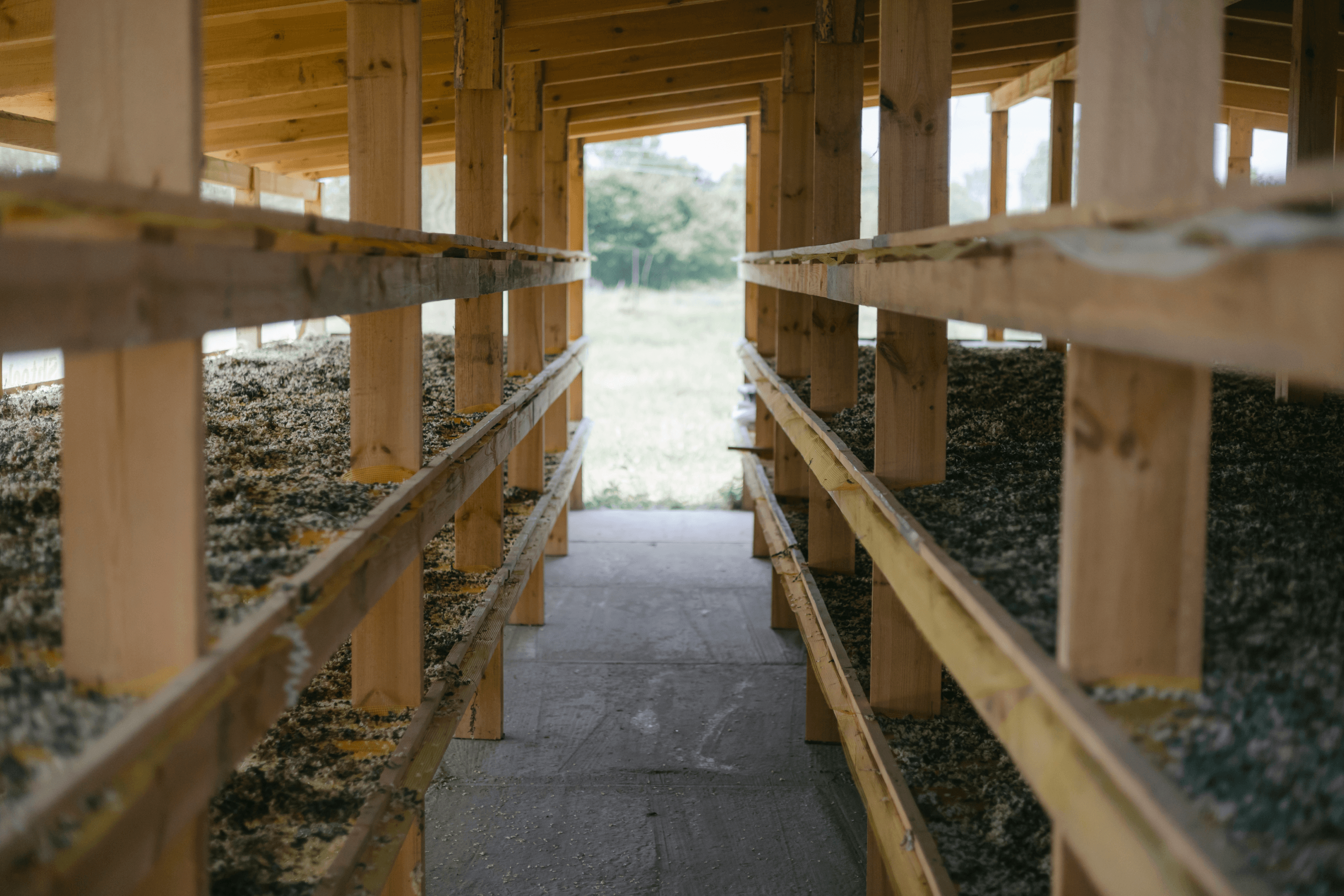
Photo: Mykhailo Melnychenko / YB 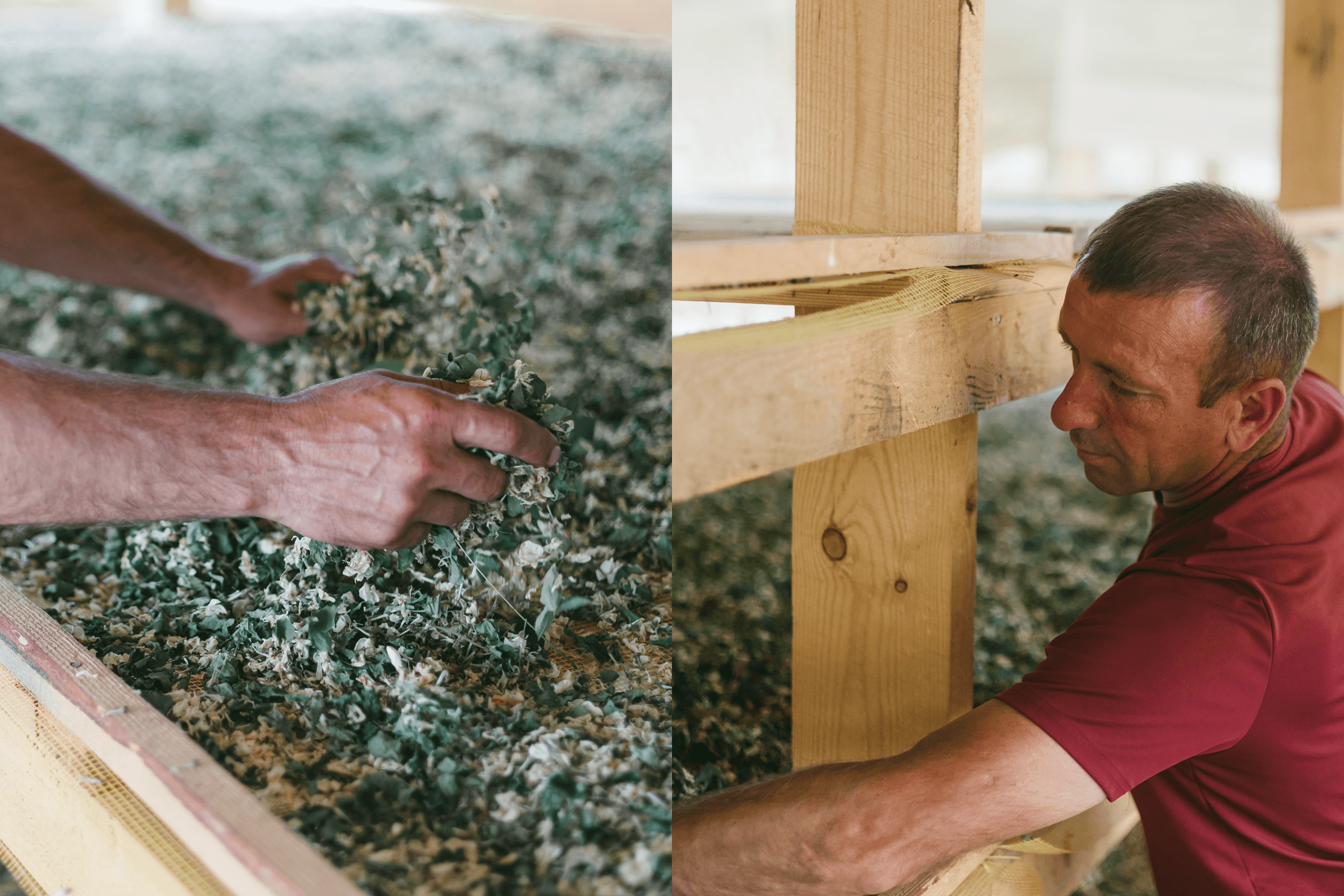
Photo: Mykhailo Melnychenko / YB 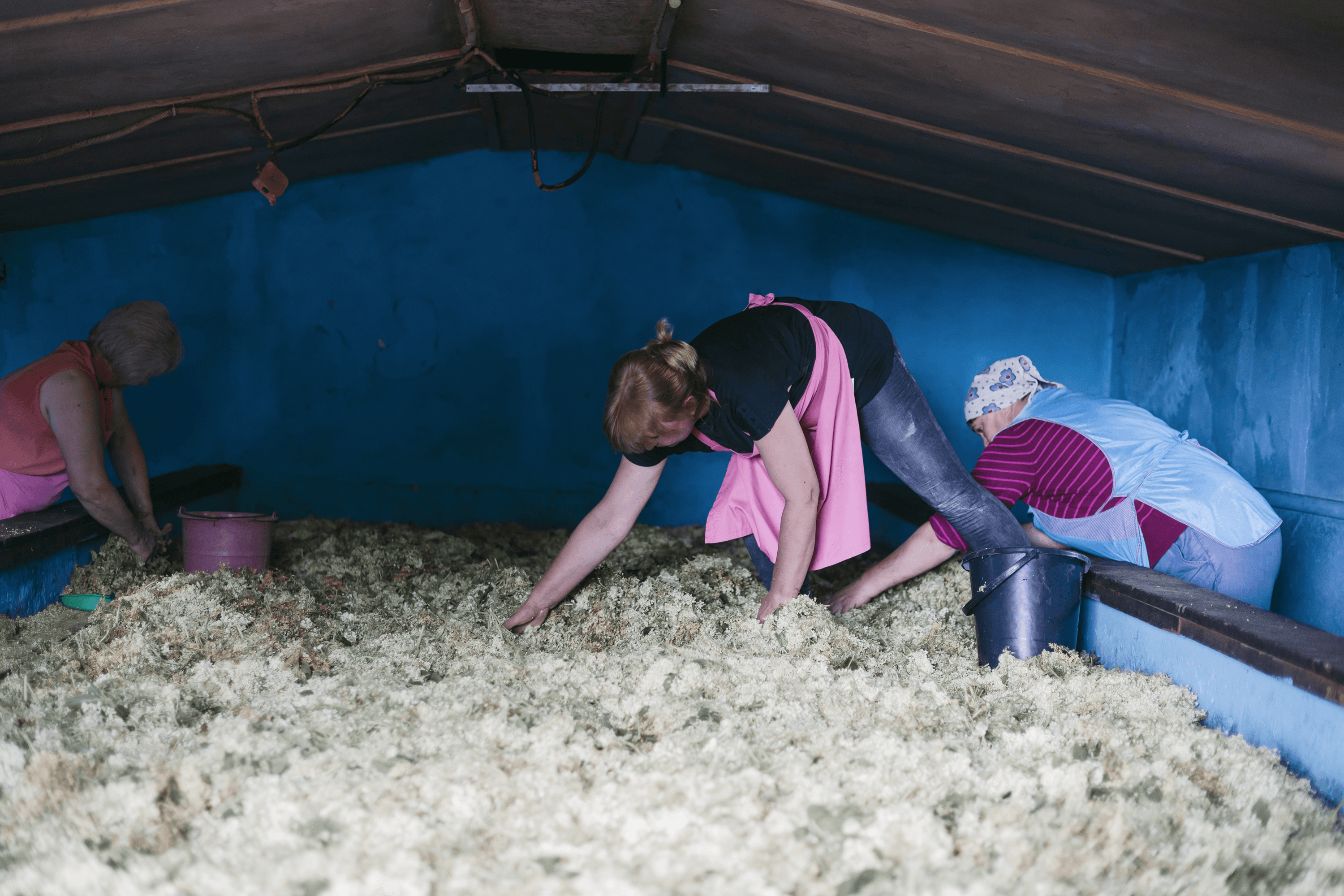
Photo: Mykhailo Melnychenko / YB 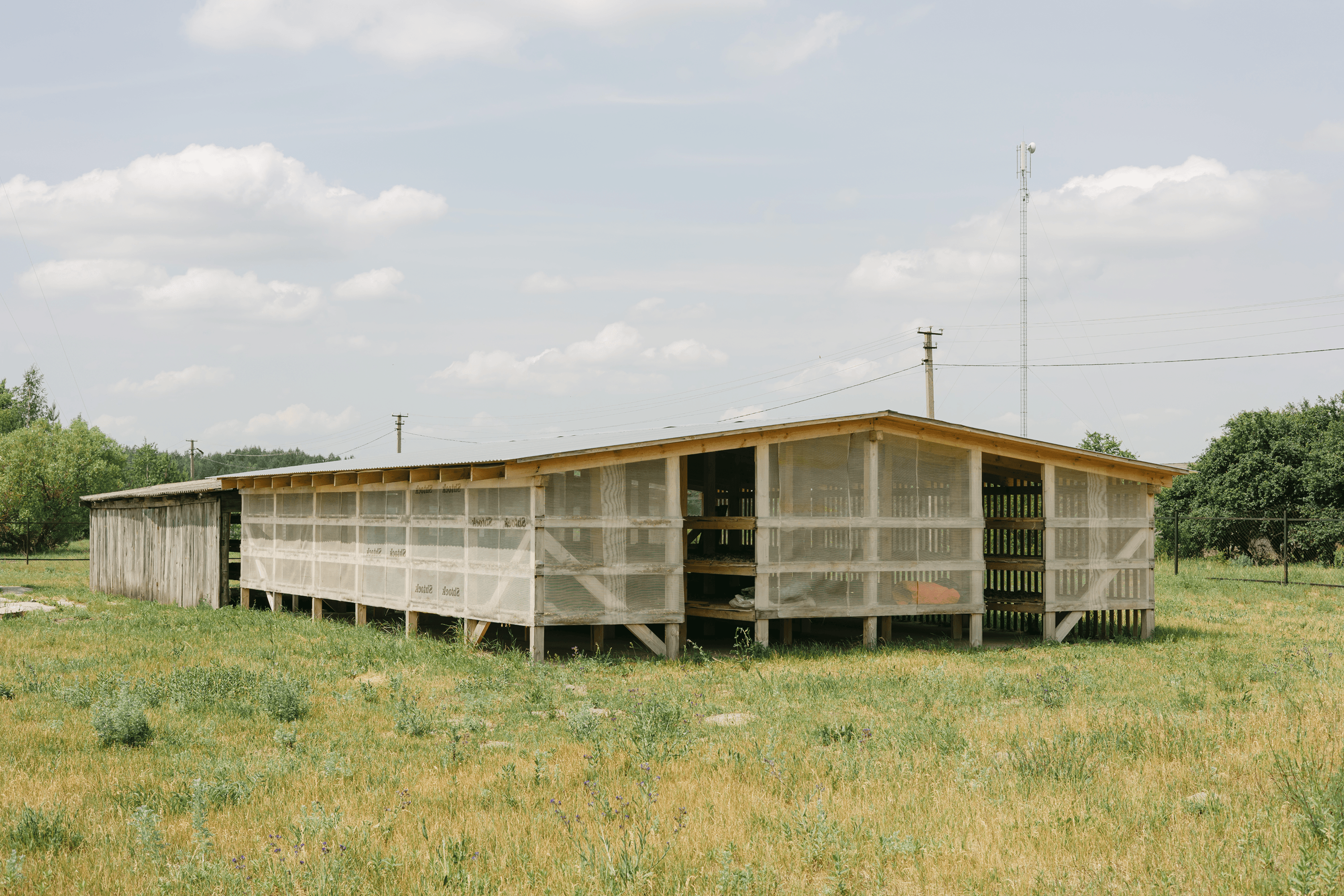
Photo: Mykhailo Melnychenko / YB
As part of its market research, the Shans Vik team tasted teas from Ukrainian and Western producers and analyzed their ingredients, prices, and production approaches. The entrepreneurs realized that competition was strongest in the mid-range and lower-priced segments. There were few producers of more expensive organic teas in Ukraine, so they decided to focus specifically on this segment.
To produce the teas, the entrepreneurs opened a separate section at their plant in Lutsk, where the tea blends are mixed before being sent to Kyiv for packaging. All of this requires investment, and in addition to putting in their own money, Olkhovyk and Sosinskyi apply for grants and take out loans.
TRAVKA currently offers more than 20 varieties of tea. Its range includes loose-leaf and bagged tea, gift sets with different flavors, and separately packaged herbs and berries for brewing. There are classic teas, such as Alpine Meadow, as well as unusual ones. Red Magic, for example, contains fly agaric “in carefully controlled amounts.”
“My favorite tea of ours is Spiritual Inspiration with thyme,” says Volodymyr Olkhovyk. “Thyme is generally an underrated herb. It tastes good, smells wonderful, and grows well. The Cossacks used to brew it, and we have modernized their recipe.”
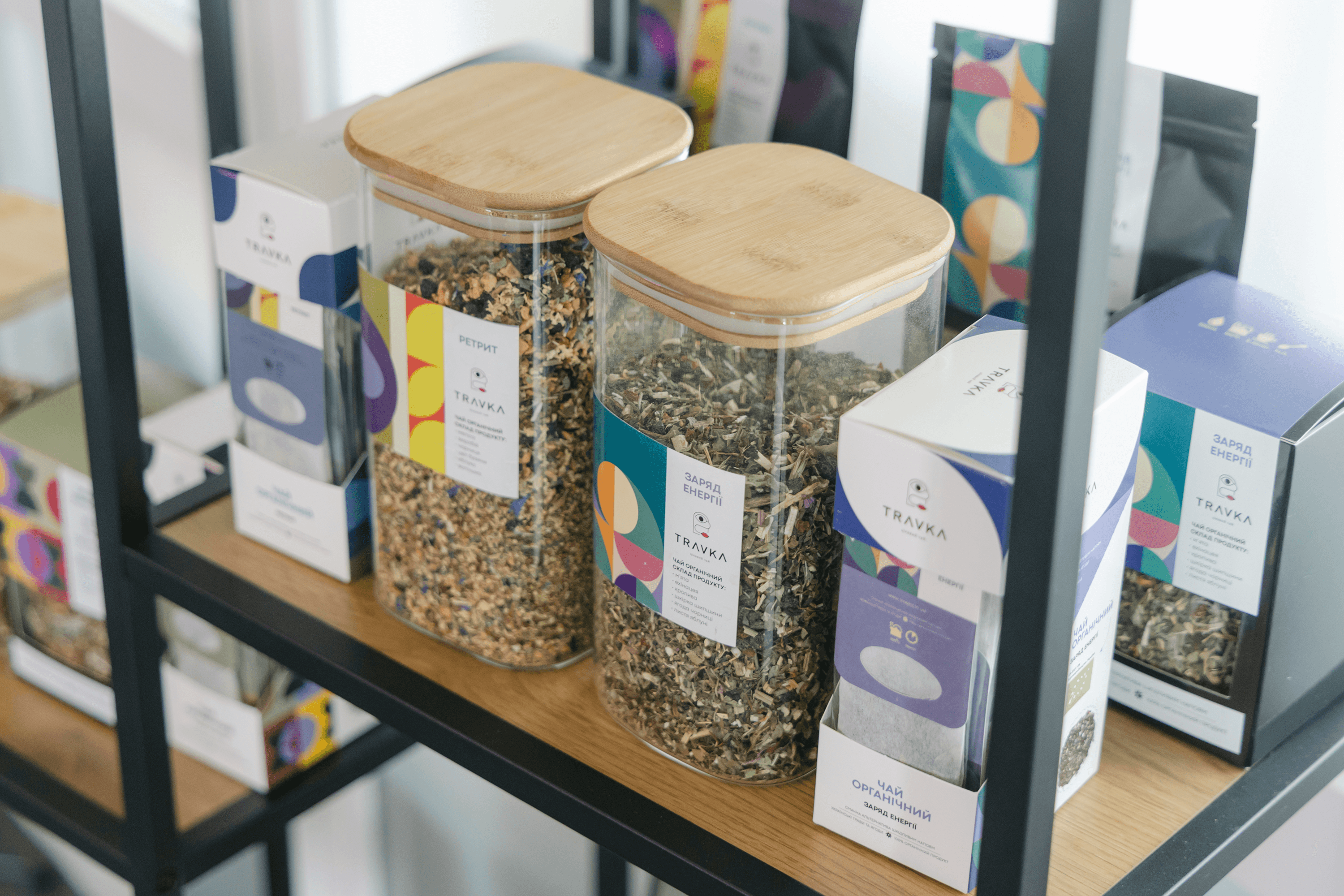
Photo: Mykhailo Melnychenko / YB 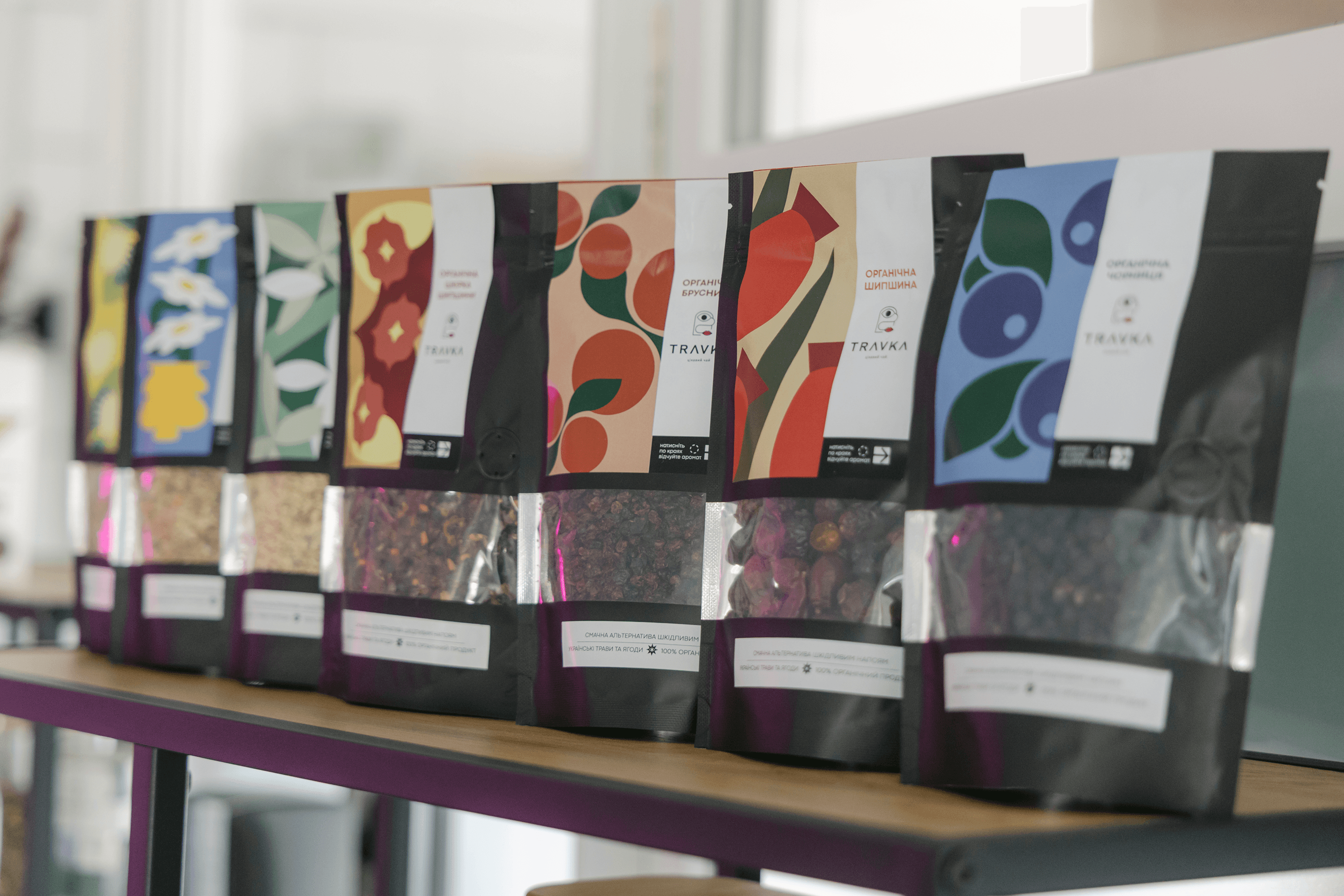
Photo: Mykhailo Melnychenko / YB 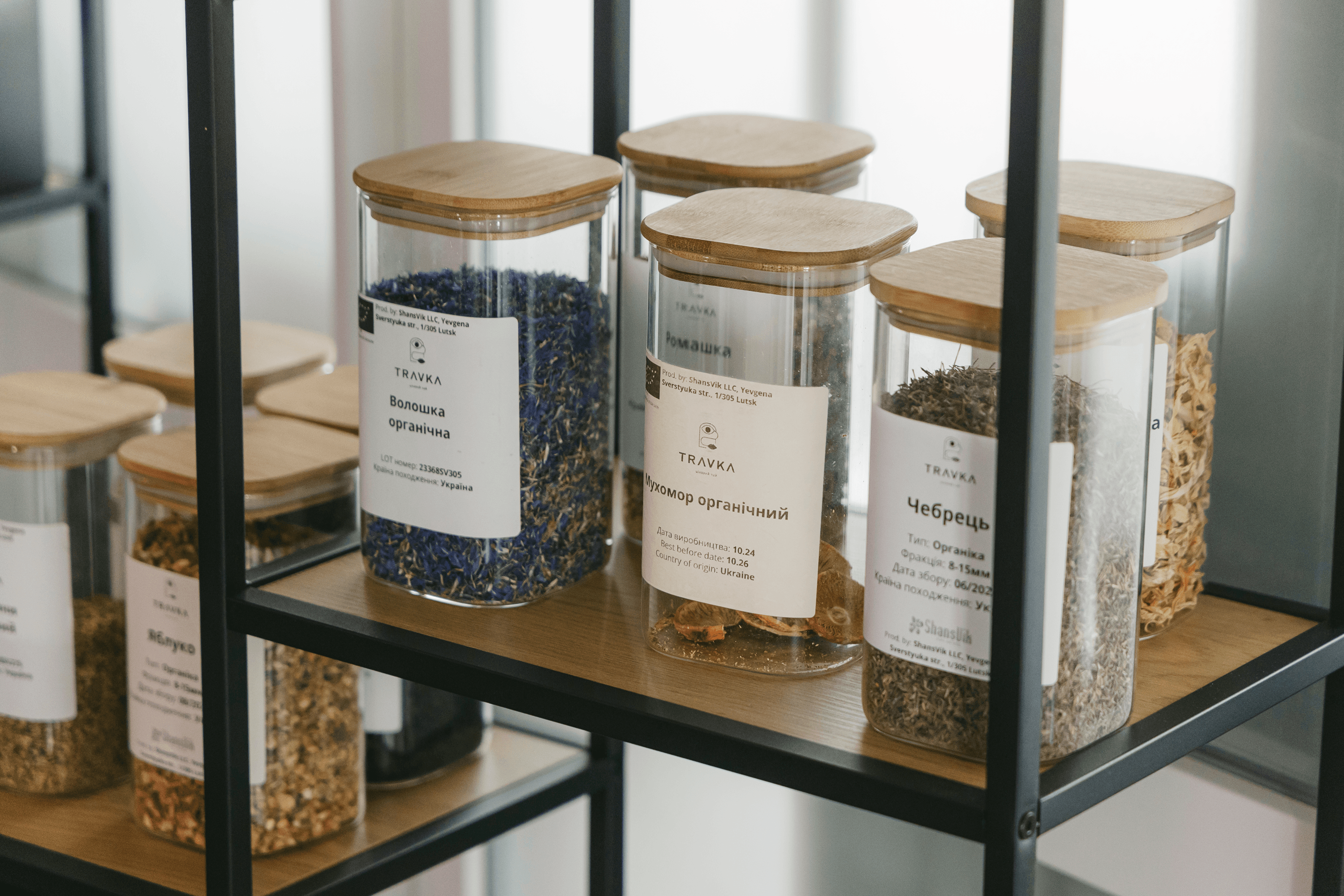
Photo: Mykhailo Melnychenko / YB
In June 2024, TRAVKA teas appeared in stores in Lutsk, and it was not long before the entrepreneurs noticed that visitors to the city often bought it as a souvenir from Volyn. TRAVKA is now also sold at Silpo and Goodwine stores in Kyiv. The brand already has agreements to sell through other retail chains, and TRAVKA will soon appear in stores across Ukraine.
About a year ago, a TRAVKA account appeared on Etsy. The team is actively developing it, and sales have been growing rapidly over the past six months, with customers from Spain, the United Kingdom, and the United States ordering the tea.
In the brand’s second year, TRAVKA’s profit grew by 40%. However, exports of dried herbs and berries to Germany, Poland, and Austria still generate most of Shans Vik’s revenue, while tea accounts for only 5% of turnover. During the years of the full-scale war, the company’s export volumes have fallen by half. Last year, however, the ban on entering forests in Volyn was relaxed, so the entrepreneurs plan to look for new clients in Europe and increase exports again. But they do not plan to return to their old business model.
“Creating our own product, tea, was a logical step in our development,” says Volodymyr Olkhovyk. “And although making and selling it is much more difficult than simply exporting herbs, right now, our priority is TRAVKA. We want to use it to establish ourselves in the Ukrainian market and later enter foreign markets.”