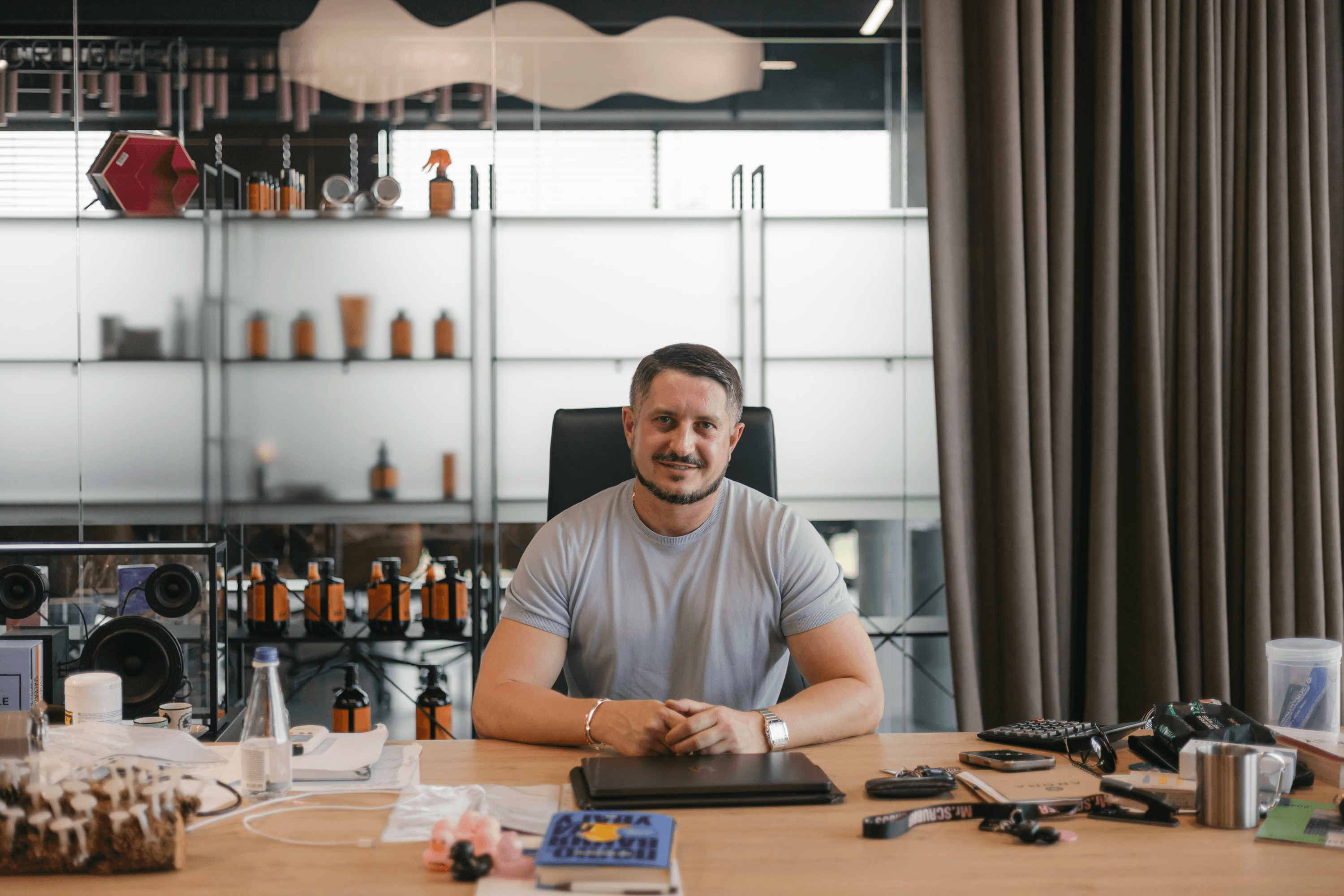
In 2015, two friends from Lutsk, Vitalii Tkachuk and Serhii Kashuba, launched the cosmetics brand Mr.SCRUBBER. They started with a single product: coffee scrubs. Over nearly 11 years, the business has grown into the multi-brand company Beauty Land, with more than 700 products and five active brands.
In 2024, the company completed construction of its first factory, is preparing to launch a second one, and is actively expanding exports to EU countries and the Middle East.
Yellow Blue journalist Artem Moskalenko spoke with Beauty Land co-founder and CEO Vitalii Tkachuk about the company’s growth, in-house manufacturing, and export ambitions.
How was the Mr.SCRUBBER brand born, and why did you start with coffee scrubs?
My partner and I wanted to start a business. We noticed the growing trend of coffee scrubs in Australia and the United States and decided to fill that niche in Ukraine. We had no experience in either the cosmetics or chemical industries, so one of the advantages of coffee scrubs was their simple formula: coffee, sea salt, cane sugar, and vegetable oils. They also deliver an immediate before-and-after effect by exfoliating dead skin cells and moisturizing the skin. People like that.
For the first six months, it was just the two of us. We rented a small space, brought in a formulation chemist on an outsourced basis to help develop the recipe, carried out the required testing, obtained all the necessary approvals, and started selling the scrub.
You began exporting almost immediately. How did that happen?
Design played an important role. We created bright packaging with large English-language text. Whether consciously or not, we ended up with a product that had multinational positioning from the very beginning.
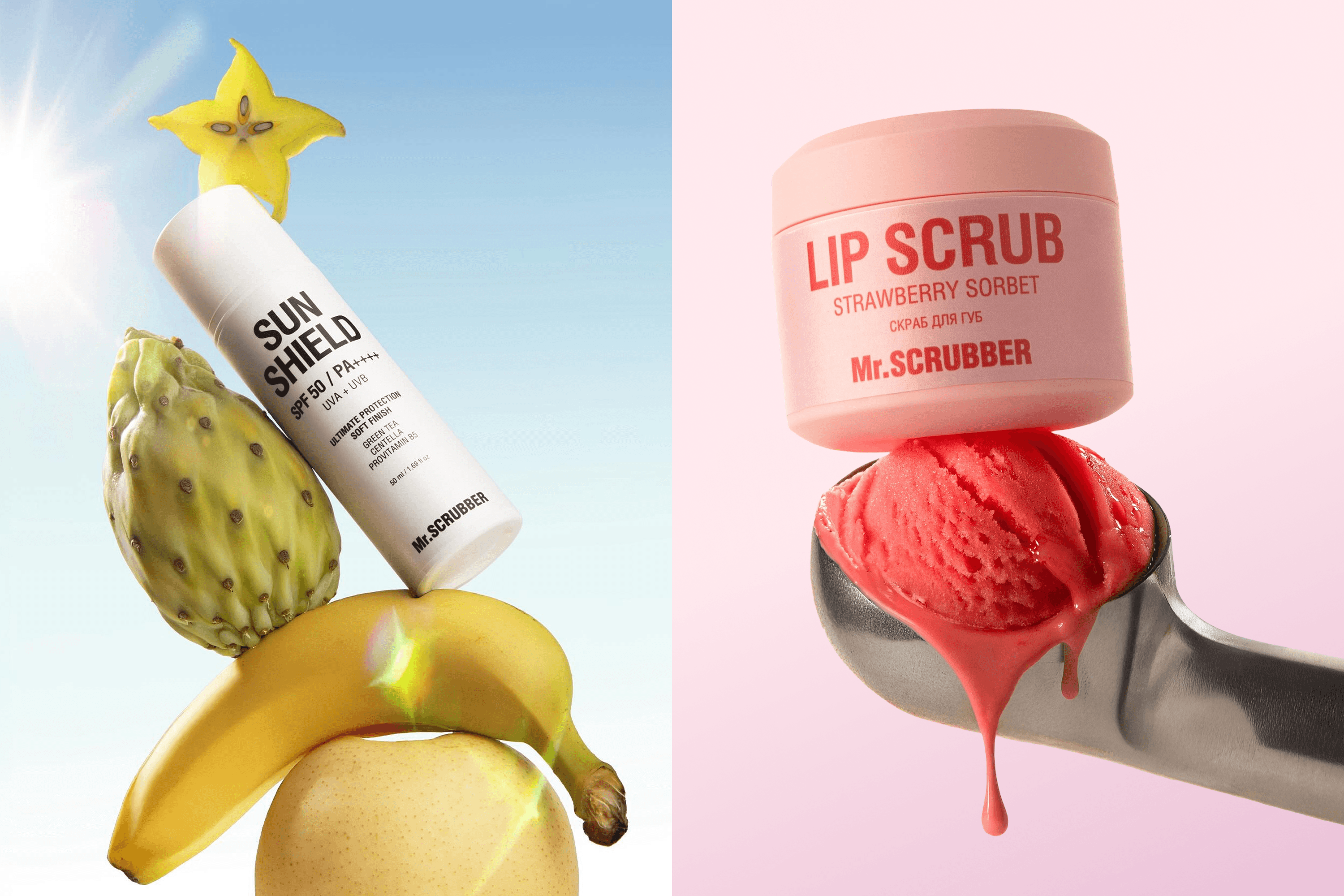
Some products from the Mr.SCRUBBER product range. Photo: mr.scrubber / Instagram / YB 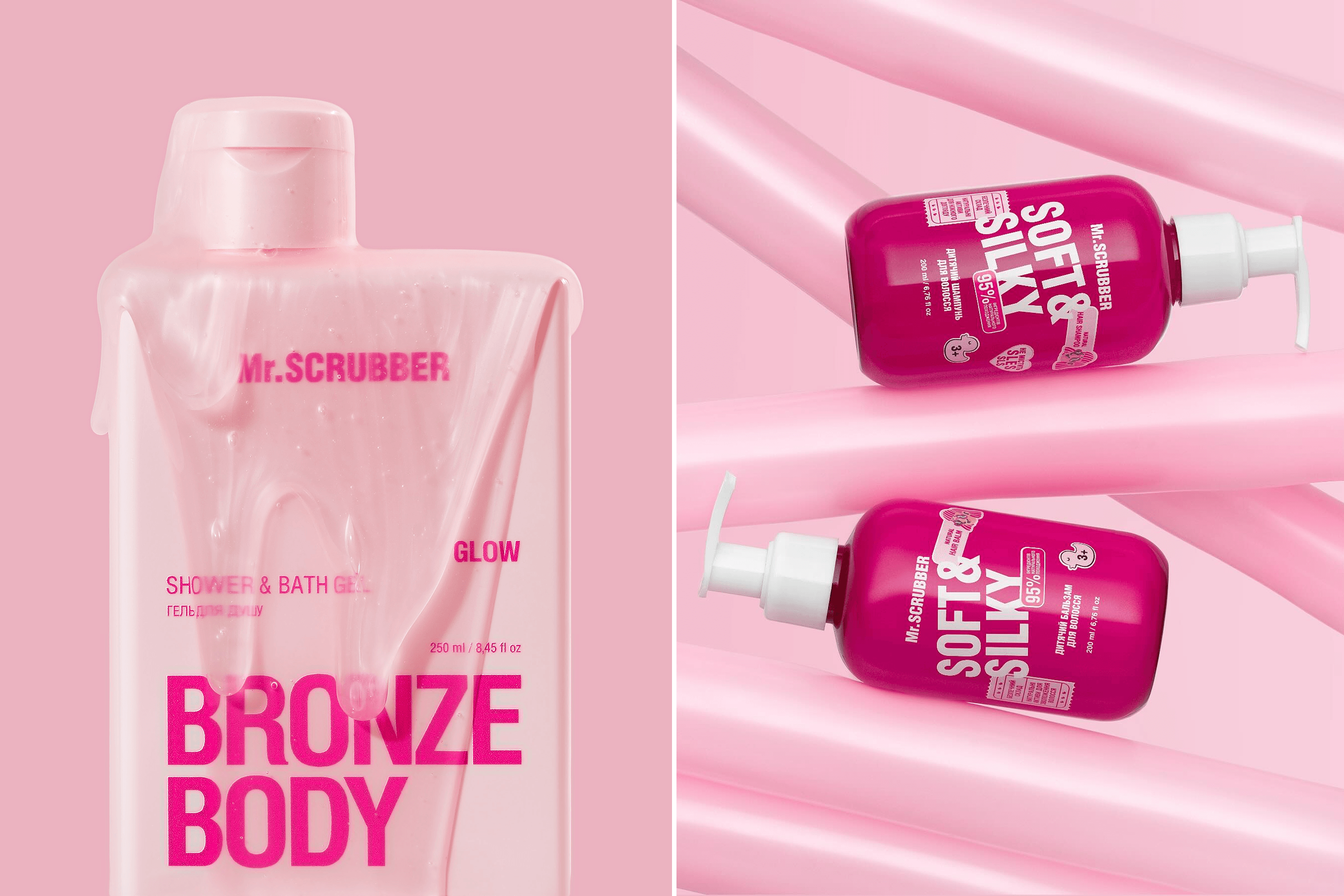
Photo: mr.scrubber / Instagram / YB 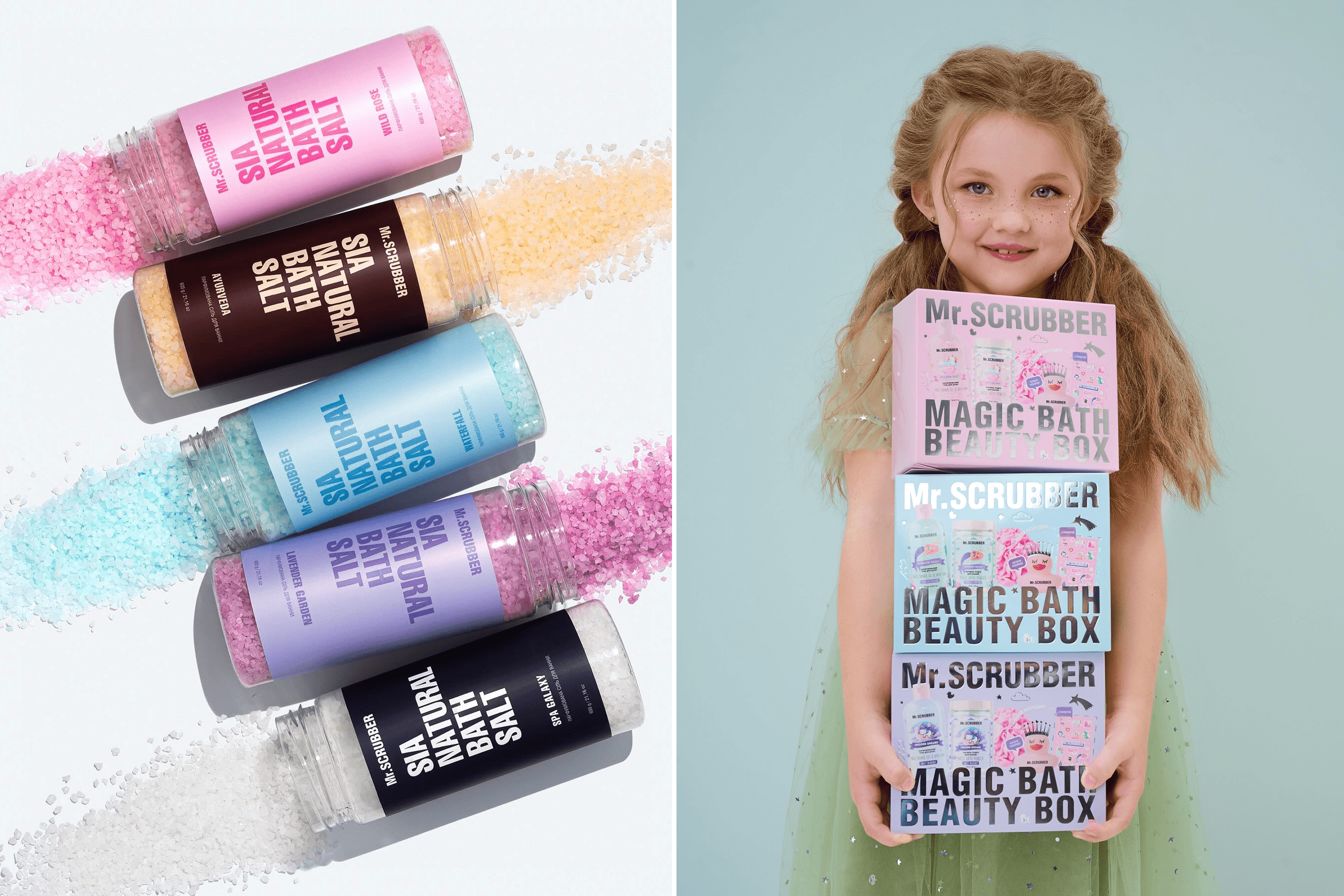
Photo: mr.scrubber / Instagram / YB 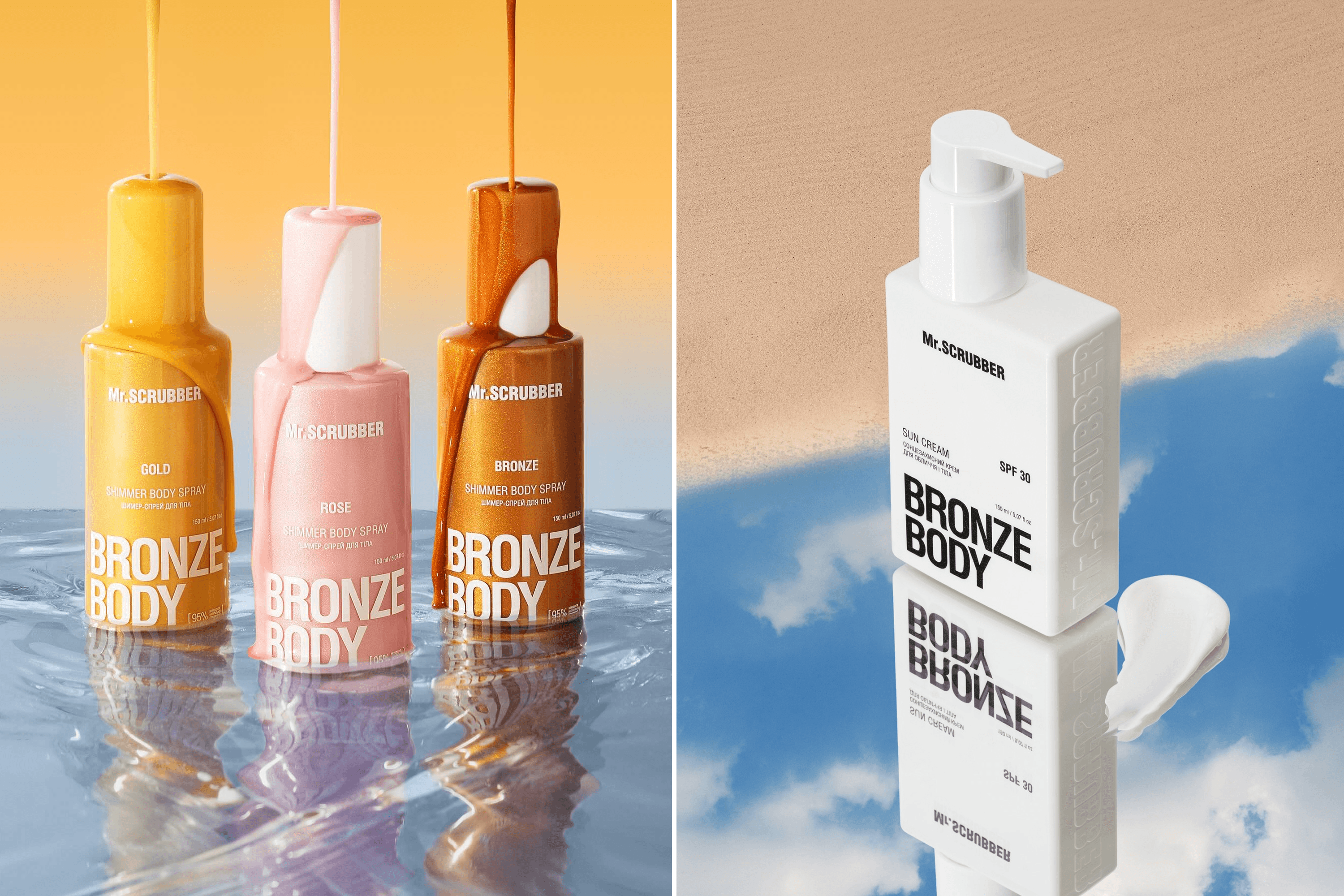
Photo: mr.scrubber / Instagram / YB 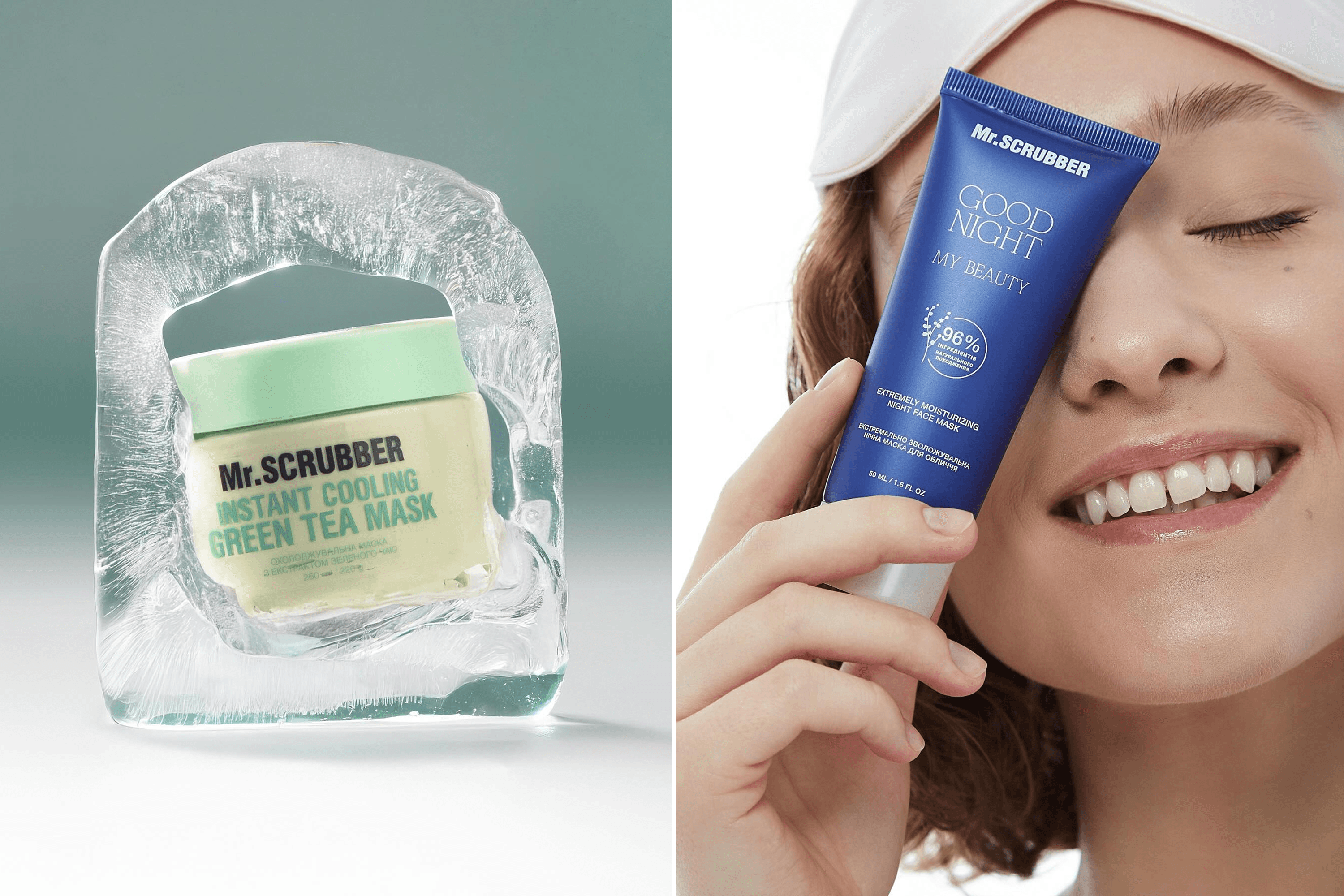
Photo: mr.scrubber / Instagram / YB 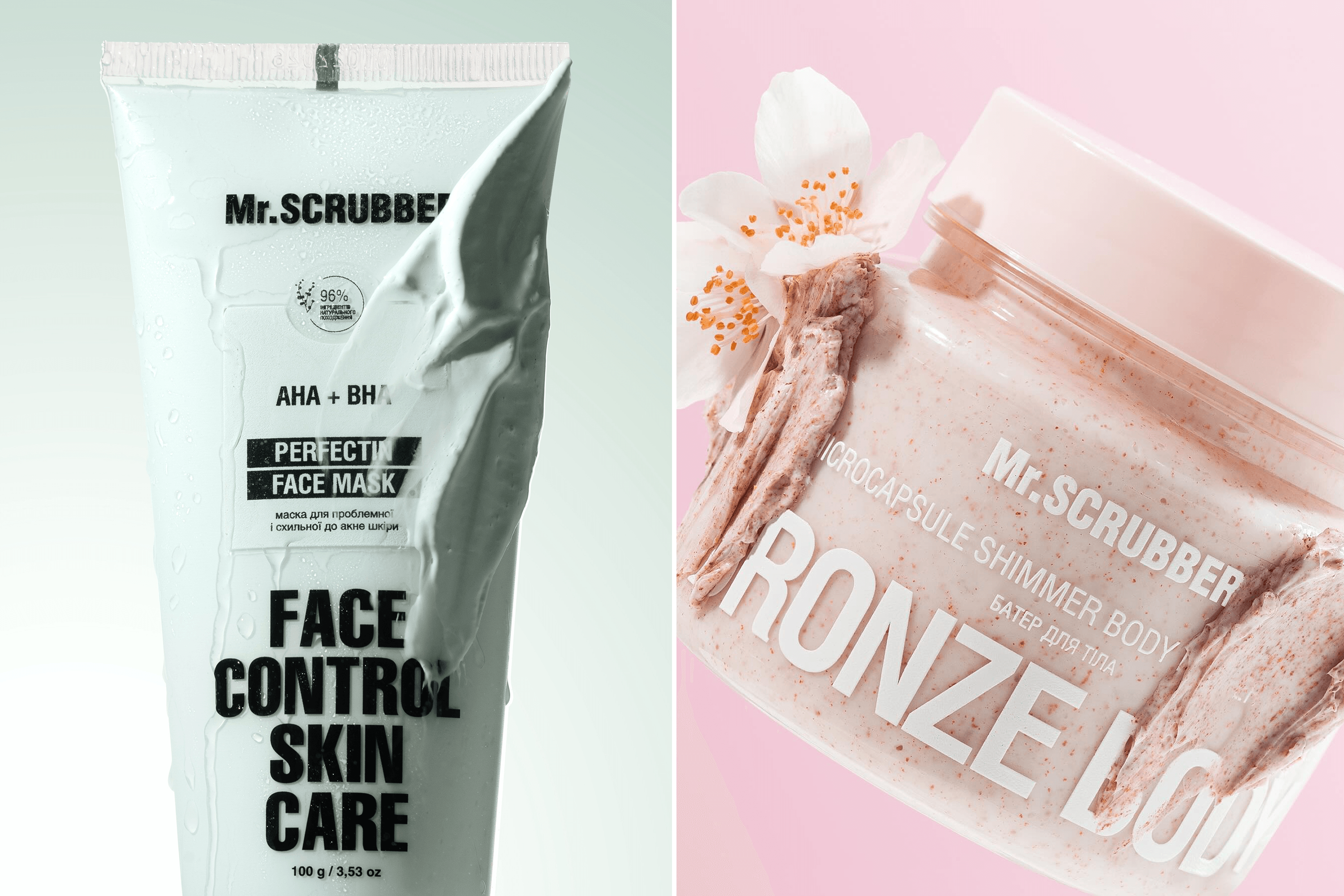
Photo: mr.scrubber / Instagram / YB
The second factor was Instagram. Ten years ago, it was only beginning to develop as a tool for promoting brands, but we started using it actively right away. Before launching Mr.SCRUBBER, we had already been selling accessories and costume jewelry through Instagram, so we understood its audience well and knew how to work with it.
As a result, distributors from Kazakhstan, Poland, and Moldova became interested in us during our very first year. We signed our first export contract in 2016 with partners in Moldova, and we still work with them today. They operate two branded Mr.SCRUBBER stores in Chișinău and have their own distribution network.
Від одного продукту ви масштабувалися до понад 700 позицій. Як вам це вдалося?
You scaled from a single product to more than 700 items. How did you manage that?
Sometimes we surprise ourselves. As early as our second year, customers began asking, “Do you have a lip scrub?” “What about a sugar scrub?” “Do you make face masks?” The market and consumers pushed us to expand our product range.
At first, we developed new products together with an outsourced formulation chemist while gradually building our own expertise in formulas, ingredients, and how cosmetics work in general. Later, we hired our first in-house formulation chemist, and today we have a full R&D laboratory.
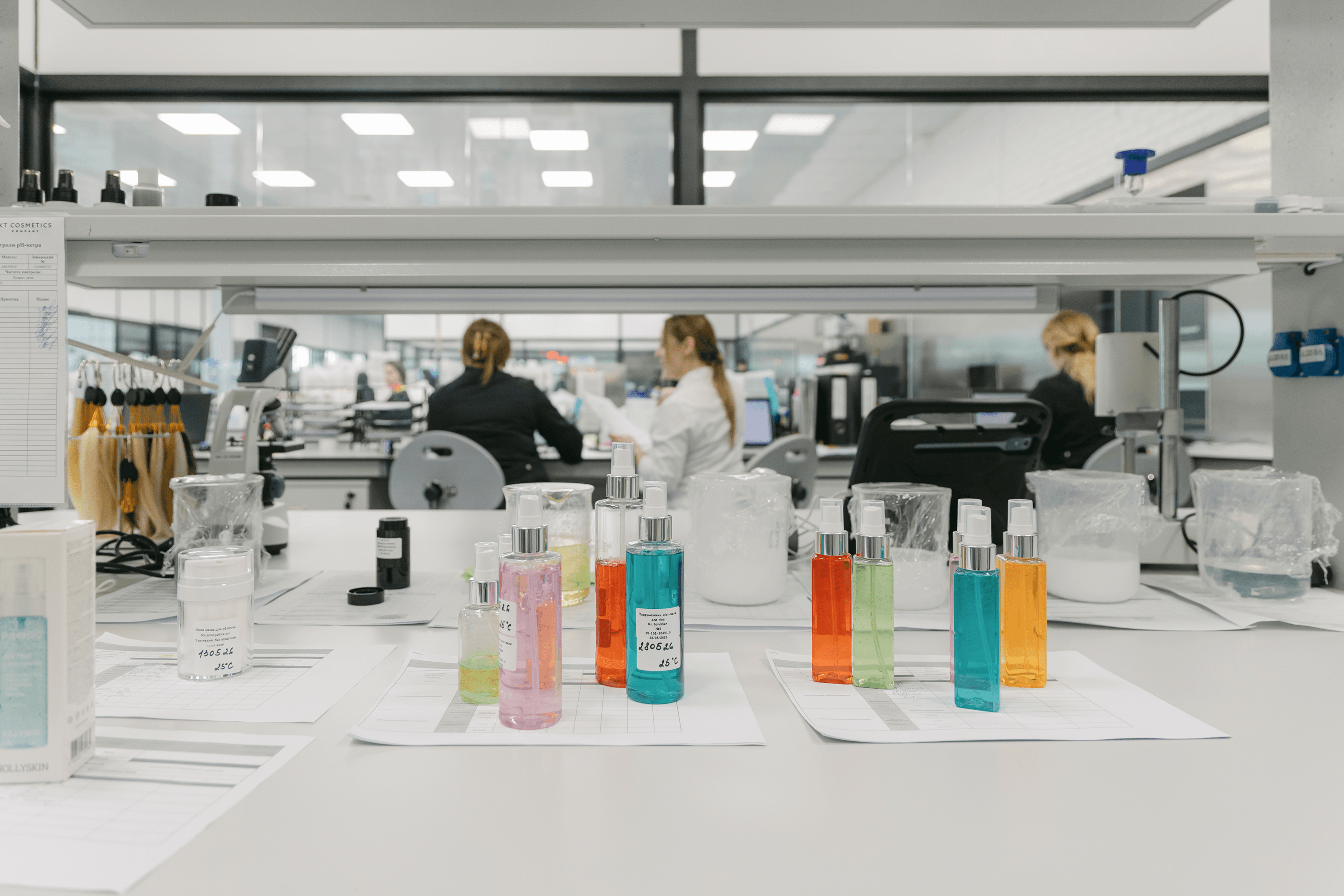
The production process at the Mr.SCRUBBER manufacturing facility. Photo: Mykhailo Melnychenko / YB 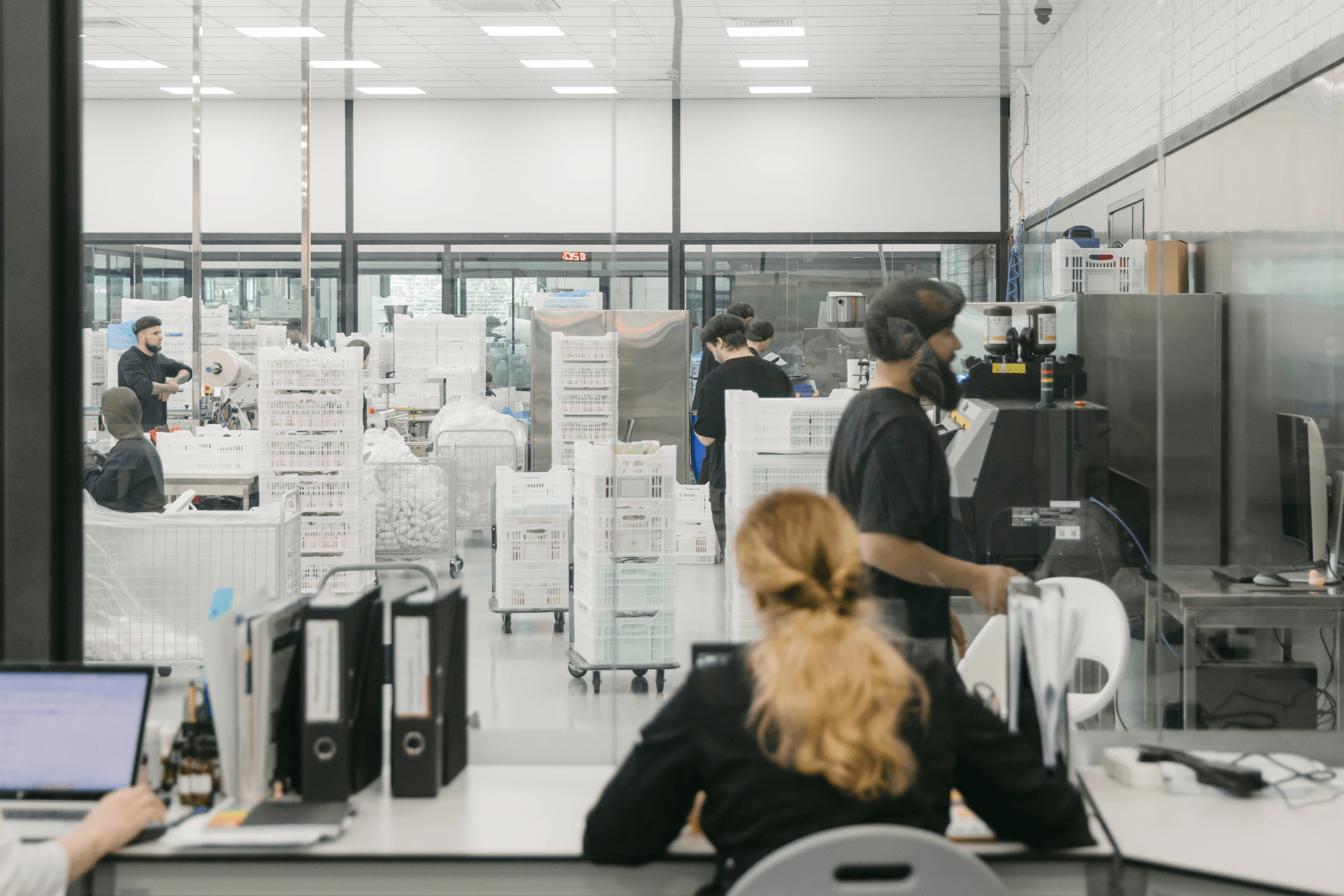
Photo: Mykhailo Melnychenko / YB 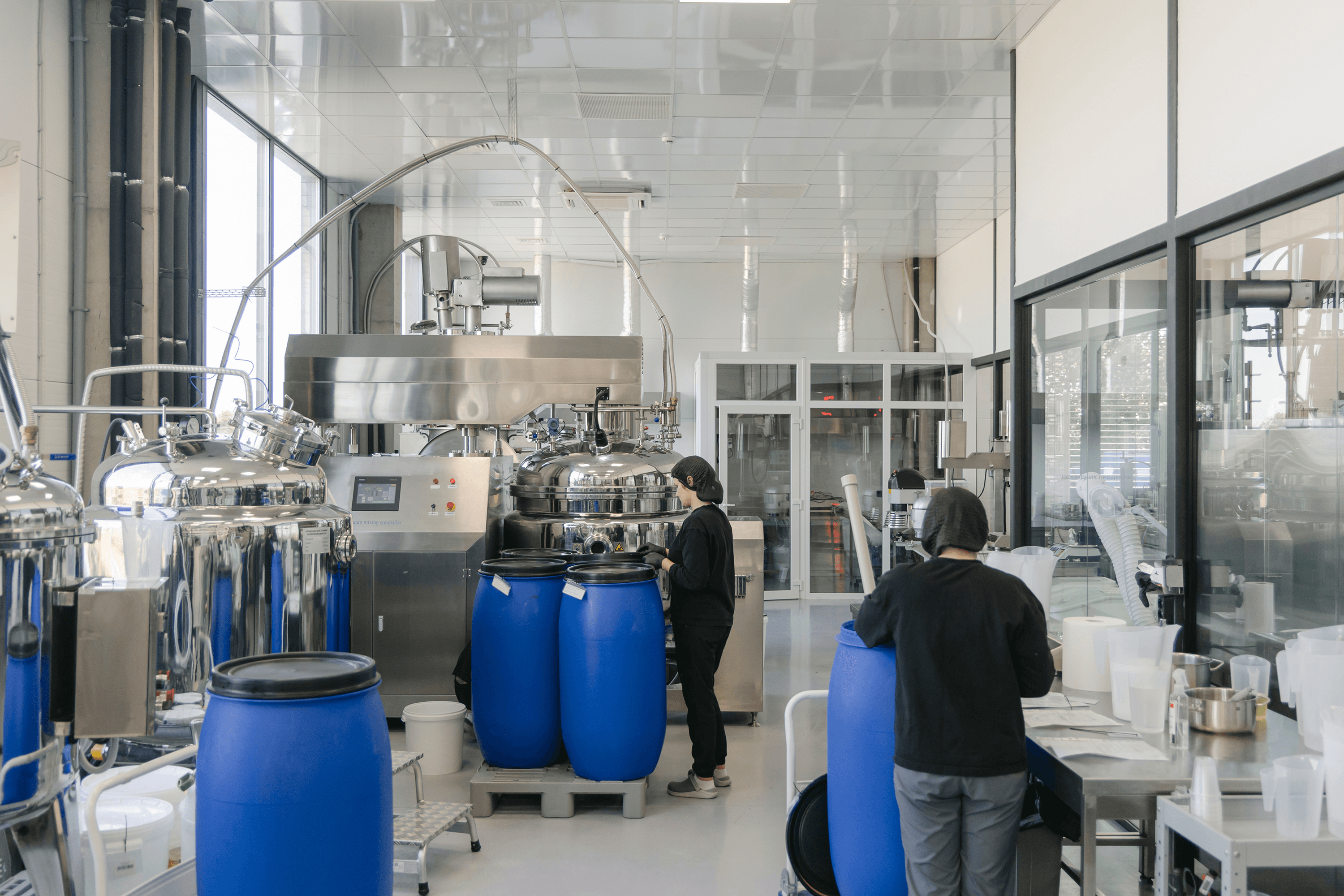
Photo: Mykhailo Melnychenko / YB 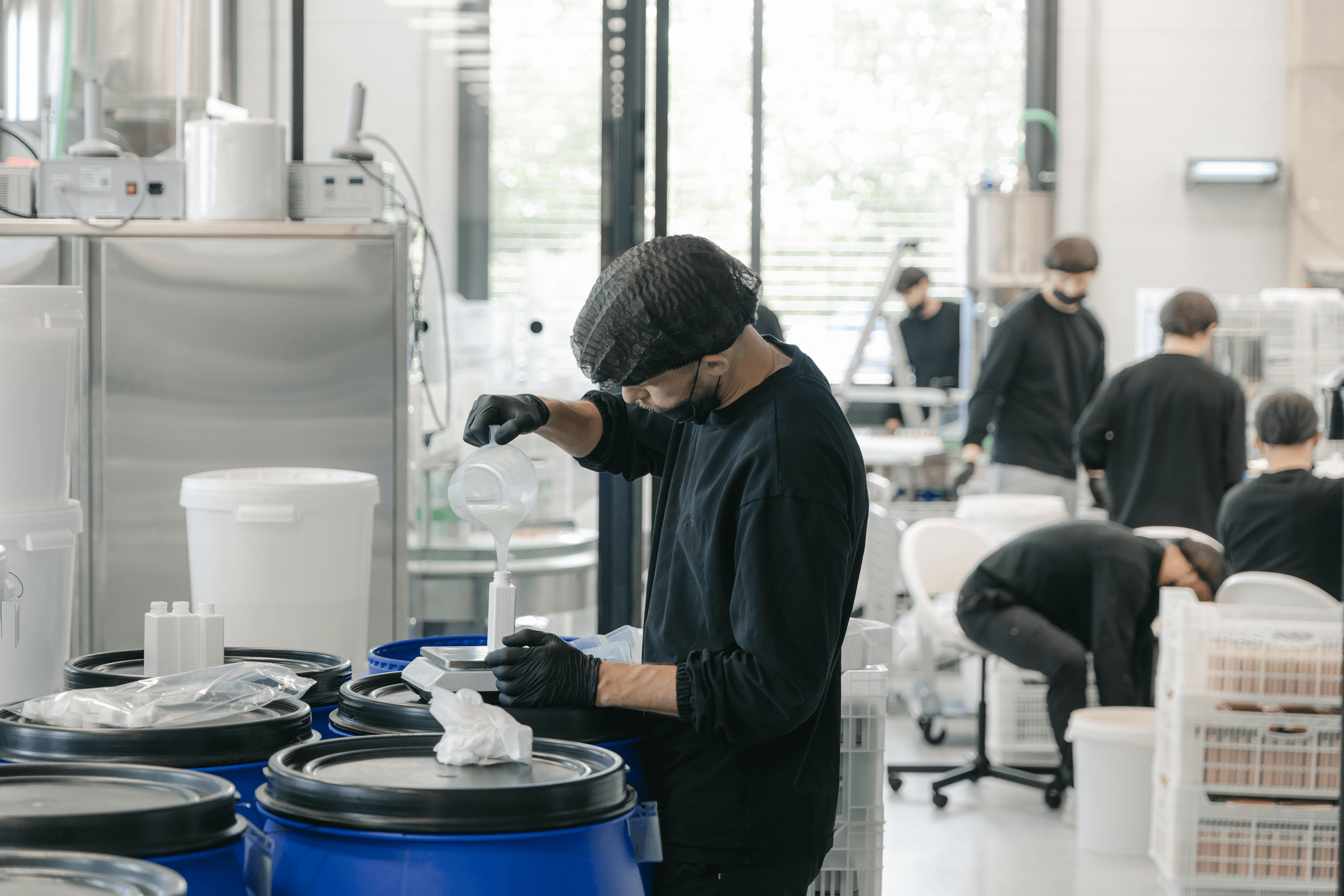
Photo: Mykhailo Melnychenko / YB 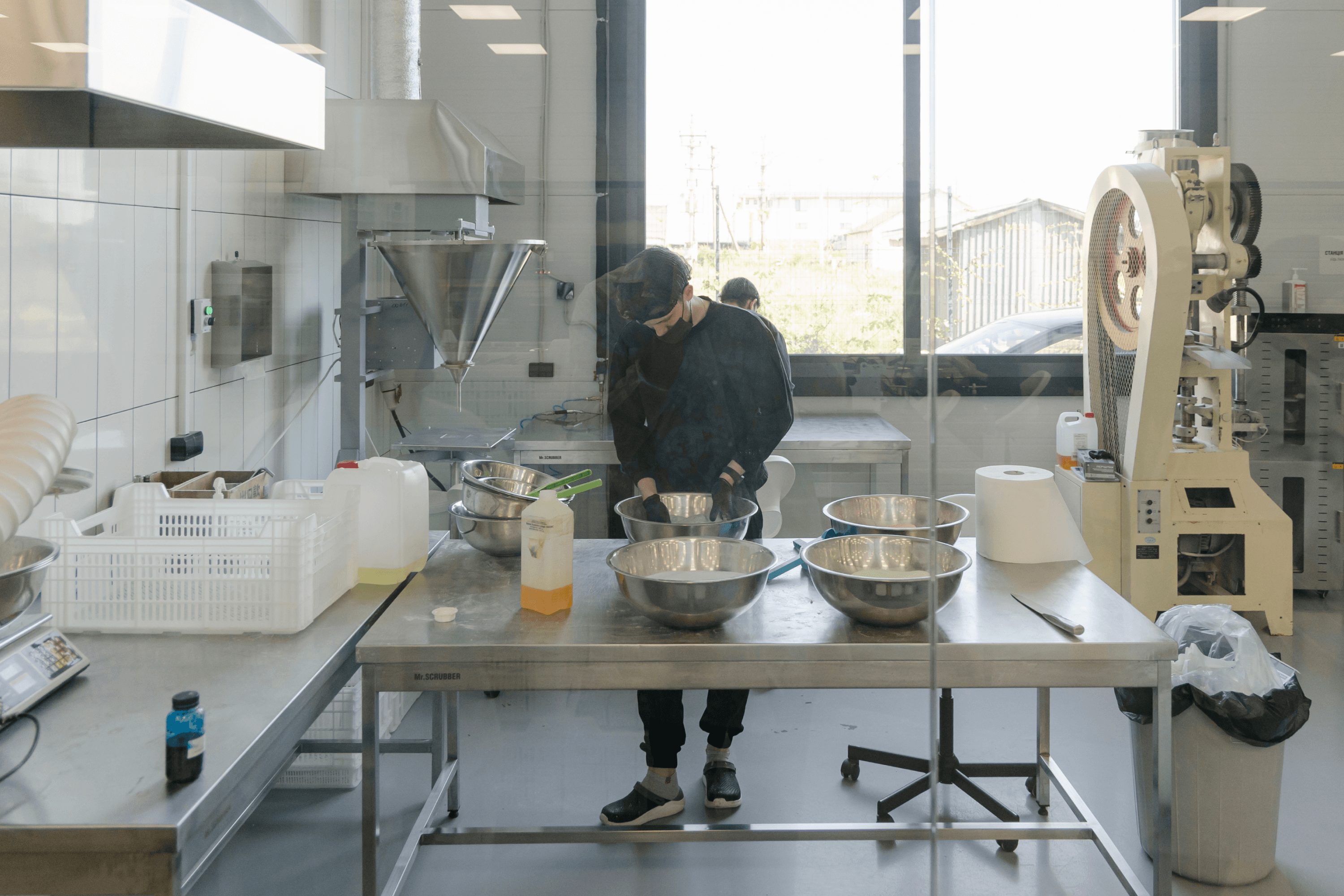
Photo: Mykhailo Melnychenko / YB 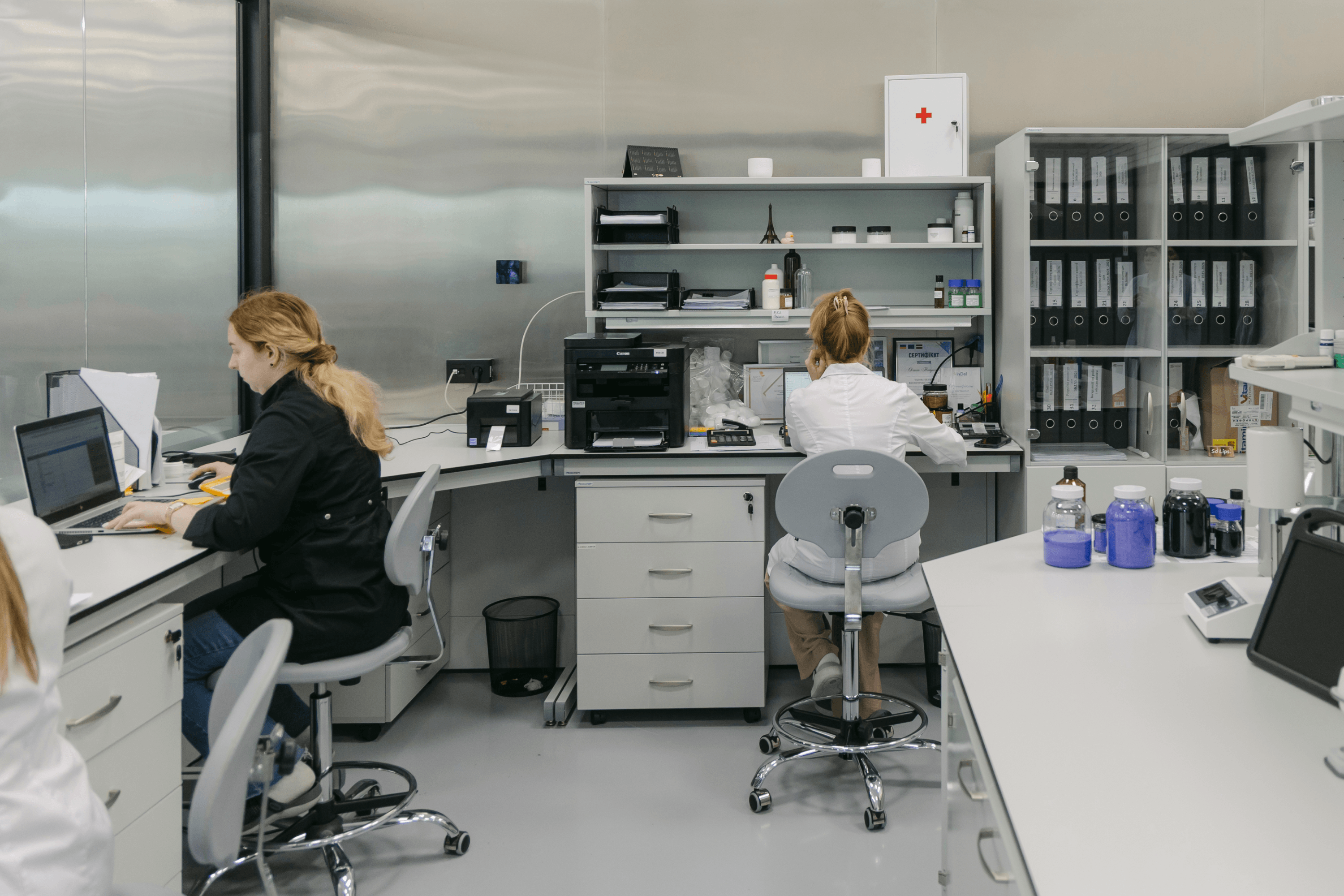
Photo: Mykhailo Melnychenko / YB
Ten years ago, there were virtually no Ukrainian cosmetics brands on the market. We entered this segment at the right time, which allowed us to scale fairly quickly.
Store shelves really were dominated by imported cosmetics back then. How did you compete?
The turning point came during the COVID-19 pandemic in 2020. Most brands were sold through brick-and-mortar stores, and when consumers stopped visiting them, sales dropped sharply. People moved online in large numbers, and we were already there. By that time, we had several hundred products, ranging from facial skincare to shampoos, shower gels, and other everyday essentials.
Our second leap, surprisingly enough, came after Russia’s full-scale invasion of Ukraine on February 24, 2022. A vacuum formed in the market. Russian and Belarusian cosmetics manufacturers disappeared, while international companies suspended operations in Ukraine because of the risks of war. Imported cosmetics also became more expensive due to currency fluctuations. By the summer of 2022, our sales had more than doubled compared with the summer of 2021.
After 2022, attitudes toward Ukrainian cosmetics changed dramatically on the domestic market. Previously, there had been stereotypes that locally made cosmetics were low quality, produced somewhere in basement facilities, or manufactured in China and simply packaged in Ukraine. Today, consumers trust Ukrainian brands, and we are able to compete with cosmetics from the United States, South Korea, Japan, China, and other countries.
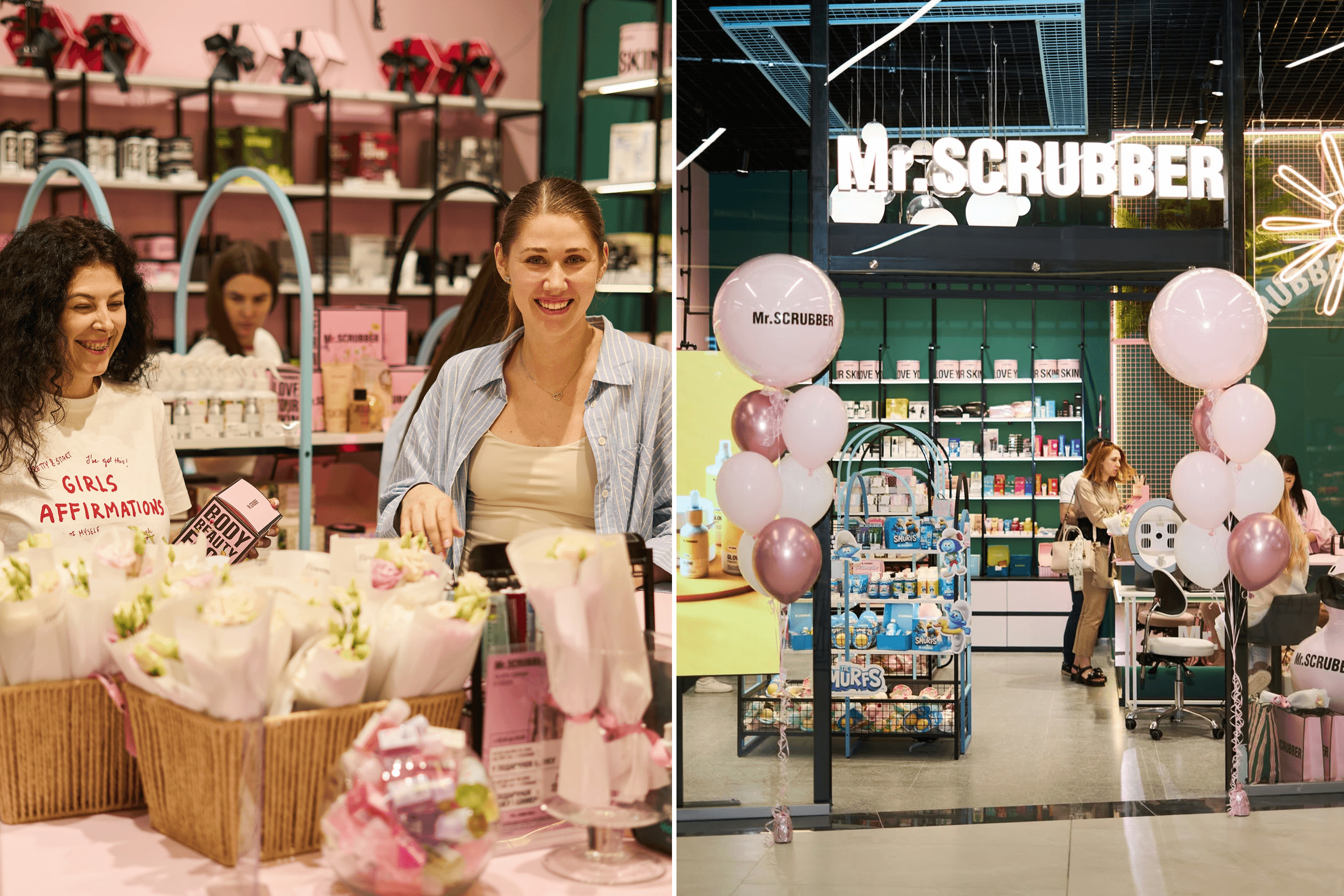
The Mr.SCRUBBER store in Kyiv. Photo: mr.scrubber / Instagram / YB 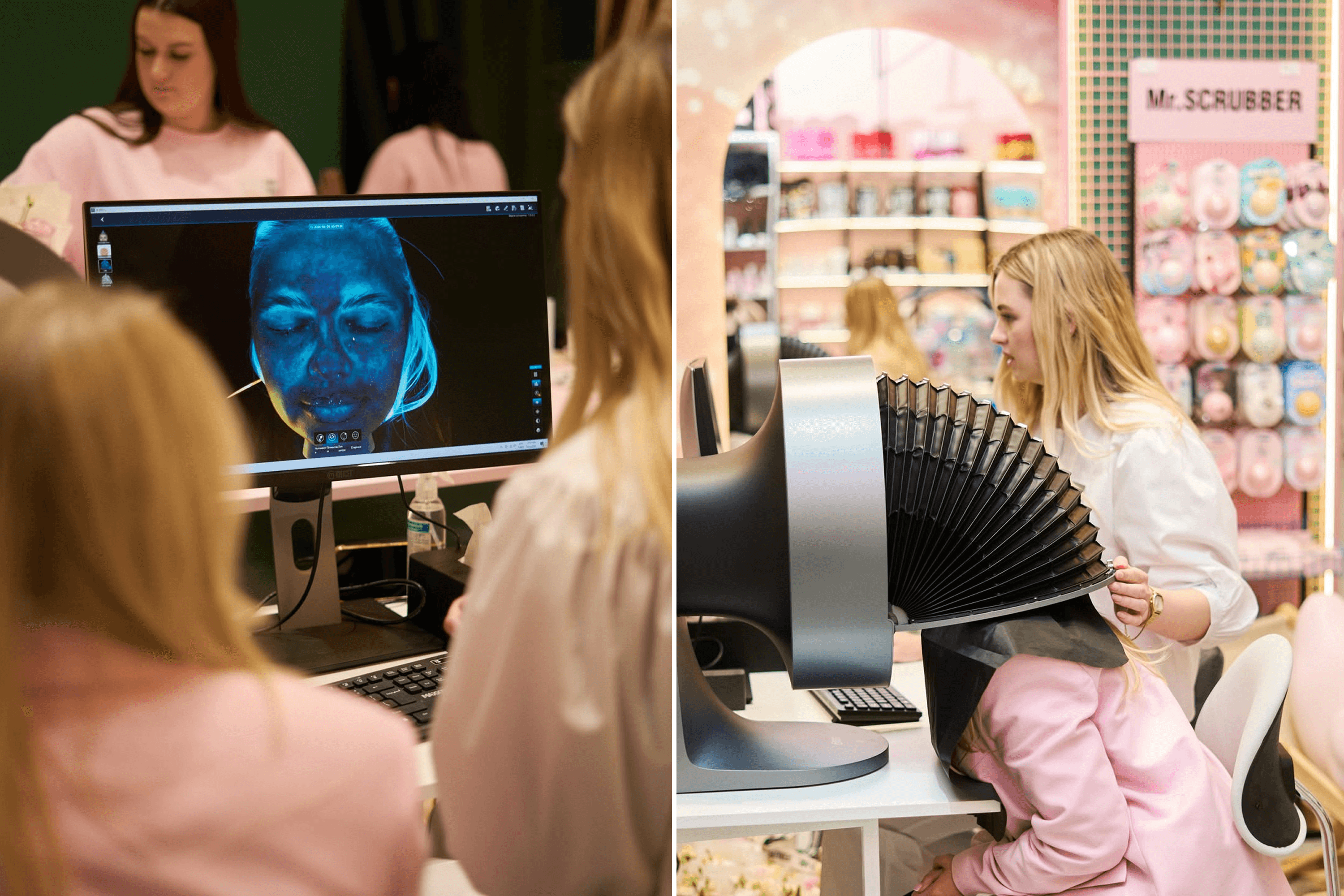
Photo: mr.scrubber / Instagram / YB 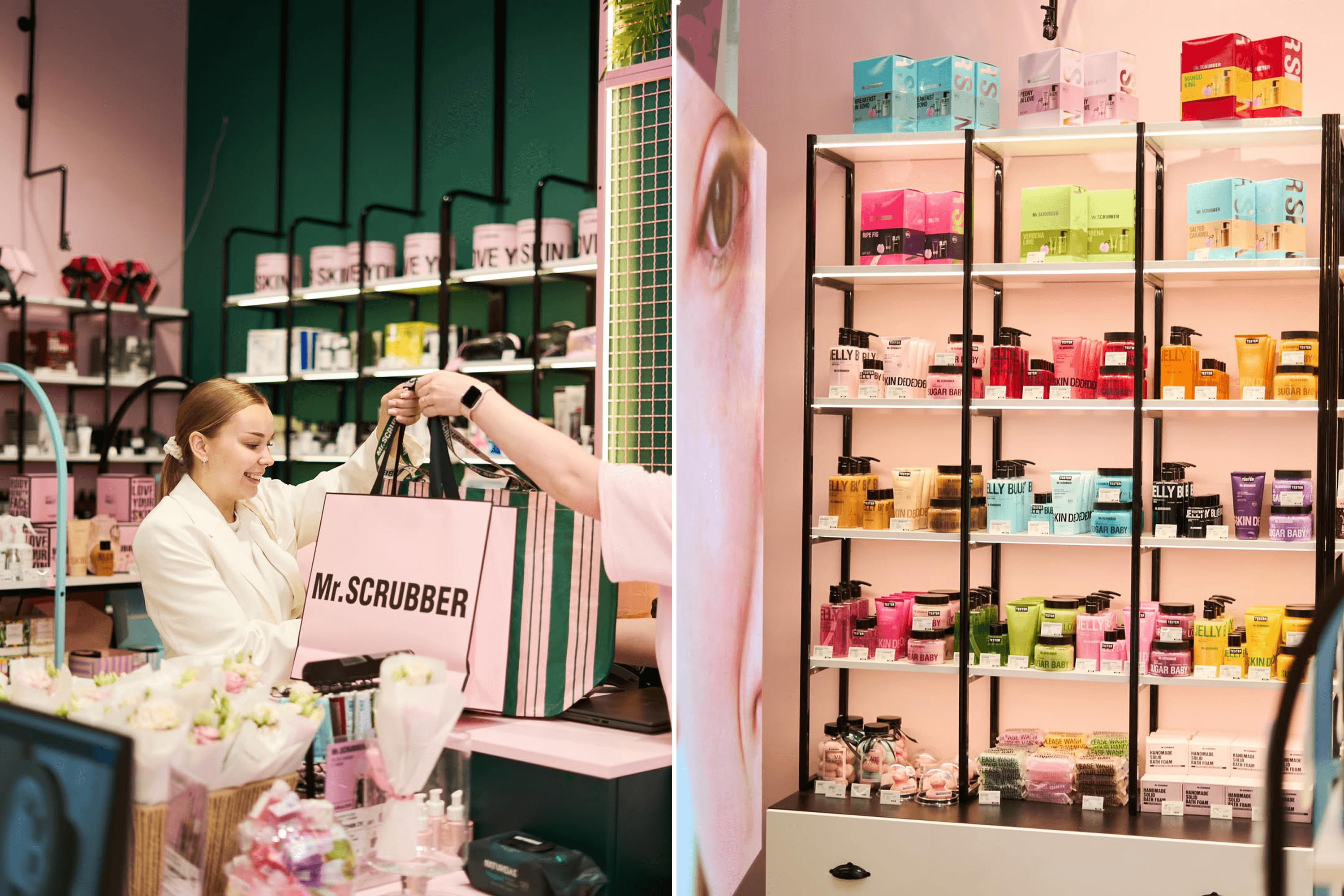
Photo: mr.scrubber / Instagram / YB 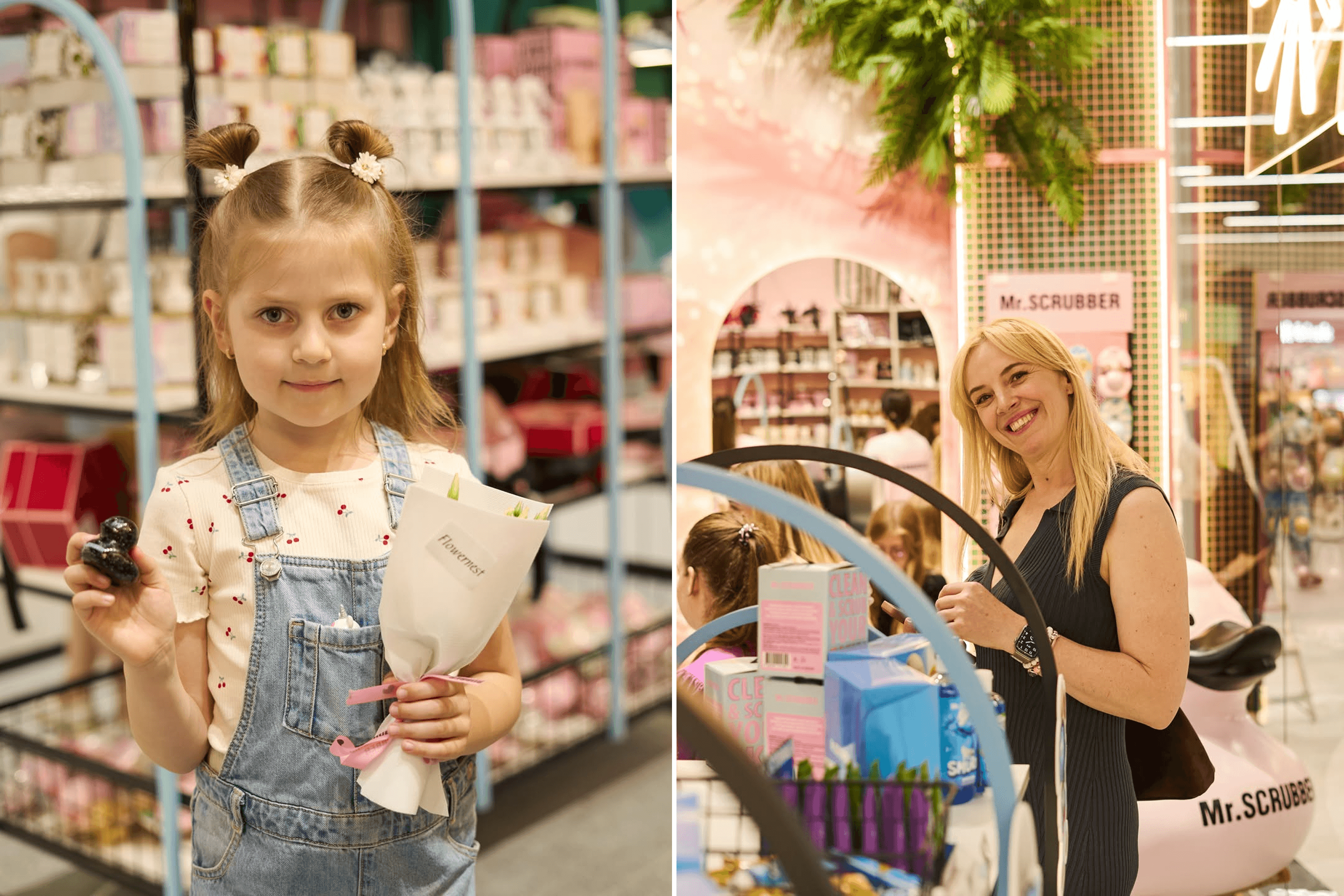
Photo: mr.scrubber / Instagram / YB 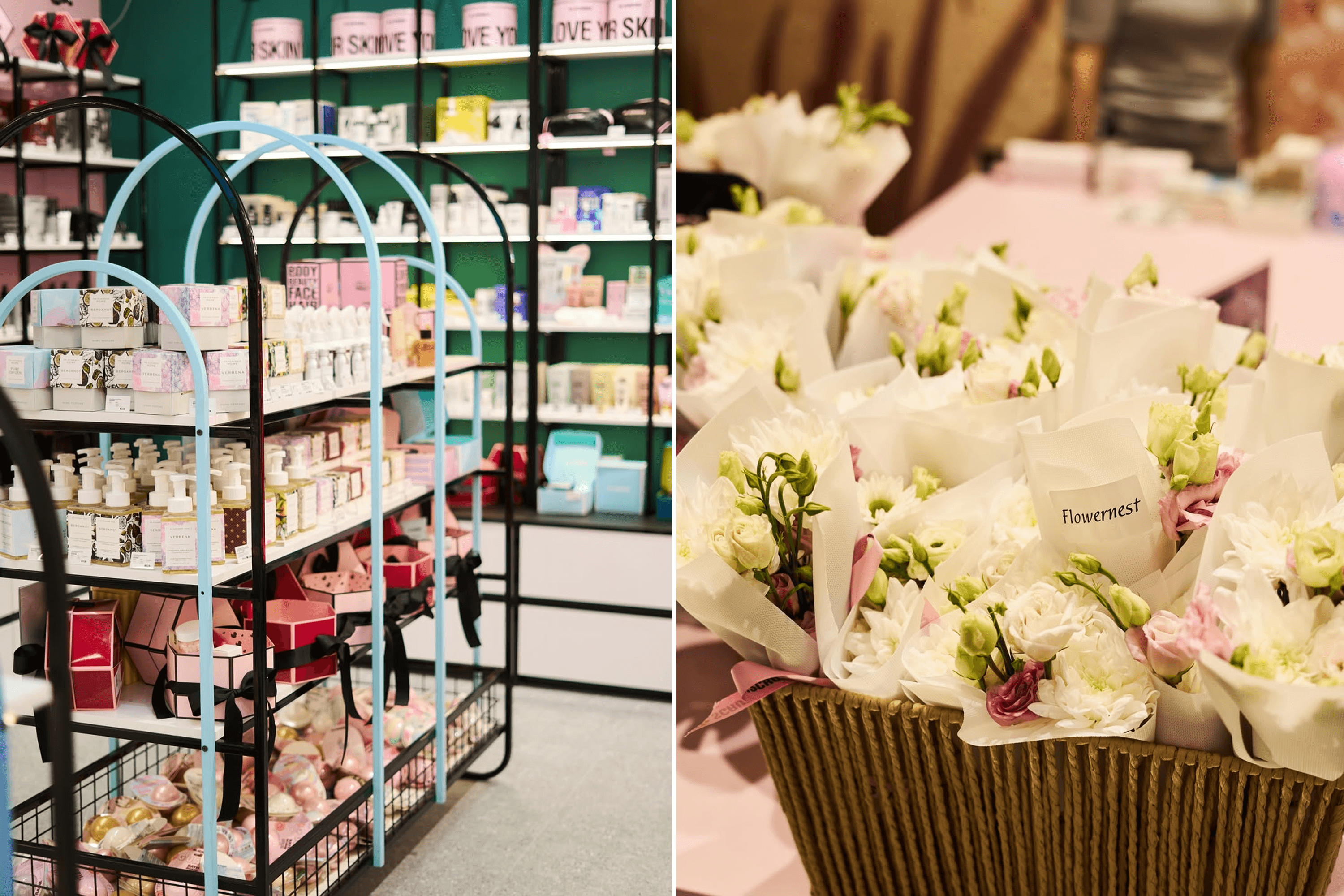
Photo: mr.scrubber / Instagram / YB 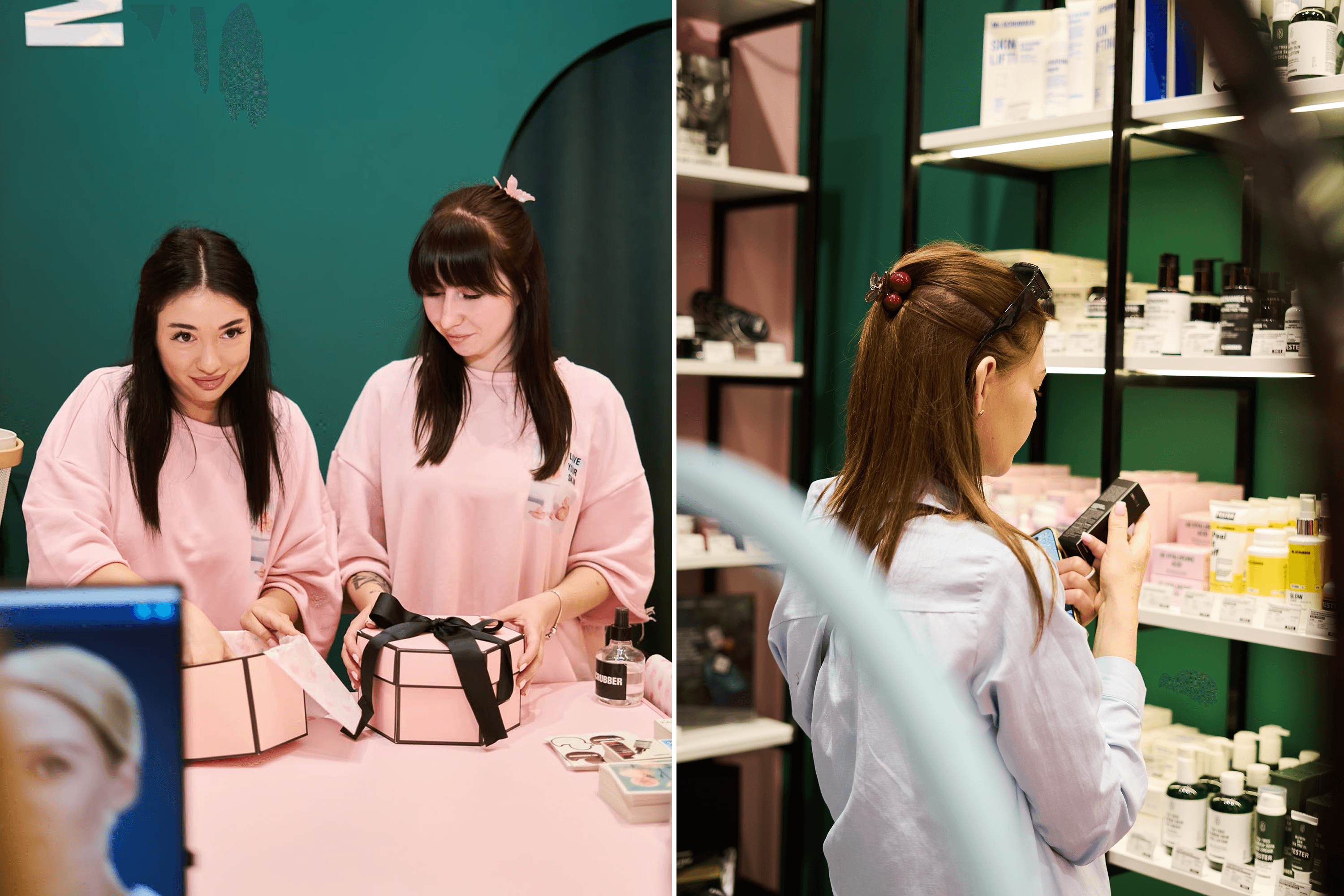
Photo: mr.scrubber / Instagram / YB
What were the first weeks and months of the full-scale war like for the company?
Like everyone else, on February 24 we experienced that first overwhelming shock and had no idea what would happen next. We stopped production, but after just a few days we realized we couldn’t simply stay at home. People from our team kept calling and asking, “When are we coming back? What are we going to do?” So we resumed operations in early March. At first, we gave away most of our products. We delivered them to shelters for internally displaced people and supplied military units. We even introduced a special option on our website: whenever someone purchased a selected set of products, we donated an identical set to assistance centers for displaced people. For six months, we also transferred 20 percent of all retail sales and 10 percent of wholesale orders to support the Armed Forces of Ukraine through the National Bank’s special fundraising account.
From a business perspective, the first few months were difficult. Large retail chains stopped placing orders, so we were left almost entirely with retail sales through our website and social media. But by the summer, we had not only returned to our pre-war figures, we had surpassed them.
From the very beginning, you chose to manufacture your own cosmetics, although you could have outsourced production and sold products under your own brand. Why did you choose that path?
My partner and I enjoyed the process itself. A lot happens between an idea and a finished product: developing the formula, testing it, creating the design, selecting the packaging, filling the containers, and checking the product’s compatibility with the packaging. At first, it was a more difficult and more expensive path than simply ordering a finished product from China. We had to hire a formulation chemist, build our own expertise, find raw material suppliers, study technical documentation, and evaluate the quality of ingredients. Developing cosmetics is a complex but creative process. We enjoy that creative aspect.
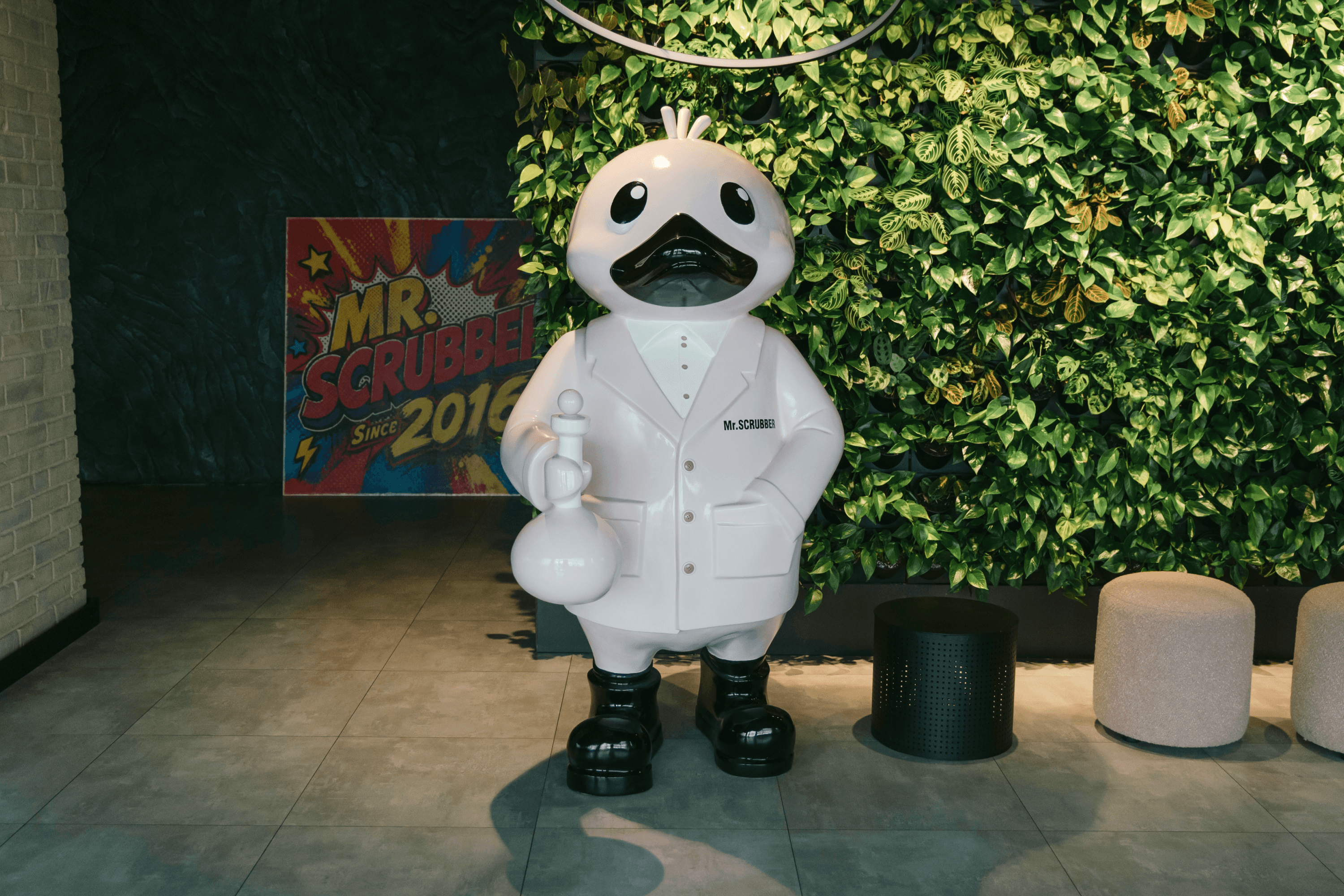
The Mr.SCRUBBER manufacturing facility. Photo: Mykhailo Melnychenko / YB 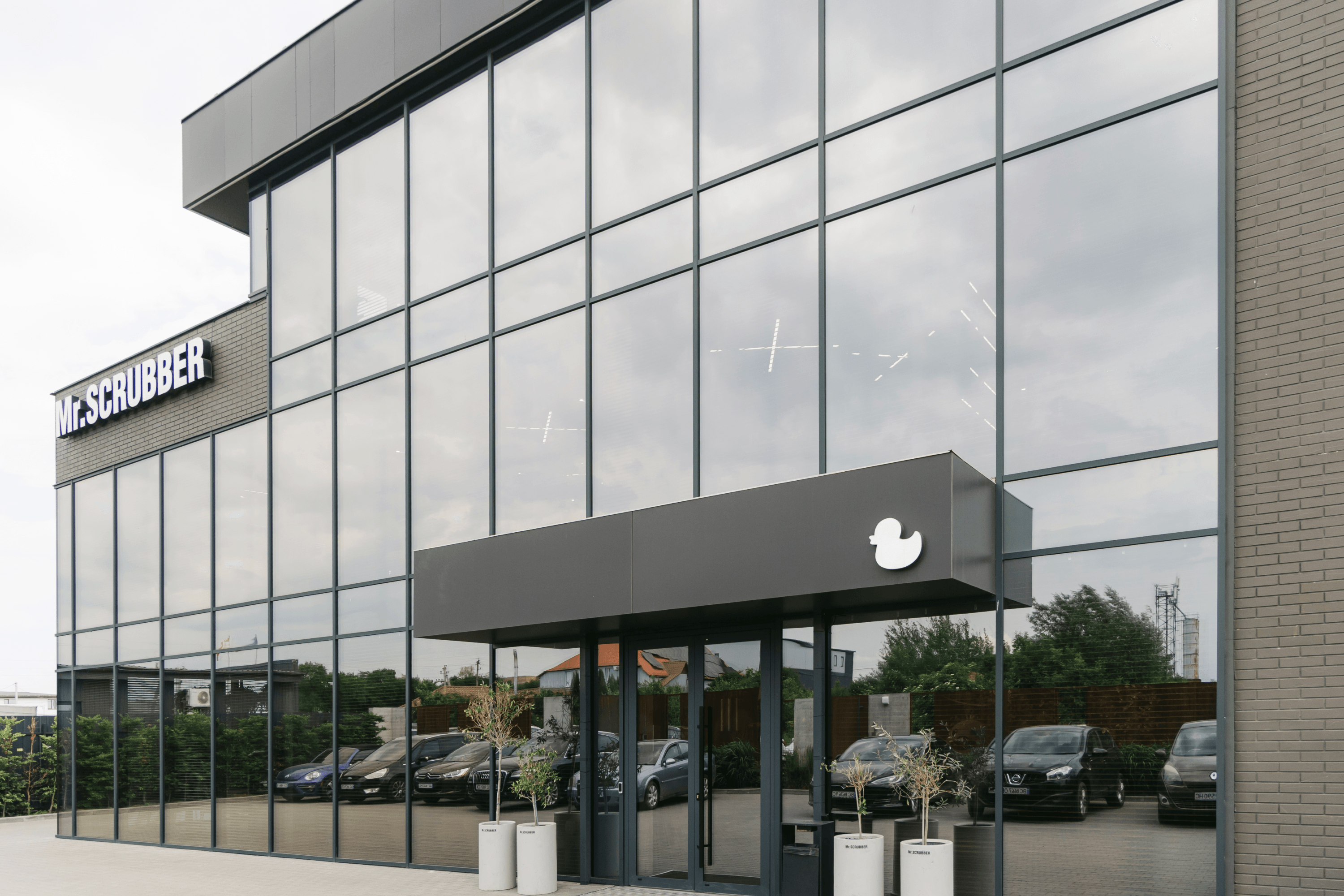
Photo: Mykhailo Melnychenko / YB 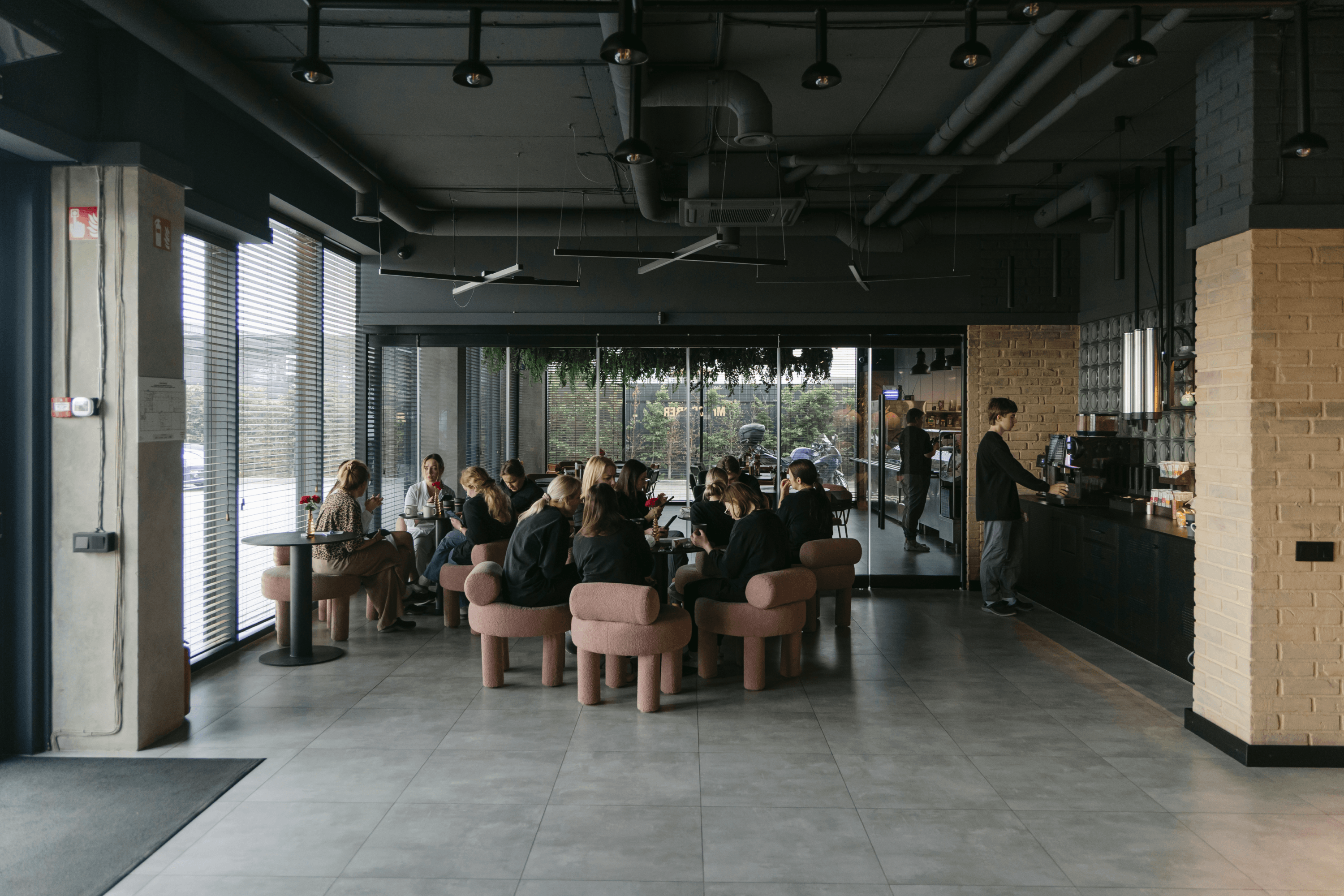
Photo: Mykhailo Melnychenko / YB 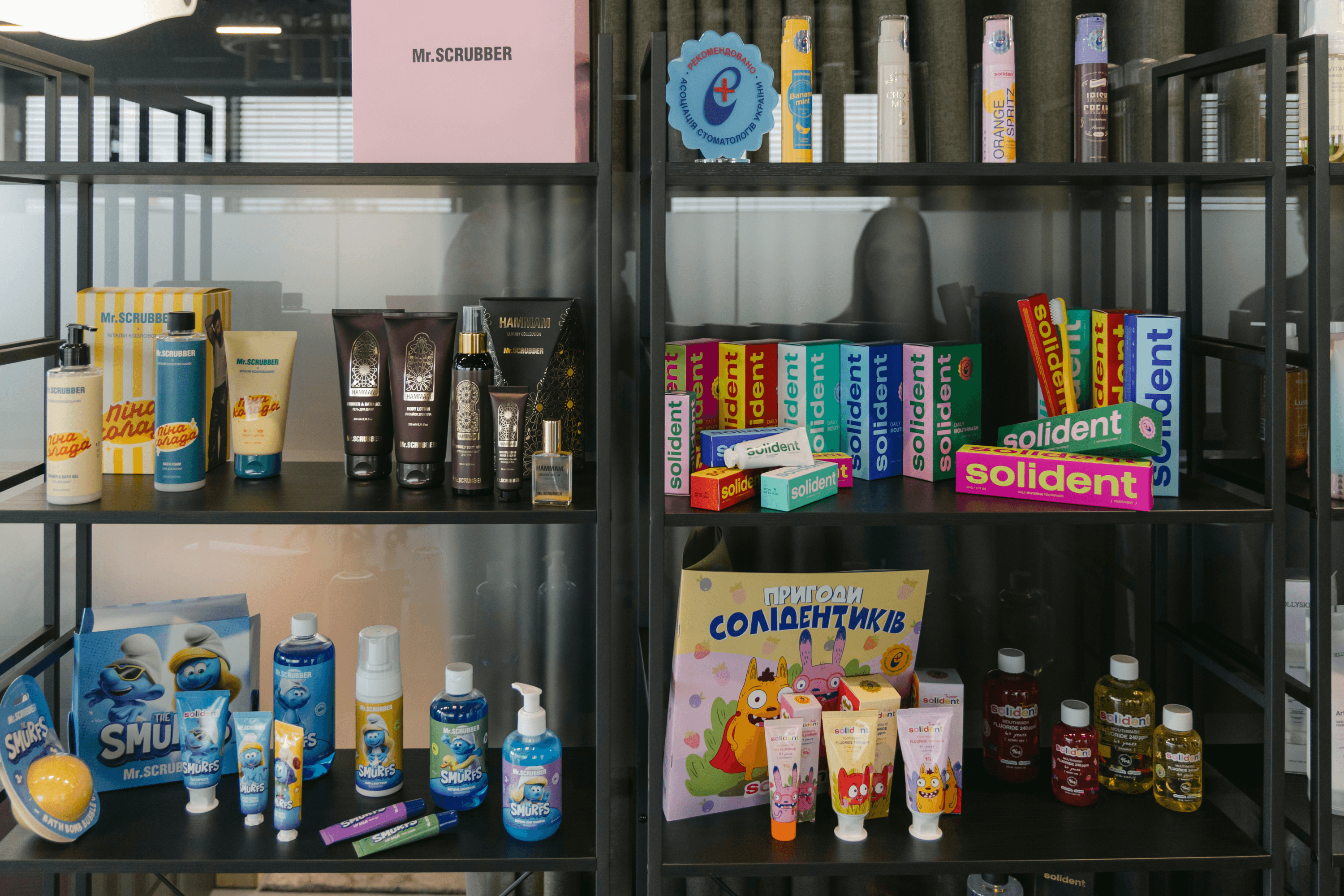
Photo: Mykhailo Melnychenko / YB 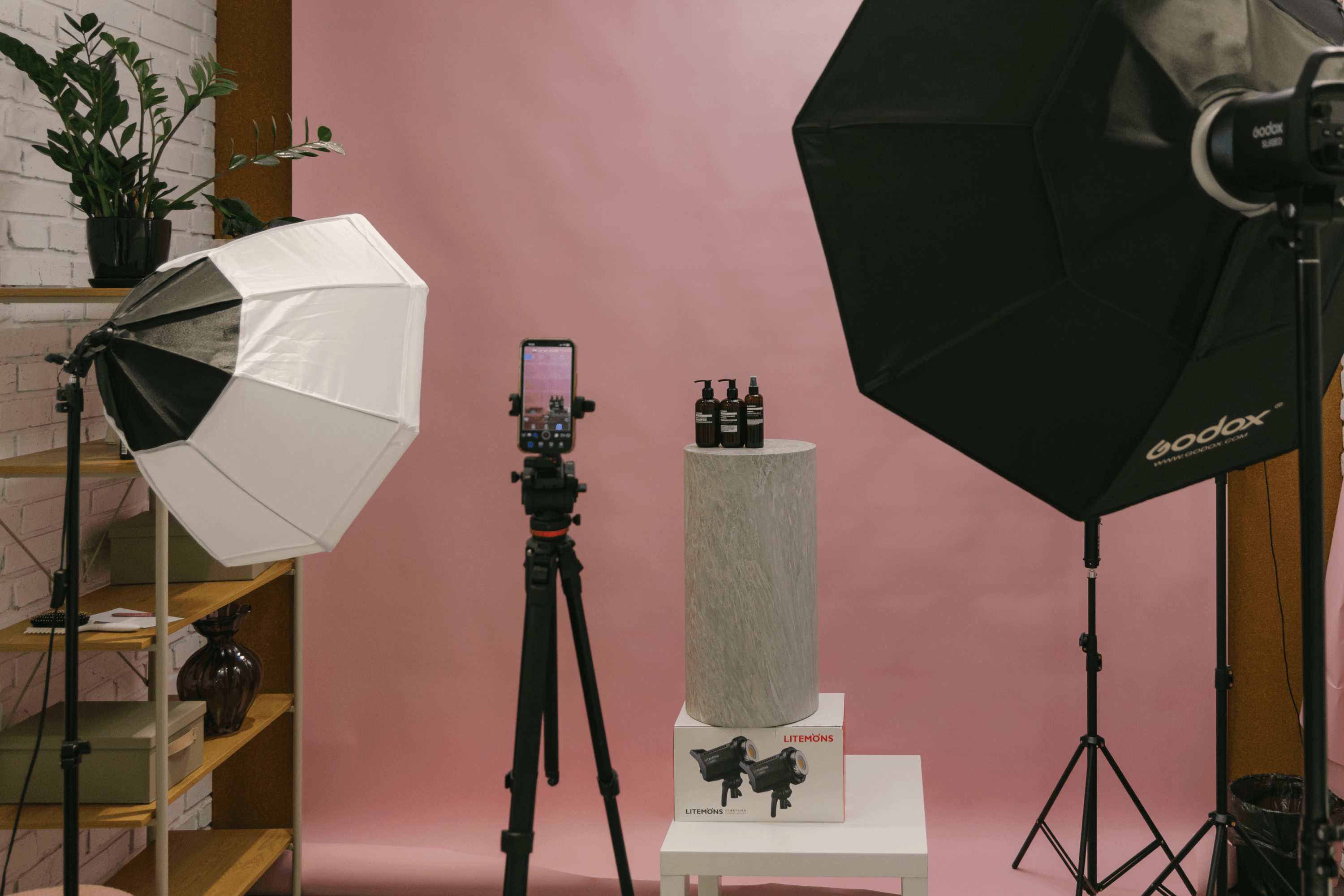
Photo: Mykhailo Melnychenko / YB 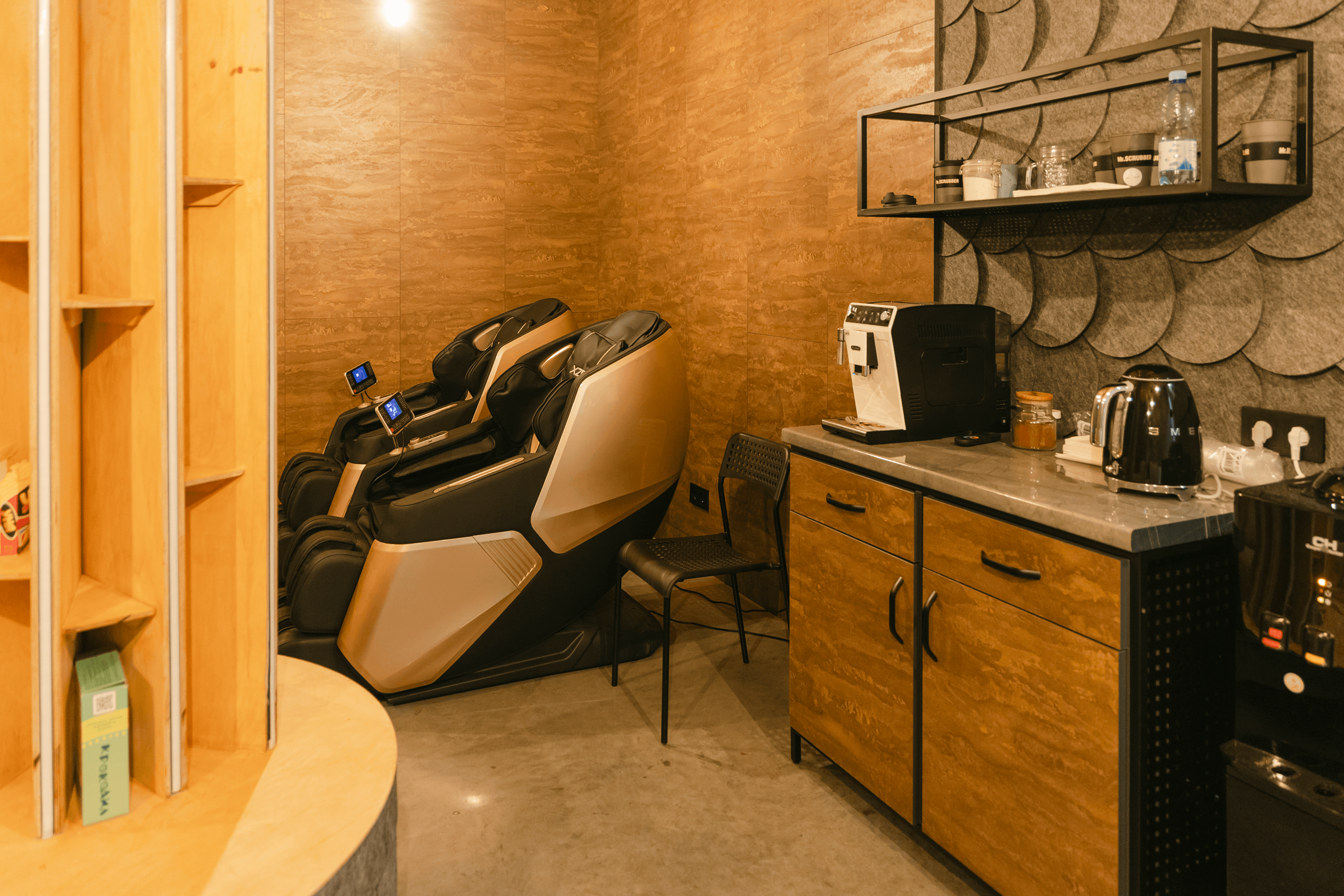
Photo: Mykhailo Melnychenko / YB
Incidentally, in 2022 we also started manufacturing products for other companies. At the time, many production facilities had been damaged or destroyed, while some owners had relocated to other regions of Ukraine or moved abroad. They asked whether we could manufacture products under their brands. We started developing this line of business, and today we produce private-label cosmetics for more than 60 Ukrainian companies.
You began building your own factory back in 2021. How did the full-scale war affect the project, and when did you return to it?
We had dreamed of having our own factory ever since our second year in business. Over the years, the company operated out of three different rented facilities, but eventually we realized that if we wanted a manufacturing site that met modern cosmetics industry requirements and GMP standards, we had to build our own factory.
After the full-scale invasion began, construction stopped for about three to four months. Then we regrouped, realized there was no point in waiting, and by August 2024 the factory was operating at full capacity.
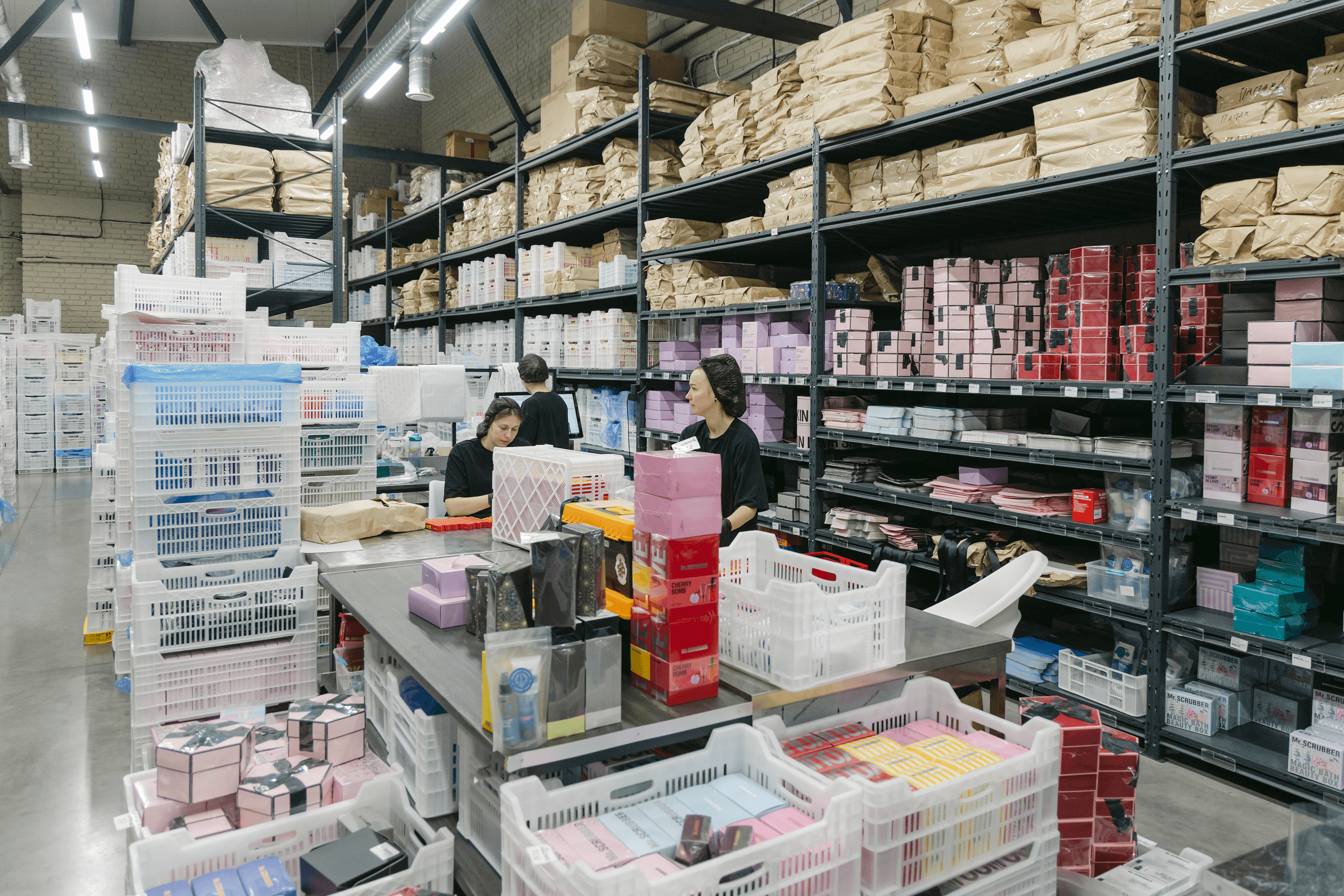
Mr.SCRUBBER warehouses. Photo: Mykhailo Melnychenko / YB 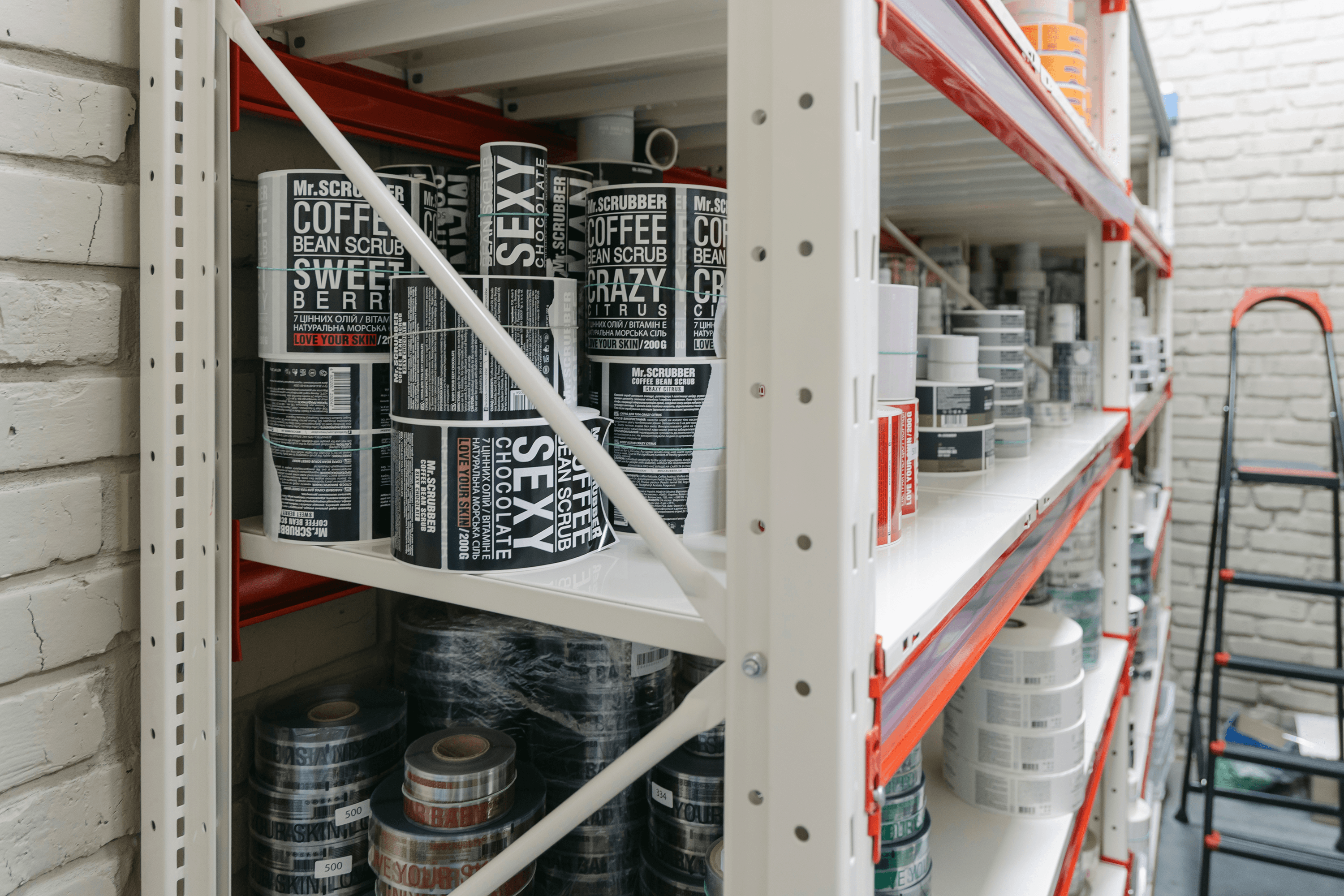
Photo: Mykhailo Melnychenko / YB 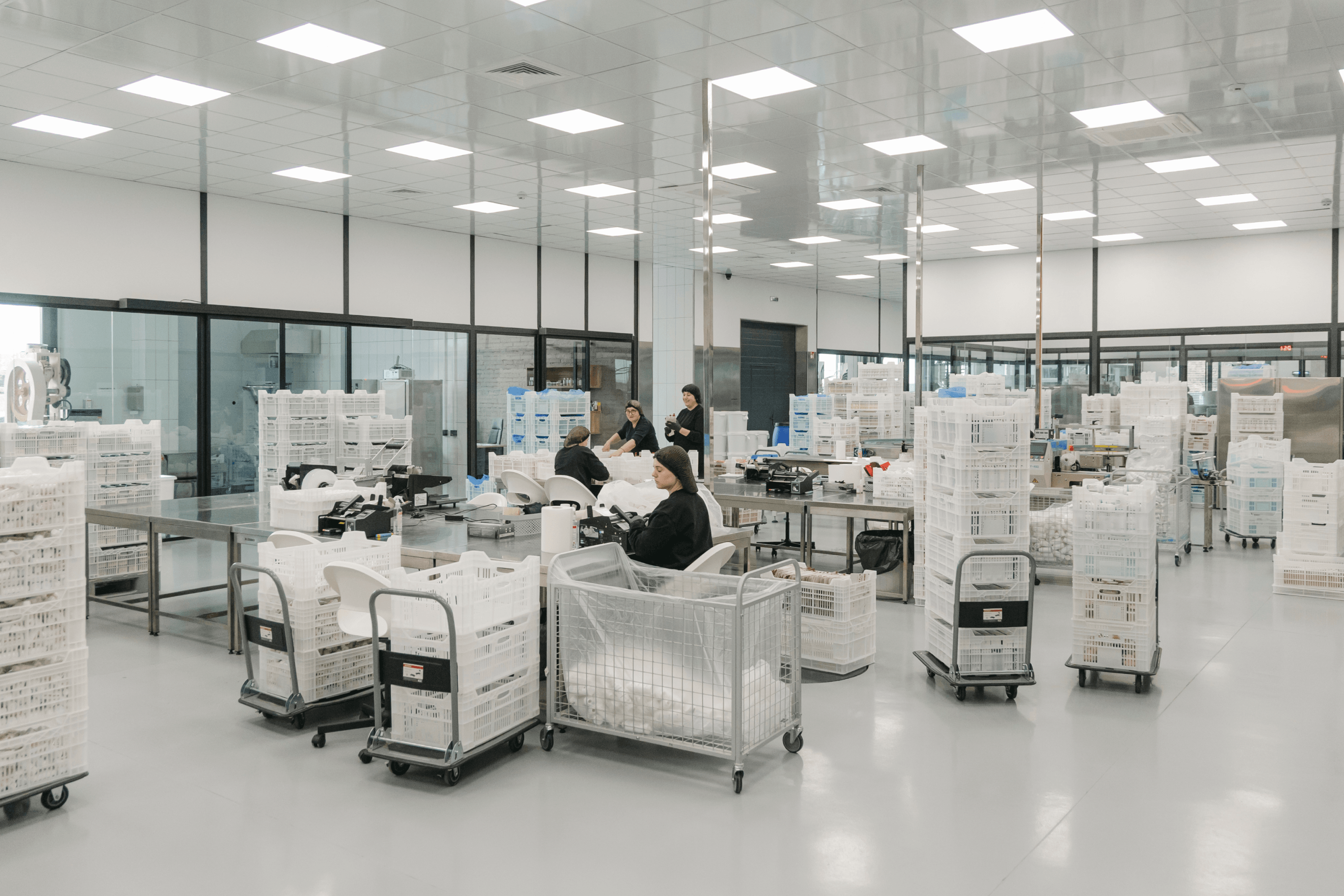
Photo: Mykhailo Melnychenko / YB
How much did you invest in the project?
More than $2 million. That investment covered not only construction of the building itself but also all of the infrastructure systems: a high-capacity ventilation system, a heat pump system, solar power generation, manufacturing utilities, and production equipment.
You launch 10 to 20 new products every month. Do they all become commercially successful, and does this model pay off?
We are building a multi-brand company. We currently have five brands, with another six in development. Our strategy is to build our own umbrella of brands across different price segments and market niches. Constantly launching new products is part of that strategy, and it has fully justified itself. It is not a loss-making model.
Even when a product does not become sufficiently successful, we rarely remove it from the assortment altogether. More often, we choose to update it by redesigning the packaging, improving the formula, or adapting it to new market requirements.
How do your brands differ from one another, and which market segments do they cover?
Our first brand, Mr.SCRUBBER, offers affordable natural cosmetics for body, face, and hair care for the whole family. HOLLYSKIN focuses on more innovative skincare, body care, and hair care products with an emphasis on active ingredients. Barber Blend is a men’s grooming brand offering products for the body, hair, and beard, positioned between the mass market and professional cosmetics.
This year, we launched the trichology-focused haircare brand Triology. With it, we work primarily with professionals such as trichologists, who recommend these products to their clients. Our oral care brand, Solident, is positioned in the premium segment.
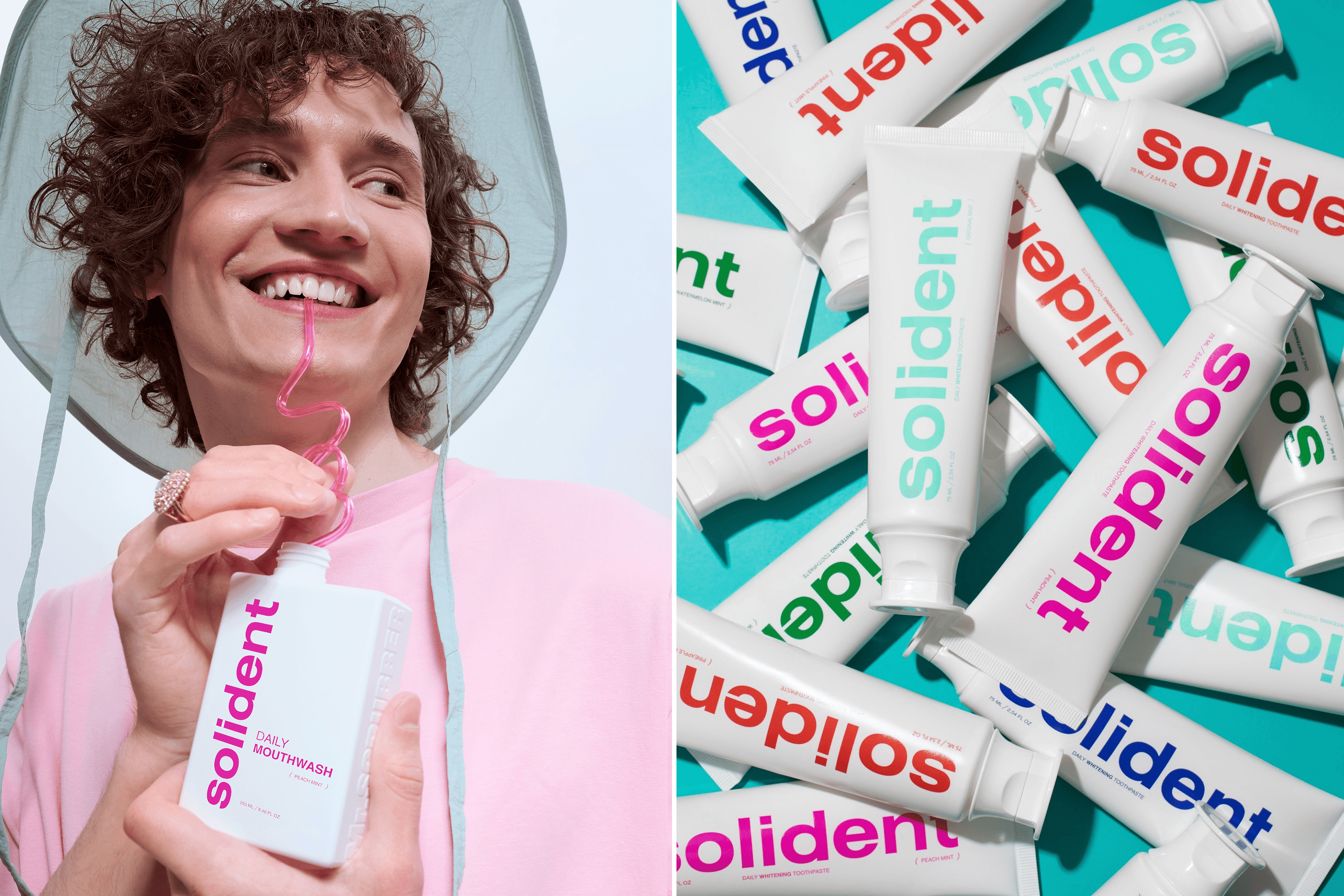
Solident products. Photo: solident.official / Instagram / YB 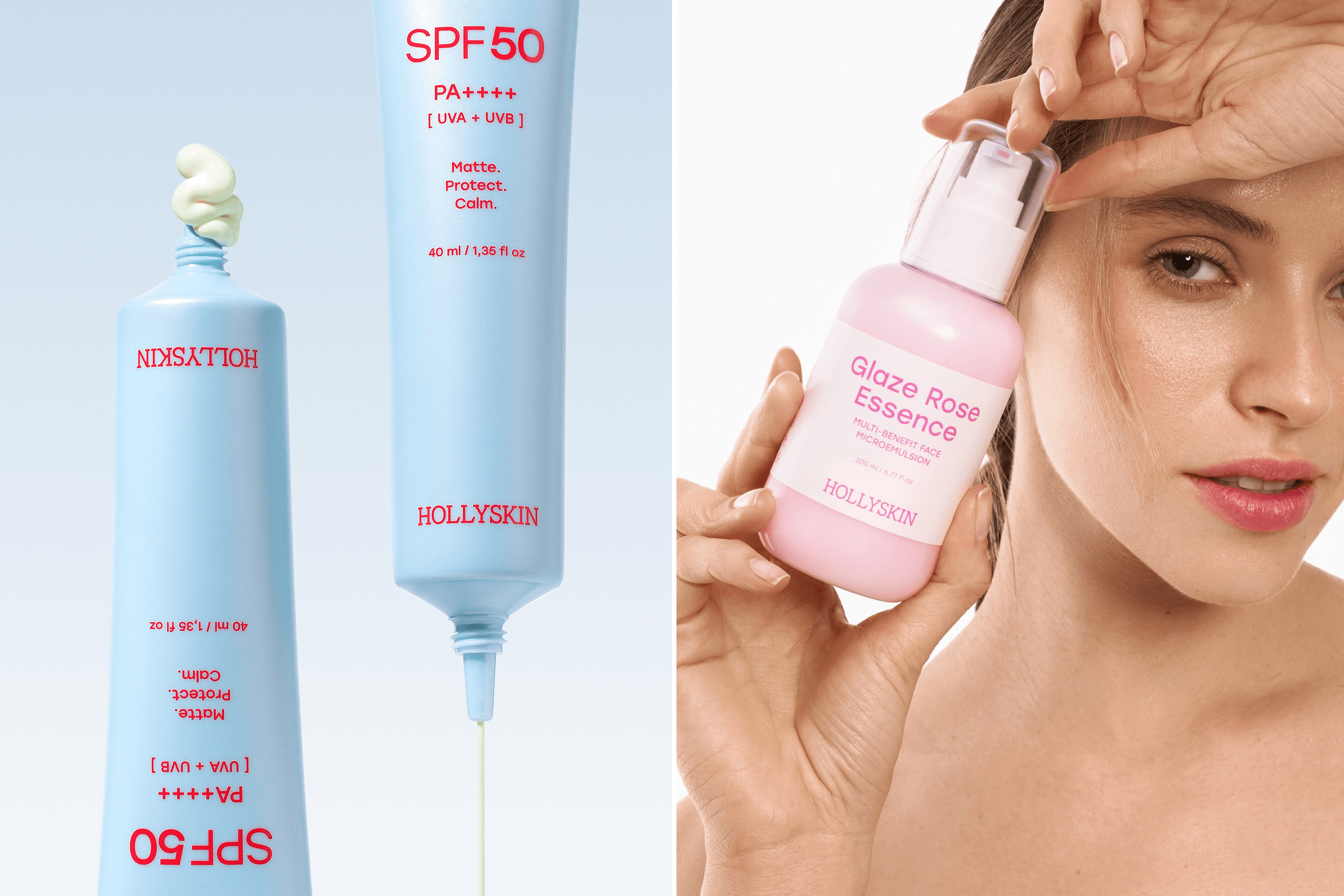
HOLLYSKIN products. Photo: hollyskin.official / Instagram / YB 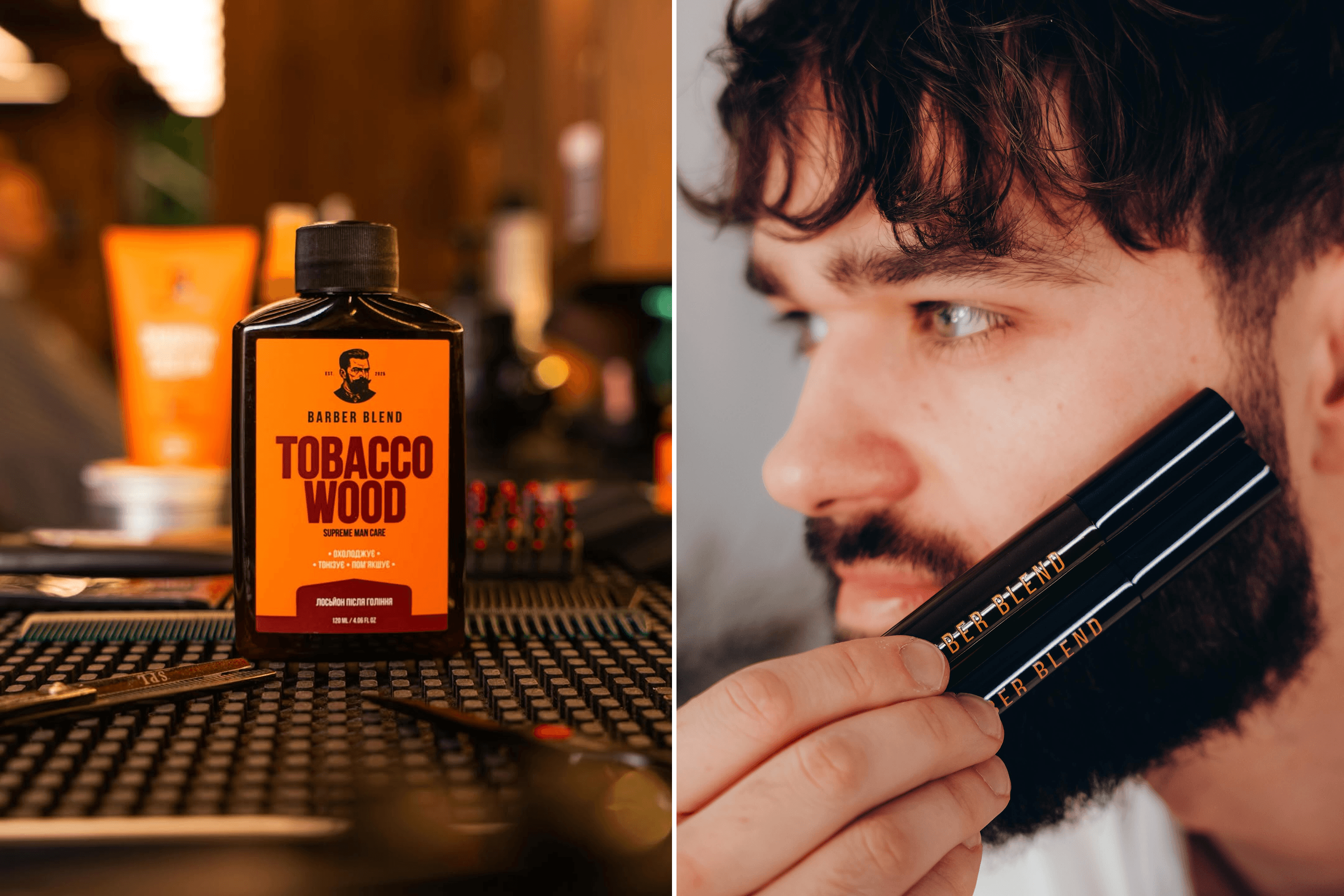
Barber Blend products. Photo: barberblend.official / Instagram / YB 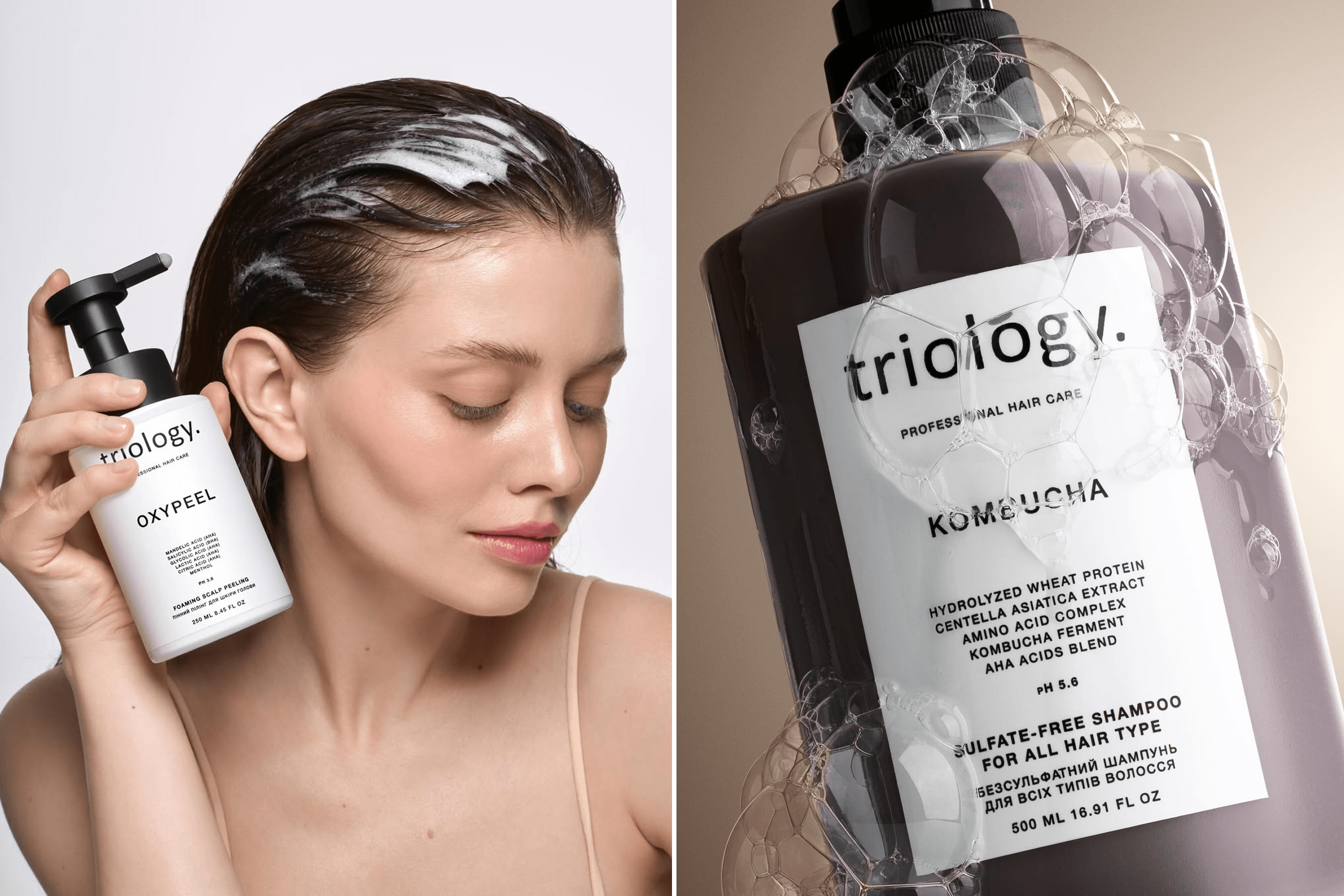
Triology products. Photo: triology.hair / Instagram / YB
We are also preparing to launch a new brand aimed at cosmetologists and beauty salons. Its products will be suitable both for professional cosmetic procedures and for home care. This summer, we will launch our sixth brand. It will be the first in Ukraine dedicated exclusively to antiperspirants, deodorants, and deodorizing products.
Will your current production capacity be enough, or are you already thinking about expanding?
In June, we started designing the second phase of our factory. It will be located next to our existing production facility. The new building will be about the same size as the first factory, around 4,000 square meters. We plan to expand our manufacturing, warehouse, and office space, effectively combining everything into one large production complex.
Our most pressing need is additional warehouse space. We already have to rent an extra warehouse in Lutsk. We are also beginning to run out of manufacturing space for new equipment and the new product categories we plan to launch. Our R&D laboratory is now operating at full capacity, and we intend to strengthen this area even further by expanding the team, adding equipment, and increasing laboratory space. The situation is similar with our office facilities, which are now virtually full.
How much do you plan to invest in the new factory?
It is hard to give an exact number at this stage, but we estimate the investment at around UAH 70–80 million, although that figure may change.
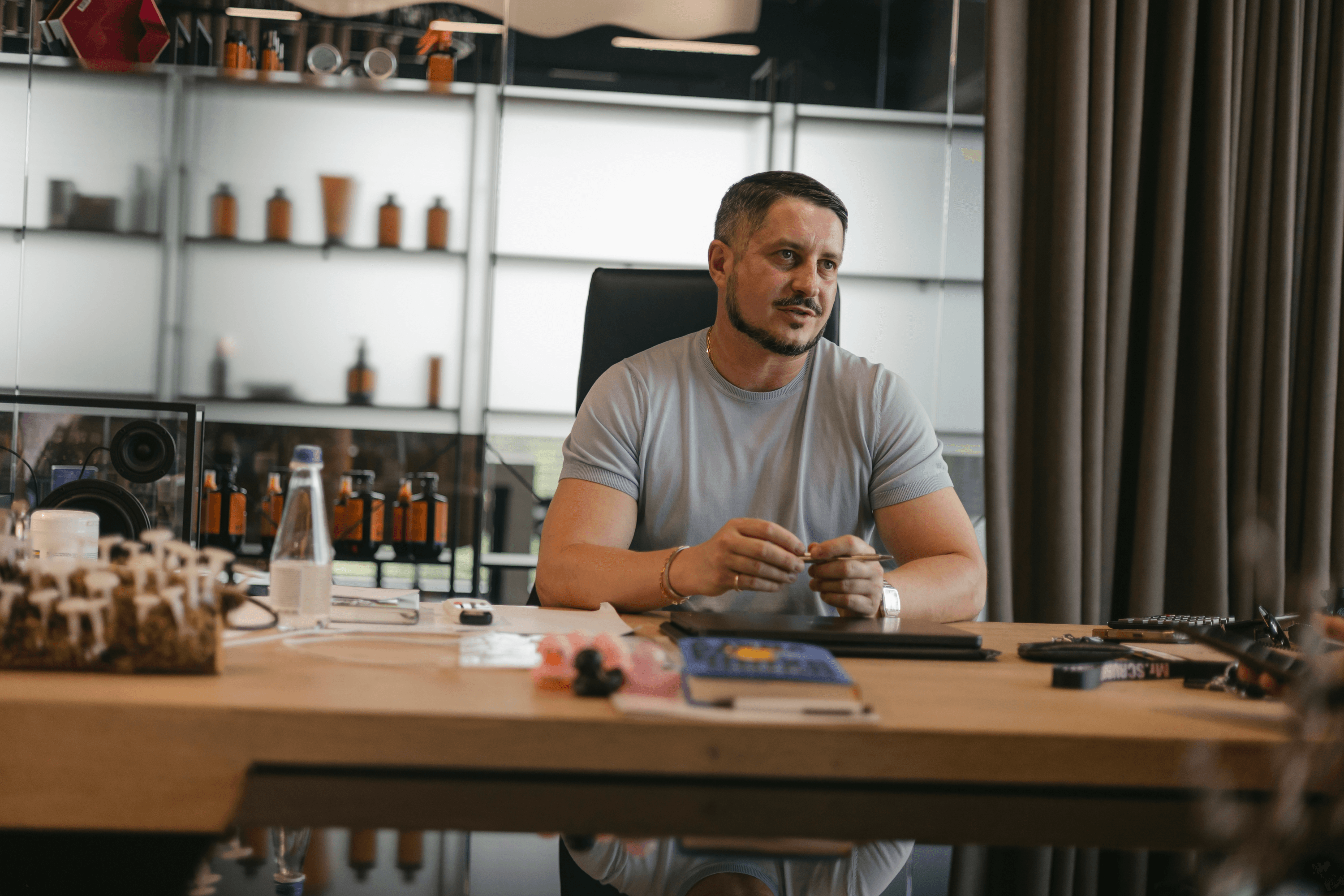
Is this expansion connected with your export ambitions? What share of your products stays in Ukraine, and what share is exported?
In recent years, exports have accounted for between three and five percent of our sales. Until recently, exports grew mainly through inbound inquiries. Companies from Poland, Italy, Canada, and other countries approached us. We were not actively pursuing international expansion because our focus was on the Ukrainian market, expanding our production, and building the factory.
At the same time, we understand that sooner or later we will reach the limits of growth in the Ukrainian market. That is why we have carved out exports as a dedicated focus area. We want to significantly increase both export volumes and their share of our overall turnover.
In which countries does Mr.SCRUBBER currently achieve its strongest sales?
Moldova remains our most stable market. We have worked with the same partner there for many years, and they now want to take responsibility for expanding into Romania as well. Incidentally, we had already been operating in Romania between 2018 and 2020 until our local partner closed the business. We also export regularly to Bulgaria.
We have sales in Italy, the United Kingdom, Sweden, Belgium, and several other European countries, although these are not yet full-scale distribution operations. In most cases, our products are purchased by small online or brick-and-mortar stores, many of which were founded by Ukrainians living abroad. They know our brands well, often reach out on their own, and serve Ukrainian communities in their local markets.
More recently, we have also started receiving inquiries from entrepreneurs with no Ukrainian background who are interested in our products. In February, we held negotiations in the Czech Republic with the Rossmann retail chain, and we are now planning to enter the Czech market through that partnership.
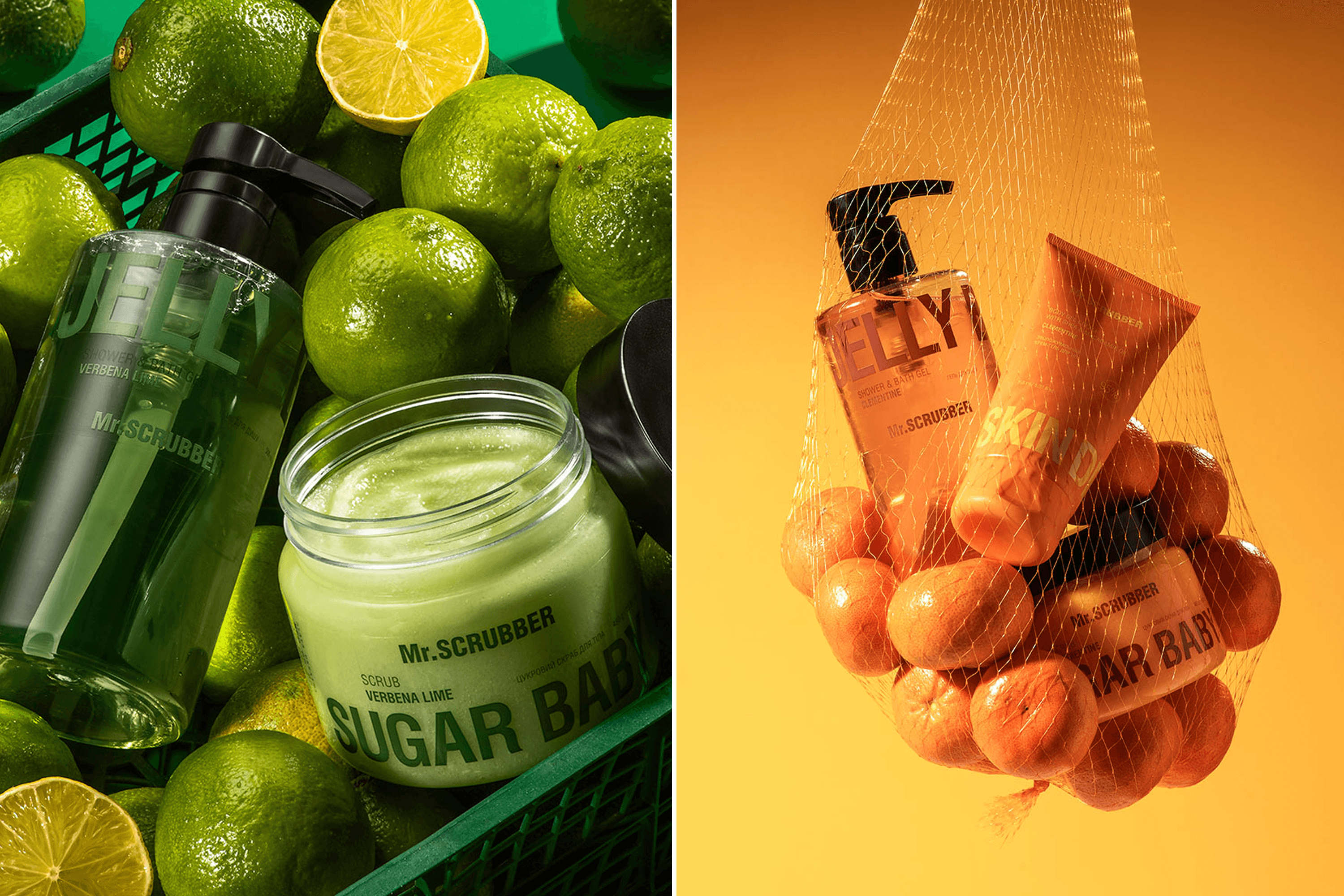
Some products from the Mr.SCRUBBER product range. Photo: mrscrubber.ua / YB 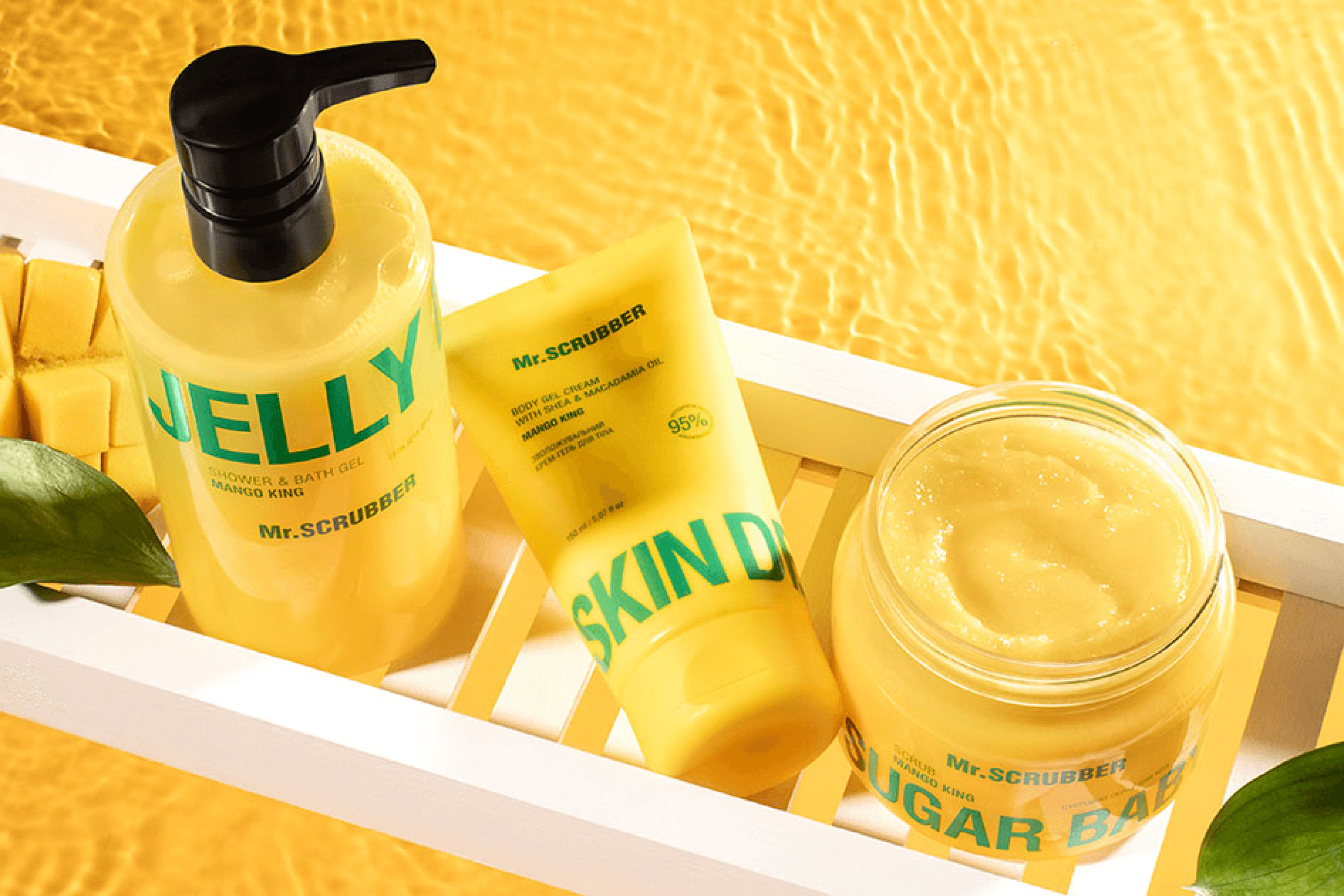
Photo: mrscrubber.ua / YB 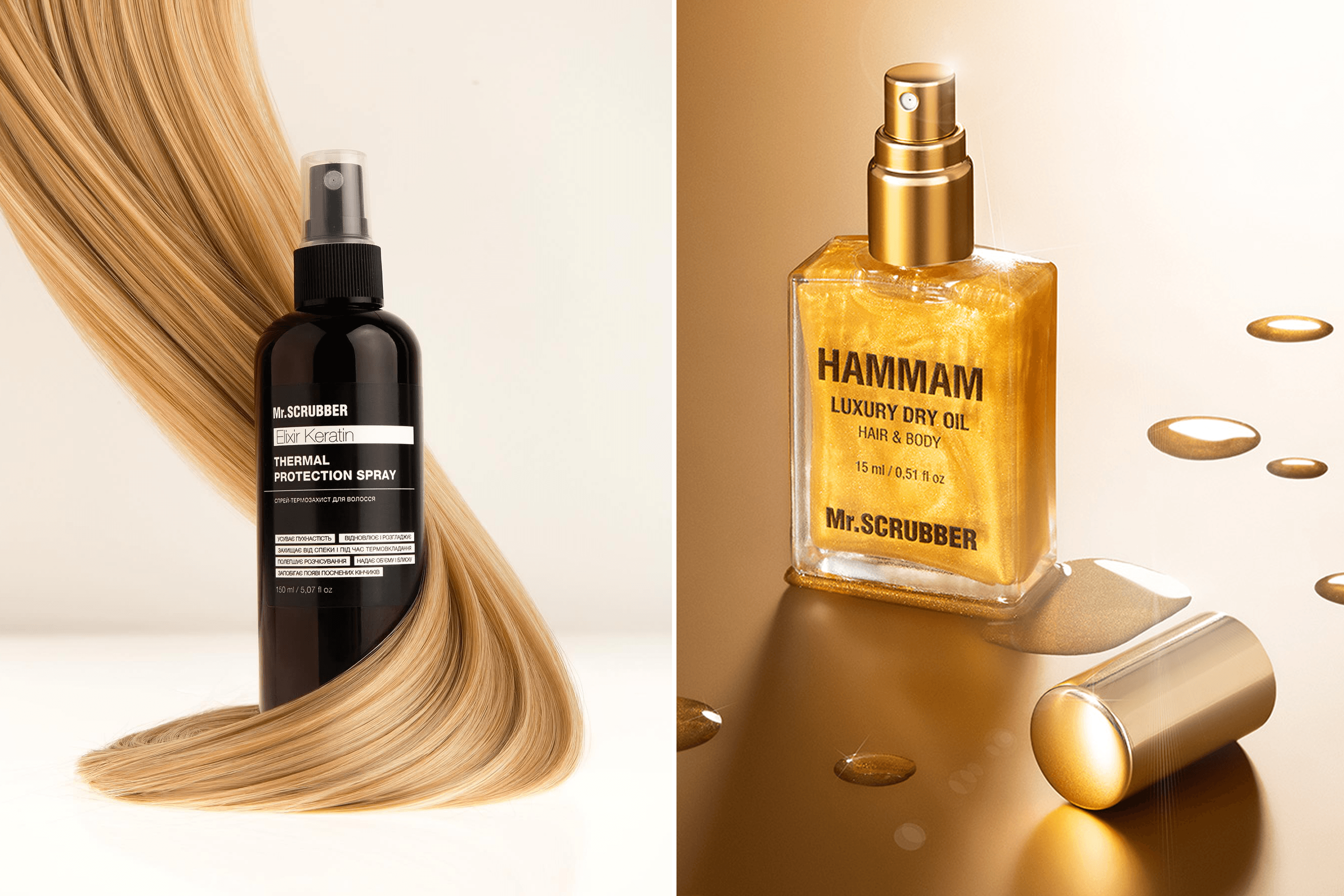
Photo: mrscrubber.ua / YB 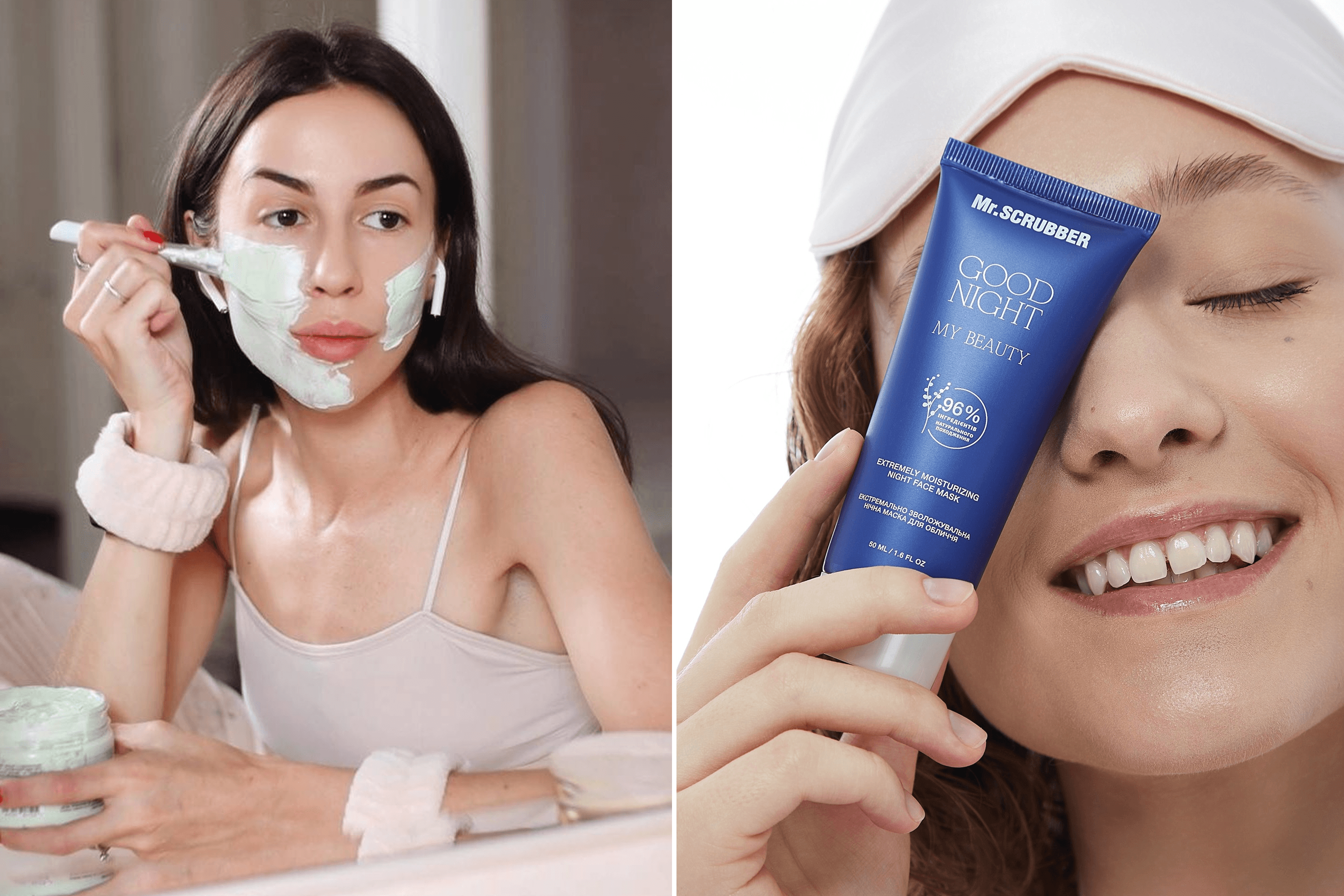
Photo: mrscrubber.ua / YB
Which other international markets are you present in?
We export to Azerbaijan, although shipments are irregular because of logistical challenges. Between 2016 and 2019, we worked actively in Kazakhstan, where Ukrainian products were well received. Cooperation eventually stopped because of logistics issues, although we are still considering returning to that market.
This year, we made our first shipment to Iraq and are considering further expansion there. More broadly, we see the Middle East and the Gulf countries as highly promising markets. There is strong demand for scrubs, serums, and other skincare products, while consumers often have to choose between inexpensive Chinese options and expensive European ones. We can offer European-level quality at a much more accessible price.
How different is it to operate in the European market compared with the Middle East?
Consumer habits differ, and so does the culture of consumption. For example, consumers in Poland often choose whichever product is on sale or offered at a special price. Consumer behavior in Romania is much closer to that in Ukraine, which makes it easier for our brands to grow there.
In the Middle East, consumers are willing to pay more, but products must align with local cultural norms. For example, HOLLYSKIN is not perceived the same way everywhere because associations with holiness or religion in commercial brand names may cause resistance.
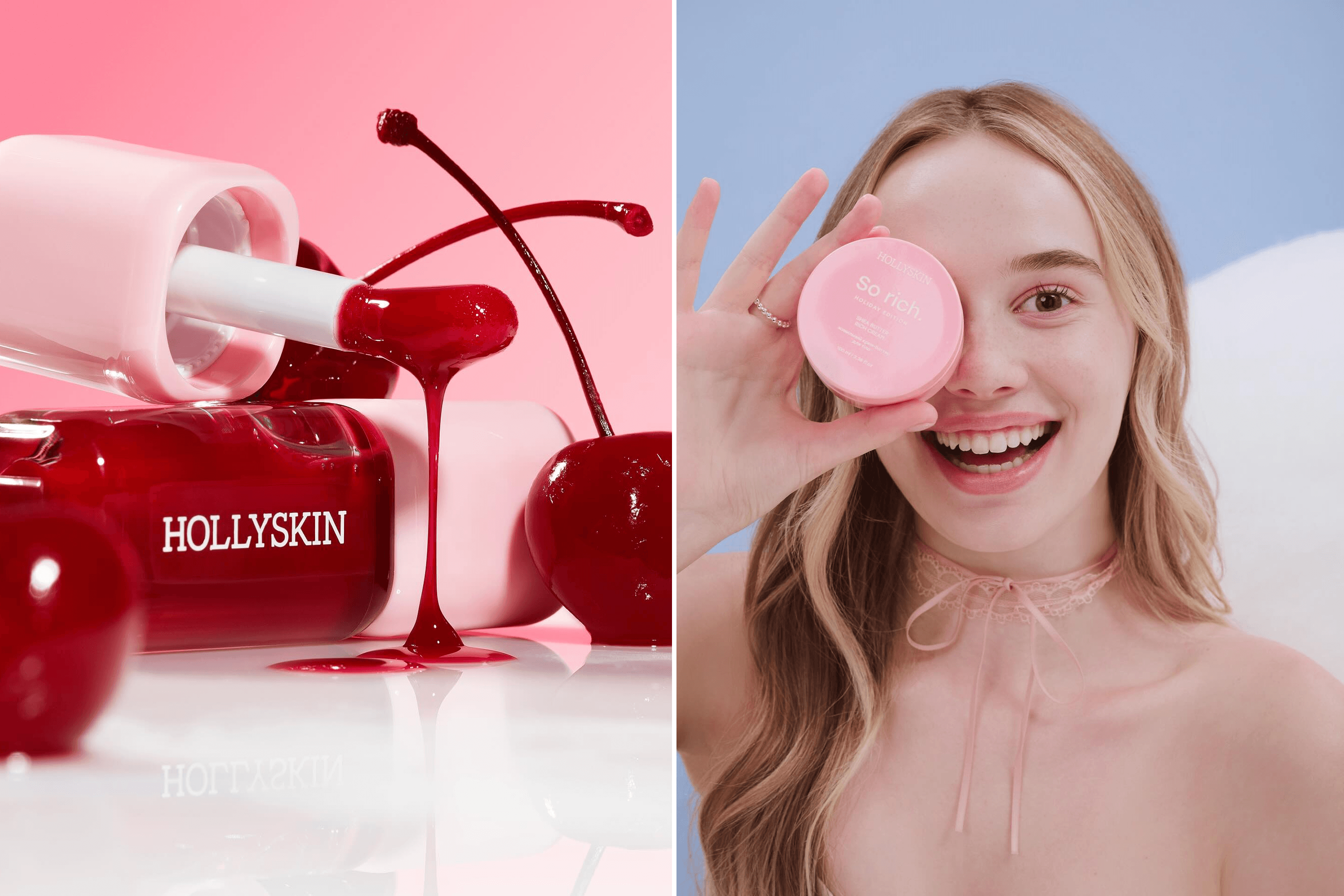
Some products from the HOLLYSKIN product range. Photo: hollyskin.official / Instagram / YB 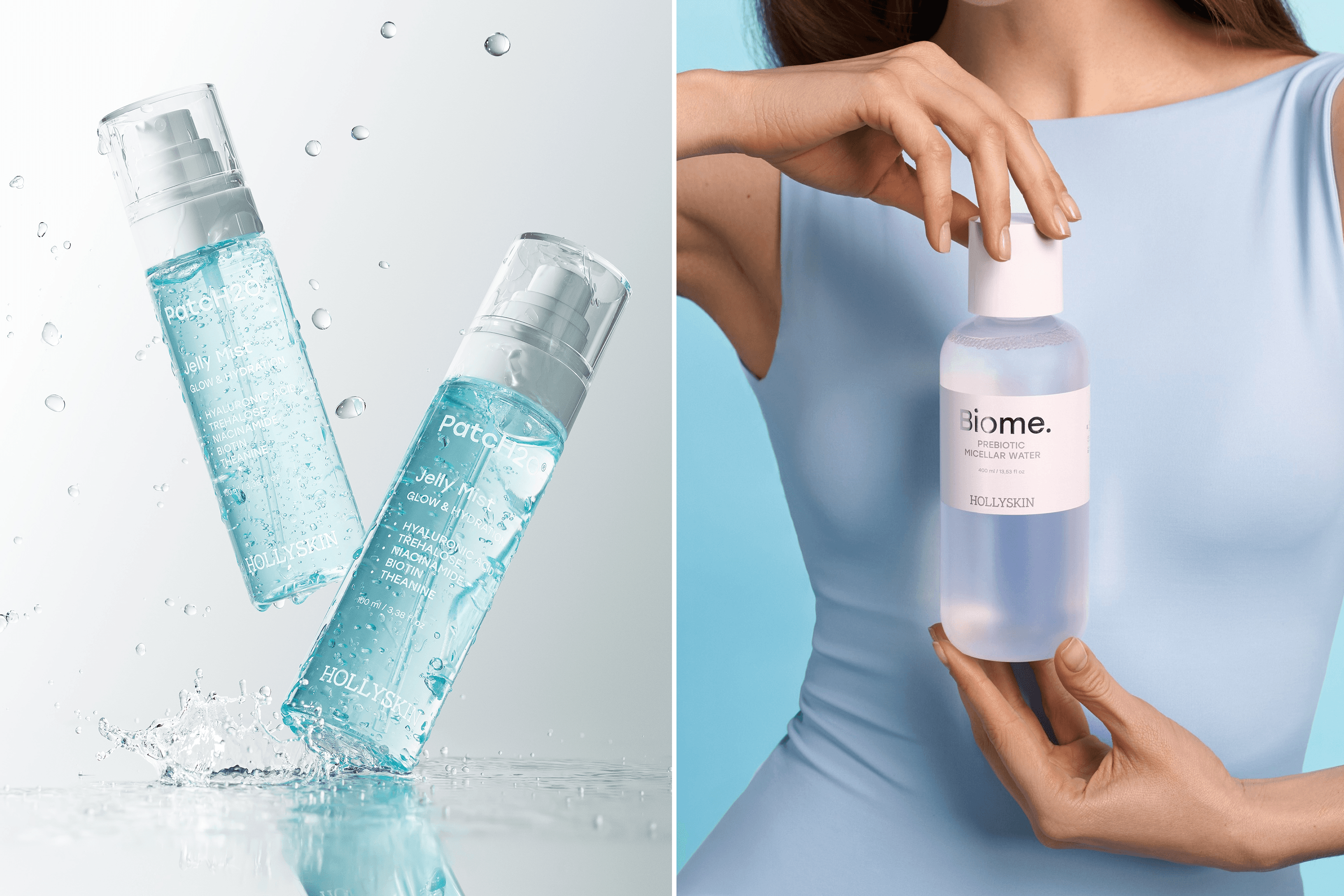
Photo: hollyskin.official / Instagram / YB 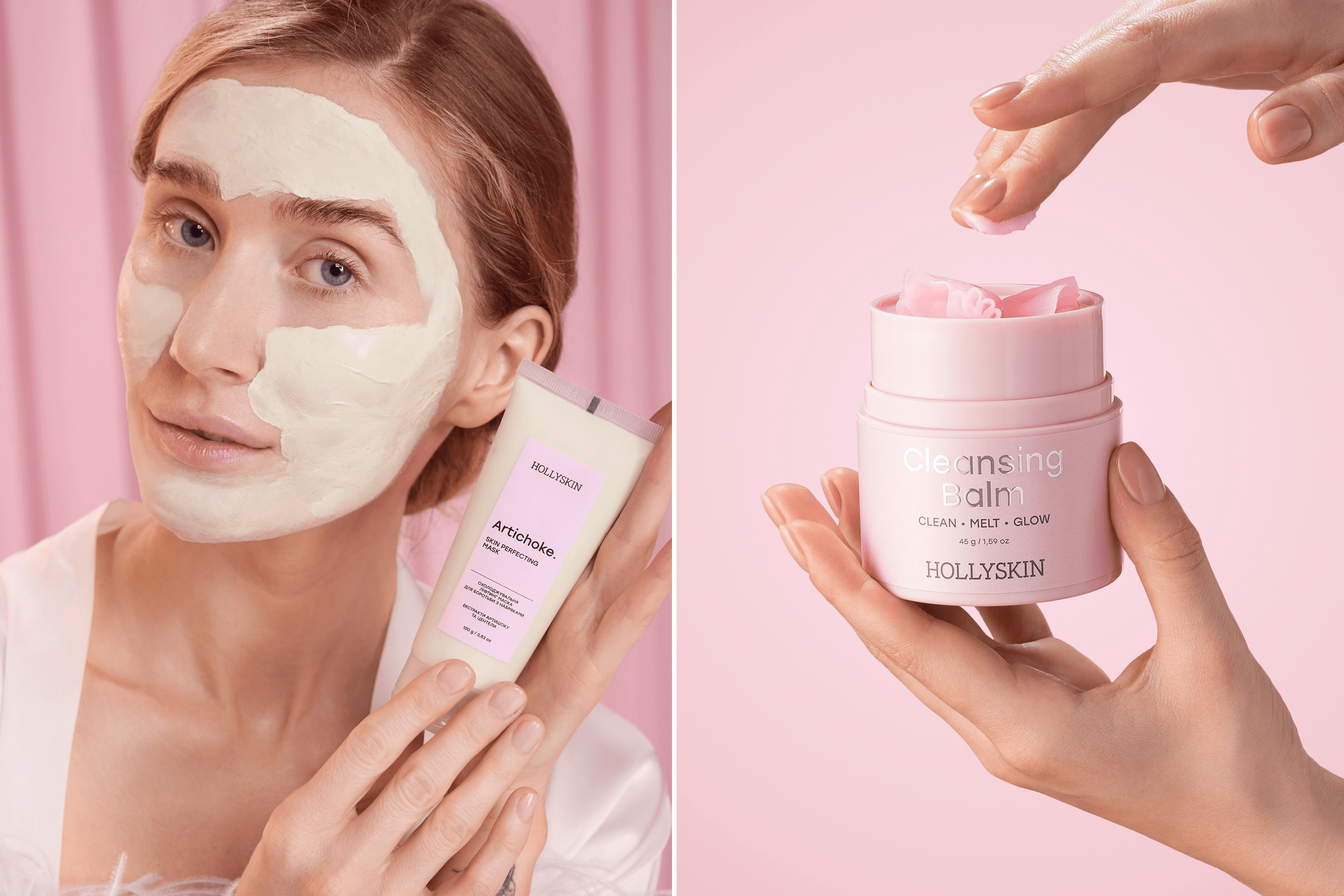
Photo: hollyskin.official / Instagram / YB 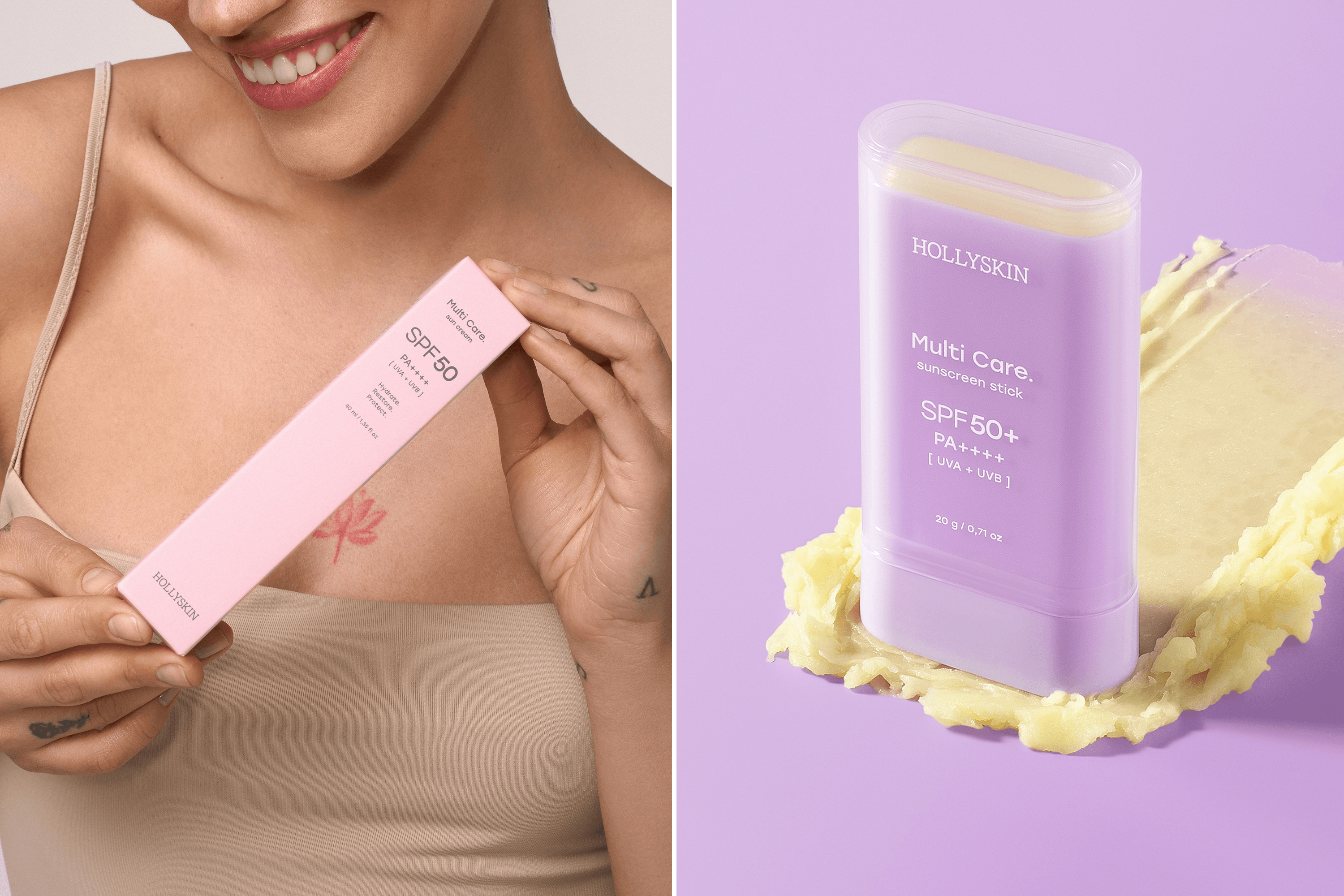
Photo: hollyskin.official / Instagram / YB 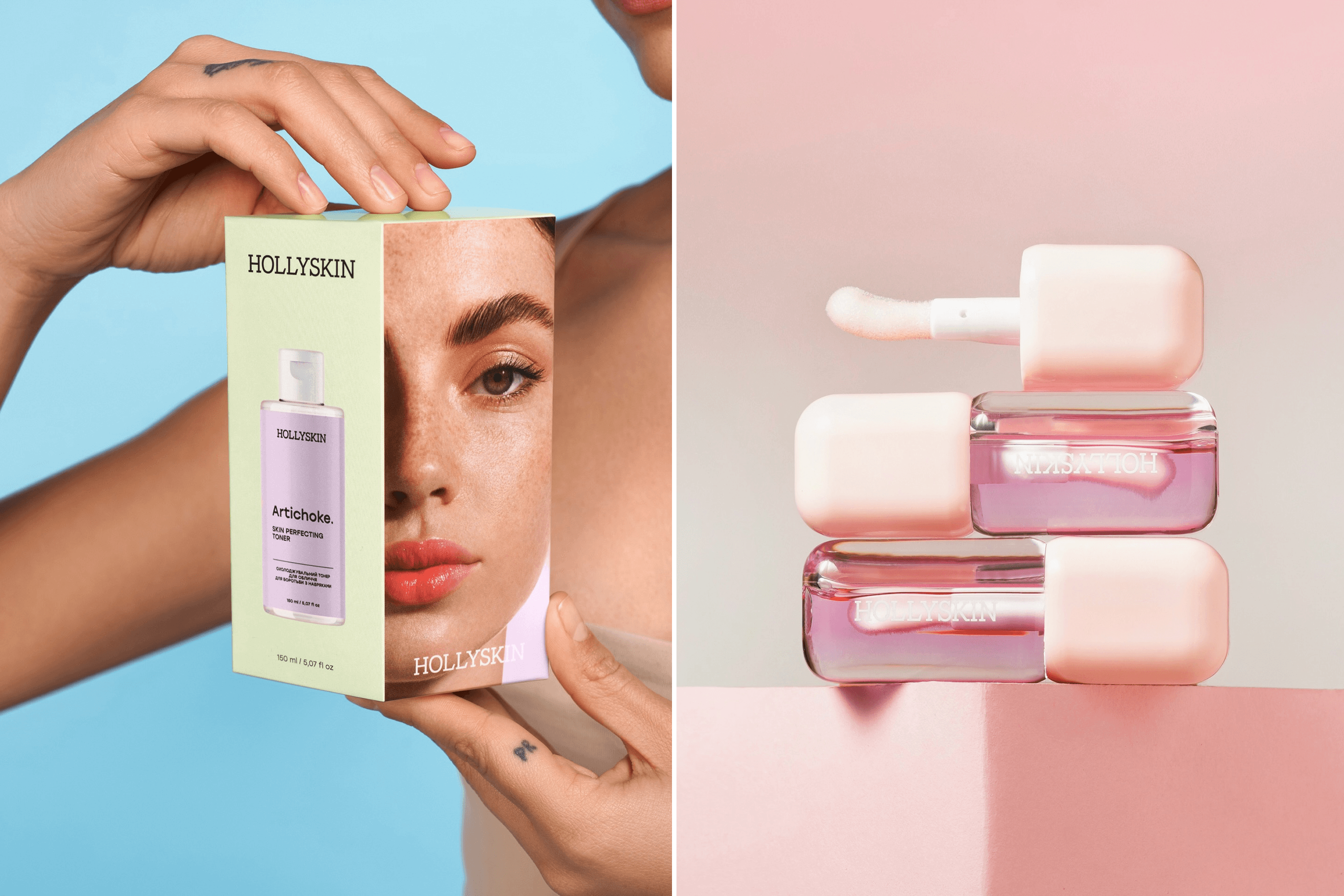
Photo: hollyskin.official / Instagram / YB 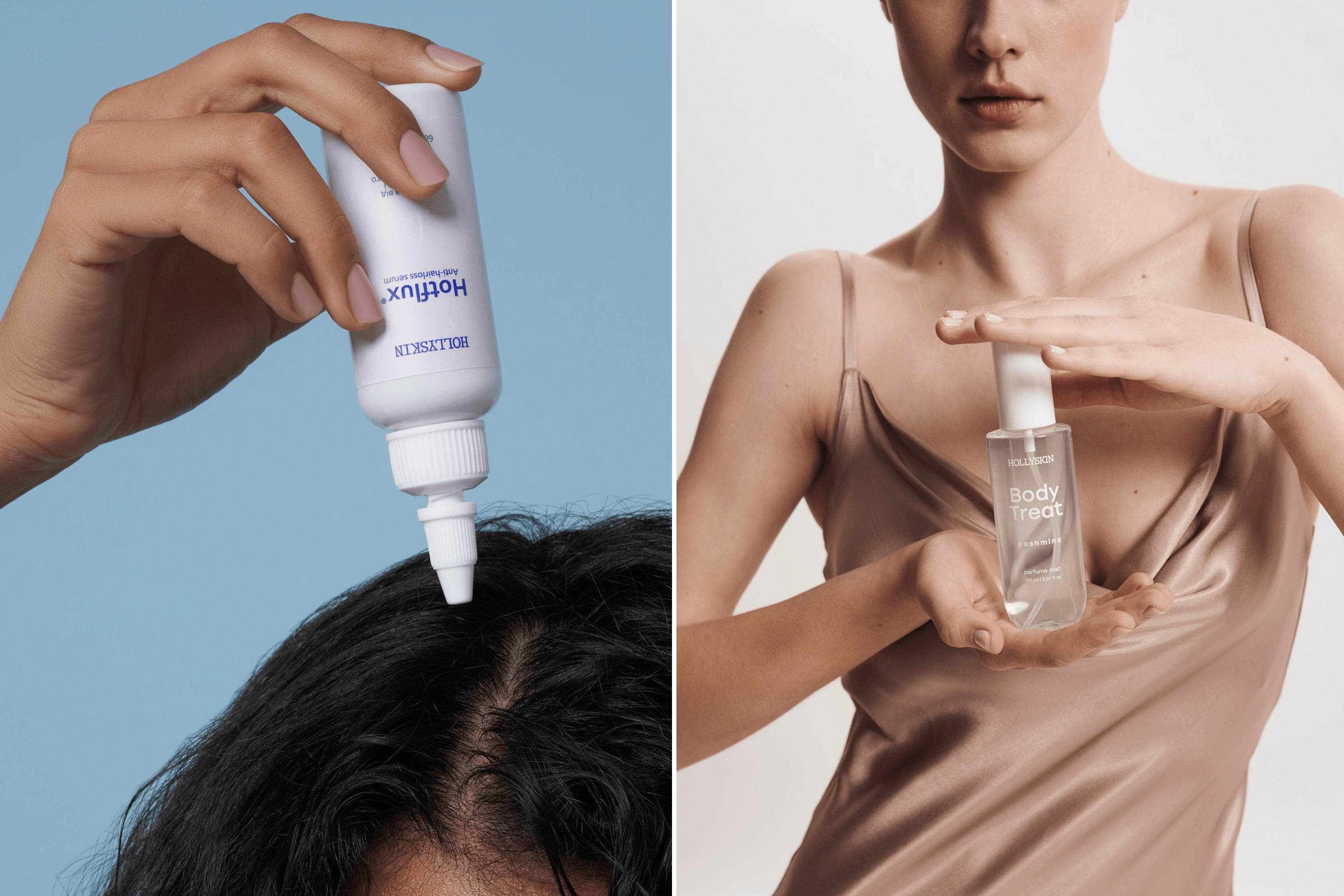
Photo: hollyskin.official / Instagram / YB
Besides differences in consumer habits, every market has its own regulatory requirements. Speaking about Europe, does each country require separate certification for exports?
Once your products are registered in the CPNP system, you can place them on the entire EU market without having to go through separate certification procedures in each of the 27 member states. That is a major advantage. However, to do so, you need to have a legal presence within the European Union.
There are two ways to achieve this. The first is to work through a partner who acts as the Responsible Person. The second is to establish your own company that assumes responsibility for all of your products within the EU. We chose the second option and established a company in Poland in 2024. It is responsible for the entire process, from registering products in the CPNP system to communicating with regulatory authorities and responding to consumer inquiries and complaints. It may be the more complicated approach, but we believe it is the more reliable one.
How difficult is certification under the EU’s CPNP system?
In reality, it is quite a demanding process. Before a product can be placed on the market, you need to spend between three and six months conducting tests, preparing documentation, and completing the safety assessment. Only after that can the product be officially notified and launched for sale.
At the same time, Ukrainian legislation in this area is now being actively harmonized with European regulations. Ukraine is gradually introducing a new technical regulation for cosmetic products, and in practice most of its requirements are already closely aligned with European standards. As a result, working with EU countries is becoming much easier.
Are certification requirements in your other export markets more complicated or simpler?
If we are talking about the Middle East, the requirements are in some respects simpler, in others more complicated, but above all they are different. At the moment, we are negotiating with partners in Kuwait, Bahrain, the UAE, and Saudi Arabia. In those markets, however, local representatives take responsibility for much of the certification process. Replicating the European model there is almost impossible because of language, legal, and cultural barriers. Trying to manage it remotely would simply be too expensive and too complicated.
The same applies to Canada and the United States. They each have their own regulatory systems.
Which three countries or regions do you currently see as the most promising for export growth?
I would speak in terms of regions rather than individual countries. First, we view the European Union as one large market. It offers several advantages: harmonized legislation, geographic proximity, and straightforward logistics.
The second is Canada. It is a large market with a significant Ukrainian diaspora that has a positive attitude toward Ukrainian products. This is reflected in the number and consistency of partnership inquiries we receive from there. At the moment, we are negotiating simultaneously with four potential partners from different parts of the country.
The third is the Middle East and the Gulf region. It is a large, affluent market with strong demand for cosmetics in the mid-range and upper mid-range segments, demand that remains largely unmet.
According to OpenDataBot, your company’s revenue increased by nearly 148 percent in 2024, reaching UAH 96 million. Have you managed to maintain that growth, and what is driving it?
By the end of 2025, our revenue had increased to UAH 260 million, another growth of roughly 170 percent. In the first quarter of 2026 alone, our revenue reached UAH 103 million. Based on these results, we expect revenue to grow by another 170 to 200 percent this year.
We continue to grow by expanding our own brands, broadening our product portfolio, and increasing the share of Ukrainian-made products in the domestic market. In 2025, we ranked seventh among cosmetics manufacturers in Ukraine by revenue. By the first quarter of 2026, we had already moved up to fourth place.
We reinvest most of what we earn into manufacturing, equipment, our team, and developing our brands. Today, we see ourselves not only as a Ukrainian company but as an Eastern European multi-brand cosmetics manufacturer.
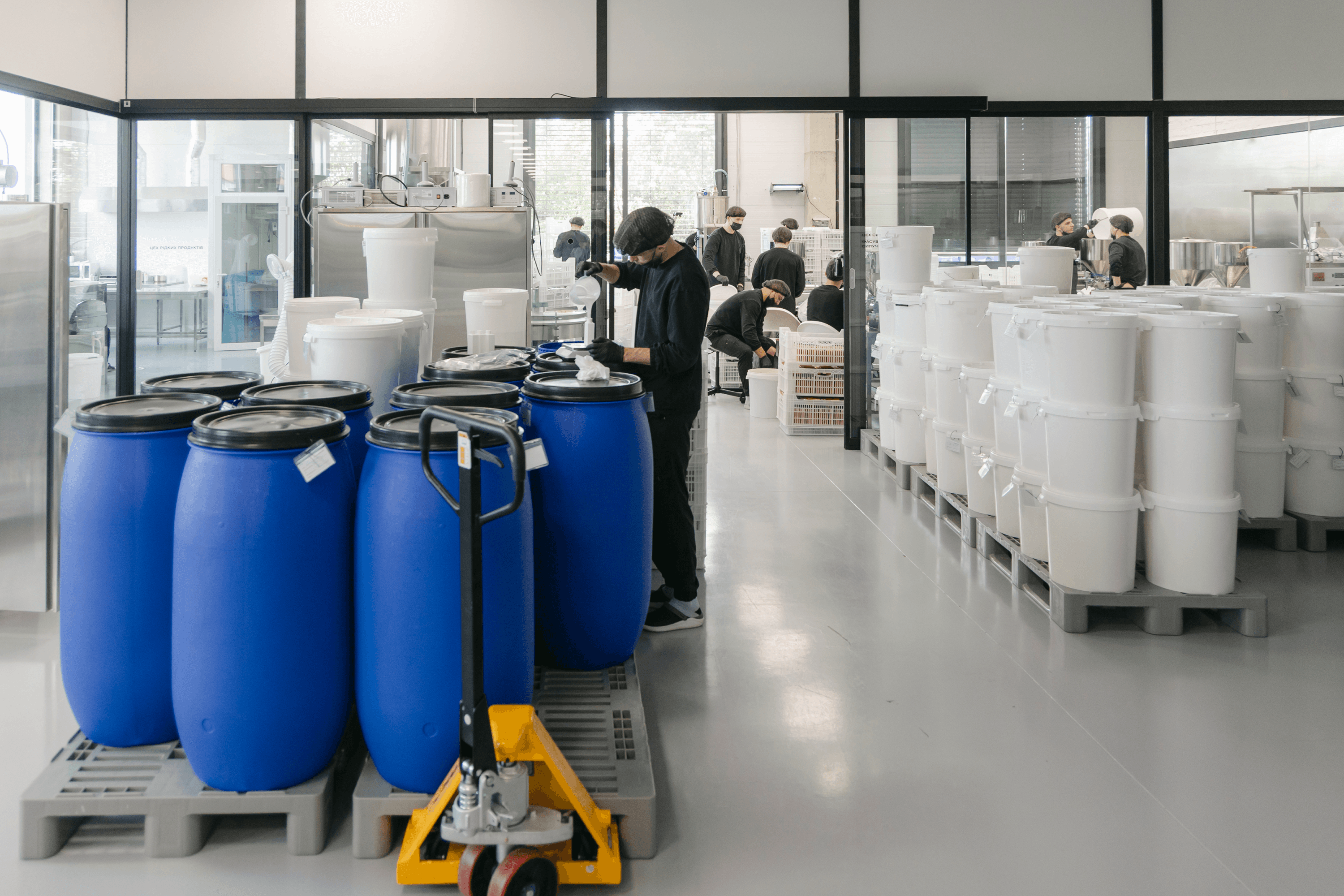
The production process at the Mr.SCRUBBER manufacturing facility. Photo: Mykhailo Melnychenko / YB 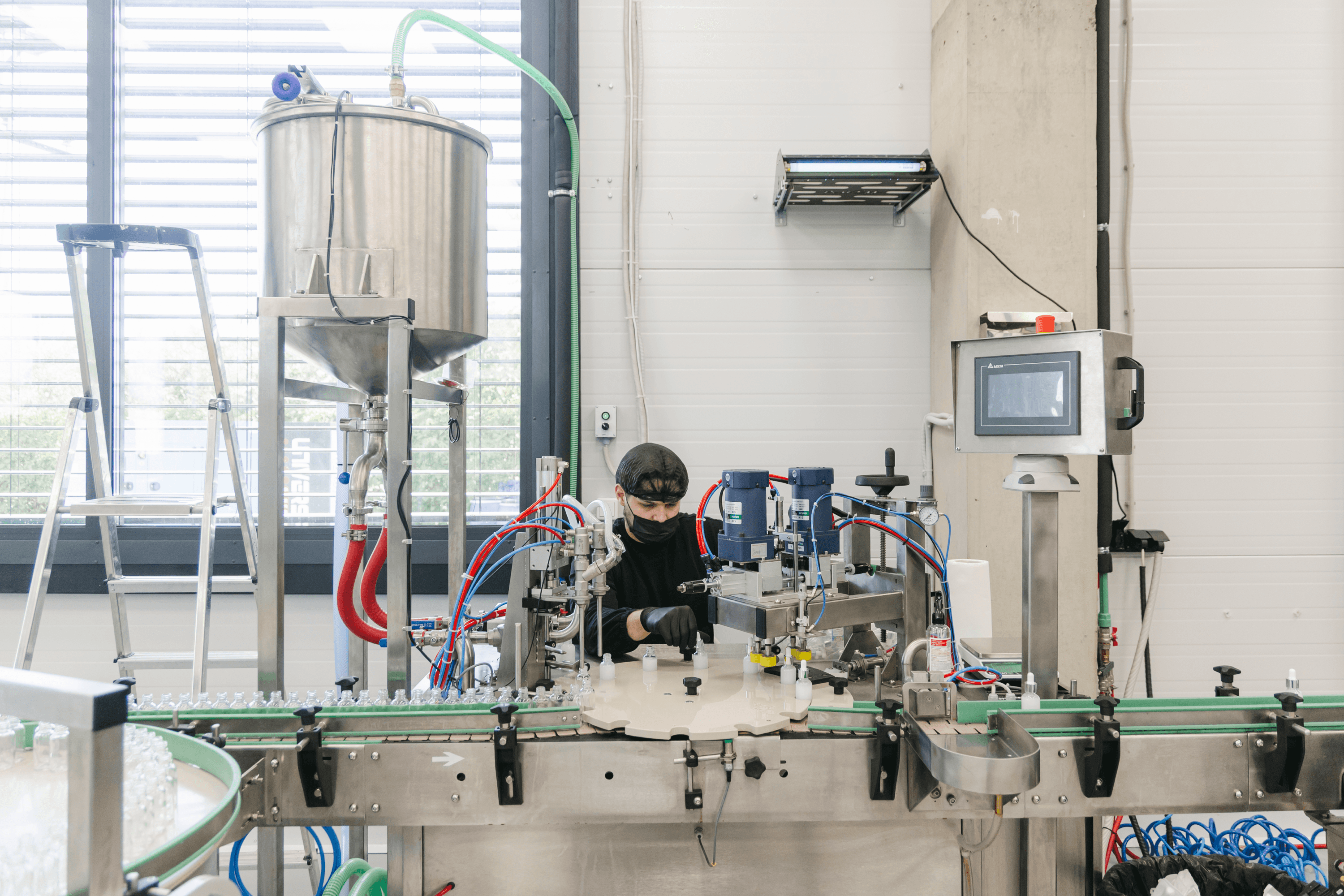
Photo: Mykhailo Melnychenko / YB 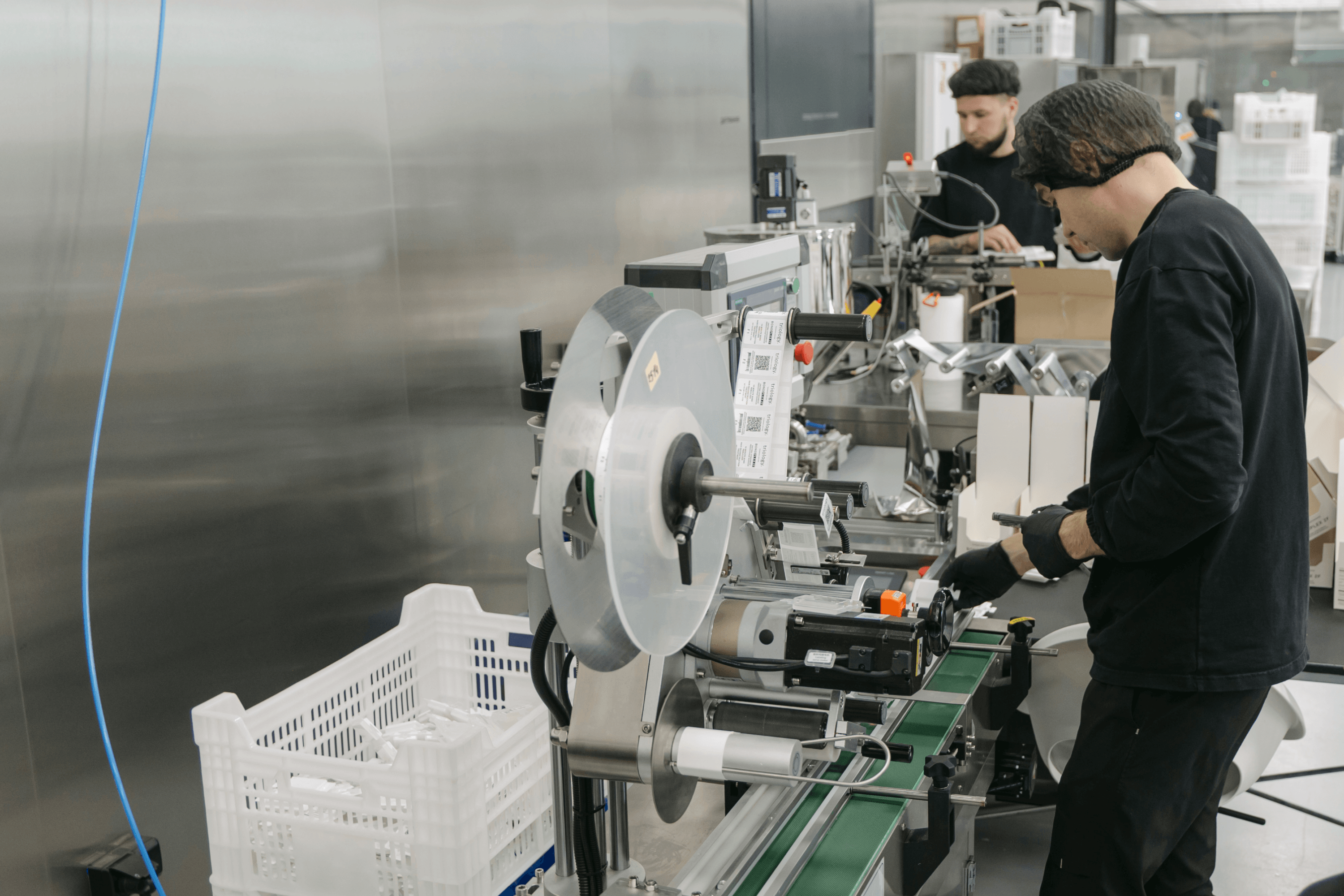
Photo: Mykhailo Melnychenko / YB 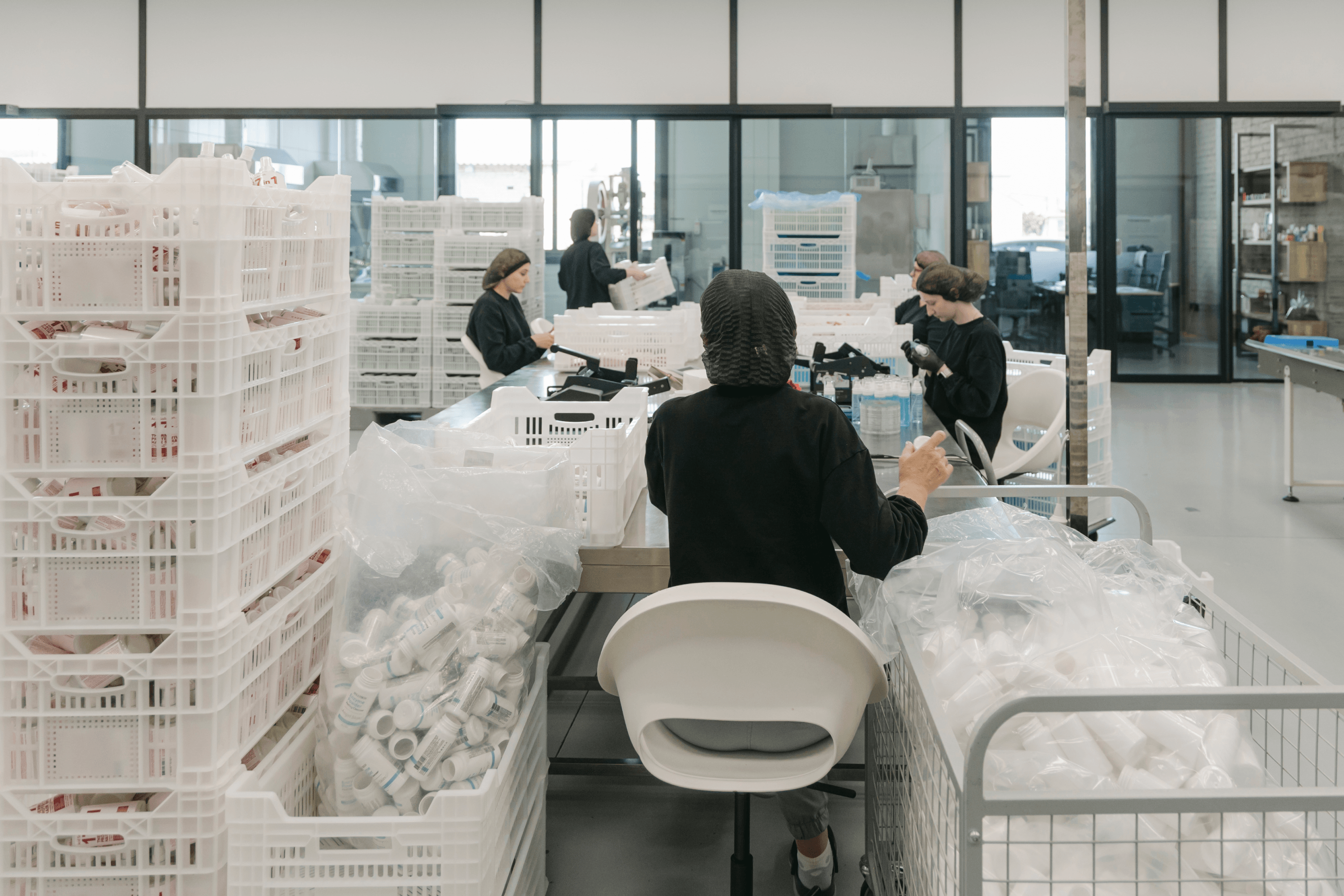
Photo: Mykhailo Melnychenko / YB 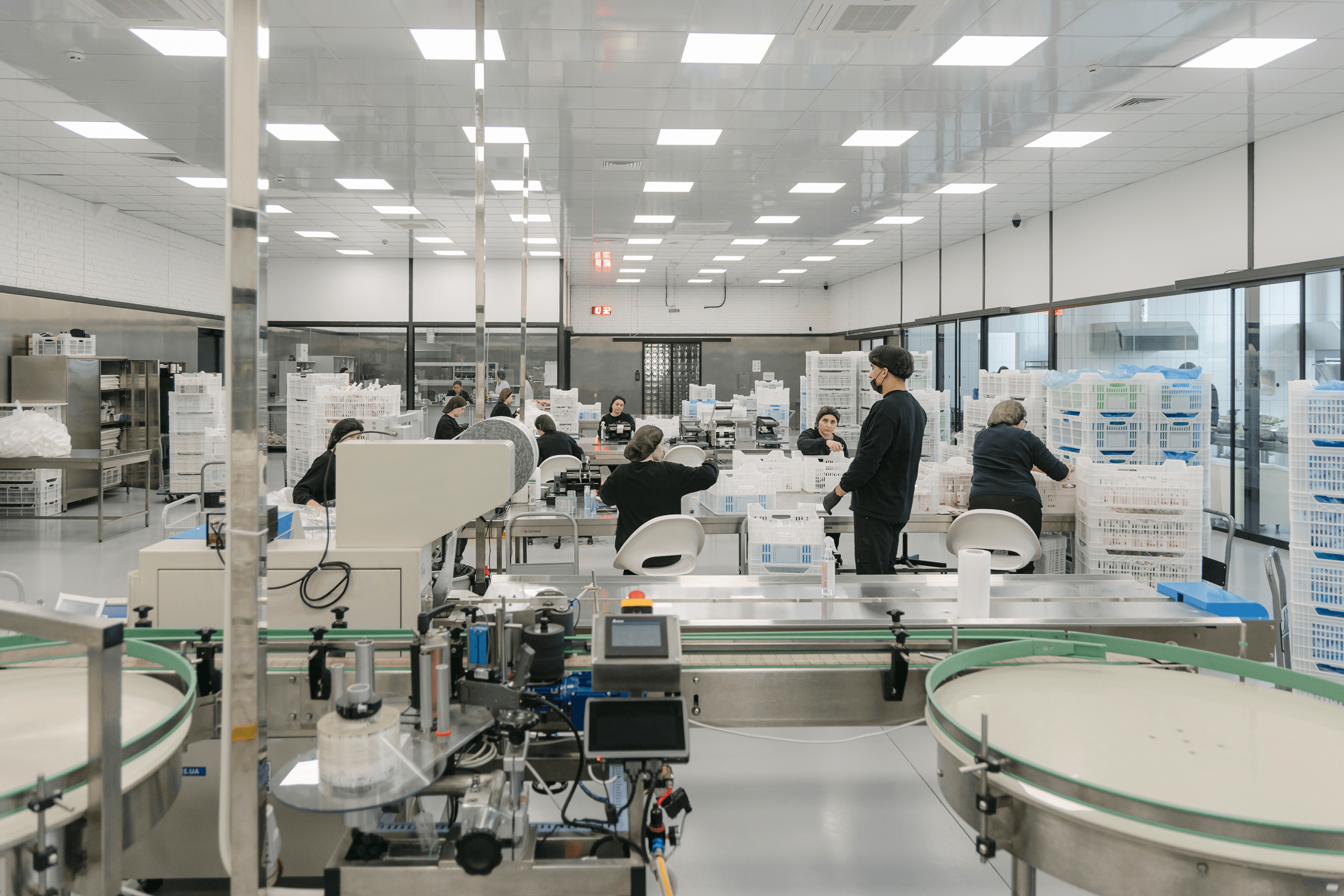
Photo: Mykhailo Melnychenko / YB
What are your biggest challenges today? Production capacity, financing, staffing, or something else?
Staffing remains a major challenge, particularly when it comes to male employees. Because of mobilization, we cannot expand our workforce as actively as we would like. Our company has the status of a critically important enterprise, but that only allows us to reserve 50 percent of employees who are subject to military service.
Another challenge facing the cosmetics industry as a whole is the introduction of new government certification requirements and compliance with the new technical regulation. For us, however, this is not a critical issue. We have been working according to international standards for many years, carrying out all the required testing, documenting our processes, and, in practice, already complying with these requirements. So I do not expect any problems.
A more significant challenge for us is the rapid pace of business growth. As the number of brands increases, resources, time, and management attention have to be allocated differently. This is particularly noticeable in our marketing and office teams, where we sometimes struggle to expand our staff quickly enough. But that is something we are always working on.
What milestone will tell you that Mr.SCRUBBER has become a global company rather than simply a Ukrainian cosmetics manufacturer?
First, production and sales volumes. An annual turnover of UAH 1 billion will be an important psychological milestone for us. Once we reach that point, we will know that we have moved to an entirely different level as a Ukrainian manufacturer.
Second, our export share. Over the next two to three years, we plan to increase exports from the current three to five percent to at least 20 to 30 percent of total sales. When we achieve that, we will know that customers are choosing our products not only in Ukraine but in many other markets as well, and that we have truly become a multi-brand, multinational company.