Modern Expo is one of the largest manufacturers of retail and logistics equipment, producing everything from shelving and checkout areas to autonomous stores and parcel lockers. In 2025, the company supplied around 600 parcel lockers to Britain’s Royal Mail.
Today, Modern Expo operates in more than 75 countries, invests in new production facilities, and is preparing to expand into North and South America. Before 2014, however, around 70 percent of the company’s sales came from Russia and other CIS countries. Modern Expo abandoned those markets after the war in the Donetsk region began in 2014.
Yellow Blue journalist Artem Moskalenko spoke with Modern Expo chief sales officer Mykola Khapalov about how the company overcame the loss of its key market, why more than 90 percent of its international clients stayed with the company after the start of full-scale invasion, why it is investing in autonomous stores, and what opportunities it sees for Ukrainian businesses in global markets.
You started by exporting to post-Soviet markets. How dependent were you on them, and when did that change?
Until 2013, our main markets were the CIS countries. They accounted for roughly 70 percent of our sales, while Ukraine and exports to Western countries made up the remaining 30 percent.
After the war in the Donetsk region began in 2014, we completely withdrew from the aggressor state’s market [Russia] and gradually ended cooperation with most of our CIS clients. By the end of that year, the balance between eastern and western markets had reached roughly a 50-50 split.
We learned a lesson: a company cannot depend on a single market or a single development scenario. So we began expanding our exports to European markets more actively.
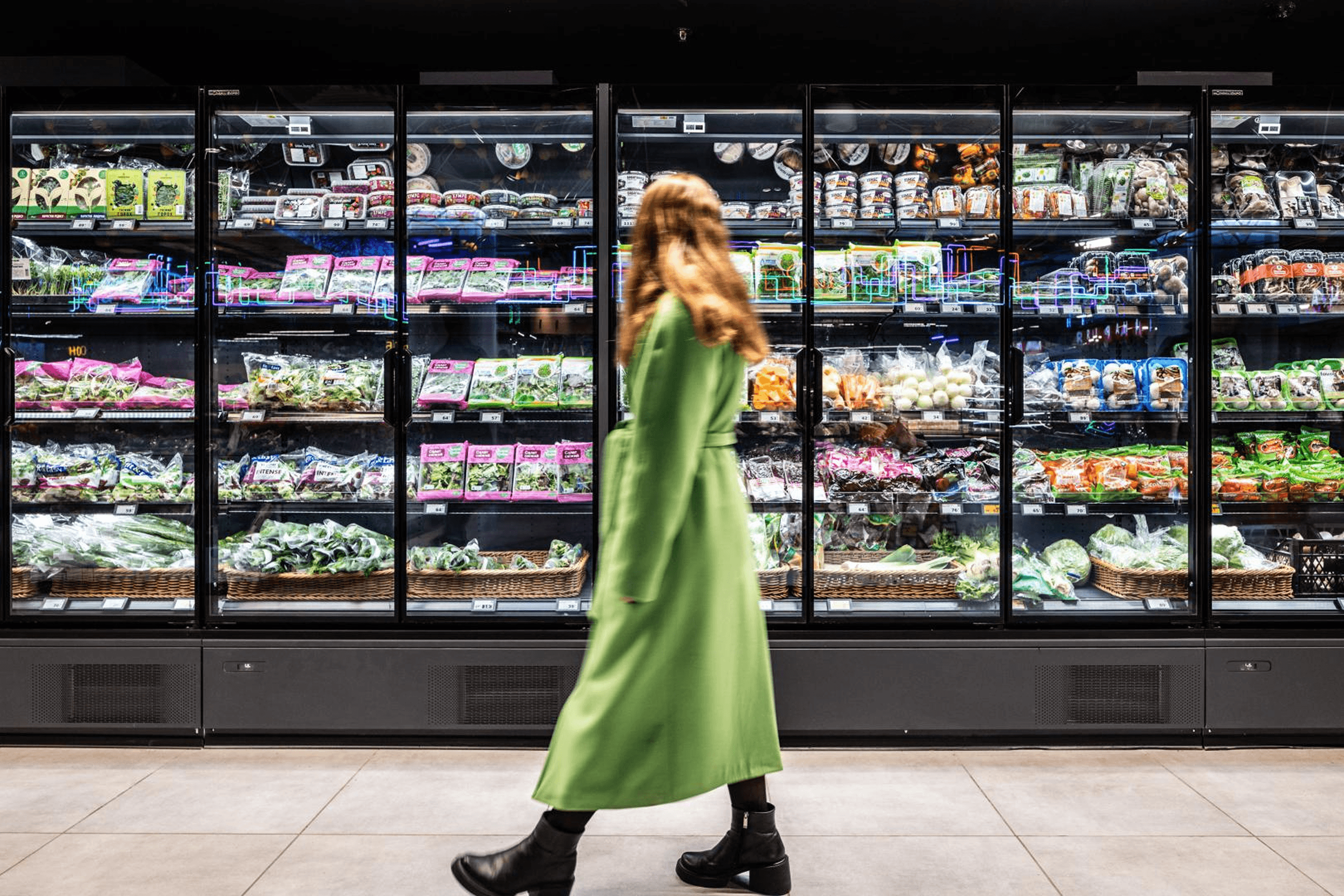
Modern Expo product lines: refrigeration equipment. Photo: modern-expo.eu 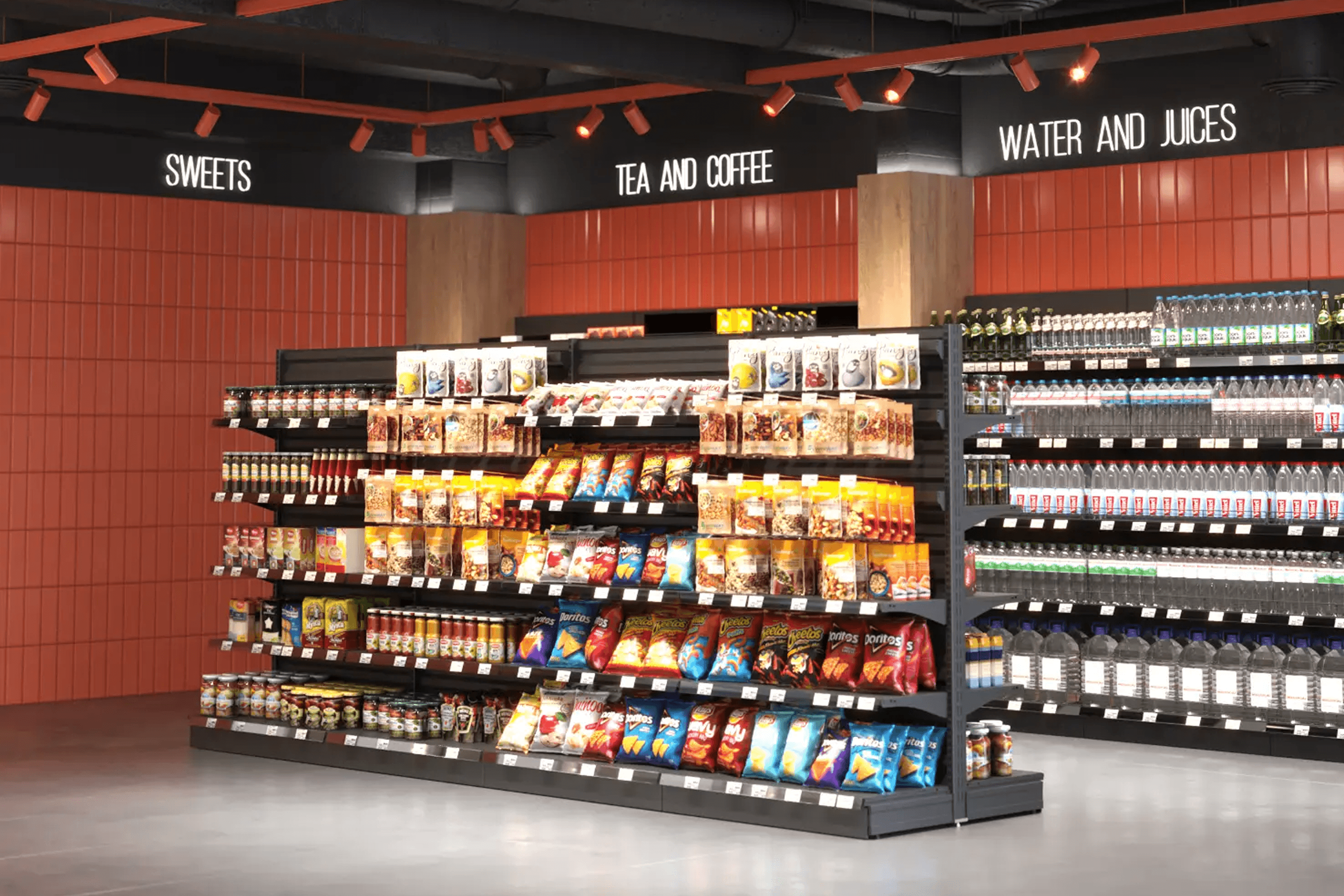
Shelving systems. Photo: modern-expo.eu 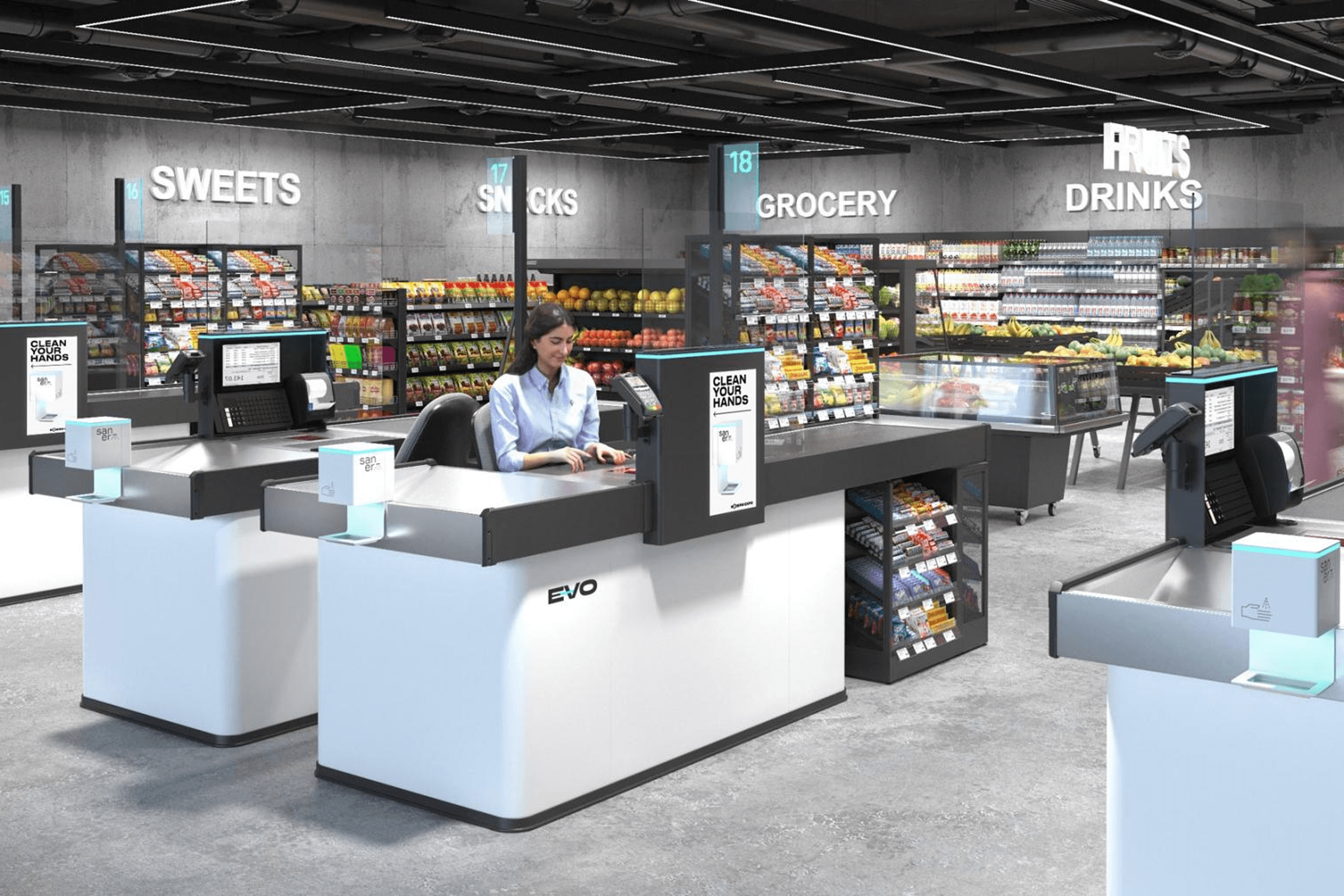
Checkout areas. Photo: modern-expo.eu 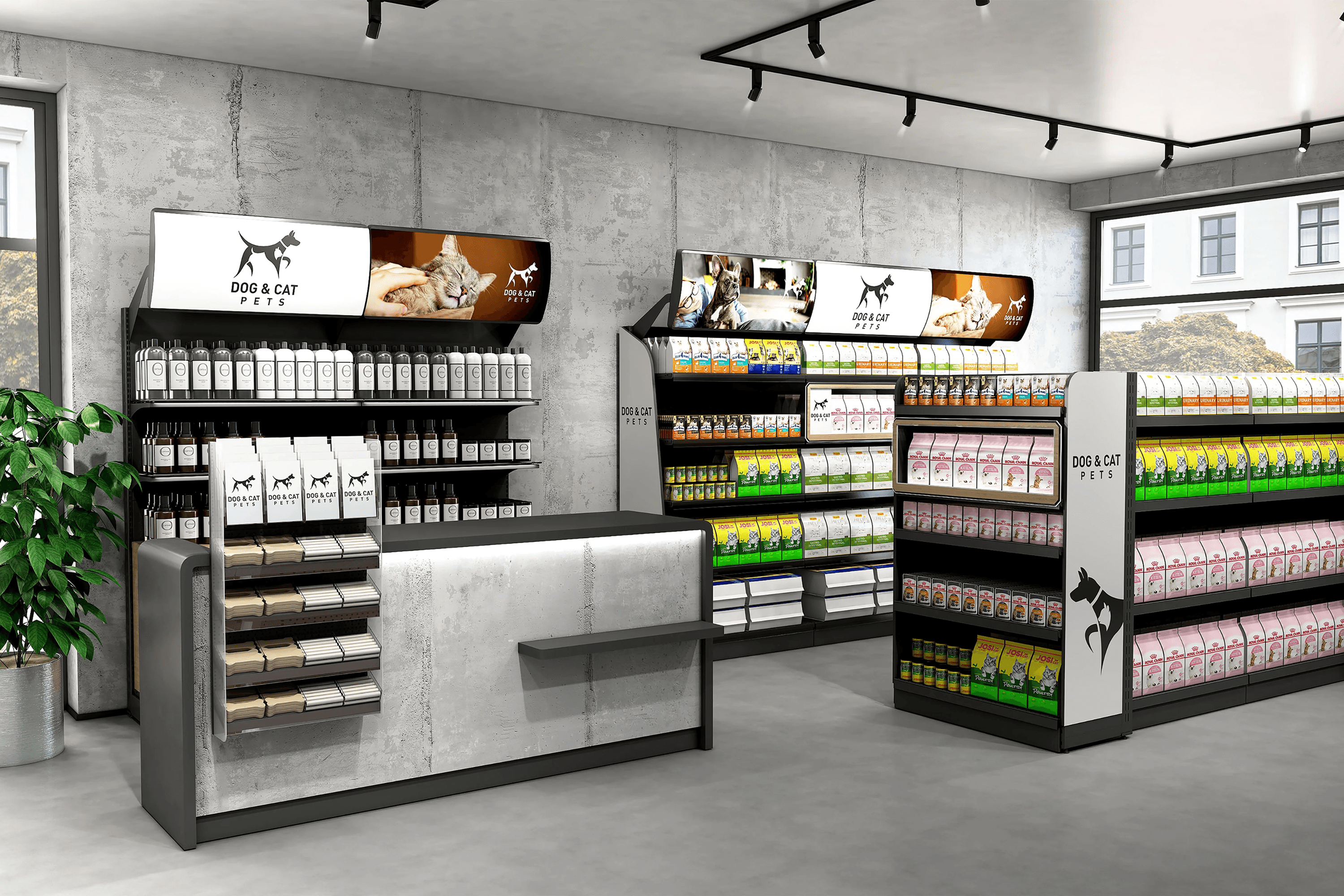
Point-of-sale (POS) solutions for FMCG brands. 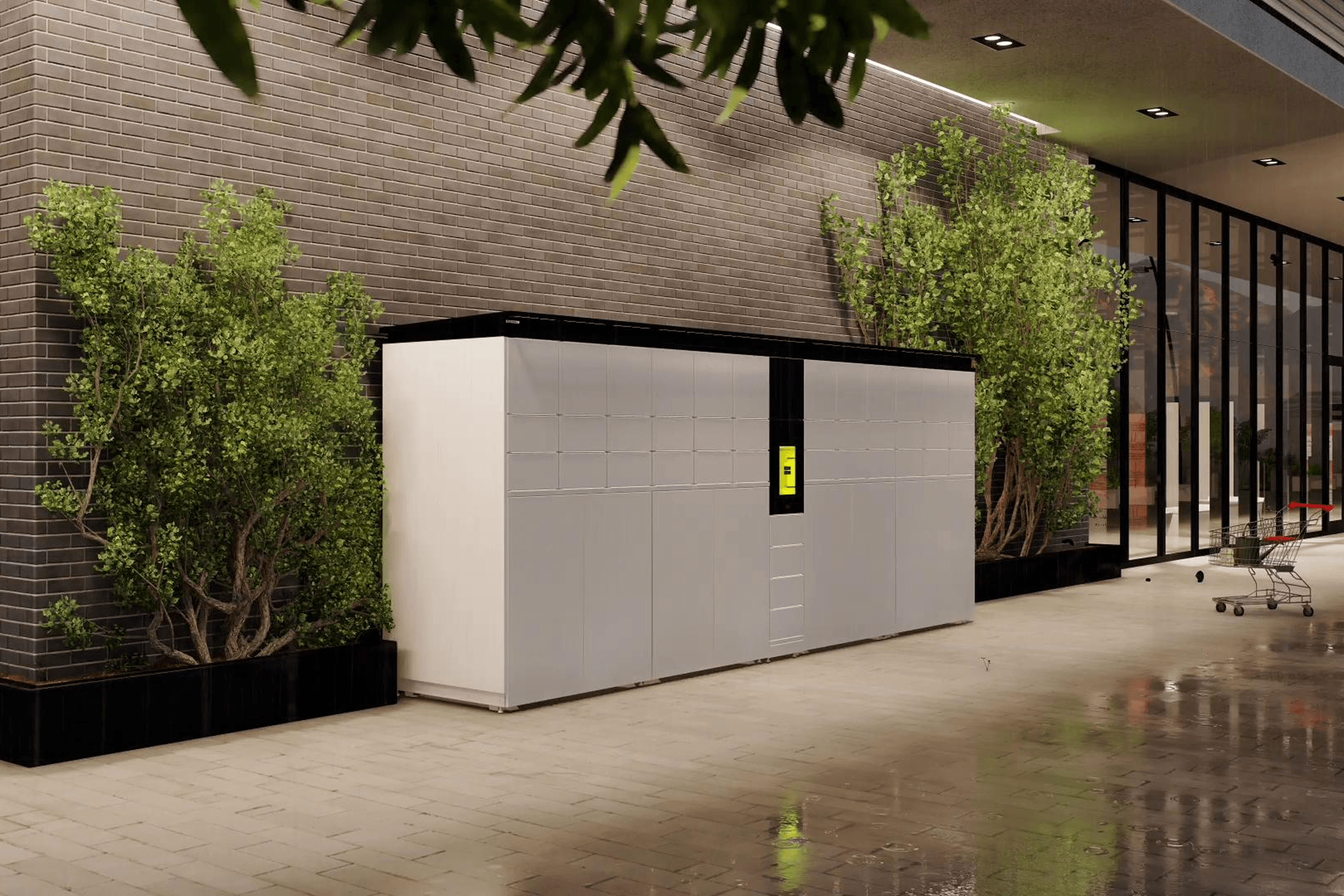
Parcel lockers. Photo: modern-expo.eu 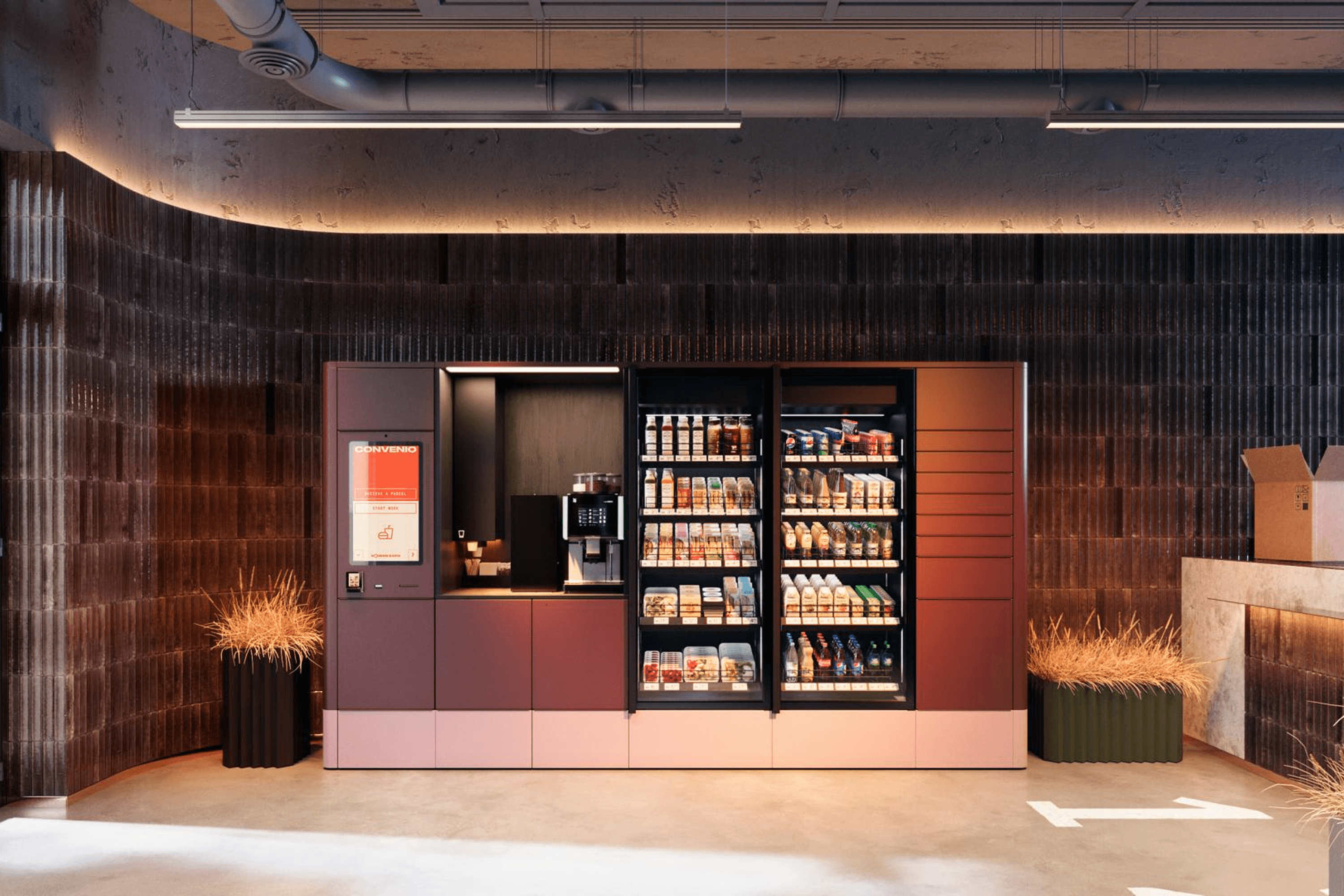
Micro markets. Photo: modern-expo.eu 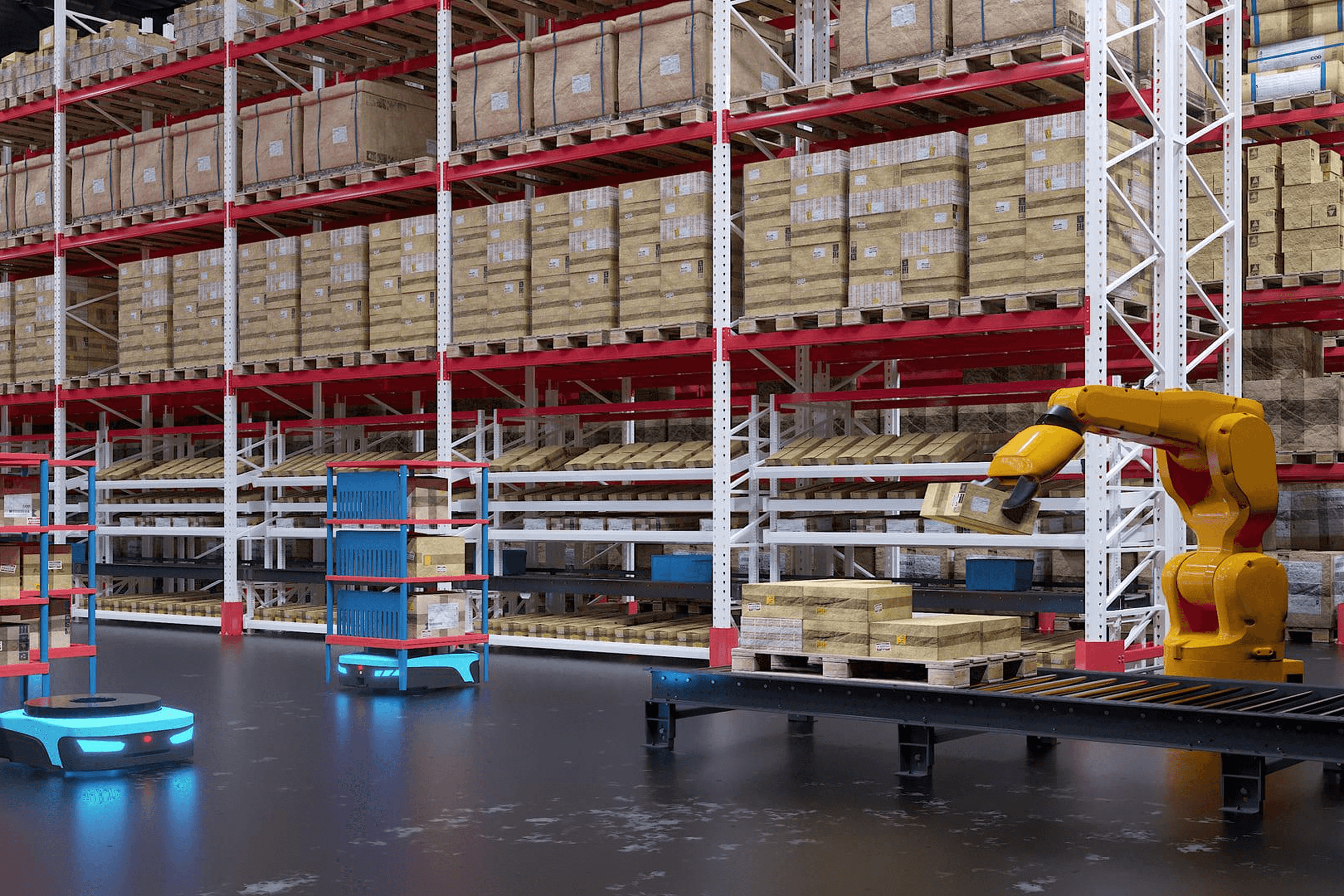
Warehouse shelving systems. Photo: modern-expo.eu
How difficult was it to shift to new markets?
Kazakhstan, Uzbekistan, and Turkmenistan are about ten years behind Ukraine in terms of retail development. Europe is completely different. The biggest challenge was understanding what local customers needed, what solutions they were looking for, and what mattered to them. To better understand those needs and increase sales, we hired local specialists for our European teams. Even so, our growth was fairly slow at first.
How did the company develop after shifting its focus to European markets?
Over the following eight years, we expanded significantly. A separate production line emerged for refrigeration equipment, parcel lockers, and a number of other solutions. We also began actively developing our IT business and established Mint, a company that develops software solutions for our “smart” technologies.
We also continued expanding our exports to Europe. We also take part in EuroShop trade fairs, the leading international event where new retail solutions are presented. Between 2014 and 2022, we expanded our exports across Southeastern Europe, from Italy to Greece.
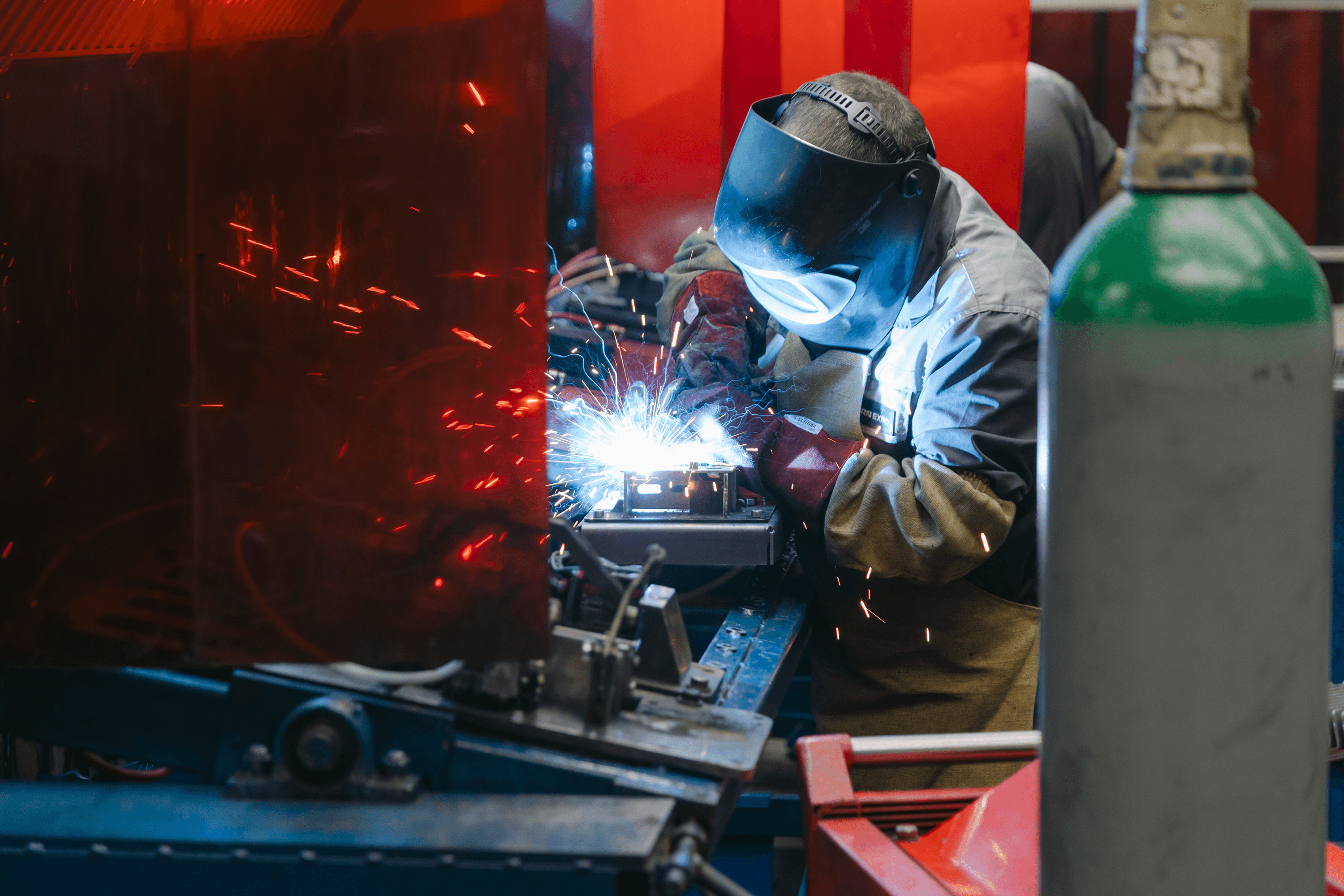
The production process at Modern Expo. Photo: Mykhailo Melnychenko / YB 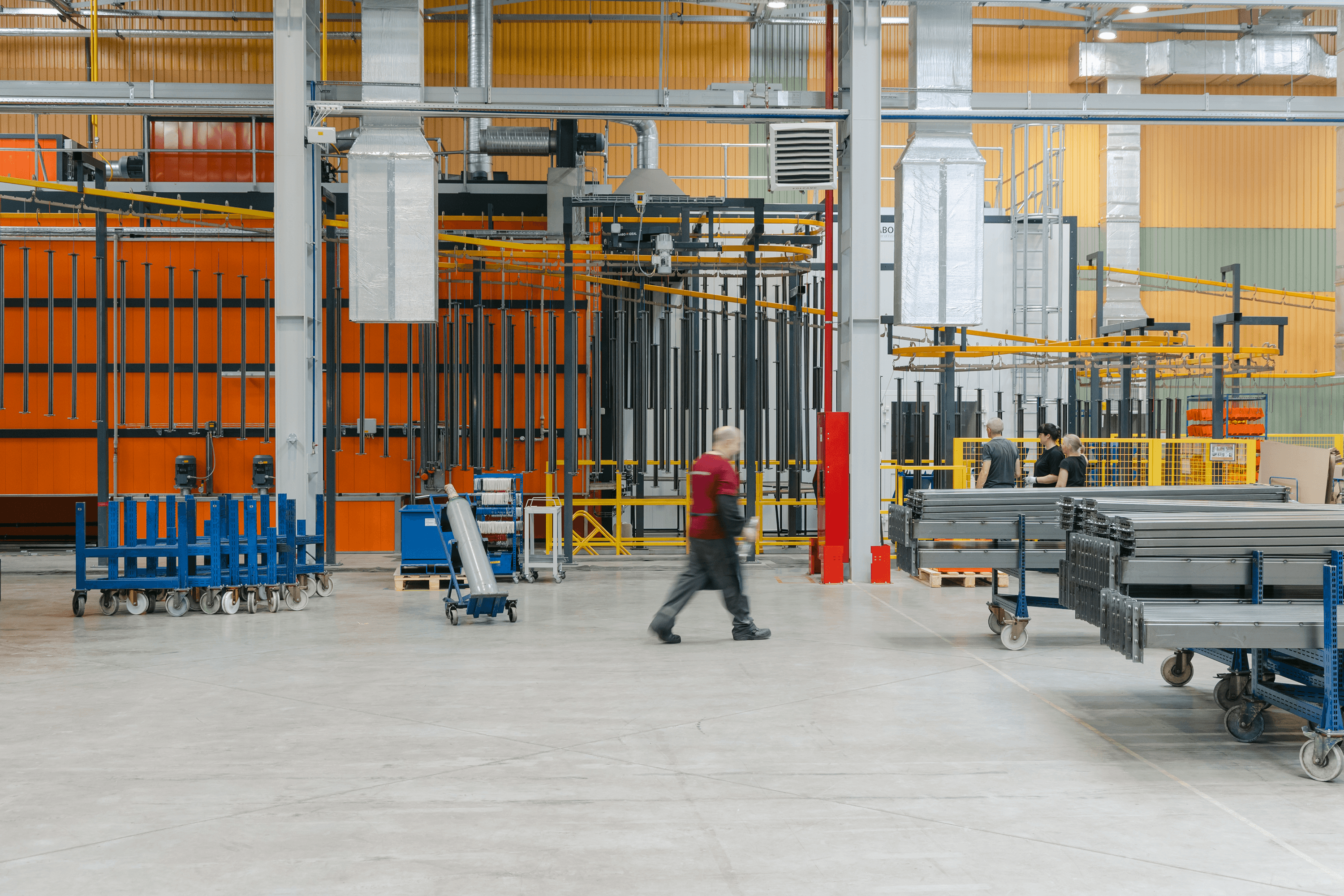
Photo: Mykhailo Melnychenko / YB 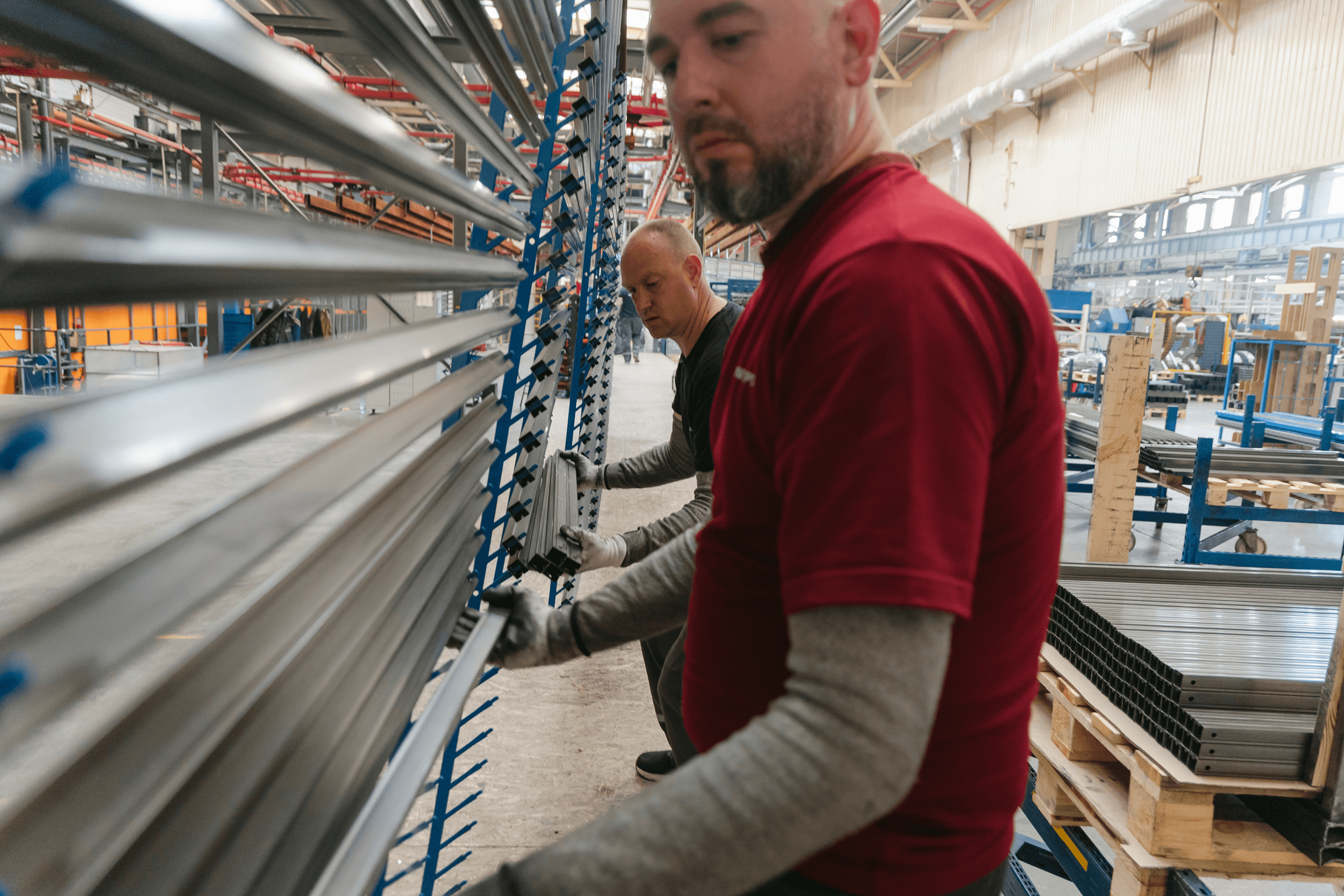
Photo: Mykhailo Melnychenko / YB 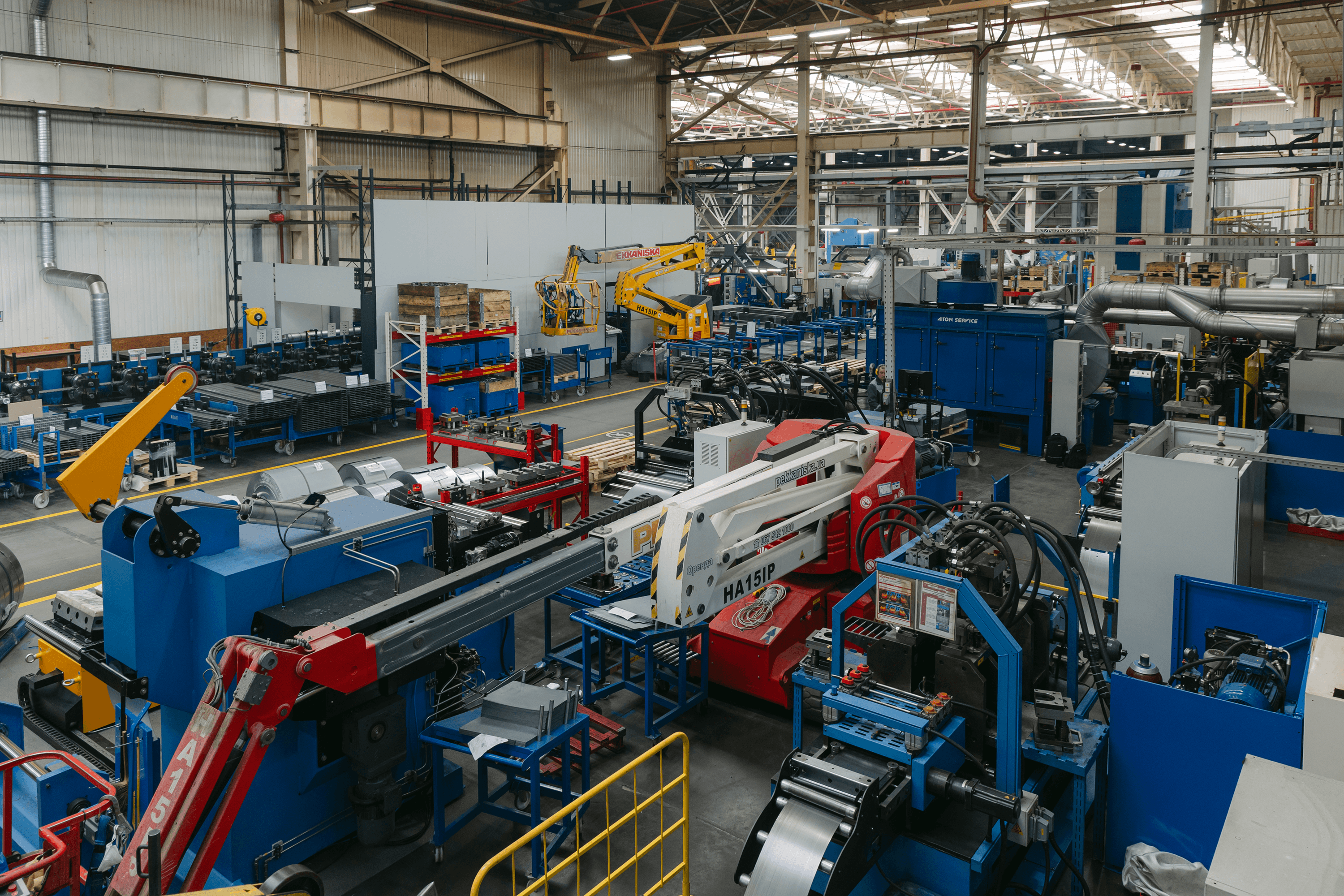
Photo: Mykhailo Melnychenko / YB 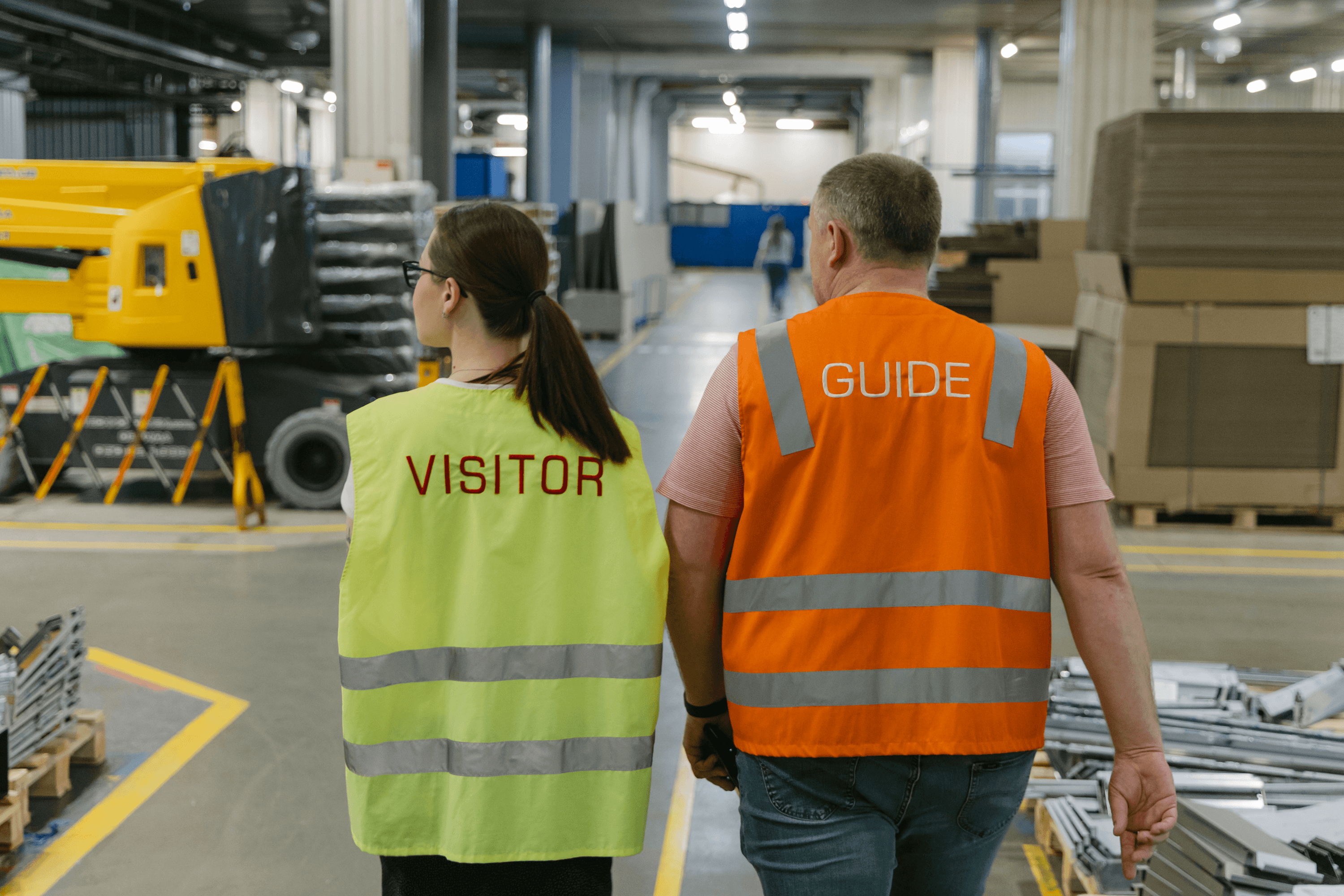
Photo: Mykhailo Melnychenko / YB 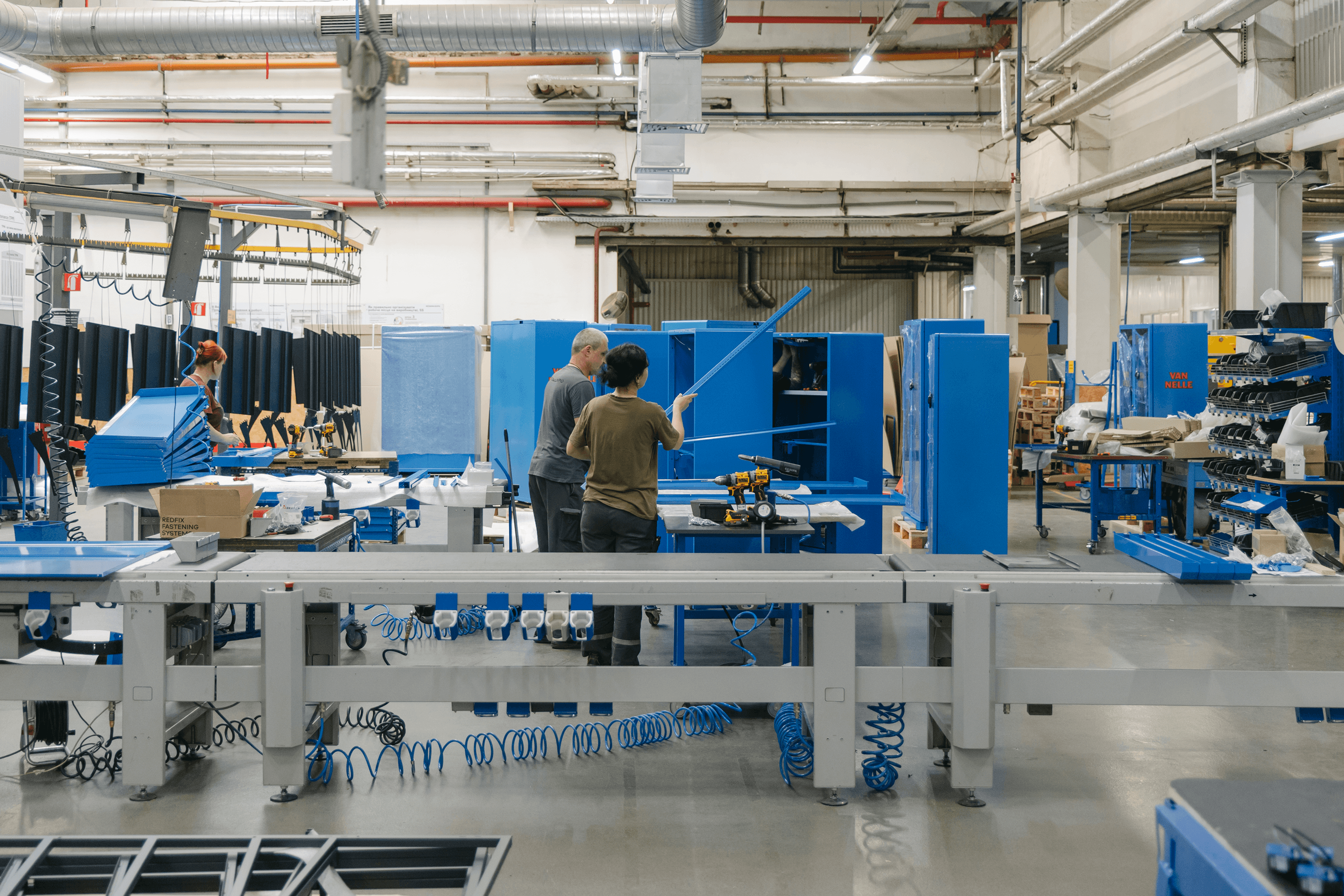
Photo: Mykhailo Melnychenko / YB
What were the first weeks of Russia’s full-scale invasion of Ukraine like for Modern Expo?
We stopped production for about five days so our employees could take care of their families and move them to safer places. Some people needed that time to decide whether to stay with the company or leave to defend the country. Since the start of the full-scale war, more than 290 of our employees have joined Ukraine’s Defense Forces. Sadly, more than 20 of them have been killed. Others returned to the company after being wounded, and we created the necessary conditions for them.
How did your international clients respond to the start of the invasion?
Some European clients cancelled new contracts that were due to begin in April, May, or June 2022. These were multimillion-euro orders. Still, more than 90 percent of our clients stayed with us. We showed them live video from our production facilities to demonstrate that everything was operating normally and that there was no reason to worry.
We fulfilled every order. Because production had stopped for only five days, some deliveries were delayed by no more than a few days. Later, even the clients who had initially refused to work with us came back.
In 2024, we opened an office in Iberia. In 2025, we opened another in Scandinavia, strengthened our teams in the United Kingdom and France, and entered African markets. To support that expansion, we built a production facility in Lublin. It provides the certification required to operate in African markets without excessive customs duties.
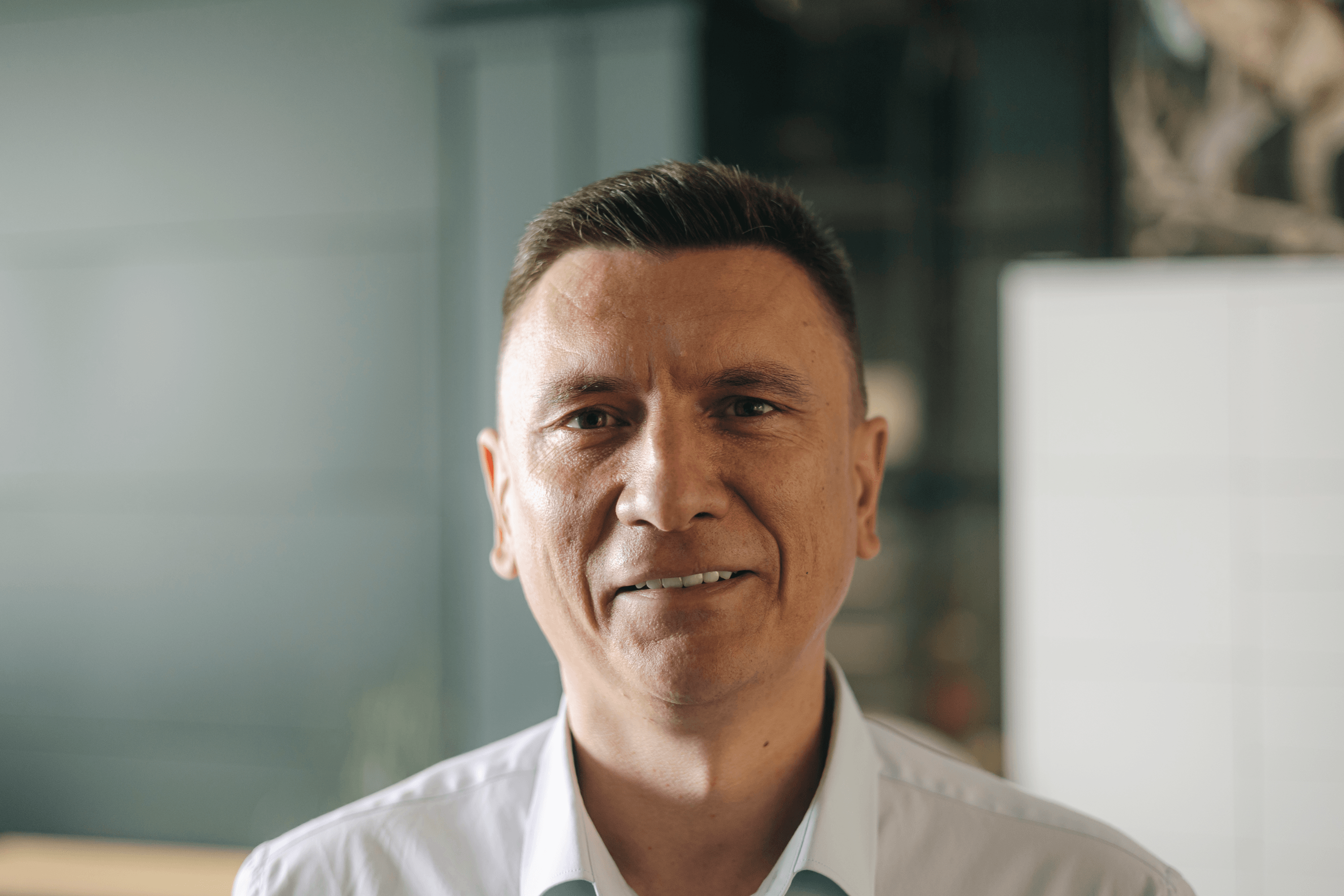
You have two production facilities, one in Lutsk and one in Lublin. How is production divided between them, and how much do you invest in their development each year?
Around 90 percent of our products are manufactured in Lutsk and the remaining ten percent in Lublin. However, the share of production at our Polish facility will continue to grow. This year, we launched the production of checkout counters and POSM equipment there, and we will soon begin manufacturing shelving as well. In Ukraine, we are expanding our refrigeration equipment production. Last year, we invested more than €10 million in the two facilities.
Continuously expanding our production capacity is critical for Modern Expo. There have been times when we had to turn down contracts simply because our facilities were operating at full capacity. We do not want to let our clients down or delay deliveries even by a single day.
Before the full-scale invasion, we also had a production facility in Belarus. In 2022, the facility came under Belarusian government sanctions, so we were unable to either sell it or withdraw the assets.
Your employees are required to go to shelters during air raid alerts. How much does each production stoppage cost the company?
When around two thousand people are working in production, every hour of downtime costs hundreds of thousands of hryvnias. As a result, we have to organize additional shifts, and sometimes even office employees join the production lines. I have also worked on the painting line several times. It helped me better understand our manufacturing processes from the inside.
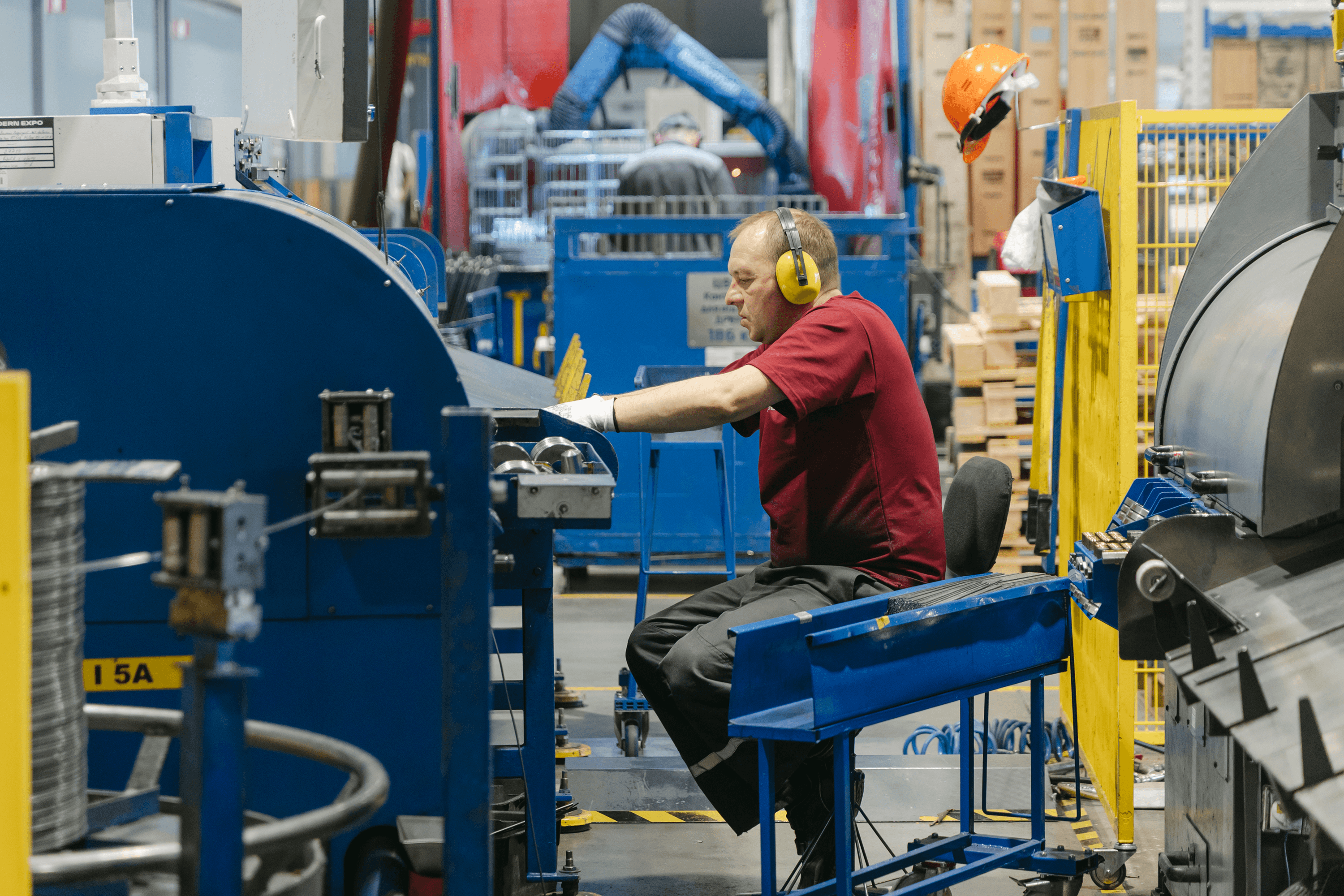
Modern Expo specialists on the production floor. Photo: Mykhailo Melnychenko / YB 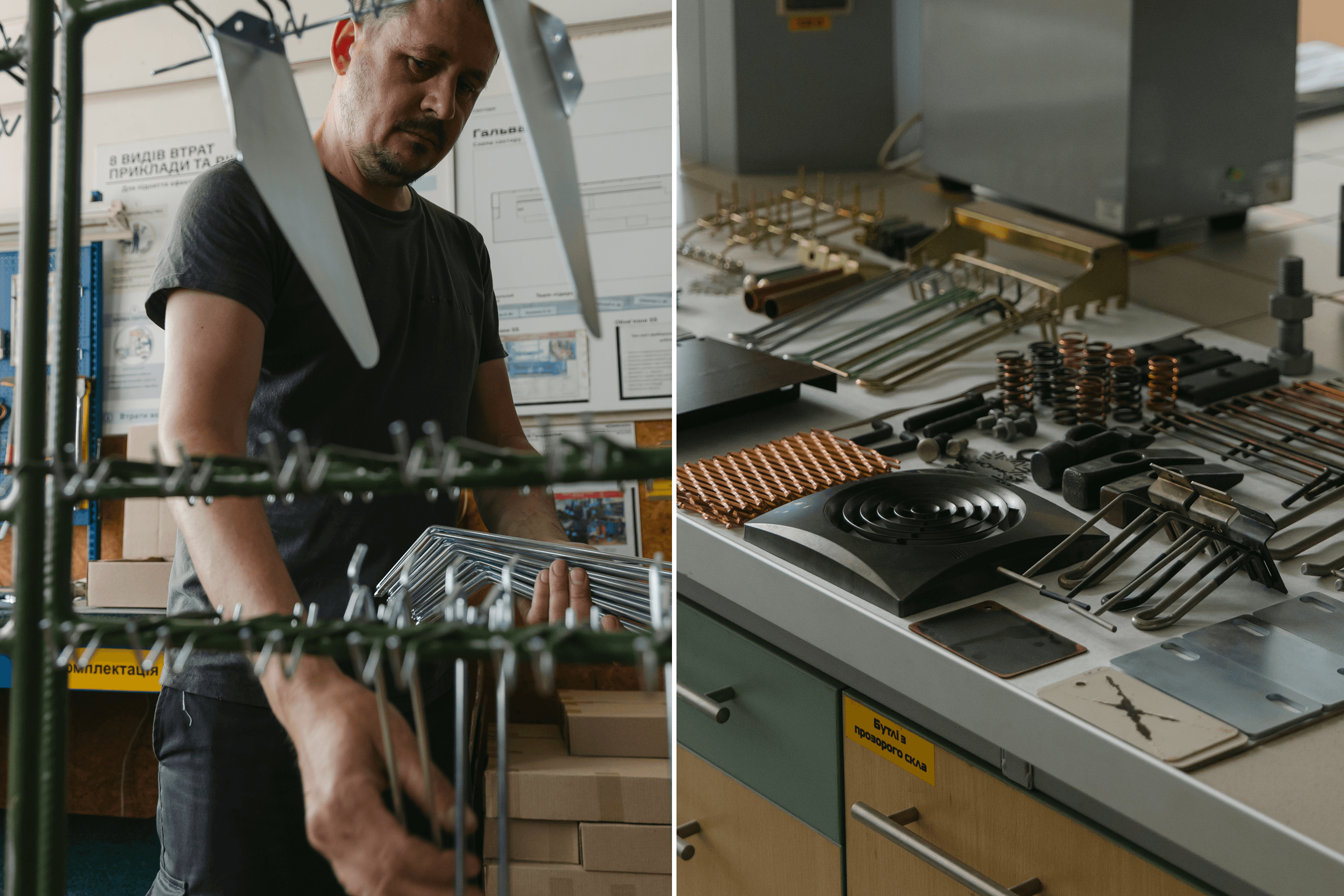
Photo: Mykhailo Melnychenko / YB 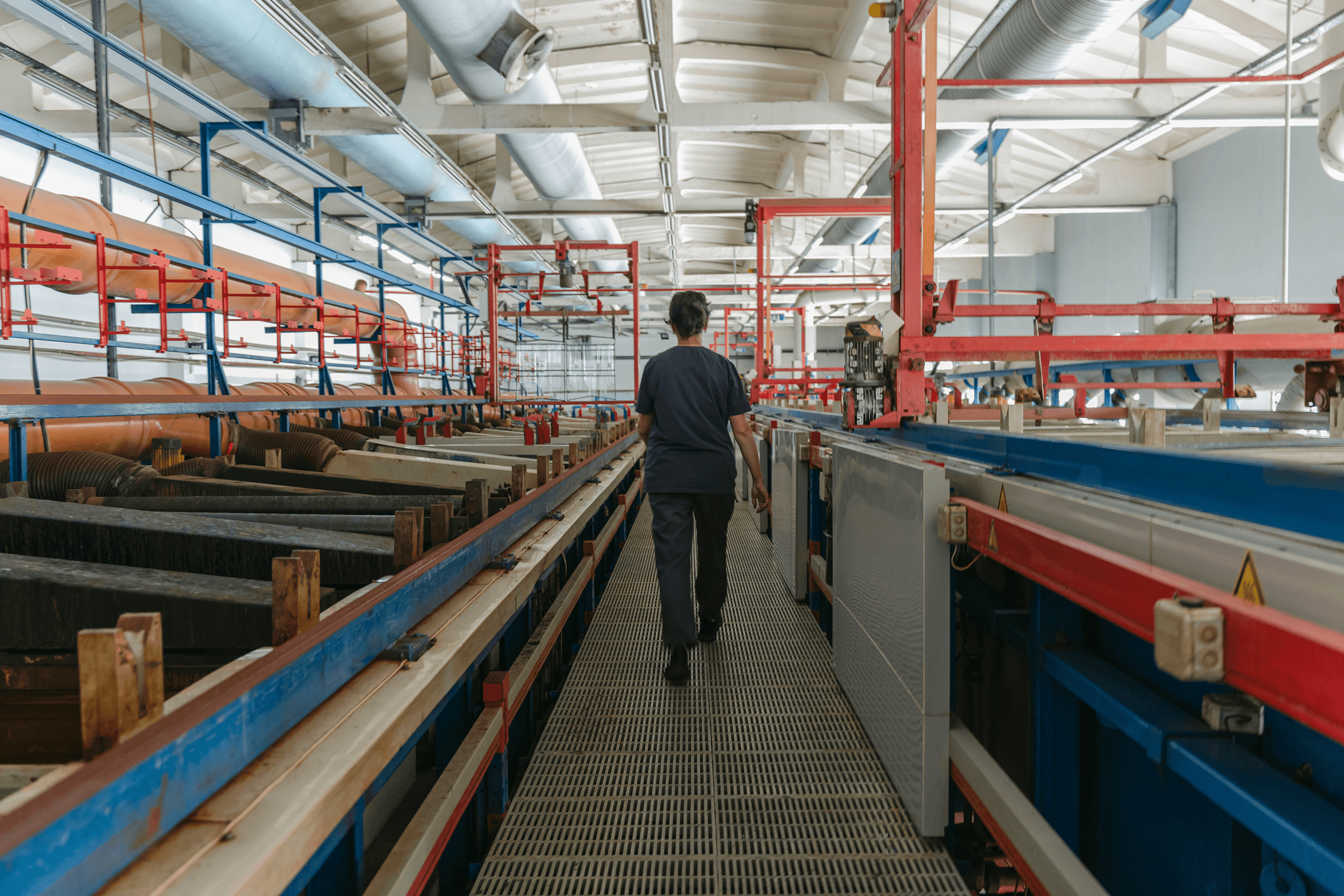
Photo: Mykhailo Melnychenko / YB 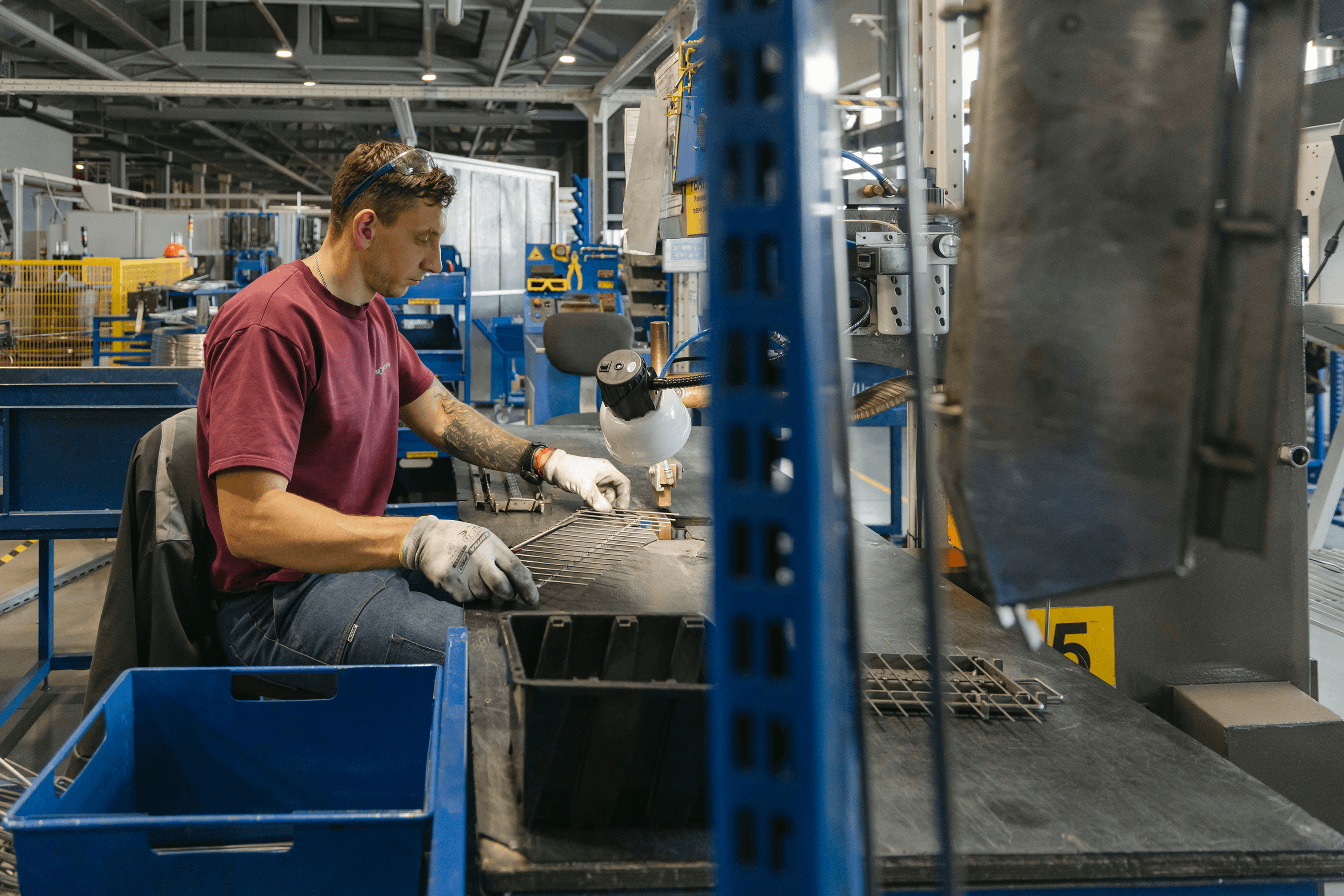
Photo: Mykhailo Melnychenko / YB 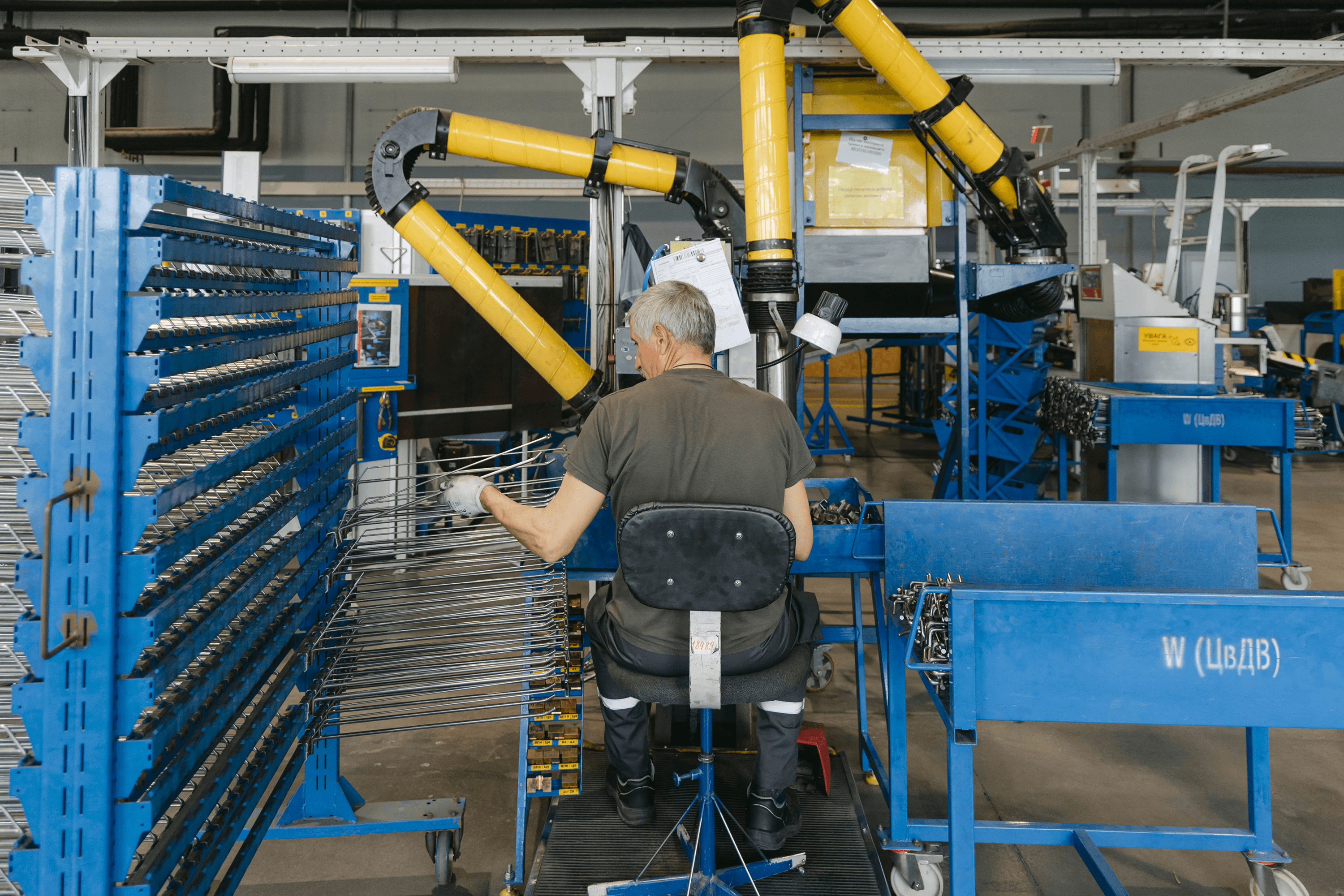
Photo: Mykhailo Melnychenko / YB 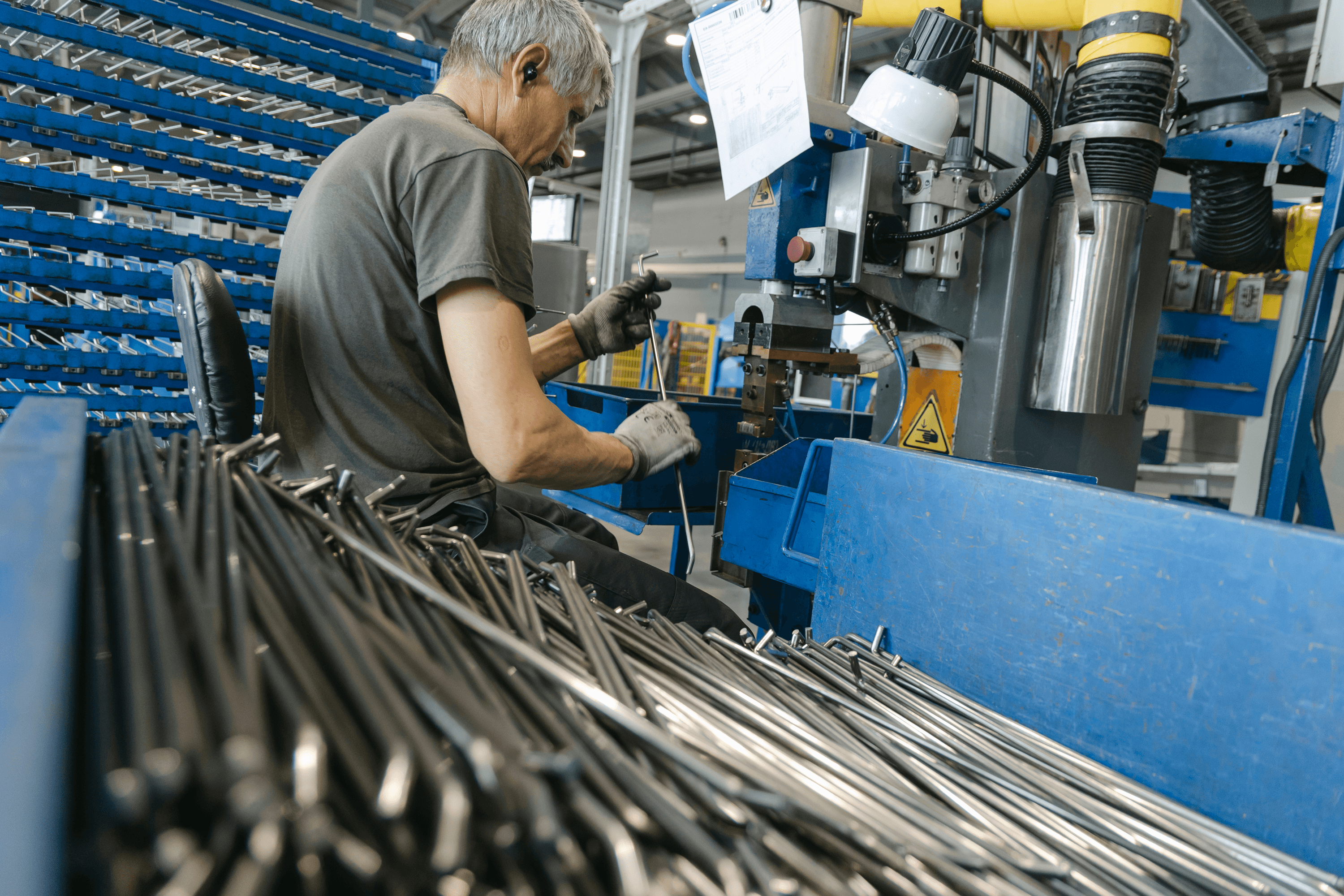
Photo: Mykhailo Melnychenko / YB
Modern Expo supplies its products to dozens of countries. Which markets generate your highest sales volumes?
The largest are Ukraine and Poland, where we have been present the longest. They are followed by the United Kingdom, France, Germany, Romania, the countries of Southern Europe, and the MENA region.
Overall, Modern Expo’s solutions are used in more than 75 countries, and we continue expanding our geographic presence. We are entering the North and South American markets with our parcel lockers. We have already secured our first contracts there, and we expect to open an office within the next year. We are also actively developing new markets, including Spain, Portugal, Andorra, Denmark, Norway, and Sweden. We also have several business projects underway in Australia.
What share of your revenue today comes from Ukraine, and from exports?
Approximately 75 percent of our sales come from exports, while around 25 comes from the Ukrainian market.
One of your largest clients is Britain’s Royal Mail. How did you win that contract?
We had already completed a successful project with Allegro. We have been supplying parcel lockers to the company since 2019. Royal Mail representatives had seen that project, and when the company decided to develop its own parcel locker network, they invited us to participate in the tender.
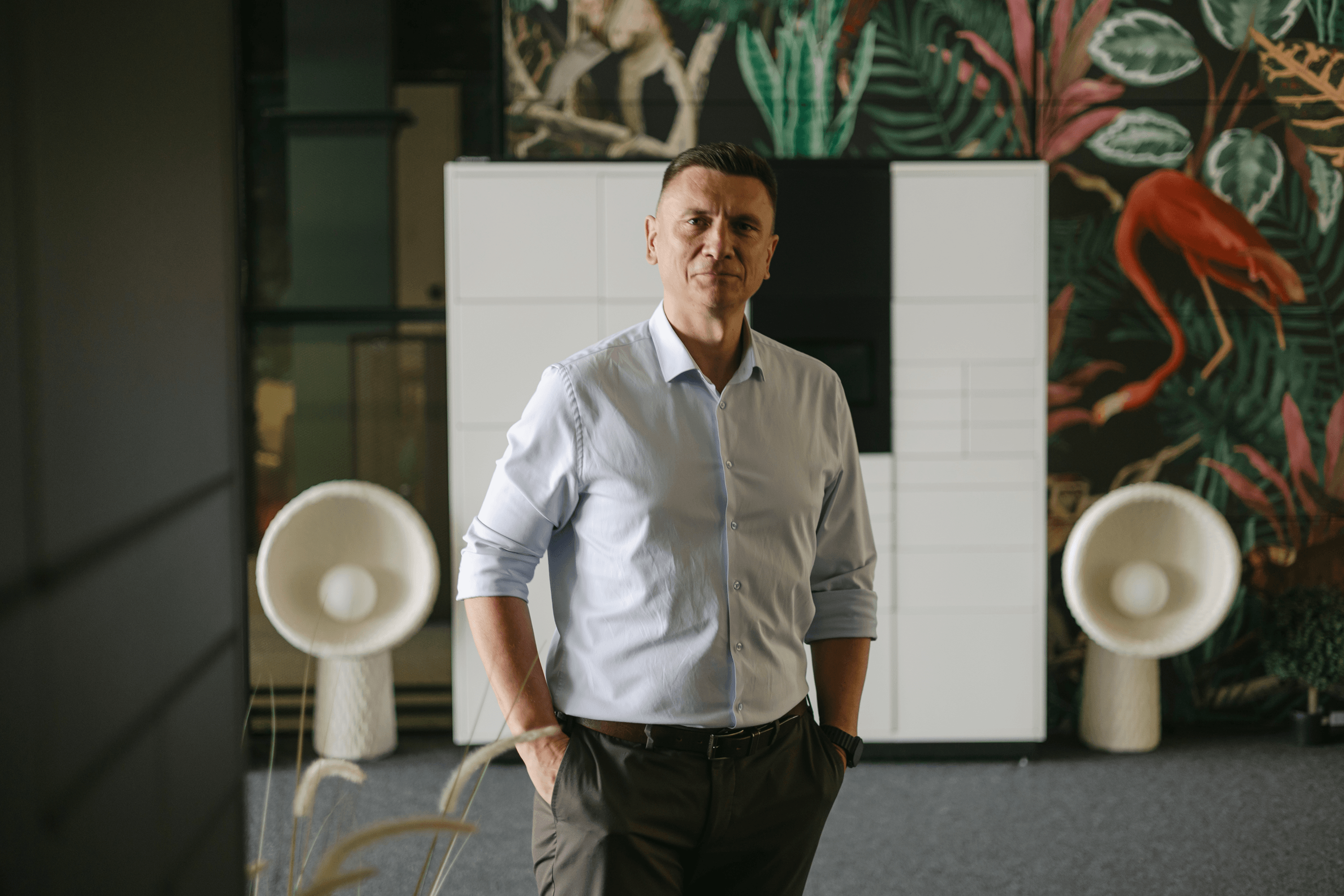
Some of Modern Expo’s parcel lockers. Photo: Mykhailo Melnychenko / YB 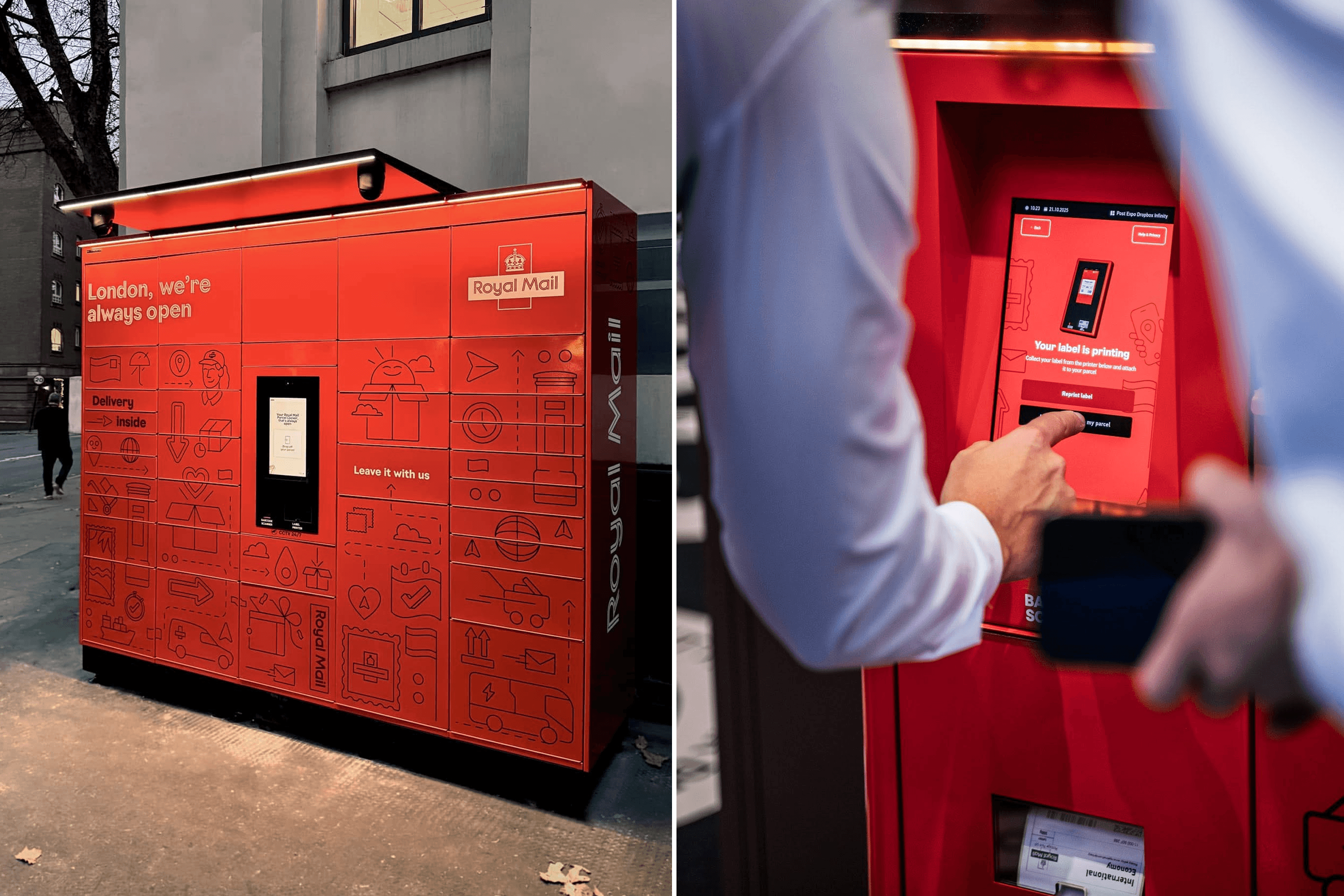
Photo: Modern Expo / Facebook / YB 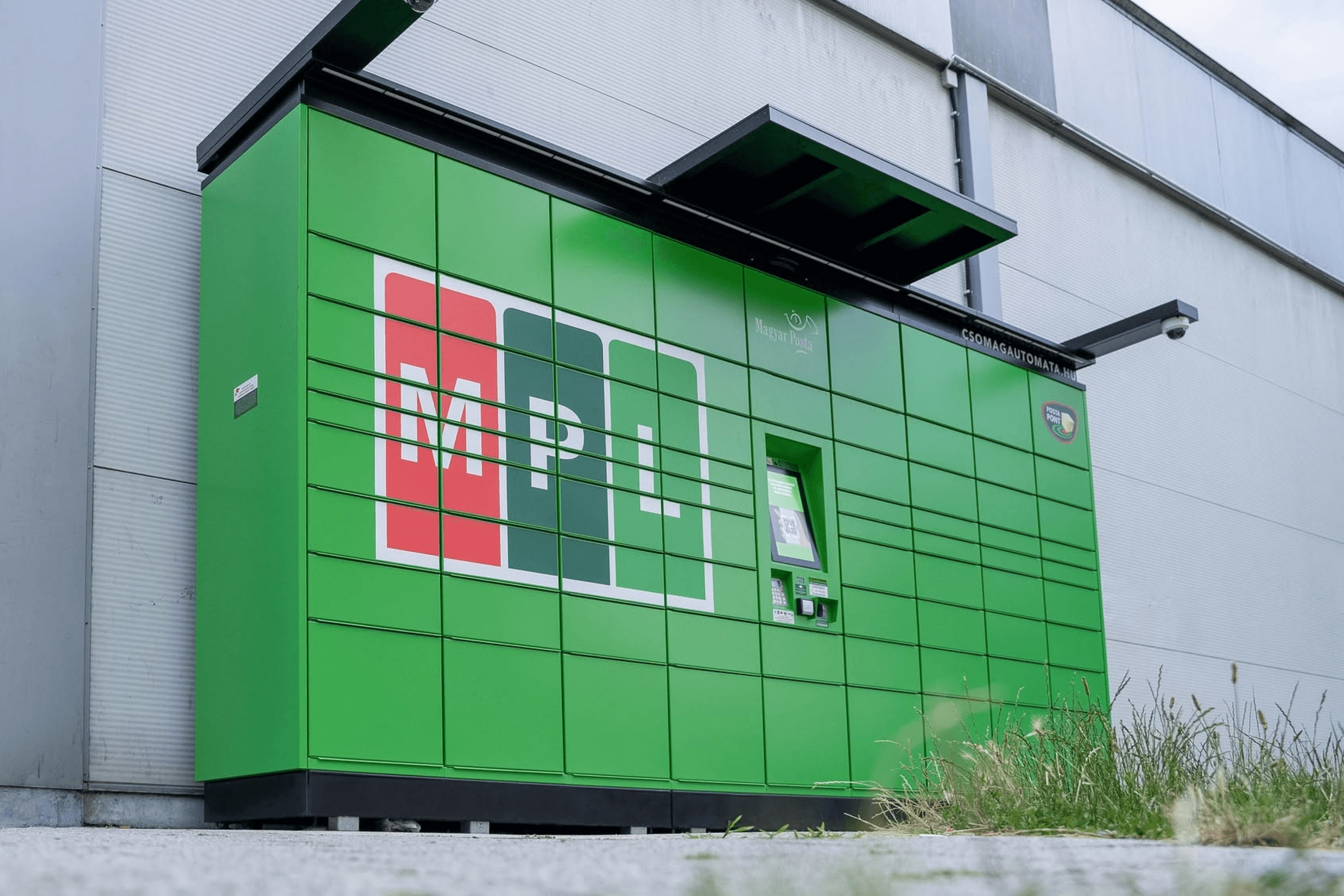
Photo: Modern Expo / Facebook / YB 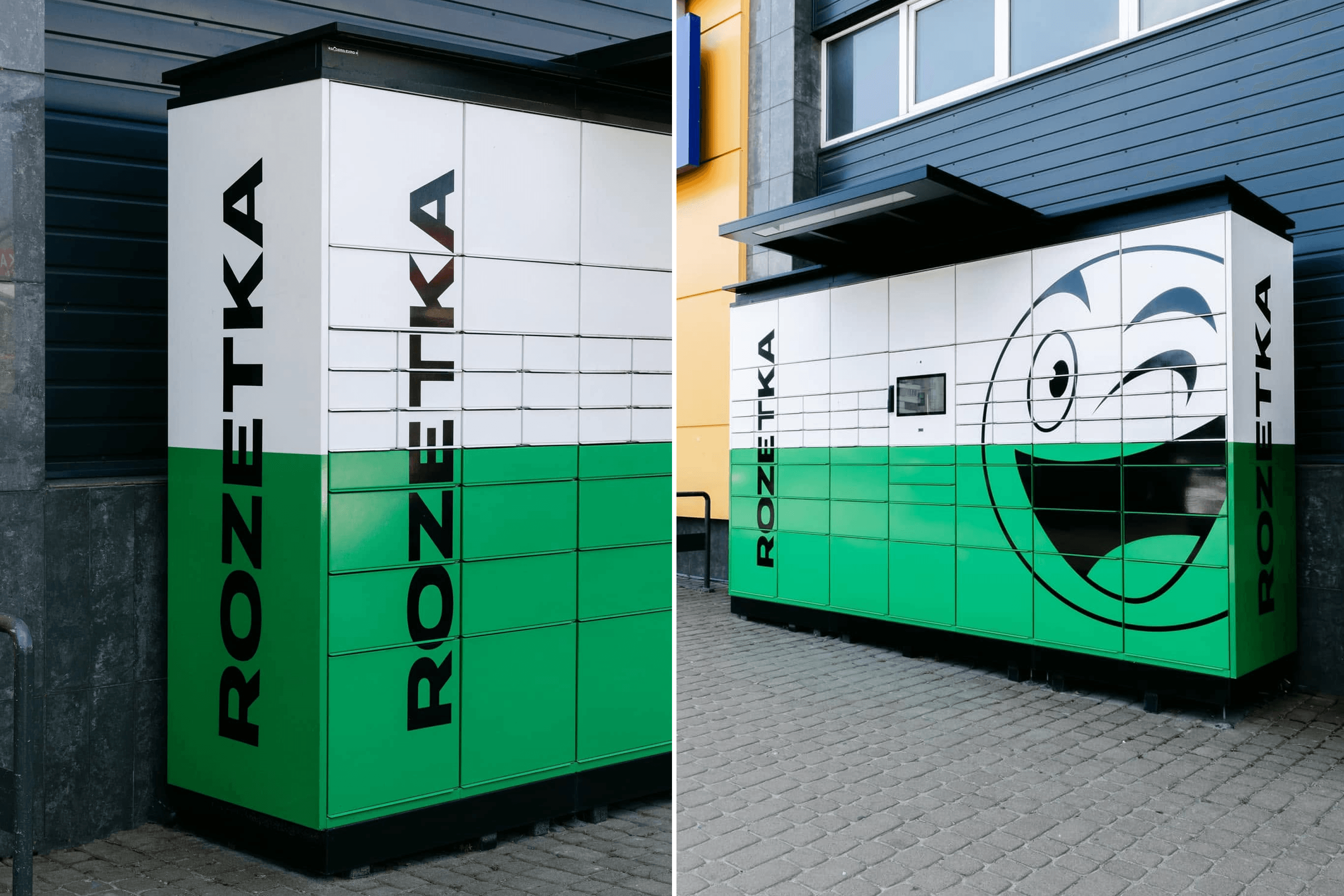
Photo: Modern Expo / Facebook / YB 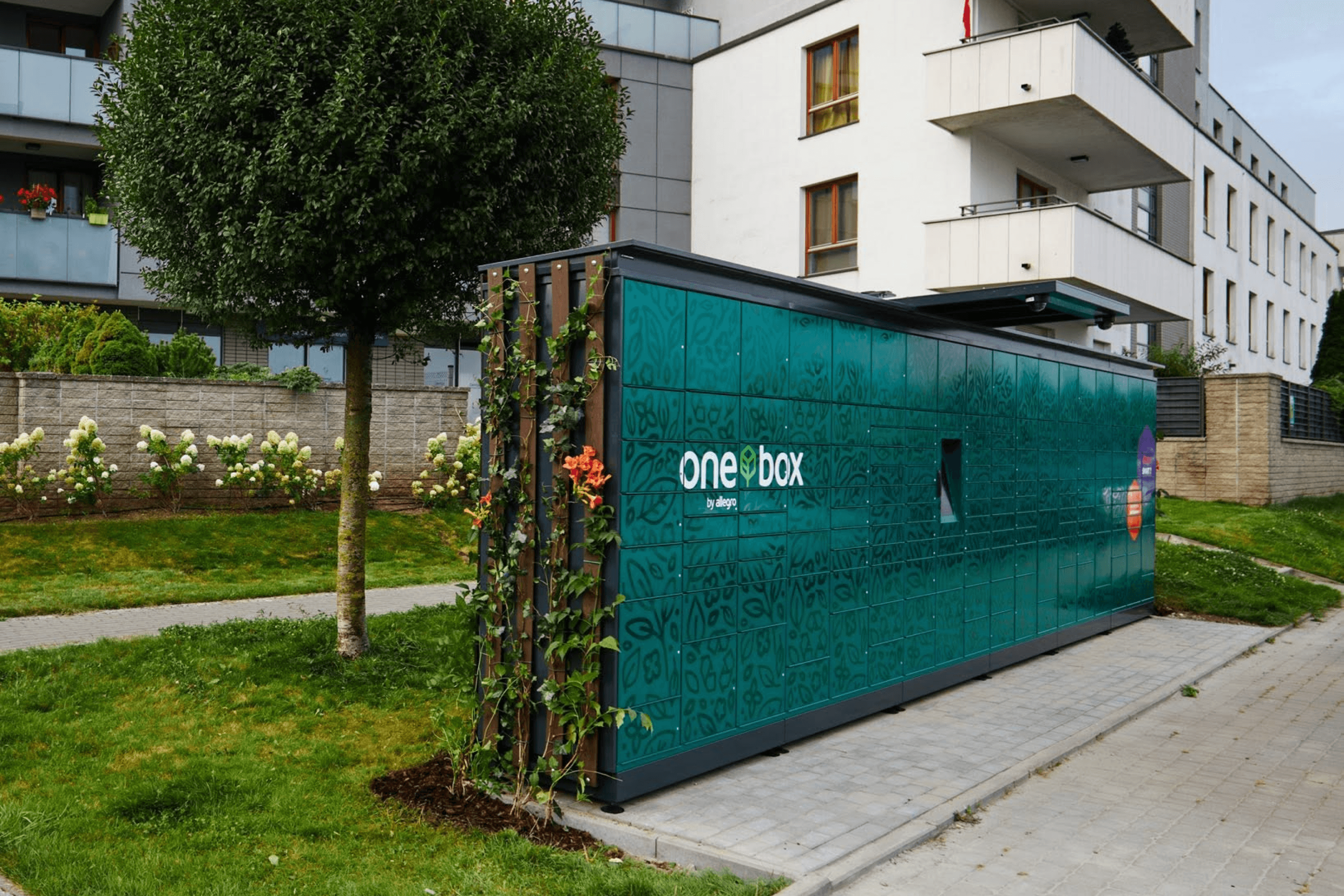
Photo: Modern Expo / Facebook / YB 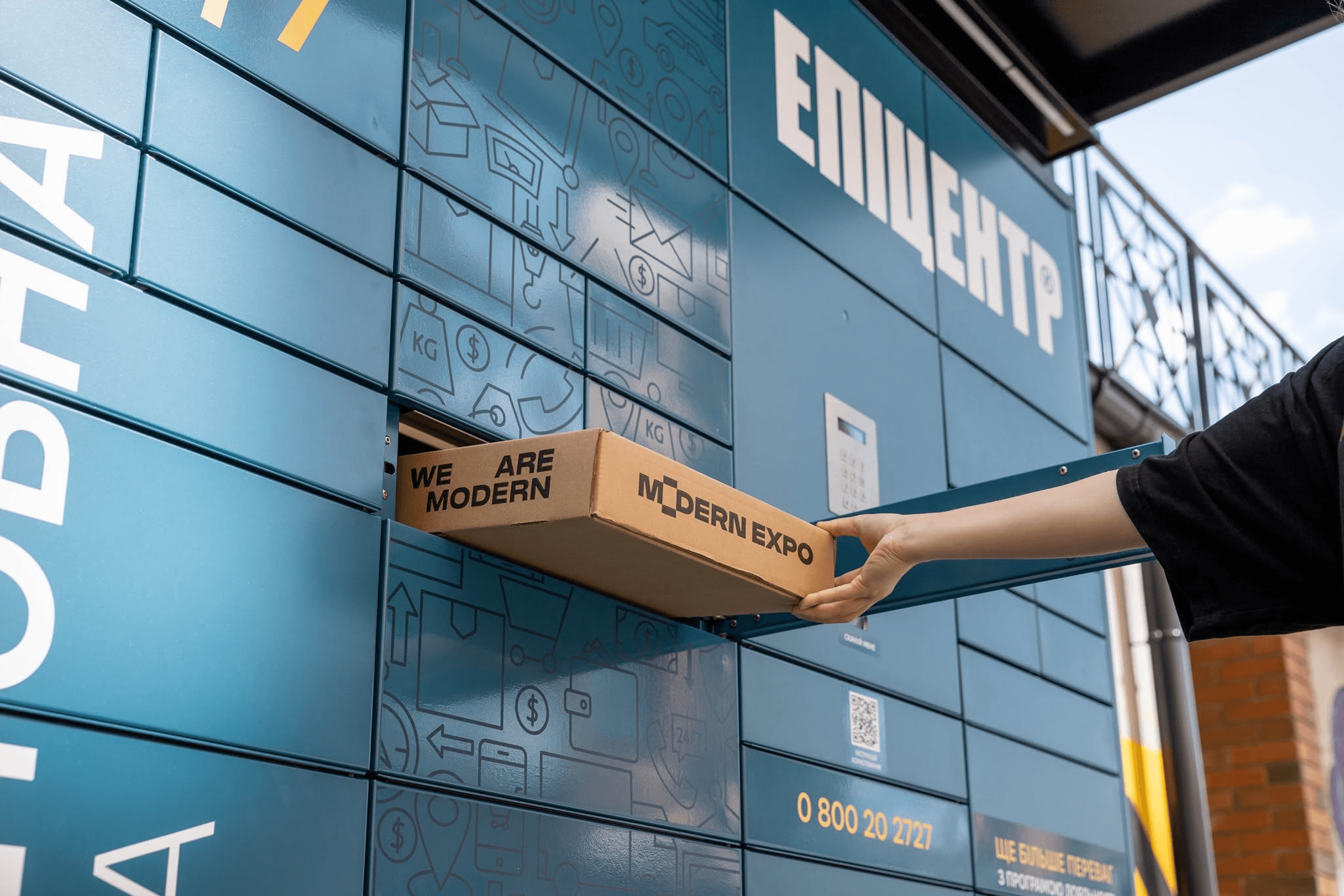
Photo: Modern Expo / Facebook / YB
Today, thousands of our parcel lockers are operating across the United Kingdom, although the original project called for only 250 units. We support the project at every stage, from design to after-sales service. In my opinion, that was one of the key reasons we succeeded.
What matters more to you in your partnership with Royal Mail, the direct revenue or the reputational impact that opens the door to new contracts?
Everything matters. When a partner is satisfied with the results, scales the project, and continues working with us, it becomes a strong reputational factor. Of course, financial results are also important. Without profit, it is impossible to invest in growth.
Would it be fair to say that your successful cooperation with Royal Mail made it possible for you to plan your expansion into North and South America?
Absolutely, this strengthened our position in both the European and global markets. However, we had begun exploring the American markets much earlier. We have participated, and continue to participate, in international trade shows in the United States, South America, and other countries. Rather, Royal Mail simply confirmed that we were moving in the right direction.
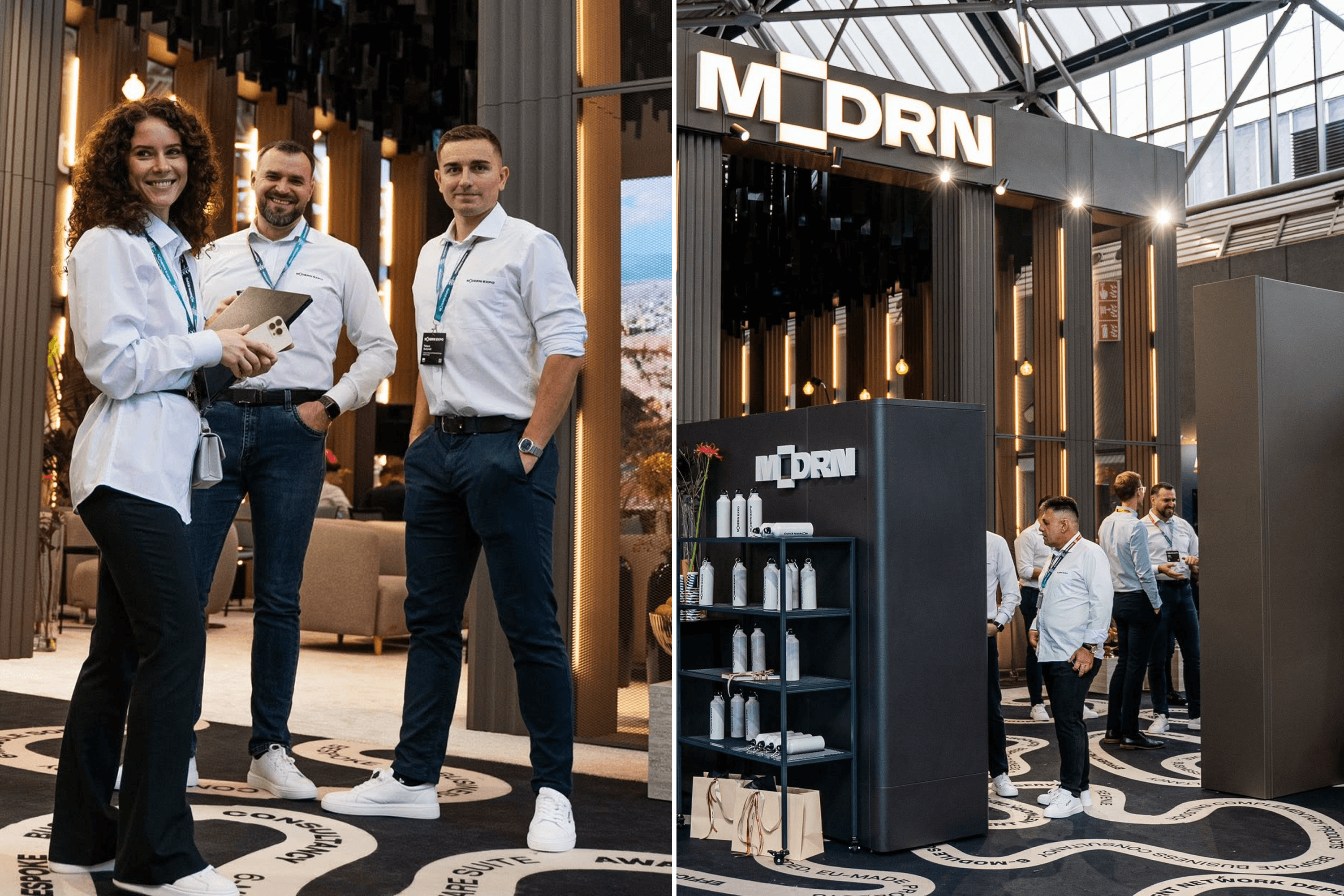
Modern Expo participates in various trade shows. Photo: Modern Expo / Facebook / YB 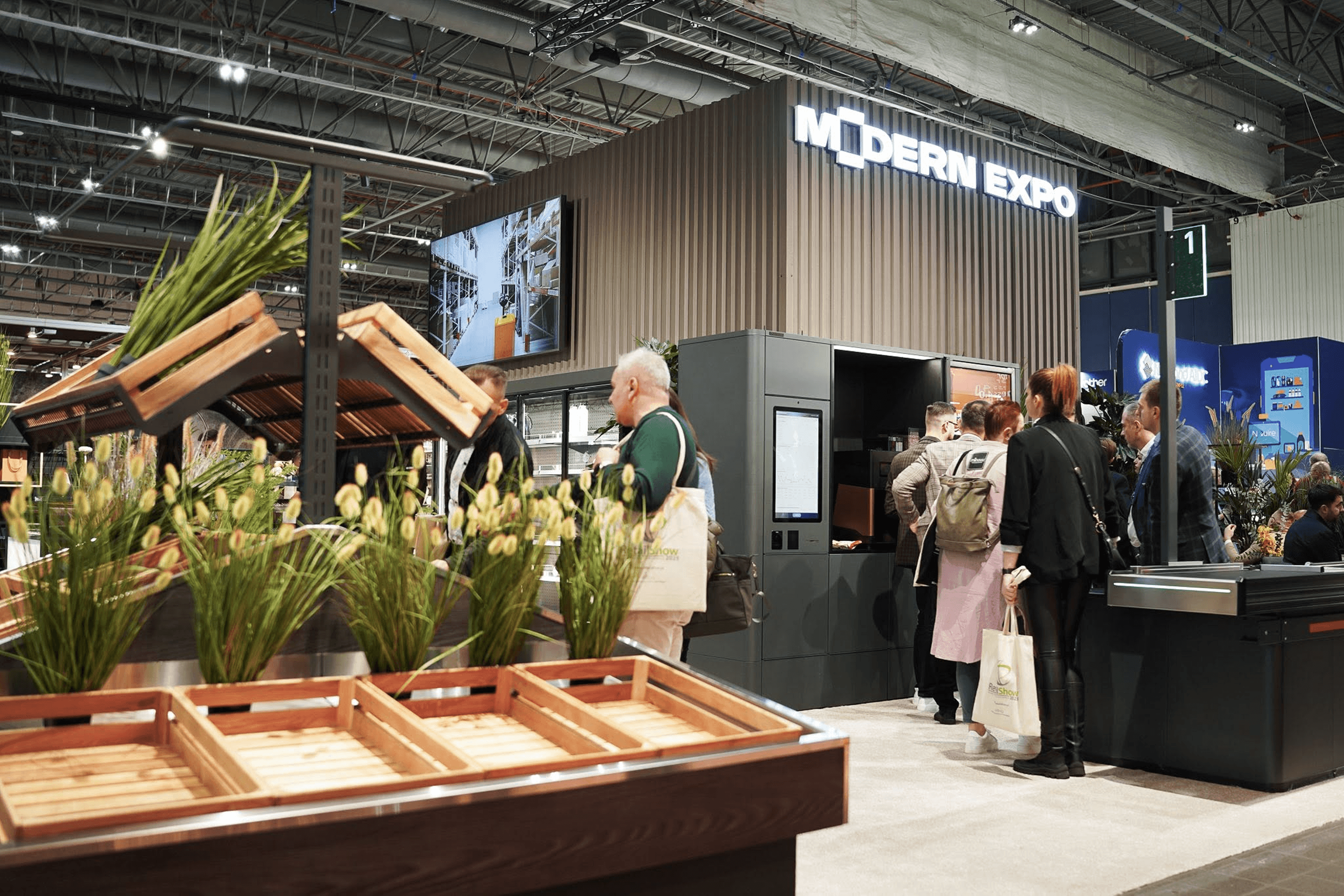
Photo: Modern Expo / Facebook / YB 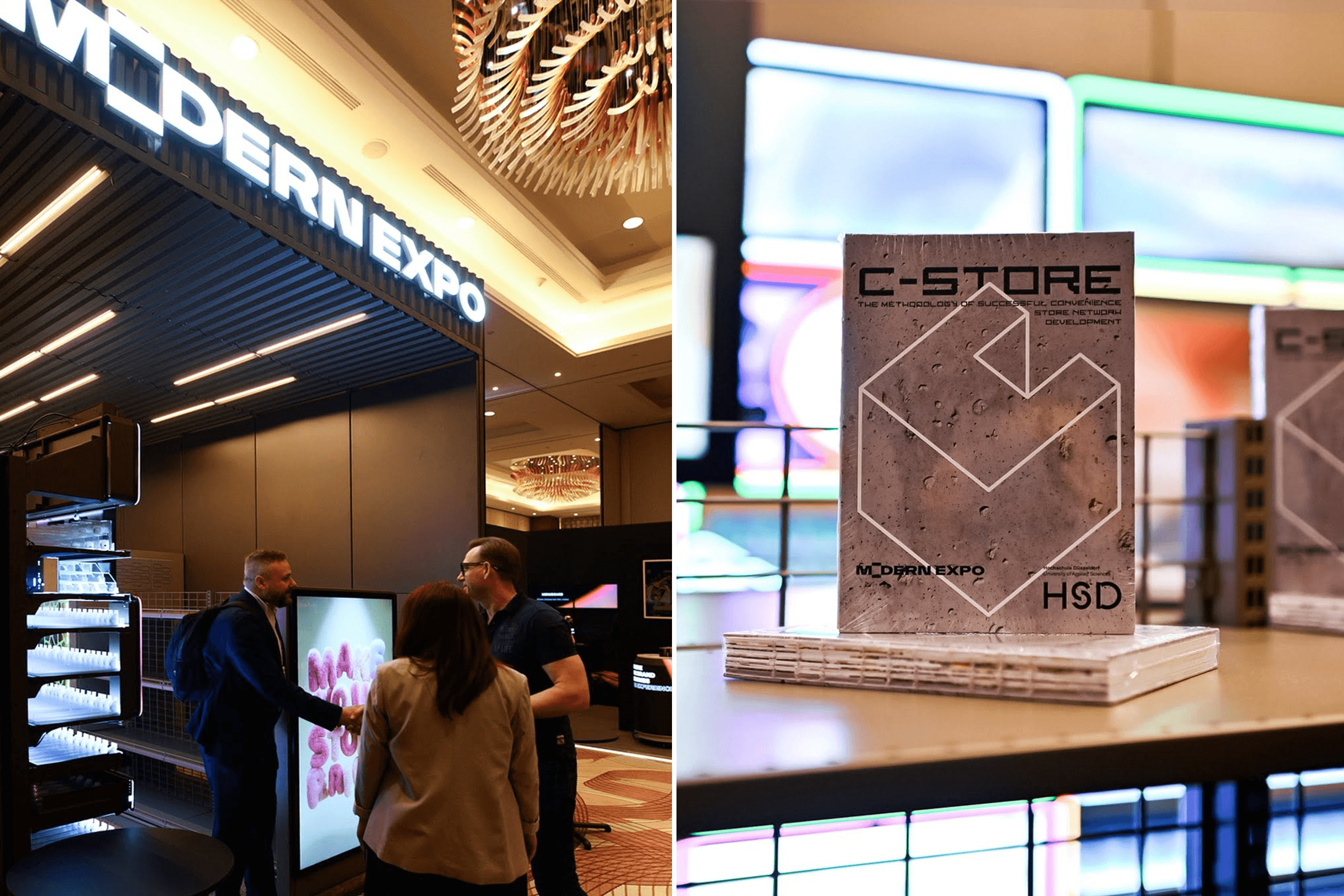
Photo: Modern Expo / Facebook / YB 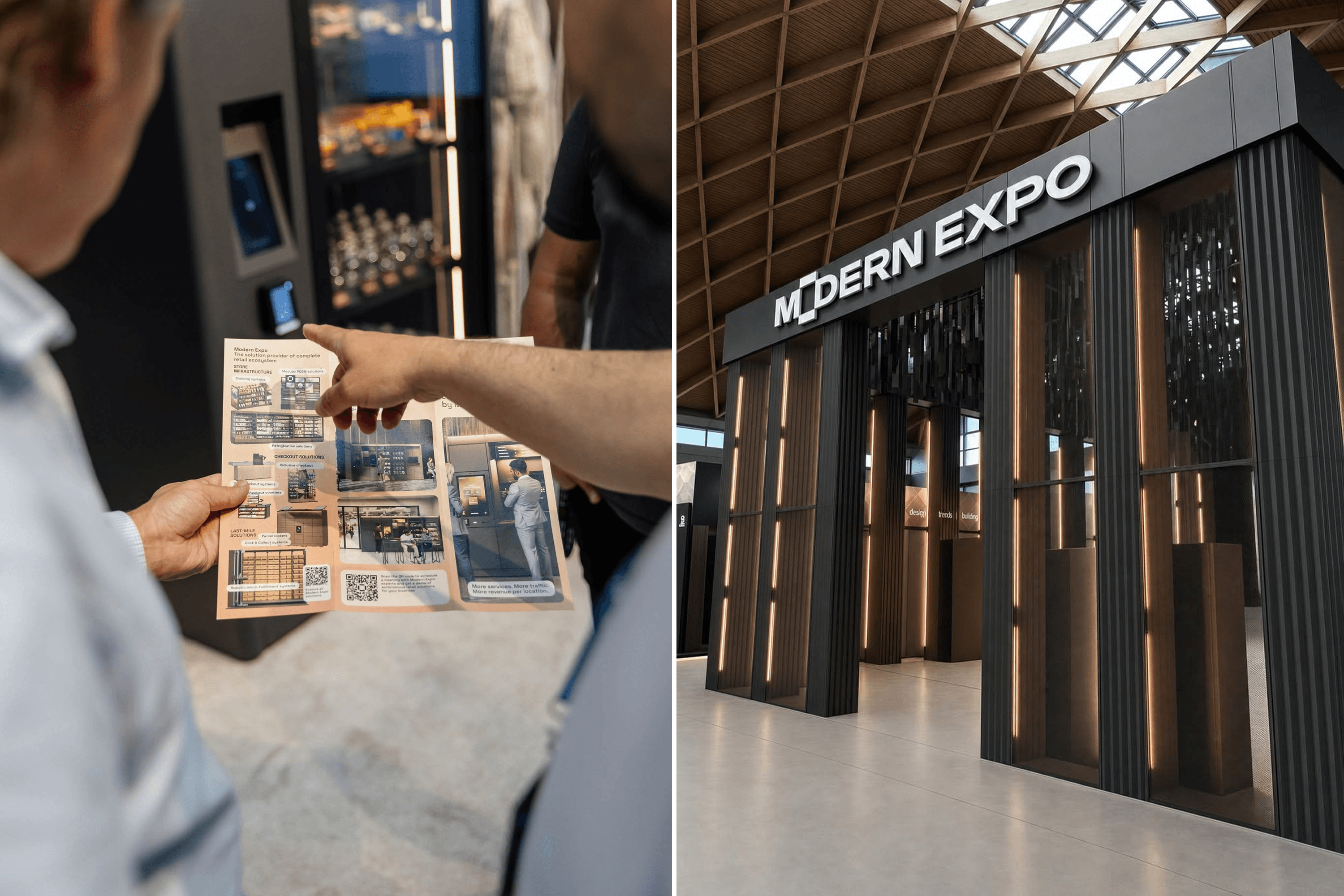
Photo: Modern Expo / Facebook / YB 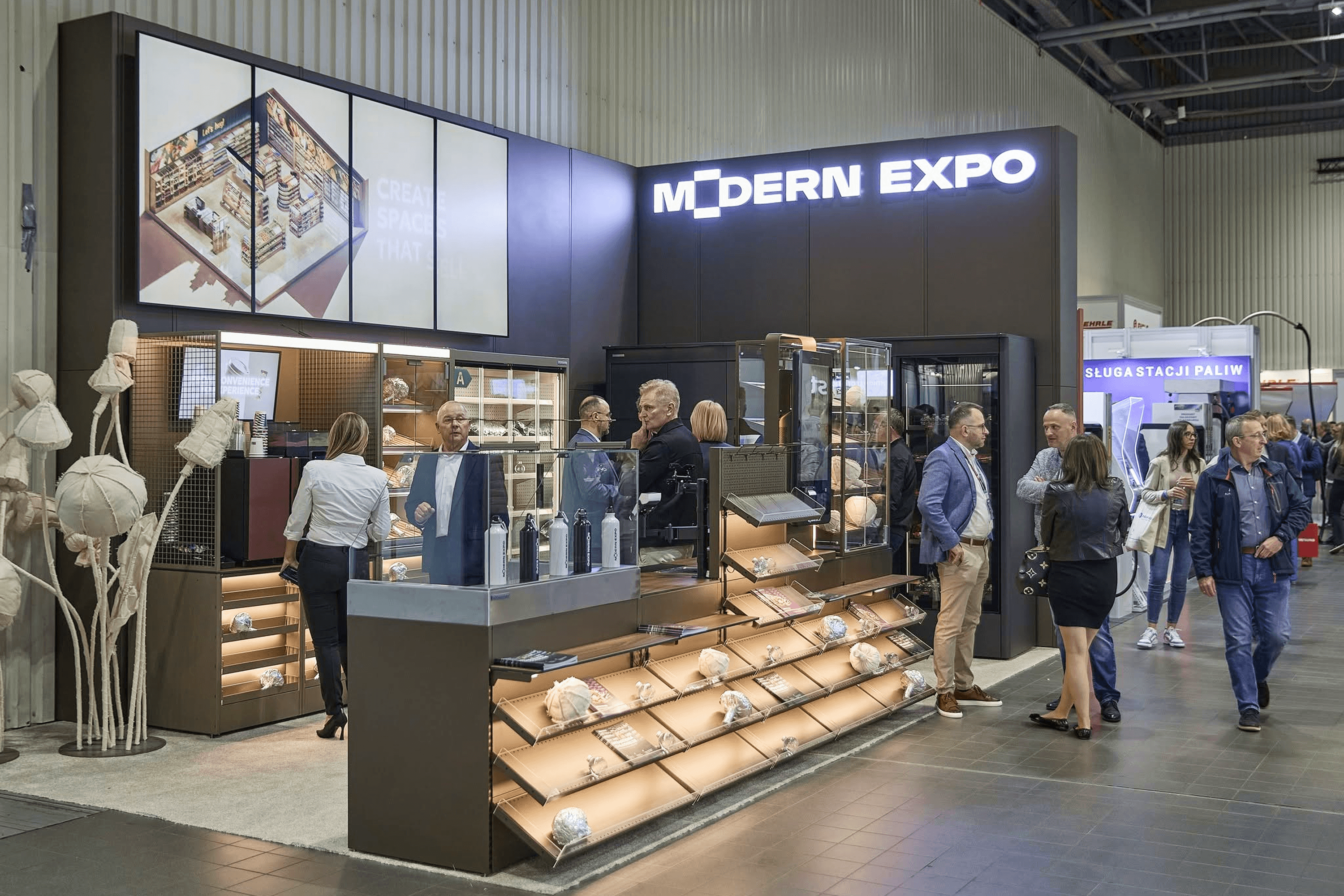
Photo: Modern Expo / Facebook / YB 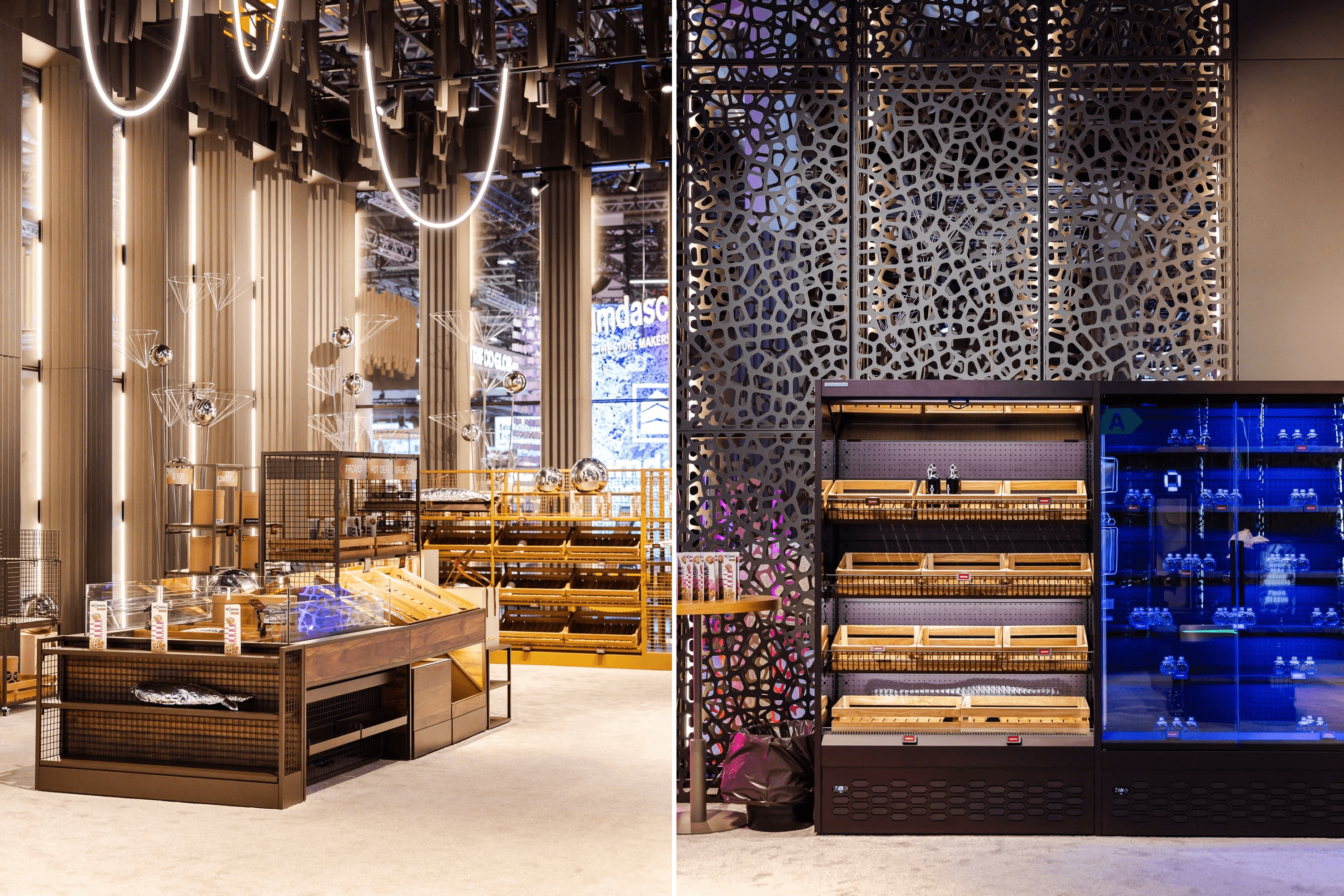
Photo: Modern Expo / Facebook / YB
How does the American market differ from the European one?
It is a new market for us, and we are just beginning to study it: learning its specifics, customer requirements, certification, and safety standards. They differ significantly from those in Europe.
We see the greatest potential in two products: parcel lockers and Conveniq solutions. We plan to grow through a partner network.
What result would you consider a success in the U.S. market over the next five to ten years?
If our parcel lockers and Conveniq solutions capture ten percent, that would already be a major success, because it is one of the largest markets in the world. At this stage, however, we are not setting a specific market share as our goal. Our priority is to understand it and implement pilot projects. After that, we will define the objectives we want to achieve by 2030.
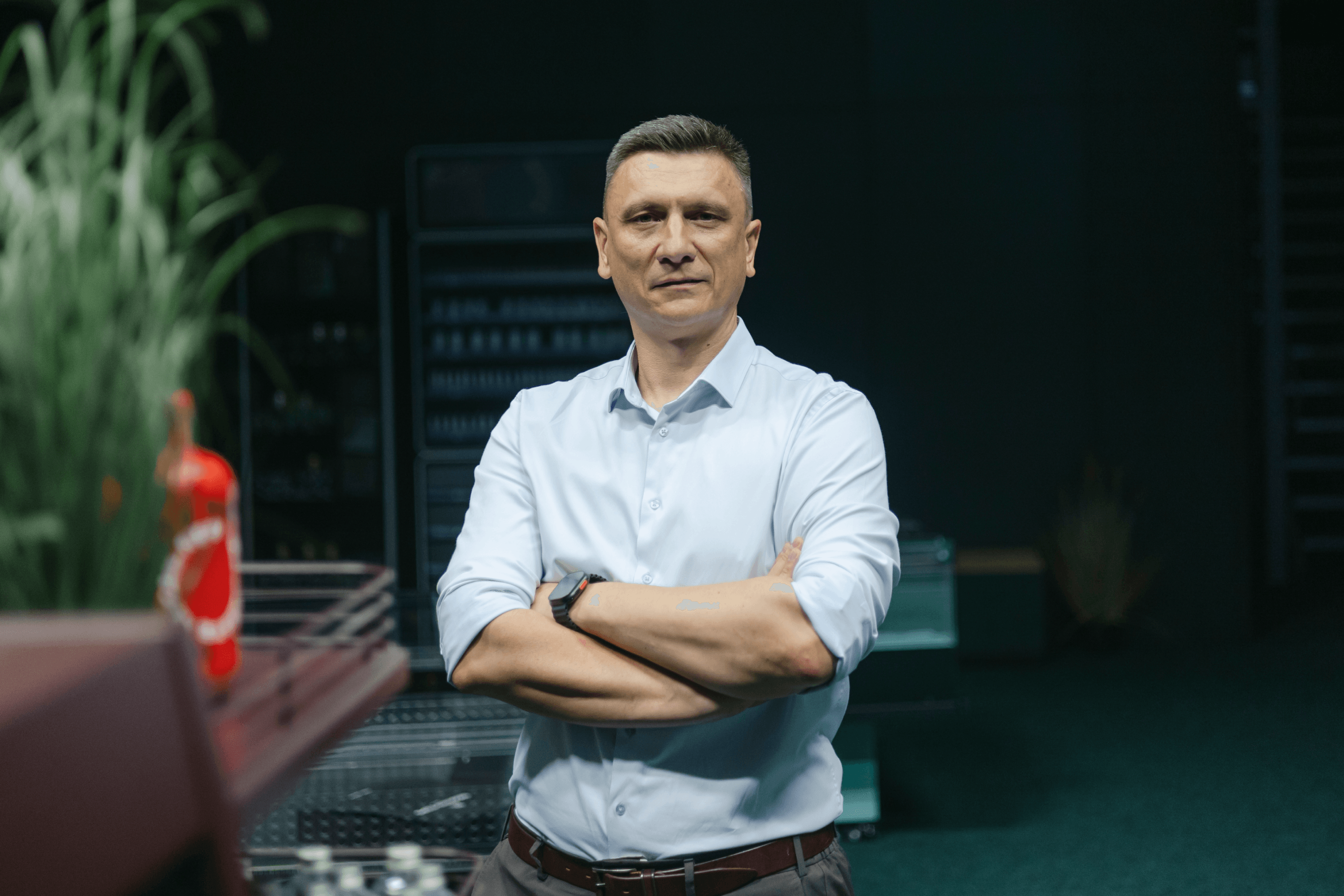
In recent years, Modern Expo has been investing heavily in Conveniq. Why did you decide to focus on this segment?
Conveniq is an autonomous micro-market that allows retailers to scale much faster. Initially, it requires a higher investment per square meter than a traditional store, but in the long term it significantly reduces daily operating costs. These stores do not require cashiers or sales staff, and they can be installed almost anywhere, including shopping malls, hospitals, schools, and other locations with high foot traffic.
We see this format developing rapidly around the world, allowing retailers to open new locations where a conventional store would not be possible. That is why we consider it one of the most promising segments.
How intense is the competition in this segment?
Competition is strong, and many companies, particularly from China, quickly copy existing solutions. They often compete on price while sacrificing quality. That is not how we operate.
In addition to quality, what sets us apart is our comprehensive approach. We support our machines throughout their entire lifecycle, provide ongoing service, and our customers can contact us with any issue.
In which countries are your Conveniq solutions already operating? What conclusions have you drawn since launching them?
Over the past year, our micro-markets have been introduced in Ukraine, Poland, the United Kingdom, and the Scandinavian countries. We have also installed a pilot unit at the headquarters of 7-Eleven in Copenhagen. If the testing is successful, Denmark could become our launch market, opening the door to Sweden and the rest of Europe.
We are continuously improving our micro-markets. For example, we want to offer a solution that allows them to be installed next to electric vehicle charging stations.
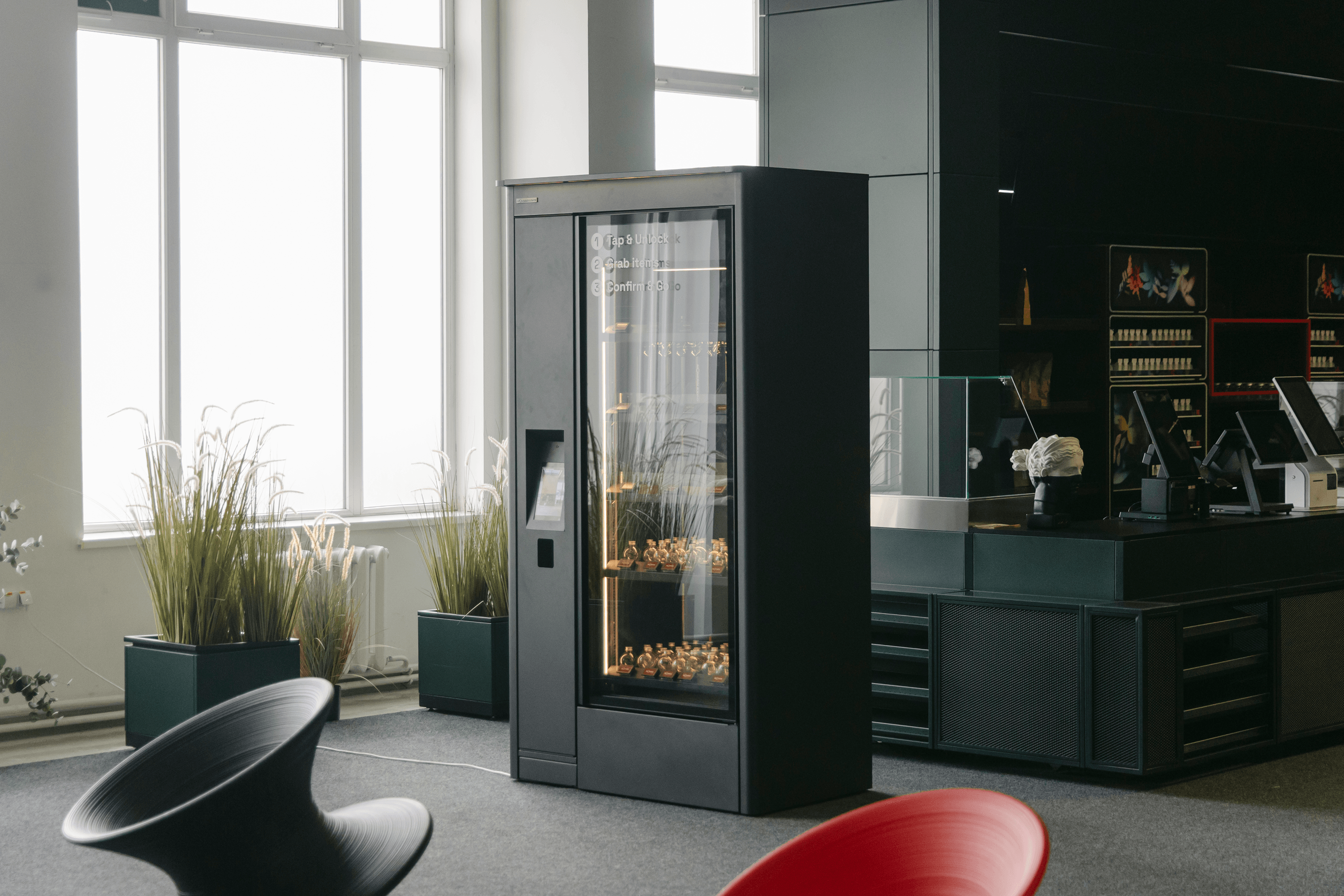
Modern Expo’s micro markets. Photo: Mykhailo Melnychenko / YB 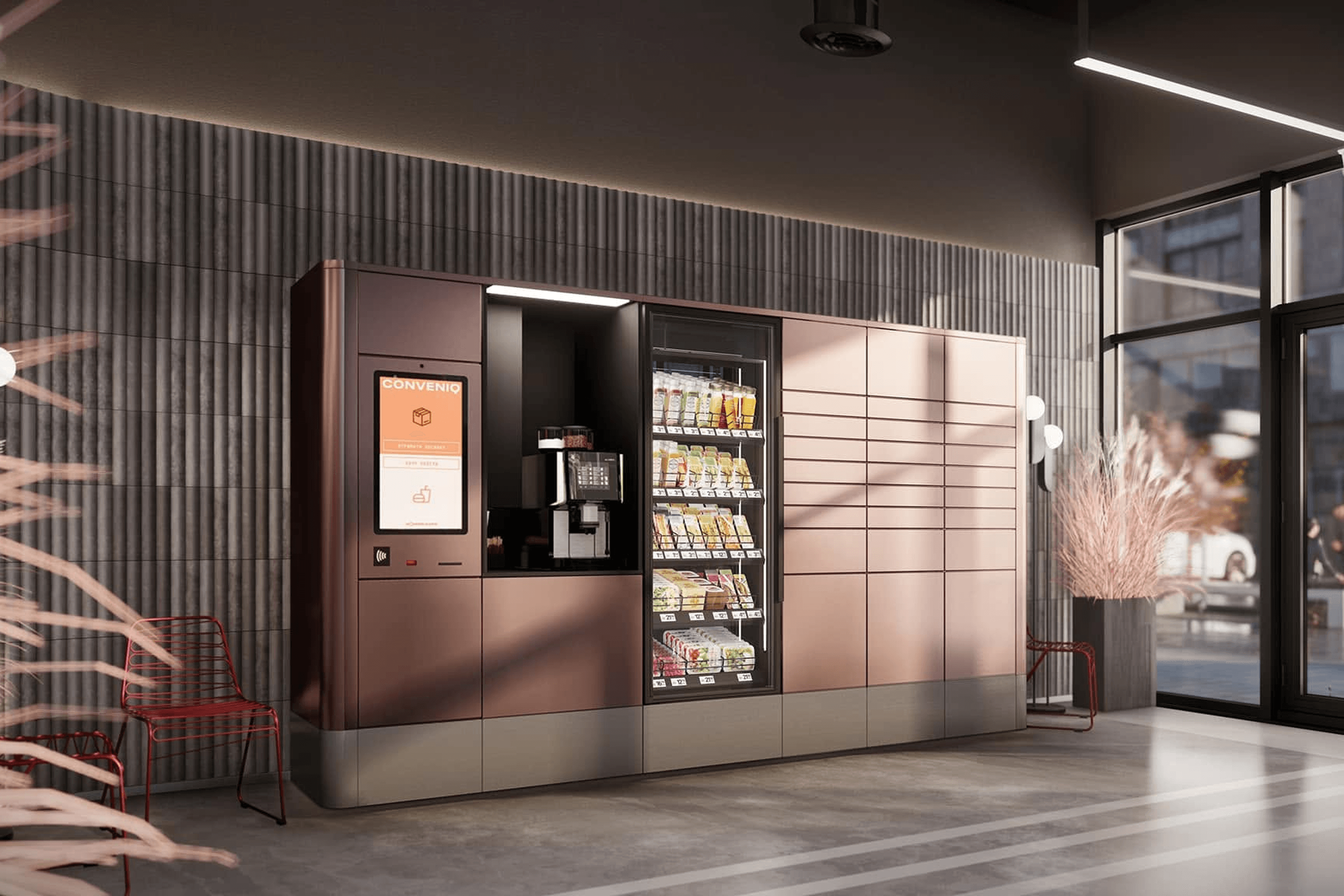
Photo: Modern Expo / Facebook / YB 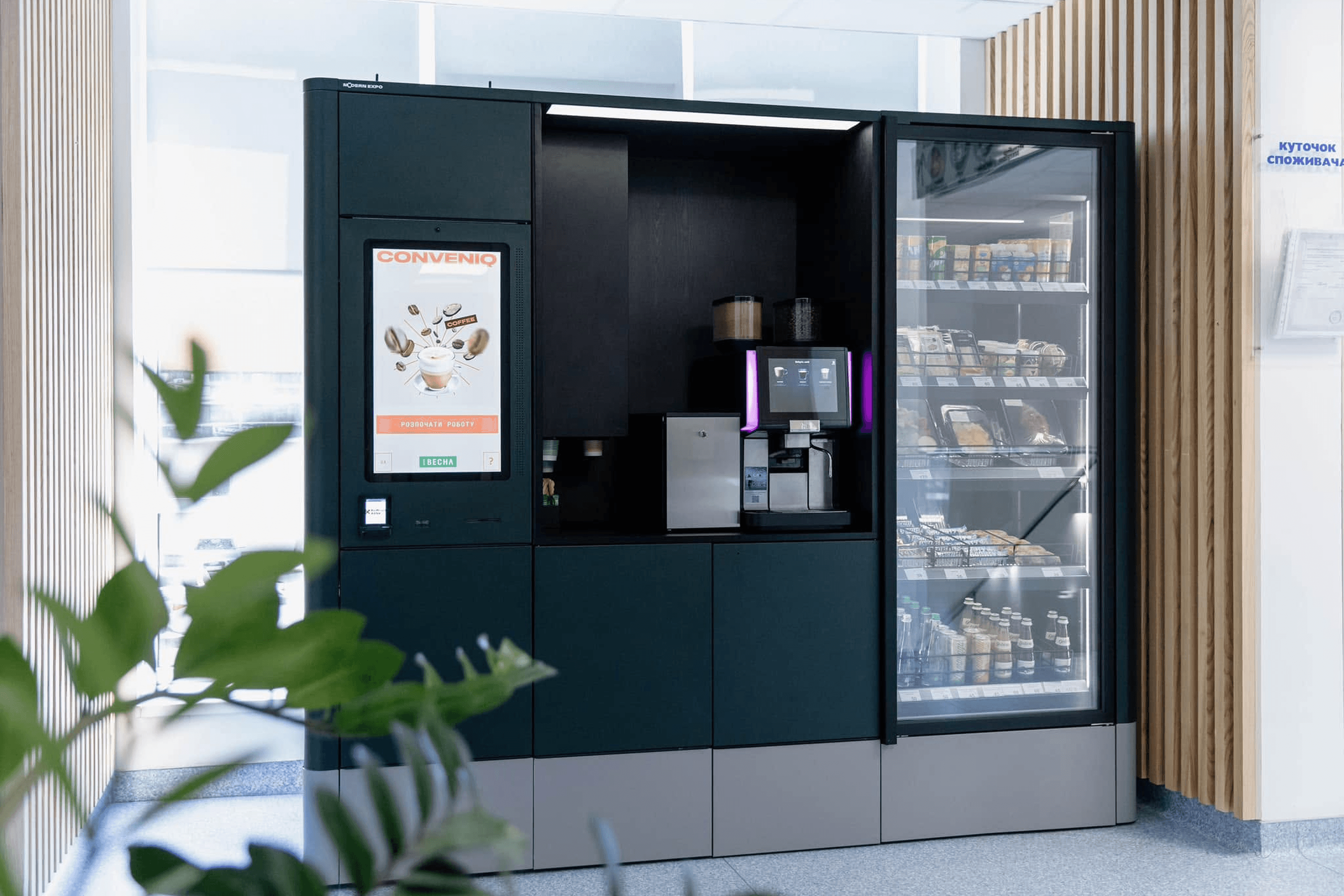
Photo: Modern Expo / Facebook / YB 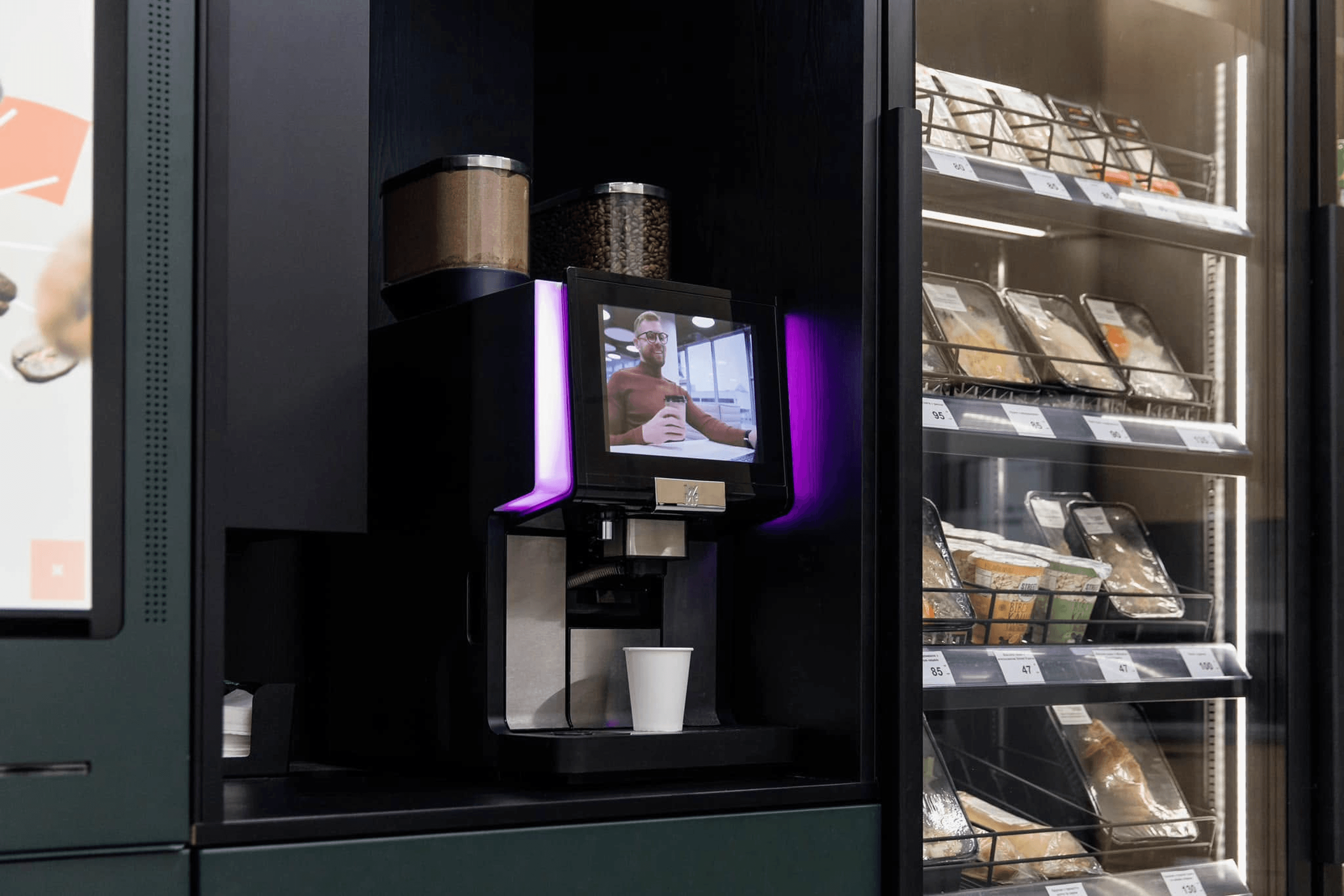
Photo: Modern Expo / Facebook / YB 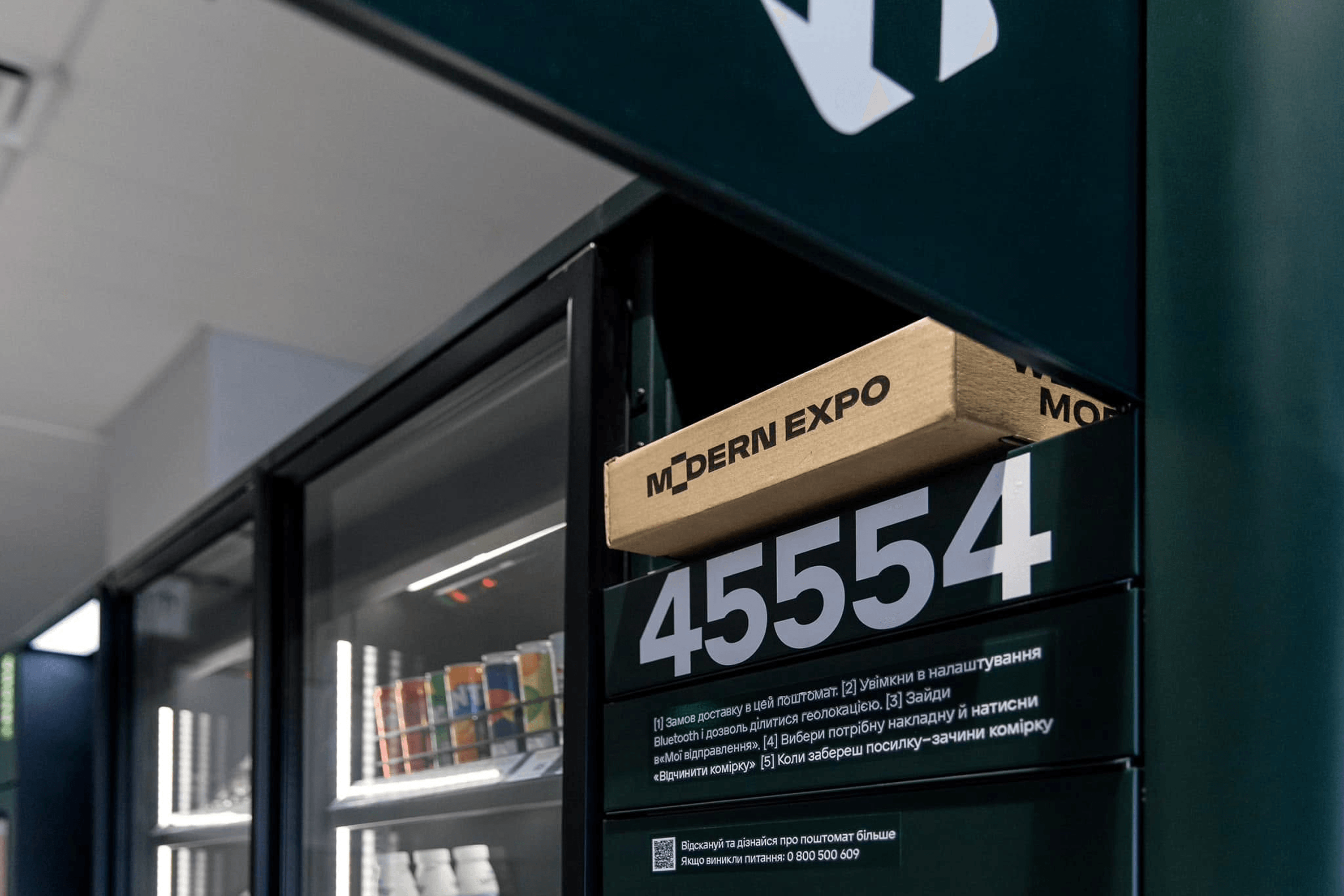
Photo: Modern Expo / Facebook / YB 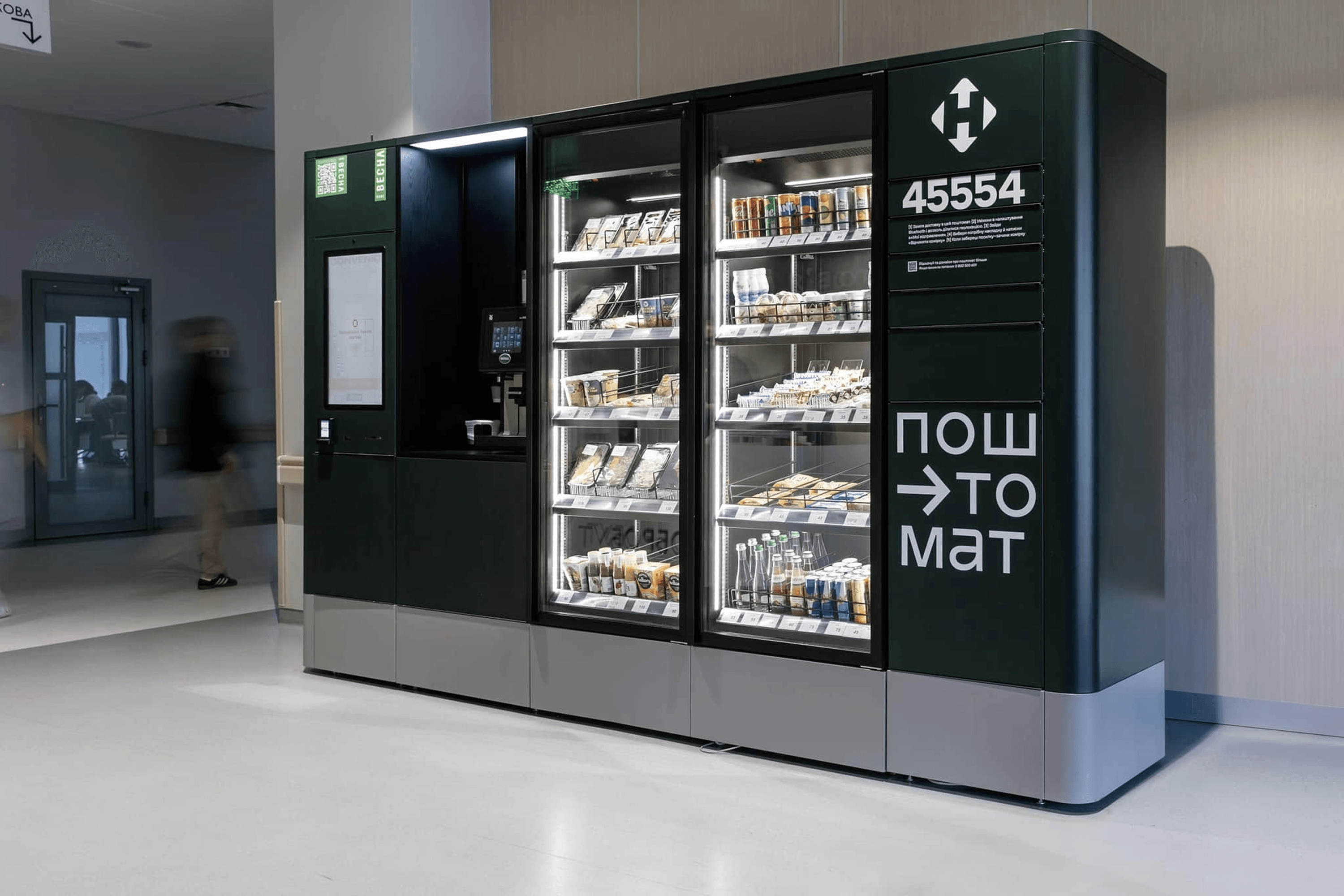
Photo: Modern Expo / Facebook / YB
What key trends are shaping global retail today?
Retail is undergoing one of its biggest transformations in recent decades. There are several reasons for this: the growth of e-commerce, rising operating costs, and changing customer expectations. Today’s consumers want shopping to be faster, simpler, and more convenient. That is why neighborhood stores, self-checkout systems, parcel lockers, and micro-markets are expanding so rapidly.
The future of retail lies in combining physical spaces, digital technologies, and automated processes. That is the direction in which the entire industry is moving.
How do you see the company’s future development and the growth of its export business?
We are actively expanding into new markets. This year, our focus is on North and South America and Africa.
Overall, if Modern Expo was once associated primarily with manufacturing retail equipment, today we focus on solving our customers' business challenges rather than supplying individual products. We help create an environment for retail, logistics, and customer service, and we take full responsibility for the outcome, from design through after-sales support.
That is why we are taking part more often in strategic development projects for retail chains, logistics operators, and international companies.