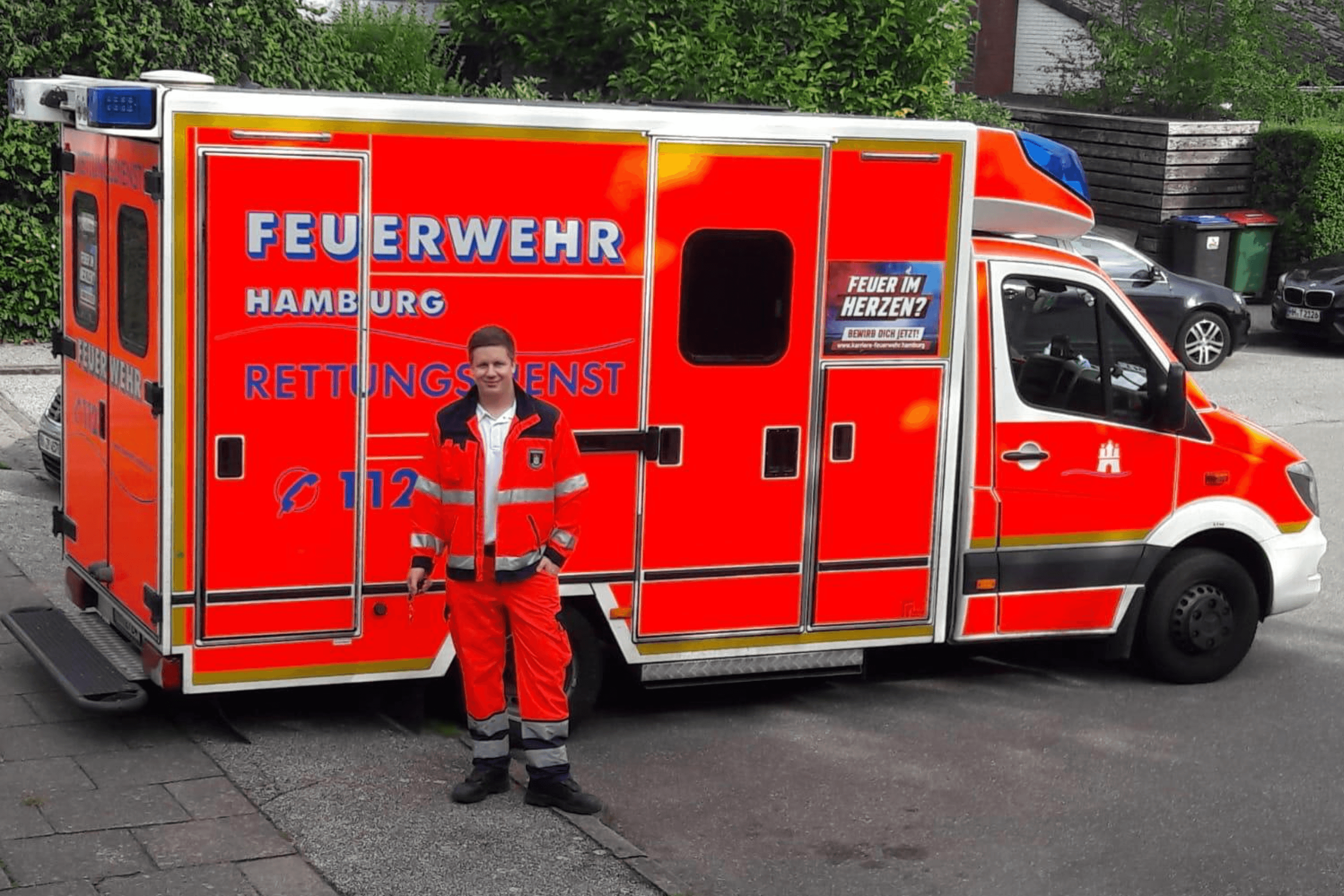
Just a few years ago, Maxim Dohrmann was living in Hamburg, working as a paramedic for the local rescue service. When Russia launched its full-scale invasion, he traveled to Ukraine as a volunteer, eventually settling in Dnipro to found Artesans-ResQ Ukraine. The organization specializes in critical care transport—transferring severely ill patients between hospitals—a practice that remains largely underdeveloped in the country.
Today, Artesans-ResQ partners with the Ministry of Health, trains Ukrainian medics, and transports dozens of critical patients every month. Yellow Blue journalist Artem Moskalenko visited the organization’s medical headquarters to speak with Dohrmann about building a critical transport system from scratch, the early struggle to win over local doctors, and when Ukrainian ambulance crews will head to the US for training.
1
Neon-yellow vehicles marked “Ambulance” sit parked outside an unassuming white building in the Dnipro suburbs. From one to five times a day, crews in black T-shirts grab red medical bags, rush out of the building, and head out on a call. Each time, they have no idea how difficult the mission will be or how long it will take.
This building serves as the medical headquarters for Artesans-ResQ Ukraine, a charitable organization founded by German volunteer Maxim Dohrmann. Since 2022, the group has specialized in transferring critically ill patients—both military and civilian. Patients are moved between hospitals for surgery or specialized care. These evacuations can be urgent, often pulling from frontline medical facilities, or scheduled, when a stabilized patient simply needs relocation. With five ambulances and ten full-time medics, the team completes roughly 30 transfers a month. To date, they have transported over 3,000 patients.
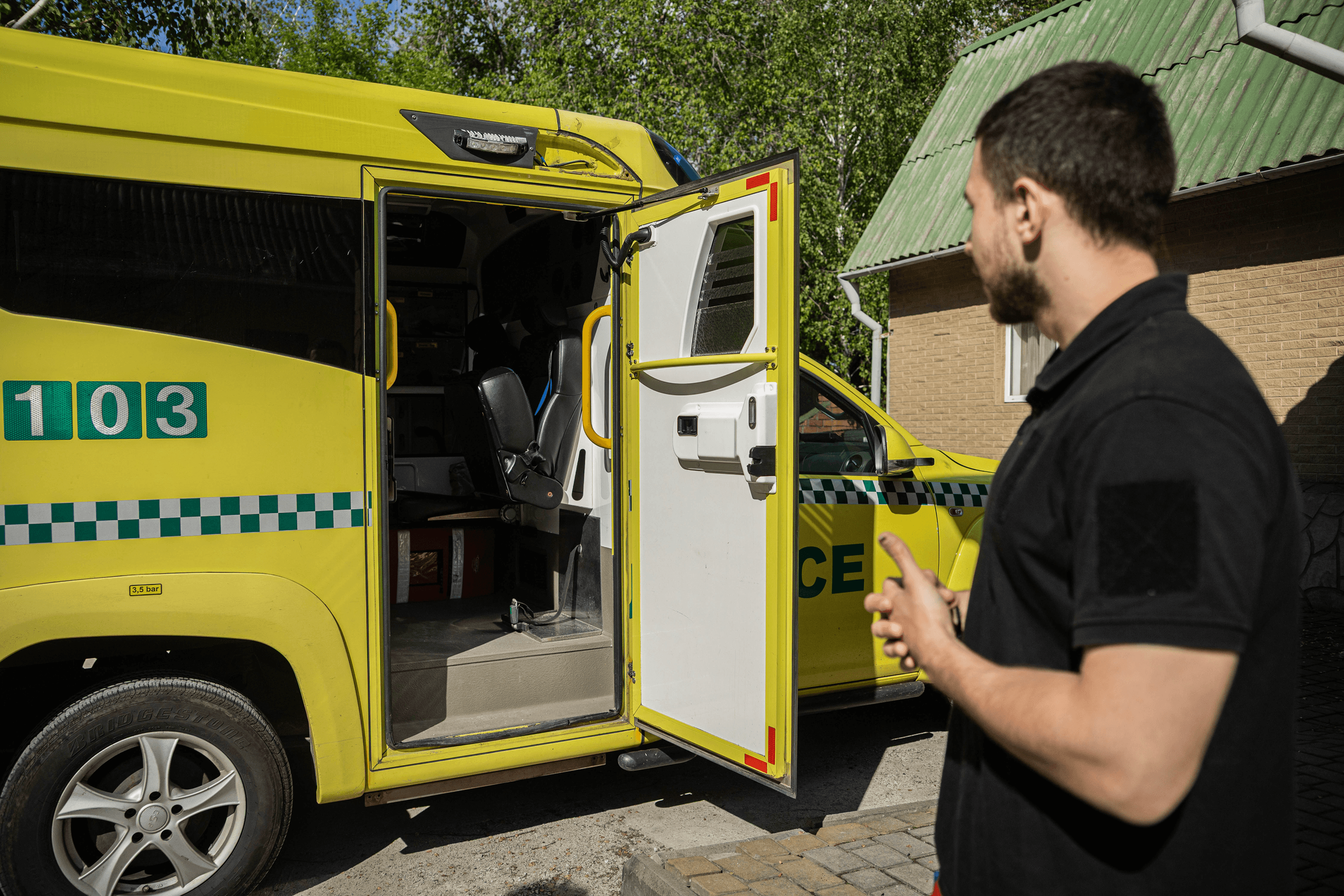
Photo: Yeva Riznichenko / YB 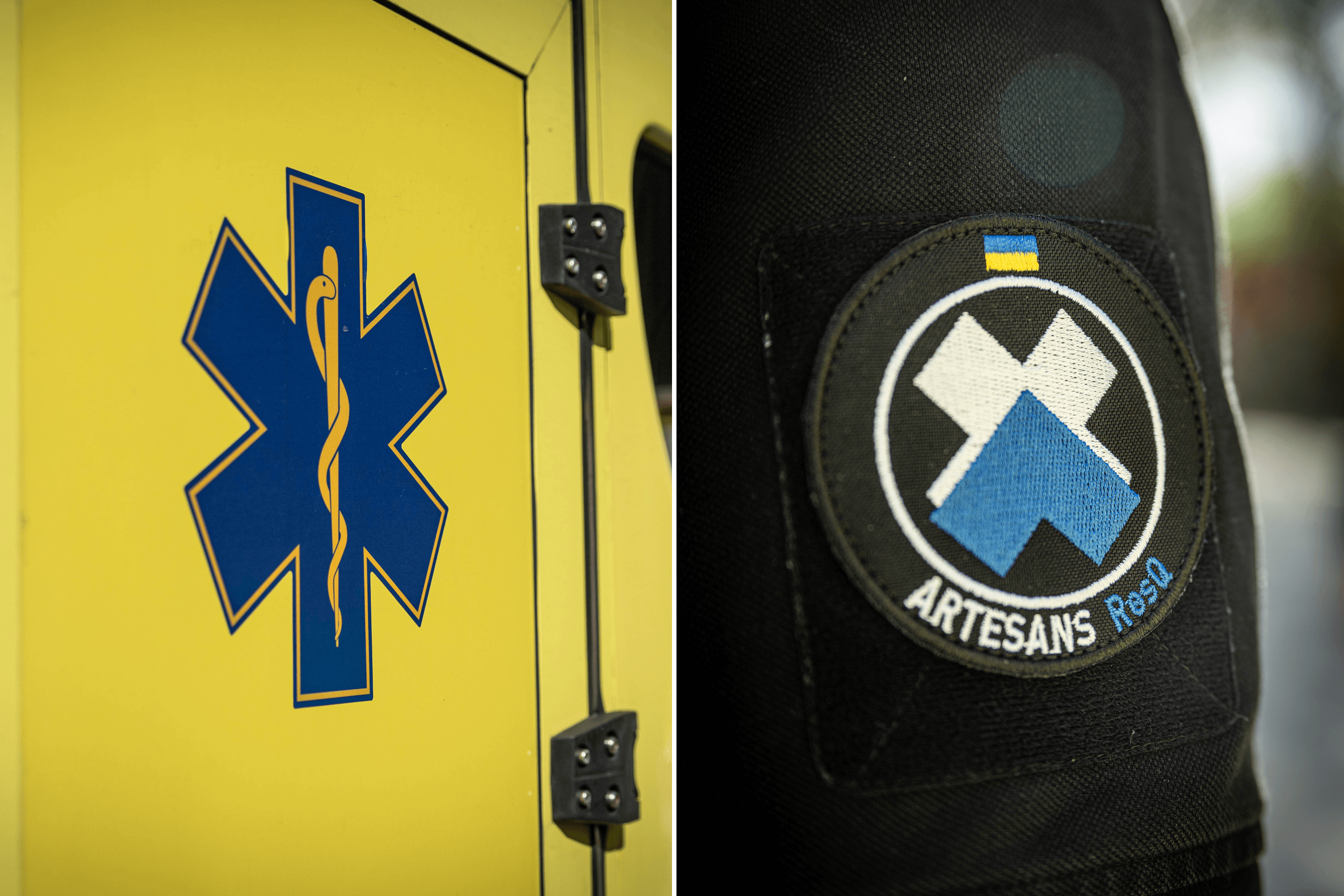
Photo: Yeva Riznichenko / YB 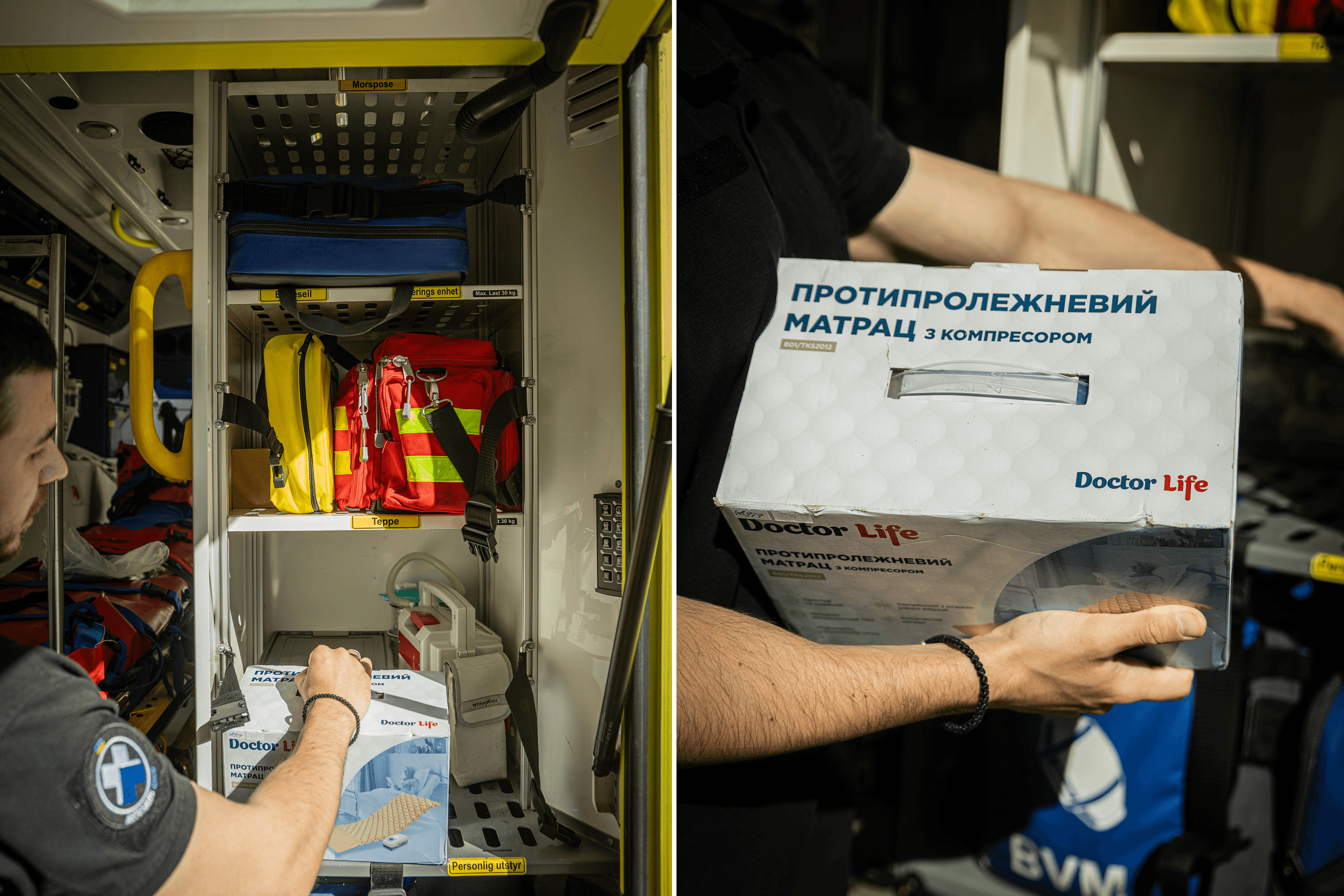
Photo: Yeva Riznichenko / YB 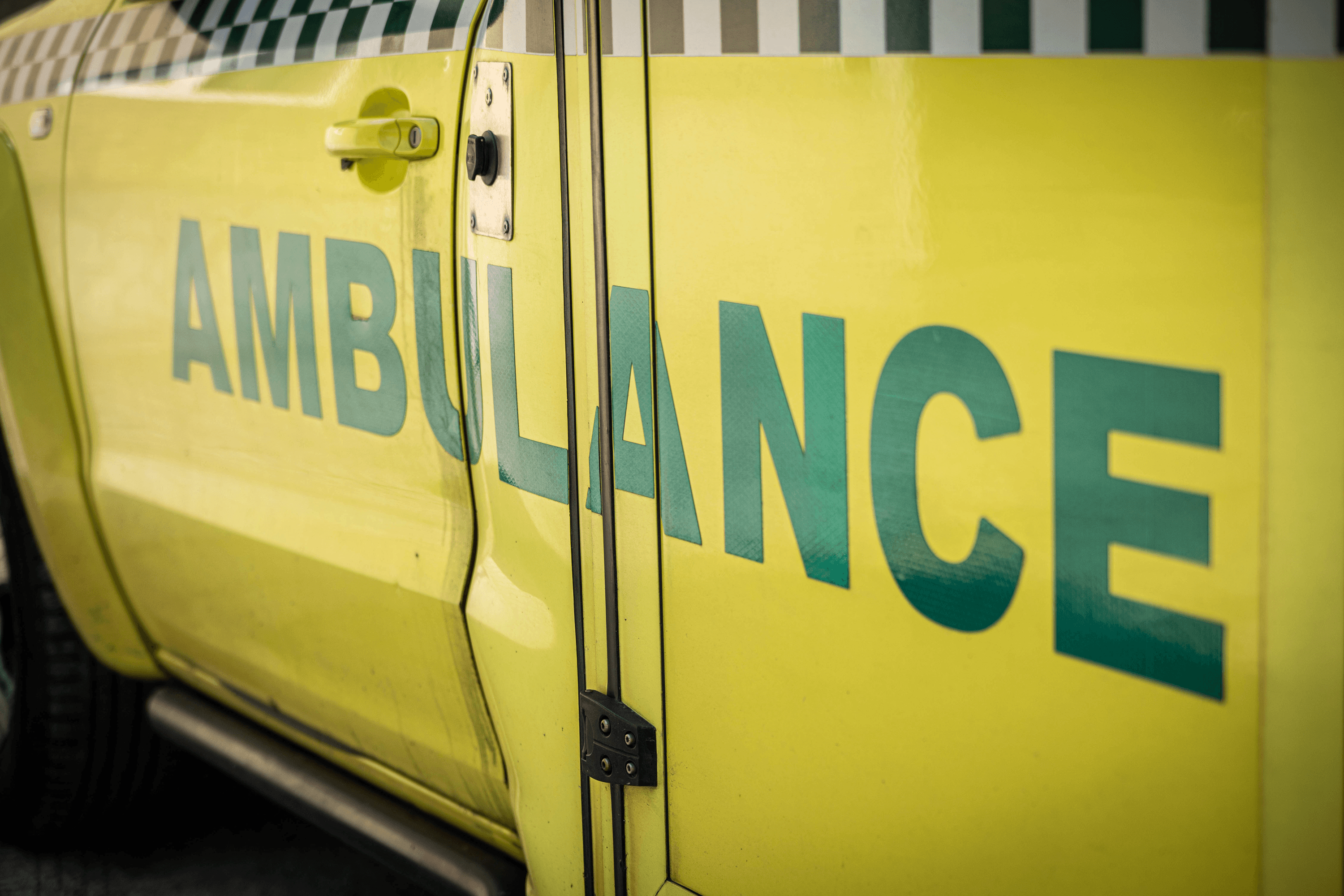
Photo: Yeva Riznichenko / YB 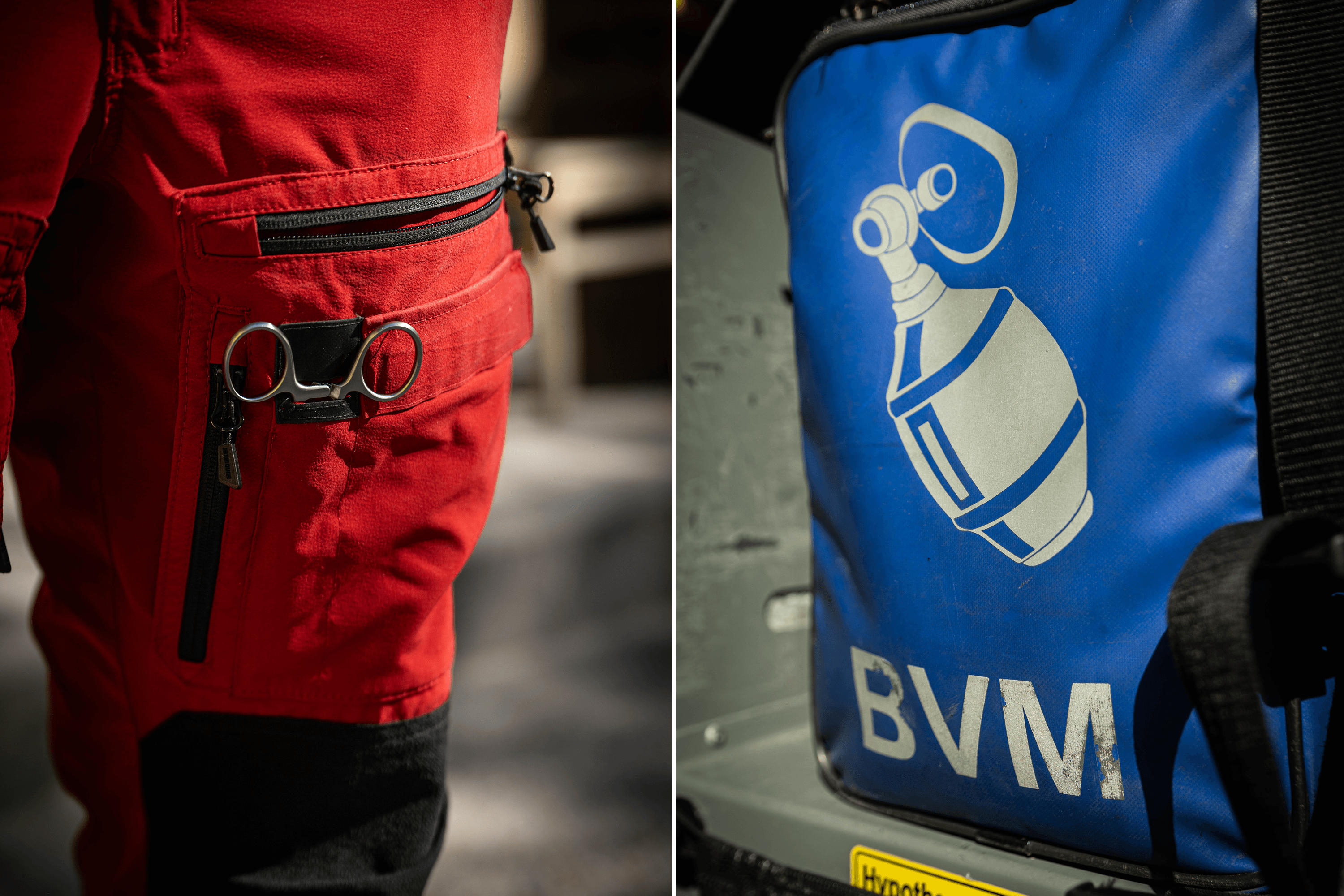
Photo: Yeva Riznichenko / YB
Each Artesans-ResQ vehicle is a mobile intensive care unit. They are outfitted with mechanical ventilators, vital sign monitors, ultrasound machines, and syringe pumps to maintain sedation, manage pain, and keep patients stable. For infants, the vehicles even carry transport incubators to keep newborns warm and secure.
A typical day at headquarters begins at 9:00 AM with the shift changeover. Between calls, the medics clean the storage room, run equipment checks on the ambulances, and just rest. But when the phone rings, the crew has 15 minutes to deploy—a strict internal protocol. A standard team includes a driver, a paramedic, and a specialized doctor, such as an anesthesiologist, neonatologist, or pediatrician. Upon arrival, they assess whether the patient can be moved immediately. Often, the crew must first stabilize the patient by adjusting ventilator settings or administering medications. This process can be agonizingly slow; once, the team spent 12 hours stabilizing a newborn just so they could survive the journey to another hospital.
Returning to base, the crews stick to protocol: they return the equipment to storage and immediately disinfect the vehicle. They move fast—the next call could come at any minute.
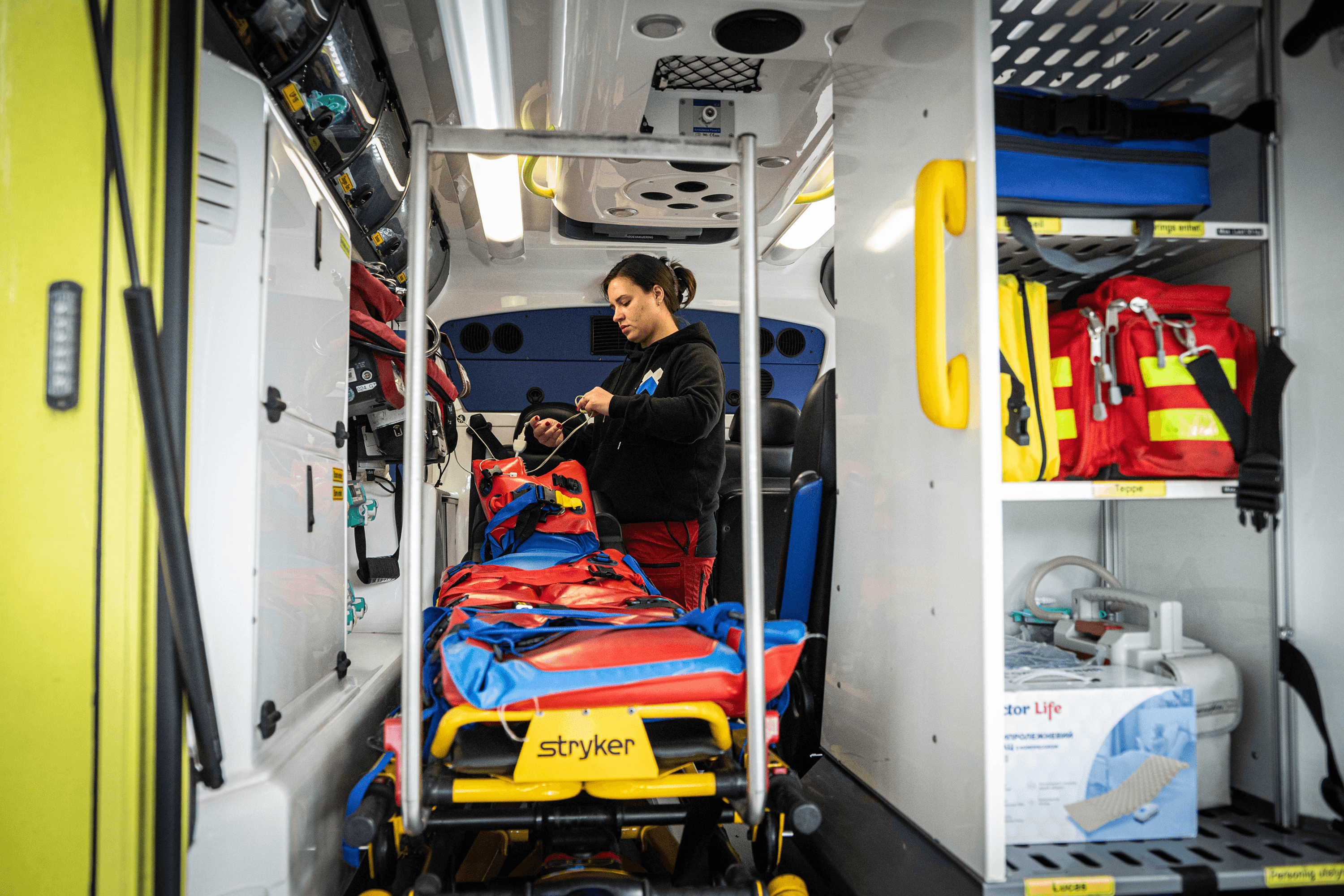
Photo: Yeva Riznichenko / YB 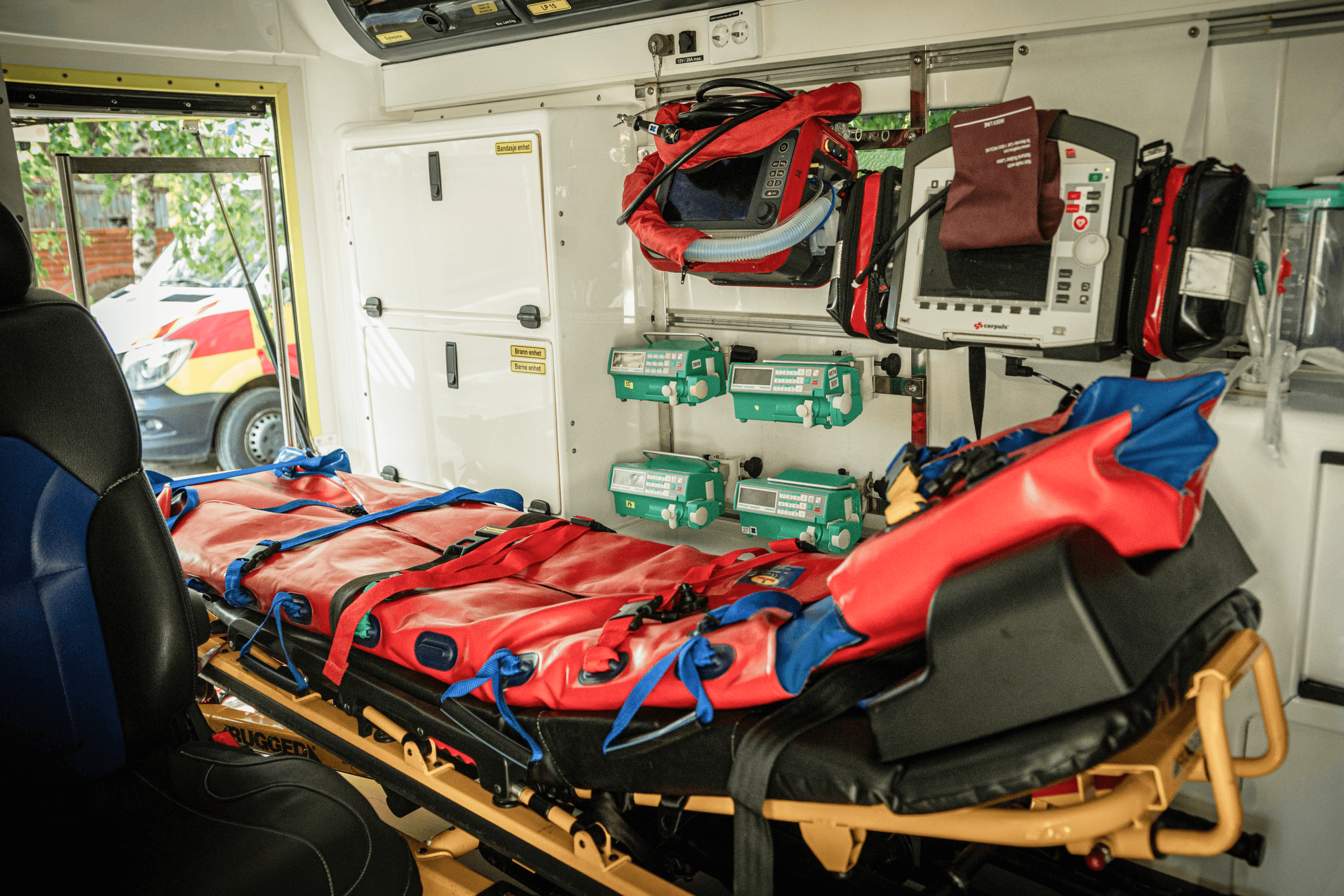
Photo: Yeva Riznichenko / YB 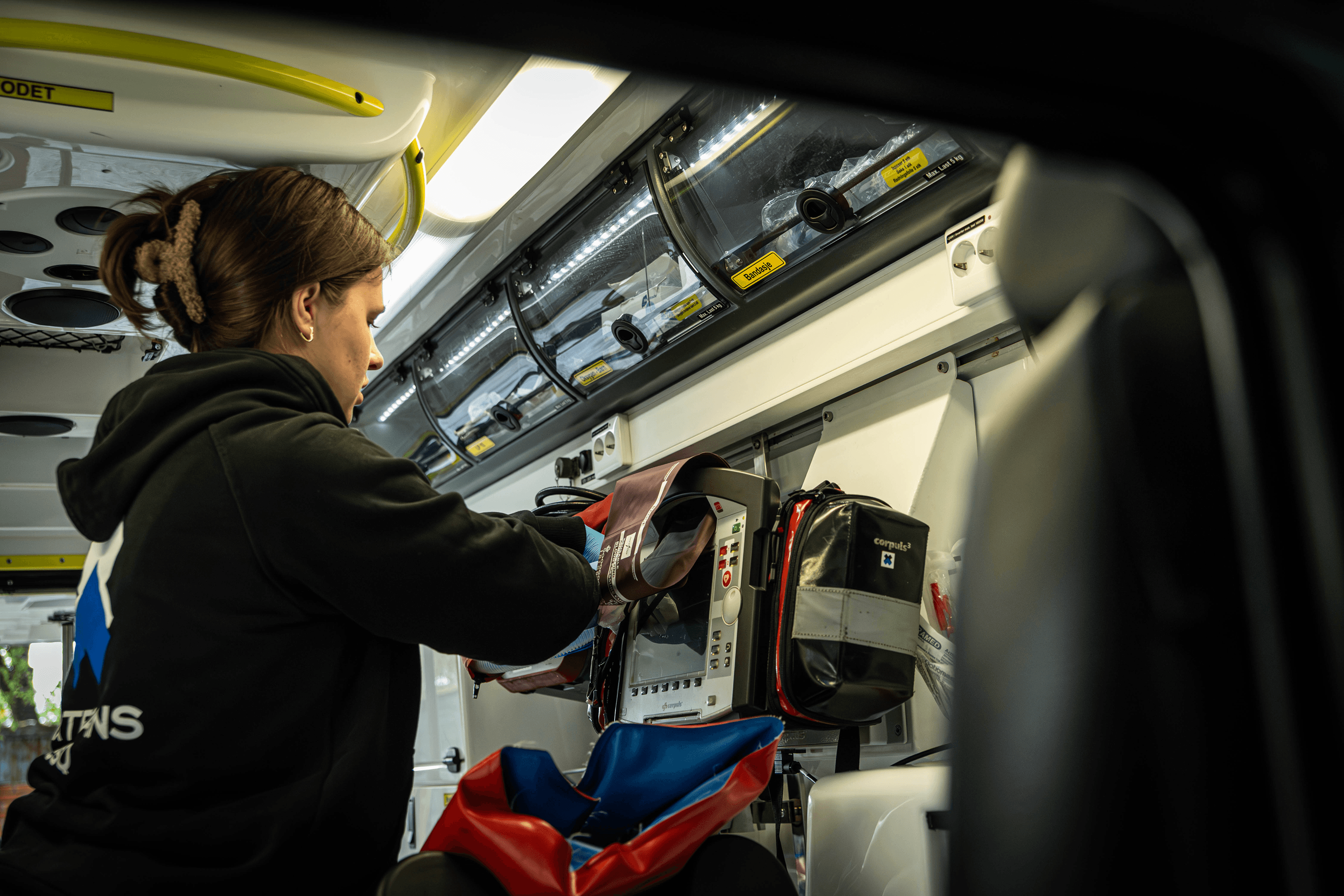
Photo: Yeva Riznichenko / YB 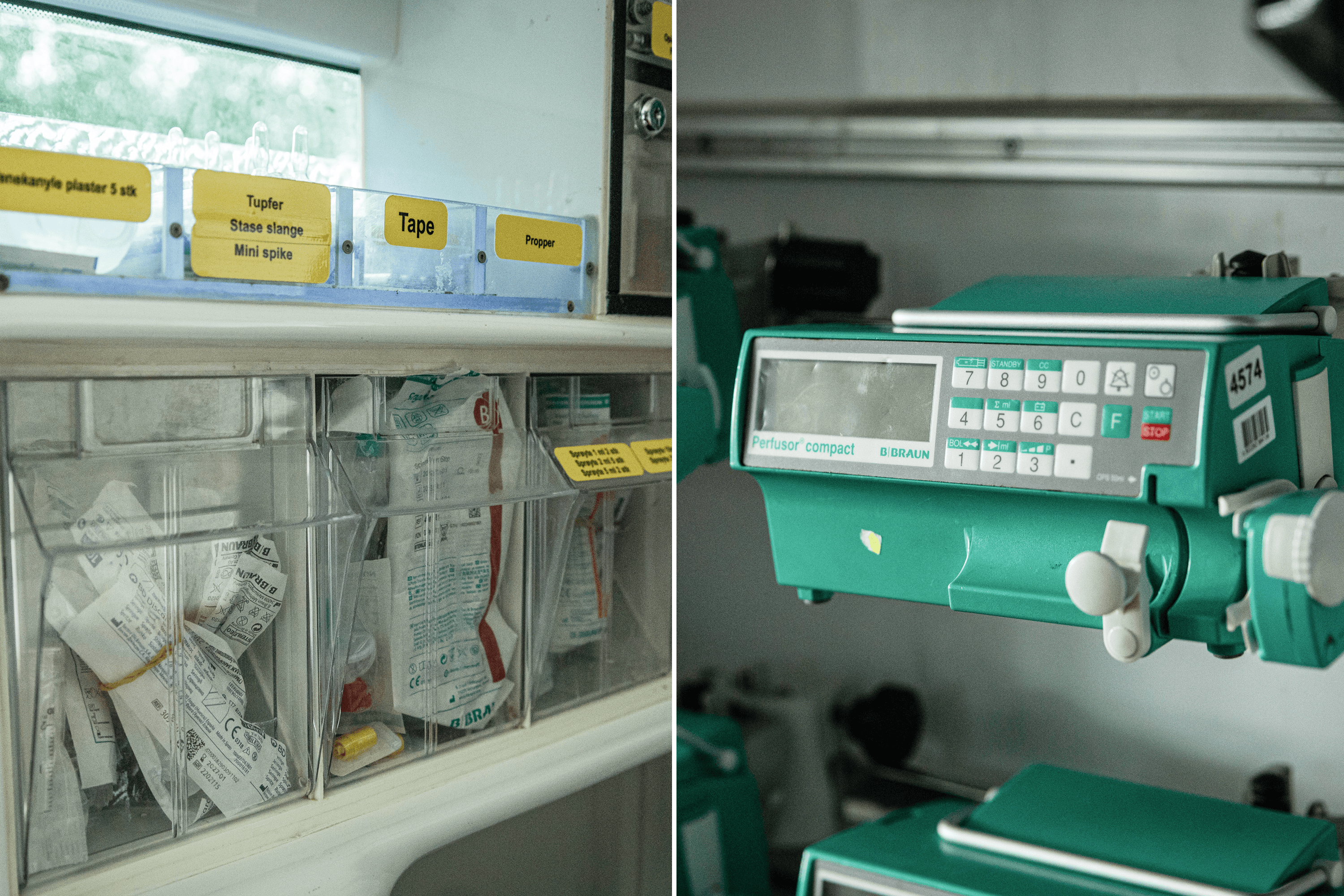
Photo: Yeva Riznichenko / YB 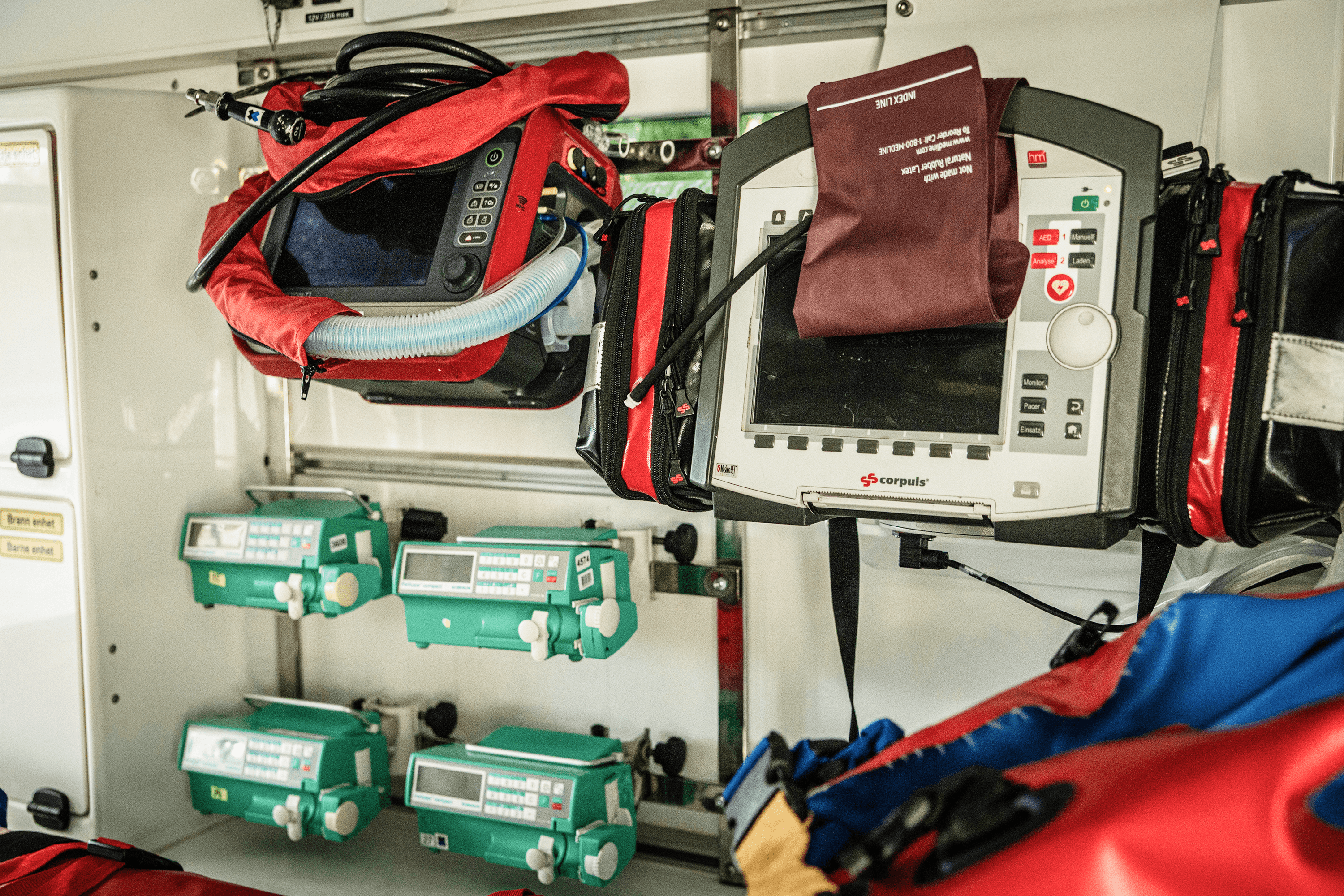
Photo: Yeva Riznichenko / YB
2
Until 2022, Artesans-ResQ Ukraine founder Maxim Dohrmann lived in Hamburg, working as a paramedic for the local rescue service. He responded to accidents, fires, and emergencies, treating victims—stopping bleeding, performing CPR, and keeping patients alive until they reached the hospital.
Back in the 2000s, Maxim befriended Andriy Kotsura, a Ukrainian from Kamianets-Podilskyi. Although Andriy had emigrated to Germany years prior, he maintained strong ties to his homeland and spoke of it often. Intrigued by these stories, Dohrmann traveled to Kamianets-Podilskyi with Andriy in 2017. Expecting a gray, depressing country, he was surprised by the reality. Celebrating Christmas in a village with Andriy, his friends, and welcoming strangers, Maxim immediately felt at home. “That was when I fell in love with Ukraine,” he recalls.
He returned the following year, planning to make exploring different Ukrainian cities an annual tradition. But then came the COVID-19 pandemic, followed by the full-scale invasion.
“In the first days, I couldn’t believe this was really happening,” Maxim says. “I was glued to the news, unable to understand why the people who had recently welcomed me so hospitably now had to suffer the horrors of war. I couldn’t just sit idly by; I wanted to help.”
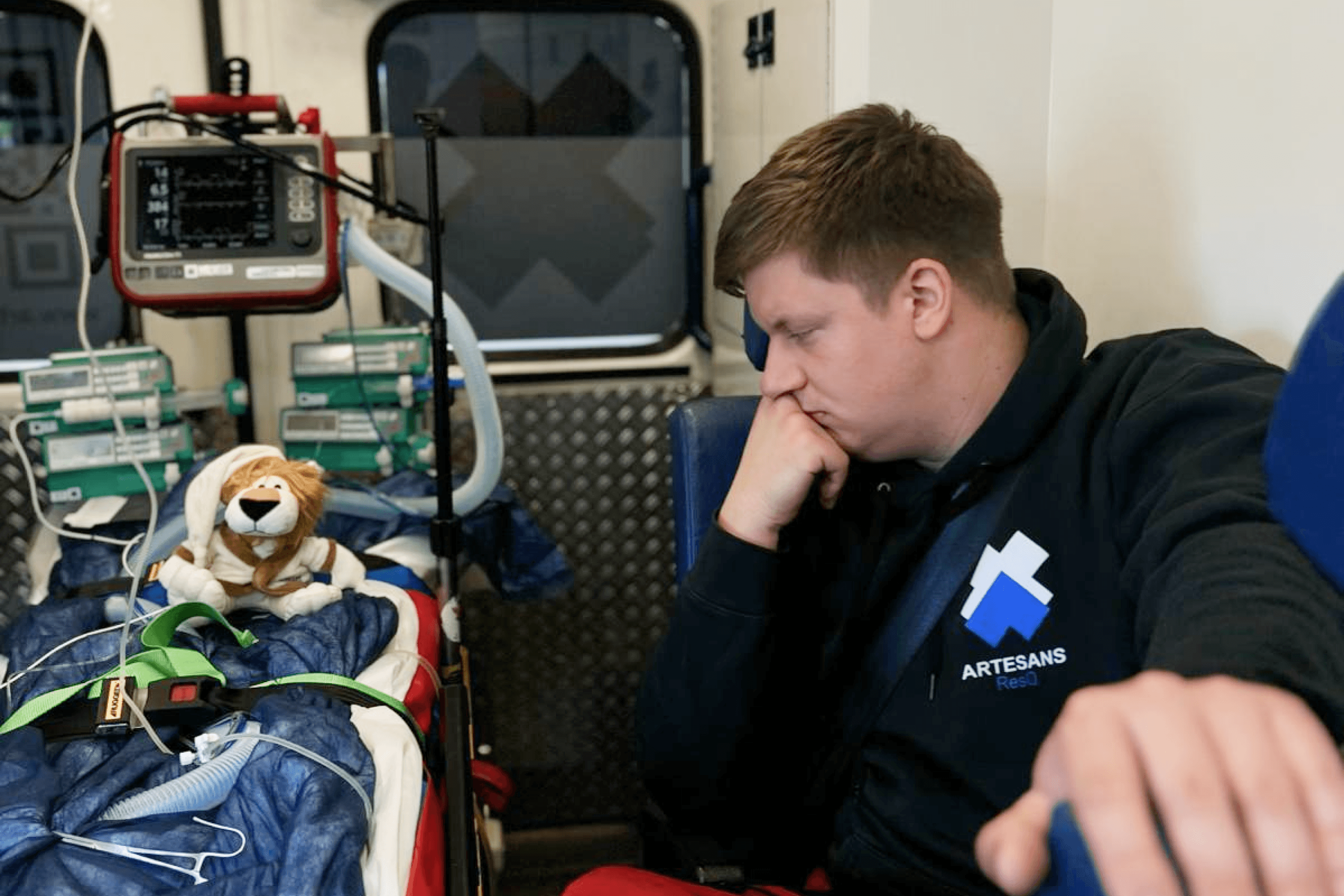
By late February 2022, Maxim and other volunteers headed to the Polish-Ukrainian border, shuttling women and children to shelters across Europe. In early March, while watching a TV report about medical evacuations from frontline areas to Lviv and onward to Germany, he spotted a paramedic colleague from his own rescue service volunteering at the Lviv train station. Maxim immediately texted him, took a leave of absence, and traveled to Lviv to join the evacuation efforts. Gradually, he spent more time in Ukraine and less at home, using every vacation day and weekend to volunteer.
“By the summer of 2022, our volunteer group was getting an increasing number of requests to transfer critical patients between hospitals in different cities,” Dohrmann says. “That was when we realized Ukraine lacked a dedicated system for inter-hospital critical care transport. So, we decided to build one.”
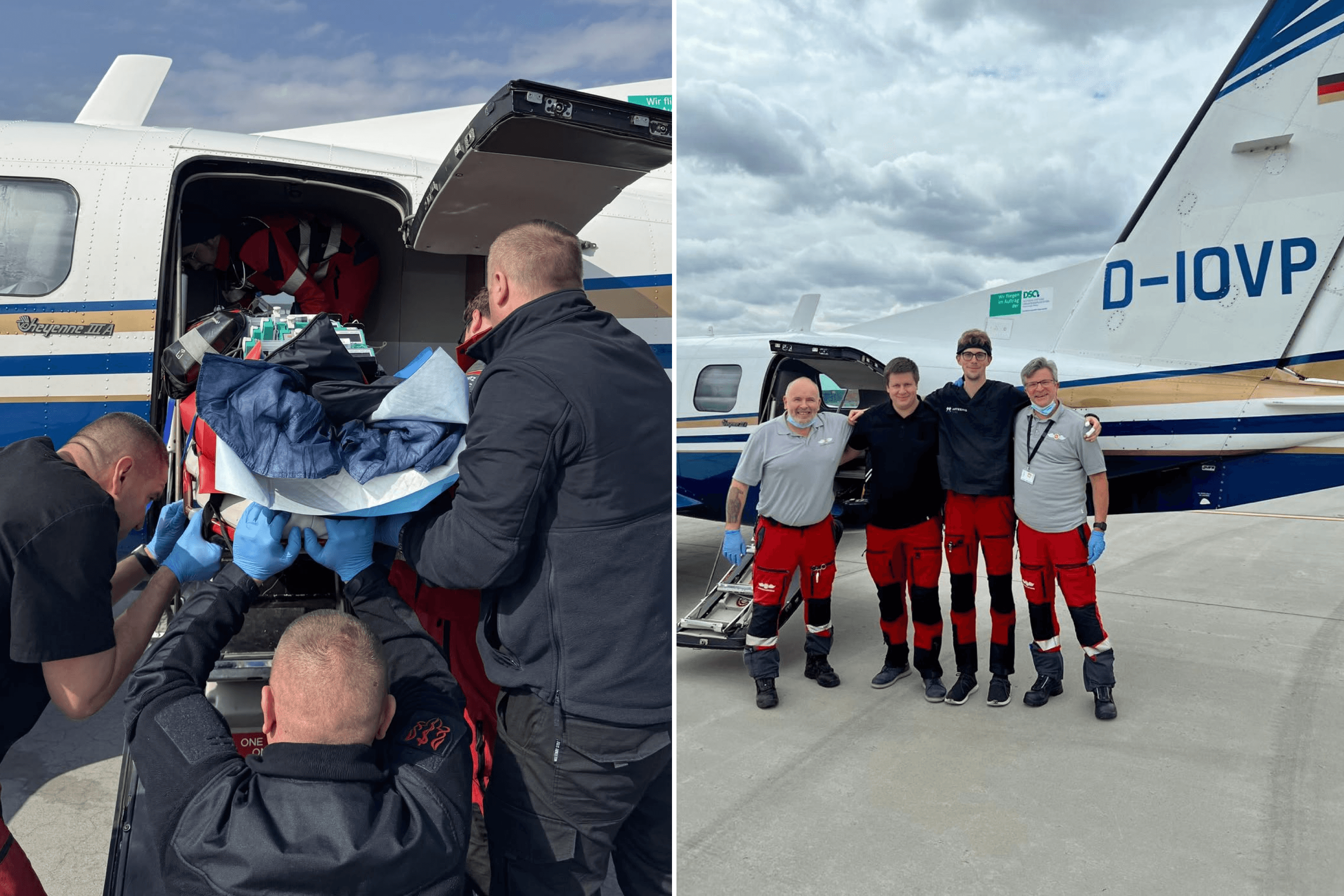
Max Dorman and Artesans employees at work. Photo: Photos courtesy of Max Dorman / YB 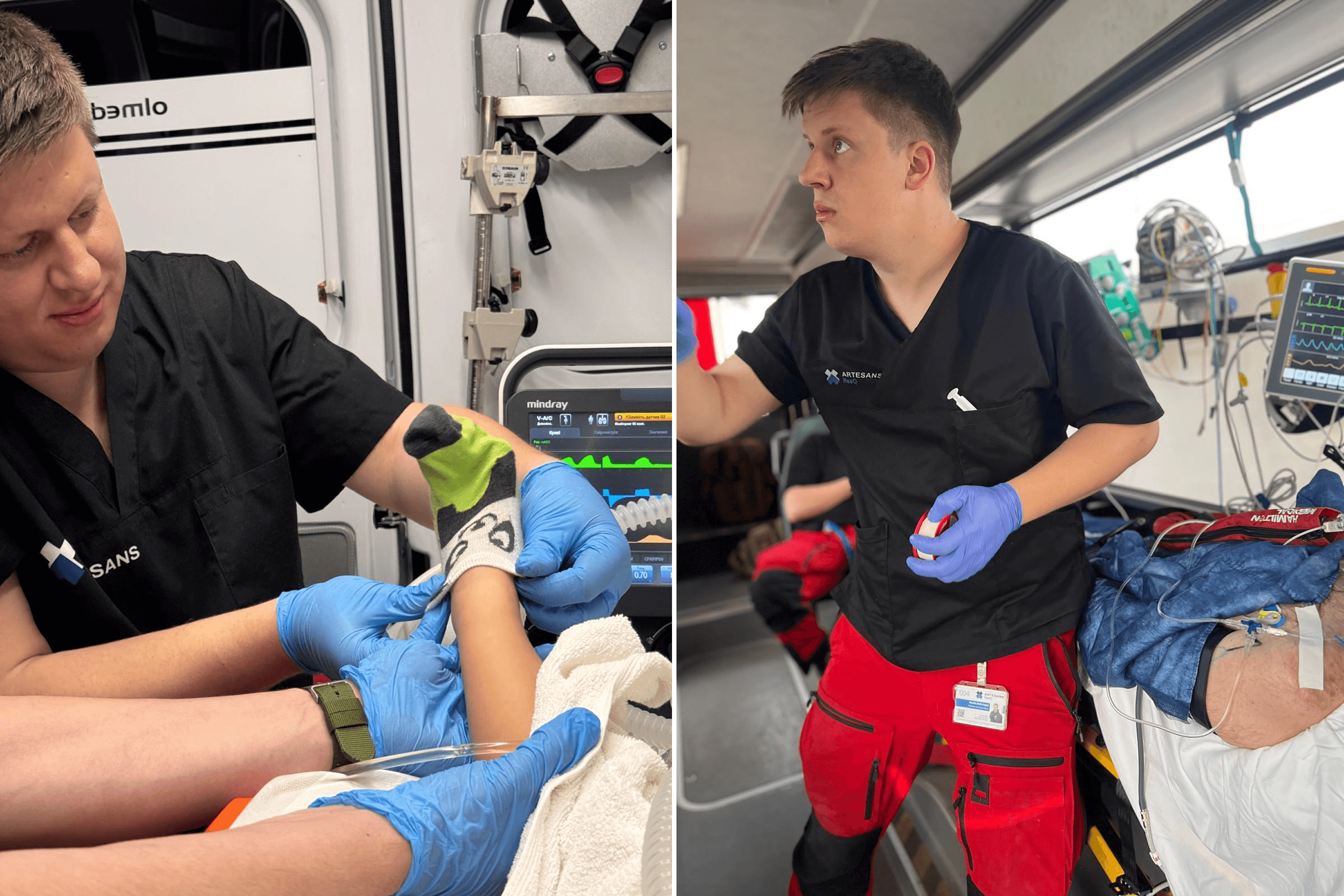
Photo: Photos courtesy of Max Dorman / YB 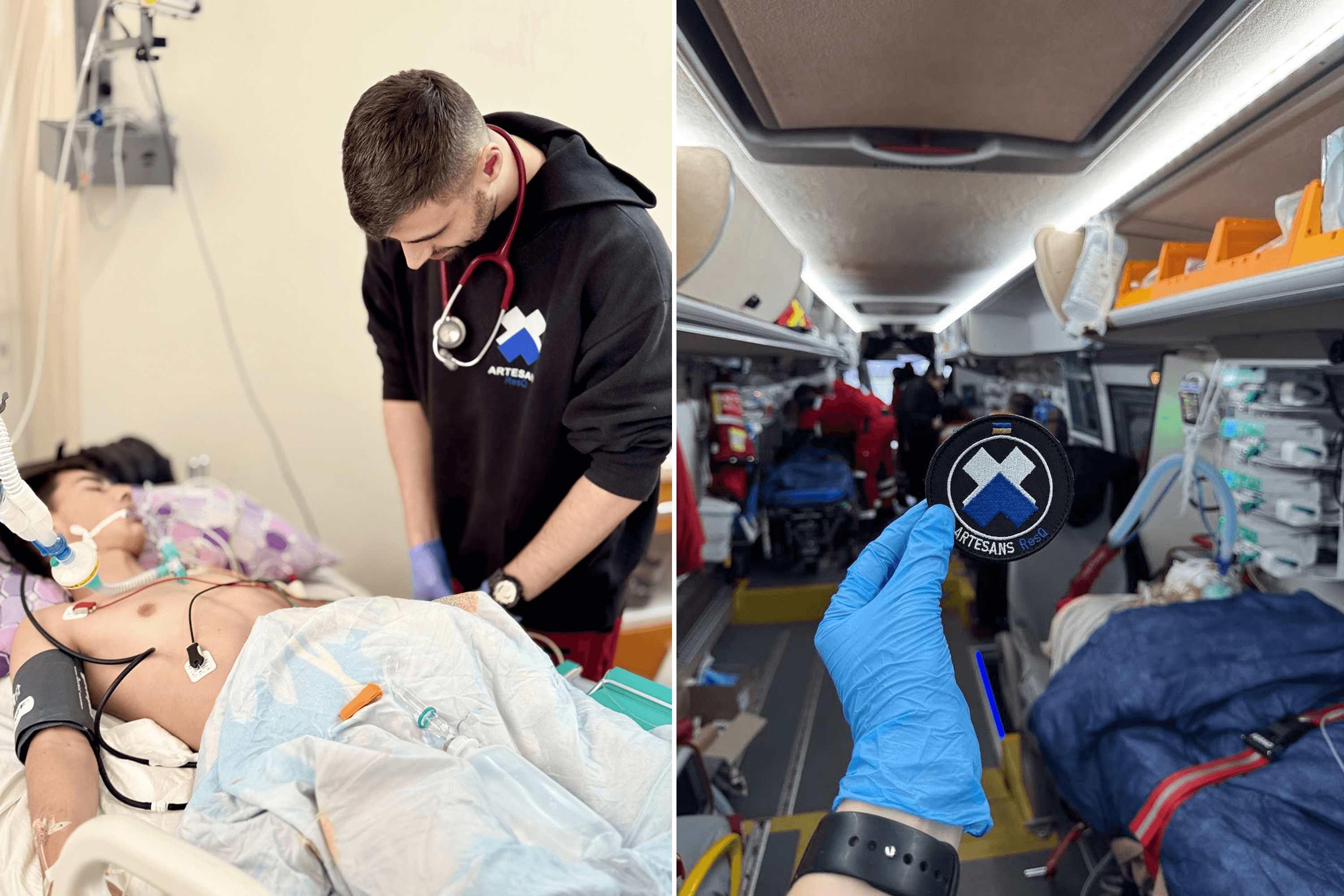
Photo: Artesans ResQ EU / Facebook 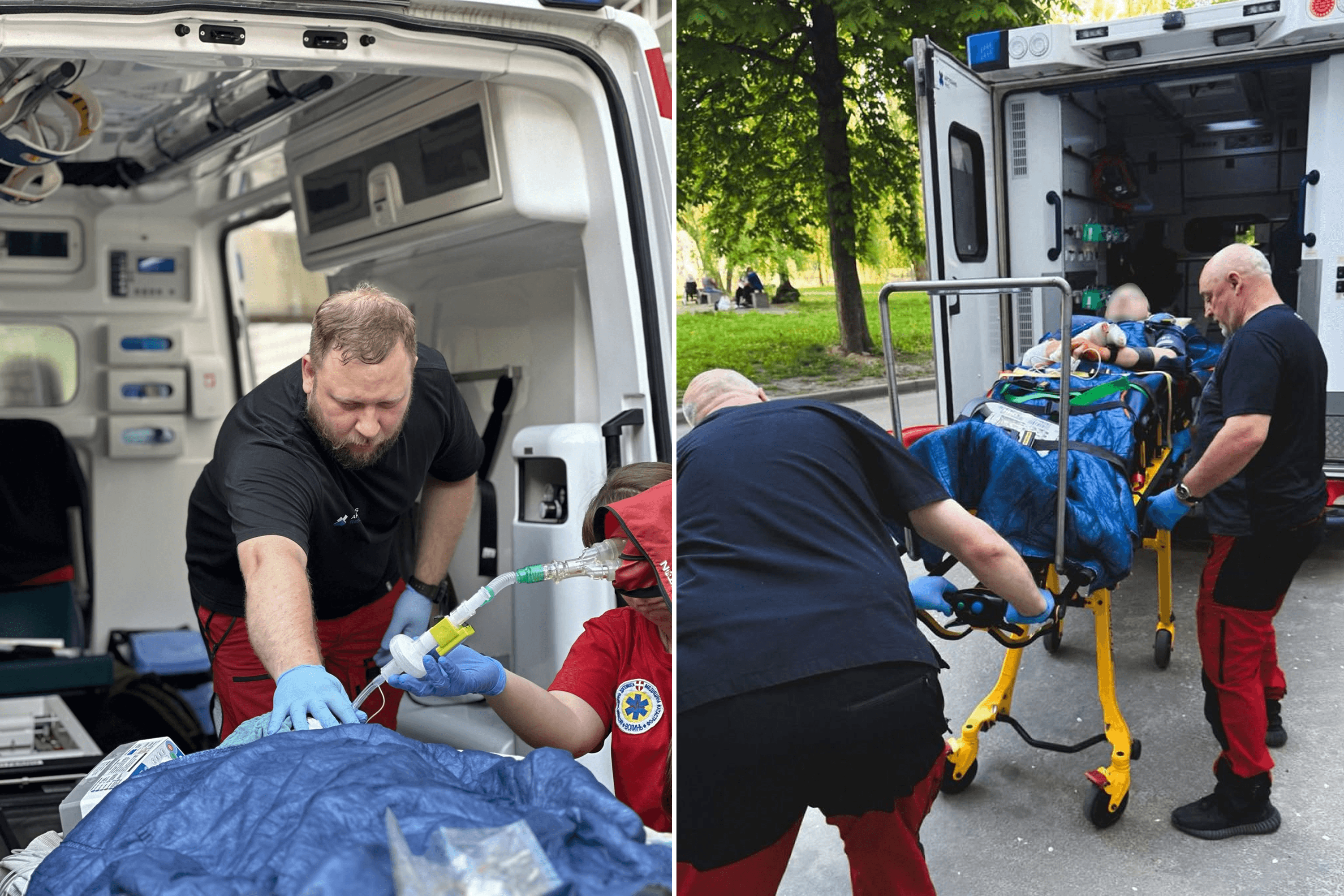
Photo: Artesans ResQ EU / Facebook 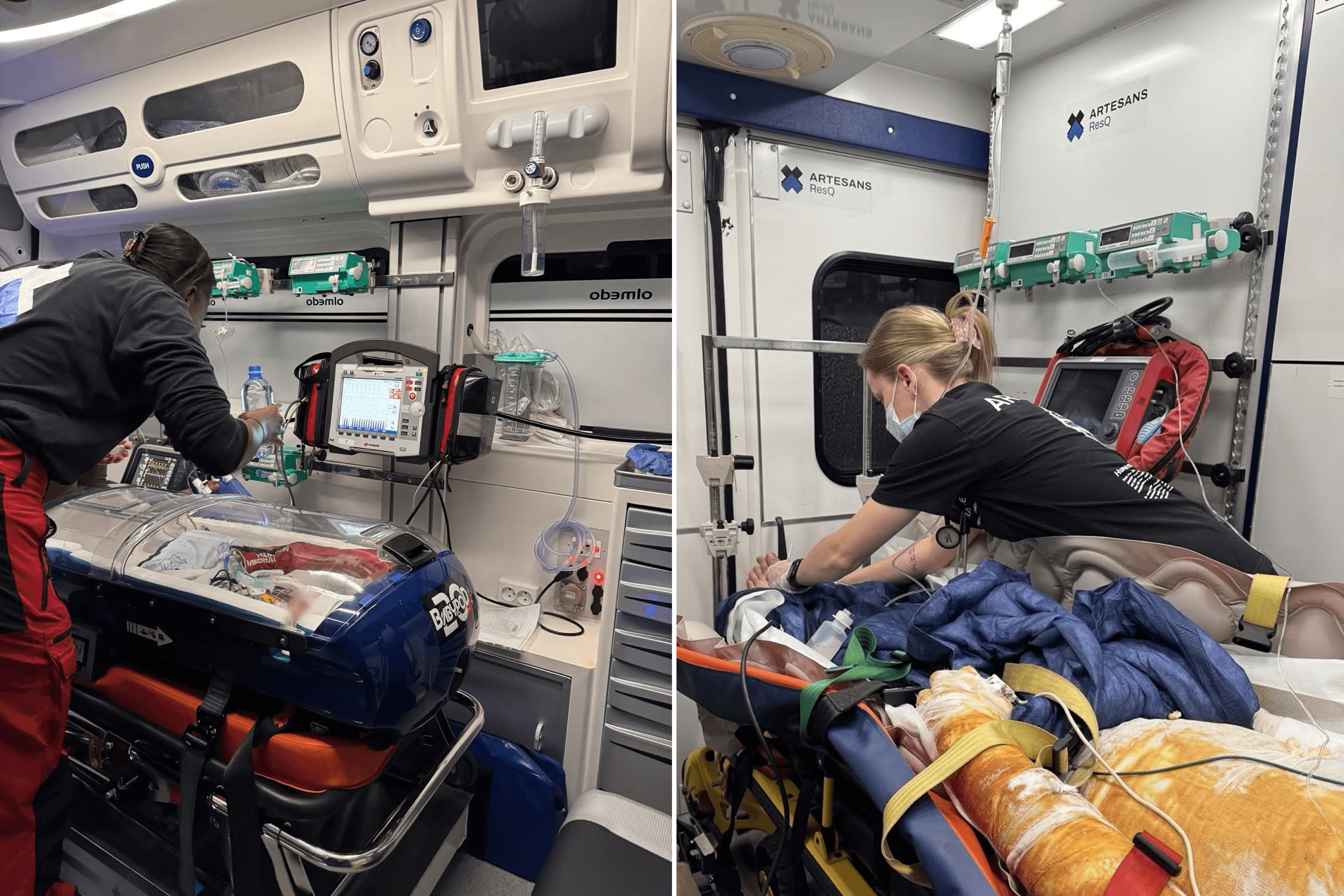
Photo: Artesans ResQ EU / Facebook
3
The volunteers received their first dedicated ambulance in September 2022, funded by private donors from Ukraine and the US. Soon after, benefactors from Germany and other European countries began supplying additional vehicles and medical equipment.
In early 2023, Dohrmann’s team—then primarily made up of foreign volunteers—relocated from Lviv to Dnipro to focus on domestic transfers. The choice of Dnipro was strategic: since the start of the full-scale invasion, the city had become one of the main logistics hubs for eastern Ukraine.
Around the same time, Maxim resigned from the rescue service in Hamburg and moved to Ukraine permanently. In the organization’s early days, he notes, they had to build partnerships with hospitals from scratch, explaining how inter-hospital transfers work and proving they could safely move patients in critical condition.
“The hardest part was winning the trust of local healthcare workers and officials so they would continue working with us and referring more patients,” Dohrmann recalls.
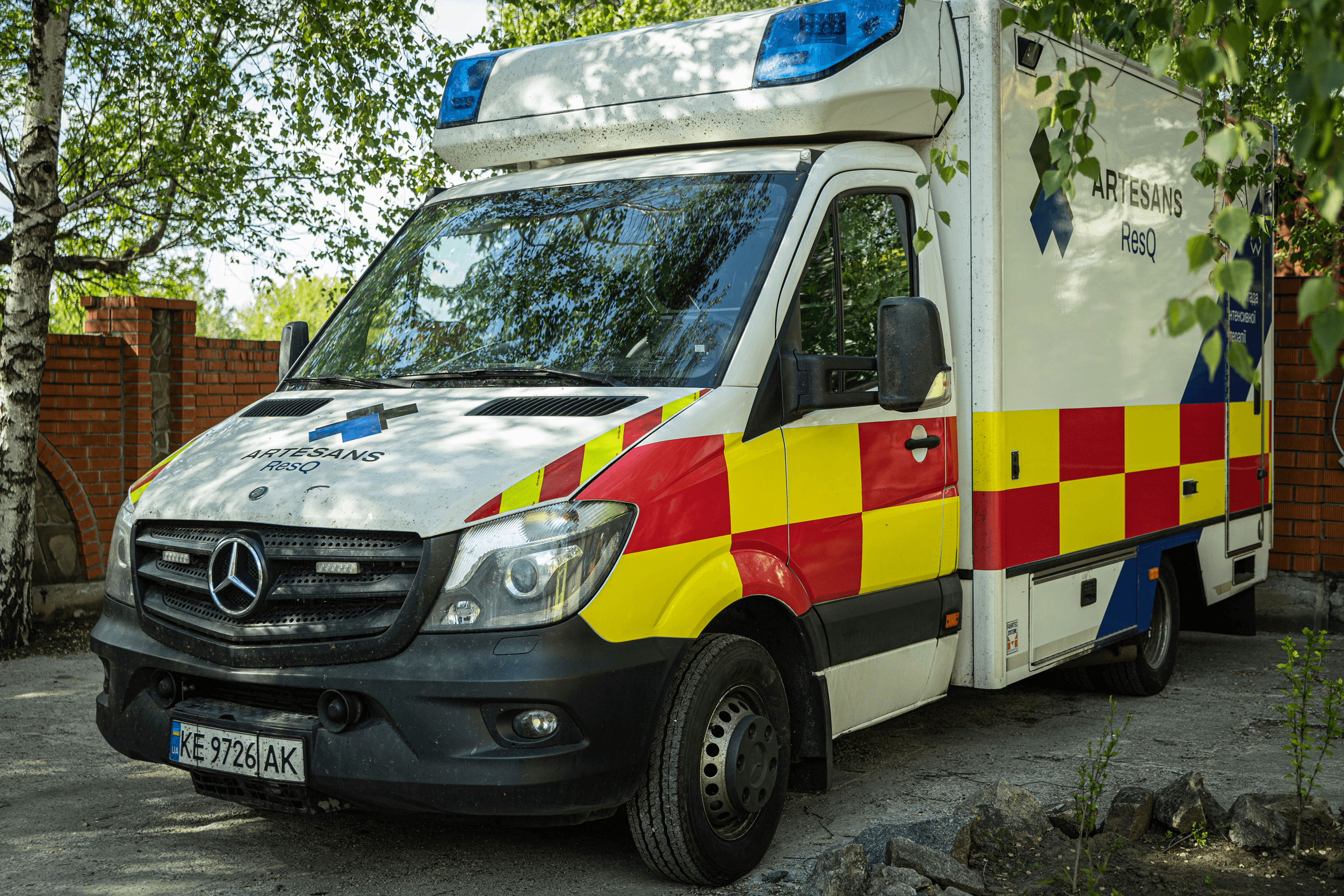
Photo: Yeva Riznichenko / YB 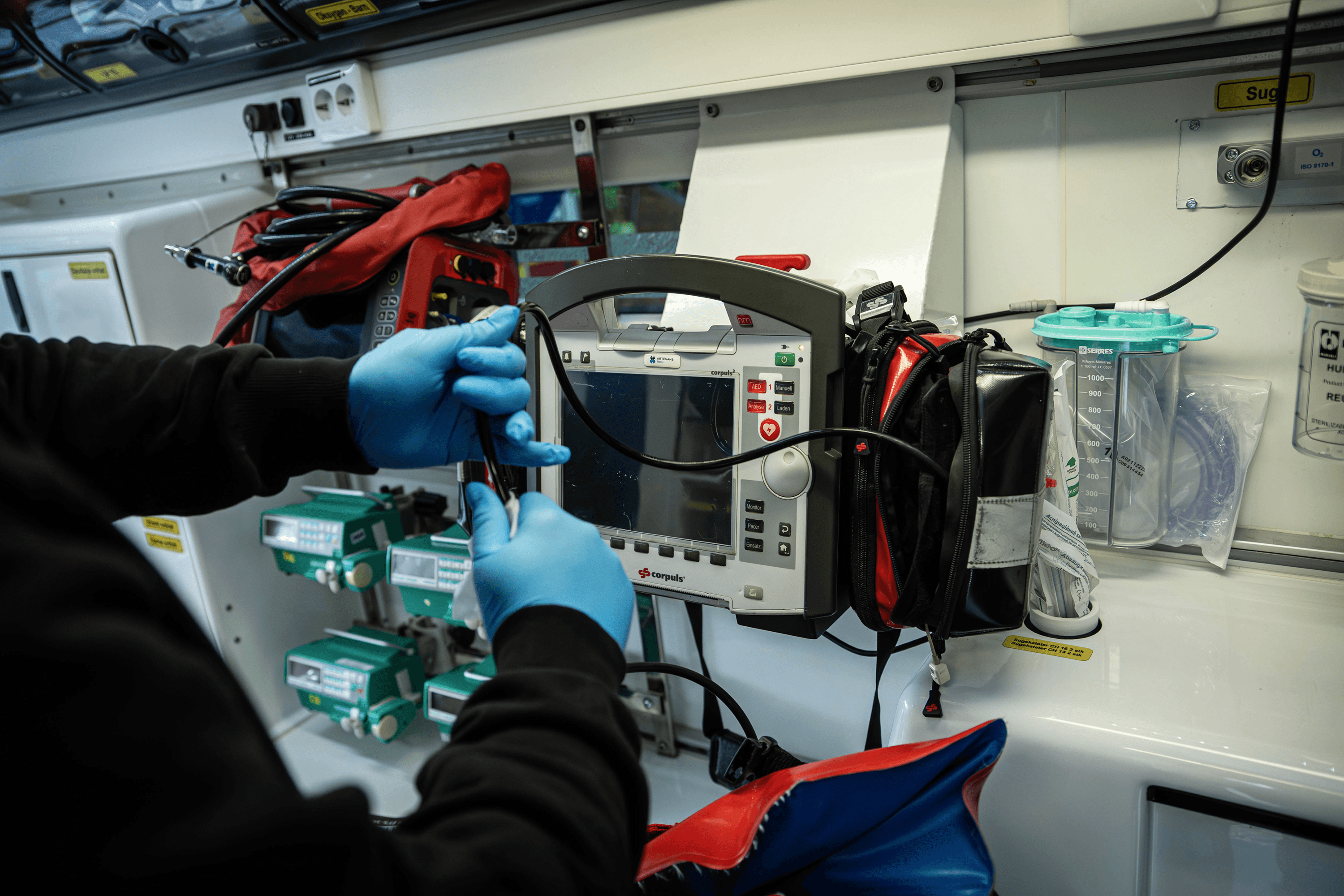
Photo: Yeva Riznichenko / YB 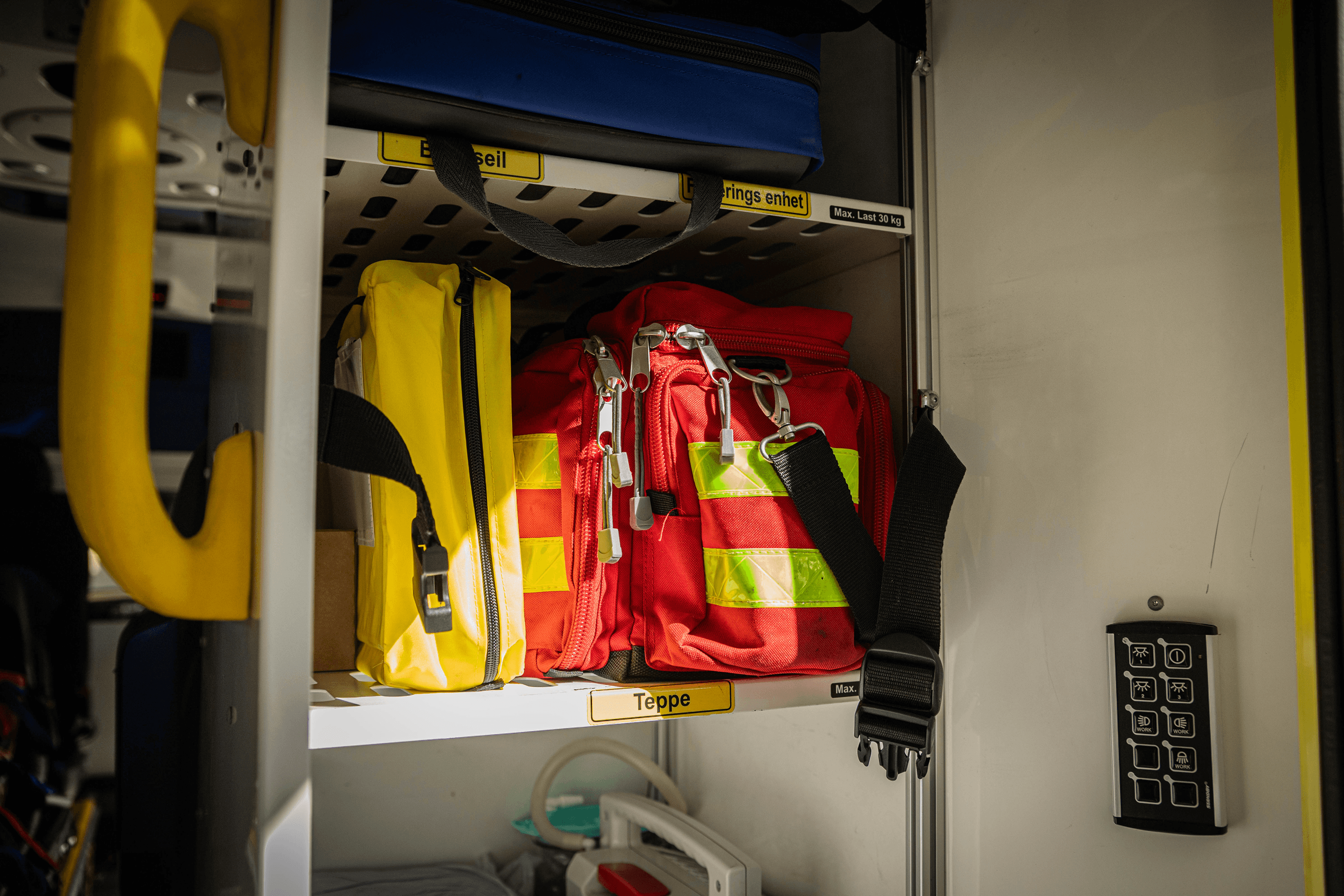
Photo: Yeva Riznichenko / YB 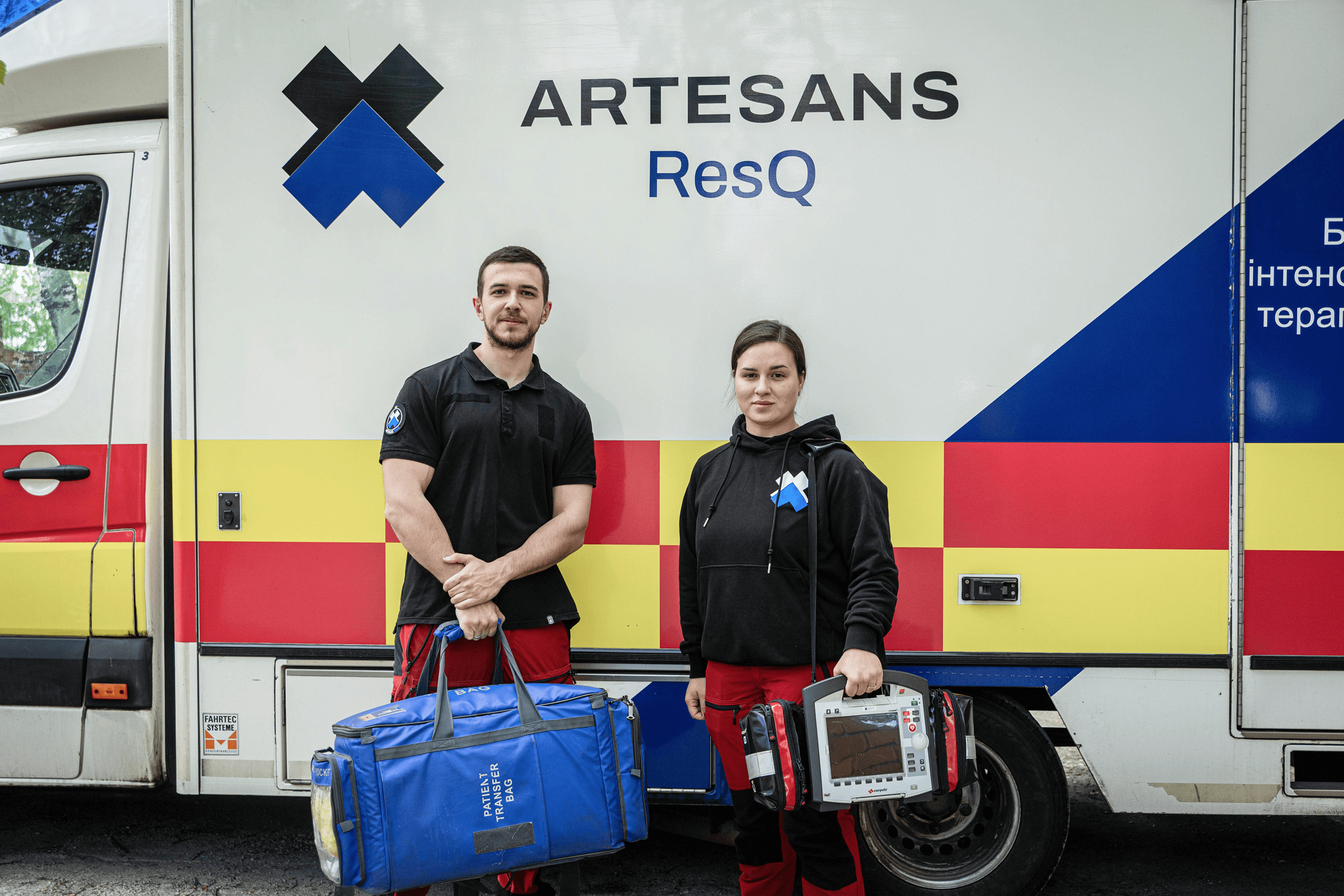
Photo: Yeva Riznichenko / YB 
Photo: Yeva Riznichenko / YB
In 2025, Maxim officially registered Artesans-ResQ Ukraine as a local NGO. Today, its backbone is no longer foreign volunteers, but a core team of 15 full-time Ukrainian employees, including drivers, paramedics, doctors, and office staff. Foreign volunteer medics still support the mission, allowing the team to deploy an extra ambulance when needed.
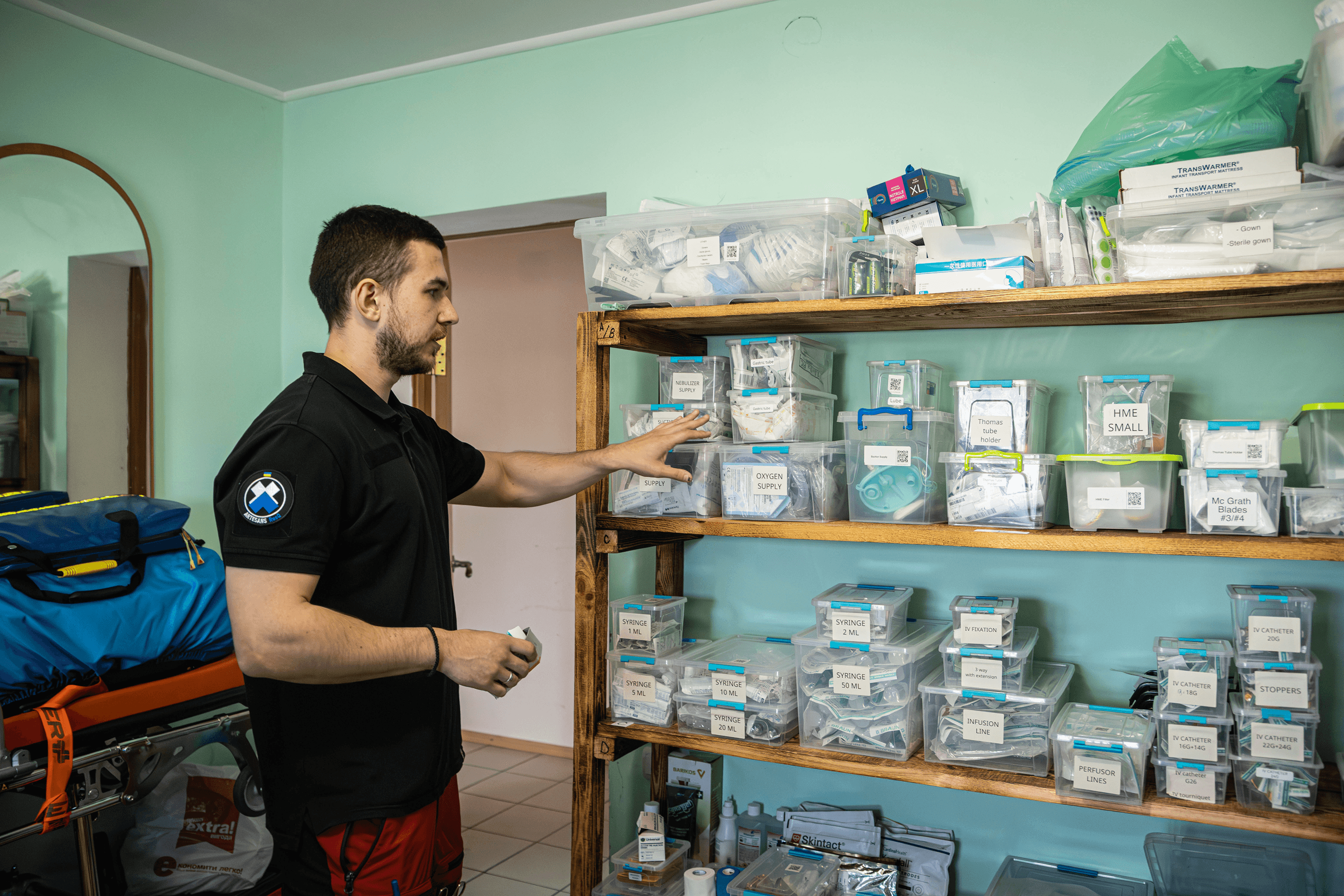
Photo: Yeva Riznichenko / YB 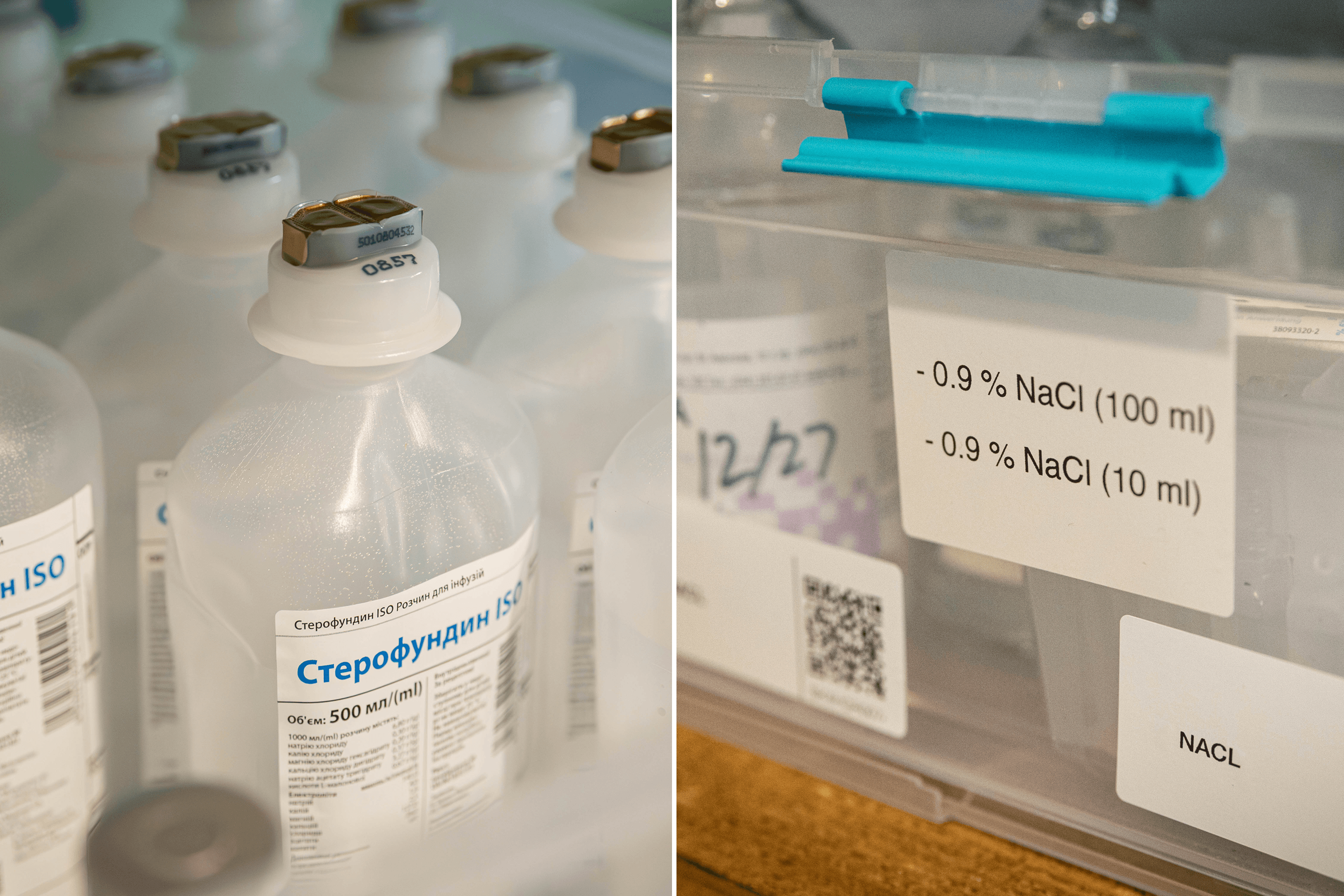
Photo: Yeva Riznichenko / YB 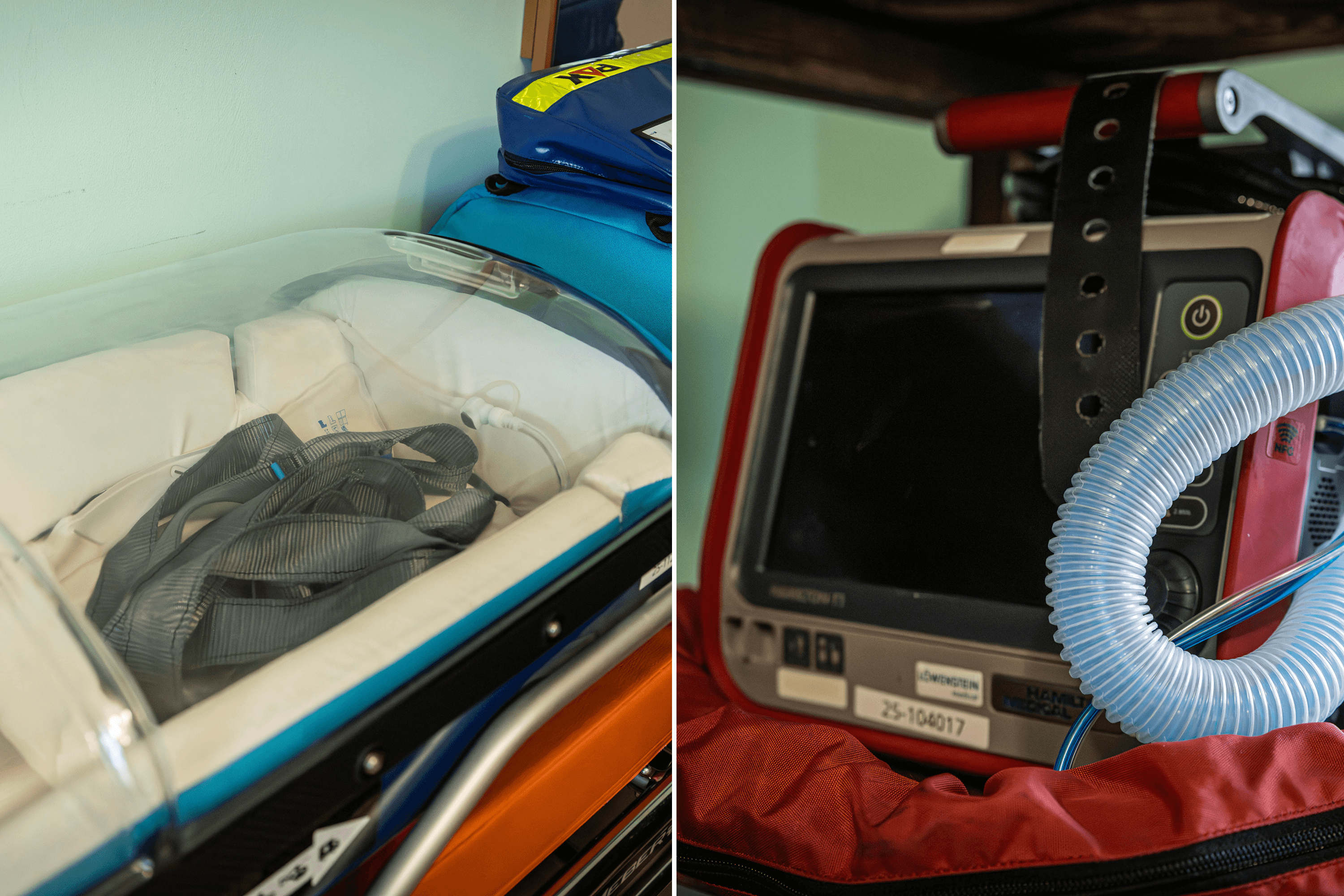
Photo: Yeva Riznichenko / YB 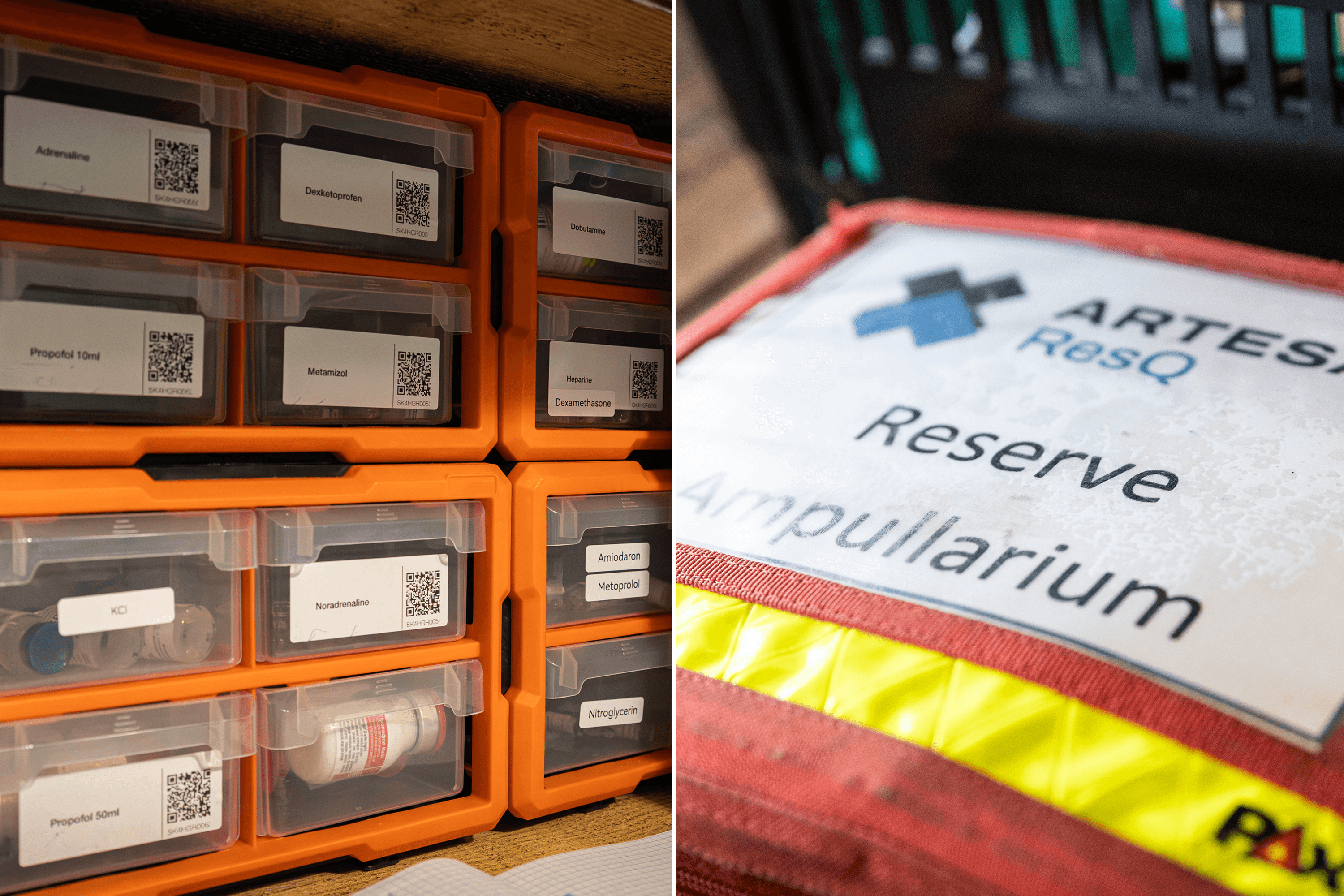
Photo: Yeva Riznichenko / YB
The way they coordinate with hospitals has also evolved. While volunteers initially had to pitch their services to medical facilities, Artesans now receives most of its requests directly from the emergency medical dispatch service or the Ukraine’s Ministry of Health.
Over four years, the fleet has grown to five ambulances, and the medical gear has been upgraded to include specialized transport incubators for infants. Still, all the equipment is second-hand—outfitting a single vehicle into a mobile ICU costs roughly €70,000 to €100,000.
Today, Artesans is primarily backed by the World Health Organization, which covers fuel, vehicle maintenance, rent, medical supplies, and salaries. The US-based non-profit Nova Ukraine also partners with the team, helping to offset fuel costs.
4
These days, Maxim goes on fewer evacuations, dedicating most of his time to forging new partnerships and driving Artesans’ strategic growth. He recently returned from a trip to the US to visit Virginia Commonwealth University in Richmond. As an Artesans partner, the university hosts monthly online clinical case discussions where the Ukrainian team reviews complex transfers, and their American colleagues share recommendations and alternative solutions. Now, Maxim wants to launch a Richmond-based internship program—not just for his own staff, but for specialists across Ukraine’s entire emergency medical system.
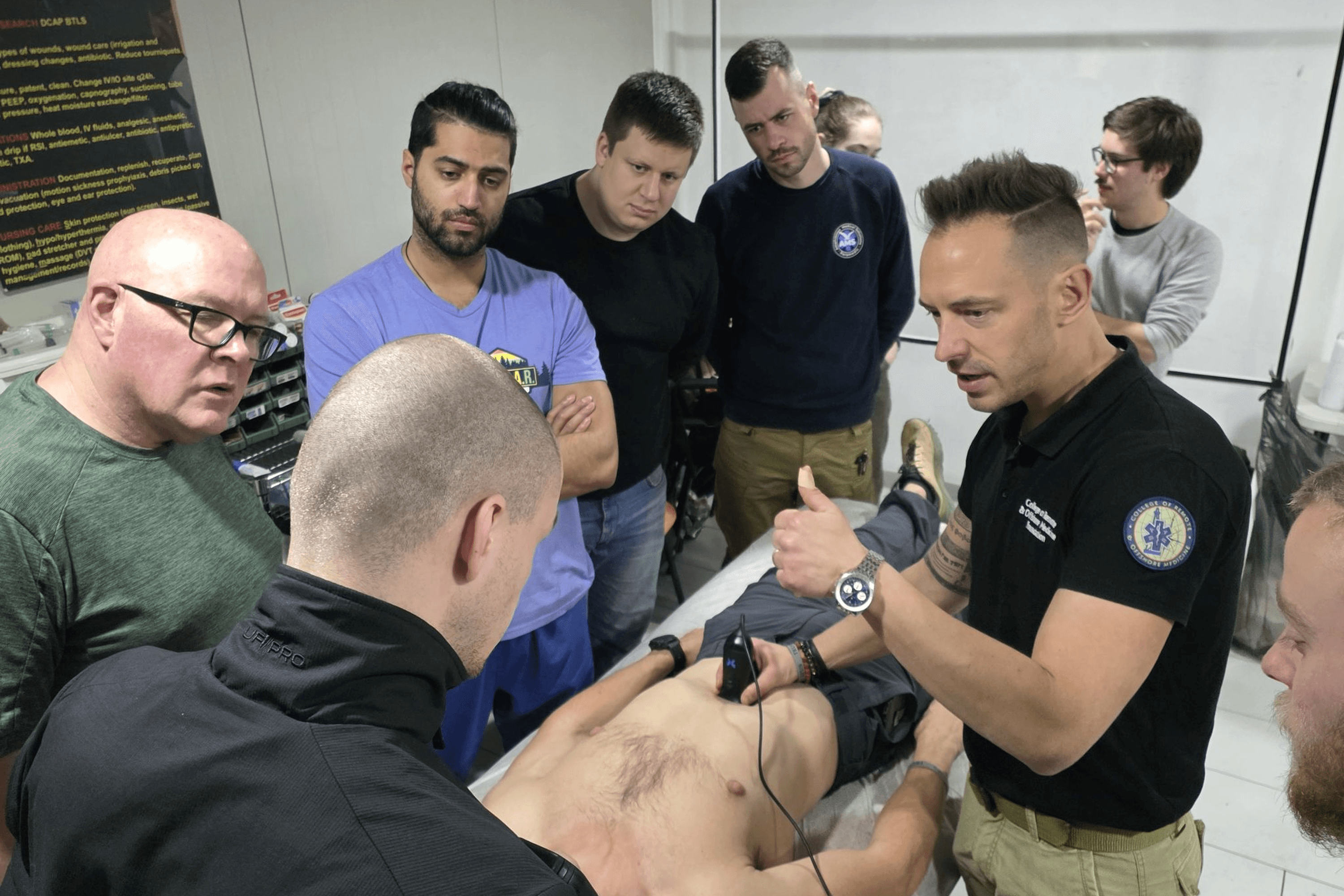
Max Dorman, second from the left, during the Austere and Prehospital Ultrasound course in Malta. Photo: College of Remote and Offshore Medicine Foundation / LinkedIn 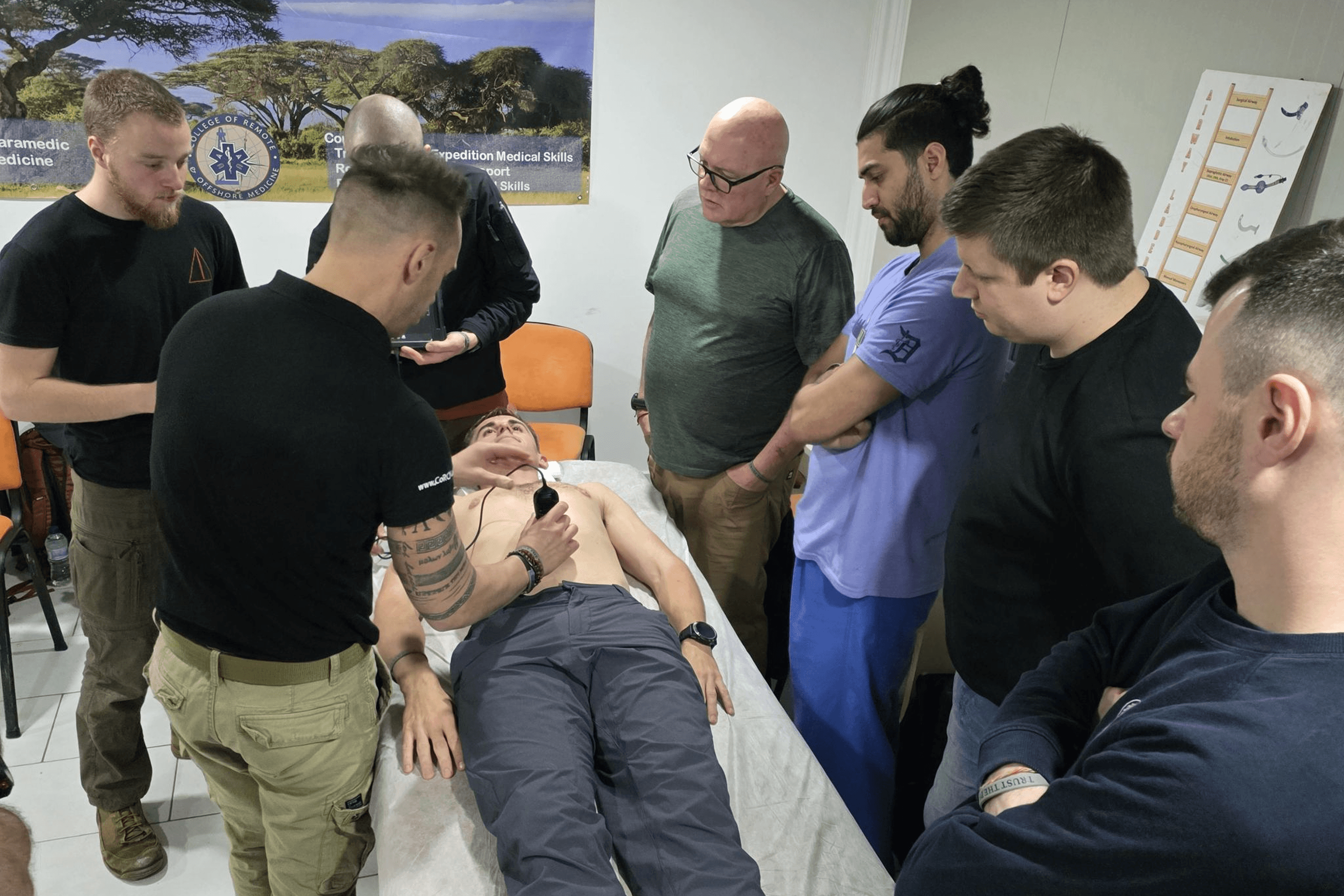
Photo: College of Remote and Offshore Medicine Foundation / LinkedIn 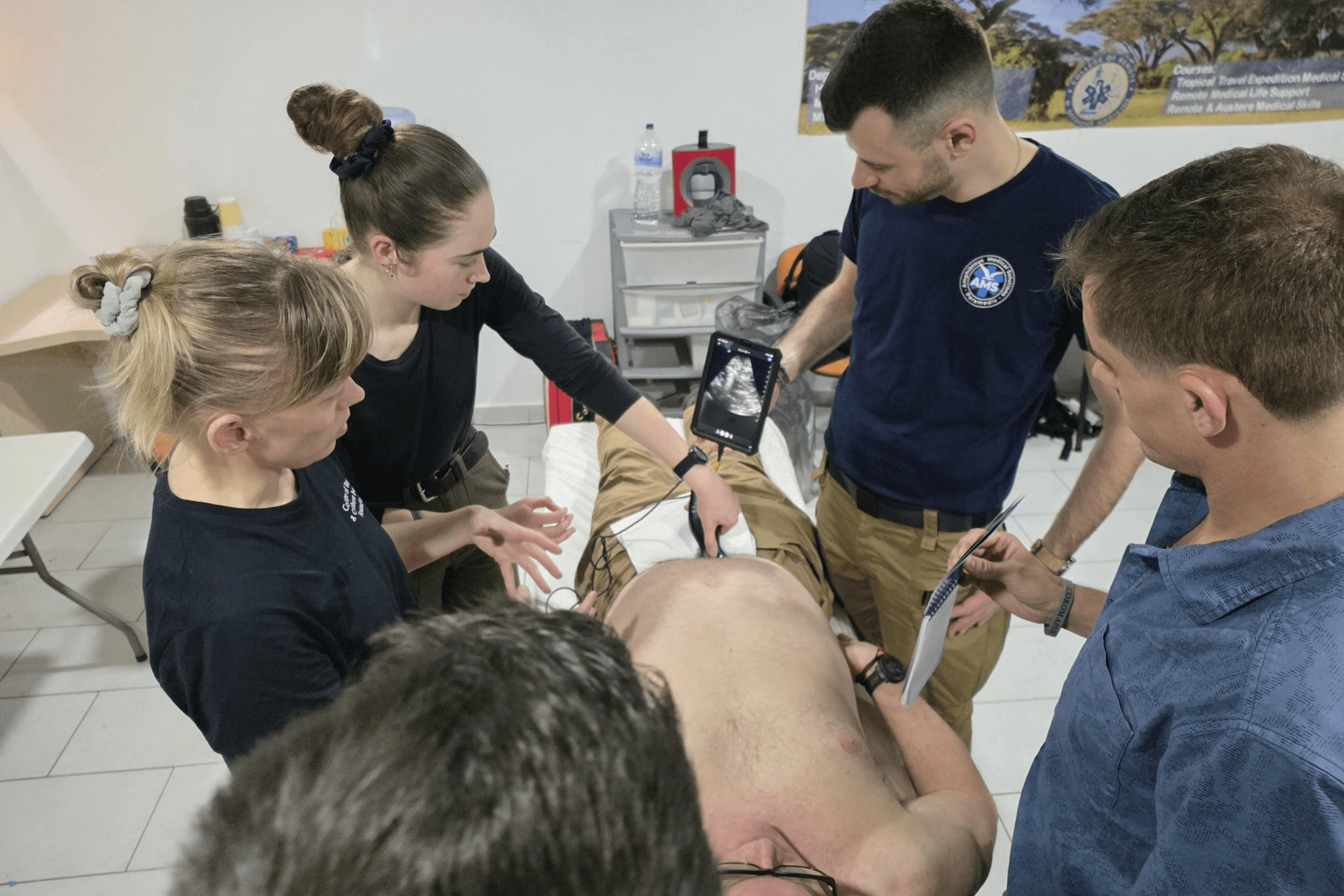
Photo: College of Remote and Offshore Medicine Foundation / LinkedIn
“I want Ukrainian doctors and paramedics to be able to go to the US for a month and gain practical experience across various hospital departments—from burn units and pediatrics to intensive care—working alongside air ambulance and emergency medical crews,” Maxim says.
His ultimate goal is to build a comprehensive national network for emergency inter-hospital transports. Working toward this, his team has already drafted transport standards and clinical guidelines for the Ministry of Health. In partnership with the Ministry, Artesans regularly runs training sessions for ambulance crews, teaching them how to manage patients under sedation or on mechanical ventilators, handle emergencies like accidental extubations, and safely transfer critical cases between facilities. Over 300 Ukrainian medics have already completed the training, and Maxim plans to expand the program further.
To fund this growth, he’s constantly hunting for new financial backing. His next step is to establish fundraising branches in Germany and the US to attract major donors and institutional grants.
Yet, office work hasn’t kept Maxim off the road entirely. If every Artesans crew is out and an urgent request comes in, he drops everything and takes the call himself. He also periodically steps in for international medical evacuations, as wartime restrictions prevent Ukrainian male drivers from crossing the border. He has already escorted patients to Germany several times this year.
Content with the unpredictability of his life, Maxim isn’t overthinking his next career move or how much longer he will stay in Ukraine.
“In a way, I’ve somewhat adopted the Ukrainian mindset,” Dohrmann says. “Focusing on what you can do right now and not planning too far ahead. Just two years ago, I couldn’t have imagined being where I am today. So, who knows what comes next.”