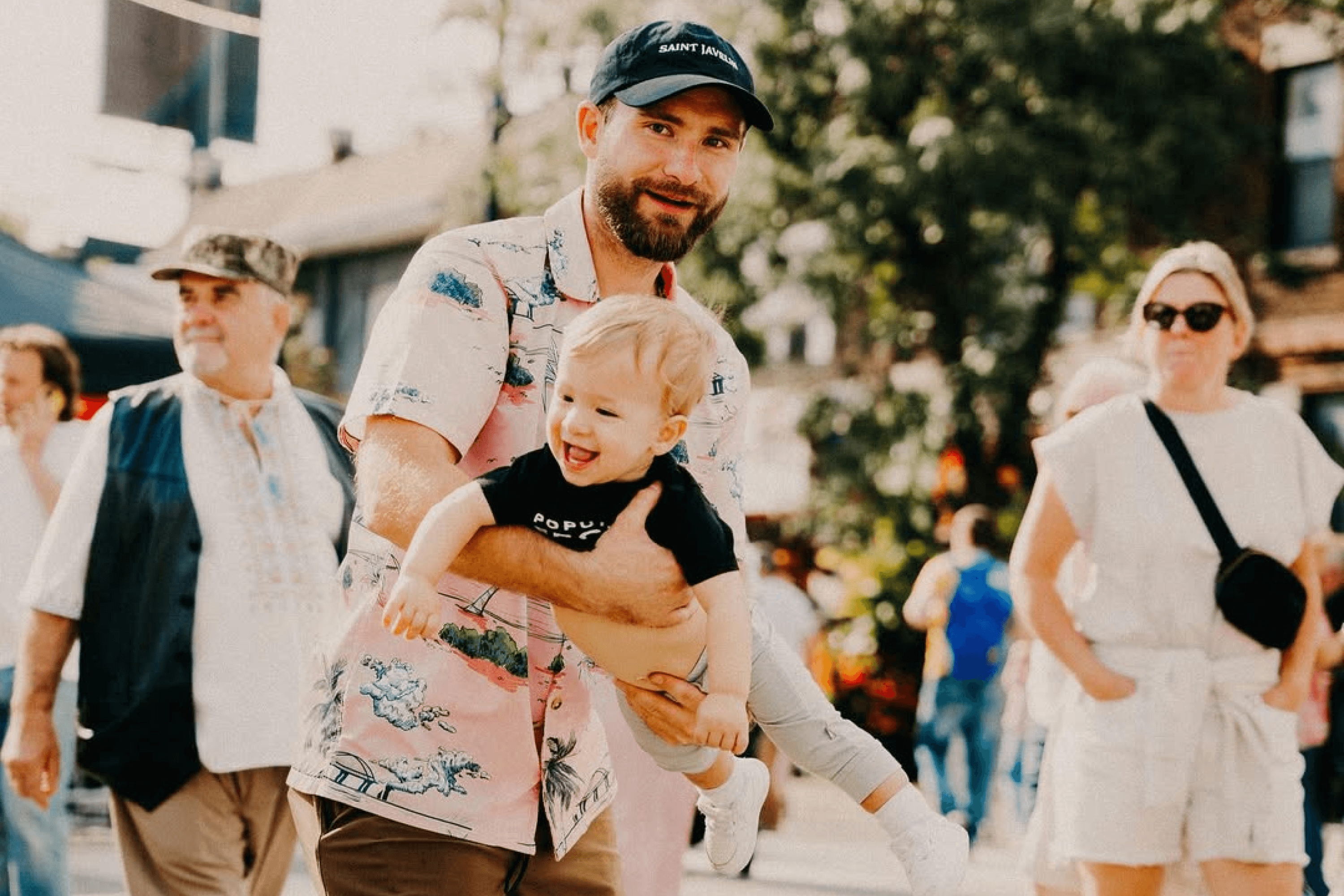
Eight days before Russia’s full-scale invasion, Christian Borys, a Canadian of Ukrainian-Polish descent, began selling stickers featuring the Virgin Mary wielding a Javelin anti-tank missile launcher. What started as a modest $500 fundraising goal evolved into Saint Javelin—a global brand with Ukrainian team and Ukrainian manufacturers that has since donated over $2.75 million to tactical medicine and drones in Ukraine. Yellow Blue’s Mila Shevchuk sat down with Christian to discuss his roadmap for 2026, the reality of living in Canada on a Ukrainian schedule, and the global demand for the brand’s warm Defender collection.
Kyiv is currently enduring its most severe blackouts yet. Is your team still on the ground in Ukraine?
Yes, we have a core team of seven: three are in Ukraine (specifically Kyiv), one is in France, and the rest are in Canada. We also work with about ten manufacturers across Ukraine. Some of our production is based in and around Lviv, where the situation is slightly better, though they’ve still faced 15-hour daily power outages. Others are near Kyiv or in Kharkiv. Everyone is struggling, but the manufacturers in Kyiv have it the hardest—working without heat or electricity. It’s incredibly difficult to stick to a production schedule right now. This isn’t the first year we’ve faced this, but this winter is definitely the harshest.
But the manufacturers are still pushing through?
They are incredible! Everyone is working, despite varying levels of power access. For instance, a backpack manufacturer in Kyiv couldn’t finish his January quota. He’s hoping to deliver something next week, but even then, he can only manage about 50% of what was planned. Others are hitting 75–80%, depending on their location.
You post frequently about the war, sharing footage of the strikes and blackouts in Kyiv. How is the international community reacting to this now, in 2026?
I think too much attention is currently focused on President Trump’s comments about Greenland. Unfortunately, many people aren’t following the reality in Ukraine as closely as they should; otherwise, this would be the lead story everywhere. You have cities the size of major European capitals completely without electricity or heating. It’s madness, especially with temperatures hovering around -20°C.
From our comments and messages, I see that the core support is still there. Sure, you get the occasional internet troll, but the overall level of support is higher than usual. It’s obvious that Russia is weaponizing a humanitarian catastrophe to demoralize Ukrainians and win the war. But Ukrainians are resilient and united; if anything, this seems to be making people even stronger.
When you started in 2022, how long did you expect to keep this going?
I lived in Ukraine for years before returning to Canada. In late 2014, I left a career in e-commerce to become a journalist and moved back. Until 2018, I lived between Kyiv and Lviv, covering the war in Donbas for Vice News, BBC, CBS, and others. Back then, when my colleagues and I traveled to Mariupol, there was always this underlying assumption that, eventually, the Russians would try to seize the city and launch a full-scale invasion.
On February 16, 2022, I launched Saint Javelin with an Instagram post, selling stickers to raise funds. I didn’t have a “week, month, or six-month” plan. It just took on a life of its own because people were desperate to help. Eventually, I felt a responsibility to turn it into something sustainable. In the first year, we raised over $1 million; to date, that’s grown to over $2.75 million. In 2025, we donated about $100,000, as we’re now pivoting to reinvesting most of our revenue back into Ukrainian production and businesses.
How are the funds allocated?
We focus on two main areas: tactical medicine—which ranges from Individual First Aid Kits (IFAKs) to expensive oxygen concentrators—and drones. Beyond that, we are constantly running targeted fundraisers. Currently, we’re partnering with the World Congress of Ukrainians and Serhiy Prytula on a major drone initiative. We also make regular in-kind donations; for example, we recently sent another shipment of our own backpacks and thermal underwear to the Ukrainian military.
What do you consider your greatest achievement over these four years?
The most significant thing is that everything we produce is made specifically in Ukraine: every backpack, T-shirt, hoodie, and pair of socks. This is Saint Javelin’s core long-term strategy—supporting Ukrainian businesses, creating jobs, and contributing to the country’s long-term economic resilience.
We’ve built a production network across Ukraine and are already planning for 2027. In the apparel industry, you have to import materials, plan production cycles, and develop designs far in advance. It’s a huge leap for us; we’ve evolved from a simple 2022 fundraiser into a mature, established company.
What has been the most challenging part of this journey?
There were many difficult crossroads. In 2023, our sales dropped by 50%, followed by another 25% decline in 2024. Our cash flow essentially dried up. We had to make the hard decision to lay off staff and rethink how to make Saint Javelin sustainable in the long run. We chose to downsize, gave up our office in Toronto, and cut costs wherever possible. So far, it’s paid off. We streamlined our product range to focus on the items our customers value most and focused on building deep relationships with the best manufacturers in Ukraine.
While we reached a point in 2024 where we were close to shutting down, the situation is different now. For the first time, we actually have the stability to plan a full year ahead.
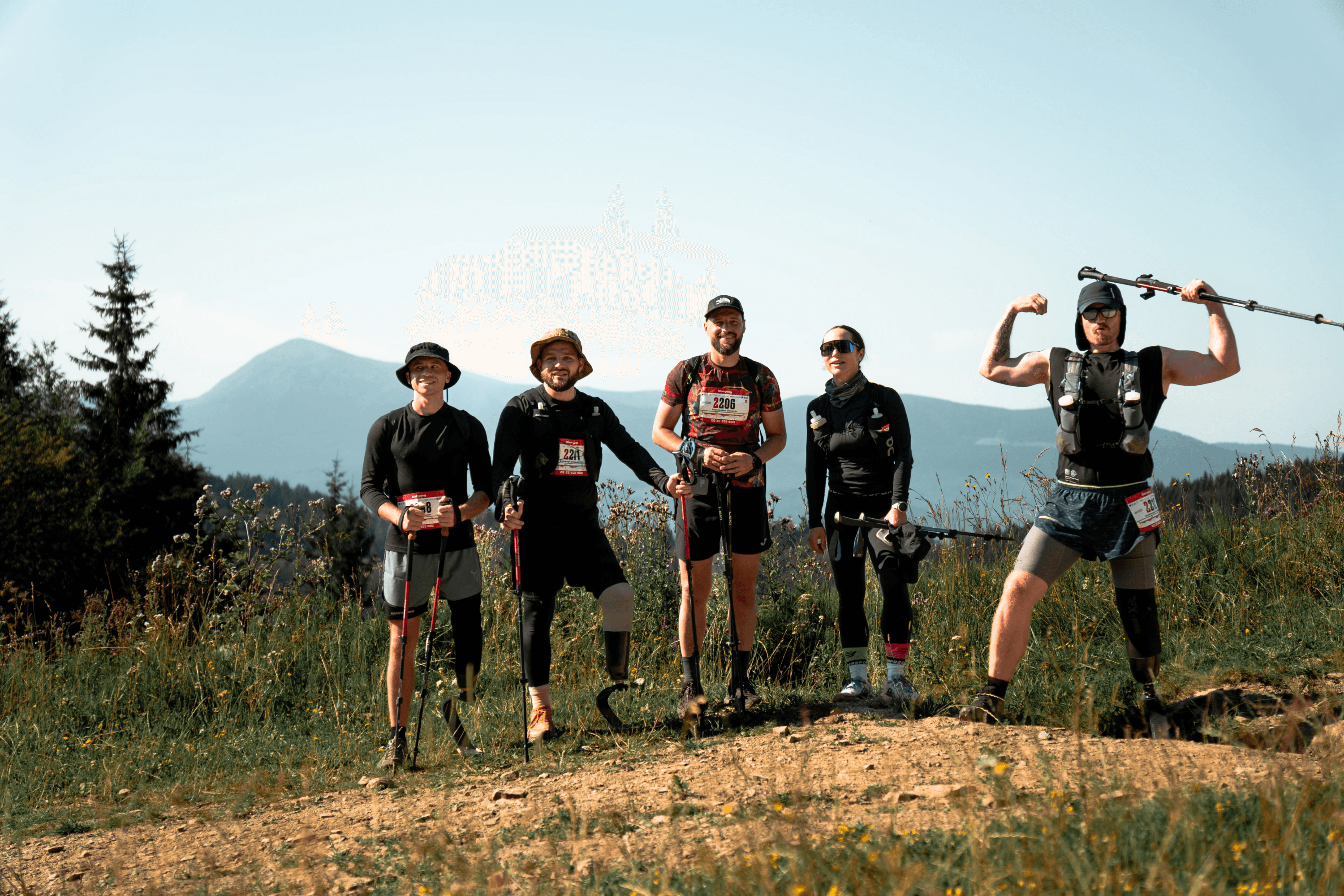
In 2025, Saint Javelin raised $25,000 in support of Second Wind UA — a Ukrainian foundation that helps veterans with amputations regain confidence, freedom, and joy through movement, sports, and outdoor adventures. Photo: Saint Javelin / YB 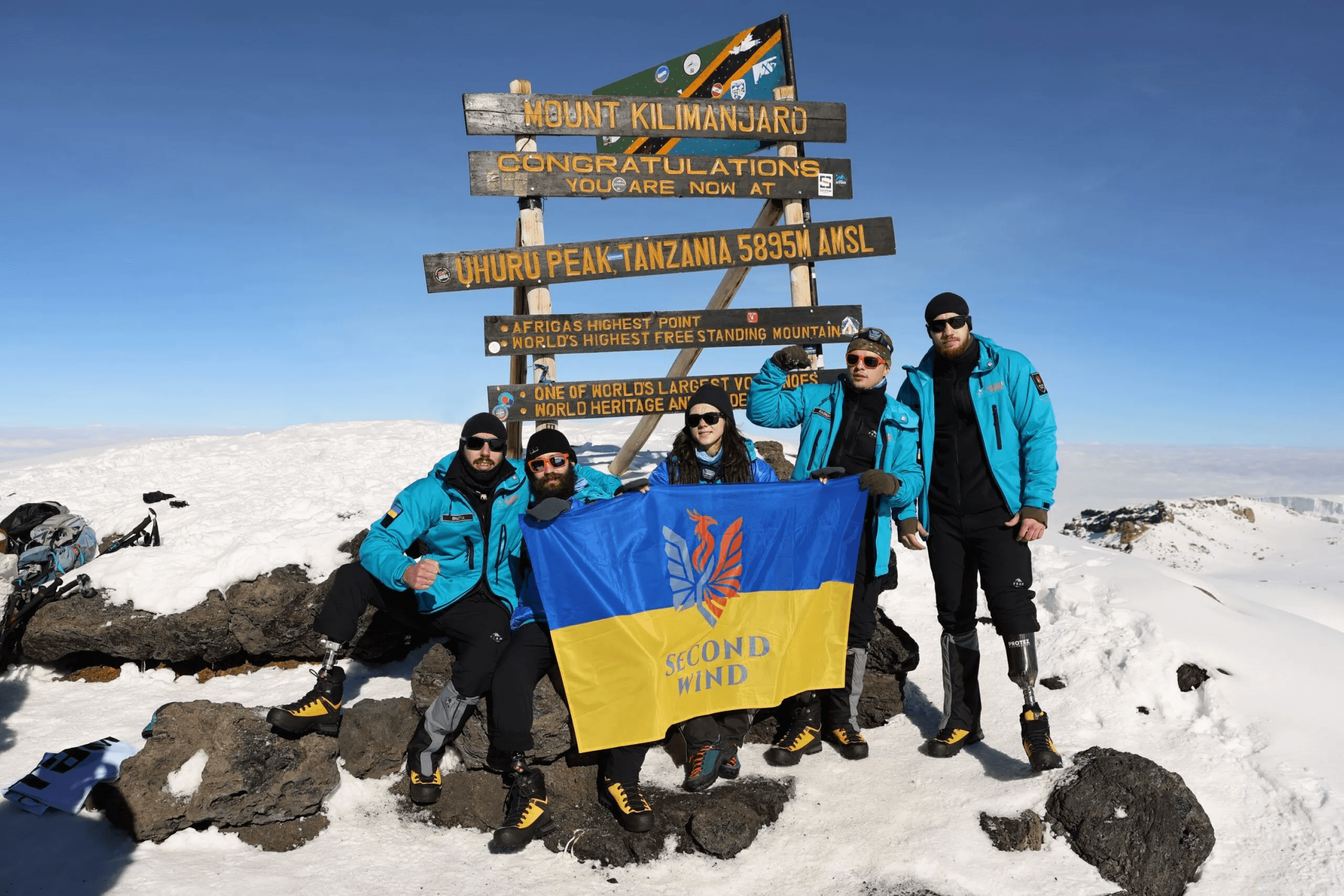
Photo: Saint Javelin / YB
What are Saint Javelin’s current goals and priorities?
We are focused on streamlining our logistics. The U.S. is a major market for us, but because we manufacture everything in Ukraine and ship from there, we’re constantly navigating logistical hurdles to find the most efficient delivery routes.
A key objective is to simplify the business by identifying our hero products and doubling down on them. Backpacks, for example, are our best-sellers, and we want to build even stronger ties with the manufacturers behind them. That’s why I’m visiting production sites in Lviv, Kyiv, and potentially Kharkiv this February.
But the overarching goal remains the same: keeping production 100% in Ukraine while reaching new customers globally. We’ve also made our first foray into European retail, with a presence in stores in Prague. Expanding our footprint across the EU is a major target, though our primary focus is on stabilizing operations rather than just chasing growth.
Our social mission hasn’t changed either: every day, we tell the story of what’s happening on the ground—the Russian strikes and the broader reality of the war. We have about 300,000 followers on both Instagram and X (formerly Twitter), and many of them don’t even realize we’re a business. We’ve intentionally built our social media as an information hub for the pro-Ukrainian community rather than a mere sales tool. We often hear from people saying, “I’ve been following you for years and had no idea you actually sold clothing or backpacks.”
How have your personal responsibilities within Saint Javelin evolved?
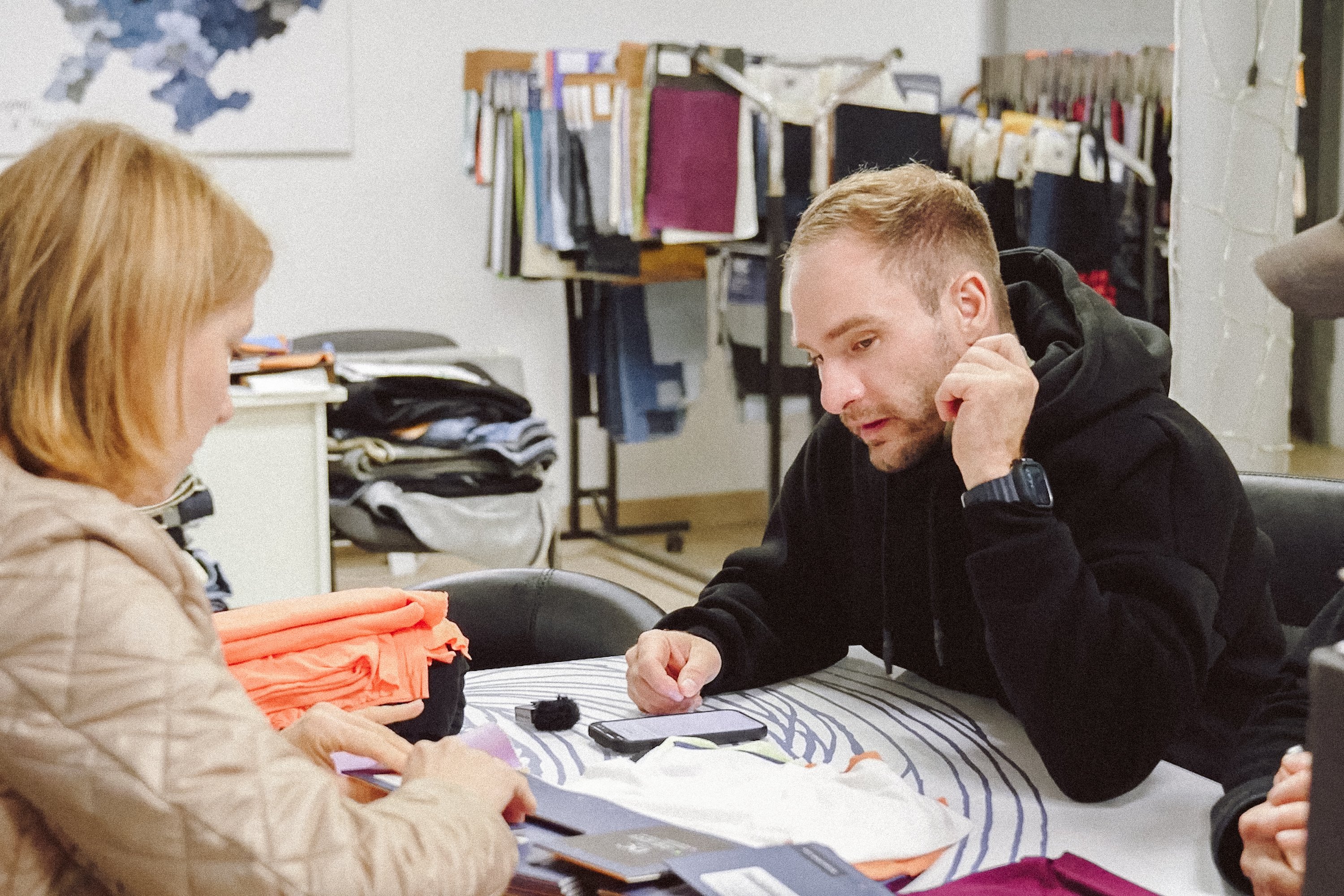
I’ve stepped back from the day-to-day social media posts, though I do miss it sometimes. My role now is focused on high-level planning: overseeing production, design, negotiating with suppliers, and handling the many “boring” but necessary operational complexities.
Which countries and communities are your biggest customers?
The United States is our primary market, followed by Germany in second place. Canada and the UK each account for about 10% of our sales, followed by France, Denmark, Sweden, Finland, and Norway. Most of our orders come from Europe. We do still get a small volume of orders from Australia, but shipping from Ukraine is incredibly expensive—it can exceed $60 depending on the weight. We see occasional orders from Taiwan or Brazil, but those are quite rare.
You mentioned the U.S. market. How are the new Trump tariffs affecting your business?
We are absorbing the costs. Shipping from Ukraine to the U.S. (or anywhere globally) is already so high that we have to subsidize a portion of it for the customer. Since the new tariffs were introduced, we’ve had to cover an additional 10% overhead. It could have been far worse—there was talk of tariffs as high as 100%. To be honest, these tariffs feel counterintuitive because Ukraine already has a trade deficit with the U.S.—importing more than it exports—yet it was still hit with this 10% levy.
Has the general level of support shifted since Trump’s election victory?
Last year, we began testing Facebook and Google ads, and the results have been positive—we’re seeing a steady stream of new customers. This suggests that support is actually growing. I believe that support was always there; people just needed a clear way to express it. The data and the messages we receive from our community reinforce my belief that the majority of Americans still stand with Ukraine. I’ve also noticed a decline in anti-Ukrainian sentiment on social media. The core support remains steadfast.
You mentioned fewer anti-Ukrainian comments—was there a particular spike during the negotiations regarding the war?
When Trump first initiated these negotiations, social media became incredibly hostile. It took a real toll on the mental health of our Ukrainian team, especially our social media manager. There was a period—around the time Steve Witkoff made his first trip to Moscow and the Russians visited Alaska—when it felt like many Americans were aggressively pushing for Ukraine’s surrender. The comments were filled with anger and vitriol. However, over the last three or four months, the tone has shifted significantly and has become much more constructive.
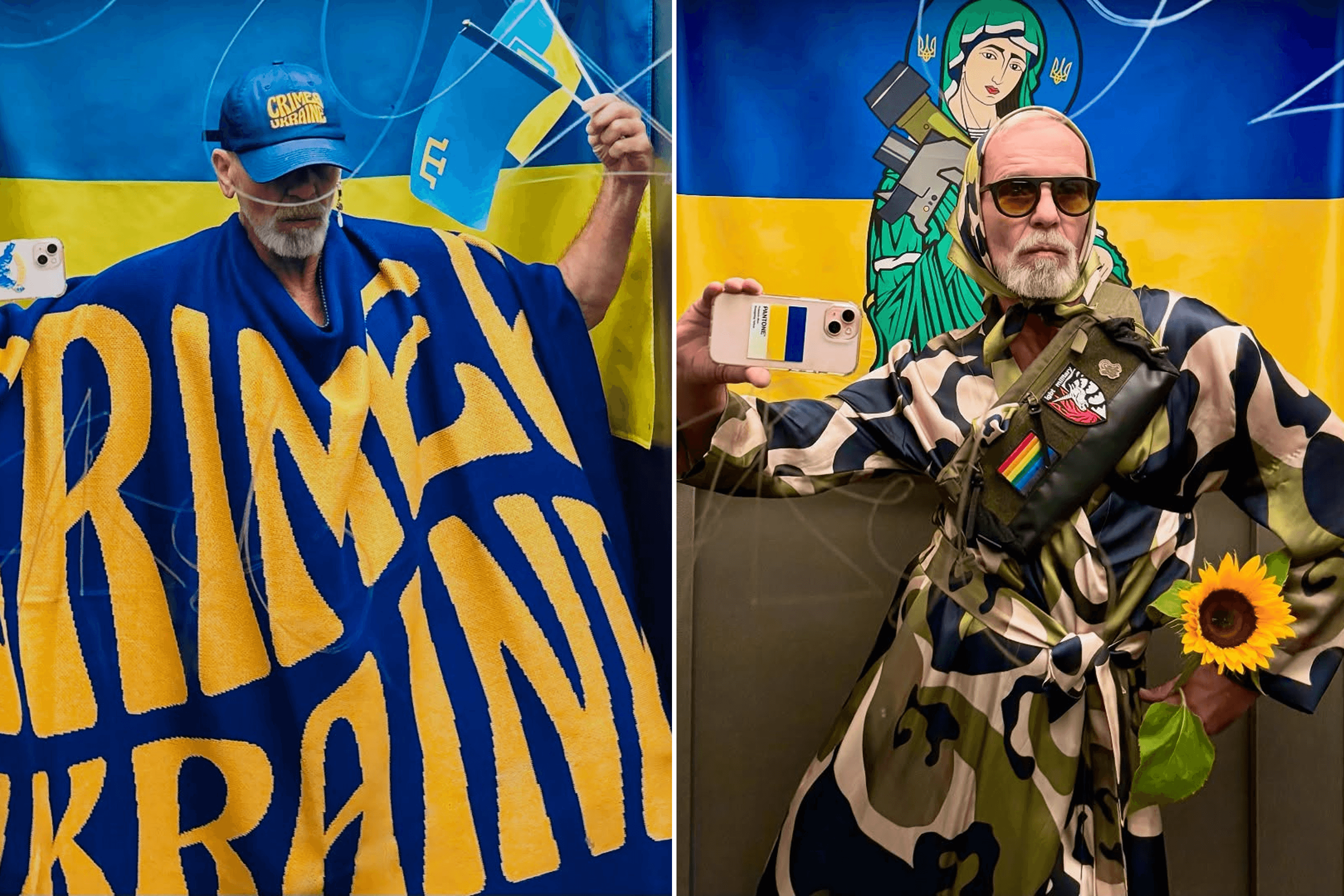
People purchase products and tag the Saint Javelin Gear profile on Instagram. Photo: Saint Javelin Gear / Instagram / YB 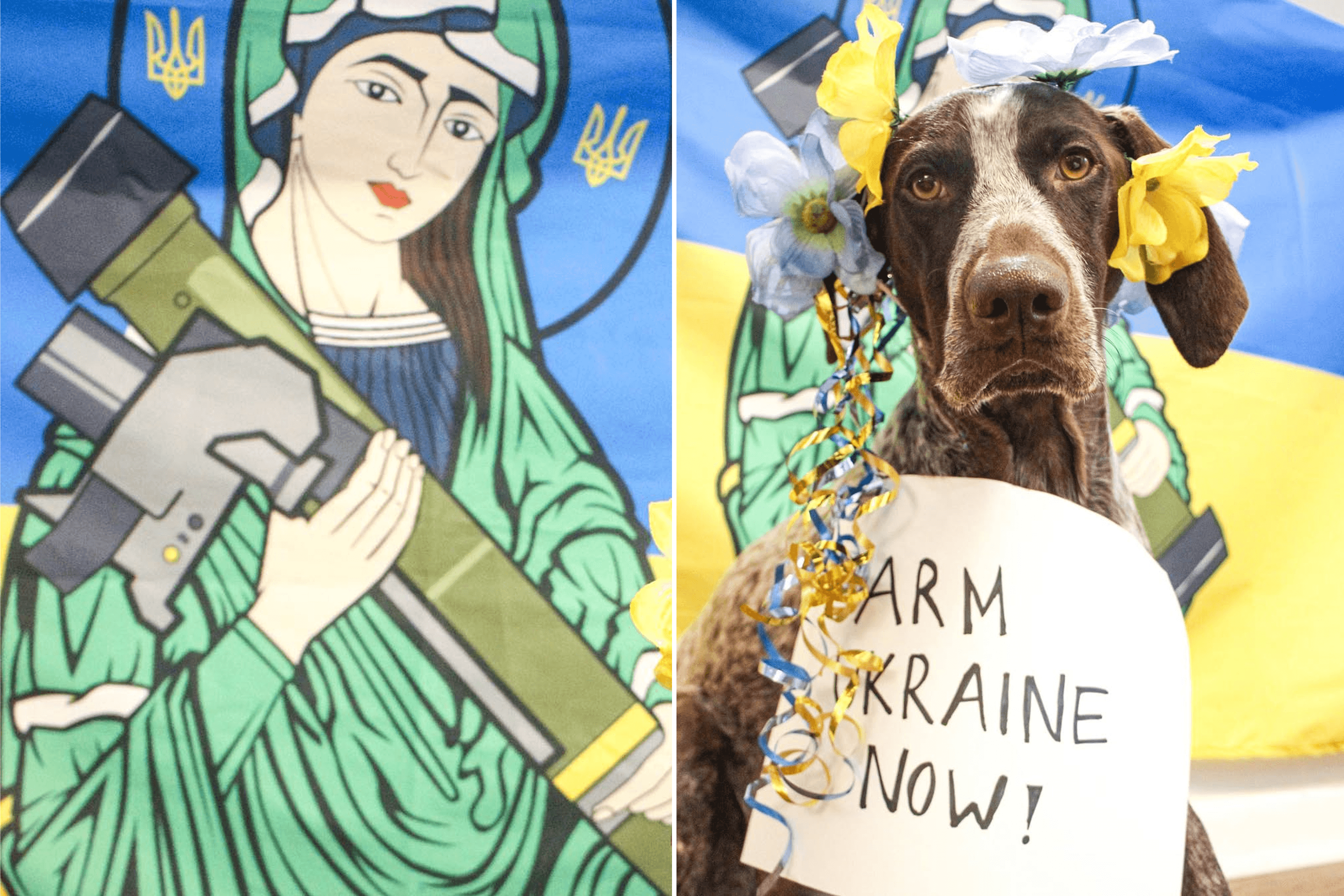
Photo: Saint Javelin Gear / Instagram / YB 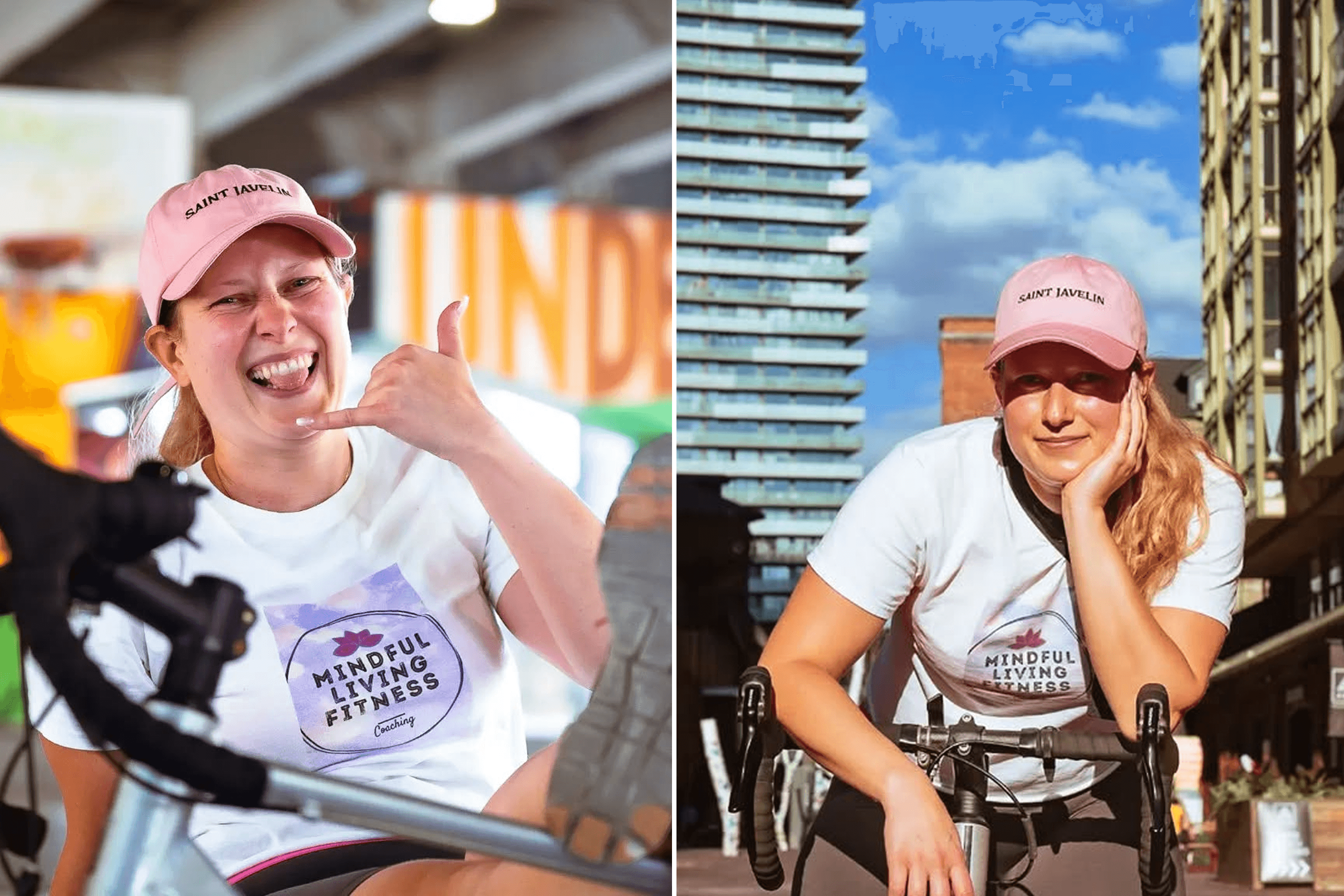
Photo: Saint Javelin Gear / Instagram / YB 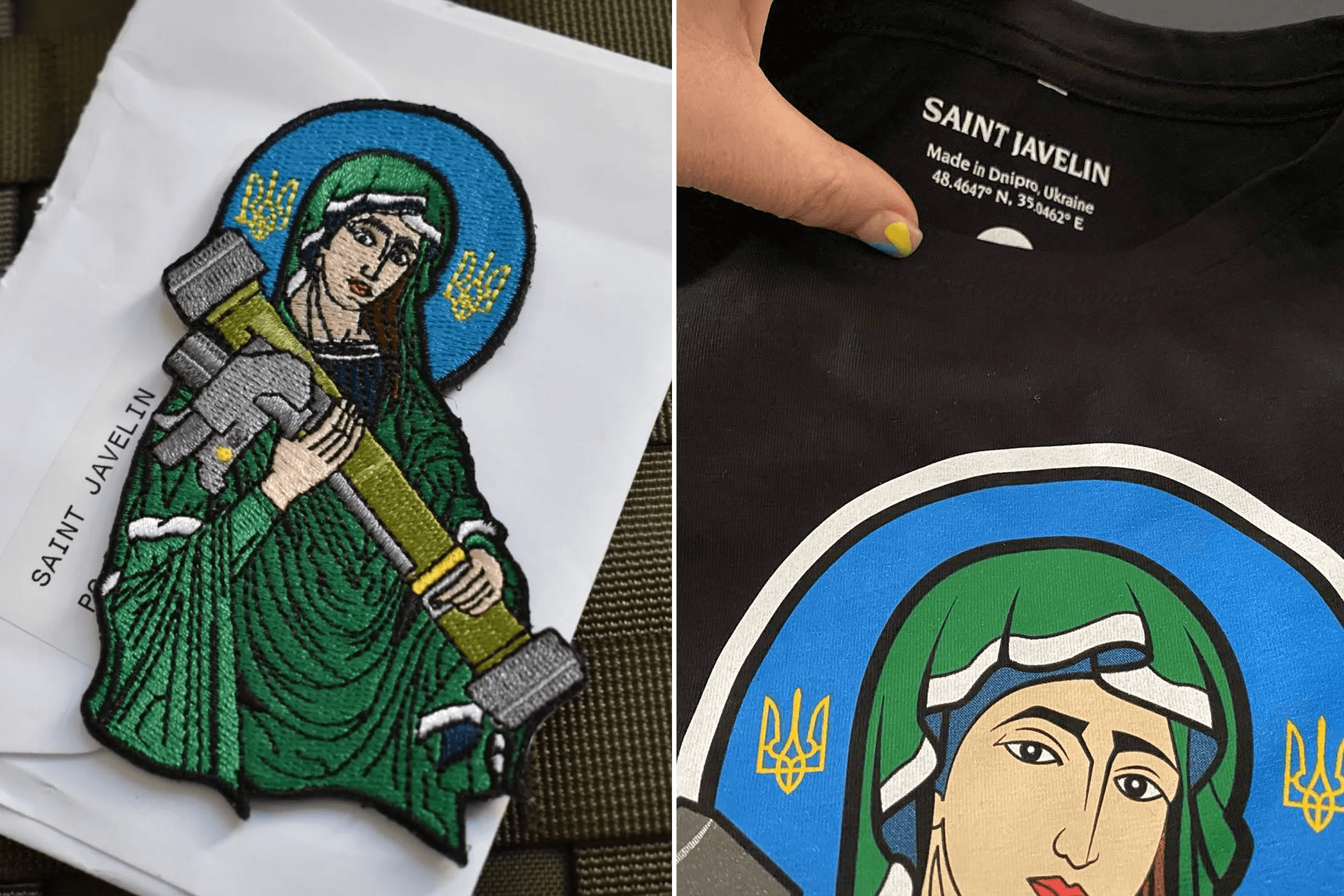
Photo: Saint Javelin Gear / Instagram / YB 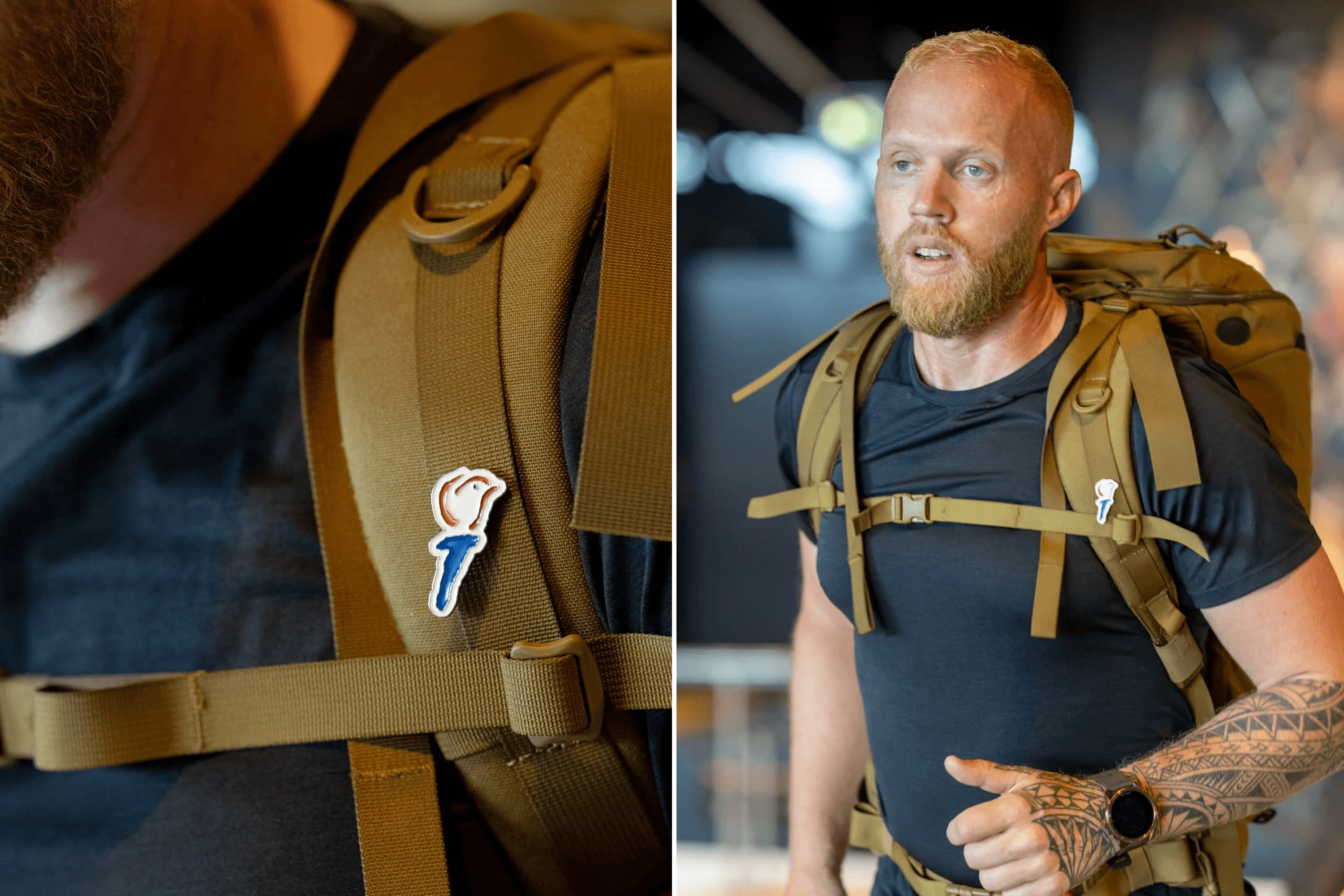
Photo: Saint Javelin Gear / Instagram / YB 
Photo: Saint Javelin Gear / Instagram / YB
Are there specific days when you see a significant spike in support?
Absolutely. Our peak moments are Ukraine’s Independence Day (August 24), which we spend months preparing for, and Christmas. Last year, we also ran an Easter campaign, though it was a smaller, more curated collection.
For us, February is the most critical month. February 24, 2026, marks the fourth anniversary of the full-scale invasion. We also celebrate “Saint Javelin Day” every February 16—the anniversary of when this whole initiative began. Last year, in late February, there was that notorious meeting between Trump and Zelenskyy in the Oval Office. We saw an unexpected surge in orders because people were looking for T-shirts and stickers to signal their solidarity with Ukraine. If you Google “Zelenskyy T-shirt” or “Ukraine T-shirt,” we’re usually one of the top results. People found our site, ordered hoodies and stickers, and left messages like, “I stand with Ukraine!” They were clearly galvanized by the political scandal.
Generally speaking, is the business seasonal? Do people buy Saint Javelin as gifts?
Yes. When I started, I didn’t understand the annual cycles of the apparel industry because I had zero experience in clothing. Now we see that Q4—October, November, and December—is our most vital period. First, we primarily produce winter gear: fleece jackets made from Polartec, hoodies, and heavy-duty socks. We also time our major fundraising campaigns to coincide with the launch of the warm Defender collection. Beyond that, we produce Christmas sweaters, candles, and accessories that people buy as small gifts. Our advertising has improved, which gives us more predictability in the “off-months” and a better understanding of our daily sales volume.
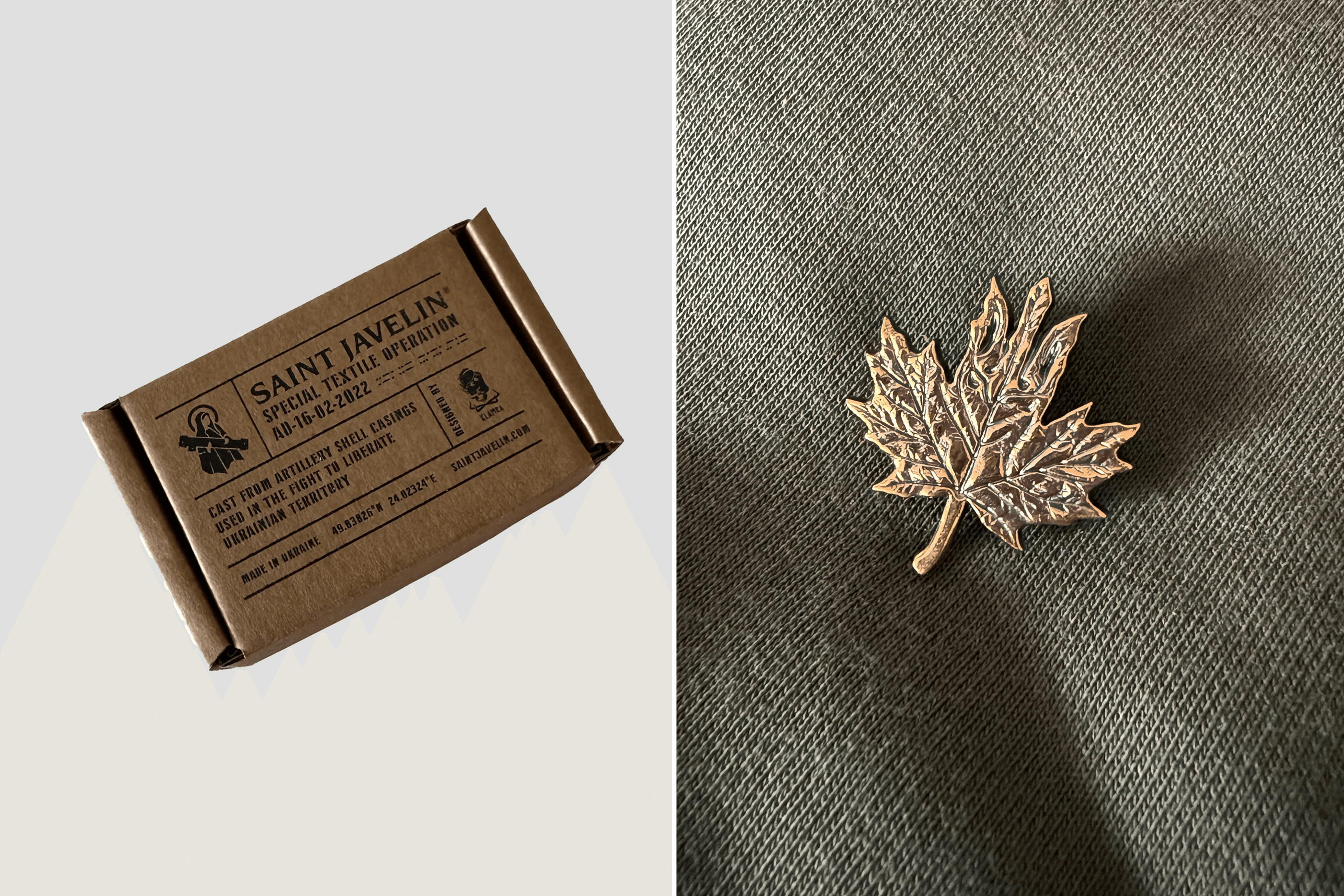
Maple Leaf–Tryzub pin made from recycled artillery shells. Photo: Saint Javelin / YB 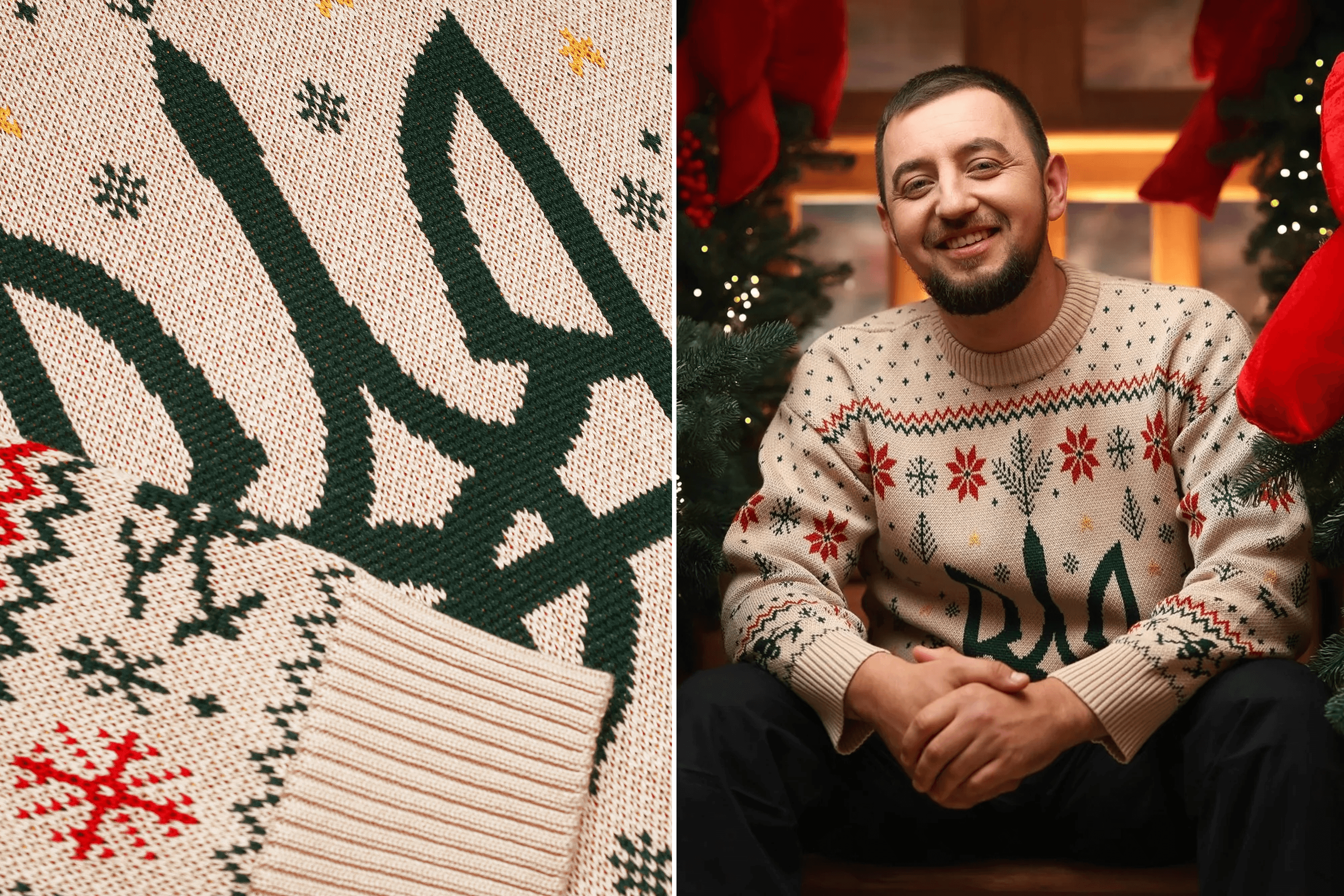
Knitted TRYZUB Christmas Sweater. Photo: Saint Javelin / YB 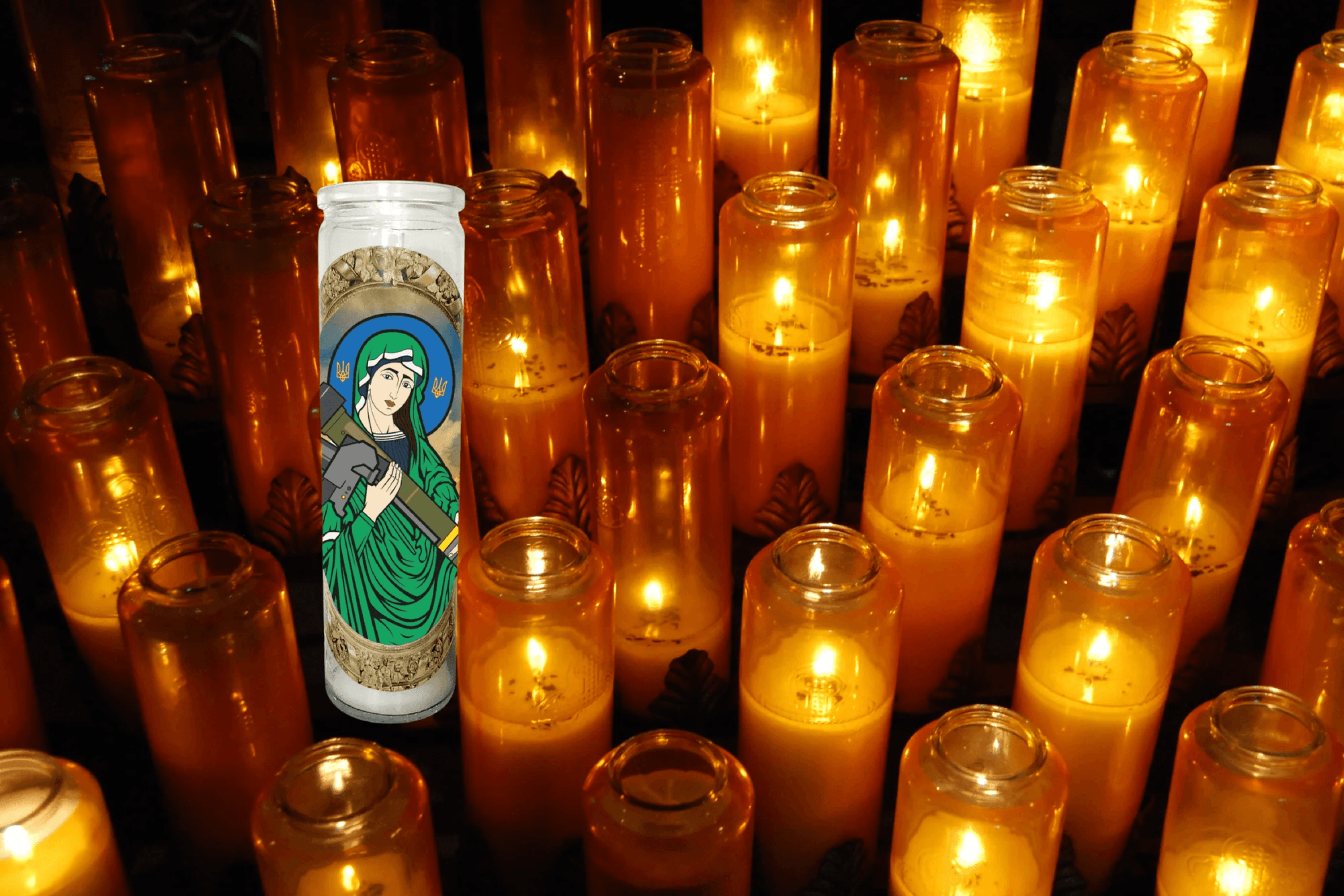
Saint Javelin prayer candle. Photo: Saint Javelin / YB 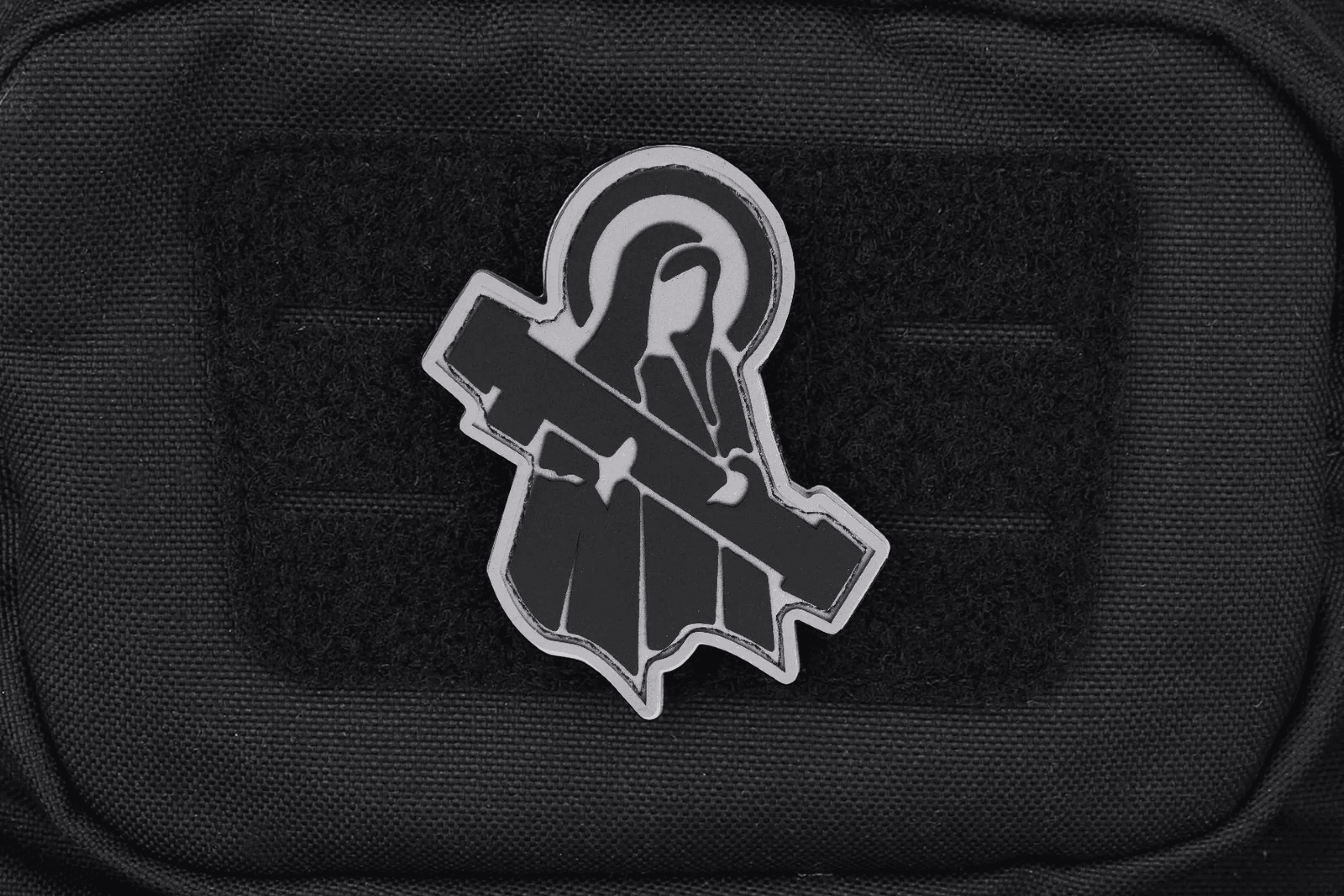
Saint Javelin Field Patch PVC. Photo: Saint Javelin / YB 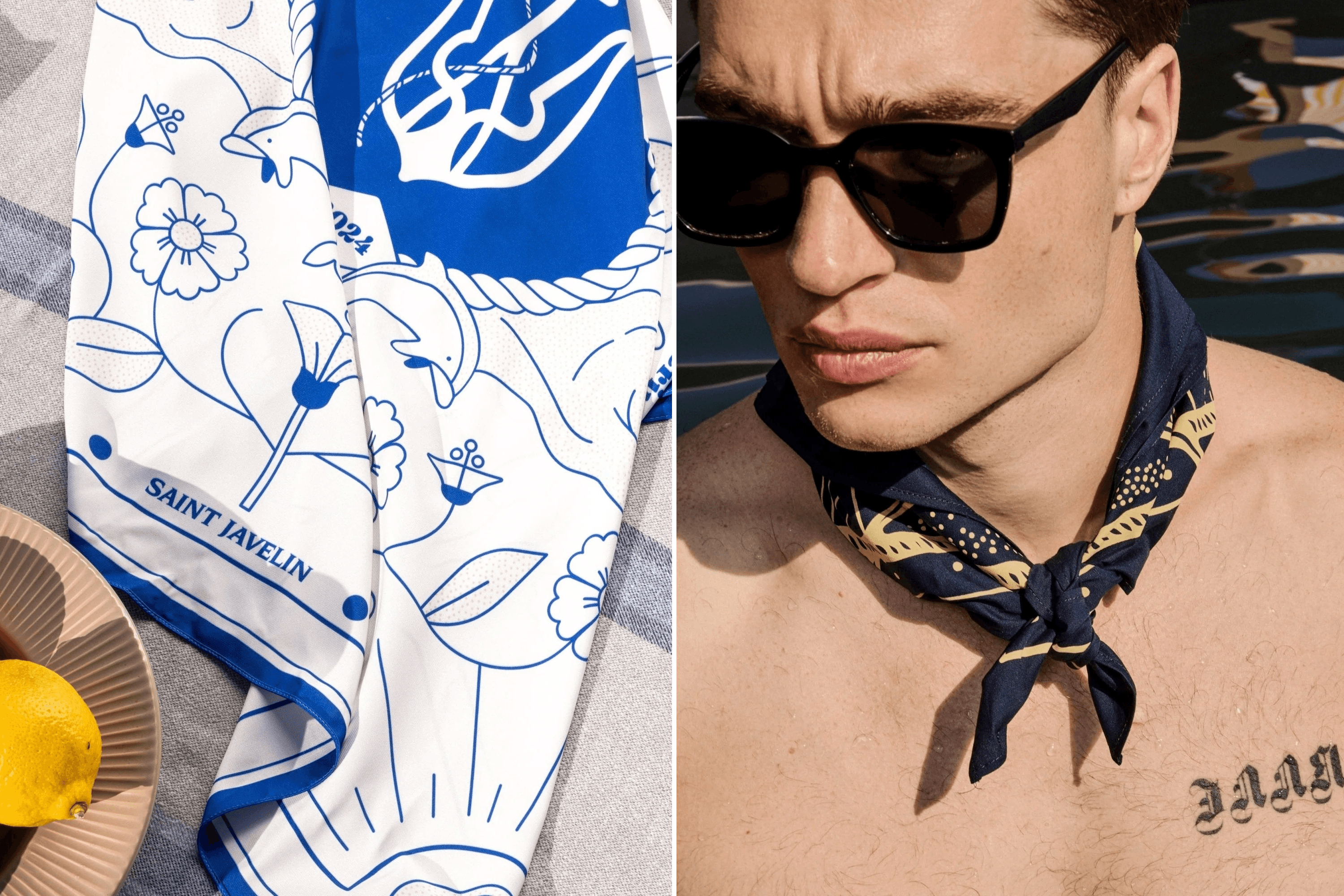
Beach Club silk scarf. Photo: Saint Javelin / YB 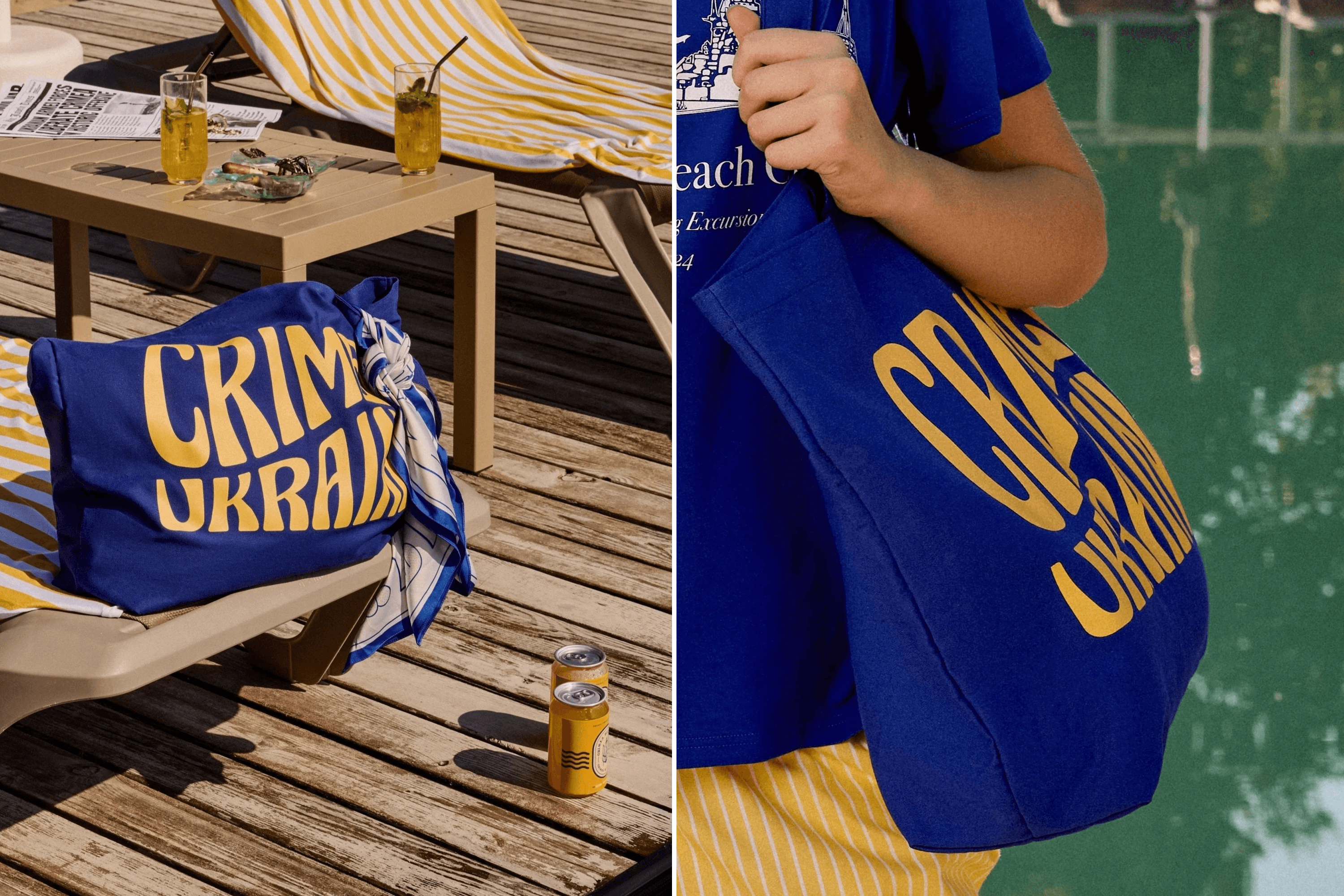
Beach Club tote bag. Photo: Saint Javelin / YB
Where do your monthly sales stand now? What was the trend in 2025?
Last year, we stabilized. We reached a “plateau” and even managed to see slight growth. We aren’t yet at the level of maturity where we can predict next month’s sales with 100% accuracy, but we’re getting closer. This predictability is crucial for managing our supply chain—ordering just enough from our manufacturers to meet demand without overstocking. Currently, our average order value (AOV) is around $100.
Tell us about the Defender collection. What was the concept behind it?
The philosophy of Defender is to create clothing, accessories, and backpacks of such high quality that they could technically be worn on active duty. The logic is simple: if it’s tough enough for the front lines, it’s more than enough for a hike or walking the dog in January. We use Polartec, which is arguably the best fleece material in the world. Two years ago, Saint Javelin signed a contract with them, and we now import the fabric directly to Ukraine. Our goal is to pair premium materials with superior production and a sharp design to create items that last for years.
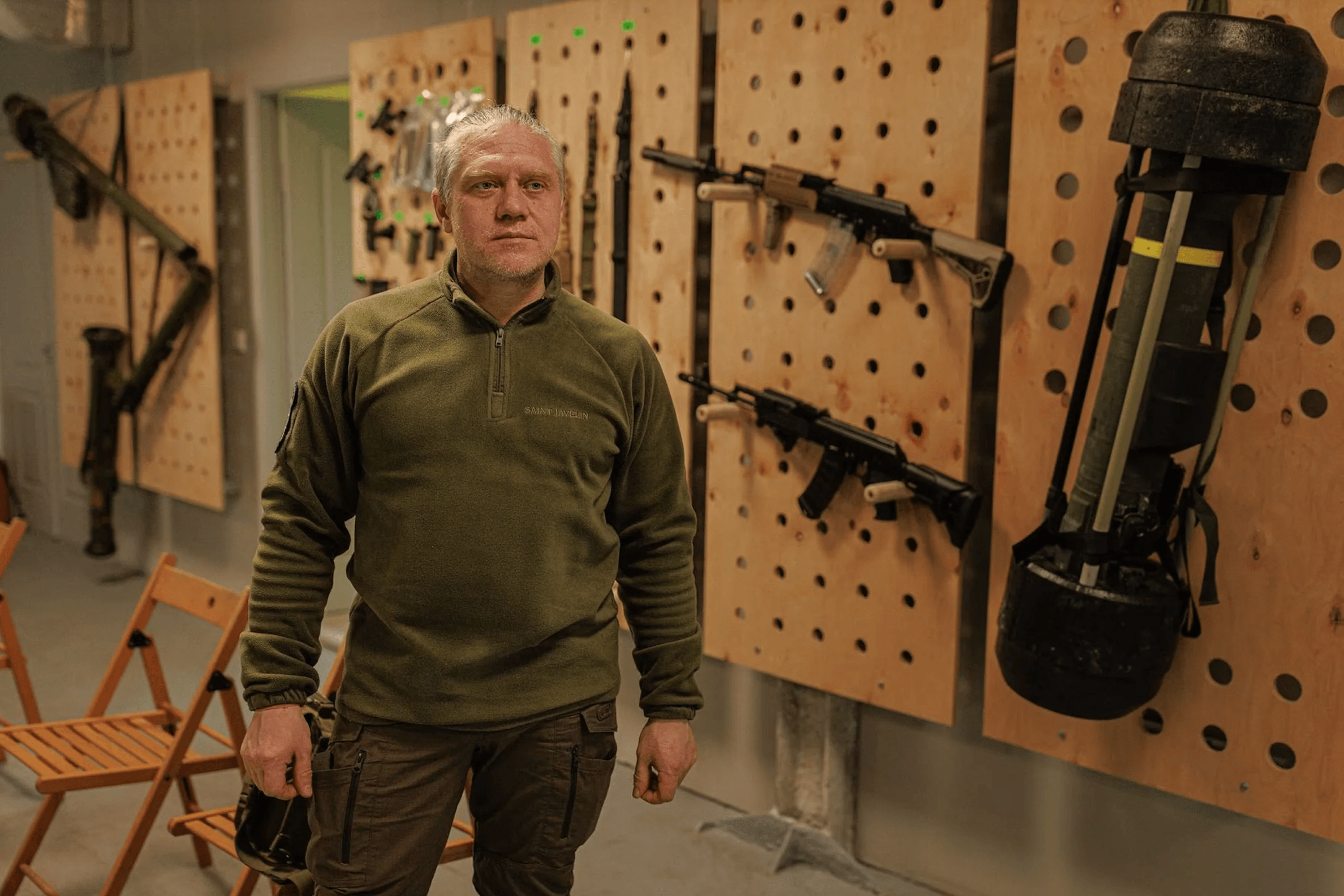
A Ukrainian soldier wearing a prototype of the Saint Javelin ¼-zip fleece, first iteration. Photo: Saint Javelin / YB 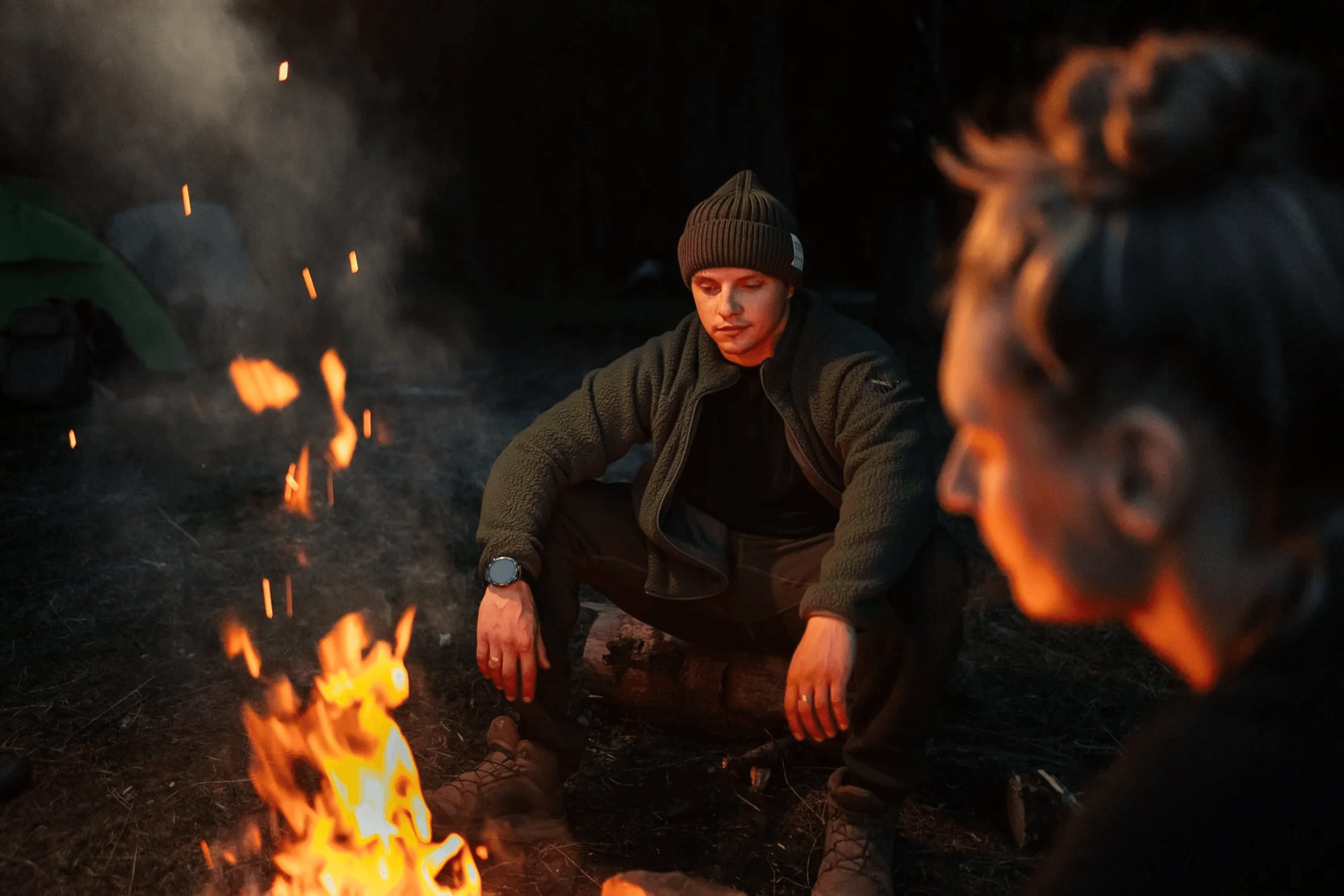
The Defender collection by Saint Javelin. Photo: Saint Javelin / YB 
Photo: Saint Javelin / YB 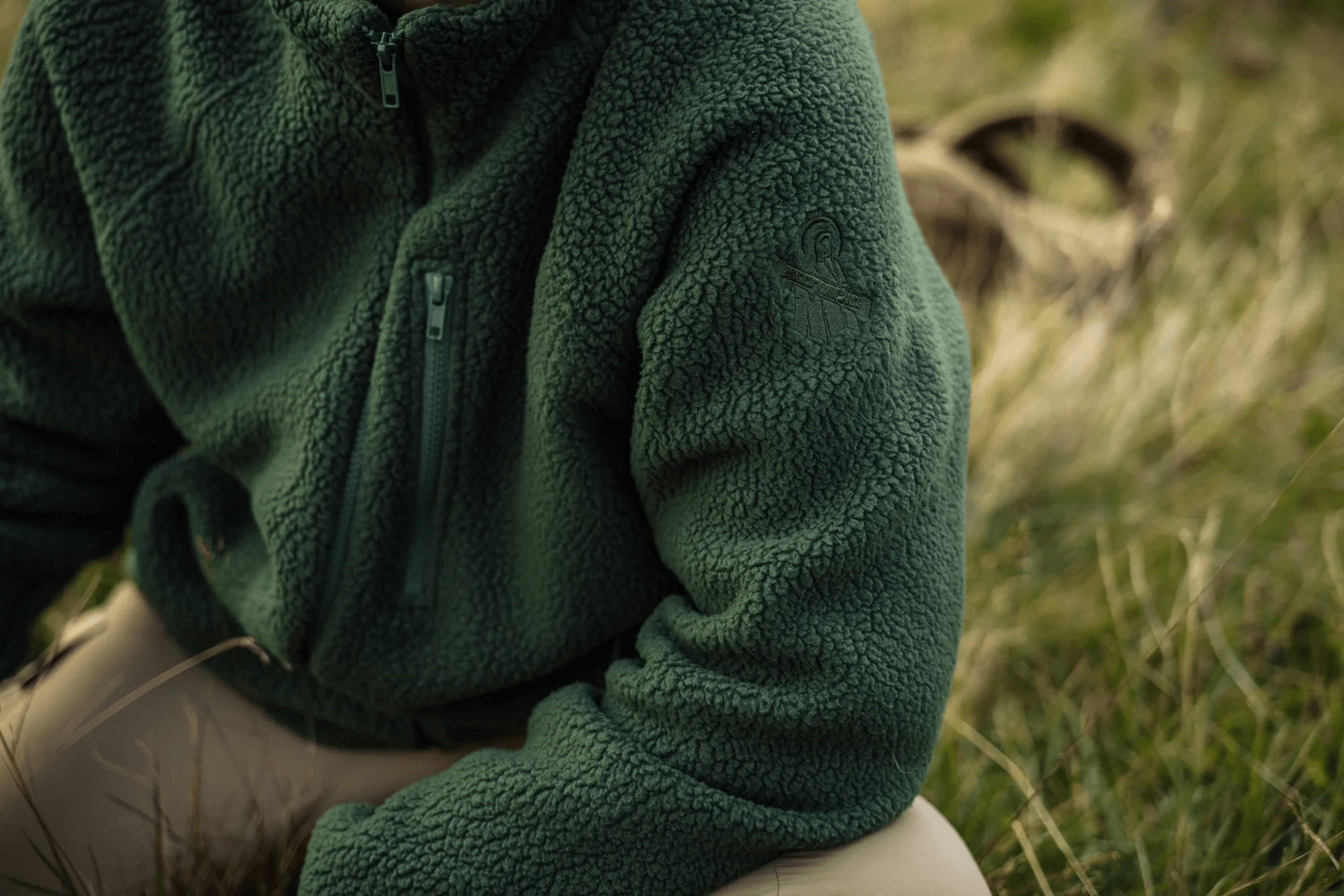
Photo: Saint Javelin / YB 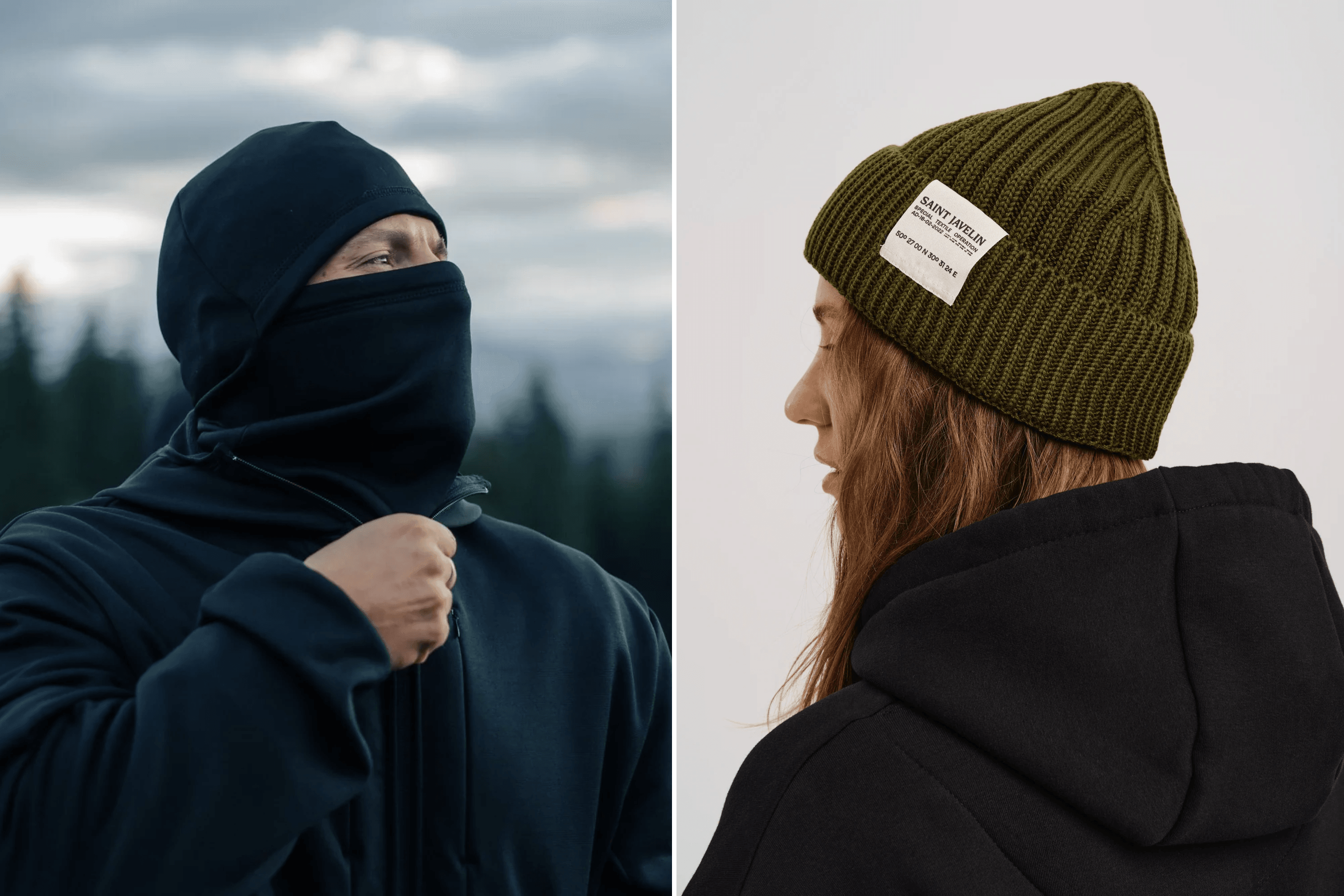
Photo: Saint Javelin / YB 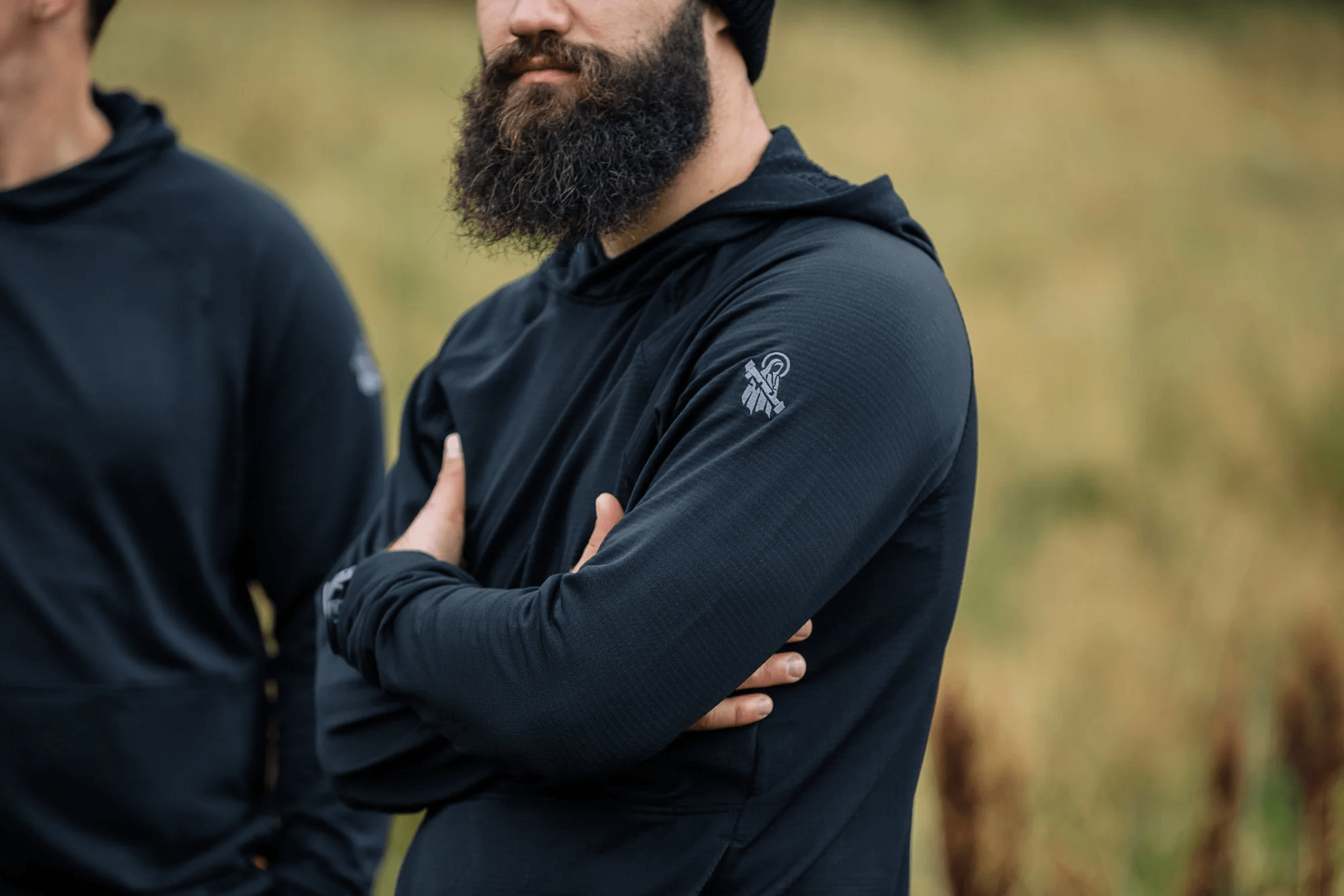
Photo: Saint Javelin / YB
It’s working. Over the last three years, we’ve raised a significant amount of money specifically through Defender sales. We’re already planning a redesign of the collection for September 2026. In fact, I was already in meetings this January about sourcing materials because the import process takes months. We’re constantly in research mode, asking: “What does our customer actually need?”
Do you still carry your core items, like the original Saint Javelin T-shirts or stickers?
Yes, we still have T-shirts, and we’re constantly refining them. Our bamboo cotton tee is actually our best-seller. I’ve been wearing bamboo fabrics for 15 years, so I found a reliable supplier and we now import the material to Ukraine ourselves. However, we’ve scaled back on badges and stickers; the demand for them has dropped.
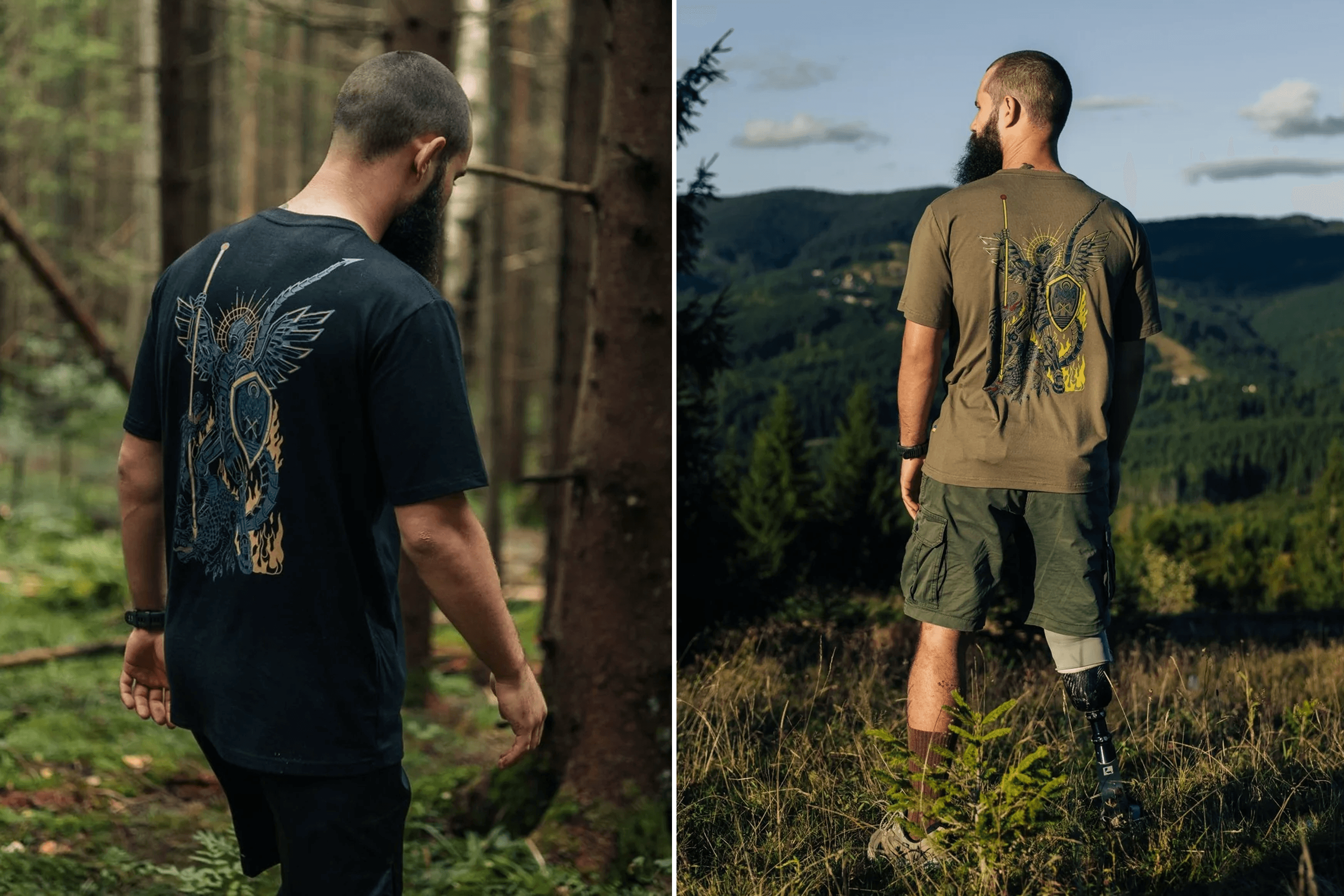
Photo: Saint Javelin / YB 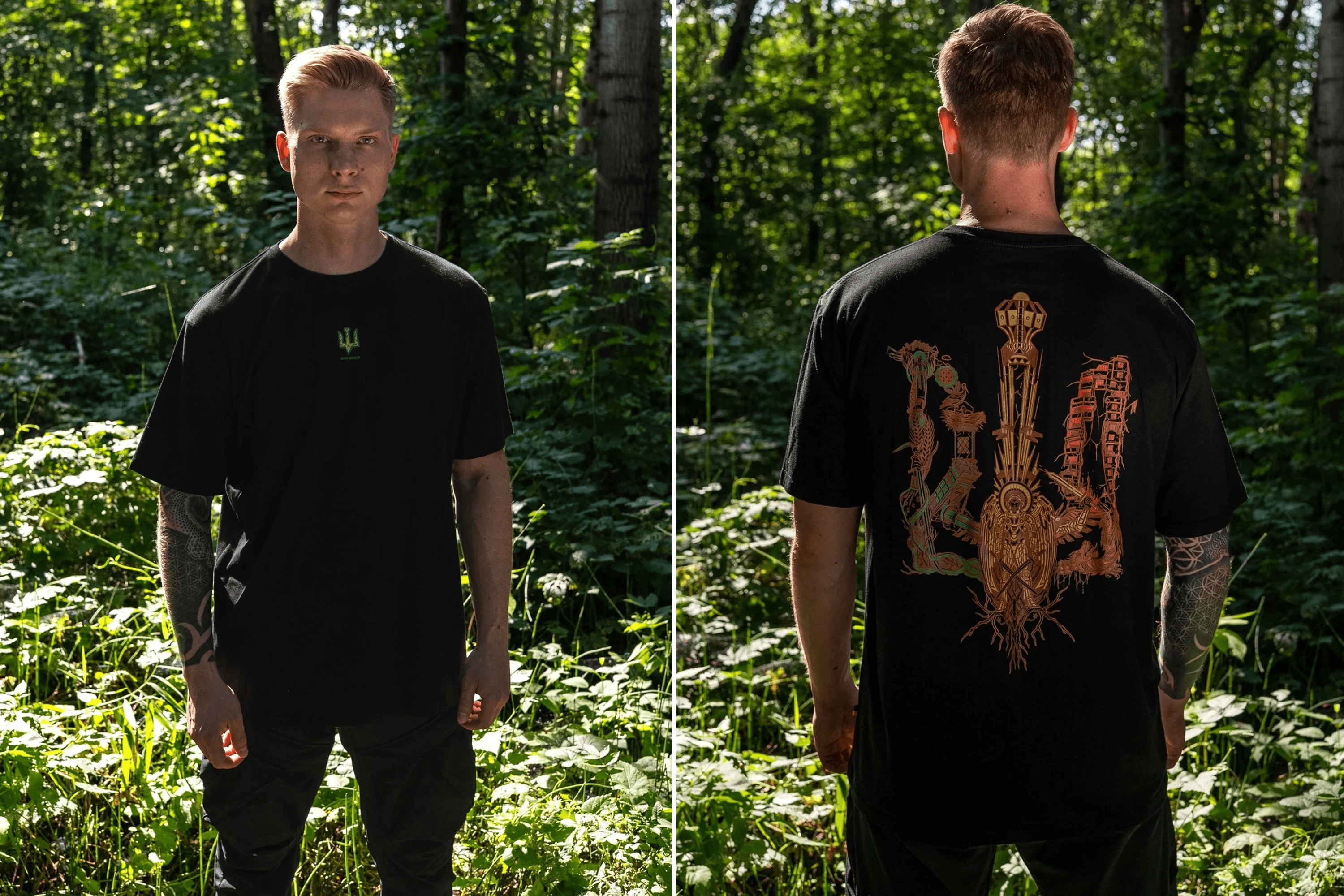
Photo: Saint Javelin / YB 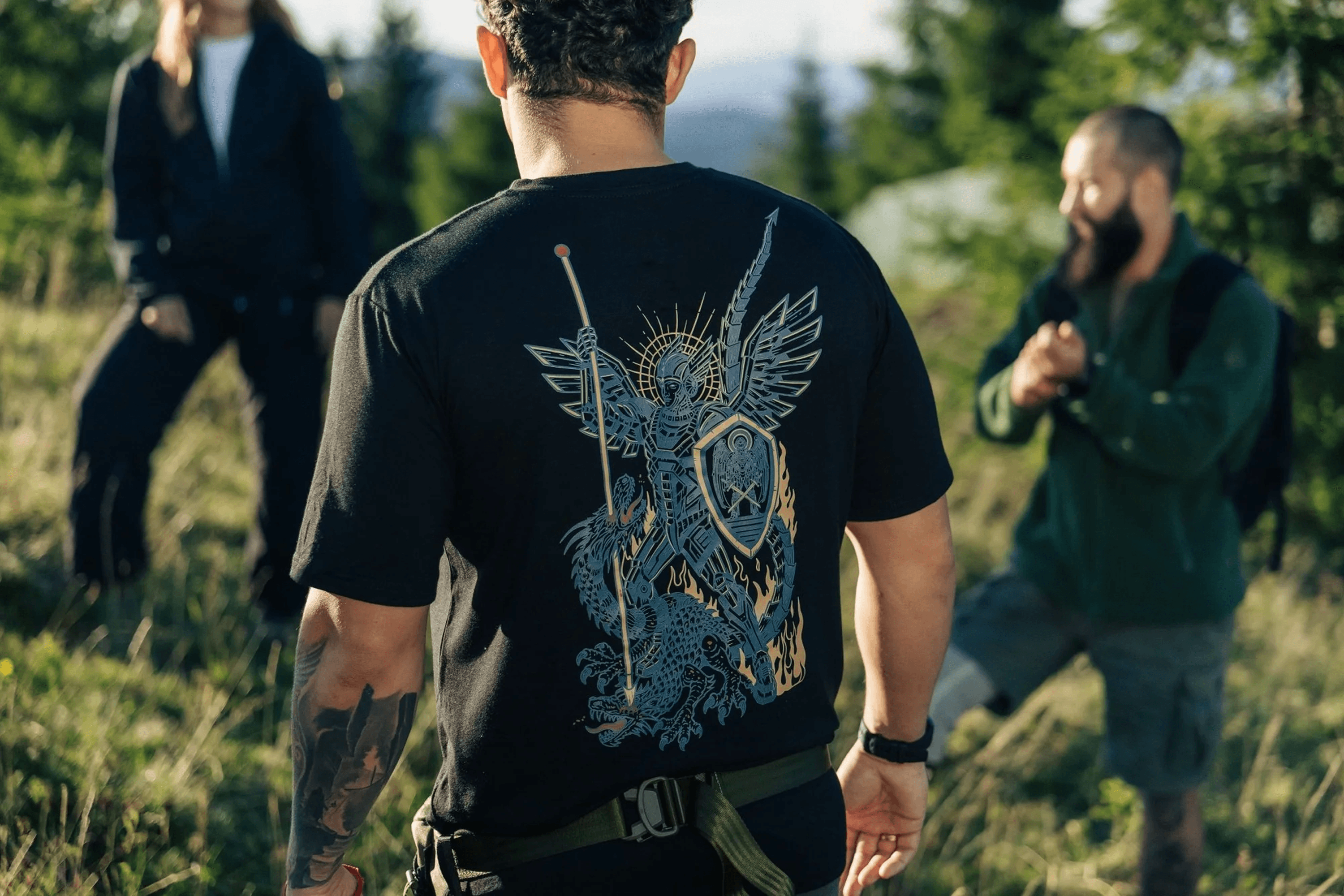
Photo: Saint Javelin / YB 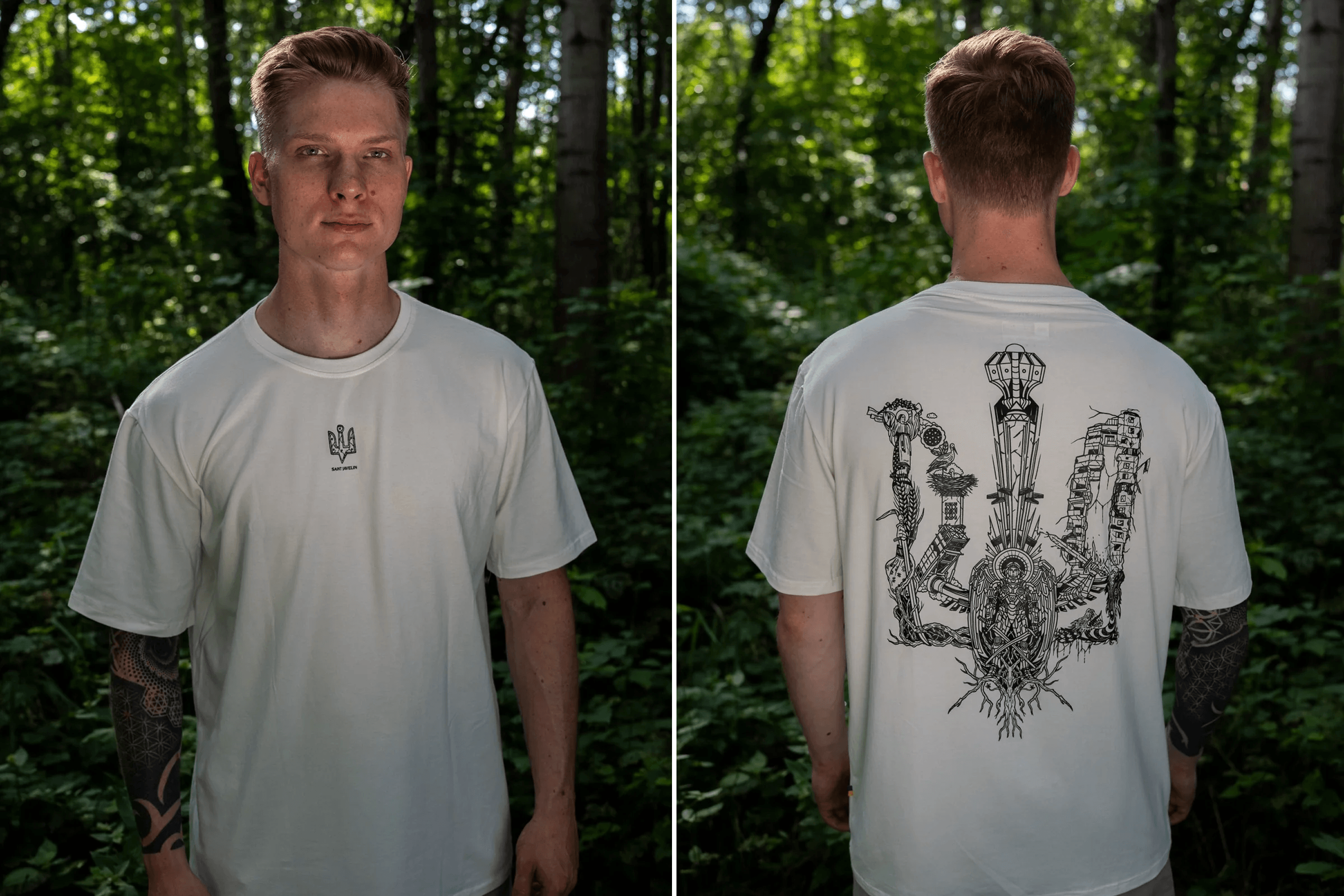
Photo: Saint Javelin / YB 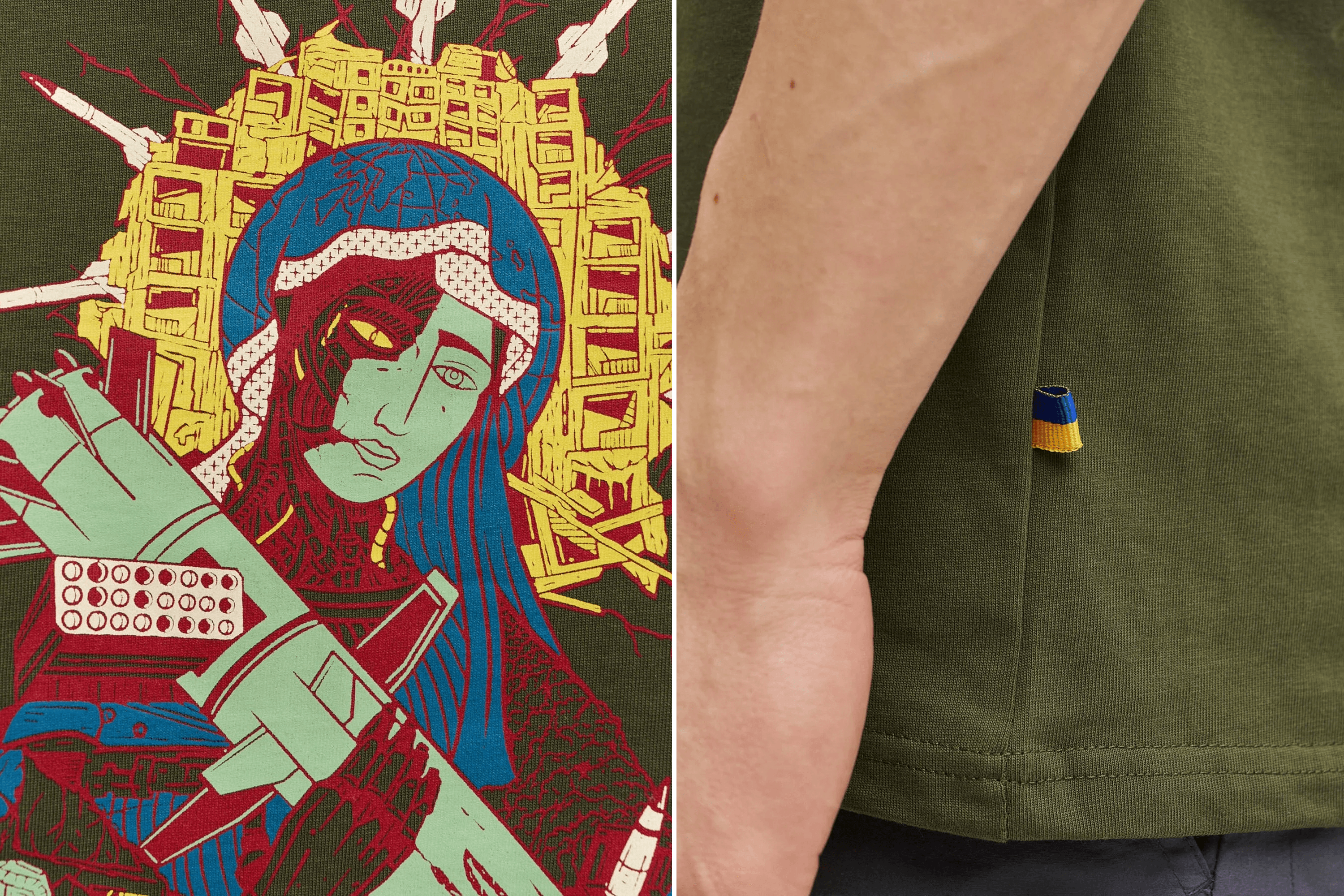
Photo: Saint Javelin / YB 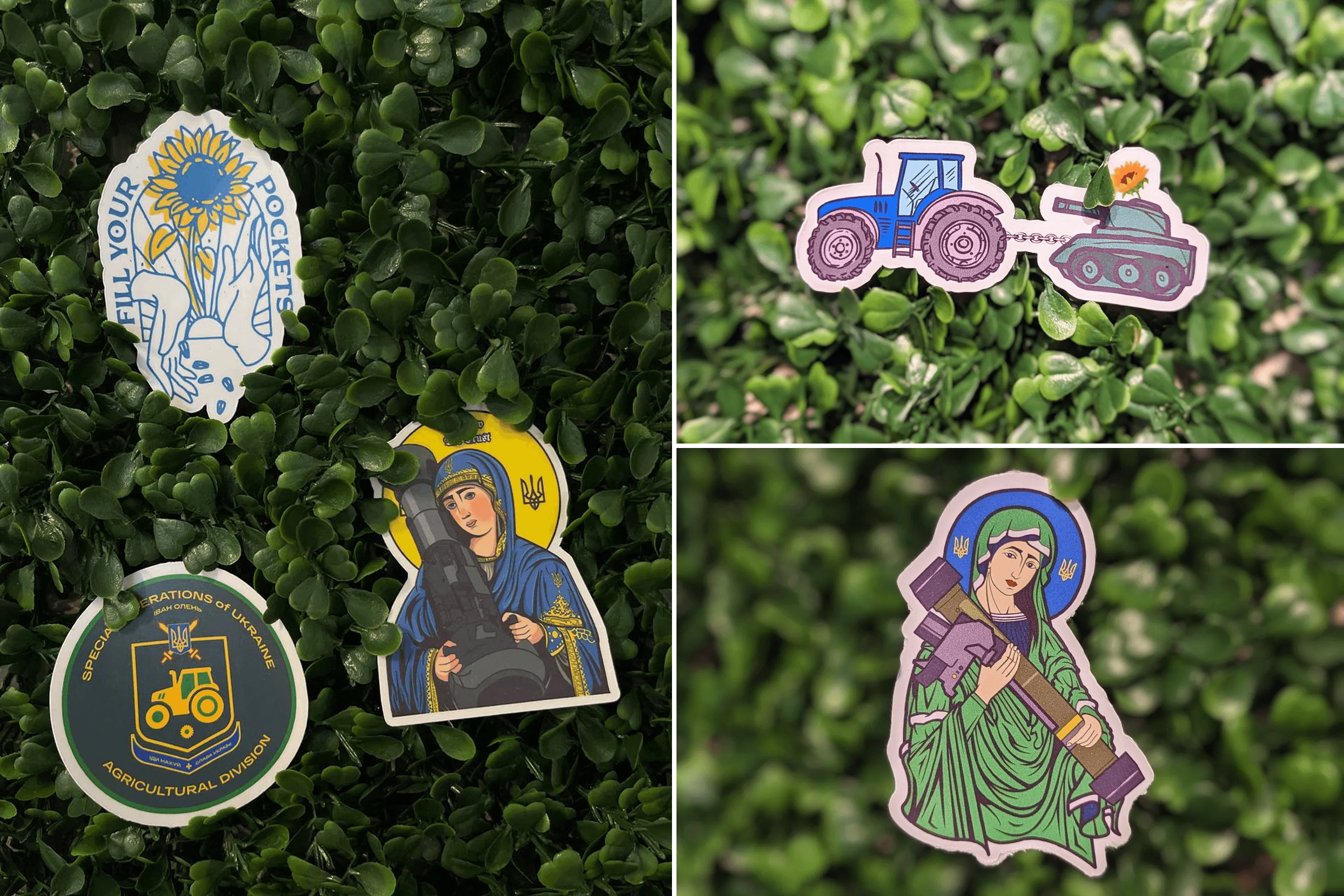
Photo: Saint Javelin / YB
What are your most and least expensive items?
Our backpacks are at the top of the range, retailing for $161 plus shipping. At the other end, our socks are the most affordable, starting at $6.
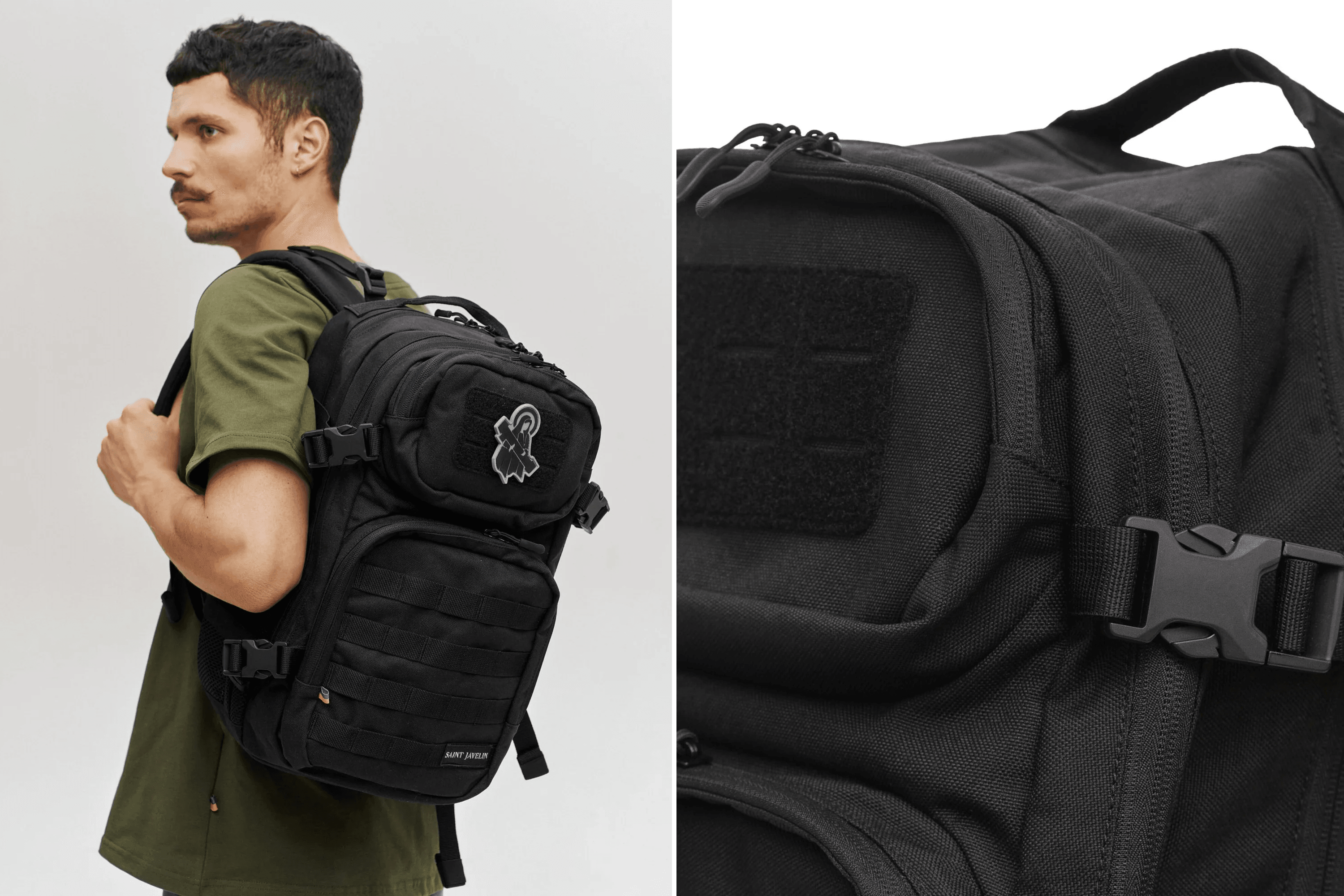
Photo: Saint Javelin / YB 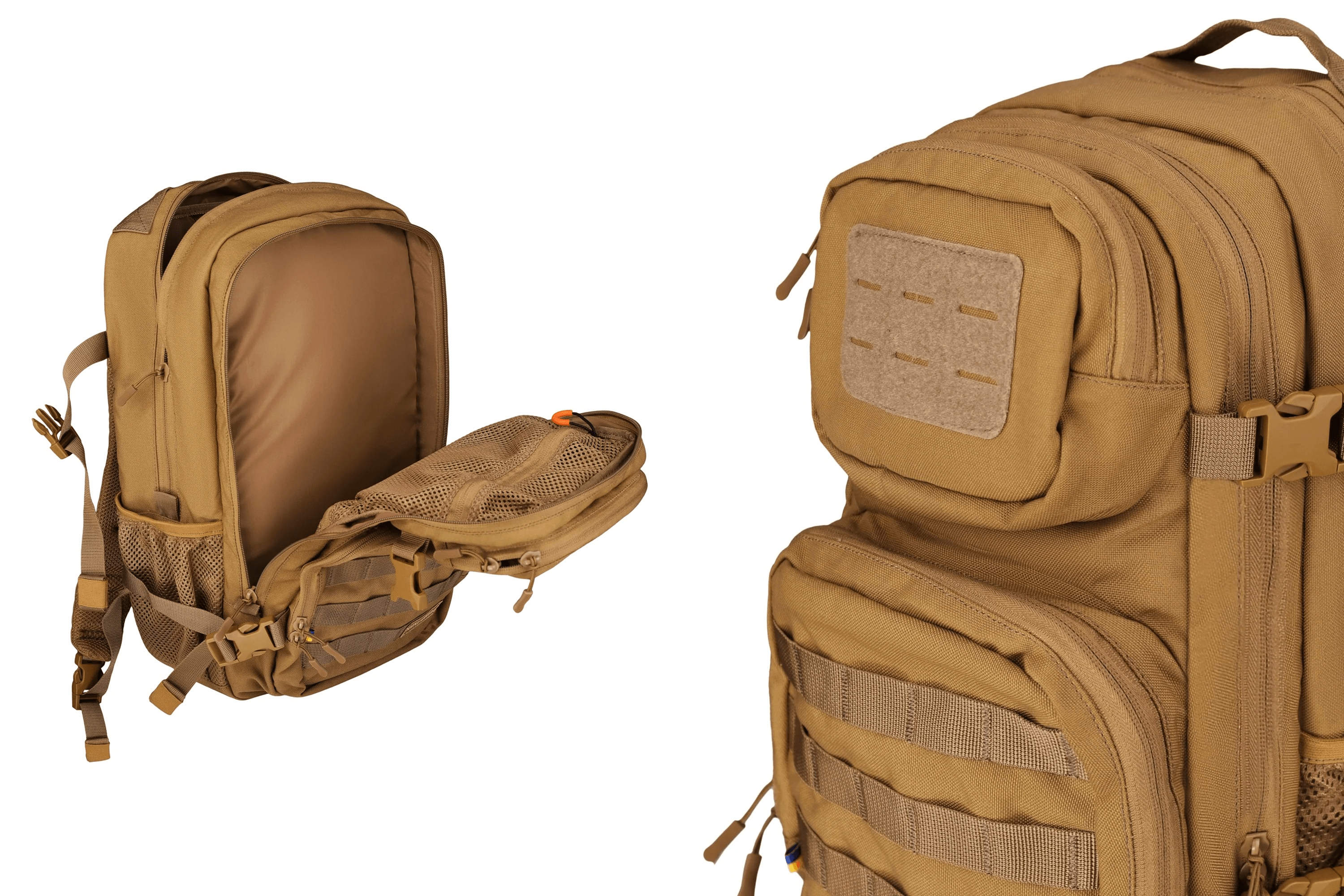
Photo: Saint Javelin / YB 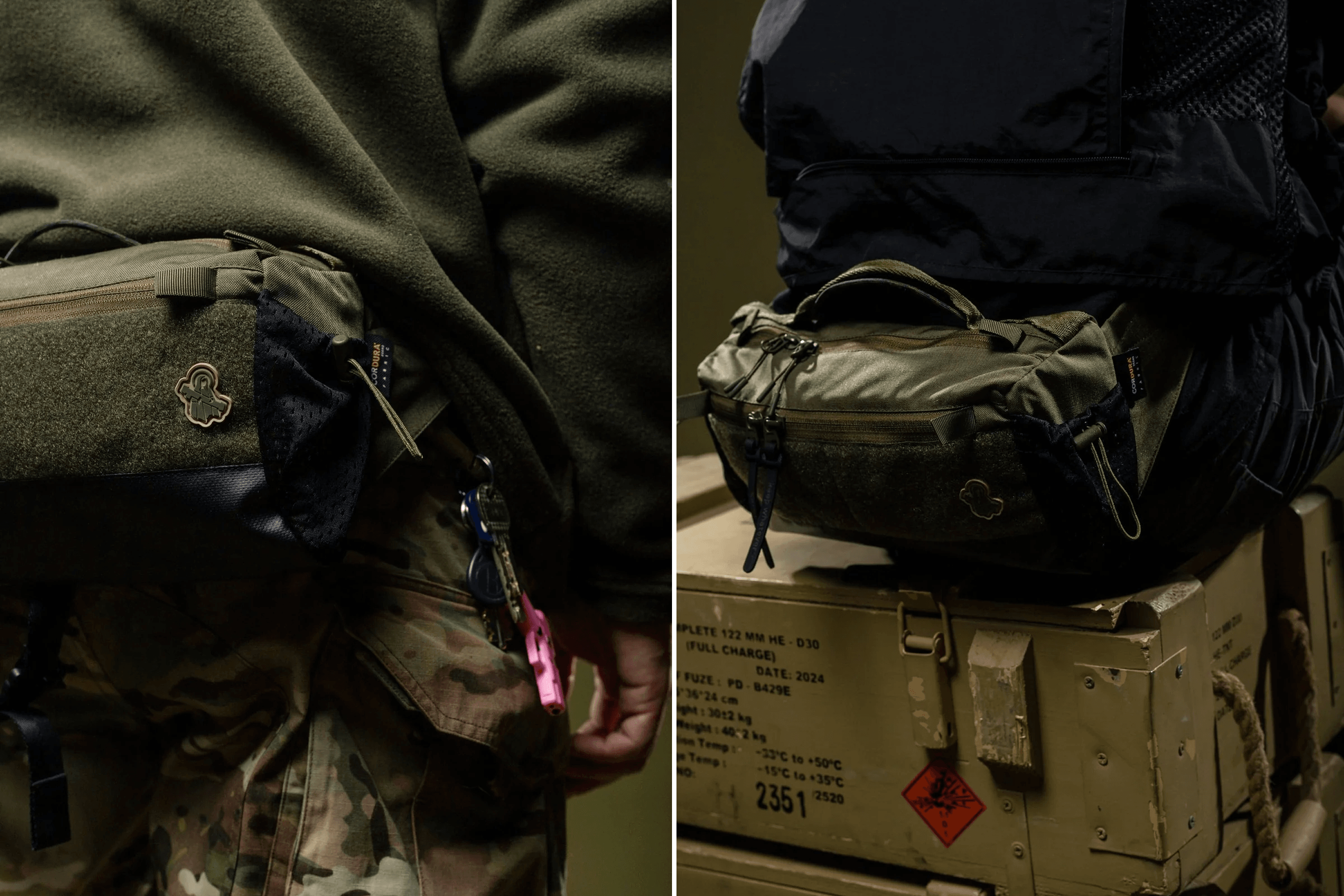
Photo: Saint Javelin / YB 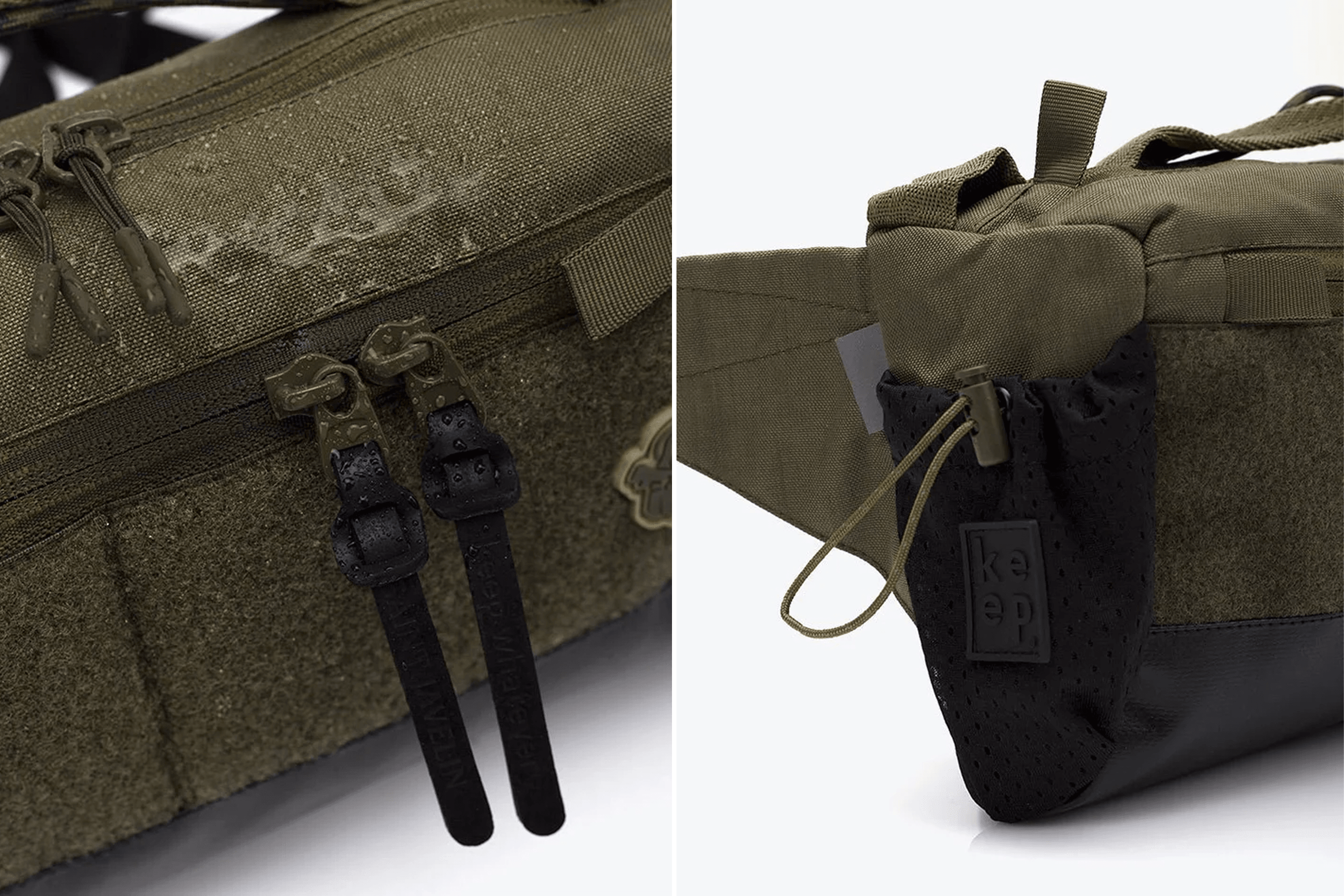
Photo: Saint Javelin / YB 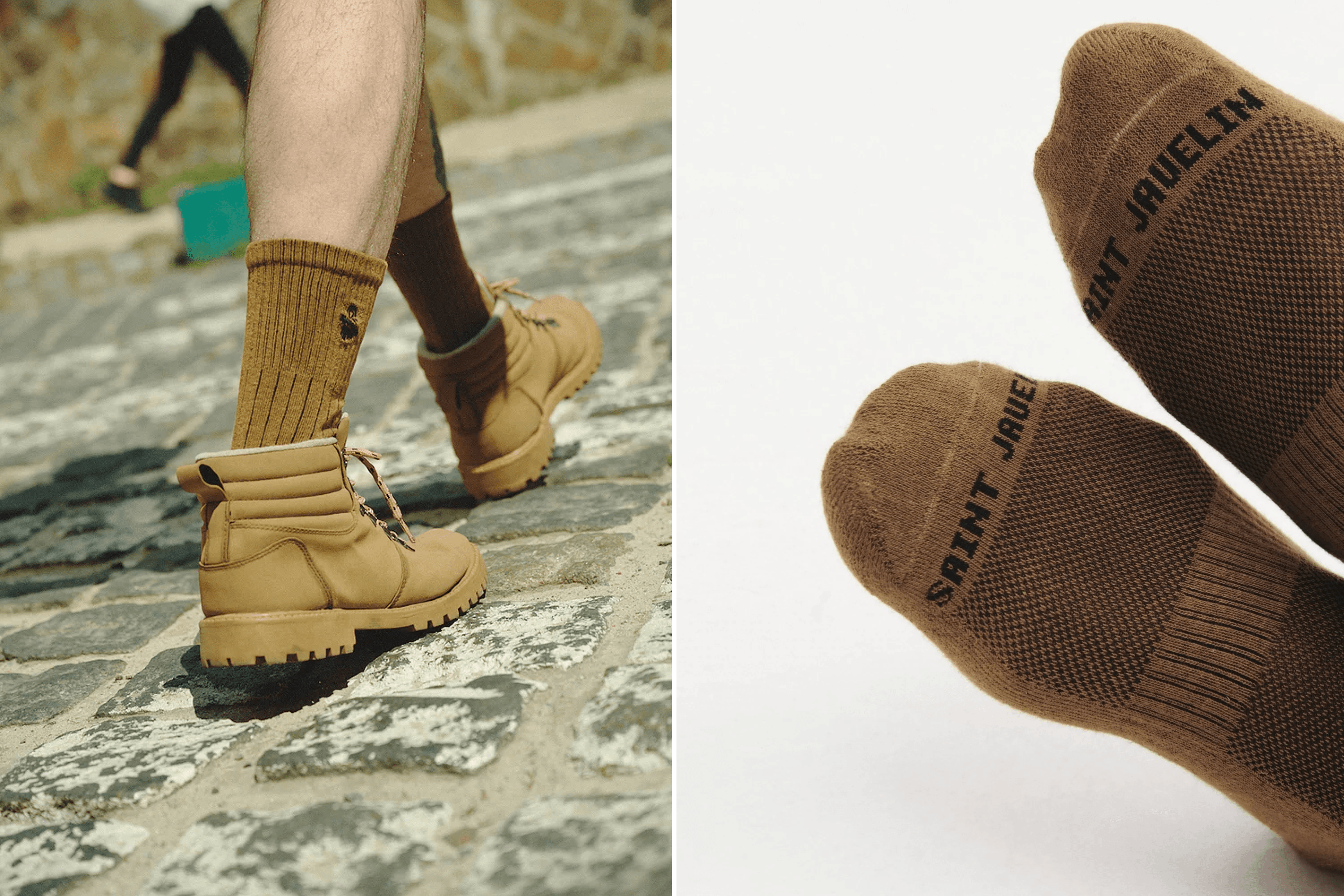
Photo: Saint Javelin / YB 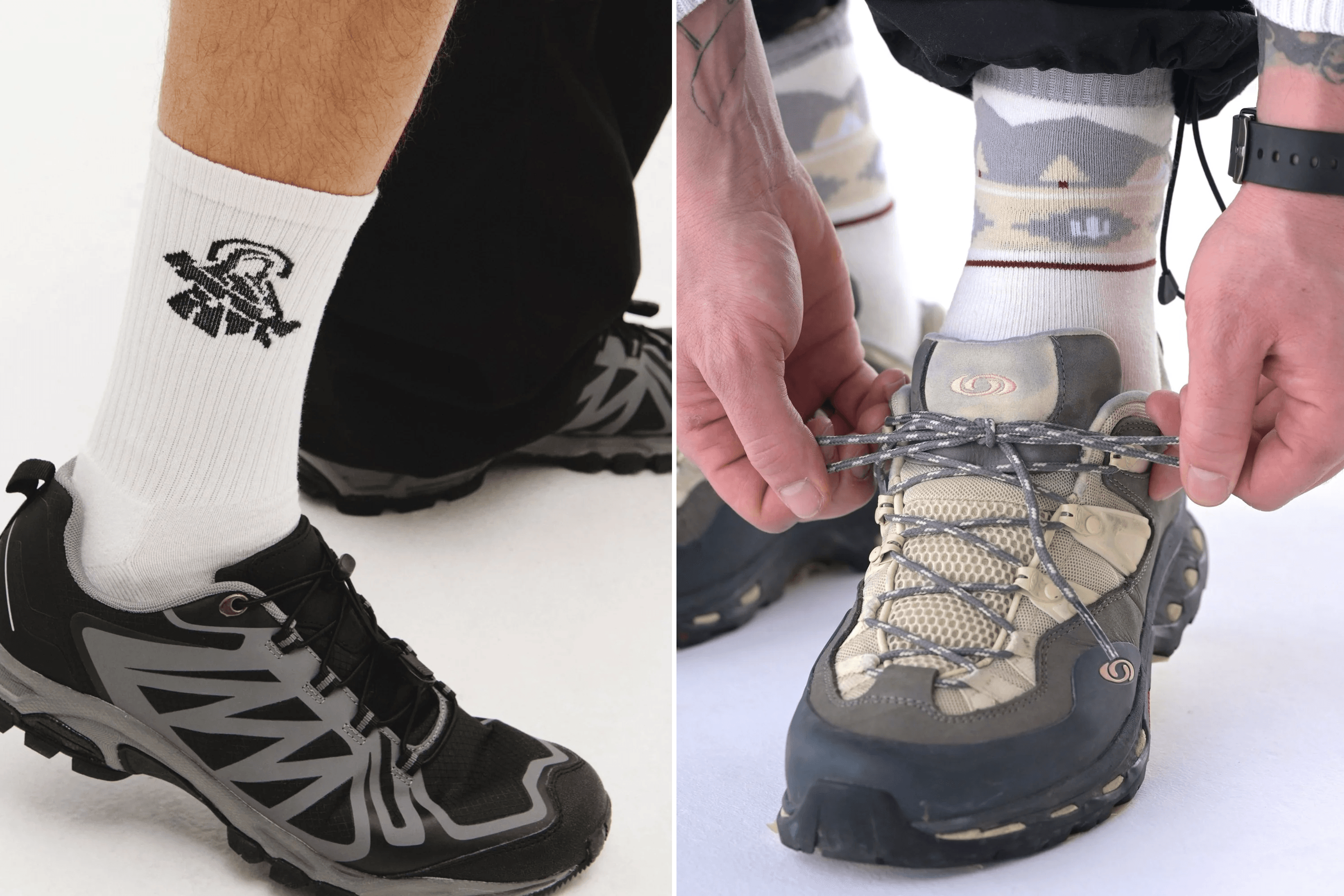
Photo: Saint Javelin / YB
You also published a documentary photo book. What was the vision behind that project?
It’s a collection of documentary portraits titled Saints, shot by the photographer Sasha Maslov. We started the project in May 2022, but it took until 2024 to actually get it into customers' hands. It was a steep learning curve for us—learning the ropes of book publishing and international distribution. We had originally planned to print it in Ukraine, but the Factor-Druk printing house in Kharkiv was destroyed by a Russian missile strike. We eventually had to move production to Budapest, which caused major delays. The book is beautiful, but from a business perspective, it was a real struggle to bring it to life.
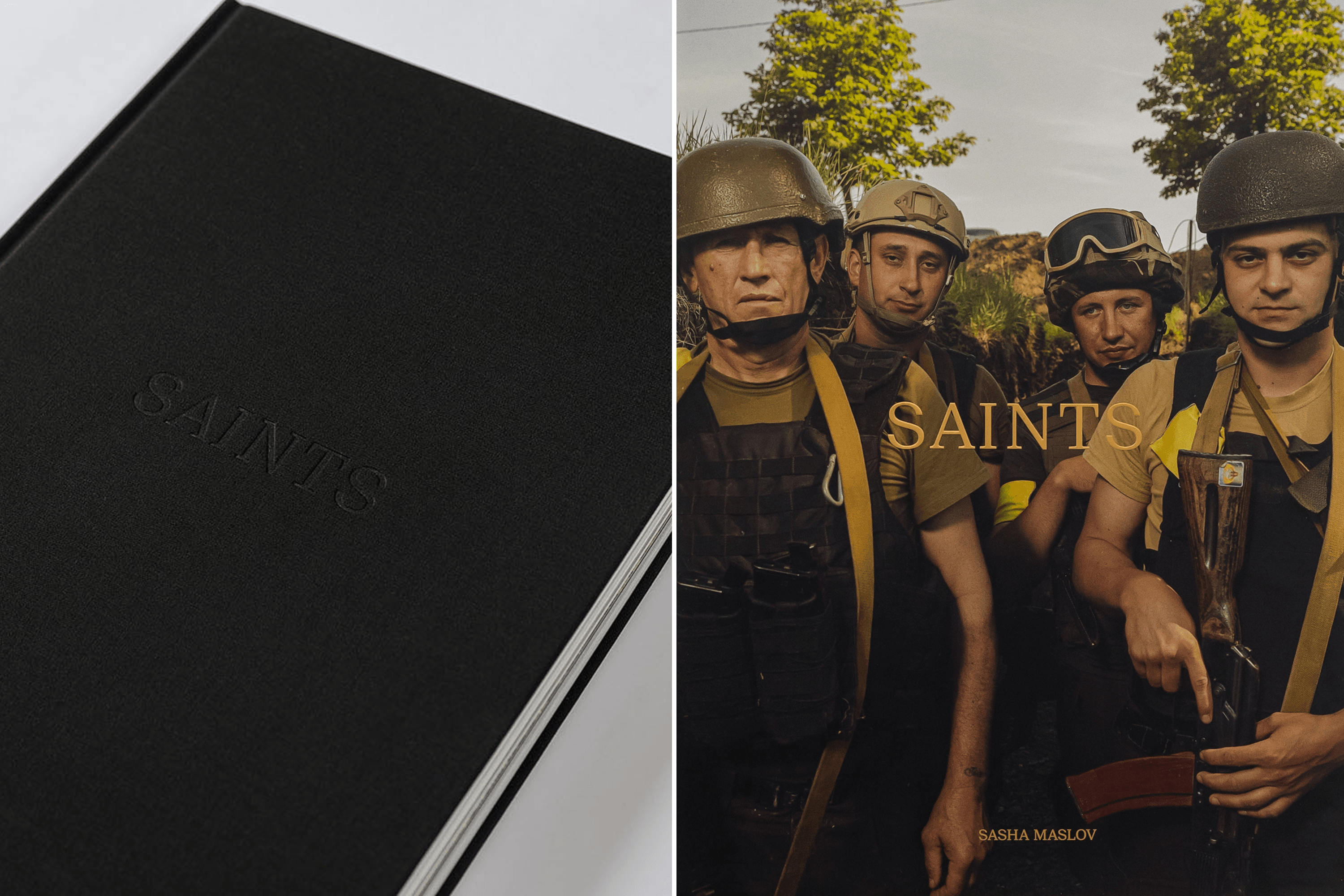
Photo: Saint Javelin / YB 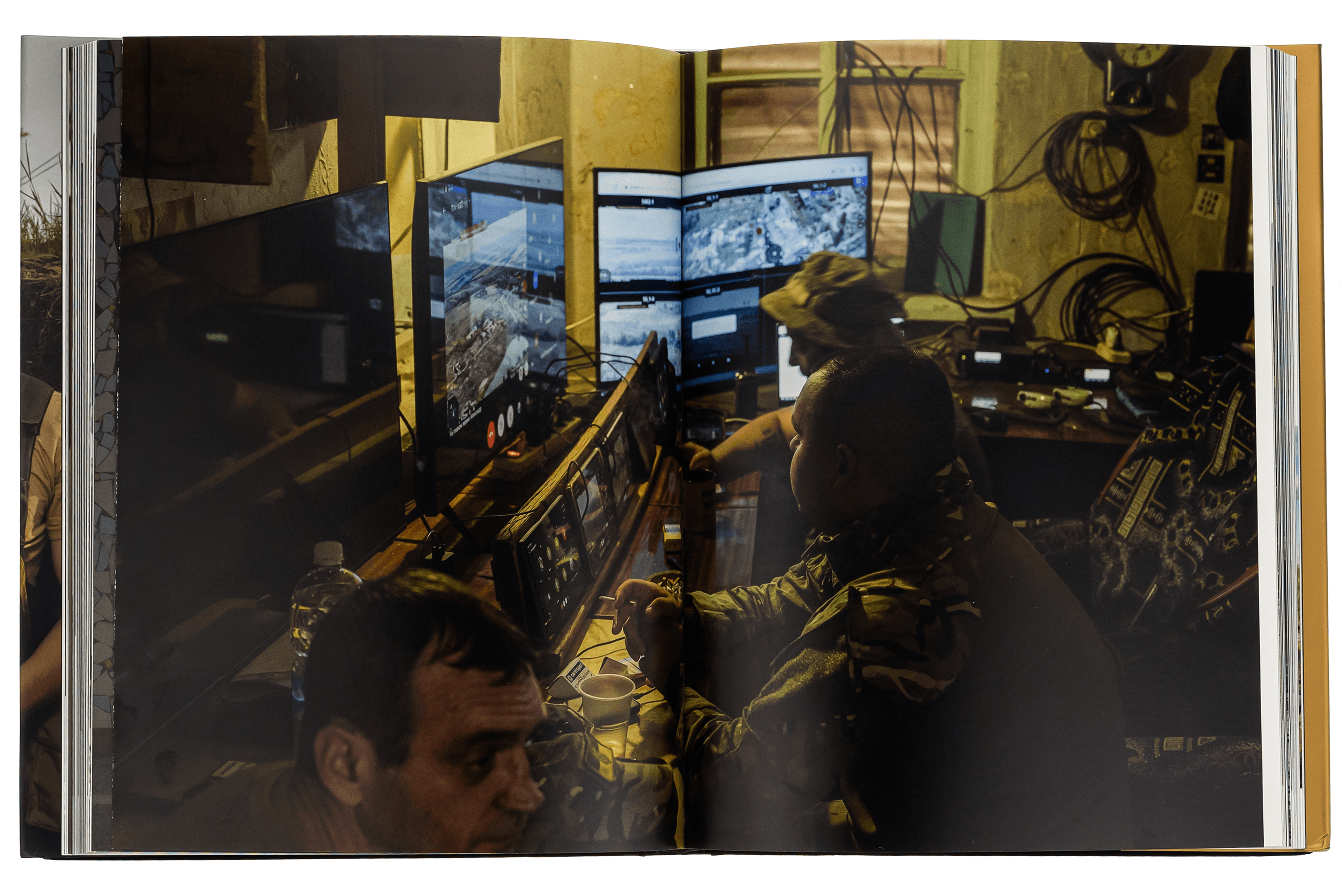
Photo: Saint Javelin / YB 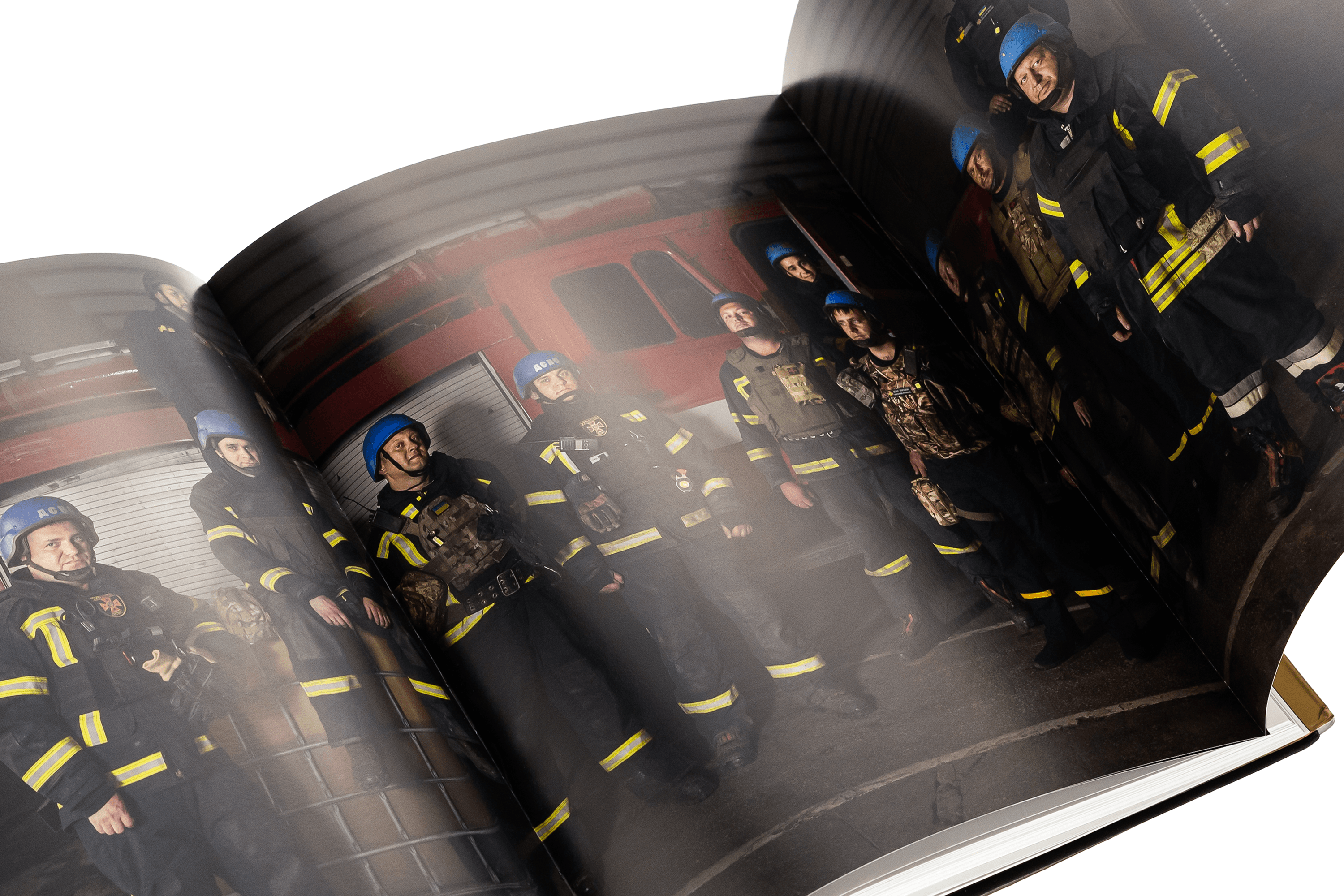
Photo: Saint Javelin / YB 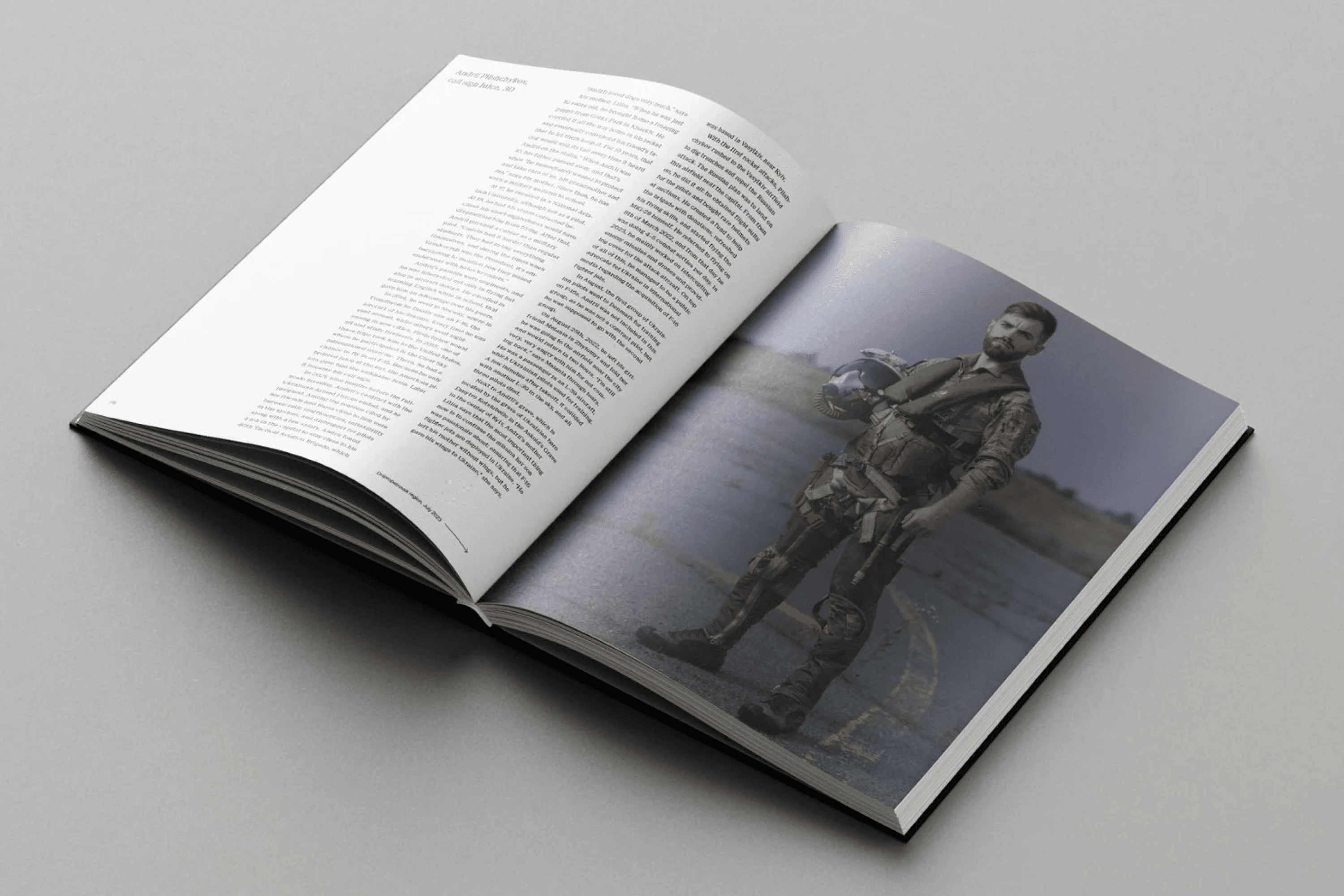
Photo: Saint Javelin / YB 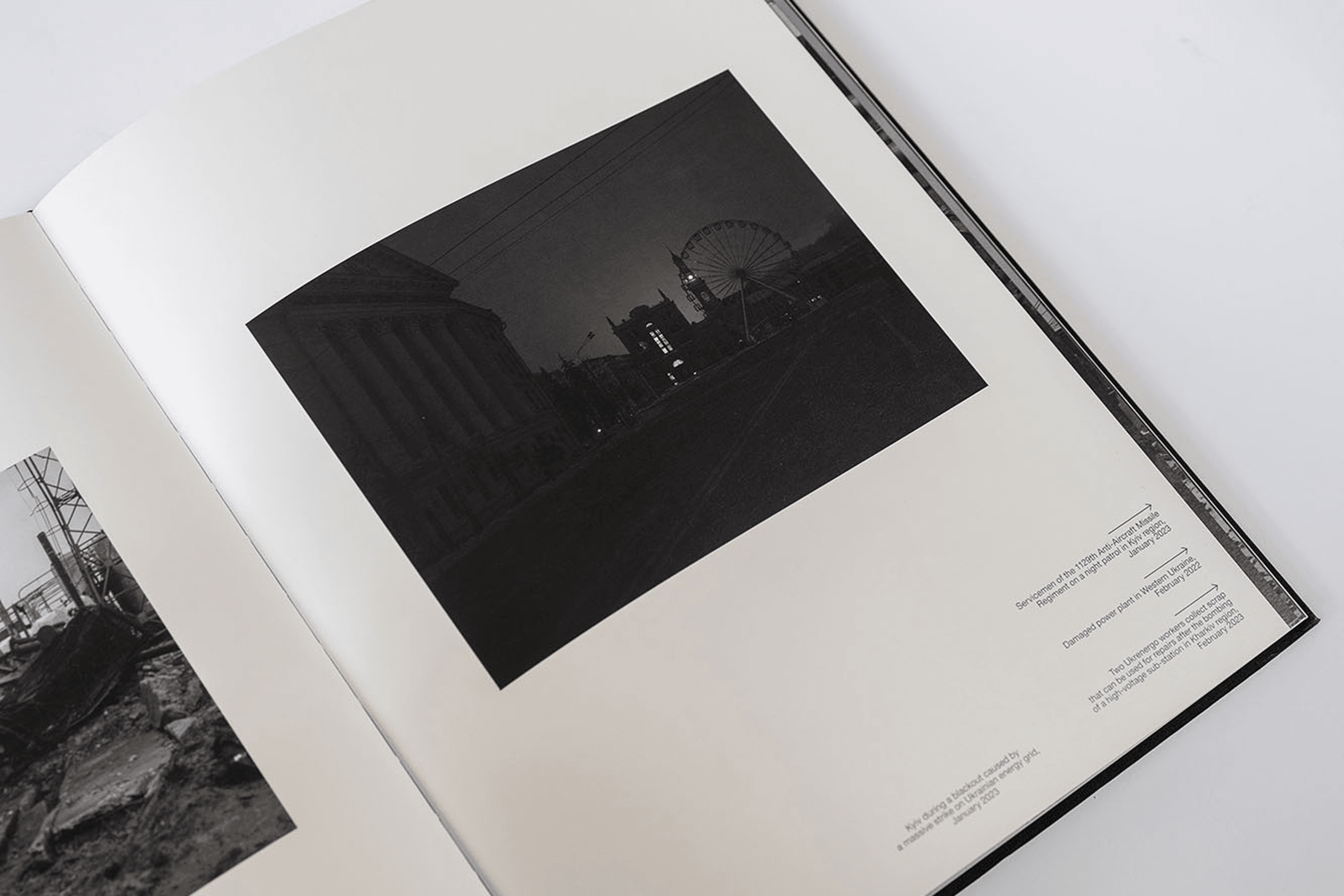
Photo: Saint Javelin / YB 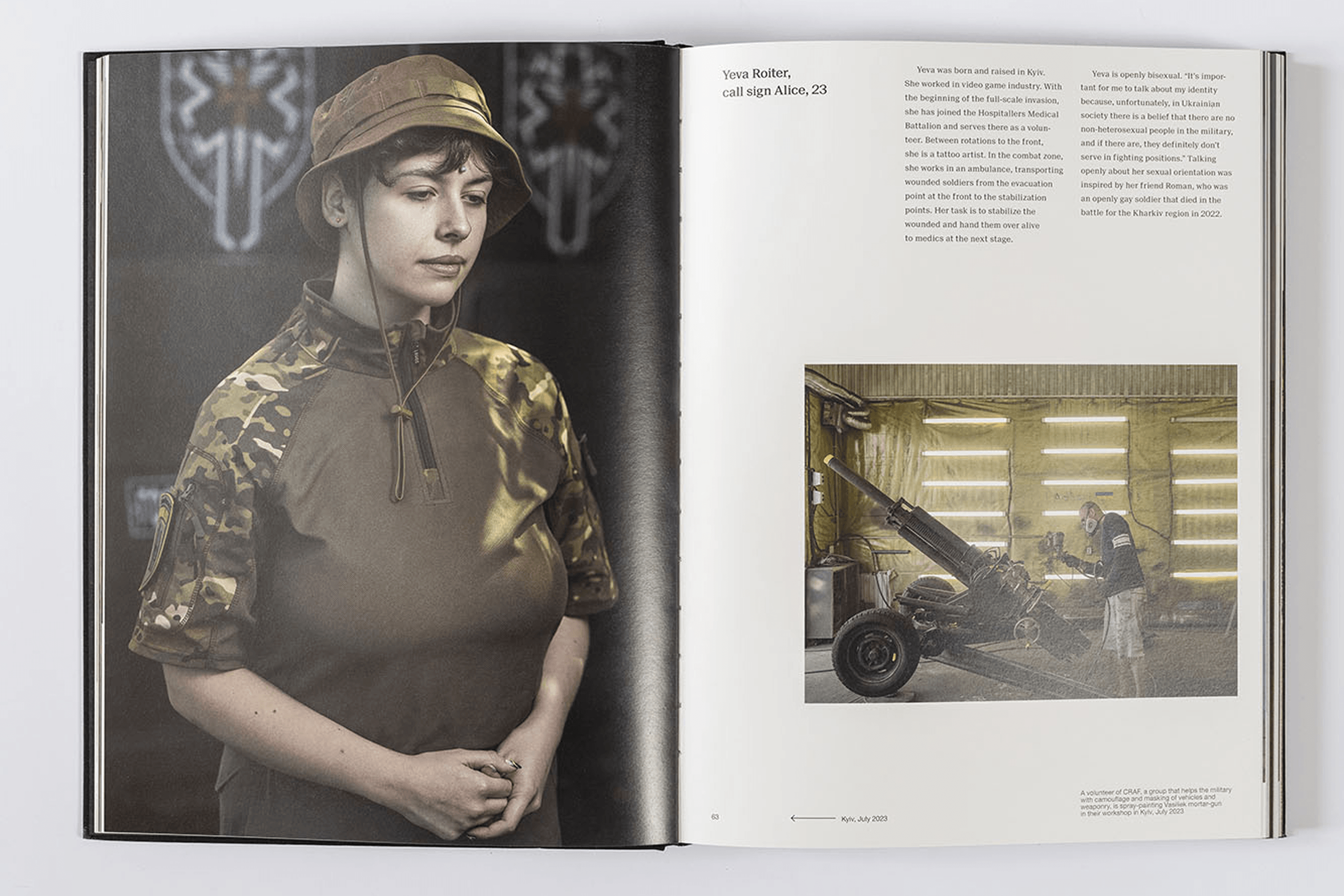
Photo: Saint Javelin / YB
Who was the primary audience for the book? Was it mostly existing Saint Javelin supporters?
It was a mix of loyal customers and plenty of new faces. Looking at the analytics, I see names, but I don’t always know their backgrounds. Interestingly, our surveys showed that many buyers have no Ukrainian roots or direct ties to the country. They are simply people who see what’s happening and want to be part of a community that stands with Ukraine.
Are the subjects in the book primarily soldiers and volunteers?
They are ordinary people who did extraordinary things when the full-scale invasion hit. They were cooks, mechanics, or lawyers who stepped up to protect their homes and families—or people working in various charities who suddenly became full-time volunteers.
Back in 2022, you mentioned aspiring to build a brand like Patagonia or Supreme, perhaps even partnering with them. However, major global brands often shy away from anything “military.” Have you had any luck with major corporate partnerships?
No. All of our collaborations remain with Ukrainian brands or small European labels. Because of our overt political messaging, giants like Adidas won’t touch us—they strive to remain as neutral as possible.
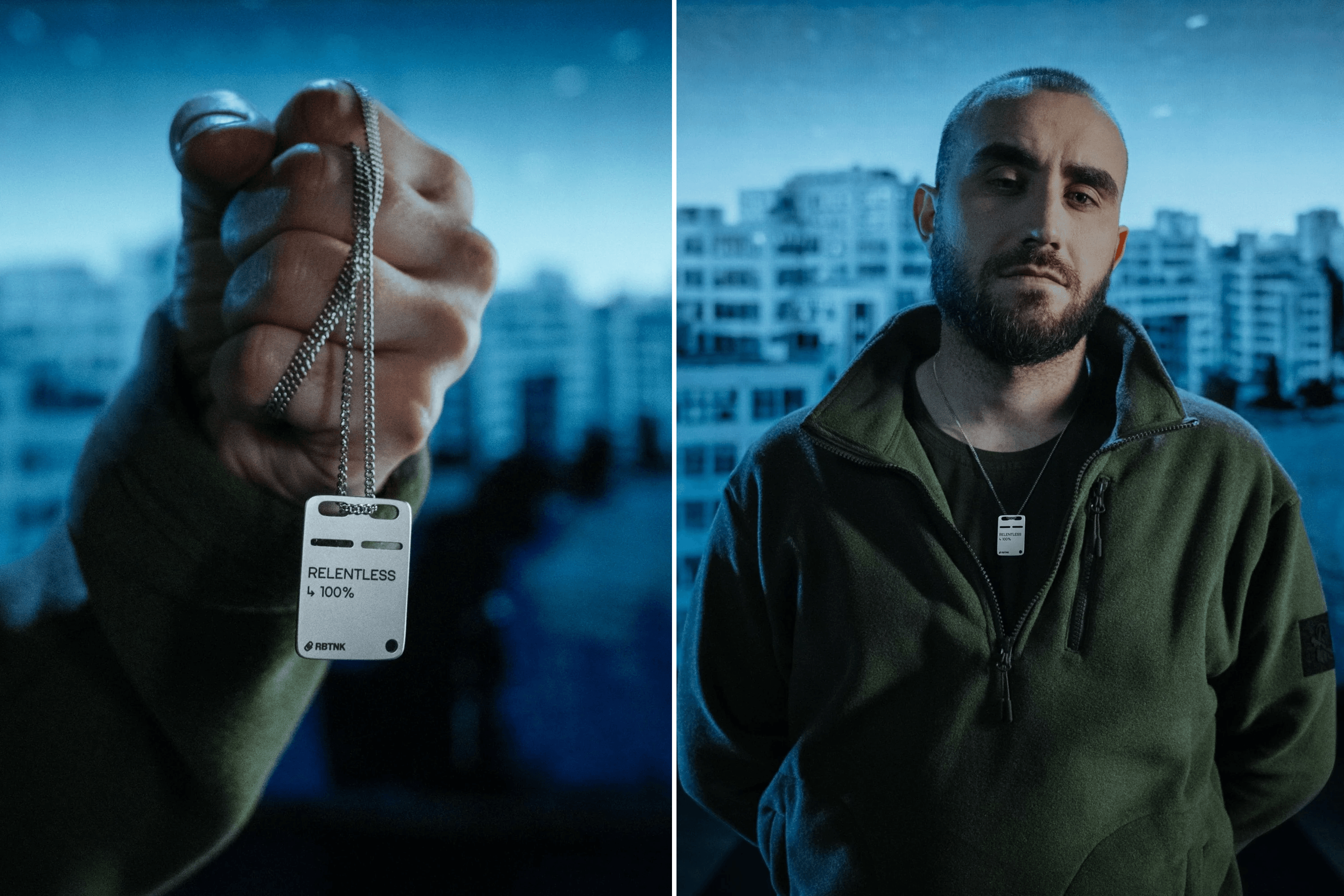
Saint Javelin released a steel accessory in collaboration with RBTNK, an accessories brand founded by Yordan Konstantinidi. Photo: Saint Javelin / YB 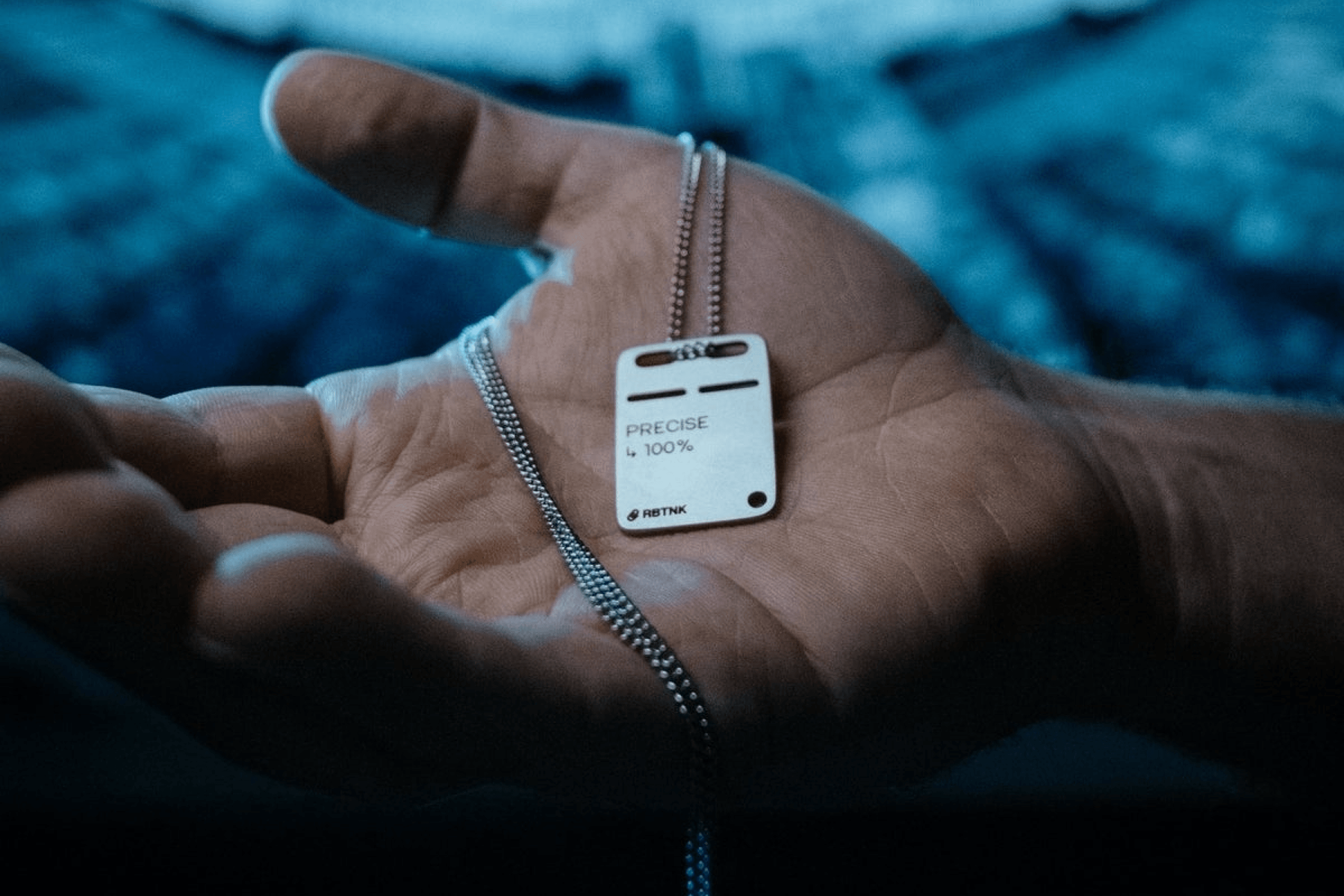
Photo: Saint Javelin / YB 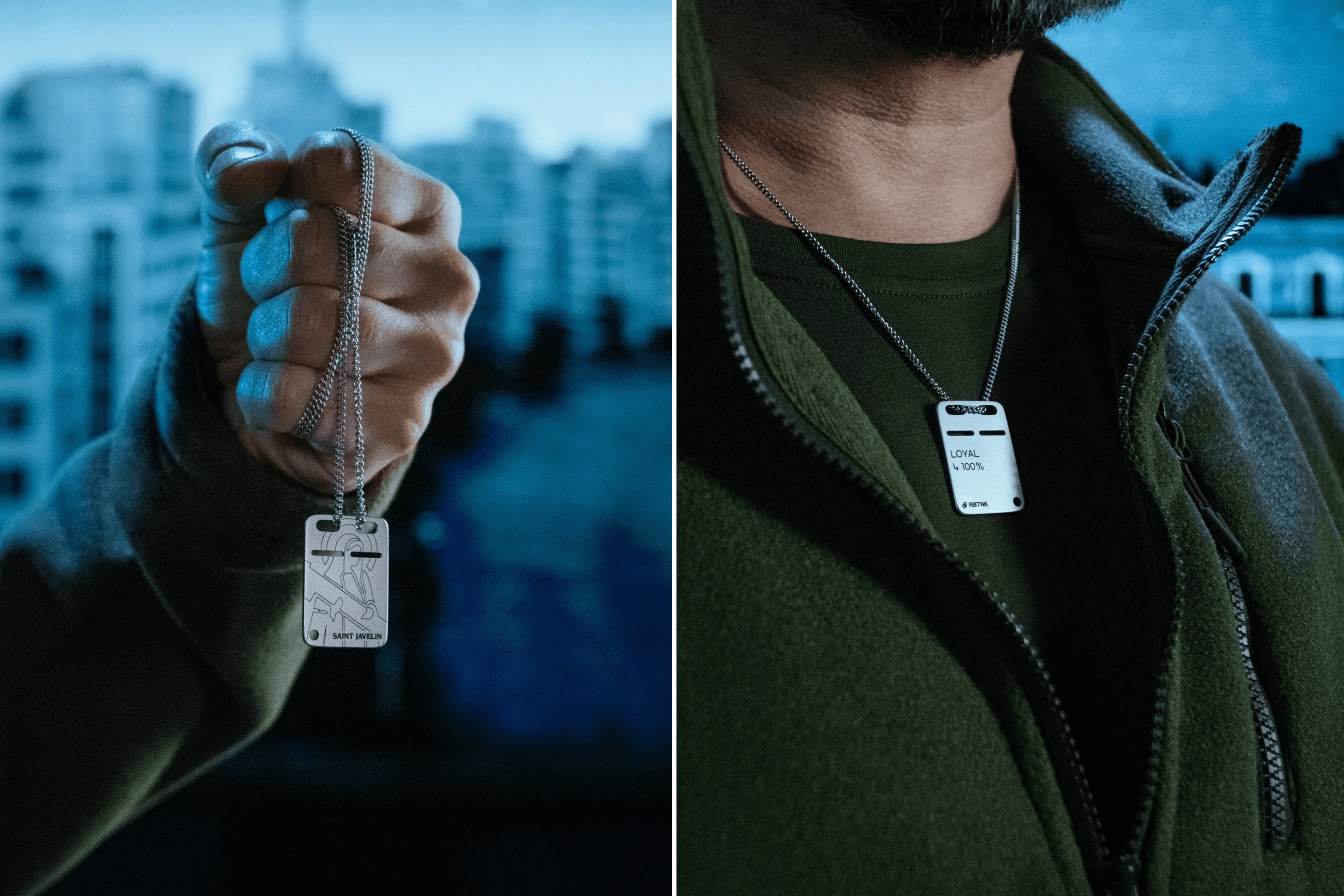
Photo: Saint Javelin / YB
How do you manage to balance the weight of Saint Javelin with your personal life?
My mother was diagnosed with cancer in February 2023 and passed away in October 2025. For almost the entire life of Saint Javelin, I was fighting that battle alongside her, trying to coordinate her treatment. At the same time, my son was born in August 2022. The last few years have been total chaos: trying to stabilize the business, caring for my mom, and raising my son.
But then I look at the people in Kyiv who are living without power, carrying children up to the 15th floor by hand. I don’t complain. I just try to think about what positive thing I can accomplish today. Now, for the first time in a while, I’m able to pour more of my energy back into Saint Javelin.
It sounds like you’re living the same dual reality as many Ukrainians: one foot in Toronto, the other in Kyiv?
Exactly—it’s like living two different lives. To be honest, I’ve hit a wall and burned out many times. When that happens, I’m like a zombie and need a week or more to recover. I don’t drink or smoke because I literally cannot afford to lose a single day to a hangover. I try to work out every day and eat as healthy as possible to keep my energy levels up. Like all Ukrainians, I’ve had to make sacrifices; I’ve barely seen my friends these past few years. I live this double life, usually waking up at 6:00 AM to stay in sync with my team on the ground in Ukraine.