
Oskar Ambrush, a 51-year-old Ukrainian, dreamed of becoming a surgeon since childhood. As a young man, he interned in France and learned the language, but later pursued his career in Ukraine. He left the country on the first day of Russia’s full-scale invasion, when men were still allowed to cross the border. In France, he initially worked as a labourer but soon earned a prestigious position as an associate physician at a hospital in Nancy. Beyond performing surgeries, he helps Ukrainians and other foreign patients, often accompanying them as a translator during visits to his French colleagues.
YBBP journalist Halyna Shcherba met with Oskar to discuss how he found work in his field abroad, the conditions of that work, what makes French medicine unique, and the challenges young Ukrainian doctors face there.
Family and the French Language
I’m originally from Zakarpattia. My parents are Hungarian, and at home we spoke Hungarian. I became proficient in Ukrainian at school, and only at university did I start speaking Russian. During school, I studied French to earn high grades and a medal, but at the time I hated it and quickly forgot everything. I used to say, “I’ll never need this, leave me alone.”
I entered medical school in Odesa because the program in Uzhhorod had very few openings and required connections to get in. Despite the skepticism of everyone around me, at 15 I passed three exams almost perfectly and became the youngest student in the course—even though I had no passport, only a birth certificate. I spent two years studying in Odesa, and after the collapse of the USSR, I transferred to Uzhhorod State University, where I graduated.
Choosing a Career
My father was a civil engineer, my mother a pediatrician, but I had decided from childhood that I would become a surgeon. After university, in 1996, I was sent to work in Ivankiv, 50 km from Chornobyl, even though I had done my internship in Kyiv. A friend introduced me to the chief physician at the Darnytsia hospital, where I began practicing, and after my internship, I was invited to work there. By the way, France also has a culture of recommendations. But this isn’t nepotism—it’s an honest, open evaluation of a candidate’s skills and character. People trust that evaluation, and the reputation of the person making the recommendation depends on it.
I initially turned down that job offer because I wanted to continue studying, but eventually I accepted and worked there for 17 years. Later, I became head of the department at the so-called Railway Hospital, and a few years later, I was appointed chief of the surgical department at Feofania Hospital, where I led the team and performed surgeries for four years.
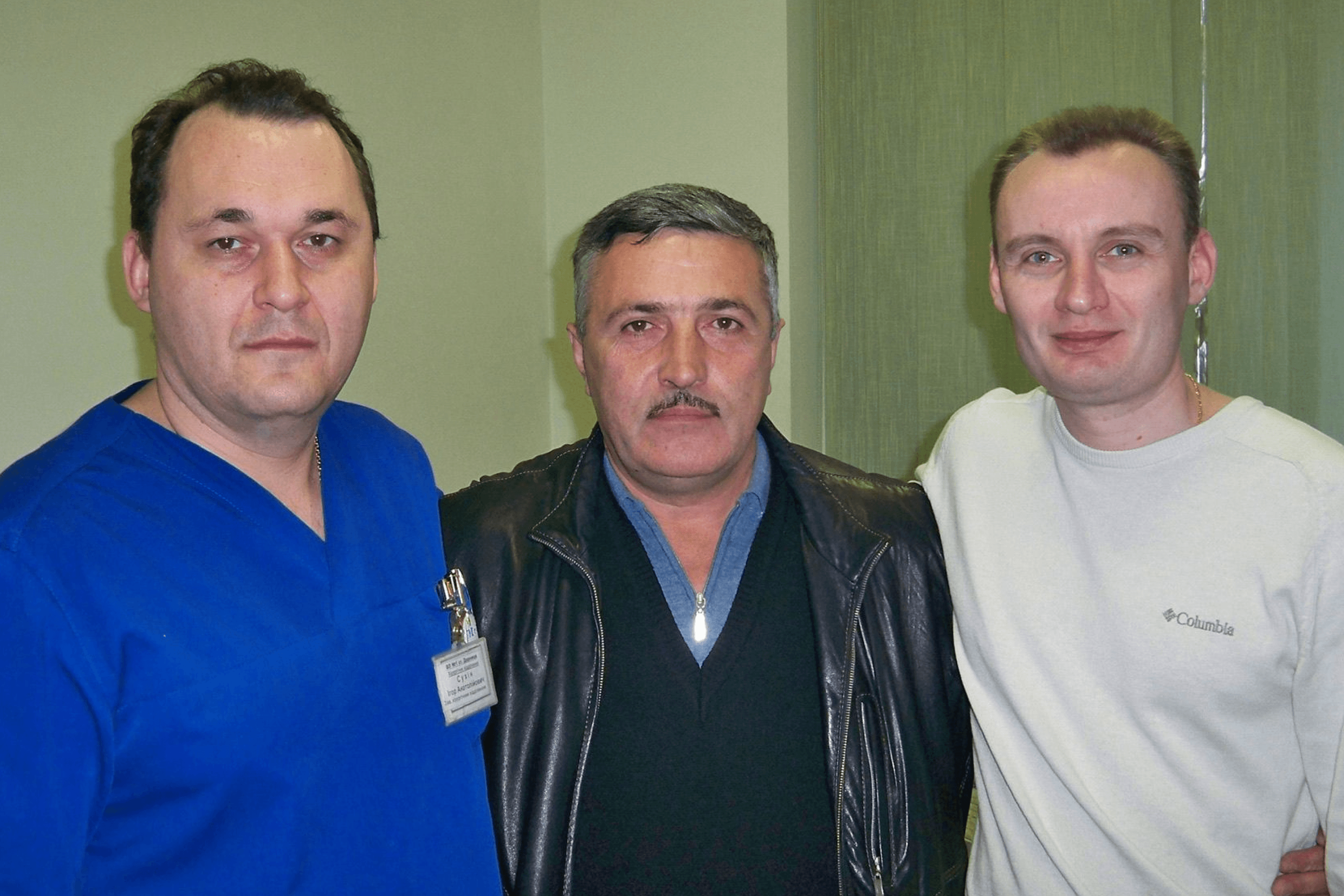
I performed my first surgery at 21: I was suturing a patient’s head wound. I was very nervous, but everything went well. With time and advancing technology, I mastered four surgical specialties: general surgery, oncological surgery, thoracic surgery (operating on organs in the chest), and transplant surgery (transplanting organs and tissues). In Ukraine, I performed roughly 400 surgeries a year. In France, I operate about 10 times a week, which adds up to over 300 a year—the workload is lighter here, but the variety of surgeries is much greater.
Internships
I got the opportunity to do my first internship at the University Hospital of Nancy ‘Brabois’ when I was 23, and spent three months there as an unpaid volunteer intern. I traveled on a tourist visa and stayed with relatives. While spending six months preparing the documents, I had to relearn French. By the end of my term, despite the language barrier, the clinic professor invited me back for an official one-year internship. I observed and assisted in surgeries, participated in department sessions, and operated on simple cases. They were already doing laparoscopic surgery there, while back home we had only talked about it.
Six months later, I returned home to put everything I had seen into practice in my Ukrainian operating room. A year later, I went to France for the third time, this time at a private clinic for three months. In Ukraine, things were moving toward the emergence of private medicine, so it was interesting. These internships changed my worldview.
Working in My Field in France
In 2022, when Russia launched a full-scale war against Ukraine, France issued an exceptional decree: Ukrainian doctors who speak French or English were allowed to work at any medical institution in need of staff. The only condition was that, over time, they would need to have their diplomas officially recognized through the standard procedure. It was a strong gesture of support for Ukrainians.
Other foreign doctors couldn’t be recognized as doctors, only as post-interns. They were first required to pass a professional written exam, work for two years in a department designated by the ministry, and only then submit their file for review by a special committee to have their professional status as doctors recognized.
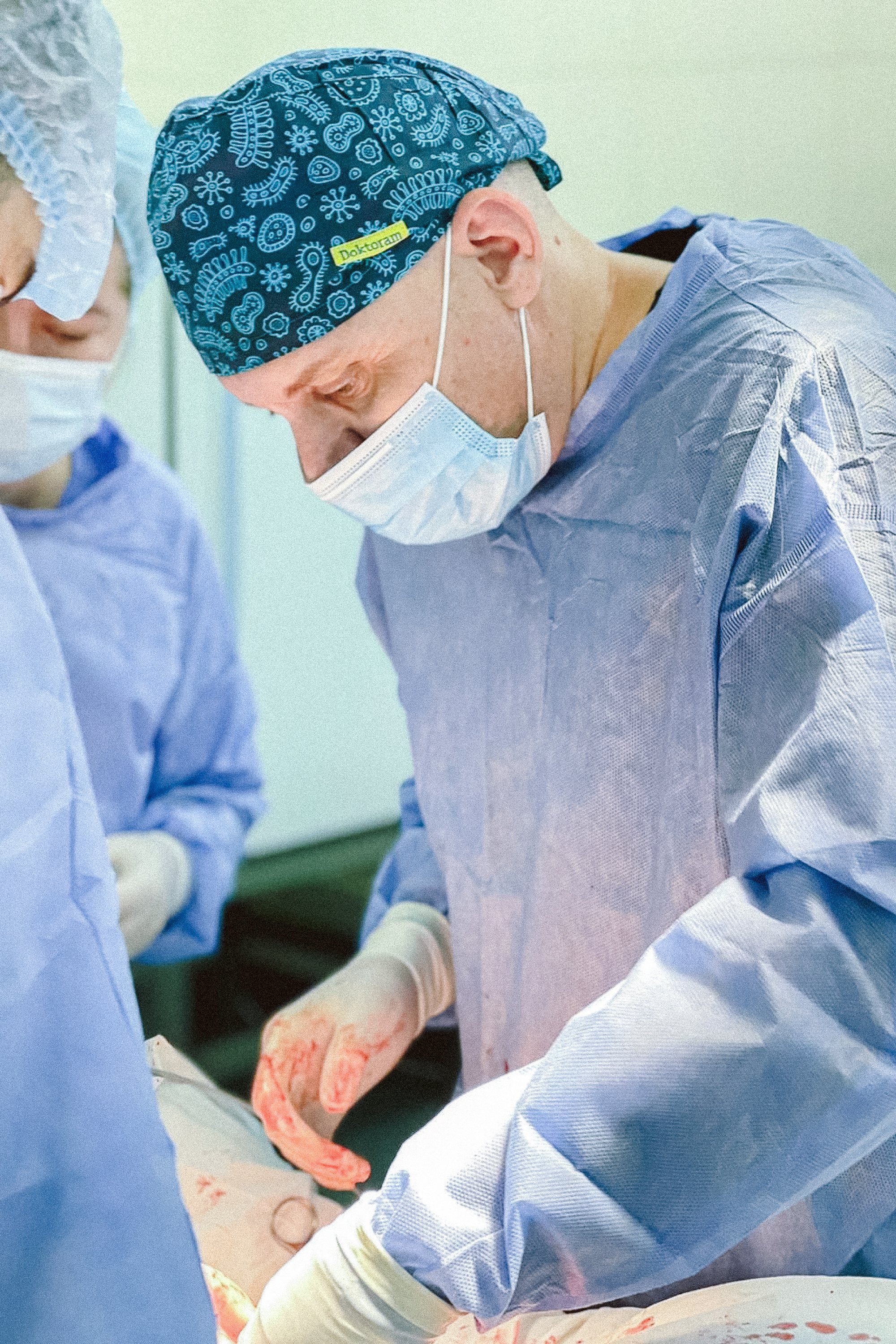
When I received a photocopy of that decree at the end of March, we thought it was fake. At the time, I was already in France, had mentally said goodbye to my surgical career, and had been working for three weeks at my brother-in-law’s company—my sister’s husband. Staying at home was unbearable, so I painted walls and ran electrical cables.
However, the regional health department confirmed that the decree was real and offered their help. The next day, I was invited to Brabois Hospital—the same one where I had once interned—and soon after, they quickly created a new position [as an associate doctor].I can’t recall any medical centre in Ukraine comparable in scale to the University Hospital of Nancy. Yes, we have distinct universities, specialized institutes, and large centres such as Okhmatdyt or the Institute of Surgery—but there’s probably no large, unified regional hospital like that in Ukraine.
I took the exam [to have my diploma recognized] a year and a half later, passing on the second attempt. I studied textbooks and past exam questions, subscribed to an online preparatory course with access to video materials, and a monthly digest reviewing real clinical cases.I realized that during the exam, there was no need to write long answers—it was important to say the key words. The exam itself was free, but the preparation cost me about €800 for the year. I waited two or three months for the results.
Future Prospects
I already have enough experience in my current role to have my diploma officially recognized. I also work shifts in the emergency surgery unit. A few bureaucratic steps still remain to complete the recognition process.
At first, they signed a six-month contract with me, renewed every six months. Once it ends, I won’t be able to stay in my current position of Praticien associé due to a change in status. However, my department head will have the right to create a doctor’s position instead, even though I would continue doing the same work there.
At a university hospital, I can’t become head of a department because that requires a higher academic degree. So I’ll continue doing what I love: performing surgeries that allow patients to recover. Or, if I want something new in the future, I may move to another hospital.
Photo: Photos provided by Oskar Ambrush / YBBP 
Photo: Photos provided by Oskar Ambrush / YBBP 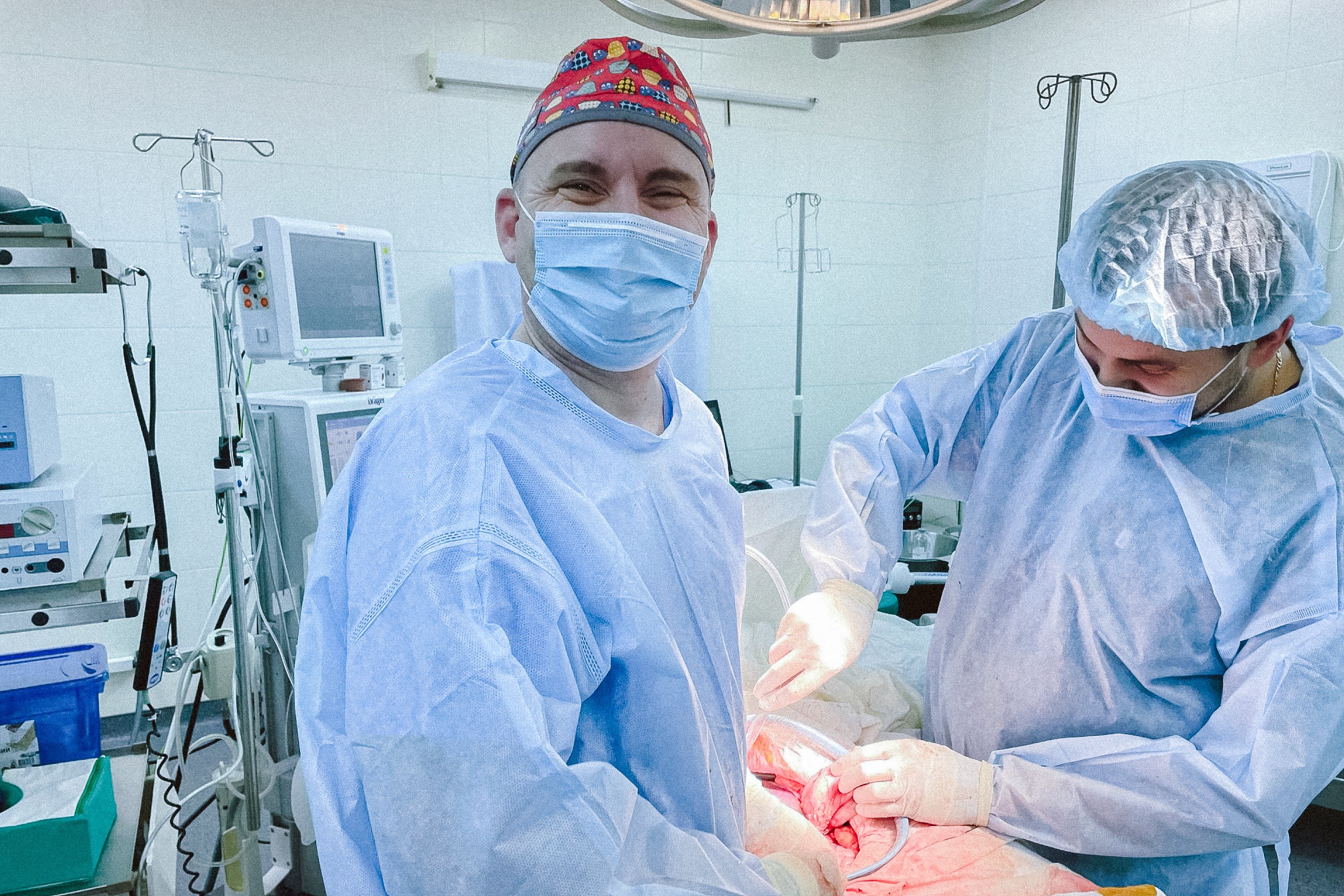
Photo: Photos provided by Oskar Ambrush / YBBP
Private and Public Clinics
Patients with complex or unusual cases often go to university or public hospitals. Private clinics, by contrast, benefit financially from a high volume of simpler surgeries, and patients there usually face much shorter wait times. The pace, organization, and approach are different.
However, there’s a nuance for doctors in private clinics: their pensions are lower and taxes higher because they generally earn more.
In France, doctors are divided into three so-called tiers based on their qualifications. Those in the first tier have capped fees—for example, a consultation costs €20. Doctors in the second tier earn roughly twice as much, so a consultation can cost €40. If you belong to the third tier, you can set your own fees.
To earn private income at second-tier rates, a doctor must first work for a period in a university hospital as an assistant to a professor. This is mandatory experience. We, Ukrainian specialists, cannot work in private hospitals until we have our diplomas recognized.
The French Medical System
In France, everyone has health insurance—either full or partial. Basic coverage, which is free, is provided by the state through taxes and includes a family doctor and standard tests. For additional coverage, you pay a contribution based on your income and medical needs. You can choose your insurance company, medical facilities, specialists, and extra services according to your priorities—for example, dental prosthetics or eyeglasses.
The insurance system provides a sense of security: if you get sick, you are guaranteed care. The state genuinely focuses on patients’ health, and the results are noticeable: life expectancy here is about 15 years higher than it was in Ukraine before the war. This is not just due to funding, but also to attitudes and culture: people do not self-medicate or go to a pharmacy asking for “something for the stomach.” Almost all medications are prescription-only, and the pharmacist is legally responsible. Doctors do not prescribe drugs “just in case” or to make money—examinations come first, followed by prescriptions.
In France, preventive care is important: young people and retirees are offered free vaccinations, and everyone over 50 automatically receives a referral for colorectal and other cancer screenings. These are substantial government investments, but they pay off many times over: early detection of diseases is not only more effective but also cheaper than treating severe, advanced cases, though those still occur. That’s the key difference: in France, the system acts preventively, whereas in Ukraine, they often respond to problems only once the consequences have already occurred.
Treating Cancer
Of course, my observations are not statistical data on the fight against cancer. But from my own practice, I know that a patient undergoing a planned surgery in a French hospital (not an urgent case) will survive. The team schedules the procedure if they are confident they can provide help in any possible course or complication. A patient may also be denied surgery if the risks outweigh the expected benefits.
Today, as 20 years ago, cancer remains a serious disease, and we still do not know all of its causes. However, its subtypes are now known, allowing treatment with new methods and sometimes avoiding surgery altogether. Thanks to advances in science and technology, adequate hospital resources, a culture of medical care, and patients’ access to all modern technologies and medications, cancer treatment outcomes today are far better than they were 20 years ago.
Patient Care and Medical Errors
In France, doctors do not compete for the number of patients or for profit—they focus on outcomes and healing. If a colleague can provide better care, cases are handed over without hesitation. This mindset develops through strict selection: only hundreds out of thousands of students reach the internship stage, and those who remain are the ones for whom medicine is truly a vocation. Everything here is patient-centered: complex cases do not intimidate, but rather inspire further discussion and effort, and during case conferences, doctors collaborate to find the best solution.
Work is largely team-based, so errors are almost entirely avoided. Here, criticizing colleagues is incompatible with being a doctor, because spreading negative information not verified by a court can harm the reputation of the entire team or clinic. In such cases, a doctor can face serious consequences, including losing the right to practice medicine. Conversely, doctors who demonstrate excellence are retained by the hospital in every possible way—for example, through professional development opportunities such as free internships and courses.
Doctors’ Salaries
Unlike in Ukraine, doctors in France receive only the official salary stated in their contract. At first glance, it may seem higher, but taxes, utilities, and insurance costs are also greater. In Ukraine, the final amount depends on the hospital, position, patient flow, and the attitude toward them. As a result, many Ukrainian doctors actually earn more than their French counterparts.
But this is relative. In Ukraine, doctors can lose earnings due to personal health problems or legal troubles, and resolving these issues can consume all their income. In France, doctors are better protected: their treatment is covered by insurance or the clinic. Because of this, it’s hard to make a direct comparison: these are completely different worlds.
Comparisons
In Ukraine, doctors often don’t disclose treatment risks so that patients don’t refuse care. In France, doctors are required to honestly inform patients of all possible complications, even the rarest ones. It’s a rule: patients must know the full truth about the course of their illness and how it will be treated. This is why trust in doctors here is so strong. In addition, there are generally accepted norms of politeness in patient interactions, and if a doctor crosses these boundaries, a professional medical commission reviews the complaint.
The work rhythm is different, too. In Ukraine, I worked without days off and even visited the department every day on holidays. In France, a day off is a day off: colleagues on duty take care of patients. There are strict rules about the number of hours one can work simultaneously at different hospitals, although unpaid overtime still exists. When I have time between surgeries, I translate, assist Ukrainians seeking refuge here from the war, and help other foreigners in consultations with my colleagues.
Medical care is at a different level in France, and other medical problems are more widespread. Local doctors work with modern diagnostic tools that aren’t always available in Ukraine—for example, PET scanners or new types of endoscopy. At the same time, certain diseases are more common here, whereas they were rare at home, such as Crohn’s disease. But there’s no point in comparing systems: either you accept the country’s conditions, work, and develop, or you choose a different environment.
Employer Expectations in France
First and foremost, employers focus on professionalism and the ability to work in a team. They also consider how well an individual fits with the manager and the team. In other words, teams are selected partly based on personal qualities and shared values. Professional skills can always be improved later; what matters most is that the person is a good character fit.
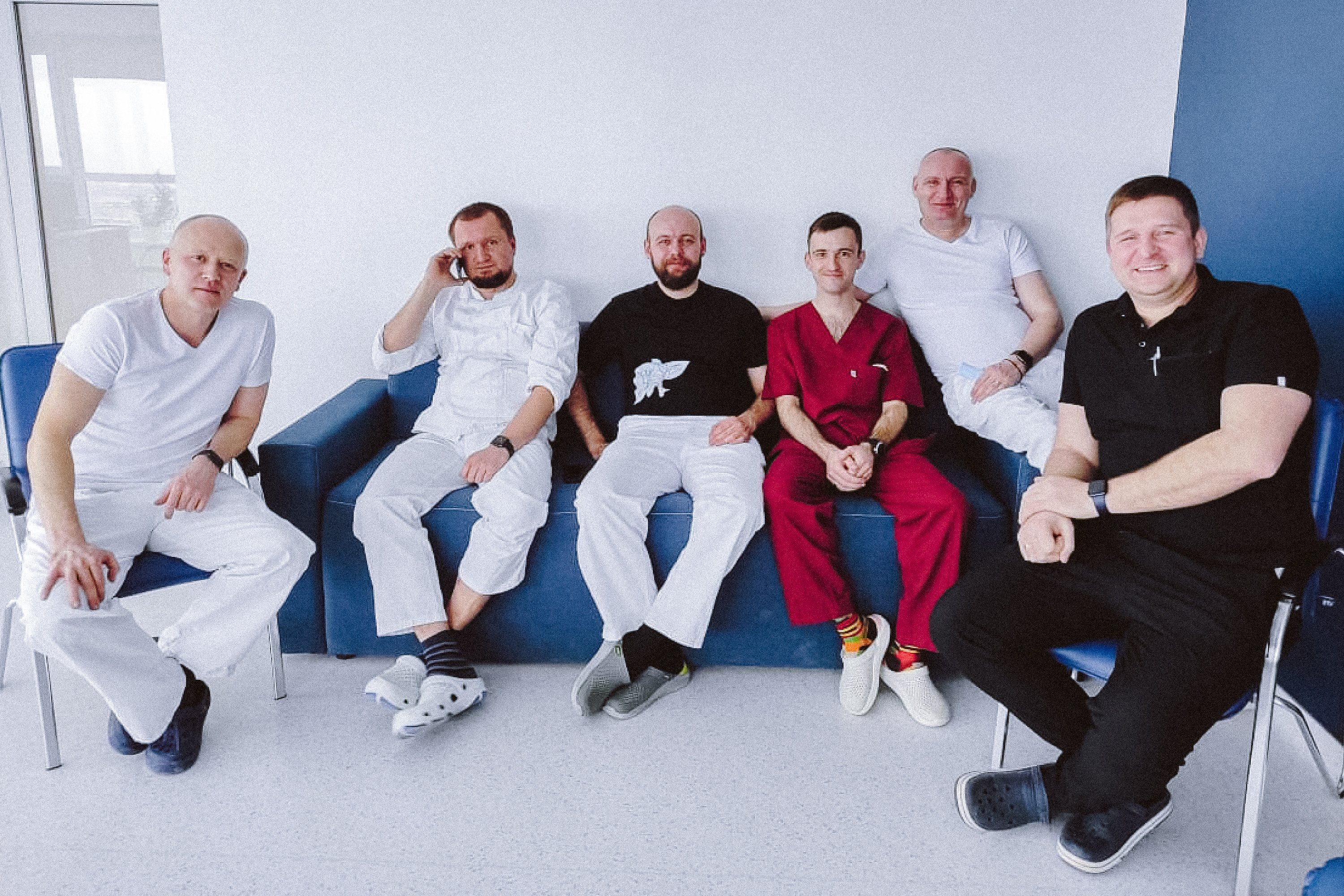
Photo: Photos provided by Oskar Ambrush / YBBP 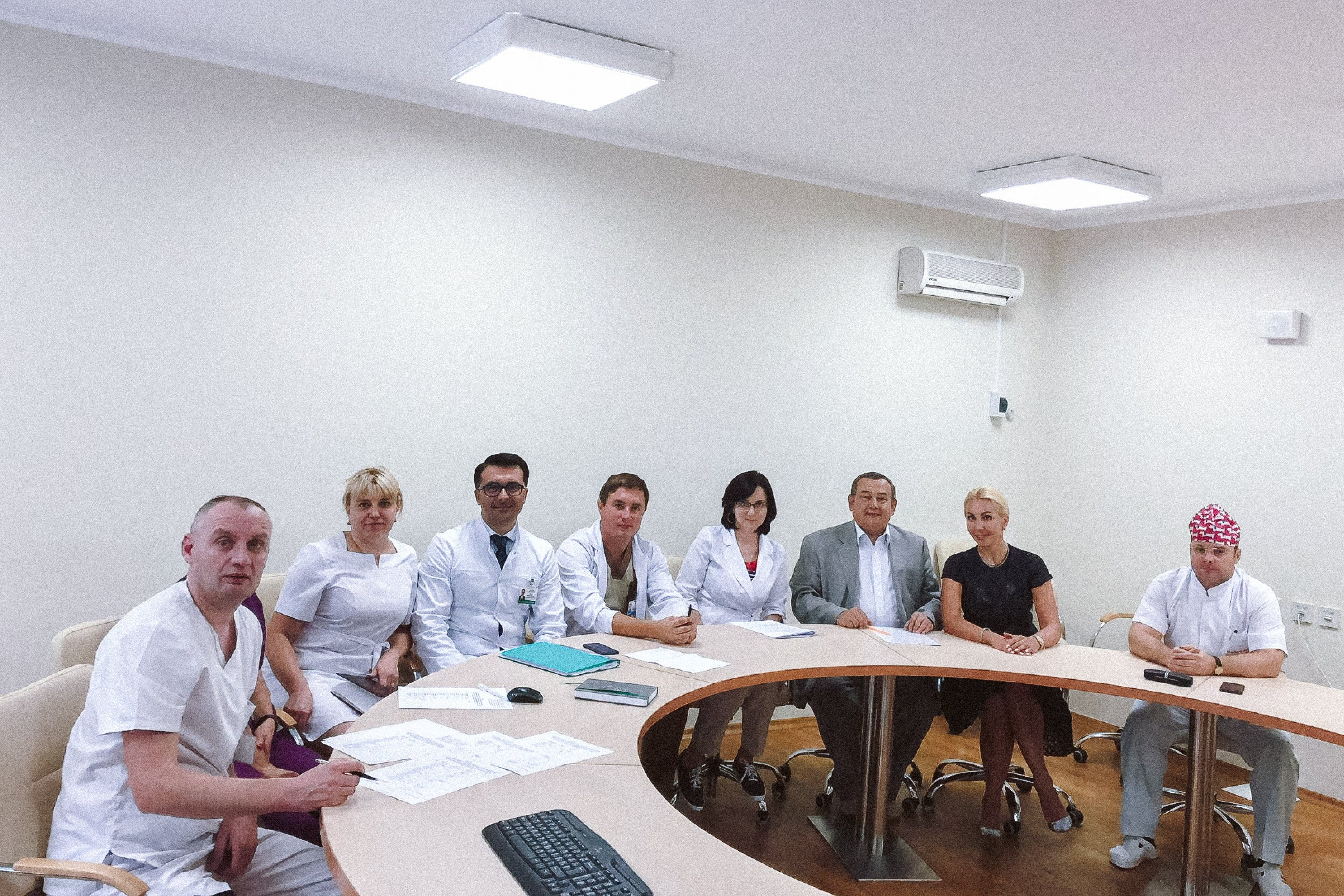
Photo: Photos provided by Oskar Ambrush / YBBP 
Photo: Photos provided by Oskar Ambrush / YBBP
Working in an International Team
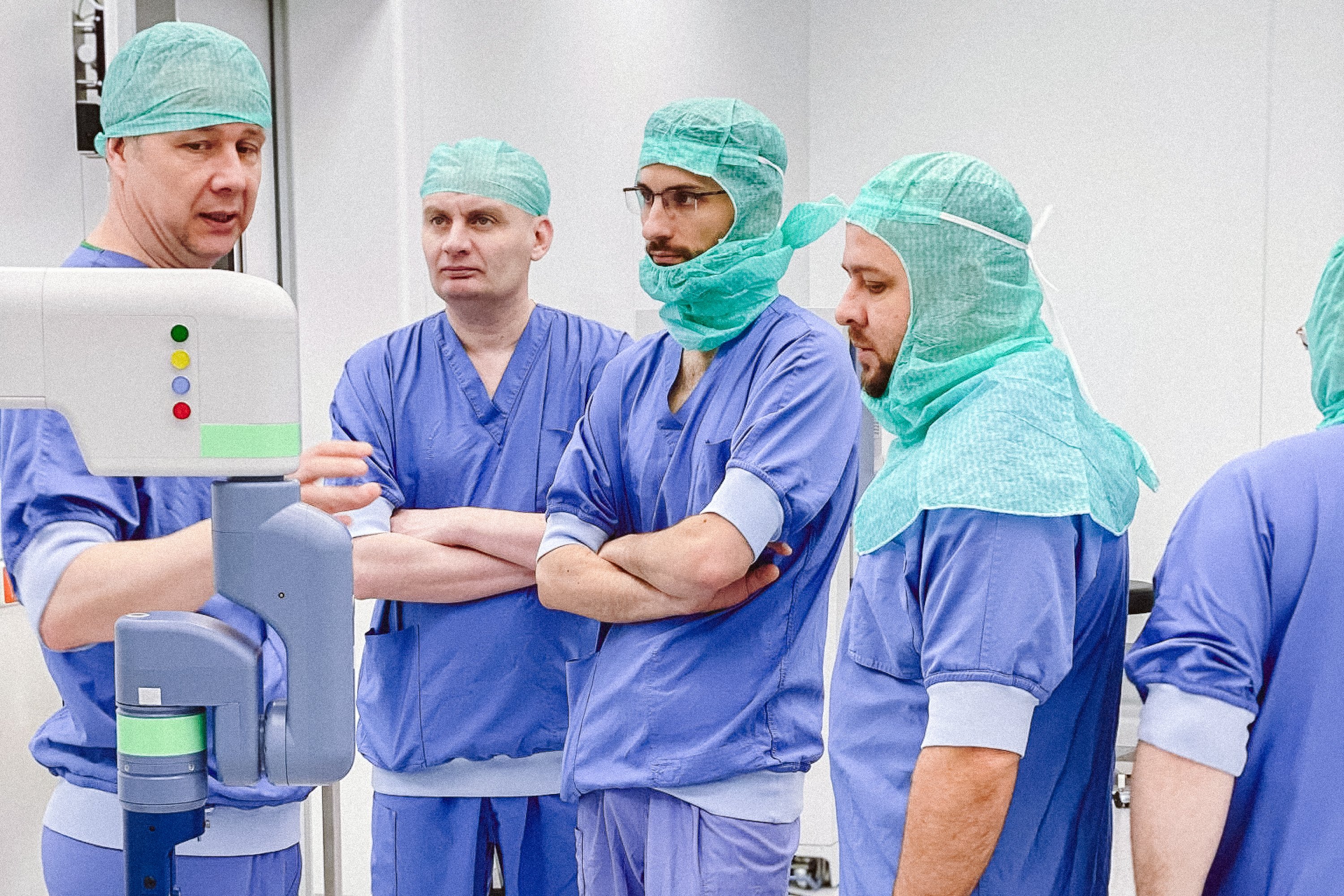
This is my team, and I don’t really see it as “international.” We just talk less about personal matters than we did back home in Ukraine. My department head is Turkish; he moved here as a child. The team also includes colleagues from Lebanon, France, Romania, Tunisia, and an intern from Algeria. It’s not challenging—on the contrary, it’s interesting. Everyone shares their experience, which broadens perspectives.
Challenges for Young Doctors
Young Ukrainian doctors who think they can finish university and then go to France for an internship to automatically receive a specialty are mistaken. It doesn’t work that way because internships in France are considered a continuation of prior training. In Ukraine, completing a bachelor’s degree already makes you a doctor, but in France, you only gain that status after finishing the internship.
Many are unaware of this and end up in a “blind spot.” It’s a shock for our students when their education is considered incomplete and they are not accepted anywhere—neither to work nor to continue studying. Courses, credits, and approaches simply don’t align.
So it makes sense either to enroll in a French university—even starting in the third year—finish the studies, and then seek work, or to complete an internship in Ukraine and come to France with a specialist certificate.


