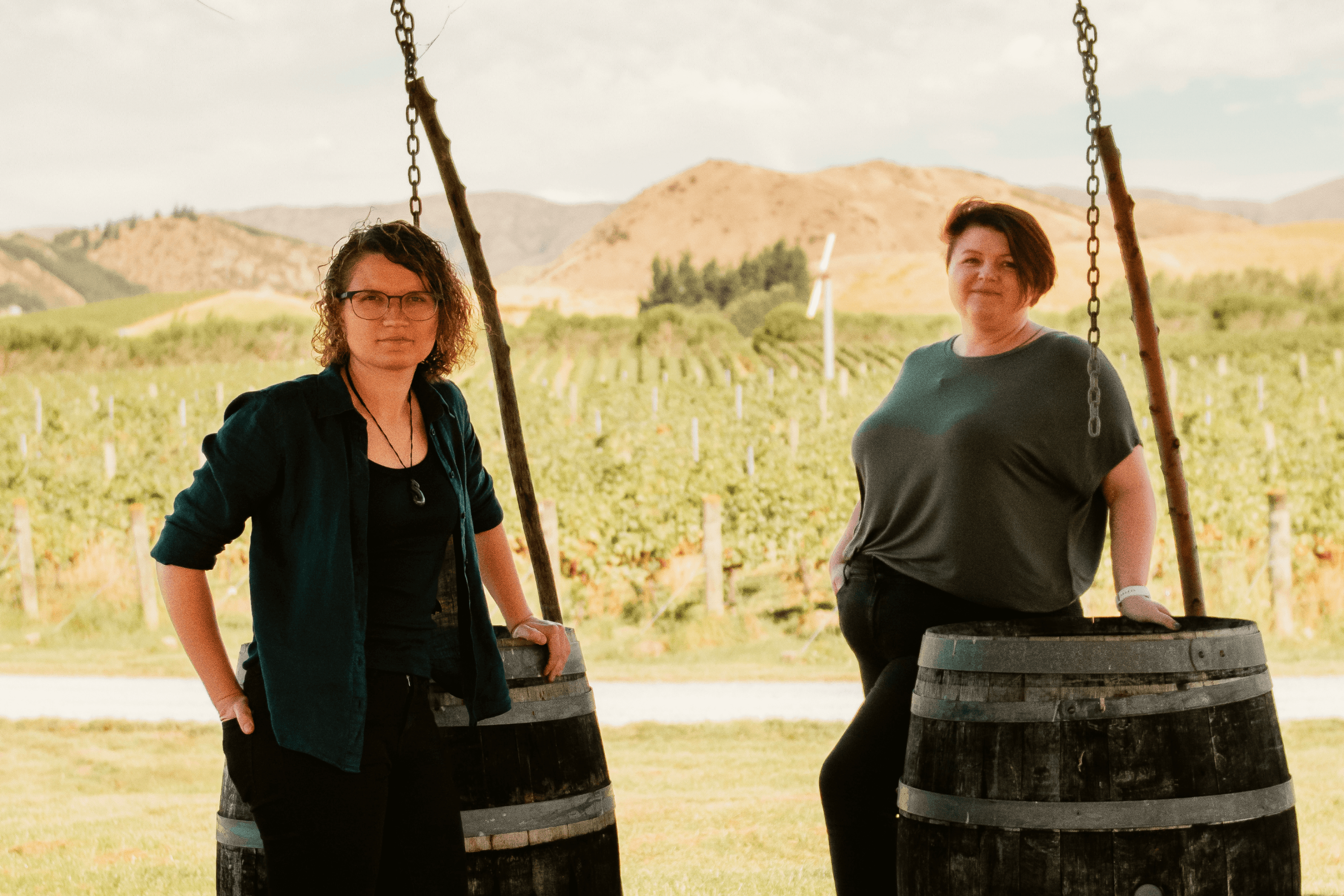
Alina Tenetka and Maria Skorchenko are oenologists with more than ten years of experience who have worked at wineries in both the Northern and Southern Hemispheres and produced millions of liters of wine. Since 2020, they have been living in New Zealand, working at two of the country’s largest wineries, and developing their own craft wine brand, Brave Roots. Their philosophy is to have the courage to make wine from non-trendy grape varieties, promote it, and enjoy it.
Yellow Blue journalist Sofia Korotunenko spoke with Alina and Maria about the development of Brave Roots, the specifics of winemaking in Ukraine and abroad, and the changes taking place in the wine industry.
1
You both have extensive experience in winemaking and hold the highest WSET qualifications. How did you start out in the profession, and where did you meet each other?
Alina: We met at the National University of Food Technologies in Kyiv. We both studied winemaking. I am slightly older and completed my master’s degree in 2010, while Masha graduated in 2012. We both enrolled in postgraduate programmes and worked on similar research projects under the same supervisor. At the same time, we worked at Beykush.Winery, and from 2015 we traveled to wine regions abroad for work.
Masha: Winemaking is a seasonal profession. In the Northern Hemisphere, grapes ripen between August and October, and that is when many wineries hire additional seasonal specialists to harvest grapes or oversee the process. After that, the wine matures in barrels, and winemakers are mostly free.
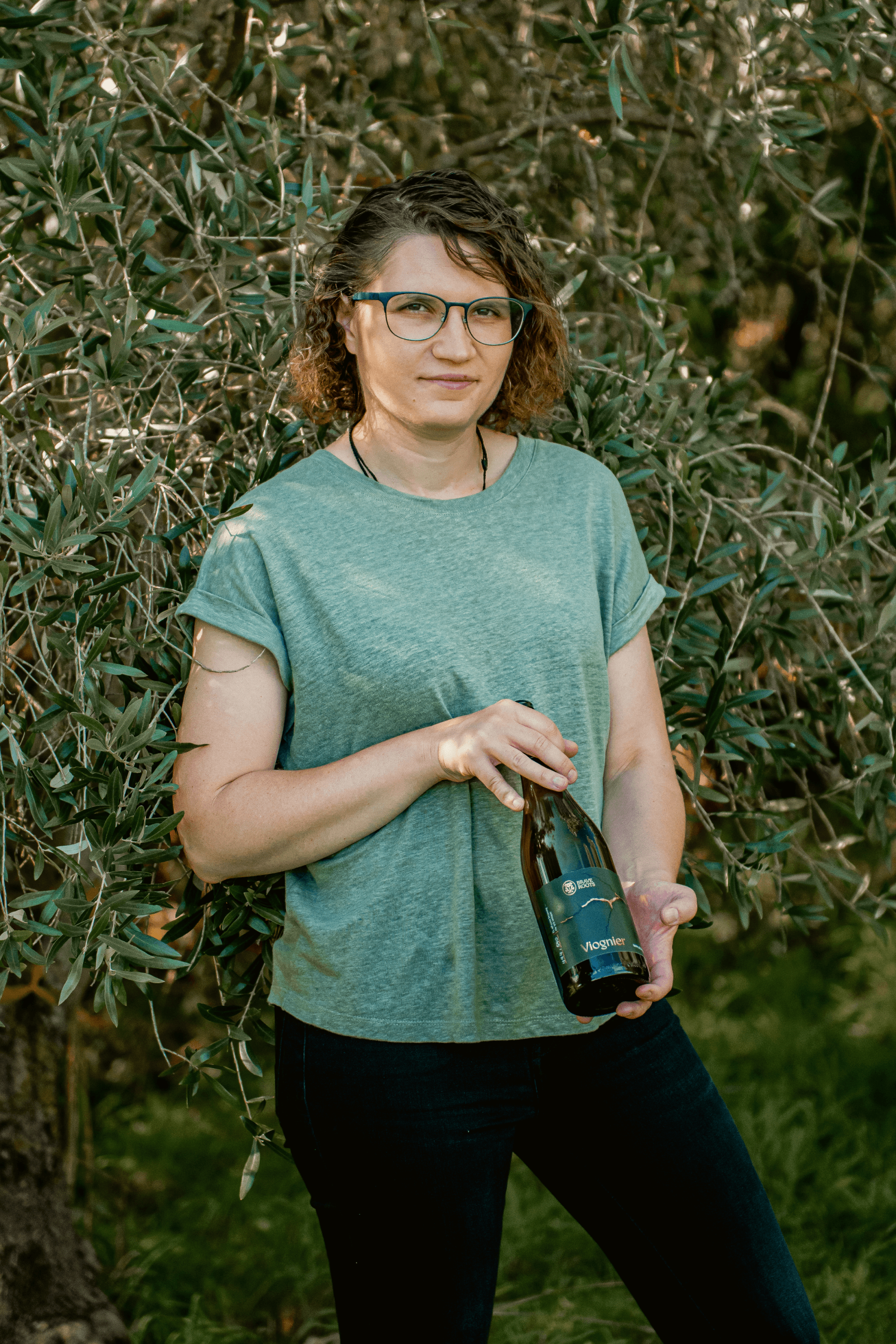
In the Southern Hemisphere, grapes ripen between February and April. That is why many winemakers work two seasons a year in different parts of the world. There is an entire subculture around this called Travelling Winemakers. We lived that way from 2015 to 2020, and now we still travel to other countries whenever we feel nostalgic for that lifestyle or want to gain new experience. For example, in 2024 we worked in Napa, California.
On Facebook, you run the winemaking blog Just Ferment It, where you write that “between the two of us, we have completed 44 winery harvest seasons in Ukraine, New Zealand, the US, Germany, France, and Uzbekistan.” Tell us more about that experience.
Alina: It is exhausting but interesting. You can see different countries, continents, and cultures. Living in Europe, Asia, America, and Oceania is great for both personal and professional development. At the wineries, we did not harvest grapes but handled more specialized tasks such as yeast inoculation or pump-overs. Over time, we began working as assistant winemakers, laboratory oenologists, and eventually independent winemakers.
What did you take away from that experience?
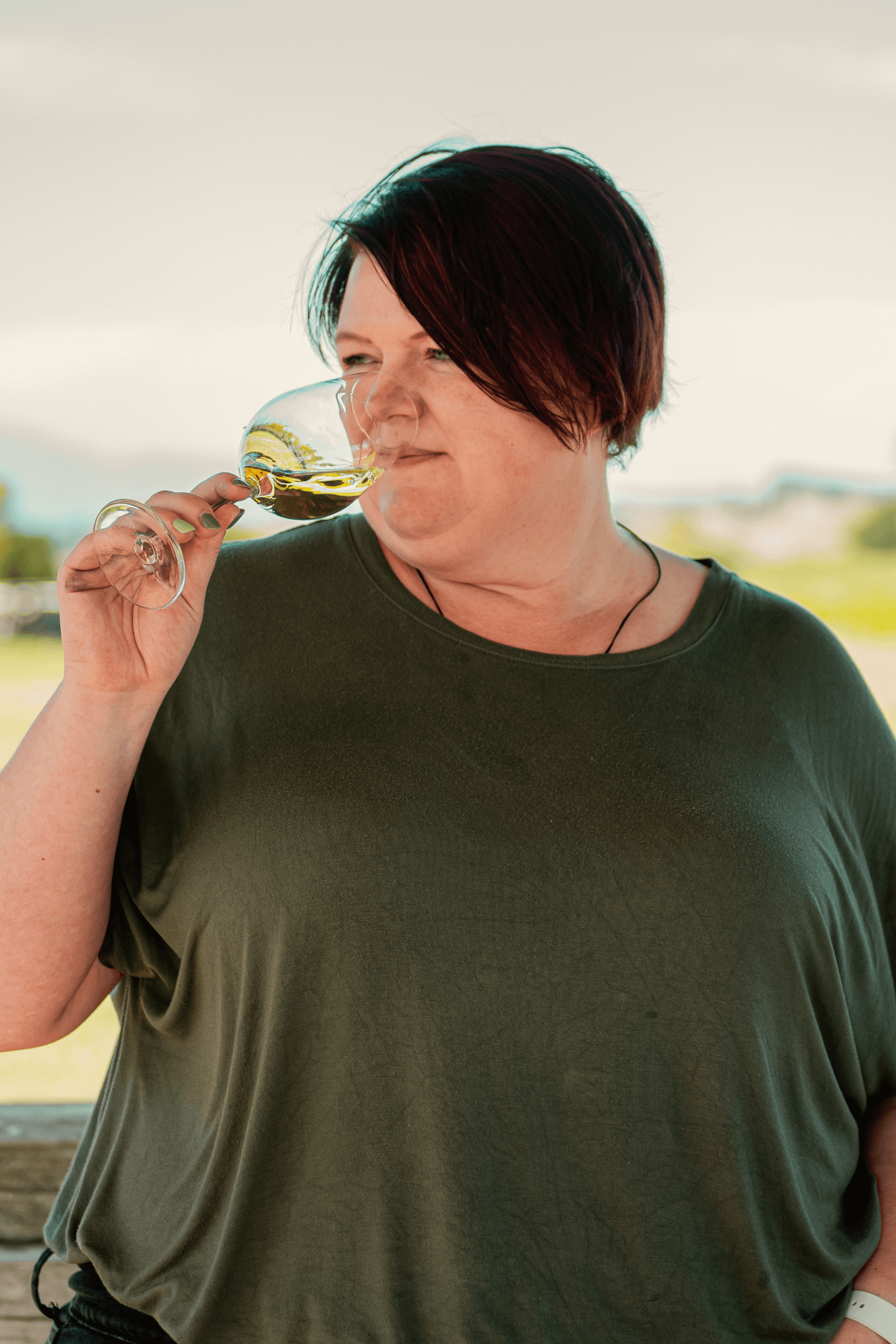
Masha: I realized that there are two philosophies. One is to dominate the winemaking landscape, as large industrial producers do. The other is to fit into it. In France, for example, I worked at a craft winery in a small village. We harvested perfect grapes, added no additives to the wine, and worked slowly, with breaks of several hours for breakfast and lunch.
I am drawn to that approach, where a person complements nature as an equal participant rather than managing it like a supervisor. That became the foundation of our Brave Roots brand.
Alina: For me, the most valuable thing was seeing the results different winemaking techniques produce, and how small changes make wine high-quality. Tastings in different regions and conversations with local specialists were also very useful.
For all that, many winemakers do not drink much wine. They simply know how to make it from a chemical perspective. We, on the other hand, taste a great deal of wine. It is our hobby and our passion.
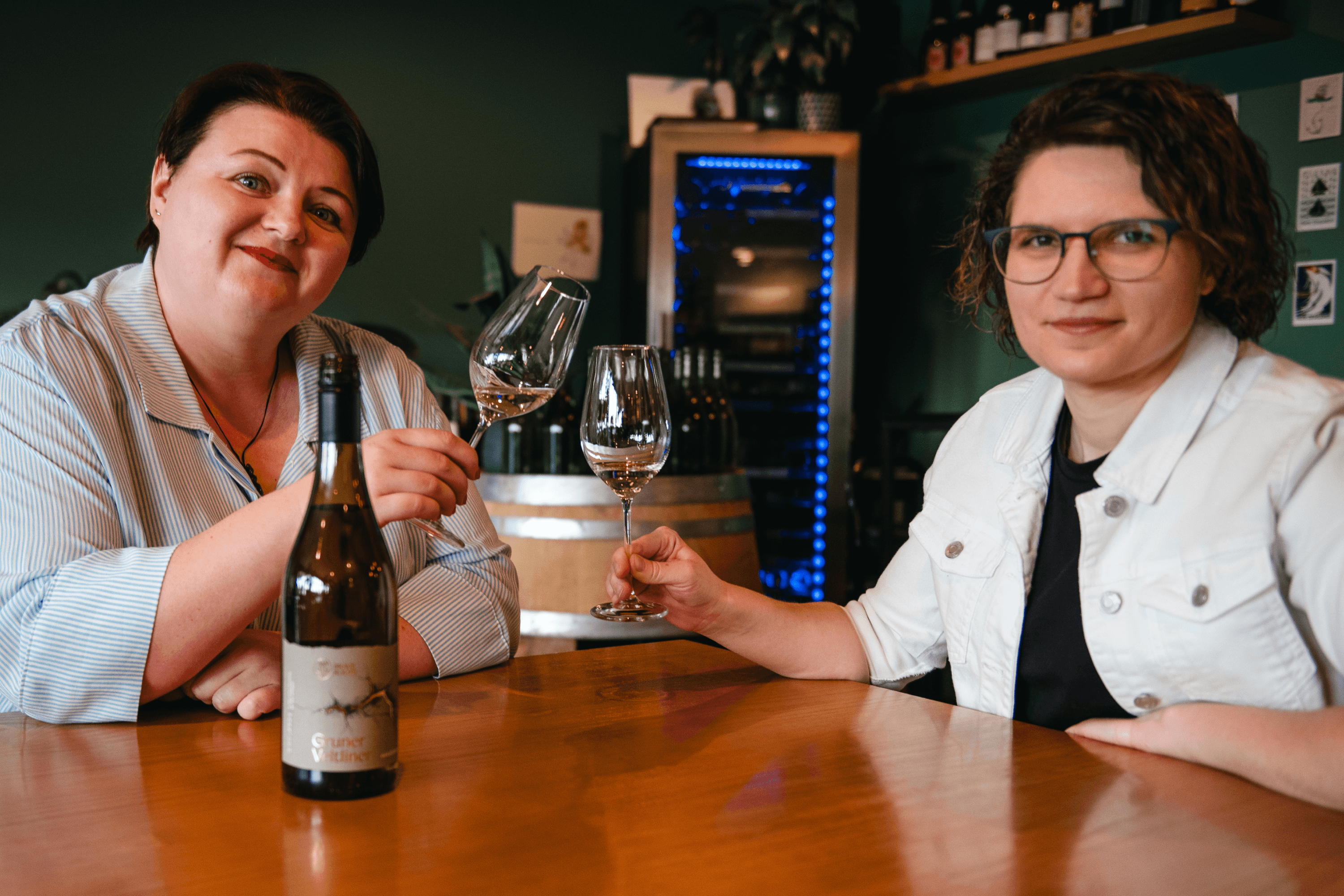
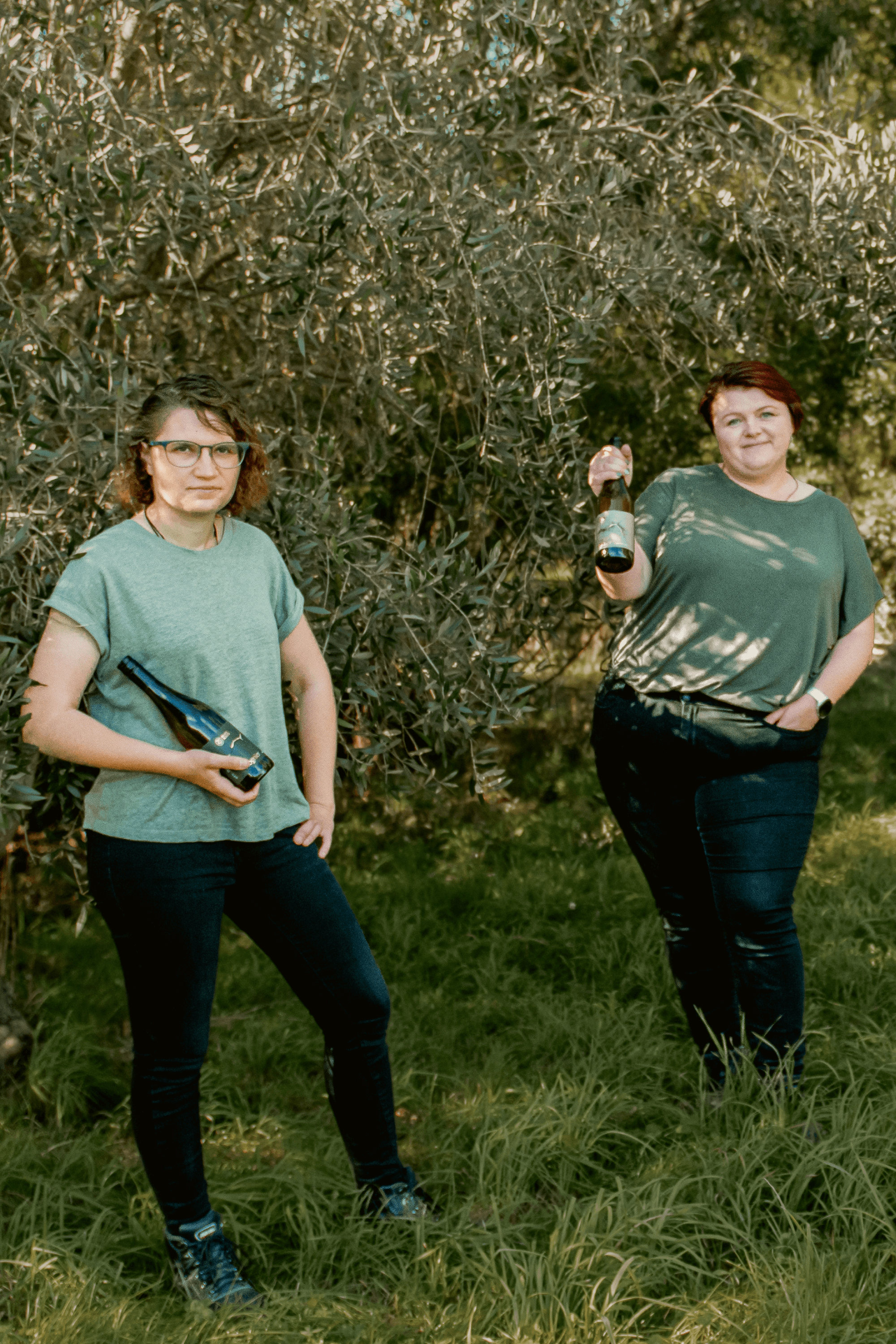
Аліна Тенетка і Марія Скорченко дегустують вино Brave Roots. Photo: Photos provided by Brave Roots / YB 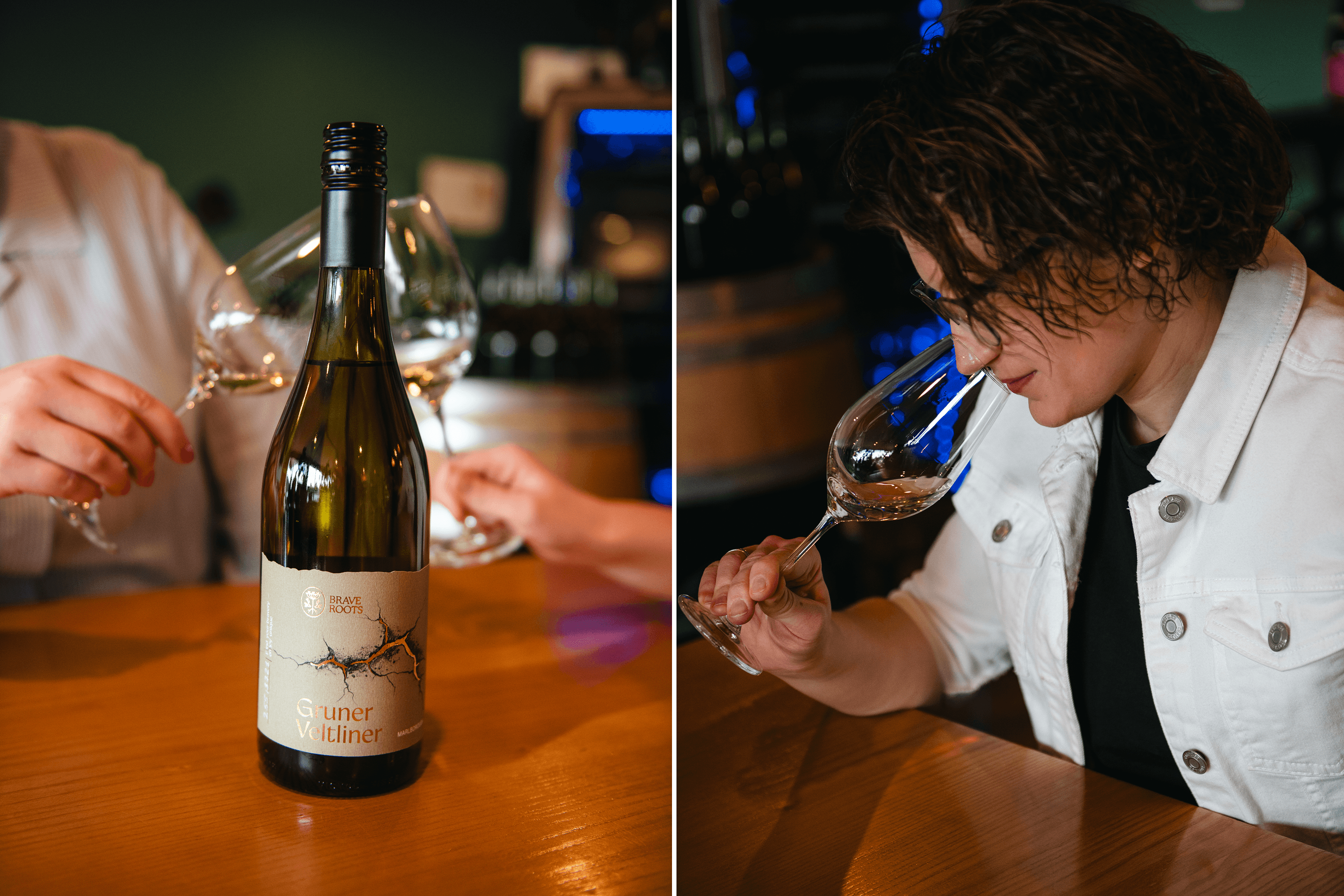
Photo: Photos provided by Brave Roots / YB 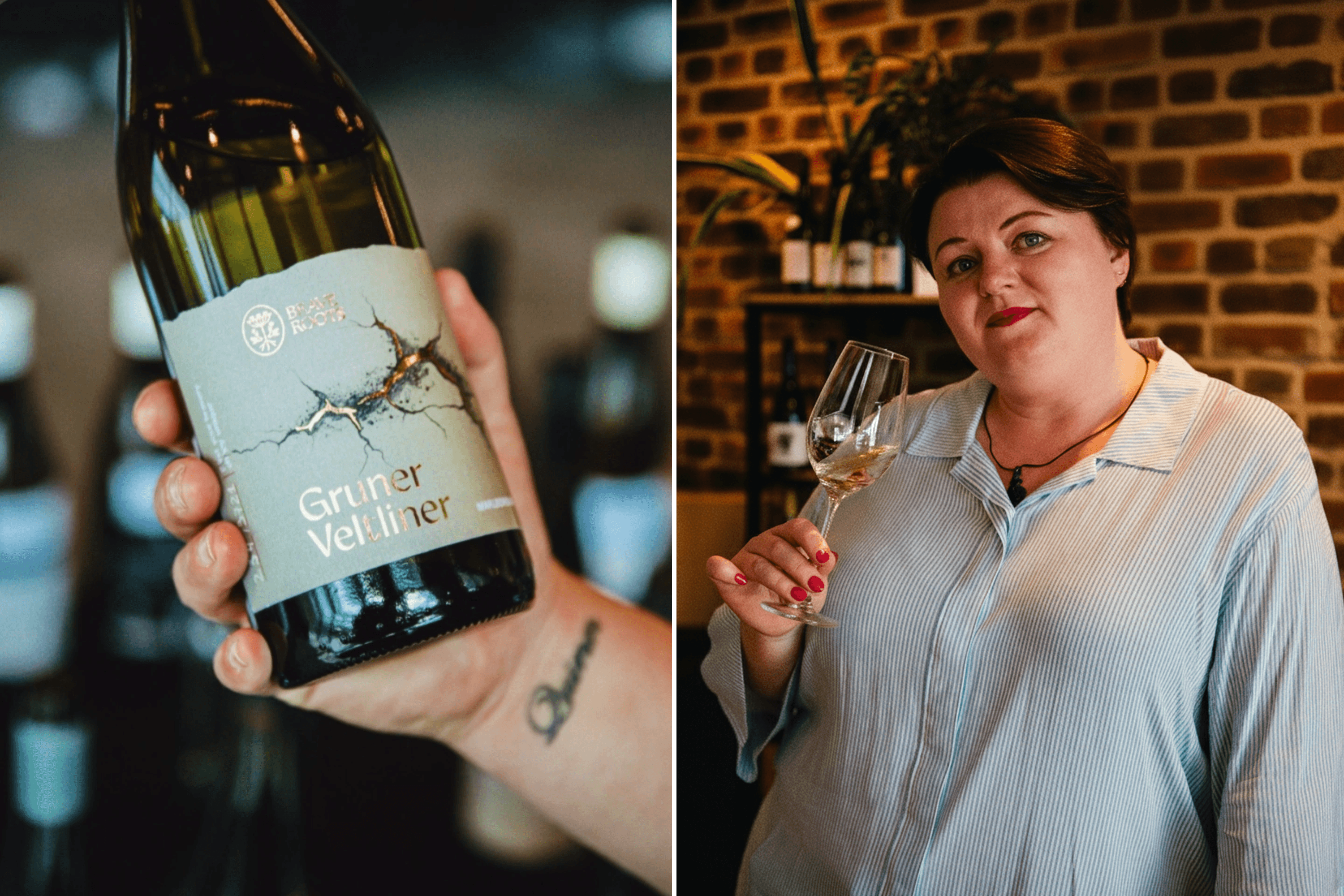
Photo: Photos provided by Brave Roots / YB
In 2020, you settled in New Zealand. Why did you choose that country?
Alina: New Zealand was the first country we went to for seasonal work. We loved it so much that we returned every year. In February 2020, we came again for the season and planned to continue on to the United States for work. But then the COVID pandemic began, and New Zealand closed its borders. I was immediately offered a permanent contract at a large industrial winery. While we rode out the pandemic, we put down roots and realized we wanted to make our own wine here.
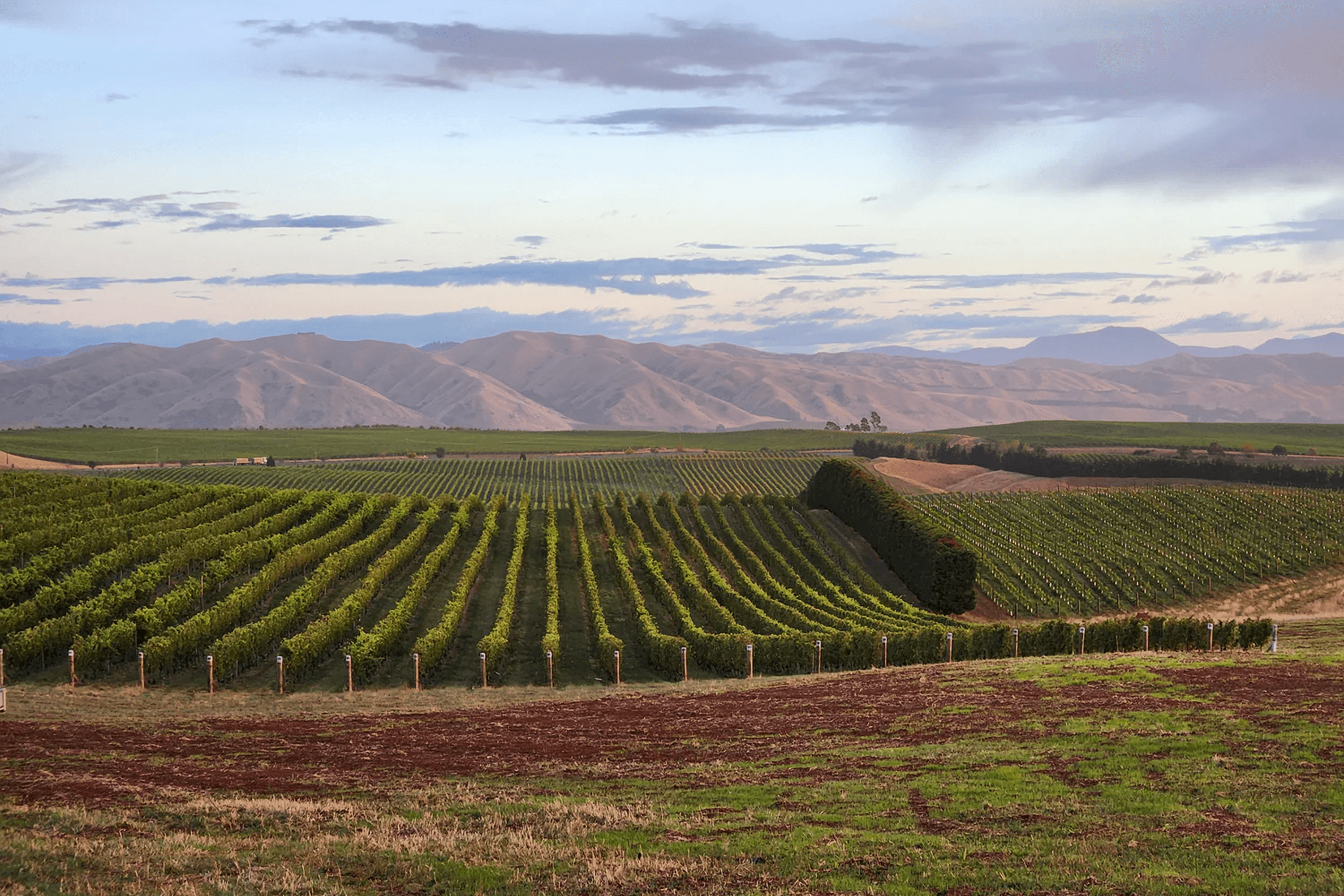
Masha: It is simply a pleasant place to live. New Zealand is a country with a clean environment, incredible nature, and a wonderful climate where literally everything grows. We live and work in Marlborough. As a wine region, it is only about 50 years old. By European standards that is very young, but it has already taken off thanks to its exceptional climate. Regions like that are rare, and I wanted to be part of that wave of development.
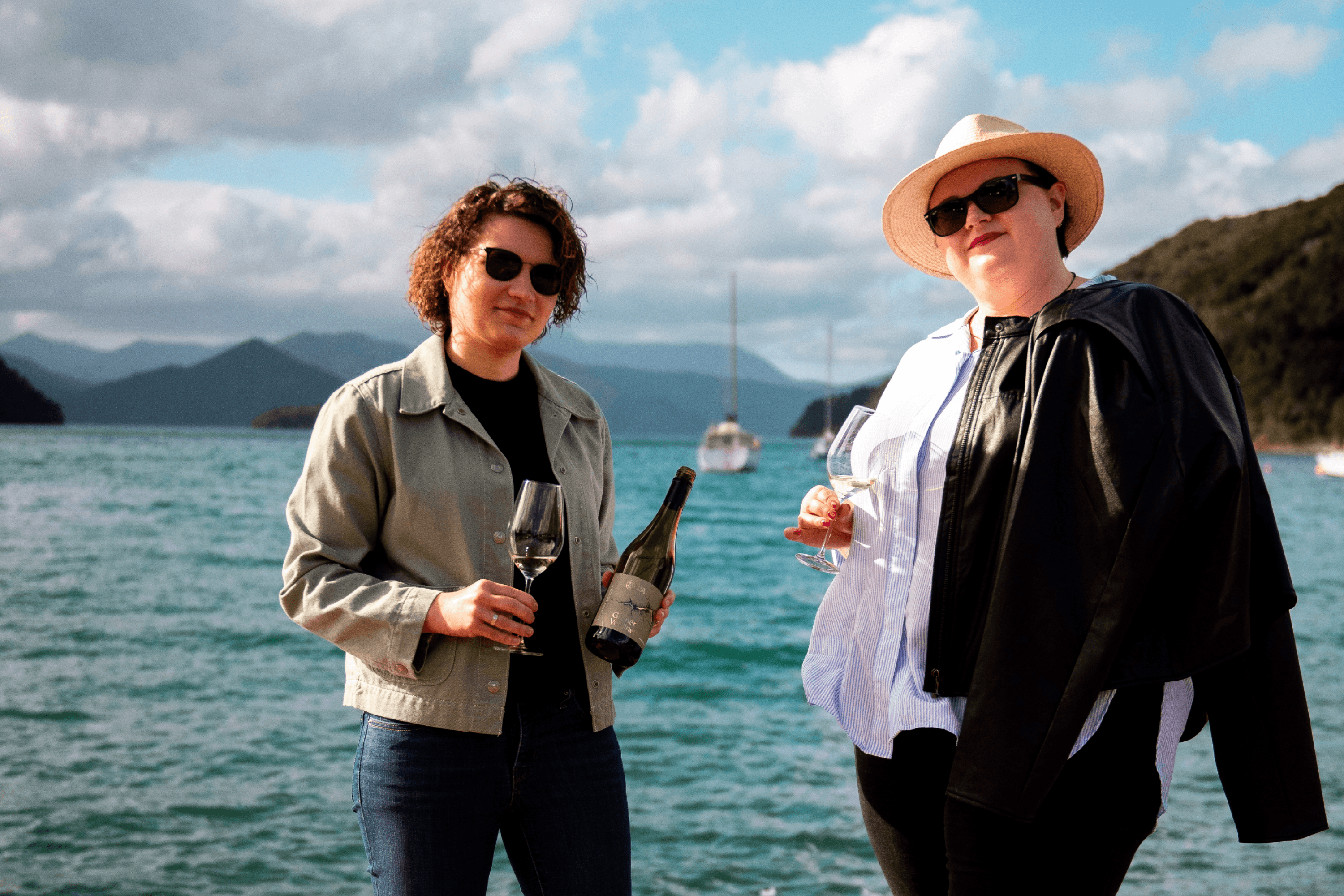
Photo: Photos provided by Brave Roots / YB 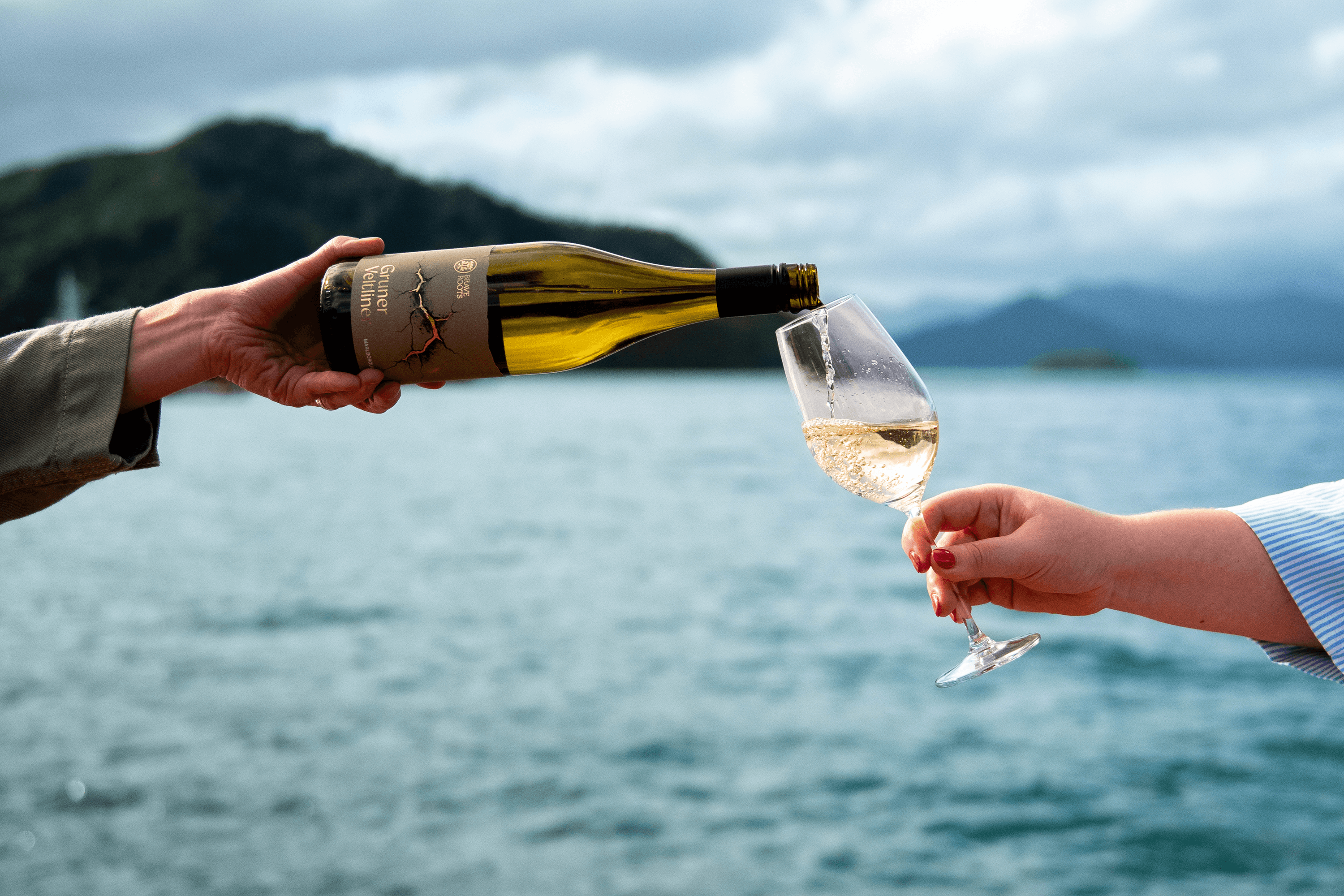
Photo: Photos provided by Brave Roots / YB 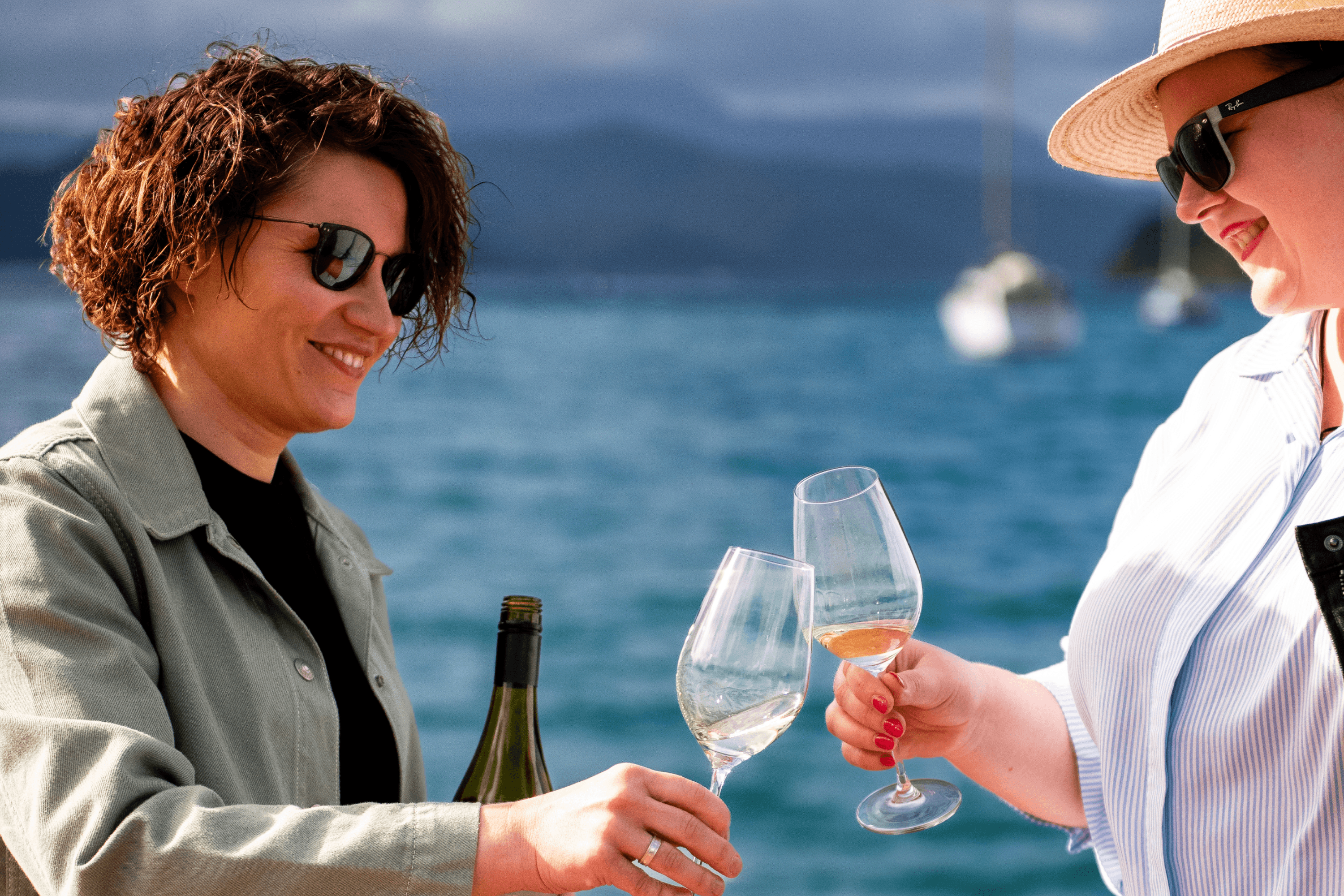
Photo: Photos provided by Brave Roots / YB
In 2024, you founded the craft wine brand Brave Roots. Its philosophy is to have the courage to make, promote, and drink wine from non-trendy grape varieties. How did this idea come about?
Masha: Worldwide, the Marlborough region is known as the home of Sauvignon Blanc. We wanted to show that this place has much greater potential and that winemakers should take risks to reveal it.
The first thing distributors ask us is whether we have Sauvignon in our portfolio. They are very surprised when we answer no. We deliberately do not make Sauvignon. We are more interested in experimenting with other grape varieties.
Alina: Sauvignon is like a train that has accelerated and keeps gaining speed, even though global demand has already plateaued. Still, there are wineries in New Zealand that produce more than just Sauvignon. Usually their portfolio is 80% Sauvignon, while the rest consists of other varieties for diversity.
Here in Marlborough, we also met brave grape growers. For example, there was one man who planted a very long row of Albariño and every year offered it for free to anyone willing to make wine from it.
In 2025, we took his entire harvest, and he was very happy about it. Sadly, he did not live to taste our Albariño, but his wife continues the work and grows this variety specifically for us. People like that give you energy.
Photo: Photos provided by Brave Roots / YB 
Photo: Photos provided by Brave Roots / YB 
Photo: Photos provided by Brave Roots / YB
What kind of budget is needed to launch a project like Brave Roots? Are there government grants in the winemaking industry?
Masha: In New Zealand, the only support available is a bank loan, and it is easy for small businesses to get one. But we do not like borrowing money, so we invested our own savings.
We invested gradually and never calculated the total amount. At this point, Brave Roots is not making a profit. In 2026, we broke even operationally for the first time, and that is a great joy. Everything we earn through Brave Roots is reinvested into it. If this year we do not have to put in any of our own money, that will be wonderful.
Alina: At the start, we spent around $21,000: we bought grapes and barrels, rented winery facilities, and ordered a design for three labels, a mockup, and the website visuals from the Ukrainian company R Agency. Almost half the budget went into the brand identity. We also printed the labels, banners, and business cards in Ukraine. The quality there is much better, and it is important for us to work with Ukrainian companies.
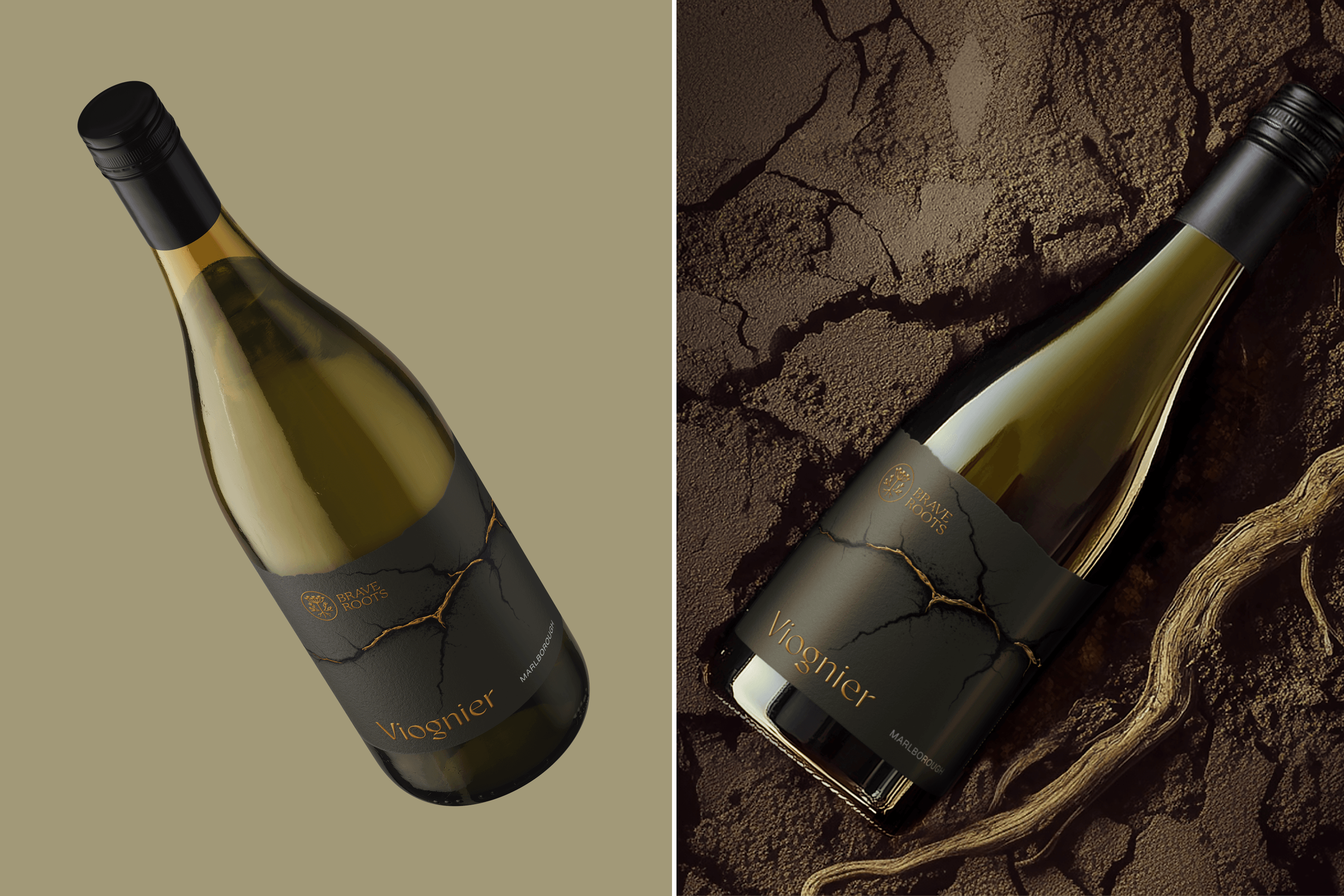
Photo: Photos provided by Brave Roots / YB 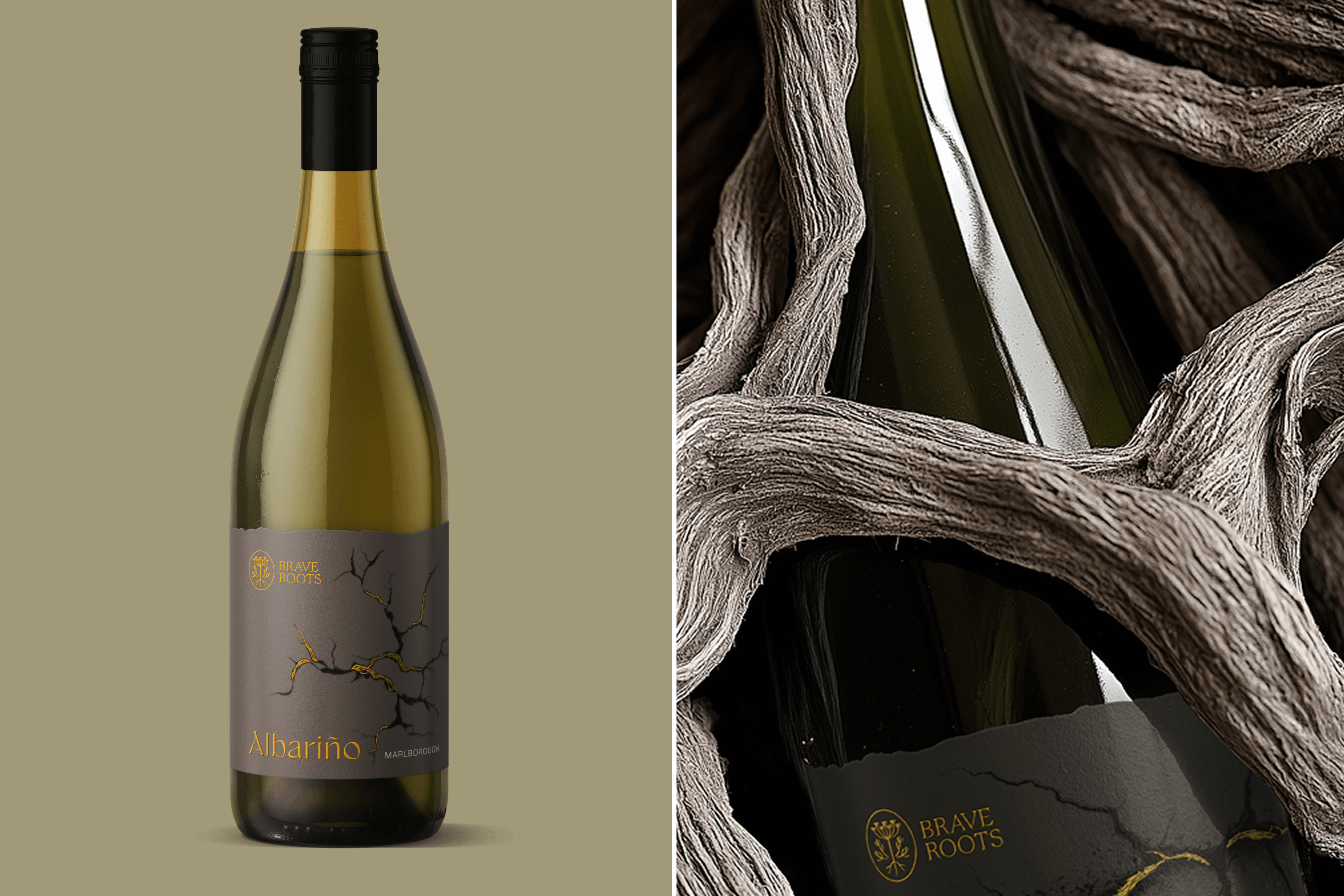
Photo: Photos provided by Brave Roots / YB 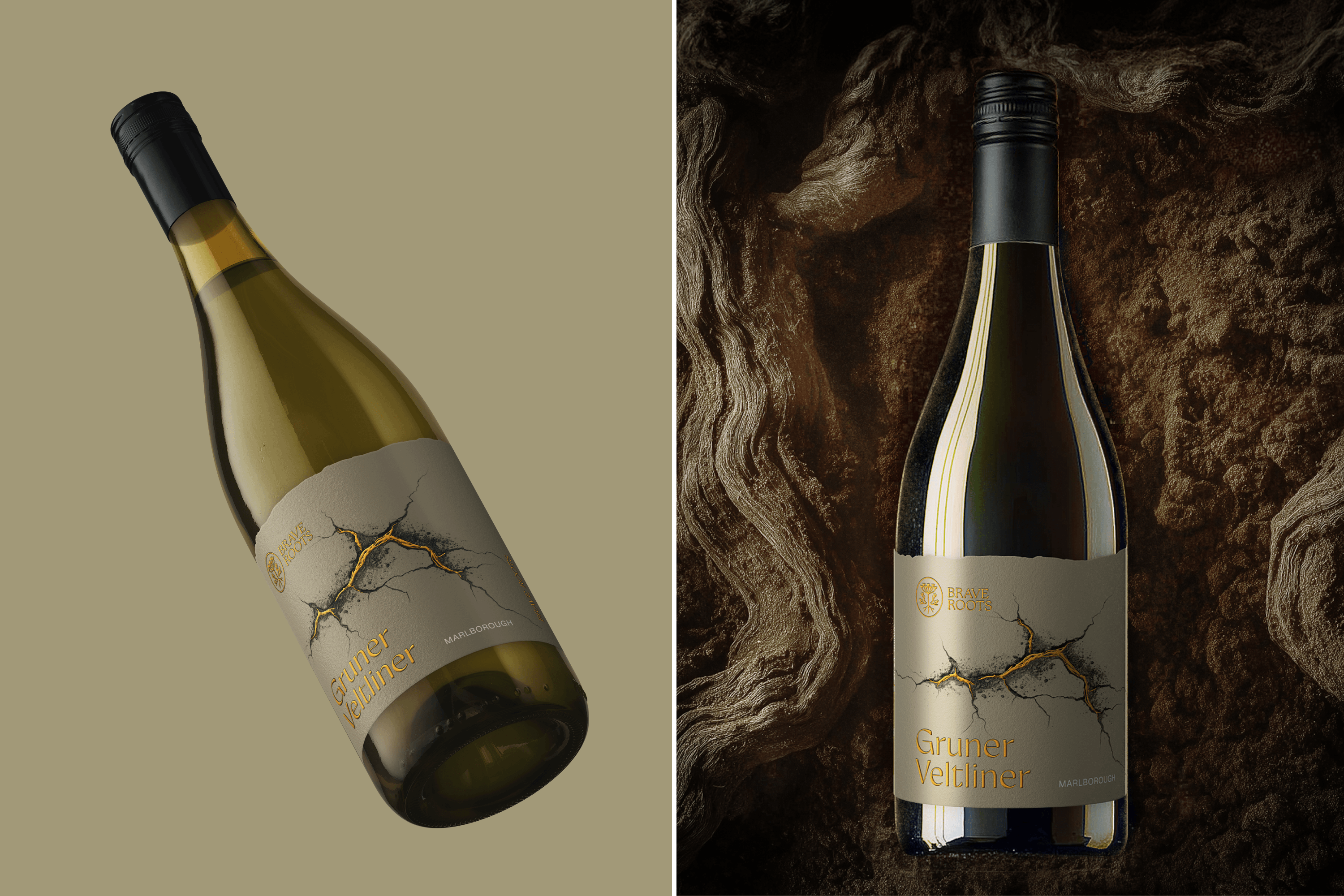
Photo: Photos provided by Brave Roots / YB
How do you divide responsibilities at Brave Roots?
Masha: At first, we tried to split everything fifty-fifty. For example, Alina handled sales while I dealt with logistics. But it does not really work that way. Our volumes are small, but our ambitions are large. We do not want to just sell wine in the small town where we live. We plan to enter international markets, send wine to international competitions, and gather feedback from a large number of people. Since we want everything at once, it is impossible to divide responsibilities clearly. Whoever is free from their main job handles things.
Alina: We have already had joint projects and know each other’s strengths and weaknesses well. The only area where we truly work fifty-fifty is winemaking itself. But even there, it is more about the amount of tasks than about who specifically does what. We work on our brand in the evenings after our full-time jobs or on weekends.
You make wine from four white grape varieties: Viognier, Grüner, Albariño, and Chenin Blanc. Can you briefly describe these varieties and explain why you chose them?
Masha: Viognier is one of my favorite varieties. I worked with it in France, and when I found it in New Zealand, I was thrilled.
Grüner is an Austrian variety. Alina worked with it in Germany. It is elegant, with bright acidity and a mineral note. It used to be widely grown in Marlborough because it is productive and grows in conditions similar to Sauvignon. Usually, Grüner was simply blended into Sauvignon because, for a varietal Grüner wine to taste good, the grapes need to be grown properly. For example, it is important not to overload the vines with fruit. We found Grüner at a winery that has its own vineyard. They followed all the proper standards, and we purchased it.
We had already worked with Albariño at Beykush.Winery in Ukraine. It is also an excellent variety. People say it could become the next Sauvignon. In our range, Albariño is the most popular wine. Our latest variety is Chenin Blanc, which is still fermenting. Alina especially wanted it because it is her favorite variety.
Alina: I really wanted Chenin in the collection because I love tasting this wine. It is also an extremely flexible variety from which you can make any kind of wine: sweet, dry, aged, or sparkling. For the last six months, at every event I have been saying that we plan to add Chenin to the collection, and I have received a lot of positive feedback.
You make wine without owning a winery. This is a global practice called custom crush or client winemaking. How does it work?
Masha: There are production facilities that have equipment, barrels, and tanks but no label or brand of their own. Grape growers or winemakers like us make agreements with them. You can simply hand over the grapes and collect finished wine made by a professionally trained winemaker. Or you can do it the way we do: pay to rent the equipment and oversee the production process yourself.
Alina: It is a very convenient setup because we have a sales license and a brand, but not a production license, as those are extremely expensive. The winery we cooperate with has one. We are involved in all stages of production. We oversee grape processing, visit during fermentation, taste the wine, and give instructions to employees.
Then we transport the filtered wine to another winery, where it is bottled because that requires a separate license. We store the bottles in a special warehouse that also holds a license.
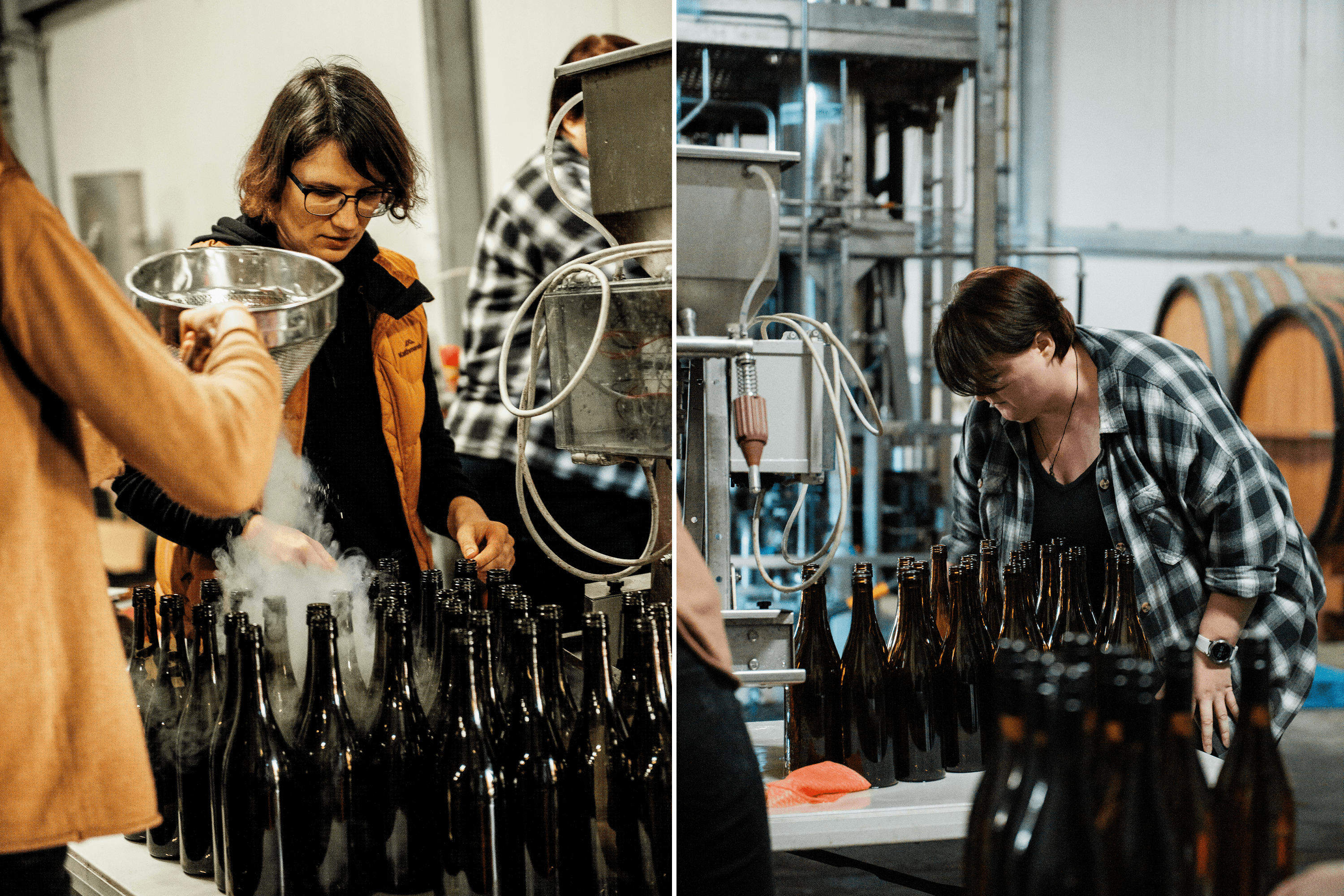
Photo: Photos provided by Brave Roots / YB 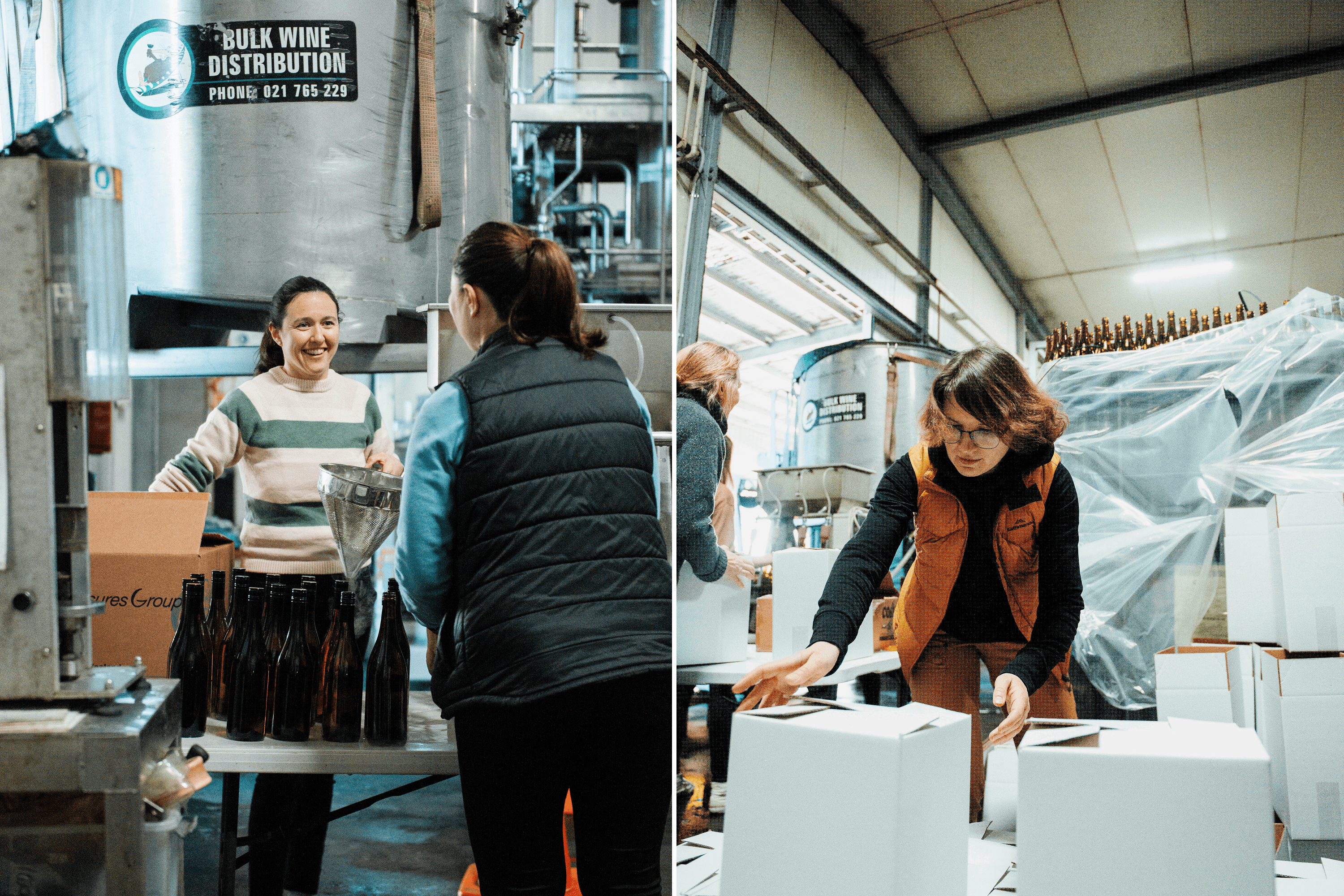
Photo: Photos provided by Brave Roots / YB 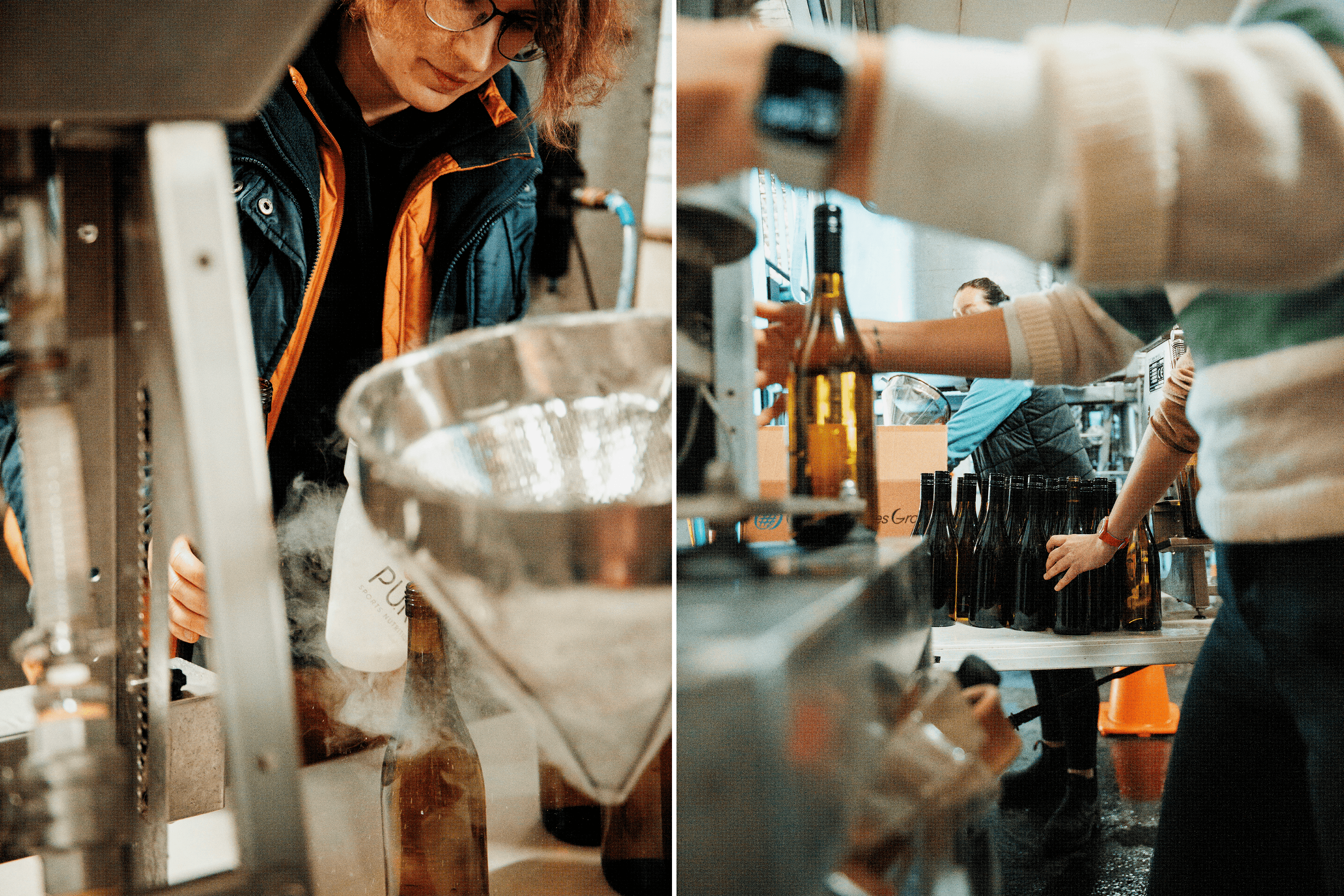
Photo: Photos provided by Brave Roots / YB 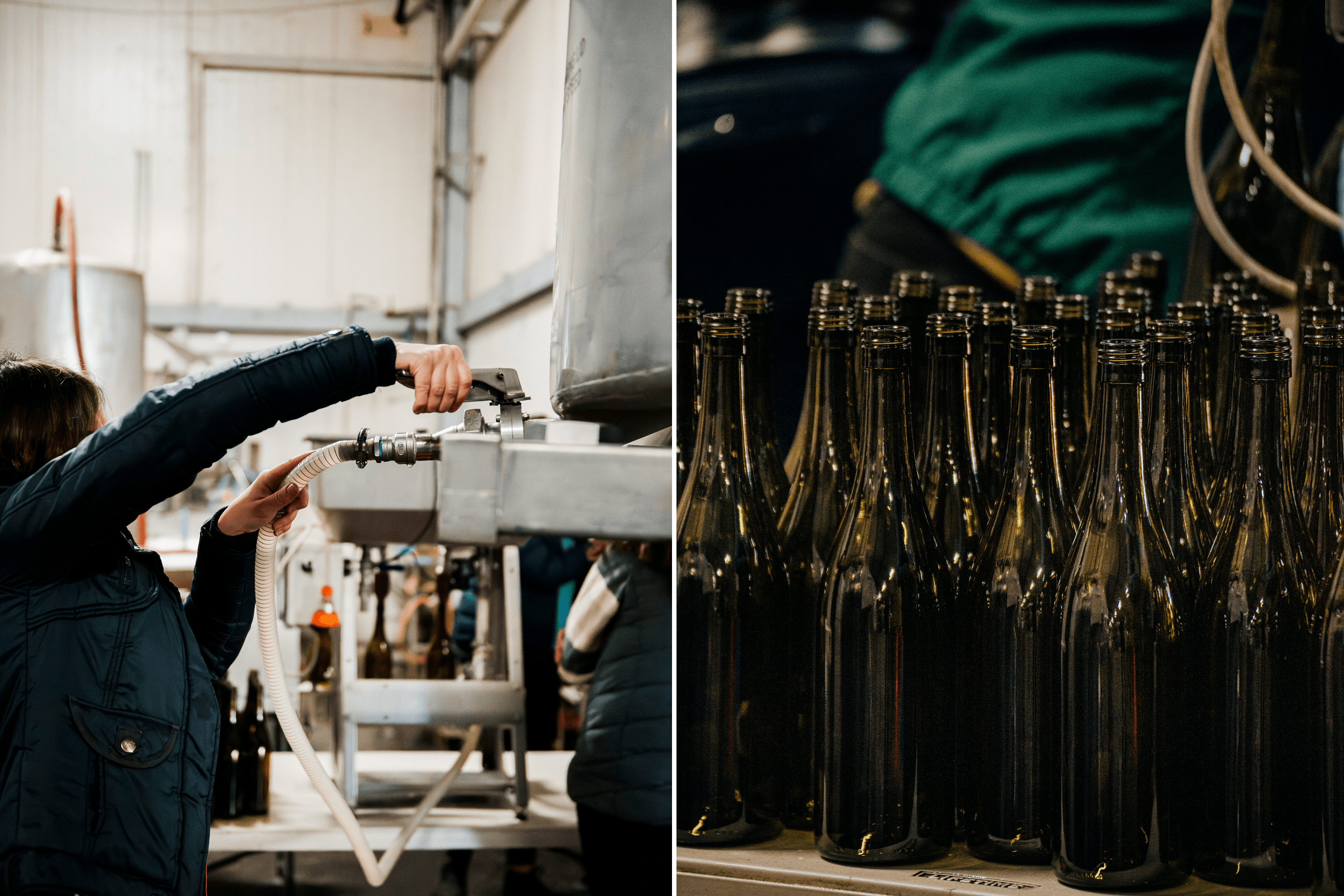
Photo: Photos provided by Brave Roots / YB 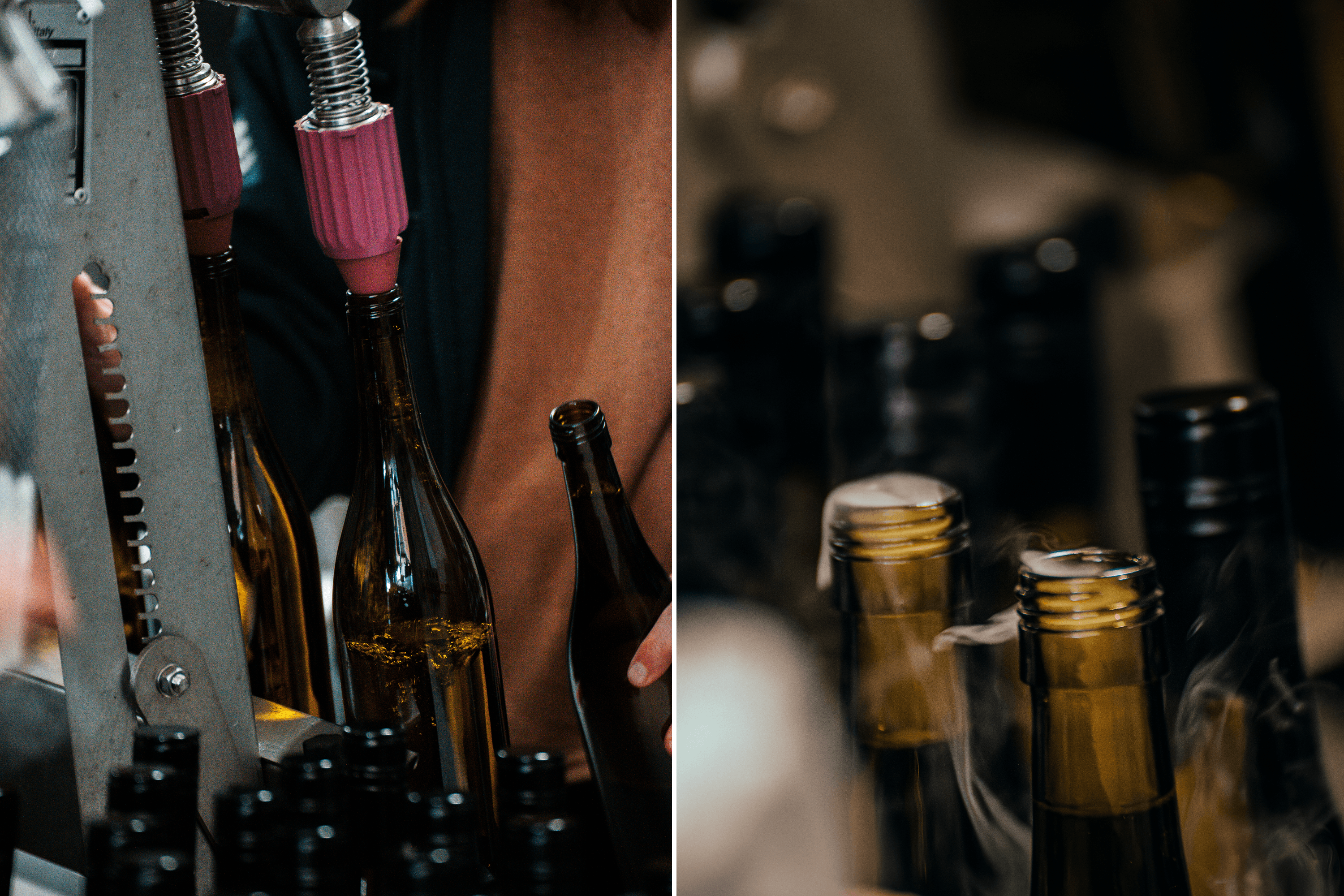
Photo: Photos provided by Brave Roots / YB
How many bottles do you produce per season?
Masha: Every year, more and more. In the first year, we produced around 4,200 bottles of Grüner and Viognier. This year, we expect to produce 6,000 to 7,000 bottles.
How difficult is it for a new brand without Sauvignon in its portfolio to enter the New Zealand market?
Alina: The local market is oversaturated and conservative. Nobody is chasing new brands. Recently, one of our clients, a restaurant owner, was telling us about his regular visitors. They are people aged 60 and older who order Pegasus Bay wine every week. It is a local family winery with a long history. Getting people like that to try something new is difficult.
Sales are not our strong suit, so it was hard for us to start selling. We found contacts for bars and wrote to them, but almost nobody replied. Or they replied saying our wine was too expensive. Our prices really are above average. The cheapest bottle is Grüner at $35. In New Zealand, you can buy wine for $10.
The first place to add Brave Roots to its wine list was our friend Fidelio’s wine bar. That happened in 2024. The same year, Entropia, an international wine festival, helped us a great deal. More than 12,000 people attended over three days. We received a lot of feedback and met sommeliers who later added us to their wine lists.
Right now, our wine is sold only in three specialized wine stores and through HoReCa. If we did not have our main jobs, we would travel much more to events and venues to promote our brand.
In 2024, Cuisine magazine rated your wine 5 out of 5, while Decanter, often called the Michelin Guide of the wine world, gave it 90 out of 100. Did that help popularize your product?
Alina: Decanter holds a prestigious international competition where we won a silver medal. That is great, but we want gold, so we keep working. Cuisine is an influential publication in New Zealand that reviews all wines in the region. It awarded us five stars and, moreover, we took second place in its ranking of the best white wines in the country. Our Albariño will also soon represent New Zealand at an international event in London. People from the wine world have already been reaching out to ask about it.
Masha: For the local market, that kind of recognition matters. Buyers study the results of every competition and contact winning brands to purchase wine for restaurants. The more coverage we receive, the easier it is for us to sell. But we definitely do not want to make wine only for critics. For us, awards are a marketing tool.
2
In 2025, you began exporting to Ukraine through cooperation with Fozzy and appeared on the shelves of the Silpo supermarket chain. Ukrainians can buy your wine for 1,000 to 1,500 hryvnias. How did this cooperation begin?
Masha: We know the people at Fozzy who handle wine imports. One of them is wine expert Jenia Nikolaichuk. She wanted to bring wines made by Ukrainians abroad into Silpo supermarkets. Jenia included us along with several other brands from Georgia, Italy, and other countries.
Alina: It was difficult because of New Zealand’s distance from the rest of the world. We started the process in August 2025, and only on December 31st did the wine finally leave New Zealand. We shipped only one pallet and added it to the container of the New Zealand brand Giesen, which was also sending wine to Silpo.
Getting the paperwork right was no easy task. I even consulted the Gemini AI assistant about it. I explained that we first needed to bring the wine into Germany and then transport it to Ukraine. Gemini replied: “Maybe you should choose another market? These are extremely complicated conditions, especially for a first export.” But if we managed to prepare the documents correctly to export wine through the European Union, everything after that should be easier.
On the way to Ukraine, your wines crossed the equator. How do you properly export wine over such a distance while preserving quality? And how expensive is it?
Alina: Bottles of wine must travel in a special refrigerated container. That is perhaps why the process took so long. We had to wait until someone shipped something to New Zealand in such a container so we could ship our wine in it. Fozzy covered all transportation and insurance costs. We cannot name the exact amount because they simply included us in the expenses for the Giesen container.
You said the New Zealand market is conservative and oversaturated, while delivering wine to Ukraine is logistically hard. Have you considered exporting to other, easier markets?
Alina: From the very beginning, we planned to try selling in New Zealand, gather feedback, and then move into foreign markets. There is less competition there, and it is easier to promote yourself because New Zealand wine is trusted.
Photo: Photos provided by Brave Roots / YB 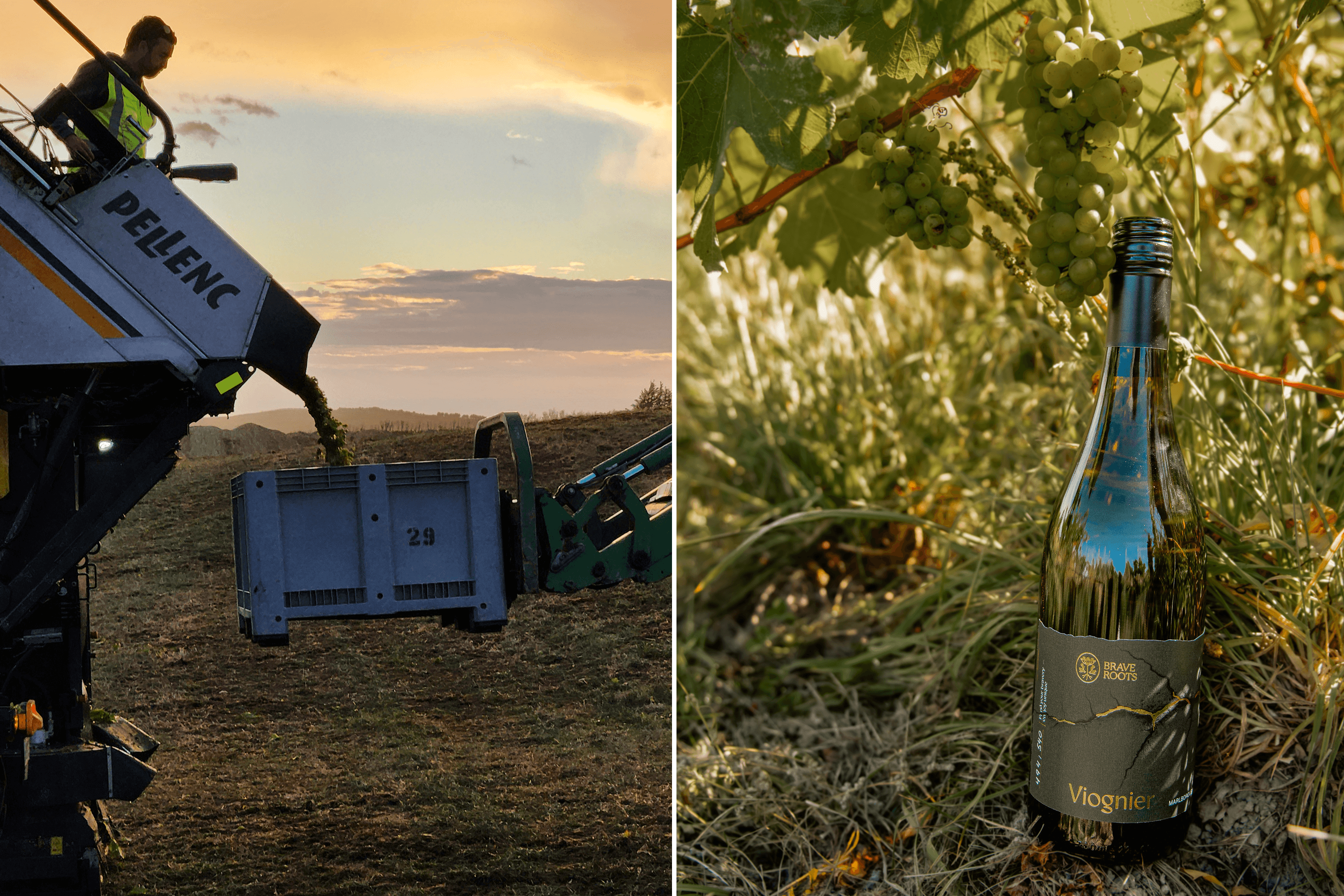
Photo: Photos provided by Brave Roots / YB 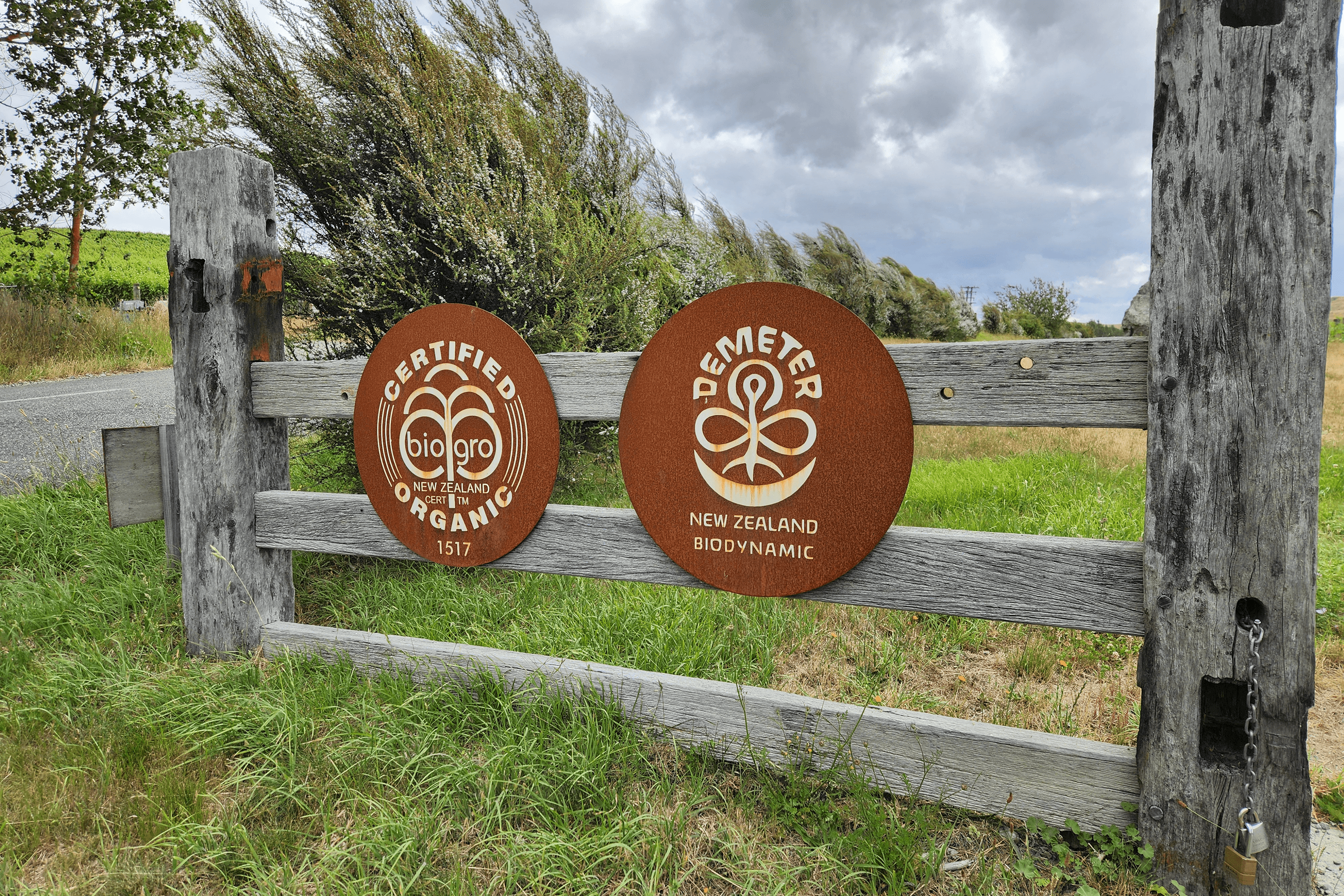
Photo: Photos provided by Brave Roots / YB
Masha: Our next aim is Japan, South Korea, Hong Kong, and Singapore. Geographically, Asia is close to us, and exporting wine there is easier. In addition, wine consumption is declining worldwide, while in Asia it is growing. Entering those four markets within the next year is our most ambitious goal.
We have already been approached several times by government representatives from Canada and Norway. In both countries, the state holds a monopoly on alcohol sales. If brands manage to enter those markets, they are almost guaranteed placement on the shelves of nearly all stores. Both countries hold annual tenders for foreign alcohol brands. We meet the quality requirements perfectly, but we have already failed twice because we still cannot guarantee the necessary quantity of bottles and stable supply. That is why we first need to establish ourselves in Asia, expand, and increase production volumes.
3
You mentioned that people around the world are drinking less wine. Do you observe the same trend in the premium segment you work in?
Alina: Unexpectedly, this problem is least noticeable in the premium segment. Market premiumization actually began with people wanting to drink less but better. They are moving from standard wine they used to drink every day with dinner to one good bottle a week. Those are our customers, and they are keeping the segment afloat.
Consumption of the cheapest wine has also increased, while demand for low-priced and mid-range wine is dropping sharply. Prices have also collapsed at the very top, where wine is bought at auctions for millions of dollars as an investment.
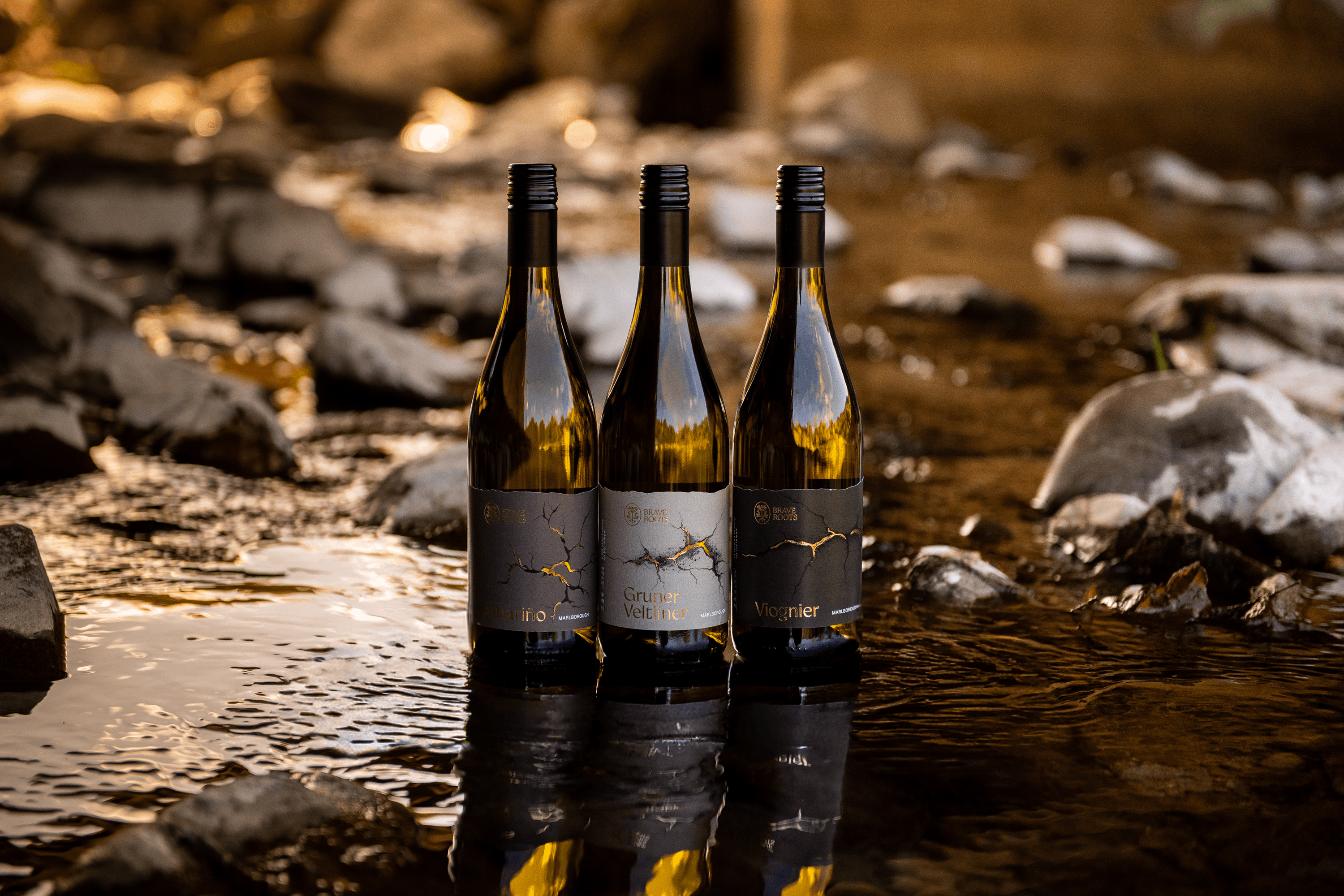
Photo: Photos provided by Brave Roots / YB 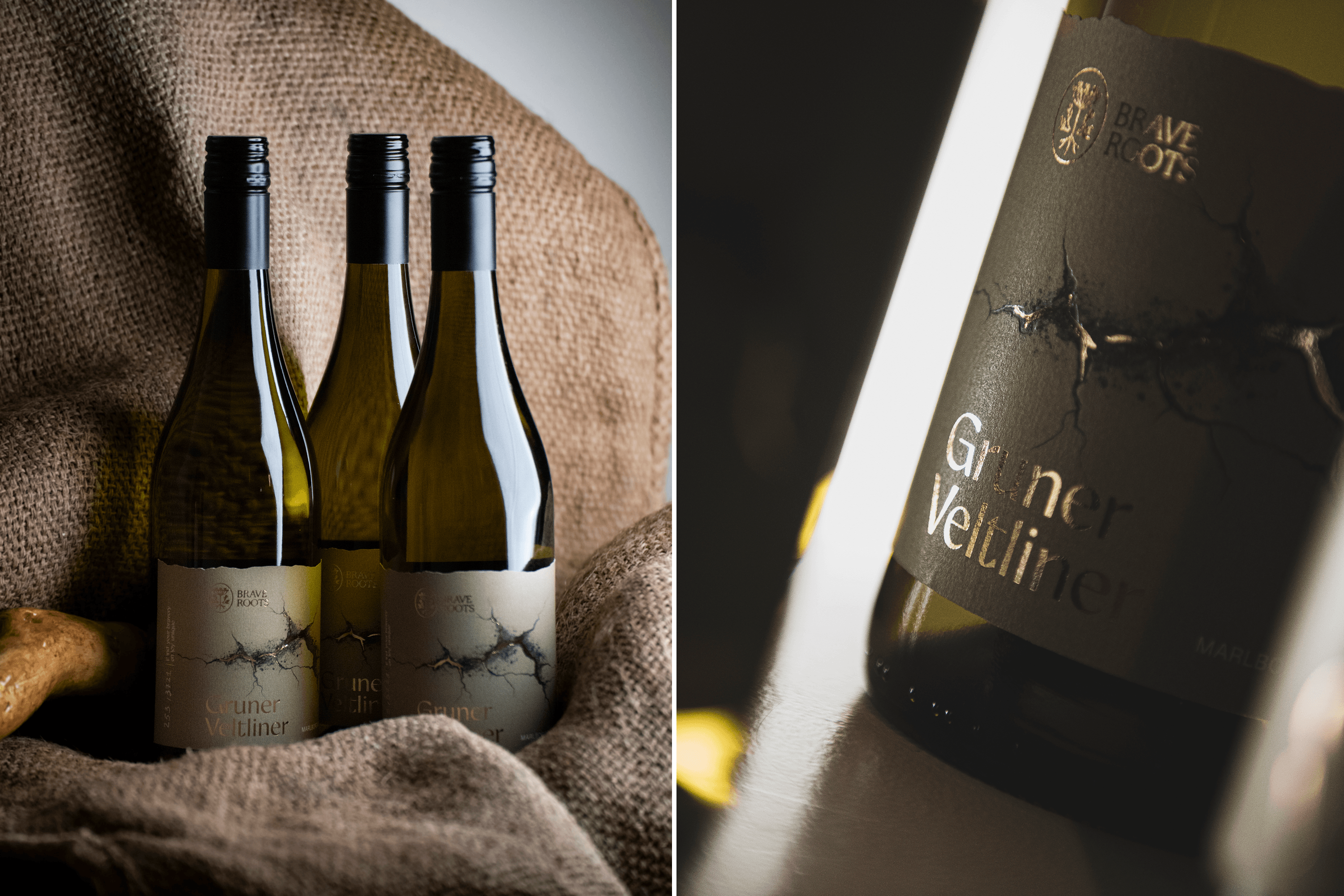
Photo: Photos provided by Brave Roots / YB 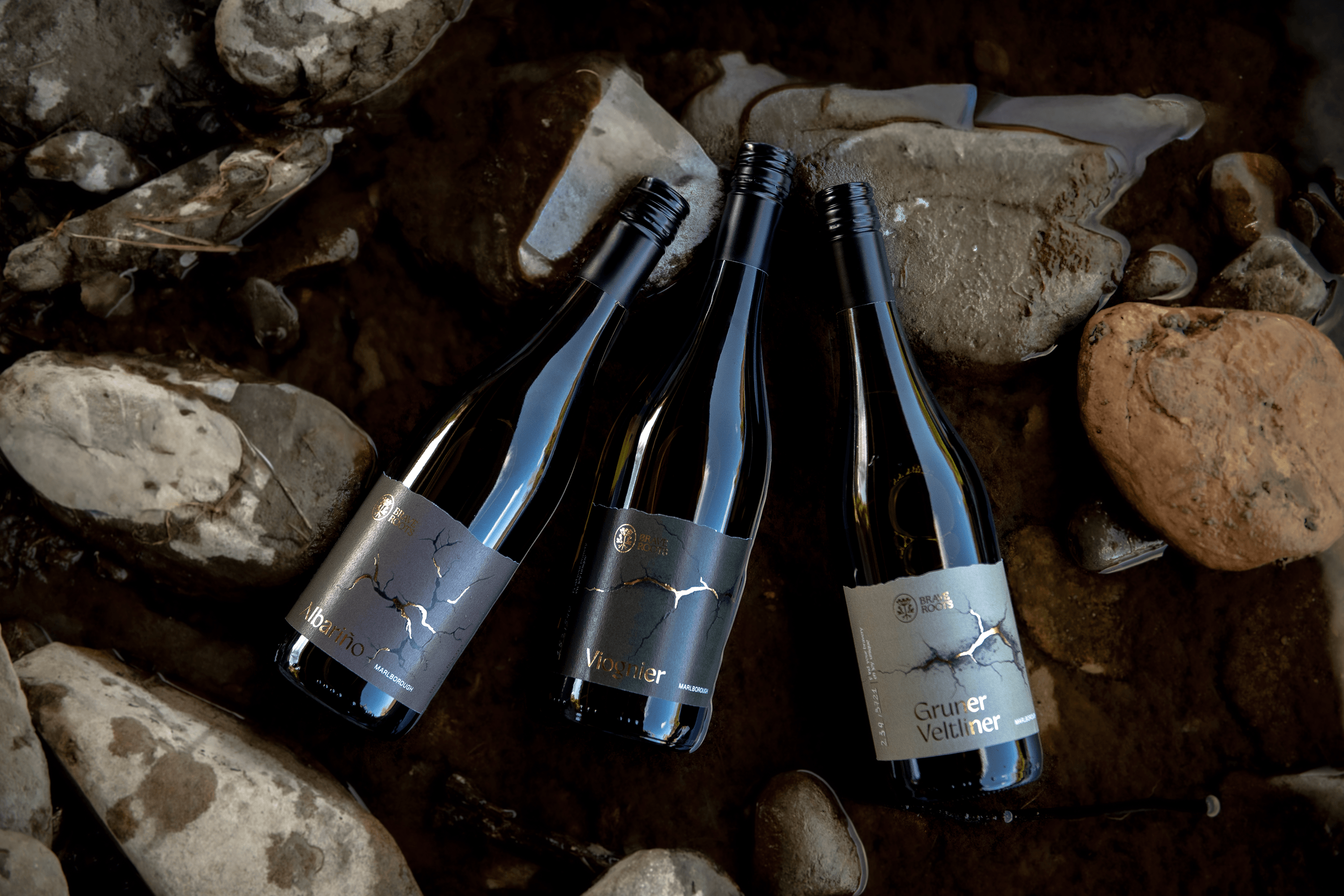
Photo: Photos provided by Brave Roots / YB
How do you feel about non-alcoholic wine as an alternative to regular wine?
Masha: A large part of my responsibilities at my main job involves non-alcoholic wine. I do not think it is a bad drink. On the contrary, people who for various reasons do not drink alcoholic wine can still stay connected to wine culture and drink from glasses together with others during celebrations.
Alina: Every year, non-alcoholic wine becomes better and closer in taste and quality to alcoholic wine. Globally, this is the fastest-growing segment. We have even considered making a small batch of non-alcoholic wine under our own brand.
4
Right now, is Brave Roots more of a business or more of a hobby and an art of making wine from exquisite grape varieties?
Alina: Two years ago, it was simply a hobby. Now it is definitely a business into which we have invested a great deal of effort. I want Brave Roots to become profitable enough for me to leave my main job and make wine that reflects my vision.
Masha: I have a completely different view. If Brave Roots becomes a business where we have to count every cent, where will the enjoyment be for me? I want to make money here, but it is important to me that it remains enjoyable.
What are your next goals for Brave Roots?
Alina: Maybe we will make sparkling wine. But it is expensive and time-consuming. Such wine takes at least three years to produce. I also want to win more medals at competitions to gain recognition.
Masha: Our main focus is increasing production and entering new markets.
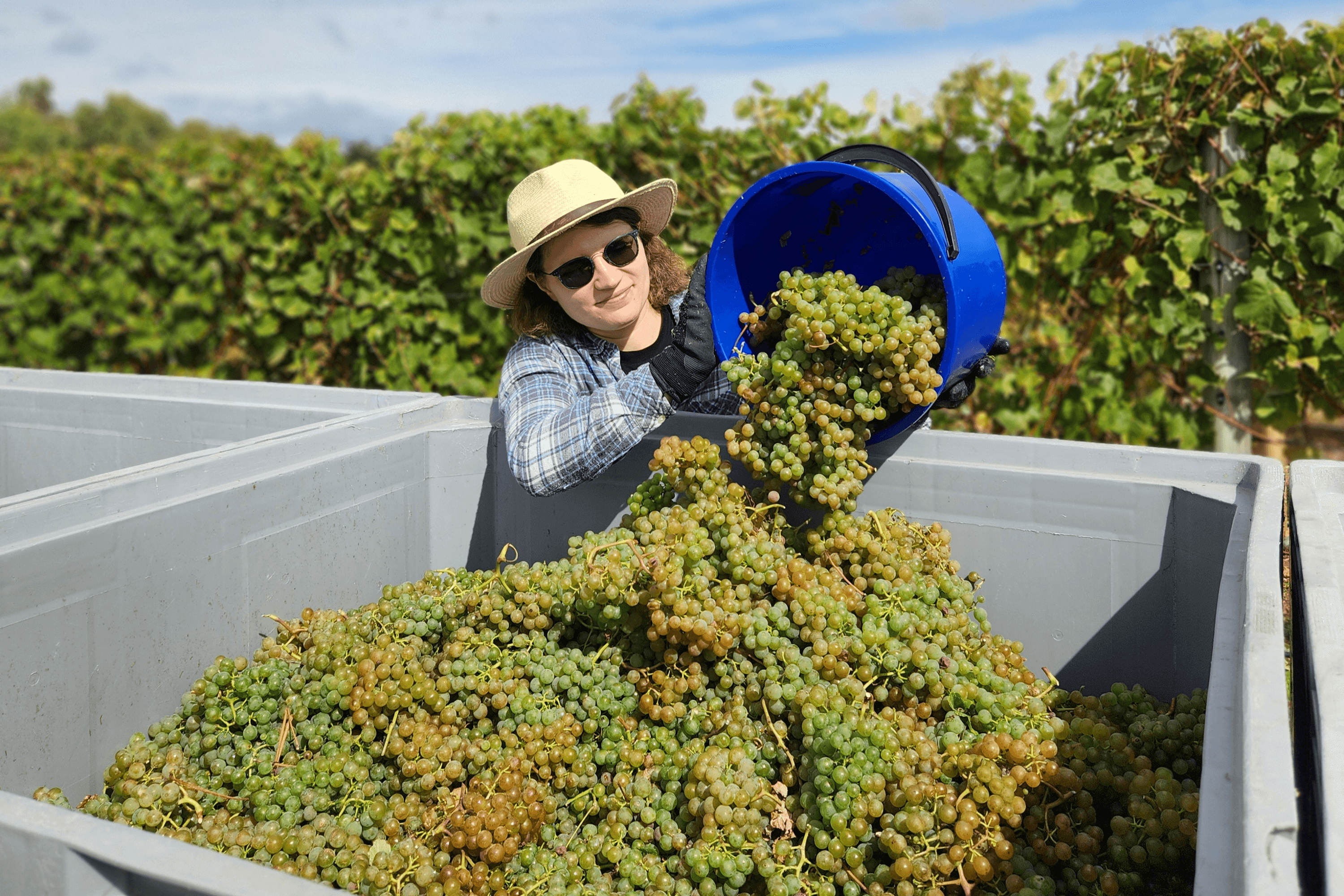
Photo: Photos provided by Brave Roots / YB 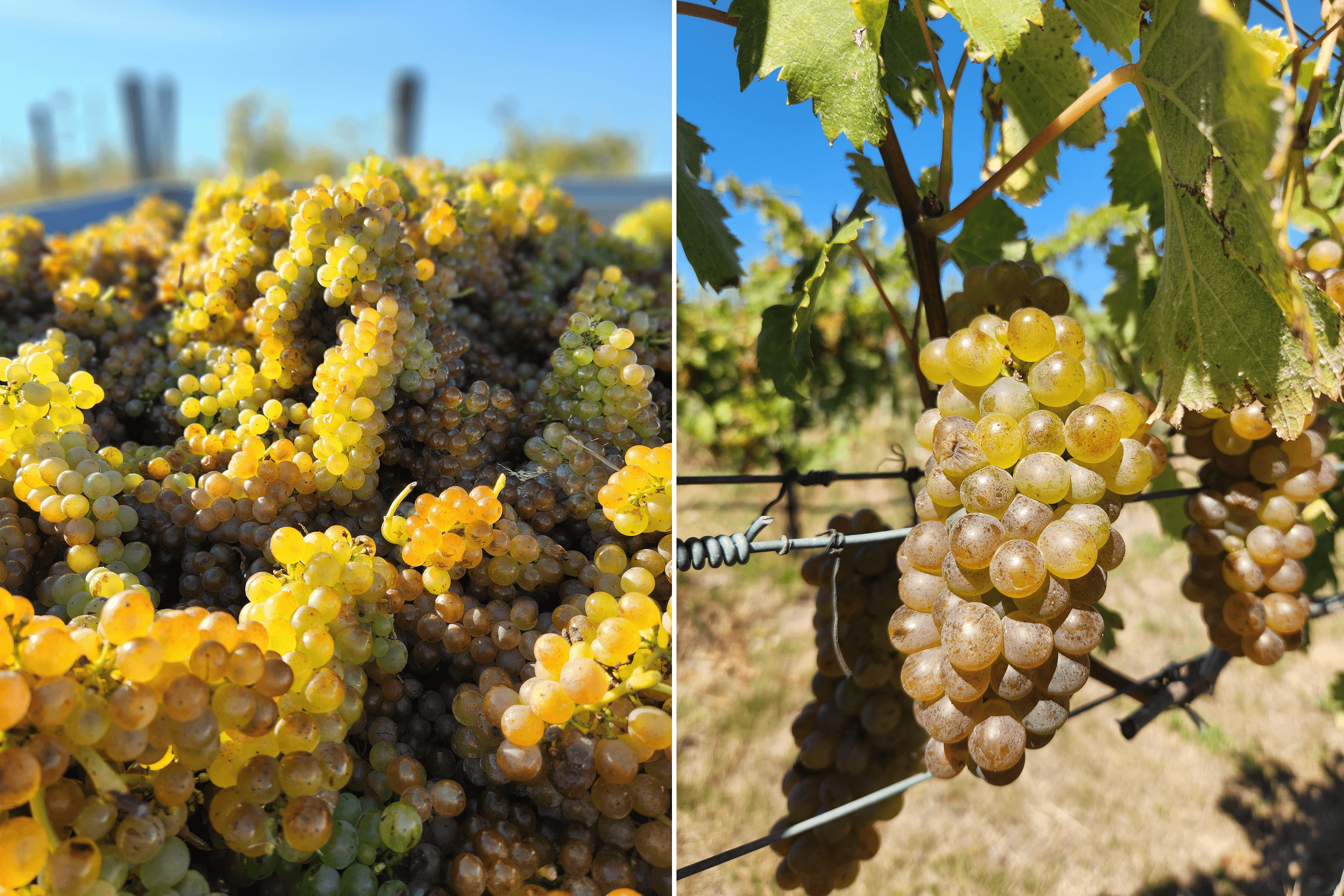
Photo: Photos provided by Brave Roots / YB 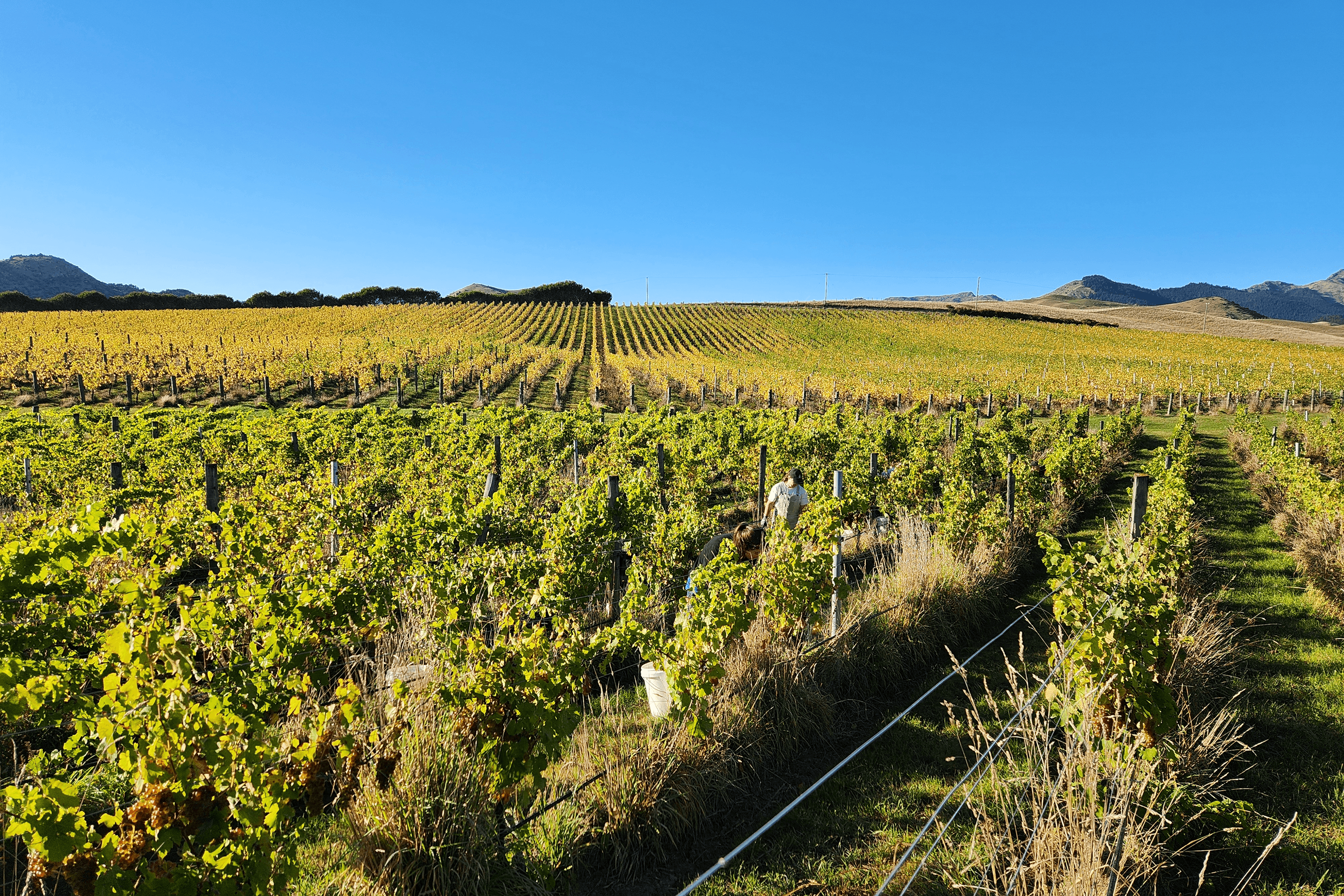
Photo: Photos provided by Brave Roots / YB 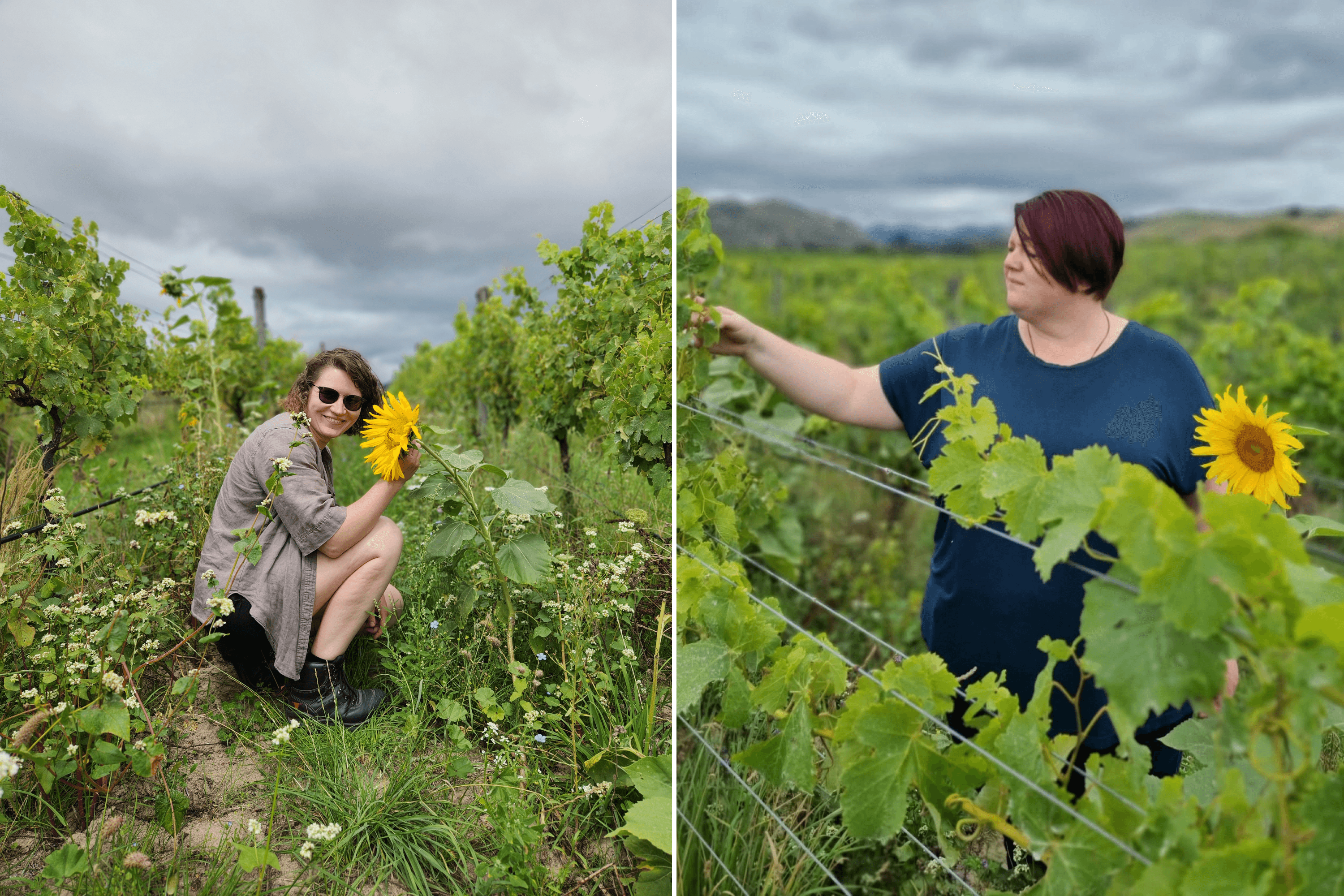
Photo: Photos provided by Brave Roots / YB 
Photo: Photos provided by Brave Roots / YB
You have extensive experience and have worked at many wineries in both hemispheres. What are the most common mistakes winemakers make?
Alina: Sanitation is the biggest problem. Everything must be cleaned. From time to time, we give lectures for Ukrainian winemakers, and we constantly return to the subject of sanitation. We are glad that Ukrainian winemakers keep it front of mind. Their wineries are genuinely clean.
Masha: Many winemakers veer toward extremes. They either make overly complicated wine for critics or wine that satisfies only undemanding tastes. We believe in adding a bit of art, philosophy, and character to the product, finding a middle ground so that you remain authentic while still creating demand for your wine.
How do you see the prospects for Ukrainian wine? What is missing for our winemakers to succeed in foreign markets?
Masha: Ukrainian winemaking is developing rapidly. But for Ukraine to dominate abroad, major state subsidies are necessary, similar to what European producers receive: special programs, grants, and compensation when natural conditions are difficult. Ukraine cannot count on that yet because the state has other priorities.
I believe Ukrainian craft producers should not chase quantity but focus on quality and the story behind their product. It is better to export one pallet a year but earn a high margin on every bottle.
South Africa offers a telling example. In the 1990s and early 2000s, many of their producers conquered foreign markets because they sold inexpensive but good-quality wine. At the same time, South African producers appeared with unique flavors and their own winemaking philosophy, selling 2,000 to 3,000 bottles a year for $300 each. They still exist today, while cheap wine eventually disappeared from foreign markets. I think the premium segment is an excellent path for Ukrainian craft wine.
Alina: We speak with winemaker friends from all over the world, and interest in Ukrainian wine still exists. In 2023, Masha participated in a tasting of Ukrainian wines at the international Master of Wine conference. The top professionals in the field agreed that Ukrainian winemakers should focus on their authenticity, such as local varieties or regional stories.
Ukraine has such enormous potential that it is impossible to put into words. We have hardworking people, fertile soil, a good climate, and a strong desire to make high-quality wine. Ukrainian winemakers work under Russian shelling yet still find the strength to experiment with grape varieties.
We enjoy watching Ukrainian wine culture evolve. Specialized stores with a good selection are already everywhere. Even in New Zealand there are fewer of them.
Given your experience, what advice can you give craft winemakers?
Masha: Keep working, do not be afraid to experiment, and do not chase quick financial success. Remember that wine always takes time.
Alina: Be authentic and make the wine you personally like. And that is our approach too, because we believe that if a winemaker likes the wine, there will always be others who want to try it.