
When Russia launched its full-scale invasion of Ukraine, Ukrainian wines broke into the international market. Solidarity played a major role: foreign importers and consumers bought wine to support Ukrainians. So it was only natural that this trend began to fade rather quickly. But it does not mean Ukrainian wine has nothing to offer foreign consumers. Ukraine has enormous potential in this sector, and here is how it can be realized.
Wine in Soviet Ukraine
The history of Ukrainian wine began as early as the 7th–12th centuries BC. This was facilitated by its favorable location near the Black Sea and the resulting warm climate. Ukrainian winemaking initially developed on the territory of the modern southern regions, and later in the mountainous areas of western Ukraine.
Over time, wineries appeared around all the major cities. By the late nineteenth century, around 125,000 hectares of vineyards existed in Ukraine, most belonging to small farms. The kind of family wineries with 200–300 years of history that can be seen in Europe today were once found in Ukraine as well.
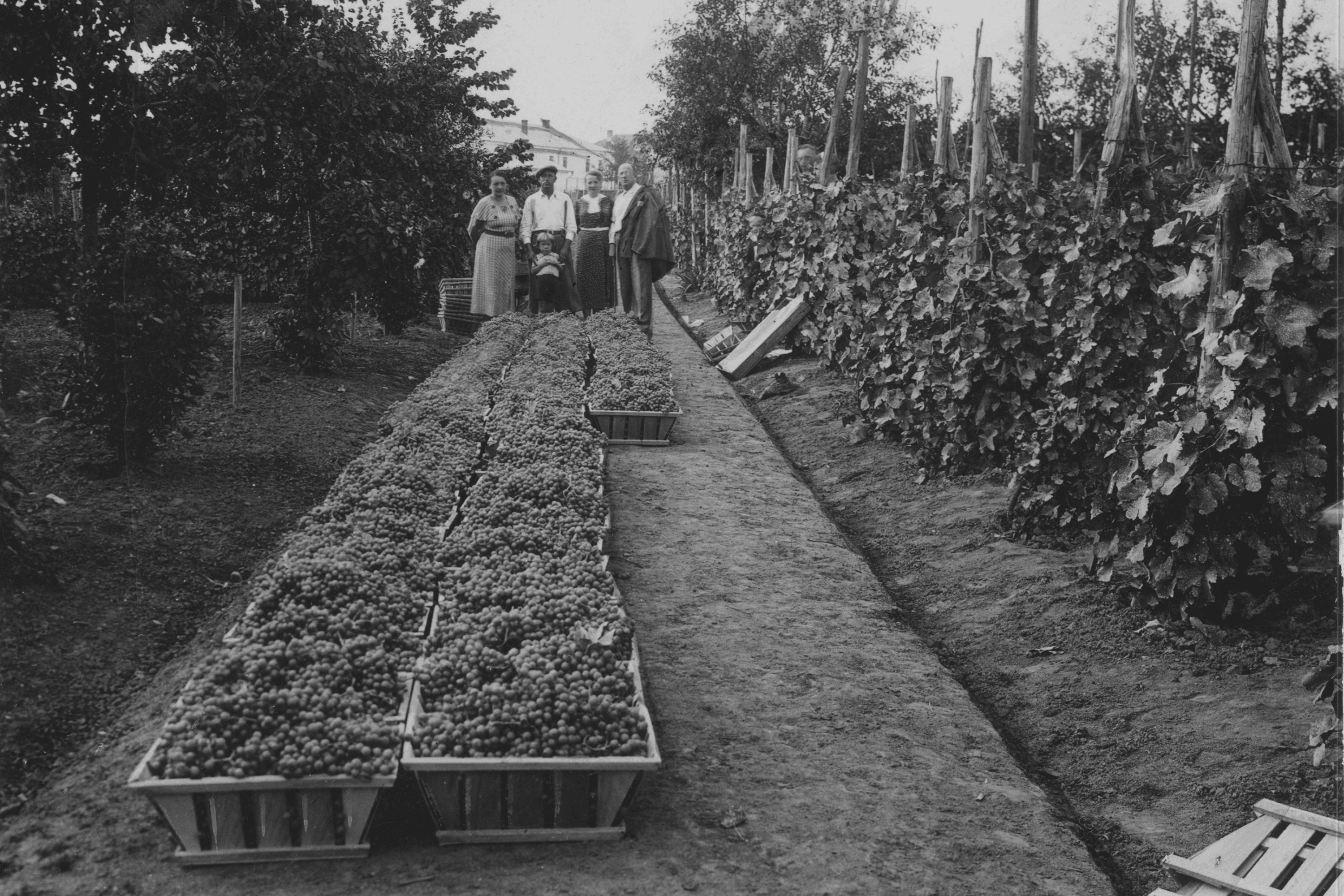
Grape harvest in a school vineyard, Zalishchyky. 1936. Photo: Archiwa Państwowe — Narodowe Archiwum Cyfrowe / YB 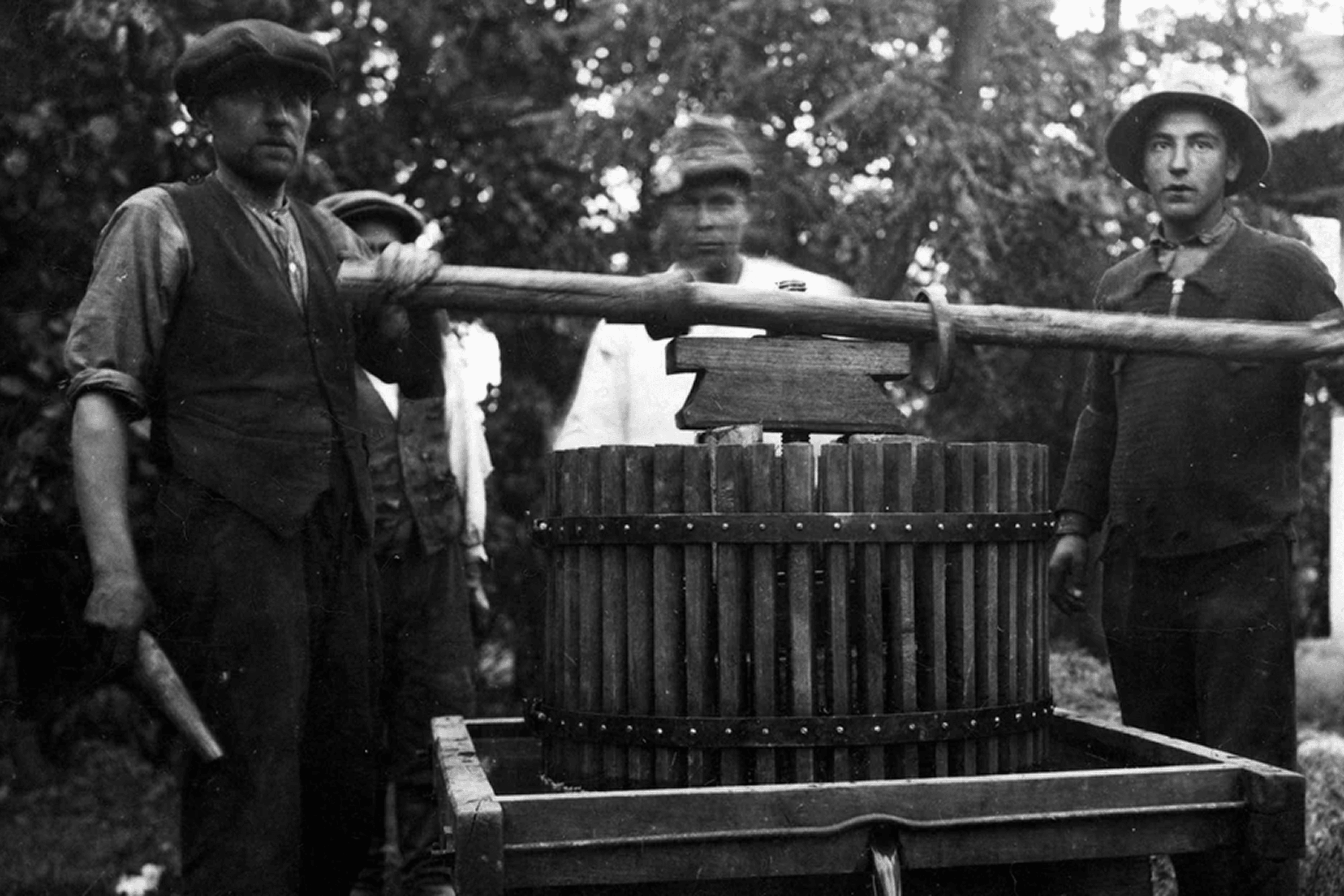
Pressing grapes for wine in a vineyard in Zalishchyky above the Dniester. 1938. Photo: Archiwa Państwowe — Narodowe Archiwum Cyfrowe / YB 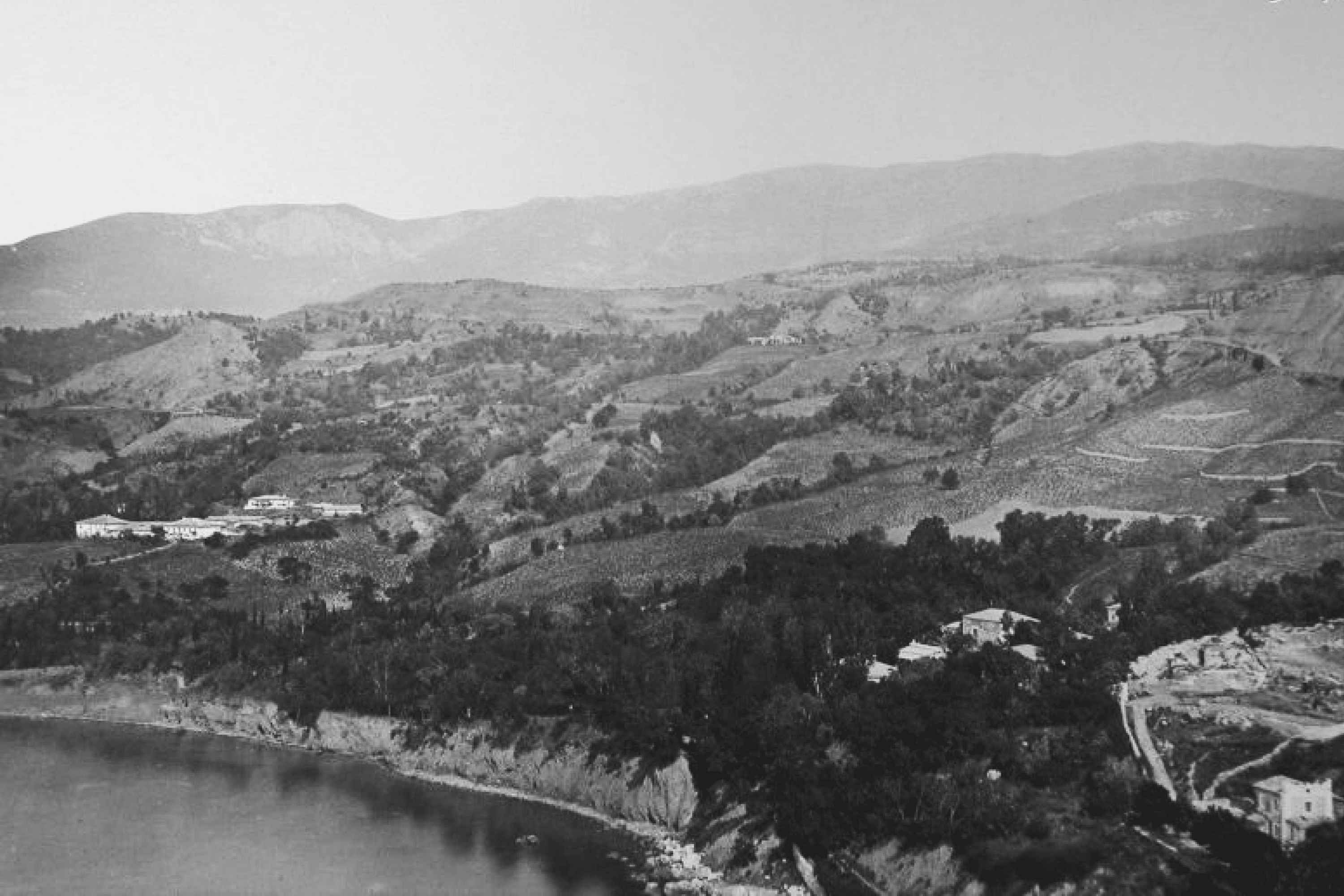
Vineyards of Kuchuk-Lambat, Crimea. Circa 1910. 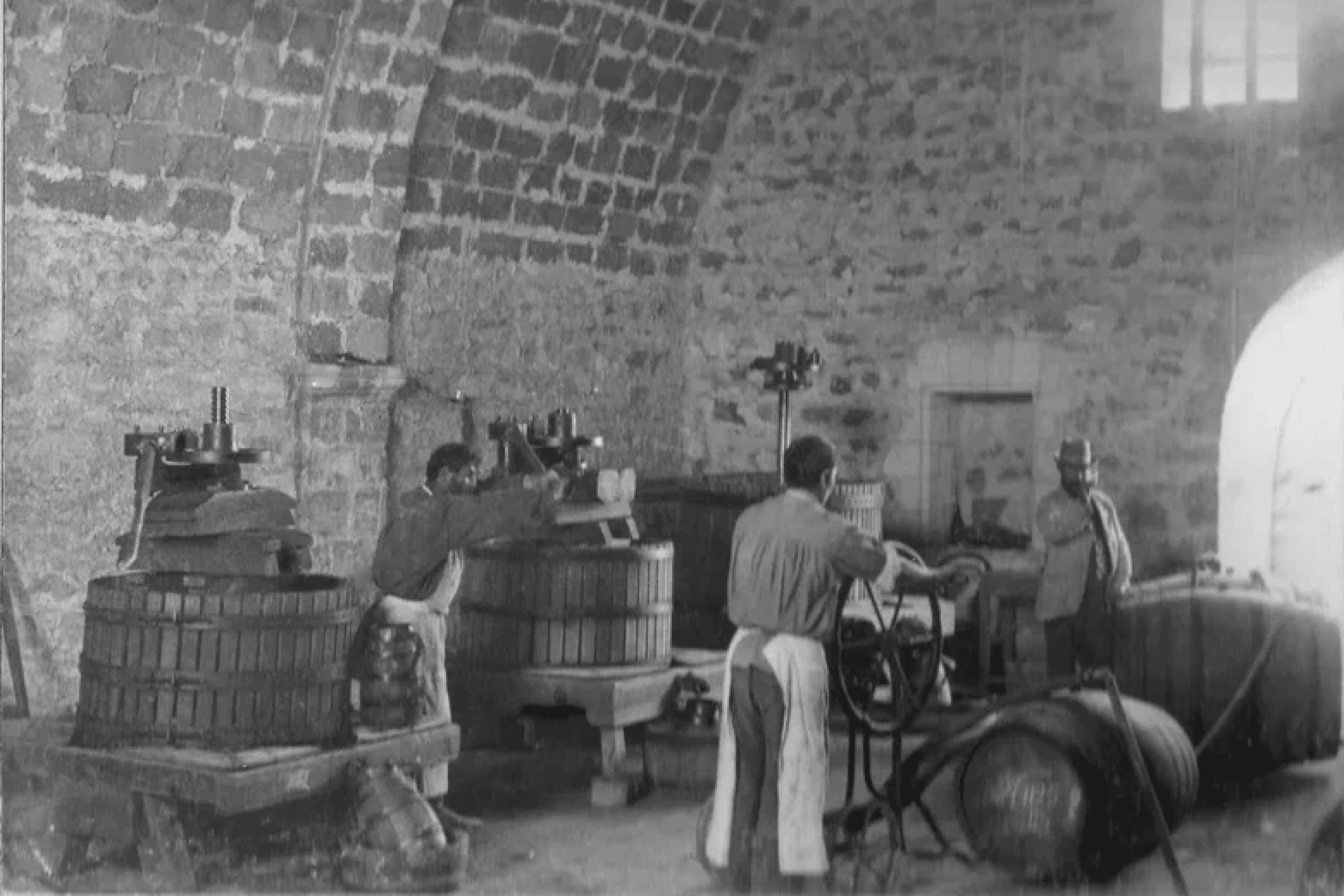
Simferopol winery. Late 19th century. 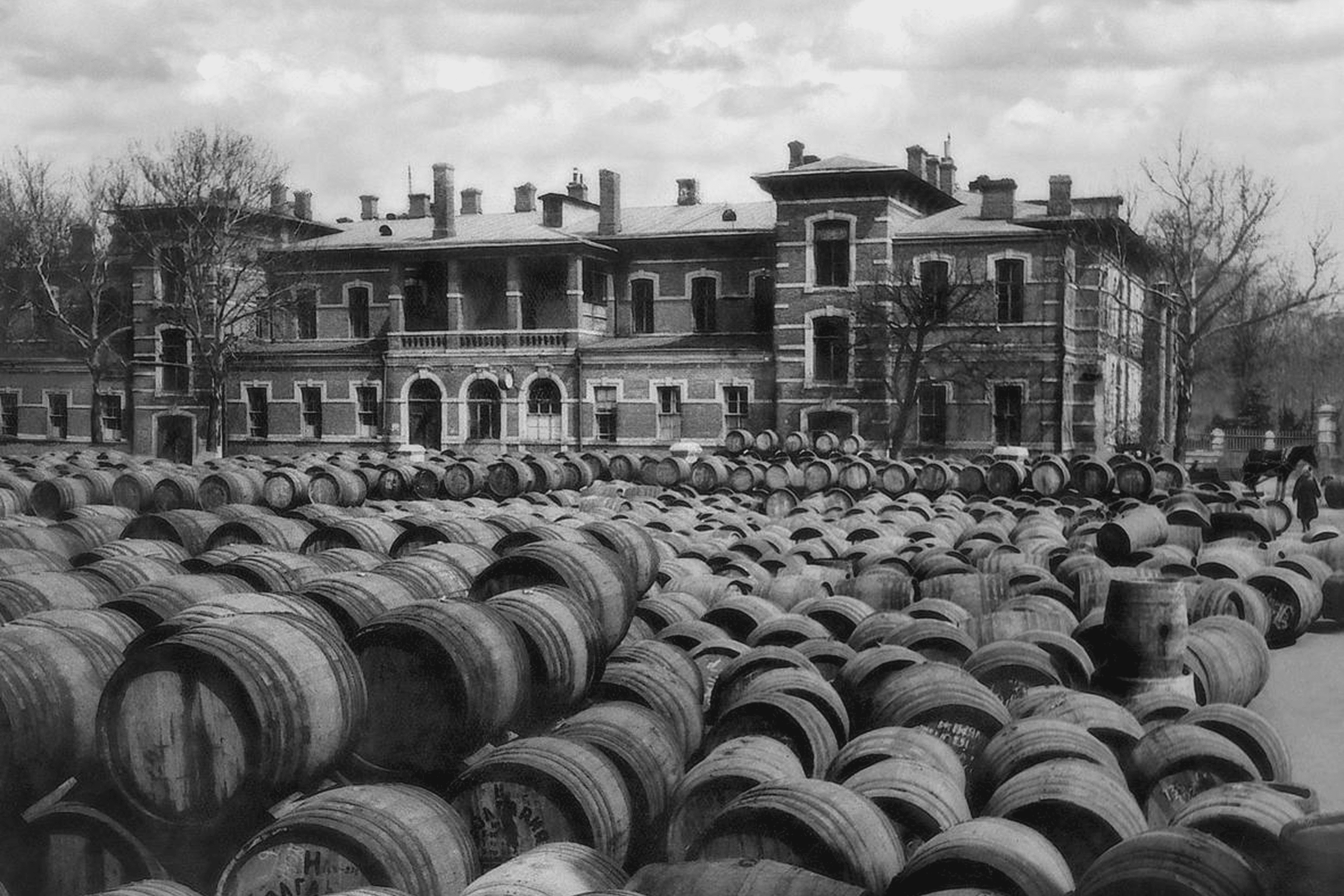
“French Boulevard” winery in Odesa. 1935. Photo: Wikimedia / YBBP 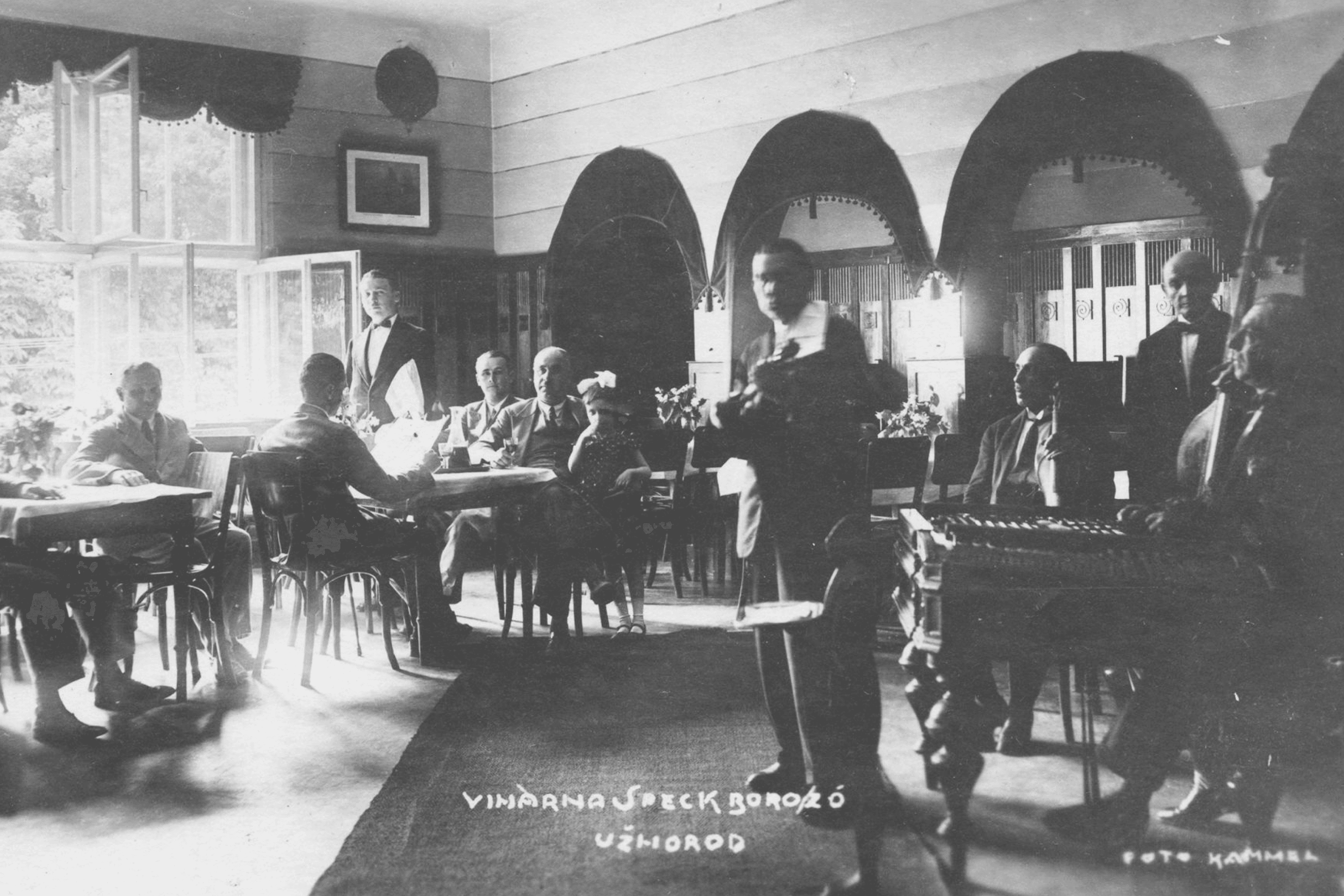
Shpek Winery at the beginning of present-day Koshytska Street, Uzhhorod. 1930. Photo: Uzhhorod Transkarpatia Guide / Facebook / YB
However, almost none of them survived to the present day. In the twentieth century Ukraine became part of the USSR, where the concept of private property was not recognized. Wineries were nationalized: small ones were closed and large ones were transformed into radhospy. Vineyards in most regions were destroyed.
Before the arrival of Soviet rule, Ukrainian winemaking developed according to European logic: producers sought to make higher-quality wine in order to sell it at a higher price and have a stronger reputation. The sector was market-based and competitive. But in the USSR, the only goal became productivity.

Soviet wineries were divided into primary and secondary. The former produced base wine, a technical foundation that was sent in tanks across the entire USSR. At secondary plants it was further processed into fortified, semi-sweet, and sparkling wines, and then sold. Although Ukraine remained a large producer, the industry was reduced to mass output with no emphasis on quality. Further processing steps, such as adding sugar to the raw material, helped mask any defects, says Serhii Klimov, founder of the Kyiv Food and Wine Festival and Brave Wine, and owner of the Kyiv bar Uwines. Dry wines were produced in small quantities and remained the exception.

The cellars of the “Massandra” winery with aged wines, Massandra, Crimea. Photo: Wikimedia / YBBP 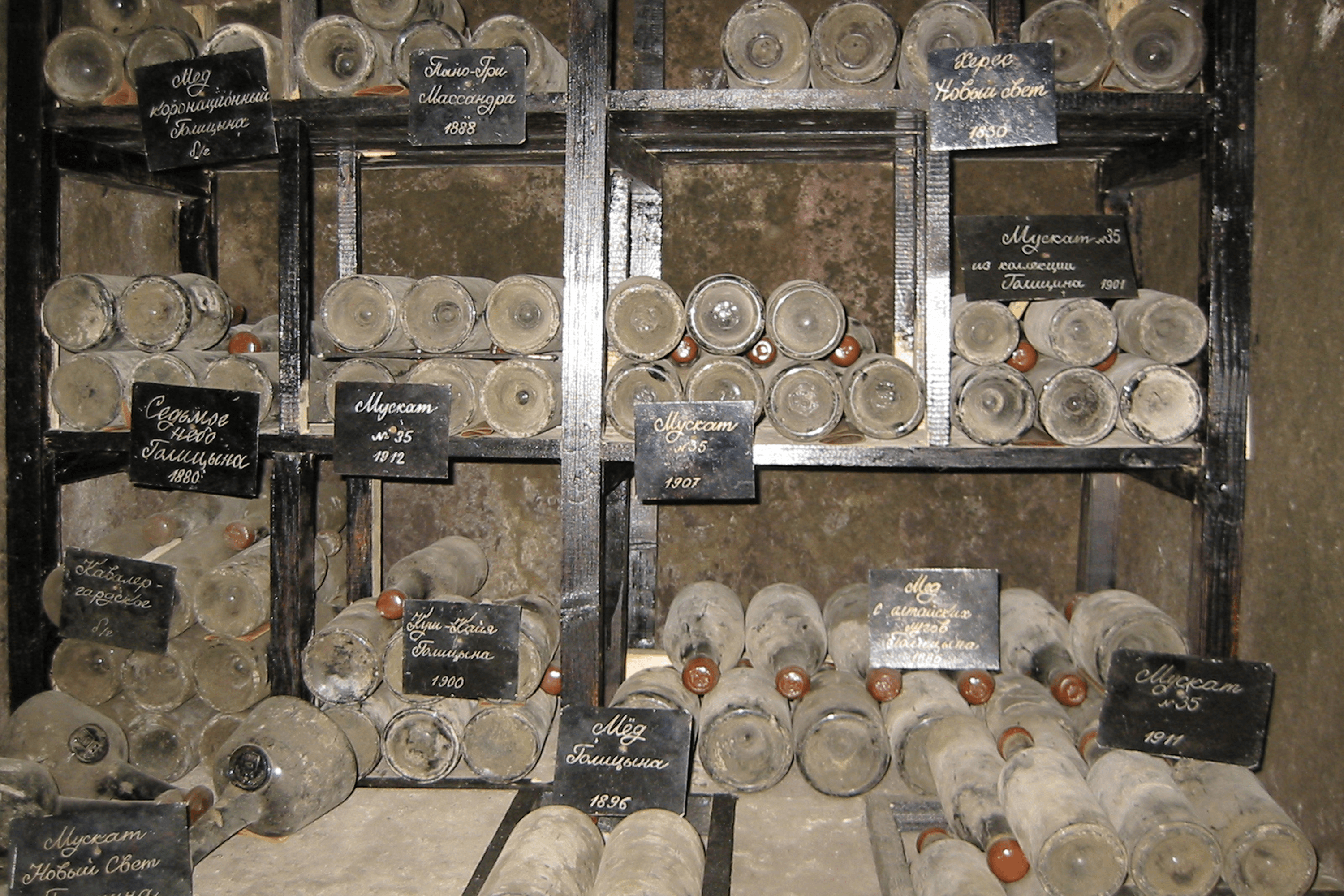
Photo: Wikimedia / YBBP 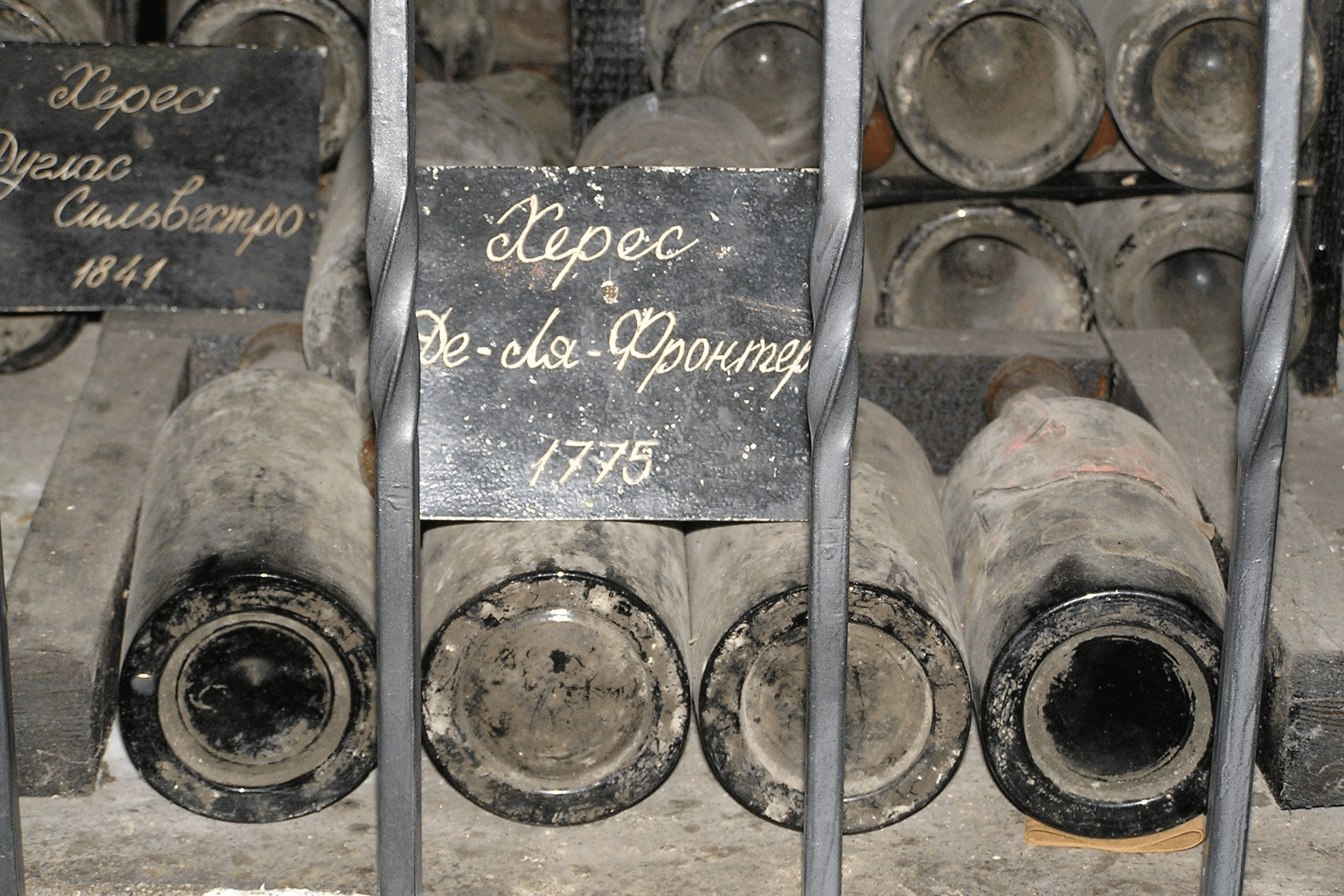
Photo: Wikimedia / YBBP 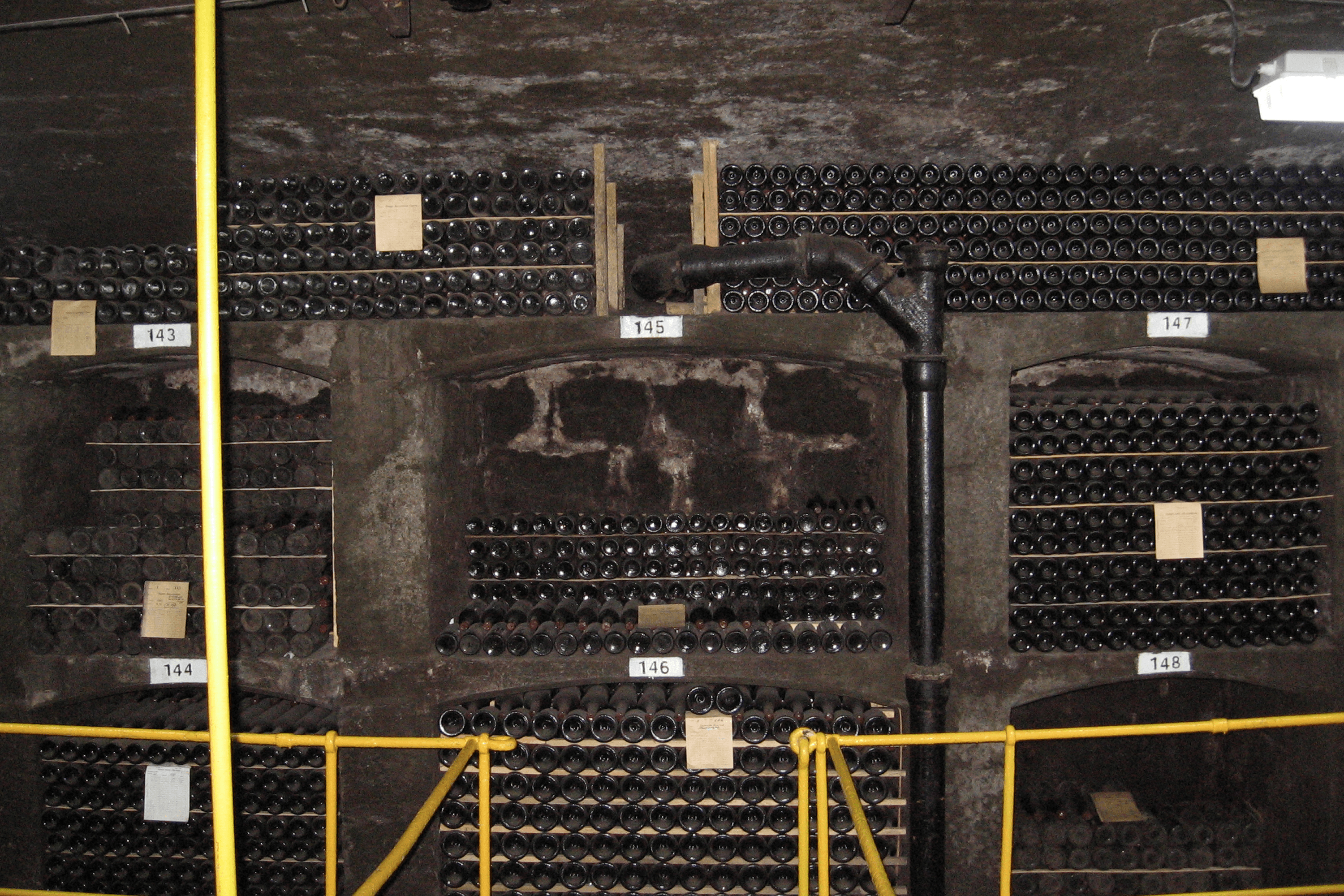
Photo: Wikimedia / YBBP 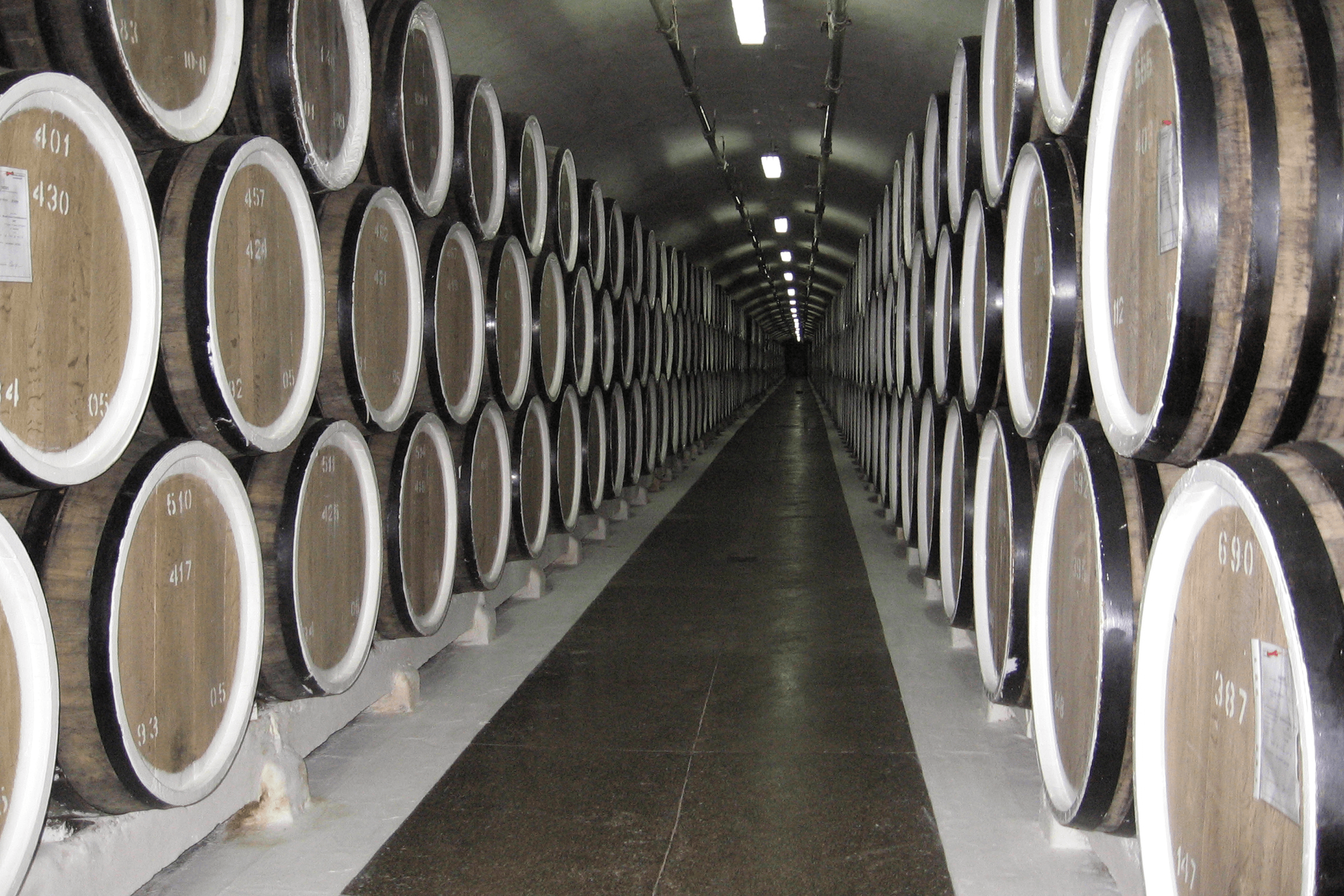
Photo: Wikimedia / YBBP
The history of independent Ukrainian wine
After independence, Ukrainian winemakers had to rediscover the industry and start almost from scratch. First, it was necessary to get rid of the vestiges of Soviet policy. The USSR had mass-planted hybrid grape varieties that were resistant to frost and diseases but unsuitable for quality wine. Large areas of vineyards had to be uprooted and replanted. In 1960 Ukraine had 400,000 hectares under vine; by 2000 that number had fallen by more than half. The occupation of Crimea and the war in the Donetsk and Luhansk regions cut it further, to approximately 50,000 hectares.
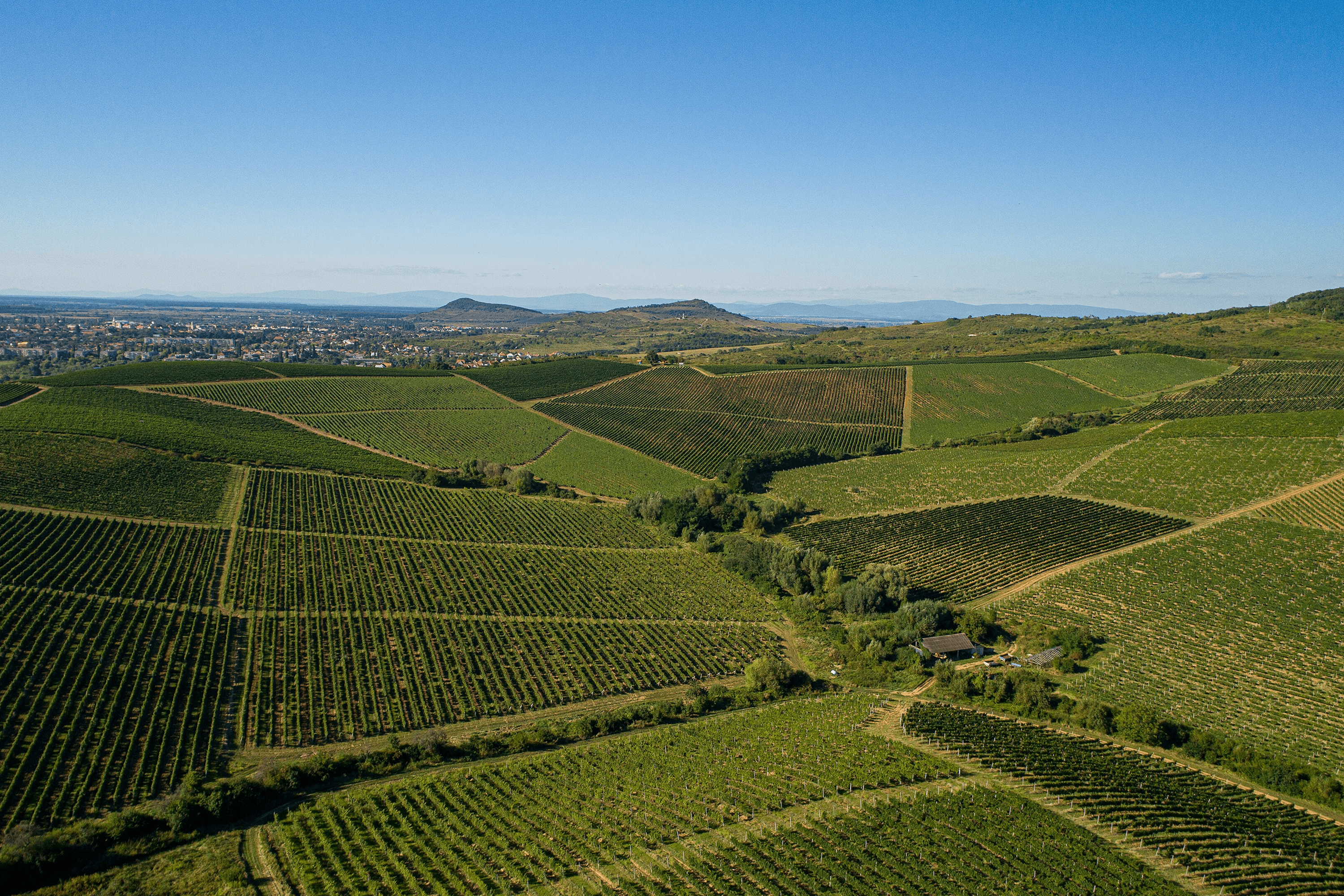
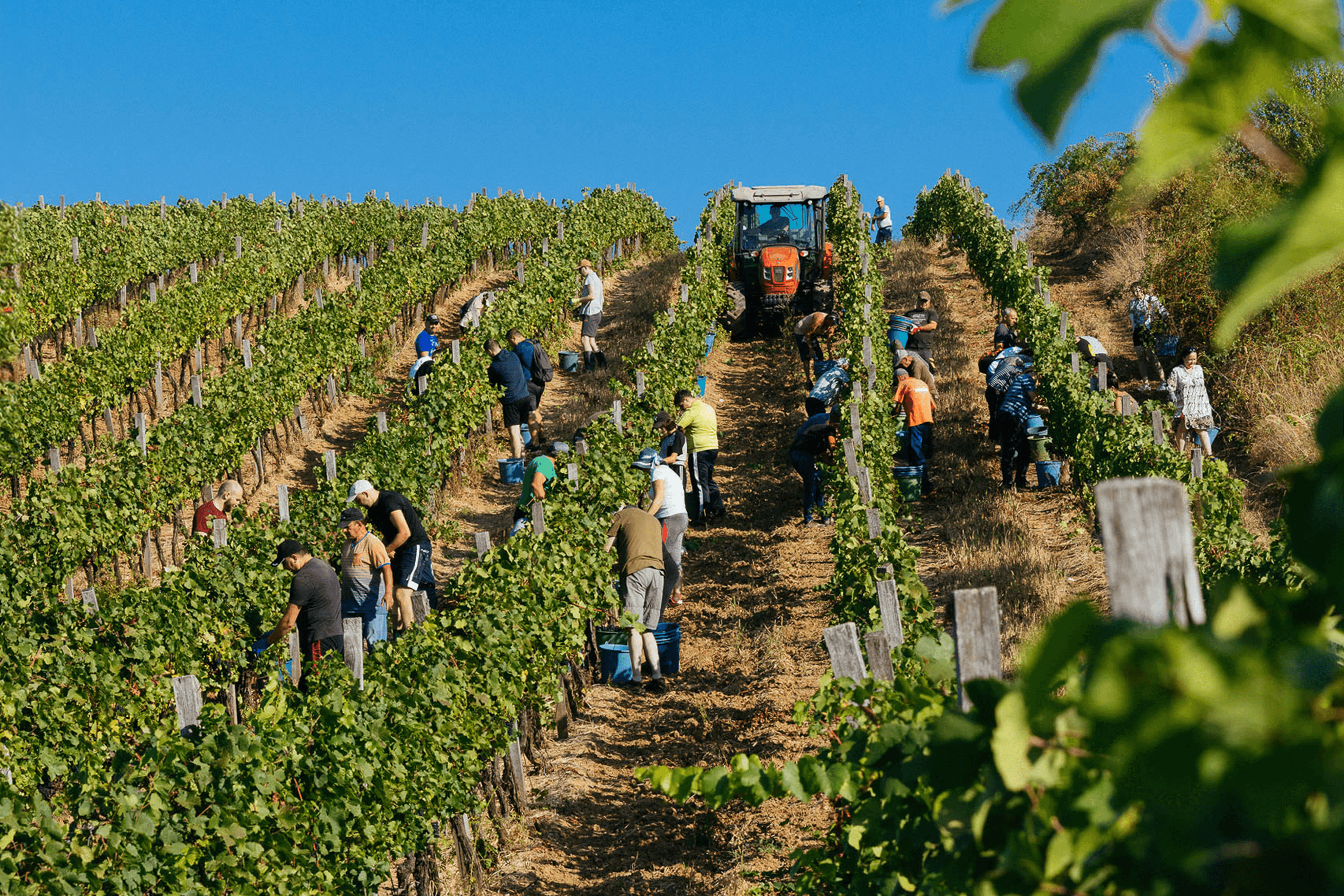
The vineyard of Château Chizay on the Zakarpattia plain. 2020. Photo: Wikimedia / YBBP 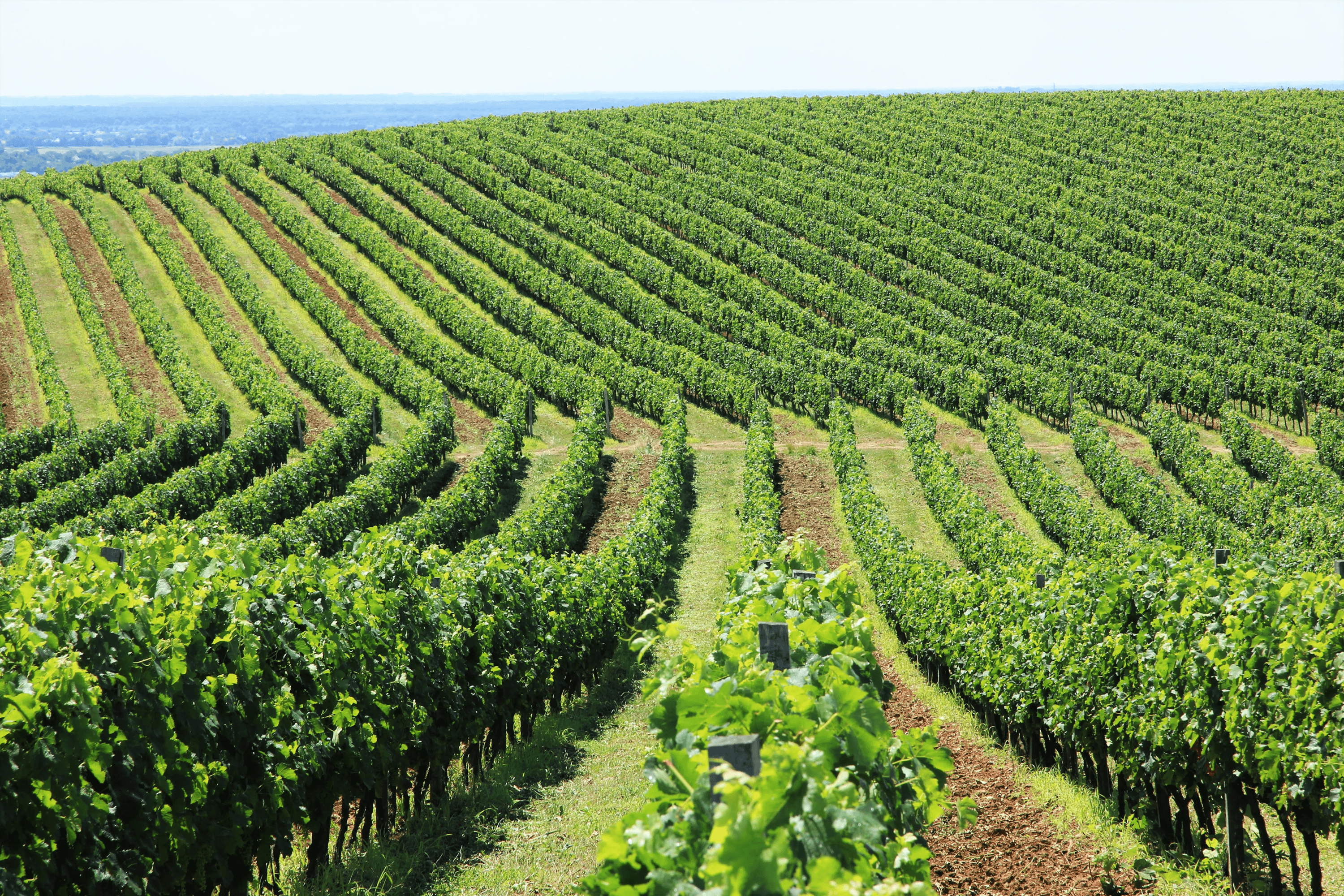
Vineyards near Berehove, Zakarpattia. 2018. Photo: Wikimedia / YBBP 
Terroir near the village of Krasnokamianka: in the foreground — Chervonyi Kamin, in the middle ground — vineyards, in the background — Ayu-Dag. 2016. Photo: Wikimedia / YBBP 
Vineyards in the Alushta Valley. 2011. Photo: Wikimedia / YBBP 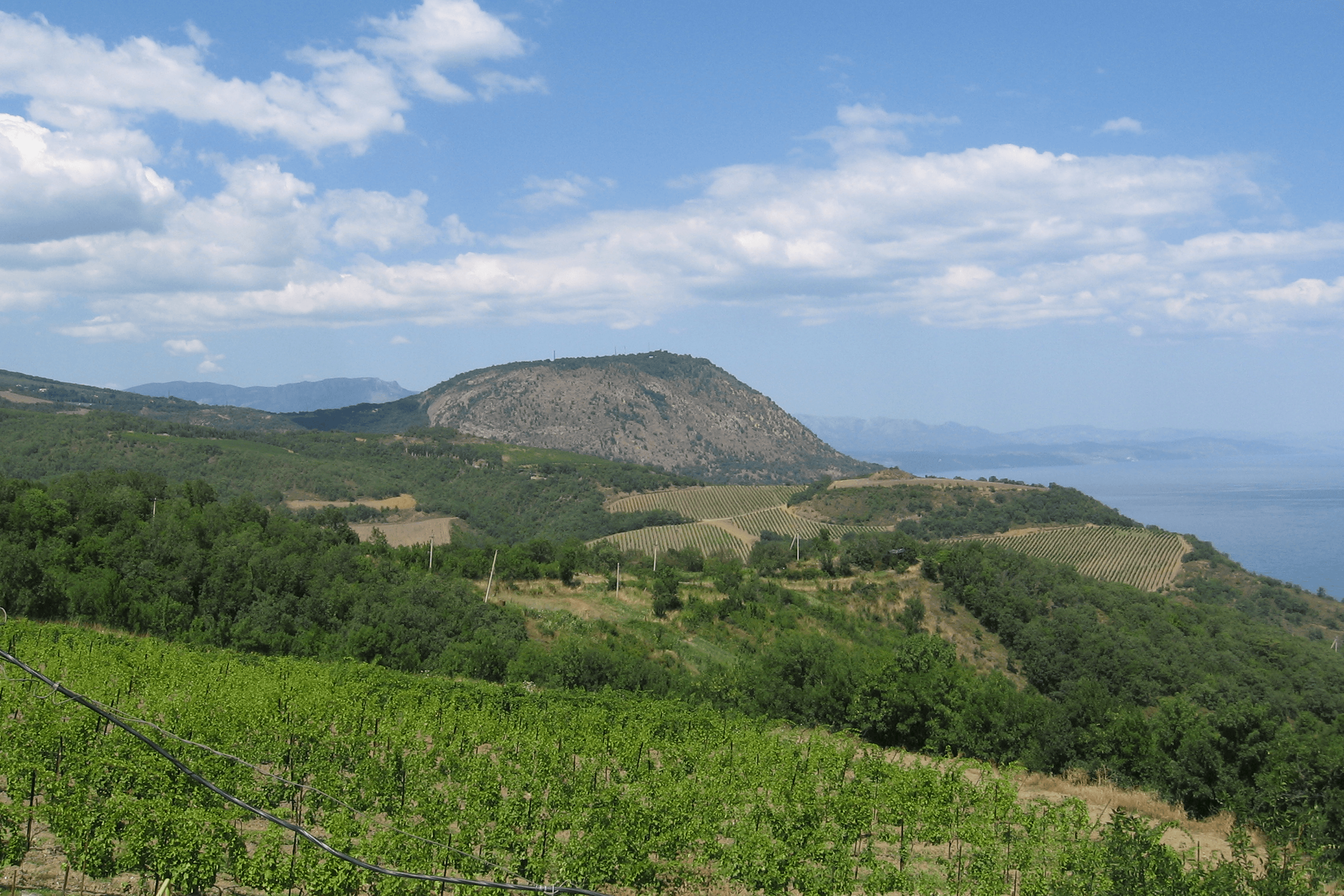
View of Crimean vineyards in the Mount Kastel area. 2010. Photo: Wikimedia / YBBP
Development was also held back by an outdated regulatory framework that left craft winemaking outside the law. Only in 2016 did Ukraine adopt amendments to the Law “On state regulation of the production and circulation of ethyl, cognac and fruit alcohol, alcoholic beverages and tobacco products,” which canceled the wholesale license requirement for producers using their own raw materials. Previously such a license cost ₴500,000 a year. After the change, the cost dropped significantly, explains Volodymyr Pechko, head of the UKRSADVYNPROM association: approximately ₴780 a year for producers with their own vineyards, or ₴30,000 if raw materials are purchased. This contributed to the development of new wineries. Anna Eugenia Yanchenko considers 2005 especially important, when the Kolonist winery appeared in the Odesa region, producing dry and aged wines from European grape varieties grown on its own vineyards.
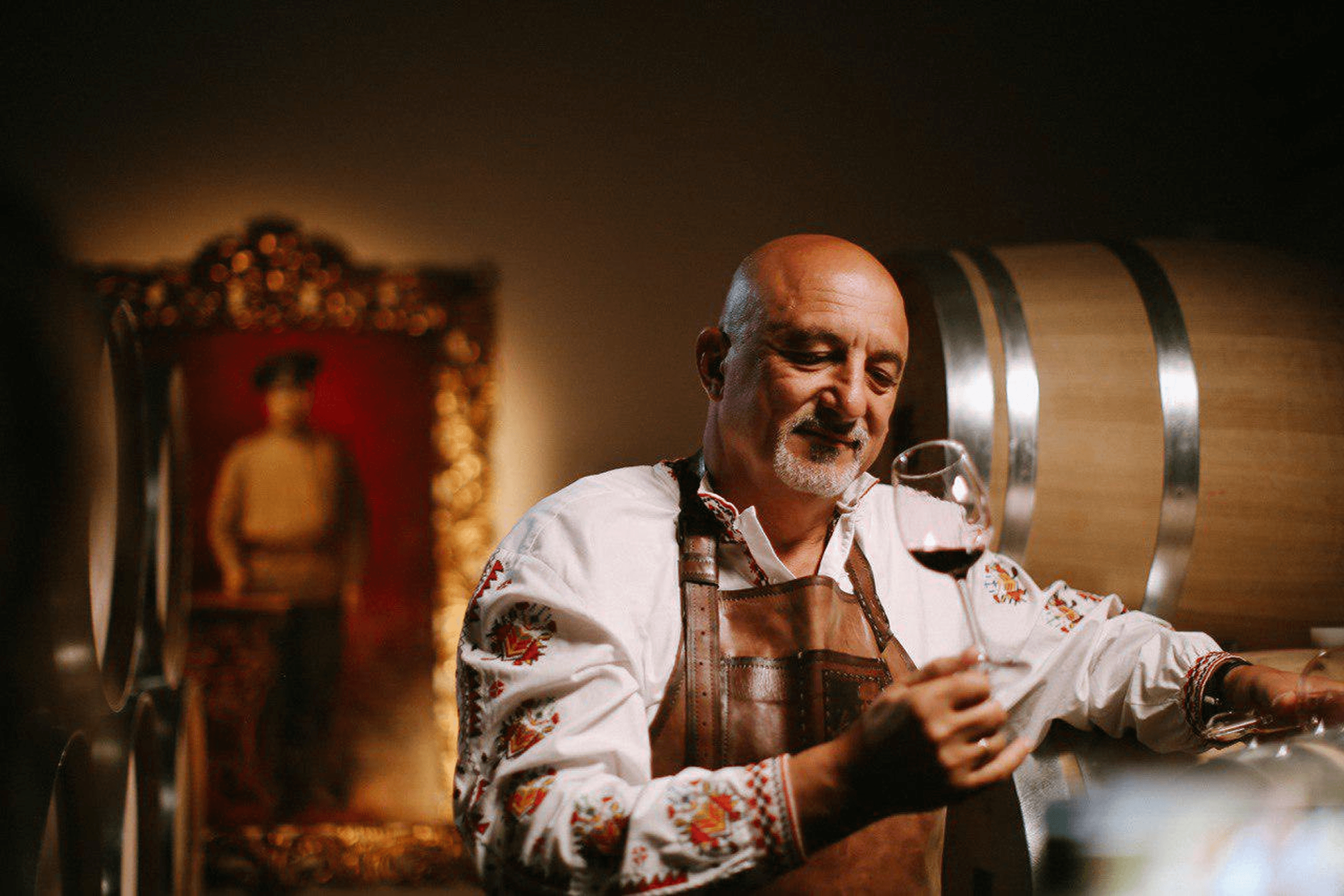
Ivan Plachkov — founder of the family winery “Kolonist.” Photo: Wine Kolonist / Facebook / YB 
The “Kolonist” winery in Odesa Oblast. 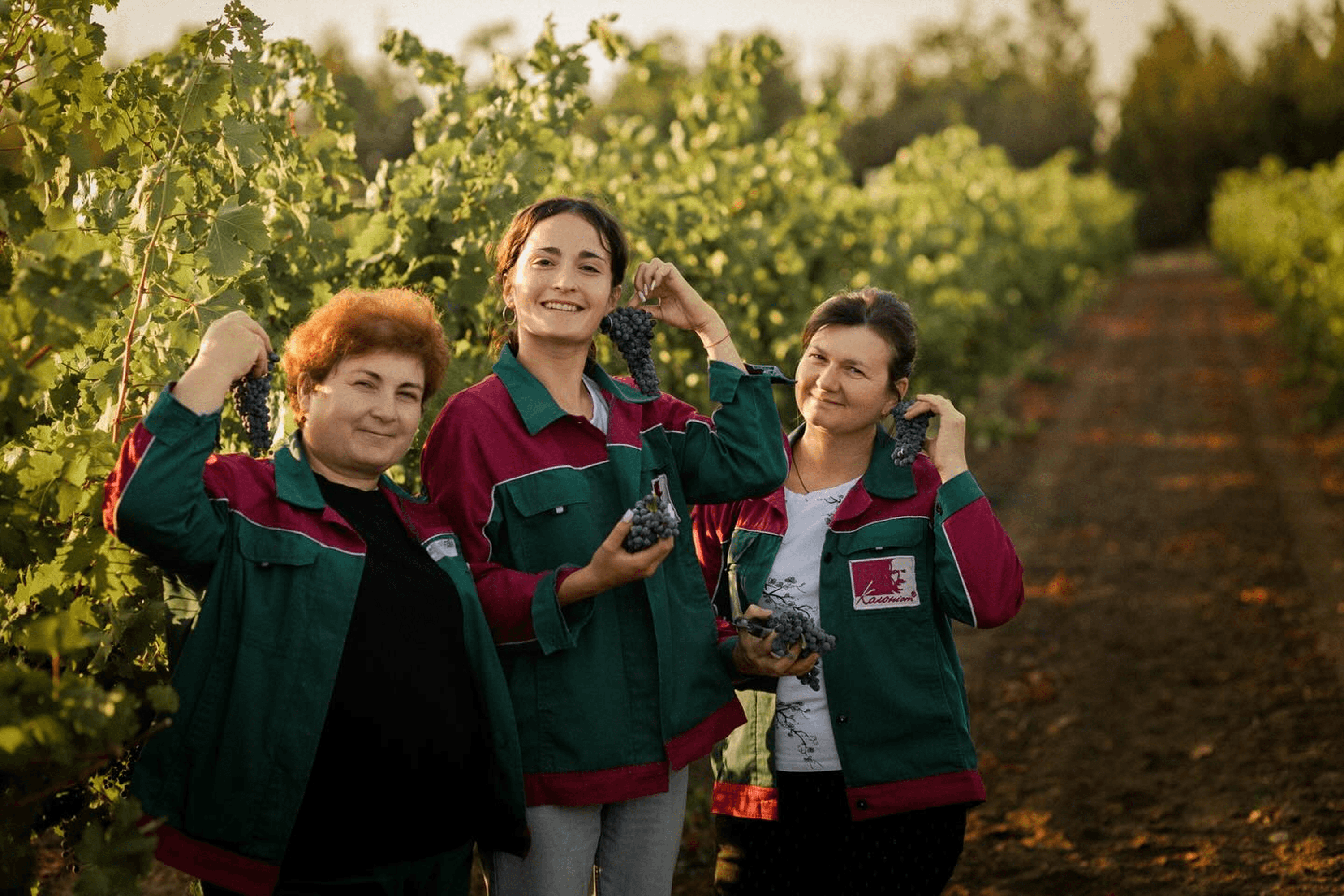
Photo: Wine Kolonist / Facebook / YB 
Photo: Wine Kolonist / Facebook / YB 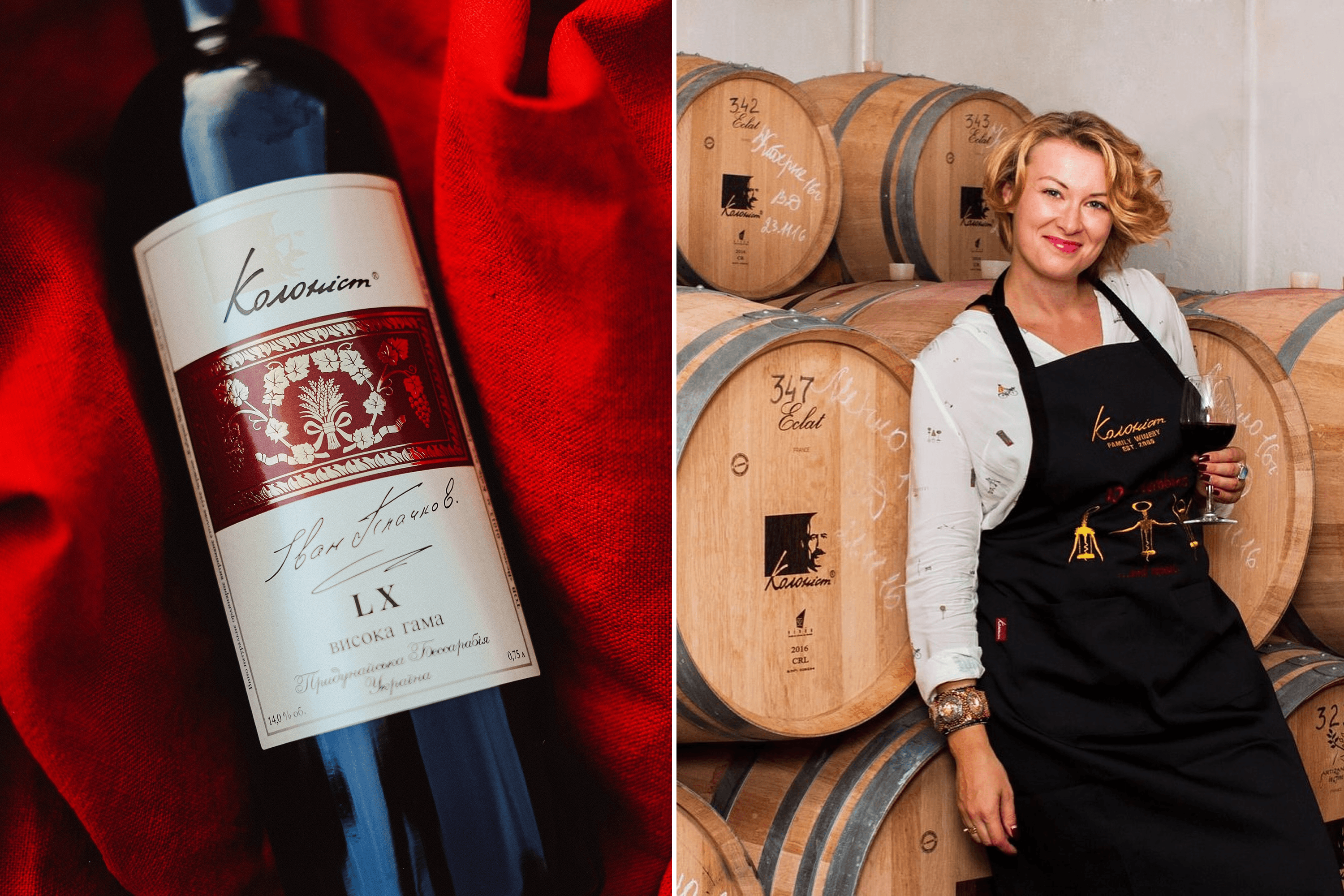
Photo: Wine Kolonist / Facebook / YB
Unlike Moldova and Georgia, where wine has been granted the status of a food product, in Ukraine it remains in the category of alcohol. This blocks access to international grants, including those from USAID, which do not finance businesses connected with alcohol.
“For Georgia and Moldova, wine is a significant part of the agricultural sector. For Ukraine, it is not,” says Serhii Klimov. “Therefore legislation there was adapted more quickly to the needs of the sector, so that winemaking in those countries could develop and attract grant funding. In Ukraine the basis of the agricultural complex is grain: corn, wheat, and soy. It accounts for the lion’s share of revenues, while wine occupies a tiny segment that has historically received little attention.”
Another problem of the last ten years has been the large volume of imported wine. As retail expanded, every major chain set up its own import departments. They go directly to trade fairs, negotiate with producers around the world, and find products of the required quality and price. Ukrainian wine often loses out because consumers consider it more expensive and of lower quality.
Today the main demand for Ukrainian wine is formed by rural distribution, which remains the key sales channel, says Volodymyr Pechko. The market in the capital and a number of large cities is largely filled with imported wine, and its share continues to grow. Regional sales have effectively become “the last barricade” for Ukrainian producers, he adds.
The years 2016 to 2022 were a period of systematic development of Ukrainian winemaking without sharp leaps,” says Serhii Klimov. “Small wineries appeared across the country, forgotten regions were revived, wine festivals took place. Ukrainian wines appeared more frequently on restaurant menus, and producers began sending samples to international competitions.

Quality and price of Ukrainian wine
Serhii Klimov adds that if Ukrainian wine is evaluated on a scale of zero to ten, where zero is a wine one would not even want to taste and ten is stable and high-quality, the score in Ukraine is already approaching six. He gives the example of the Zakarpattian company Chateau Chizay, which ten years ago produced mediocre wines with obvious flaws and has now reached a level of eight to nine points. There are already about a dozen such producers. However, a high level is also a story of family, place, and grape varieties. For any fair assessment, a winery must have at least fifteen to twenty years of stable production.
The Château Chizay winery in Zakarpattia. Photo: Chateau Chizay / Facebook / YB 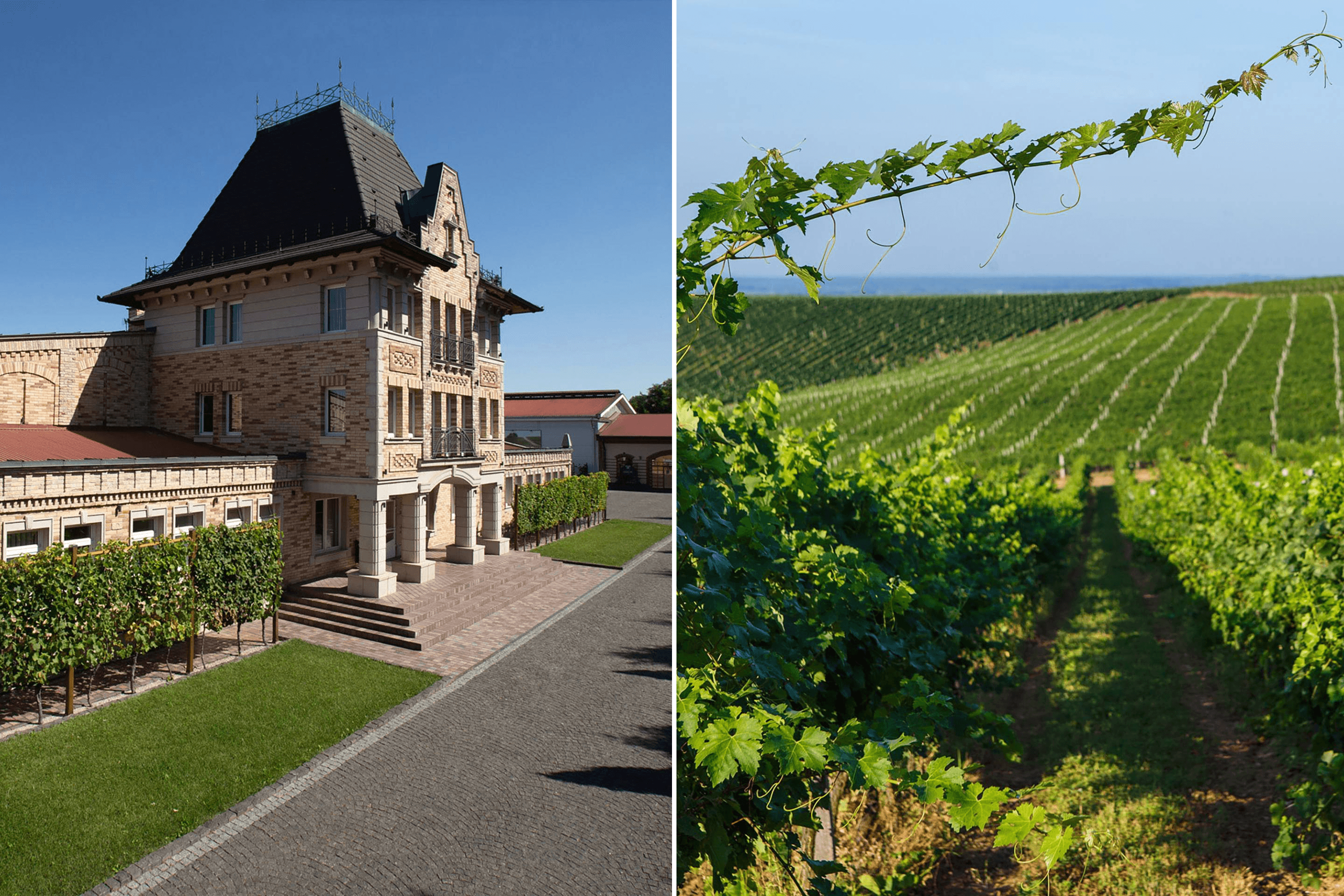
Photo: Chateau Chizay / Facebook / YB 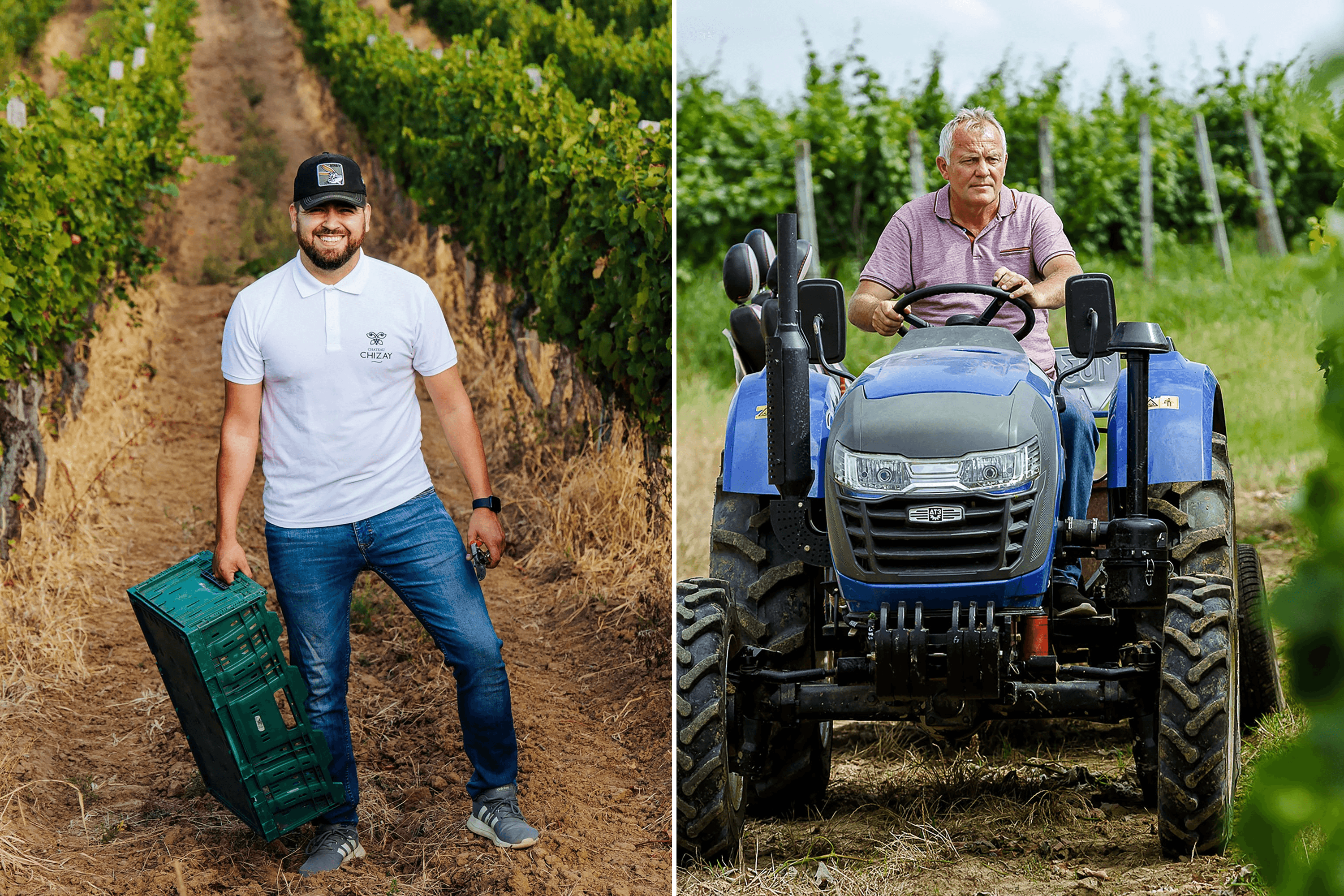
Photo: Chateau Chizay / Facebook / YB 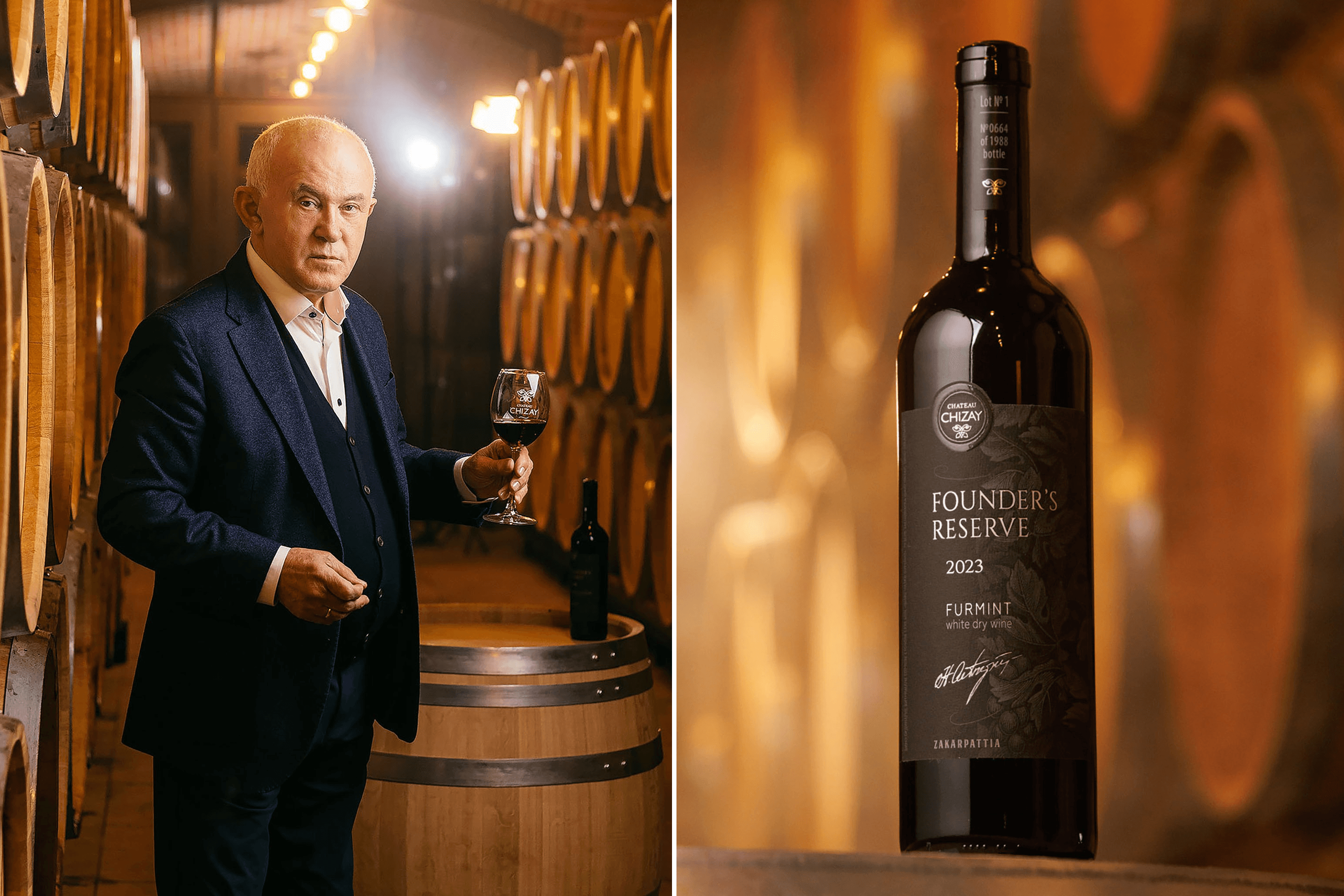
Hennadii Hutman — founder of the Château Chizay winery in Zakarpattia. Photo: Chateau Chizay / Facebook / YB 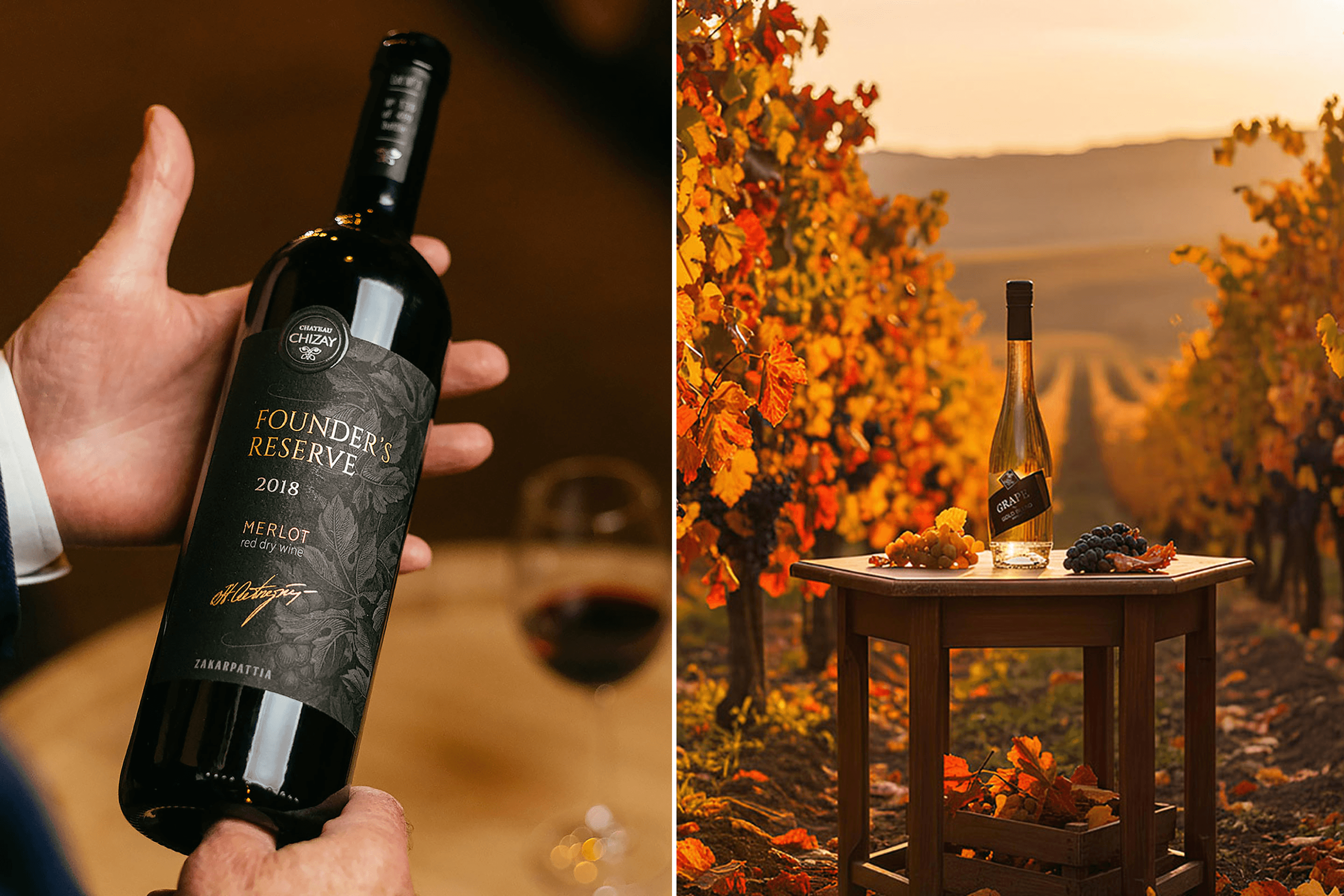
Photo: Chateau Chizay / Facebook / YB
The popularity of craft Ukrainian wine is heavily shaped by price, which is often higher than comparable imports. Spanish or French bottles can be found on promotion for ₴200–300, while Ukrainian ones start at ₴500. Experts say that such comparisons are unfair because in this case mass-market products are compared with craft.
Wines of the same category should be compared. One cannot take Beykush Winery, which produces 60,000 bottles a year and uses manual labor from grape harvesting to wine aging, and compare it with Cielo, which produces millions of bottles a year and where most processes are mechanized. Ukrainian craft should be compared with European craft wines.
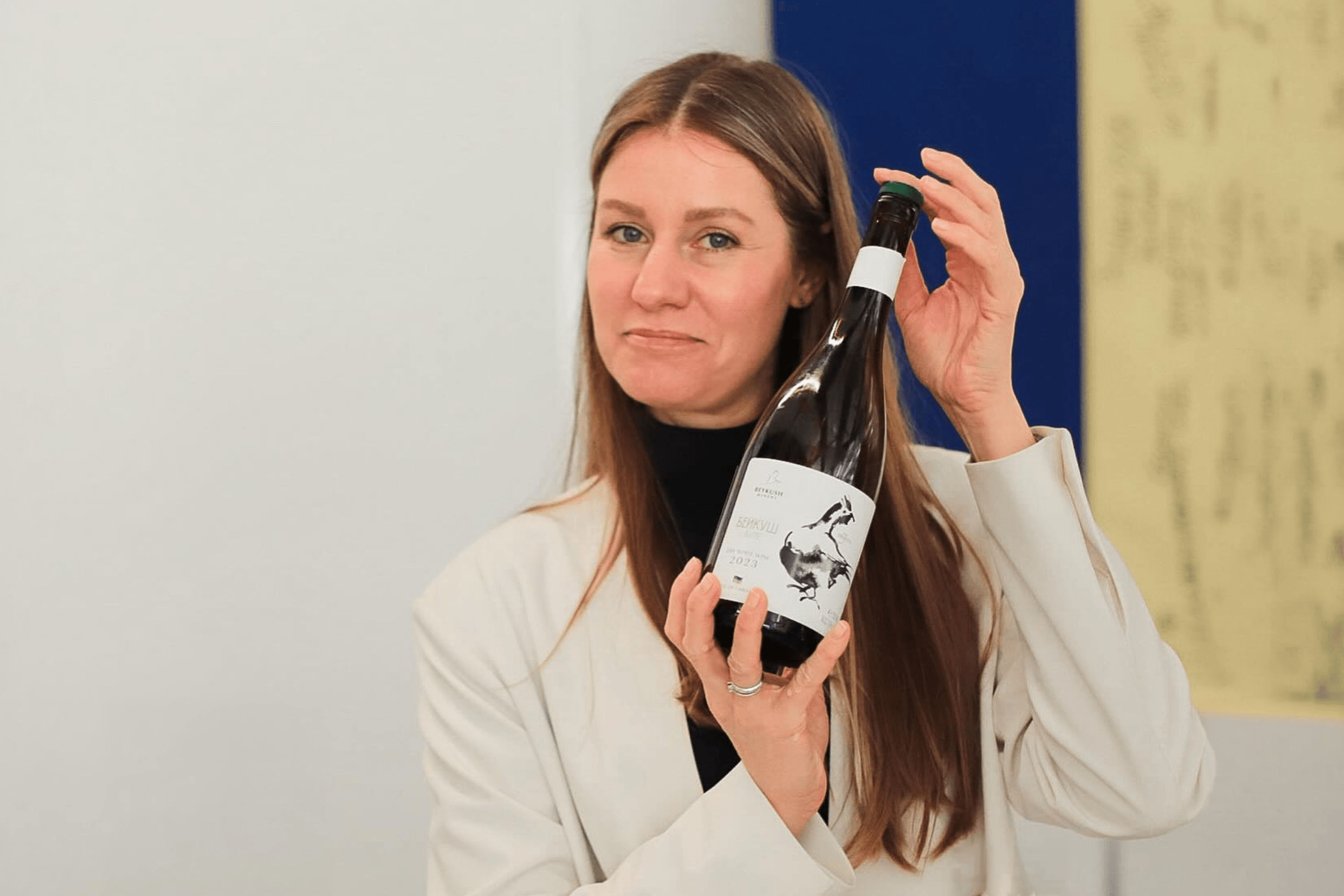
Serhii Klimov agrees with her. He explains that if a small winery has its own vineyard of several hectares, practices hand-harvesting, and runs a full production cycle, its wine cannot cost less than €10–12 a bottle, regardless of whether the operation is located near Vienna or near Kyiv. Craft is always more expensive.
Several factors influence the price. The first is the volume of purchases. “For any production, including wineries, the same economic laws apply: the larger the production volume, the cheaper it becomes,” adds Serhii Klimov. The same applies to viticulture. Small producers often face a paradox where purchased grapes are significantly cheaper than their own. In southern Ukraine, quality grapes can be bought in season for ₴15–20 per kilogram, while those from a small estate vineyard cost three times as much because of expenses for maintenance, hand-harvesting, and labor.
The cost of imports has also risen considerably. Previously raw materials from Spain could be delivered to Ukraine for around €3,500. Since 2023 logistics has come to €8,000–9,000, says Svitlana Tsybak. The reason is the war and its associated risks. All these expenses are inevitably built into the final cost.
The third factor is the absence of state support. In Europe there has long been a system of state, sectoral, and local support for winemaking, covering investments in equipment, vineyards, marketing, and export. In Ukraine, says Serhii Klimov, systematic support does not exist. Formally there are only grants for planting vines, but they are largely ineffective and do not meet the needs of the sector.
“In Ukraine winemakers are forced to bear all risks independently. This directly affects production costs. Our winery has operated exclusively on its own investment from the very beginning and has never received any state support,” says Svitlana Tsybak.

Vineyards of Beykush Winery. Photo: Beykush Winery / Facebook / YB 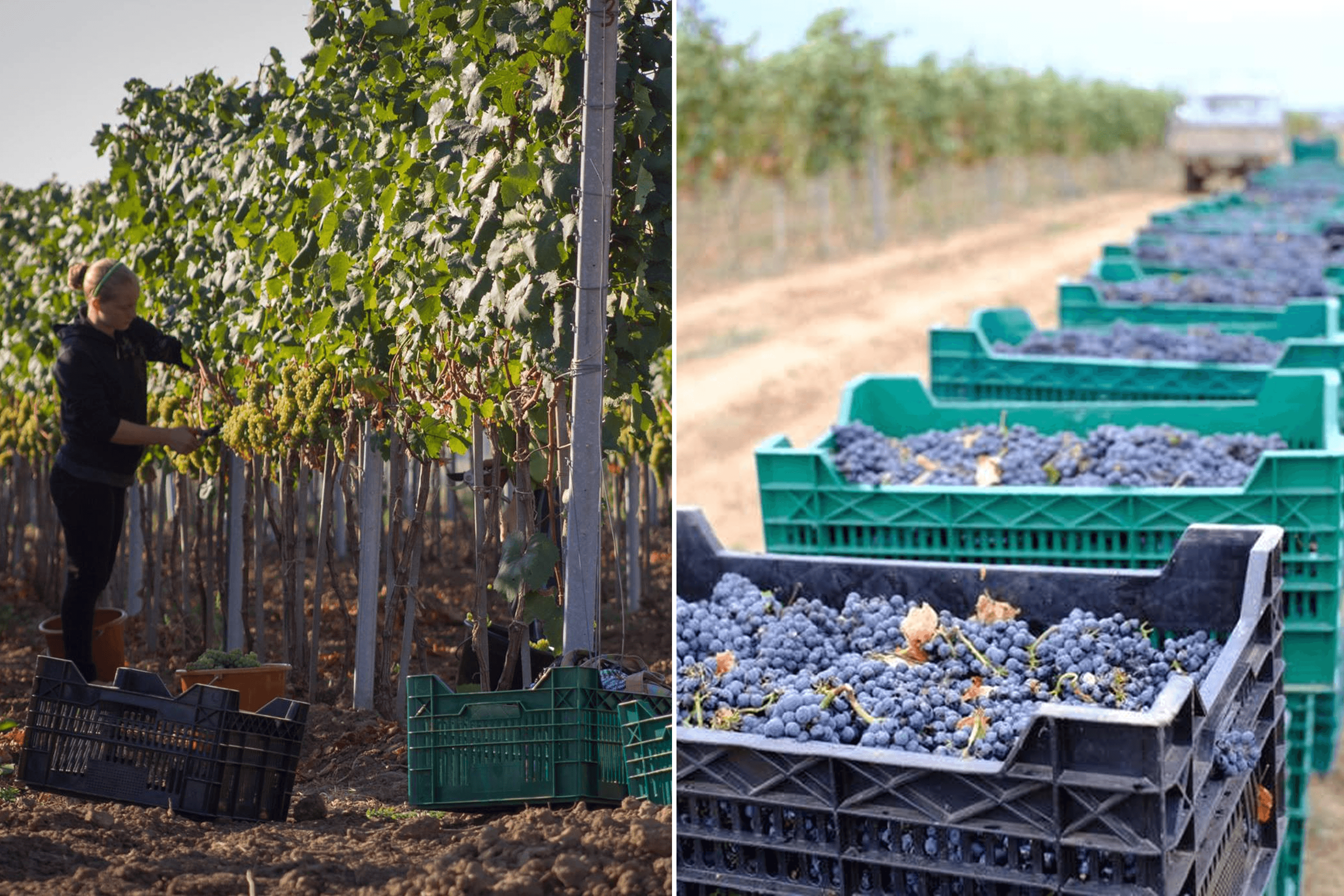
Photo: Beykush Winery / Facebook / YB 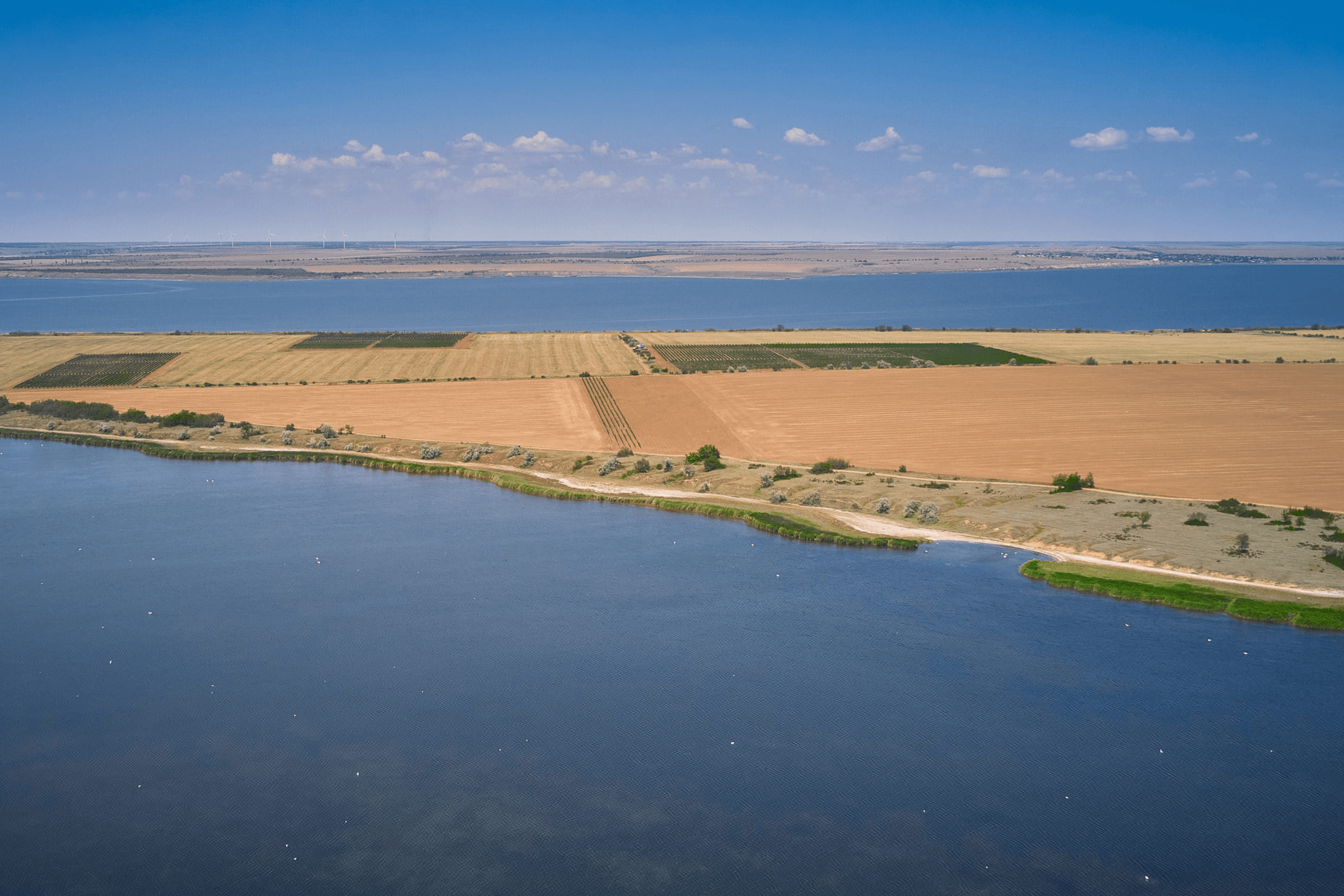
Photo: Beykush Winery / Facebook / YB 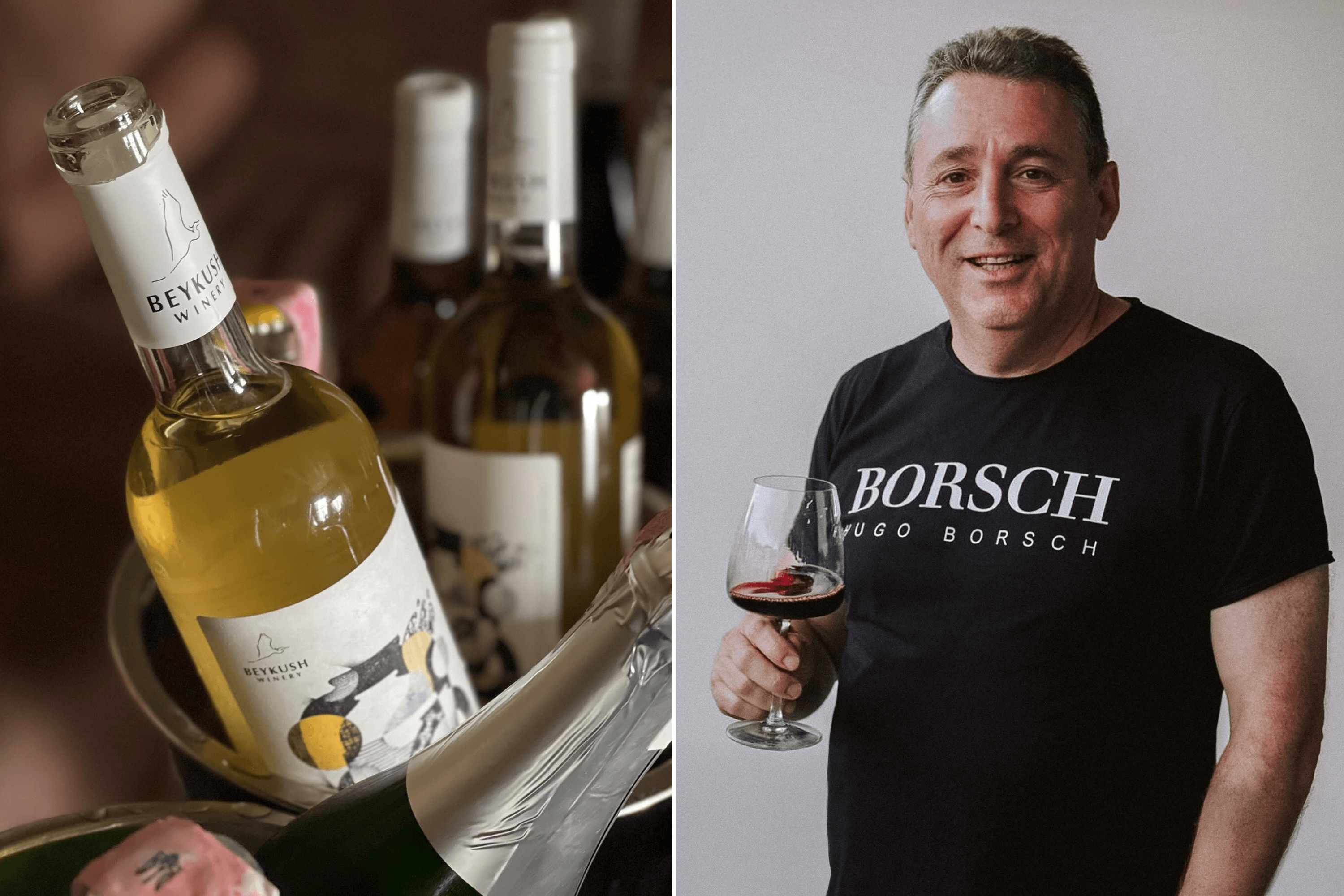
Yevhen Shneideris — founder of Beykush Winery. Photo: Beykush Winery / Facebook / YB 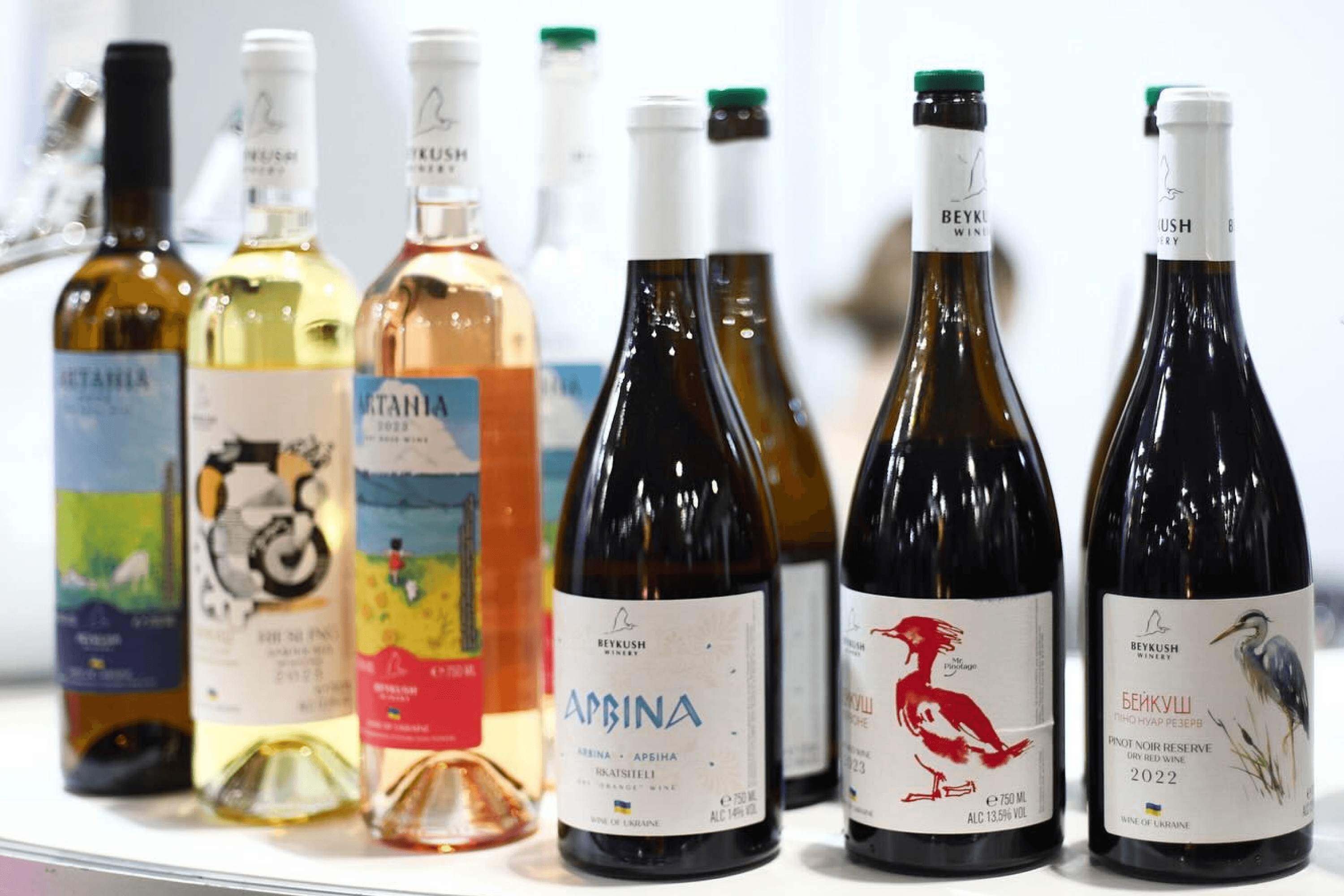
Wines by Beykush Winery. Photo: Beykush Winery / Facebook / YB
Where and why Ukrainian wines are exported?
Until 2022, exports of Ukrainian wine were rather symbolic, around three percent of all production. Some producers had relationships with importers in Europe and the United States, but these were isolated cases rather than systematic work, says Serhii Klimov. Among them were ArtWinery, a sparkling wine producer from Bakhmut, Shabo from Odesa, and Koblevo from Mykolaiv. Most exports consisted of bulk wine transported without bottling or branding. Abroad it was blended with local varieties and sold under local labels.

Products from the Bakhmut sparkling wine producer Artwinery. Photo: Artwinery / Instagram / YB 
Products from the Odesa winery Shabo. Photo: SHABO / Facebook / YB 
Products from the Mykolaiv winery Koblevo. Photo: KOBLEVO / Instagram / YB
With the beginning of the full-scale invasion, interest in Ukrainian wine increased sharply. This was connected primarily with emotional and sometimes political decisions to support Ukraine. That year overall was driven by emotion, and this undoubtedly affected attention to Ukrainian wine.
In 2022 Ukraine exported wine to forty-nine countries. Craft wineries joined large producers in reaching foreign markets. This was also helped by the policy of the European Union, which canceled duties on Ukrainian goods. The main markets were northern European countries where domestic winemaking is weakly developed due to the cool climate, including the United Kingdom, the Baltic states, and Scandinavia. In Scandinavia, the monopoly of local authorities on alcohol sales also works in favor of Ukrainian wine.
“A system began to form in which many producers orient themselves toward export,” explains Serhii Klimov. “Recently I heard about two small operations producing 40,000 and 70,000 bottles a year that now sell 40 and 50 percent of their production abroad respectively. This indicates that the market has opened. At the same time, most of Ukrainian producers present on international markets are small ones.”
Outside Europe, the key markets remain the United States and Canada, where demand is partly formed by the large Ukrainian diaspora. Local supermarkets carry Artwinery, Chateau Chizay, Beykush Winery, Stakhovsky Wines, and Villa Tinta. In the Asian region the main importer is Japan. Stakhovsky Wines, Beykush Winery, Father’s Wine, Villa Tinta, My Wine, Chateau Chizay, and 46 Parallel export their products there. Exports to other Asian countries are smaller and more selective.

Artwinery; Chateau Chizay. Photo: Facebook / YB 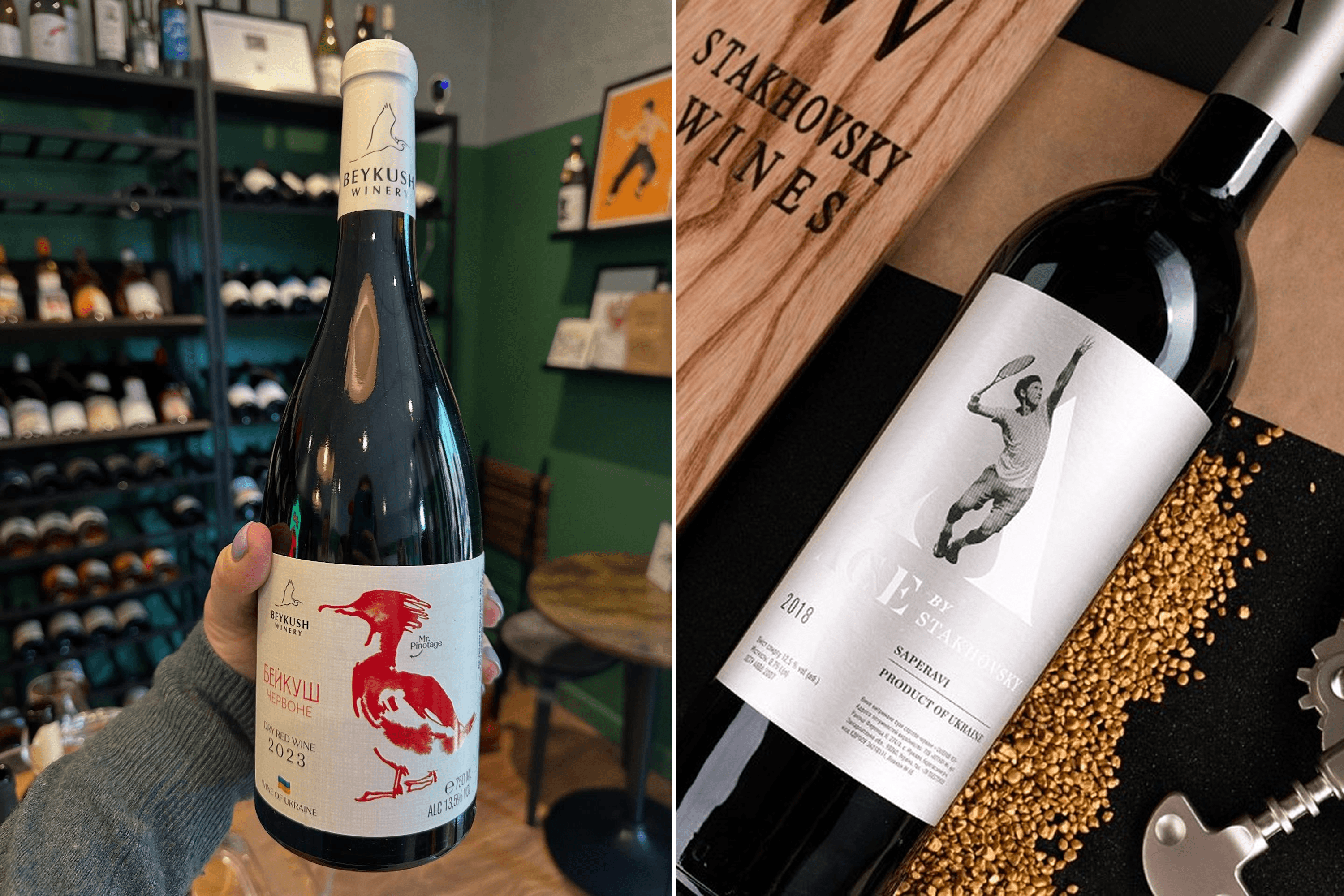
Beykush Winery; Stakhovsky Wines. Photo: Facebook / YB 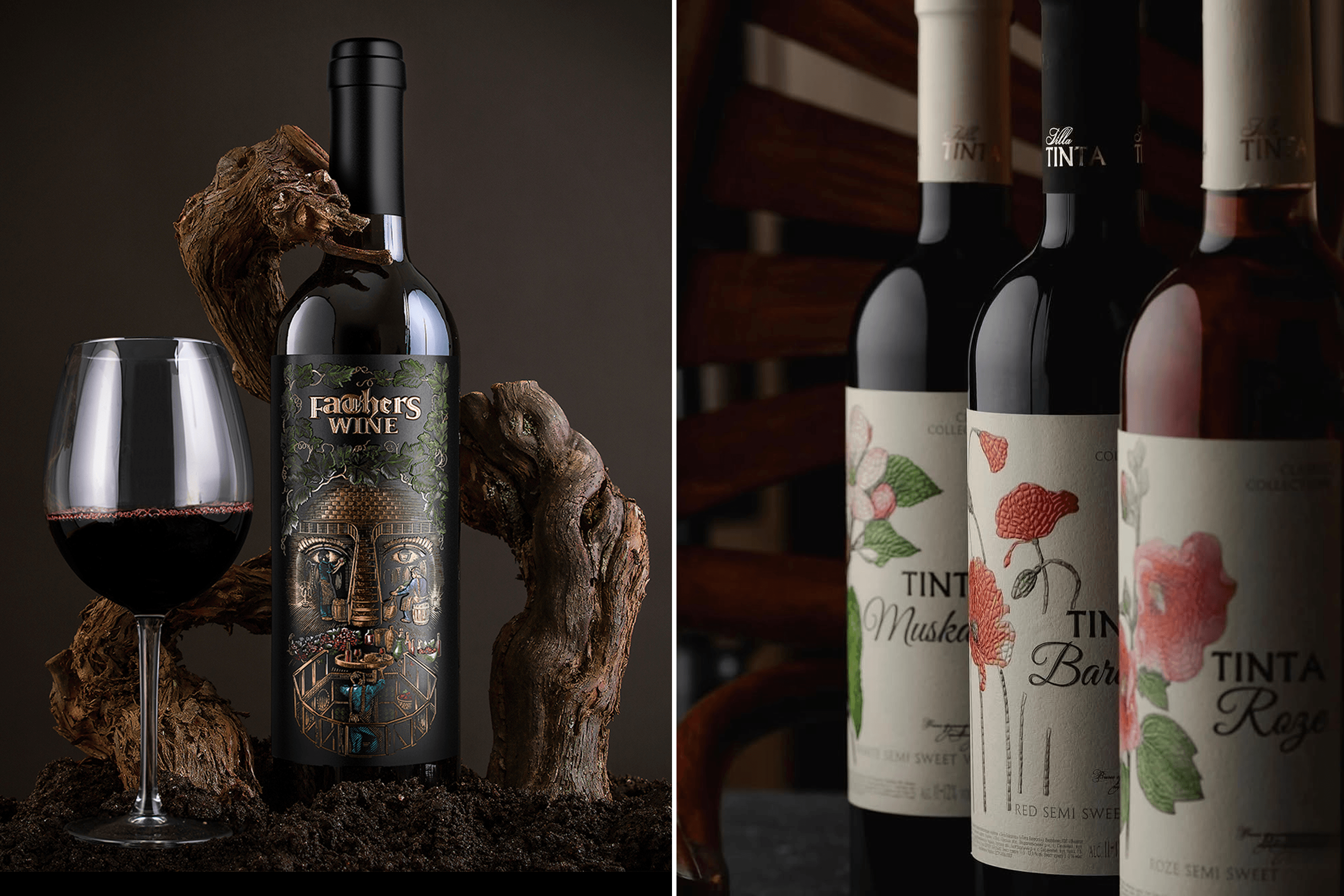
Father’s Wine; Villa Tinta. Photo: Facebook / YB 
My Wine; 46 parallel. Photo: Facebook / YB
In 2023 a Ukrainian stand appeared at ProWein for the first time, one of the most prestigious wine trade fairs. It featured Beykush Winery, Father’s Wine, Prince Trubetskoi Winery, Chateau Chizay, Stakhovsky Wines, Biologist, Kolonist, Villa Tinta, My Wine by Eduard Gorodetsky, SHABO, Artwinery, and Big Wines. The stand was organized by Wines of Ukraine, the association promoting Ukrainian wine internationally. During the fair, winemakers were happy not only to sell their own products but also to recommend colleagues worth paying attention to. That unity among Ukrainian winemakers remains to this day, says Svitlana Tsybak. Producers regularly combine export shipments. This benefits both importers, who can add several Ukrainian wines to their portfolio at once, and the wineries themselves. Shipping two pallets costs €2,000; eleven pallets cost €3,500. Sending them together is several times cheaper.
The domestic boom was continuing as well. More than 100 small craft wineries now operate in Ukraine, a 70 percent increase over the past five years, according to Volodymyr Pechko. Around thirty large licensed producers remain, but they control more than 90 percent of vineyard land. Ukraine has roughly 26,000 hectares under vine in total. More than 20,000 of those are under Russian occupation or have closed because of the war.
After 2022, despite the growth of informational attention to Ukrainian wine, overall exports did not actually increase. Although more companies entered foreign markets, volumes remained at around three percent of production, or roughly $12 million a year. Wine imports into Ukraine, by comparison, exceed $200 million.

What makes Ukrainian wine interesting for foreigners?
Since late 2023, interest in Ukrainian wine abroad has started to decline. Winemakers are now looking for new ways to attract foreign consumers not only through solidarity with Ukraine, but through something more. Over the last few years, appetite for wines from new regions, cool zones, and little-known grapes has been growing on the global market. Ukraine corresponds to these trends, and the future of the sector lies precisely in its distinctive Ukrainian varieties, believes Serhii Klimov.
“A hypothetical sommelier or restaurateur today is less likely to choose another chardonnay, a grape variety well known and widespread in many countries. Instead, attention is increasingly drawn to lesser-known local types that not only diversify the wine list, but also offer consumers a new experience and the story behind the wine,” agrees Anna Eugenia Yanchenko.
The white varieties Telti-Kuruk, Sukholymanskyi Bilyi, and Citronnyi Magaracha could become Ukraine’s calling card. Among red ones, Yellow Blue’s sources highlight Odeskyi Chornyi.
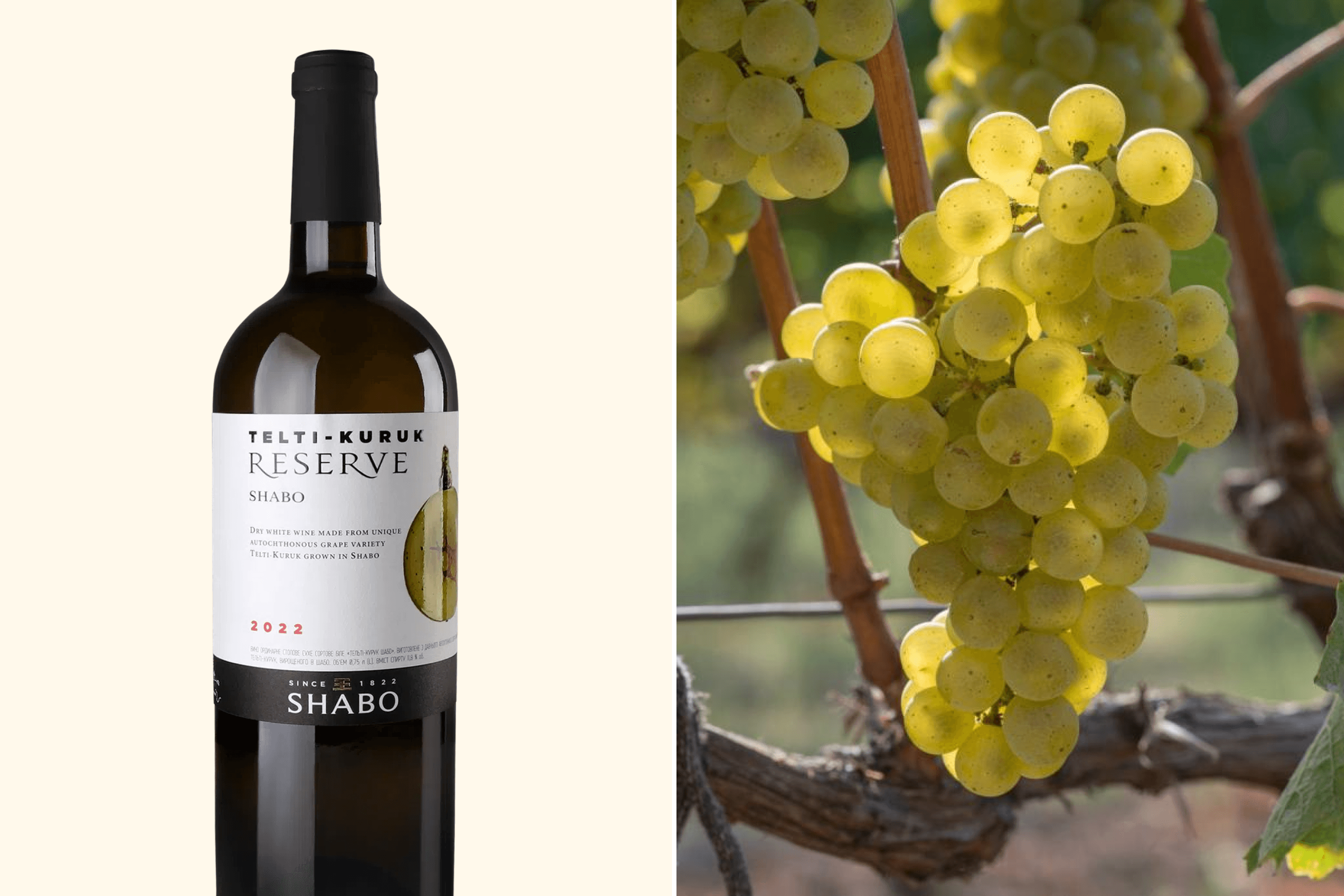
Telti-Kuruk grapes. Photo: Shabo / YB 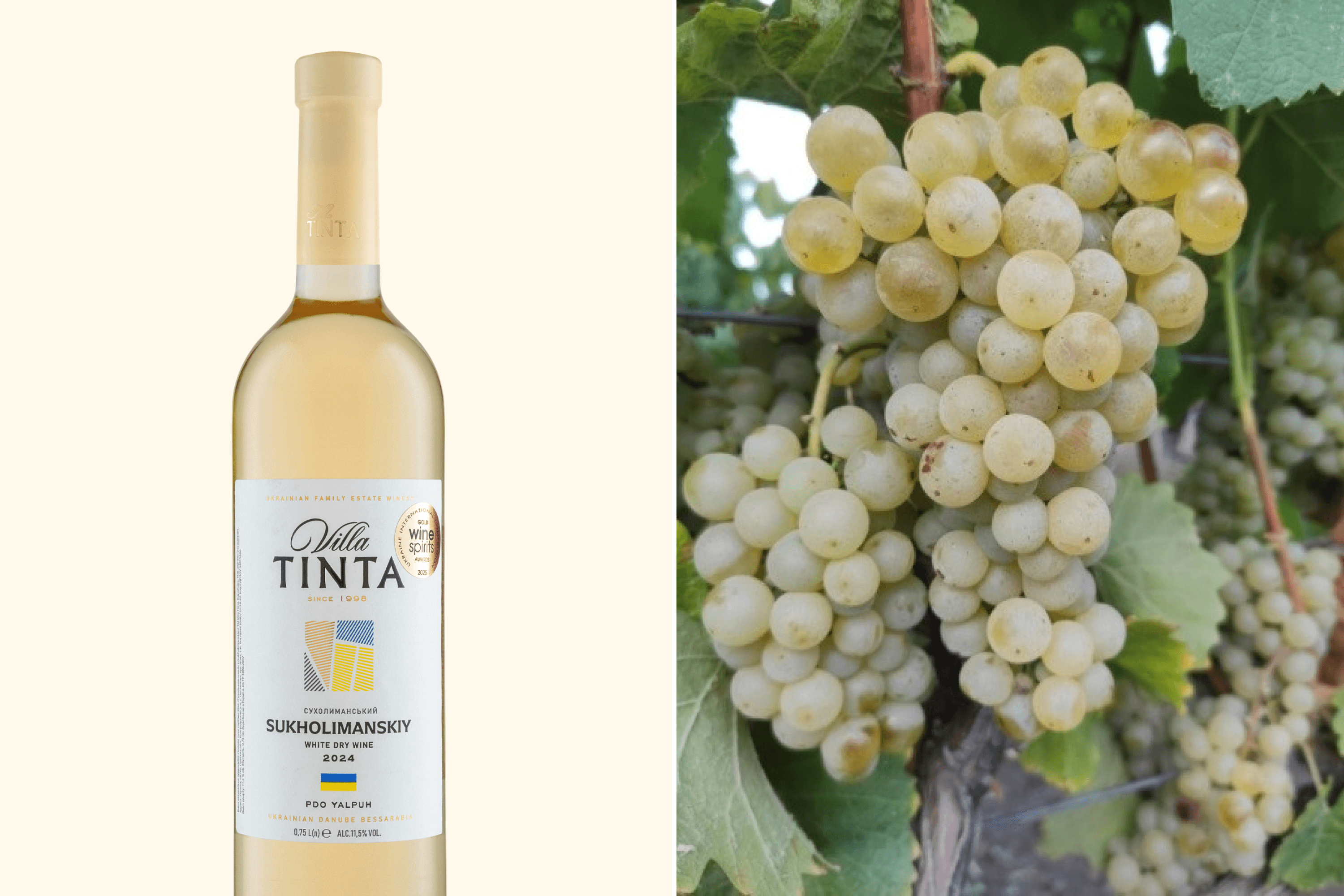
Sukholymanskyi Bilyi grapes. Photo: Villa Tinta / YB 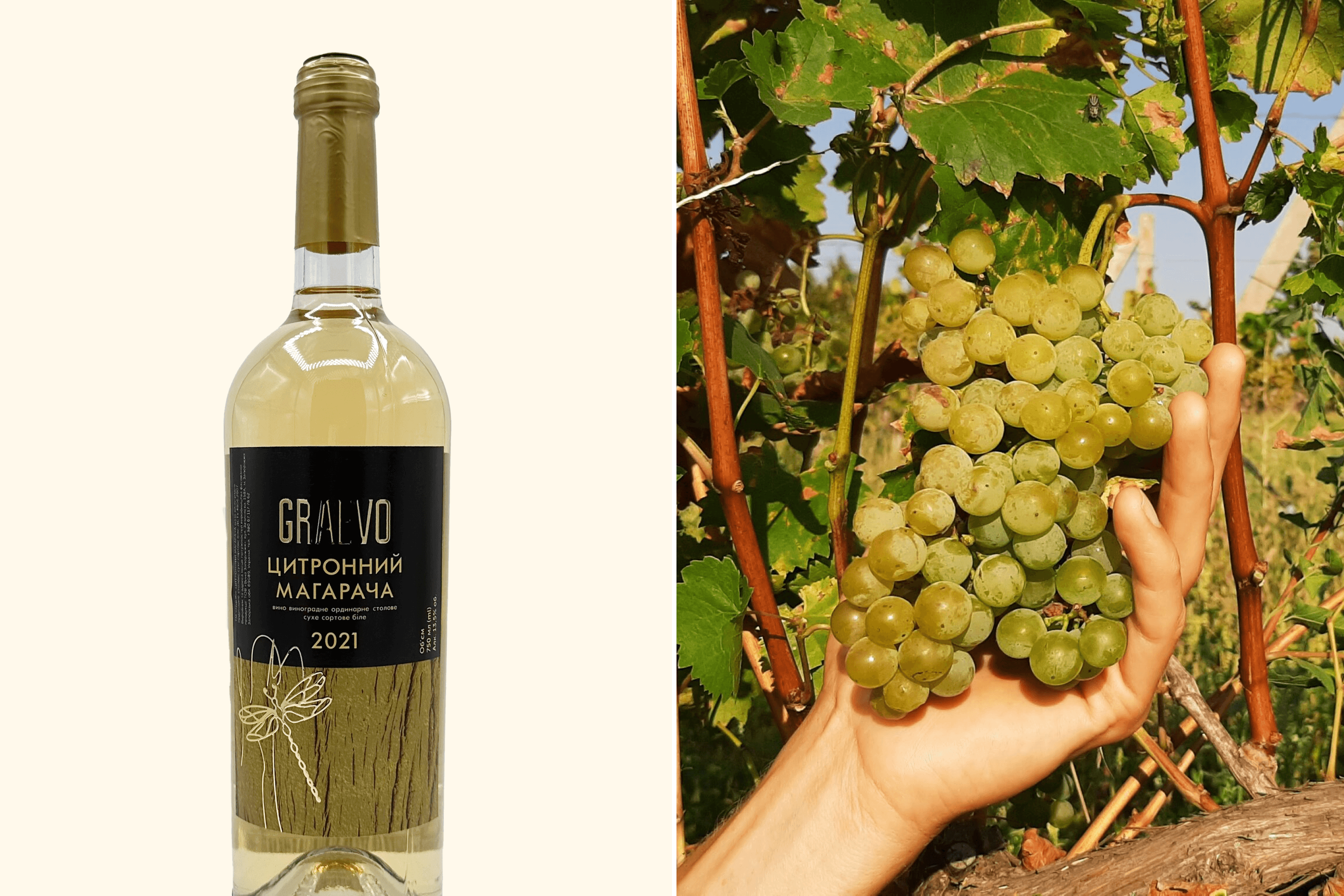
Citronnyi Magaracha grapes. Photo: Gralvo / YB 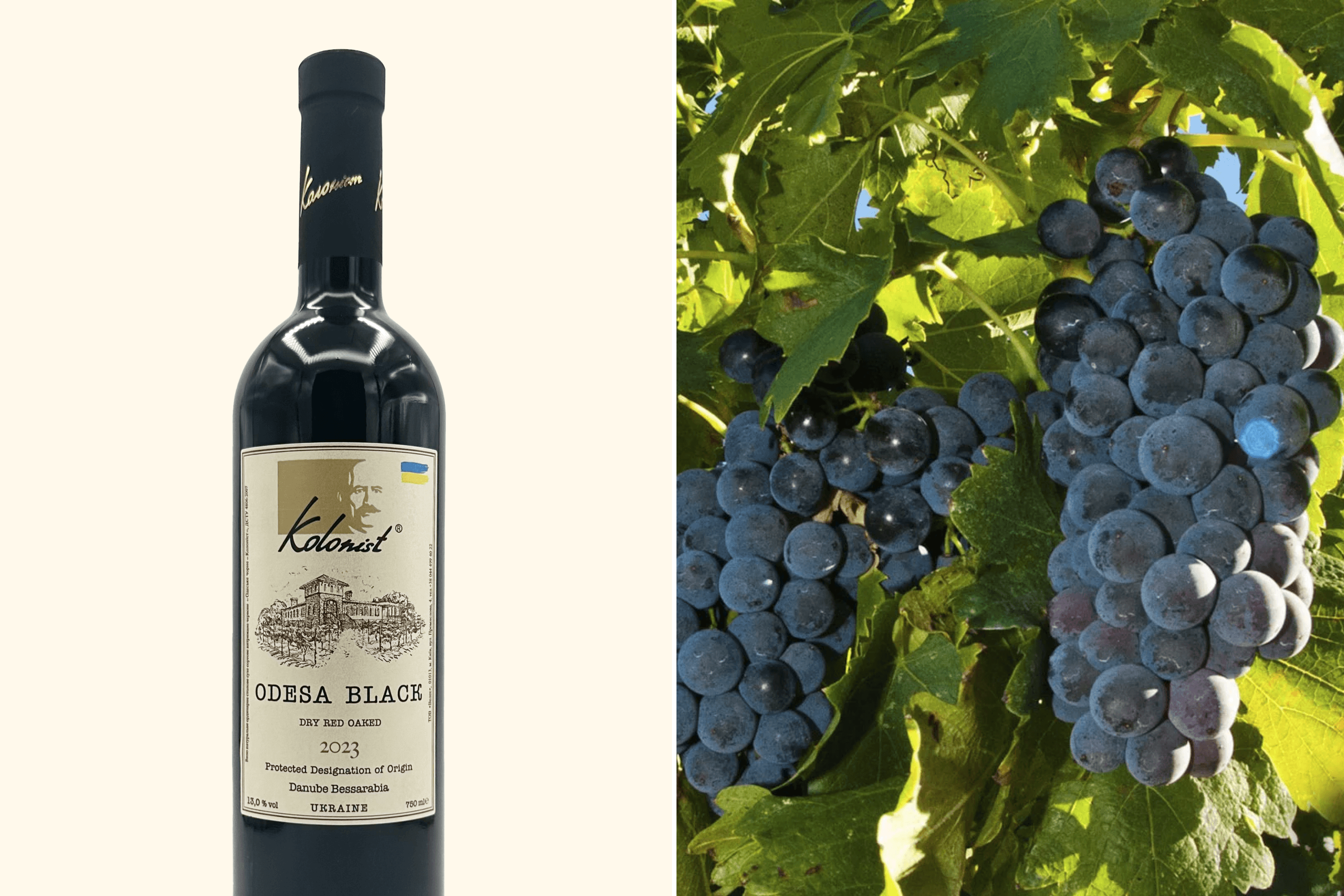
Odeskyi Chornyi grapes. Photo: Kolonist / YB
Many local cultivars in Ukraine remain poorly studied. Sixty-seven are officially registered, but how many are truly suitable for winemaking is still unknown. Some were previously used for mass production, and producers today tend to avoid them for that reason. The same was true of Odeskyi Chornyi, which revealed its potential only later. For a long time this grape was considered unpromising for quality winemaking. During the Soviet period it was widely used as a blending component to add a rich red color to wine. At industrial scale it had a reputation as difficult to cultivate, which is partly true, says Serhii Klimov. The situation changed in the mid-2010s when winemakers began experimenting with modern technologies, including aging in barrels. It has since become one of Ukraine’s key red varieties.
“But not only unique grape varieties should become Ukraine’s export advantage, but also the regions where they are grown,” adds Klimov. “It is important to understand that climate, weather conditions, and soils make every wine distinctive. Therefore we should also work on the promotion of Ukrainian wine regions.”
Southern Ukraine is traditionally associated with bold red wines and rich whites with pronounced tropical fruit aromas. Zakarpattia is known for lighter wines with high acidity. In the central and northern regions, producers make vibrant, aromatic white and rosé wines, as well as more elegant reds. At the same time, these areas face constant risks — prolonged severe winter frosts and spring freezes, explains Serhii Klimov.
By his estimate, Ukraine will need about ten years to form full-fledged and meaningful geographical indications that consumers will trust. This means not simply names on labels, but clear associations with wine style, grape varieties, and a specific place of origin. The goal is for names like “Danube Bessarabia” or “Podilski Tovtry” to signify to the consumer a specific wine character rather than a formal inscription on a bottle.
But the most important condition is change inside the country. First of all, this means improving the legislative framework. Systematic state support for the sector is also necessary, so that winemaking becomes a full-fledged part of Ukraine’s agricultural sector.
Today Ukrainian winemaking is increasingly perceived as a new but already mature participant in the global market, one that seeks to systematically sell its wine abroad. We now see that demand for quality Ukrainian wines is not decreasing but, on the contrary, increasing. This indicates that consumers have tasted them and they truly like what they find.


