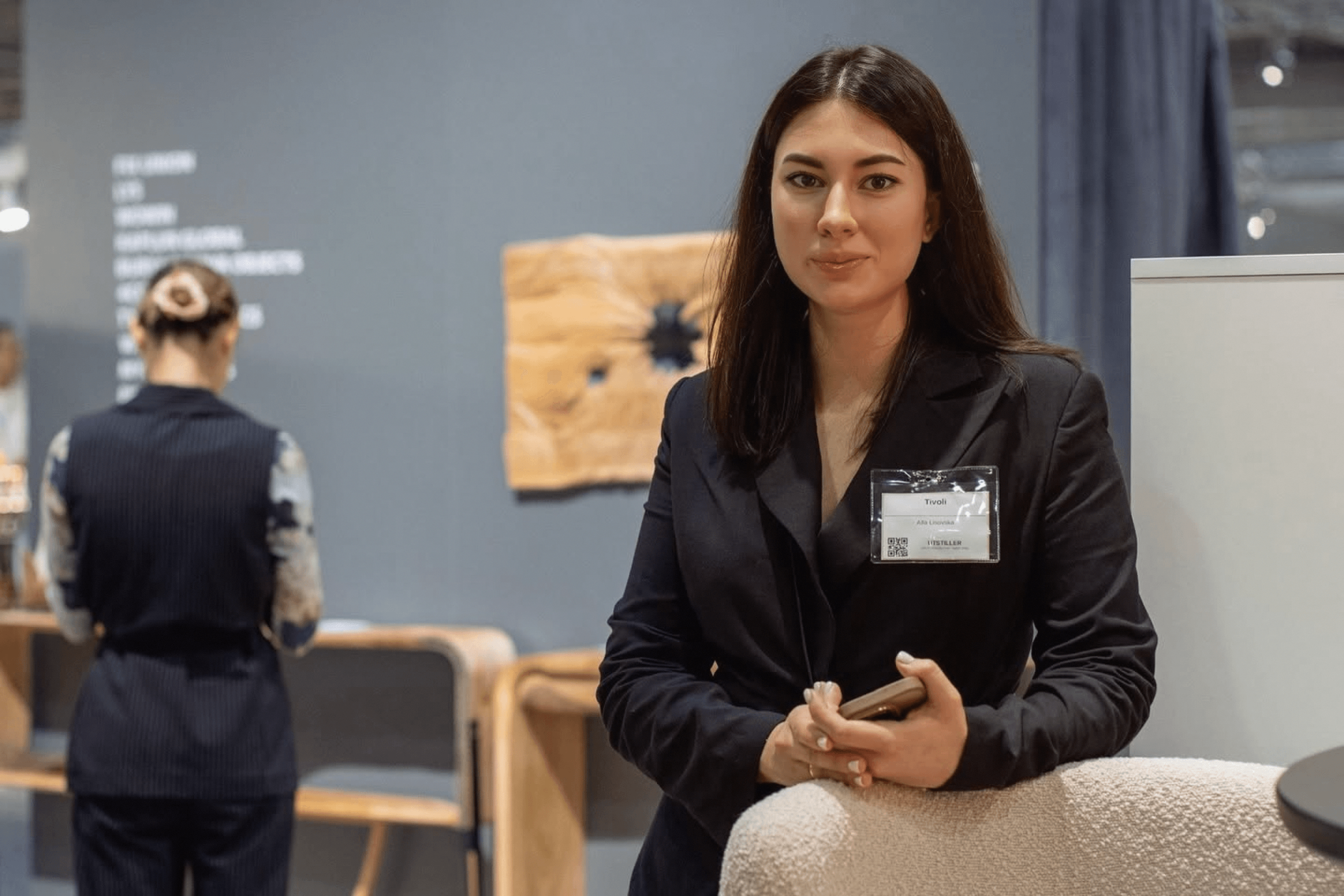
Tivoli chairs and sofas are sold in 26 countries around the world. They can be found in Starbucks coffee shops in China, Best Western hotels, and restaurants recommended by the Michelin Guide. The company exports 98 percent of its products and is considered one of Ukraine’s largest furniture manufacturers.
Its story began with a furniture factory in Stryi. After the collapse of the Soviet Union, it found itself on the brink of closure. Today, Tivoli is the family business of Vladyslav Lisovsky and his daughters, Alla and Julia.
Yellow Blue journalist Sofia Korotunenko spoke with Alla Lisovsky about running its large plant during the war, launching a designer furniture brand, and Tivoli’s international ambitions.
Tivoli is a family business, and you and your sister are the second generation in charge of it. How did your family get into the furniture business?
Our production grew out of a furniture factory in Stryi that had operated under different names since 1912. After the collapse of the Soviet Union, it became a joint-stock company, and my father, Vladyslav, became one of its shareholders in 1997. But the company was not making a profit, so my father began looking into the details of the business himself and searching for ways to develop production. He visited Italian factories to see how modern furniture manufacturers worked.
The production facilities in Stryi were outdated and located in different buildings. Chair parts were made in one workshop, then loaded onto a truck, transported to another, and assembled into finished products there. It was all rather chaotic, so in 2000 my father decided to build a new factory.
Construction was completed in 2014, and my father left the joint-stock company. He brought a team of more than 200 people to the new plant, which allowed them to keep their jobs in what was a difficult year for Ukraine. Many families work with us, and some employees have been with the team for more than 50 years, passing their experience on to new workers.
When did you realize that you wanted to join your father’s business?
Since childhood, I felt that the family business was my destiny. When I was 15, I would go to the office after school and help with documents. I was taken to international exhibitions as an interpreter. I knew many details about our furniture, so I could advise customers on the same level as the salespeople. At 16, I started managing several B2B clients. Some of our partners joke that they watched me grow up.
I love this work, and it made me grow up quickly. After all, I am responsible not only for myself. The well-being of the entire team depends on the orders we receive.
How do you divide responsibilities with your father and sister?
My father runs production and comes up with ideas for developing the company. He does not like publicity, so he handed everything related to PR over to my sister and me. We also manage B2B clients and build partnerships. At the same time, we know manufacturing very well. For example, we understand wood and know how to work with it.
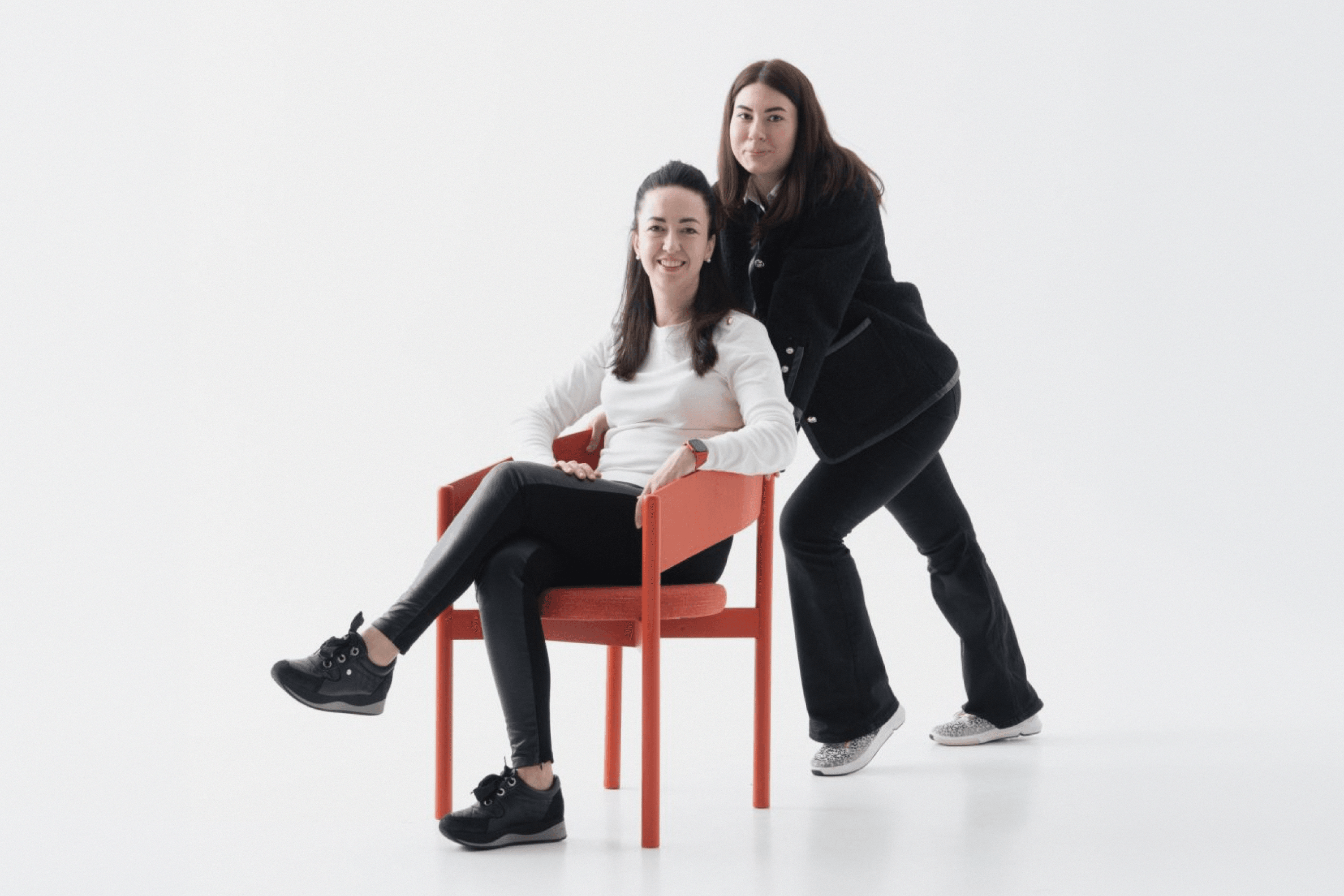
We regularly have family meetings where we make important decisions together. But we’re fortunate that not every member of the family is involved in the business. My husband, for example, does not work in it, and that is a good thing. Sometimes you want to talk about something other than chairs (laughs).
How does your production work?
It is a large 11,000-square-meter factory with a full production cycle. We dry the wood ourselves in vacuum kilns and process it. We cut and assemble the parts using modern computer-controlled machines. They can be configured for different furniture components. We invest heavily in equipment because it is impossible to produce thousands of identical chairs by hand.
We also have three robots that were brought from Italy. They are metal “arms” that paint the furniture. We create a program for each model, so all the products come out identical: the robot repeats the same movements every time. We also test durability using Italian equipment that meets international standards and can apply different weights to a chair. We provide clients with a test report and take responsibility for quality.
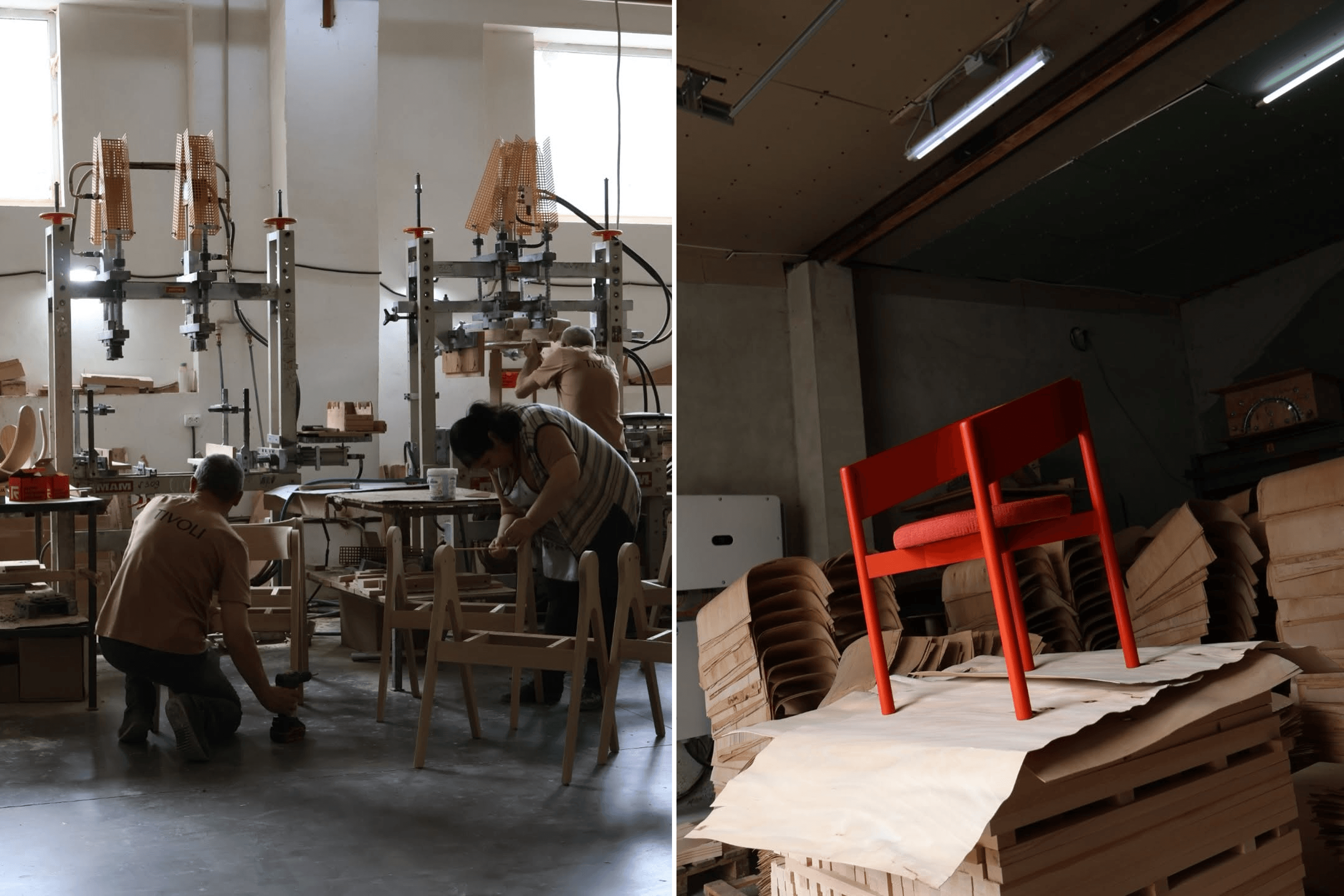
TIVOLI furniture makers during the furniture manufacturing process. Photo: Furniture company "Tivoli" / Facebook 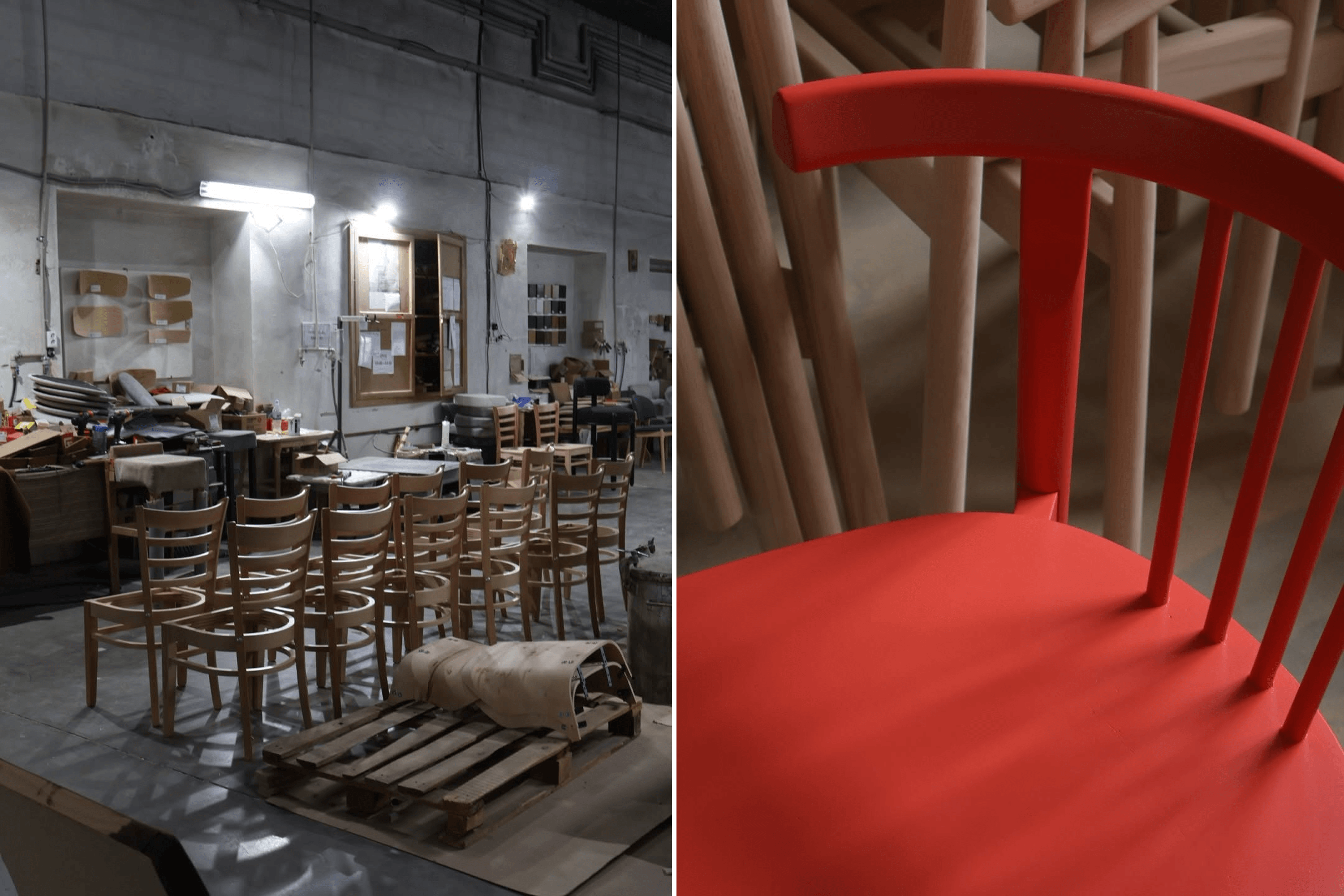
Photo: Furniture company "Tivoli" / Facebook 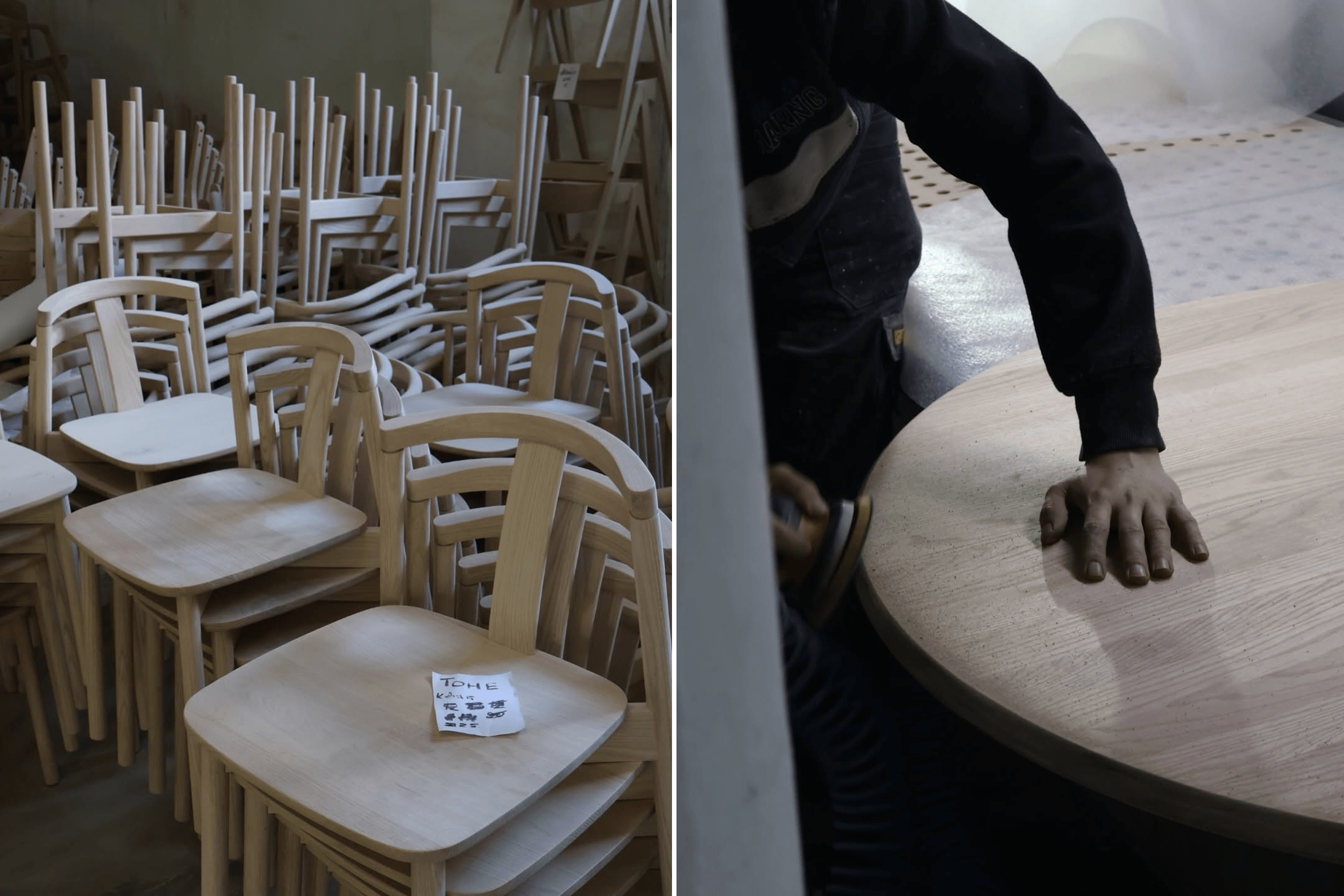
Photo: Furniture company "Tivoli" / Facebook 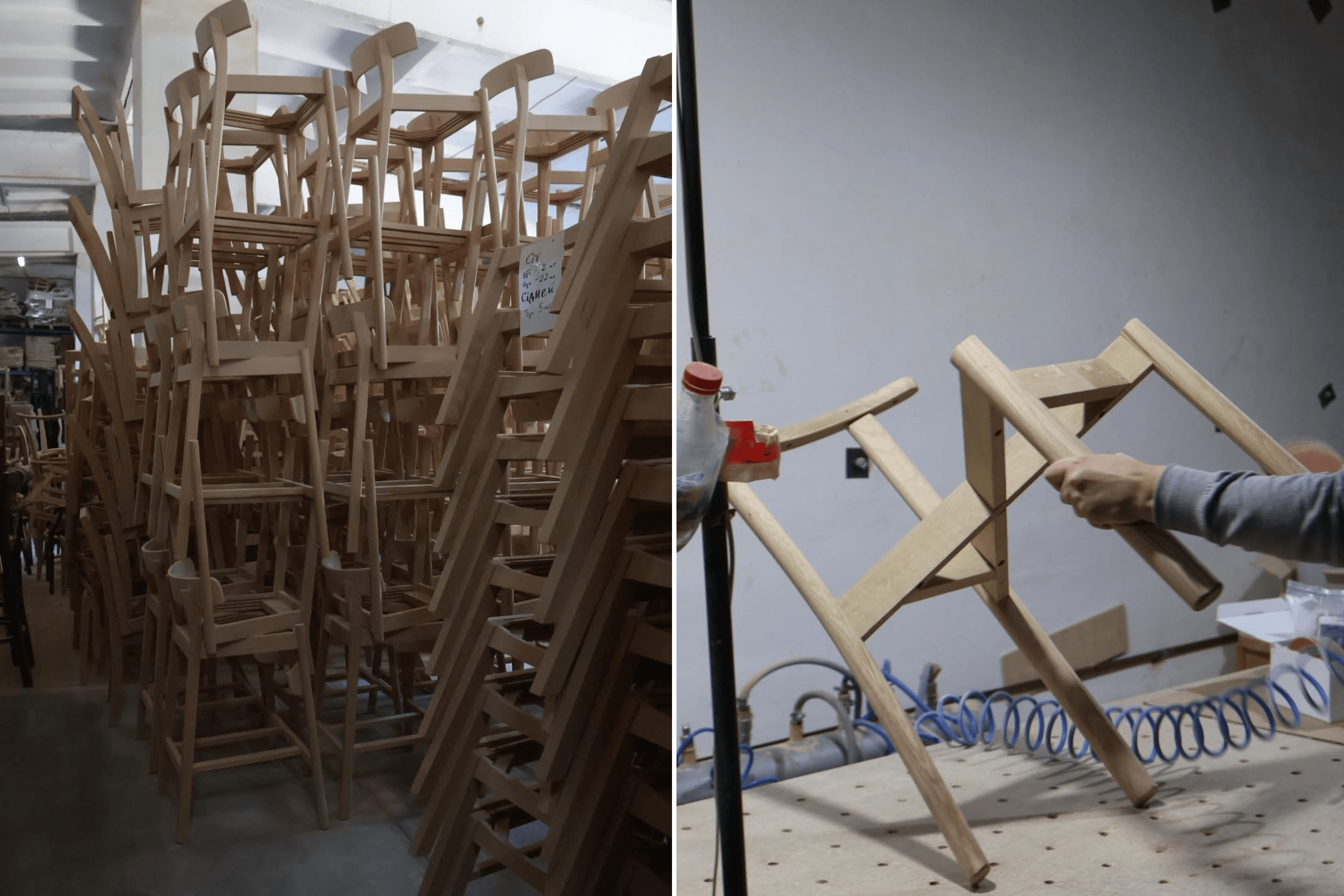
Photo: Furniture company "Tivoli" / Facebook
Before Russia’s full-scale invasion of Ukraine, you mainly worked as contractors for other companies, while now you are actively promoting your own Tivoli brand. Why and how did you change your business model?
Previously, we worked under two models. We manufactured furniture for other brands and produced around 20,000 of our own chairs a month, which we sold in our showrooms in Kyiv. In terms of design, they did not differ from the furniture of other Ukrainian manufacturers, but they competed on price. Because of our large production volumes, we could sell them more cheaply.
When the full-scale invasion began, we wanted people around the world to learn about Ukrainian furniture because its quality is just as high as that of well-known Italian and Scandinavian brands. So we developed our own designer furniture brand, Tivoli, which we now promote internationally. We sell it through our online store and showrooms in Kyiv and work with the HoReCa sector.
Today, approximately 30 to 40 percent of our turnover comes from Tivoli sales. The rest comes from orders from large clients for whom we manufacture our designs under their brands. We need this to keep production running steadily, make a profit, and pay salaries and taxes.
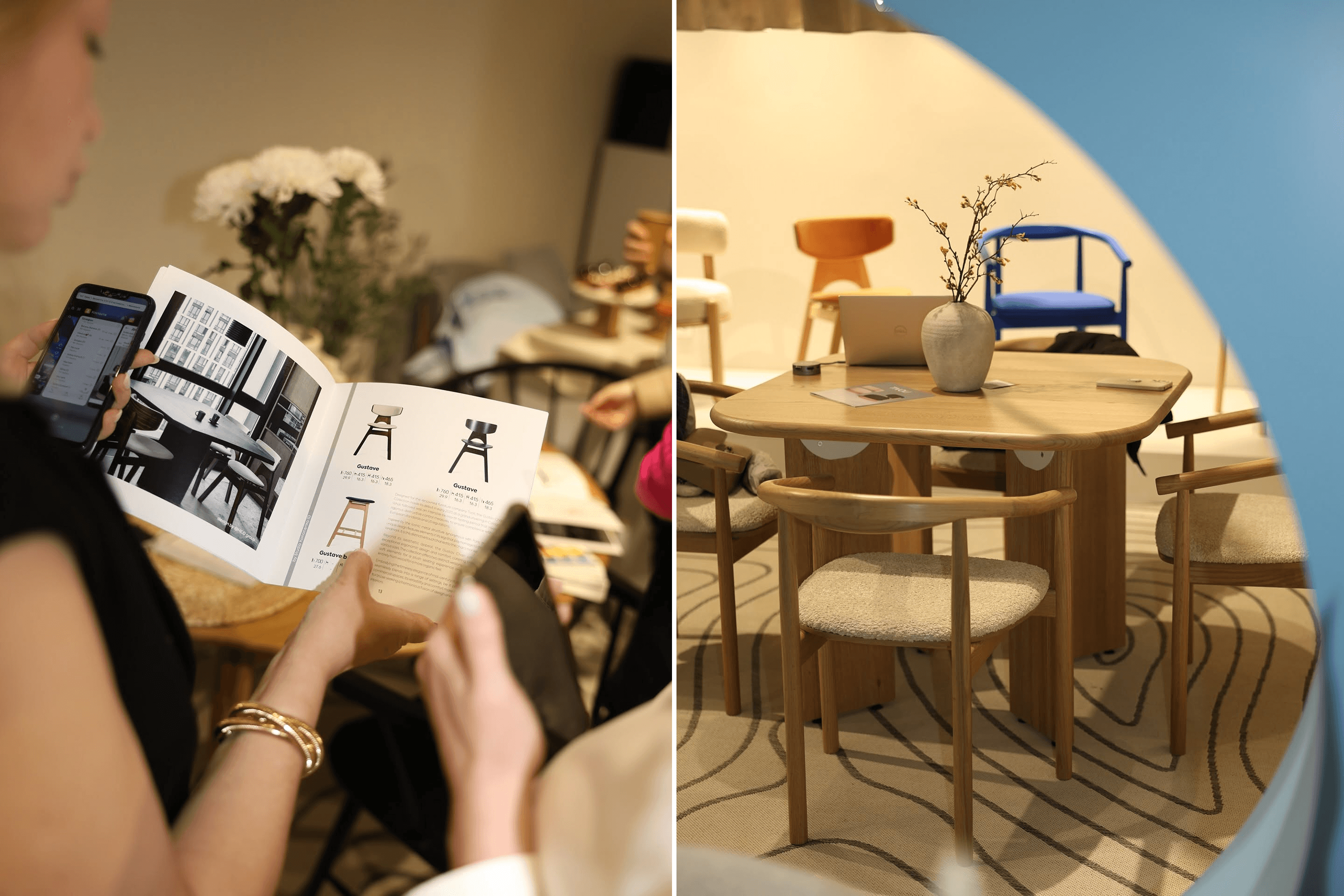
The opening of Ukrainian furniture brand TIVOLI’s showroom in Lviv. September 24, 2025. Photo: Furniture company "Tivoli" / Facebook 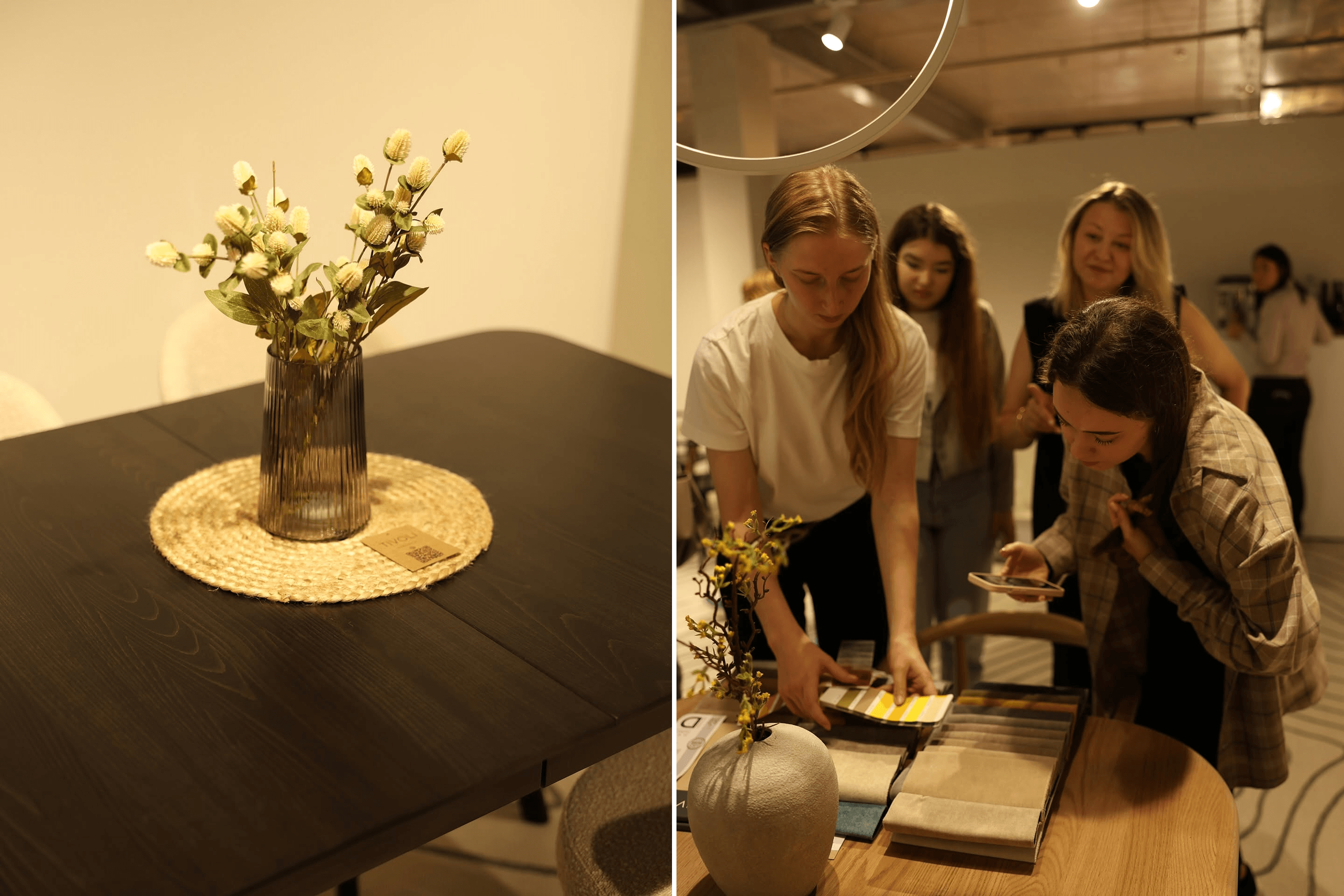
Photo: Furniture company "Tivoli" / Facebook 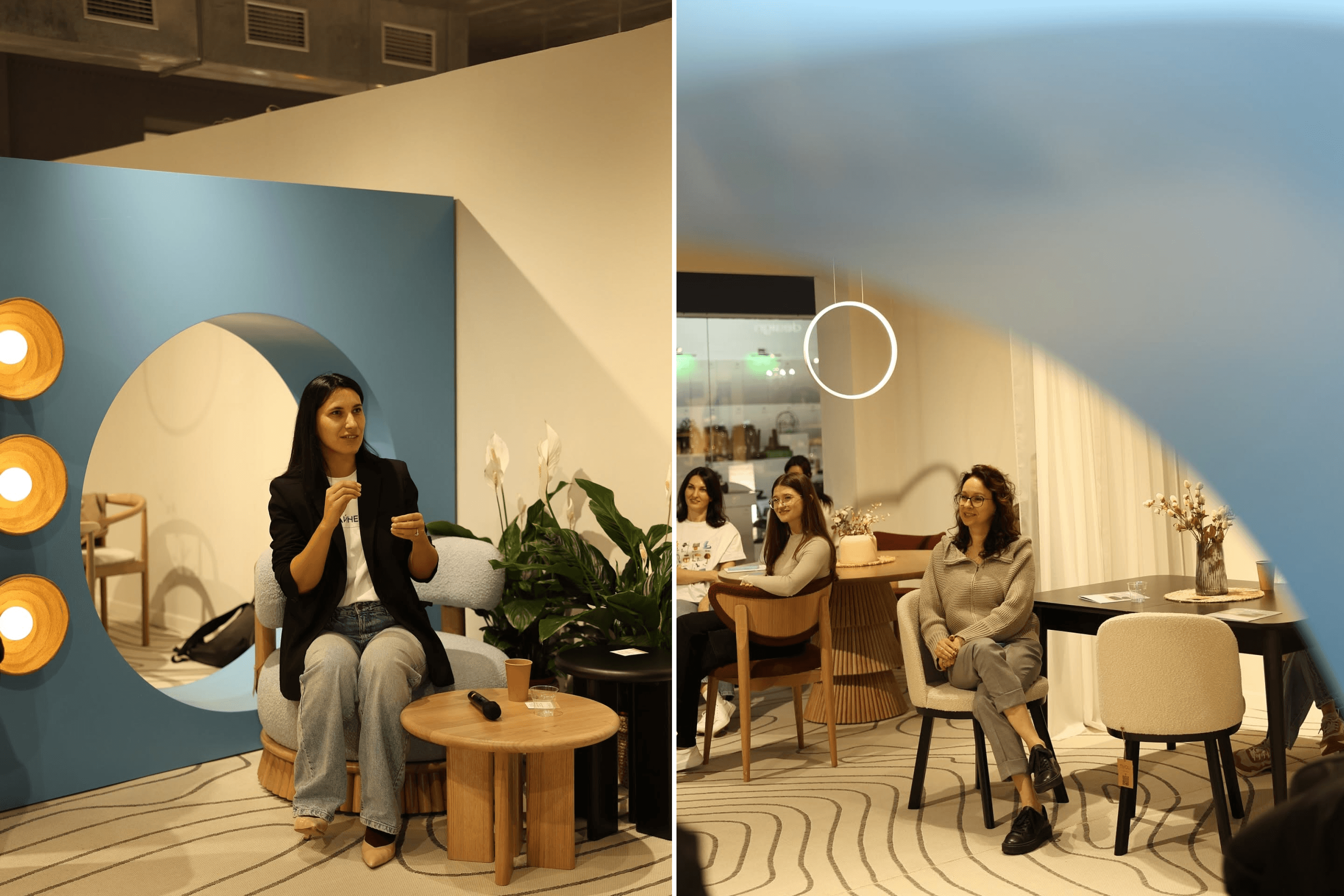
Photo: Furniture company "Tivoli" / Facebook 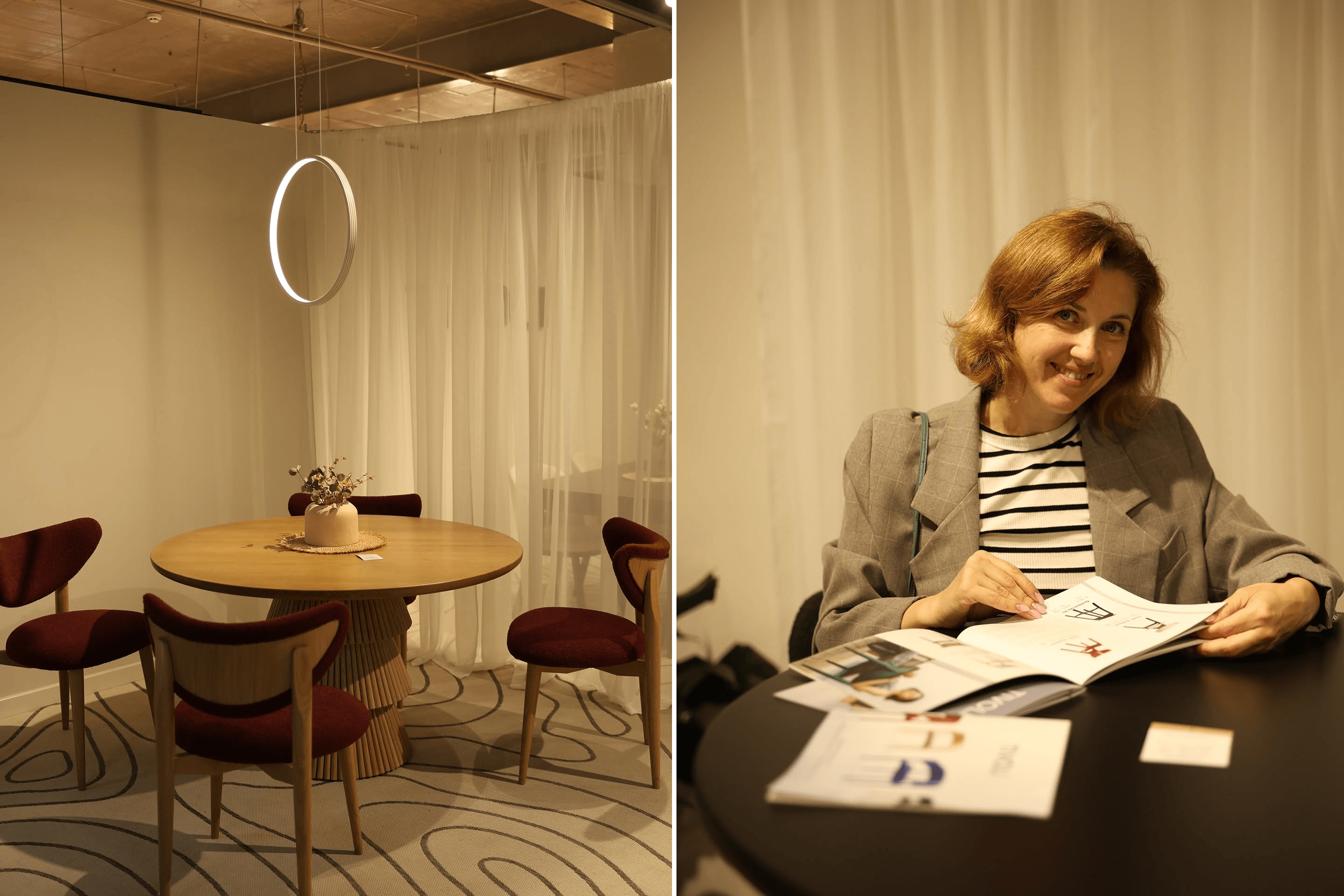
Photo: Furniture company "Tivoli" / Facebook 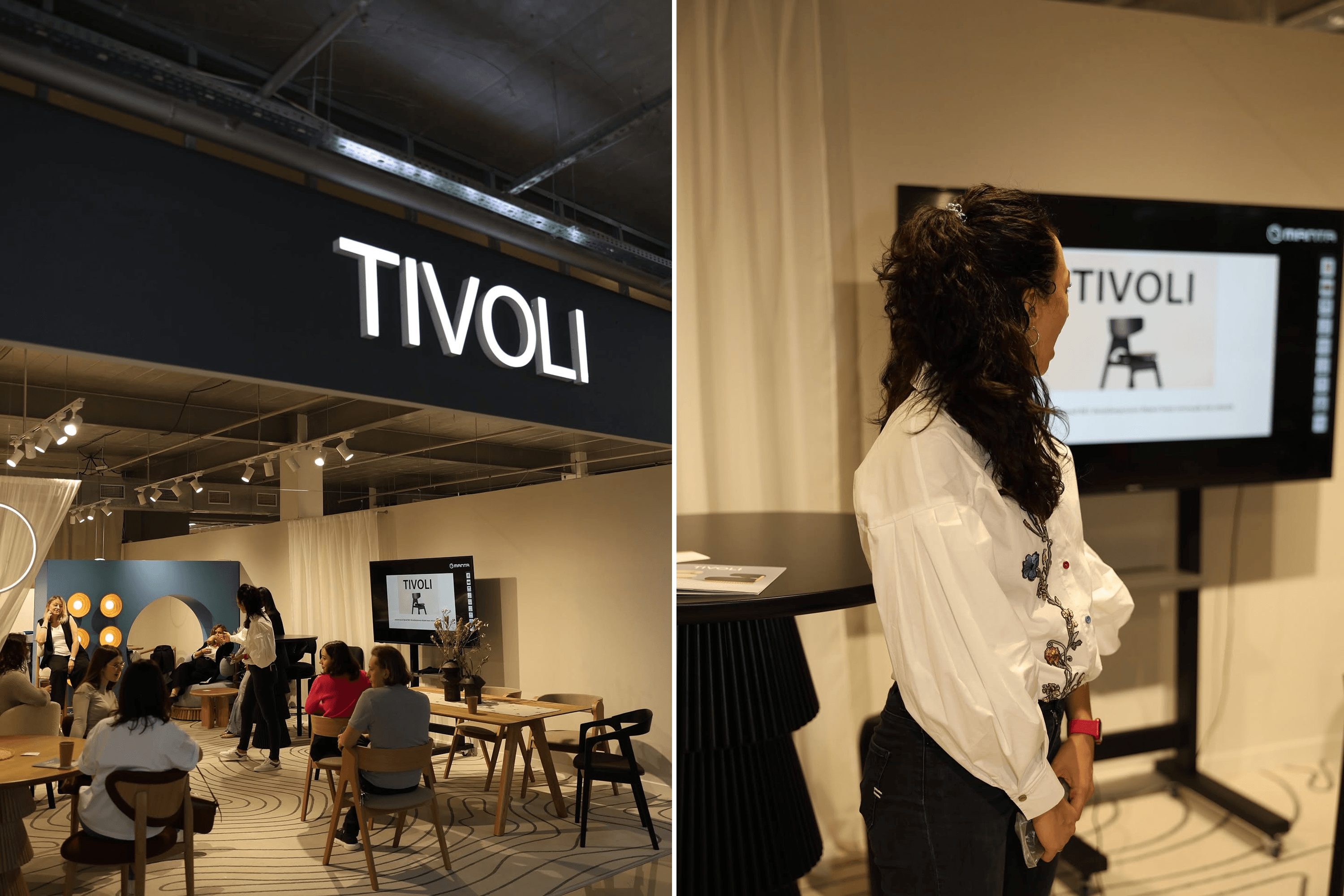
Photo: Furniture company "Tivoli" / Facebook 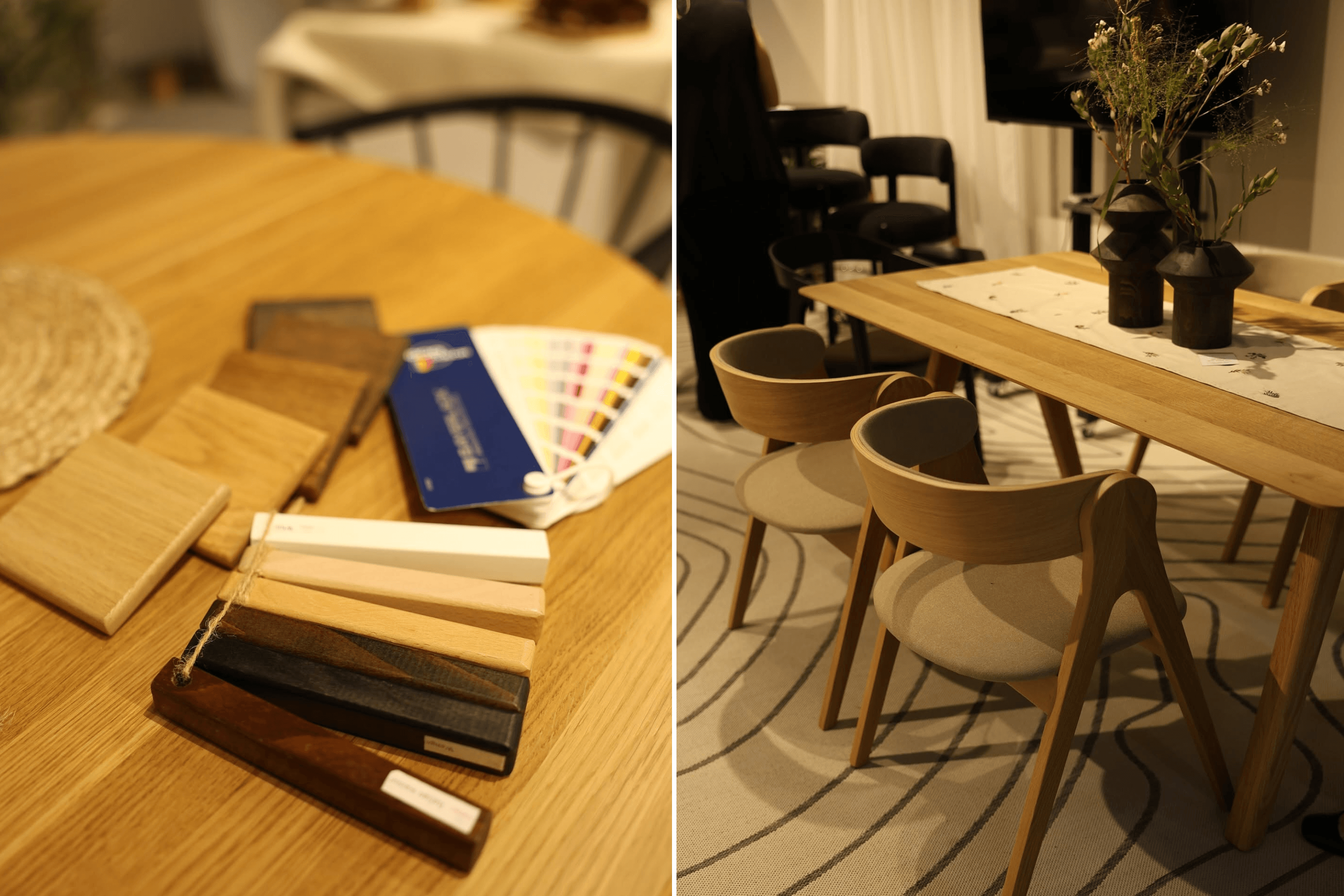
Photo: Furniture company "Tivoli" / Facebook
What furniture do you produce under the Tivoli brand? Which designers do you work with?
We make everything that can be made from wood: coffee and dining tables, bar stools and regular chairs, lounge chairs, and small sofas. We usually create a set in one style and can later add to it at a client’s request, for example, by adding cabinets.
We work most closely with the Ukrainian design studio Konenko ID. They often draw inspiration from Ukrainian landscapes and art. Three of our collections have received eight prestigious international awards, including the American Good Design Award and Muse Design Award, as well as the European London Design Award and DNA Paris Design Award.
Since 2023, we have also worked with the Danish studio Says Who Design, which works for well-known Scandinavian and English brands, including Bolia. They approached us themselves with a proposal to collaborate, and for us, this is recognition. At the moment, we are the only Ukrainian company they partner with.
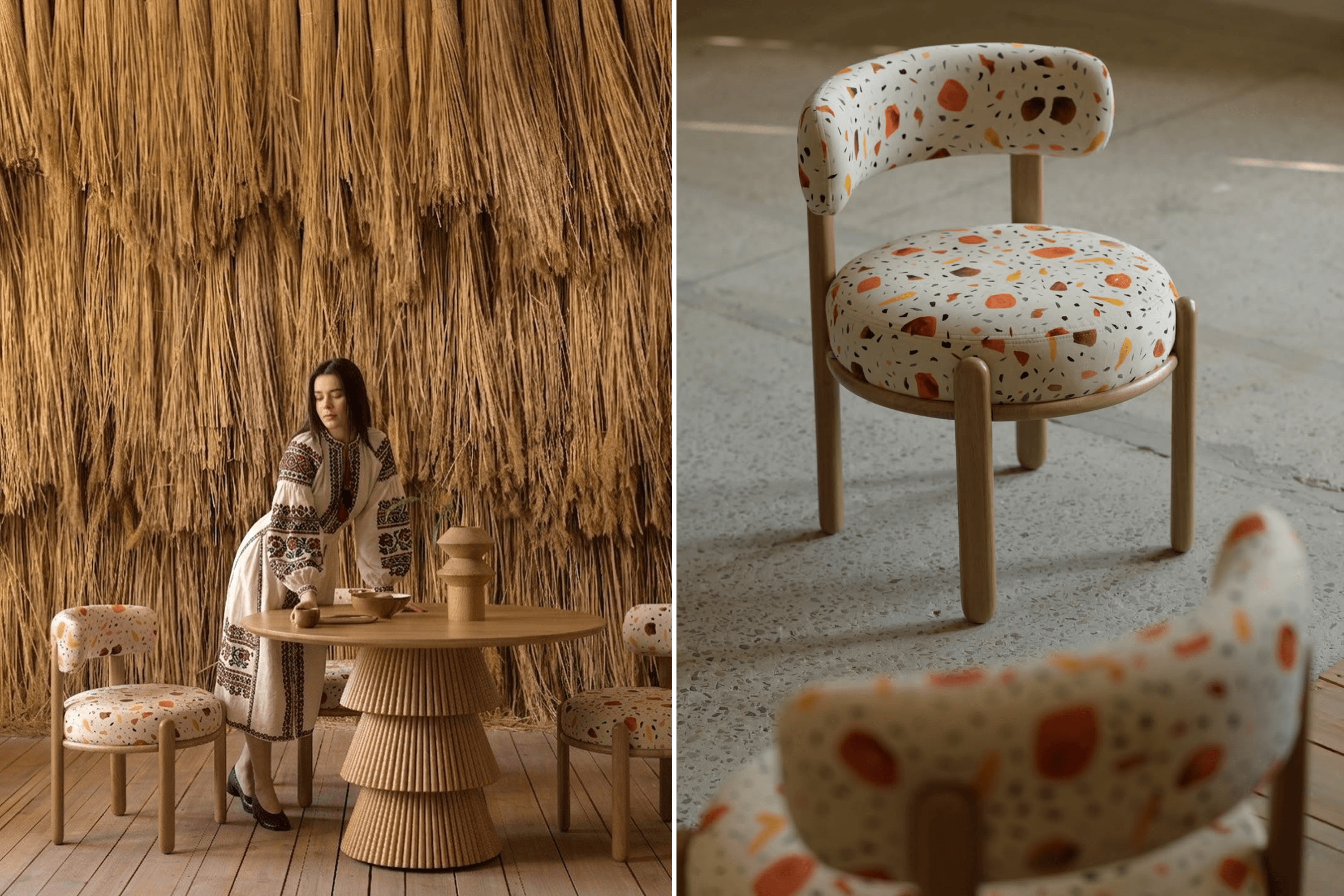
The updated STRIHA collection of tables and chairs by Ukrainian furniture brand TIVOLI, featuring custom textiles by designer Yuliia Kononenko. May 2026. Photo: tivoli.com.ua / Instagram 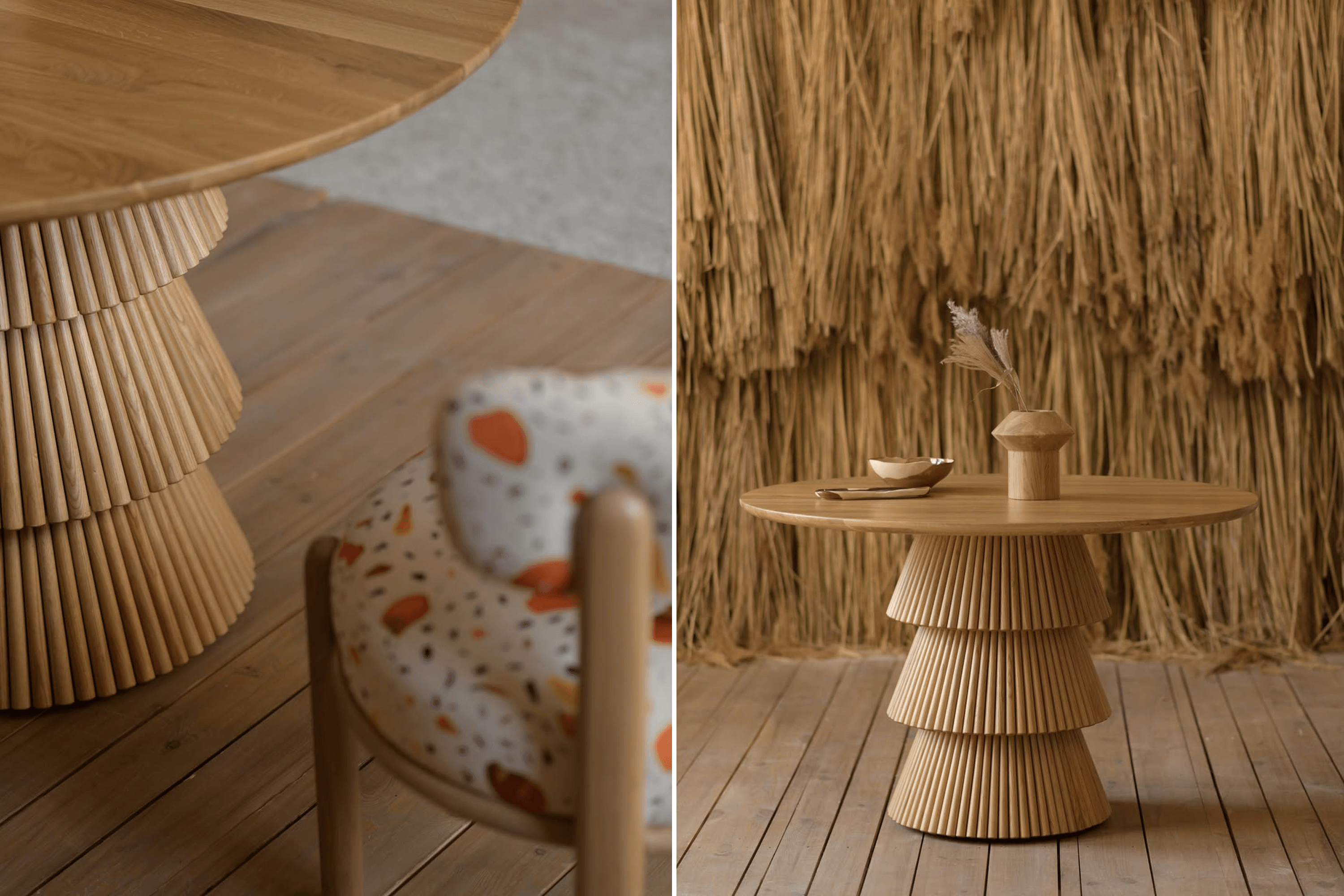
Photo: tivoli.com.ua / Instagram 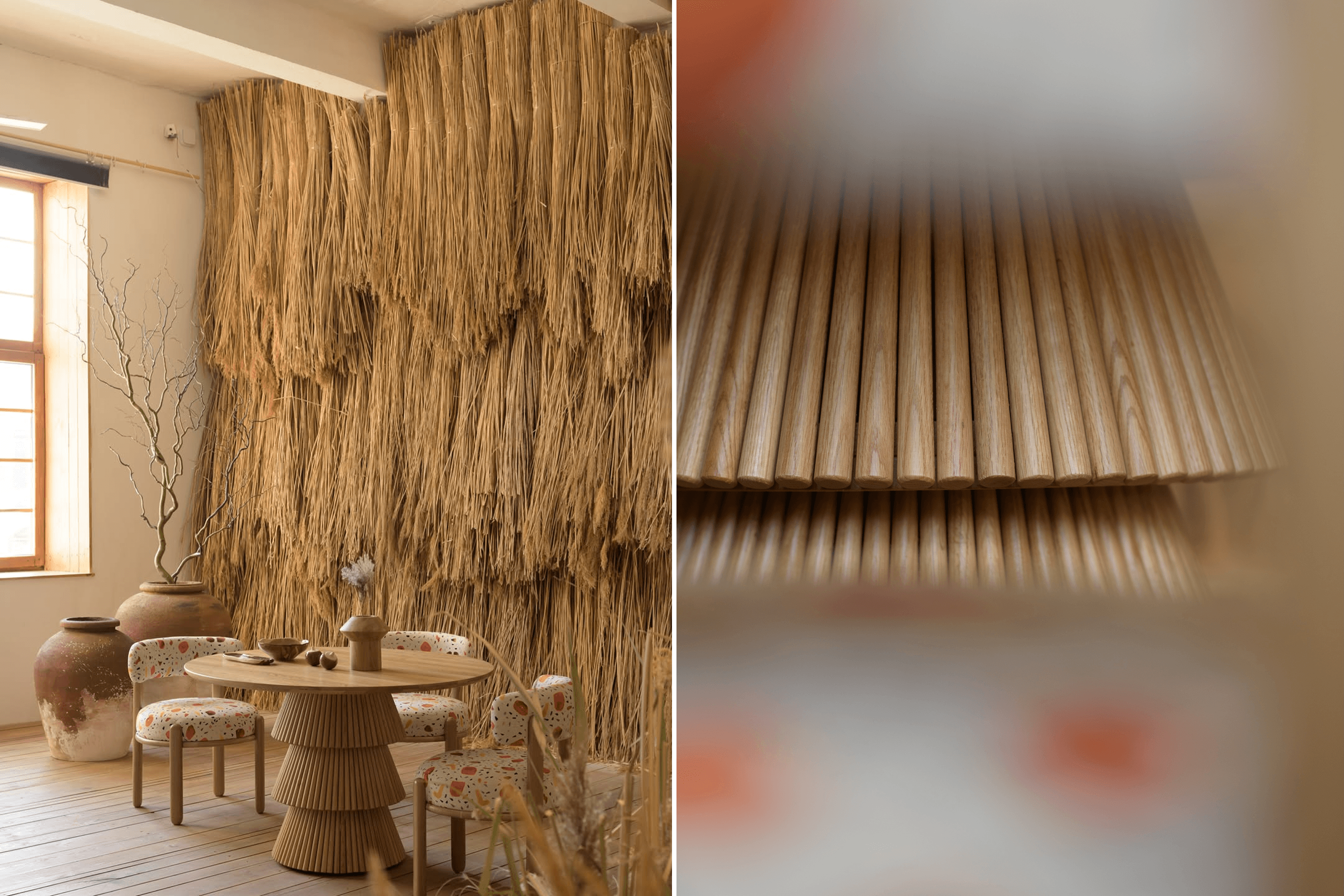
Photo: tivoli.com.ua / Instagram
How has the war affected your business, and how many people currently work at the factory?
At the beginning of the invasion, we moved production from a five-day to a four-day workweek and extended shifts from eight to ten hours. This gives people an extra day off without reducing production volumes. The reason is that every day we spend several hours setting up and starting the equipment, so a longer workday saves us time.
There are currently 170 workers at the factory. Our production director is a veteran, and another 20 of our employees are serving in the military. We keep their jobs open for them. We take care of our employees: we provide good lunches and transport them to and from work in company vehicles.
Can the factory operate during power outages?
When the first outages began in 2022, it could operate for only two hours a day. For example, electricity would be available from 5:00 to 7:00 a.m. or from 9:00 to 11:00 p.m. We began falling behind on shipments to clients. At first, they were understanding, but later they said they would start looking for other suppliers.
So we developed our own gas generator system that burns production waste, such as wood shavings, and converts it into energy. It is not very powerful, but it can heat the entire building or power the machines in one department. For our other needs, we use diesel generators and solar panels installed on the roof.
What other challenges do you face because of the war?
There can be logistics problems when there are strikes or protests at the border, especially the Polish border. There are also difficulties with processing international orders. Ukrainian banks often require additional documents from foreign clients or suppliers, and they have never encountered requirements like these before.
The domestic market is also difficult. Sales are falling because of constant shelling and power and heating outages. That is why exports now account for 96 to 98 percent of our sales.
When did you start exporting?
We started working with foreign clients as contractors back in the early 2000s. We have been partnering with some clients from Switzerland, Norway, and Finland for 10 to 15 years.
We began introducing the Tivoli brand internationally in April 2023, when we presented our Calm collection at Salone del Mobile in Milan. The collection later became a bestseller and received several international awards. Clients like its minimalist design and the fact that we offer a wide choice of wood and upholstery colors.
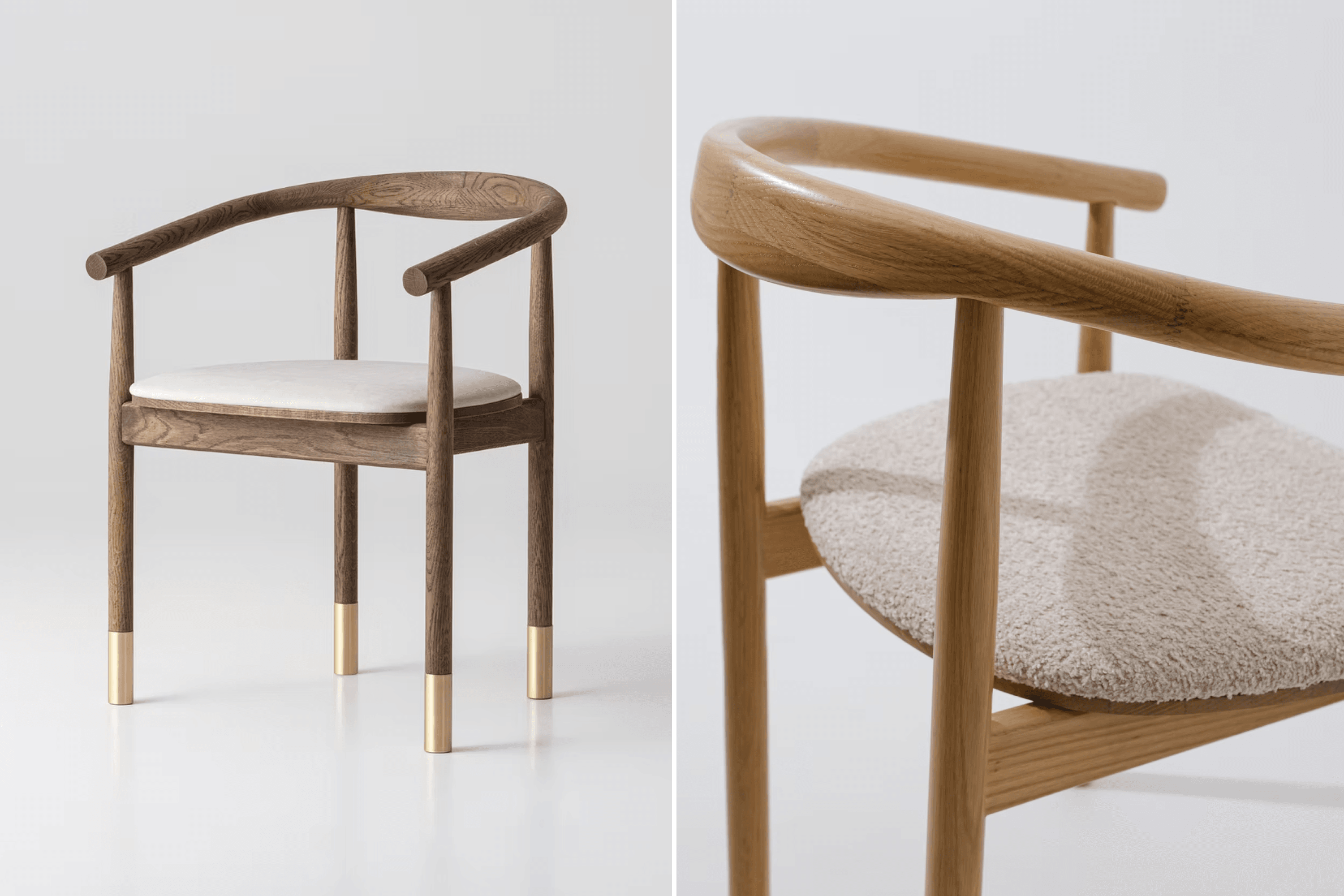
Selected pieces from the Calm furniture collection. Photo: tivoli.com.ua 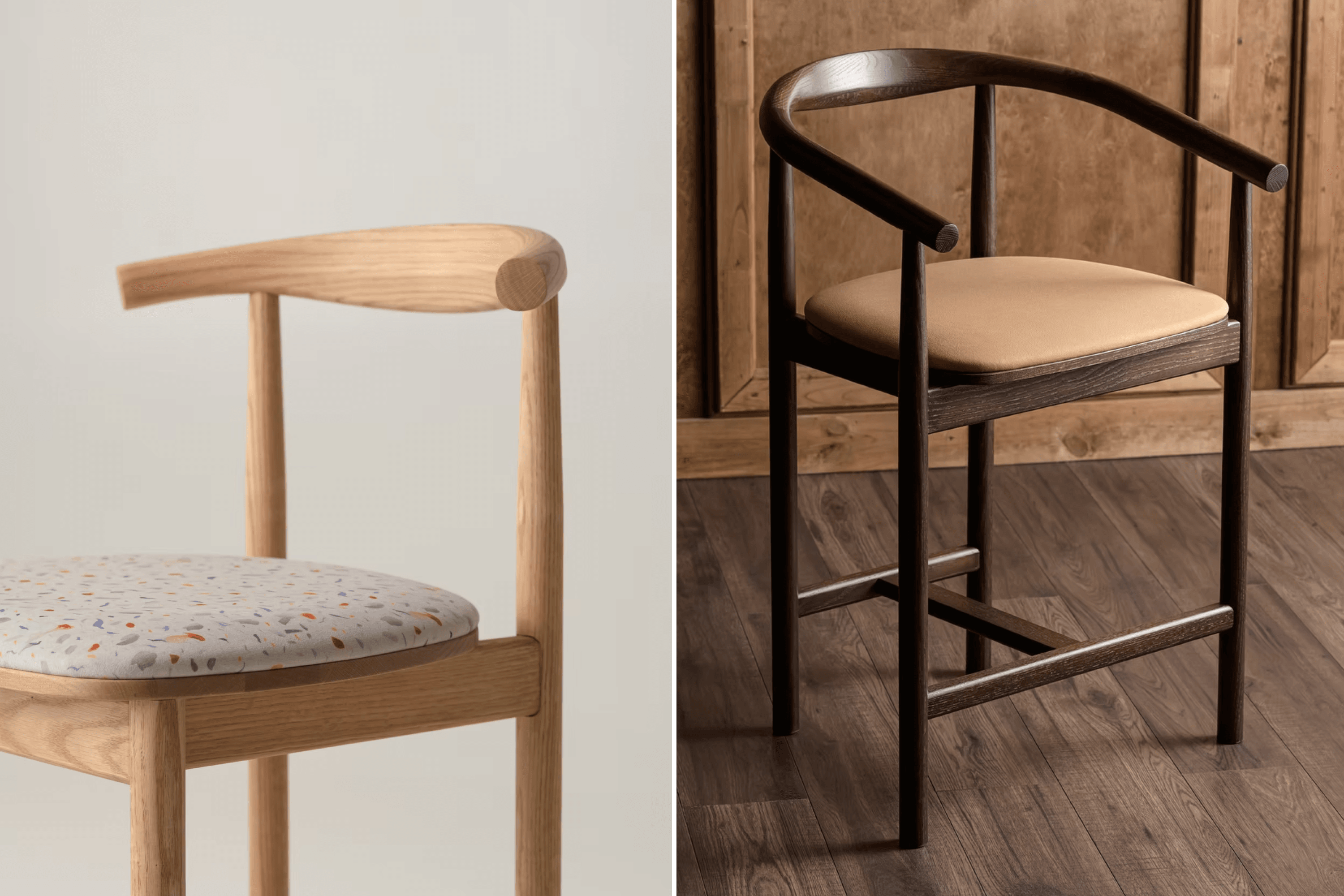
Photo: tivoli.com.ua 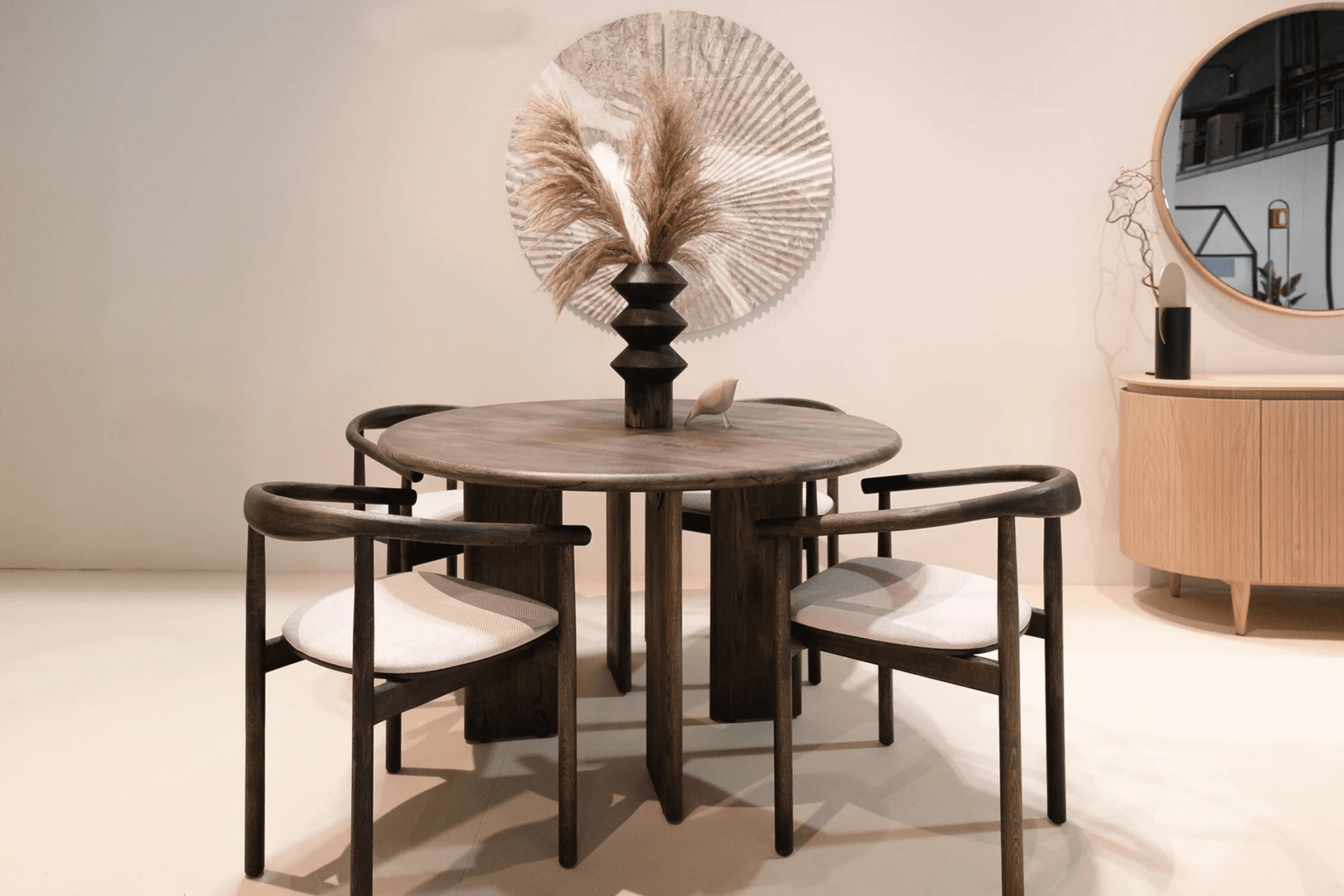
Photo: tivoli.com.ua 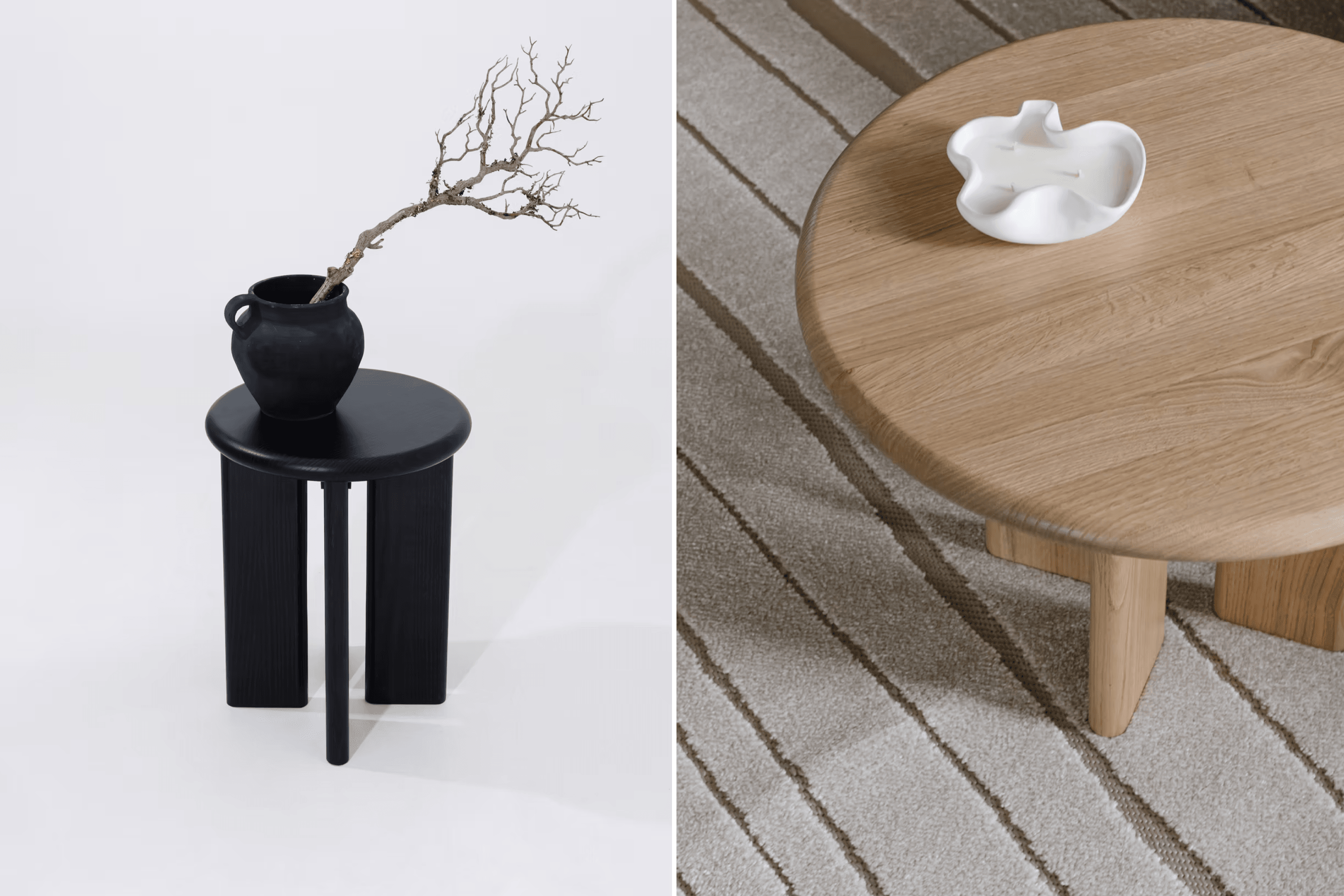
Photo: tivoli.com.ua 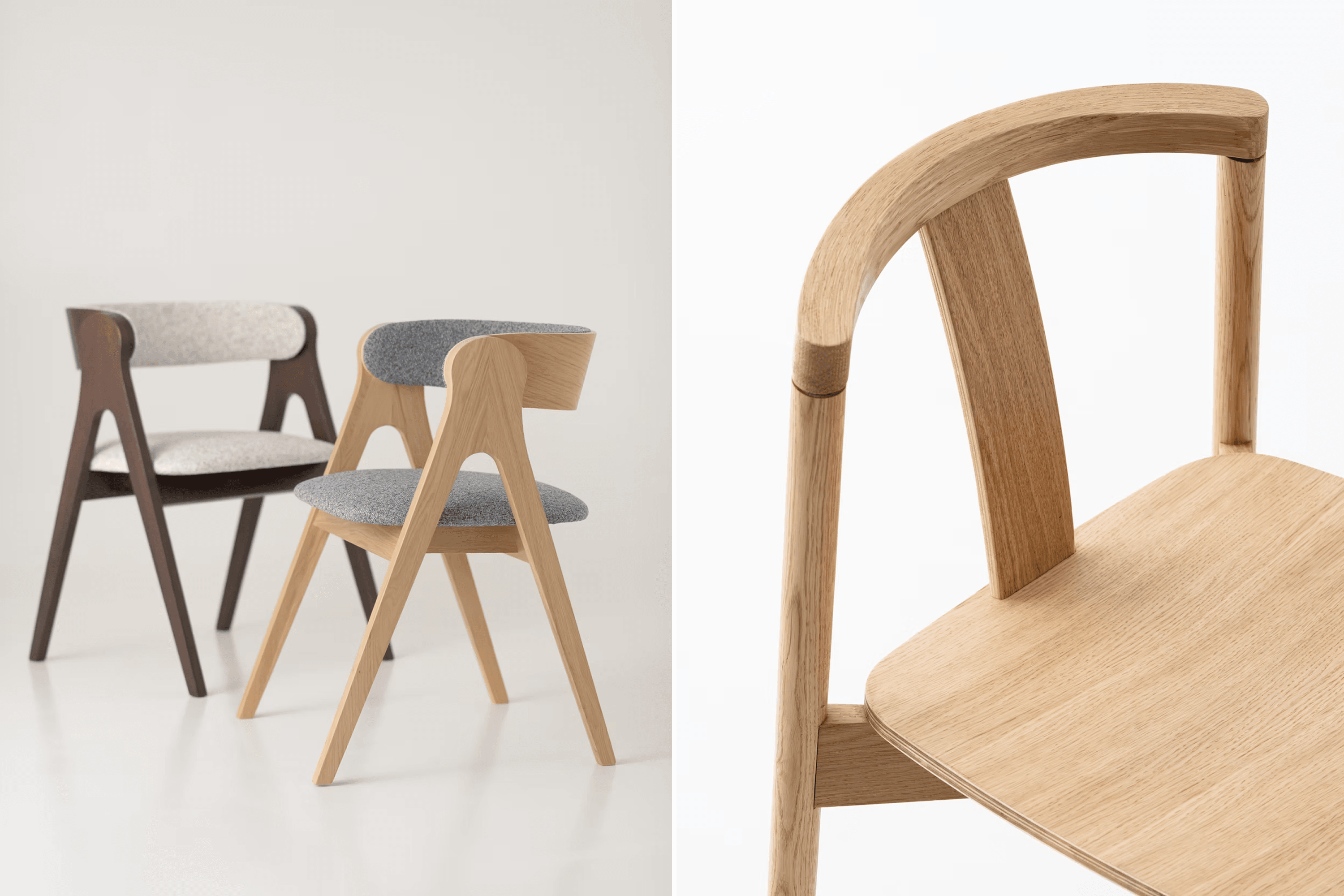
Photo: tivoli.com.ua
How effective are exhibitions for promoting the brand?
They are an important channel for marketing and meeting potential buyers. People need to see the furniture in person, touch it, and understand how comfortable it is. Foreign clients are also afraid to travel to Ukraine, even to our production facility, which is located in the west of the country and is relatively safe. So by June 2027, we plan to take part in 11 international exhibitions.
Among the leading professional events we have already participated in are Maison et Objet in Paris and Salone del Mobile in Milan. There, you can meet clients and designers from all over the world and also get featured in media publications in the United States, the United Kingdom, and France.
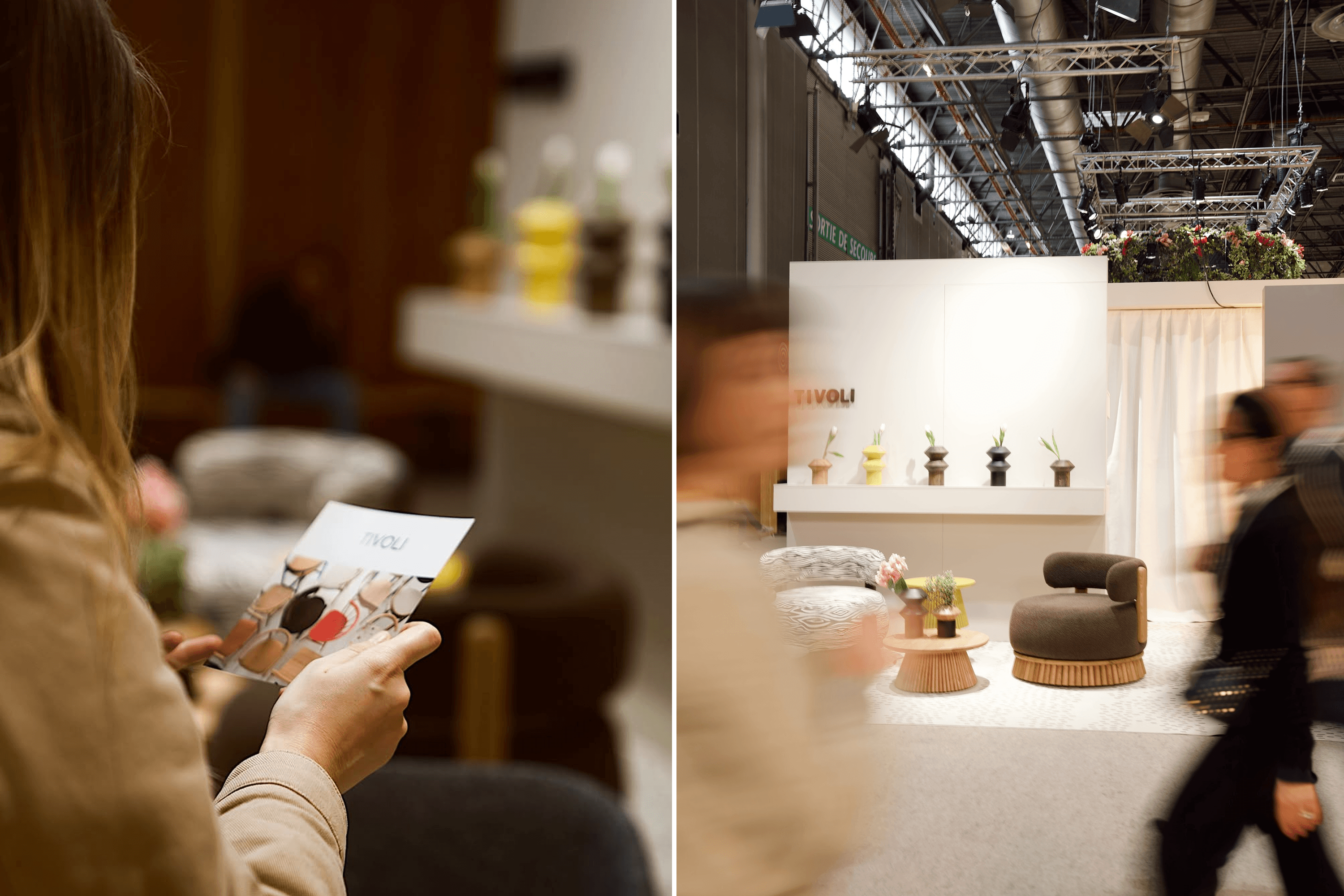
Furniture by Ukrainian brand TIVOLI at the international design and interior trade fair Maison&Objet in Paris. January 2026. Photo: tivoli.com.ua / Instagram 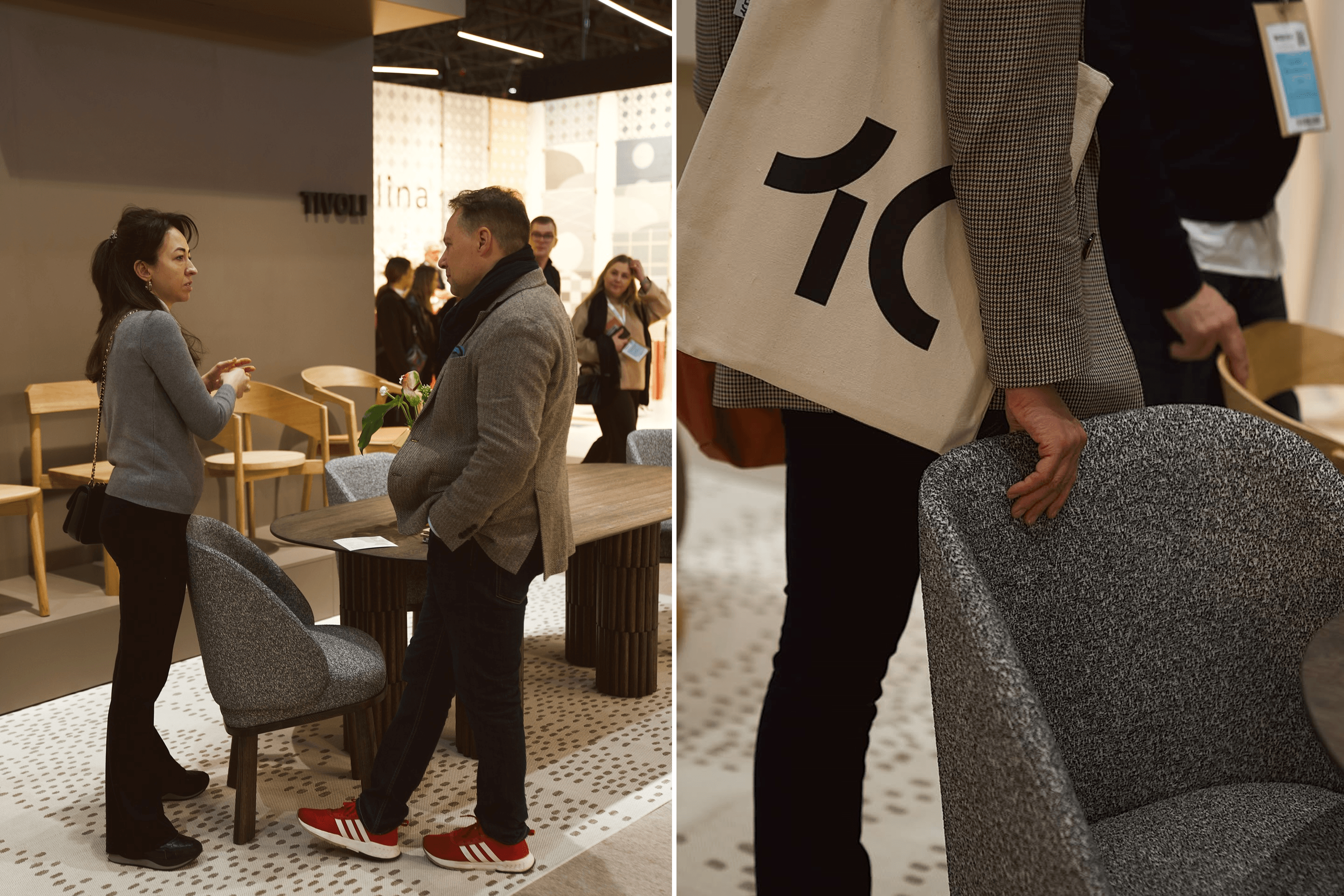
Photo: tivoli.com.ua / Instagram 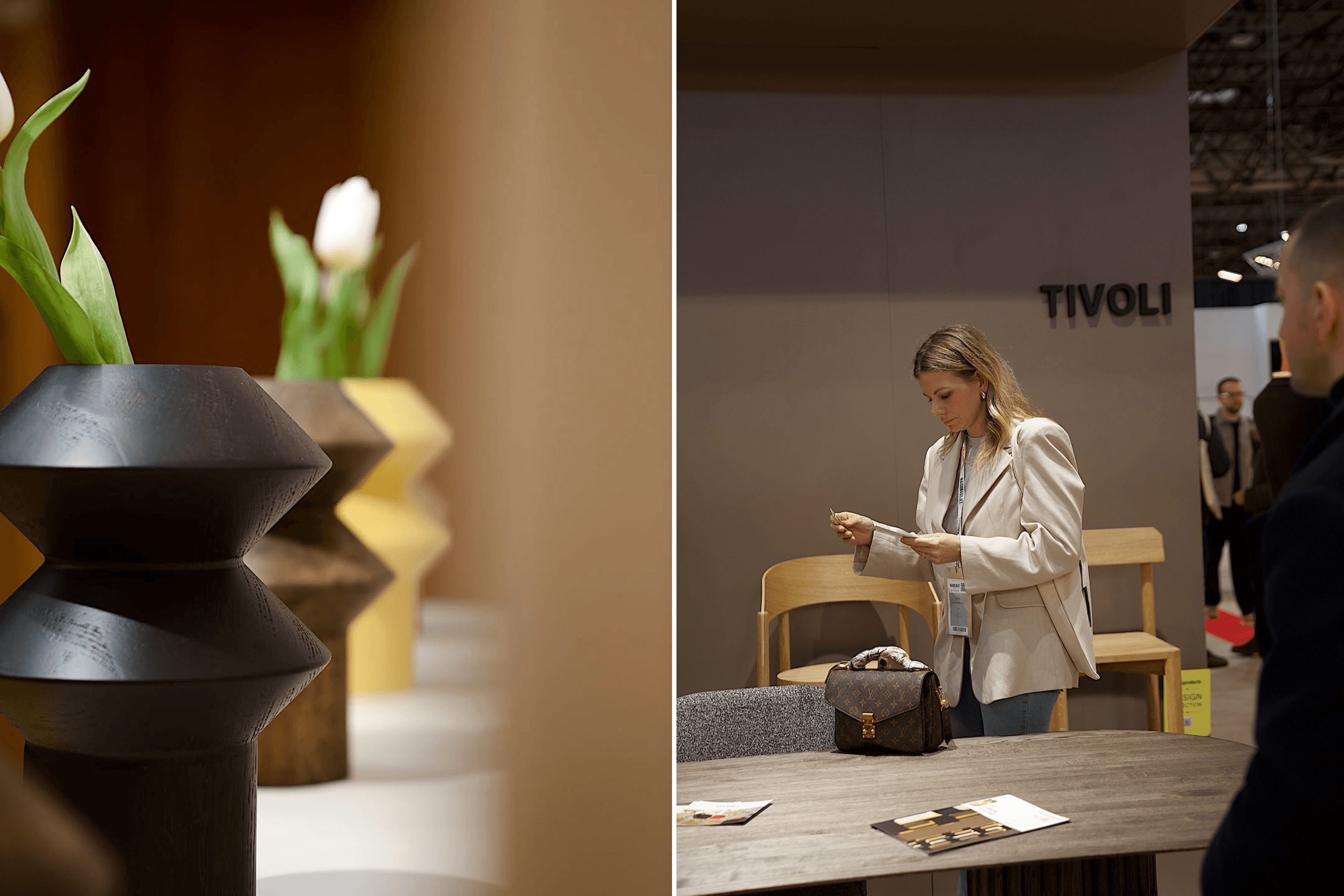
Photo: tivoli.com.ua / Instagram 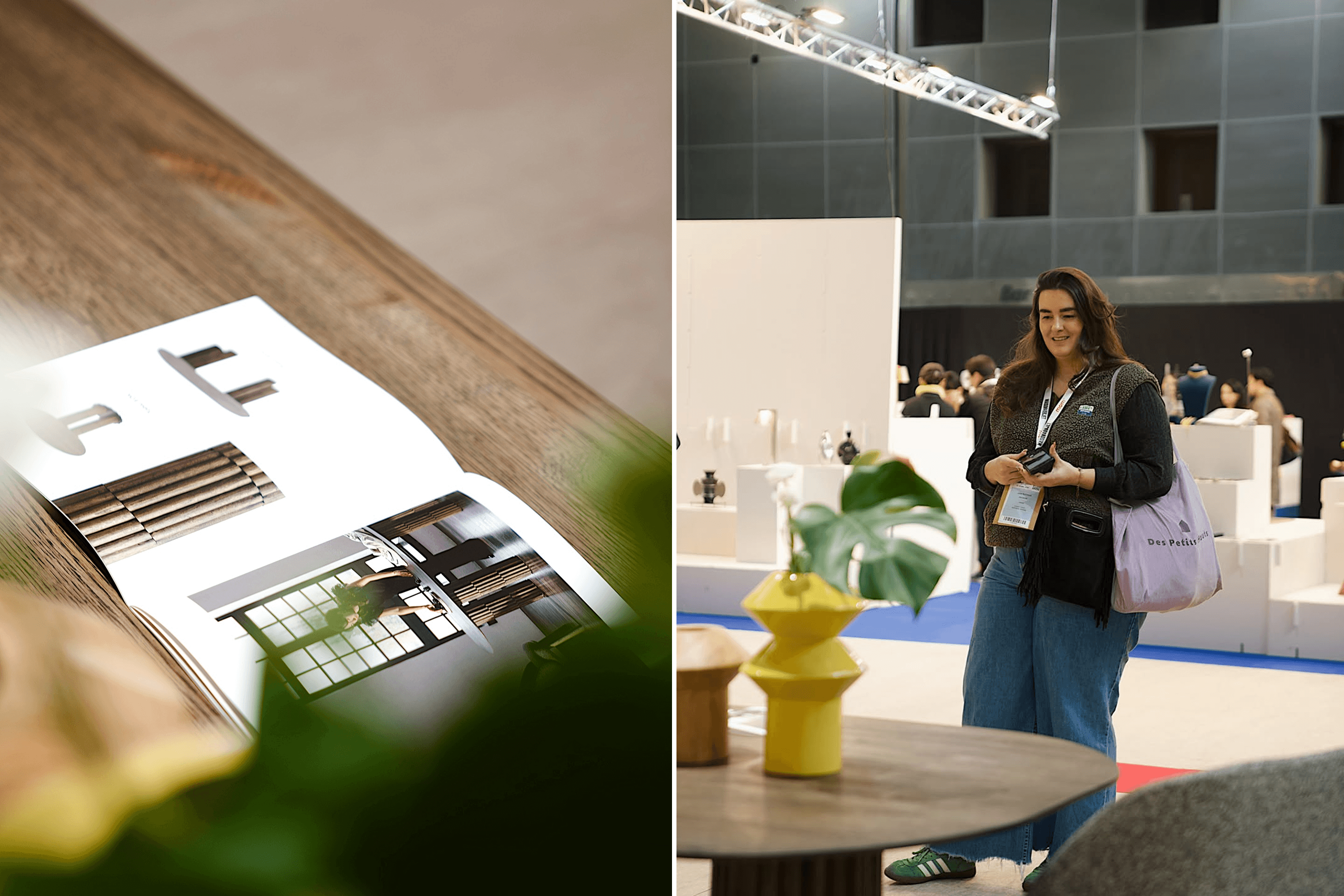
Photo: tivoli.com.ua / Instagram 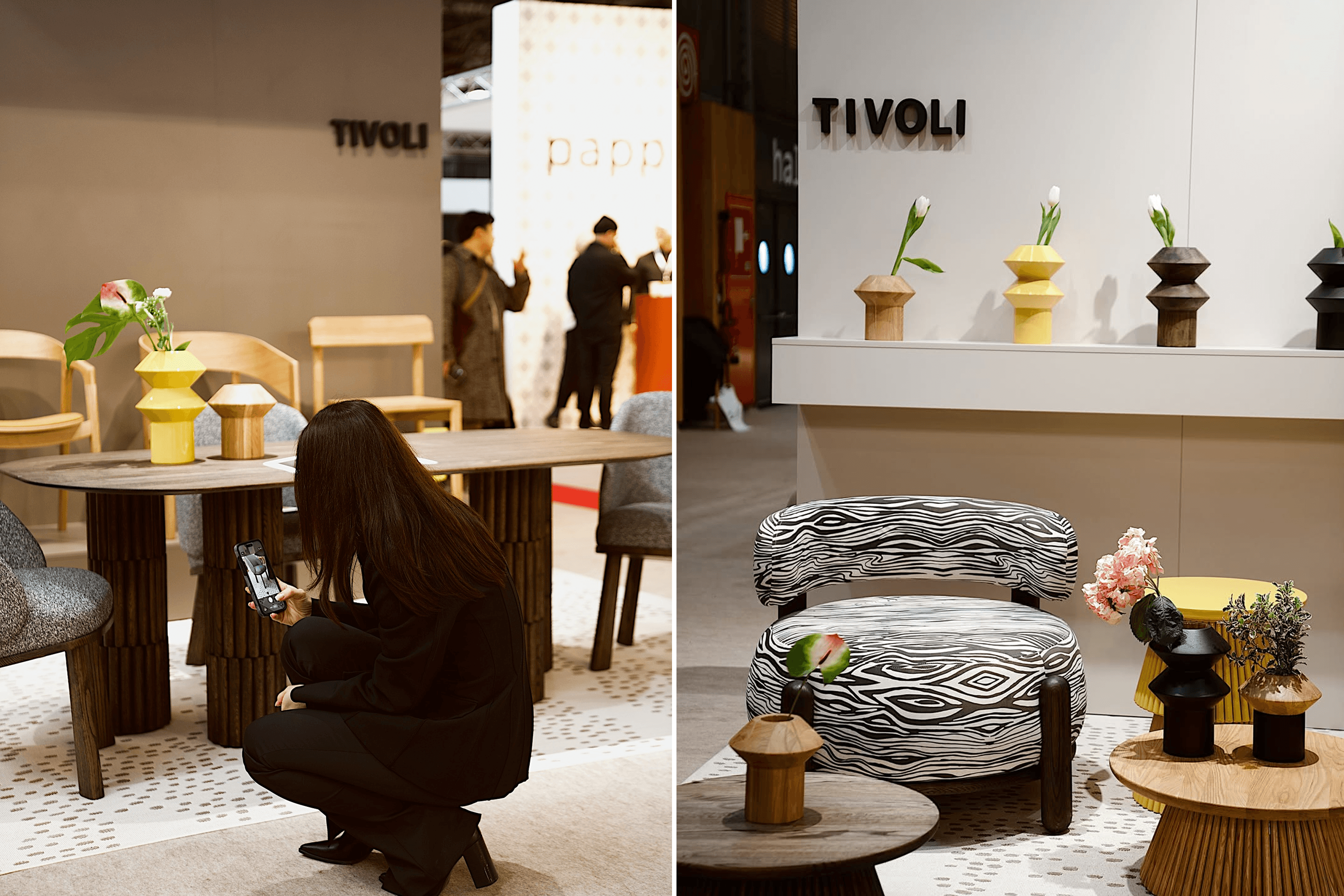
Photo: tivoli.com.ua / Instagram
Which export markets are you focusing on most?
We currently export to 26 countries. Most of our exports go to Europe, particularly the Scandinavian countries, as well as countries close to Ukraine, such as Poland and Slovakia. We are actively working in France and the United Kingdom, where we have representatives, designers, and architectural firms. These are markets with strong purchasing power and great potential, so we constantly analyze them and look for our niche there. We are also interested in the American market because it is large. We already work with clients in the United States, Canada, and Mexico.
Our customers include showroom chains, online stores, and the HoReCa sector. Personally, I find HoReCa the most interesting to work with. For example, we are doing a project with a Dutch architectural firm, furnishing a fashionable coworking space in cabins surrounded by nature.
We do not supply every country regularly, but having such a broad geography allows us to diversify risks. For example, if the U.S. government introduces new import tariffs, American clients may simply decide to stop cooperating.
It is important to us that a client’s values and approach align with ours. For example, we once refused to work with a chain that dropped chairs from the second floor to test their strength. For us, this is unacceptable. There is special equipment for that.
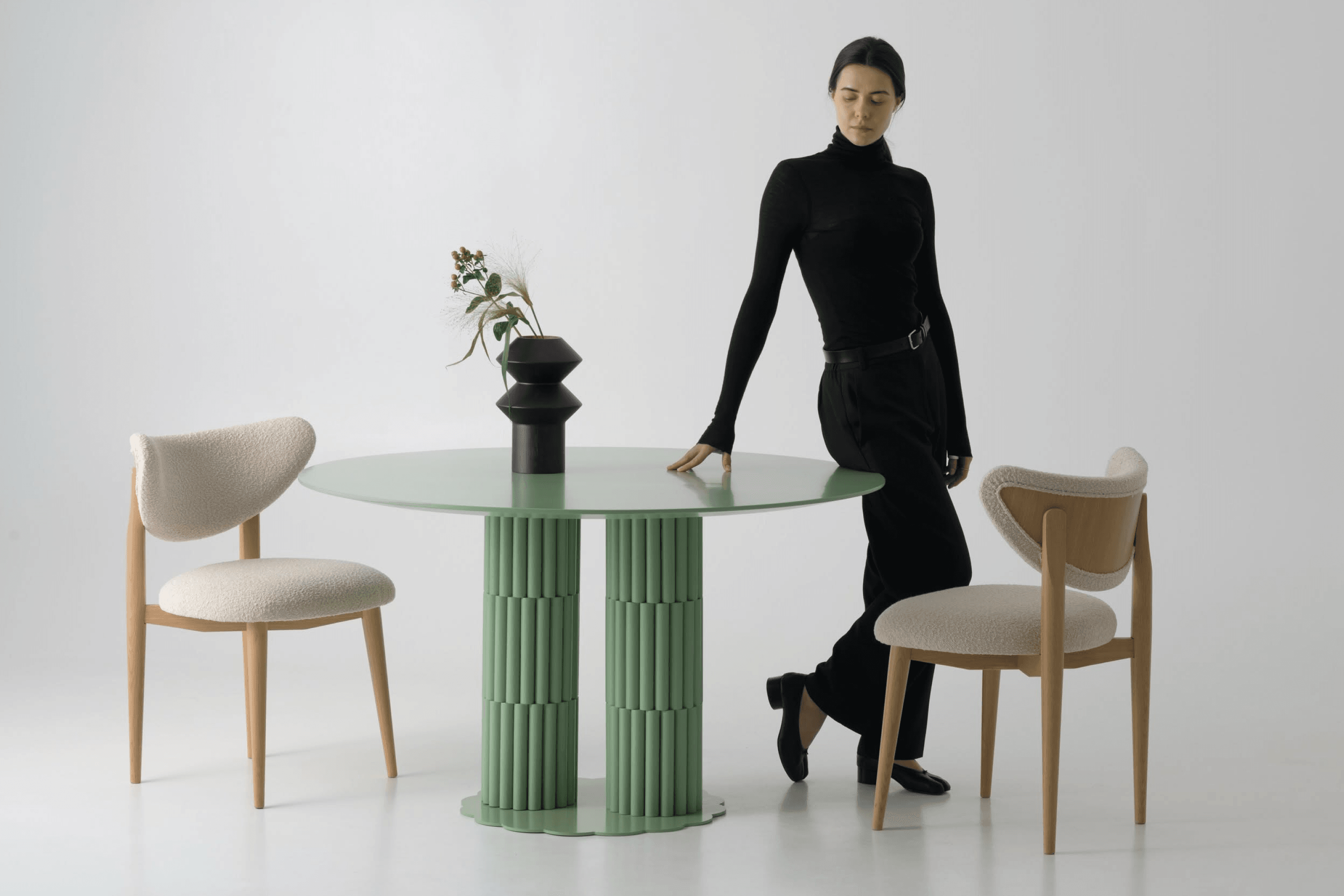
Selected furniture pieces by TIVOLI. Photo: tivoli.com.ua / Instagram 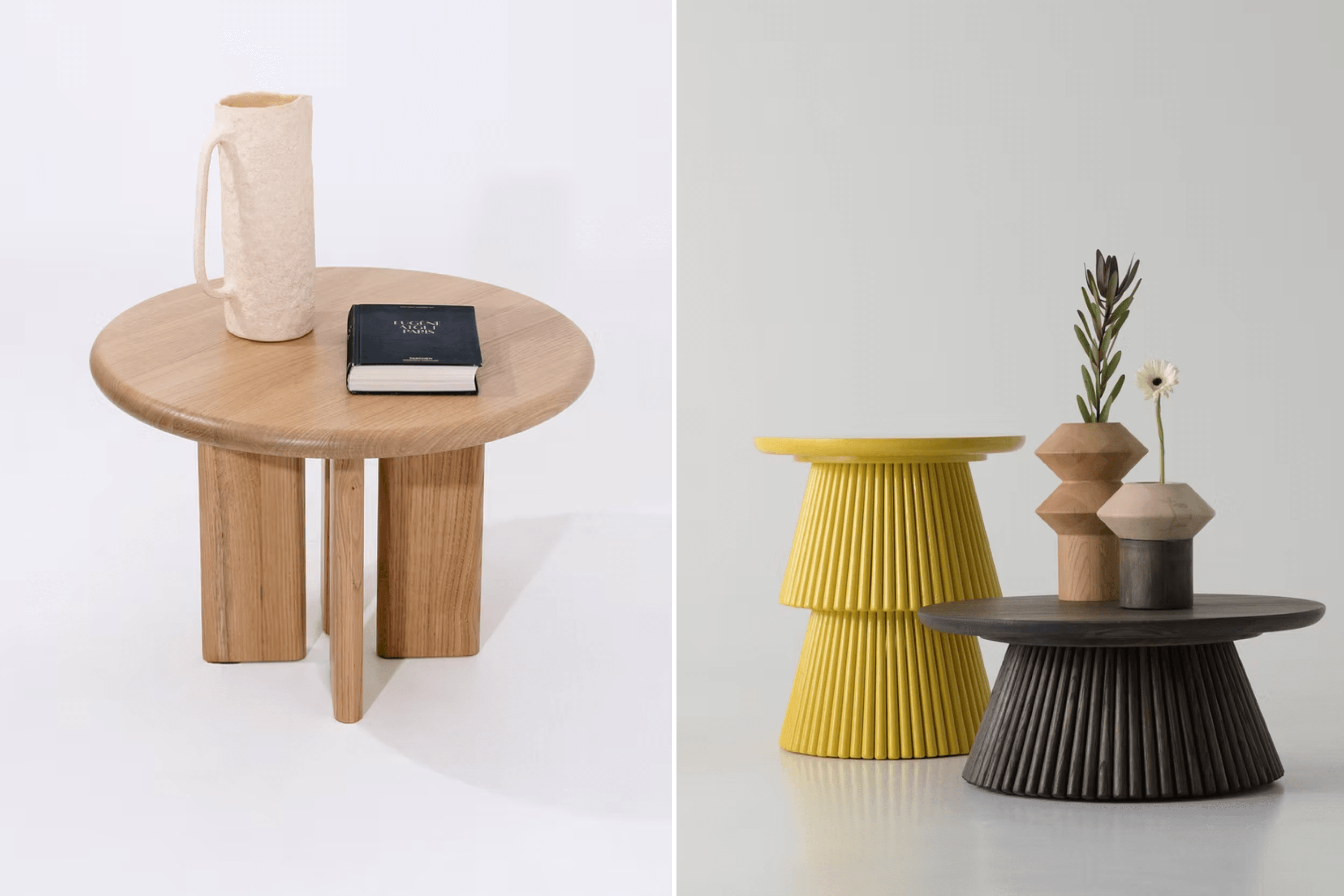
Photo: tivoli.com.ua / Instagram 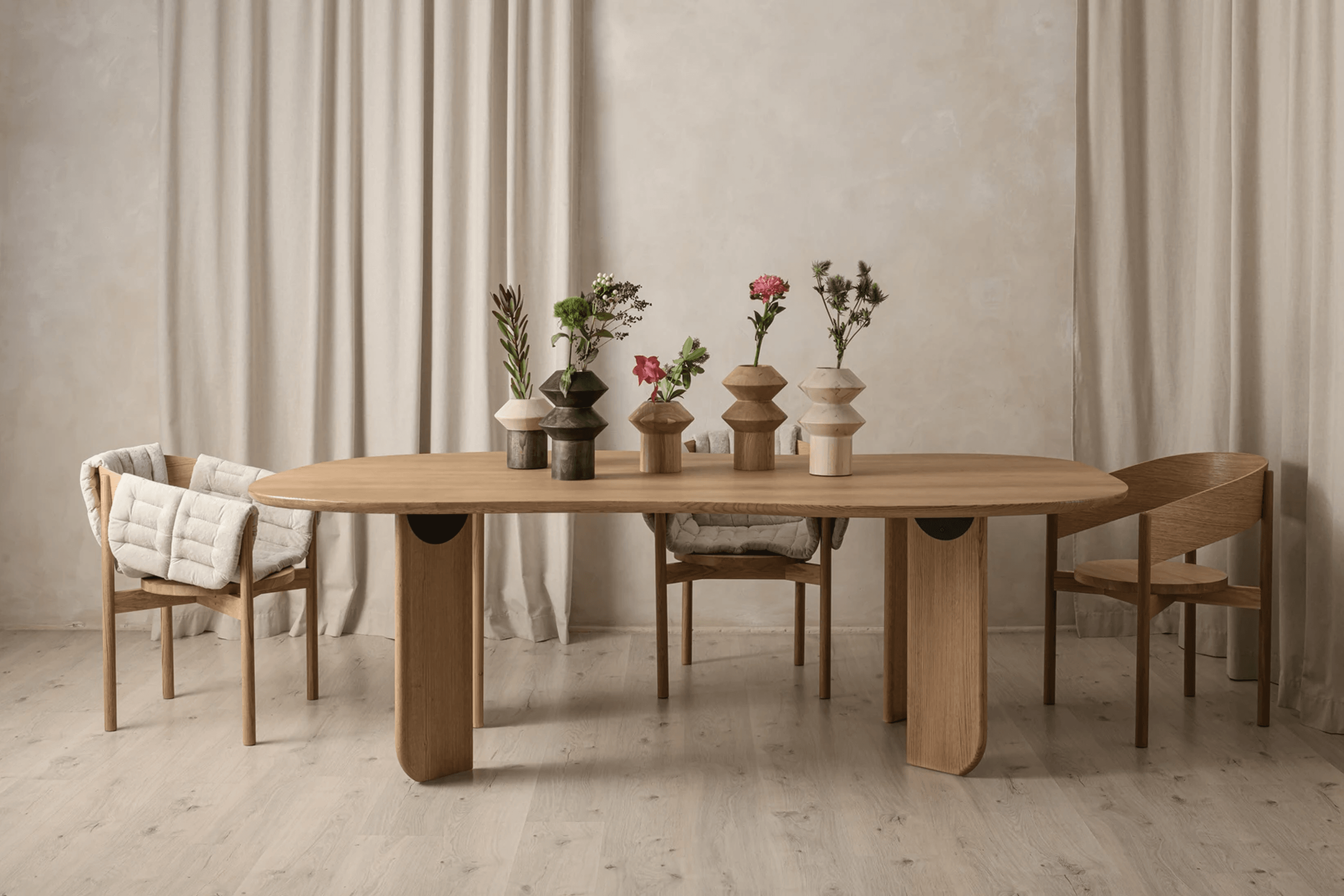
Photo: tivoli.com.ua / Instagram 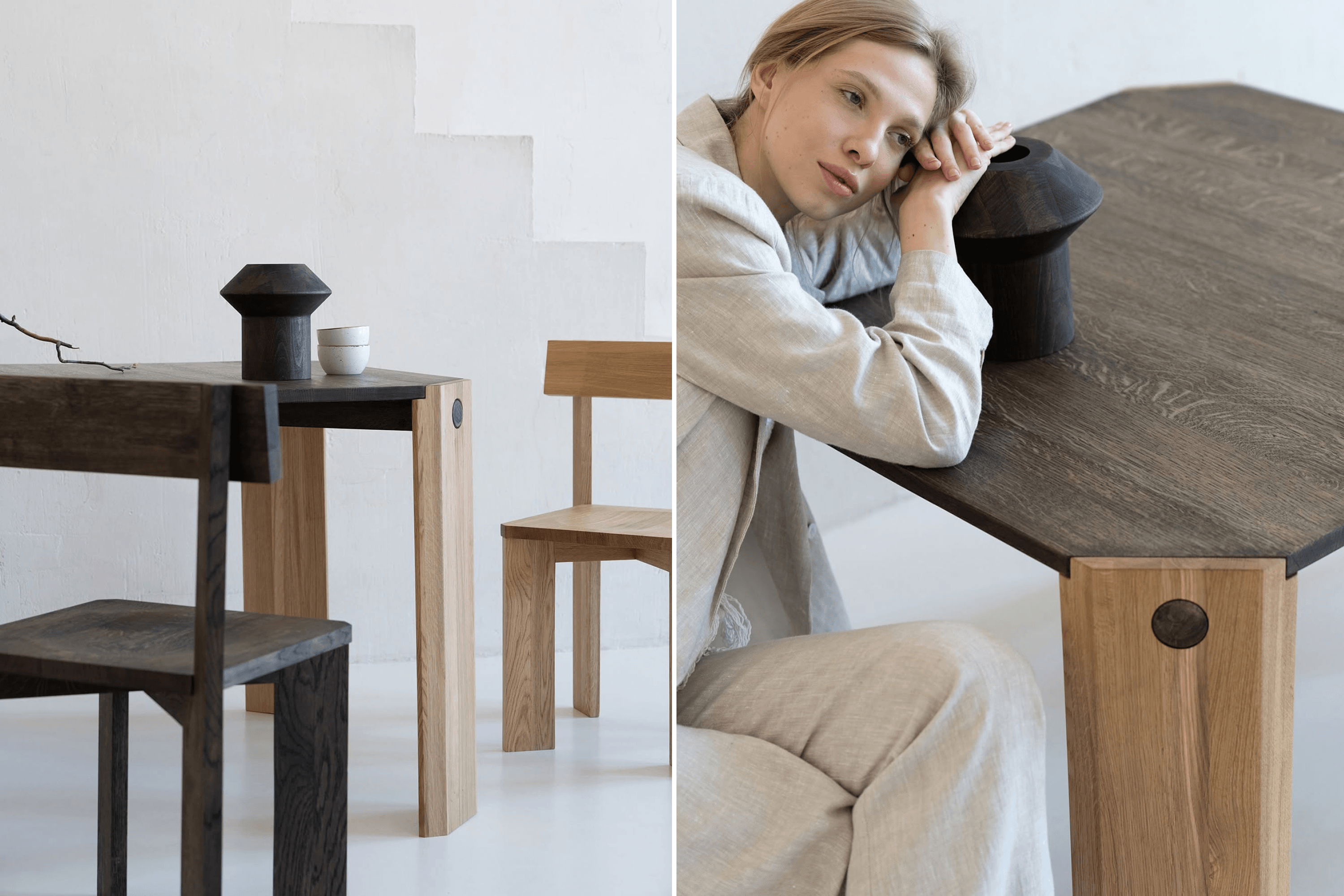
Photo: tivoli.com.ua / Instagram 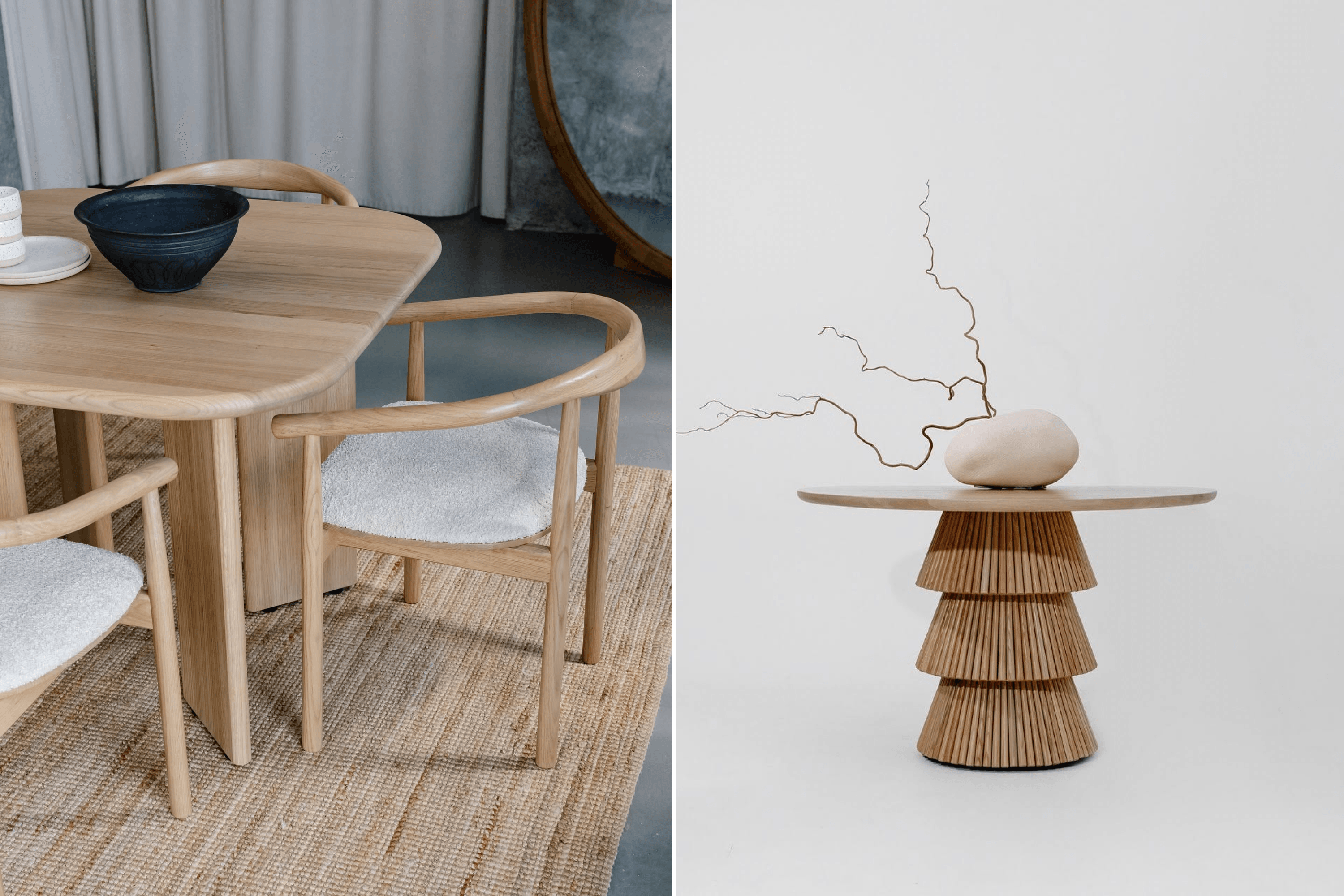
Photo: tivoli.com.ua / Instagram 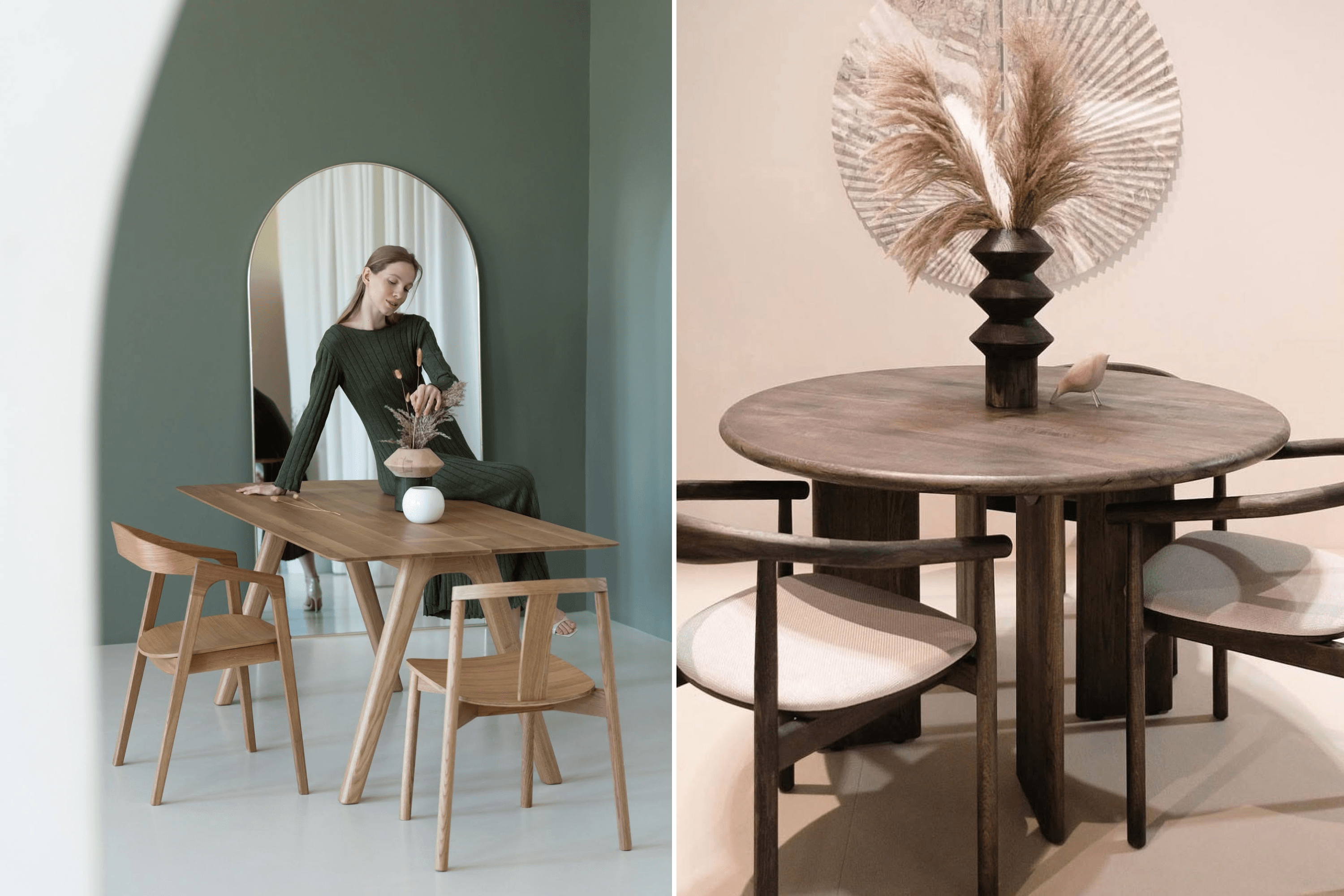
Photo: tivoli.com.ua / Instagram
Who are your main competitors?
As before, they are Italian and Scandinavian manufacturers. China has also joined the competition. Hundreds of local factories there produce large quantities of inexpensive furniture. Recently, my father traveled to China to see how they work and to purchase new equipment for our factory. He saw folding beds right next to the machines. Staff work for more than 12 hours and stay overnight there.
We chose a different direction: a designer brand with a higher margin on each product. People choose us not for the low price, but for the quality, style, and philosophy of the brand.
Do you encounter prejudice about the quality of furniture made by Ukrainian manufacturers? How do you convince foreigners to pick you rather than Scandinavian or Italian furniture?
In the past, foreigners had no idea where Ukraine was, or thought it was part of Russia. It offended me so much that I used to bring a globe to exhibitions and educate people.
But Ukrainians themselves also used to consider Ukrainian products low-quality and chose foreign brands instead. Once, we negotiated with a Ukrainian man who had built a furniture business in the United States in the 2000s. He said he was willing to pay Chinese manufacturers $50 to $60 per chair, but only $30 to $40 to us. Simply because we were Ukrainian and were supposed to be cheaper in order to get orders. We refused to work with him.
After the full-scale invasion began, attitudes toward Ukrainian manufacturers started to change. We promote the idea that Ukrainian products mean quality, durability, and design. I think we are succeeding, although foreigners are still concerned about the war and constantly ask how we manage to work when missiles and drones are flying every day. For example, our partner in the Netherlands, whose coworking space we are furnishing, was afraid to order from Ukraine, so the architect from the firm paid with her own money, which the company later reimbursed.
Do you adapt your furniture to clients' preferences?
Yes. We have a short questionnaire covering the choice of wood, carving, upholstery color, and packaging requirements. For example, clients from France most often choose blue and pink chairs, while those in Scandinavia prefer natural wood colors. We have many variations of our collections and constantly expand them in response to customer requests.
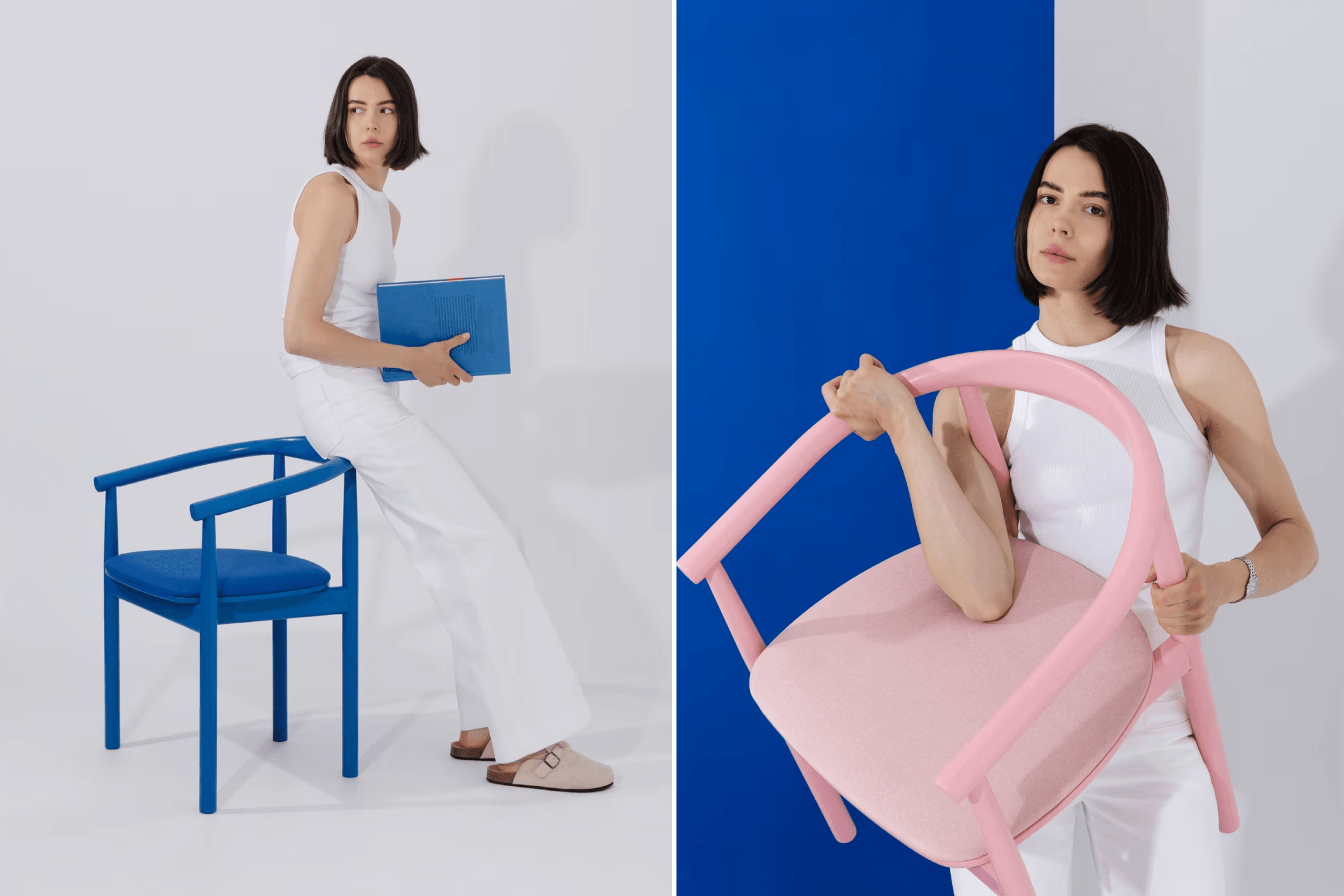
Selected chairs by TIVOLI. Photo: tivoli.com.ua / Instagram 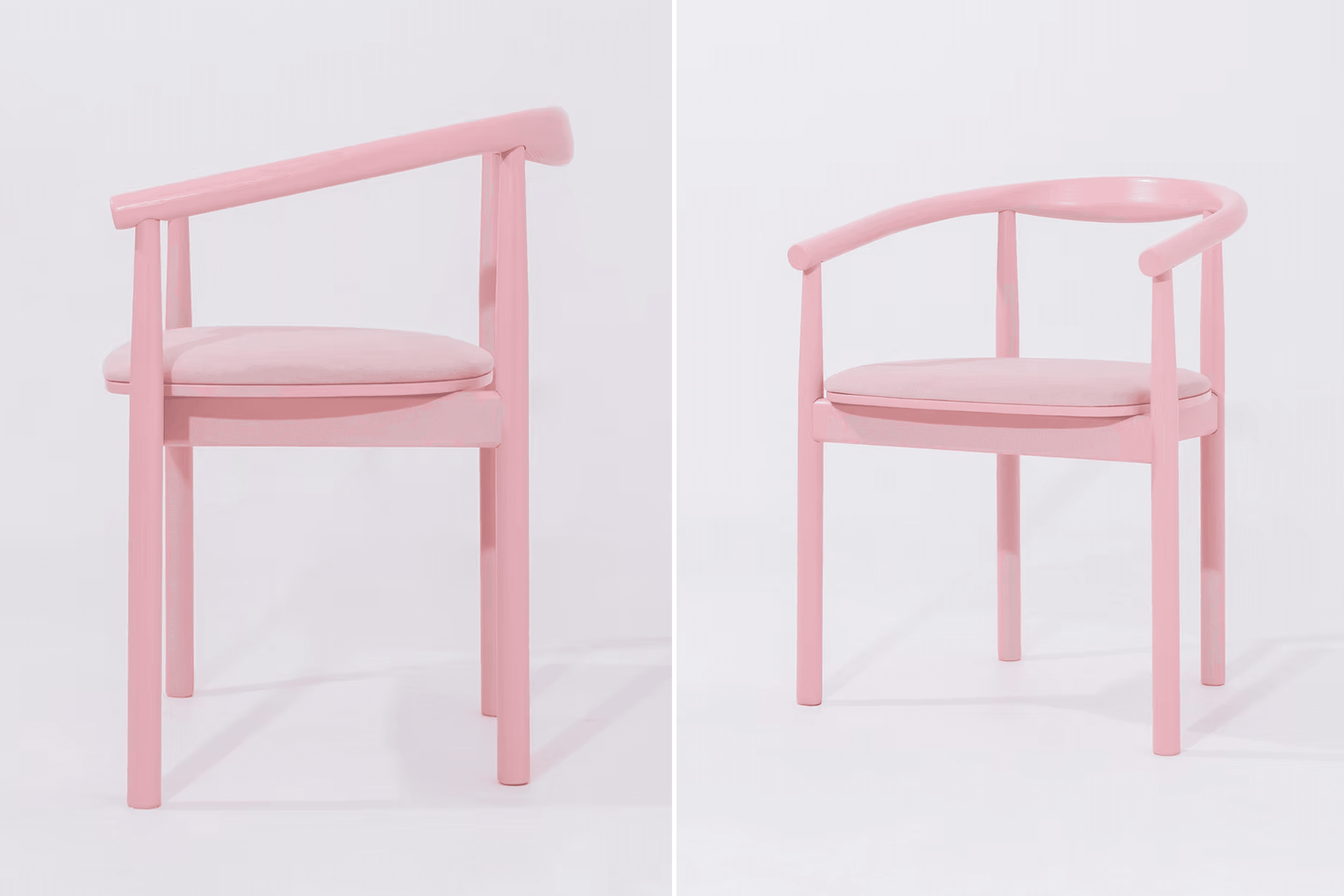
Photo: tivoli.com.ua / Instagram 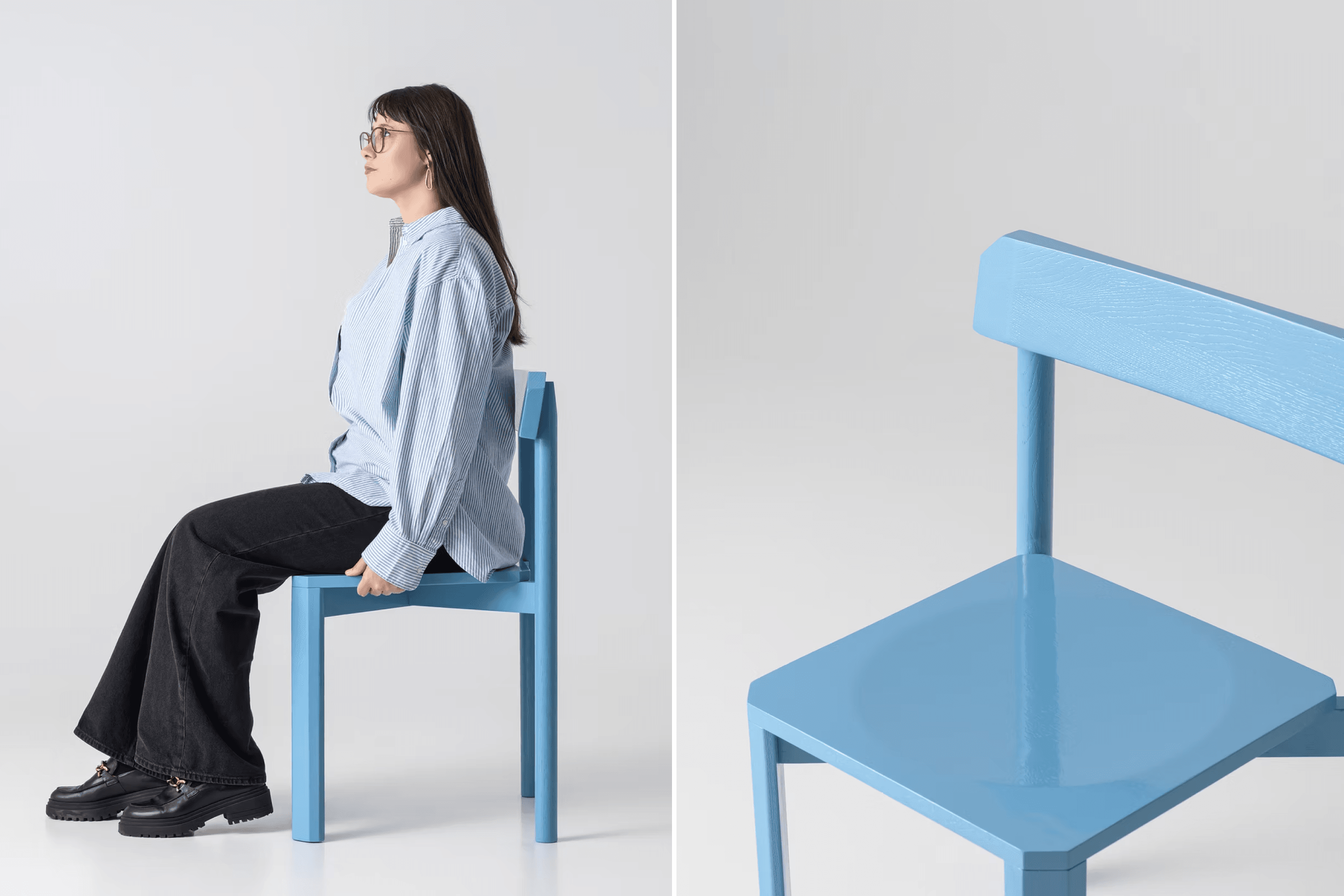
Photo: tivoli.com.ua / Instagram 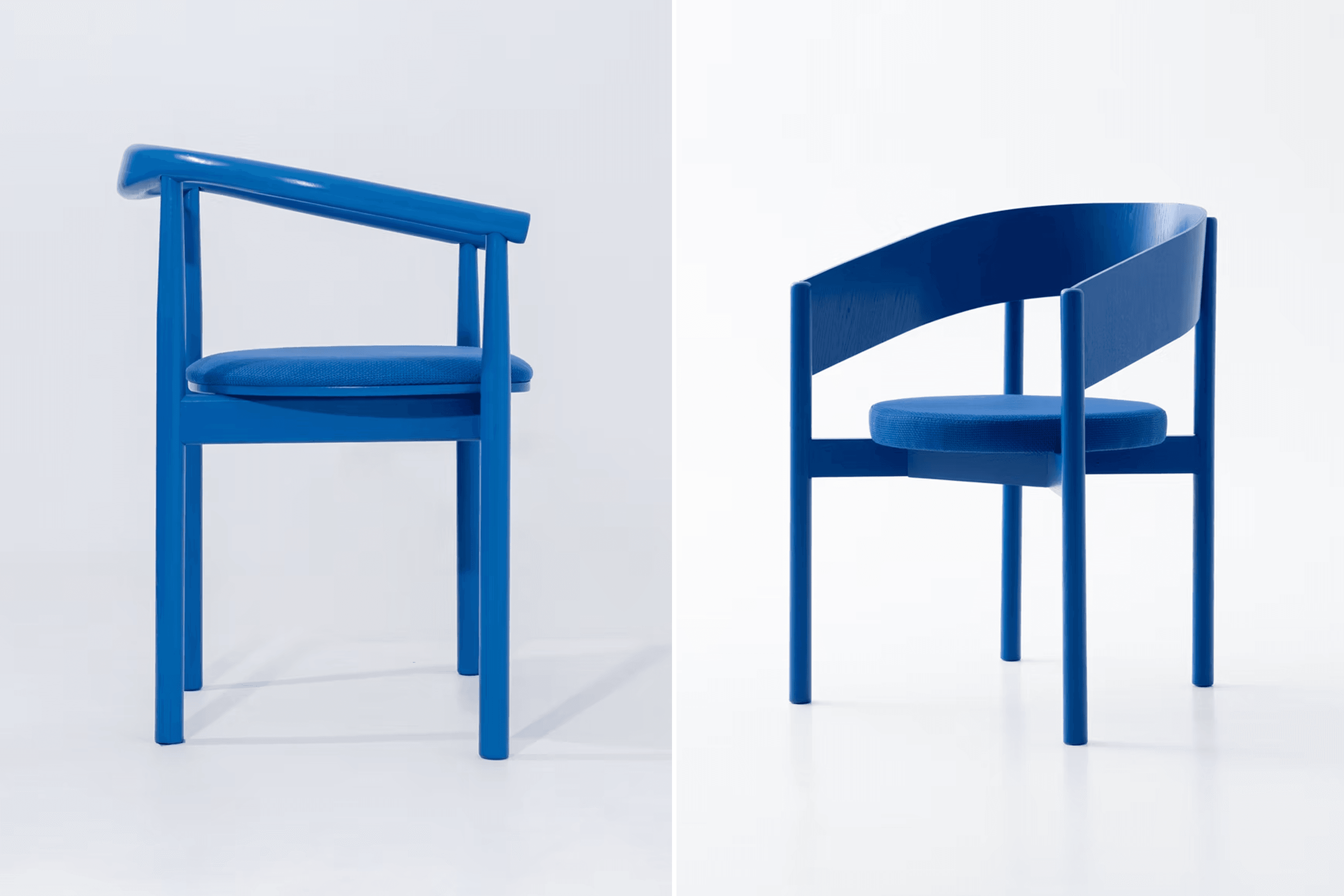
Photo: tivoli.com.ua / Instagram
There have been cases when they added new requirements at the last moment. This taught us to specify everything at the beginning of the relationship. For example, a client from the United Kingdom asked us a week before shipment to add a special label to the furniture with an image of a cigarette indicating that the fabric was fire-resistant. Of course, we printed and added everything, but the shipment was delayed, and we lost money because of it.
Where in the world can Tivoli furniture be seen?
Our chairs are used in Starbucks in China. We supply them through a British partner that works with HoReCa around the world. He even came to visit us to make sure that employees enjoy comfortable working conditions, regulated hours, breaks, and a benefits package. Our furniture can also be found in Best Western hotels, restaurants listed in the Michelin Guide, several locations in Paris, and a school in Chicago.
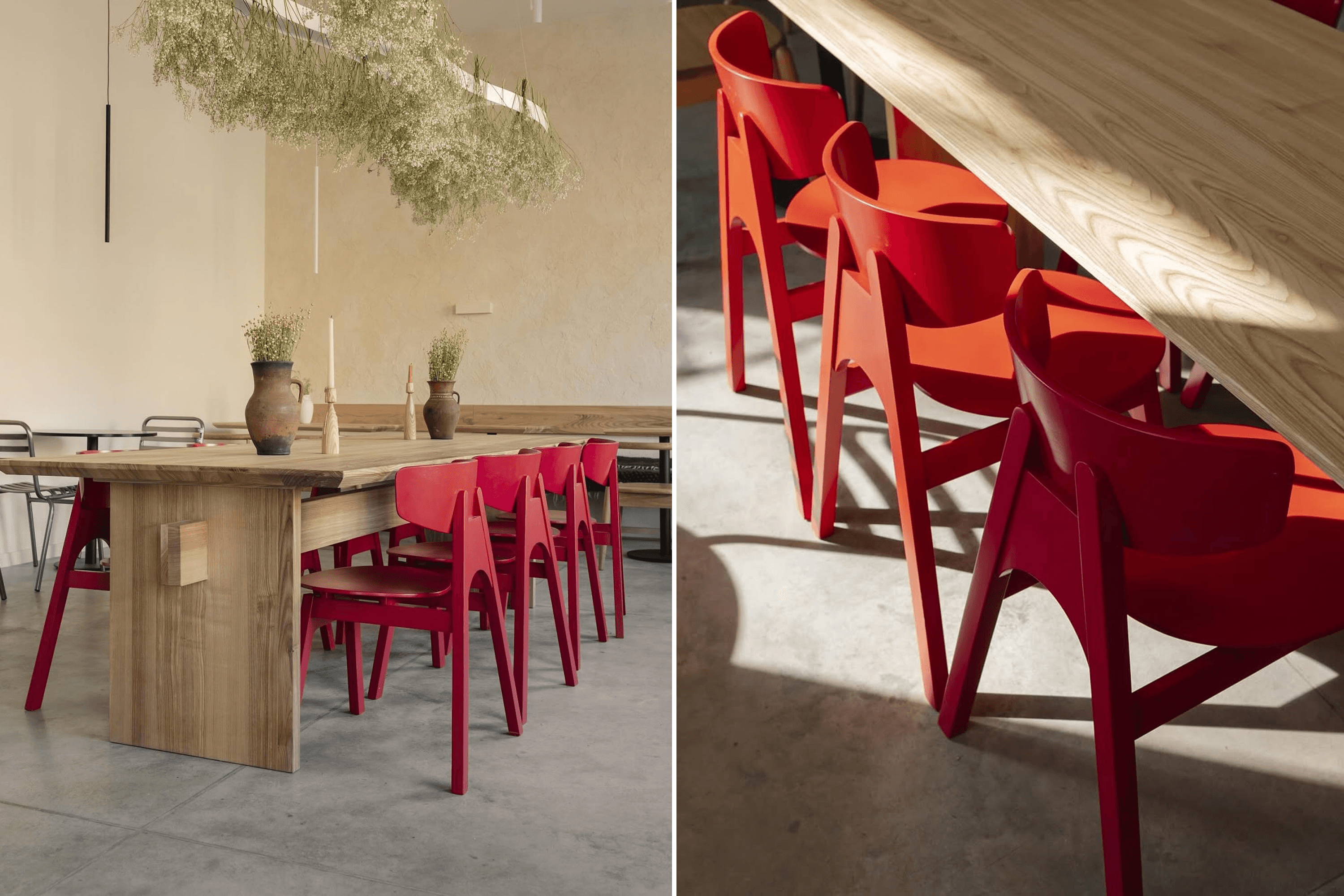
Gustav chairs by Ukrainian furniture brand TIVOLI in the interior of the Snidanishna restaurant in Kharkiv. May 2024. Photo: tivoli.com.ua / Instagram 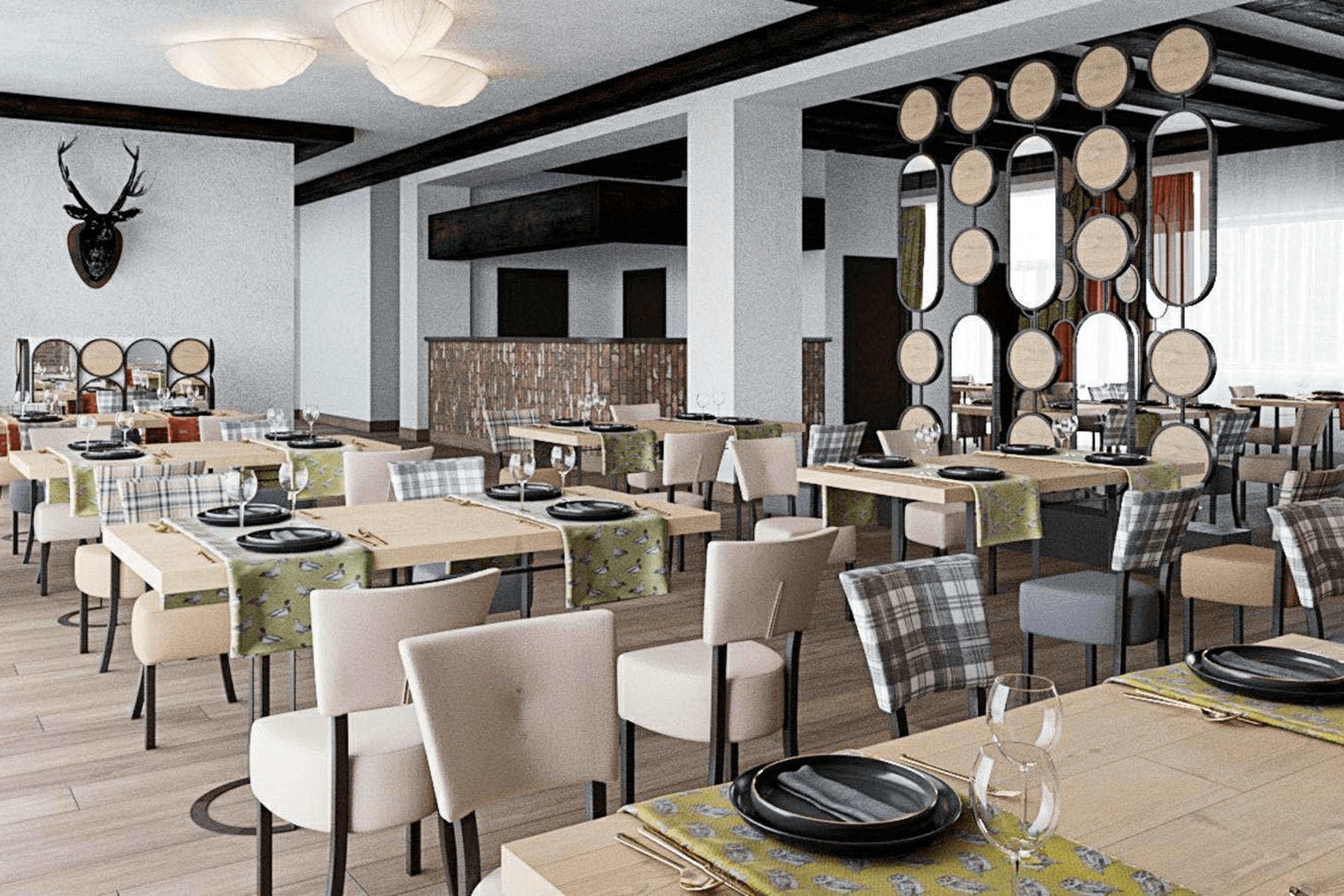
Furniture by Ukrainian brand TIVOLI in the interior of a dining establishment. September 2020. Photo: tivoli.com.ua / Instagram 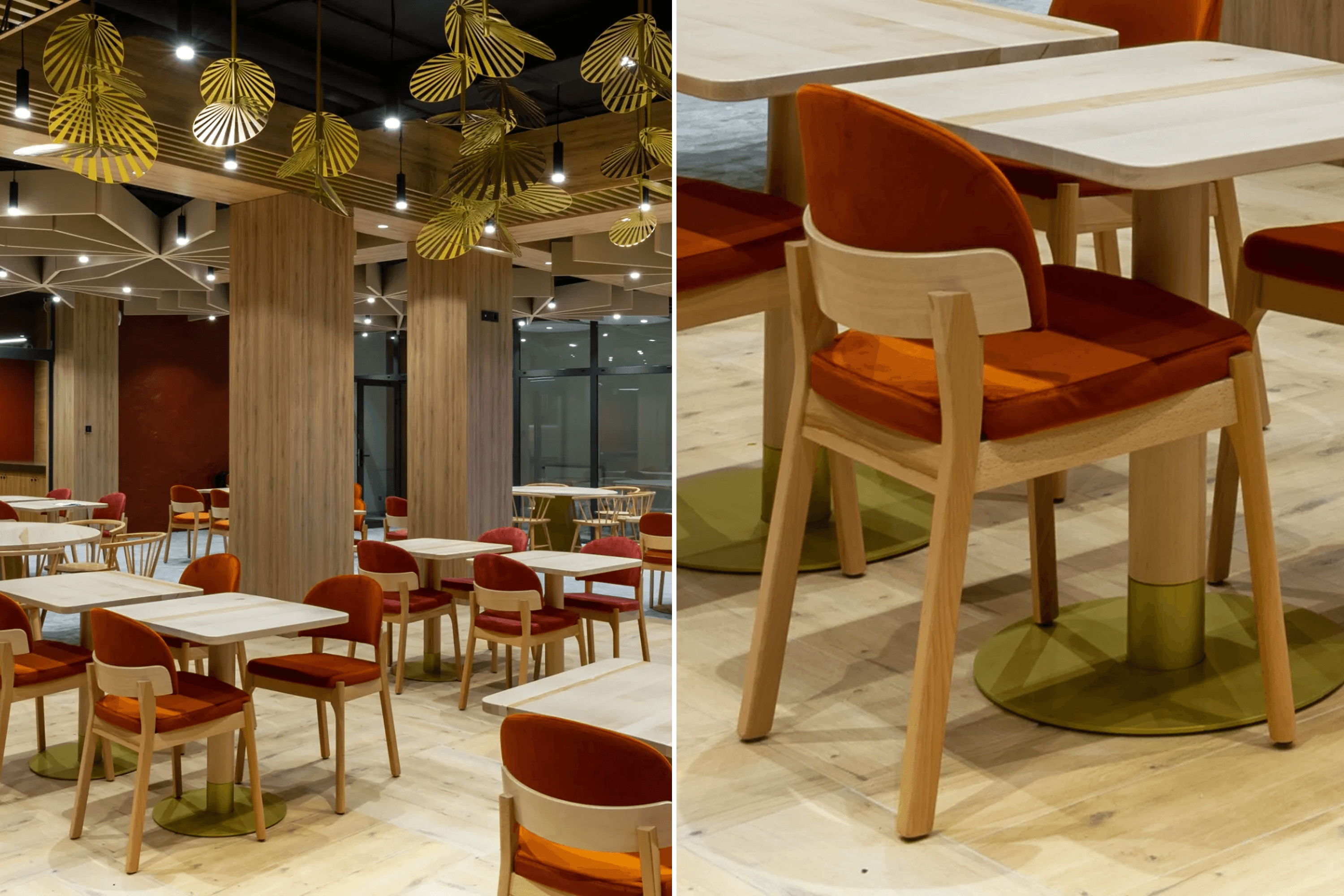
Pillar chairs by Ukrainian furniture brand TIVOLI in the interior of the Saint Charbel hotel and wellness complex in Morshyn. March 2023. Photo: tivoli.com.ua / Instagram 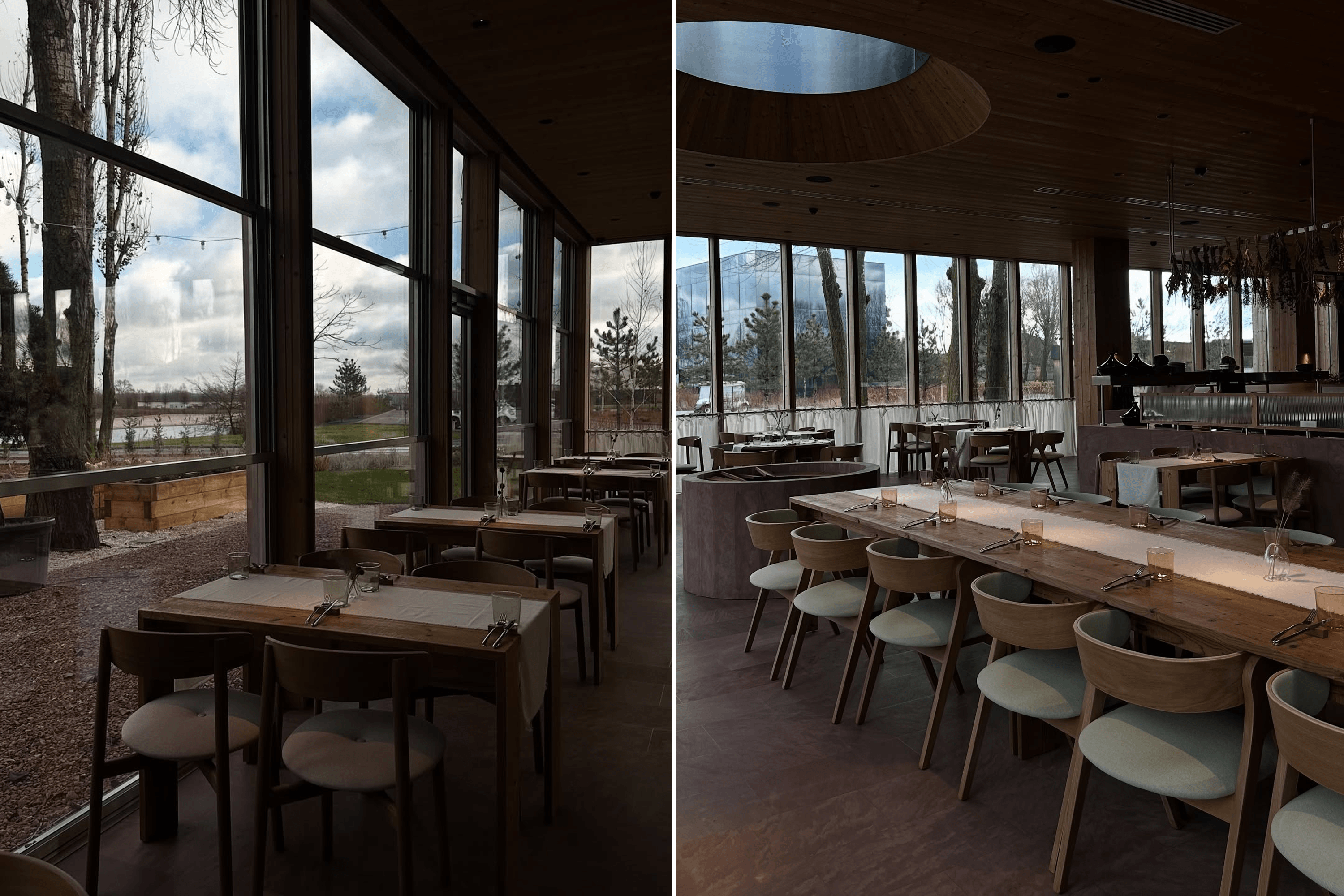
Furniture by Ukrainian brand TIVOLI in the interior of the Seven Lakes restaurant. December 2025. Photo: tivoli.com.ua / Instagram
I will not disclose the names of all our customers. There have been cases when competitors tried to lure away our long-standing clients by undercutting our prices. I consider that kind of behavior unacceptable. My sister and I, on the contrary, founded an alliance to help Ukrainian brands enter international markets.
Tell us more about the work of your Alliance of Ukrainian Exporters.
We created it in 2023 to join forces with other Ukrainian furniture companies and attend exhibitions together because participation is very expensive. The space that a single manufacturer can usually afford to rent is in a low-traffic area, and the stand gets lost in the exhibition hall. When three to five businesses join forces, they can rent a 30 to 50-square-meter space together and are more likely to attract the attention of potential partners and clients. My sister and I also know how to choose the best locations and how to persistently ask organizers to give them to us for our stand.
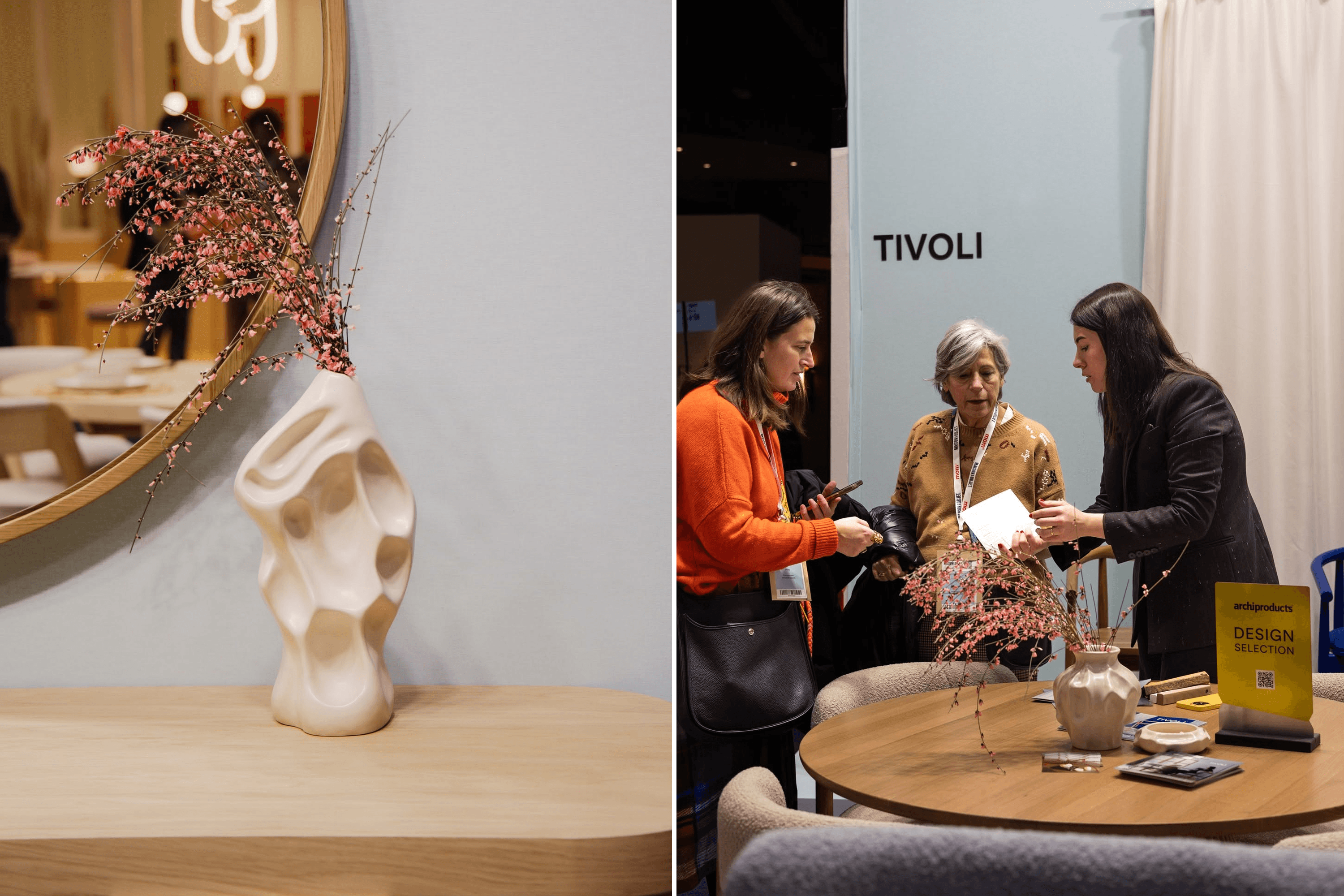
Armchairs by Ukrainian furniture brand TIVOLI at the international design and interior trade fair Maison&Objet in Paris. January 2025. Photo: Ukrainian export alliance / Facebook 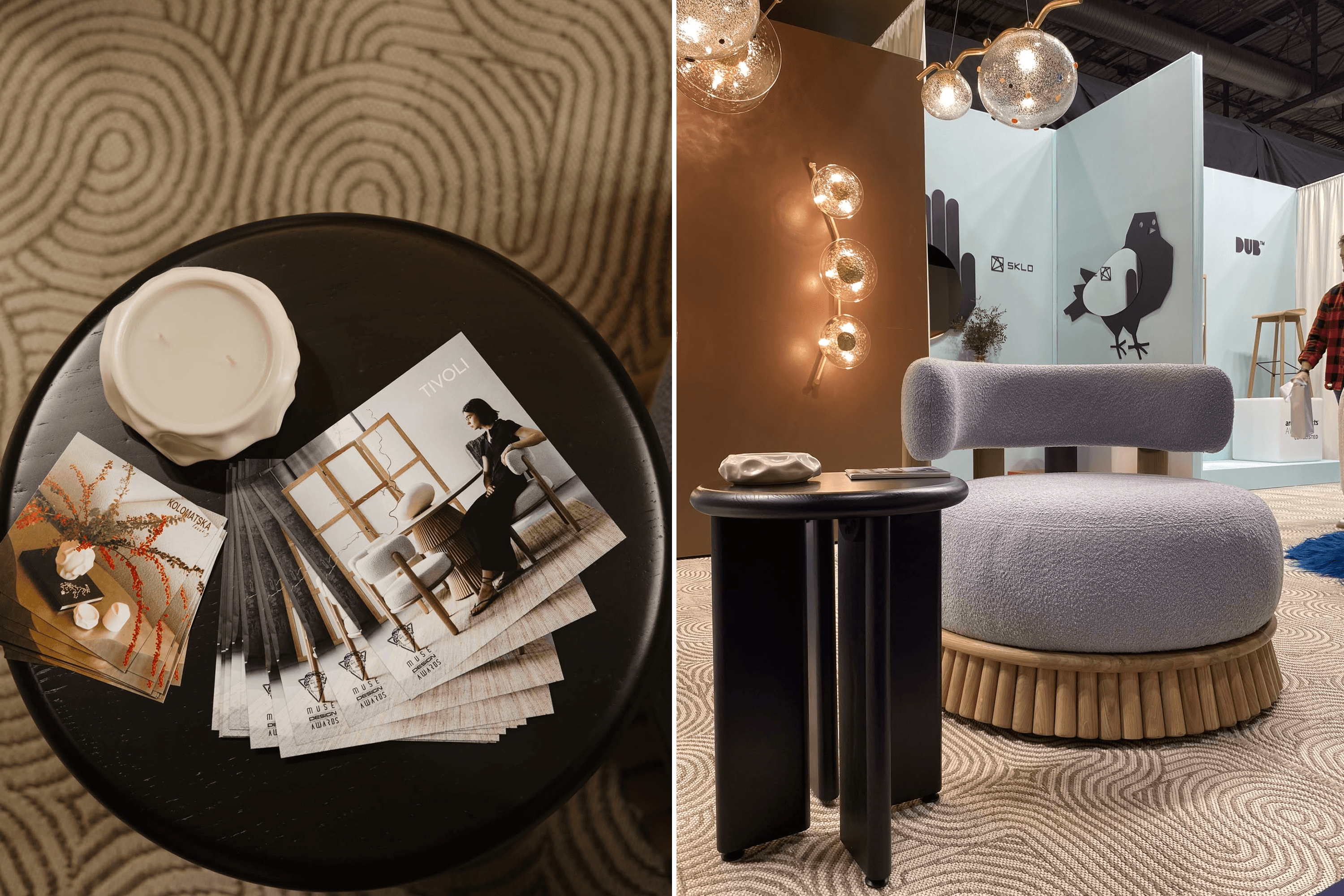
Photo: Ukrainian export alliance / Facebook 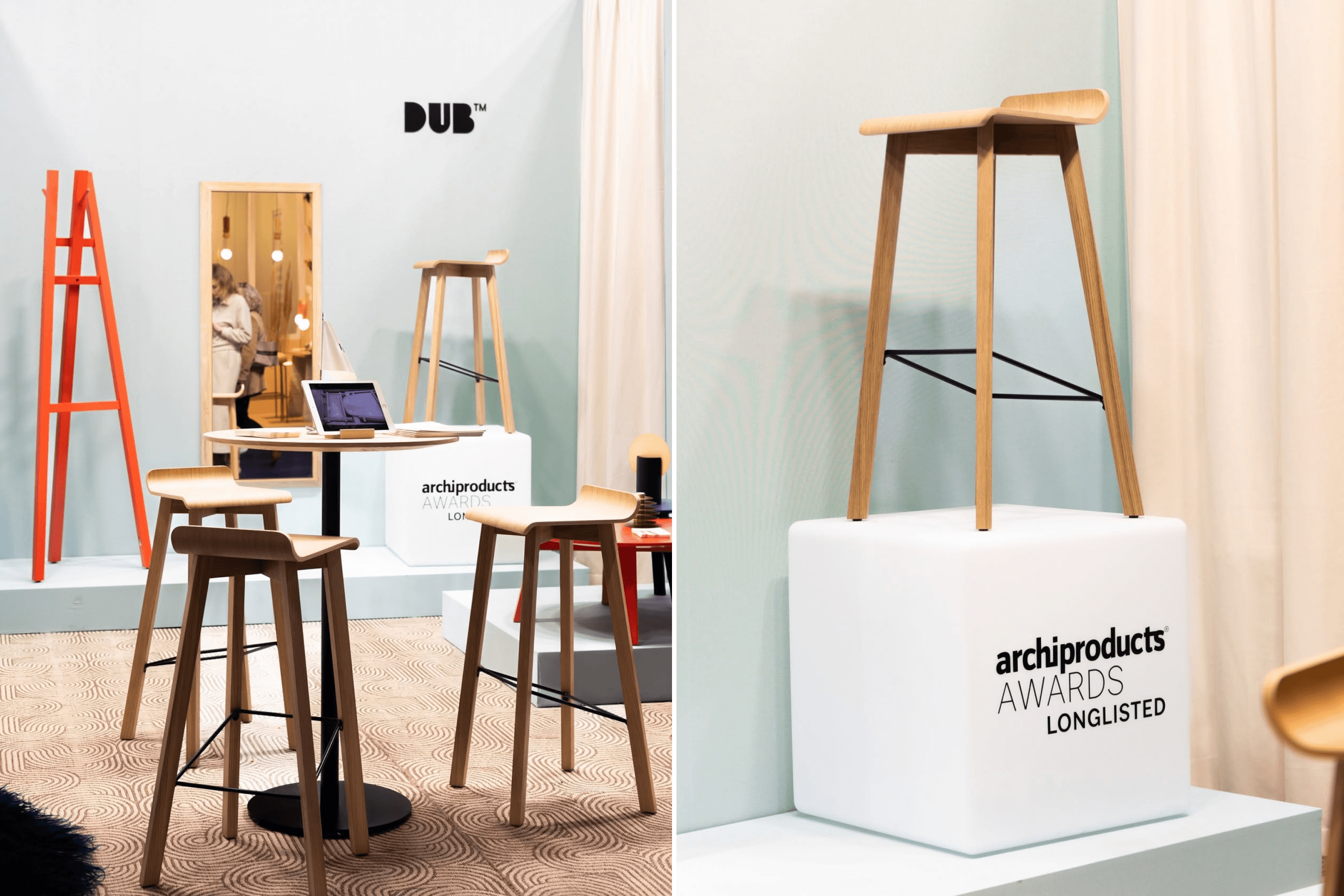
Photo: Ukrainian export alliance / Facebook 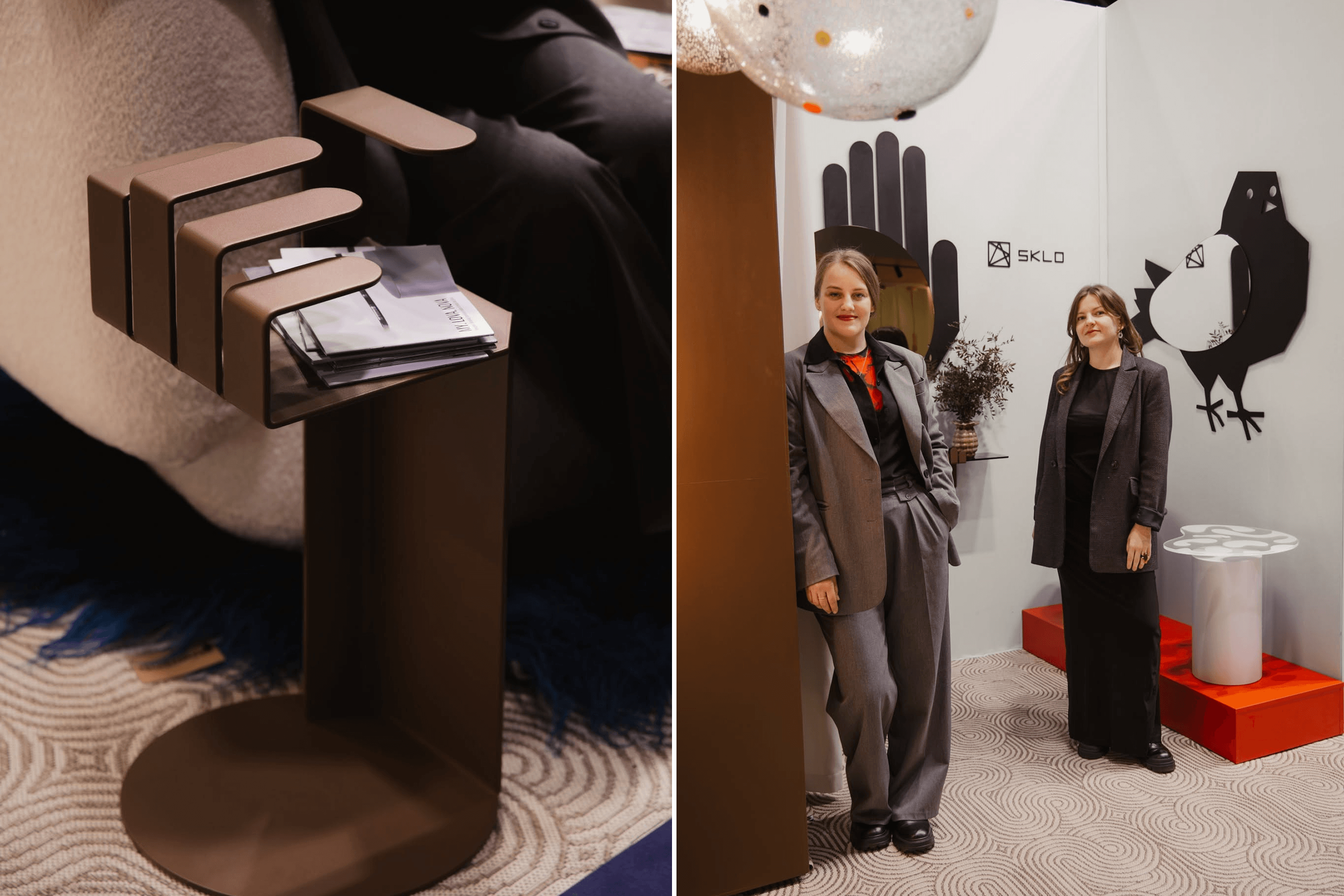
Photo: Ukrainian export alliance / Facebook 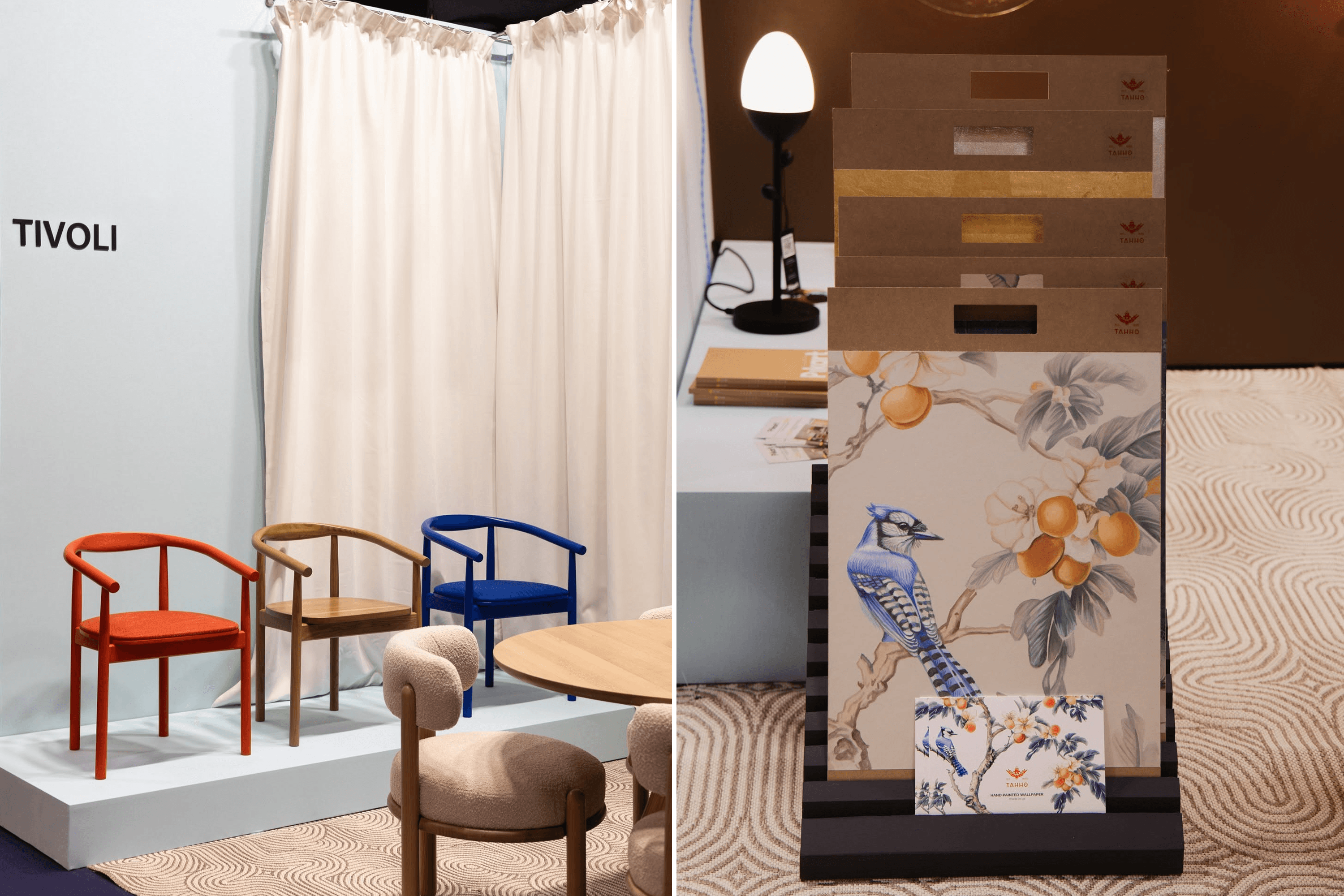
Photo: Ukrainian export alliance / Facebook
At the beginning of 2024, we secured USAID grants and created the first joint stand for seven Ukrainian businesses at HD Expo in the United States. We then participated in the Brussels Furniture Fair and Maison & Objet in Paris, where 20 Ukrainian furniture brands took part. It is exhausting, but worth it. We are now preparing for Maison & Objet, which will take place in January 2027.
Over three years, the alliance has grown to 33 companies. My sister and I advise them and are open to applications from new members.
From your experience, what common mistakes do Ukrainian furniture manufacturers make when entering foreign markets?
The biggest problem is that some companies do not analyze the market or local competitors at all and do not think about basic things. For example, we know entrepreneurs who took business cards only in Ukrainian to Paris or did not create an English-language version of their website, even though at the very least you need a catalog website or a landing page. There have also been cases when American clients were sent price lists with prices in euros.
You always need to do your “homework” before an exhibition: prepare a high-quality presentation and an offer for potential clients based on market analysis.
What new markets do you want to open up in the near future?
We want to enter the Japanese market. It is difficult because the culture and mentality there are completely different. My sister recently completed training with an organization that helps companies break into this market, and we already have a potential client who plans to open a showroom under the Tivoli brand in Japan.
We are also interested in Oceania. We have already sold furniture in Australia, so our next goal in the region is New Zealand. In general, we want it to be represented in at least one showroom in every country in the world.
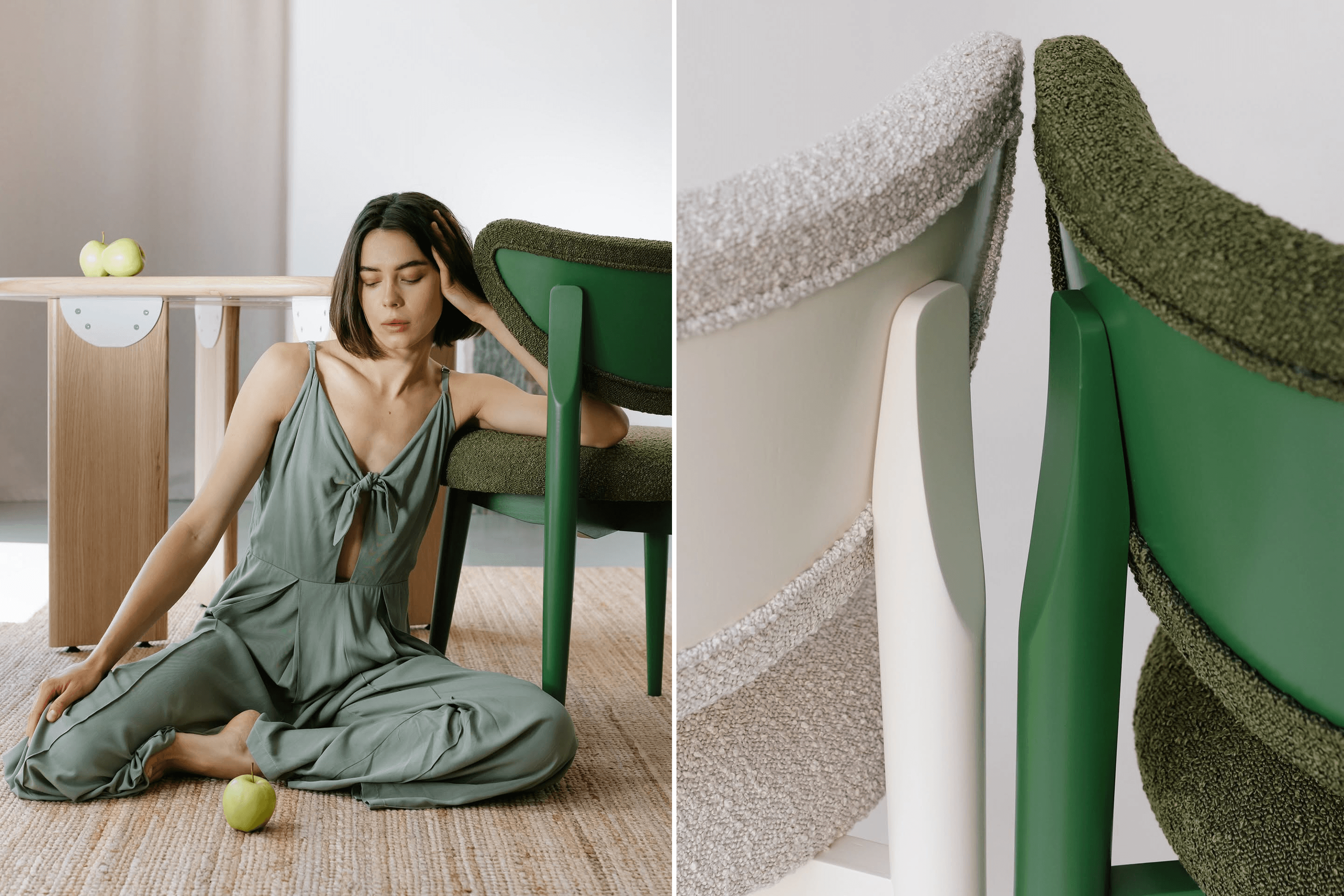
Selected furniture pieces by TIVOLI in interior settings. Photo: tivoli.com.ua / Instagram 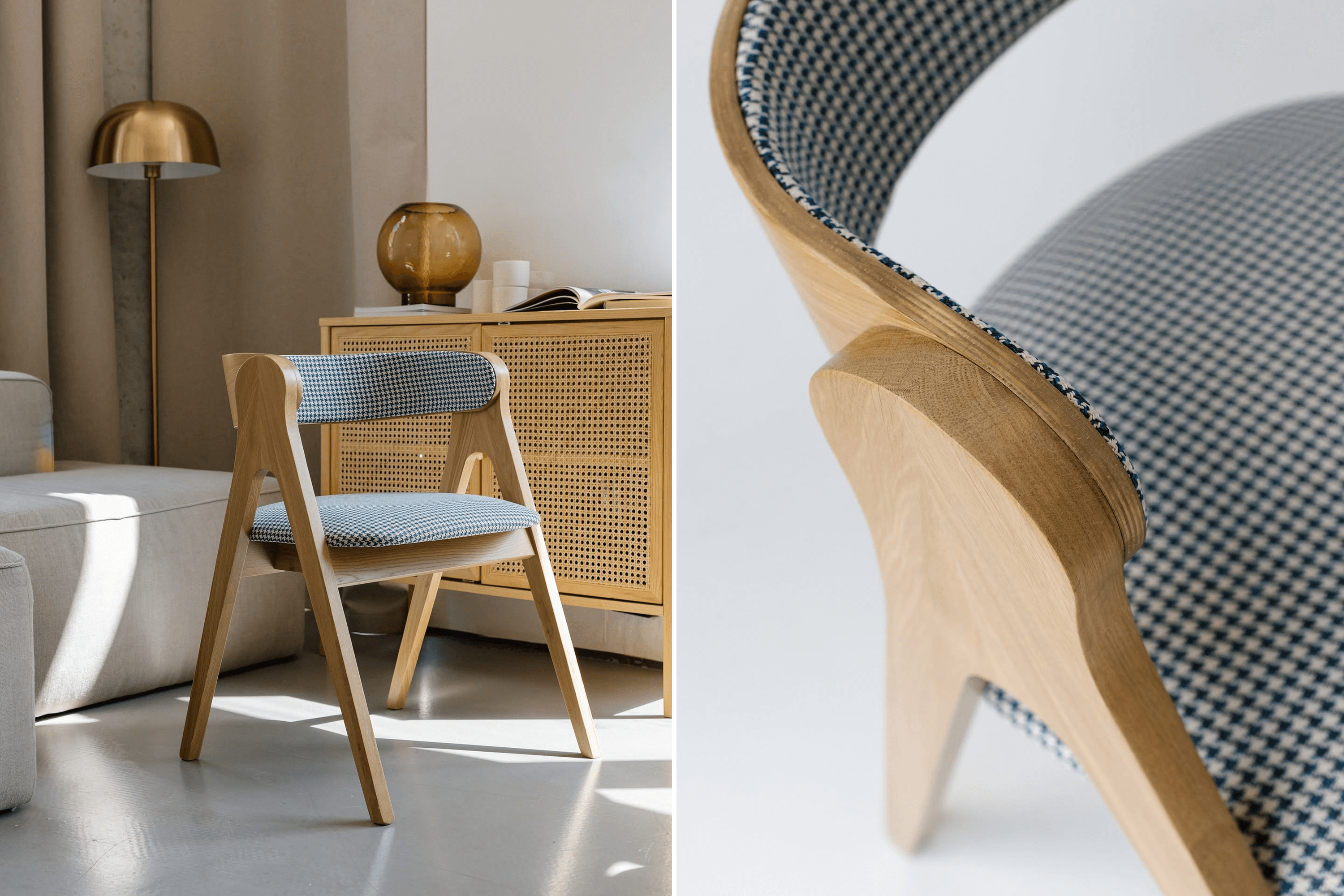
Photo: tivoli.com.ua / Instagram 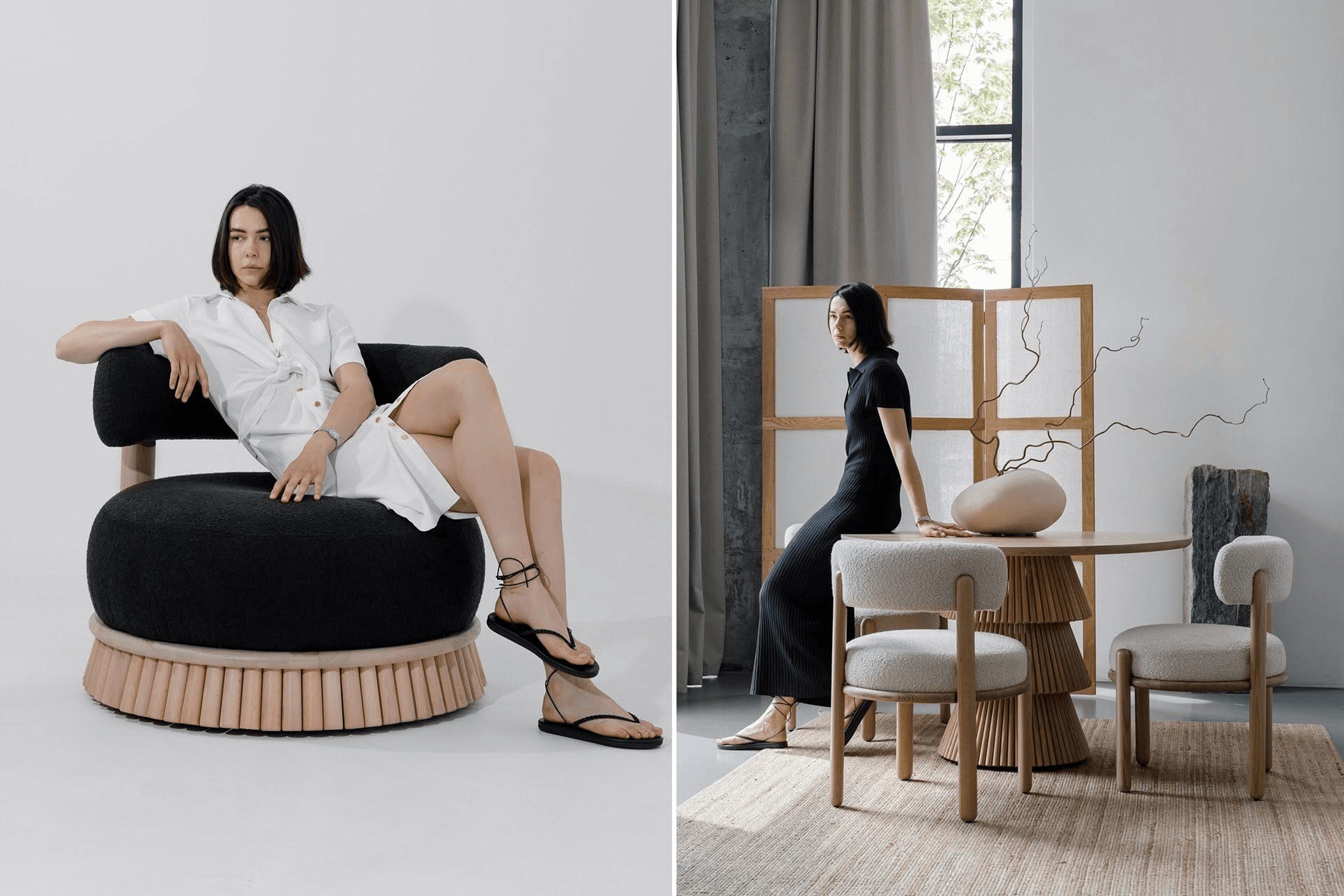
Photo: tivoli.com.ua / Instagram 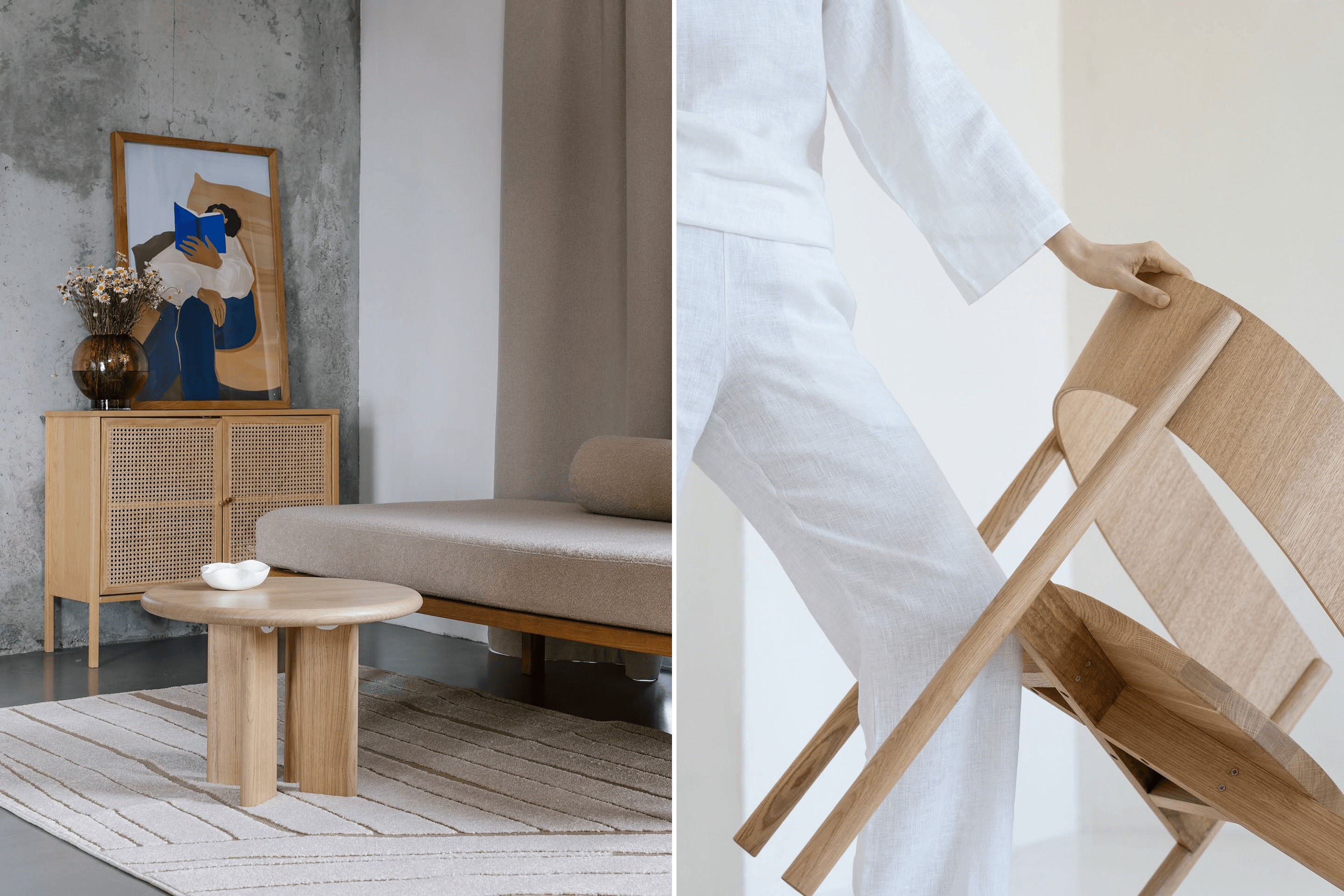
Photo: tivoli.com.ua / Instagram 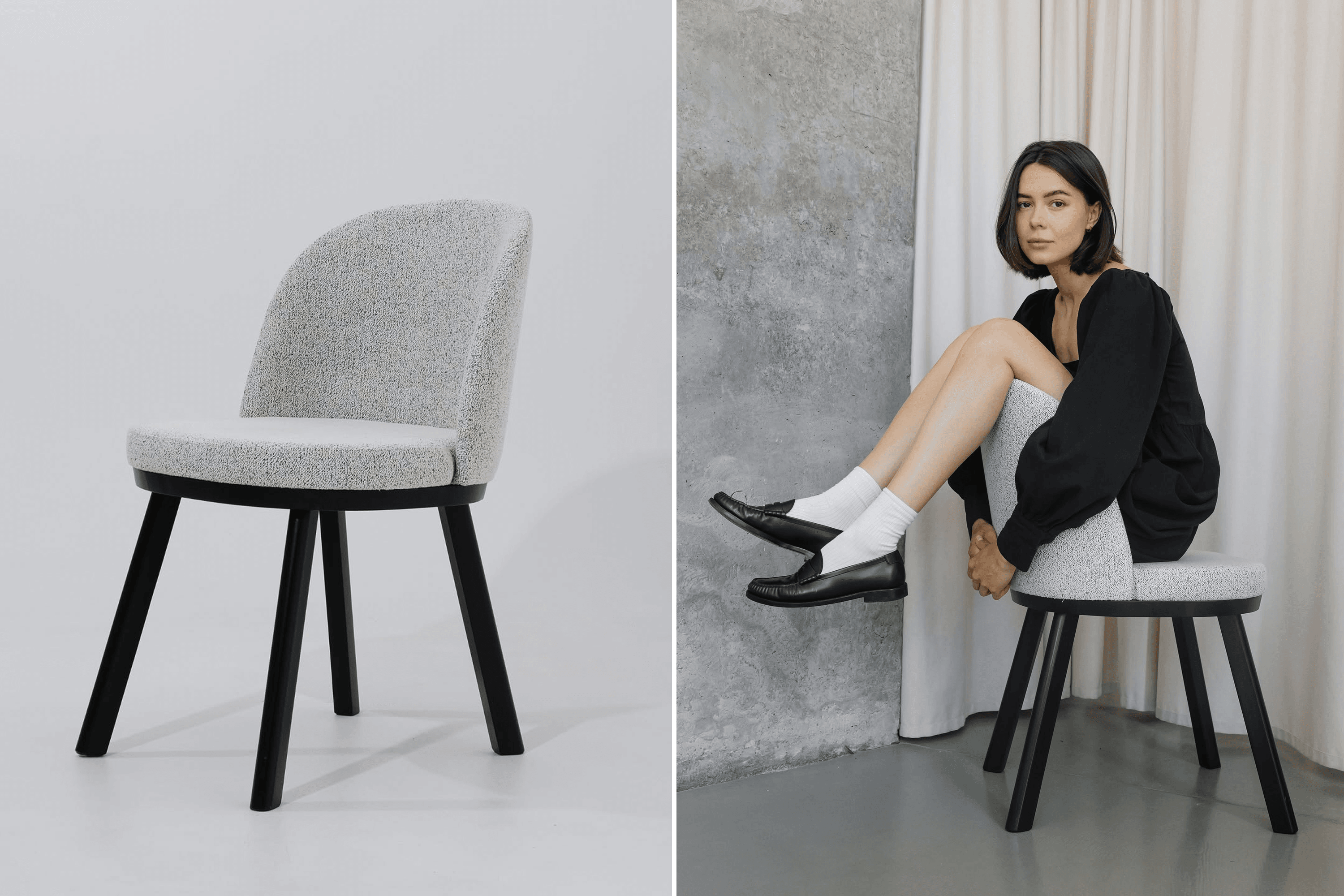
Photo: tivoli.com.ua / Instagram 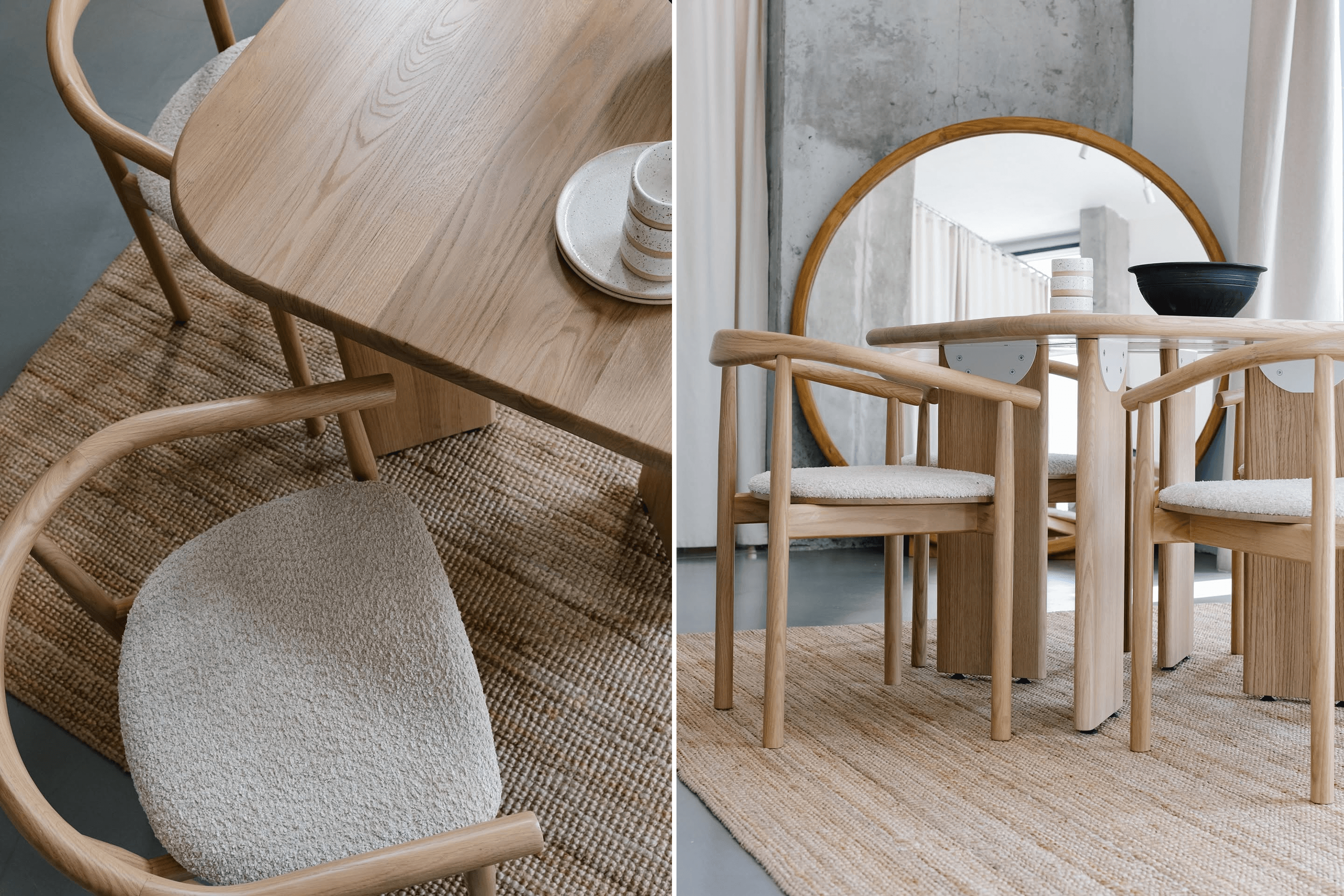
Photo: tivoli.com.ua / Instagram
Given your ambitions, do you plan to expand production?
We regularly purchase new equipment, but we want to expand production as the number of orders grows. Our benchmark is companies that already work with large volumes. For example, in June I met a potential client at an exhibition in Copenhagen, a company that manufactures chairs for large Scandinavian brands. They make 8,000 chairs a week but do not have enough capacity for large-scale orders. Our factory could take on part of this work. I want us to reach that level of capacity utilization too, when it makes sense to purchase a lot of new equipment and double our production capacity.
How do you see the Tivoli brand developing over the next few years?
We will continue building clients' trust in our brand and in Made in Ukraine products in general. My father wants Tivoli to be as well known as Calligaris, so that even an ordinary person with no connection to the furniture industry would recognize our designs.
We want customers to pass Tivoli furniture down from generation to generation, as Swedes, for example, do with their local brands. People are willing to pay more for furniture like this because one day it will become a family heirloom.
I am the second generation of Tivoli, and I hope that my sister’s children and mine will continue the family business, and that one day our grandchildren will read this interview and say, “They achieved everything they wanted.”