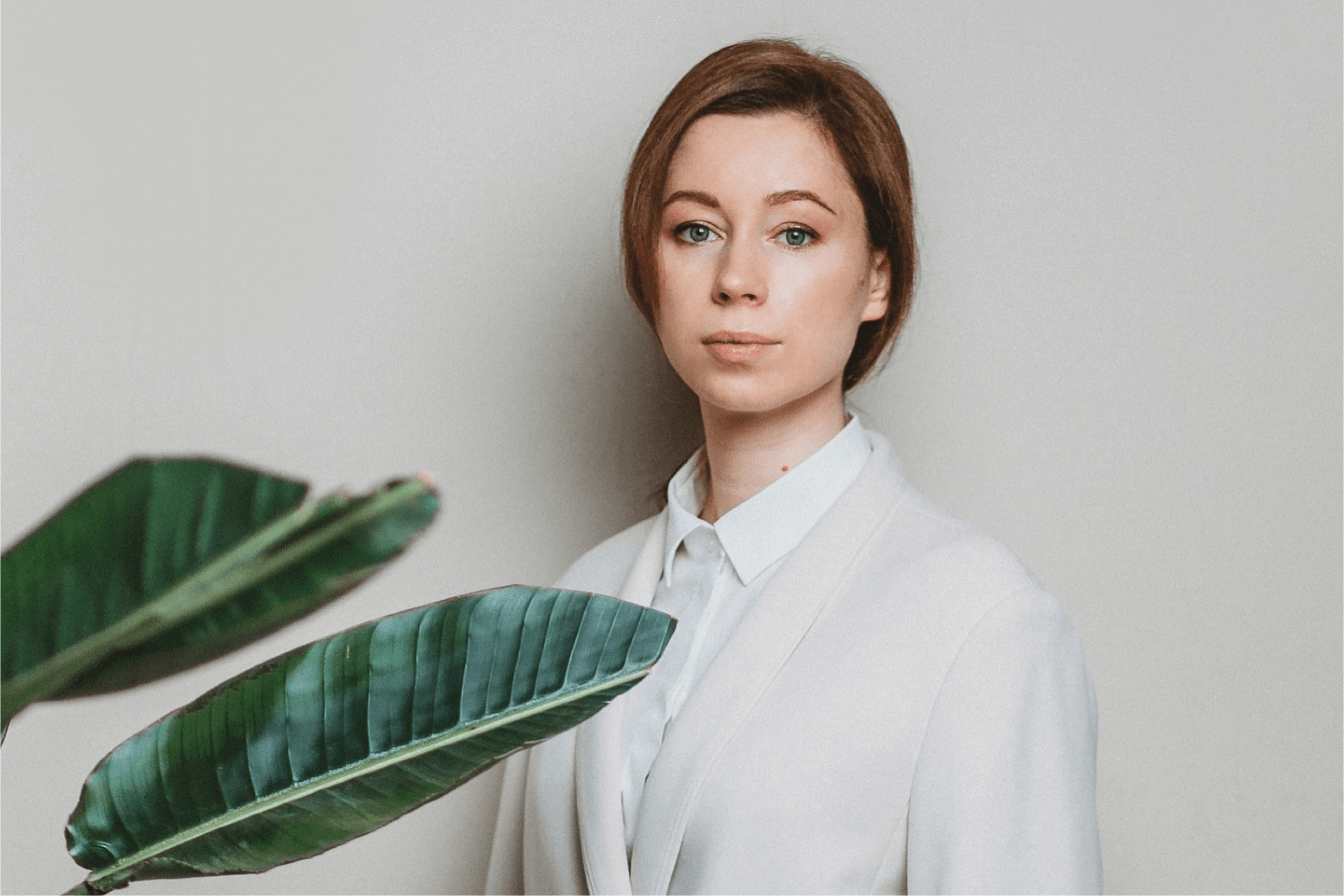
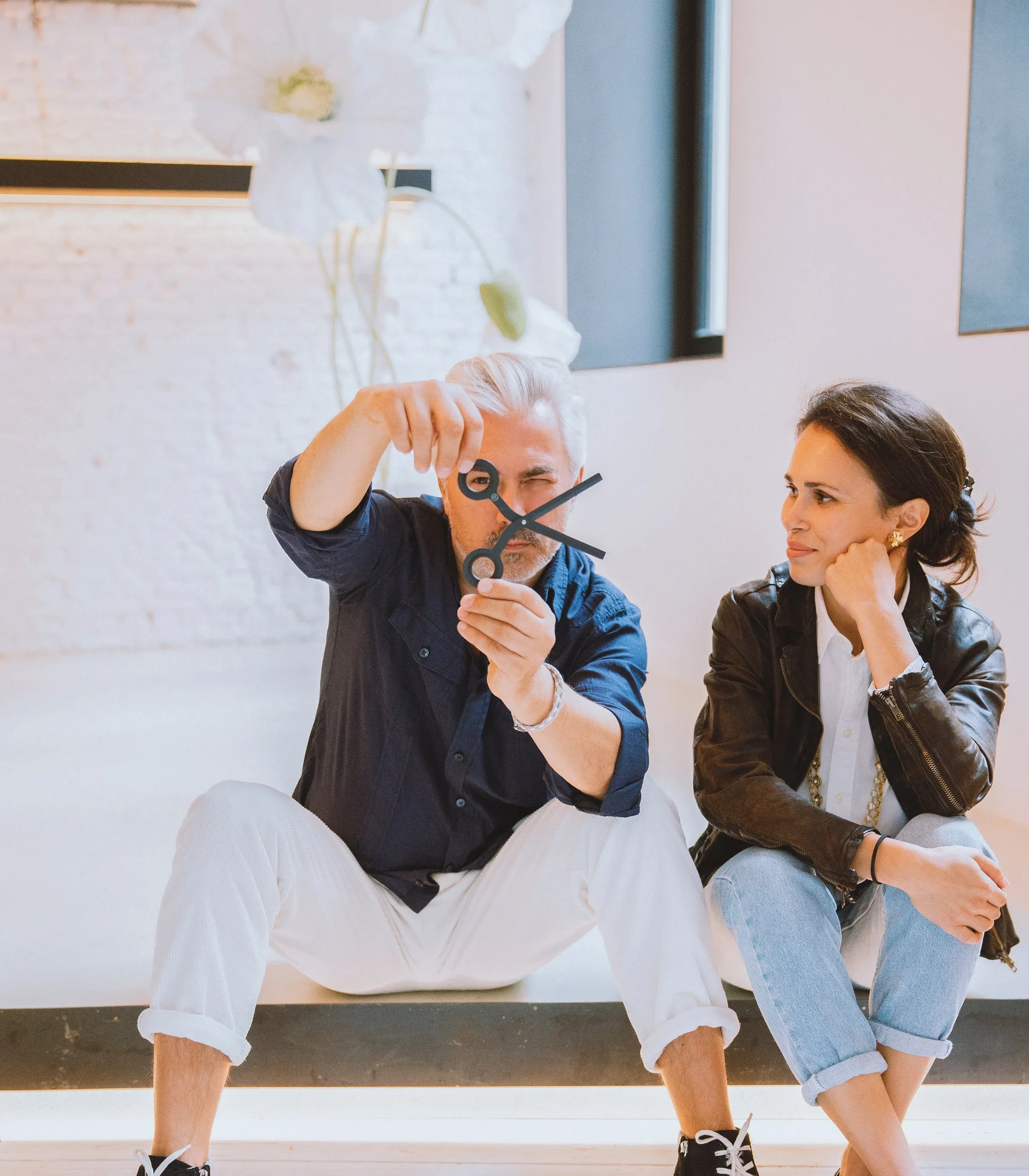
In 2017, Ukrainian designers Kateryna Sokolova and Arkadii Vartanov, inspired by Ukrainian modernists, launched a brand of designer furniture and home decor. Today, exports account for 95% of Noom's sales. The brand's pieces can be found in Lacoste, Tiffany & Co., and Louis Vuitton showrooms, in Hilton hotels, and in private homes across 46 countries in Europe, North and South America, and Asia.
Yellow Blue journalist Sofiia Korotunenko spoke with Sokolova about running the brand during Russia's full-scale invasion of Ukraine, working with international dealers, and promoting Ukrainian culture abroad.
How did Noom come into being?
The brand began in 2017 at Dutch Design Week, where designer Arkadii Vartanov and I presented our first joint collection — Suprematist-style vases. At the time, I was collaborating as a designer with several European furniture brands, while Arkadii was working on interior design projects at the Kharkiv-based studio Postformula.
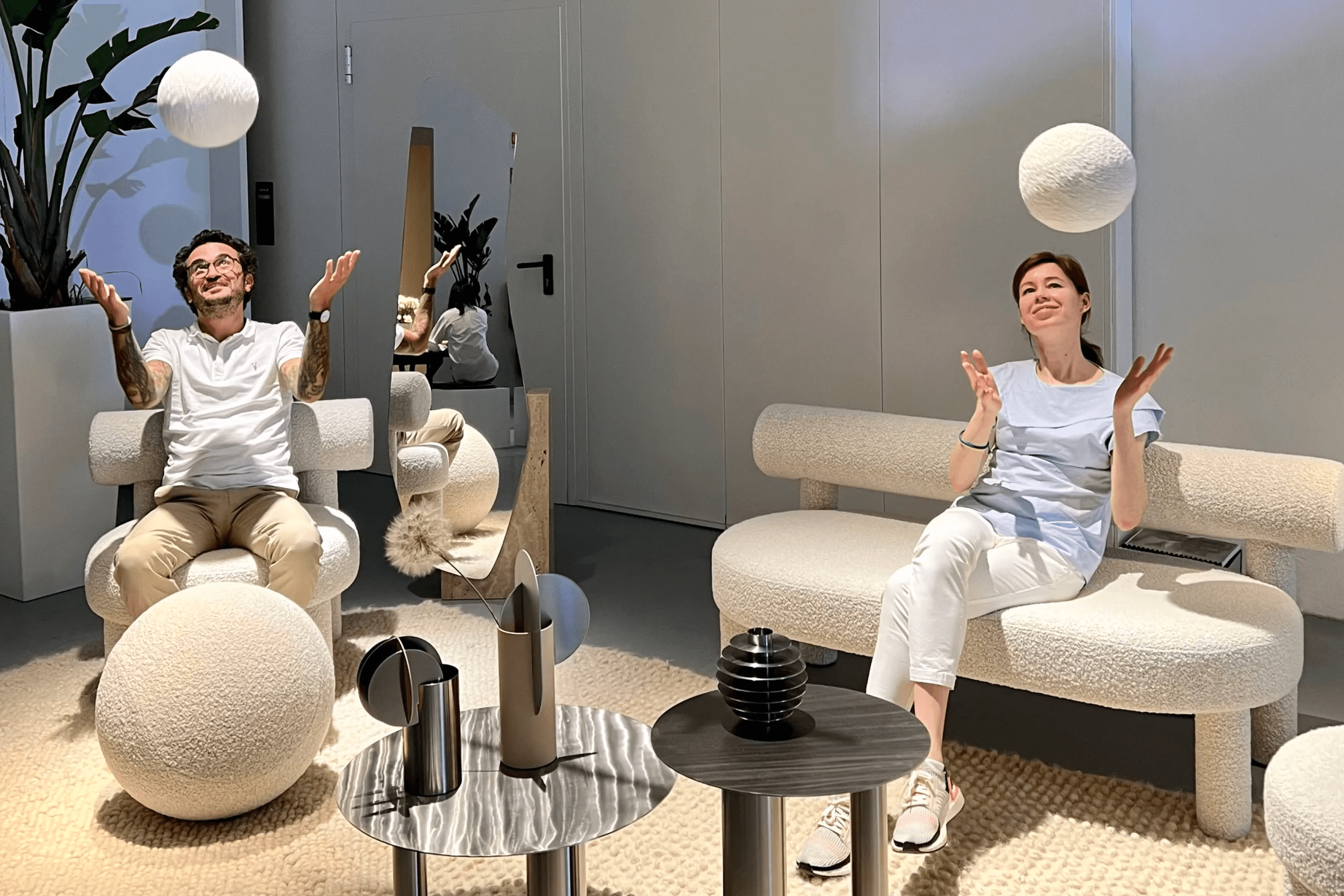
European distributors took notice of our work at the exhibition. The first retailer to start selling our vases was Le Bon Marché, the oldest and one of the most prestigious department stores in France, known for luxury fashion, furniture, home decor, cosmetics, and perfumes.
It was a major success. Arkadii and I realized that this collection needed its own brand. From the outset, we focused on export markets, particularly Europe. Our products were positioned in the high-end segment, and the design was tailored to the tastes of western consumers.
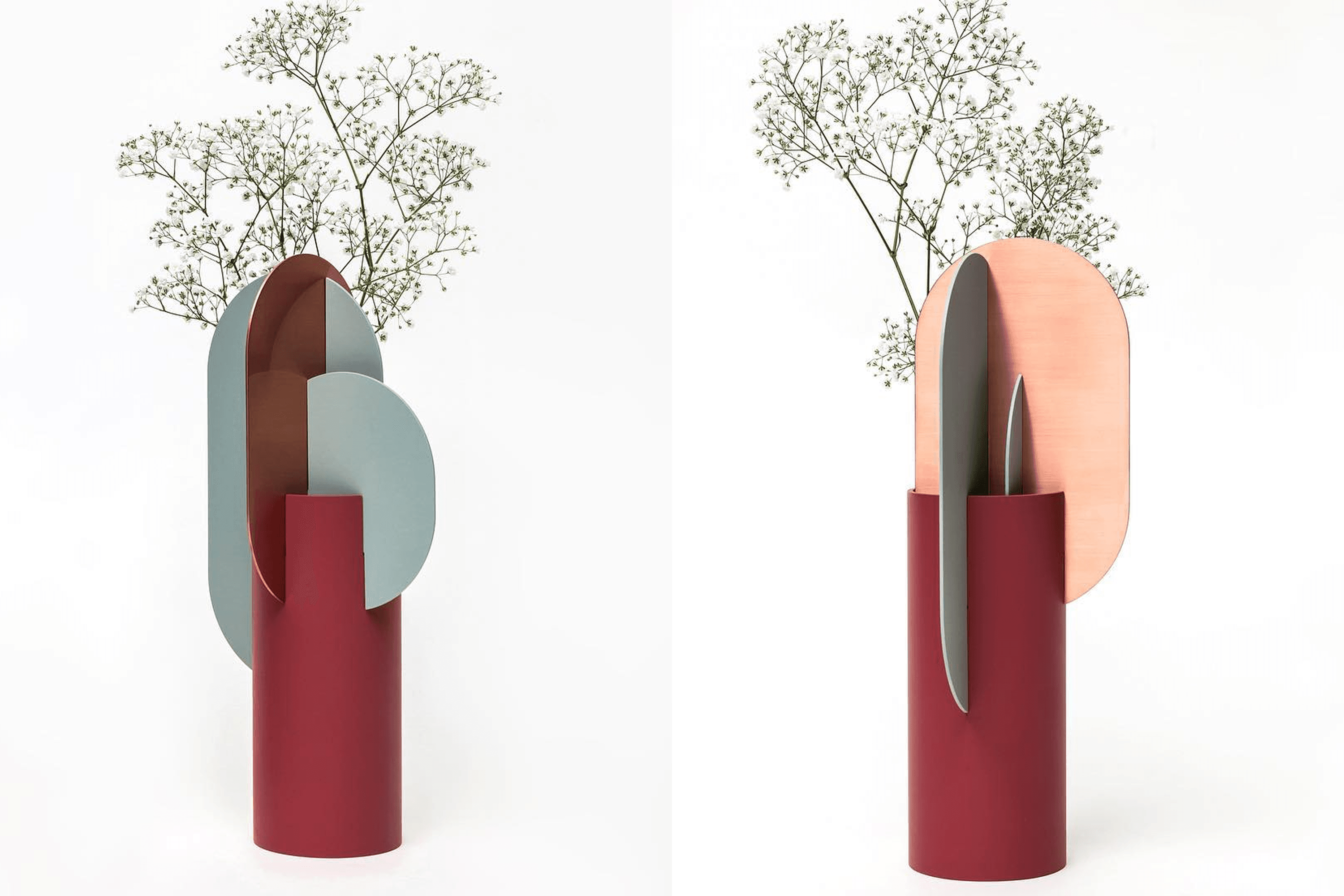
Suprematist-style vases by Noom at Dutch Design Week. 2017. Photo: Noom / YB 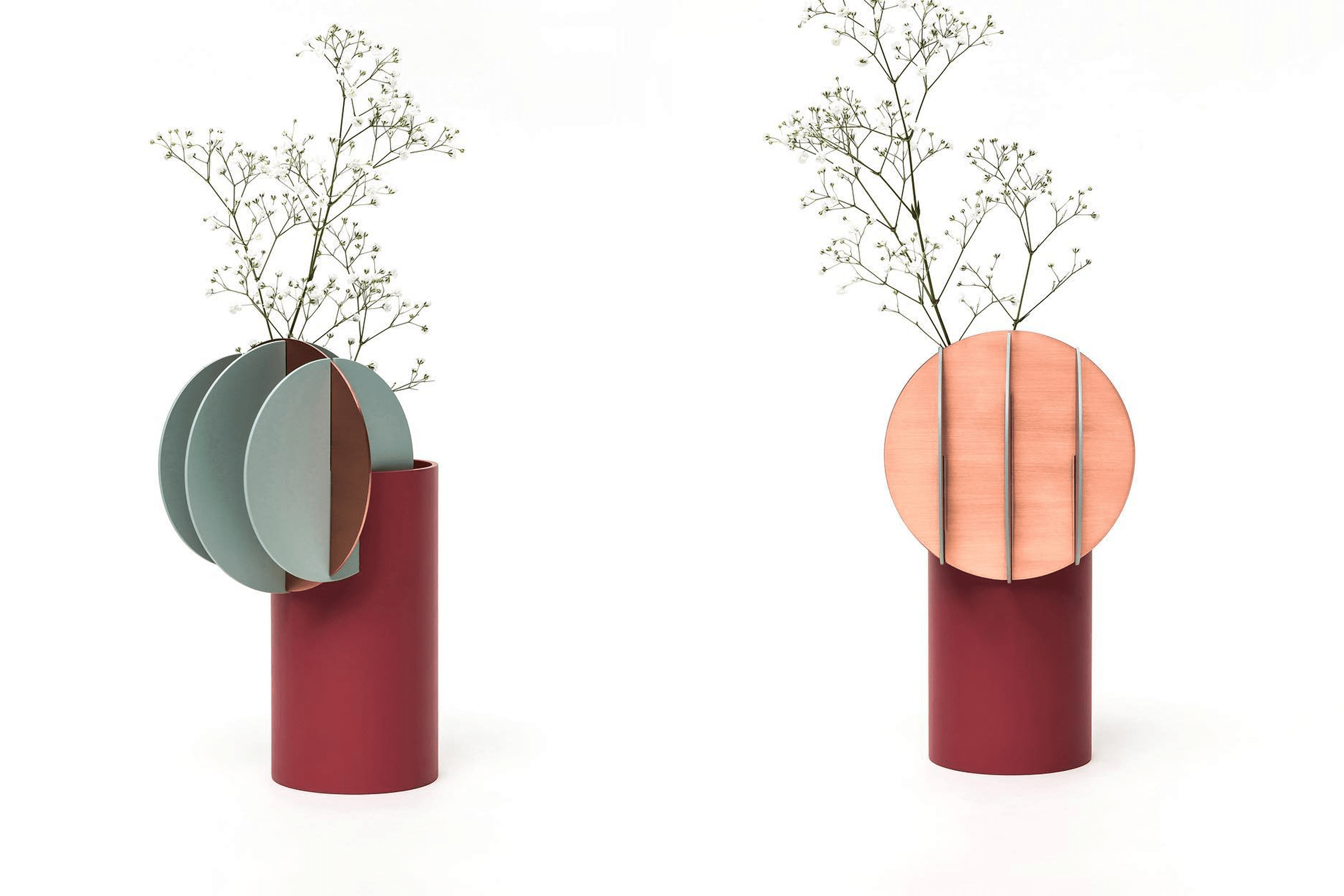
Photo: Noom / YB 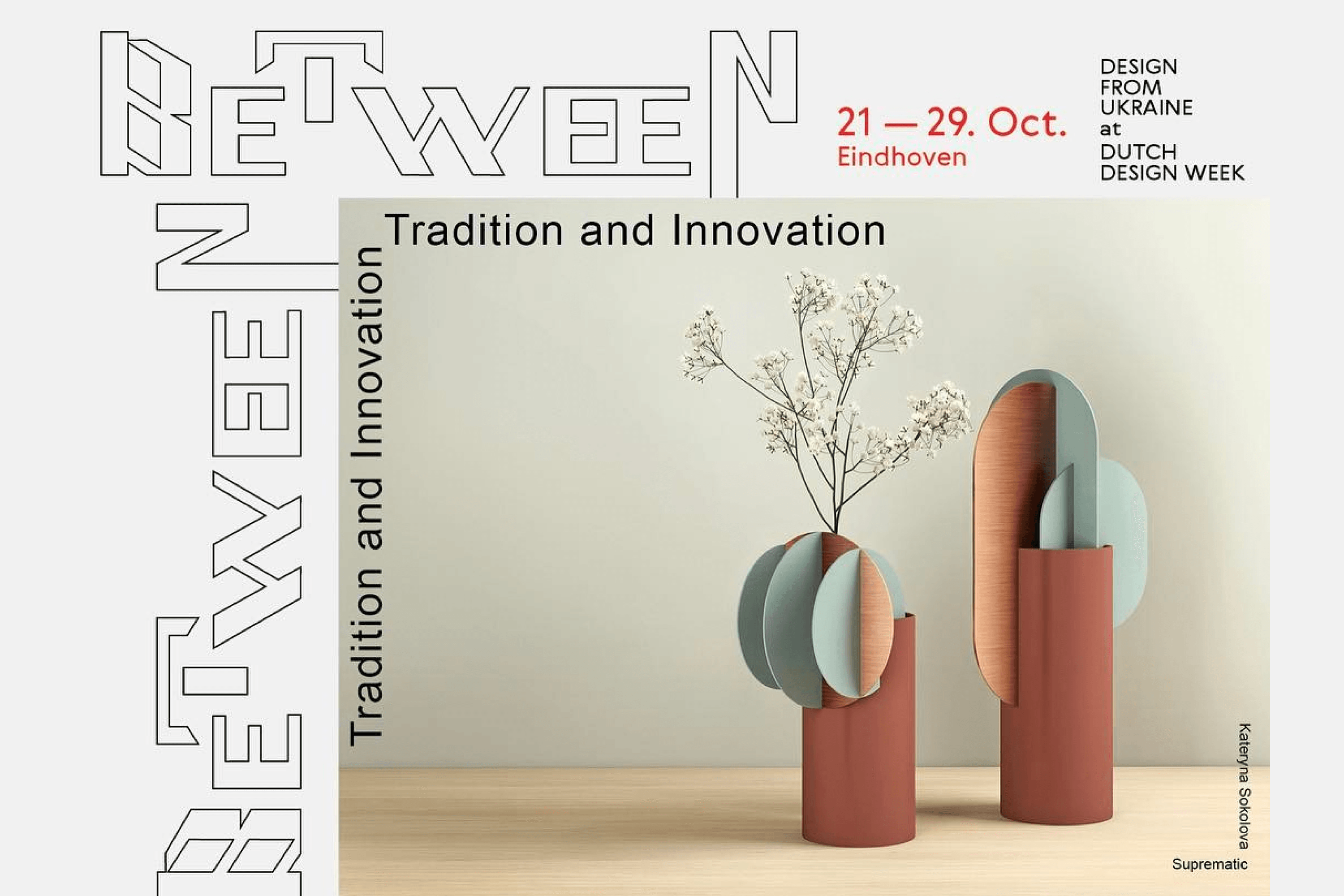
Photo: Noom / YB 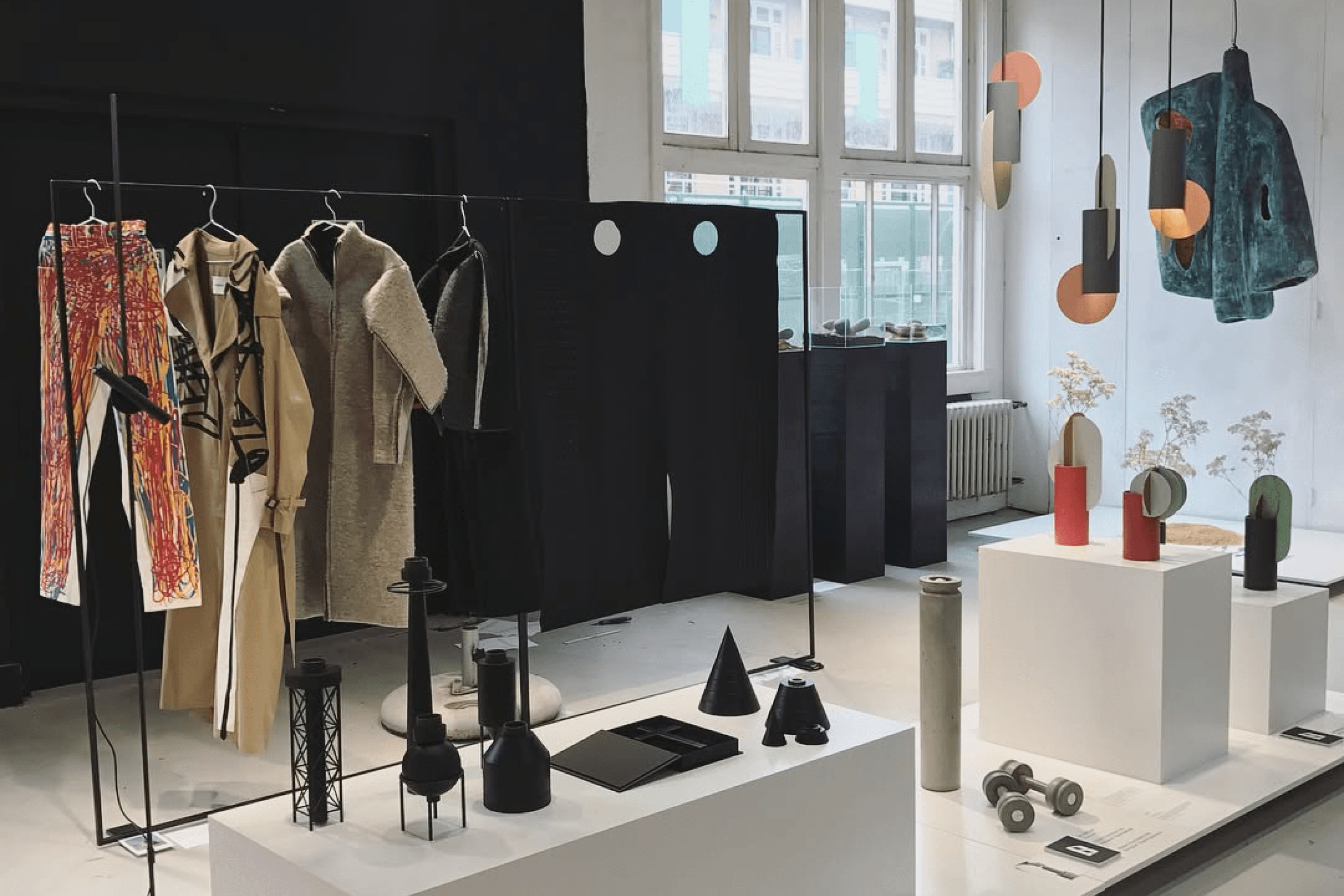
Photo: Noom / YB 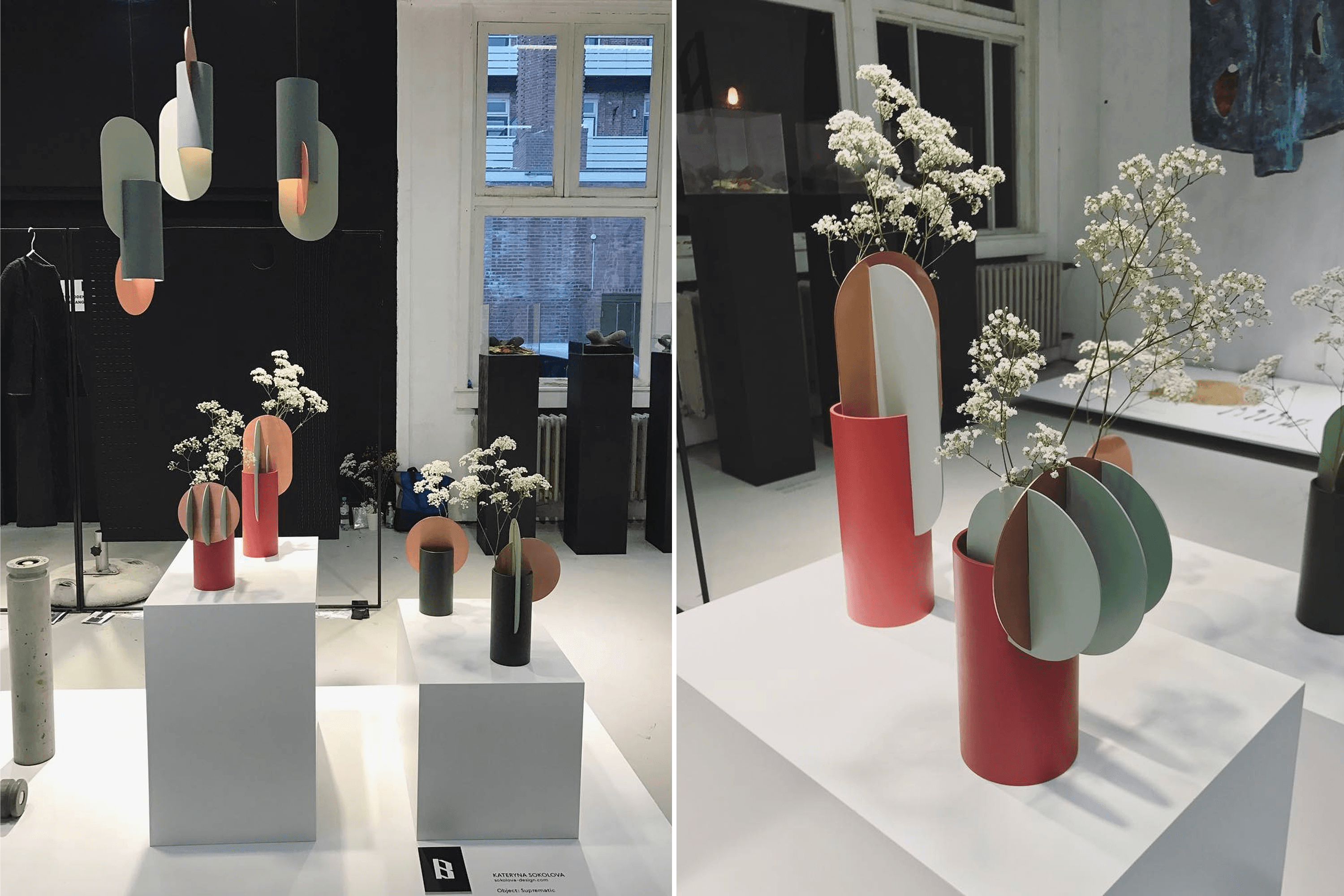
Photo: Noom / YB 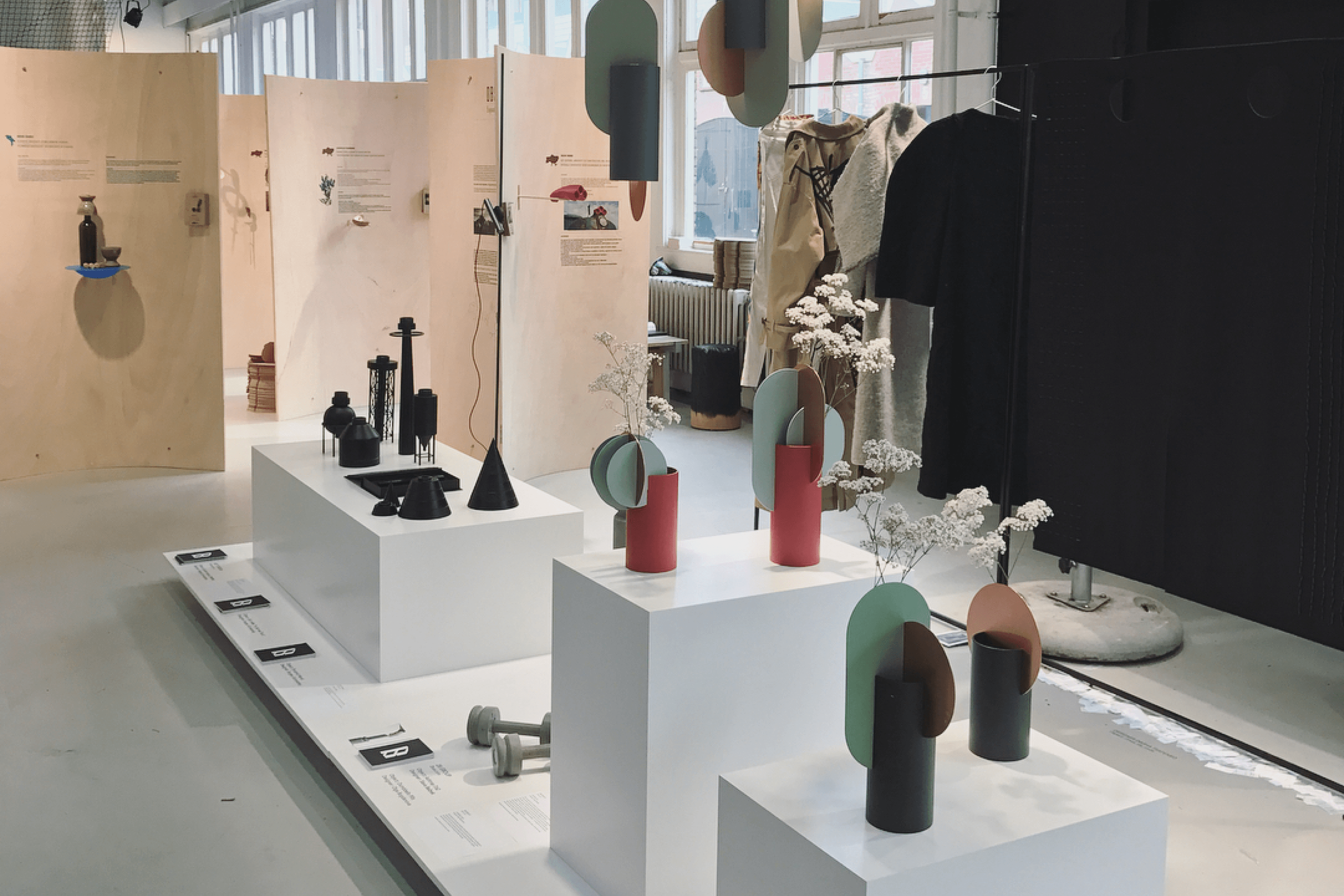
Photo: Noom / YB
What is the philosophy of your brand?
We believe in modernism and restraint. We create comfortable, functional design with an artistic accent that remains accessible to a broad audience. This is neither ethnic design nor radical modernism, where form and originality come at the expense of usability.
Before founding Noom, you worked with European design companies that sell globally. What did you do, and how did that experience help you build your own business?
From 2011 to 2017, I worked at Jarre Technologies, where we designed electronic products, primarily speakers and headphones. At the same time, as a freelance designer, I developed furniture and lighting for well-known European brands such as Bolia, Casala, Ligne Roset, and Roche Bobois.
That experience helped me overcome self-doubt. I realized that Ukrainian professionals are no less capable than their international peers, that they can work with global brands, and that Ukrainian products can compete confidently in international markets.
Does Noom collaborate with freelance designers?
Yes. European designers send us their concepts. I once did the same myself, pitching ideas to established brands, so it’s especially gratifying to now receive such proposals at Noom. We want the brand to be diverse rather than shaped by a single author.
French designers Nathan Baraness and Maryna Dague created the Lake mirror collection for us, inspired by the fluid outlines of lakes seen from a bird’s-eye view.
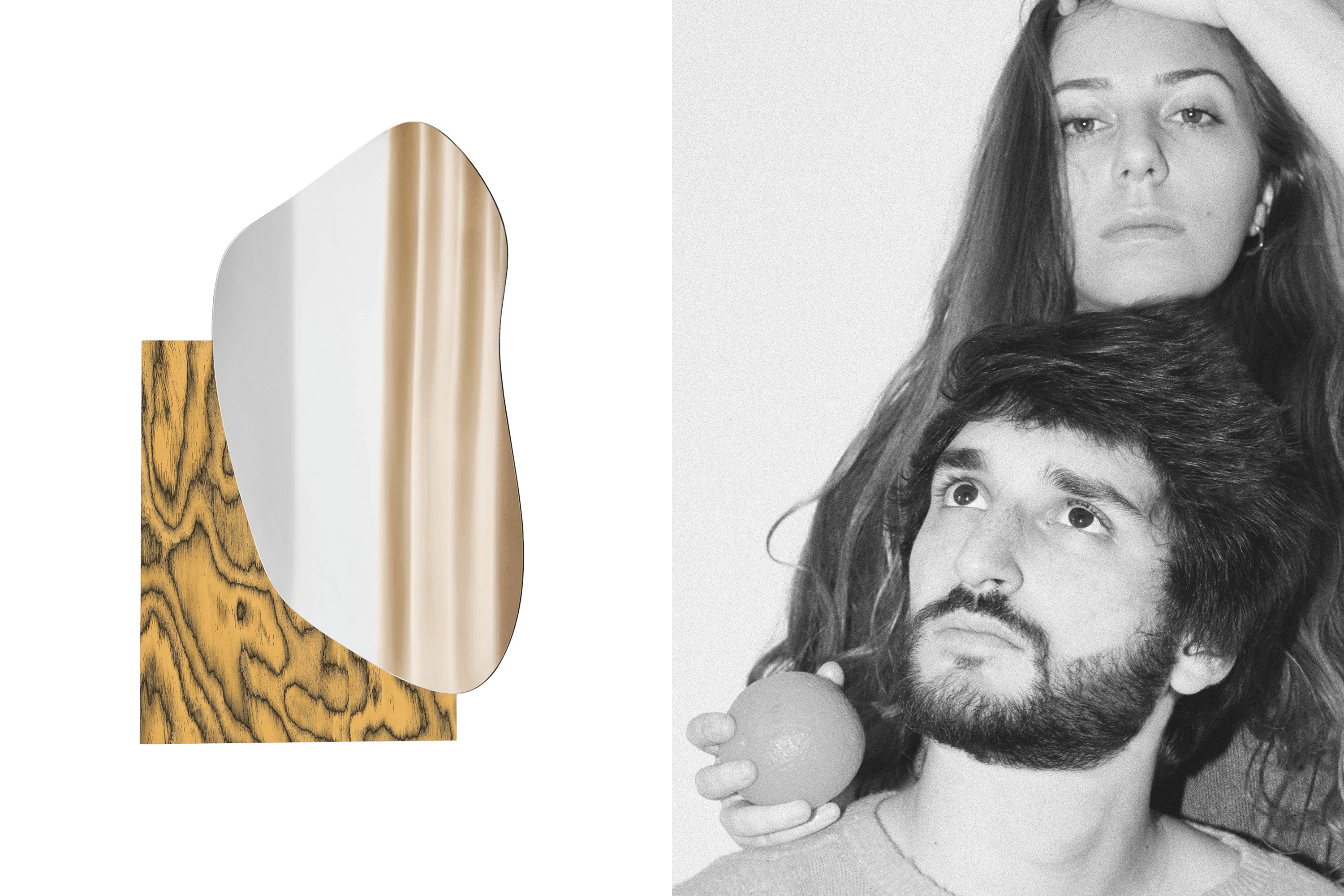
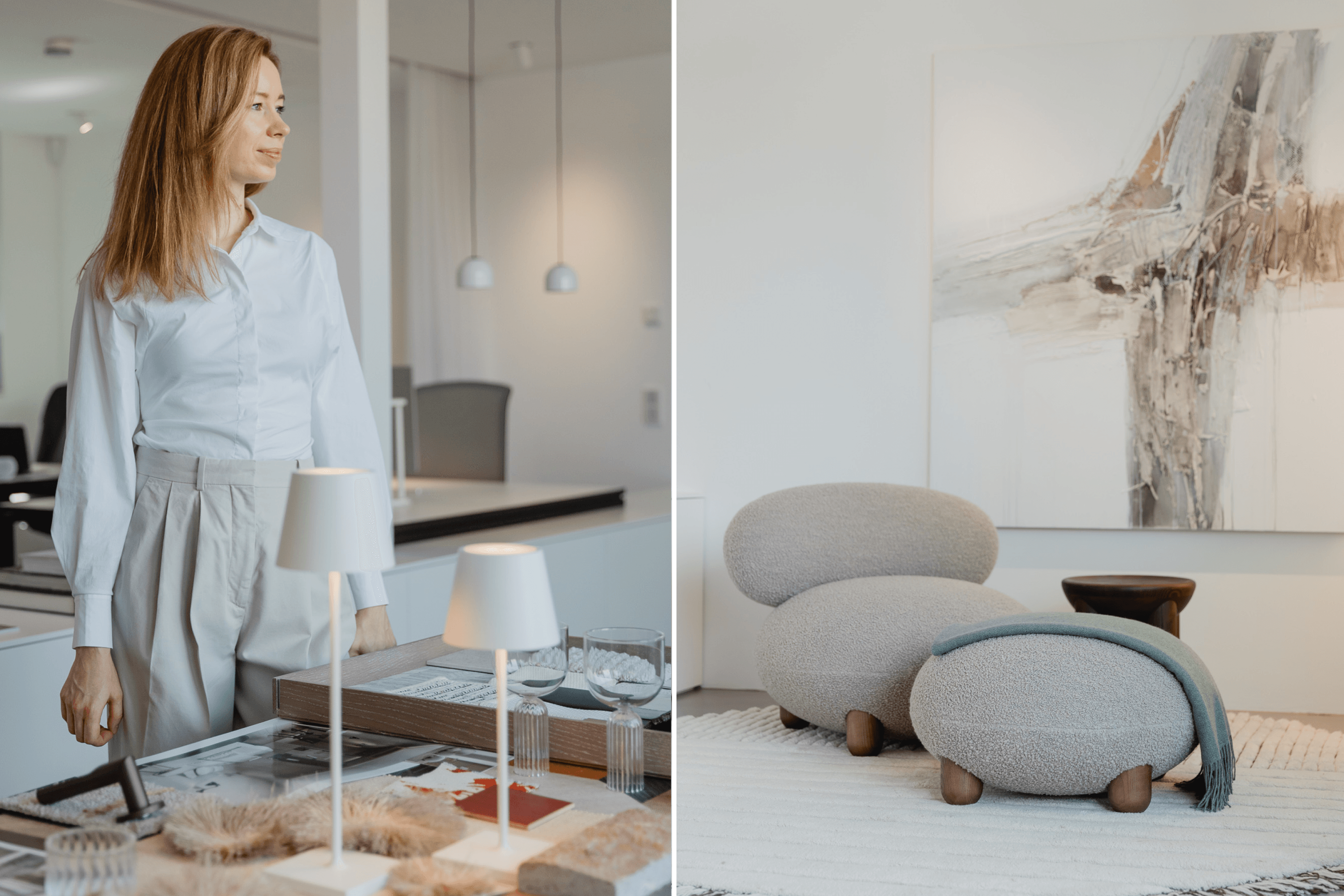
French artists Nathan Baraness and Maryna Dague, who created the Lake mirror collection for Noom. Photo: Noom / YB 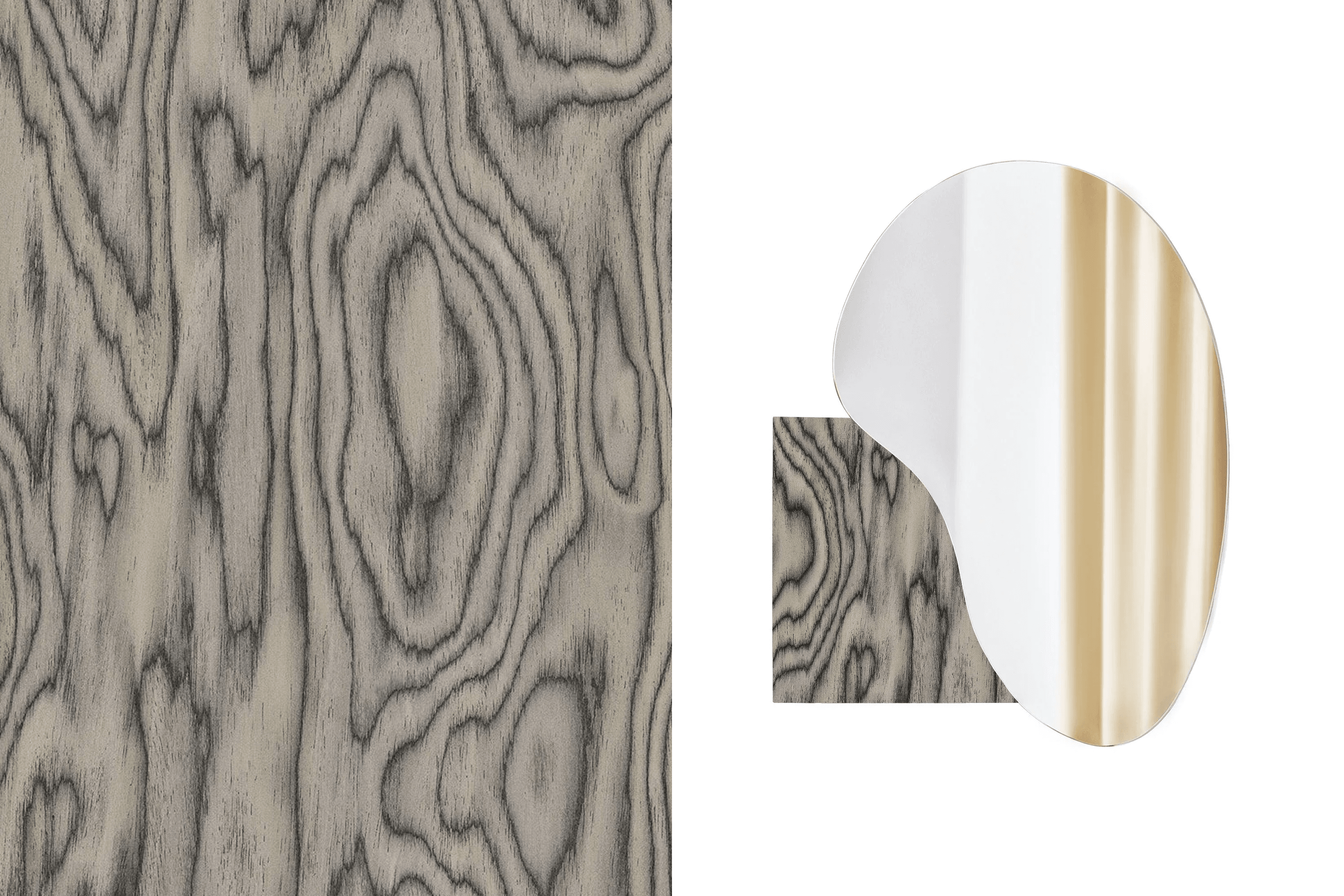
Photo: Noom / YB 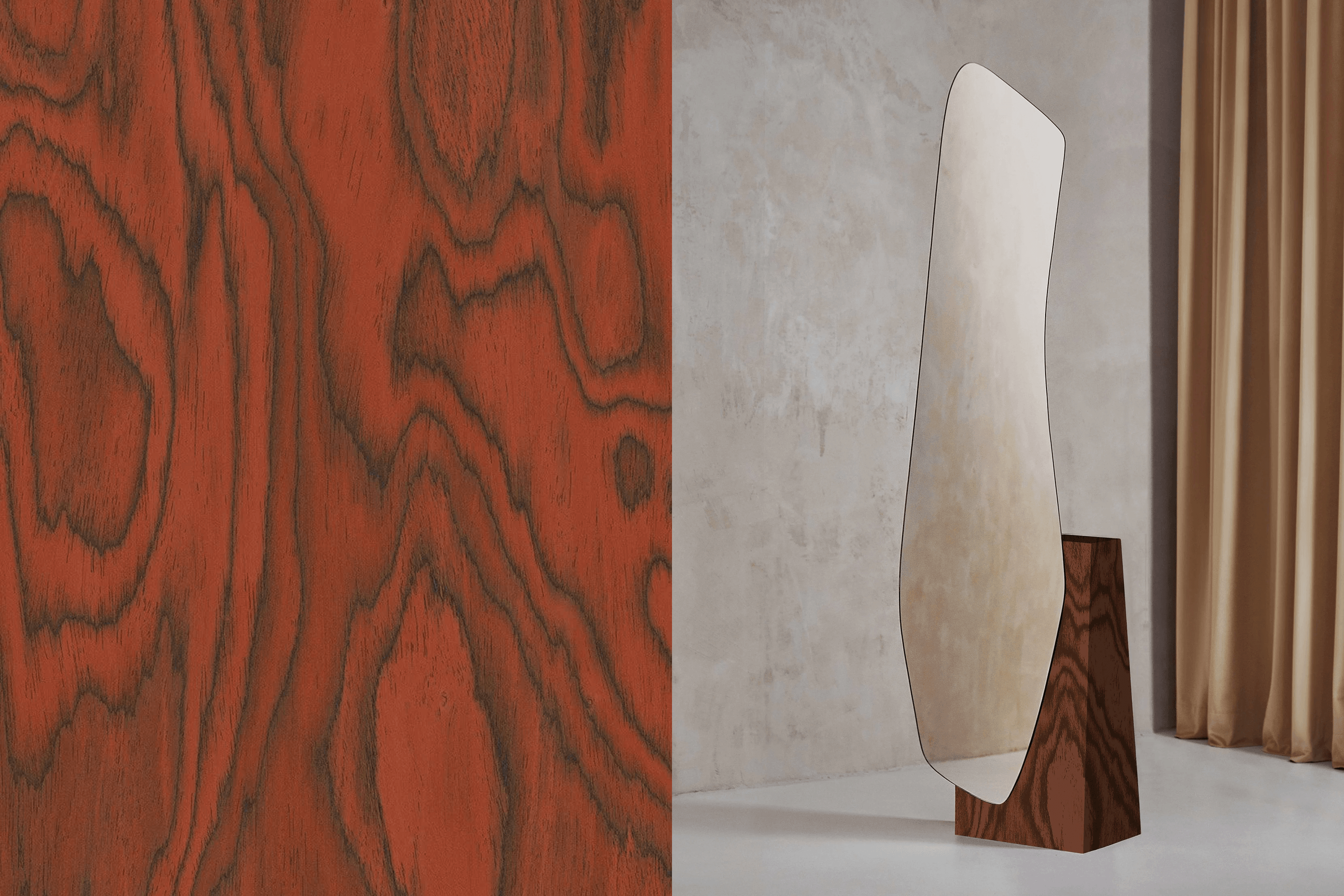
Photo: Noom / YB 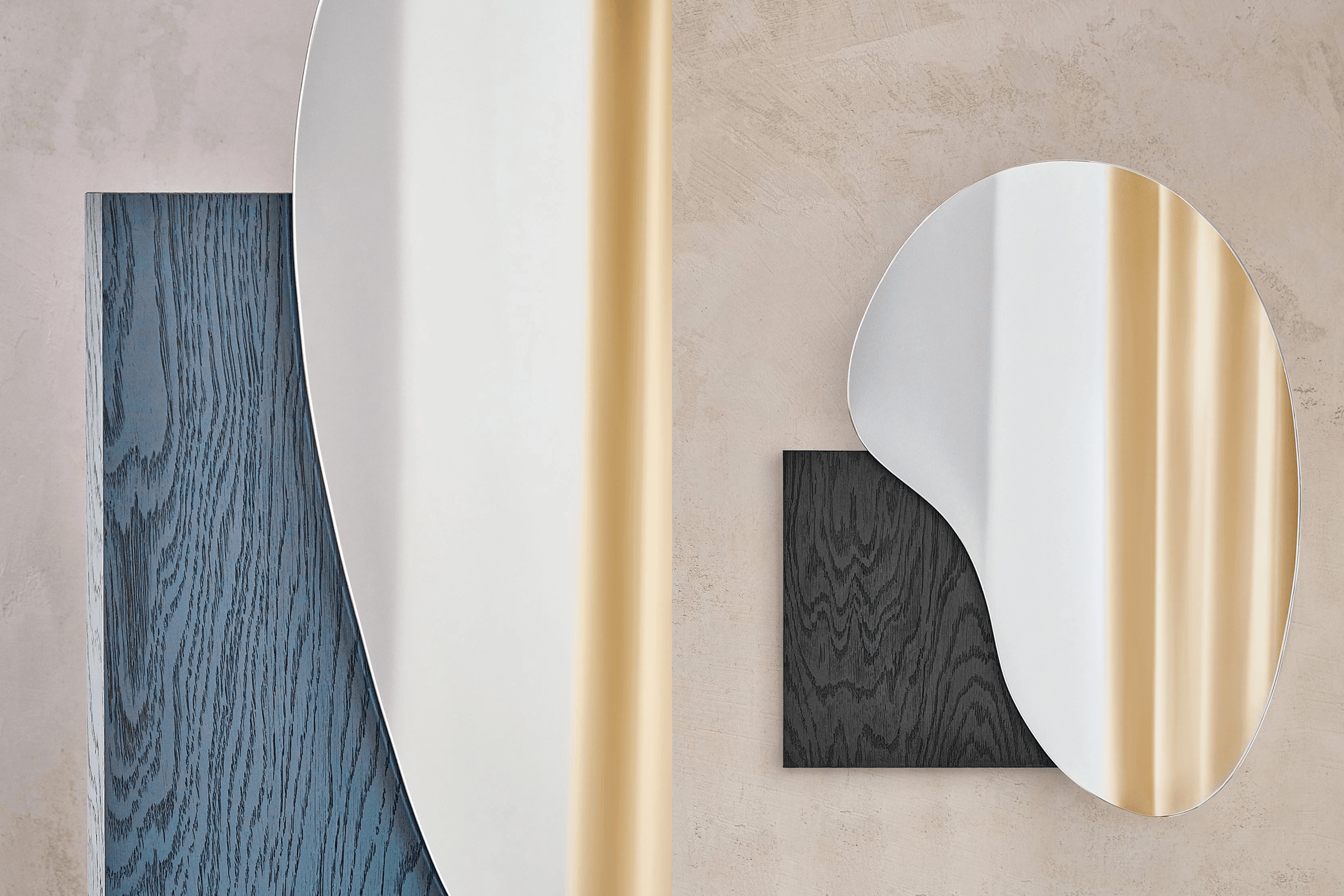
Photo: Noom / YB 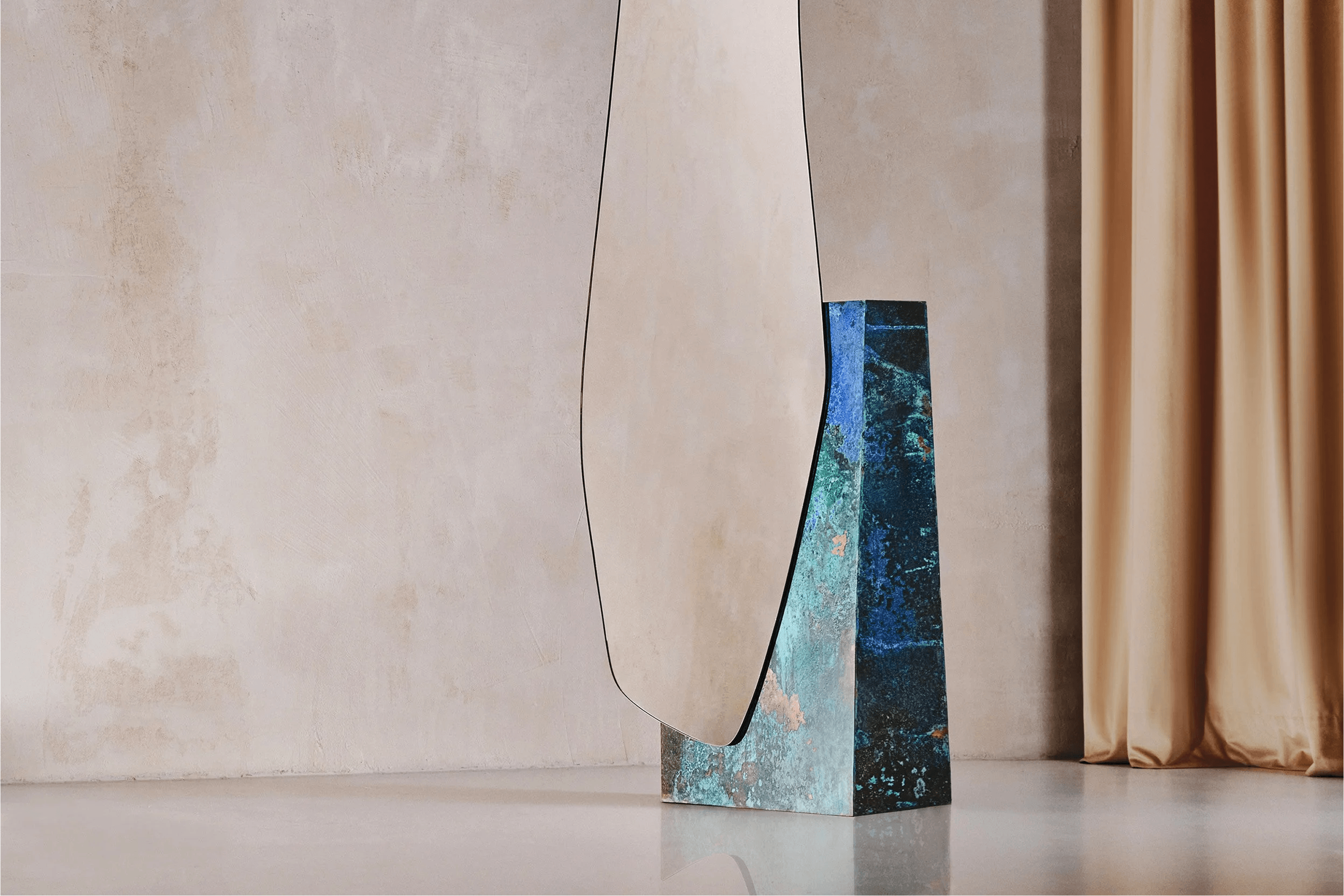
Photo: Noom / YB 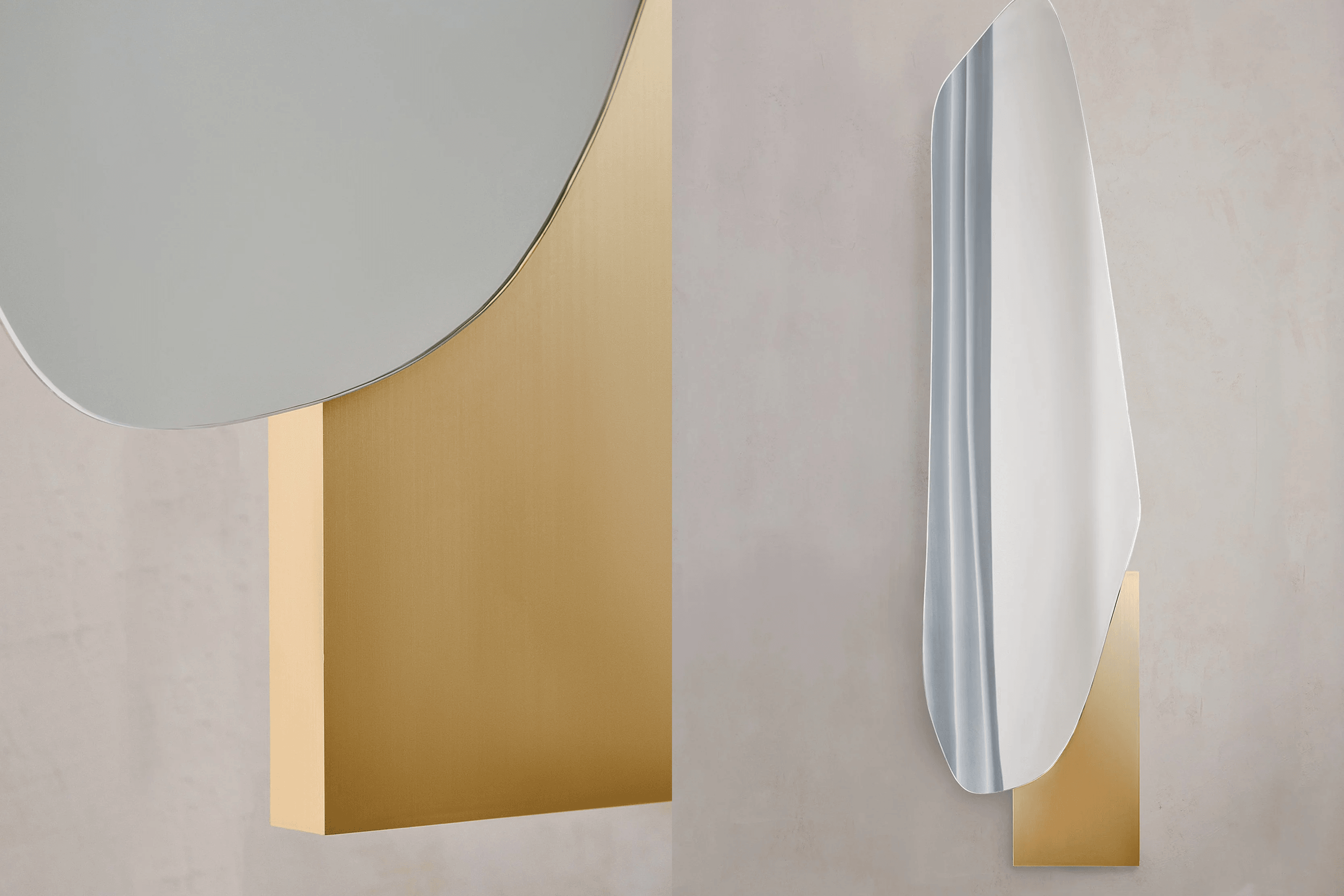
Photo: Noom / YB
Ukrainian designer Denys Sokolov developed the Hello collection, which includes armchairs, a sofa, and coffee tables.
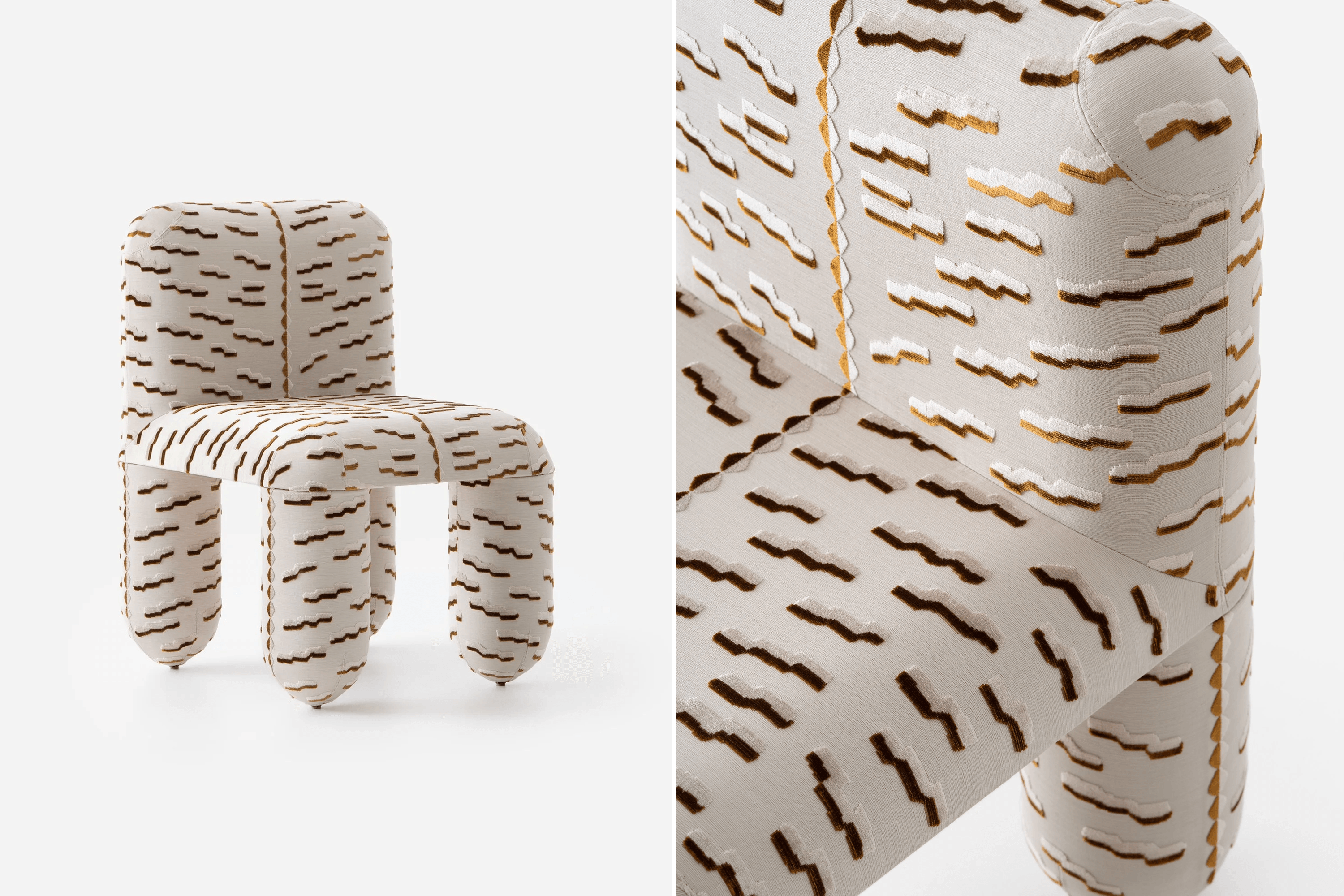
The Hello collection by Ukrainian designer Denys Sokolov. Photo: Noom / YB 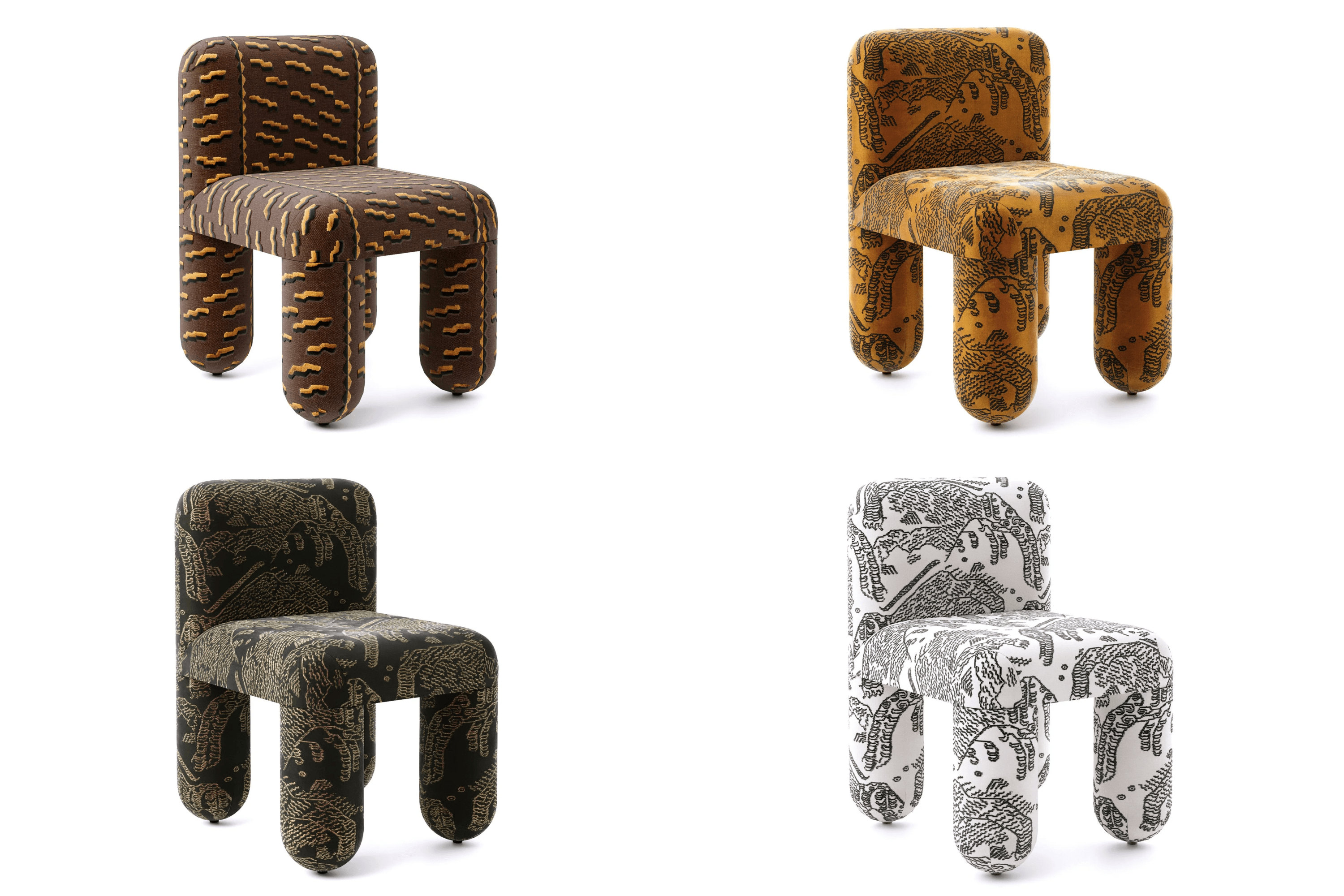
Photo: Noom / YB 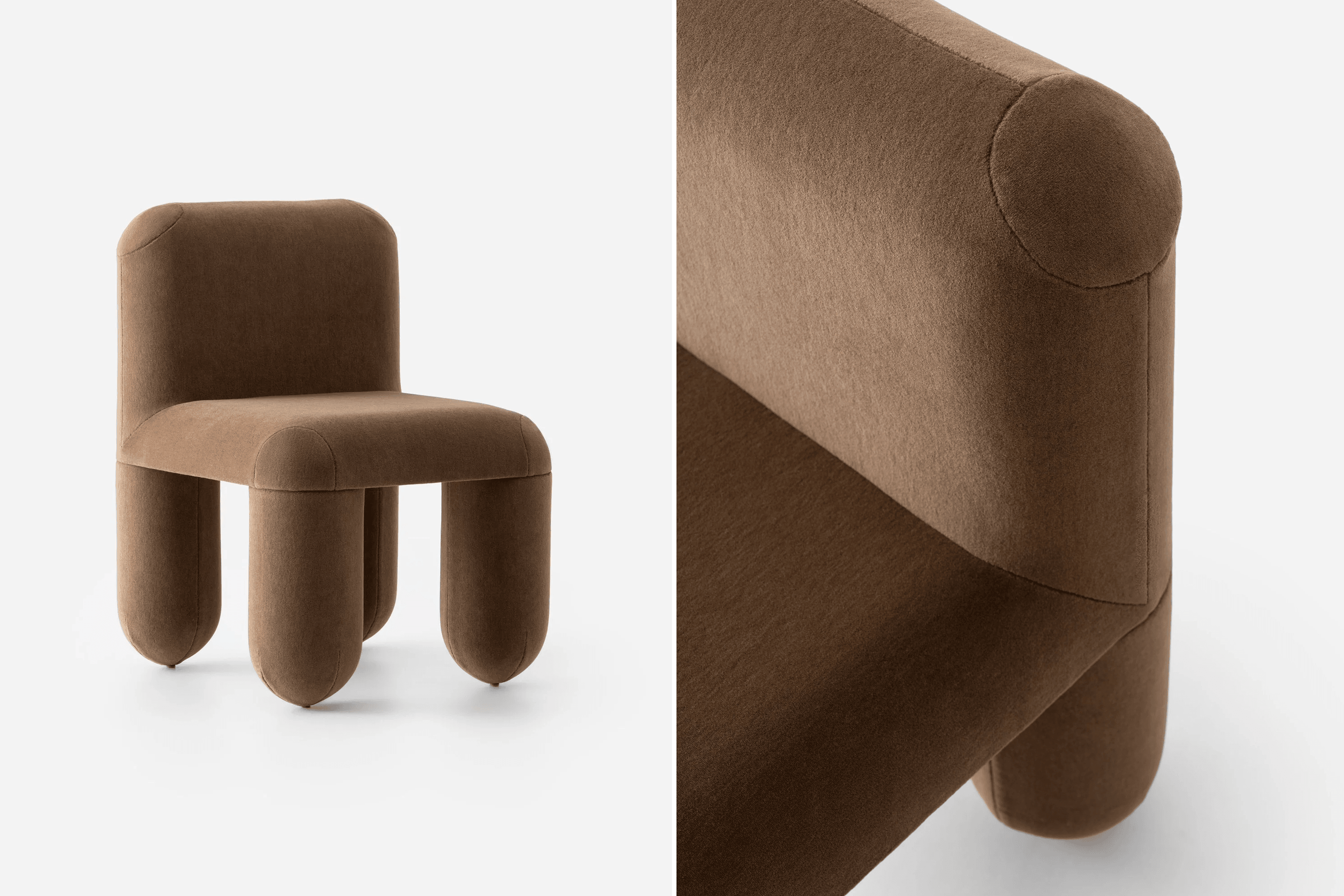
Photo: Noom / YB 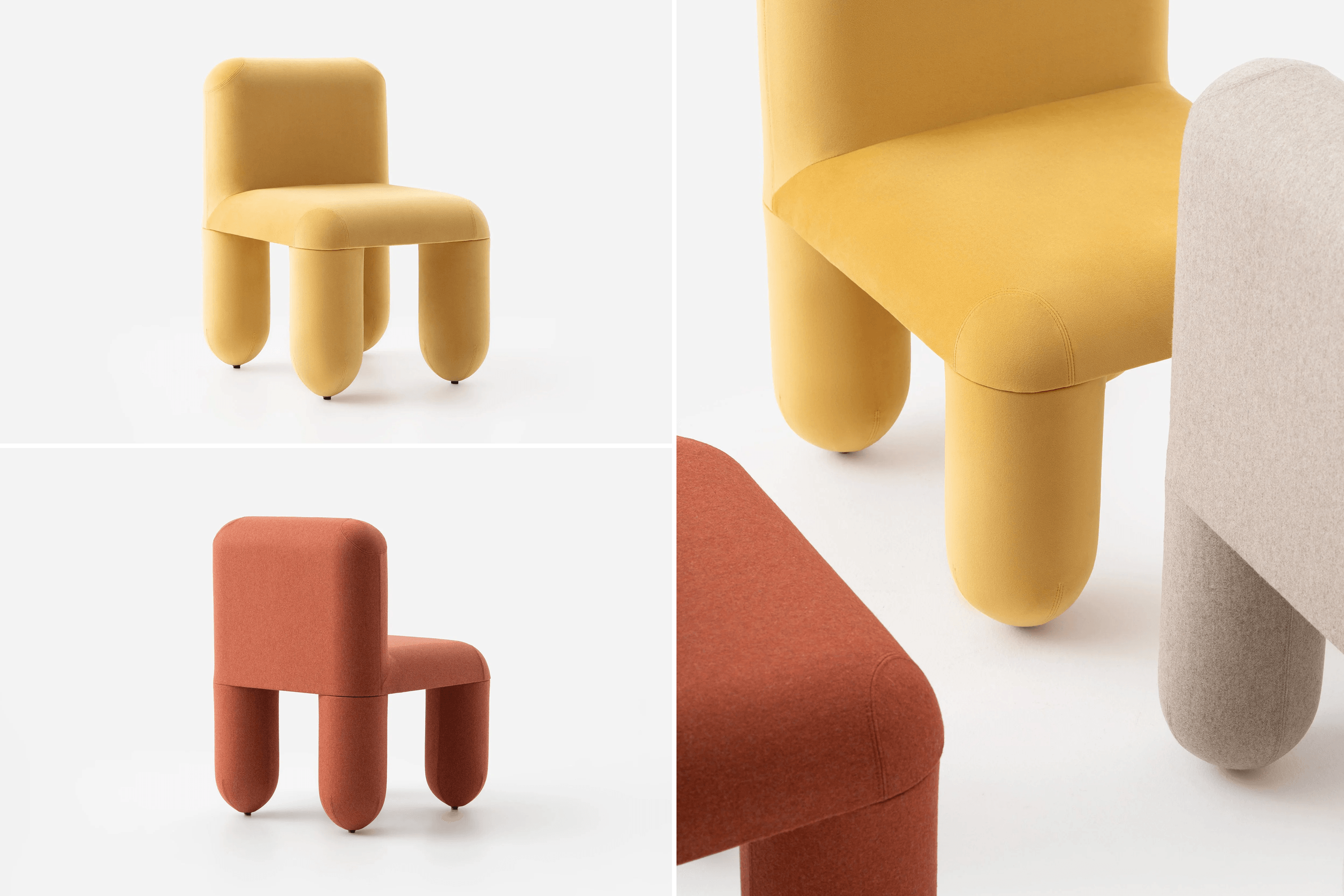
Photo: Noom / YB 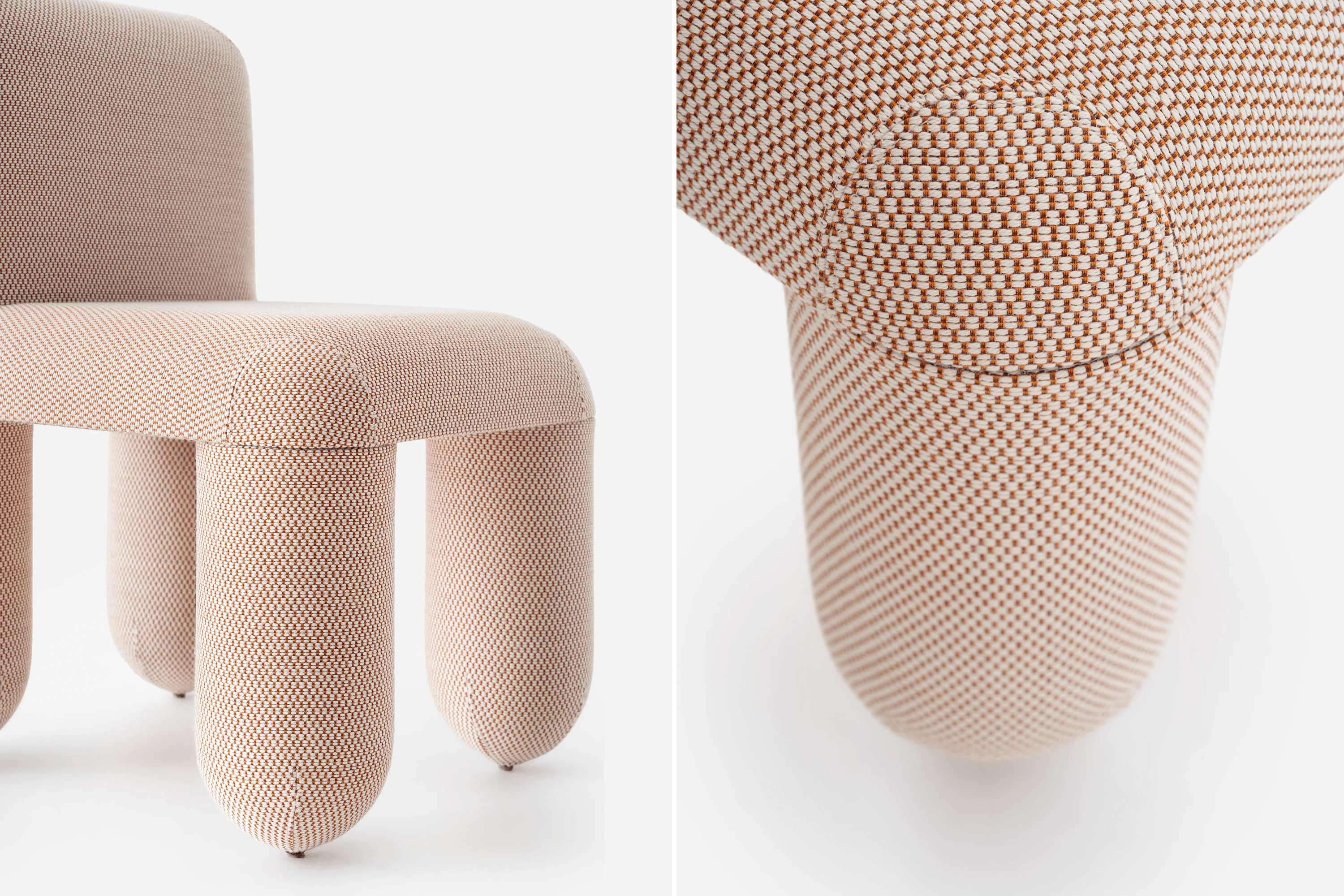
Photo: Noom / YB 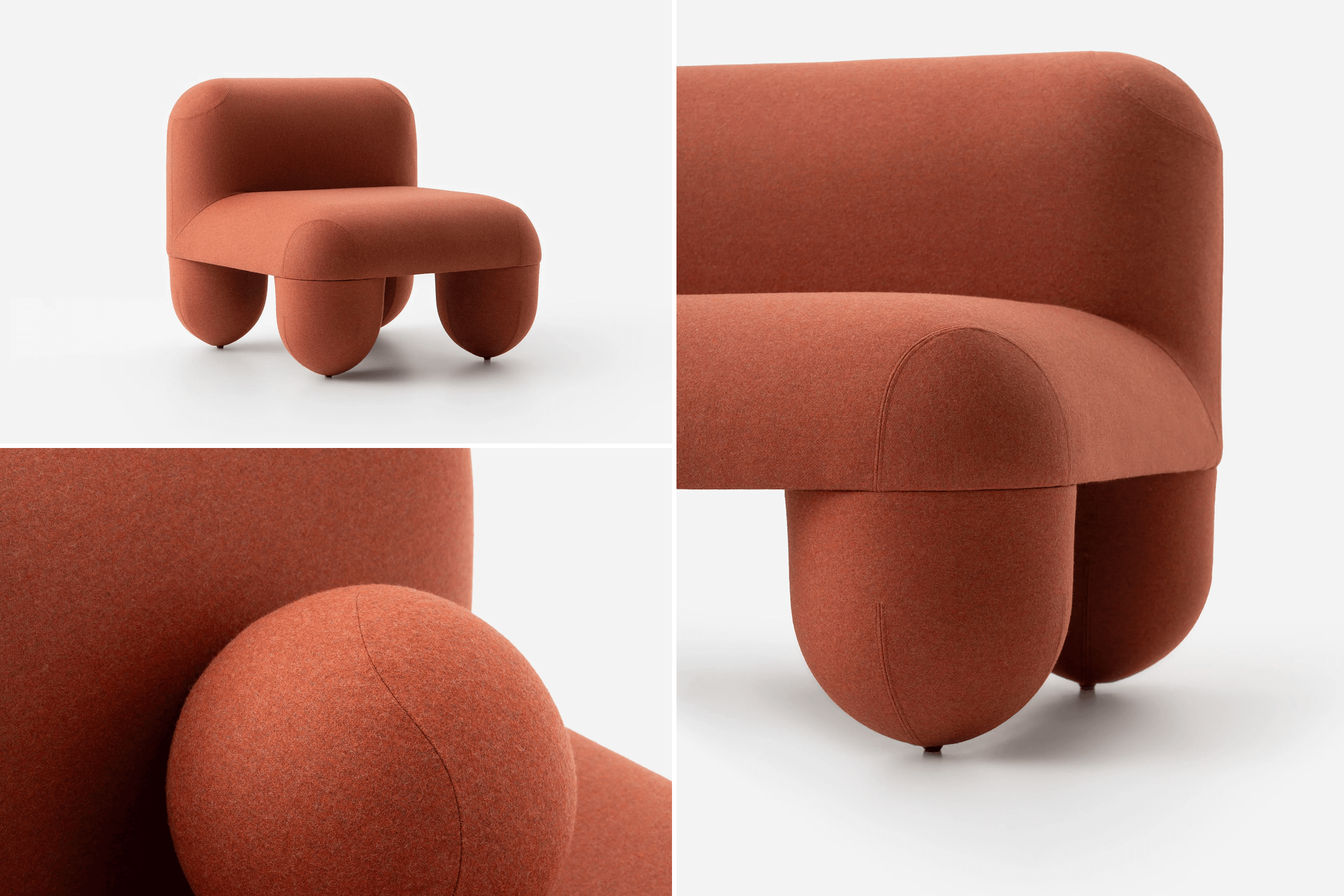
Photo: Noom / YB
At the moment, our collections are created by myself and three other designers. Arkadii oversees operations. Freelance designers receive royalties of 3–5% of the cost of each item sold, which is standard practice in the industry.
Which product is your bestseller?
The best-selling pieces are the chairs from our first furniture collection, Gropius. The collection includes chairs of various sizes, as well as sofas. It performed exceptionally well thanks to its modernist, minimalist aesthetic. Today, furniture with bold geometric forms is everywhere, but in 2017 this approach was still new to the market.
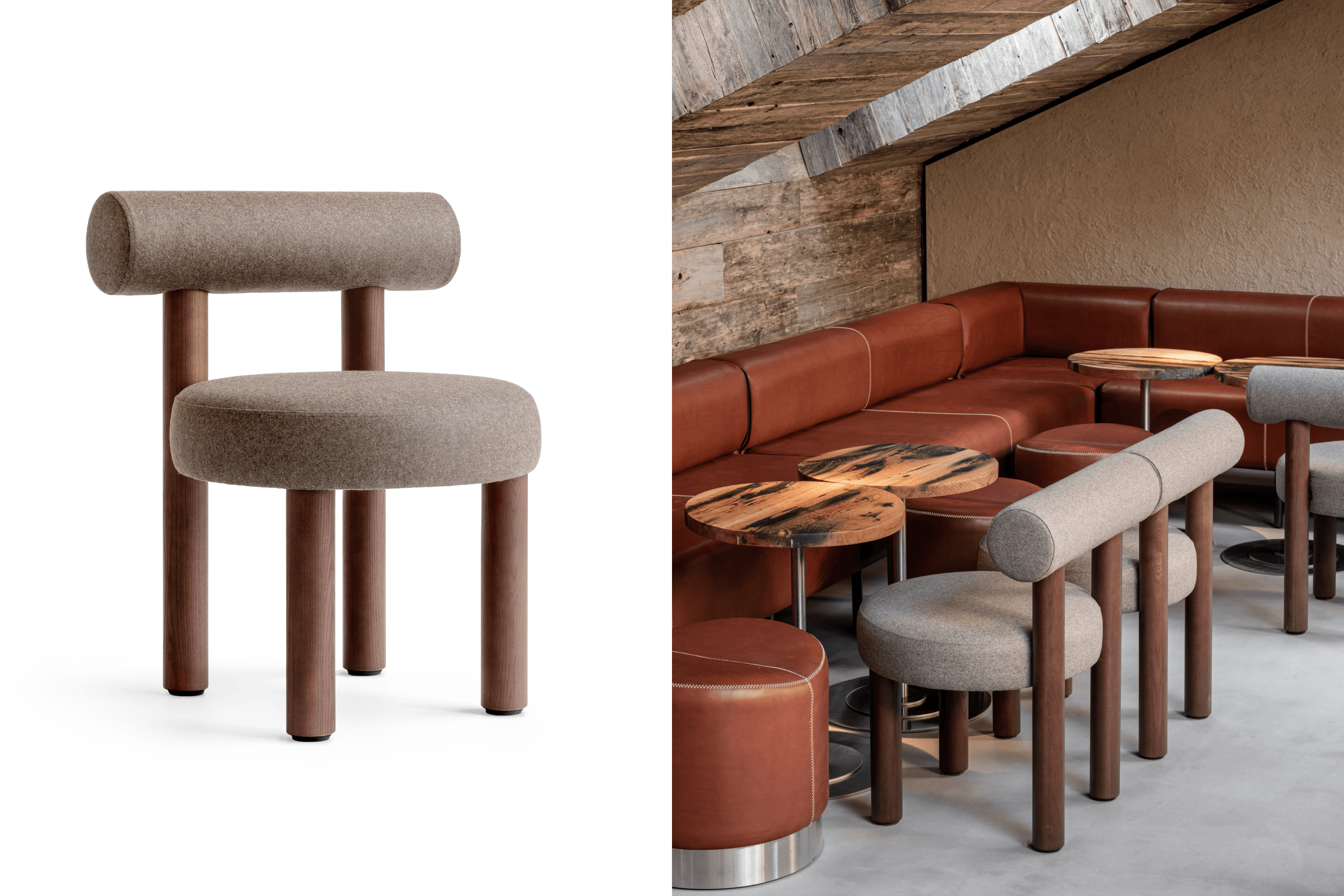
Chairs from the Gropius collection by Noom. Photo: Noom / YB 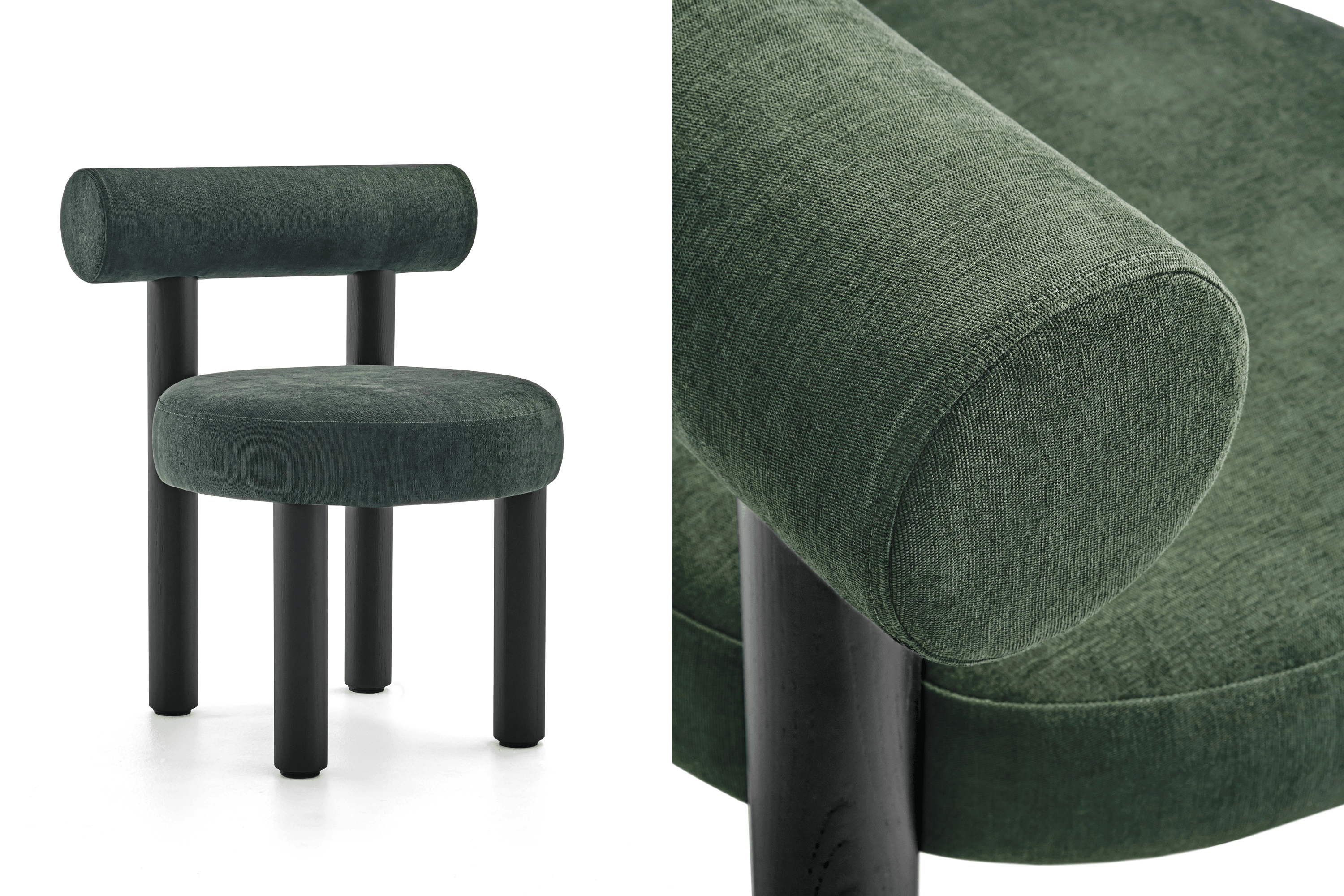
Photo: Noom / YB 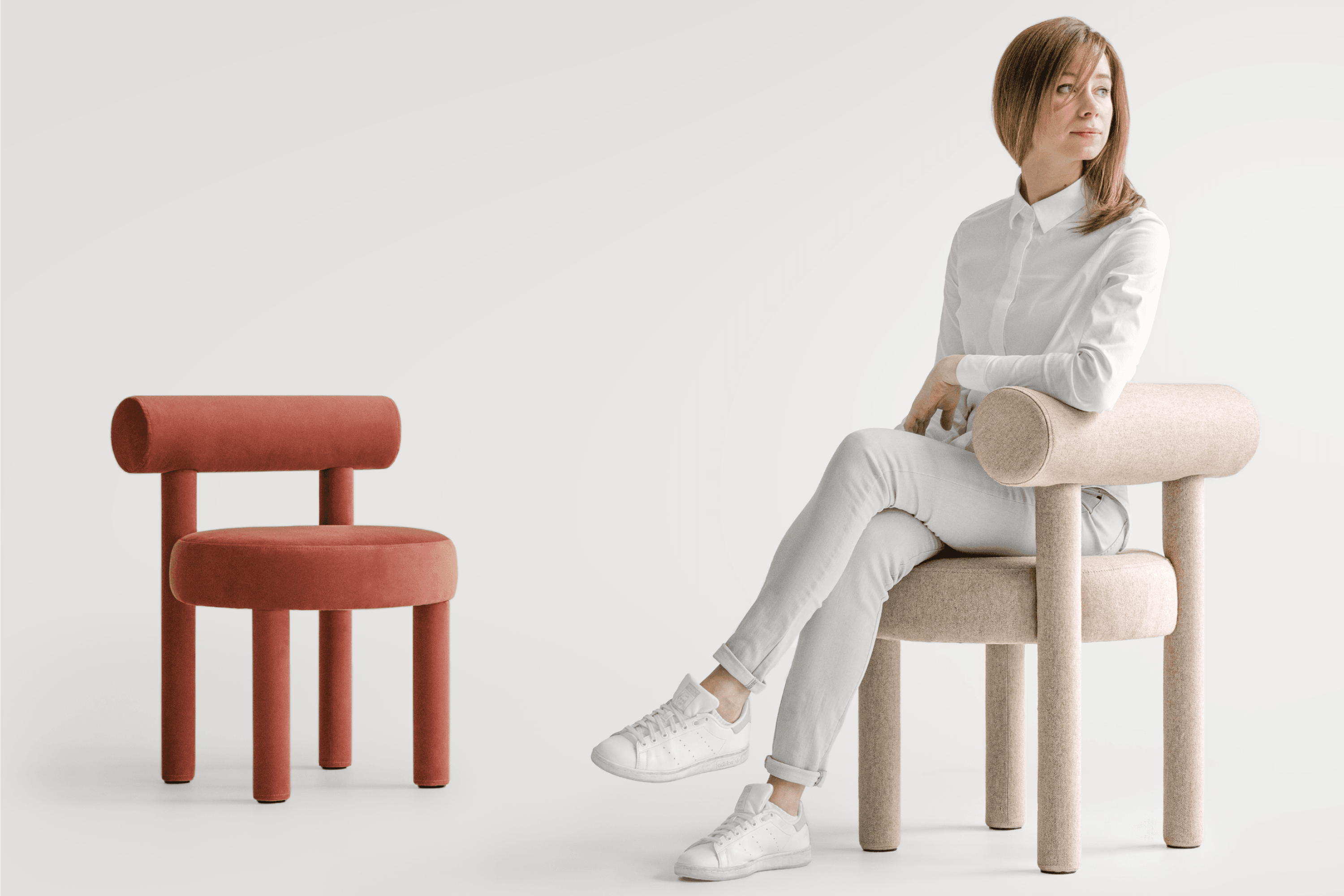
Photo: Noom / YB 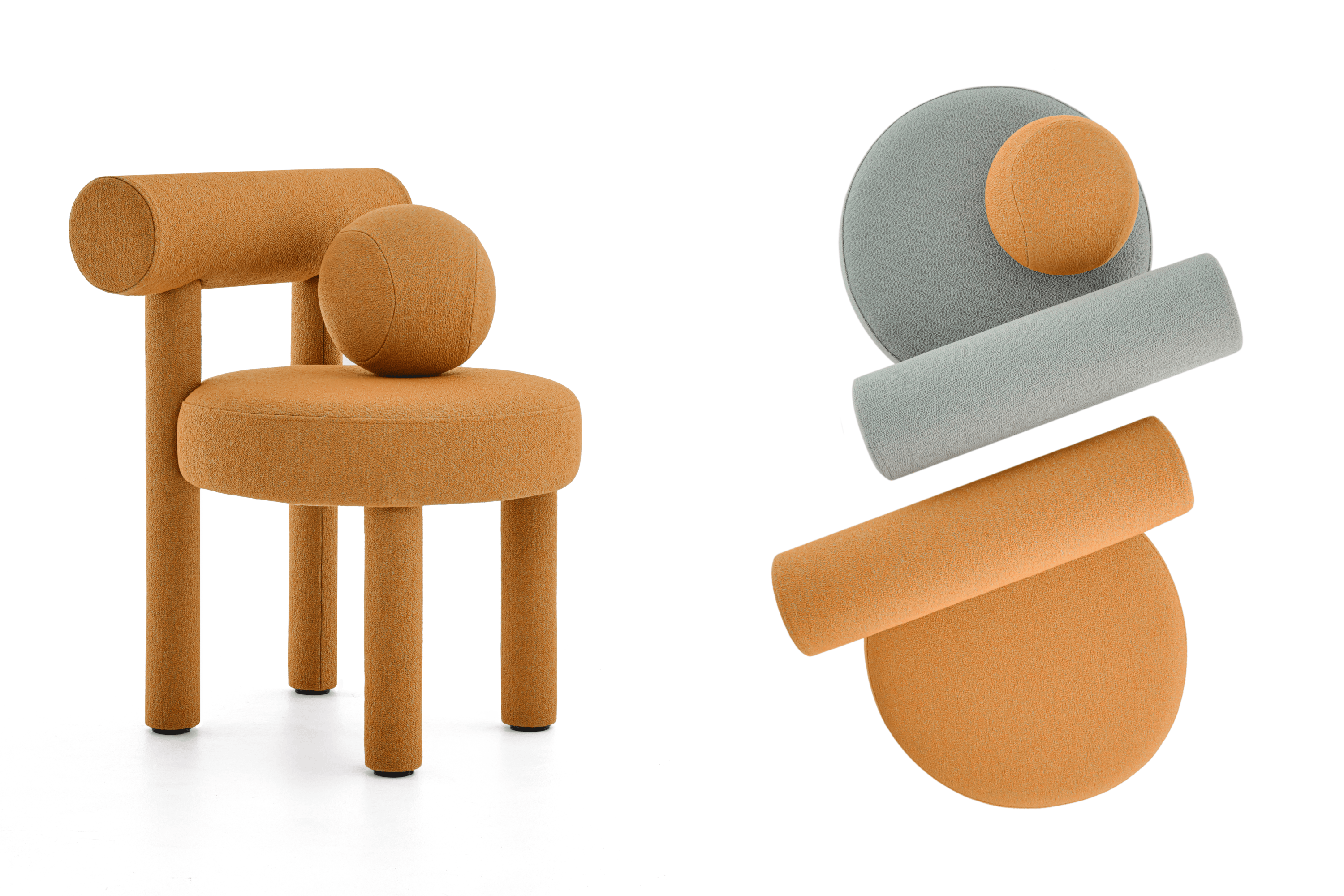
Photo: Noom / YB 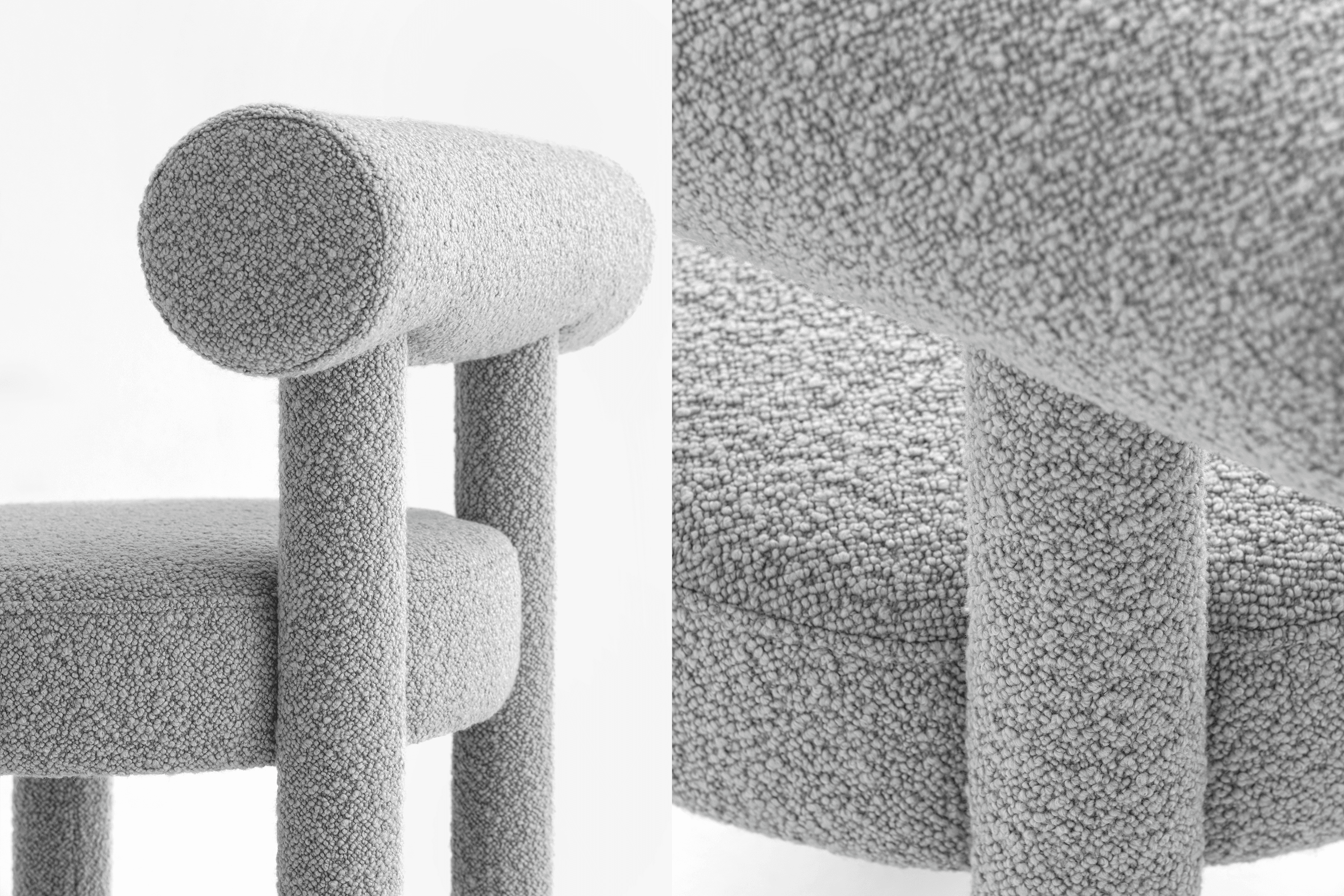
Photo: Noom / YB 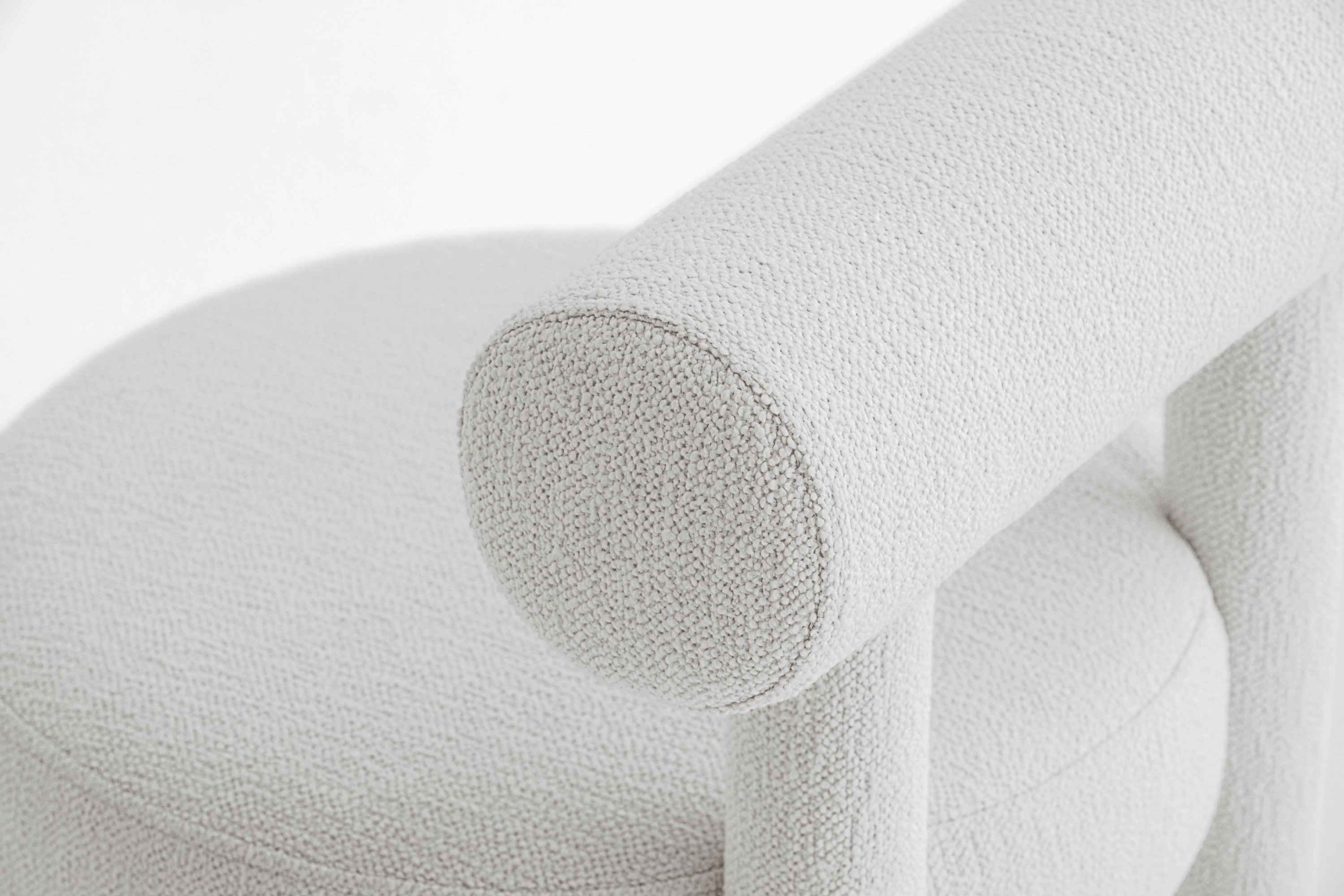
Photo: Noom / YB
Do you work with the commercial sector: hotels, restaurants, and branded retail spaces? What are some examples?
Yes. One of our most recent clients is a new Lacoste showroom in Japan, which purchased many of our pieces. Our vases are featured in Cartier jewelry stores, and our armchairs can be found in Stella McCartney boutiques. Our pieces are also in Hilton, Hyatt, and Marriott hotels, and in Tiffany & Co. and Louis Vuitton boutiques.
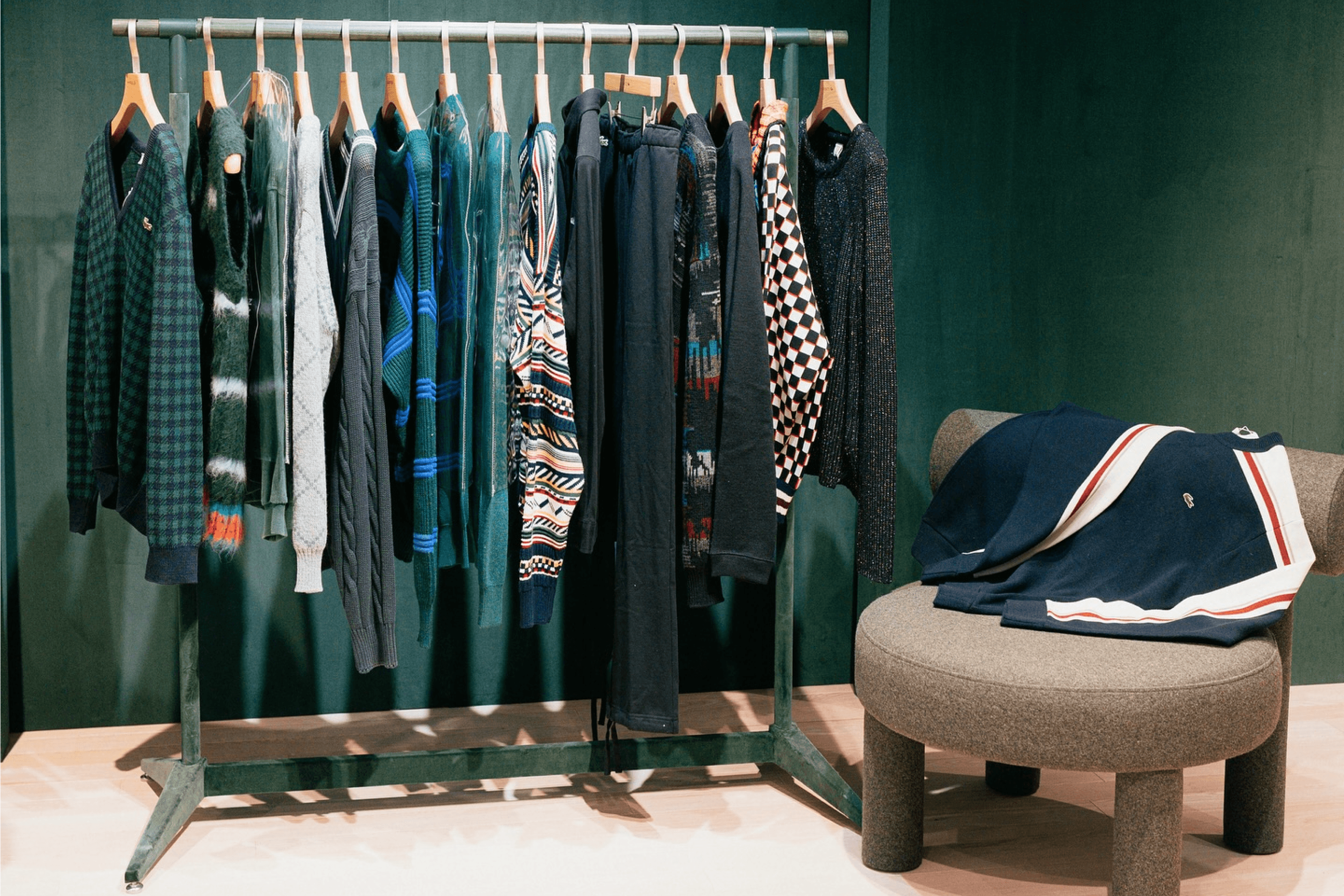
Furniture by the Noom at the Lacoste showroom in Japan. Photo: Lacoste / Instagram / YB 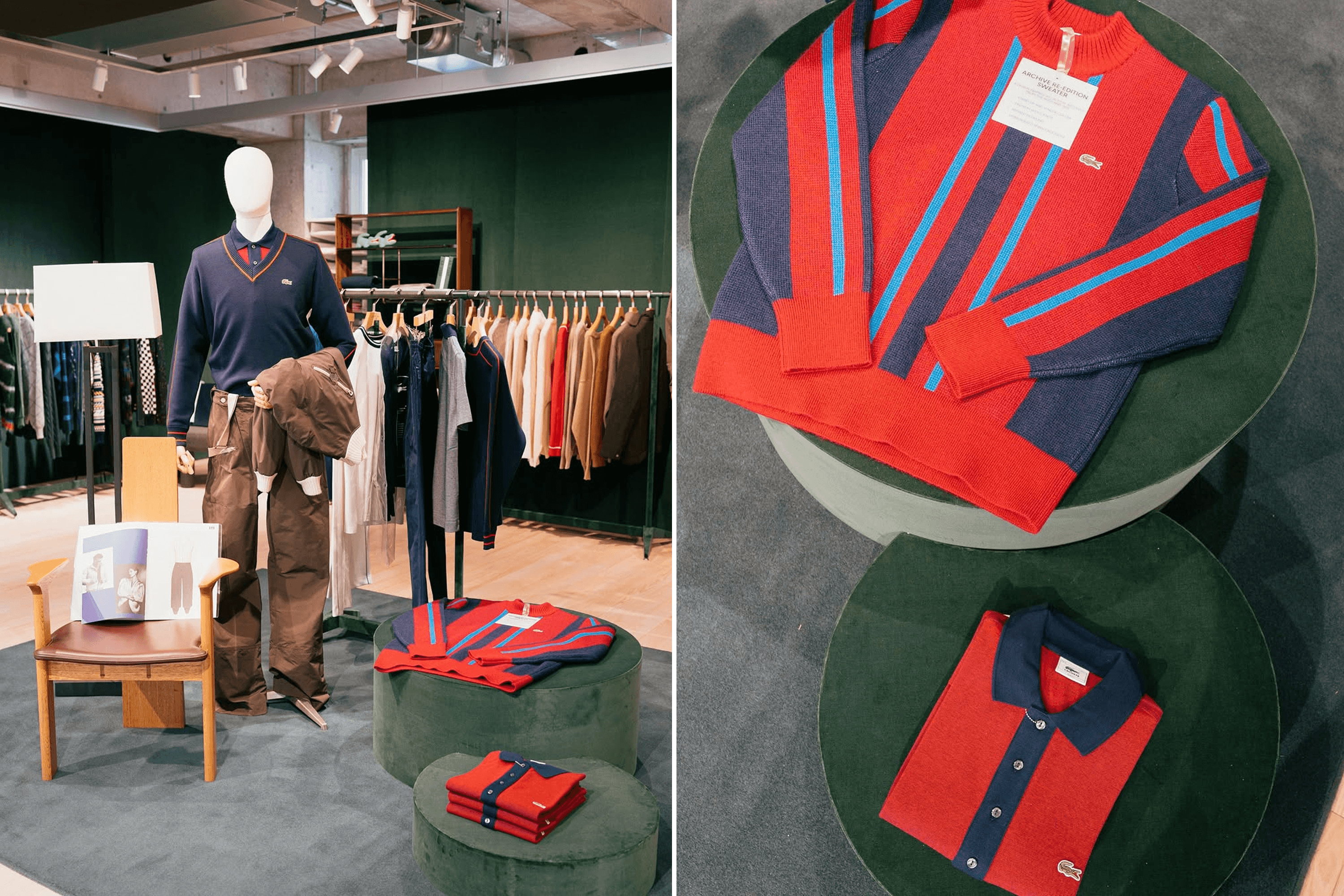
Photo: Lacoste / Instagram / YB 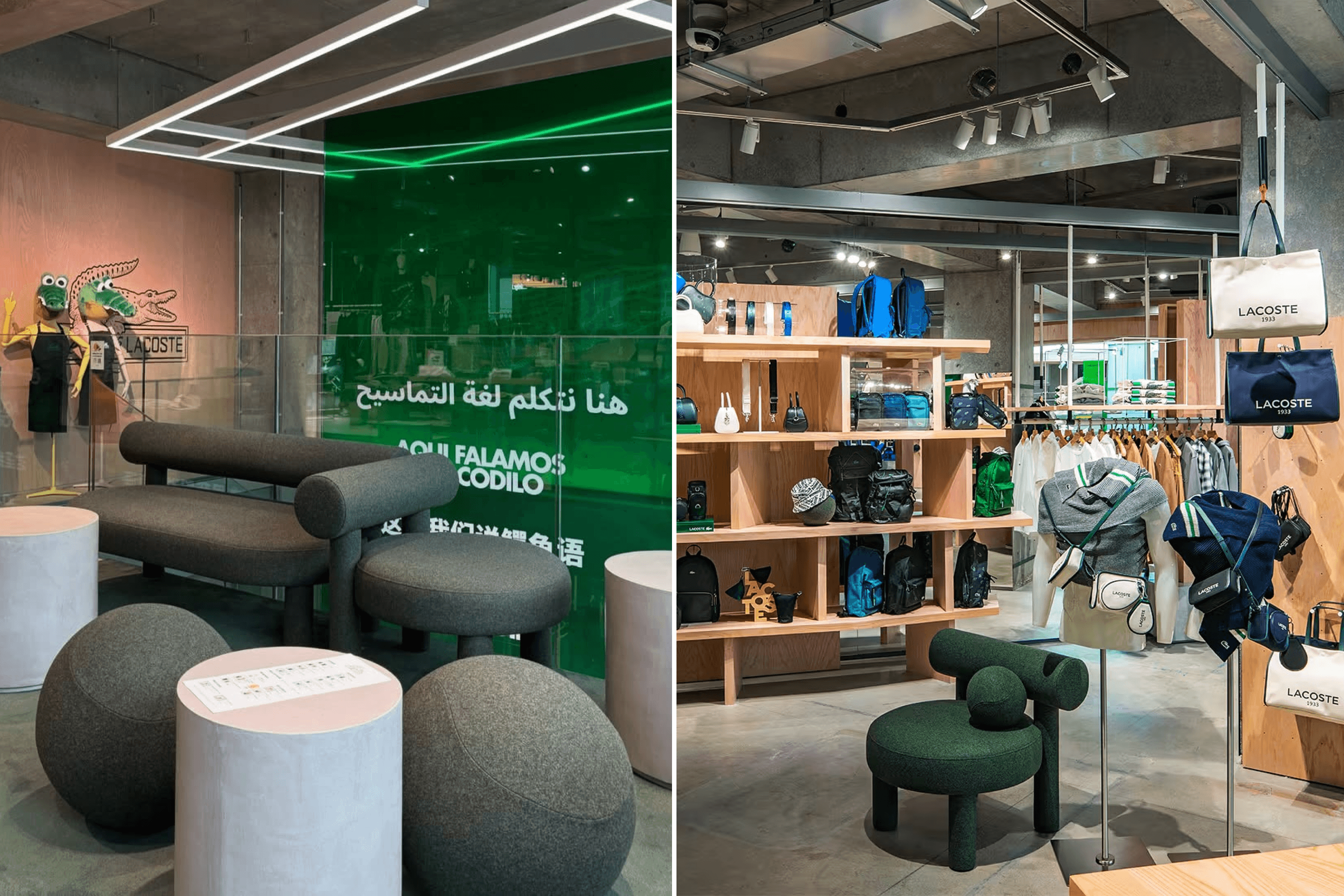
Photo: Lacoste / Instagram / YB
In which countries are Noom products sold?
We work with over 100 dealers in 35 countries, primarily designer furniture and home decor showrooms. Our strongest markets are France, the United States, Italy, the United Kingdom, and Poland. We also ship furniture directly to clients abroad. Over the past eight years, customers from 46 countries across Europe, Asia, and the Americas have ordered our products. We’re present on international online furniture platforms as well, though they don’t work particularly well for us.
Do you encounter bureaucratic challenges when exporting products?
European countries and the United States require certifications for quality, safety, and environmental compliance. Obtaining them is expensive and time-consuming, but essential for working with restaurants and hotels.
The biggest challenge is customs regulations, which vary by country. Spain, for example, is particularly difficult to export to due to extensive regulations and additional certification requirements. This may be linked to efforts to protect domestic manufacturers and deliberately complicate imports.
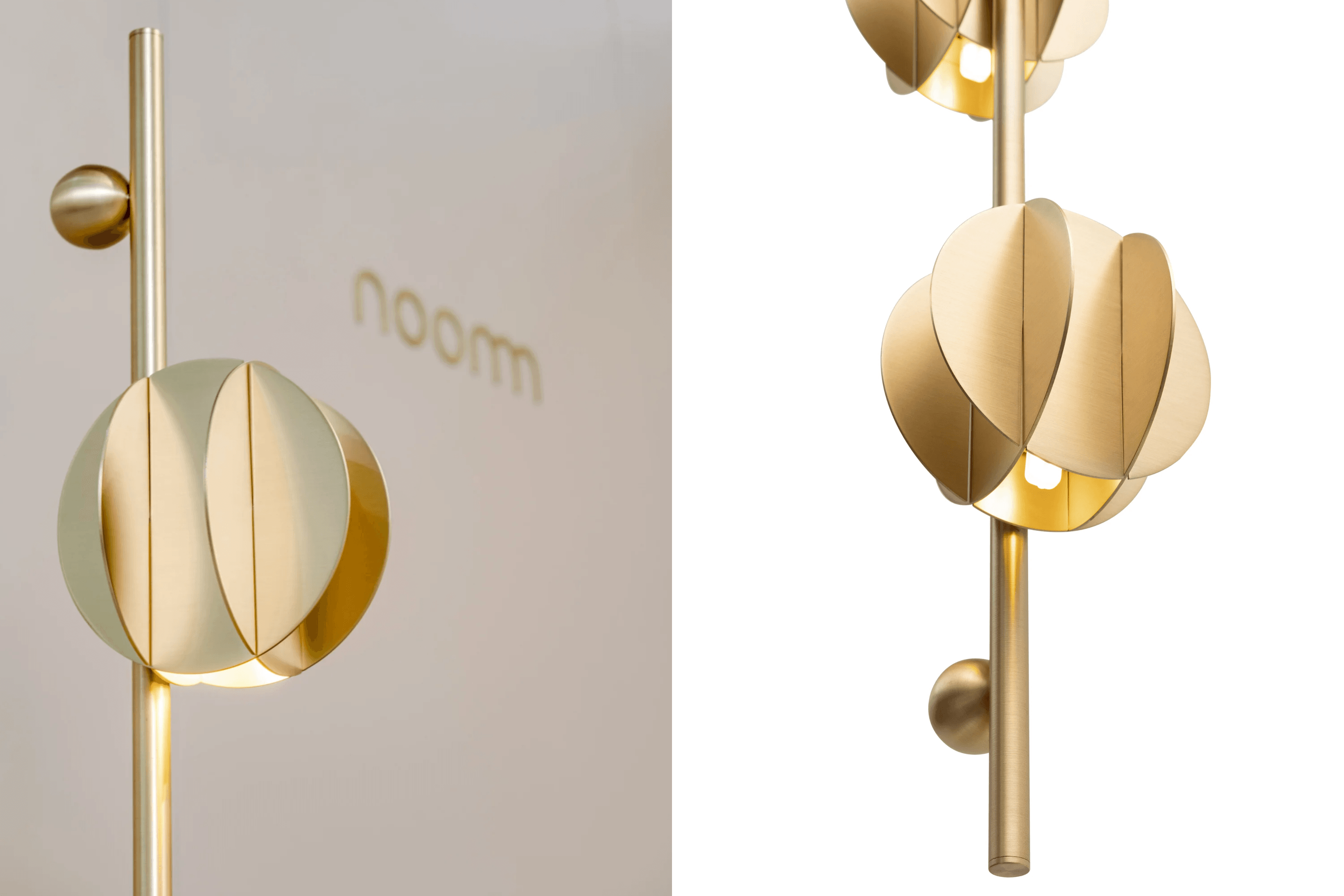
Some products from the Noom assortment. EL Lamp Vertical. Photo: Noom / YB 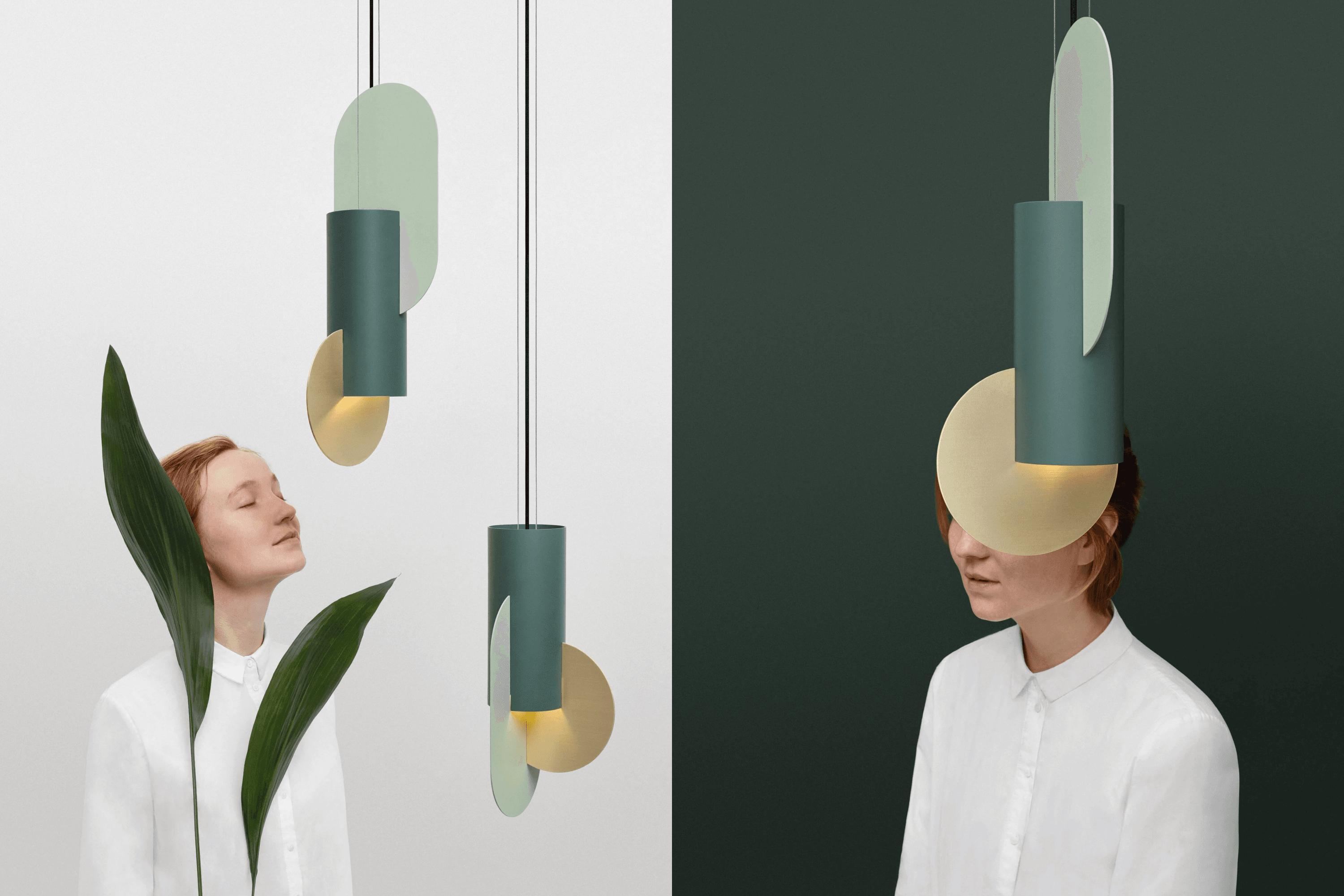
Lamp Suprematic One. Photo: Noom / YB 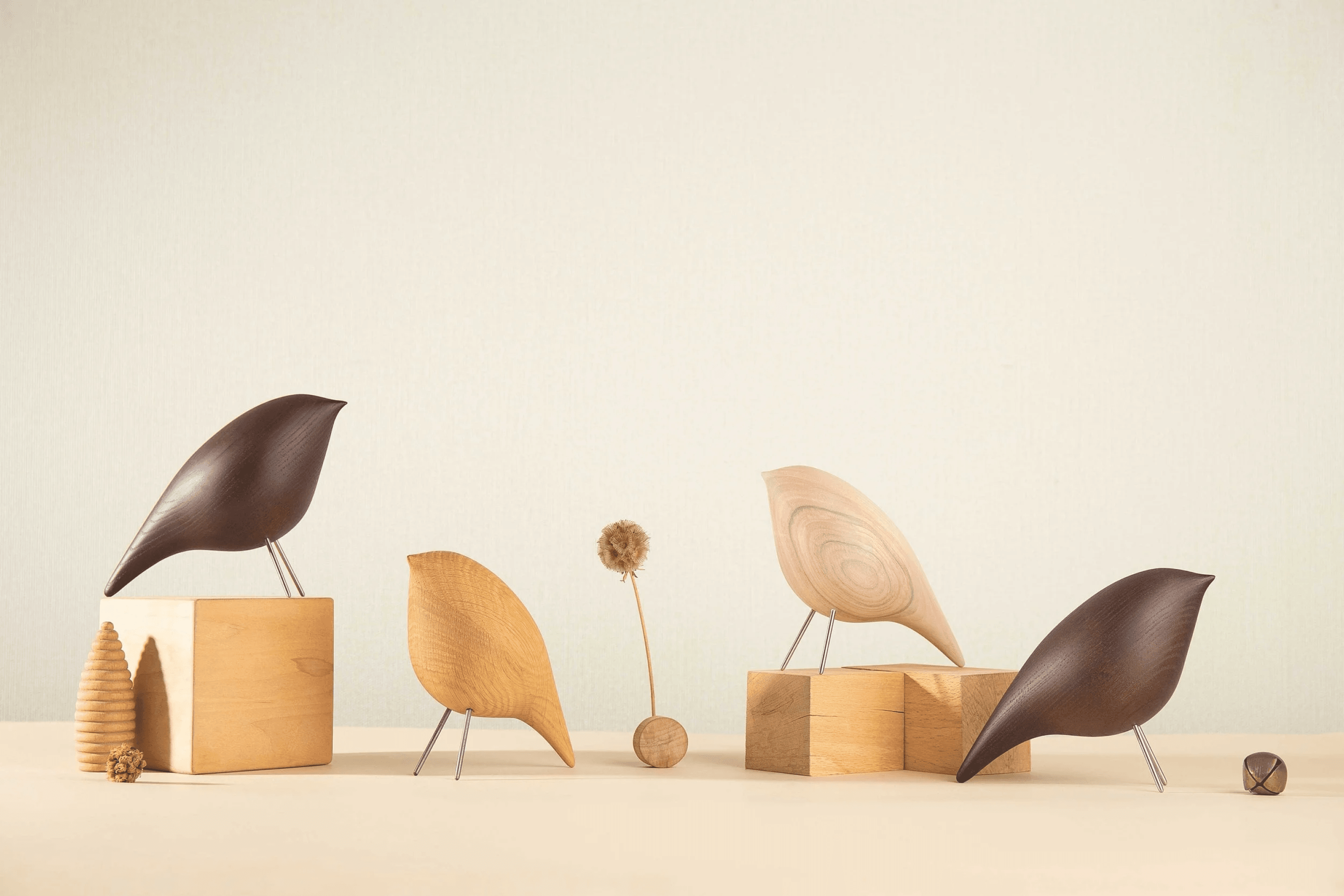
Tweety Decorative Bird. Photo: Noom / YB 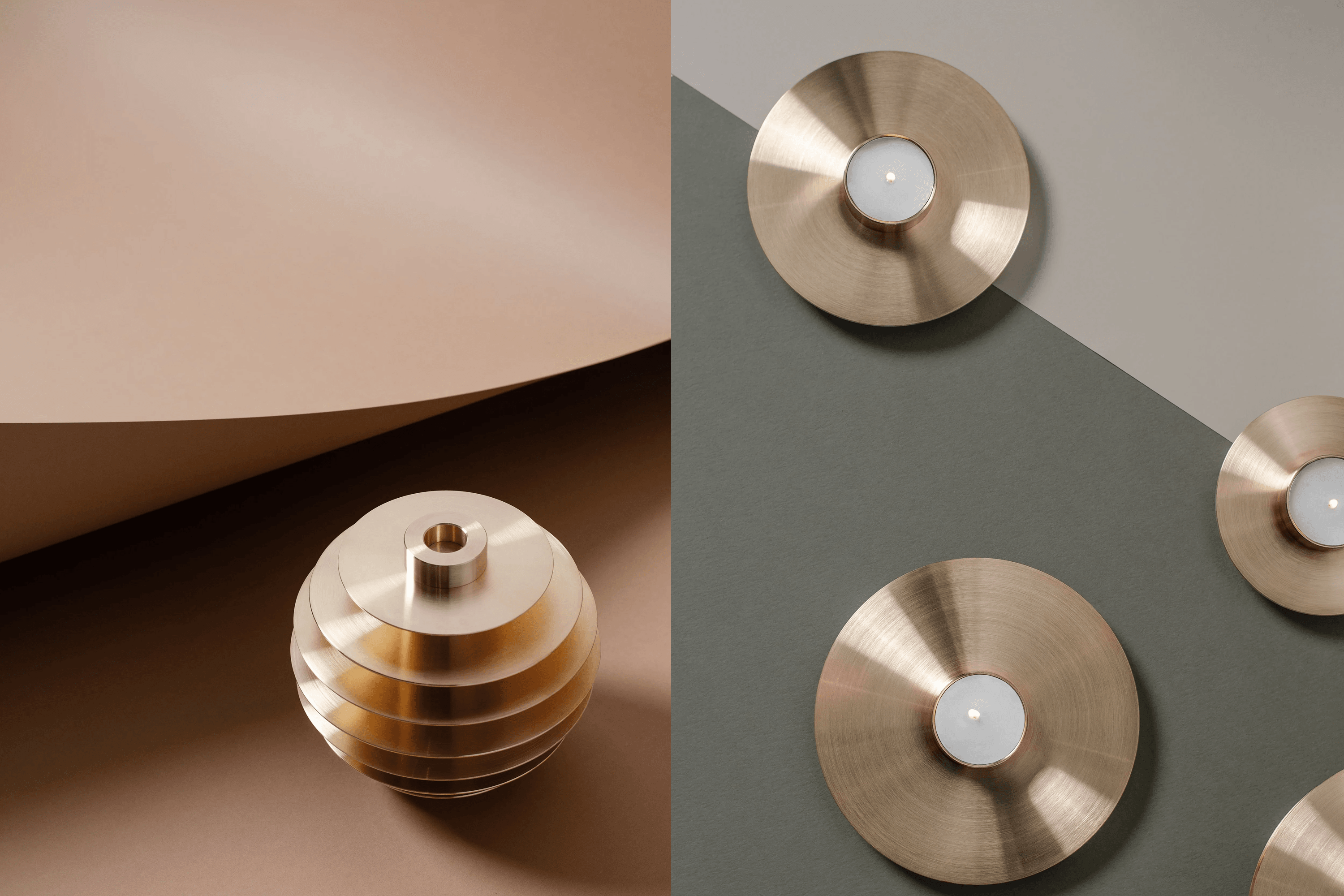
ORB Candle Holders. Photo: Noom / YB 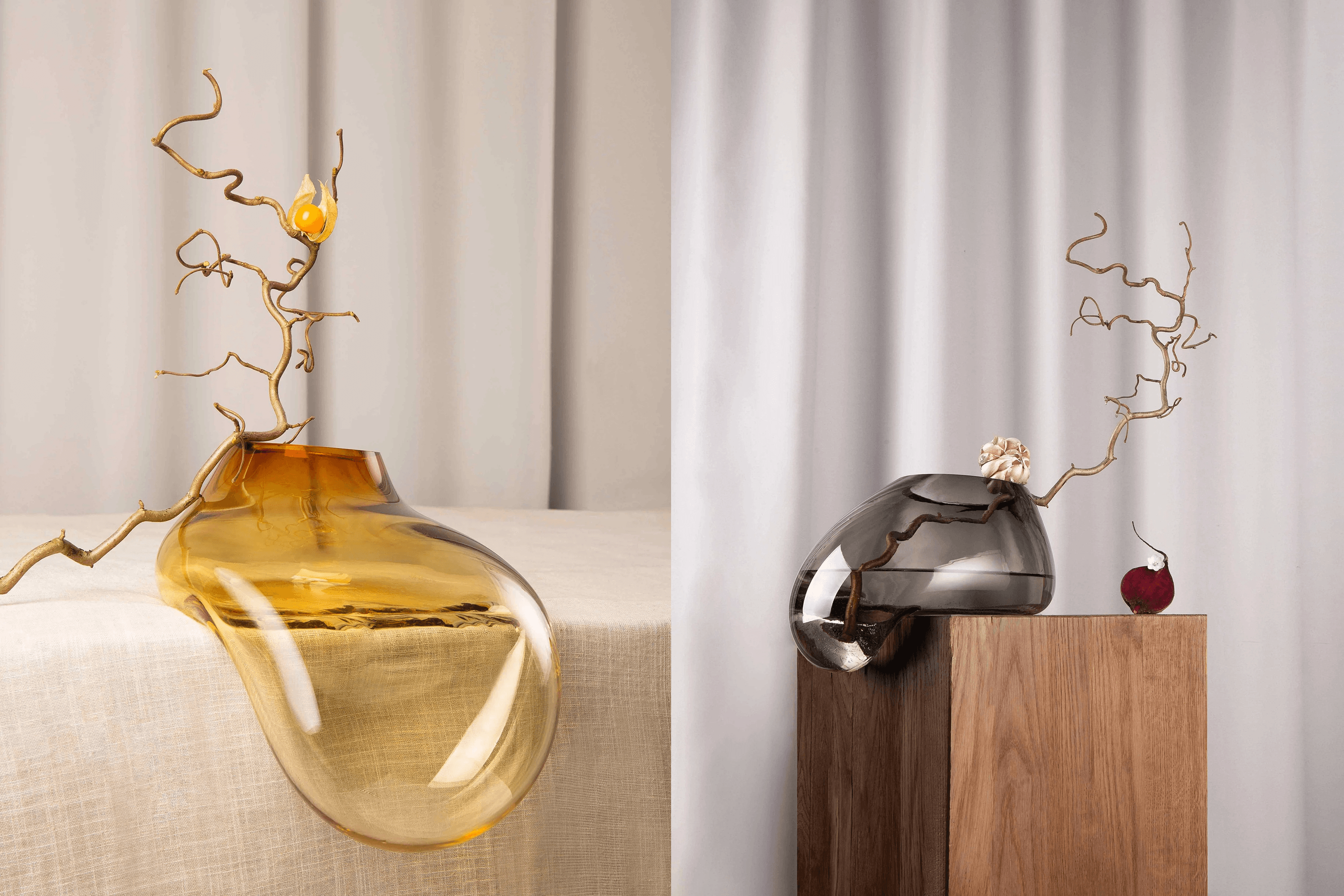
Gutta Boon Vase. Photo: Noom / YB 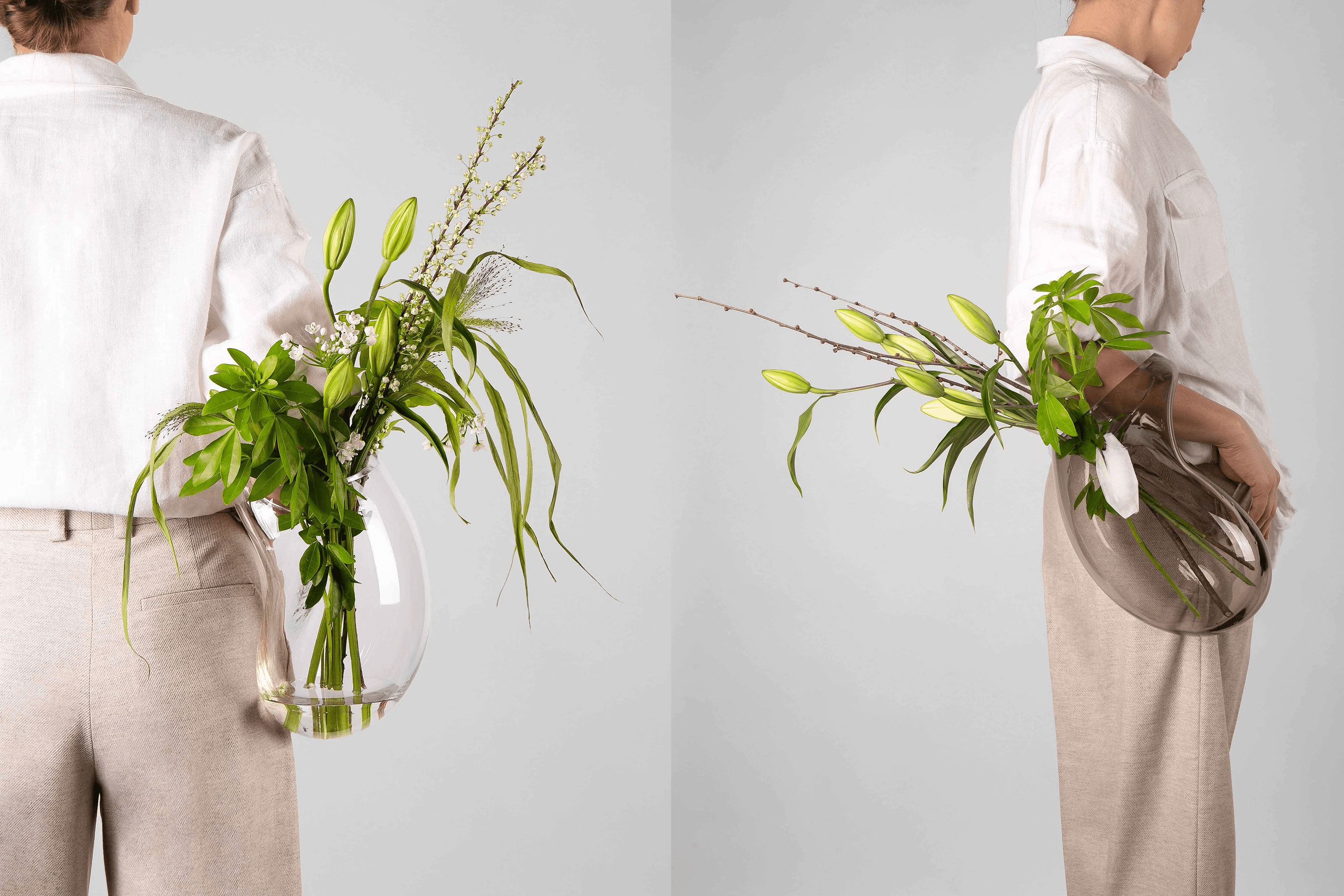
Gutta Boon Vase. Photo: Noom / YB
You have a very wide geographic reach. Do the preferences of distributors and clients differ from country to country?
There are small differences in fabrics and textures, but these are driven more by the preferences of individual dealers and architects than by countries. For example, our dealer in Guatemala always orders new pieces in unusual fabrics and textures. He isn’t afraid to experiment. Our clients in the UK, by contrast, usually choose more classic options. The world is highly globalized today, so it’s hard to identify clear country-specific trends.
Some orders are completely unpredictable. Our fluffy Gropius chairs were once ordered for a showroom in Rio de Janeiro, Brazil. I was surprised: it’s very hot there, yet they chose faux fur. At first glance, natural fabric would seem more logical. The same chairs were also shipped to Dubai, where summer temperatures reach +50°C. But they love air conditioning there, so sitting on fur is actually quite comfortable.
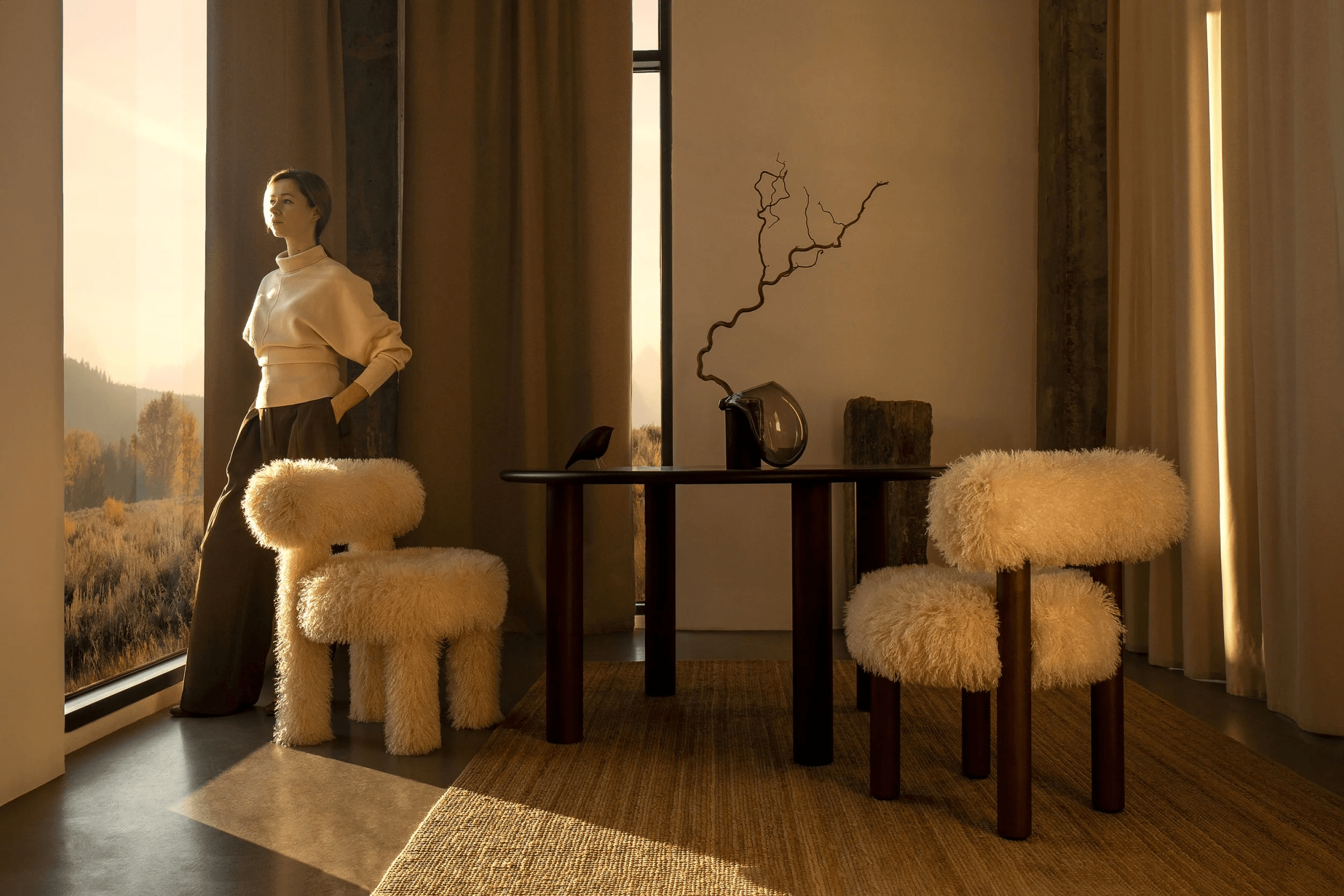
Furry Gropius chairs by Noom. Photo: Noom / YB 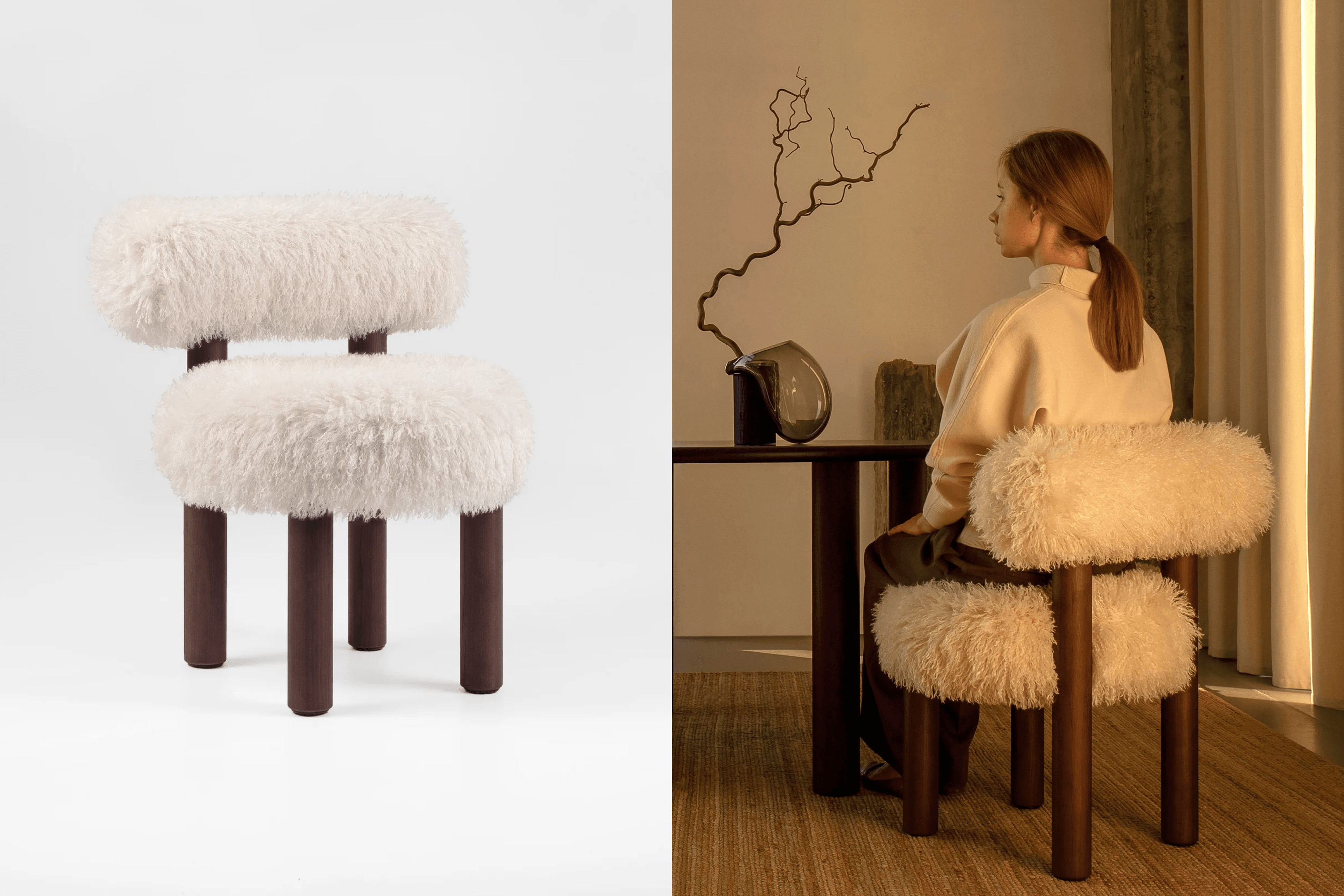
Photo: Noom / YB 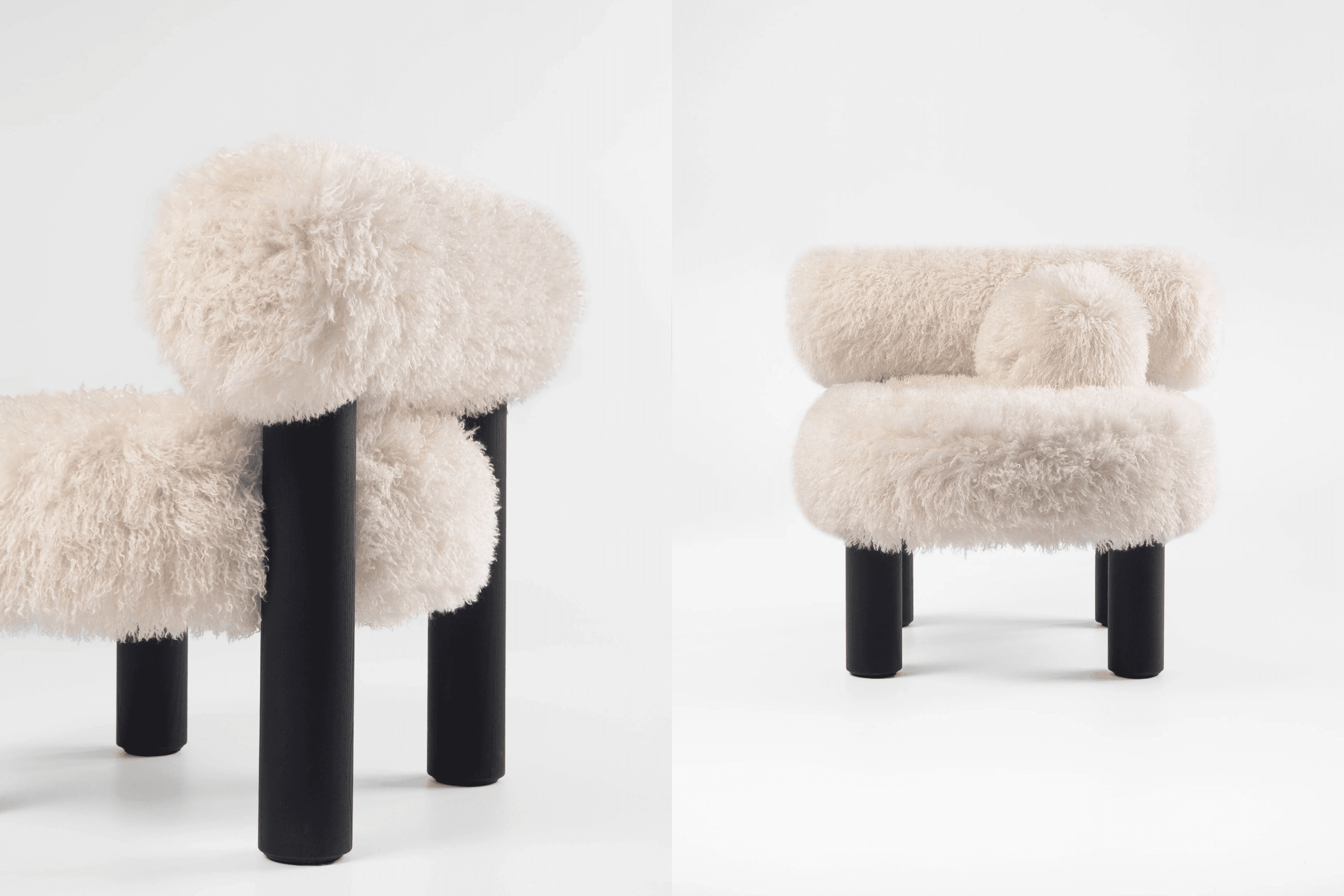
Photo: Noom / YB 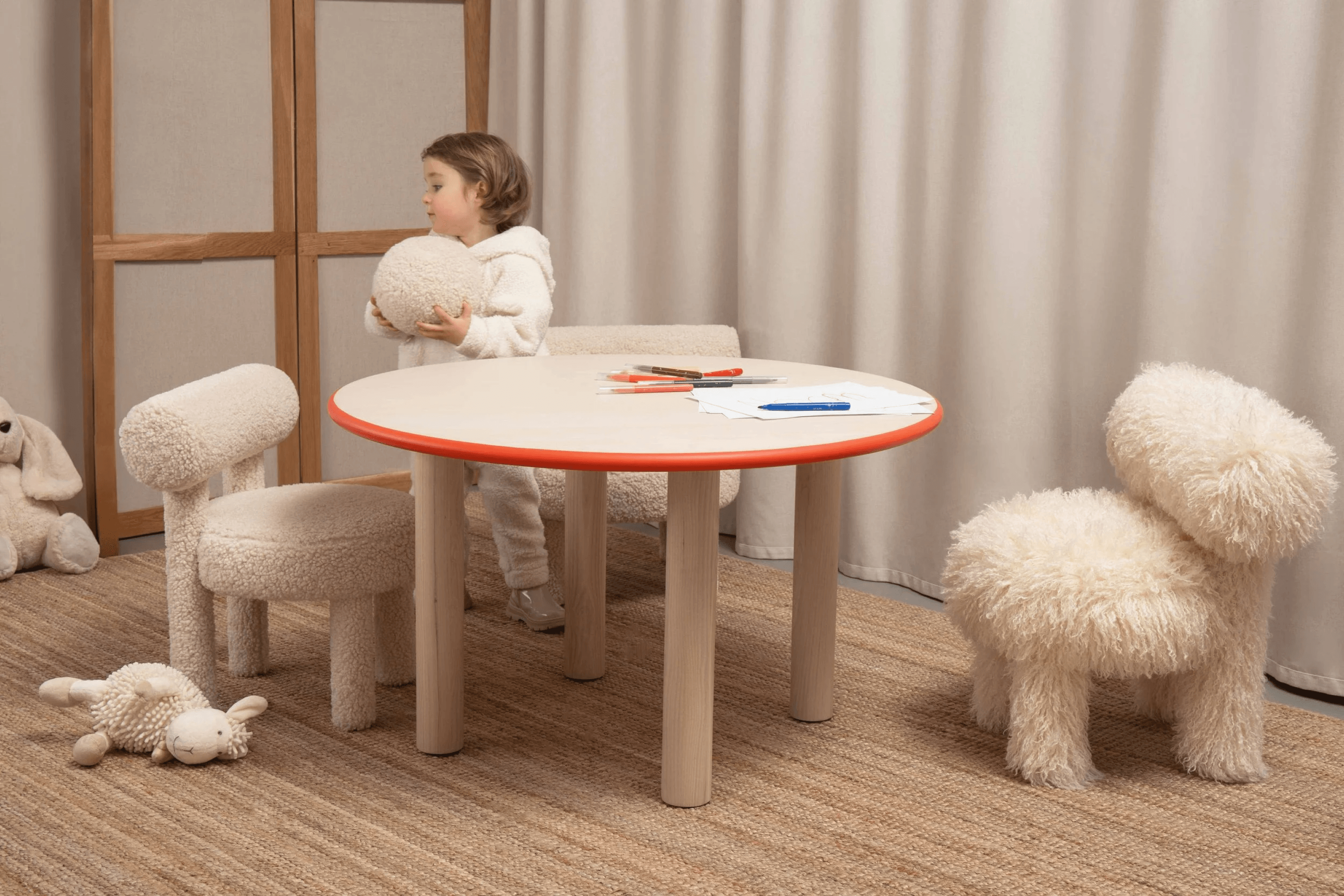
Photo: Noom / YB 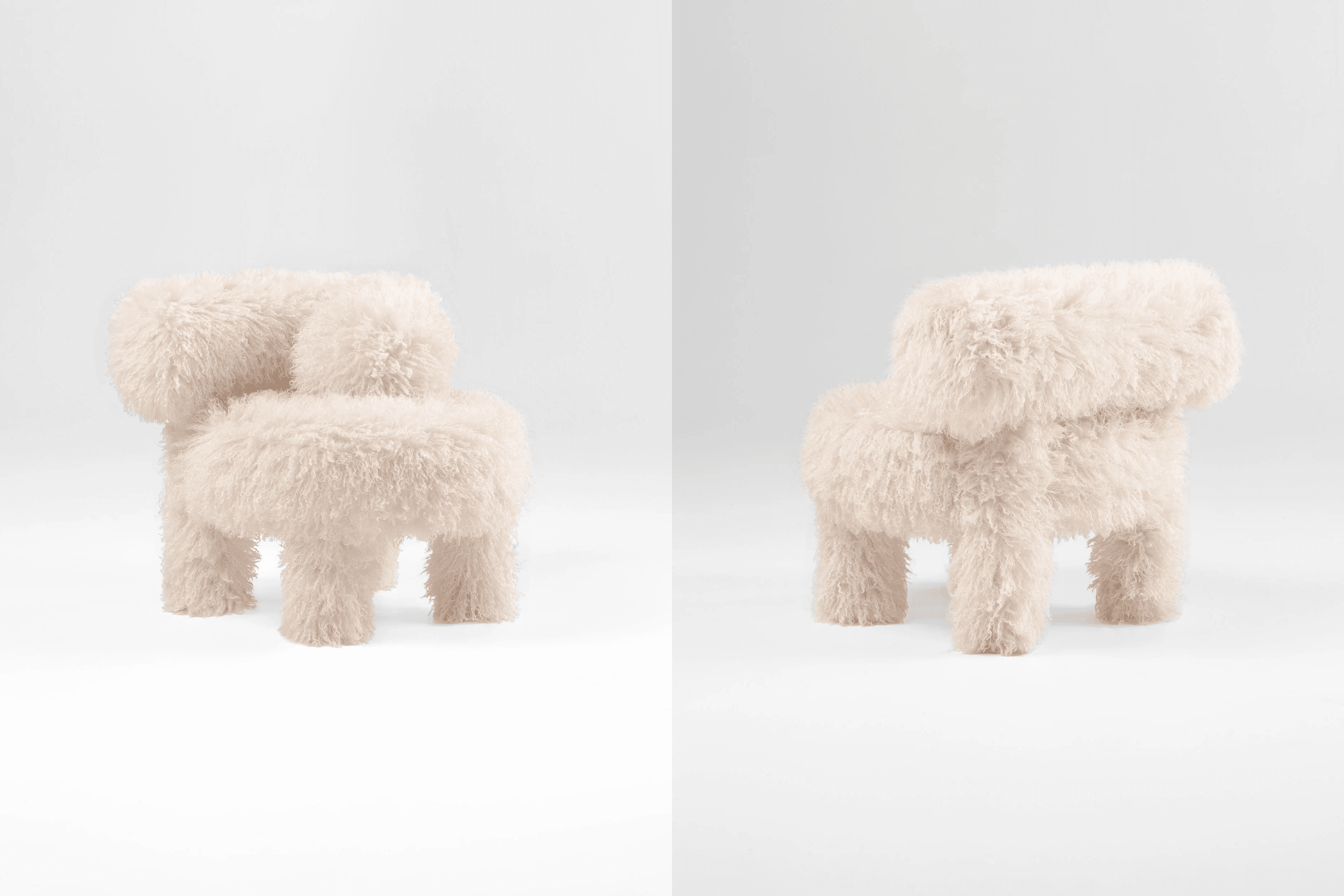
Photo: Noom / YB 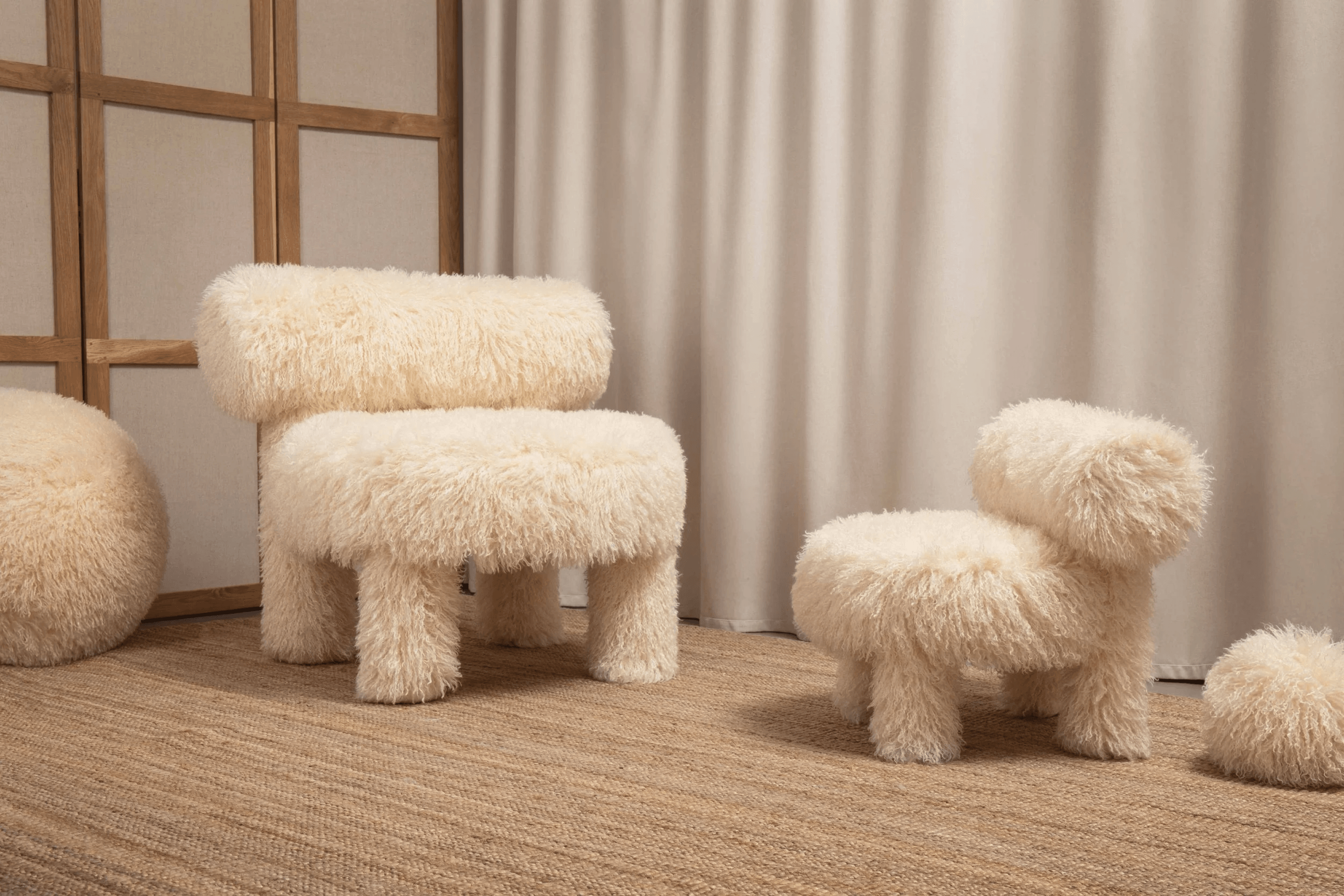
Photo: Noom / YB
Do foreign buyers have any prejudice against products from Eastern Europe? How do you convince them to choose Ukrainian furniture over Scandinavian or Italian brands?
In reality, many of our dealers don’t even think about where we’re based until they receive the invoice. What matters most is quality, which they assess at exhibitions by inspecting the seams, for example. They also test the furniture for comfort. Gropius chairs have a geometric form, and people are often surprised by how comfortable they are when they actually sit in them. Photos can’t convey this, which is why exhibitions matter so much.
For us, exhibitions are also the most effective way to find partners. When you’re only communicating with a potential dealer online, they may observe the brand for a long time, sometimes two or even three years. But once we meet at an exhibition and they can see the furniture, touch it, and try it out, they decide much faster. End customers who buy furniture in showrooms across different countries usually don’t think about where the brand is from.
The Noom brand participates in various exhibitions. Vienna Design Week 2023. Photo: Noom / YB 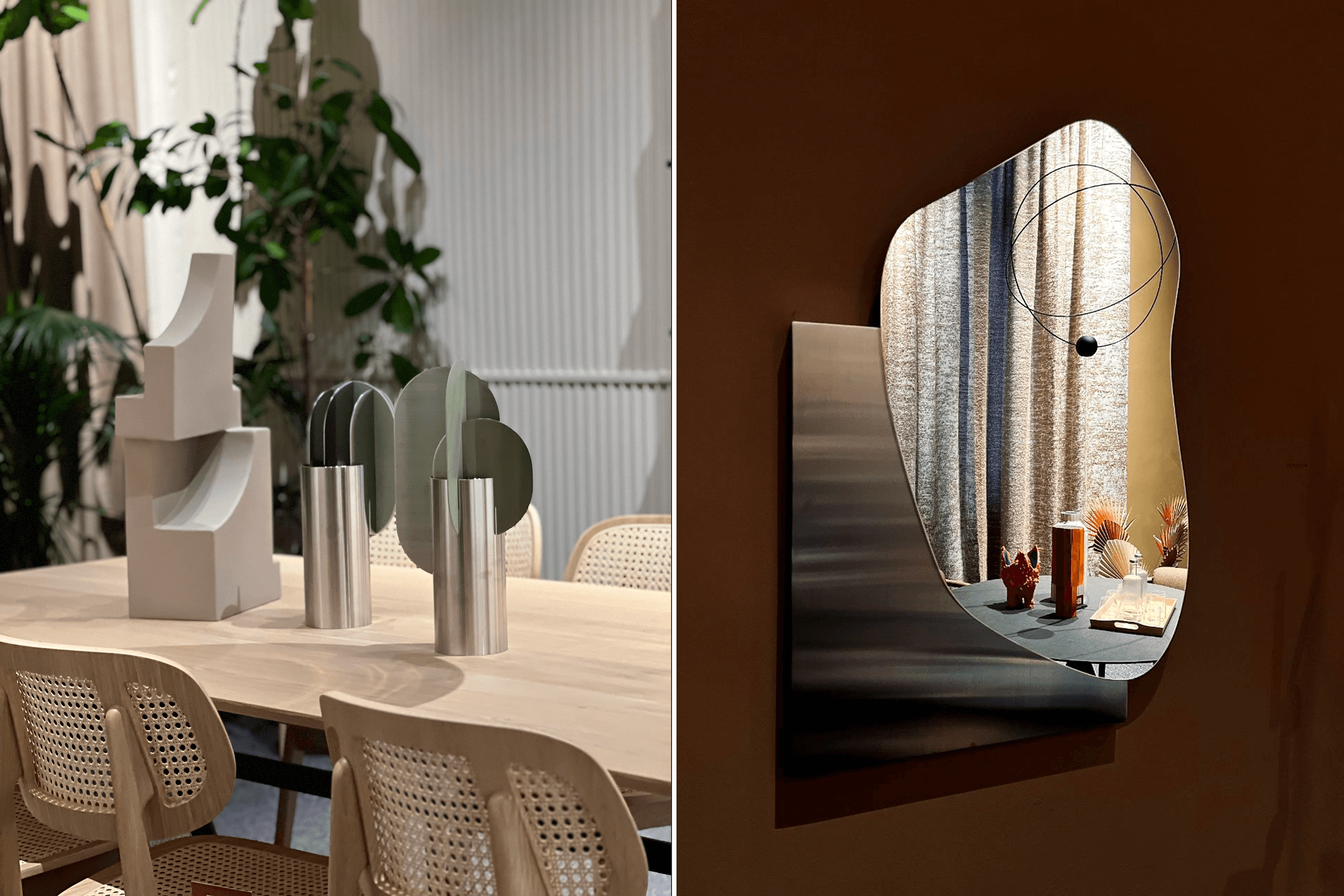
Milan Design Week 2023. Photo: Noom / YB 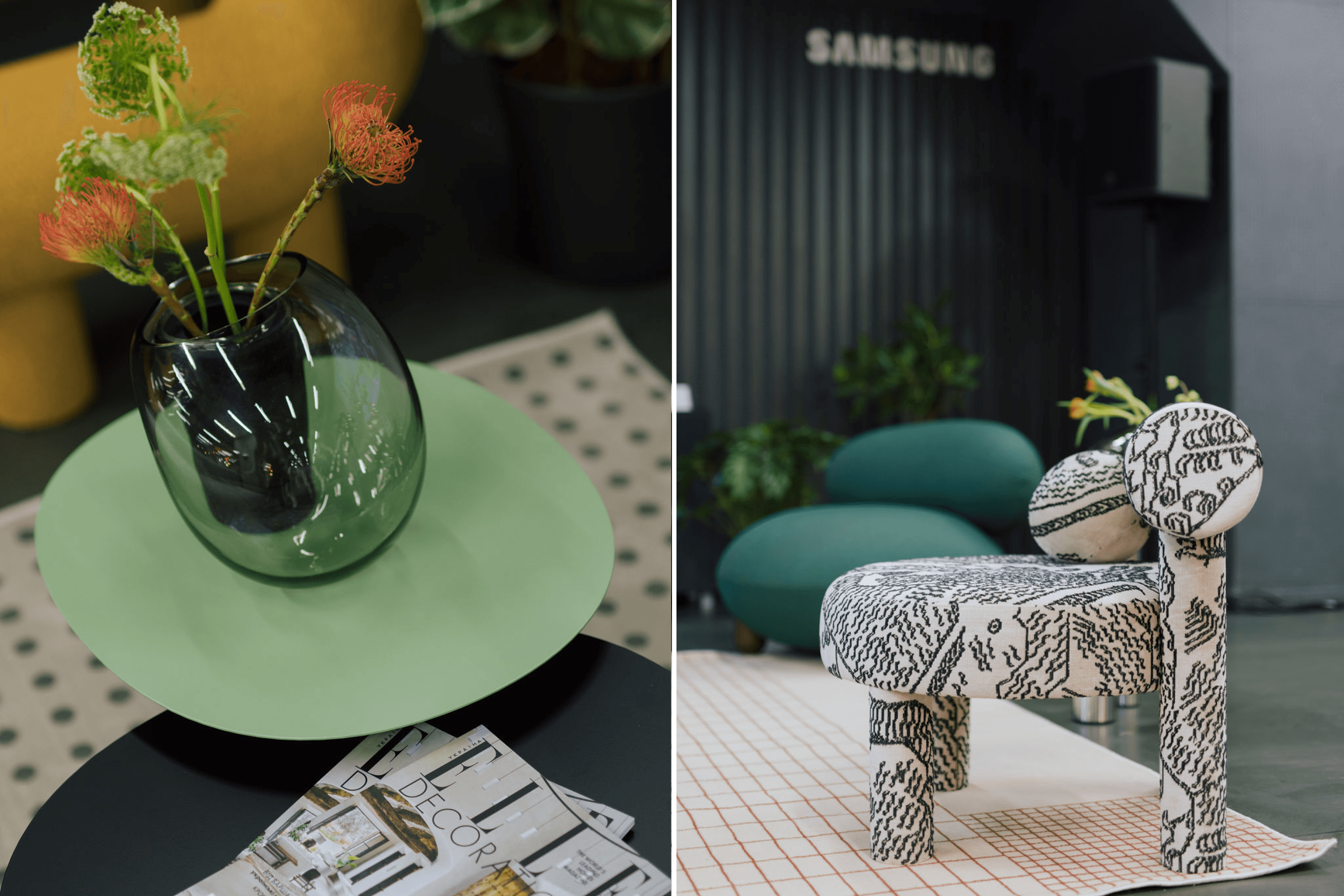
ELLE Decoration Cocktail 2023. Photo: Noom / YB 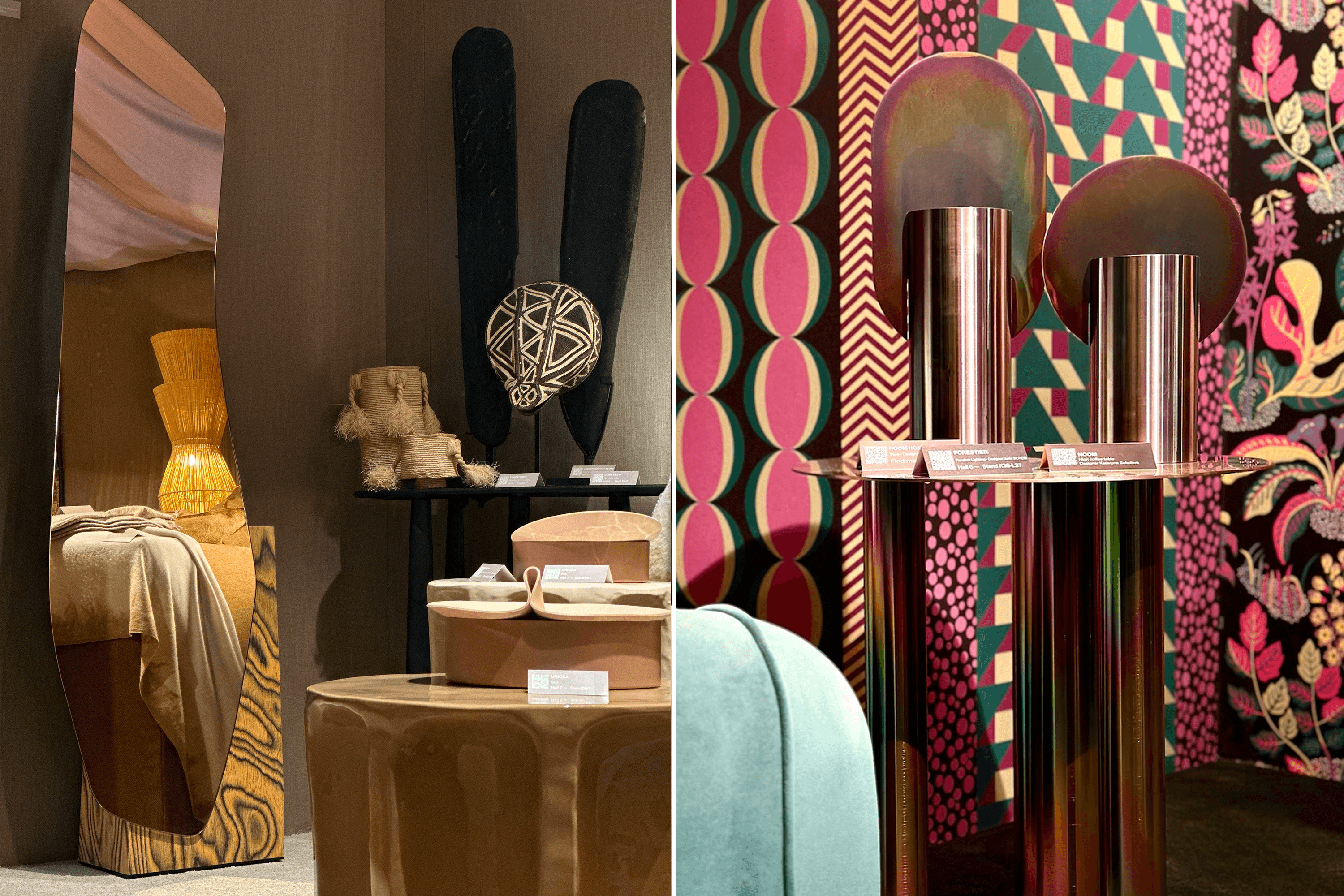
Maison & Objet 2024. Photo: Noom / YB 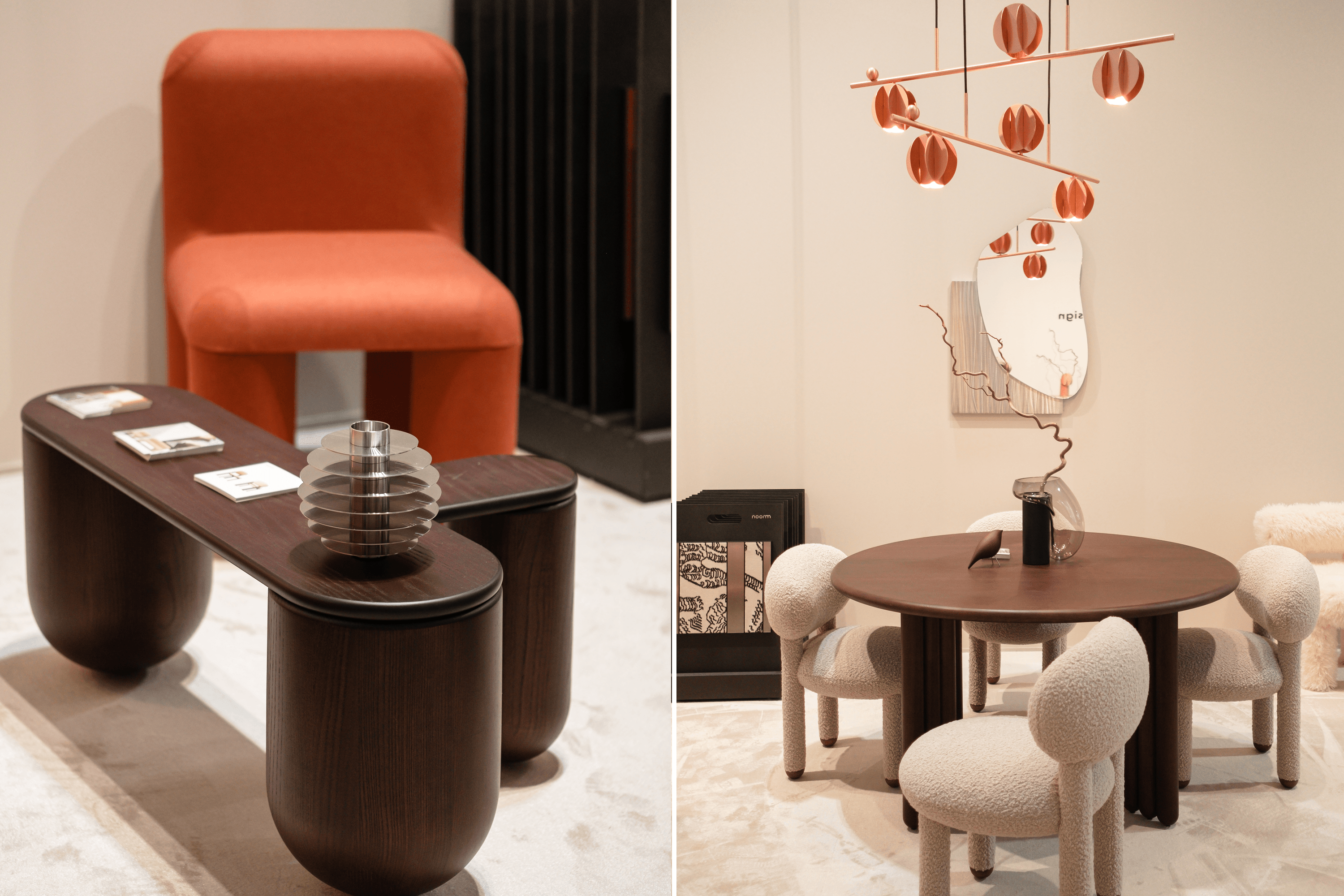
Milan Design Week 2024. Photo: Noom / YB 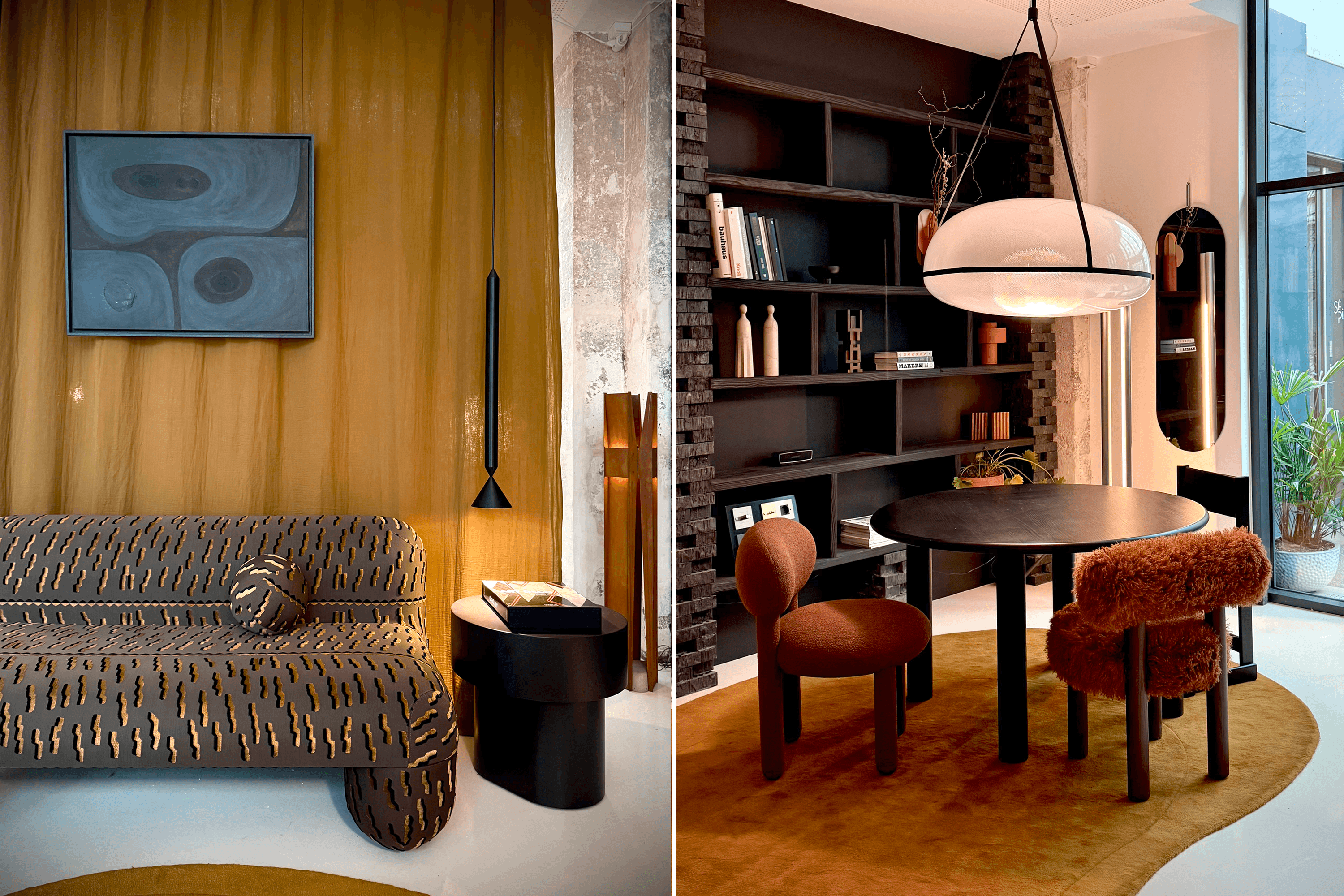
Design En France 2025. Photo: Noom / YB
2
How did you experience Russia’s full-scale invasion of Ukraine?
Of course, we were in shock and needed about a month to regain our footing. Our own metal workshop and a major production partner producing most of our furniture and decor were based in Kharkiv, which was under siege at the time. Another partner making upholstered furniture was in Kyiv, which Russian forces were approaching. All processes came to a halt as workers and management evacuated.
In March 2022, under shelling, we evacuated the workshop from Kharkiv to Lutsk. Our Kharkiv-based contractor moved there as well. For a month, we tried to persuade our Kyiv manufacturer to relocate to western Ukraine, but after the Kyiv region was de-occupied in April 2022, they resumed work in Kyiv. The metal workshop and the Kharkiv contractor remain in Lutsk to this day, as it is safer there.
In the first months of the invasion, we faced difficulties shipping orders abroad, as international logistics companies suspended operations in Ukraine. We had to come up with our own solutions: renting vans or trucks and delivering our products across Europe ourselves. International shipping via Nova Poshta also proved crucial. Now we work with international logistics companies such as DHL and DB Schenker again.
Did you look for contractors abroad in case a workshop was destroyed by Russian shelling?
Yes. We found craftsmen in Poland with good quality at reasonable prices and remain in touch with them as a backup. Logistically, producing in Poland would actually be cheaper and more convenient, since 95% of our sales are exports. However, we chose to continue working with Ukrainian contractors. It’s important to us to keep production in Ukraine, to provide jobs and keep the country’s economy running.
How did your international clients react to Russia’s invasion of Ukraine?
At first, most were afraid to contact us or place orders. But once we resumed production and began shipping items that had been ordered before the invasion, their trust returned, and new orders followed. We are deeply grateful to our clients for their trust and understanding.
The Milan Design Week exhibition in summer 2022 was particularly important for us. The organizers gave us free space in the Superstudio Più, which is one of the exhibition centers where the event took place. We even presented several new pieces there. For us, it was essential to show that we were alive and still working. After the exhibition, new clients appeared, and many former customers returned.
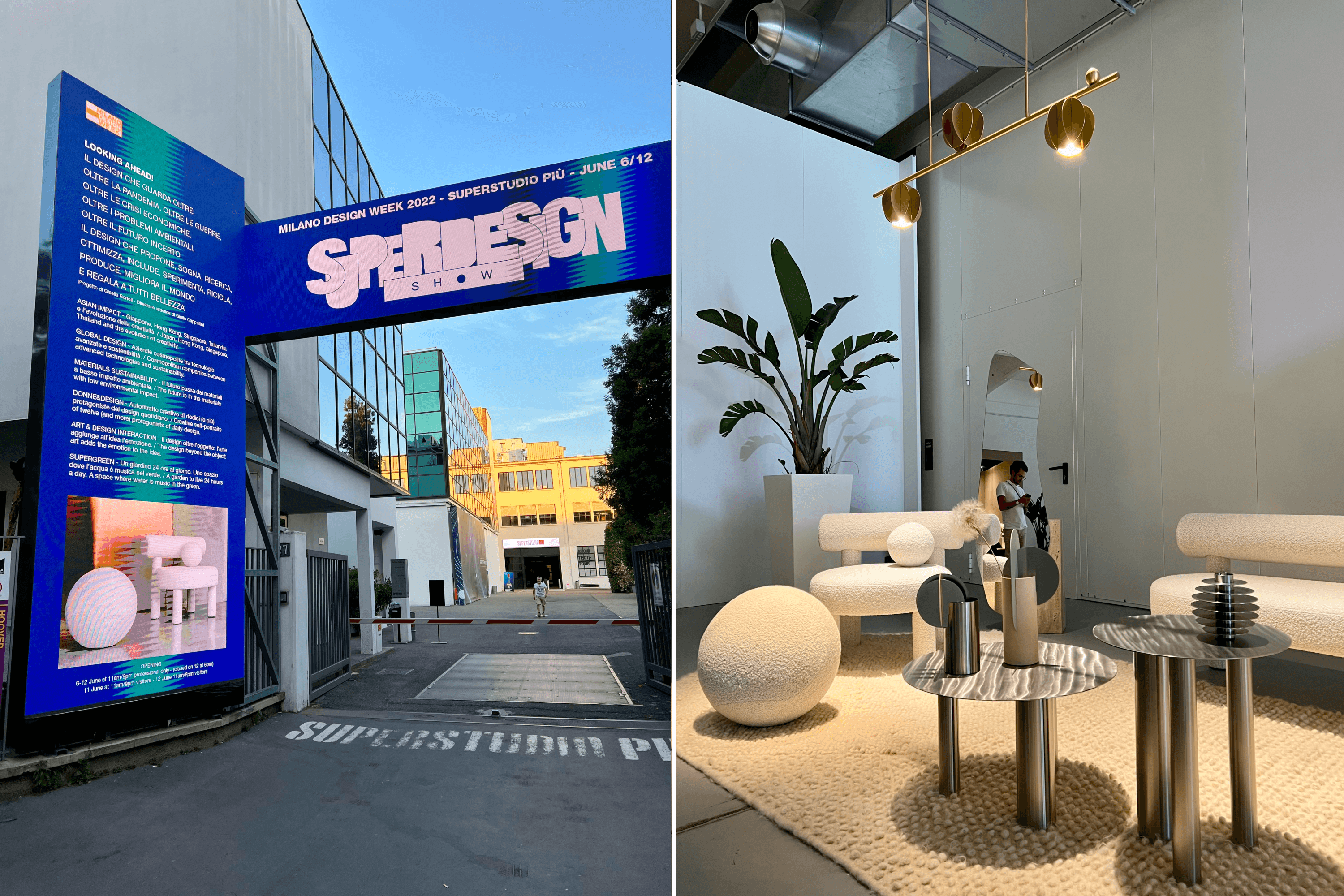
Salone del Mobile, a Milan Design Week. Photo: Noom / YB 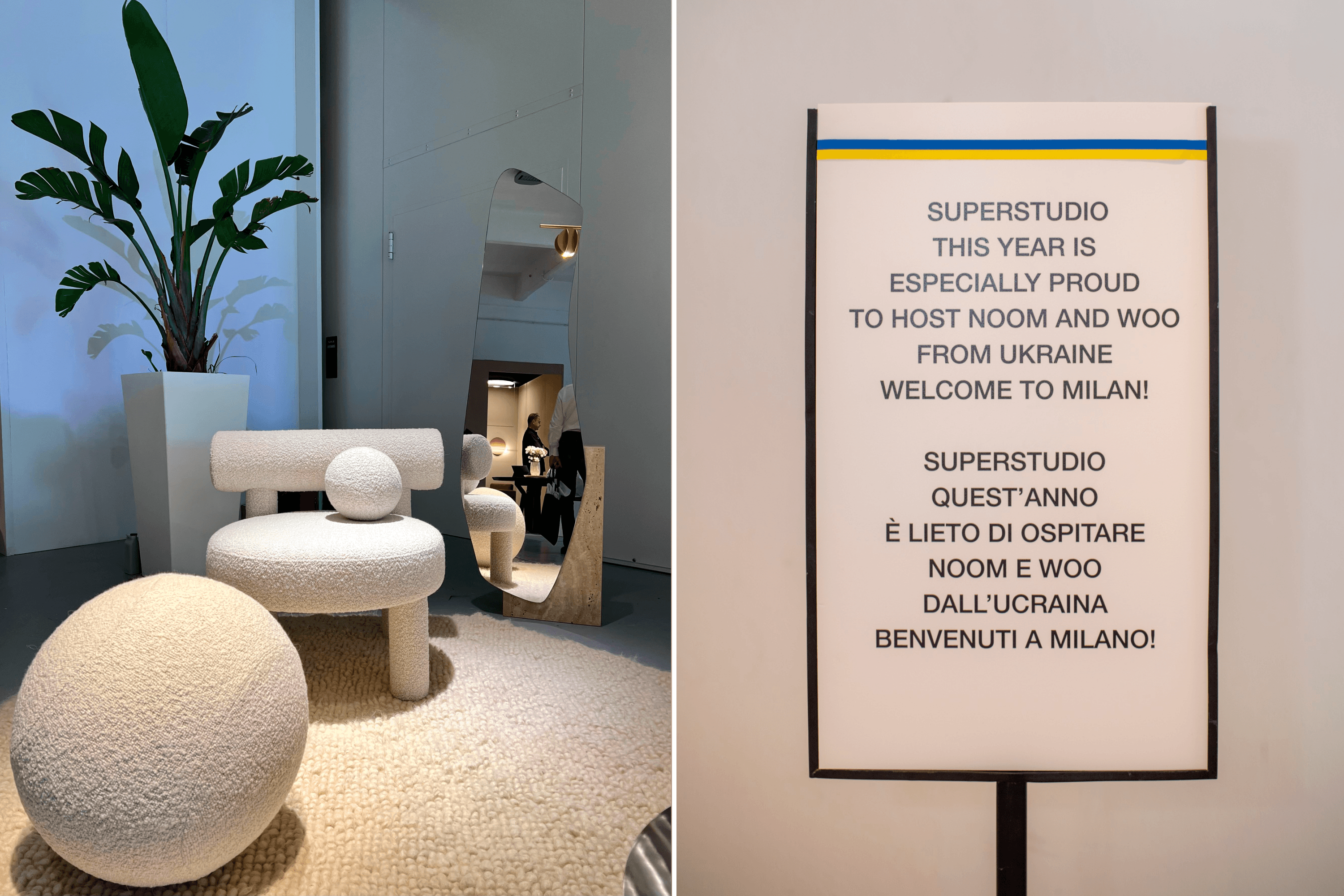
Photo: Noom / YB 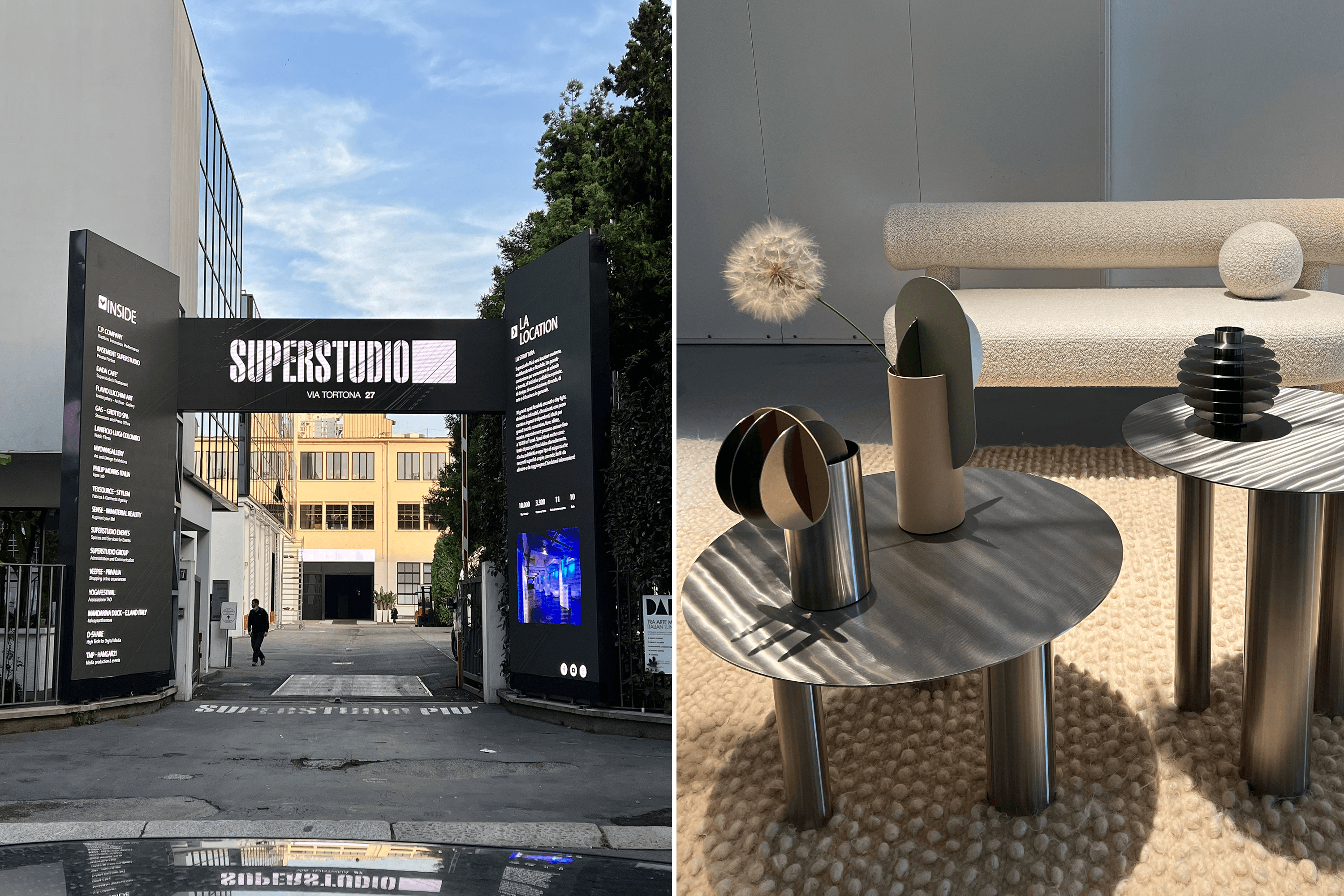
Photo: Noom / YB
You work with advance payments and require two months for production. Did this become an issue for international clients given the instability caused by Russia’s invasion?
Yes, for some clients it did. They really do worry that they might not receive their orders. Most of our customers are B2B: dealers, showroom owners, and architects working on interior projects. We understand their concerns, so with some clients we shifted from payment at the time of order to payment before shipment. This is challenging, as we have to cover production costs ourselves.
At London Design Festival 2022, you presented the Gropius Military chair covered in camouflage netting woven by Ukrainian volunteers. Did it attract international interest?
Yes, people really remembered the chair wrapped in camouflage netting. It traveled to several events, including the London Design Festival and Barcelona Design Week. In 2024, we sold it at the Tajan auction in Paris and donated all the proceeds to UNITED24 to support military medics. We produced a series of eight such chairs to raise funds for charity. So far, however, only one has been sold.
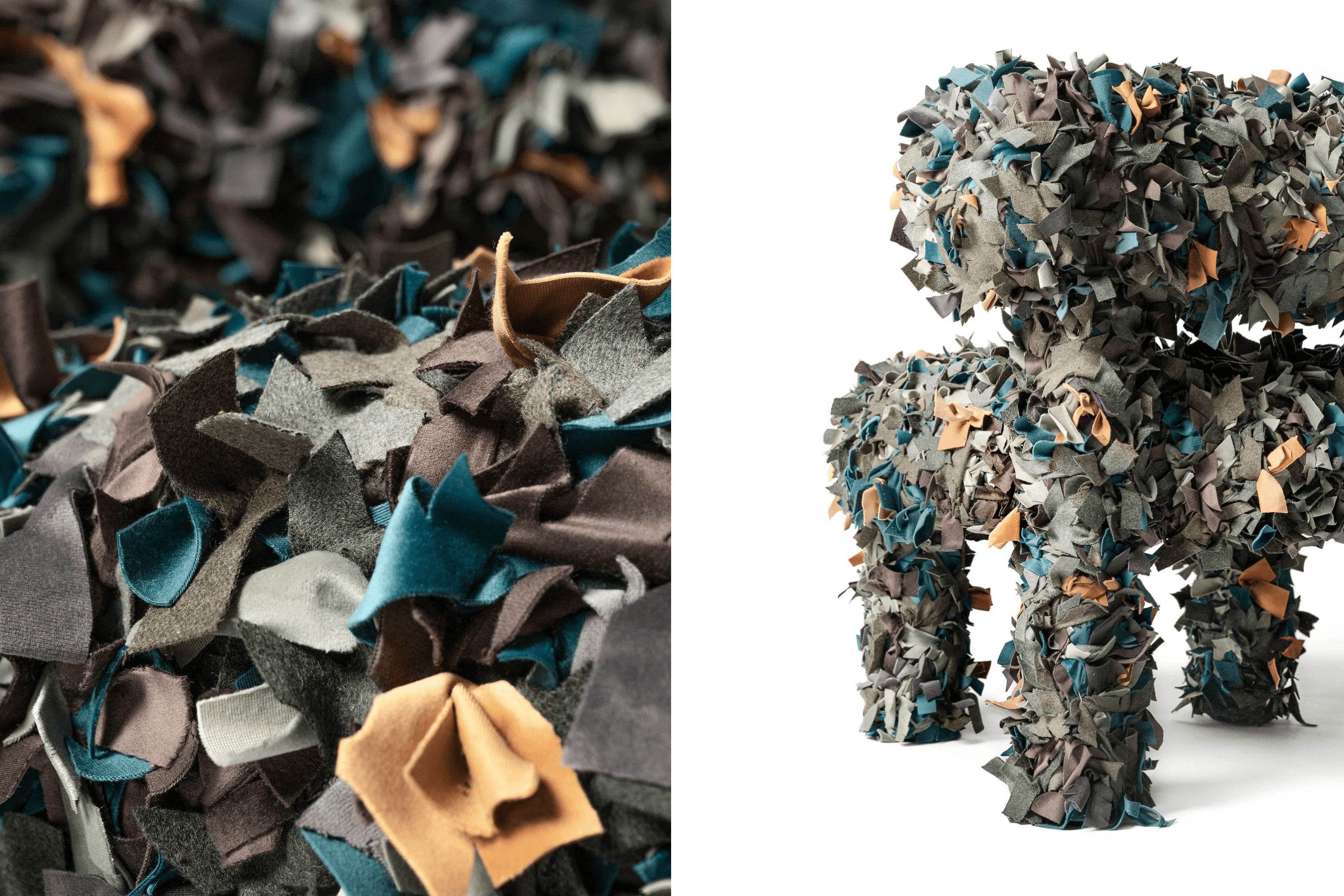
The Gropius Military chair by the Noom. Photo: Noom / YB 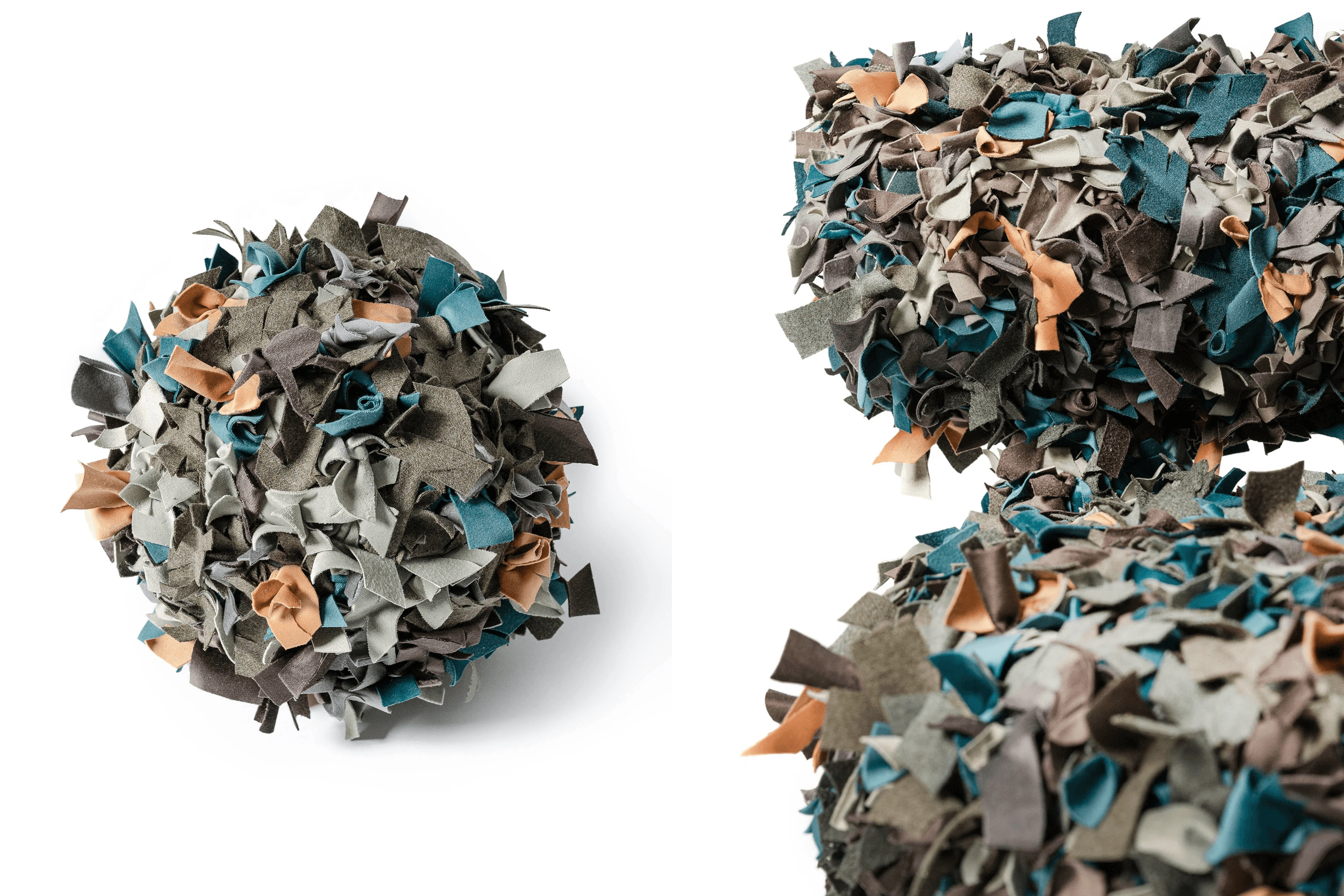
Photo: Noom / YB 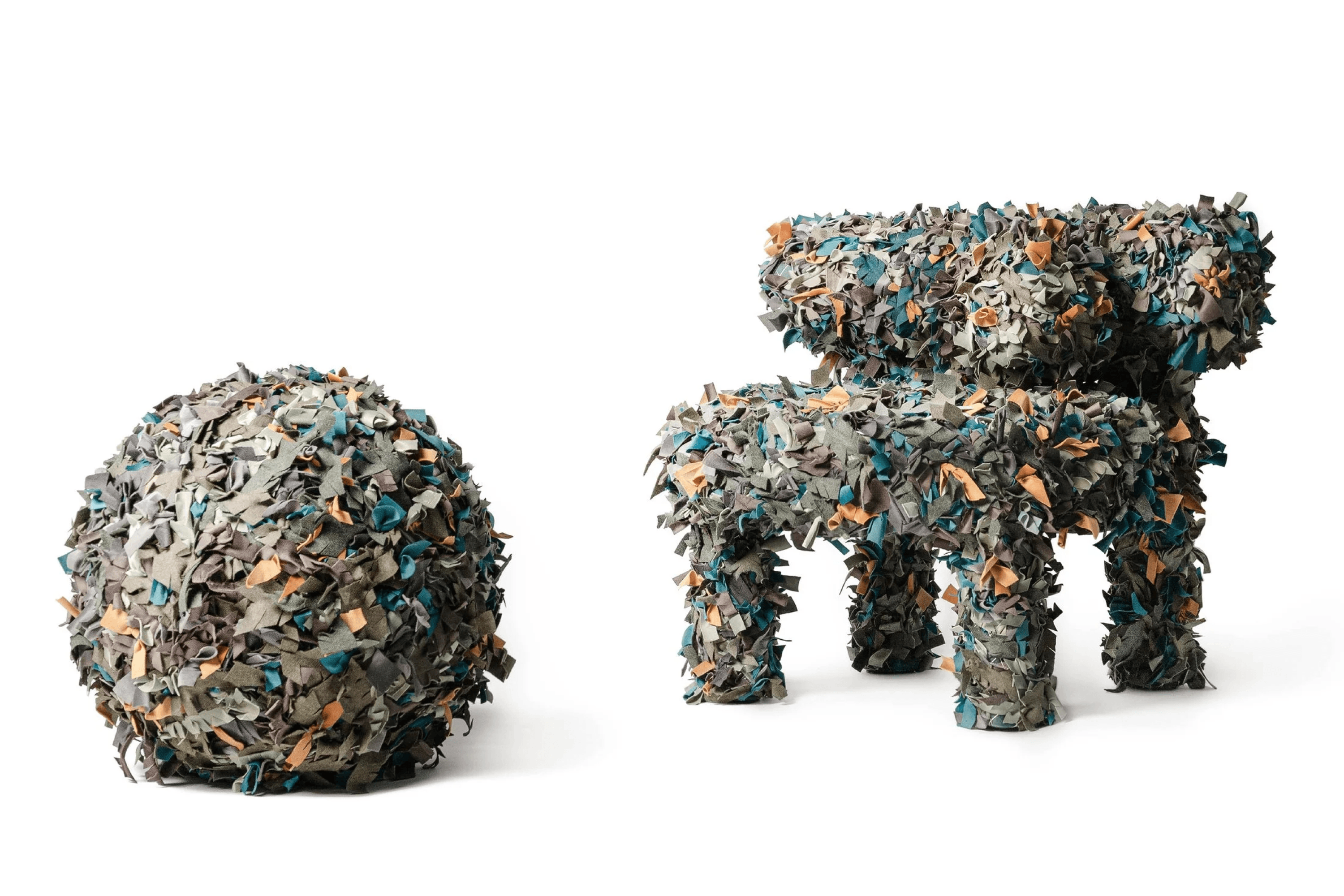
Photo: Noom / YB
3
In August 2025, at DVRZ Design Days in Kyiv, you presented the Gropius chair in the TheO fabric by Yevhenii Litvinenko. The pattern of this fabric is inspired by the work of avant-garde artist Kazymyr Malevich. What role does Ukrainian art play in your work?
Ukrainian modernism is a key source of inspiration for my work. Our first home decor collection, presented at Dutch Design Week in 2017, was dedicated to Ukrainian artists of this movement. We named the vases after them: Kazymyr Malevich, Vasyl Yermylov, Sonia Delaunay. They were known around the world as Russian avant-garde, and it was important for us to convey that these are Ukrainian artists. We wrote about this in our concept and in all our press releases.
Has this message reached international audiences?
I hope so. Russians are skilled at promoting their cultural propaganda and invest heavily in it. It’s very difficult to counter them. What’s important is that the truth reaches museums, because that’s where it all begins. I’m very glad that the Guggenheim Museum in New York now identifies Malevich as a Ukrainian avant-garde artist, not Russian.
Such changes may seem like small steps, but they represent hard work by our cultural institutions. And not just institutions: at Noom, we also do everything we can.
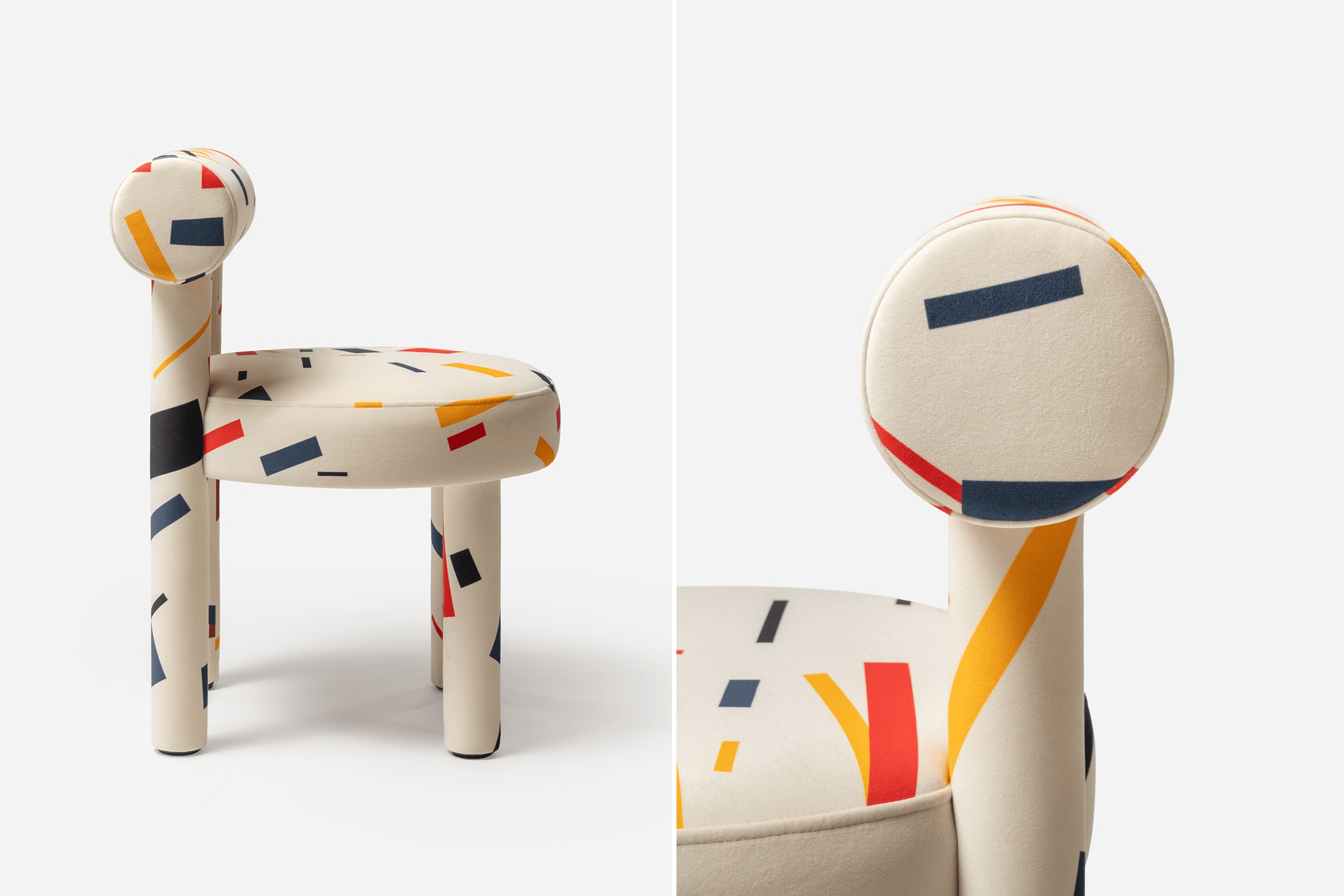
Gropius chair in the TheO fabric by Yevhenii Litvinenko. Photo: Noom / YB 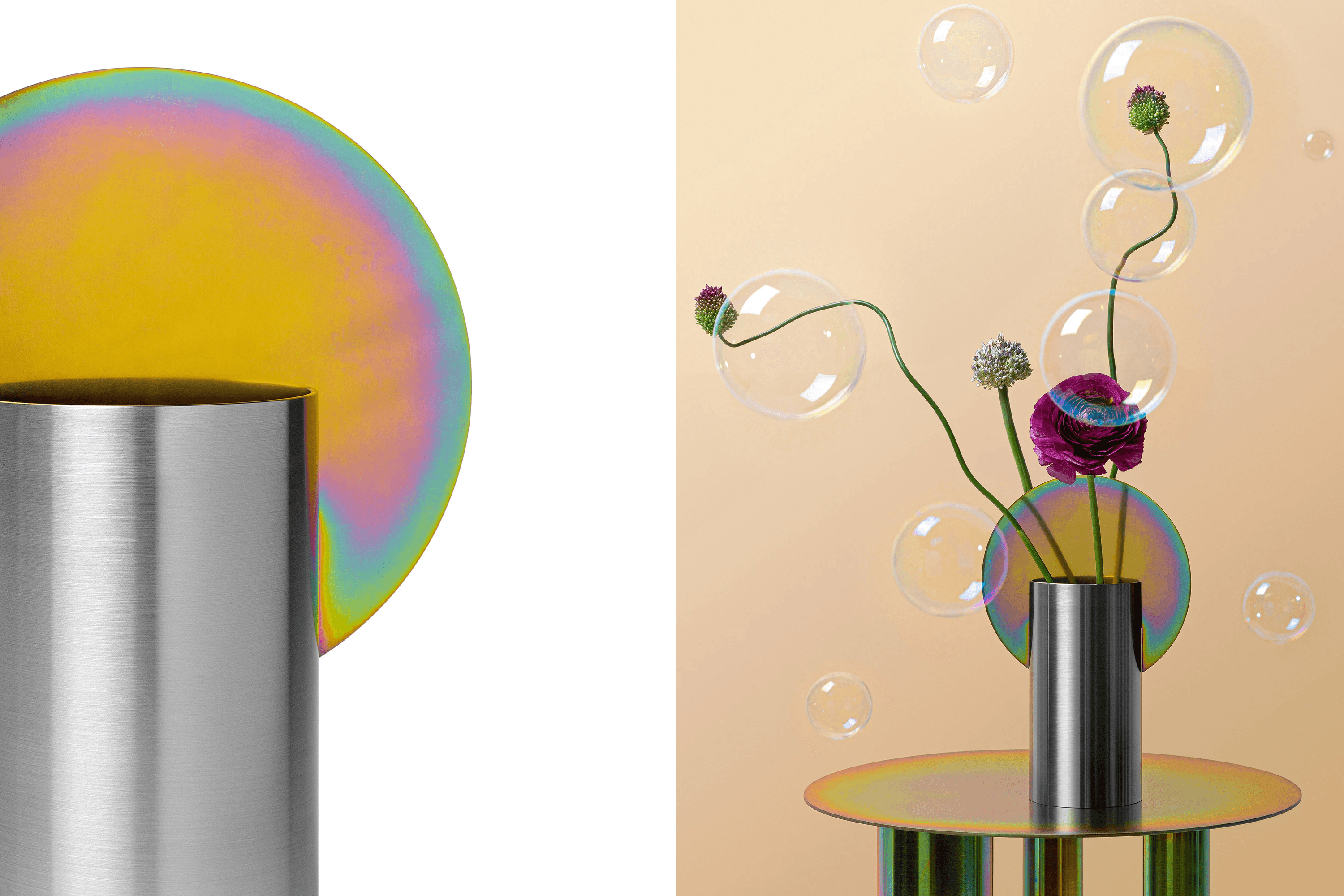
Malevich Vase. Photo: Noom / YB 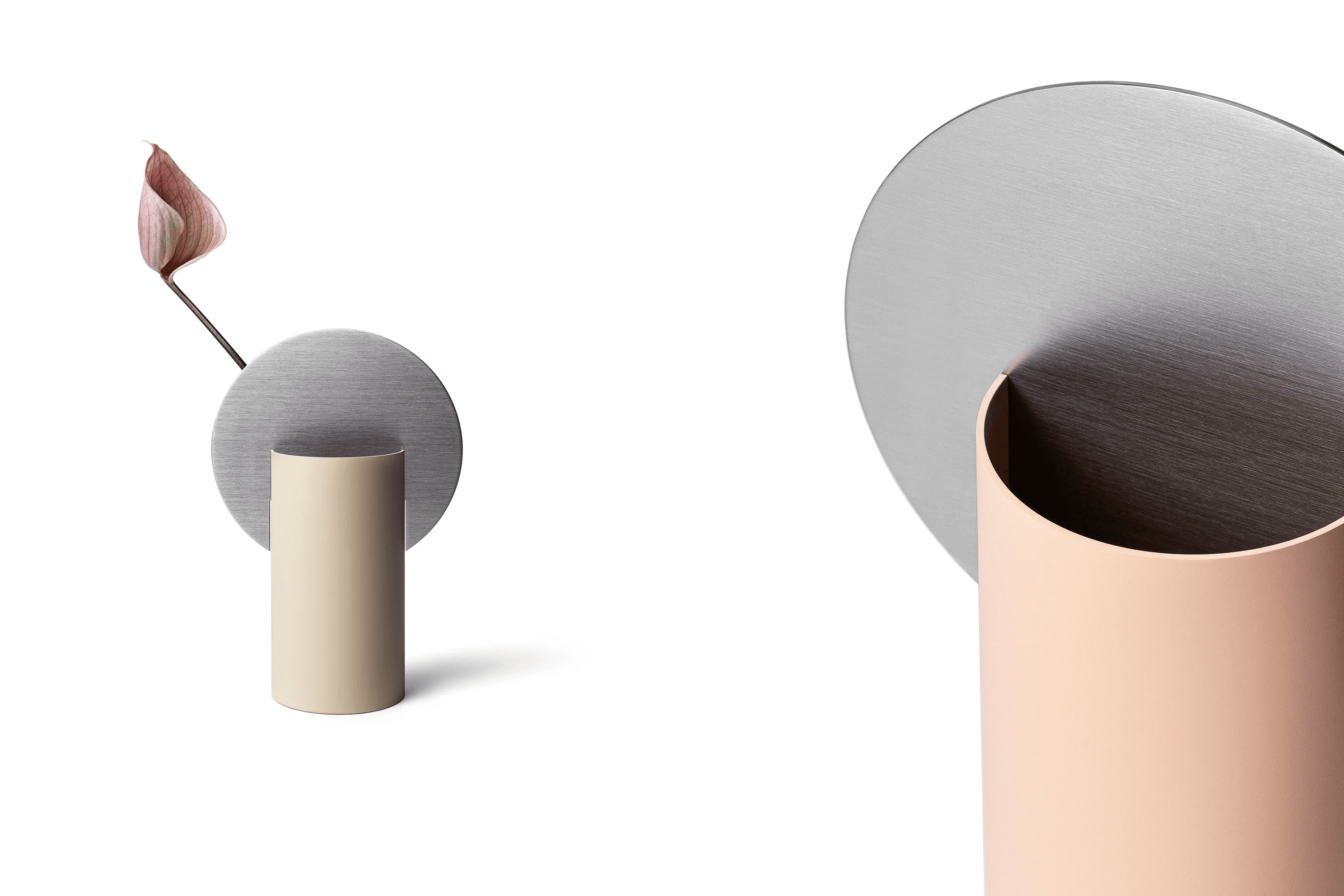
Malevich Vase. Photo: Noom / YB 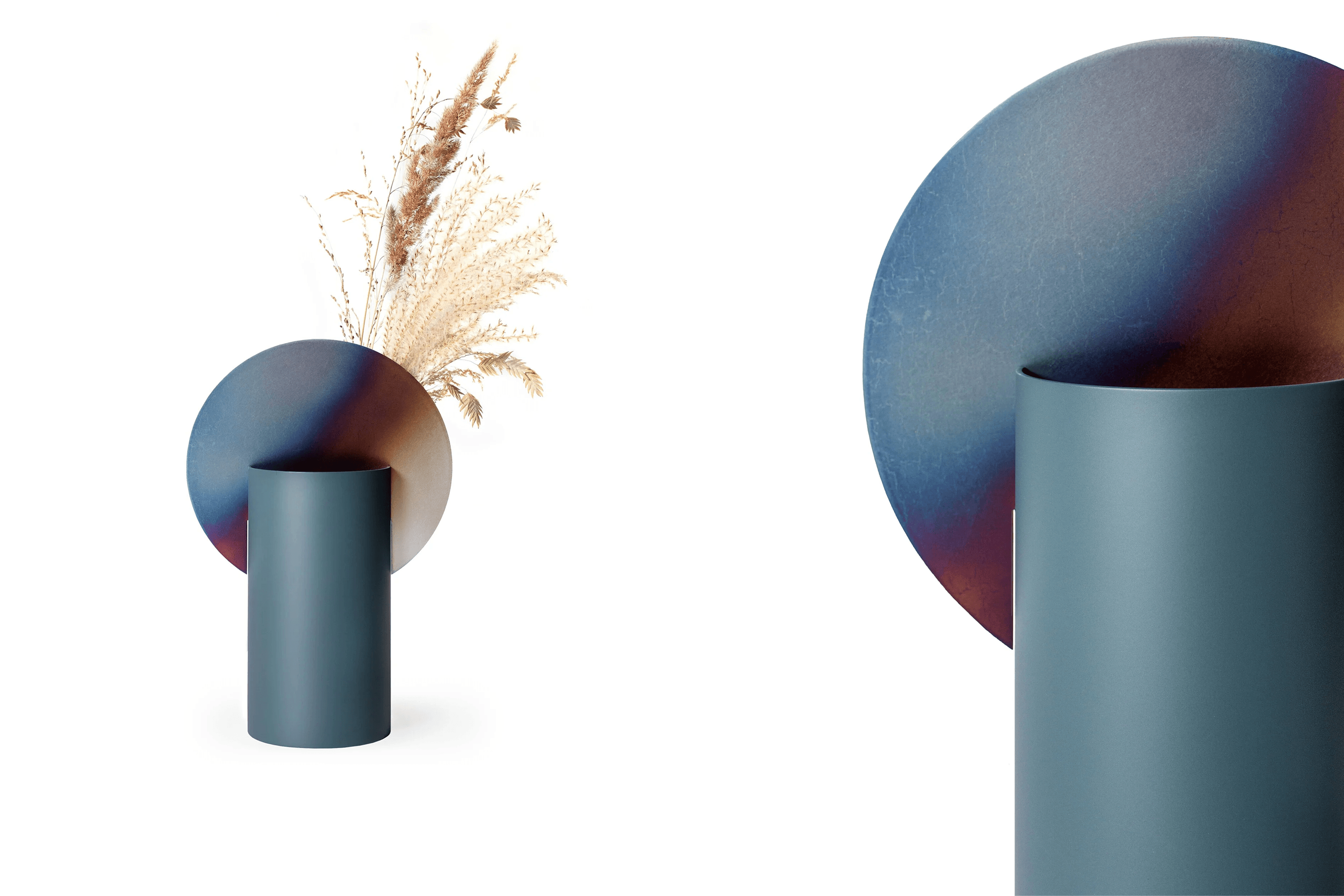
Malevich Vase. Photo: Noom / YB 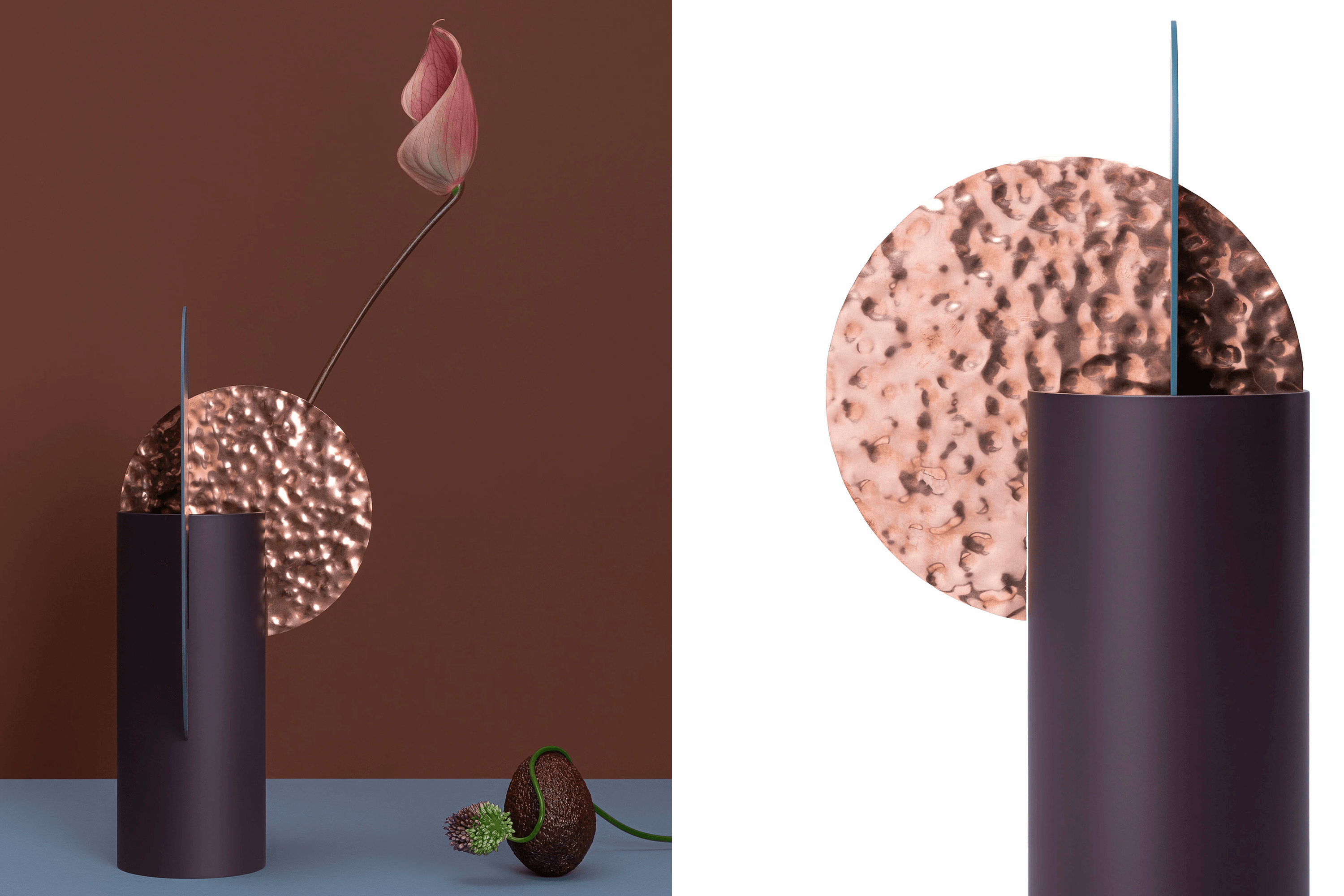
Yermilov Vase. Photo: Noom / YB 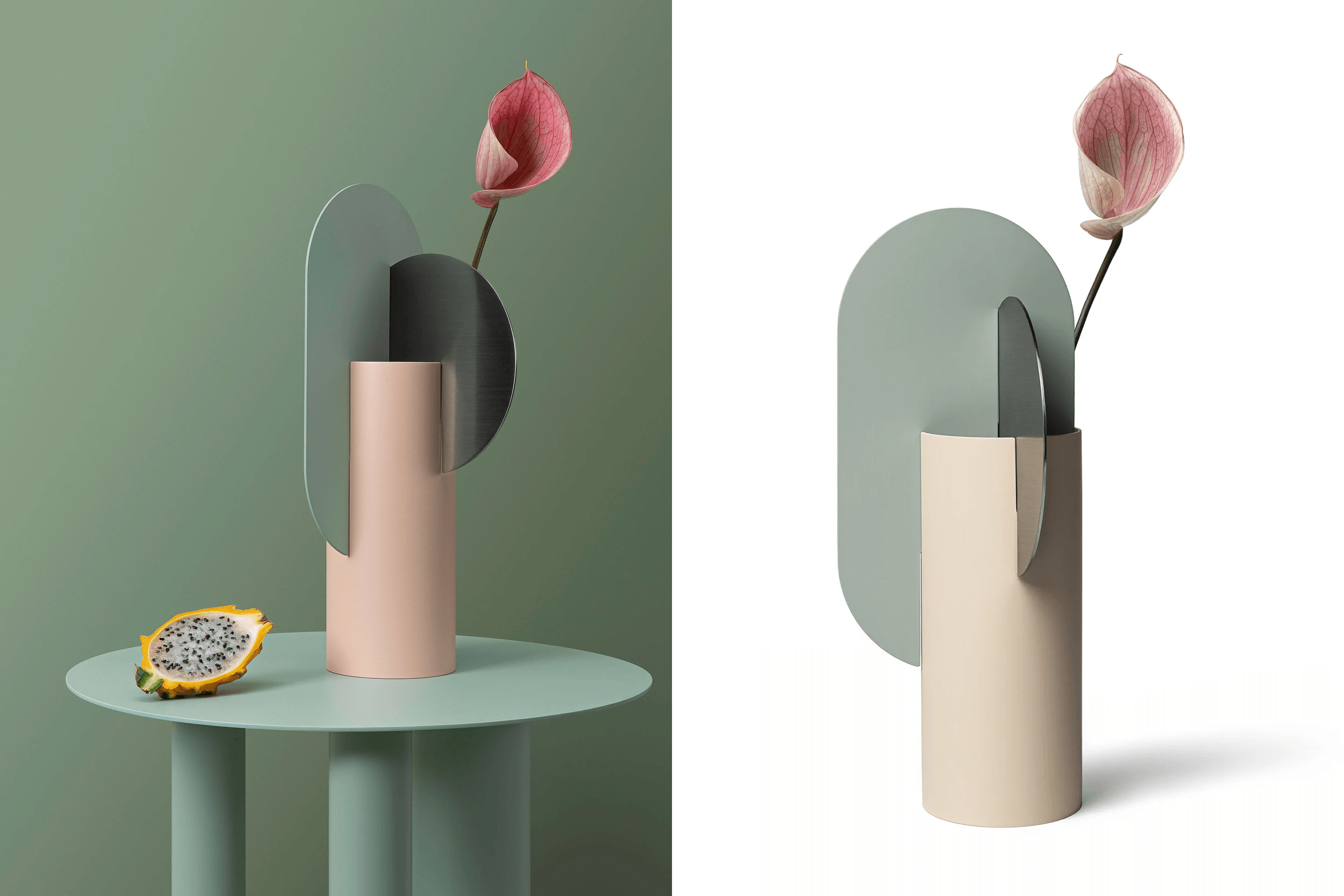
Yermilov Vase. Photo: Noom / YB
In your opinion, what helps Ukrainian designers succeed in international competition?
The global furniture market is already established, with heritage brands often run by third-generation heirs. To enter this market, Ukrainian brands need to stand out. Noom, for example, distinguishes itself through modernism, while Ukrainian brands like Faina and Makhno Studio draw inspiration from ethnic traditions. I think this sets us apart visually from classical European furniture.
What is the most important lesson Ukrainian entrepreneurs in your segment should learn to successfully enter foreign markets?
First, overcome feelings of inferiority. Second, don’t miss opportunities, and participate in international exhibitions. Yes, these events cost money, but organizers often support Ukrainians by providing free exhibition space. Ukrainian embassies also help. For example, the Ukrainian Embassy in Italy has repeatedly secured free space for collective Ukrainian stands at exhibitions.
To sell abroad, you need to position yourself accordingly: have a proper website and communicate in English. And simply be bolder, don’t fear the competition. We have many excellent brands with quality products that have something to show the world.
And finally, look for investors to scale. This is a painful issue for Ukrainian brands, and Noom is no exception. We’re actively searching right now, and it’s not easy.