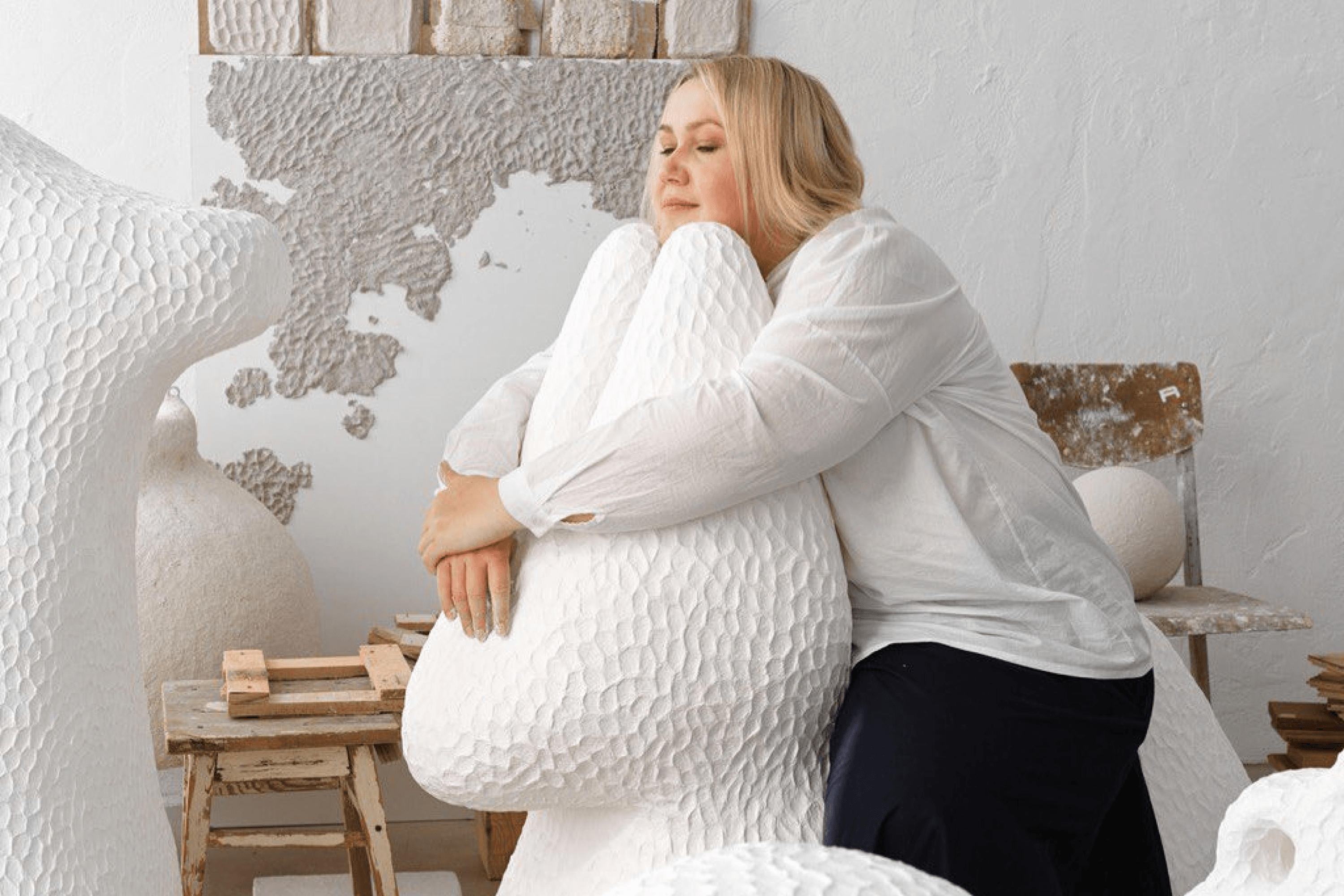
Victoria Yakusha is a 44-year-old mother of four from Dnipro. She survived meningitis, a coma, and cancer. And currently, her design creations are sold in 40 showrooms worldwide, and Yakusha herself remains the only representative of Eastern Europe to receive one of the world’s most prestigious awards, the Dezeen Awards. Yellow Blue’s Roksana Rublevska reports on her journey.
1
Victoria Yakusha was born in Dnipro — a sprawling industrial hub in central Ukraine. Her parents worked as engineers at a factory and were far from the world of art and architecture. But as a teenager, she began to intuitively notice the beauty of urban space. Today she says with confidence: “Dnipro is truly the best city in Ukraine in terms of architecture.” In her childhood, Yakusha even thought about enrolling in a design faculty, but it was too expensive for her family. Therefore, in 1999, Victoria independently enrolled in the Prydniprovska State Academy of Civil Engineering and Architecture at the Faculty of Architecture. She dreamed of becoming like the renowned architect Zaha Hadid.
Studying architecture required significant endurance. The budding architect often stayed after classes and studied at the university until late in the evening. She spent her bus fare on drafting paper and walked across the entire city to the university. Eventually, her university projects began to win top honors in competitions.
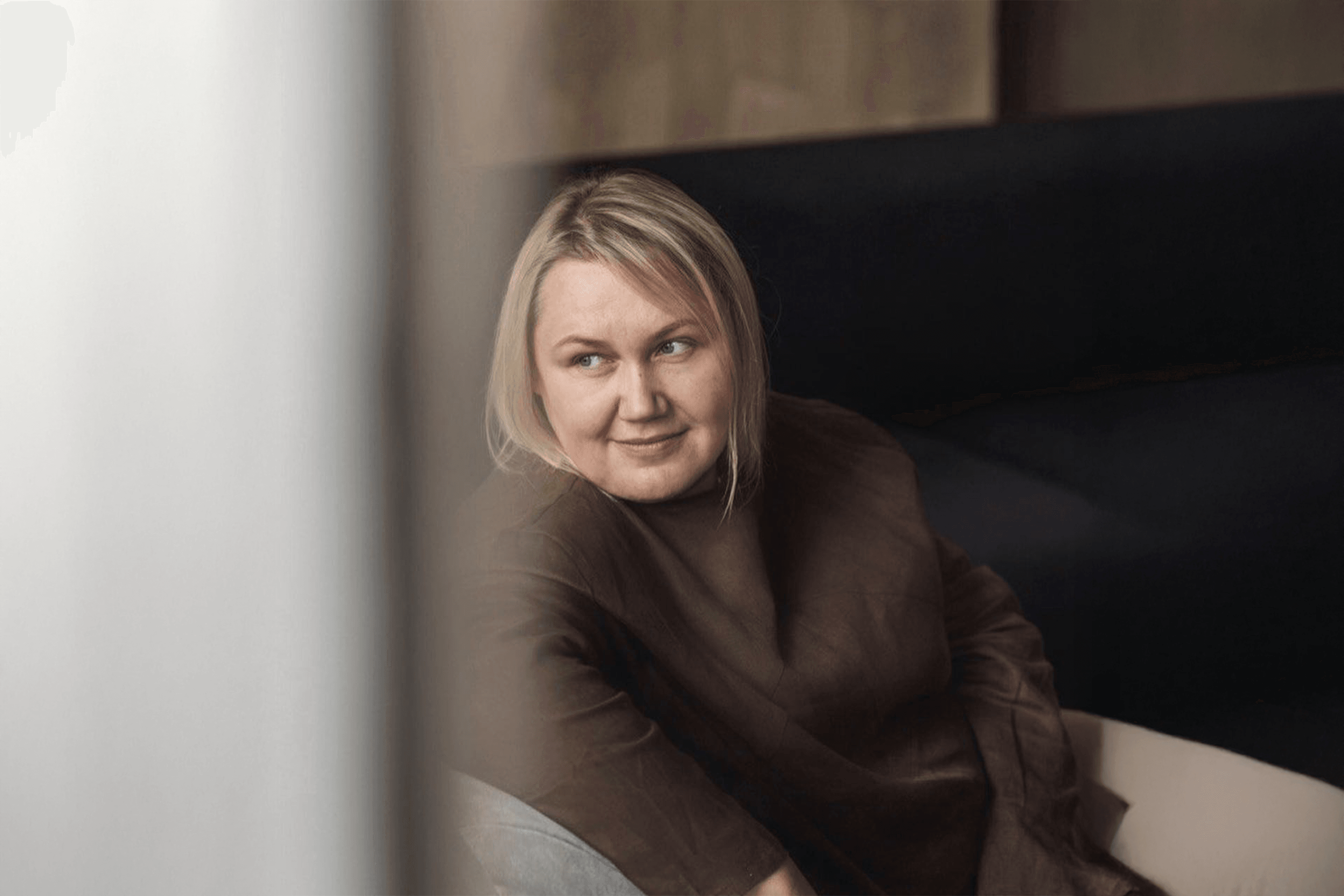
From her third year, Yakusha began to work. She found her first order through an advertisement in a city newspaper — and took on the interior of a restaurant at a rate of $5 per square meter. In half a year, Victoria earned her first $1,500. In the early 2000s, demand for design was only just emerging in Dnipro, so competition was low, and clients did not pay attention to the lack of experience. Also, Yakusha remained one of the strongest students at the academy. For such students, this university had a French-speaking faculty where the best were selected. Yakusha learned French, and in her final year, in 2005, she went to study at the National Institute of Applied Sciences in Strasbourg (INSA Strasbourg).
After defending her diploma, Victoria worked for six months in an architectural bureau in Dnipro, but every day she felt she had the strength to start her own business. In 2007, she founded the Yakusha Design Studio. Around the same time, she married her boyfriend Valerii, with whom she is still together.
Interior elements by the Yakusha Design studio. Photo: FAINA / YB 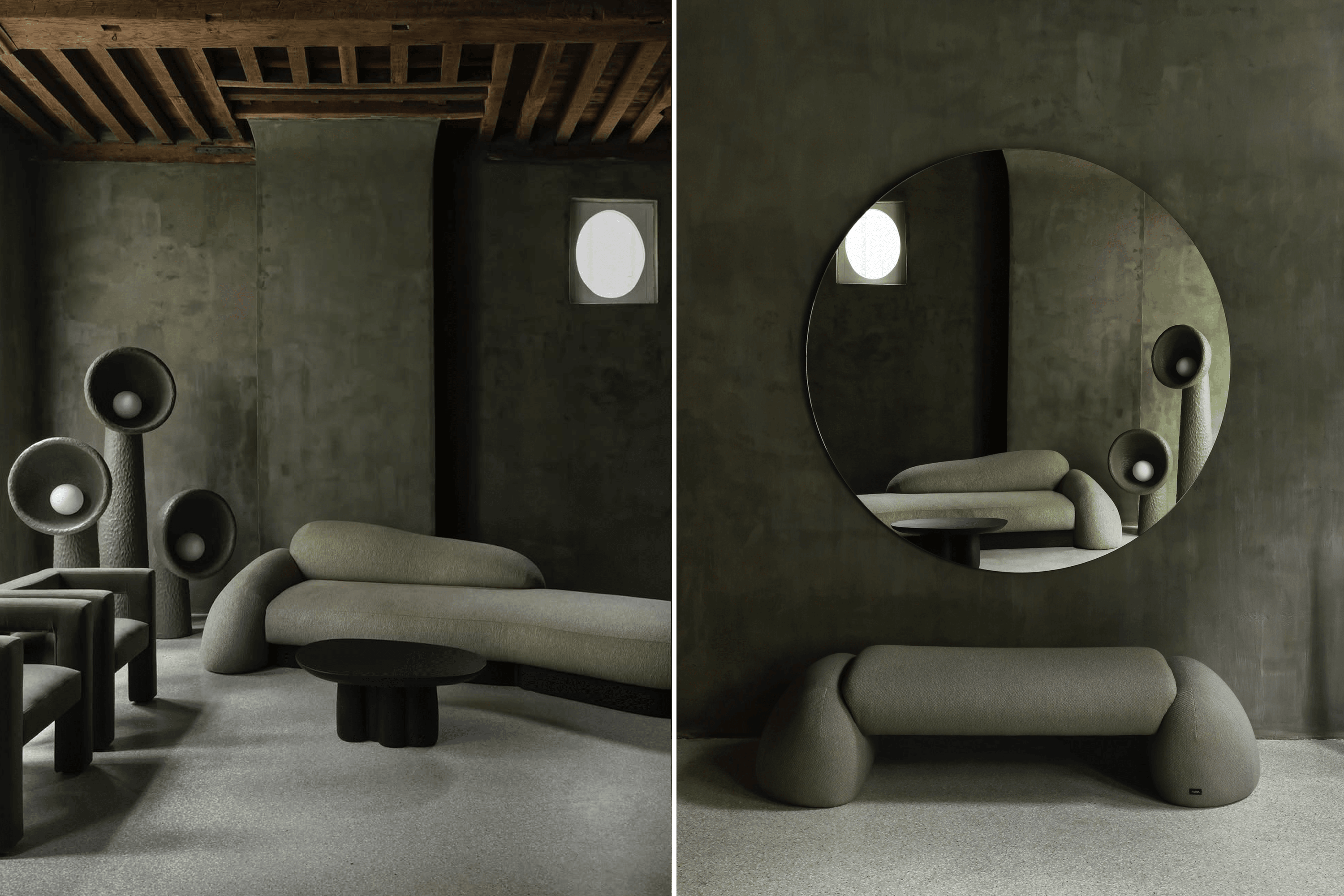
Photo: FAINA / YB 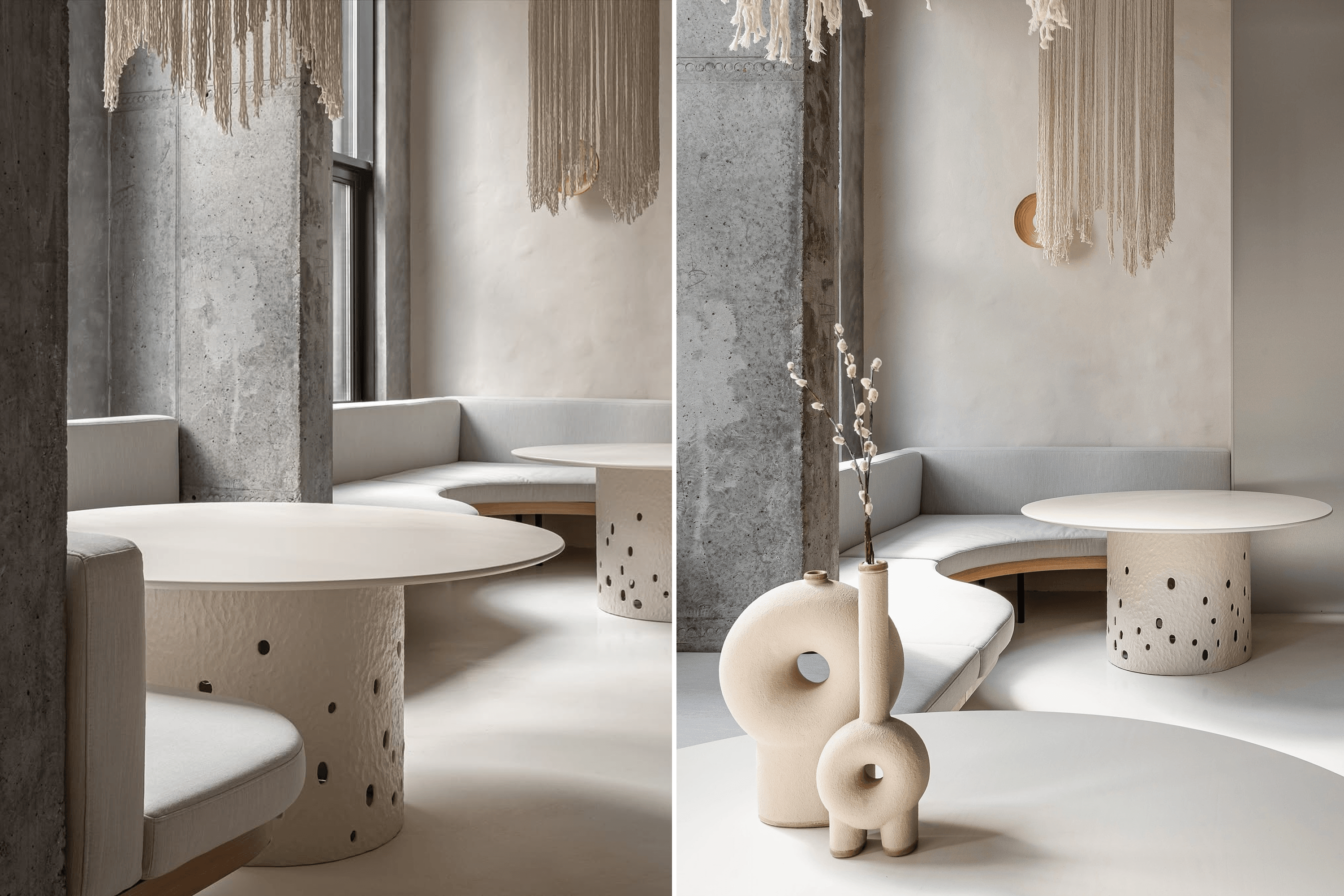
Photo: FAINA / YB 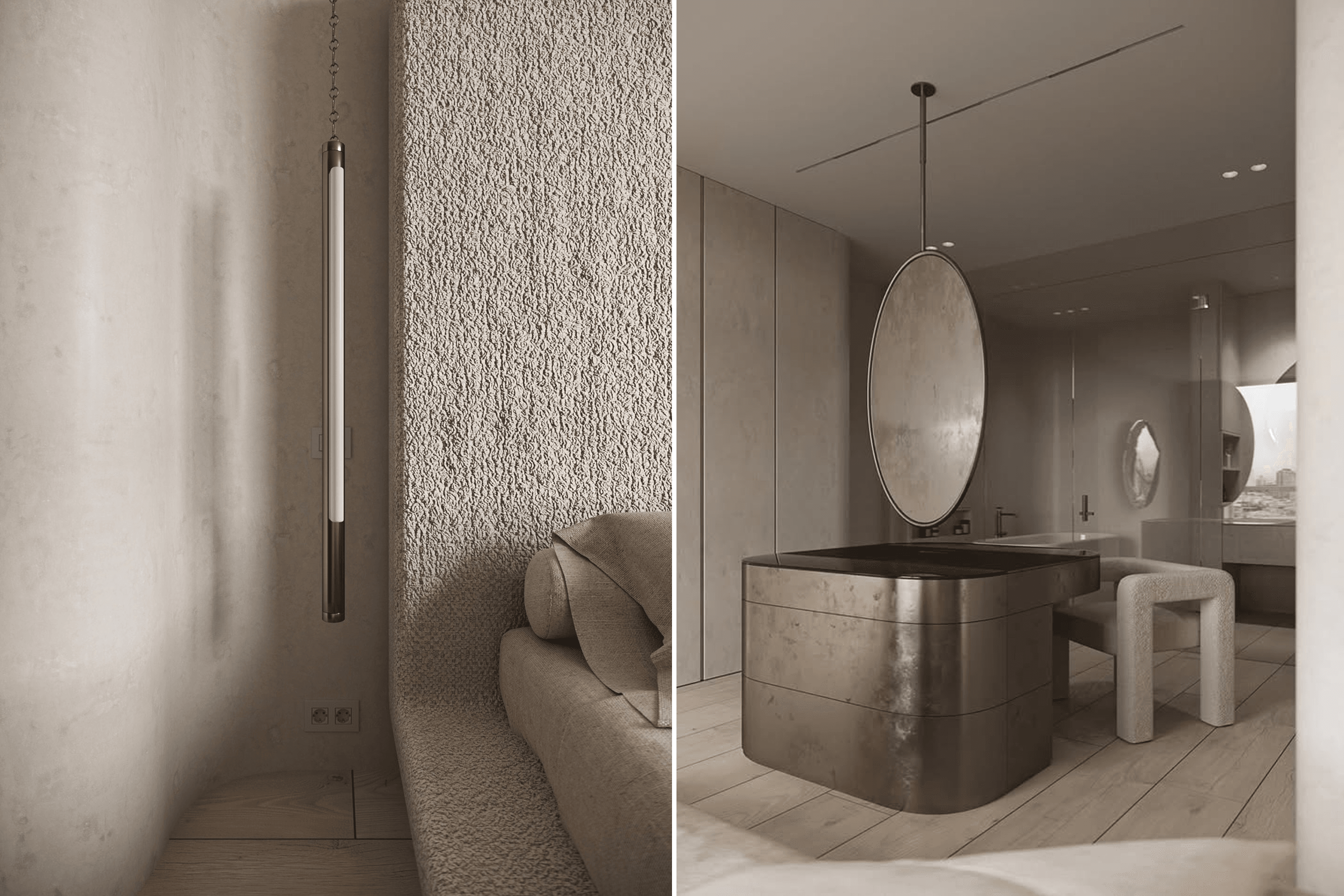
Photo: FAINA / YB 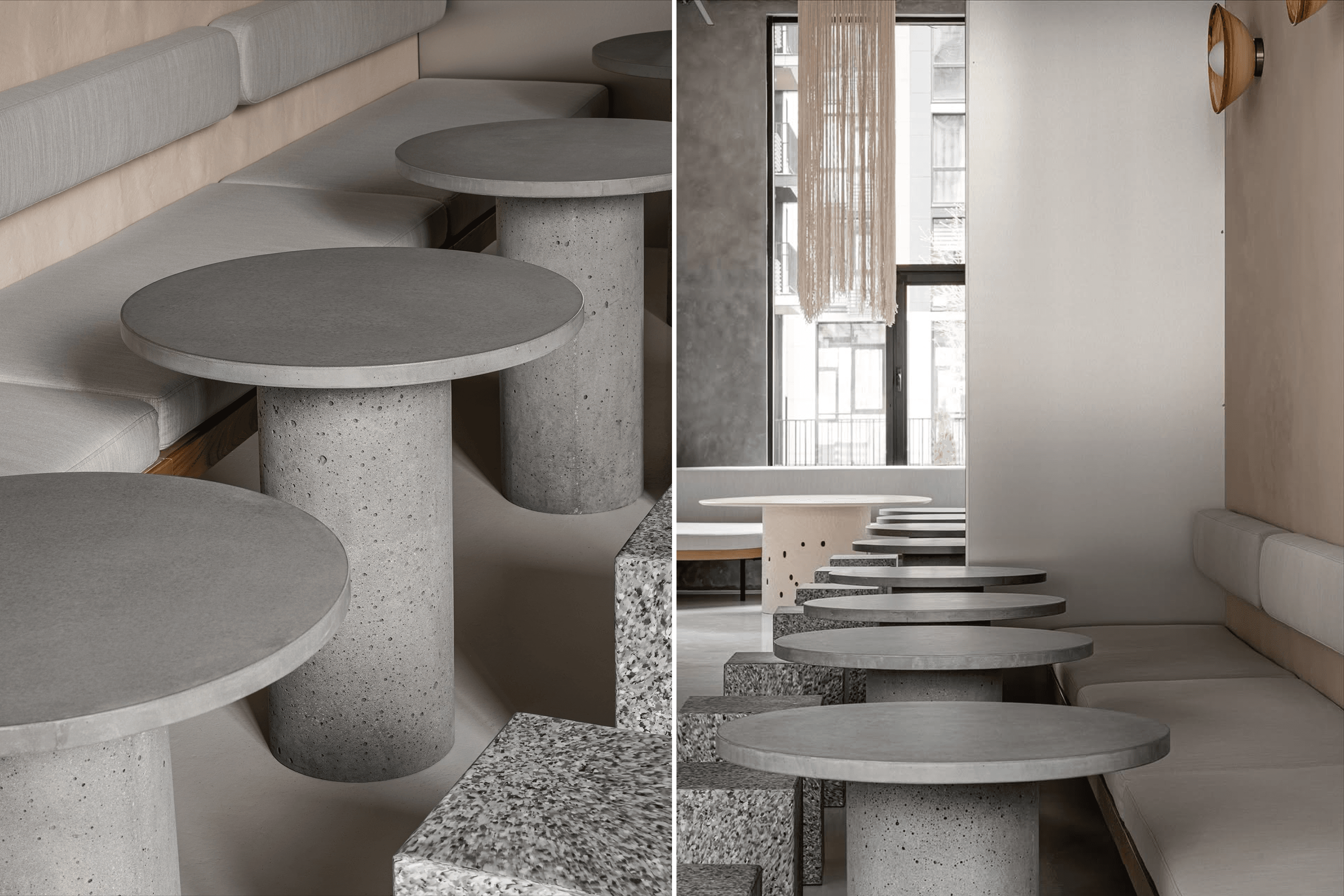
Photo: FAINA / YB 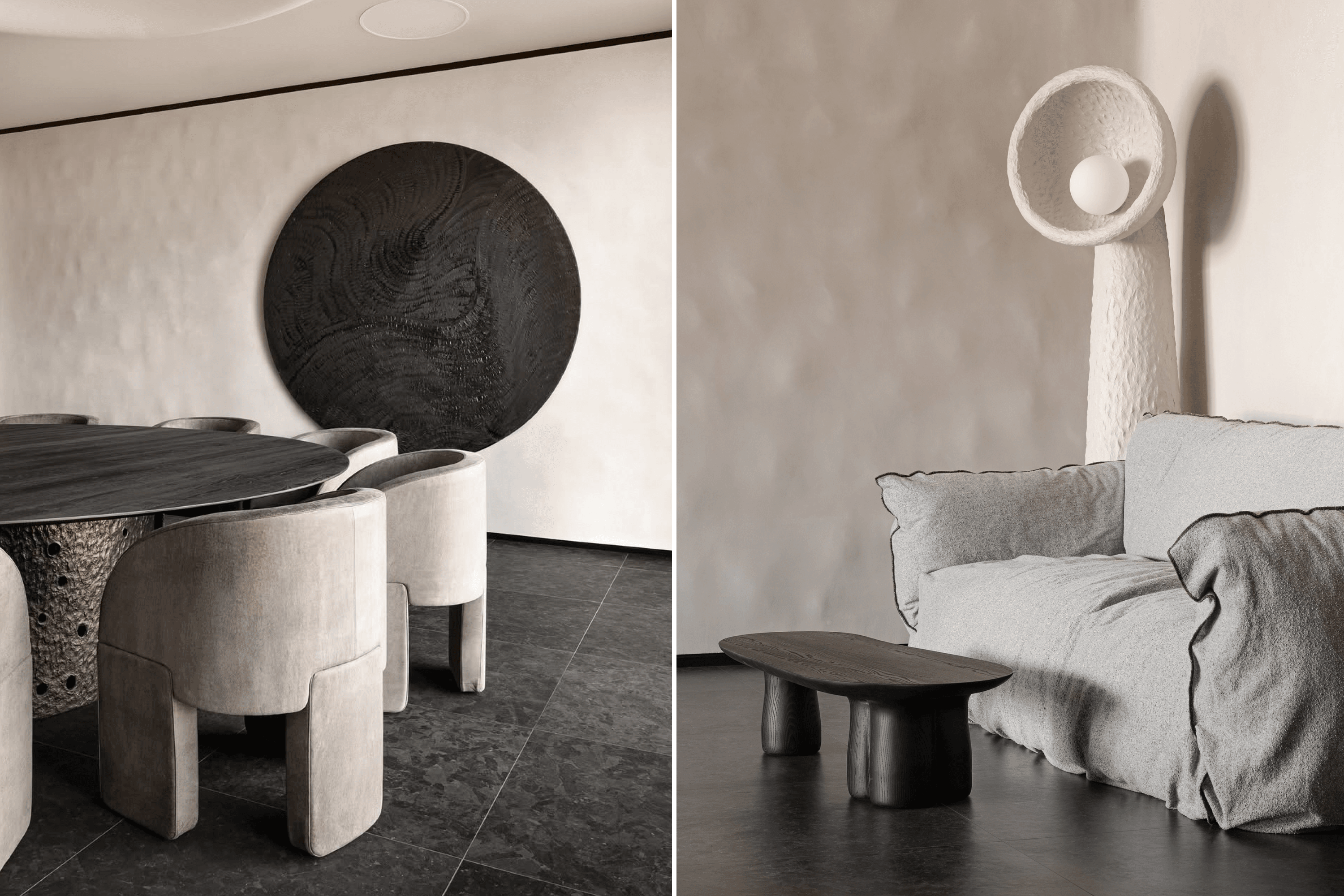
Photo: FAINA / YB
Maternity leave with her first daughter, Mariia, was difficult, so work was perceived as rest. At that time, Yakusha deliberately went into interior design for immediate income. But even then she realized that she was not going to blindly adapt to the client. “Even with minimal budgets, the idea was primary for me; I sought non-standard solutions and stubbornly championed them,” Victoria recalls.
In six years in Dnipro, Yakusha implemented projects for all the influential clients of the city: businessmen, politicians. She worked not only with interior designs but also began to complete difficult objects that other architects couldn’t handle. At some point, Victoria felt that she had hit a ceiling: work in Dnipro ceased to be a challenge. In 2012, she moved to Kyiv with her family.
2
In Dnipro, Victoria was a well-known specialist, but Kyiv offered no immediate welcome. For the first year, she had to build her clientele from the ground up until word-of-mouth recommendations finally began to gain momentum.
During this time, Victoria gave birth to her second child, a son named Nazar. Two days after delivery, she fell into a coma caused by meningitis, which was diagnosed via a spinal tap. Yakusha credits her survival to the doctors at the Kyiv Perinatal Center, who happened to be preparing for a high-profile visit from then-President Viktor Yanukovych. As Victoria puts it, a tragedy would have marred the hospital’s official statistics, so for ten days, she was kept alive through intensive medical consultations. Her husband was warned of potentially devastating outcomes, including permanent disability. Yet, even in intensive care, she was less concerned with her survival than with the fact that she was missing a scheduled business trip to Georgia.
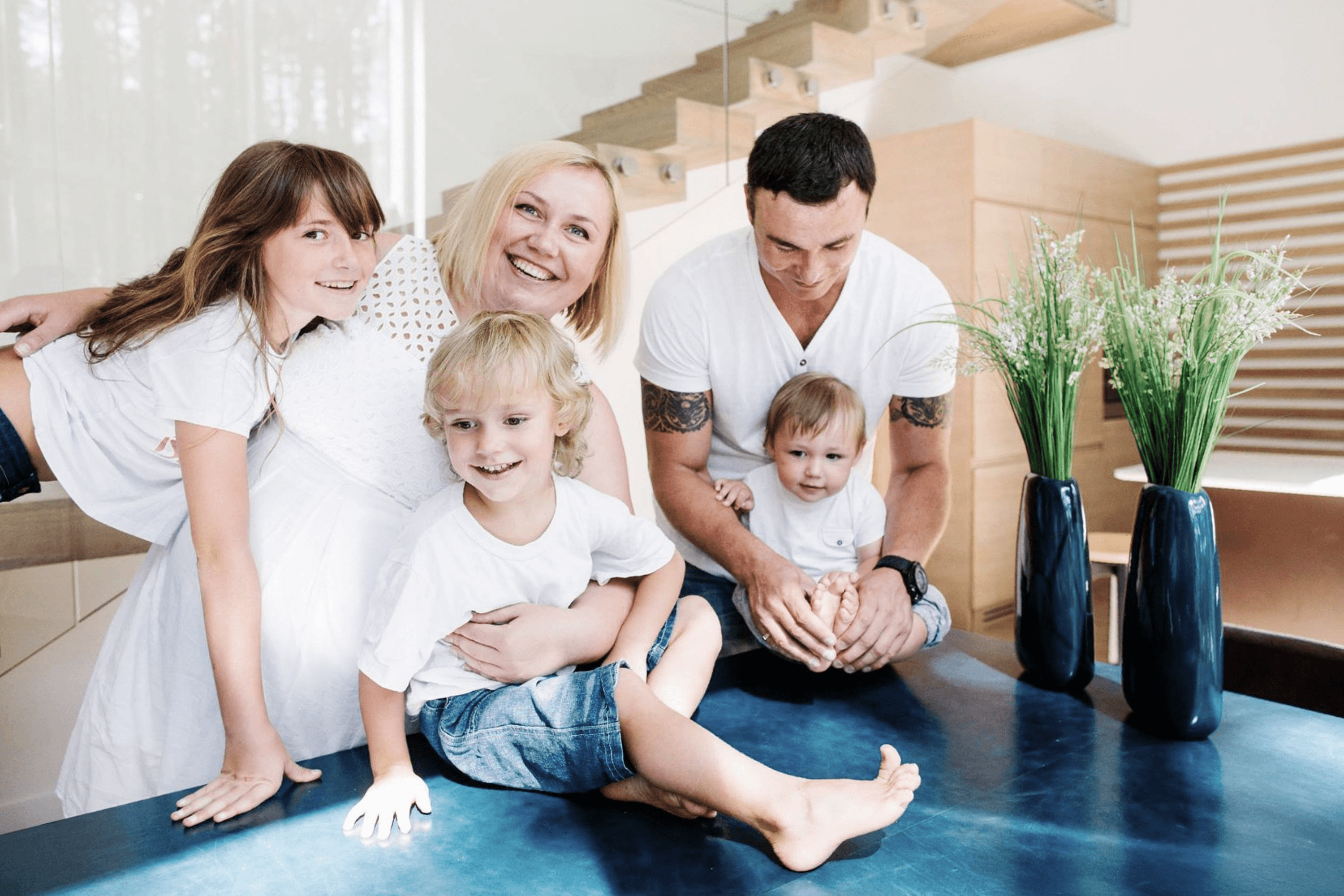
Victoria emerged from the coma with no complications and was back at work within three months. Defying medical advice, she gave birth to her third child, Ivan, in 2014. She admits she was aware of the risks but refused to dwell on them. However, years of relentless stress eventually took their toll; Victoria was diagnosed with cancer and underwent two surgeries. Today, she is reluctant to dramatize this chapter of her life. She speaks of it with restraint, attributing the illness simply to a “conscious lack of rest.”
For Ukraine, 2014 was a difficult year. Following the flight of President Yanukovych, Russia annexed Crimea and ignited a war in the Donetsk and Luhansk regions. This was fueled by pro-Russian rallies across various cities, including Dnipro. Traveling between Kyiv and her hometown, Victoria often revisited childhood memories of holidays spent with her grandfather in the Donetsk region. It was he who had taught her to carol kolyadkas, cook kutia, paint pysankas, and deeply feel Ukrainian traditions. During one such drive, she had a sudden realization: “We are treated this way because we lack global influence. We must earn it.”
Driven by a mix of rage and helplessness, she conceived the furniture and decor brand FAINA. The name was a deliberate assertion of national identity at a time when Ukrainian product design had yet to emerge as a global phenomenon. FAINA made its international debut in 2015 at Bologna Design Week, where Victoria presented a chair, a chest of drawers, vases, and a sofa. There were no sales, and prospective clients’ questions about logistics and packaging exposed significant gaps in her business model. Victoria returned home and began systematically building the brand.
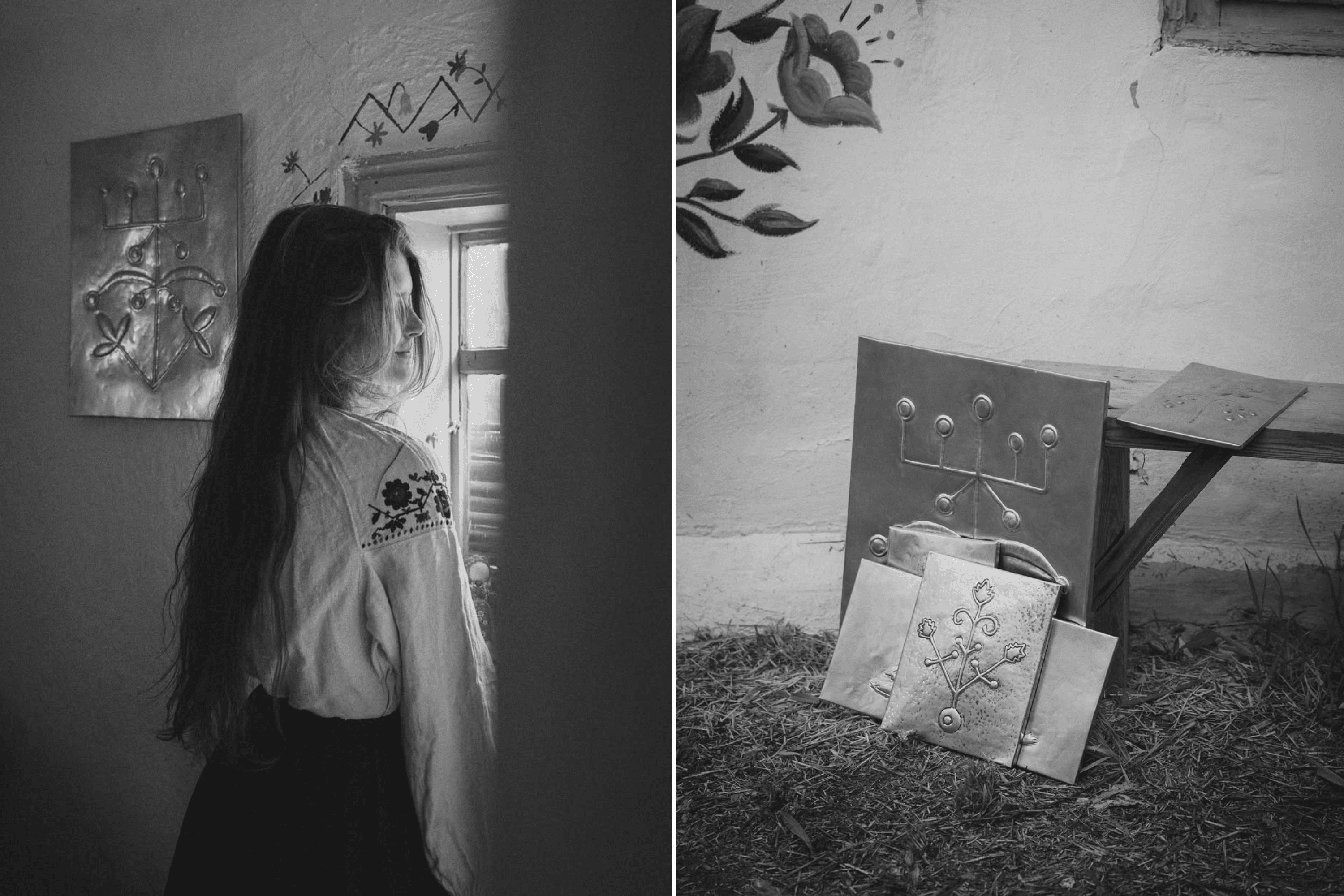
The Drevo collection by FAINA tells the story of the continuity of Ukrainian tradition and its transmission between generations of women. The photoshoot took place in an authentic historic house with century-old wall paintings, preserved outside a museum context. Photo: FAINA / YB 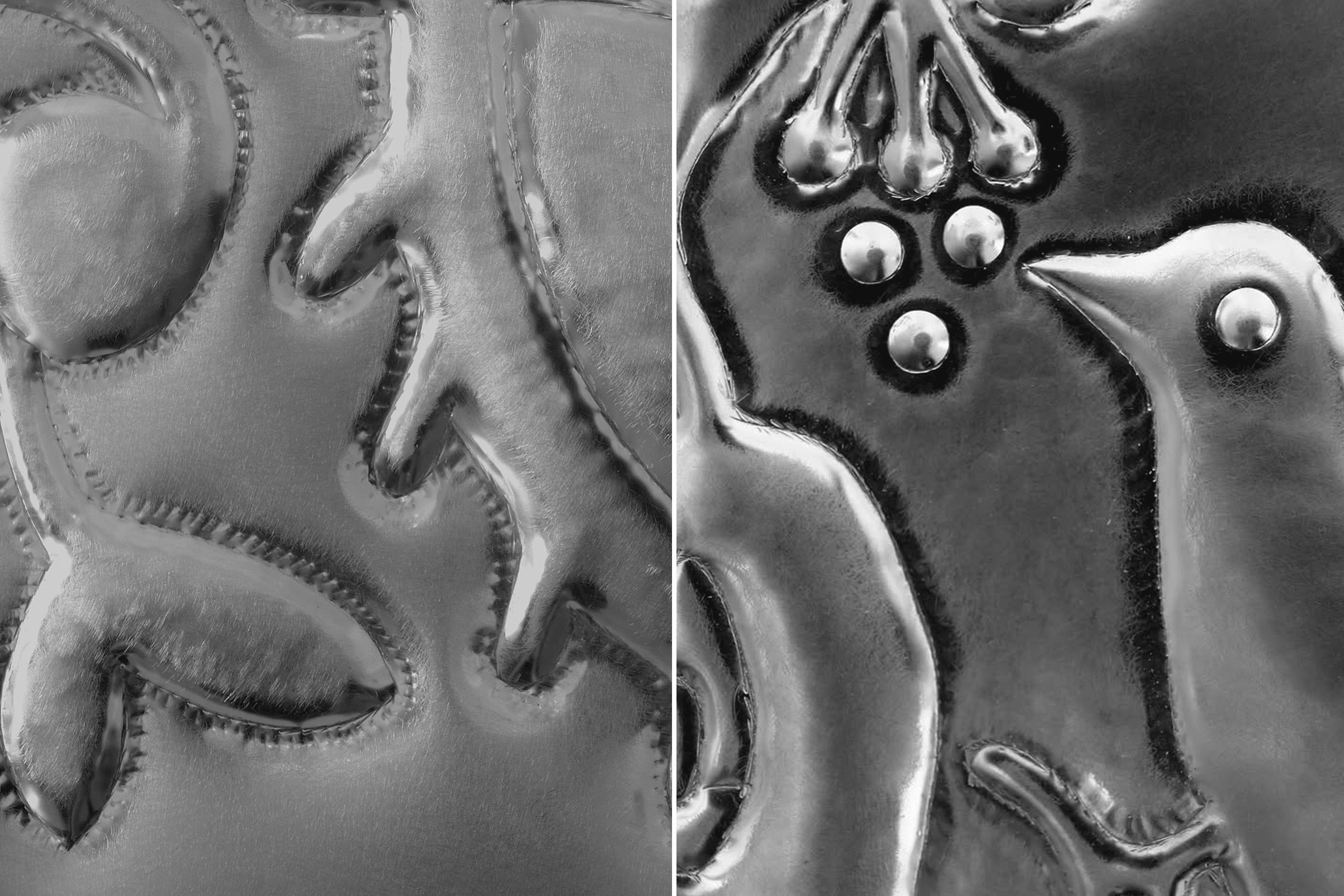
Photo: FAINA / YB 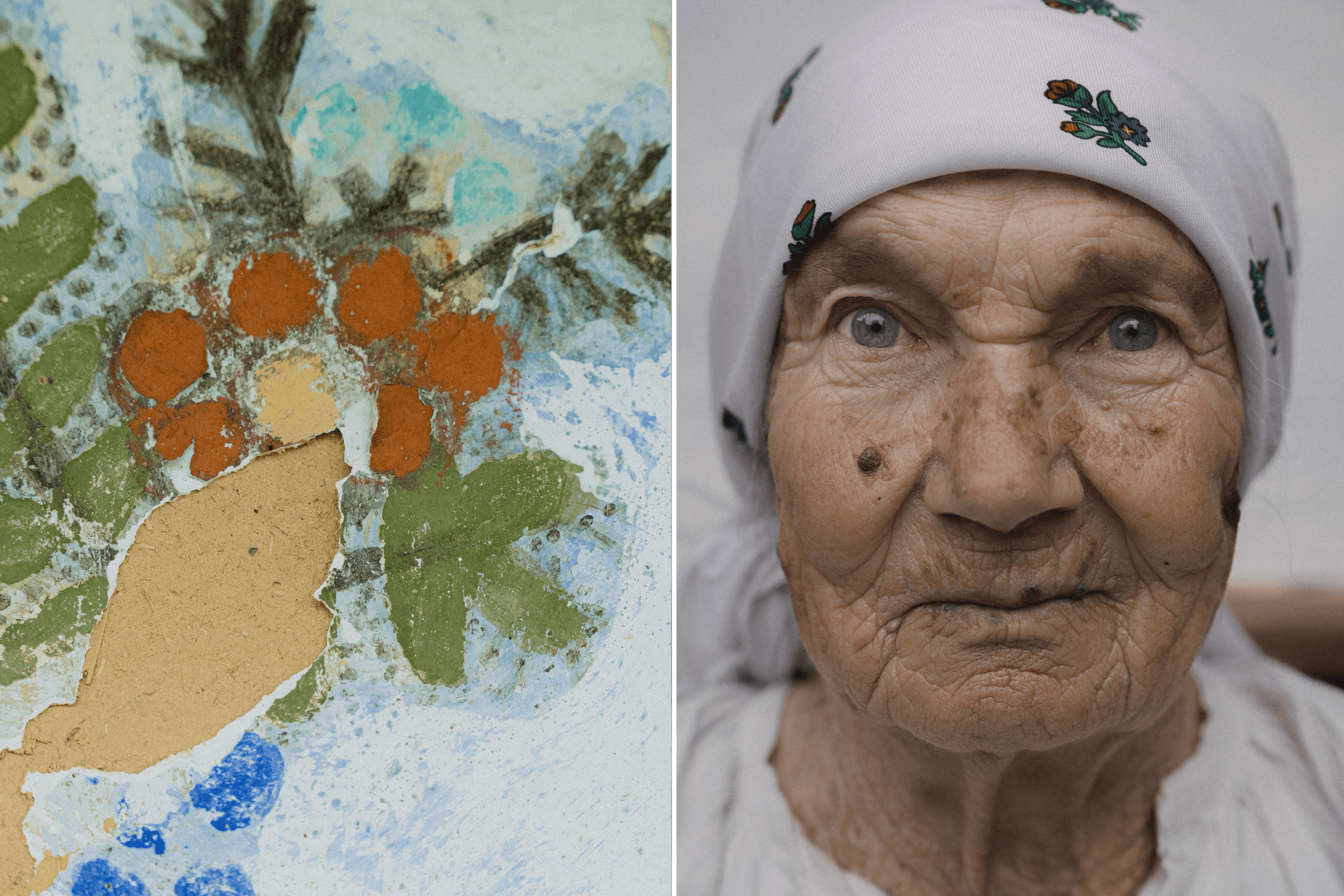
Photo: FAINA / YB 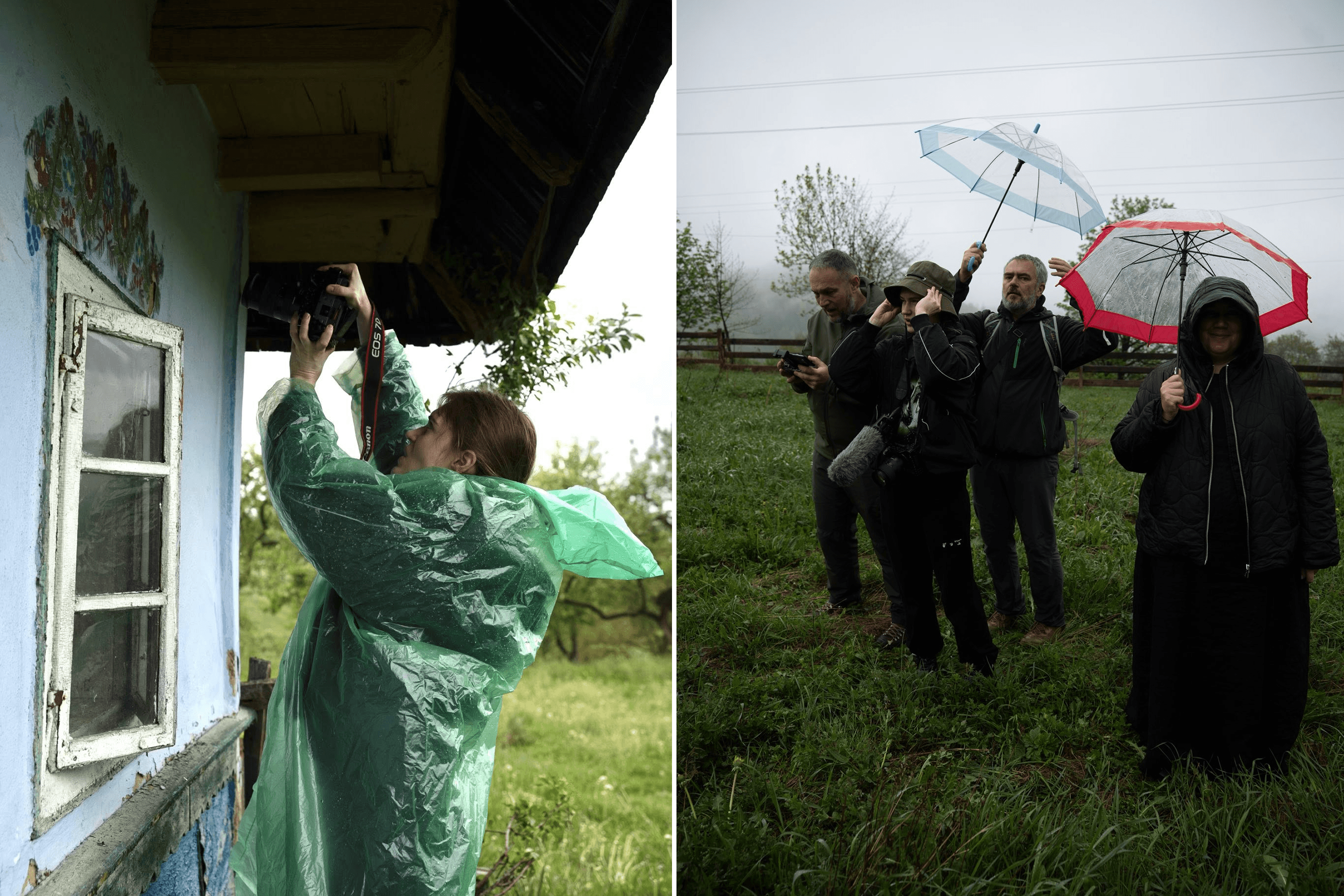
Photo: FAINA / YB 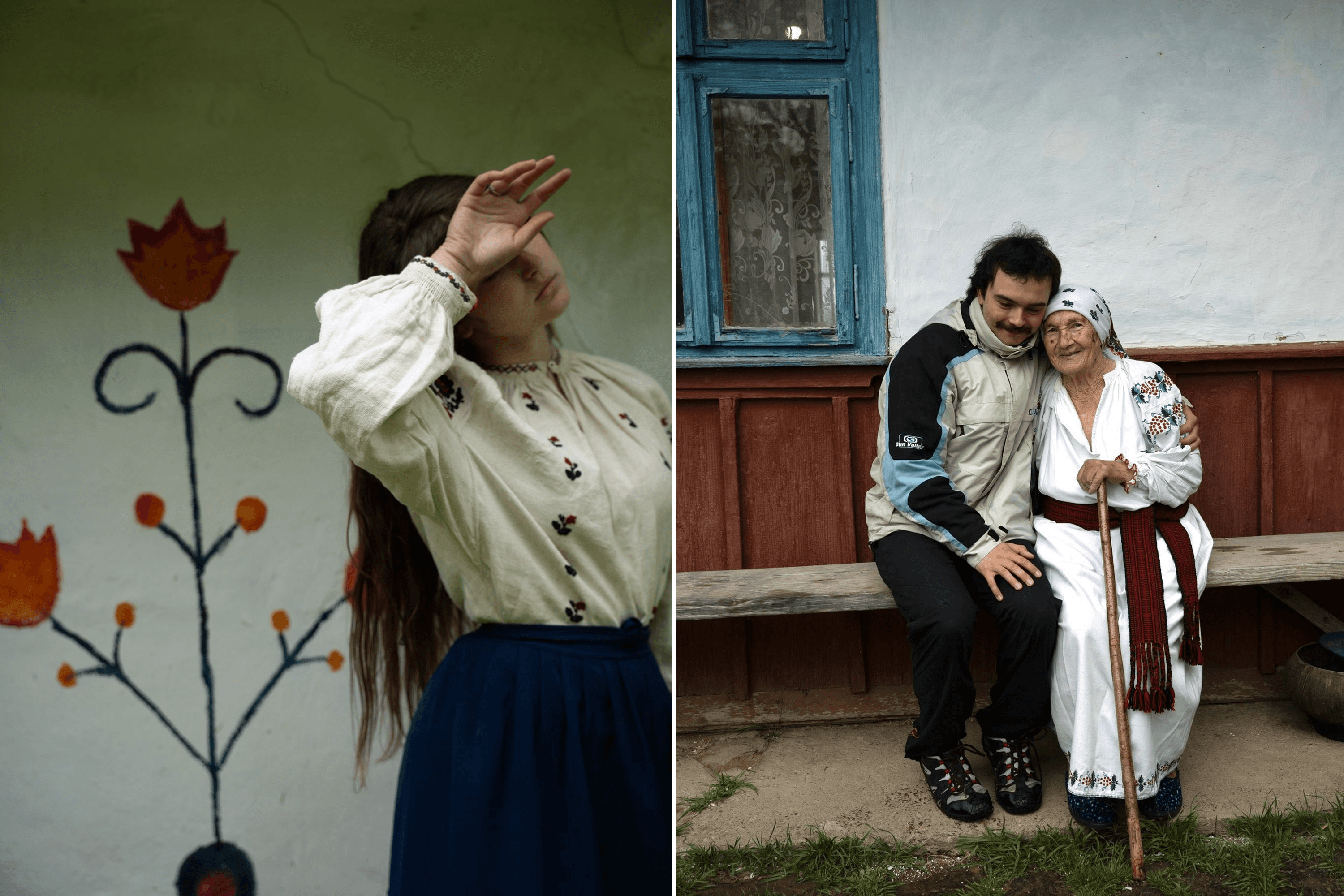
Photo: FAINA / YB 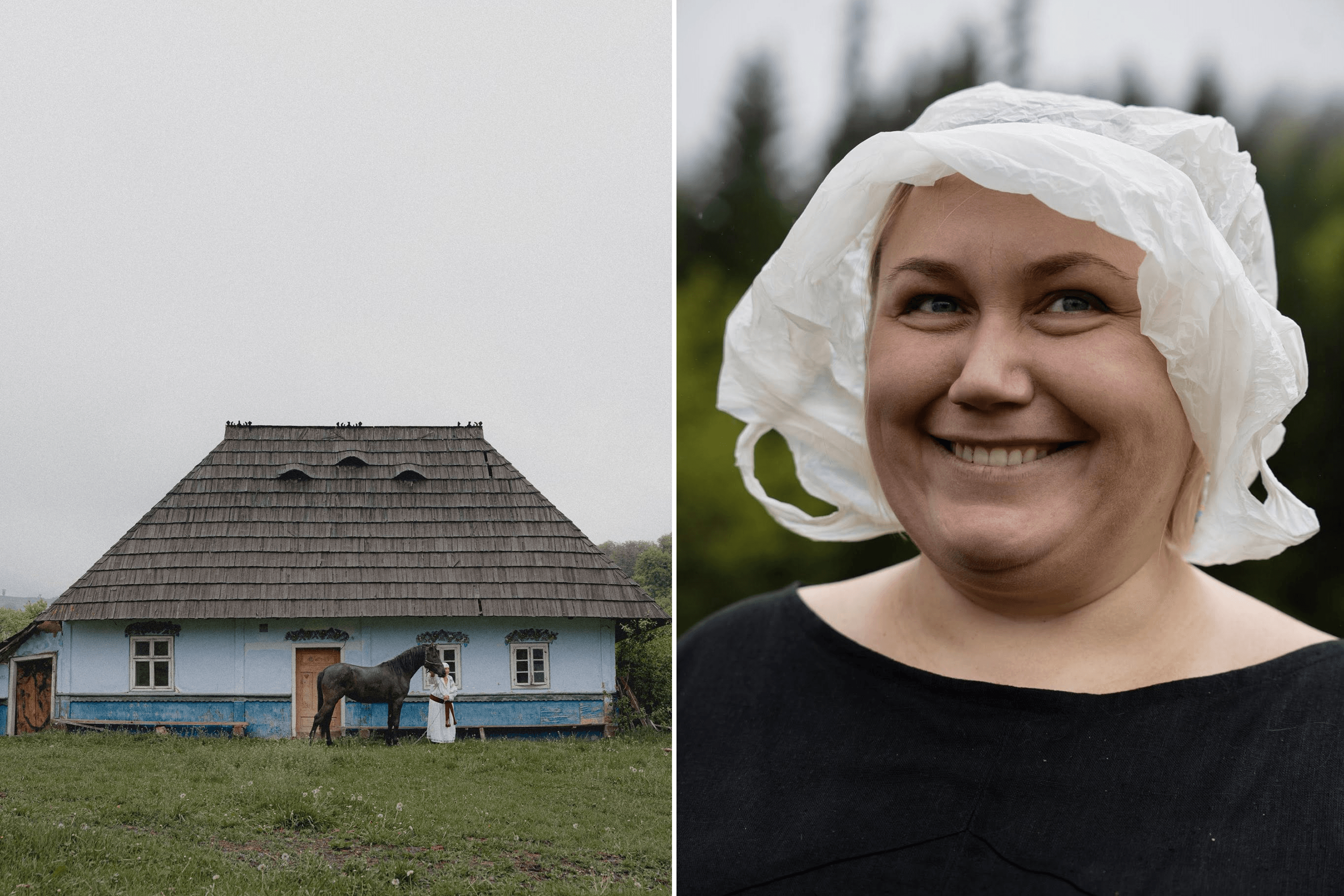
Photo: FAINA / YB
She made it a point to participate in every major industry event: Dutch Design Week, London Design Week, the Stockholm Furniture Fair, and design weeks in Paris and Milan. Securing a presence at these venues cost anywhere from $15,000 to $80,000 — investments Victoria funded personally. It was a necessary sacrifice; without a foothold on global platforms, Ukrainian design remained obscure.
For five years, FAINA saw no buyers. To international players, the brand seemed too “exotic.” The first sale didn’t occur until 2019, when an American client purchased a vase and a chair. Even then, Victoria never saw the money, as the Swedish intermediary defaulted on the payment. “Every month, I thought about closing or selling FAINA,” she recalls. “What stopped me was the realization of how much had already been invested. No other owner would carry my idea the way I do.”
Initially, Victoria drafted every design herself. Later, she was joined by a product designer who translated her concepts into sketches and 3D models. During this period, working with a hired technologist, she developed ZTISTA — a proprietary eco-material made from cellulose, clay, flax, wood chips, and a biopolymer coating. The idea sprang from a practical need: she wanted a material that wasn’t just shaped, but “sculpted” by hand like a work of art. The team conducted dozens of experiments and created nearly 40 prototypes before the mixture was stable enough for production.
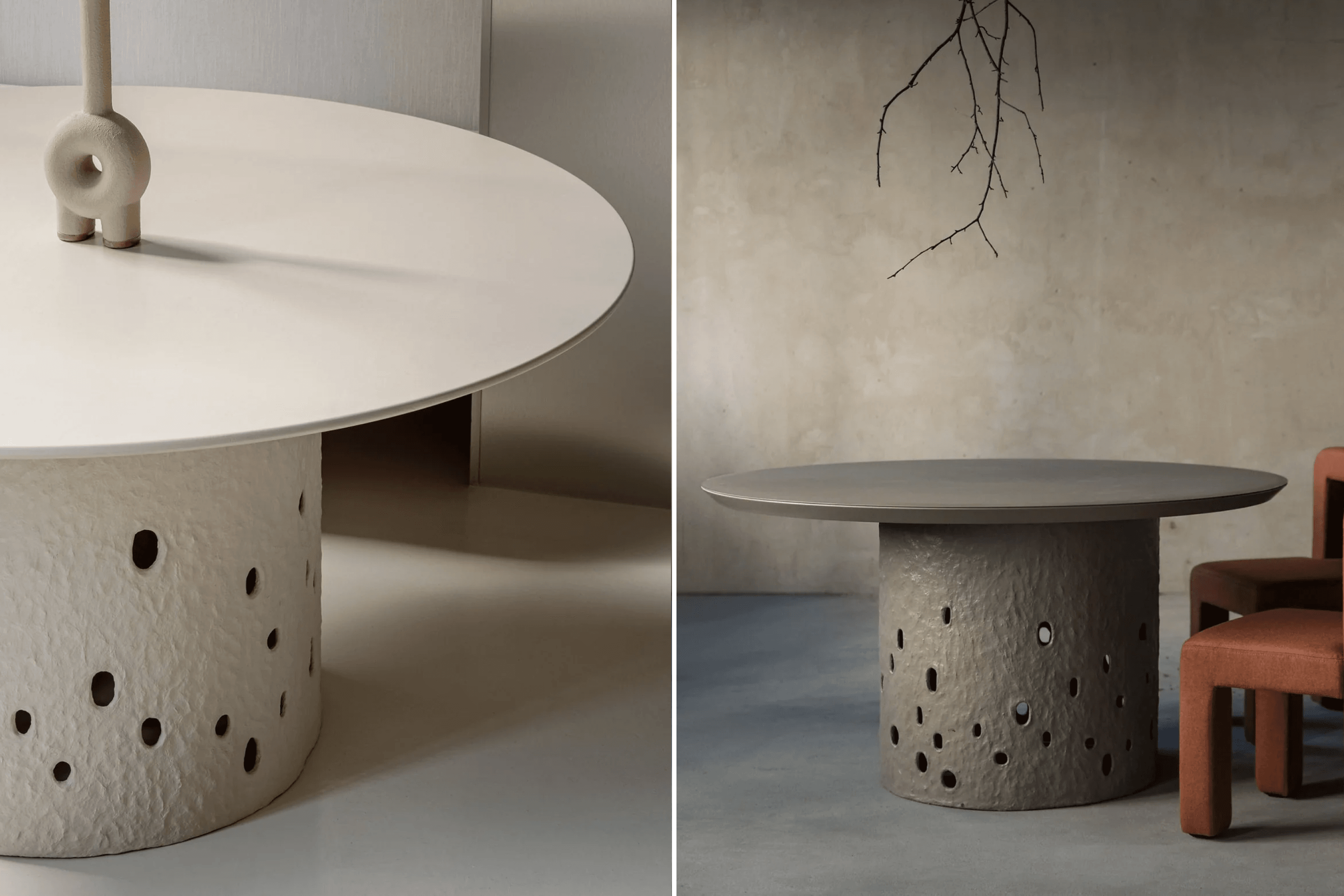
Some pieces from the FAINA collection made of ZTISTA material. ZTISTA table. Photo: FAINA / YB 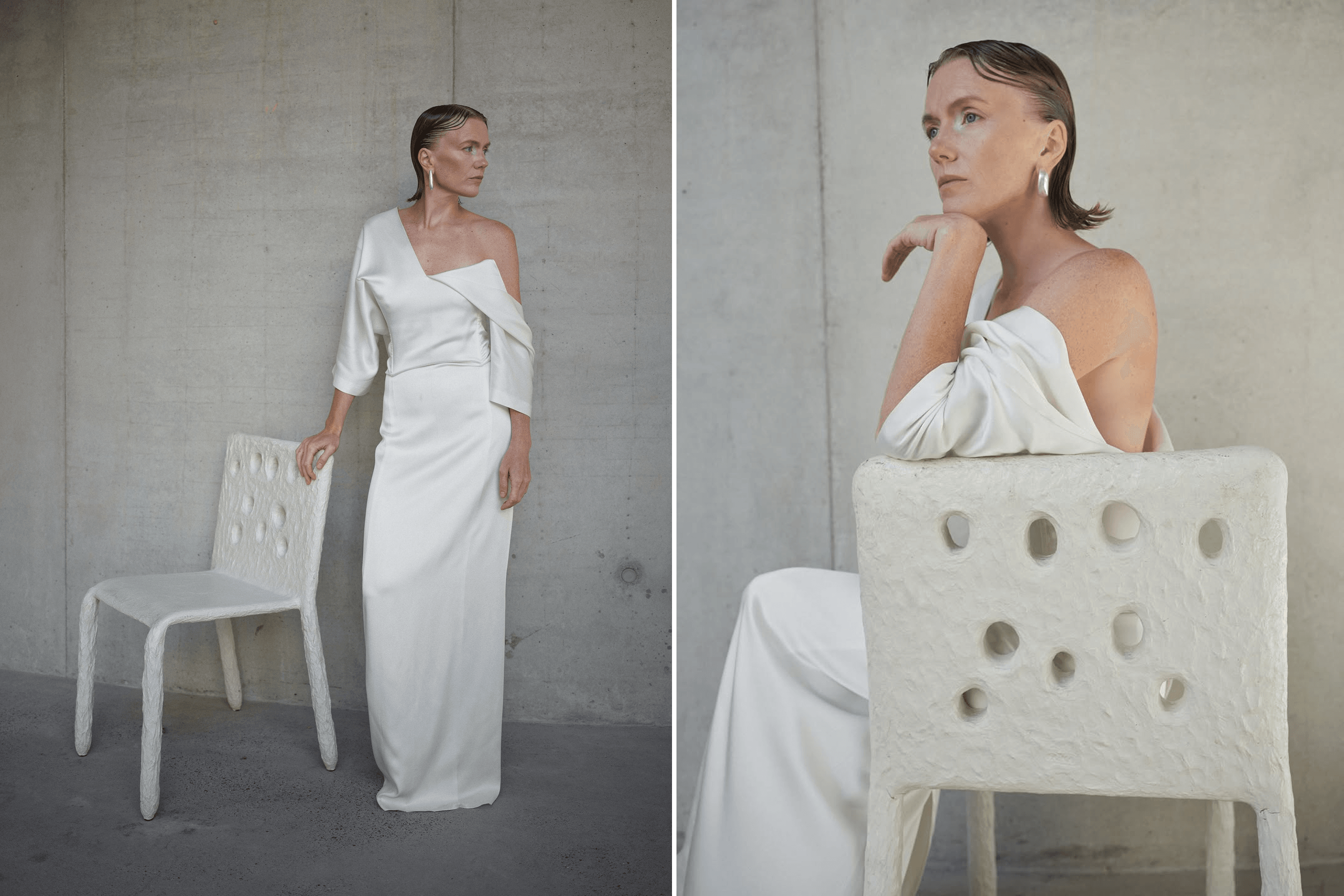
ZTISTA chair. Photo: FAINA / YB 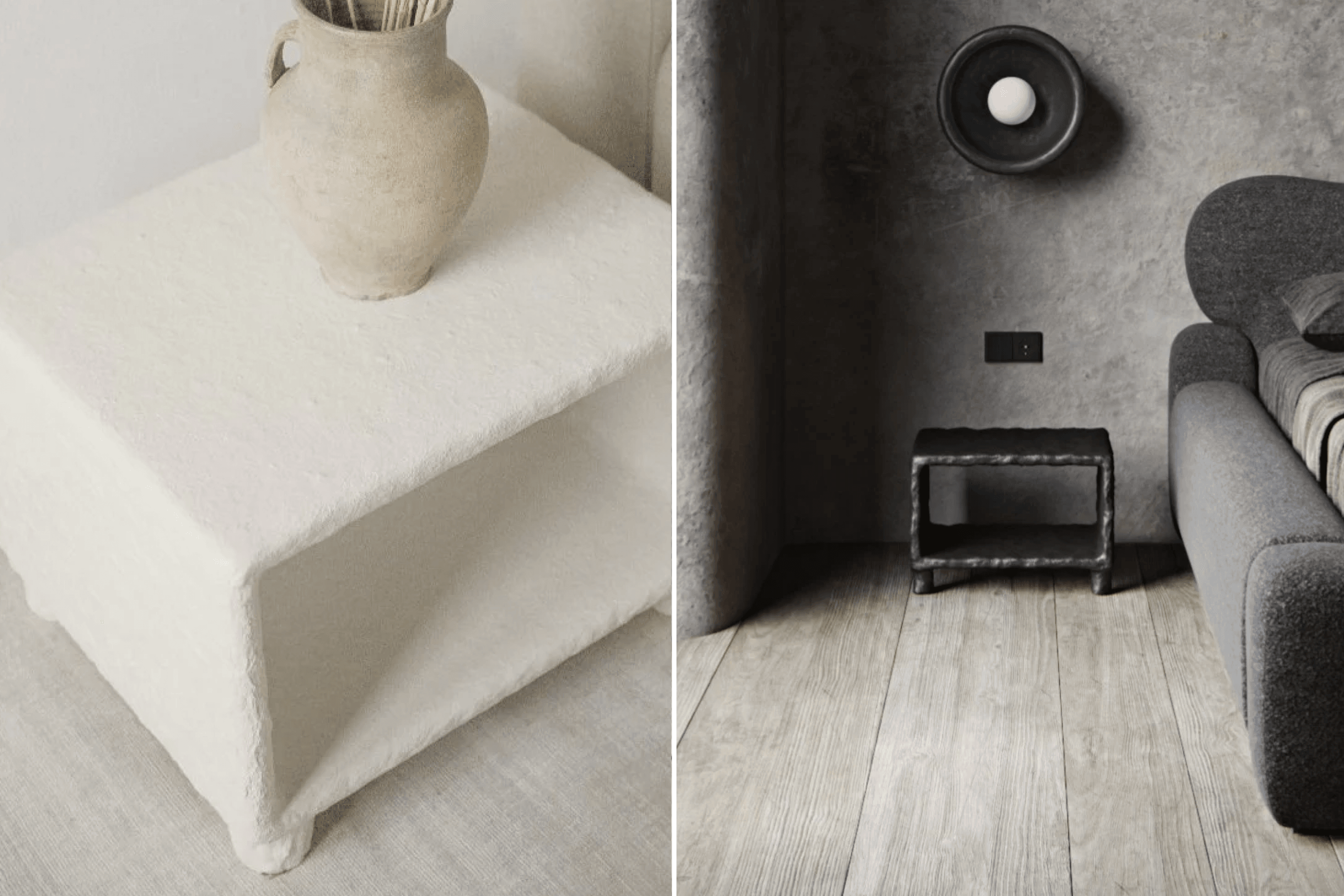
ZTISTA nightstand. Photo: FAINA / YB 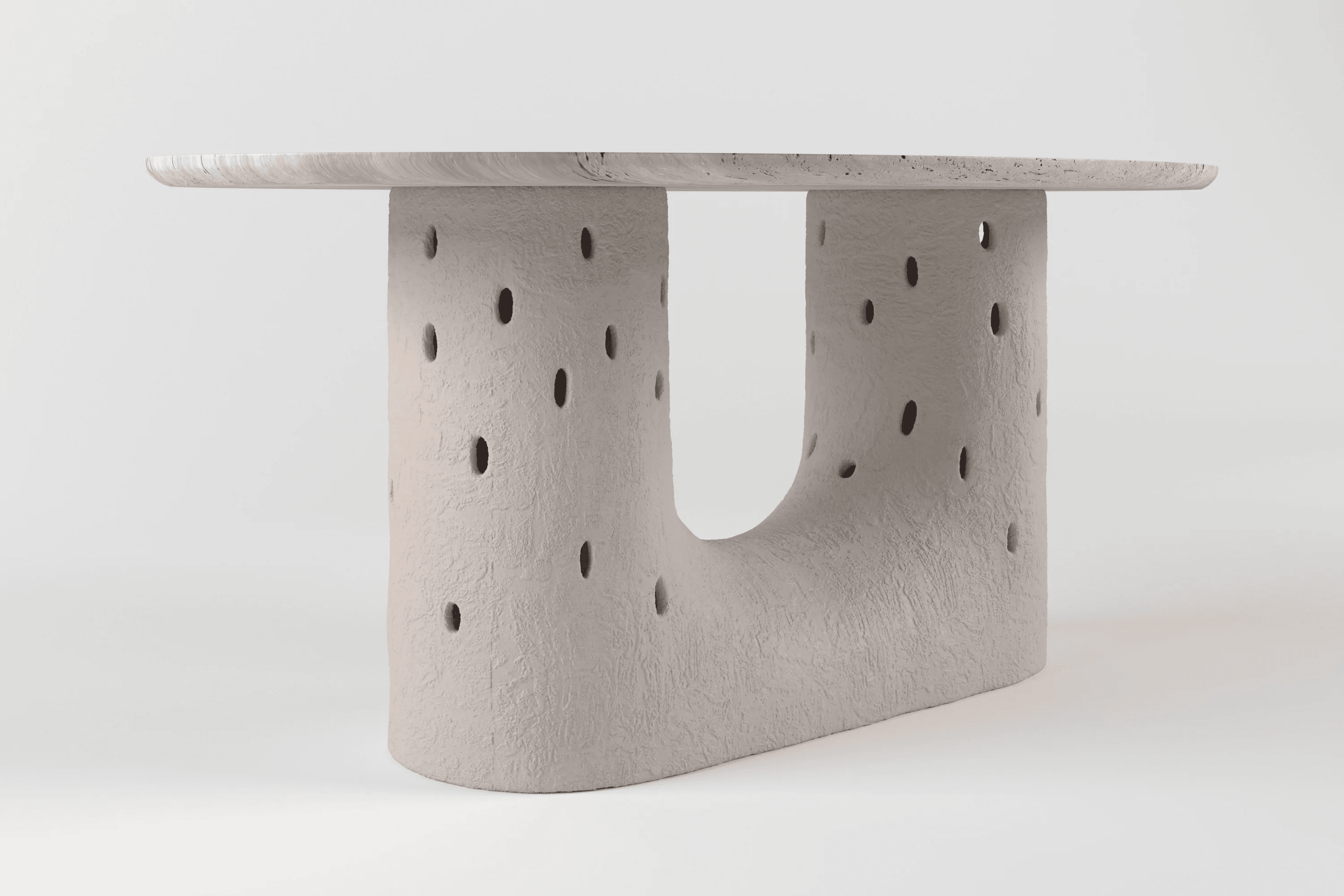
ZTISTA oval table. Photo: FAINA / YB 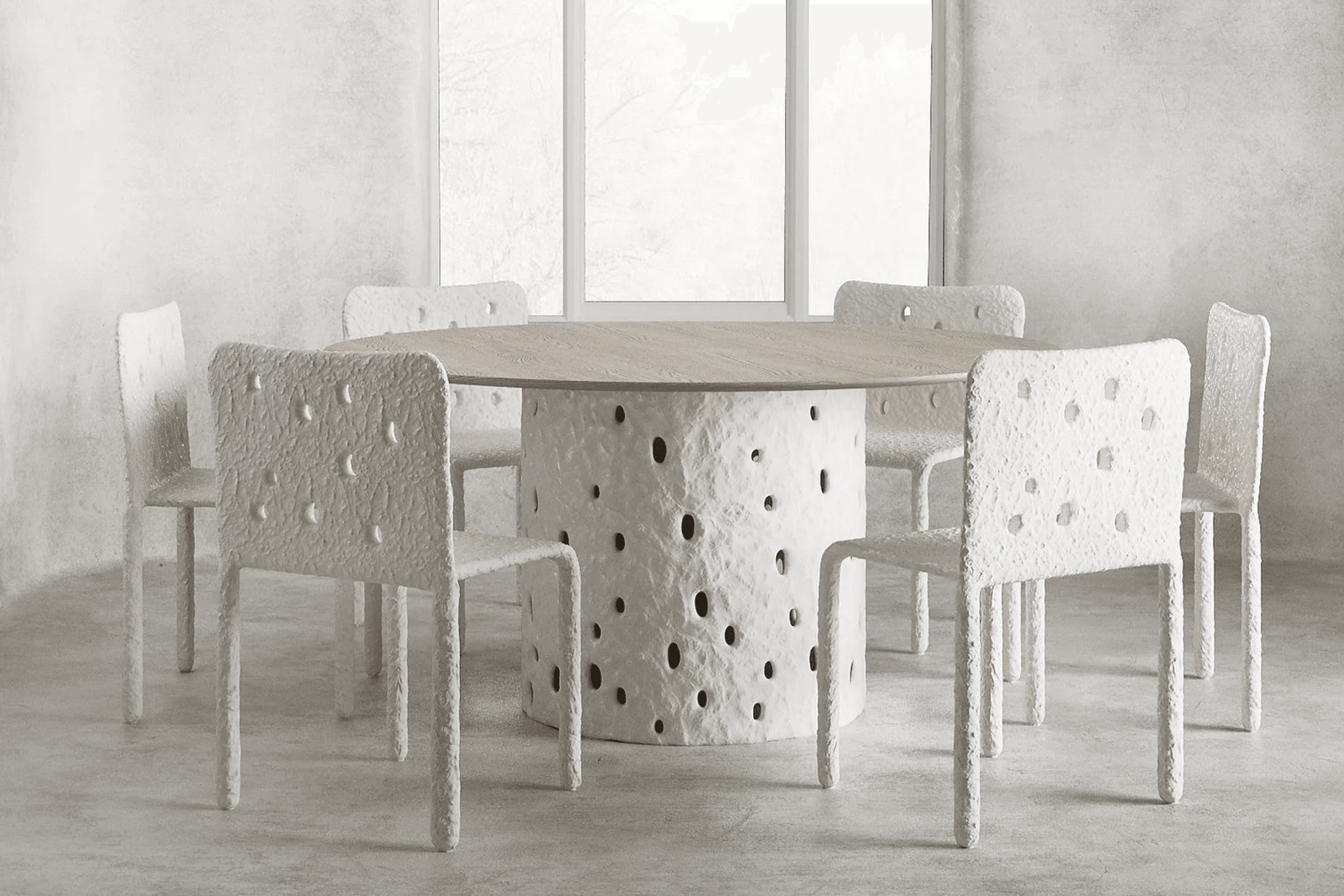
ZTISTA table. Photo: FAINA / YB 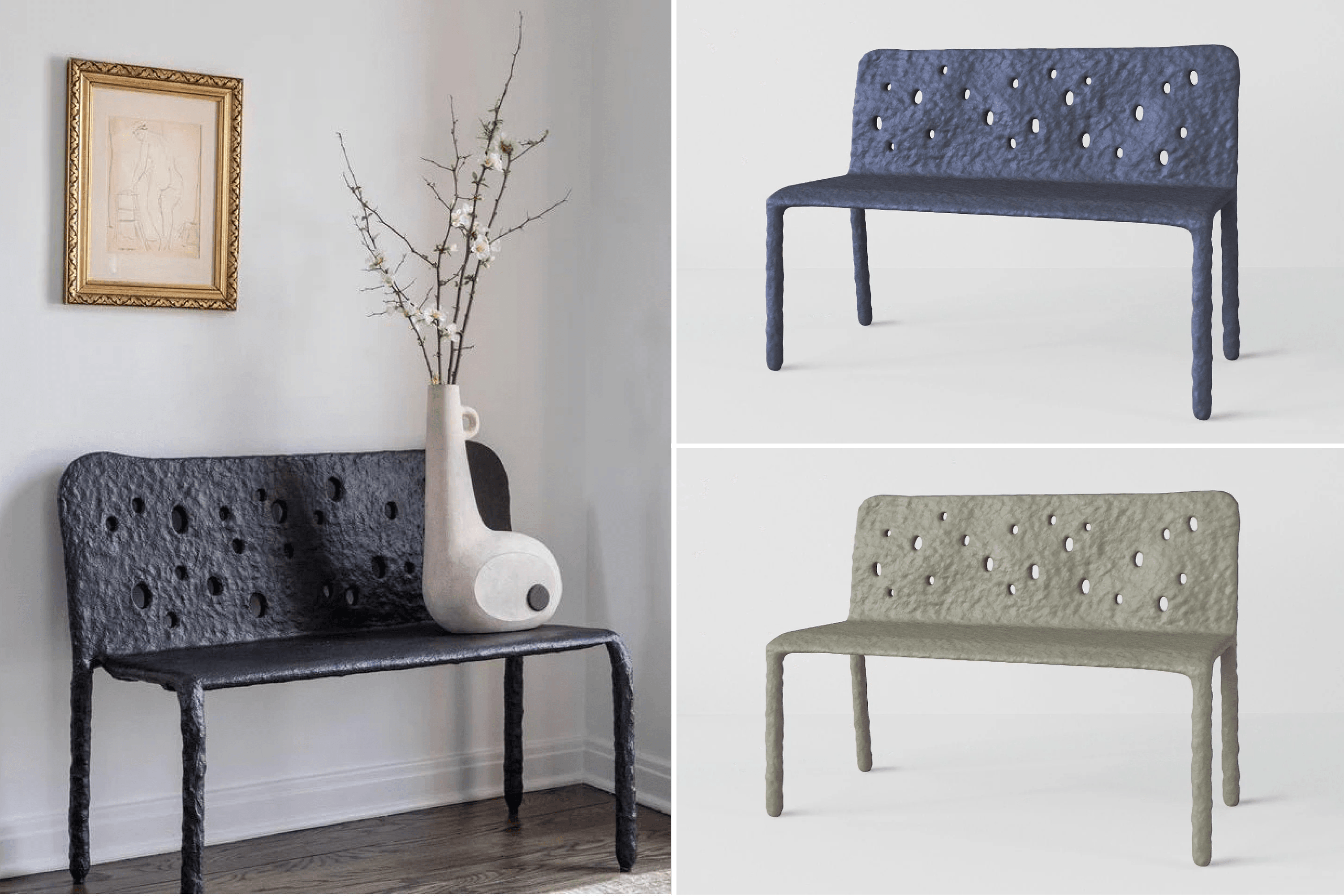
ZTISTA bench. Photo: FAINA / YB
Later, the technologist attempted to blackmail Victoria, demanding payment to keep the recipe secret. She twice bought the rights to her own material, only to discover that he had launched a separate company selling a nearly identical blend. “Legally, proving plagiarism was impossible,” she notes with regret. “A few percentage points' difference in composition is enough to classify it as a new material.”
Plagiarism became a recurring theme as FAINA’s popularity grew. Victoria has personally identified over 320 replicas of her best-selling Soniah lamps and floor lamps alone, produced by companies in India, Pakistan, China, Iran, Iraq, and Russia. At one point, the situation bordered on the surreal: plagiarists began publicly tagging her on social media to show off their “work.” Today, Victoria views this with irony, calling it a unique, if frustrating, form of recognition.
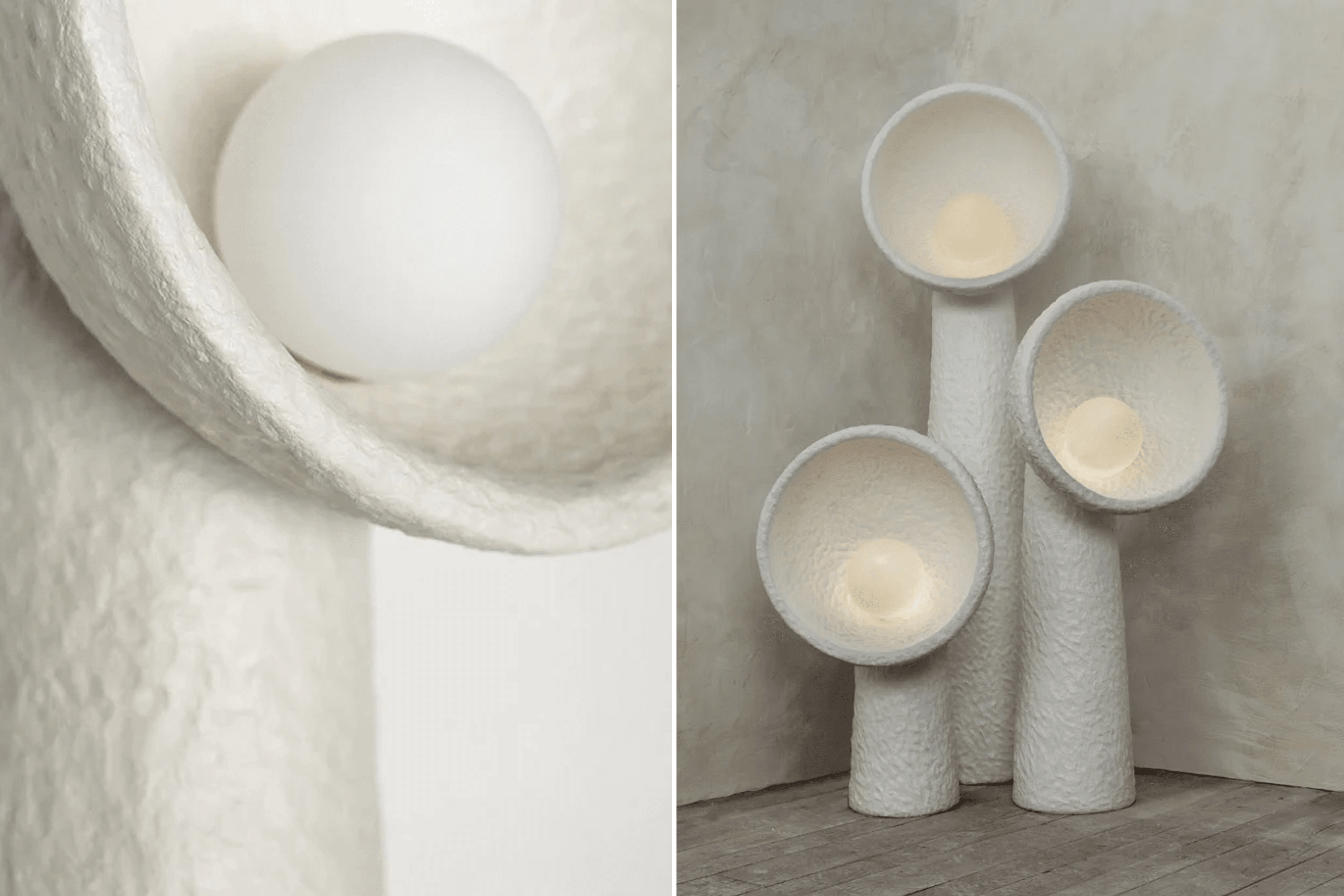
The Soniah collection of lamps and floor lamps. Photo: FAINA / YB 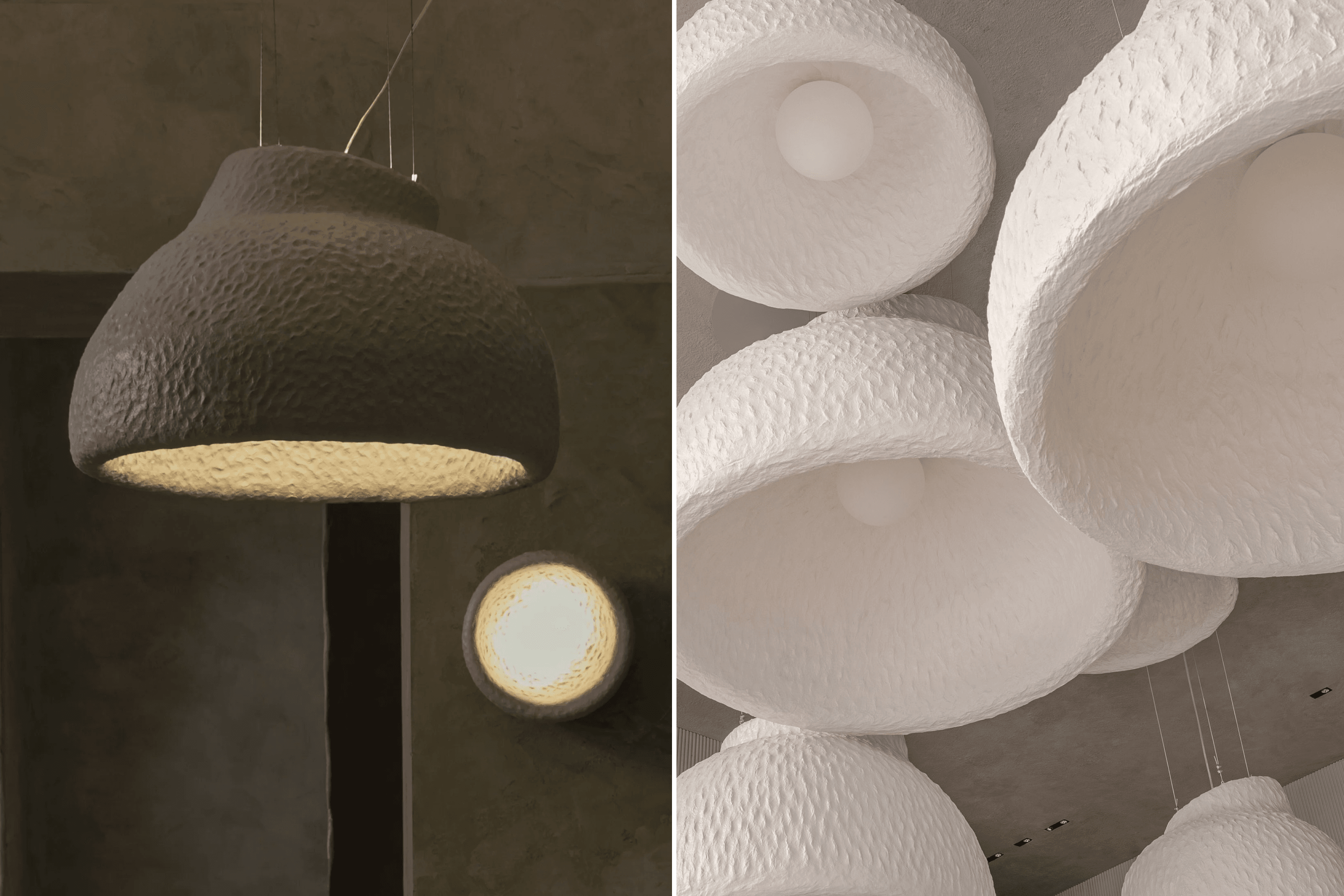
SONIAH pendant lamp. Photo: FAINA / YB 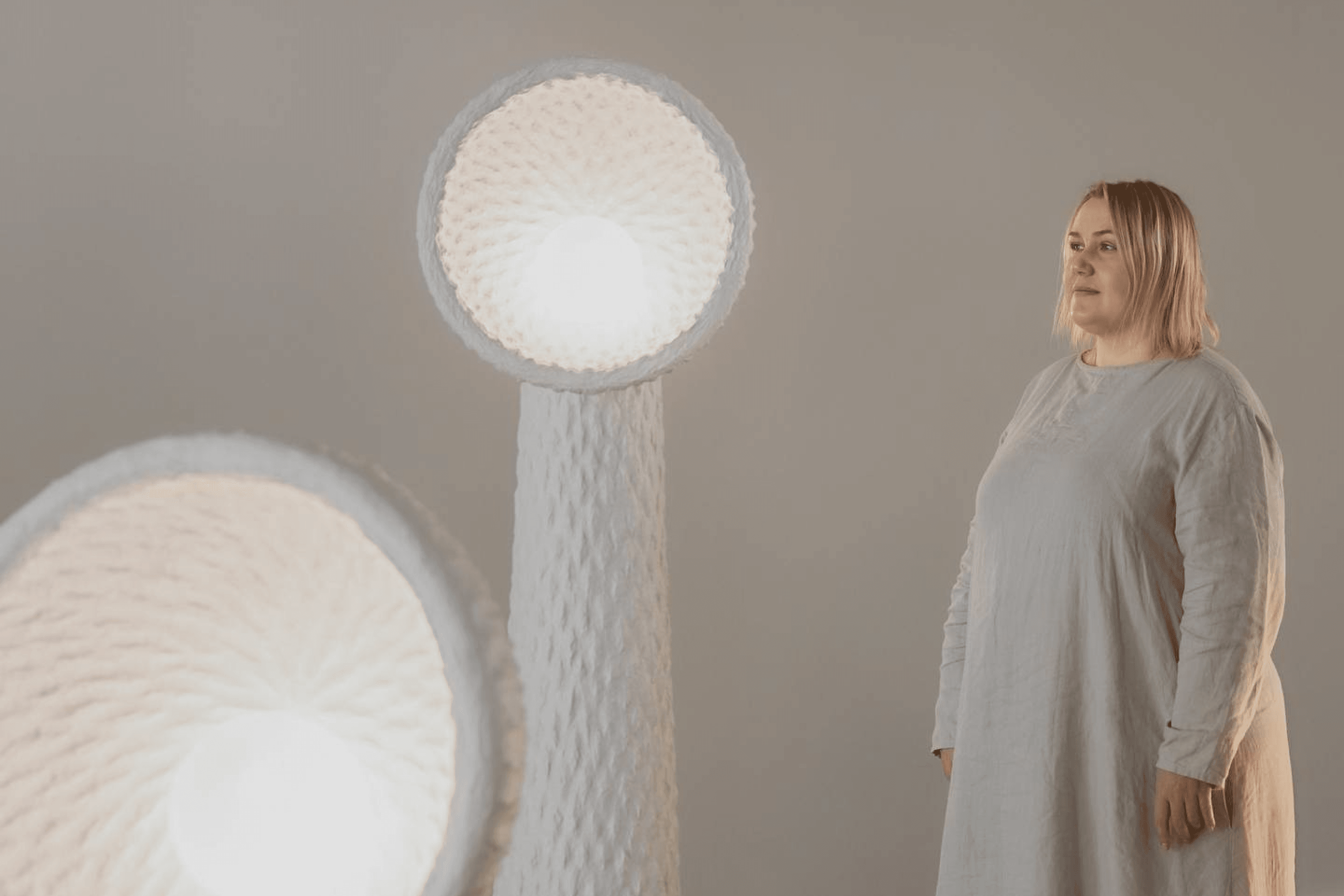
SONIAH big floor lamp. Photo: FAINA / YB 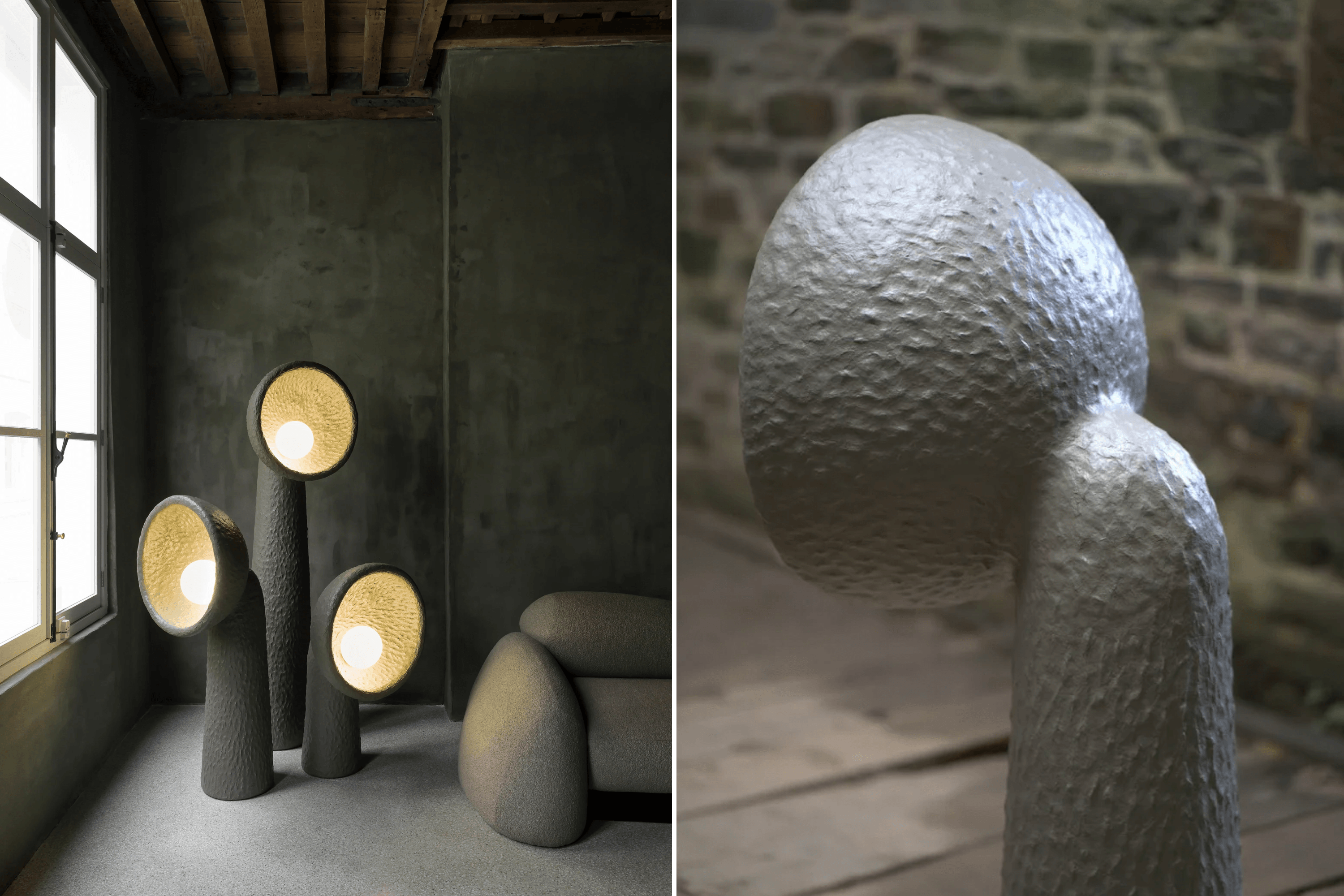
SONIAH big floor lamp. Photo: FAINA / YB 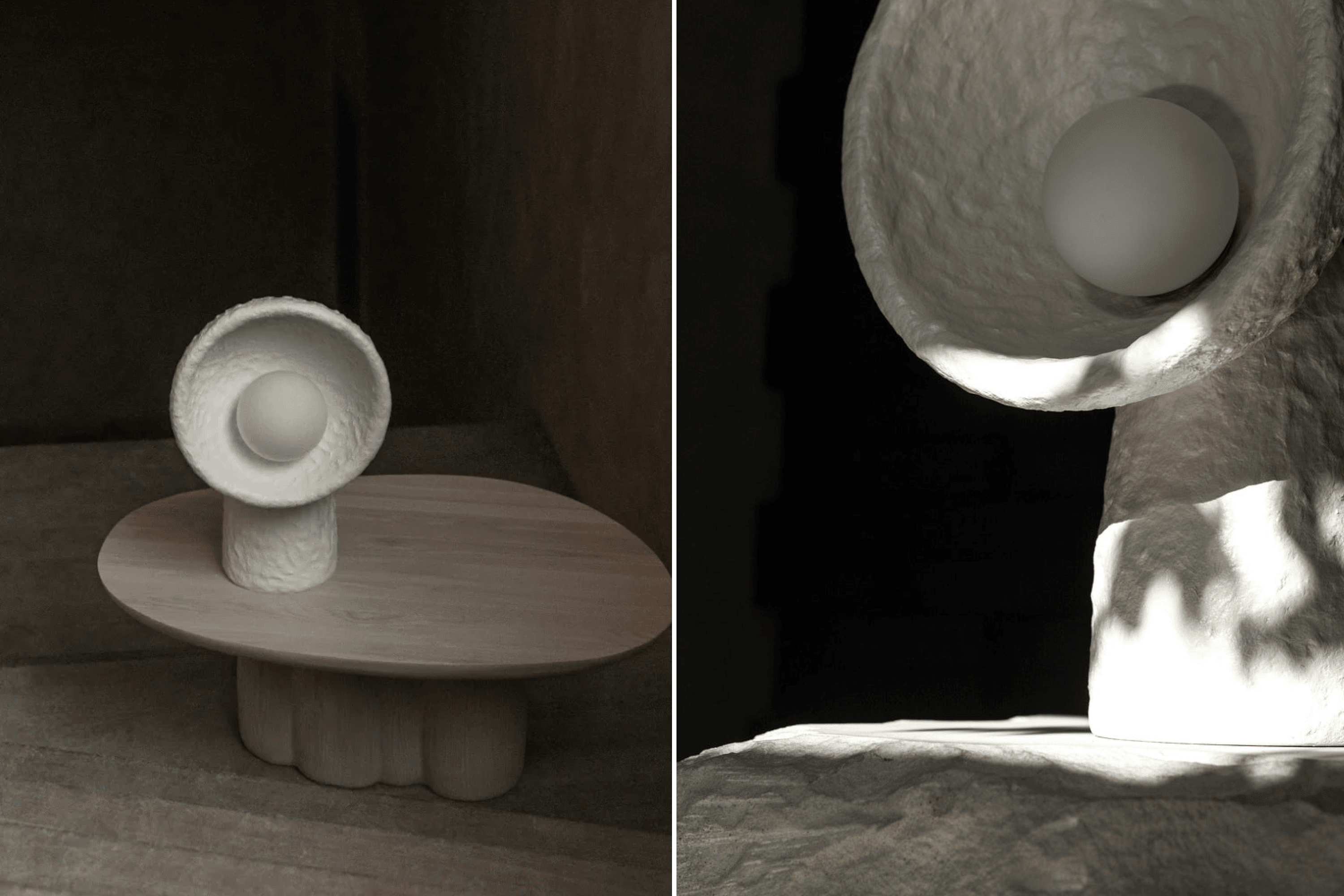
SONIAH table lamp. Photo: FAINA / YB 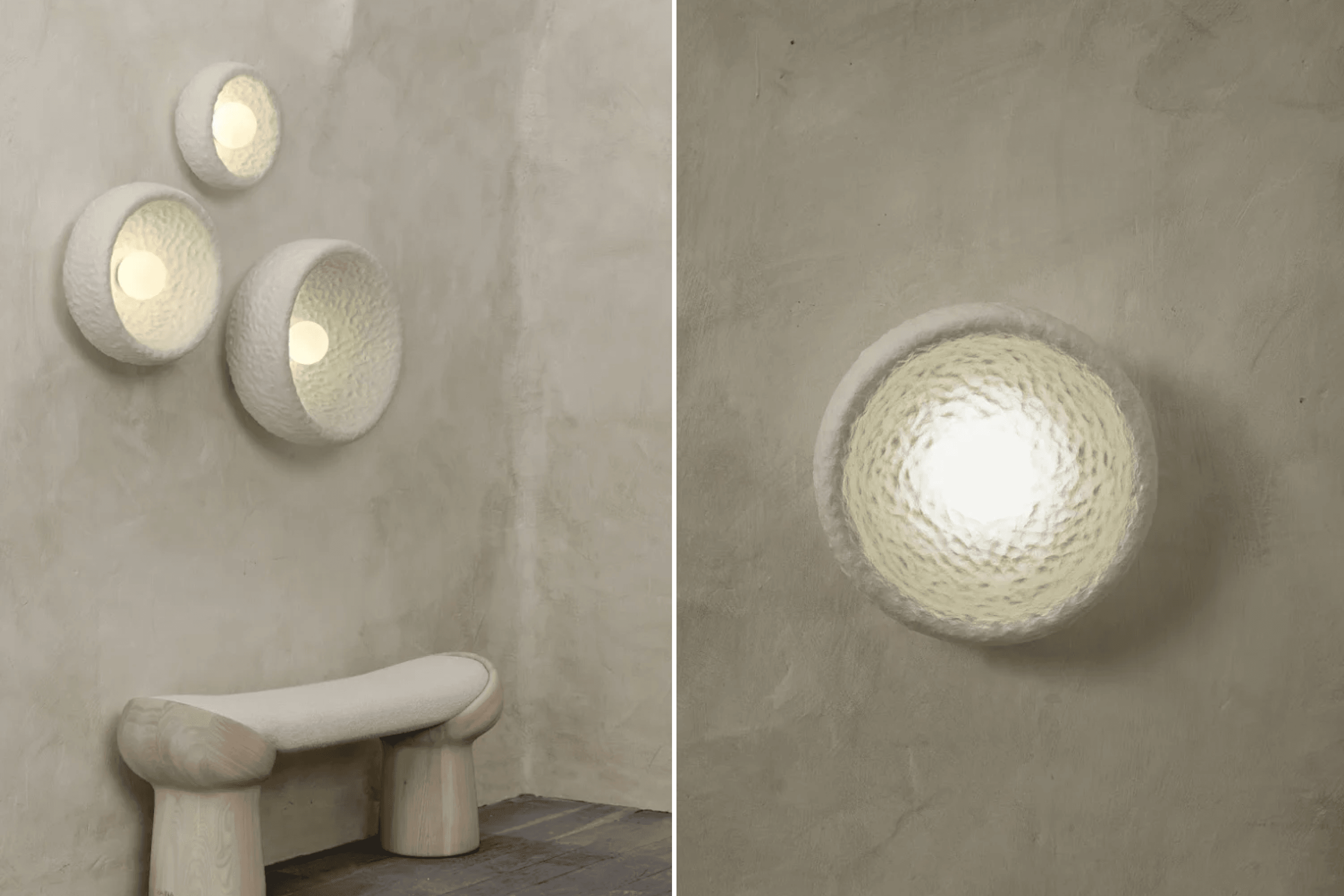
SONIAH big sconce. Photo: FAINA / YB
3
In 2019, Victoria unexpectedly became pregnant with her fourth child, discovering the news only in her sixth month. She has always been a firm believer that one is never given more than they can handle. Despite being urged by many to reconsider given her health history, she chose to proceed. “The truth is, I’ve never lived by relying on the strength of my body,” she says. “Only on the strength of my spirit.”
Because of her complex medical history, Ukrainian maternity wards were hesitant to assume the risks involved. Victoria and her husband eventually sought a specialist in Brussels who agreed to manage the high-risk pregnancy. The delivery was monitored by a team of 32 specialists, prepared for any contingency. Ultimately, the birth went smoothly.
While the family had planned to return to Ukraine after their daughter Yeva was born, the COVID-19 pandemic and the subsequent full-scale invasion upended those plans. They remained in Brussels, where they rented a home and enrolled the children in school.
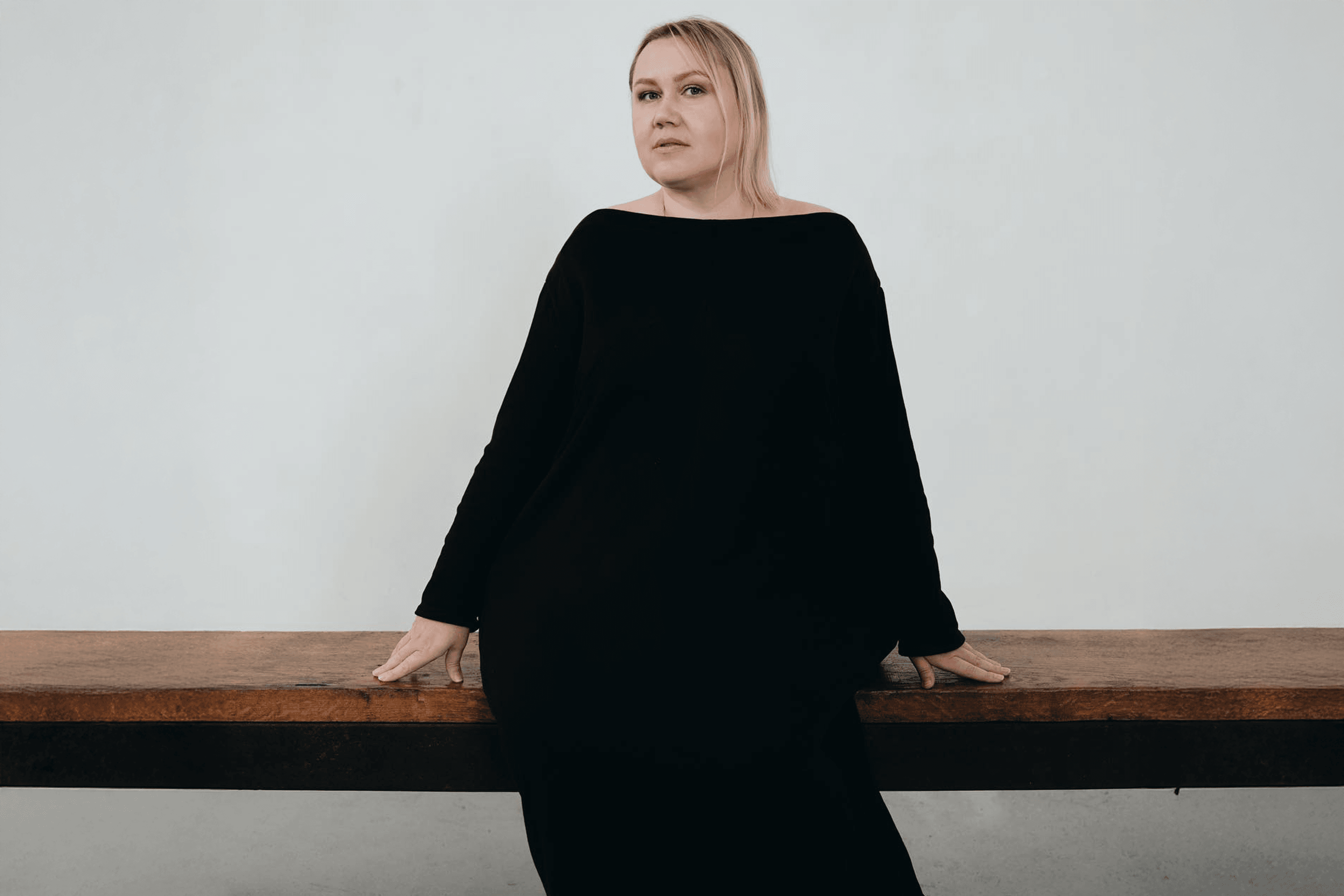
The shift from the frantic pace of Kyiv was profound. “In Kyiv, we lived outside the city, and I spent hours every day just commuting to get the children to a school that met our standards,” Victoria recalls. Time once lost to traffic was reclaimed for her work and her family. “I found I could actually sit down at the table with my children three times a day. I realized then just how much I had been missing.”
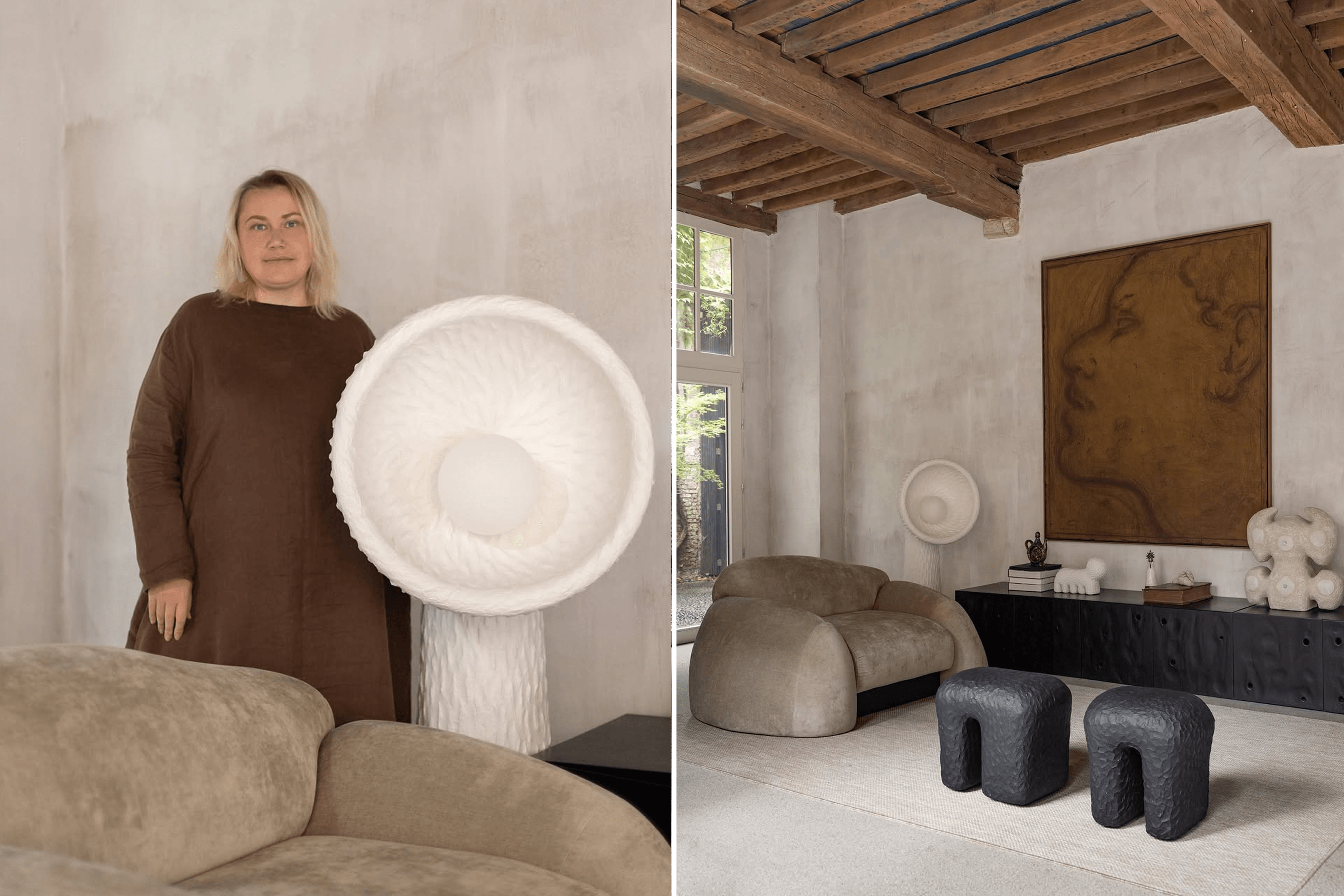
In 2020, Victoria opened the Faina House showroom in Brussels, relocating it a year later to Antwerp as the Victoria Yakusha Gallery. In a city celebrated as a global capital for diamonds and high-end design, she found a sophisticated audience for the premium segment. It was here that her aesthetic fully evolved into what she terms “life-minimalism.” “The form remains simple,” she explains, “but it is imbued with a sense of vitality, texture, and time. It is about the natural, the raw, and the authentic.”
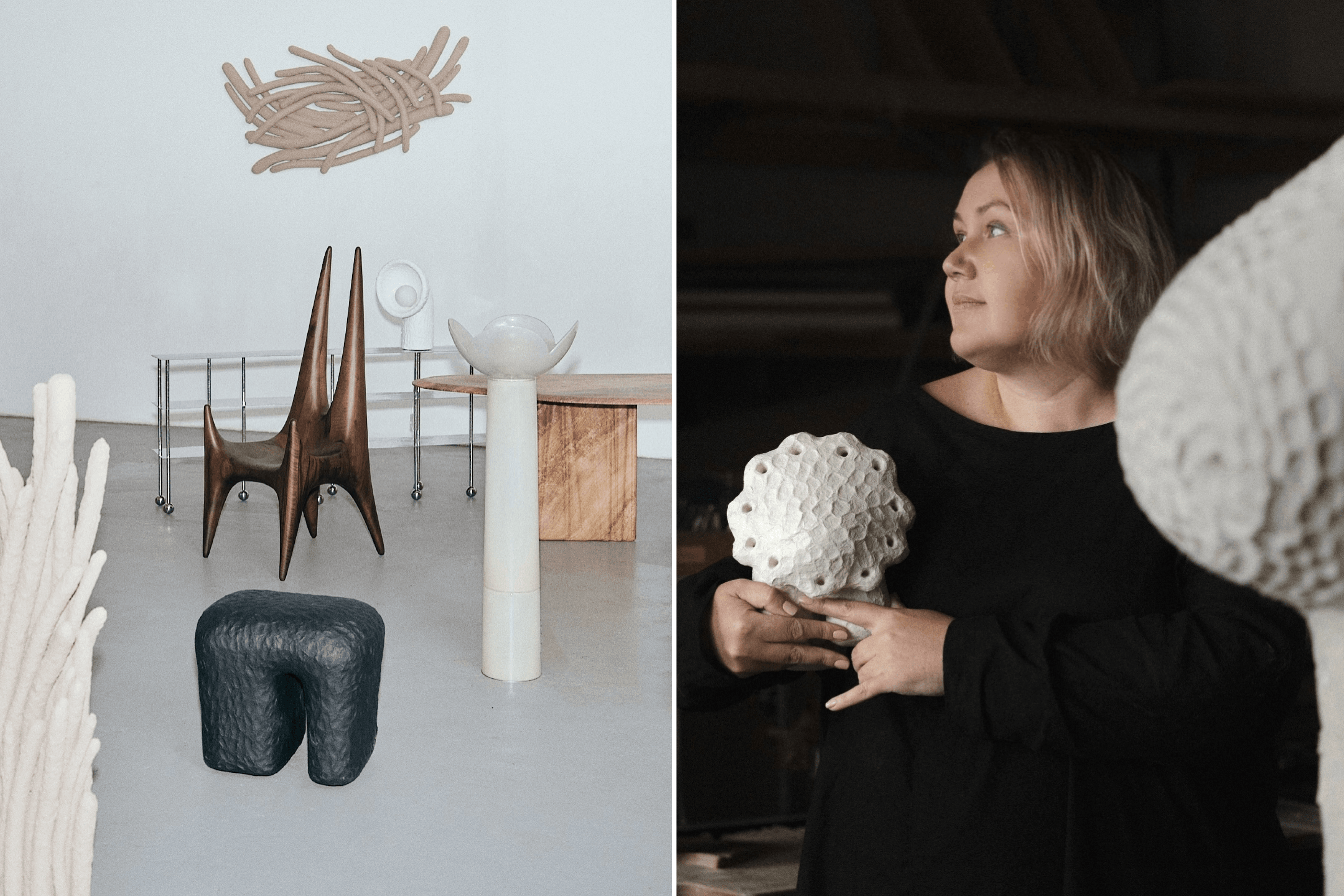
Victoria Yakusha and selected pieces from Victoria Yakusha Gallery. Photo: Victoria Yakusha Gallery / YB 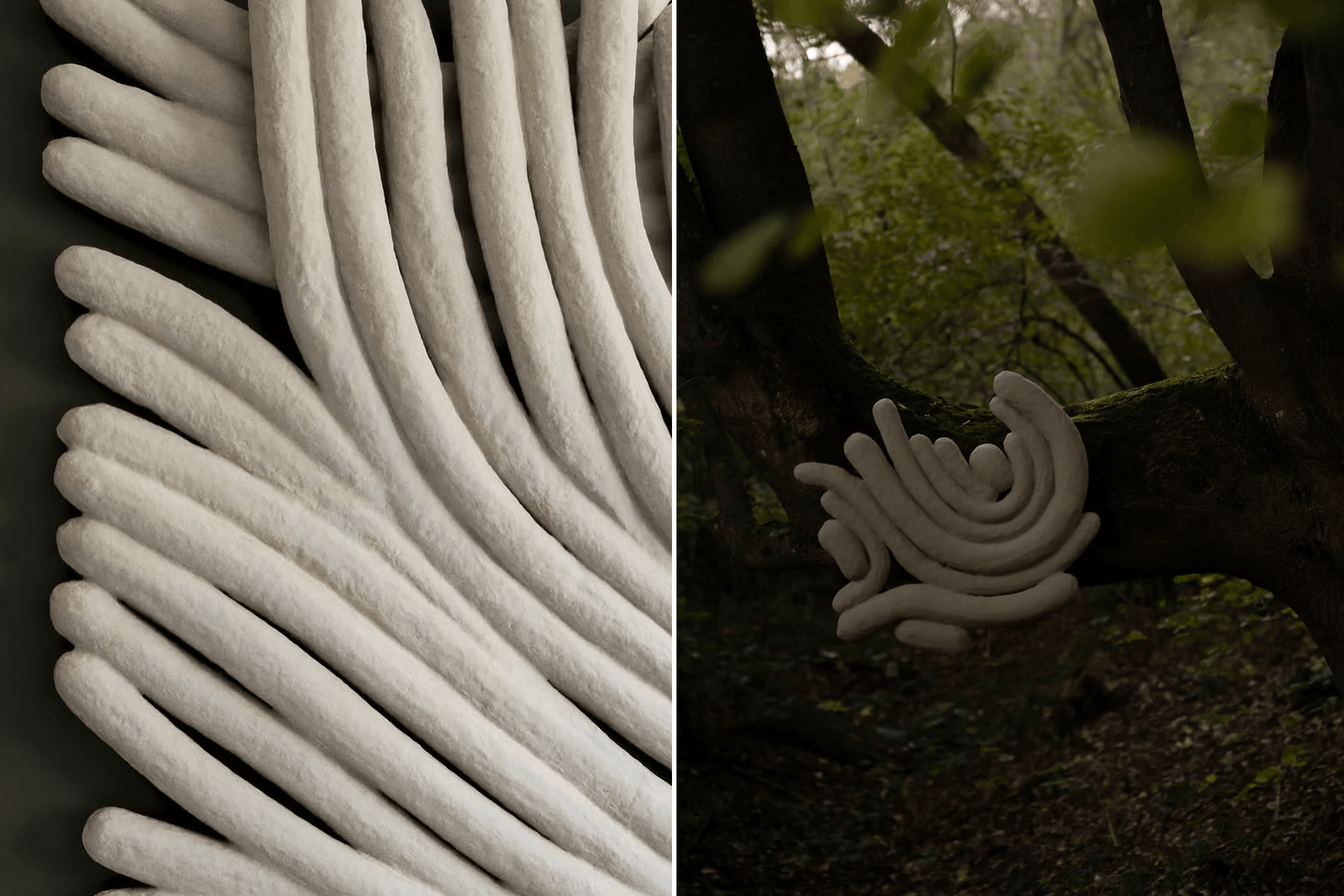
Wall panels. Created by Yuliia Melnychenko and Yevhen Melnychenko. Photo: Victoria Yakusha Gallery / YB 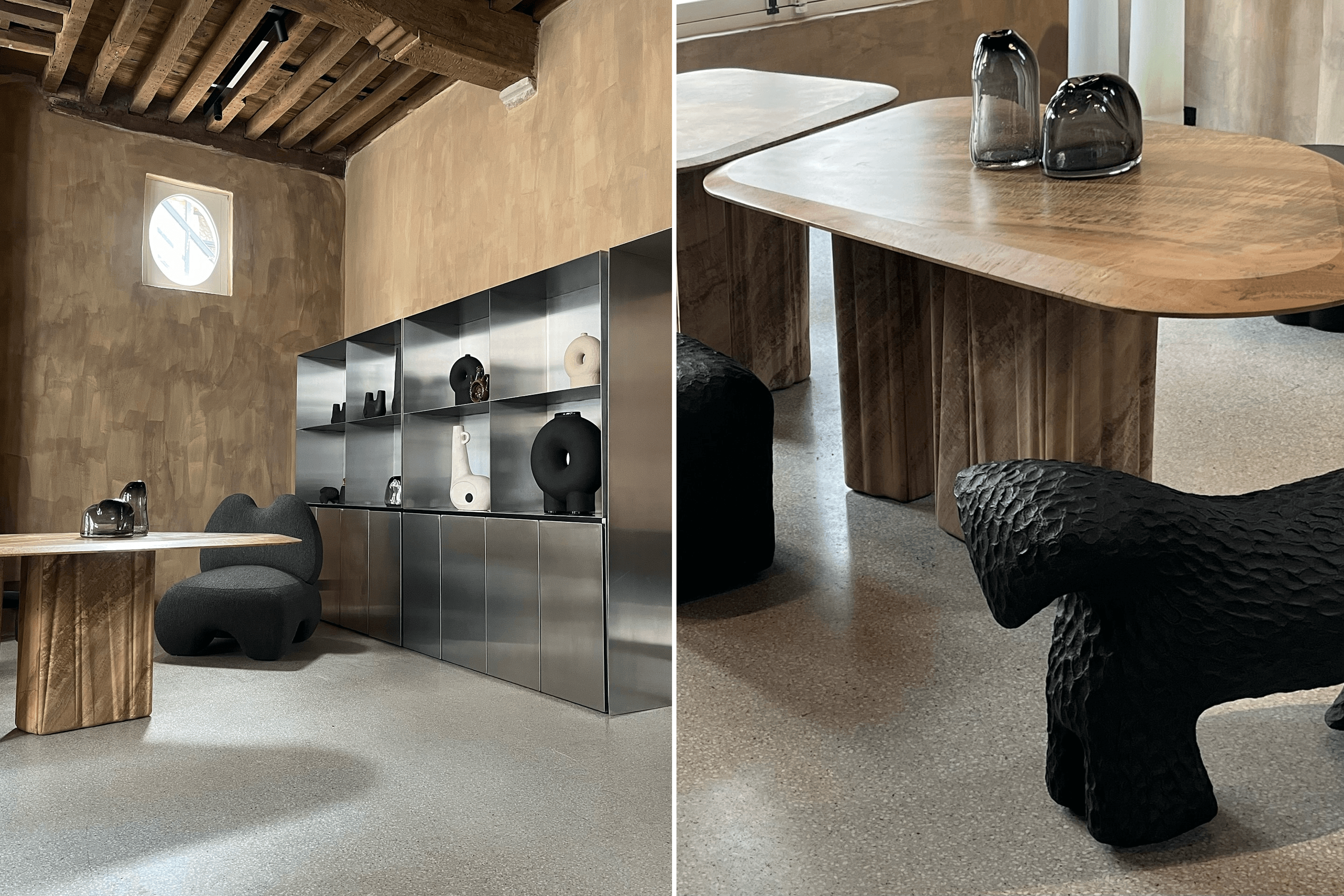
ZTISTA objects. Handcrafted author’s work. Photo: Victoria Yakusha Gallery / YB 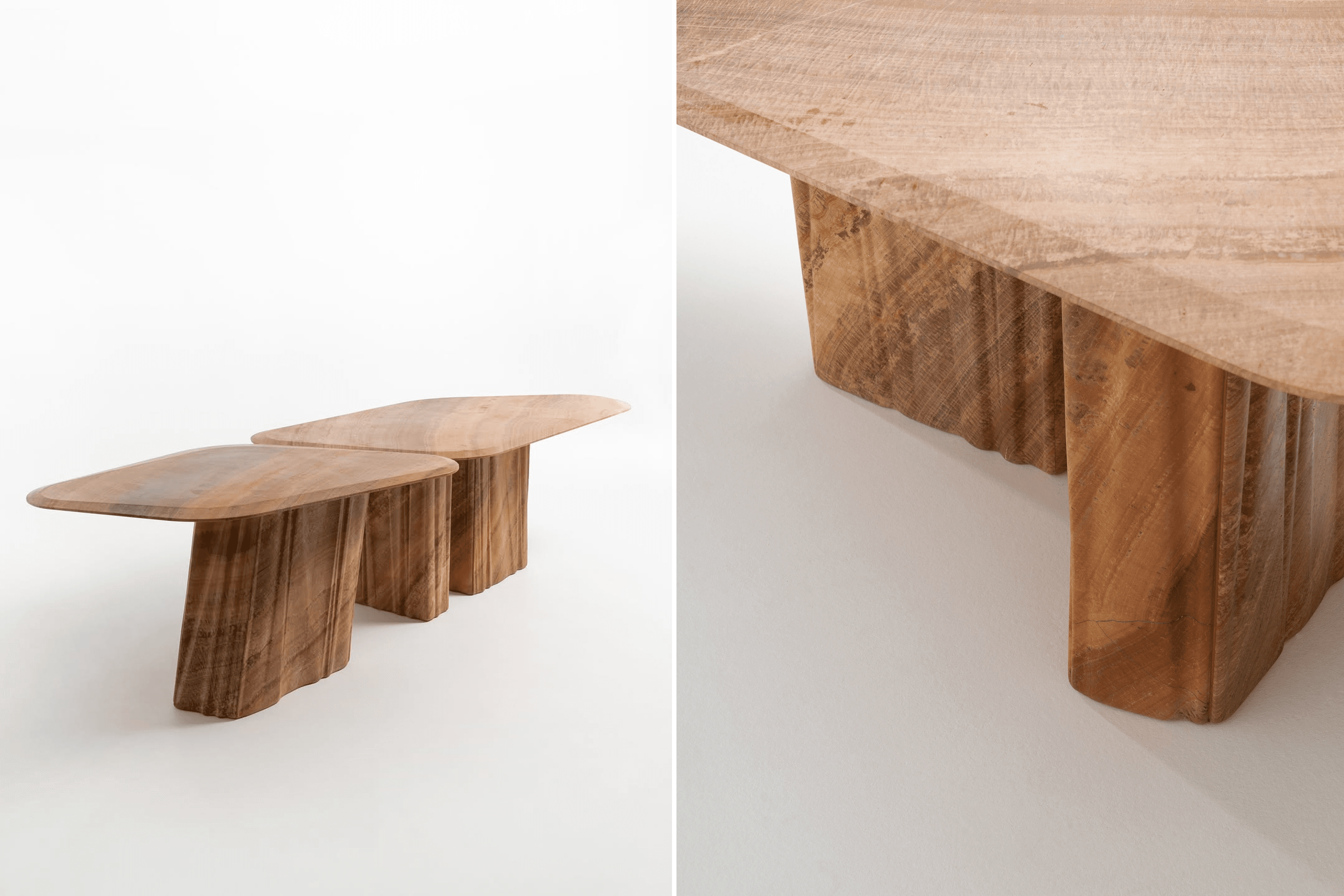
The Wave table. Created by Oleksandr Bosenko with the participation of Victoria Yakusha, exclusively for the gallery. Photo: Victoria Yakusha Gallery / YB 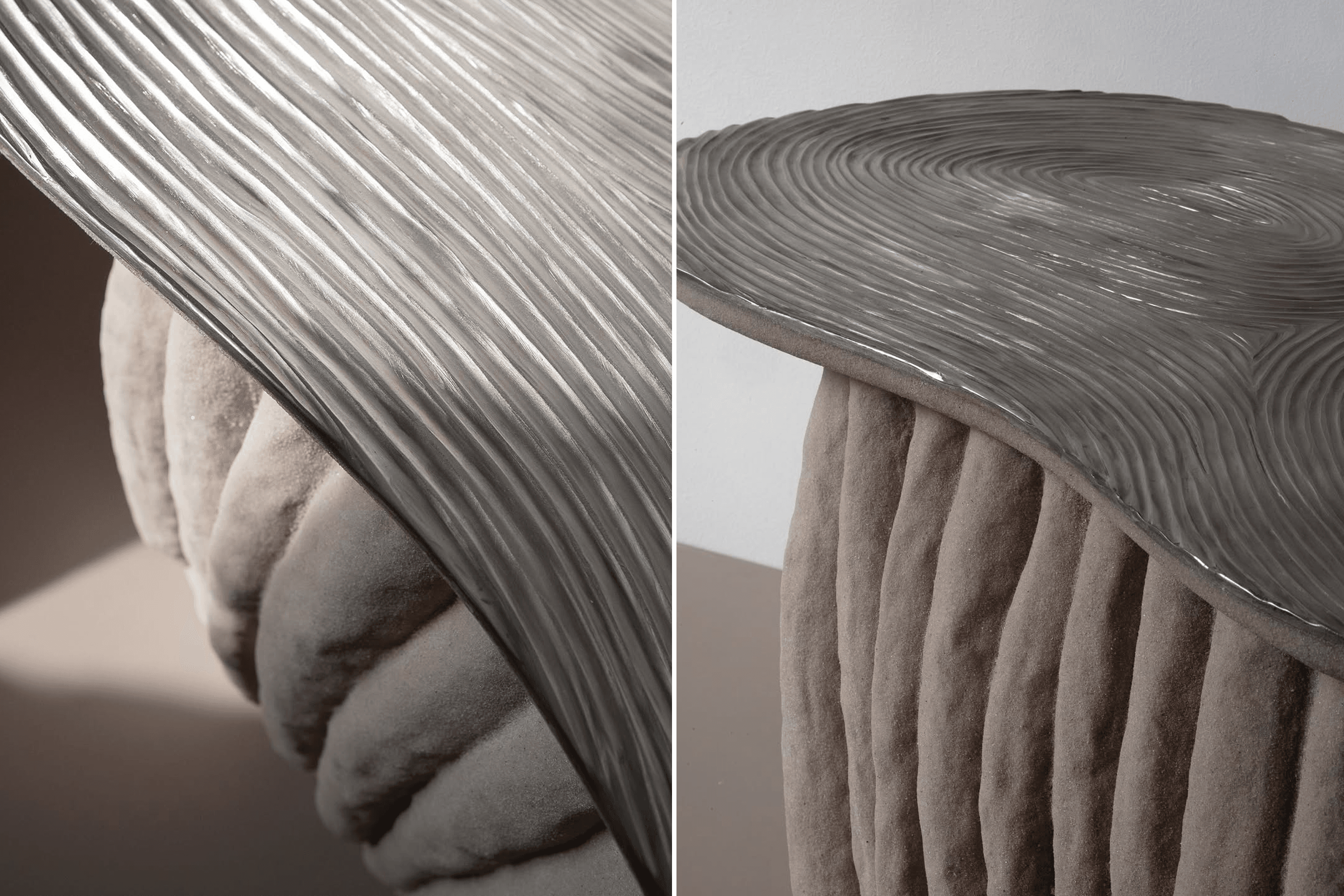
Coffee table. KHMYZ collection. Photo: Victoria Yakusha Gallery / YB 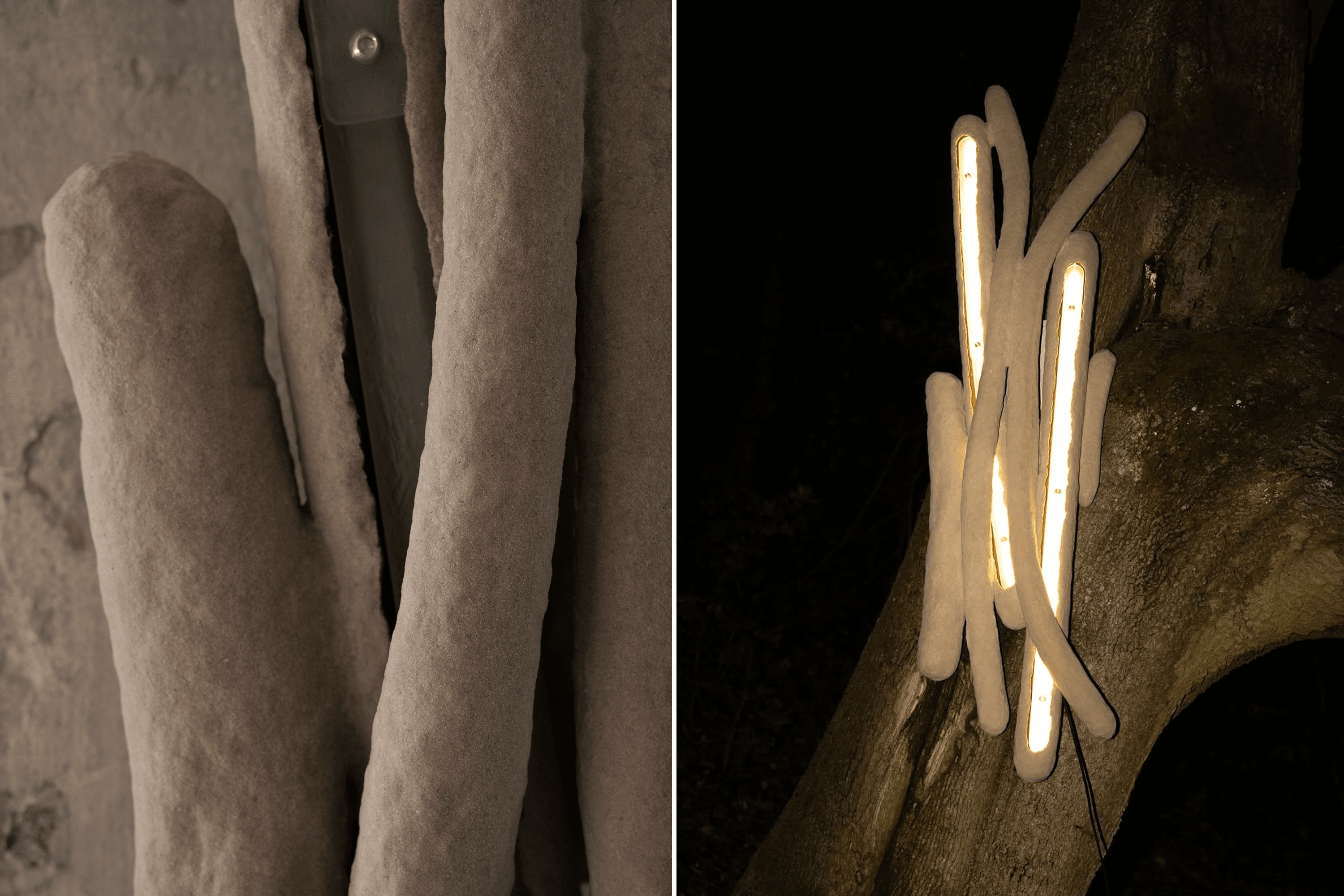
Wall light. KHMYZ collection. Photo: Victoria Yakusha Gallery / YB
During this period, the international publication Dezeen named Victoria one of the 50 most influential women in architecture and design, placing her alongside icons like Stella McCartney and MoMA curator Paola Antonelli. Shortly after, she was invited to join the jury for the Dezeen Awards, where she remains the sole representative from Eastern Europe to have received the honor.
Even from abroad, Victoria continues to steer Yakusha Studio remotely, leading a team of ten Ukrainians. Her management style is rooted in shared vision and high personal accountability. She is unapologetic about her demanding standards, noting that she never strives to be “convenient” for her team. “My employees see a direct correlation between their effort and the global impact of our work, especially through the reception at international exhibitions,” she says. “People may burn out and leave, but they often return. They become accustomed to working on large-scale, complex projects that achieve worldwide acclaim.”
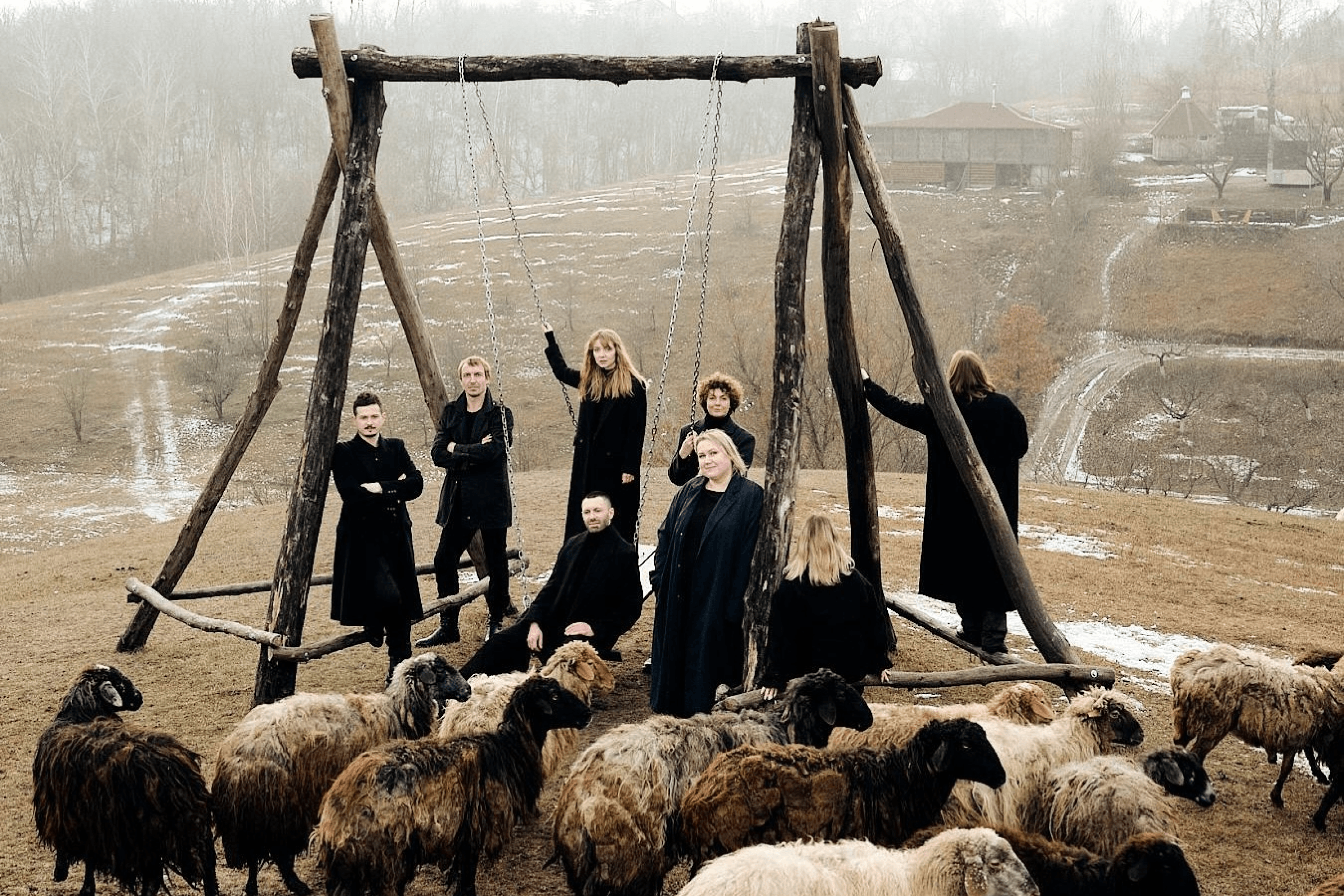
Victoria Yakusha, Tetiana Krasutska, Andrii Mykhailiak, Anna and Sergii Baierzdorf, Yulia Melnychenko, Yevgen Melnychenko, Aleksandr Bosenko. Photo: Victoria Yakusha Gallery / YB 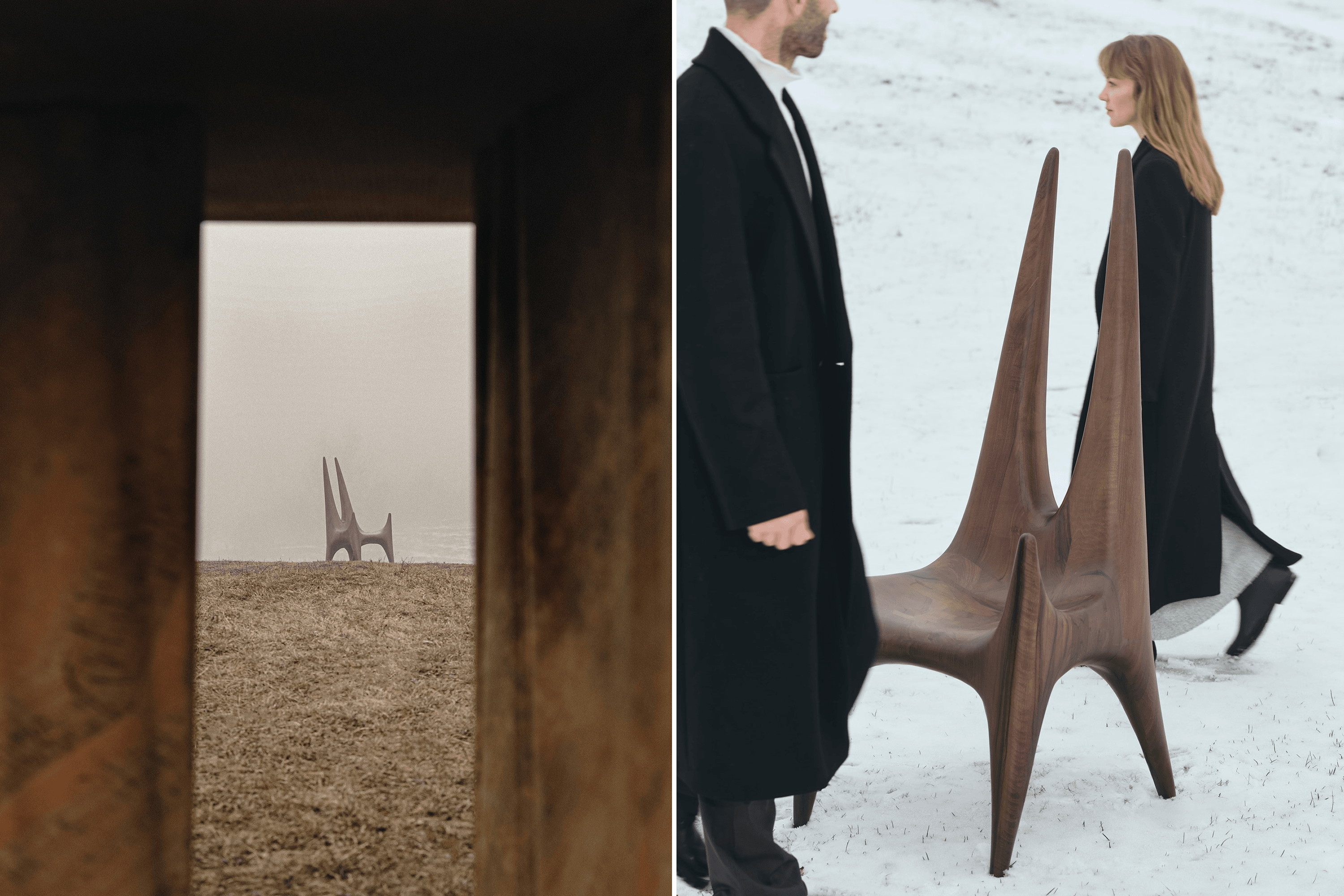
Photo: Victoria Yakusha Gallery / YB 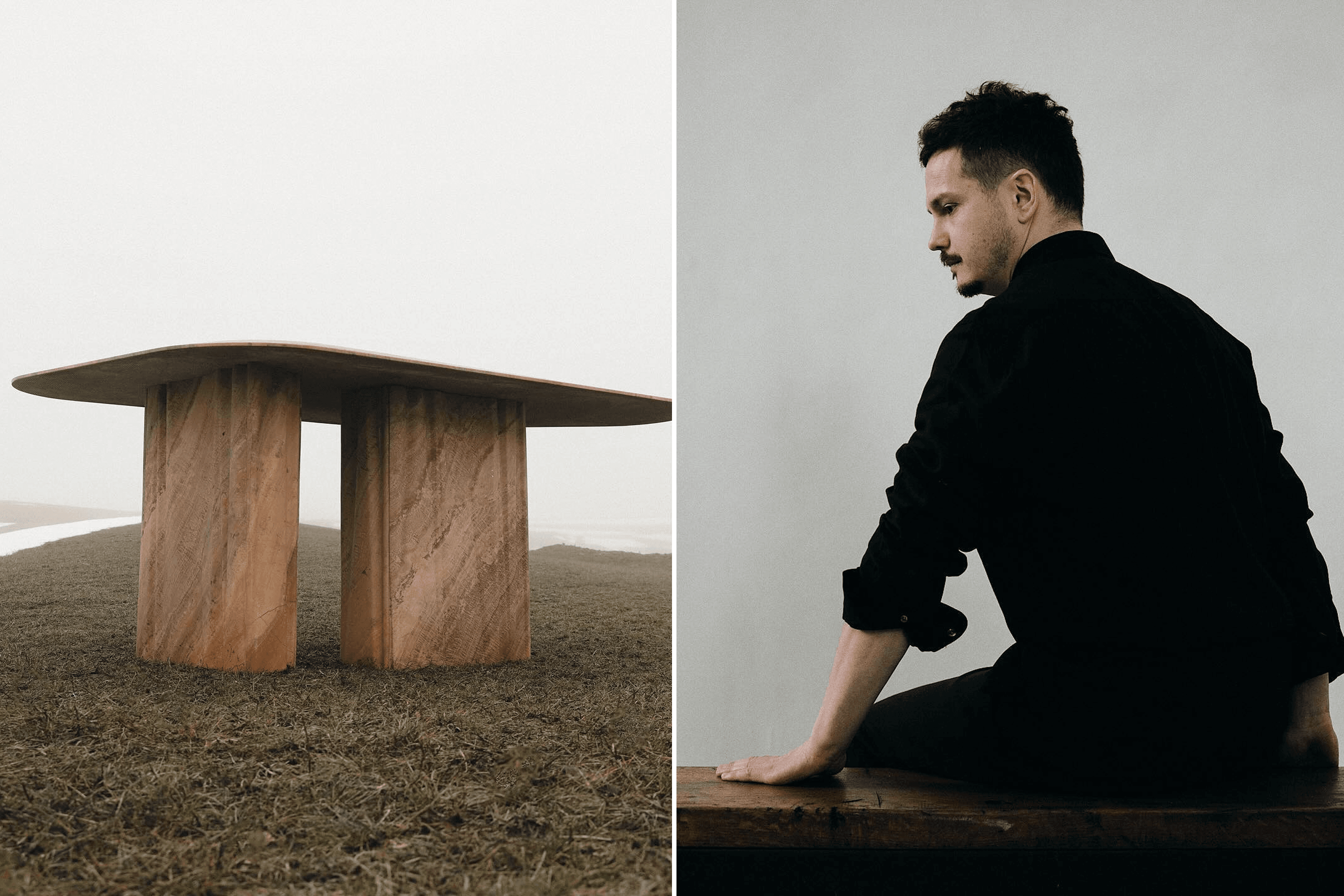
Photo: Victoria Yakusha Gallery / YB 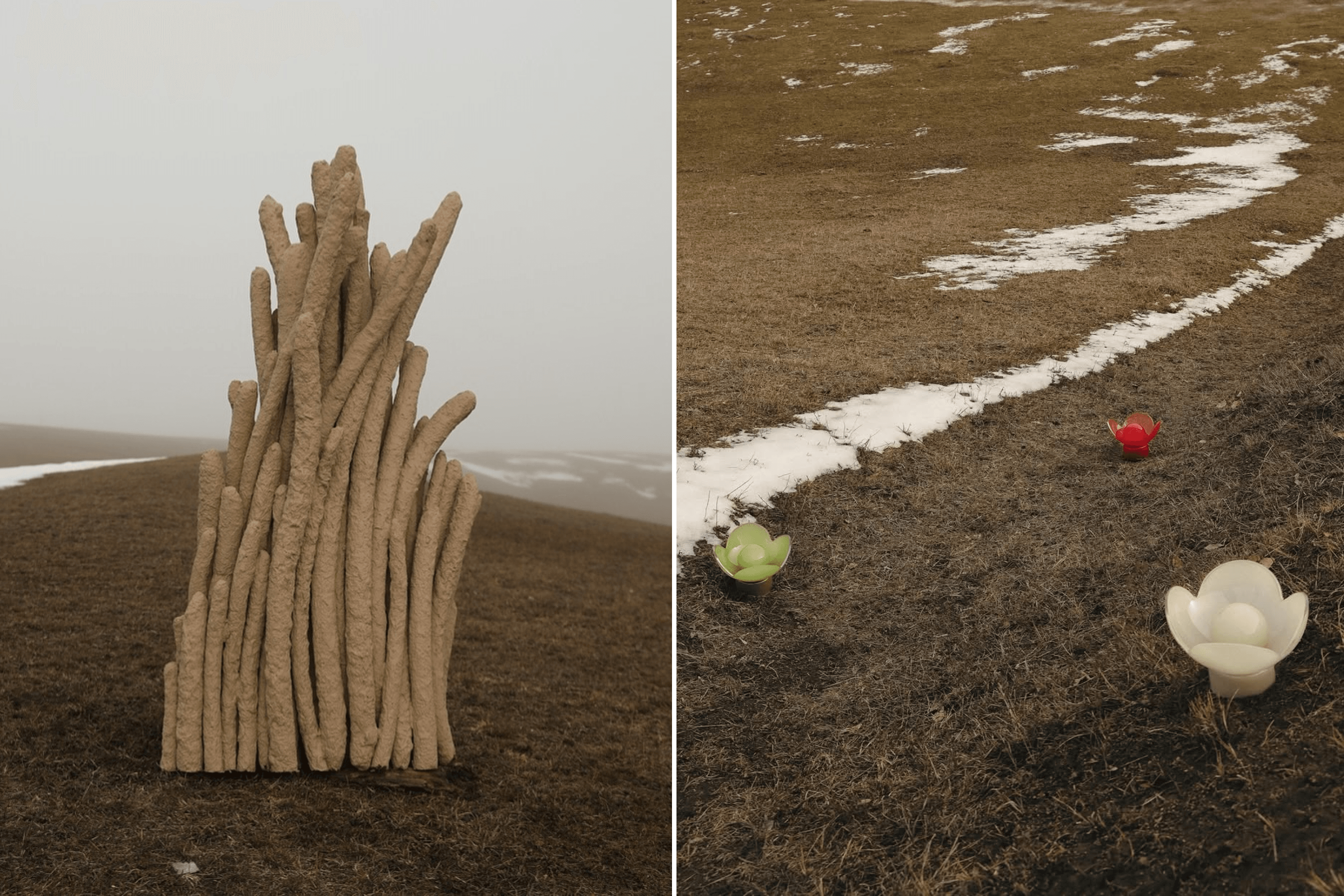
Photo: Victoria Yakusha Gallery / YB 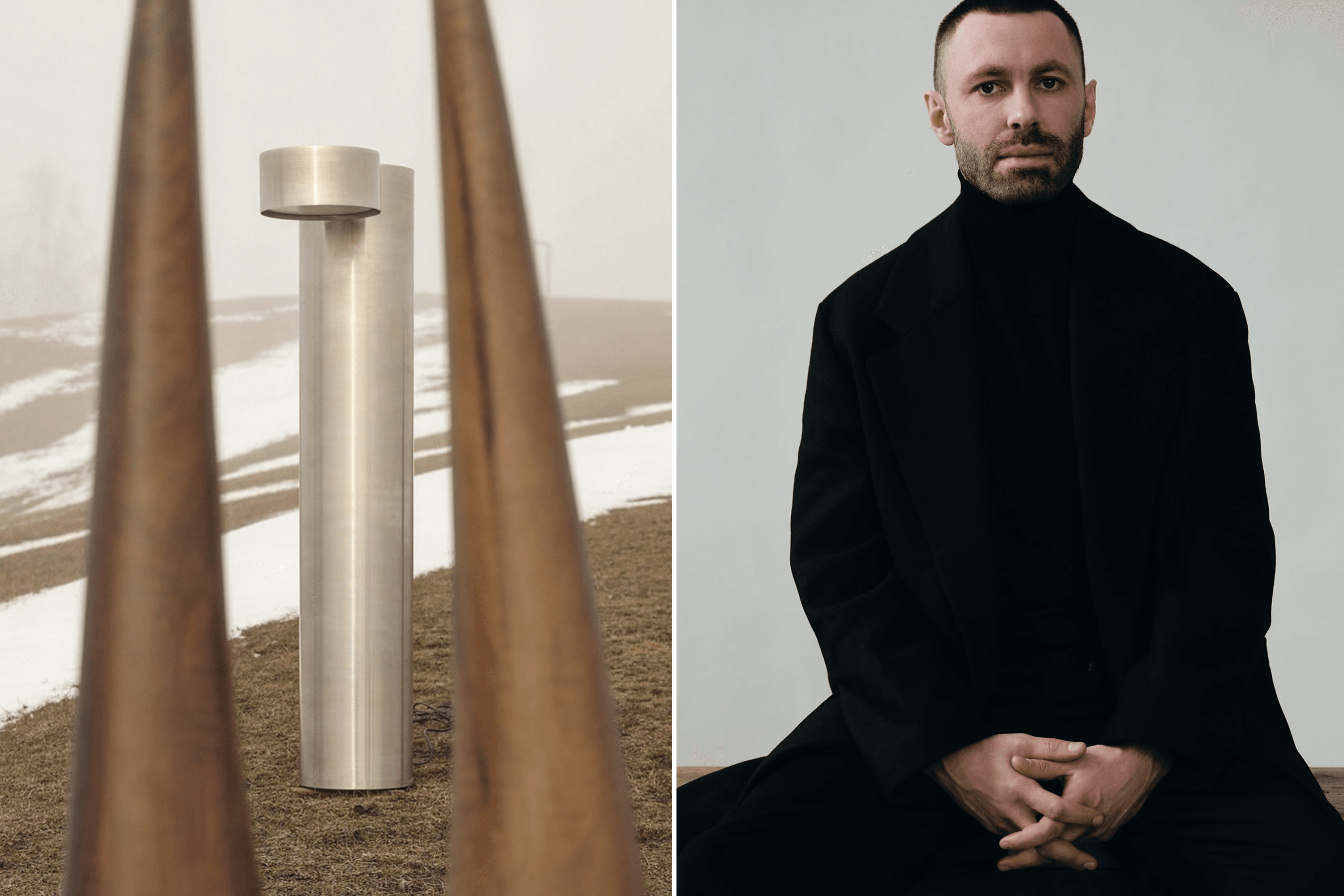
Photo: Victoria Yakusha Gallery / YB 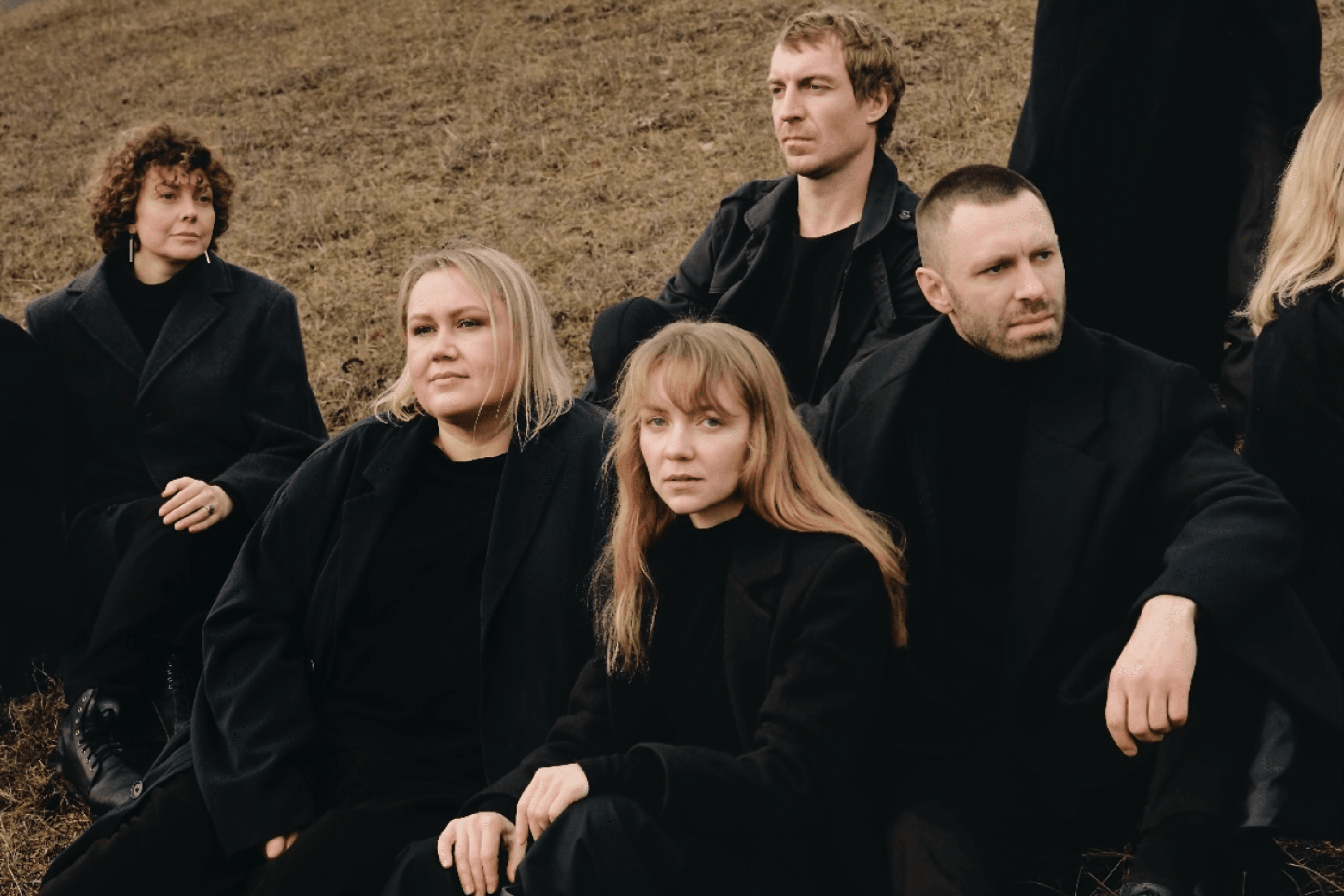
Photo: Victoria Yakusha Gallery / YB
4
By the onset of Russia’s full-scale invasion in 2022, Victoria Yakusha had already spent two and a half years in Belgium, managing her business from abroad. She is convinced this move saved her family’s life; their former home was located in Bucha—a city that would soon become synonymous with the horrors of Russian occupation, mass executions, and torture.
On March 2, 2022, Victoria returned to Ukraine to oversee the evacuation of her furniture showroom. As her team moved to western Ukraine and abroad, she remained resolute: the company had to maintain operations and fulfill existing orders to protect its global standing. Victoria continued to work amidst the chaos.
For Victoria, representing Ukraine at such a critical juncture became a matter of principle. In April 2022, the team gathered in the Carpathian Mountains to develop a new collection titled “Stepping on Ukrainian Soil.” The exhibition—which featured the “Earth” tapestry and a series of signature stools—explored the profound bond between Ukrainians and their land as a source of ancestral strength. The showcase won the award for best presentation at Design Miami/Basel 2022. A year later, she debuted “The Land of Light” at the global Miami Design 2023 forum.
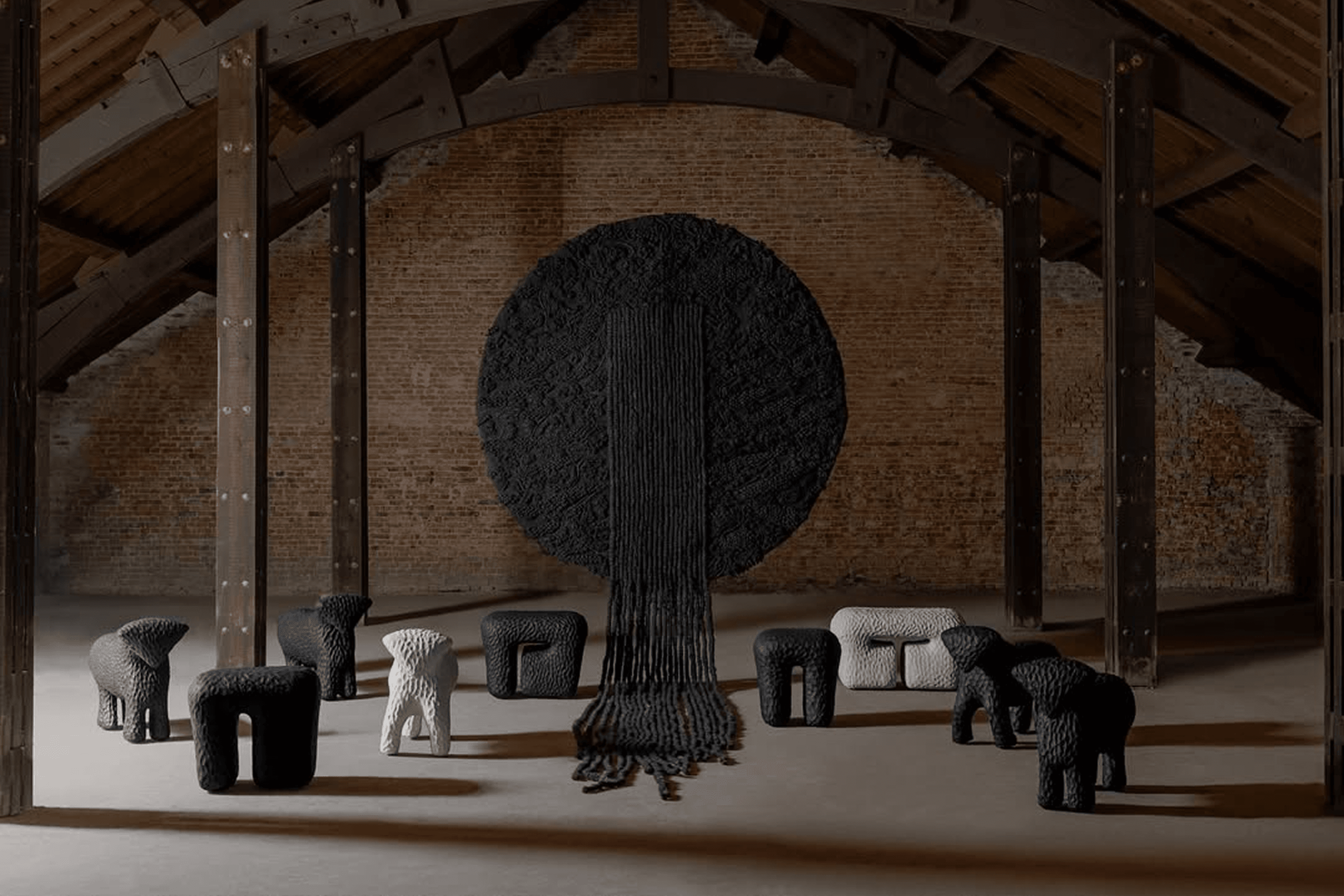
The collection “Stepping on Ukrainian Soil.” Photo: Victoria Yakusha Gallery / YB 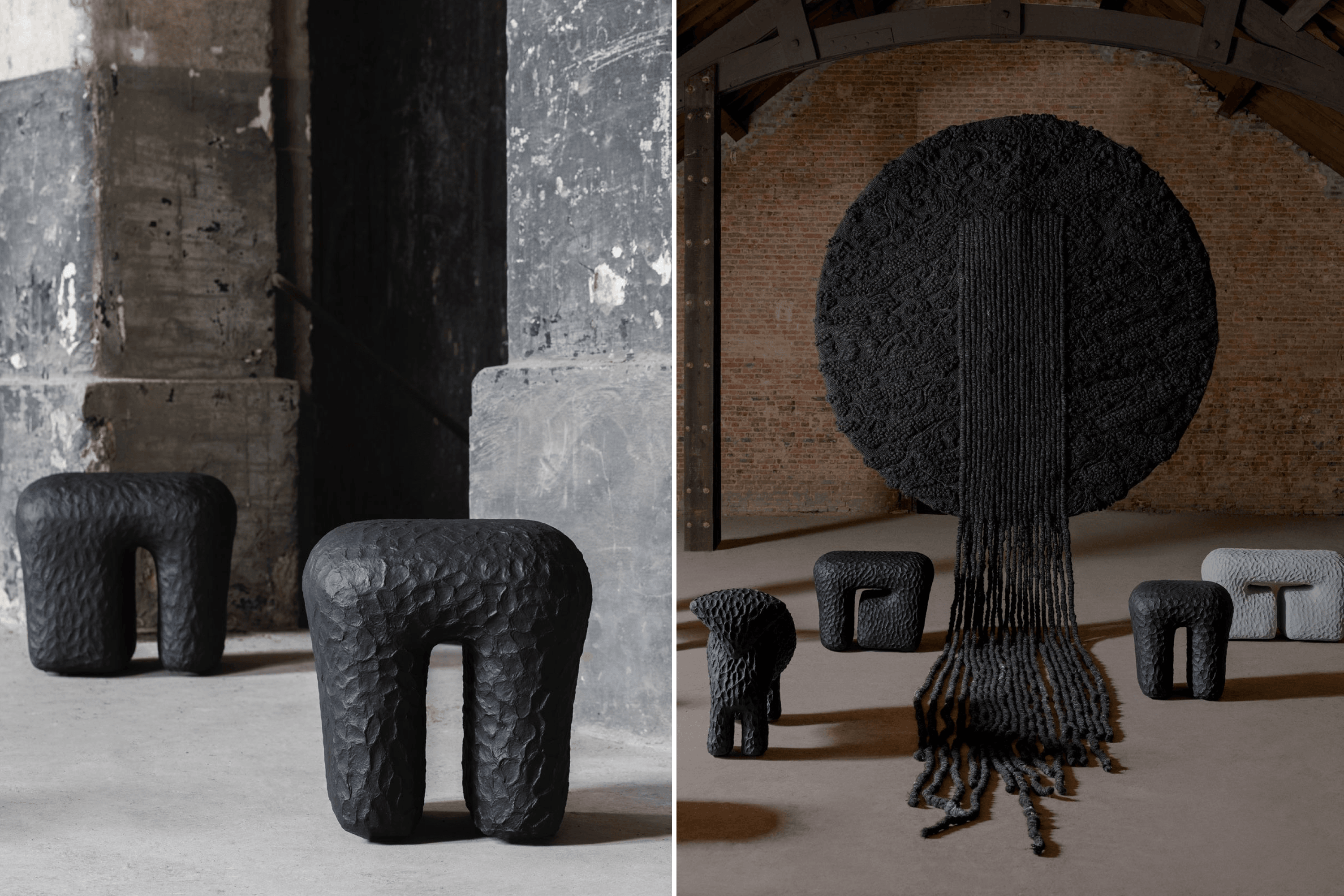
Photo: Victoria Yakusha Gallery / YB 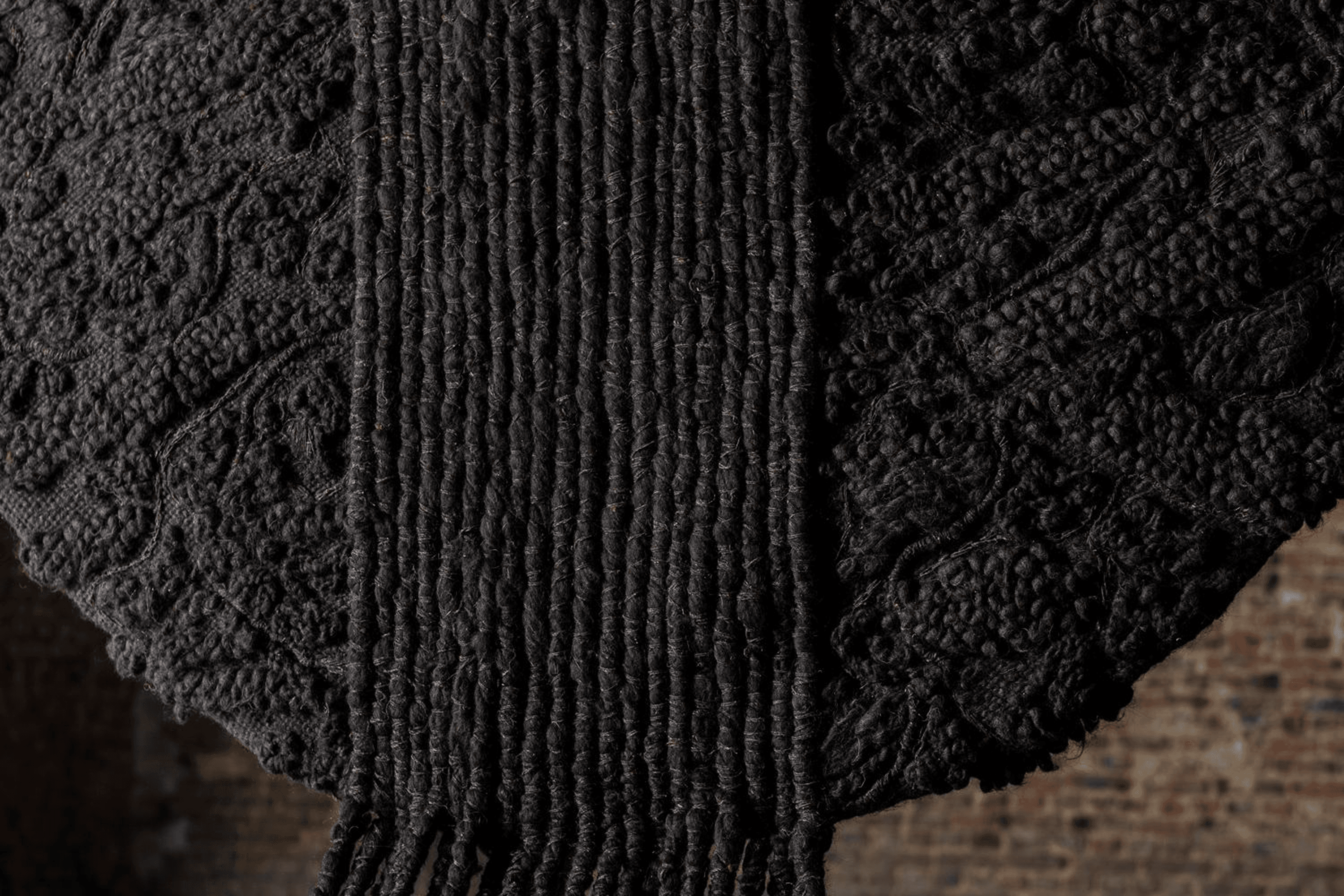
Photo: Victoria Yakusha Gallery / YB 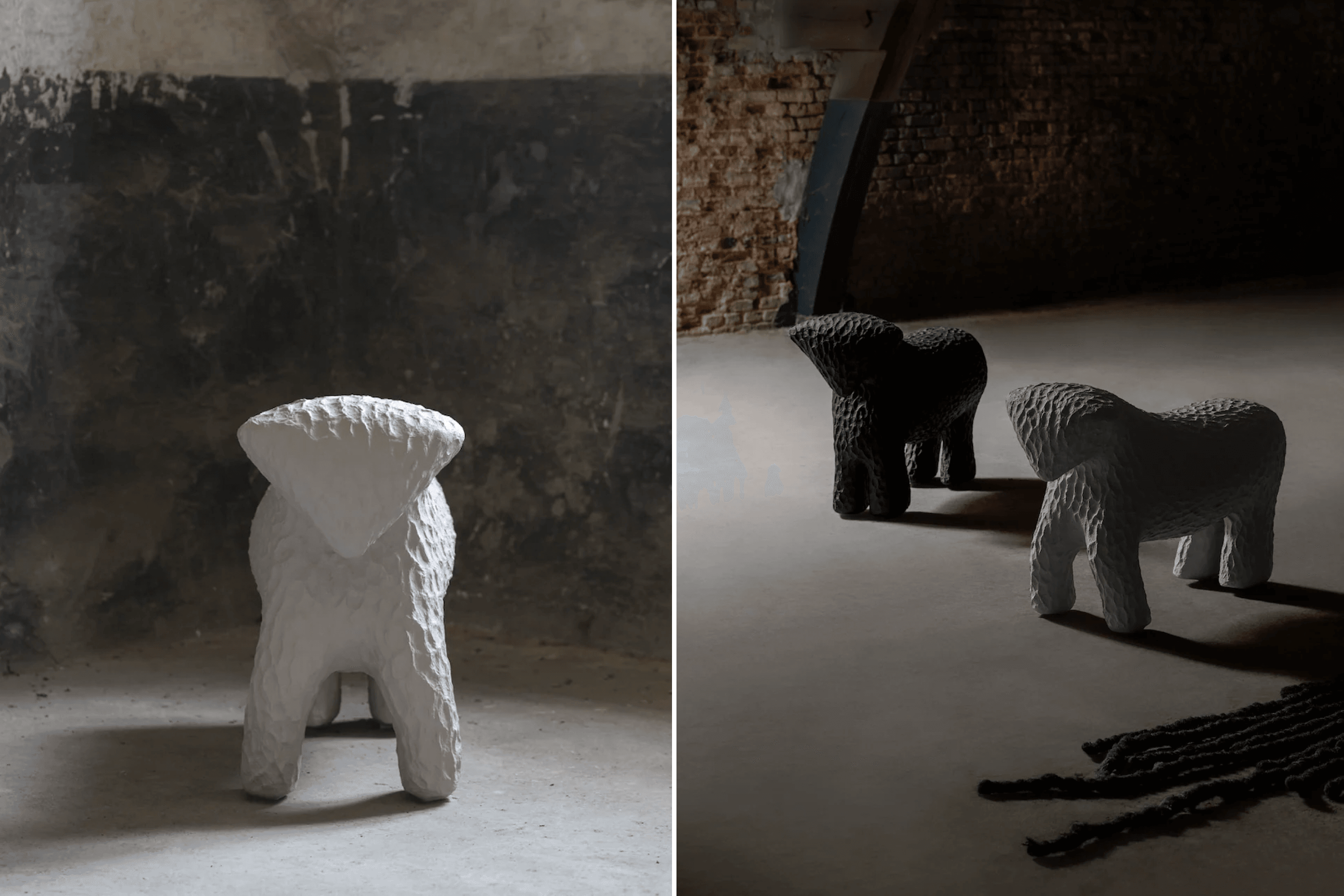
Photo: Victoria Yakusha Gallery / YB 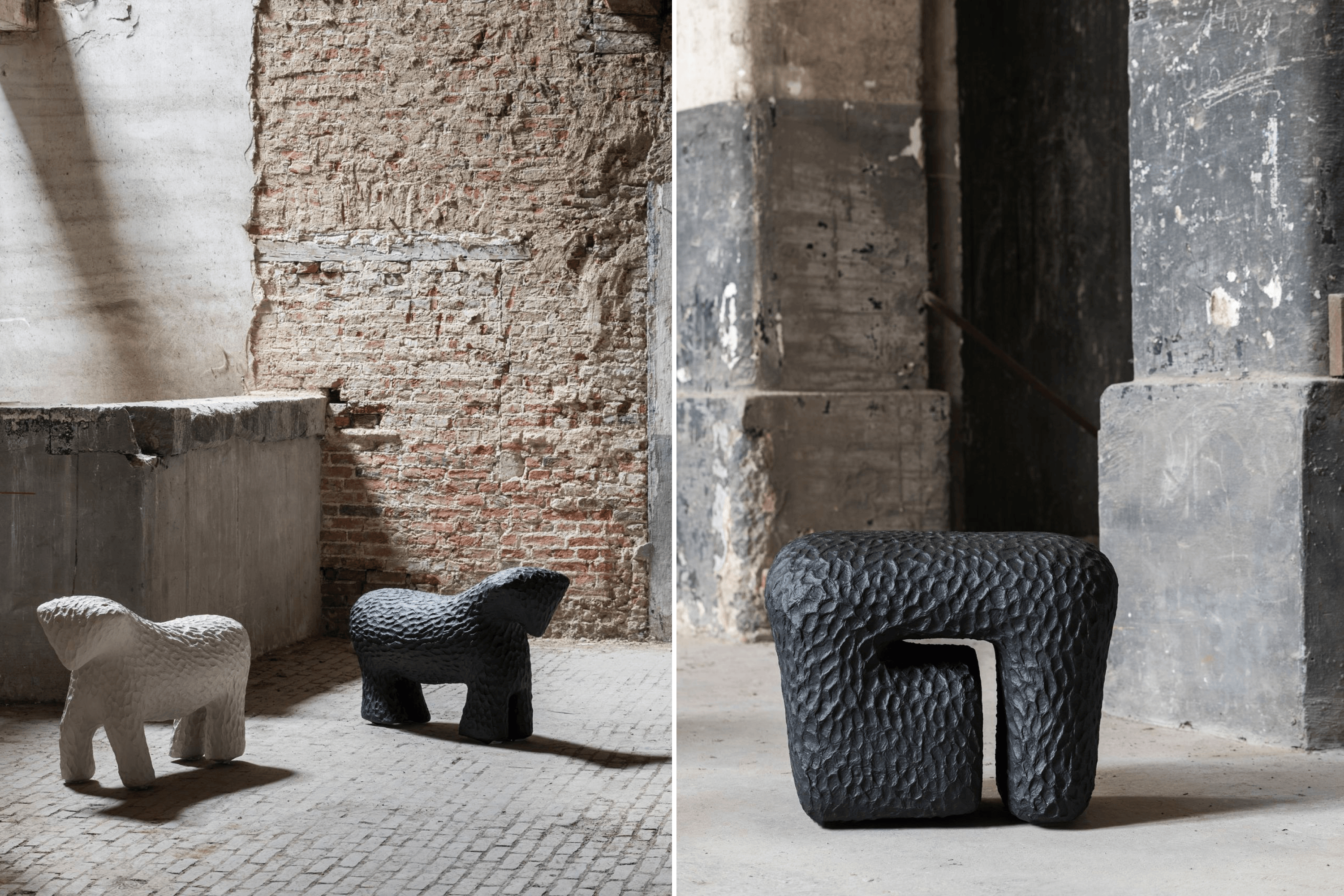
Photo: Victoria Yakusha Gallery / YB 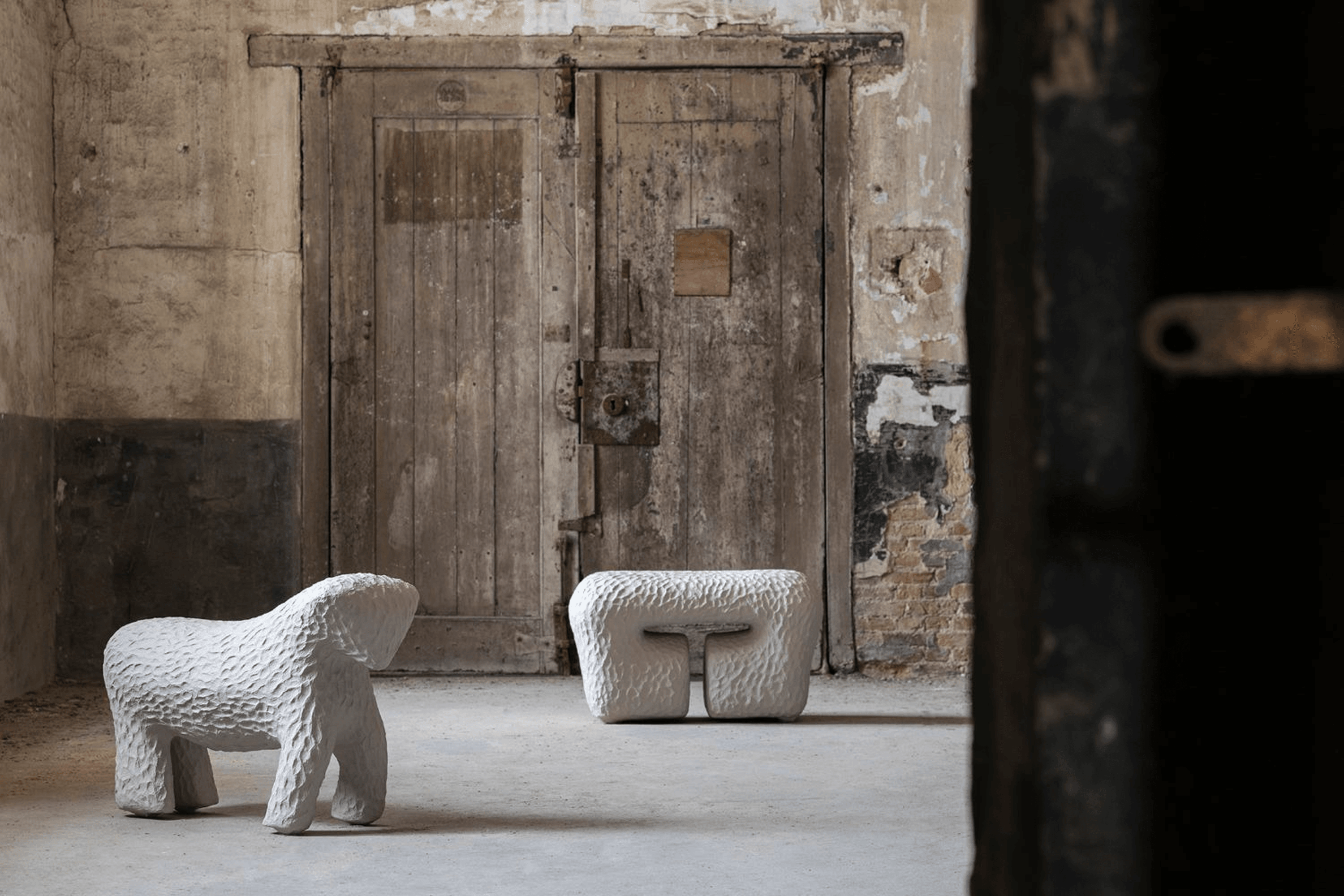
Photo: Victoria Yakusha Gallery / YB
Victoria’s work during this period extended into the humanitarian and civic spheres. She volunteered, supported museum exhibitions, and assisted in the restoration of the Maria Prymachenko Museum.
One of her most ambitious projects was a comprehensive reconstruction concept for the city of Chernihiv. Yakusha presented the multi-stage strategic master plan to the City Council, and while it initially served as a blueprint for development, a subsequent change in city leadership saw the plan sidelined.
For Victoria, this setback is less about politics than a “failure of vision.” She remains steadfast in her conviction that reconstruction is impossible without understanding a city’s essence. “Restoring a building does not mean restoring an environment,” she insists. Victoria approaches urbanism as she does design—viewing the city as a living organism. Her goal is to identify its “DNA” so that every subsequent architectural decision serves to strengthen its core identity.
After 5 years of work, Yakusha nevertheless closed the showroom in Antwerp. Belgium, she realized, served more as a branding hub than a primary market. Today, her primary audiences are in the United States, Australia, and France. Her pieces are represented in over 40 elite showrooms worldwide, managed by gallerists on a commission basis.
Looking ahead, Victoria is preparing to open a new showroom in Miami in February 2026, with staff recruitment currently underway. She intends to remain in Brussels, maintaining her model of remote operational control. The new space will be situated near the Design District, facilitating direct engagement with curators, prestigious galleries, and private collectors. Her commercial policy remains uncompromising: FAINA refuses to work with Russian clients.
Reflecting on her journey, Victoria sees herself as an architect of cultural heritage and a global ambassador for Ukrainian design.
“Design is merely the tool through which I express myself,” she says. “Tomorrow, I might pivot to fashion, graphics, or landscape architecture. For me, only one thing is essential: the message I want to share with the world. I can choose any artistic language to deliver it.”