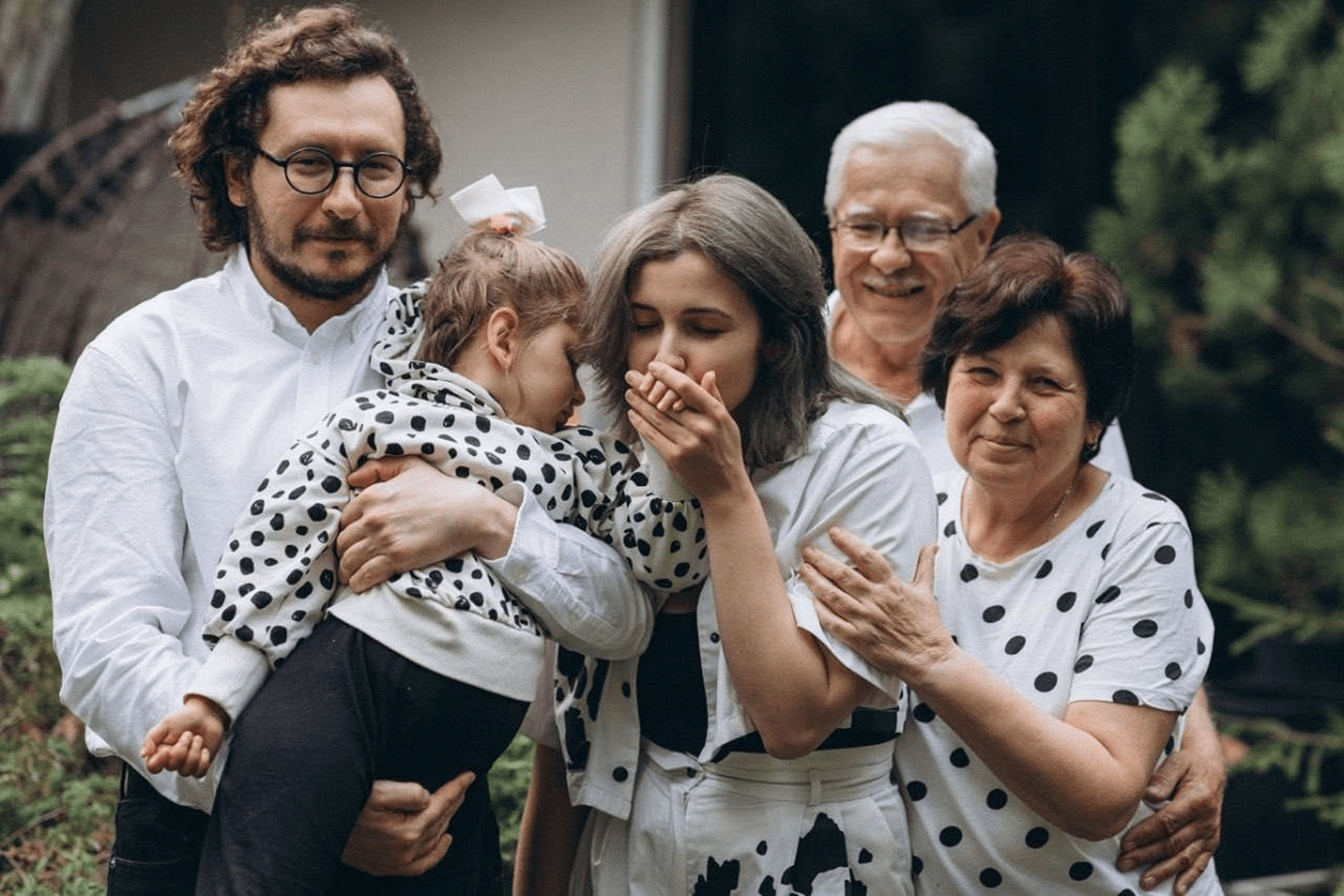
At 28, Kyiv native Niya Nickel gave birth to her daughter Eva, who has a rare genetic mutation known as Jamuar syndrome. Because of it, the girl lives with severe epilepsy, cerebral palsy (CP), and developmental delays. The medications she needed were unavailable in Ukraine, while treatment protocols were outdated and did not reflect international practice.
Niya began looking for doctors, medications, and treatment options abroad on her own. Over time, her personal struggle became a systemic one. She founded the NGO Epiprosvita, joined the campaign to legalize medical cannabis, and is now working to get essential anti-seizure medications registered and to change epilepsy treatment in Ukraine. The organization also helps mothers of children with disabilities find remote work.
Today, Niya is 35. She has more than 12 years of experience in PR and works as B&C Director at the Children of Heroes Foundation. Yellow Blue journalist Roksana Rublevska recorded Nickel’s story and tells how the search for treatment for one child turned into a fight for change on behalf of other Ukrainian families.
1
Niya’s real name is Kseniia. Niya Nickel appeared when she graduated from university. She took the German surname of her grandmother, who was a doctor, and changed her first name from Kseniia to Niya, the name her grandmother used to call her.
Niya’s mother worked as a kindergarten teacher, while her father was an aviation engineer at the Antonov plant. Because of the economic crisis, he went to Kamchatka to build helicopter landing pads.
The family did not have much money, but Niya’s parents invested heavily in their daughter’s development. She played soccer, danced, did beadwork and batik, and studied French and German. She was allowed to try different things and was not expected to choose just one as quickly as possible.
“I guess I couldn’t figure out what I loved more because I liked everything. That quality still hasn’t gone away,” Niya laughs. Over time, this curiosity became part of her professional approach. “Whatever it takes, I can master almost any profession I need.”

After school, Niya looked through a list of the most promising professions and chose logistics. “It’s about optimizing processes. You look at a system and think about how to make it more efficient.” During her final year at university and for another year afterward, she worked as logistics director at two online stores.
Later, Niya would apply the same logic to communications. “For me, PR is the logistics of information. Why send a press release to a thousand websites if you can arrange one strong story in a major media outlet and get the same result?”
Niya entered communications without connections or recommendations. At 21, she found a list of Ukraine’s top digital agencies and wrote to each one, explaining what she could do and why she wanted to work there specifically. Only Aimbulance, one of Ukraine’s leading digital agencies at the time, responded. “They said, 'We don’t really know where to put you, but we liked how bold you are.'” The agency was just launching a video production unit, and Niya became an assistant video producer.
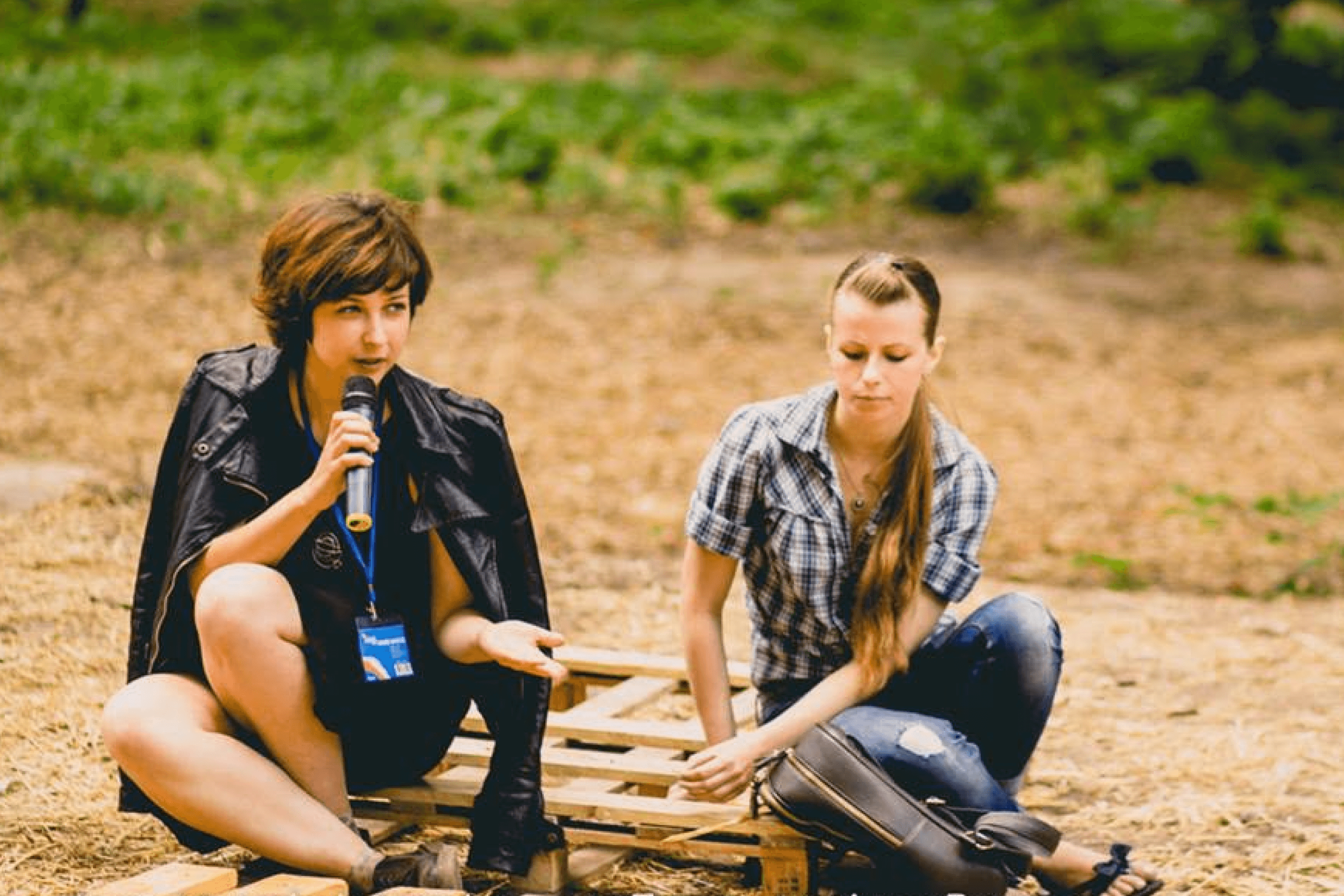
Then came Virus Music, a holding company and one of the prominent players on Ukraine’s electronic music scene in the early 2010s. Niya ran a DJ school, worked with artists, organized events, wrote copy, and later headed TopDJ magazine for a time.
After the magazine closed, she moved to Concert.ua. There, Niya independently took a project from idea to execution for the first time, creating a stage for young Ukrainian music at Slava Frolova’s “Art Picnic.” She found artists, put together the program, worked with the media, shot videos, and made posters.
Later, Concert.ua co-founder Dmytro Feliksov told her, “You’ve already outgrown this job. I have nothing more to offer you. If you stay, you’ll start destroying both yourself and the team. You need to move on.”
Her next job was at Gres Todorchuk PR. There, Niya realized that she was interested not only in talking about other people’s ideas, but also in helping bring them to life. Within a year, musicians and organizers began approaching her directly, and Niya founded her own PR agency, Znat. She worked with festivals, clubs, concert venues, and music projects.

“Back then, getting a Ukrainian song played on the radio or into rotation on a TV channel was almost impossible. My agency had a social mission: to get people to listen to Ukrainian music,” Niya recalls.
After nearly ten years in the music and events industry, Niya grew tired of late-night calls, musicians' constant crises, and last-minute emergencies. She began moving into PR for educational, technology, and social projects while also preparing to open Zbirka, a bar in Podil, and Priton Krasoty, a studio specializing in bright hair coloring.
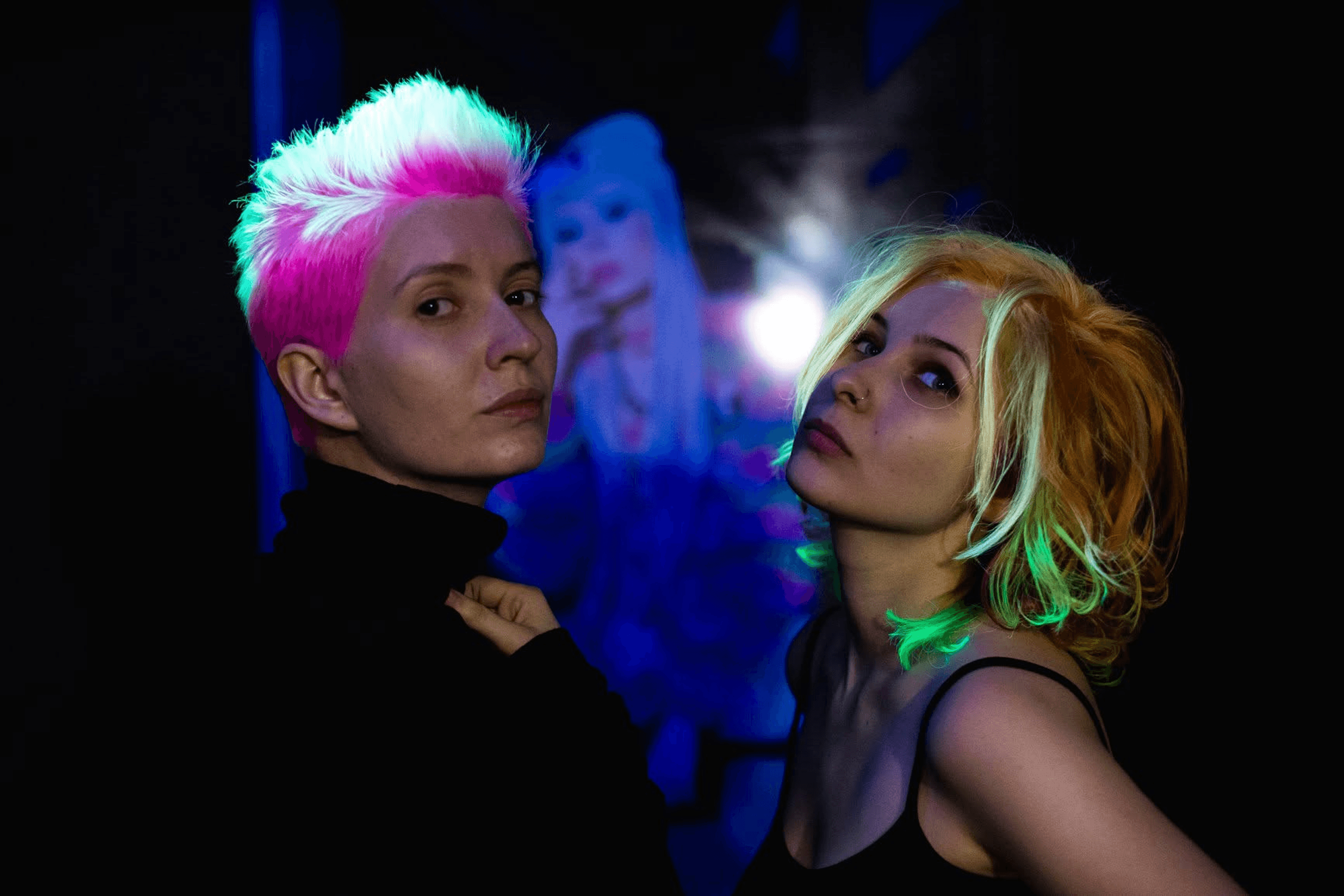
Life seemed to be settling into a more predictable rhythm, but everything changed with the birth of her daughter and her illness.
2
Niya had never planned to become a mother. Her husband, Andrii, really wanted children. They had already been together for three years, and eventually Niya agreed.
The first months of Eva’s life were nothing like what Niya had read about motherhood. The girl barely ate. She could suck milk for only a few minutes, fall asleep from exhaustion, wake up from hunger soon afterward, and then it would all start over again. She cried constantly, slept for fifteen minutes at a time, and could scream for hours.
“I was sure the problem was me. I thought my milk was bad, that I didn’t have enough iron, that I was eating wrong because I’m a pescatarian. Like most mothers, at first I blamed myself,” Niya recalls.
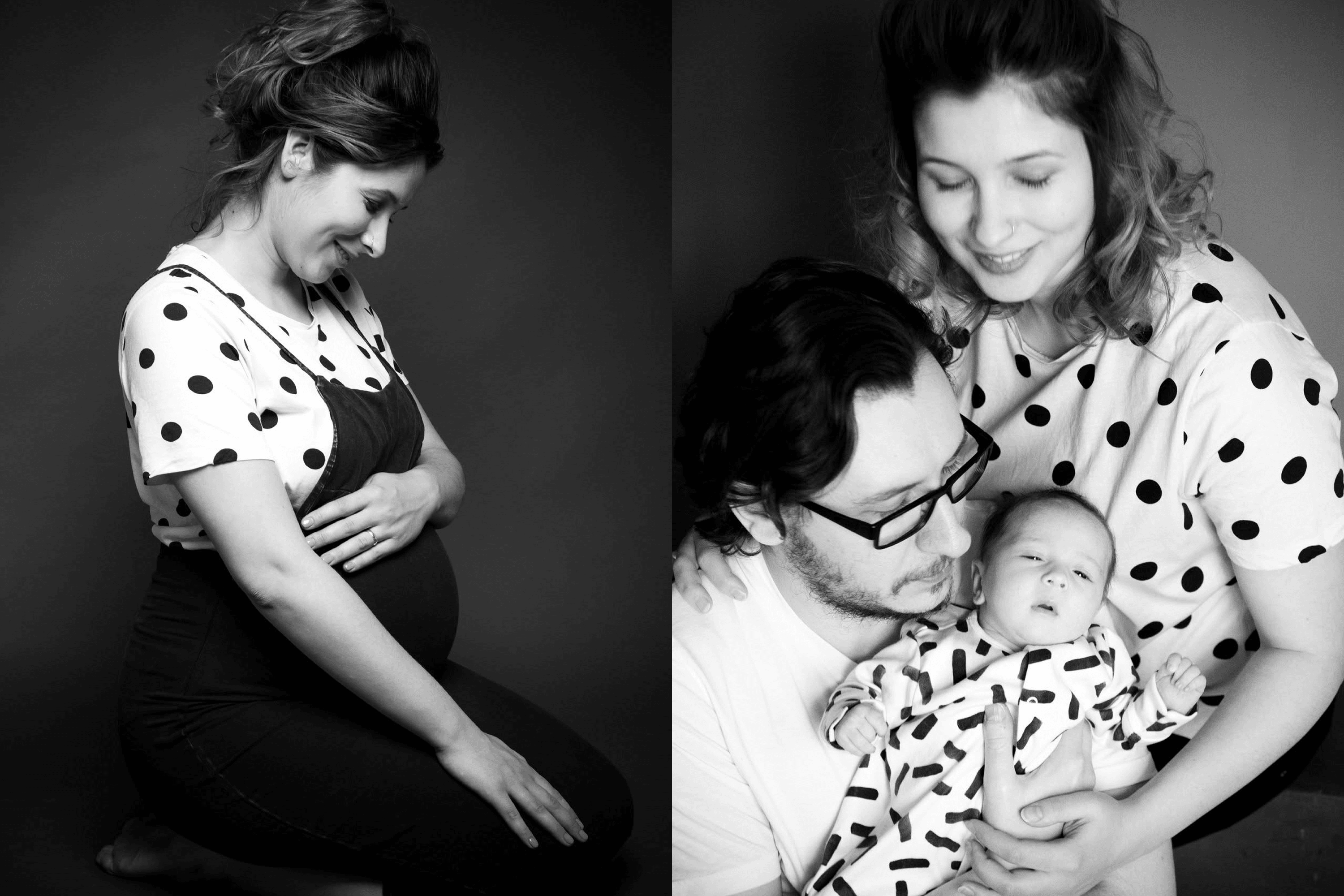
For the first three months, Niya and Andrii had no idea what was happening, and doctors could not find the cause. Andrii became increasingly absorbed in his office work, and in practice their marriage effectively became a long-distance one: they lived apart, seeing each other several times a week.
When Eva lost almost a kilogram, the visits to doctors, tests, and examinations began, but there was still no answer. Eventually, Niya went to a neurologist with a video of her daughter’s strange movements. While the doctor was watching it, the same kind of seizure happened right there in the office. That was when Niya first heard the diagnosis “epilepsy.”
“At that moment, it seemed to me that life had simply ended.”
At the time, Niya had just opened the Zbirka bar. She had invested $13,000 of her own savings, raised $20,000, and her partner Maksym Olshyn had invested another $10,000. On the seventh day after the opening, Niya and Eva ended up in the hospital after the girl had an epileptic seizure. Instead of working at the new bar, Niya found herself in a hospital routine that stretched on for three months.
“Every day, I heard from doctors that my child was going to die, and I was left alone with that fact,” Niya says.
The exact diagnosis came after months of examinations. Eva was found to have Jamuar syndrome, a rare genetic disorder. At the time, she was only the 13th known patient in the world with this syndrome. Today, there are about forty. The condition causes severe developmental disorders, including epilepsy and cerebral palsy.
“When we were told that our child’s nervous system would never fully develop and that there was no treatment, I was devastated. I wanted to find someone to blame. I wanted, for example, this defect to be in my husband so I could say, 'See, this is because of you.' But it turned out that half of the [gene] is broken in me, half is broken in Andrii, and Eva got all of it. We live completely ordinary lives with our halves, but Eva will not be able to live the way we do,” Niya said in an interview with Hromadske.
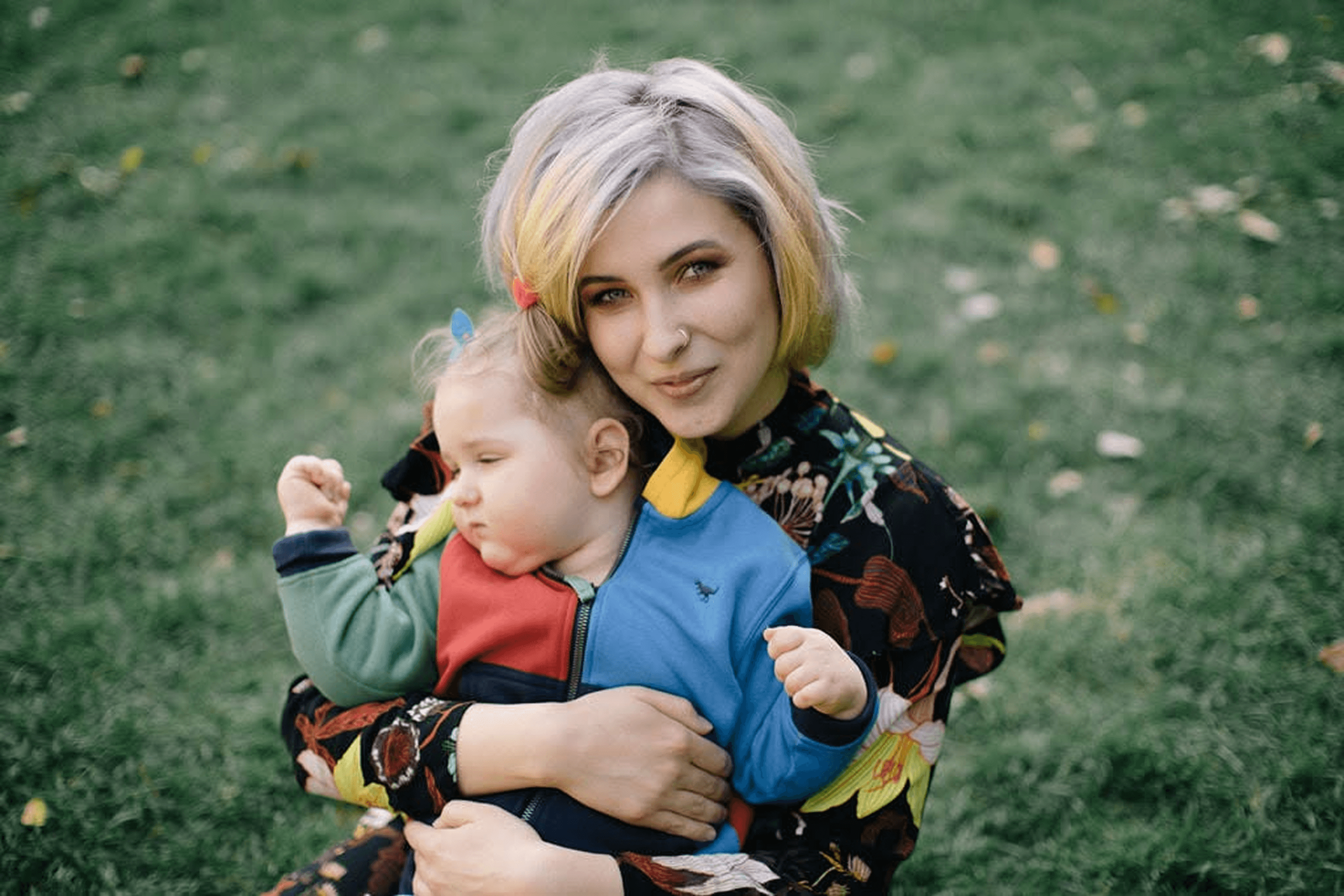
Niya Nikel with her daughter Eva. Photo: Niya Nikel / Facebook / YB 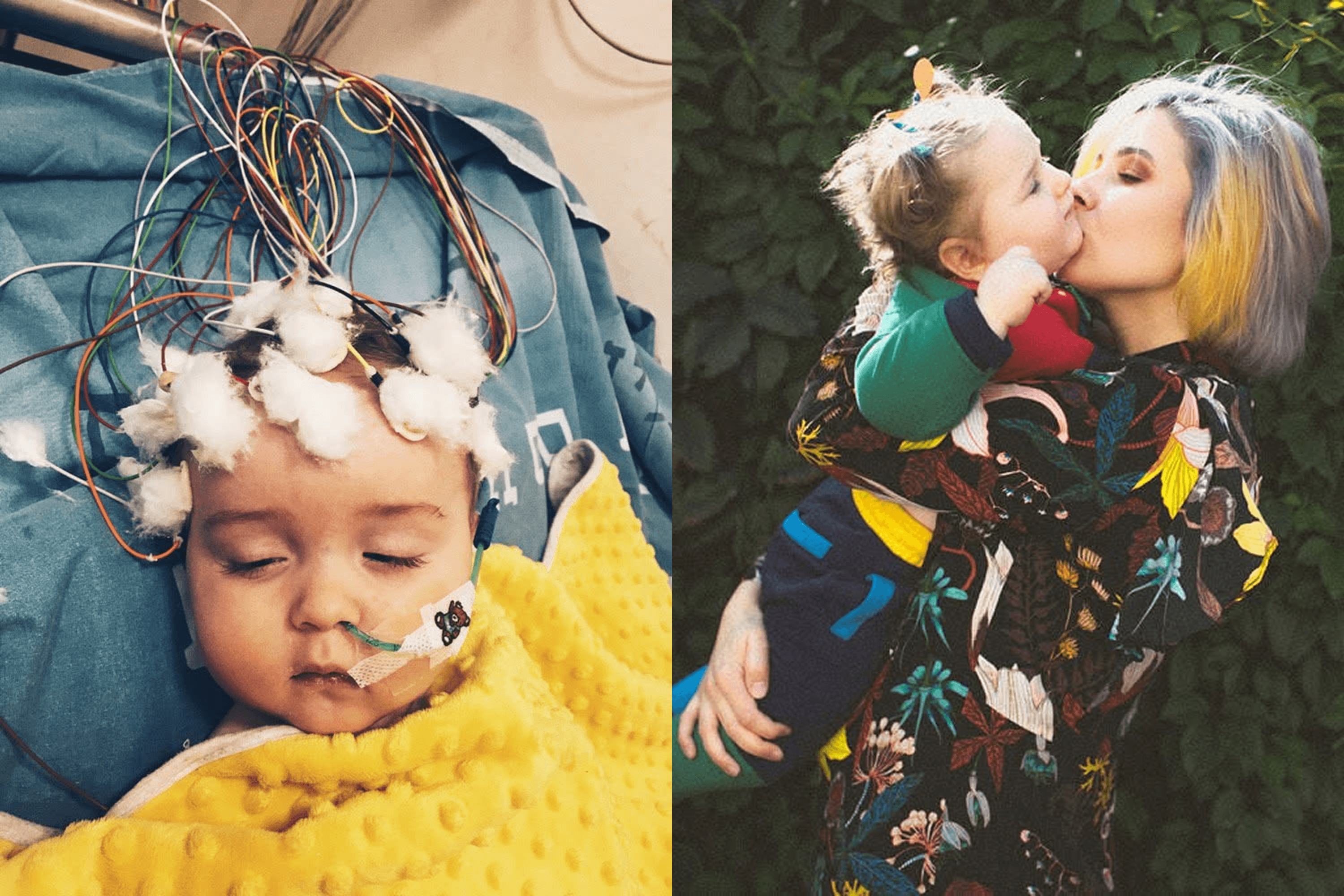
Photo: Niya Nikel / Facebook / YB 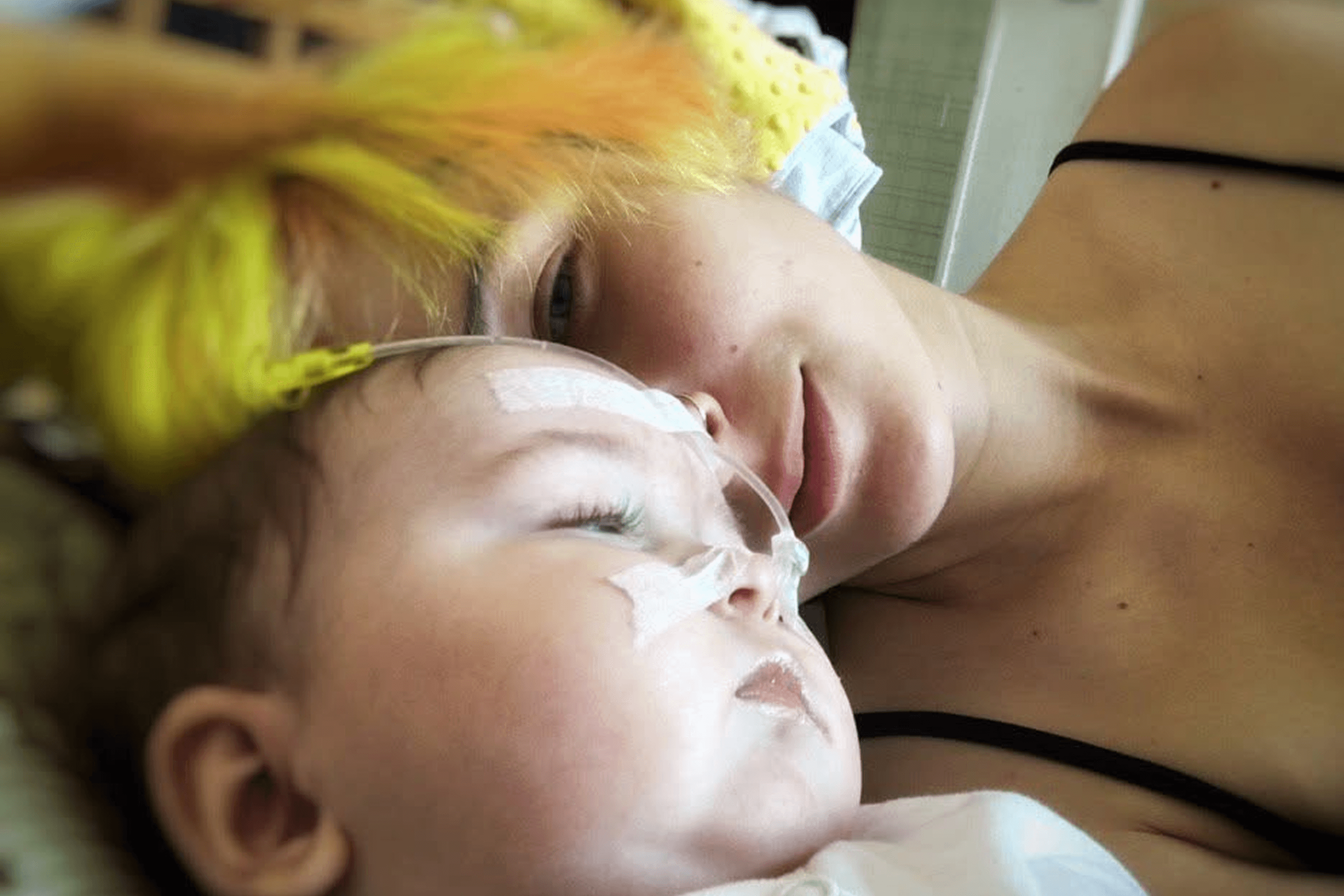
Photo: Niya Nikel / Facebook / YB 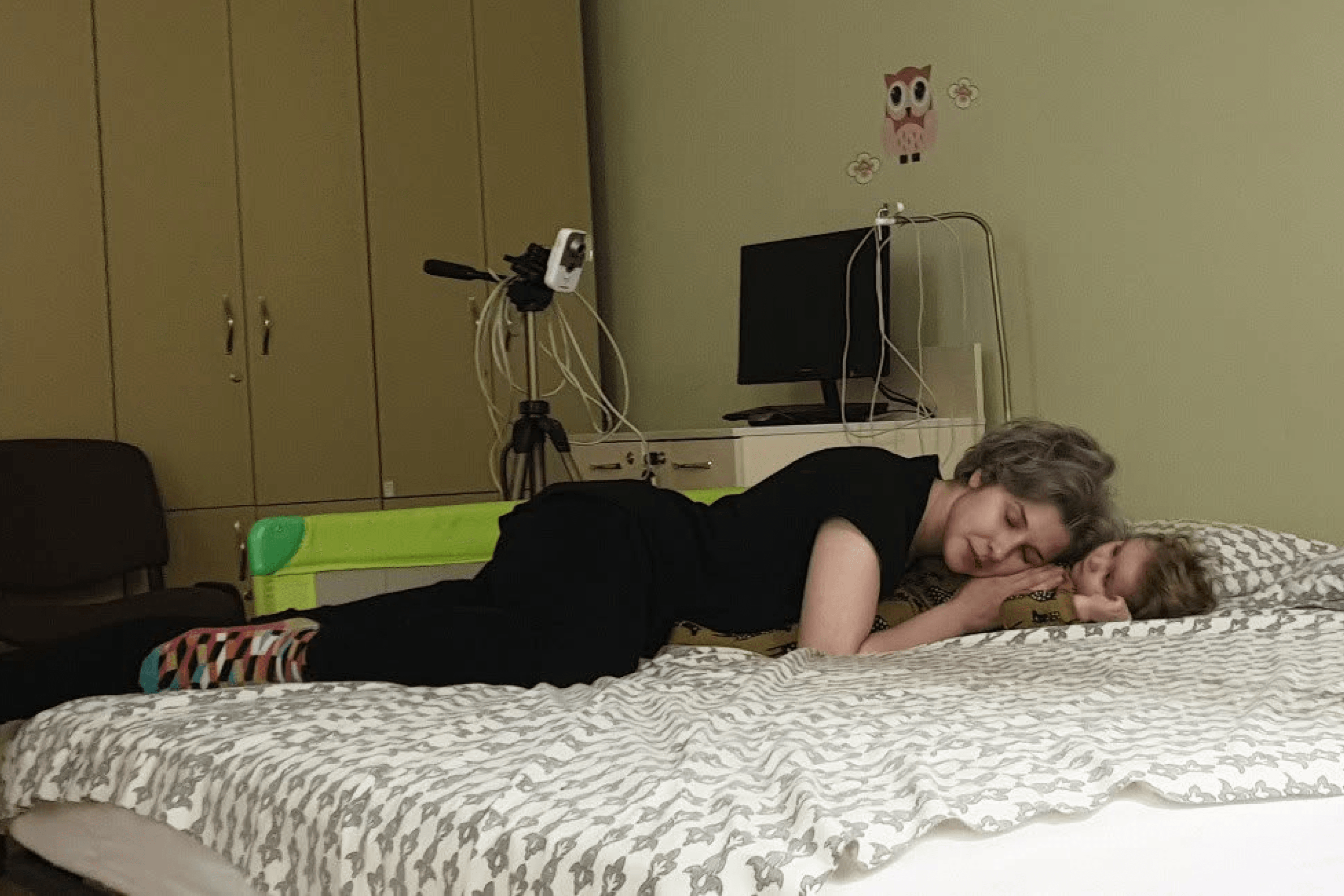
Photo: Niya Nikel / Facebook / YB 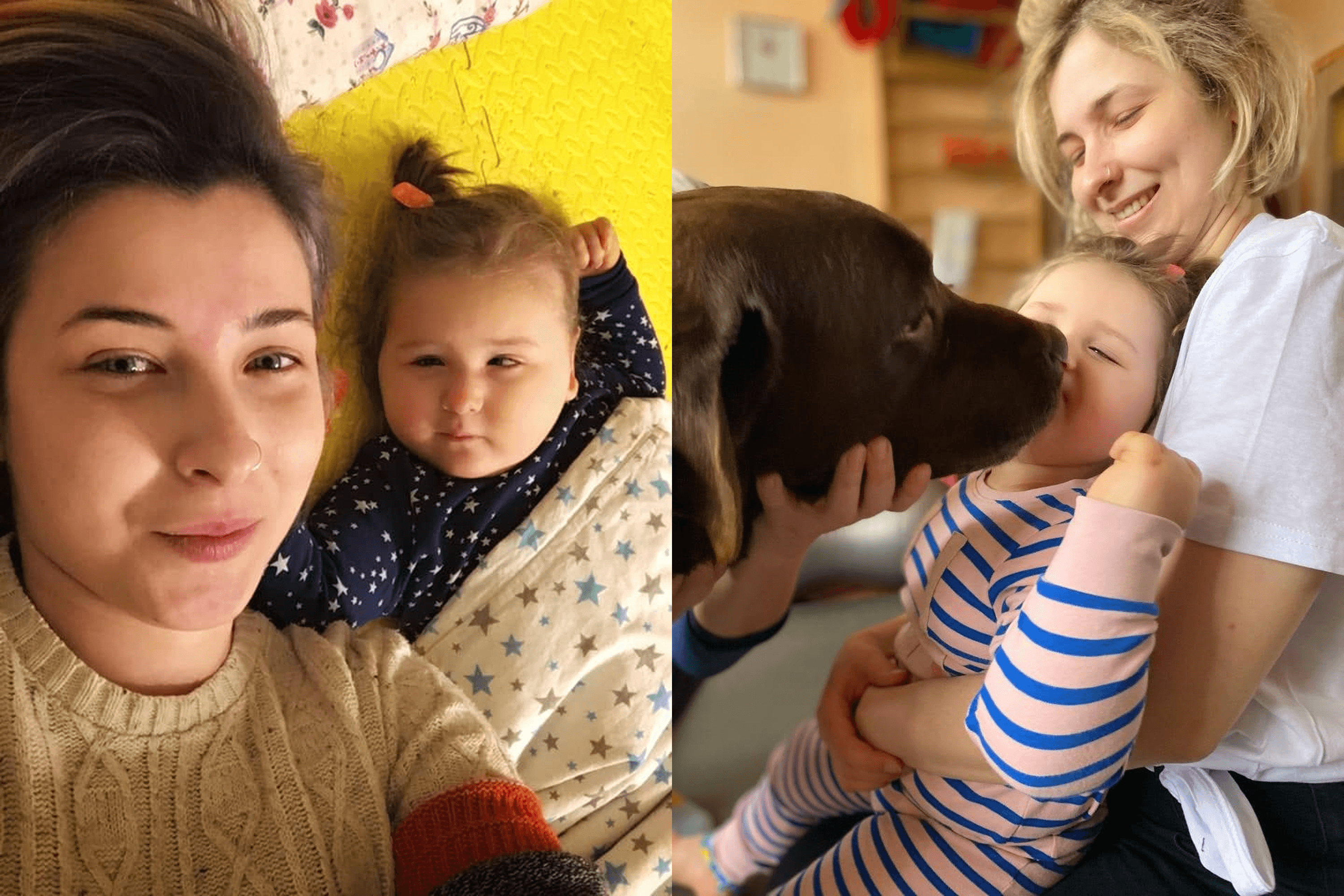
Photo: Niya Nikel / Facebook / YB 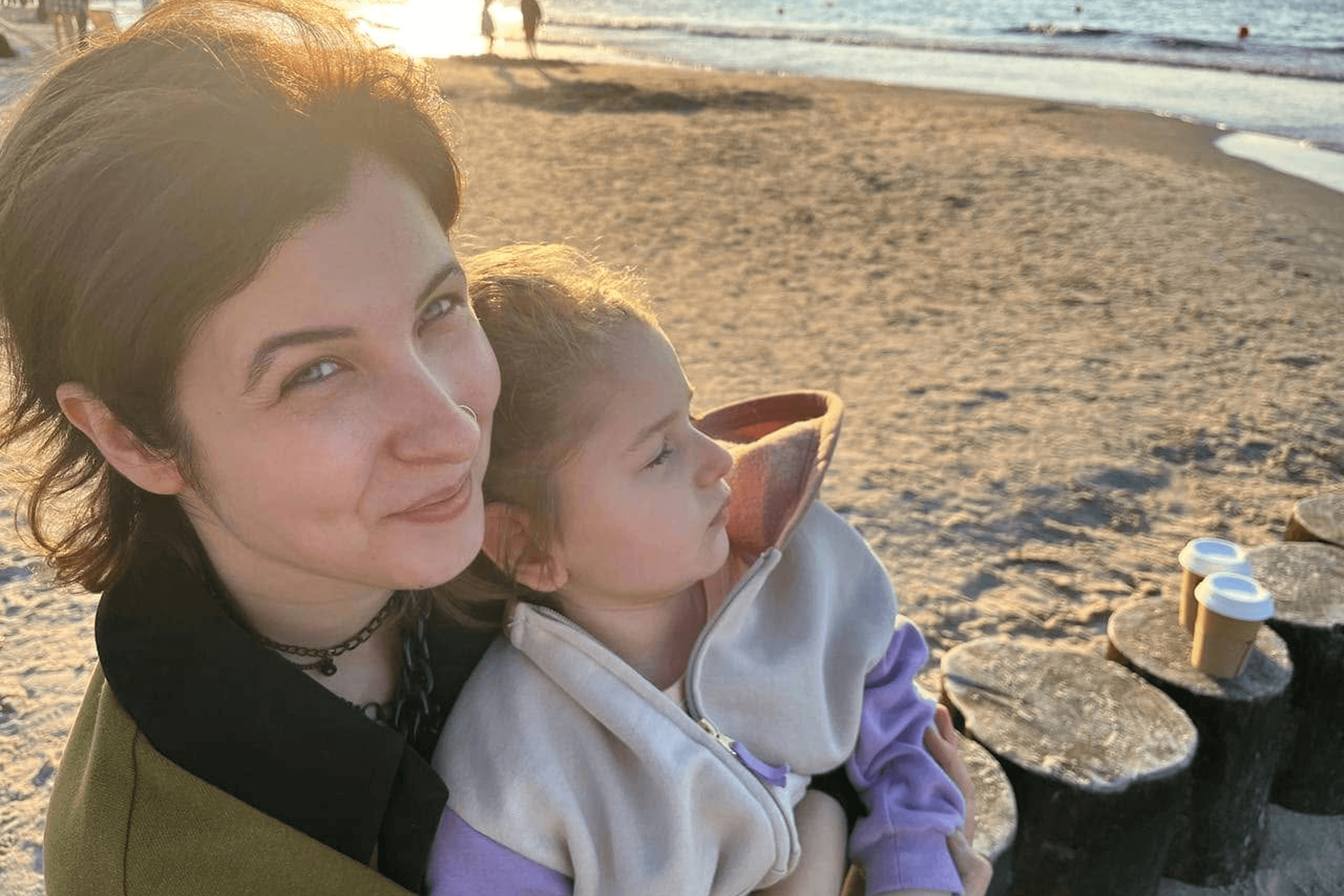
Photo: Niya Nikel / Facebook / YB
There was no ready-made treatment, so Niya began looking for one herself. She read research, found families of other patients, and wrote to doctors. She had to quickly learn to navigate her daughter’s diagnosis.
On top of everything else, there were practical difficulties. Because of the COVID pandemic, the bar had to close and the investors had to be paid back.
3
At first, Niya was only looking for a way to help Eva. But she quickly realized that the problem was much bigger than a single rare diagnosis.
Some of the necessary medications were unavailable in Ukraine. Parents had to look for them abroad or obtain them through intermediaries.
“Every medication prescribed to your child is unregistered, and you’re constantly thinking about where to get it. You have to keep track of how many bottles you have left, where to get the money, who to buy it from. It’s a black market. What guarantee do you have that a courier won’t turn out to be the Security Service of Ukraine instead? It’s incredibly stressful.”
When it became clear that the treatment Eva needed was unavailable in Ukraine, Niya contacted clinics abroad. Hadassah Hospital in Jerusalem was the first to respond. The procedure involved implanting a device to control drug-resistant epilepsy and was expected to cost about €100,000.
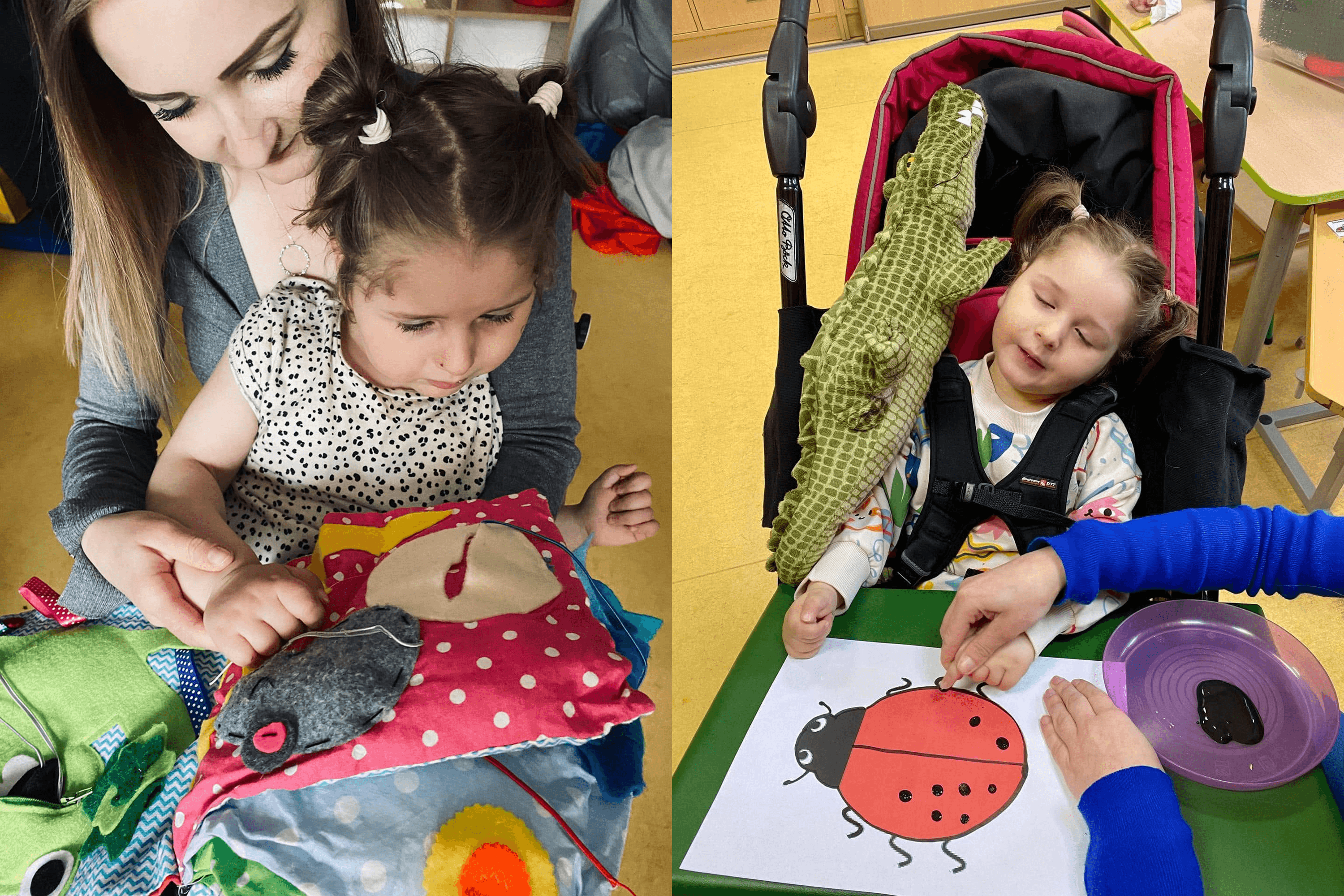
Eva during a class. Photo: Niya Nikel / Facebook / YB 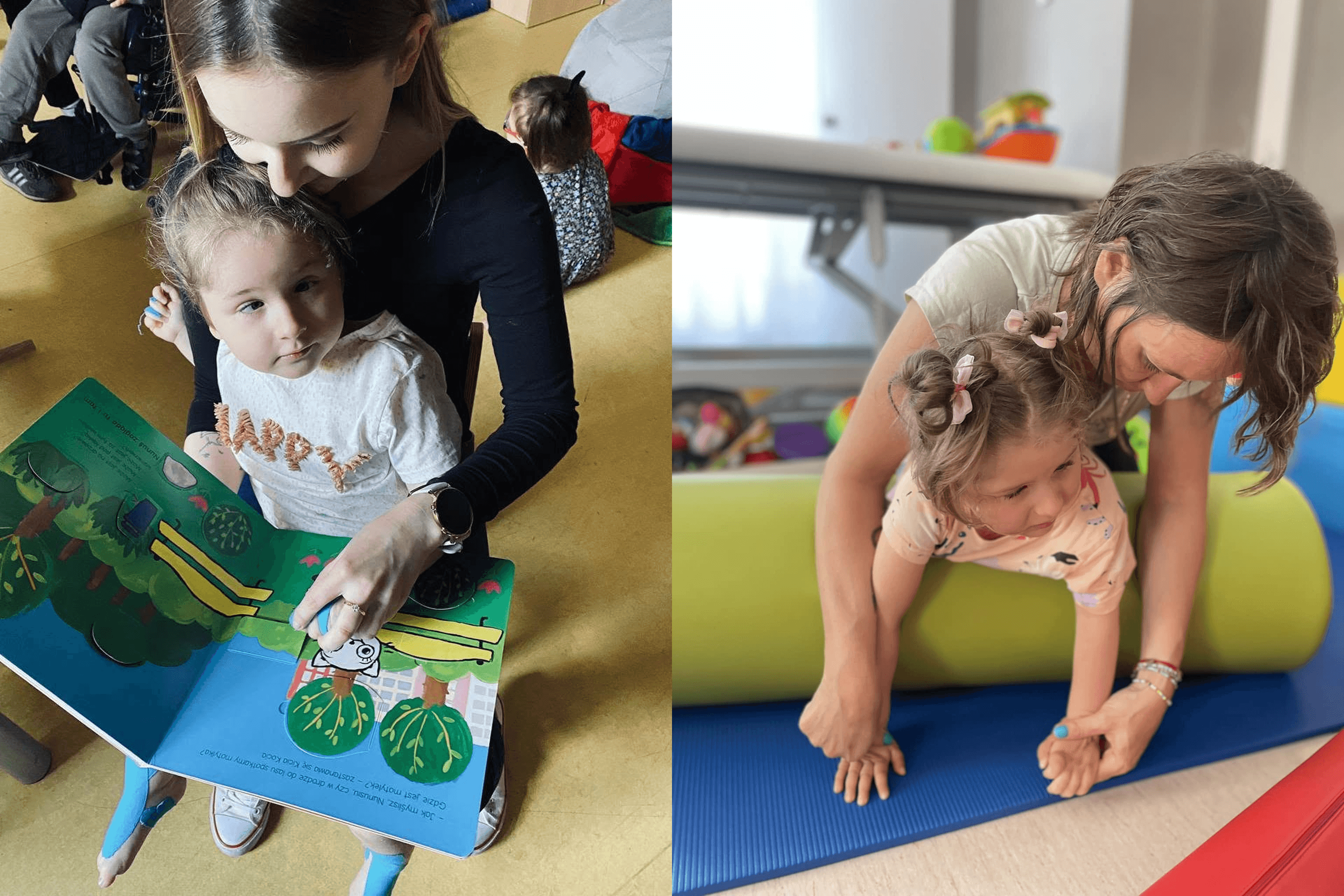
Photo: Niya Nikel / Facebook / YB 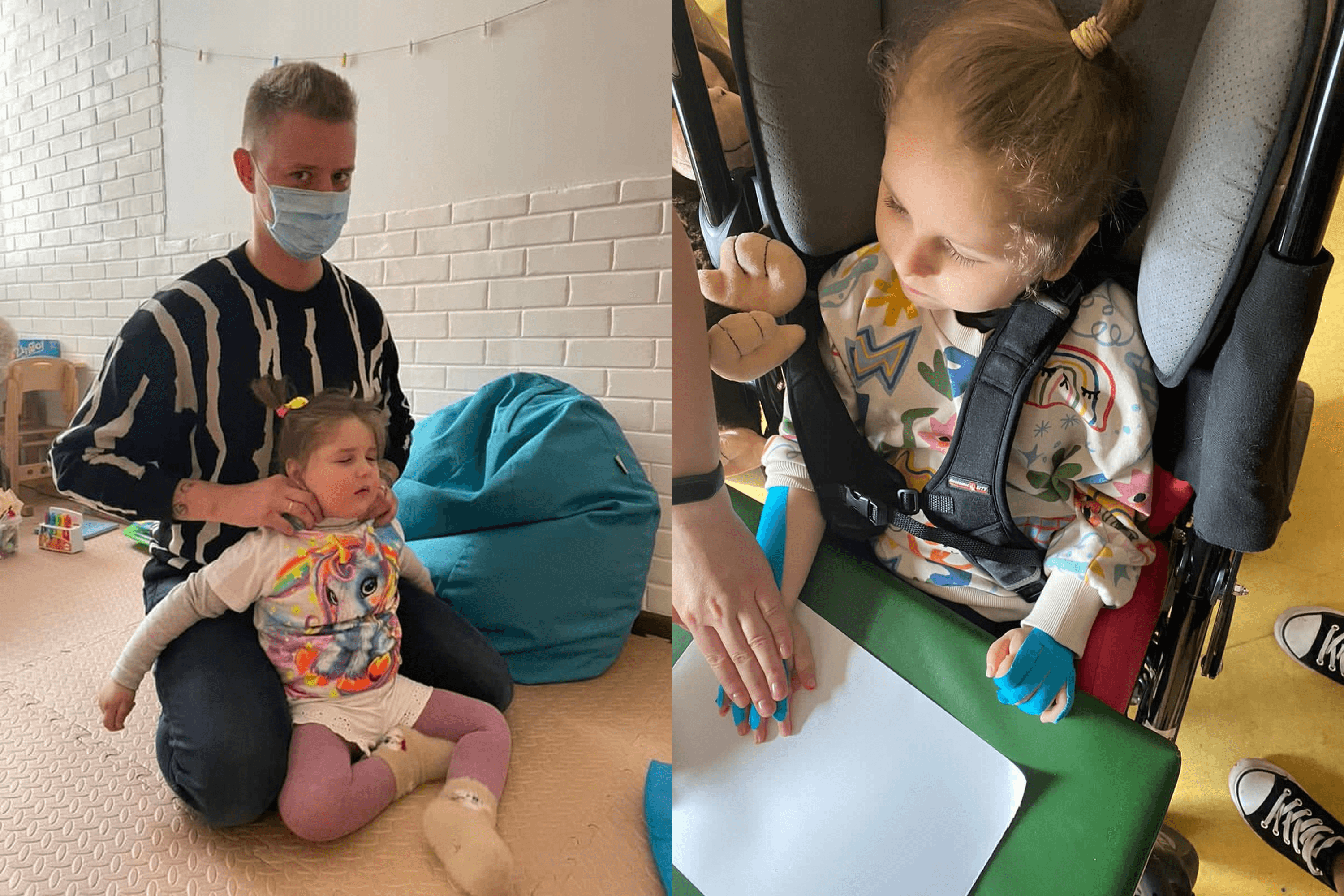
Photo: Niya Nikel / Facebook / YB
The couple raised €30,000 themselves, with relatives and friends providing a significant part of the money. Another €20,000 was raised through Dobro.ua after television reports that Yaroslava Gres helped arrange. They were still €50,000 short.
One day, a woman Niya did not know messaged her on Facebook: “I want to give you 50,000 euros in cash.” At first, Niya thought it was a scam or a prank. But the woman really did give her the money. She did not want any publicity and did not explain why she had decided to help. The surgery was successful. But Niya could no longer stop thinking about other families. “I wanted to make sure other mothers didn’t have to go through what I went through.”
Niya asked herself what people without resources and connections were supposed to do. She already knew the answer. Parents searched for doctors, medications, money, and information on their own, while the outcome of the treatment depended largely on how well a family could fight its way through the system. “Not everyone has the kind of network I have. And when they don’t, a child can simply die before getting the help they need.”
In April 2021, Niya registered the NGO Epiprosvita.
4
When Epiprosvita began its work, Niya’s personal experience turned into a map of systemic problems. Epilepsy has dozens of forms, and treatment depends on the specific diagnosis and the causes of the condition. In Ukraine, however, protocols had lagged behind international practice for years. The latest one at the time dated back to 2014, and some of the medications used abroad were not registered in Ukraine.
This meant that finding a good doctor was not enough for parents. They had to know what medications existed, where to get them, what rights a patient had, and what to do if a hospital or government institution refused to provide help.
Niya had gone through this herself. Once, when Eva was in a hospital in Kyiv and her condition was not improving, Niya decided to take her daughter home. The doctor said she could discharge Eva but would not take her back if her condition worsened. In another situation, Niya’s mother was sent from one institution to another when the family needed to get a new wheelchair for Eva. Although disability status is automatically extended during martial law, the family was required to bring the child in person, even though Eva was abroad.
Epiprosvita began explaining to parents where to turn, how to file complaints, and how to demand that their rights be upheld. Sometimes, Niya says, a properly filed complaint to the hospital director, an appeal to health authorities, or a call to the Ministry of Health hotline is enough.

Niya Nikel at the 28th Conference of the Ukrainian League Against Epilepsy, where the EpiProsvita team recognized doctors and medical organizations for their contribution to the fight against serious diseases. Vinnytsia, 2024. Photo: epiprosvita.org 
Photo: epiprosvita.org 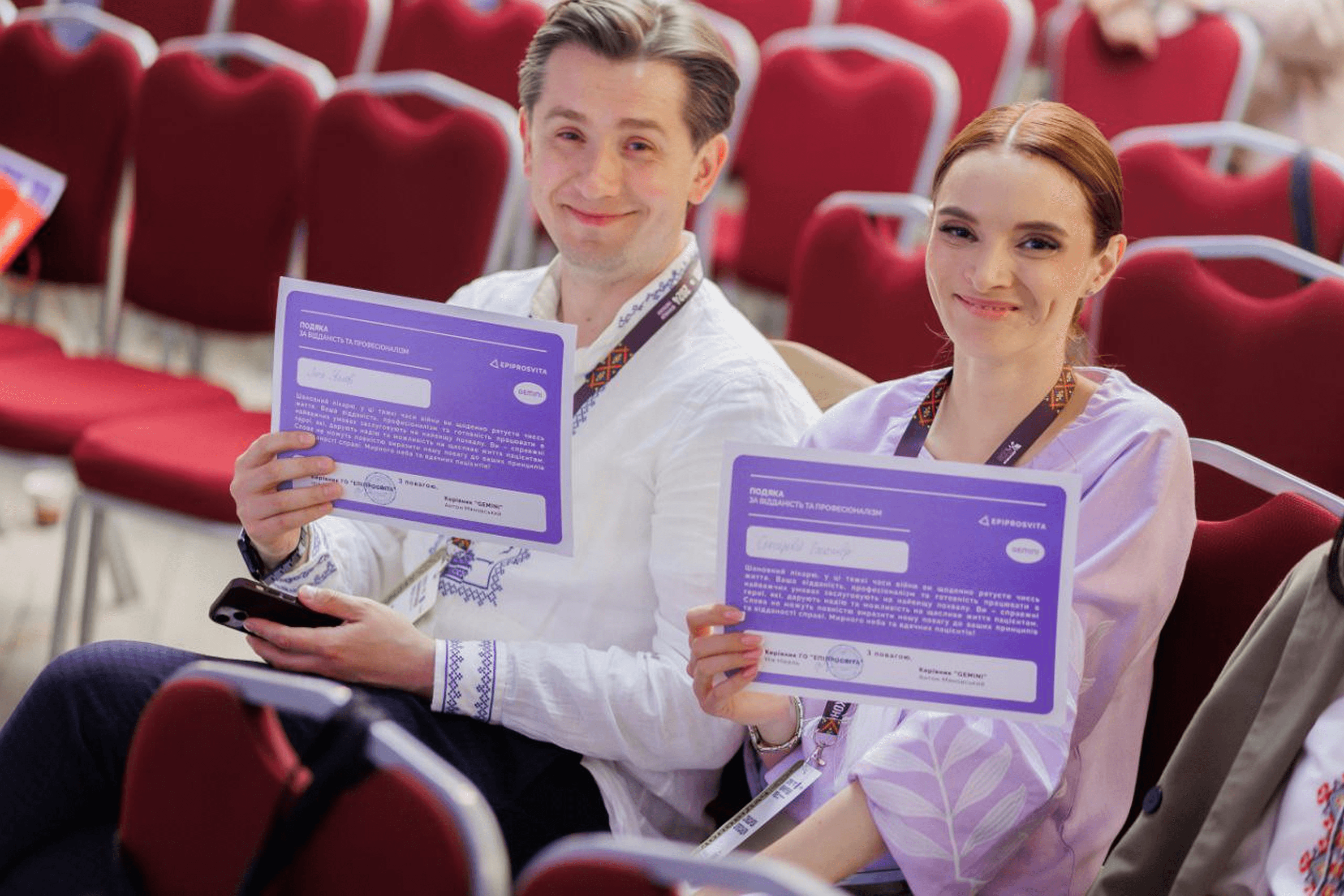
Photo: epiprosvita.org 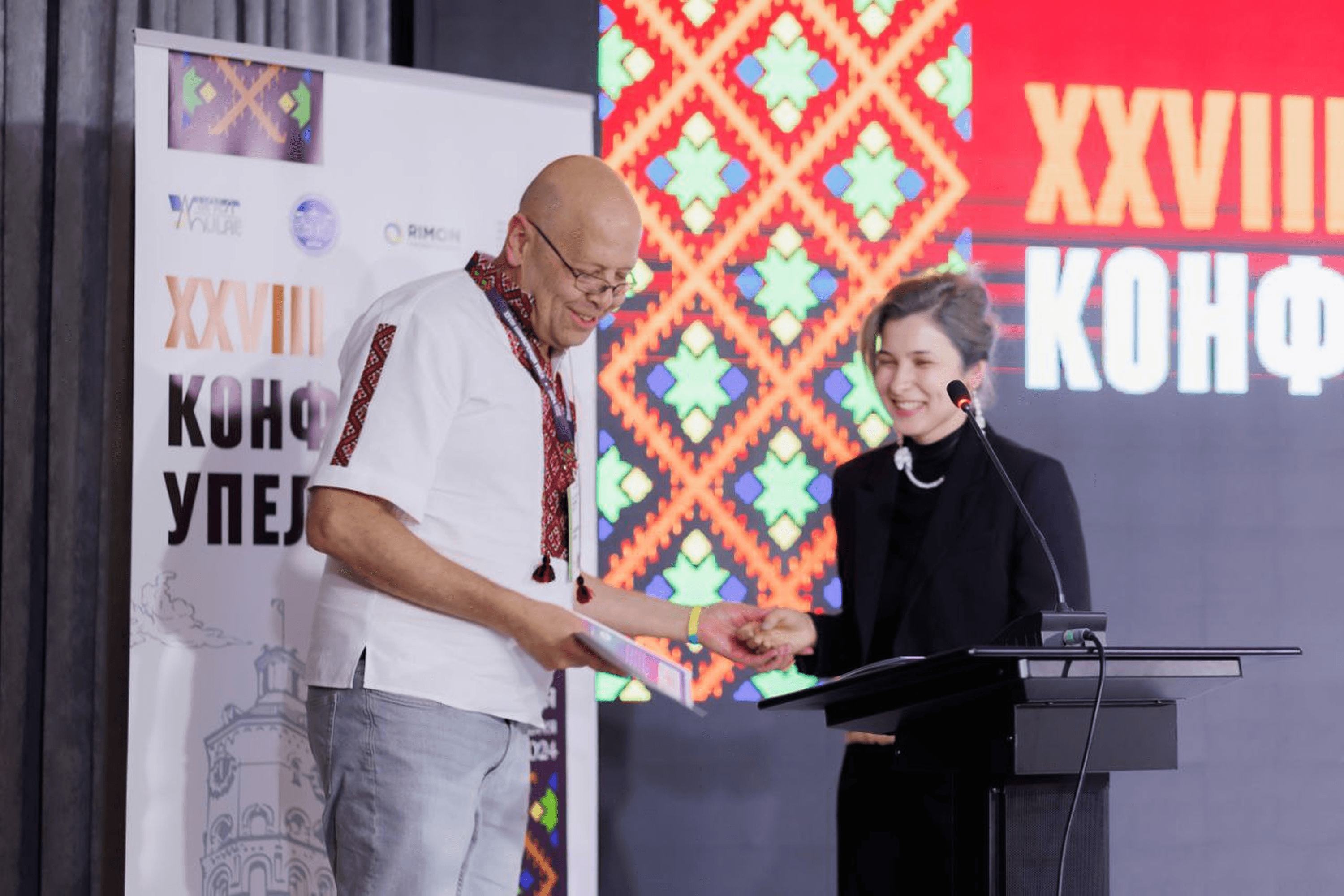
Photo: epiprosvita.org
One of the organization’s largest areas of work was the legalization of medical cannabis. Together with other patient organizations, the team spent several years collecting signatures for petitions, working with politicians, taking part in public demonstrations, and explaining in the media the difference between medical cannabis and recreational drugs.
On August 16, 2024, the law legalizing medical cannabis came into effect. But for Niya, this was only part of the work. After that, rules for the production, control, and prescription of the medications had to be created.
Epiprosvita is now working to get anti-seizure medications that are unavailable in Ukraine registered, update treatment protocols, and establish a single standard for conducting EEGs. Thanks to the organization’s efforts, some medications have already been brought into Ukraine, including vigabatrin.
Another area of work is helping mothers of children with disabilities find jobs. Together with its partners, LUN, Gemini, and WeLabelData, Epiprosvita looks for remote job openings for women, helps them prepare for test assignments and interviews, and helps arrange schedules that can be combined with caring for a child. About 250 mothers have already received this kind of assistance.
“For me, this isn’t some abstract social program. I know how much time it takes to care for a sick child. Because of her ketogenic diet, Eva eats according to a special schedule, and feeding alone takes about five hours a day.”
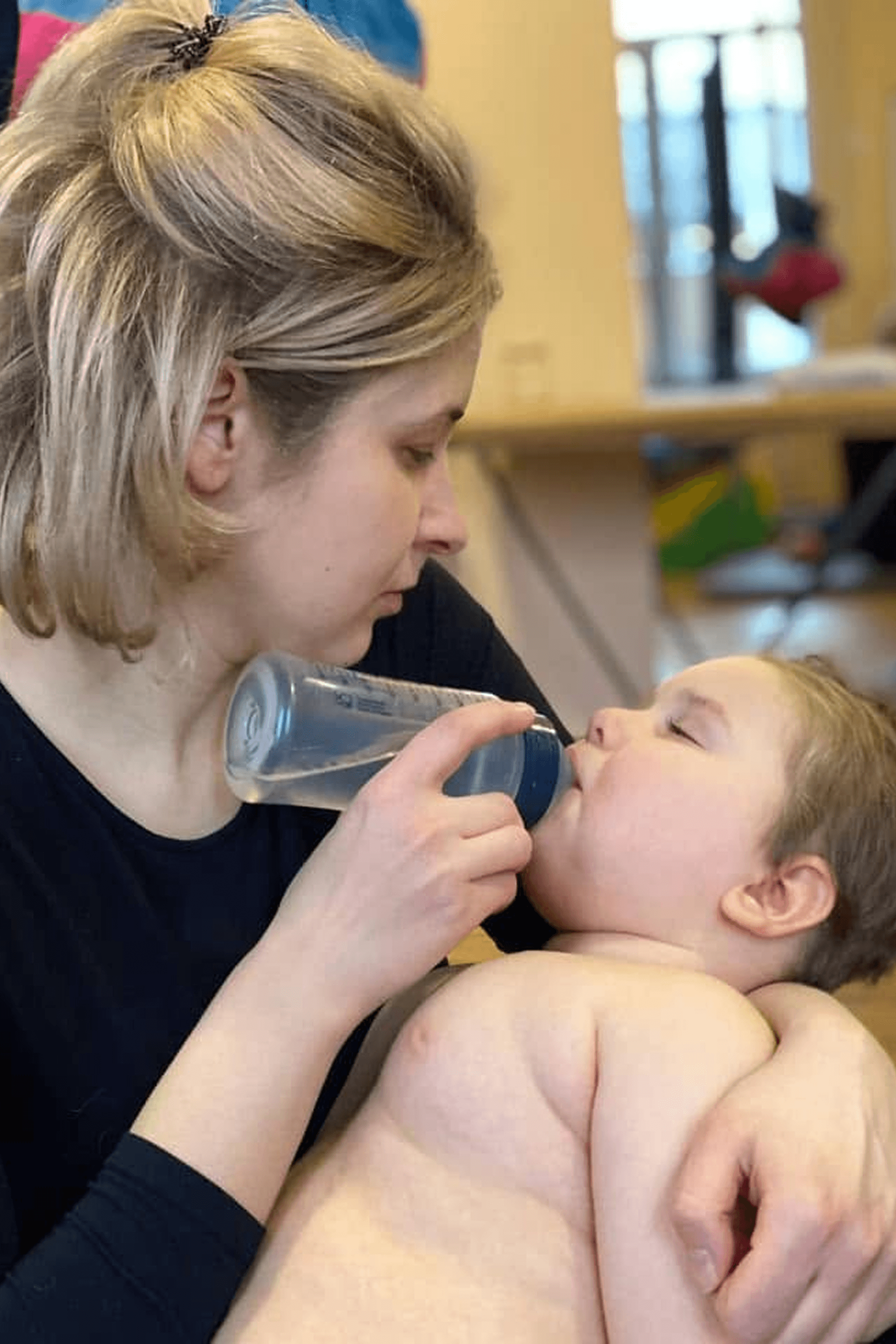
Niya believes that the mother of a child with a disability should not have to choose between caring for her child and being able to earn money for the child’s treatment.
Another problem is a simple lack of understanding of epilepsy. Niya recalls an incident when the owner of a space in Lviv refused to rent it out for activities with children with epilepsy because he was afraid that other children would “catch it.” That is why Niya does not see the role of the civic sector as permanently replacing the state. On the contrary, its role is to show where the system is not working, help change it, and gradually make such an intermediary unnecessary.
5
Changes in the system did not make Niya’s everyday life any easier. Throughout all these years, she combined work and civic engagement with hospitals, rehabilitation, searching for medications, and caring for Eva every day.
Niya and Andrii dealt with their daughter’s illness differently. Niya worked with a psychologist and tried to talk through what was happening. Andrii, by contrast, kept his feelings to himself.
“Once he told me, 'Niya, it hurts me to talk about this. As soon as you put the problem into words, it becomes too real.' And I accepted that because he loves Eva very much.”
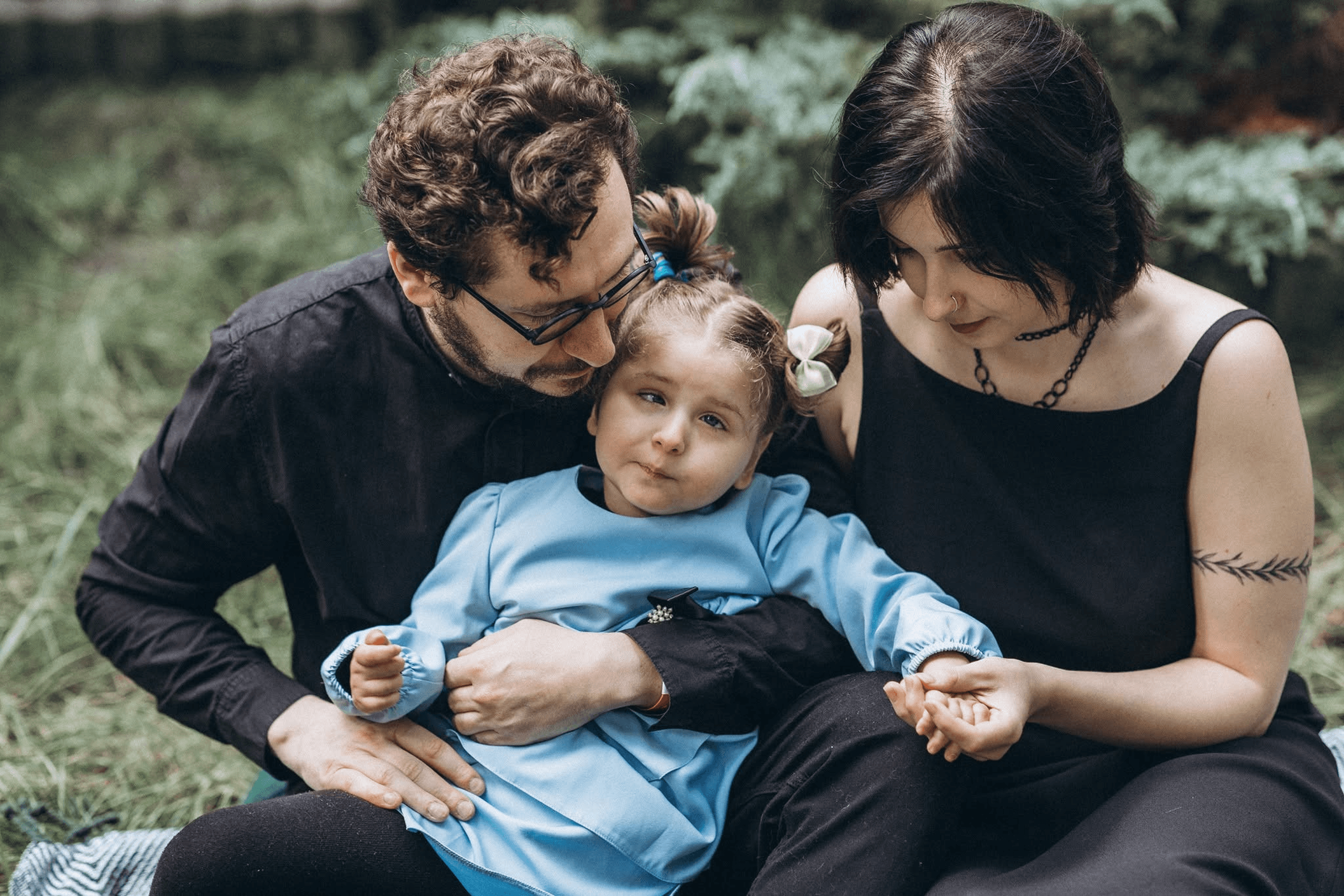
Niya Nikel with her daughter Eva and husband Andrii. Photo: Niya Nikel / Facebook / YB 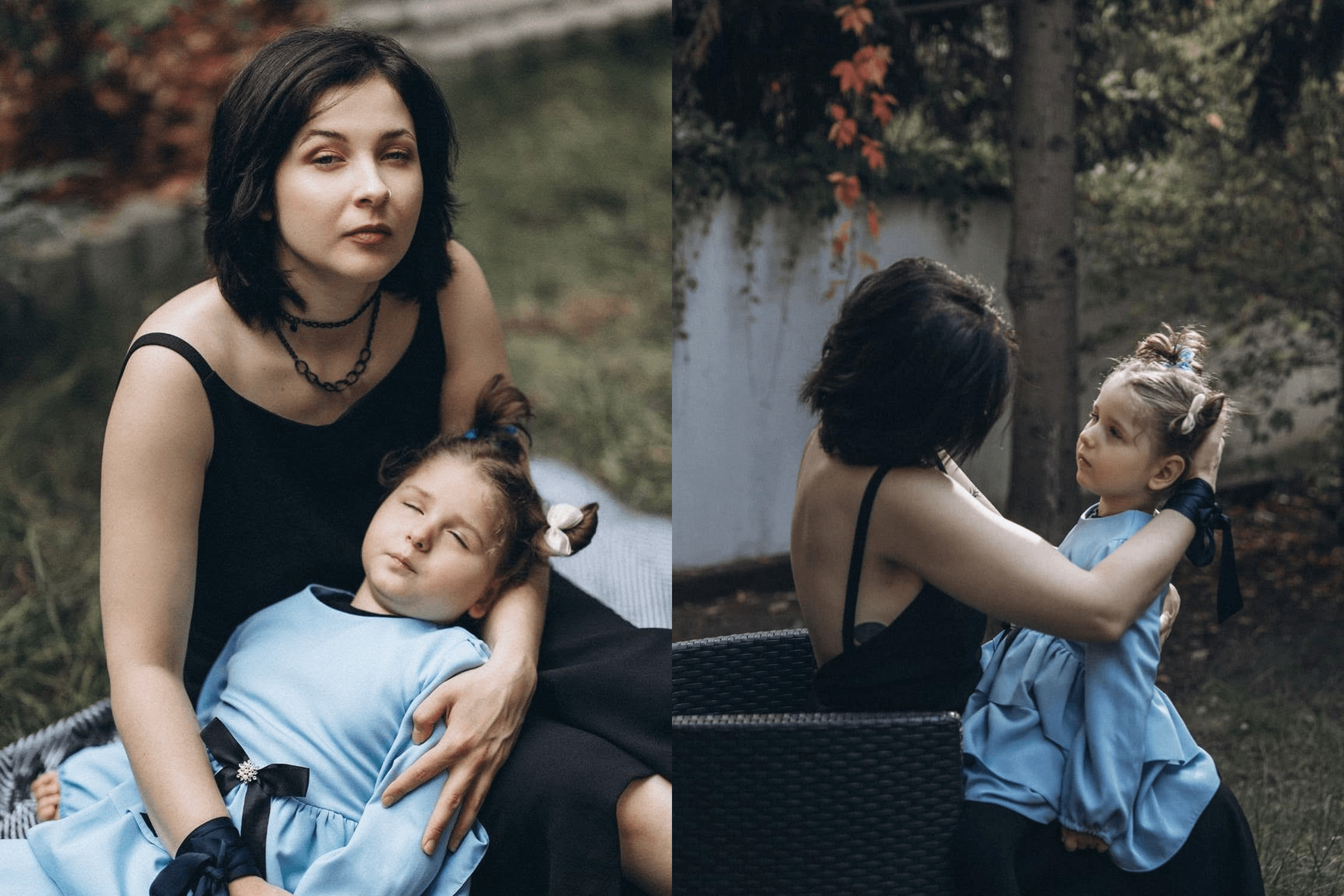
Photo: Niya Nikel / Facebook / YB 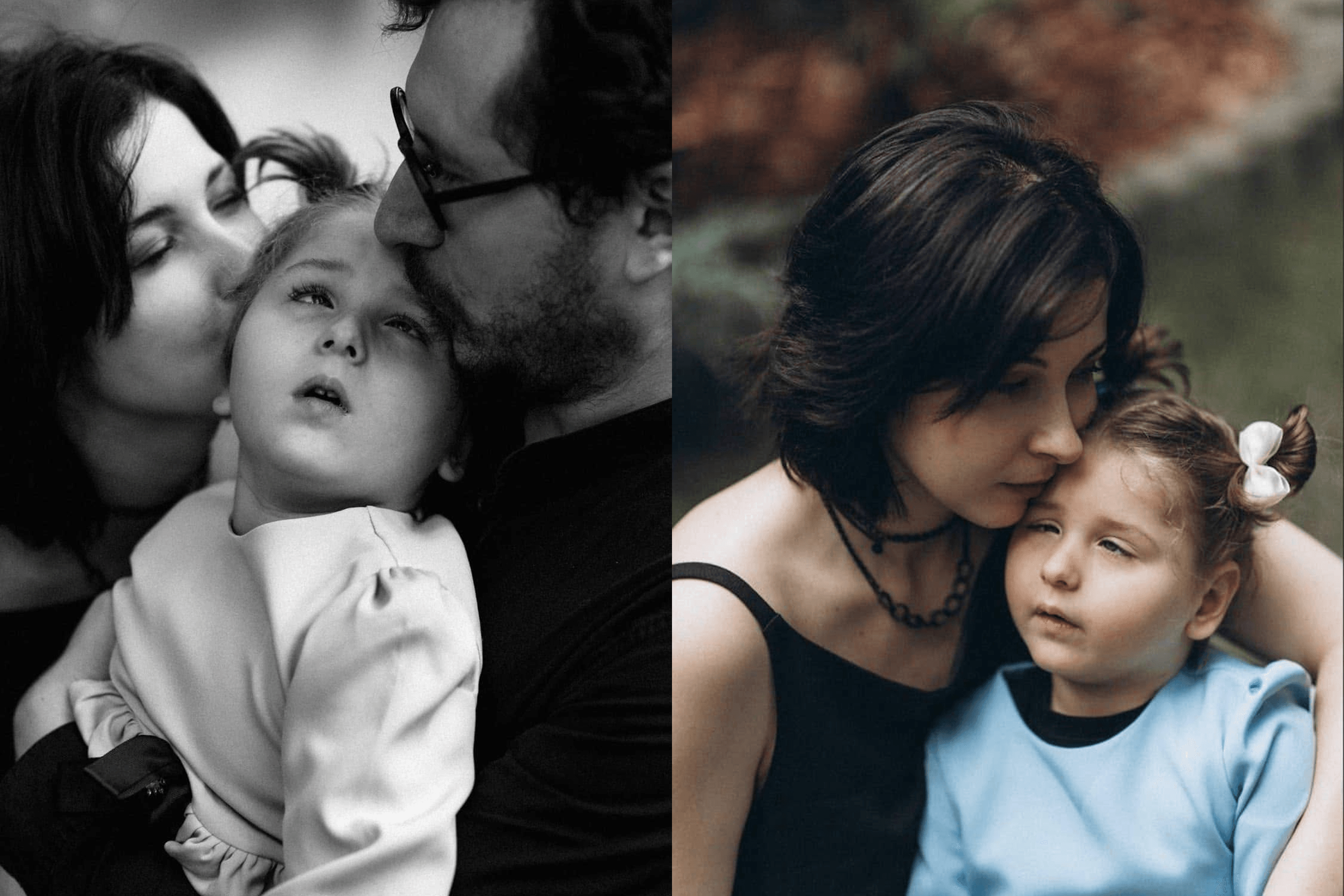
Photo: Niya Nikel / Facebook / YB
In the end, the couple divided up their responsibilities. Niya took on everything related to Eva: doctors, medications, rehabilitation, and the search for treatment. Andrii handled bills, documents, housing, and household matters.
Niya realized that living this way was possible only if she deliberately made room for things unrelated to the illness: friends, walks, dates, normal food, a shower, or simply the chance to leave the room. Another thing that helped was simple rituals: her own way of starting the morning and a small reward in the evening for making it through the day.
And there was planning. When Eva was in the hospital and having up to twenty seizures a day, Niya scheduled her day literally minute by minute: medications, feeding, procedures, sleep, work, her own meals, and searching for treatment. It was not about productivity. It was simply a way to avoid making dozens of new decisions when she no longer had the strength to make them.
Another principle was to break a major crisis down into small tasks. Instead of thinking about how to get through the next year, she focused on what could be done today or within the next hour.
“In time, I came to a simple conclusion: no crisis lasts forever. You don’t have to see the entire path right away. Sometimes it’s enough to understand what to do next.”
This experience later became the basis for the book “How to be happy even when the sky is falling on your head?”

“It’s a kind of survival guide for people living in difficult circumstances. They could be doctors, State Emergency Service workers, anyone doing difficult job they can’t simply walk away from. Work-life balance doesn’t work here. You’re constantly exhausted, but you understand that your work matters, that it’s your mission, even though very often you feel terrible emotionally.”
Together with JELINI and Creative Women Publishing, the team is raising money to provide the book free of charge to mothers of children with disabilities, women whose loved ones are in captivity or missing, and other people going through difficult circumstances. But even printing the book has not been easy. Because of ongoing shelling, it has already had to be postponed several times.
6
The full-scale war once again brought the family back to the problem where it had all begun: access to Eva’s treatment. Because of disruptions in the supply of medications, they first left for Krakow and later moved to Berlin.
There, doctors put together a combination therapy for Eva: a VNS stimulator, a special medical cannabis-based oil, a ketogenic diet, and the anti-seizure medication lacosamide.
The most important result in almost eight years, Niya says, is that the most severe seizures involving loss of consciousness and cardiac arrest have stopped.
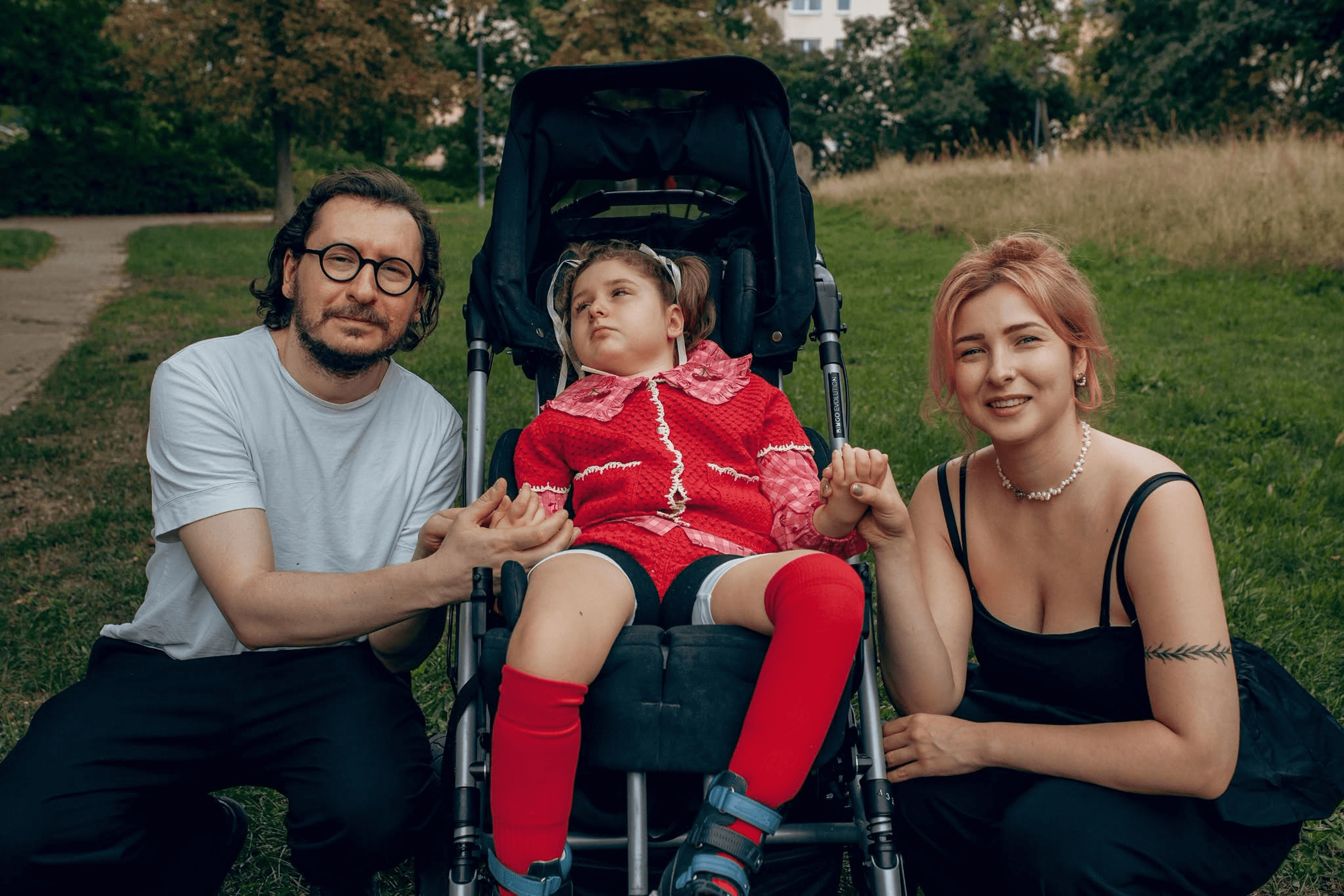
Niya Nikel with her husband Andrii and their daughter Eva, who started first grade. 2026. Photo: Niya Nikel / Facebook / YB 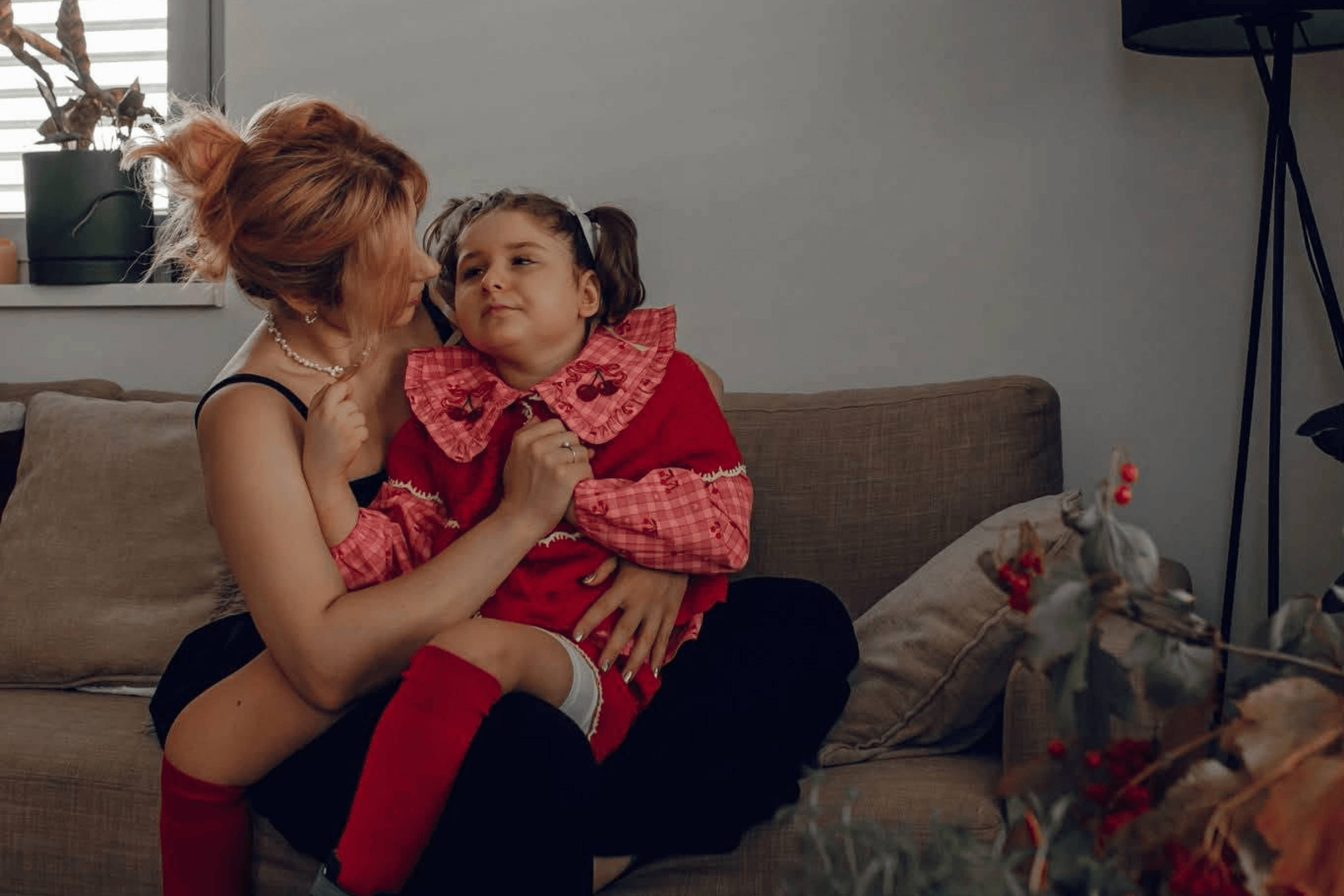
Photo: Niya Nikel / Facebook / YB
Treatment cannot restore the abilities Eva has lost. She cannot hold her head up, but she can now hold objects, give signals, show what she does not want, and say single words. Sometimes, Niya says, when she is around children she does not know, Eva even pretends to be asleep so she does not have to interact with them. As soon as they leave, she “wakes up.” Niya has learned to understand her daughter through the smallest movements and reactions.
“The biggest success is that she is alive, because several children with her condition have already died. She isn’t getting worse, which is also a plus, because many experience severe deterioration.”
In Berlin, Niya continues to work on Ukrainian projects. Epiprosvita’s next goals include registering the necessary medications, updating treatment protocols, establishing a standard for conducting EEGs, and creating a national lesson on epilepsy. The organization is also working to improve how state employment centers help mothers of children with disabilities find jobs. Separately, Niya plans to create an adaptive clothing brand called Fantazavr and is working on the idea of a school for children with severe disabilities in Germany.
Niya does not try to predict what Eva will be like in a few years. For now, the main goal is to maintain her condition and the abilities she has gained until medicine can offer new solutions.
“Eva taught me to love for no reason. I keep thinking about how one little girl who cannot even say a single word has already helped an enormous number of people.”