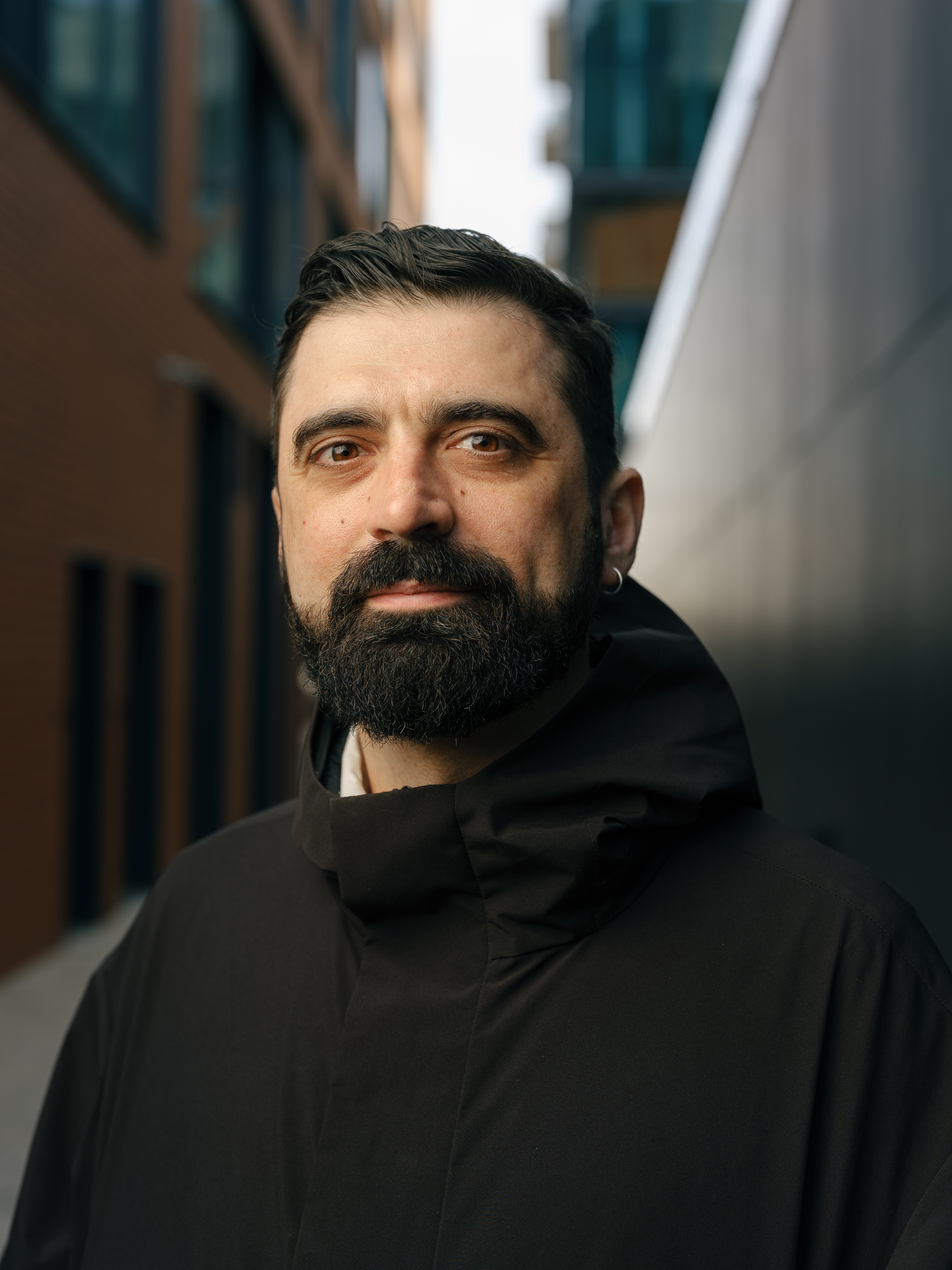
Nineteen years ago, a young photographer from Kharkiv, Sasha Maslov, arrived in New York to pursue his own American Dream. And it came true: Sasha photographed David Lynch and Elon Musk, worked with The New York Times and other global media outlets, and produced his own projects. However, after the start of the full-scale war, he began returning to Ukraine more and more frequently—and, ultimately, it was Kyiv where he is building his life today.
Tamara Balaieva, an editor at Yellow Blue, spoke with Sasha Maslov about the dream that brought him to New York, the war that brought him back to Ukraine, and the photography that connected these two worlds.
1
When Sasha Maslov was 23, he packed his laptop, a camera, and a few personal belongings into a car, strapped a mattress to the roof, and set off for New York from Cincinnati. He dreamed of an interesting life and a successful career—opening his own studio in the city, producing personal projects, and telling stories through his lens. How he would achieve this, he had no idea yet.
Sasha was born in Kharkiv into the family of photographer Guennadi Maslov. He got his first camera around the age of six. By 13, he was attending a photography club, and at 14, he was already asking his friends: “Sit down, let me take your picture.” He doesn’t remember where his interest in portraits came from, but he does recall something else—how in the 1990s, as a teenager, photography became a way to question life: Why was there poverty all around? Why did others not find beautiful what he considered to be so?
“Those were the kinds of things I photographed. And at that age, we also begin to understand ourselves—falling in love for the first time, realizing what values matter to us,” Sasha says as we sit in his Kyiv studio. “The camera helped me with that. I can’t explain it any deeper, but by pointing it at objects or people that interested me, I began to discover the world.”
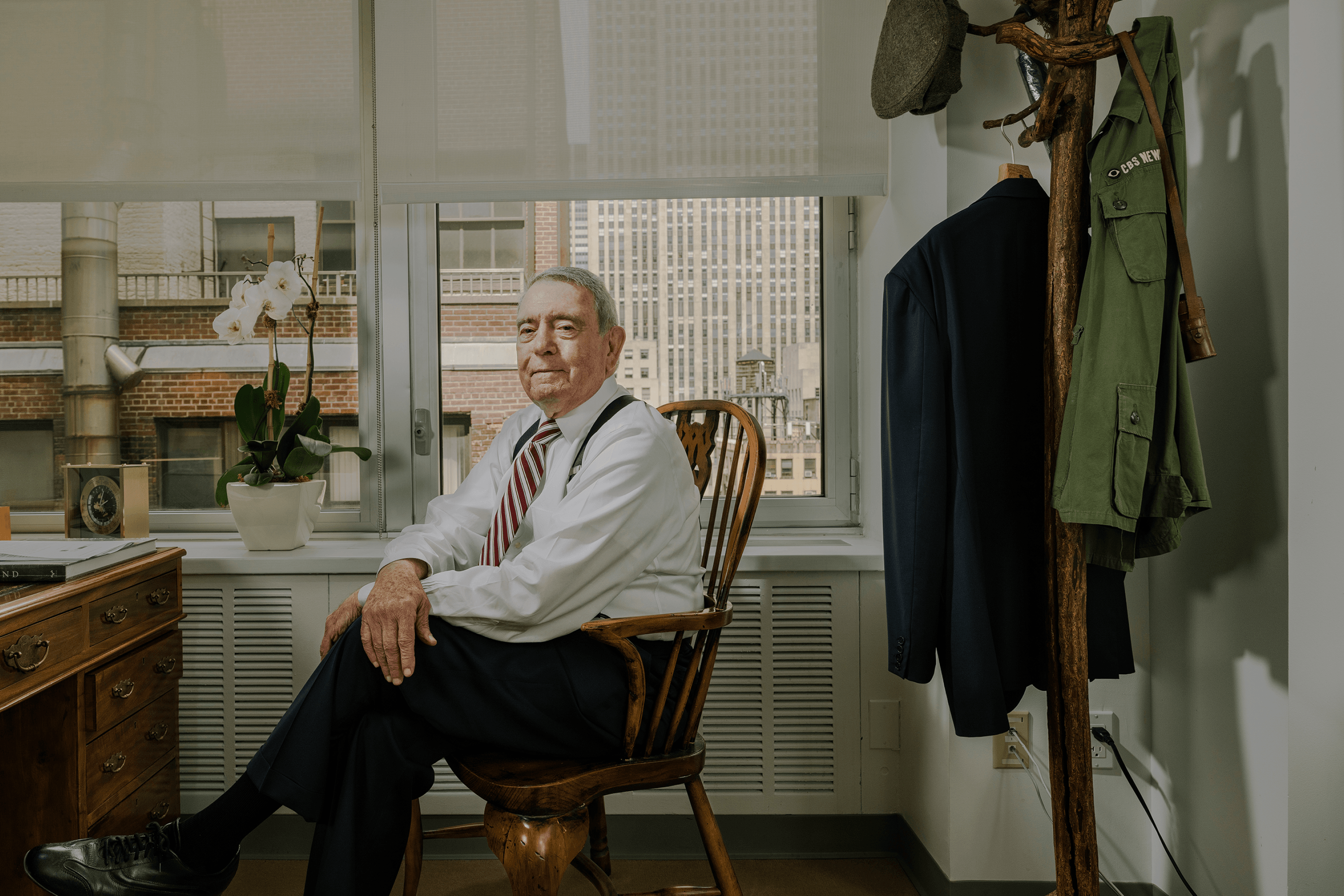
When Sasha was 14, he spent his first summer in the US, visiting his father, who had immigrated to Cincinnati in the late 1980s. From then on, he returned for a few months every year. He went to school there, played soccer, quickly picked up the language, made friends, and worked various odd jobs—from washing dishes in a fast-food restaurant to working as a lifeguard at an amusement park. He went to parties and spent a lot of time with his father’s new family.
“[I felt like] I was finding things in the States that I lacked, even though I hadn’t known I was looking for them. I was fascinated by America and this new culture,” Sasha says. He frequently interjects English words, explaining that it is easier for him to speak the language and that he sometimes has to translate into Ukrainian on the fly.
At 19, Sasha was already taking on photography work in Kharkiv, shooting a project for the Arabesques Theater—a performance by a troupe of inmates from a local penal colony.
“A woman came to the performance—the mother of one of the convicted actors,” Sasha recalls. “She and her son had seen each other before it started, but she didn’t tell him what she wanted to—that his brother had died. She was waiting for the show to end. I shot this woman in the audience, among other people. That was the moment I realized you could tell stories through photography.”
2
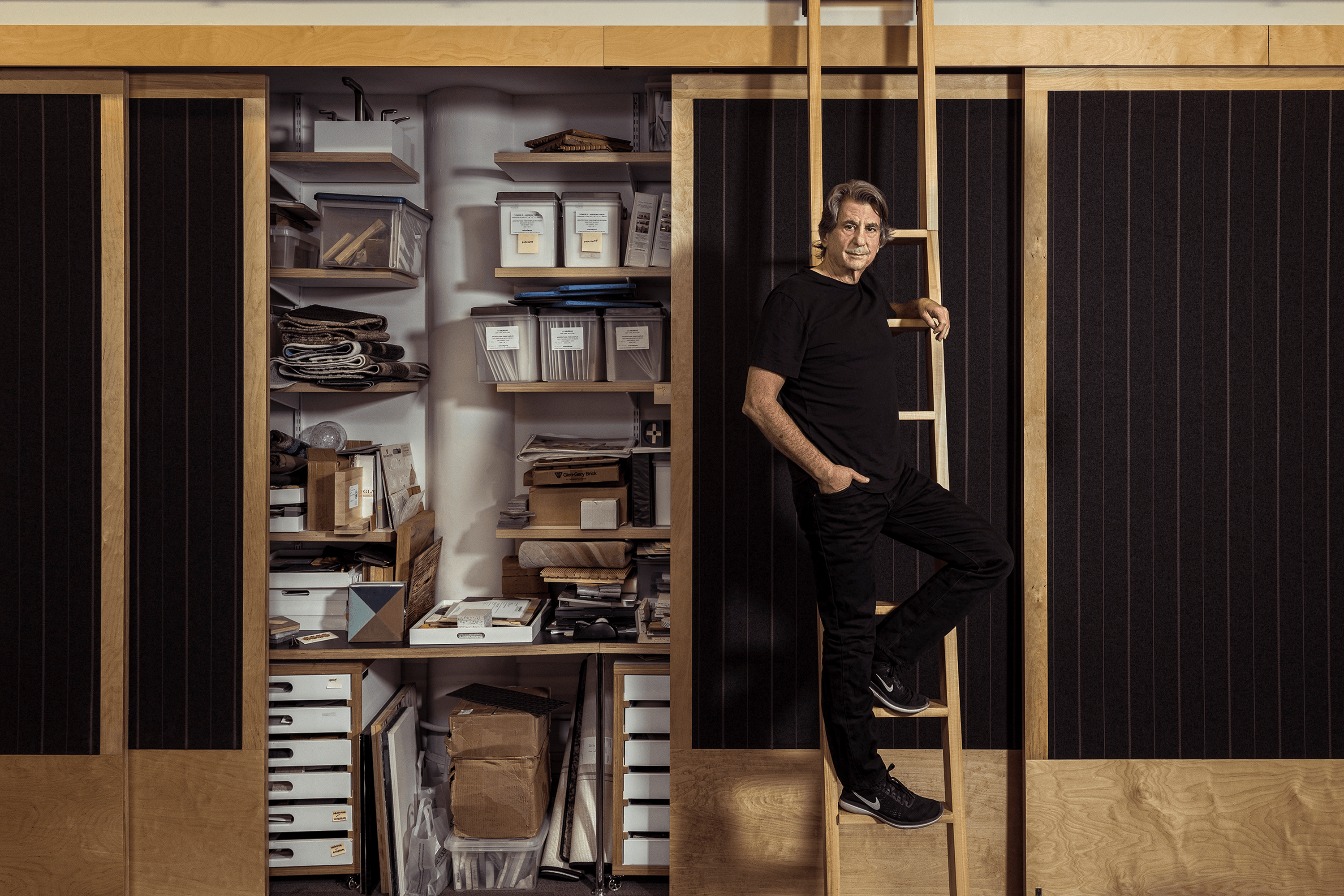
Years ago, Sasha came up with a concept: to live life as the main character of his own movie. With this mindset and a clear intention to build a career, he moved to Cincinnati at the age of 21. He navigated by instinct, studying the biographies of photographers he admired—Richard Avedon, Arnold Newman, and Irving Penn. They all worked in New York, and Sasha didn’t plan on staying in Cincinnati either. For two years, he adjusted to his new life, assisted on shoots, and worked on his own projects before packing his things into his car and heading to New York. He rented a room in a Brooklyn loft shared by a crowd of creatives—photographers, designers, actors, and artists. Life felt like the opening scene of a Hollywood biopic: endless parties, sharing ideas, hunting for work, being broke, and being happy.
It was 2008, and the global financial crisis was just hitting. Finding work, especially when starting from scratch, was brutal. Sasha scraped by with assistant gigs, and he was lucky—there was always just enough money to make it to the next week. The loft mates would pass gigs to one another, joked constantly, and simply stuck together, turning the hard times into an adventure.
In the late aughts, freelance photographers would just cold-call media outlets, send emails, or drop off physical portfolios at editorial offices, hoping to get noticed. Sasha did the same. After ten months, he landed his first assignment—and it was straight from The New York Times.
“Around eight in the morning, I sent an email to the photo desk saying I was available to work that day, and went back to sleep,” Sasha recalls. “I woke up at ten, checked my inbox, and saw I’d been given three assignments—two of which I had already slept through. The third one was to shoot a concert for a Mexican singer. Of course, I took it, and along with the concert photos, I also shot a portrait of her. That was the one they published.”
From then on, Sasha received such assignments regularly. Wherever he traveled, he would always pitch editors, asking if they needed anything shot there. When there were no assignments, he invented them. He created personal series—people with tattoos, churchgoers, artists.
Sasha once heard an unwritten rule: if, after two years in New York, you wake up in the morning and you still love your life, you should stay. If not, you leave to seek your fortune elsewhere. In Sasha’s case, the rule worked—within two years, his career was on the rise and assignments were plenty. It felt like he had boarded a train that would never stop. But it turned out not to be that simple.
“Among photographers, there’s a saying: 'You’re only as cool as your last shoot, '” Sasha says. “And if your shoot today is crap, your next one might be crap too. The same goes for your career as a whole. Its highs can be intoxicating, and its lows can feel heavy. There might be no work for a month or two, and during that time you think it’s all over, that you’ve been forgotten and there will never be another gig. But I quickly figured out how the industry works and started filling those slumps with things I actually wanted to do—my own personal projects.”
3
Sasha Maslov began working on his first major series, “Veterans”, in 2011. World War II had fascinated him since his school days, and the project offered a chance to speak with those who had lived through it, on all sides of the conflict and at various stages. Initially, Sasha planned to take just 10 to 15 portraits. Ultimately, however, it grew into a six-year research project that took him to 24 countries, resulting in over 130 photographs and recorded oral histories. To fund his travels, Sasha launched a Kickstarter campaign and, whenever possible, scheduled his commercial assignments around shooting veterans. Excerpts from the project were published in The New Yorker, The Washington Post, and The Guardian, which helped him find new subjects and gain traction. This exposure caught the attention of publishers, leading to the release of a photobook of the same name in 2017.
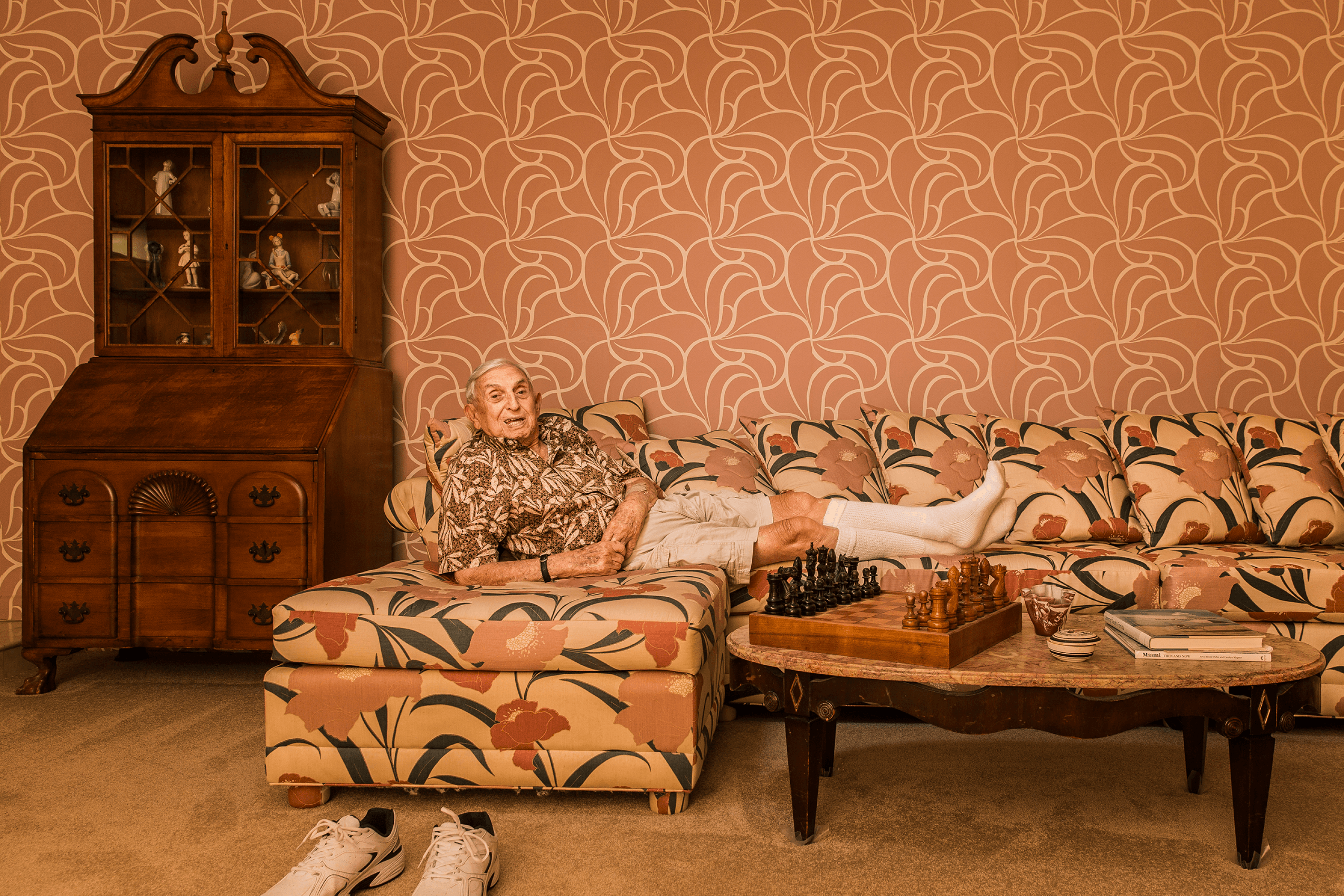
“Even back then, I understood the importance of long-term projects for a career—all the photographers I looked up to did them,” Sasha recalls. “A series like that allows you to showcase exactly what you’re interested in shooting, as well as your technical range—from lighting and composition to how you weave together image and text.”
Maslov’s second photobook, “Ukrainian Railroad Ladies”, was released in 2020. For this project, Sasha photographed the women who staff the small cabins at railroad crossings. The series won international awards, was featured in numerous publications, and even landed Sasha an op-ed in The New York Times.
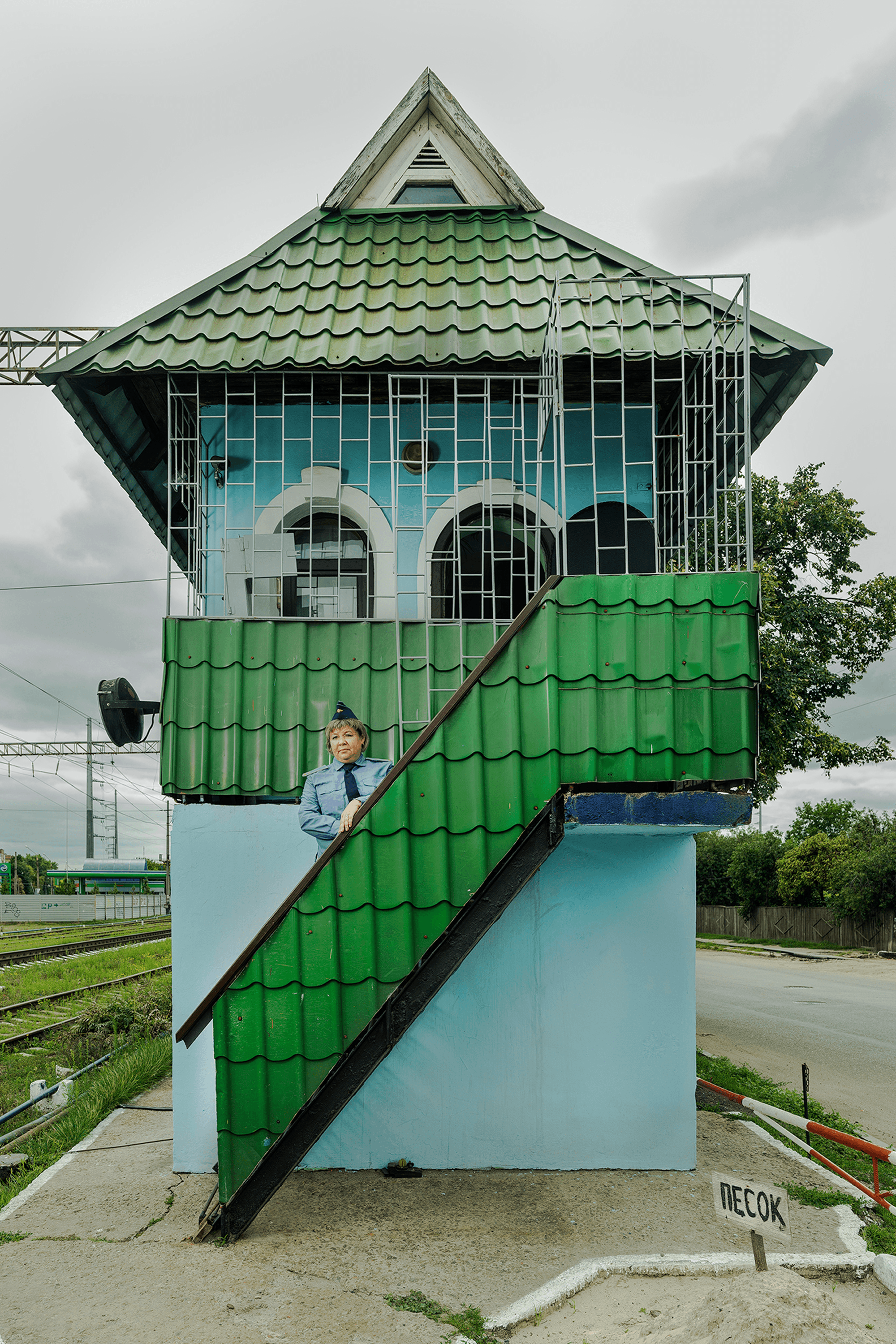
By the time the book came out, Maslov had already shot portraits of David Lynch, Elon Musk, Tom Ford, and other global icons.
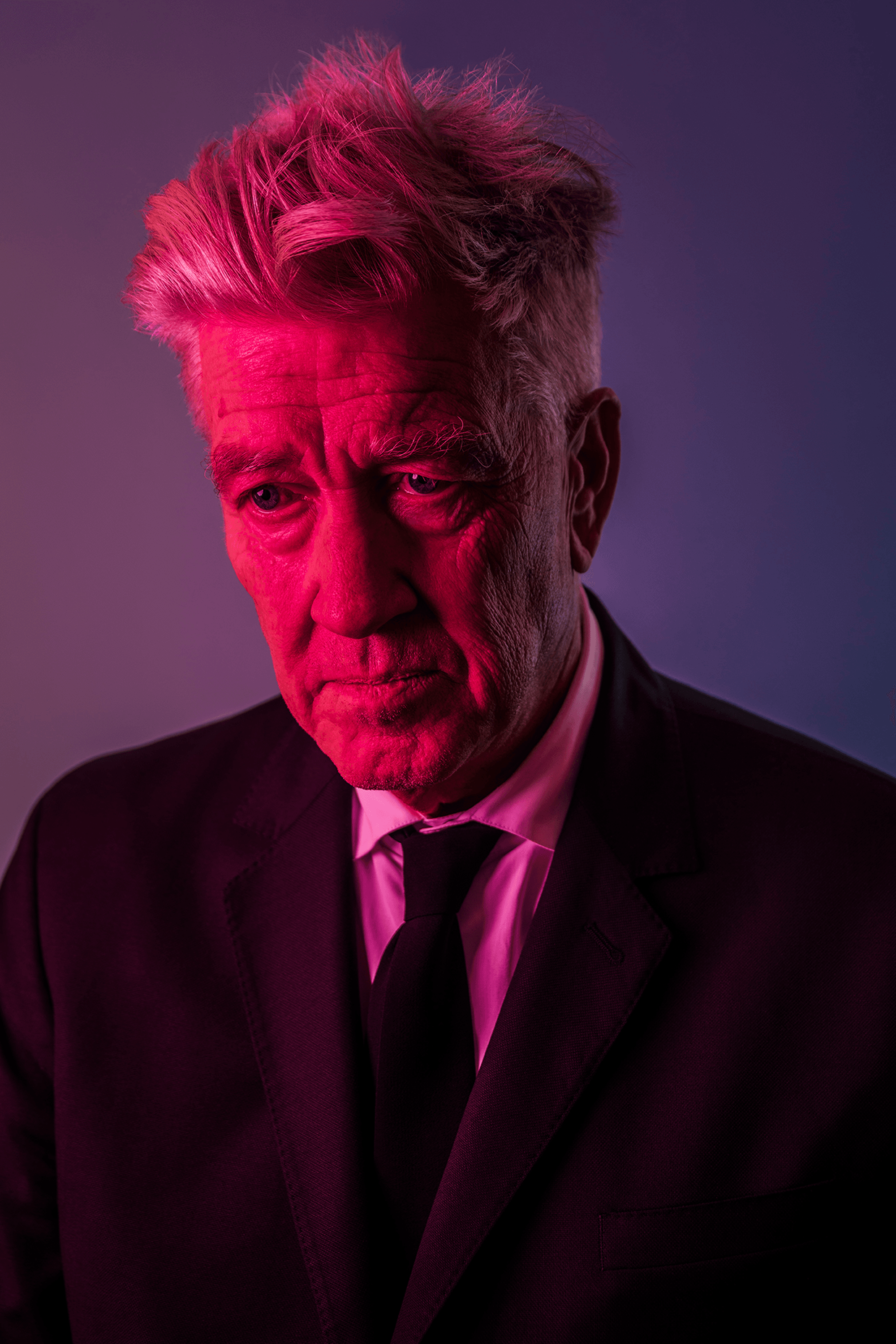
David Lynch / Sasha Maslov / INSTITUTE Artist Photo: Photos courtesy of Sasha Maslov / YB 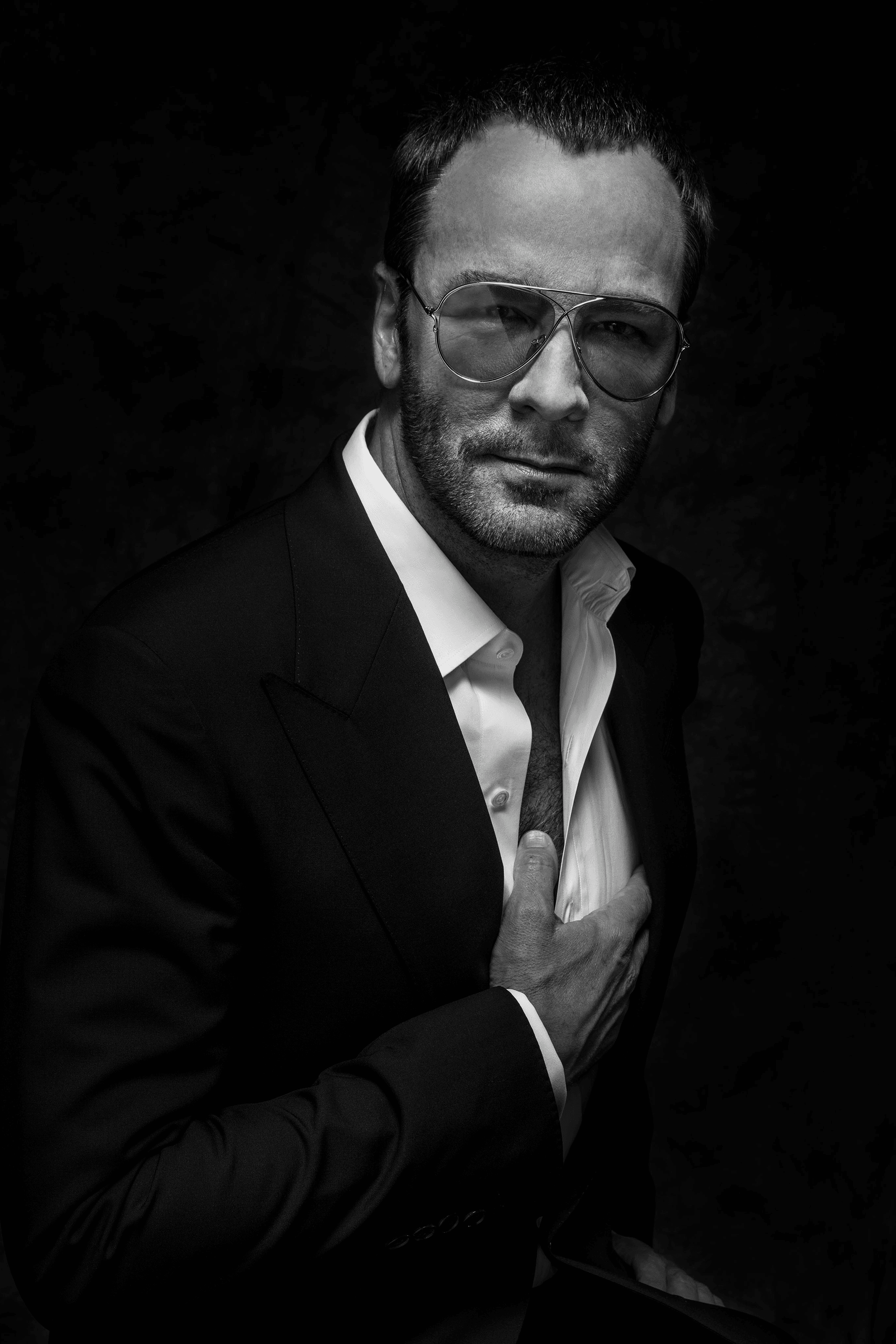
Tom Ford, for WWD / Sasha Maslov / INSTITUTE Artist Photo: Photos courtesy of Sasha Maslov / YB
He was working with all the publications he once could only dream of, flying first-class halfway across the world to Paris just to spend ten minutes shooting a celebrity for a major glossy magazine. Yet those tiny trackside cabins were a fixation from his childhood—something Sasha used to gaze at through a train window, wondering what kind of world lay inside.
“I find it much more interesting to photograph people who aren’t used to being in front of the lens,” Maslov says. “Celebrities know exactly what they want to project. For them, you’re just a transaction.”
By 2021, Sasha Maslov’s life in New York had likely surpassed even his own expectations. He had his own studio, a steady stream of clients, and the freedom to pursue the work that mattered to him. He was planning a wedding with his girlfriend of six years. It felt as though the hardest miles were behind him and he could finally catch his breath. After all, what could go wrong?
4
In January 2022, Sasha visited Ukraine twice for assignments. He was shooting a piece for The New York Times about Ukrainian businesses bracing for a potential war, alongside a promotional campaign for the esports team NAVI. That NAVI shoot wrapped around February 17 or 18, after which Sasha returned to New York.
Since late 2021, he had been closely reading analyses on the likelihood of an invasion and talking to people he trusted. He felt almost certain that something far larger in scale than the war in eastern Ukraine was looming. This certainty grew stronger whenever he was in New York, only to recede when he was back in Ukraine, where everyone either hoped for the best or simply convinced themselves that a full-scale war was impossible. Back in January, or perhaps even earlier, Sasha had decided that if an invasion began, he would come to work in Ukraine. Yet, he never imagined that four and a half years later, he would be living in Kyiv, sitting in his own photo studio on a June evening.
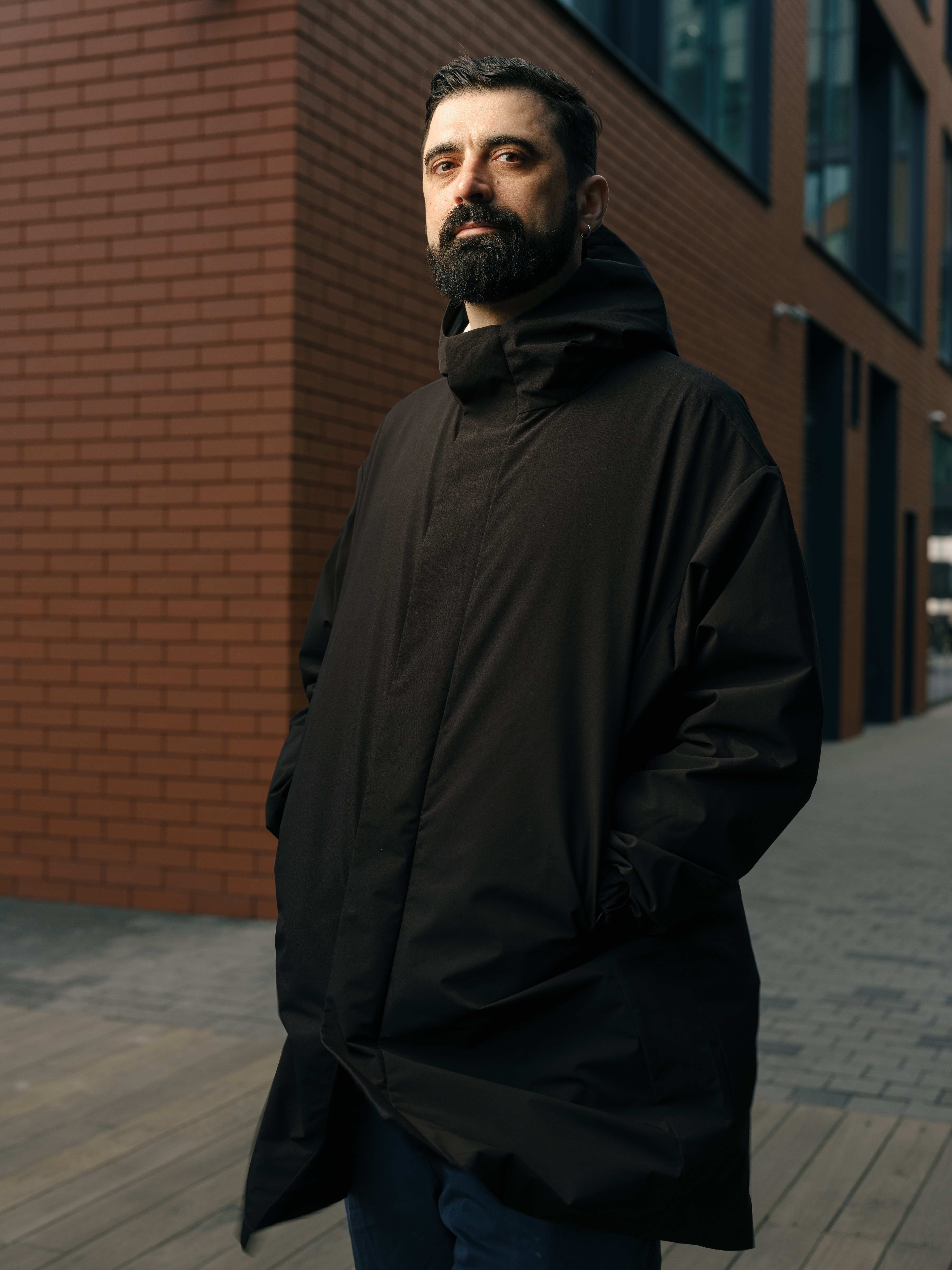
“It was impossible to imagine back then,” Sasha says, looking off to the side. “I just knew I wanted to focus more on documentary work, and if events like that were going to unfold in my country, I had no right to be anywhere else. I never wanted to be a war reporter. I didn’t plan on it. To be honest, I was afraid.”
News of the first explosions caught Sasha during dinner at home. It was 4:00 AM on February 24 in Kyiv, and 9:00 PM on February 23 in New York. The next day, he booked a ticket to Poland for the following week—he couldn’t leave immediately because of a commercial shoot scheduled for the first days of March. “It felt completely surreal,” Sasha recalls. “On that commercial set, everyone was happy, jumping around, celebrating.” After the wrap, he headed to Poland. Along the way, he did what he had already done a million times before: he wrote to all his editors, telling them he was heading into Ukraine and was ready to work.
In Kyiv, Sasha stayed at “Zavod” on Reitarska Street. About twenty people were living there—sleeping on mattresses on the floor, making breakfast together in the morning, and then scattering to their respective tasks. Some volunteered, some served in the Territorial Defense Forces, and others, like Sasha, traveled around the city shooting. In the evening, they gathered back together. Alcohol sales were banned in Kyiv at the time, but occasionally someone managed to find a bottle of wine to share. It felt strikingly similar to something that had happened long ago—in the New York loft where it all began.
Sasha left Kyiv in early April, unsure when he would return or how often he could visit. But he was back by May—and from then on, his stays grew longer. He traveled to the front lines, working in the Donetsk, Luhansk, southern, and Kharkiv regions. He captured stories of Ukrainian soldiers at their positions, civilians in bombed-out buildings in frontline towns, portraits of mothers who had lost their sons in the defense of Mariupol, and the first blackouts. During the first two years of the full-scale war, Sasha split his time roughly half-and-half between Ukraine and New York. In his head, however, he never left Ukraine.
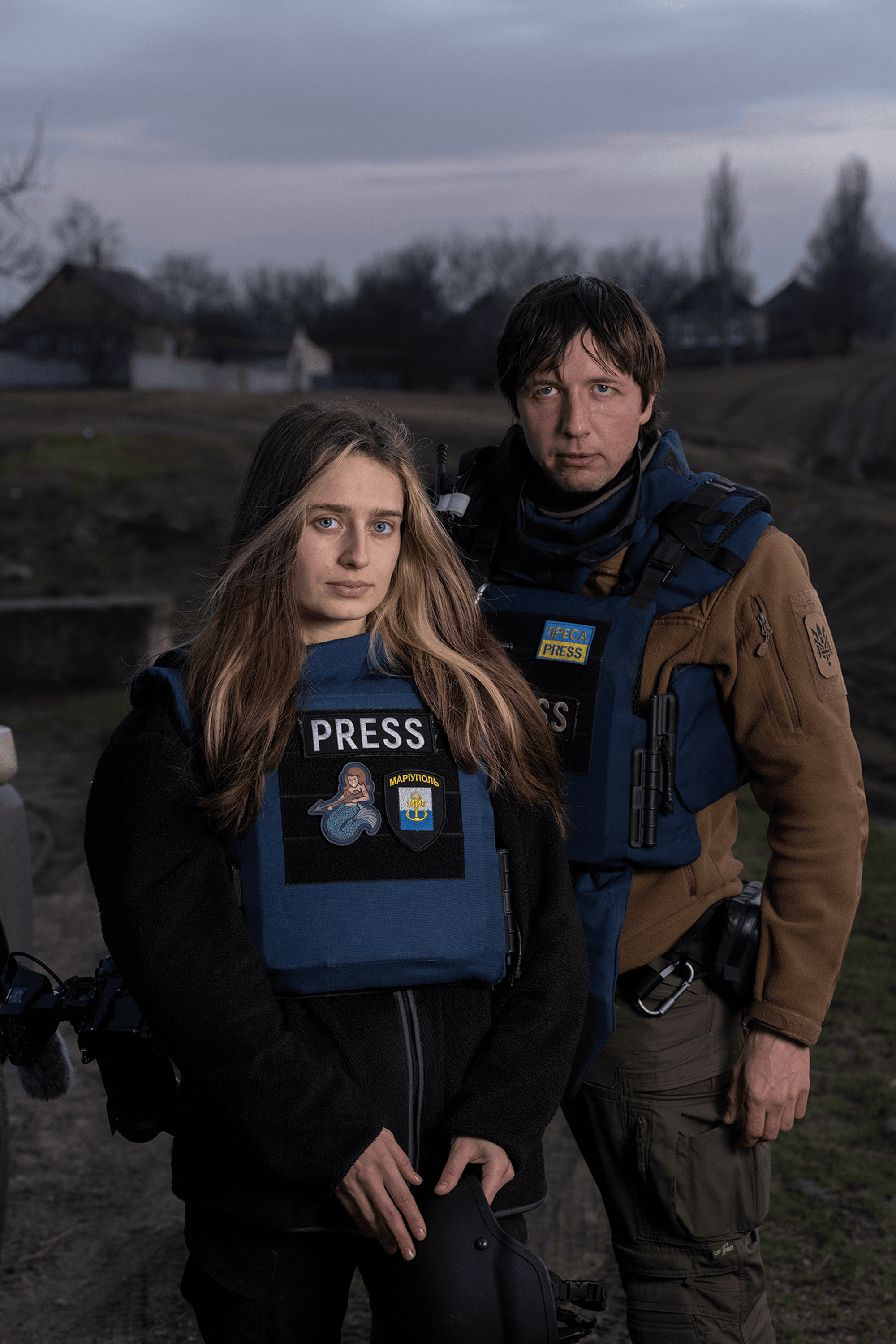
“I was exclusively interested in this story. I felt I had to be here, and every time I went back to New York, I couldn’t sit still—mentally, I was constantly in Ukraine. Obviously, that wasn’t a very healthy situation.” Sasha pauses, but only for a second. “The only thing keeping me in New York was my relationship with my girlfriend. But in the end, I couldn’t… we couldn’t find a way to make it work. When it ended in late 2023, I decided I would base myself here.”
5
Today, Sasha spends much less time on the road and much more in Kyiv. Trips to the front lines have become nearly impossible—the swarm of FPV drones along the contact line has multiplied, and the kill zone has expanded significantly.
In 2024, Maslov released his most recent book to date, “Saints”. It features over 100 portraits of military personnel, volunteers, and everyday citizens who have made profound sacrifices during the war. Some of the book’s subjects have since been killed—including military pilot Andrii Pilshchykov (“Juice”) and Senior Lieutenant of the Burevii Brigade Denys Zelenyi (“Gefest”). The portraits Maslov took of them ultimately became the photographs placed on their graves.
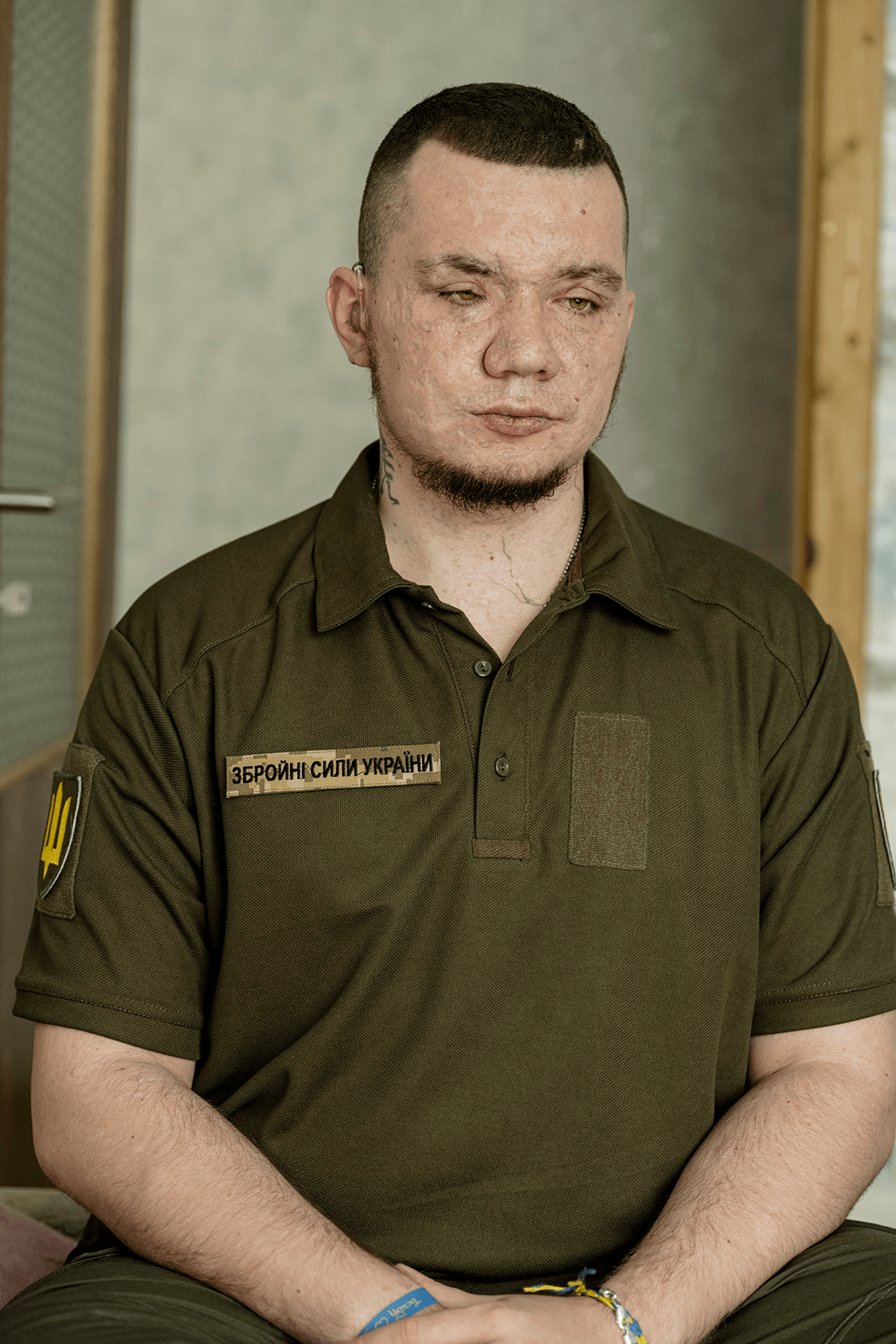
Vladyslav Yeschenko / from the SAINTS series / Sasha Maslov / INSTITUTE Artist / IST Publishing Photo: Photos courtesy of Sasha Maslov / YB 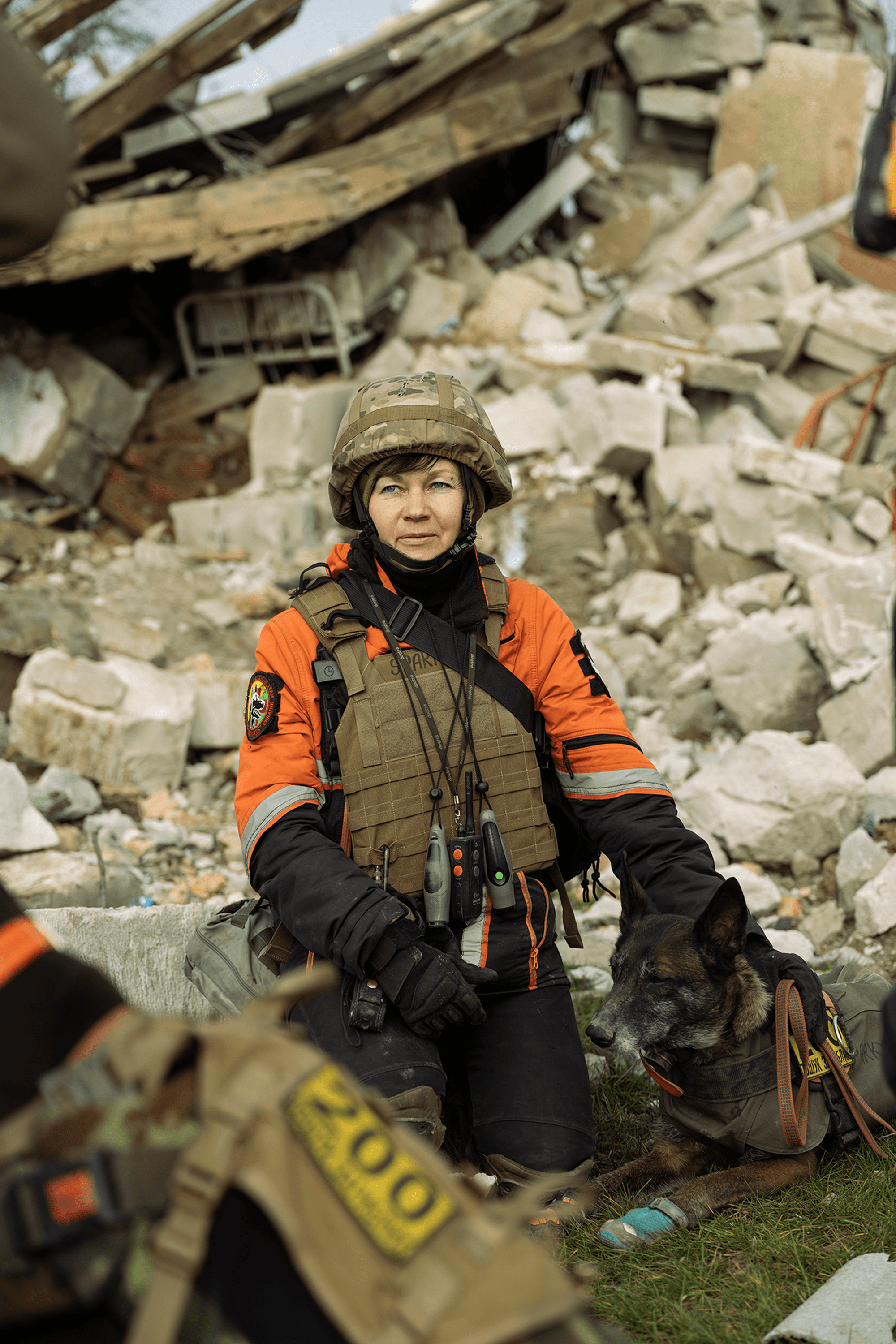
Larysa Borysenko, from the SAINTS series / Sasha Maslov / INSTITUTE Artist / IST publishing Photo: Photos courtesy of Sasha Maslov / YB 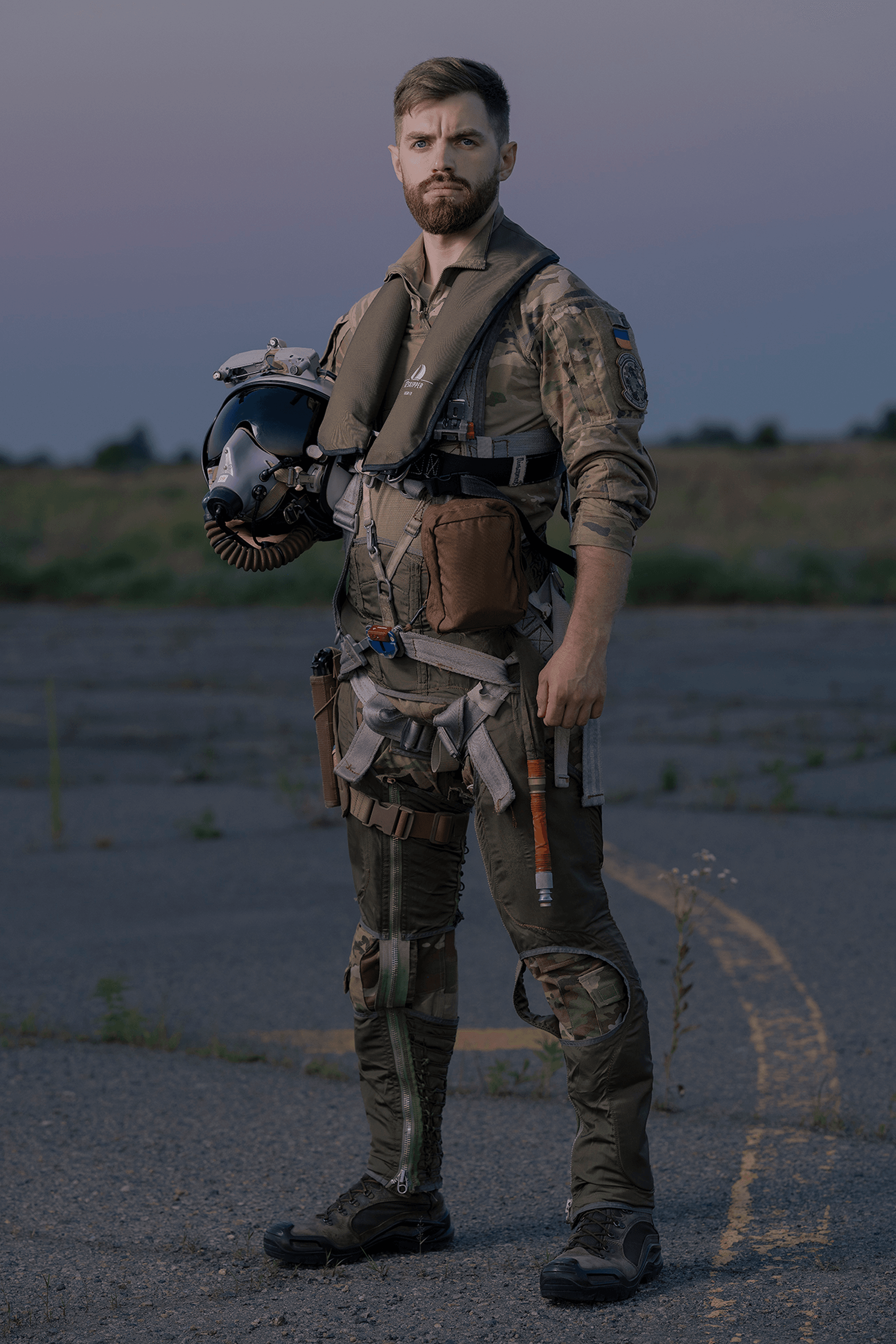
Andrii Pylschukov, Juice, from the SAINTS series / Sasha Maslov / INSTITUTE Artist / IST Publishing Photo: Photos courtesy of Sasha Maslov / YB
Currently, Sasha is working on a new book titled “Heritage”, which tells the stories of people preserving and re-evaluating Ukrainian culture. On the eve of our meeting, a Russian missile struck the Kyiv-Pechersk Lavra overnight. By morning, Sasha was already there, documenting the damage for his project.
For a year now, Sasha has operated a photo studio in Kyiv, which he opened alongside Valentyn Kuzan, whom he met near Kurakhove. Kuzan was serving there at the time, and Maslov had come to shoot. Today, they run the studio together, renting out the space and equipment, and hosting events and informal gatherings to foster a sense of community among local photographers.
While Sasha still shoots for global media, much of his time is dedicated to a new mission. Alongside Mark Wilkins and Kateryna Radchenko, he is preparing to launch the Ukrainian House of Photography—an organization dedicated to researching Ukrainian photography, educating creators, and organizing exhibitions. Its physical space is slated to open in Kyiv in 2027.
Sasha says that in recent years, his home has existed between Kyiv and New York. Right now, it is anchored more in Kyiv, but New York remains a part of it, and he returns there whenever he can.
“What does 'I moved' even mean?” Sasha asks, and you can sense his internal resistance to the word. “Even when I moved to New York years ago—in reality, I didn’t truly move there. Home is something you find wherever you happen to be. For me, it can exist in several places at once, holding different meanings—some of them a little more temporary.”
Sasha doesn’t yet know where his life will take him next on a global scale—or where his imaginary mattress, strapped to the roof of a car, will eventually land. For now, he pushes those thoughts away, because to dwell on them means relying on the hope that the war will finally end.