
After Russia’s full-scale invasion of Ukraine began, thousands of Ukrainian children left the country with their parents. Almost immediately, Plast, the largest Ukrainian scouting organization, began to grow rapidly. Over the past few years, new branches have opened in Japan, Turkey, Egypt, and Lebanon, while in countries with large Ukrainian communities the number of members has increased severalfold.
Taking part in Plast activities helps children maintain their Ukrainian language and traditions, while giving adults a way to build new communities abroad. Who creates Plast branches around the world, and how they have become an important part of Ukraine’s presence abroad, is explored by Yellow Blue journalist Artem Moskalenko.
What is Plast?
- Plast is a Ukrainian scouting organization founded in 1911, just four years after the Scout movement was founded. It was established by Ivan Chmola, Oleksandr Tysovskyi, and Petro Franko. From the start, Plast set out to provide young people with a patriotic education. When, beginning in 1921, Ukrainian territory was divided between Poland and the Soviet Union, the organization faced persecution and bans on both sides of the border and eventually went underground.
- Among its best-known members were leading figures of Ukraine’s liberation movement, including the head of the Organization of Ukrainian Nationalists Stepan Bandera, commanders-in-chief of the Ukrainian Insurgent Army Roman Shukhevych and Vasyl Kuk, as well as internationally acclaimed artists of Ukrainian descent: singer Kvitka Cisyk and actresses Vera Farmiga and Katheryn Winnick.
- After the Second World War, many Plast members emigrated abroad. Branches were established across North and South America, Australia, England, Austria, France, and Germany. Thanks to the Ukrainian diaspora, Plast survived the Soviet era and endured into the present day. Only in the late 1980s, when perestroika began, was Plast able to return to Ukraine.
- Both in Ukraine and abroad, the organization is funded through membership fees and support from businesses, philanthropists, and the Ukrainian diaspora.
1
On May 23, Muromets Park on Trukhaniv Island in Kyiv hums with children’s voices. A stream of children makes its way from the trolleybus stop toward the heart of the park. More than a thousand of them are here today. They run up to adults dressed in what looks like a uniform: beige shirts, brown trousers or skirts, and neckerchiefs in different colors. The children line up beside them in rows and play “Rock, Paper, Scissors” and a Ukrainian call-and-response game called “Rooster or Hen”.
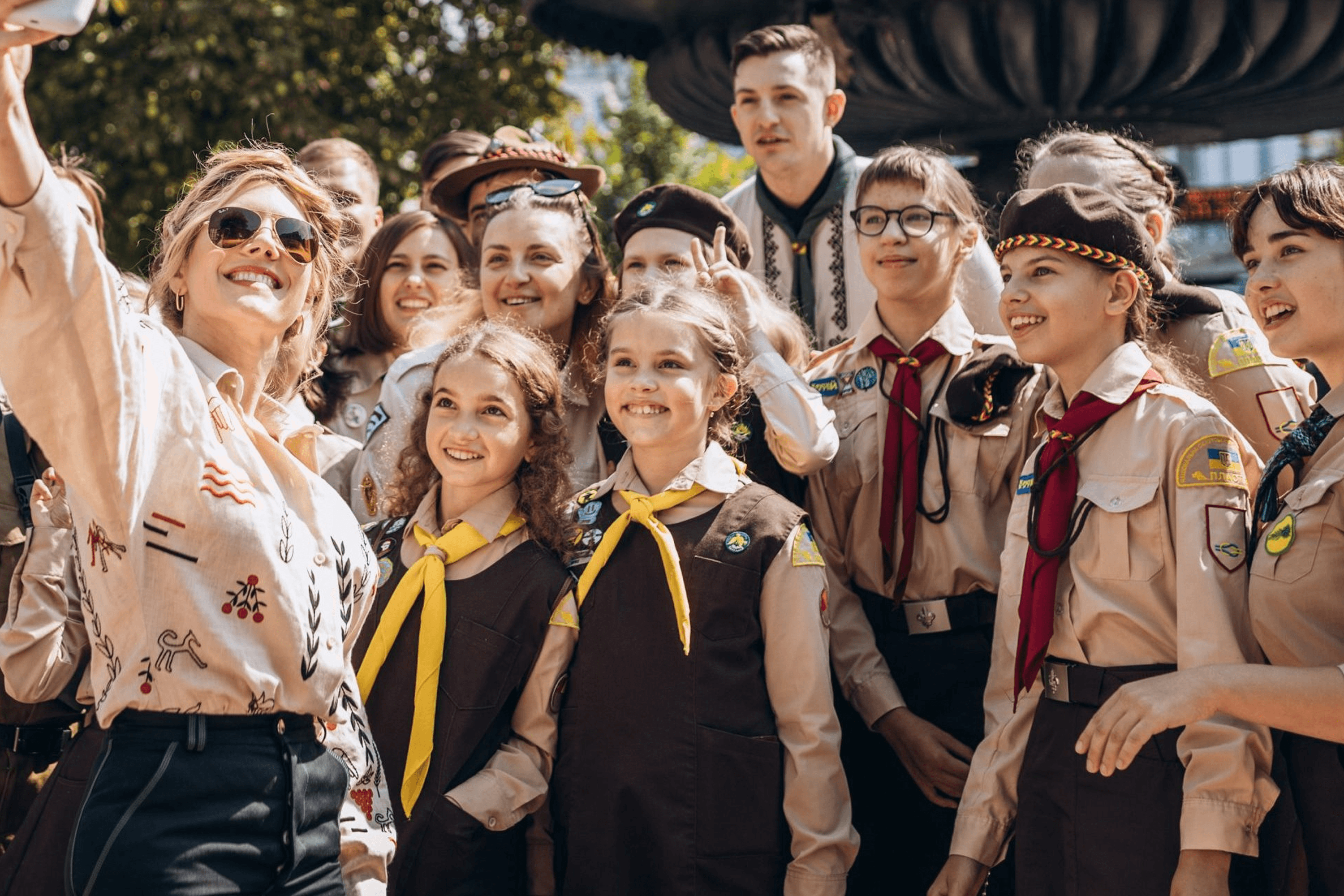
Both the children and the adults are members of Plast, the Ukrainian scouting organization that has spent more than a century fostering patriotic education among young people in Ukraine and abroad. The organization operates in more than 30 countries and has around 22,000 members worldwide.
That day, in Muromets Park, Plast Kyiv was celebrating the Spring Festival, the annual event that marks the start of the summer season of camps, hiking trips, and other activities. Throughout the day, children competed in speed and observation challenges, played ball games, painted posters, cooked kasha over an open fire, ran around, and played together with one another and with their leaders, who in Plast are known as educators.
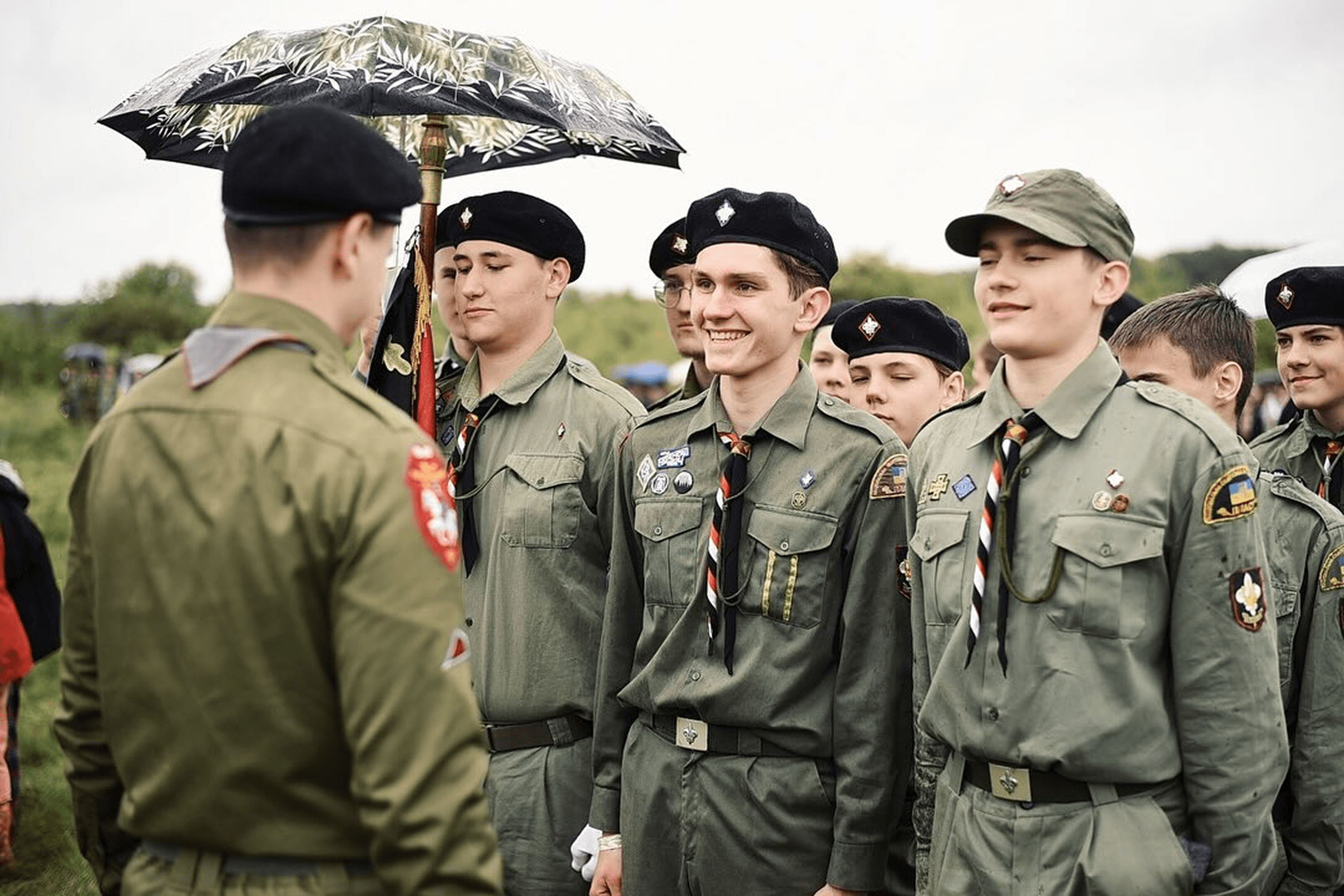
Members of Plast at the Spring Festival. Photo: Пласт - український скаутинг / Facebook / YB 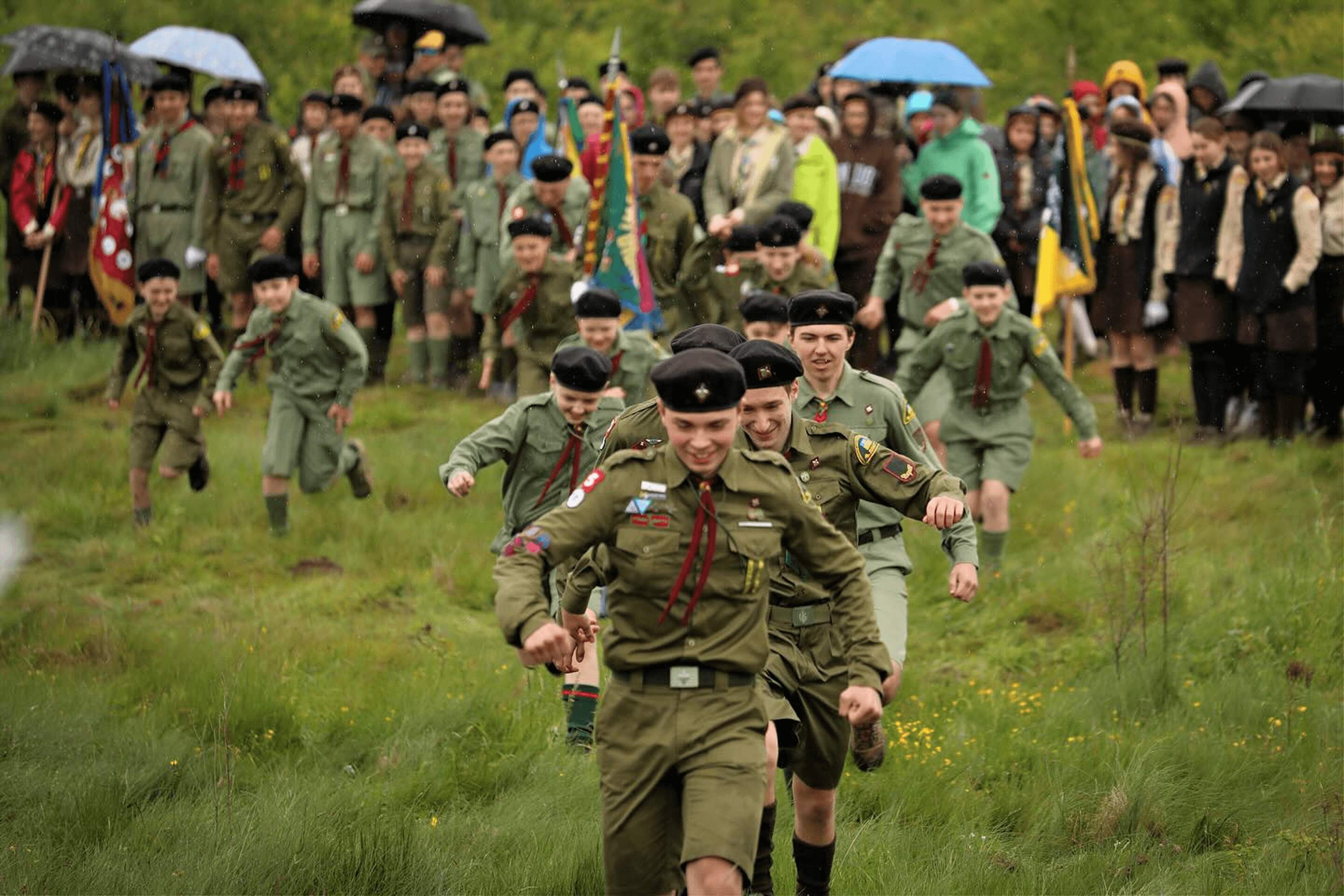
Photo: Пласт - український скаутинг / Facebook / YB 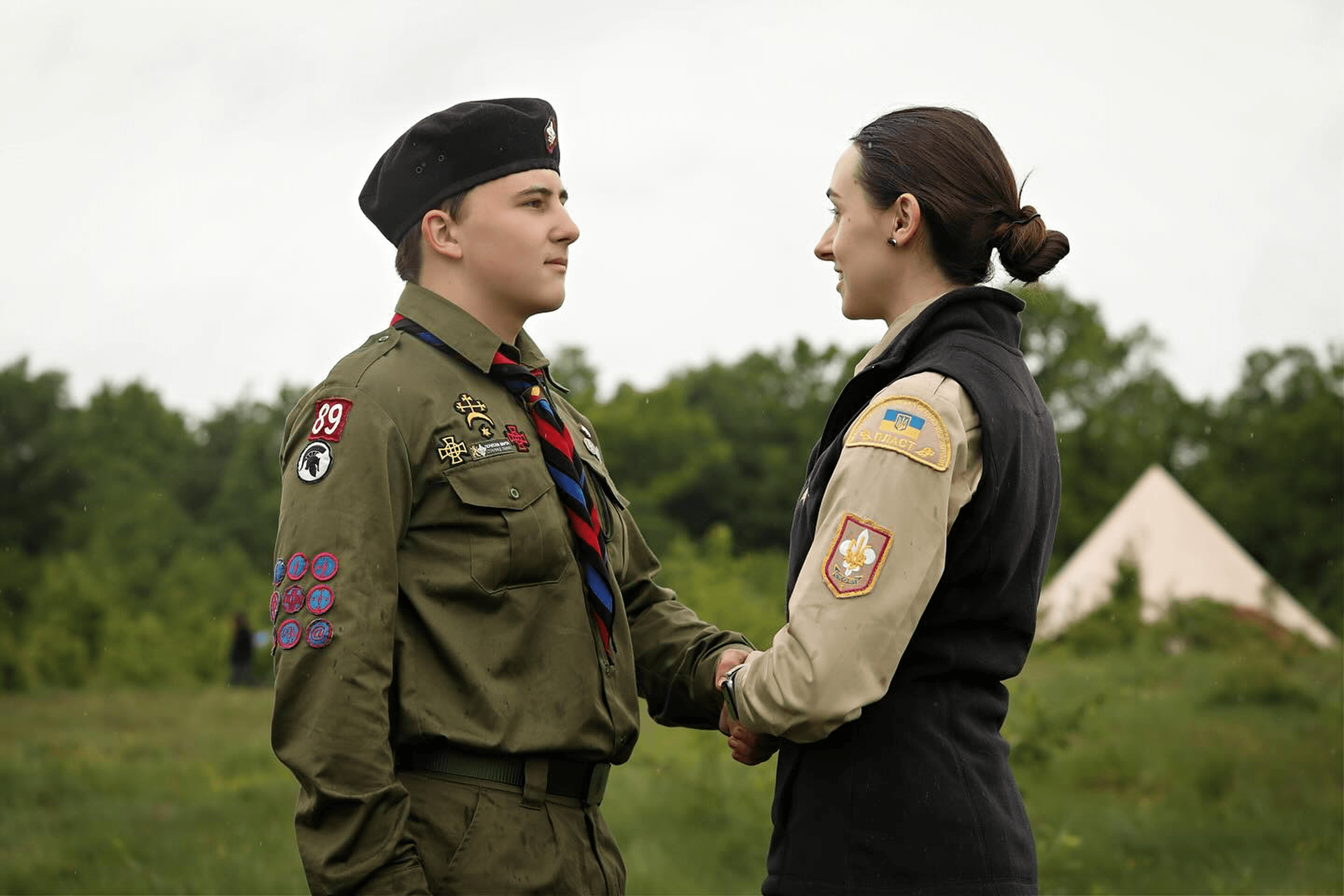
Photo: Пласт - український скаутинг / Facebook / YB 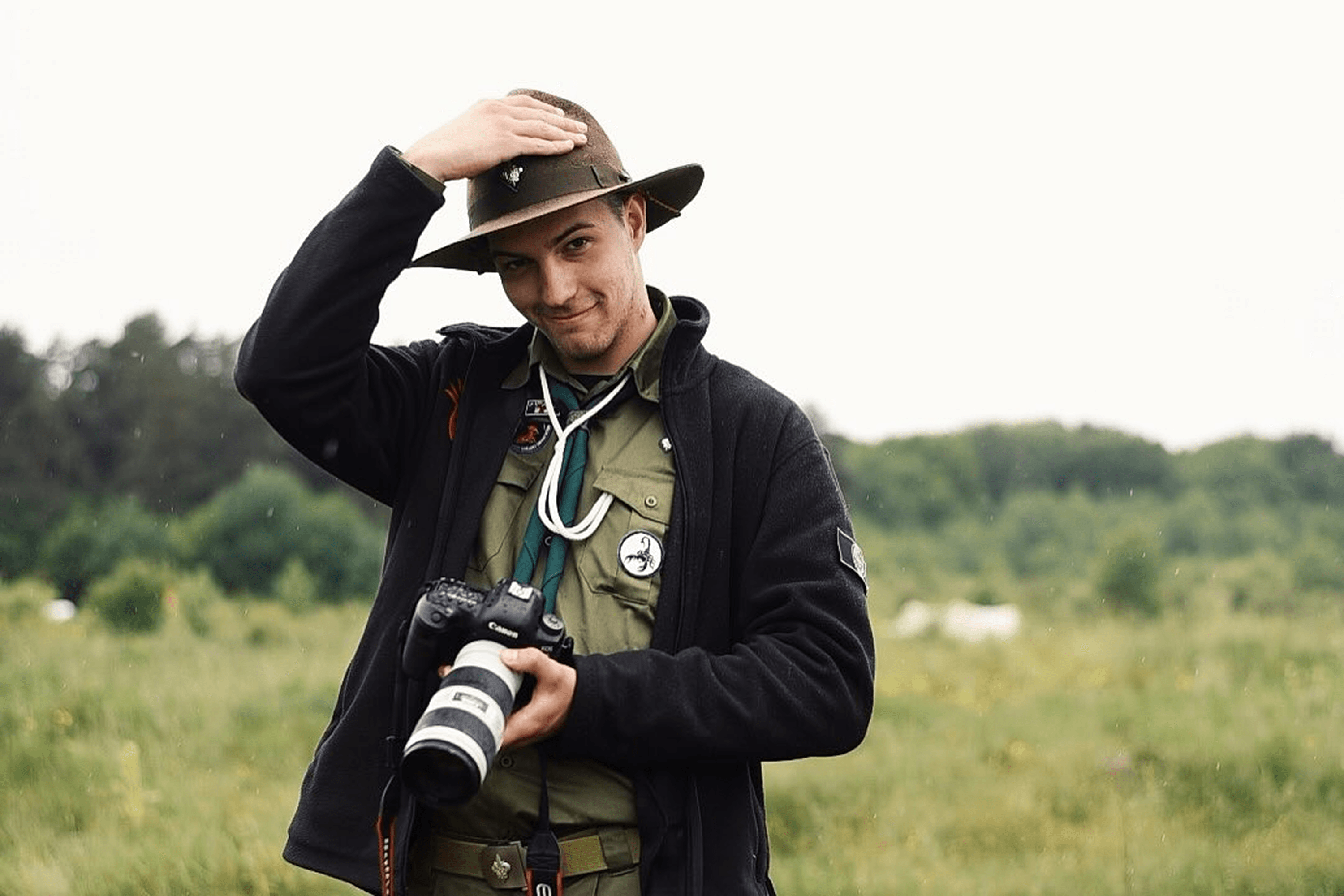
Photo: Пласт - український скаутинг / Facebook / YB 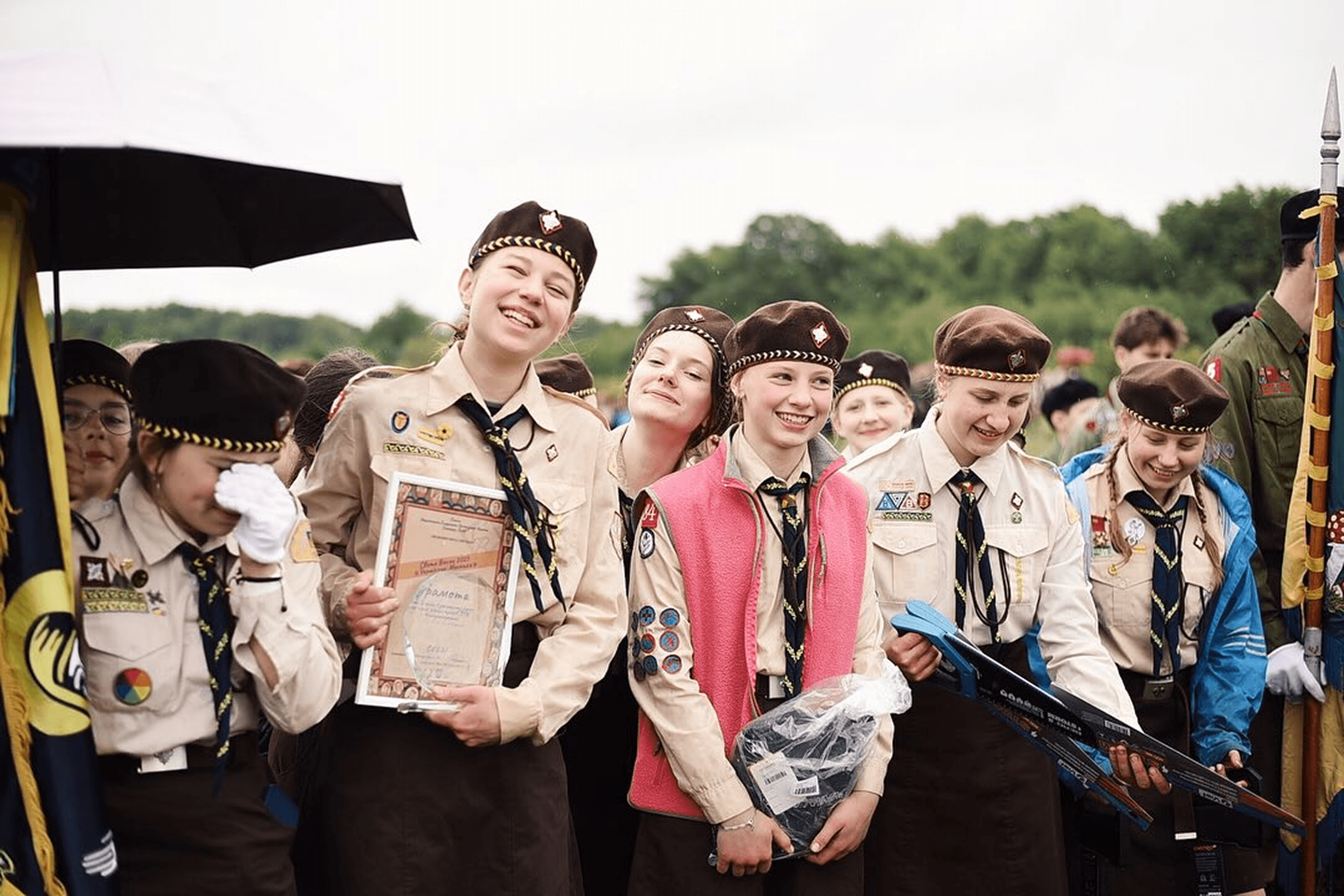
Photo: Пласт - український скаутинг / Facebook / YB 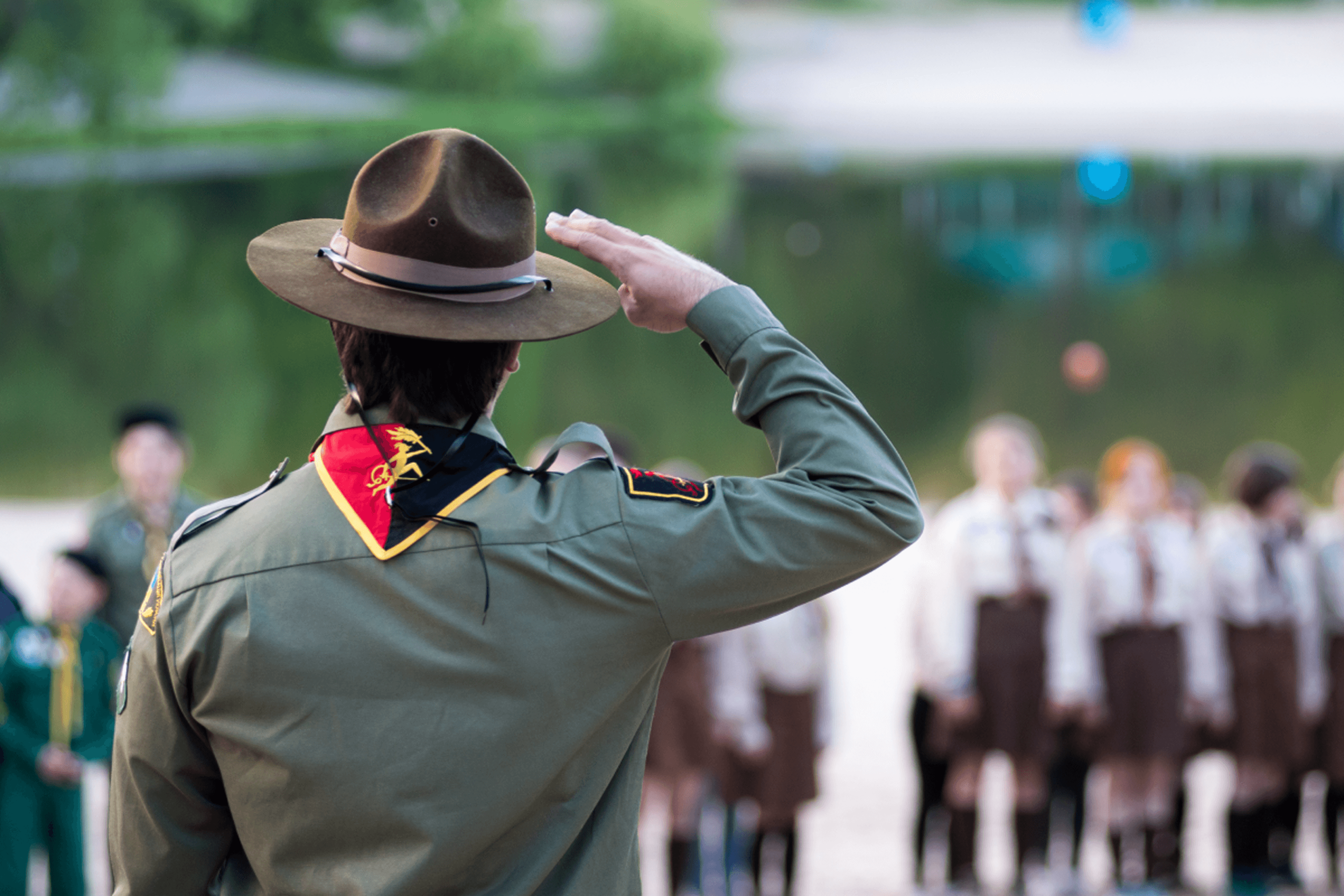
Photo: Пласт - український скаутинг / Facebook / YB
Unlike most scouting organizations, Plast membership can last a lifetime. Children from the age of two belong to the “Ptashata” group, followed by the “Novatstvo” and “Yunatstvo” sections. Members aged 18 to 35 are senior Plast members, while those over 35 become Plast seniors. They usually serve as educators and mentor groups of children known as patrols. Each patrol has its own name, often inspired by animals, along with its own flag featuring foxes, horses, wolves, or even axolotls.
“My patrol, the Brave Wolves, has 14 children, and each of them has a role. The patrol leader is responsible for the flag, the secretary keeps attendance records, one child keeps track of time during meetings, and another maintains the patrol chronicle. That is how children learn responsibility,” says Kseniia Dremliuzhenko, the head of Plast in Ukraine. She has led the organization since 2023 and first joined it in 2015 as an educator.
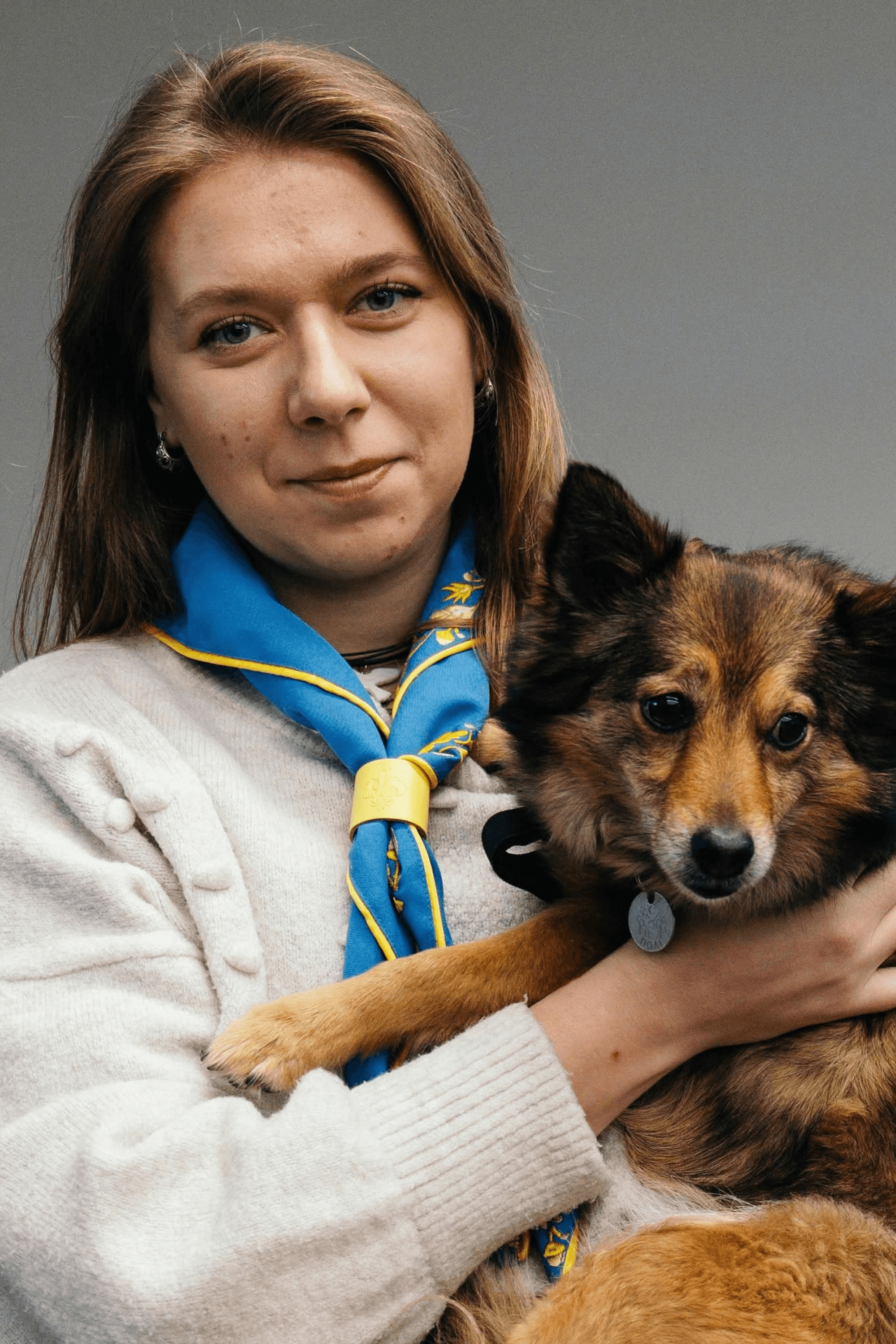
Once a week, Plast members gather for regular meetings. They learn how to navigate using maps and terrain, build campfires, provide first aid, take part in creative workshops, go on excursions, and study Ukrainian history, culture, and customs.
“The topics of our meetings always reflect the core principles of the Plast program: shaping national identity, fostering a responsible attitude toward the environment, and raising engaged citizens. We might sculpt animal tracks from clay or modeling dough while talking about nature, play games and discuss why rules matter and why they should be followed. If the children need to learn more about local landmarks, we visit a museum or go on a field trip,” Kseniia says.
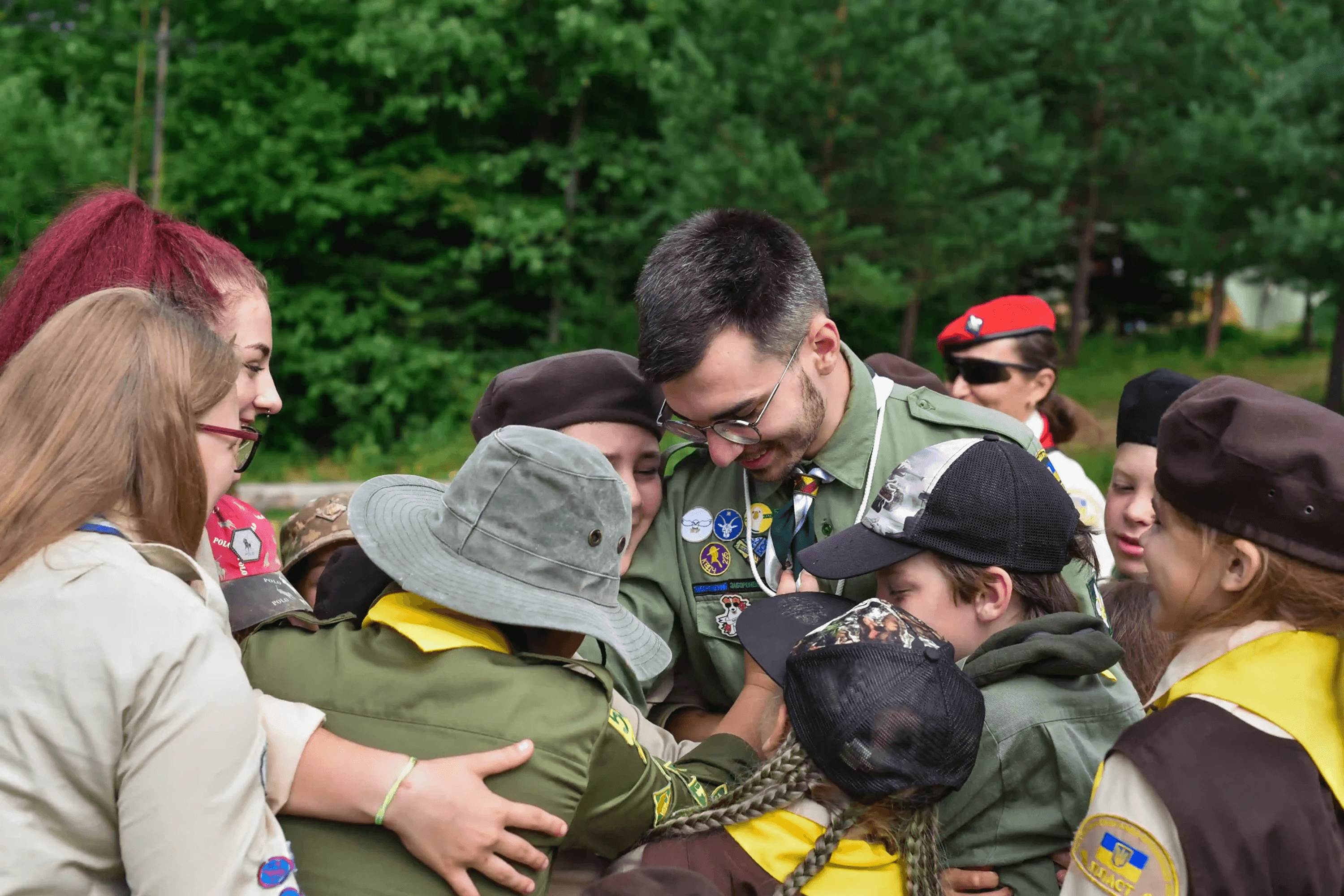
Various activities organized by Plast. Photo: Пласт - український скаутинг / Facebook / YB 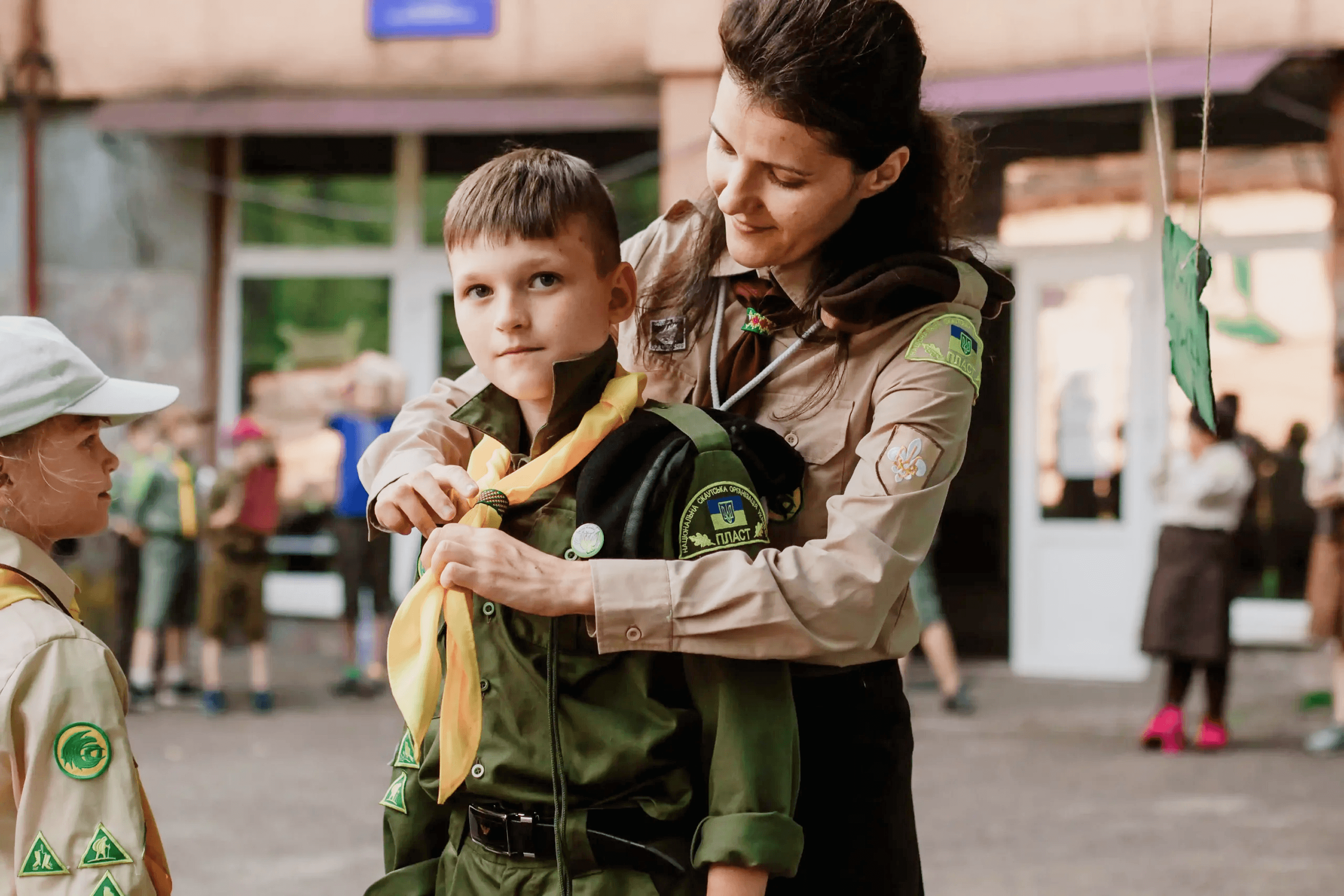
Photo: Пласт - український скаутинг / Facebook / YB 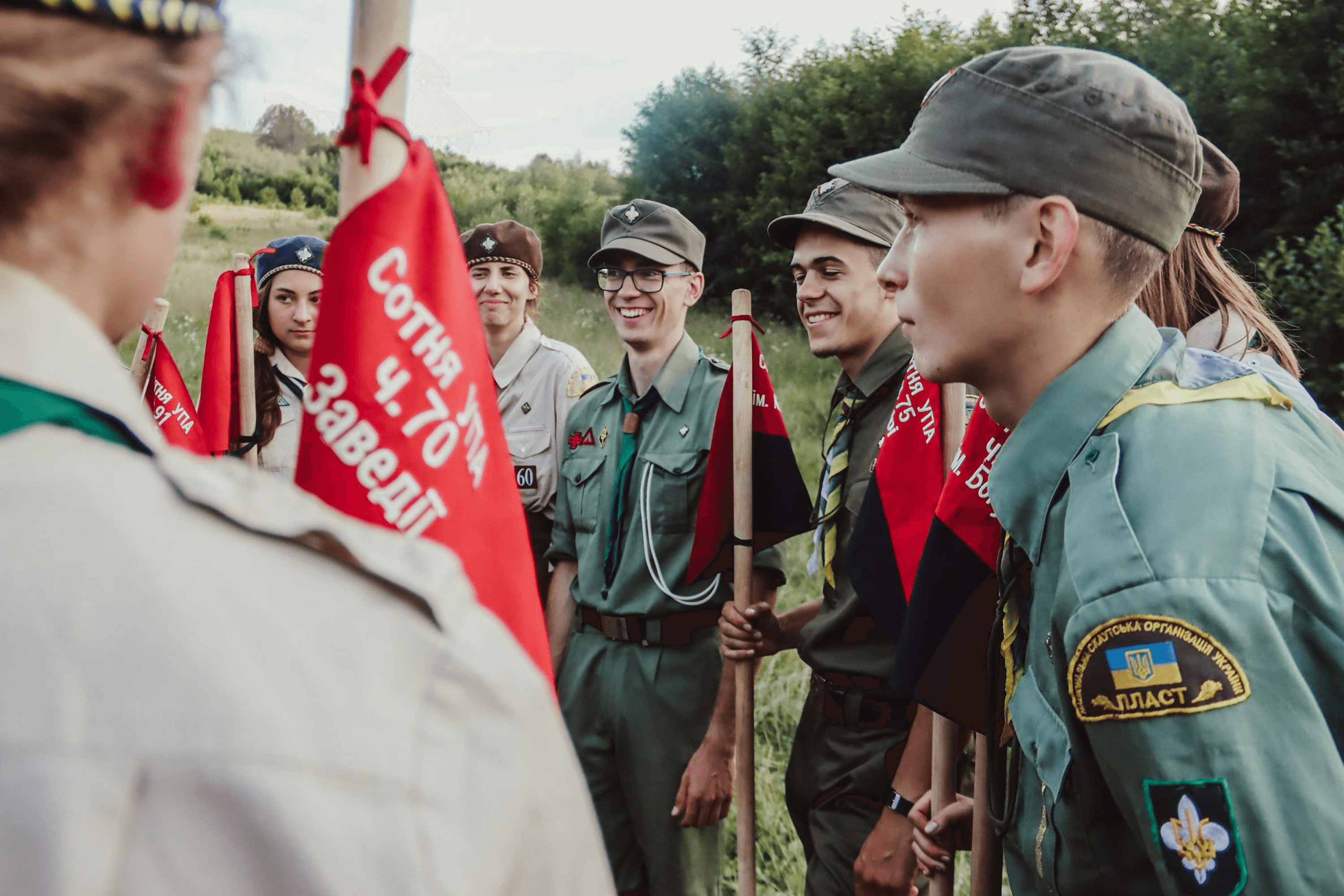
Photo: Пласт - український скаутинг / Facebook / YB 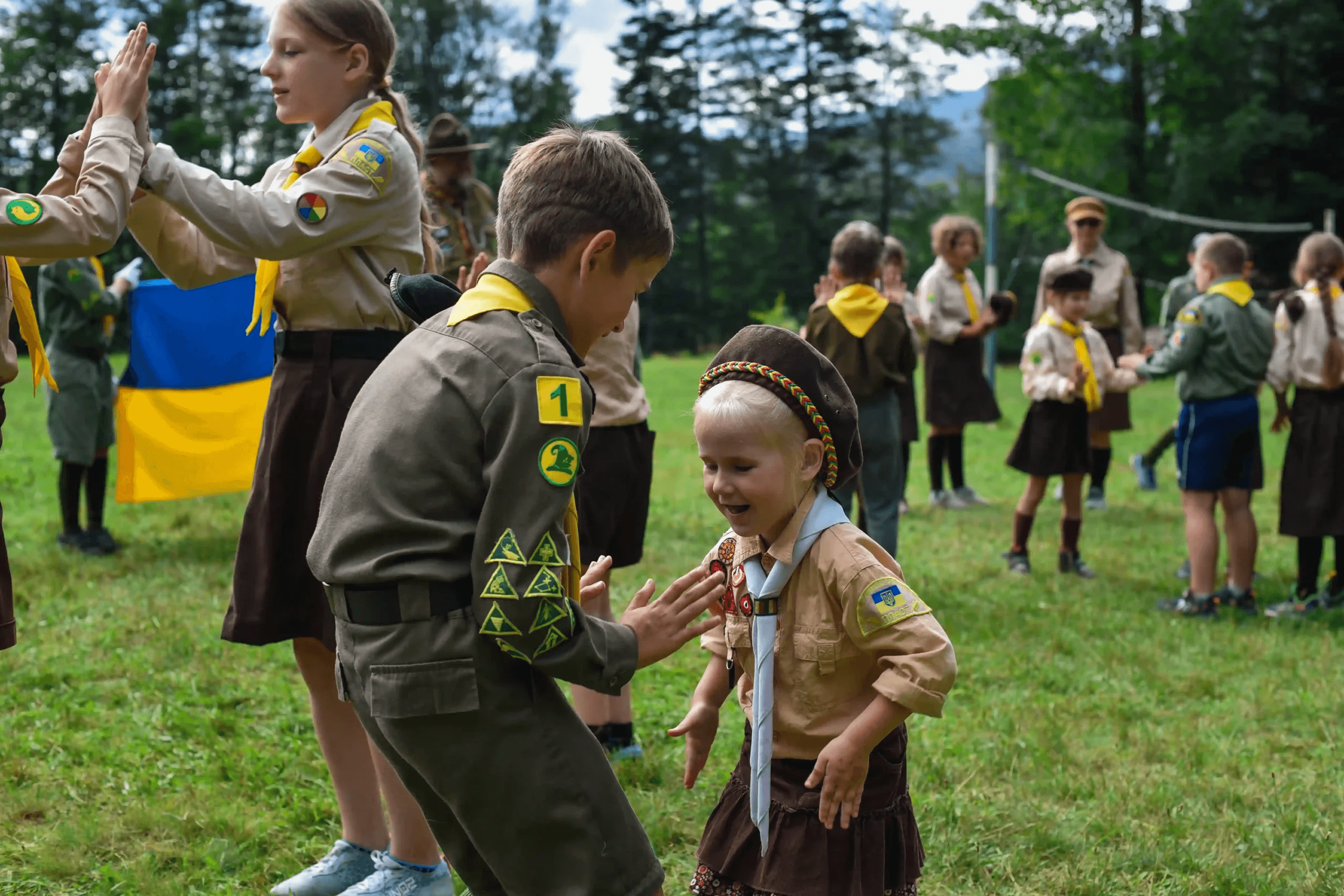
Photo: Пласт - український скаутинг / Facebook / YB 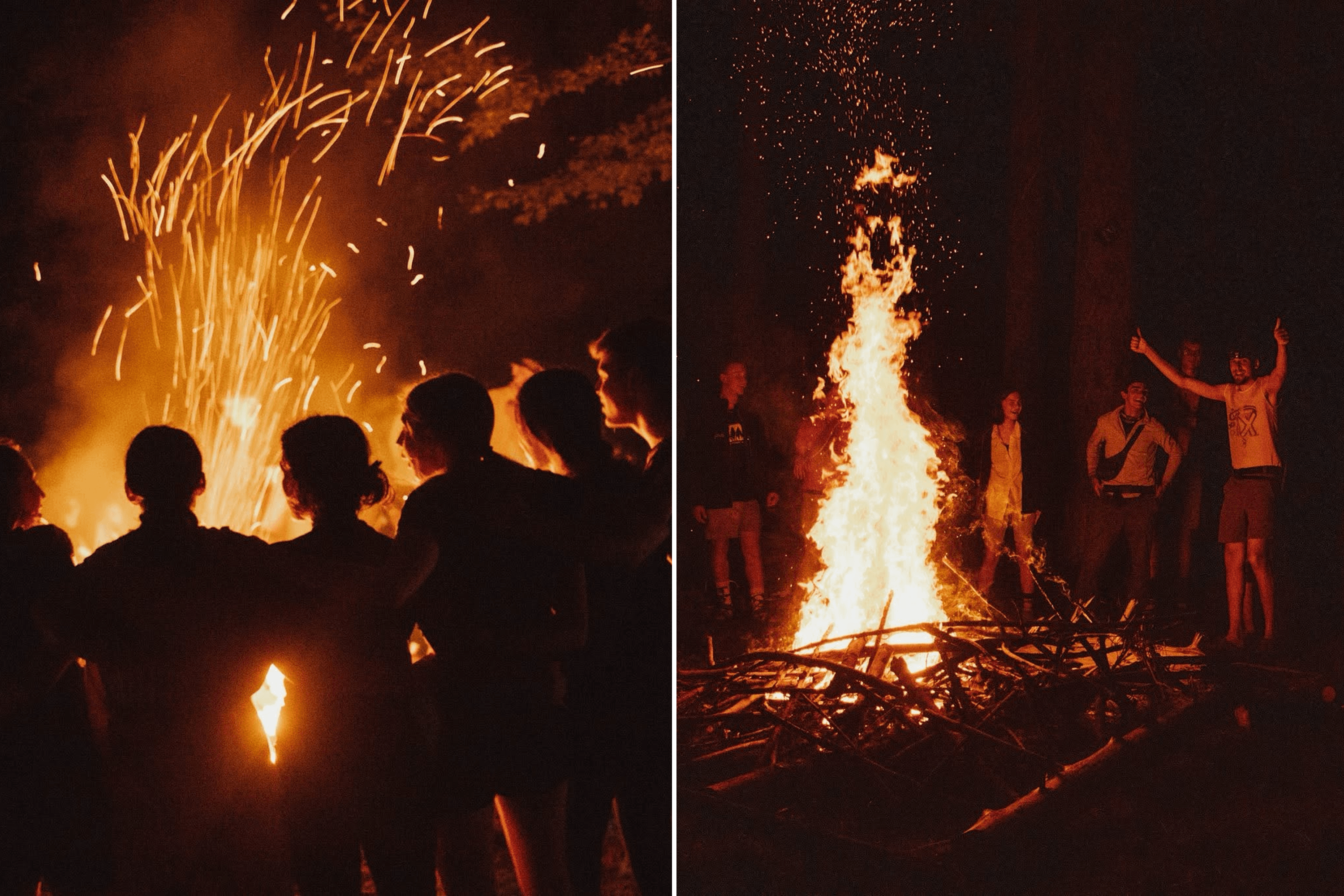
Photo: Пласт - український скаутинг / Facebook / YB 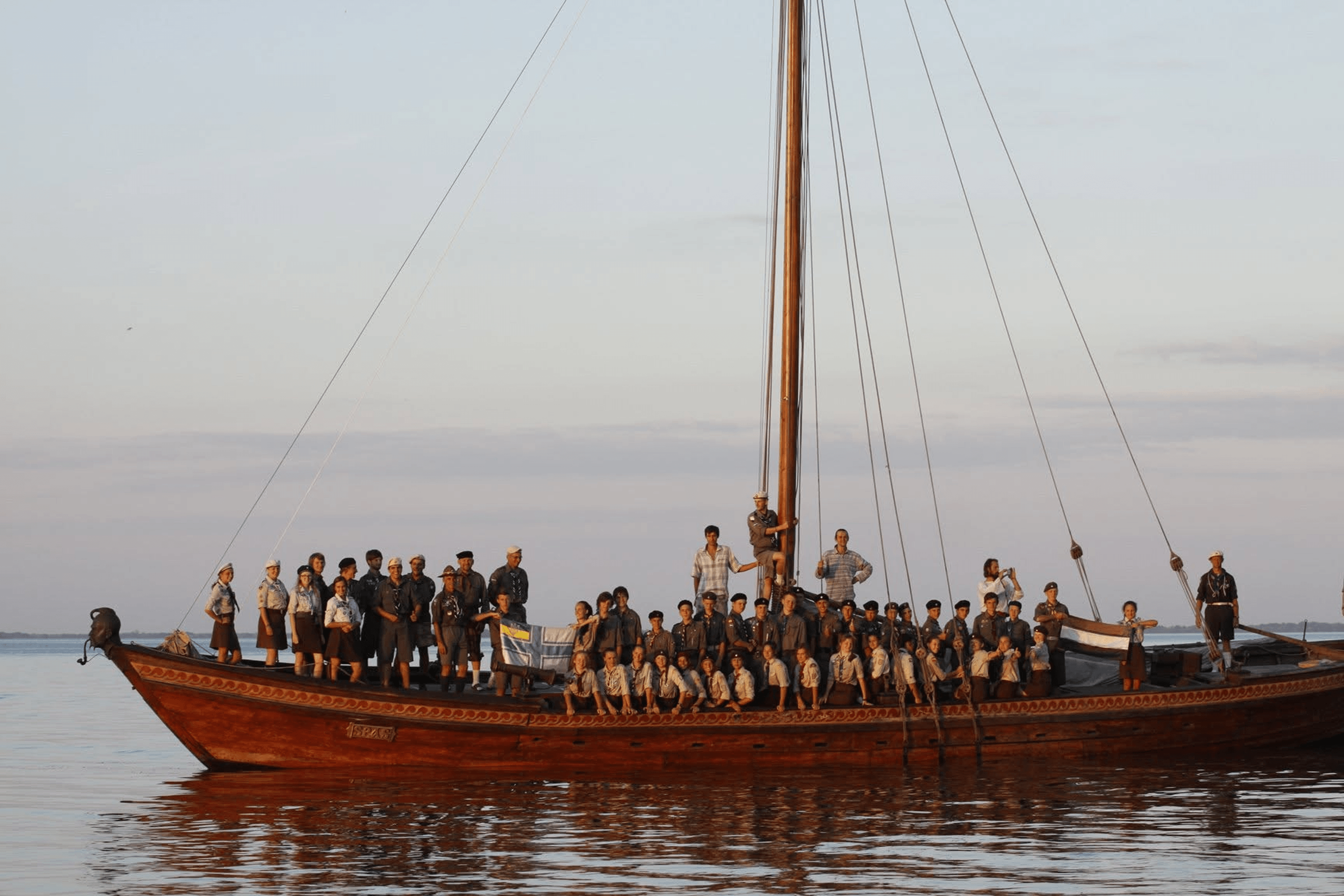
Photo: Пласт - український скаутинг / Facebook / YB
In addition to the weekly meetings, Plast organizes several training sessions each month on different topics. These may cover financial literacy, safety, or even flight training. During these sessions, children learn how paragliders and airplanes work and explore the history of Ukrainian aviation.
The event Plast members look forward to most each year is the summer camp. Together with their educators, children head into nature and live in tents for anywhere from a few days to several weeks, depending on their age. They learn how to organize everyday camp life, navigate unfamiliar terrain, survive in the wilderness, and take part in sports activities.
Kseniia Dremliuzhenko says, only half joking, that Plast seemed to have prepared both its younger and older members for life during the full-scale war. After spending summers at camp, they are not intimidated by the loss of electricity, communications, or heating, and the blackouts feel like “a camp that just kept going.”
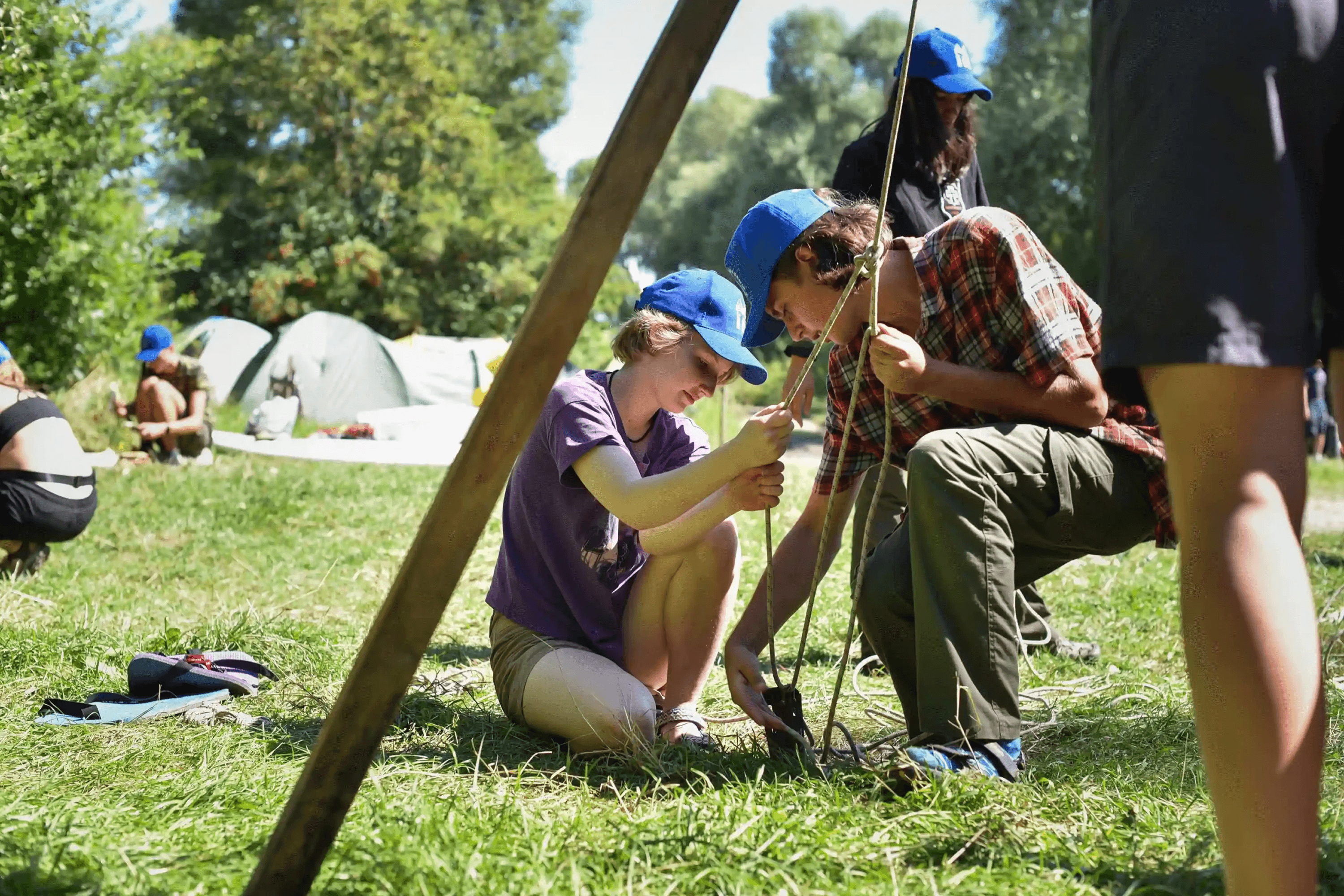
Summer camps organized by Plast. Photo: plast.org.ua / YB 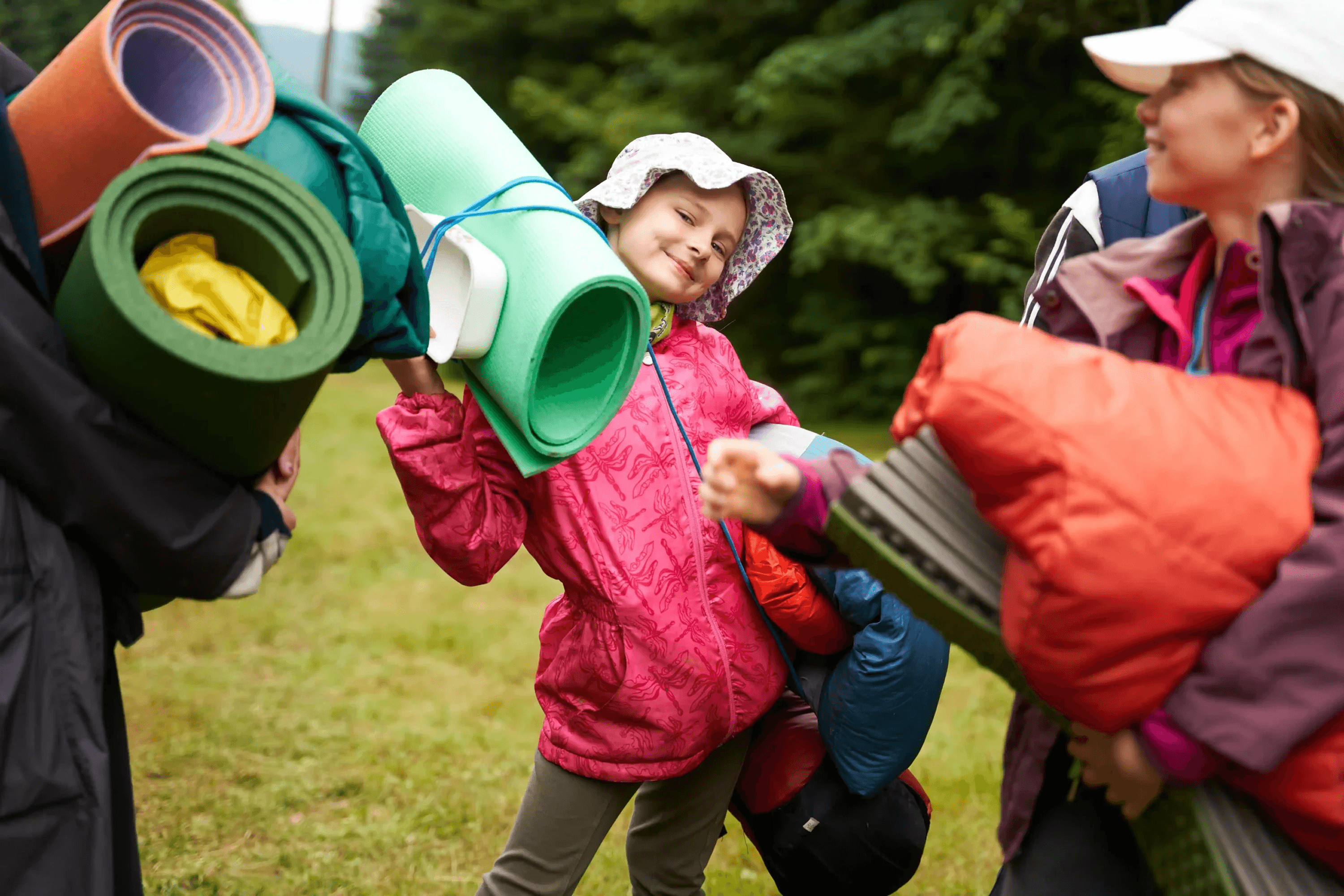
Photo: plast.org.ua / YB 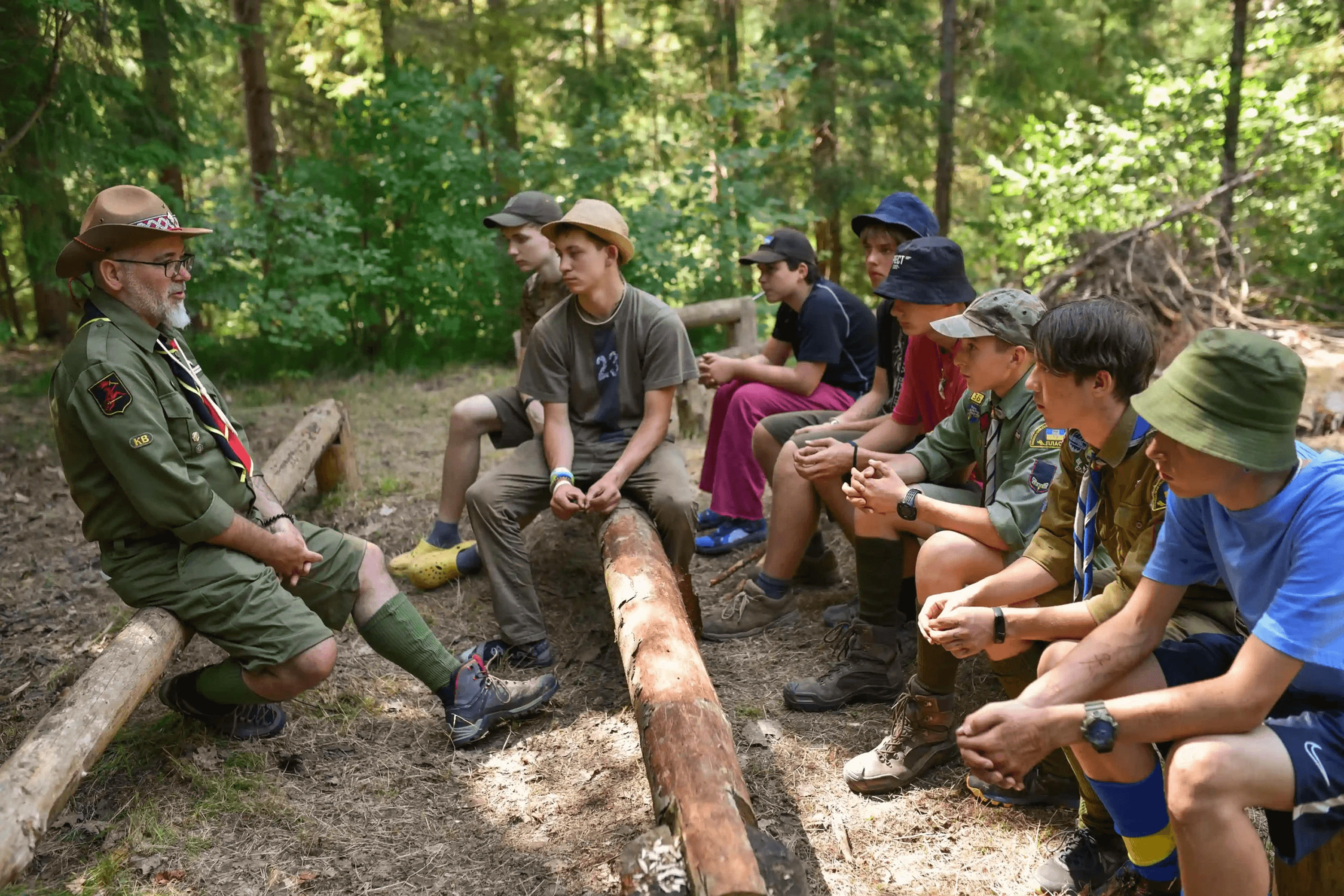
Photo: plast.org.ua / YB 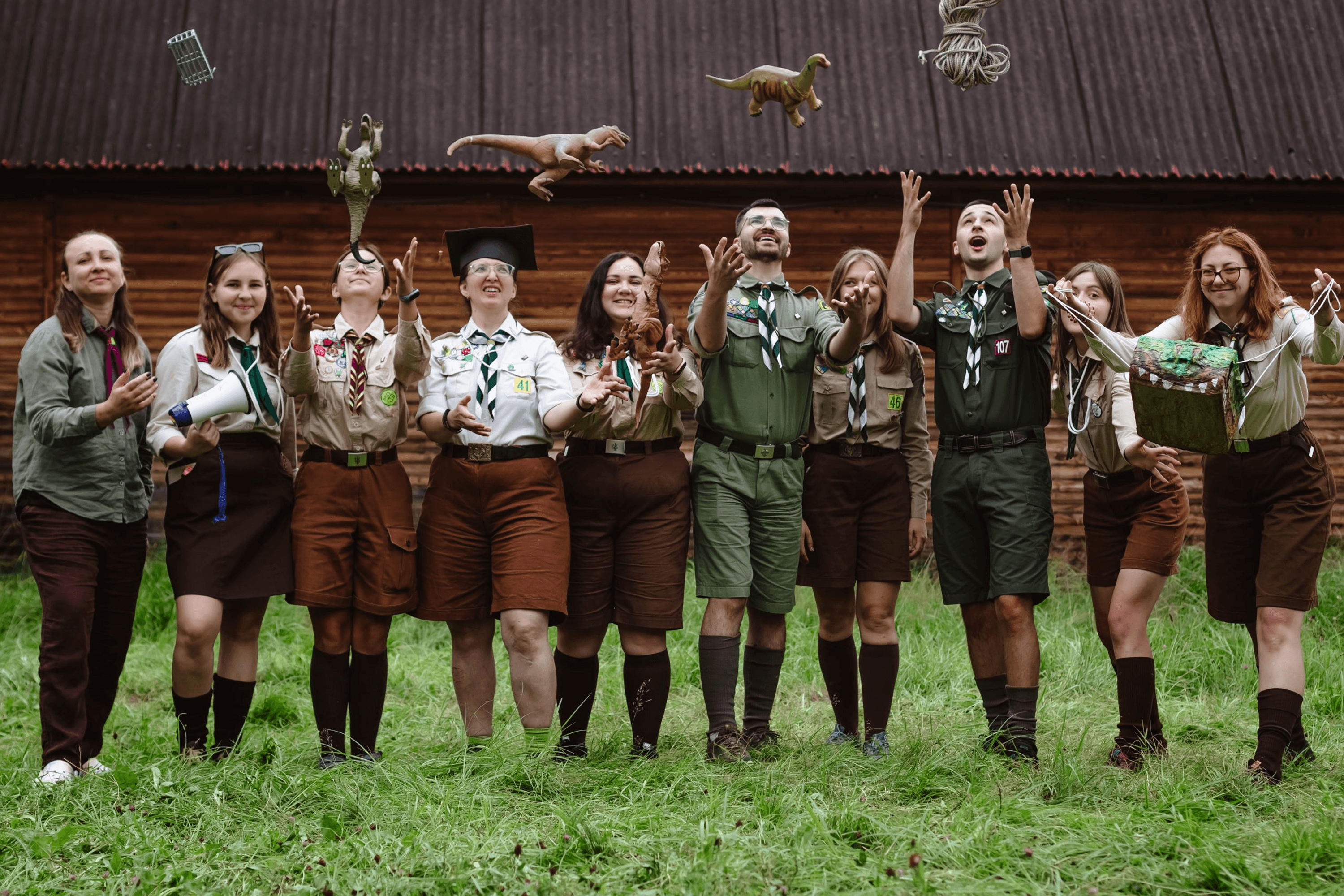
Photo: plast.org.ua / YB 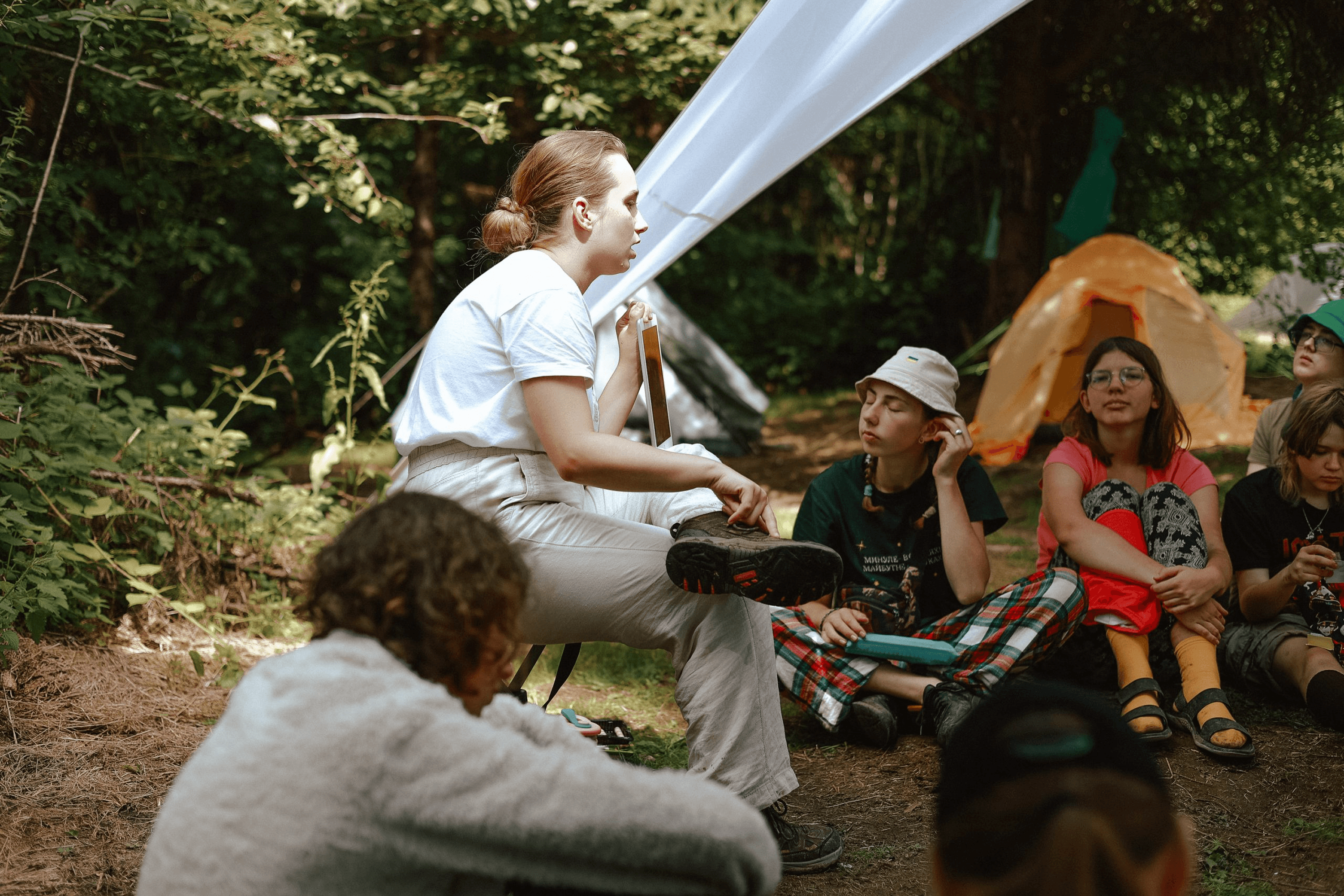
Photo: plast.org.ua / YB 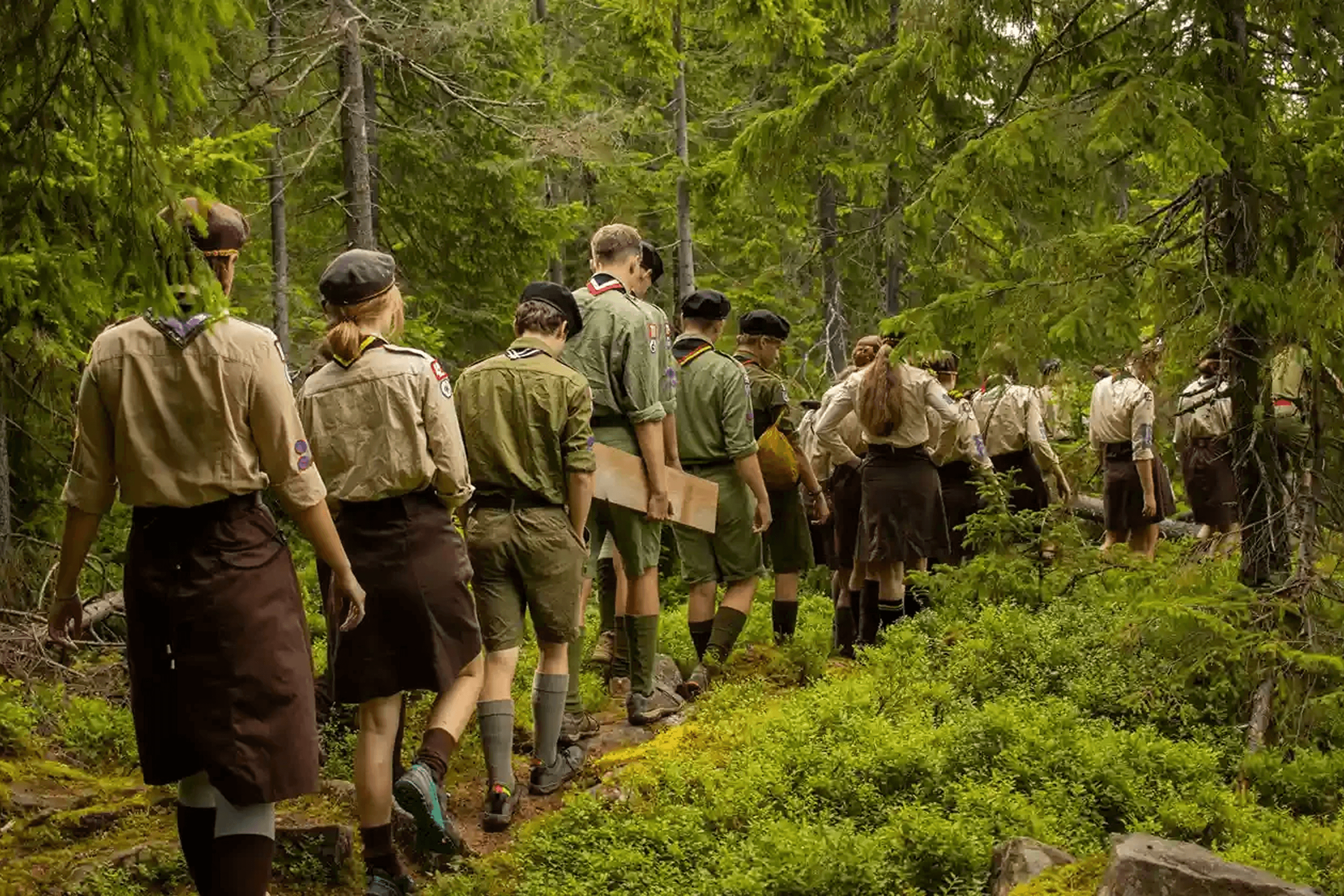
Photo: plast.org.ua / YB
2
On February 24, 2022, the first day of Russia’s full-scale invasion, Plast followed a contingency plan prepared in advance. The organization immediately restricted access to its website and social media pages and removed public information about active members. The measures were taken for security reasons. For years, Russian propaganda had portrayed Plast as a “radical nationalist” organization, and photos and videos from Plast events regularly appeared on Russian propaganda channels.
“We understood that Plast members with a public profile could end up on lists of people Russia would want to ‘deal with’ quickly. That is exactly what happened. After Izium was liberated, we learned about a Plast member who had been tortured because of his pro-Ukrainian views,” Kseniia says.
As early as February 25, Plast members began opening humanitarian hubs to help internally displaced people and others affected by the war. All activities for children were suspended and only gradually resumed in May, once it became clear that the war would not end anytime soon.
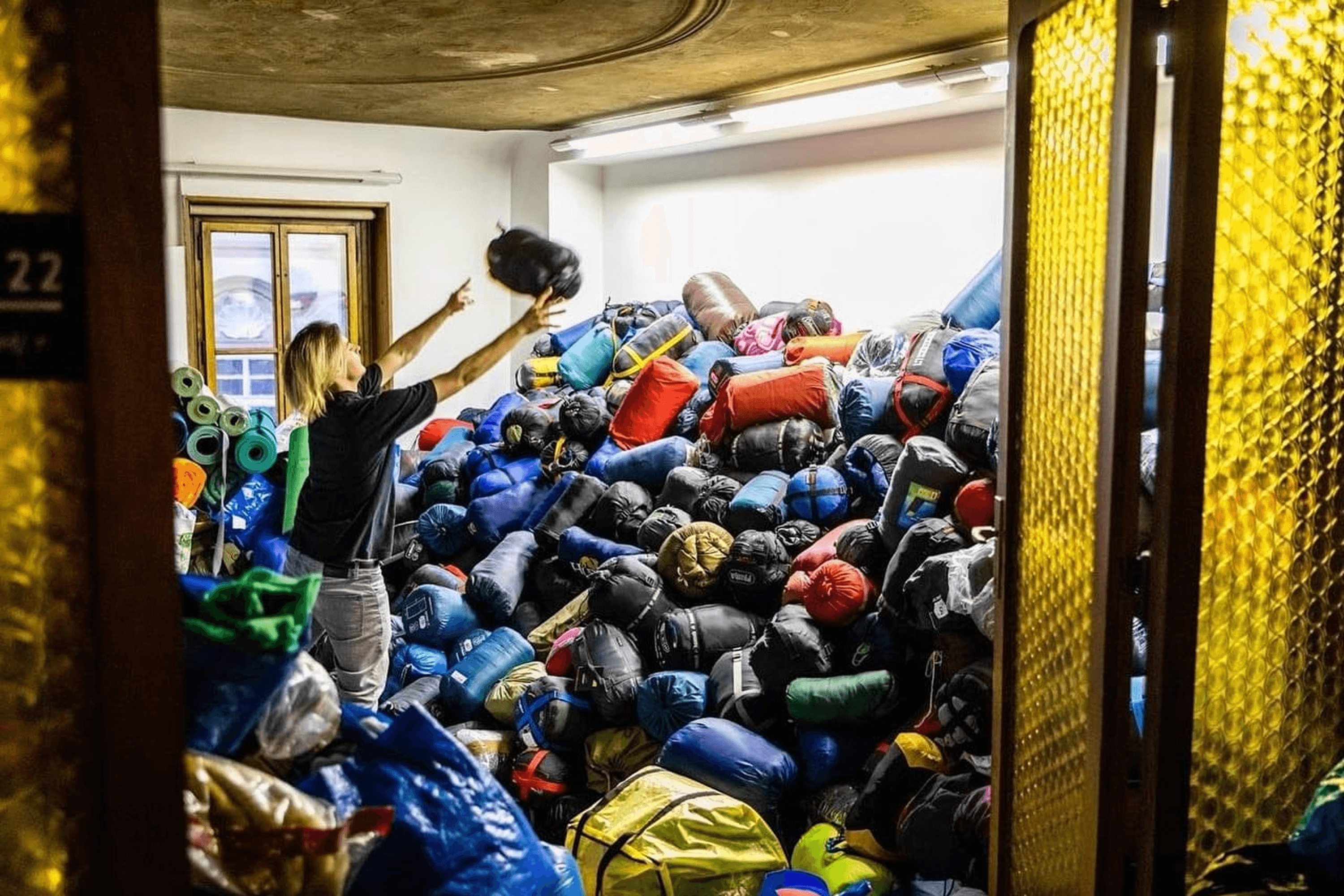
Plast members volunteering at humanitarian aid centers. Photo: Пласт - український скаутинг / Facebook / YB 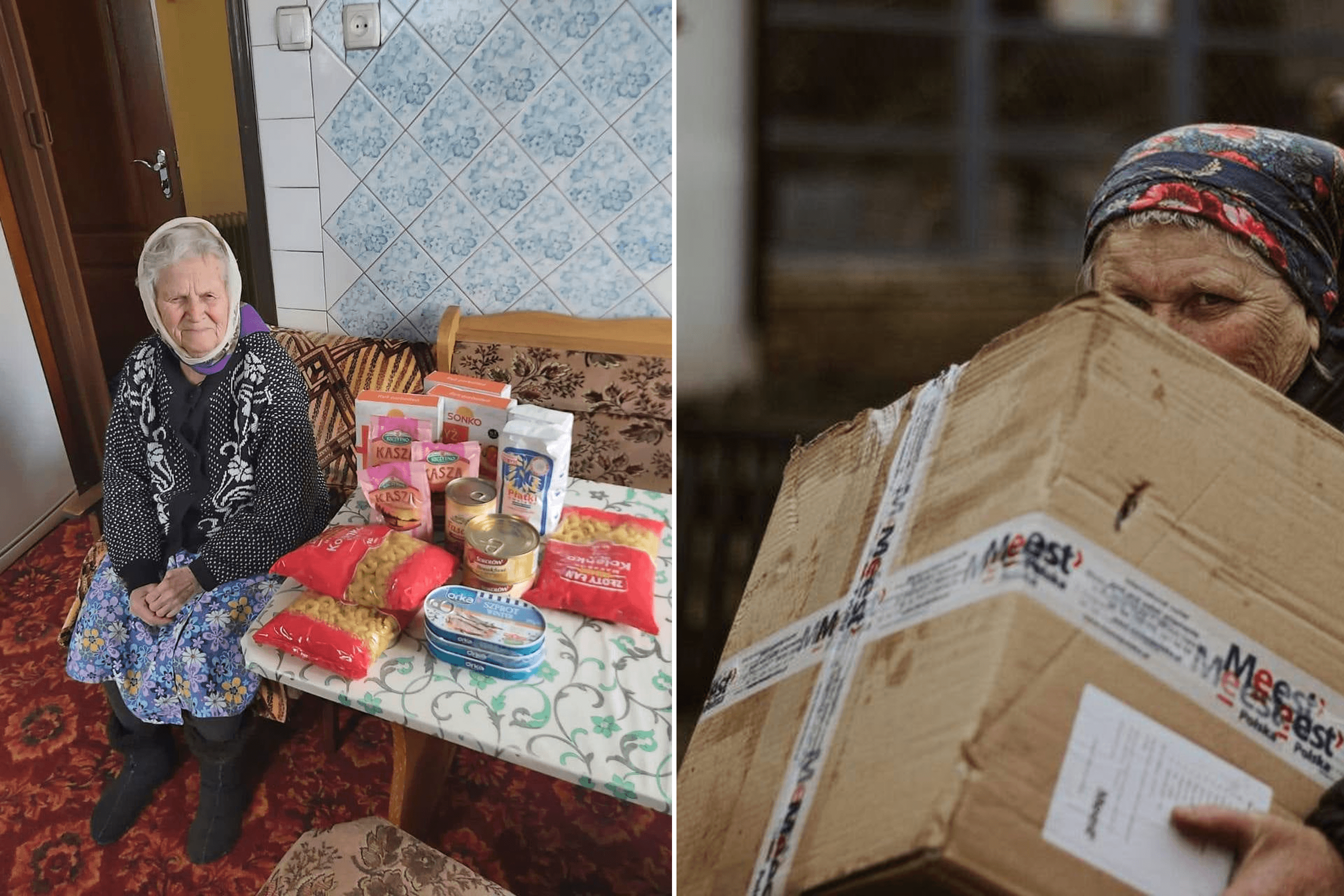
Photo: Пласт - український скаутинг / Facebook / YB 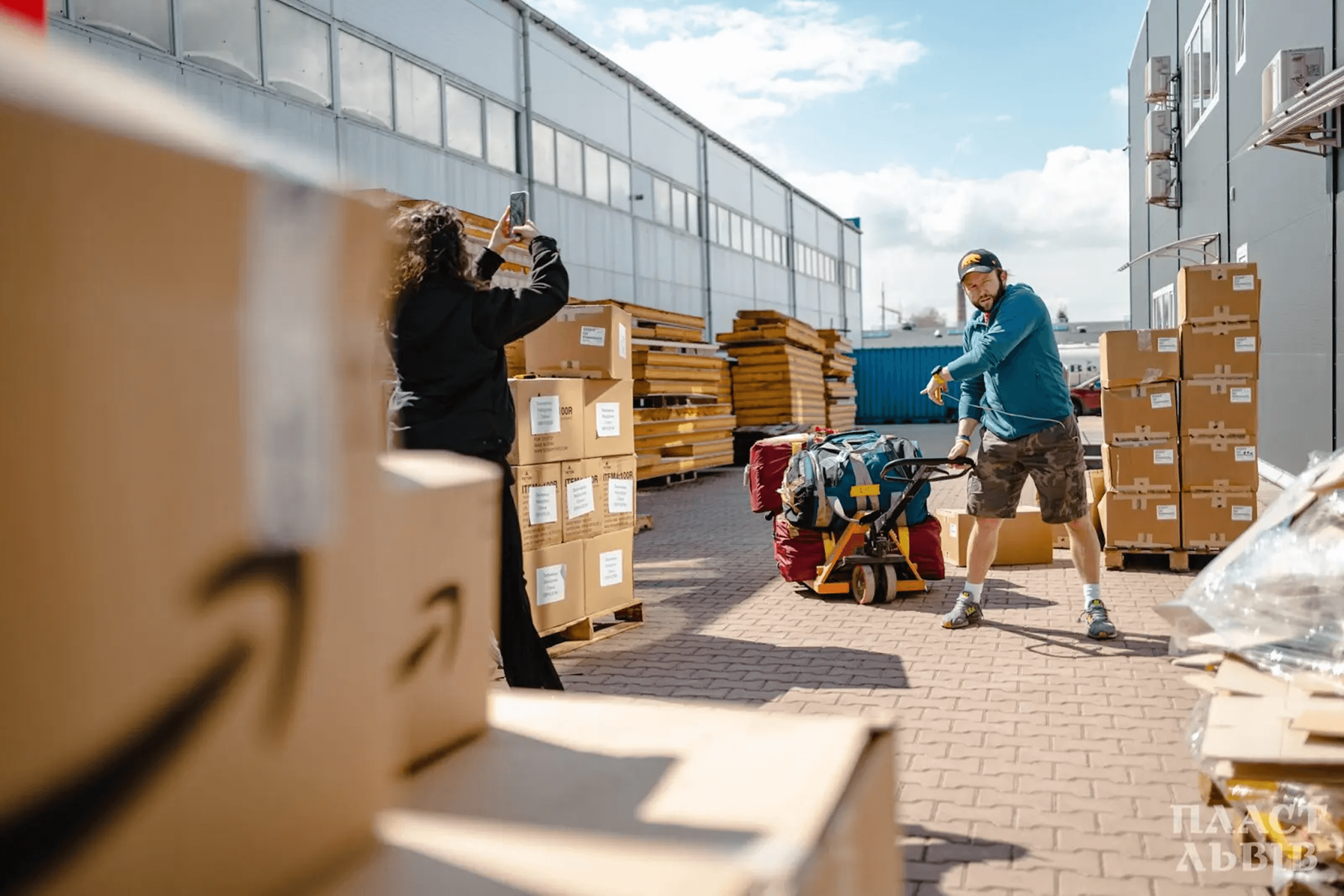
Photo: Пласт - український скаутинг / Facebook / YB 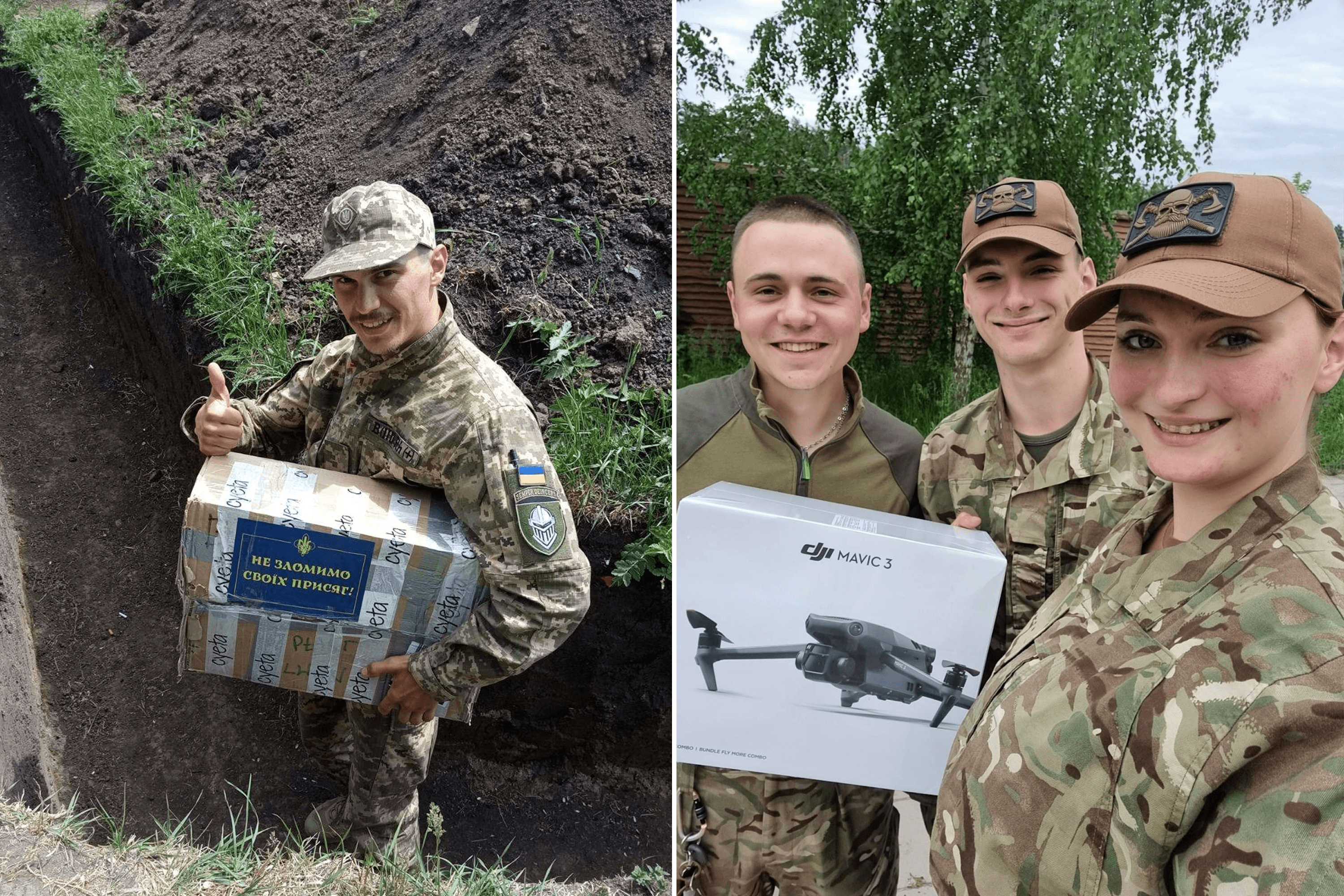
Photo: Пласт - український скаутинг / Facebook / YB 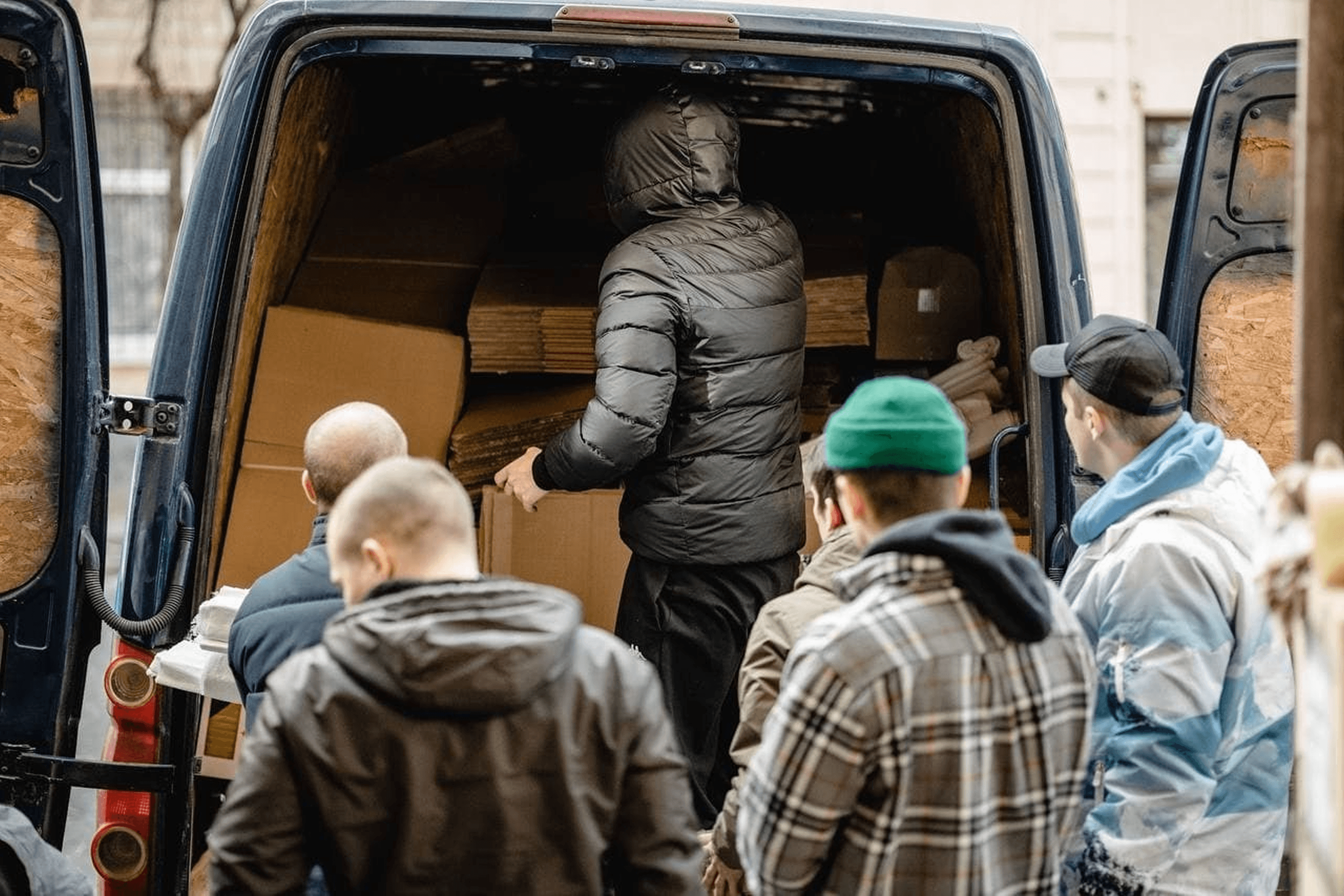
Photo: Пласт - український скаутинг / Facebook / YB 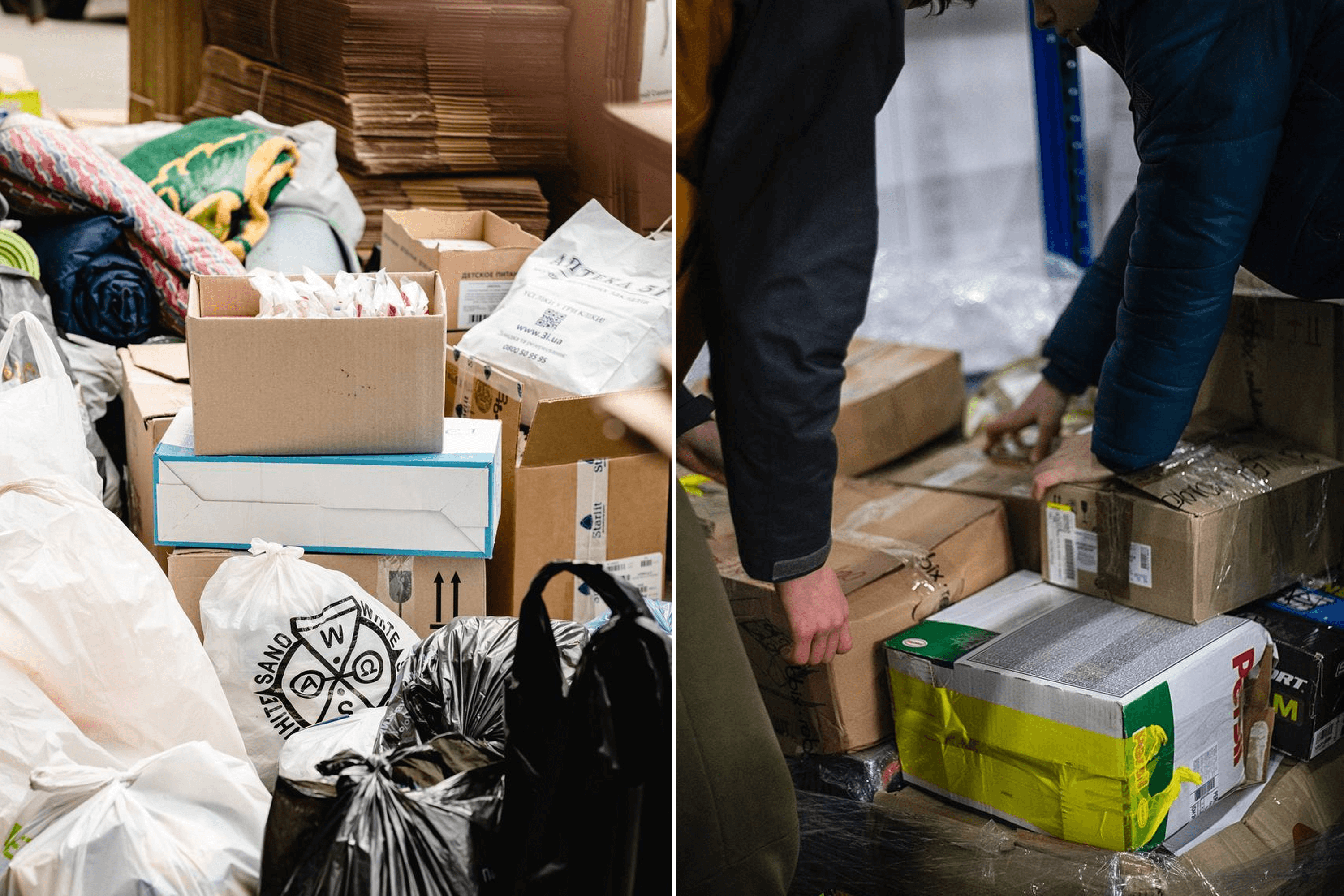
Photo: Пласт - український скаутинг / Facebook / YB
“In 2022, we held only a handful of camps in western Ukraine. But thanks to the support of fellow Scouts and the Ukrainian diaspora, we were able to send some of the children abroad free of charge so they could spend at least a little time away from air raid sirens and explosions,” Kseniia recalls.
Plast resumed its regular meetings and training sessions in September 2022. By then, however, the organization’s geographic presence had changed considerably. Twenty local branches had to close because they were located in cities now under Russian occupation. Their members relocated to other parts of Ukraine, though some continue to run their branches remotely. One example is the Plast branch from Avdiivka in the Donetsk region. Its members now live in different cities but continue to hold regular online meetings. Whenever they gather for camps or competitions, they often form a team made up of people originally from the Donetsk region.
“Despite the danger, we continue working in frontline and border cities, including Sumy, Konotop, Chernihiv, Kharkiv, Zaporizhzhia, Dnipro, Kryvyi Rih, Mykolaiv, and Odesa. The only place where we cannot operate is Kherson because the shelling is simply too intense. Whenever possible, we hold meetings in bomb shelters. But for large-scale events such as the Spring Raid, members from the most dangerous regions have to travel to safer locations,” Kseniia says.
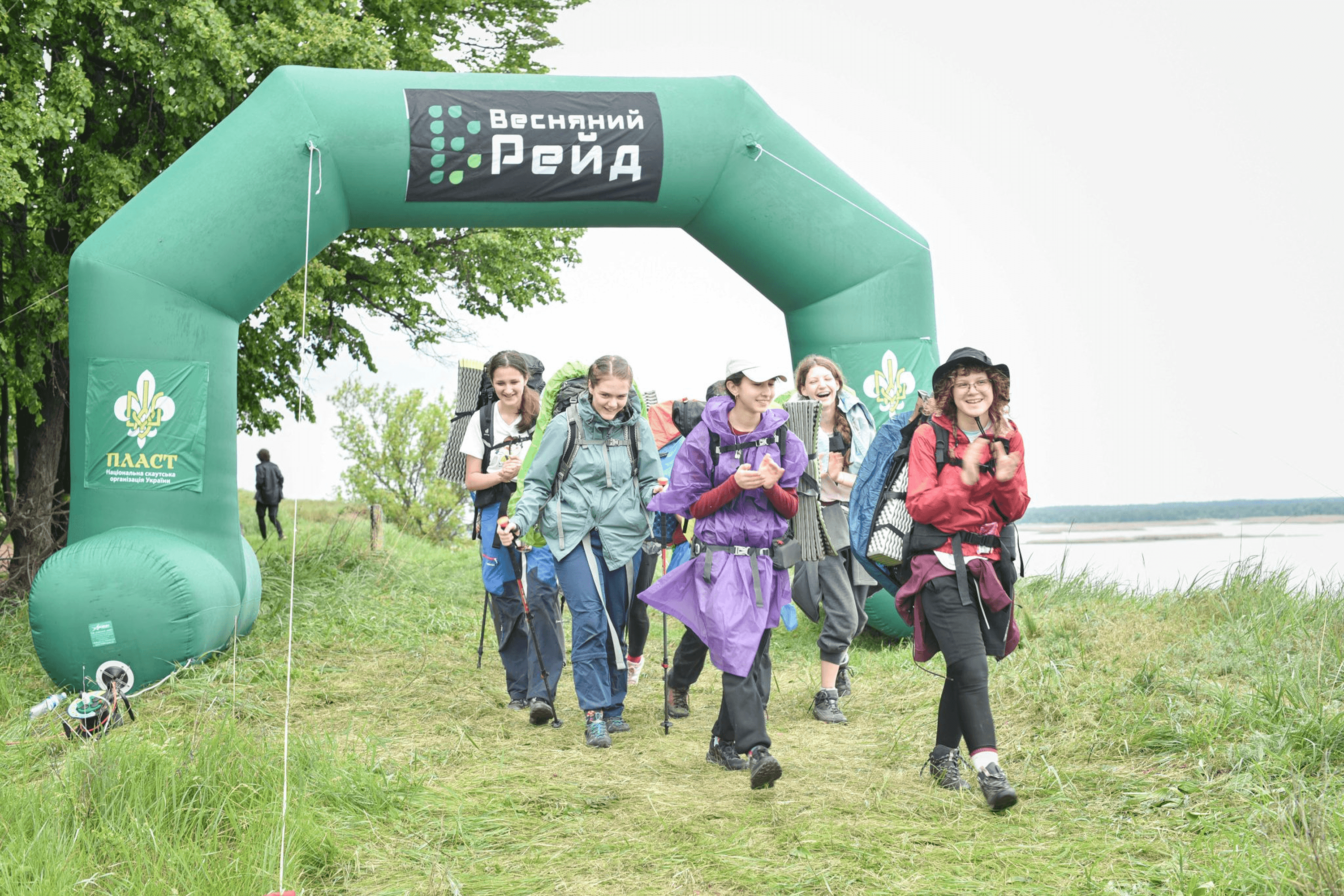
Participants in the Spring Raid, a nationwide backpacking competition held in Kyiv Oblast. May 2026. Photo: plast.org.ua / YB 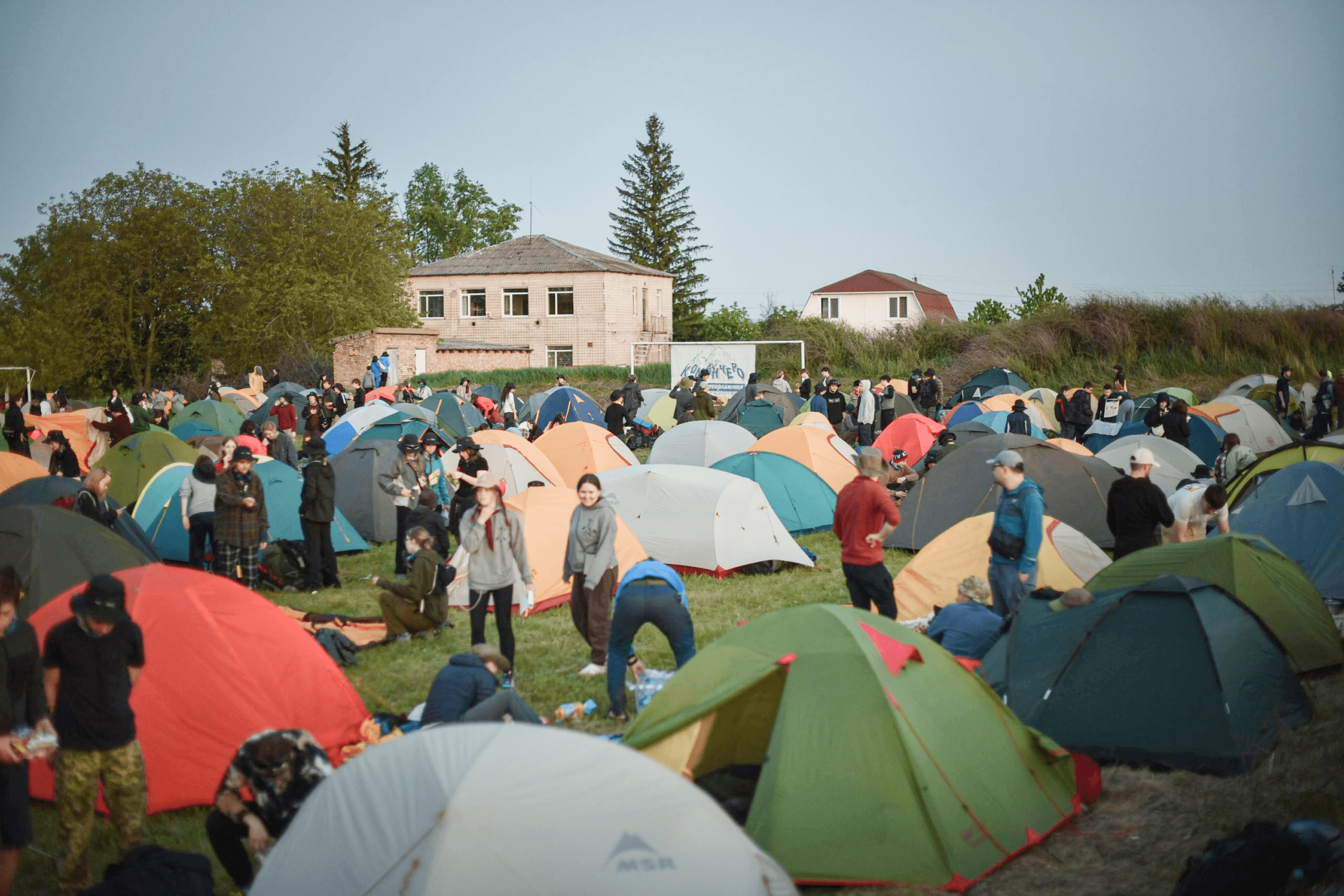
Photo: plast.org.ua / YB 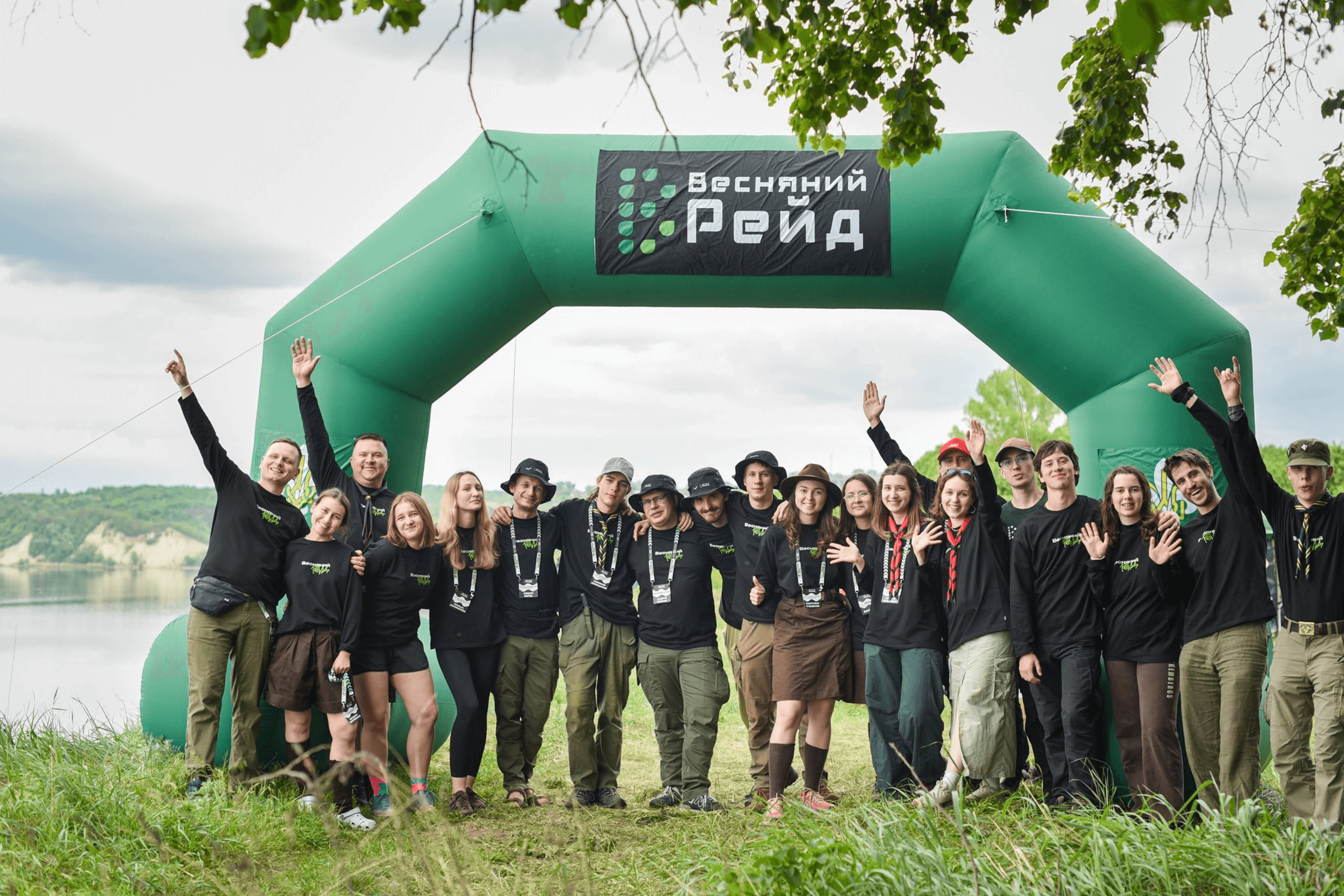
Photo: plast.org.ua / YB
In 2022, the number of Plast members in Ukraine dropped from 12,000 to 8,000 as many children left the country with their parents and more than 500 adult members joined the Armed Forces. In the following years of the war, a wave of patriotism renewed interest in the organization among children and parents alike. By 2026, membership in Ukraine had returned to 12,000. More than 2,000 members officially transferred to branches abroad.
3
Plast branches have existed abroad since the mid-twentieth century. They were established by Ukrainian emigrants so that children growing up far from home would not lose their connection to Ukraine and its customs. Over time, these branches evolved into multigenerational communities. In Canada and the United States, for example, a fourth generation of diaspora-born Ukrainians has come of age, yet thanks to Plast they continue to speak Ukrainian and preserve their cultural heritage.
Russia’s war against Ukraine, first in 2014 and then with the full-scale invasion in 2022, triggered another major wave of Ukrainian emigration and gave new momentum to Plast. Today, the organization operates in more than 30 countries. In recent years, new branches have opened in Japan, Egypt, Turkey, Lebanon, and Lithuania. They are typically founded by adult Plast members, Ukrainian priests, teachers at Ukrainian Saturday schools, or simply parents looking for a Ukrainian environment for their children.
In 2025, Japan welcomed two new Plast branches at once, in Tokyo and Osaka. The initiative came from the organization itself, while the work on the ground was led by a Plast member who had moved from Kyiv and connected with the Ukrainian community in Tokyo. Other members later joined the effort, and in November the first Plast meetings took place in Japan.
After the full-scale invasion began, several branches that had previously ceased operating for various reasons came back to life, including those in Norway, Ireland, Italy, Switzerland, and China. Existing branches were revitalized as well, particularly in Spain and Poland.
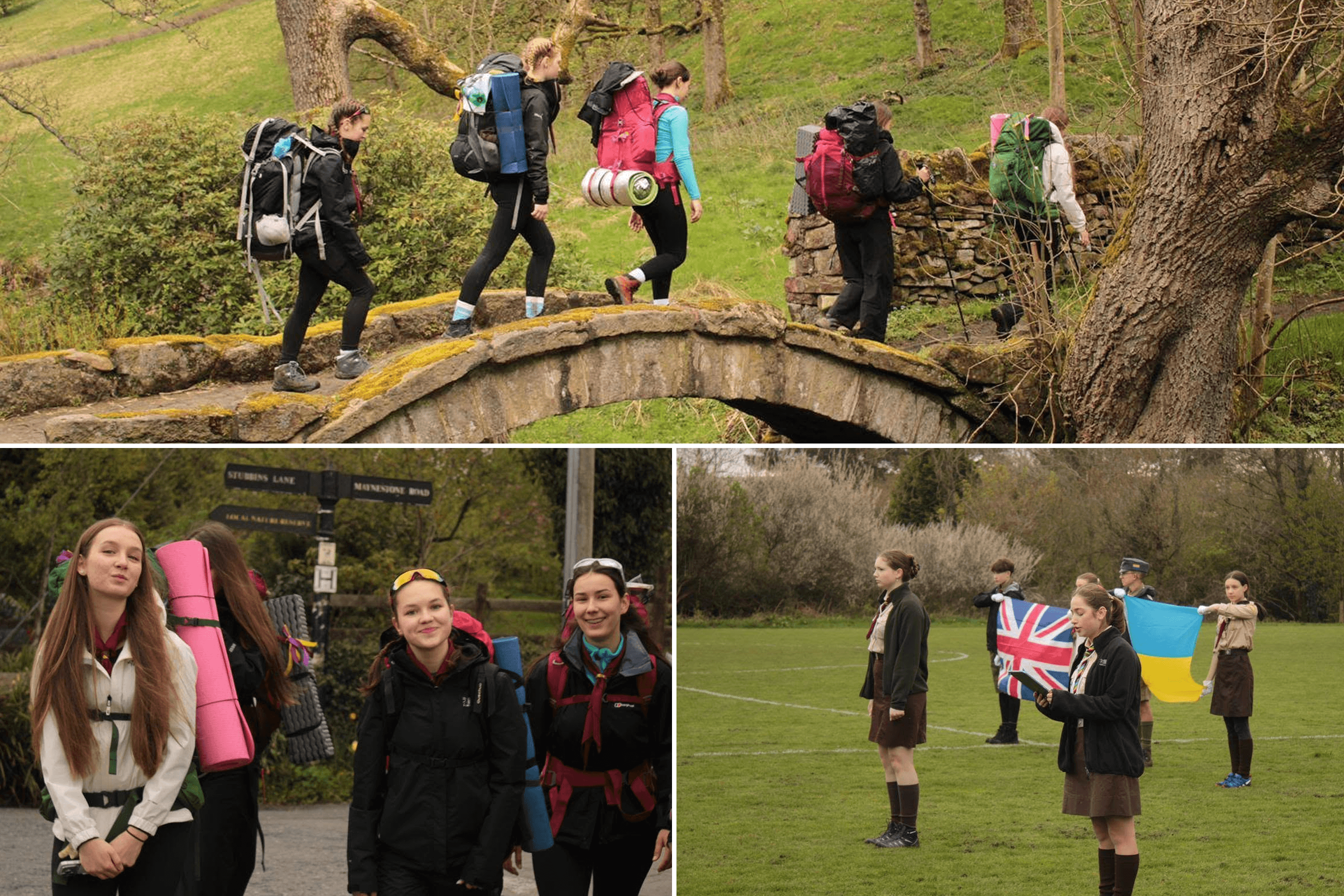
Members of Plast in the United Kingdom. Photo: Пласт у світі / Facebook / YB 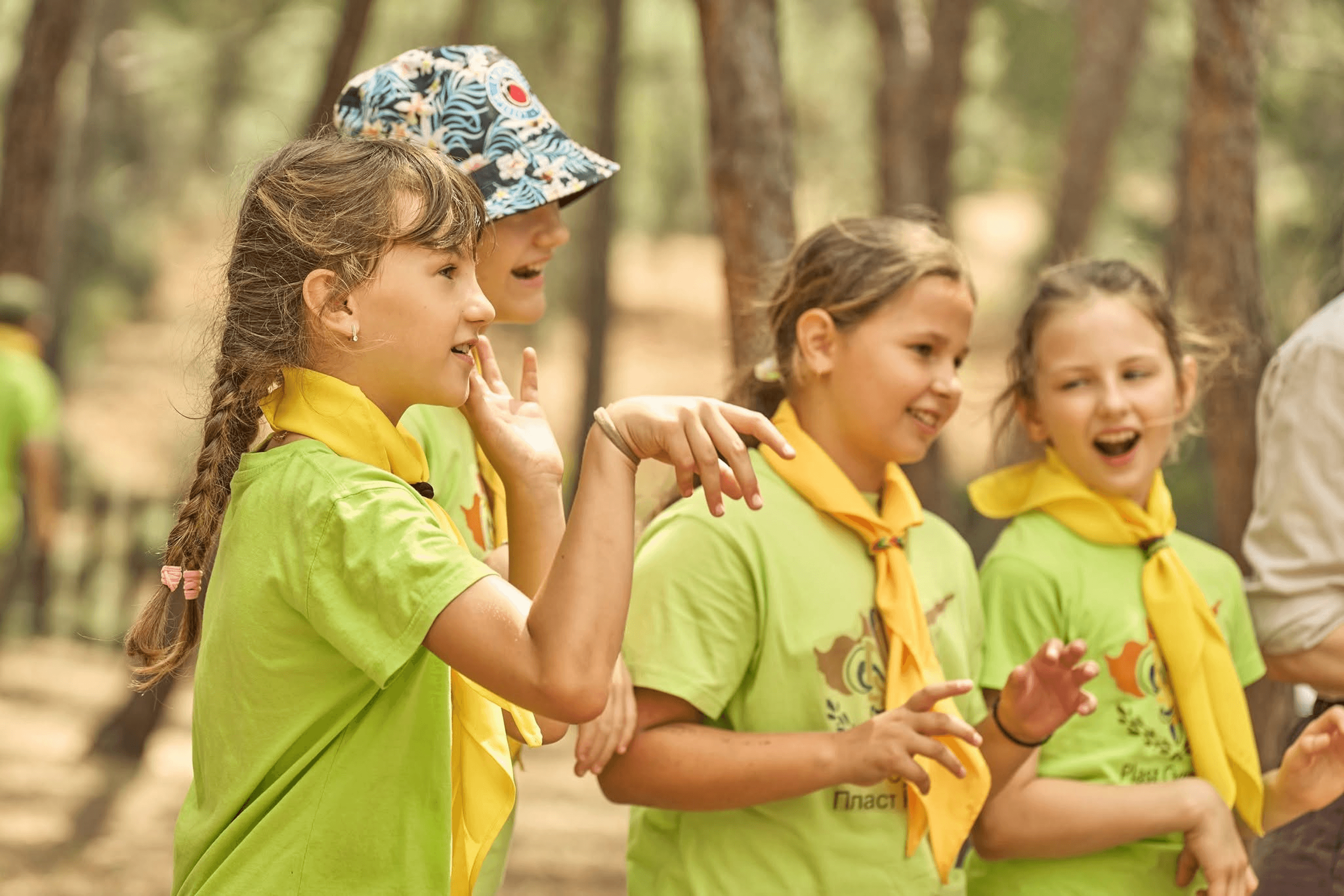
Members of Plast in Cyprus. Photo: Пласт у світі / Facebook / YB 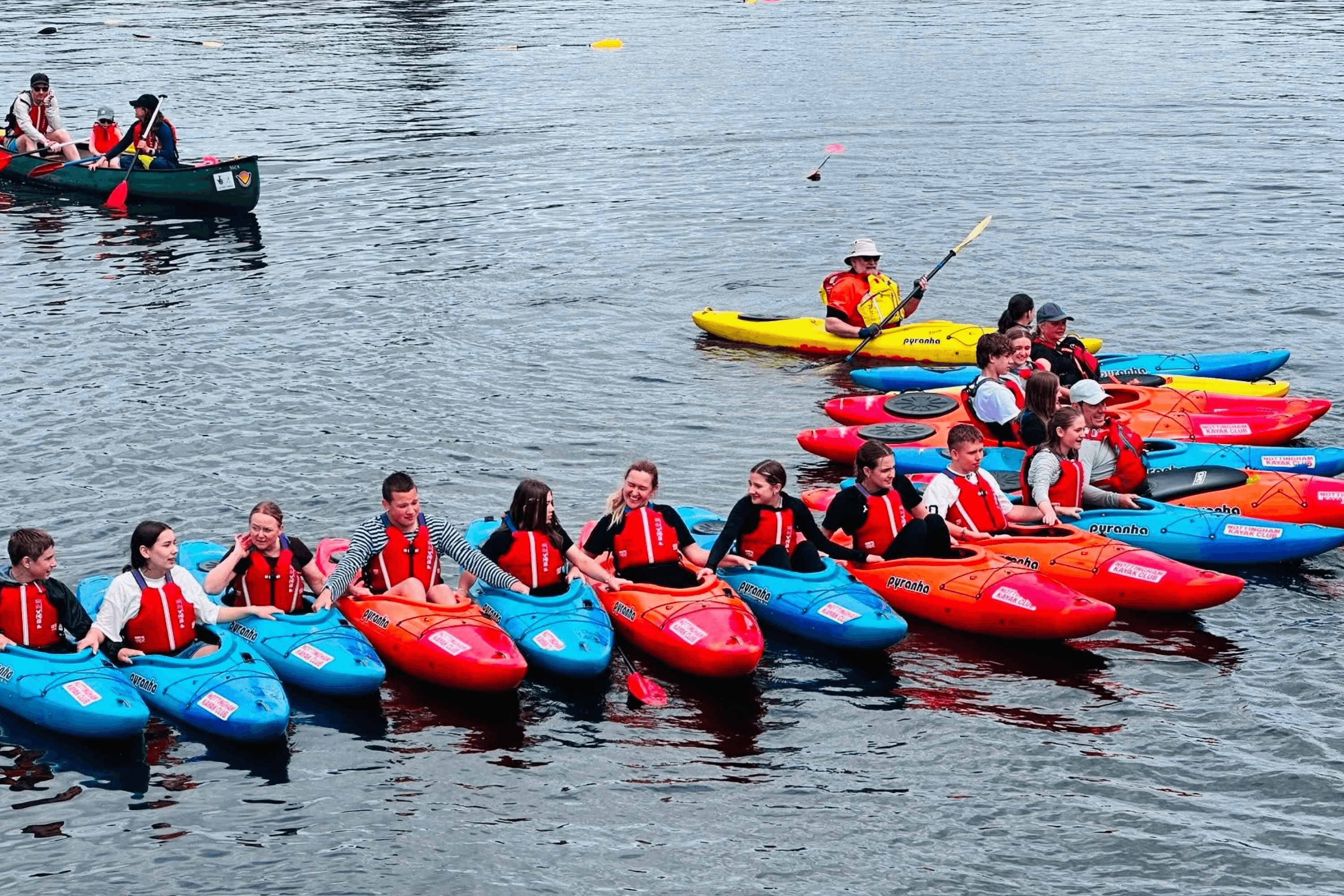
Members of Plast in Nottingham. Photo: Пласт у світі / Facebook / YB 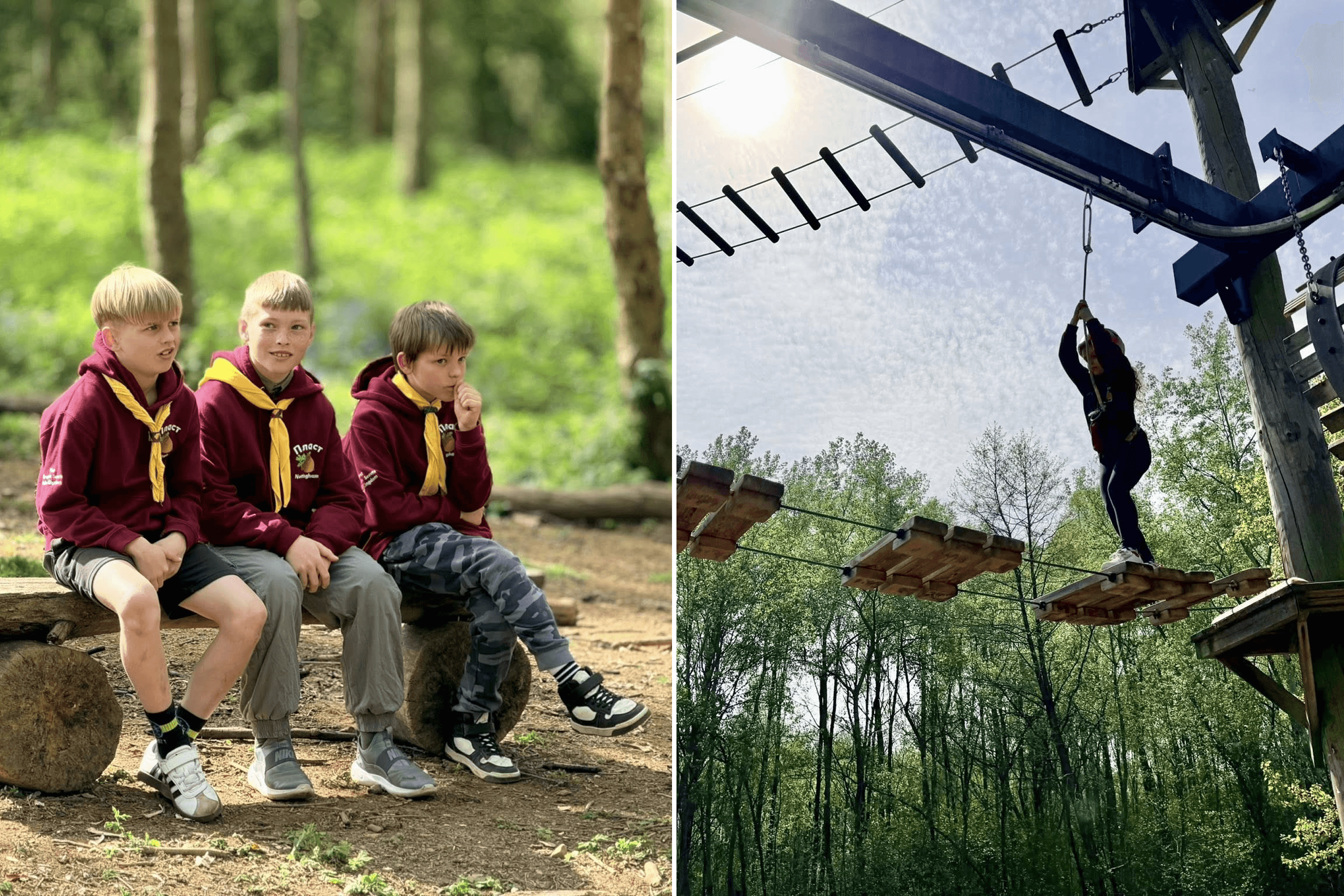
Members of Plast in Nottingham. Photo: Пласт у світі / Facebook / YB 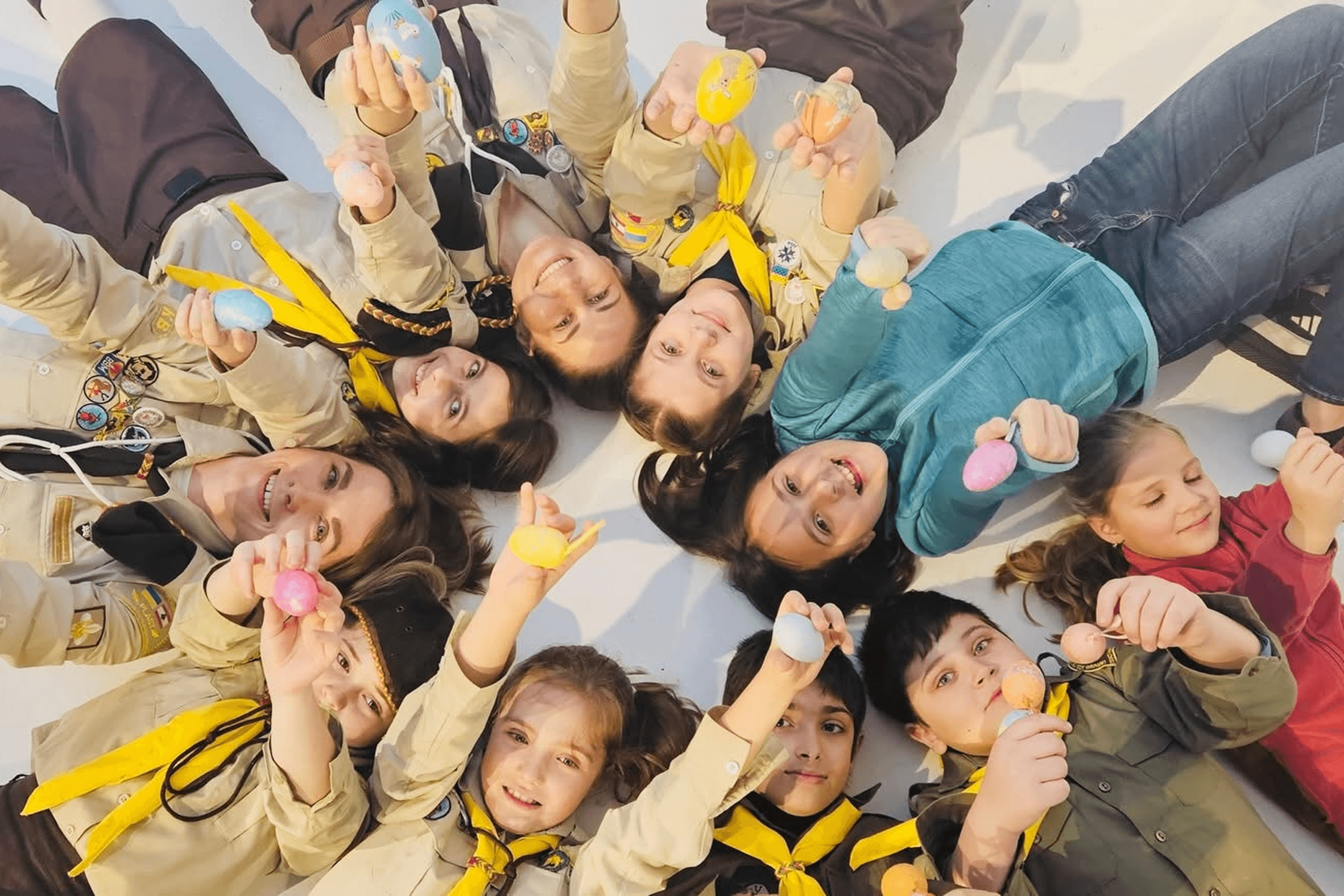
Members of Plast in Lebanon. Photo: Пласт у світі / Facebook / YB 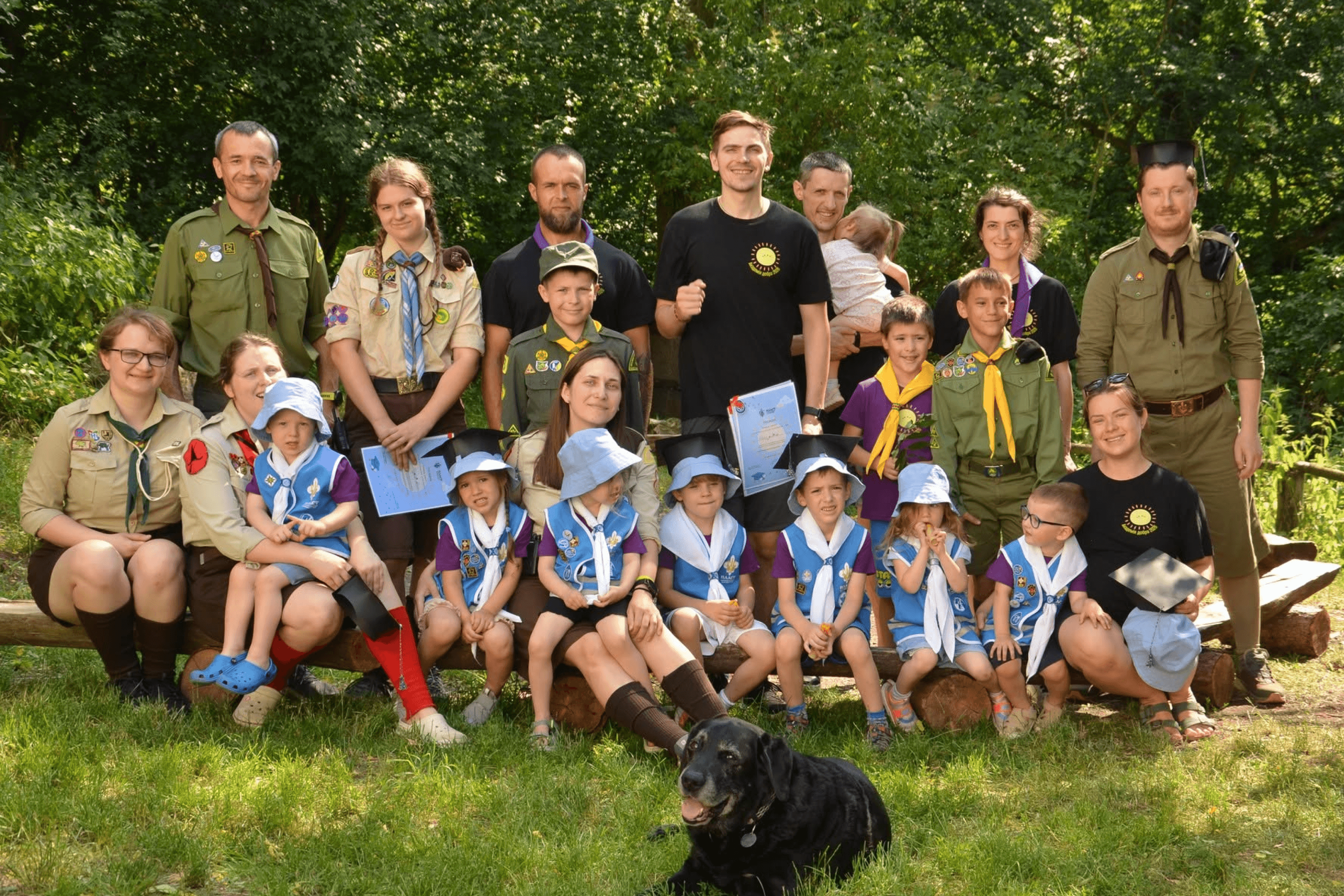
Members of Plast in the Czech Republic. Photo: Пласт у світі / Facebook / YB
The first Plast branch in Spain was established in 2019 by Plast member Pavlo Senator, who had moved to Valencia and discovered a large Ukrainian community there. In 2022 and 2023, following the arrival of a new wave of refugees, additional branches opened in other major Spanish cities, including Barcelona, Madrid, Alicante, and Donostia. Today, Plast in Spain has 200 members, 160 of whom are children.
“Plast not only helps people maintain a connection with their homeland or learn the basics of scouting, it also helps children adapt to life in a new country with a different culture, mentality, and ways of communicating. In the beginning, many children feel lost. At Plast, they can spend time with peers who have gone through similar experiences and realize that adapting simply takes time,” says Mariana Skakodub, head of the National Plast Council in Spain.
Plast has existed in Poland for many years, but it was in 2022 and 2023 that membership grew from 200 to 800, while the number of branches across the country expanded from two to ten.
“In 2022, hundreds of Ukrainian families passed through Poland, and Plast members became actively involved in helping them. They worked as interpreters and organized humanitarian aid collections. That was how many newly arrived families first learned about Plast, and many later enrolled their children in the organization,” says Ihor Mrychko, head of the National Plast Council in Poland.
Plast branches within the diaspora make a point of preserving Ukrainian identity. In Poland, they use a discussion format known as hutirka, where children choose a topic, usually related to Ukrainian traditions, and take turns presenting it to other members. They might explain, for example, why Ukrainians sing Christmas carols, perform vertep nativity plays, or gather around the table with their families for Christmas.
Plast branches also frequently cooperate with local scouting organizations. This helps Ukrainian children integrate into their new communities while introducing foreign Scouts to Ukrainian heritage. This year, ahead of Easter, Plast members in Madrid taught Spanish Scouts the art of decorating pysanky, while Scouts from Catalonia invited Ukrainian children to take part in their own traditional celebrations.
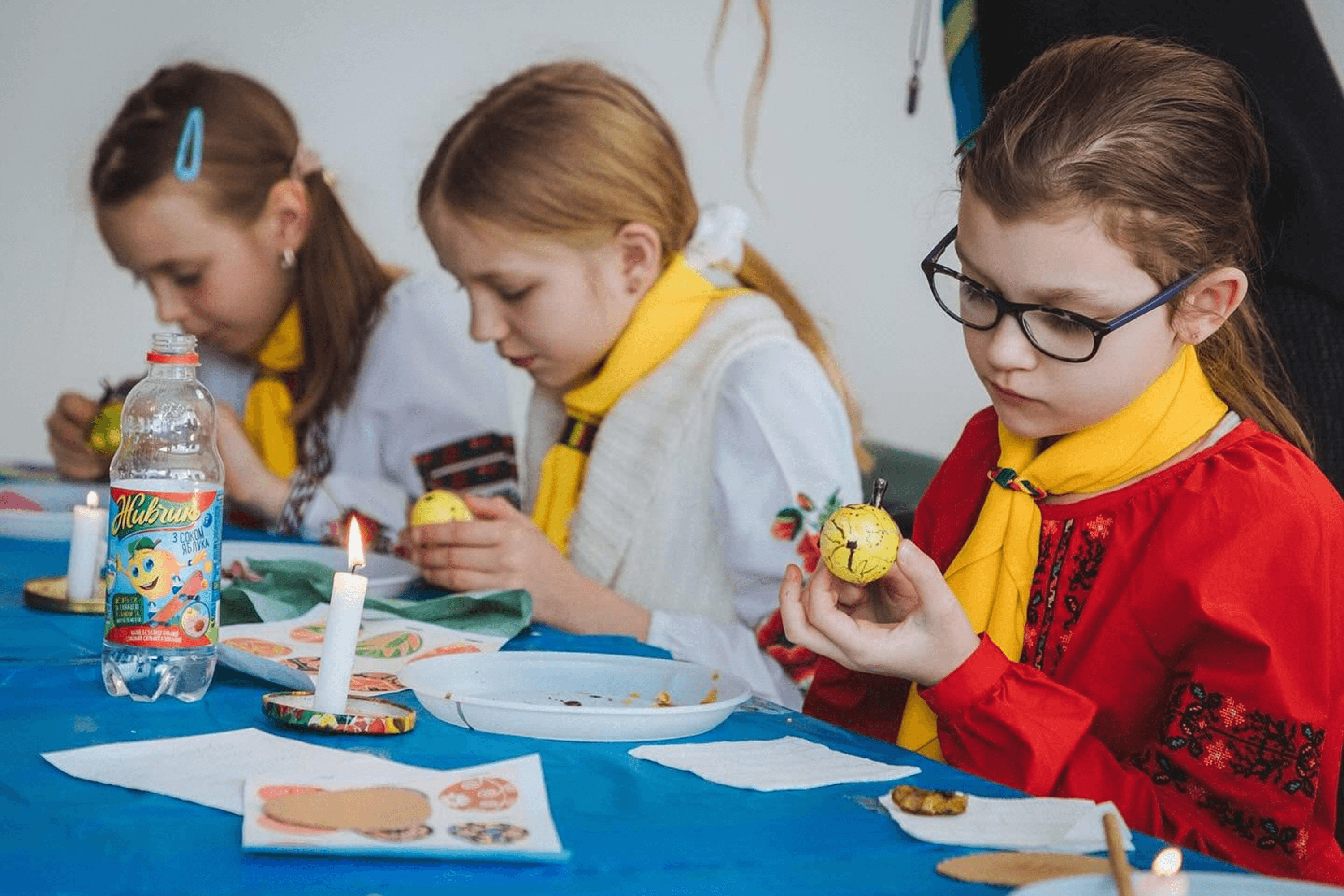
Members of Plast practicing pysanka-making. Photo: plast.org.ua / YB 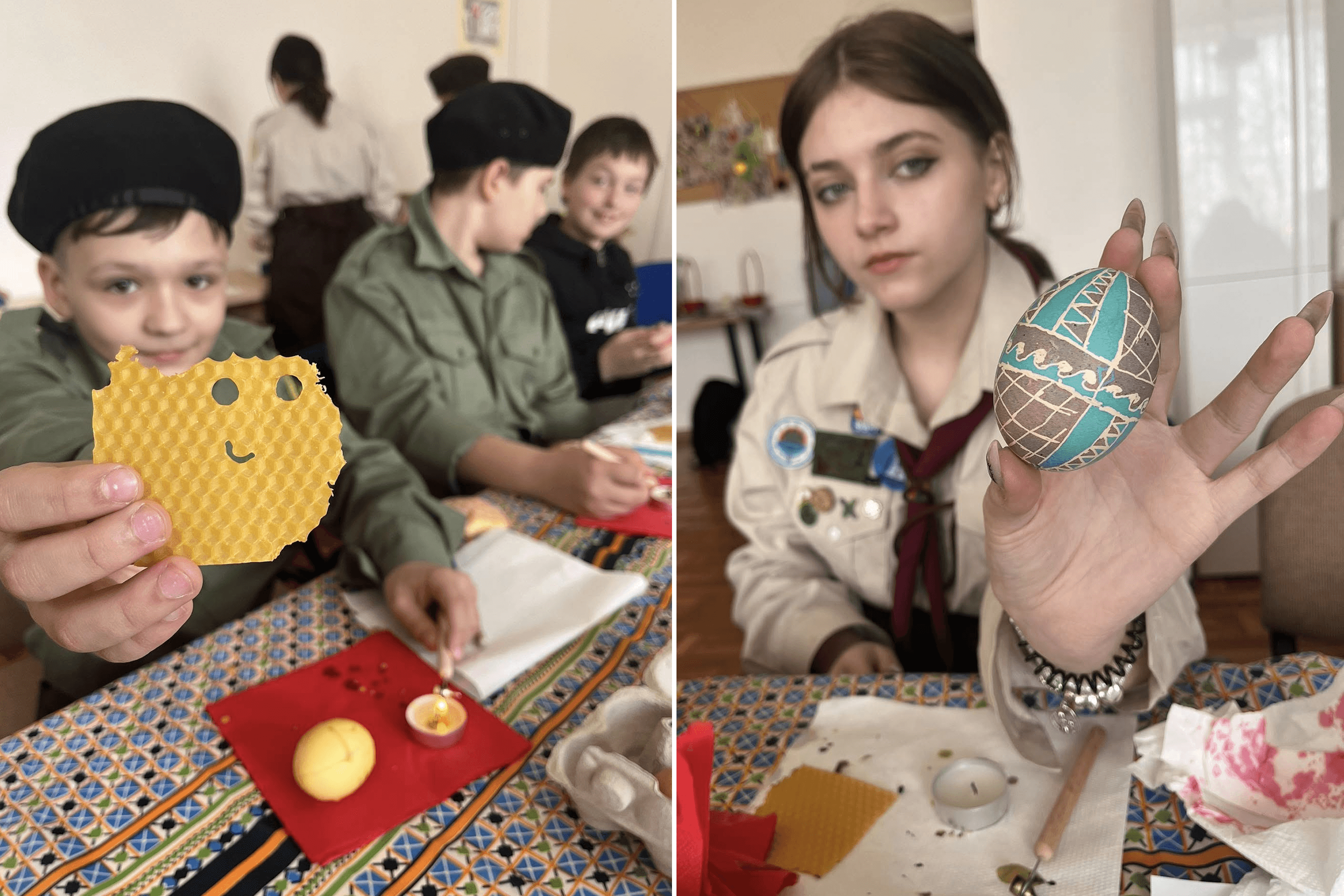
Photo: Пласт - український скаутинг / Facebook / YB 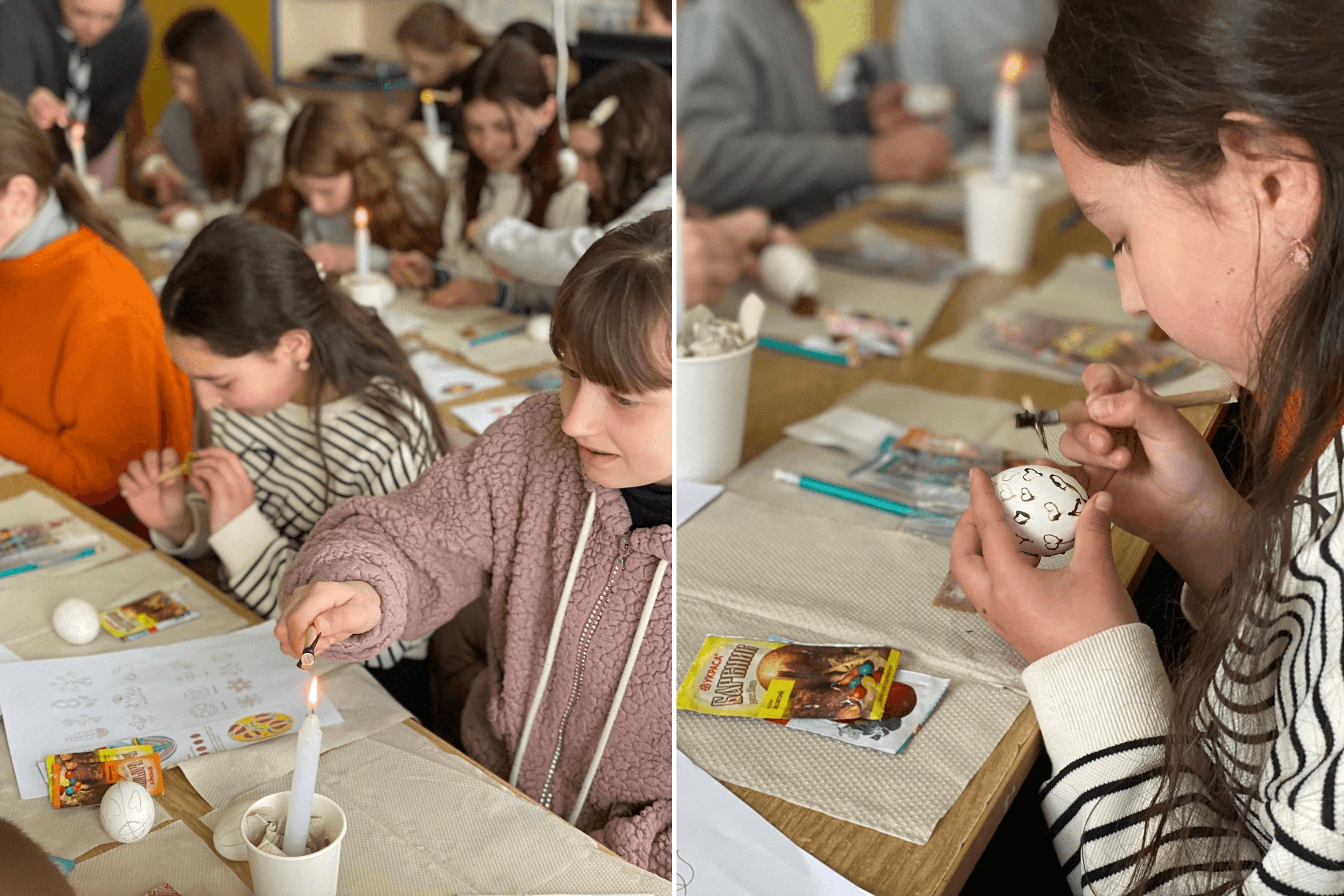
Photo: Пласт - український скаутинг / Facebook / YB
In just a few weeks, Plast members from around the world will head off to their summer camps. Abroad, these will feature the traditional combination of hiking and camping in tents. In Ukraine, the program will also include first aid and safety training, skills that the war has made part of everyday life. The programs may differ from country to country, but one thing remains constant everywhere: children learn independence and responsibility while feeling that they belong to a wider Ukrainian community that unites them wherever they are.
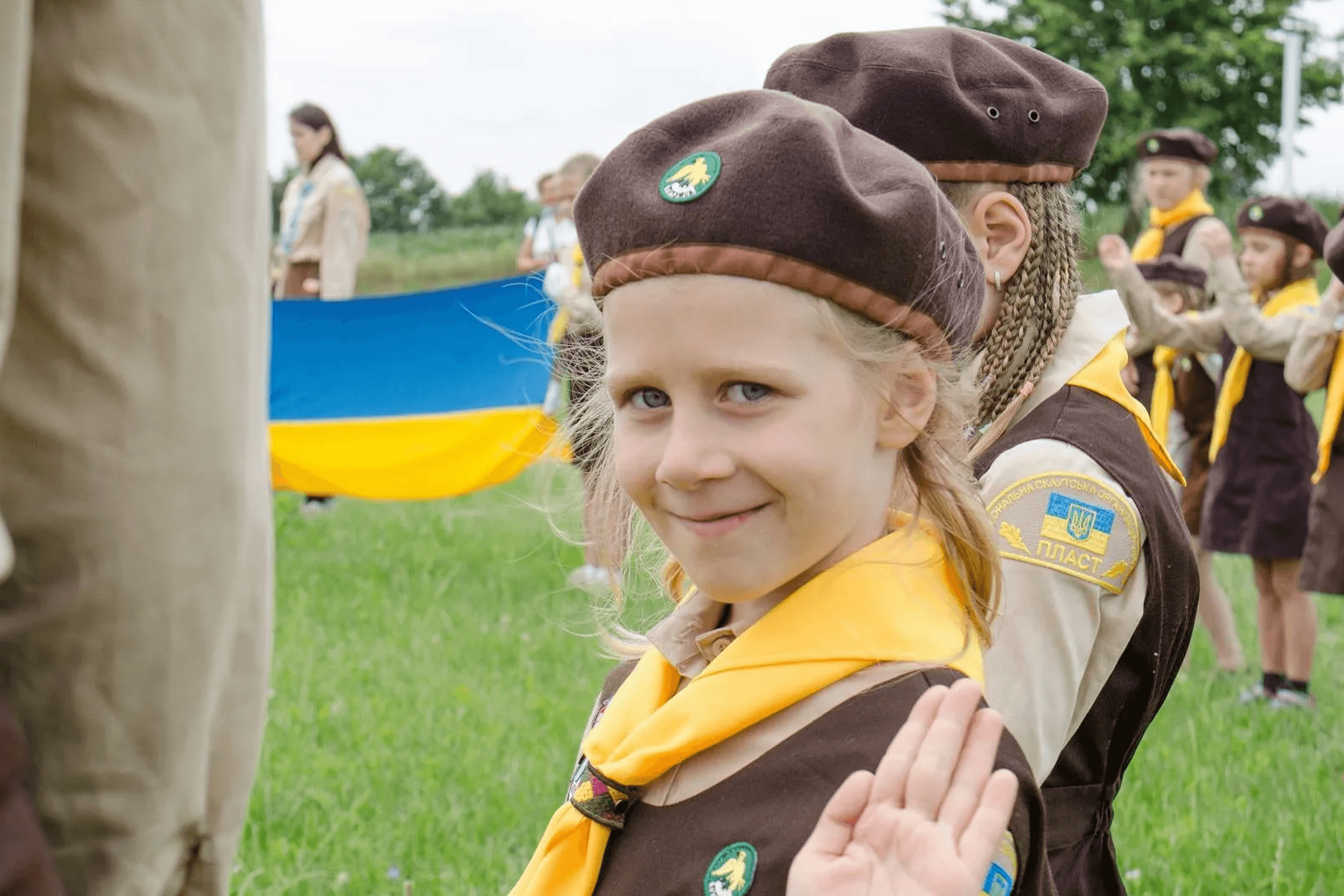
Members of Plast. Photo: plast.org.ua / YB 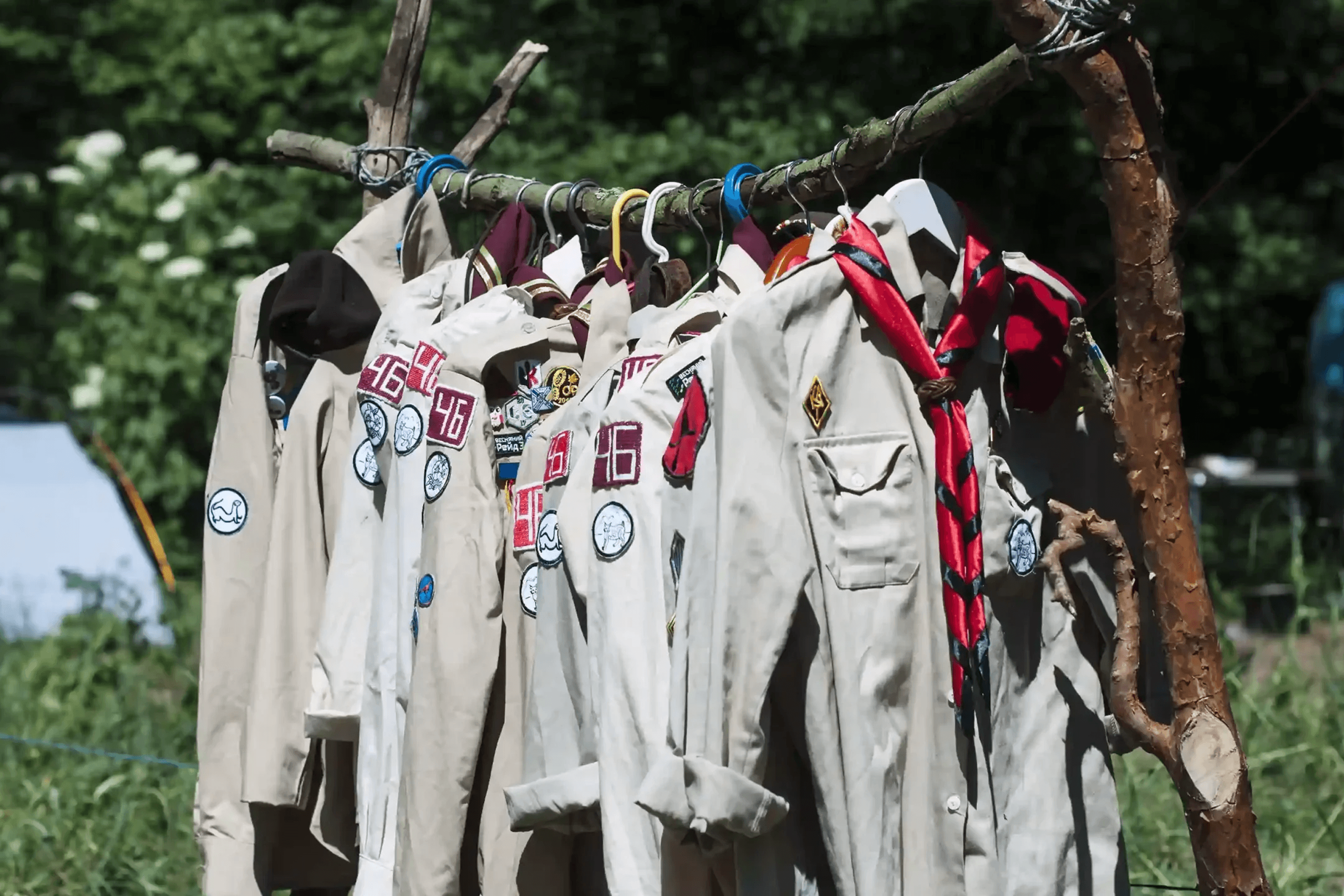
Photo: plast.org.ua / YB 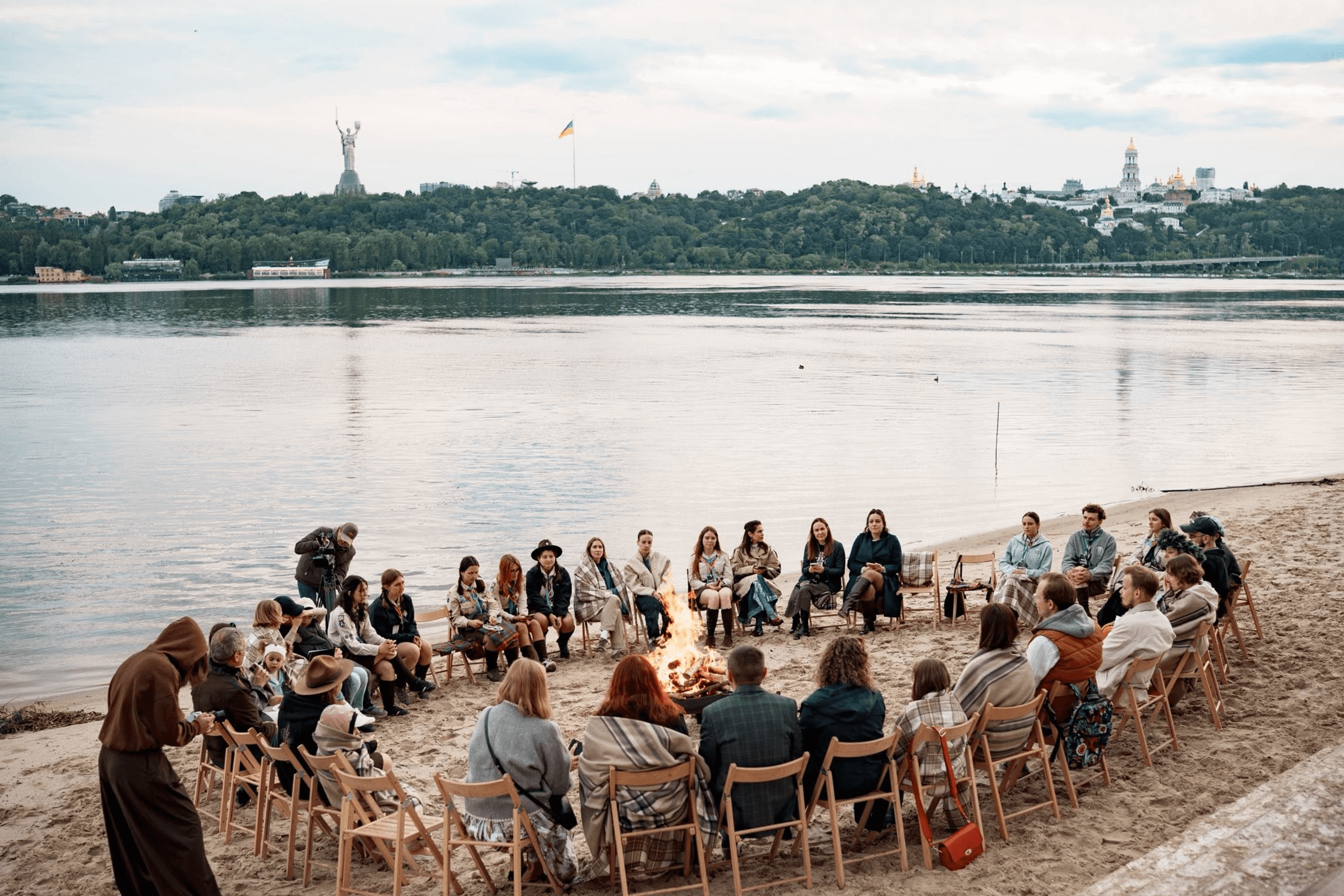
Photo: Пласт - український скаутинг / Facebook / YB 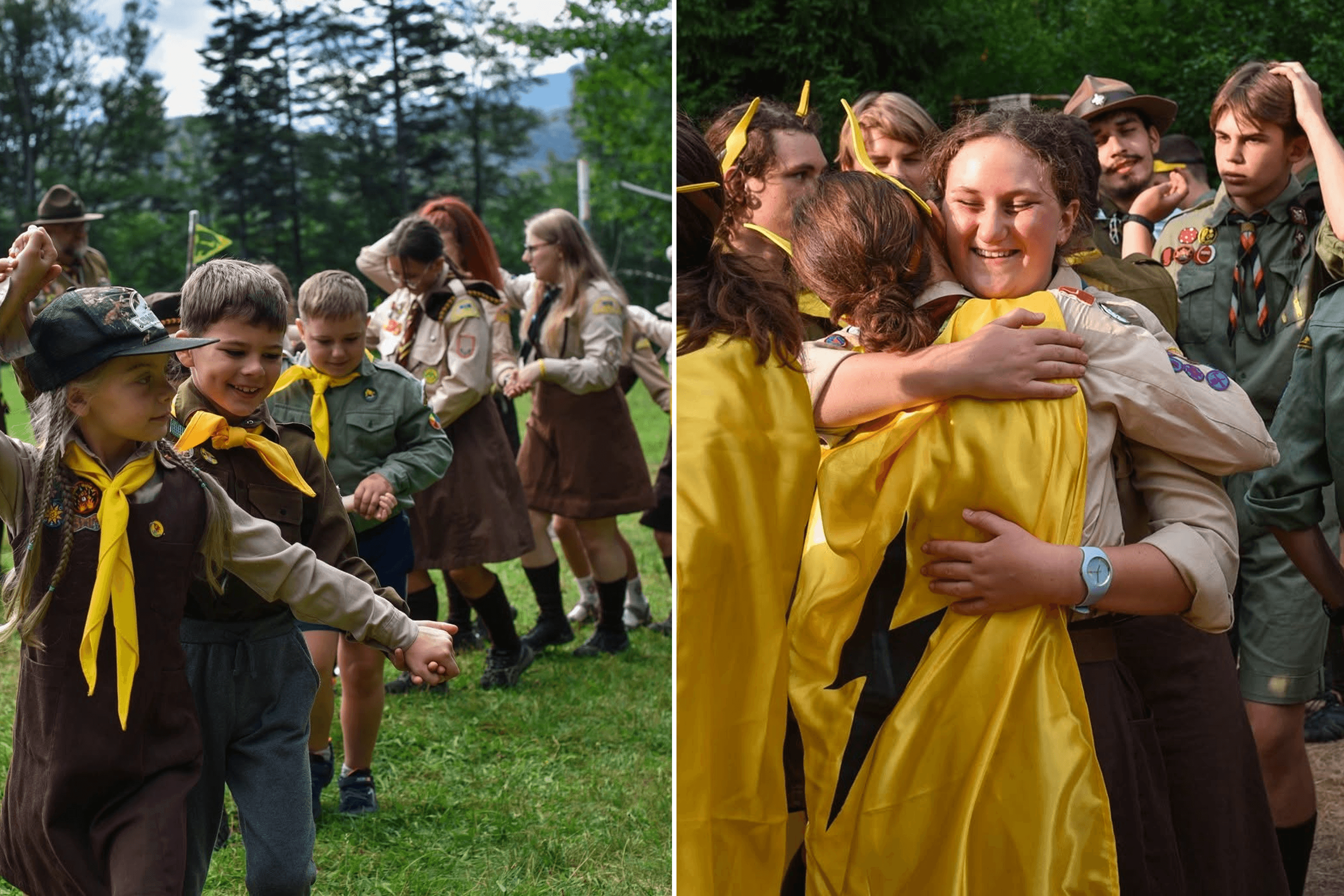
Photo: Пласт - український скаутинг / Facebook / YB 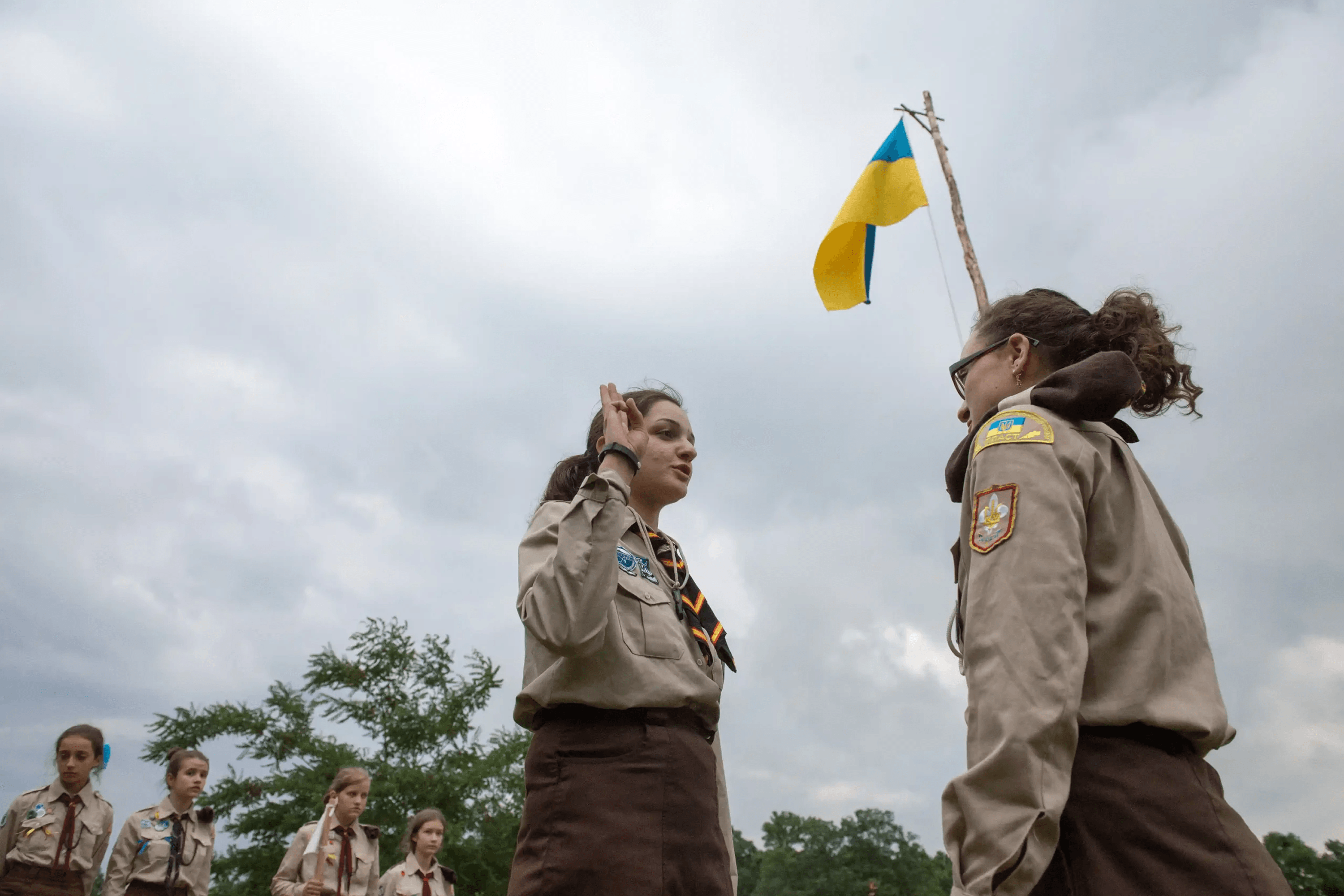
Photo: plast.org.ua / YB 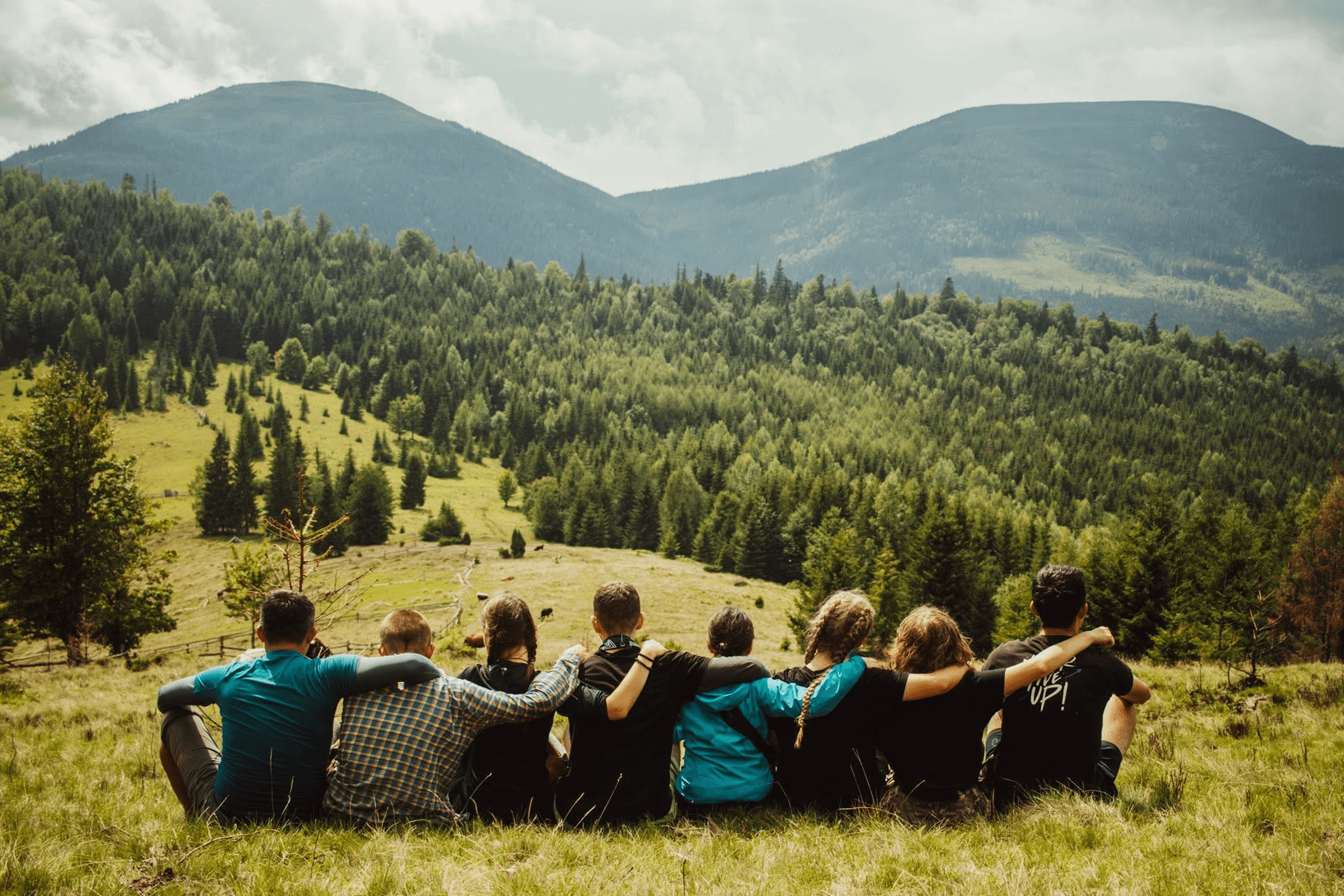
Photo: Пласт - український скаутинг / Facebook / YB


