
Svitlana Kominko holds a PhD in developmental psychology and is an instructor at the School of Business + Media at the British Columbia Institute of Technology. She emigrated from Ukraine to Canada in 2003, and during the Revolution of Dignity, she co-founded the Maple Hope Foundation alongside like-minded individuals. Its primary areas of focus include medical humanitarian aid, psychological support for women who have lost loved ones in the war, and professional courses for Ukrainian psychologists and social workers.
Yellow Blue journalist Sofiia Korotunenko spoke with Svitlana Kominko about the foundation’s work and fundraising efforts, healing within a community, and attempts to reform the Ukrainian state system for supporting veterans and those grieving losses caused by the war.
1
How did your charitable foundation come to be?
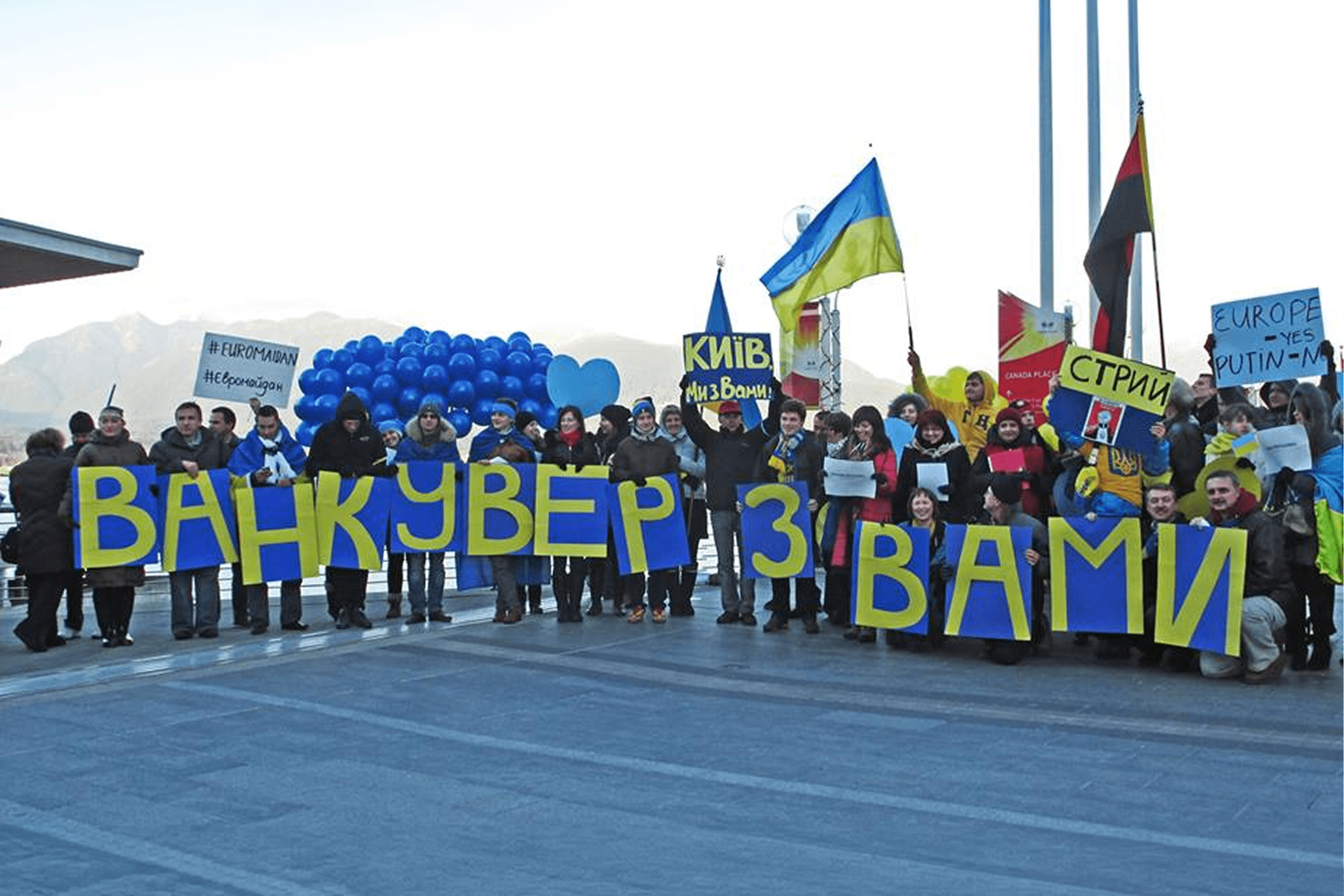
In late 2013 and early 2014, I and other Ukrainians living in Vancouver took to the streets for local rallies in support of the Revolution of Dignity. We hadn’t crossed paths before, but then we began meeting every weekend at the square in the city center. We couldn’t stay silent and ignore how Viktor Yanukovych’s government was stifling democracy in Ukraine. We united around the values that our people were defending back home.
When the war in Donbas began and Russia annexed Crimea, I suggested on Facebook that local Ukrainians unite to support Ukraine in a more organized way. The same people from Vancouver’s Euromaidan responded, and the idea to create a charitable organization was born. The name, Maple Hope Foundation, is a nod to Canada’s symbol—the maple leaf.
What did Maple Hope do before Russia’s full-scale invasion of Ukraine?
We provided financial support to medical institutions in Ukraine and offered psychological assistance to people affected by the war. Our first project was a two-month retreat in Vancouver for the children of the Heavenly Hundred heroes.
We wanted to offer these children some warmth and healing after the horrors their families had endured. The program included cultural tours around Vancouver, group psychotherapy, and simple human connection. Several participants were very young men who had been wounded during the protests. We had no prior experience, but we managed to find a clinic and a prosthetic for one of them—Petro Zhovtovskyi, who had been hit in the eye by a sniper on the Maidan.
Later, you began helping Ukrainian veterans—raising money for prosthetics and providing psychological support. How did that project start?
In the fall of 2014, I went to Ukraine and spent six months volunteering in military hospitals. I met many guys who had survived the battle of Ilovaisk and decided to create a project to provide veterans in Ukraine with prosthetics, psychological support for them and their families, and a psychological rehabilitation program in Vancouver. Over the two years the project lasted, we provided financial and psychological support to 29 severely wounded defenders, most of whom had undergone amputations. The project was called “I Have Returned”, and it cost us approximately $73,000.
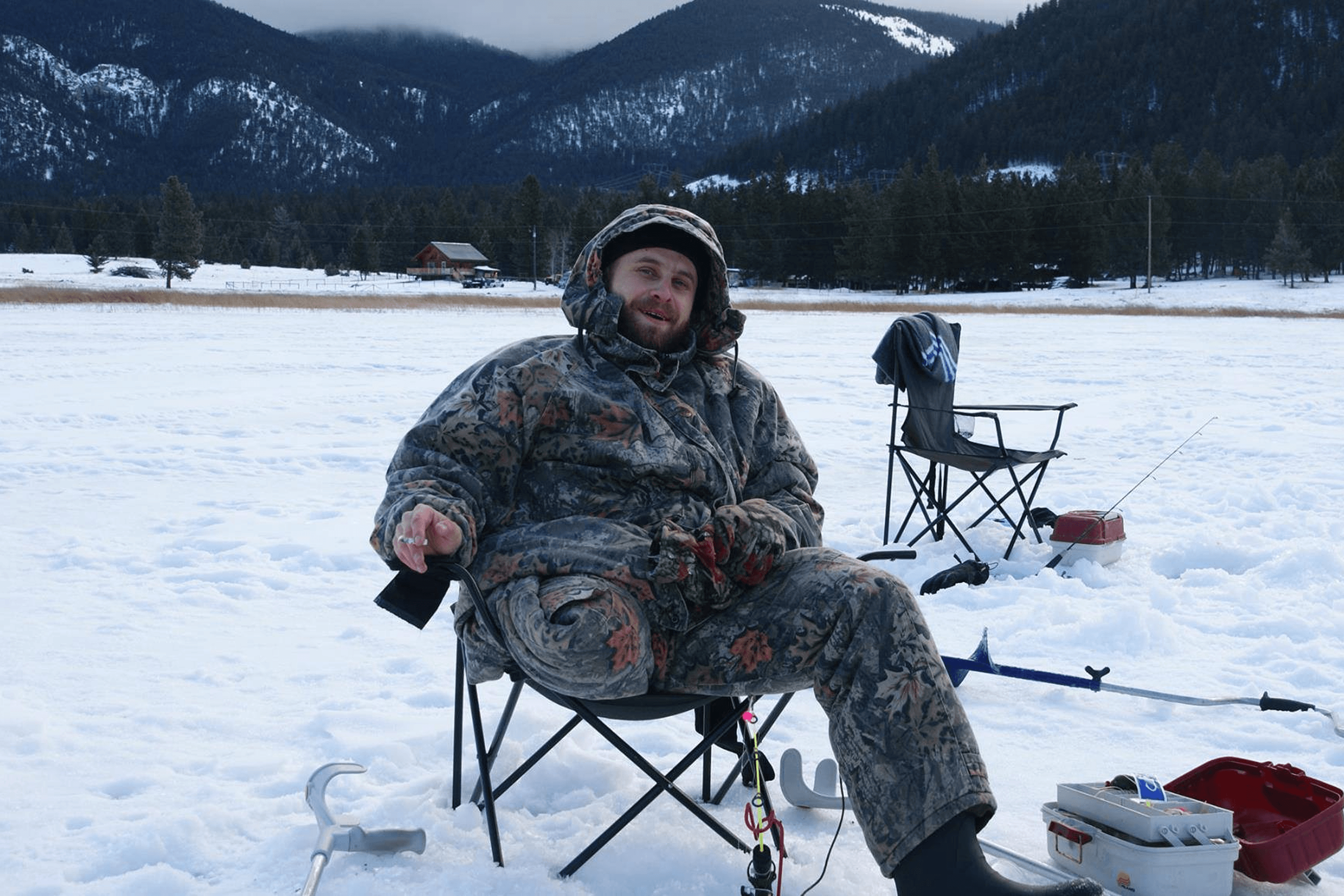
Photo: Maple Hope Foundation / Facebook / YB 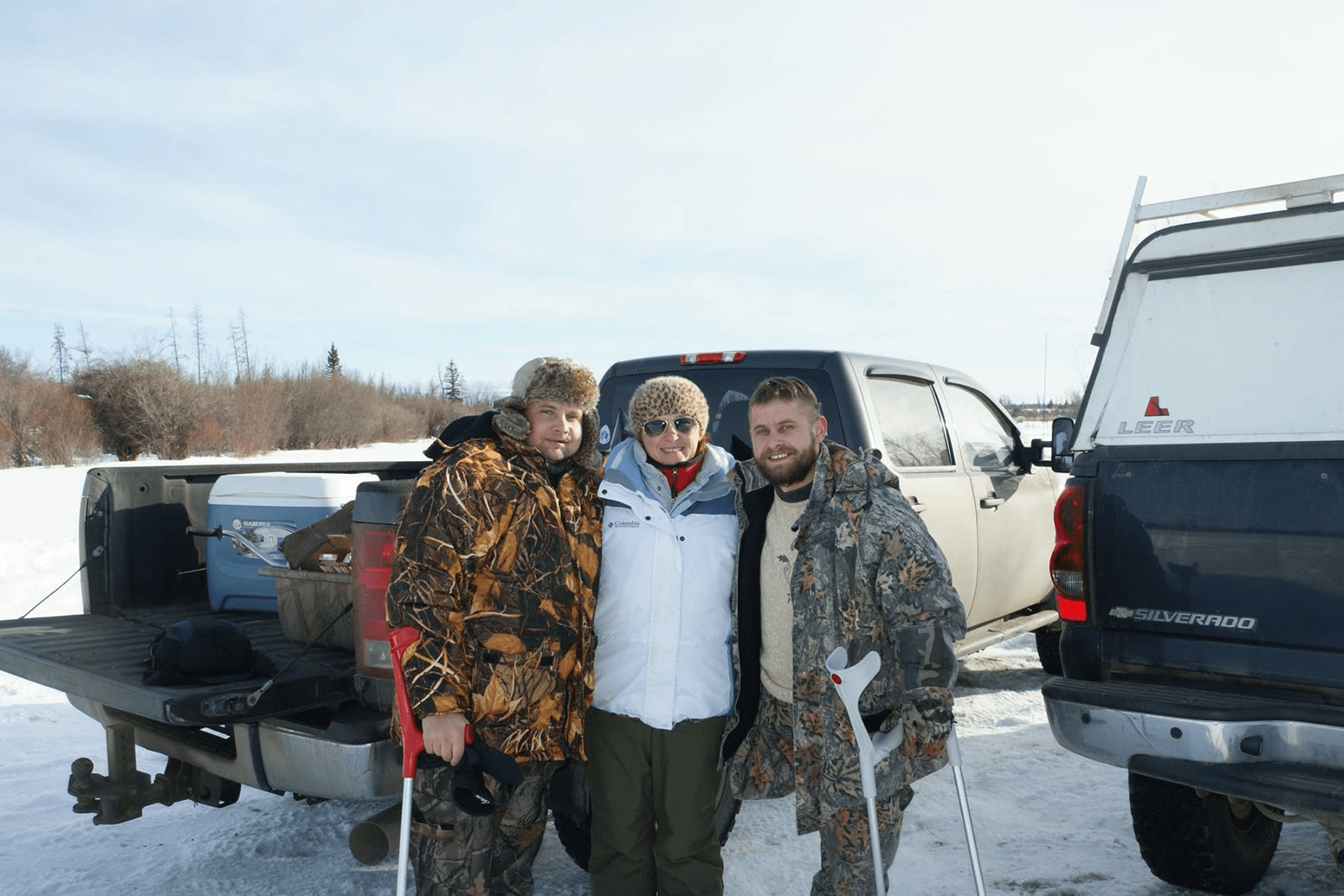
Photo: Maple Hope Foundation / Facebook / YB 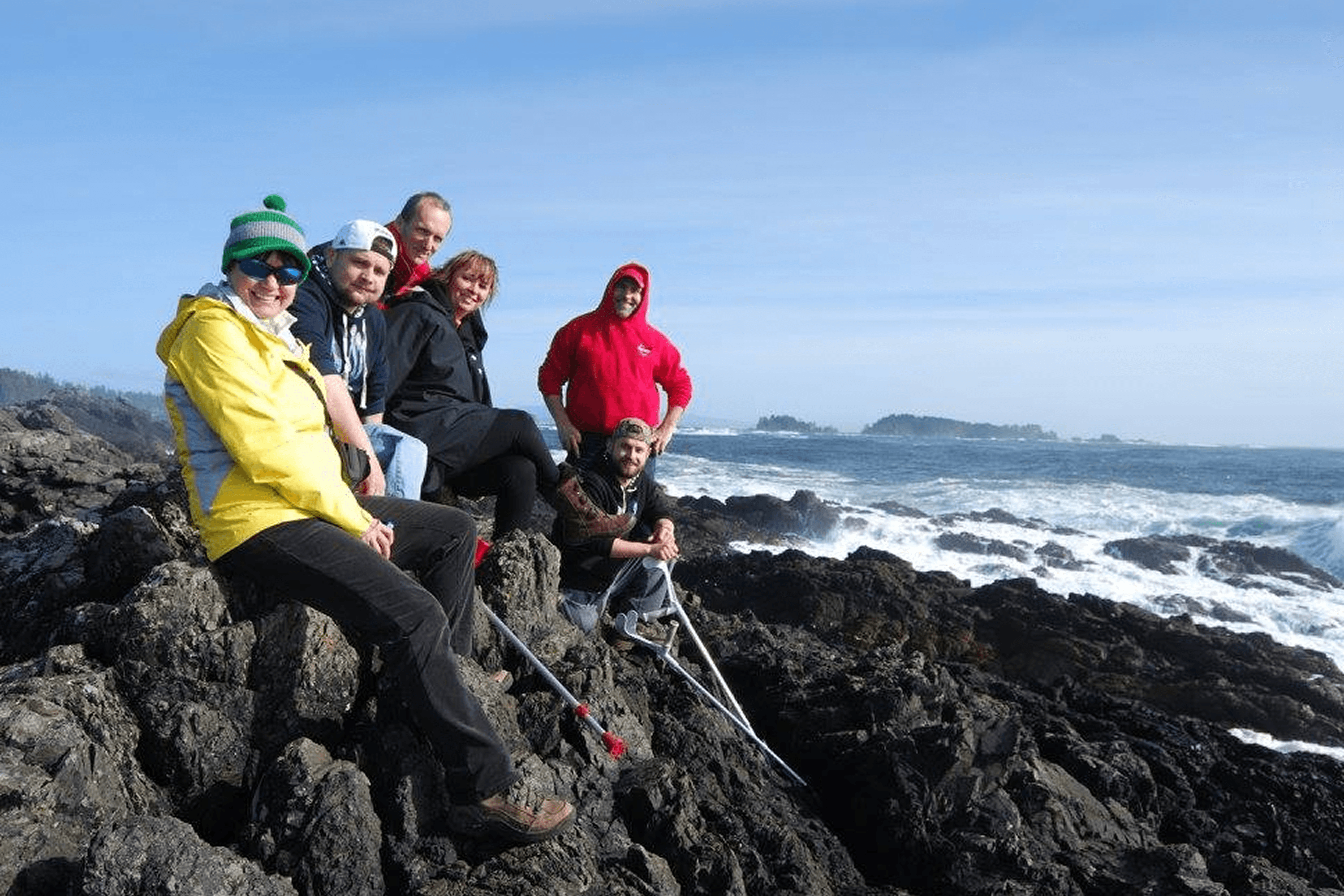
Photo: Maple Hope Foundation / Facebook / YB 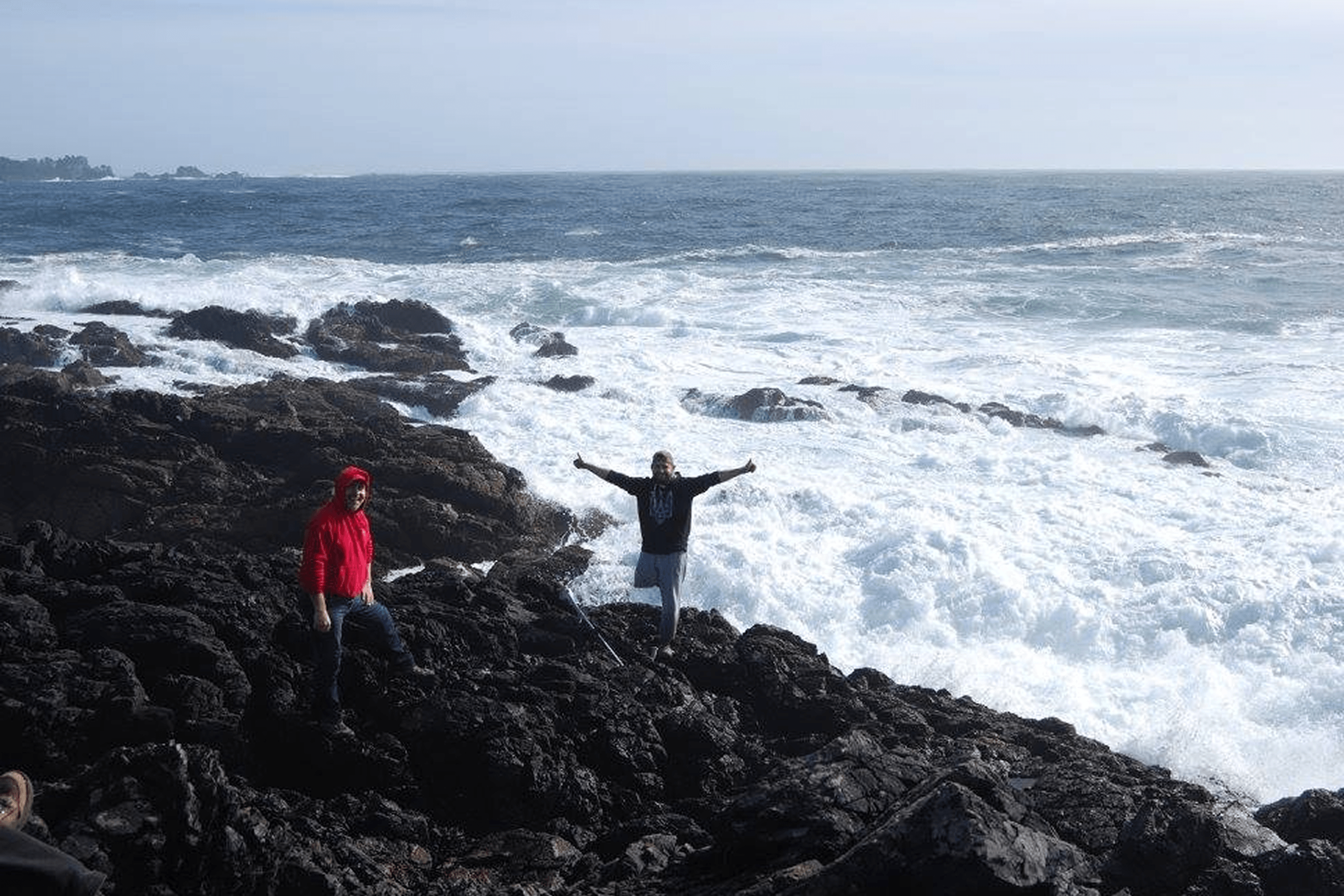
Photo: Maple Hope Foundation / Facebook / YB 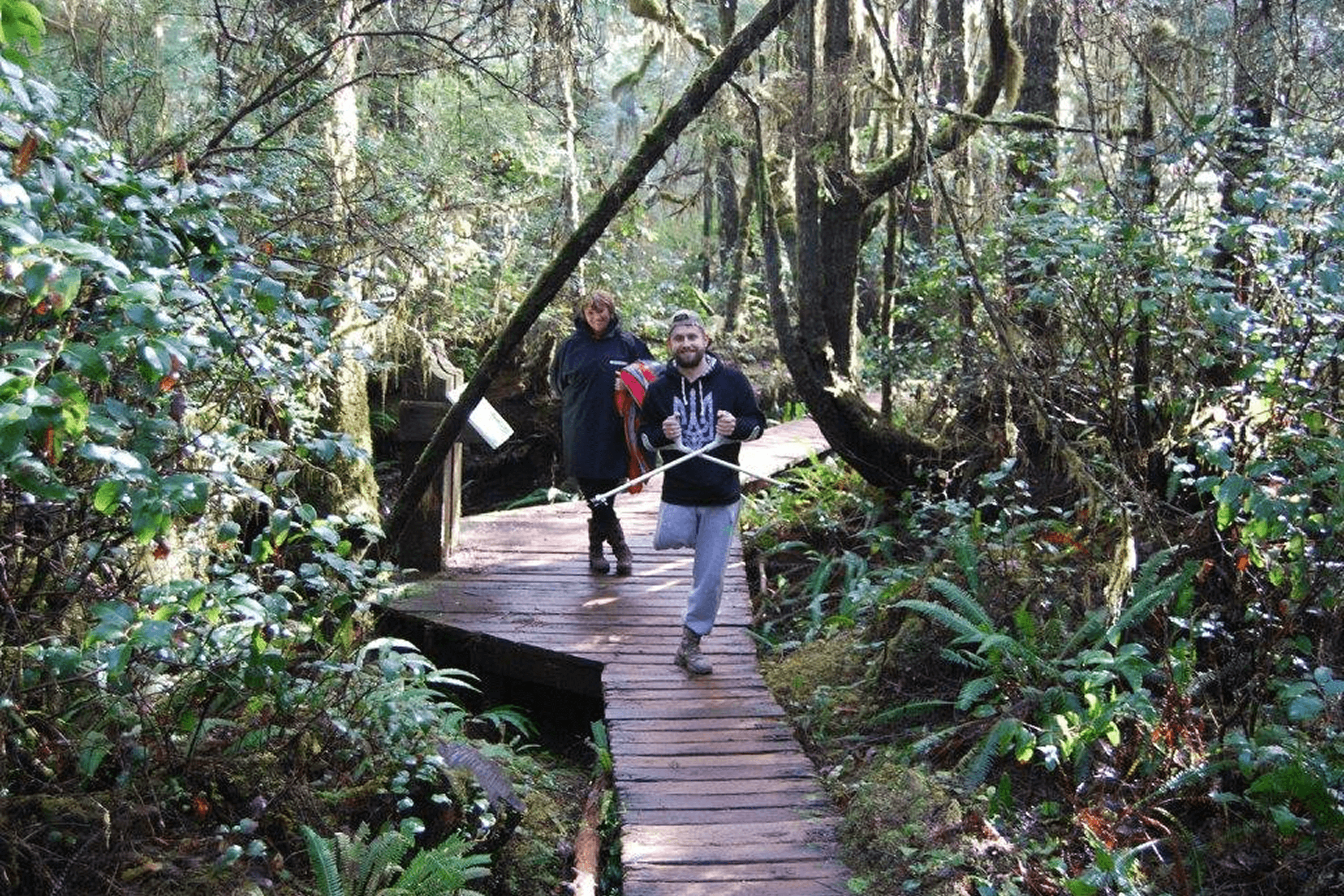
Photo: Maple Hope Foundation / Facebook / YB 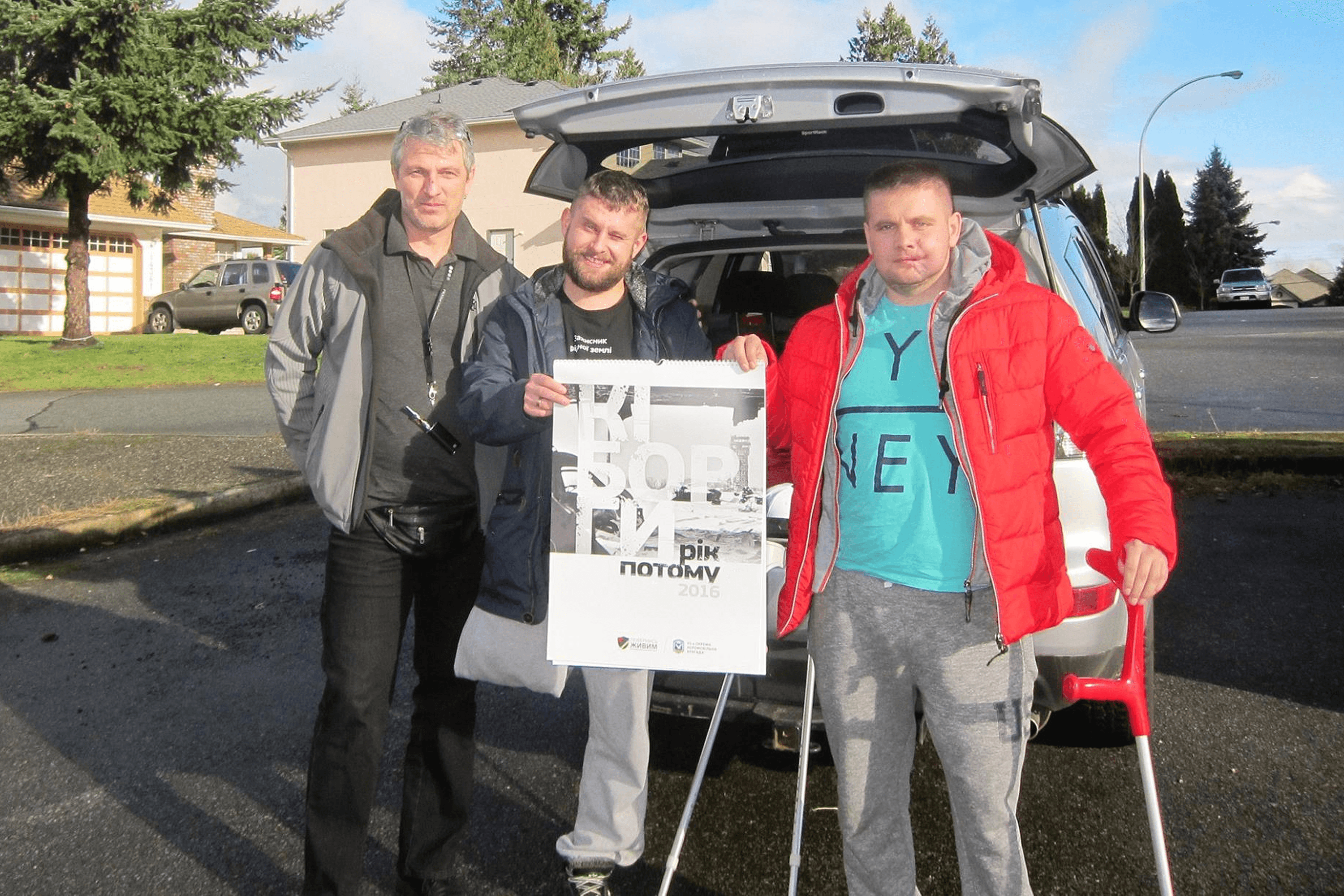
Photo: Maple Hope Foundation / Facebook / YB
We became very close with the guys. We didn’t have the funds to rent a hotel, so when they came to Canada, they stayed at my home and the homes of my colleagues. We saw every day how difficult it was for them. They were on hydromorphone. When it ran out, they suffered from insomnia and outbursts of aggression. But they still assured us that everything was fine. One of the guys told me: “Don’t worry about our physical pain, we can handle it. Help us heal our souls from the war.”
There isn’t a veteran who hasn’t lost a brother-in-arms. They live with feelings of guilt and shame, and they don’t know how to release these emotions or talk about their loss. At that time, Ukraine had neither a Ministry of Veterans Affairs nor any real dialogue between veterans and the state. So, we decided to focus on this area.
We raised funds and brought Canadian experts who work with veterans to Kyiv to train Ukrainian psychologists and psychotherapists. Today, the specialists who completed those courses lead impressive projects in Ukraine, such as the NGO “Free Choice”, which provides free psychological support to veterans and their families.
Unfortunately, however, we weren’t able to change things at the state level. All those meetings were just for show: we sat at a round table, we talked, but in the end, nothing was done.
How did you secure funding for your projects?
Exclusively through fundraising initiatives. For example, in 2015, we collaborated with the Ukrainian rock band SKAI, organizing a charity tour for them across Canada. The artists raised about $2,000 for one of our veteran’s prosthetics. Later, other performers like Antytila and TiK reached out to us. Eventually, we moved away from this because, after all, we are not an event agency. But those collaborations helped us make a name for ourselves and raise the necessary funds.
2
How did you experience the start of the full-scale invasion?
When Russia began bombing Ukraine on February 24, it was seven o’clock in the evening in Vancouver. My daughter Sofiya, who lives in Ottawa, called me and said, “It’s started.” Even though the media had been warning of an attack, I was still in shock. My team and I got on a call, and within literally an hour, we set up a platform to raise funds for medical aid. The next day, we found a warehouse for humanitarian supplies and organized Vancouver volunteers into a single working group.
I took a leave of absence from work for a while; I simply couldn’t teach at the university. Those outside of Ukraine also grieve because of the war. We lost a peaceful Ukraine, our dreams, our sense of security for our loved ones, and the ability to go home. But we turned that pain and anger into action to help the country.
How has the foundation’s work changed since the invasion began?
We significantly scaled up our medical aid efforts. We began working with the Canadian federal government, large provincial health organizations, and local hospitals that donate equipment and medications to us. For example, we received over 180 mobile medical units, which we handed over to evacuation trains or field brigades. Each one is worth approximately $200,000. We have also delivered about 350 ventilators to civilian hospitals.
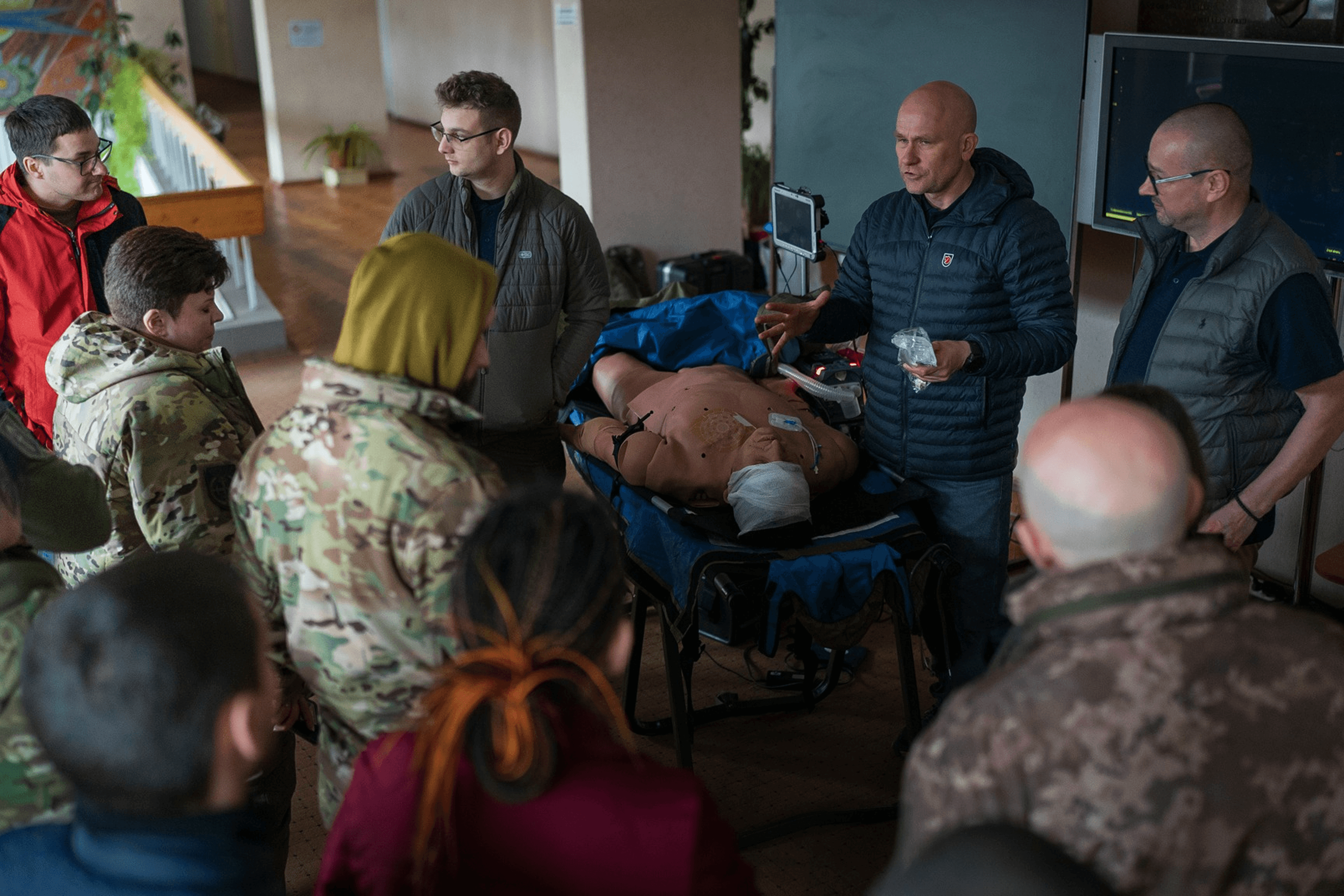
The Maple Hope Foundation team delivered MOVES SLC systems to Ukraine — portable medical equipment for emergency care and casualty evacuation. Photo: Maple Hope Foundation / Facebook / YB 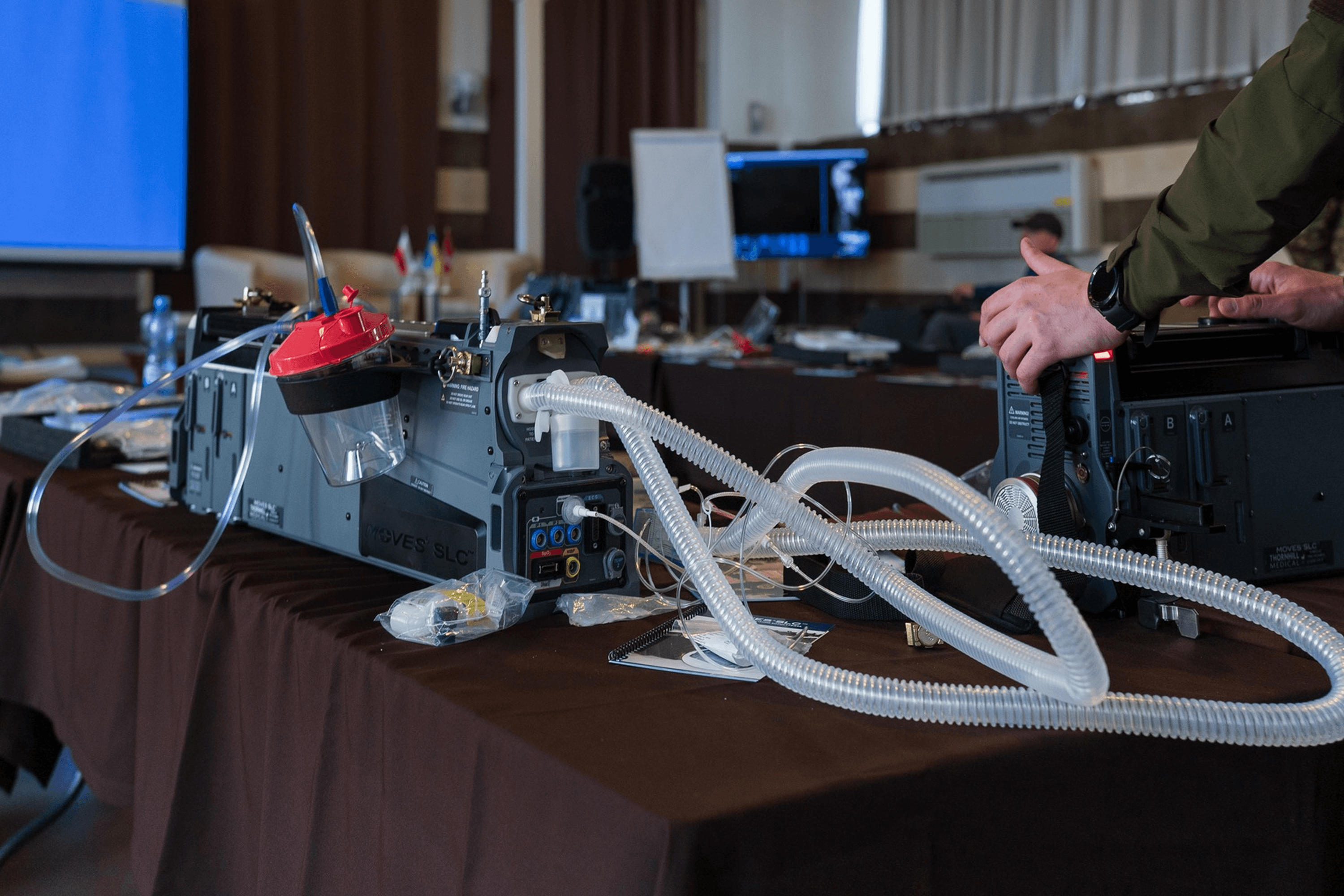
Photo: Maple Hope Foundation / Facebook / YB 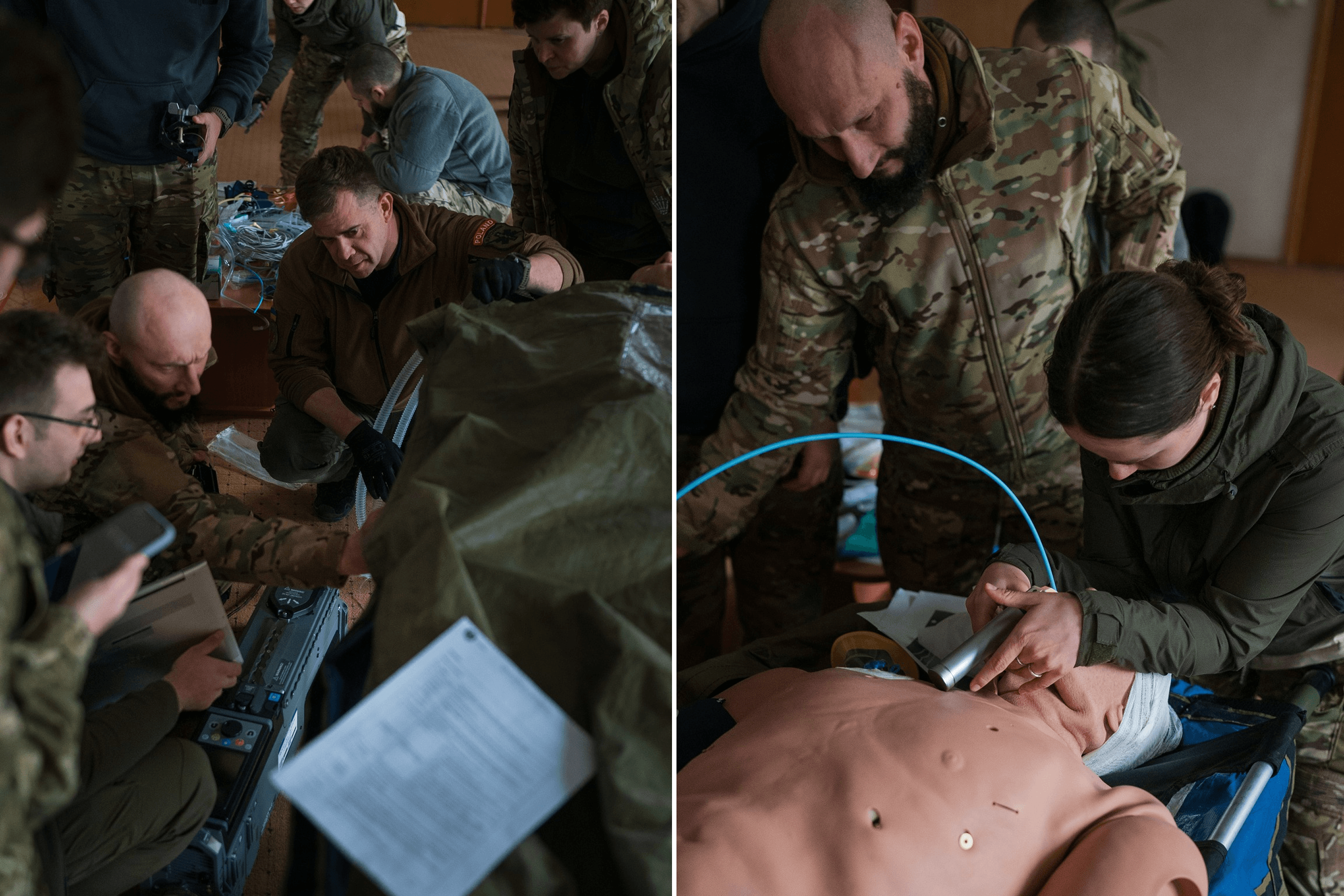
Photo: Maple Hope Foundation / Facebook / YB 
Photo: Maple Hope Foundation / Facebook / YB 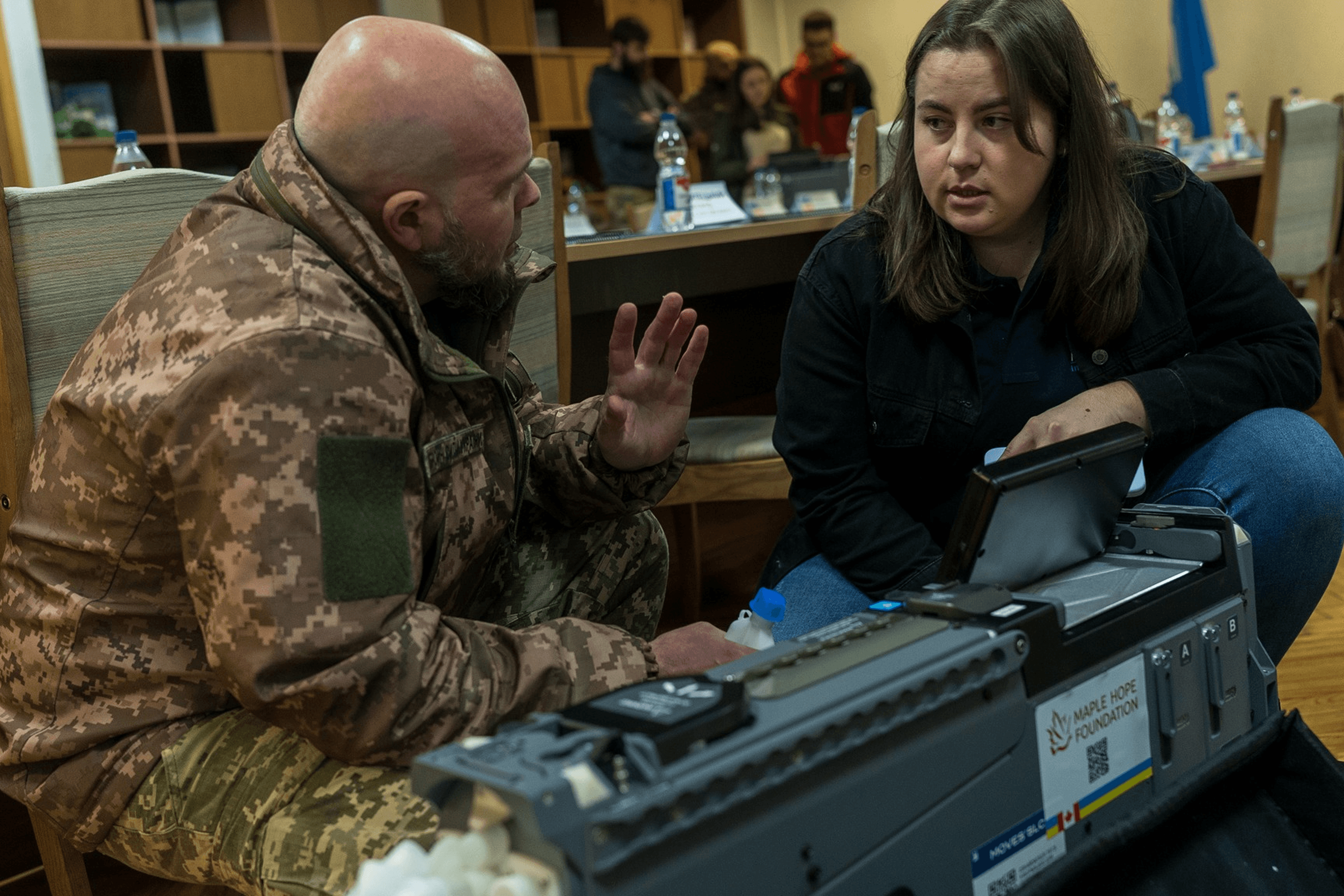
Photo: Maple Hope Foundation / Facebook / YB
In April 2024, we sent a helicopter to the medical unit of the Main Intelligence Directorate (GUR). We also regularly conduct training for military anesthesiologists and paramedics. In total, we have provided medical aid worth over $36,7 million.
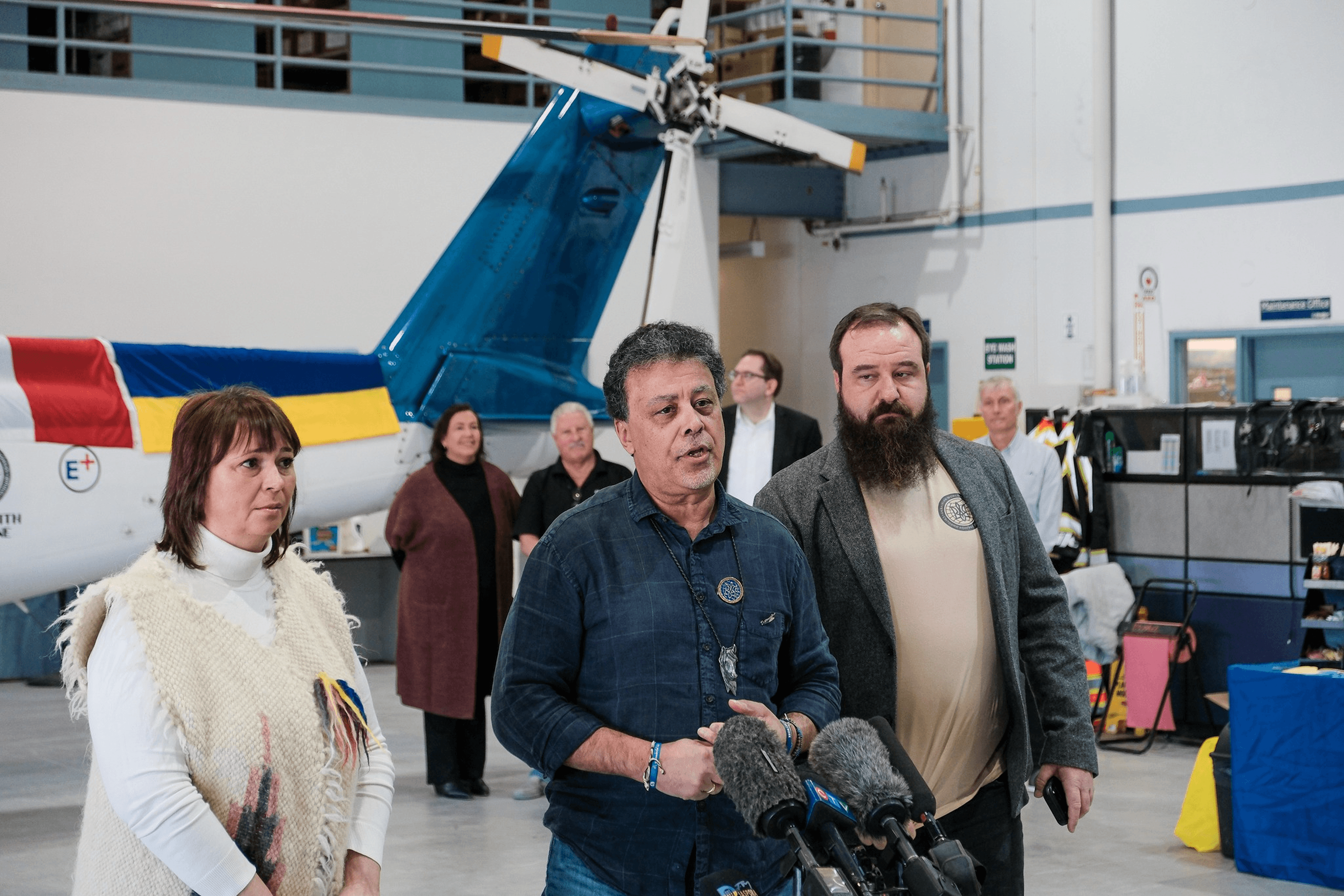
Maple Hope Foundation sent a Sikorsky S-76A medical evacuation helicopter to Ukraine. Photo: Maple Hope Foundation / Facebook / YB 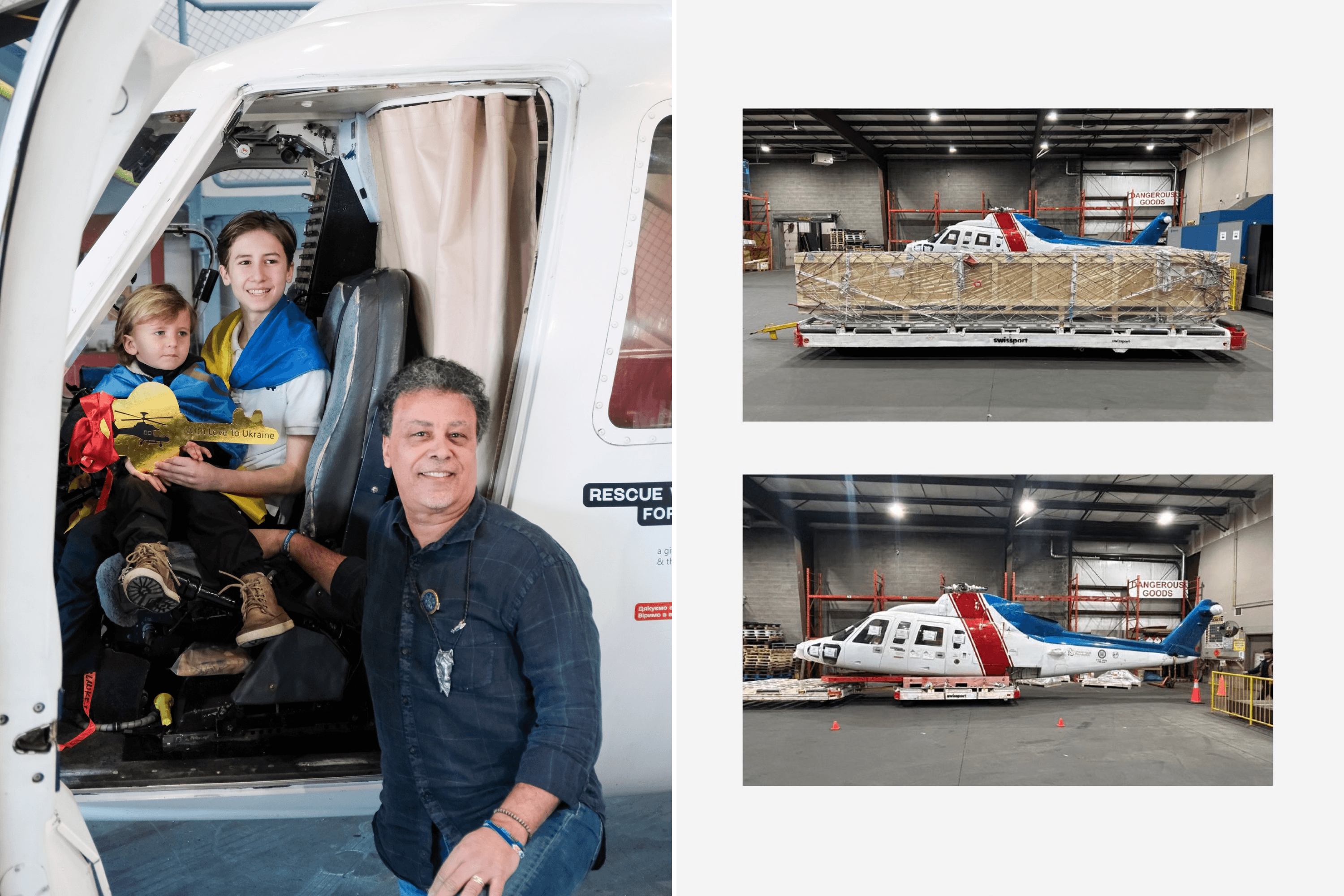
Photo: Maple Hope Foundation / Facebook / YB
All medications and equipment are stored in a massive warehouse at the Vancouver airport. Items are sorted and prepared for shipment to Ukraine by volunteers who heard about us through word of mouth. Many people have been volunteering every Saturday for the four years that the full-scale invasion has been ongoing. It’s not true that people abroad are tired of the war. We cannot afford to be. When we feel exhausted, we look at the courageous people in Ukraine to remind ourselves who we are doing all this for.
What portion of that $36,7 million in medical aid was covered by fundraising through the platform you created on the first day? How effective is it?
A significant portion of that sum is the value of the equipment donated to us for free. We raise funds ourselves to cover the logistics of delivering humanitarian aid to Ukraine and organizing training for combat medics. Our team at the Maple Hope Foundation works on a volunteer basis and receives no salary; we all have our primary jobs.
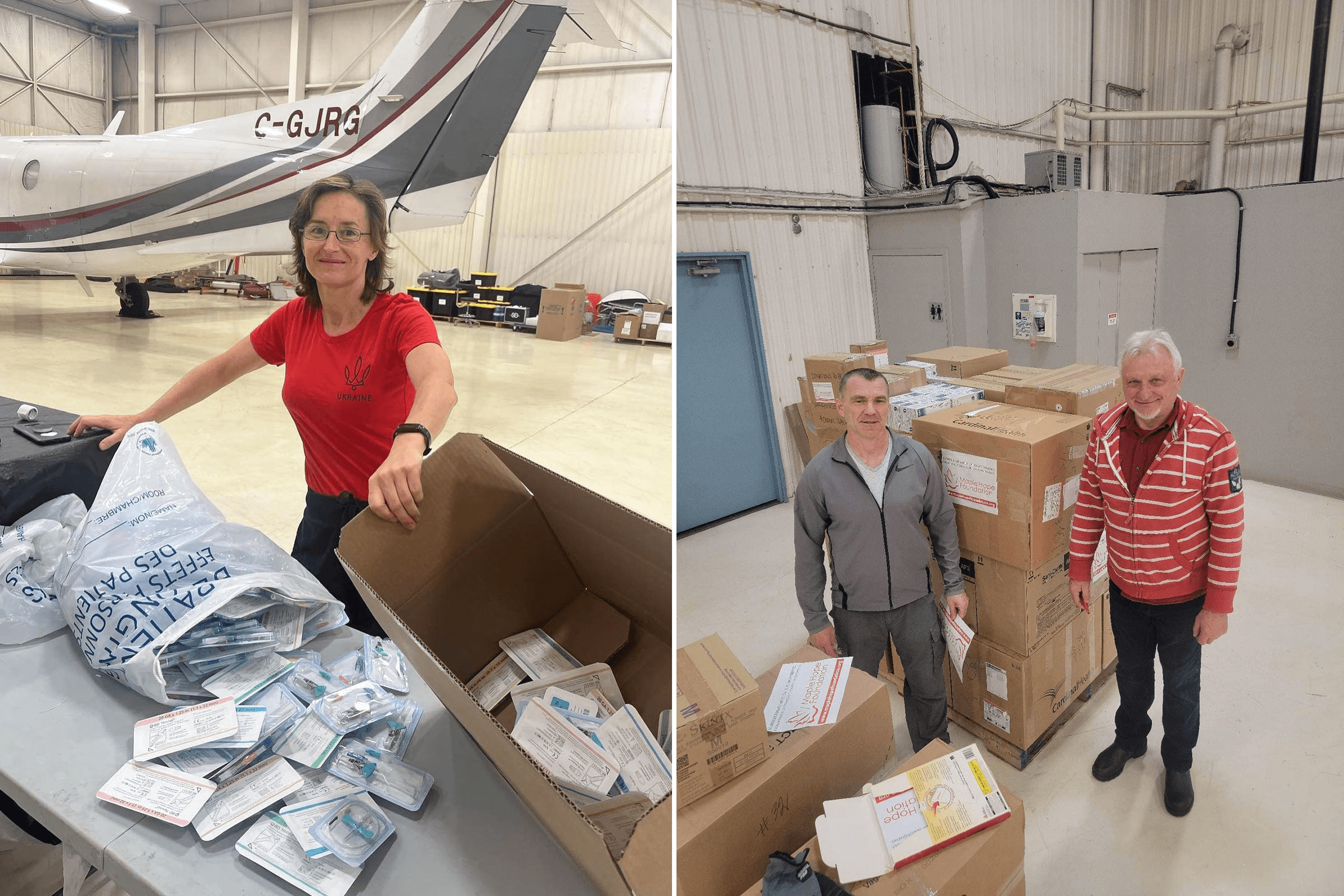
The Maple Hope Foundation team works in the foundation’s warehouses. Photo: Maple Hope Foundation / Facebook / YB 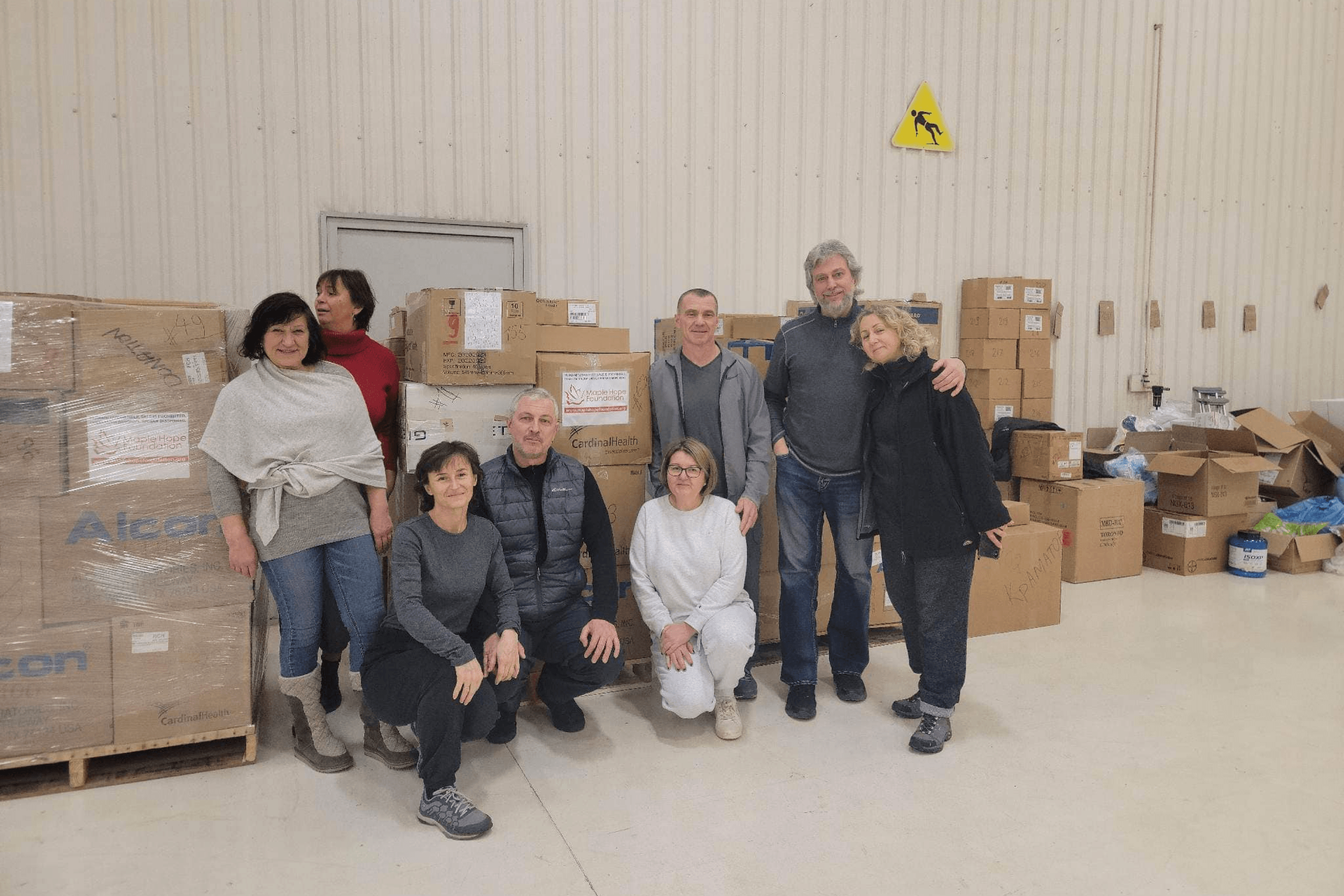
Photo: Maple Hope Foundation / Facebook / YB 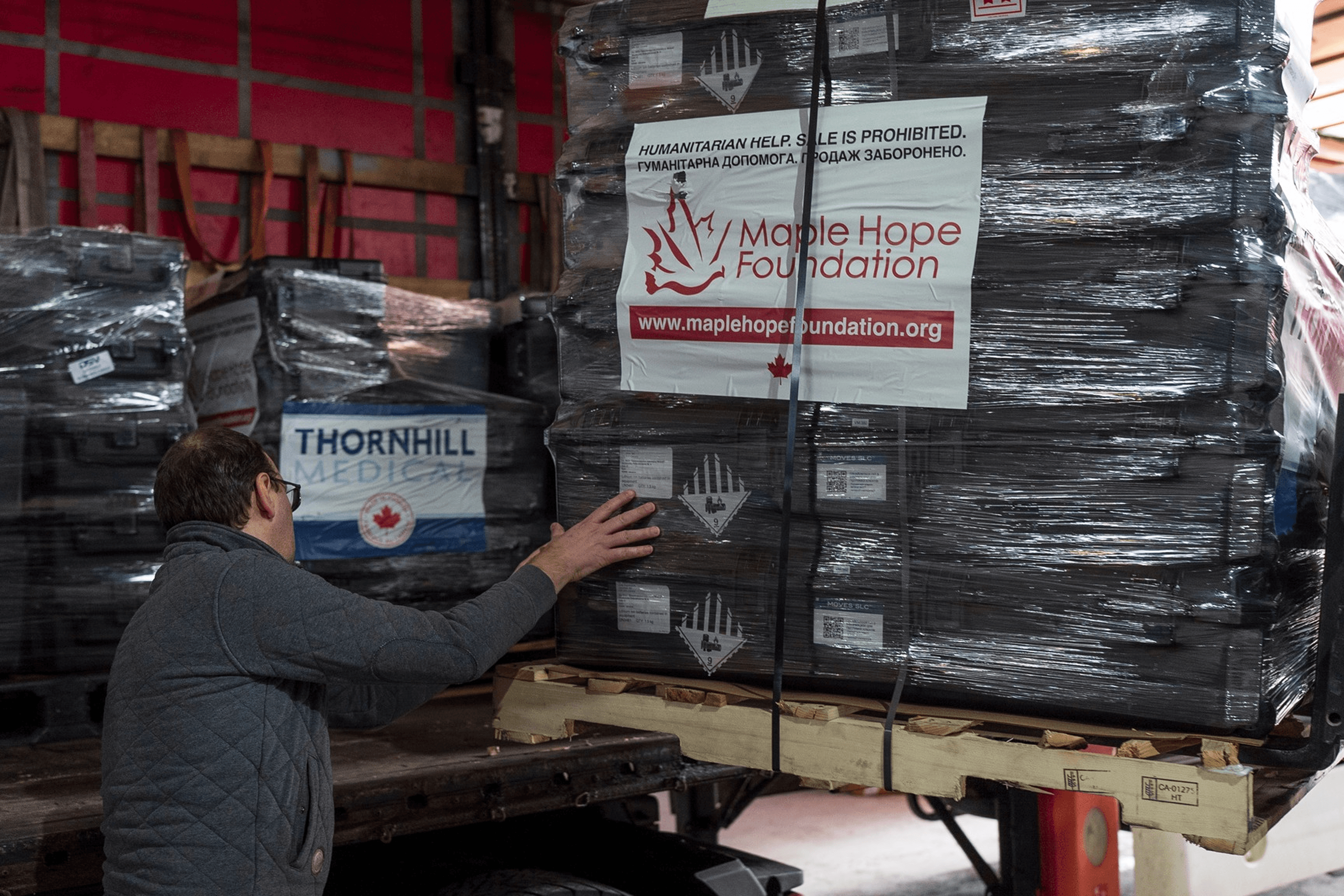
Photo: Maple Hope Foundation / Facebook / YB 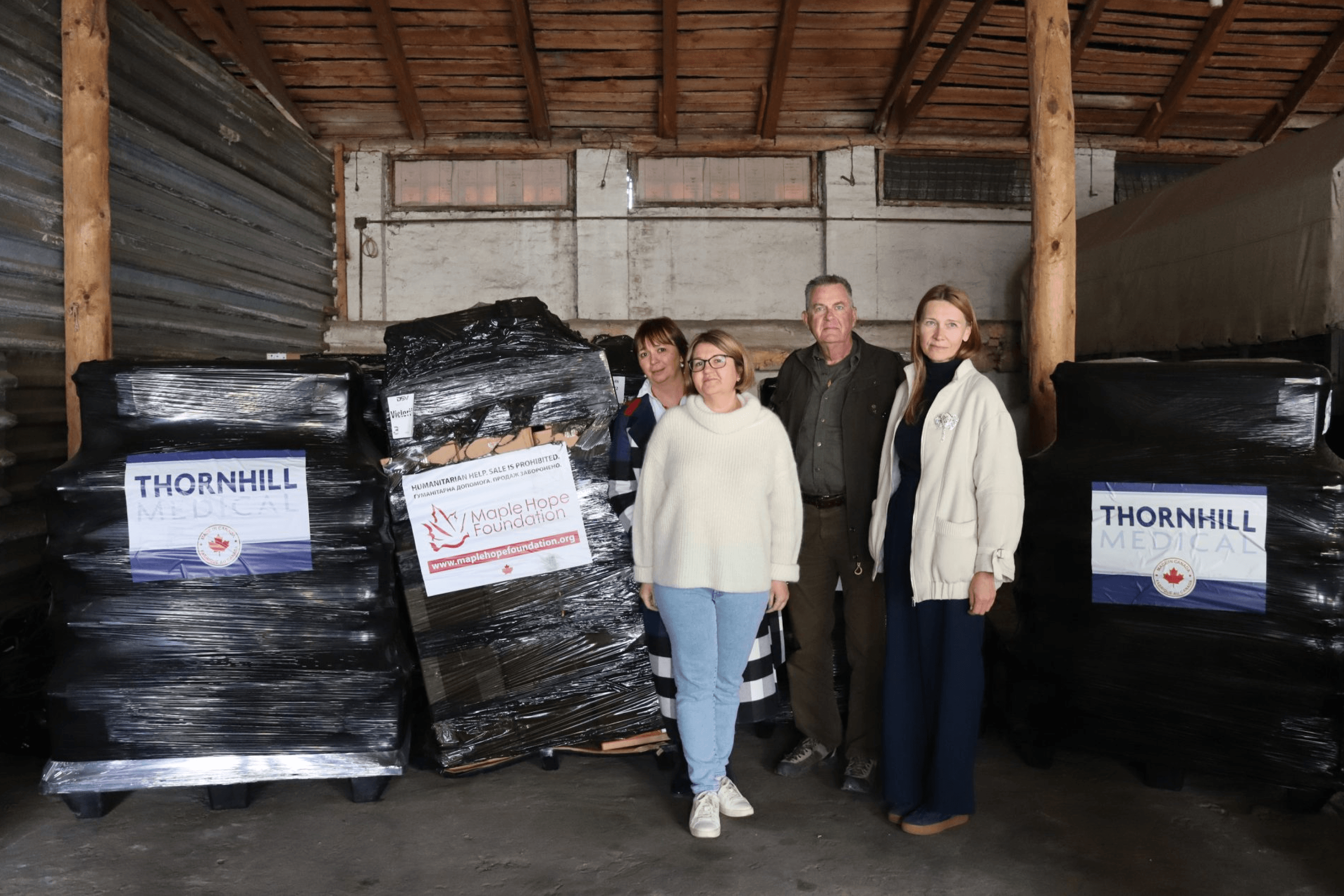
Photo: Maple Hope Foundation / Facebook / YB 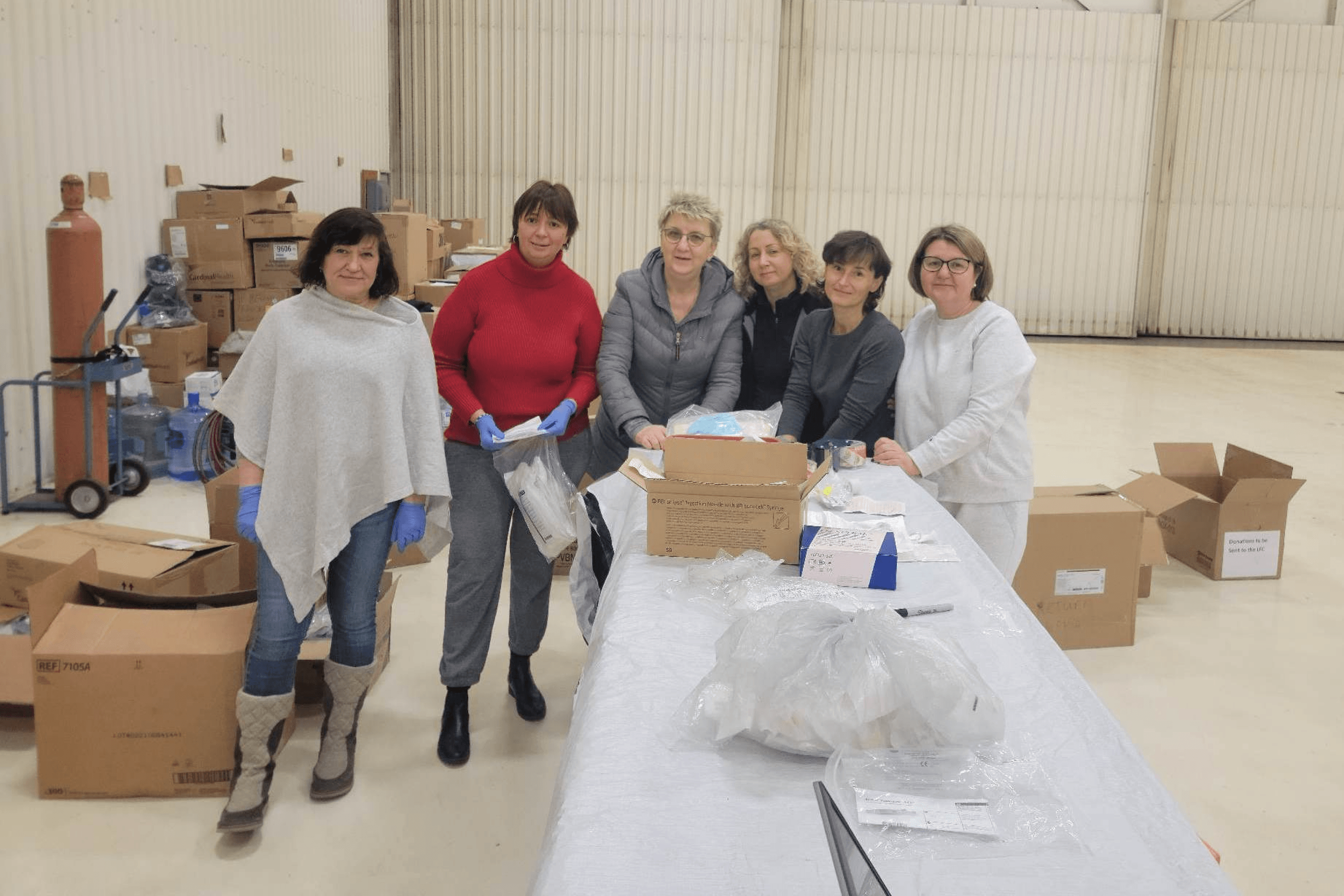
Photo: Maple Hope Foundation / Facebook / YB
In general, individual donations don’t bring in much, especially in recent years. Some Canadians openly say they won’t transfer money to Ukrainians because of corruption scandals involving several volunteers.
The mental health of Ukrainians is another massive pillar of your foundation’s work. Which specific projects are you involved in?
I lead the project “Healing the Wounds of War Together.” It focuses on supporting Ukrainians who have migrated to Canada because of the war. We have a large team—Ukrainian psychologists and psychotherapists who also moved due to the war. We facilitate support groups and provide individual therapy. We also organize cultural events, such as Ukrainian Film Series in Montreal, or a literary evening in Vancouver where we read English translations of works by Serhiy Zhadan, Victoria Amelina, and other Ukrainian authors. These events aren’t just for Ukrainians; Canadians participate too, as it’s vital for us to share our culture abroad.
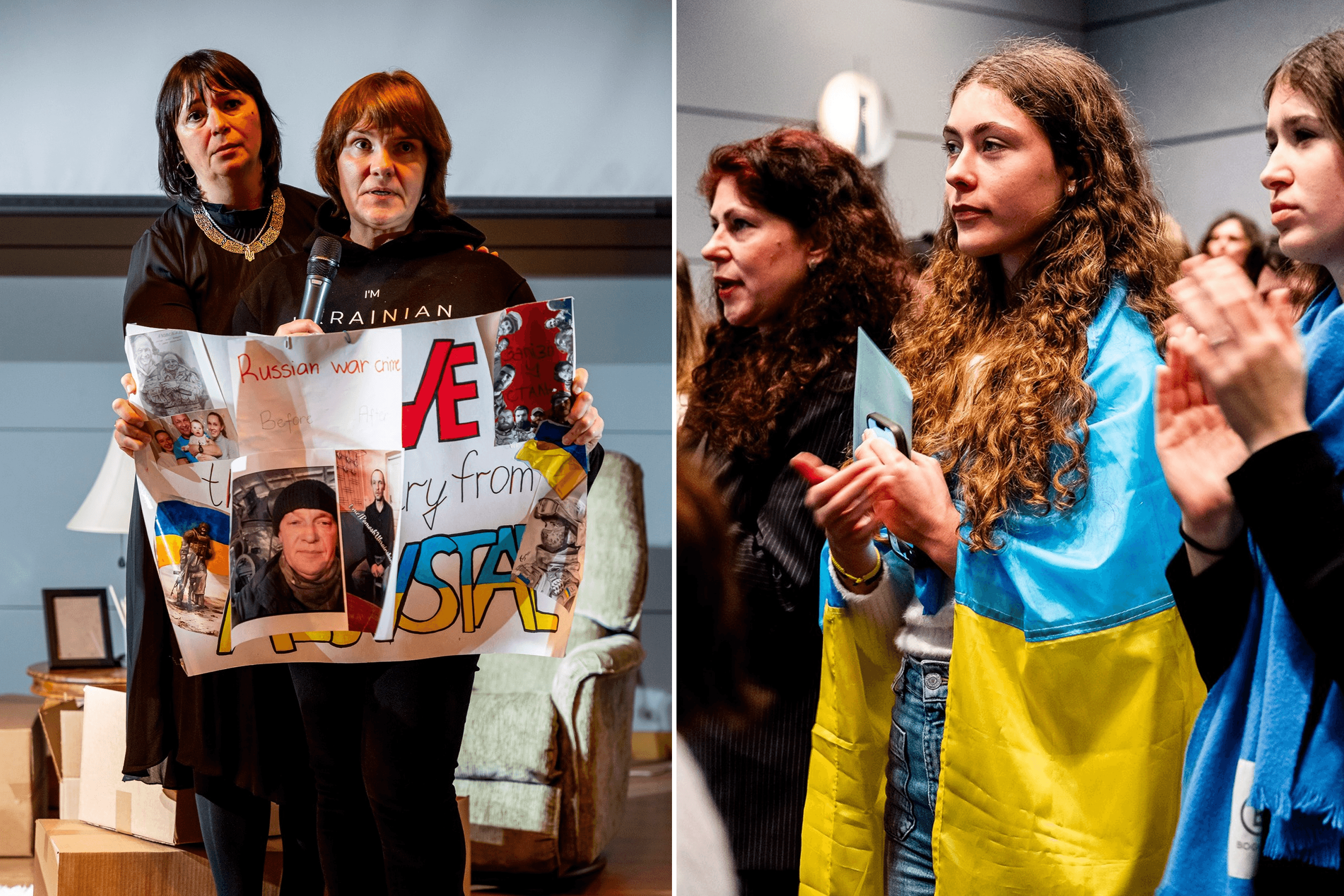
Maple Hope Foundation together with the Salamandra Drama and Puppet Theatre presented the one-woman show In Captivity in Vancouver. February 24, 2024. Photo: Maple Hope Foundation / Facebook / YB 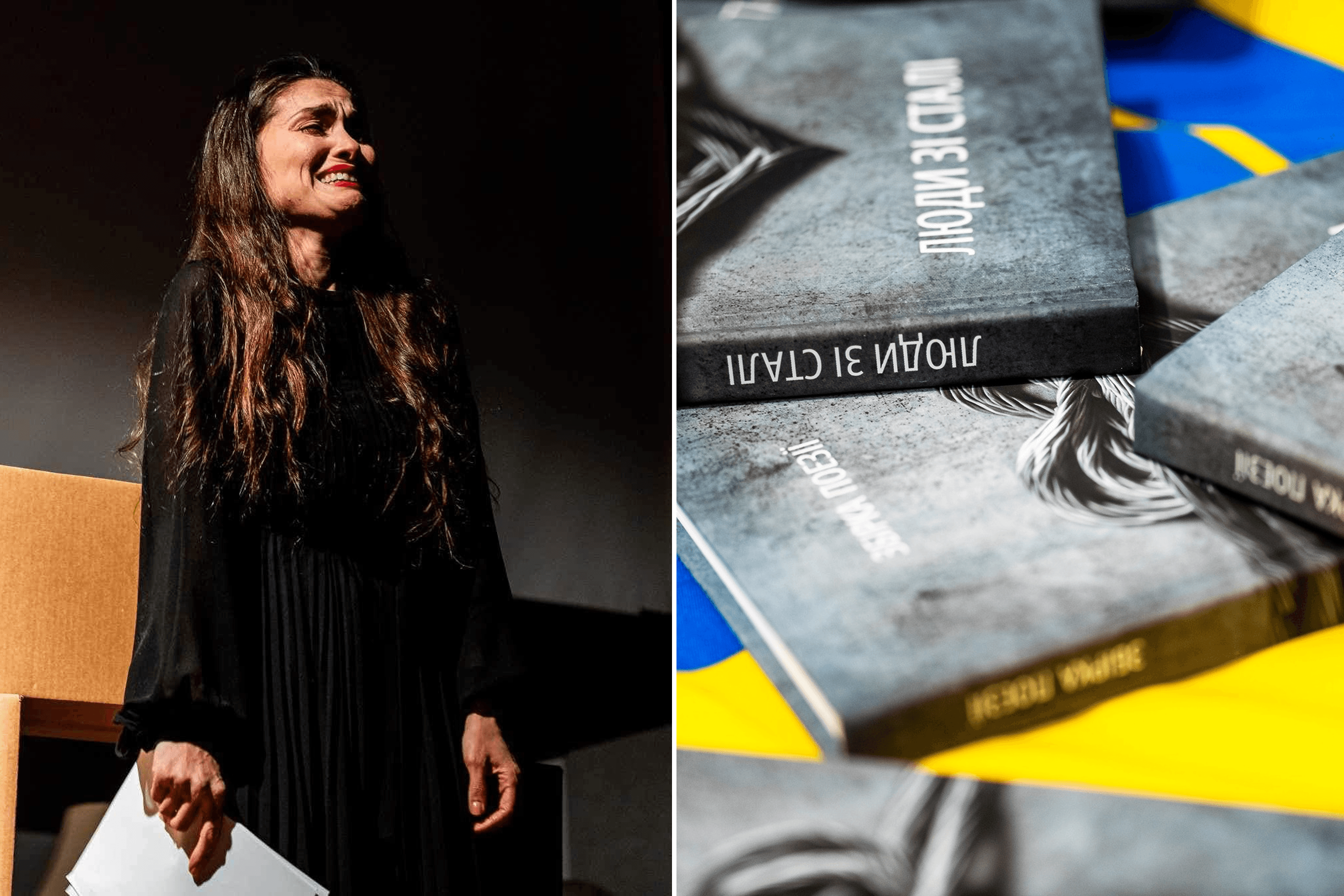
Photo: Maple Hope Foundation / Facebook / YB 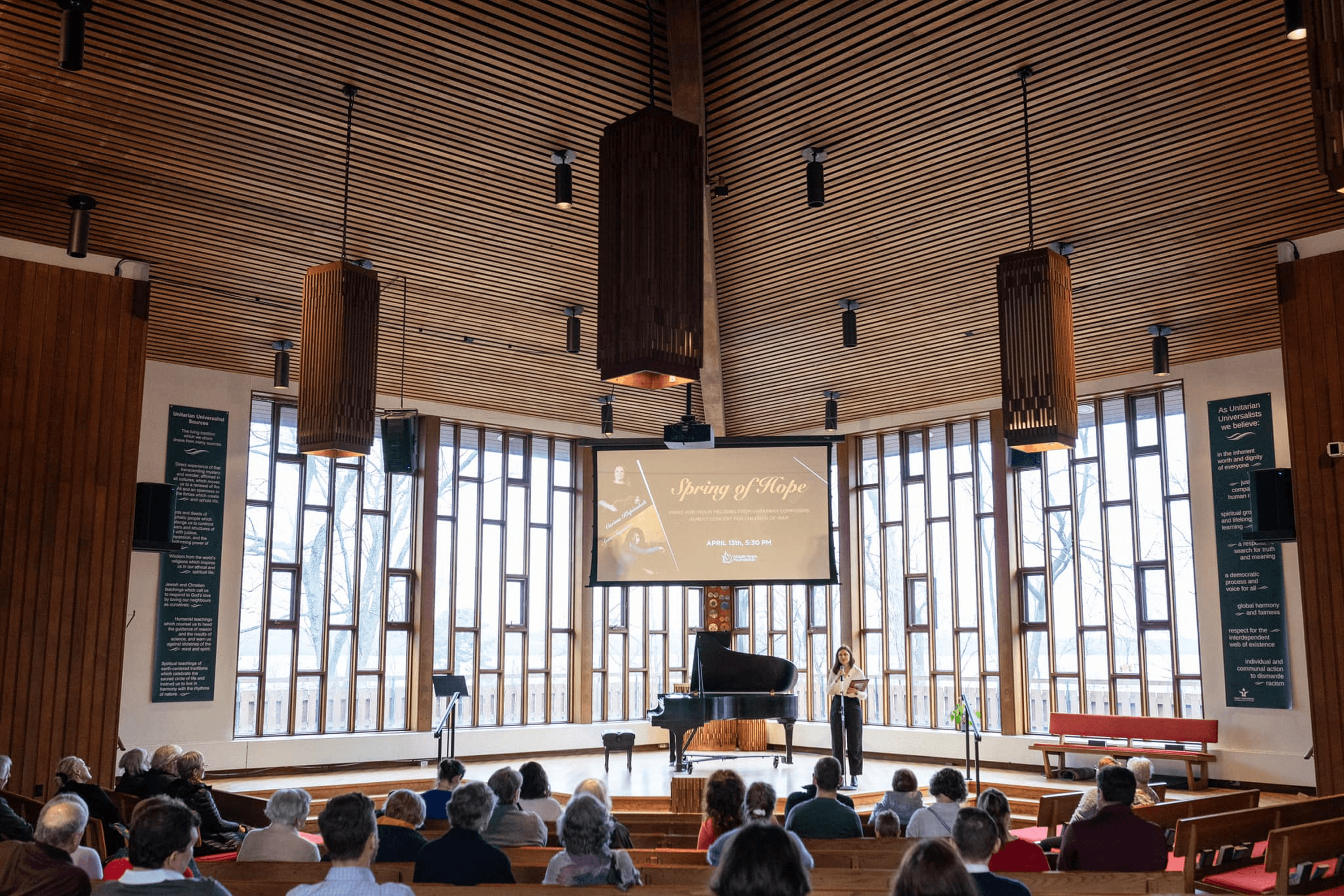
The charity concert Spring Hope in Ottawa, organized on the initiative of Maple Hope Foundation. Photo: Maple Hope Foundation / Facebook / YB 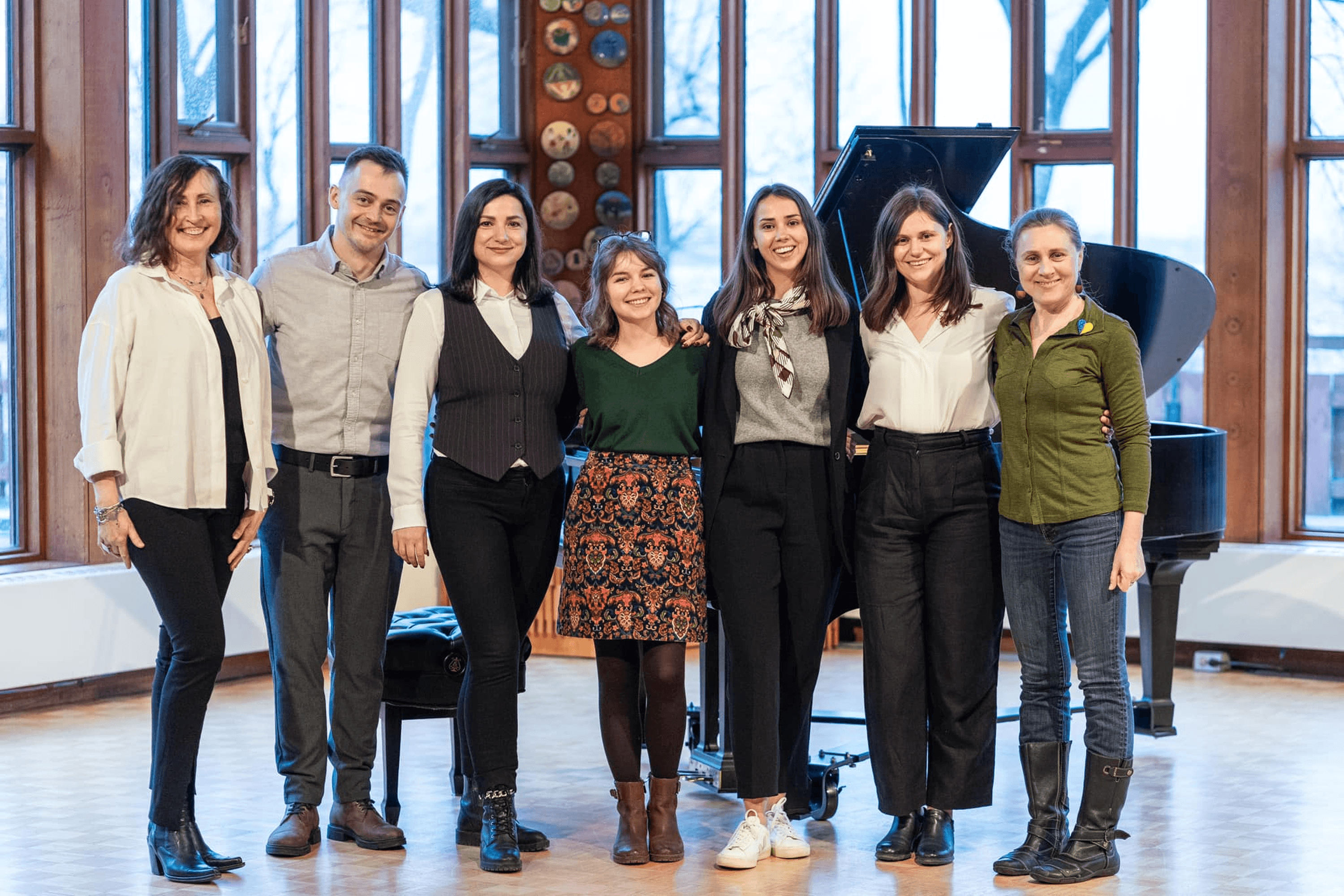
Photo: Maple Hope Foundation / Facebook / YB 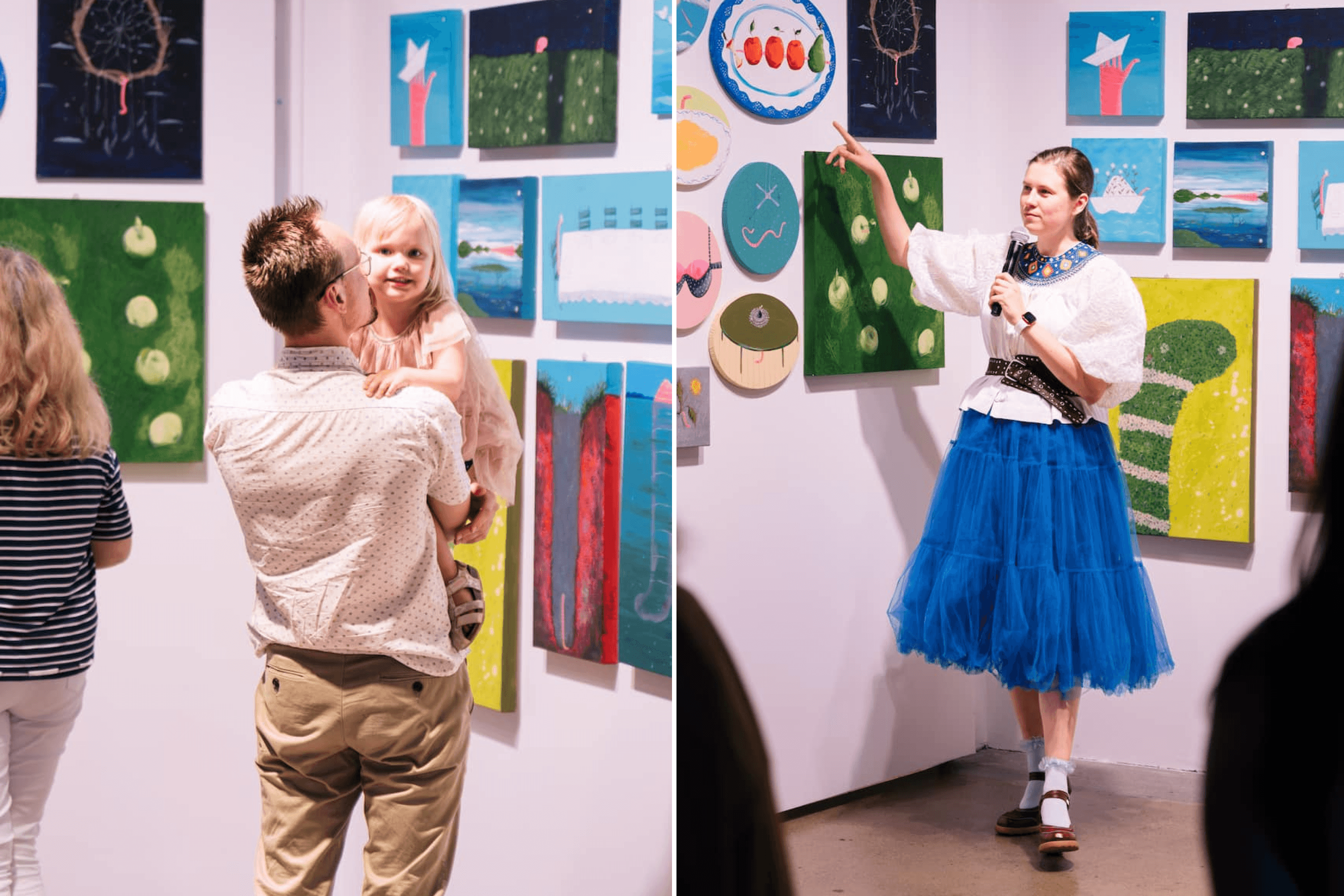
Closing of Nadiia Kushnir’s solo exhibition The Worm Was Born in Ottawa. Photo: Maple Hope Foundation / Facebook / YB
How long has this project been running? What prompted you to start it?
It began in the spring of 2022 and evolved quickly. Initially, we focused on the primary needs of Ukrainian refugees, such as finding and paying for housing or English courses. Later, we began helping them with professional orientation. I personally conducted over 800 consultations on this topic. When people are disoriented and experiencing high levels of anxiety, they cannot focus on a job search. They need to find both internal and external footing.
Recently, we’ve been hearing more and more about suicides among Ukrainians in Canada. Mostly, these are people who were in isolation. Therefore, the goal of our project is to create a community. We have developed support programs for various audiences—adult women, youth, teenagers, and children. They face different challenges: some lost children in the war, others lost parents and relatives, and some lost friends. Many people are struggling with long-distance relationships, separations, or divorces.
The problems children face are often underestimated or ignored by many adults. They grieve too, but due to their age, they cannot always express it directly. In schools, there is a clear divide between “insiders and outsiders"—between those who arrived because of the war and everyone else. Parents often say their children don’t want to go to Canadian schools, yet they stay up at night messaging their classmates from Ukraine, despite the time difference. We need to create a space where children and teenagers with shared experiences can “warm up” alongside one another.
How many people have received help through this project?
As of now, we have established about 40 support groups, joined by 4,000 Ukrainians across nine Canadian provinces. In addition to offline and online group support, we offer individual consultations. We also focus on psychoeducation—hosting online forums with masterclasses, workshops, and lectures.
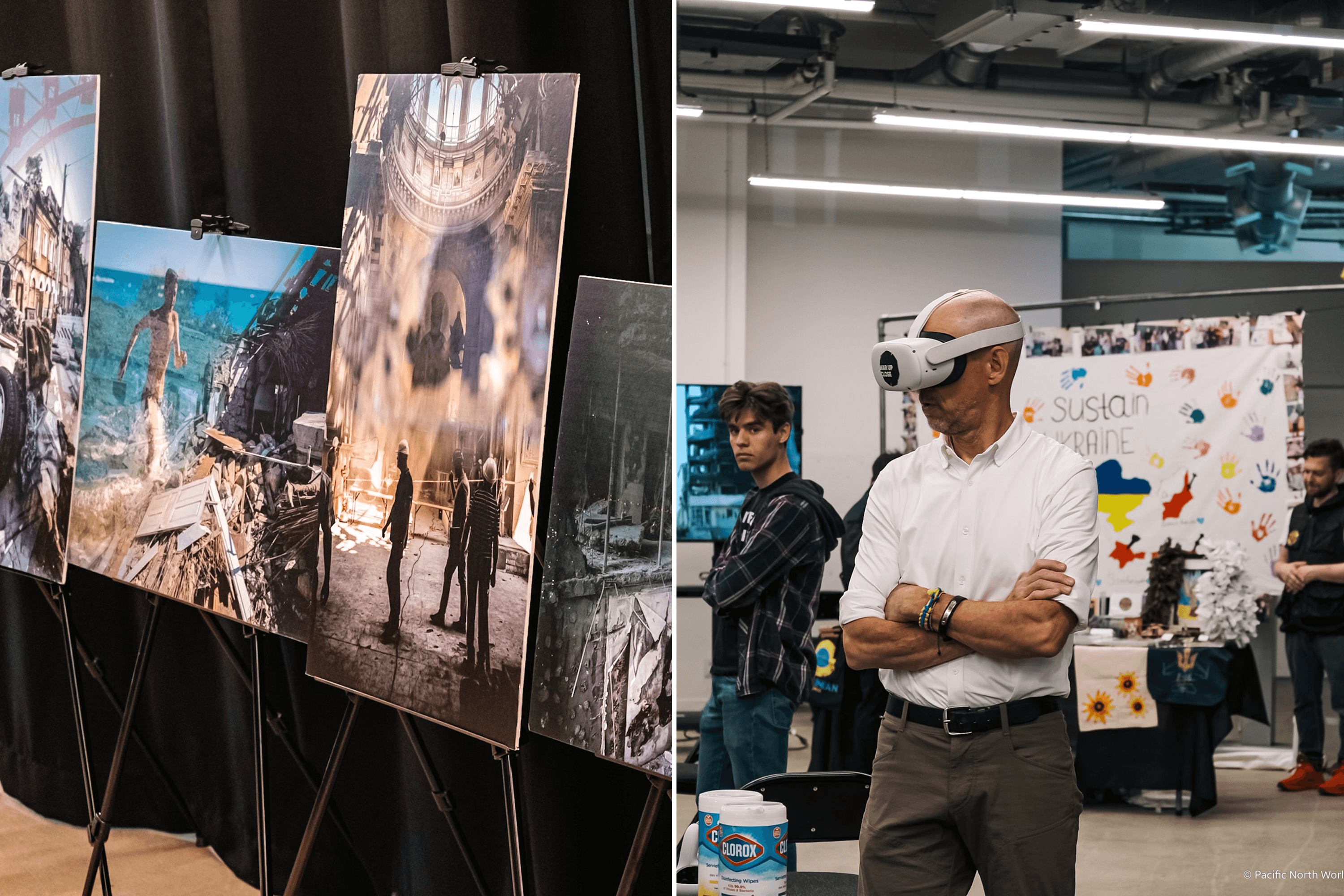
Maple Hope Foundation held a charity Odesa Week in Vancouver — a series of events dedicated to the partnership between Odesa and Vancouver. July 2025. Photo: Maple Hope Foundation / Facebook / YB 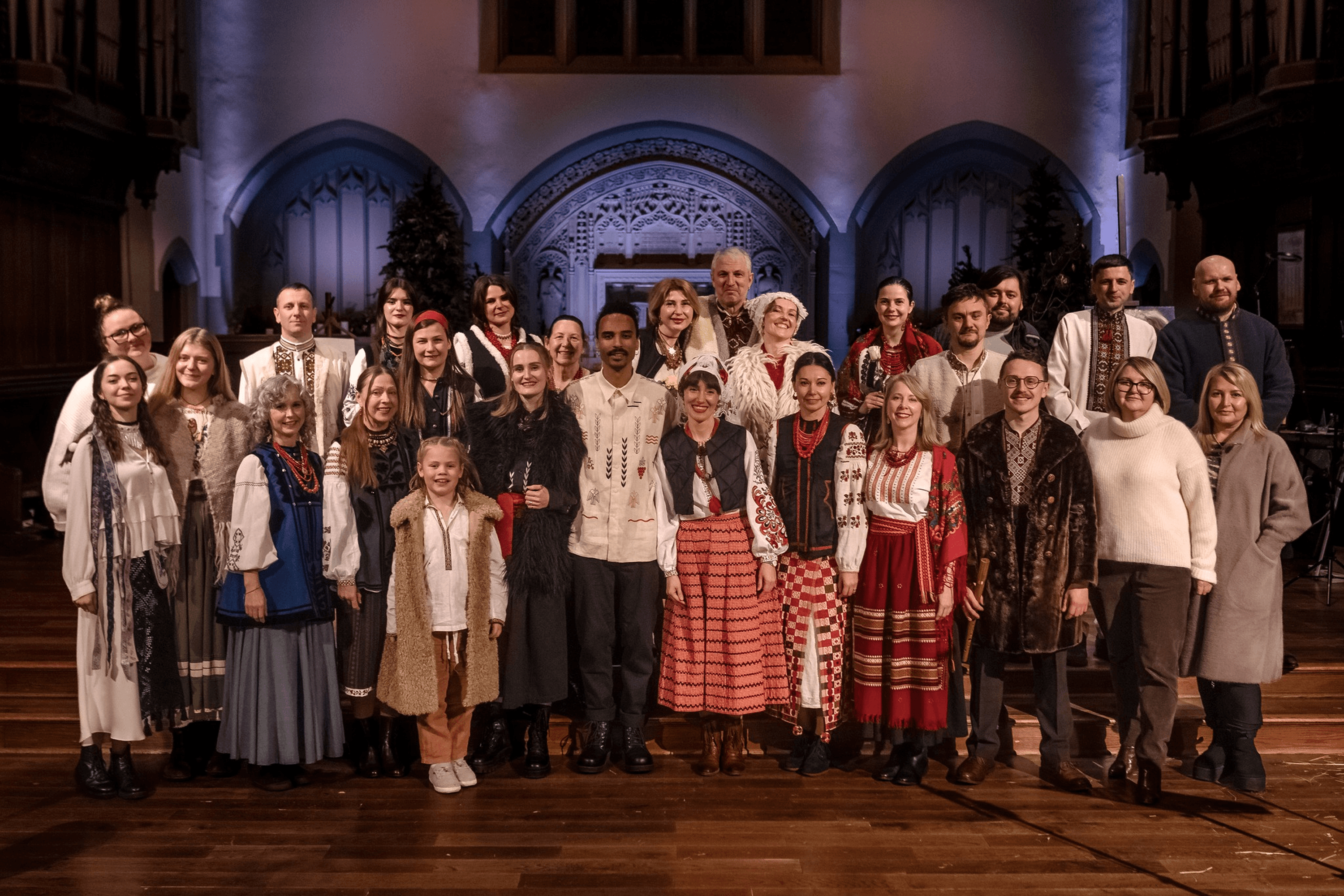
The Ukrainian choir KOLO held the concert Ancestral Voices: Ukrainian Polyphony with Kolo Choir in Vancouver with the support of Maple Hope Foundation. November 2025. Photo: Maple Hope Foundation / Facebook / YB 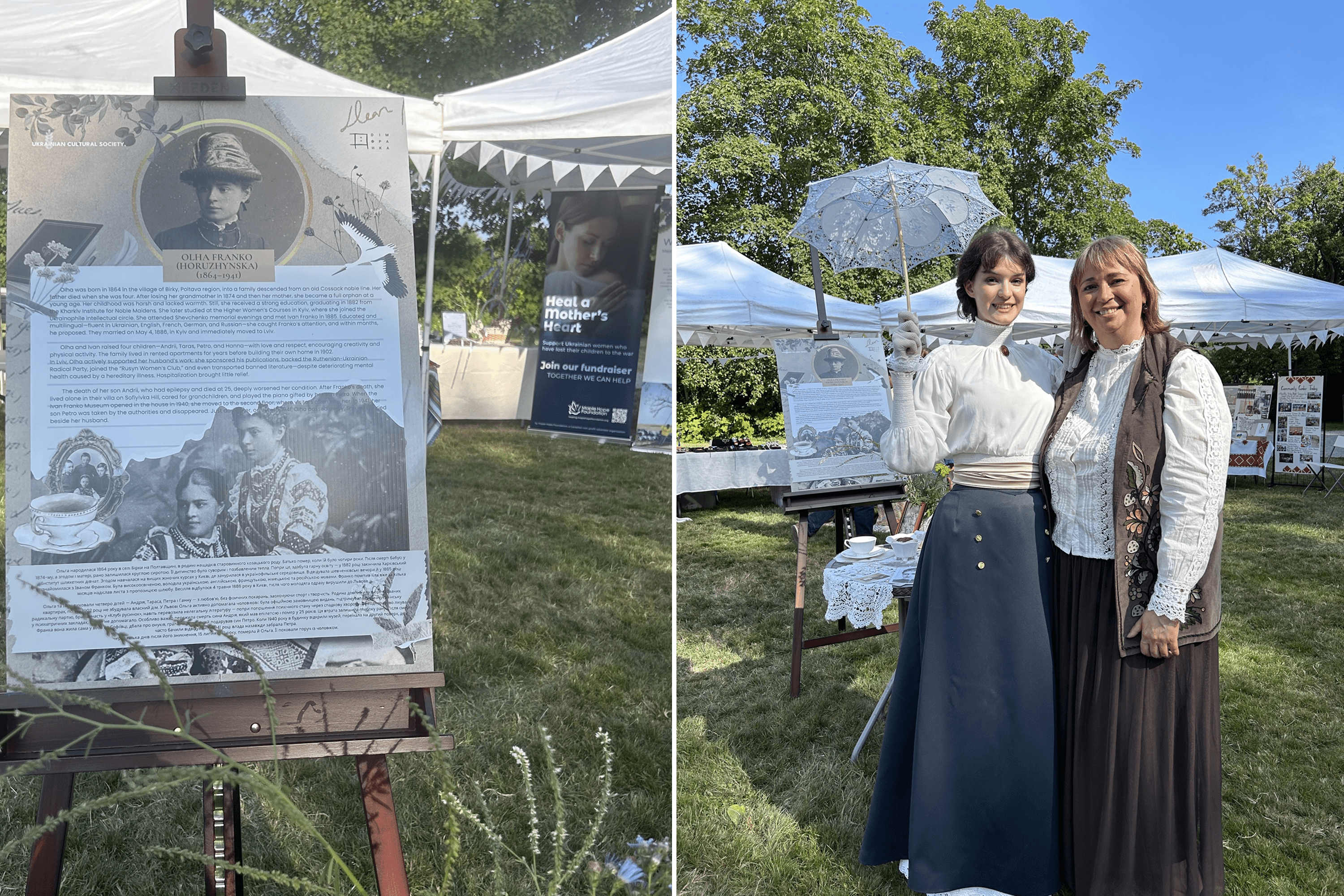
Maple Hope Foundation took part in an event about Ivan Franko’s family and presented the Heal a Mother’s Heart campaign. August 2025. Photo: Maple Hope Foundation / Facebook / YB 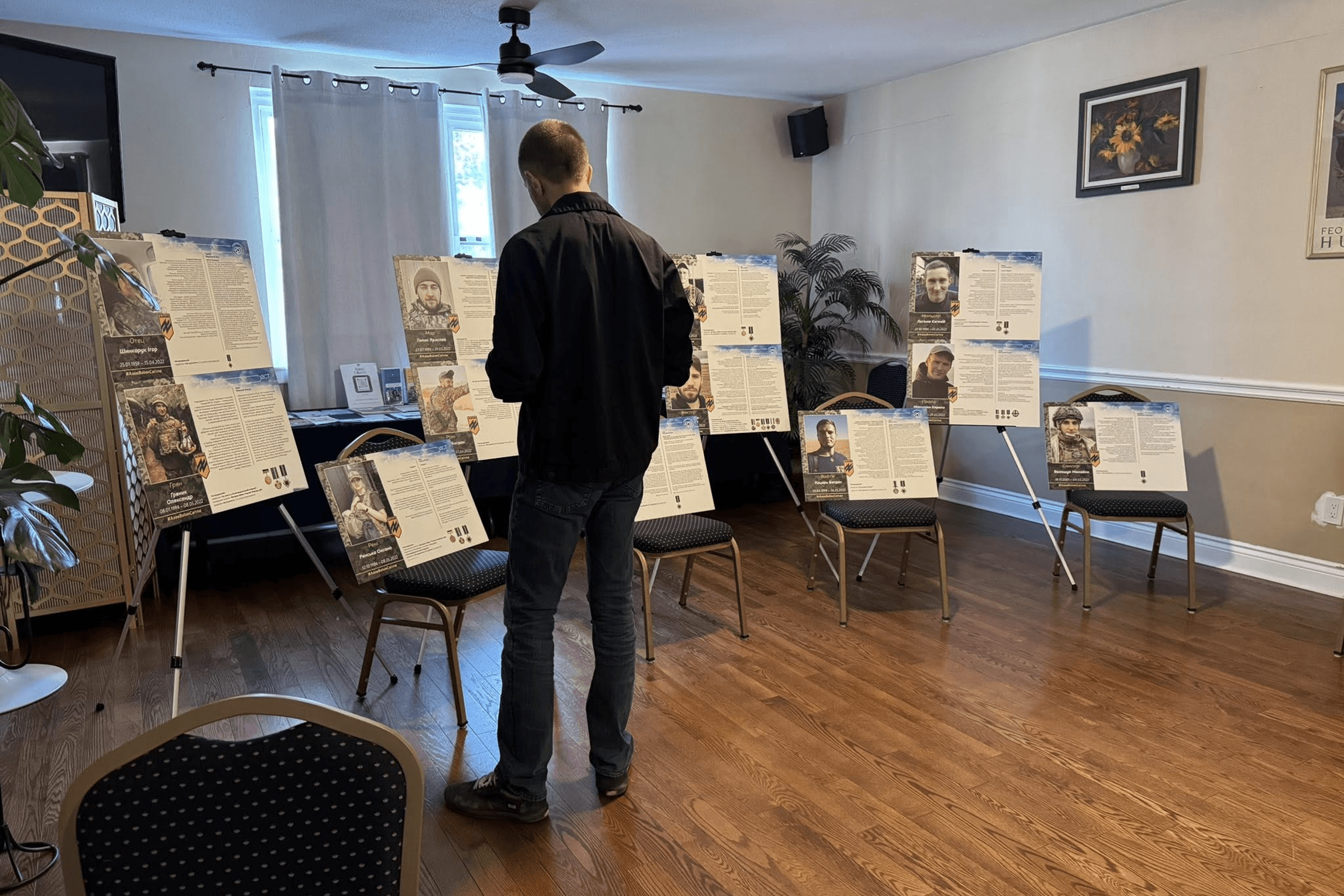
Maple Hope Foundation held the poetry evening People of Steel in Ottawa in support of the Heal a Mother’s Heart campaign. June 2025. Photo: Maple Hope Foundation / Facebook / YB 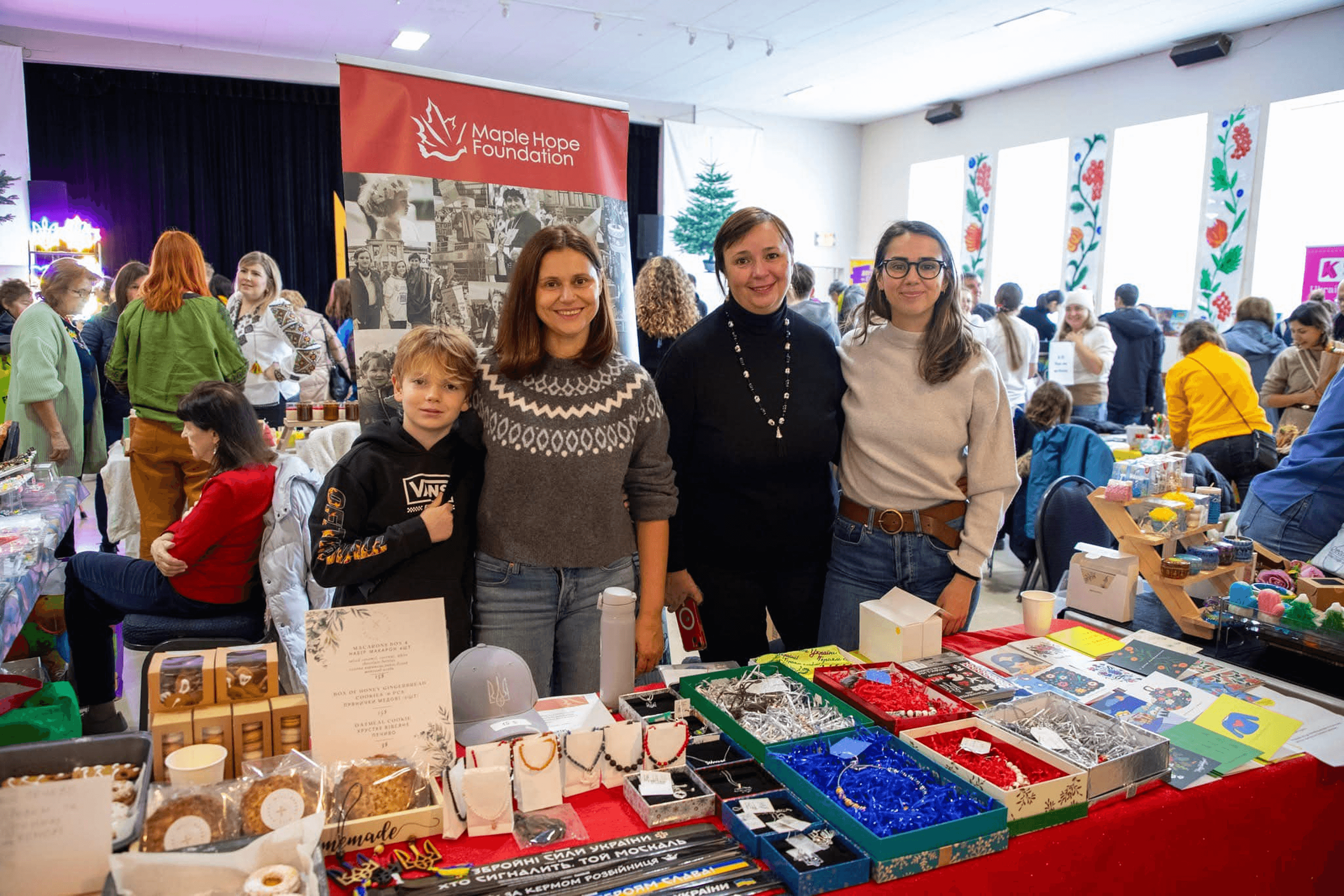
The Maple Hope Foundation team took part in a Christmas fair at the Ukrainian Orthodox Cathedral in Ottawa. November 2024. Photo: Maple Hope Foundation / Facebook / YB
Can it be said that the foundation has also supported Ukrainian refugee psychologists who cannot practice in Canada because they lack a local license?
Yes. And this is personally important to me. I would have given a lot to have had such a professional platform when I first emigrated to Canada. Many exceptional Ukrainian psychologists, therapists, and coaches who arrived because of the war cannot work because they lack a license or a sufficient level of English. However, they have extensive experience, understand the context of the war, and can help people in their native language through our project.
I’m thrilled that after three years, a third of our team has already passed their English exams and received their licenses as clinical counsellors. They work with Canadians and in local organizations, but they still participate in our projects and support our people.
3
I’d like to discuss another of the foundation’s projects in more detail—"Heal a Mother’s Heart.” Through this project, you provide professional guidance for women who have lost loved ones in the war and organize free psychological and recreational camps called “Source of Strength” in the mountains. How did this come about?
Women whose loved ones had been killed, captured, or gone missing began joining our support group for those who had emigrated due to the war. At a certain point, it became clear that we needed to form a second group—because the experience of worrying about a new job is vastly different from the experience of having a missing husband, and these women require a different kind of support.
Together with my colleagues, I completed a course and received certification from David Kassler, an American specialist and expert on grief. We organized grief work groups, which included both women who had moved to Canada and those remaining in Ukraine. In the summer of 2024, the first trip for such a group to the Carpathian Mountains took place. In total, we have held six retreats involving over 80 women.
How exactly do these retreats take place?
Each time, we recruit up to 12 mothers and wives who have lost loved ones. We rent a hotel near mountain springs in the Carpathians; there is a metaphor in this—a place where they can, in a sense, wash away their pain in the flow of pure water.
The retreat lasts five days—20 hours of group therapy in a circle. In the morning, we practice acceptance therapy, narrative therapy (where women share their experiences), art therapy exercises, and bodywork. In the afternoon, there is a recreational program. We take them for walks in the mountains, to museums where they can see authentic old clothing or learn about Hutsul grieving traditions, or for hydro-procedures, such as the traditional Carpathian chans (hot tubs). In the evening, we hold creative workshops for those who have the energy. The women make necklaces or paint on glass.
When working with grief, it’s vital to provide people with new experiences—it pulls them out of the darkness. Sometimes we invite vocal specialists, and the women sing Ukrainian songs with them.
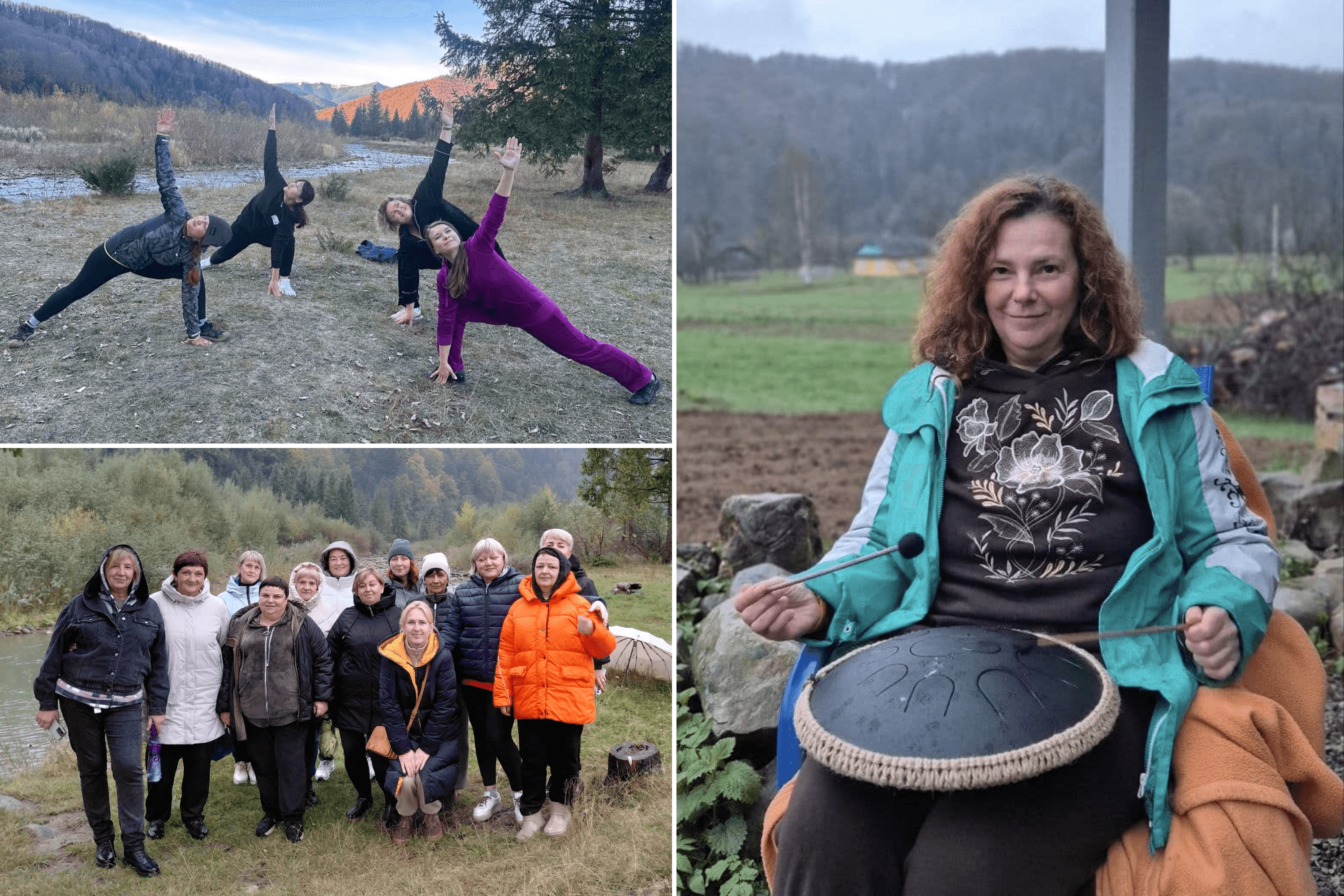
The psychological and recreational program Source of Strength by Maple Hope Foundation in Zakarpattia. Photo: Maple Hope Foundation / Facebook / YB 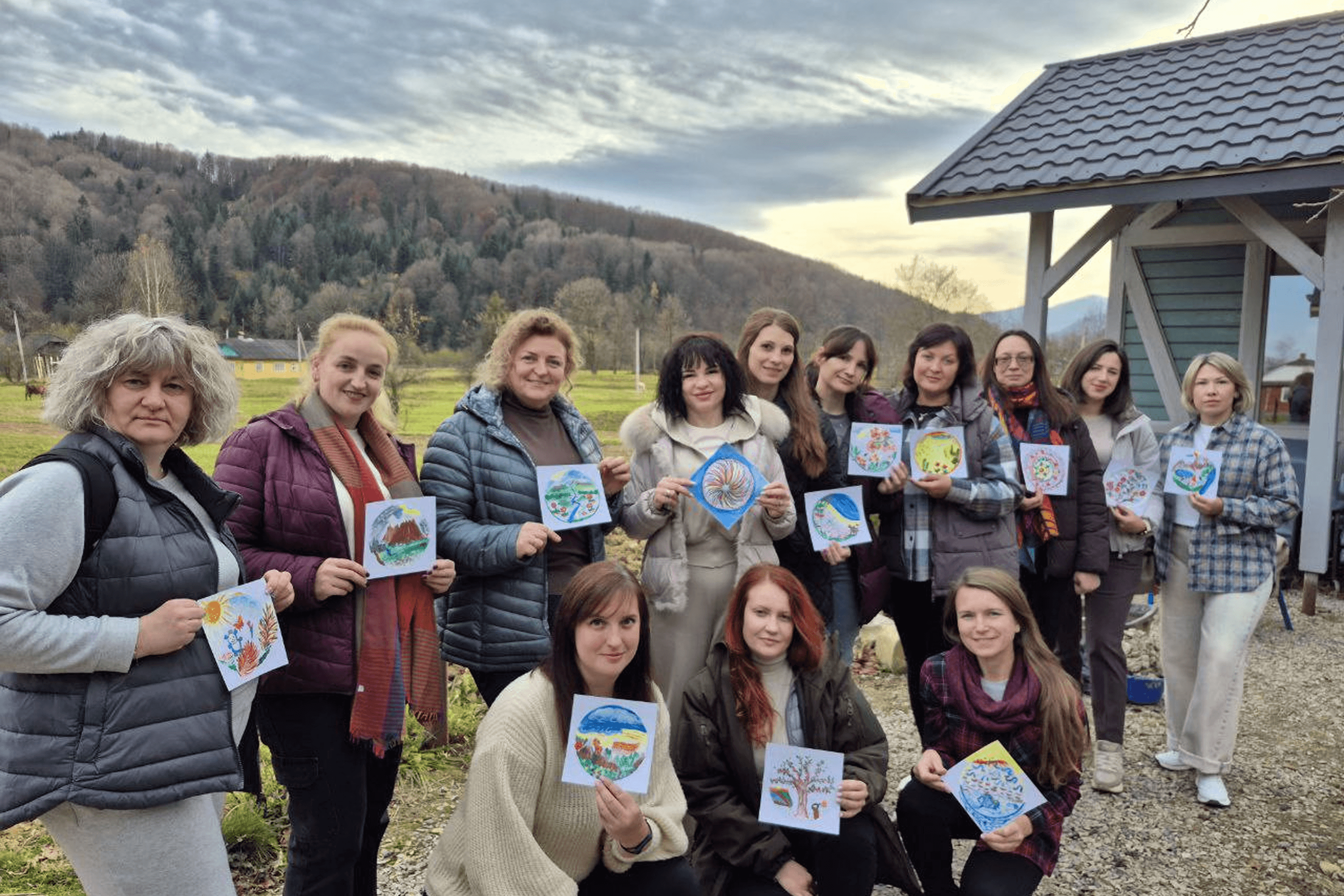
Photo: Maple Hope Foundation / Facebook / YB 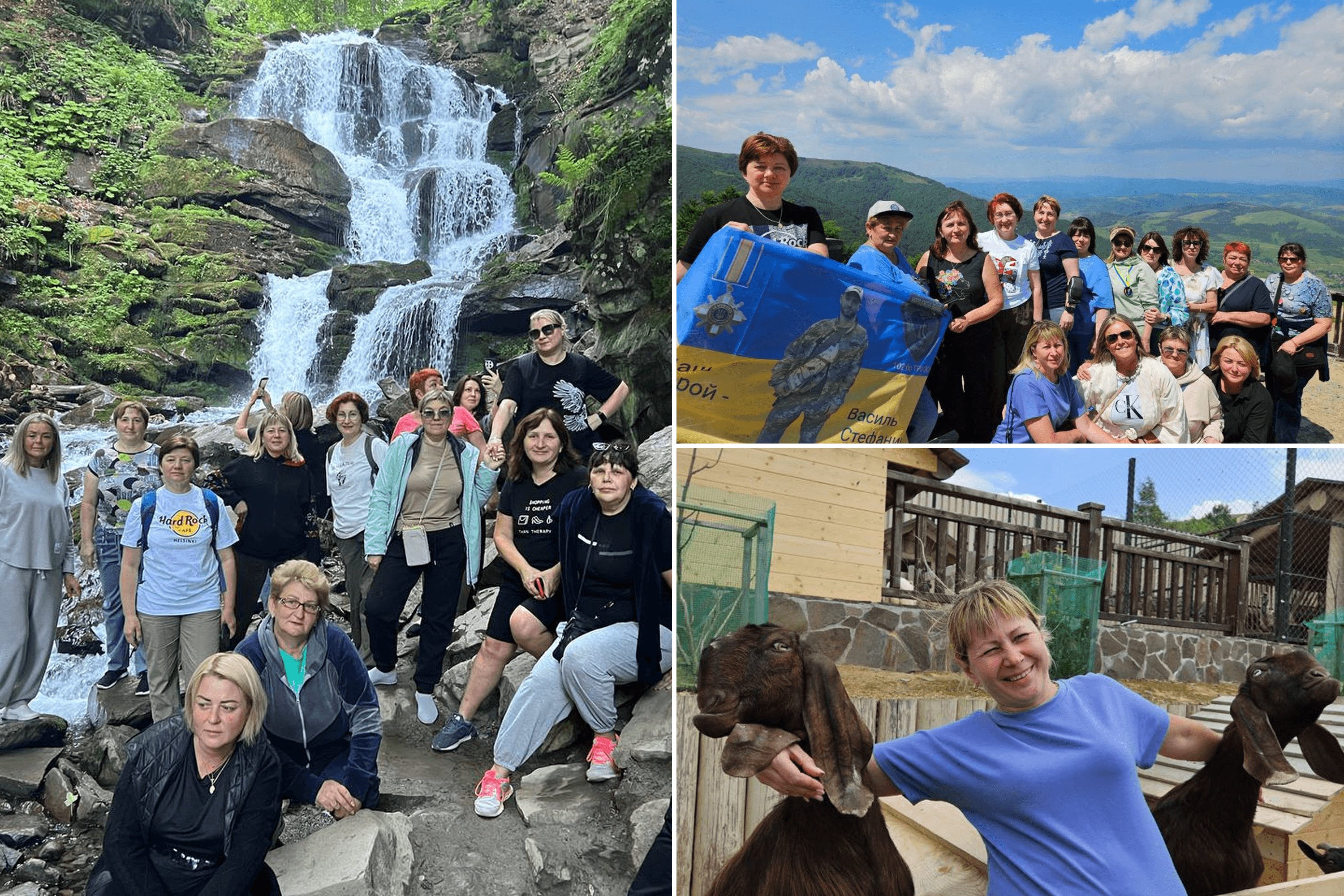
Photo: Maple Hope Foundation / Facebook / YB 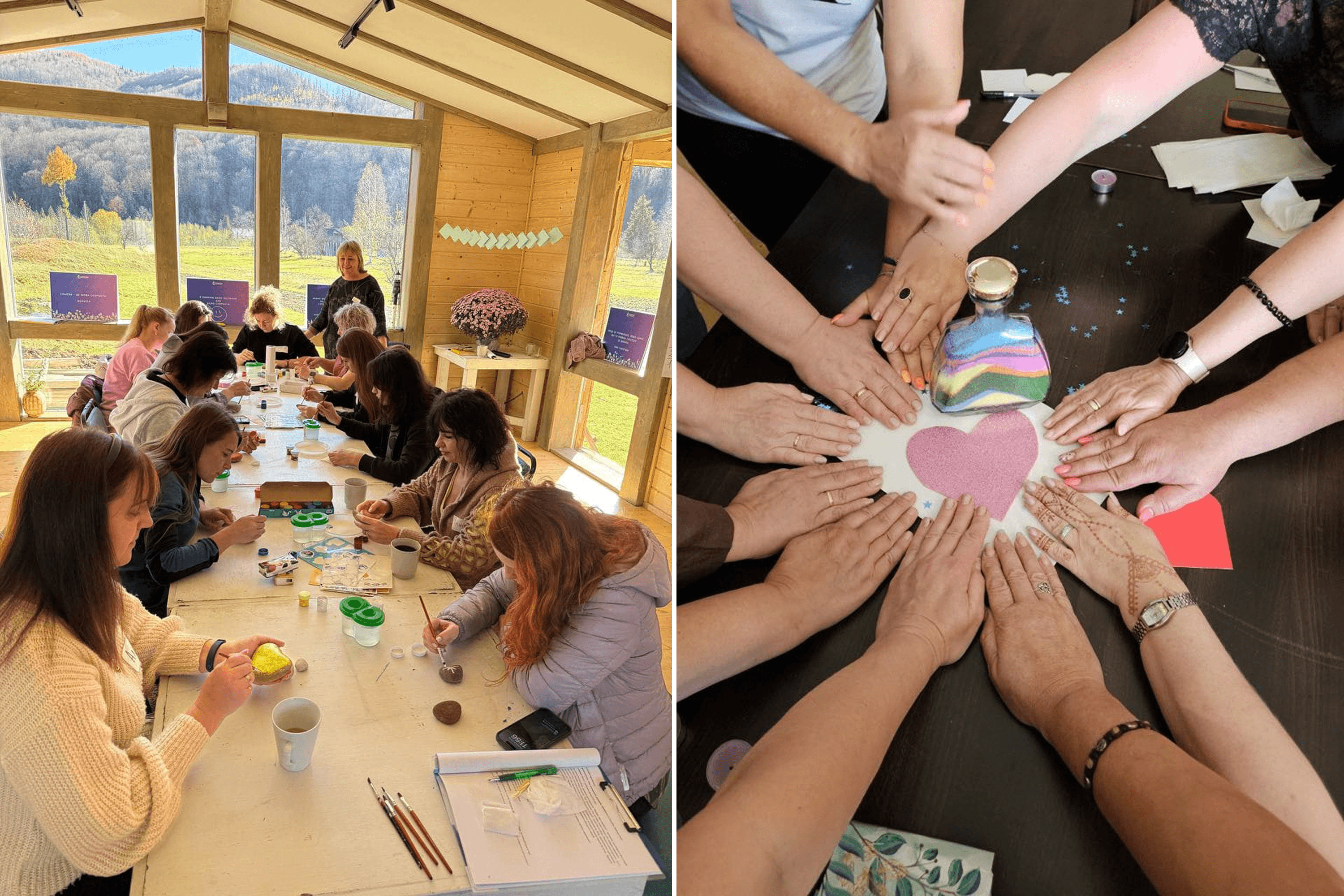
Photo: Maple Hope Foundation / Facebook / YB 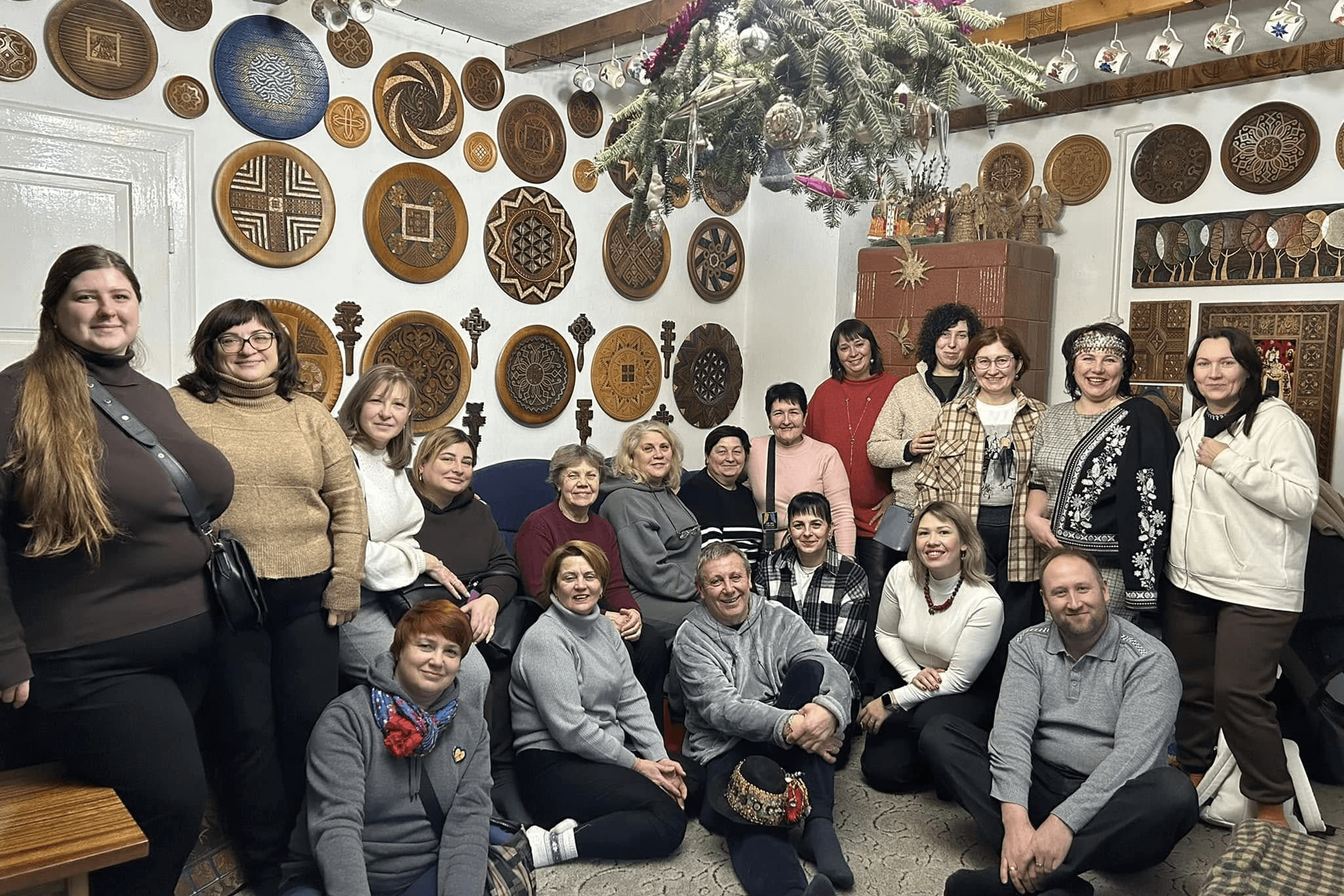
Photo: Maple Hope Foundation / Facebook / YB 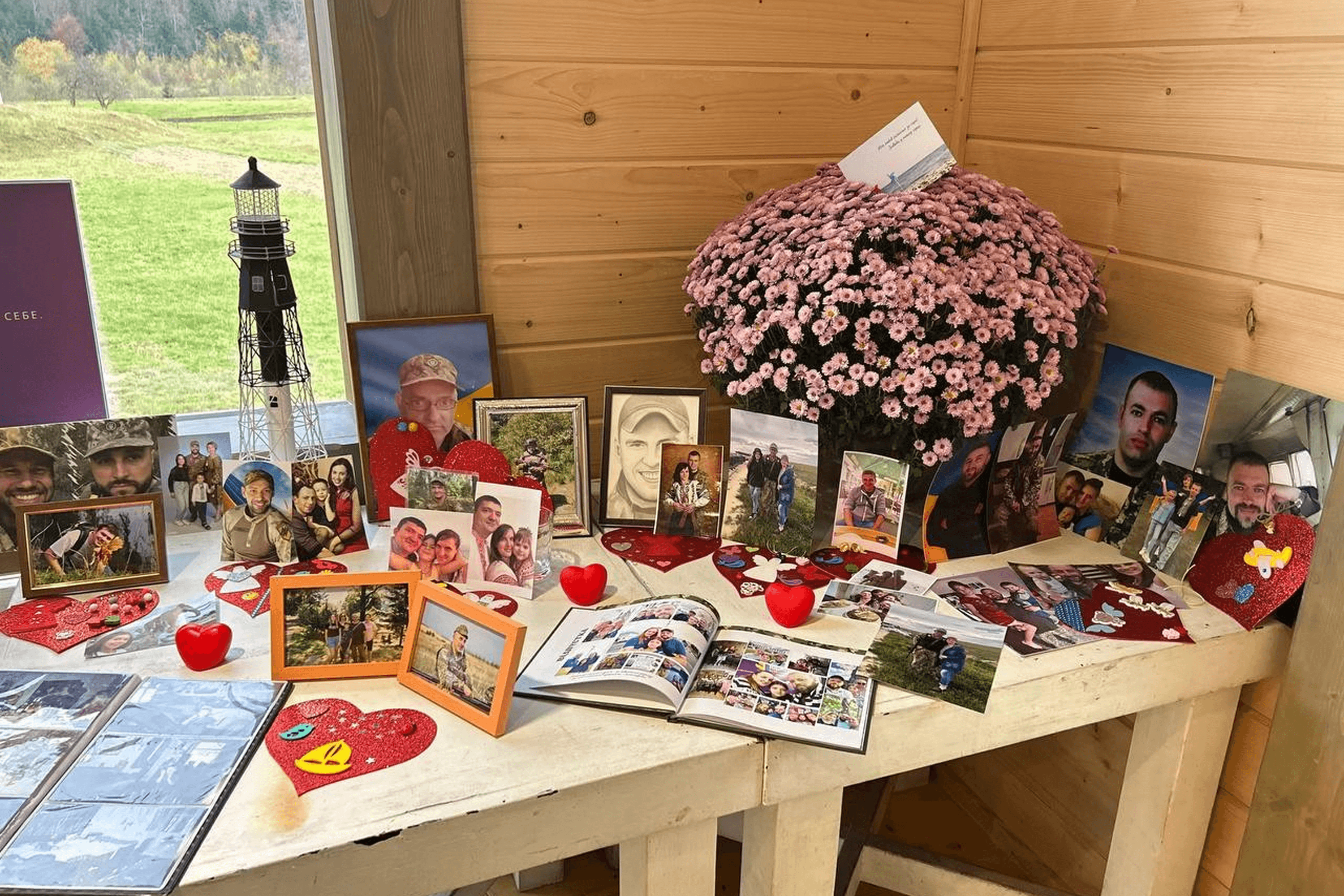
Photo: Maple Hope Foundation / Facebook / YB
How many psychologists accompany the women on these retreats?
The team consists of three or four people—psychologists and a coordinator who communicates with each participant. We build relationships with them even before the program begins, so the women can relax and feel safe.
All the psychologists in this project are Ukrainian. This is important because they understand the context. The team includes a psychologist from Mariupol whose only son died in captivity in Olenivka; another colleague lost a son who served in the Azov regiment. Their experiences resonate with those of the participants; they trust each other and share personal stories.
Our program is designed to transform pain into love and gratitude. It’s important for us to convey that a person in grief is not alone; there are always those ready to support and be present. Of course, in such a state, one often doesn’t want to see anyone, but isolation is the most dangerous enemy for people in grief.
During group therapy, we teach how to release pain and not get stuck in it, how to recognize and manage one’s emotions. Moving through loss is a non-linear process. A memory, a dream, or a sound can trigger a setback. But when a person understands what is happening to them and has a community, it gives them the ability to move forward.
How do you fund “Source of Strength”?
Exclusively through Maple Hope Foundation fundraising initiatives. We organize charitable theatrical performances and various events in Canada, such as Malanka, and collaborate with Ukrainian artists. For example, in May 2025, alyona alyona donated half of the proceeds from auctions we co-hosted during her concerts in Canada. She donated the rest to projects for children.
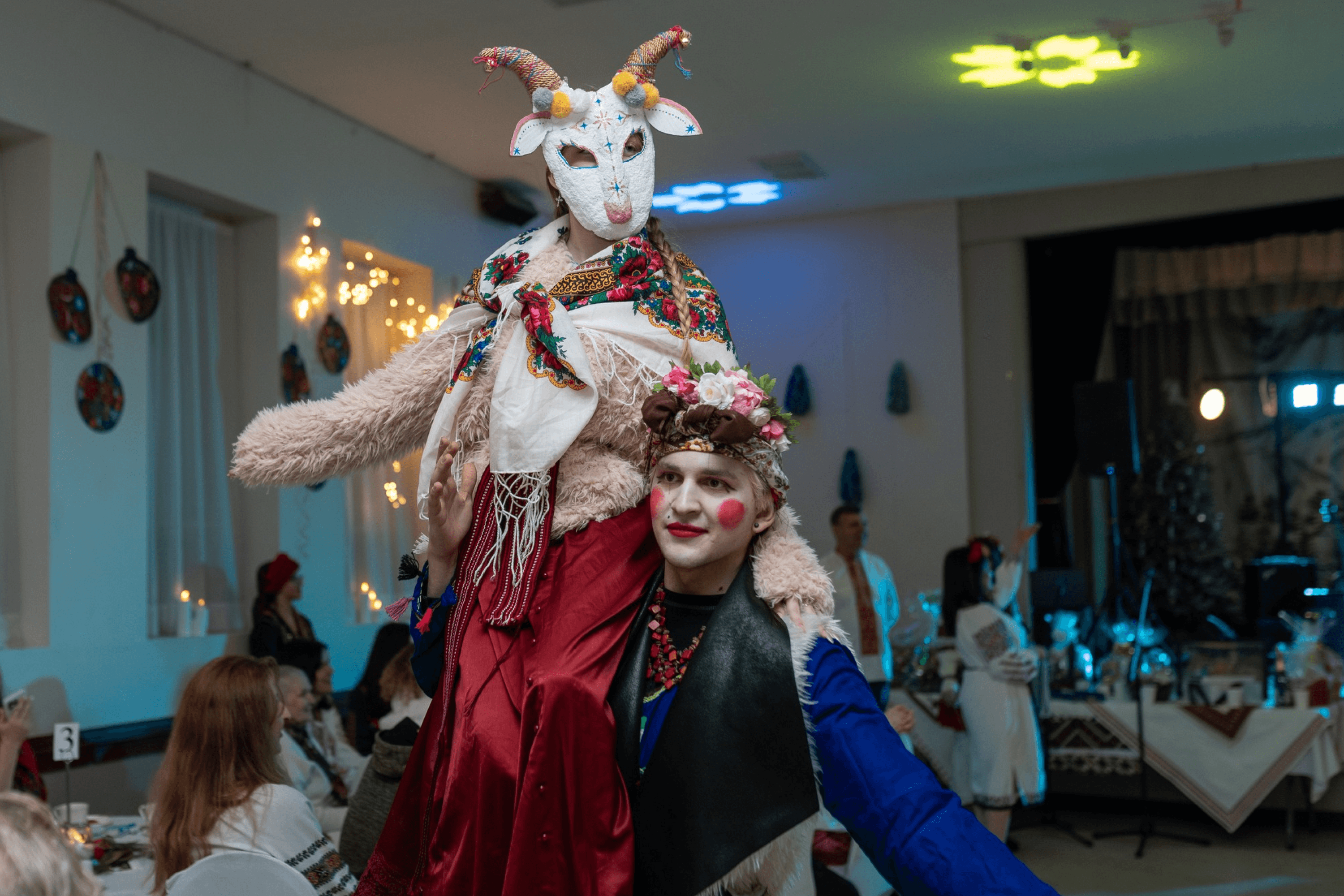
The charity evening Charity Malanka in Ottawa. February 15, 2026. Photo: Maple Hope Foundation / Facebook / YB 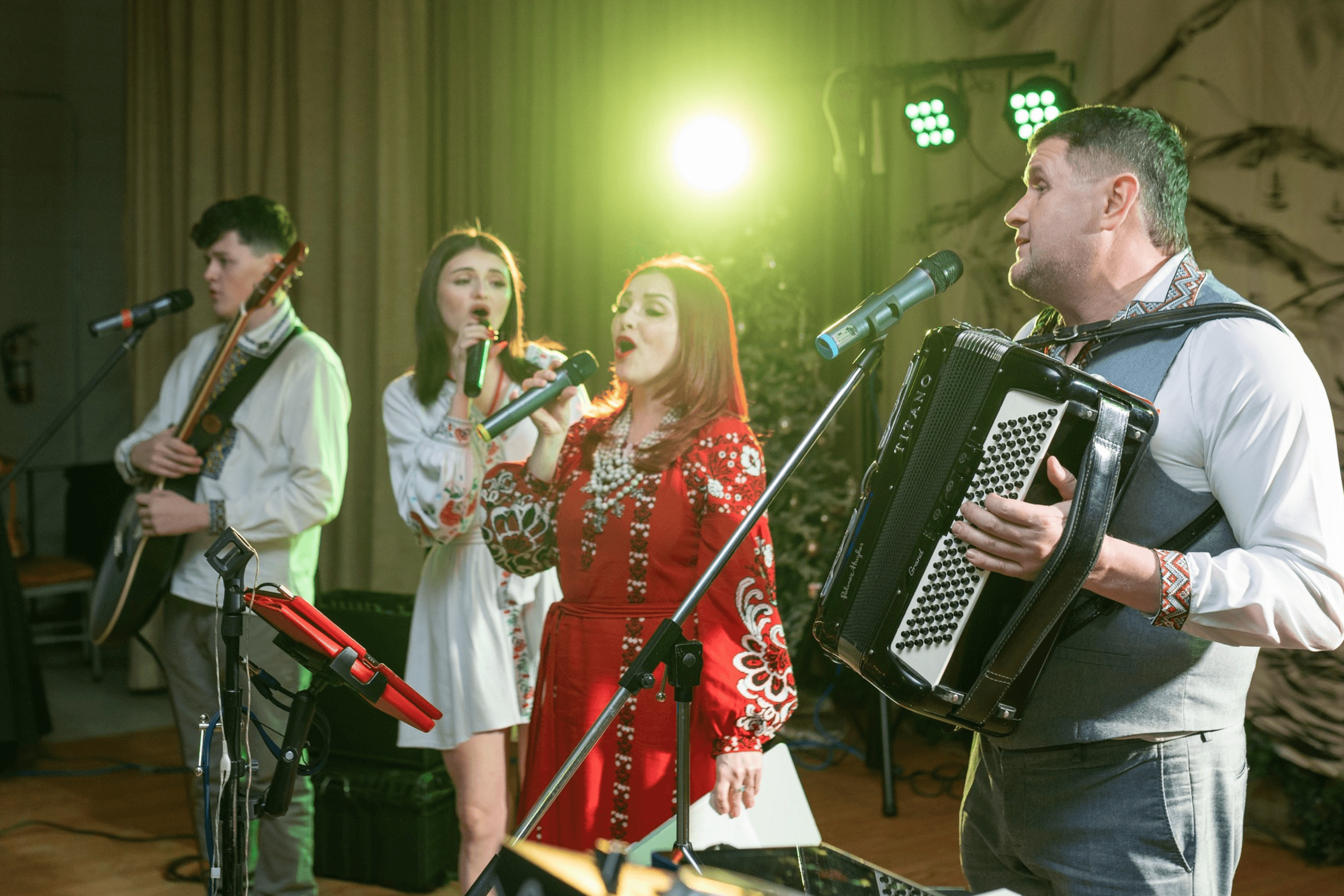
Photo: Maple Hope Foundation / Facebook / YB 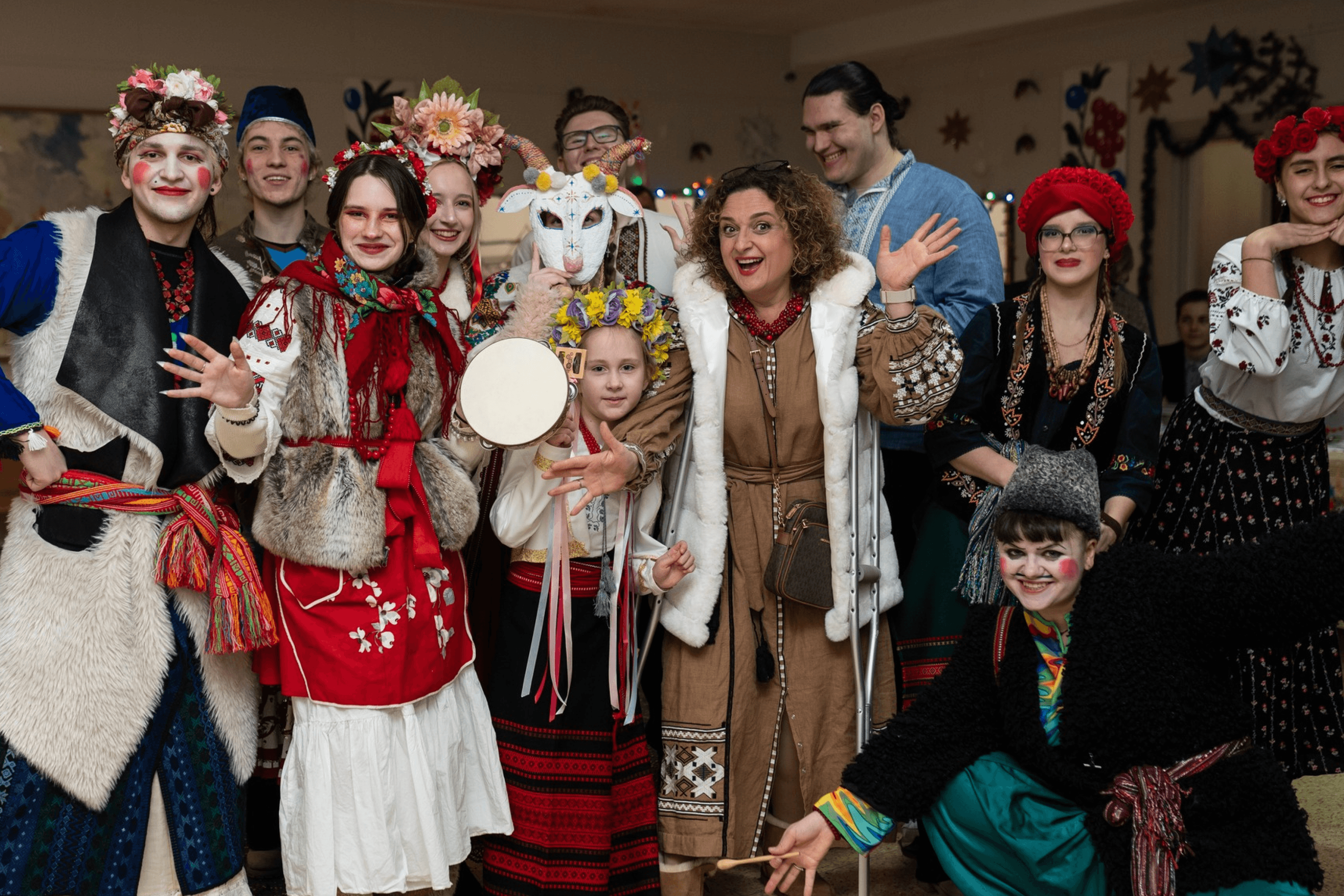
Photo: Maple Hope Foundation / Facebook / YB 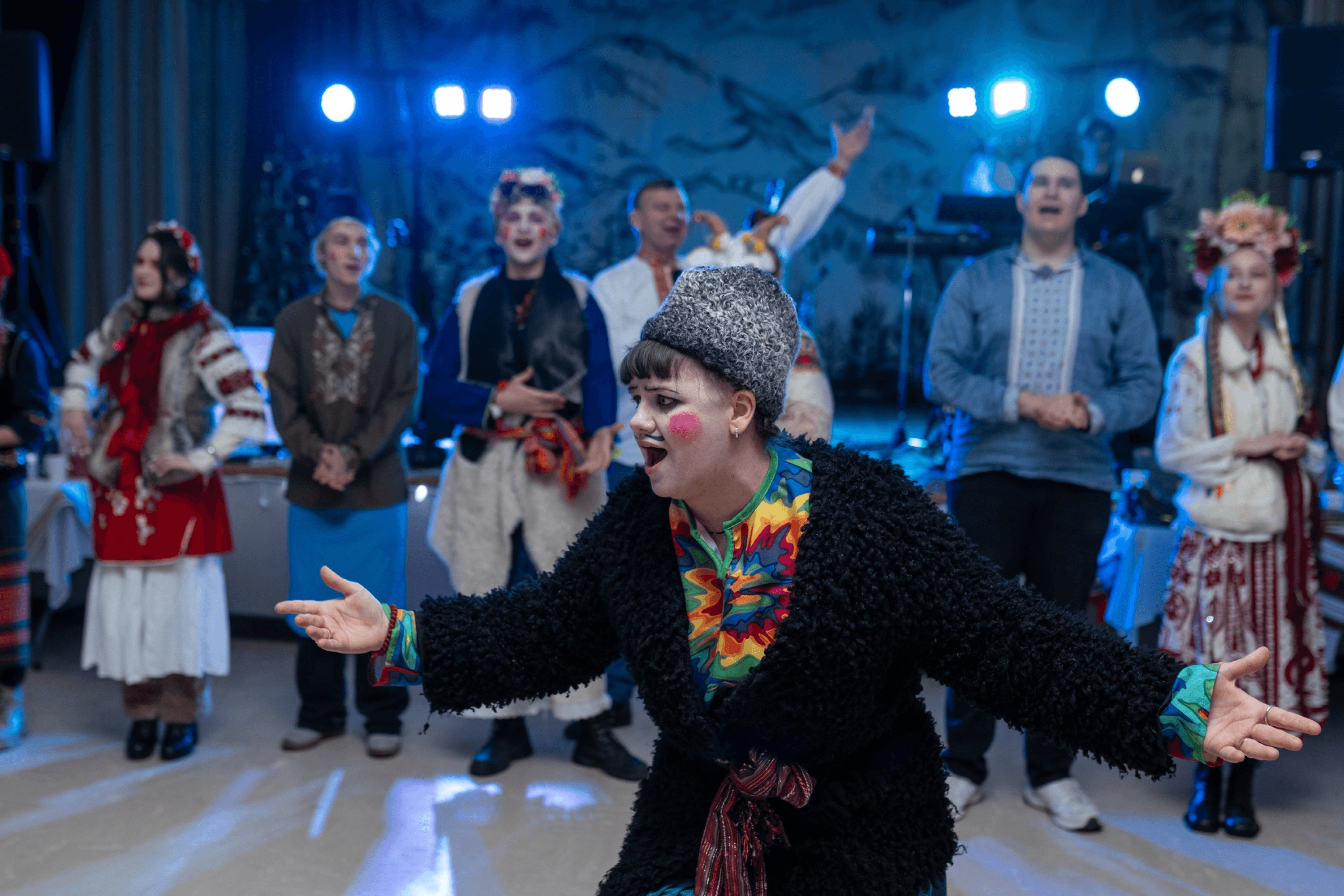
Photo: Maple Hope Foundation / Facebook / YB 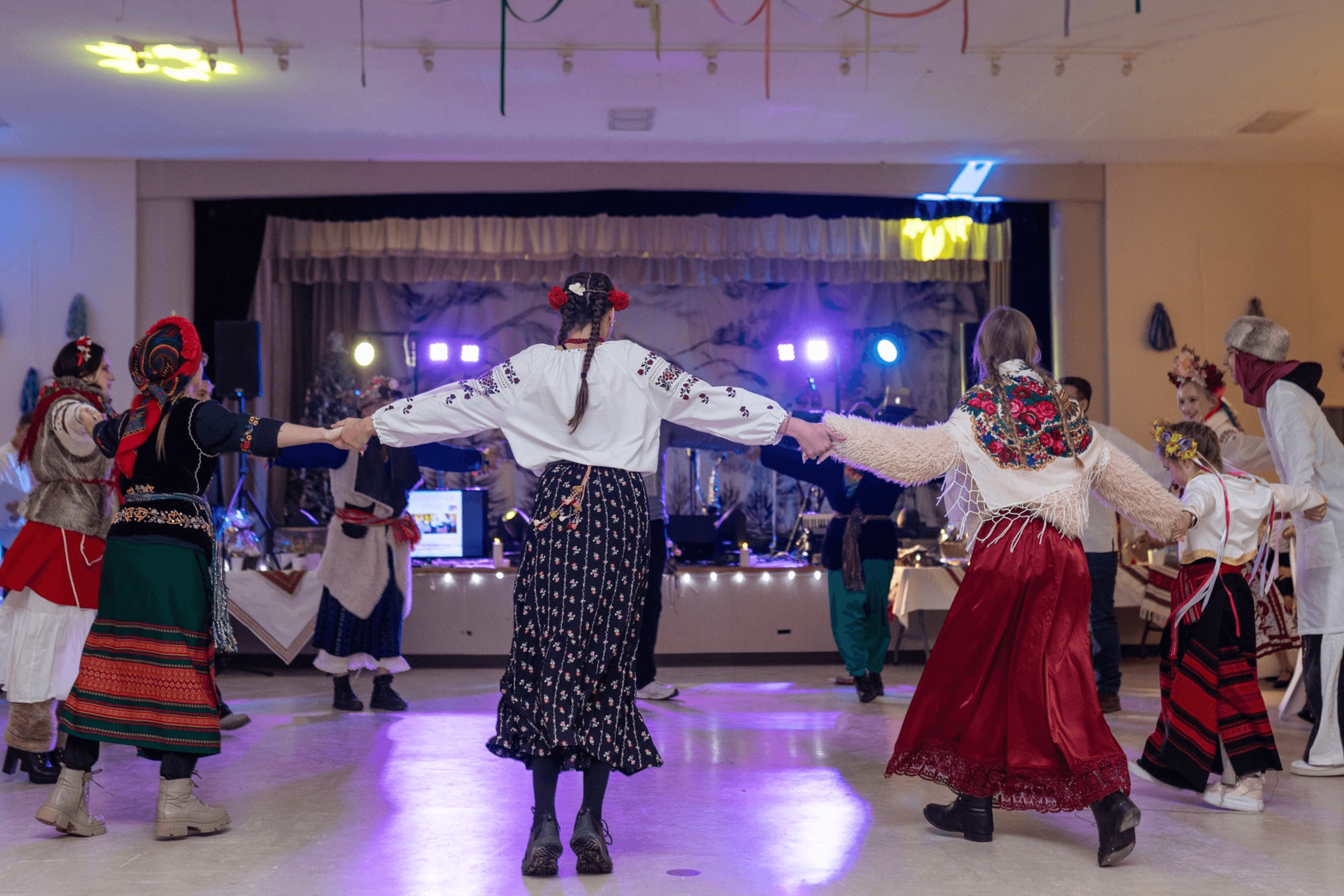
Photo: Maple Hope Foundation / Facebook / YB 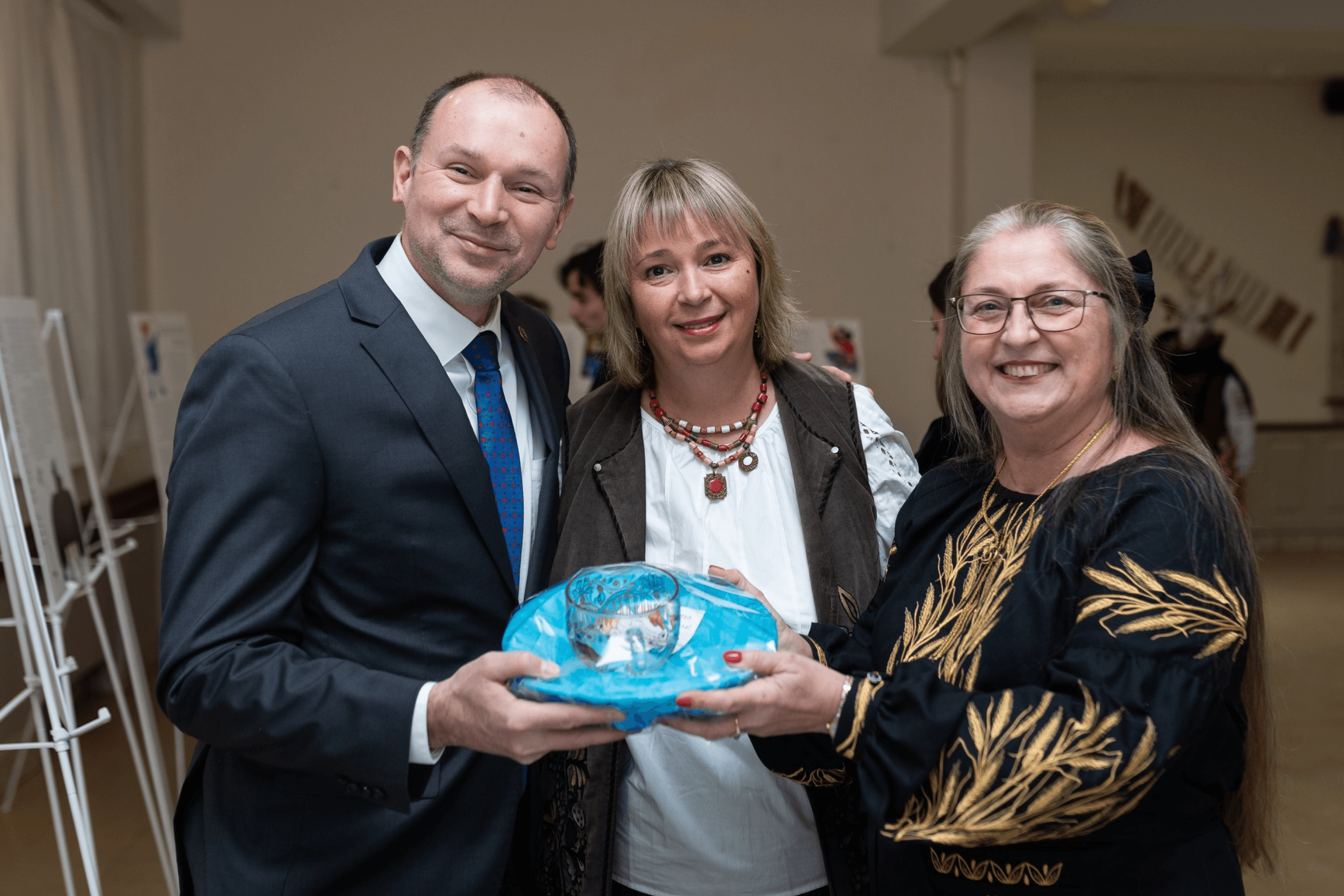
Photo: Maple Hope Foundation / Facebook / YB
We also receive help from Ukrainian women’s organizations and businesses. Before last year’s Mother’s Day, we collaborated with the Ukrainian scarf brand [Ne]khustka. Anyone could buy a scarf for Ukrainian mothers who had lost children and send them a message. It was very moving. Canadian women wrote very sincere words to our women. It was a touch of care, love, and human empathy from one woman to another.
You have a training program for Ukrainian psychologists and other mental health professionals. How does this branch of your work function?
We launched it at the beginning of 2025, and we have three programs. The basic level is for social workers and those accompanying veterans. They don’t provide counseling as psychologists, but they support people in grief in hospitals or rehabilitation centers. They need a foundation of knowledge to understand exactly what is happening to a person and how grief affects their body, cognitive skills, and mental health. We also teach them to recognize symptoms of complicated grief so that social workers can refer the person to the right specialist.
Additionally, synchronizing grief within families is important—so that relatives understand and support each other. If there is no emotional intimacy in the family, it’s difficult for a person to heal. An adult in grief needs the support of at least five people, while a child needs one adult in a stable mental state. Social workers must understand this and explain it to those who are grieving or who have loved ones in such a state.
The professional level is a program for psychologists and psychotherapists with at least three years of experience. This course lasts three months—36 academic hours, 16 hours of supervision, and a group project defense. In it, we cover modern theories of grief and approaches to supporting people in a state of loss, teaching how to diagnose typical and complicated grief.
The third program is for child psychologists. Children experience loss much more acutely. They struggle not only with the fact of death but also with how their lives change when a father or mother is no longer there. Furthermore, childhood grief spreads terrifyingly fast to other children nearby—in the family, classroom, or community.
If we don’t actively support children and women now, all the grant programs for reconstruction will, in my opinion, be pointless. The most important thing is human capital. We must invest in the healing of people so that they don’t pass on intergenerational trauma.
How do you select students for these courses? How many people have completed the training?
We run this project together with the Ukrainian Institute of Traumatherapy and the International Institute of Postgraduate Education, which trains practicing psychologists and trauma therapists. They recruited the students and secured donors from Norway and Denmark, while we developed the program and taught it free of charge.
Over 350 people have completed these courses. We are seeking funding to continue the project in 2026. It’s vital for us to empower specialists from various parts of Ukraine so they can professionally support people in their own communities.
4
In December 2025, you announced that the foundation began collaborating with the Ministry of Veterans Affairs. You will be developing a psychological support model for veterans, their families, and those whose loved ones have been killed or gone missing. What stage is this project at now?
The Ministry of Veterans Affairs has already created over 2,000 vacancies for veteran support specialists within Ukrainian communities. These are the people who will serve as the first point of contact for veterans transitioning back into civilian life. They will provide psychological support, offer consultations on state services available to veterans, and help them find employment or start their own businesses.
We have already trained such specialists—about 60 veteran support assistants have participated in our programs, so we are well-positioned to develop a specialized training curriculum for the Ministry’s staff. We have met several times with Deputy Minister Ruslan Prykhodko and their psychological service. Currently, we are seeking funding to bring in instructors and cover all associated costs. We hope to receive this support from the Canadian government.
We have also signed a memorandum with the Medical Service of the Ministry of Internal Affairs, which oversees the State Emergency Service of Ukraine (SESU) and the police. These agencies employ many people who have lost loved ones and colleagues during the war. The Ministry’s psychological support service wants to utilize our programs to train their psychologists to provide high-quality support for employees dealing with grief.
Do you plan to expand the foundation’s scope this year—for example, by working with new categories of people?
No, we are focusing on our existing directions. We’re scaling for depth rather than breadth—improving our programs, seeking sustainable funding, helping the mothers and wives of the fallen, and teaching to increase the number of professional psychologists. Our medical team also continues its work. For instance, in February, the foundation sent a new batch of mobile intensive care units to military brigades.
I’m also attempting to collaborate with Ukrainian universities and the Ministry of Education and Science to integrate our courses into Bachelor’s and Master’s curricula for psychology majors. Even when the active phase of the war ends, people will not heal automatically—and we must help them release the pain that gets trapped in the body.
What does your work at the foundation mean to you personally?
All our projects heal me and the entire team through the act of helping others. It is an honor to be a pillar for a Ukrainian woman who has lost her loved ones.
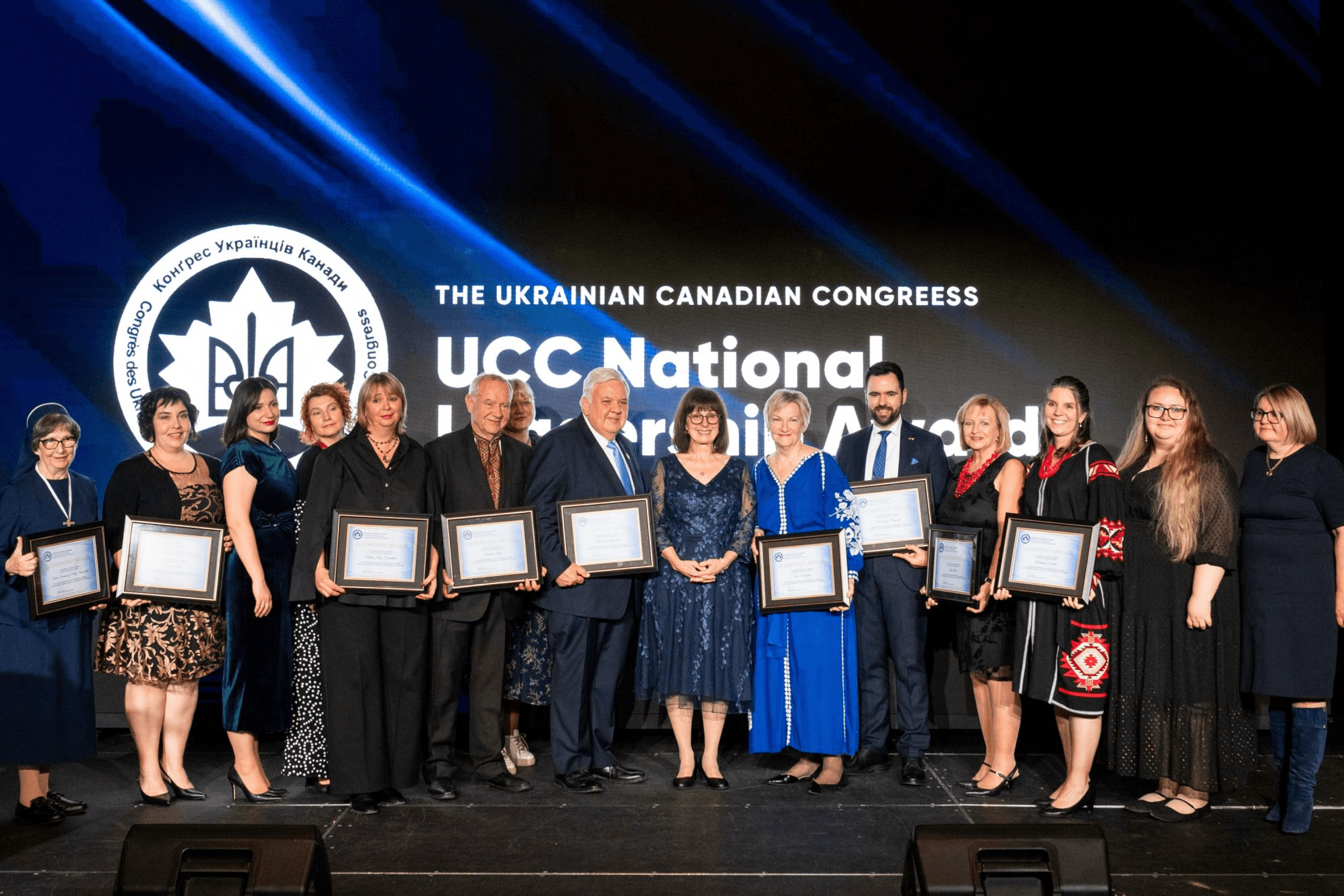
In 2025, I was included in the list of the Top 25 Canadian Immigrants who contribute to the development of the country. This helped me reach a Canadian audience and speak about “Heal a Mother’s Heart” and the vital importance of supporting women.
I don’t feel that I have the right to monetize my work in Ukraine during the war. Psychology is “trendy” right now, and many expensive educational programs are appearing—costing, for example, $3,000 per person. I don’t have the right to do that; I simply cannot post an advertisement saying I will teach trauma work for a fee. That’s why it is so important for us to find stable funding for our projects—so that as many Ukrainian specialists as possible can learn to help people in grief.


