
Julia Ratner is a 26-year-old model from Zaporizhzhia. She collaborates with iconic fashion houses such as Valentino, Chanel, Fendi, Christian Dior, and Celine. This year she also made her debut as an actress. Julia played a model from Ukraine in the film Couture and helped director Alice Winocour with scenes depicting Russia’s full-scale invasion of Ukraine. Yellow Blue journalist Sofiia Korotunenko spoke with Julia about her career, the filming, and how she manages to convey news about the war to foreigners.
1
You got into modeling at 15. How did that happen?
I was handing out flyers, working for my friend’s mom, who bred Maine Coons—a very expensive cat breed. Once, she was delivering a cat to the director of the Lviv modeling agency OK’S Models and told her about me: “We have one tall skinny twig in Zaporizhzhia. Do you want to take a look?”
The director looked at my photos, and the agency invited me to Lviv. I still remember how I kept assuring them over the phone that I looked better in photos than in real life, but that didn’t stop them. OK’S Models became my mother agency; we still work together to this day.
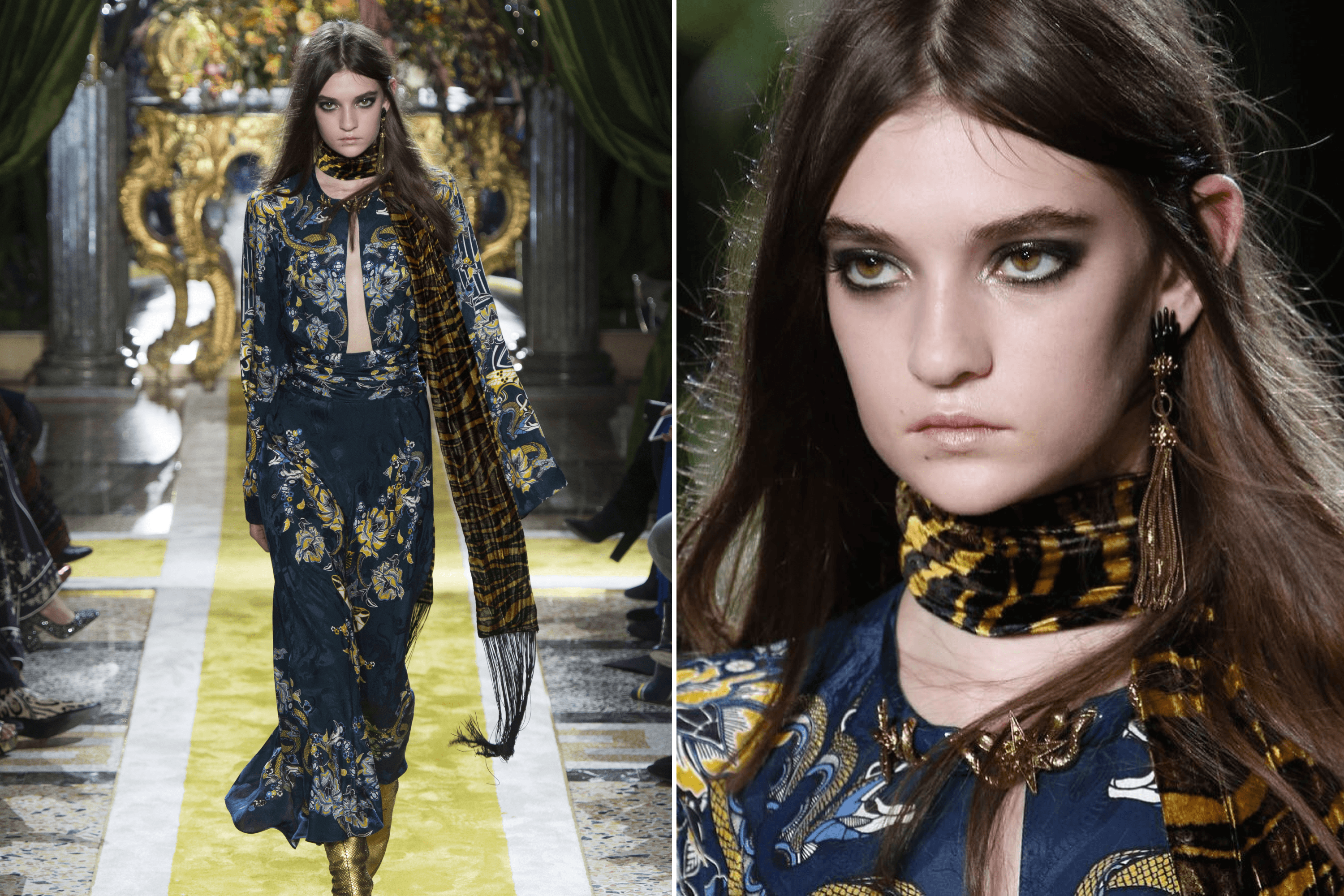
Runway shows featuring Julia Ratner at the beginning of her career. 2016–2017. Roberto Cavalli 2016. Photo: Roberto Cavalli Fall/Winter 2016–2017 via Vogue Runway 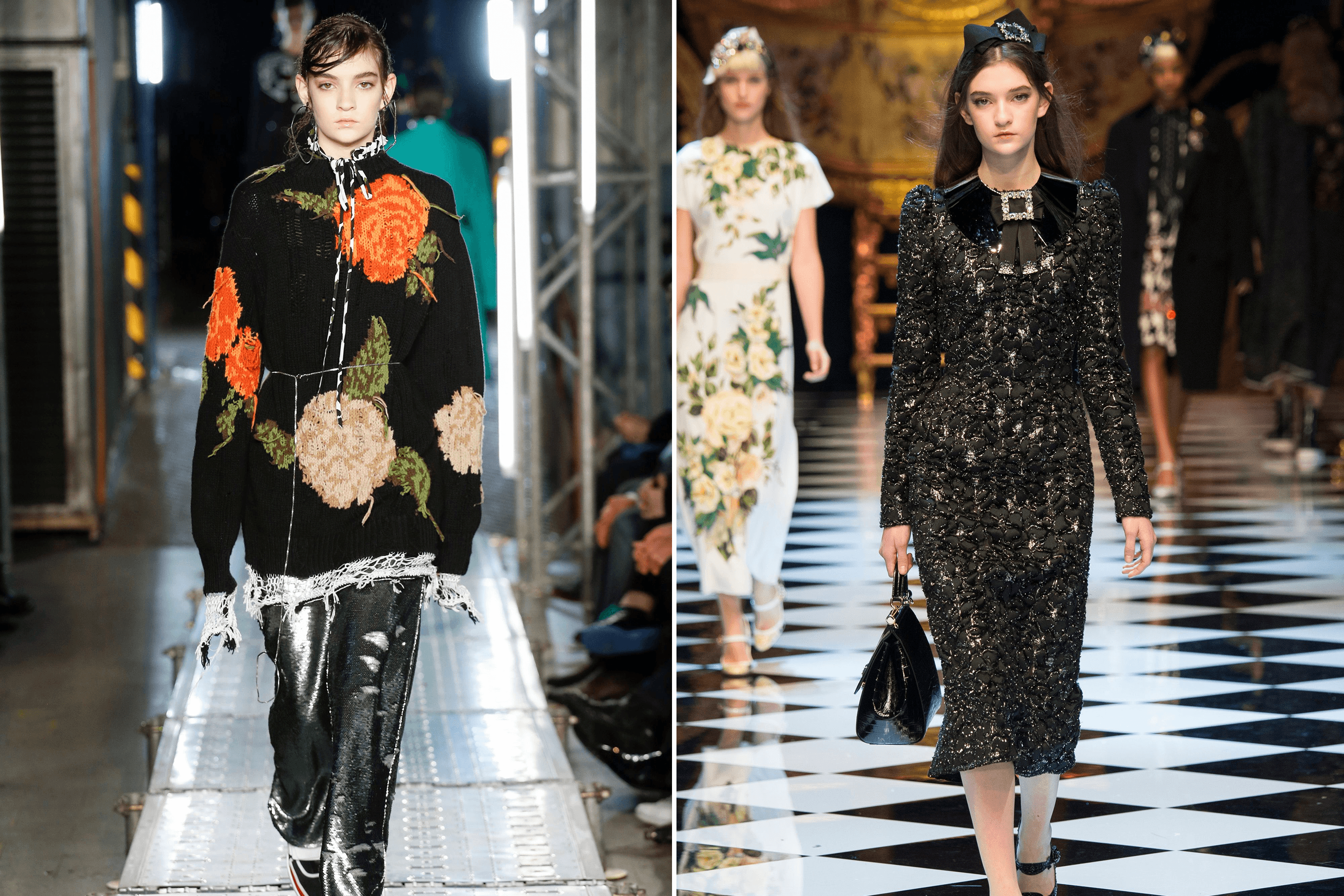
MSGM Fall; Dolce&Gabbana Fall 2016. Photo: Dolce & Gabbana Fall/Winter 2016 via Vogue Runway 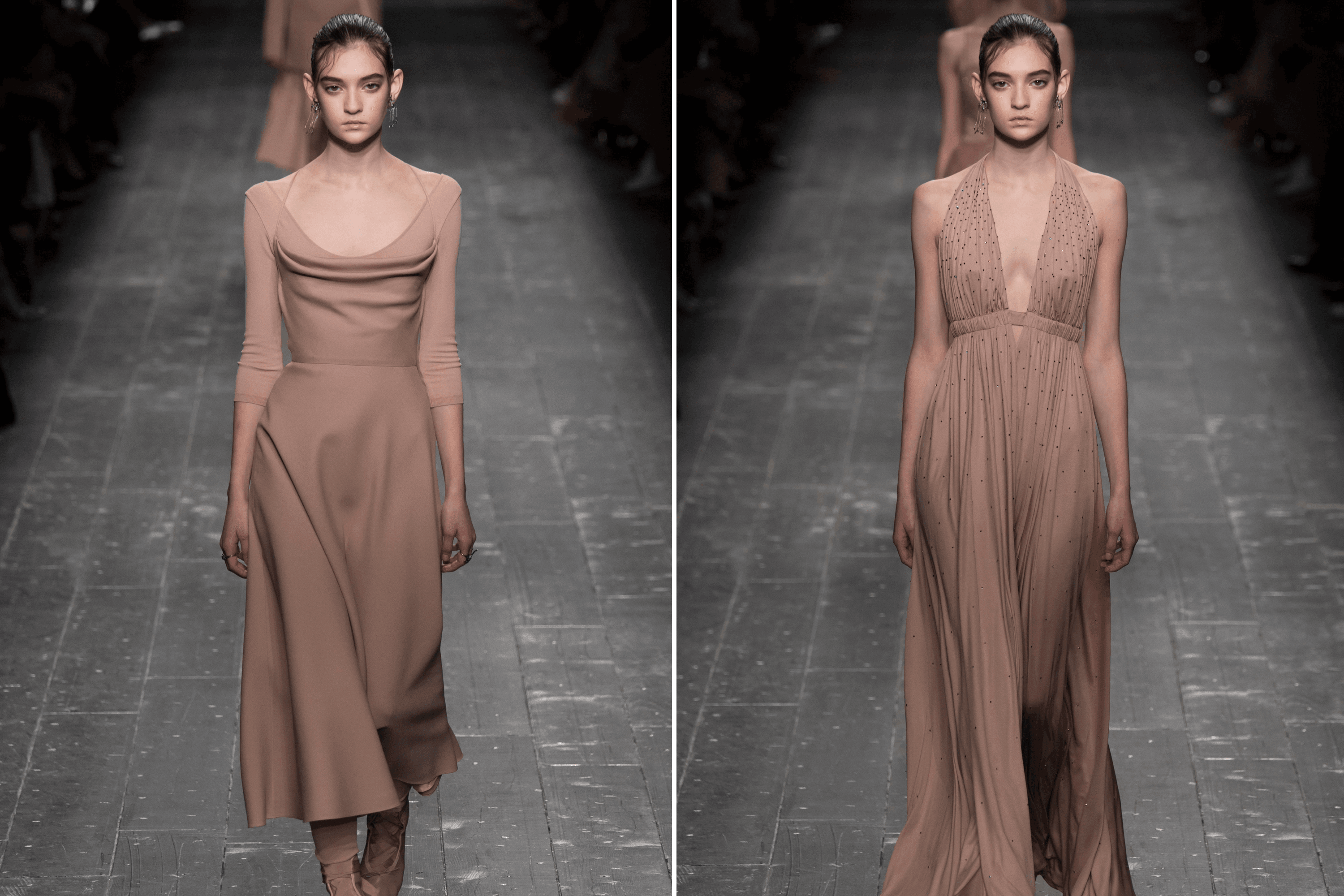
Valentino Fall 2016. Photo: Yannis Vlamos / Indigital.tv via Vogue Runway, Valentino Fall/Winter 2016 Haute Couture 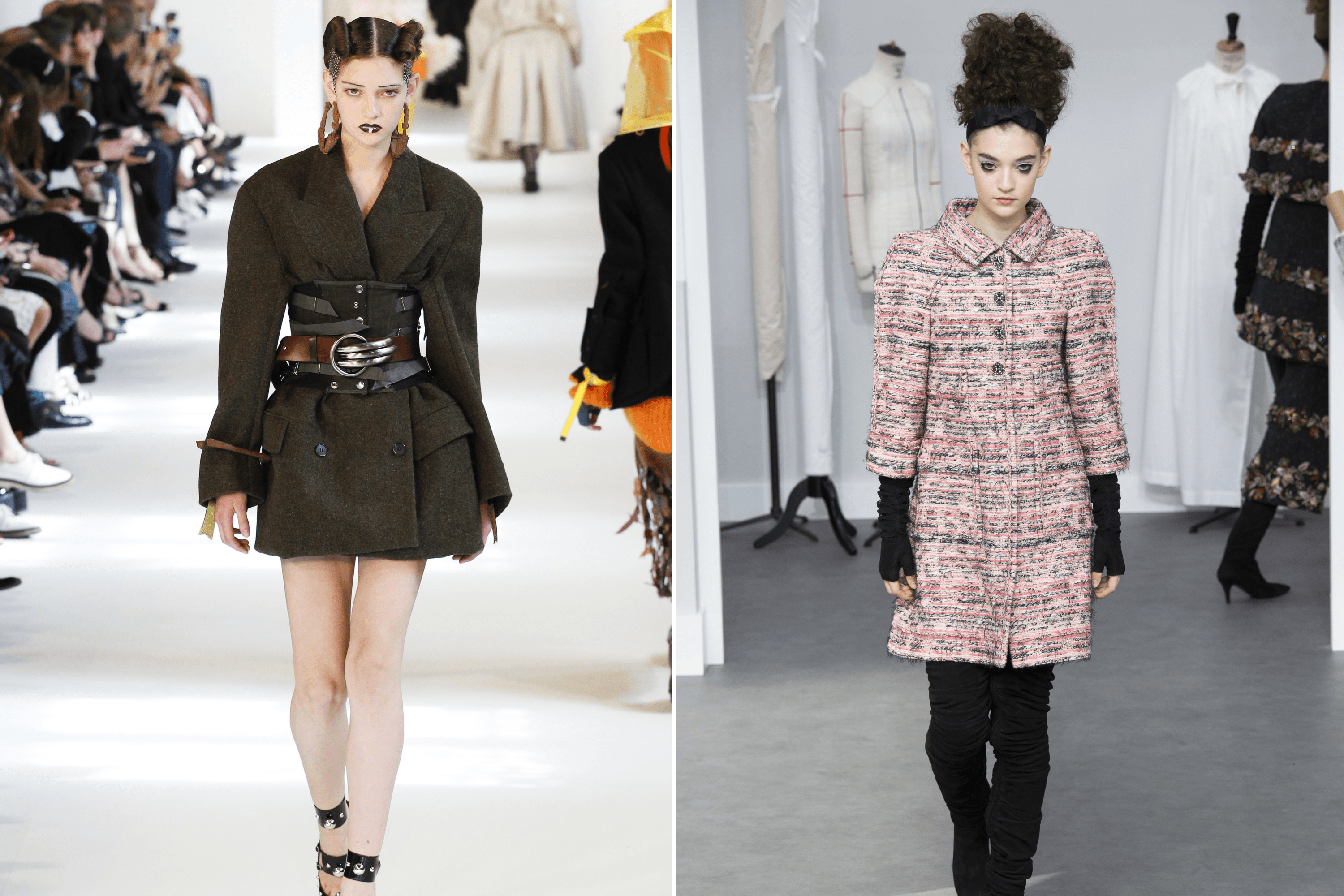
Maison Margiela Haute Couture; Chanel Haute Couture 2016. Photo: Chanel Fall/Winter 2016–2017 Haute Couture via Vogue Runway 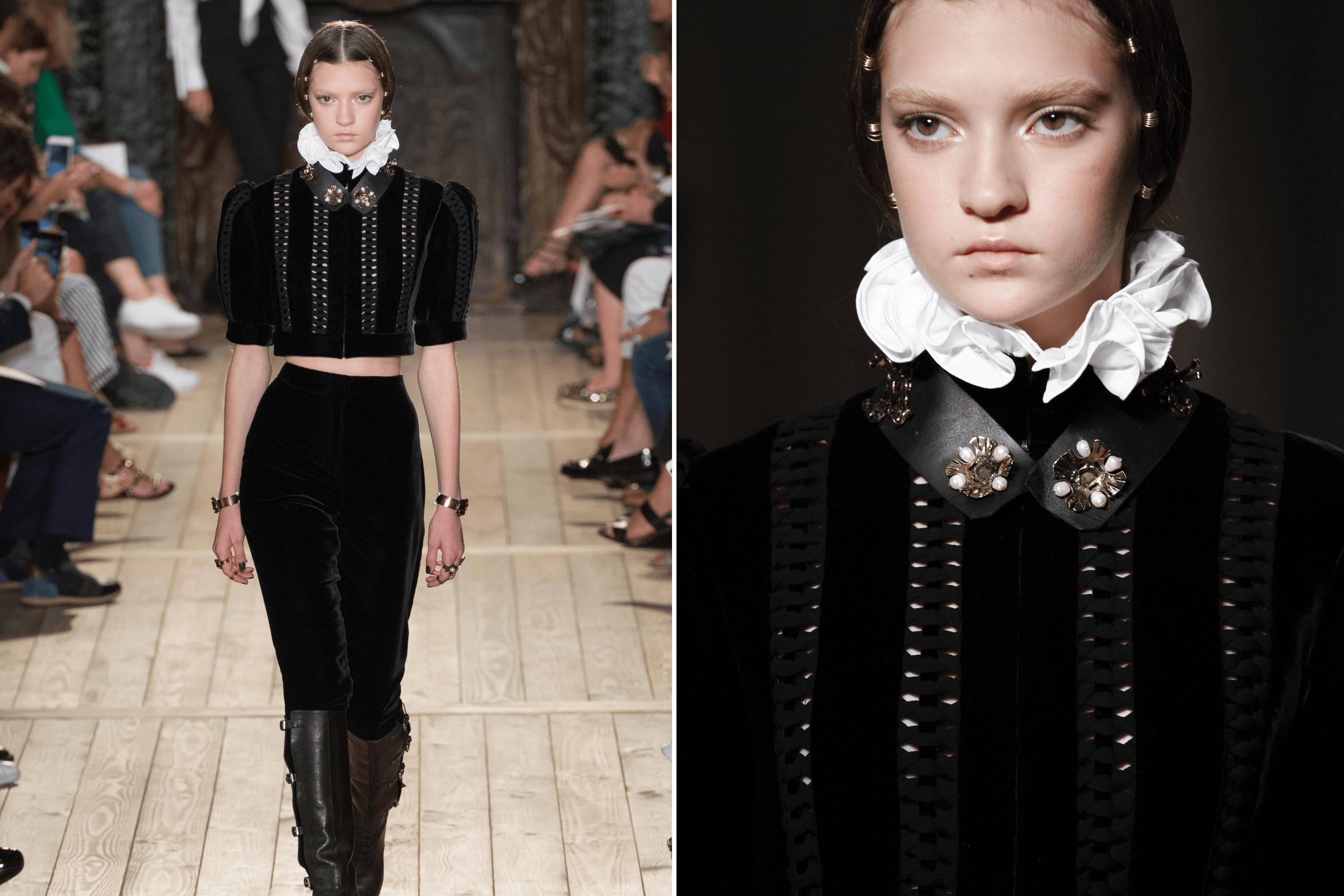
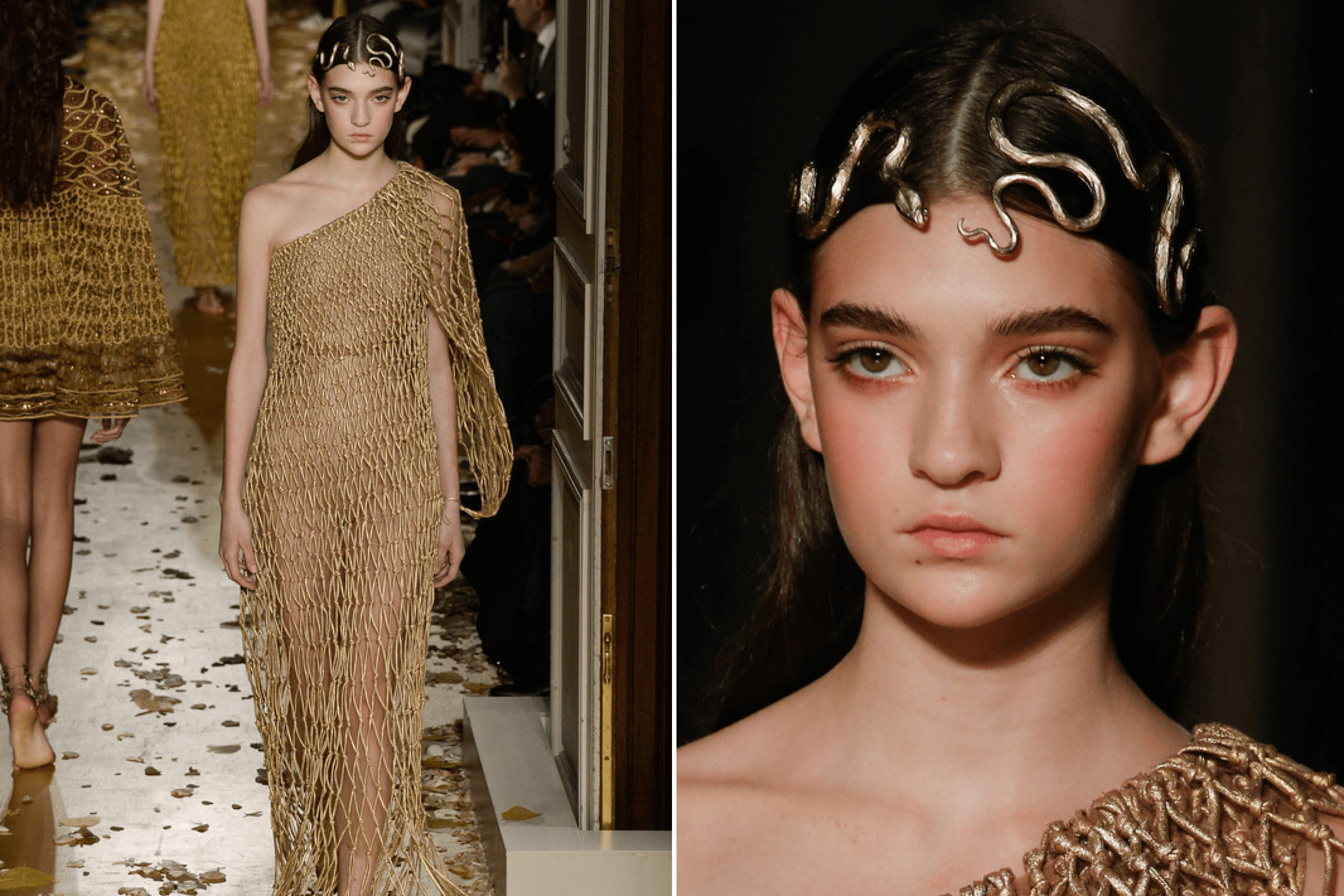
Valentino Haute Couture 2016. Photo: Yannis Vlamos / Indigital.tv via Vogue Runway, Valentino Fall 2016 Haute Couture 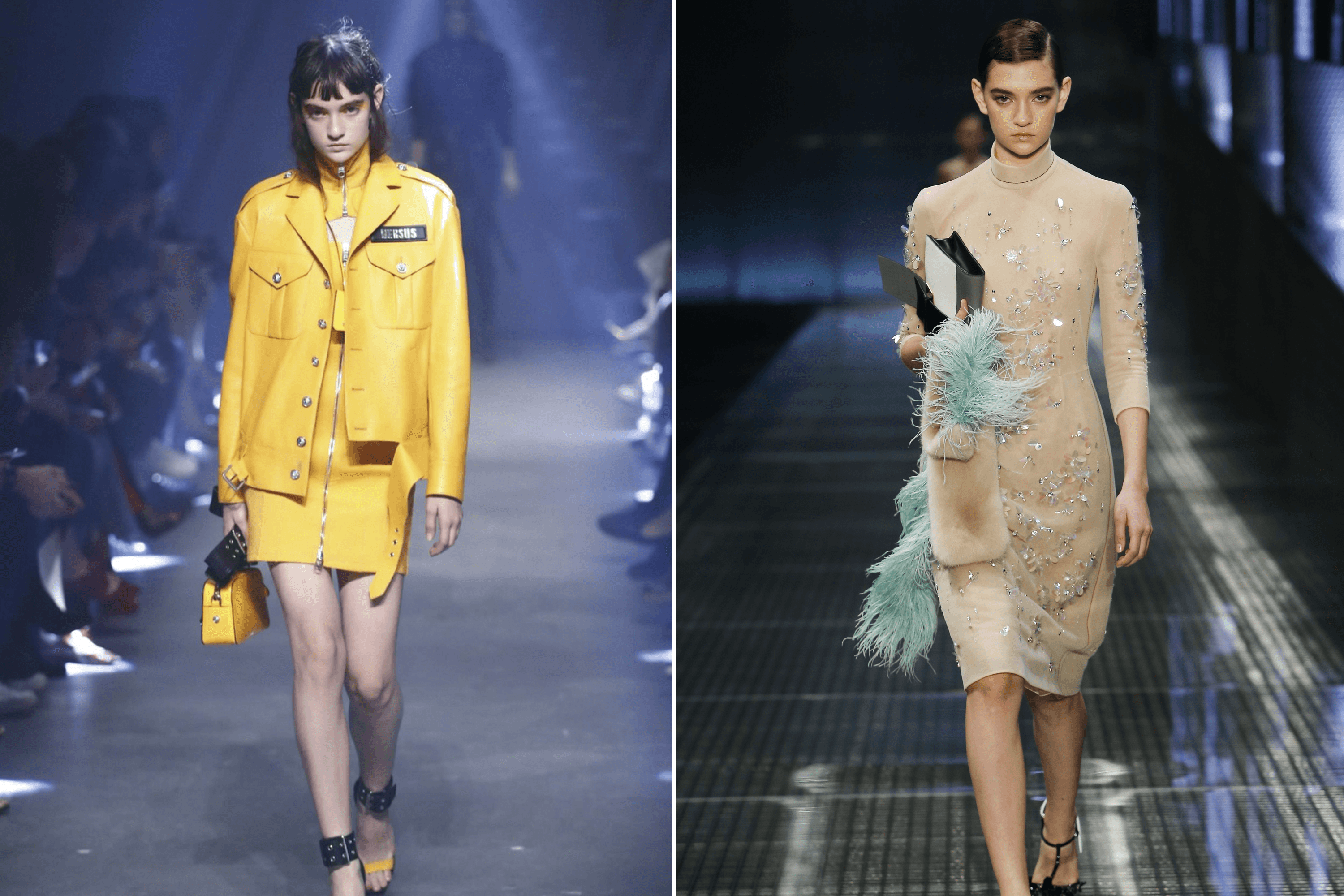
Versus; Prada 2017. Photo: Kim Weston Arnold / Indigital.tv via Vogue Runway, Versus Versace Spring 2017 Ready-to-Wear
A few months later, a representative from the French agency Elite came to OK’S. He sent my photos to the Paris office and told me to wait. I took a platskart train back to Zaporizhzhia because I had to go to school. On the way, they called me and said that Elite had signed me to work with their entire network—their offices in Paris, New York, London, and other cities. I jumped up for joy and hit my head on the top bunk.
How did your career begin?
At 16, I went to my first couture fashion week in Paris. My career began with those three shows—Valentino, Chanel, and Miu Miu.
Julia Ratner on the runway wearing Valentino. 2016. Photo: Gianni Pucci / Indigitalimages.com via Vogue Runway, Valentino Spring 2016 Haute Couture 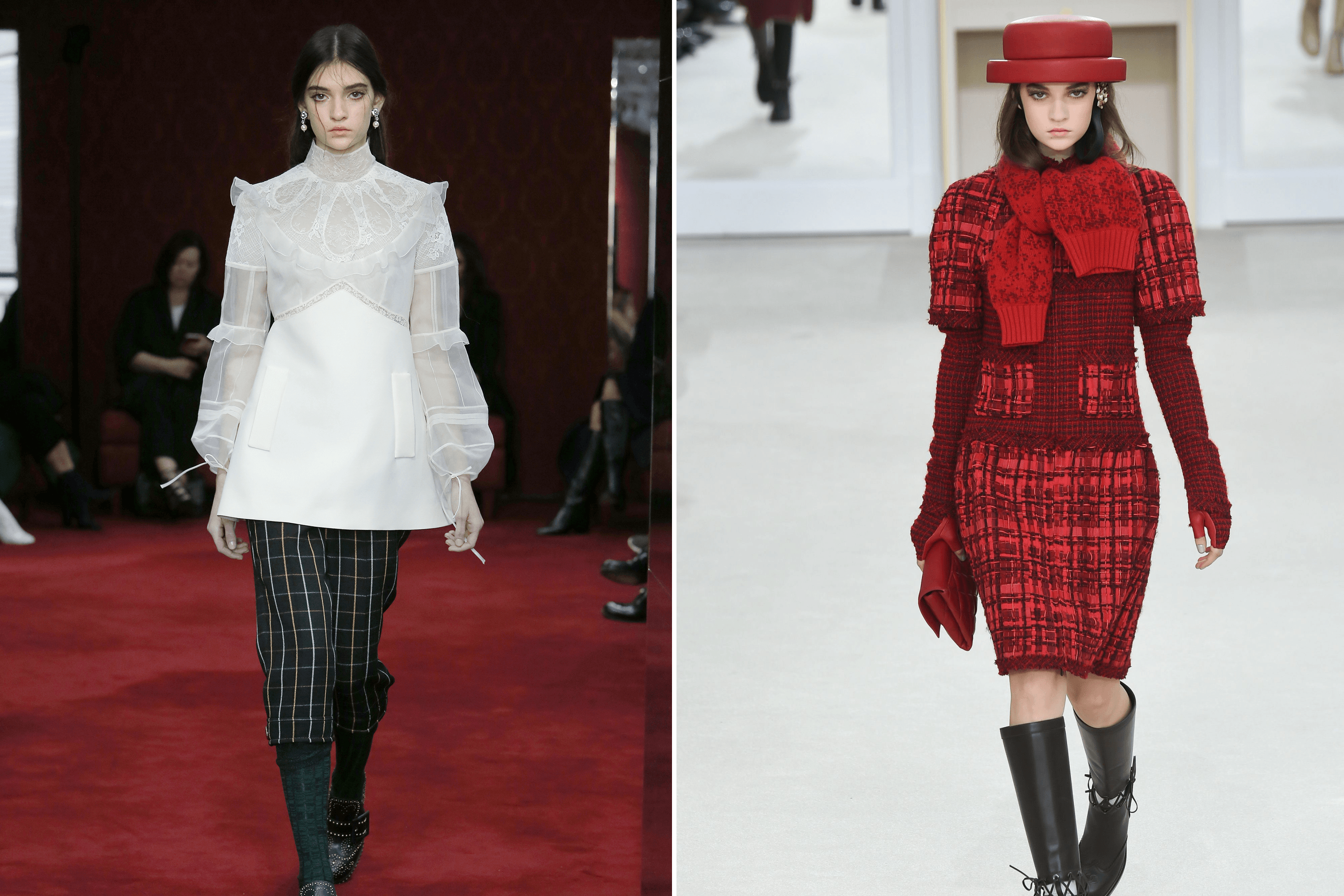
Julia Ratner on the runway wearing Miu Miu and Chanel. 2016. Photo: Chanel Fall/Winter 2016–2017 via Vogue Runway
During the shows, I developed a great relationship with the Valentino team, and I starred in my first advertising campaign for the RED Valentino collection. Later, I worked with them a lot—shooting campaigns and walking in shows.
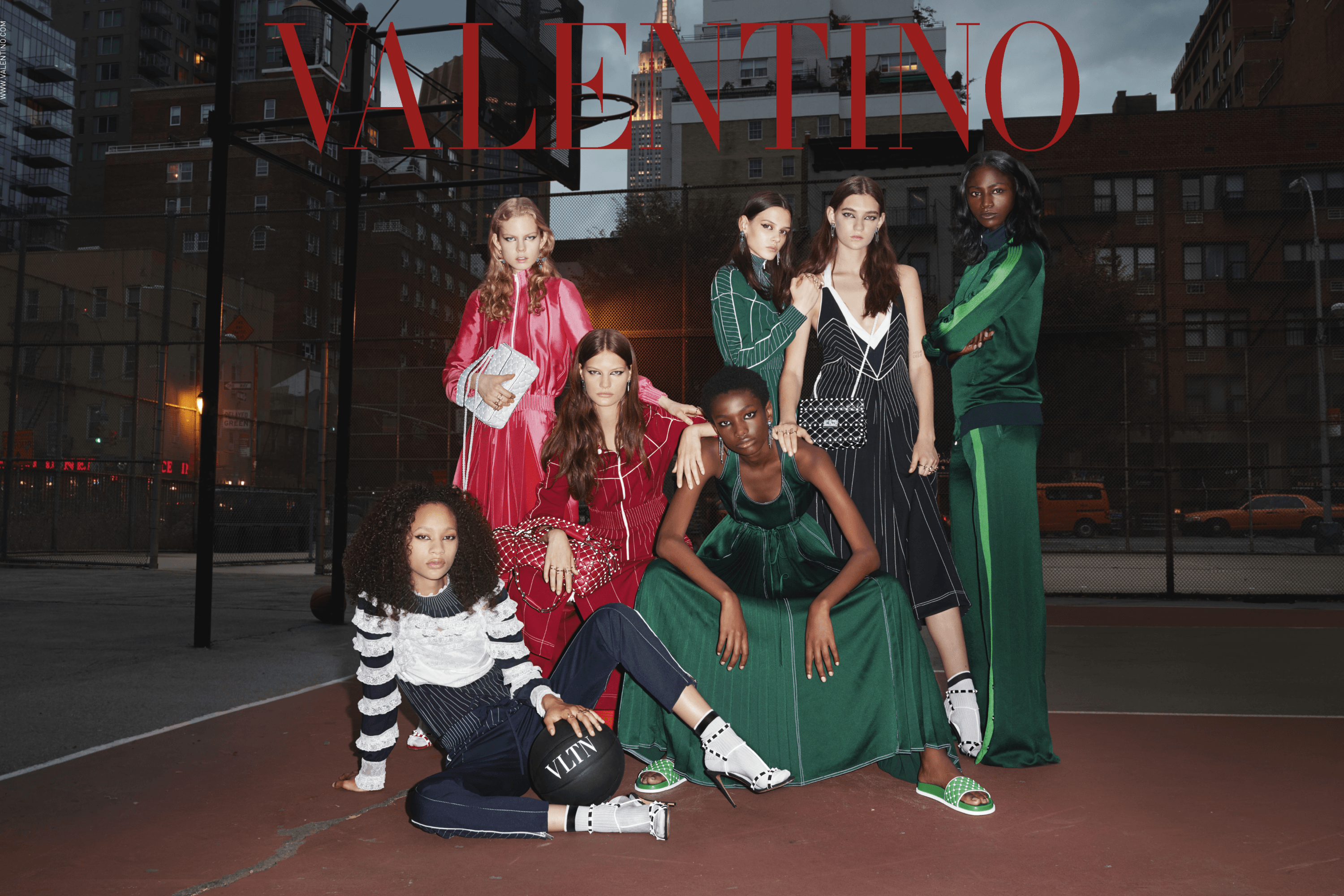
Julia Ratner and Valentino. Valentino Resort 2018 campaign. Photo: Terry Richardson for Valentino, via WWD, Valentino Resort Campaign 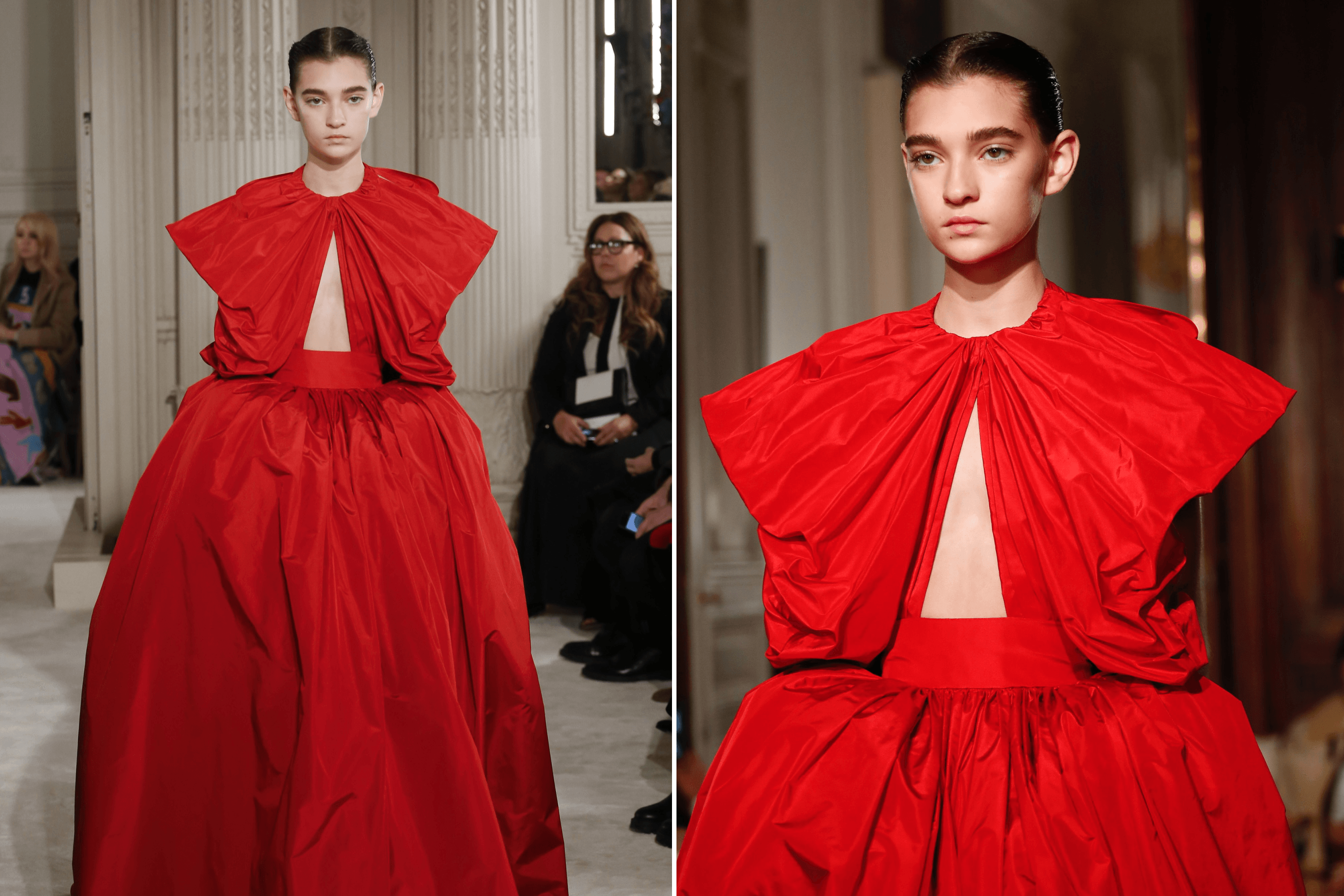
Valentino Haute Couture 2018. Photo: Courtesy of Valentino via AnOther Magazine, Valentino Spring 2018 Haute Couture 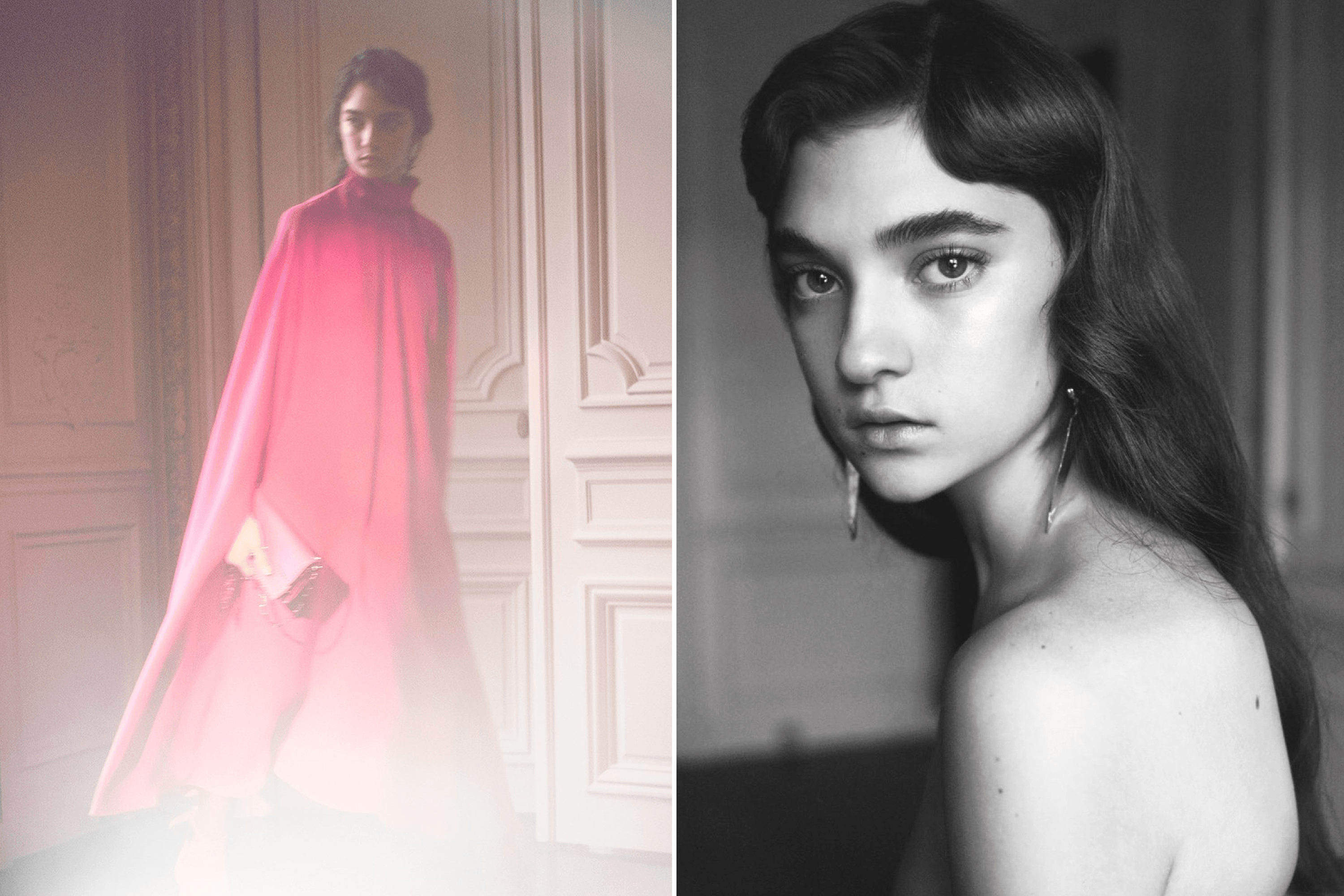
Valentino by David Sims 2017. Photo: David Sims for Valentino, via IMG Models 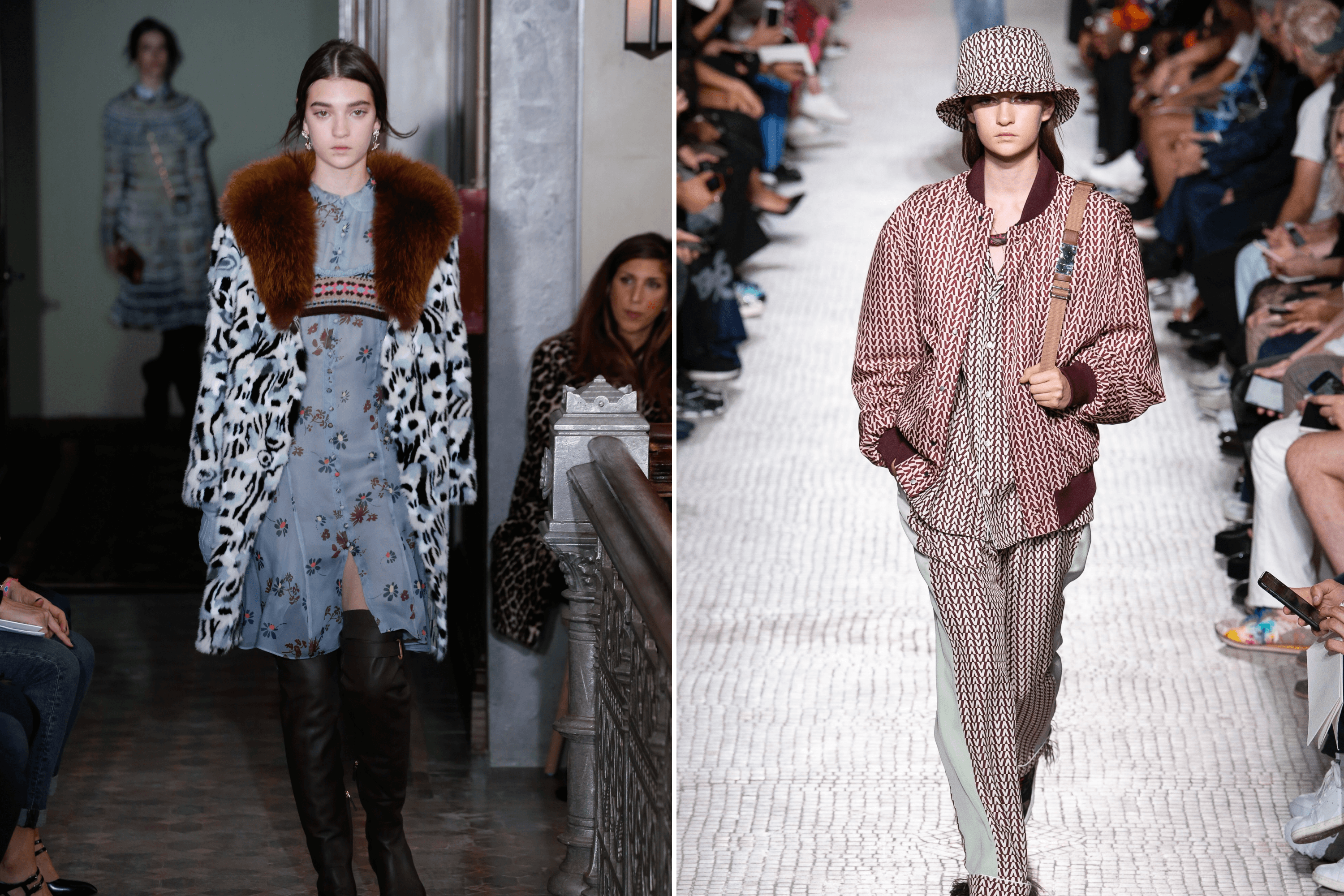
Valentino Menswear 2019. Photo: Gerardo Somoza / Indigital.tv via Vogue Runway, Valentino Pre-Fall 2017 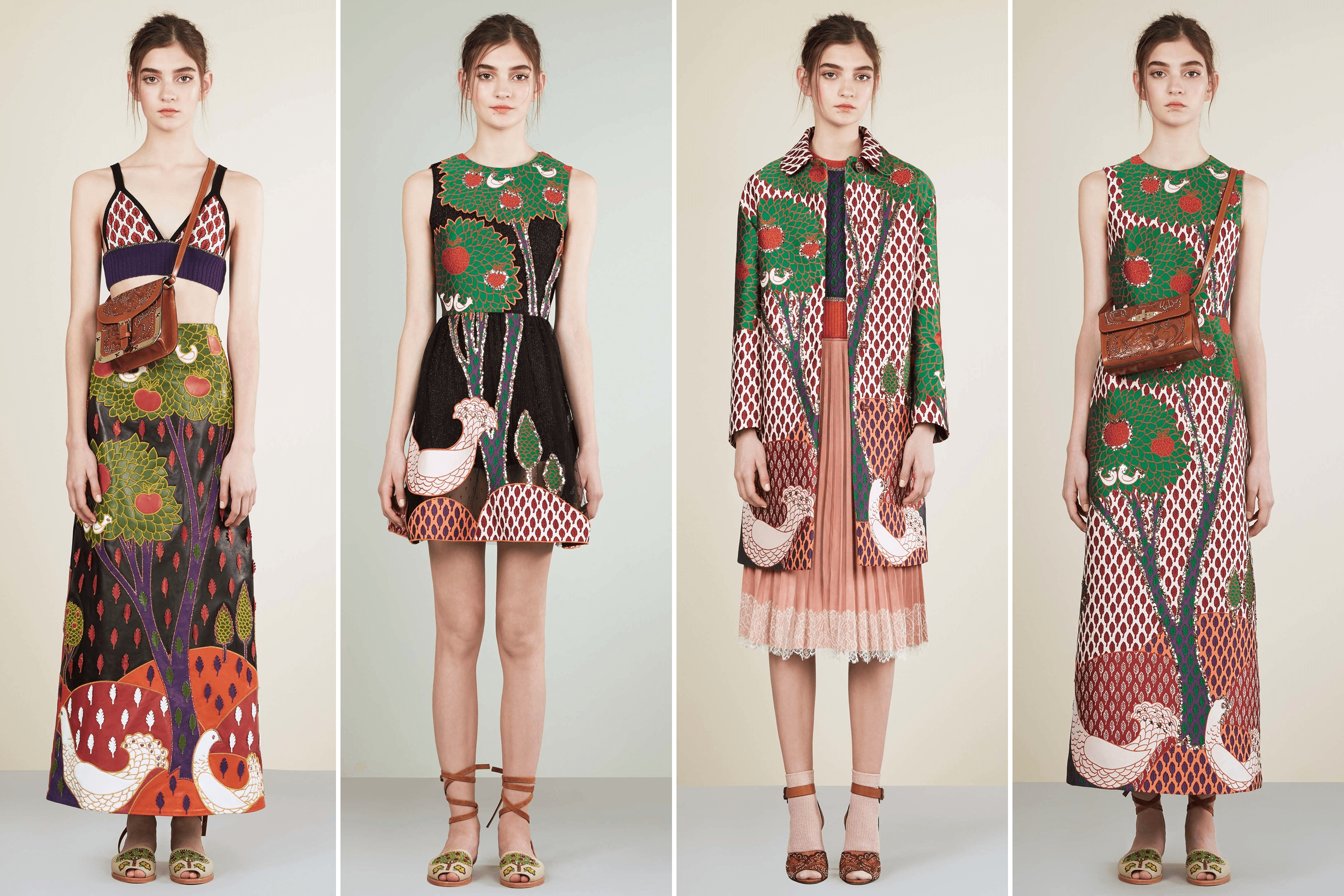
Рекламна кампанія для колекції RED Valentino 2017. Photo: Courtesy of Valentino via Vogue Runway, Red Valentino Resort 2017 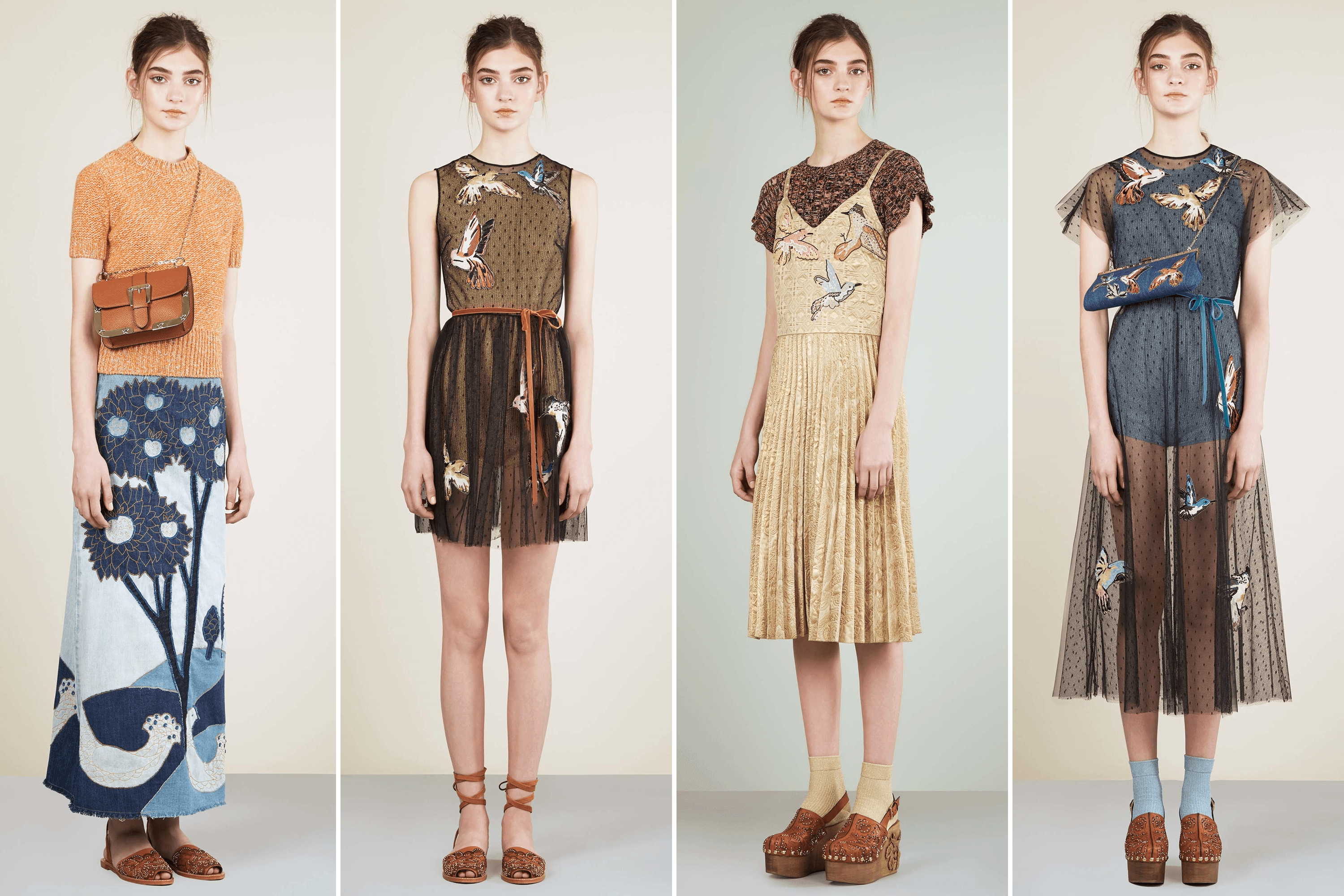
Photo: Courtesy of Valentino via Vogue Runway, Red Valentino Resort 2017
You started working with Chanel, Fendi, Christian Dior, Celine, and other iconic fashion houses quite quickly. What made you stand out at castings?
I probably stood out because of my personality—I’m a whirlwind of a person, and at castings, I was completely myself. Usually, there’s an entire army of girls in identical white tank tops and black pants, all tall, thin, beautiful, and a bit reserved. I wasn’t shy; I was constantly joking—so they remembered me, and I managed to build good relationships with casting directors, stylists, and other team members. But there is a flip side to this coin—just as people love you for your personality, they can also dislike you because of it.
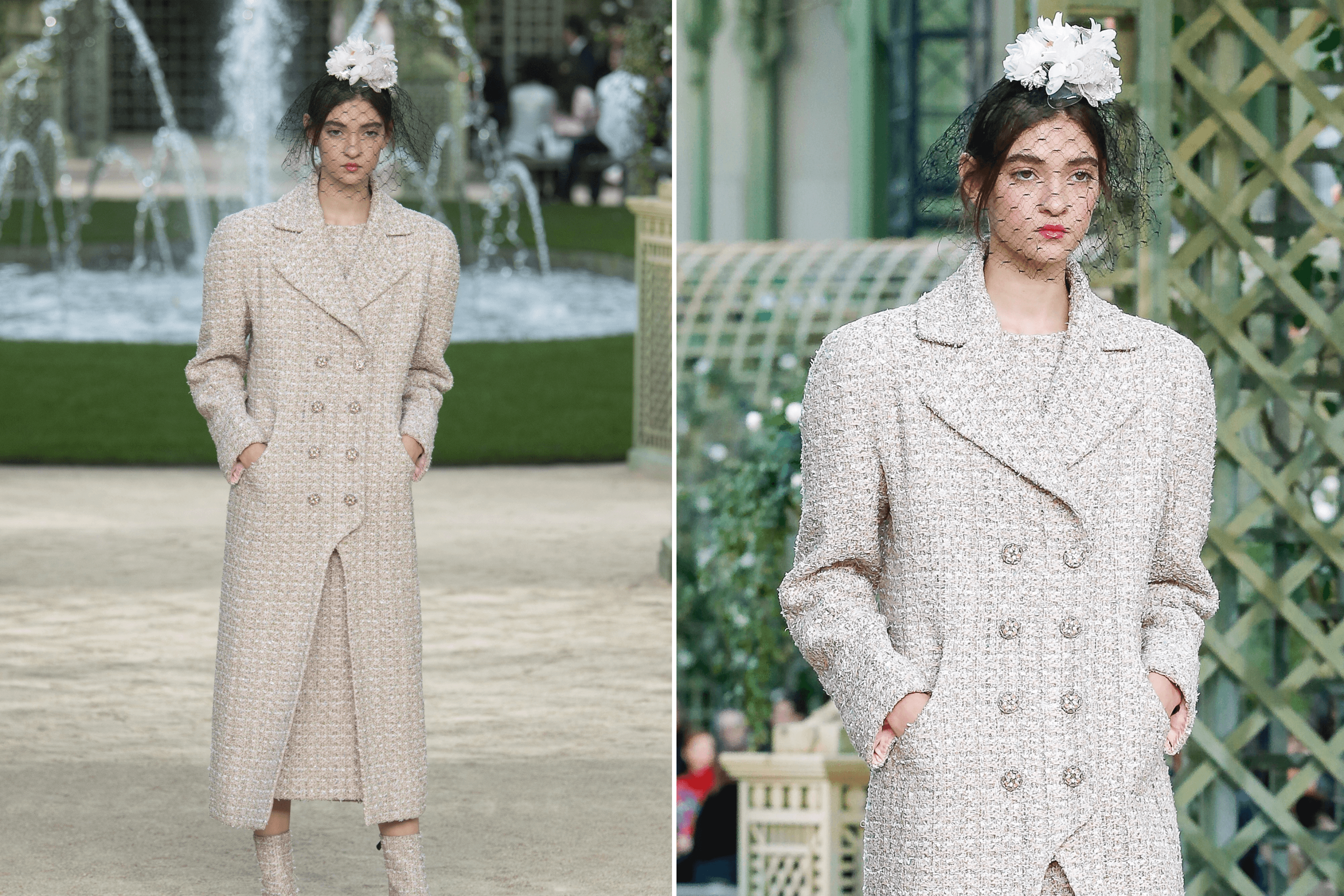
Julia Ratner on the runway. Chanel Haute Couture, Paris, 2018. Photo: Yannis Vlamos / Indigital.tv via Vogue Runway. Chanel Spring 2018 Haute Couture 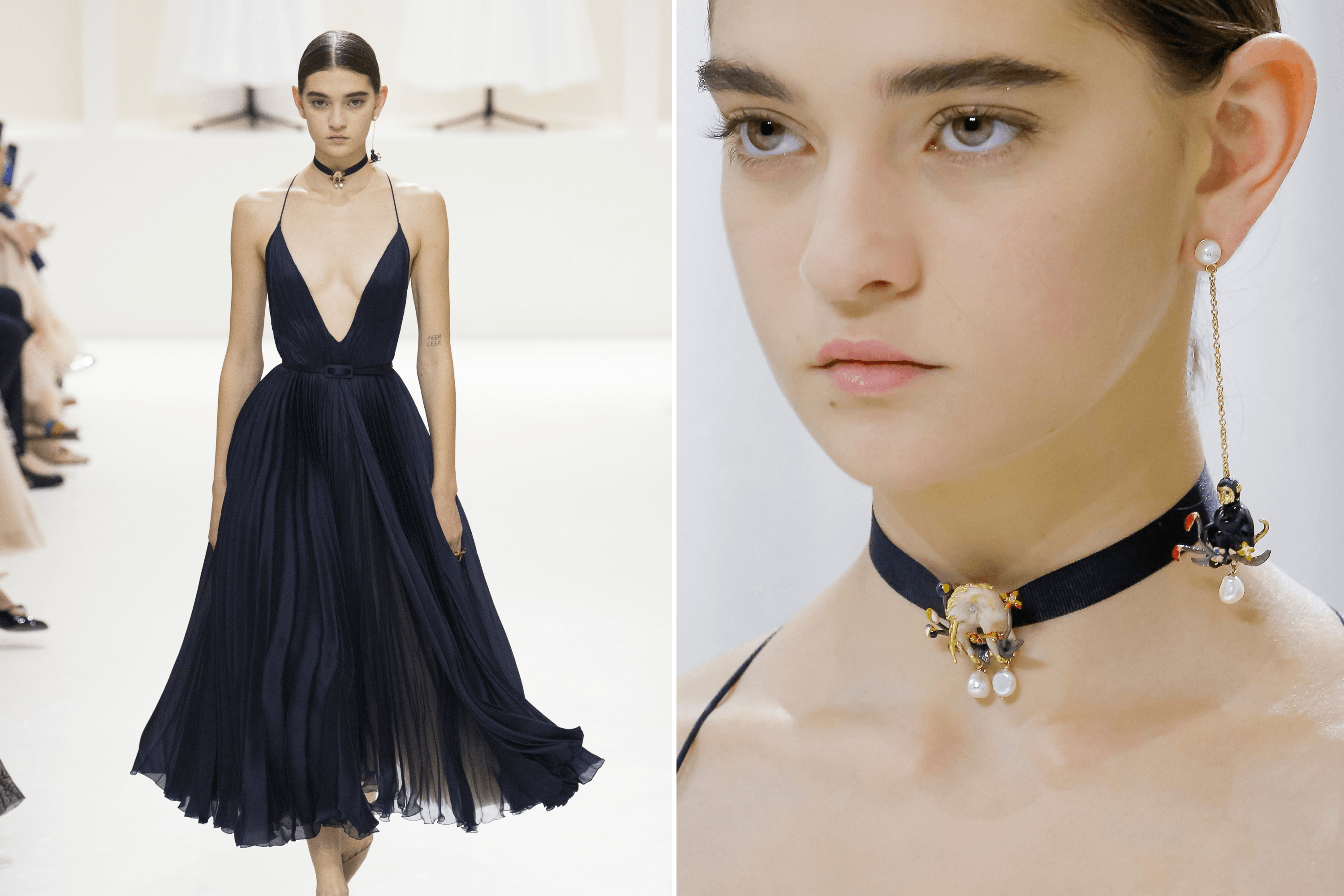
Dior Couture Fall Winter. Paris 2018. Photo: Luca Tombolini / Indigital.tv via Vogue Runway. Christian Dior Fall 2018 Haute Couture 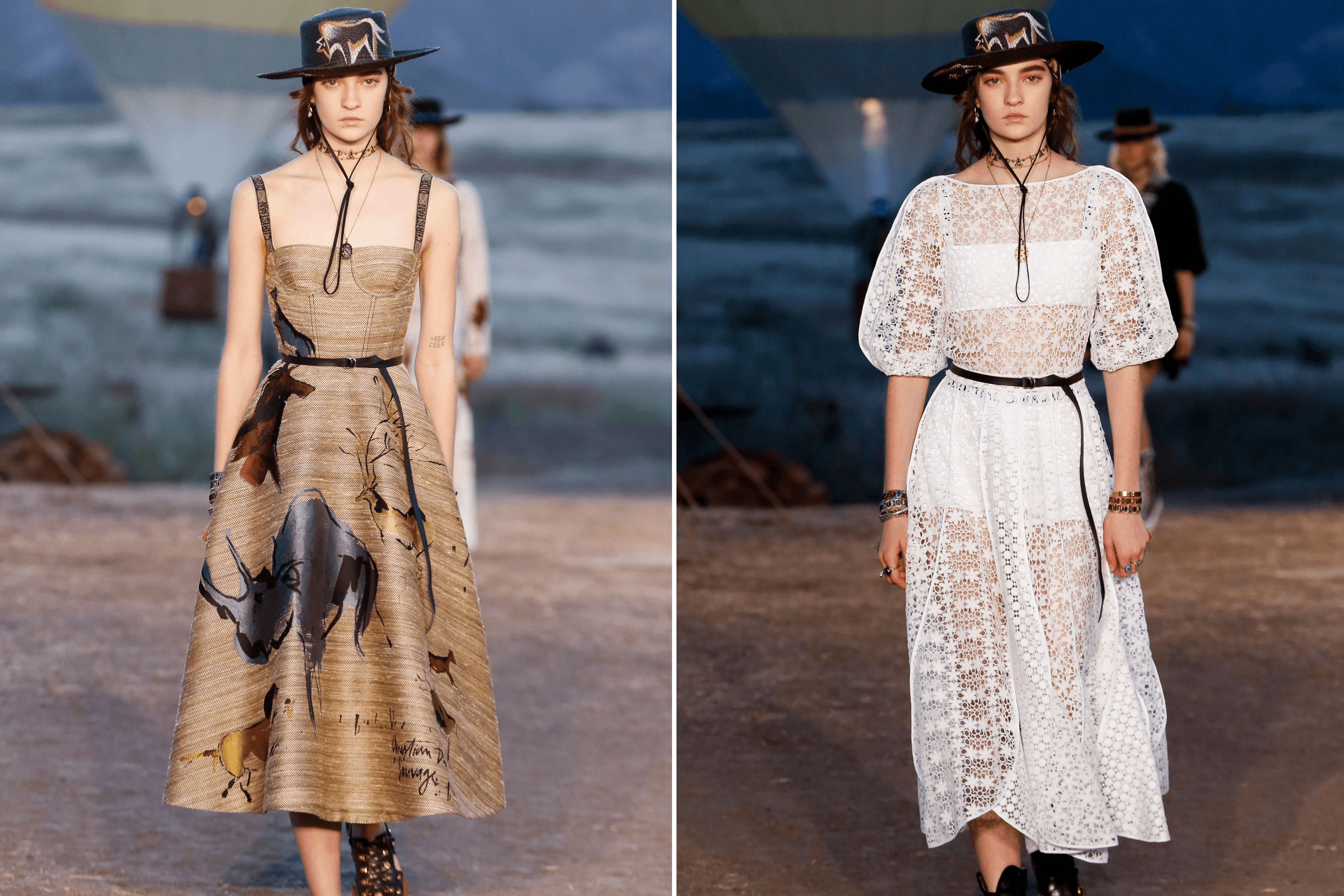
Christian Dior Resort 2018. Photo: Jonas Gustavsson / Indigital.tv via Vogue Runway. Christian Dior Resort 2018 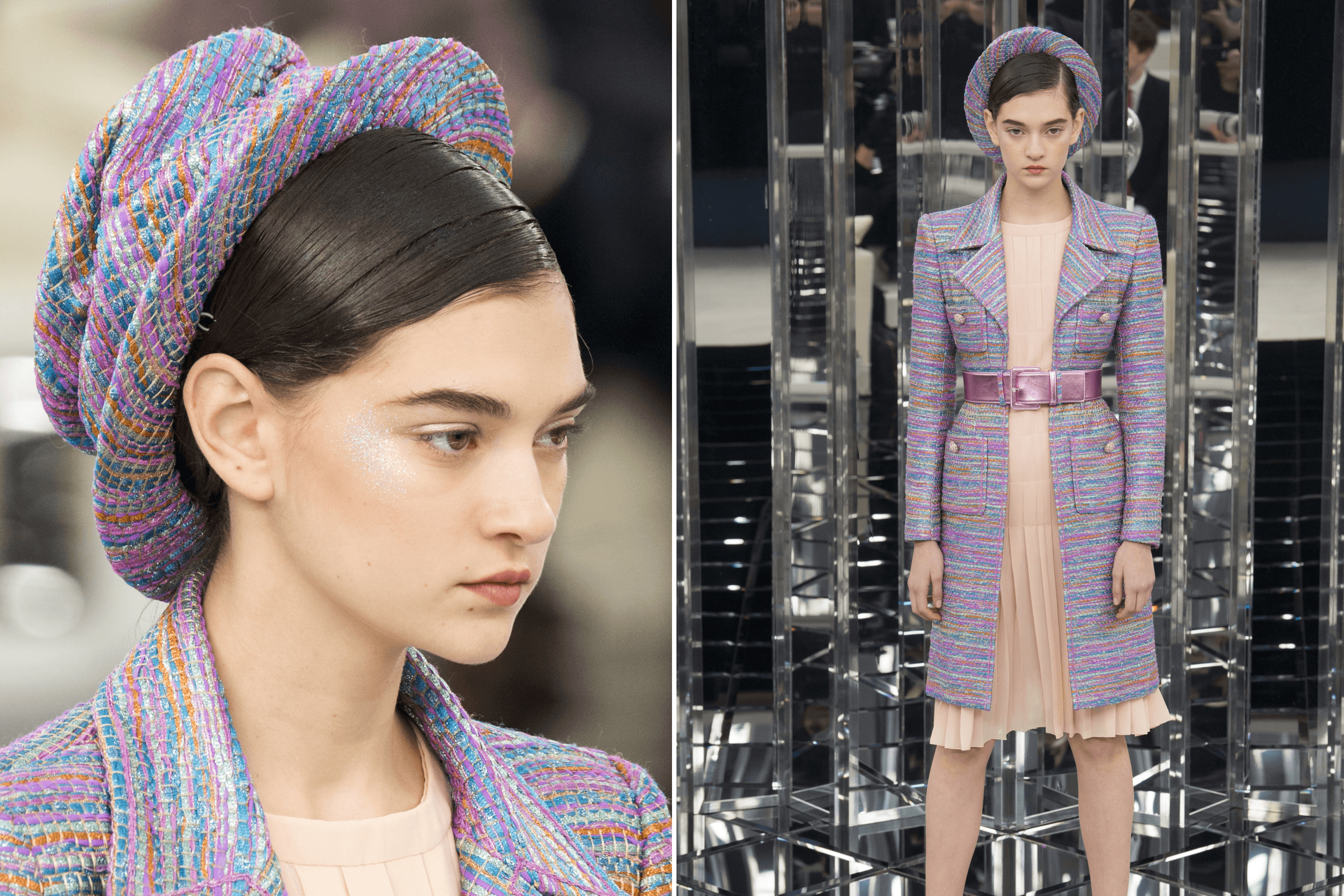
Chanel Haute Couture. Paris 2017. Photo: Yannis Vlamos / Indigital.tv via Vogue Runway. Chanel Fall 2017 Haute Couture
Rejection is very common in modeling. How do you handle periods when things don’t go your way? What helps you stay psychologically resilient?
It’s impossible not to get upset about rejections, even though casting directors always say it’s not about you, they just need a different mood or shooting style. Sometimes they say you’re “too beautiful” for them—they come up with all sorts of excuses.
Over time, you get tired of worrying so much and learn to take everything more calmly. Now, I only get upset if I lose a job that pays a lot of money. I don’t worry about anything else anymore.
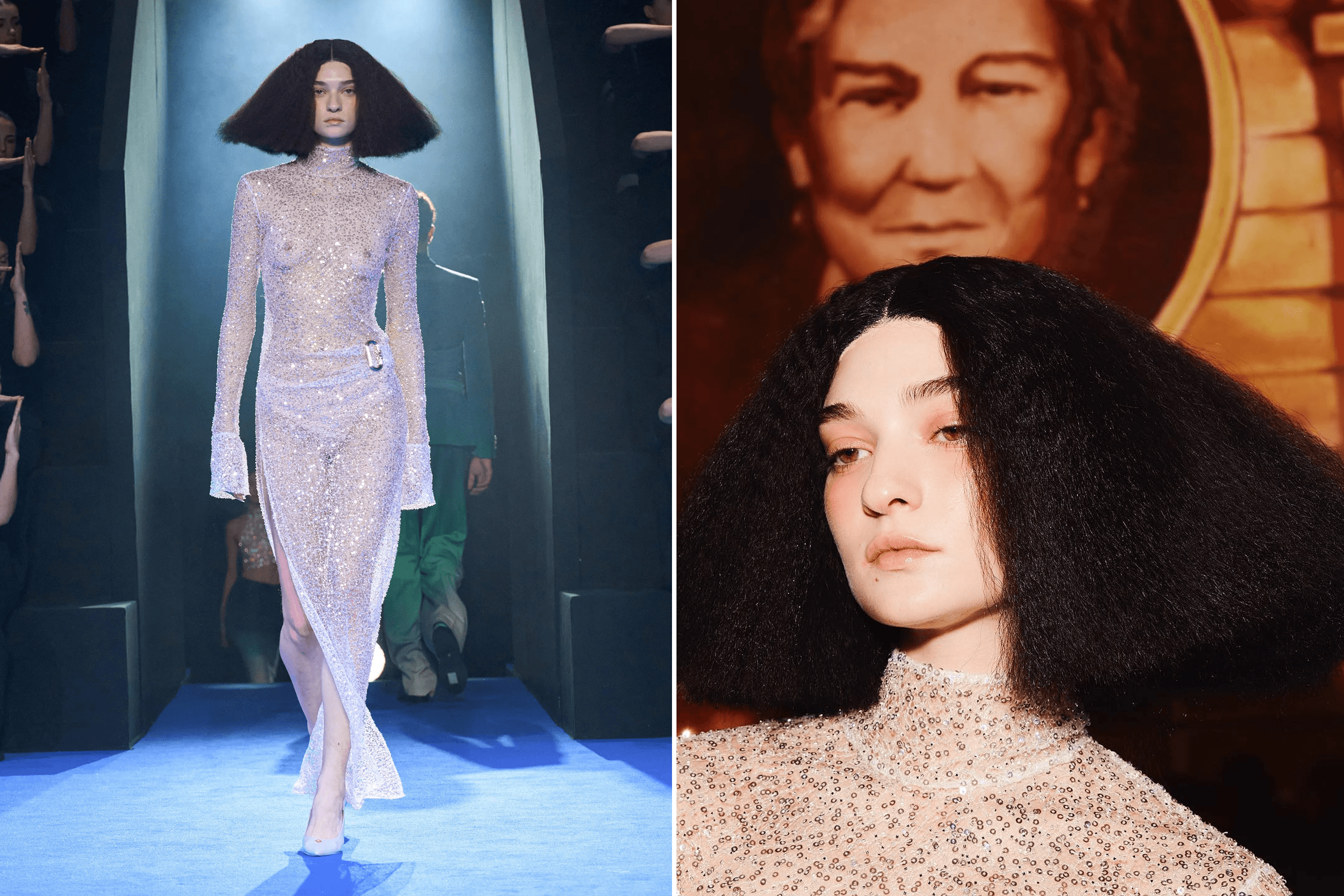
Julia Ratner on the runway. Casablanca Fall 2024. Photo: Umberto Fratini / Gorunway.com via Vogue Runway. Casablanca Fall 2024 Ready-to-Wear 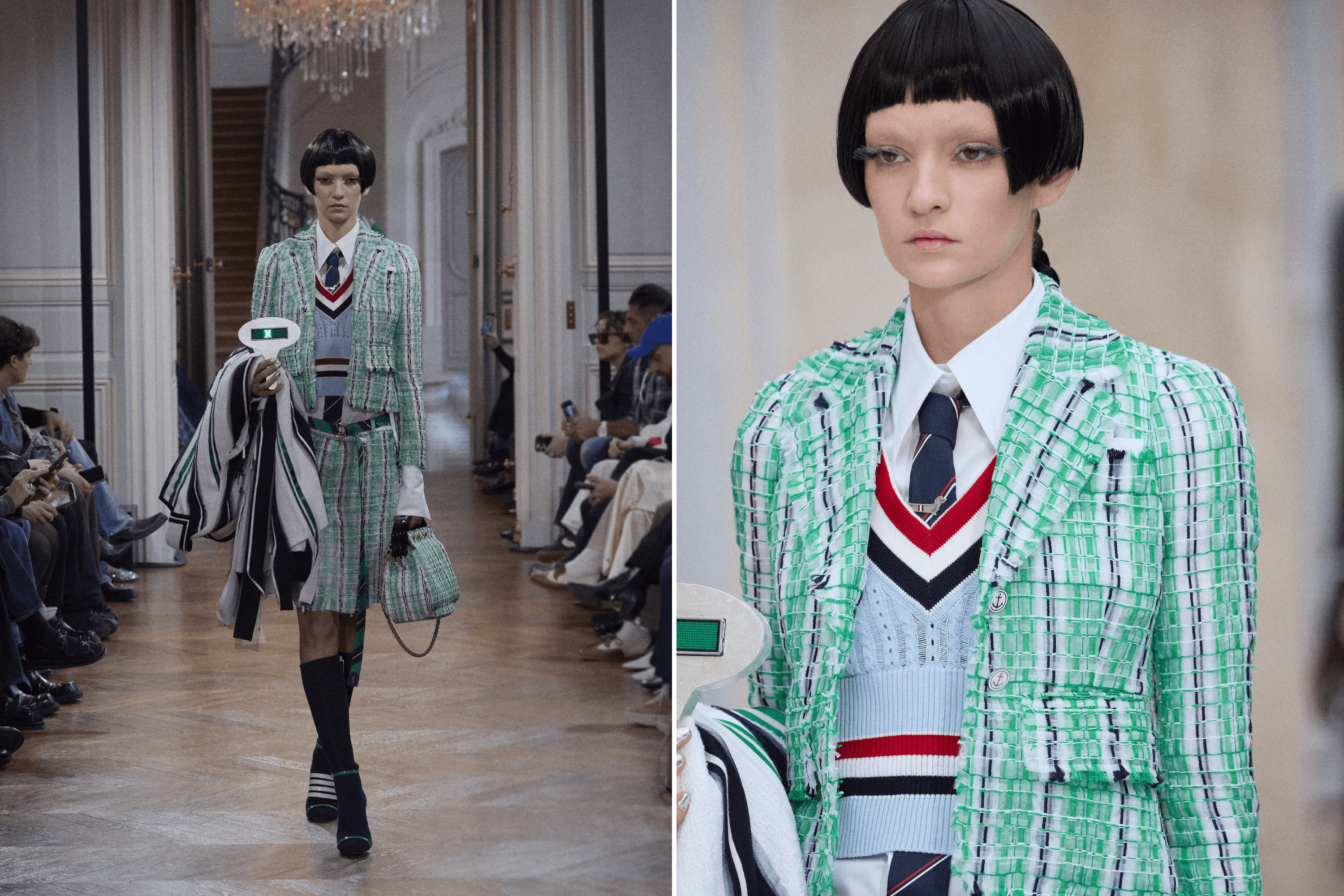
Thom Browne 2026. Photo: Courtesy of Thom Browne via Vogue Runway. Thom Browne Spring 2026 Ready-to-Wear 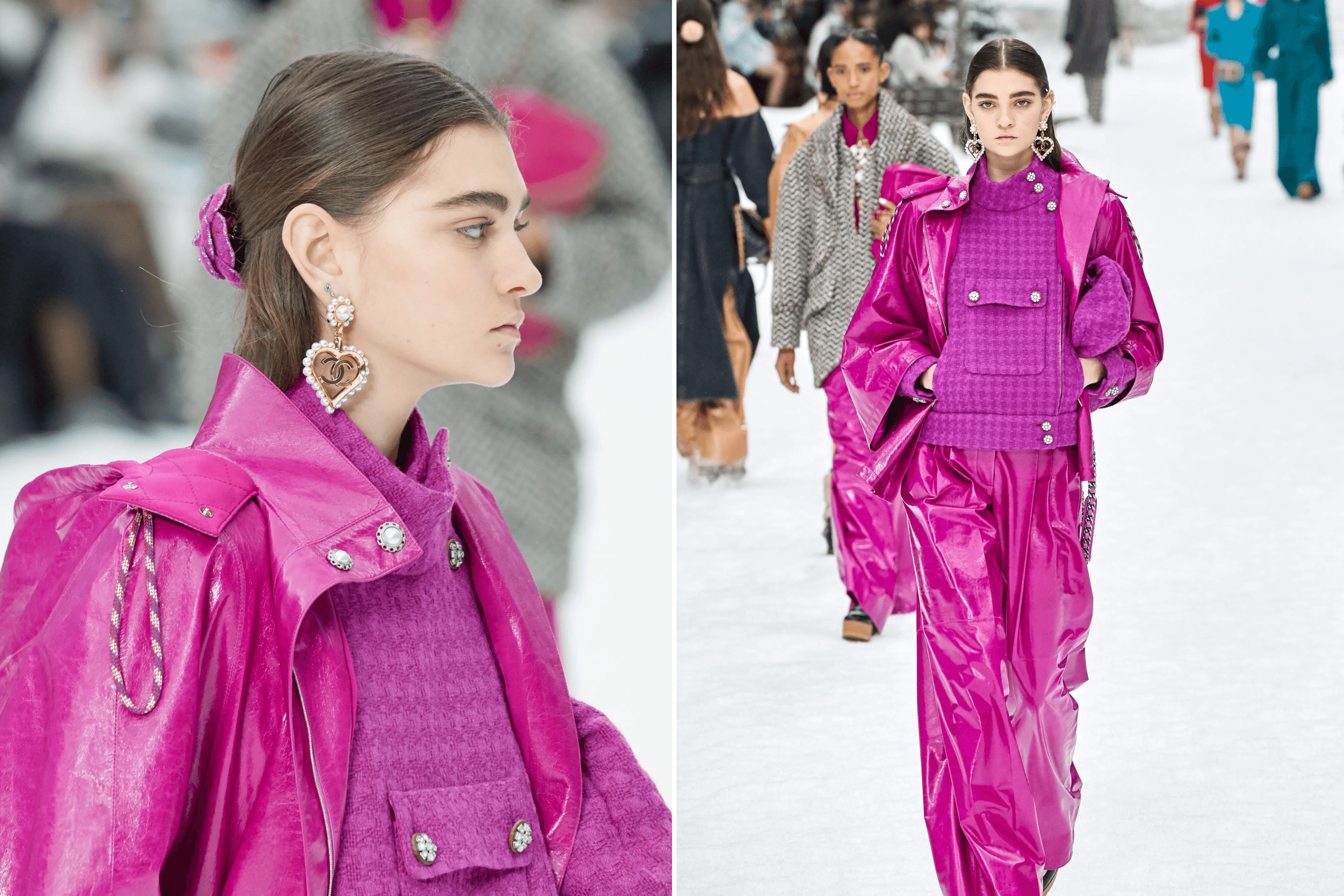
Chanel. Paris 2019. Photo: Alessandro Lucioni / Gorunway.com via Vogue Runway. Chanel Spring 2019 Haute Couture 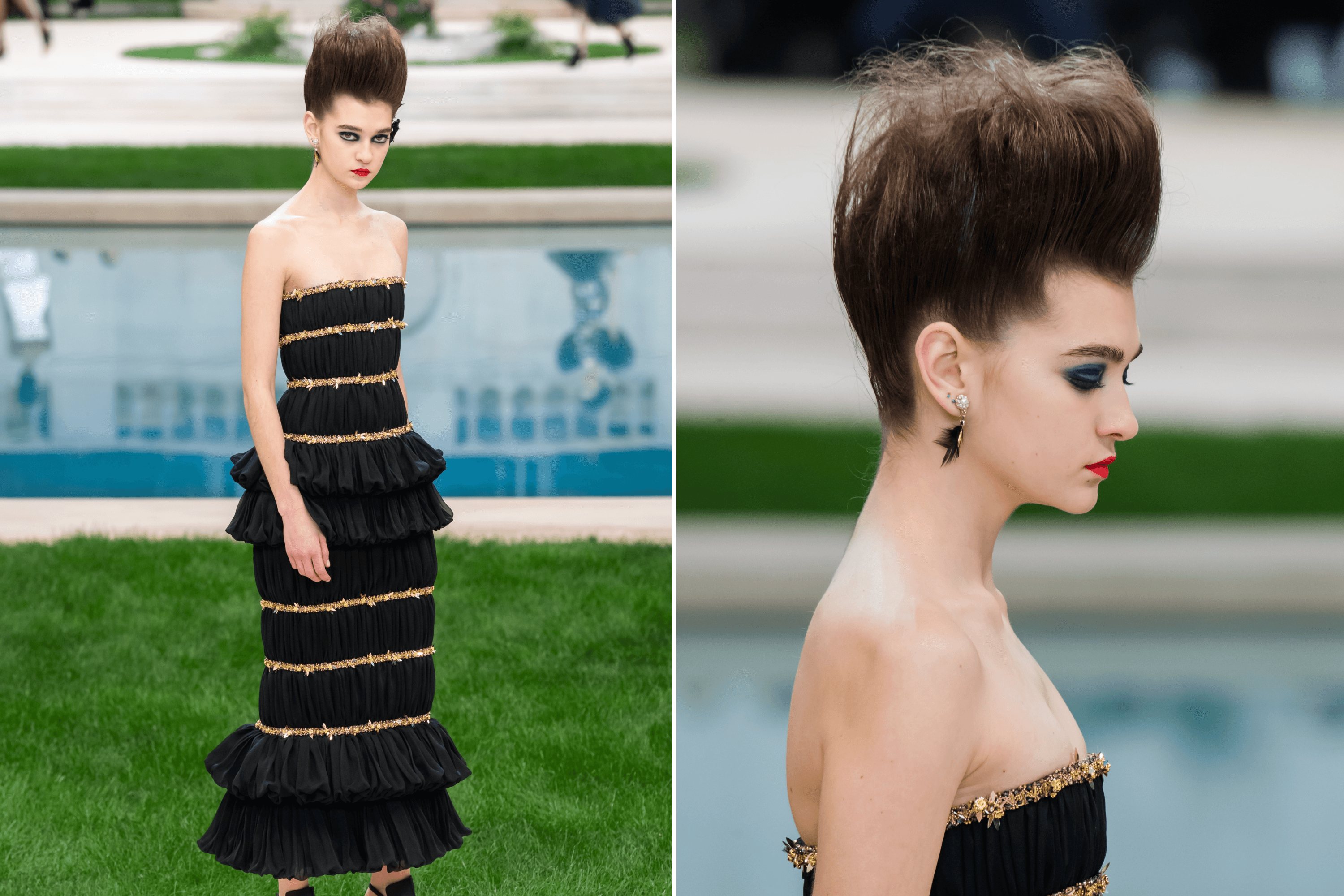
Chanel. Paris 2019. Photo: Alessandro Lucioni / Gorunway.com via Vogue Runway. Chanel Spring 2019 Haute Couture
What do you like most about the work?
The modeling industry taught me to value individuality, especially in the age of social media with identical Instagram faces. If it weren’t for modeling, I probably would have eventually had some cosmetic surgery too. But because I saw many different girls around me, I learned to appreciate individual beauty.
I also enjoy traveling a lot. By 18, I’ve already traveled half of the world, and I’m still discovering new countries and cities. Besides, modeling is an industry with very high fees. It’s a great start in life—if you handle money maturely, of course.
While working in modeling, you meet many people, and some of them stay in your life. I was lucky to form a great circle of models, agents, and other people from the industry.
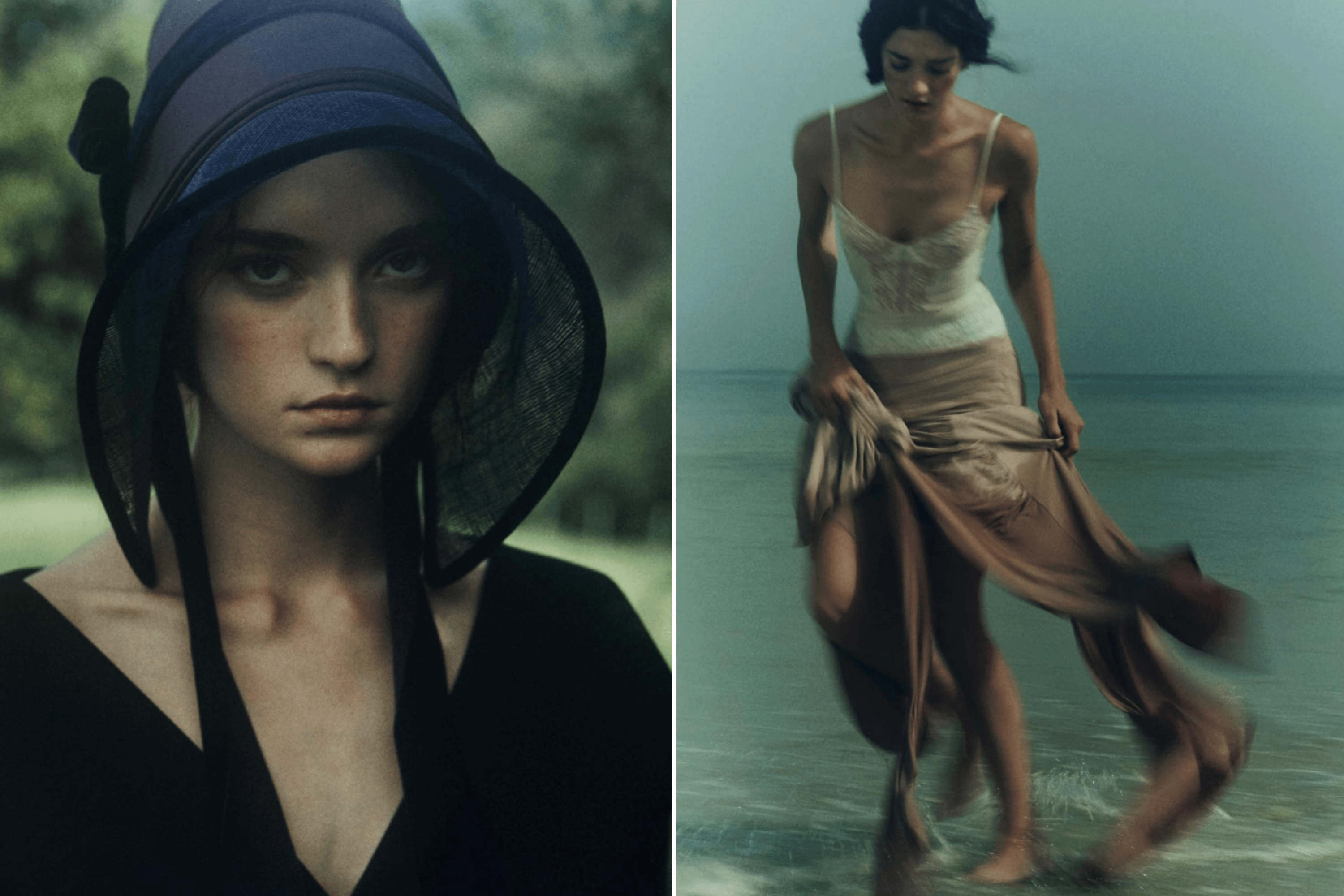
Julia Ratner in various photoshoots. Photo: Ratner / Instagram / YB 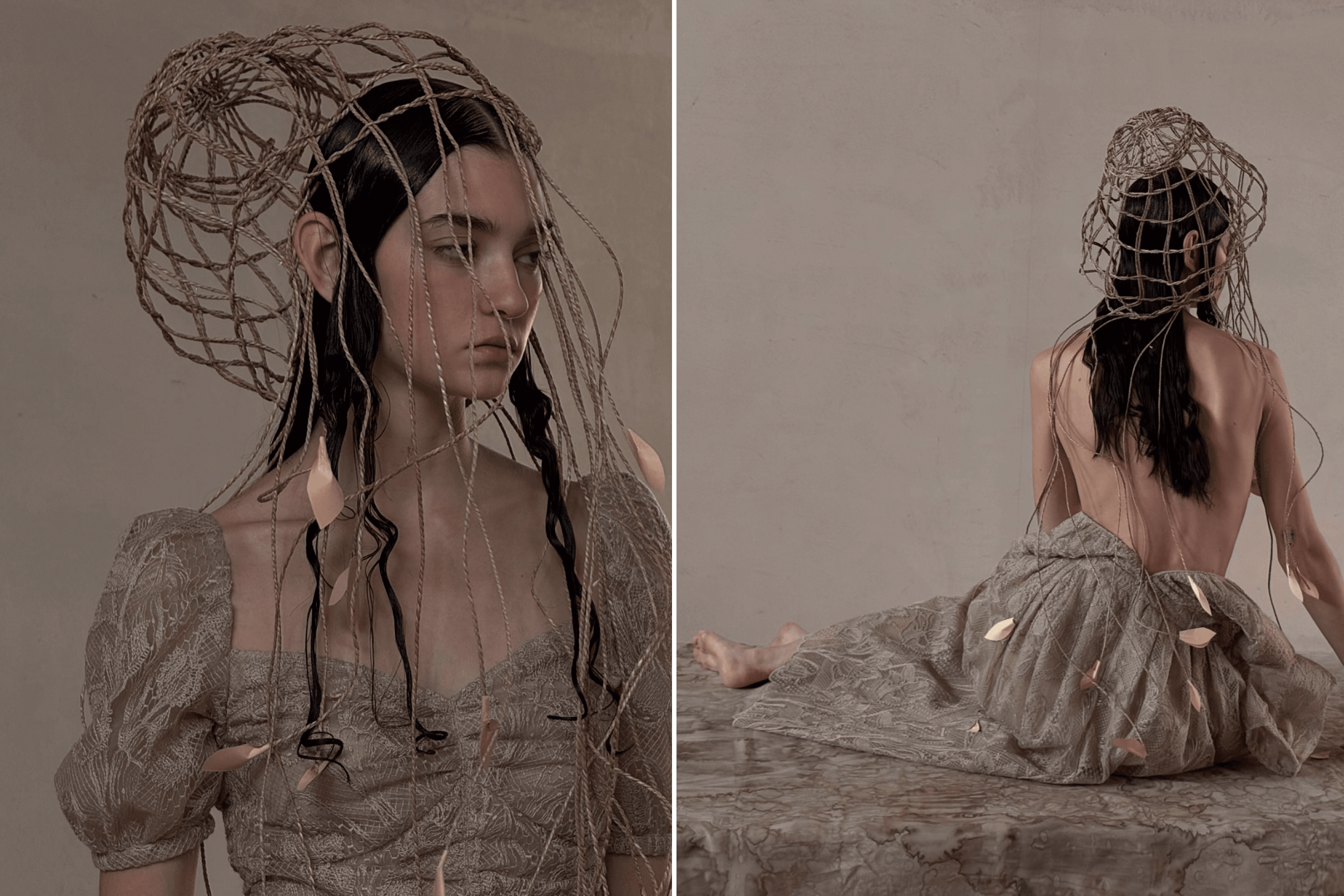
Photo: Ratner / Instagram / YB 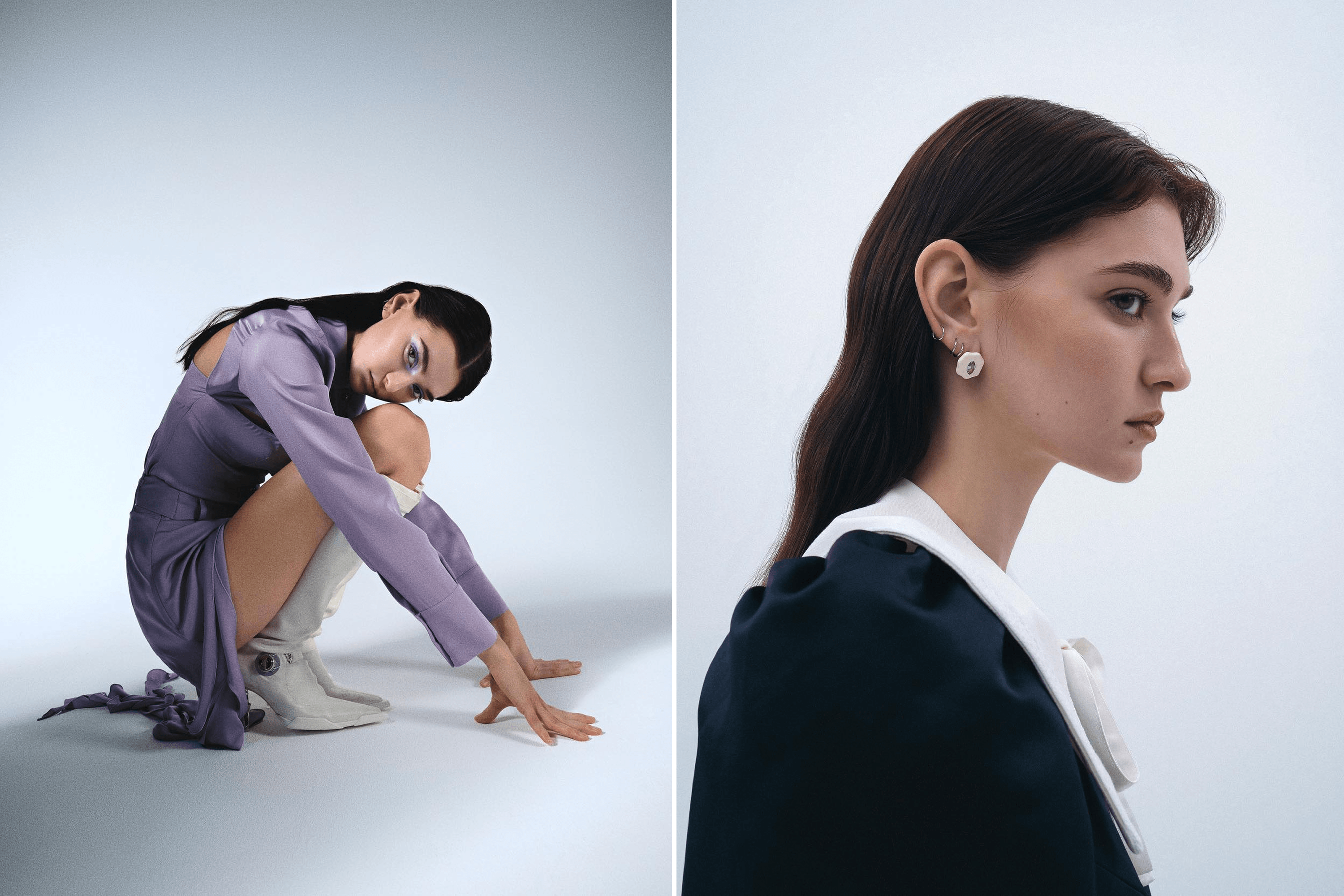
Photo: Ratner / Instagram / YB 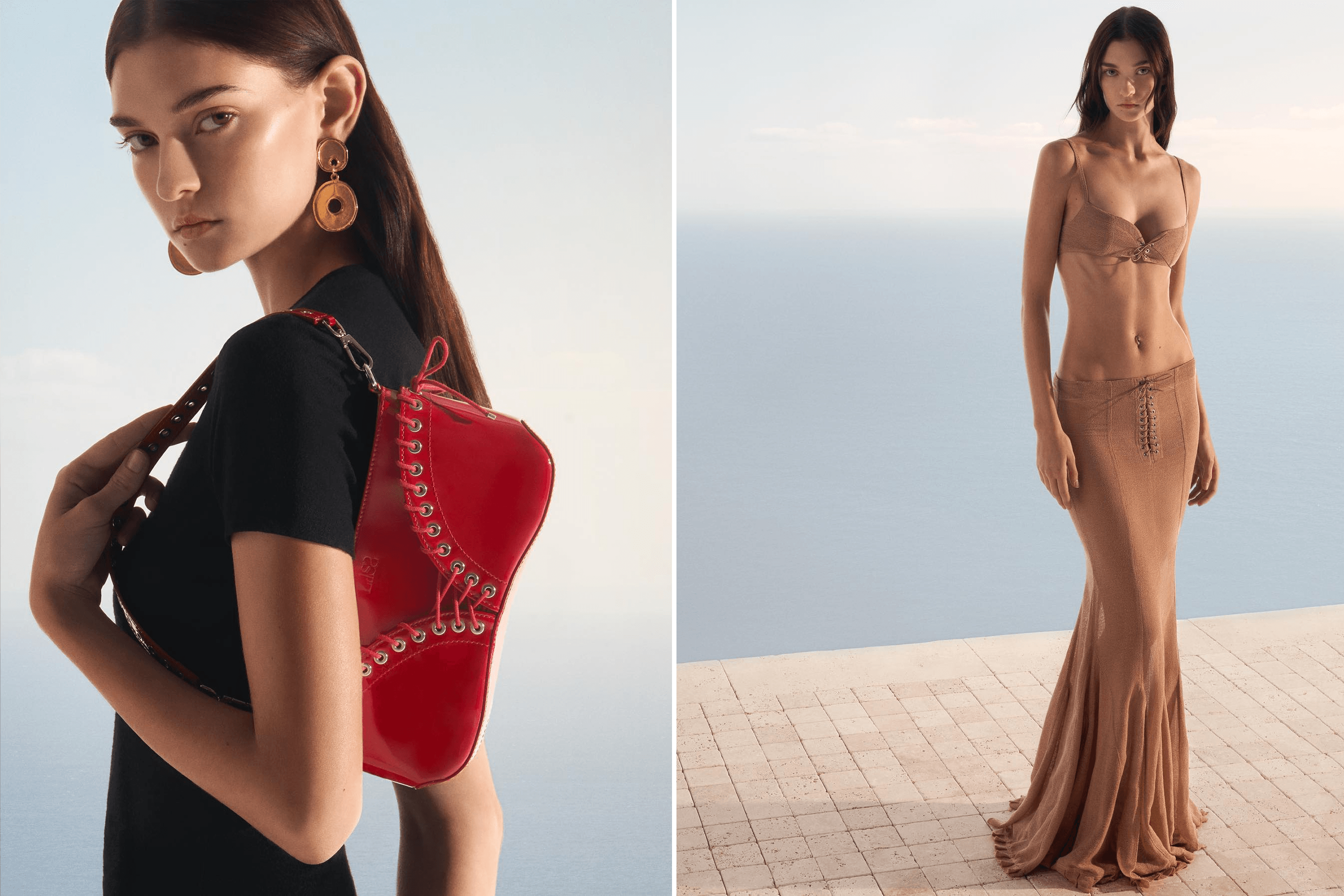
Photo: Ratner / Instagram / YB 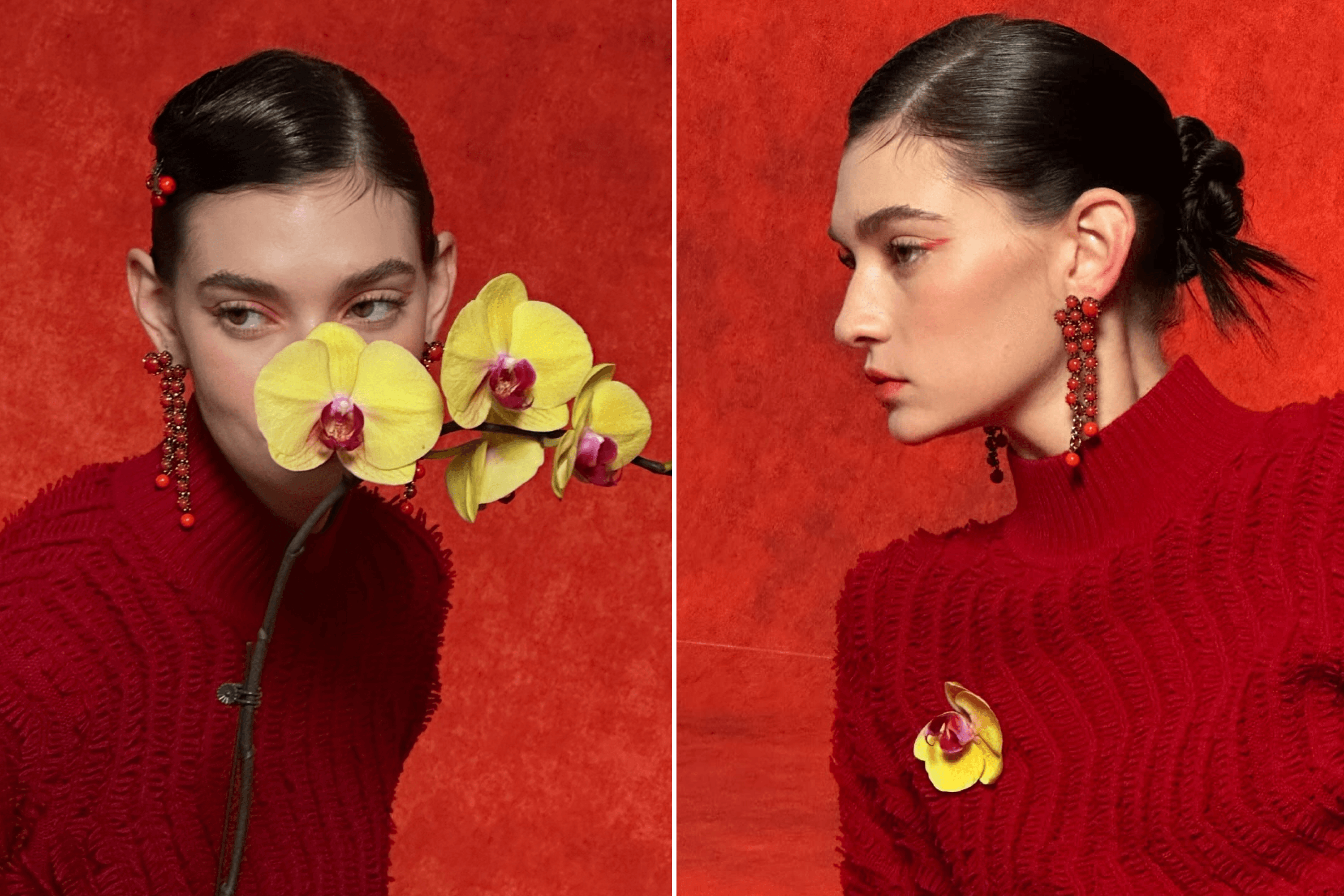
Photo: Ratner / Instagram / YB 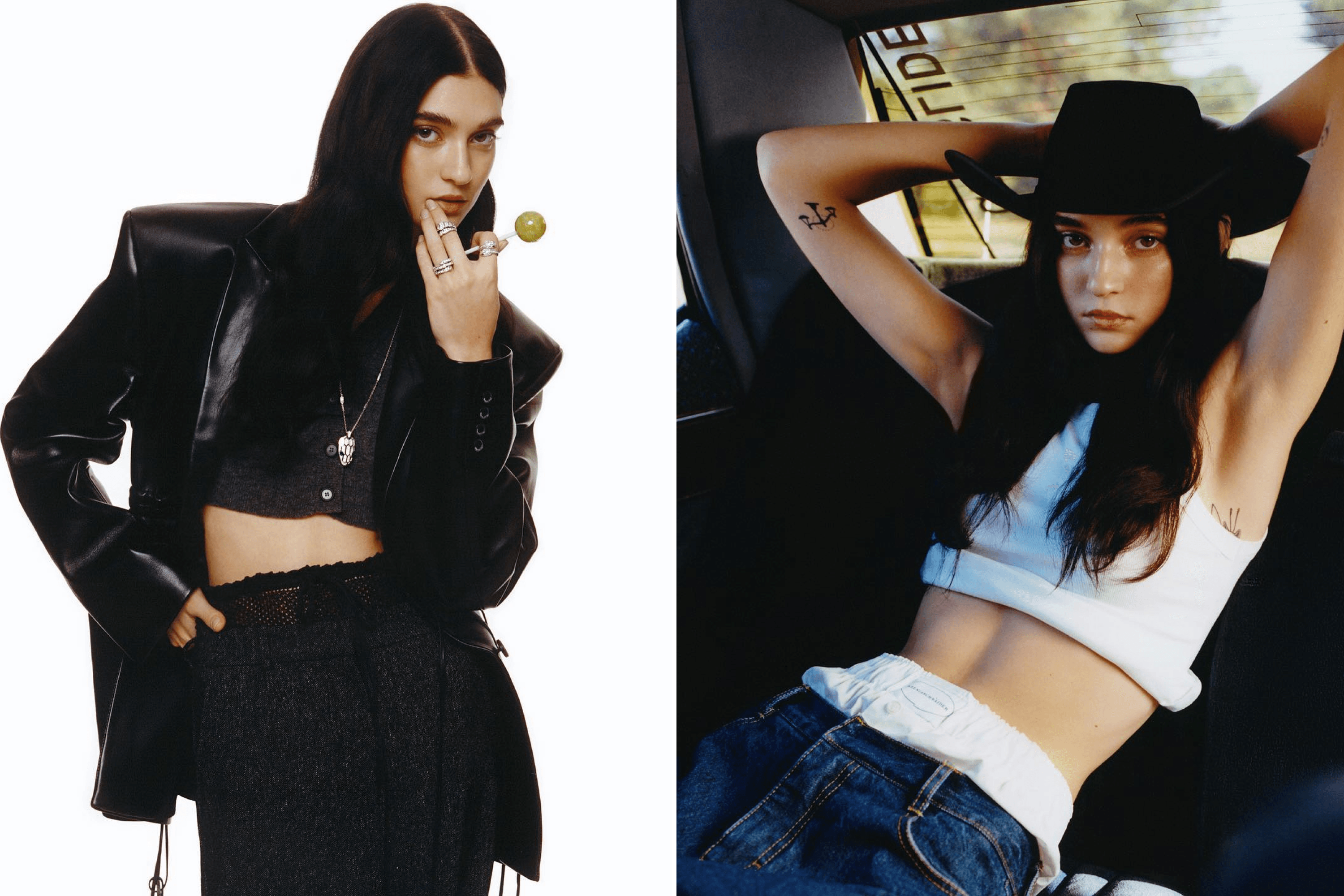
Photo: Ratner / Instagram / YB
2
Where were you when the full-scale Russian invasion of Ukraine began?
In Paris. My best friend from Zaporizhzhia and her boyfriend had just come to visit me, and on the night of February 24, we were sitting in a bar talking about whether a major war would start, as Russian troops had been stationed near our border for several months.
We were saying: “Come on, what war in the 21st century?” Unfortunately, our “expert” opinion wasn’t confirmed. A few hours later, my friend’s boyfriend received a call. I couldn’t hear what was being said on the other end, but I understood everything immediately. I started having tachycardia; I felt as if my heart was about to break through my ribs.
For the next few nights, we took turns sleeping and followed the news. I was given days off at work. I couldn’t try on dresses and skirts because it felt like some kind of parallel reality. A few days later, we left Paris: my friends went to relatives in Poland, and I went to Ukraine. On the way, my whole family called me, even distant relatives. Everyone said: “What’s wrong with you? Stay abroad.” But on the eve of the invasion, they had ignored my pleas and hadn’t left, so now I didn’t listen to them.
I was robbed at a Polish airport—my carry-on suitcase was stolen. Then volunteers drove me for free, first to the border and then to Lviv, where I waited for my family. I tried to be useful—volunteering at the station and handing out food to displaced people.
My first morning in Lviv is, strangely enough, a pleasant memory. I was in shock from the first air raid sirens, but two girls with a large bouquet of tulips approached me in a cafe. They thanked me for my civic stance and posts about the war and gave me the flowers. I had spoken Russian all my life, and I felt ashamed that because of the stress, I couldn’t respond properly in either Ukrainian or surzhyk. Shortly after that, I completely switched to the Ukrainian language.
Later, I took my whole family to Paris and continued working under my contract. A few months later, my relatives returned to Kyiv, where they live to this day.
How did your foreign acquaintances react to the full-scale war?
They went through it all together with me. At the beginning of the invasion, I didn’t just talk about the war at my modeling agency; I showed them videos of Ukrainian drones working against Russian troops.
When I was helping my mother return to Ukraine, a funny situation occurred. We were already in Lviv, and my agent called me: “The client changed their mind and wants you to fly to Paris to work on his project.” But planes don’t fly from Ukraine, and there were no direct trains to Europe yet. The agent was very surprised when I said that I could only fly out on a fighter jet.
In 2023, a Russian missile hit the building in Zaporizhzhia where you spent your childhood. You wrote on social media that if you still lived in Zaporizhzhia, you would already be dead. How did this affect you?
We rented that apartment after the war began in 2014 because my parents had divorced shortly before that and my mother and I moved. When the apartment was damaged by the shelling, it was painful, but it was still someone else’s home. It survived the strike, and acquaintances of my acquaintances live there now.
It was much harder in January 2026, when a “Shahed” drone hit my sister’s home in Kyiv. Our whole family had saved up money for that apartment; it was there that I held my nephew for the first time. I’m glad that I was in Ukraine then and that my mother didn’t have to deal with it alone.
Standing on the ruins of the apartment was difficult. But I hold the view that everything material can be bought. The main thing is that everyone is alive and healthy. I have my own home in Kyiv, and I’m mentally preparing myself for the possibility of losing it at any moment.
You raise money for the needs of the military on social media and talk about the war and Russian crimes. How do your foreign acquaintances react to this? Do they donate money?
It’s mostly Ukrainians who donate to the fundraisers. For foreigners, the concept of “fundraising in a jar” is unclear; they donate through charitable foundations or volunteers in Europe.
The reaction of foreigners is very mixed. There are those who are sincerely interested. Someone once came up to me and said: “We heard Russian yesterday, and it really shook us up.” And then there are people who posted something about the war four years ago, and that was the end of it. Those who understand me best are foreigners who have also suffered from war—Georgians, Iranians, people from Kosovo. Not Europeans who’ve only heard about it from the news.
Once, in a casting queue, I overheard a conversation between two models. They were discussing countries where they liked living the most and chose Ukraine. This struck me; I went over and asked why. I don’t remember the guy’s story anymore, but the girl was a refugee from Iran who had studied at a Ukrainian university. They had both lived in Ukraine for a long time and said that there are no other people like ours anywhere else, and they will definitely return after the war.
I’m still in contact with them. That girl now publishes many posts about the protests in Iran, and we support each other.
Nowadays, Russians are increasingly appearing in the fashion industry—on runways and in collaborations with brands. How much does Russia influence the fashion industry?
Russia invests large amounts of money to promote its culture. Russians had significant influence before 2022 and they have it now. There are even more of them in Europe because many left the country after the start of the large-scale war. Collaborations are done with them, they are nominated for awards, and their bloggers are often invited to fashion shows.
Russians work in entire teams within fashion houses—developing collections, conducting castings. For example, at Etmo. Sometimes you arrive at a casting and immediately realize you need to leave. Because it’s being conducted by high-profile Russians who either stay silent about the war or support it. Often, you only find out during the shoot that the photographer or videographer is Russian. It is insulting and sad. No matter how much I want to tell them everything I think of them, it won’t change anything. The tolerant and liberal society of Europe believes that “not all Russians are bad.”
In your opinion, can we influence this?
I think the best thing we can do is pay them less attention. We must concentrate on ourselves, making our product cooler and more popular—so that it eclipses the Russian one.
I often see hate toward Ukrainian brands from Ukrainians. This saddens me because the Ukrainian fashion industry has grown significantly in recent years. I arrive in Europe dressed in Ukrainian brands, and Europeans ask with admiration where they can buy it. Ukrainians need to support their own products more.
The major global brands that collaborate with Russians don’t care about comments where people write that it’s bad. Perhaps they will understand us if Russia attacks Europe. But for now, this is only our war.
3
What the film Couture is about
- The plot centers on a fashion show at Paris Fashion Week. There, three women meet: director Maxine (Angelina Jolie), who has recently learned of a terrifying diagnosis; 18-year-old Ada (Anyier Anei) from South Sudan, who becomes the new face of a famous brand and opens its show; and Angèle (Ella Rumpf)—a makeup artist working in the shadows of the runways who dreams of writing a book.
- Julia Ratner plays herself in the film. Ada meets her while preparing for her modeling debut. In Couture, Julia tells her own story—about her career, Kyiv, her native Zaporizhzhia, the war in Ukraine, and the regular Russian shelling of peaceful cities.
How did you meet the film’s director, Alice Winocour? How did she offer you the role?
Alice came to the French office of my agency, Elite. She was gathering information about the fashion world for the film to accurately depict how the industry works. She already had a character ready—a refugee from Ukraine, a fighter by nature. My agent immediately said: “I have the perfect girl for you.”
He described this film to me as if it were a low-budget project for €5,000. I agreed because I love any kind of buzz, and I was very surprised when I saw the actual scale. Alice and I talked about the war and my experience in the industry—and she offered me the role.
Which scene did you film first?
The scene where my character first appears is an argument in the apartment where the models live. It is entirely built on my memories. The industry has changed now, and girls start their careers at 18. In my time, we were all 16, and 15 people lived in one flat. It’s a very stressful atmosphere that weighs on your psyche, partly because you are very young and from different cultures.
It was funny how this scene was filmed. I had learned my lines, I arrived on set, and filming was already in full swing, with everyone playing with complete improvisation. I was standing there, waiting for the phrase I was supposed to respond to, but something else entirely was happening. I was so confused that I just turned to the film crew and asked: “What am I supposed to say?”
Eventually, we moved closer back to the script so I could find my bearings. We filmed that scene at least twenty times. For the final version, they chose a rather restrained take. Although in one of the takes, it even came to a physical fight, which I didn’t start.
That day, I left the set with my head spinning because a crowd of girls had been screaming at me for eight hours straight. This was also their first experience in cinema; everyone was enthusiastic and really invested in their roles.
Did the fact that there was a lot of improvisation on set help you as someone without acting experience, or did it make the process more difficult?
Improvisation made the filming much easier because we had absolute freedom. We would start with the lines written in the script, and then, together with Alice, we would change everything that felt unnatural. Because sometimes you read the text and realize that no one actually speaks like that in real life.
When we finished filming all the scenes at the location, Alice came up to me and said that we had two more days there because we had finished faster than she expected. And I had just wanted to hint to her that I didn’t like the fact that there was no context around my character. Essentially, she was just an aggressive girl who walks out of a room and starts telling everyone what to do and how to do it. I suggested adding a few scenes, and I think that was exactly what Alice wanted to hear.
What were those scenes? Please tell about them in more detail.
We filmed two extra scenes, and one made it into the final version—I’m sitting in the bathroom, listening to voice messages from my boyfriend about the shelling of Kyiv, and I’m replying to him in Ukrainian. Abroad, the film isn’t dubbed but shown with subtitles, so this scene really stands out and has power.
In the second scene, I’m sitting in a dark room, covered with a blanket, reading the news and crying. I was surprised they didn’t keep it in the film; it’s actually very piercing. When we did the final take and I looked up at the crew, half of them were sobbing and wiping their eyes with dry tissues. I said to them: “Folks, it’s okay. This is our classic state. I read the news, it triggered me, but now I’m fine. Please don’t cry.”
The main thing is that I managed to add context to the film about the character and about the war. Alice gave me a lot of freedom, and I’m grateful to the team for listening to me. I think it’s the best first experience in cinema I could have had.
As I understand it, it was important for Alice and the team to show the war in Ukraine with high quality.
Yes. She and the team were deciding until the last moment how best to represent the theme of war in the film; they were worried about authenticity. Anyier Anei, who plays the refugee from South Sudan, is indeed a model with Sudanese roots who speaks French and English. Such a person is truly hard to find.
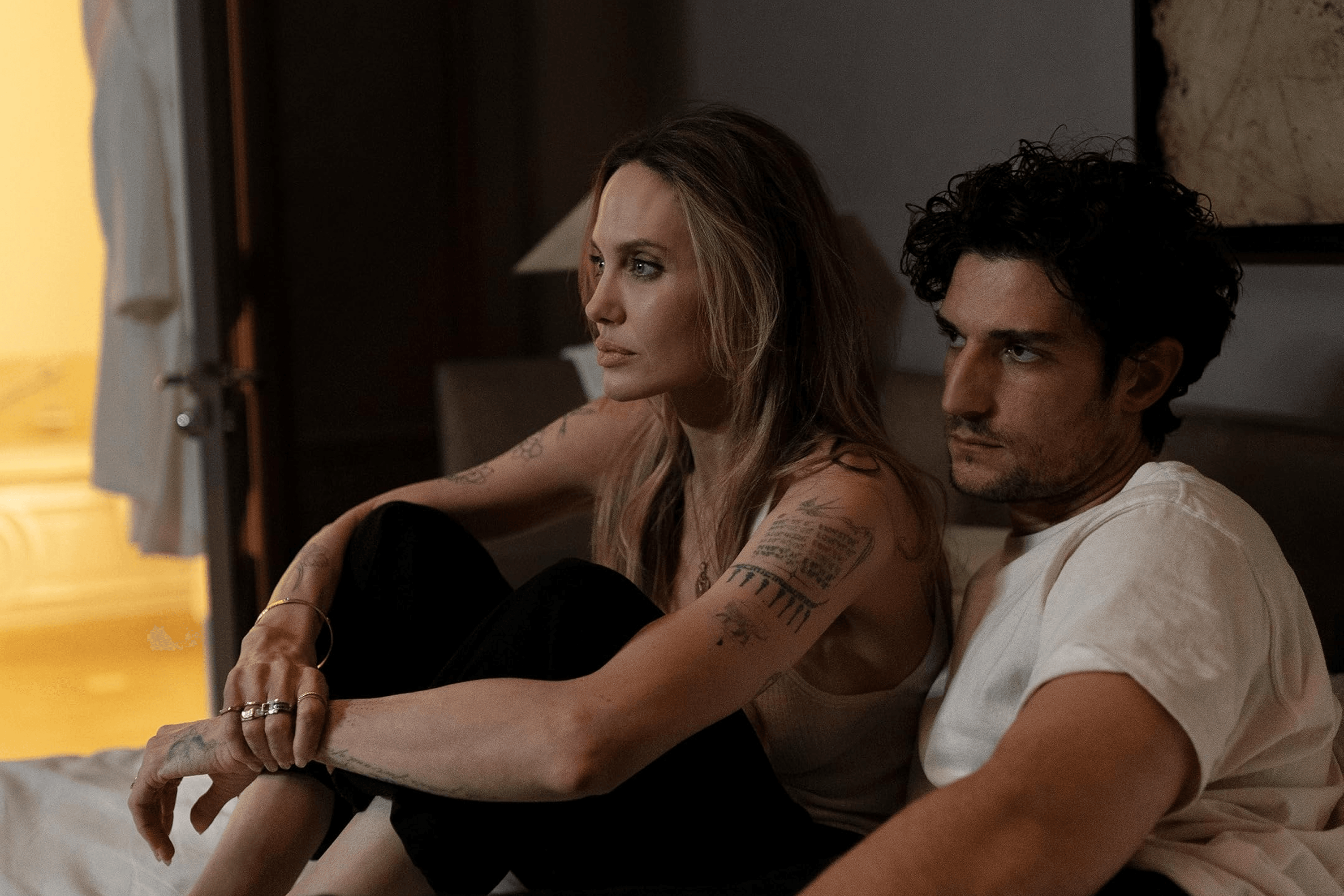
Selected stills from the film “Couture.” Photo: IMDb / YB 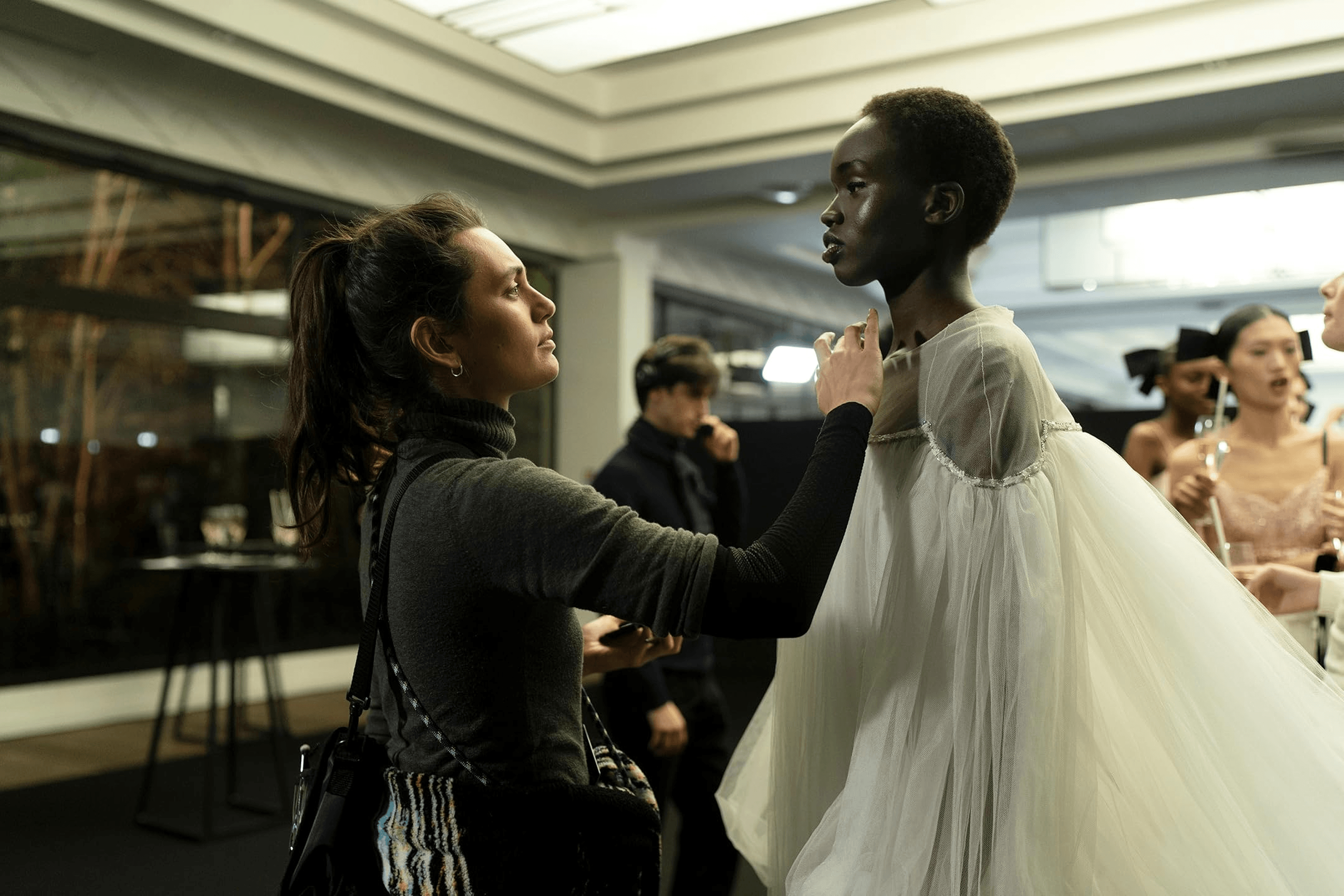
Photo: IMDb / YB 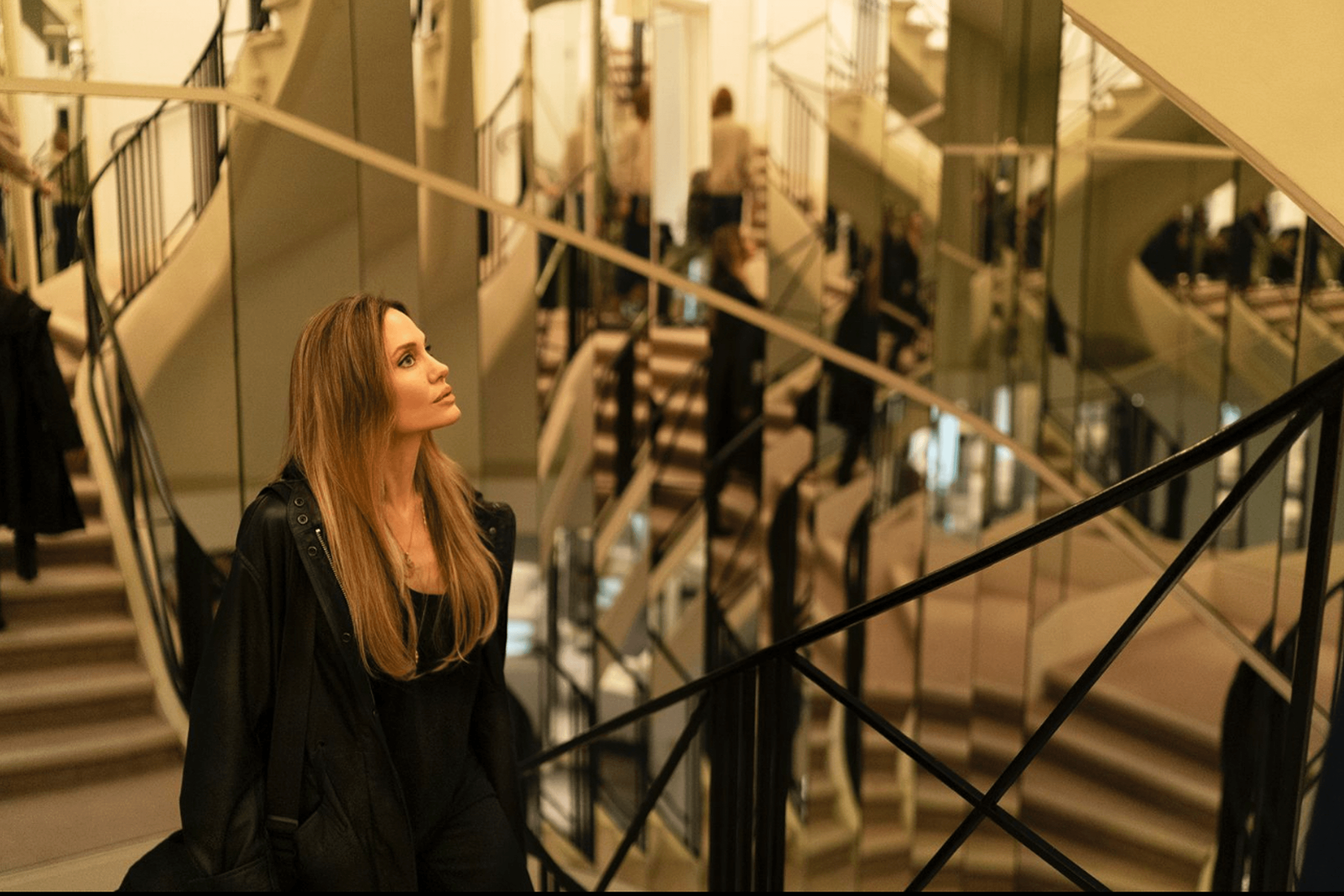
Photo: IMDb / YB
They also changed many scenes. For example, there was a video call in the script where the results of a strike were supposed to be visible in the background of my character. Around the same time we were discussing this scene, a Russian missile hit the Okhmatdyt children’s hospital. I went to see if it was possible to film the aftermath of the shelling, but everything was fenced off.
I drove all around the Solomianskyi district, where I live, to find places with the consequences of strikes. It was a bit scary because the SBU might have had questions as to why I was walking around filming this. Unfortunately, in the end, this scene was removed. It seems to me that in the final version of the script, Alice didn’t write out several scenes specifically to give me the freedom to fill them in the way I thought was right.
In the film, you told your own story. Was it difficult for you to share something so personal during filming?
On the contrary, it gave me enthusiasm and a sense of purpose in what I was doing. I wasn’t just a pretty face; I raised the topic of war, which is important to me and all Ukrainians. In modeling, this is very difficult to do; for the most part, you aren’t a person there, but a picture. This filming was an opportunity to tell a story about myself and my country. I tried to do everything as best as I could to make the viewer think, even if just a little.
Acting wasn’t hard—I just showed my true internal state rather than entering a character. Every day I read the news and know that my family is sitting under shelling in Kyiv, but I constantly have to put on a mask of “I’m in Europe and everything is great with me.” It was enough for me to just take it off and show the state of soul and heart I’ve been living in for all these four years.
Angelina Jolie, who played the lead role in the film, publicly supports Ukraine and has visited several times—to Kherson, Kyiv, and Lviv. Did you have the chance to speak with her?
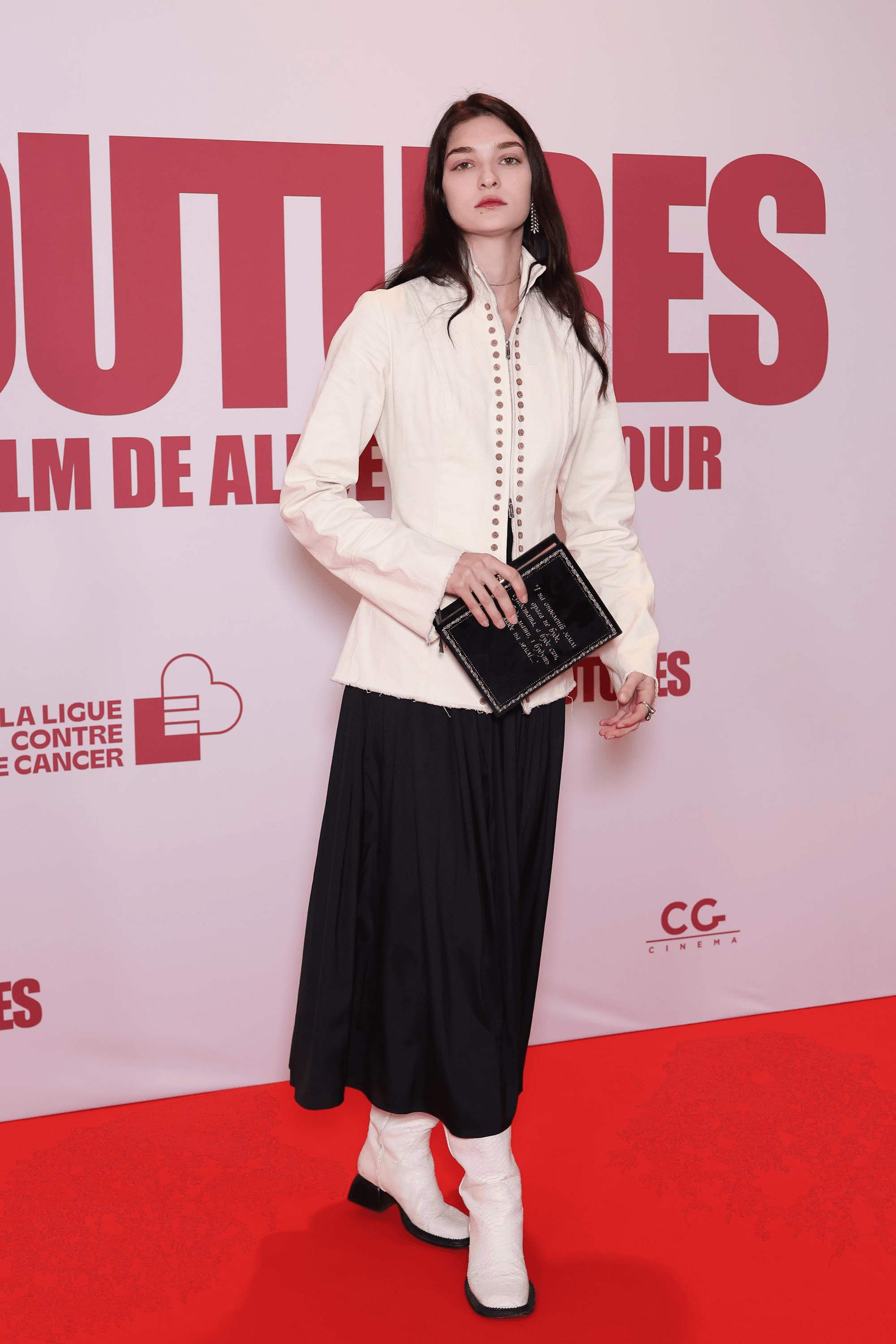
We didn’t cross paths on set specifically, but I was lucky enough to see her at the premiere in Paris, where the entire cast came. It was incredibly pleasant when part of the team, with whom we didn’t have shared scenes, came up to introduce themselves to me.
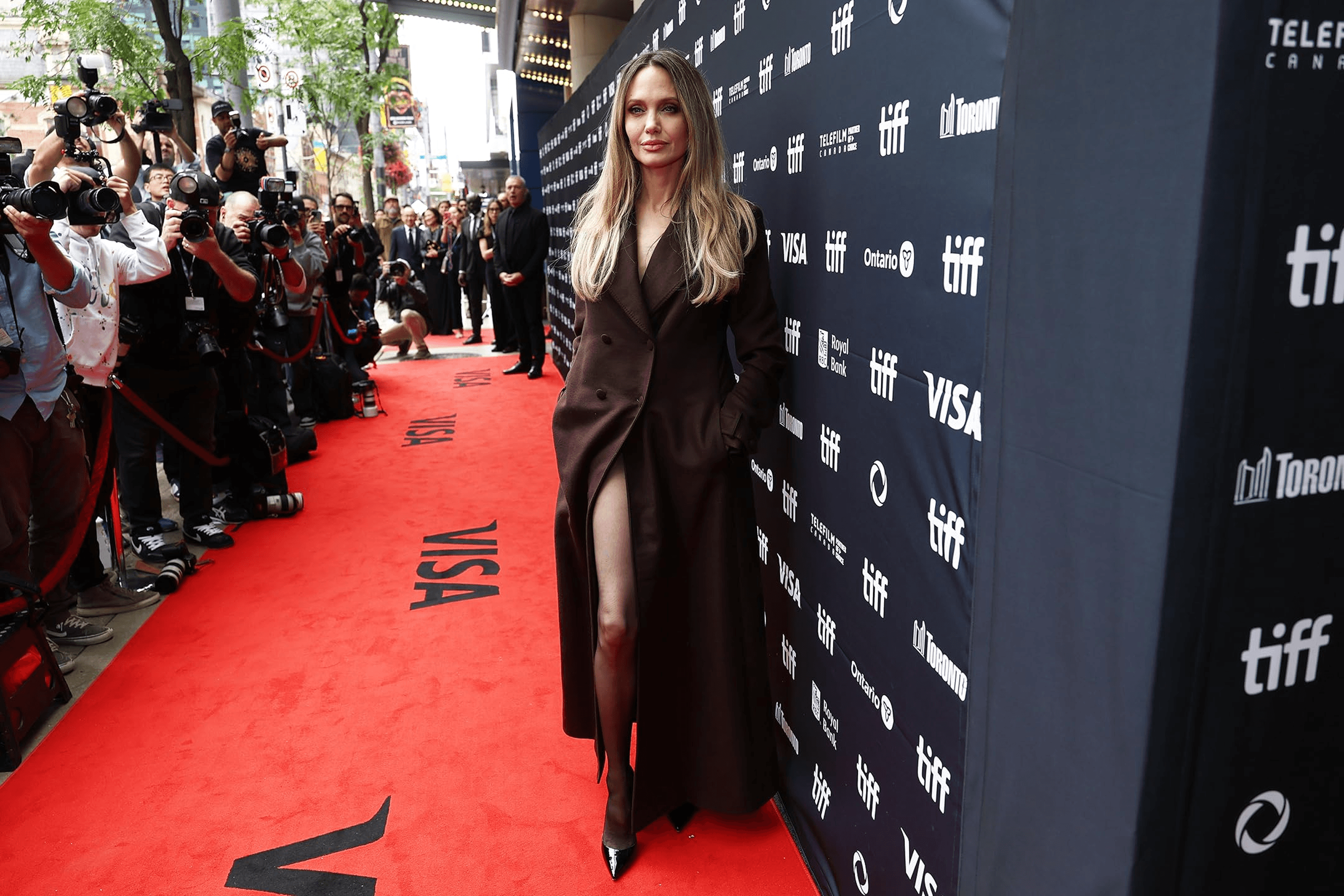
Angelina Jolie at the Toronto International Film Festival, where the film Couture was screened in 2025. Photo: IMDb / YB 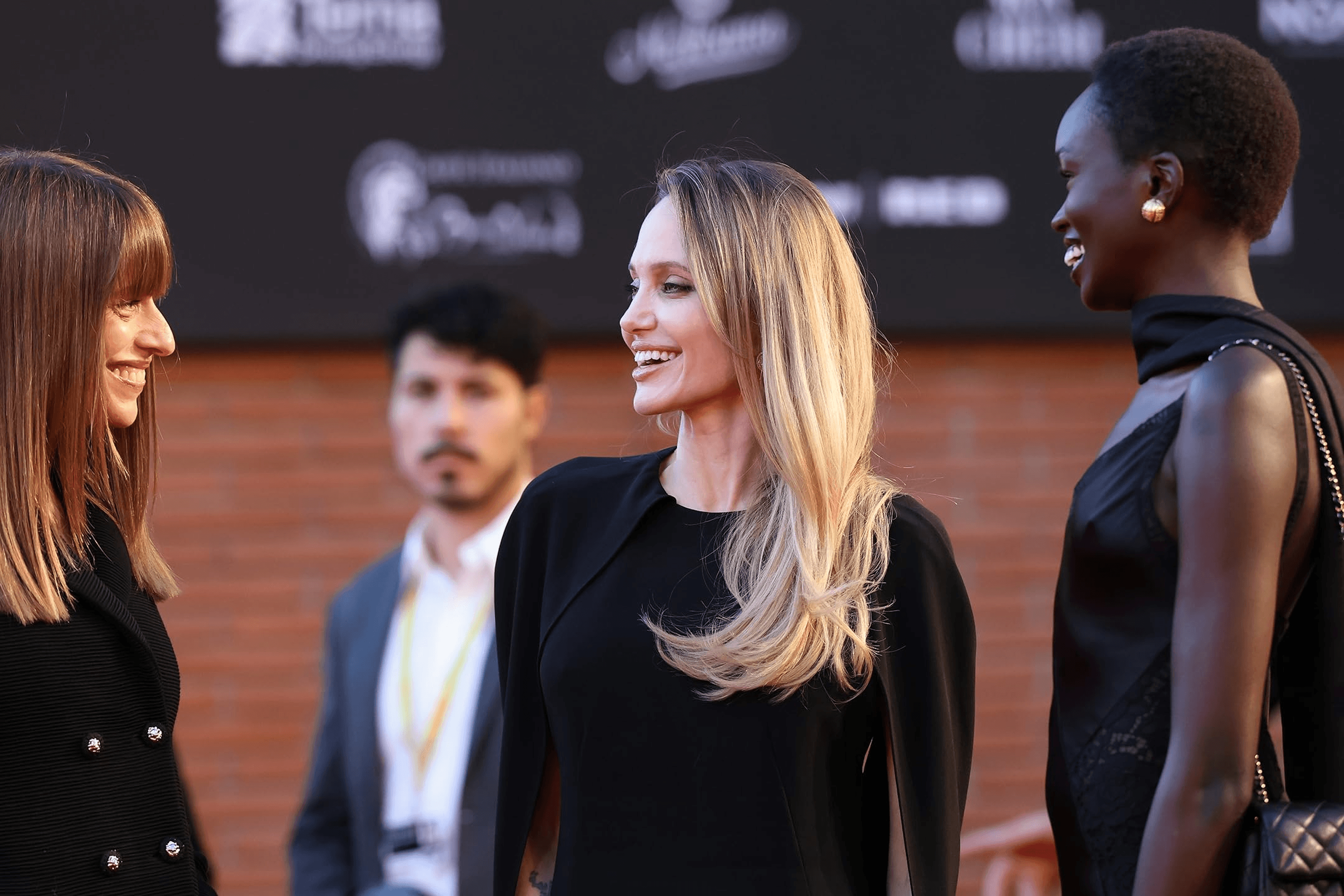
Photo: IMDb / YB
To be honest, two desires were fighting within me—to take a photo with Angelina or to play it cool. I decided not to cross that line because it would have ruined the dynamics of us being colleagues and equals. I thanked her for visiting and said that it is truly important to us. And, of course, I told her about the historical memes from when she was buying croissants in Lviv. She laughed. It was a formal conversation, but it was still a pleasure for me to thank her.
4
You’ve lived across several countries for over ten years and represent Ukraine abroad. What does it mean to you personally to be a Ukrainian model and actress?
From an early age, I lived in a state of endless travel; I’ve been to many countries and considered myself a citizen of the world. But as I grew older, I began to look at Europe and America differently and realized that I have only one home. Of course, for a career, it’s better to live in London—it’s much easier to get a job when you’re on the spot and don’t have to fly somewhere. But if you evaluate the lifestyle, the mentality, and society as a whole, it’s in Ukraine where I feel great. I returned to Kyiv six months before the COVID pandemic, and many people back then didn’t understand my decision. But when they themselves went abroad because of the war, they also began to value their home more.
This is the love that I and many Ukrainian models broadcast abroad. I had dinner with two models from Spain and Vika Ihnatenko, who is originally from Melitopol. We often crossed paths at work, but we hadn’t met before. Before the full-scale war, Ukrainian models didn’t create a community; on the contrary, they kept their distance. The Spanish girls told me that Vika had already given them a four-hour lecture about the war. It’s important to choose the right words so that foreigners feel something and truly understand you. You have to maintain a balance between not remaining silent about the war and, at the same time, not dumping a volume of information onto a gentle European mind that it isn’t ready for.
Another task of mine is to talk about the war and simultaneously redirect foreigners' attention to our achievements, so that we aren’t associated only with hostilities. I want people to stop making a sympathetic or frightened face when I say I’m from Ukraine.
I’m proud that we are strong, that we continue to stand and do great things even during the war. I don’t want us to be reduced to the fact of war. I want foreigners to simply be interested in Ukraine and the great people who are doing so much and holding on for so many years.
You have extensive experience in modeling, and you’ve tried your hand at cinema. What are your plans for the future? In which field are you most interested in developing?
That’s a difficult question. I don’t turn down opportunities—wherever life takes me, I go with the flow. I can say for sure that modeling is a chapter I’ve already lived through. In ten years in the industry, I’ve tried everything, and I’m not doing anything new. I would keep modeling as a part-time job and do something else.
Right now, I’m studying 3D modeling. I want to get work because of my skills, not my appearance. When you feel that your value depends only on how you look, it’s a lot of pressure.
During filming, the Couture team told me I have a natural talent and should develop in acting. Perhaps I’ll find an agency and try myself in that field. I’m thinking about it. But to be honest, after years of living in the fashion industry, where the location is constantly changing and there’s no regular income, I want stability.
I don’t know where life will take me. The main thing is for the war to end, and then we will go through different experiences.
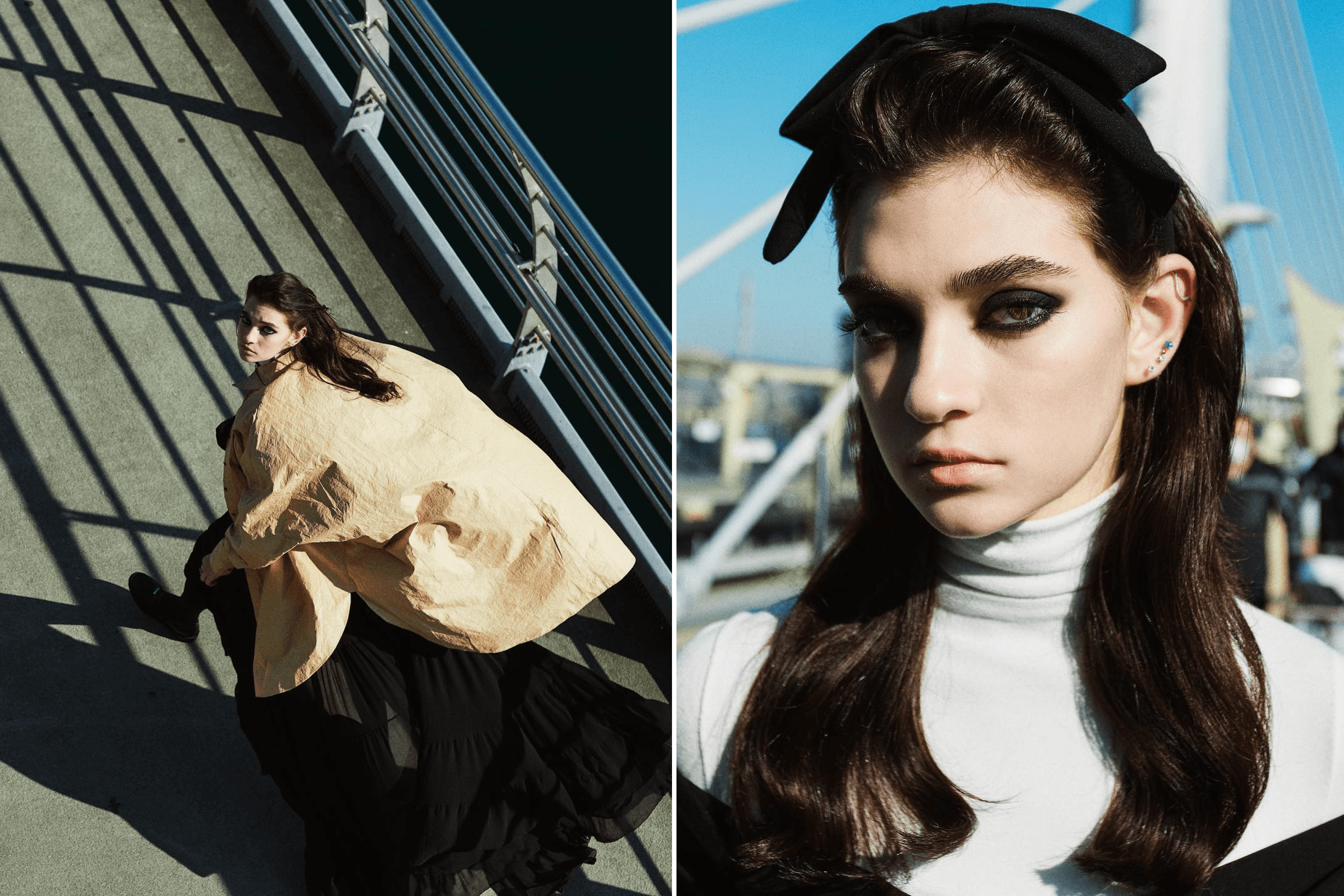
Julia Ratner in various photoshoots and runway shows. Photo: Ratner / Instagram / YB 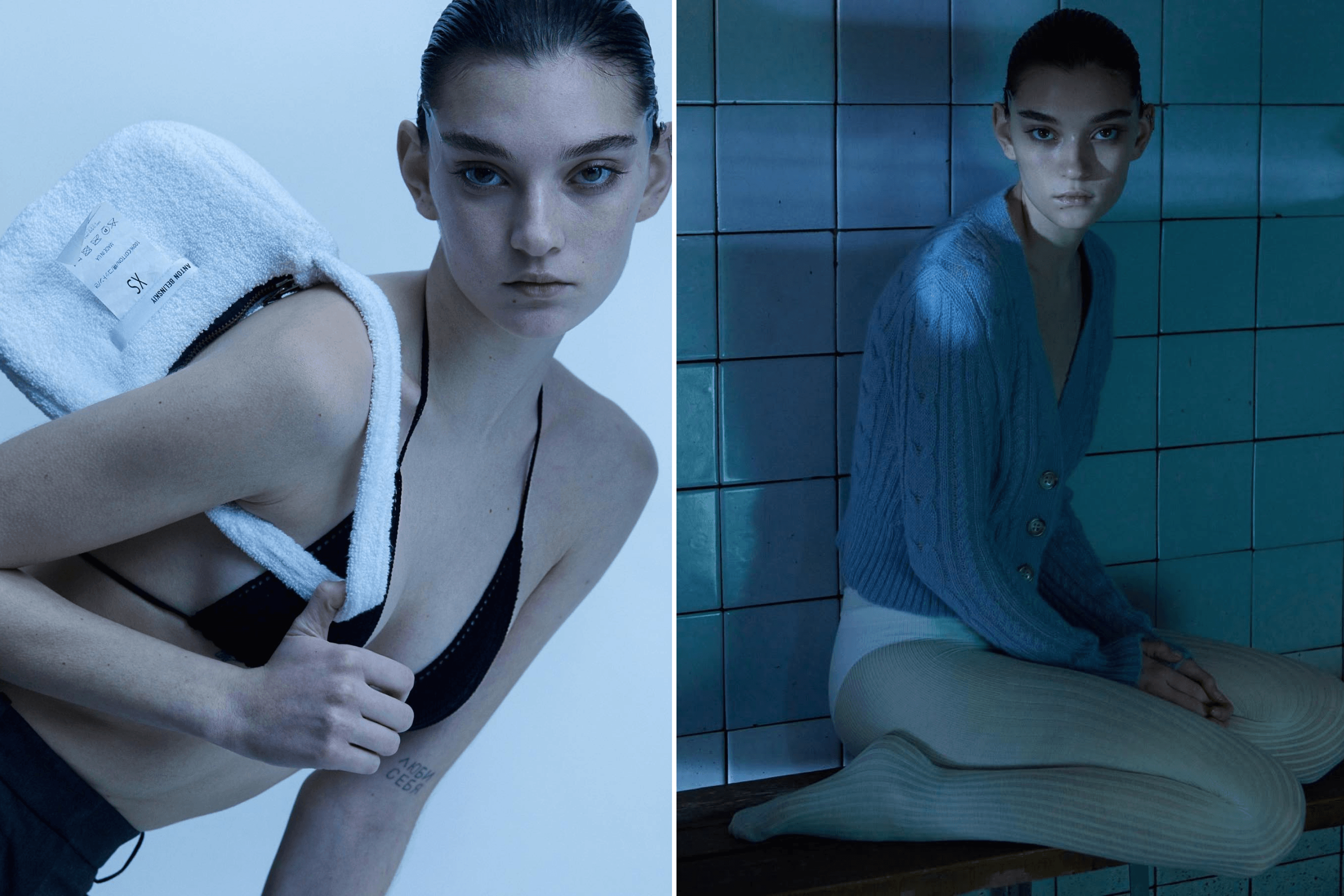
Photo: Ratner / Instagram / YB 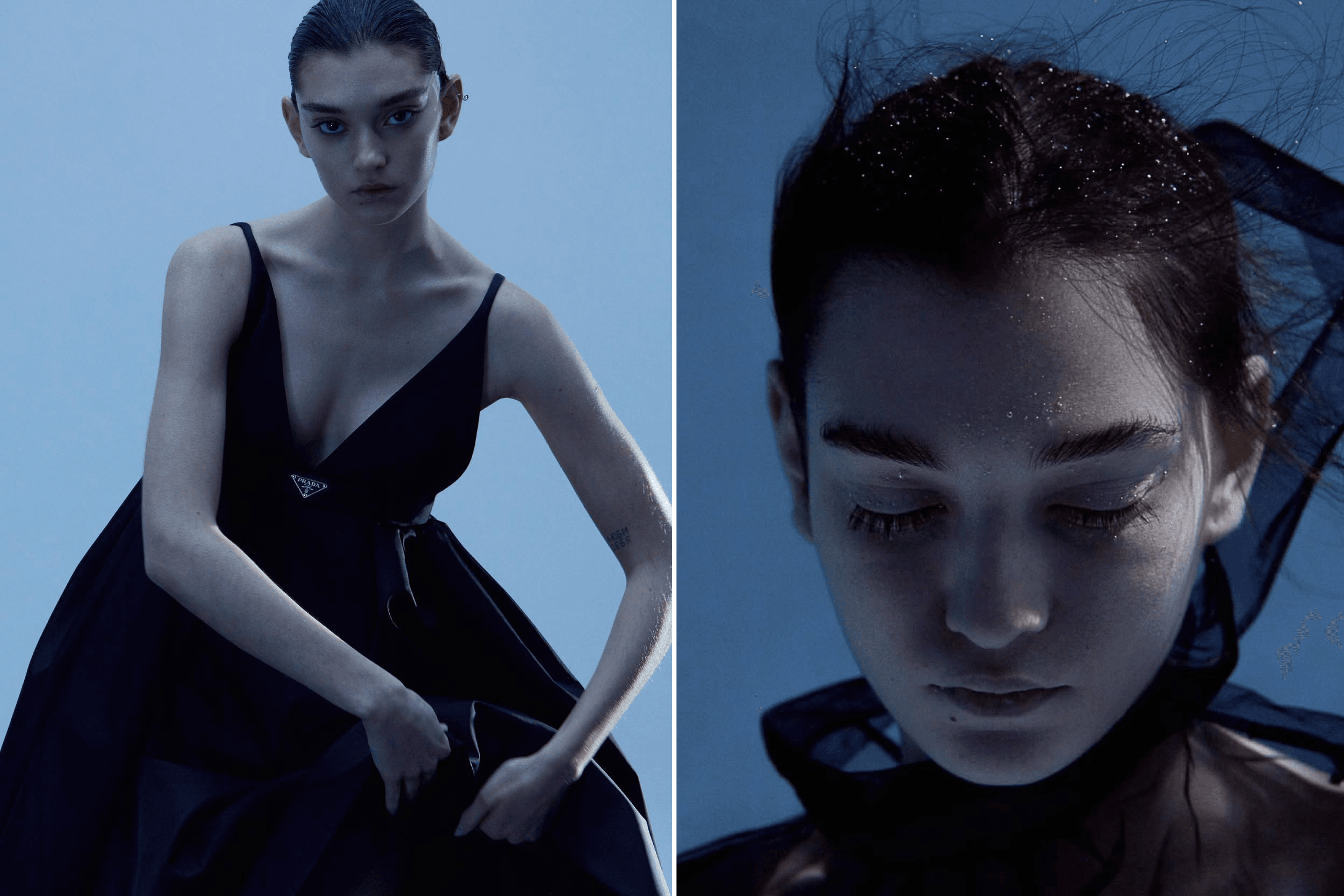
Photo: Ratner / Instagram / YB 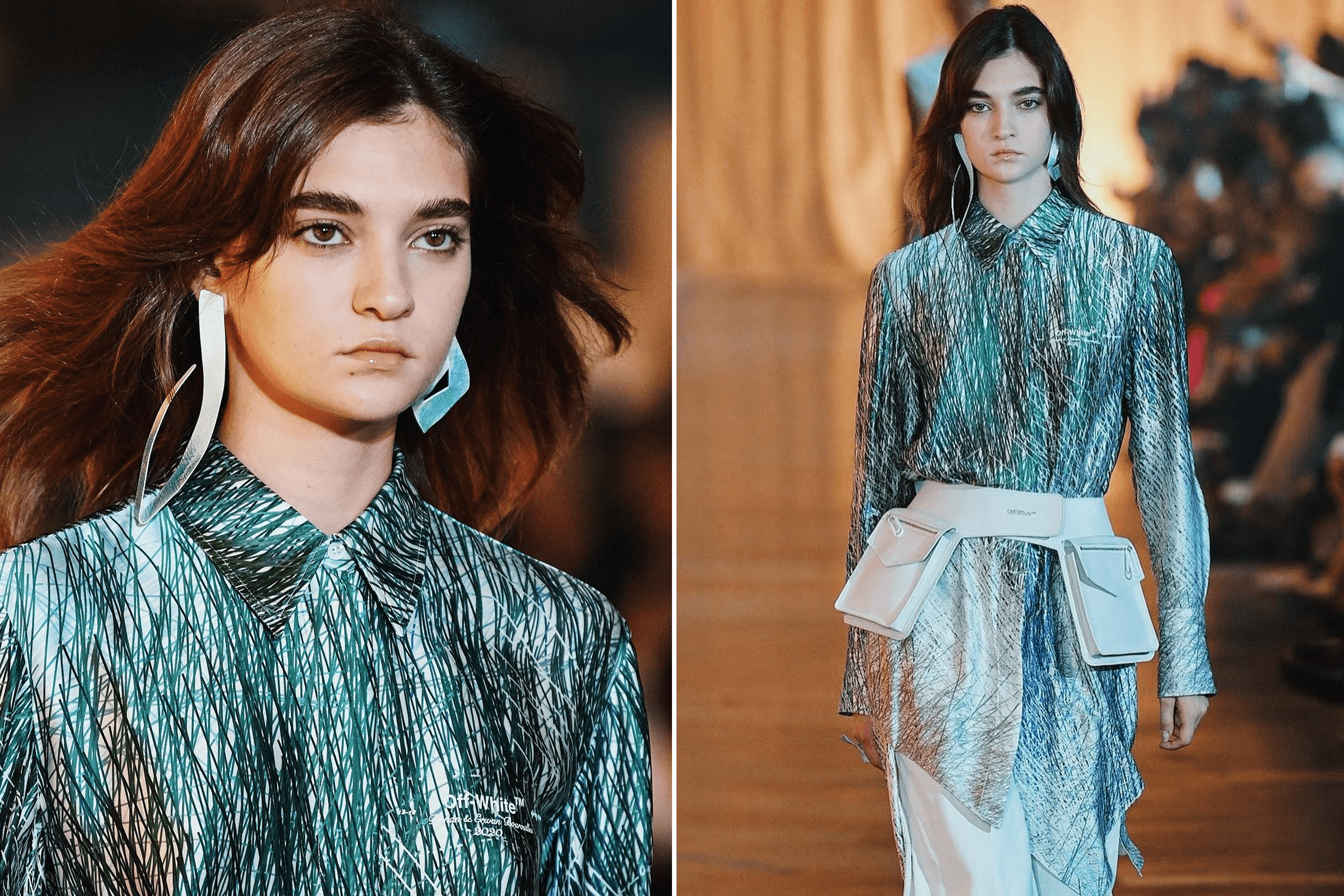
Photo: Ratner / Instagram / YB 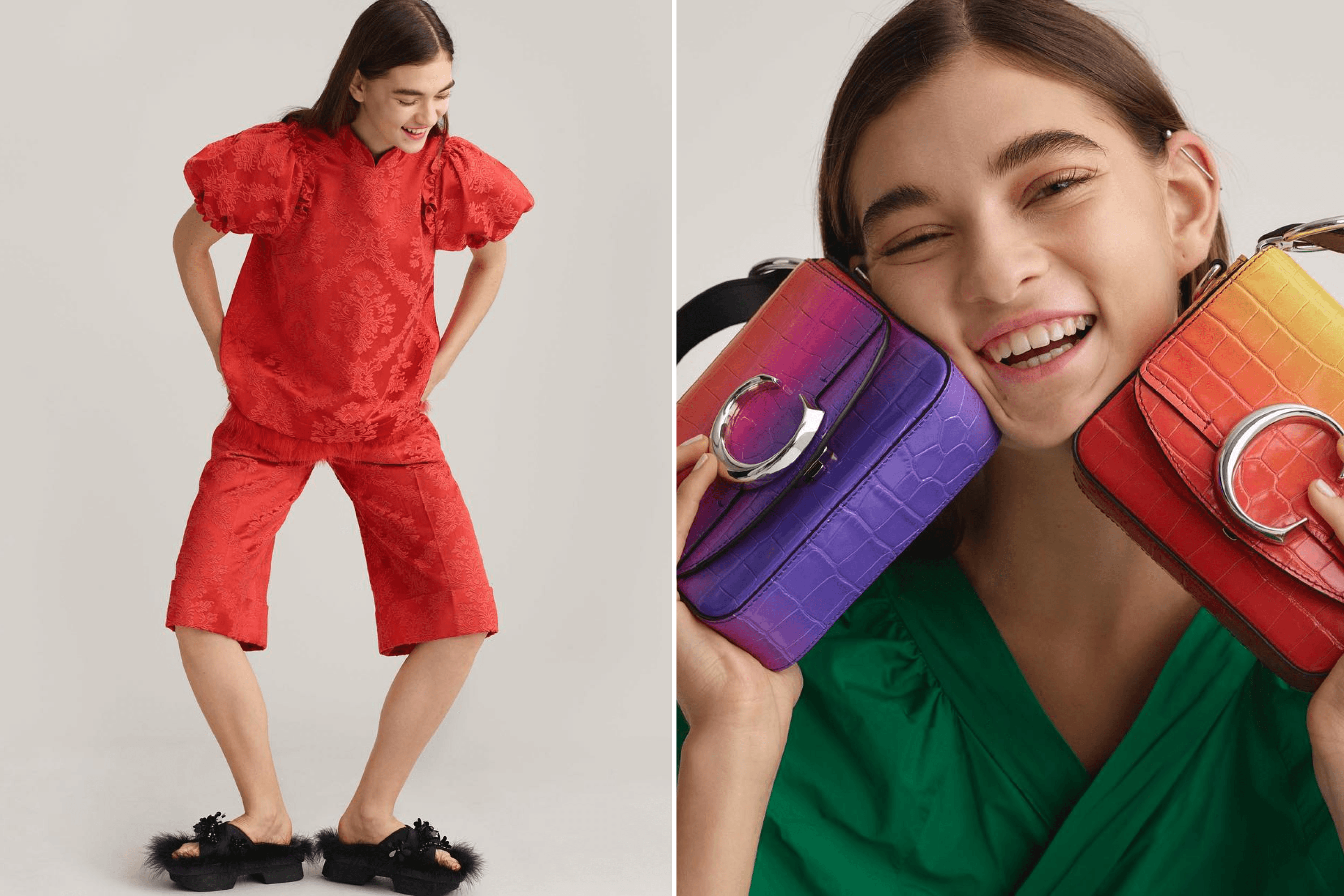
Photo: Ratner / Instagram / YB 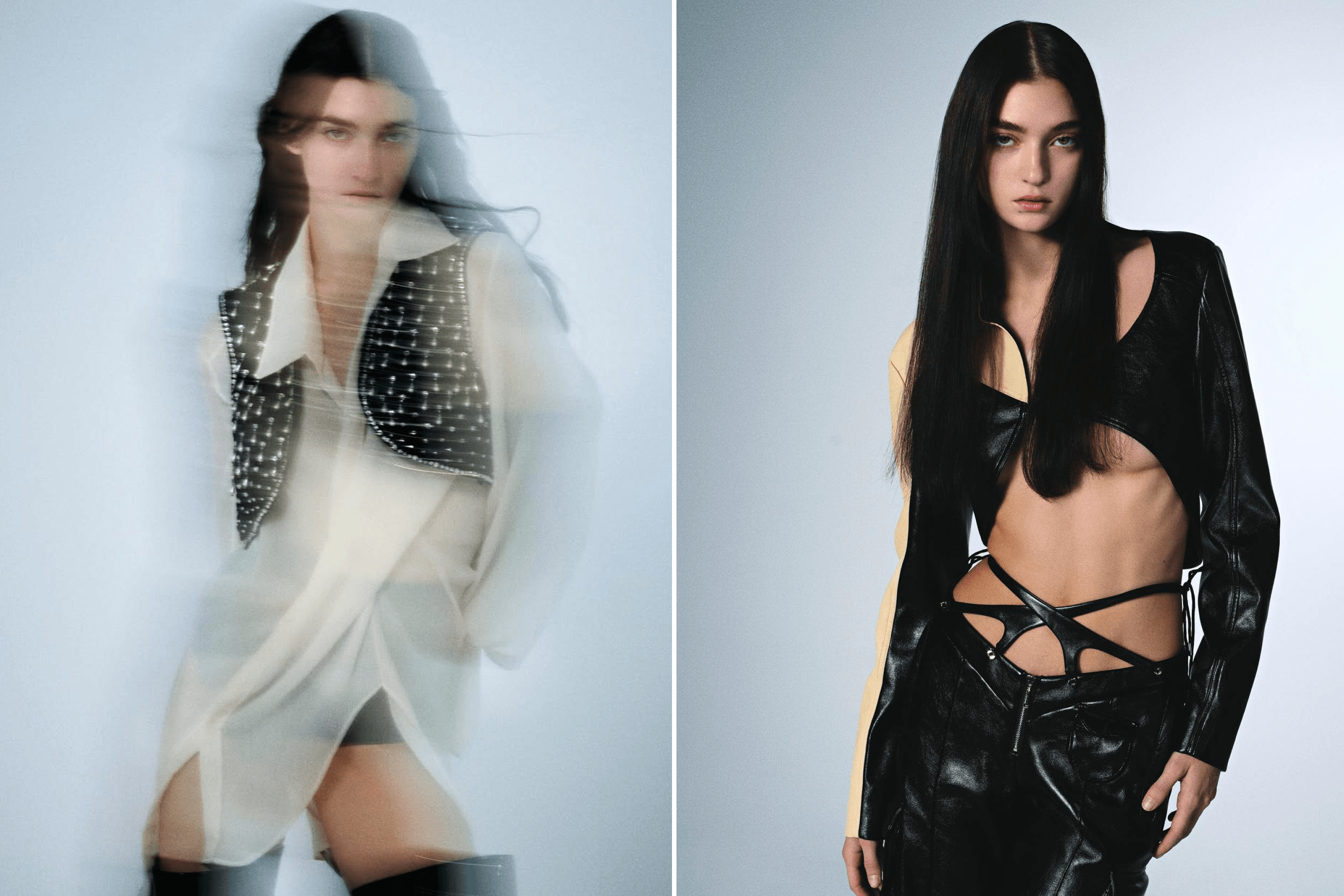
Photo: Ratner / Instagram / YB


