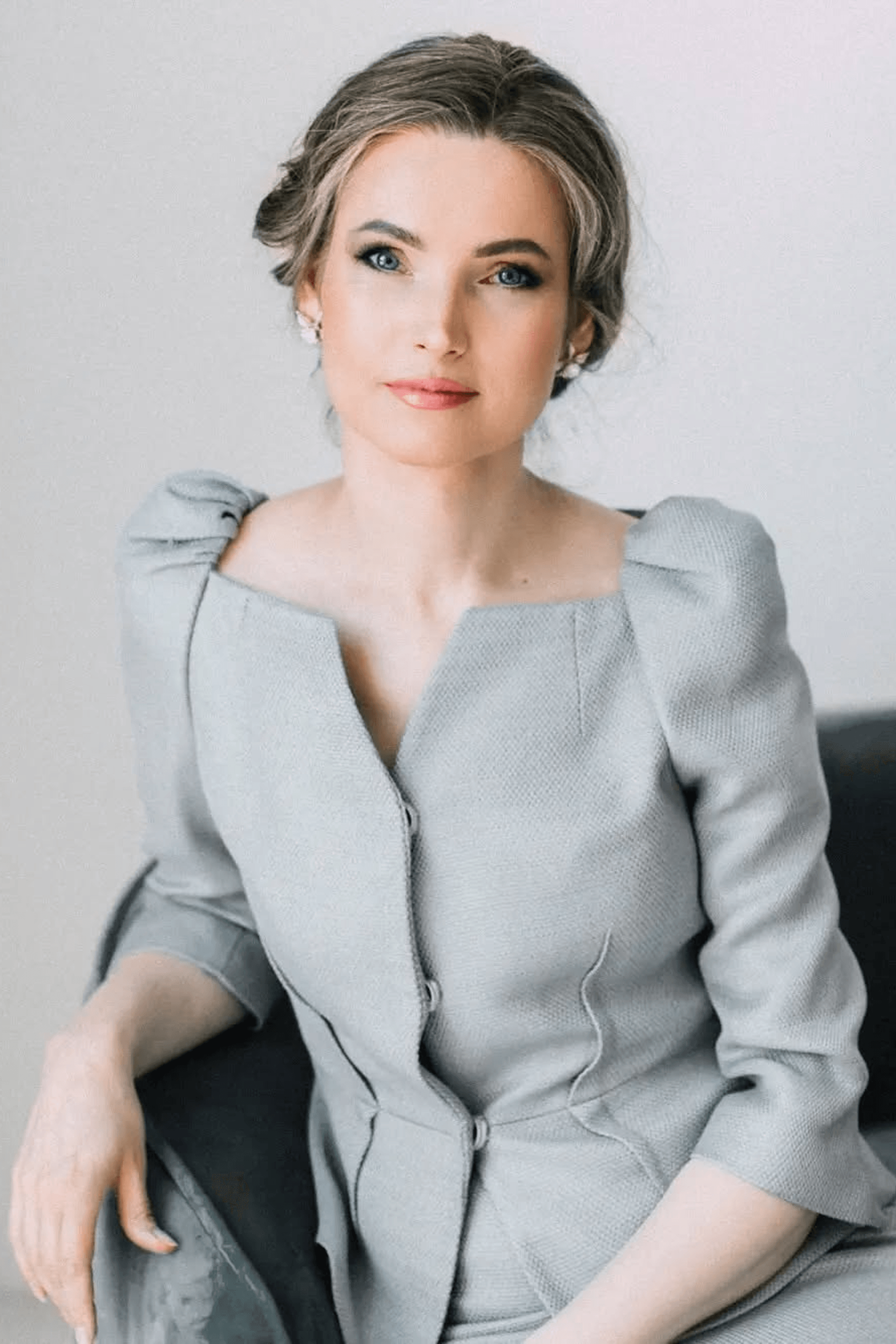
In 2015, investment banker Anna Gorbenko founded Healing Taste, an organic vegan food producer, in Kyiv. Over 11 years, she has weathered multiple crises, the COVID-19 pandemic and Russia’s full-scale invasion of Ukraine, and rebuilt her business from near zero twice. Since 2022, the entrepreneur has been living between Ukraine and the United Kingdom, helping Ukrainian food companies enter the UK market. Today, Healing Taste bars, granola, dried fruits, and other products are sold in niche UK stores and on eBay UK.
Before Healing Taste, you specialized in corporate finance, business valuation, and investments. Why did you decide to start your own business in organic food?
At the end of 2013, I planned to launch an investment fund focused on small and mid-sized businesses that benefit people without harming nature. At the time, I worked in corporate finance and Investor Relations, helping major global companies raise capital through IPO or Private Placement. Russia had plenty of such deals, while Ukraine’s market was only beginning to form. So all my income came from Russia.
The war in eastern Ukraine began, and Russia annexed Crimea. It was a shock. I stopped working with the Russian market. I simply couldn’t get on a train and go there. Even then it was clear the fund wouldn’t happen. Ukraine was in a pre-default state after Viktor Yanukovych fled, and investors weren’t willing to put money in with such high risks.
I realized the food industry wasn’t going to stop no matter what and decided to launch my own production. I called it my little investment fund because at first I saw myself only as an investor. But things turned out differently. I had to learn to run a company and master every stage of production: sourcing and processing raw materials, manufacturing, and logistics.
How much did you invest in production?
I put in my own savings plus funding from several investors. We spent around $50,000 on purchasing equipment, renting space, certification, and hiring people. In the following years, we plowed part of the profit back into Healing Taste. I think we’ve put around $200,000 into the business since 2015.
Why did you decide to focus on healthy food?
Earlier in my career, I analyzed the sugar-free and gluten-free product markets in the USA and the UK for various companies, which gave me a clear understanding of the industry’s key trends. There were also personal reasons. I was researching healthy nutrition for myself and my family. My grandmother died of cancer, and both my mother and grandfather had precancerous conditions. During a certain period, I was so ill I nearly died. So I had to research in detail how food affects the digestive system.
Was there demand for such products in Ukraine? Or were you focused on foreign markets?
In 2015, there was no market at all for such products in Ukraine. This meant that starting out, I couldn’t accurately calculate my prospects for the coming years. That’s why I wanted to enter the UK and Northern European markets right away, because one in two people there was buying gluten-free products. And overall, they have the highest concentration of people with allergies, though perhaps they’re simply the most thoroughly diagnosed.
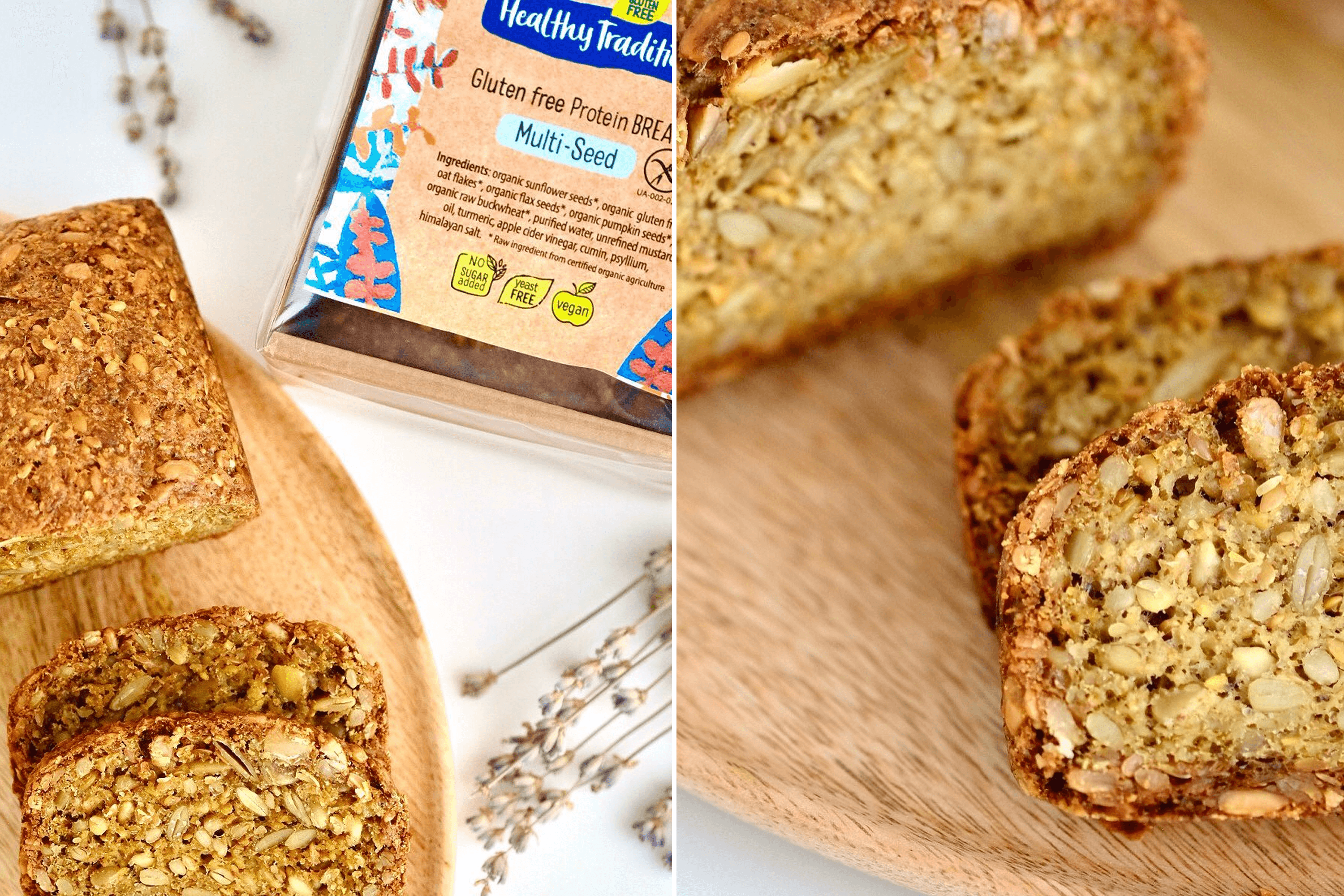
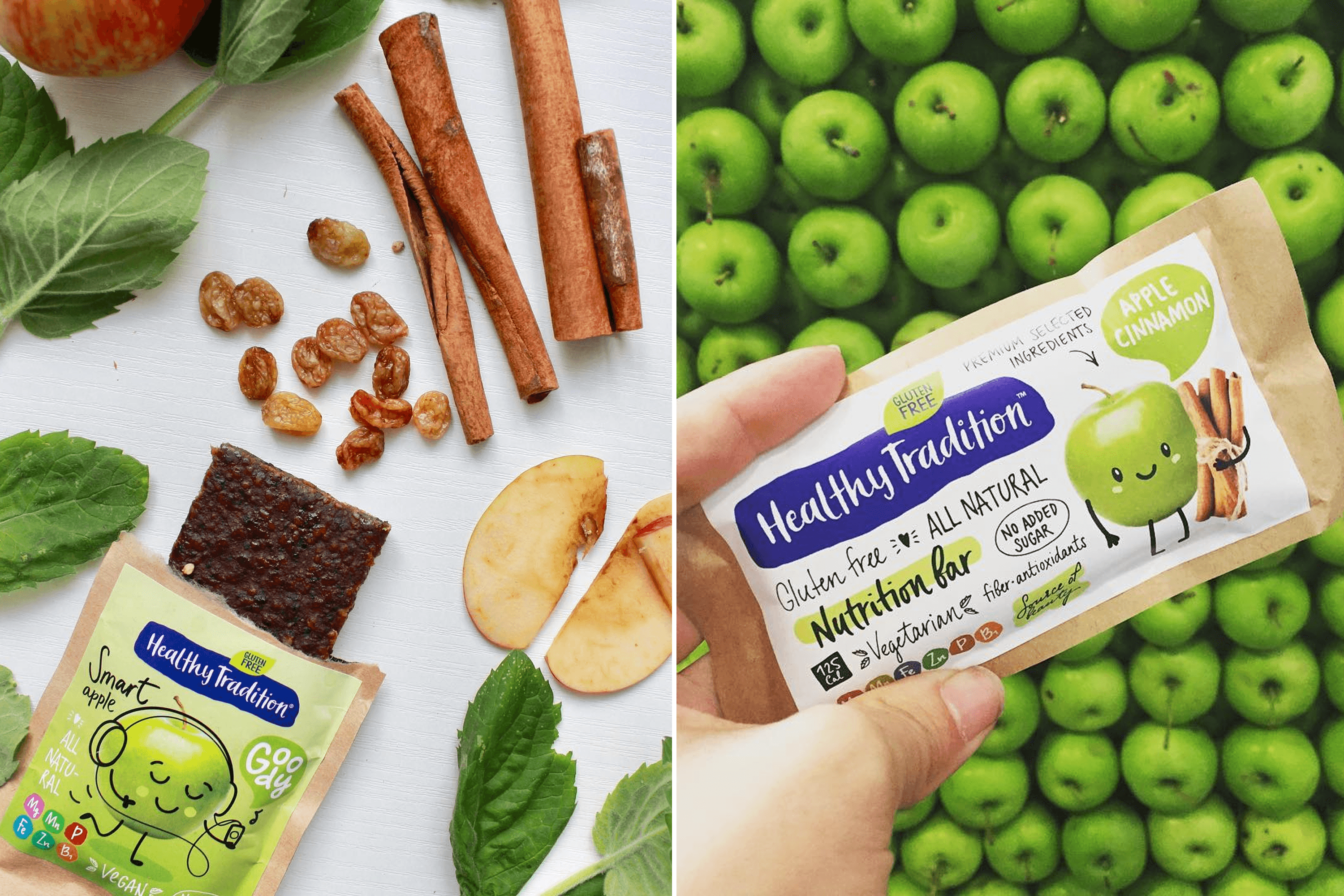
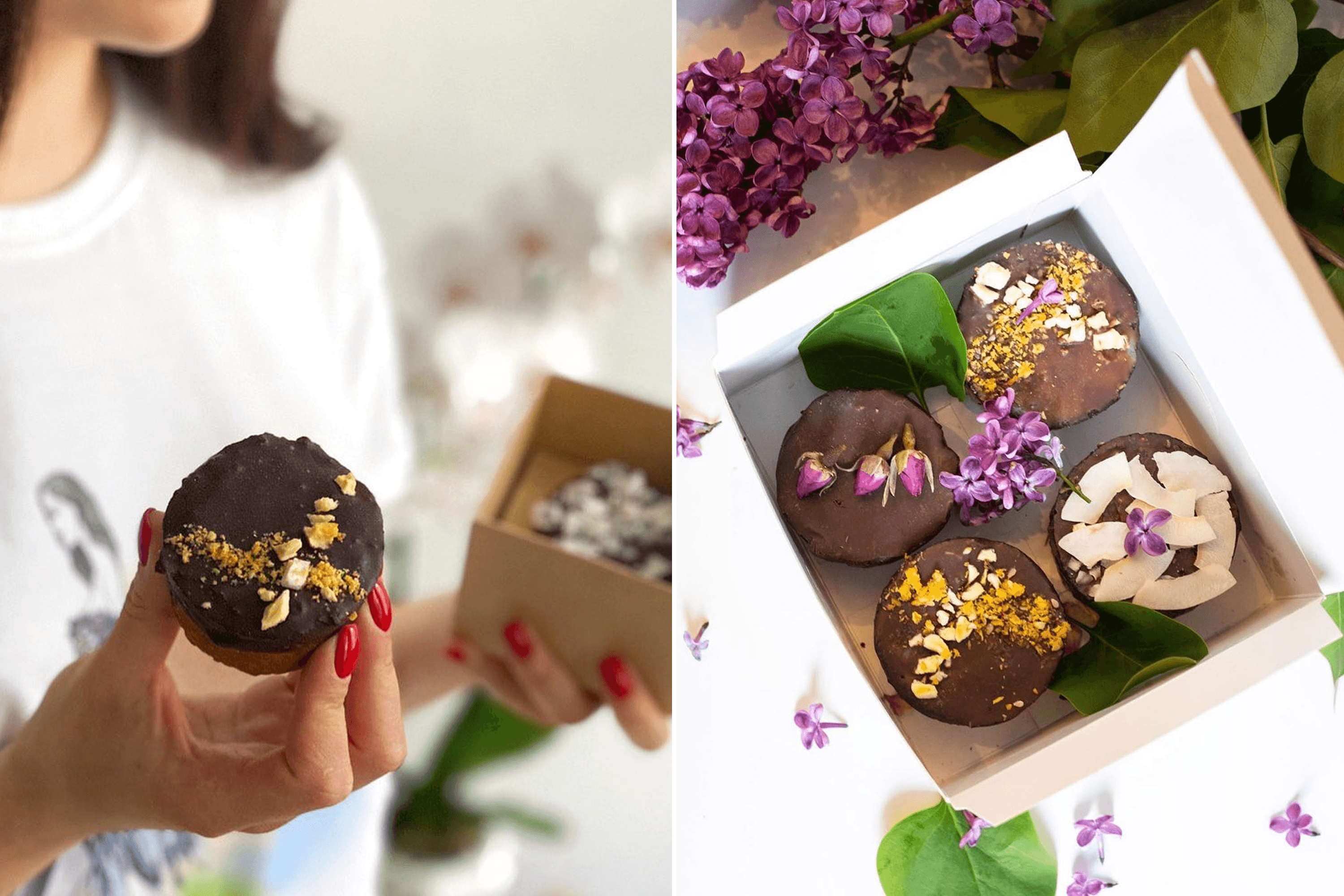
Some products from the Healing Taste brand. Photo: Healthy Tradition / Instagram / YB 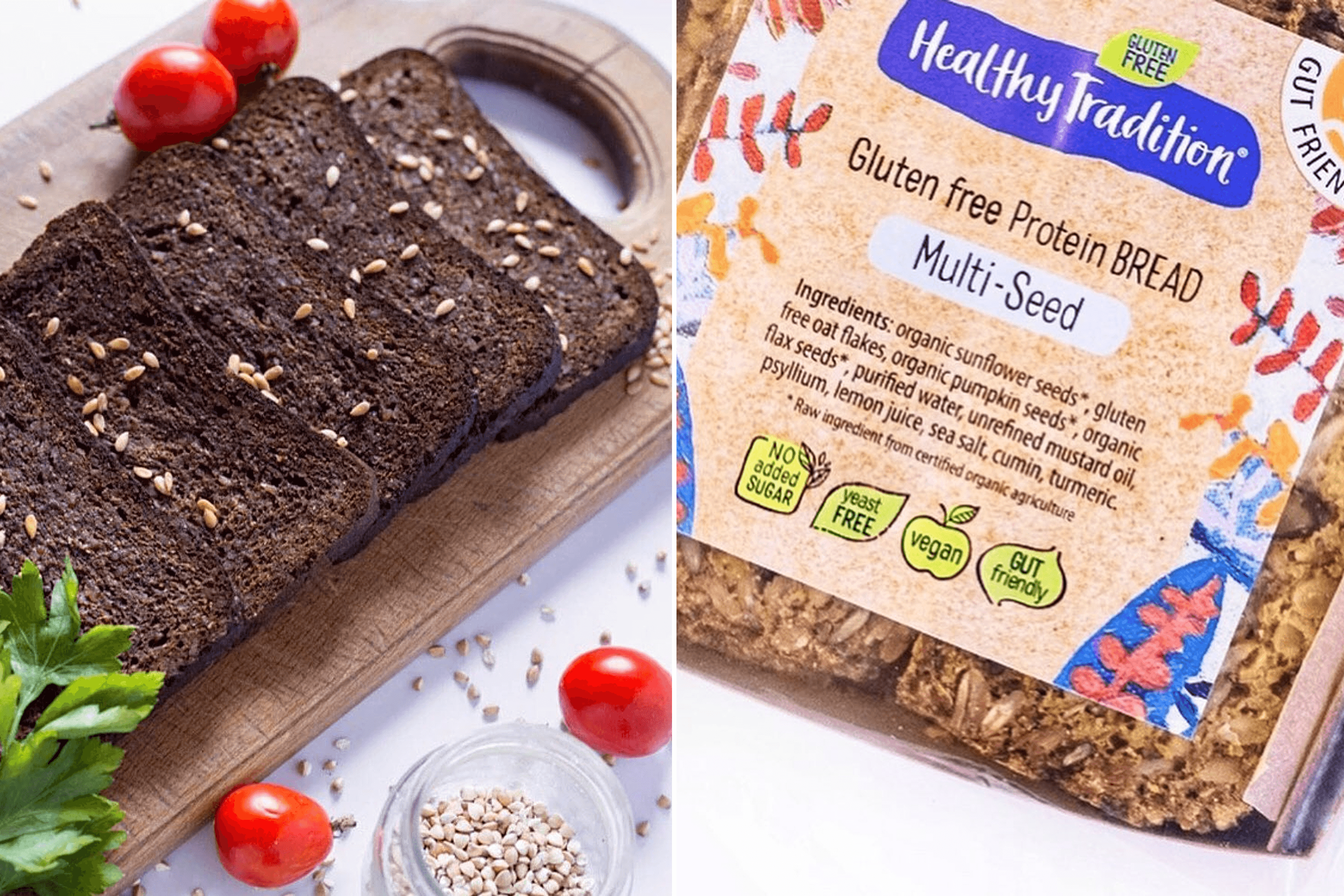
Photo: Healthy Tradition / Instagram / YB 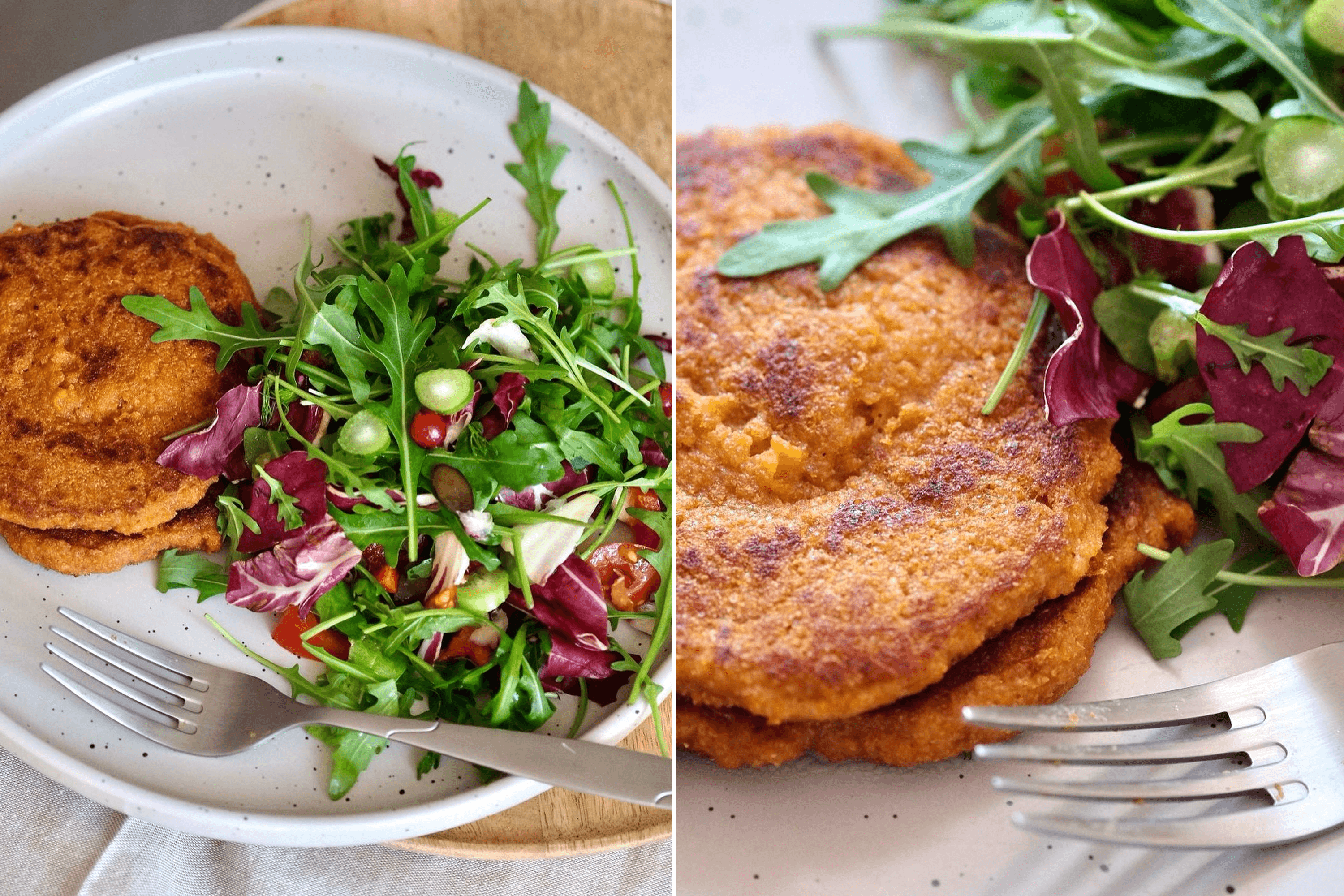
Photo: Healthy Tradition / Instagram / YB 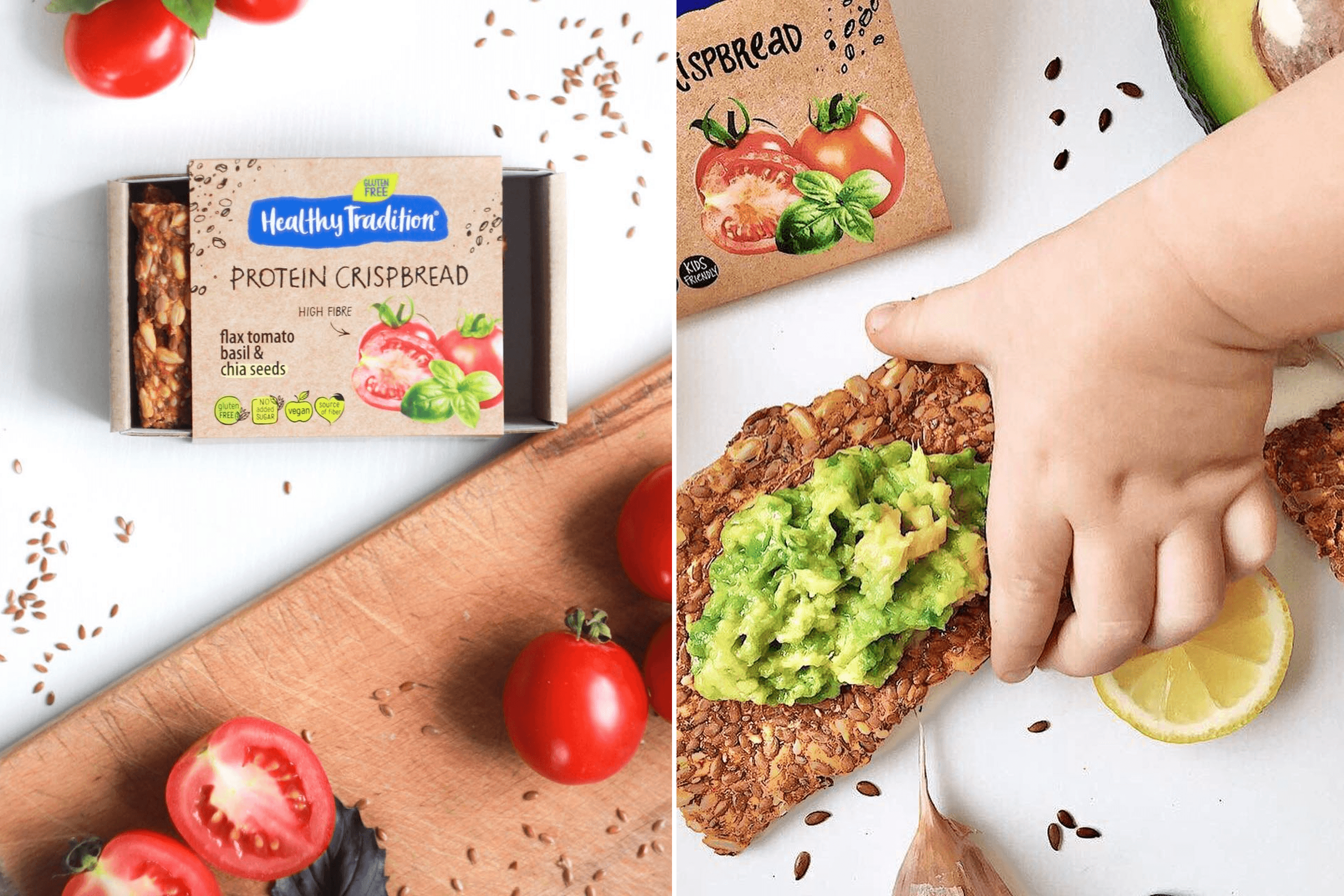
Photo: Healthy Tradition / Instagram / YB 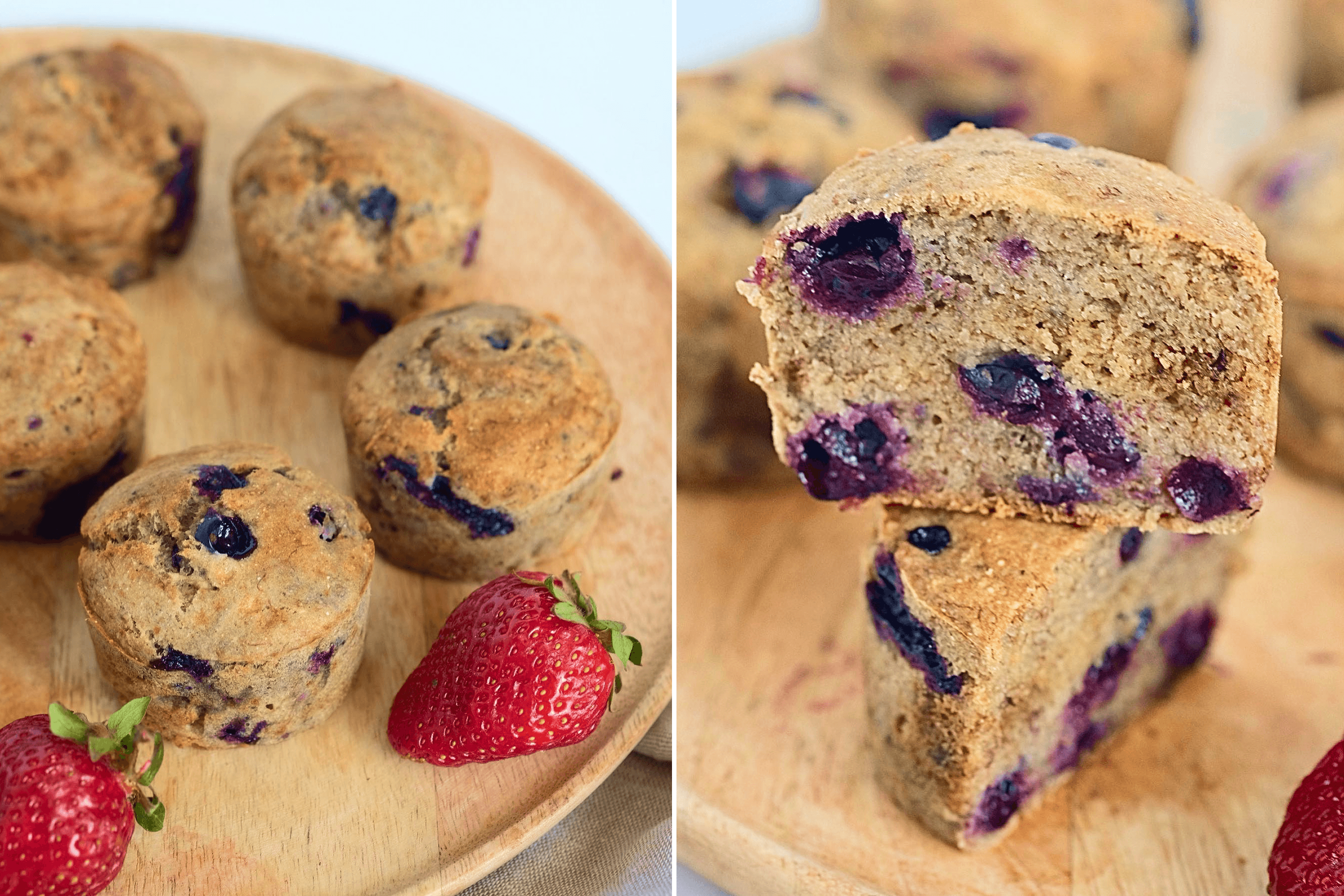
Photo: Healthy Tradition / Instagram / YB 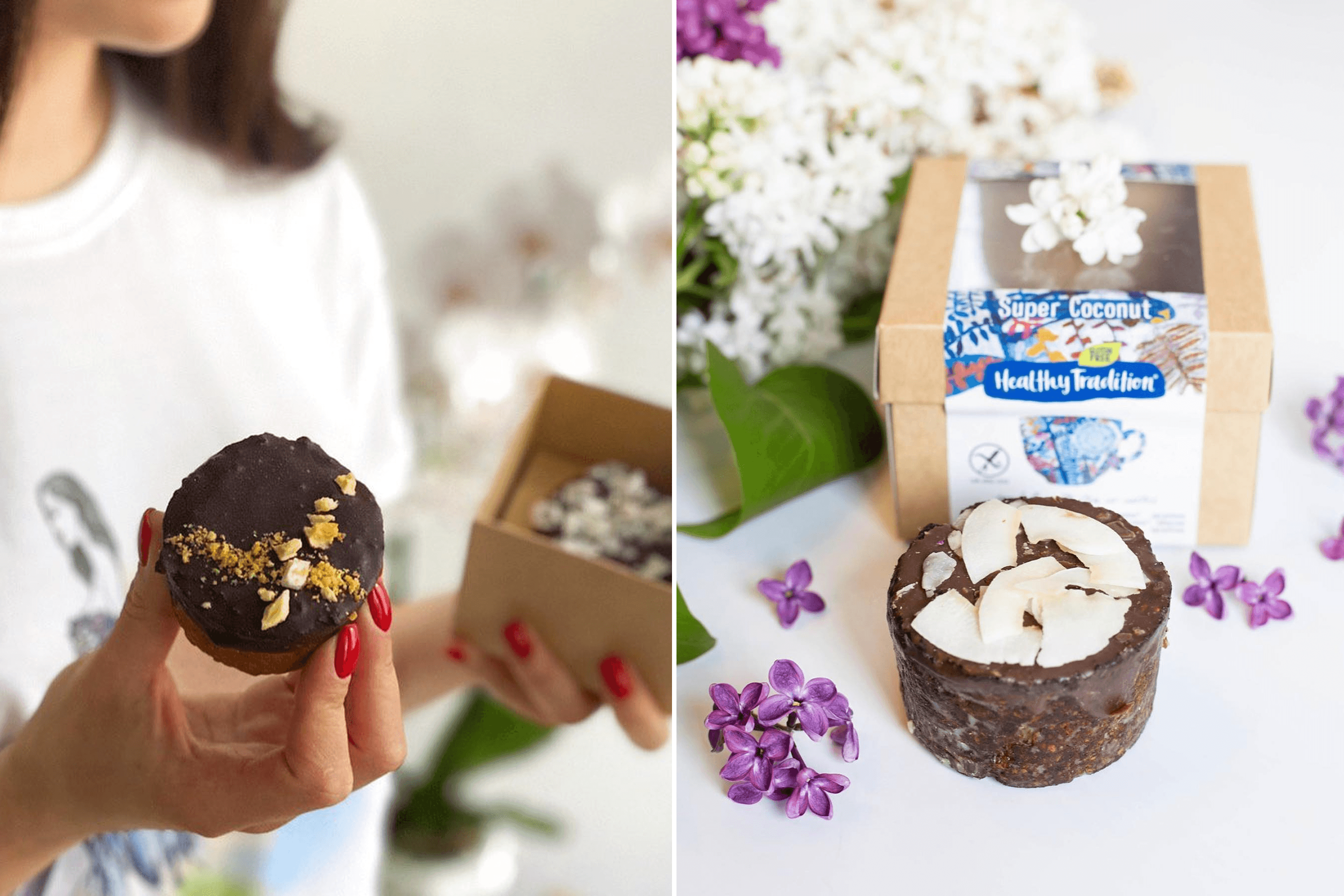
Photo: Healthy Tradition / Instagram / YB
What approaches or data did you rely on when developing products and assessing their health benefits?
I completed a lecture course by American biochemist Colin Campbell and read specialized literature on the digestive system, particularly the role of the gut. After working through so much information, I began to understand how different ingredients affect the body.
Our products contain no preservatives and no excess simple sugars. We make them safe for people with allergies and sensitive guts, supporting healthy digestion without bloating, inflammation, or stagnation.
How does your production operate?
It’s a full-cycle model. We work only with organic raw materials, process and store them, manufacture the final product, and keep it in our own warehouse.
In the Ukrainian market, I couldn’t find clean ingredients. Everything contained chemicals or pesticides, because they are easier for farmers to handle. For example, apricots are usually treated with sulfur dioxide, fumigated with phosphine, and then coated in sugar syrup to make candied fruit to prevent pest contamination.Sugar is a natural and cheap preservative. It extends the product’s shelf life. They can last up to three years, but all their benefits disappear.
Natural treats from the Healing Taste brand. Photo: Healthy Tradition / Instagram / YB 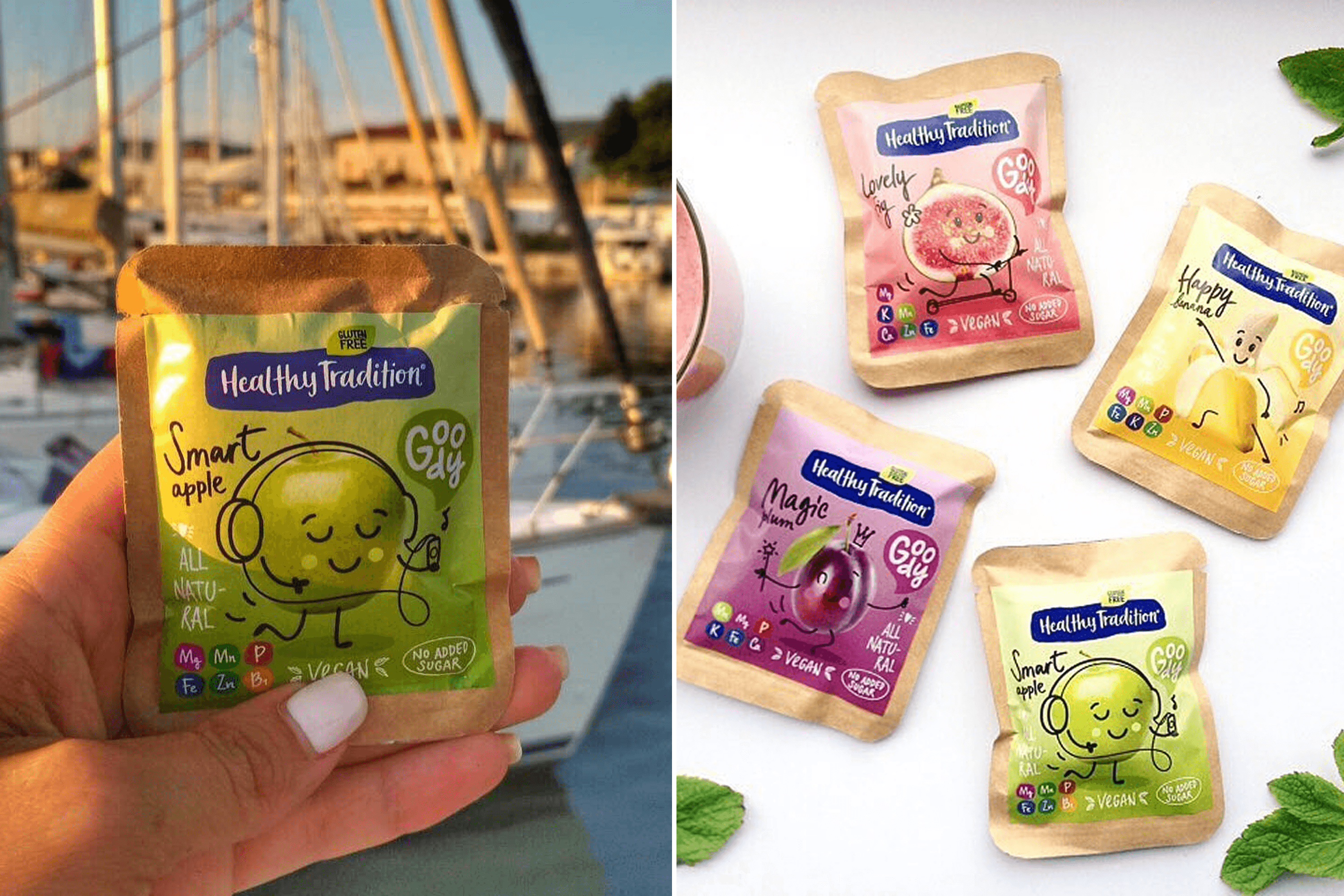
Photo: Healthy Tradition / Instagram / YB 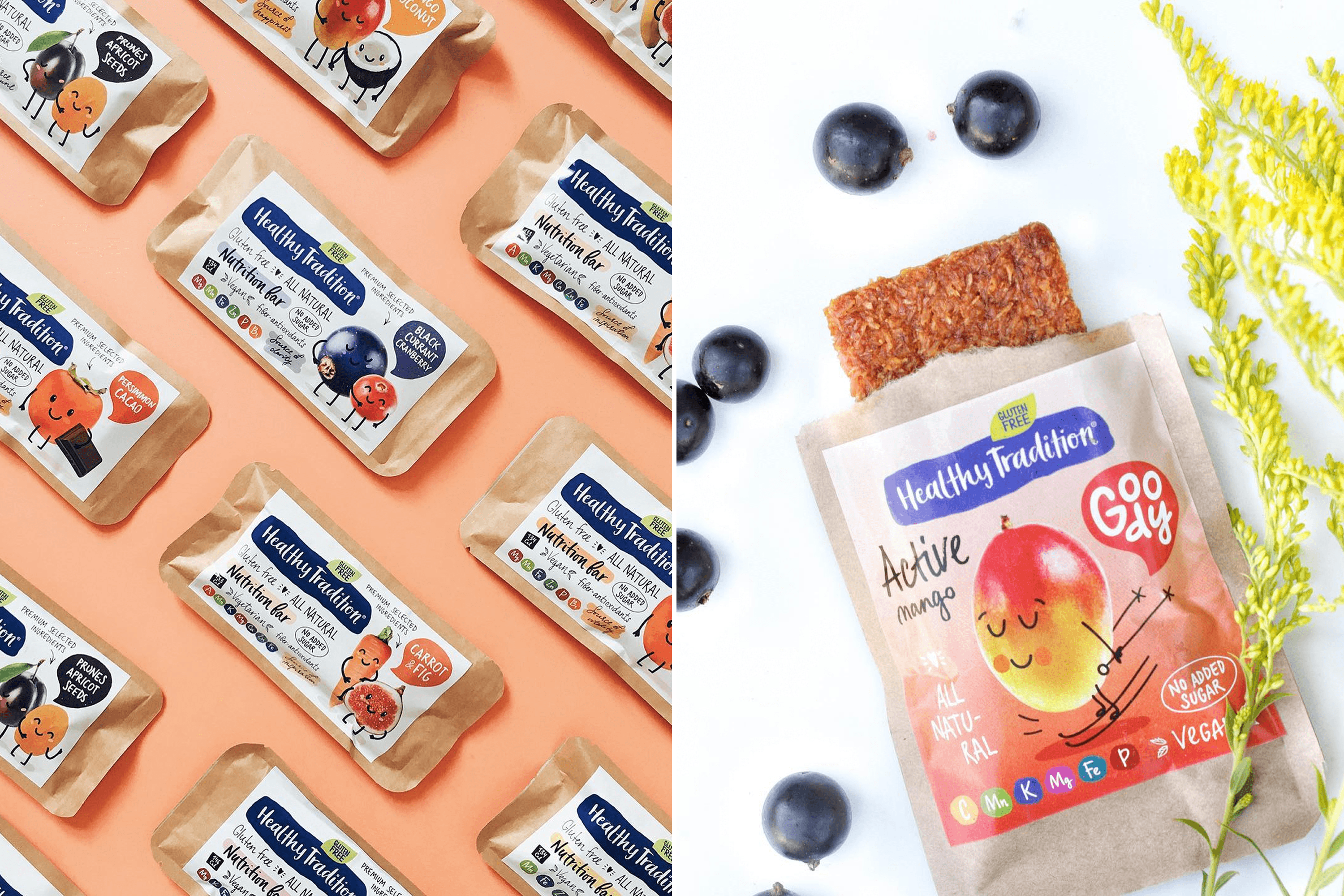
Photo: Healthy Tradition / Instagram / YB 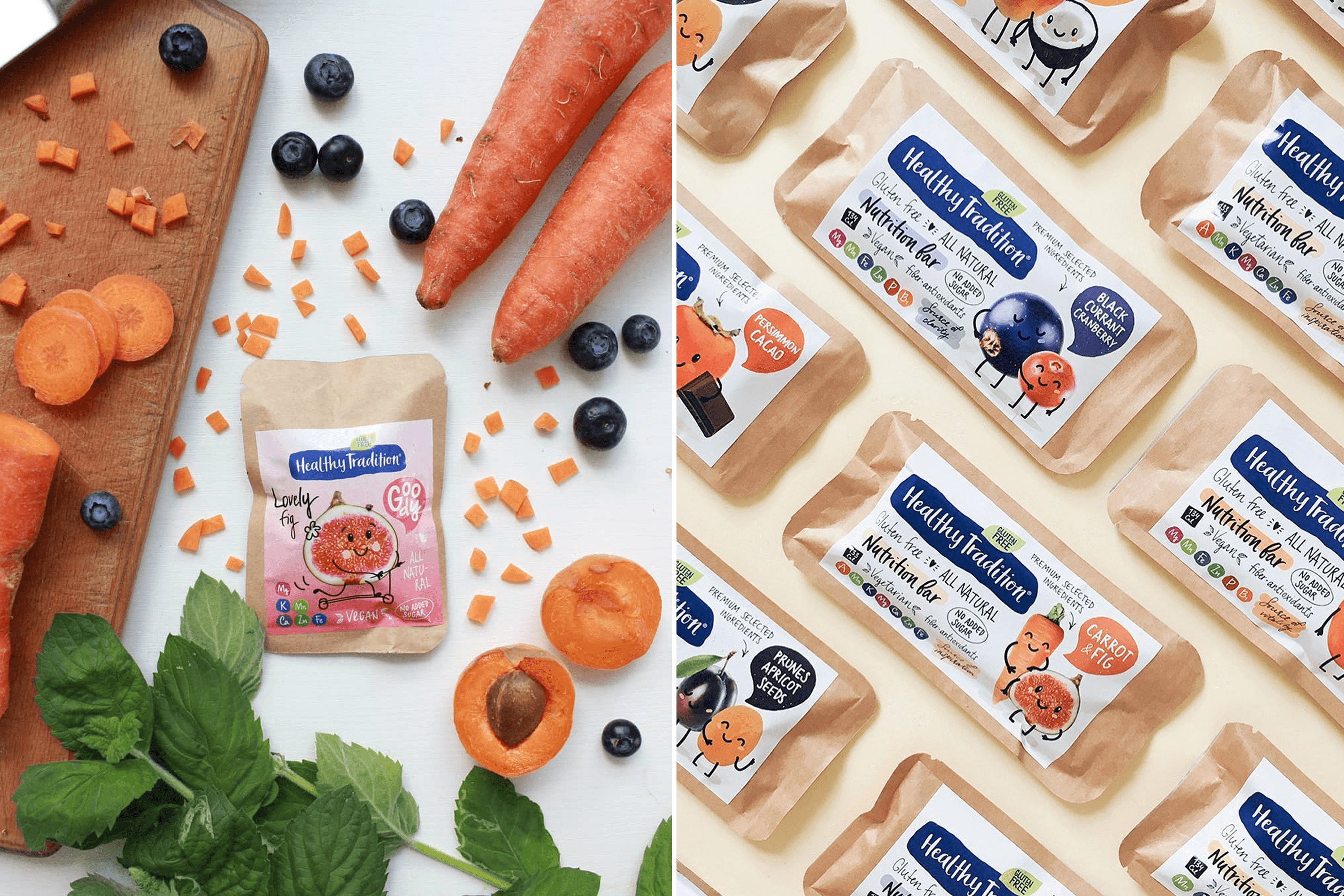
Photo: Healthy Tradition / Instagram / YB 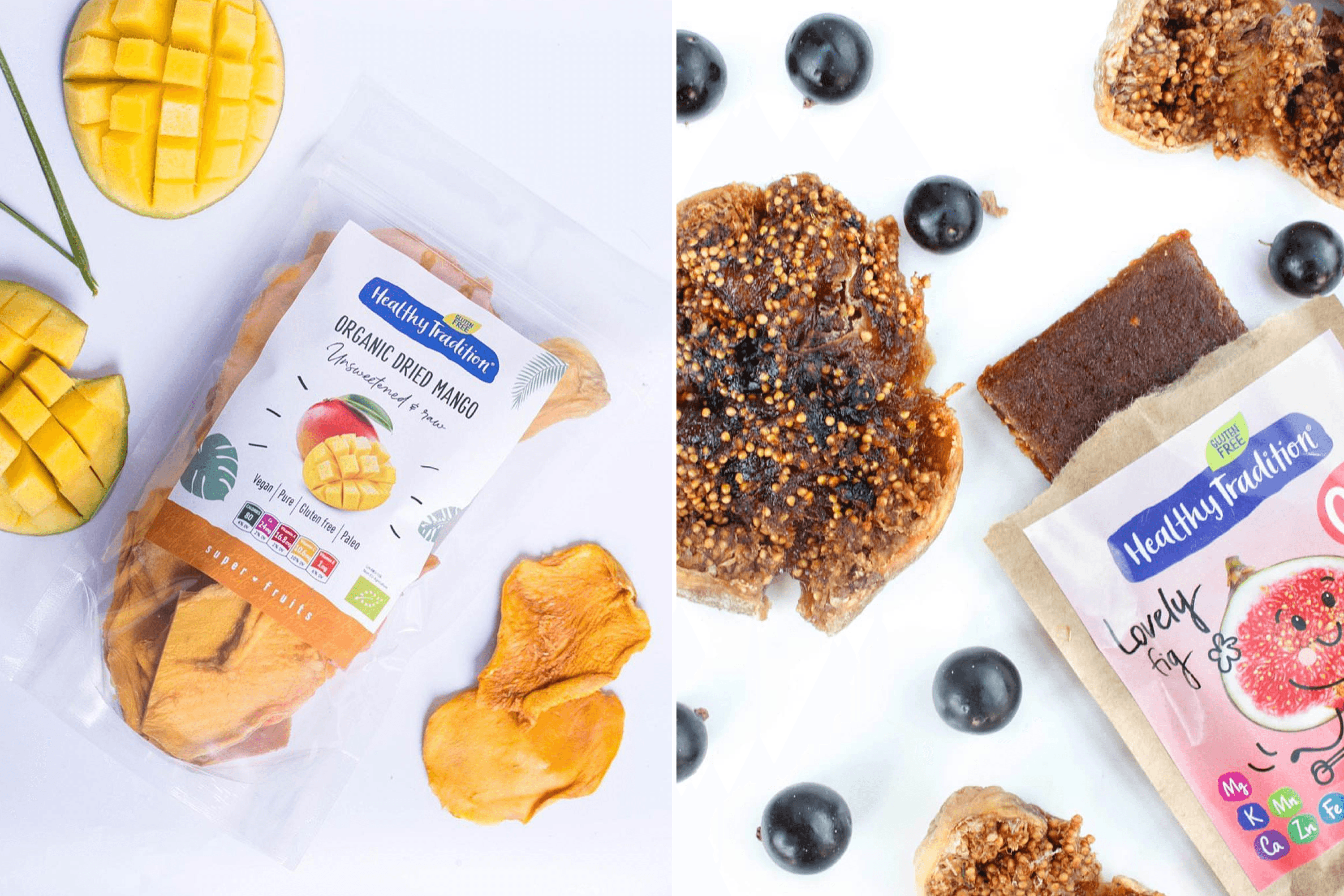
Photo: Healthy Tradition / Instagram / YB 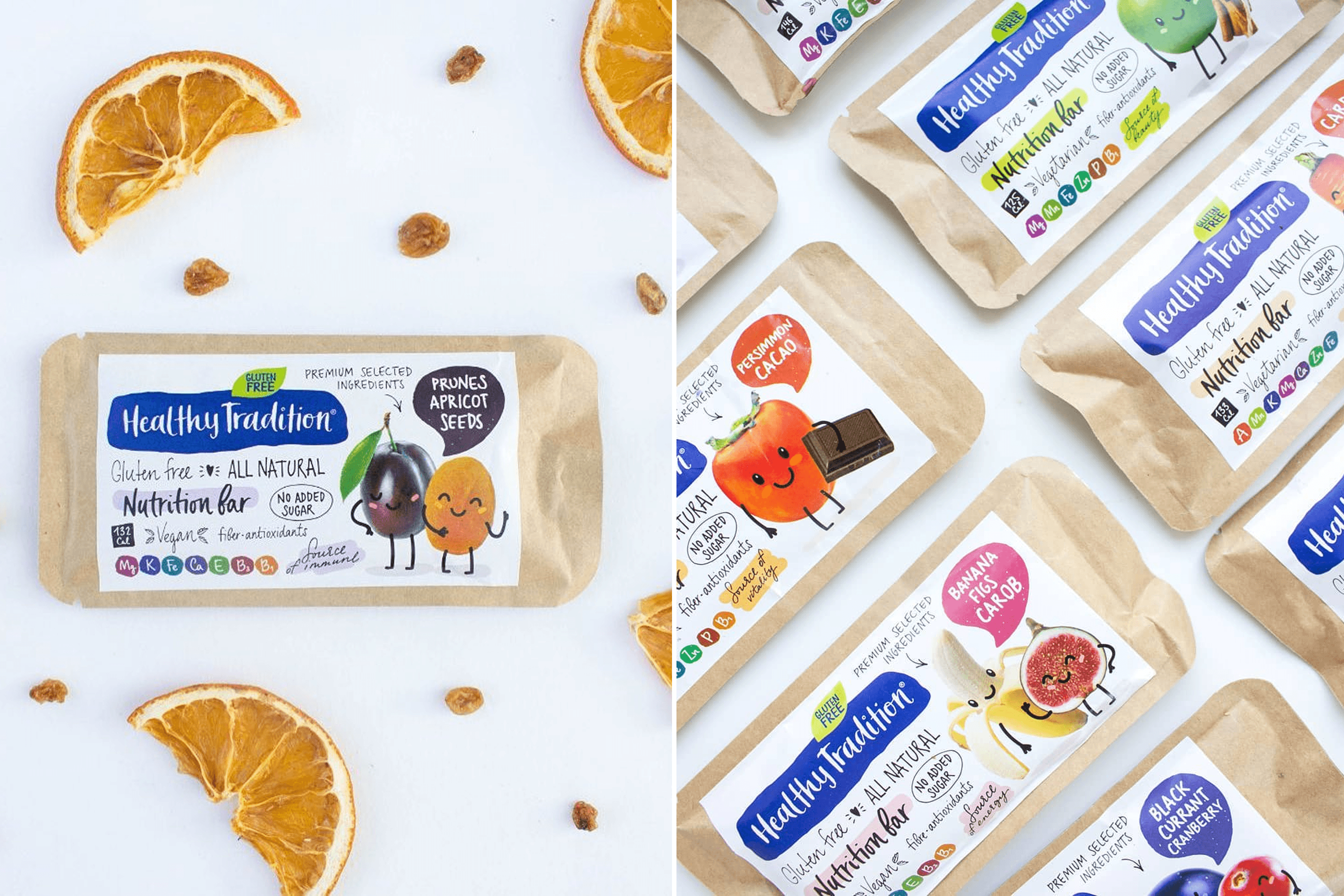
Photo: Healthy Tradition / Instagram / YB
There are other ways to extend shelf life: store raw materials in freezers at −40°C, treat them with CO₂, transport them in temperature-controlled vehicles from +6°C to −8°C, and package products in a modified atmosphere with controlled oxidation.
Natural methods are more expensive, but worth it. I had to buy raw materials from abroad. I also worked with Ukrainian farmers to grow them to order, so they would meet our requirements.
What products did Healing Taste start with? In which retail chains did you sell them?
We started with bars and gluten-free baked goods, selling them in Eco Lavka stores and Silpo. We also participated in street food festivals in Kyiv and talked to people there about what they were missing. Thanks to that, we quickly expanded the range, adding gluten-free breakfast cereals and buns, granola snacks, and crispbreads.
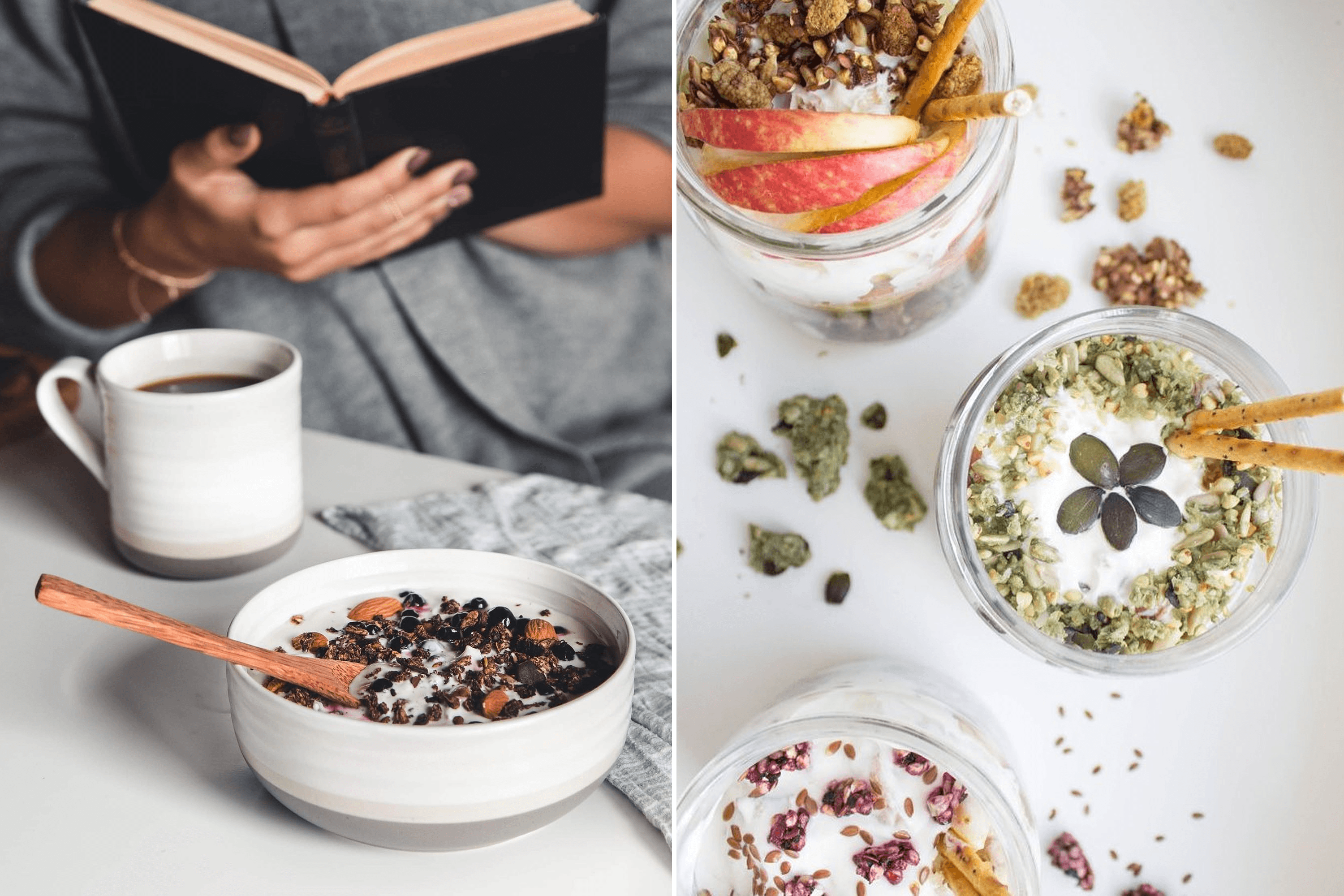
Breakfasts made from natural products from the Healing Taste brand. Photo: Healthy Tradition / Instagram / YB 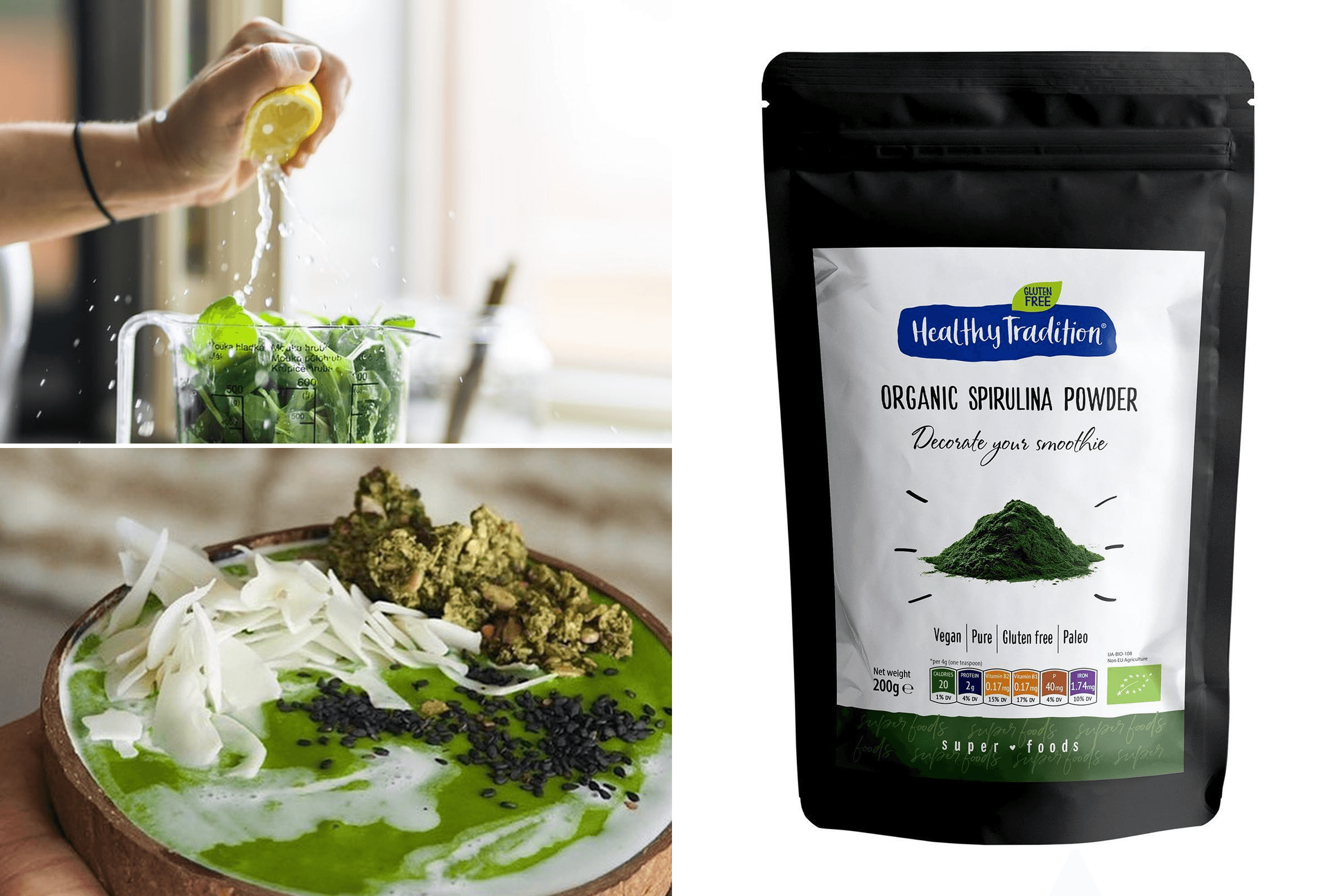
Photo: Healthy Tradition / Instagram / YB 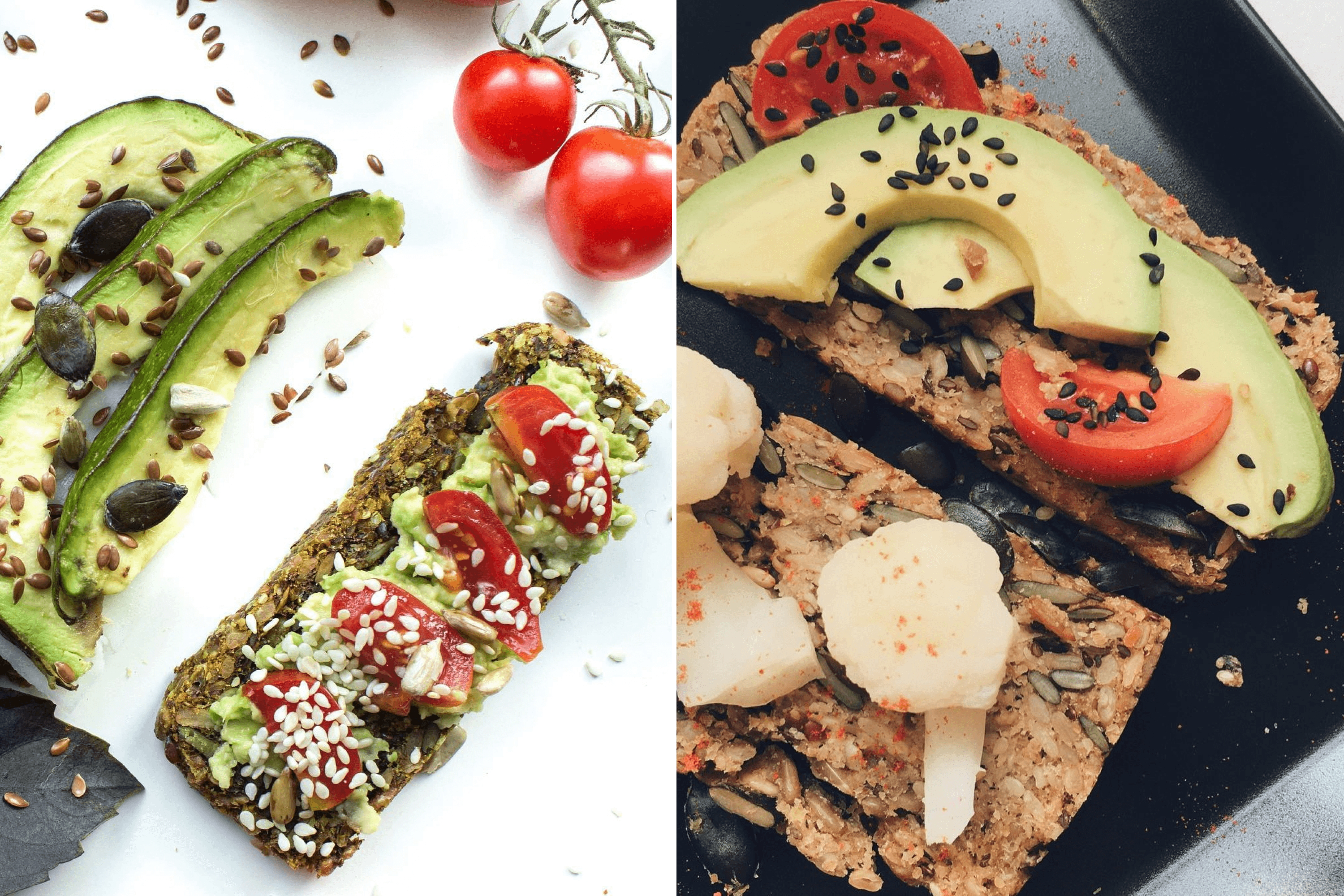
Photo: Healthy Tradition / Instagram / YB 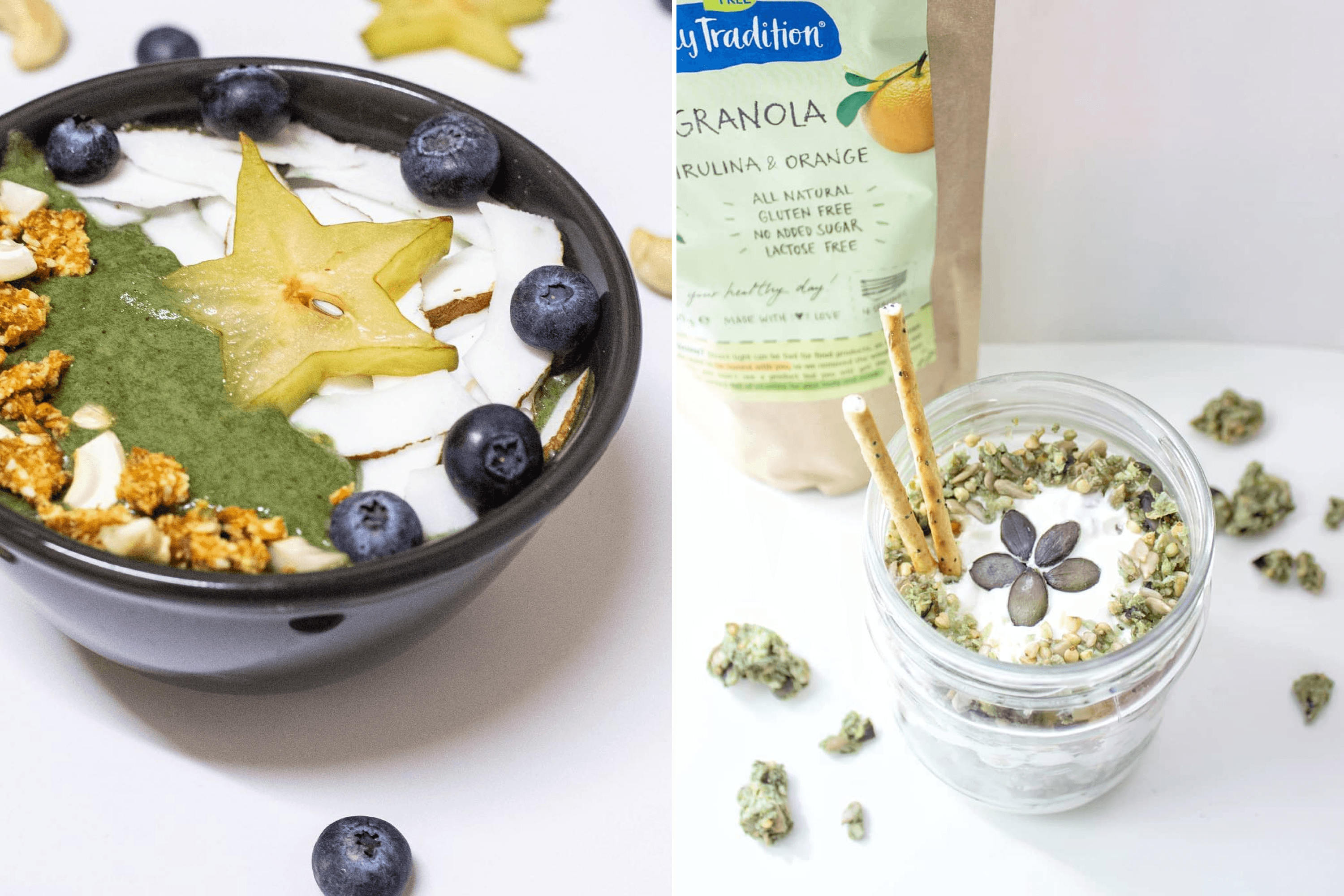
Photo: Healthy Tradition / Instagram / YB 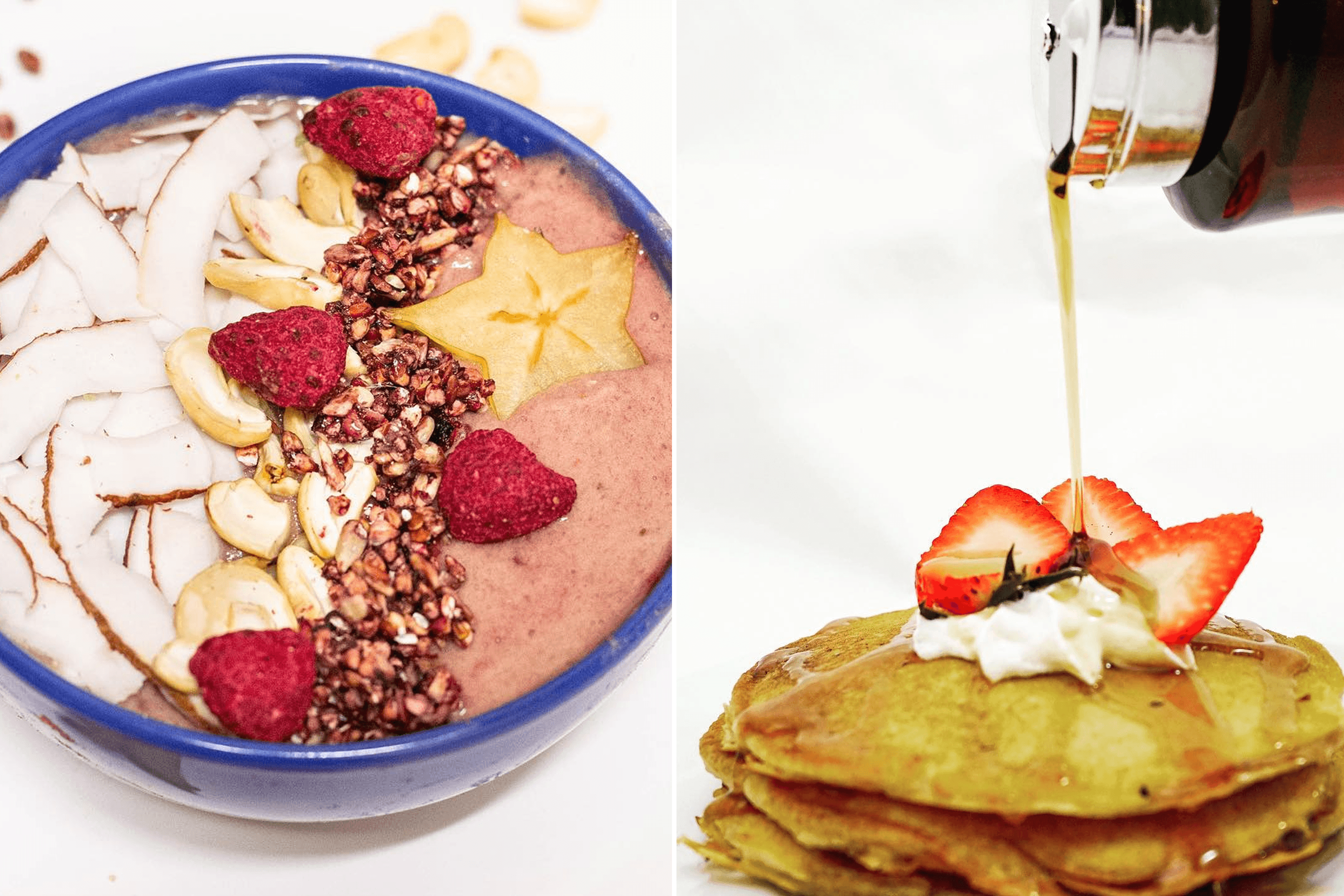
Photo: Healthy Tradition / Instagram / YB 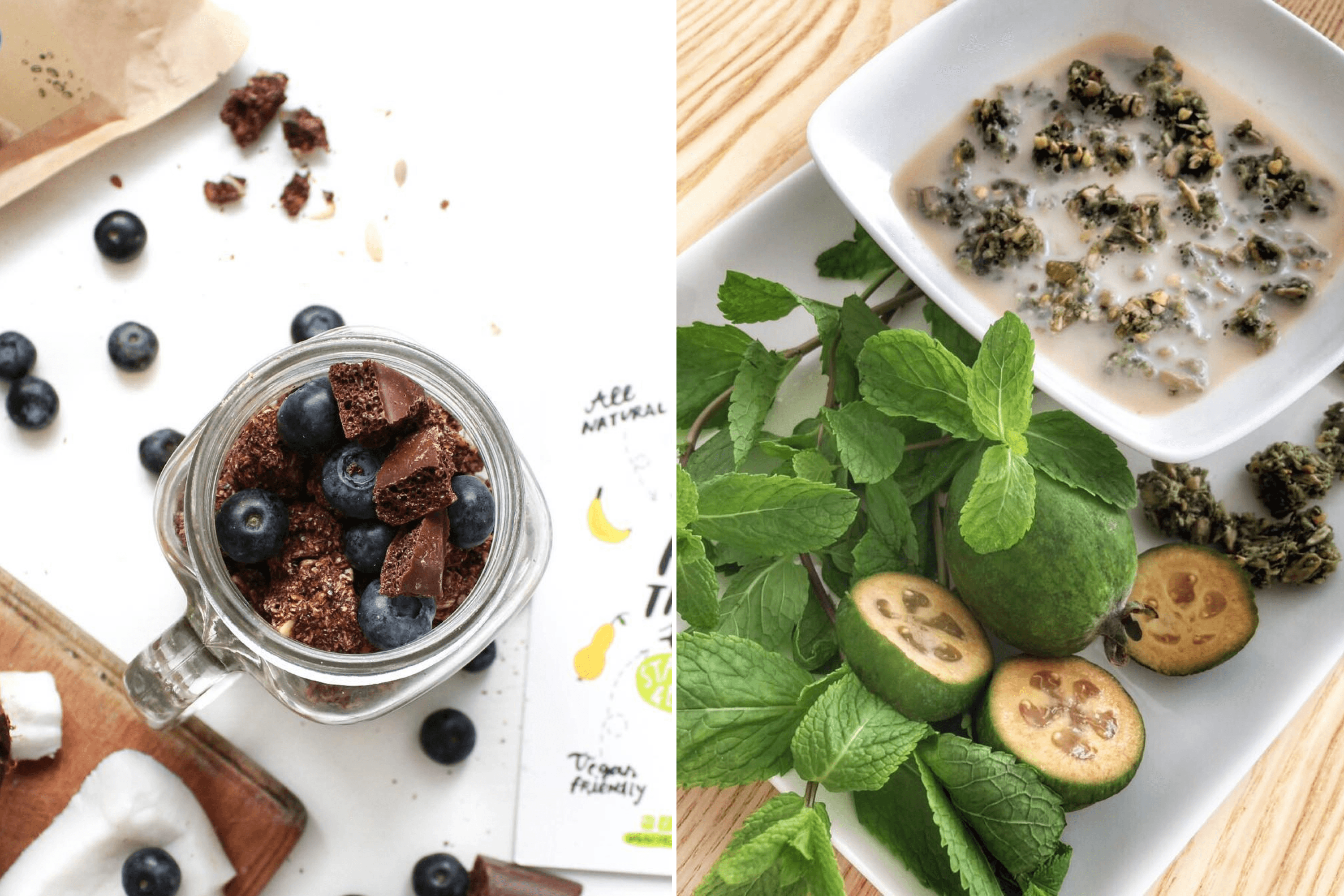
Photo: Healthy Tradition / Instagram / YB
Healing Taste didn’t start in the kitchen. We immediately rented a high-quality facility that met all certification requirements. Food is a huge responsibility. You can’t poison people. We aimed for something ambitious from the start. The entry point was great, but then we got stuck in the Ukrainian market instead of entering foreign ones, as we had planned.
Why did you put off developing exports?
We lacked experience and money. And we were afraid we wouldn’t get certifications, because standards abroad are very high. So we focused on retail in Ukrainian chains. That ate up almost all our capital. Contracts with retail chains are unprofitable for producers. Stores pay with long delays or only after goods are sold. Meanwhile, we work with suppliers on prepayment and pay VAT immediately. Stores could also return goods, which made the financial situation even worse.
Despite this, we attended international exhibitions every year, including Biofach in Germany and Free From Food in Austria, and negotiated with potential buyers in the UK and Sweden. When we were finally ready to export, the COVID-19 pandemic began. The market shifted online, and distributors for physical stores were losing money. New partnerships were the last thing on their mind. Only one buyer from Saudi Arabia bought a large batch. There were also one-off small shipments to Cyprus and France.
In Ukraine, due to the pandemic, we lost our partnership with Silpo, which accounted for 75% of our sales. I reduced the team and took significant losses. Our production moved to a smaller facility. In 2021, my business partners pulled out, and I was paying off loans. That’s the state I was in when the full-scale war began.
2
How did you work at the beginning of the full-scale war?
Right before the full-scale invasion, our production moved again to a new facility in Kyiv near the Zhytomyr highway. It’s a complicated process: moving equipment, getting certification again, hiring people. So we shut down for six months, exited all retail chains, and didn’t manage to return to their shelves before the war began.
In the first days, Russians were pushing toward Kyiv and their tanks were driving along the Zhytomyr highway. The owners of our new facility closed it, so I was only able to get the equipment back at the end of 2022. At the same time, I found a new place near my home, because there were checkpoints across the city and transport wasn’t working well. My team was my family and a food technologist who had left for France and consulted us remotely.
Since 2022, I’ve been living between Ukraine and the UK, where acquaintances from the investment field invited me. I analyze the market, attend food exhibitions, negotiate to get our goods into large grocery chains, and consult Ukrainian businesses on entering the British market.

We finally found a partner in Ukraine in 2025, the owner of a food manufacturing business in the Zhytomyr region. Now we make our products through outsourcing. Of course, I’m involved, but his team has established processes and keeps everything under control.
What’s the situation in the UK organic food market now?
After the coronavirus pandemic, UK companies started recovering in 2024. Roughly 50% of the market consists of new players. Retail chains lost a lot of money and now work very cautiously. For example, they don’t pay in advance, only after goods are sold. Still, the terms are better than in Ukraine: no returns and clear payment deadlines.
It’s a very tough market because of intense competition, not only with British producers but with manufacturers from all over the world. In a single day, buyers can receive a hundred applications from suppliers. So they choose those who don’t need constant hand-holding or being made to redo work. The British are very demanding about everything, including packaging.
Cookies and other sweets from the Healing Taste brand. Photo: Healthy Tradition / Instagram / YB 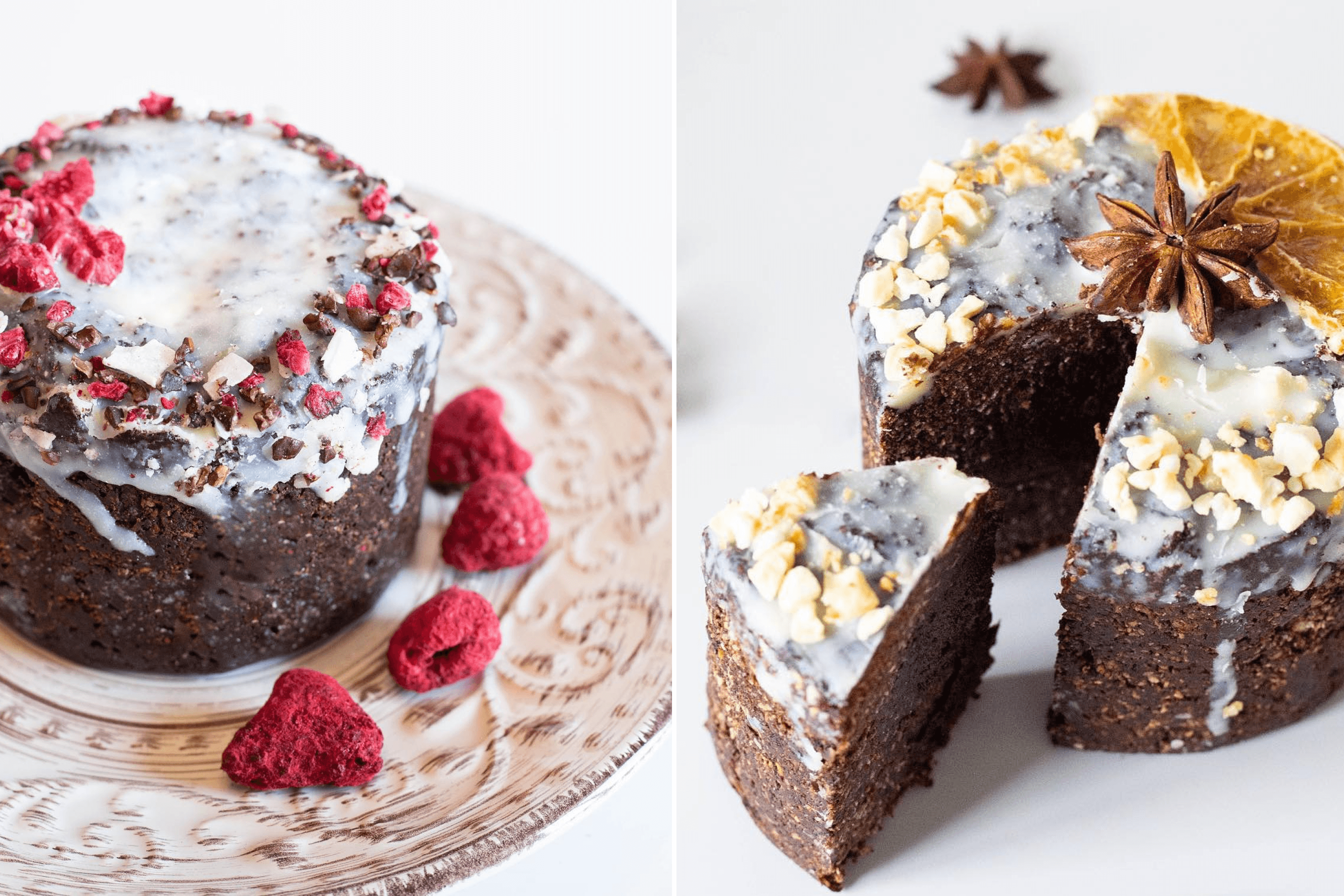
Photo: Healthy Tradition / Instagram / YB 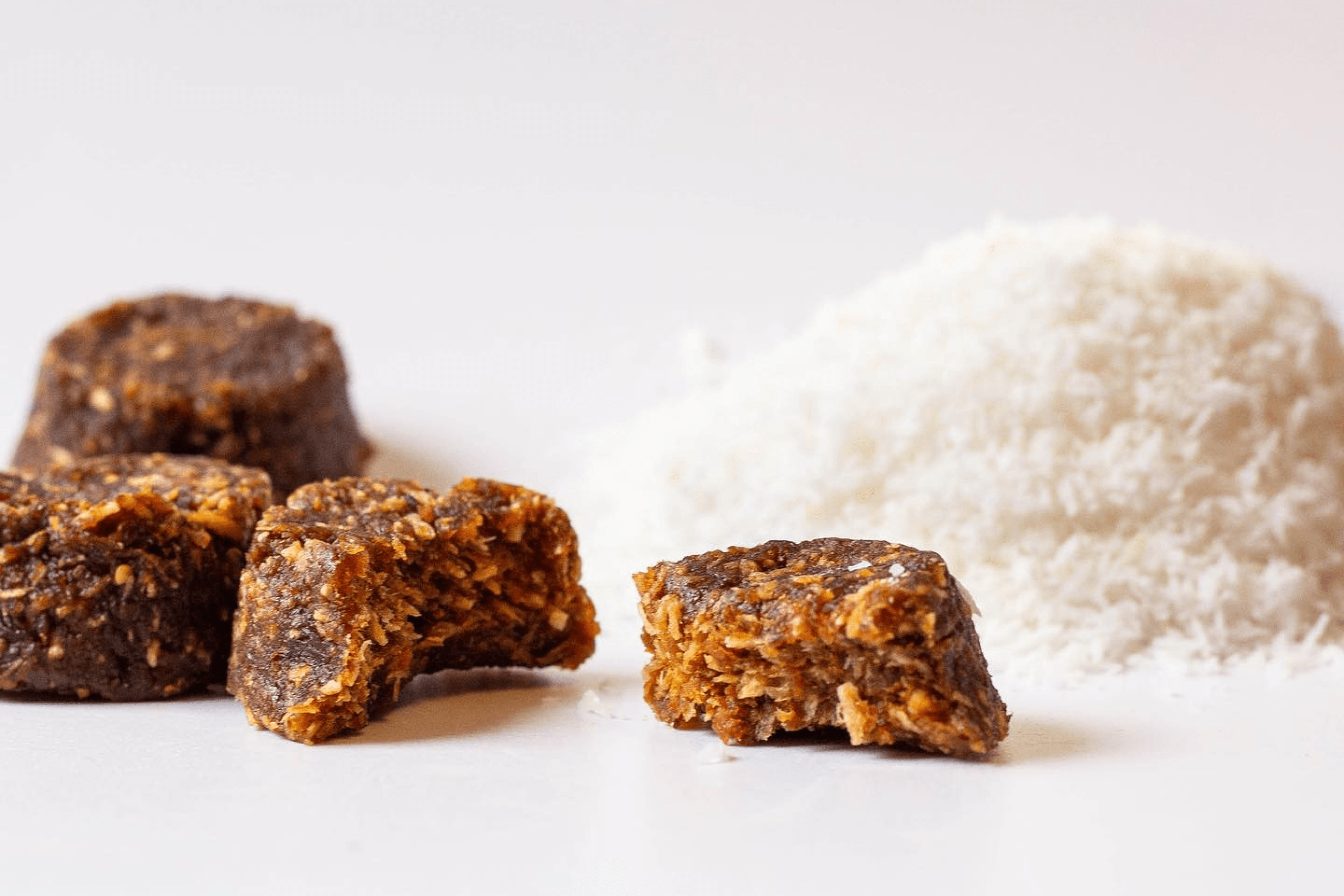
Photo: Healthy Tradition / Instagram / YB 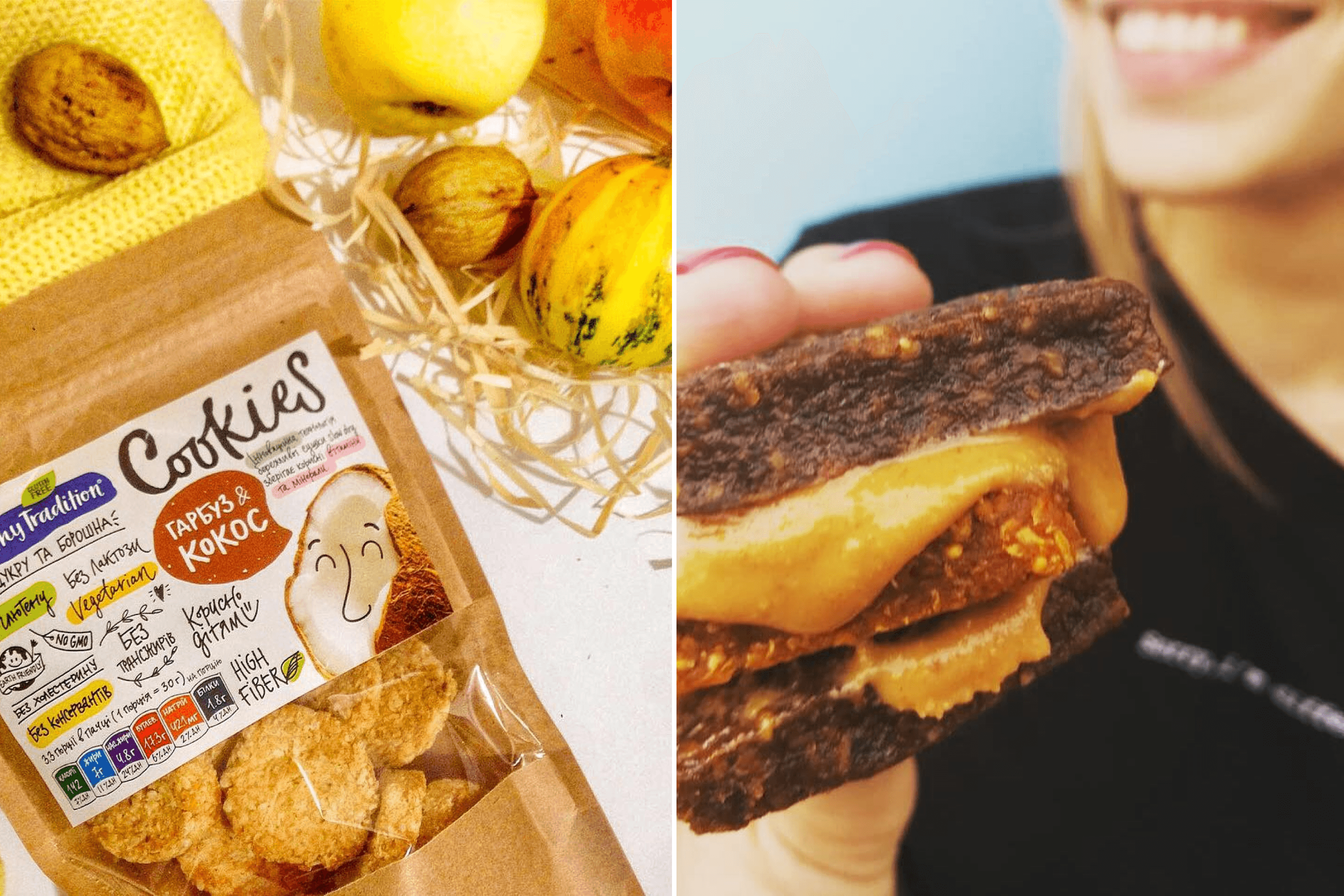
Photo: Healthy Tradition / Instagram / YB 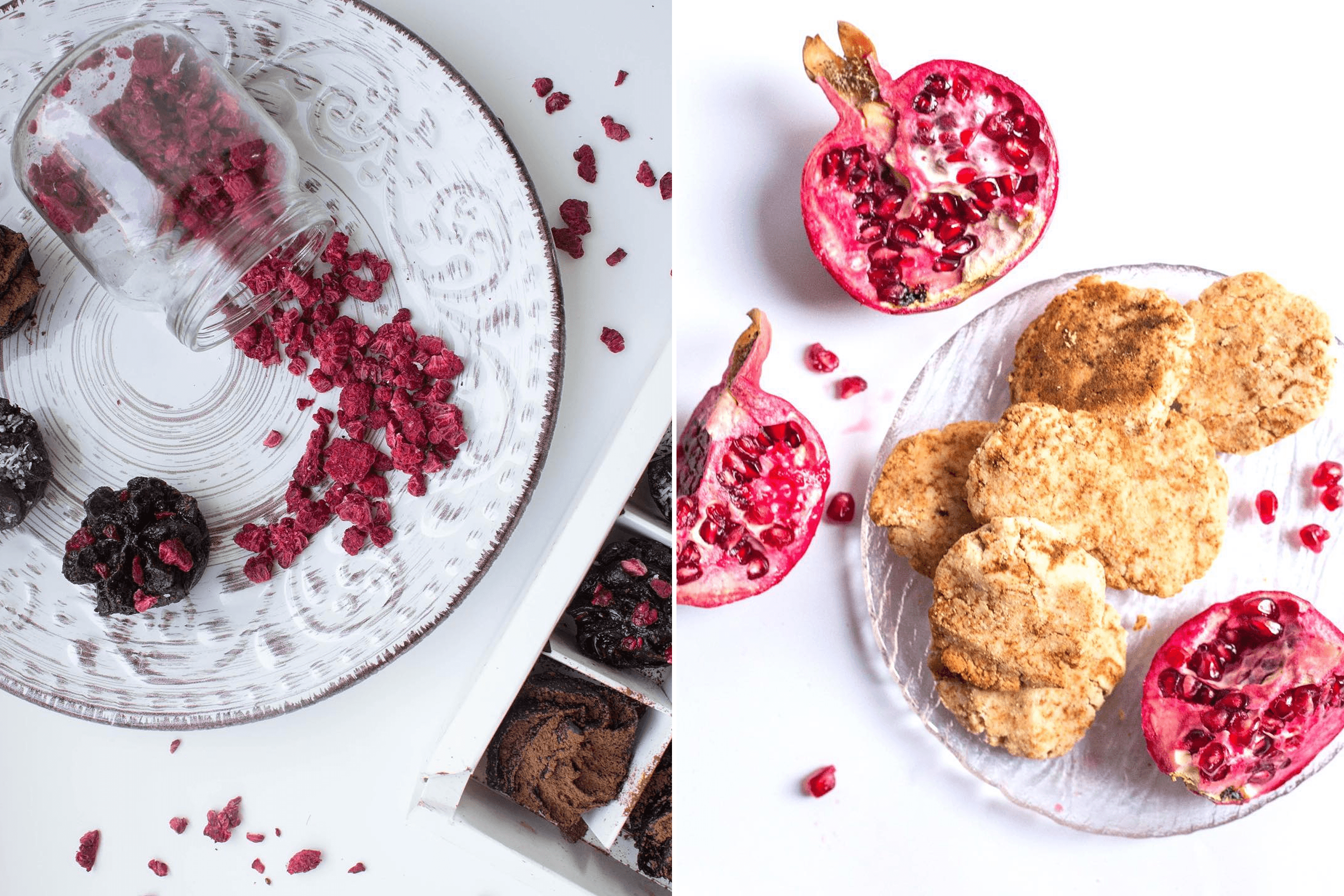
Photo: Healthy Tradition / Instagram / YB 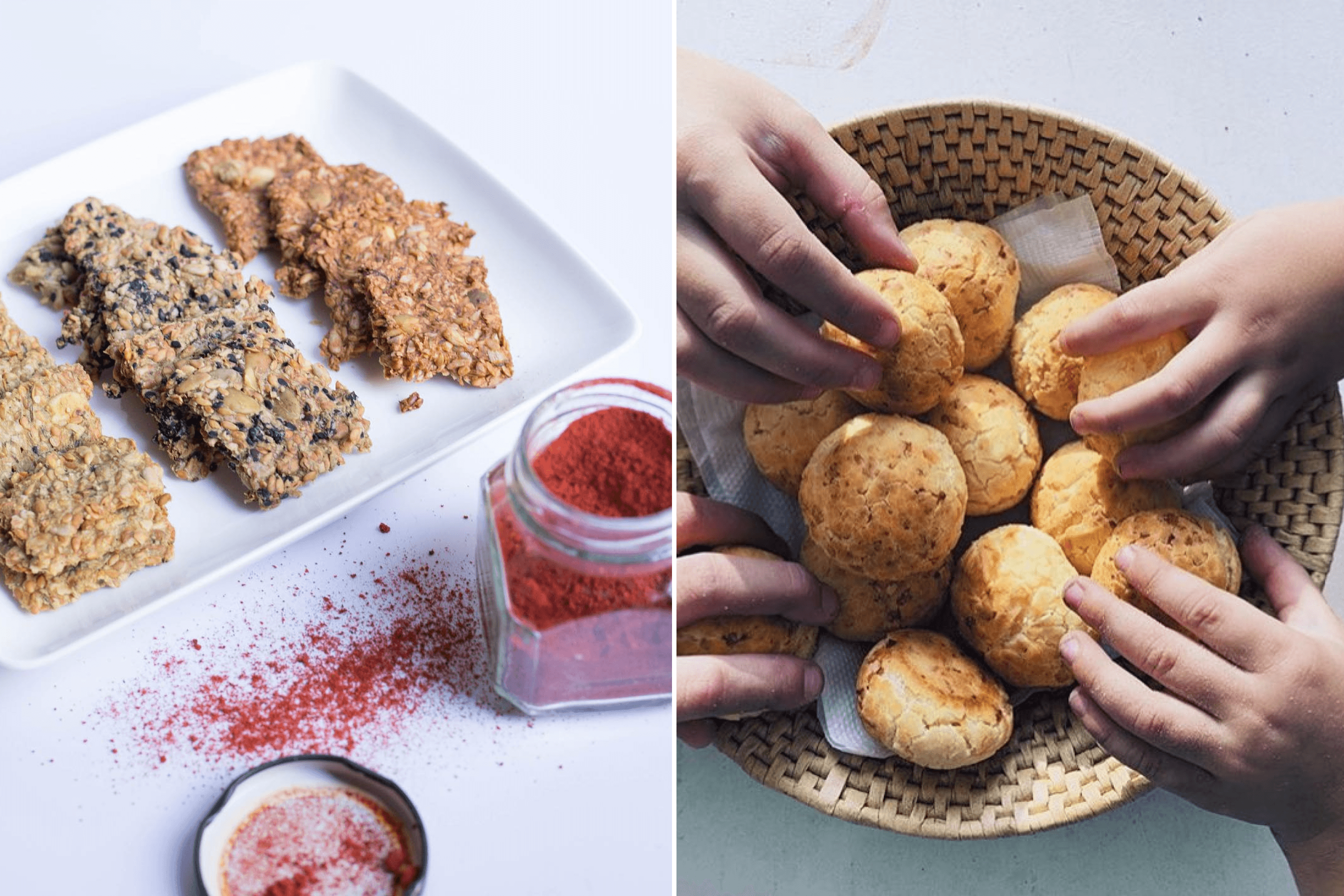
Photo: Healthy Tradition / Instagram / YB
Also, it’s almost impossible here to establish direct contact with supermarkets the way you can in Ukraine. There’s a special platform that opens a communication window. Access costs £2,400 per year. That’s why it’s hard for Ukrainian manufacturers to enter without a budget and partners who know their way around the local rules.
Over the years in Britain, I’ve come to be seen as a local player, because I regularly take part in events and exhibitions and know where to meet potential partners. Thanks to business connections, I already have an importer here who treats me like a local business, the same as others here.
Are you already selling in UK stores?
We received approval from several chains, for example Planet Organic and Whole Foods Market. But they said our kraft packaging doesn’t work, because supposedly it’s only used by people who cook in a kitchen without certification. Now we have to redo it for the entire product line to fit UK standards, but we don’t have money for that yet. I apply for grants in Ukraine and look for financial partners, but it’s long and difficult.
Right now, we sell to niche British shops. It’s fine for them. They order via eBay UK. We’ve been selling there since May 2023 while waiting for Amazon UK to approve us as sellers.
How do these online platforms work?
Our sales there are handled by a fulfillment provider, a company that stores products in its warehouse, processes orders on the platform, and ships them to customers.
To compete on online marketplaces, you need a high rating and lots of sales. Then your product moves higher in the search results users see. When you first join a platform, you end up at the very bottom. Like most sellers, for the first four months we asked relatives and friends to buy our stuff and leave reviews so we could climb the rankings.
How can you promote your product in the UK market?
There’s a unique promotion channel here. Several companies showcase your products at large events, in shopping and business centers, and at farmers' markets, which are hard to access on your own. Basically, we rent a stand from them and pay up to 15% of sales, while they provide a high-footfall location and the necessary equipment.
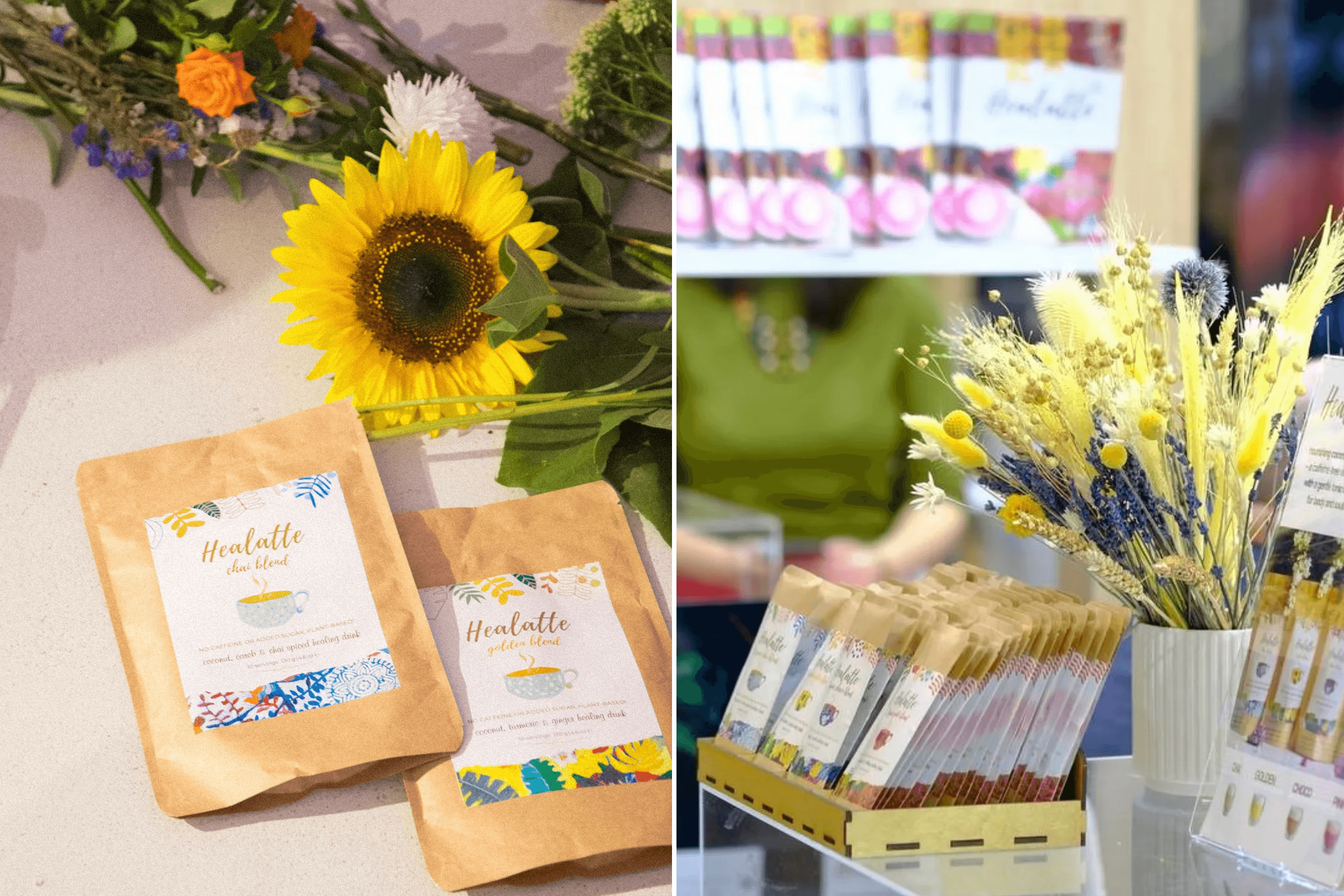
Healing Taste brand products in kraft packaging. Photo: Healthy Tradition / Instagram / YB 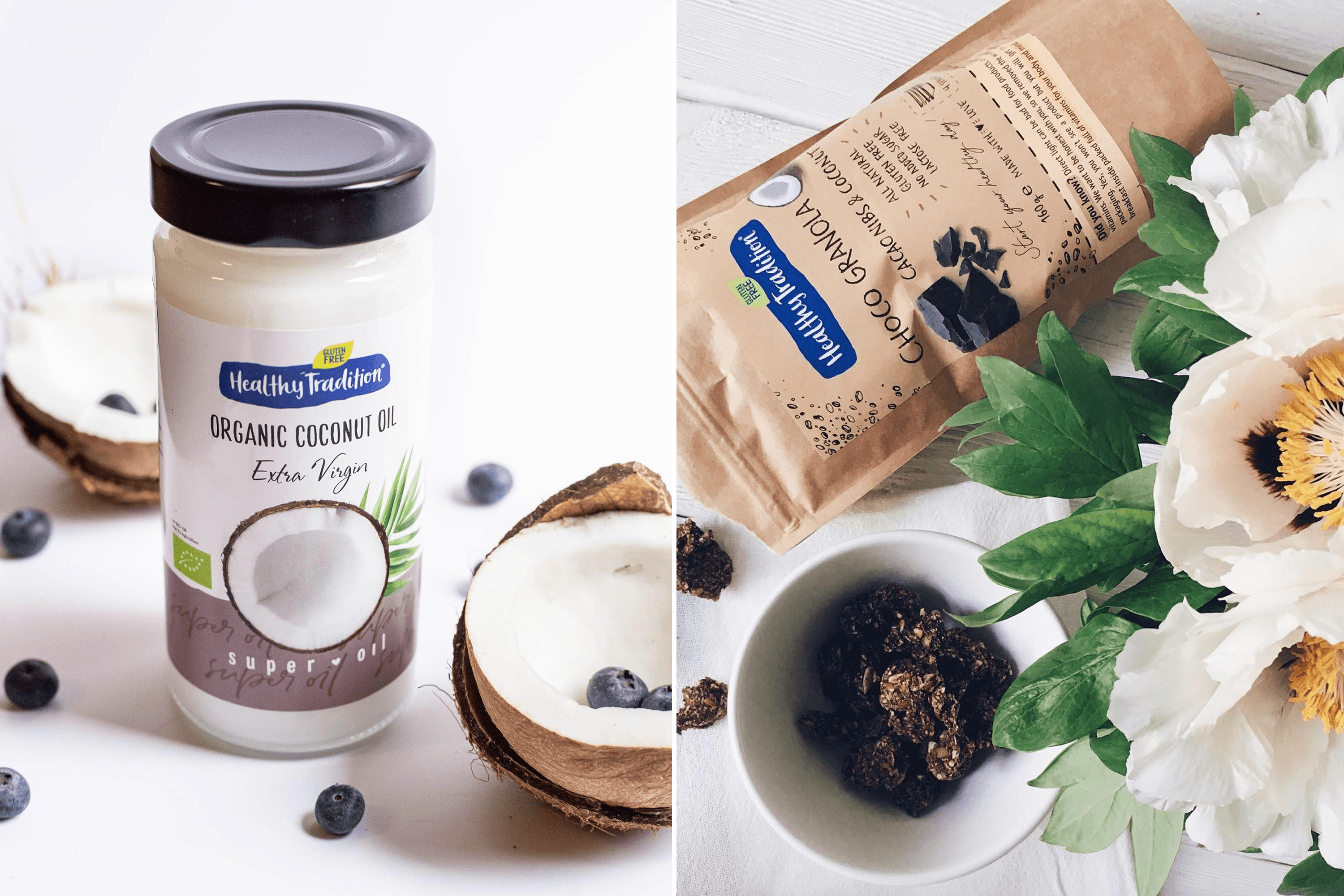
Photo: Healthy Tradition / Instagram / YB 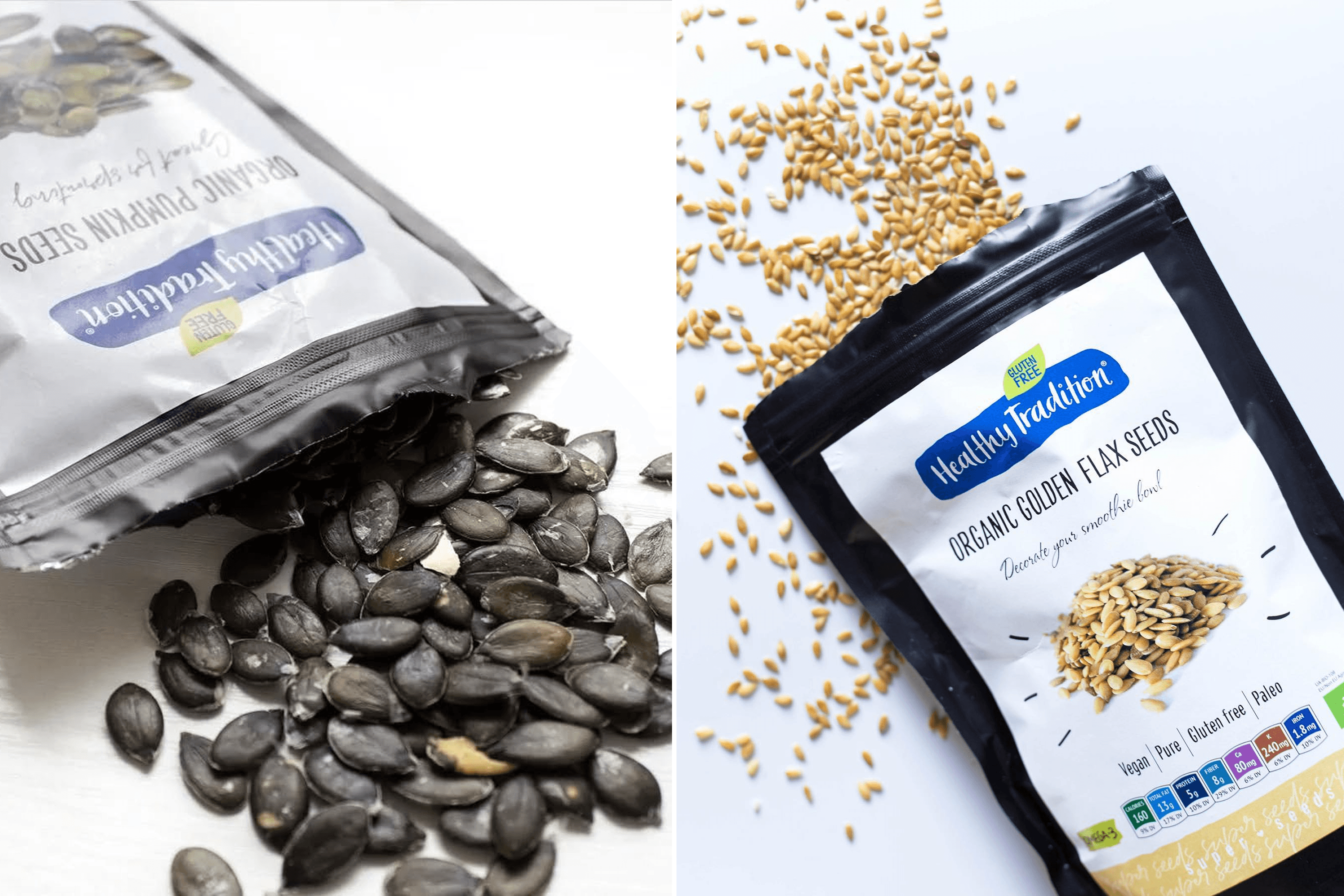
Photo: Healthy Tradition / Instagram / YB 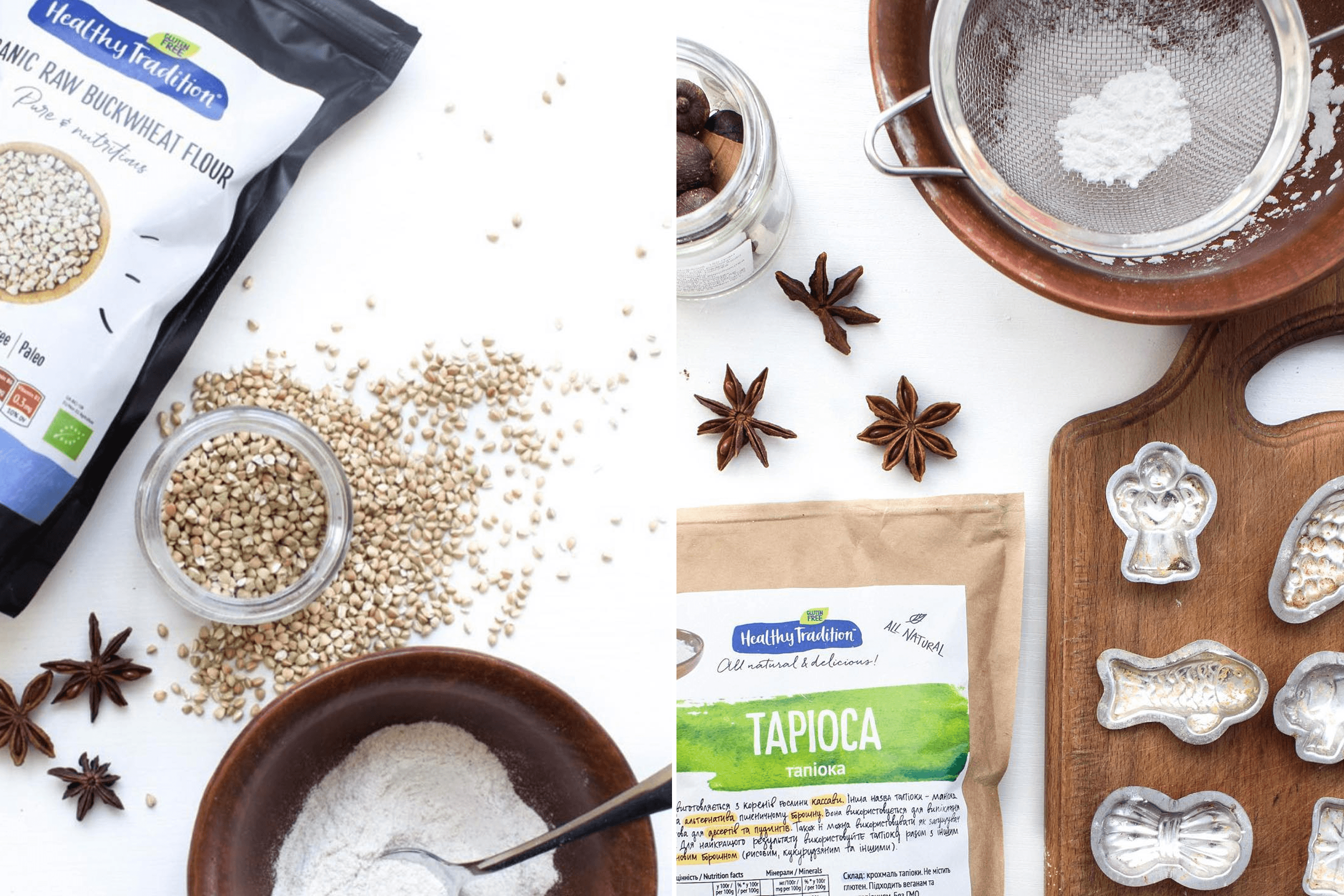
Photo: Healthy Tradition / Instagram / YB 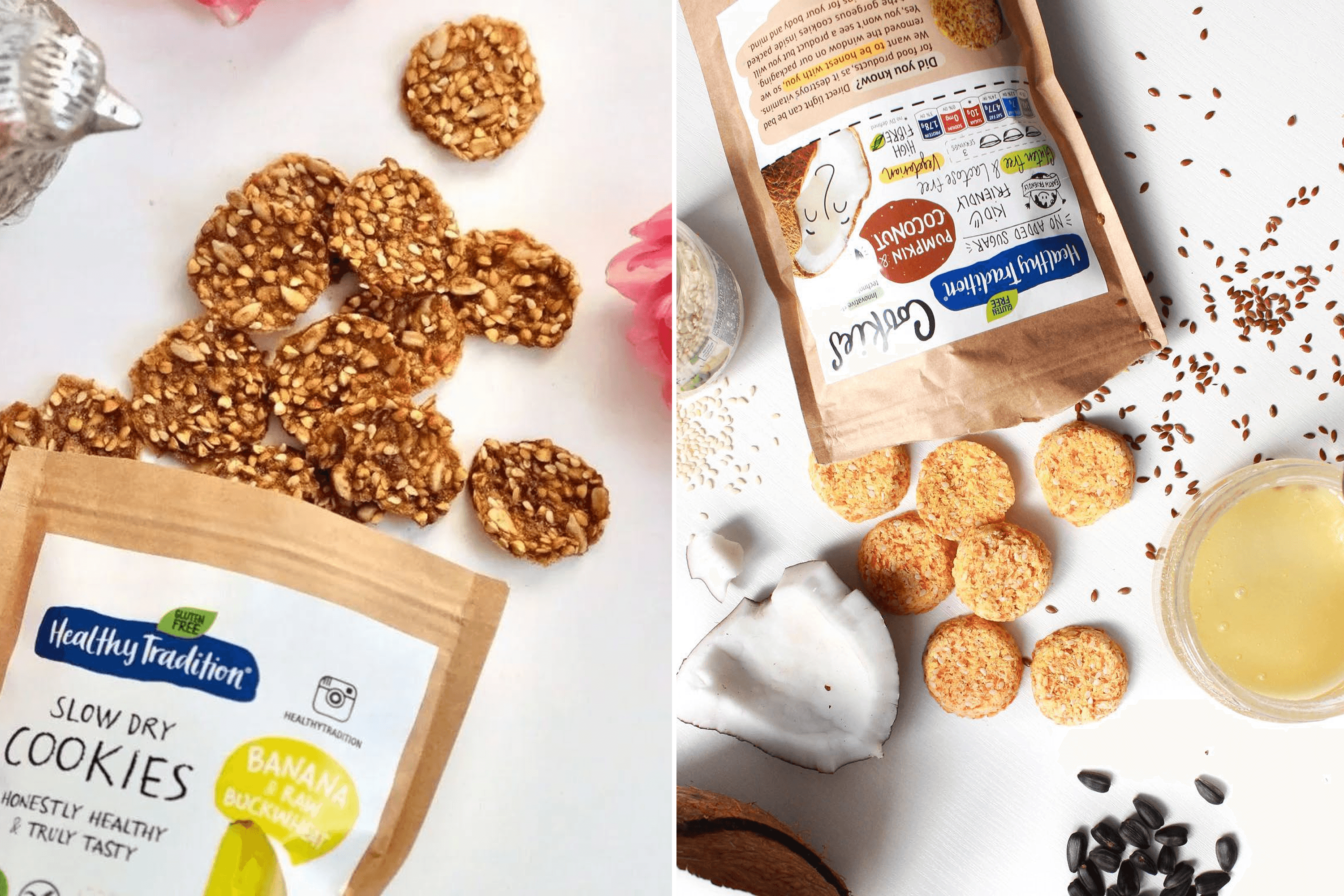
Photo: Healthy Tradition / Instagram / YB 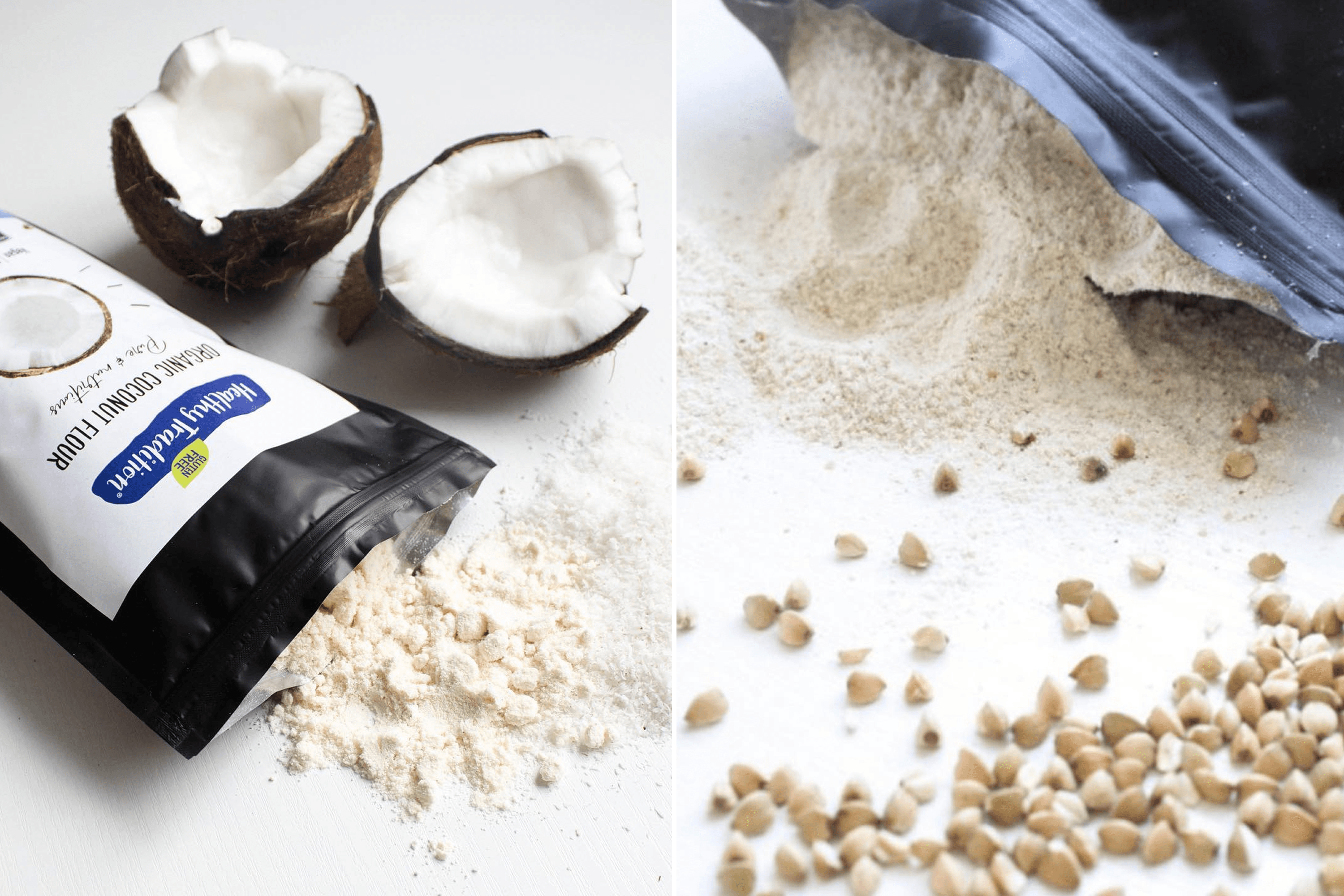
Photo: Healthy Tradition / Instagram / YB
These companies also create pop-ups that keep moving to different areas of London and nearby towns. In Ukraine, this format exists mostly in fashion, while in Britain it’s used across many industries. This way, they introduce new brands to the end consumer, and we can get data that chains always ask for, like sales statistics. British retail is very demanding and won’t stock you if you don’t have sales in pop-up stores and on online platforms.
Does it help that your business is from Ukraine?
I don’t think so. Most customers treat Ukrainians like any other immigrants. But what helps is the personal service typical of Ukrainian businesses. For example, I personally delivered the product to a client in London who had to leave urgently but really wanted it.
There was also a case when fulfillment didn’t ship a customer’s goods on time. It was an eBay order, and we risked getting a negative review and losing our high rating. The client contacted our manager asking where it was. We quickly figured out what happened. And although it wasn’t our fault, I sent the client a gift and offered a discount on the next one.
Local British companies don’t respond like that to similar situations because their volumes are huge. That’s how we stand out.

When Healing Taste was just starting out, you planned to enter the Northern European market. Are you considering it now?
Yes. Last year, I reconnected with a distributor in Sweden and plan to enter their chains in 2026. The Swedish market is simpler than the UK’s. It’s small and oligopolistic. Just two big retailers.
I’ve already signed a contract with a distributor that’s been working for over 20 years with premium organic and natural food stores like ICA and Life. Hard to imagine a better partner. I really want the first shipment to go there this winter. To get Swedish consumers' attention, we need at least six months to a year. If people like our product, we’ll have steady sales.
What other differences are there between the UK and Swedish markets?
In Sweden, you can meet with potential partners over the course of a year to build trust and discuss all the terms. In Great Britain, it doesn’t work like that. If you’re lucky enough to meet decision-makers, you must be fully prepared. You may not get another chance.
In the UK, I track where senior managers are speaking and try to connect with them at those gatherings. By the fourth time, they usually recognize me. For several years, I went to all the events, networked, and shared samples. Finally I built my reputation in the organic sector. Now these people help me get meetings with retailers. Personal recommendations are extremely important here.
In general, the British are more straightforward. I remember an unpleasant conversation with a buyer. He looked at our kraft packaging and said we still need to grow up before we can sell to them. In Sweden, they value you, gently pat you on the head and offer help. In the UK, they immediately brush you off. That’s why I help Ukrainian companies break into Britain. It’s difficult to navigate all the nuances on your own.
In your opinion, which Ukrainian companies are succeeding in Britain?
In our segment, it’s Bob Snail. For me, they set the standard. They put in a large budget from the start. We can’t afford that yet. They have a dedicated team here that builds direct contacts with local buyers, arranges meetings, and presents products. They also exhibit every year with a large stand. So Bob Snail spends a lot of money and time. But even they needed a year to get their first sales here.
Ukrainian producers often want local consultants who understand the situation to work with them for a percentage of sales. But here, that’s impossible. There are many players, and to win a contract you need to work for a year and invest heavily in promotion. Consultants understand this, so they won’t work without a retainer, a monthly fee for hours worked plus sales bonuses.
3
How does your production work during long power outages caused by Russian attacks?
Because of power outages, we can’t plan work like we used to. So now we launch production once every two to three months. We wait for power, make large batches, and deliver them to the warehouse. When sales grow, it will get easier. Storage won’t be overloaded, and we’ll have money to buy more raw materials.
Back in 2021, we stopped using freezers and refrigerators. Instead, we only buy dried or powdered fruits and vegetables. These ingredients aren’t available in Ukraine. We bring everything from abroad, which is logistically costly. Before, we ordered from Ukrainian farmers, stored it in freezers, and had supplies for a year.
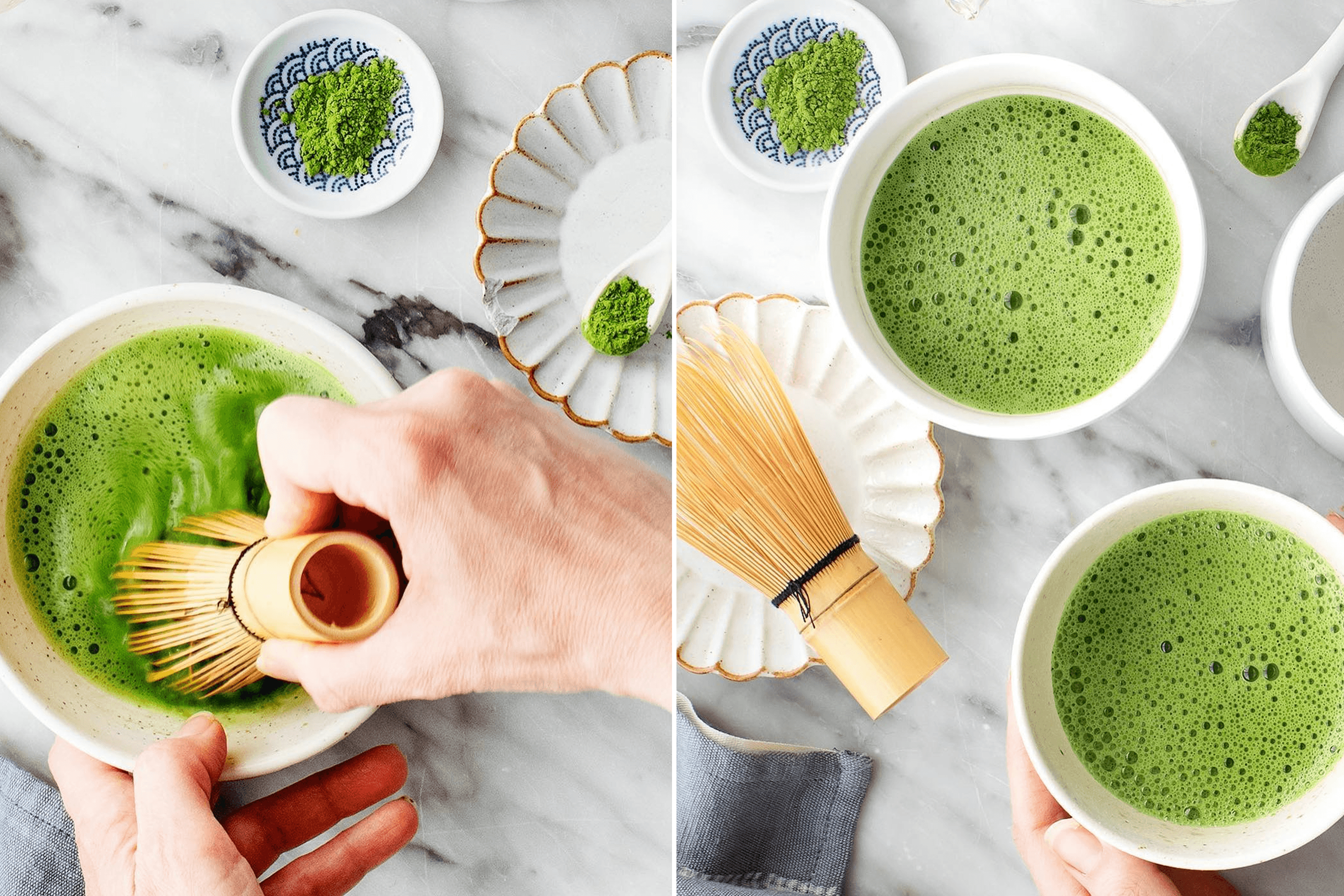
Drinks from the Healing Taste brand. Photo: Healthy Tradition / Instagram / YB 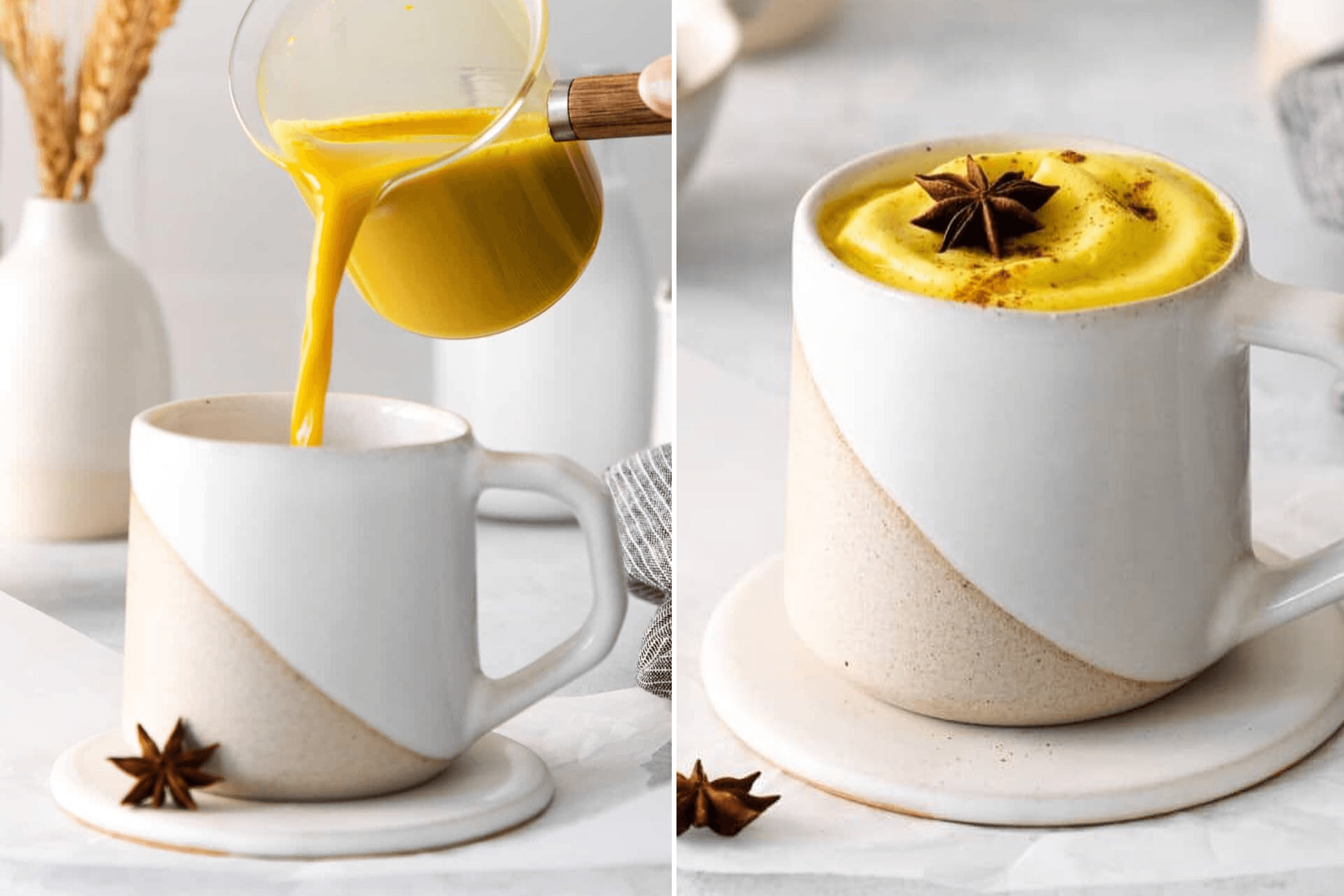
Photo: Healthy Tradition / Instagram / YB 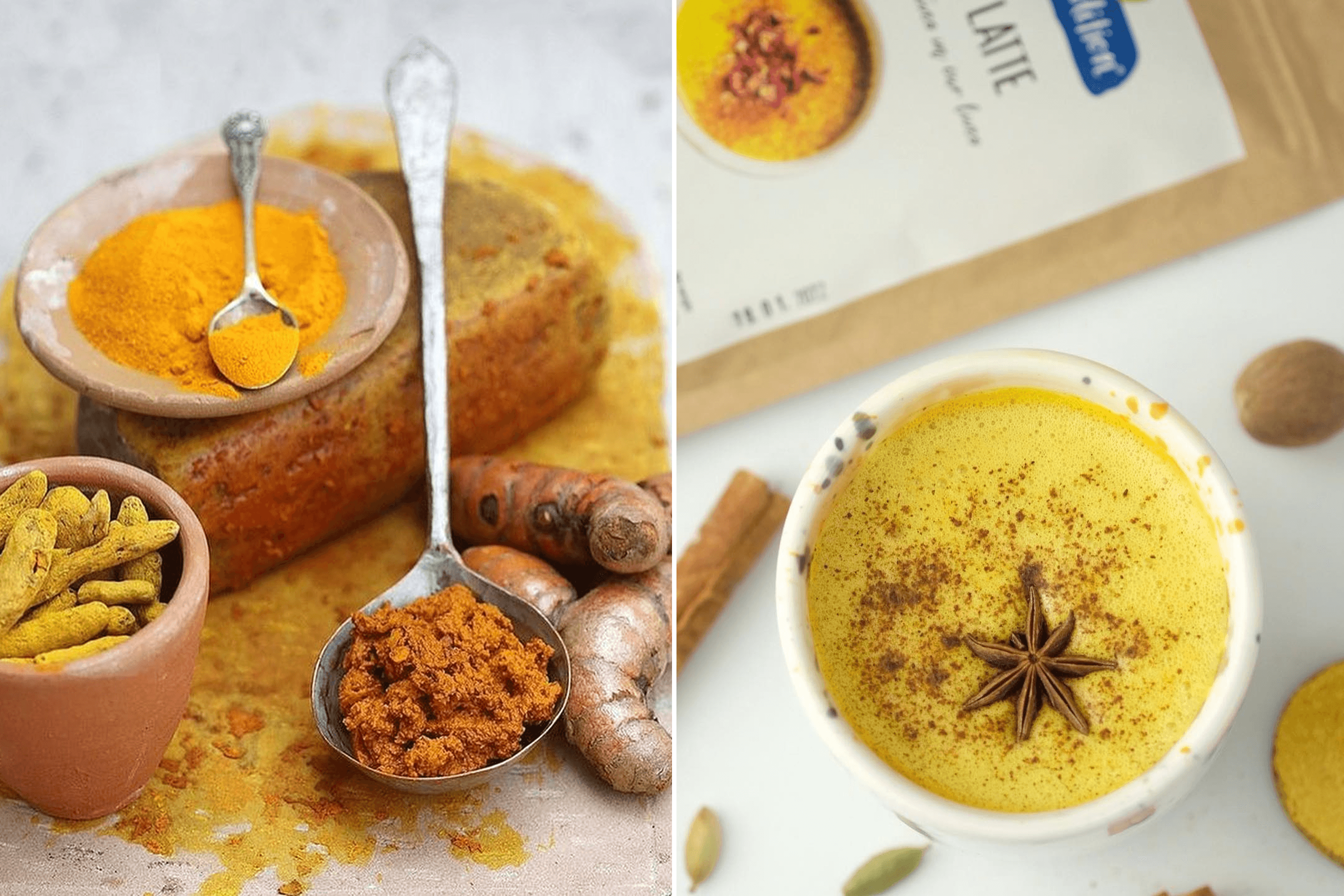
Photo: Healthy Tradition / Instagram / YB 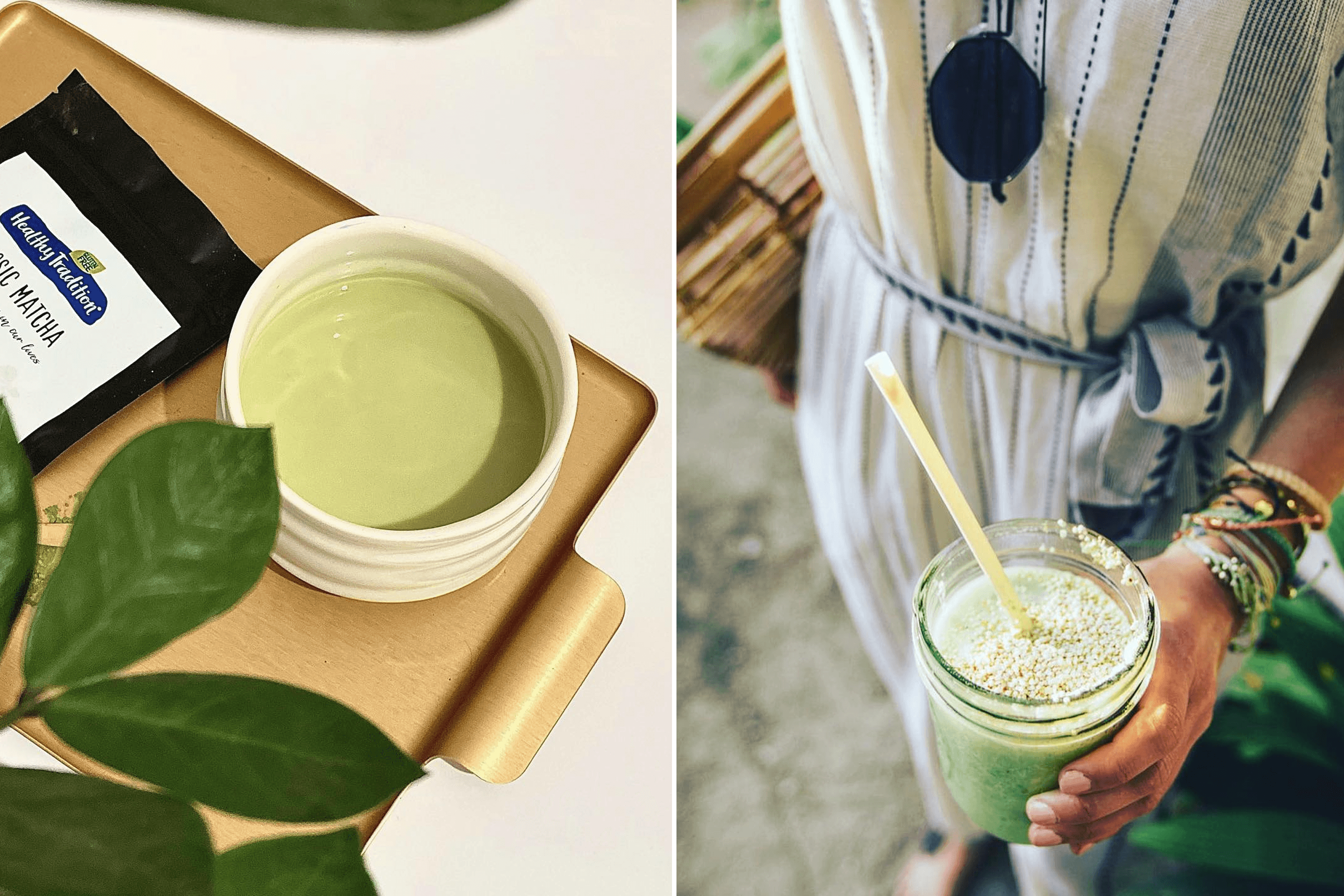
Photo: Healthy Tradition / Instagram / YB 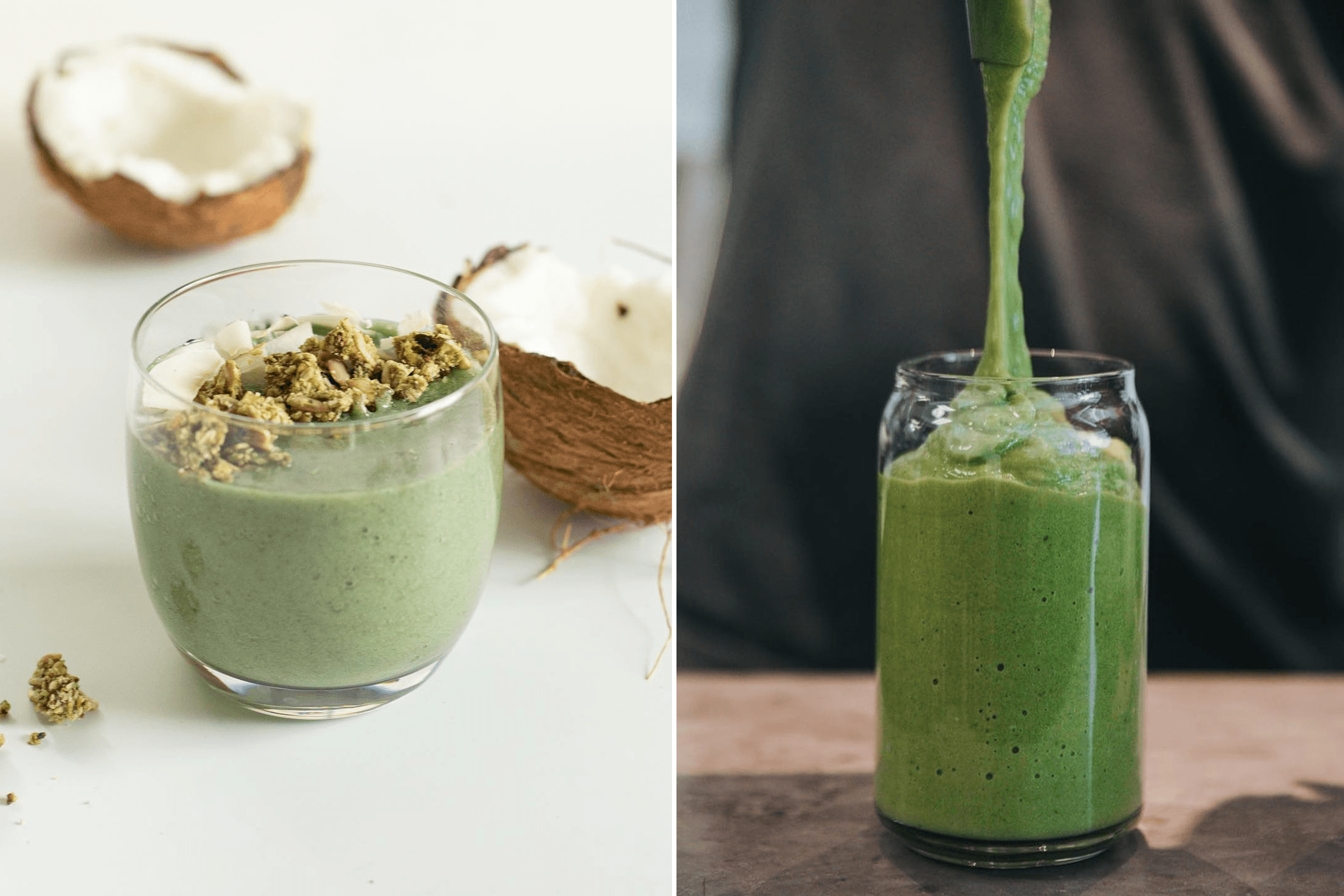
Photo: Healthy Tradition / Instagram / YB 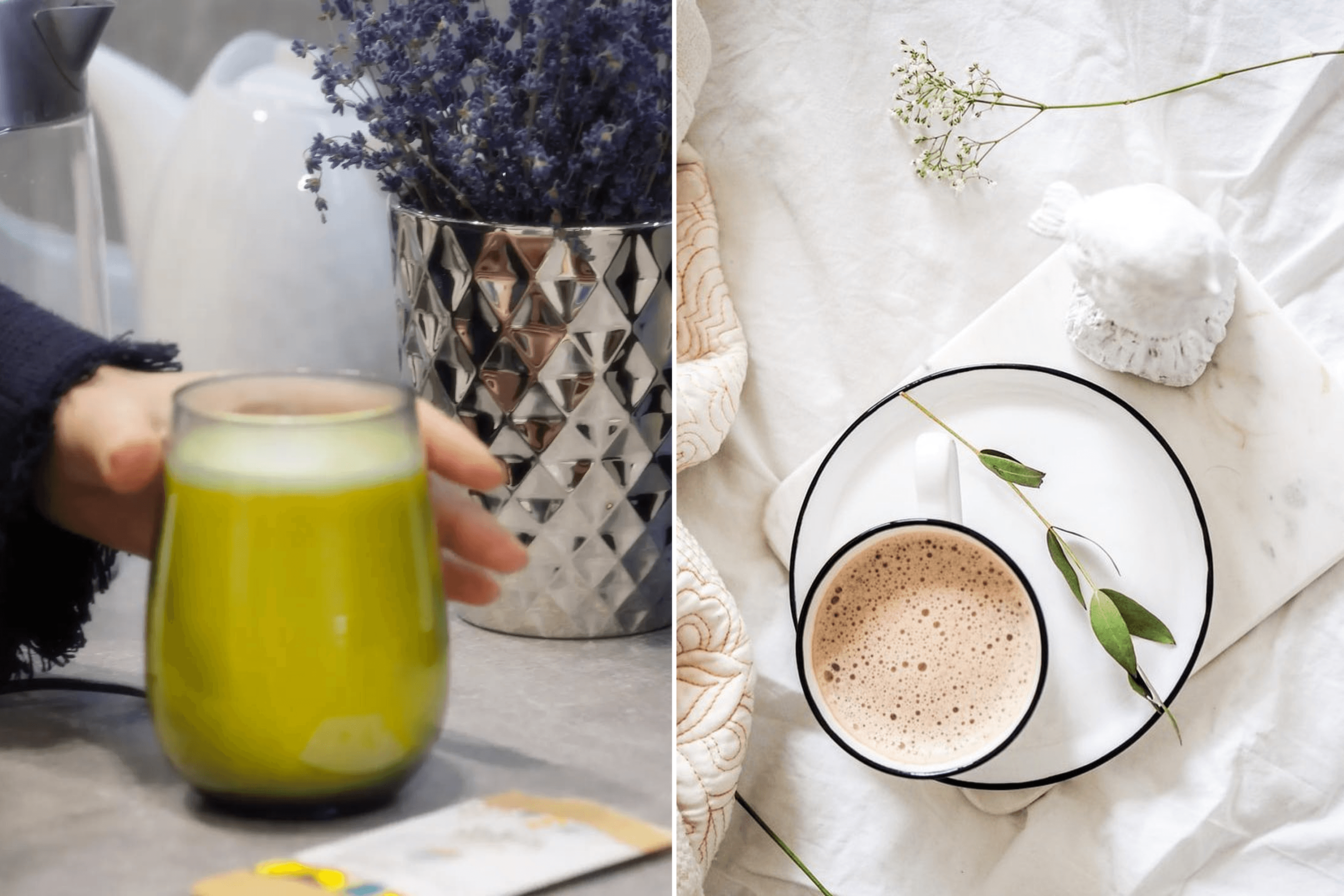
Photo: Healthy Tradition / Instagram / YB
Do you have problems crossing customs?
No, because we make natural plant-based products that under customs codes need almost no paperwork. Border officials have nothing to complain about.
We thought about this at the start. My corporate finance background taught me to plan everything ahead. Our packaging fully protects the product. It doesn’t need special temperature control or storage conditions. Products like this can cross any border without problems.
Also, we were lucky that the UK has no VAT or customs fee on organic items.
You’ve rebuilt the business several times and faced many difficulties in Ukraine and abroad. What keeps you going?
I have a mission to bring value to people. After the COVID pandemic and Russia’s invasion, I don’t have the optimism I had when starting out. I’m exhausted, but I still want to scale. And I believe that with limited demand, you can’t succeed working in just one place. That’s what brought me to London. The global market is recovering after COVID, but it’s still in process. For me as an investment banker, that means big profits aren’t coming soon.
Working in organic food means being pioneers and often making things people don’t yet want or barely want. It’s hard because you have to stay afloat, not lose money, and wait for things to change. Many producers keep going because of the idea: benefit people and create healthy food.
When it’s psychologically tough and I think about closing, customer messages help. “Don’t stop! What will we do without you?” Feeling needed and valued keeps you going.
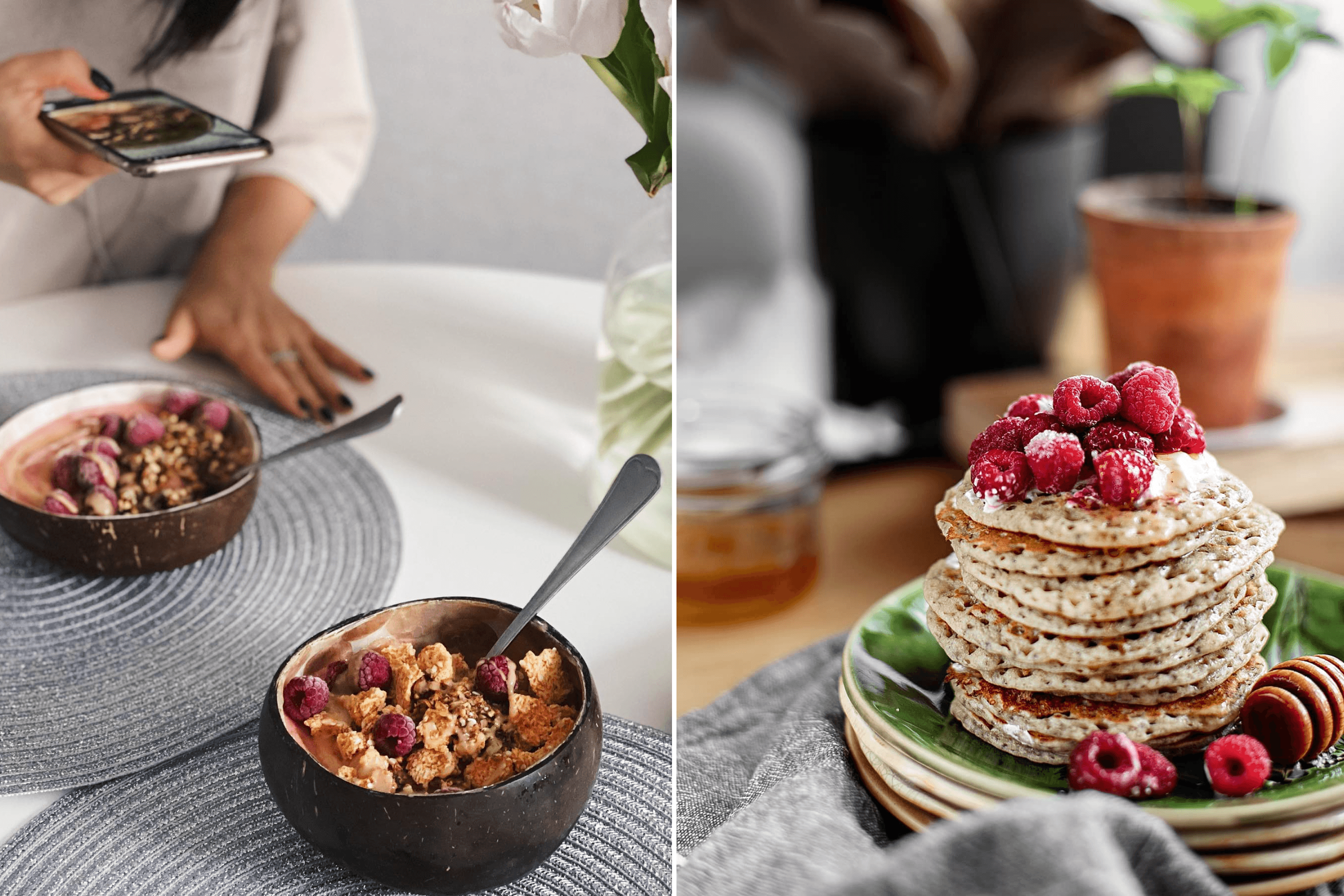
Users buy Healing Taste products, cook with them, and post photos on Instagram with the brand tag. Photo: Healthy Tradition / Instagram / YB 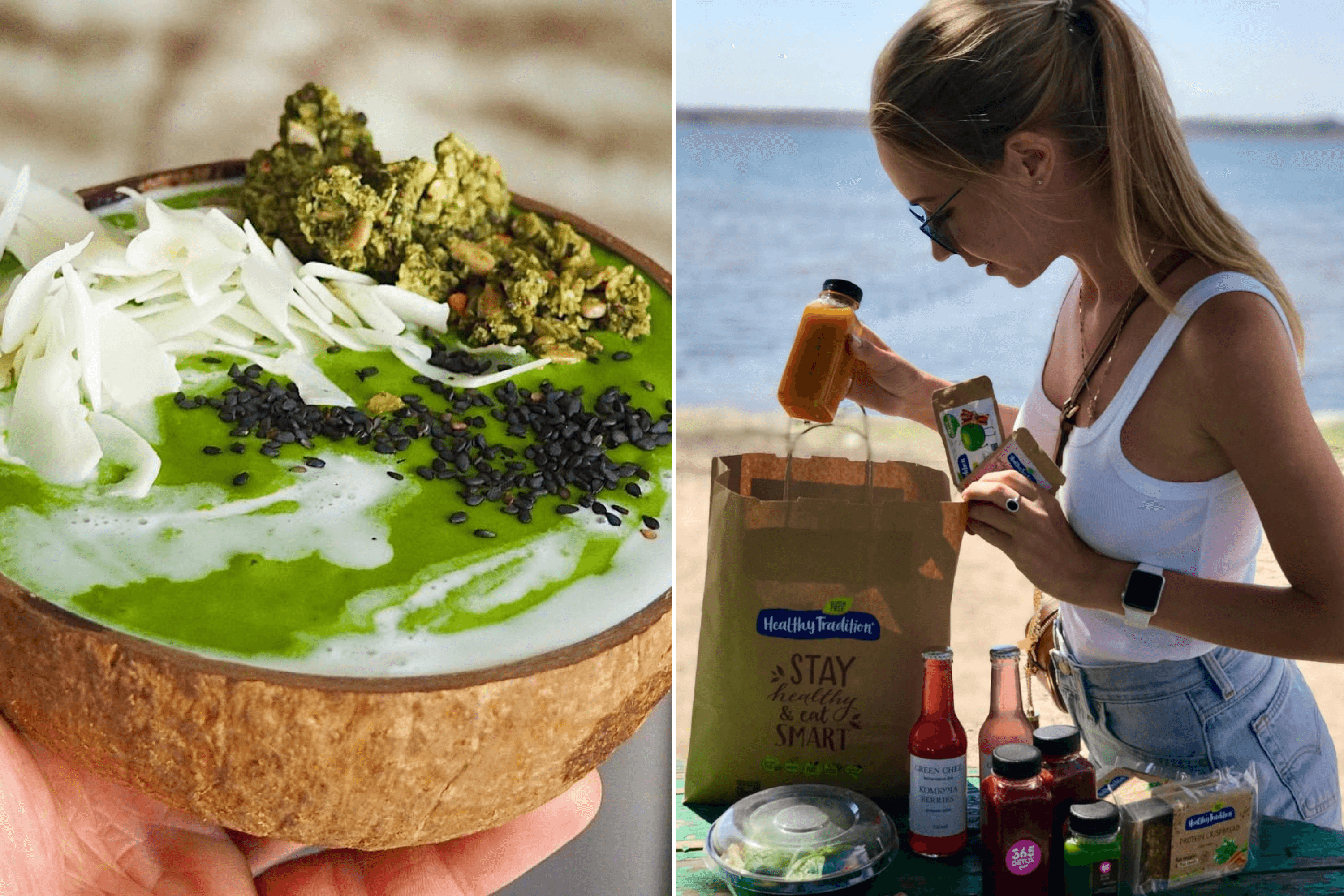
Photo: Healthy Tradition / Instagram / YB 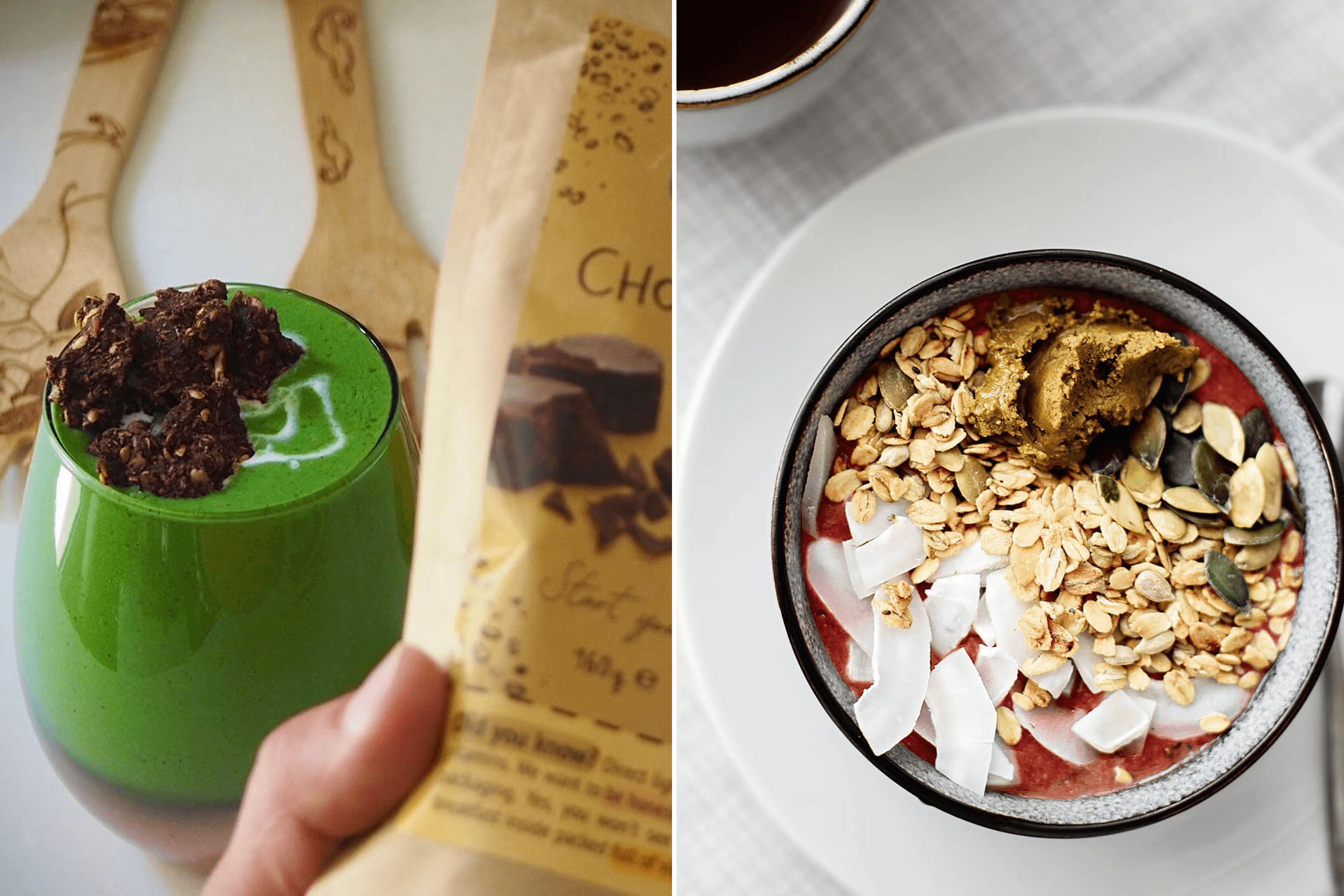
Photo: Healthy Tradition / Instagram / YB 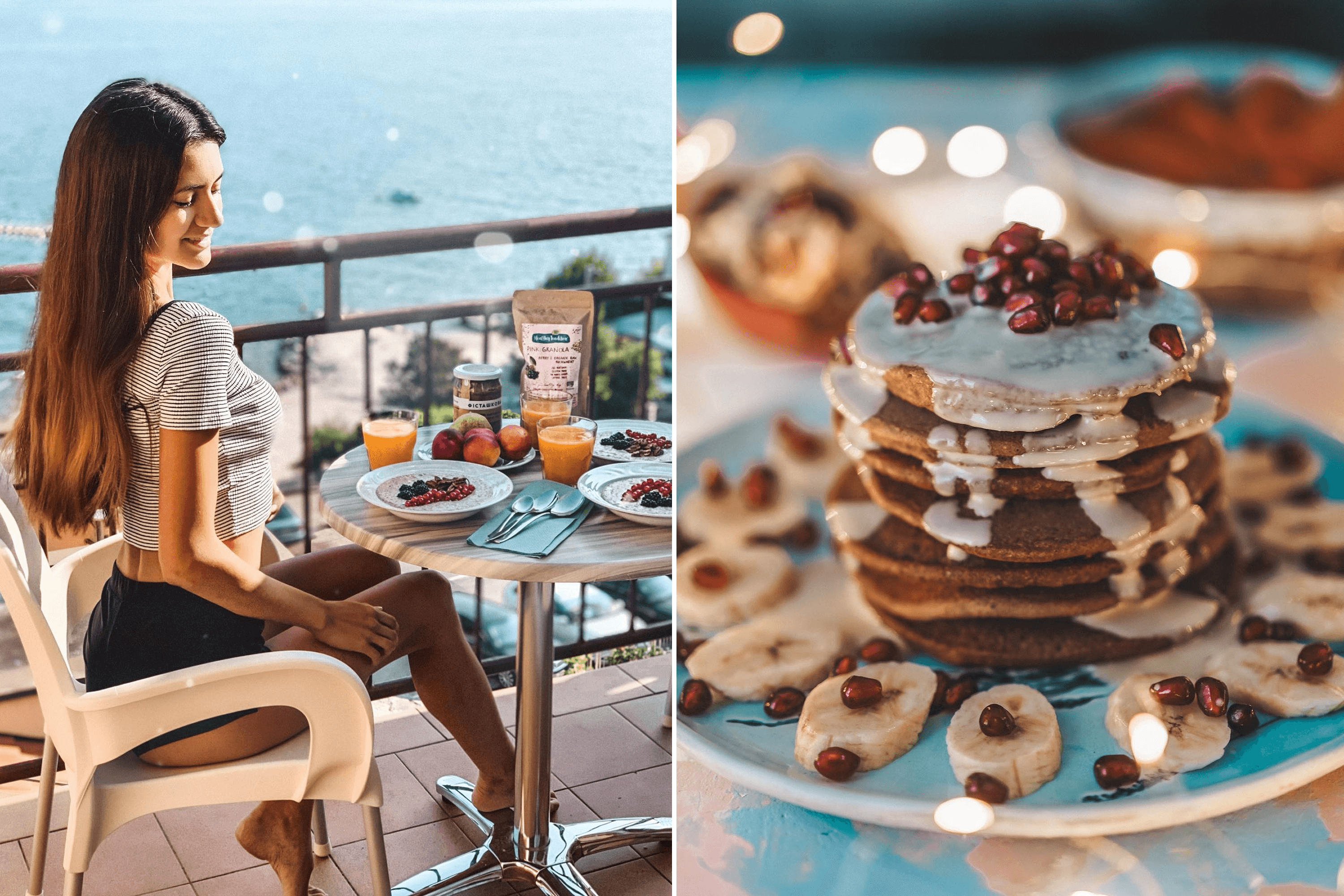
Photo: Healthy Tradition / Instagram / YB 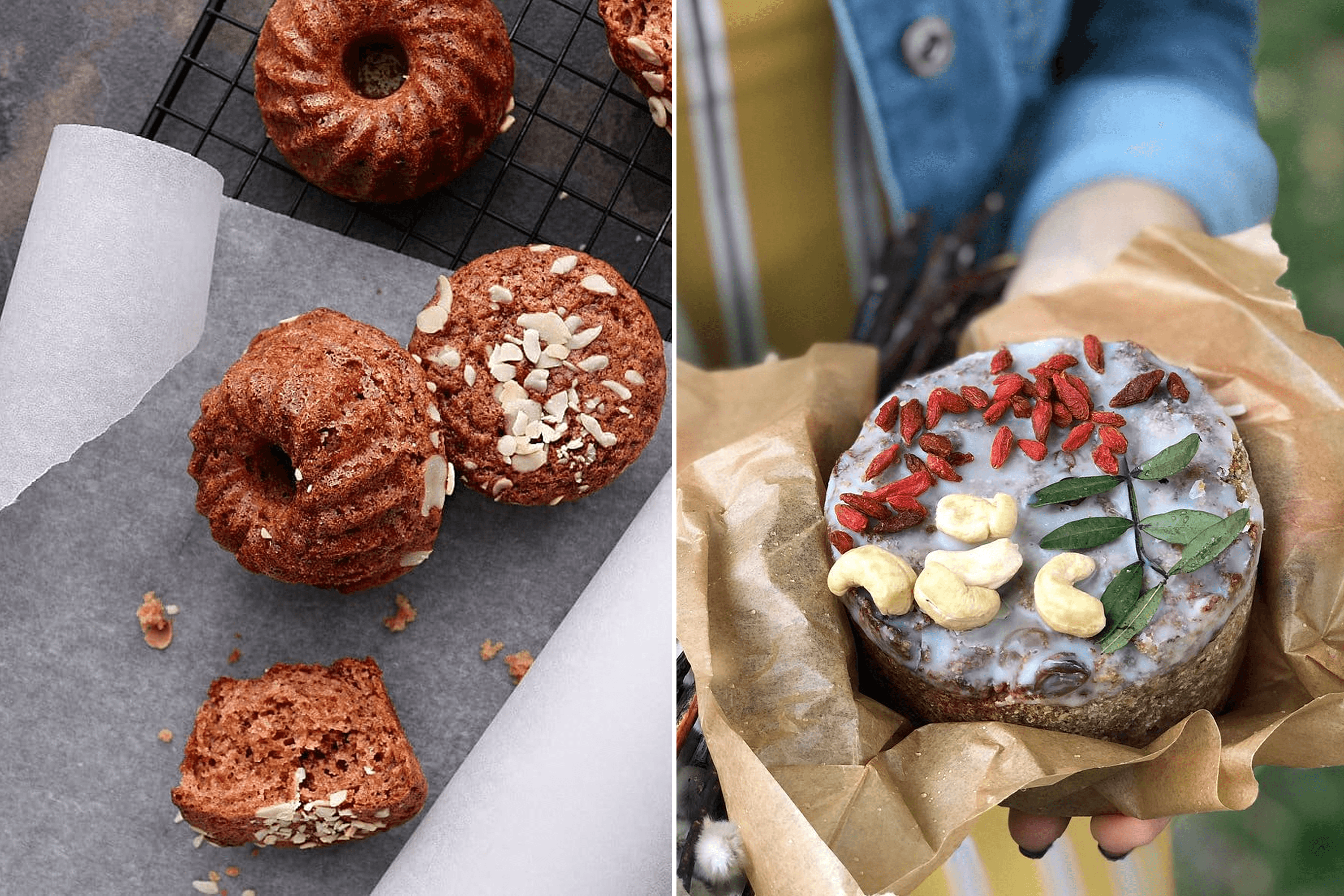
Photo: Healthy Tradition / Instagram / YB 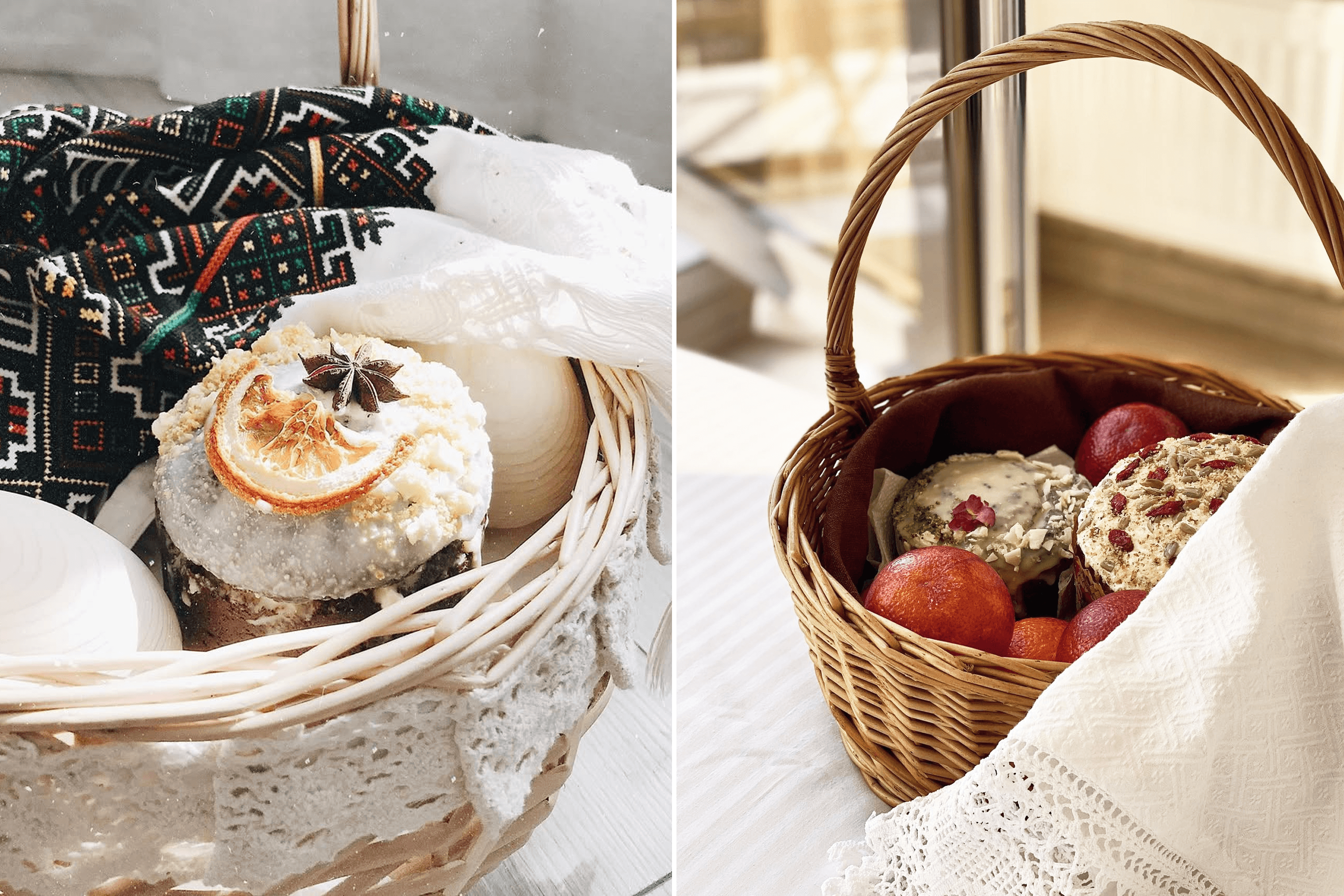
Photo: Healthy Tradition / Instagram / YB
What are your plans for 2026?
Right now, I understand Britain’s retail well. I know what to do, but I have no funding. I apply for grants in Ukraine and plan to bring in investors once I get more steady contracts with niche British shops.
To have resources for Healing Taste, I’m studying the tech sector and plan to invest in it. I have an idea for an IT project that would help organic food producers reduce costs and improve ingredient quality. I’m still researching this and don’t yet know if I’ll build it from scratch, join an existing project, or partner with a fund that invests in it.
Anna Gorbenko’s tips for Ukrainian food businesses looking to enter the UK:
- To research the market well, you need to live in Britain or find a local partner. This helps you grasp what consumers actually need and how to get into retail chains faster.
- It’s important that people see you as a local player. Business connections help you get in and spend less on promotion.
- Think about your packaging early. In Britain, requirements are very different from Eastern Europe, where shoppers respond to bright, attractive designs. British consumers prefer something practical: simple, with less text. You can’t write “healthy food” without explaining exactly what in your product benefits the consumer.
- Start selling on online platforms and in niche shops (independent stores). This is easier and gives you a base for negotiations with bigger chains. They often won’t take something new that’s never sold anywhere.
- To get onto the shelves of Britain’s biggest stores, for example signing a six-month contract with Ocado, be prepared to spend £5,000-25,000. These costs usually include promotional discounts for customers, listing fees, and part of the retailer’s logistics and operating costs during the trial period. However, there are companies that bring together small food producers. They arrange joint presentations to chains and help get better terms. For example, with their help you can sign a three-month contract with Ocado for £1,500. Membership in these clubs typically costs £900 per year.
- To start working with a nationwide distributor, you need to already be selling in shops that order from them. This way you can show that your product has already been tested and people will buy it.
- The best way to promote in Britain is press coverage. People here read the news and trust it. So during your first year in the market, media coverage of your business is essential.