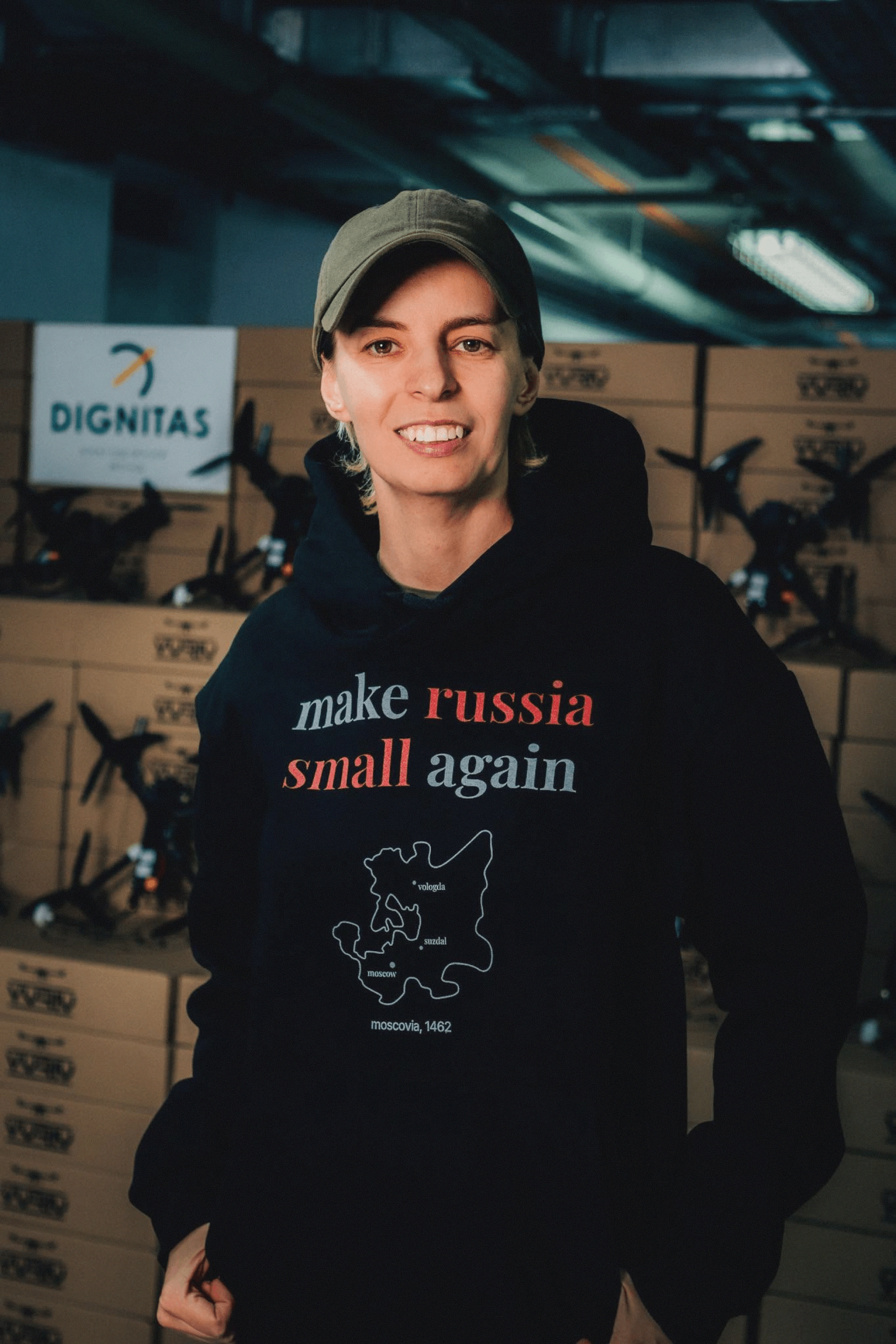
In 2008, Lyuba Shipovich moved to the US because, after the Orange Revolution, she had lost faith that Ukraine would change. From 2015 to 2020, she returned to Ukraine for periods of time to help reform the government.
After the full-scale war began, she stepped away from her own IT company and focused on supporting the military. Today, Shipovich works to introduce military technologies and help Ukrainian innovations reach the front line.
Yellow Blue editor-in-chief Yuliana Skibitska spoke with Lyuba about how living in the US influenced her work in Ukraine, why simply purchasing new equipment is not enough for the military, what prevents troops from using robotic systems, and why Ukraine should share its own experience rather than only ask for international support.
“I realized I don’t want to live in a country where everyone thinks it’s normal”
You left Ukraine disillusioned after the Orange Revolution. What exactly was the turning point?
The Orange Revolution happened when I was a student at Kyiv-Mohyla Academy. Students were taking to the streets, tents were going up, and there was this feeling that we were about to change the country. I really believed in that grassroots youth movement. I believed in [Viktor] Yushchenko less. That was already a grown-up political force, politicians talking politics. But “Pora!” felt like something bright and real to me, a youth movement.
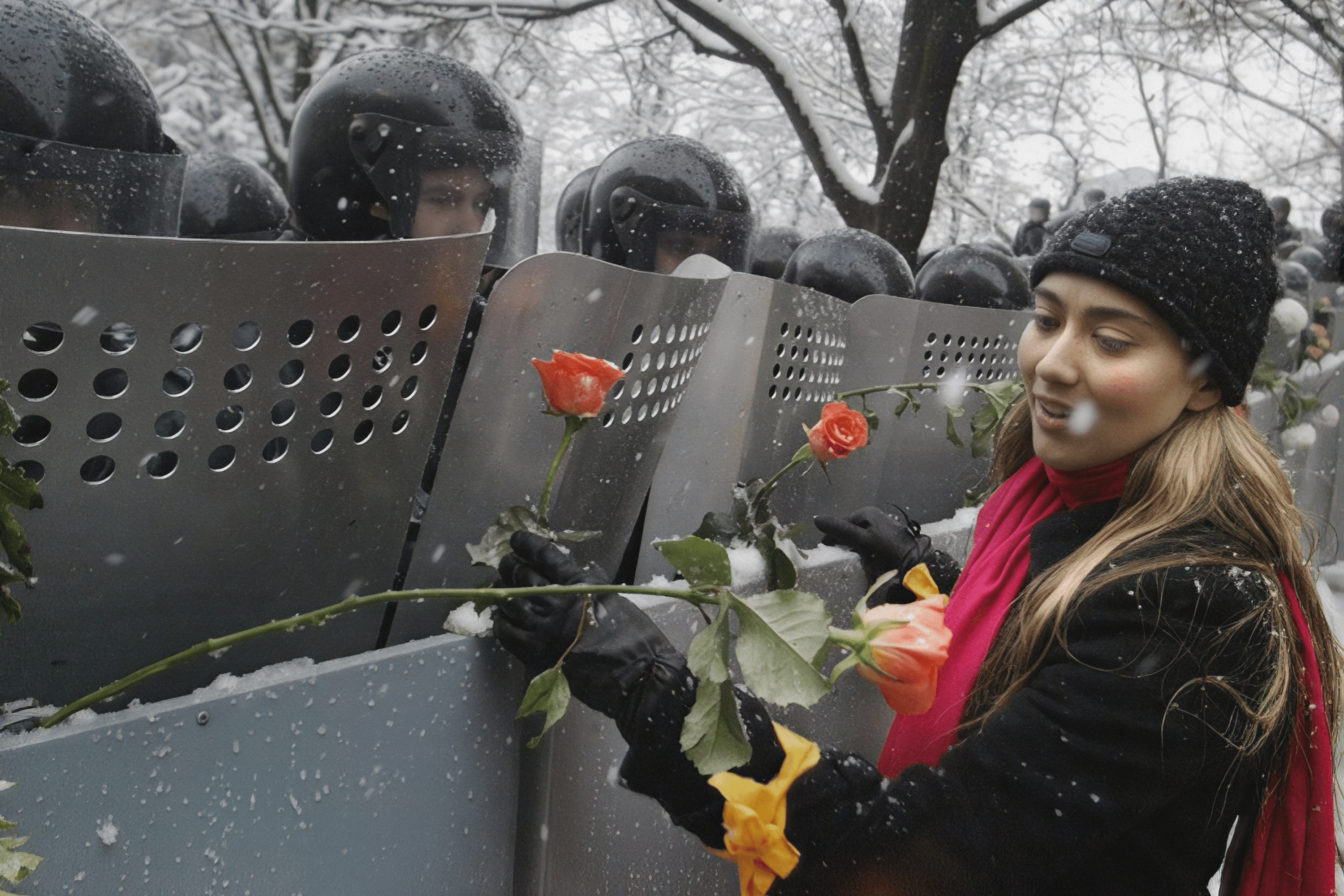
A girl attaches flowers to police shields during the Orange Revolution. Kyiv, December 1, 2004. Photo: Wikimedia / YB 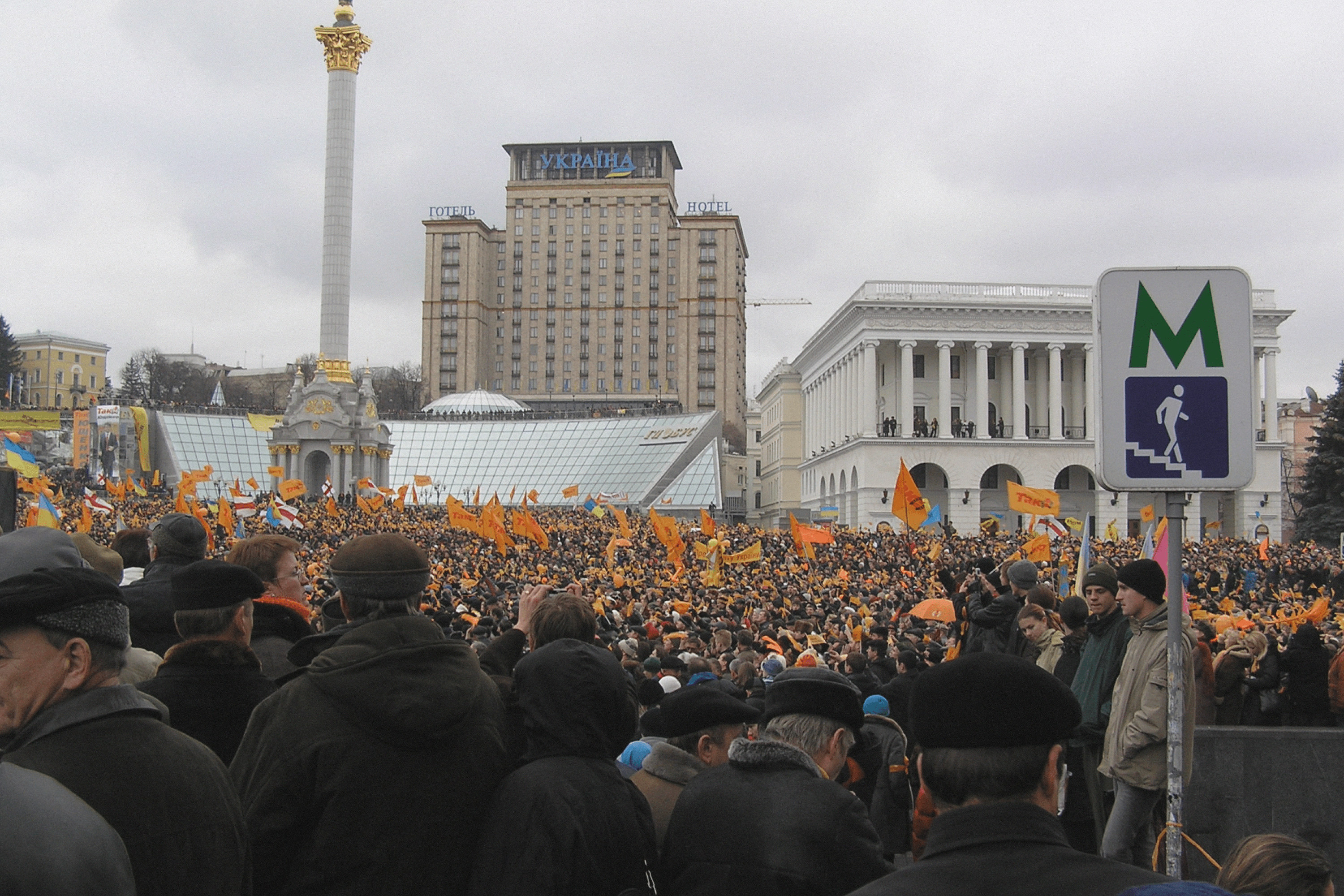
Participants in the Orange Revolution on Independence Square. Kyiv, November 22, 2004. Photo: Wikimedia / YB 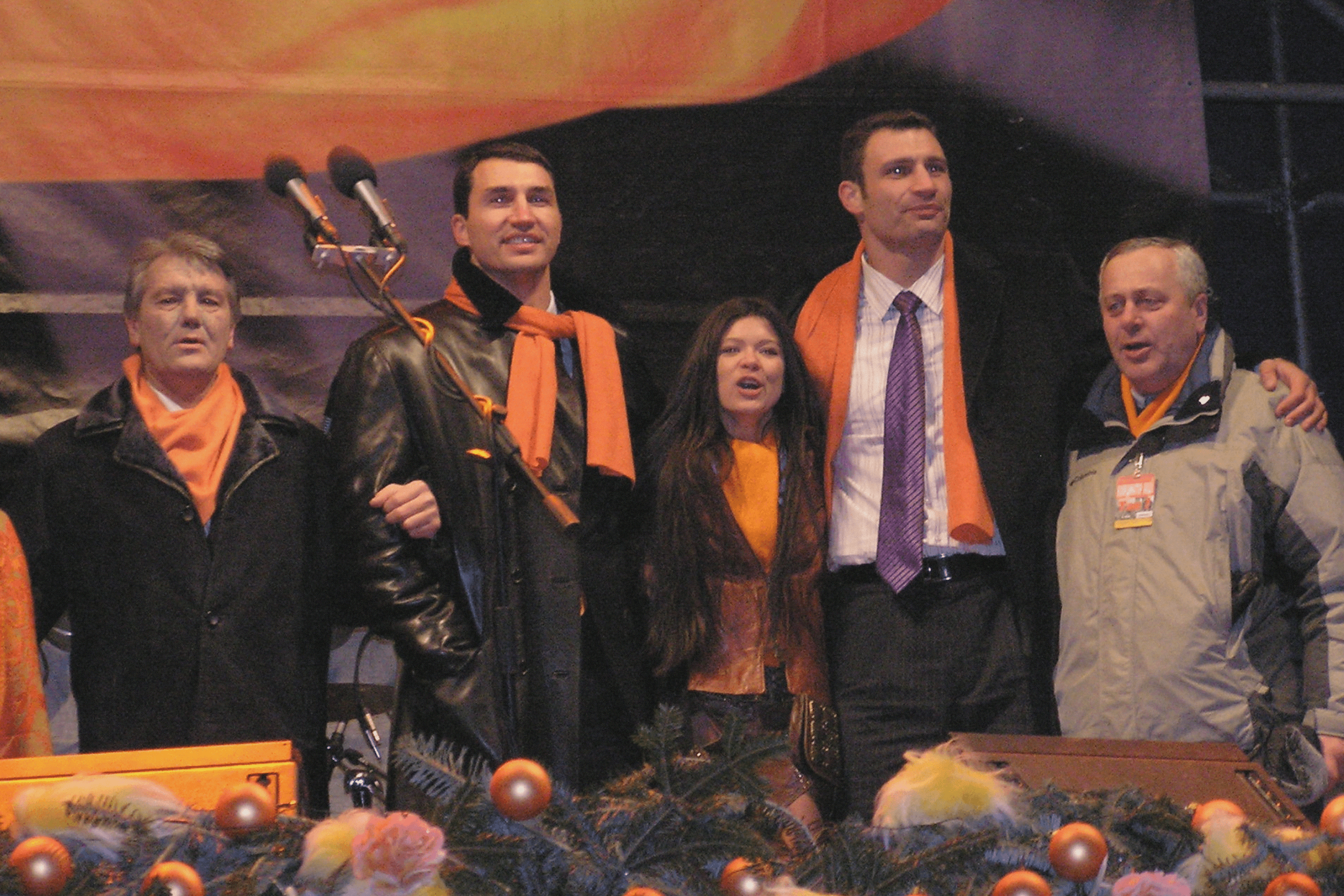
Viktor Yushchenko (left) on the Maidan stage during the Orange Revolution. Kyiv, December 22, 2004. Photo: Wikimedia / YB 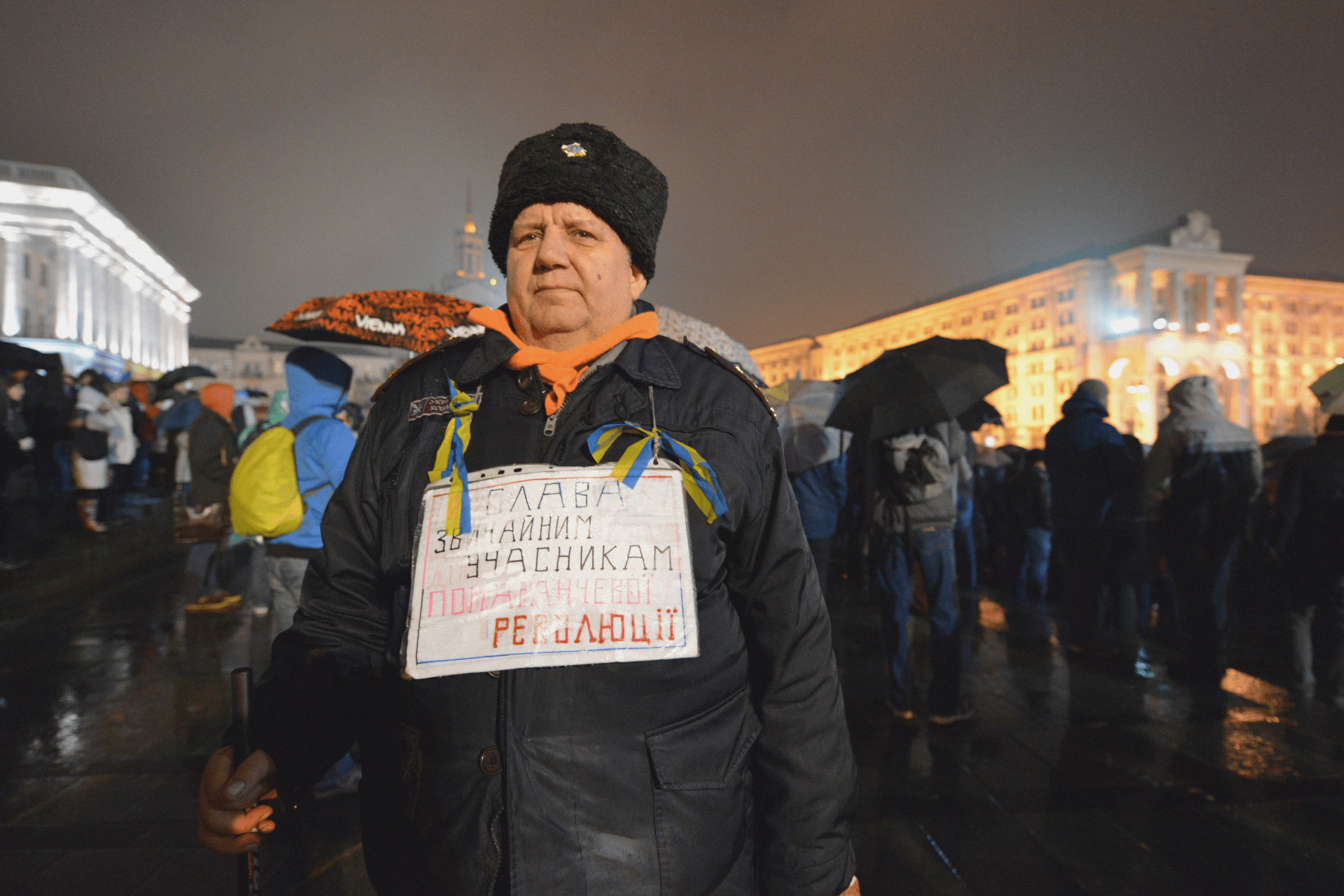
Participants in the Orange Revolution on Independence Square. Kyiv, November 22, 2013. Photo: Wikimedia / YB 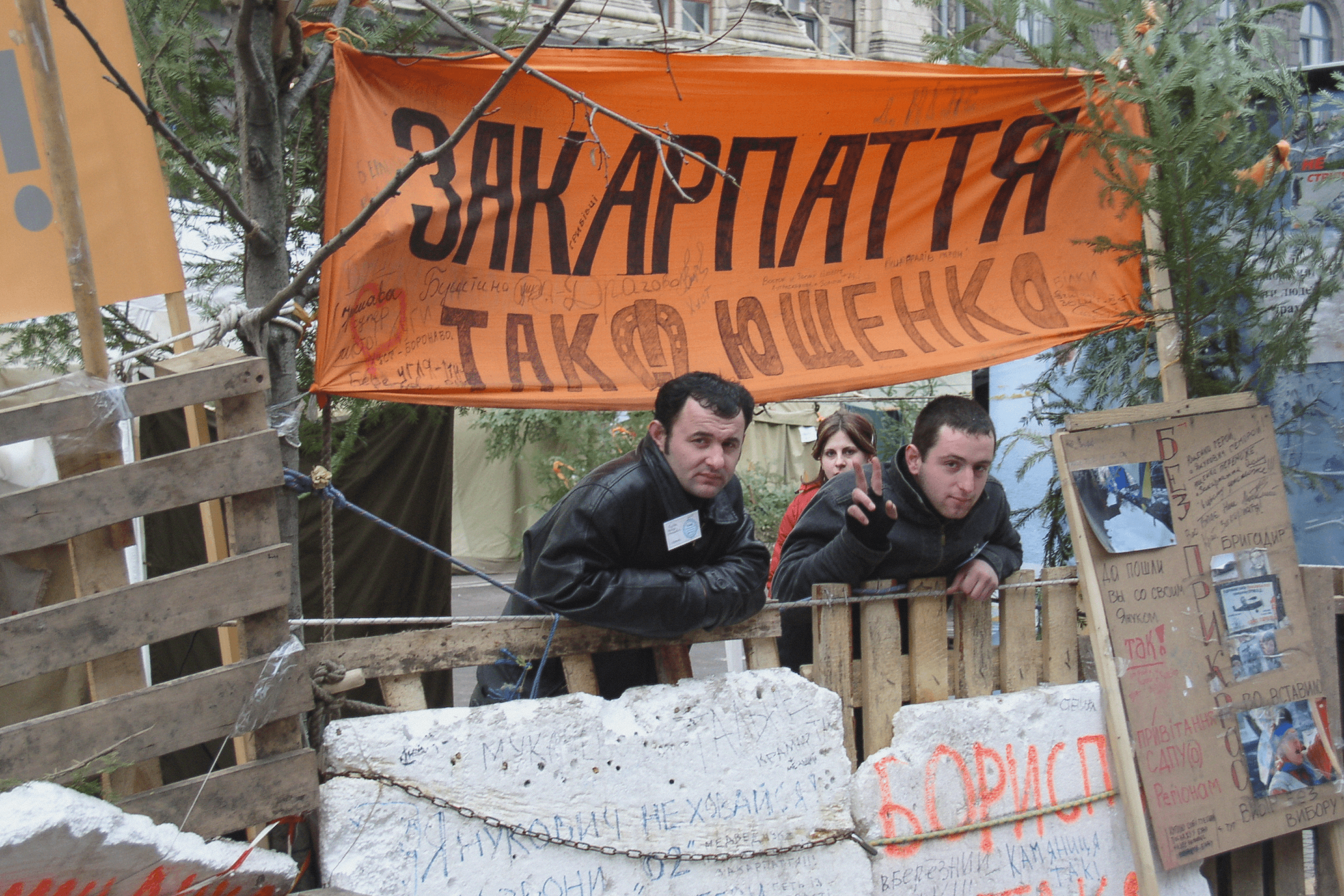
Participants in the Orange Revolution on Independence Square. Kyiv, November 22, 2004. Photo: Wikimedia / YB 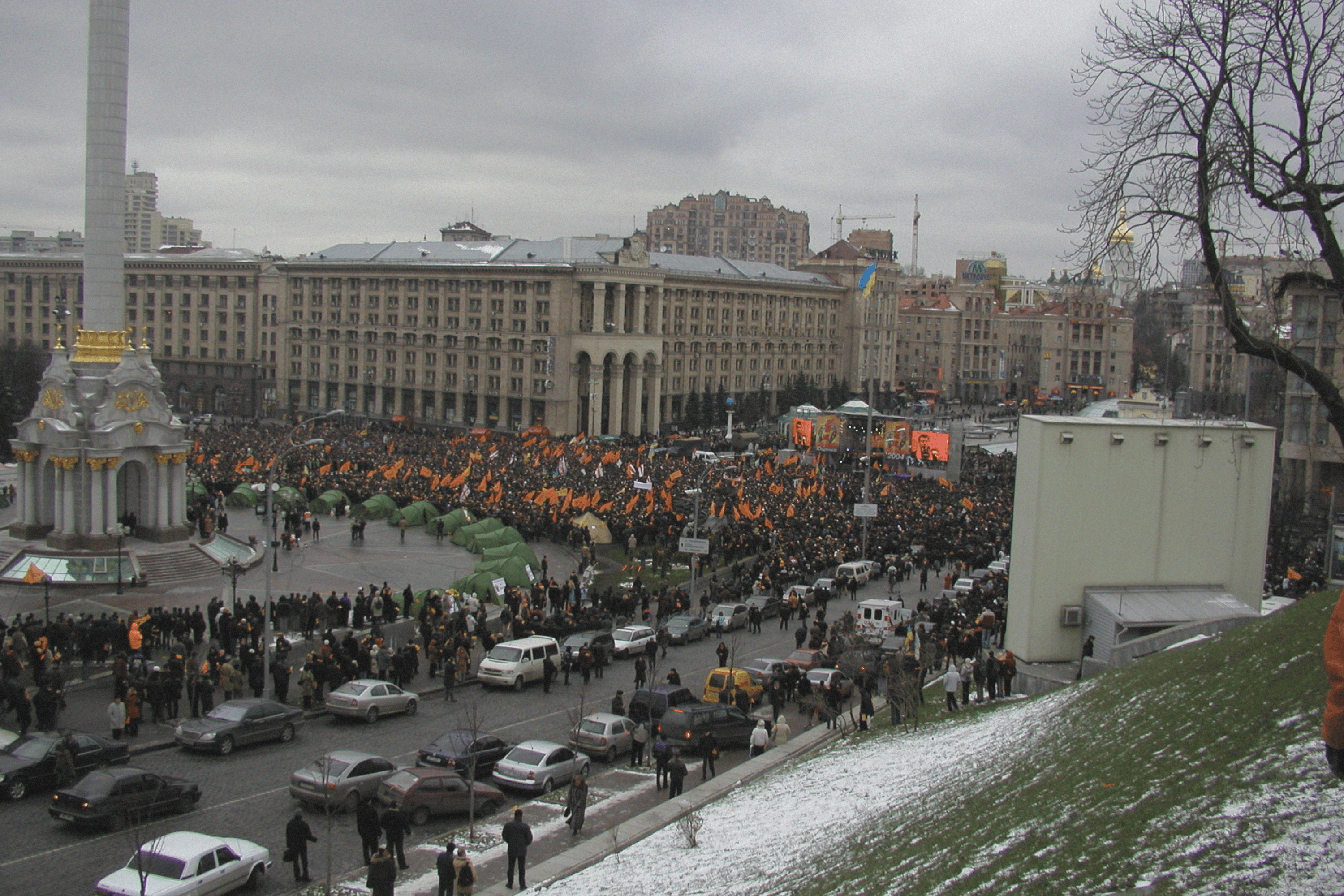
Independence Square during the Orange Revolution. Kyiv, November 21, 2004. Photo: Wikimedia / YB
The most painful moment was what I saw as a betrayal of those ideals. People started talking about how we needed to get along with [Viktor] Yanukovych, how he could be brought into the government, how he could become prime minister. And I saw no protests against it. I walked around the university asking, “Maybe we should protest?” And people would say, “What’s the big deal? It’s fine.”
That is when I realized I did not want to live in a country where the people around me thought all of this was normal. Not because any particular person had come to power, but because society did not seem to want change. I felt like an alien here. So I started looking for ways to leave.
Were you only considering the US?
I applied to New Zealand and Canada. At the time, they had straightforward immigration programs for IT professionals. I was finishing my computer science degree at Kyiv-Mohyla Academy, and on the day I defended my thesis, I got a letter saying I had won the green card lottery. It was my ninth attempt. Even then, there was no guarantee I would actually get it. I still had to pass an interview and prove I could support myself financially. My parents teased me, saying my number was so far down the list that my turn would not come up in time. But I was already telling everyone, “I’m leaving.” In January 2008, I took my last paycheck and a small suitcase and flew to the US. I had enough money for about three or four weeks. I found a job in two.
What was your first impression of America?
This is my country. Everything was familiar from American movies, especially New York. But more importantly, the rules were clear. If you work, you earn money. If you develop professionally, you can move up the career ladder, buy a car, and later a house. You understand how the system works and what to expect from it. In Ukraine, even if you work hard, there is no guarantee you will earn a lot. And if you buy a house, you cannot be sure someone will not claim the land tomorrow. America has a lot of regulations. They can be restrictive, but they also set a clear framework. And the rules are followed. I barely had an adjustment period. I started working quickly, and there simply was no time for immigrant depression.
“I couldn’t just watch students being beaten”
You were living in the US, building a career, and you bought a house. But then you decided to return to Ukraine after all. Why?
Euromaidan. At first, I watched it with some irony. My younger sister, who was also a student at Kyiv-Mohyla Academy, was taking part in the protests. I would call her and joke, “Every generation needs its own Maidan. It’s our tradition. Go, just don’t get your hopes up too much.”
That continued until November 30, when students were brutally beaten. After that, no decent person could just stand by and watch. I started thinking about how I could help. I remembered what we had lacked during the Orange Revolution: warmth, hot tea, somewhere to charge our phones. So I wrote to my sister, sent her money, and asked her to buy a generator for Maidan. A few hours later, she sent me a photo of the generator next to the monument.
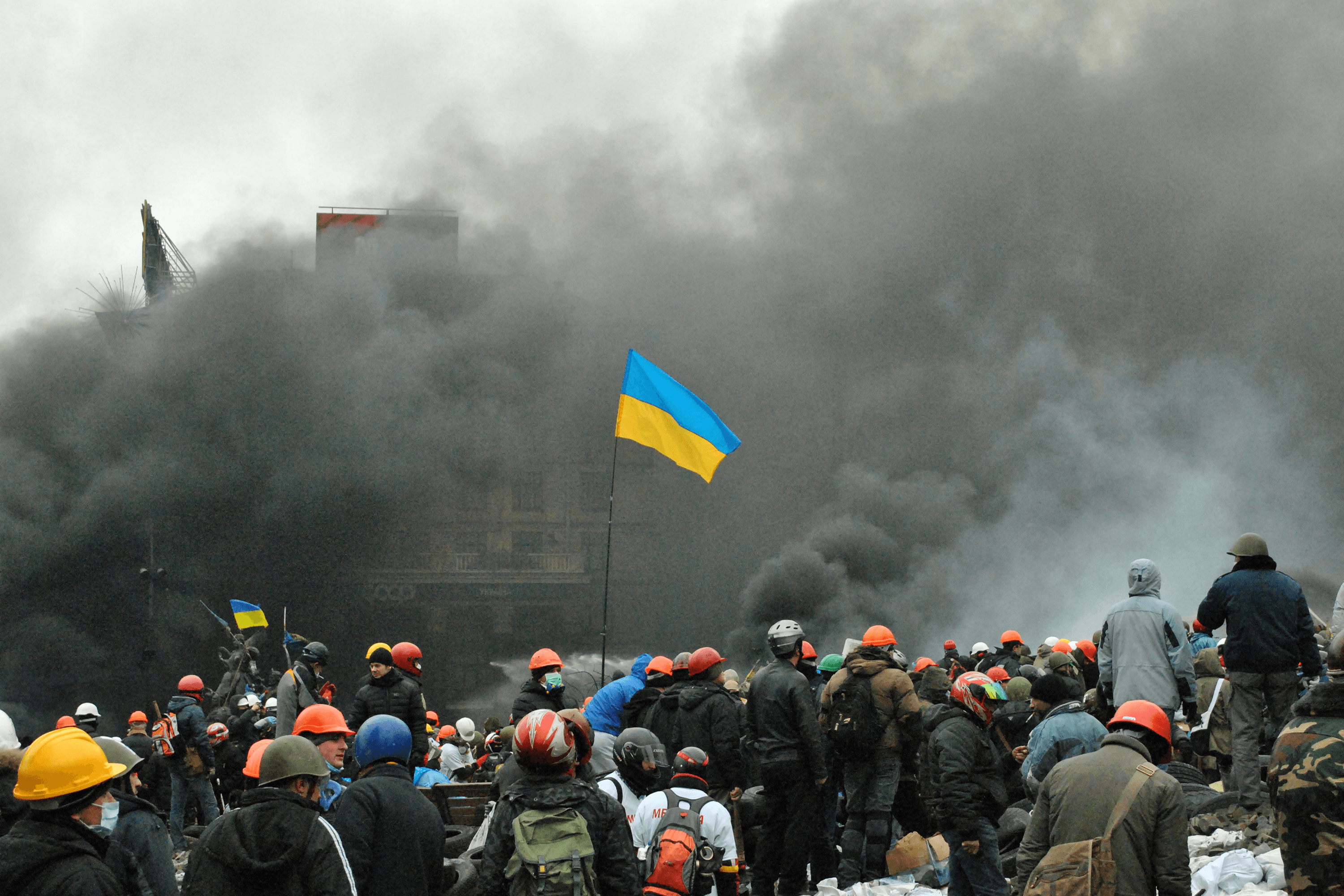
Protesters on Independence Square before the shootings on Instytutska Street began. Kyiv, February 20, 2014. Photo: Wikimedia / YB 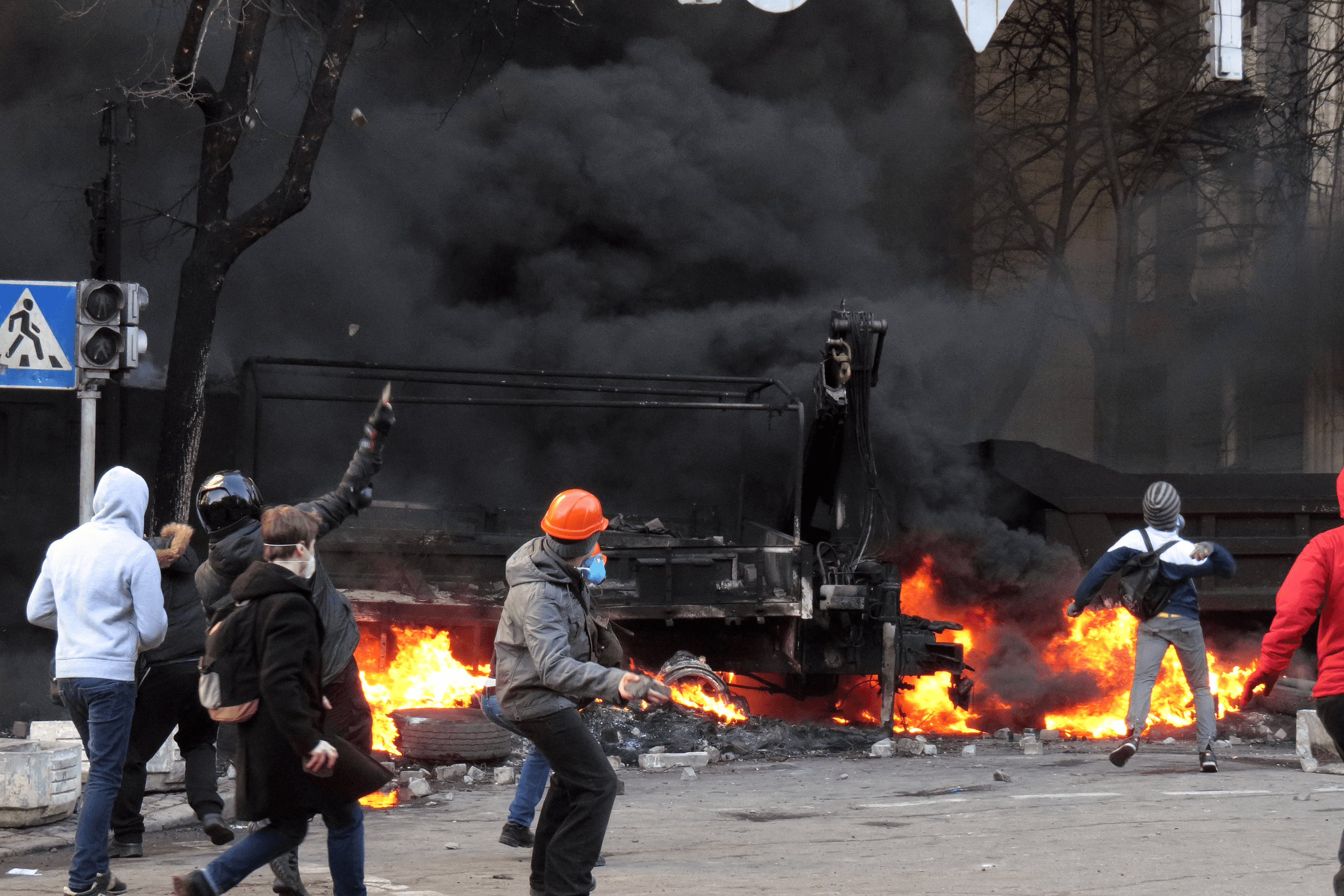
Protesters throw bricks and Molotov cocktails at police behind a burning barricade. February 18, 2014. Photo: Wikimedia / YB 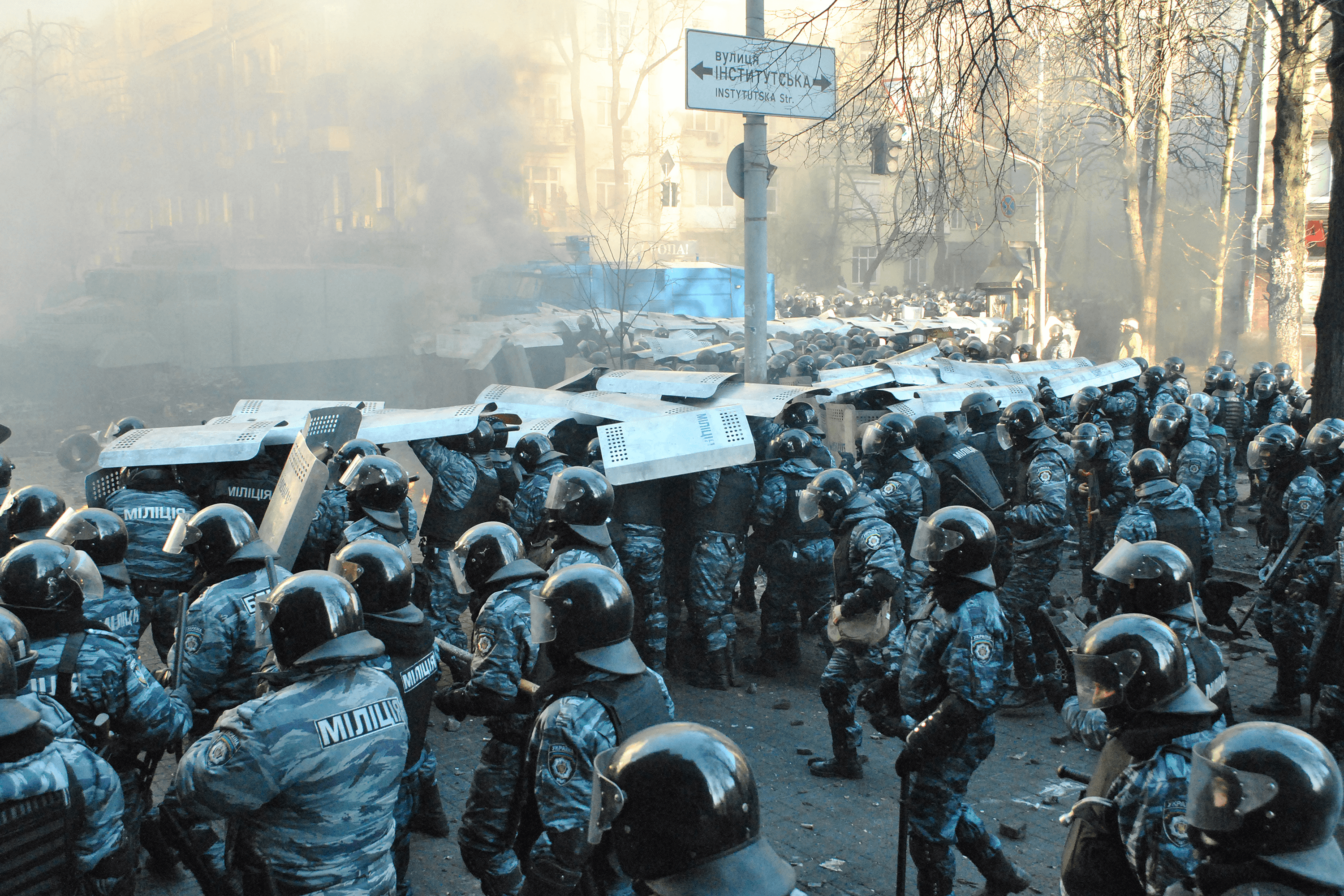
Berkut special police forces on Instytutska Street. Kyiv, February 18, 2014. Photo: Wikimedia / YB 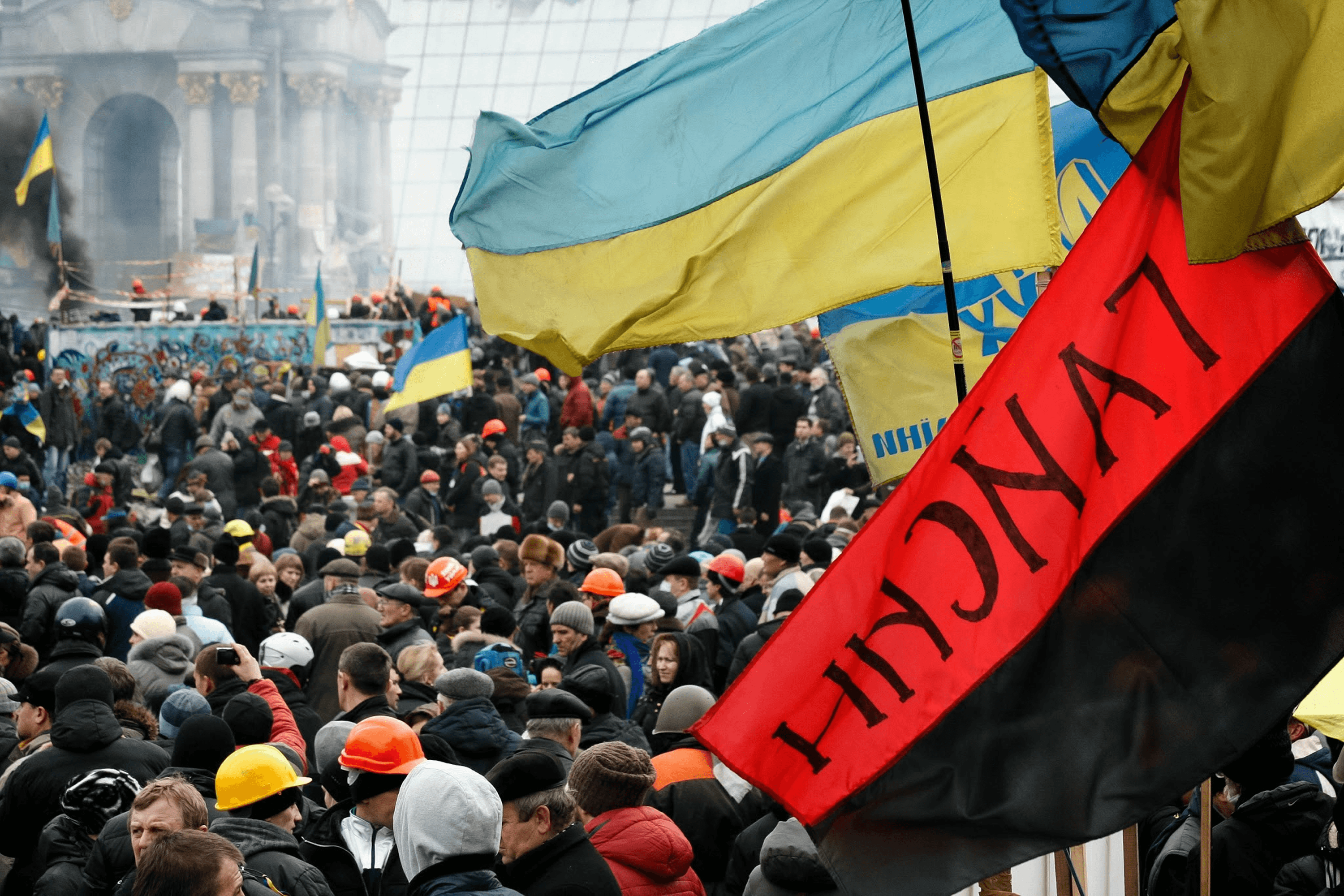
People on Independence Square. Kyiv, February 19, 2014. Photo: Wikimedia / YB 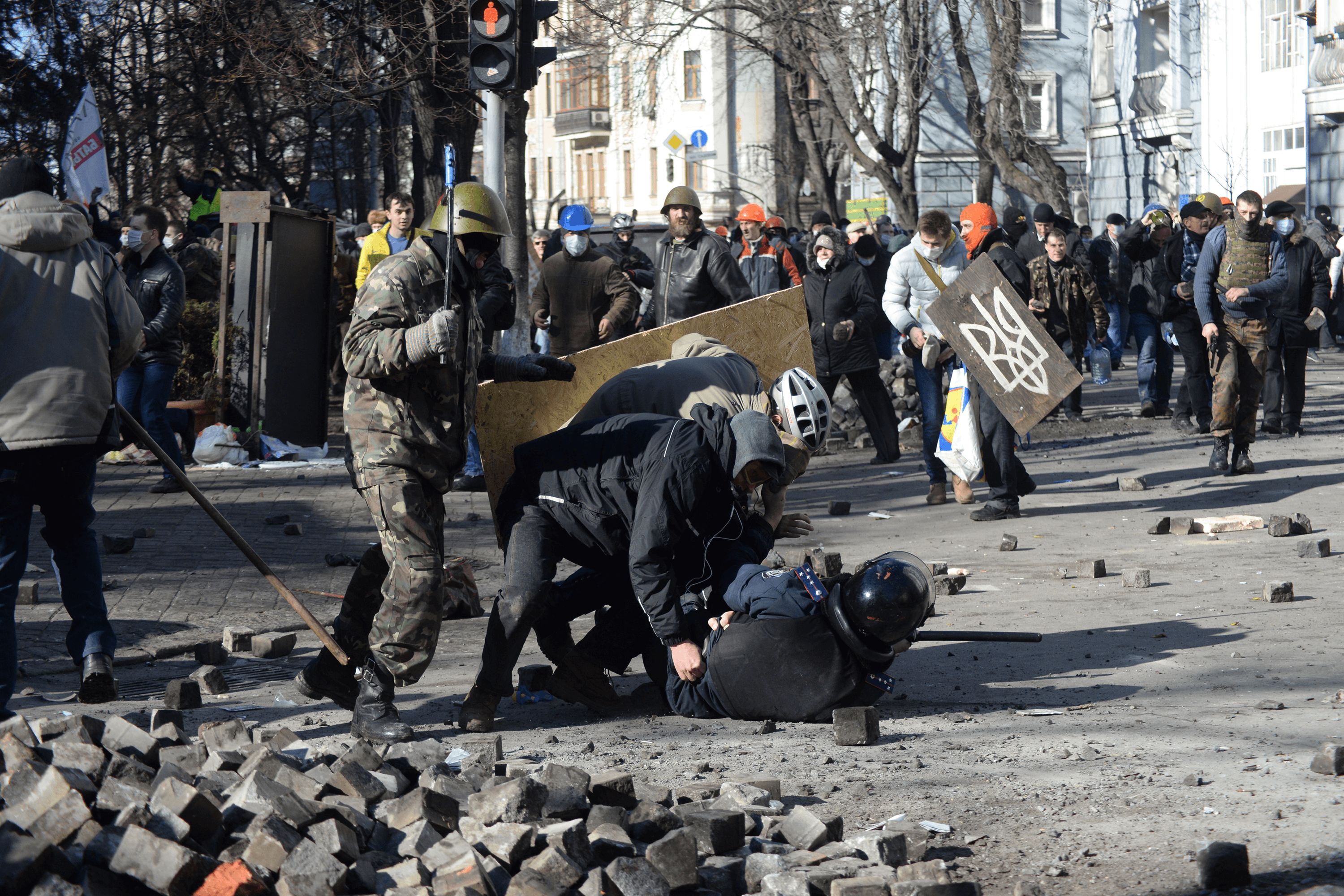
Clashes between protesters and police. Kyiv, February 18, 2014. Photo: Wikimedia / YB 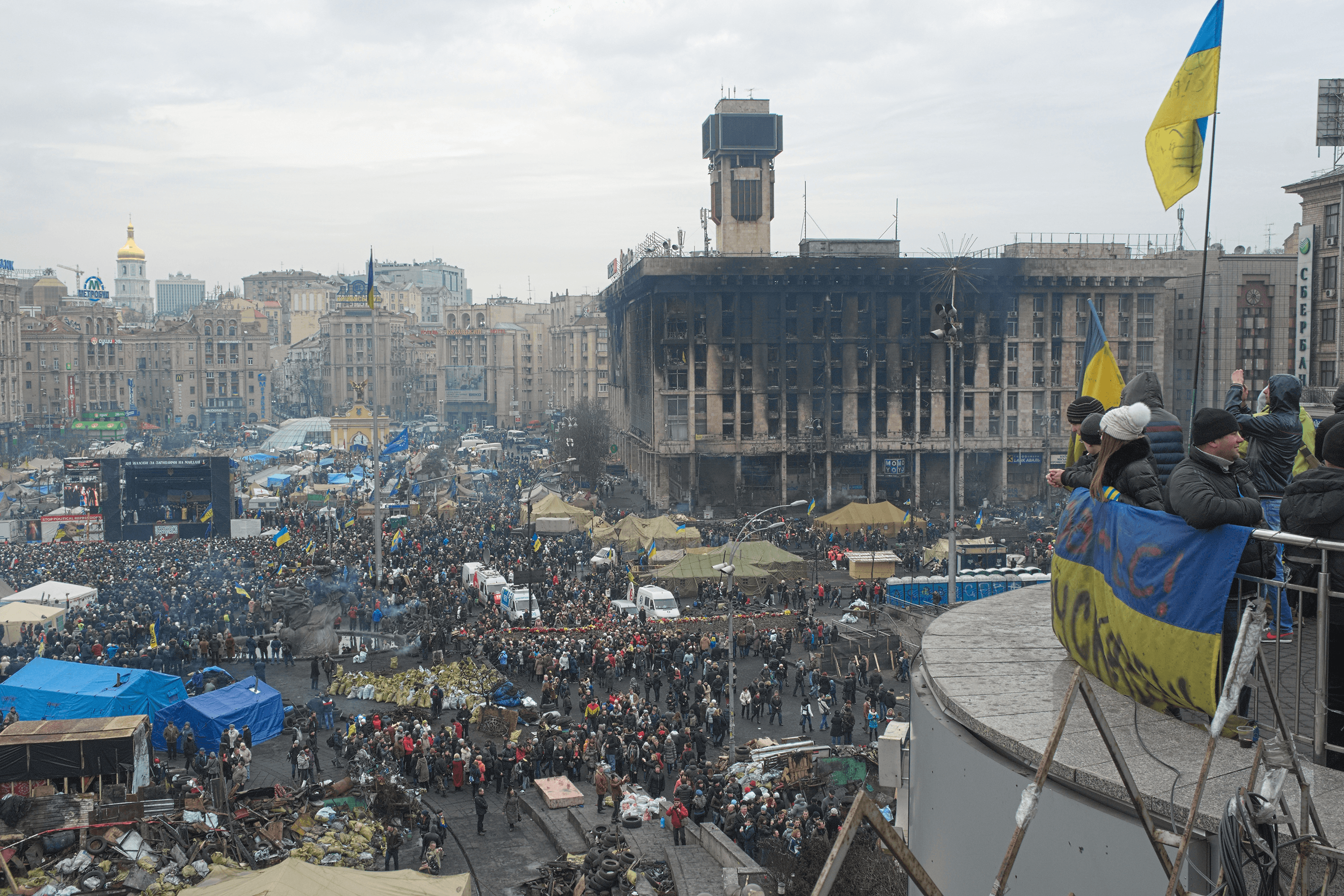
Independence Square from above. Kyiv, February 23, 2014. Photo: Wikimedia / YB
The next day, I was added to a Facebook group called Ukrainians Abroad for Euromaidan. People there were saying they really wanted to help but did not know how. I replied that they could transfer money or ask someone to buy something specific. Ukrainians in Japan contacted me. They had left long ago and barely had any relatives or friends back in Ukraine, but they wanted to send money so I could buy supplies.
At the time, I had no idea how fundraising worked. I thought they would send me $600 for a generator. Instead, money started coming in from everywhere. I was terribly afraid of the responsibility because it was other people’s money. I kept a spreadsheet of who had sent how much and when, and asked my sister to photograph the receipts. By the time people in Japan woke up, I had already prepared their reports.
So that was essentially your first time volunteering?
I had volunteered before because the US has a very strong culture of volunteering. But this was my first time fundraising. More and more money was coming in, and it became clear that my sister could not manage everything on her own. I brought in friends in Ukraine, we formed a team, and called it an information center. There were eight stations operating on Maidan in Kyiv. We would phone them to find out what they needed. Some needed bread, others kettles or sleeping mats. If one location was short of something and another had too much, we arranged transportation.
So you were coordinating everything from the US? Even with the big time difference?
We divided the shifts among countries at two-hour intervals. Ukrainians in Finland went first, followed by France, then America woke up, and after that Japan. Everyone could take their turn whenever it suited them after work. It was an international team that stayed in constant contact with people on Maidan.
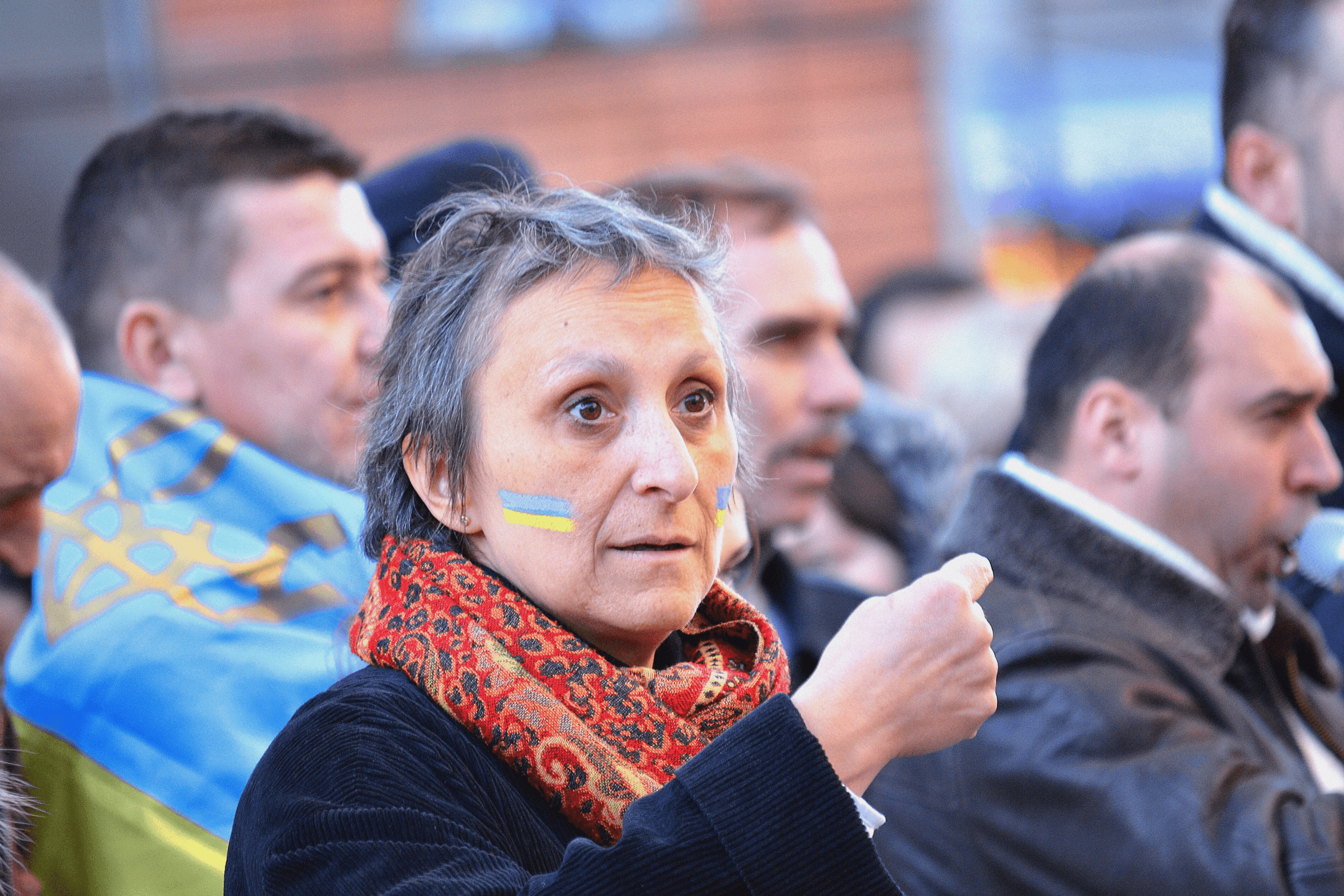
A rally in support of Euromaidan at Place Igor-Stravinsky in Paris. December 8, 2013. Photo: Wikimedia / YB 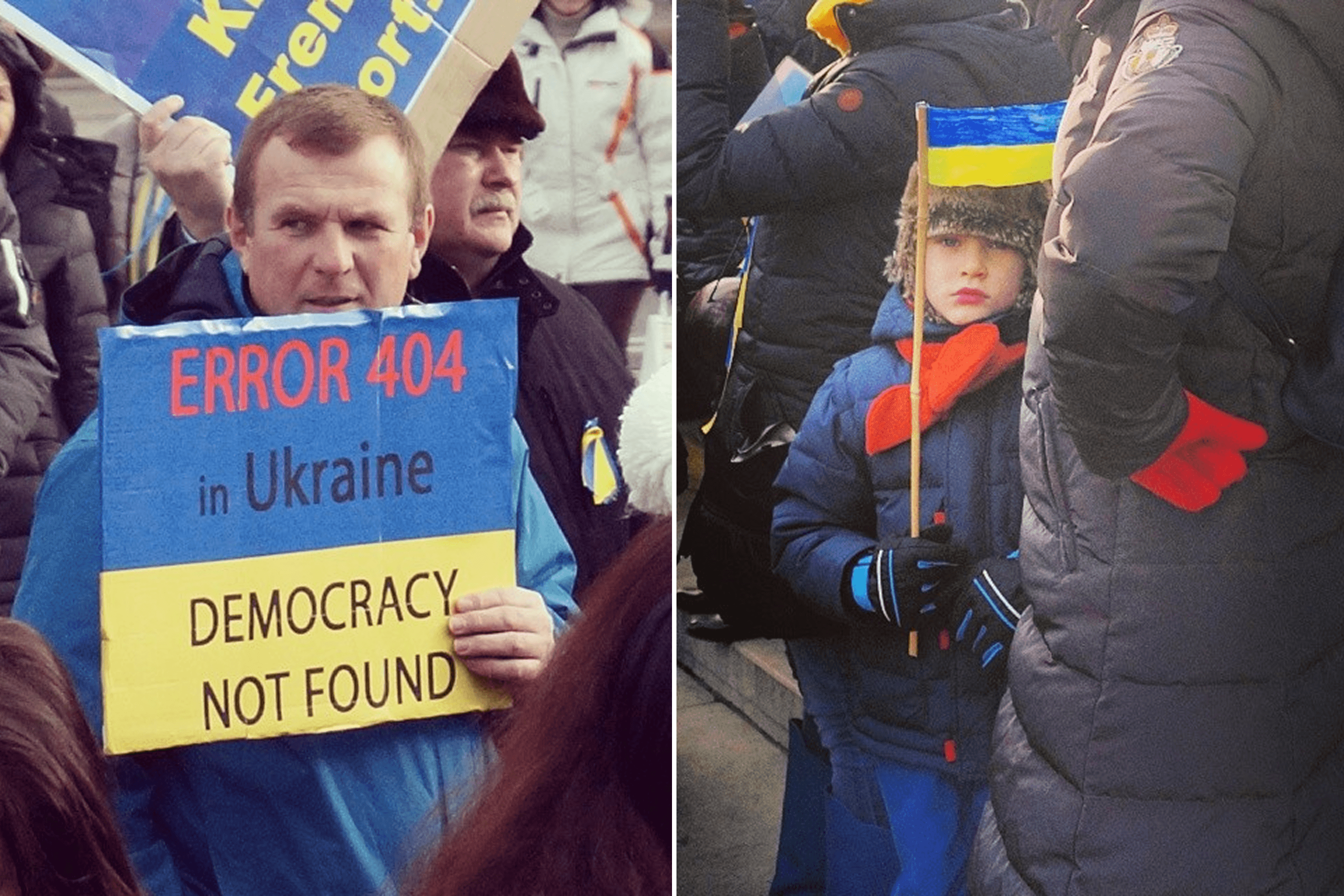
Ukrainians abroad also held rallies in support of Euromaidan. Vienna, Austria, December 8, 2013. Photo: Wikimedia / YB 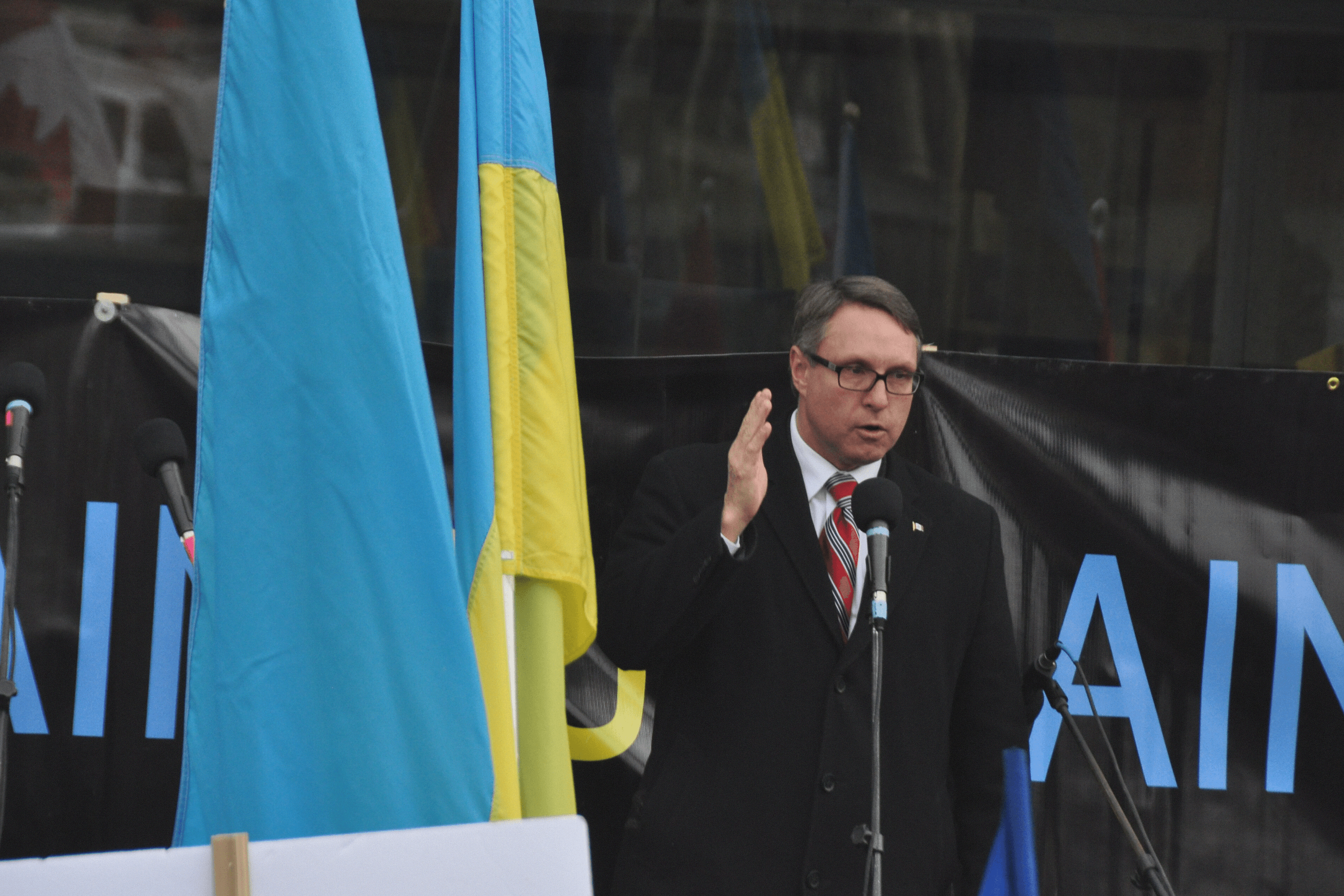
Canadian MP Ted Opitz speaks at a rally in support of Euromaidan outside the Ukrainian Consulate in Toronto. December 8, 2013. Photo: Wikimedia / YB 
A rally in support of Euromaidan at Yonge-Dundas Square in Toronto. December 15, 2013. Photo: Wikimedia / YB
A lot had to be done out of the public eye back then. We used codes for people and vehicles and figured out how to deliver firewood because sellers were afraid to drive into central Kyiv. Large American corporations started contacting us. They wanted to help but could not do so openly. Nobody knew which regime would prevail, and businesses had to keep operating no matter what.
We arranged technical protection for Ukrainian media outlets that were covering Maidan and being hit by DDoS attacks. One American company also helped set up a Wi-Fi network around Maidan in case mobile service was shut down. The outlets did not know who was protecting them. I acted as an intermediary and collected the necessary technical information.
Did you keep working alongside all this?
Yes. For a year and a half, I was essentially working two jobs: my paid job and volunteering. I joked that my schedule was 8-8-8: eight hours working, eight hours volunteering, eight hours sleeping. In reality, it was utterly exhausting.
“I quit my job in five minutes and decided to go to Odesa”
When did you decide it was time to go to Ukraine rather than just help from the US?
In the summer of 2015, I was sitting in my office in Jersey City, with Manhattan outside the panoramic window, and my phones would not stop ringing with work and volunteer calls. I realized I could not keep doing this. I had to choose one. I checked my bank account and saw that I could live for a year without a paid job. I went to my manager and said, “I’m quitting.” He asked what had happened and whether I should think it over. I told him I had already thought about it for five minutes and made up my mind. I wanted to focus on helping Ukraine.
On my way home, I watched a press conference by Mikheil Saakashvili, who had just been appointed governor of the Odesa region. He was talking about e-government. That was my specialty, and I thought, this is how I can be useful. I first tried to contact him but could not get through. Then I spoke with Sasha Borovik. He explained that there were no people and no funding, but I should come and do whatever I thought needed doing. That seemed like a normal task to me: there is a problem, so you look for a solution.
I took a month to prepare. I got to know businesses in Odesa, and they agreed to give me people. One local journalist even drew me a map of connections in the city: who was actually friends with whom, who was related, and who only feuded in public. I arrived in August 2015, planning to devote a year to Ukraine.
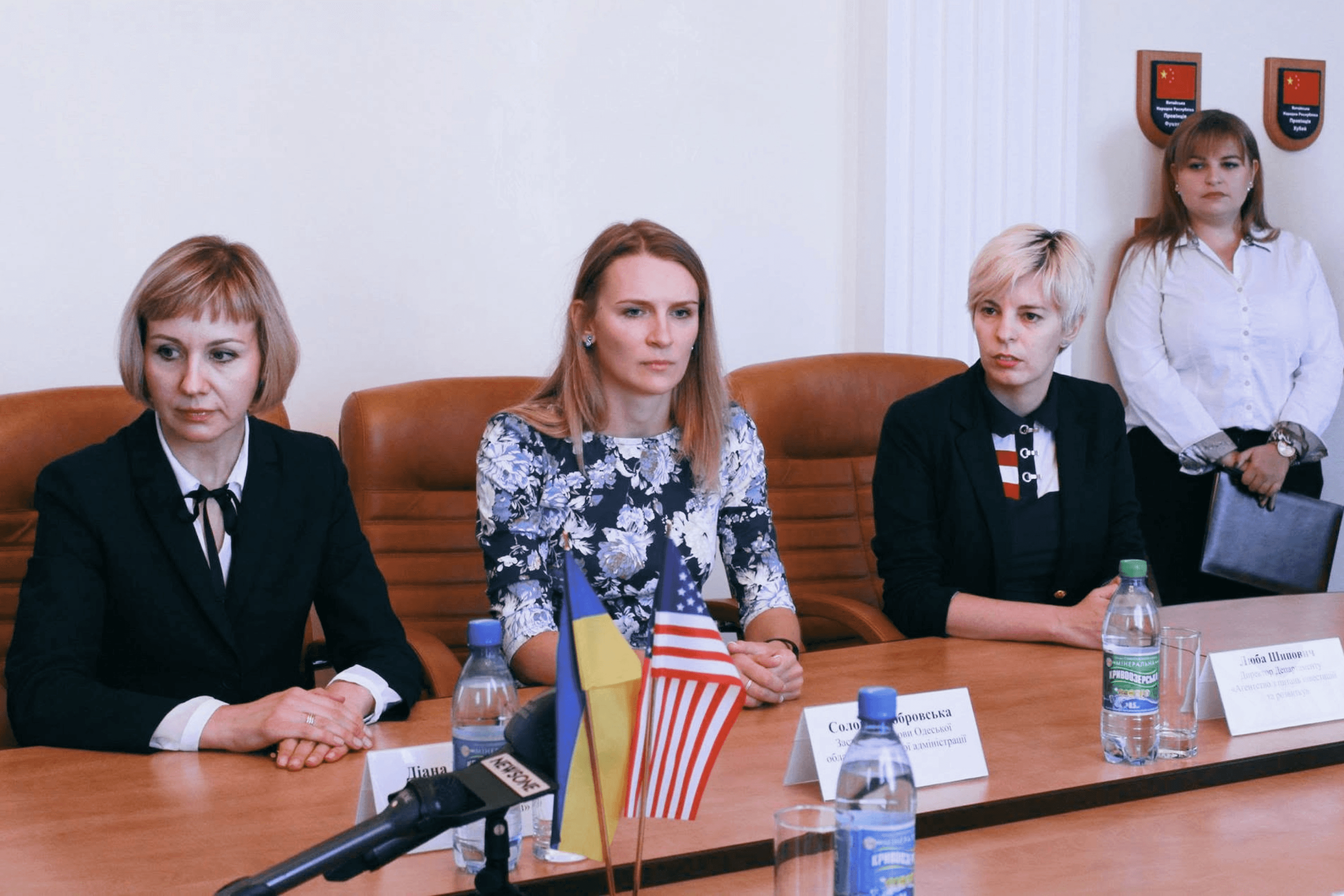
USAID and Odesa Regional Administration representatives during a meeting in Odesa. September 15, 2016. Photo: Lyuba Shipovich / Facebook 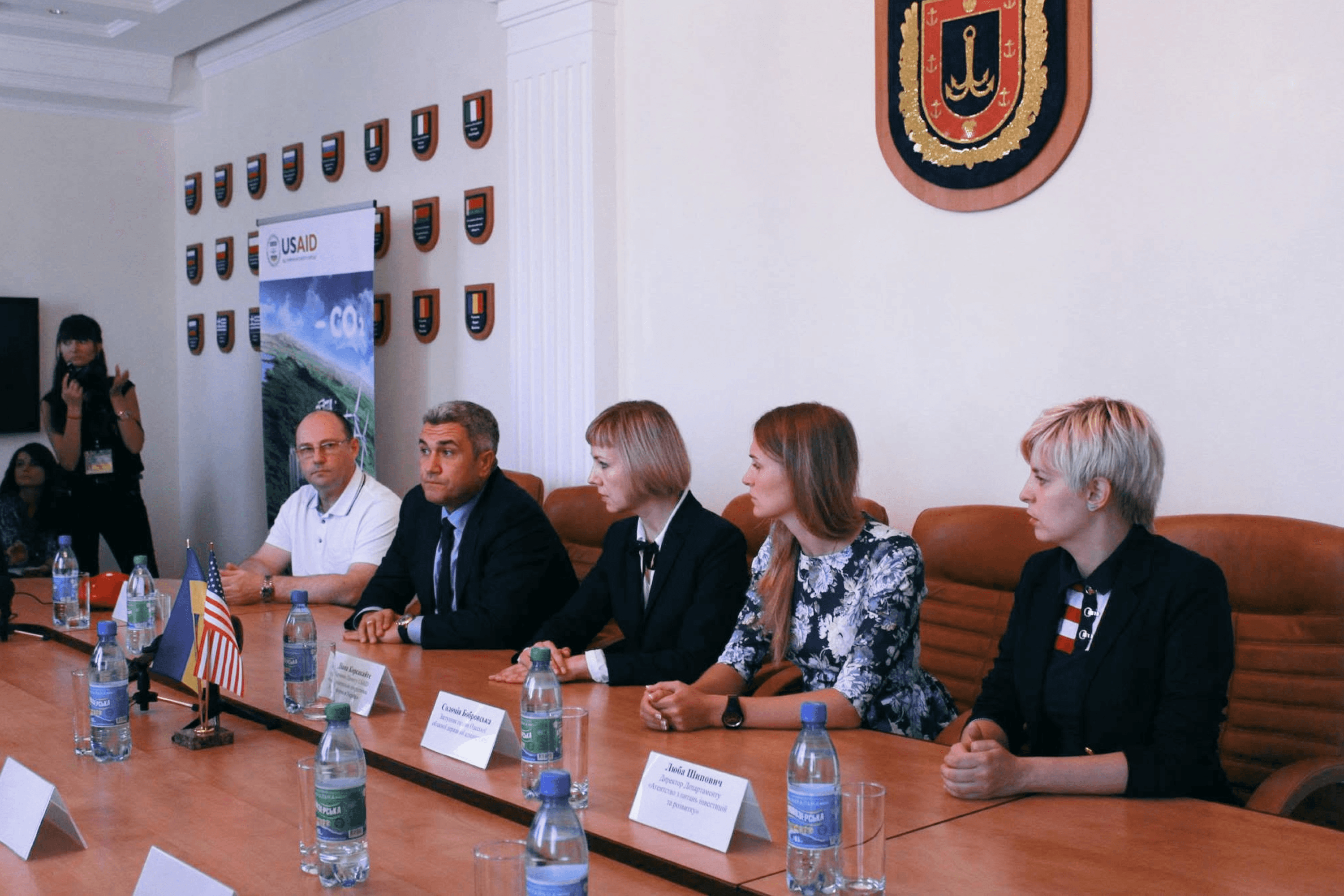
Photo: Lyuba Shipovich / Facebook 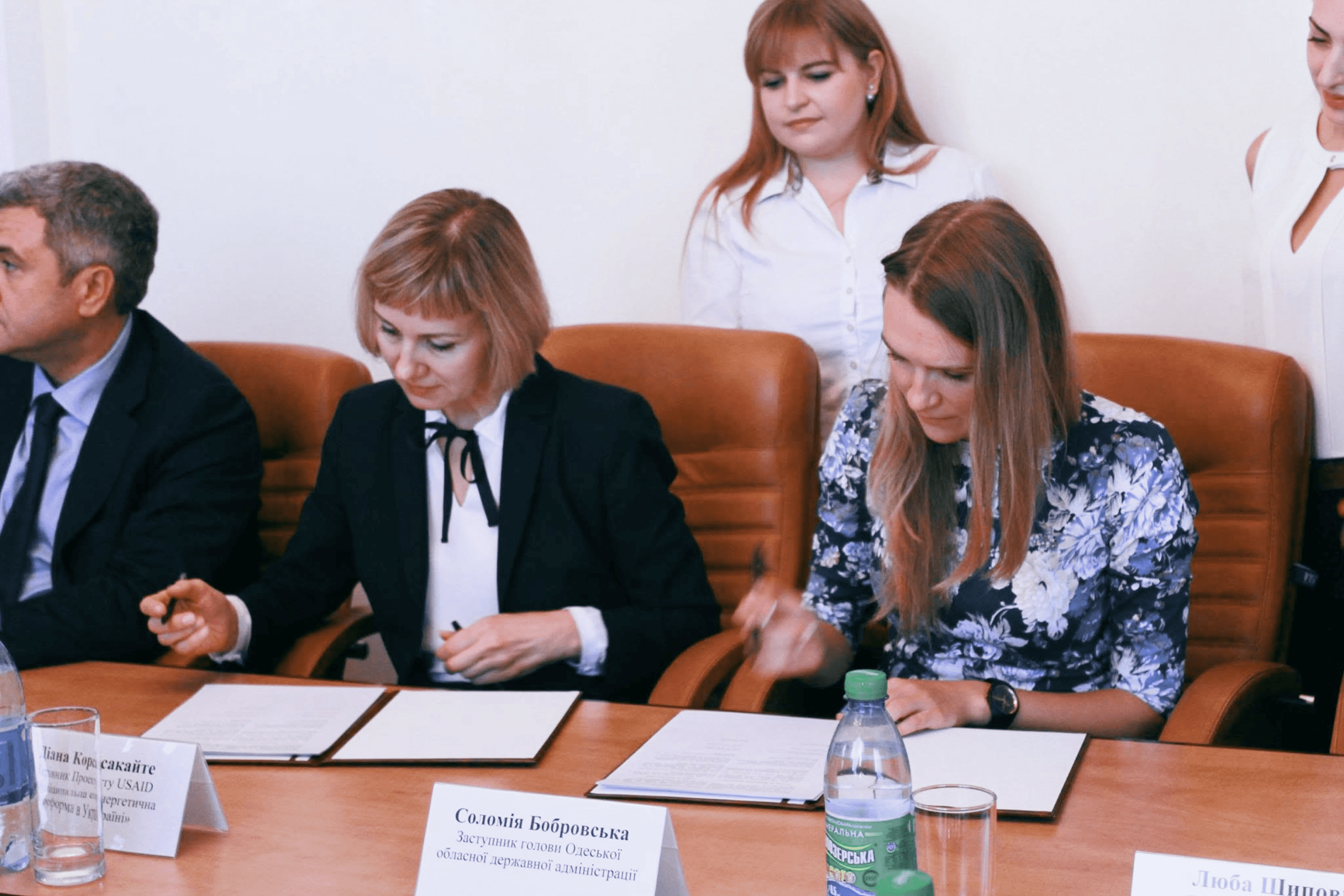
Photo: Lyuba Shipovich / Facebook 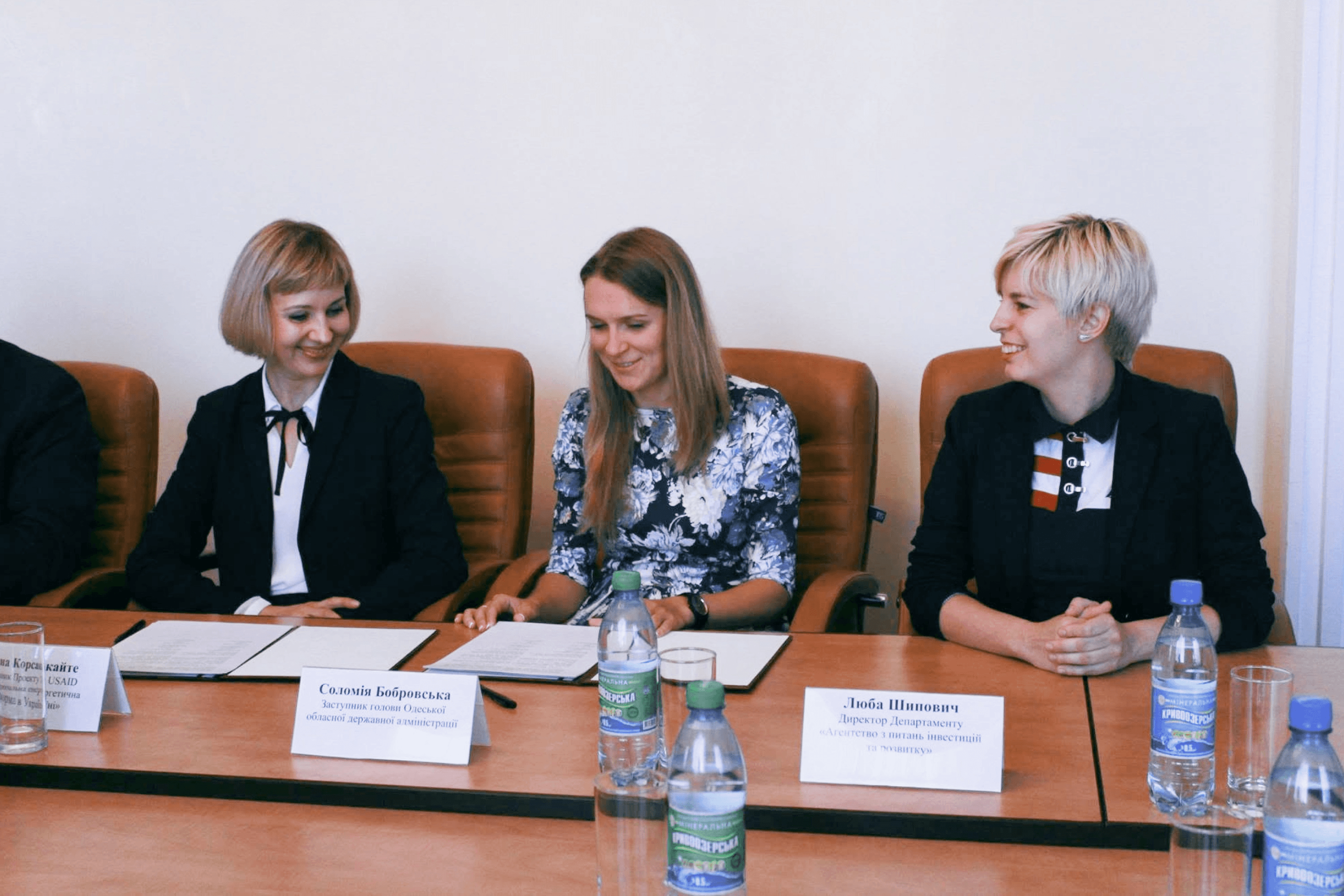
Photo: Lyuba Shipovich / Facebook
Did you expect it to be temporary?
I had budgeted for about a year. In the end, I stayed for a year and four months and agreed to enter public service. At the time, I did not know how difficult it would be to leave. My resignation had to be signed by Prime Minister Volodymyr Groysman. I joked that it was the only thing I ever asked him for.
I consider that experience a kind of executive MBA. I learned how to work with government agencies and with former and serving ministers, and how to get things started from almost nothing. And I spent my own money on it. I publicly wrote that the whole experience had cost me $86,000. Back then, I did not yet understand how grants worked. If a project needed to be done, I would just pay for it out of my own pocket.
What was Ukraine like when you returned after several years in the US?
I was surprised that the country was living as if there were no war. For a year and a half, I had been constantly talking to people in the military and helping them, and I thought all of Ukraine was living the same way. Then I arrived, and restaurants were open, people were out walking, and it was beach season in Odesa. Meanwhile, there was a military hospital in the city where wounded soldiers were being brought in. I could not understand how these two realities could coexist. The sea was right there and people were relaxing, while the hospital was short of everything.
But I was older by then and understood that my experience was a bubble. I left for the US at 22 and returned to Ukraine at 30. My adult life had taken shape there. I did not know how to call a taxi or rent an apartment here, or how public service worked. In America, I knew the rules. Here, everything was different.
In 2015, government processes were paper-based. Documents got lost, sometimes accidentally, sometimes perhaps deliberately. This also created opportunities for corruption because there was no way to track a document and make sure it did not disappear. I was used to digital processes in business, so I tried to introduce electronic document management, open hiring competitions, and clear procedures.
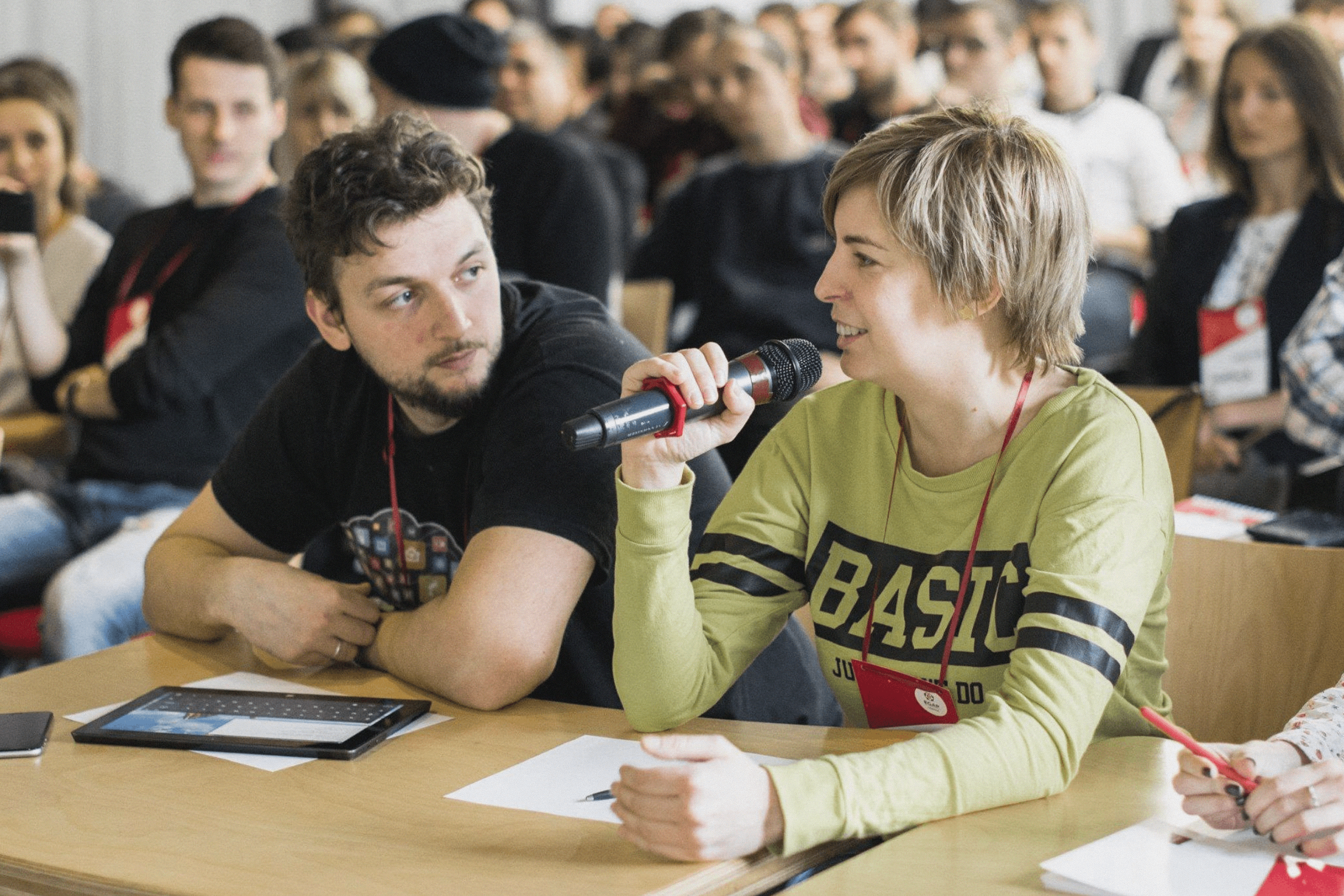
EGAP Challenge Odesa creative weekend for civic projects. Odesa, December 11, 2016. Photo: Lyuba Shipovich / Facebook 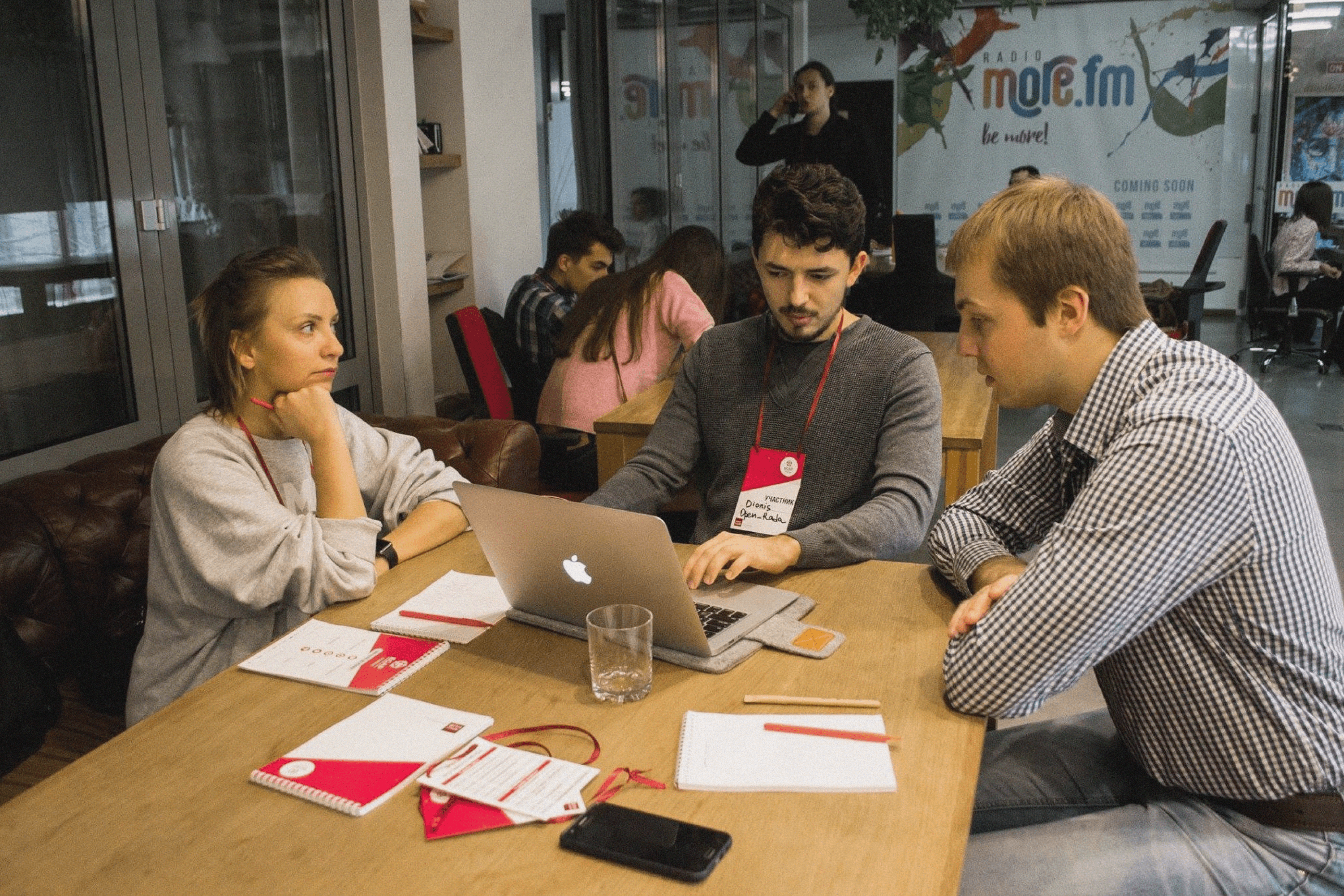
Photo: Lyuba Shipovich / Facebook 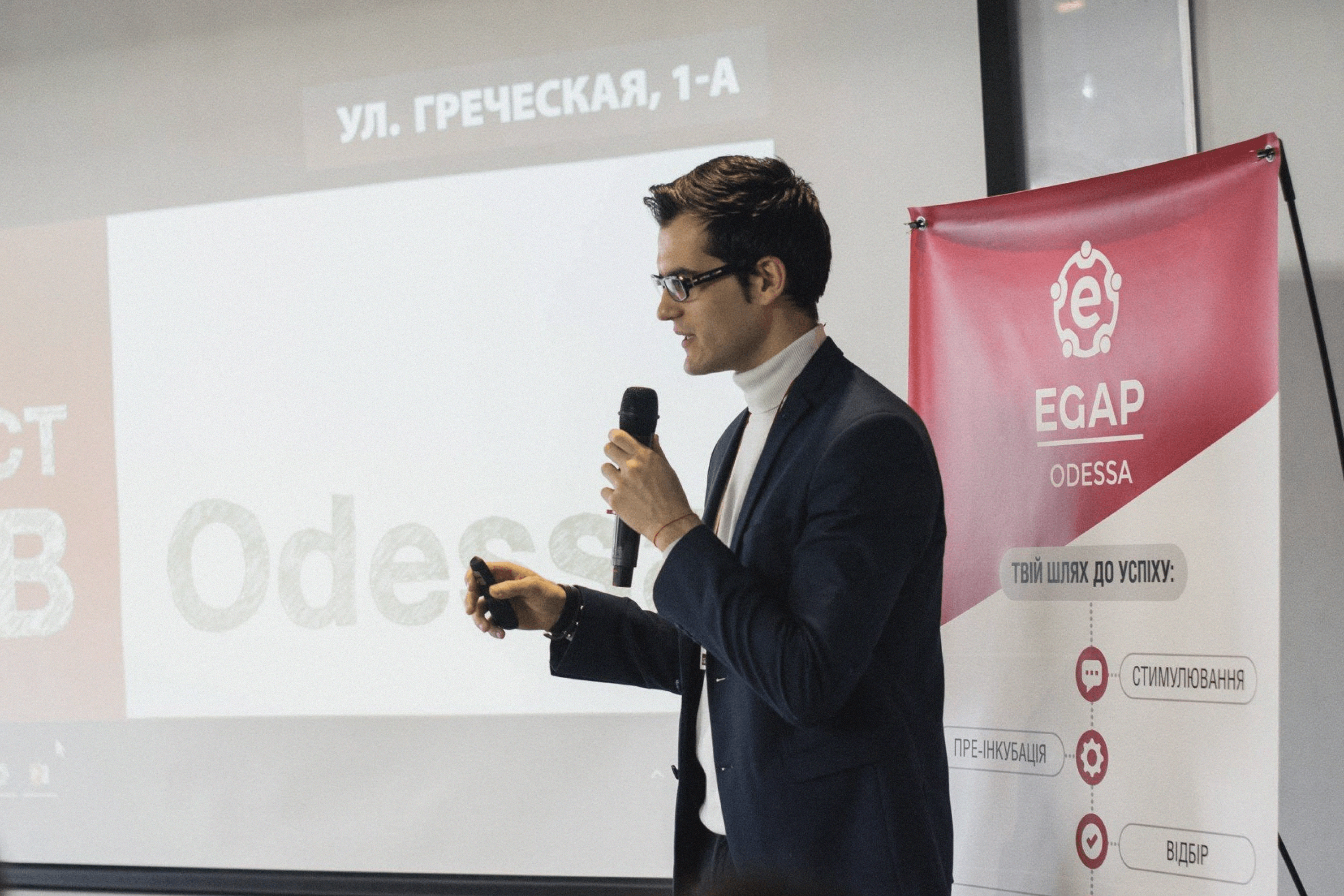
Photo: Lyuba Shipovich / Facebook
I did a lot of things simply because I had no idea they were not normally done that way. For example, I needed an office for our volunteer team. Everyone explained that it was complicated and required formal requests. I went to the chief of staff and asked for an office for 20 people. He agreed. We were ordinary volunteers, but when people saw us inside the administration building, they treated us as a legitimate organization and started listening to us.
Returning was not a decision to move back permanently. I had come for a year, and when the money ran out, I went back to the US to earn a living. There, I looked for work with a mission rather than just a commercial project. First I worked at a startup incubator, then on an educational project where schoolchildren learned physics, chemistry, math, and history through hip-hop. I liked the team and the social purpose of the work.
“I didn’t want to enter public service a second time”
You found yourself back in Ukraine after the 2019 elections. How did that happen?
My friend Oleksii Honcharuk approached me with an offer to help the new president’s team with digitalization. I explained that digitalization could not be tucked away inside a single ministry. It had to operate above the ministries. That is how the idea of a deputy prime minister for digitalization came about. I did not want to enter public service a second time because I remembered how difficult it was to leave, but I agreed to help with the processes.
I came for a month or two to help get things running and restructure the Ukrainian Startup Fund. At the Cabinet of Ministers, I happened to run into Oksana Koliada, who was the minister for veterans affairs at the time. Since nobody on her team spoke English, she asked me to attend a meeting with an international donor that was supposed to develop a veterans registry. I walked into the room and ended up running almost the entire meeting, though five minutes earlier I had simply been stopped in the hallway.
The next day, representatives of the organization working on the registry discovered that I did not work for the government and was actually a US citizen. They invited me to work on the registry as part of their team. So I started working on the requirements and tender documentation. The government changed in February, but the project continued. I was planning to return to the US in March 2020, and then the pandemic began.
Alongside that, I was talking to a lot of veterans and saw a problem. They were having trouble finding jobs, while the IT industry was short of specialists. I started training veterans and helping them move into IT. That is how “Veteranius” was born. Some graduates found jobs, but others did not make it through the selection process. I felt bad about simply leaving them behind, so I decided to create my own IT company where I could hire them.
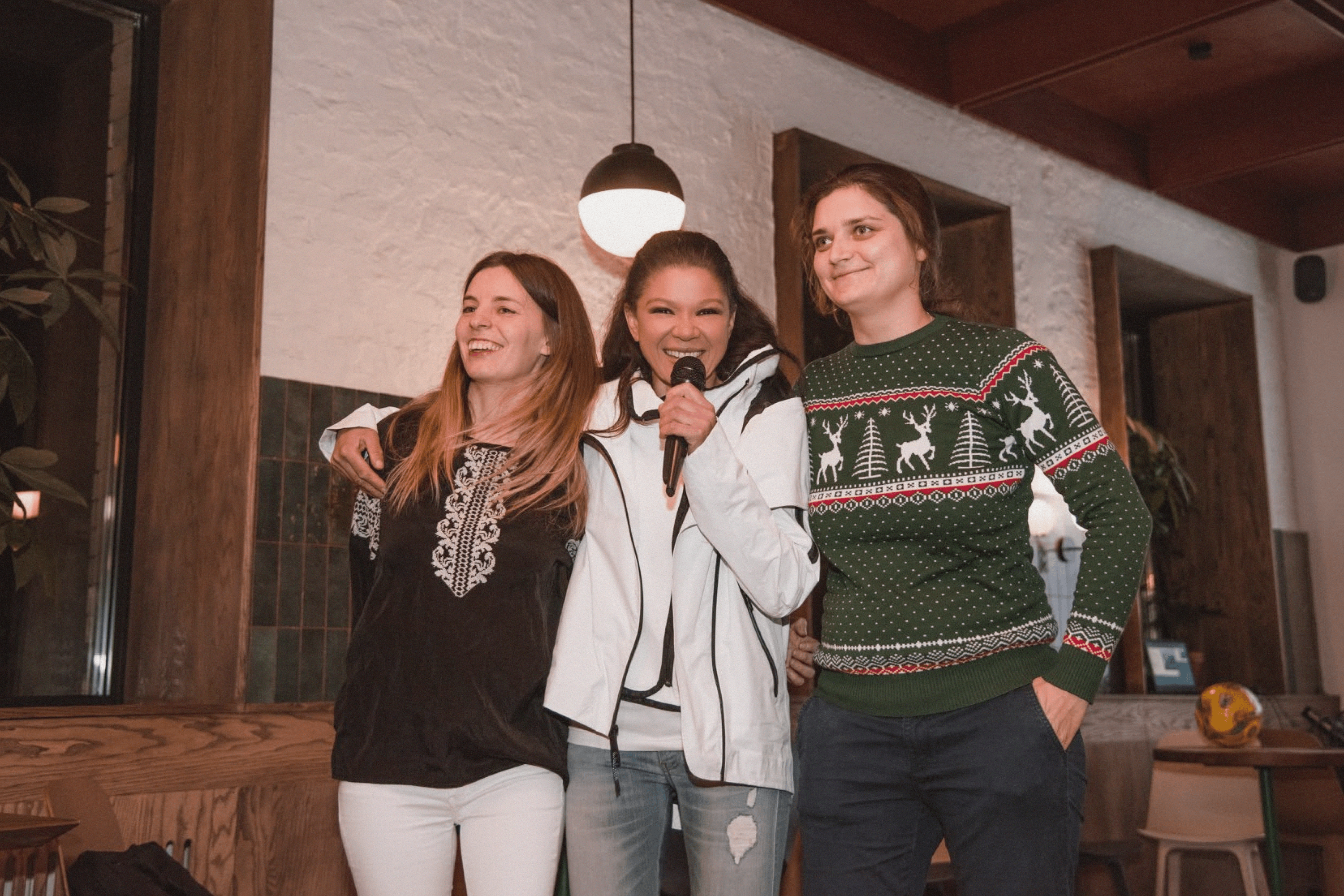
The Giving Tuesday charity event at Urban Space 500 in Kyiv, which raised UAH 80,500 for veterans’ education. December 4, 2019. Photo: Lyuba Shipovich / Facebook 
Photo: Lyuba Shipovich / Facebook 
Photo: Lyuba Shipovich / Facebook 
Photo: Lyuba Shipovich / Facebook 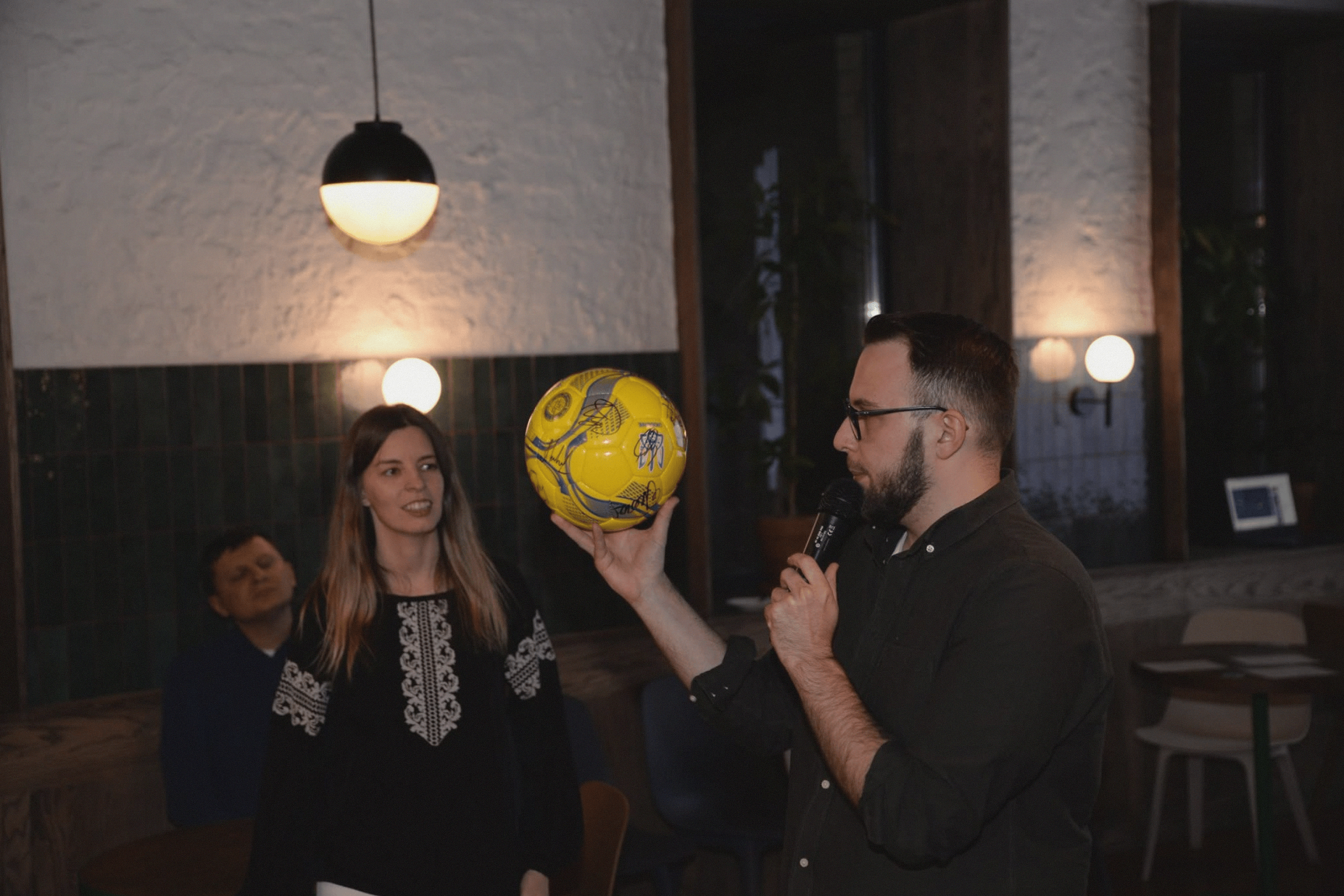
Photo: Lyuba Shipovich / Facebook 
Photo: Lyuba Shipovich / Facebook
And that was the start of DataOcean, right?
Yes. I found people in the US to handle sales, while a team of veterans in Ukraine developed the product. We went through a startup accelerator, looked for clients, and within a year the company broke even. I invested my own money and paid the team’s salaries, and later found two investors. We had clients in Ukraine and the US and were planning to expand into Europe.
You started preparing for a major war back in late 2021. Why were you so sure it would happen?
I was not sure. I just always think, “What if?” At the company, we drew up an action plan in advance: who would do what, where everyone lived, which military enlistment office was near their home, who would collect the equipment and documents. In January 2022, we paid everyone three months’ salary up front, both the Ukrainian and American teams. If there was no war, it would just count as an advance. If war broke out, people would have some money to fall back on while they looked for work or figured out what to do.
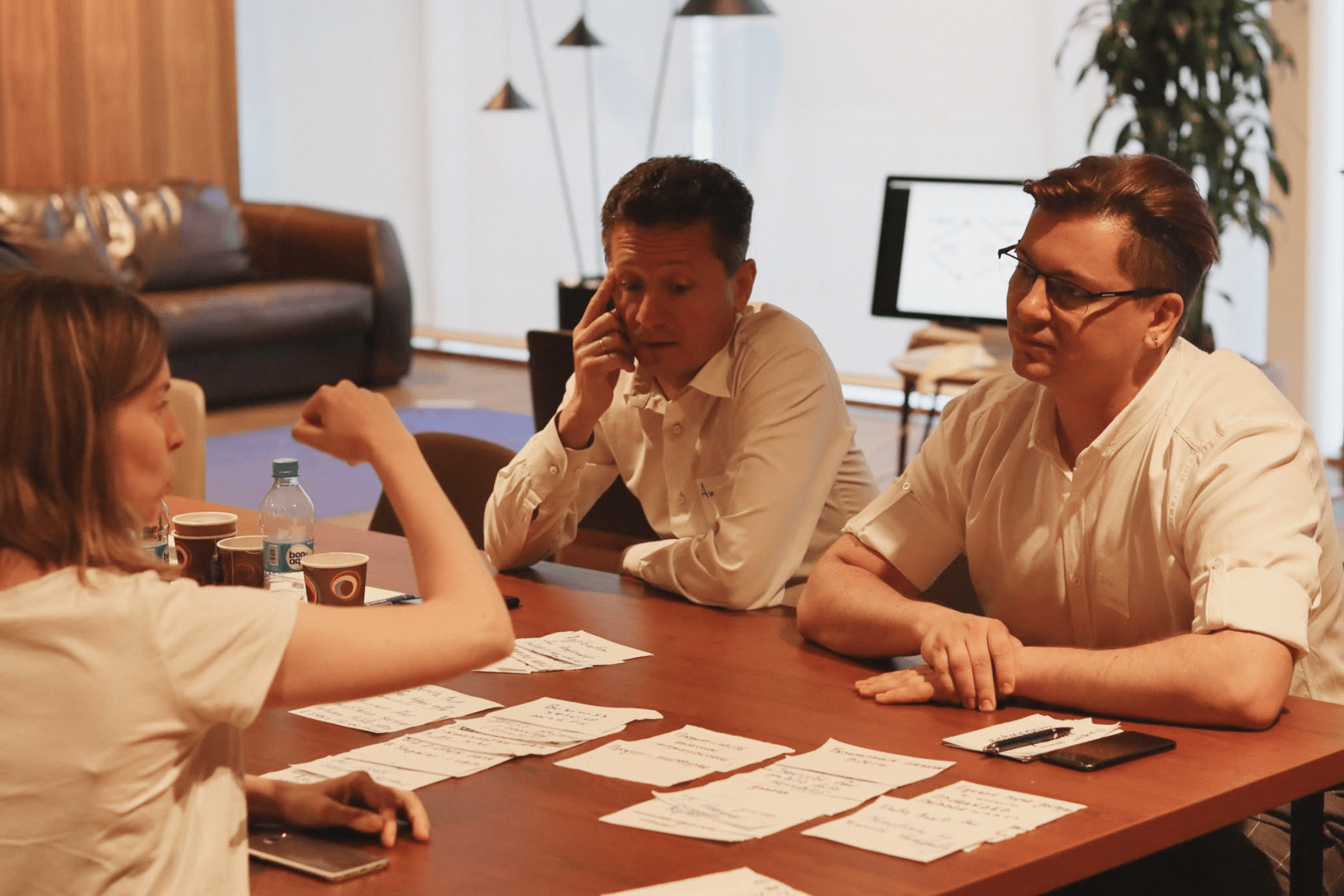
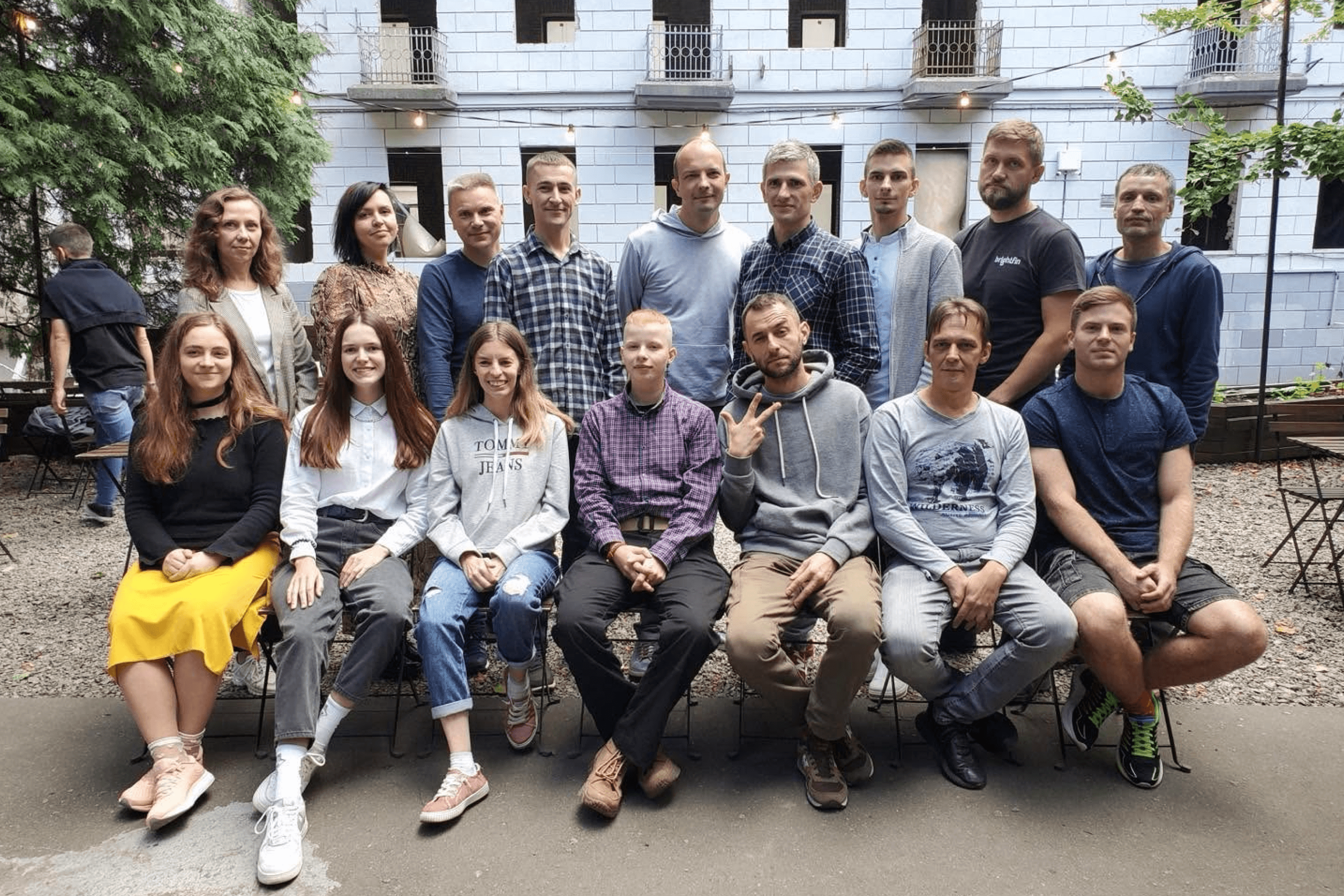
The Data Ocean team during a strategic facilitation session. July 2, 2020. Photo: Data Ocean / Facebook 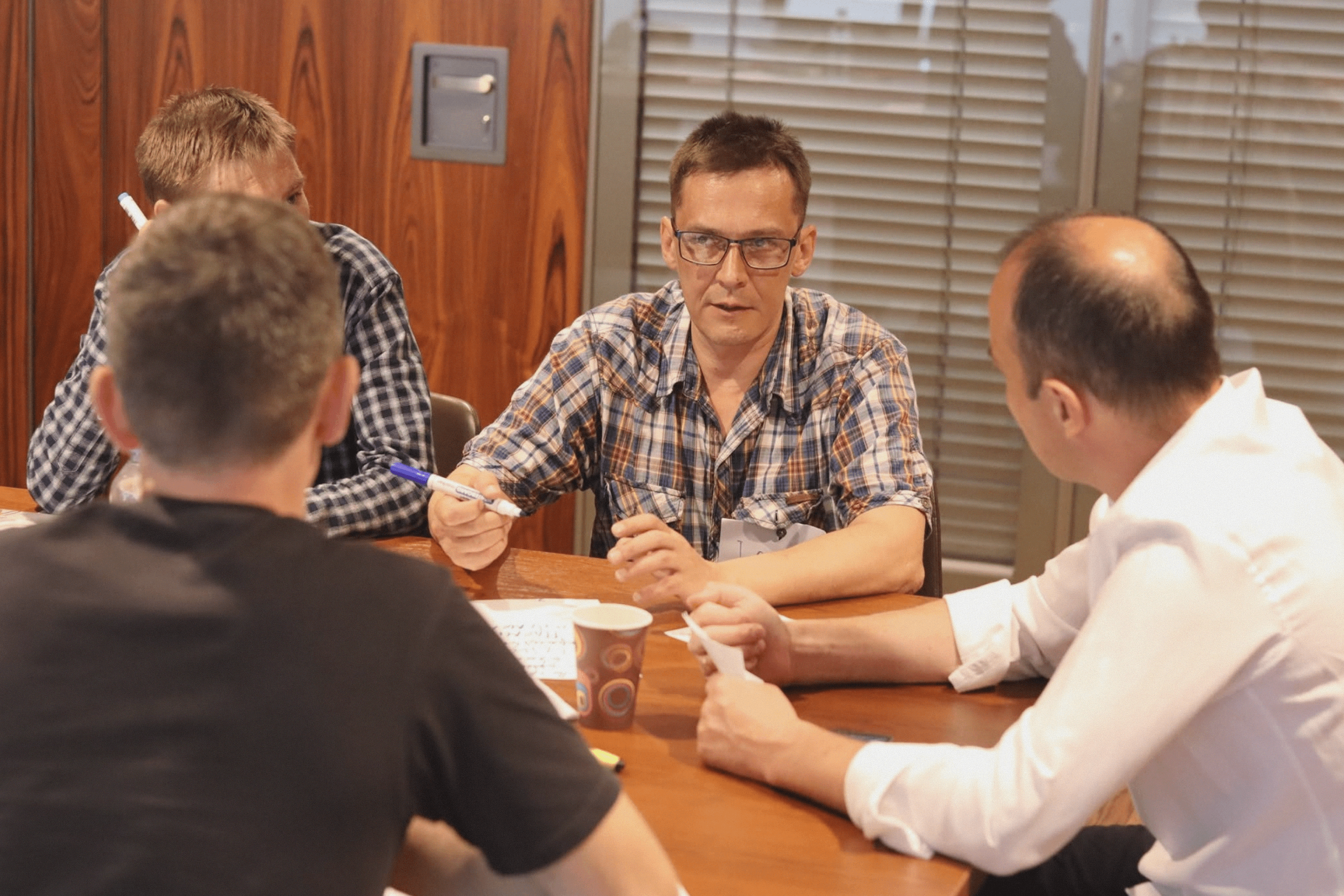
Photo: Data Ocean / Facebook
Our veterans training program held its last graduation on February 23, 2022. The guys did not want to present anything. They said, what is the point if war is about to start and we are going off to fight? And I told them that if the war did not happen, we also needed to make sure they got hired. There had to be a plan for both scenarios. I just like to think everything through. We even held nuclear drills for the team. We contacted Ukraine’s State Emergency Service so people would know what to do in the event of a nuclear explosion. It is better to have a plan and never use it than to start thinking about one when it is already too late.
What happened to DataOcean after the full-scale invasion began?
On February 23, at 10 p.m. my time, when it was already 5 a.m. in Ukraine, we activated the plan we had prepared. The team stopped working, and the company remained dormant for about another year. Its director in Ukraine joined the military. Eventually, we decided to put the company on hold completely. We transferred the remaining money to the Dignitas charitable foundation and spent it on support for the military.
You came to Ukraine in the spring of 2022, but initially did not plan to stay?
I arrived in early April, planning to spend a month figuring out what was happening with logistics, getting things running properly, and then going back. We had organized deliveries from the US through Poland, but I could not understand why a shipment could travel through several countries in five days and then take another 30 days to reach the front. I needed to come and see exactly where everything was getting stuck.
When I got to Ukraine, I realized I was actually less afraid here than outside the country. When you are inside, you can see the situation and assess the risks. From abroad, everything seems scarier because you do not understand what is really going on. It also turned out that being in the same time zone, talking to someone face to face, and going there in person were often much more effective.
Regular trips to the units keep you grounded in reality. You see what is happening instead of just reading about it. I never planned to return to Ukraine permanently. This is just my very long month, and I do not know when, or even whether, I will be able to finish it. I do not believe this war has a clear ending after which we can return to normal life. I think it will continue in one form or another throughout our lifetimes, perhaps even longer. As a military friend of mine once said, “We will all die in this war. Some of us just from old age.”
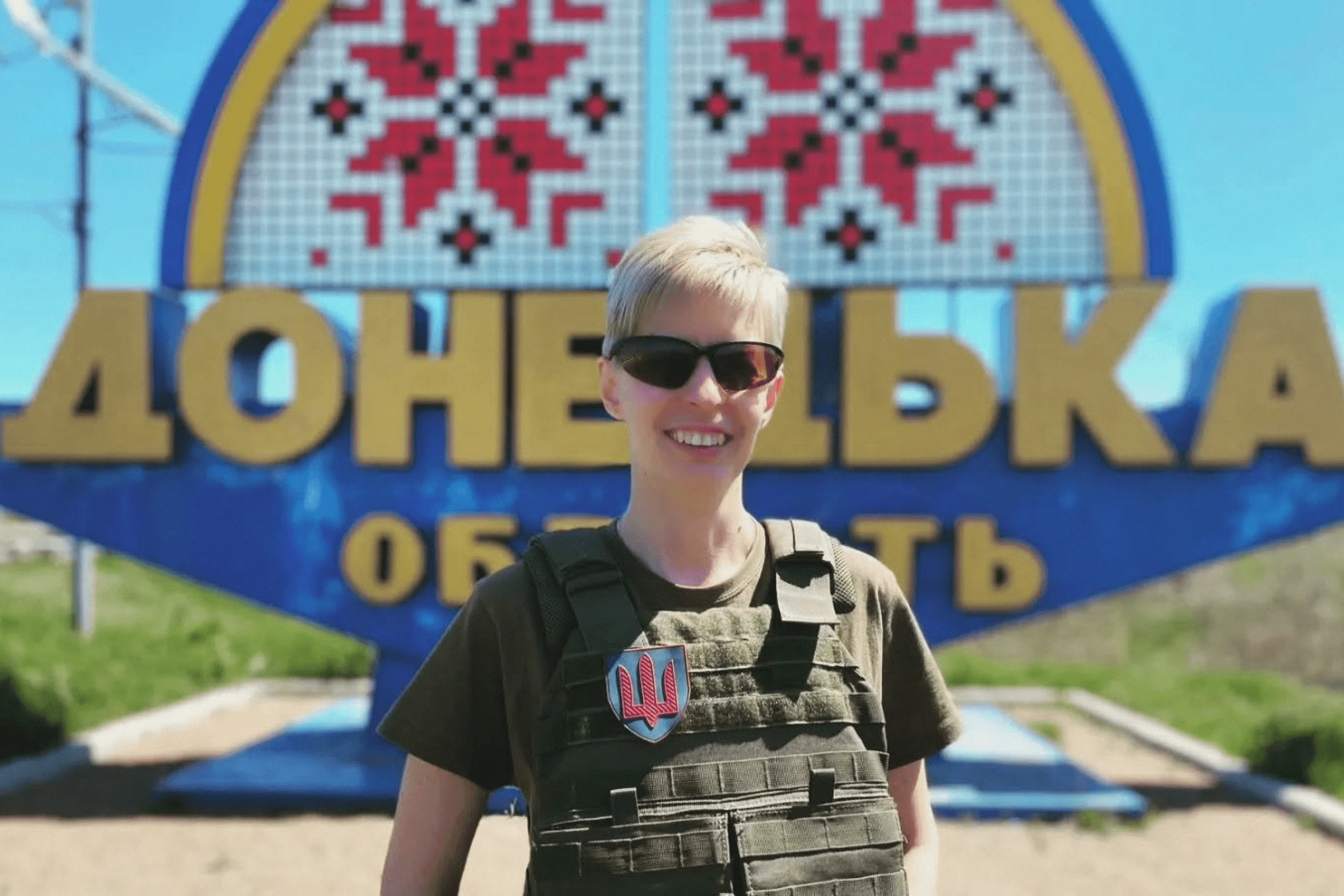
Lyuba Shipovich in Donetsk Oblast during the full-scale war. May 8, 2022. Photo: Lyuba Shipovich / Facebook 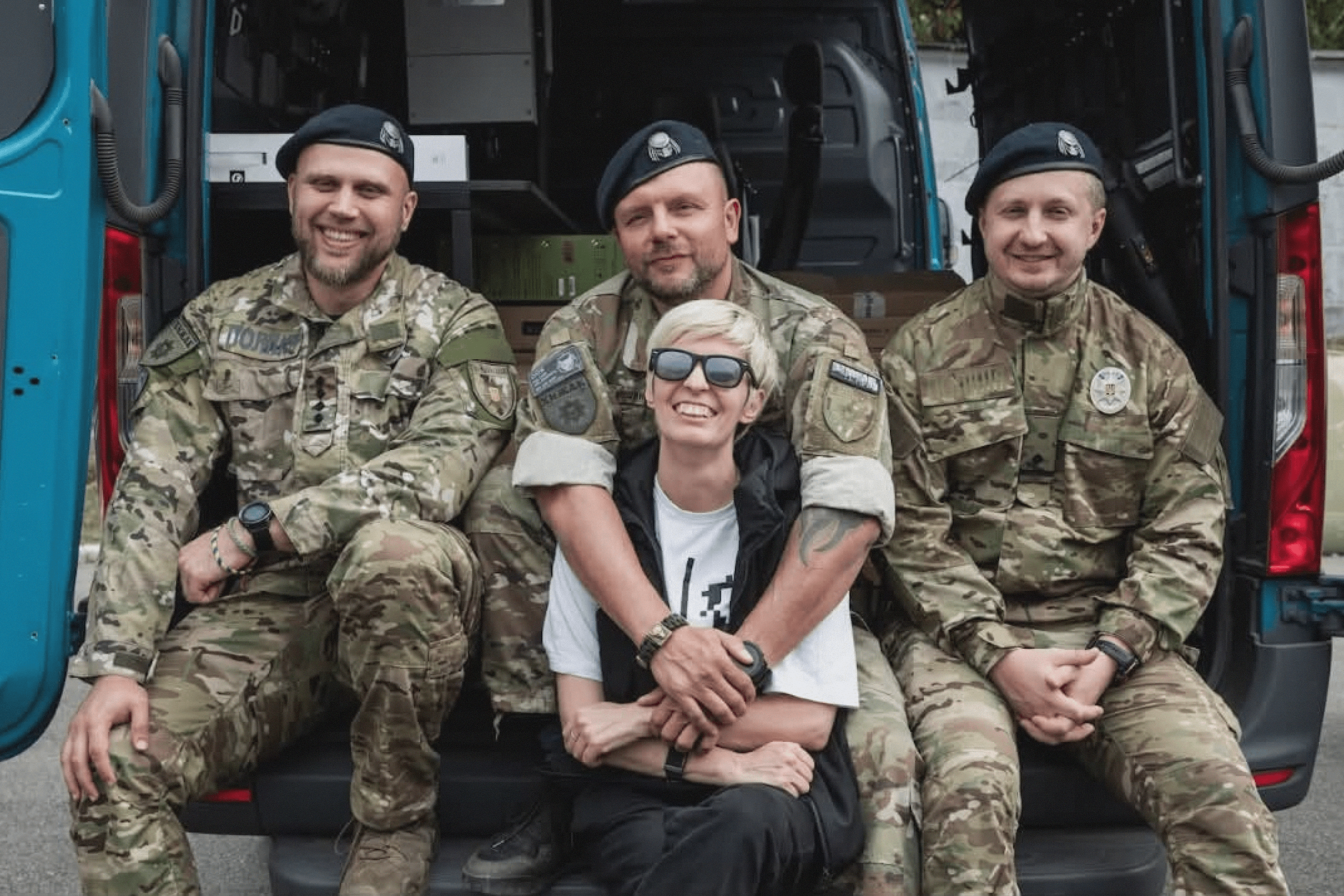
Lyuba Shipovich with Ukrainian service members. The photo was taken during the full-scale war. Photo: Lyuba Shipovich / Facebook 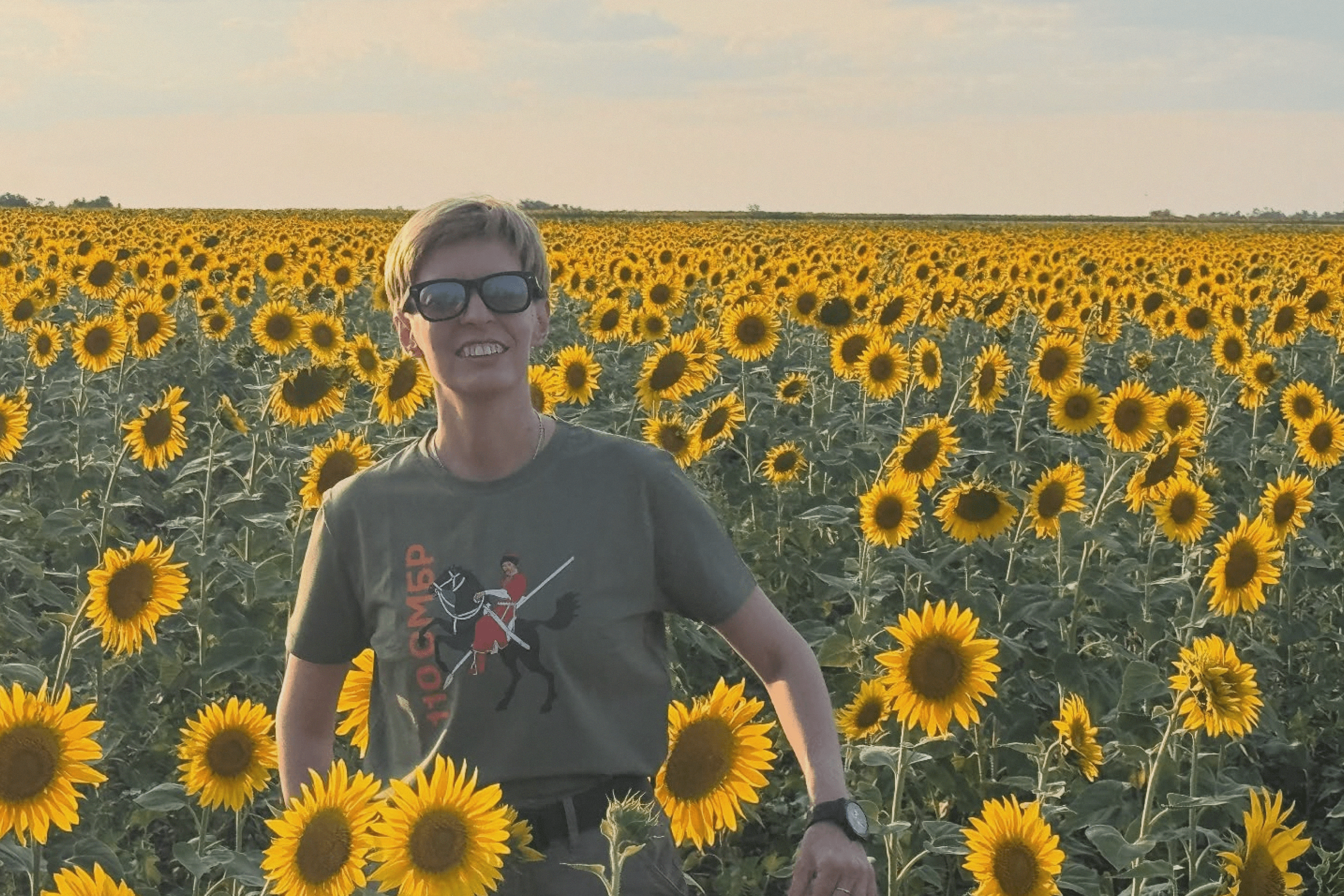
Lyuba Shipovich in Zaporizhzhia Oblast while working with unmanned ground vehicles. August 9, 2025. Photo: Lyuba Shipovich / Facebook 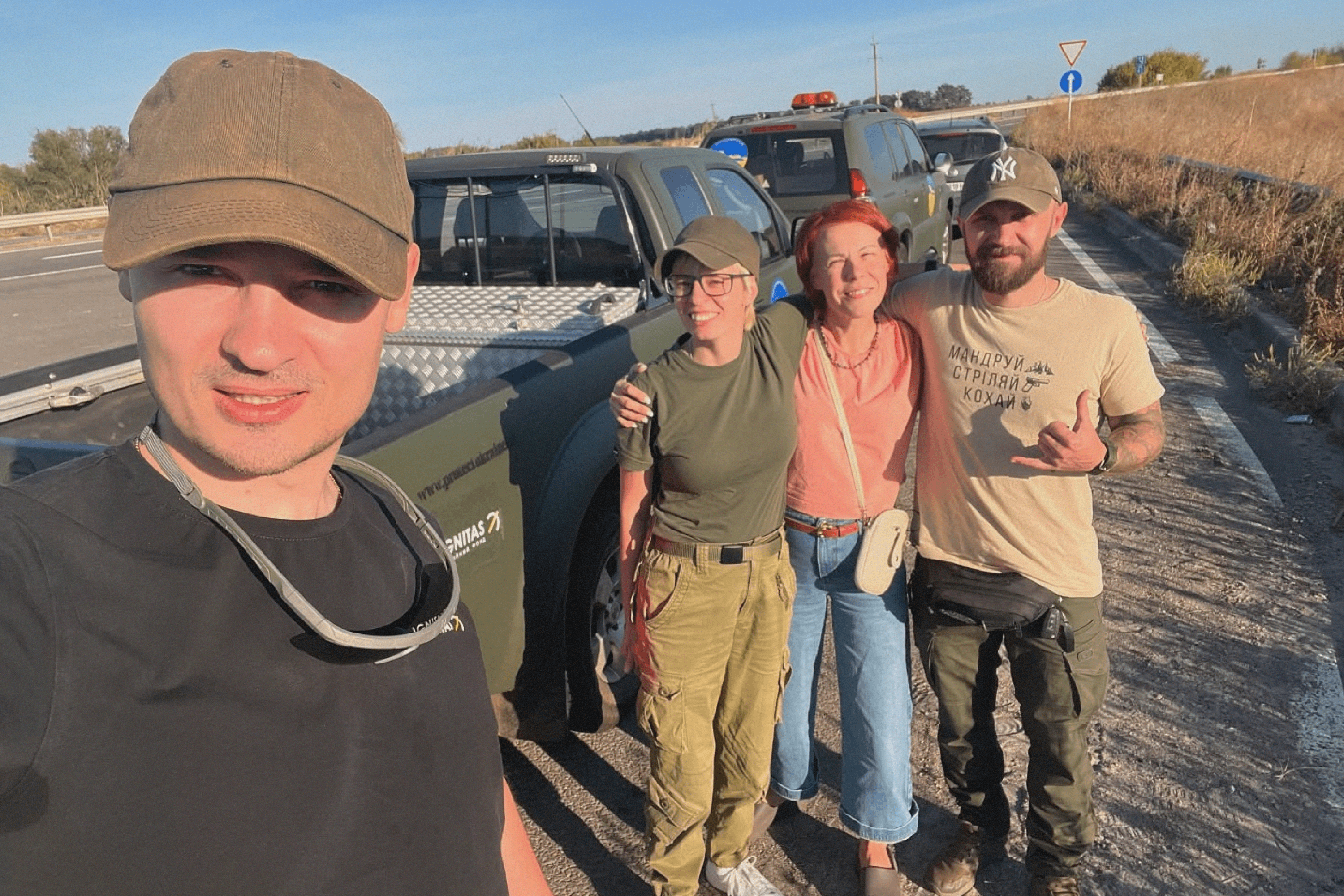
Lyuba Shipovich with the Dignitas Fund team in Donetsk Oblast. September 22, 2024. Photo: Lyuba Shipovich / Facebook 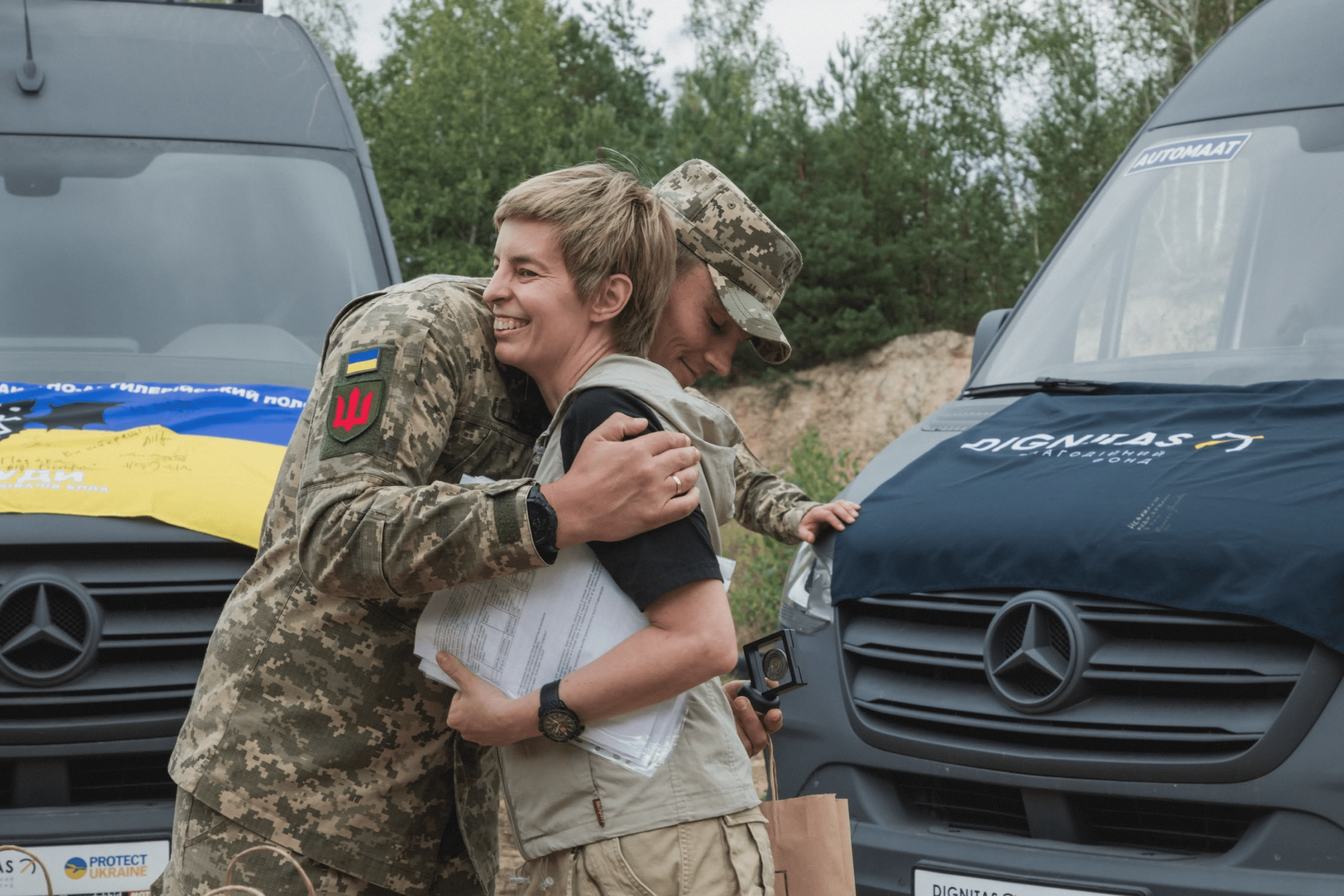
The handover of mobile command posts and pickup trucks for Ukrainian Air Force crews with the participation of Dignitas Fund. September 7, 2025. Photo: Lyuba Shipovich / Facebook 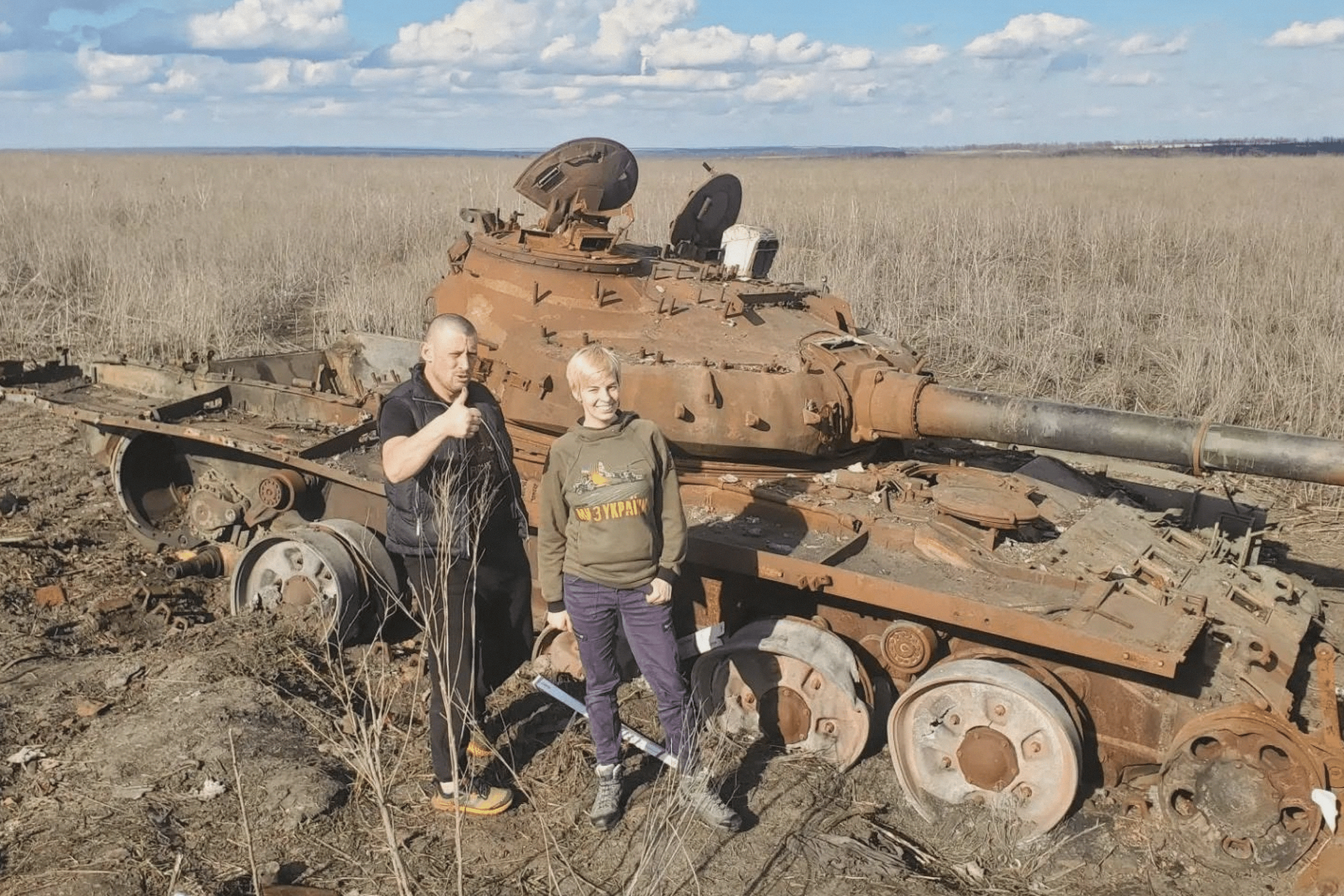
Lyuba Shipovich during a trip to liberated Ukrainian settlements. March 2023. Photo: Lyuba Shipovich / Facebook
“The hardest part is convincing people to think about tomorrow’s war”
You work extensively with different military technologies. Why do you think they are often difficult to scale up? Is bureaucracy the problem?
Bureaucracy was indeed a problem, but many processes have already been restructured, especially in the military. Now one of the biggest challenges is introducing new things. People resist change even when it is technological and useful. We have seen this with drones and with unmanned ground vehicles, or UGVs.
You would think everyone already understood that robots are needed. But when a robot flies, people see it as important, and when it drives on the ground, you hear, “Why do we need these slow little carts? We drive cars.” Even commanders of technology units said things like that. In 2024, troops could still drive pickup trucks to their positions, and not everyone understood that the enemy might start doing the same thing we were doing: targeting logistics.
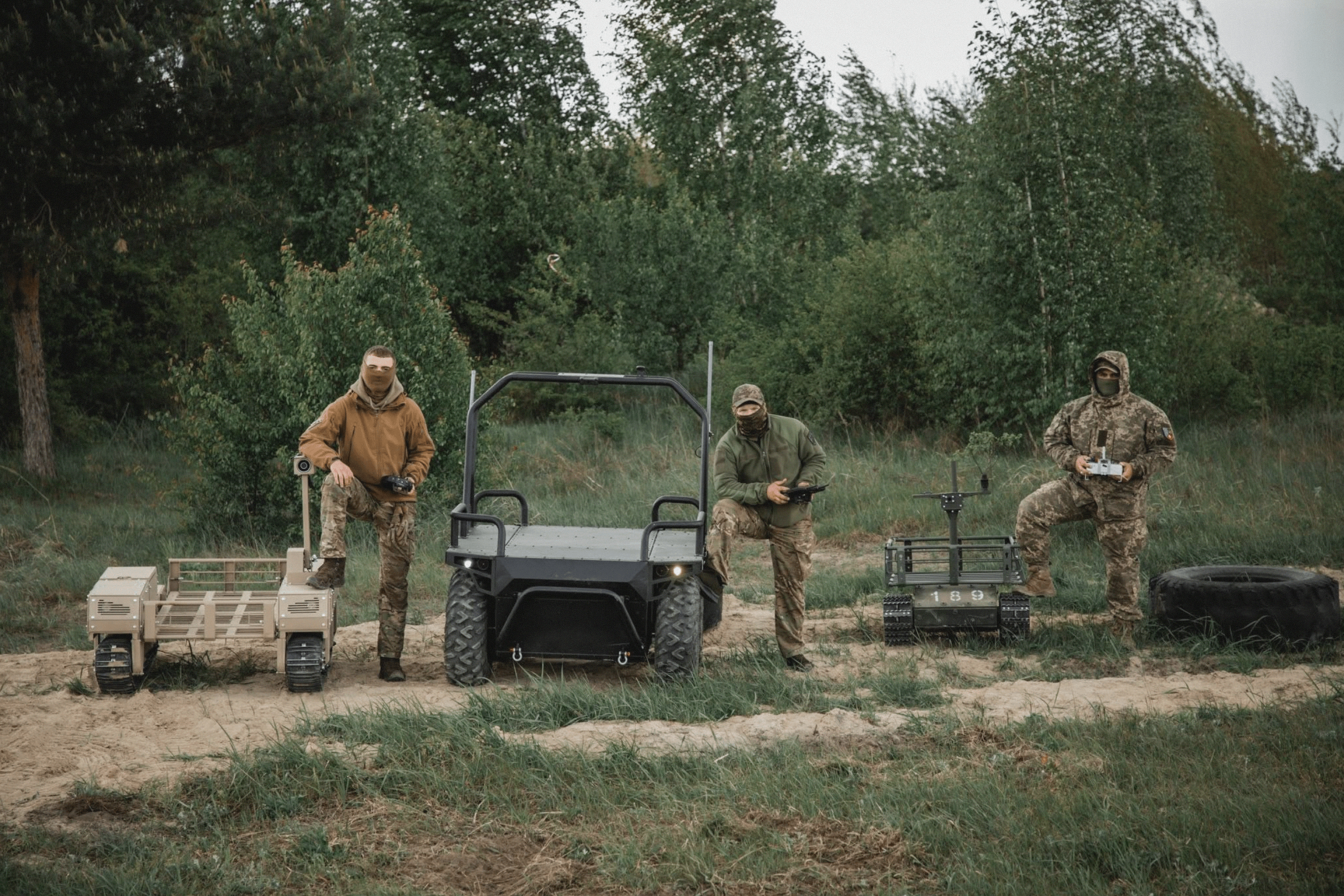
The Dignitas Fund Victory Robots initiative for deploying unmanned ground vehicles in military units. 2024–2025. Photo: Dignitas Fund / Facebook 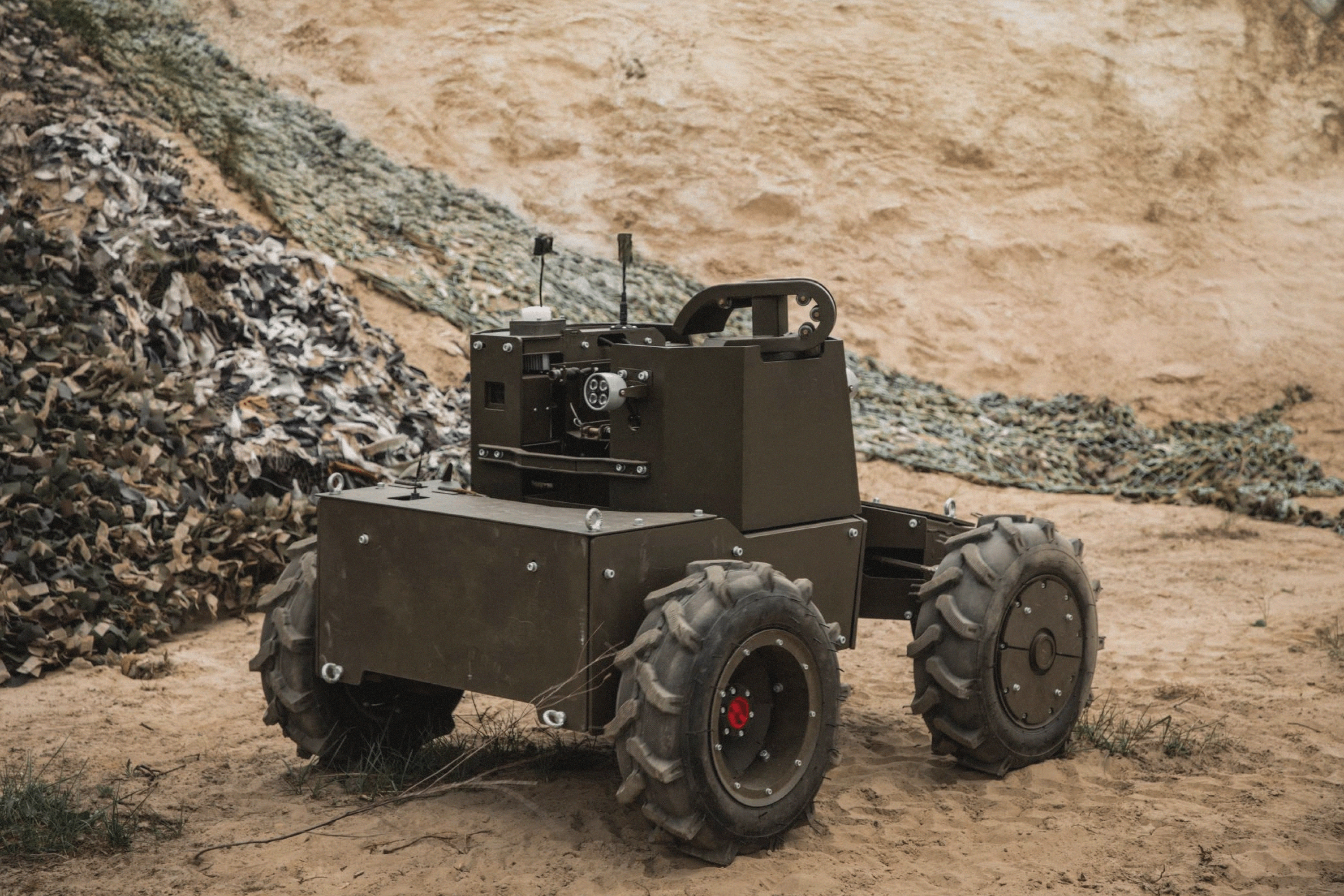
Photo: Dignitas Fund / Facebook 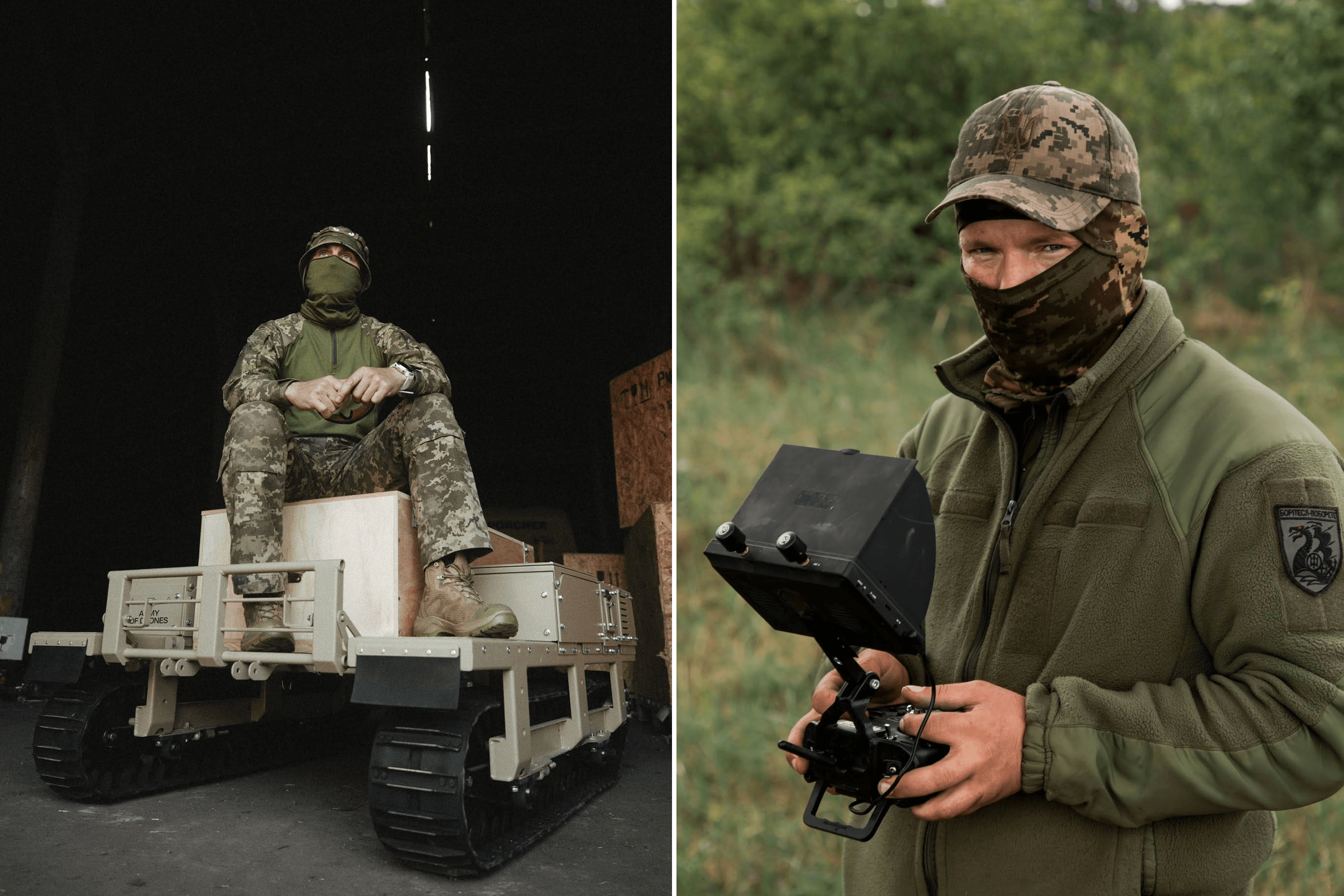
Photo: Dignitas Fund / Facebook 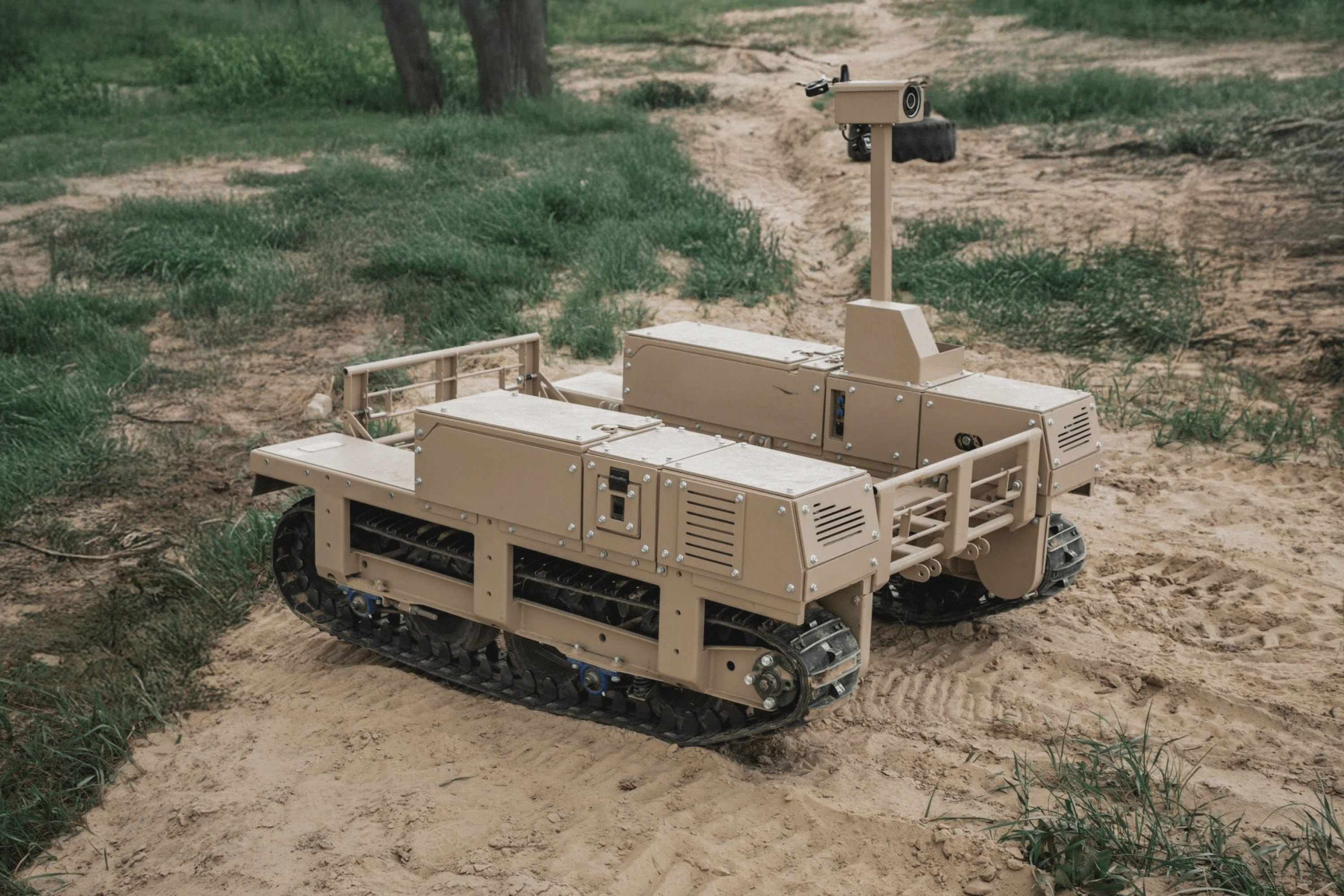
Photo: Dignitas Fund / Facebook 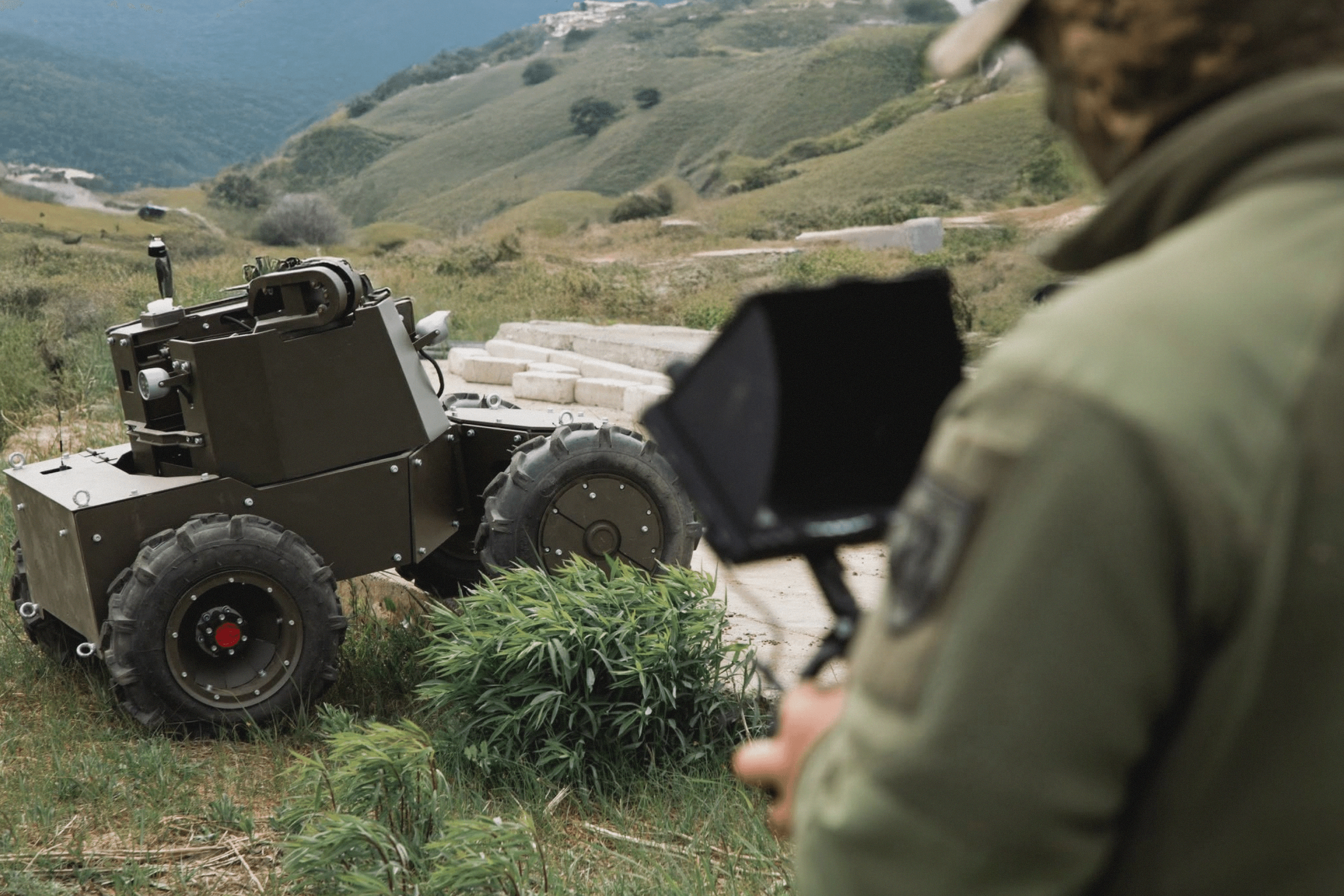
Photo: Dignitas Fund / Facebook 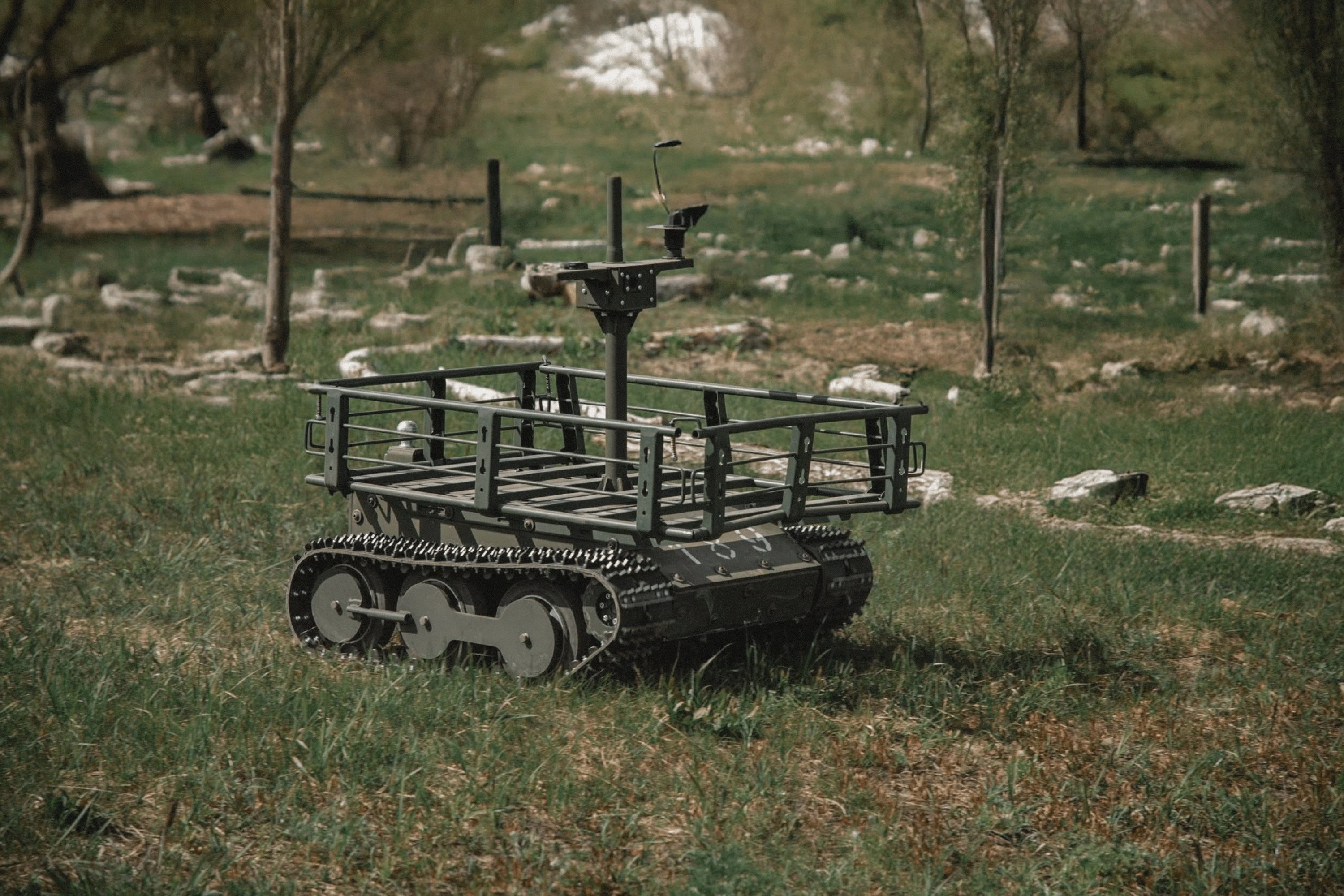
Photo: Dignitas Fund / Facebook
There was an important decision at the top regarding UGVs. The commander-in-chief and his deputy supported this line of work. But resistance often came from the commanders who were supposed to use the technology. Soldiers ask for what they need today because they have a mission to carry out right now. But they do not always think about what they will need tomorrow. That is why it is important to meet current needs while also preparing for the next stage of the war.
I asked commanders to give me at least four people to train as UGV operators. Sometimes I would say, “Come on, buddy, just give me the people because you respect me. We’ll see later whether you use them or not.” I joke with some of them about it now. Back then, they did not want to spare four people, and now they have built entire UGV battalions. The hardest part is convincing people that what works today will not necessarily work tomorrow.
For 2025, the state purchased 13,000 UGVs. That is a huge number. But buying equipment and handing it over is not enough. I would visit units and find the vehicles sitting in warehouses because people did not know what to do with them. Last summer, I took time off and went to a UGV company in the 110th Brigade. The company had existed for nine months but had not gone out on a single combat mission. I spent a month there. At first, they did not know I was a civilian. I only told them after we had started carrying out combat missions. Sometimes you just need to go to a unit and start working from the inside. Our instructors go to the troops, train people, and help set up processes, assign roles, and coordinate.
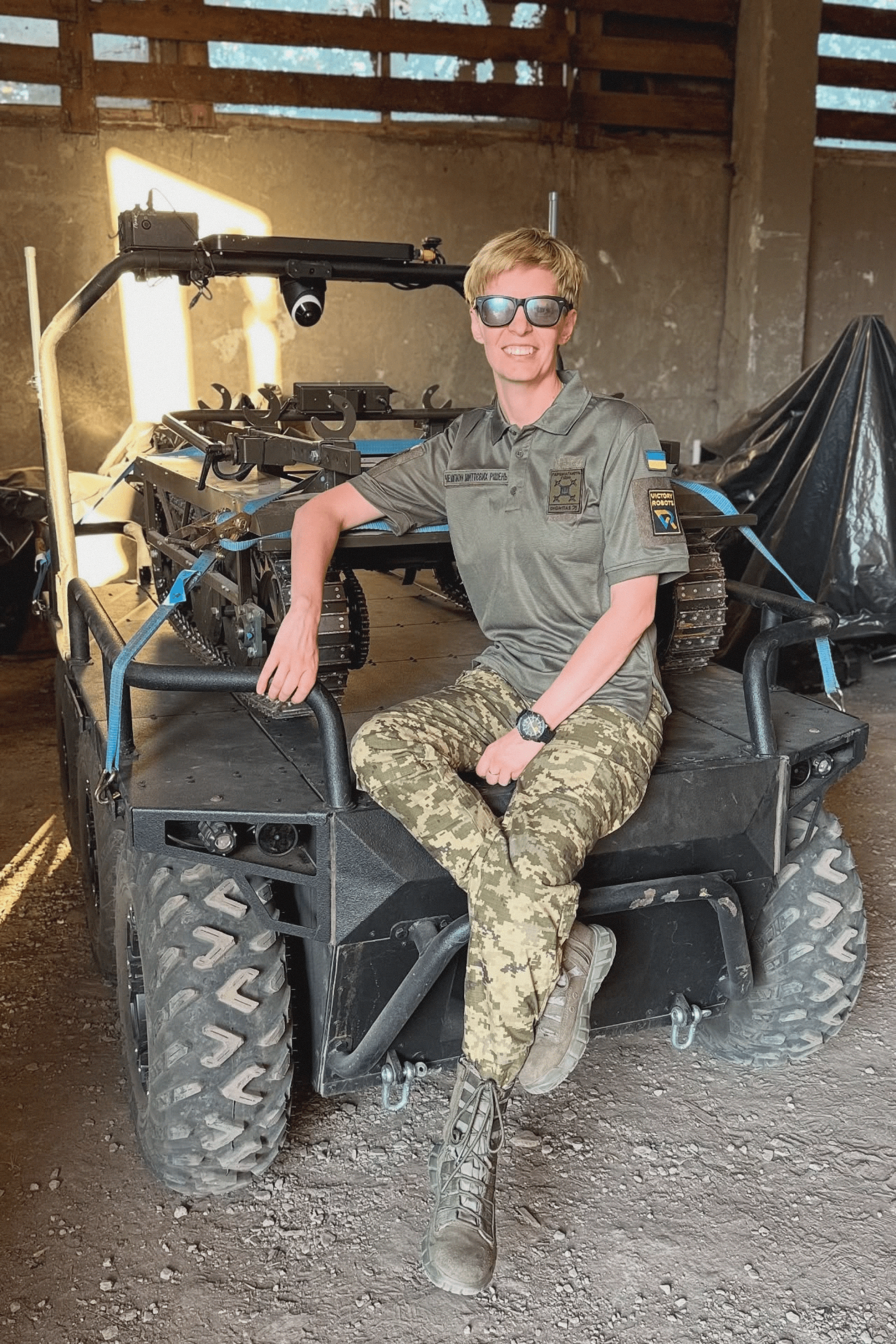
We provide the unit with equipment, and the instructors help implement the technology on-site. That is how we have managed to establish about 18 UGV companies. It is not enough to teach people which buttons to press. When their first evacuation attempt fails, you have to explain that they cannot just give up. They need to understand that even if they could not evacuate one wounded soldier, such an attempt could save someone else’s life. It is psychological work, too.
How do volunteers and the state work together today?
I would distinguish between volunteers, the state, and foundations that hire people and work professionally in specific fields. Volunteering is good for quickly meeting urgent needs. But systemic work, such as building institutions, carrying out reforms, and introducing technologies, cannot be done on a volunteer basis alone.
In 2023, we decided to start hiring people. If I need an instructor to go to a military unit and live there, I have to pay them for that work. We started allocating 5 percent to administrative costs. It is a different model from volunteering, but it is necessary if you want systemic change.
Volunteers and the state often see each other as adversaries: volunteers criticize the state for failing to provide everything that is needed. Between them sits a third sector, foundations that work professionally, with a clear focus on particular fields. The state sees the same people doing concrete work every day and starts treating them as partners.
Defense used to be the exclusive domain of the state. The full-scale war showed that the state cannot win it without society’s involvement. Civil society helps the state through foundations that work systemically, and that is a normal model of cooperation.
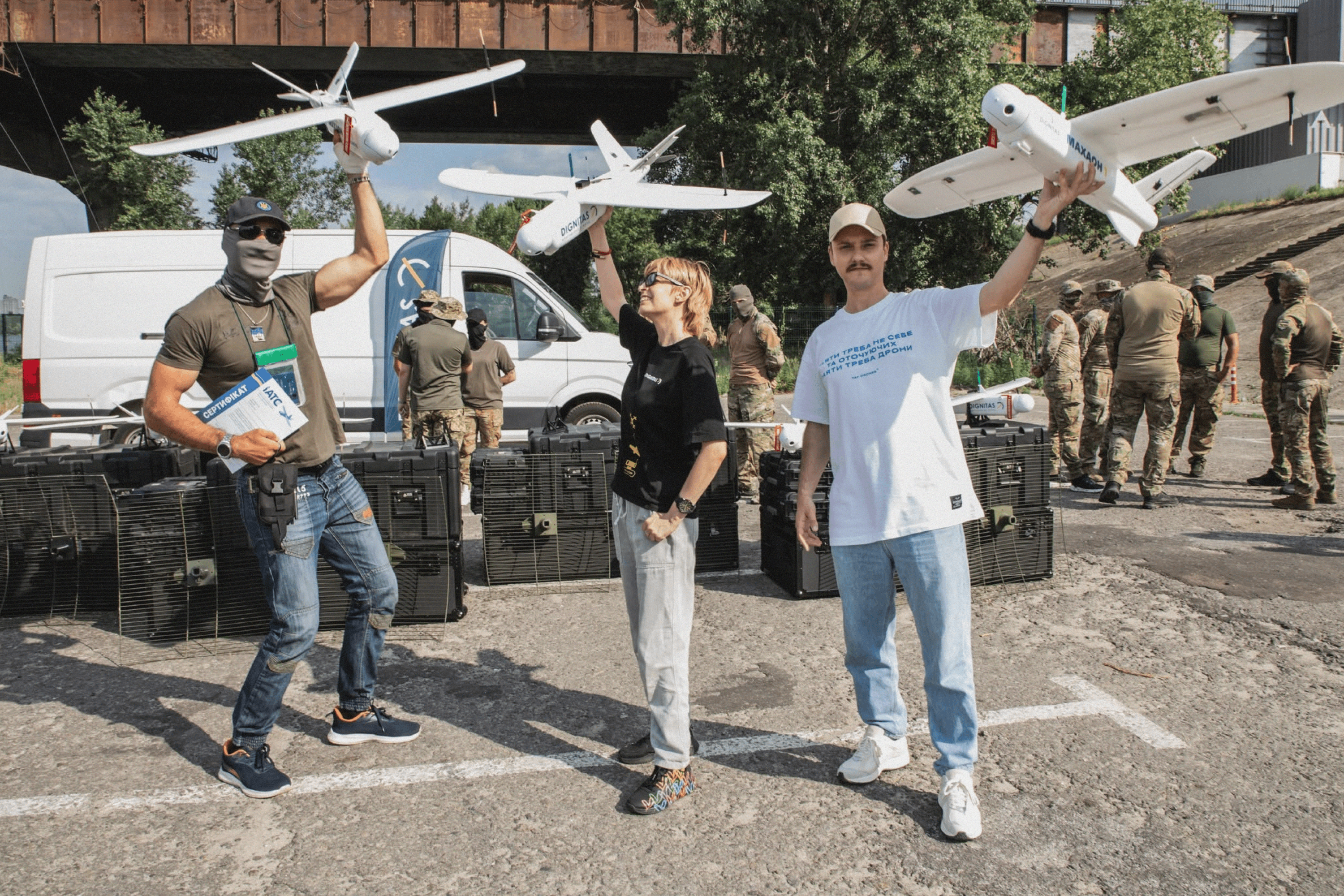
The first crews after completing training to operate the “Babka” unmanned aerial vehicle by TAF Drones. July 2025. Photo: Dignitas Fund / Facebook 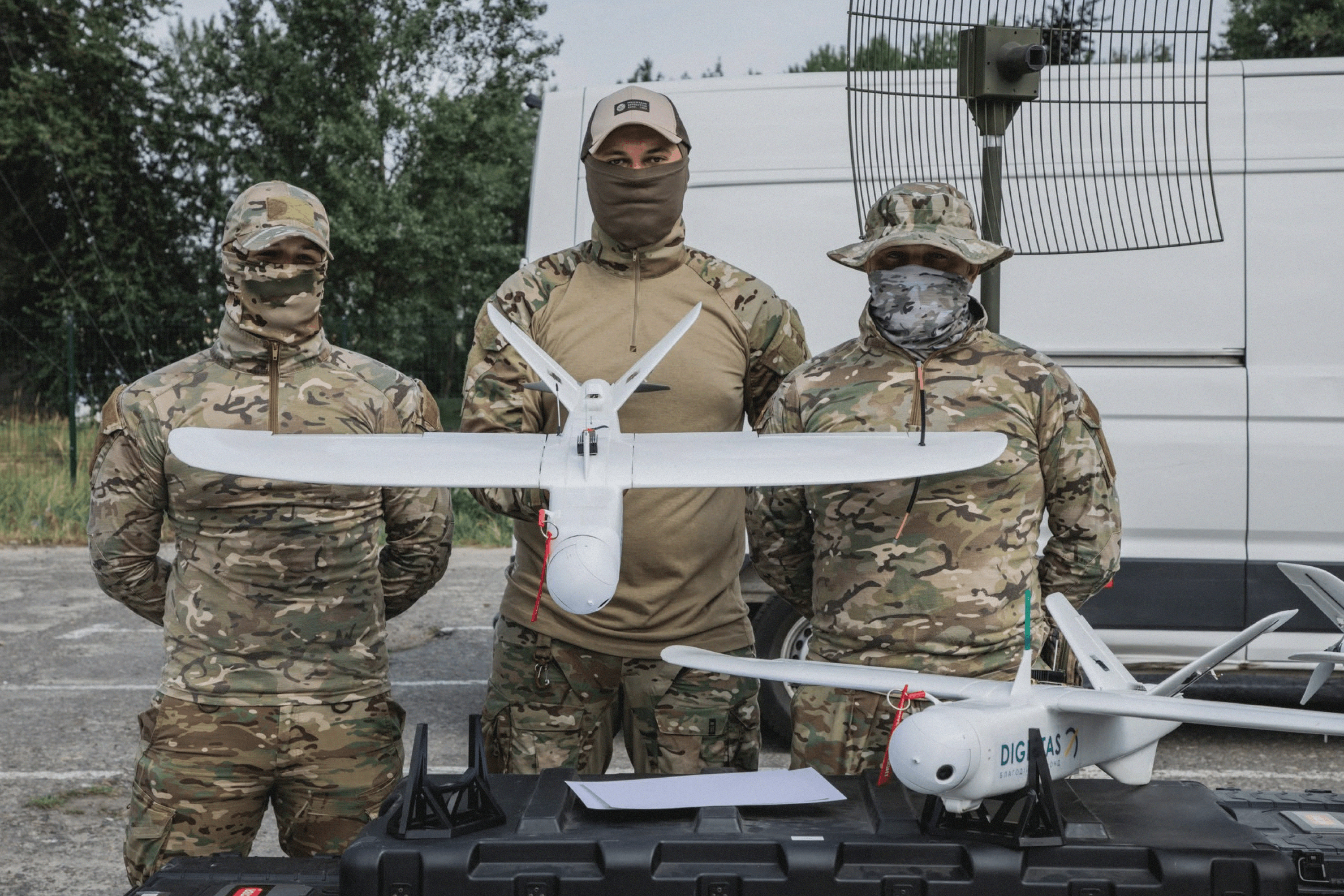
Photo: Dignitas Fund / Facebook 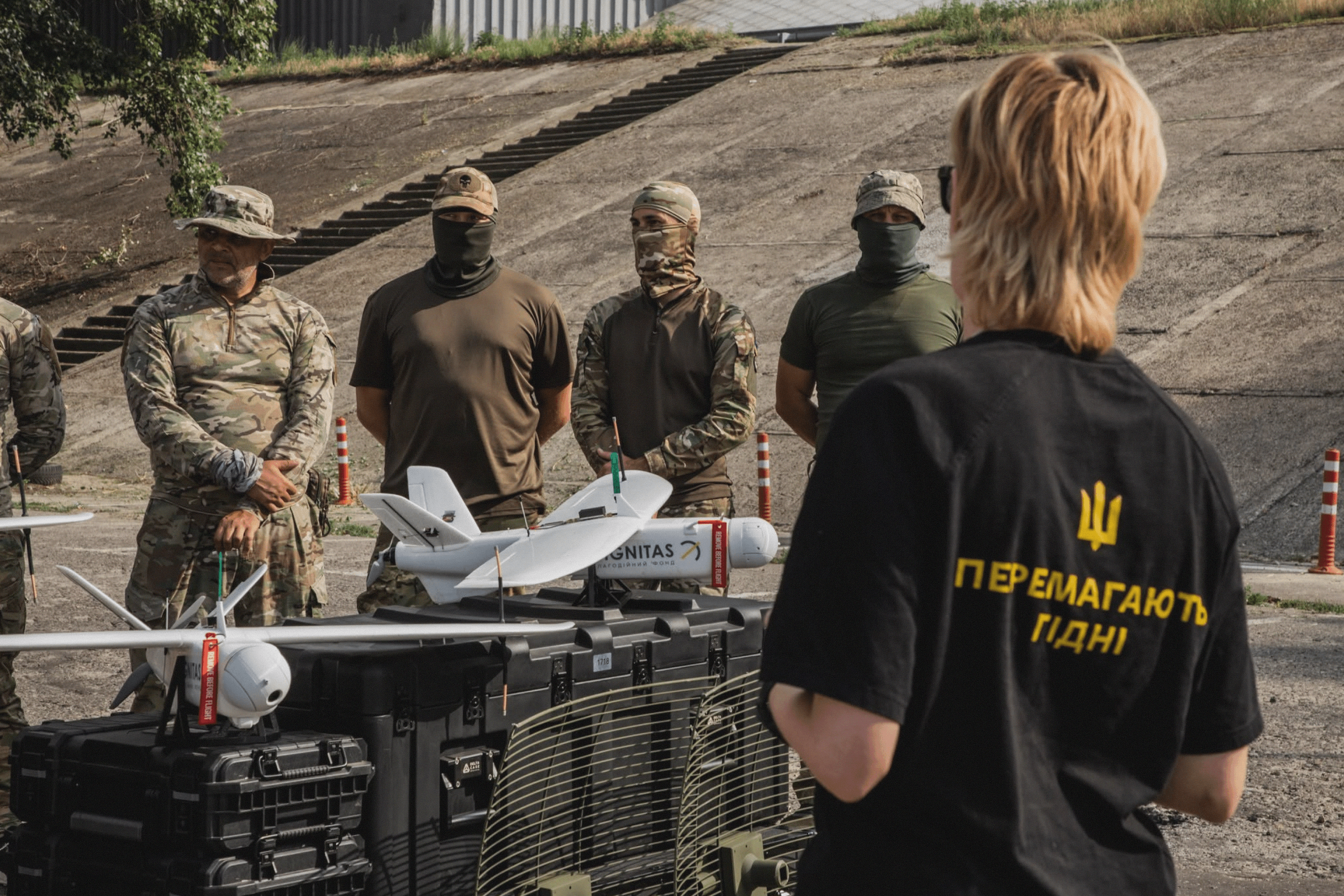
Photo: Dignitas Fund / Facebook 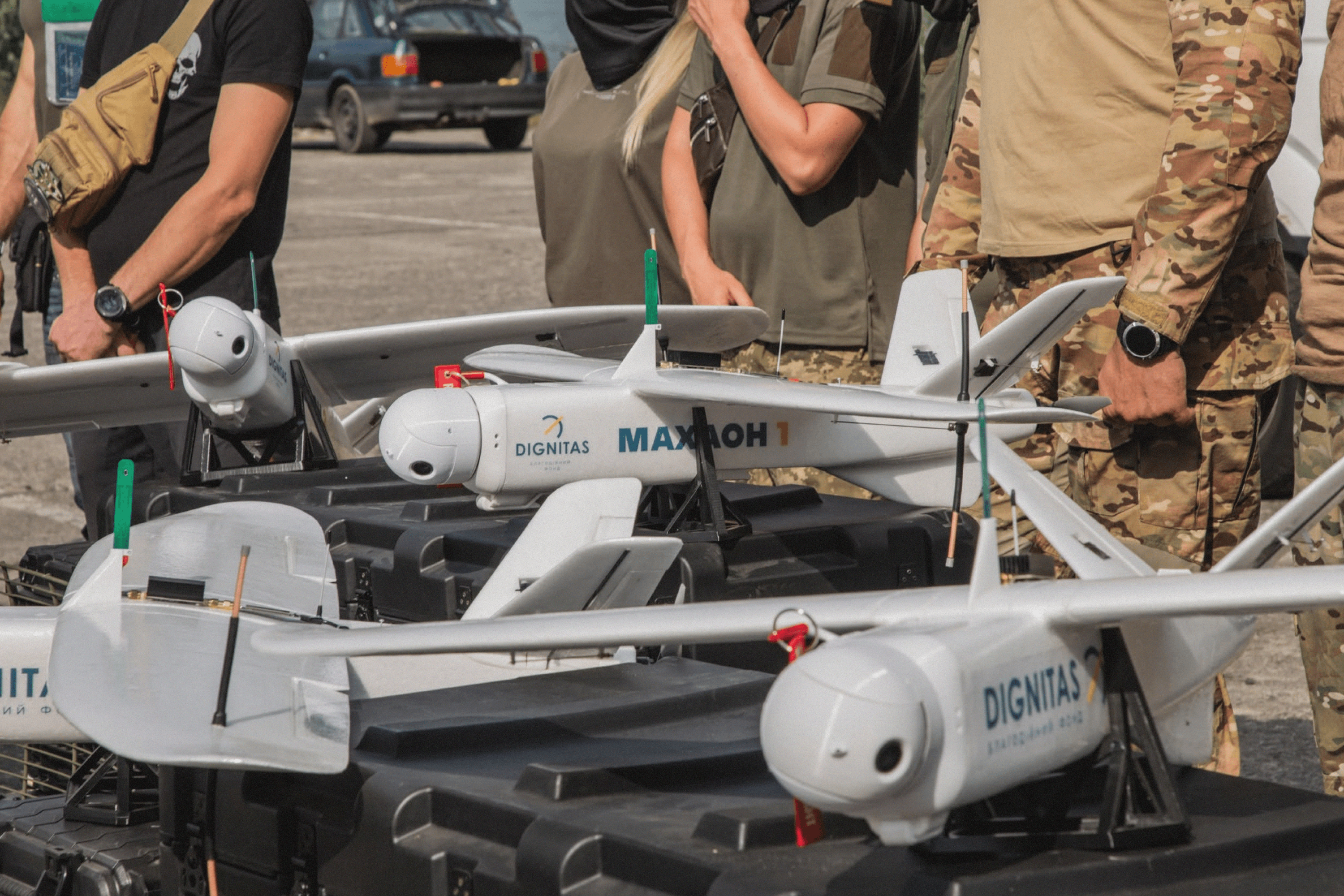
Photo: Dignitas Fund / Facebook 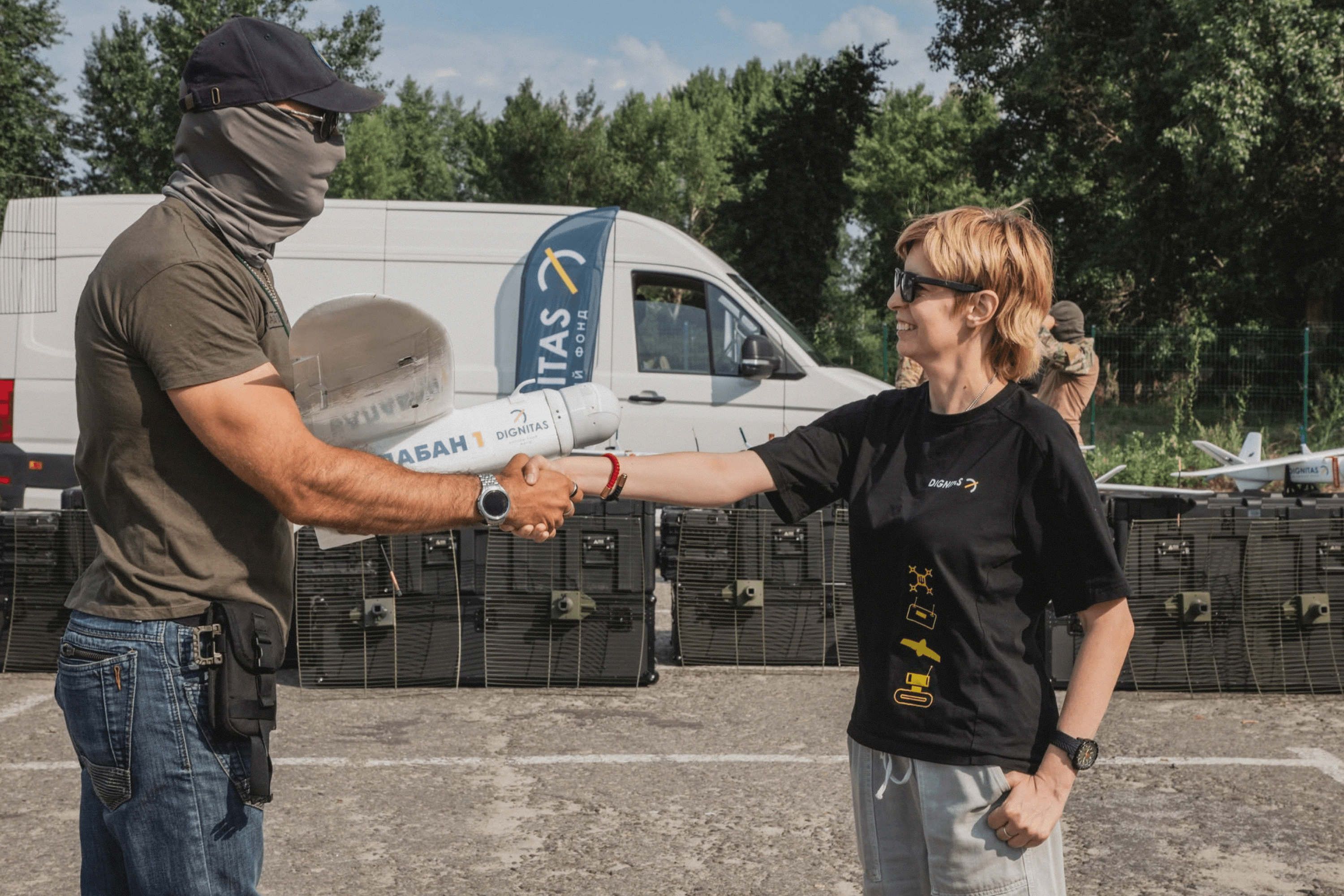
Photo: Dignitas Fund / Facebook 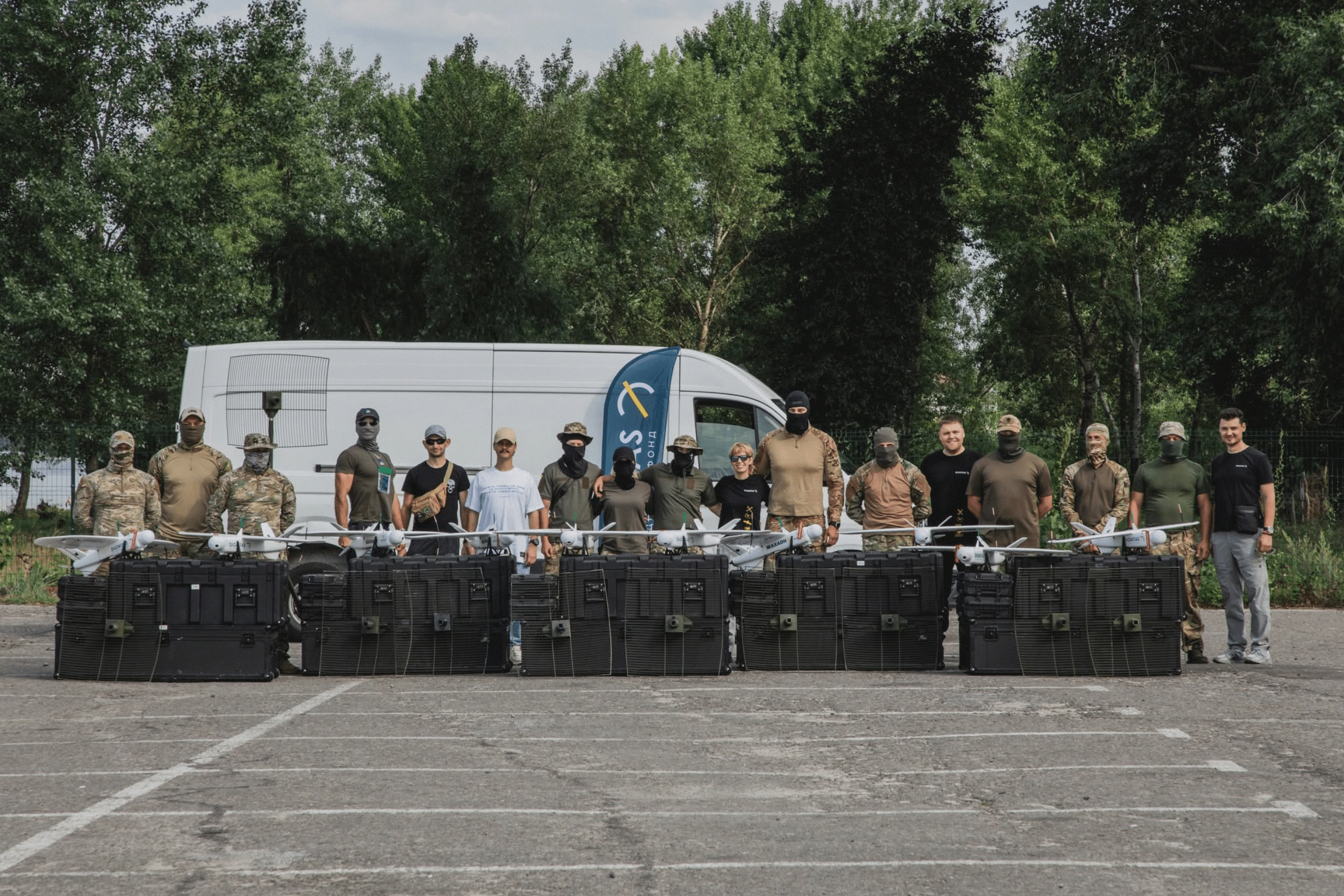
Photo: Dignitas Fund / Facebook
You continue to advocate for Ukraine’s interests in the US and Canada. How can you measure the effectiveness of that work?
We do not take on topics we do not understand. Our field is military technology. We do not do humanitarian advocacy, including the return of children, not because it is unimportant, but because it is outside our expertise. We talk about sharing experience between the Ukrainian, American, and Canadian militaries and about supporting technological development.
We do a lot to help Americans, particularly the National Guard and police, understand how to use drones and defend against them. It is not only about war but also about civilian security. We try to show that cooperation with Ukraine is in the interests of the US and Canada. Ukraine is not a supplicant. It is a country with experience others would do well to learn from.
In 2024, I attended a security conference in Canada. The Royal Canadian Mounted Police invited me to see their drone unit. They presented their analysis and talked about a significant increase in the number of drones in northern Canada. I listened and listened and finally said, “In Ukraine, we call these drones ‘Canadian.’ Why do you think that is? We reflash them to show coordinates in Canada.” It turned out that their analysis was picking up drones that were actually flying in Ukraine but transmitting Canadian coordinates. In other words, they were monitoring a problem they did not have. We were able to show how wartime experience helps catch mistakes that are not obvious in peacetime.
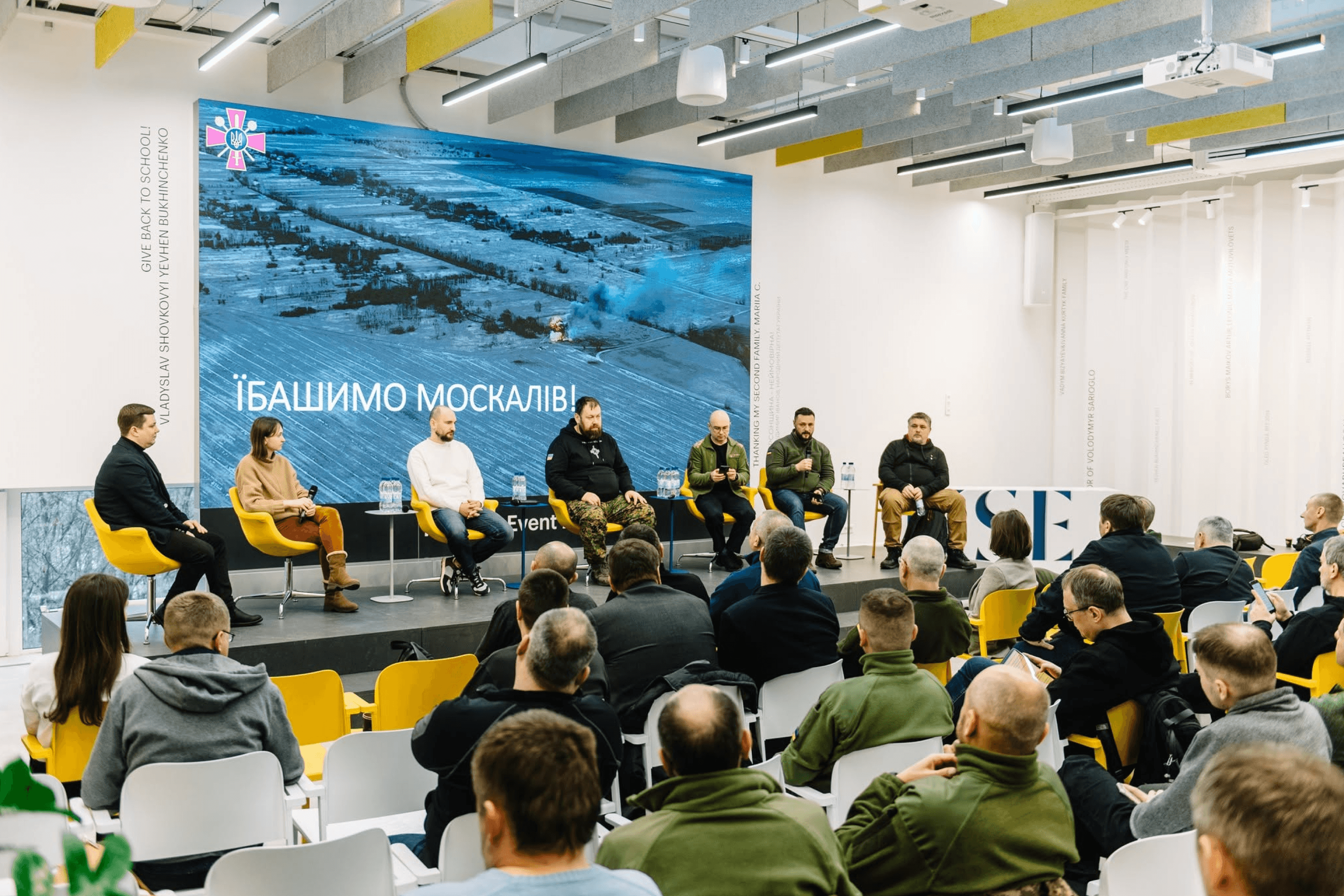
The first conference dedicated to systematizing the unmanned aerial vehicle sector in Ukraine. January 15, 2023. Photo: Lyuba Shipovich / Facebook 
Photo: Lyuba Shipovich / Facebook 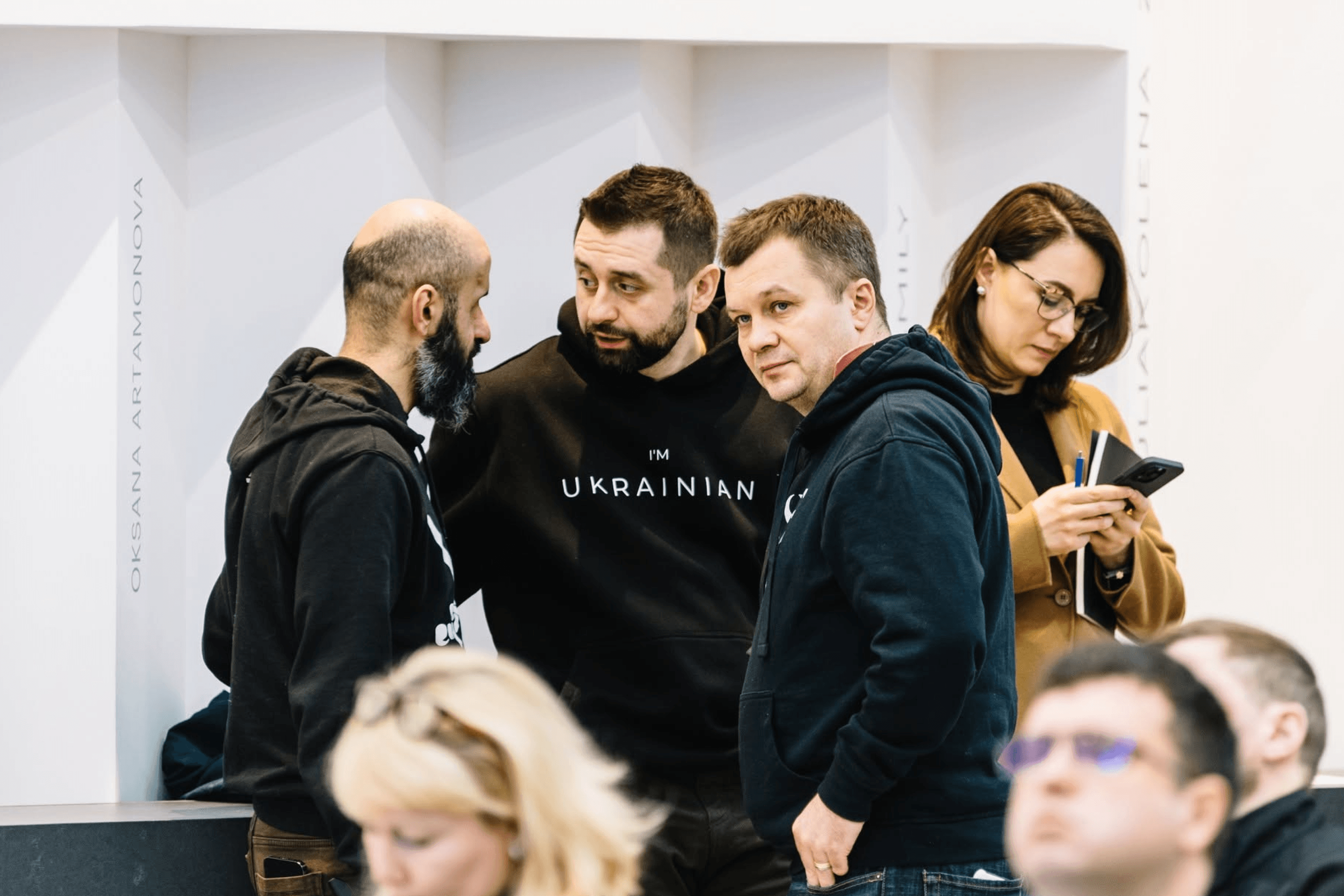
Photo: Lyuba Shipovich / Facebook 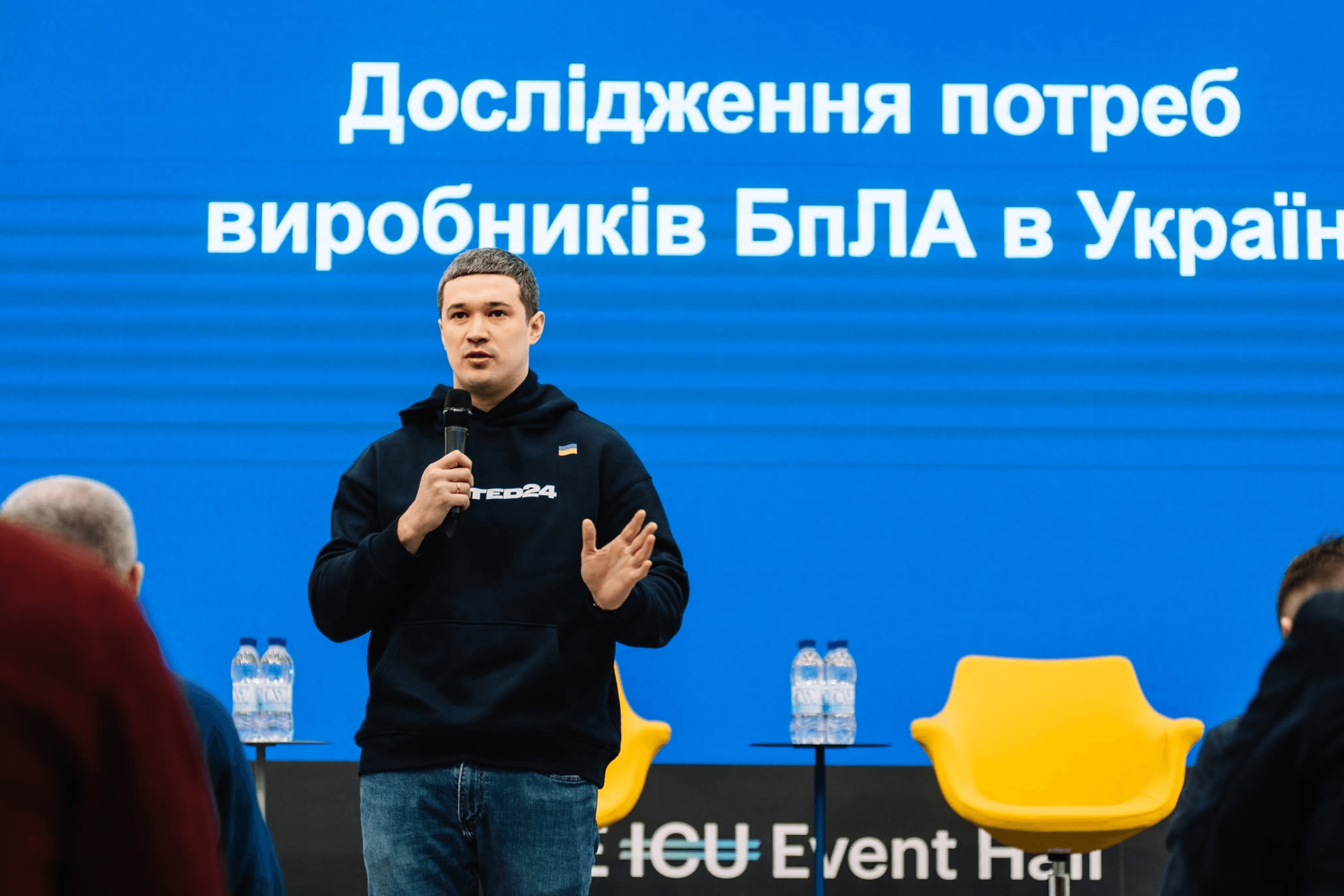
Photo: Lyuba Shipovich / Facebook 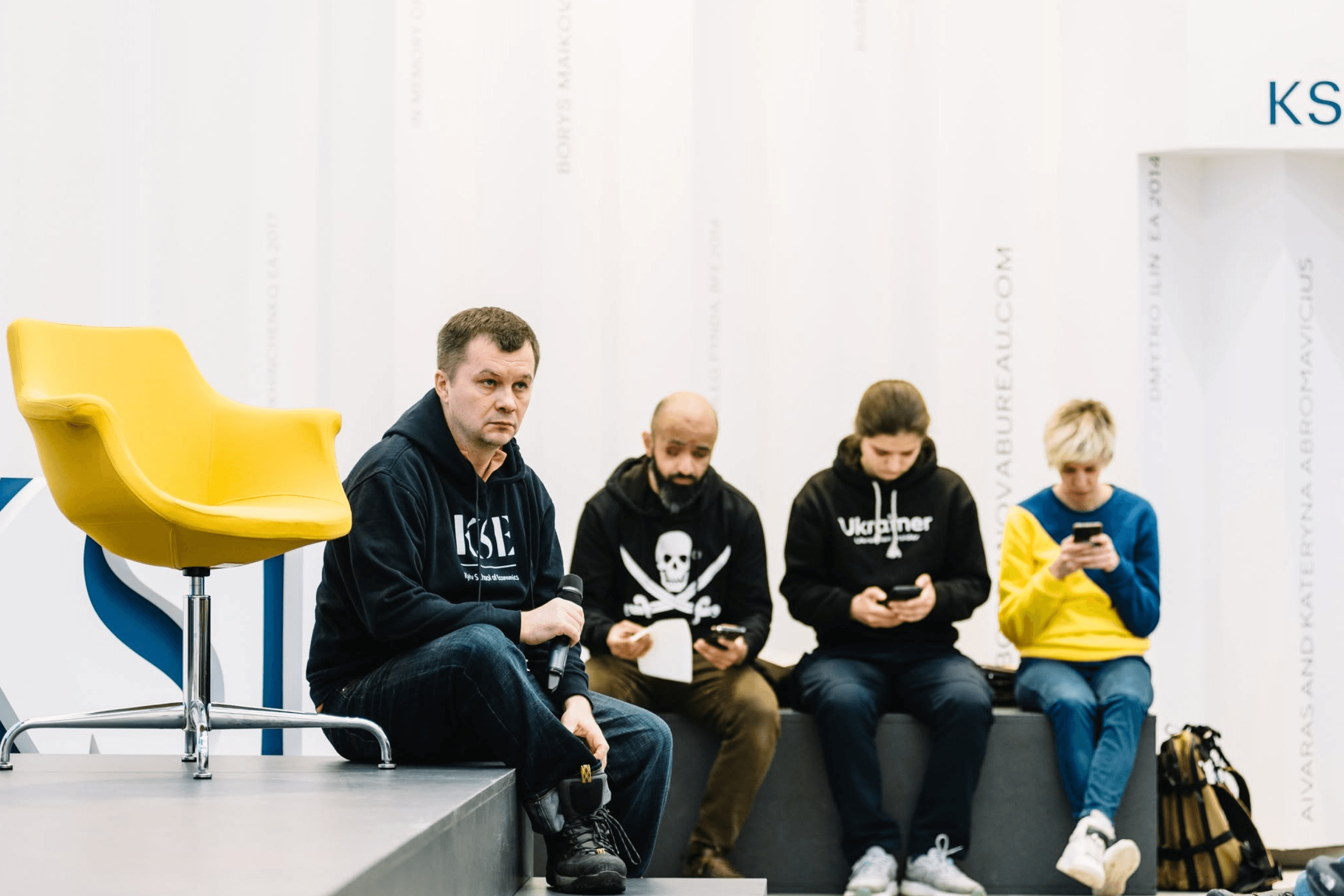
Photo: Lyuba Shipovich / Facebook 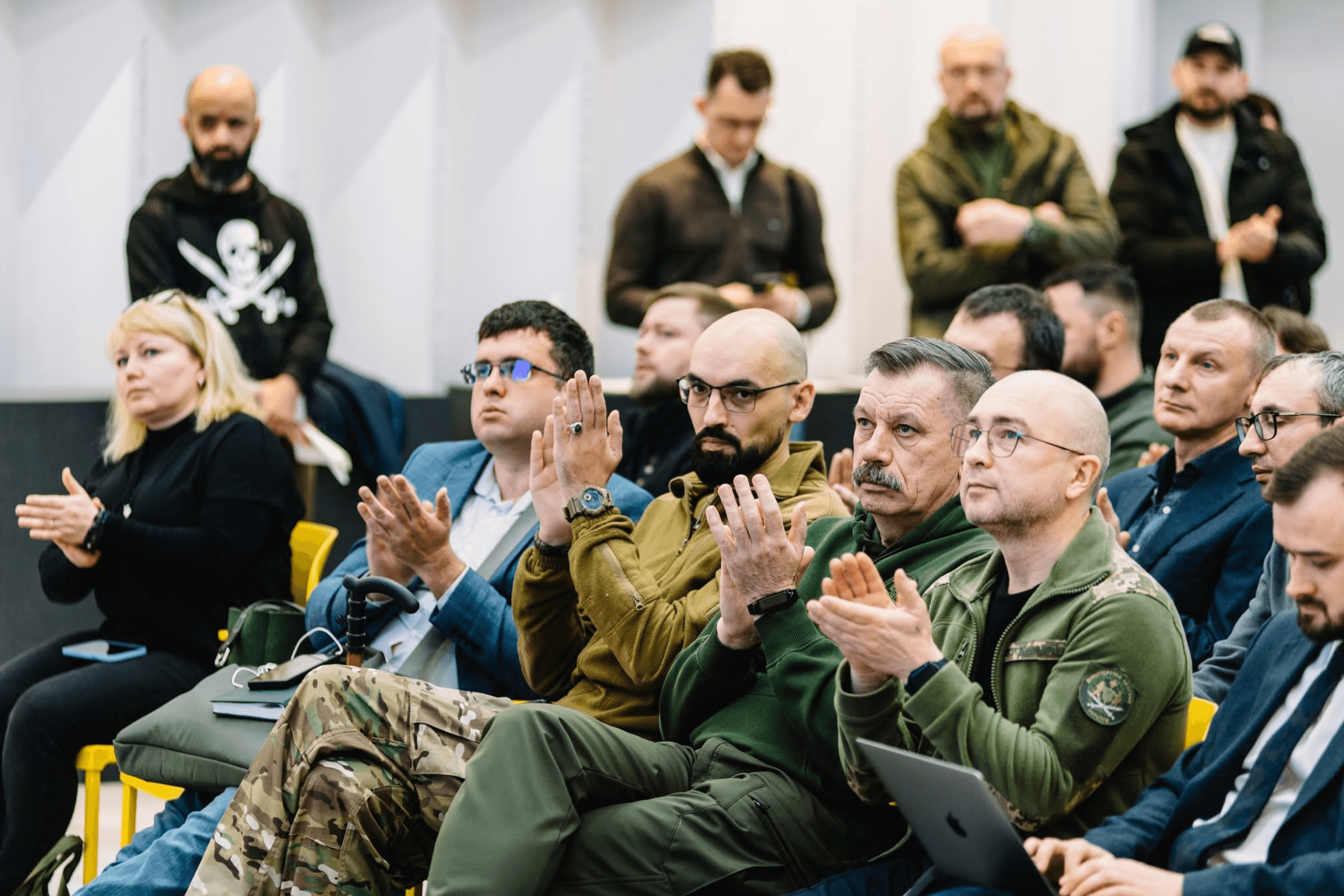
Photo: Lyuba Shipovich / Facebook
Another example is drone defense. Canadian specialists were explaining how they protect their airspace, and I asked, “What if that drone starts moving along the ground?” They had not considered unmanned ground vehicles because all their systems were pointed at the sky. Ukraine has this kind of experience to share.
When I talk to American members of Congress, I do not ask them to help Ukraine simply because I am Ukrainian. I ask whether the American military is ready for a new kind of technological warfare, whether the National Guard knows how to protect civilians from drones, and whether their own homes are protected. It is their job to think about their country’s security. And it is important to explain that Ukraine can help them prepare for threats that already exist.
What do Ukrainians living abroad, particularly in the US, still not understand about Ukraine?
I would not lump everyone together. There are people whose families have lived abroad for four or five generations. They have preserved their language and culture and continue to consider themselves Ukrainian. That takes enormous effort, and these people deserve to be valued.
There are those who left in the 1970s and 1980s, including people from Jewish families, in search of a better life. There are those who left in the 1990s, when there was literally nothing to eat in Ukraine and people were willing to take any job. There are educated professionals who left in the 2000s for new opportunities. And there are people who were forced to leave after 2022 to escape the war. These are completely different experiences, perspectives, and connections to Ukraine.
Those who left in the 2000s or later often have relatives, families, or businesses here, so they follow events and generally understand the context well. They may find it emotionally hard to imagine what it is like to live under constant shelling, but at least they know what is happening. People from earlier waves of migration sometimes do not read Ukrainian and get their news about Ukraine from local media. And Ukraine does not always receive enough coverage there for people to see the full picture. That is why we cannot talk about the diaspora as one homogeneous group. Each community needs its own approach.