In September 2024, Mariia Mashkovska and Serhii Ryzhkov founded HEFT, a startup developing "fitness trackers" for cows on farms. Operating round the clock, these collars gather activity data on the animals, tracking how much time they spend chewing and drinking water. Artificial intelligence analyzes this data to detect early signs of illness and determine the optimal time for insemination. To date, around 500 cows on farms in Ukraine and Romania are connected to the HEFT system.
Yellow Blue journalist Sofiia Korotunenko spoke with HEFT's co-founders about how technology helps farmers monitor livestock health, what sets their devices apart from competitors, and how the startup plans to scale into the US, European, and Asian markets.
How did you two meet, and what background in agriculture did you have at that time?
Serhii: Both of us were building agtech startups. I have been working in livestock farming for over 14 years; my previous project was Profeed, an automated feeding system for livestock farms. Mariia was working on GrainMole, a startup that helps farmers manage their grain warehouse inventory.
We met at an event for startup founders. I already had the idea for HEFT back then and had begun developing it. We talked it over and decided that Mariia would join the project.
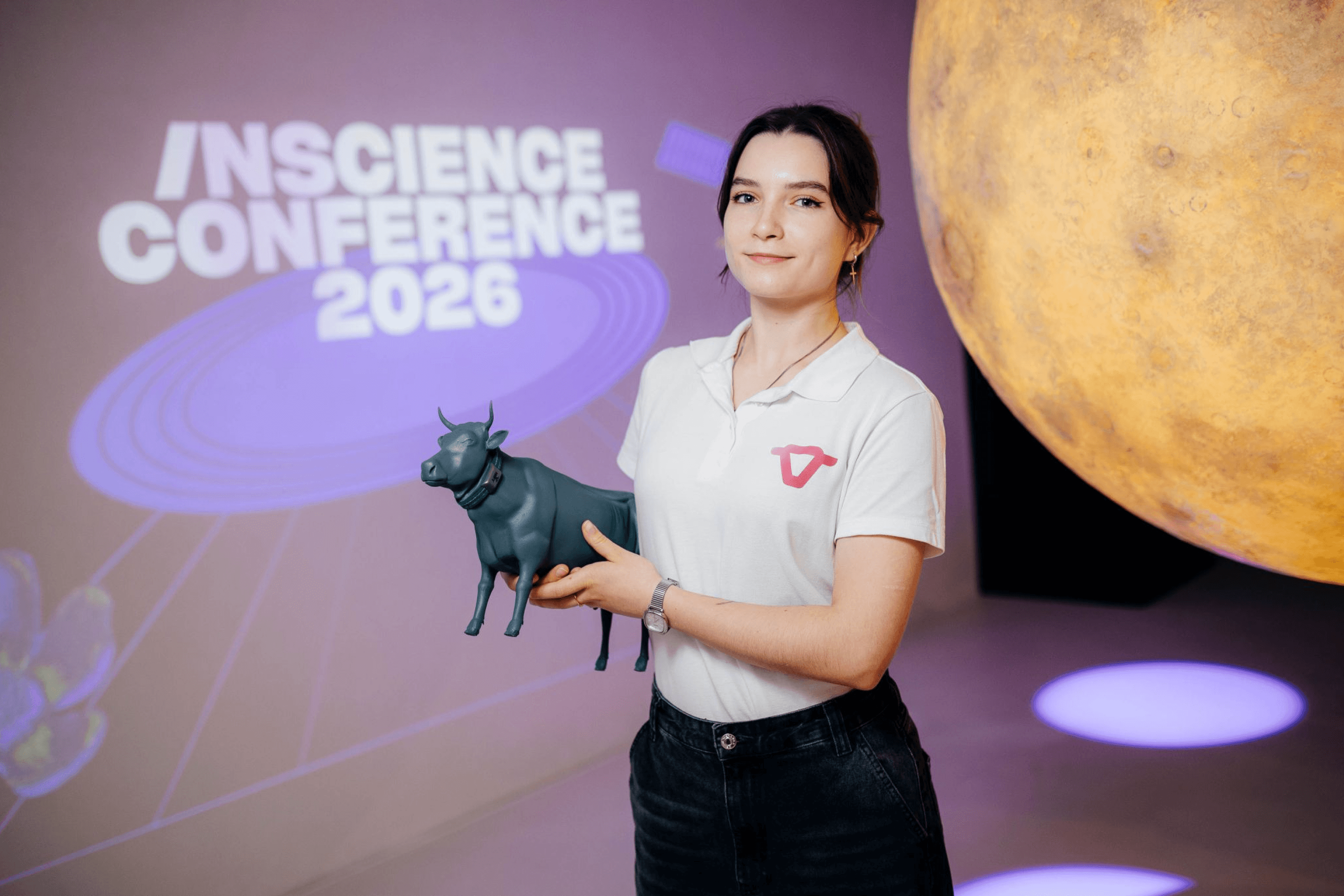
Mariia Mashkovska at InScience Conference 2026, where the HEFT project won the Startup Competition. Kyiv, 2026. Photo: HEFT / LinkedIn 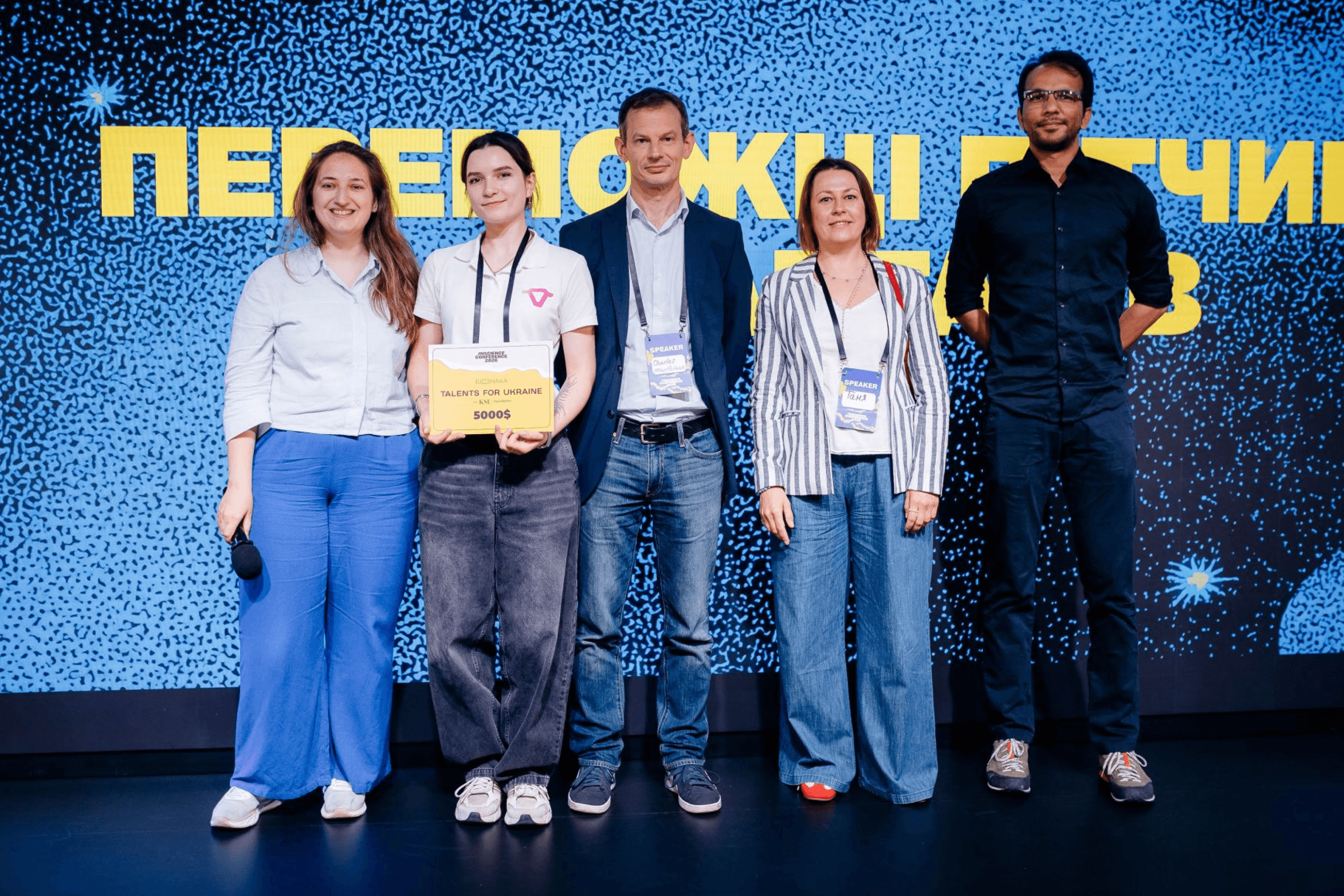
Photo: HEFT / LinkedIn 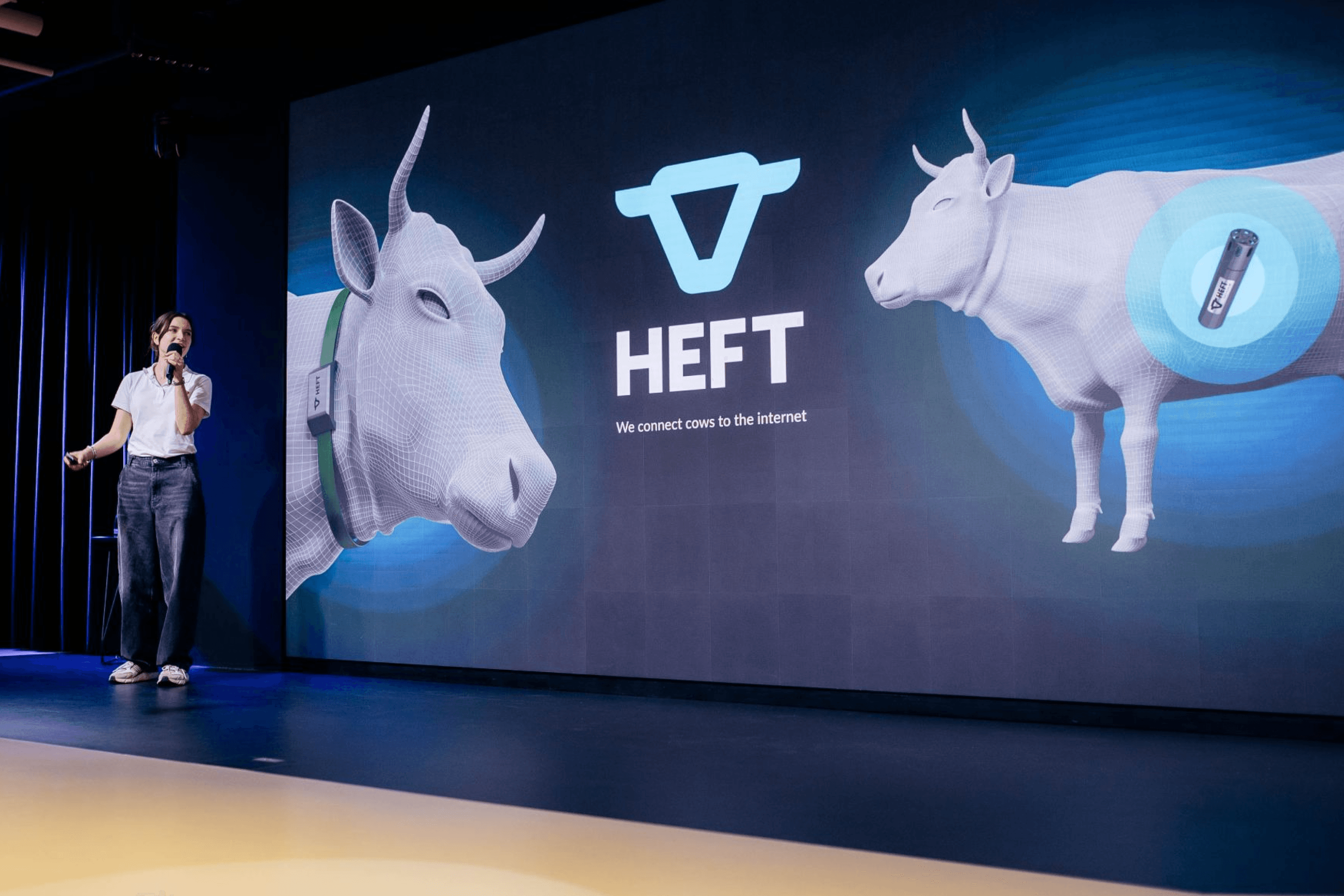
Photo: HEFT / LinkedIn 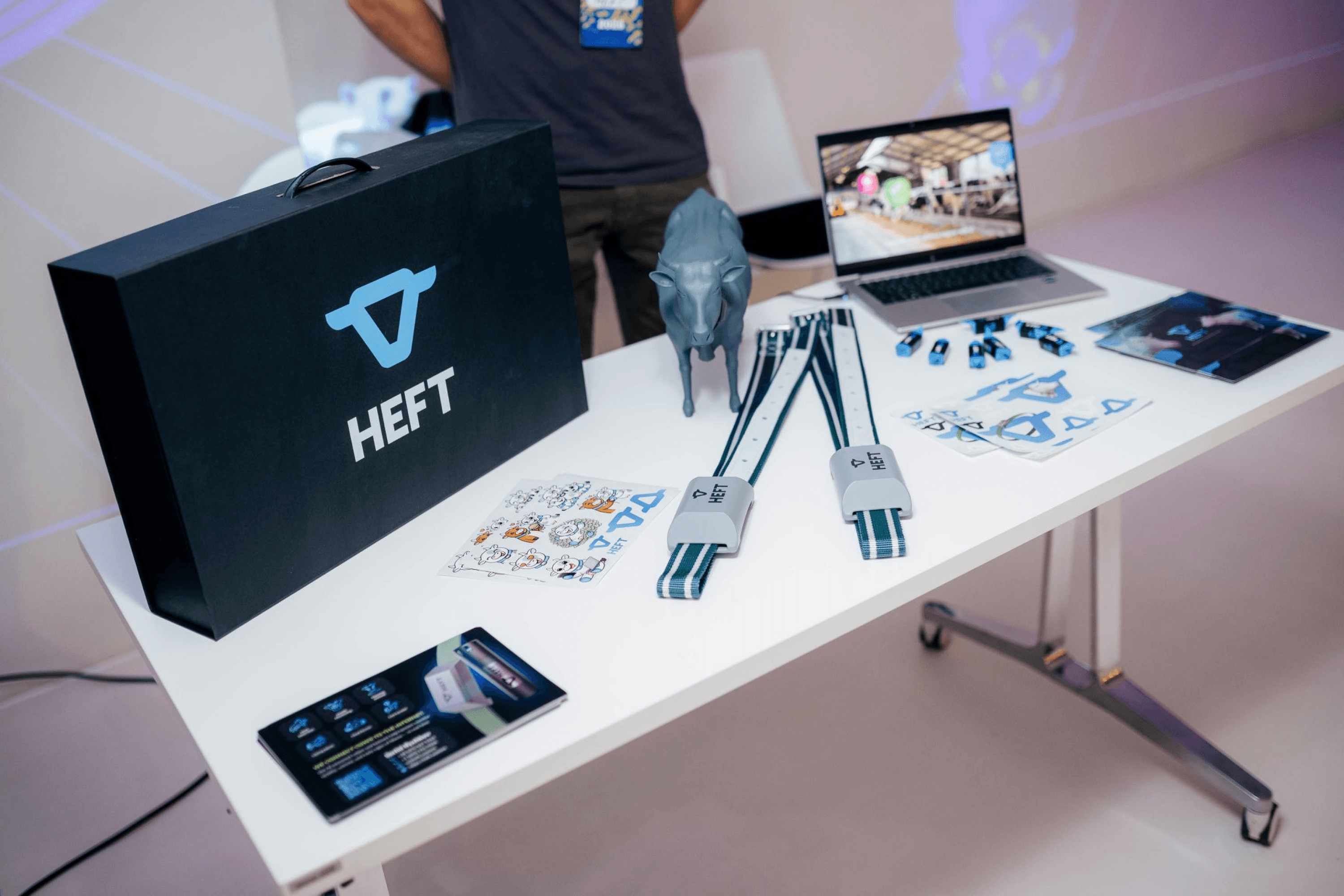
Photo: HEFT / LinkedIn 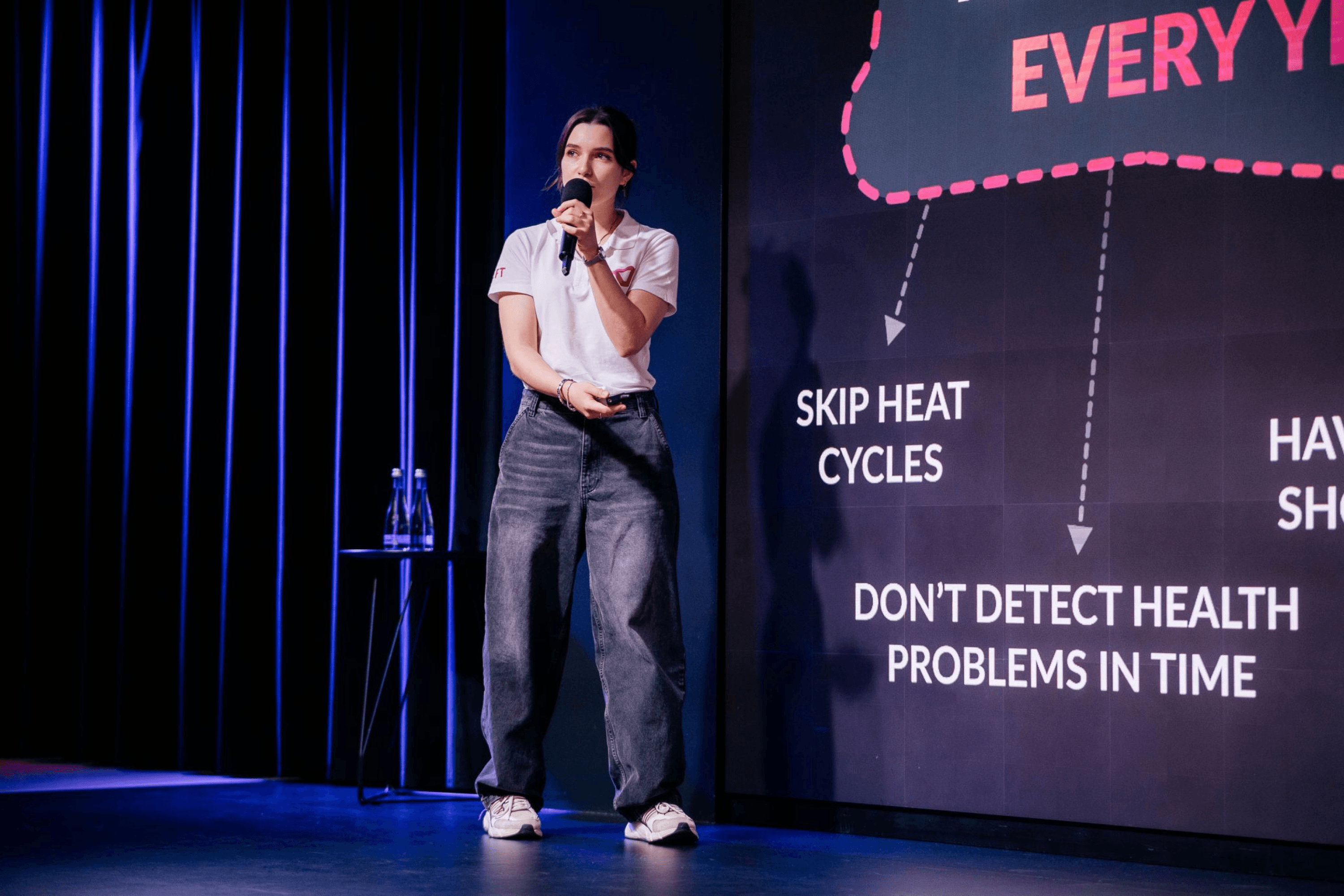
Photo: HEFT / LinkedIn
How did you notice the problem that this startup could solve?
Serhii: The concept of monitoring cow health isn’t new—there are competitors who have been operating in this space for 15 to 20 years. However, their equipment is fairly complex to use, and farmers tend to be conservative when it comes to innovations.
Even so, the idea for HEFT came directly from the farmers themselves. I received a request from them for an affordable, convenient, and effective product, and realized this was a window of opportunity. First, our team could genuinely help farmers, and second, we could build a high-quality product that would work not just in Ukraine, but globally.
You have two products for tracking a cow’s health—a collar and a bolus (a device inserted into the stomach). How do they work, and how do their functions differ?
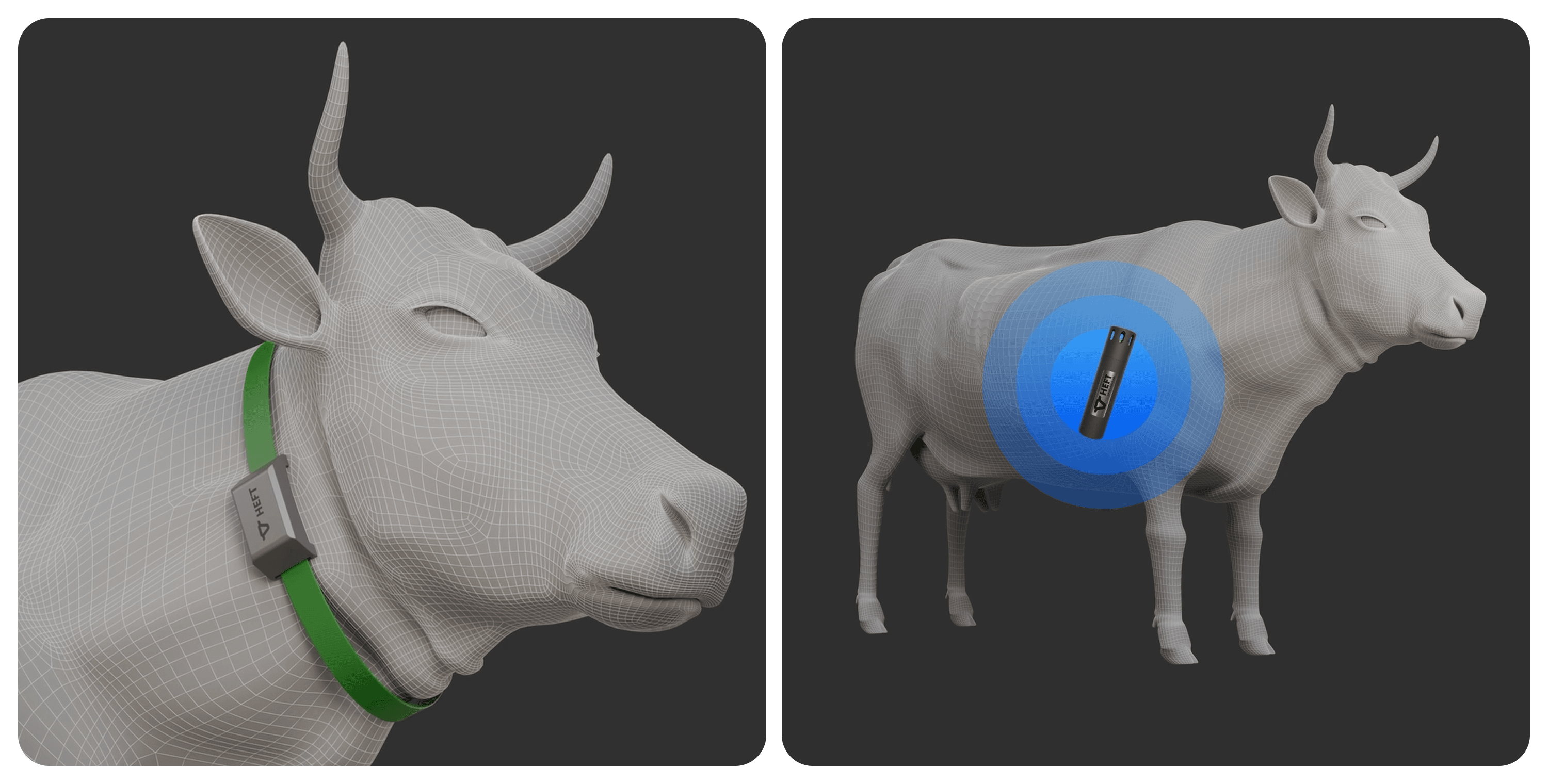
Serhii: The main function of the collar is to collect data on the cow’s activity: how much time a day she spends chewing, drinking water, and sleeping, as well as her physical indicators—specifically body temperature. Then, using AI, we analyze the condition of each cow. For example, if feed is distributed on a farm every day at 06:00, and a cow isn’t eating by 06:30, the software signals a potential health issue. Overall, we can detect negative changes in a cow’s health up to 72 hours before visible symptoms appear. This saves farmers money. Right now, we are refining the collar so it can diagnose specific conditions, such as mastitis, ovarian cysts, and acidosis.
For a cow to produce milk consistently, she needs to calve regularly. Like many other animals, cows have an estrous cycle, and the collar identifies when the insemination window opens. This is crucial because if a farmer misses the moment, they have to wait another month and lose money. The collar pinpoints this window with 95–98 percent accuracy—during this period, the cow’s activity increases significantly, and she spends much less time chewing.
Mariia: The bolus has the same core features, with the added capability of analyzing stomach acidity. This is vital for farm nutritionists who plan feed rations and analyze how well the cows digest their food. Currently, on farms, a small incision is made in a cow’s stomach to extract its contents and send them for lab analysis to measure acidity. We offer a method that eliminates the need to perform surgery on the cow.
The collar is the higher-demand device because it is easy to put on, remove, and transfer to another cow. It runs on a replaceable battery. Fewer boluses are needed overall. Since all cows on a farm eat the same diet, a nutritionist only needs five to ten cows fitted with our devices for research. Additionally, a bolus is fairly difficult to administer, impossible to retrieve from the stomach, and cannot be reused.
How is the bolus inserted into a cow?
Serhii: We designed a specialized device that looks like a gun. Using it, the farmer puts the bolus under the cow’s tongue, triggering her swallowing reflex—and that’s it. A cow has a four-chambered stomach, so the bolus settles at the bottom of the rumen and stays there for life.
Mariia: It cannot be digested because a cow’s stomach acidity is very low. She isn’t a predator and eats only grass.
What does the data received by farmers from your devices look like? Do they need an analyst to compare it against baseline norms?
Serhii: No, and that’s our main point of difference from competitors. To analyze data from their devices, farmers have to hire a specialist who spends two to three weeks getting familiar with the tech, and then daily monitors the data to assign tasks to the workers.
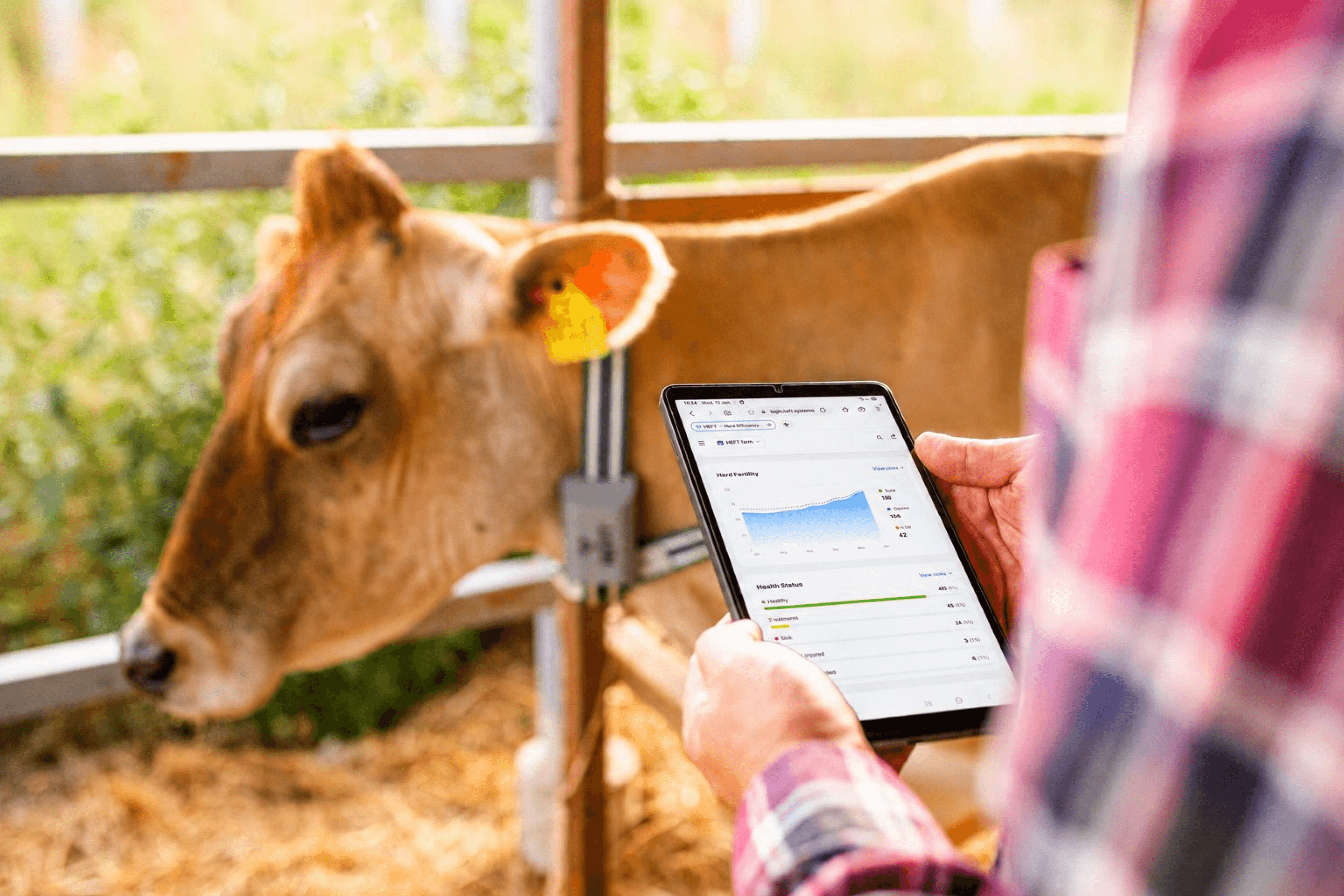
The HEFT platform for monitoring the health, fertility, and other indicators of dairy herds. Photo: HEFT / LinkedIn 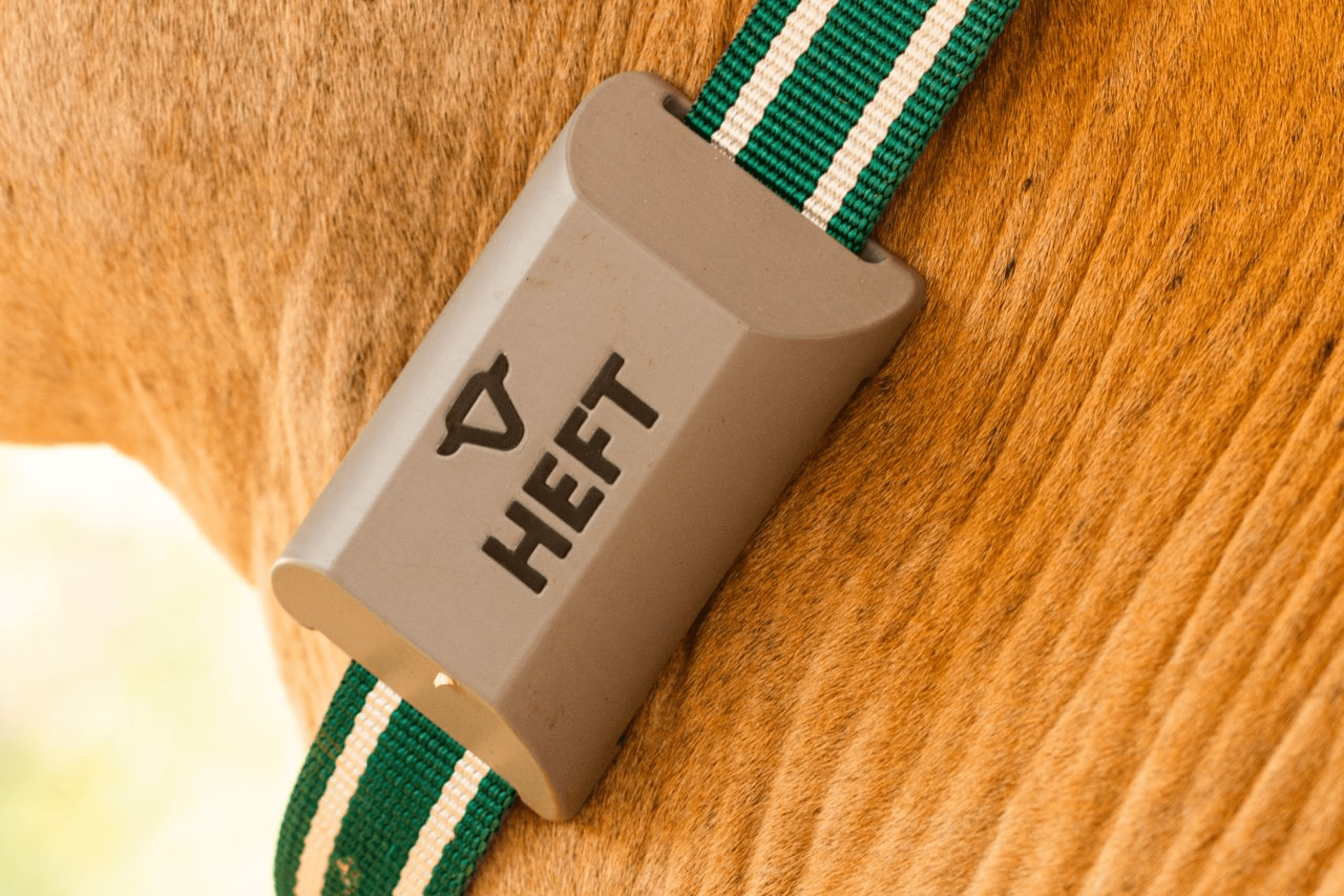
The HEFT collar. Photo: HEFT / LinkedIn
Our system automatically generates tasks for the farmer and sends them alerts. They can immediately see the number of cows that are definitely sick, those requiring attention, and those ready for insemination.
Additionally, the software lets farmers view analytics for the entire herd, a specific group, or an individual animal using intuitive charts and comparative tables. For instance, the activity graph looks like an electrocardiogram, while chewing is visualized with a bar chart showing the number of chewing movements per day.
Inside the profile for each specific cow, you can access her complete history alongside monthly, annual, or long-term analytics on changes in her behavior and health. It operates on a principle similar to the Whoop gadget, which tracks how well you slept, how you recovered, and potential health issues you might face.
How do farmers access the analytics? Via a website or an app?
Serhii: Right now, via a web platform, but we’ve already started developing an app. It’s convenient because a farmer can monitor the condition of their cows from anywhere and assign tasks to farm workers on the go.
How much do the devices and access to the web platform cost?
Serhii: The standard price for a farmer is $35 per device. The web platform offers various subscription tiers: annual, two-year, or five-year. These cost $3.50, $3, and $2.50 per cow per month, respectively.
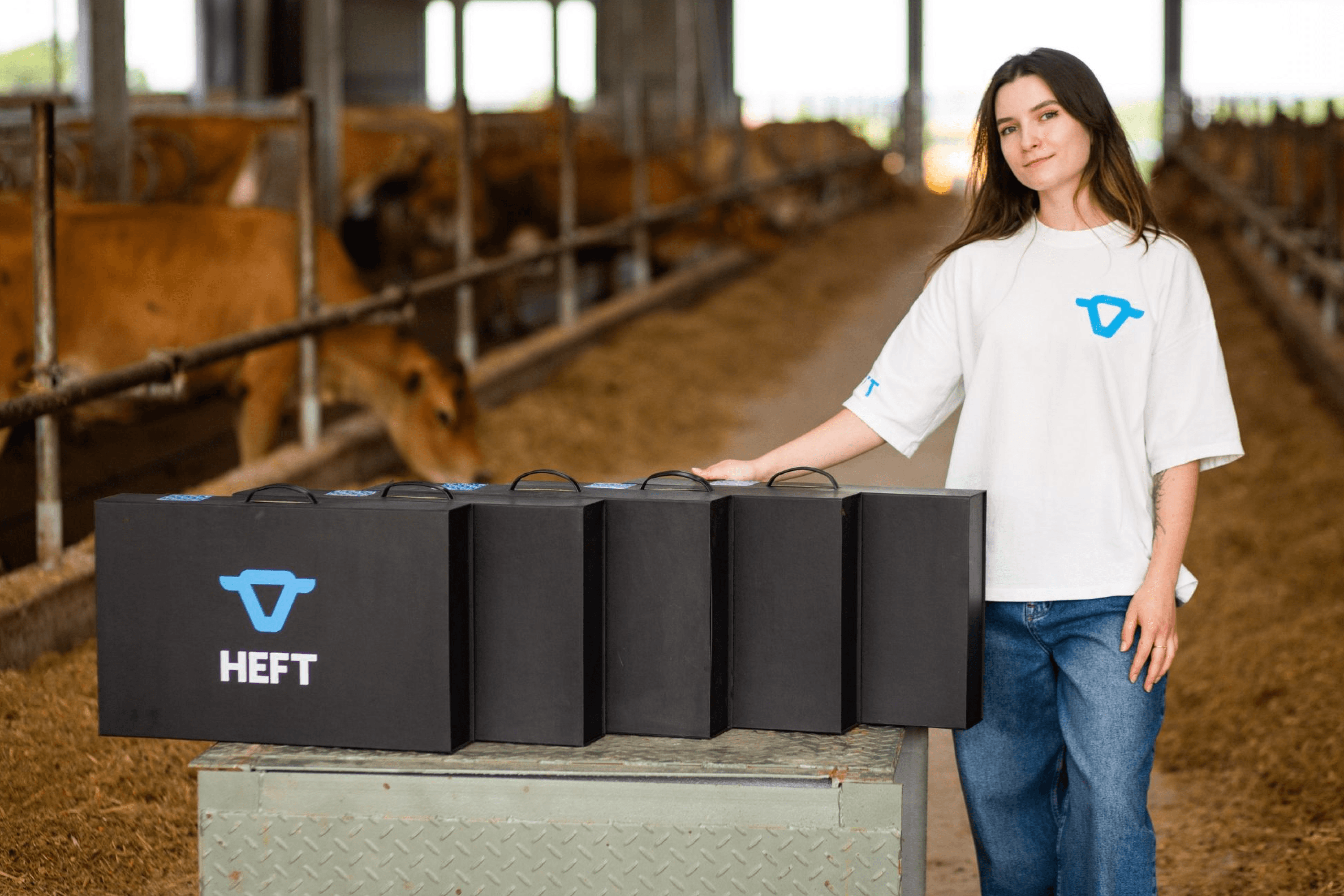
Mariia Mashkovska with a set of HEFT sensors for monitoring cows. Photo: HEFT / LinkedIn 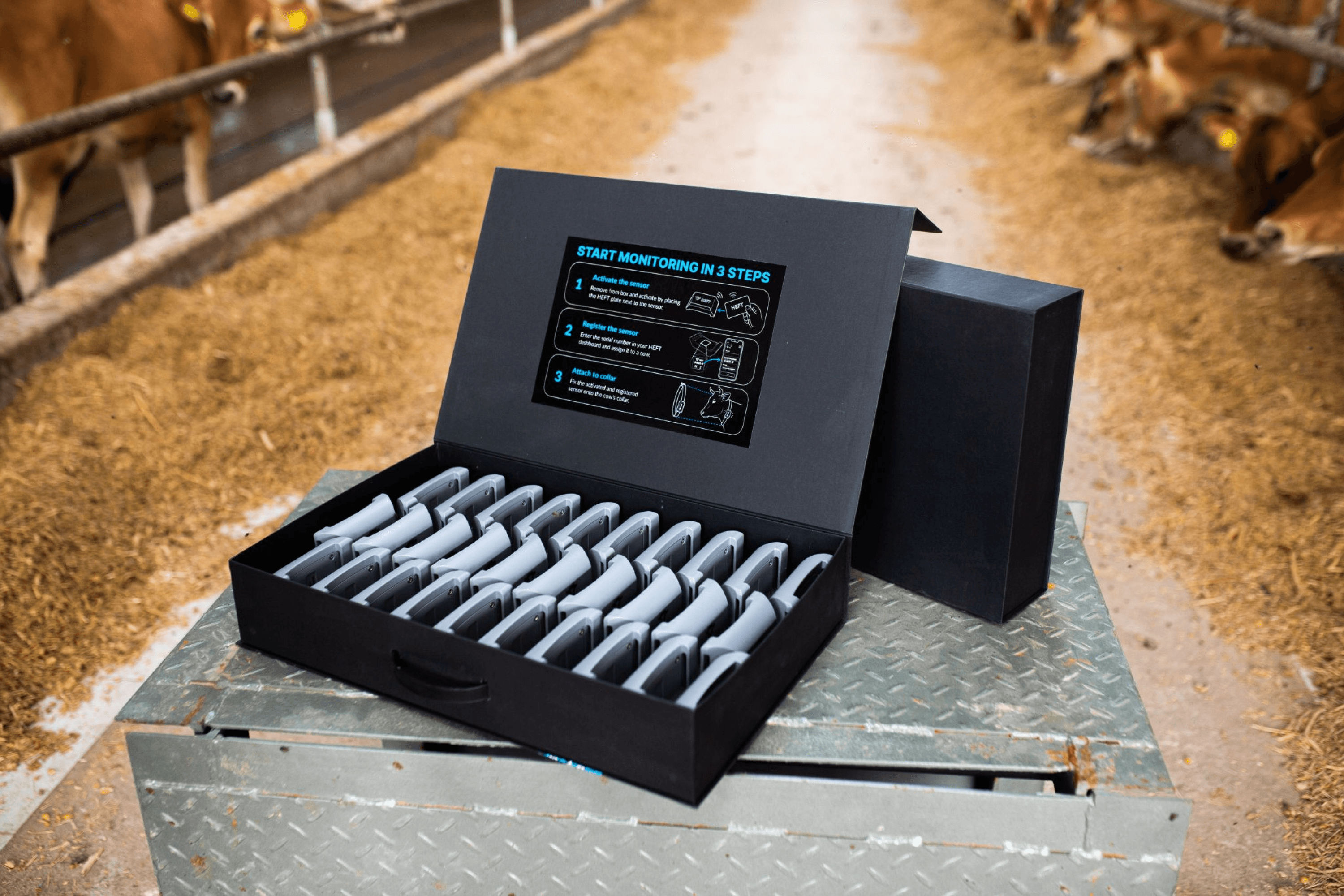
Photo: HEFT / LinkedIn
How long can the collar and the bolus operate?
Serhii: The collar is designed for an eight-year lifespan, while the bolus is built for five. The average lifespan of a cow on a commercial farm is about four years, even though in nature they can live for over ten. Keeping a cow past five years of age becomes economically impractical for farmers because her milk yield drops.
Mariia: Our devices can extend a cow’s productive life on a farm by detecting early signs of disease, allowing the veterinarian to intervene in time. For example, chronic mastitis reduces a cow’s yield by three to four liters of milk per day compared to normal. Thanks to HEFT, she won’t get sick in the first place, won’t suffer milk loss, and won’t become economically unprofitable—meaning farmers won’t cull her, or send her further along the life cycle [to slaughter].
A year ago, you announced a third device—an ear tag that would perform the same functions. What stage is that development in right now?
Mariia: We have a working prototype ready, but we don’t plan to commercialize it just yet. All three of our devices report heat or illness with high precision, but the collar ultimately remains the most practical choice for farmers—it doesn’t get lost, holds a large battery, and can be easily transferred to another cow. That’s why we’ve focused our efforts on it.
Where do you manufacture your devices?
Serhii: Currently, they’re assembled by our team at our office in Ukraine. We purchase the electronics in Asia and order the casings from Ukrainian manufacturers. We produce small batches—around 200 devices per month—because we are constantly refining both the collars and the boluses.
We plan to launch mass production in Europe and the US, assembling and testing the products at our own facilities while continuing to source electronics from Asia, as it’s significantly cheaper. Manufacturing in the States is a priority goal because we are targeting that market, and American farmers prefer products made in their home country.
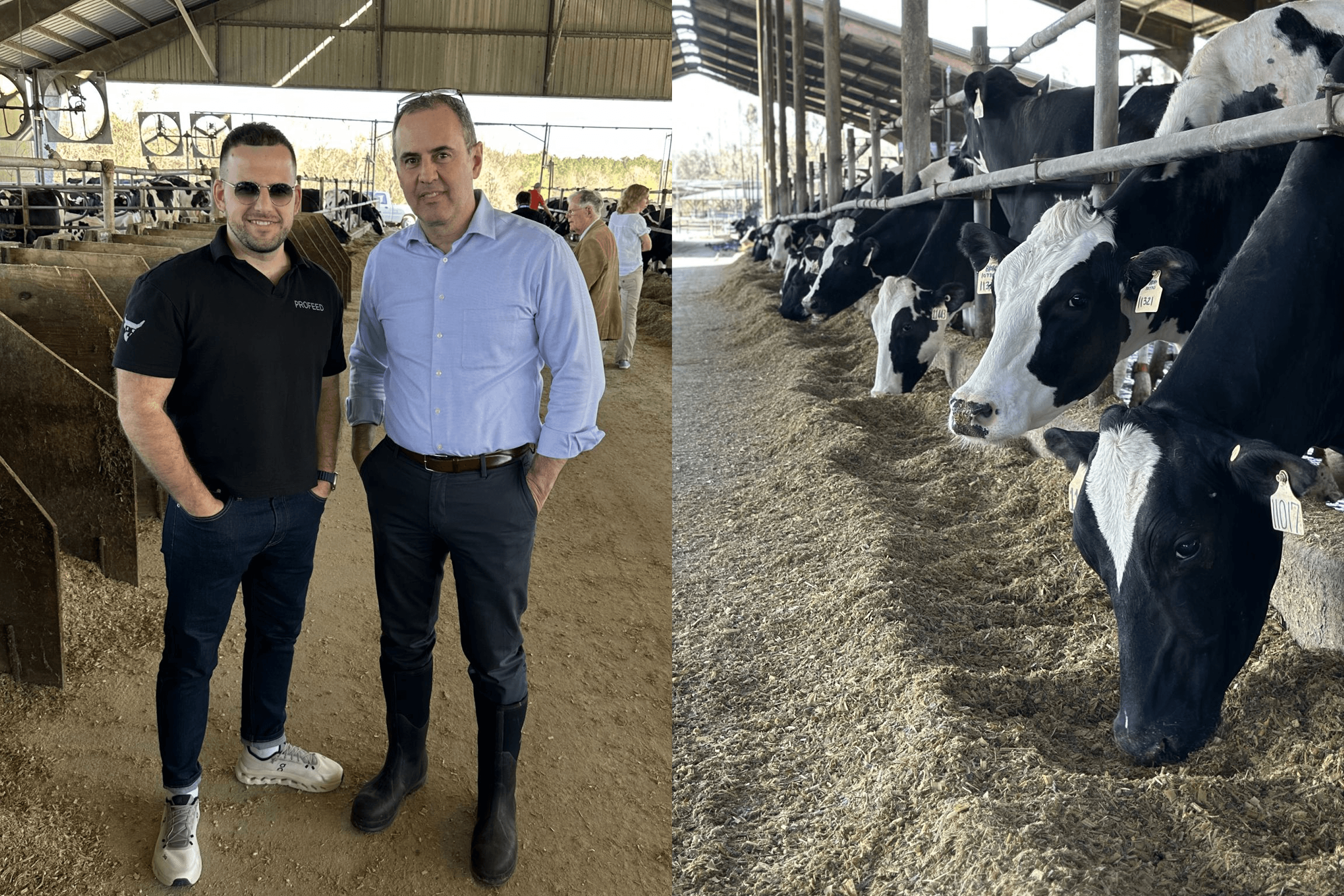
Serhii Ryzhkov at a dairy farm during the Florida Nutrition Conference 2025. Florida, USA, 2025. Photo: Serhii Ryzhkov / LinkedIn 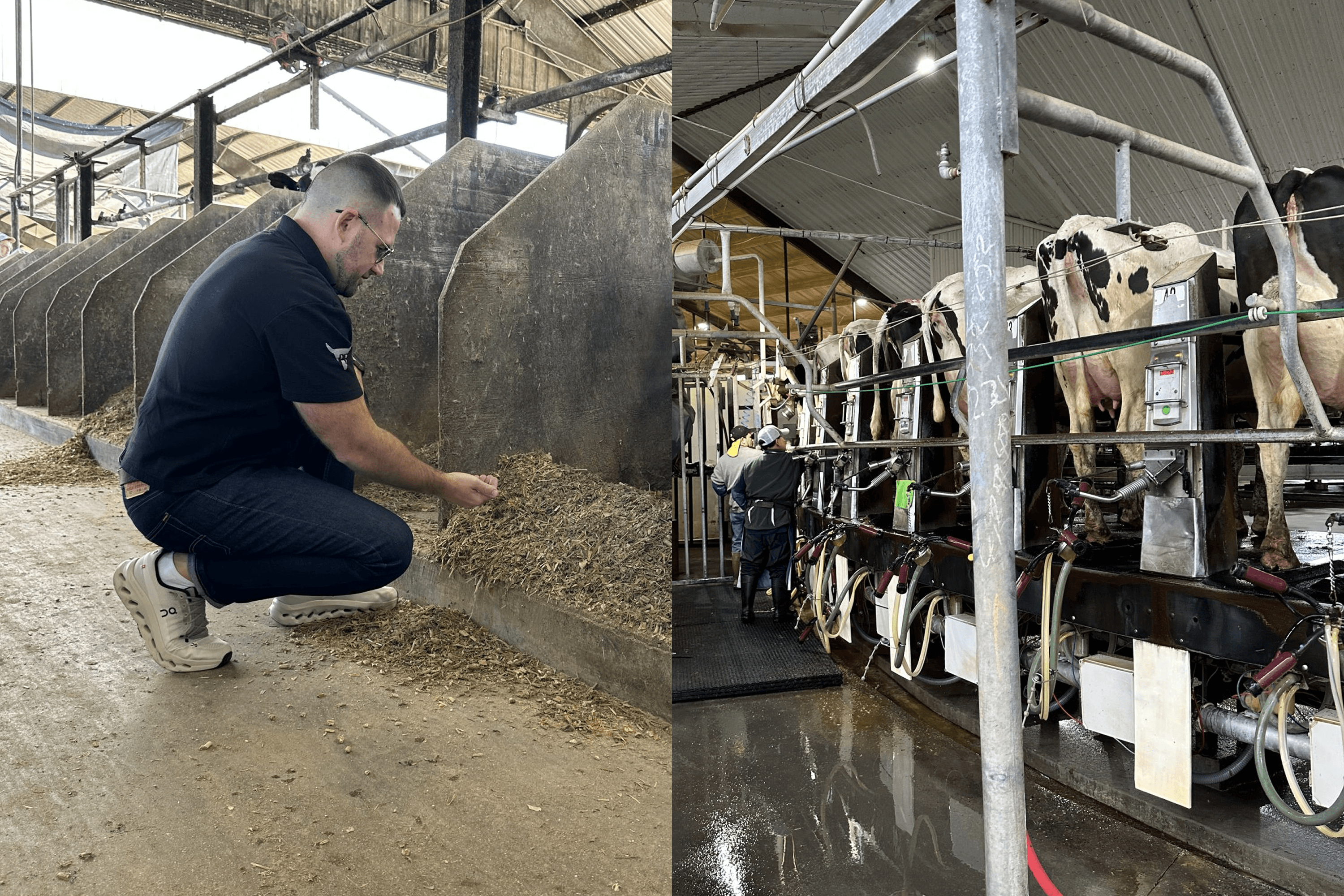
Photo: Serhii Ryzhkov / LinkedIn 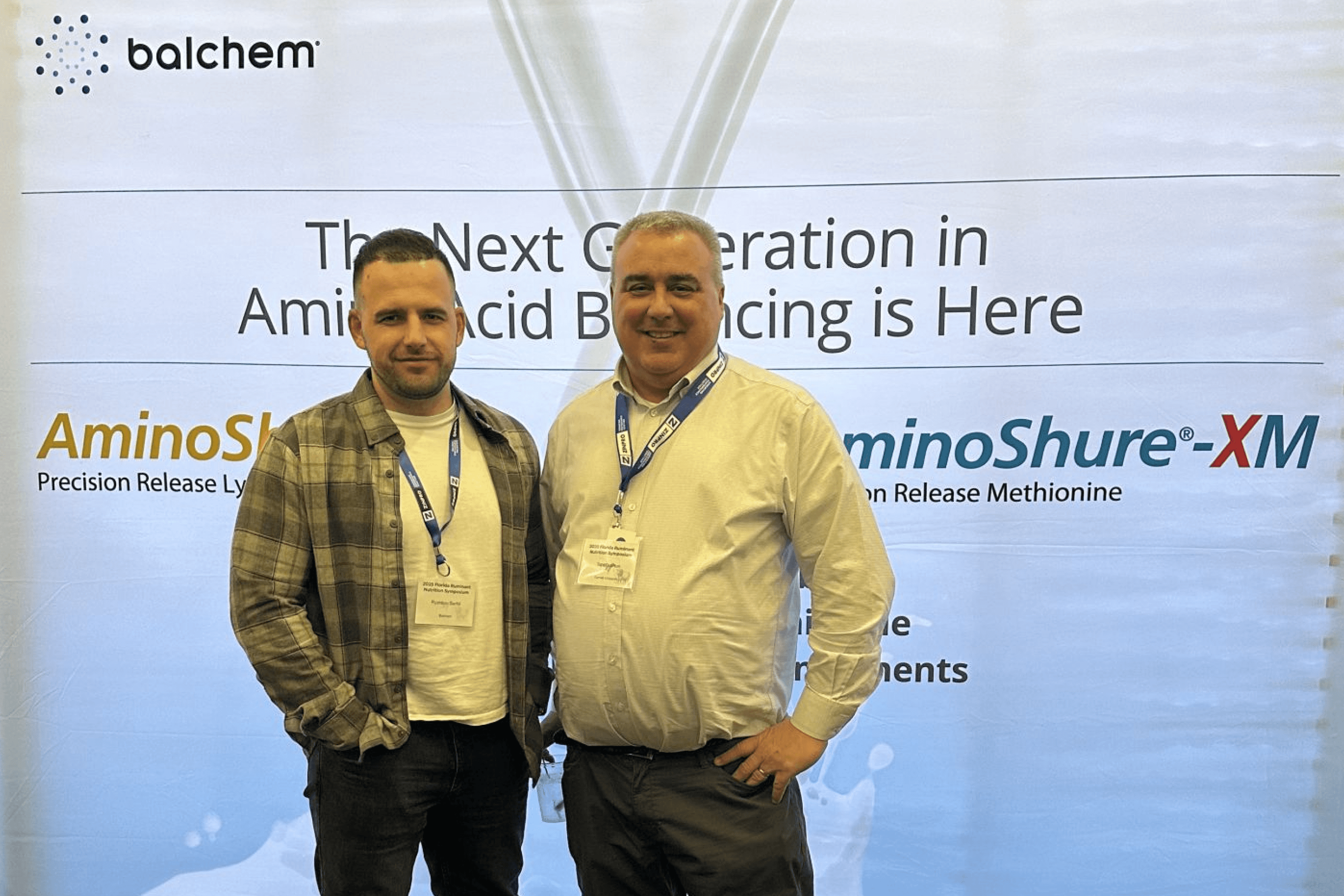
Photo: Serhii Ryzhkov / LinkedIn
How many cows are already “using” your devices? Which farm was your first customer?
Serhii: Right now, around 500 cows are connected to HEFT. Our first client was a farm in Romania, which is connected to a British charitable organization supporting social and children’s projects. It matters to us that our technology is being used not only on a farm, but also within a project that carries a social component.
We also have several clients in Ukraine. These are farms in the Vinnytsia region, ranging from a small one with about 200 milking cows to a dairy complex with around 1,500 milking cows. They are fairly well-known in the industry, but we cannot disclose their names until we launch full-scale production and supply them with a mass-produced batch of devices.
Additionally, clients and dealers in the US, the Netherlands, Belgium, Greece, Estonia, Kazakhstan, Uzbekistan, and Morocco are awaiting the rollout of mass production. We have a database of 700 potential clients; 500 of them are Ukrainian farmers, and 20 are already prepared to buy our devices. These are people I have worked with over the past 14 years through my previous startups, particularly Profeed.
You mentioned that farmers are fairly conservative. How difficult is it to convince them to try something new? How long can negotiations take?
Serhii: It isn’t difficult for us anymore—we have experience and understand what farmers need. The key is to offer them a good price, demonstrate how much they will save using HEFT, and deliver technology that is intuitive and easy to use.
With the farm in Romania, we signed the contract the day after our first meeting, and with our Ukrainian clients, after just two hours of negotiations.
On your website, you cite figures regarding potential benefits for farmers—that the devices cut veterinary costs by 20 percent and increase milk yields by 10 to 15 percent. Is this a theoretical model or actual results from test farms?
Serhii: Regarding veterinary medications, those are results directly from farms. As for milk yields, that’s a calculated figure. Milk production is influenced by numerous factors, such as weather conditions and water quality on the farm, so properly assessing that data requires at least two years of system operation across multiple farms.
How do you divide responsibilities between the two of you within the startup?
Serhii: We have a small and relatively young team of 12 people. Part of it develops and tests the product, while the other handles marketing, brand building, and client communications. My primary responsibilities cover manufacturing processes, operations, and fundraising, though I also assist Mariia and our CMO, Denys Maltsev, with marketing and developing our operating system.
Mariia: I handle marketing activities—we participate in acceleration programs, international trade shows, conferences, and startup grant competitions. I also communicate with farmers, dealers, and distributors, expand our presence in foreign markets, and build partnerships with universities.
What do you mean by partnerships with universities? Who are you already partnered with, and how does this help promote HEFT?
Mariia: We have signed an agreement with the National Academy of Agrarian Sciences of Ukraine. We are also “friends” with Cornell University, the University of Florida, UC Berkeley, and UC Davis, participating in their acceleration programs.
The HEFT team during the UC Berkeley AgriTech Program. San Francisco, USA, 2026. Photo: Mariia Mashkovska / LinkedIn 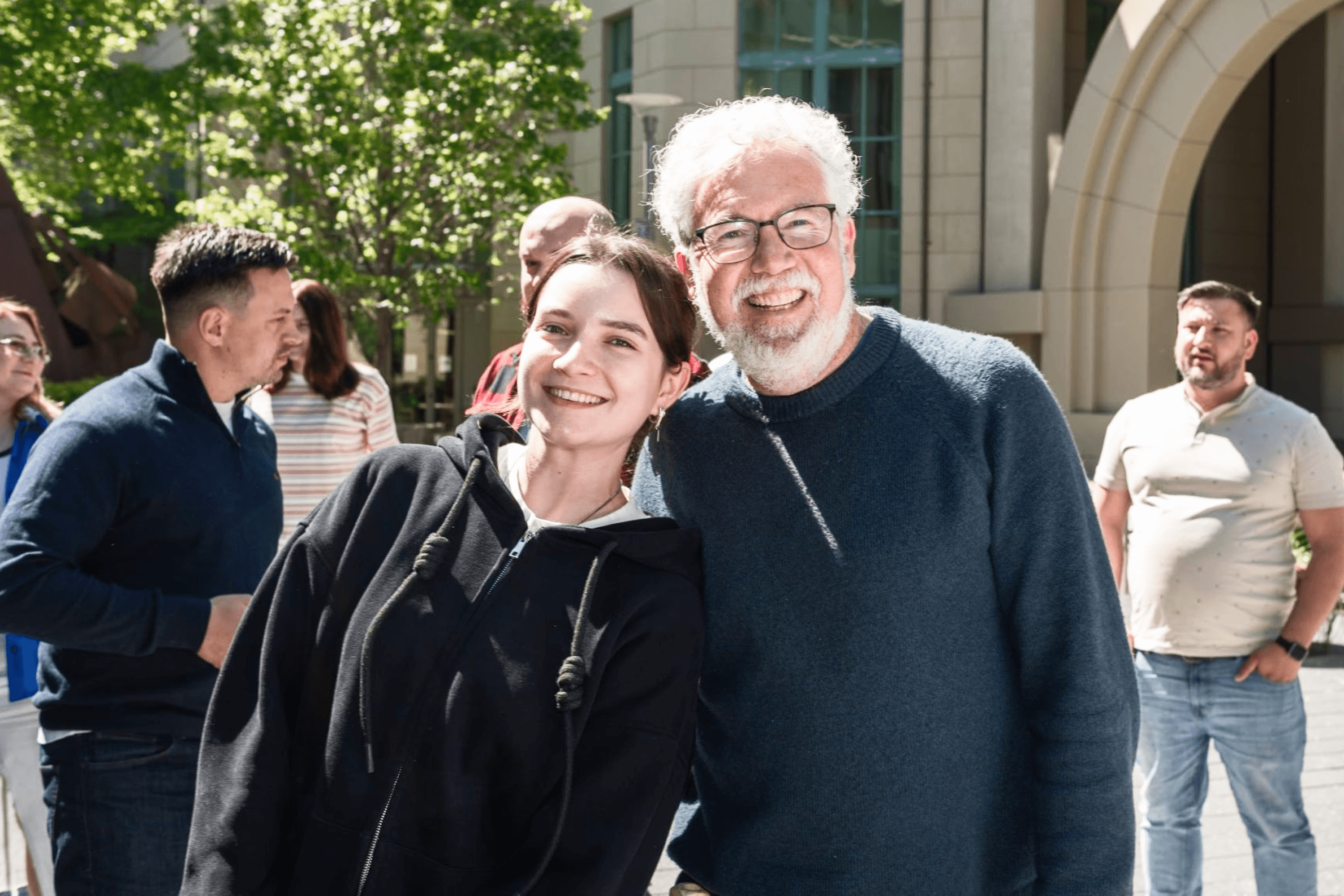
Photo: Mariia Mashkovska / LinkedIn 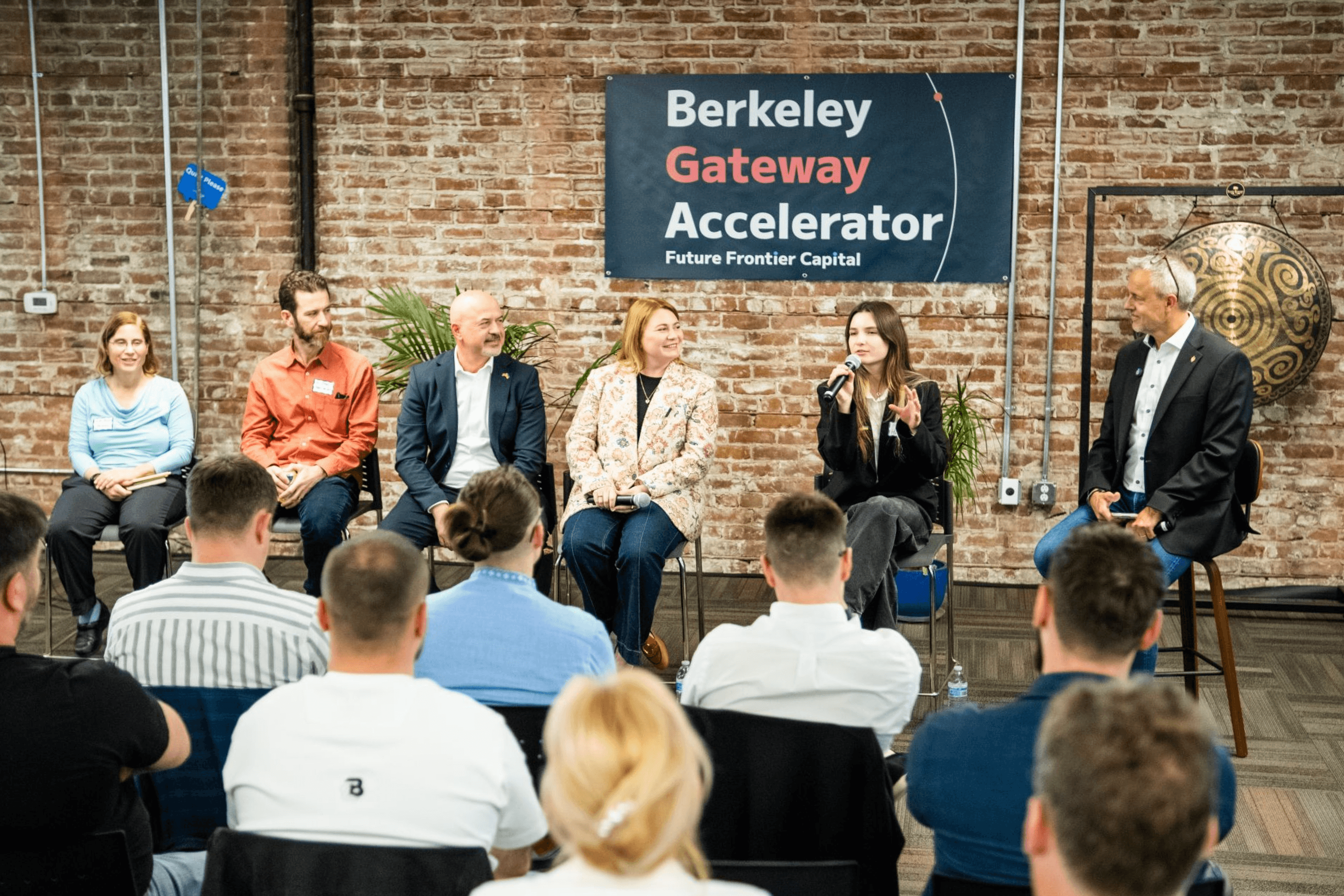
Photo: Mariia Mashkovska / LinkedIn 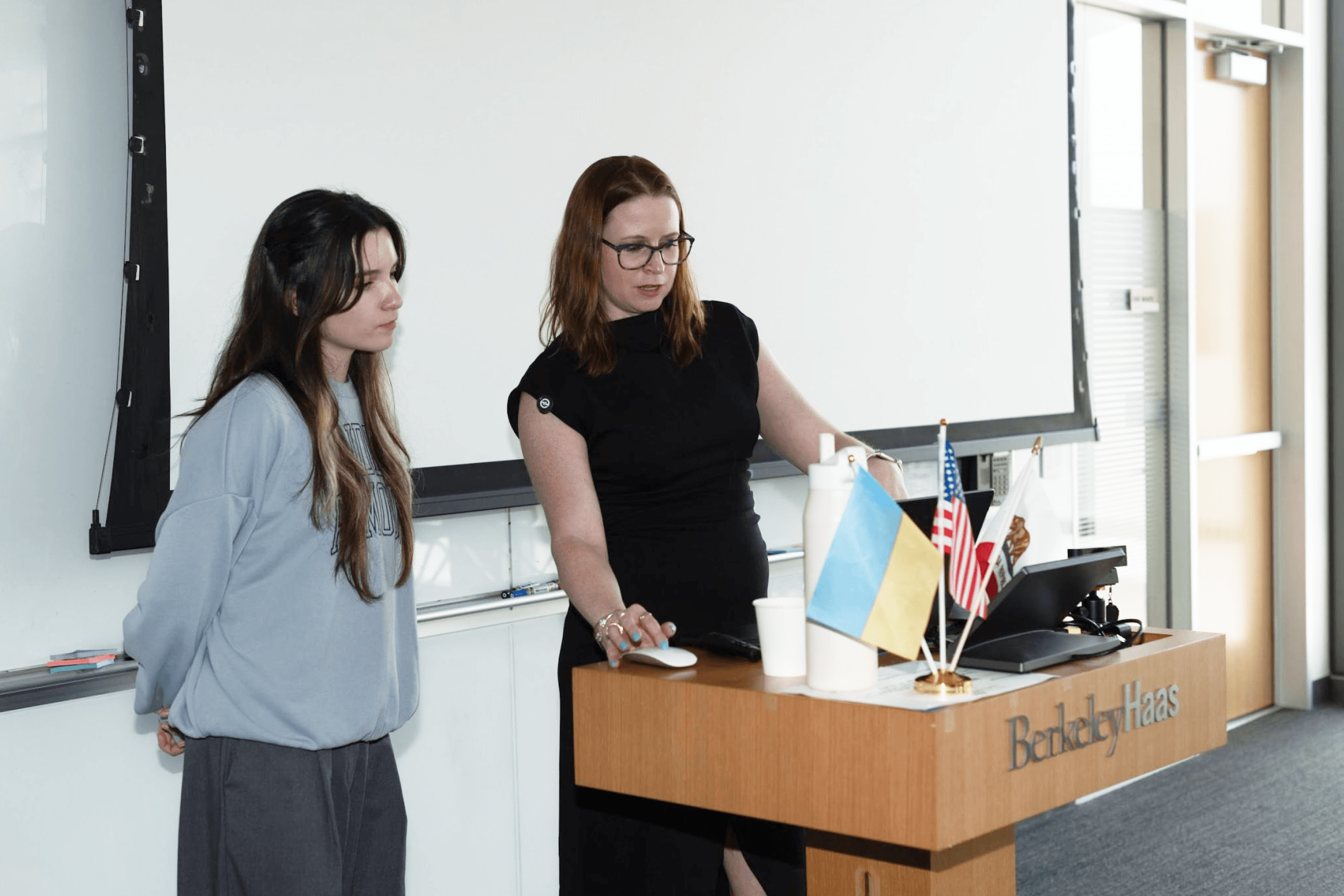
Photo: Mariia Mashkovska / LinkedIn 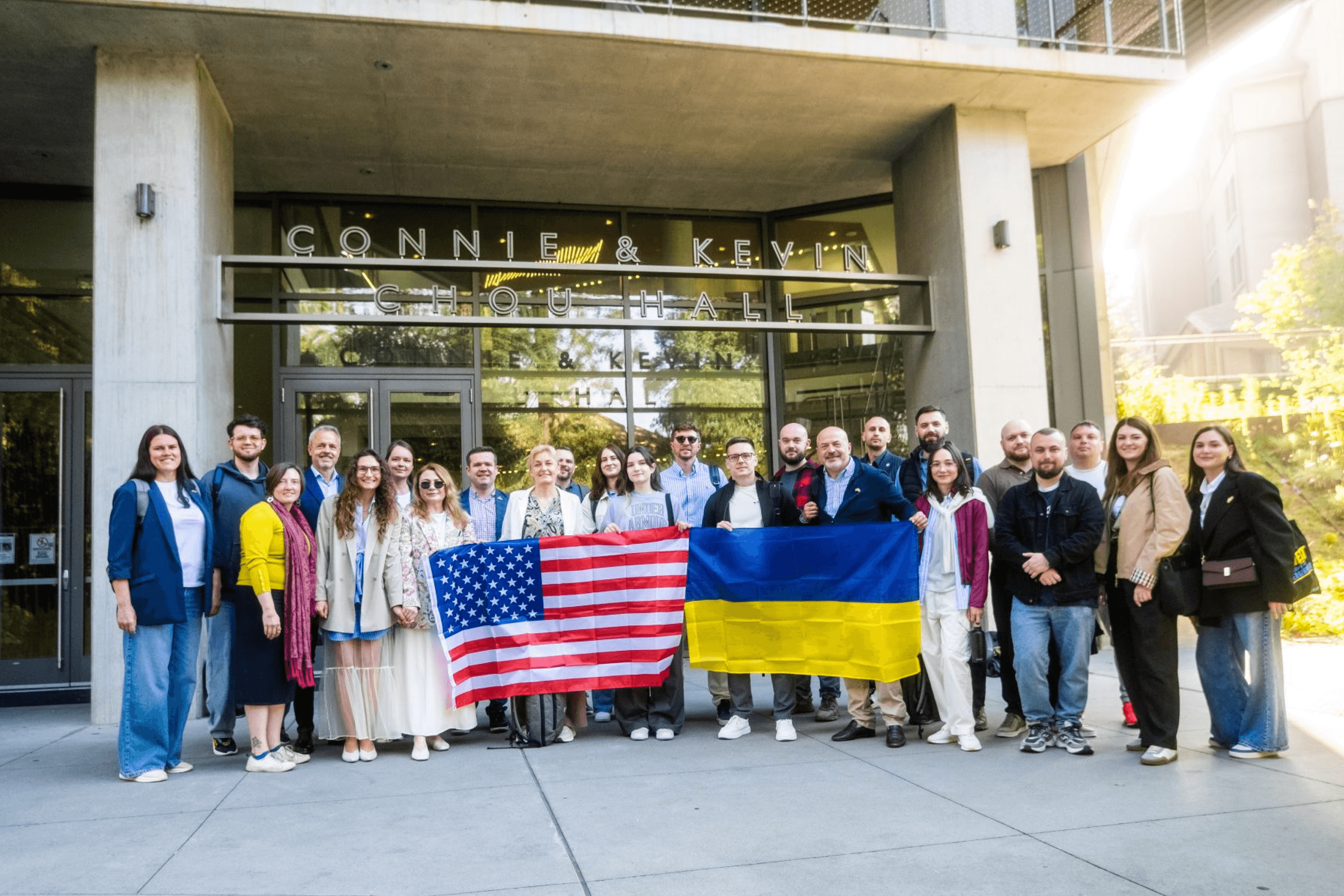
Photo: Mariia Mashkovska / LinkedIn
This cooperation offers an opportunity to build connections with farmers. It’s particularly effective in the States because American universities conduct research directly on farms. We want to officially team up with one of the universities there to establish our own pilot farm in the US and run studies using our devices.
You regularly participate in international trade shows for tech and innovation startups. How effective is that?
Mariia: It’s a great opportunity to meet investors and potential clients, even for a business in a niche as narrow as ours. Friends of farmers or people who work with them often walk up to our booth. In January 2026, we took part in the world’s largest tech show, the CES. It was an interesting experience, and we were mentioned numerous times in the US media landscape—which is important given our upcoming launch into that market.
Conferences are effective as well. For instance, SelectUSA connected us with representatives from dairy associations and farming unions. The main thing is to understand your goals, and then you’ll find partners even at non-agricultural events.

HEFT wins development grants at such events every year. In your opinion, what matters most for a successful pitch?
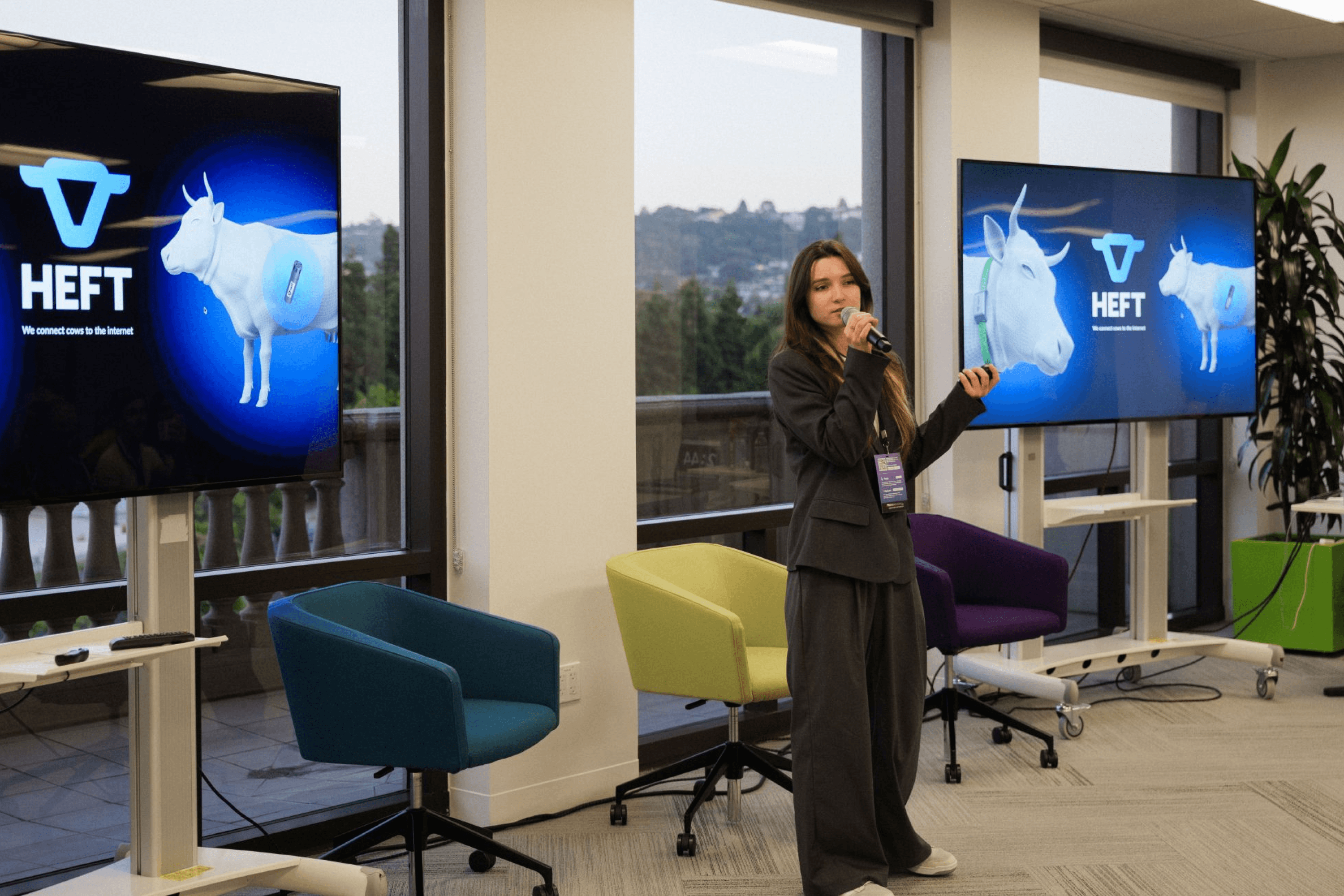
Mariia: Storytelling is key—when you don’t just list problems and solutions, but guide the listener from point A to point B through a logical narrative. It’s also crucial to use simple, clear language. For example, to describe a new AI feature, it’s enough to simply say that it improves your workflow. Instead, startup founders often resort to phrases like “a super-cool feature, a new AI system integrated into your life.” We don’t take that approach. We often say that we are “connecting cows to the internet” or that “our collar is an Apple Watch for cows.” Such associations resonate well and grab attention.
How much funding have you raised for HEFT so far?
Serhii: We have received several grants and opened an investment round for $2.5 million. Investors have covered about 10 percent of that amount. We need the funds both to launch mass production and to execute a full-scale product release in the European and US markets.
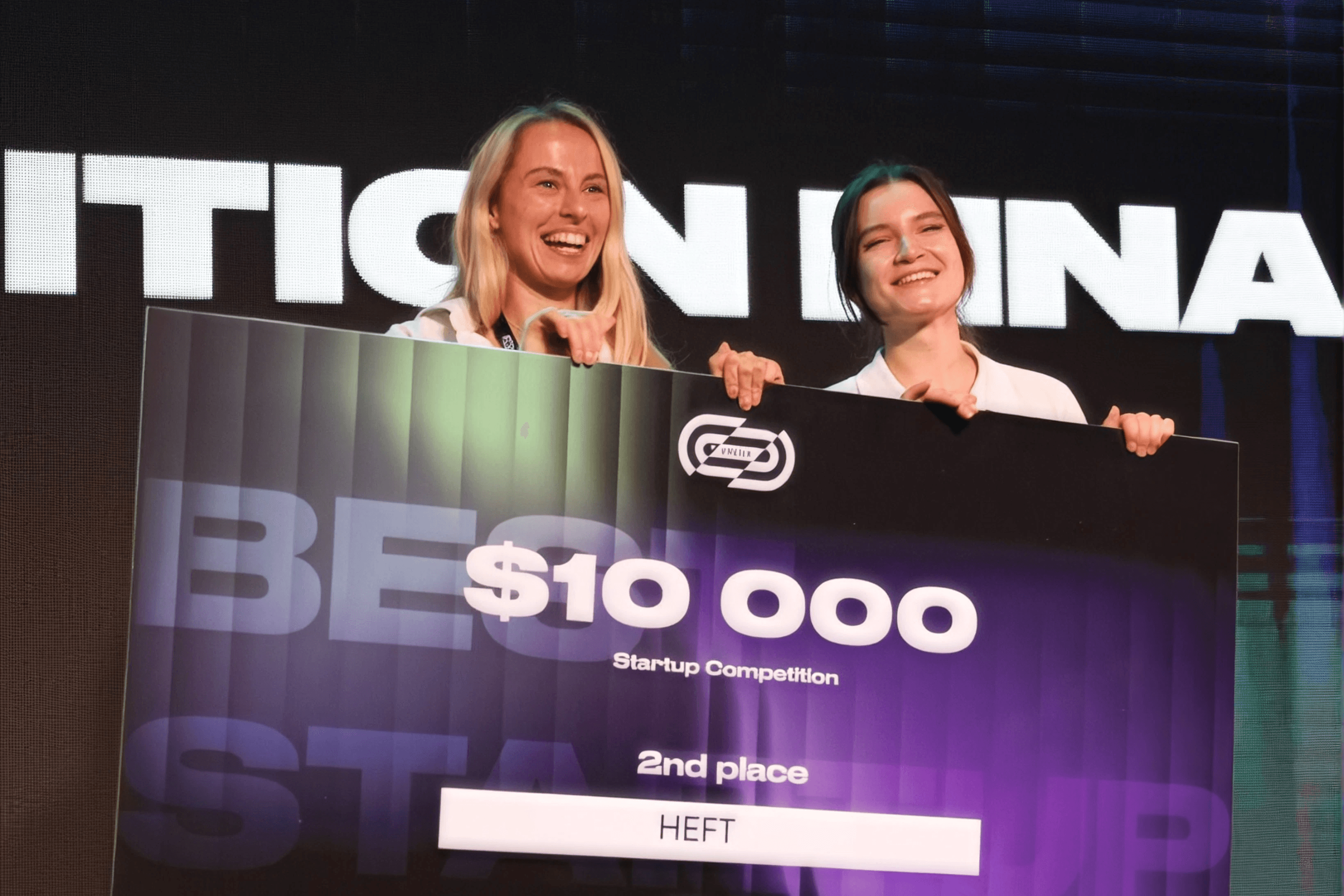
The HEFT team took second place in the IT Arena 2025 Startup Competition. Lviv, 2025. Photo: HEFT / LinkedIn 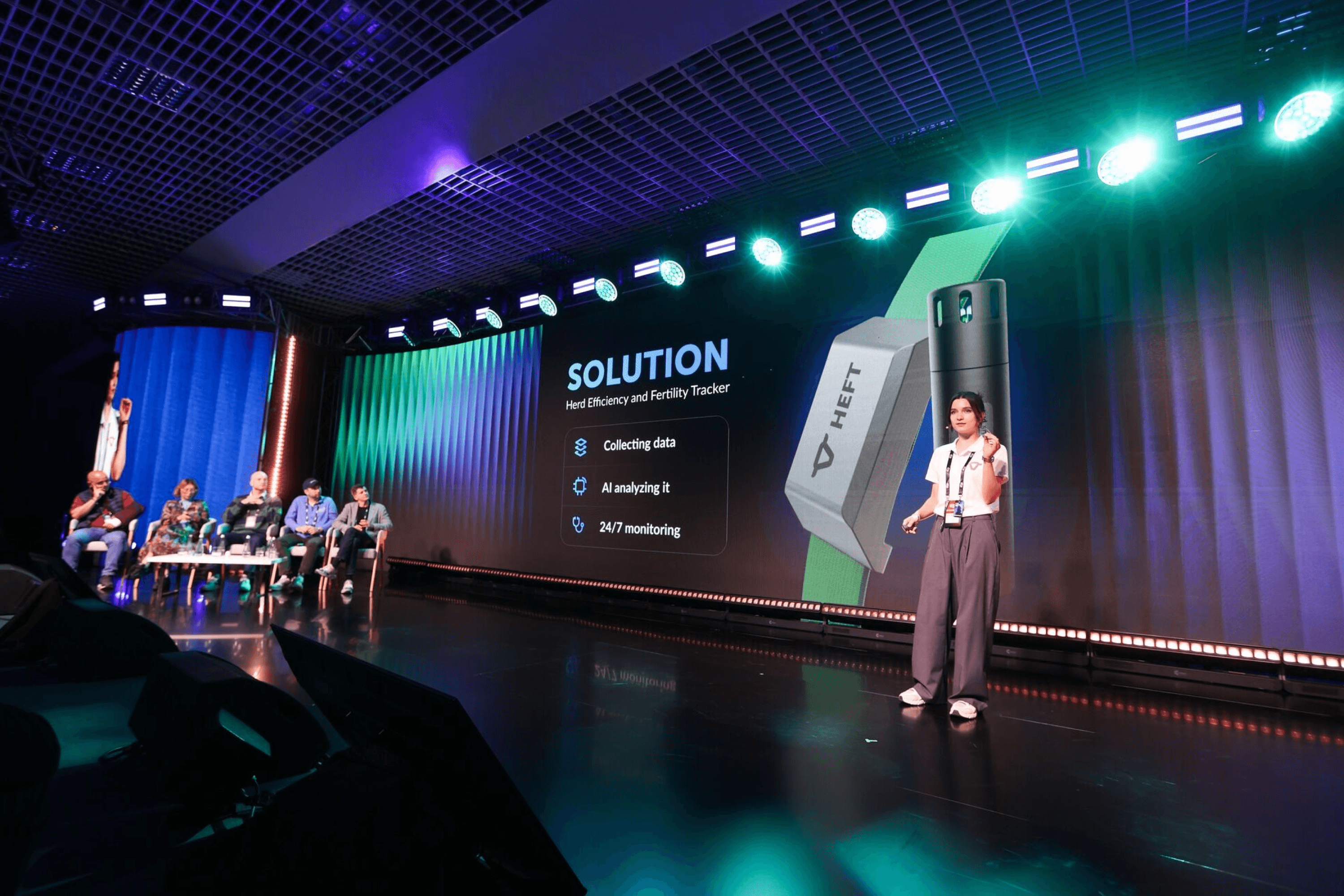
Photo: HEFT / LinkedIn 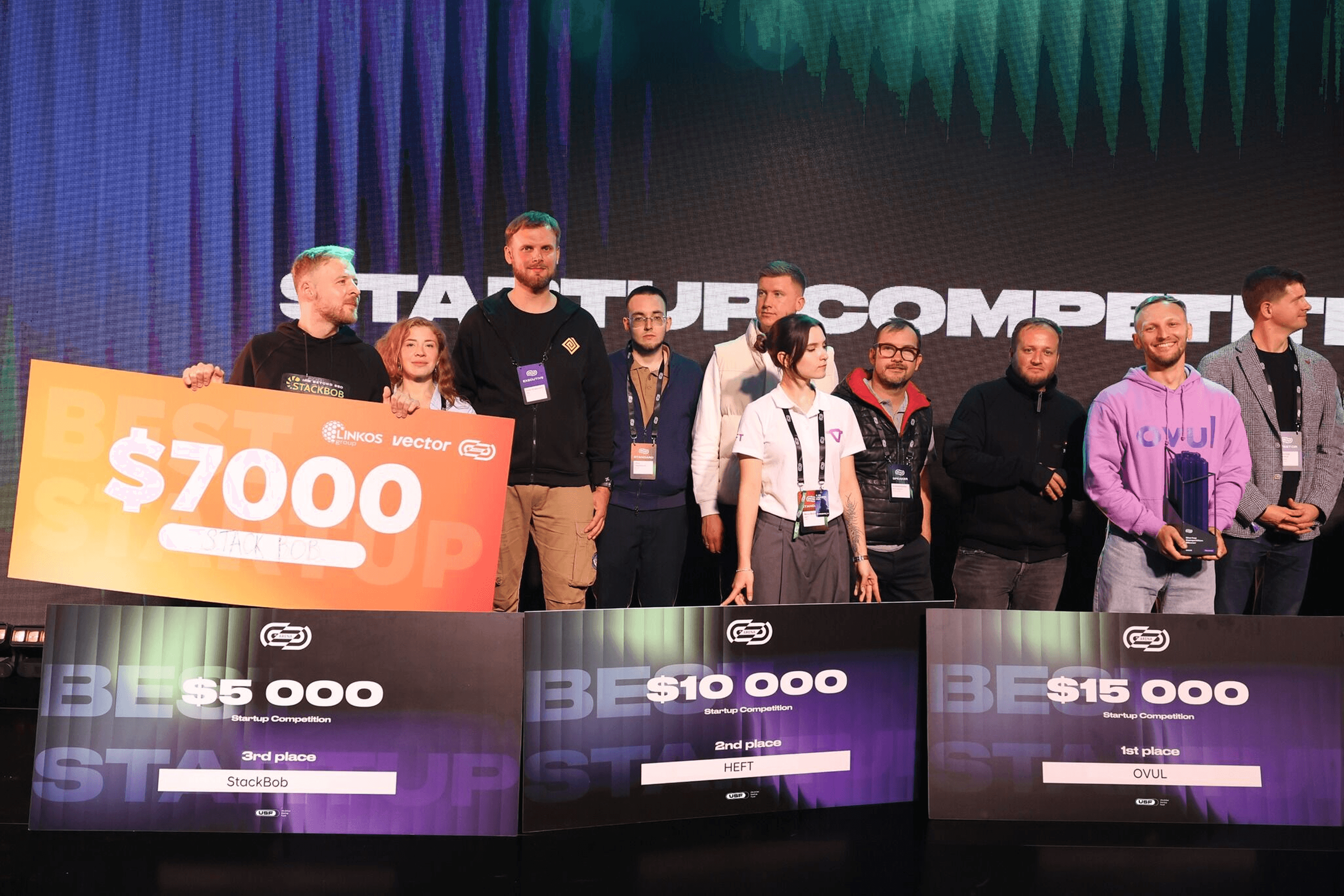
Photo: HEFT / LinkedIn
Which market will be your primary export target—the States or the EU?
Serhii: Right now, we are targeting the States due to access to capital, the level of innovation in the country, and the farmers' readiness to adopt it. However, we’ll most likely record our highest sales in Asia and Europe, because those markets are large and less competitive.
What allows you to stay competitive in the market?
Serhii: Understanding farmers and their needs. We provide clients with a simple and user-friendly product, along with top-tier service and tech support.
Mariia conducted over 100 interviews with American farmers, and almost every single one asked: “What about your service? What about customer support?” For a farmer, it’s not enough to simply have a “supercomputer” that does something for them; they also need tech support that responds immediately and resolves their issues quickly.
That’s why we focus heavily on service and direct communication with clients. For example, we offer a free one-month trial of our technology. It involves extra costs, but it pays off—clients don’t return the system; they buy it.
What challenges do you face while growing HEFT?
Serhii: The main ones are connected to the team. Half of our people live in Ukraine, while the rest are scattered across Europe and North America. It’s not critical, but having everyone working in one place would be ideal—it would make our work much more efficient.
Mariia: We also face difficulties due to a small headcount for such a large volume of tasks. For instance, we constantly test the reliability of the sensors in our devices and verify that they are operating properly, which takes up a lot of the team’s extra time.
In 2026, both of you completed training programs in the US. Tell us about that experience. How did it impact HEFT’s development?
Serhii: I studied at Stanford through the Stanford Ignite program. An important lesson I learned was to always stay close to the client and continuously analyze their feedback. Right now, our primary activity takes place in the States—we are raising investment and connecting with our first clients, which is why I’ve been living here for the past two years.

Serhii Ryzhkov at Stanford University. 2026. Photo: Serhii Ryzhkov / LinkedIn 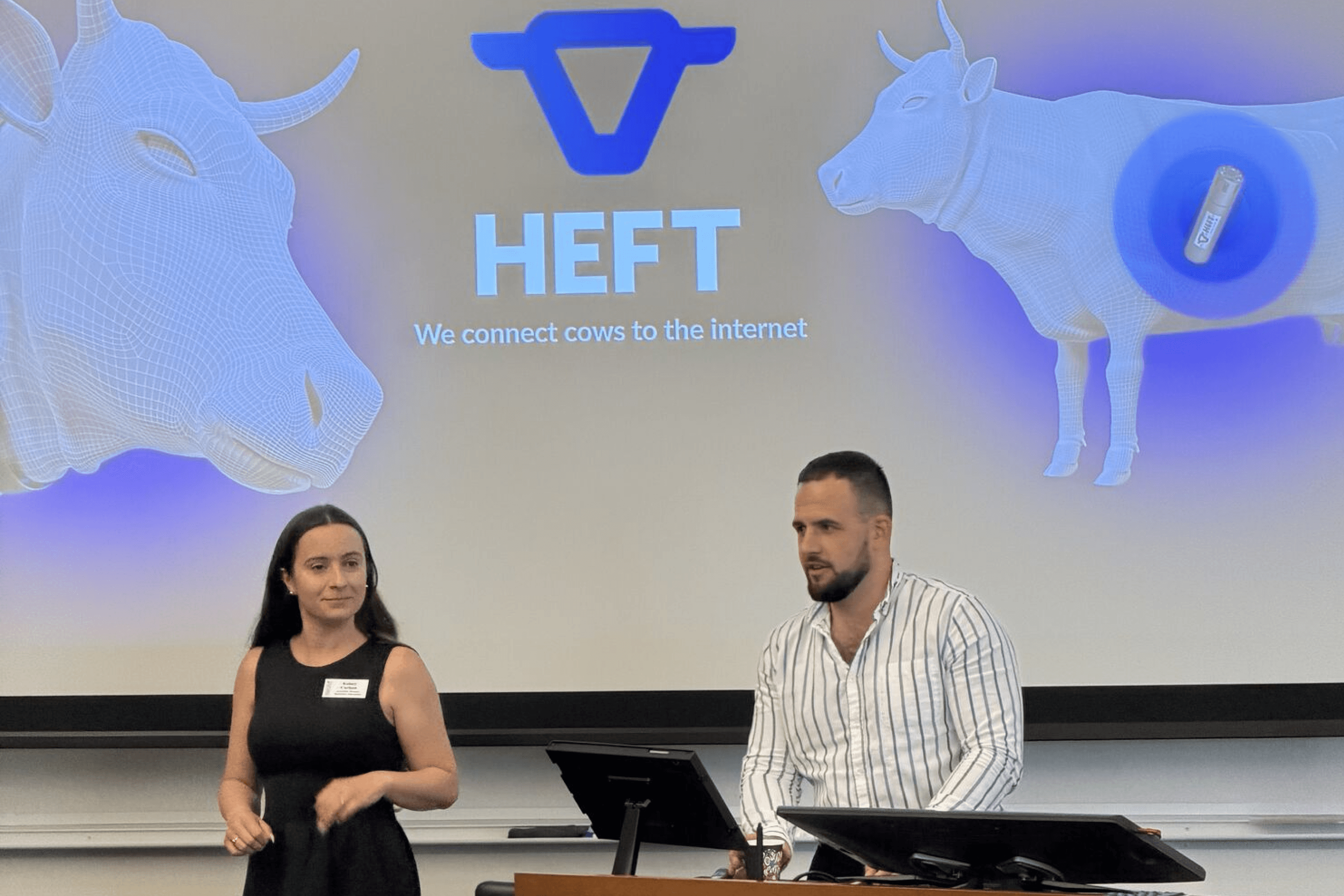
Serhii Ryzhkov presents the HEFT startup at Stanford Graduate School of Business. 2026. Photo: Serhii Ryzhkov / LinkedIn 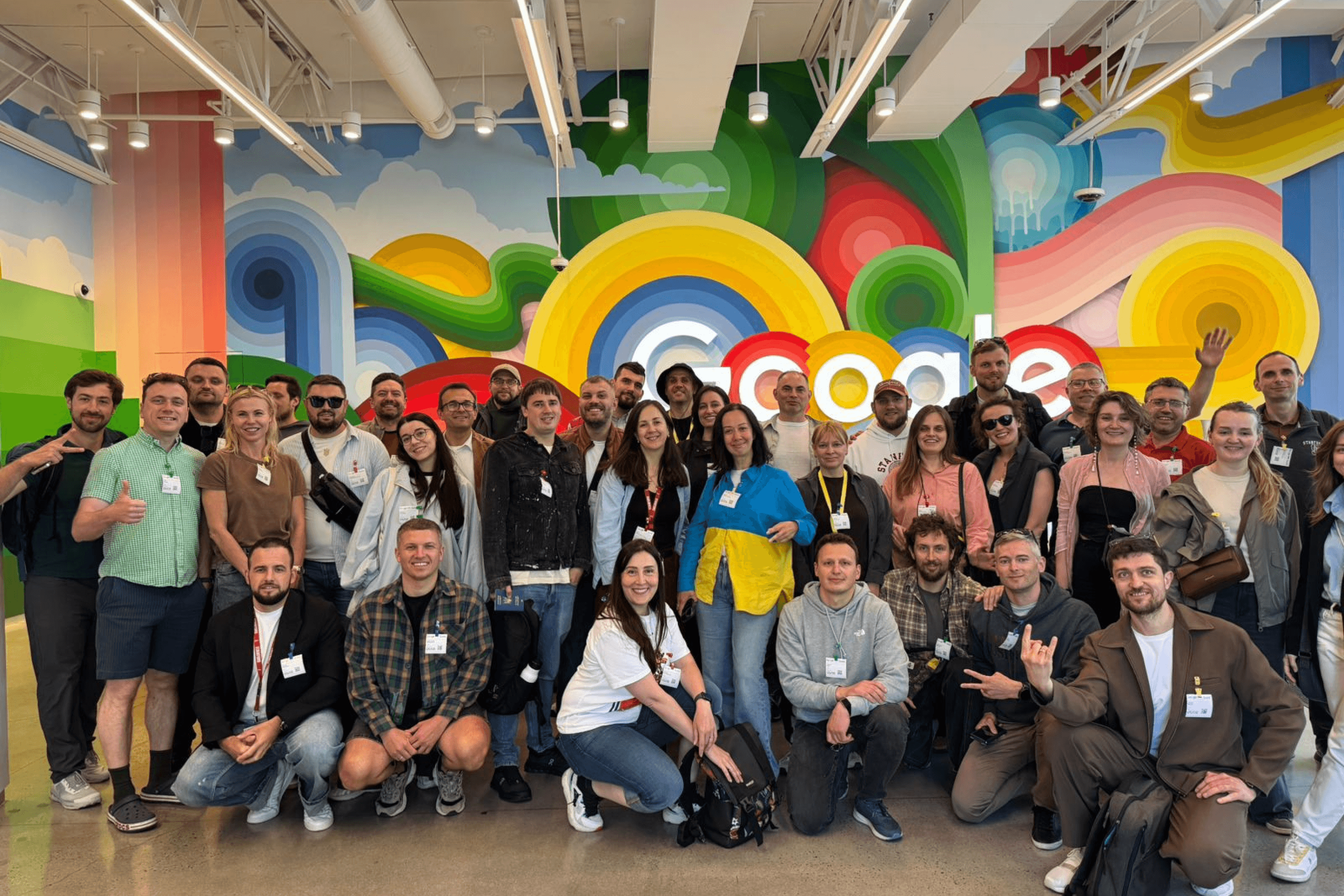
Photo: Serhii Ryzhkov / LinkedIn 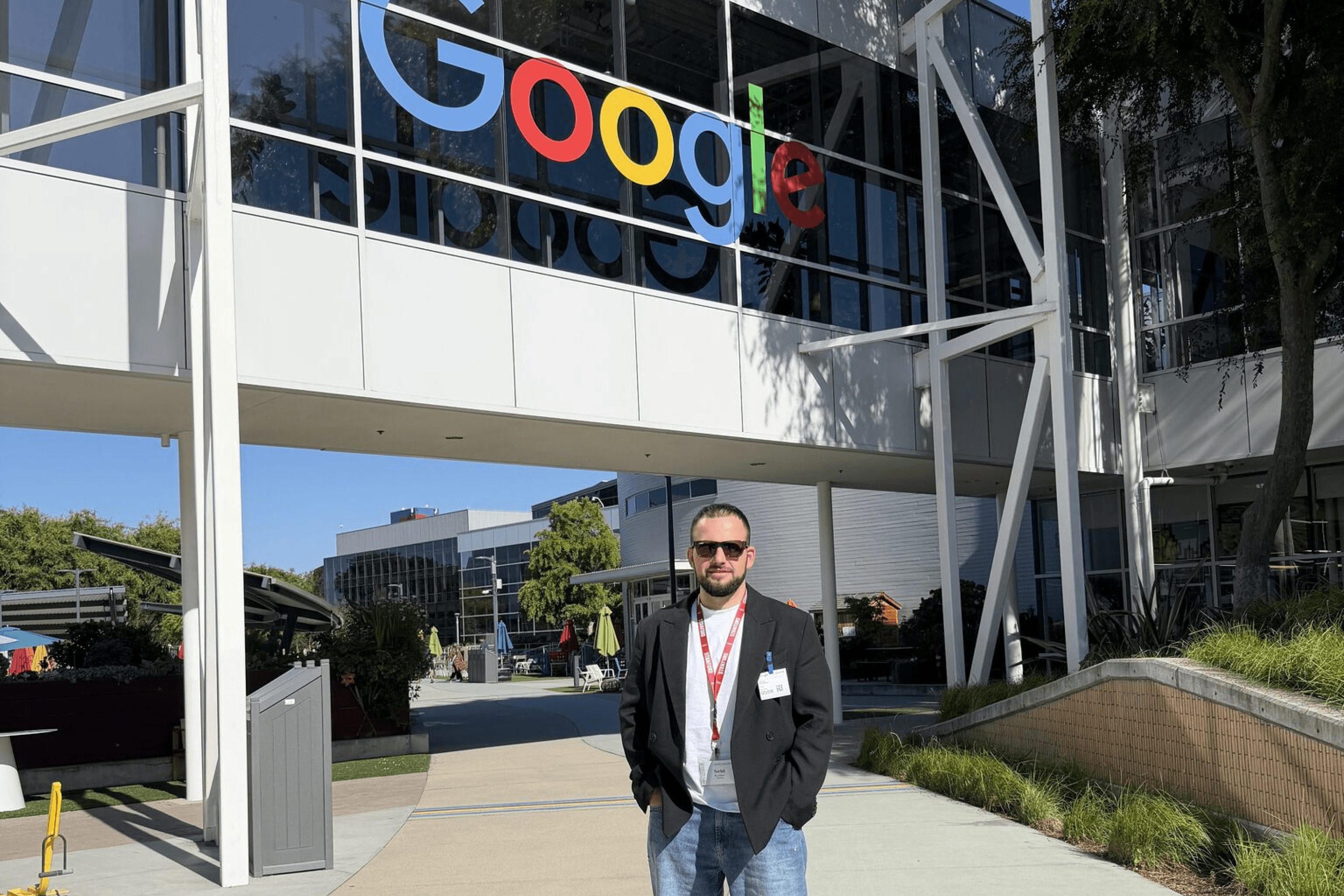
Photo: Serhii Ryzhkov / LinkedIn 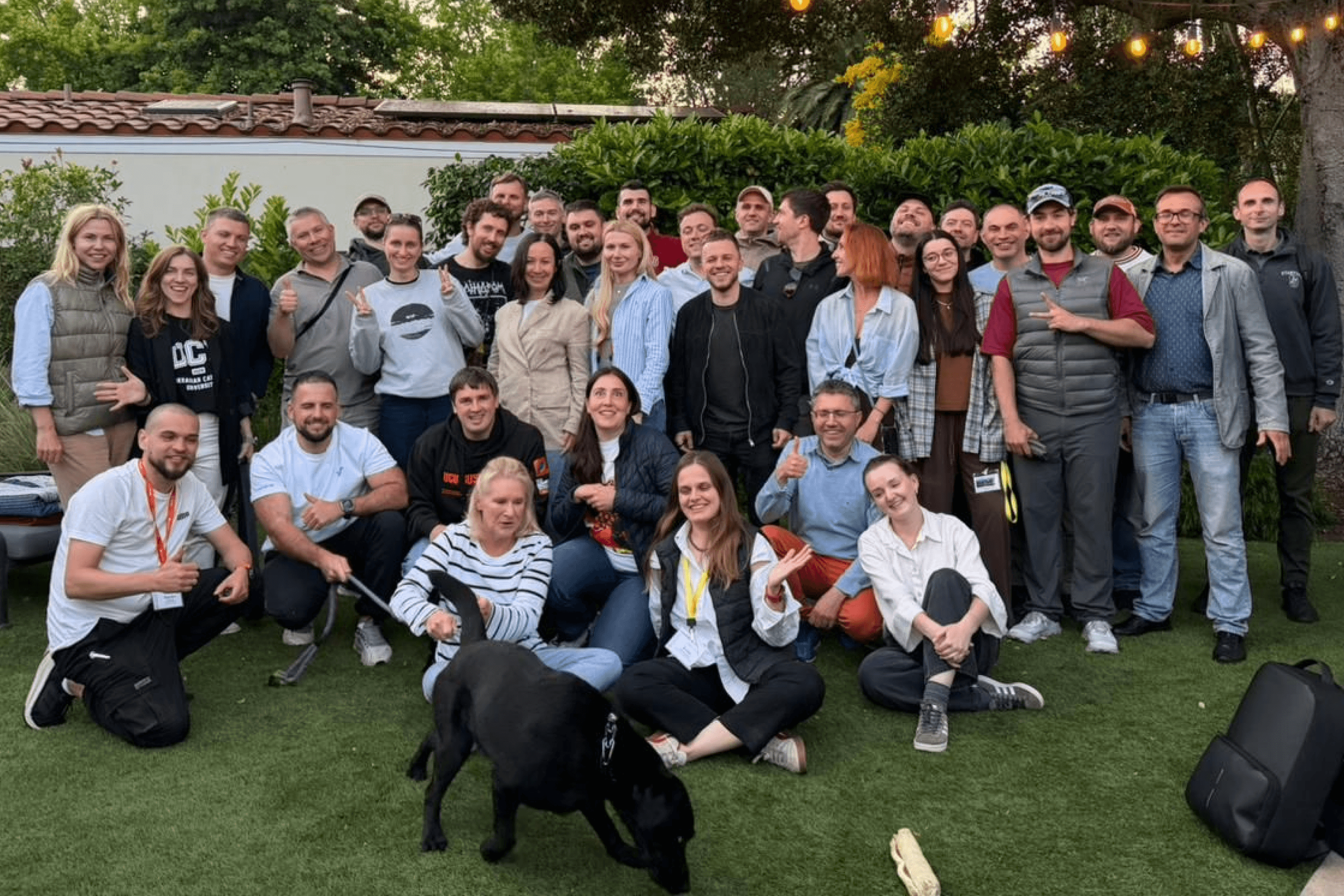
Photo: Serhii Ryzhkov / LinkedIn
Mariia: Together with Denys Maltsev, I’m participating in the Berkeley AgriTech acceleration program for Ukrainian agtech startups. We spent two weeks studying at Berkeley, followed by visits to farms and specialized universities, including UC Davis. Currently, we are working with mentors and continuing our studies online.
I also spent two months taking an “Introduction to Business Accounting” course at Dickinson College—a private college affiliated with Pennsylvania State University. I was interested in gaining foundational knowledge about running a business. Furthermore, the college hosted many events where I could present HEFT.
The key takeaway for me was the need to scale the startup as quickly as possible and leverage all available resources, including AI tools, to do so.
How do you envision HEFT’s growth over the coming years? What are your near-term and long-term goals?
Mariia: By the end of the year, we plan to close our investment round and initiate mass production—targeting an output of around 5,000 devices per month.
Serhii: Our primary long-term goal over the next four years is to reach two million dairy cows connected to our system. We are also building our presence across Europe, the US, and Asia, while cultivating a community of farmers who advocate for our philosophy and products. Personal recommendations work exceptionally well in this industry, so if a farmer likes our devices, there’s a high probability that their neighbors will like them too.
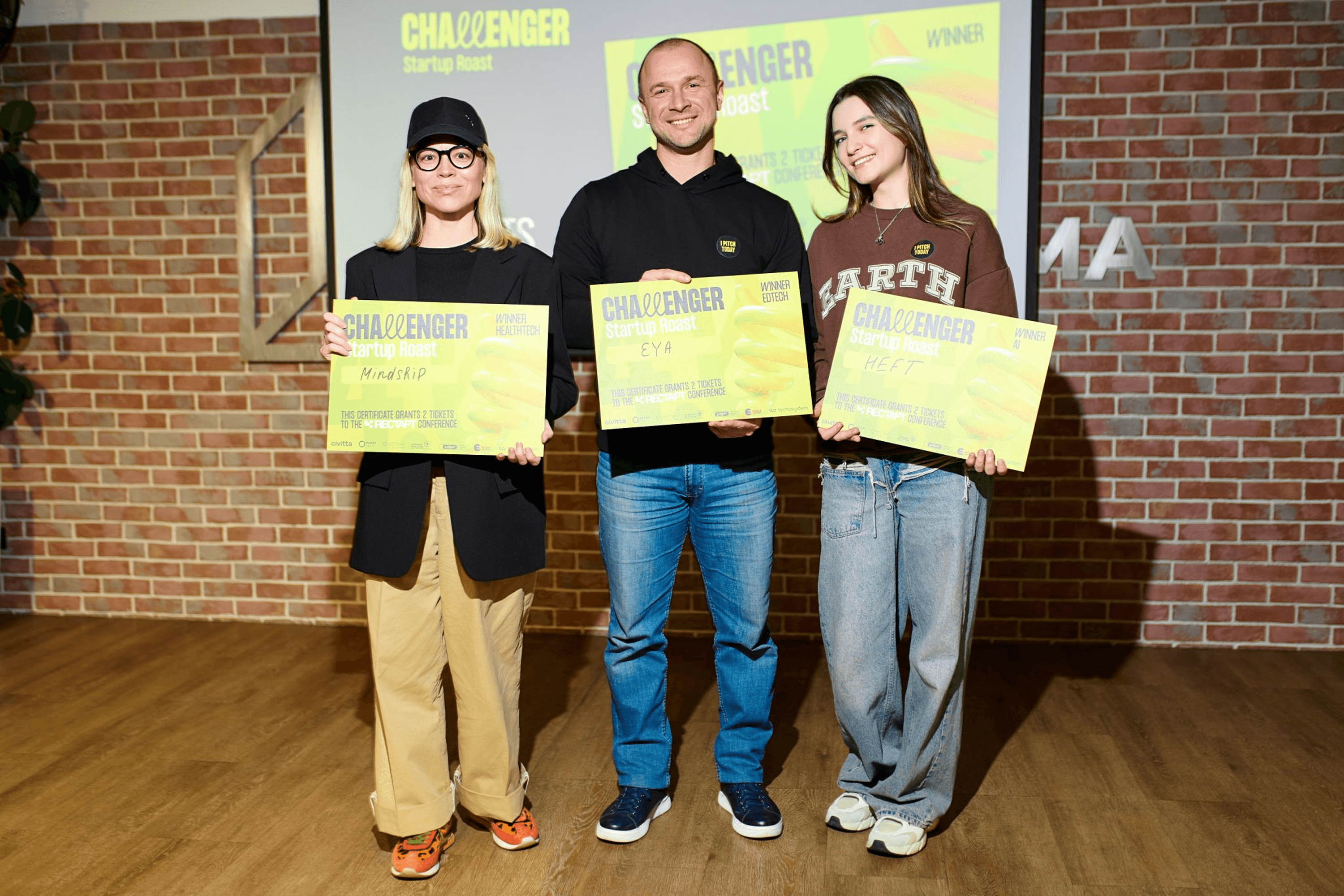
Mariia Mashkovska represents HEFT at Challenger Startup Roast, where the startup won the AI category. 2025. Photo: HEFT / LinkedIn 
Photo: HEFT / LinkedIn 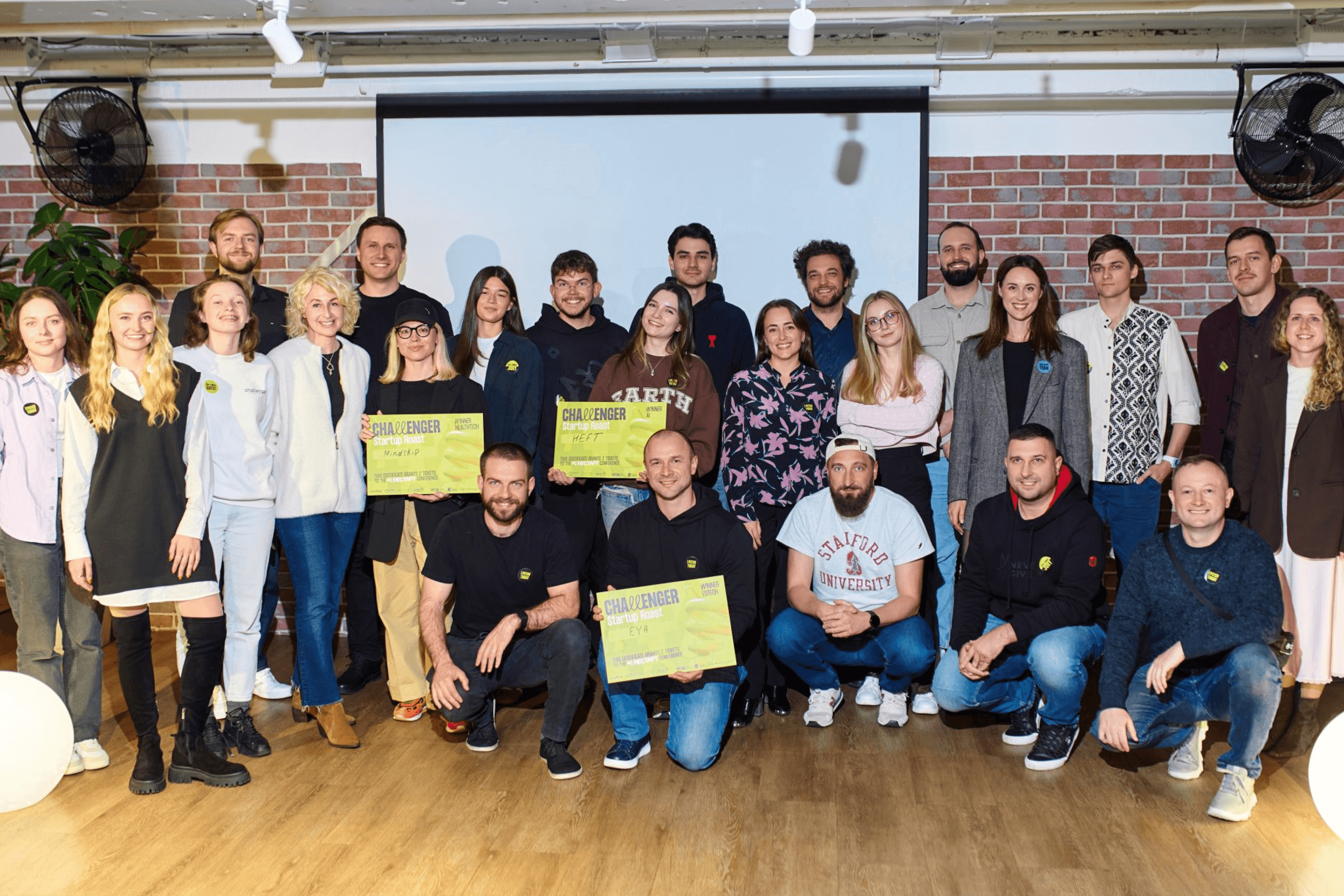
Photo: HEFT / LinkedIn