In 1997, entrepreneur Andrii Zdesenko founded Biosphere, a company that imported hygiene products into Ukraine. Over nearly 30 years, it has grown into an international corporation with eight manufacturing facilities in Ukraine, Romania, and Estonia, and 25 of its own consumer brands.
Despite Russia's full-scale invasion of Ukraine, Biosphere continues to export its products to 25 countries and operates 13 branches abroad. In 2025, the company nearly returned to its pre-war annual turnover and plans to become the largest manufacturer and distributor in its category in Europe by 2030.
Yellow Blue journalist Sofiia Korotunenko spoke with Yuriy Golianych, General Manager of Household, Recycling, and International Business at Biosphere, about the company's export strategy, the specifics of European and Asian markets, and the challenges Ukrainian businesses face on the path to global expansion.
Biosphere corporation, from the start to today
- Biosphere corporation was founded in 1997 by Andrii Zdesenko, a native of Dnipro. He initially imported hygiene products into Ukraine and, in 2001, registered his own kitchenware brand, Freken BOK.
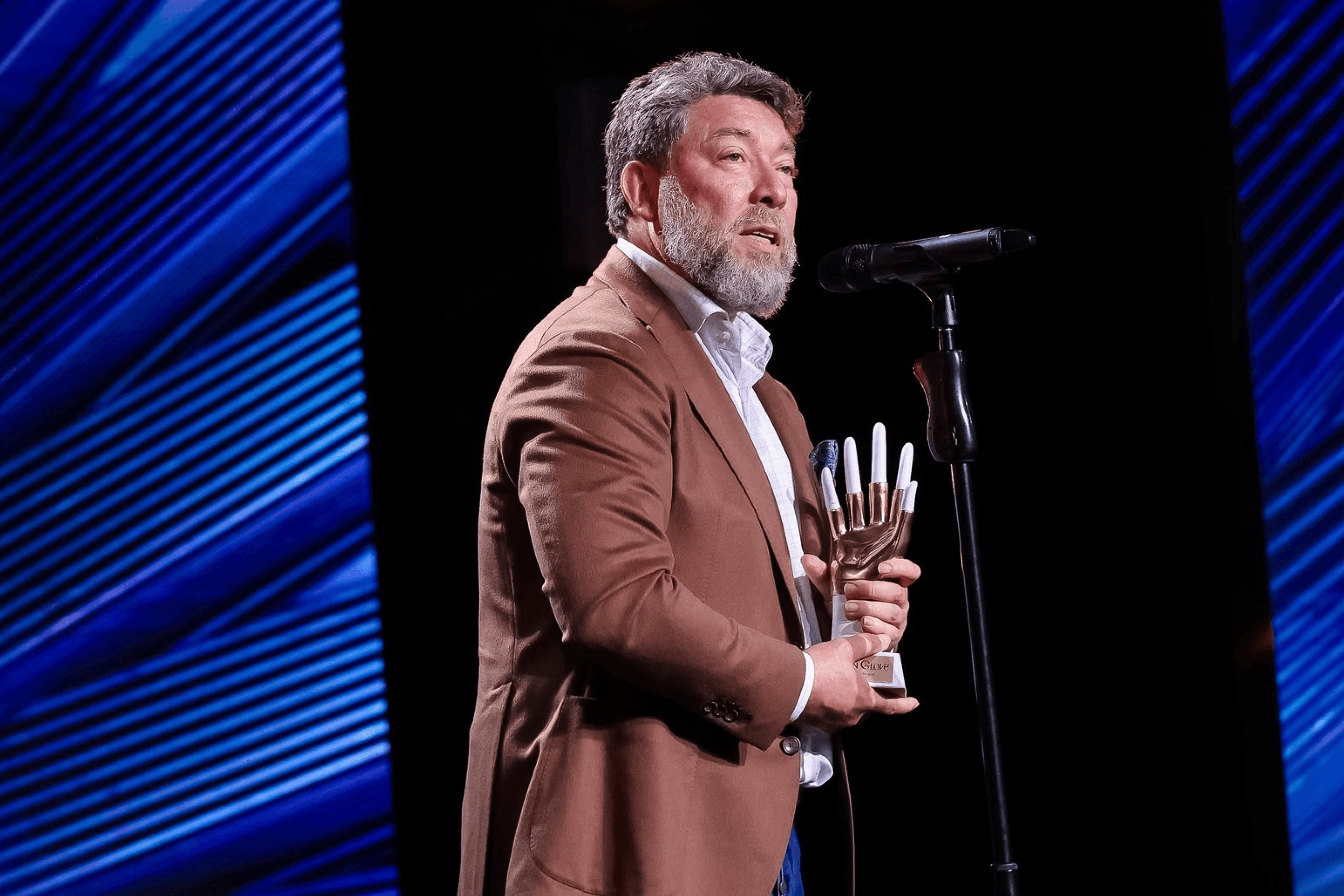
- Today, Biosphere employs more than 1,880 people across 13 countries. The corporation owns 25 brands and distributes products from ten international brands on the Ukrainian market. Every day, people purchase more than 1 million products manufactured by the company.
- In 2002, the company opened its first production workshop in Dnipro. At present, Biosphere operates six factories in Ukraine, as well as one production facility each in Estonia and Romania.
- In 2006, Biosphere entered the international market, beginning with Moldova under the Smile brand. In 2026, the corporation exports its products to 25 countries across four continents. Its key markets are Central and Eastern Europe and Central Asia.
- Since 2022, Biosphere has not exported products to Russia or Belarus, which supported the Russian invasion and allowed missiles to be launched from its territory.
- In April 2025, a Russian Iskander-K cruise missile completely destroyed a warehouse with finished goods and part of the production facilities in Dnipro. One employee was killed and eight others were injured.
- In 2025, the corporation restored its annual turnover to nearly its pre-war level, with revenue reaching $173 million: 70 percent from Ukraine and 30 percent from international markets. By 2030, Biosphere plans to increase the share of exports to 50 percent.
When Russia launched its full-scale invasion of Ukraine, Biosphere, like many Ukrainian companies, faced serious challenges. Domestic sales declined, the corporation lost about 30 percent of its turnover, and its workforce had to be reduced by a third. How did your international partners react at the start of the war?
Almost all of them supported us both morally and financially. Our raw material suppliers, for example, offered additional discounts and deferred payments. They essentially shipped products to us on trust, with no idea what would happen to our company the next day or whether they would be paid at all. With some partners, we extended those deferrals at least until the end of the war. I hope the arrangements hold after that as well.
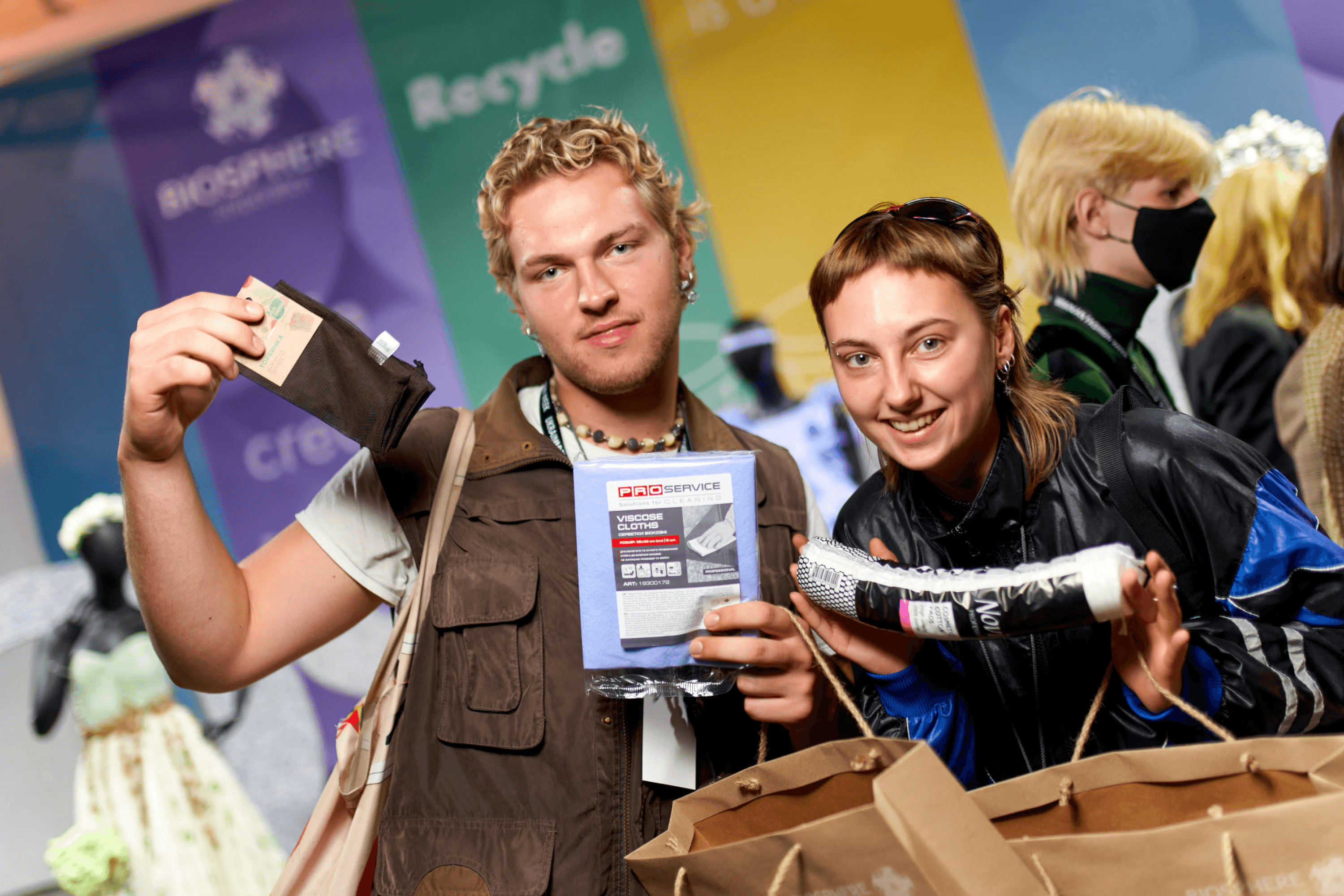
A selection of products from Biosphere Corporation. Photo: Biosphere Corporation / Facebook / YB 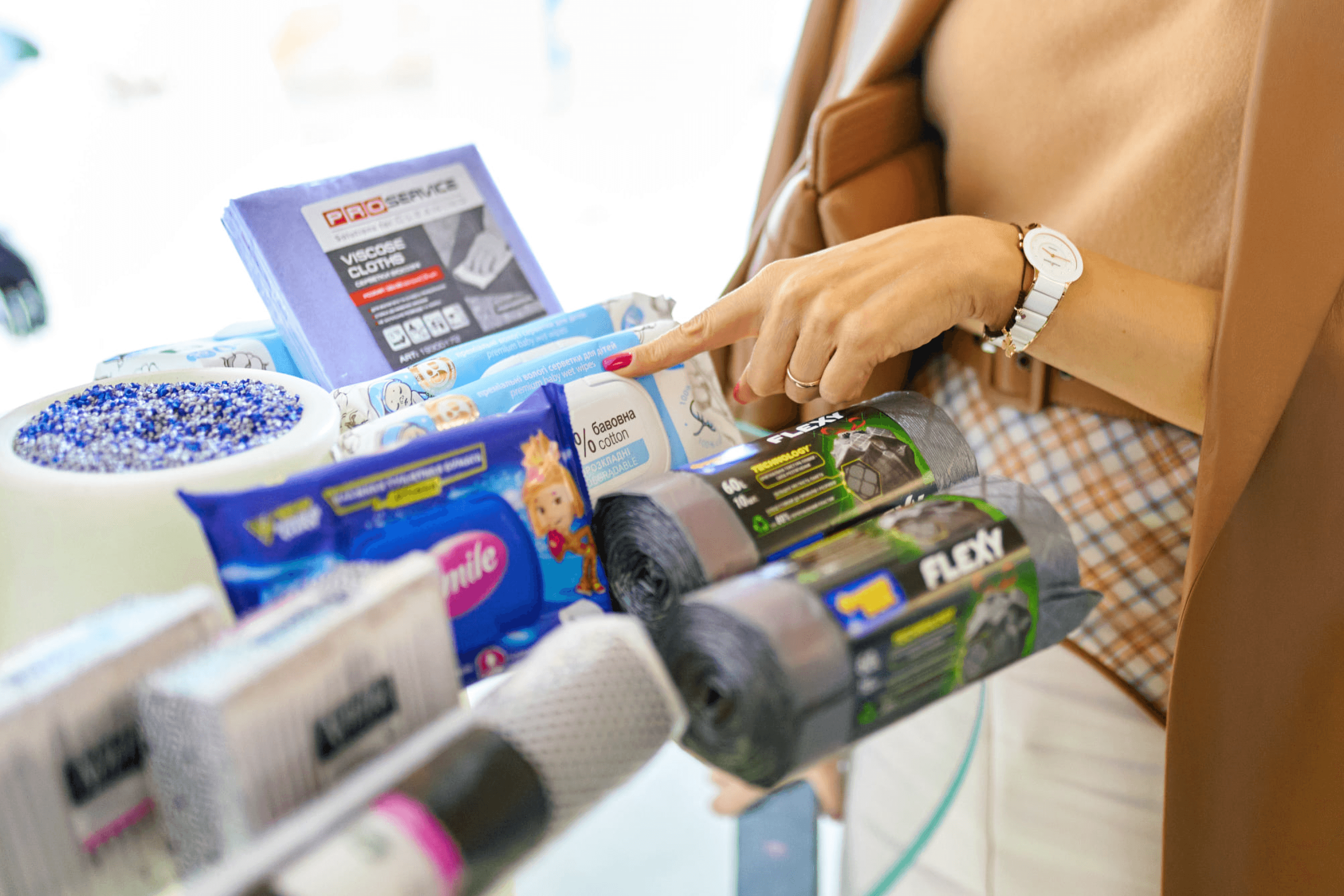
Photo: Biosphere Corporation / Facebook / YB 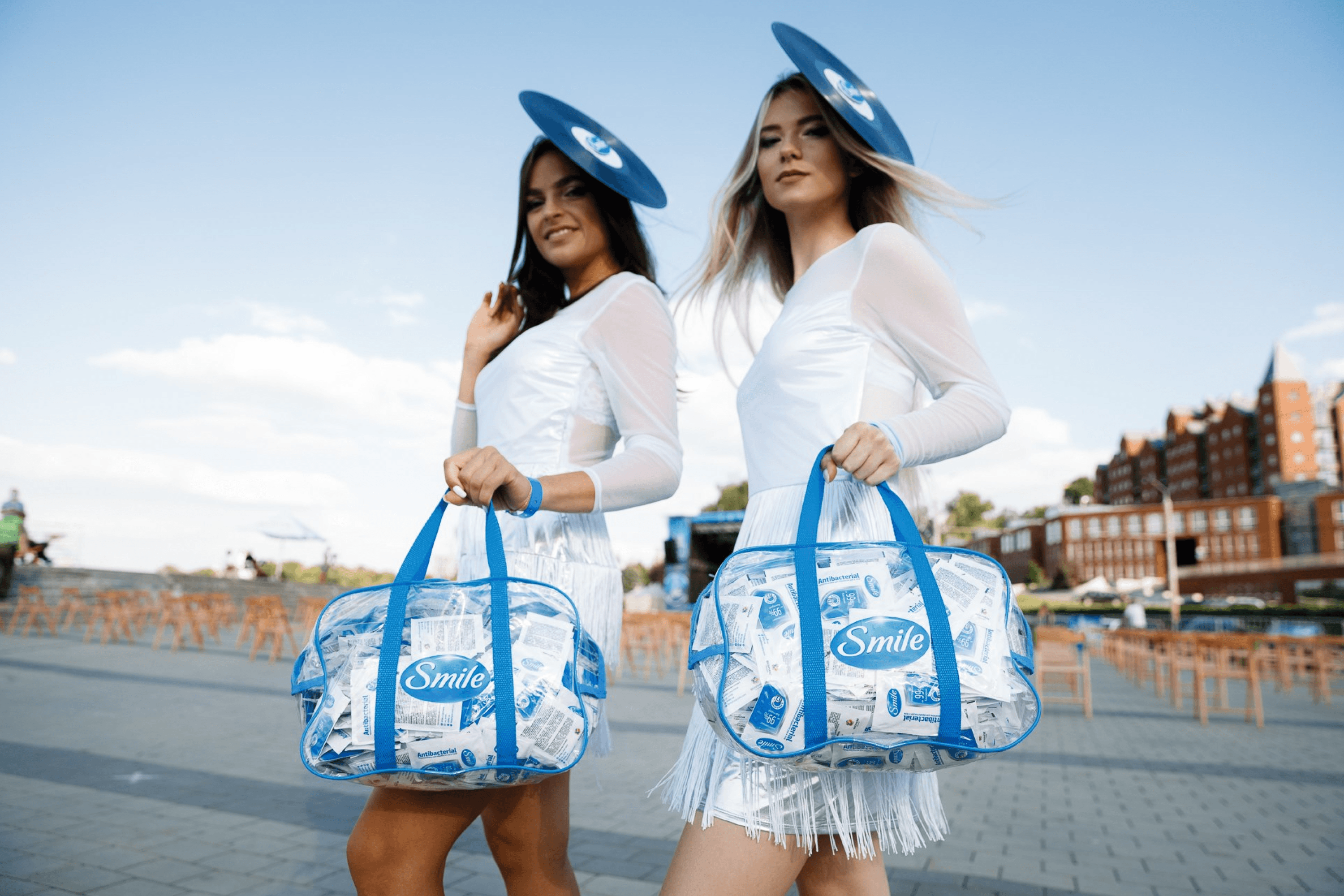
Photo: Biosphere Corporation / Facebook / YB 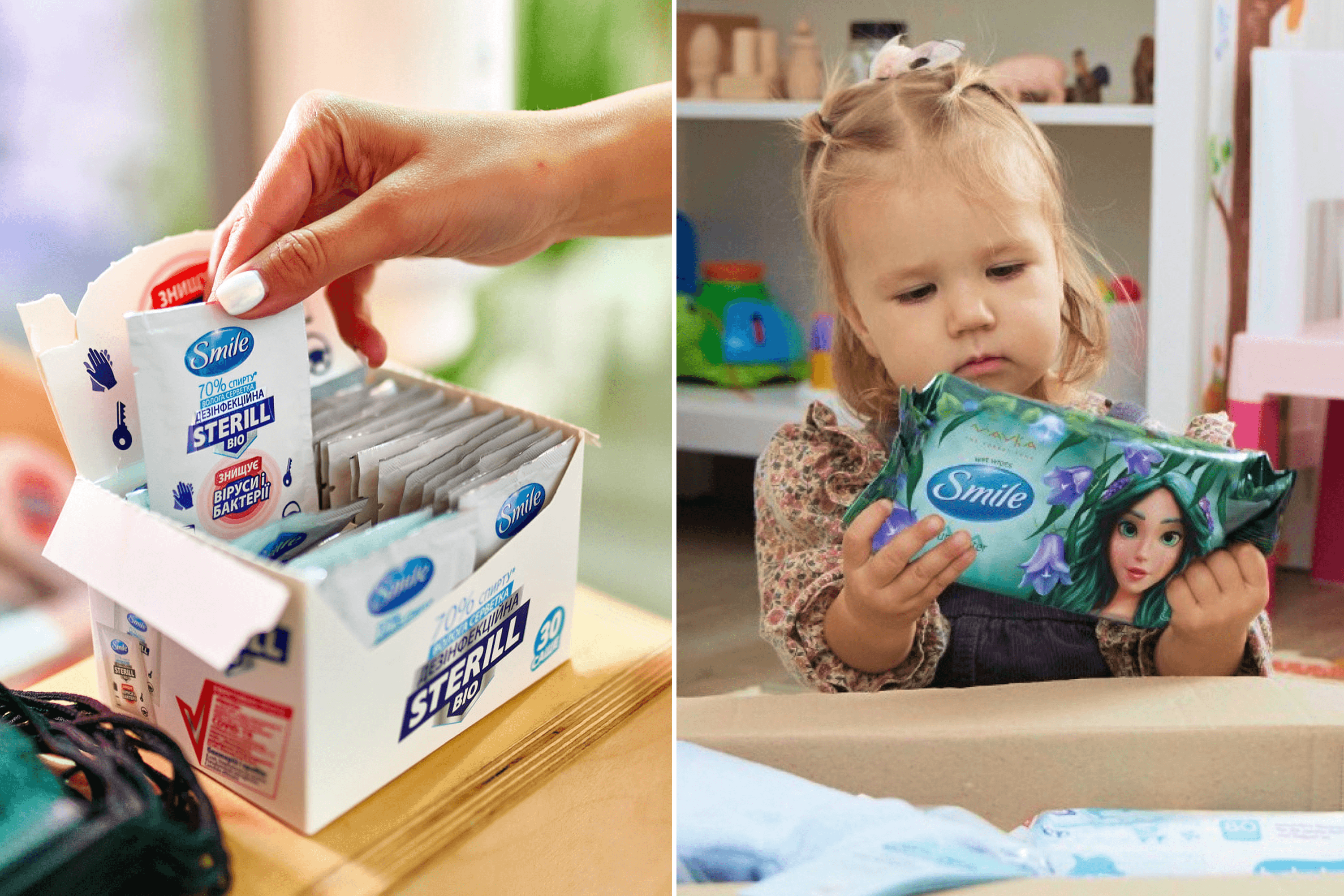
Photo: Biosphere Corporation / Facebook / YB 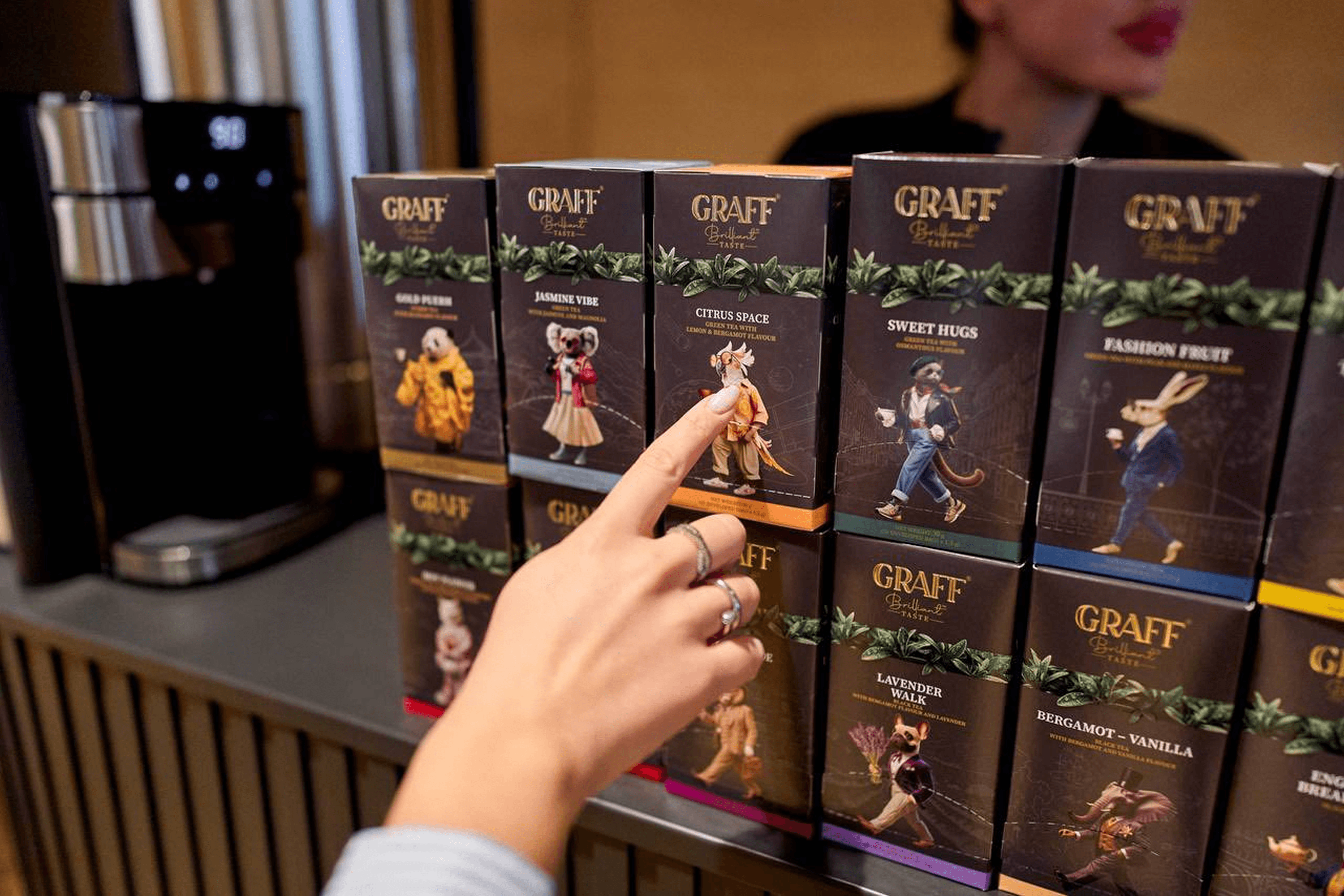
Photo: Biosphere Corporation / Facebook / YB 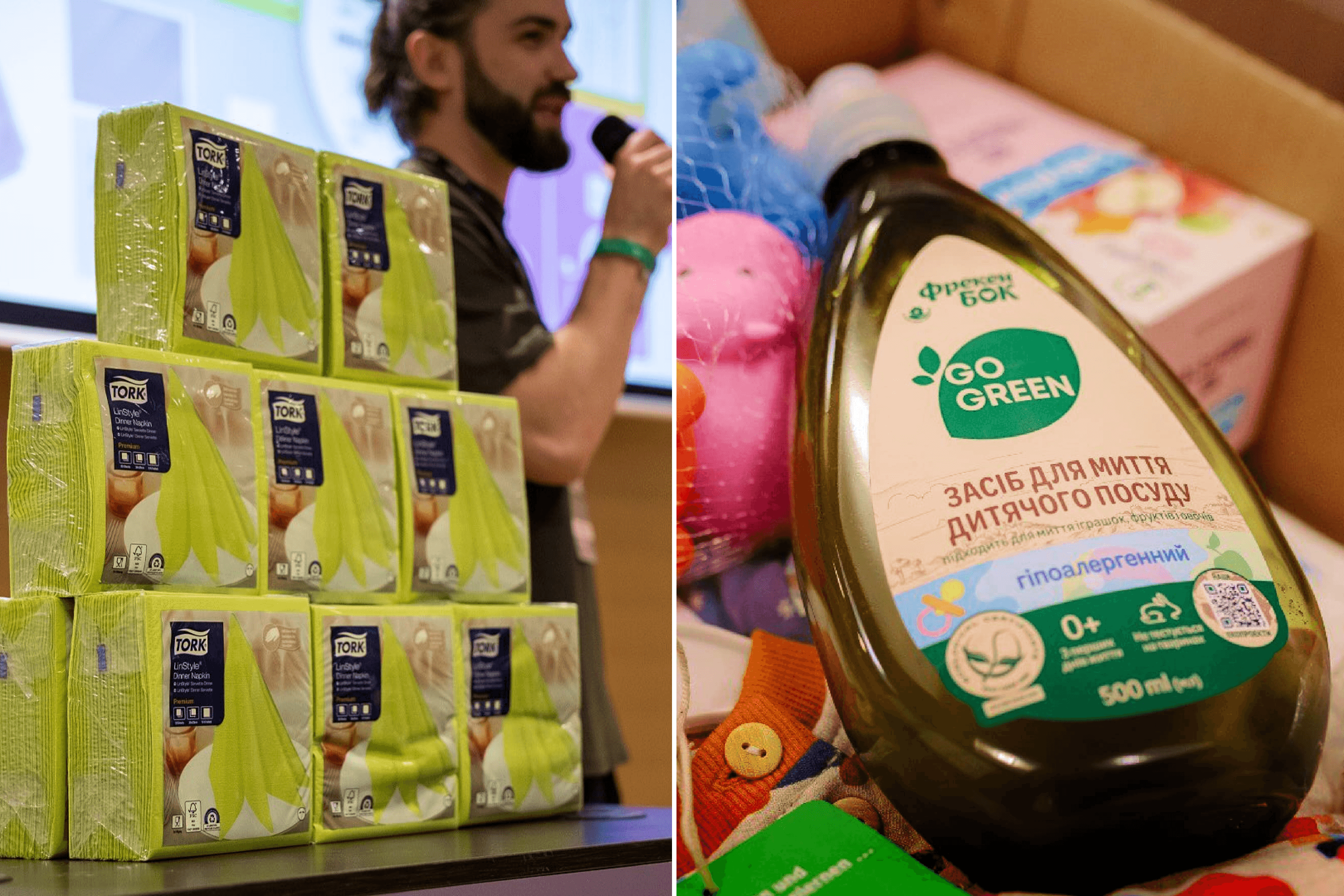
Photo: Biosphere Corporation / Facebook / YB
Our commercial partners also came through, primarily by settling outstanding receivables. We simply told them: "Listen, you have 30 to 60 days to pay, but we need cash now to keep the business running." The vast majority either paid for goods we had already shipped or made advance payments for future deliveries.
Those two things allowed us to keep operating without interruption and stay a reliable supplier, both in Ukraine and abroad.
Despite the difficult circumstances, you grew export volumes in your key markets over the course of 2022. What decisions made that possible?
I would split them into two parts: tactical and strategic. We understood immediately that stable sales inside Ukraine were not going to happen in the first months of the war and that we needed export revenue. So in 2022, the entire company focused on exports. That was the tactical step.
In the spring of 2022, while simultaneously working to keep production and logistics running in Ukraine, we opened negotiations to acquire the Alufix business in Europe: the Austrian brand, manufacturing operations in Romania, and distribution branches across Europe. The deal closed at the end of 2022. That was the strategic move, and it allowed us to triple our international sales the following year.
Tell us more about Alufix. Do you manufacture the full range under this brand at the facility in Romania?
Alufix is one of the best-known household goods brands in Central Europe and has been around for 62 years. The Romanian facility produces most of the lineup, including aluminum foil, cling film, and baking parchment. The rest of the range, garbage bags for instance, we manufacture in Ukraine.
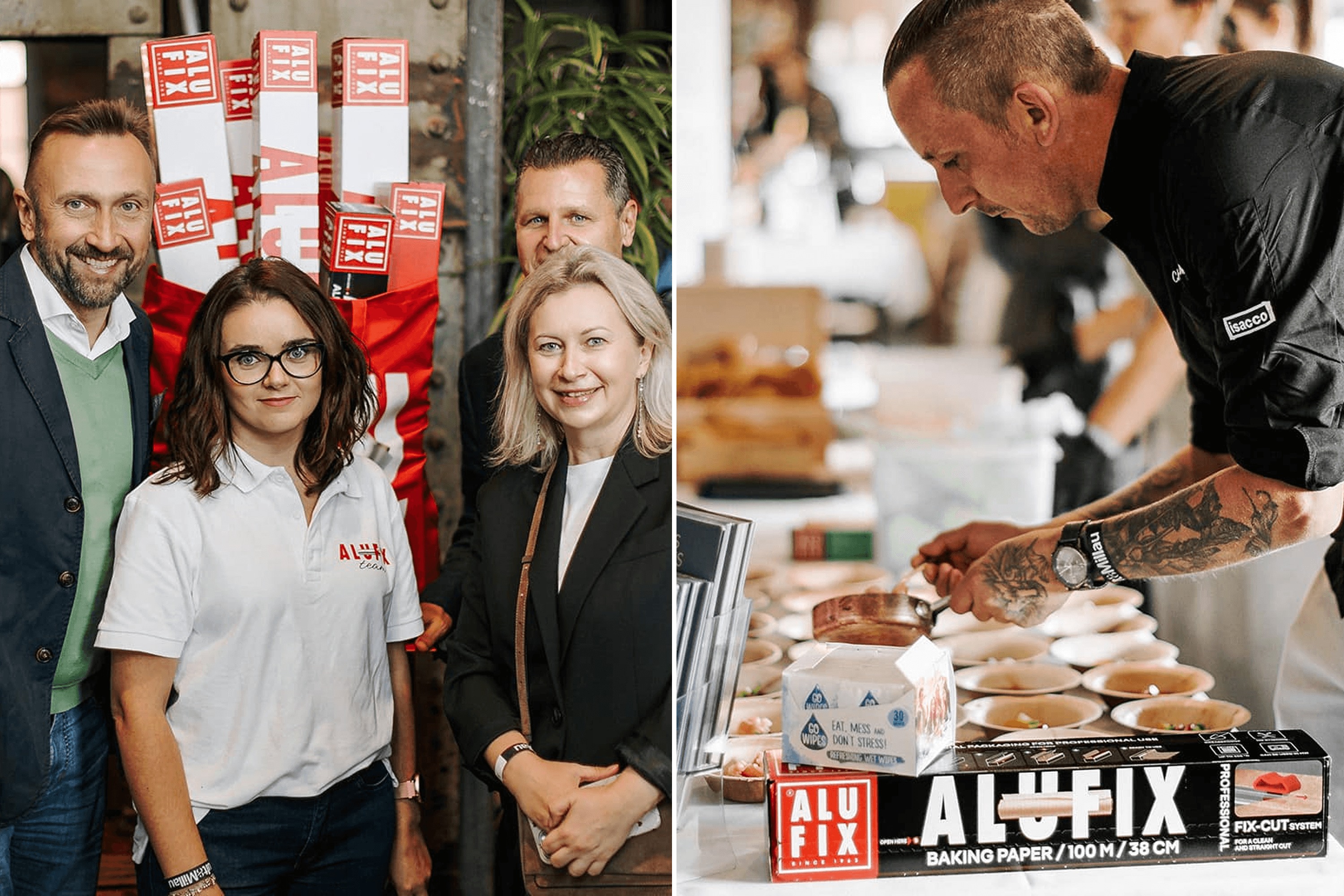
Some products from the Alufix brand. Photo: Biosphere Corporation / Facebook / YB 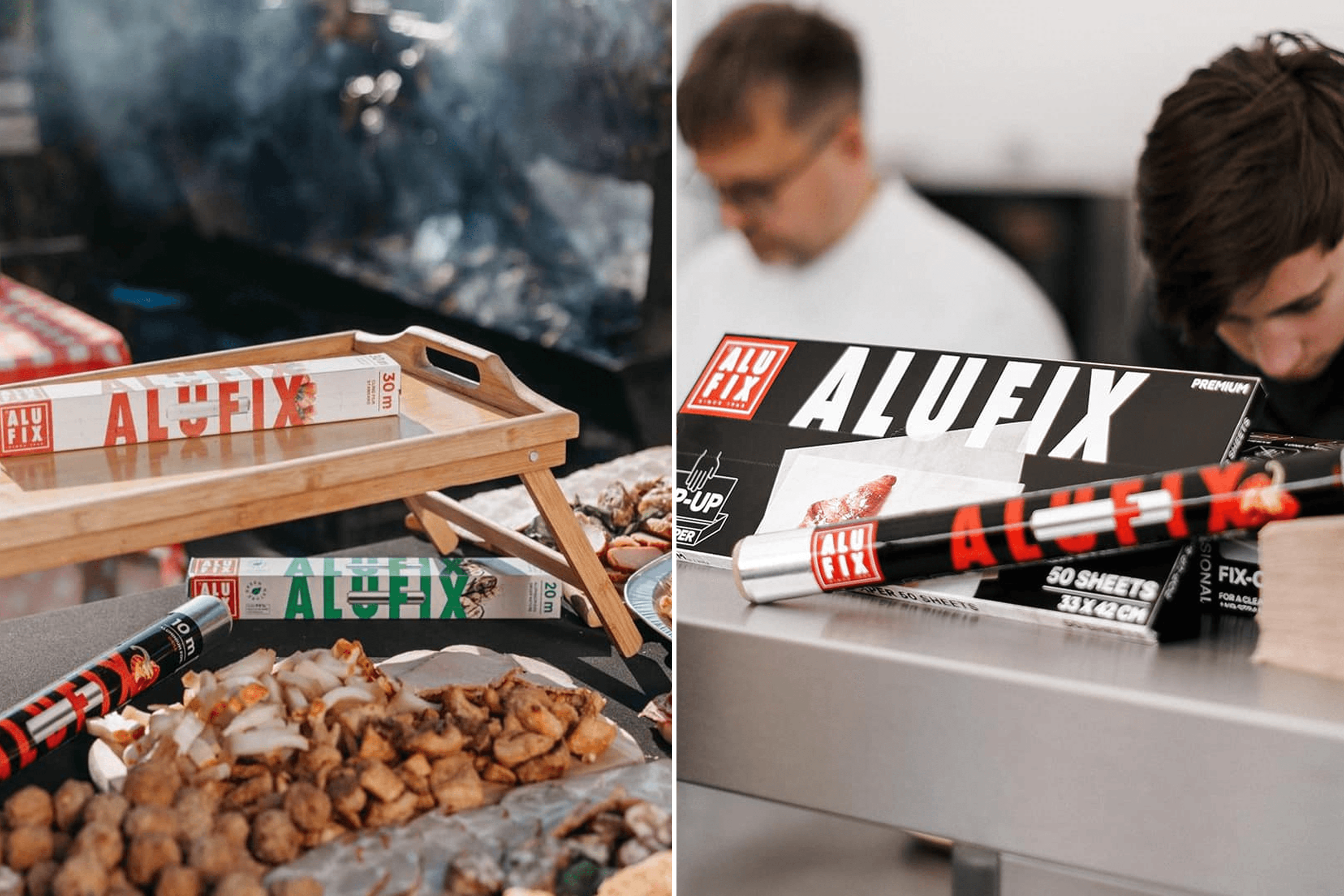
Photo: Biosphere Corporation / Facebook / YB 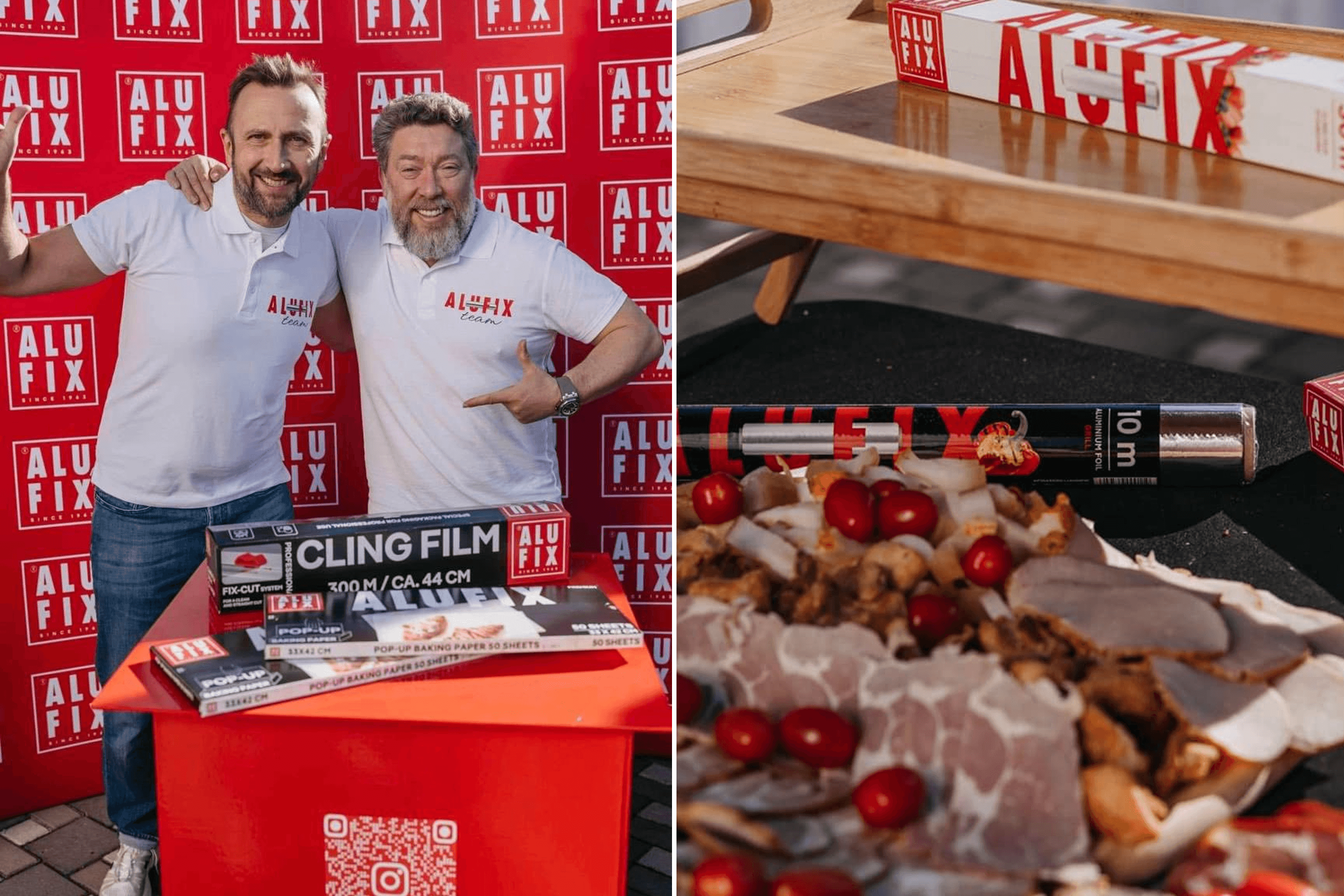
Photo: Biosphere Corporation / Facebook / YB 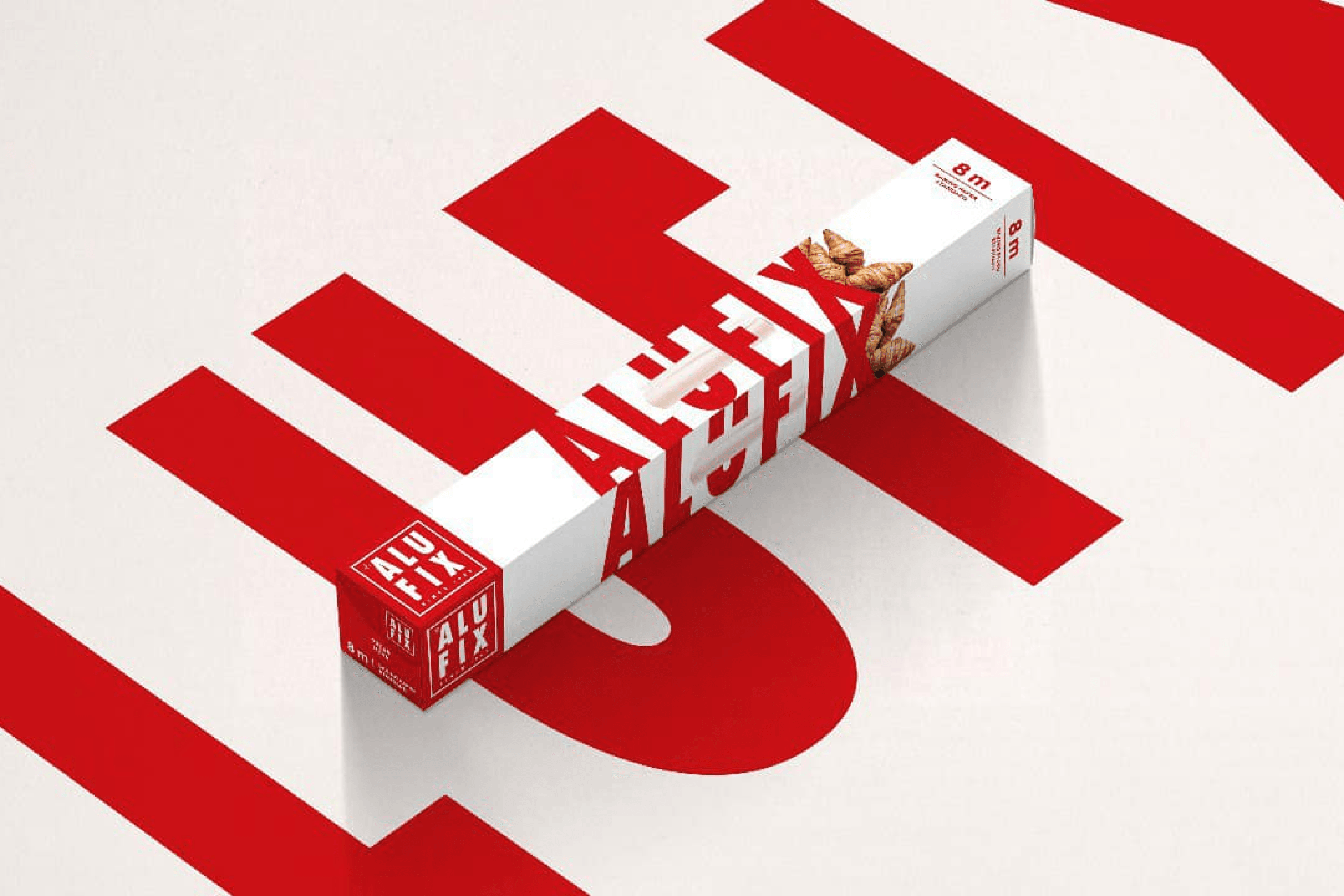
Photo: Biosphere Corporation / Facebook / YB
You also have a production facility in Estonia. Are you looking to acquire more manufacturing assets in Europe?
We have enough capacity. Early in the war, it was critically important to have not only a European brand but also manufacturing facilities and warehouses inside the European Union. That gave our commercial partners, more than 300 of them across the EU, confidence that supplies would continue uninterrupted despite the active fighting in Ukraine.
That is less critical now because, unfortunately, the war has become the norm. Beyond that, partners have been impressed by the quality of Alufix products made in Ukraine. Despite the war, it is just as high as what we produce in Romania.
Some of our facilities in Ukraine and abroad even have spare capacity. We have a plan for putting it to use, and that should take about two years. So at this point I see no reason to go looking for additional manufacturing sites in Europe.
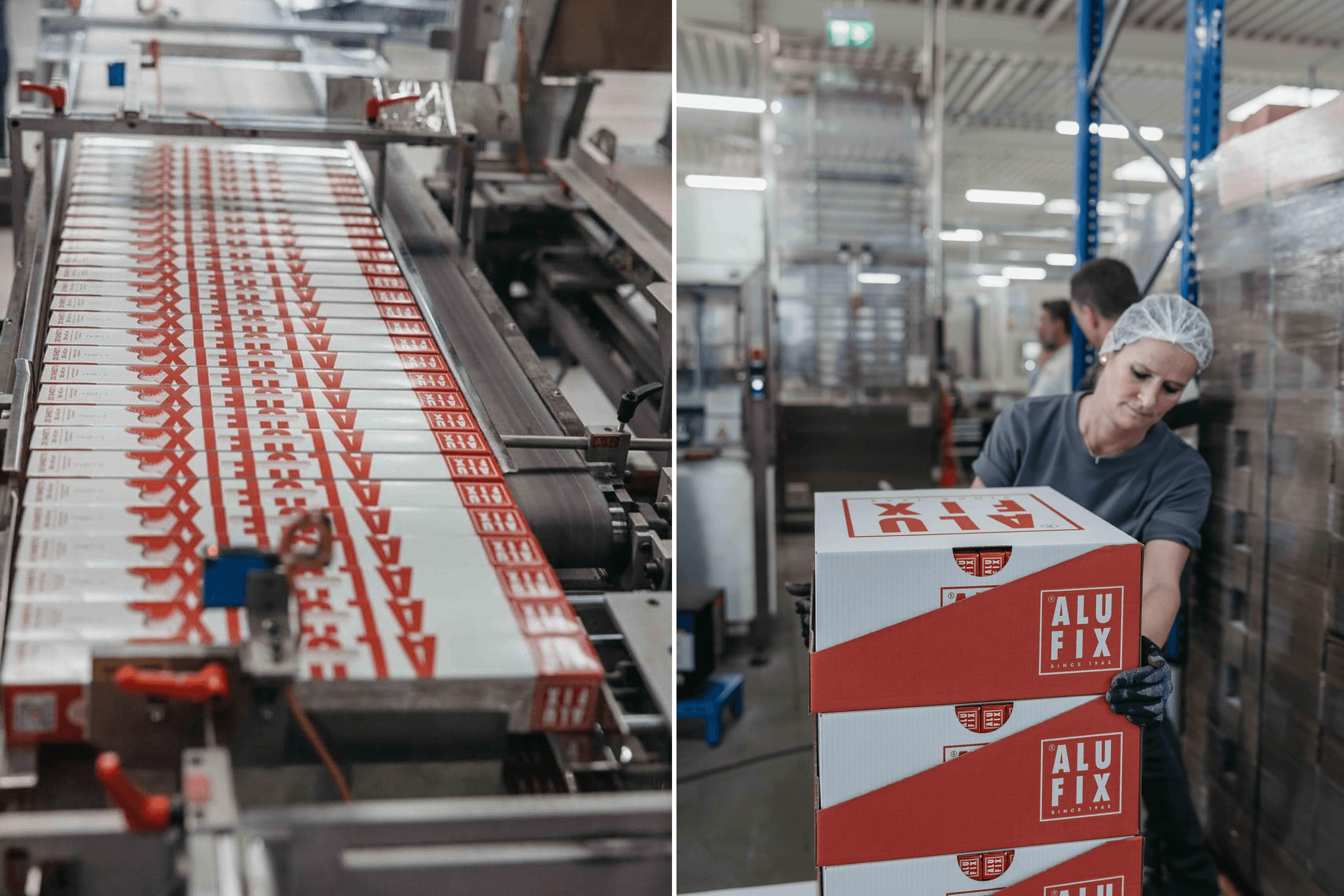
Alufix product manufacturing. Photo: Biosphere Corporation / Facebook / YB 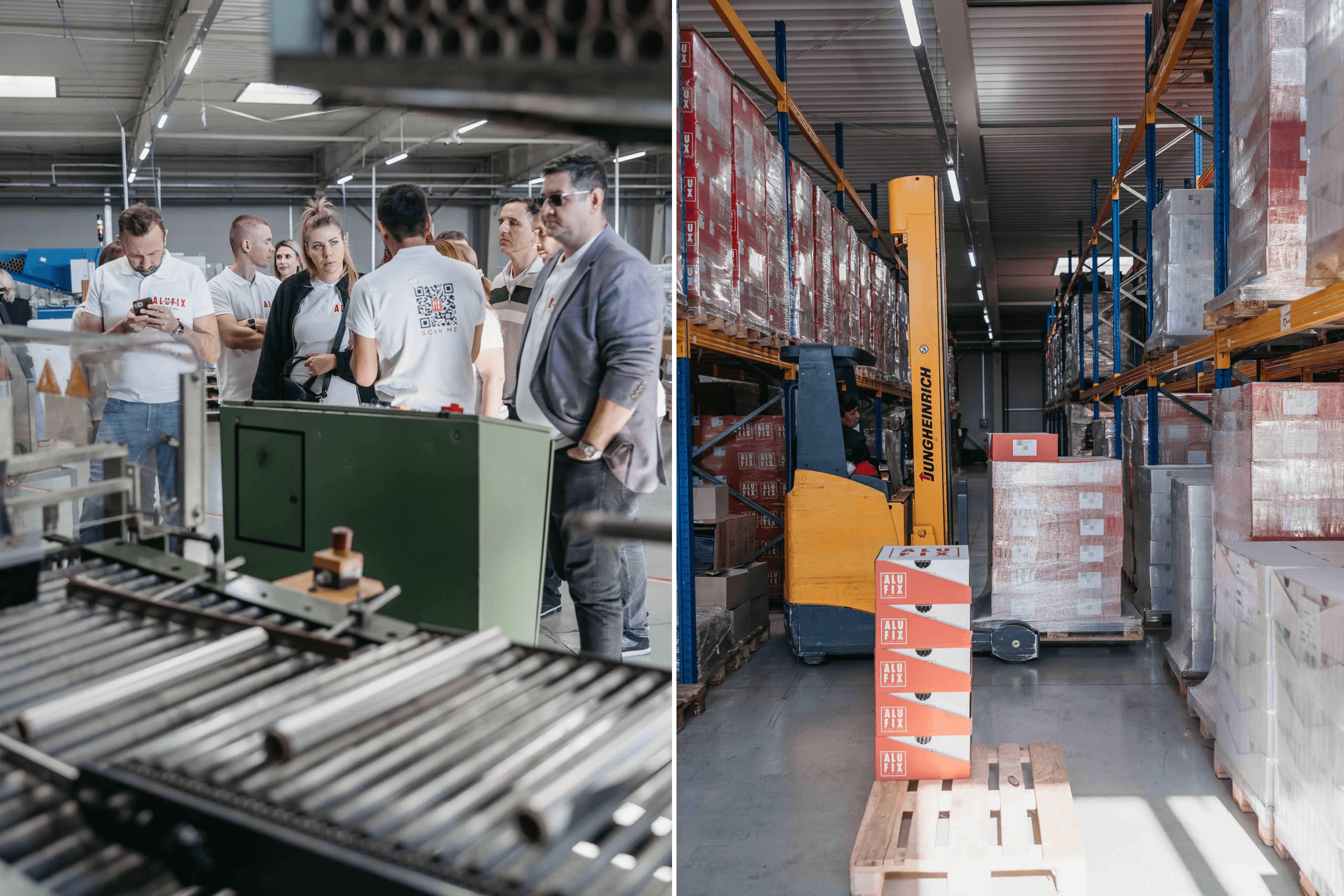
Photo: Biosphere Corporation / Facebook / YB 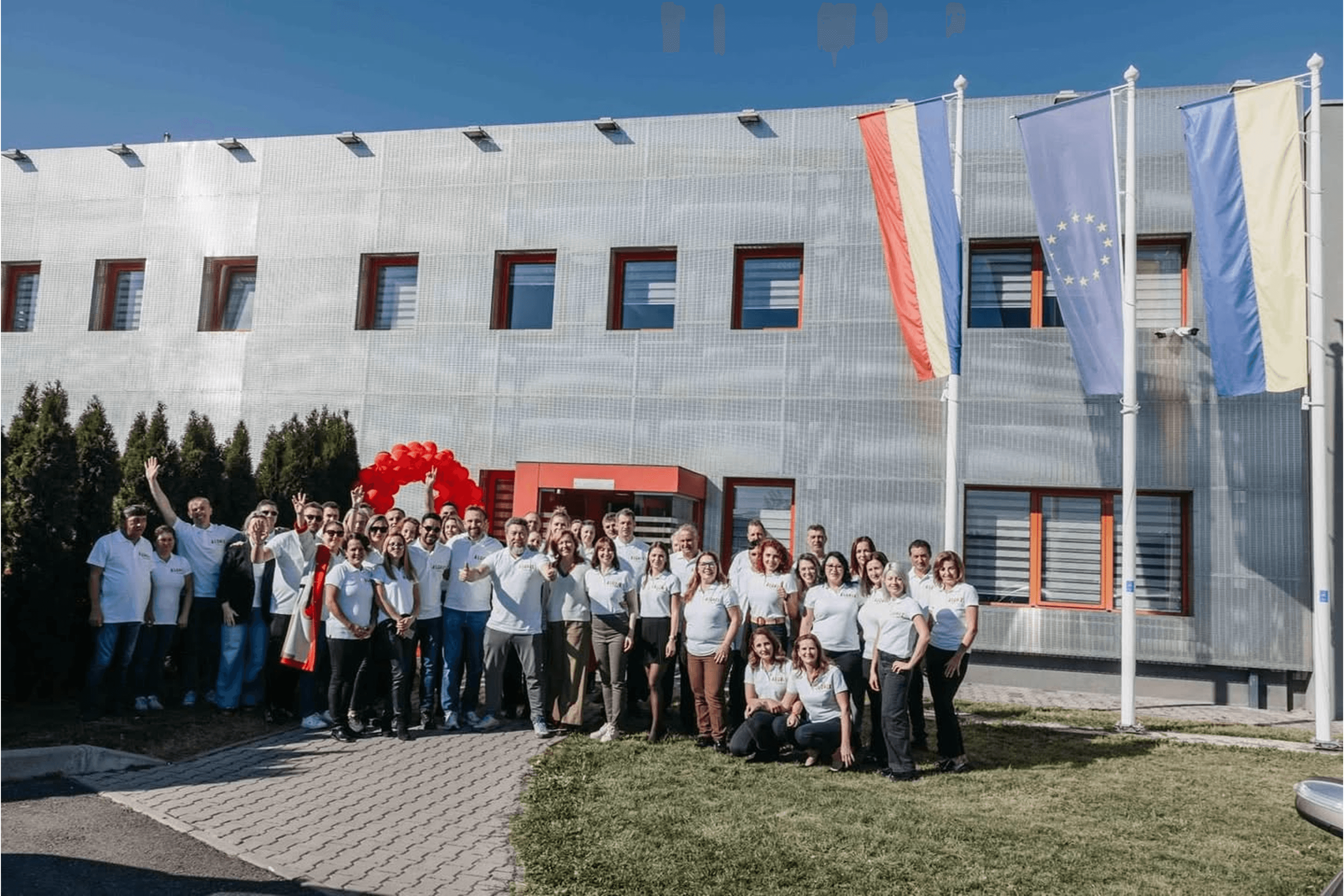
Photo: Biosphere Corporation / Facebook / YB
How do you compete with global corporations in the European market? What is your competitive advantage?
We occupy a niche that the large multinational giants, the ones we call Blue Chips, Procter & Gamble and Unilever for example, have not entered. They operate in the household goods category, but they do not make accessories for cleaning and food preparation.
On store shelves, we compete with mid-sized companies. In Central Europe, the main one is the Greek company Sarantis. Its turnover is higher than Biosphere's, reaching €600 million, with roughly a third coming from products in our niche. We are essentially peers.
Sarantis leads in Greece and Poland. We lead in Ukraine, in smaller countries like Slovenia and Moldova, and in Central Asia, Kazakhstan in particular. In some countries, such as the Czech Republic, Slovakia, and Hungary, we compete head-to-head. In others, Austria for instance, Sarantis is not present at all. So our competition is regional.
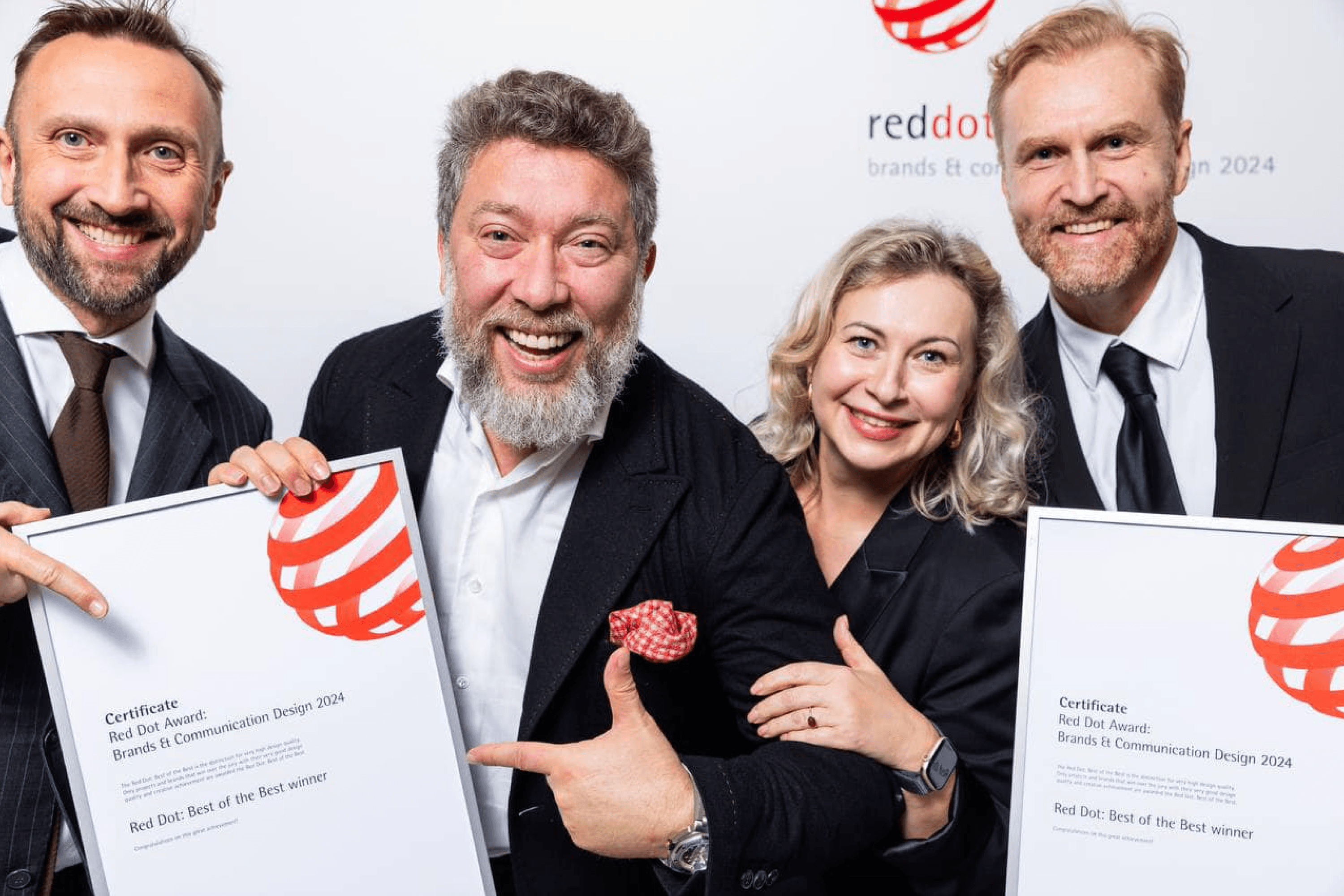
One of our advantages is that, alongside product quality, we invest heavily in design and marketing, which means our products often stand out on the shelf. In 2024, Alufix won a Red Dot Award, one of the top design recognitions in the world.
Biosphere exports to 25 countries. Your key markets are Europe and Central Asia. How do conditions differ across these regions?
The farther west you go from Ukraine, the more conservative consumers and retail buyers tend to be. The farther east, the more open markets are to new players. In Asia, that cuts both ways. In Kazakhstan, for instance, where we are an established market leader with the Freken BOK brand, new competitors can suddenly appear. It keeps us on our toes.
Europe's conservatism can slow down market entry. That is precisely why we need Alufix as a local brand. Local partners have known it for years, which makes negotiations much easier. Having local offices and managers who speak their partners' languages fluently matters too.
Because we are present in both Ukraine and Europe, we can anticipate trends that are only beginning to take shape in Asia. Cleaning wipes, for example, are booming in Ukraine right now, while in Central Asia they are only just appearing on shelves and consumers there do not yet appreciate their value. It is almost like having a time machine: we know what will be in demand in Asia a year from now. That lets us be pioneers. In business, you do not always have to be the best. Sometimes it is enough to be first.
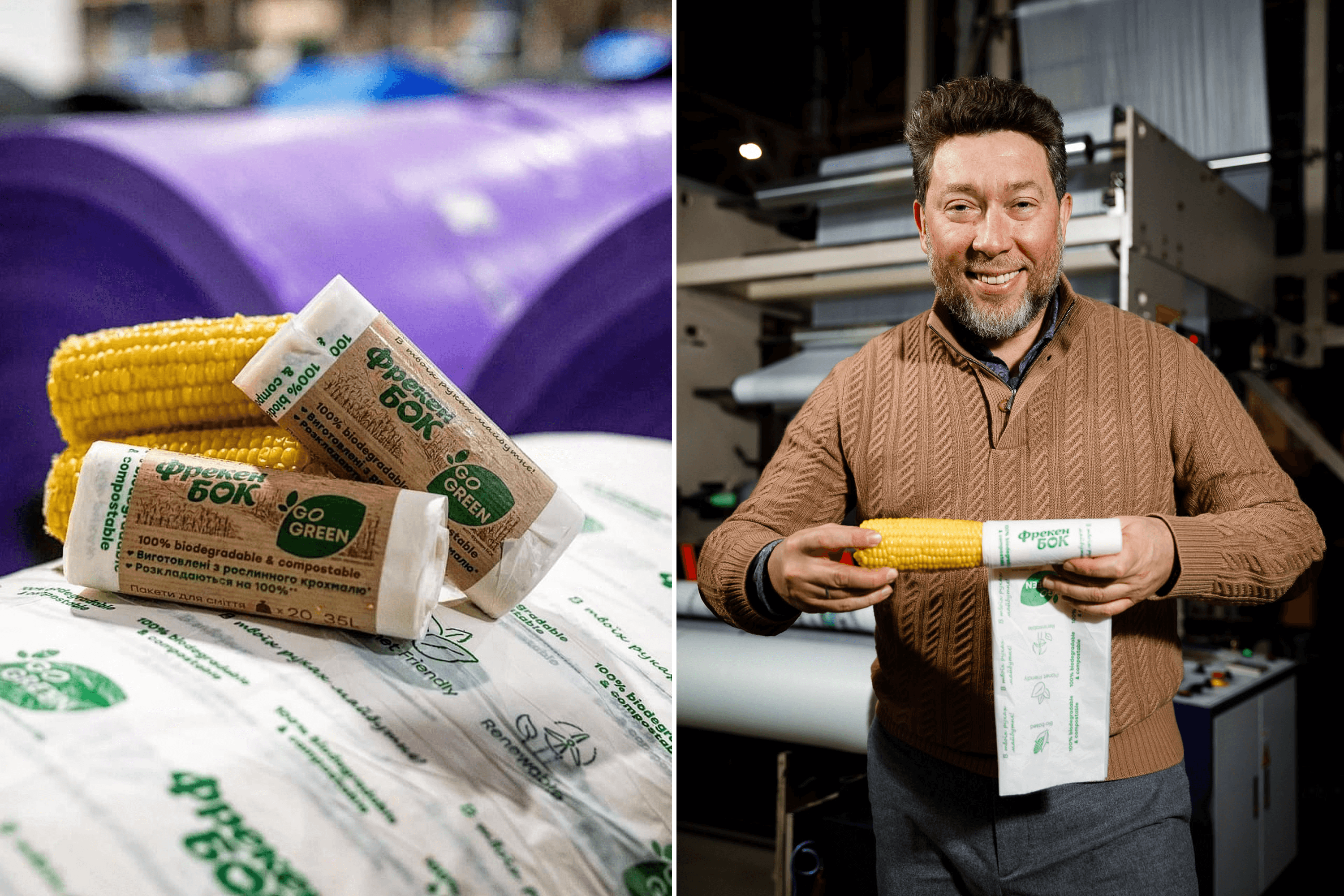
Some products from the Freken BOK brand. Photo: Biosphere Corporation / Facebook / YB 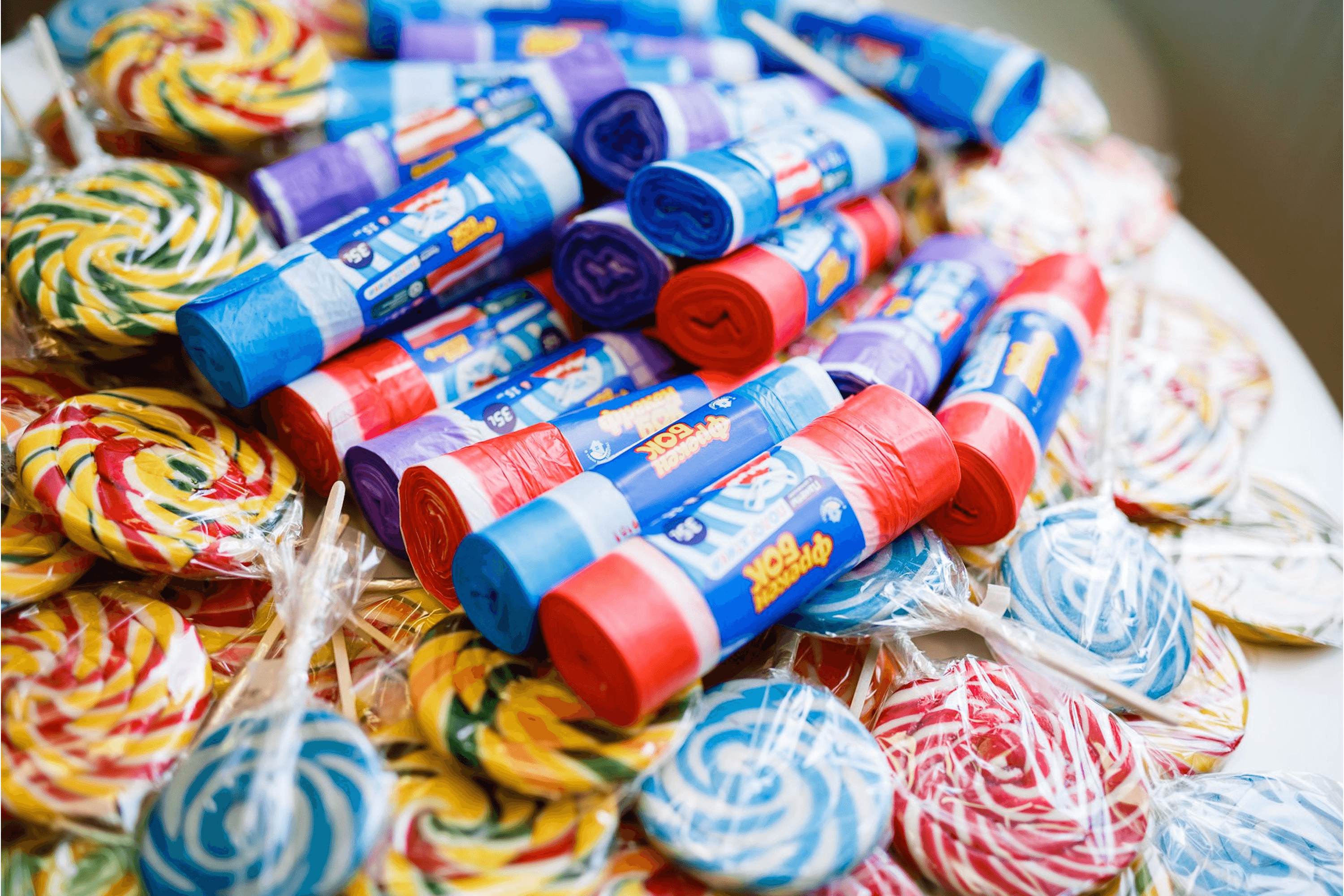
Photo: Biosphere Corporation / Facebook / YB 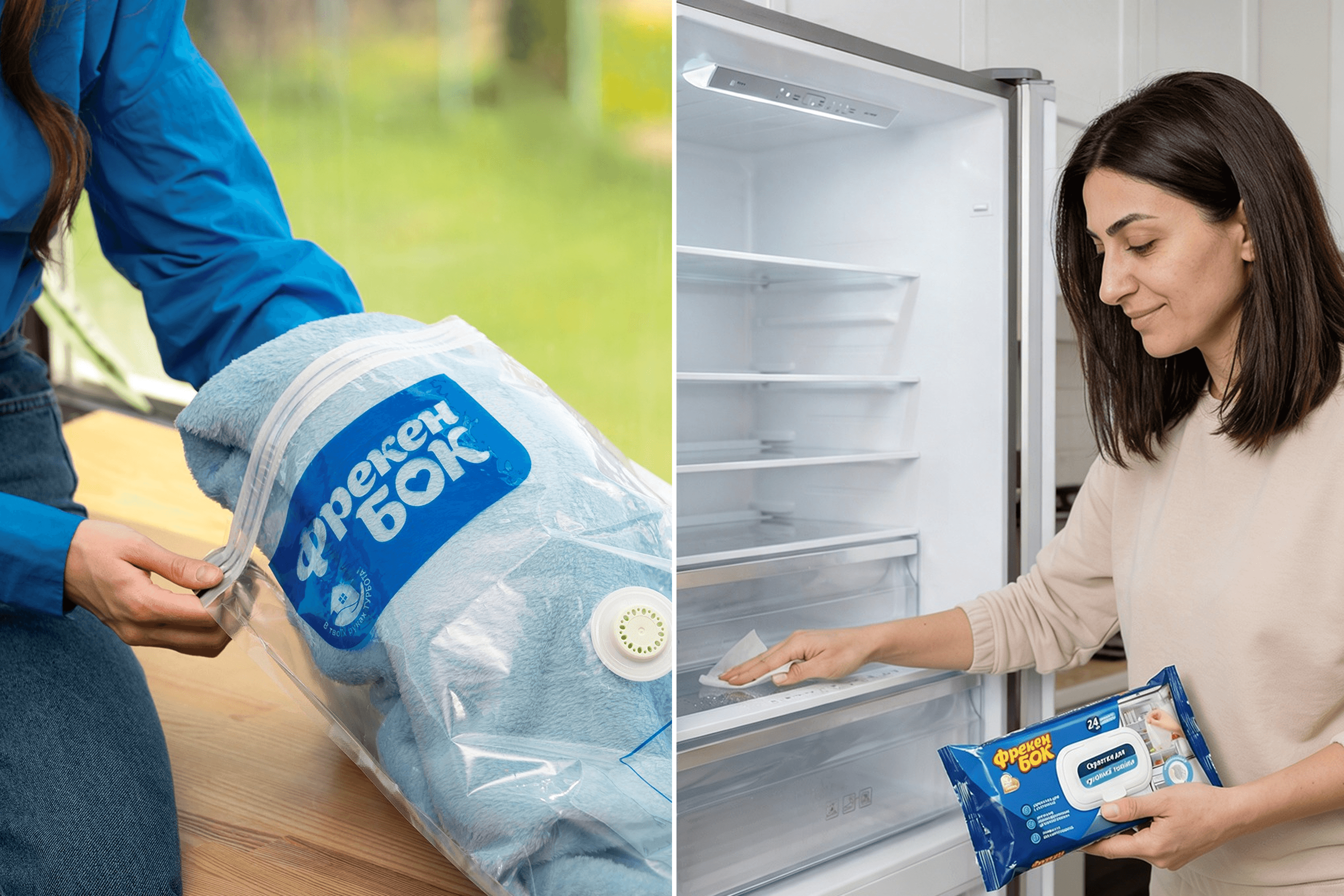
Photo: Biosphere Corporation / Facebook / YB 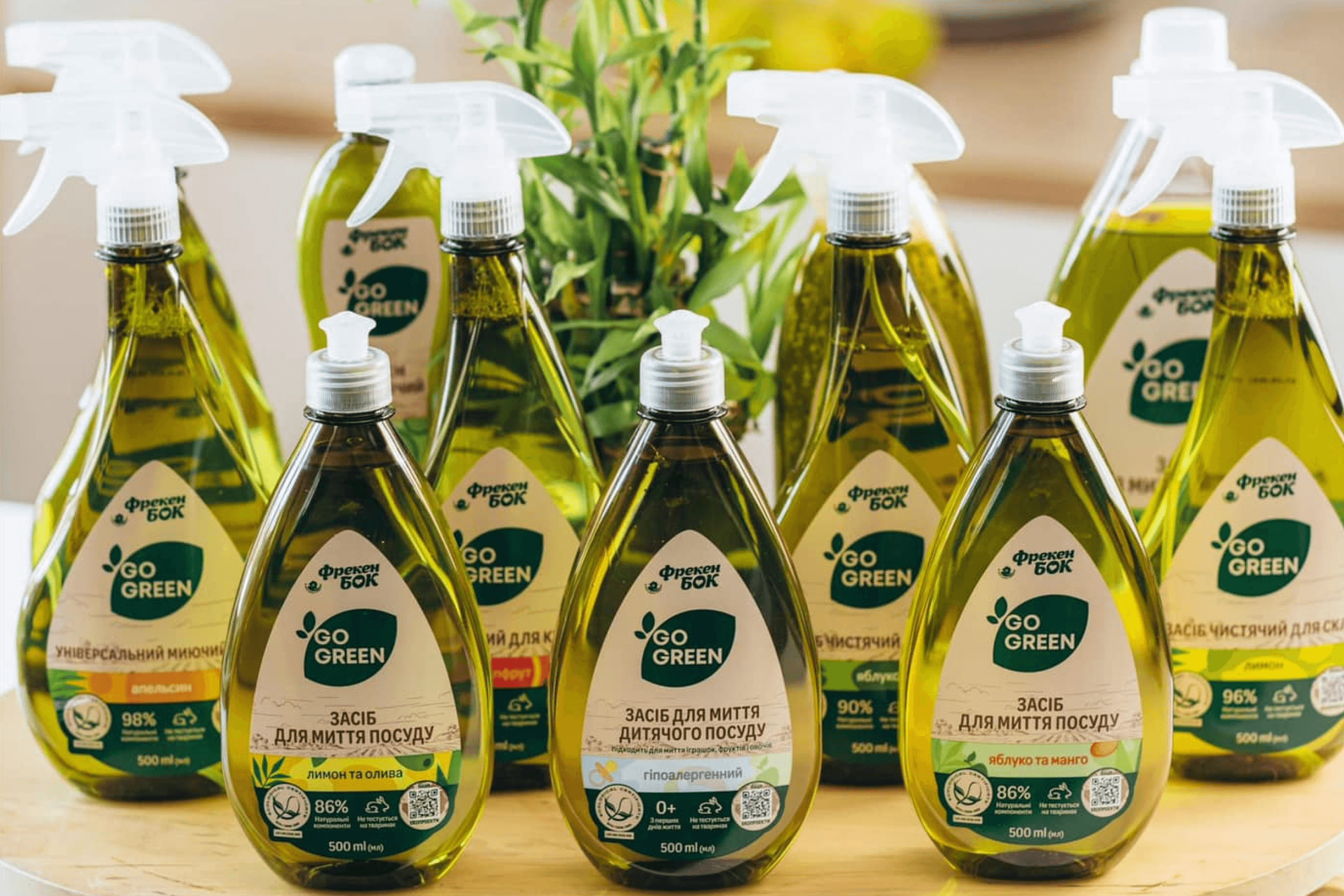
Photo: Biosphere Corporation / Facebook / YB 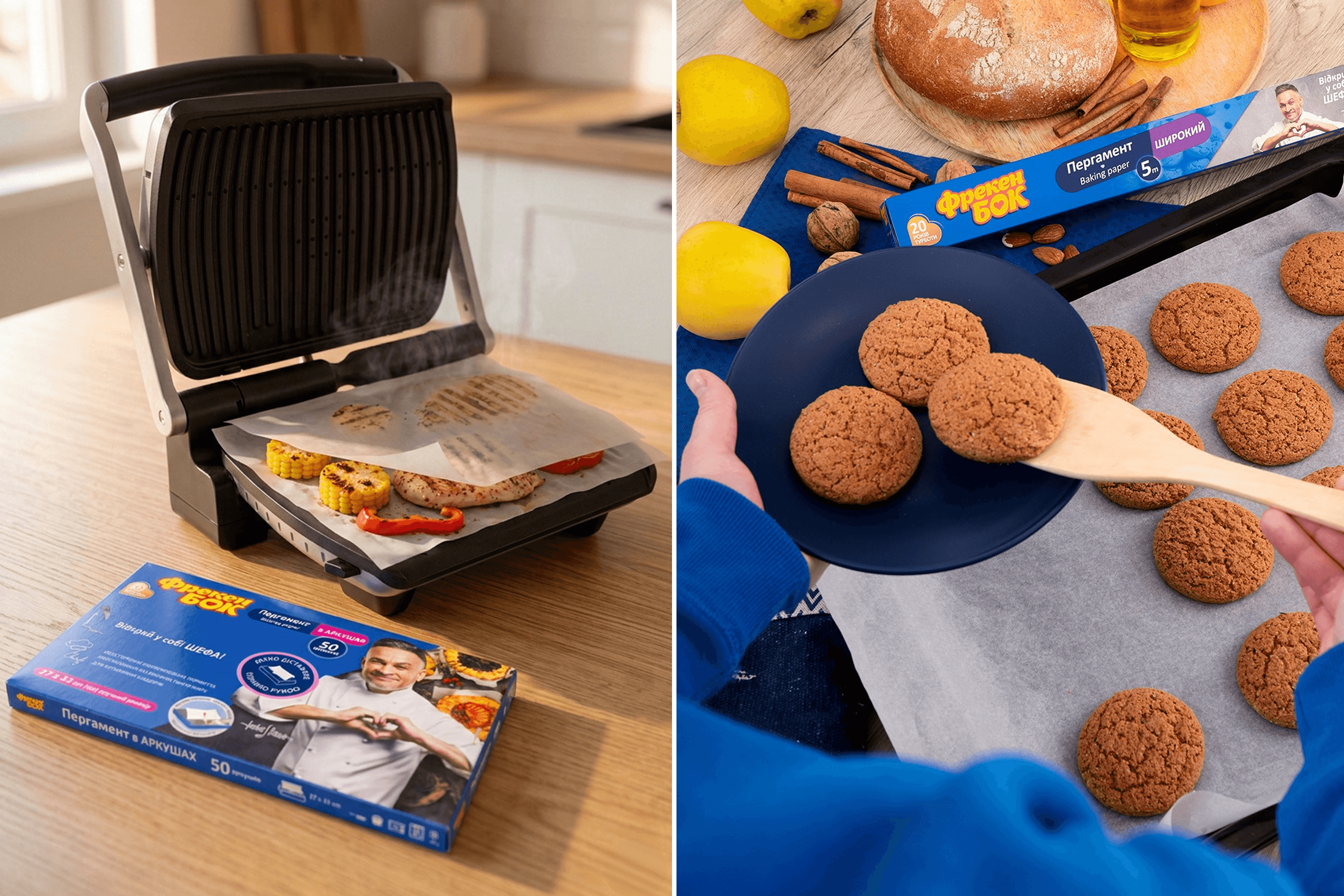
Photo: Biosphere Corporation / Facebook / YB 
Photo: Biosphere Corporation / Facebook / YB
Who are your main competitors in Asian markets?
Mostly Turkish and Chinese companies. Competing with Chinese products is not easy. They are masters of production efficiency, fast and high-volume. There used to be questions about quality, but it has improved rapidly. China also subsidizes exports at the state level, which makes it easier for Chinese manufacturers than for us to build out logistics in Central Asia. For now, though, they still lag behind us in marketing and packaging design.
Turkish companies are very active in the Caucasus market, especially in the wet wipes segment. They produce in eastern Turkey, in Gaziantep, and then effectively "throw it over the fence" into South Caucasus countries. That saves them on logistics, and they put those savings into promotion and brand awareness. We, by contrast, ship from Ukraine through Turkey, which is a longer and more expensive route.
Do you plan to buy a factory in Central Asia to simplify logistics?
Yes, absolutely. One of the most important rules of international business is to be as close to the consumer as possible. We export a significant volume of products to Central Asia, so acquiring production capacity there could really pay off. Moreover, it could be more beneficial than a factory in Romania, since Romania is close to Ukraine and the logistics cost difference is not that significant.
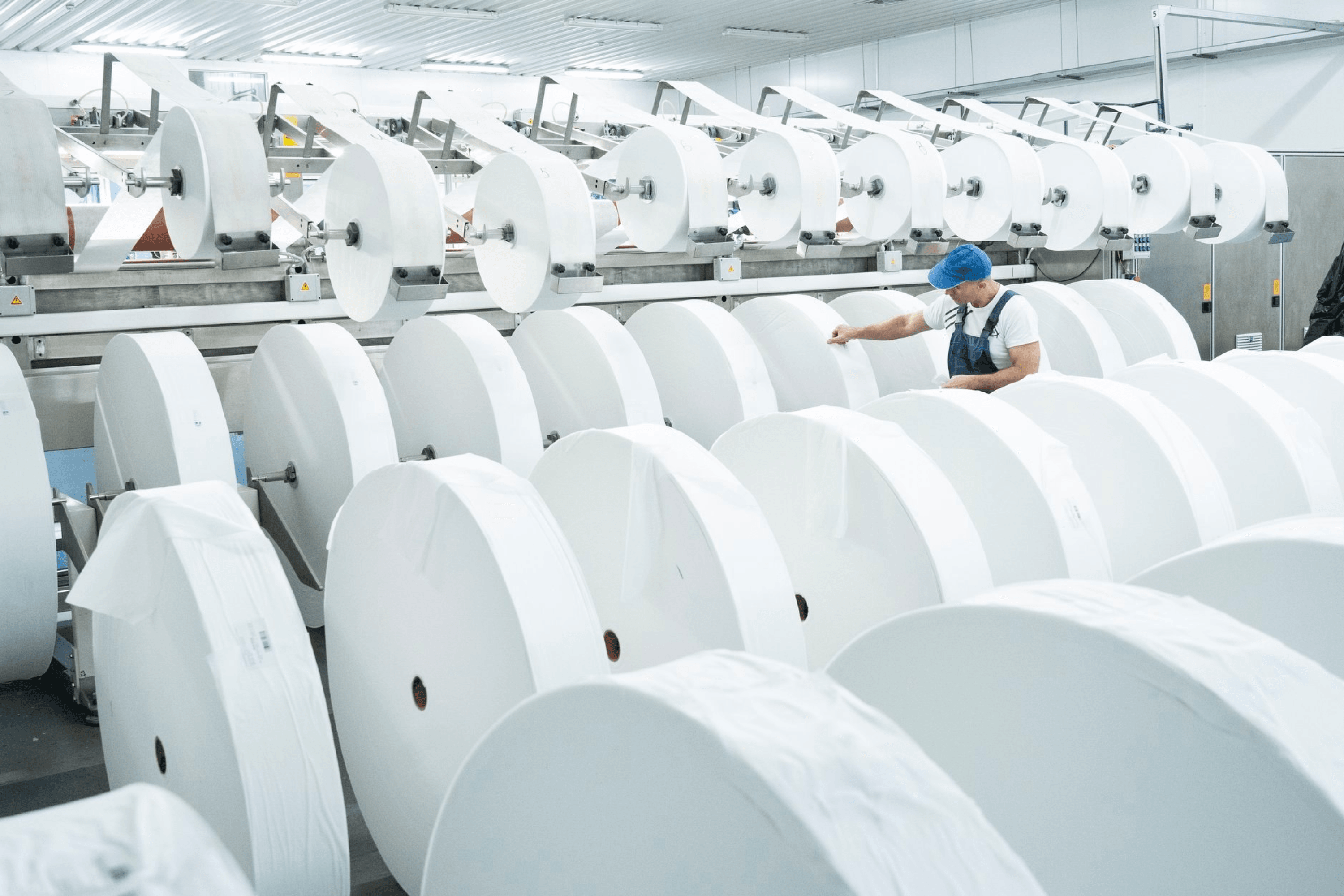
Smile wet wipes production. Photo: Biosphere Corporation / Facebook / YB 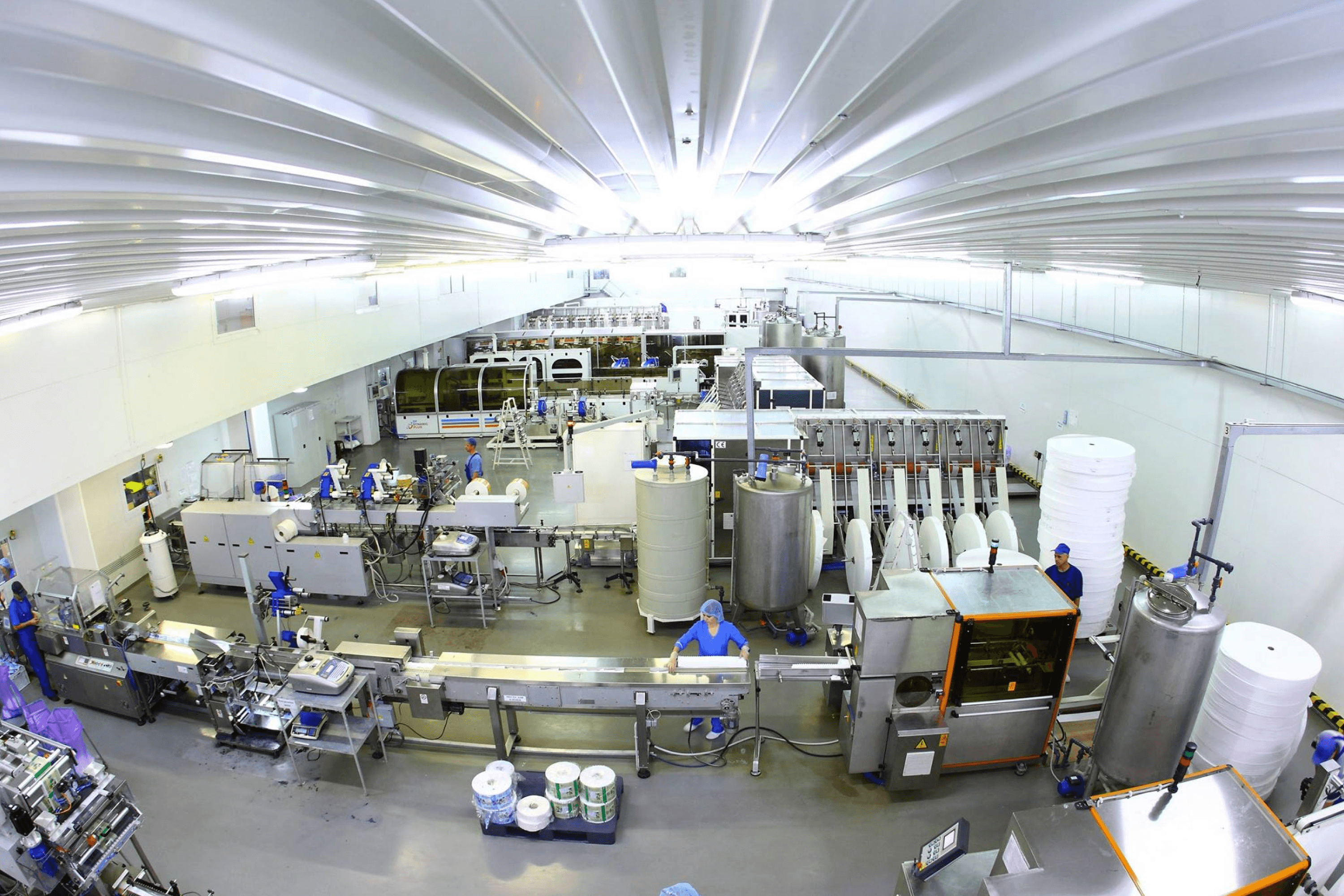
Photo: Biosphere Corporation / Facebook / YB 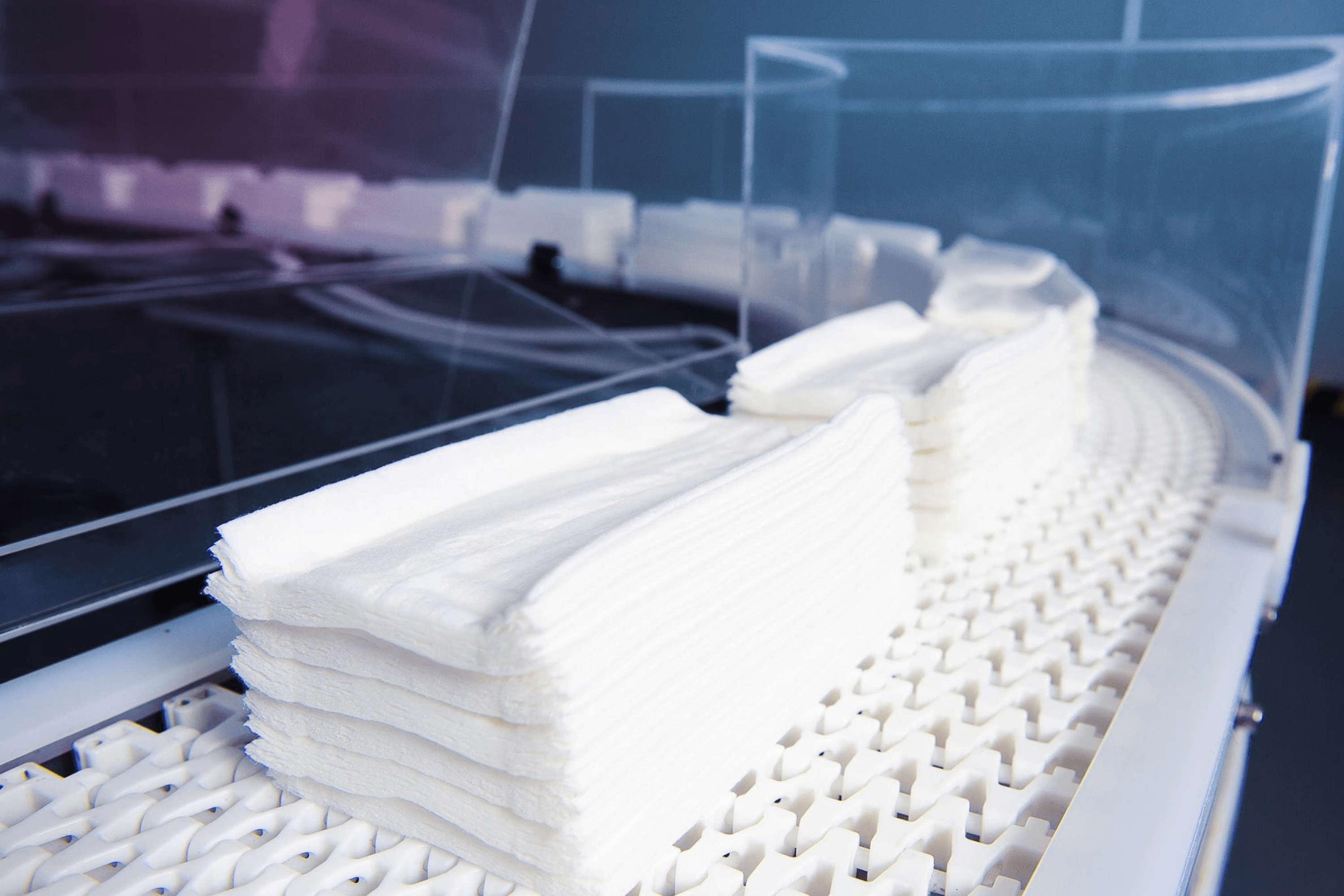
Photo: Biosphere Corporation / Facebook / YB 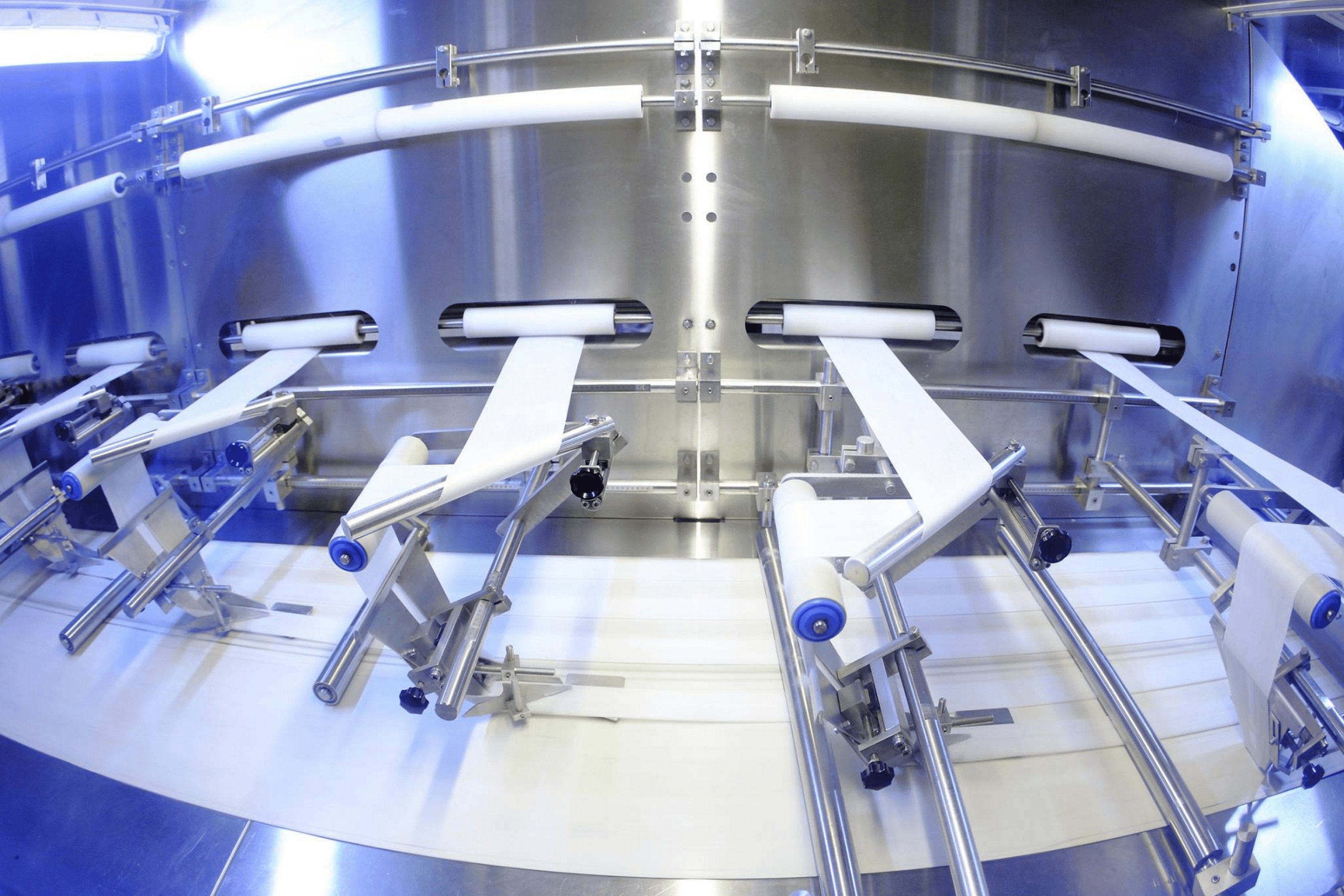
Photo: Biosphere Corporation / Facebook / YB 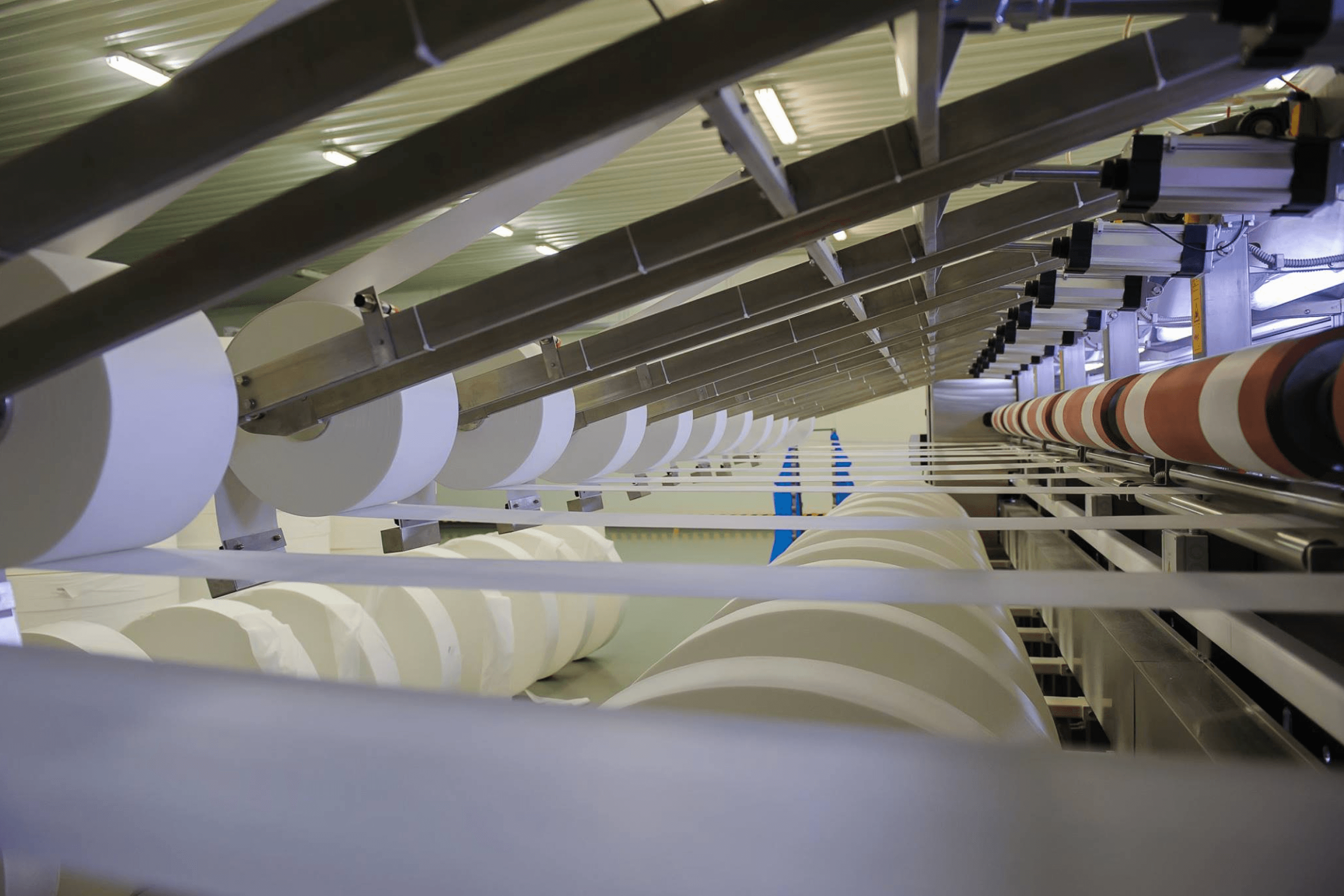
Photo: Biosphere Corporation / Facebook / YB 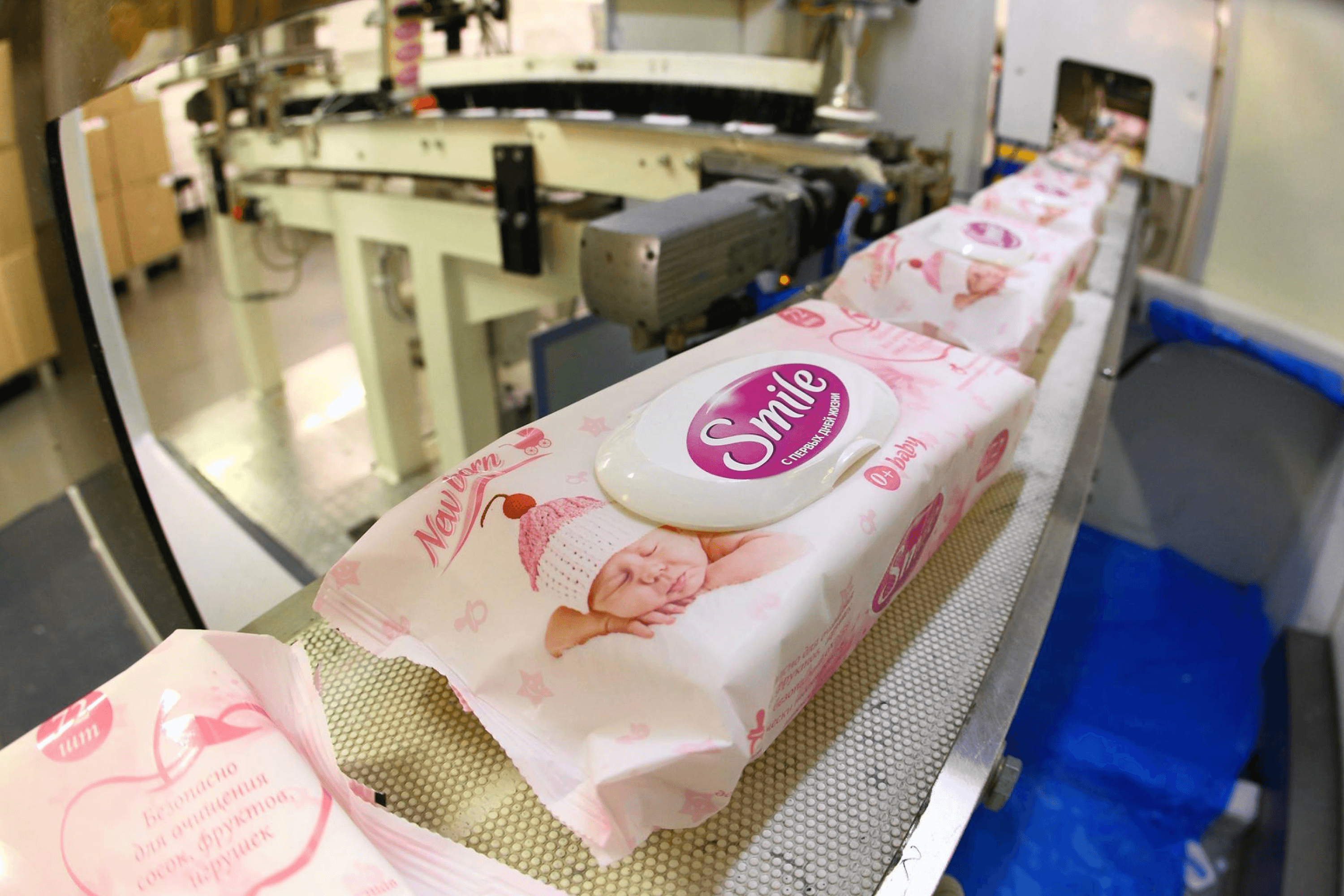
Photo: Biosphere Corporation / Facebook / YB
We just need to settle on the right location. We considered Uzbekistan, but there are regulatory restrictions there on both imports and garbage bag production. We are now looking at other markets in the region, though there are no specific projects or agreements to discuss yet.
To avoid losing time while we have no local production, we work with outsourcing partners in China and Uzbekistan. They manufacture products under our brand, and we save on both time and logistics. It works out well even after accounting for their markups.
Biosphere founder Andriii
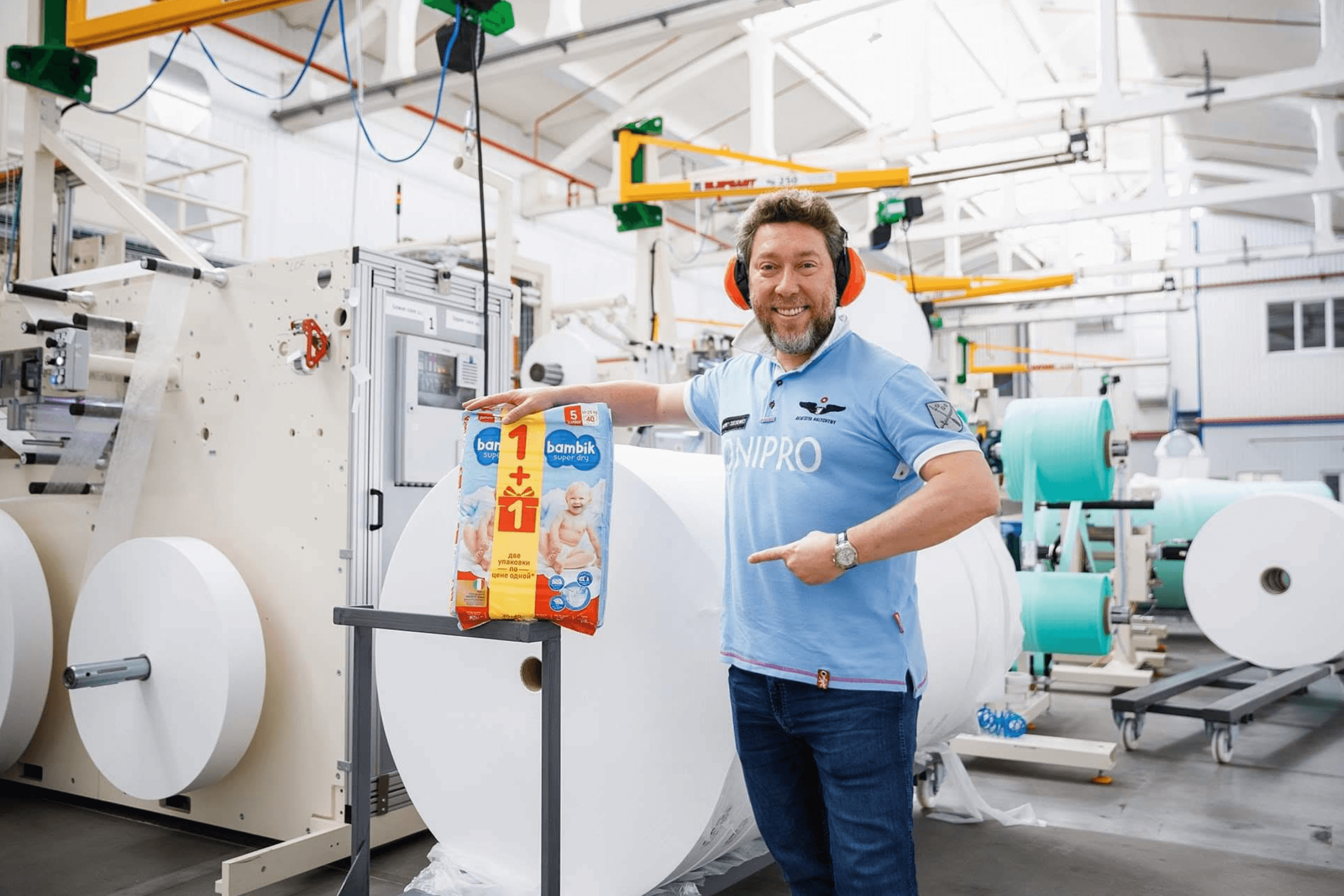
Andriy Zdesenko, founder of Biosphere Corporation, during the launch of the Bambik diaper manufacturing project in Ukraine. 2019. Photo: Biosphere Corporation / Facebook / YB 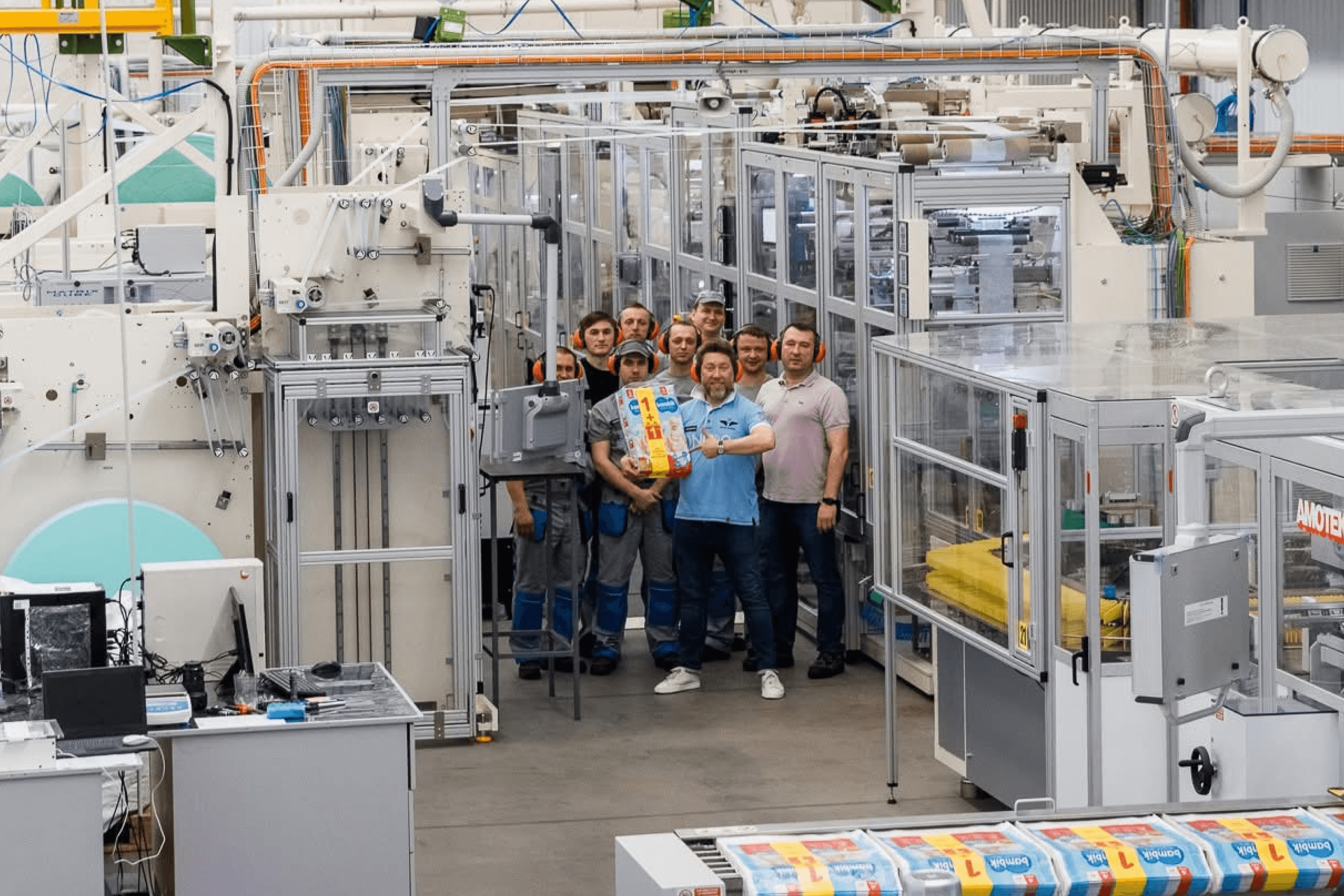
Photo: Biosphere Corporation / Facebook / YB 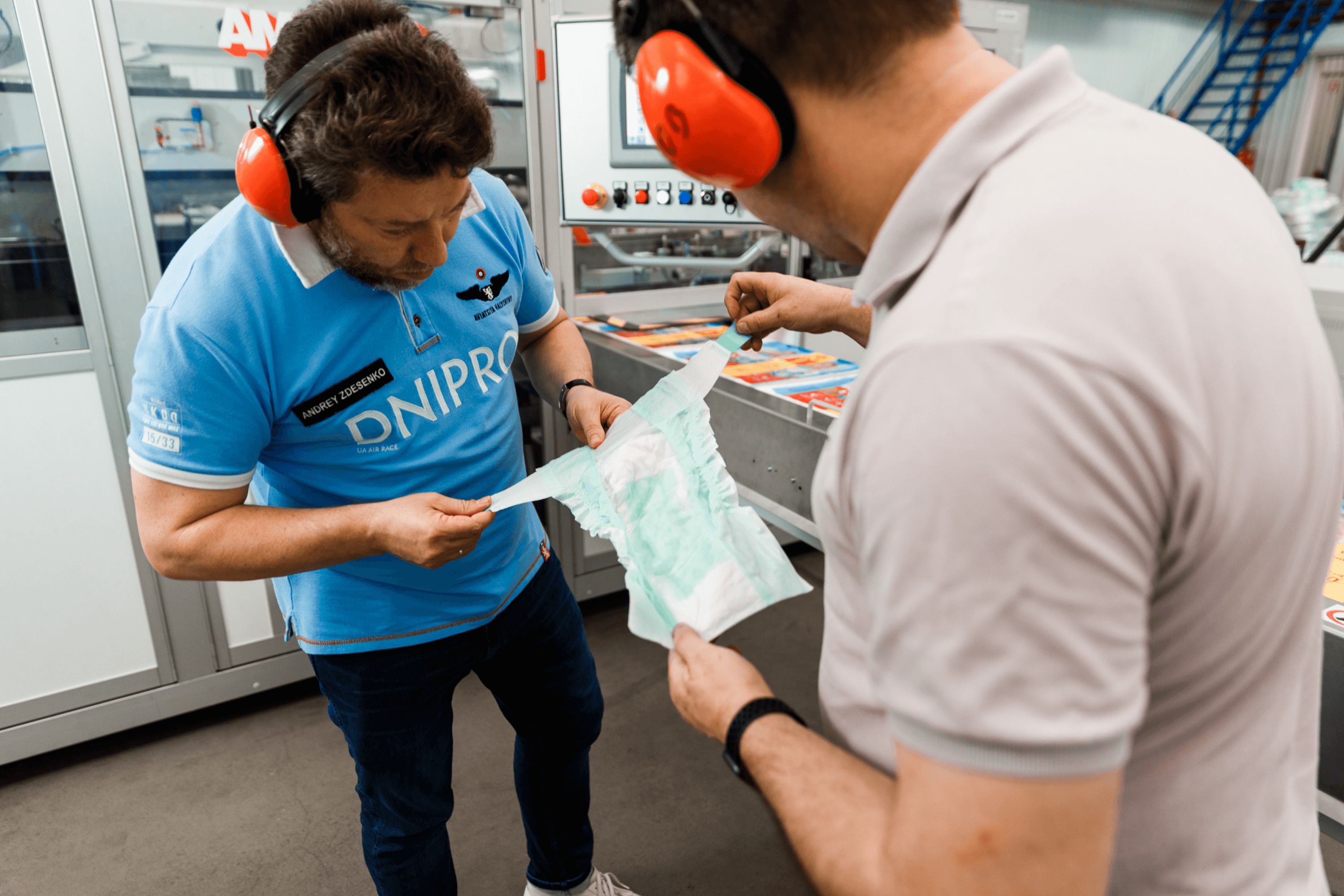
Photo: Biosphere Corporation / Facebook / YB 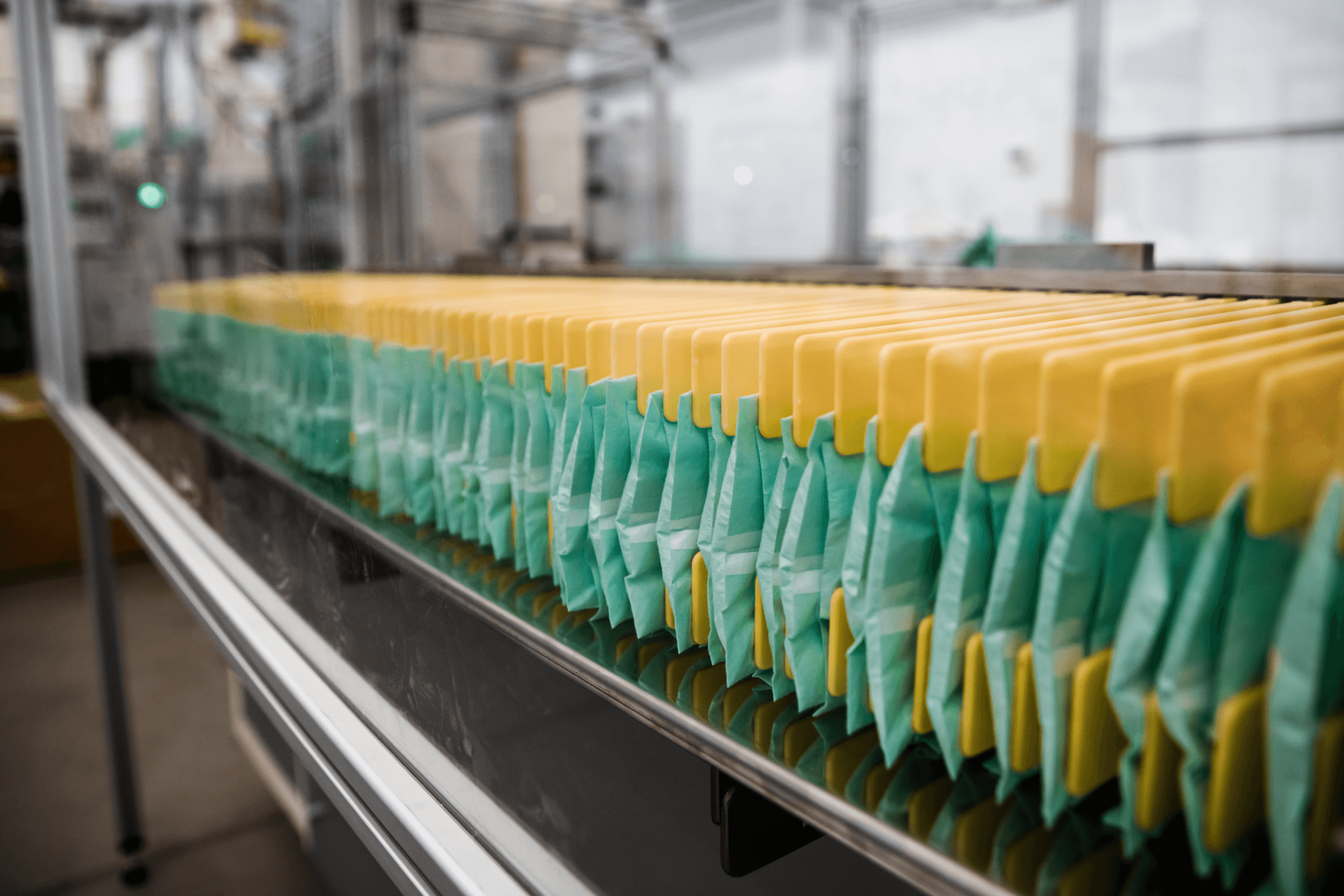
Photo: Biosphere Corporation / Facebook / YB
What are the biggest challenges Biosphere faces right now, and what are you doing to address them? For instance, how much damage did the Russian strike that completely destroyed part of the warehouses and production facilities in Dnipro in April 2025 cause?
We simply work harder than our competitors (laughs). What happened to our warehouse could, unfortunately, happen to any business in Ukraine. That is why we are diversifying our production assets to ensure uninterrupted manufacturing and supply.
The worst part was losing our colleague and the others who were injured. We cannot give them back their lives or their health. We did make new products, though it took a few months. It was painful, but not critical for the business.
Our biggest challenge right now is rising costs. Electricity prices climbed over this difficult winter, and because of constant outages we were spending money on alternative energy sources on top of that.
Raw material prices are rising too, polyethylene and aluminum in particular. That is coming from the war in Iran and the closure of the Strait of Hormuz. To keep buying those materials, we have had to raise prices for our trading partners, who pass those increases on to end consumers. We are also raising salaries so that employees can live decently in this economic situation. It becomes an inflationary cycle. And it is not only a Ukrainian problem because the war in Iran concerns everyone. For example, it has pushed up fuel prices, which in turn has driven up the cost of airline tickets and cut the number of available flights.
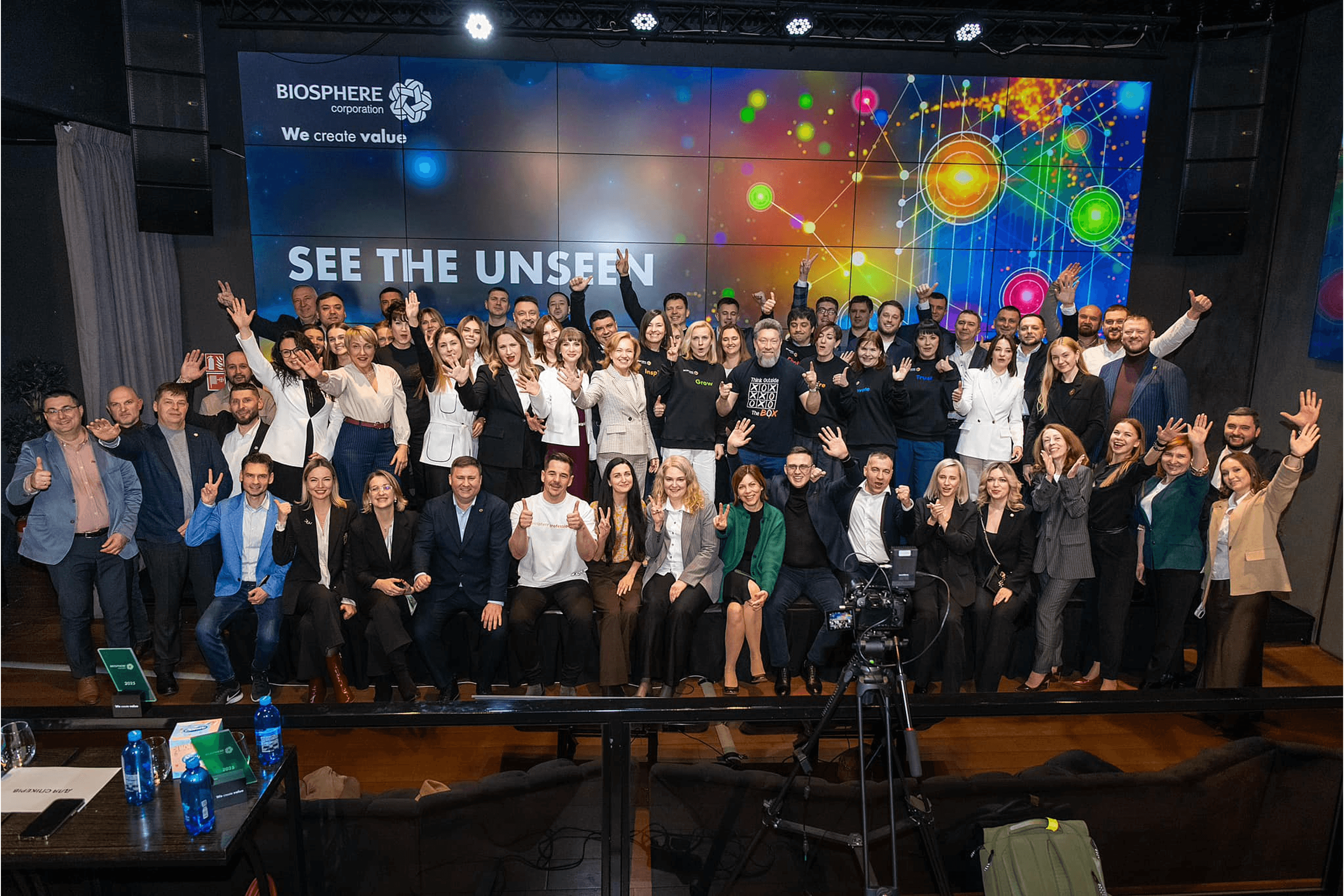
Biosphere Corporation executives during the annual TOP-60 strategic conference. Ukraine, 2025 Photo: Biosphere Corporation / Facebook / YB 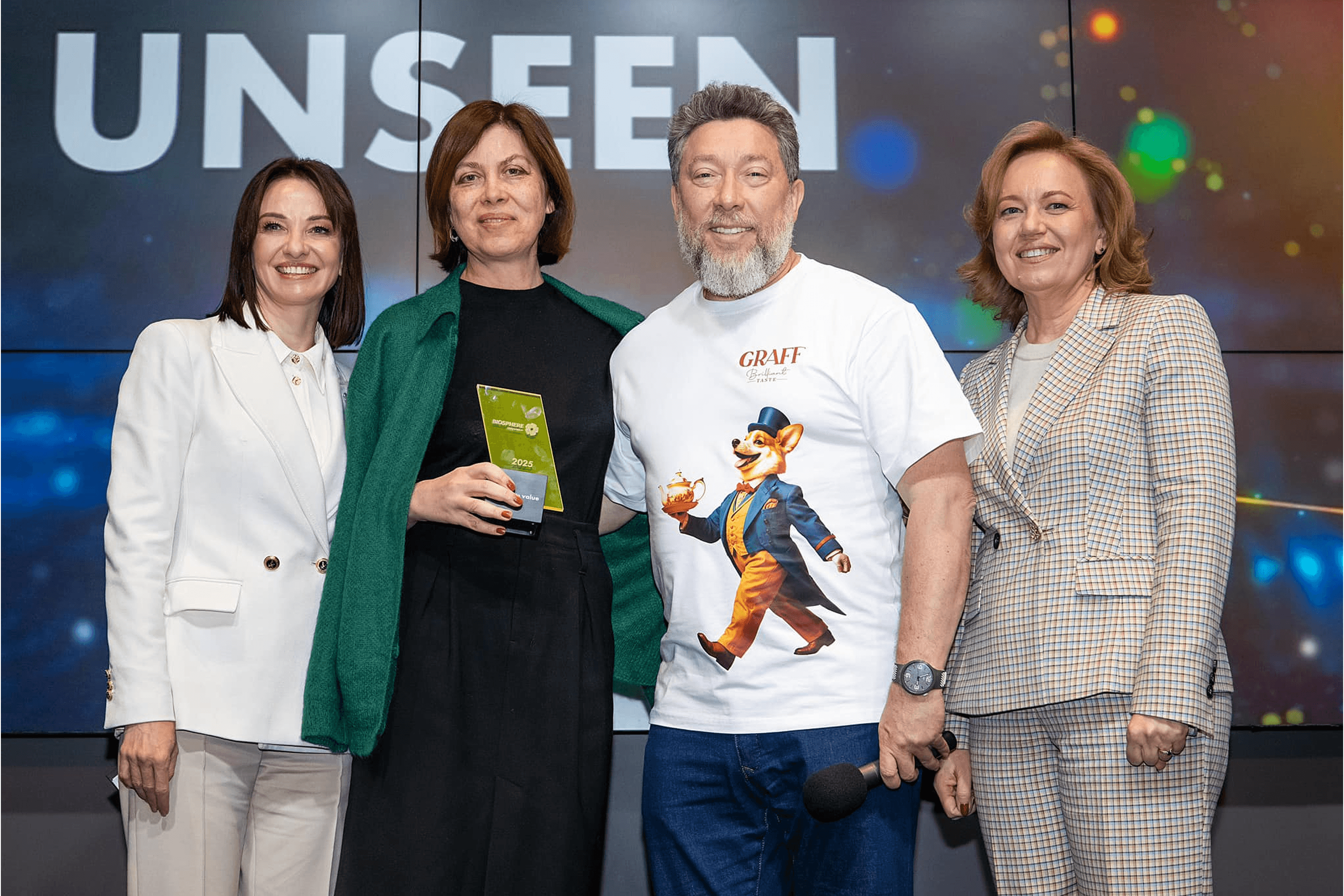
Photo: Biosphere Corporation / Facebook / YB 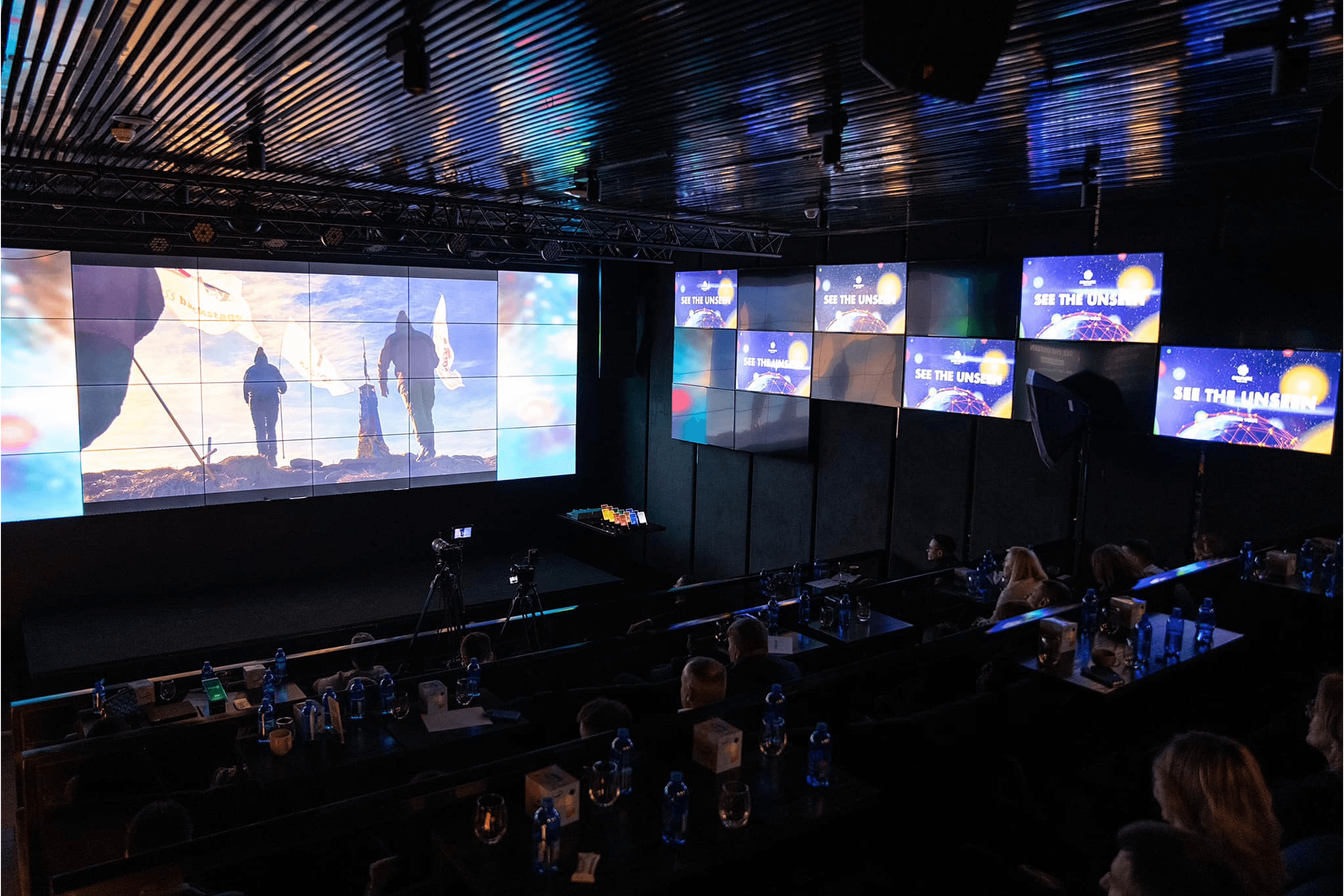
Photo: Biosphere Corporation / Facebook / YB 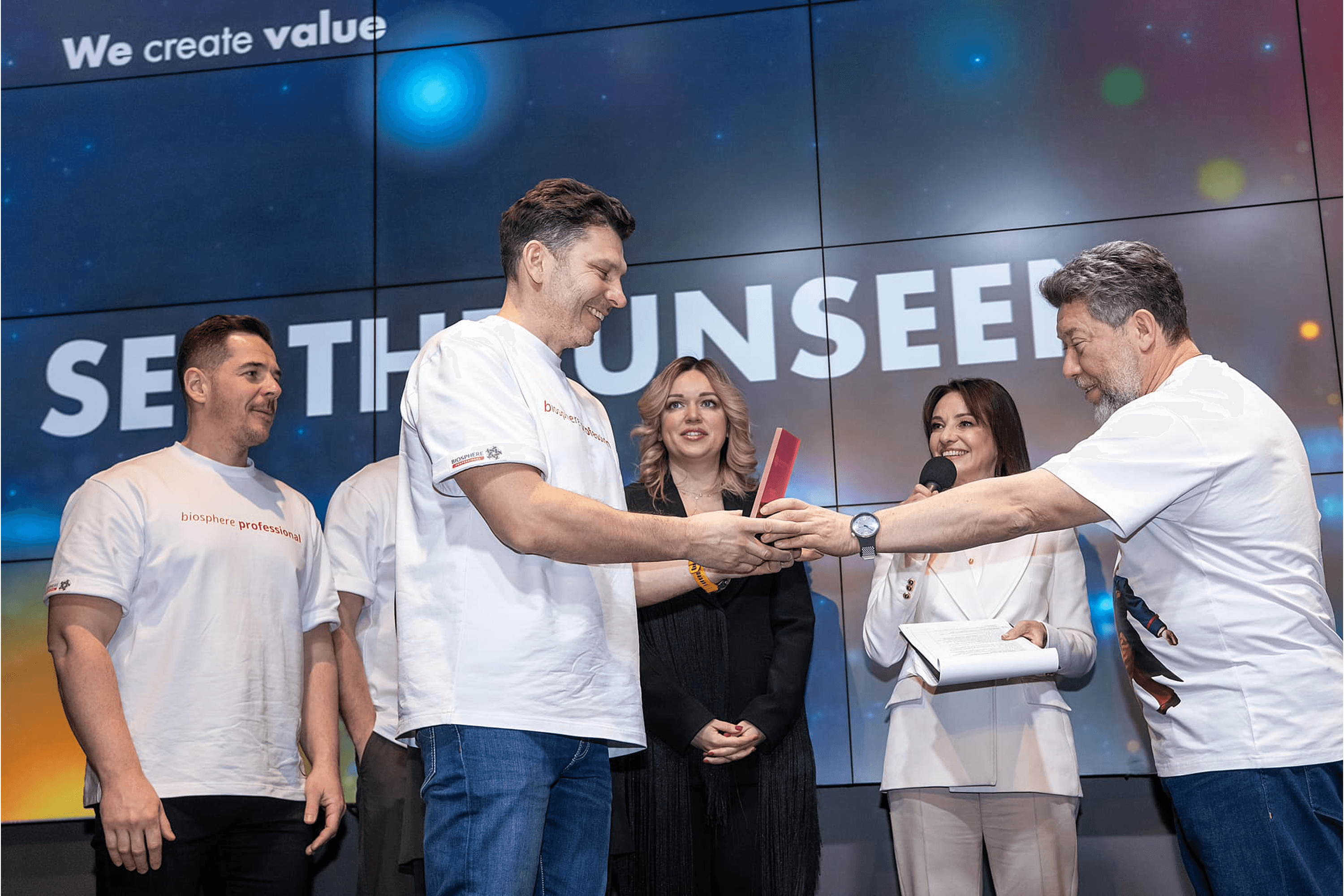
Photo: Biosphere Corporation / Facebook / YB 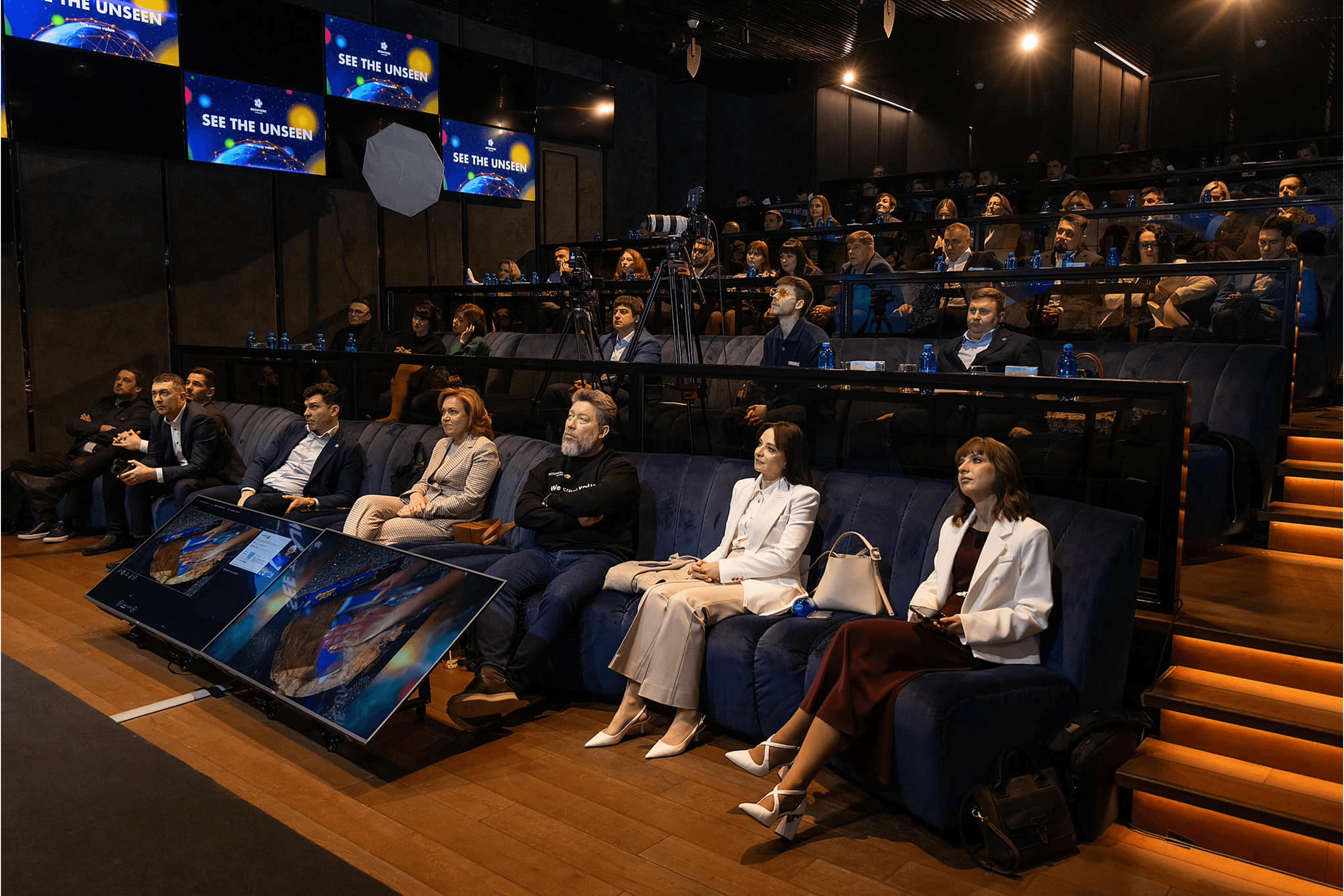
Photo: Biosphere Corporation / Facebook / YB 
Photo: Biosphere Corporation / Facebook / YB
What are the main lessons from Biosphere's international expansion?
First, do not compete on price. There will always be someone cheaper, whether Chinese or local manufacturers.
Second, the European market is ready to accept us in two situations: either we are one of their own, or we are truly innovative. That holds for end consumers and business partners alike: retail chains and distributors both.
What does it mean to be one of their own? It means doing what we did with Alufix. We bought a brand, a factory, and commercial branches where the managers are citizens of those countries, speak the local language, and sometimes even know the retail partners. People work with people, and those teams present our brand as local and their own.
So our minimum goal is to have local sales representatives in European countries. Beyond that, we need to be distinctive, have quality products, and offer stylish packaging.
What advice would you give Ukrainian entrepreneurs entering foreign markets?
In short: become a wow factor. When we go to meetings with partners and show them our Ukrainian brand Vortex, they are delighted by the packaging and the product quality. They do not say it outright, of course, but I can see from their eyes that they are interested and that they recognize it as a strong product.
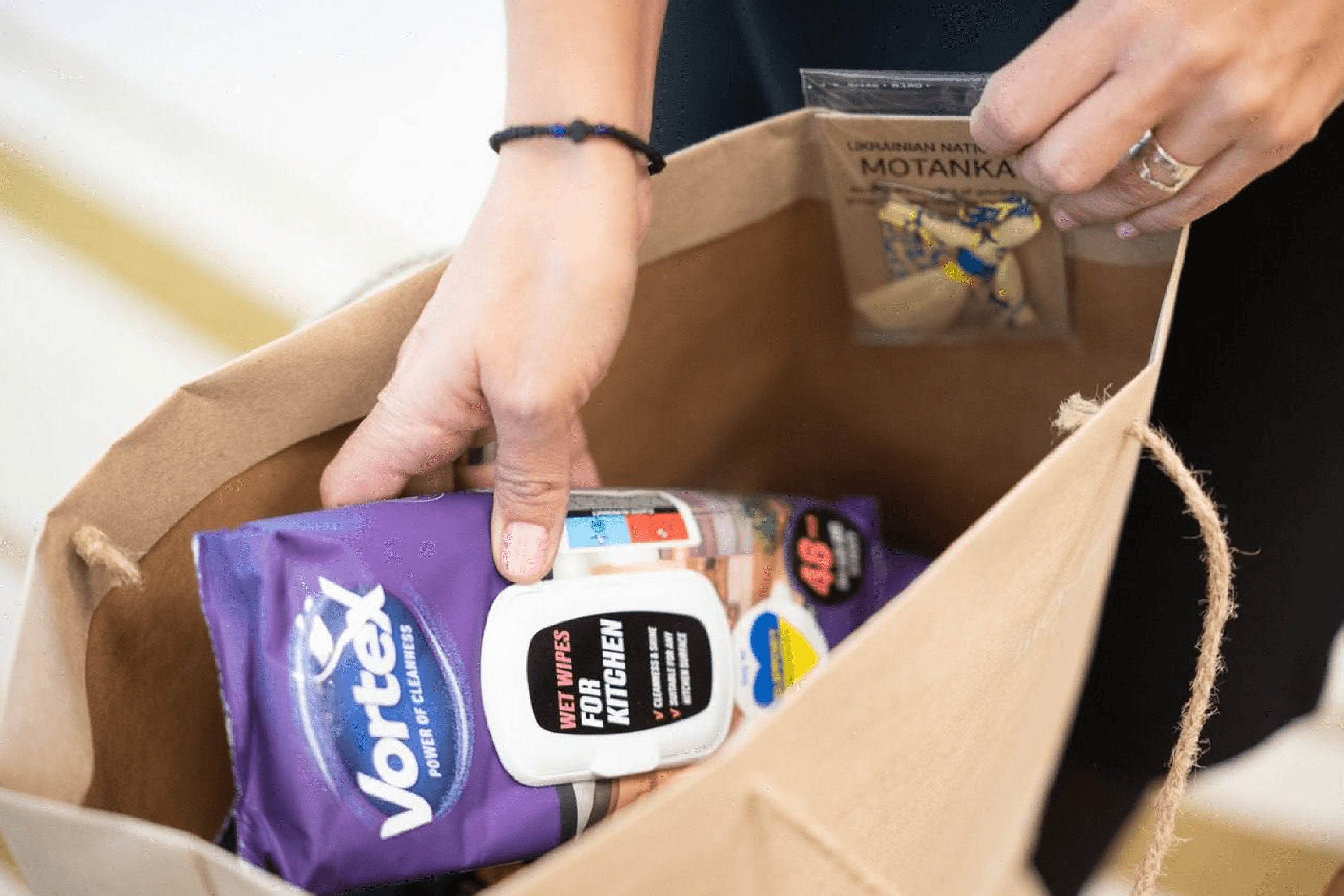
Some products from the Vortex brand. Photo: Biosphere Corporation / Facebook / YB 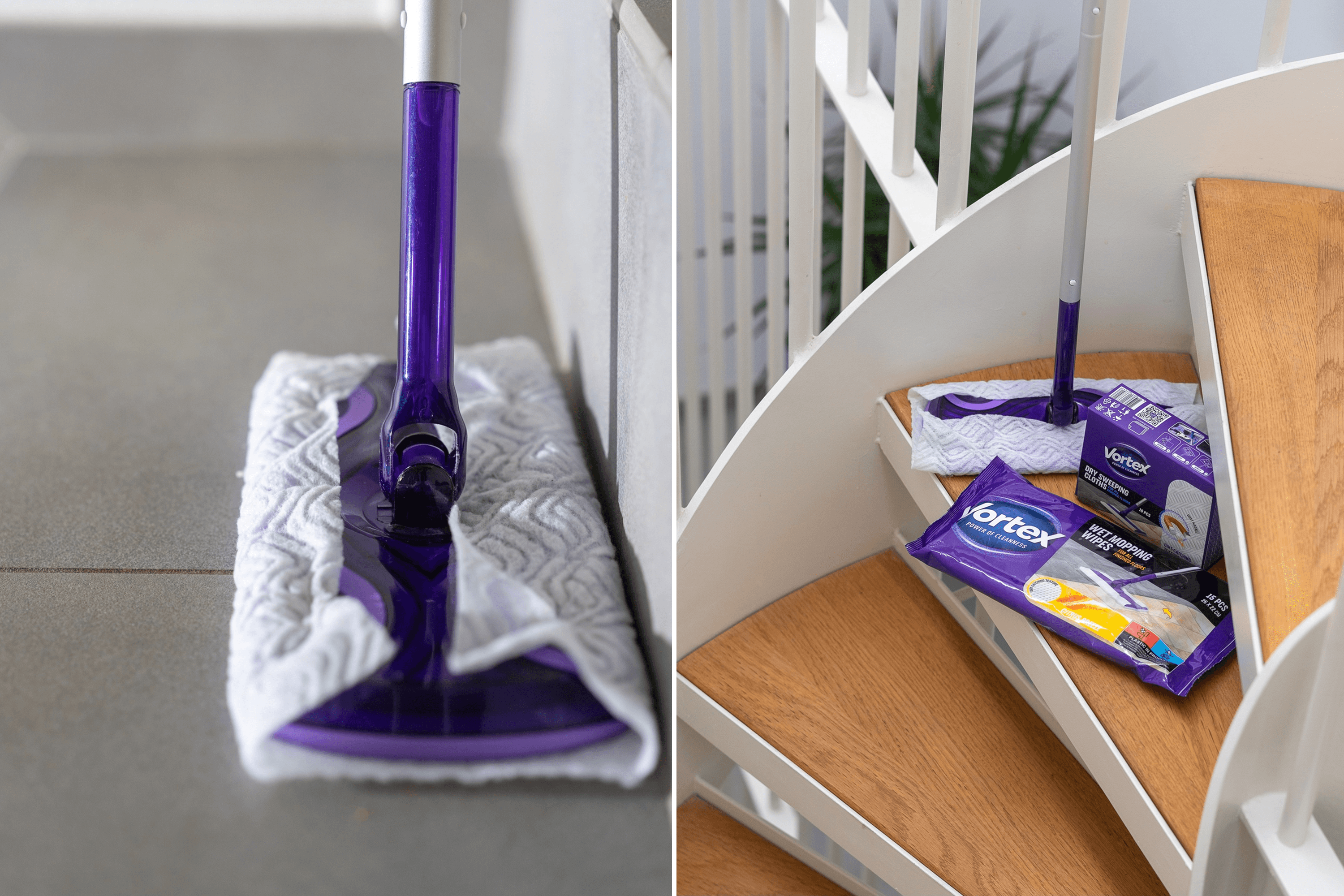
Photo: Biosphere Corporation / Facebook / YB 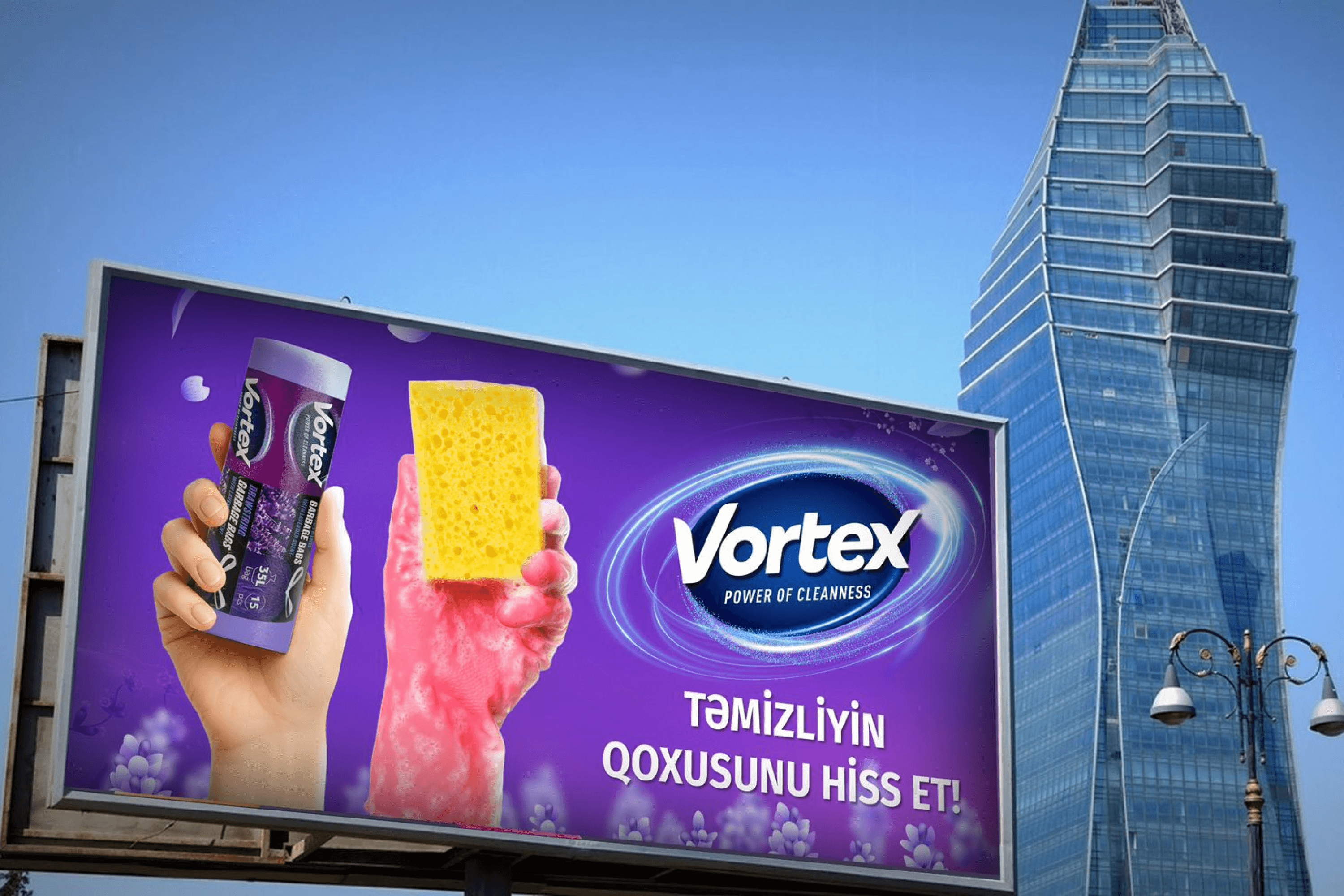
Photo: Biosphere Corporation / Facebook / YB 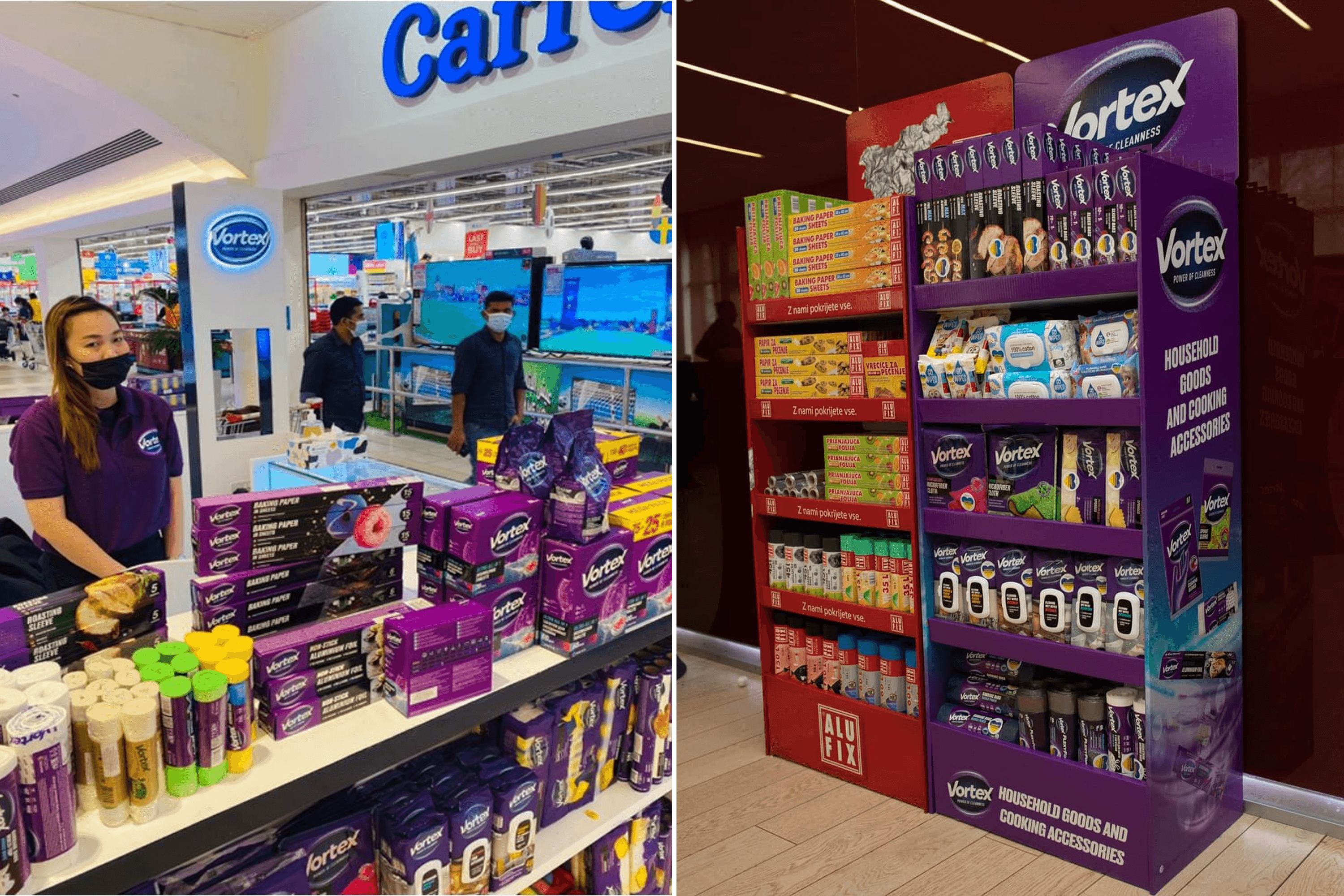
Photo: Biosphere Corporation / Facebook / YB 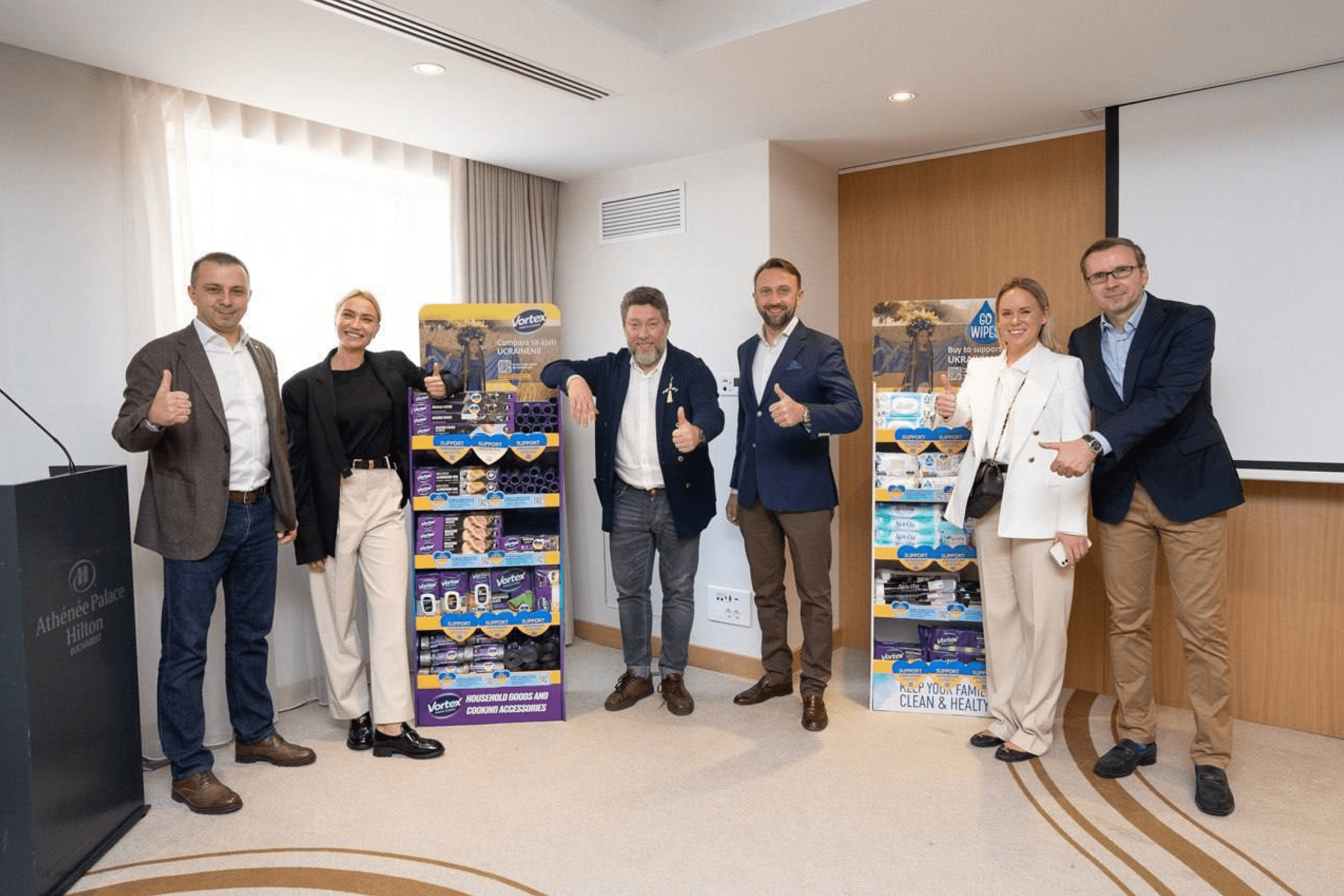
Photo: Biosphere Corporation / Facebook / YB
I have a few cases where European partners put our Ukrainian brands on their shelves because the quality was there and the products looked great. So it comes down to this: either you are local, like Alufix, or you are the wow factor, like Vortex. That formula has worked for us.
I would also say: do not bank solely on low prices or the "made in Ukraine" label. That strategy does not hold up over time.