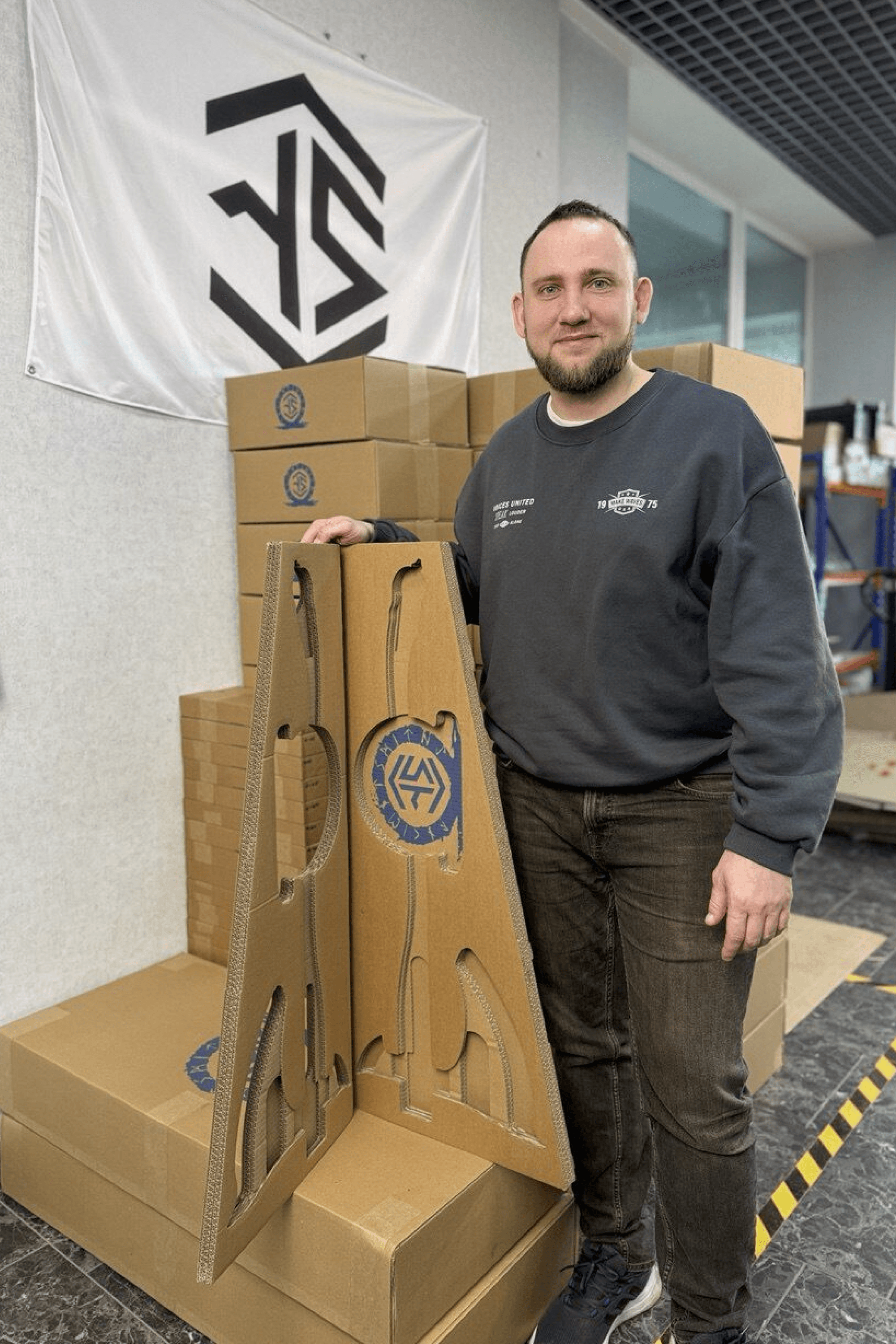
Ancient Smithy is a Ukrainian brand of handcrafted forged axes, founded in 2017 by former IT professional Mykhailo Peresunko. Starting with selling knives on eBay and an investment of a few hundred dollars, within a few years the company grew into an international business with a million-dollar turnover, collaborating with PlayStation, with the USA as its primary market. Today, over 90 percent of Ancient Smithy’s products are sold abroad, and half of all sales come from items made for fans of video games, sci-fi, and pop culture.
YB journalist Artem Moskalenko spoke with Mykhailo Peresunko about launching a craft brand without prior experience in blacksmithing — and on working with Etsy, eBay, Amazon, and Kickstarter, protecting intellectual property in the USA, as well as how a Ukrainian business can build a global brand in the niche of collectible products.
Before the launch of Ancient Smithy, you worked in IT. What prompted you to leave a more predictable field for a craft business?
In the early 2010s, I had my first business—I bought used phones and laptops in the US and sold them in Ukraine. In 2014, the hryvnia dropped significantly, and this stopped bringing in money. I went to work in IT, but the idea of having my own business never left me.
In 2017, I joined a business club and met a guy there who was selling handmade jewelry abroad. That’s how I learned that there is a demand for craft goods among foreigners, and I wanted to try it too.
But there was a problem—I didn’t know how to make anything with my hands. I started looking for craftsmen among my acquaintances, and eventually, a colleague introduced me to his friend who made knives. We started a joint business.
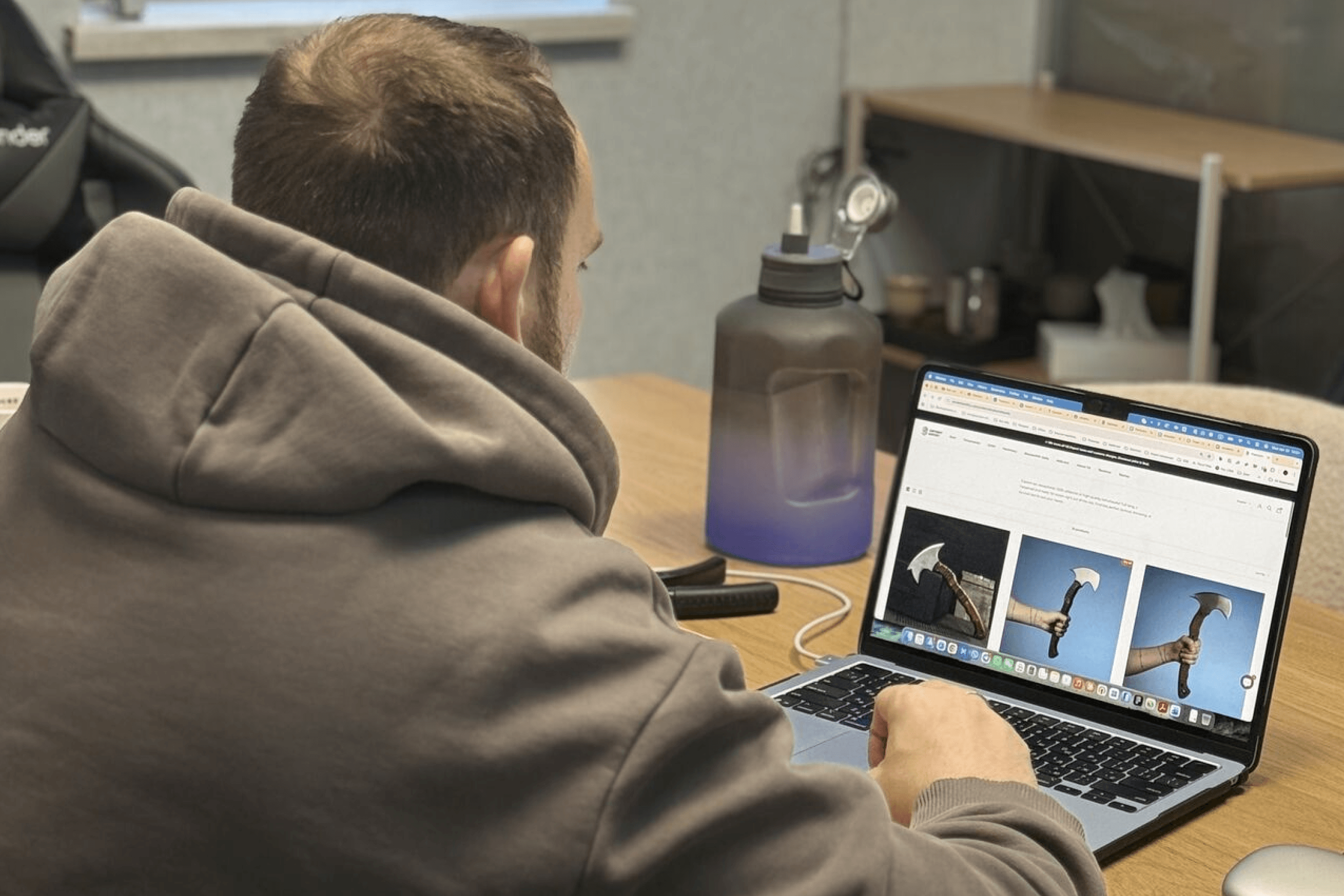
You started selling knives abroad. How did you find clients?
I already had an eBay account with a good rating and hundreds of reviews. I used to buy electronics there for my previous business, and on this platform, buyer and seller reviews are accumulated together.
Sales took off immediately. One knife cost $200–300, and we sold about a dozen a month—the craftsman simply couldn’t manage to make more. After some time, I suggested scaling up: hiring people to increase production. But the craftsman refused—he wanted to develop his own brand name and was afraid that someone would steal his ideas.
So I started looking for another craftsman—and eventually found one, but he refused to make knives. He said he had switched to handcrafted axes, which were popular among collectors. I didn’t have much faith in its success and was surprised when the axes started selling well. But after a while, the same problem arose—the craftsman didn’t want to scale production and hire people. That was when I realized: I didn’t need a partner, but a team with whom I could build my own axe production. I liked this niche more and more because, compared to knives, it has less competition.
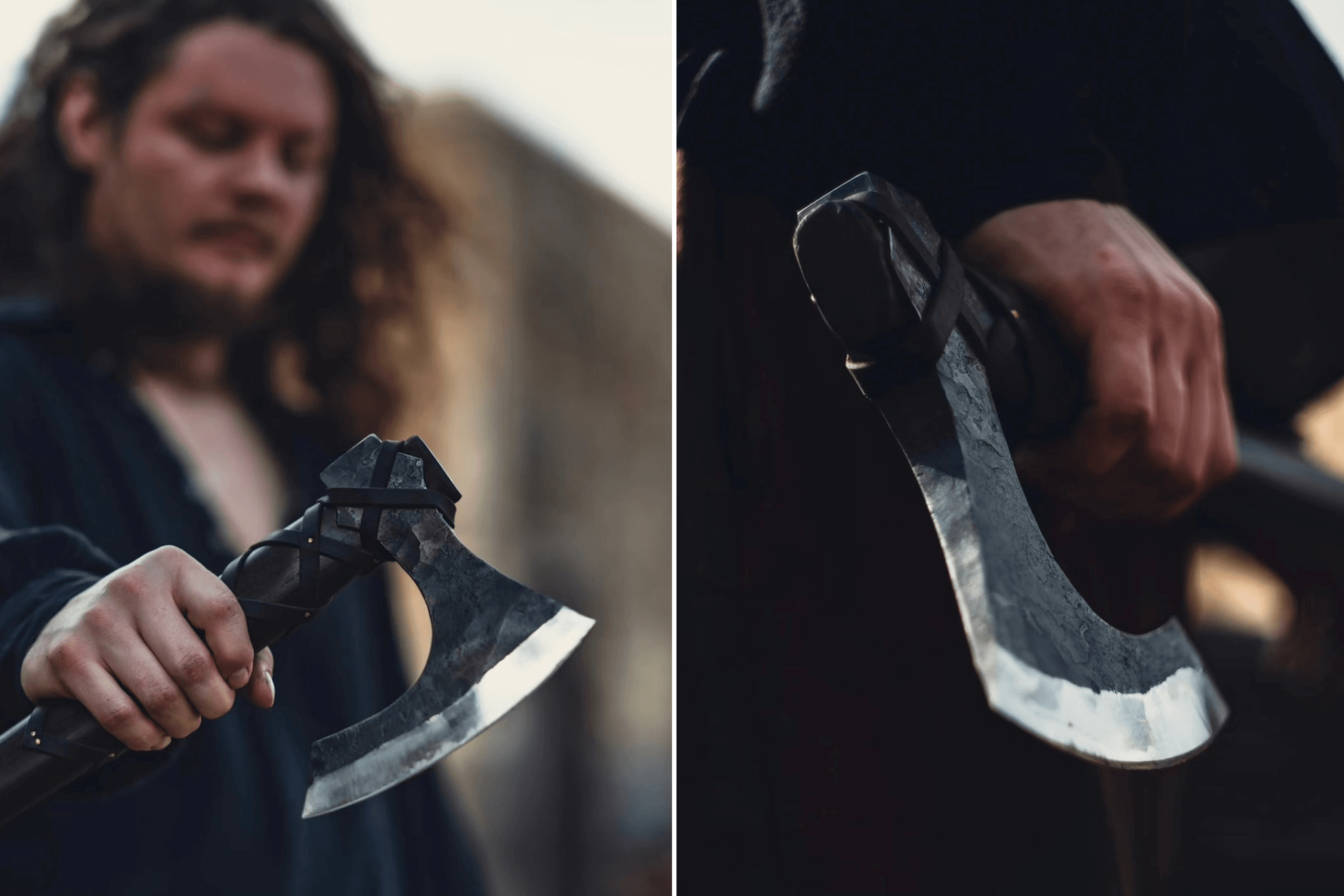
Some products from the Ancient Smithy assortment. Photo: AncientSmithy / Facebook / YB 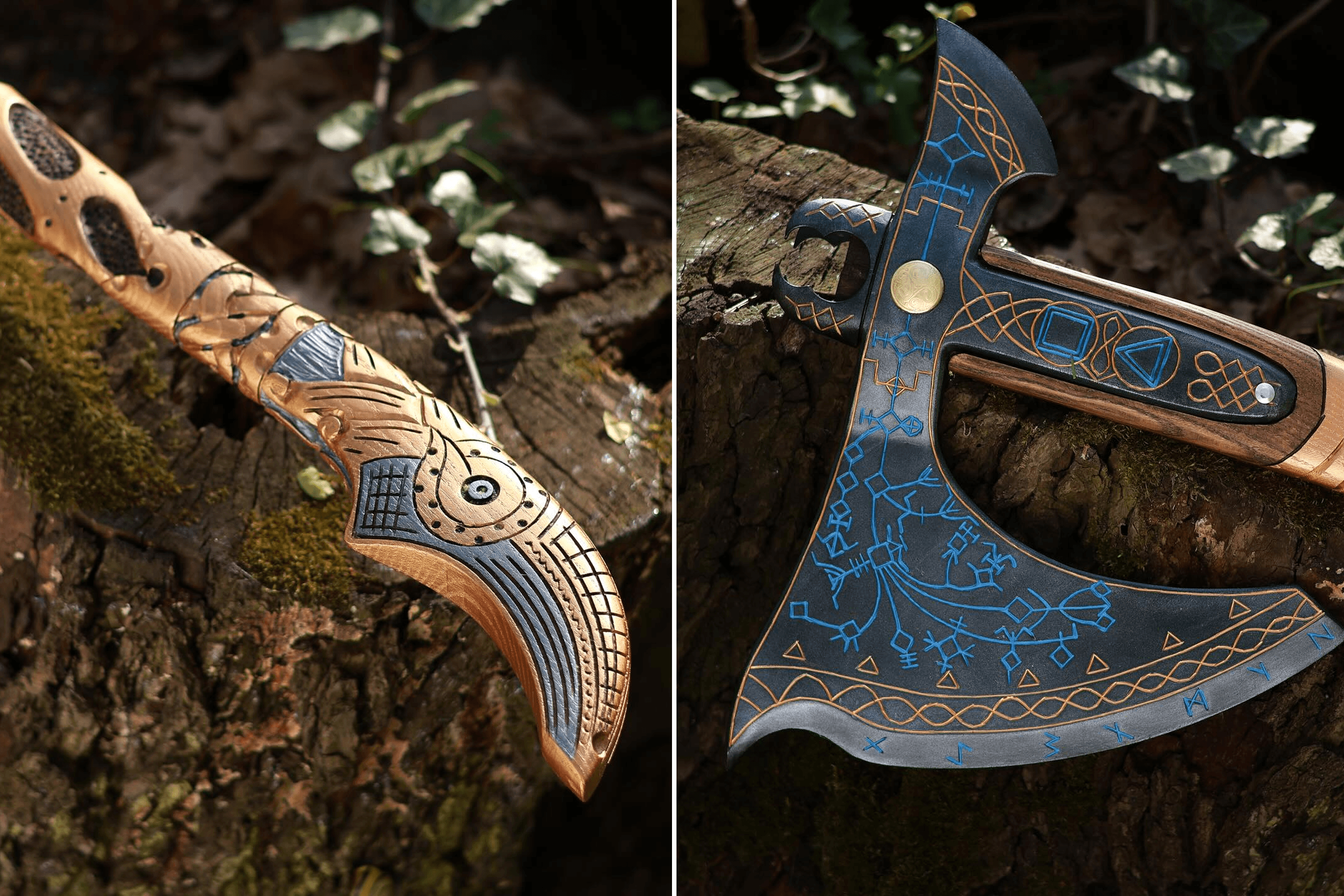
Photo: AncientSmithy / Facebook / YB 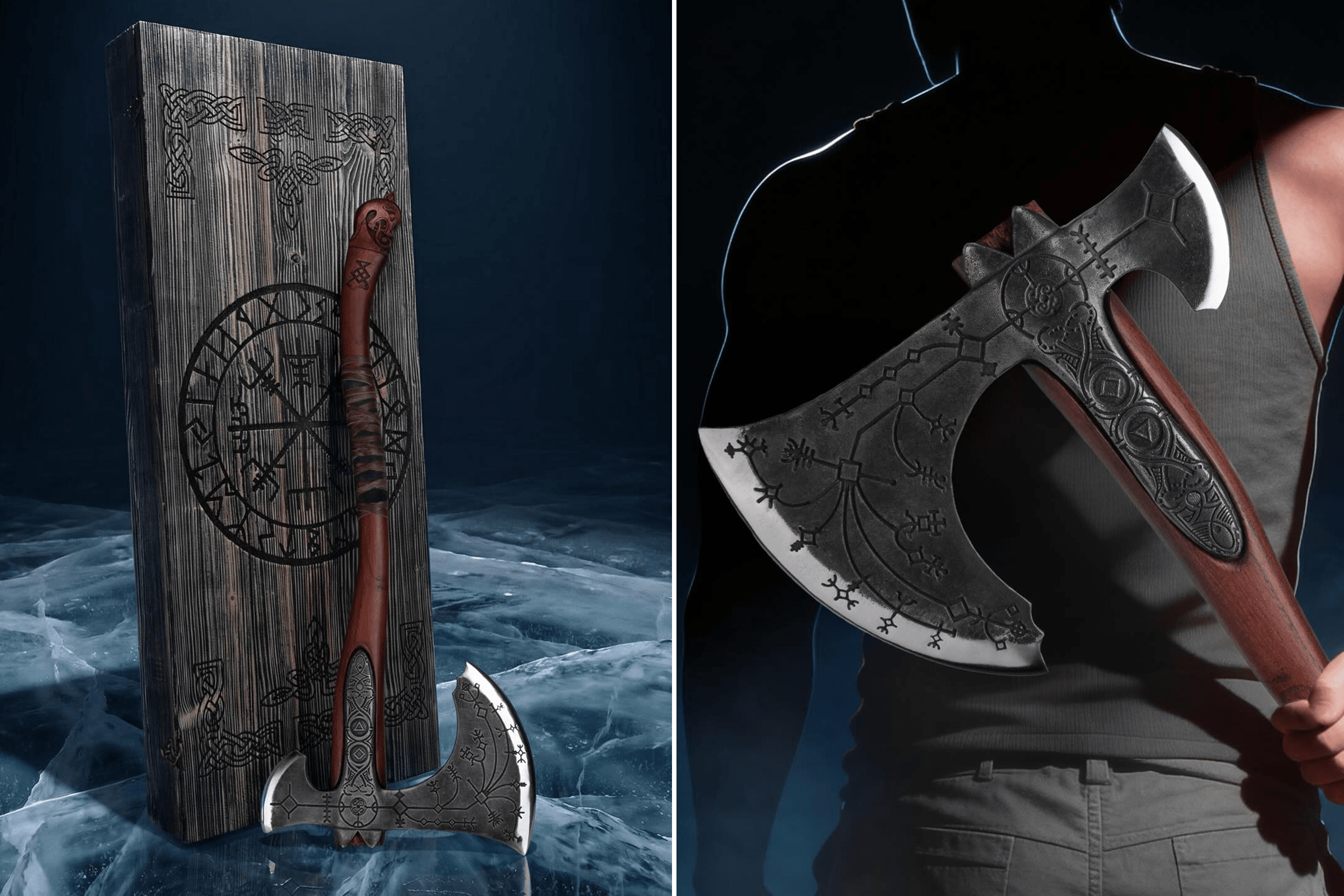
Photo: AncientSmithy / Facebook / YB 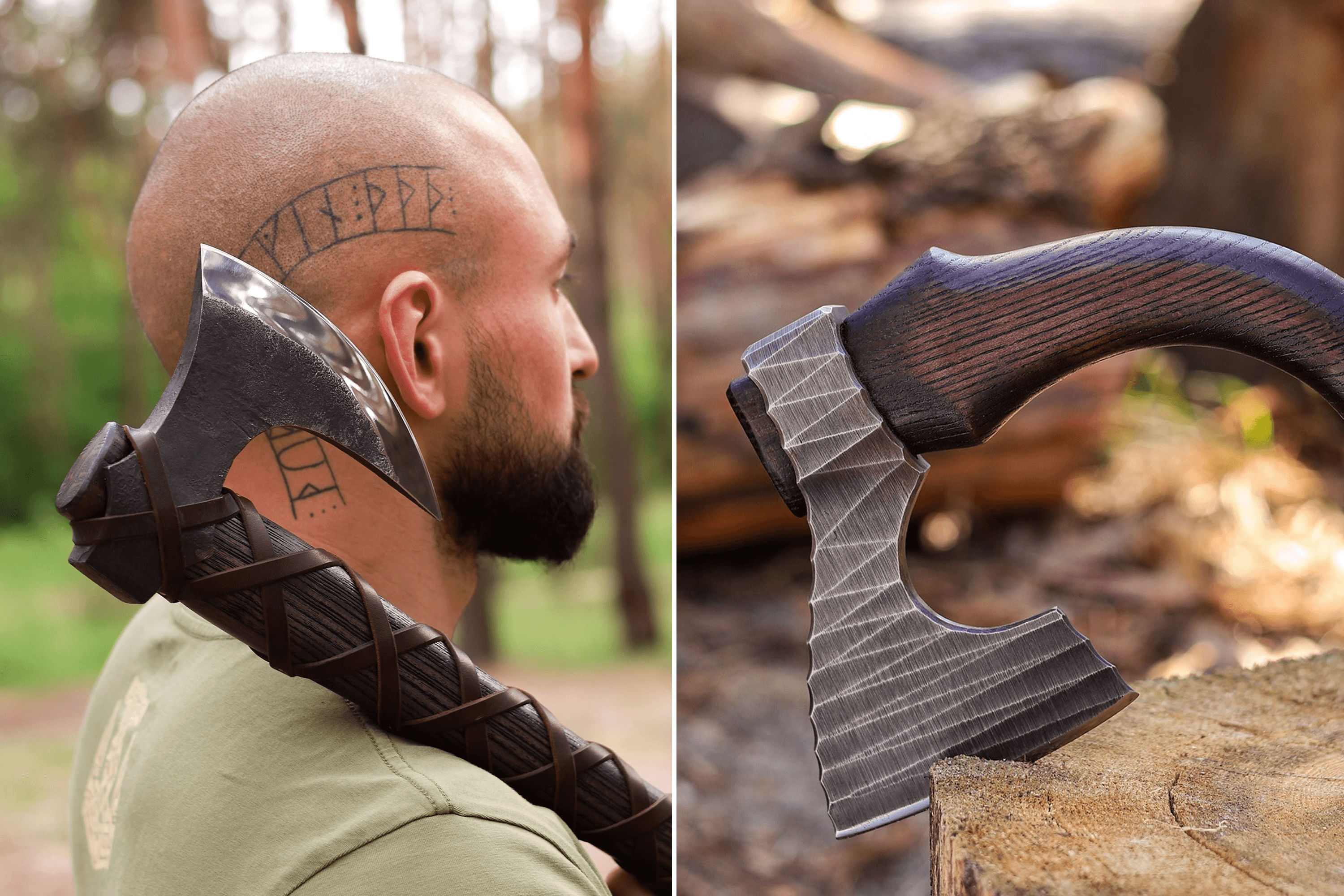
Photo: AncientSmithy / Facebook / YB 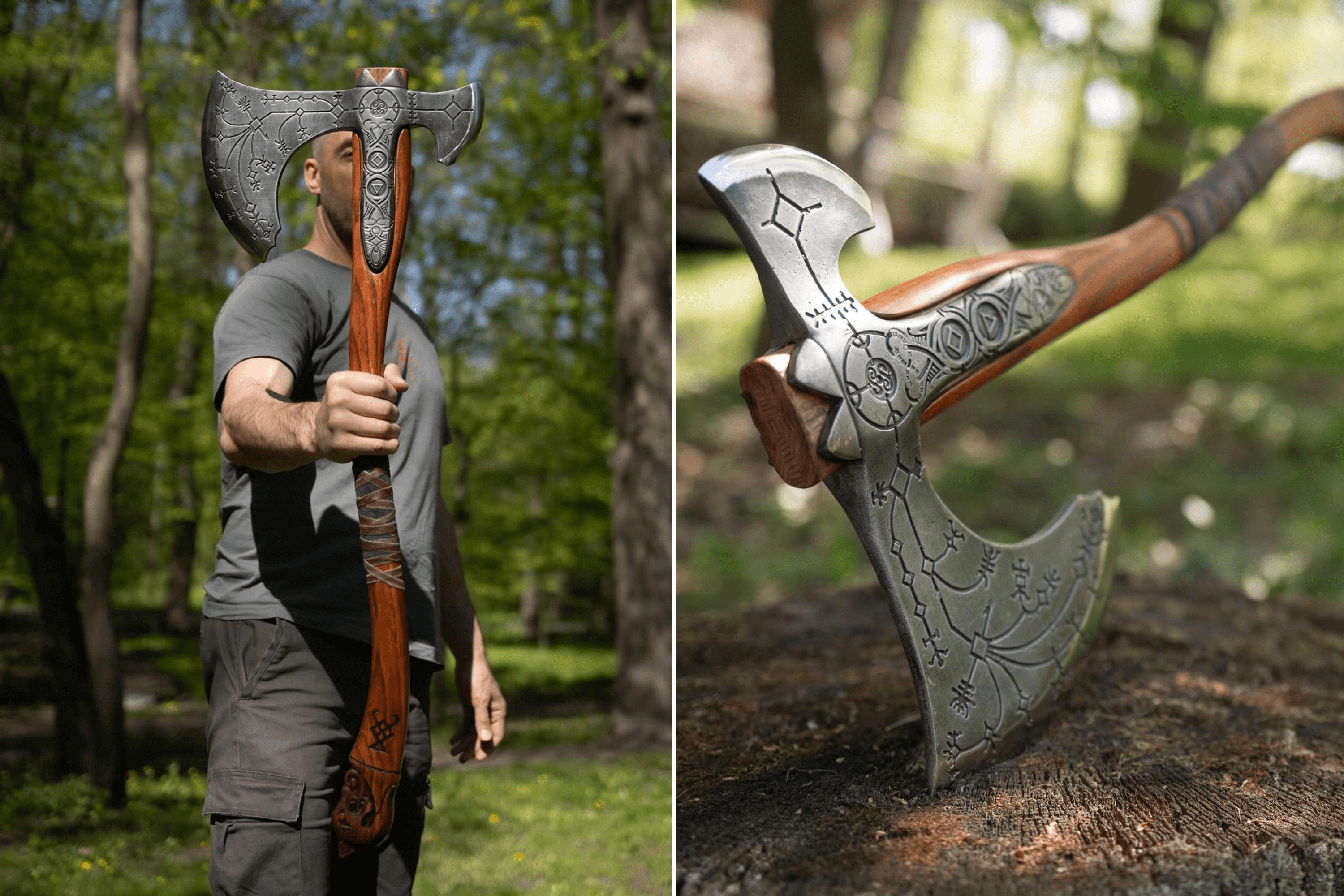
Photo: AncientSmithy / Facebook / YB 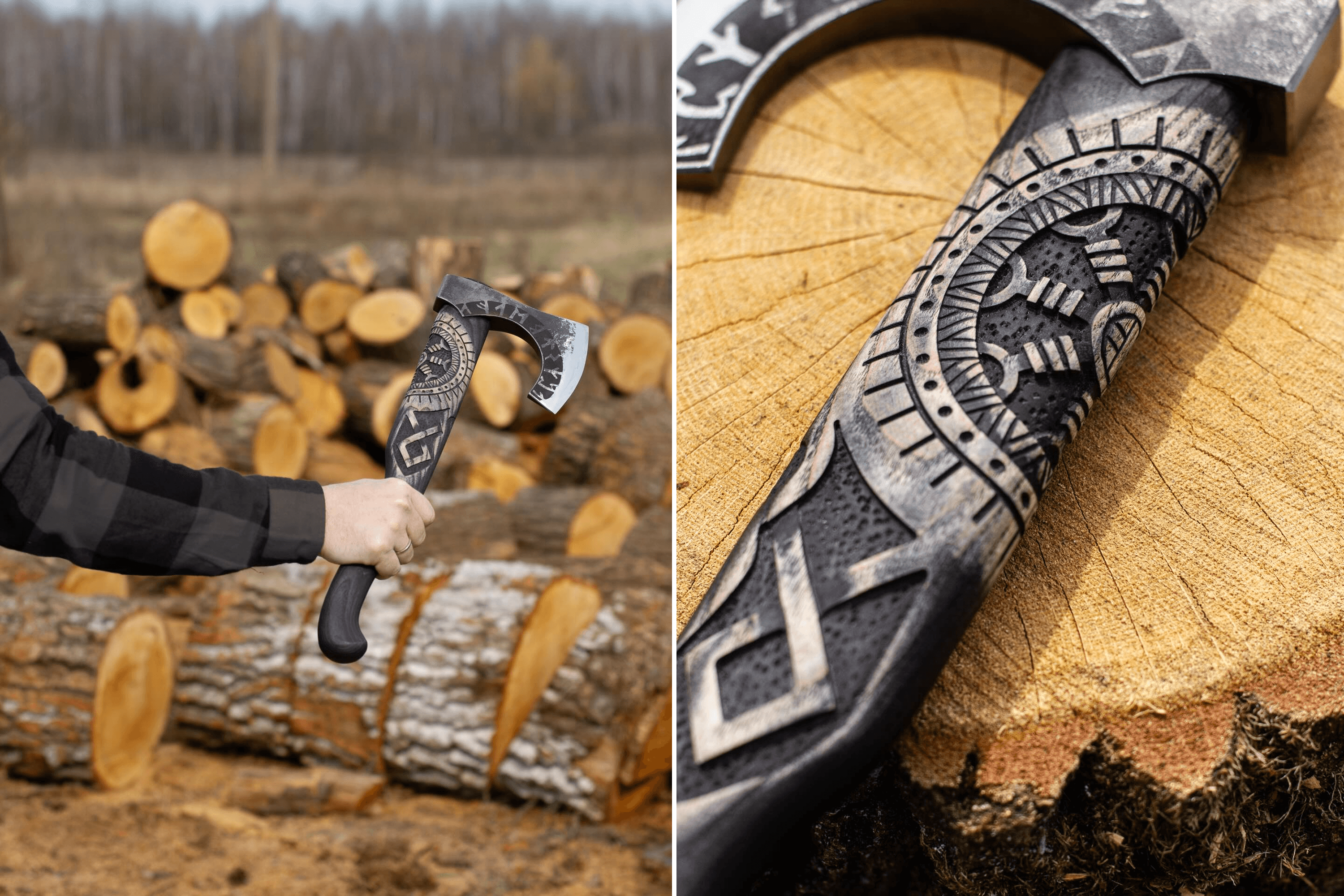
Photo: AncientSmithy / Facebook / YB
How did you build the business from there?
During the first year, I assembled a team, and we reached sales of 20–30 axes per month. That was $10,000 in revenue. I was still working in IT at the time and basically reinvested my entire salary into the business. The venture became profitable in about three years, at which point I was able to quit IT and focus solely on the business.
What were the initial investments? What did you direct them toward?
There was no specific starting amount. We gradually bought everything we needed. First, an engraving machine for $300. Next, equipment already worth $7,000, and in 2022, another machine for about $9,000. It was like that with everything: when the need for new equipment arose, we simply bought it.
If venture capital investing worked in Ukraine the way it does in the US, or if there were business angels, we could have started much faster.
What were the main difficulties in the first years of business development?
The main problem was obtaining certification documents proving that our axes are not weapons. This was crucial for cooperating with logistics companies, which required a full package of documents to ship axes to certain countries—such as the UK or Israel. In [Ukrainian] government agencies, no one could explain how to issue these documents. Eventually, we still managed to get through this process and became one of the first in Ukraine to officially confirm that axes are not weapons.
You started selling on Etsy, eBay, and Amazon right away. How did you learn to work on these platforms?
We learned on our own, and I highly recommend everyone to do the same. There are companies that offer “turnkey” store launches; we tried working with them. At first, everything is fine, but when the business starts to grow, it becomes less profitable—they take a percentage of the turnover.
Now, a whole ecosystem of auxiliary services has appeared around major marketplaces. In particular, companies like Western Bid or Seller Online. They combine goods from small businesses into large batches of shipments and thus receive significant discounts from carriers. This is beneficial for small businesses as it’s almost impossible to get such rates on your own.
Are there any non-obvious life hacks for working on international marketplaces?
A non-obvious piece of advice is to carefully monitor the IP address from which you log into your account. During air raids in Ukraine, when electronic warfare and electronic intelligence equipment is active, geolocation is sometimes determined incorrectly—and you might accidentally “end up” in Russia, Belarus, or another undesirable territory. Because of this, platforms can block you. Therefore, we have an internal rule: we access marketplaces only via a stationary internet connection, where such problems do not occur.
You also need to be careful with using brand names or keywords in product descriptions. If you use a word that is registered as a trademark such as Disney, you can also be blocked. Abroad, this is standard practice: they have strong legislation in the field of intellectual property. Restoring an account is difficult, and sometimes impossible.
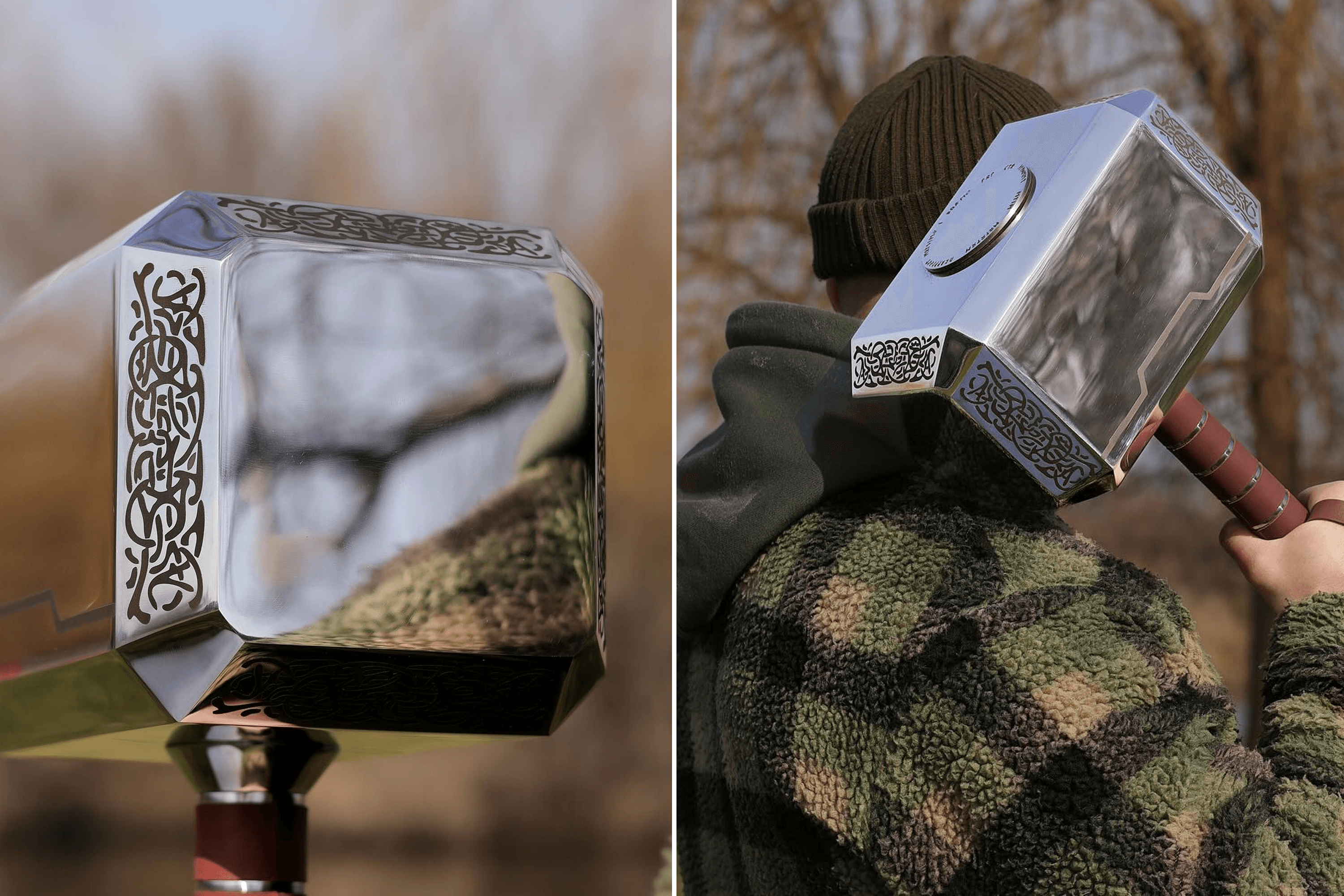
Some products from the Ancient Smithy assortment. Photo: AncientSmithy / Facebook / YB 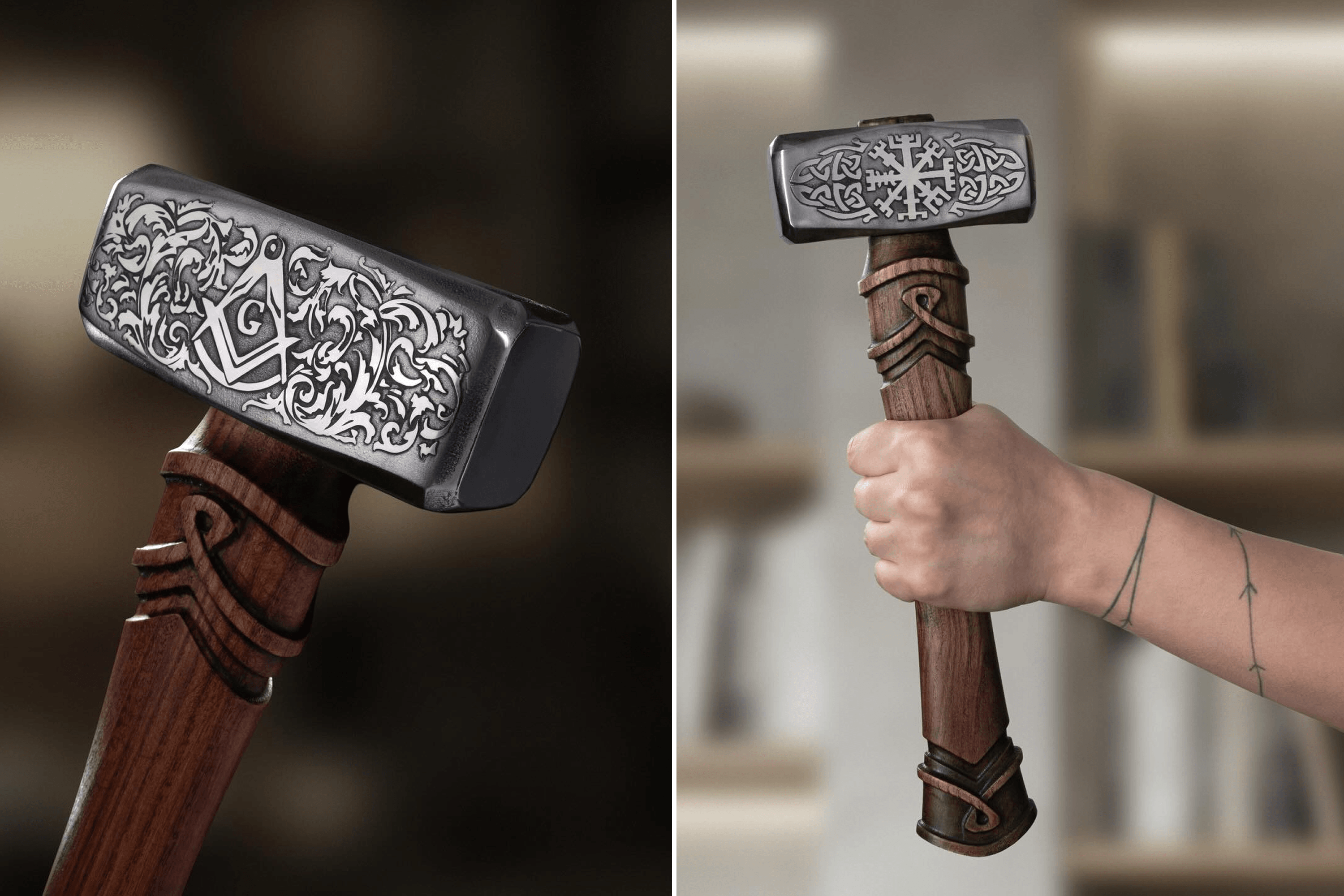
Photo: AncientSmithy / Facebook / YB 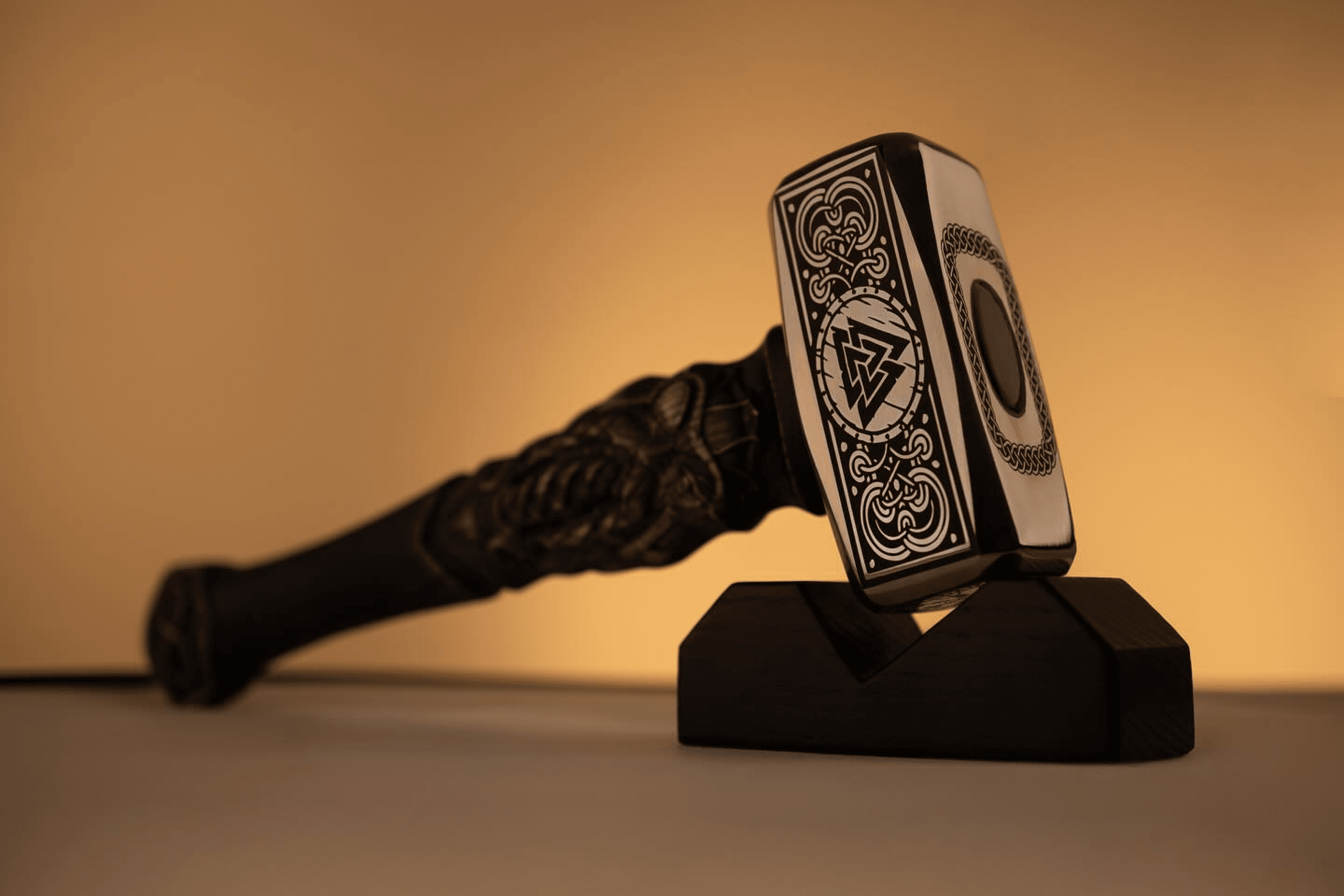
Photo: AncientSmithy / Facebook / YB 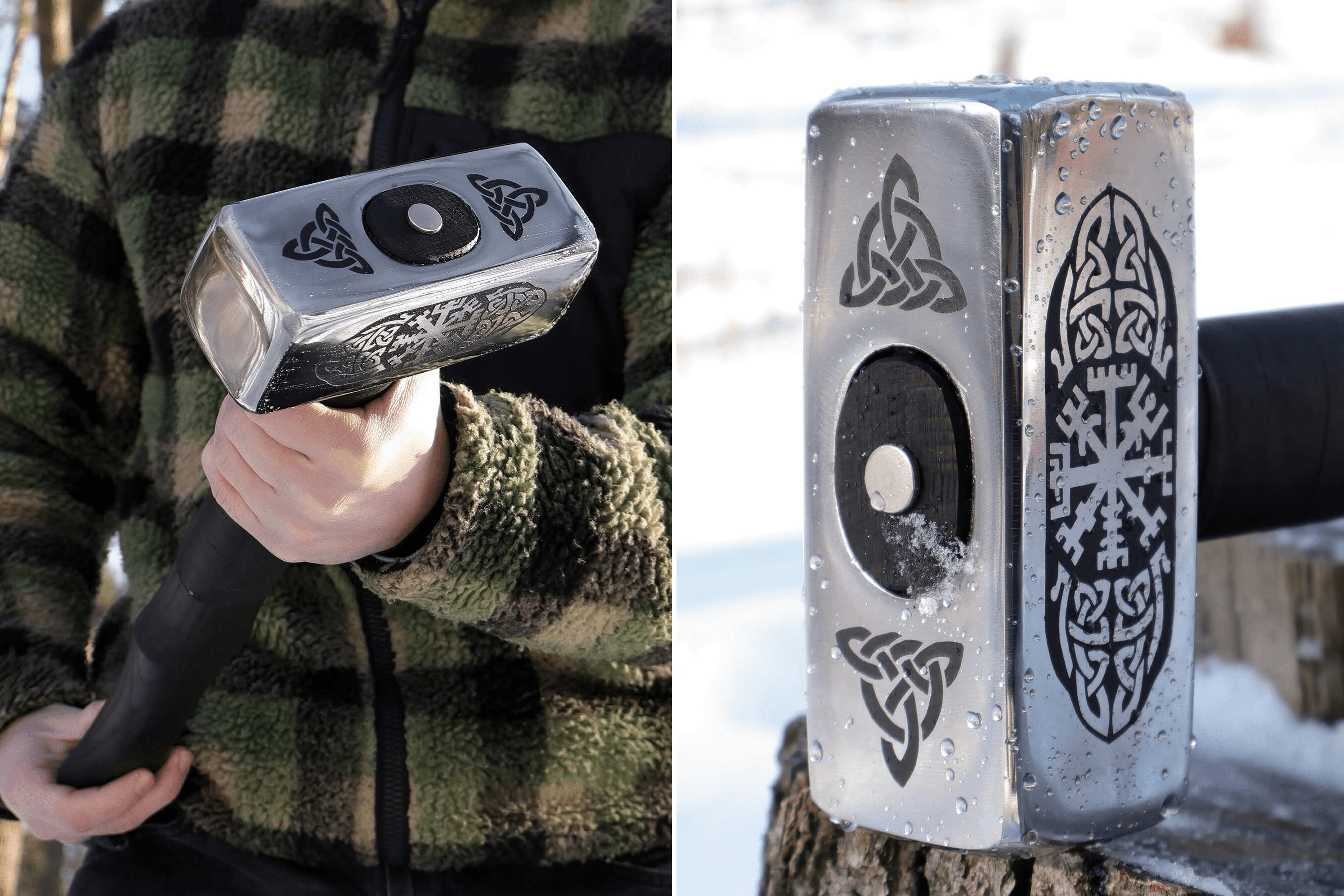
Photo: AncientSmithy / Facebook / YB 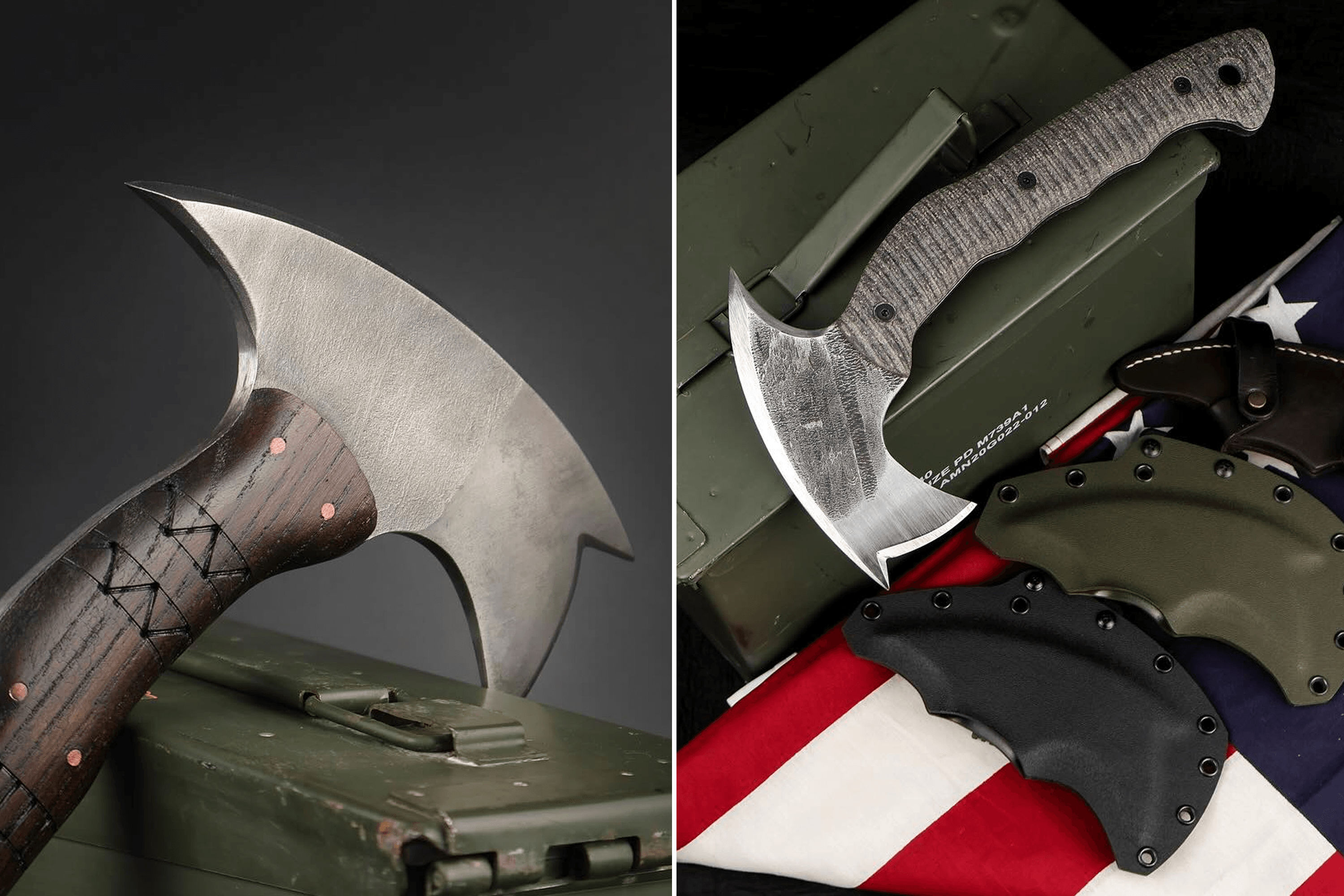
Photo: AncientSmithy / Facebook / YB 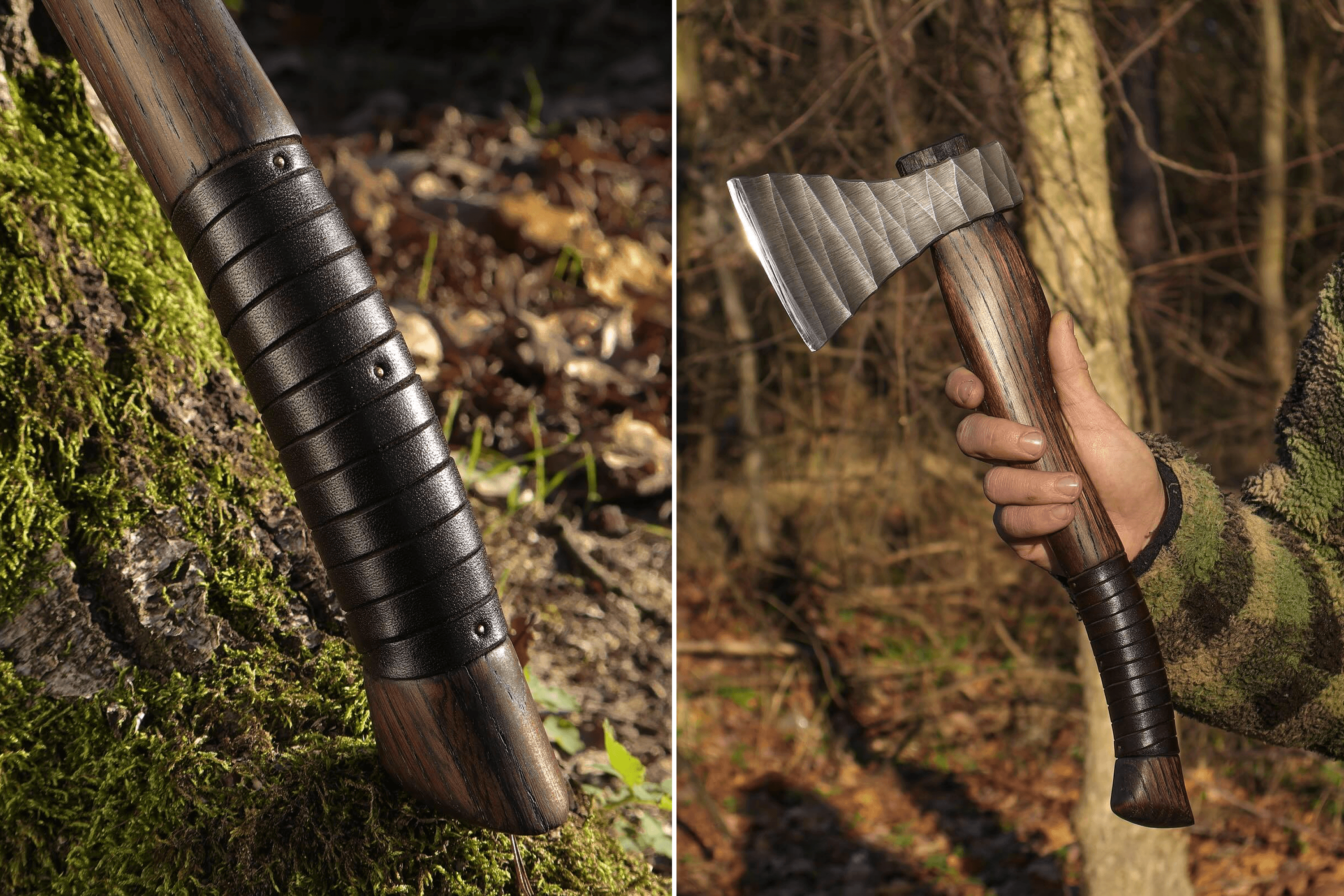
Photo: AncientSmithy / Facebook / YB
How convenient is it for a Ukrainian business to work on foreign platforms?
After four years of work, in 2021, we came to the conclusion that it’s more profitable to work with Amazon through an American company. It offers better tax conditions and access to financial tools: PayPal, Stripe, Shopify Payments, or accounts in large banks. This is also important for B2B, as partners are more willing to work with US companies.
But for the start, this isn’t critical. Until 2021, we had only a Ukrainian company, and that was enough.
How did the marketplaces react to the full-scale Russian invasion of Ukraine? Did any problems arise with the platforms or clients due to the inability to ship orders in the first few weeks?
The platforms reacted differently. For one month, Etsy waived its own commission on the sales of our goods, and thanks to this, we saved $5,000–10,000. Amazon, however, simply blocked our Ukrainian account, and we never managed to restore it. Now we work on Amazon through our American company. We explained the situation to the clients; most were understanding and willing to wait.
Your enterprise was located in Hostomel. How badly was it damaged at the beginning of the invasion?
Our warehouse, office, and production—everything was in Hostomel. It was occupied almost immediately, and we didn’t know what was happening there: whether everything had been looted or destroyed by shelling. But we were lucky; almost all of our property survived.
There was another problem: a batch of orders that we had shipped the day before via DHL, FedEx, and TNT got stuck at the hub at the Boryspil airport, and the carriers ceased operations. It took about six months to get the goods back. Many orders featured personalized engravings, so we had to manufacture and ship the axes all over again—initially via Ukrposhta, and later Nova Poshta joined in with international delivery. When the original packages returned, we tried to remove the engravings so as not to lose the product.
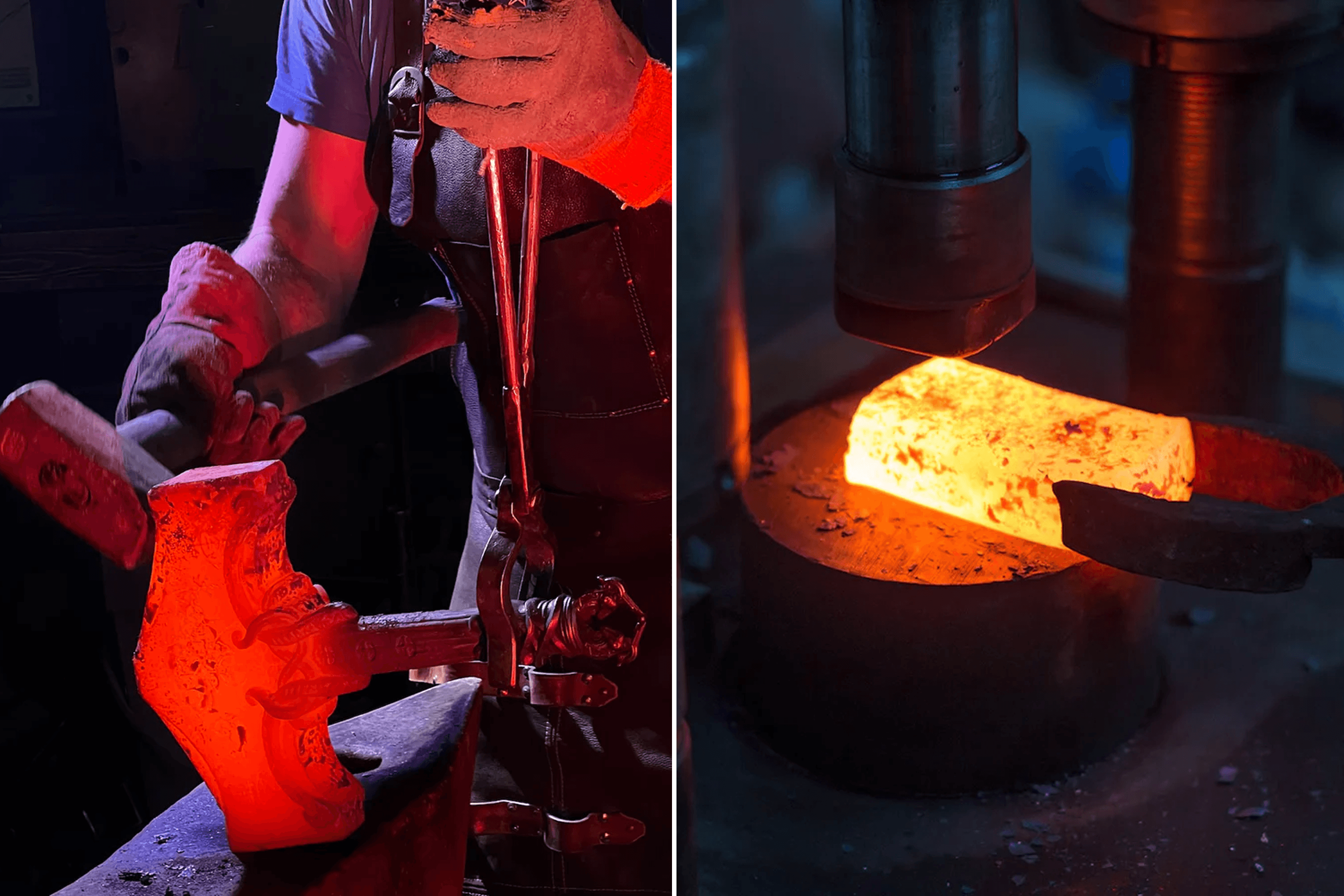
Photo: ancientsmithy.com / YB 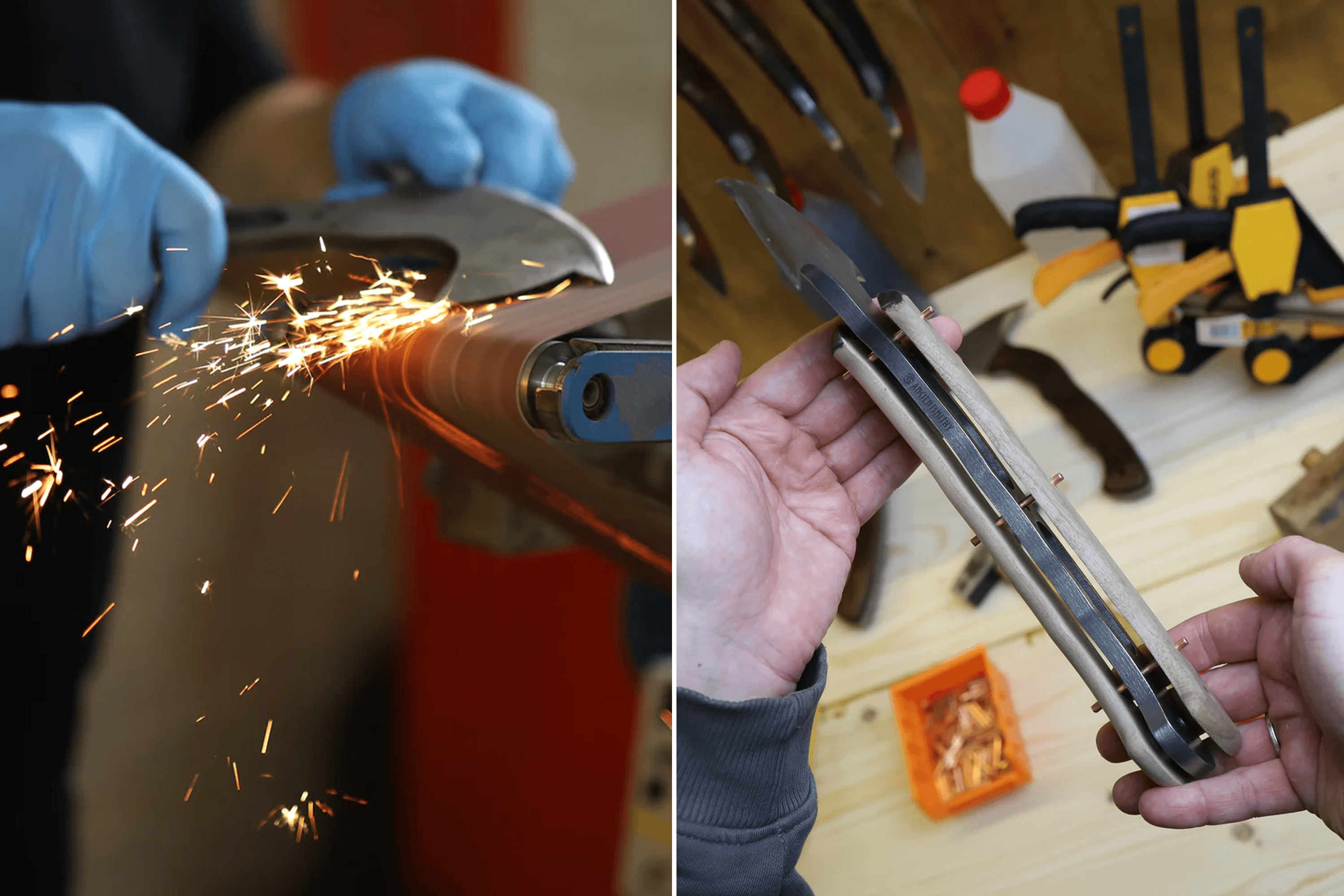
Photo: ancientsmithy.com / YB 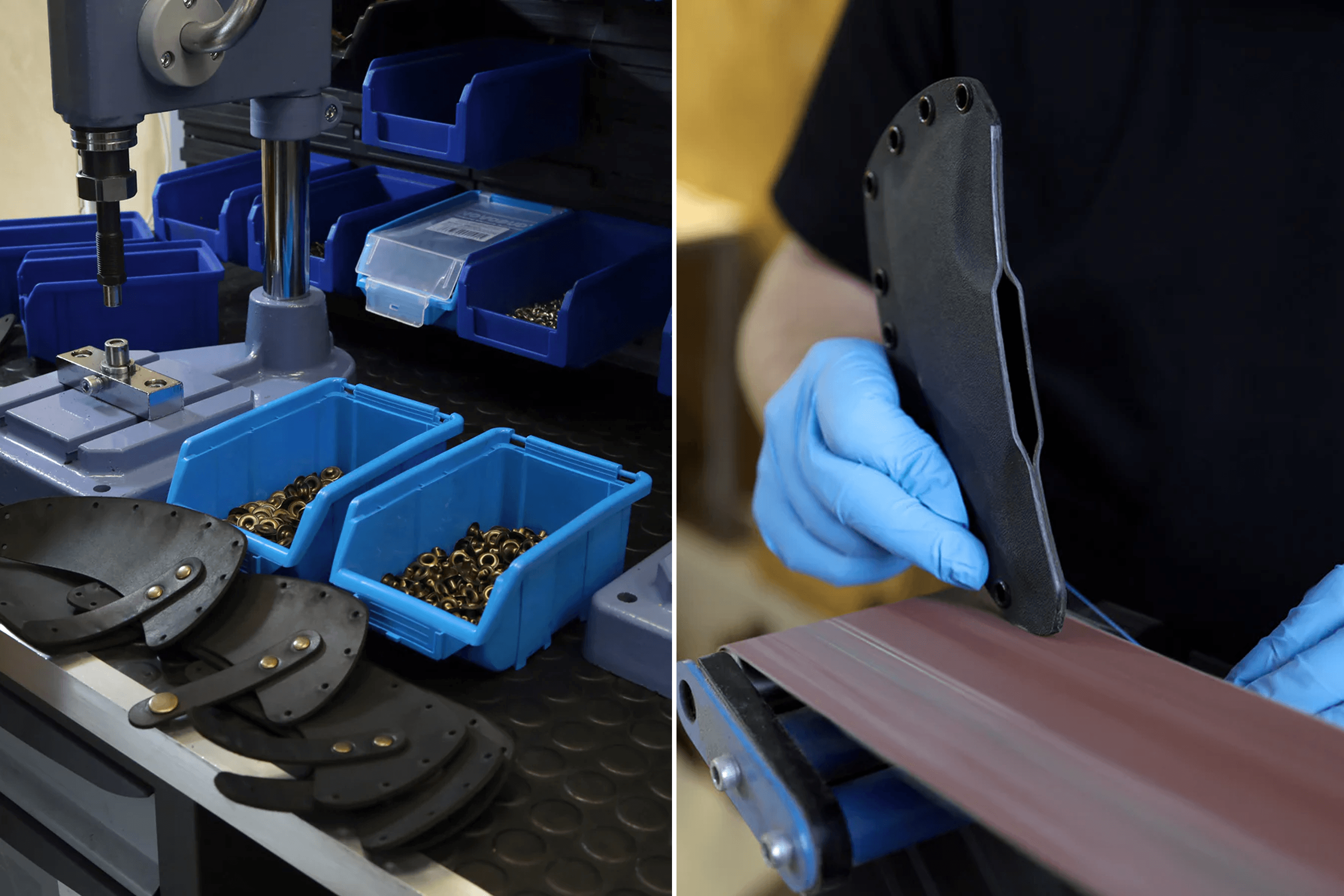
Photo: ancientsmithy.com / YB 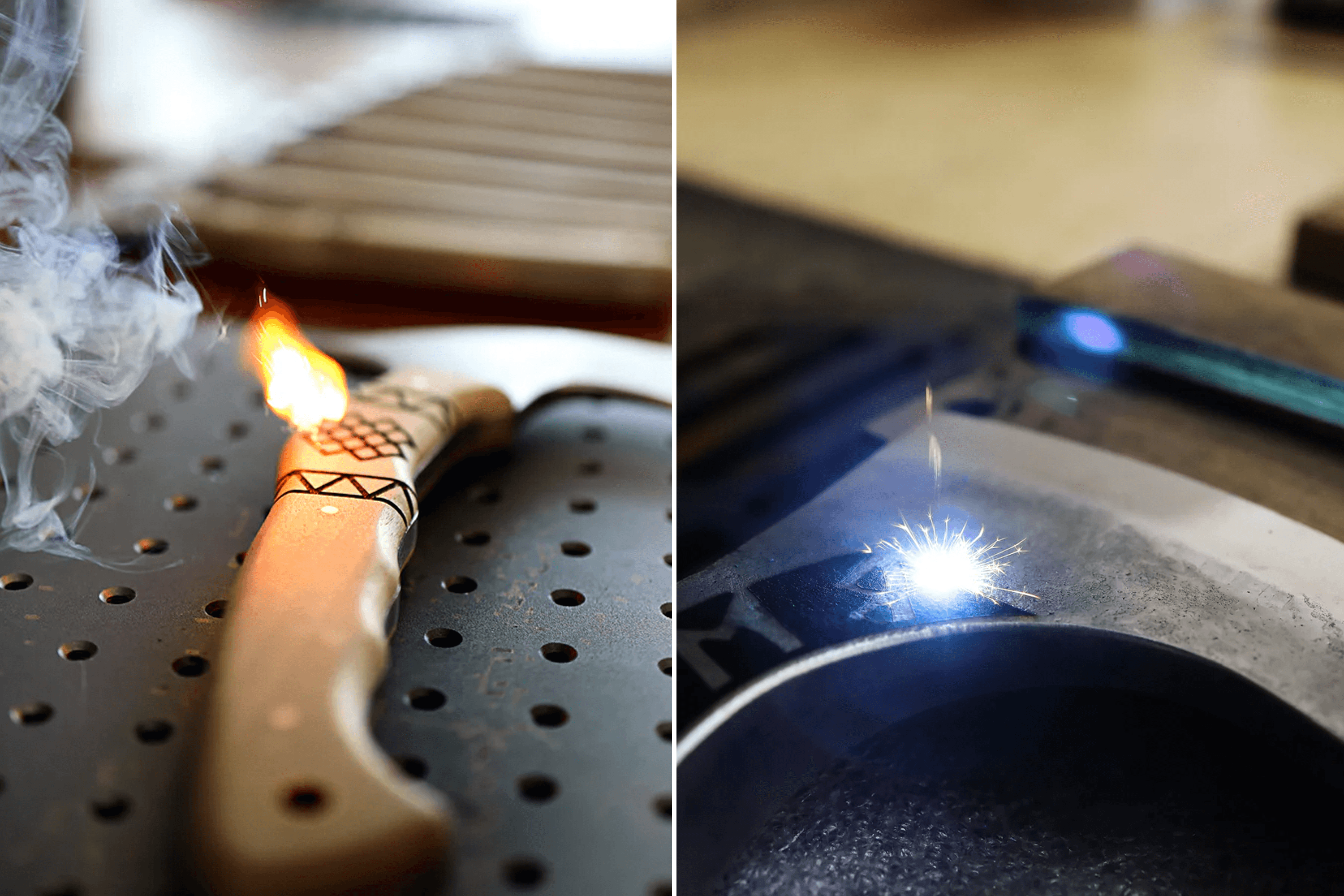
Photo: ancientsmithy.com / YB 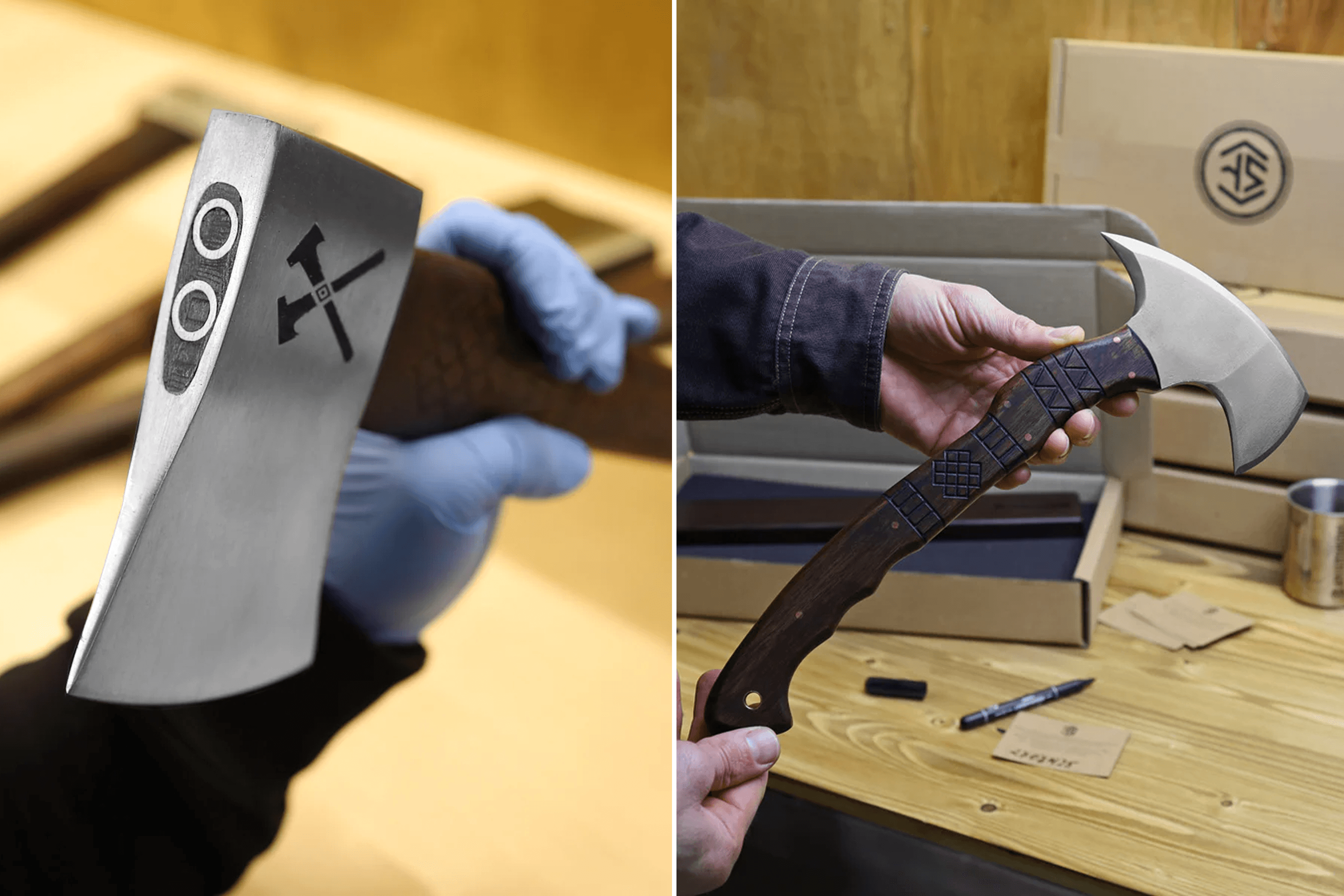
Photo: ancientsmithy.com / YB 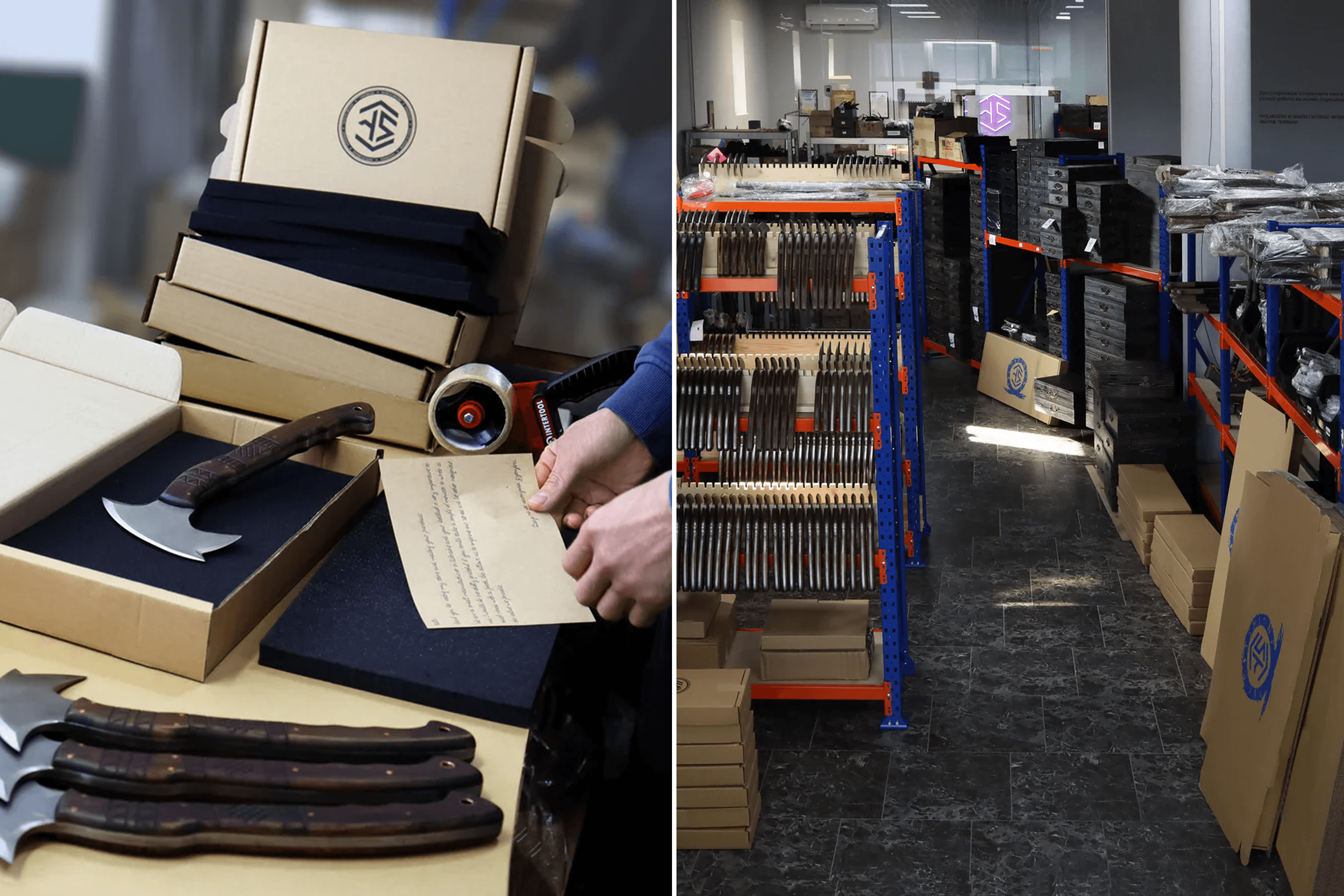
Photo: ancientsmithy.com / YB
Currently, in addition to working on international platforms, you are developing a website. What opportunities does it open up compared to marketplaces?
A website is a must-have. Businesses should launch one as early as possible because marketplaces can block a store at any moment. Our accounts have been blocked on Amazon, Etsy, and eBay—sometimes for absurd reasons, such as an “unsuitable” document for address verification. Therefore, a website works like a safe haven just in case.
In our case, it’s also a way to depend less on advertising: it is frequently blocked because axes automatically fall into the weapons category. One of the solutions is SEO, but this is a slow process. That’s why the earlier you start, the faster you get results. Today, the website generates over 50 percent of sales—so it truly is a strong asset, but we worked for nine years to achieve this.
Over 90 percent of your products are exported, mostly to the USA. Why are your axes in demand specifically on the American market?
When I started working with marketplaces, I did not know which market would “take off.” The first order came from Canada, but later, it was Americans who started buying the most. Germany and the United Kingdom follow.
I think the demand is largely connected to American culture and history. Axes were a popular tool during the settlement of the territory of the modern United States and still remain an important symbol. Many Americans collect old metal axe heads from certain brands or, conversely, buy interesting new axes. They are ready to pay for this. Our products cost from $200 to $800 depending on the complexity of manufacturing, and this is a normal price for American collectors.
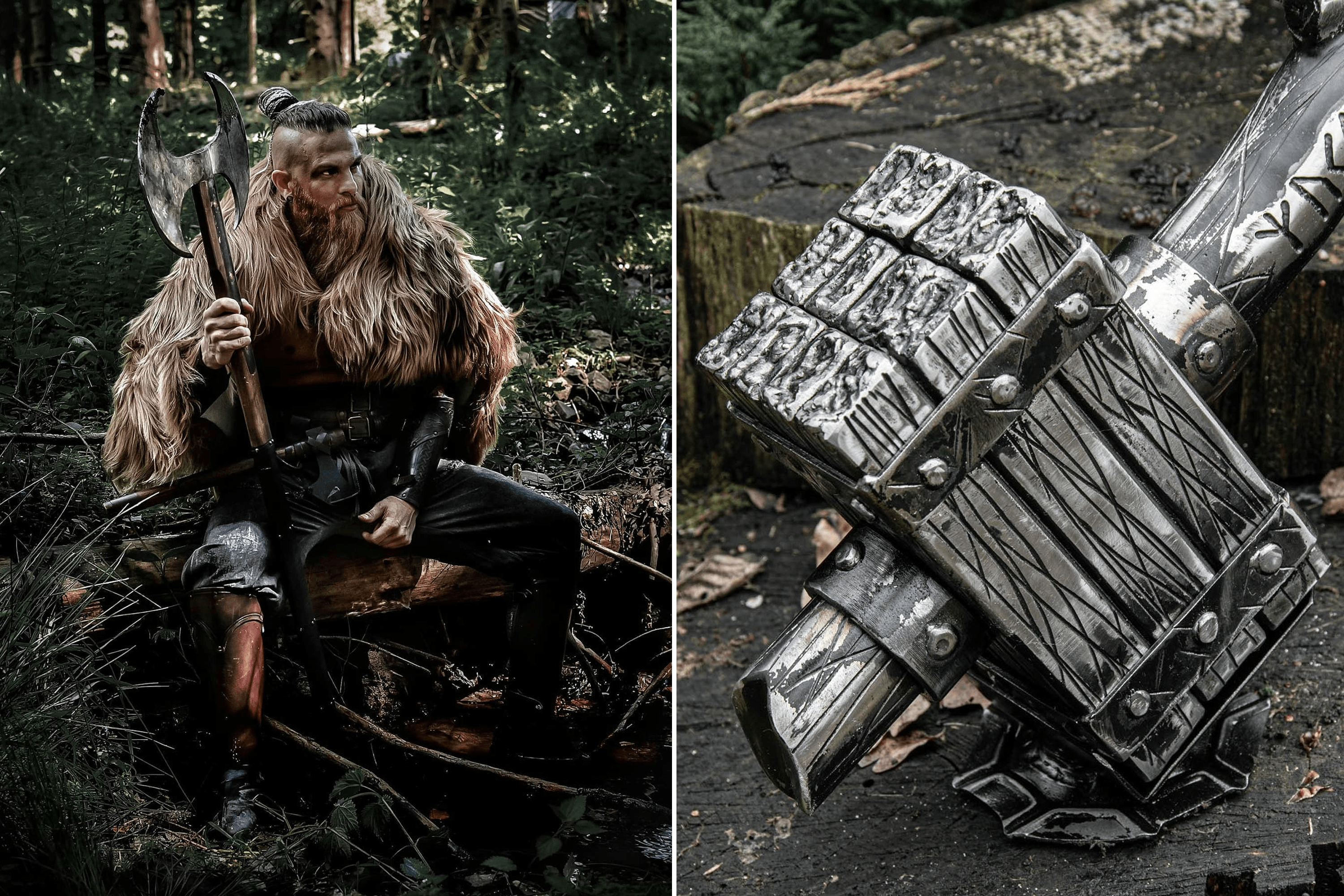
Users tag the Ancient Smithy brand on Instagram. Photo: ancientsmithy / Instagram / YB 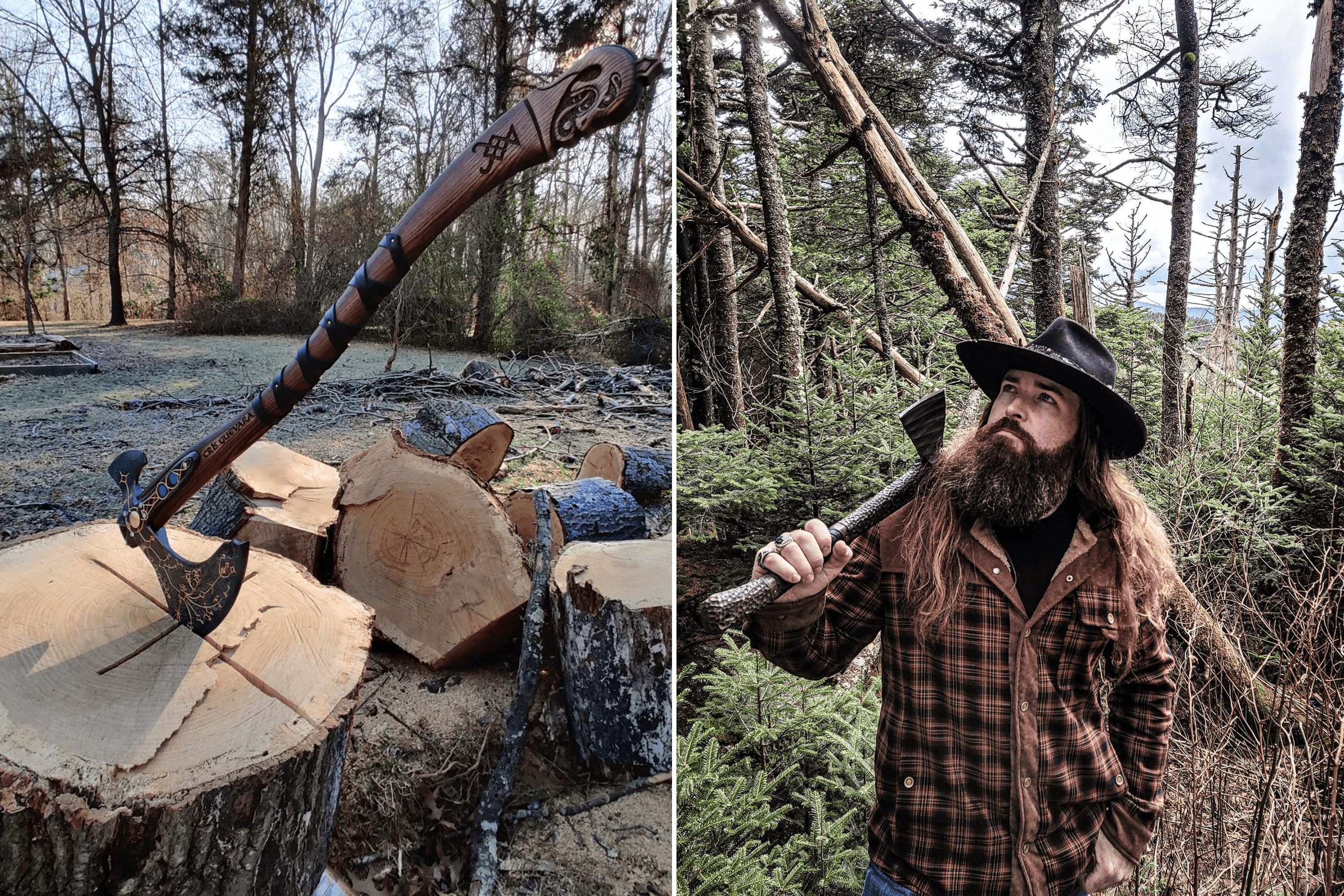
Photo: ancientsmithy / Instagram / YB 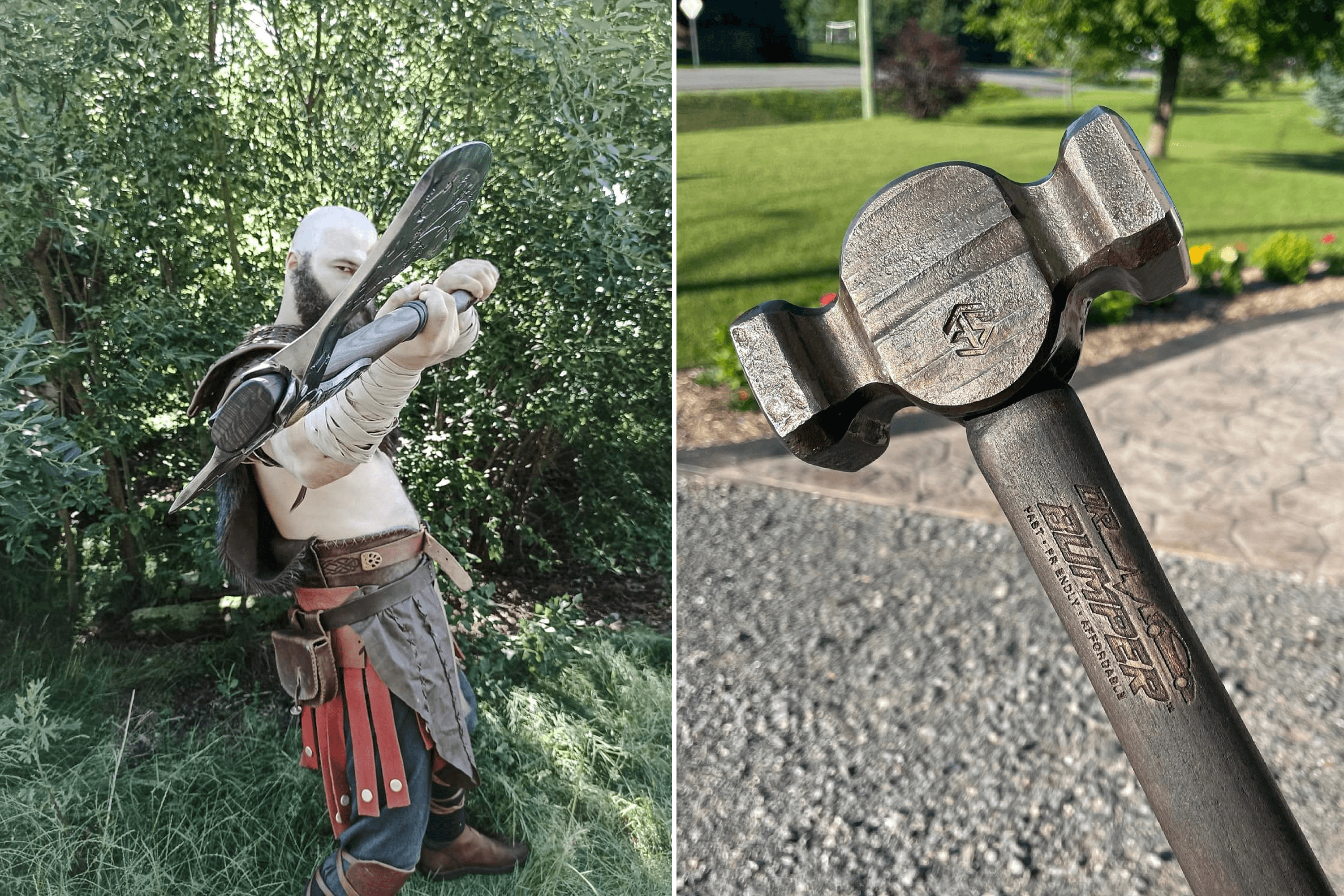
Photo: ancientsmithy / Instagram / YB 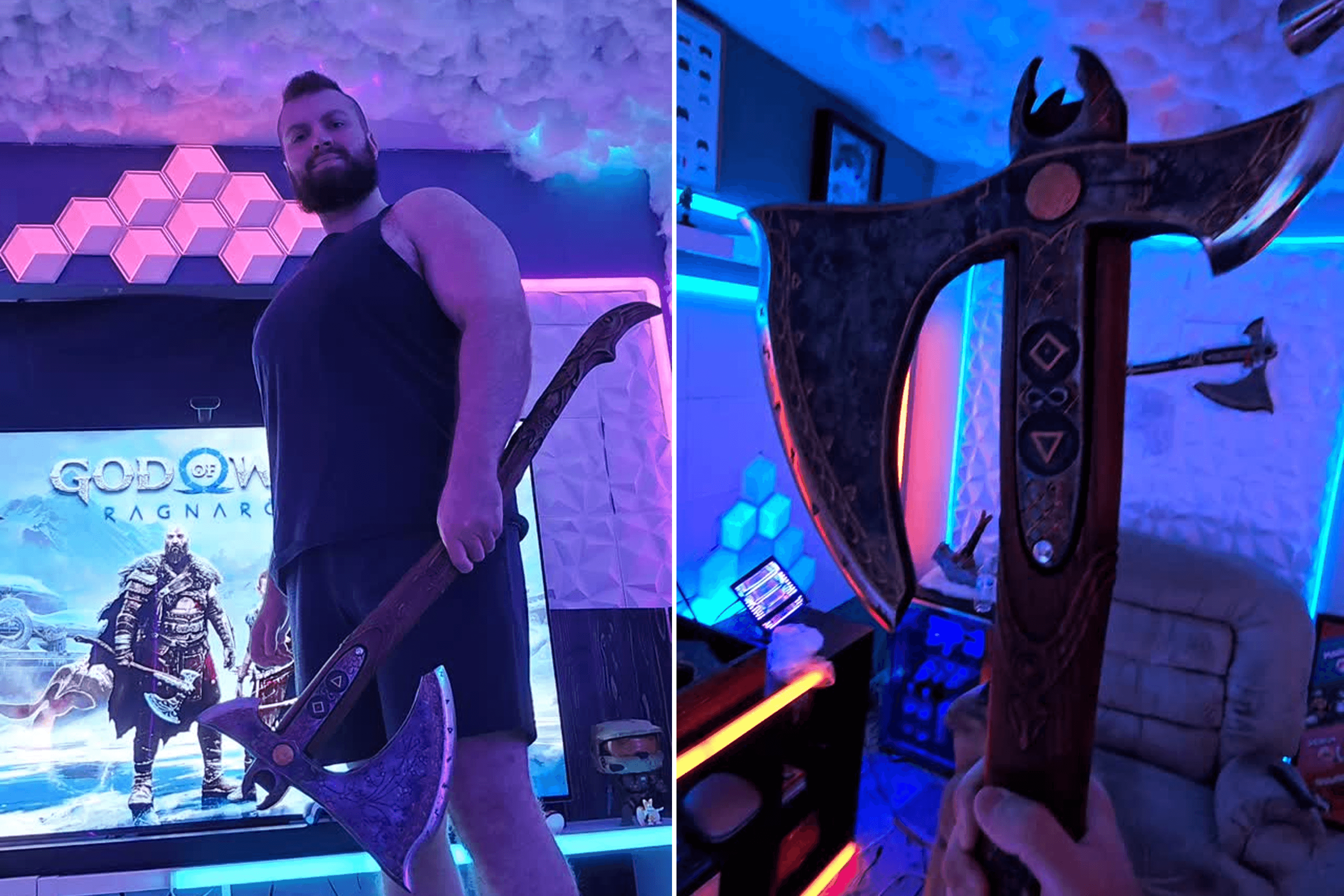
Photo: ancientsmithy / Instagram / YB
Are you engaged exclusively in retail sales, or do you also cooperate with local distributors?
Mainly it is retail. We have partners in Europe who sell our products, but these are still such small volumes that they can also be considered retail sales.
Do you plan to develop cooperation with local retail chains in Europe or the US?
In Europe—no. There is too much bureaucracy there, especially in Germany, which has a ton of additional rules. In the US, it is simpler: you work, you earn, you pay taxes, and that’s it.
Of course, we want to work with American retail chains. But there is a nuance: most chains want to take products on consignment, which means frozen funds. So everything depends on the scale of the partner. If it’s a small chain, we can afford to provide a few positions. We haven’t yet grown to the scale of large chains with billion-dollar turnovers.
What are the specific features of working on the American market?
In the US, there is a well-developed culture of respect for intellectual property. So when we launch a new product, we consult with lawyers to avoid violating anyone’s rights. A consultation costs $200 and protects us from expensive lawsuits.
At the same time, it’s important to protect your own intellectual property. If you already have a product that sells well, I advise registering the rights to it. For example, we have five registered trademarks in the US. We also have several registered copyrights for designs. When we see someone copying our products, we immediately file complaints, and the marketplaces block such stores. Other brands do the same.
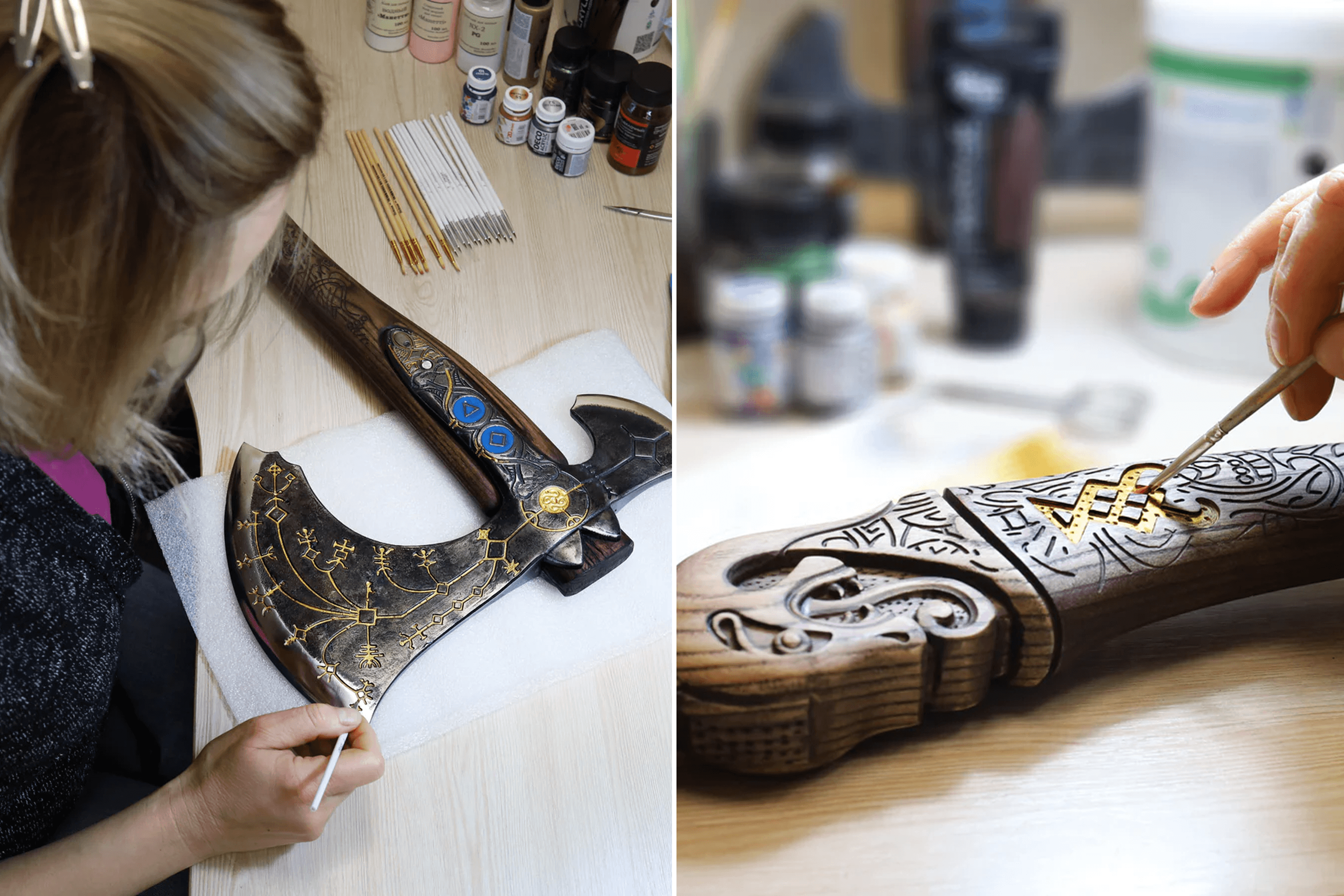
Photo: ancientsmithy.com / YB 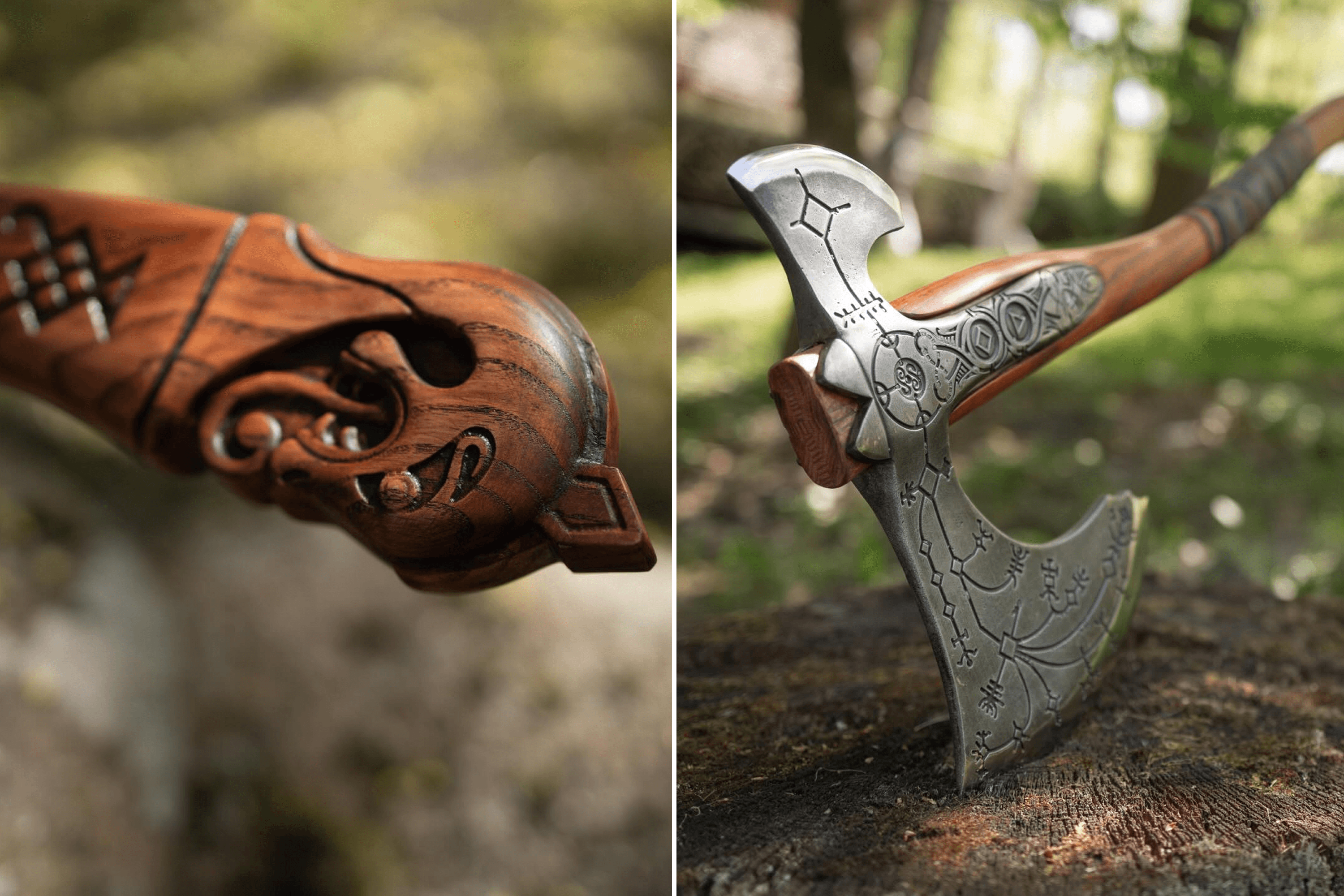
Photo: AncientSmithy / Facebook / YB 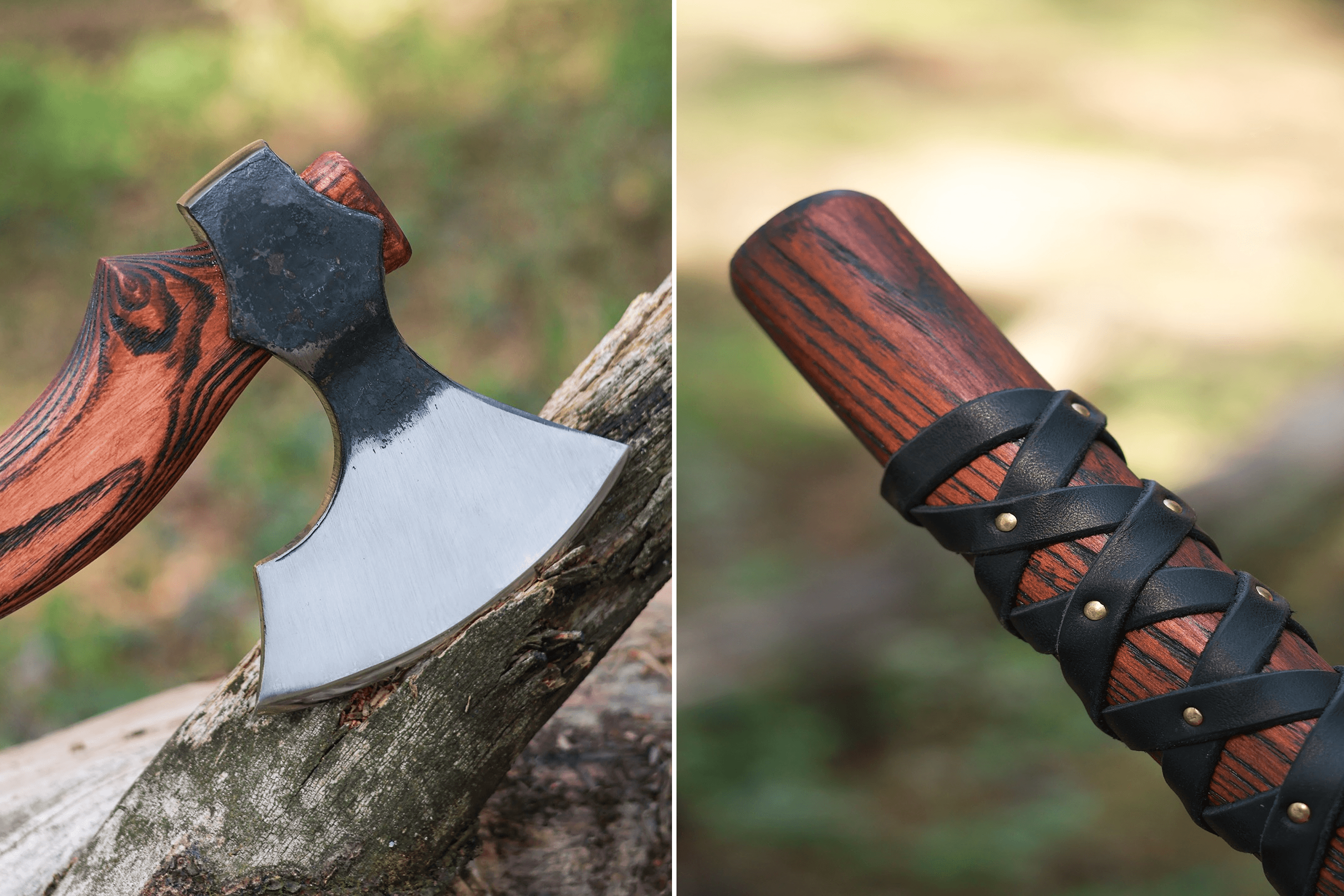
Photo: AncientSmithy / Facebook / YB 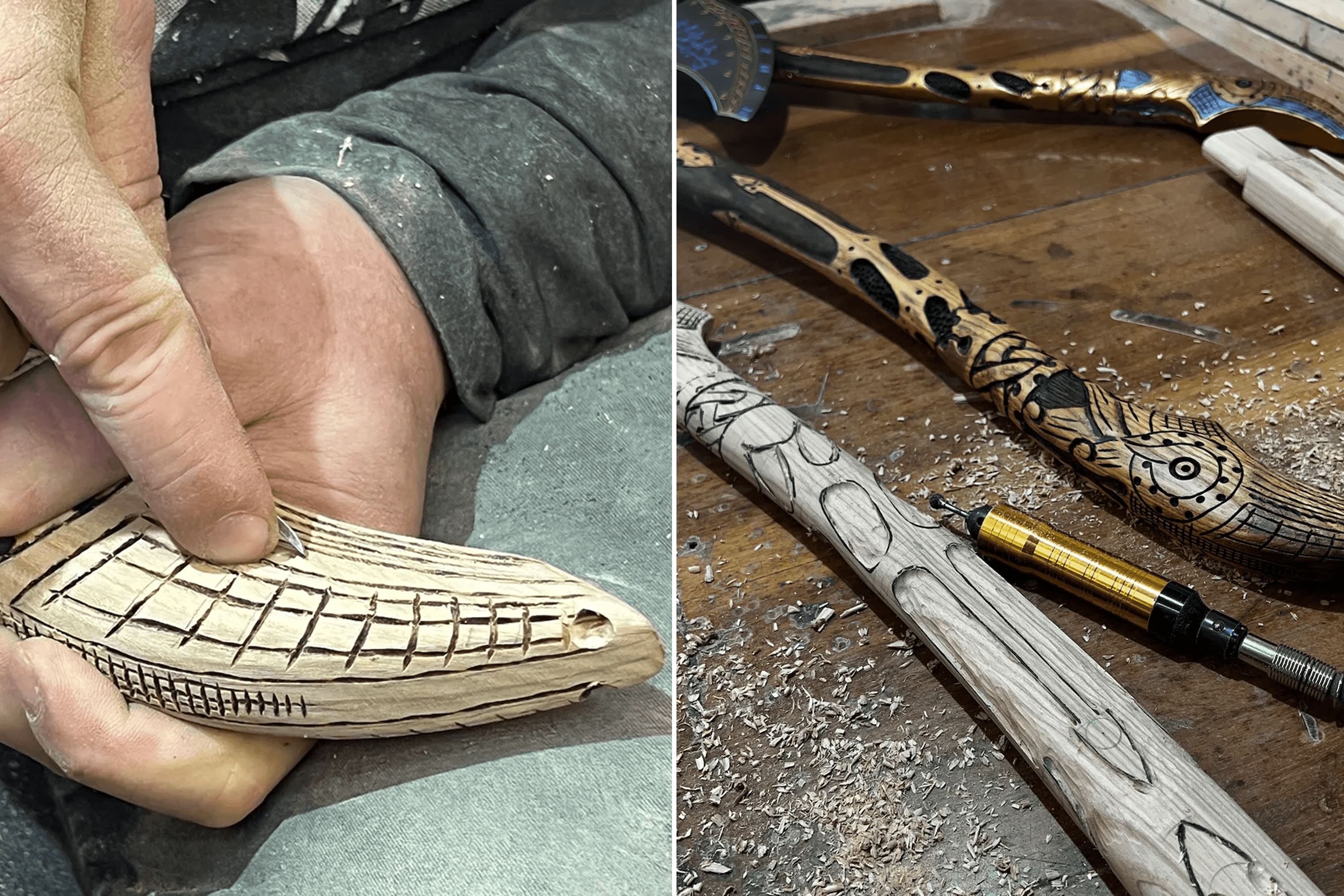
Photo: ancientsmithy.com / YB 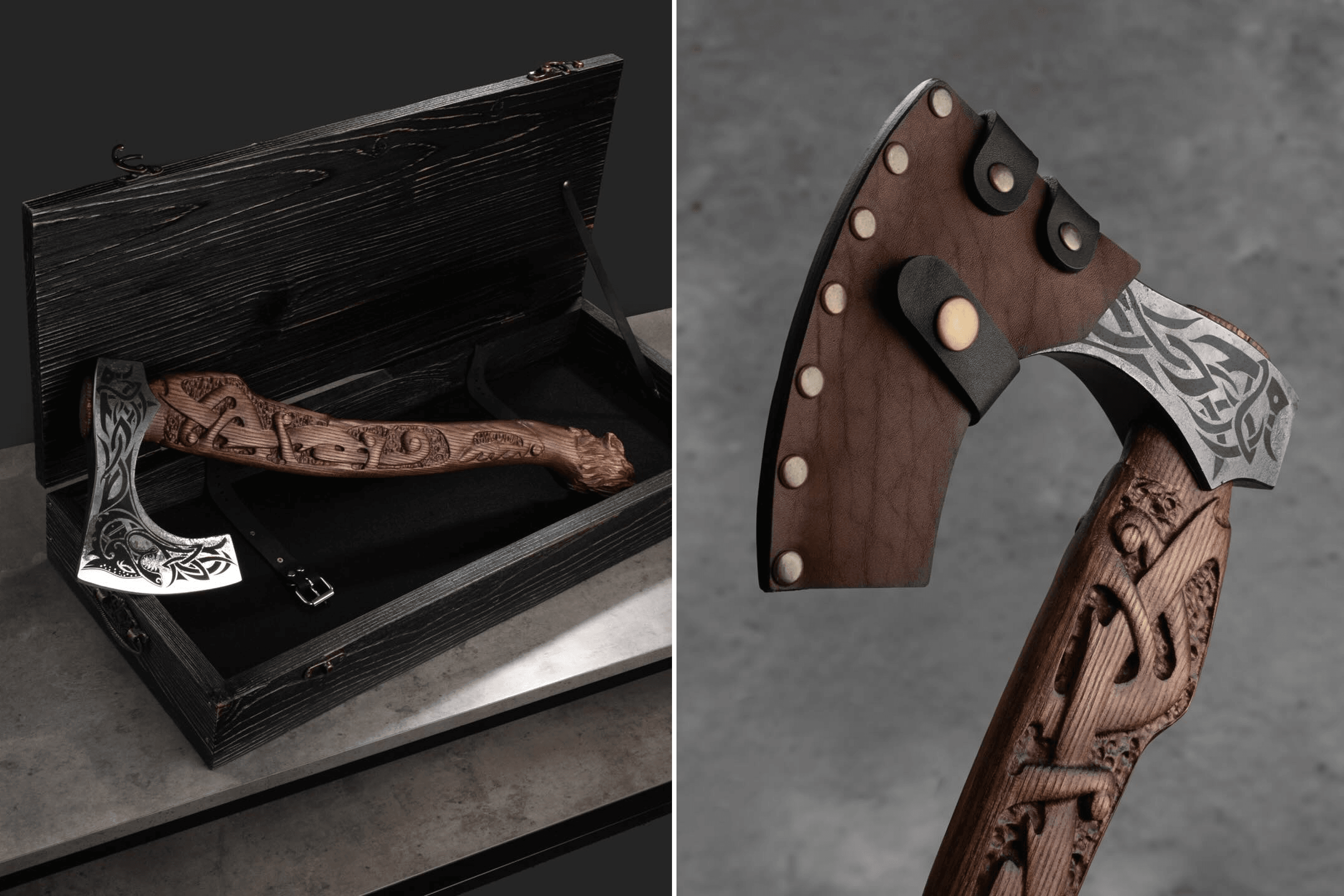
Photo: AncientSmithy / Facebook / YB 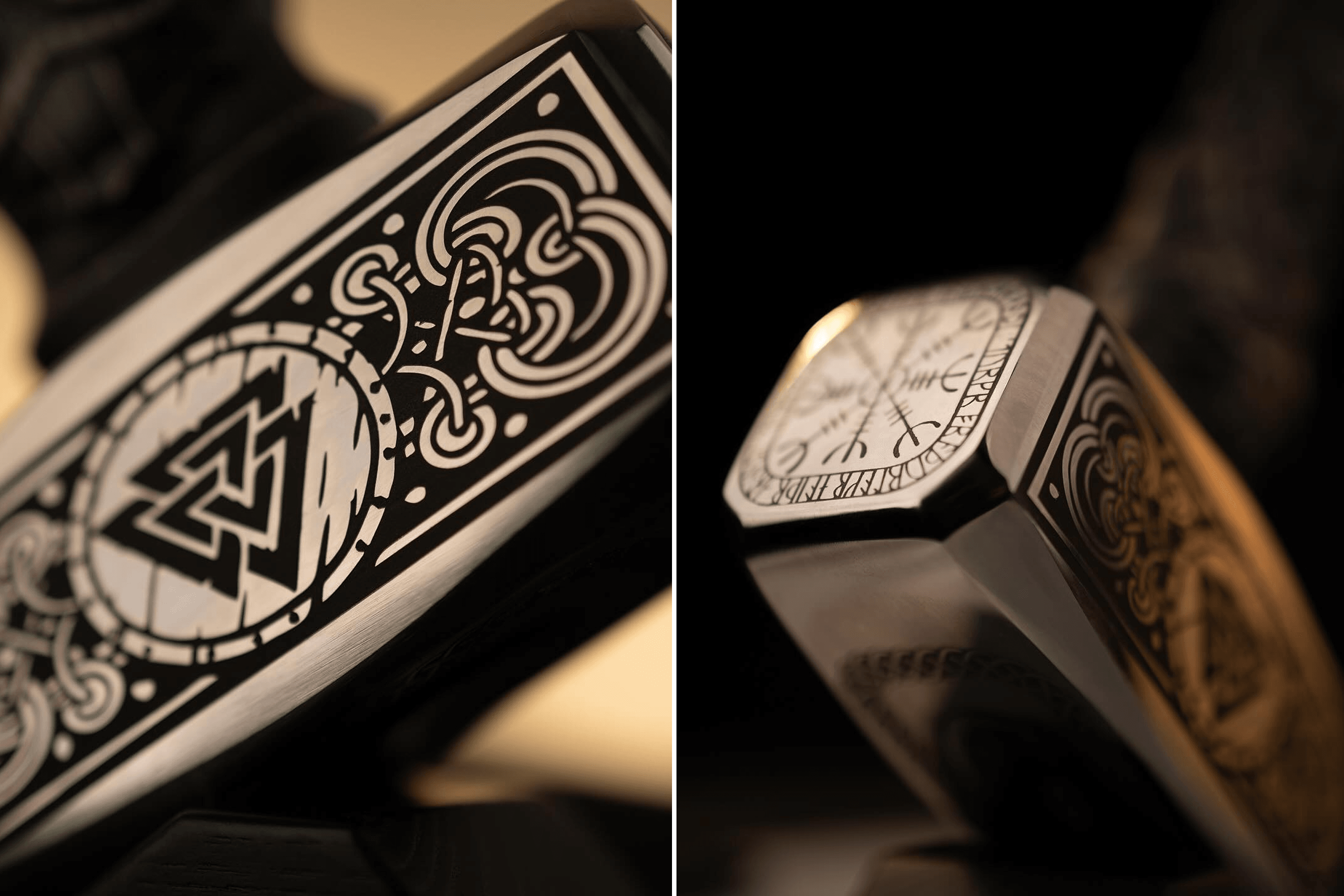
Photo: AncientSmithy / Facebook / YB
How much does it cost to register a trademark in the US?
Approximately $1,800 per trademark. This protects the company name, logo, and brand. There are different classes of trademarks depending on the field of activity. If you work with software, that is one class; if you make garden tools, that’s another. We operate in the “hand tools” class. But if you work at the intersection of several fields, you need to register in several classes at once, and there is an additional fee for each. All of this is a long process. Our first trademark took about 2.5 years to register and that’s a normal timeframe. If someone managed to do it faster, consider them very lucky.
How often do you have to file complaints against those who copy your products?
Virtually every day. We have a separate person on the team who handles only this. Sellers from Pakistan copy our products especially often. They simply steal photos and use them in their stores.
There is a separate story with design copyrights. We sell products inspired by designs from video games. But we work on the interpretation, applying our engineering and design. We finalize this legally. If someone starts copying not just the idea from the game, but specifically our implementation, design, and technical solution—we also file a complaint immediately and block them.
Do Americans trust Ukrainian brands in your segment?
It seems to me that origin no longer matters. Recently, an American asked where we were from, and when he heard we were from Ukraine, he replied: “Awesome! The main thing is that you’re not from Pakistan.” For many clients, the important thing is not that we are Ukrainians, but that we aren’t associated with markets from which counterfeits or goods of questionable quality often originate.
A significant portion of your buyers consists of gaming culture fans. How did you find this niche?
Yes, currently about 50 percent of our sales are products for fans of video games, pop culture, or sci-fi. In 2022, we began receiving frequent inquiries about whether we could make the hammer from the video game God of War: Ragnarök. There were so many requests that we decided to launch this hammer into mass production, and for this purpose, we went on Kickstarter with it.
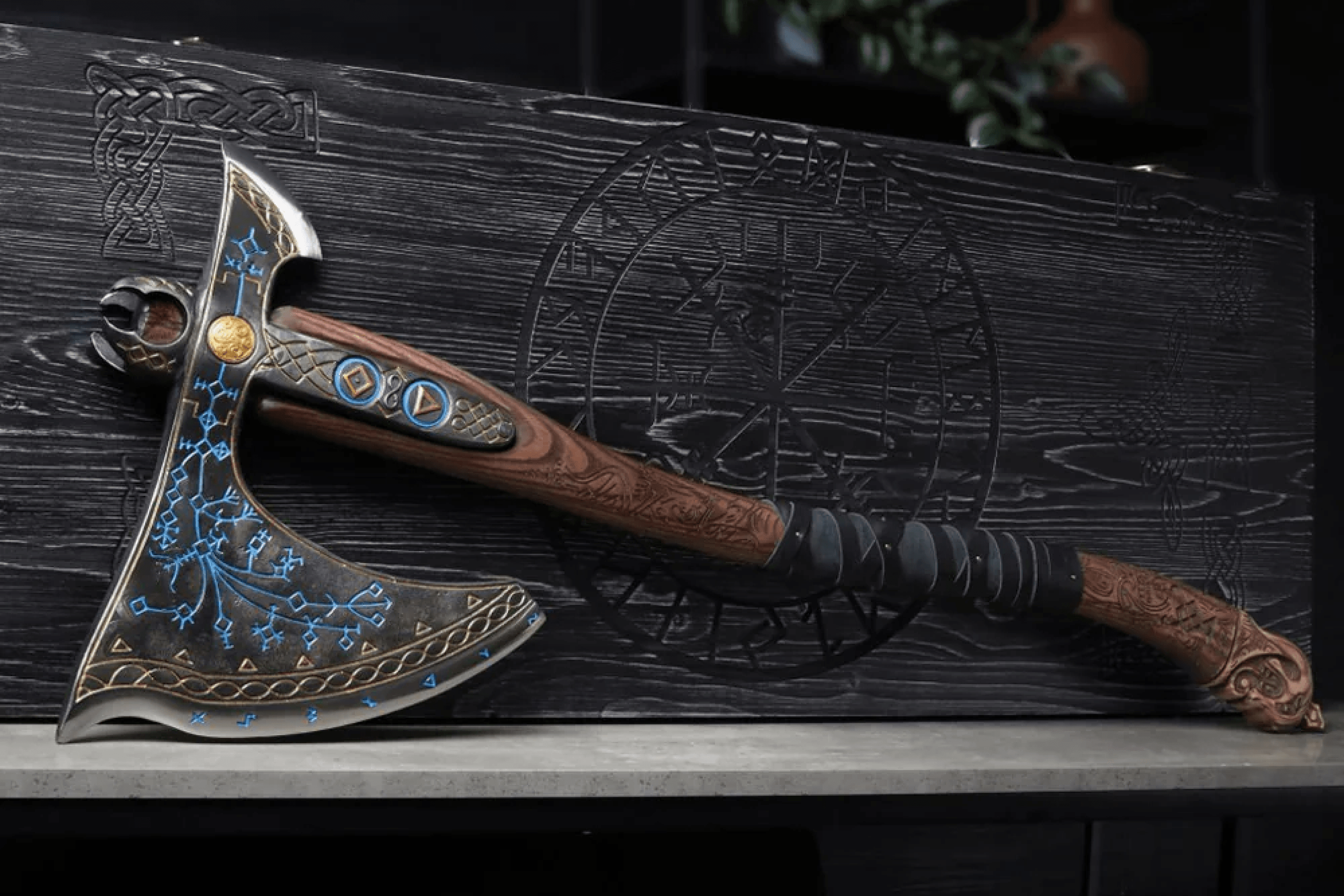
The Leviathan Kratos axe from the video game God of War: Ragnarök by the Ancient Smithy brand. Photo: ancientsmithy.com / YB 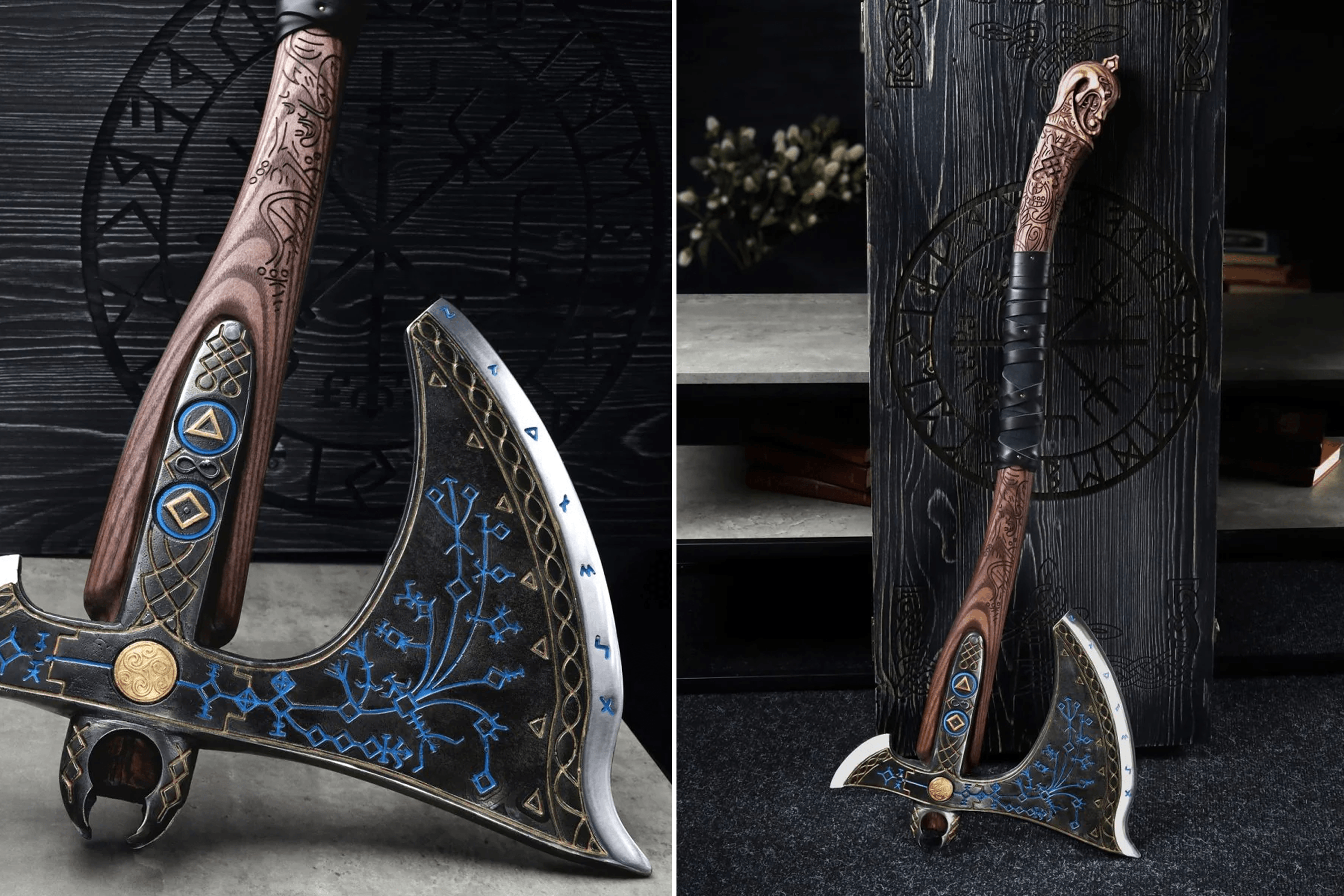
Photo: ancientsmithy.com / YB
You managed to raise about $150,000 through Kickstarter. Why did you decide to go into crowdfunding if the business had already been operating for more than a year?
For us, it was not so much a way to raise money as another sales channel. There’s a different audience there—people who love exclusive products, novelties, and something non-standard.
How does the development process for a new product look?
First, we look at which product has a steady demand and analyze the market. Next, we work on a prototype: we create a 3D model, print it, and see how it looks in reality.
Usually, the first version requires adjustments, so we do several iterations. When we finally like the plastic model, we make a forged metal prototype and look at which technology is best suited for it. Then the craftsmen begin fulfilling orders. The whole process takes several months.
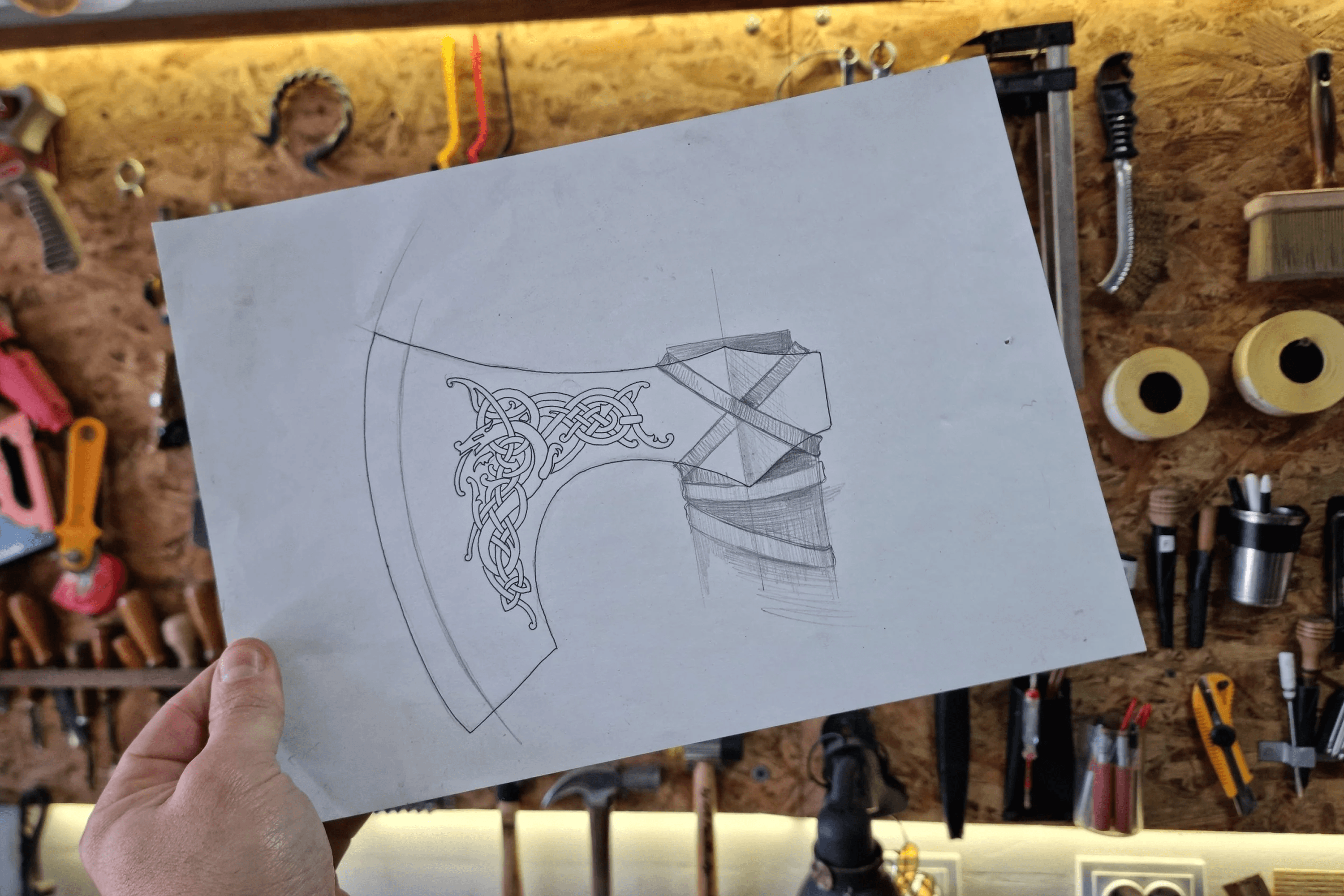
Some sketches of future pieces by the Ancient Smithy brand. Photo: ancientsmithy.com / YB 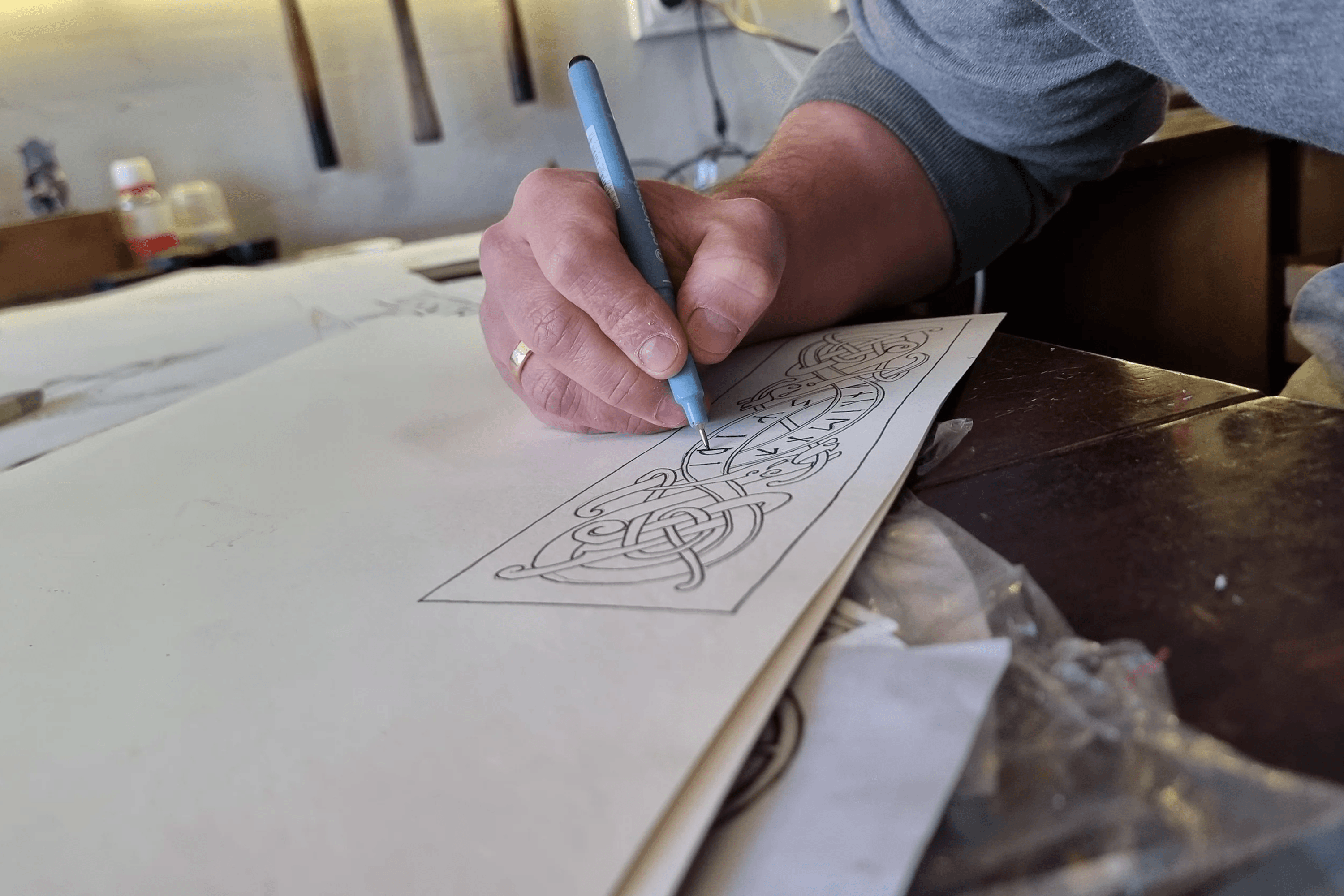
Photo: ancientsmithy.com / YB 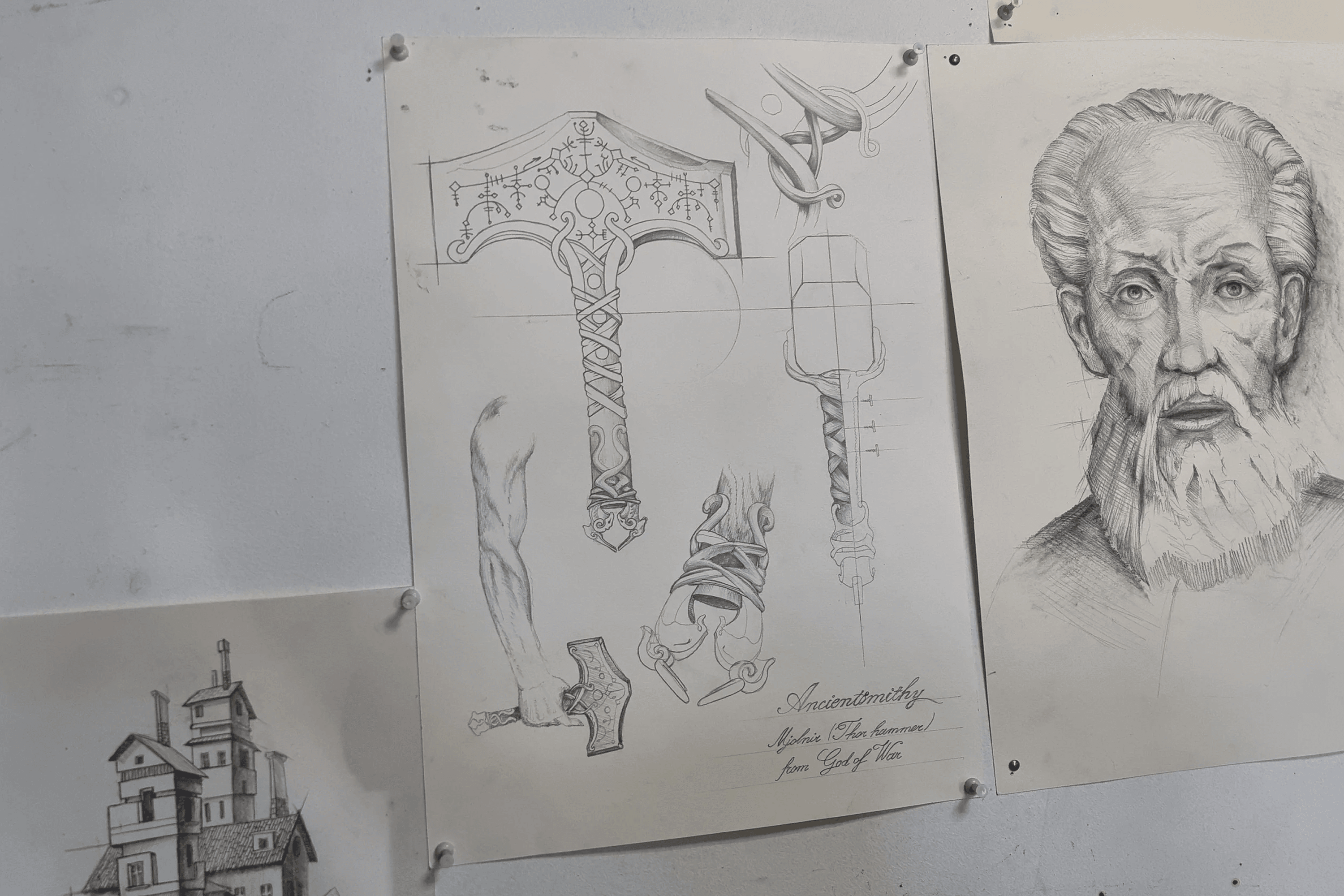
Photo: ancientsmithy.com / YB 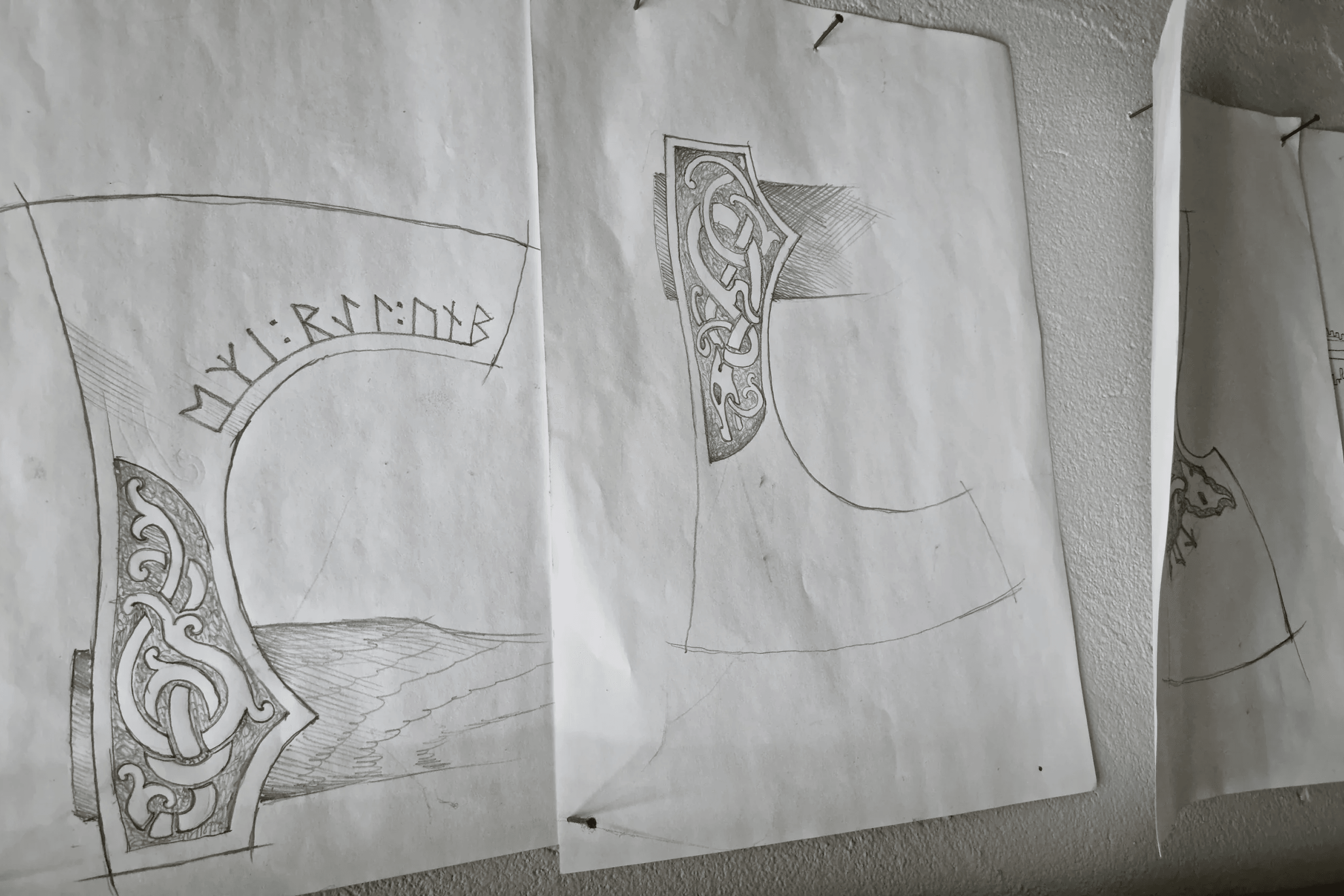
Photo: ancientsmithy.com / YB 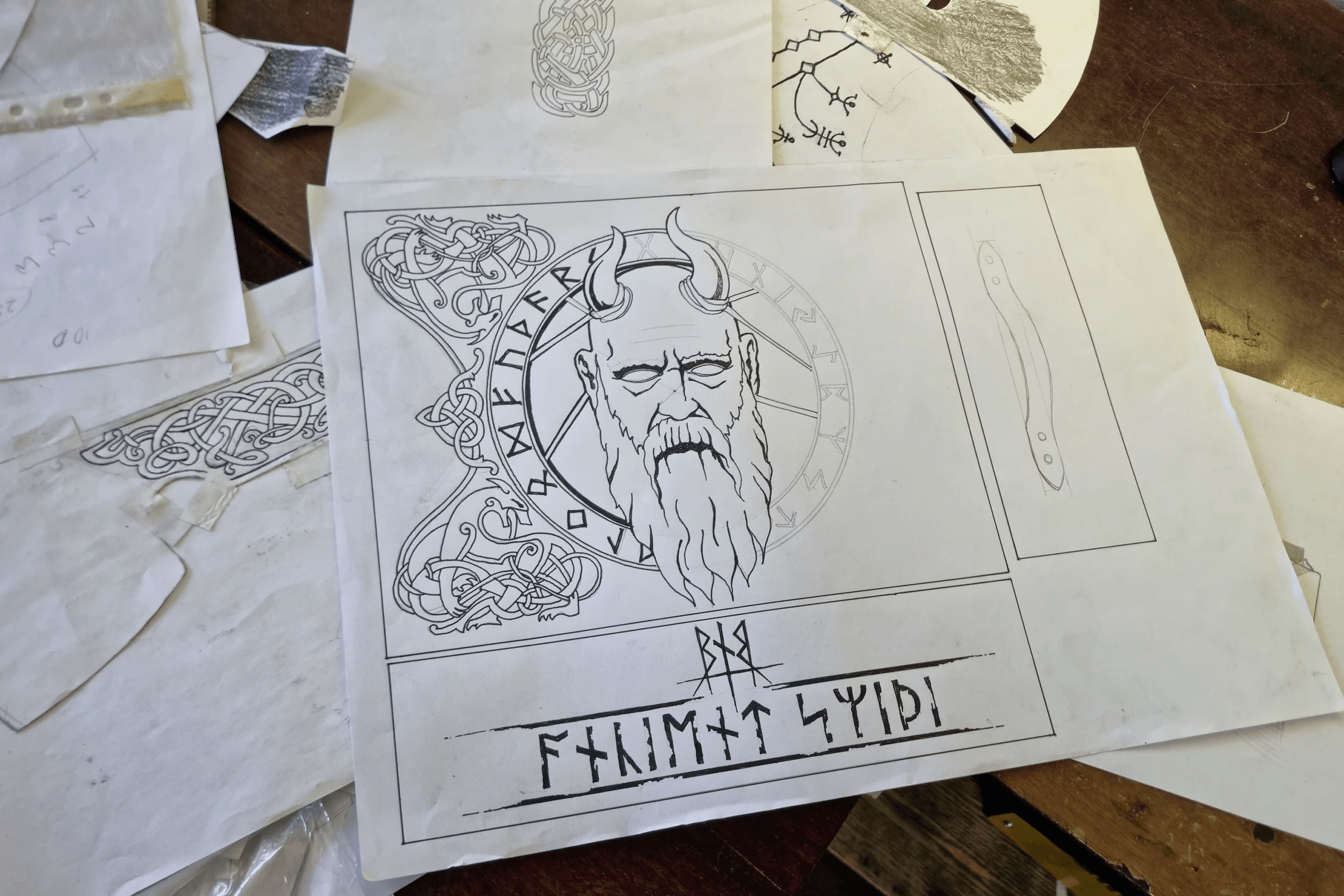
Photo: ancientsmithy.com / YB 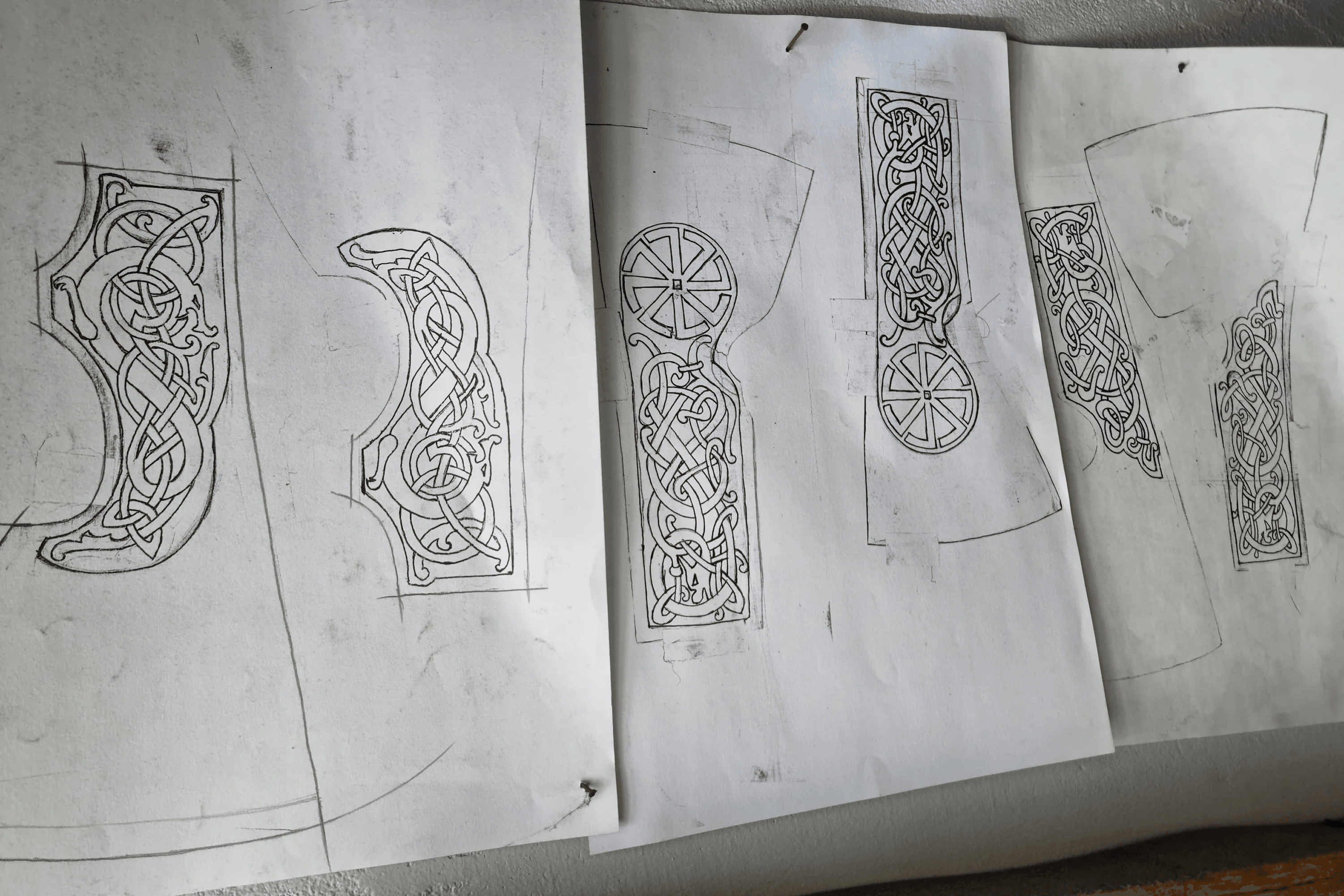
Photo: ancientsmithy.com / YB
Were there products that you believed in, but the market did not accept them?
Yes, there were many. Out of seven new products, on average, only one starts selling well. The others we gradually phase out. If I like something, it doesn’t necessarily mean Americans or another market will like it. This is a normal part of the process.
Once, the guys at the production facility accidentally mixed up the heads of two different axe models and made a hybrid. Unexpectedly, it sold better than both original models. Sometimes even mistakes can yield a good result.
Which product promotion channels are the most effective for you?
Buyers often come to us after a video on YouTube or a review on Reddit. Once, someone wrote about us on a forum, and overnight we received orders worth approximately $30,000. We also work with Instagram and TikTok. We try to post a lot of content, testing different formats—and it really works.
I dream of a production studio—so that we work with professional actors, and our videos become even higher quality. I think we will gradually get there.
Right now, I am studying in the US under the Stanford Ignite Ukraine program, and it turned out that when I publish content while being in America, it works significantly better than the same content published from Ukraine. This is a painful topic because I live in Kyiv and am returning soon. Now I’m thinking about what to do with this.
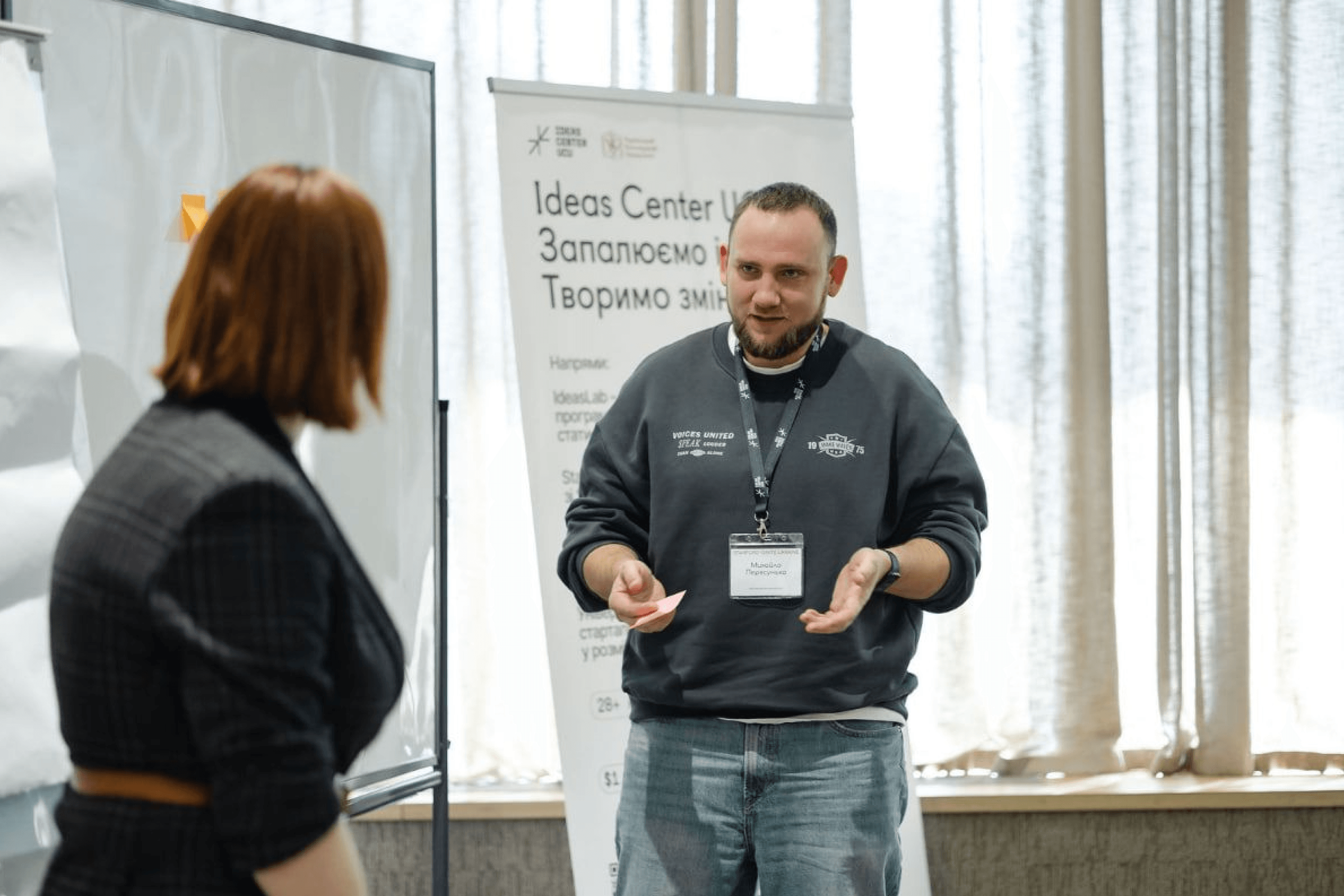
Mykhailo Peresunko during the Stanford Ignite Ukraine program, 2026. Photo: Mykhailo Peresunko / LinkedIn / YB 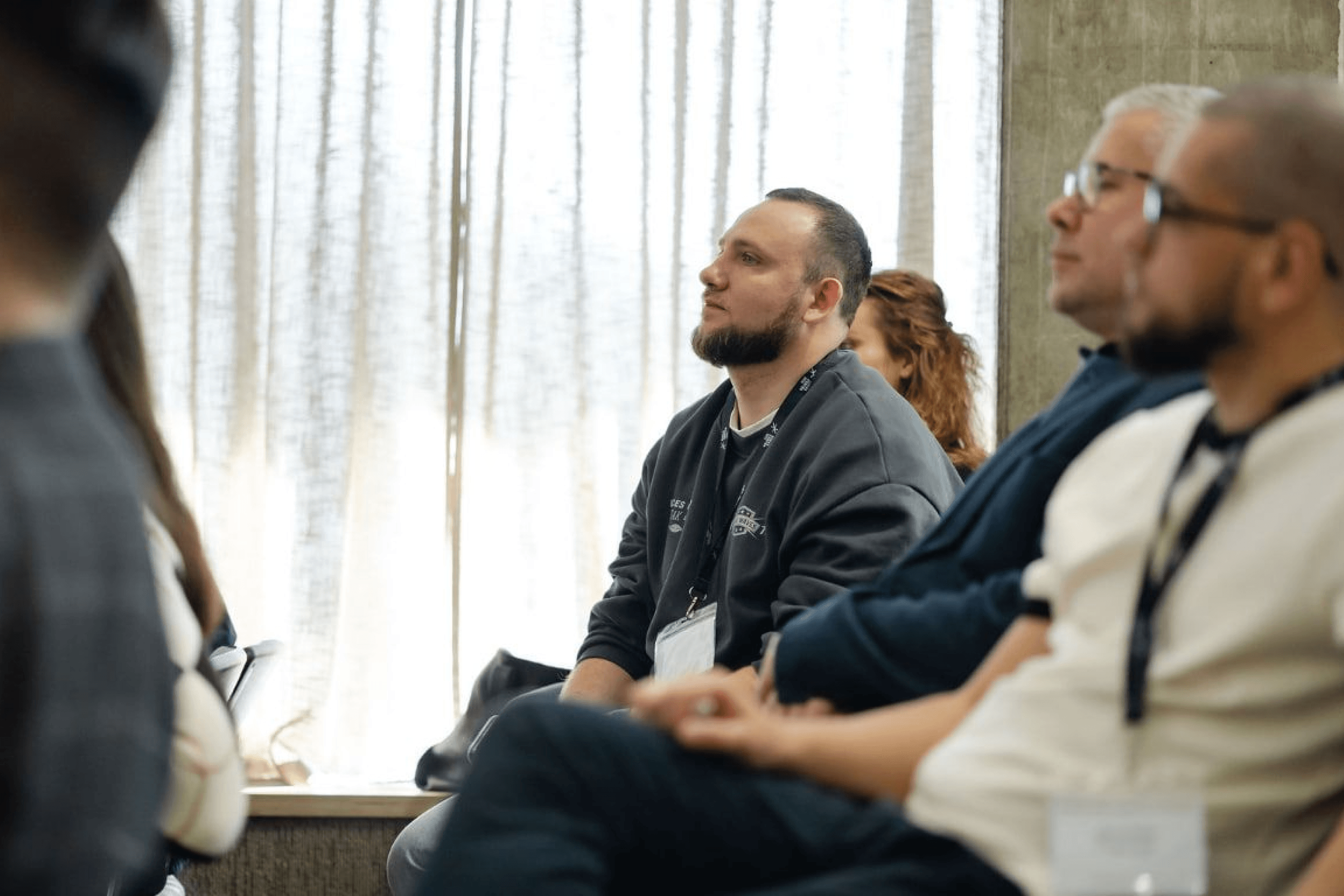
Photo: Mykhailo Peresunko / LinkedIn / YB 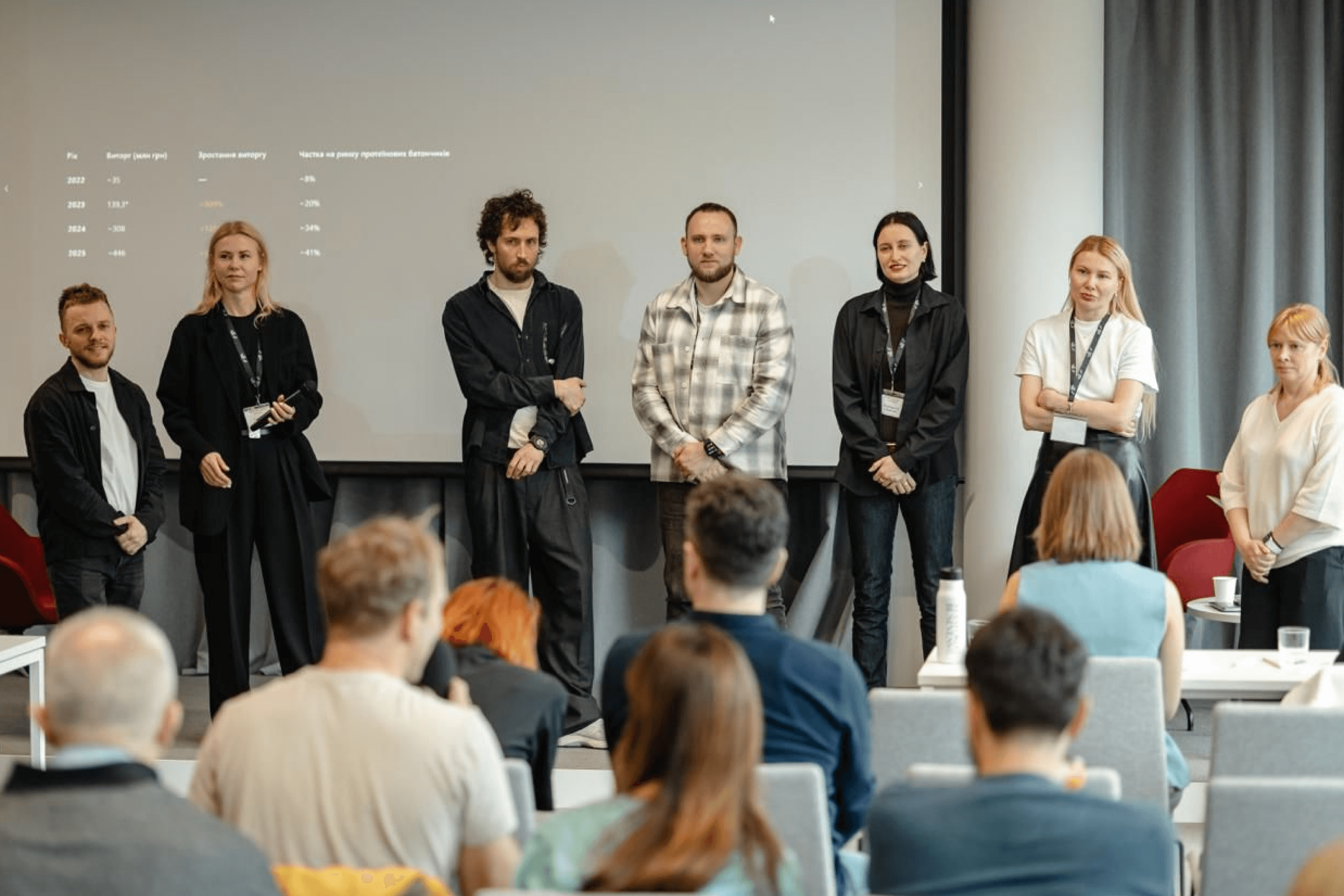
Photo: Mykhailo Peresunko / LinkedIn / YB
Does classic influence marketing bring you sales?
When we approached bloggers ourselves, the result was weak—at best, we broke even. But when bloggers showed initiative because they were interested in our product, it worked. Once, a YouTube blogger with a large audience bought an axe from us, filmed a review of it, tagged us, and left a link to his axe in the comments. We did not agree on this beforehand—we found out after the fact. That video gained about a million views and generated very good sales.
How much do you spend on marketing each month?
Over $10,000. This includes content production for social media, collaboration with influencers, and advertising.
Large companies approach you with corporate orders. How does that happen?
We collaborated with PlayStation: we manufactured an axe for them for the presentation of the game God of War: Ragnarök. A few months ago, their team working on God of War approached us again. They ordered a birthday gift for a designer—a physical version of the hammer he had developed for the game. This was very pleasant.
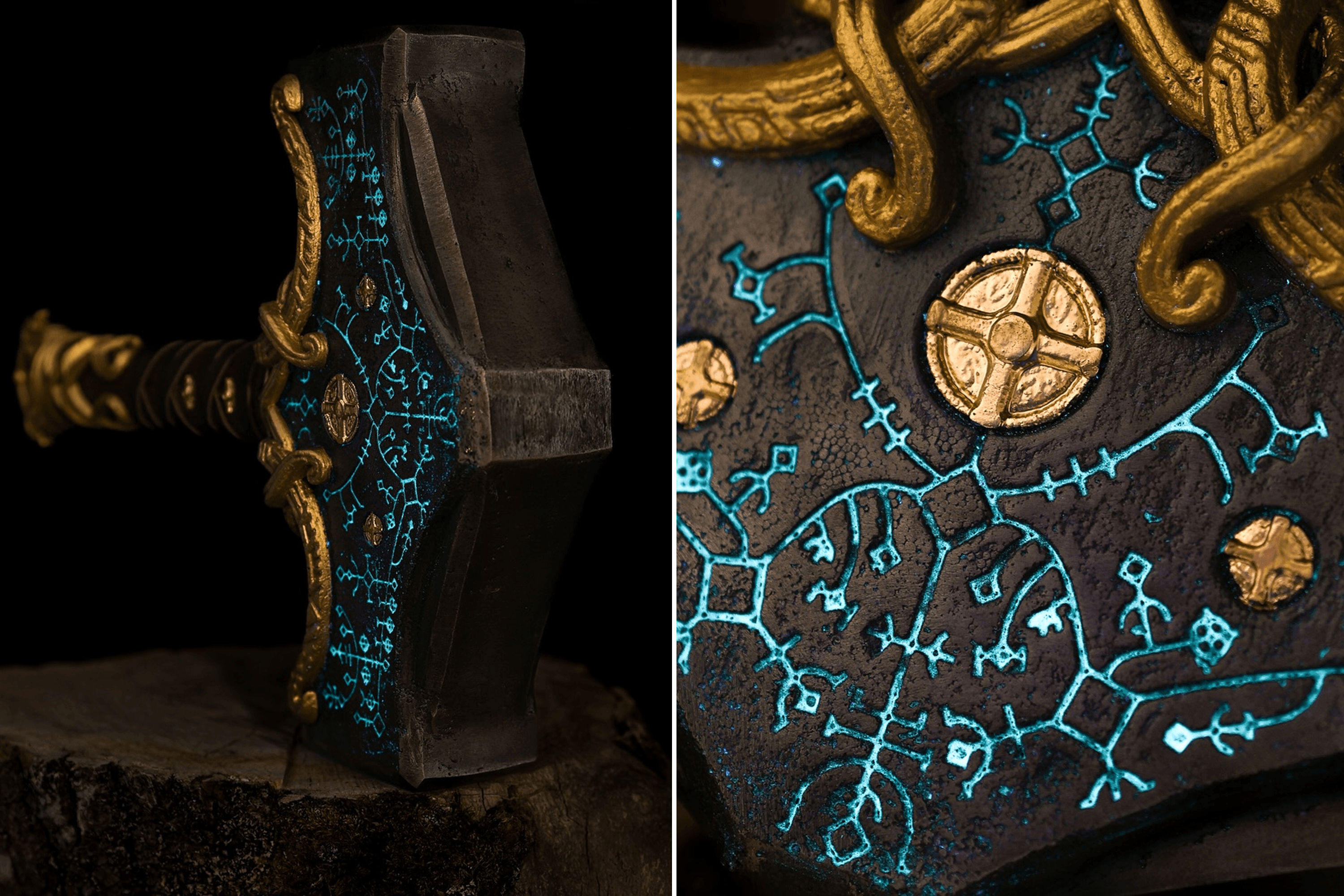
The hammer from the video game God of War: Ragnarök by the Ancient Smithy brand. Photo: AncientSmithy / Facebook / YB 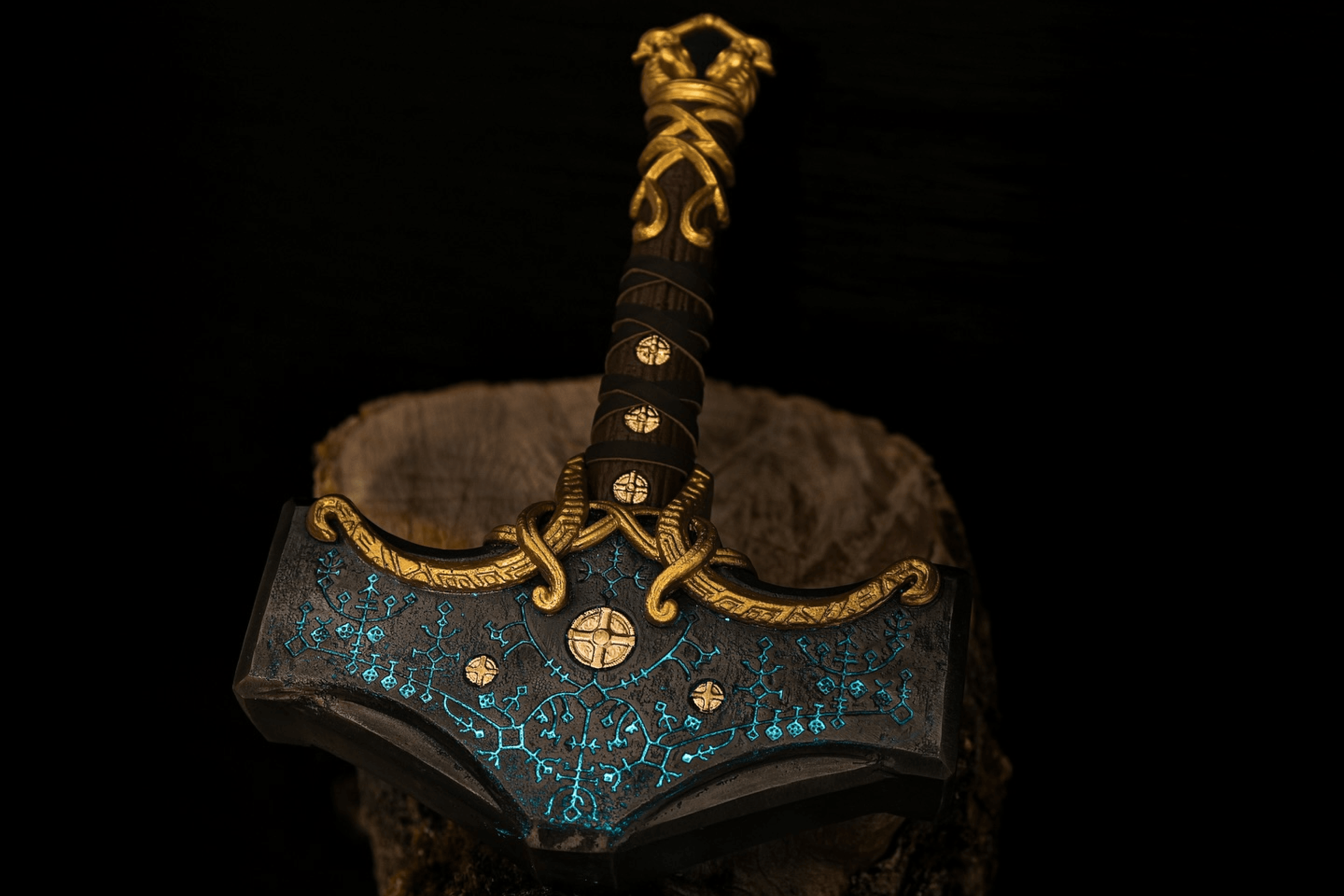
Photo: AncientSmithy / Facebook / YB
You are talking about one-off corporate orders. But is it possible in the future to see, for example, an official collaboration between Ancient Smithy and PlayStation?
We are actually currently negotiating such collaborations. We have already done a presentation for one game developer, got on videocalls, and showed products. But there is a difficulty: large companies often do not want to enter the category of weapons or items that can be perceived as such. They fear potential reputational risks—for example, if someone gets injured. Because of this, the process moves slower. But I really hope that in the end, everything will work out.
Today, Ancient Smithy stands for about 150 types of unique products and a million-dollar turnover. How do you see the company in five years?
For me, it’s important to preserve the culture and values of the brand. Our mission is to unite craftsmen who are passionate about their work to create things that people will want to pass down as family heirlooms. Most of the craftsmen who come to us have a family history: his great-grandfather, grandfather, and father were blacksmiths—and the person is continuing the dynasty.
I want to preserve this authenticity and, at the same time, scale the business. This is my priority and the most difficult task. To solve it, I’m studying the experience of German and Swedish companies that are over 100 years old: how they maintain the culture inside and communicate their values to the outside world. I’m inspired by them.