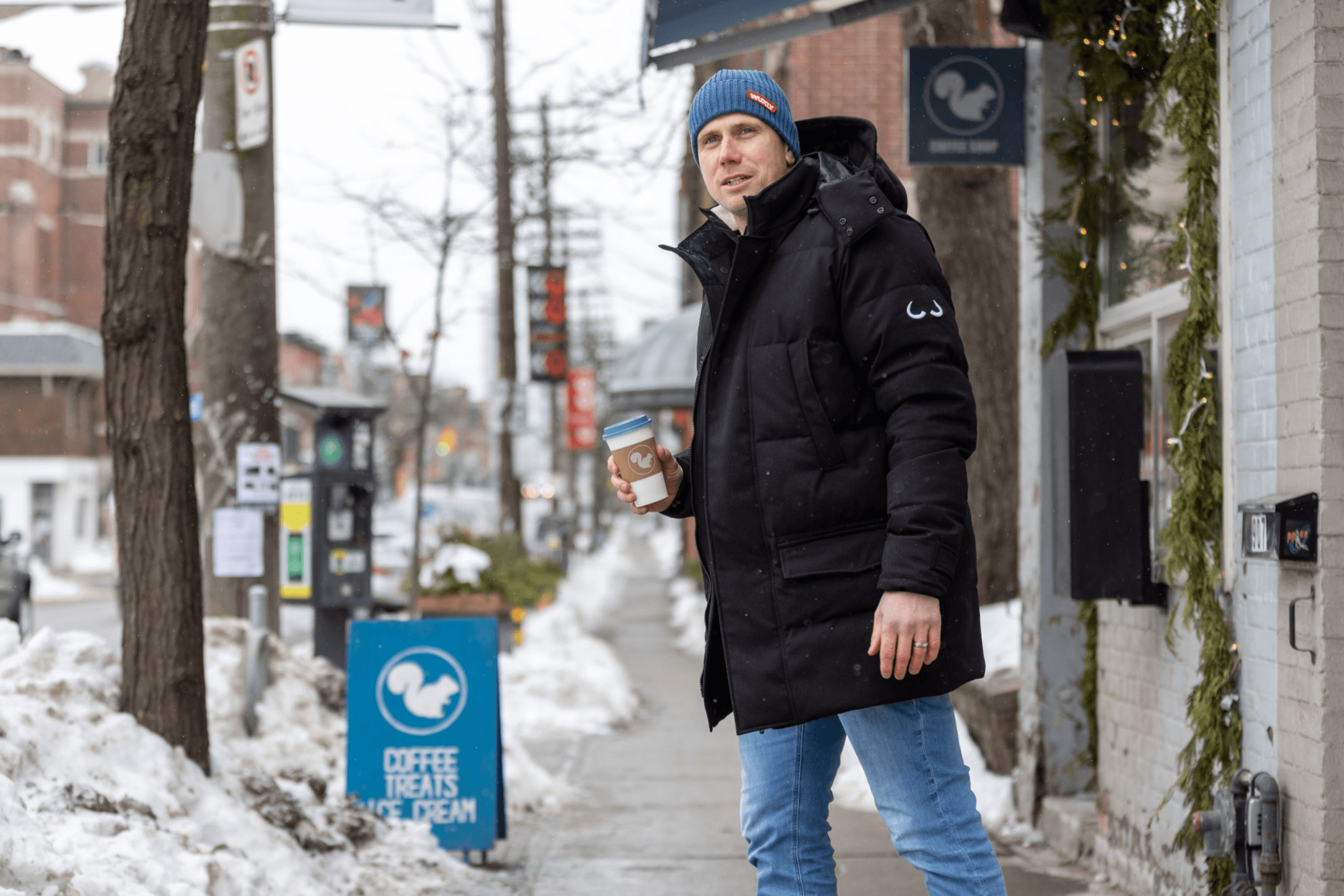
James Yurichuk is a Canadian of Ukrainian descent who has never been to Ukraine, but always knew where his ancestors came from. In 2015, he launched a Kickstarter campaign to establish the outerwear brand Wuxly, and he did. At first, James focused on ethical manufacturing and planned to develop the brand exclusively in the fashion sector. But everything changed after Russia’s full-scale invasion of Ukraine. Today, Wuxly produces uniforms and textiles for the military and is also developing smart clothing for them.
Yellow Blue journalist Artem Moskalenko spoke with James Yurichuk about the brand’s history, its growth, and its transformation into a military business.
Until 2016, you played Canadian football professionally, and then decided to launch a clothing brand. How did that happen?
Because of my girlfriend. She came to Toronto from Brazil and was cold all the time. She was used to living where temperatures were above 30 degrees, while here it can drop to minus 30. I was looking for a winter jacket for her and wanted it to be made in Canada. I could not find anything suitable and thought, why not try making a jacket myself? I started researching fabrics, assembled a team of experts, and eventually made the first jacket and gave it to my girlfriend. It worked, and she decided to stay in Toronto for the winter. Later, we got married, started a family, and founded the Wuxly brand.

You decided to build Wuxly as a brand with ethical manufacturing. Why?
When I was looking for materials for the first jacket, I noticed the so-called technical fabrics. They are used, among other things, in military clothing and textiles. They are more functional than natural materials that were popular in the fashion industry at the time, such as fur or down. I decided to use them as a contribution to protecting animals and nature.
The brand has existed for more than 10 years. How has it changed over that time?
We started as a civilian clothing brand and launched through Kickstarter in 2015. Back then, we managed to raise CA$80,000, which became our starting capital. We focused mainly on outerwear, but everything started to change during the COVID-19 pandemic. In Canada, there was huge demand for personal protective equipment for medical workers, while overseas supply had effectively stopped because every country was prioritizing its own needs first.
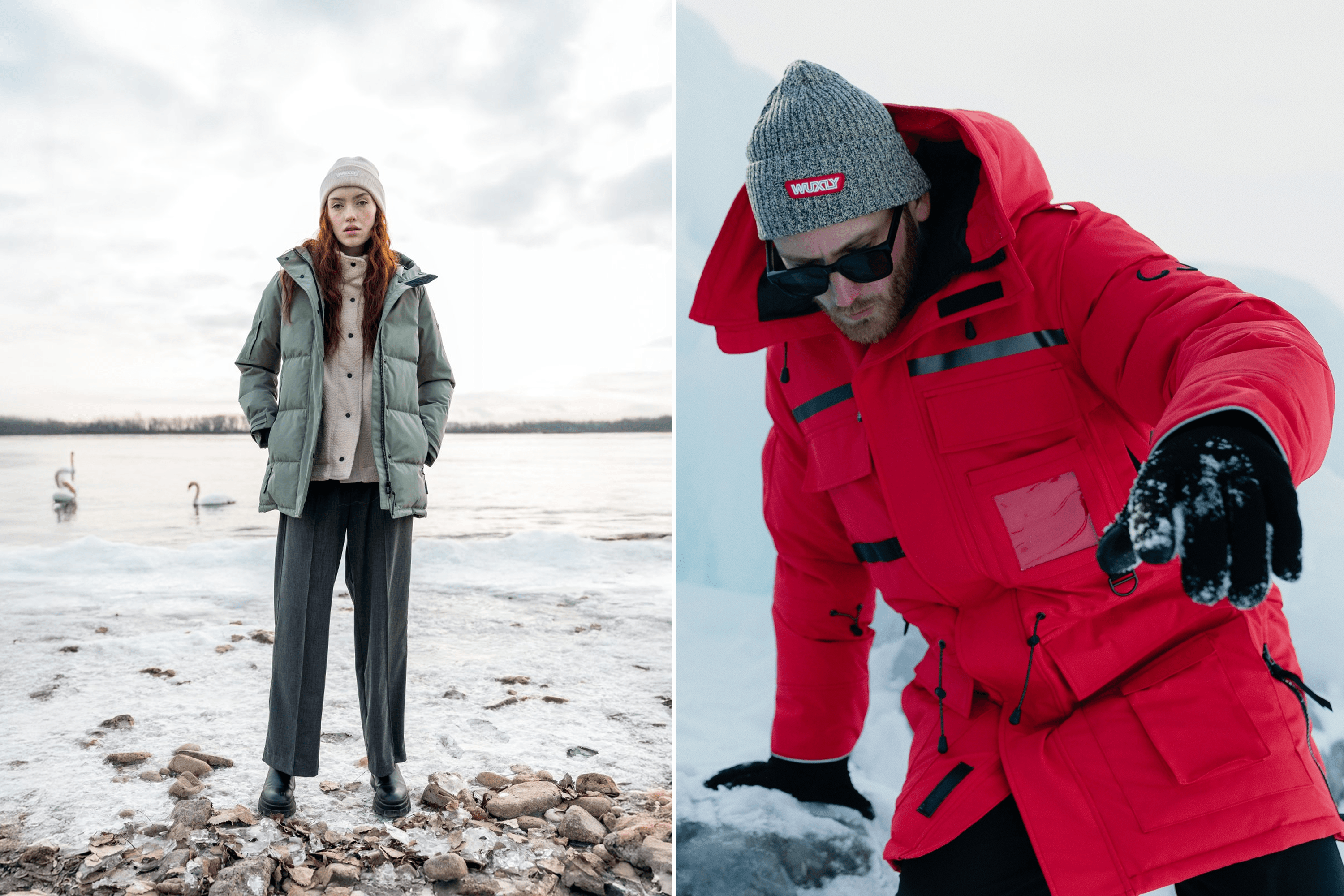
Some pieces by the Wuxly brand. Photo: Wuxly / Instagram / YB 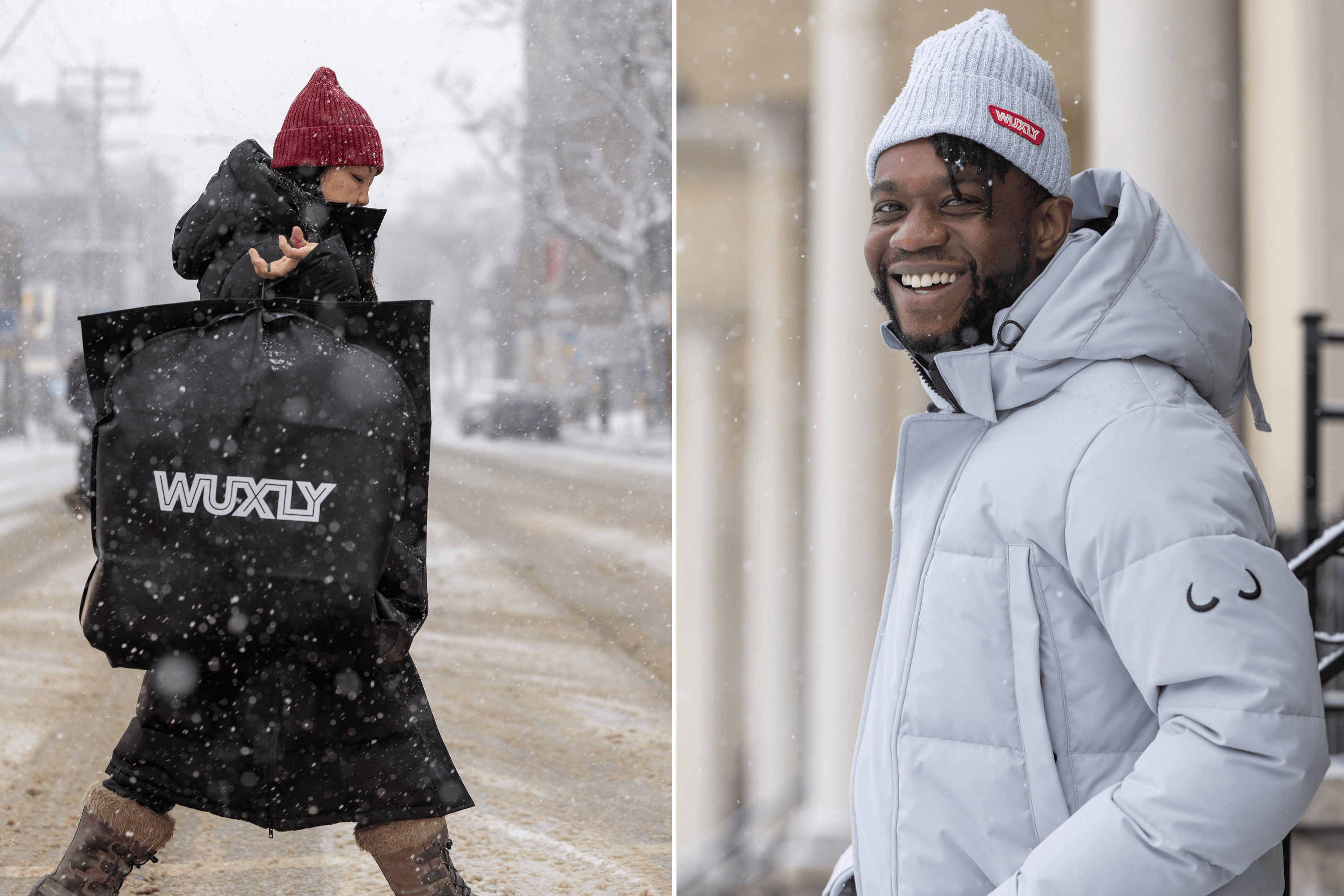
Photo: Wuxly / Instagram / YB 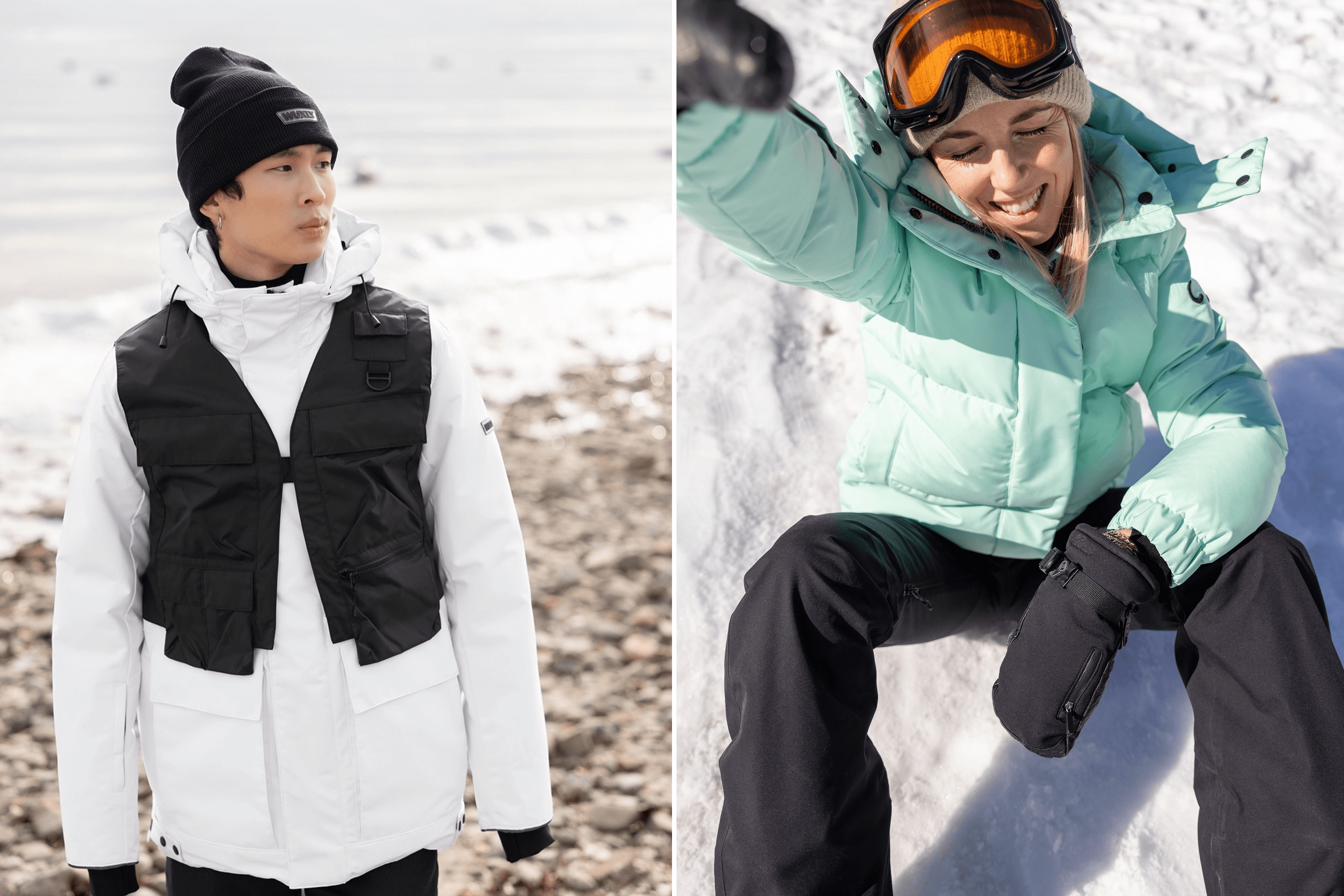
Photo: Wuxly / Instagram / YB 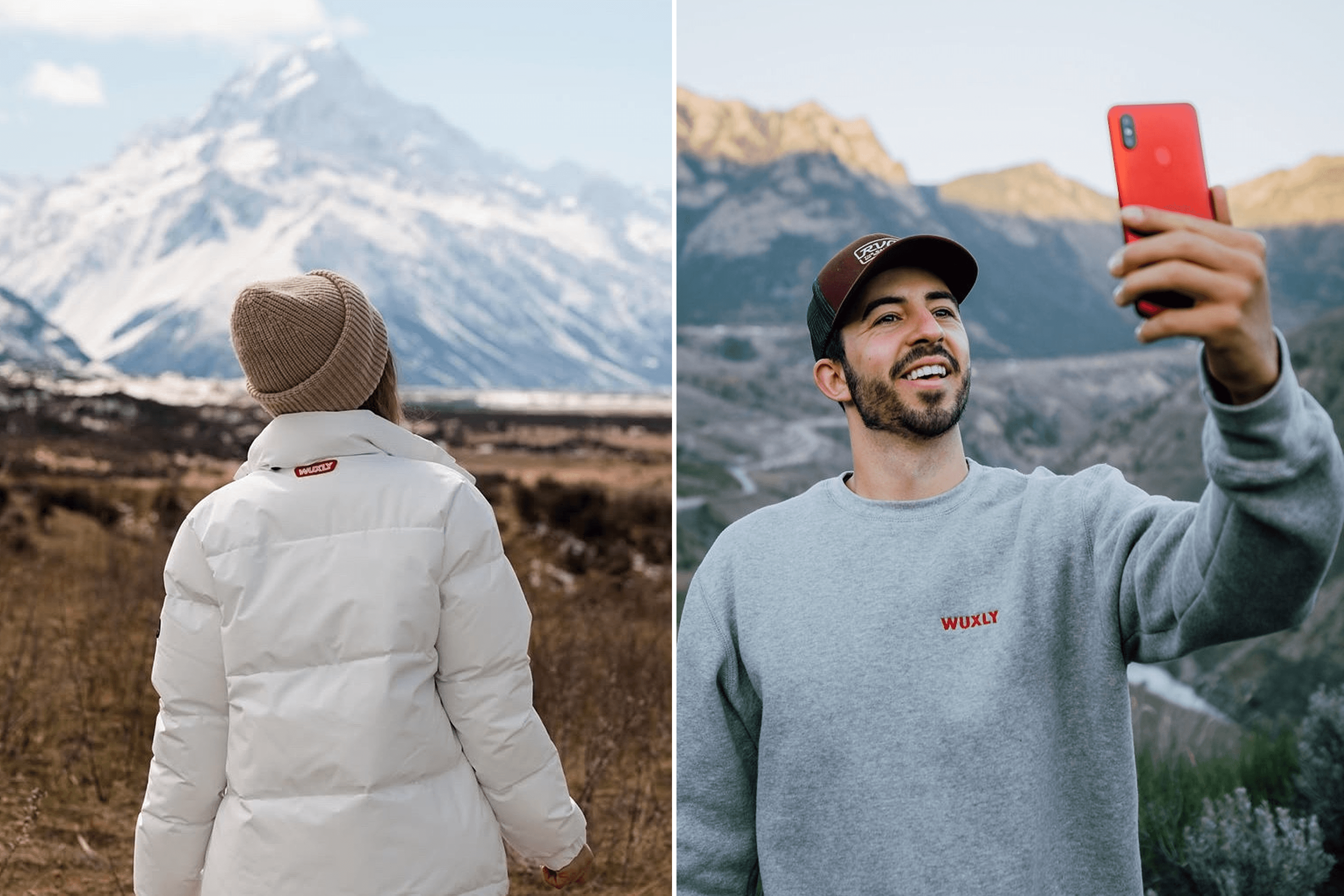
Photo: Wuxly / Instagram / YB 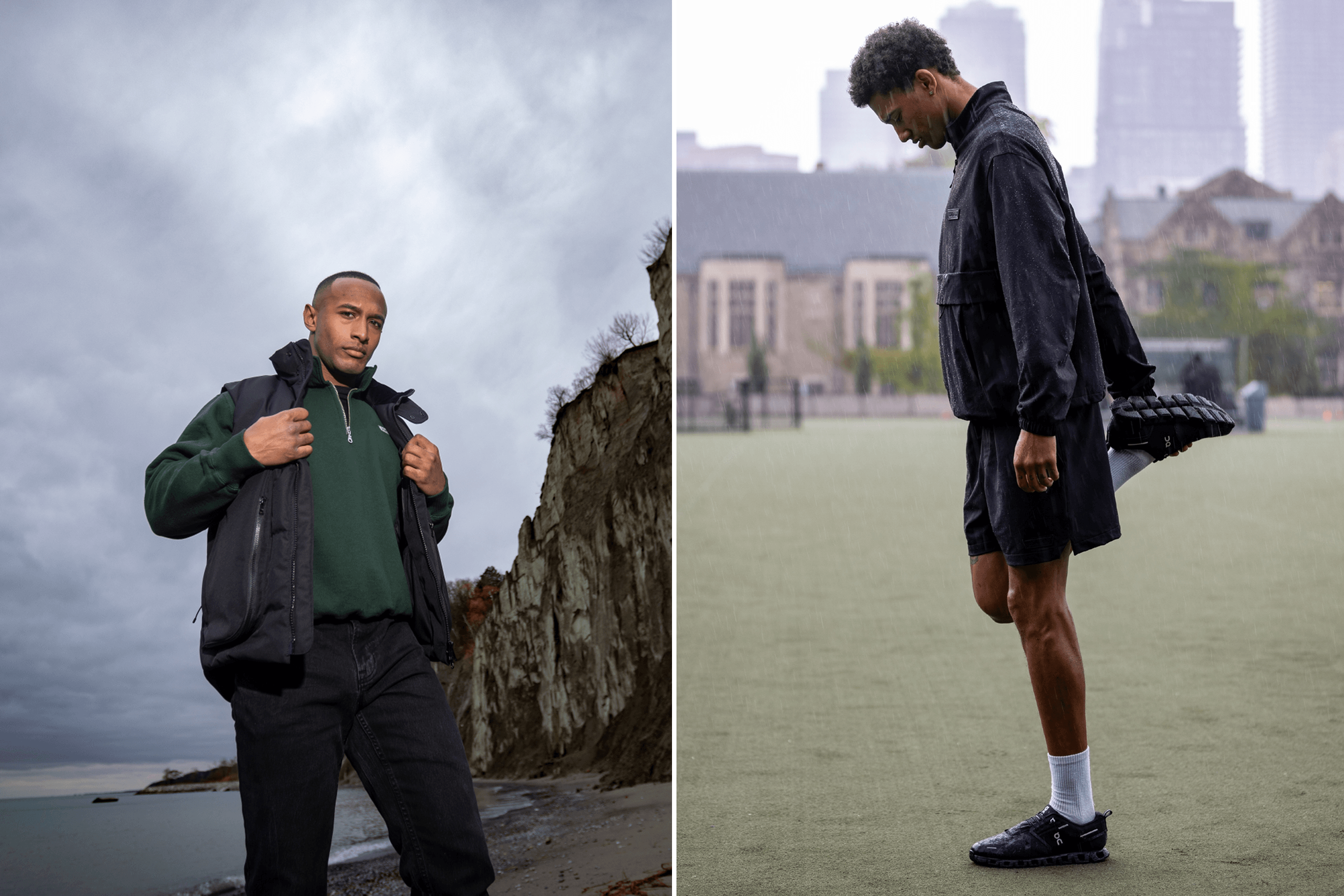
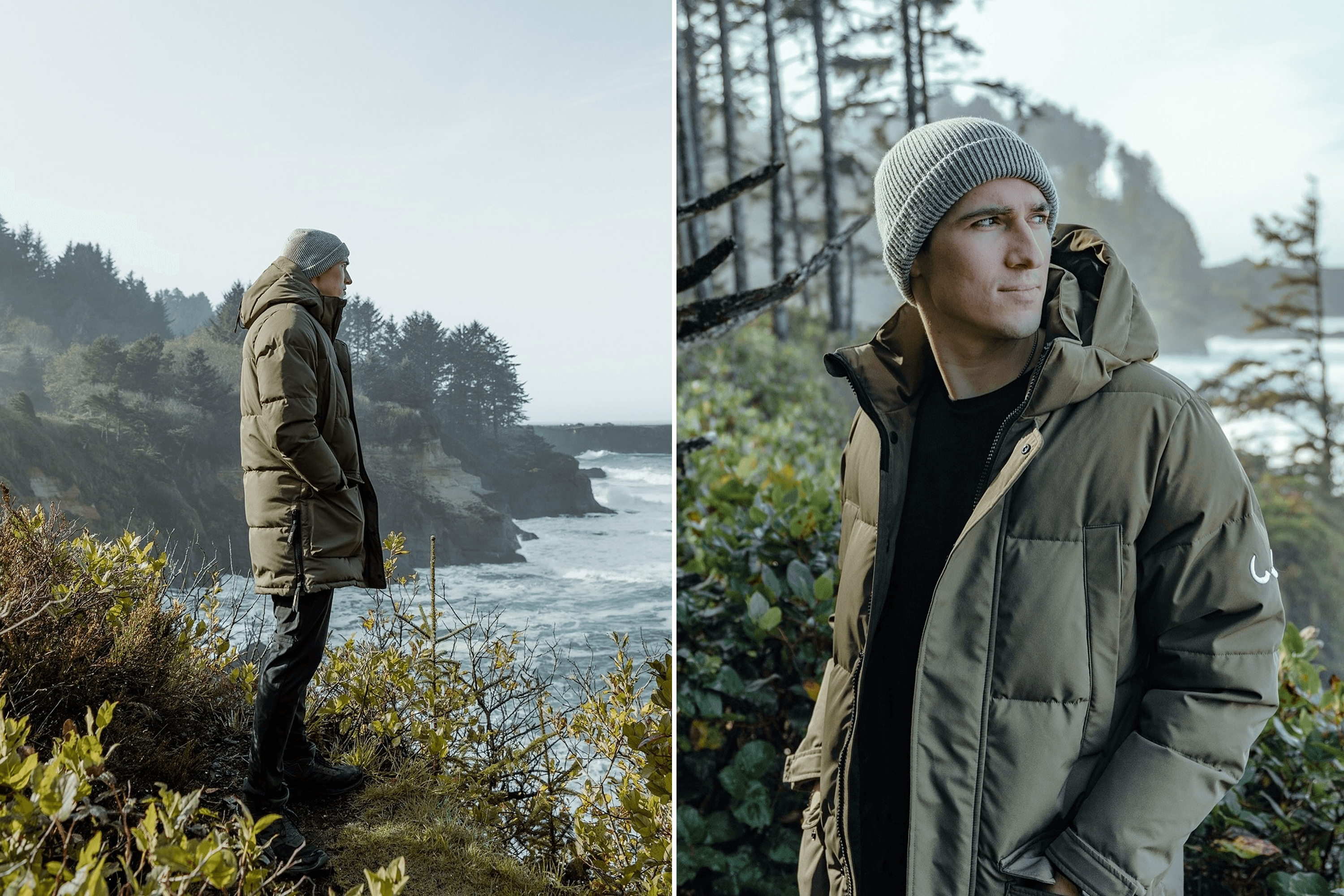
Photo: Wuxly / Instagram / YB
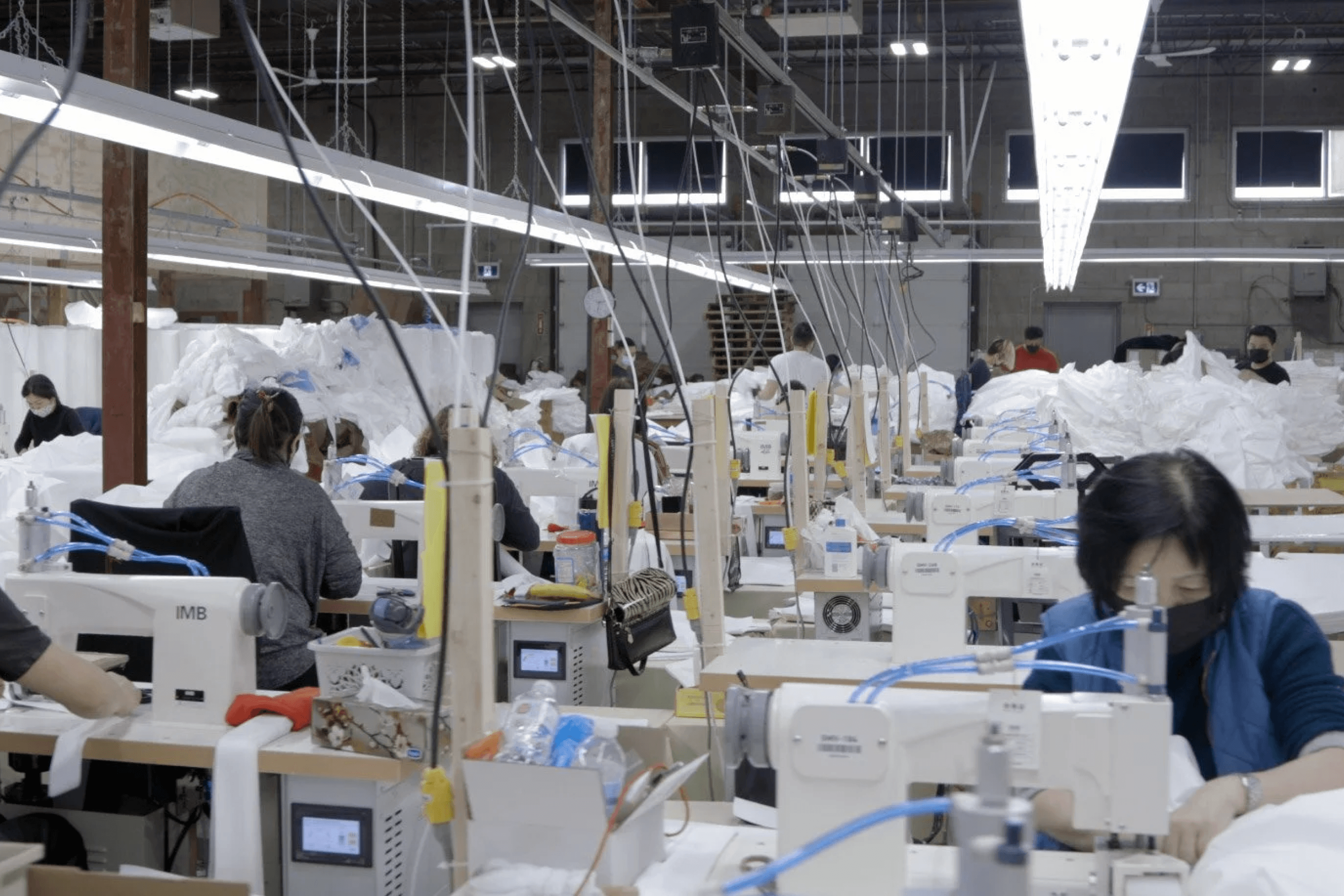
We brought together several Canadian manufacturers to produce medical protective gowns. In total, more than 1,000 people across over 30 Canadian factories worked on this project. We signed several contracts with the Canadian federal government worth around $100 million and produced more than 10 million units of protective gear.
In 2021, demand declined and we phased out that line of work. But we had built a strong team and accumulated funds for the brand’s development. Then Russia’s full-scale invasion of Ukraine began, and once again it changed us and our work.
What was the beginning of the invasion like for you as a Canadian of Ukrainian descent?
I read the news every day and kept thinking about how I could help. I have lived in Canada my whole life, but Ukrainian blood runs through my veins, and I took very personally everything I saw in news reports, photos, and videos.
Could you tell us more about your Ukrainian roots?
My relatives came here in the first decades of the twentieth century by two different routes. My father’s family arrived during the Holodomor in Soviet Ukraine. My mother’s grandfather moved from Lviv, which at the time was part of Poland, so he identified himself both as a Ukrainian Pole and as a Polish Ukrainian.
From childhood, I felt connected to Ukrainian culture. My parents and I attended Ukrainian festivals, and I loved watching folk dance performances, especially hopak. I still remember those complex jumps, the energy, and the atmosphere.
My parents told me about Ukrainian traditions, but they never taught me the Ukrainian language. Everyone in our family spoke English. Now I regret not knowing the language.
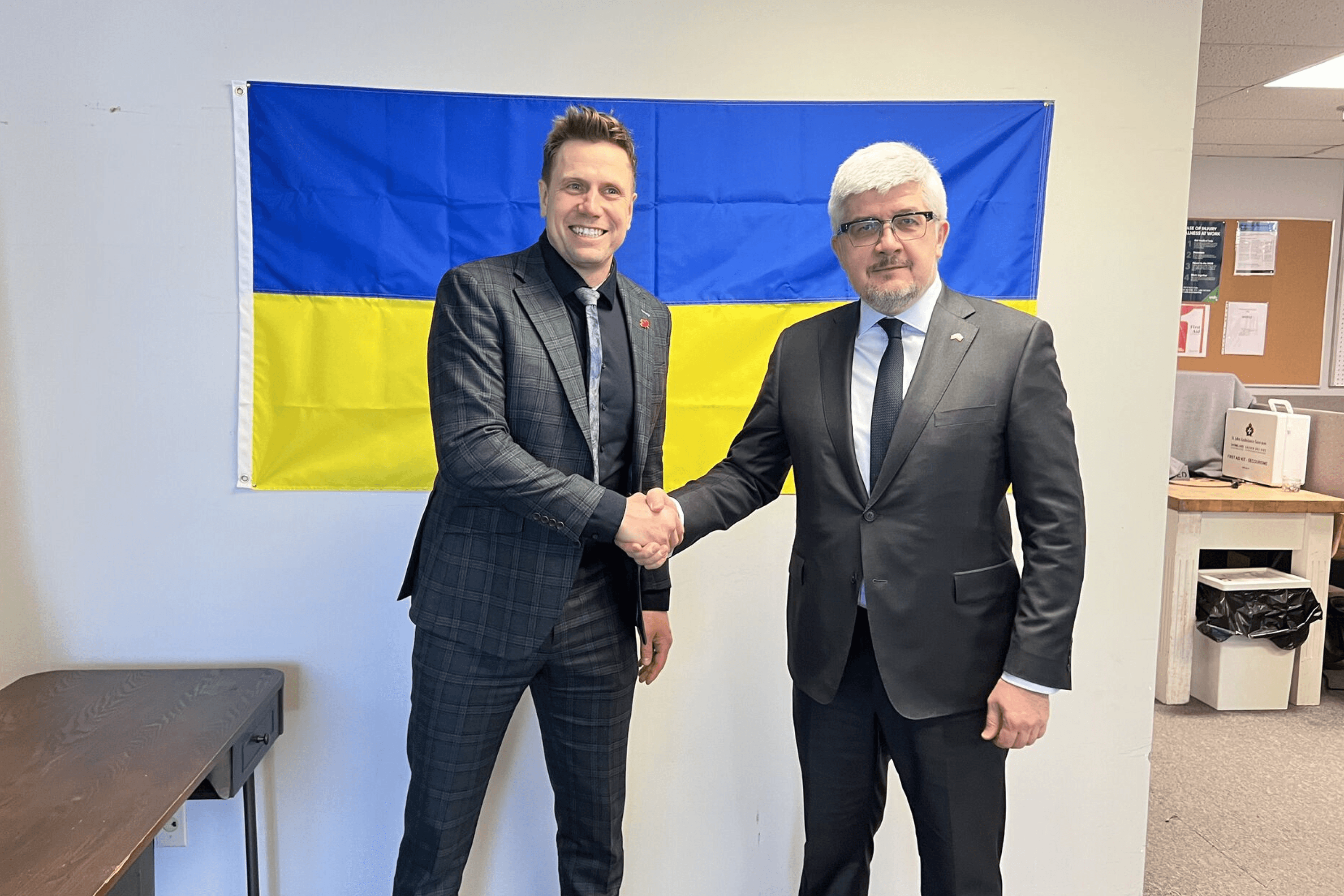
Ambassador of Ukraine to Canada Andriy Plakhotniuk during a visit to the Canadian company Wuxly, which manufactures gear for Ukrainian service members. Photo: James Yurichuk / LinkedIn / YB 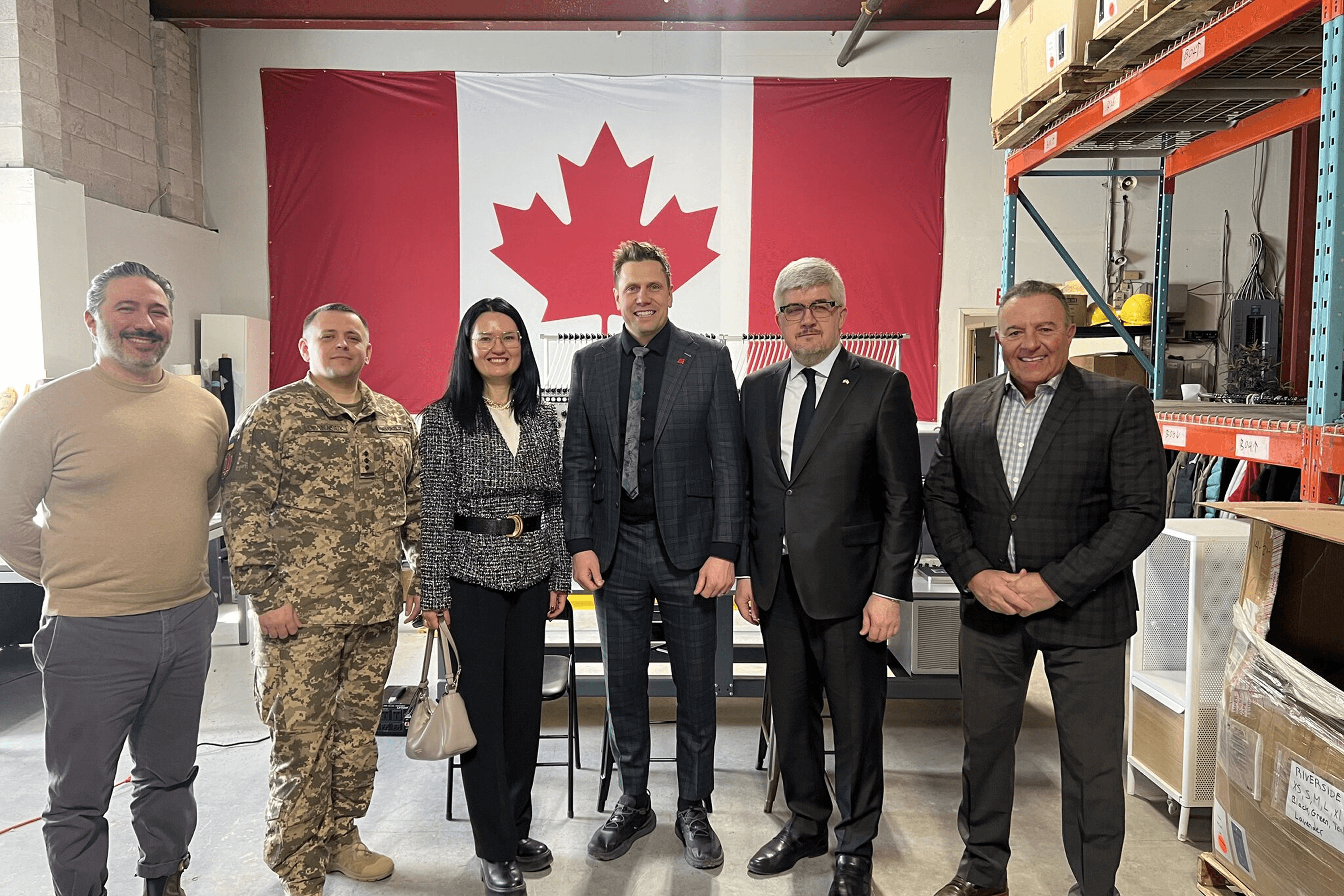
You said that immediately after the invasion began, you wanted to help Ukraine. What kind of assistance was that?
At first, as part of Canada’s support for the Armed Forces of Ukraine, we shipped tactical winter jackets. Later, new requests appeared, including sleeping bags. We started producing those as well. Sometimes we worked under fairly extreme conditions. Once, we had to produce 14,000 sleeping bags within two weeks and deliver them to John F. Kennedy Airport in New York, which is 500 miles from Toronto. We managed to do it.
You also supplied clothing for women serving in the military. Why did you choose that direction specifically?
It is one of the most important projects we have worked on. The number of women in the Armed Forces of Ukraine was growing rapidly, while uniforms for them were often being sewn hastily in basements.
Canada’s Department of National Defence decided to help and started looking for a company capable of producing uniforms. They chose us. We received the basic technical requirements, established the supply chain, and created the design in about five weeks. In total, we produced 40,000 sets of women’s uniforms that were delivered to the Ukrainian army in 2024 and 2025.
What needs to be considered when making women’s military uniforms? What makes them comfortable?
A woman’s body is shaped differently from a man’s: there are more curves, wider hips, and narrower shoulders. All of this must be considered in the design. An uncomfortable uniform can slow movement and create additional risk at a critical moment. Sometimes it can cost lives.
Military clothing is extremely important. It affects both wellbeing and morale. So we hope our uniforms helped Ukrainian servicewomen perform their duties more effectively.
After the start of the full-scale invasion, you began working with the Canadian government. How is that different from regular sales?
Government procurement often works through a request for proposal, or RFP, when the state formulates a need and turns to businesses. In simple terms, the government says: “We need a box made of a specific material and in a specific size. Can you manufacture it? At what price and within what timeframe?”
After the full-scale war in Ukraine began, this model became more flexible. Now the government describes the problem, while industry proposes the solution. I see a trend toward such changes in the approach to defence procurement all over the world.
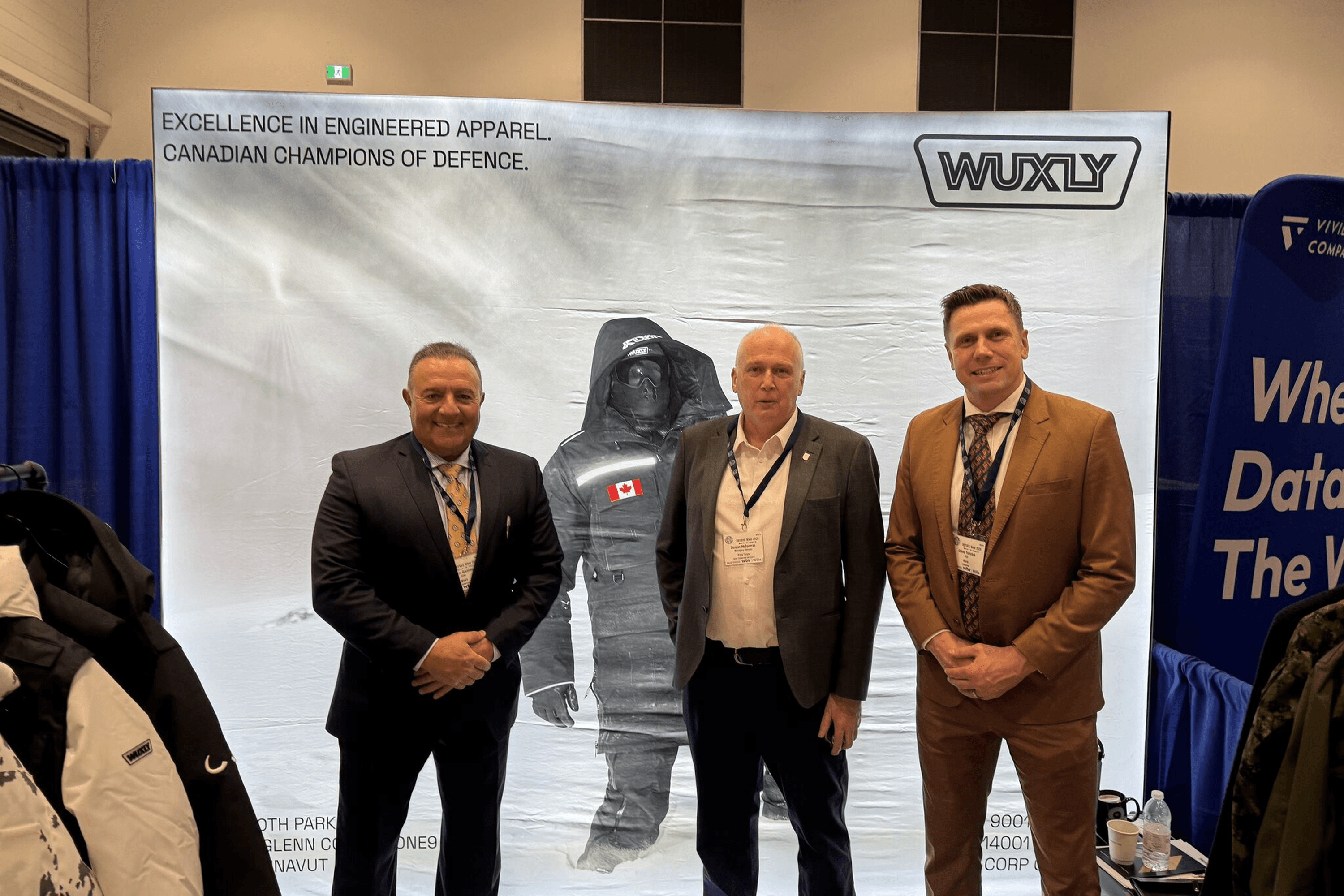
Representatives of the Canadian company Wuxly during the DEFSEC West defense conference in Calgary. Photo: James Yurichuk / LinkedIn / YB 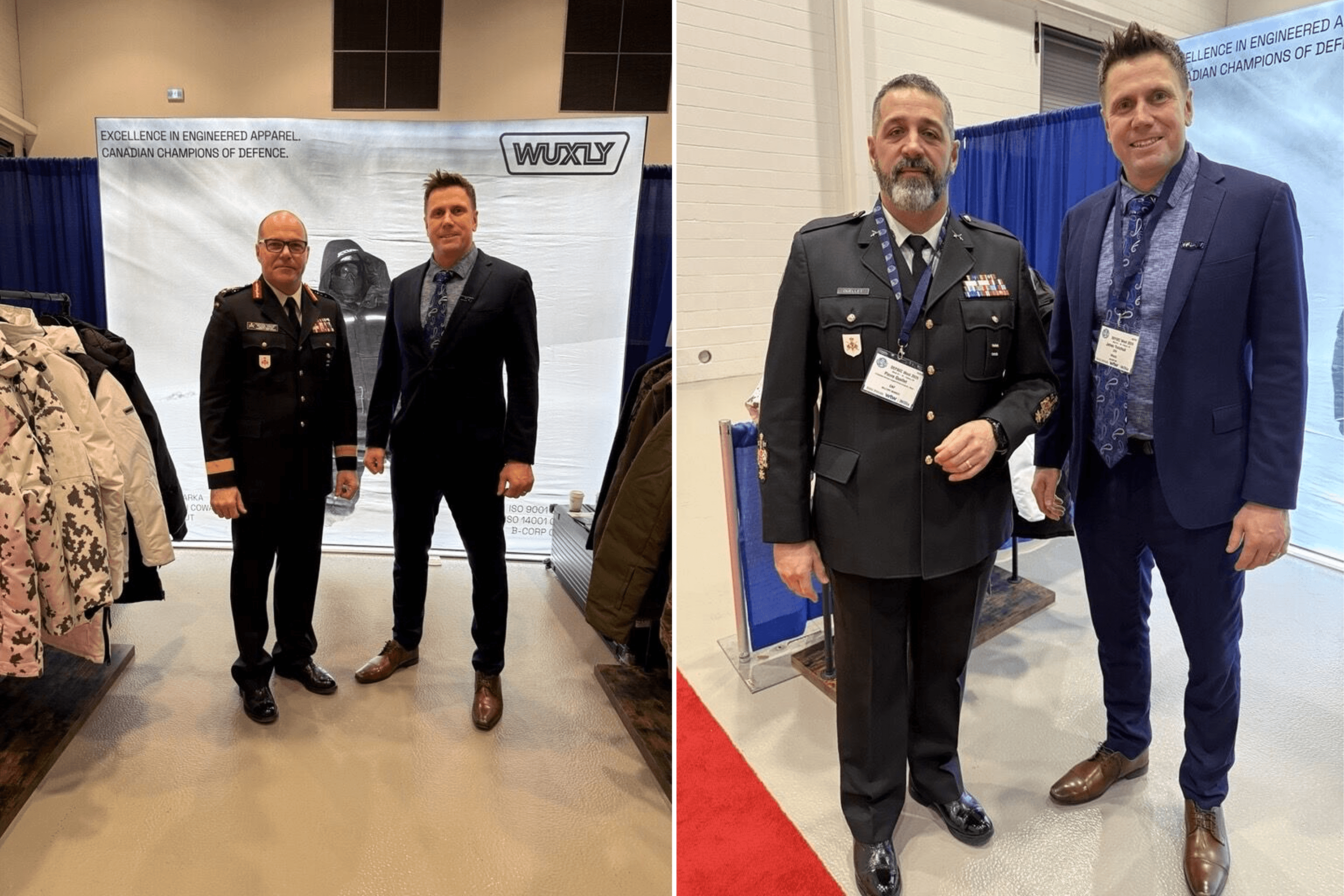
Photo: James Yurichuk / LinkedIn / YB 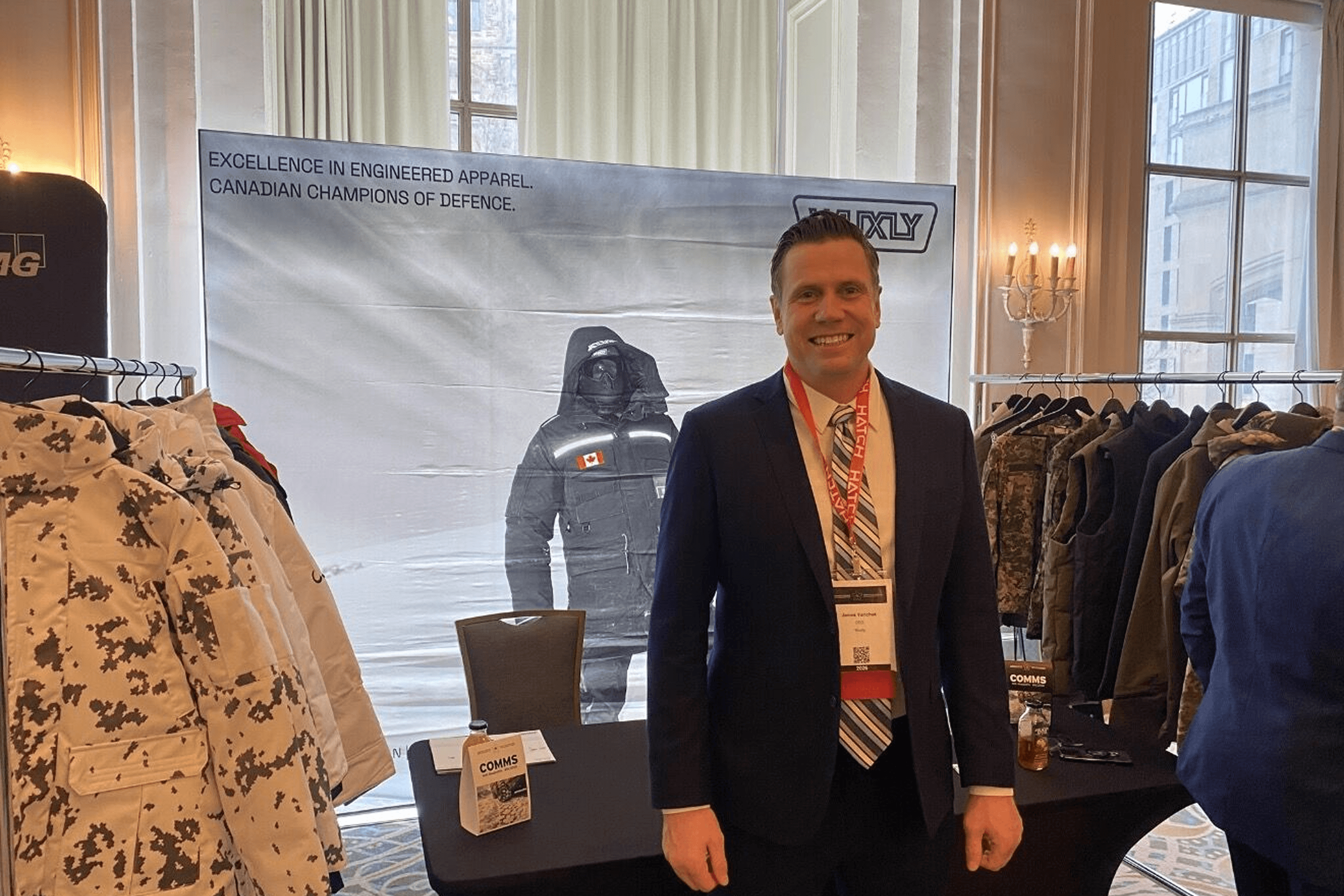
Photo: James Yurichuk / LinkedIn / YB
How did working in the conditions of a real war change your products?
They evolved. After the invasion began, we spoke with many special forces operators and soldiers from Ukraine and learned from them about the reality on the front line. This helped us take into account nuances that matter when uniforms are used in combat conditions.
The military explained many details related to the human factor. For example, we realized that the placement of pockets and other functional elements must remain consistent across all types of uniforms, whether winter jackets, summer gear, or any other variation.
This saves time on the battlefield. The weight, volume, and mobility of equipment also matter greatly. Modern warfare requires drone operations, rapid movement, and often covering long distances, so uniforms need to support that.
Requirements for military clothing are also changing because of technological developments on the battlefield. Thermal imaging systems, various sensors, and electromagnetic radiation are playing a greater role. We are working on making soldiers less visible and better protected.
At the beginning of last year, you announced the brand’s transformation into a military-focused business. What was the turning point behind that decision?
After the full-scale invasion began, we focused on helping Ukraine and significantly reduced civilian clothing production. At the beginning of 2025, we publicly confirmed that direction. Right now, around 85 to 90 percent of the company’s resources are dedicated to developing the military line.
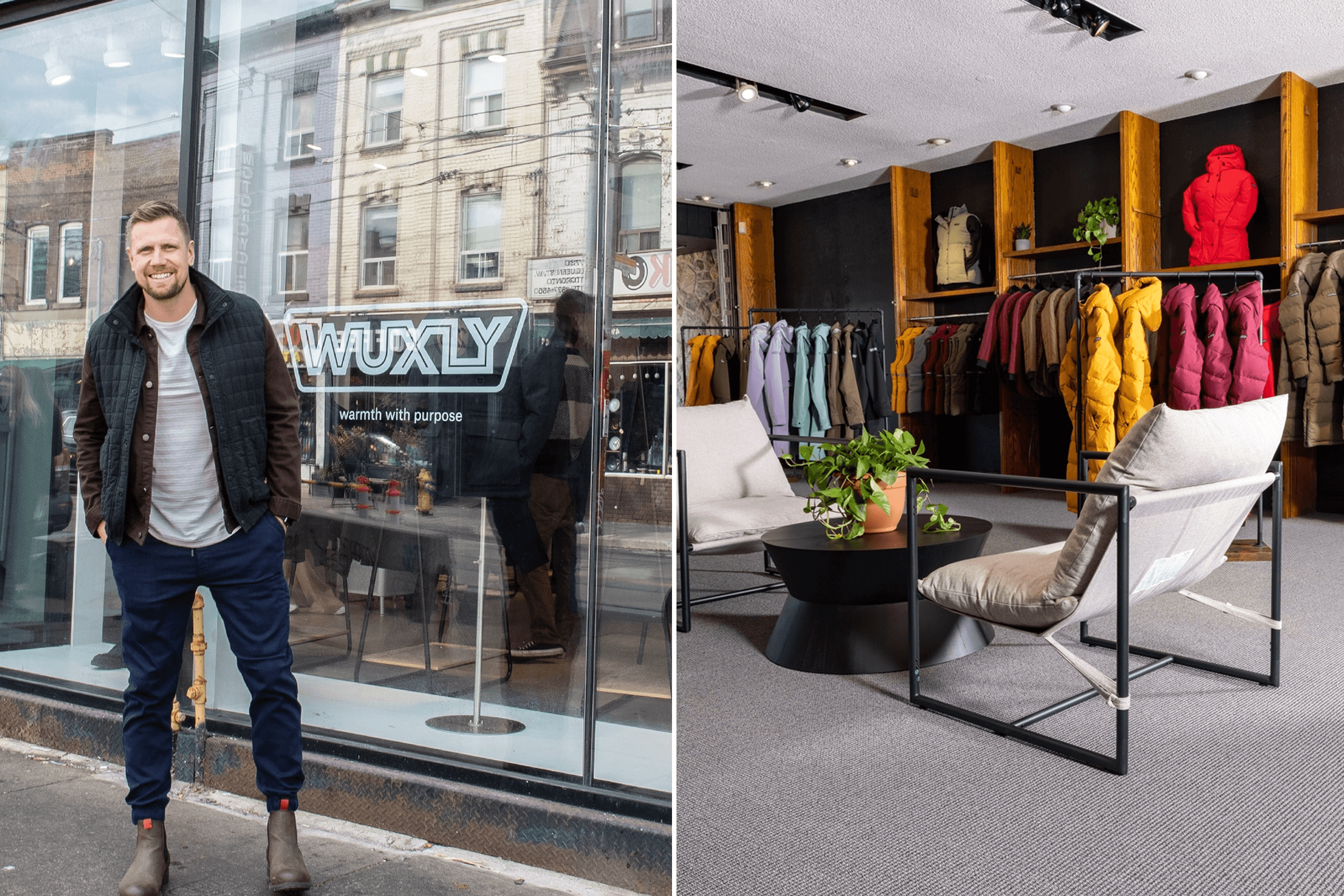
The Wuxly brand also has a physical store where customers can purchase civilian clothing. Photo: Wuxly / Facebook / YB 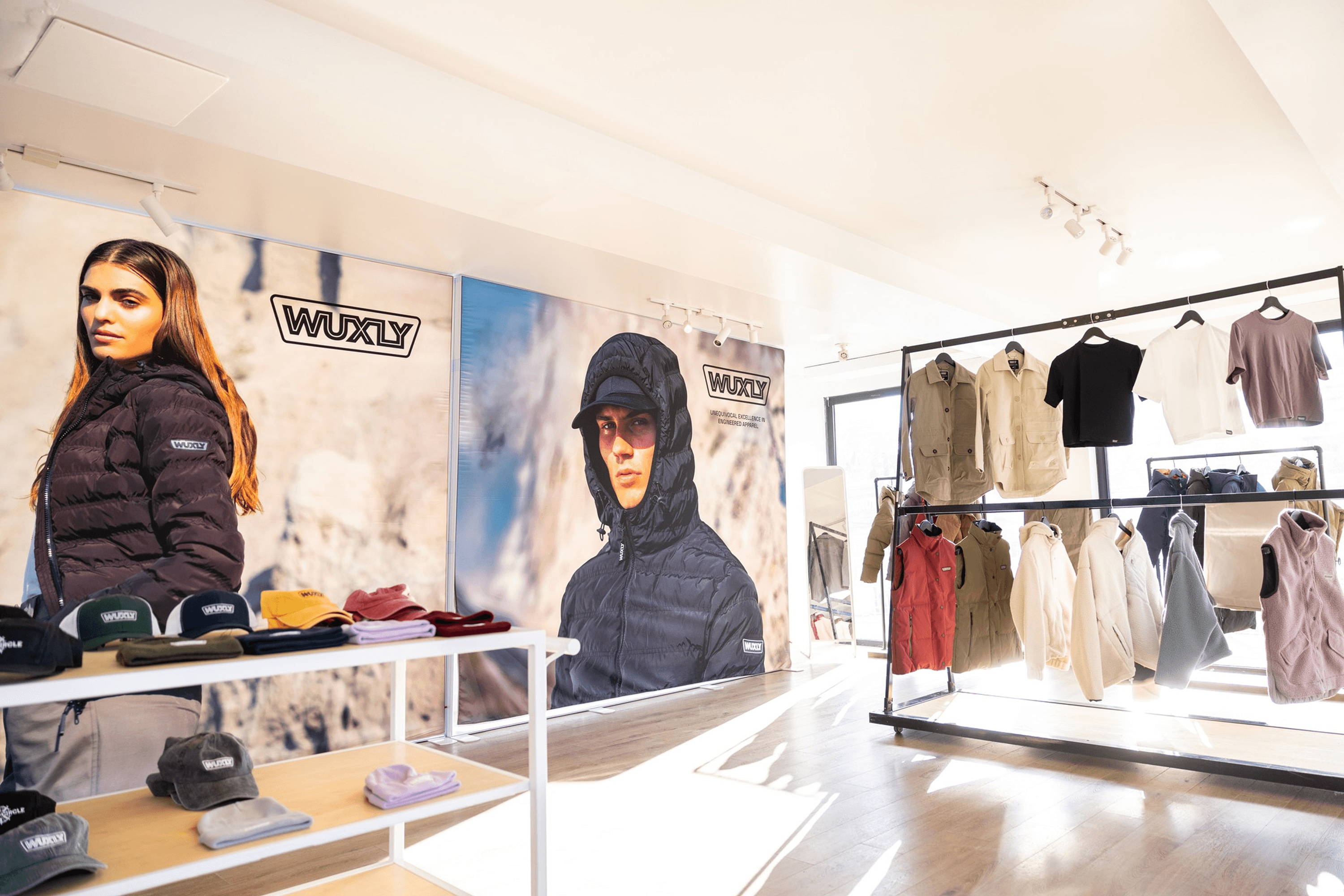
Photo: Wuxly / Facebook / YB 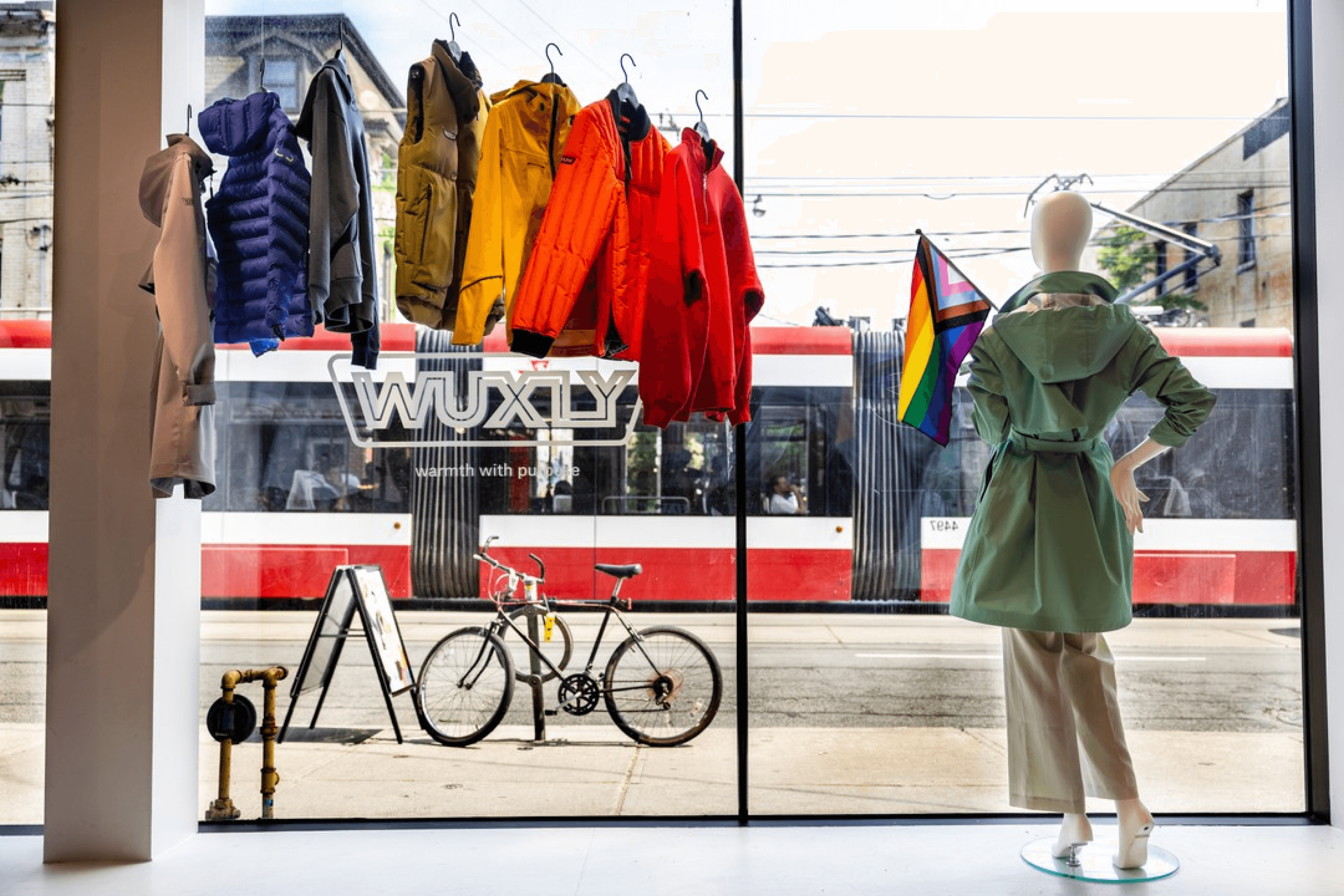
Photo: Wuxly / Facebook / YB 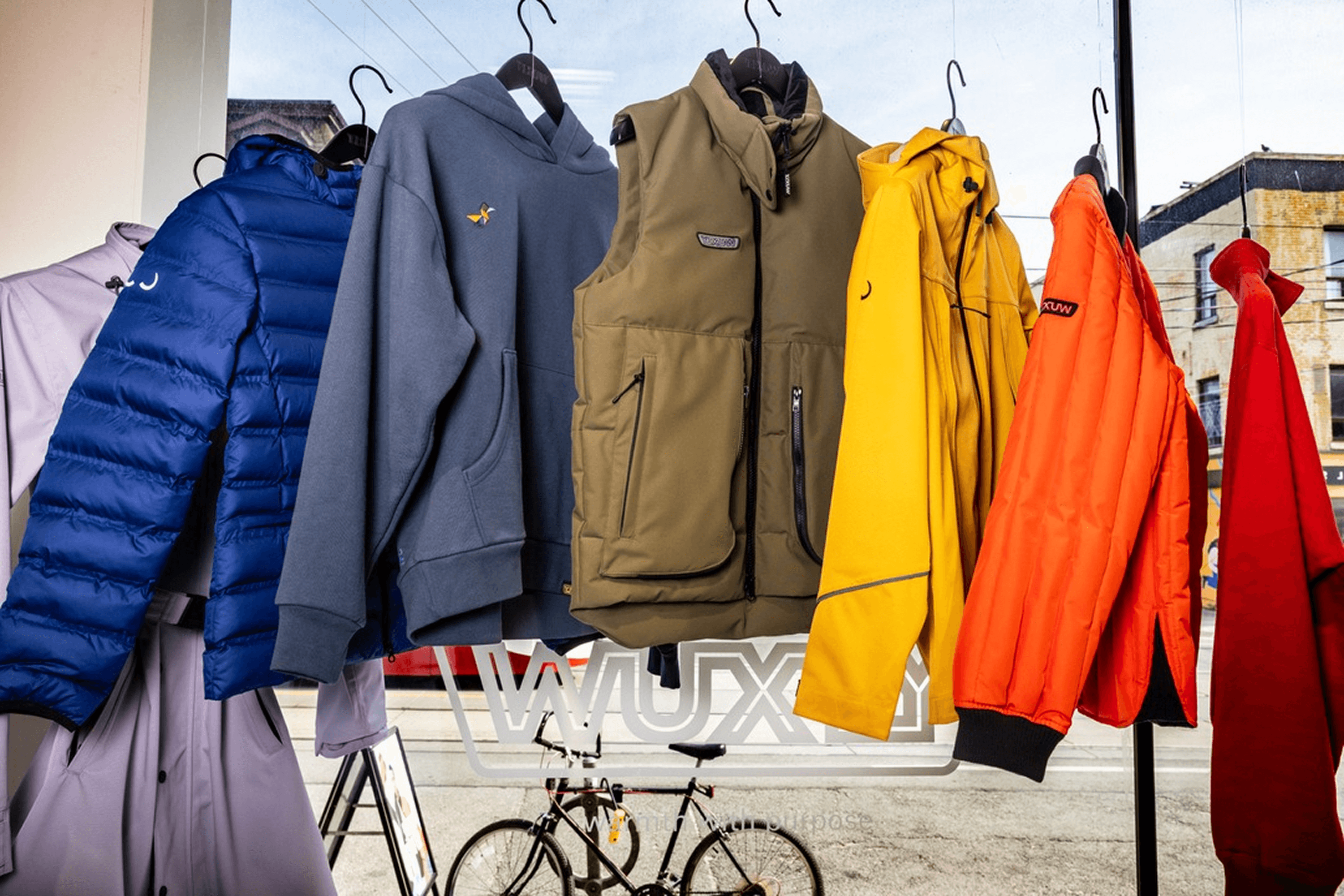
Photo: Wuxly / Facebook / YB 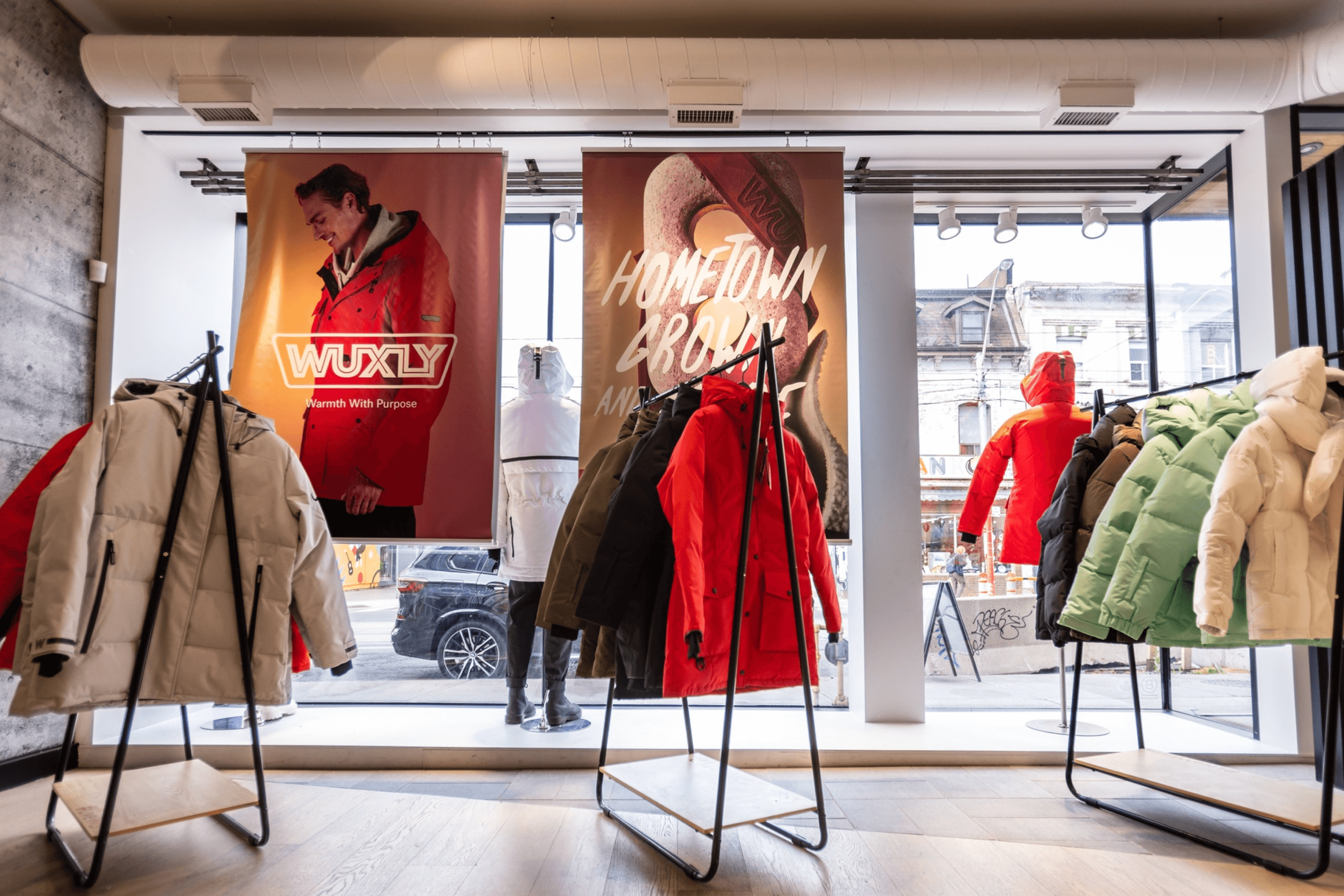
Photo: Wuxly / Facebook / YB
Since you work in the defence sector, your main clients are now governments of different countries. Was it difficult to shift your business model from B2C to B2G?
Yes, the overwhelming majority of our clients are governments, but we also work with defence companies. They come to us to solve specific challenges related to textiles and clothing.
Working with governments, especially in the military sector, always involves many requirements. You have to comply with standards, including ISO certifications and cybersecurity requirements. We no longer see ourselves as a fashion brand. Now we are engaged in industrial design and continue researching advanced materials.
Which countries are you already working with, and what does the cooperation involve?
At the moment, our main clients are Ukraine, meaning its Armed Forces, the Scandinavian countries, and Canada. We work across the full product range, from base layers to outerwear. We also produce other types of textiles, including custom projects such as tank covers.
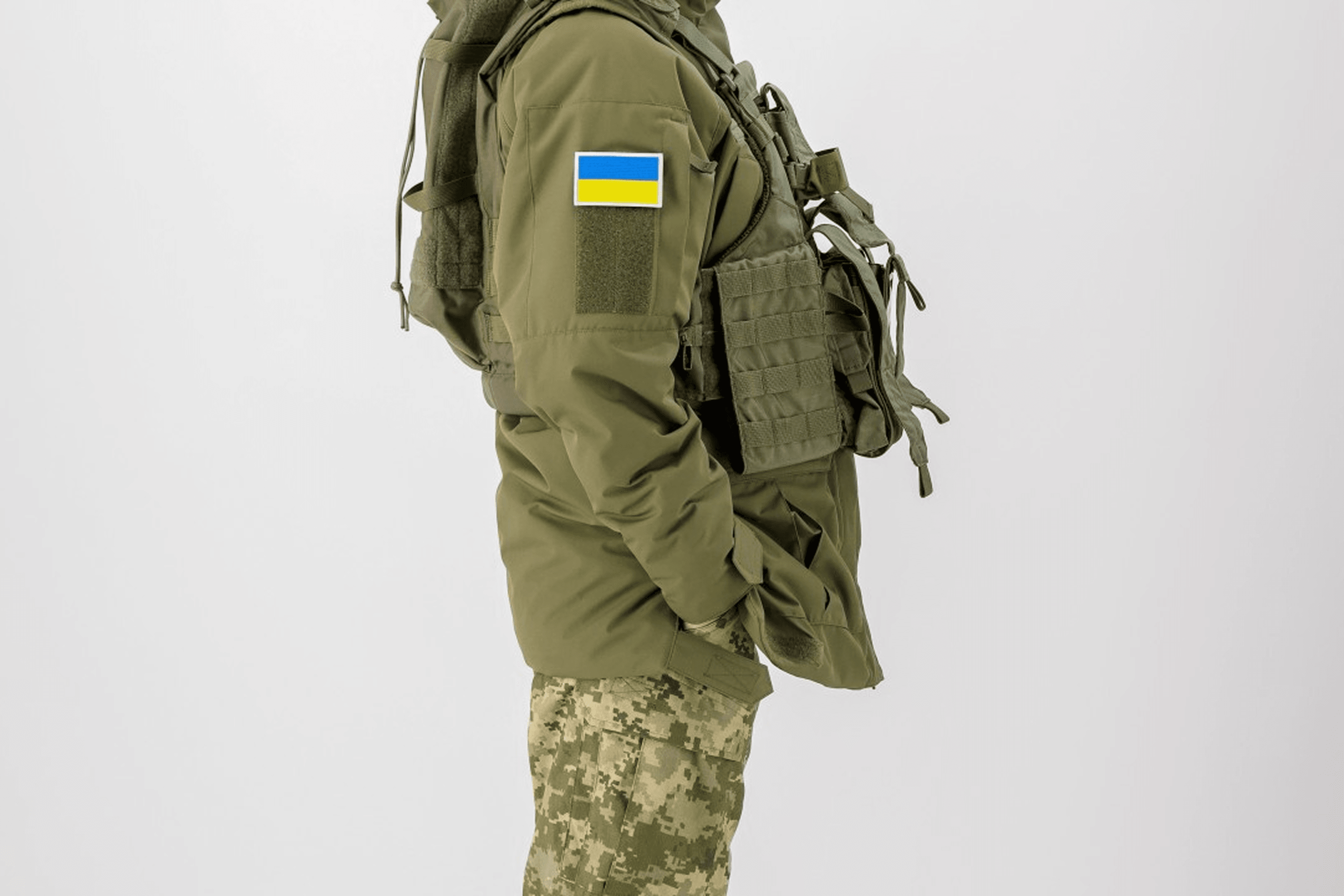
Military apparel by the Wuxly brand. Photo: James Yurichuk / LinkedIn / YB 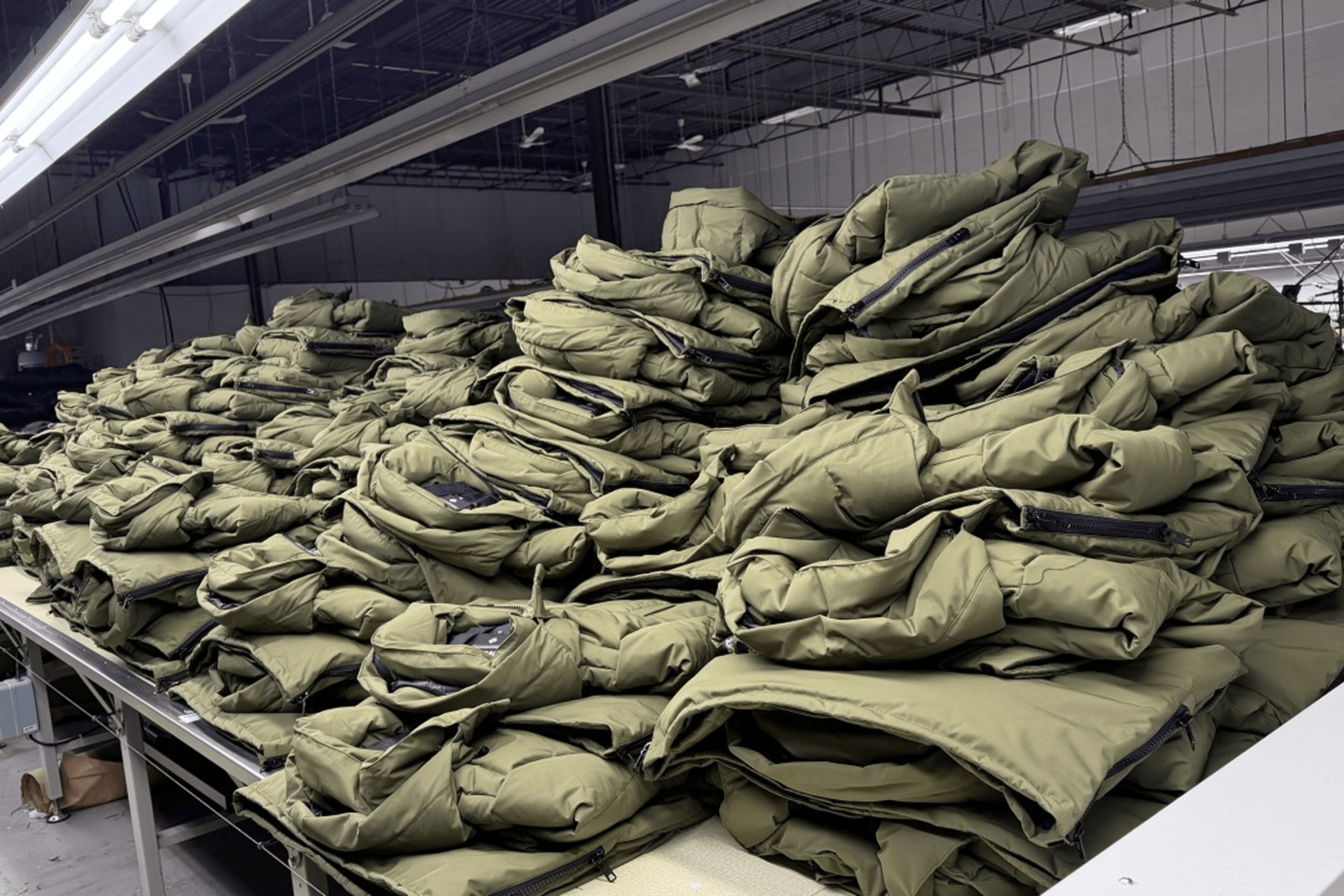
Photo: James Yurichuk / LinkedIn / YB 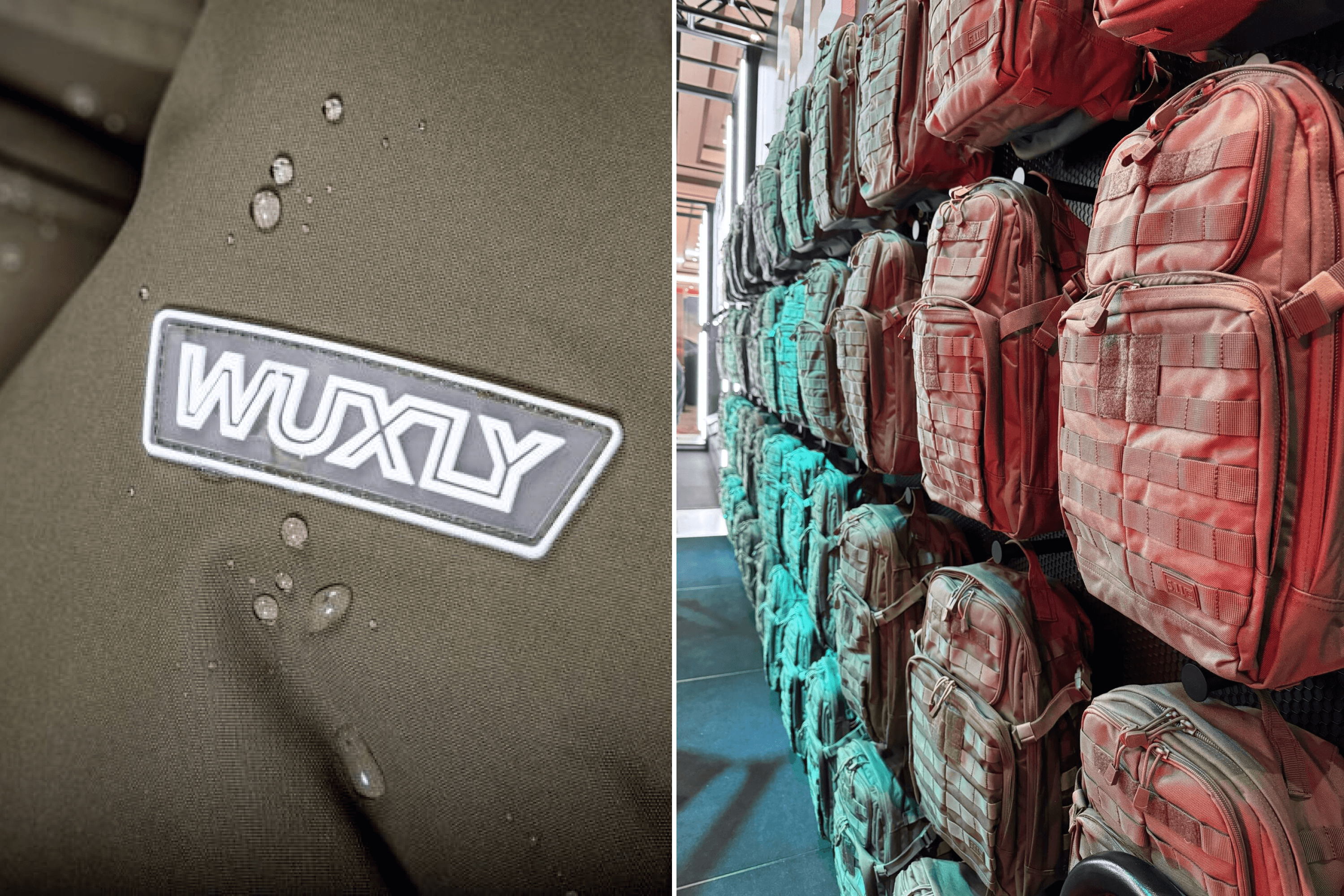
Photo: James Yurichuk / LinkedIn / YB 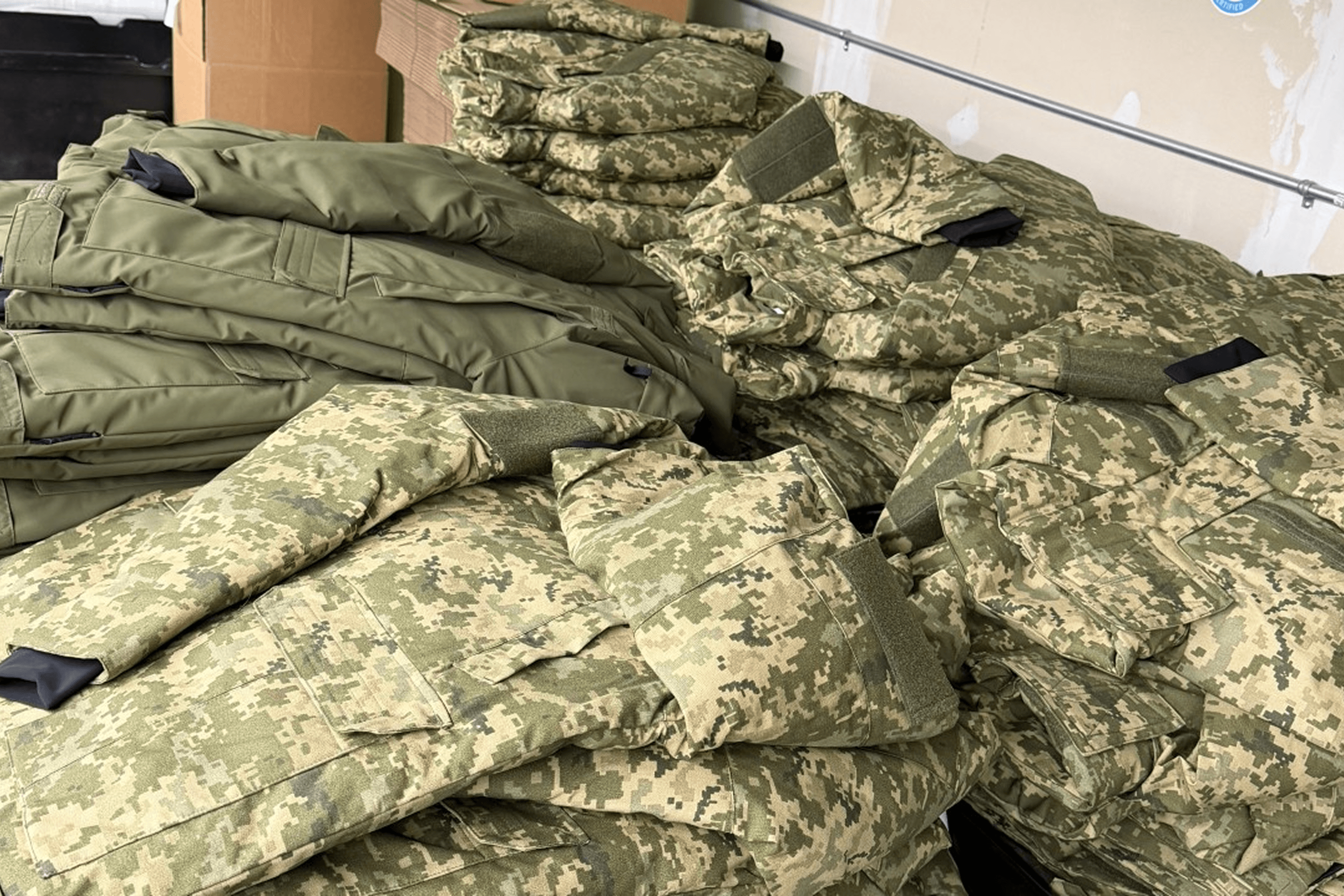
Photo: James Yurichuk / LinkedIn / YB
After transforming the brand, you focused on developing smart clothing. What is it, and why did you choose this direction?
Both in military and civilian clothing, we have always used materials with specialized properties. Primarily, these include durability and strength, but there are also fabrics designed for more specialized functions. For example, certain fabrics, owing to their properties, help make soldiers less detectable to night vision devices.
Now we are moving to the next level. Smart fabrics are textiles with integrated electronics and computing components. Our first development in this area is a base layer with a biomonitoring system. It will allow tracking heart rate, respiratory rate, and other physiological parameters. During combat missions, such clothing will be able to transmit data in real time. This will help quickly determine a person’s condition and location in case of injury. We expect the first products from this project to be ready by the end of 2026 or the beginning of 2027.
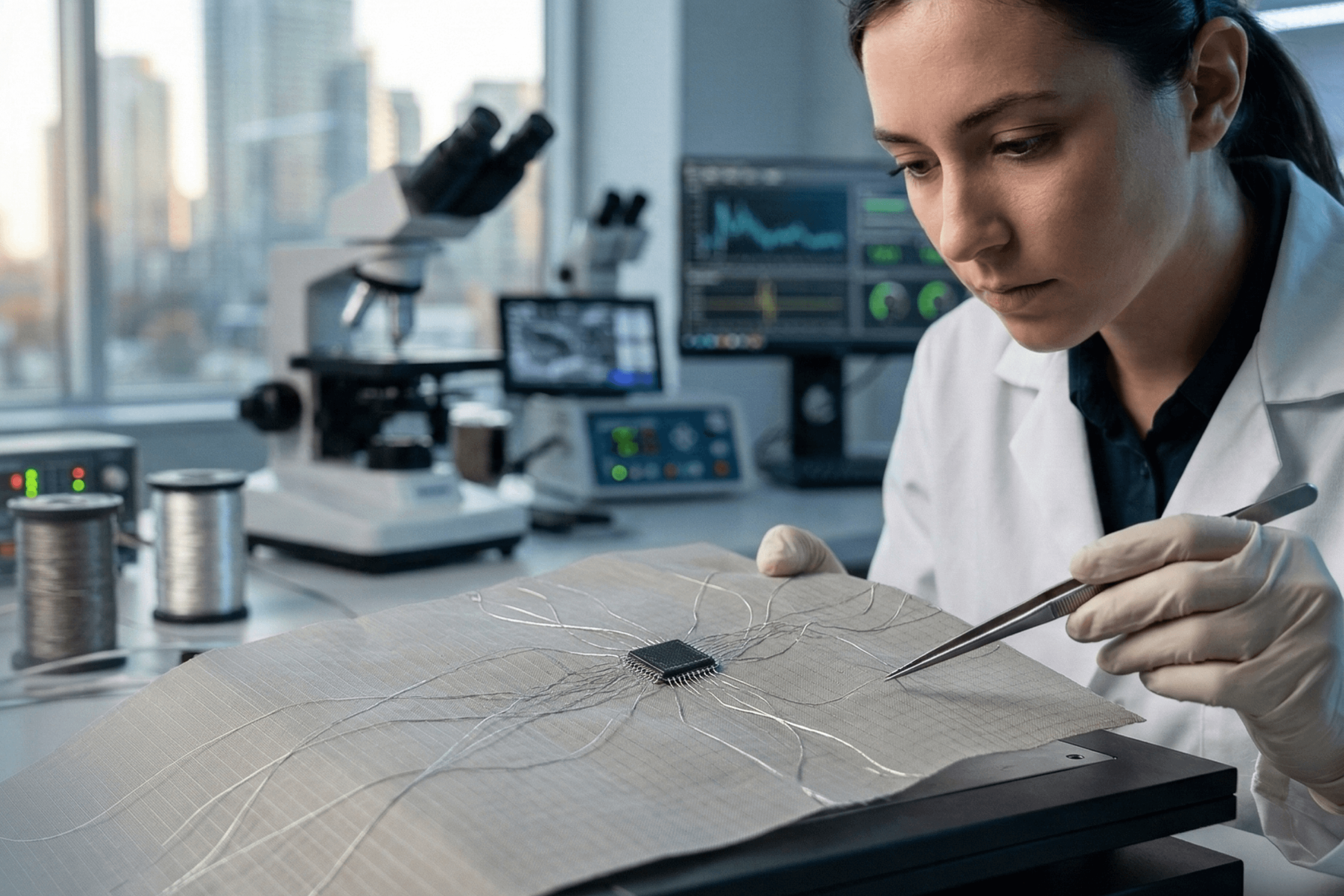
We are also working on clothing capable of dissipating energy. The idea is that when something or someone strikes the uniform, rather than being absorbed by the body, the impact is dispersed. We also have ideas for improving camouflage. In reality, very little is impossible when textiles are combined with electronics.
How realistic is it that such technologies will start being widely used in military equipment?
I am convinced that within the next three to five years, smart clothing will become critically important for military units. Artificial intelligence is developing rapidly, and it is only a matter of time before we can efficiently analyze data about people’s physical condition and integrate it into systems supporting military operations. That is why we already need to work on making this clothing comfortable.
In your opinion, what Ukrainian experience in technological development should not only private companies like yours adopt, but Canada as a whole?
[This question was answered by Wuxly’s strategic manager James Crossland.] Canada wants to strengthen its military capabilities, and many products already successfully used in Ukraine can help with that. For example, we definitely should study the Brave1 initiative, which brings together Ukraine’s Ministry of Defense and the private sector. It is important to build connections between the government and businesses and to ensure funding for companies working on innovation.
The development of Ukraine’s drone industry is especially impressive. At the beginning of the war, there were fewer than ten companies in the country developing and manufacturing drones, while now there are around 500. Overall, thousands of innovative companies and startups operate in Ukraine. Canada should study them and adopt their experience, while also bringing Canadian technologies and vision to Ukraine. This kind of exchange has every chance of succeeding.