Galyna Solovei is 47 years old. She studied philosophy, took part in reforming Ukraine’s education system, trained in international development policy in South Korea, and taught at the Kyiv-Mohyla Academy.
After Russia’s full-scale invasion of Ukraine, she left for Europe with her three daughters. She worked at the University of Amsterdam and Universidad Carlos III de Madrid.
Today, Solovei lives in Madrid and works under a permanent contract at Universidad Pontificia Comillas, where she teaches security studies. She also collaborates with the Kyiv-Mohyla Academy and takes part in the EUPeace project.
Yellow Blue journalist Roksana Rublevska spoke with Galyna Solovei about her journey. Below is her direct speech.
About the beginning of my career
I was born and raised in the Kyiv region and always dreamed of teaching. In 1997, I entered the Kyiv-Mohyla Academy on my second attempt. During the first years, we studied different disciplines, from economics and law to political science and philosophy, and only later chose a specialization. The Department of Philosophy was the strongest. That was where I realized I had found my place.
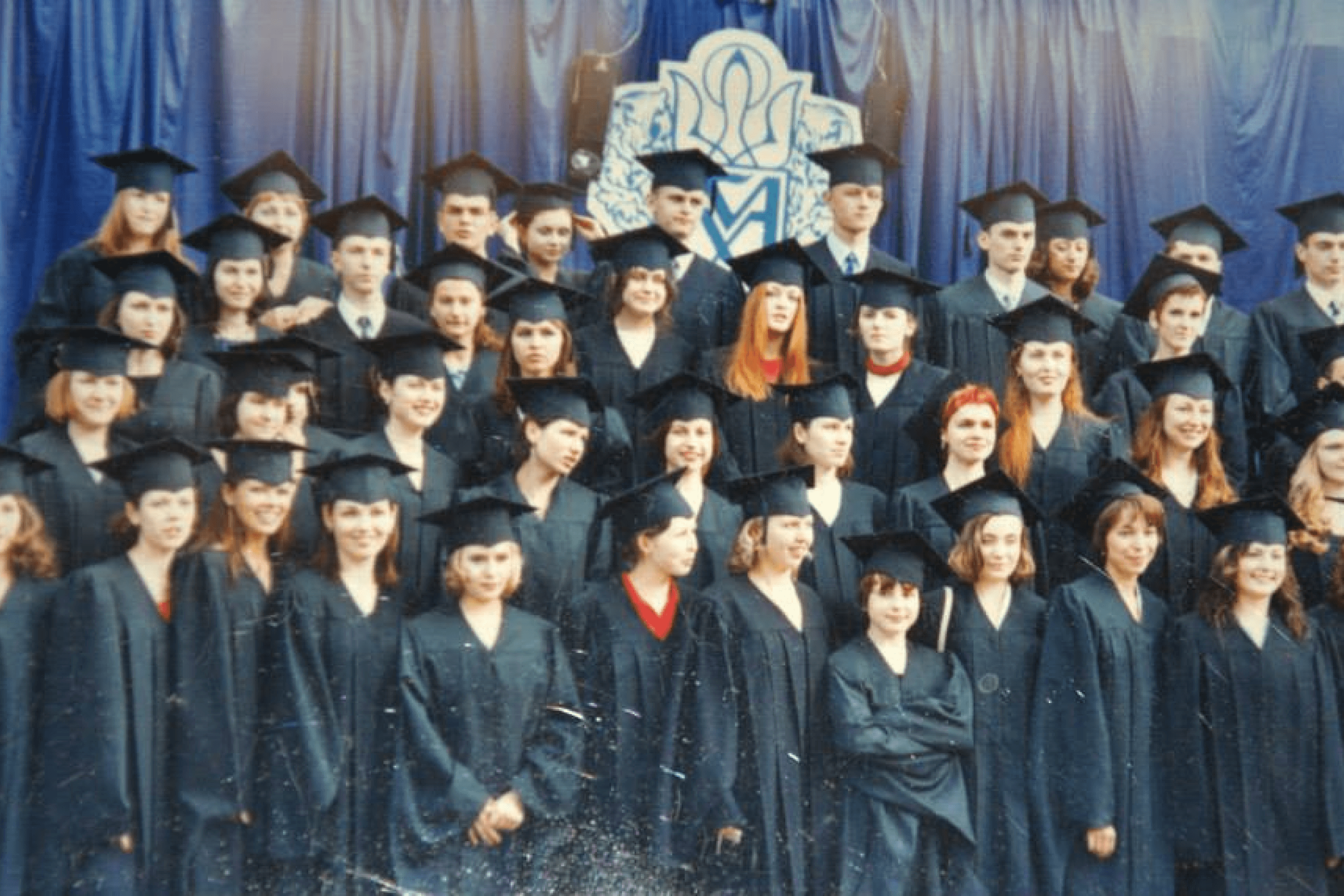
Master’s degree graduation. 2003. Photo: Galyna Loginova Solovei / Facebook / YB 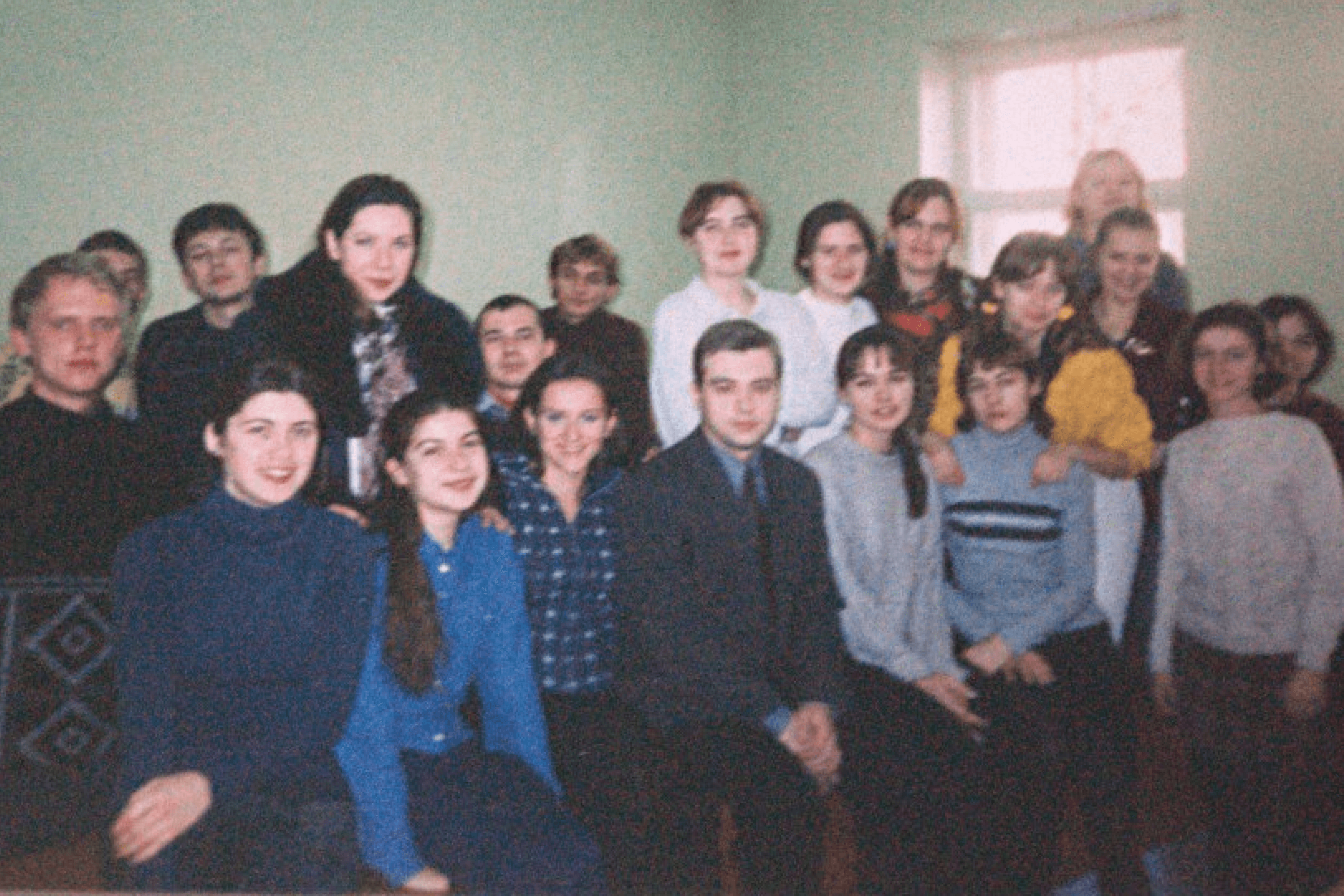
Halyna Solovei with her group after the exam in the course “Philosophy of the Middle Ages and the Renaissance.” December 16, 1999. Photo: Galyna Loginova Solovei / Facebook / YB 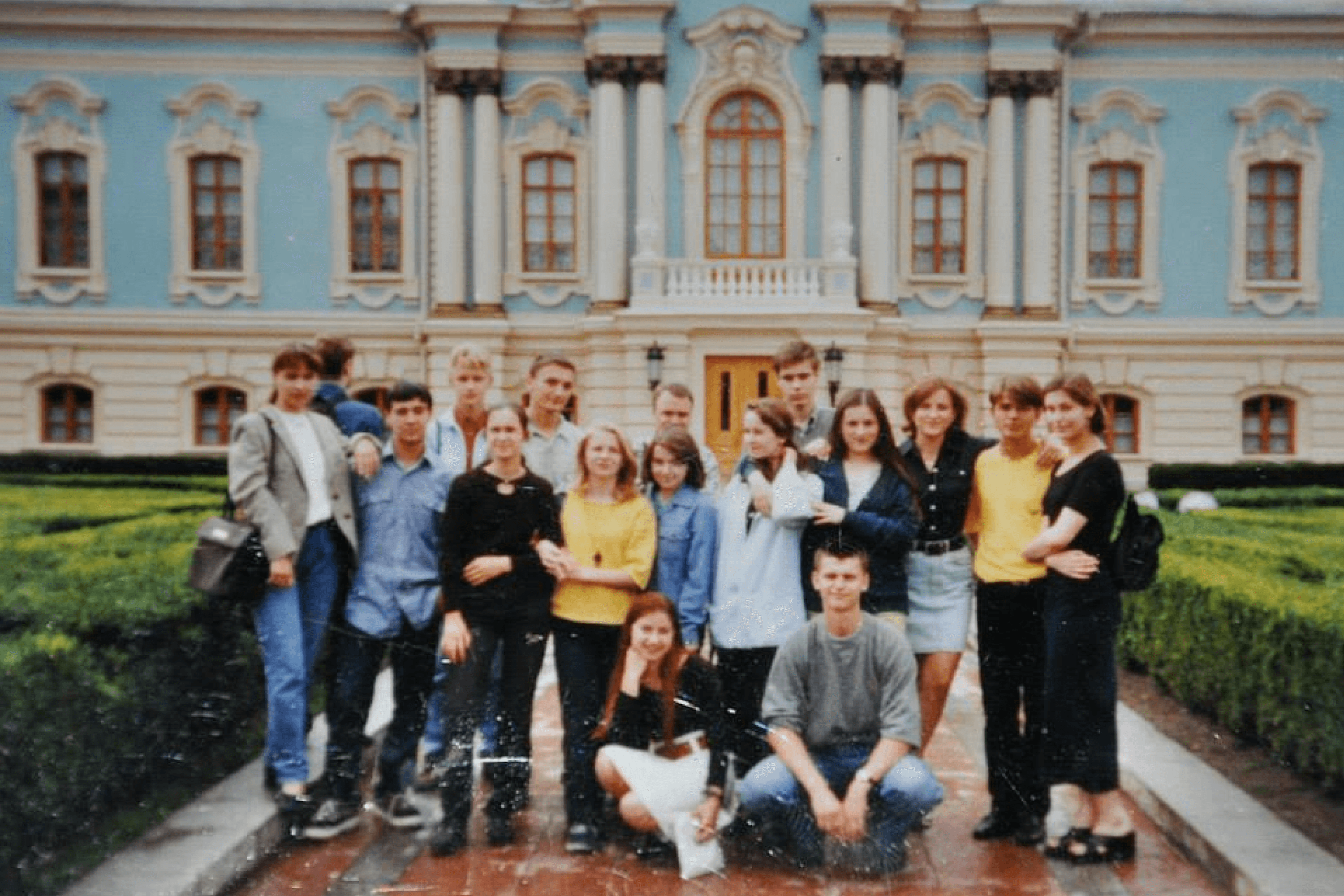
Museum orientation internship after the first year of study. July 1998. Photo: Galyna Loginova Solovei / Facebook / YB 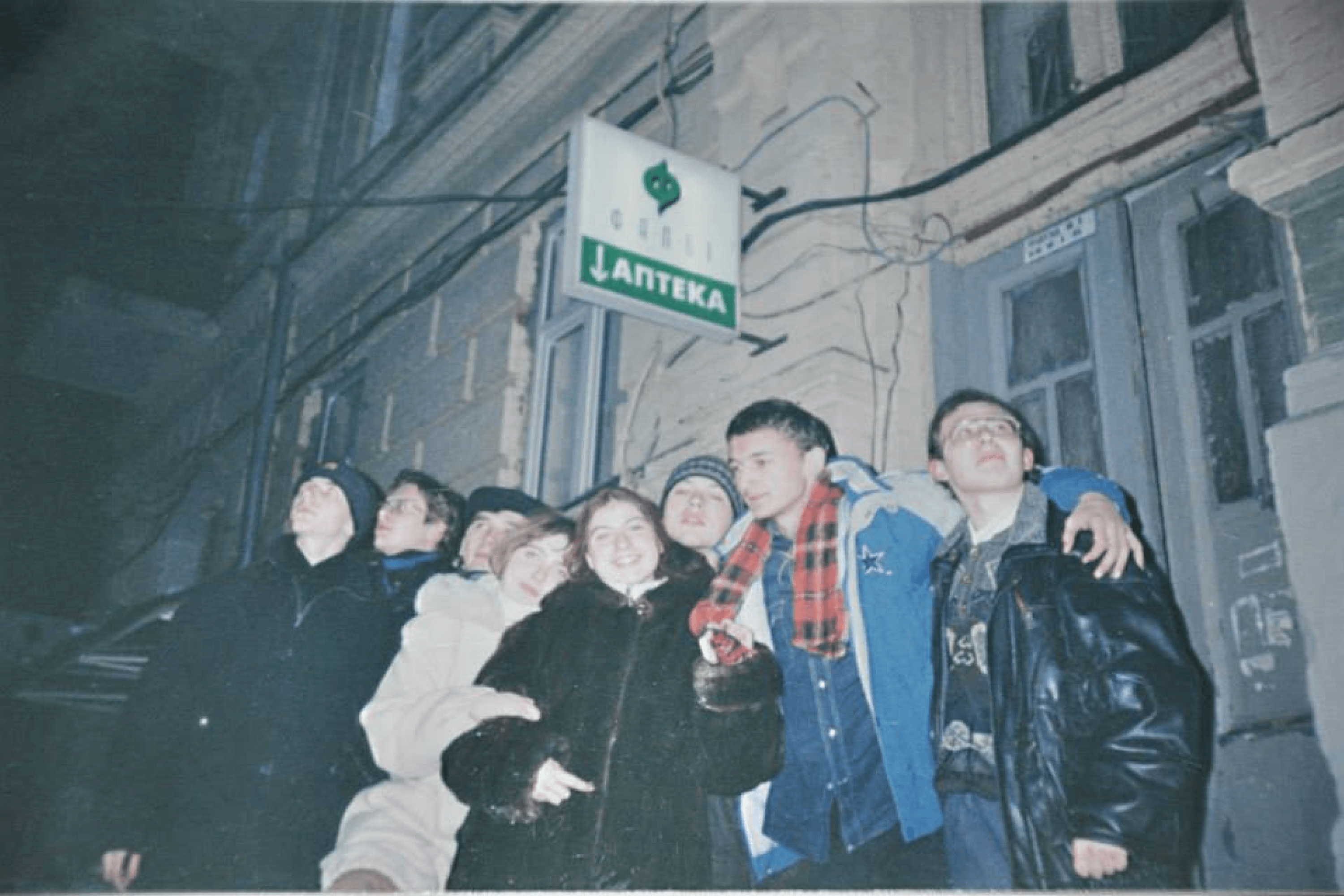
Halyna Solovei (center) with her classmates. Kyiv. Photo: Galyna Loginova Solovei / Facebook / YB
After receiving a master’s degree in the history of philosophy, I began working in the press service of the Ministry of Social Policy of Ukraine in 2003. I wrote speeches for the minister, worked with journalists, and organized press conferences. Around the same time, I got married and gave birth to my first daughter, Maria. In 2006, I defended my PhD dissertation on the idea of justice as the foundation of the welfare state, and after the birth of my second daughter, Oleksandra, I moved to the Institute of Philosophy.
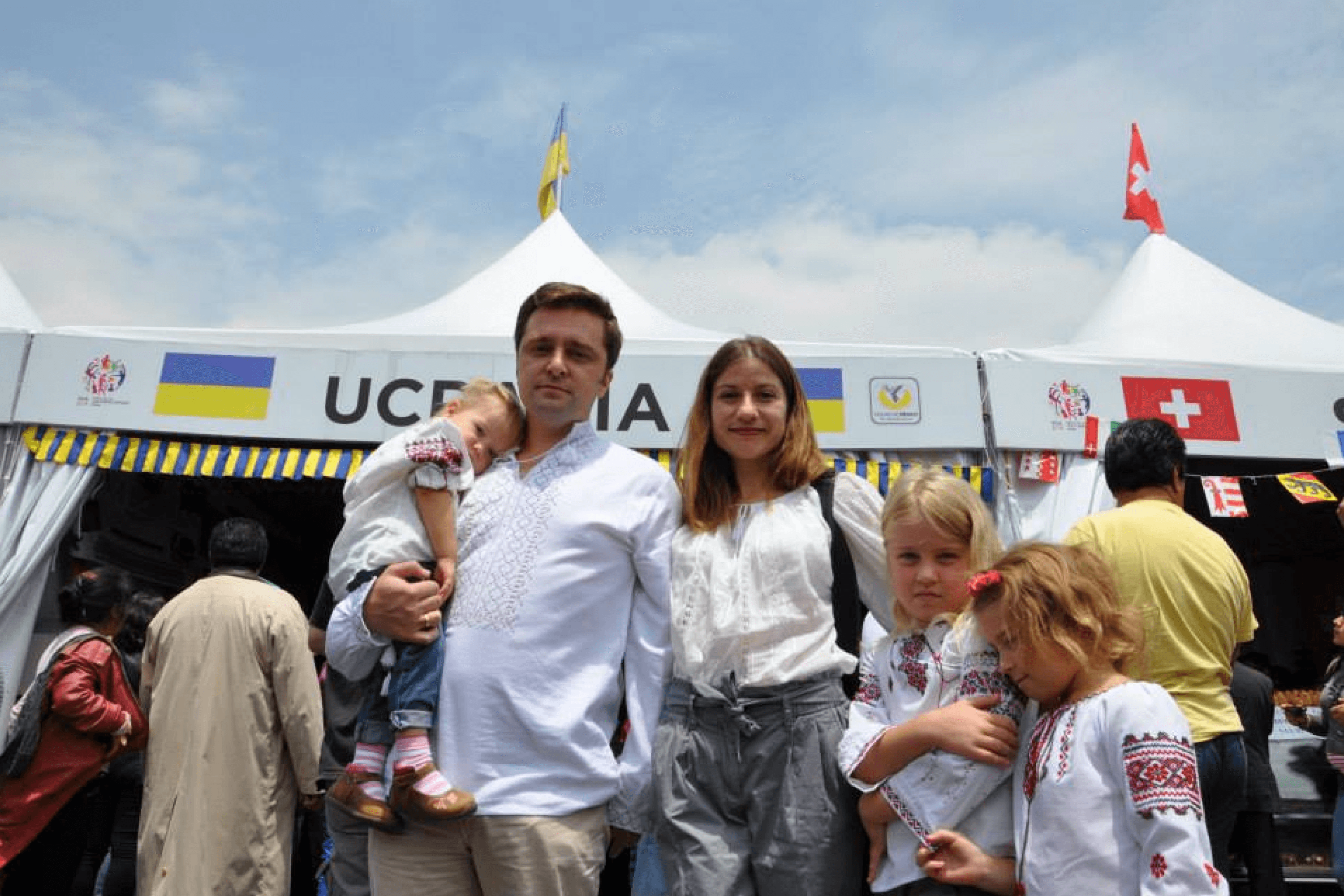
Later, my husband became a diplomat, and we moved to Mexico for five years. There, I focused on my family and gave birth to my third daughter, Anastasiia. We traveled a lot, I visited museums and archaeological sites, studied history, and practiced Spanish. That period became one of the most valuable in my life because it taught me to rethink priorities at the right moment.
About my career at the Ministry of Education
When my husband’s diplomatic assignment ended, we returned to Ukraine. Thanks to my connections with the Kyiv-Mohyla Academy, I became head of the Department of International Agreements at the Ministry of Education and Science and joined the reforms of the education system.
After the Revolution of Dignity, there was a real readiness for change in the ministry. We reviewed international agreements, many of which had remained since Soviet times, and built a new system of cooperation. At that time, education was still functioning by inertia: agreements on free education for foreigners were in place, but there was no understanding of how to use this as a tool of educational diplomacy.
I clearly understood that a foreign student who spends several years living and studying in Ukraine becomes a future ambassador for the country. The language issue was also important. Previously, many foreigners studied in Russian, but we began to change this. The idea was for them to study together with Ukrainian students, in a shared environment, using Ukrainian and English.
We also introduced a requirement for teachers to have at least a B2 level of English. For European integration, this was normal, but for part of the system, it presented a real challenge. Without languages and international interaction, even a strong scholar remains outside the global educational context.
During that period, work completely consumed me. I came home late and barely saw my family. At some point, I realized this could not continue for long. Big changes always come at a price, but I was not ready to lose my family for the sake of work.
About studying in South Korea
While working at the Ministry of Education, I regularly received invitations to international programs. I remember the evening when I came to my husband with three options: a two-year program in Beijing, a year and a half in Tokyo, or nine months in Sejong. He advised me to choose Korea. Perhaps because it was the fastest option. I left, entrusting him with our three children. They were 4, 9, and 11 years old. For us, it was a difficult but brave step.
That is how I entered the Korean Development Institute School of Public Policy and Management (KDI School), one of Asia’s leading institutions in public policy, free of charge. It was established as a center for training government officials and reformers who drove South Korea’s transformation. I lived in a dormitory next to the academic buildings. The campus was located in Sejong, a new administrative center where the government gradually relocated key institutions from overcrowded Seoul. It is a city built from scratch, rational and modern, an embodiment of Korean strategic thinking.
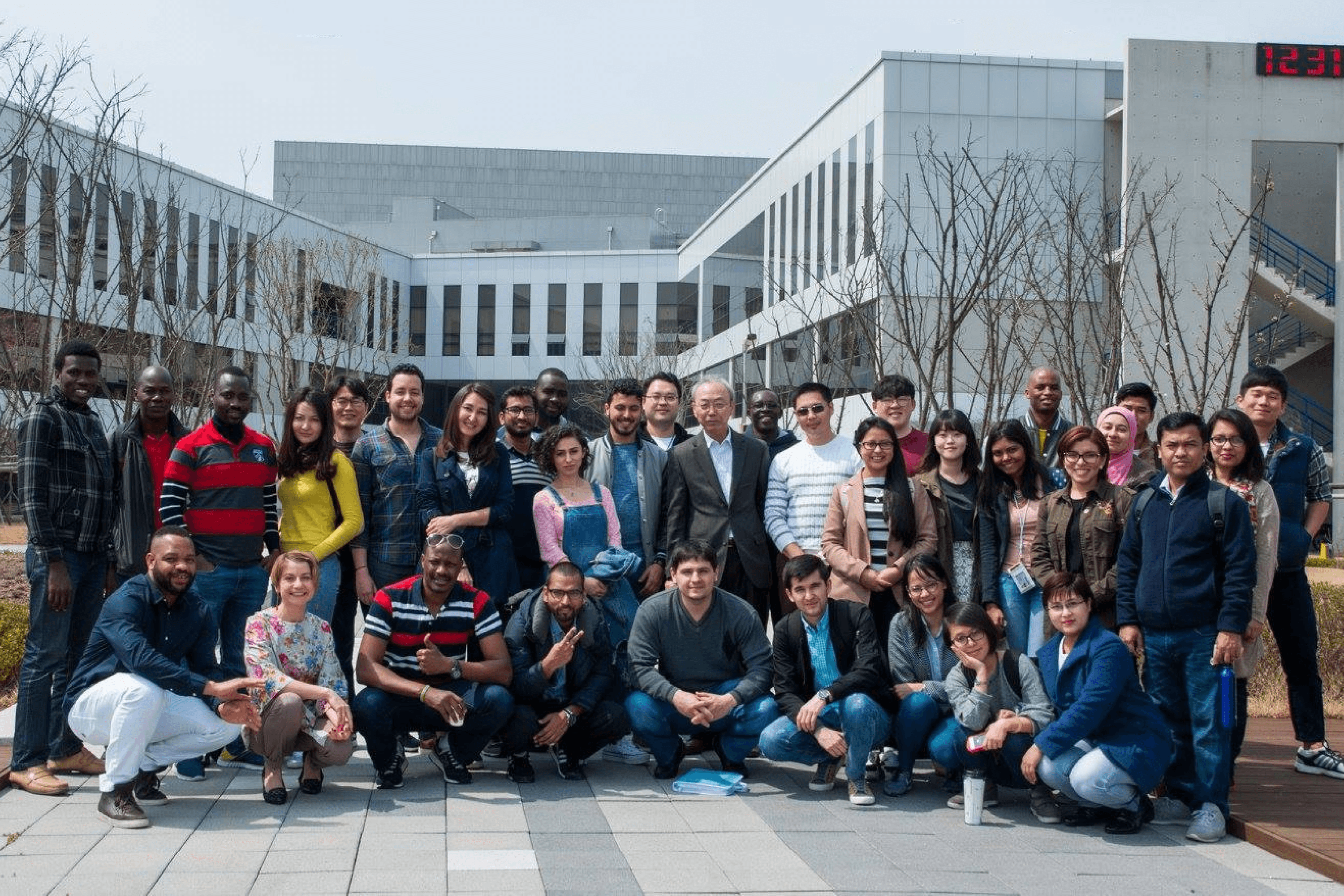
Halyna Solovei during a study program in South Korea. Photo: Galyna Loginova Solovei / Facebook / YB 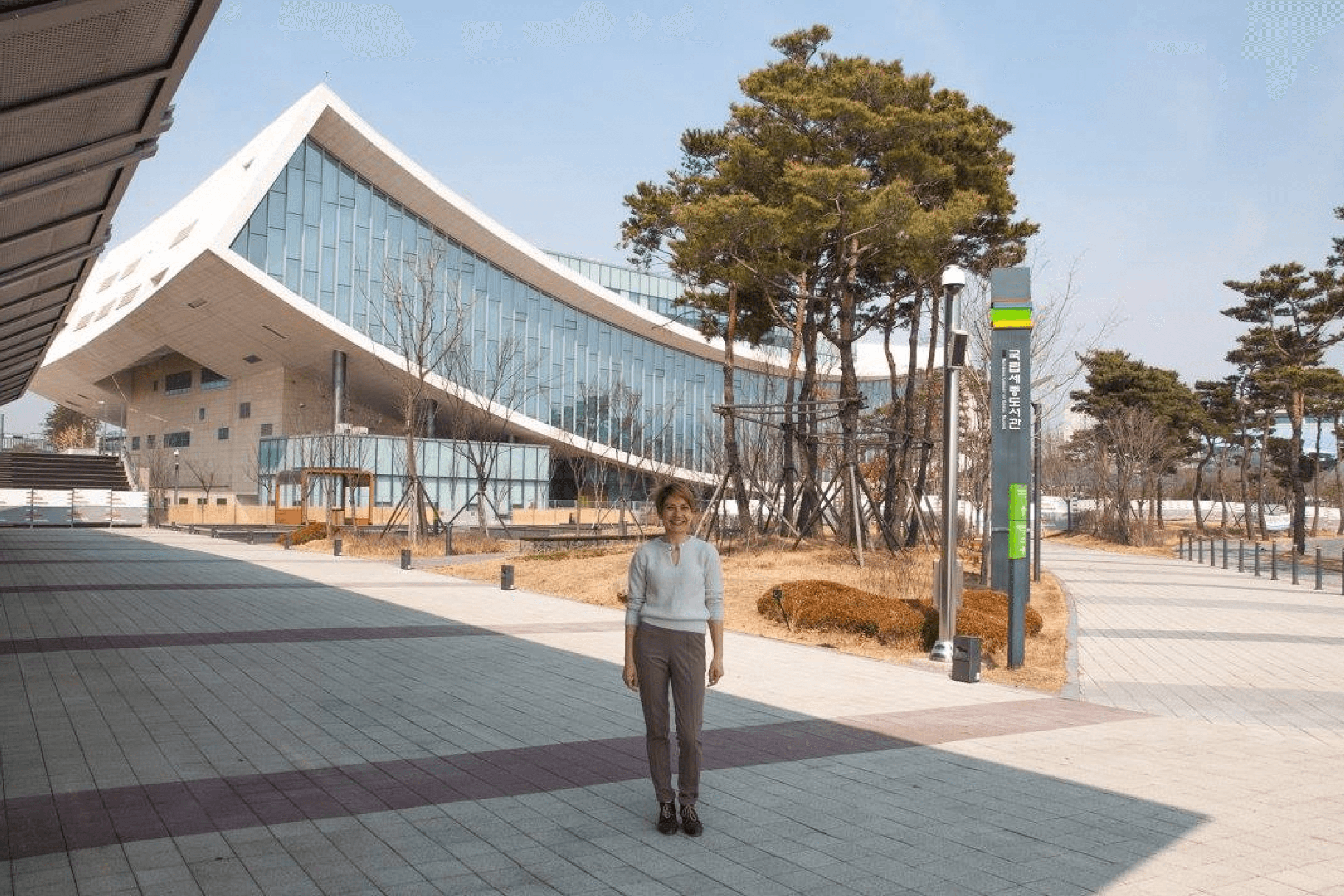
Photo: Galyna Loginova Solovei / Facebook / YB 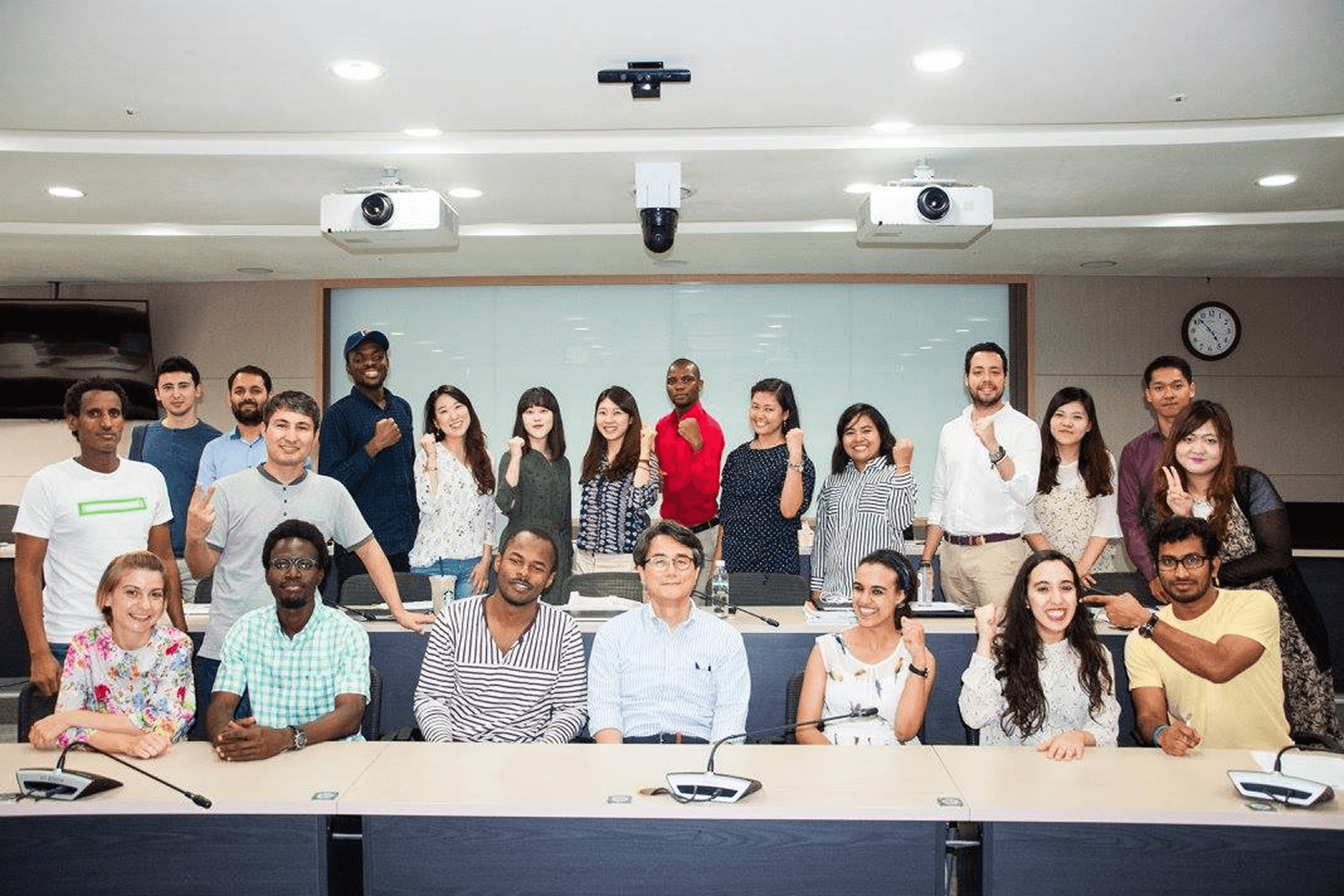
Photo: Galyna Loginova Solovei / Facebook / YB 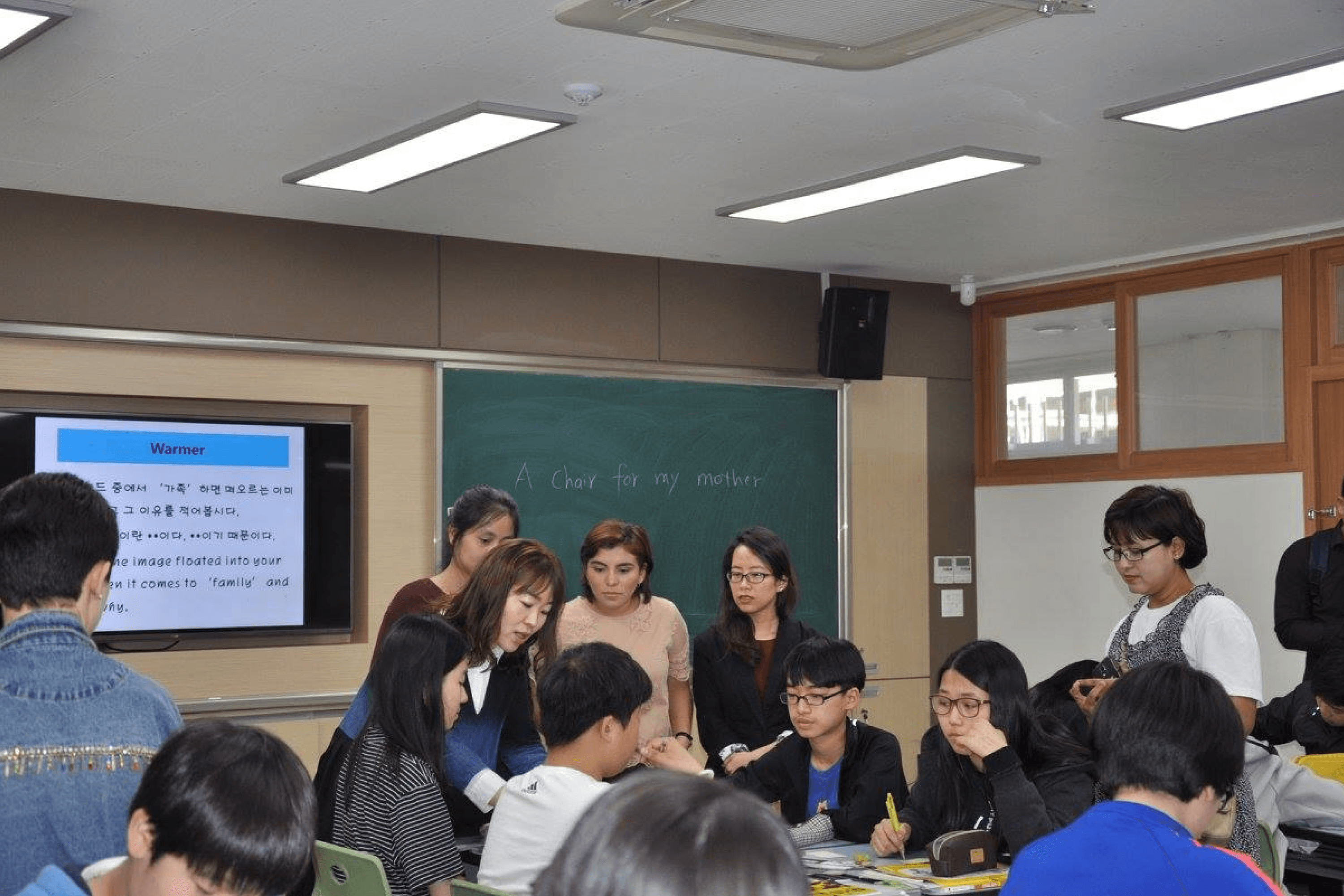
Photo: Galyna Loginova Solovei / Facebook / YB 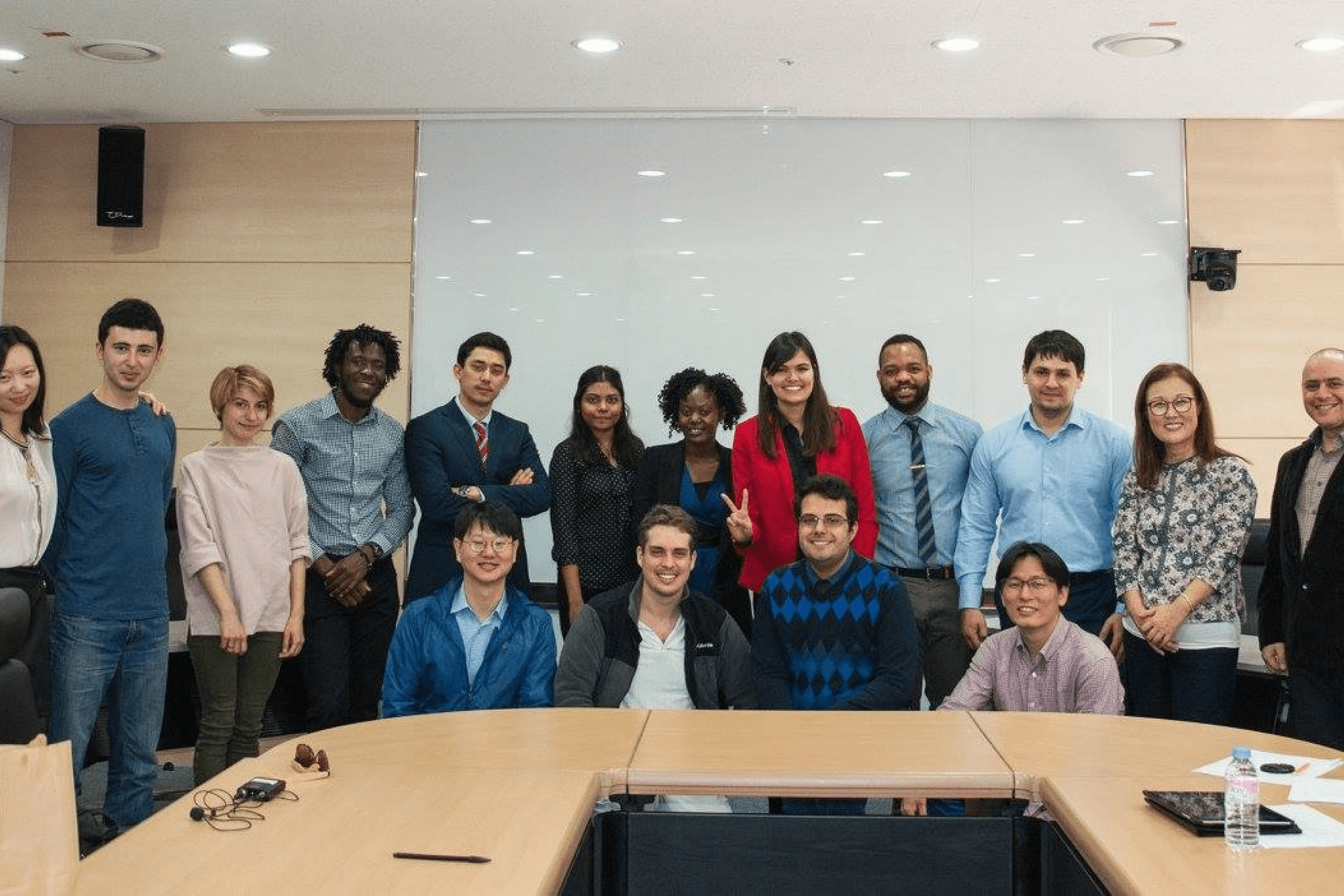
Photo: Galyna Loginova Solovei / Facebook / YB 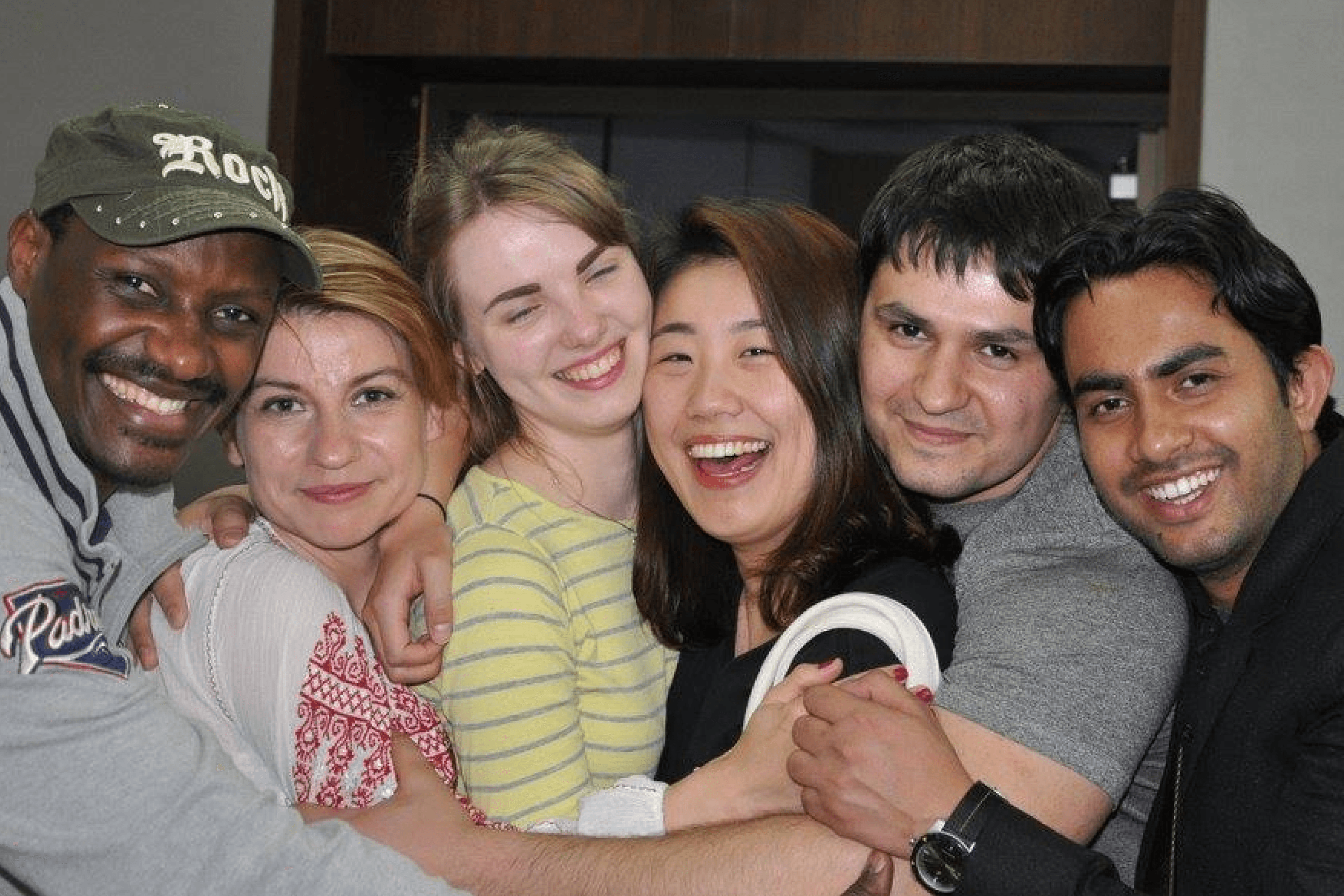
Photo: Galyna Loginova Solovei / Facebook / YB
The environment was international: people from dozens of countries, different cultures, and experiences. I consciously stepped outside my usual circle and spoke with people I would otherwise hardly have crossed paths with.
My specialization was international development policy. We studied how states grow economically, recover from crises, and why some reforms work while others do not.
It was in Korea that I saw how strategy, discipline, and long-term thinking can transform a country. After the war in 1953, South Korea was devastated and poor. Today, it is one of the world’s leading economies. This is the result of consistent policy: investment in education, industrial development, exports, and strong institutions.
Ukraine has much to learn if our thinking moves beyond a single political cycle.
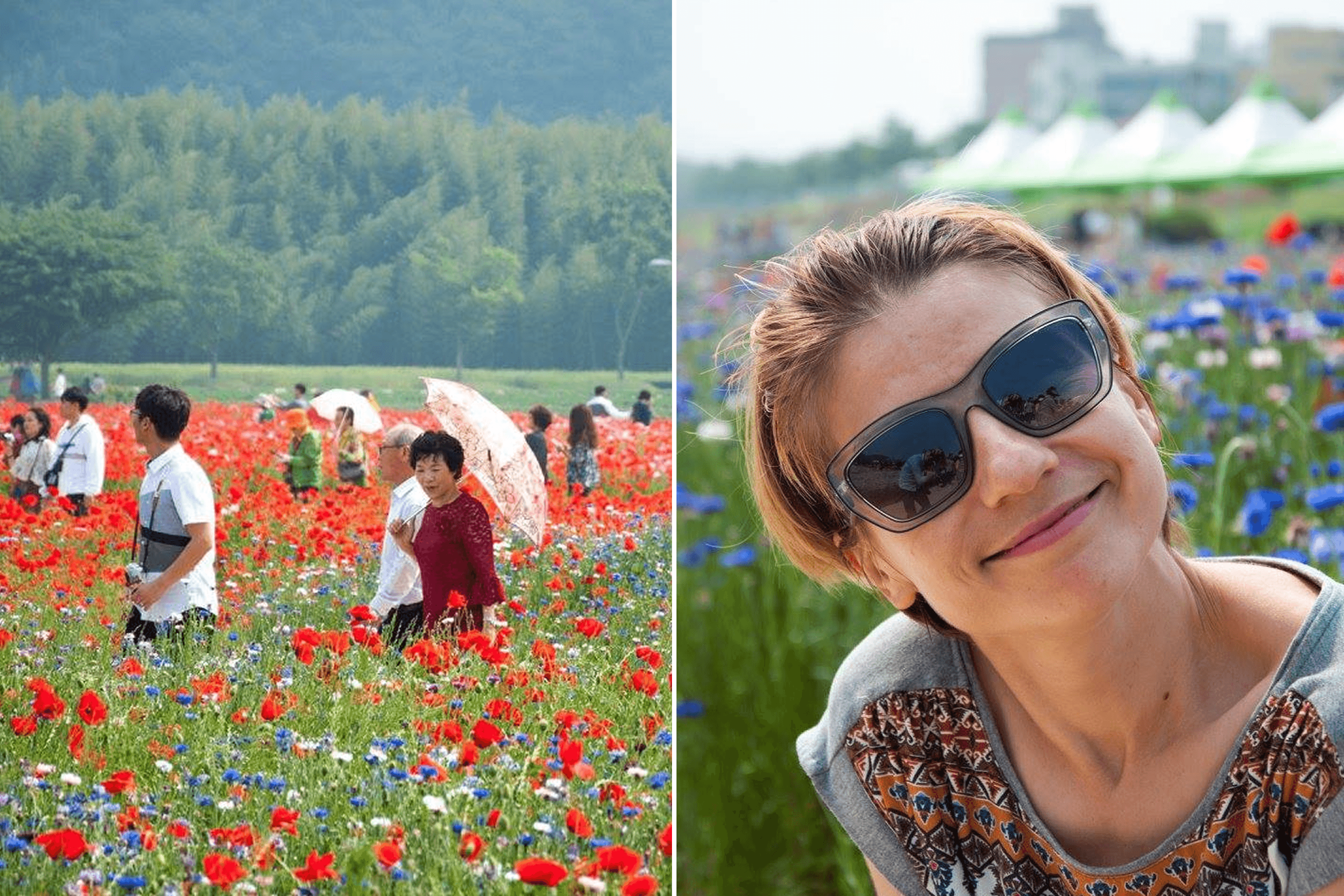
Halyna Solovei traveling in South Korea. Photo: Galyna Loginova Solovei / Facebook / YB 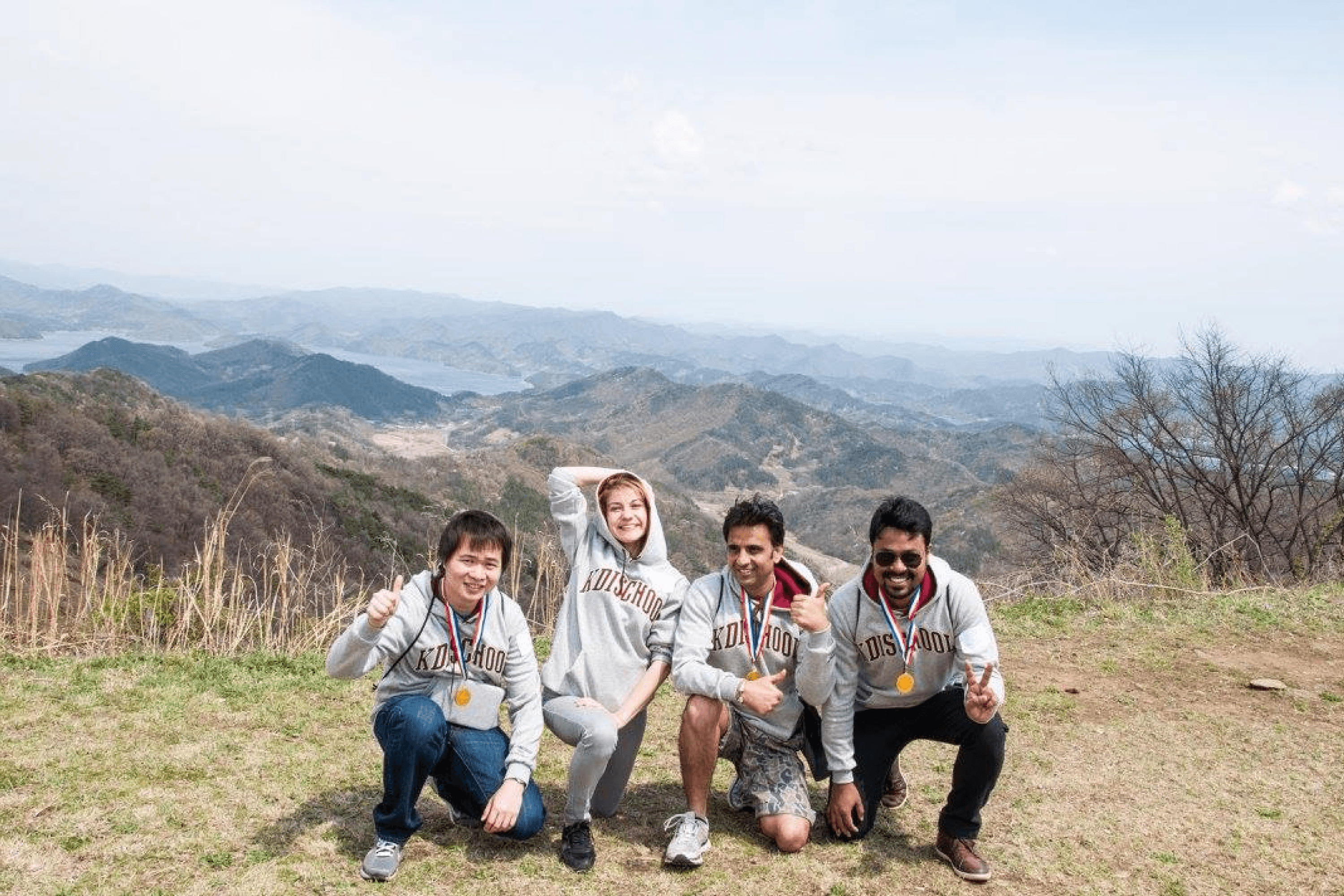
Photo: Galyna Loginova Solovei / Facebook / YB 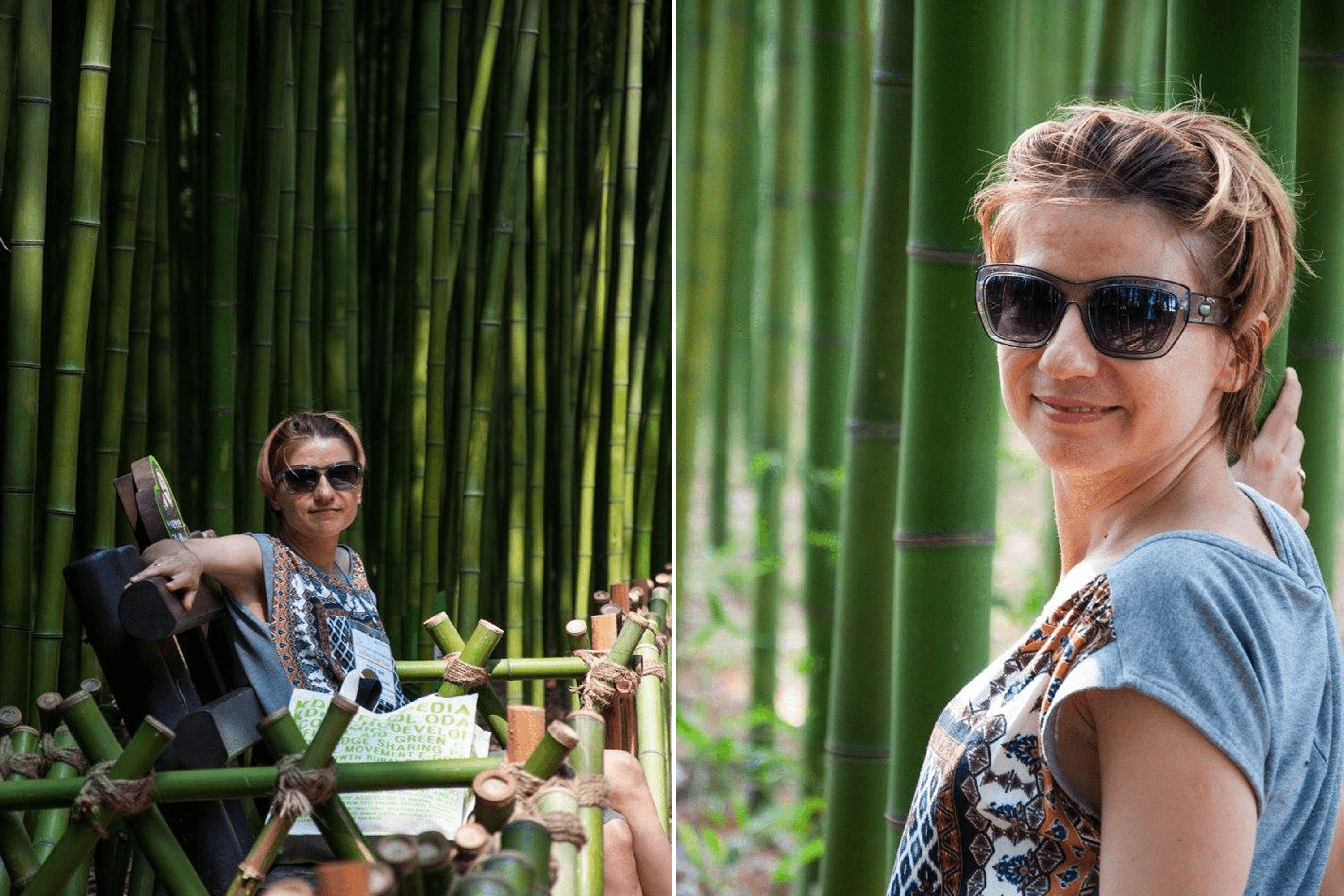
Photo: Galyna Loginova Solovei / Facebook / YB 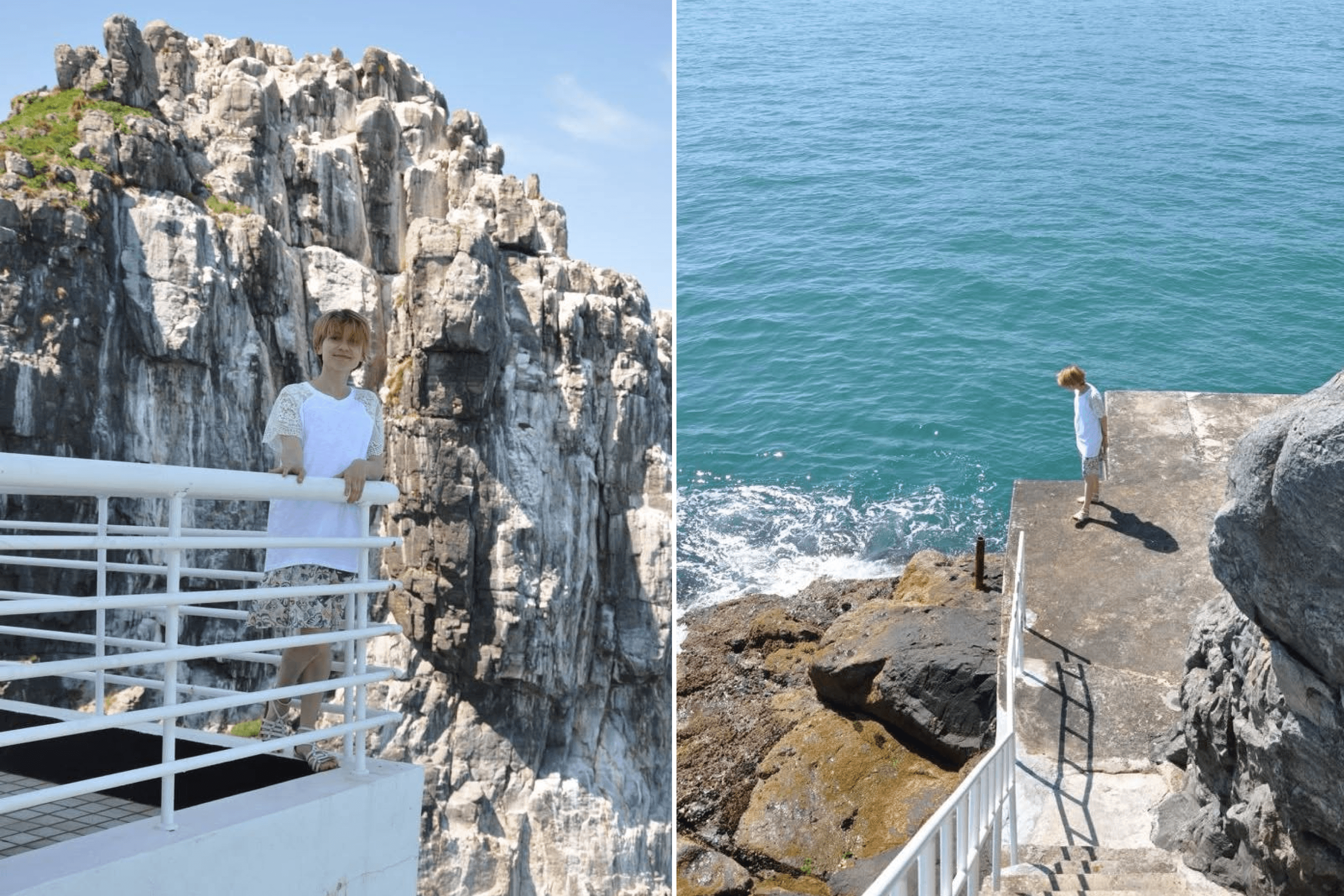
Photo: Galyna Loginova Solovei / Facebook / YB 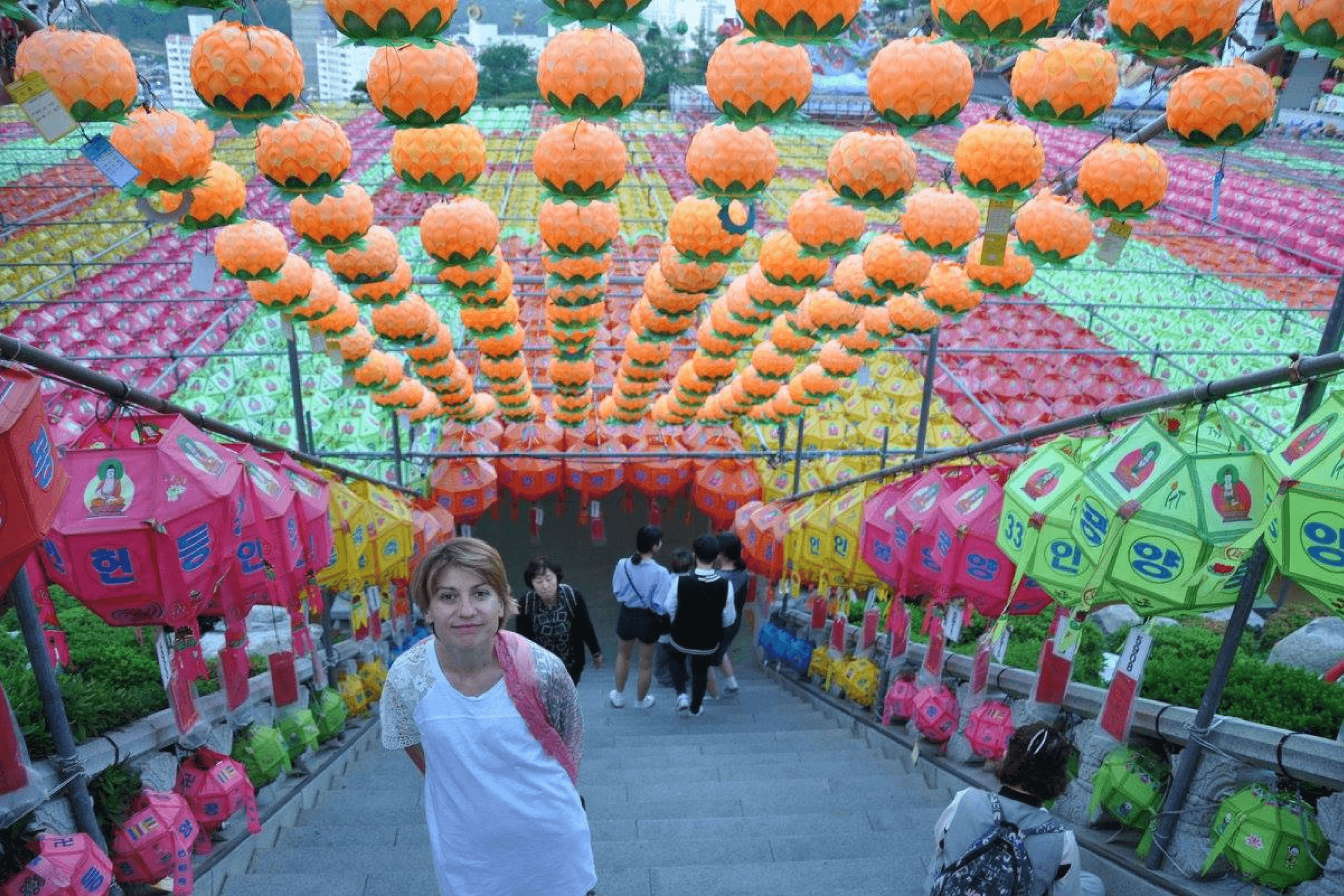
Photo: Galyna Loginova Solovei / Facebook / YB 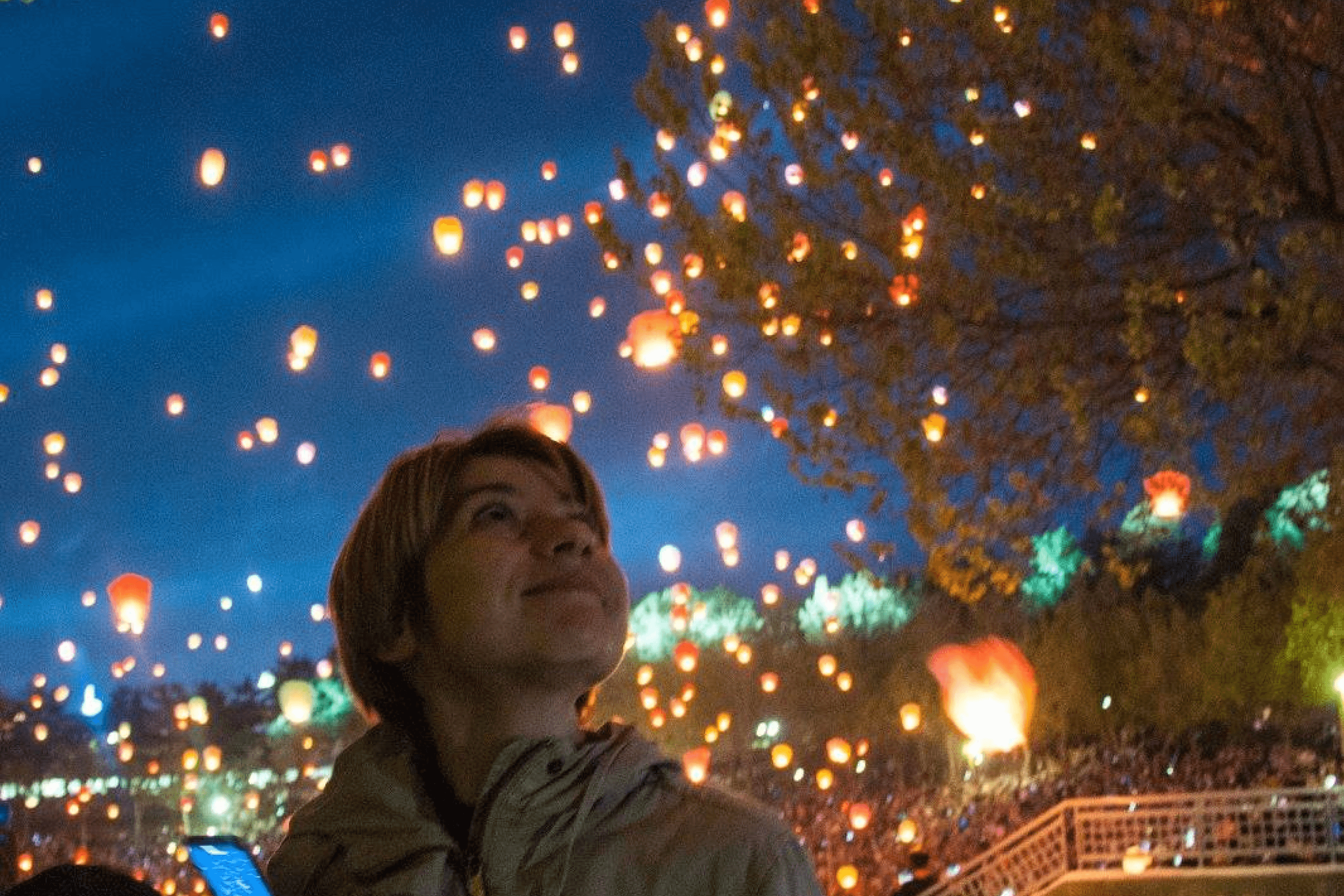
Photo: Galyna Loginova Solovei / Facebook / YB
About returning to Ukraine and teaching
After studying in Korea, I returned to Ukraine and came to the Kyiv-Mohyla Academy without a guaranteed position. The first year became a test of endurance: I worked without pay, preparing students of the new international relations program for nationwide competitions held by the Diplomatic Academy of the Ministry of Foreign Affairs of Ukraine.
By 2019, the opportunity arose to create a separate department. I began teaching, and in 2020 received a full-time position. I taught courses in English and Ukrainian, from negotiations and mediation to international organizations and global governance. Later, we built a sequence of conflict analysis courses, from bachelor’s to master’s level.
One of my favorites was a course in qualitative research methods. It focused on how to work with reality without oversimplifications, gather data, and draw grounded conclusions. In the post-Soviet context, this is especially important because ideology replaced science for a long time.
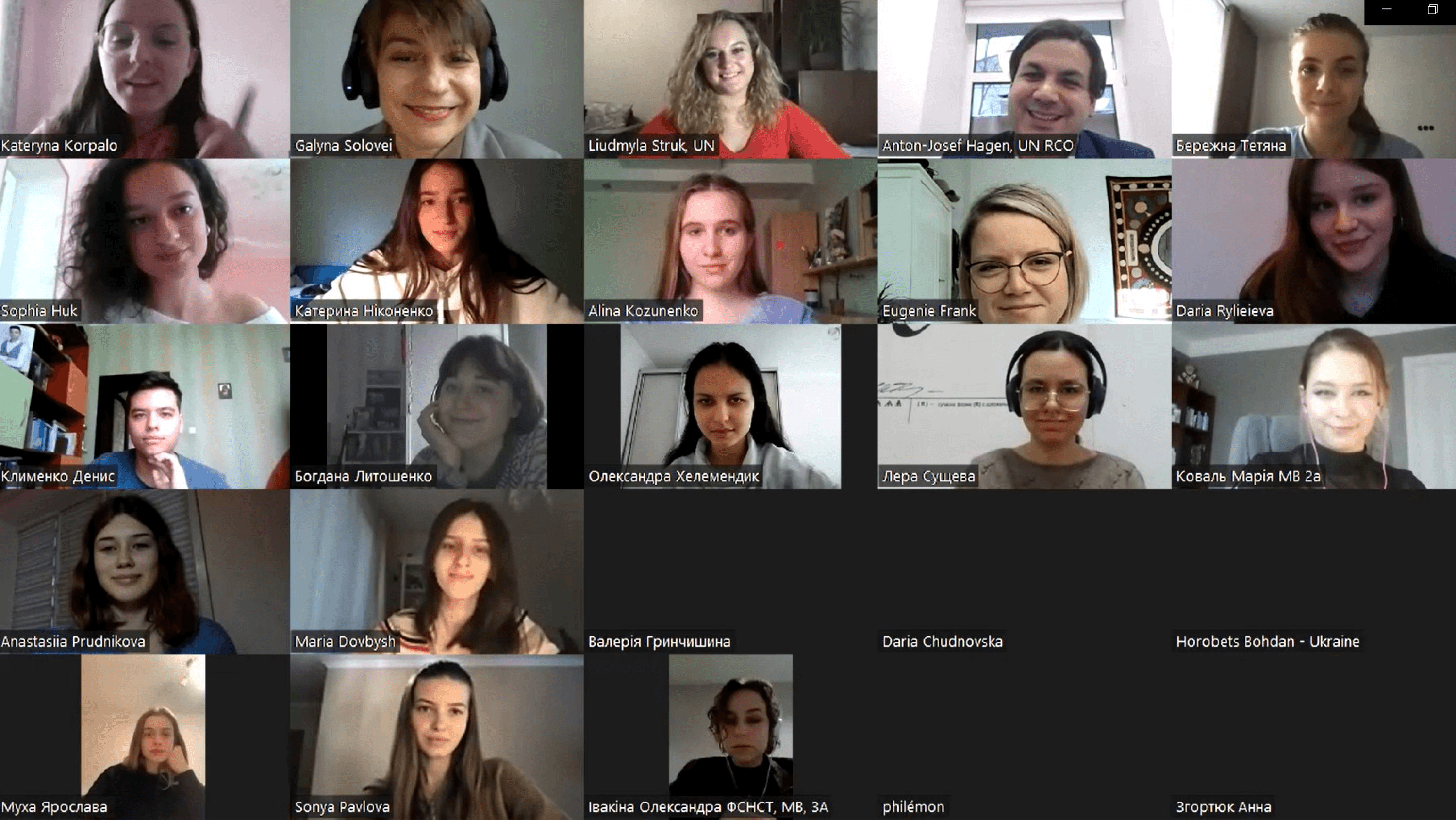
At the same time, my husband was posted to Minsk as a diplomat. I stayed in Kyiv with our three children and was essentially living as a single parent, combining a demanding job with sole responsibility for my family.
About forced emigration
On February 24, 2022, I woke up to explosions. I did not wake the children, but I immediately understood that the war had begun. In the morning, I saw neighbors who had moved from Donetsk region back in 2014 already leaving at five in the morning with suitcases. At that moment, it became clear this would last a long time.
During the first days, I stayed in Kyiv. Classes were canceled, but my students and I stayed in touch online. I considered going to my husband in Minsk, but that option disappeared immediately because Belarus had sided with Russia. A few days later, I decided to go to Lviv. The journey was exhausting; we traveled standing in the train vestibule.
At that time, an acquaintance from the Netherlands whom I had studied with in Korea wrote to me. His family offered to host me and my children in Lelystad for three months. We agreed. The first words I heard from them were: “Don’t fall apart. Pull yourself together and look for work.” It may have sounded harsh, but they gave us a sense of safety and at the same time got me moving again.
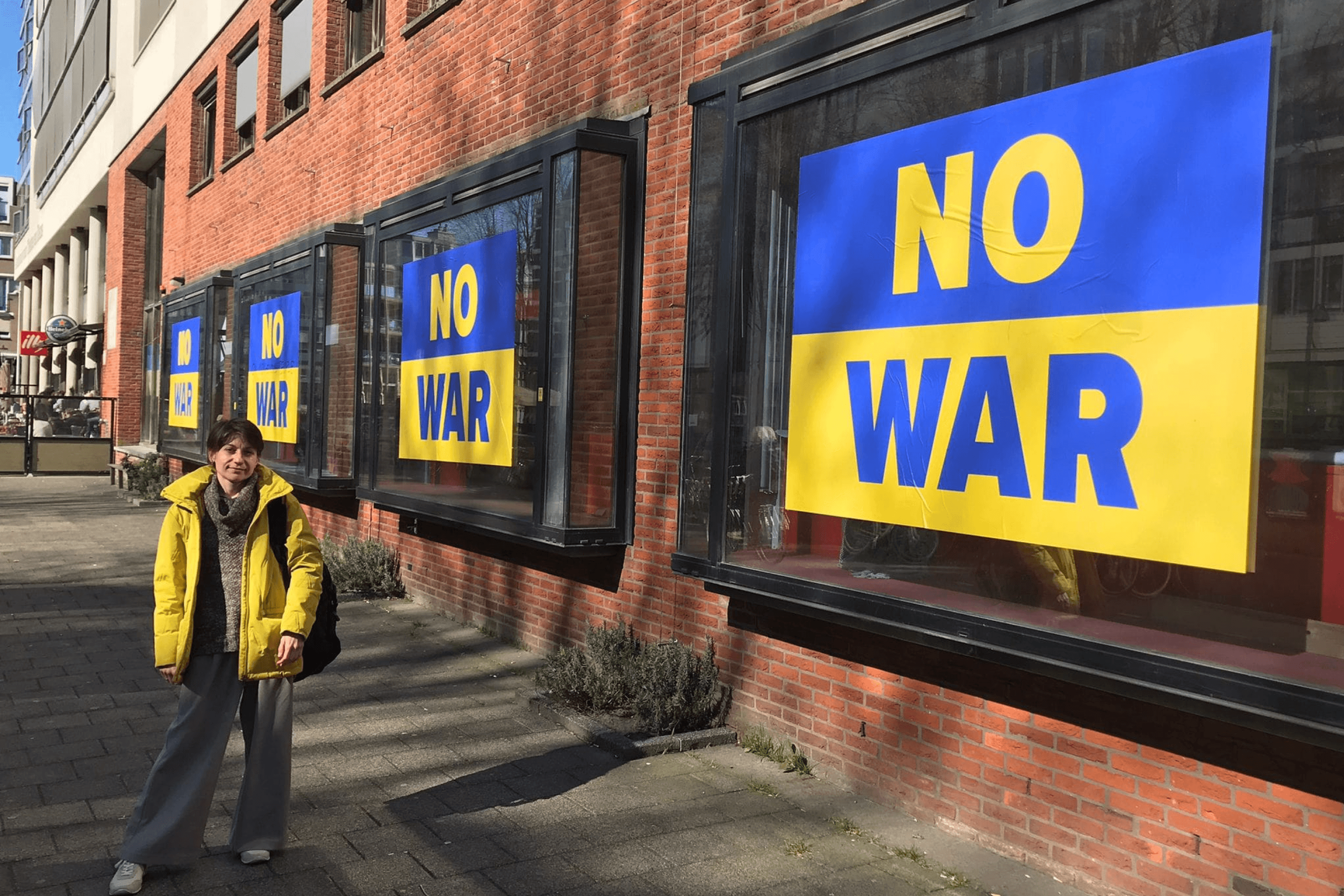
Halyna Solovei in Amsterdam. March 2022. Photo: Galyna Loginova Solovei / Facebook / YB 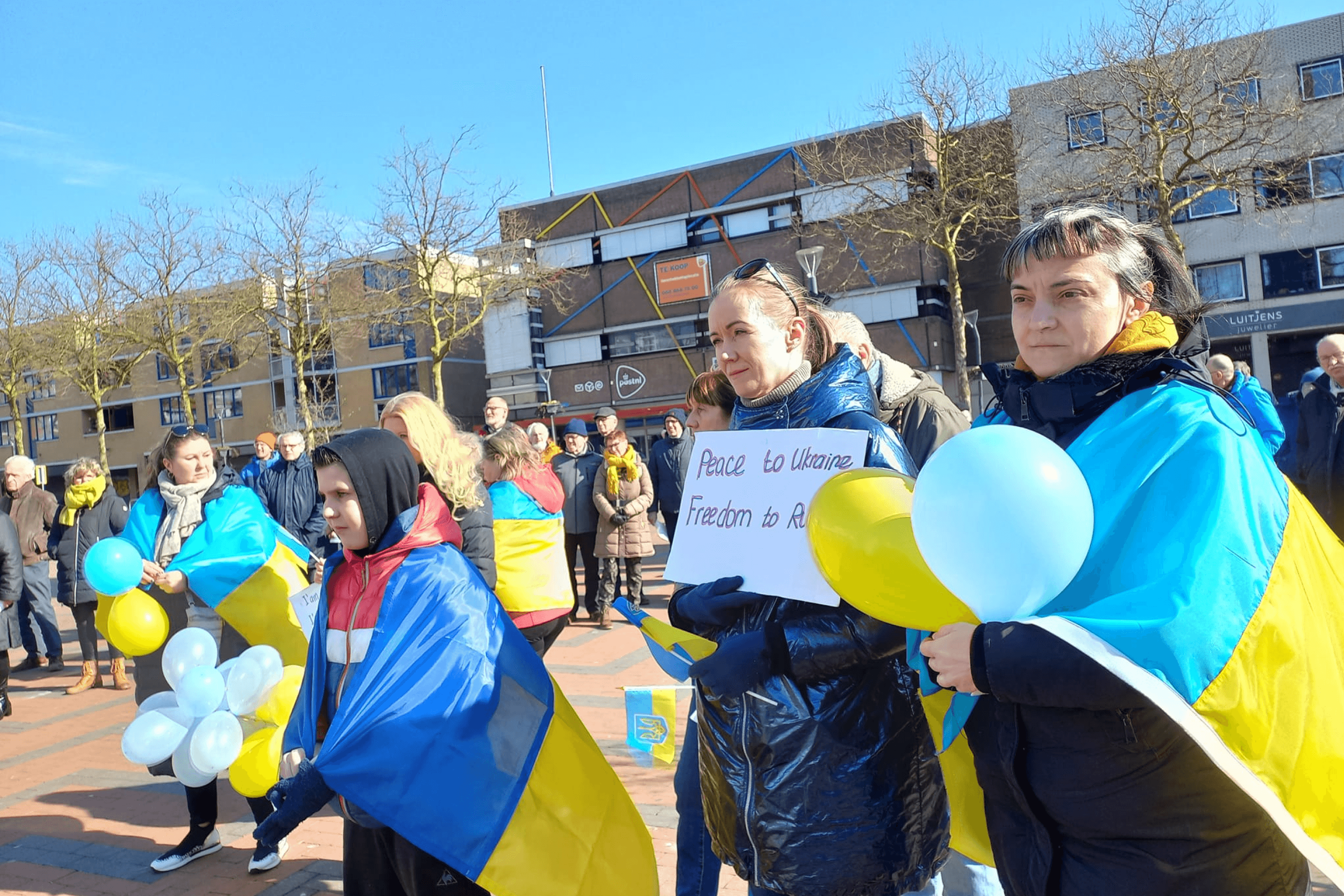
Photo: Galyna Loginova Solovei / Facebook / YB 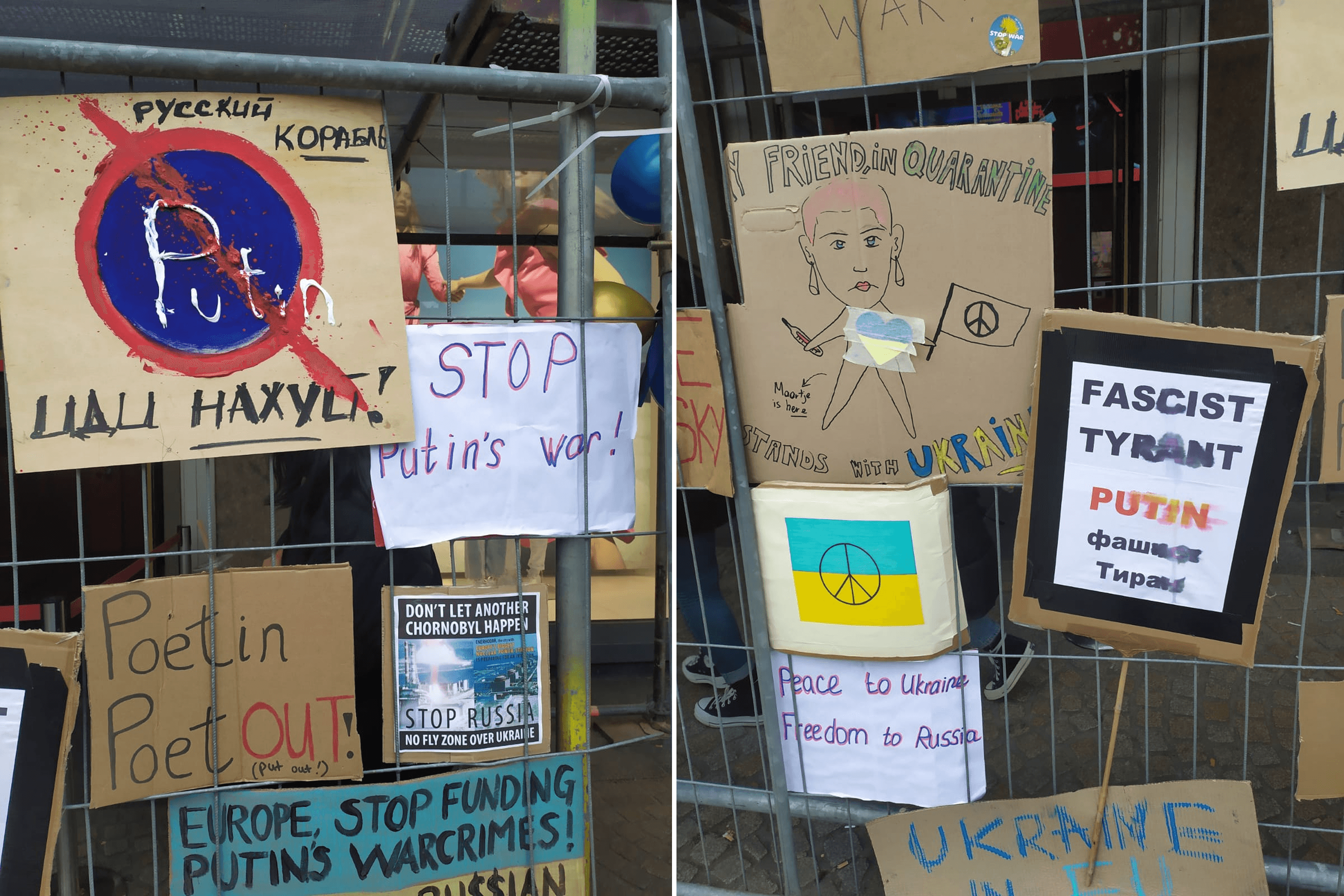
Photo: Galyna Loginova Solovei / Facebook / YB
I described my situation on the Scholars at Risk platform, which at that time helped Ukrainian academics find temporary jobs abroad. At first, I applied for an assistant position, but later a representative of the Ministry of Education contacted me and said she would try to find a teaching position for me in Amsterdam.
The very next day, Marlies Glasius, dean of the Faculty of Political Studies at the University of Amsterdam, wrote to me and invited me for an interview. I was hired to teach a conflict analysis course because the lecturer had come down with COVID-19 and they urgently needed a replacement. I received a three-month visiting professor contract.
In addition to teaching, I supervised the thesis projects of 16 students. We met twice a week and discussed their work in detail. The format was intensive. The salary was around €2,700 per month, but we continued living with our hosts.
What struck me most was the academic culture in the Netherlands. In large classrooms, people openly discussed identity, discrimination, and security. Students shared personal experiences without fear or self-censorship. I saw for the first time how differently freedom can look in an academic environment.
About the difference in teaching approaches
In EU universities, there is almost no distance between teachers and students, unlike in Ukrainian universities. This is not about a lack of respect from students, but about a different communication culture: addressing each other informally, openness, and no fear of speaking up. A lecturer here does not place themselves above students, but rather shares knowledge and helps fill gaps. Four years of working in the European education system have noticeably changed me. Today, I easily write feedback on student work, paying attention not only to weaknesses but also to strengths.
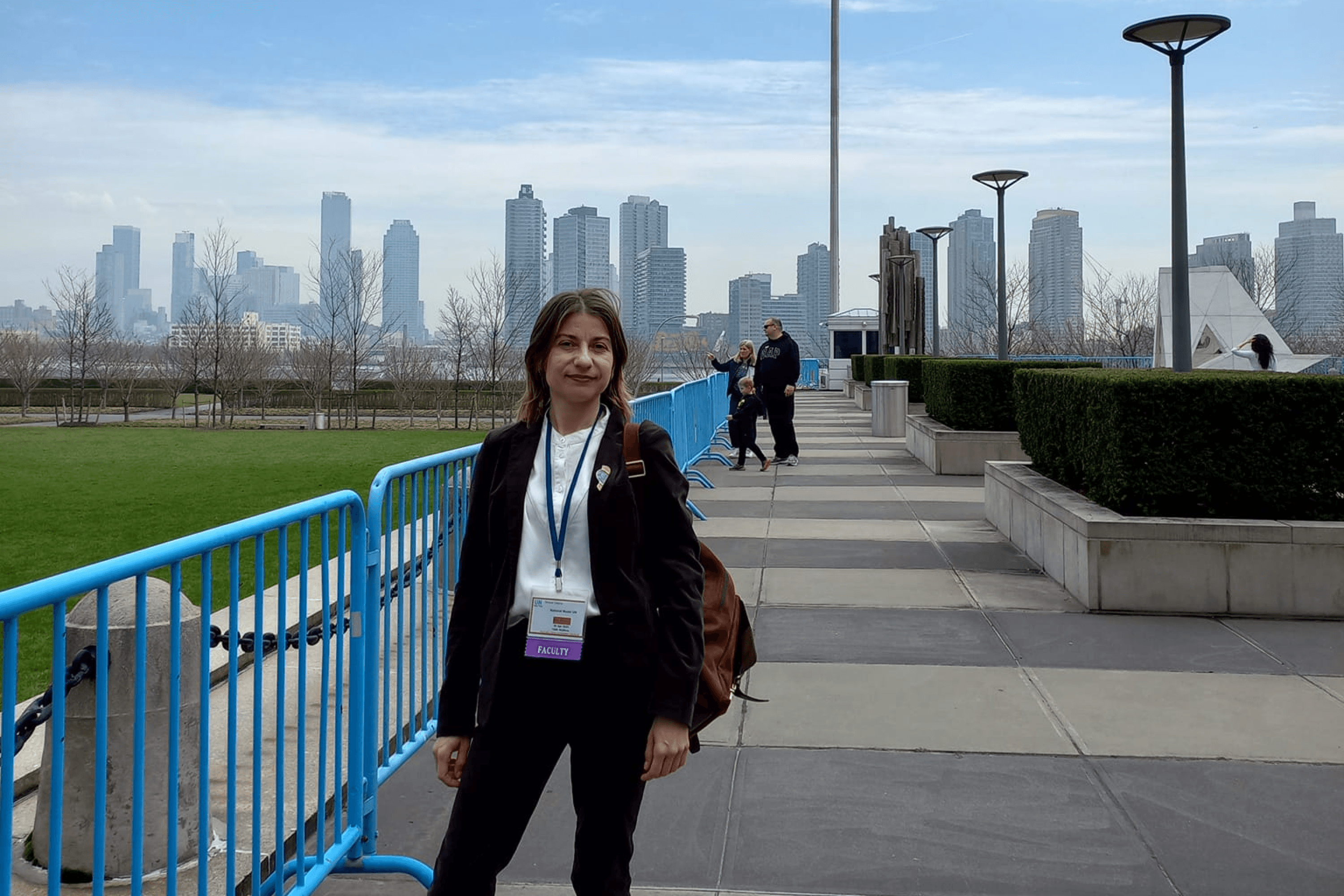
Students of the Ukrainian Catholic University and the National University of Kyiv-Mohyla Academy during the National Model United Nations (NMUN) conference at the United Nations Headquarters in New York. April 2023. Photo: Galyna Loginova Solovei / Facebook / YB 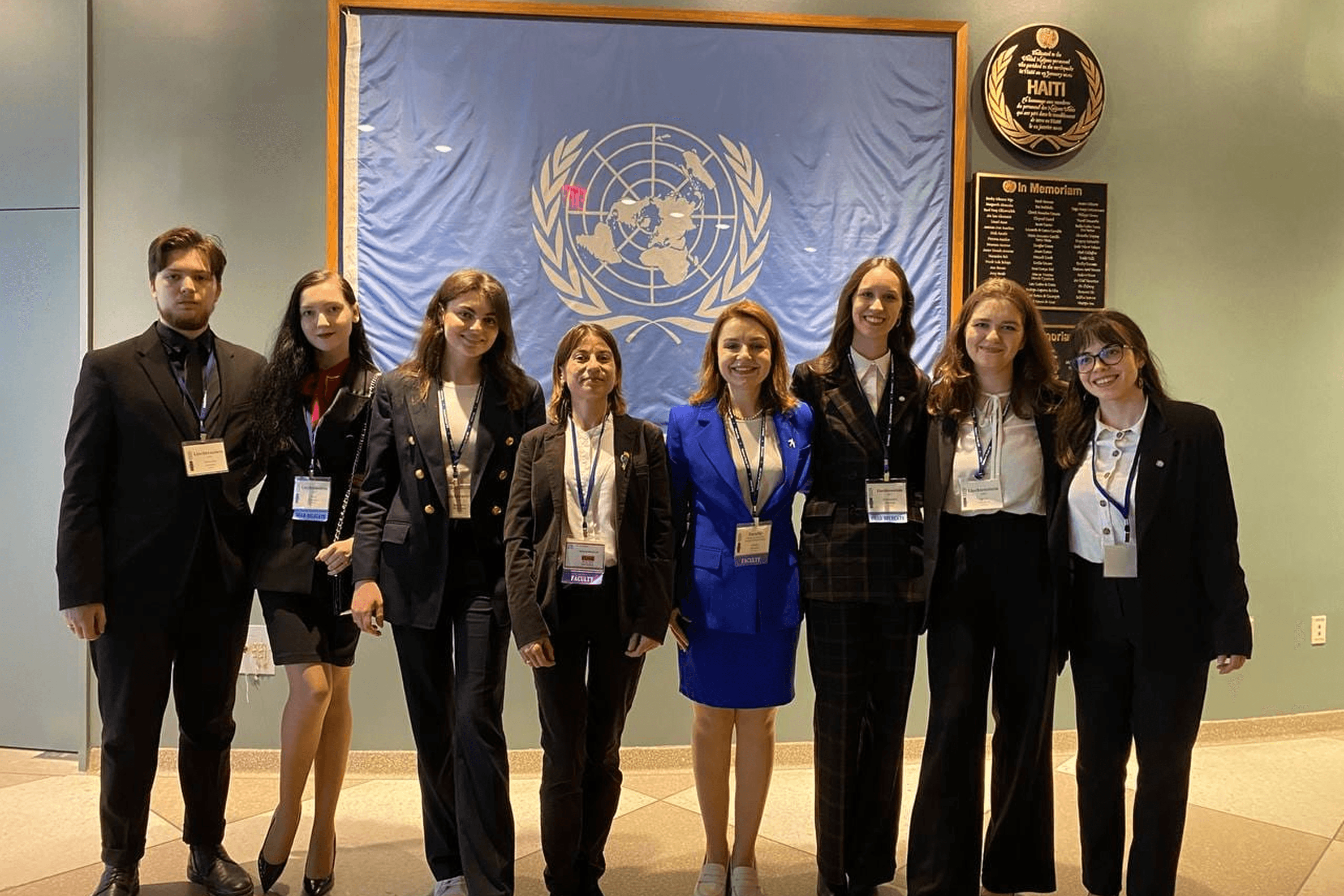
Photo: Galyna Loginova Solovei / Facebook / YB 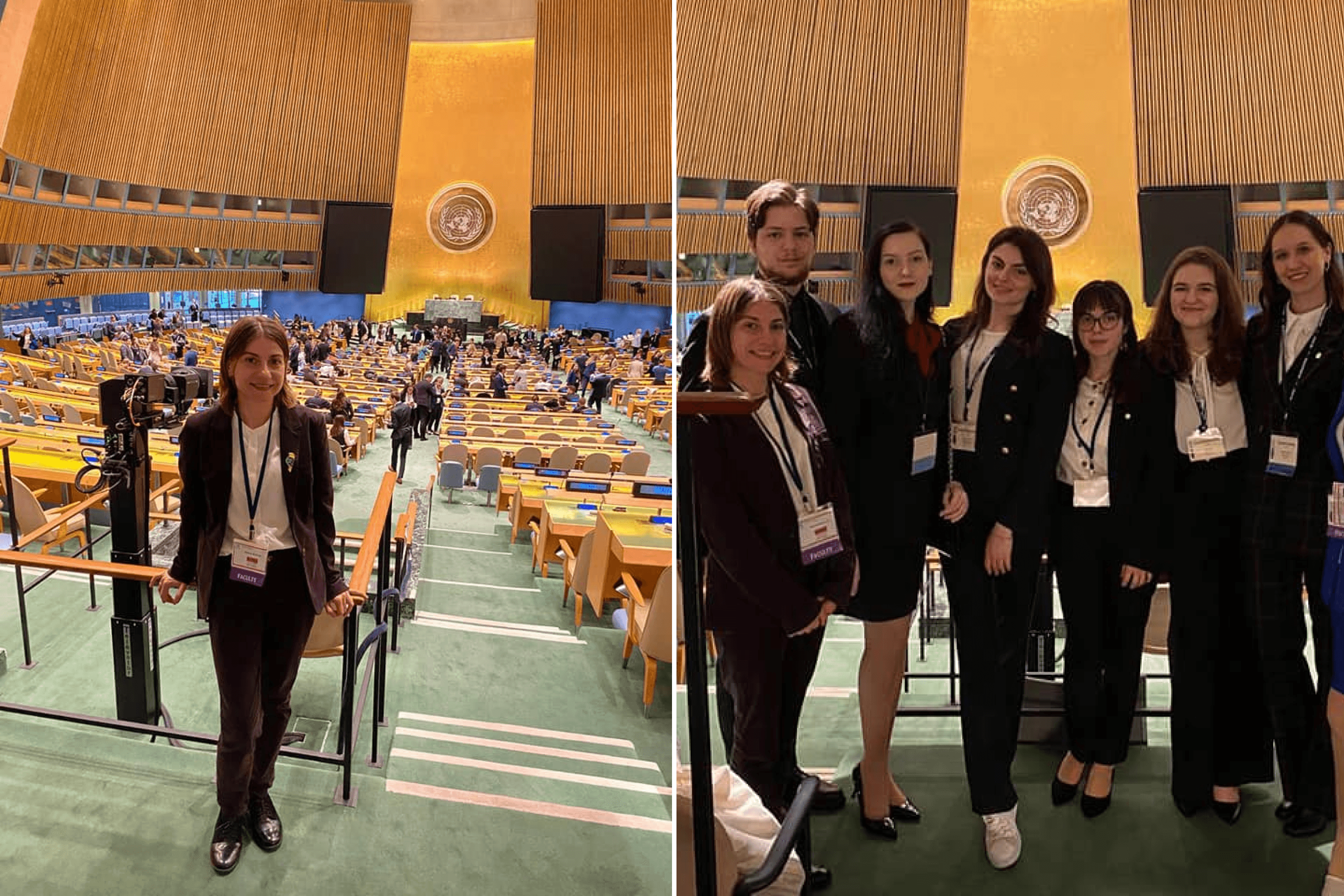
Photo: Galyna Loginova Solovei / Facebook / YB 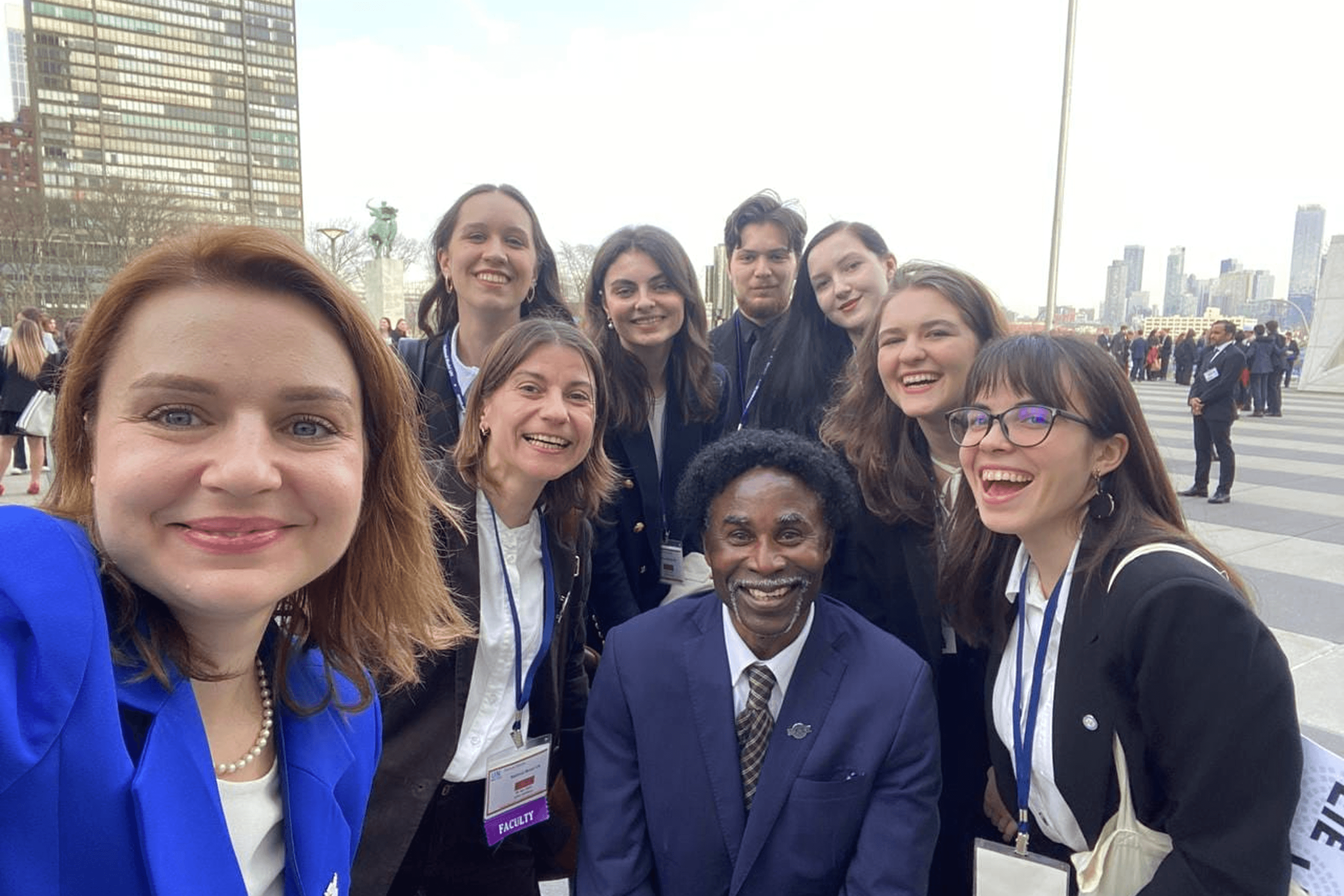
Photo: Galyna Loginova Solovei / Facebook / YB
About moving to Spain
After three months in the Netherlands, my husband was transferred from Minsk to Madrid, where he was provided with official accommodation. My daughters and I moved there as well. I immediately began looking for work and quickly received a position at Universidad Carlos III de Madrid. It was part of a European support program that included around 60 teaching positions across Spain, 16 of them at this university. I received a contract with a salary of €35,000 per year.
In Madrid, I taught in English whatever the university needed at that particular moment and conducted many seminars. The first year was difficult. I was used to a more individual academic format, like at the Kyiv-Mohyla Academy or the University of Amsterdam, where there is space for deeper work with students. At this university, there were lecture groups of more than one hundred students, many parallel classes, and repetitive seminars. I quickly understood this was not where I wanted to stay long term.
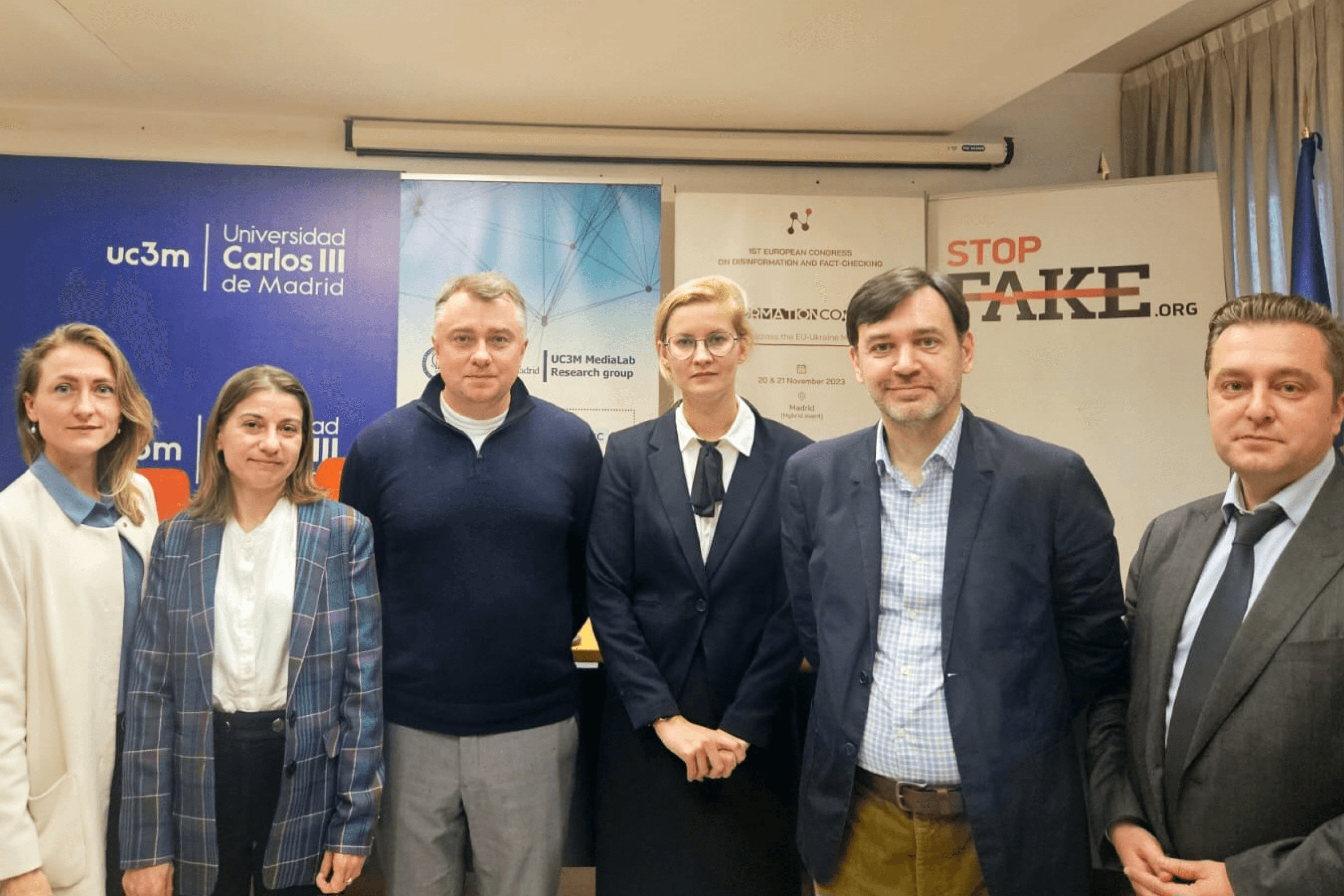
At the same time, I reduced my workload at the Kyiv-Mohyla Academy but did not leave completely. I feel I still belong to this university and plan to continue teaching there as long as remote teaching or academic supervision remains possible.
About my career at Universidad Pontificia Comillas
The year-long “EU-gifted” contract for Ukrainian lecturers at EU universities came to an end, and I decided to apply for a position at one of Madrid’s most prestigious private Catholic universities, Universidad Pontificia Comillas. I applied there not as a Ukrainian refugee, but as a lecturer competing for an open position. I was hired and offered a temporary one-year contract.
I began teaching the English-language course Principles and Policies of International Security and gradually built it into a coherent system: from the end of World War II to contemporary global transformations, including the strategic autonomy of the European Union and its complicated relations with the United States.
At the end of 2024, I was offered a permanent teaching position: at first with the same workload, and later the workload was increased. Currently, I teach International Security, Comparative Cultural Analysis for International Relations, and Contemporary International Issues from the Perspective of Spain. My salary is around €1,500 per month.
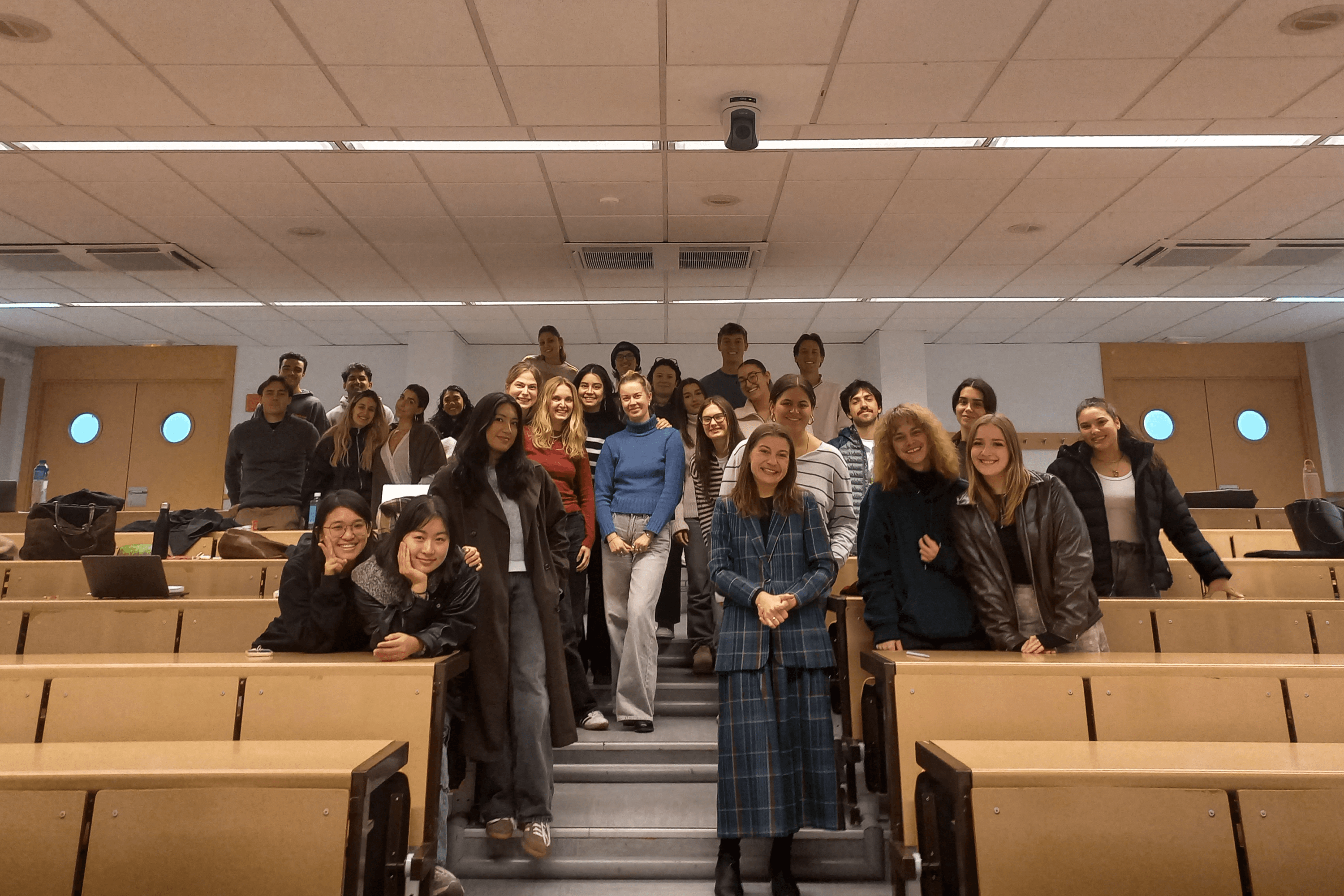
Photo: Photos provided by Galyna Solovei / YB 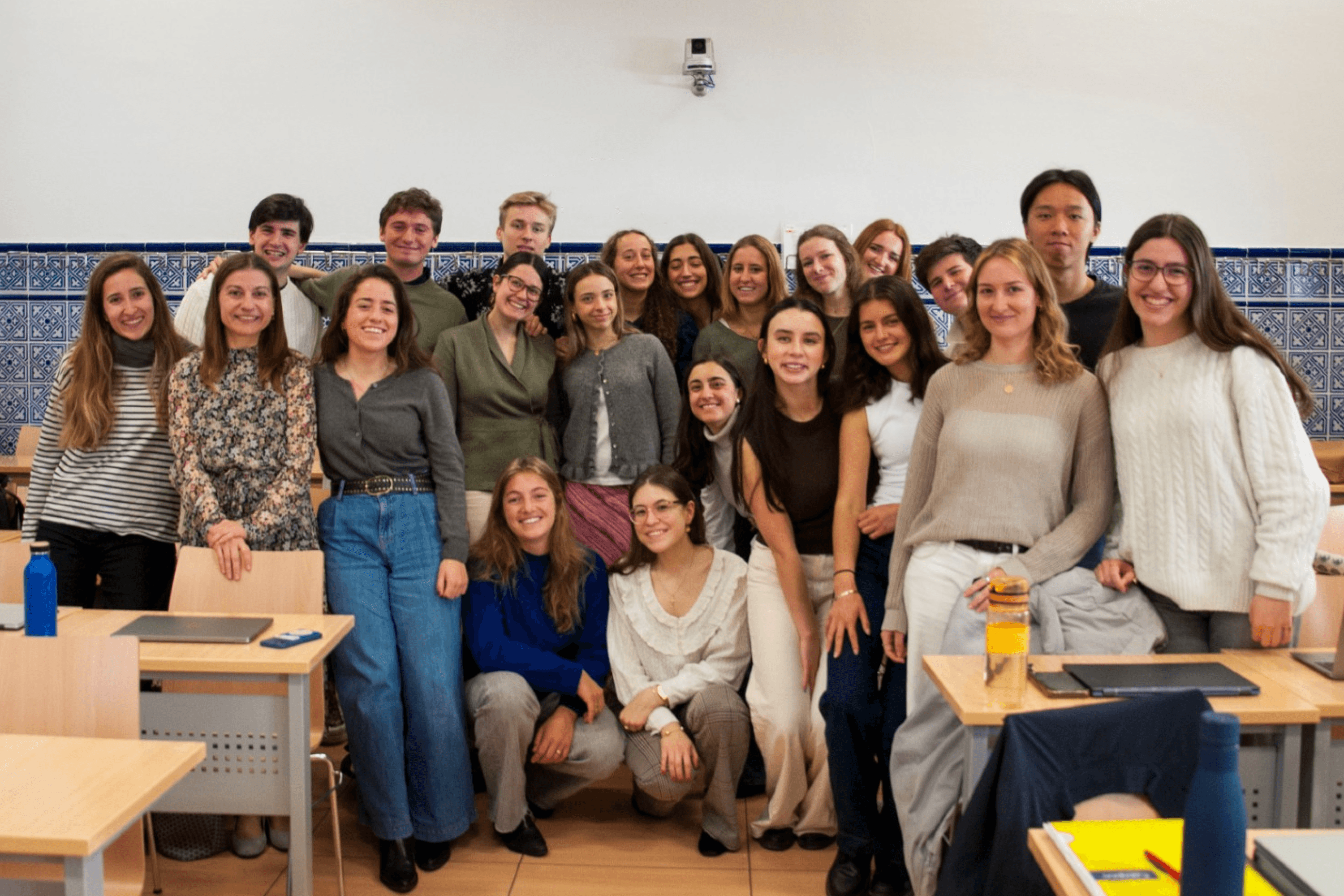
Photo: Photos provided by Galyna Solovei / YB 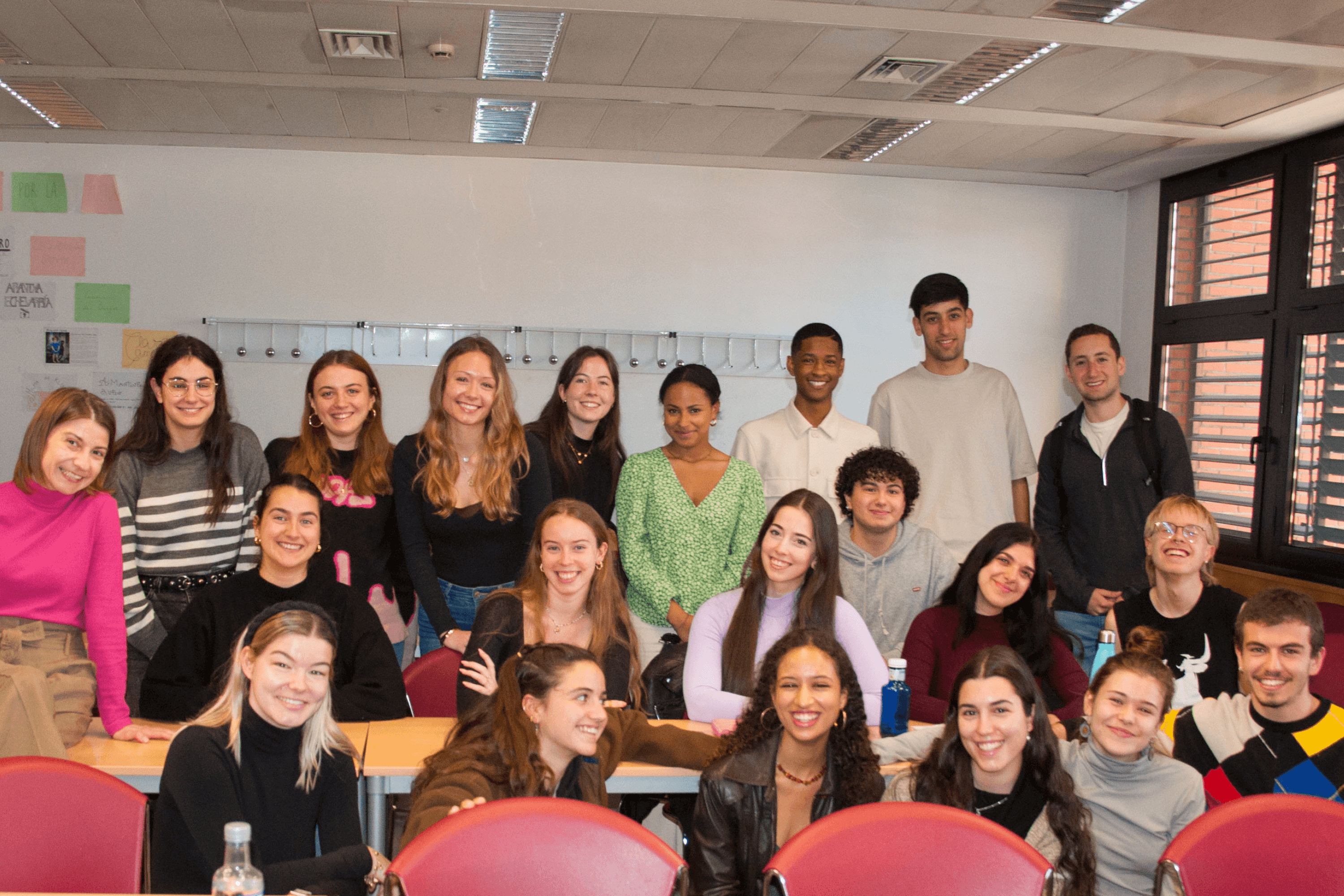
Photo: Photos provided by Galyna Solovei / YB
I begin the course Principles and Policies of International Security with the confrontation between the United States and China and its security implications. Then we move to interstate conflicts, including the analysis of Russia’s aggression against Ukraine and different cases of crisis intervention. A separate block is devoted to separatism, particularly Catalonia.
I deliberately work with topics that create tension because difficult processes should not be avoided. They should be examined. We also discuss hybrid threats: cyberattacks, information operations, and Russia’s role. We finish the course with international agreements, such as the nuclear deal with Iran.
One of my favorite topics is collective identity through monuments and symbols. I share my own experience, while students share theirs, from dismantling monuments to rethinking historical sites in different countries.
We speak about memory, symbols, and what is important yet controversial in different societies. An international classroom creates a space where people can hear and understand each other without hostility.
I see how these discussions help students learn to talk across differences. My experience in Ukraine informs my teaching as well: in Europe, awareness of the Russian threat is growing, and with it, the need to understand it.
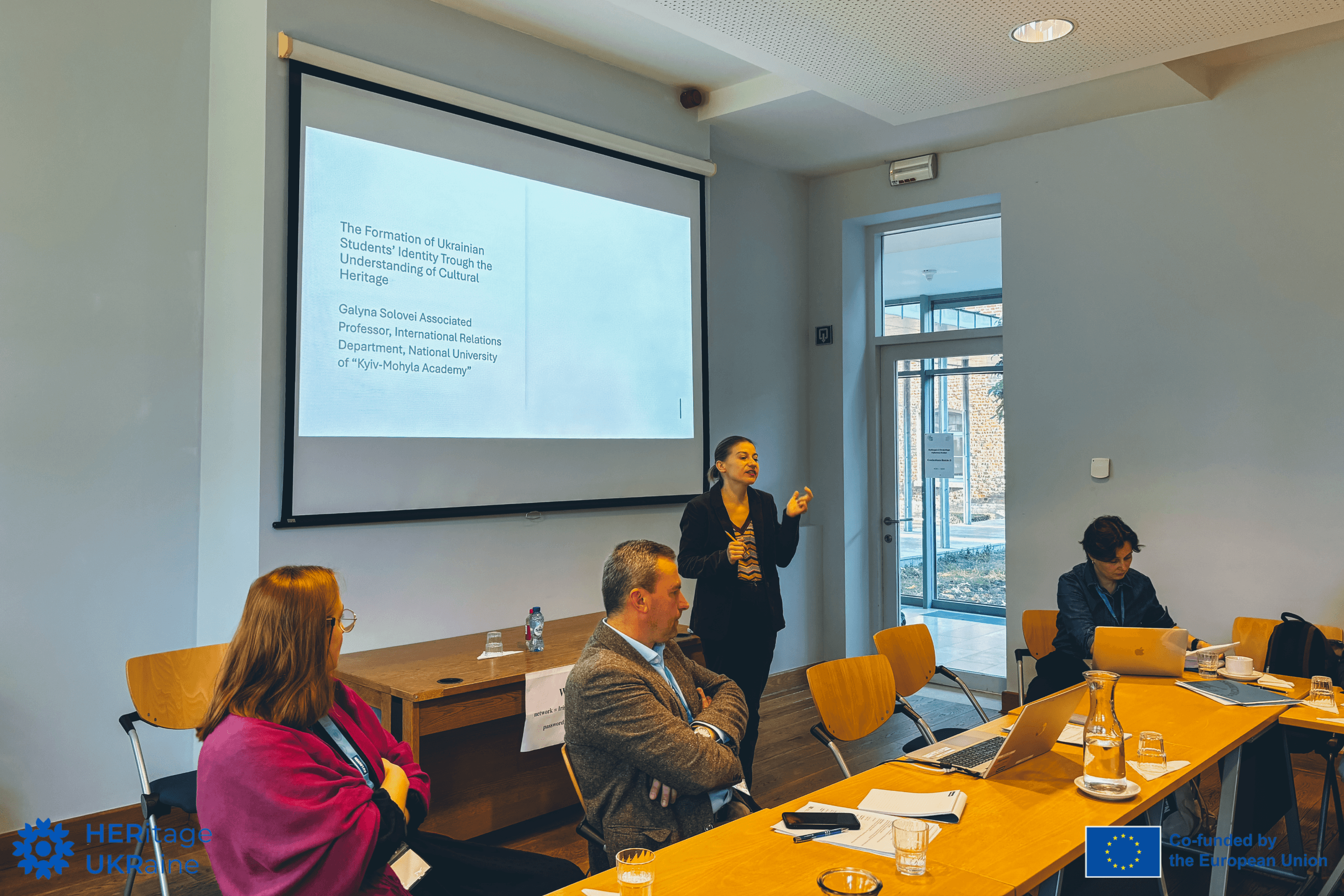
At Universidad Pontificia Comillas, I have not felt barriers as a foreign lecturer. There is a strong culture of diversity here: around 50 lecturers work at the Department of International Relations, and about half of them are foreigners. My closest colleagues are from Portugal, Romania, the United States, and Brazil.
About the difference between students in Ukraine and the EU
European students are generally more relaxed and comfort-oriented, and in matters of security they often remain somewhat naïve. Until recently, many of them believed that wars and violence belonged to the past.
Often, half of security studies courses consist of theories of international security, while the other half focuses on analyzing conflicts in Africa or Asia. I try to structure teaching differently, through reflection on personal experience and the threats happening not “somewhere” or “sometime,” but “here and now.”
In this sense, Ukrainian students are much more mature and free from illusions. They understand far better what responsibility for the country’s security means. And honestly, that hurts me, because they grew up far too early.