Yury Gogotsi is one of the most highly cited Ukrainian scientists in the world. In the early 1990s, he went to Germany for his studies, planning to return to Ukraine shortly thereafter, but eventually settled in the United States. In 2011, a research group led by Gogotsi discovered an entire class of new materials—MXenes. Today, they are being researched in more than 100 countries, and major technology companies are integrating them into their developments. Currently, Gogotsi continues his scientific work in the US, while also lecturing at Ukrainian universities, collaborating with researchers in Ukraine, and involving them in joint projects.
Yellow Blue journalist Artem Moskalenko spoke with the scientist about his career, the discovery of MXenes, and the changes in Ukrainian science over the past 30 years.
When did you first become interested in science?
My interest in chemistry started back in school. I enjoyed working with high temperatures—when something would explode or burn. My father noticed this; he is a physicist and at that time worked at the Institute for Problems of Strength of the National Academy of Sciences of Ukraine. He advised me to join a chemistry club at the Kyiv Pioneer Palace, and I was very lucky with my mentor there, Serhiy Mykhailovskyi. He was still a PhD student then, but later became a professor and worked, among other places, at the University of Brighton in the UK. He made learning not only useful but truly fascinating.

I won local chemistry Olympiads, took second place in the republic-level Olympiad, and received a gold medal at the VDNKh (Exhibition of Achievements of the National Economy) in Moscow for my scientific project. Eventually, I became seriously interested in research and realized I wanted to dedicate my life to science. So, I enrolled in the Kyiv Polytechnic Institute.
You became a materials scientist—why did you choose this particular field?
Virtually everything around us is made of materials. Take a smartphone, for example: it consists of specialized high-strength glass, lightweight metals like titanium, dozens of semiconductor materials, and complex battery components. As a young man, I couldn’t even imagine that something like this would exist, but materials scientists made it happen.
I was drawn to the idea that you can create something completely new and unique. In science, it’s vital to do what truly interests you. When you are “on fire” with an idea, you are willing to invest the necessary time and effort.
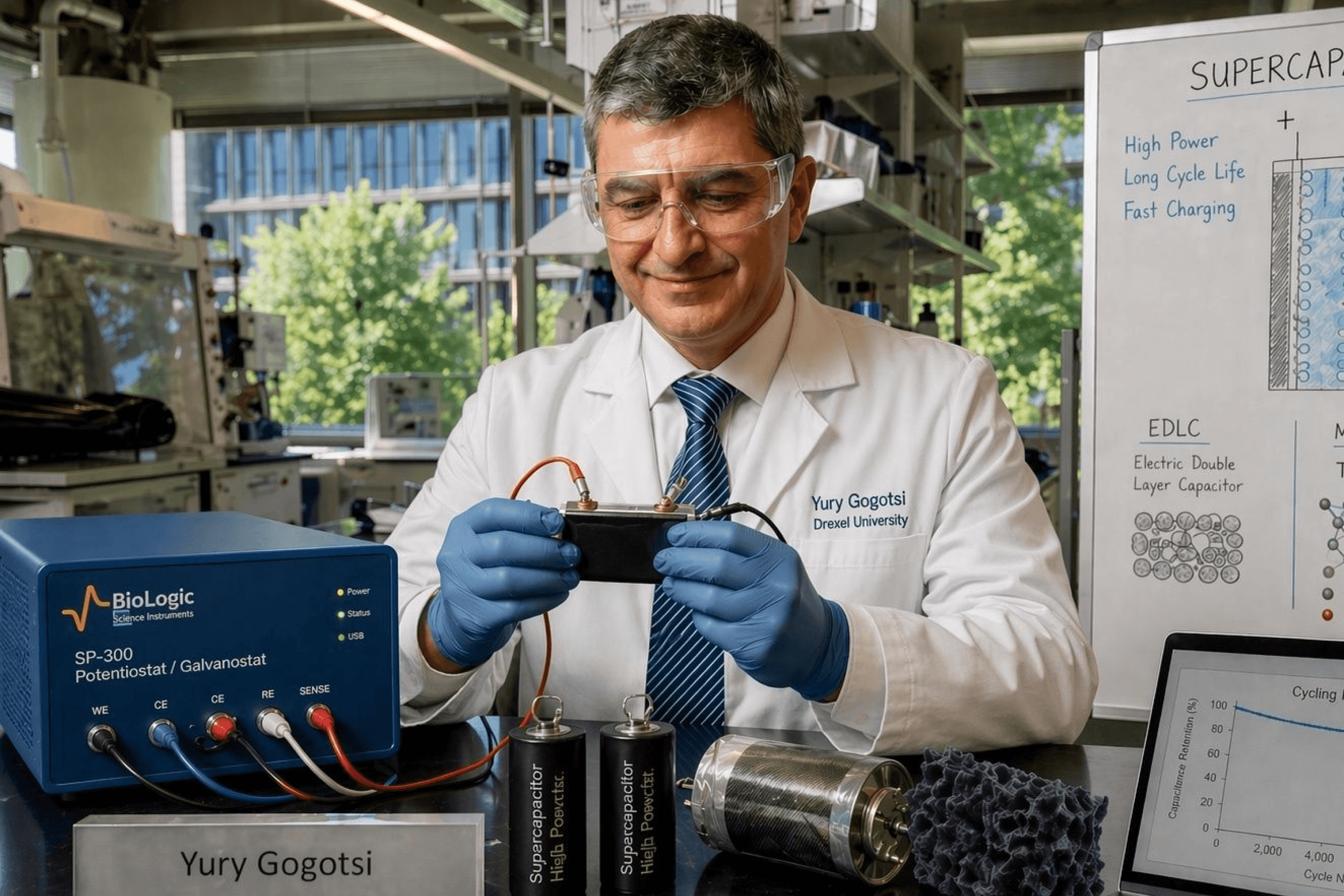
You began your career in science in the early 1980s. What was it like in Soviet Ukraine?
Ukraine was one of the strongest regions for materials science in the USSR—theoretical and applied research was very active. However, there were many restrictions: a lack of equipment, scientists weren’t allowed to travel abroad, and publishing in international journals was difficult. We couldn’t exchange expertise with foreign colleagues, and that stunts scientific development.
The system was rigid. Often, a person would start working on a specific topic during their PhD and continue with that same question until retirement. In my opinion, this remains a problem today. After all, real science is about exploring the latest materials, approaches, and directions, rather than treading water in the same spot your whole life.
Despite the fact that most scientists were unable to publish their research in international journals, you managed to do so. How?
My supervisor, Professor Volodymyr Lavrenko from the Kyiv Polytechnic Institute, explained how important it was for research to be known beyond the USSR. Lavrenko facilitated international publications, even though it was difficult.
The procedure was as follows: first, you would publish the research results in a Soviet journal; then, an “expert commission” would review the article to rule out any leaks of restricted information; only after that could it be sent abroad.
I sent articles to European and American journals via regular mail. Sometimes I waited months for a reply. The process was time-consuming, but it helped me learn English, master scientific writing, and secure a Humboldt Fellowship, which took me to Germany and launched my international career.
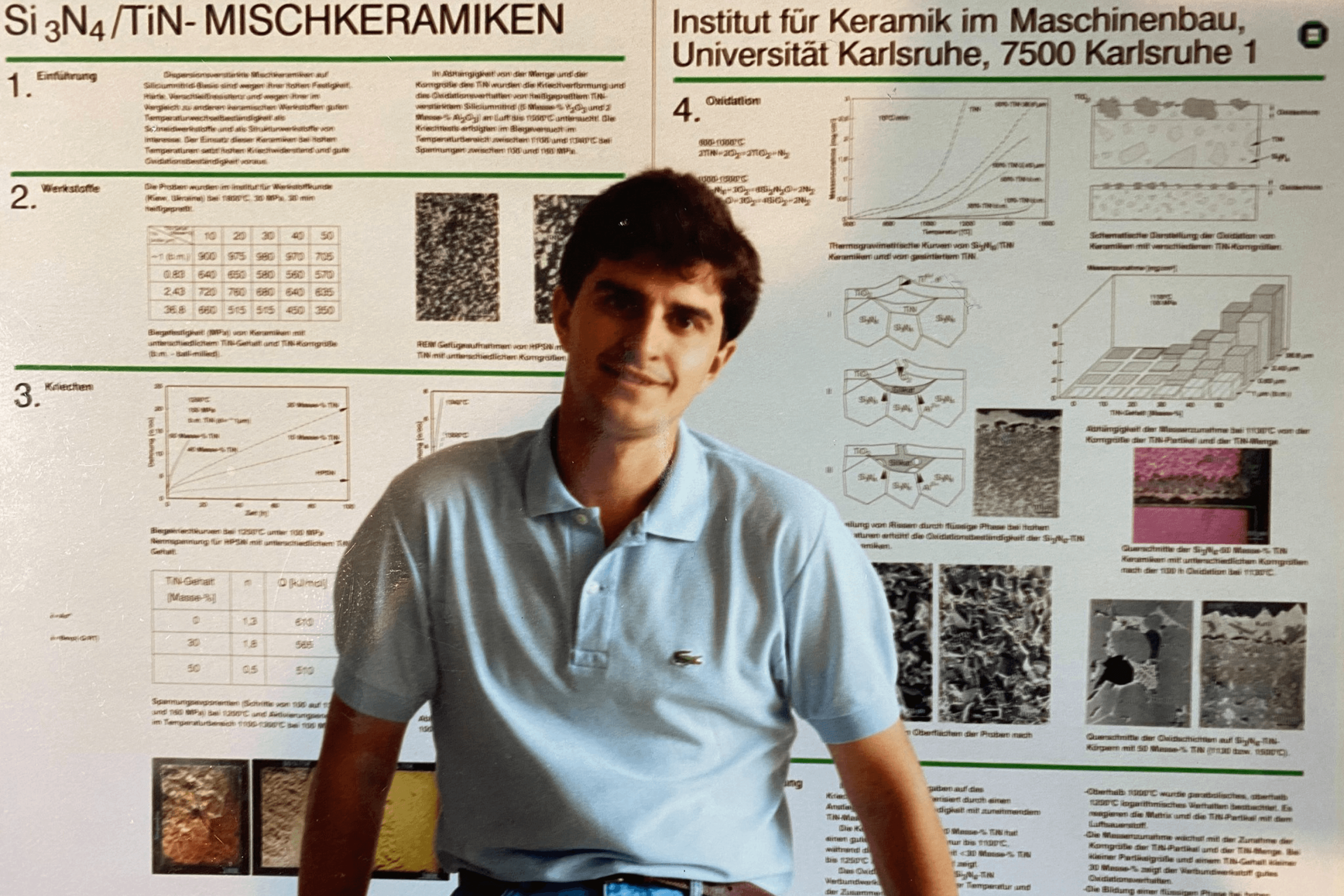
You went there in 1990. How did you manage to leave the USSR?
It was already the era of Mikhail Gorbachev; the system was changing. I was one of the first in my institute to have the opportunity to leave. German professor Georg Gratwald offered me a position. I wanted to see how science was organized abroad and meet the colleagues whose work I had read but never even hoped to meet in person.
Did you plan to return to Ukraine, or did you see your future abroad from the start?
Initially, I planned to go for a year, return, and continue working in Ukraine. But while I was in Germany, the Soviet Union collapsed, and science was no longer a priority. I decided to stay for a while longer, but whenever I visited my institute in Kyiv, I saw that there were almost no young people left. For about ten years, new people simply weren’t entering science.
After two years in Germany, it became clear: if I wanted to pursue science at a world-class level, I had to continue working abroad. I went first to Japan, then returned to Europe, and later, while seeking a professorship, I realized that the best opportunities were in the US. That is how I ended up at the University of Illinois in 1996.
In what ways was the American system better than the European, Asian, or post-Soviet ones?
In Soviet Ukrainian science, the system was rigidly hierarchical and inflexible. New ideas were implemented slowly. I observed something similar in China when I worked there. In Europe, particularly in Germany, a traditional system persisted with a strong role for professors and a long road to achieving that status. Because of this, many colleagues eventually moved to the US.

Yury Gogotsi after receiving the Chinese Government Friendship Award at the Great Hall of the People in Beijing. 2017. Photo: Yury Gogotsi / LinkedIn / YB 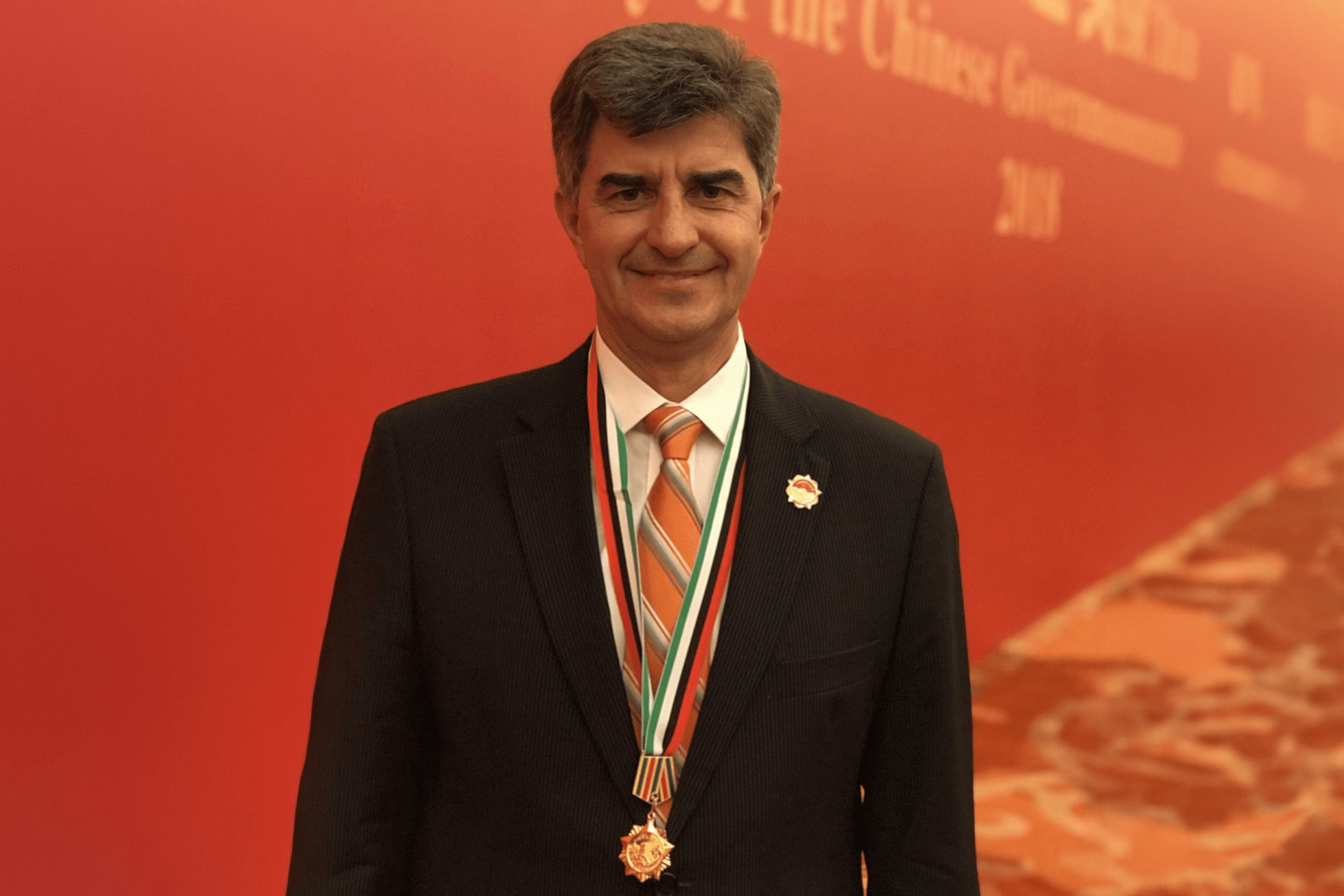
Photo: Yury Gogotsi / LinkedIn / YB 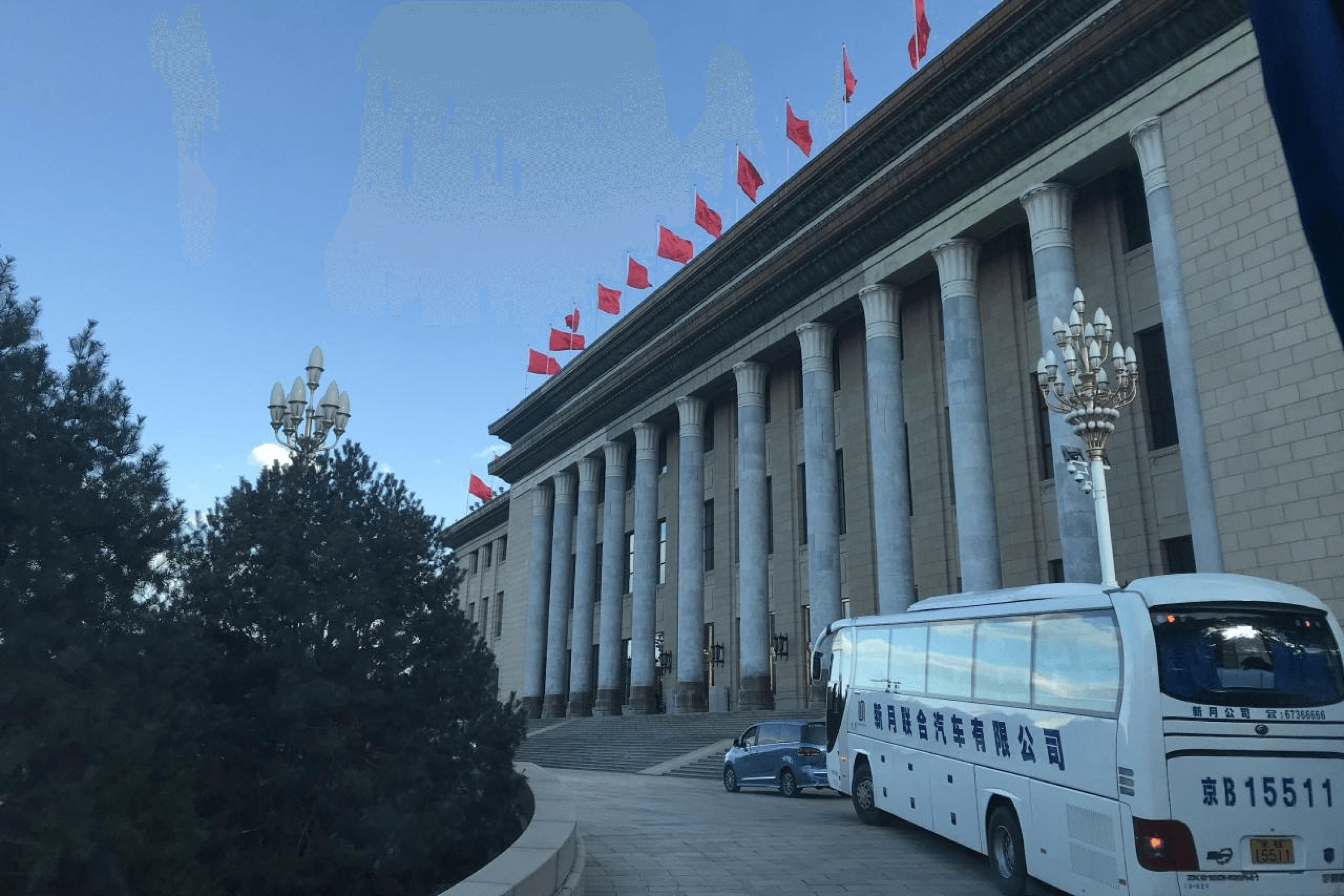
Photo: Yury Gogotsi / LinkedIn / YB
In Japan, I saw a much more modern scientific landscape. I even published my first article in Nature there and discovered the field of carbon nanomaterials, which I worked on for a long time. At the same time, young scientists in Japan also waited years for promotion, which limited their autonomy.
The US scientific system is much more open. An assistant professor has autonomy and chooses their own research direction, but they must secure their own funding. This is fair competition. People from all over the world work here, so integration is easy. I never felt like a “foreigner” in a professional sense. In the US, everyone is perceived as a scientist, regardless of age or background. What matters here are knowledge and research.
While working in the US in 2011, you discovered a new family of materials—MXenes. How did that happen?
It was accidental. We were working on materials for lithium-ion batteries and researching MAX phases to use them instead of graphite. One of my PhD students, Michael Nagib, placed the material in hydrofluoric acid to “etch” it slightly. Unexpectedly, the material began to dissolve, and eventually, only thin dark flakes remained. We examined them, and it turned out that this was not just a new material, but an entire class of inorganic materials.
No one expected that the existence of such materials was even possible. In fact, it was the first major class of new materials discovered in the 21st century. Today, MXenes are being researched in thousands of institutions across more than 100 countries; there are already tens of thousands of papers and thousands of patents.
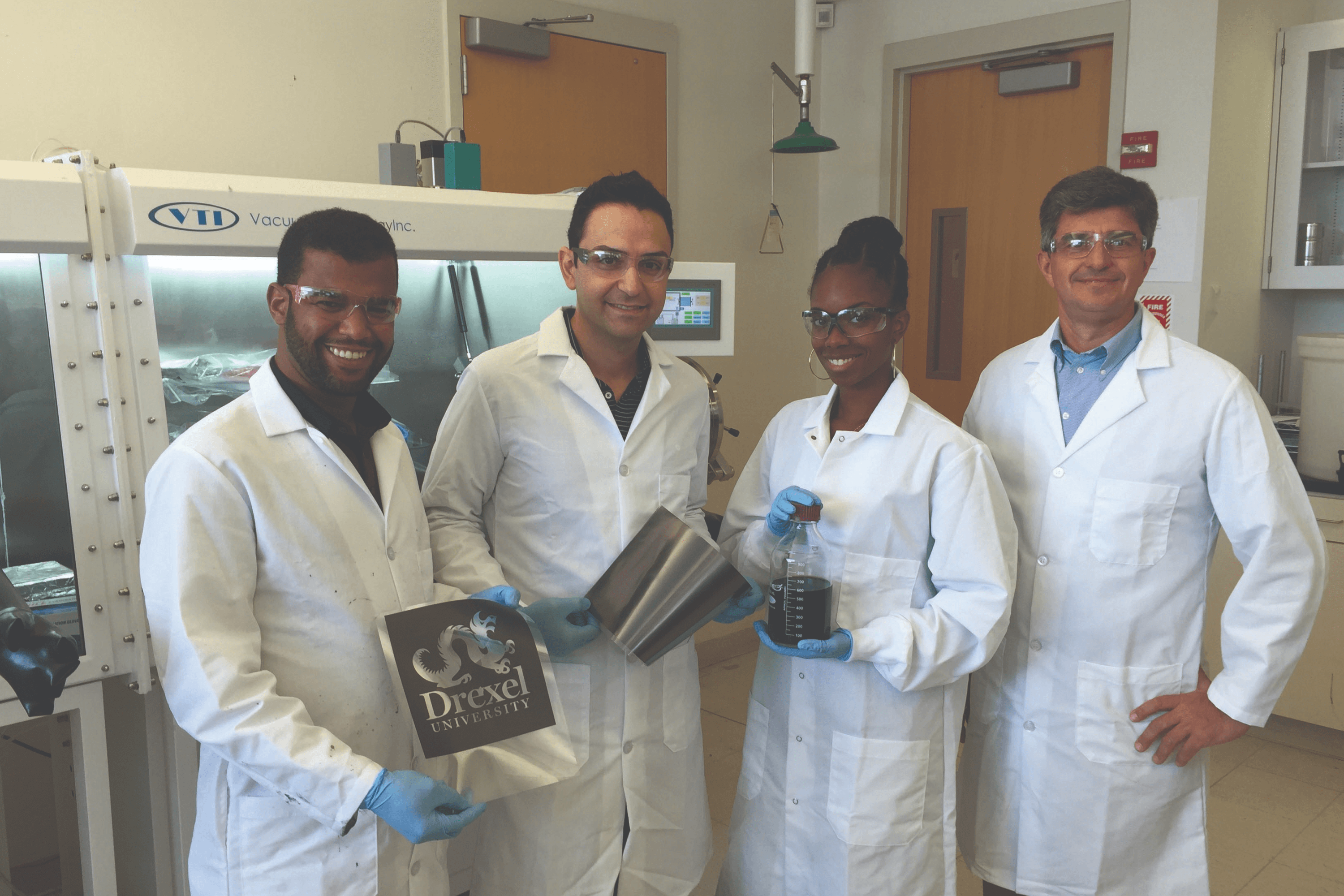
Yury Gogotsi with colleagues at the Drexel Nanomaterials Institute. 2010s. Photo: drexel.edu / YB 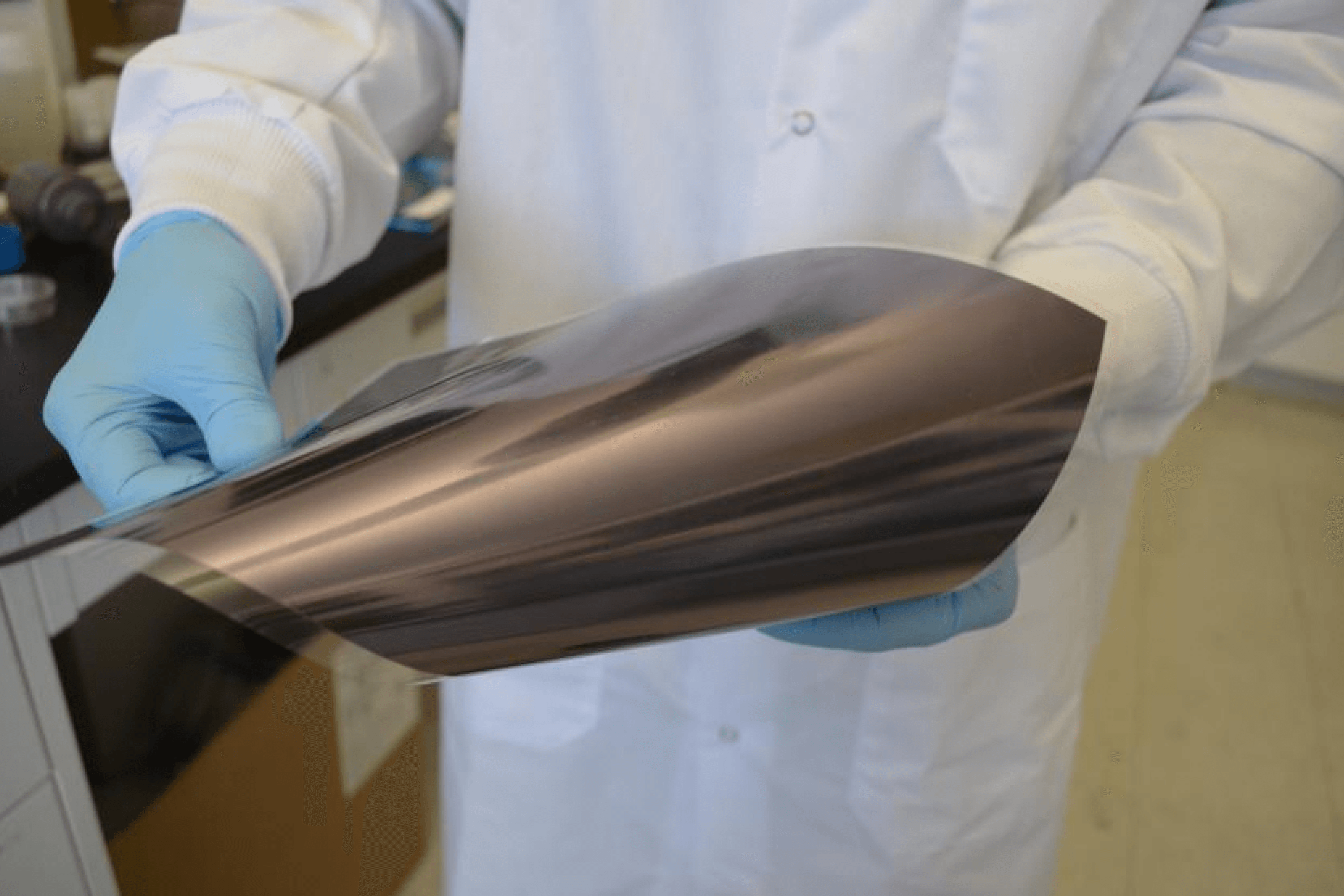
A thin MXene coating for electromagnetic shielding of mobile devices, developed by Yury Gogotsi’s team. Photo: drexel.edu / YB 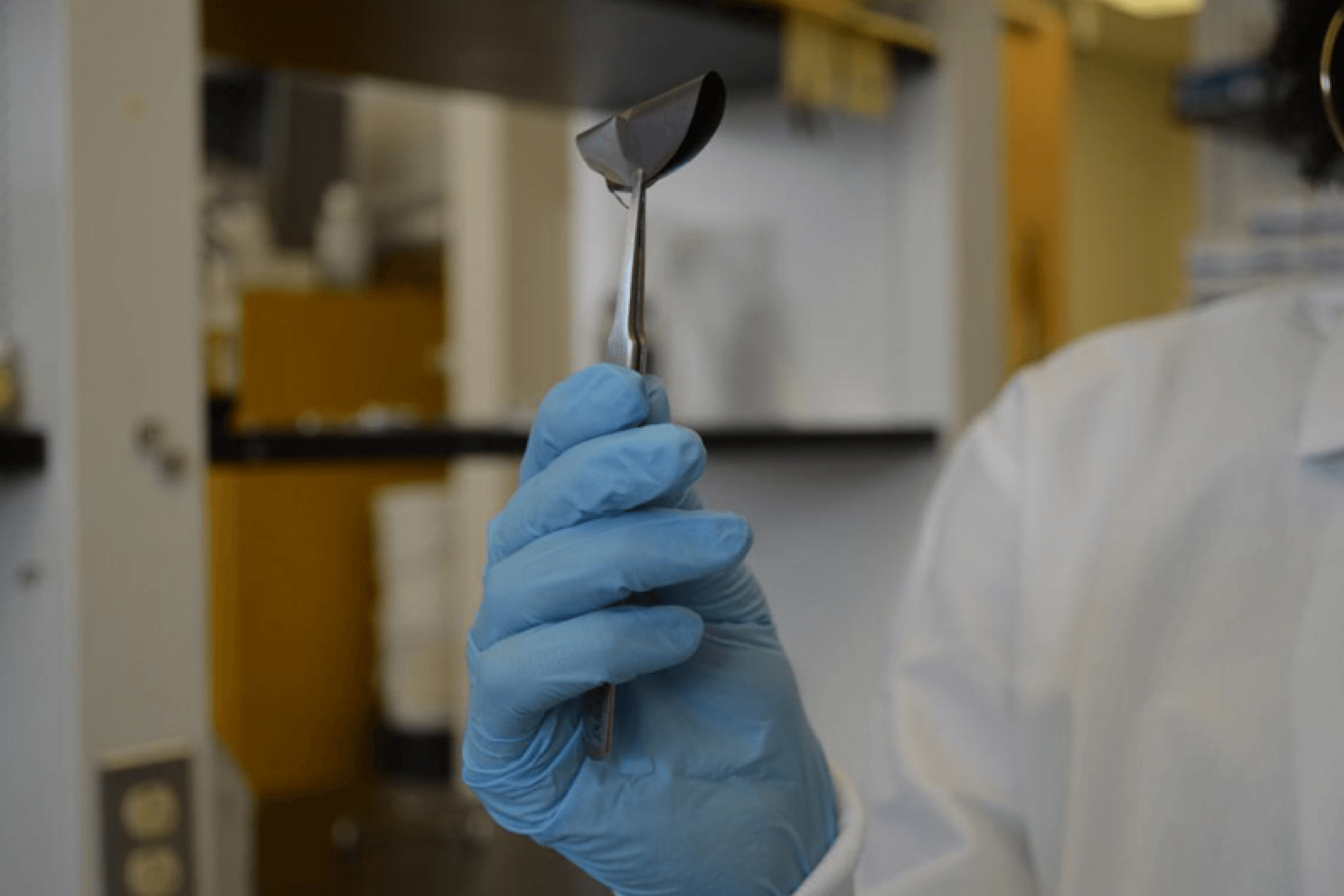
A sample of MXene — a nanomaterial capable of blocking and absorbing electromagnetic radiation to protect electronic devices. Photo: drexel.edu / YB 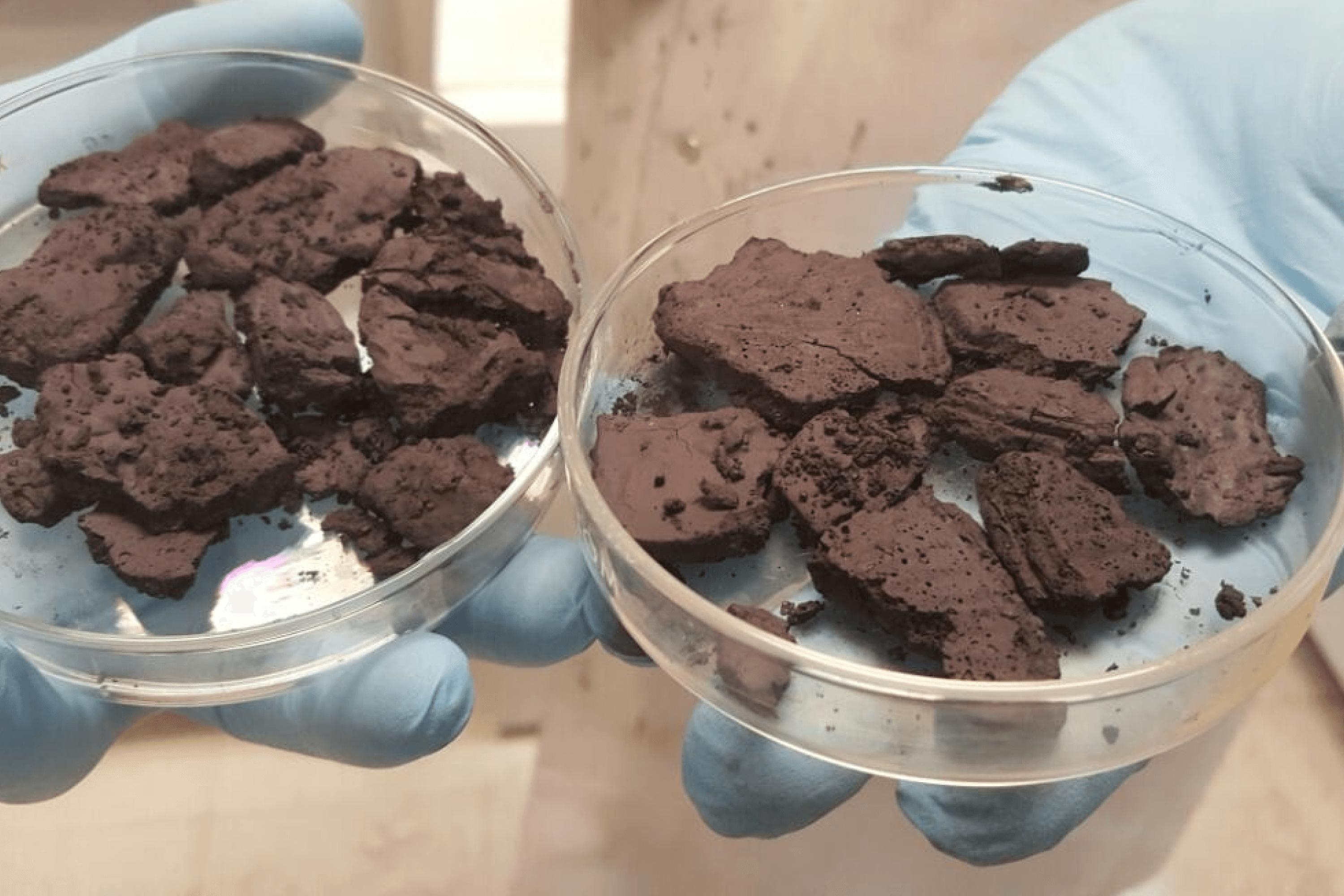
MXene samples produced in Yury Gogotsi’s laboratory in collaboration with the Materials Science Center in Ukraine. Photo: drexel.edu / YB
How do MXenes fundamentally differ from other materials?
MXenes are like building blocks or a LEGO set. You can use them to create materials with combinations of properties that simply didn’t exist before. Essentially, we can “program” a material for a specific task—set the required characteristics and select the appropriate structure and chemistry. Moreover, MXenes are tens of thousands of times thinner than a human hair. This fundamentally changes the approach to creating materials and even devices, opening up possibilities in many fields: electronics, optics, biomaterials, and more.
Did your discovery immediately attract the attention of the scientific community and major companies?
Actually, it wasn’t the best timing for the discovery of MXenes, as in 2010, Andrei Geim and Konstantin Novoselov received the Nobel Prize for the discovery of graphene, and all the attention was focused on that. Therefore, for the first few years, there wasn’t much interest in MXenes. It emerged later, once it became clear that MXenes possess unique properties.
However, Drexel University, where I worked then and still work today, immediately patented the discovery and now holds about 70 patents and applications related to MXenes.
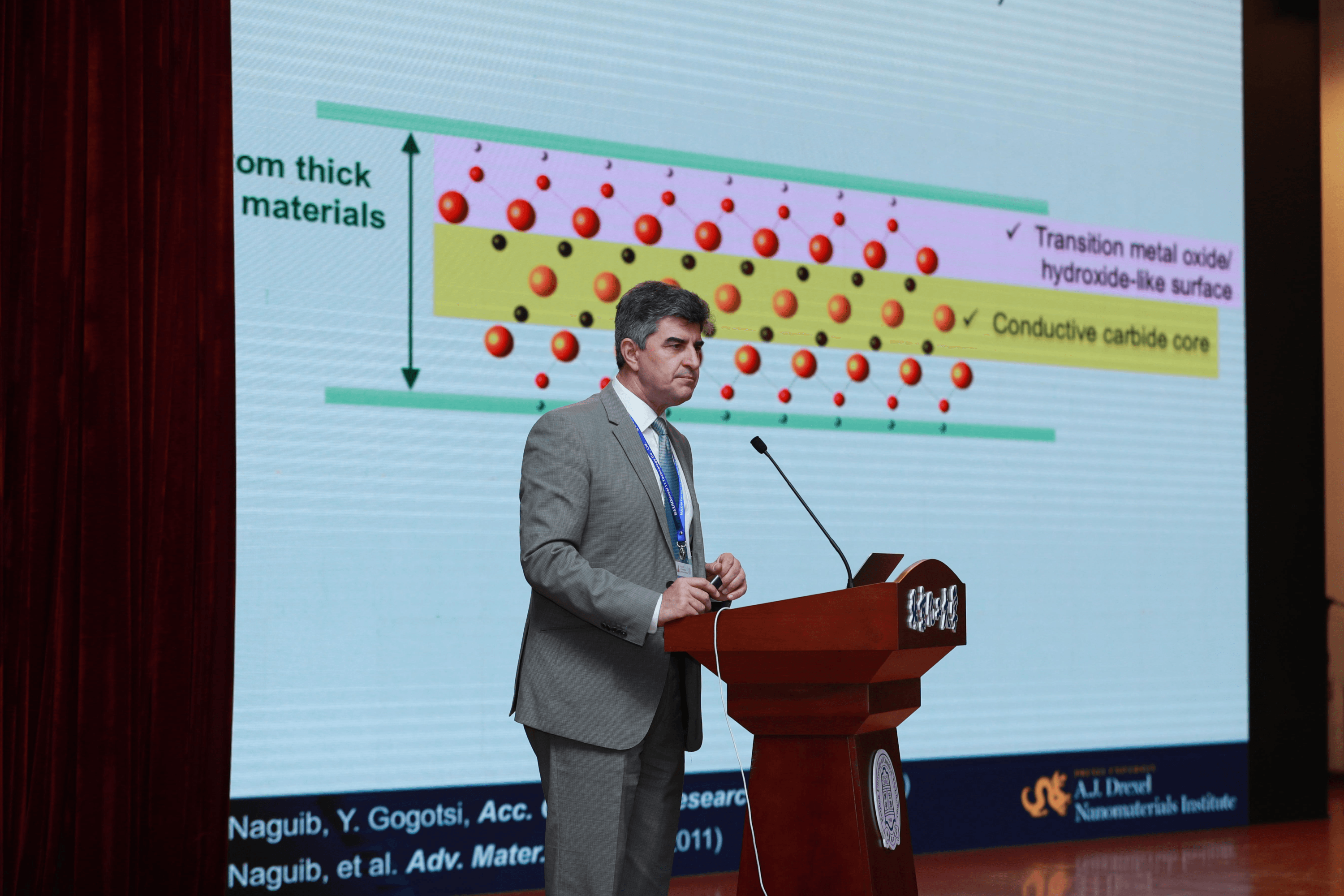
Yury Gogotsi during a lecture on MXenes at Ben-Gurion University in Israel. 2019. Photo: Yury Gogotsi / LinkedIn / YB 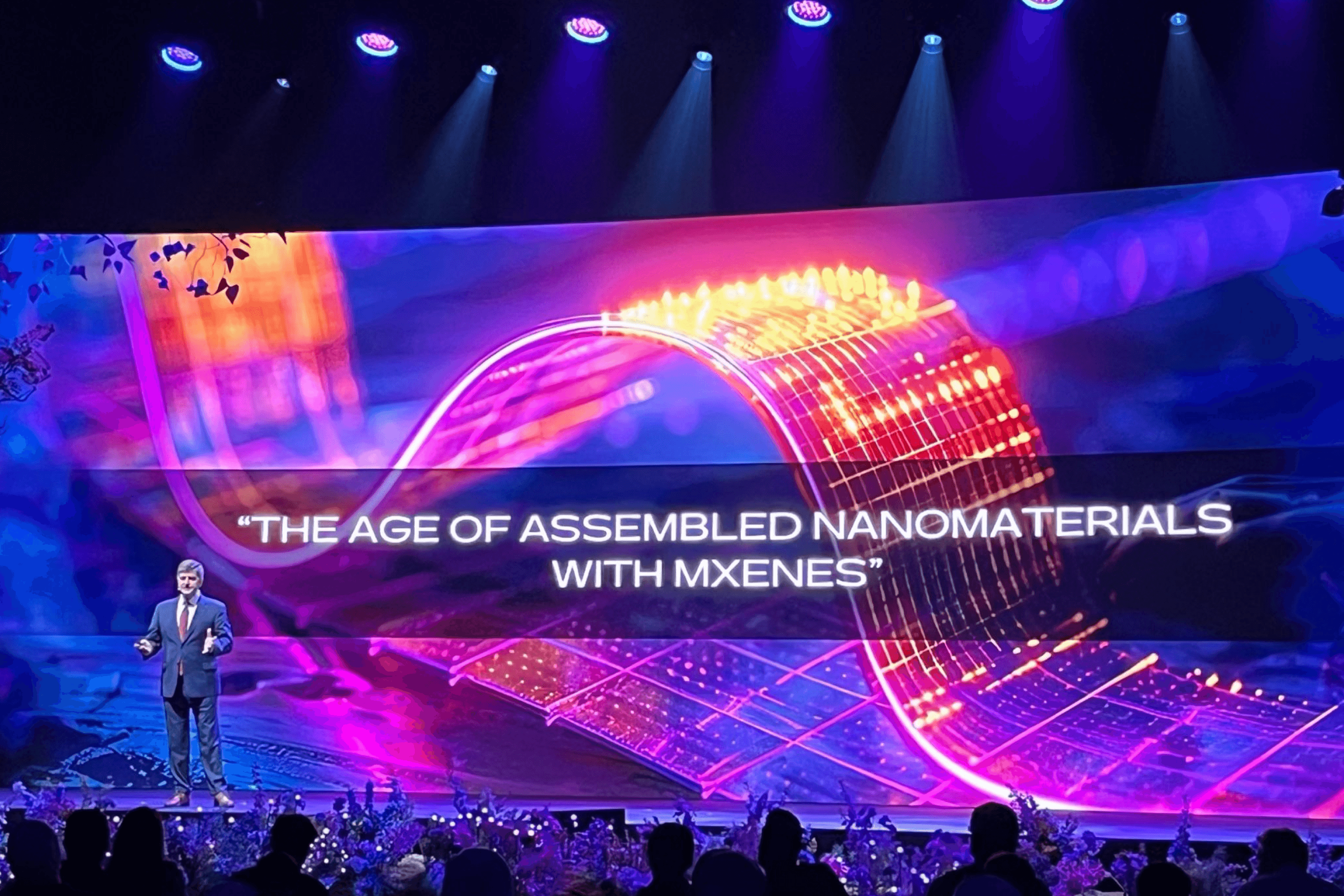
Yury Gogotsi during a presentation at the XPANSE conference in Abu Dhabi. 2024. Photo: Yury Gogotsi / LinkedIn / YB 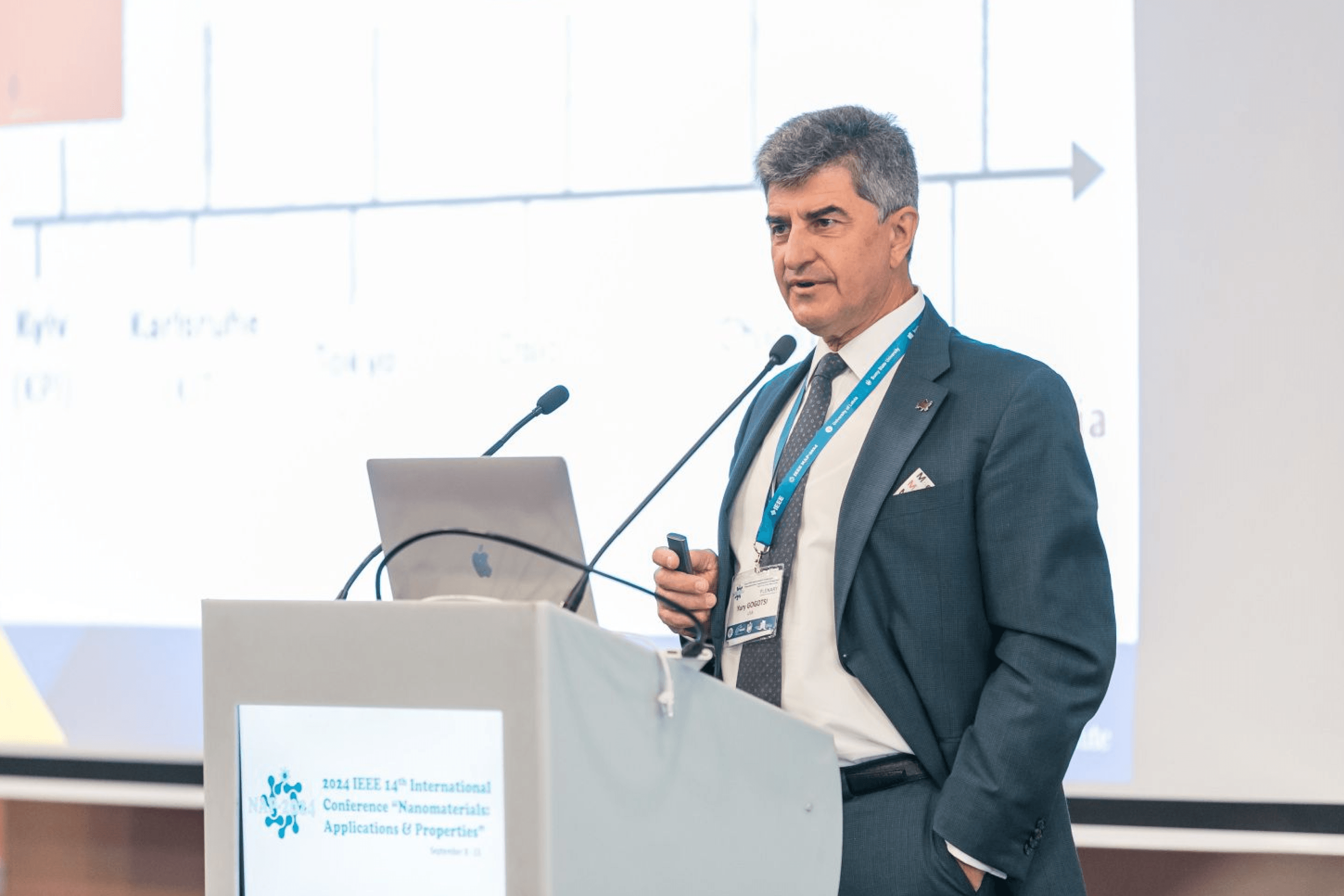
Yury Gogotsi during a seminar on MXenes for biomedical applications at Drexel University. 2025. Photo: Yury Gogotsi / LinkedIn / YB 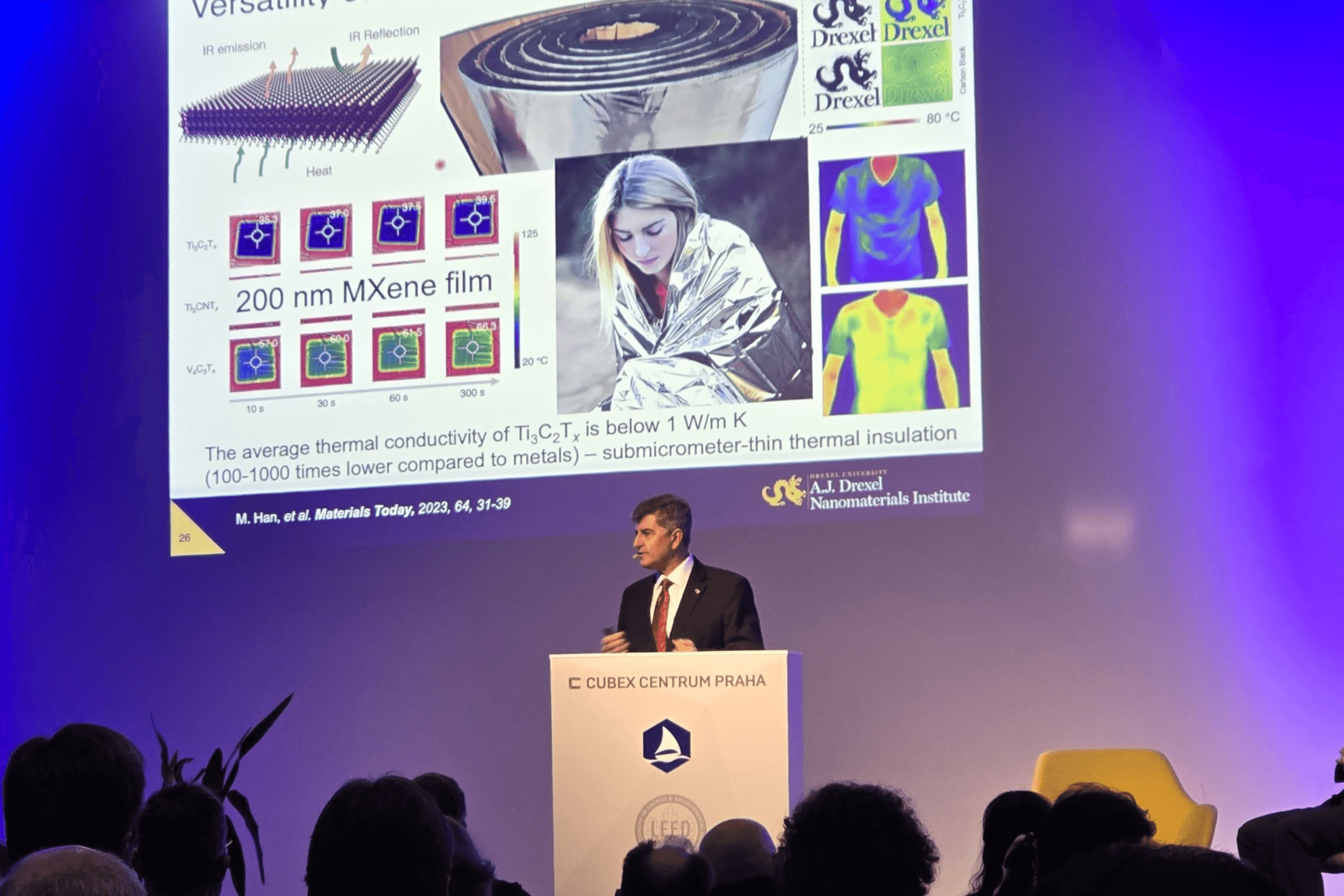
Yury Gogotsi during a plenary lecture at the Graphene Week conference in Prague. 2024. Photo: Yury Gogotsi / LinkedIn / YB 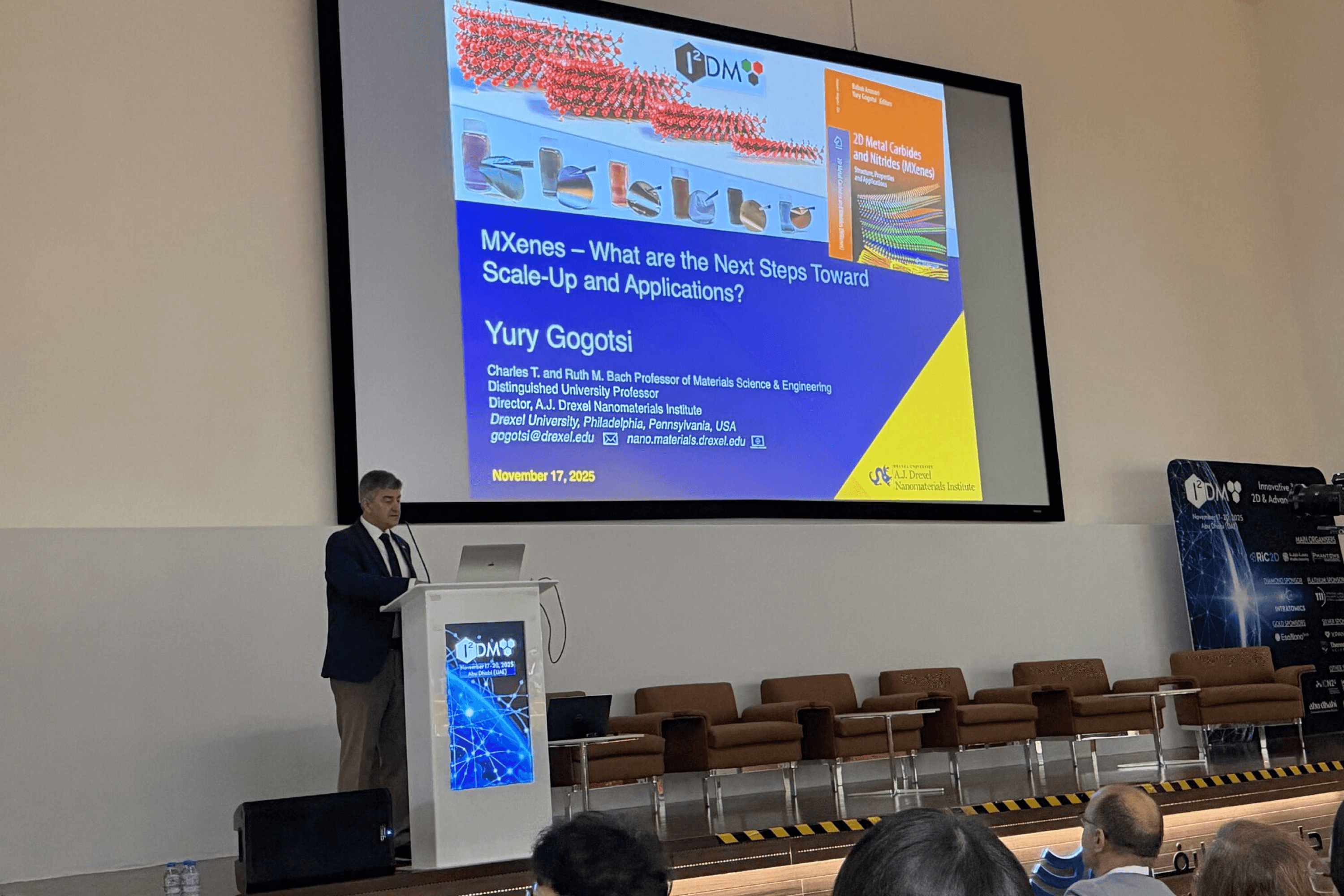
Yury Gogotsi during a presentation on MXenes at the I2DM Summit 2025 at Khalifa University. 2025. Photo: Yury Gogotsi / LinkedIn / YB 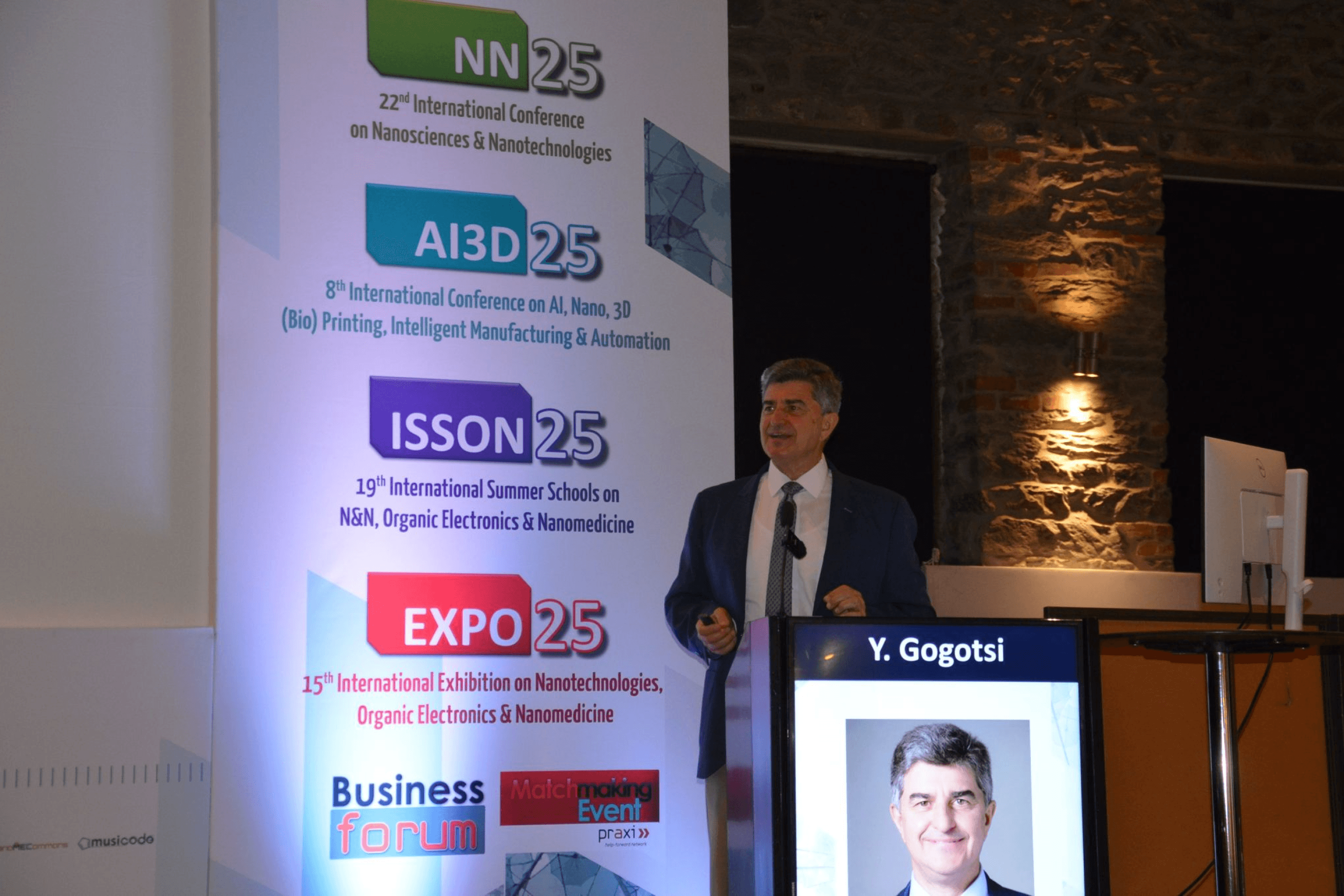
Yury Gogotsi during a presentation at the NANOTEXNOLOGY 2025 conference in Greece. 2025. Photo: Yury Gogotsi / LinkedIn / YB
So, it wasn’t you who patented MXenes, but the university. How does that process work?
Yes, under American law, patents belong to the university. Generally, the process is as follows: the university patents the discovery, companies buy licenses for the patent, fund further research, and gradually implement these materials into industry. Meanwhile, 50 percent of the income the university receives from licensing is paid to the researchers who made the discovery.
How much have you earned thanks to this discovery?
Not a lot. I still haven’t become a millionaire from patents because commercialization takes time—usually at least 10 years. First, the university covers the costs of patenting in various countries, which can amount to tens of thousands of dollars. Only then do payments reach the researchers. Drexel University made a mistake that is costing them a lot of money: they didn’t patent MXenes in China, and Chinese companies are now producing a vast amount of MXenes, while the university receives no royalties.
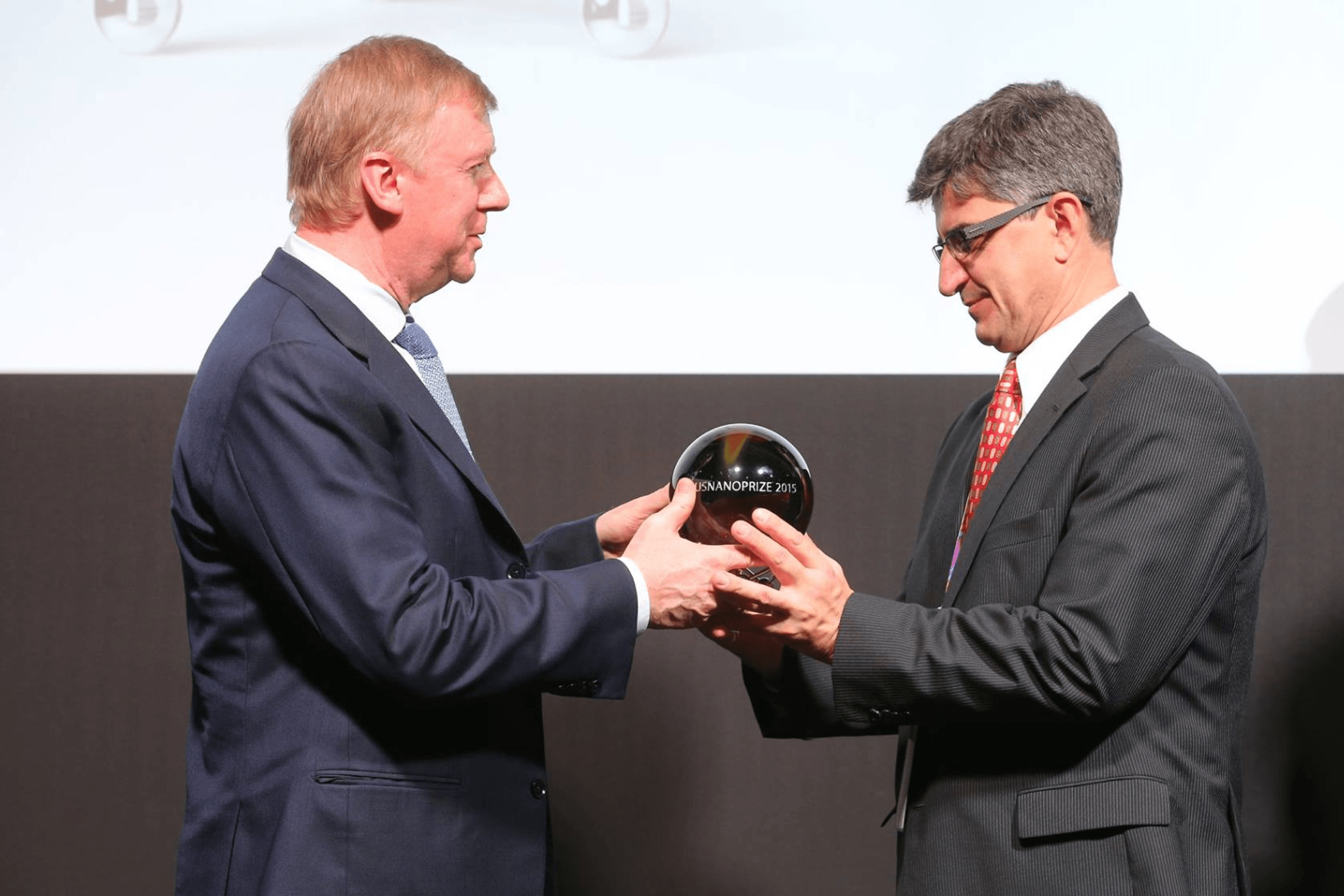
Yury Gogotsi during the presentation of the international RUSNANOPRIZE award for developments in nanostructured carbon materials and supercapacitors. 2015. Photo: Rusnanoprize / Facebook / YB 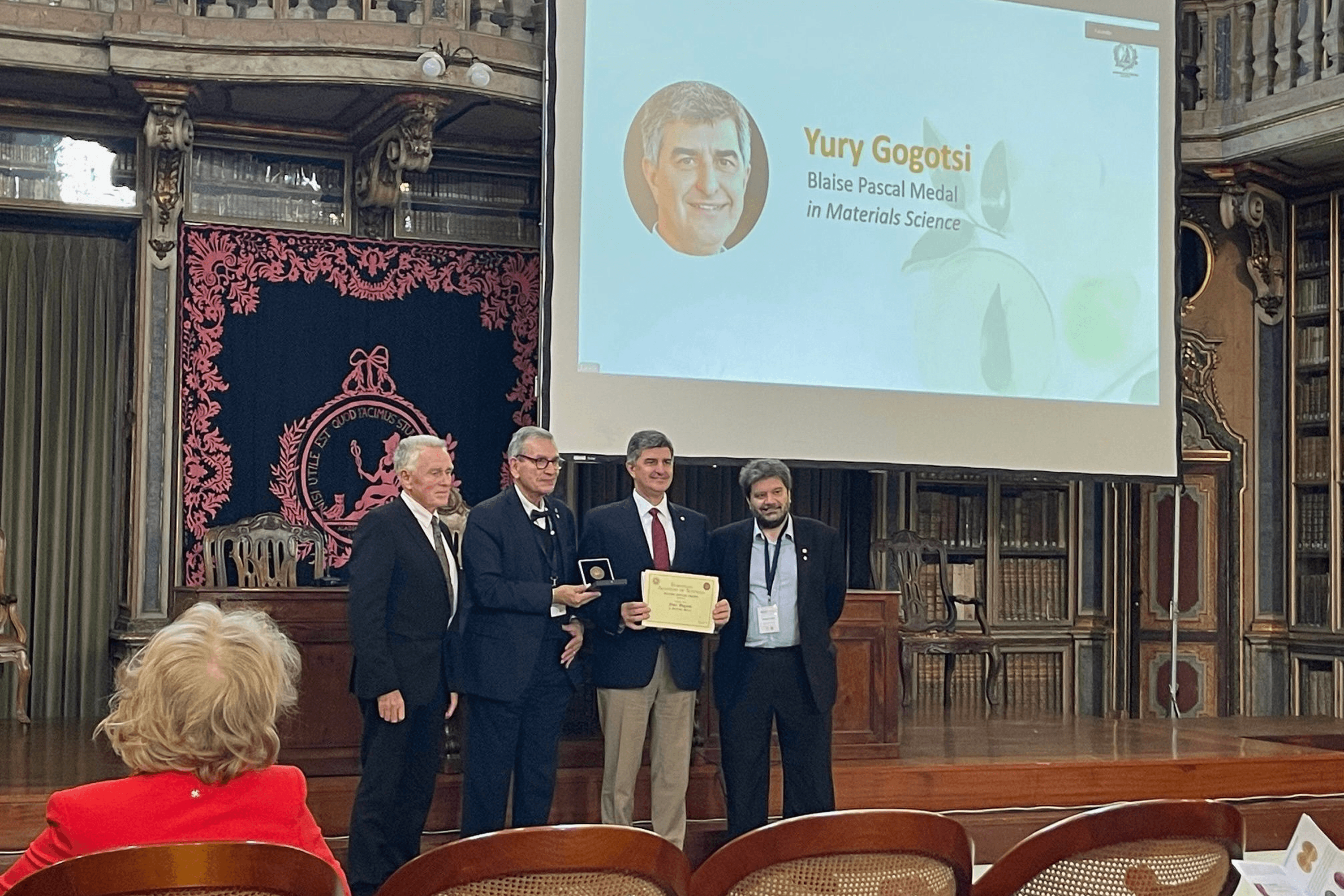
Yury Gogotsi during the presentation of the Blaise Pascal Medal in Materials Science from the European Academy of Sciences. 2024. Photo: Yury Gogotsi / Facebook / YB 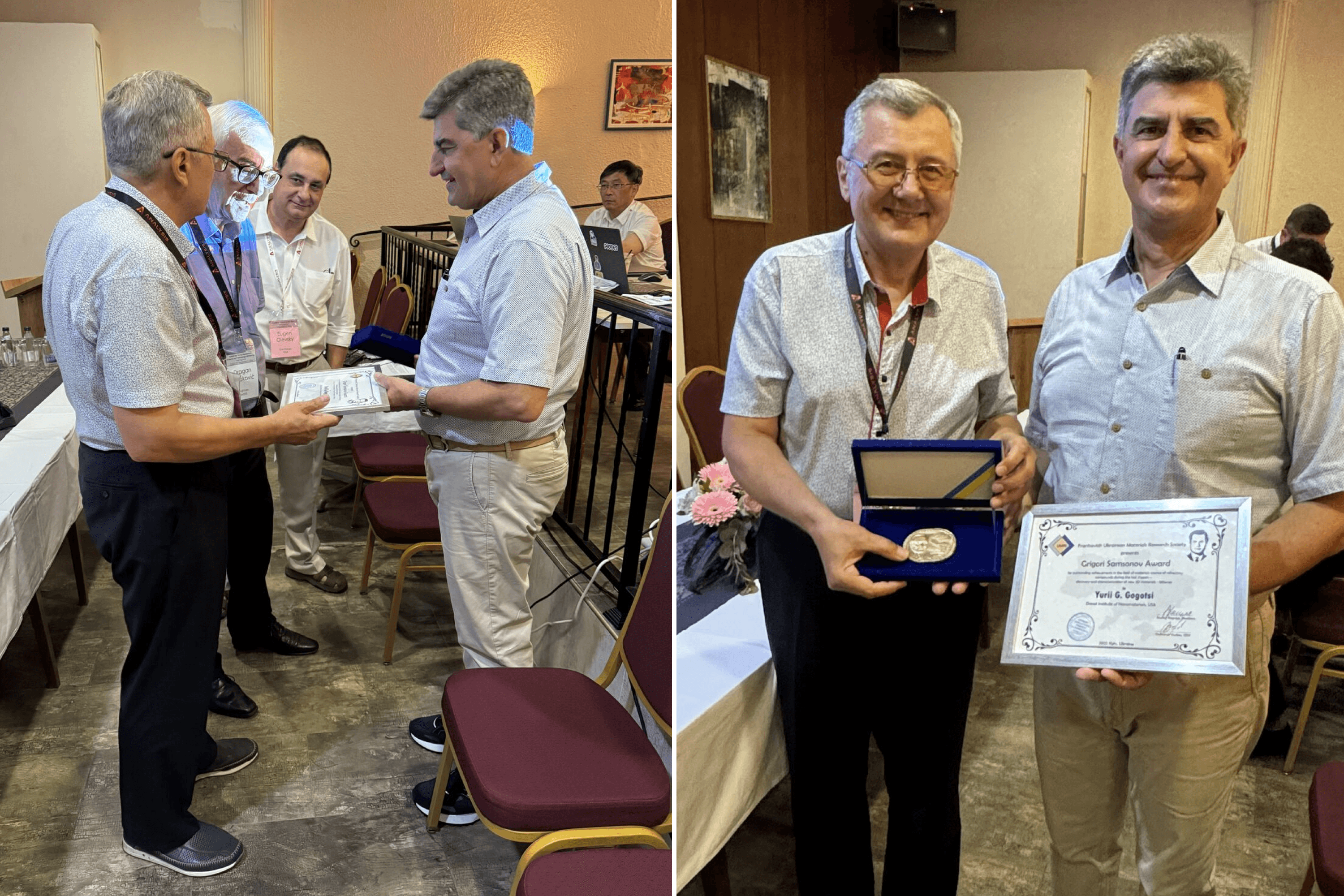
Yury Gogotsi receives the Hryhorii Samsonov Medal and Award from the Ukrainian Materials Research Society at the YUCOMAT conference. 2024. Photo: Yury Gogotsi / Facebook / YB 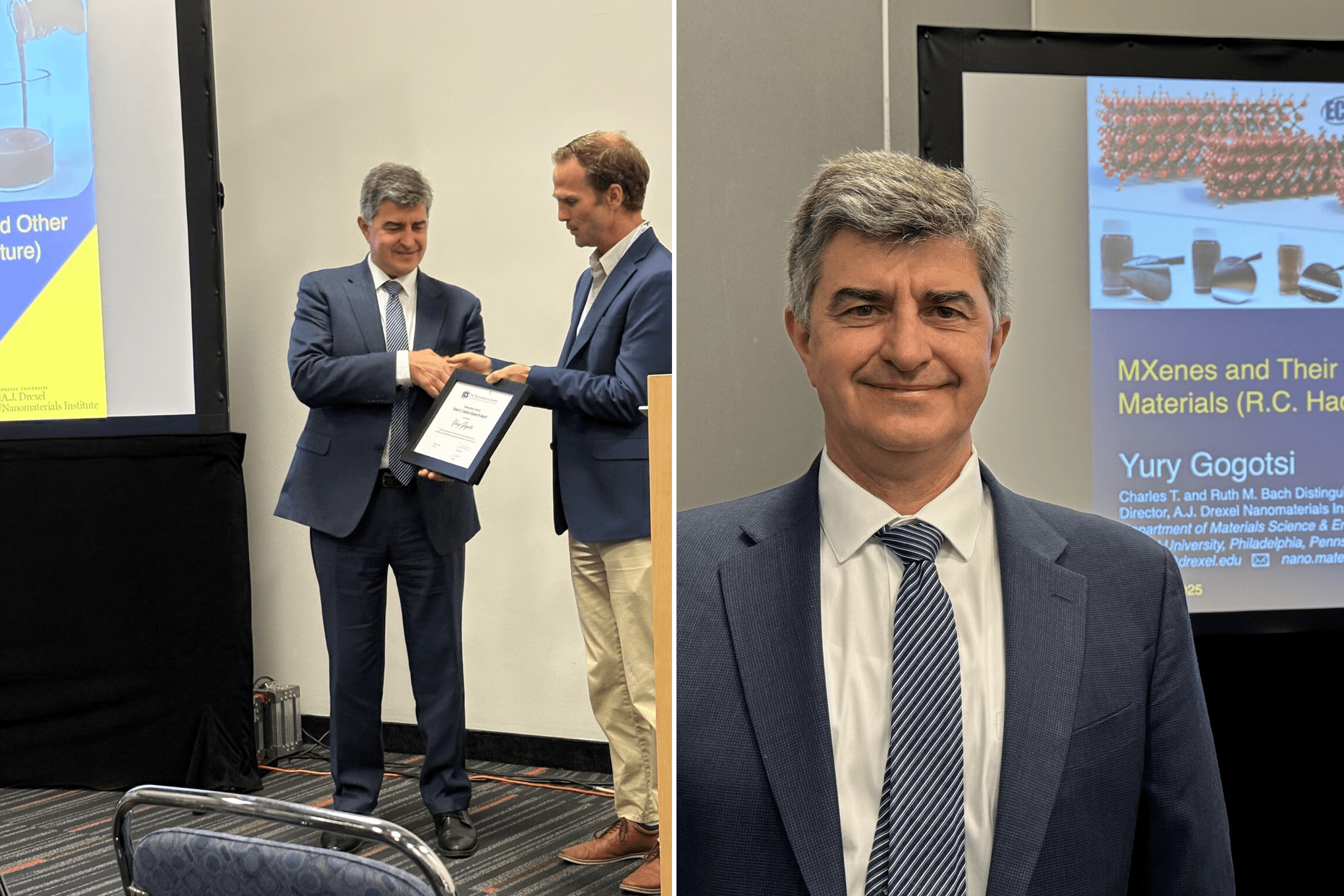
Yury Gogotsi during the presentation of the Robert C. Haddon Research Award at The Electrochemical Society conference in Montreal. 2025. Photo: Yury Gogotsi / Facebook / YB 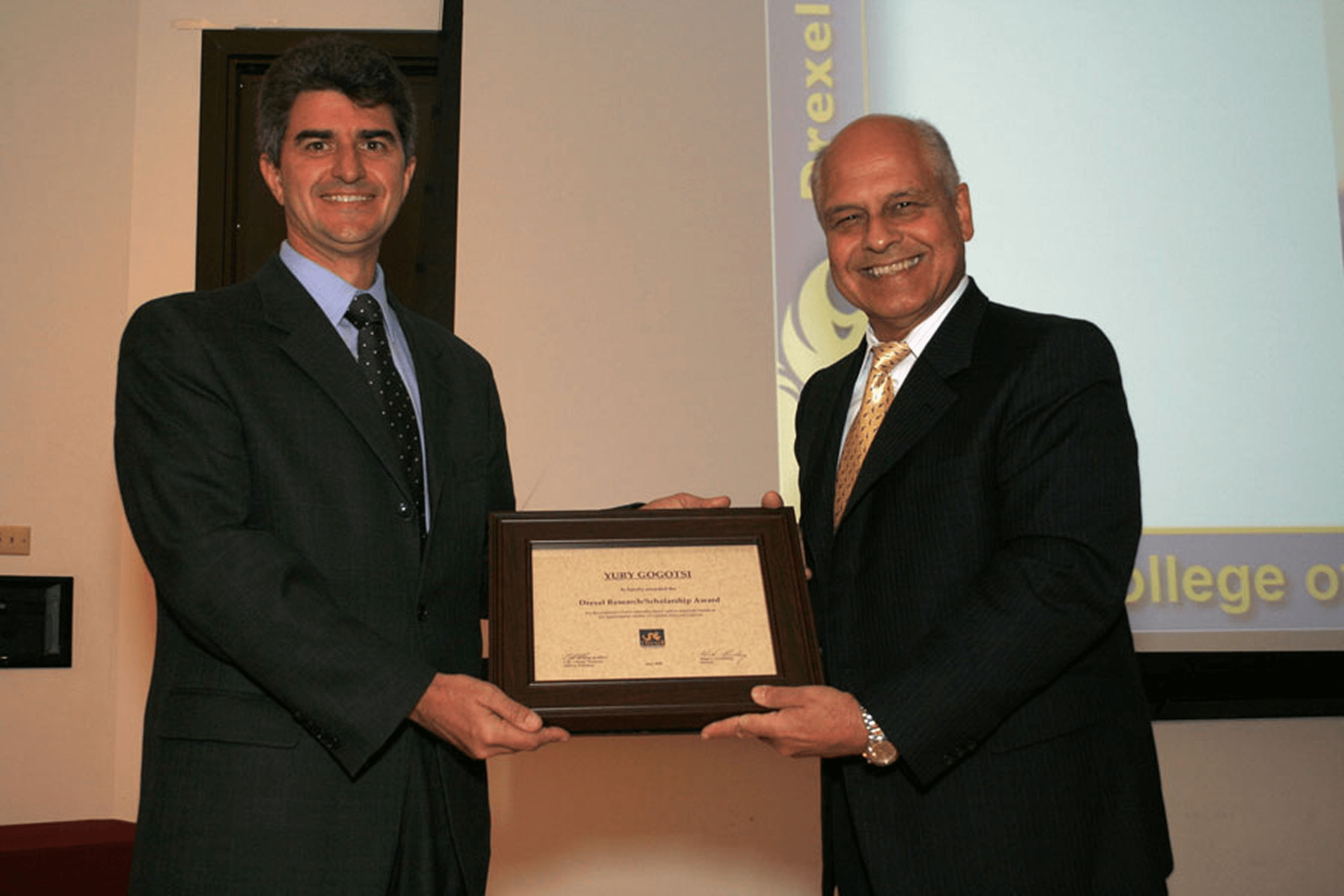
Yury Gogotsi after receiving the Drexel University Award for achievements in materials science and engineering. 2009. Photo: Yury Gogotsi / Facebook / YB
Why did that happen?
That was a decision made by the university’s patent office. At that time, the prevailing opinion in the US and elsewhere was that Chinese companies didn’t adhere to patent law, so patenting in China was seen as offering no real protection and was considered a waste of money.
However, the situation has changed over time. Today, Chinese companies actively patent their own developments and respect licensing agreements because they operate in global markets. In the case of MXenes, they have already filed dozens of times more patents than there are in the US. Nevertheless, for me, the most important thing is that MXenes are already influencing the development of technology worldwide.
Which companies are already using MXenes?
The first major company to take an interest in the technology was Japan’s Murata Manufacturing. They acquired nearly 30 patents and began collaborating with the university, funding research and development. This is a massive company that, for instance, produces a significant portion of the world’s capacitors, and MXenes are very promising for them.
Others joined later. Notably, the Ukrainian company Carbon Ukraine obtained a license to produce and sell MXenes for research purposes and has been operating in this market for many years. Startups dedicated to creating MXenes are also emerging: my former PhD students and I founded one such company in the US and another in Canada, together with local partners. I have also collaborated with other companies in the United States, Asia, and Europe, and even with NASA and the ESA.
What does this collaboration entail?
In most cases, simply purchasing a patent license is not enough for companies. If they haven’t worked with the material before, it’s difficult for them to start using it immediately—they don’t know how to manufacture, process, or integrate it into their products.
Companies often enter into joint research contracts with universities. Within these collaborations, we develop the manufacturing technology, adapt the material, and create prototypes. Then, the companies scale up and implement these developments into their own products. My former PhD students and postdocs often work in their laboratories. This is a common practice in the US, Europe, Japan, Korea, and Australia.
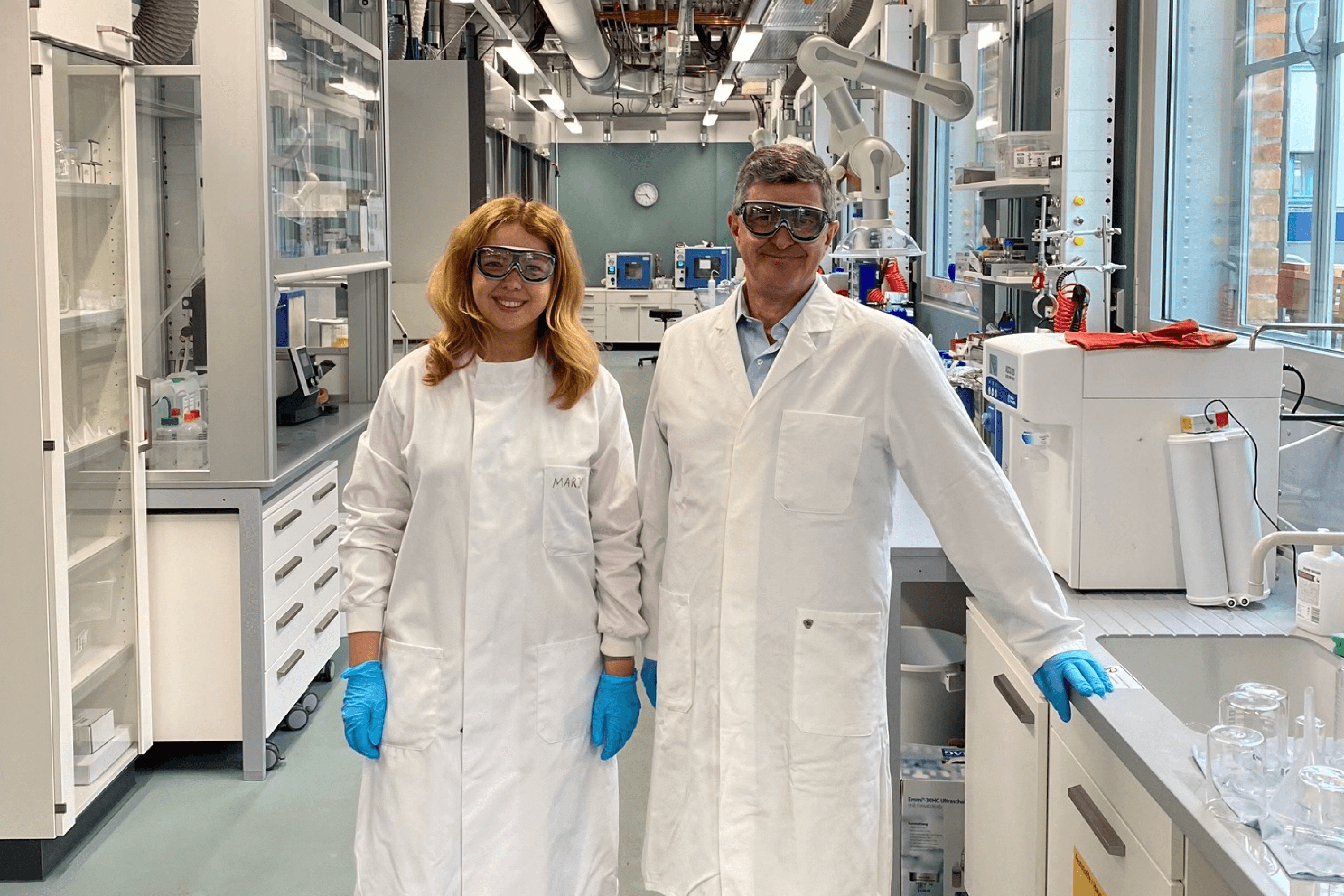
Yury Gogotsi during a visit to the laboratory at ETH Zürich. Zurich, Switzerland. 2024. Photo: Yury Gogotsi / LinkedIn / YB 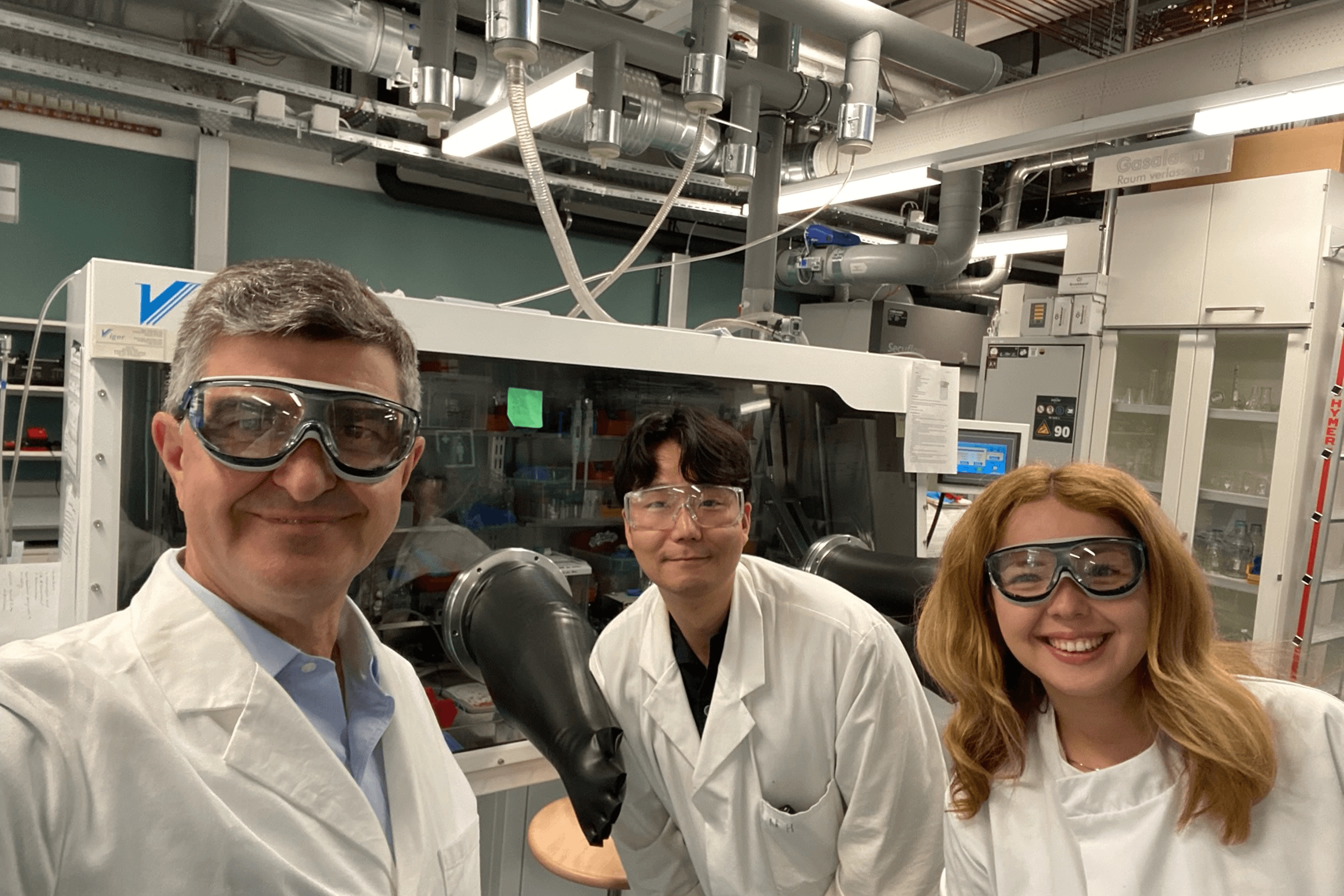
Photo: Yury Gogotsi / LinkedIn / YB 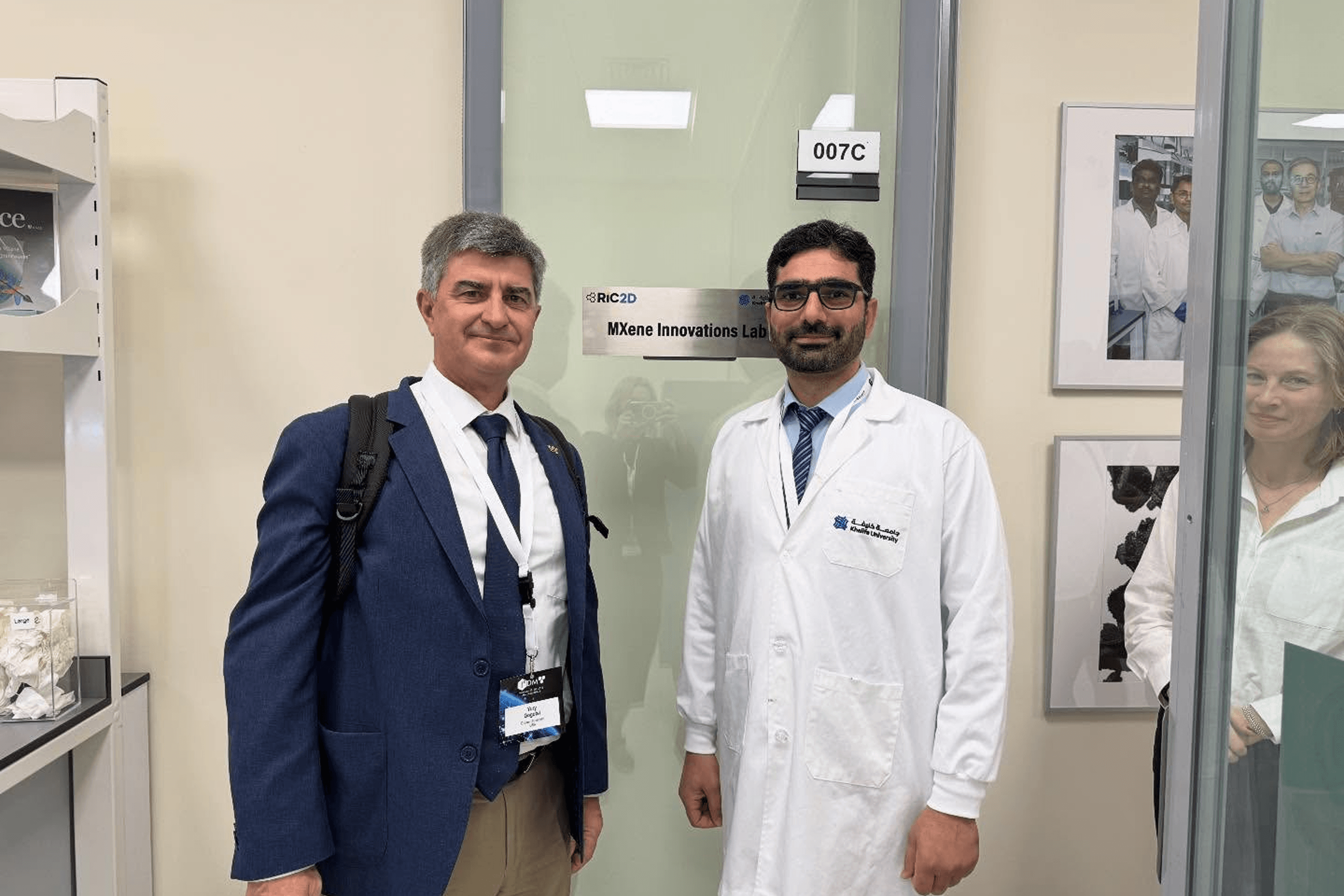
Yury Gogotsi with the Drexel Nanomaterials Group team during the I2DM Summit 2025 conference. 2025. Photo: Yury Gogotsi / Facebook / YB 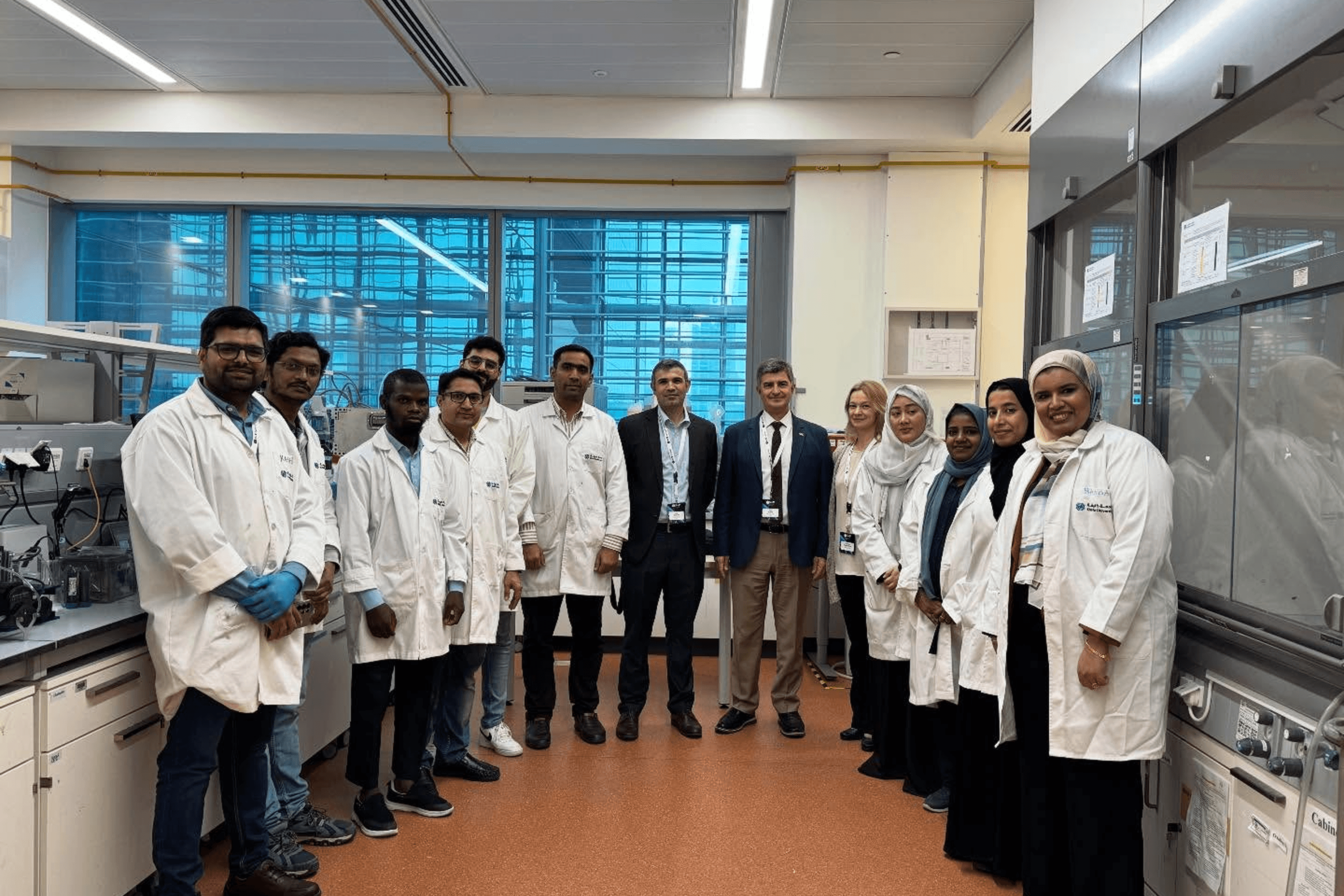
Photo: Yury Gogotsi / Facebook / YB
You discovered MXenes 15 years ago. How has your research field changed since then?
At the beginning of my career, I worked with carbon nanomaterials and achieved some success. But after the discovery of MXenes, the situation changed—all the PhD students and postdocs wanted to work specifically with them. It was more exciting than gradually improving already well-known materials. Within five years, our laboratory, which employs about thirty researchers, shifted almost entirely to working only with MXenes. That continues to this day.
New materials, new properties, and new applications—it’s a vast field for research. There is enough work not only for us but for thousands of scientists around the world. Whether I will work with MXenes forever, I don’t know. In science, everything changes: if a new, even more interesting discovery emerges, I might switch. But as of today, it’s the primary focus of my entire team.
At the beginning of our conversation, you said that the opportunity to choose your research direction was what attracted you to the US. Ultimately, was it this freedom that allowed you to achieve such results?
Yes, that is one of the key factors. The freedom to choose a research direction is extremely important, especially for young scientists who gain the opportunity to work on their own ideas. Today, this is possible not only in the US. Over the last 30–35 years, the scientific world has changed significantly, and Europe, South Korea, Japan, Australia, Singapore, Taiwan, and Hong Kong have become much more open.
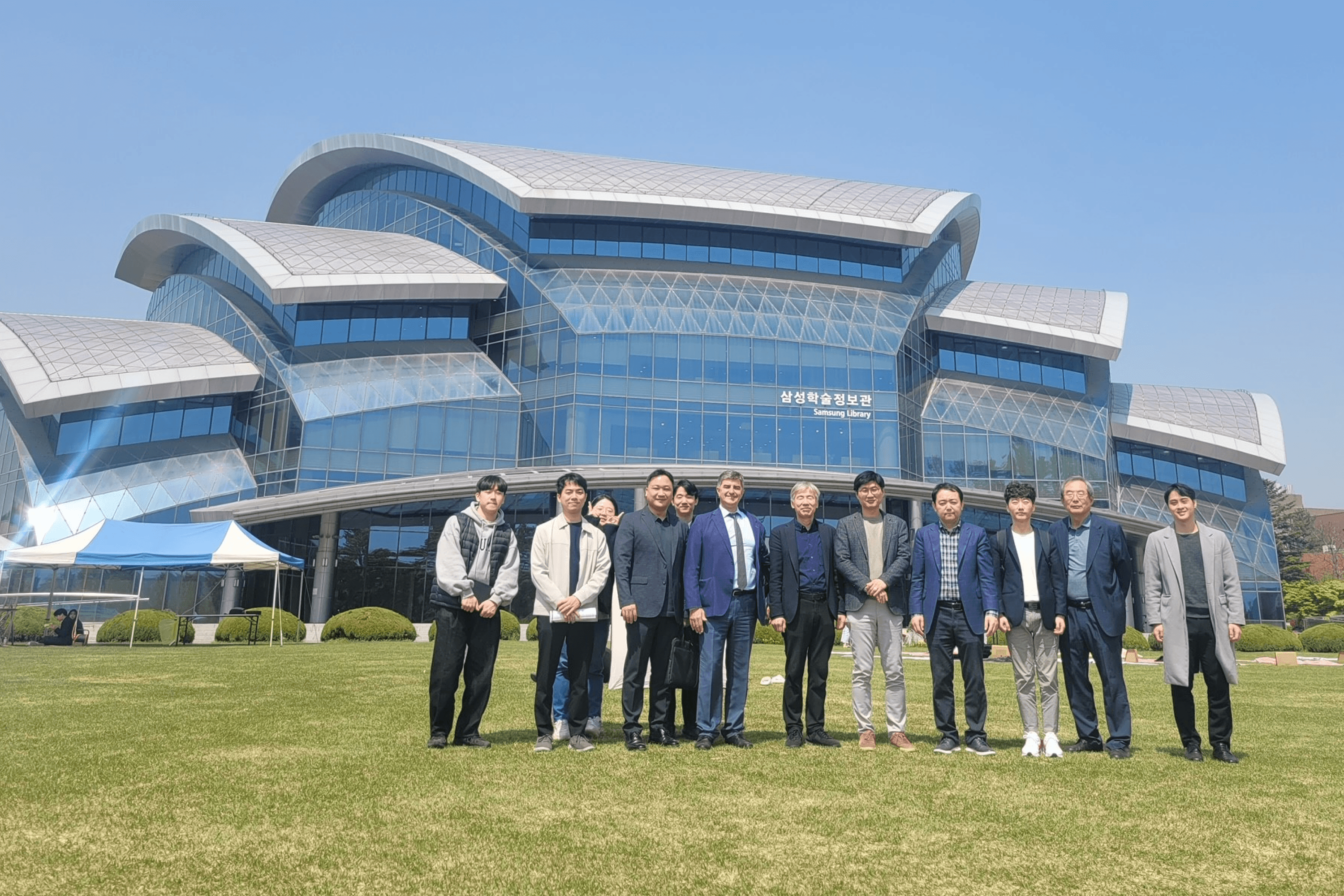
Yury Gogotsi during a series of lectures and meetings dedicated to MXenes research in South Korea. 2023. Photo: Yury Gogotsi / Facebook / YB 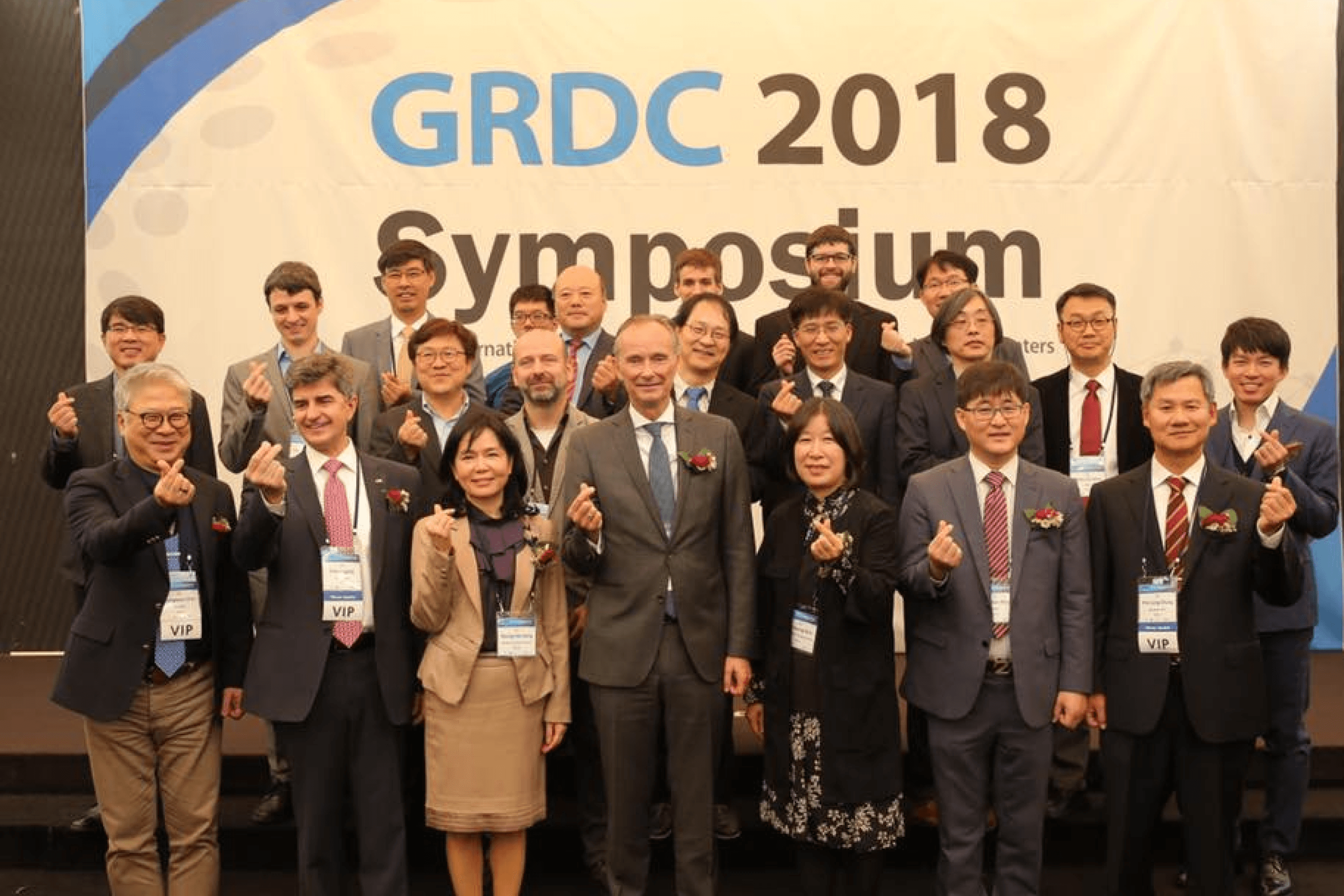
Yury Gogotsi and participants of the GRDC 2018 symposium. Seoul, South Korea. 2018. Photo: Yury Gogotsi / Facebook / YB 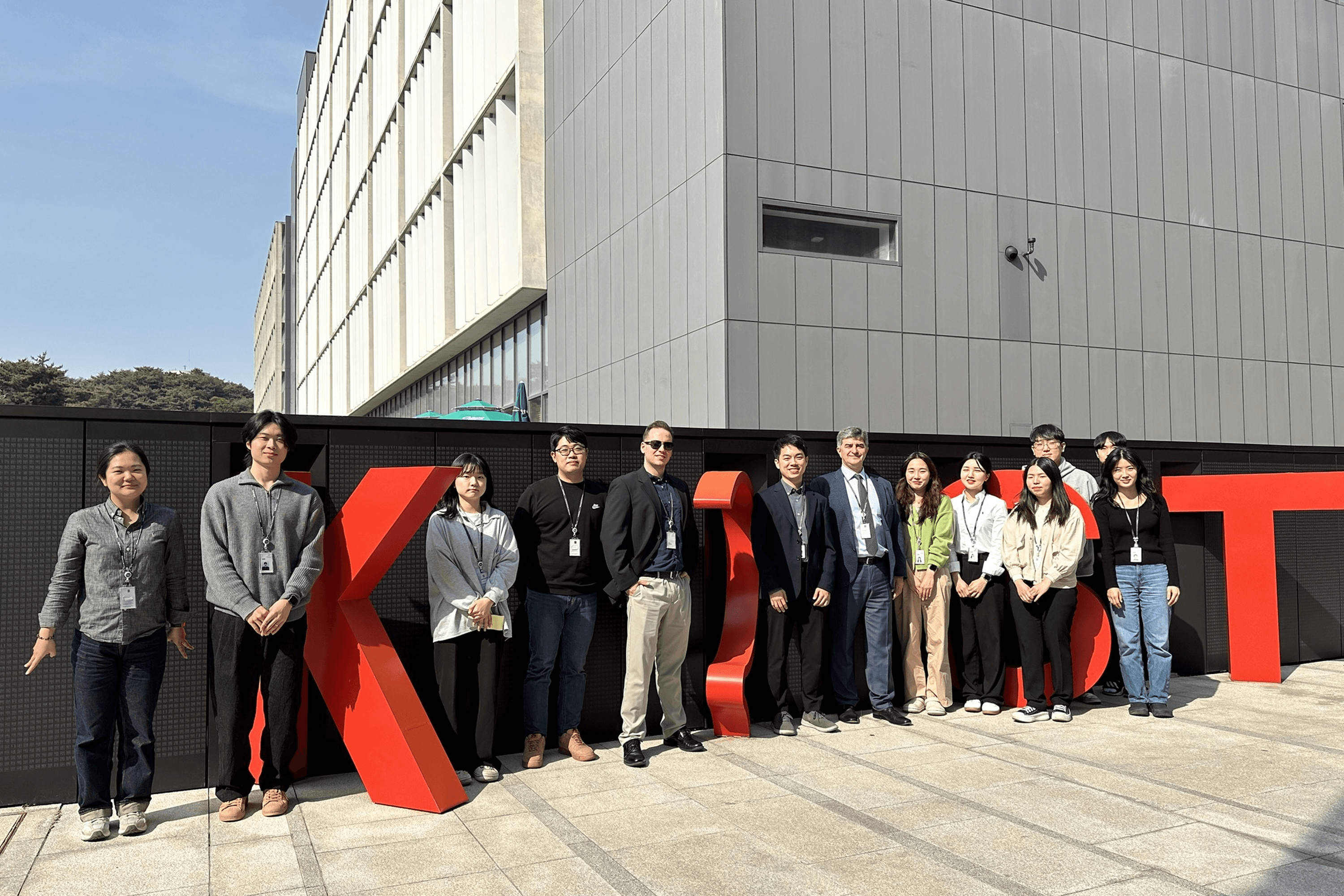
Yury Gogotsi and KIST researchers during a visit to South Korea dedicated to MXenes research. Seoul, South Korea. 2023. Photo: Yury Gogotsi / Facebook / YB 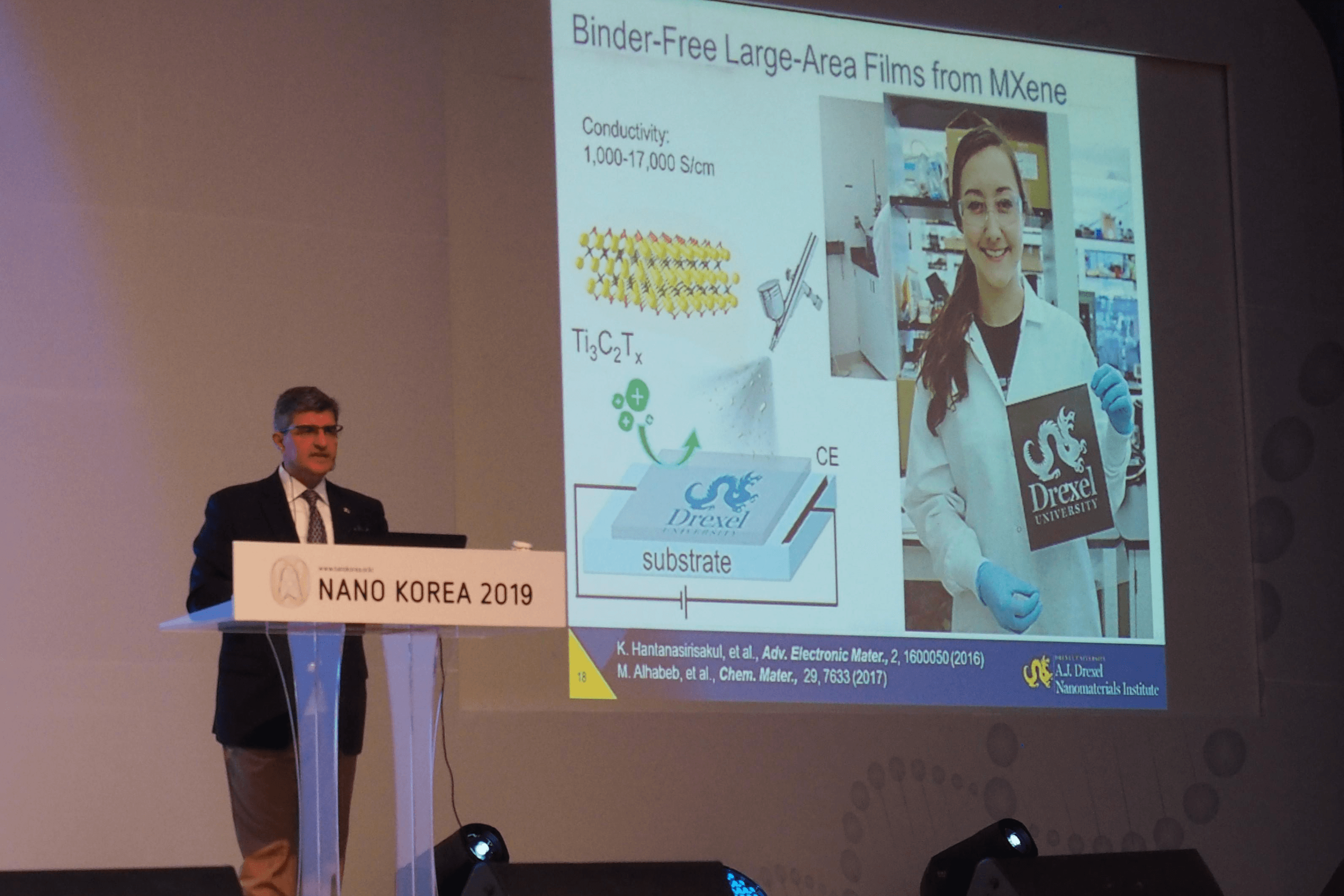
Yury Gogotsi together with students and participants of the Nano Korea 2019 conference. Seoul, South Korea. 2019. Photo: Yury Gogotsi / Facebook / YB 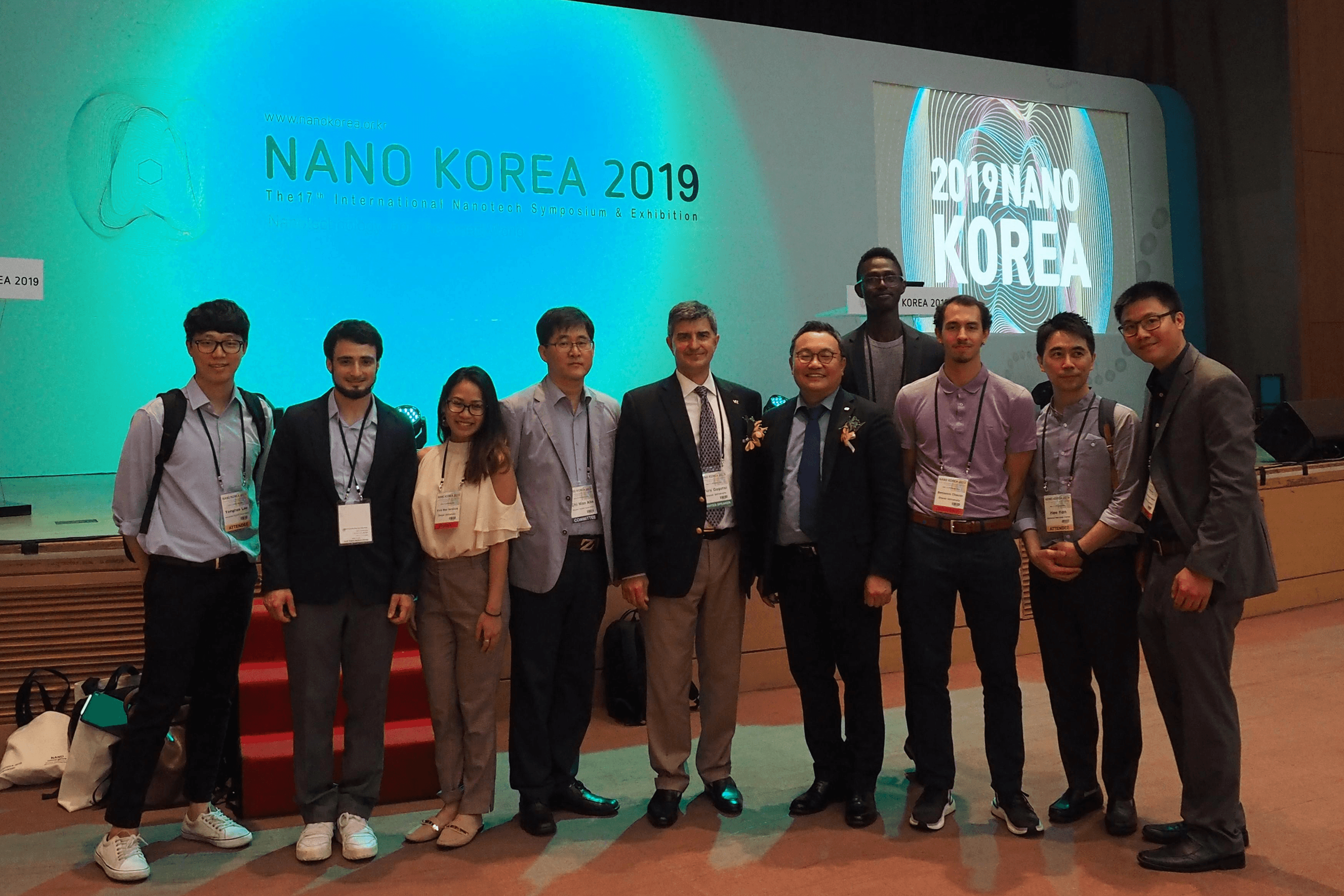
Photo: Yury Gogotsi / Facebook / YB
Still, what exactly makes the American system unique?
In this system, the university doesn’t provide basic funding for a laboratory—it takes about $2 million a year to maintain one. As the head, I must attract the funds myself and constantly seek out options for this. These could be grants from the government or private foundations, or industrial contracts.
Such a system compels scientists to keep moving forward rather than working for years on something that hasn’t interested anyone for a long time. It encourages proposing strong, competitive ideas and staying relevant.
How does the system of funding science in Ukraine differ?
Back when I was a PhD student in Ukraine, most of the funds were distributed through the National Academy of Sciences. Scientists did not compete with one another, and this problem is still relevant today.
How important is it in such a scientific system for research to be applied?
It is important to maintain a balance. Our laboratory receives grants from organizations that fund fundamental research. But we also have contracts with companies—this is already applied science, aimed at solving specific problems. It is the combination of fundamental research and applied development that allows us to move science forward while simultaneously creating real-life technologies.

Yury Gogotsi during the Stand Up For Science rally in Philadelphia, USA. March 2025. Photo: Yury Gogotsi / Facebook / YB 
Photo: Yury Gogotsi / Facebook / YB 
Photo: Yury Gogotsi / Facebook / YB
In my opinion, the Ukrainian system lacks interaction between scientists and business. Companies need to collaborate with scientists to implement new technologies faster and stay competitive on the global market. Meanwhile, scientists in applied fields—materials science, mechanical engineering, electronics, optics—need to understand the industry’s real-world problems.
How important is it for Ukrainian scientists to publish their articles in international journals?
Publishing in well-known, influential journals is definitely necessary. You need to be in a dialogue with the international scientific community. Yes, writing in English can be difficult, but it’s not as hard as it was 40 years ago—there are computers, tools, and artificial intelligence.
When I arrived in Germany in 1990, I asked my supervisor how many scientific articles he had published in German. He replied: “None.” If a work is truly important, it must be published in English so that everyone can read it.
Is it possible to build a system similar to the American one in Ukraine?
Absolutely. A good example is China, which transitioned from the Soviet model to a system similar to the American one in 10–15 years. They also followed the example of Japan, where professorial positions are granted to scientists who have worked abroad at leading universities for at least two years. This helped China rapidly improve its technology and become a leading nation.
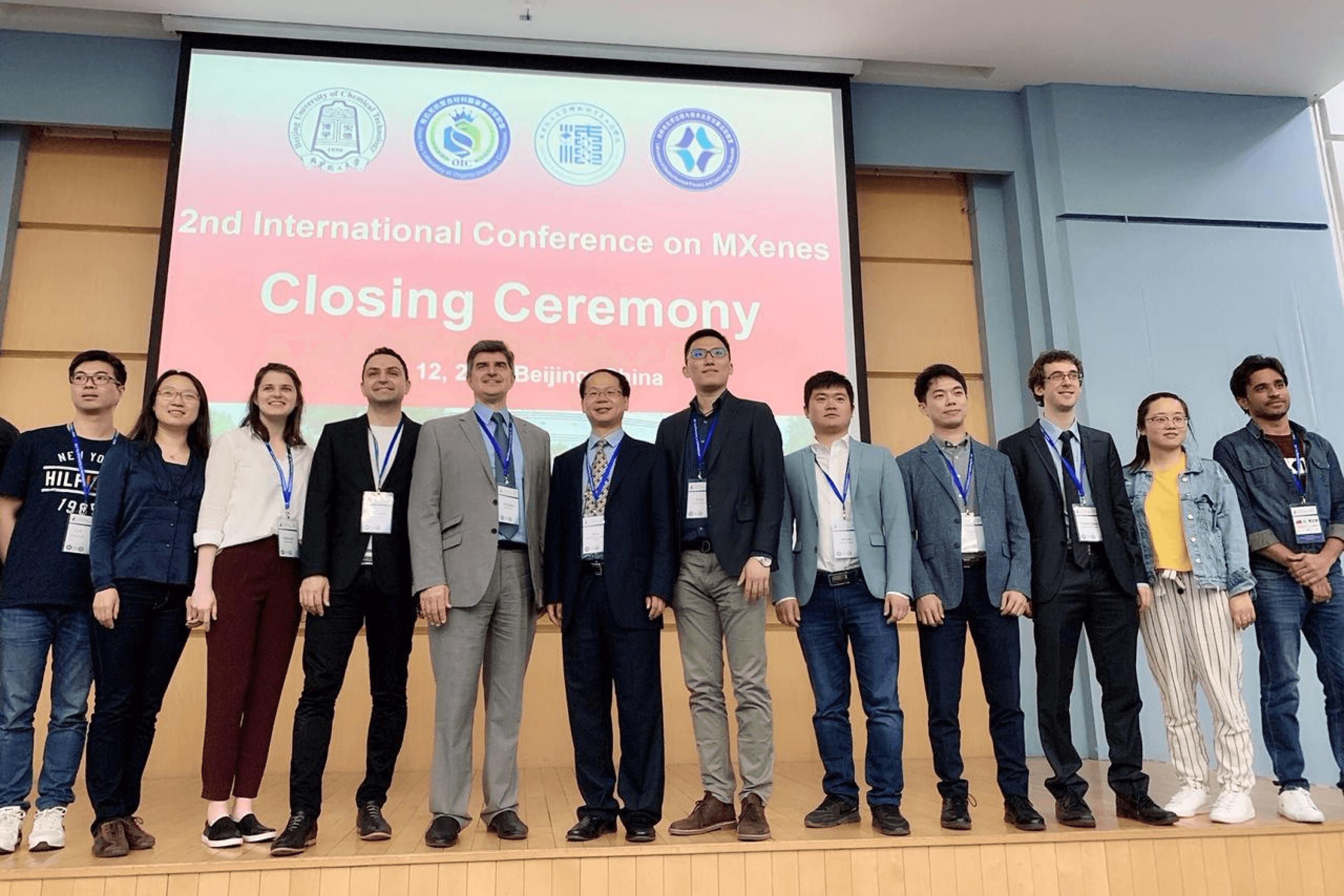
Yury Gogotsi and participants of the 2nd International Conference on MXenes during the closing ceremony. Beijing, China. 2019. Photo: Yury Gogotsi / LinkedIn / YB 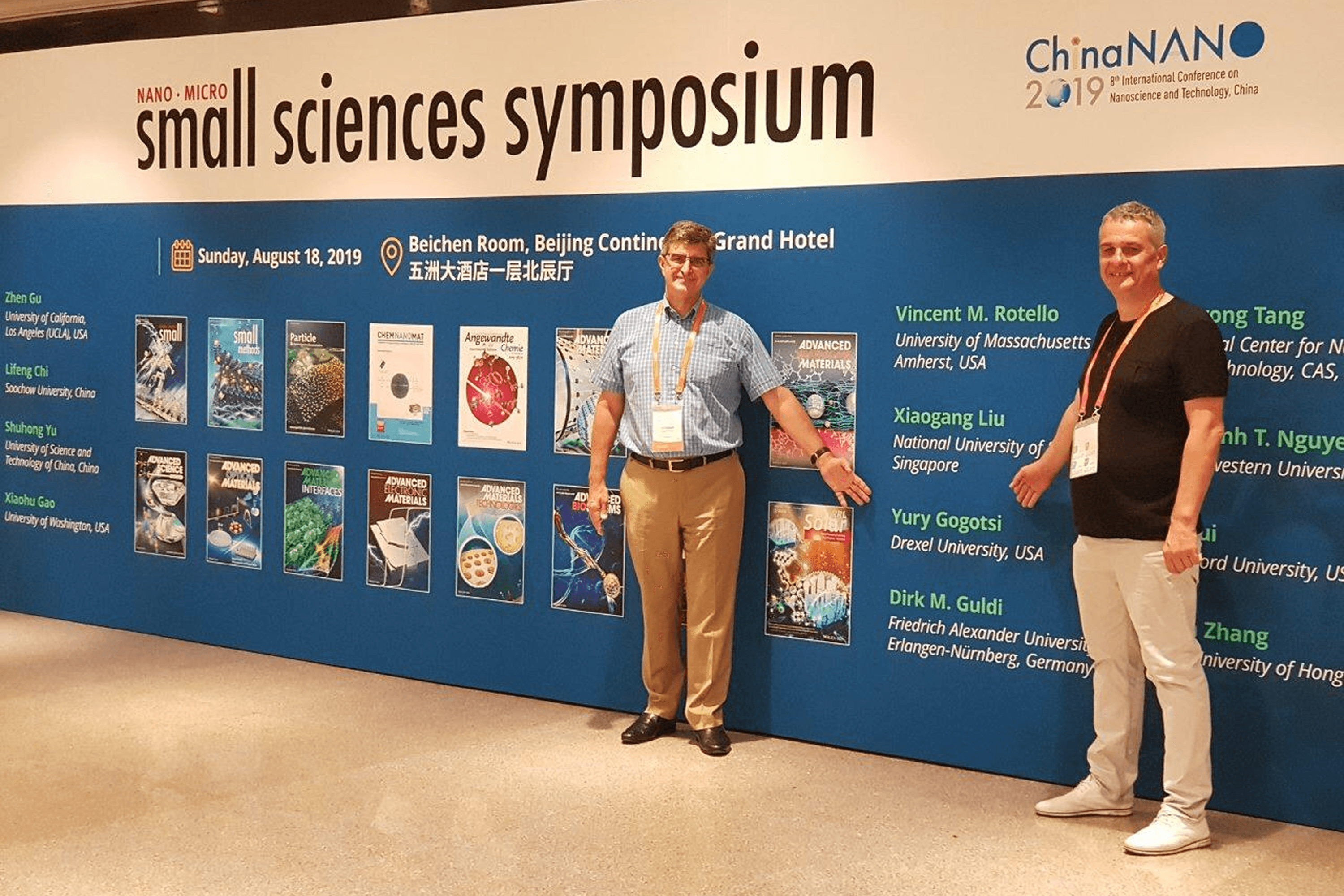
Yury Gogotsi during the ChinaNANO 2019 conference and the Small Sciences Symposium. Beijing, China. 2019. Photo: Yury Gogotsi / LinkedIn / YB 
Yury Gogotsi during a visit to the iCANX Club together with colleagues Paul Weiss and Haixia Zhang (Alice Zhang). 2025. Photo: Yury Gogotsi / LinkedIn / YB 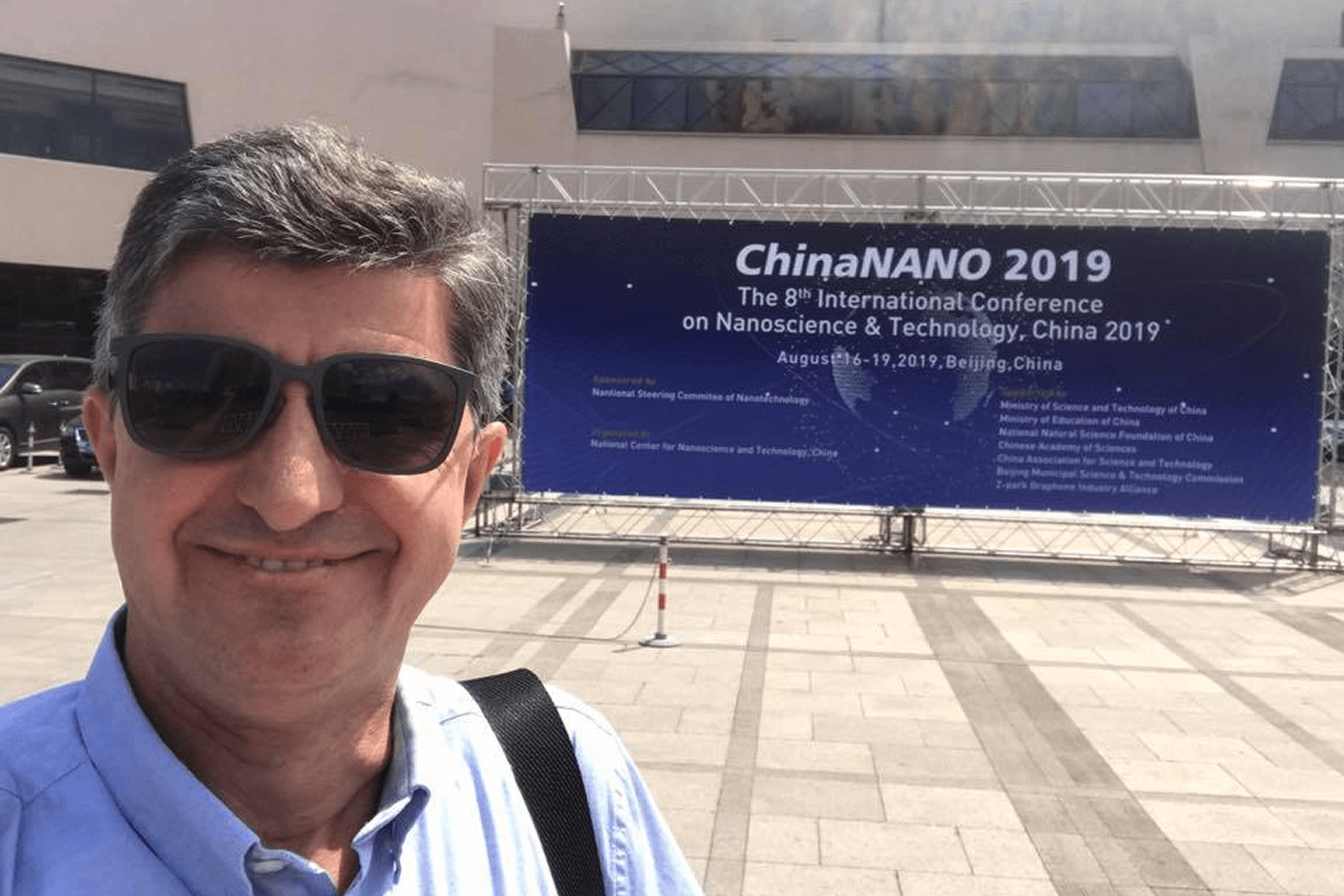
Yury Gogotsi during the ChinaNANO 2019 conference dedicated to nanoscience and nanotechnology. Beijing, China. 2019. Photo: Yury Gogotsi / Facebook / YB
Many Ukrainian scientists are currently working abroad. When the war ends and reconstruction begins, Ukraine will have significant international support, and science can find a second wind. We will need to use this to bring back scientists who have worked in Europe, China, Japan, the US, and Canada, and who can bring that experience to Ukraine. I’m confident they will return, but for that to happen, the system must change—to ensure that research funding does not depend on people detached from modern science. So that scientists themselves determine important directions and seek support for their research.
I already see positive changes, even during the war. If they continue, Ukrainian science will flourish once again.
What specific positive changes do you see?
For example, more and more Ukrainian scientists are actively collaborating with foreign colleagues. I work with universities in Ukraine myself. I’m constantly invited to give seminars or lectures at Ukrainian universities and academic institutes, including those in Kharkiv and Sumy—cities located close to the front line.
I also see more young people becoming interested in science. Recently, I gave a lecture for Ukrainian schoolchildren about materials science as part of the Science Kids project. When the lecture ended, there were a few minutes left for extra questions. But the children didn’t let me go for another hour—their questions just wouldn’t end. They are interested in science, and we must encourage this and give them the opportunity to learn.
Tell us more about your collaboration with Ukrainian institutes.
For about eight years now, I’ve been collaborating with colleagues from Sumy State University. We met during a scientific conference in Ukraine. I was struck by the fact that they are truly interested in science, research, and publishing in leading journals. They have a deep understanding of their field—the medical applications of nanomaterials.
We started working without funding, but later we began winning grants and continue our collaboration to this day. Every year, we publish several articles, meet at conferences, and invite each other to scientific events. I’m not an expert in medicine, and for me, this is a great opportunity to better study the properties of MXenes and understand their application in medical technology.
For three years, I won grants to invite 20–30 young Ukrainian scientists to the YUCOMAT conference. This is important so they can meet colleagues from all over the world.
In your opinion, what specifically needs to be done to motivate Ukrainian scientists to return from abroad after the war?
Give them freedom of action. Real scientists are interested in science and the opportunity to do what truly fascinates them. There needs to be less bureaucracy and less control over what they do. Money is also needed—to live and work.
It’s vital to create conditions for professional growth: so that career advancement depends not on connections or affiliation with a particular institution, but on publications, knowledge, and results.
This is a long process that will take more than a year or two, but we need to move toward it gradually. Look at the Czech Republic or Poland: many scientists returned there from Western Europe and the US because conditions for work were created for them. The same must be done for Ukraine.
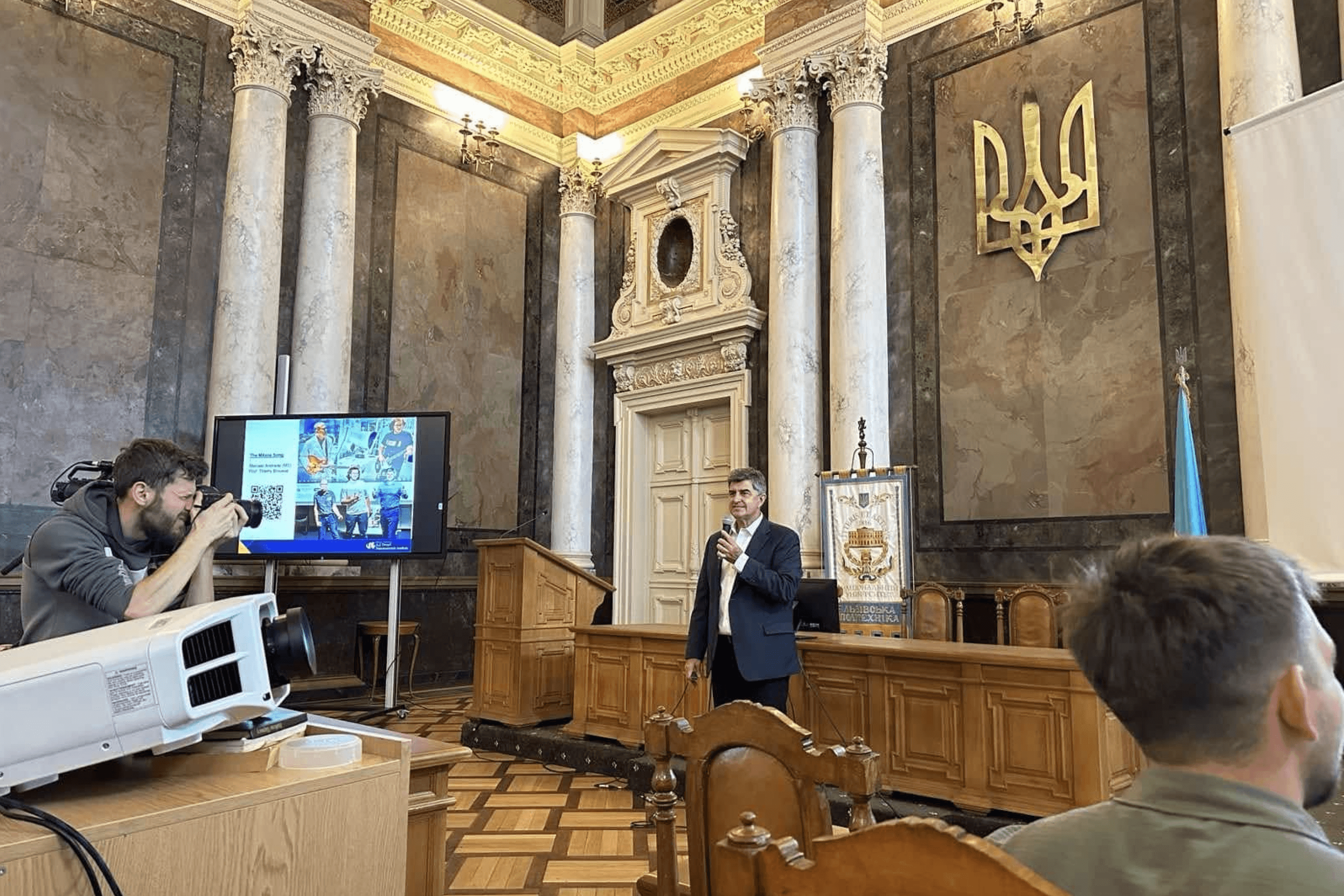
Yury Gogotsi during a lecture on MXenes at Lviv Polytechnic. September 2024. Photo: Yury Gogotsi / Facebook / YB 
Photo: Yury Gogotsi / Facebook / YB 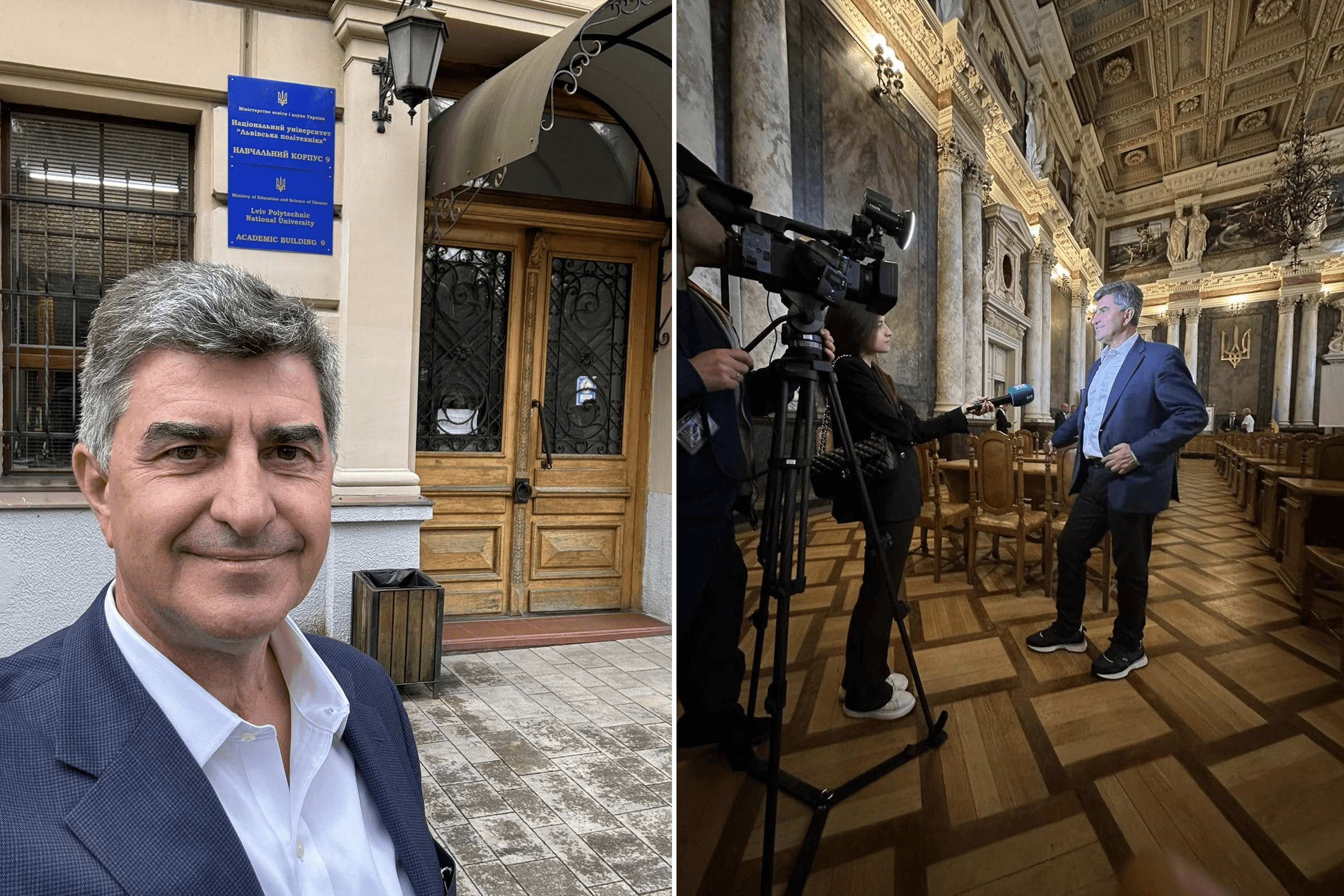
Photo: Yury Gogotsi / Facebook / YB 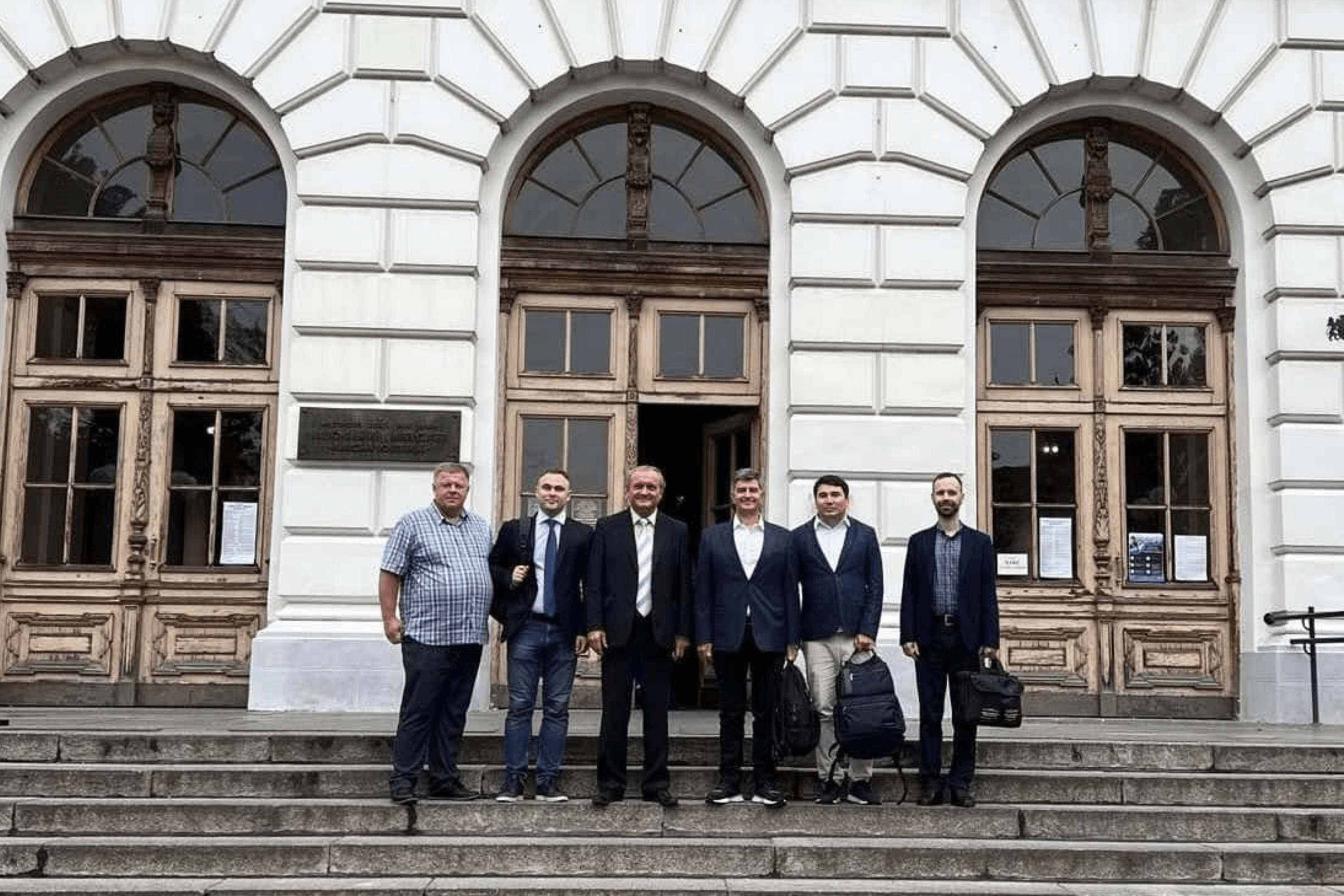
Photo: Yury Gogotsi / Facebook / YB