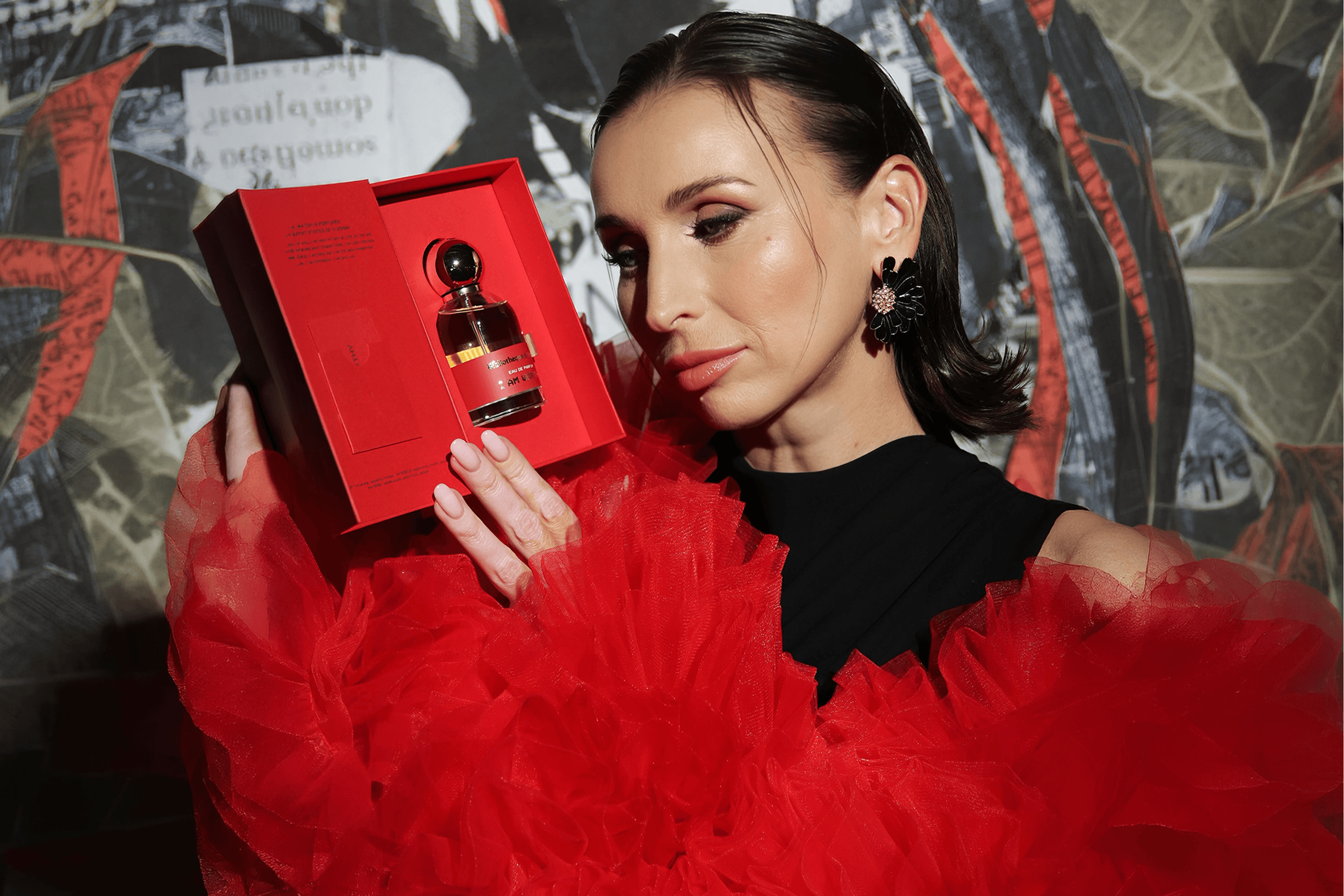
Bibliotheque de Parfum is a Ukrainian niche perfume brand founded in 2019 by Kharkiv entrepreneur Lora Nekrasova. With the start of Russia’s full-scale invasion of Ukraine, Bibliotheque de Parfum relocated its production from Kharkiv to Chernivtsi.
Since 2022, the brand has entered international markets in 20 EU countries and Canada, where Nekrasova moved with her family. Bibliotheque de Parfum warehouses are located in Ukraine, Poland, and Canada, and the international team includes 52 Ukrainians across all markets.
For Yellow Blue, Nekrasova explains what this journey has been like.
We opened our first Votre Parfum boutique in 2013 in Kharkiv. At that time, the niche perfumery market in Ukraine practically did not exist. We built it from scratch, focusing on global trends and intuitively sensing the potential of this segment. In the first months, we sold no more than ten bottles per month, but within a year the audience began to get used to niche fragrances and sales started to grow.
The idea for Bibliotheque de Parfum came spontaneously in August 2019. At that time, my husband, my daughter, and I were traveling in the south of France. During that trip, we decided to launch our own niche perfume brand, inspired by the global perfume capital, Grasse. For centuries, new perfume brands have been launched there, brands that later become known worldwide. We immediately formulated the brand concept as a “library” of fragrances that brings together the stories of different European perfumers.

We had no understanding of how to create our own perfumes. At that time, there were almost no modern perfume factories in Ukraine. The market was limited to several old facilities operating on Soviet equipment. That is why we deliberately focused on international experience. Early on, we worked with French factories. We prepared technical briefs, and the factory selected a chemist and a perfumer.
In the first year, we created about 30 fragrances together. Now there are already fifty. Later, we purchased equipment and organized our own production in Kharkiv, which in 2022 was relocated to Chernivtsi.
At the beginning, we sold our perfumes in the Votre Parfum network alongside other brands, but the COVID-19 pandemic began, all stores closed, and people stayed at home in quarantine. At that point, we launched a website and established online sales. Now our range includes women’s, men’s, and unisex fragrances, Discovery Sets, and 16 ml and 100 ml formats.
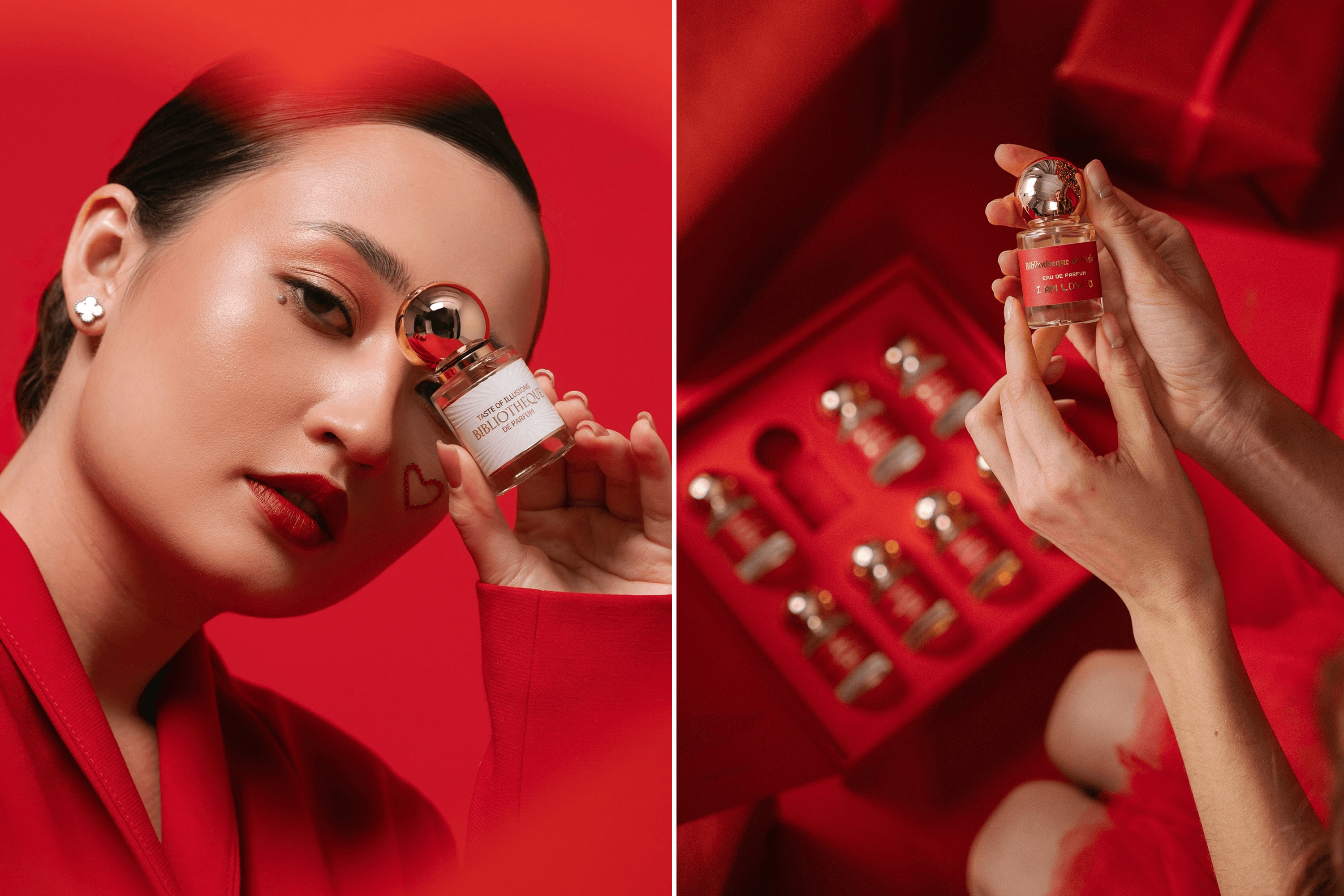
Some fragrances from the Bibliotheque de Parfum assortment. Photo: Bibliotheque_de_Parfum - niche perfumery brand / Facebook / YB 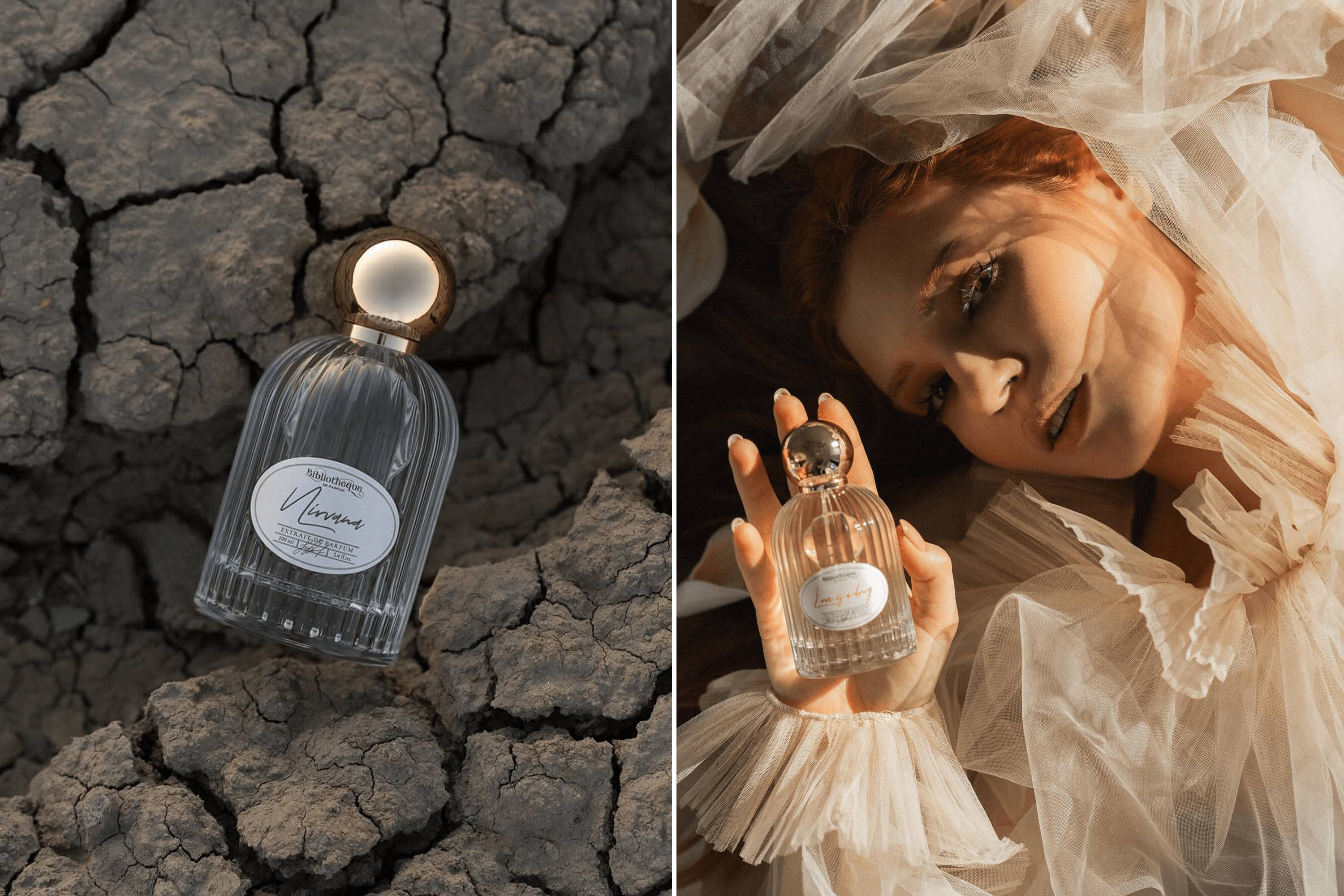
Photo: Bibliotheque_de_Parfum - niche perfumery brand / Facebook / YB 
Photo: Bibliotheque_de_Parfum - niche perfumery brand / Facebook / YB 
Photo: Bibliotheque_de_Parfum - niche perfumery brand / Facebook / YB 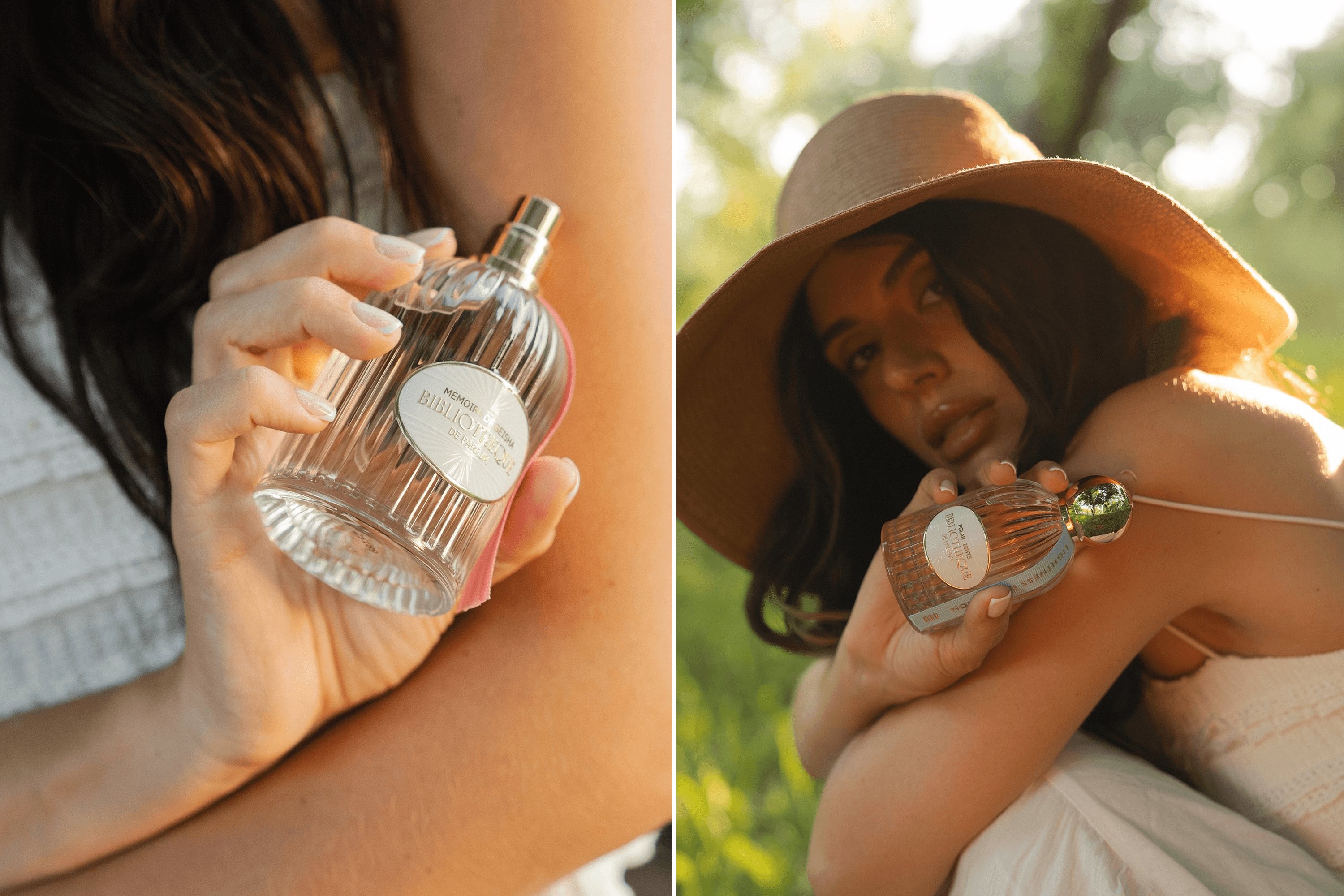
Photo: Bibliotheque_de_Parfum - niche perfumery brand / Facebook / YB 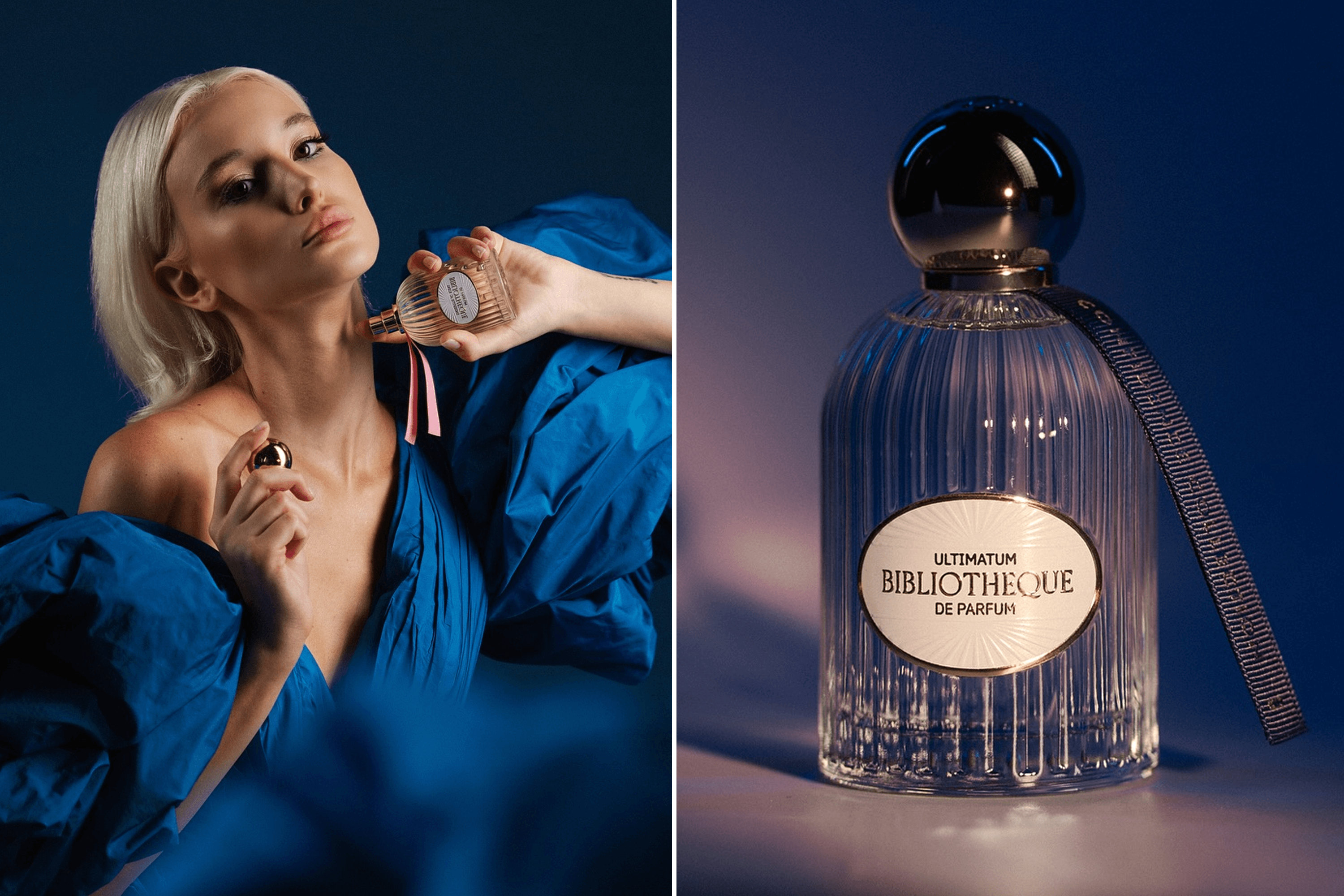
Photo: Bibliotheque_de_Parfum - niche perfumery brand / Facebook / YB
The budget of Bibliotheque de Parfum is hundreds of thousands of dollars. The funding flowed from Votre Parfum and from the restaurant business that my husband had, and later additional partners joined us. It is still difficult to speak about full return on investment. The business is growing gradually. It requires constant investment, especially when entering new markets, both European and North American.
Developing one perfume formula can cost from $1,000 to $50,000 per fragrance. It all depends on how much time the team spends on the composition and how many people are involved in the process. A perfumer, fragrance evaluators, technologists, chemists, raw materials specialists, quality control specialists, and the brand team all work on a fragrance at the same time to ensure that the composition matches the concept and the market.
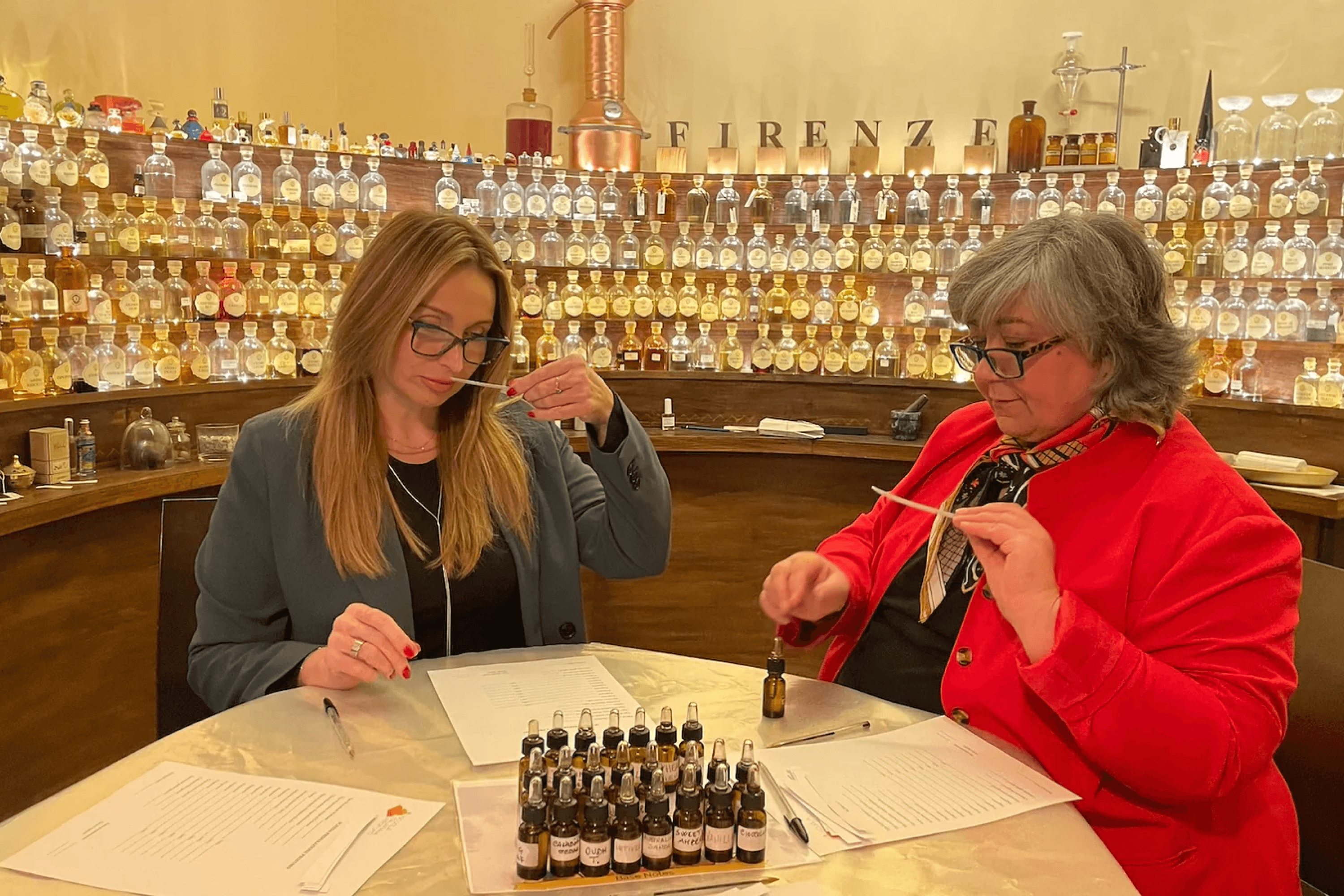
A niche perfume differs from a mass-market one in its approach to creation and positioning. First, the focus is on the composition itself rather than the packaging. The fragrance is developed by perfumers with a unique style. Second, rare and complex ingredients are used. This makes niche fragrances more multifaceted and experimental. They are more expensive, limited in production, and often sold in boutiques rather than large retail chains.
Our client is a woman who loves new experiences. She can buy twenty fragrances from the “library” at once or choose something new each season. That is why we offer a non-standard 16 ml size, enough for about a month and a half of regular experimentation. We also have men’s fragrances, and our female clients buy them for their husbands.
Starting in 2022, we began participating in industry exhibitions in Italy, COSMOPROF and Esxence. This became the first step toward entering the European market.
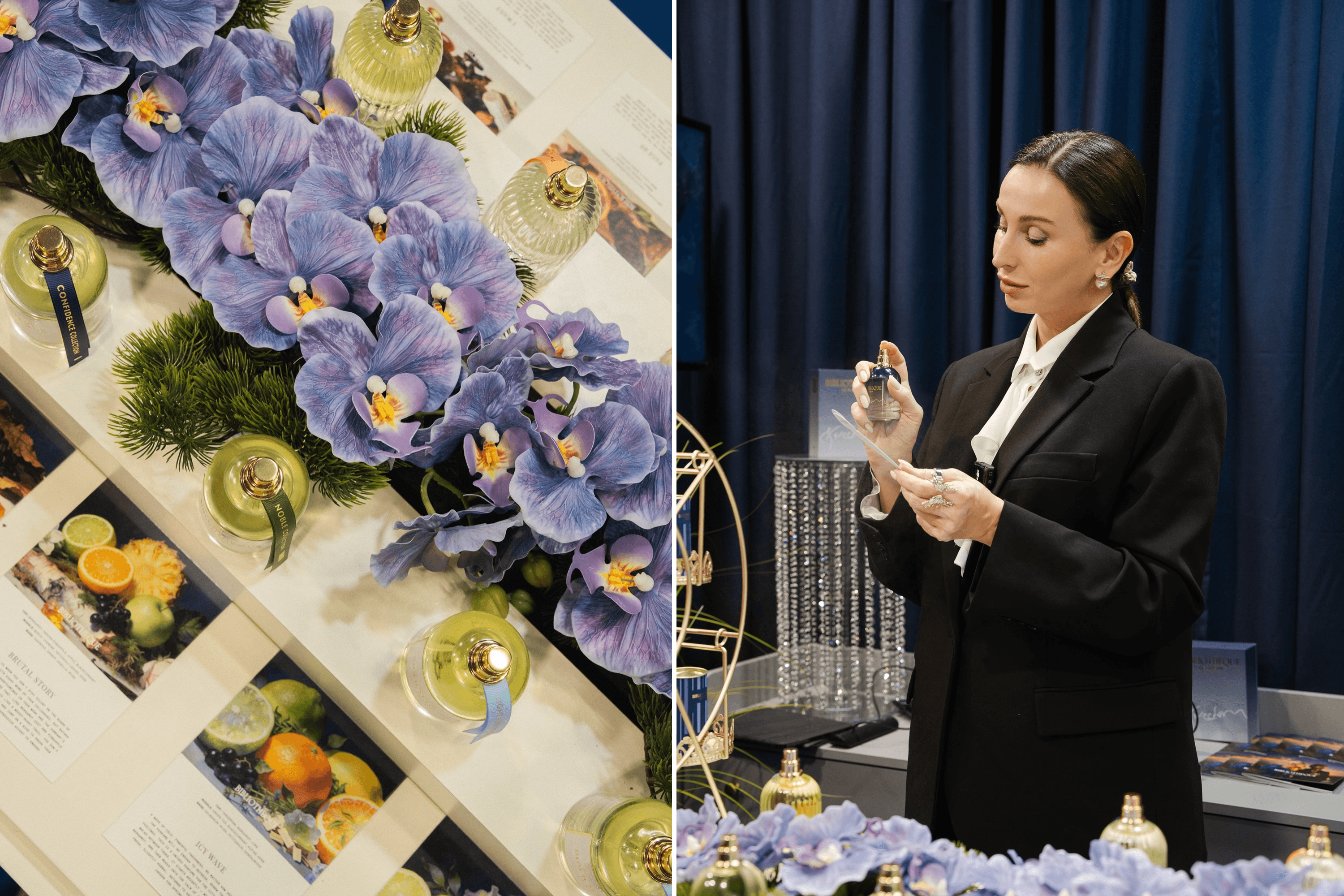
Bibliotheque de Parfum at Cosmoprof 2026. Photo: Bibliotheque_de_Parfum - niche perfumery brand / Facebook / YB 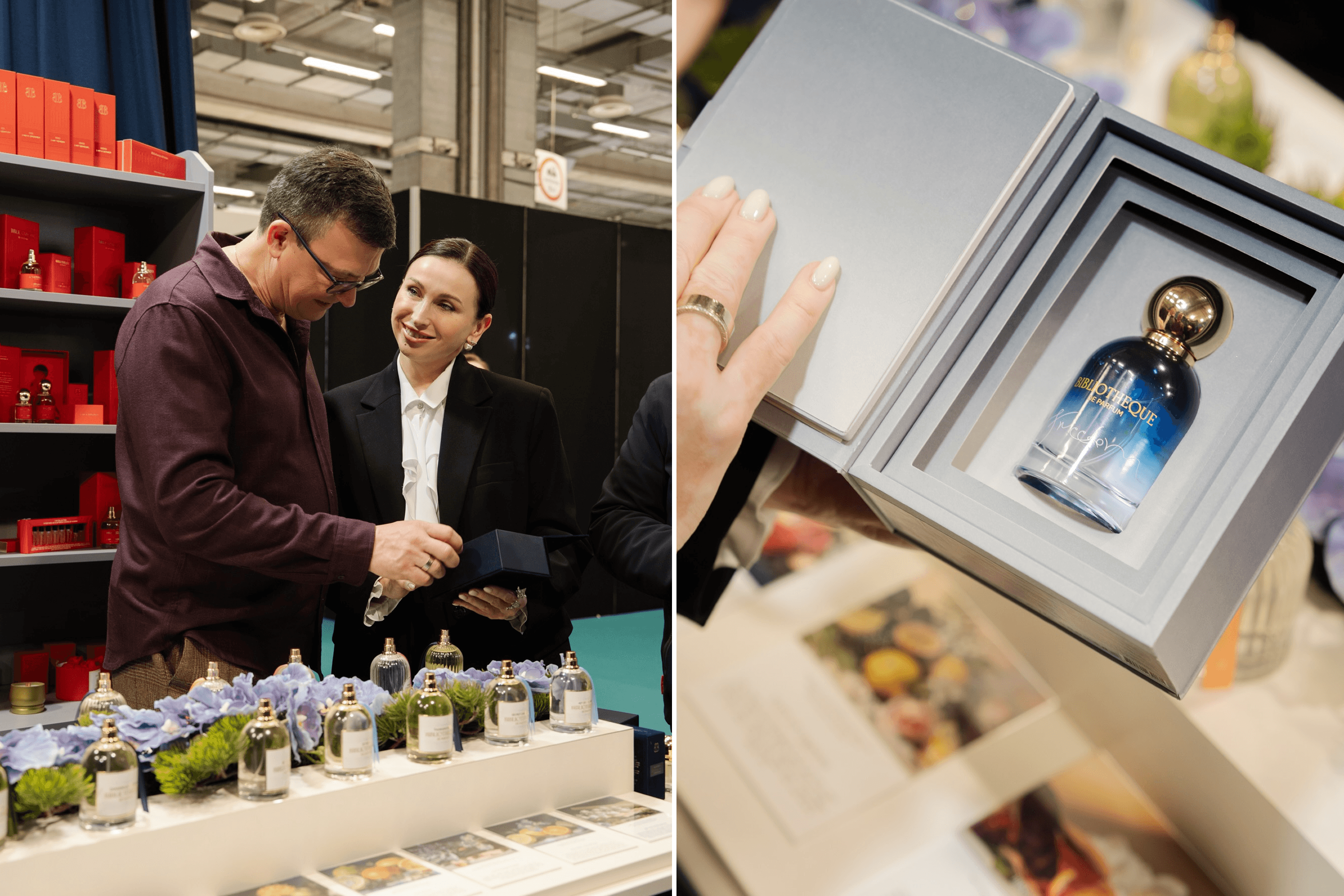
Photo: Bibliotheque_de_Parfum - niche perfumery brand / Facebook / YB 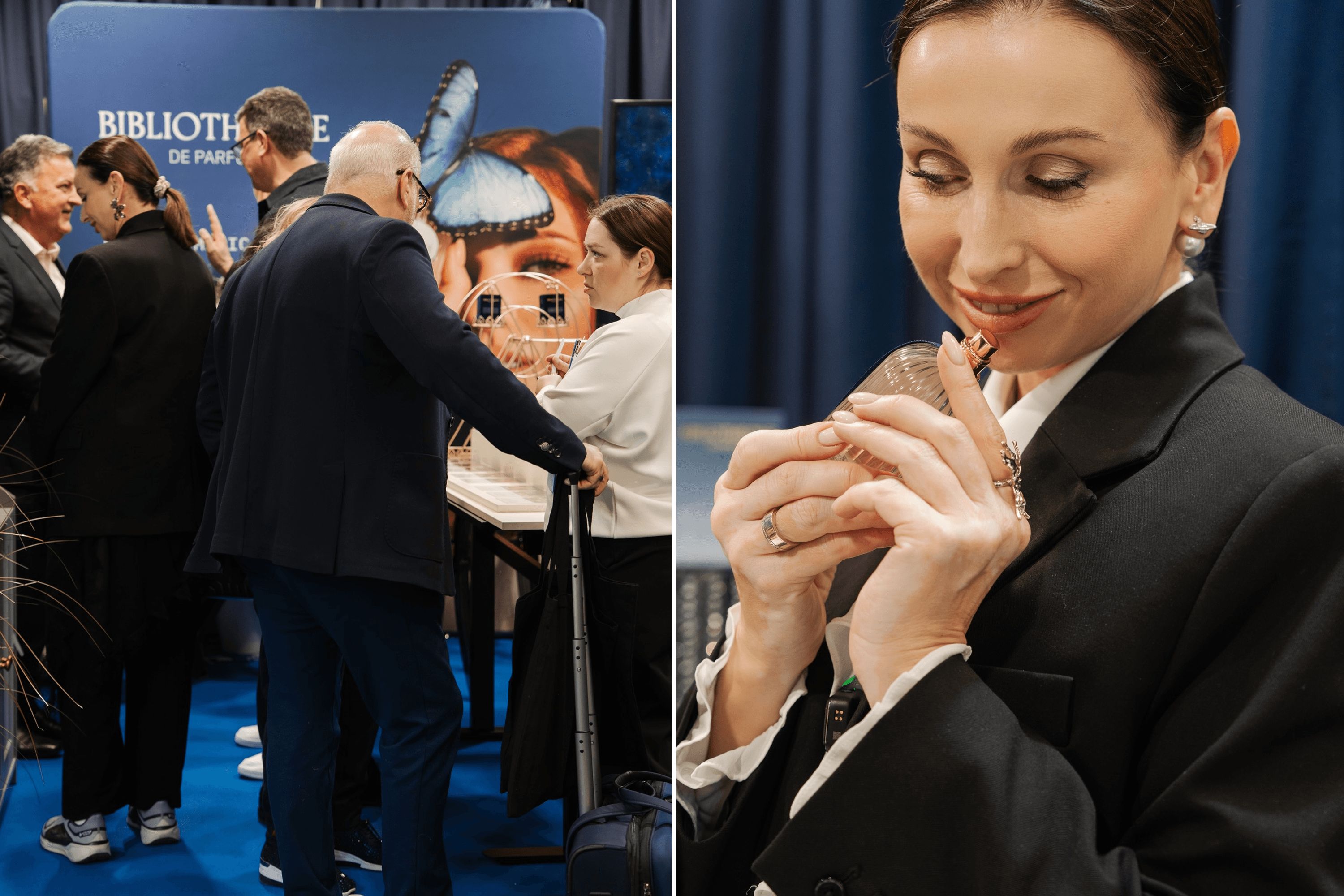
Photo: Bibliotheque_de_Parfum - niche perfumery brand / Facebook / YB 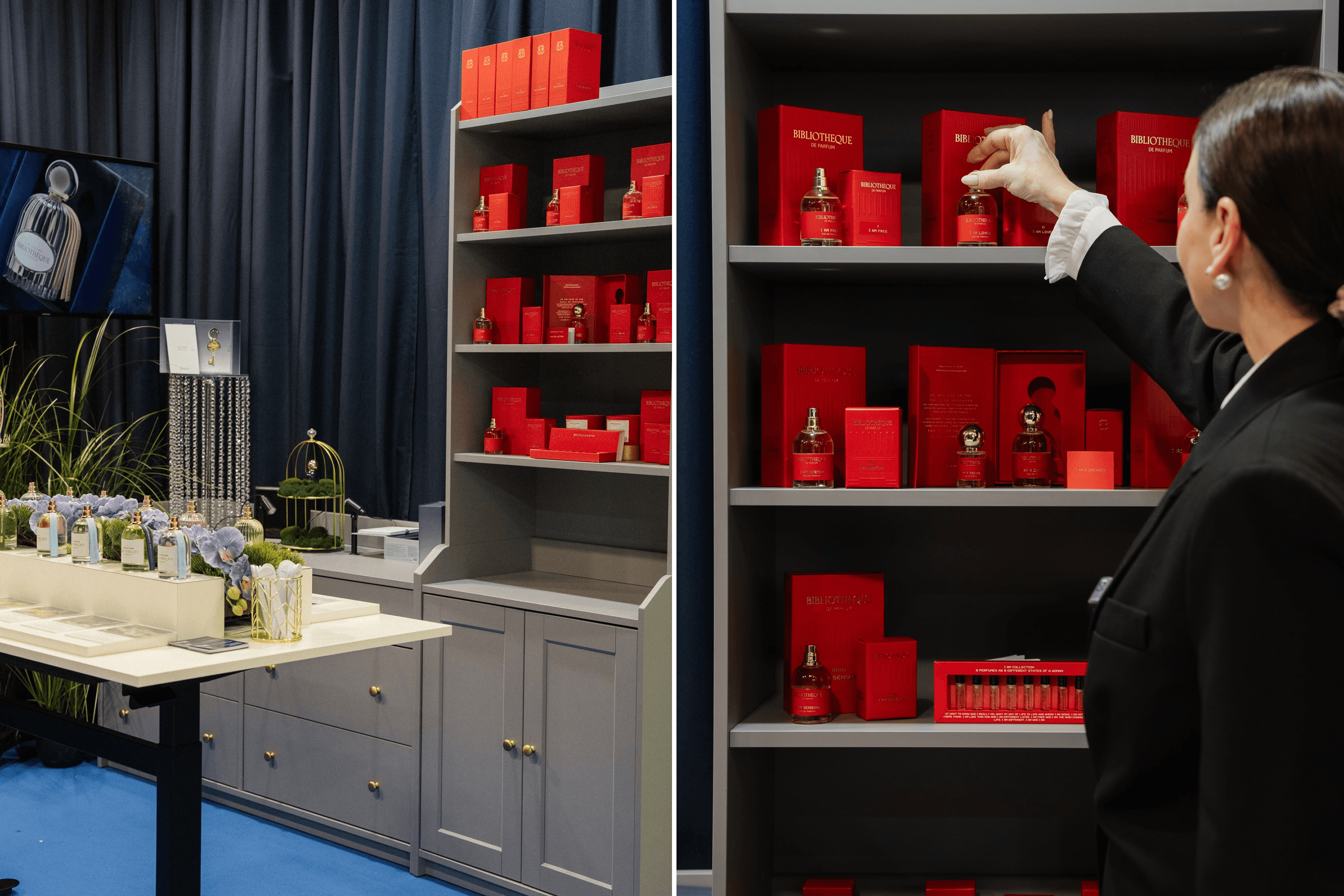
Photo: Bibliotheque_de_Parfum - niche perfumery brand / Facebook / YB 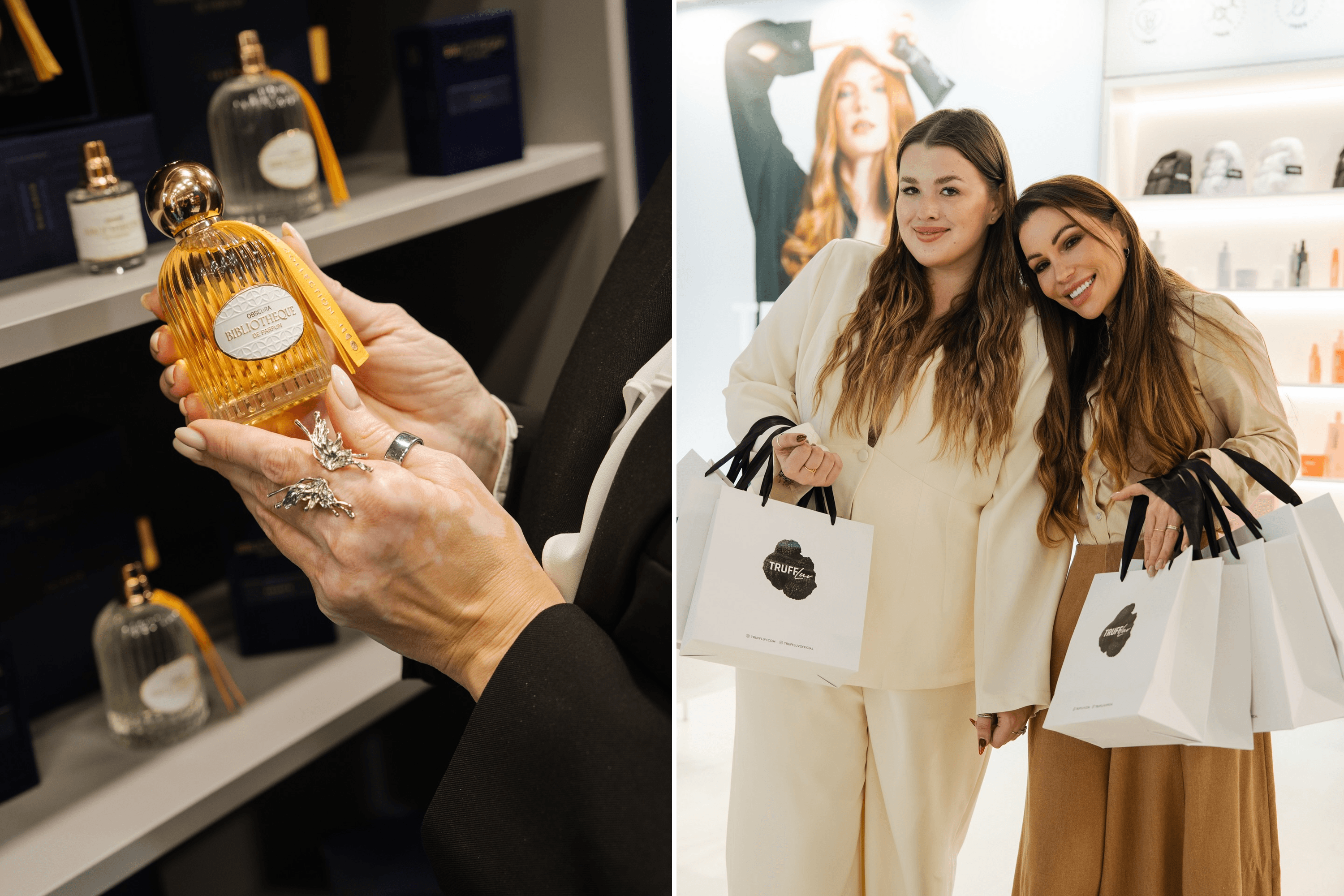
Photo: Bibliotheque_de_Parfum - niche perfumery brand / Facebook / YB 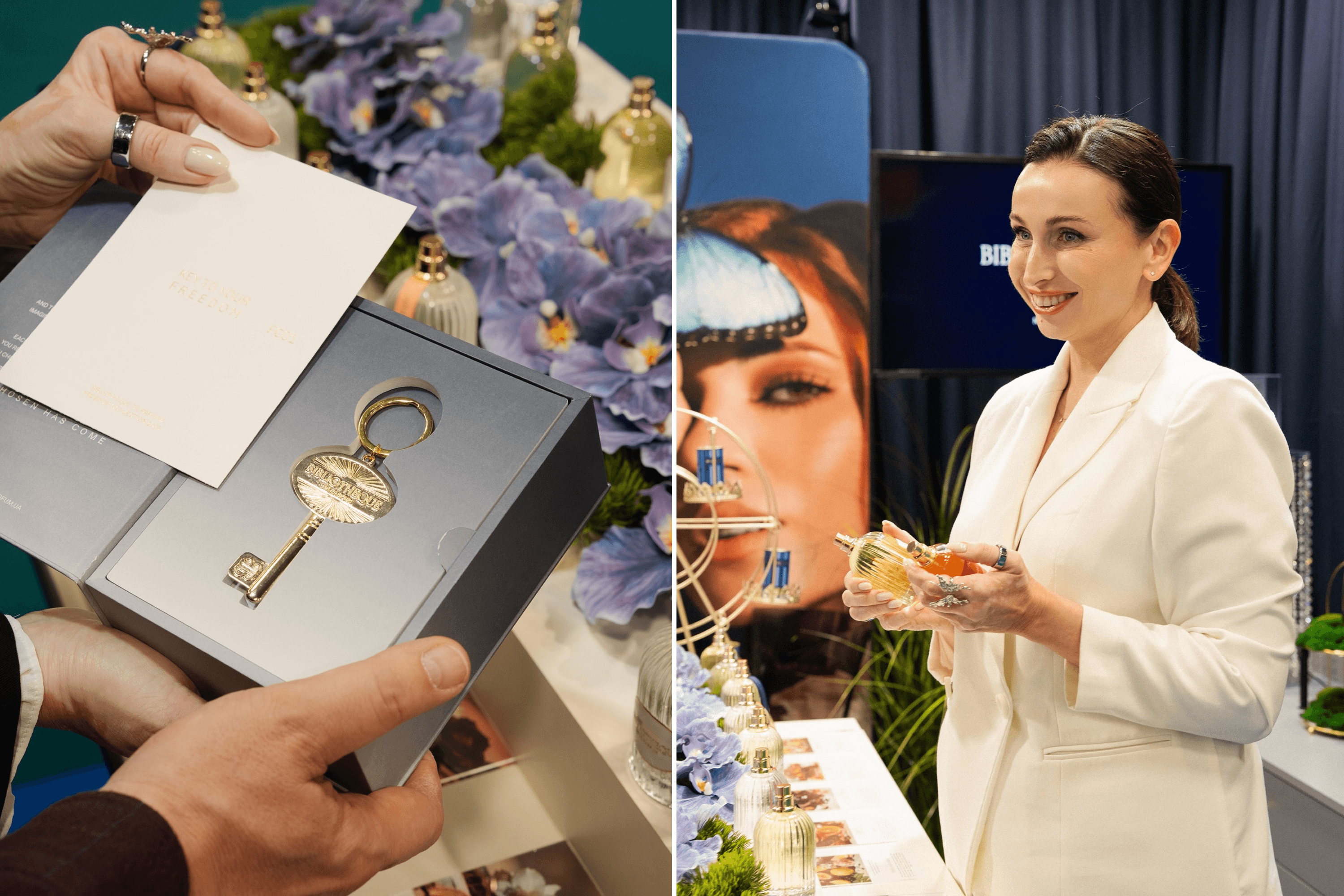
Photo: Bibliotheque_de_Parfum - niche perfumery brand / Facebook / YB
In the EU and Canada, all processes are strictly regulated. Every product must undergo checks and obtain certification. Based on these certificates, documents are prepared for sales on international markets. This ensures product safety and allows the brand to legally enter markets abroad. In addition, for perfumes to be sold in boutiques, we need to maintain a stable supply schedule. It is important to ensure there are no disruptions in production. That is why the production is located in Chernivtsi, close to the border.
Certification cannot be bought or bypassed. In the EU, perfumes must meet all requirements. Each fragrance undergoes a safety assessment and has an IFRA certificate and REACH documentation for its components. Without this, the product cannot be sold legally. In Canada, the brand is required to declare the fragrance with Health Canada and confirm the safety of its composition.
Our main sales channel is online. We operate a website, email marketing, social media, Google and targeted advertising. We collaborate with influencers and media and organize themed events. Our perfumes are now available at more than 100 locations in Ukraine, Europe, and North America.
We are constantly experimenting with different ways to promote the brand. For example, a client answers questions about preferences and lifestyle, and we select five samples and send them. This allows the person to choose a favorite fragrance and then purchase a full-size bottle. Repeat purchase rates are hard to track right away, as they depend on the market. In Ukraine, customers buy once a year. In the North American market, there are customers who place orders weekly. The most surprising thing is that customers in Canada are very concerned that products might run out.

Customer tags on the Bibliotheque de Parfum profile on Instagram. Photo: bibliotheque.de.parfum.eu / Instagram / YB 
Photo: bibliotheque.de.parfum.eu / Instagram / YB 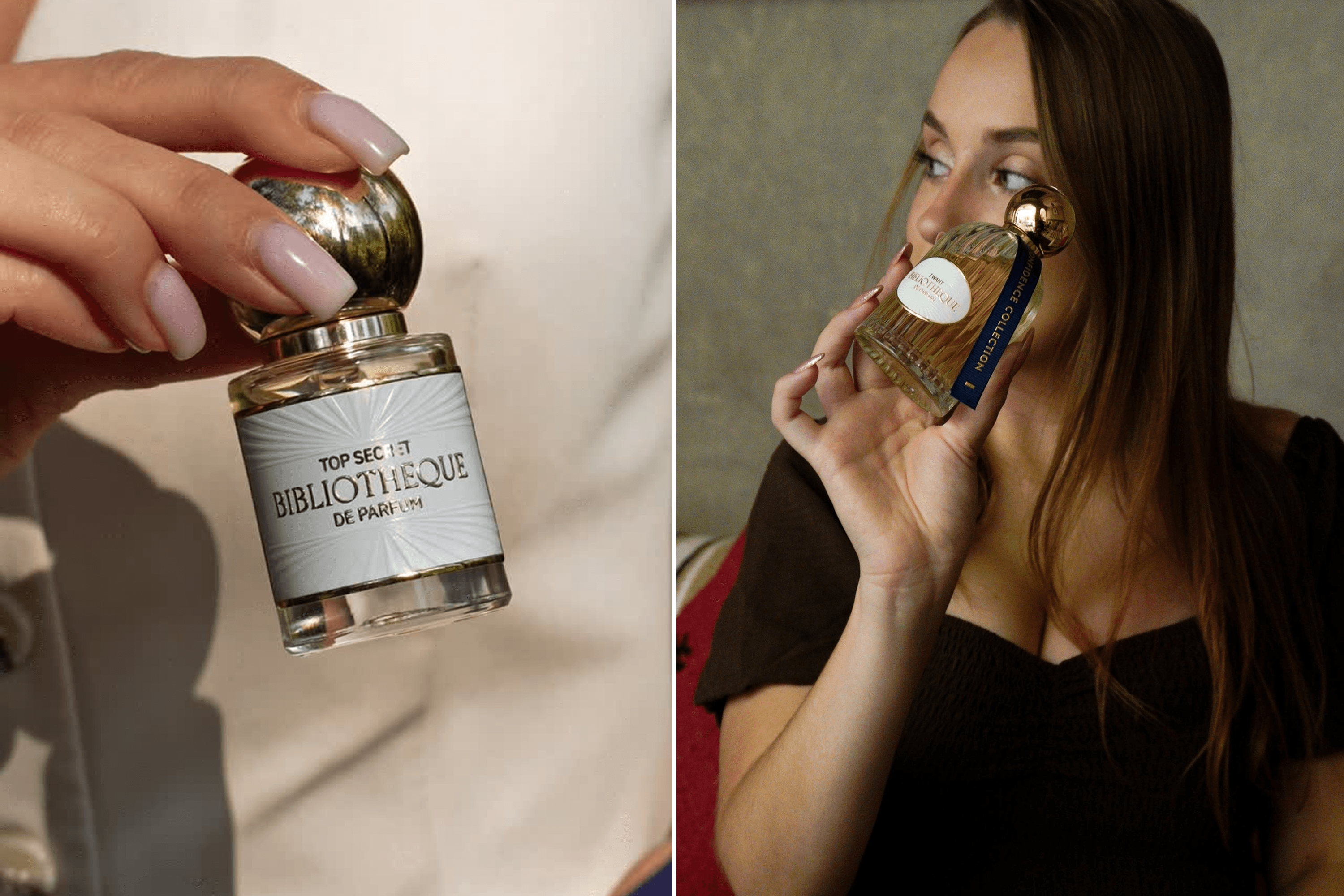
Photo: bibliotheque.de.parfum.eu / Instagram / YB 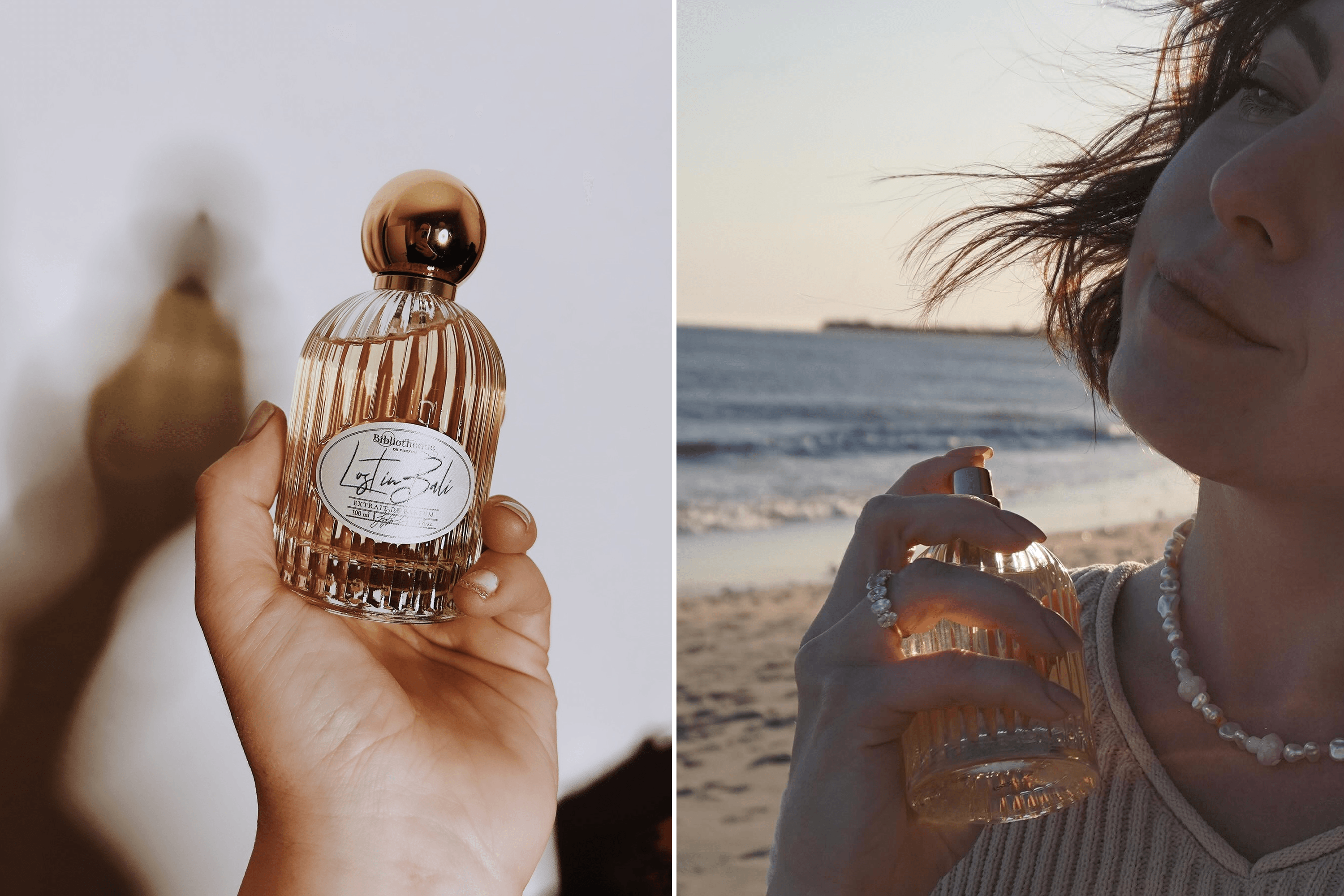
Photo: bibliotheque.de.parfum.eu / Instagram / YB 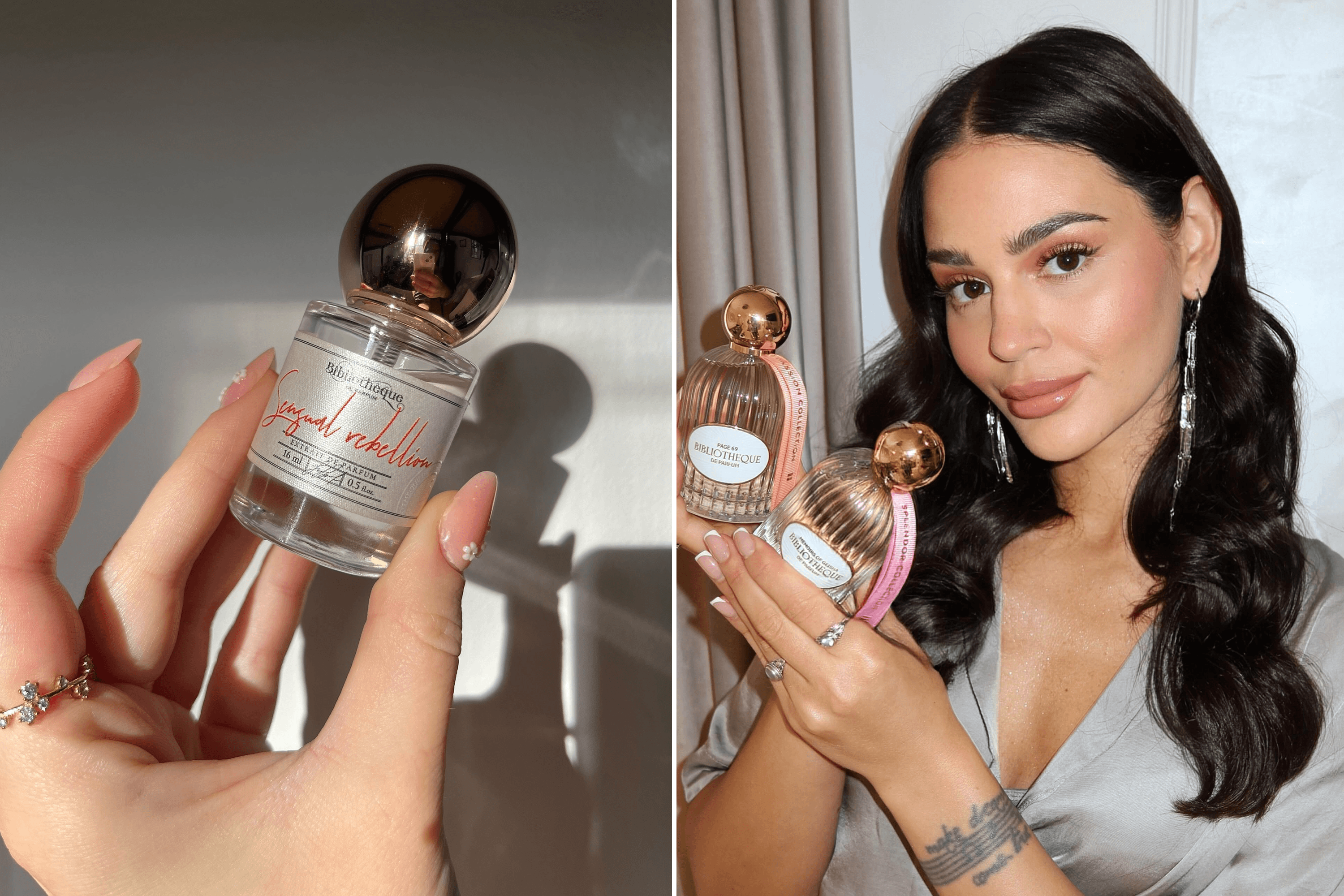
Photo: bibliotheque.de.parfum.eu / Instagram / YB 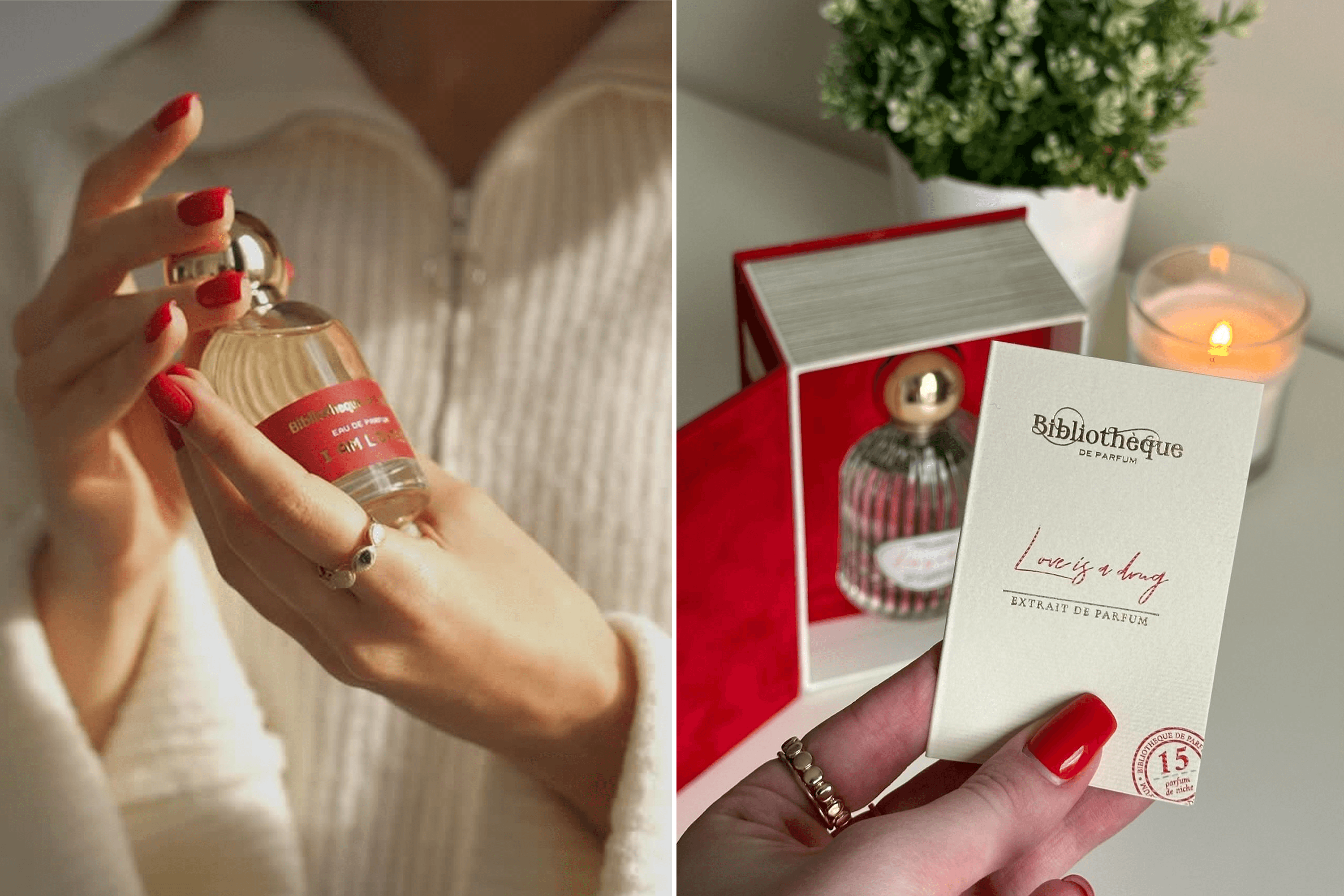
Photo: bibliotheque.de.parfum.eu / Instagram / YB
Fragrances are usually tested for up to two years. Over six years of the brand’s existence, we have discontinued about ten. The consumer sets the terms. There are compositions that simply do not take off. This happens not only with our brand. For example, Dior releases dozens of versions of J’adore every year. Not all of them become hits. I understand that we can also make mistakes.
The most difficult part for me is managing a team of 52 people in Ukraine remotely. Every day I need to support employees, motivate them, and coordinate operational processes. At first, I was concerned about possible cautious attitudes toward a Ukrainian brand in the European and North American markets. Niche perfumery is usually associated with France or Italy. In reality, such caution exists only in Ukraine and among Ukrainians abroad. International customers respond positively to the brand. They value quality and uniqueness, and the country of origin is no barrier to sales.