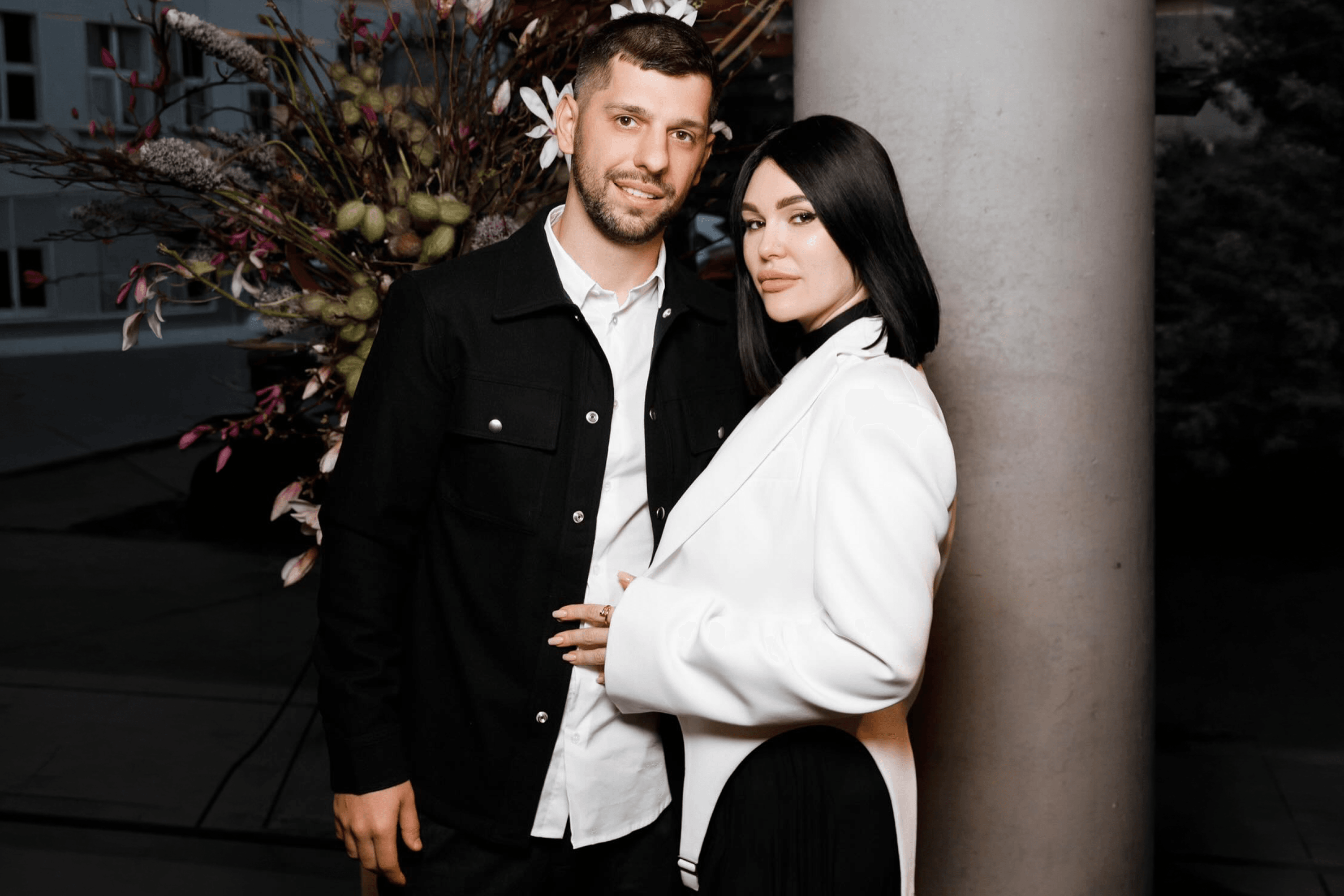
Alina and Danylo Herhel from Dnipro are a married couple and business partners. In 2013, they moved to Warsaw, where Alina began seeing clients as a cosmetologist in a private office. By 2015, the couple had opened Beauty Lab by Herhel, and in 2018 launched the full-scale Herhel Clinic. Today it operates in Warsaw and Wrocław. The clinic specializes in anti-aging and regenerative therapies, with an average procedure cost of around $200.
Yellow Blue journalist Roksana Rublevska spoke with Alina and Danylo Herhel about building their business, competing with Polish clinics, and the impact of the war, which significantly increased both the number of Ukrainians in Poland and competition in the market.
Alina, how did you get into cosmetology?
Alina: I trained as a PR specialist and journalist, but never worked in either field. I was always drawn to the beauty industry, so in 2012 I completed a six-month cosmetology course in Dnipro and started a private practice. At the time, cosmetology in Ukraine was mostly limited to non-injection cosmetic treatments and did not require a medical degree. My first clients came through my VKontakte page. Danylo worked in sales, and we were planning to start a business together in the future. But in 2013 we decided to move to Warsaw, where we had to start from scratch.
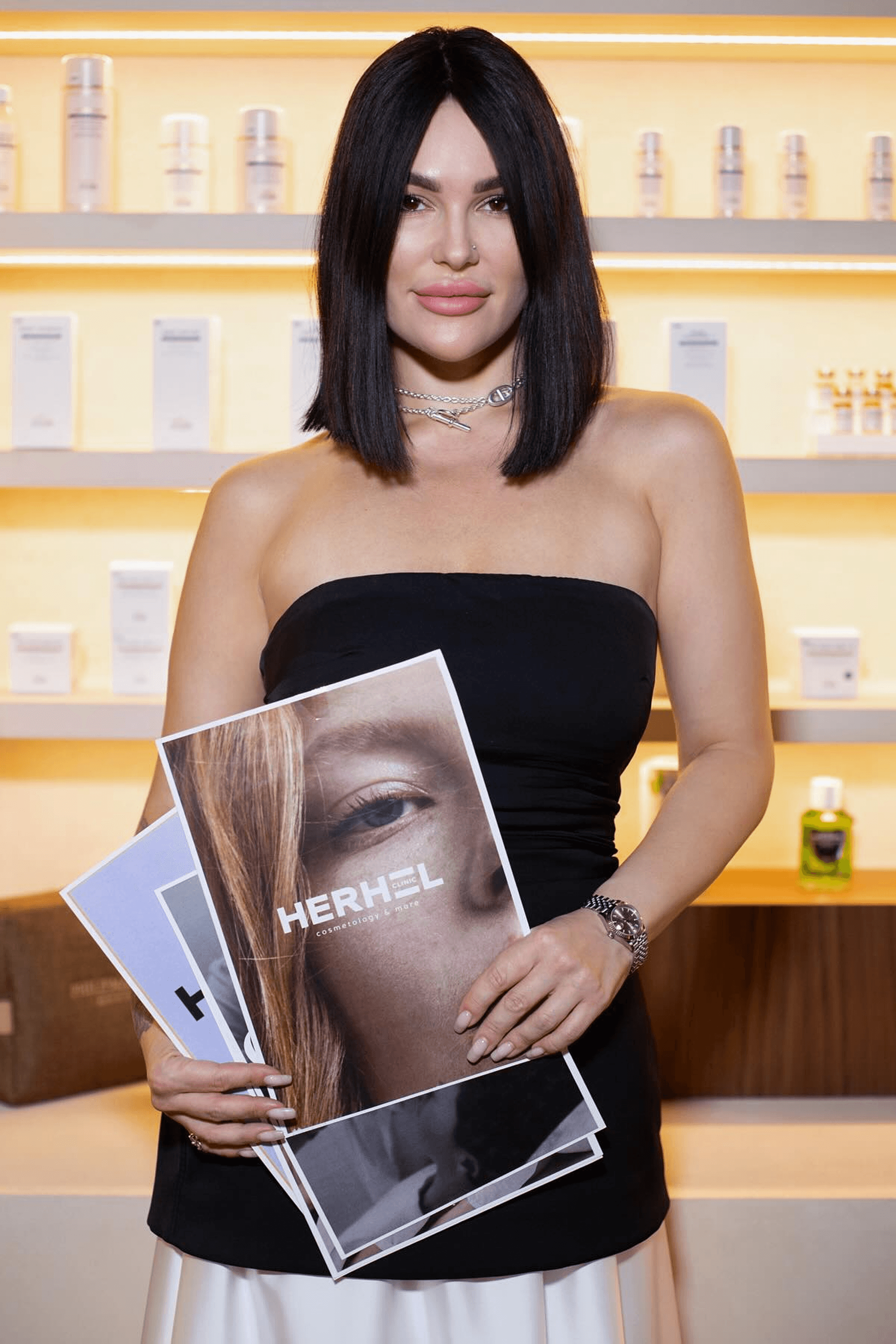
Alina, was the move connected to your desire to grow specifically within the European beauty industry?
Alina: We had no concrete plan, honestly. We simply wanted to live abroad. We chose Warsaw, probably because it is so close to Ukraine.
Danylo: Once we arrived, we started thinking about how to establish ourselves professionally. Alina was already a successful cosmetologist and was seeing clients in Dnipro. It quickly became clear there was strong demand for her services in Warsaw too, especially among Slavic clients. We realized it could gradually become a business.
Alina, how did clients in Warsaw find out about you?
Alina: On my very first day, I had seven clients who had booked while I was still in Dnipro, just before the move. I had simply posted on VKontakte that I would now be working in Warsaw, and my schedule filled up several weeks in advance. For the first three months I worked out of our rented apartment, but as demand grew we rented a separate space in the city center. We put all earnings back into the business: rent, cosmetics, materials.
If your schedule was fully booked from the start, does that mean the niche was essentially open? What did the beauty services market in Warsaw look like 13 years ago?
Alina: The beauty industry looked completely different then. First, cosmetology was not part of the medical field, and the focus was mainly on basic skincare. Second, there were virtually no Ukrainian specialists in Warsaw. I charged about 70% less than Polish professionals, which helped me quickly attract clients from post-Soviet countries. Over time I raised my prices and expanded the range of procedures.
Danylo: For Ukrainians, working in Polish salons without language skills or a local diploma was nearly impossible. But we saw that among Slavic clients there was demand not only for cosmetology but for other beauty services too. So in 2015 we opened Beauty Lab by Herhel, bringing together a hairdresser, massage therapist, brow specialist, nail technician, and lash extension artist under one roof. It gave us a strong competitive edge. Our team was ten people, all from Ukraine and Belarus, and the schedule was always booked weeks in advance.
What was your initial investment in Beauty Lab by Herhel?
Danylo: $7,000 of our own savings. We rented a space, did a basic renovation, bought the necessary equipment, furniture, and materials, and opened.
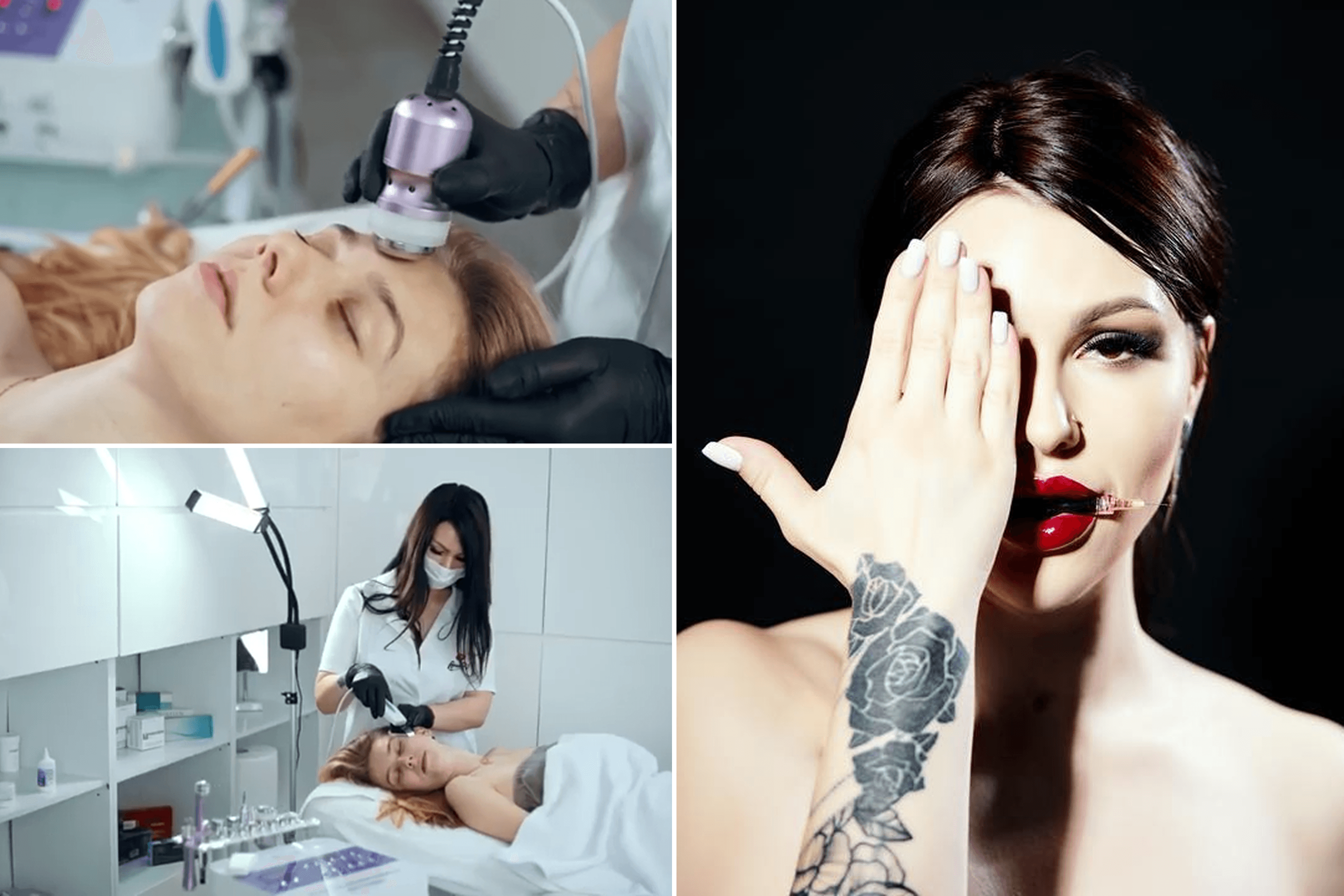
Archival photos of Beauty Lab by Herhel. Photo: alisha_herhel / Instagram / YB 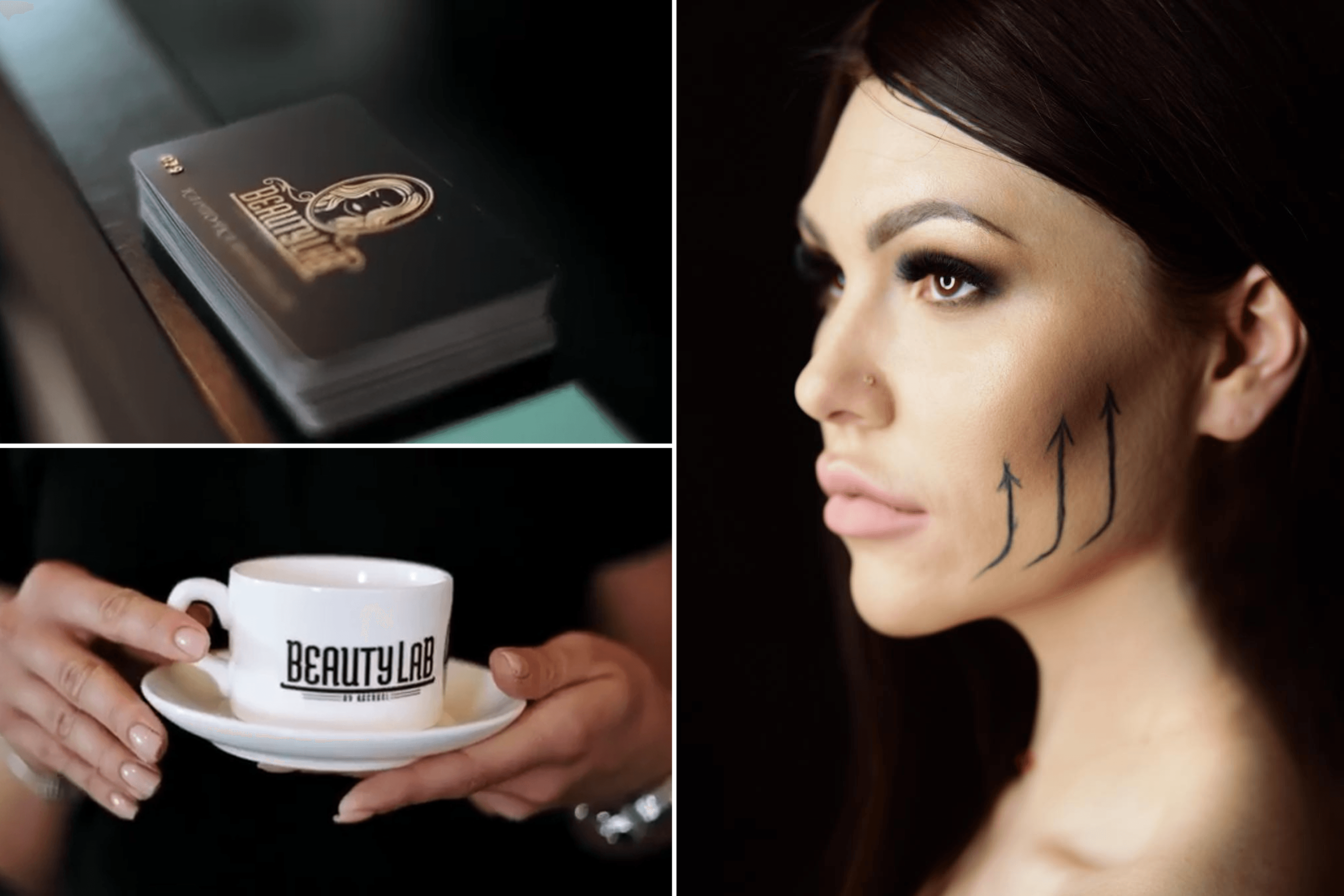
Photo: alisha_herhel / Instagram / YB
How did you and Alina divide responsibilities at the start, and has that changed over the years of running the business together?
Alina: At the start I did everything myself. I saw clients, managed bookings, handled social media, monitored the market, conducted job interviews, and controlled service quality. Now I am the marketing and product manager at Herhel Clinic. All strategic decisions we still make together with Danylo.
Danylo: Today my area covers the clinic’s technical side: sourcing and purchasing equipment, logistics, supply chains. At the start I also handled legal and administrative matters.
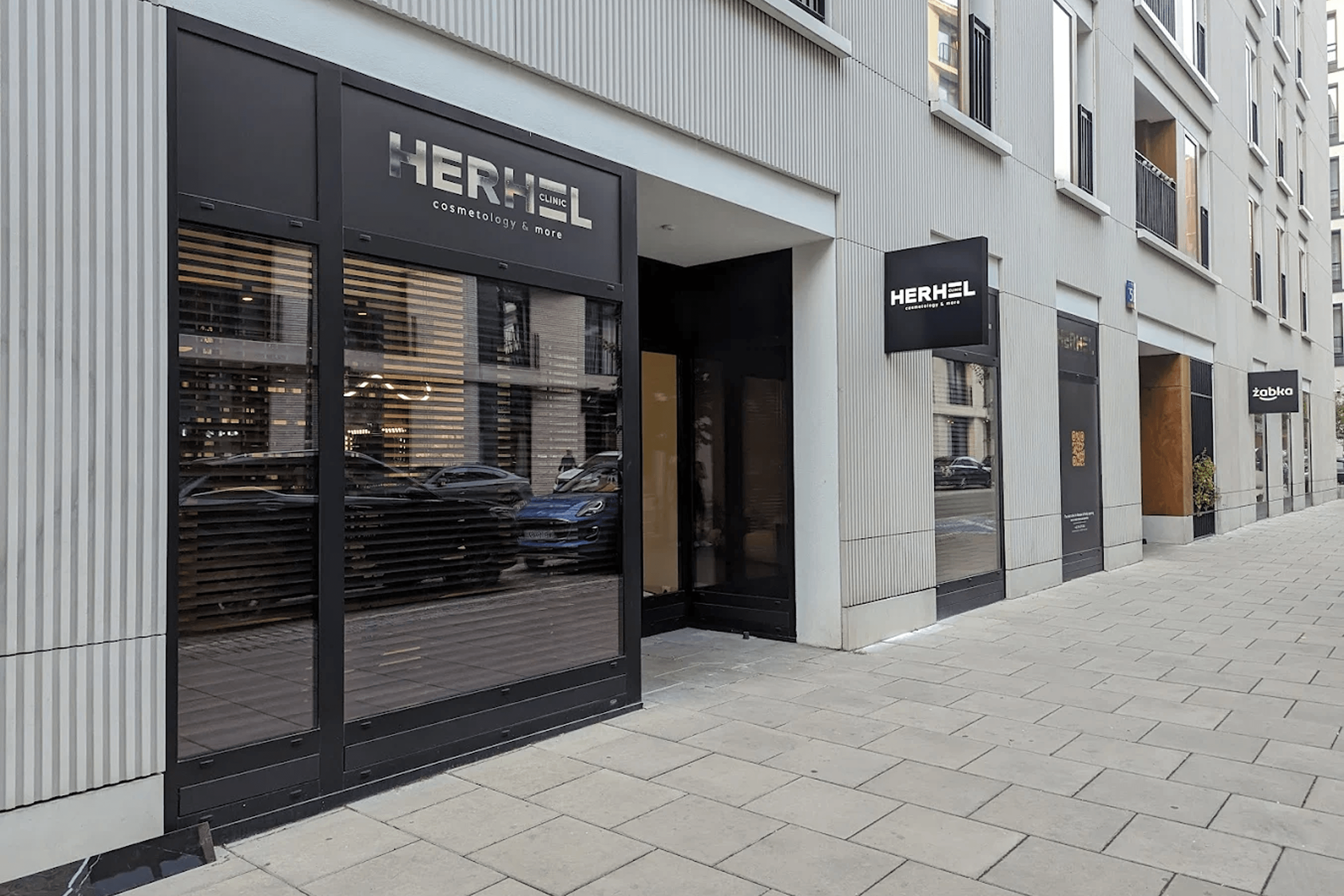
Interior of Herhel Clinic in Warsaw. Photo: Herhel Clinic / Google Maps / YB 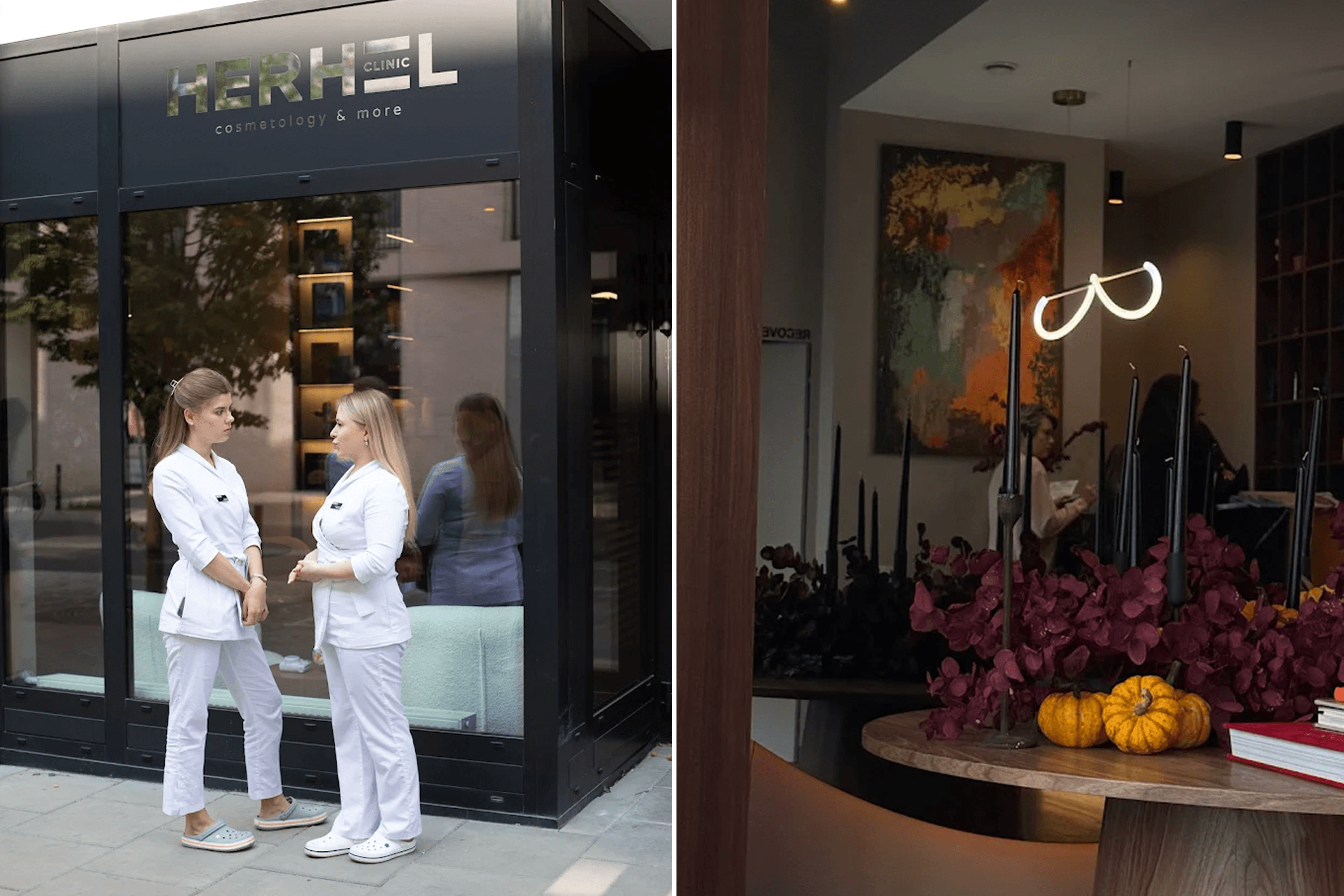
Photo: Herhel Clinic / Google Maps / YB 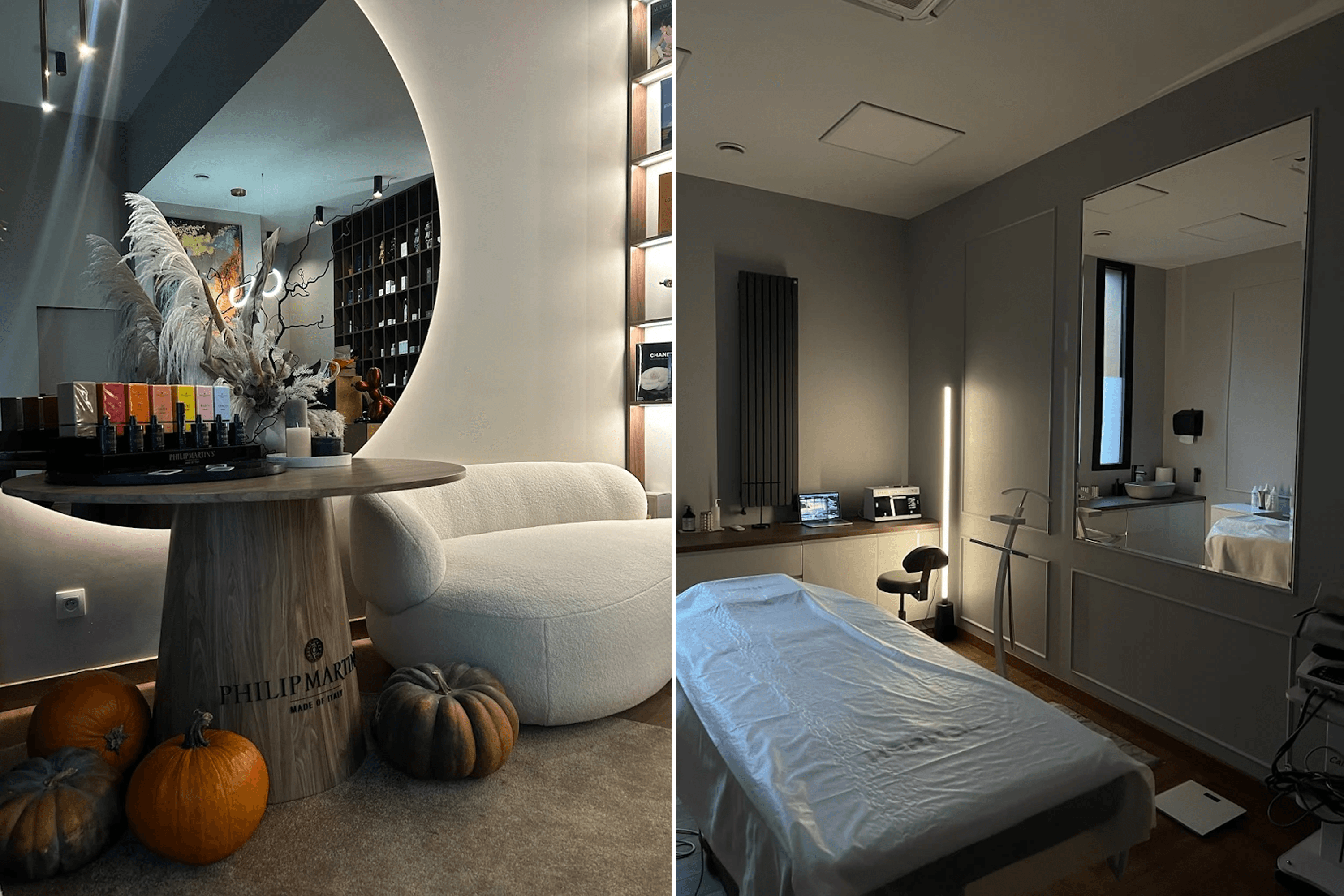
Photo: Herhel Clinic / Google Maps / YB 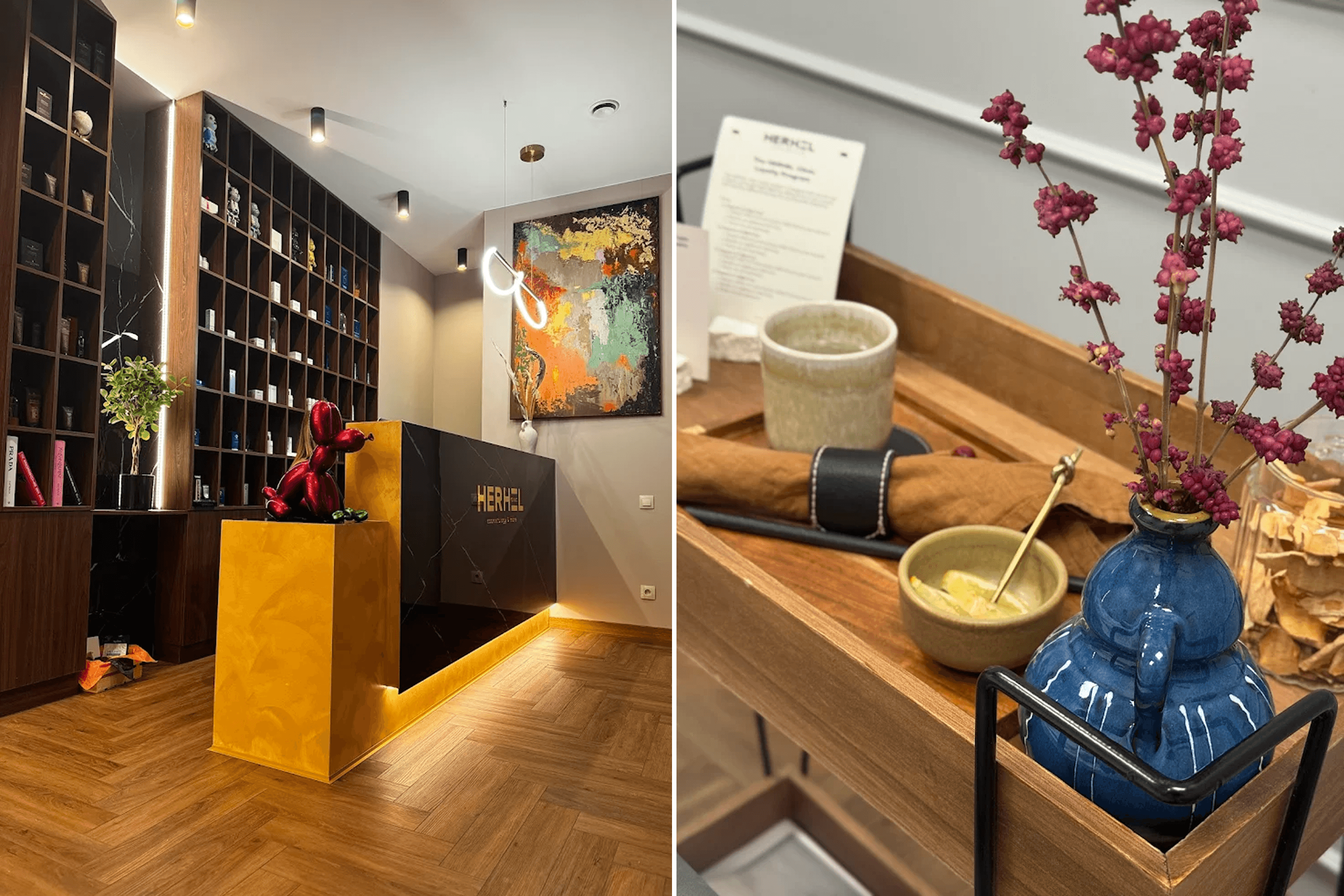
Photo: Herhel Clinic / Google Maps / YB 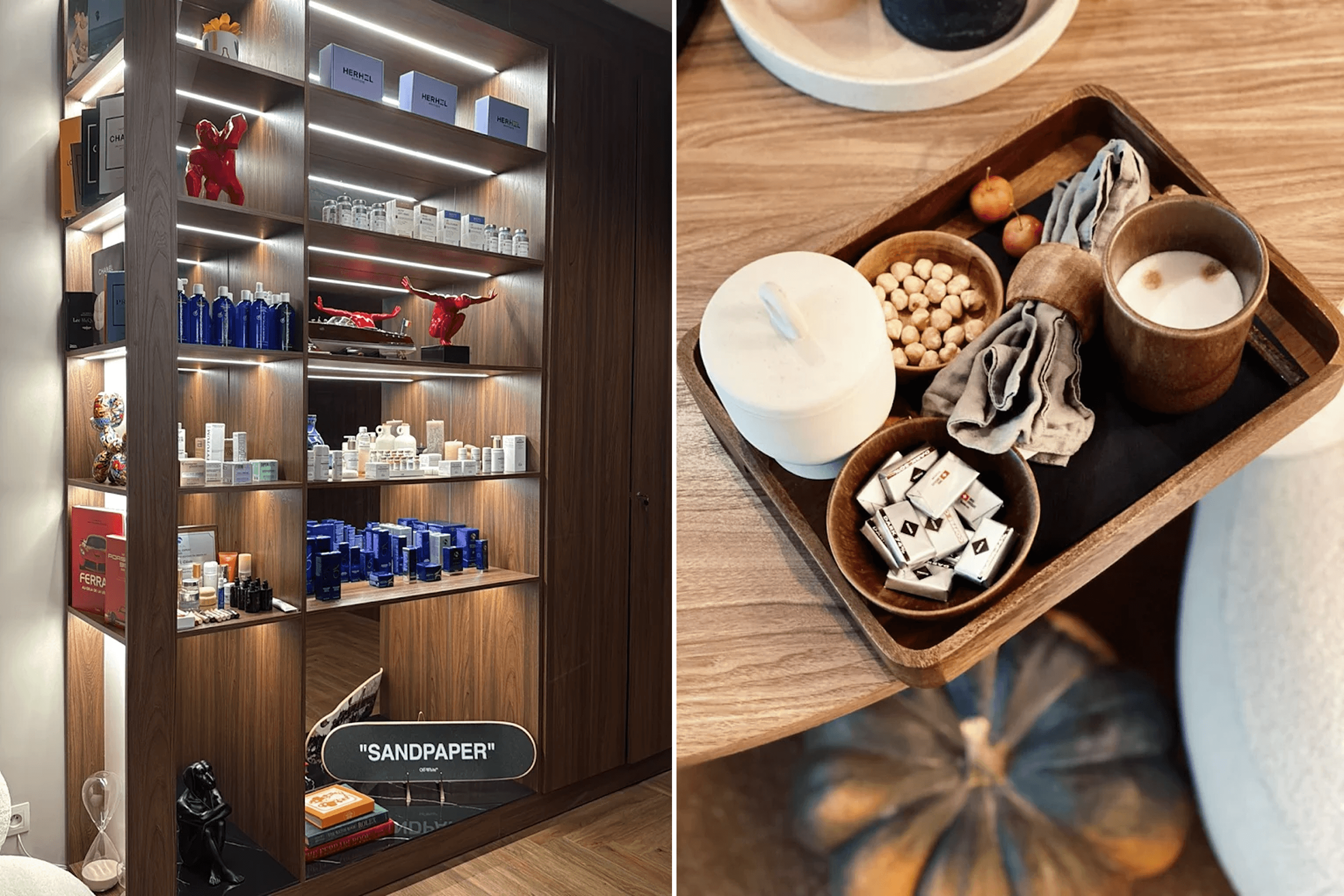
Photo: Herhel Clinic / Google Maps / YB
Danylo, how did you handle promotion on your own? What channels did you use, and how did you identify your target audience?
Danylo: I manually added women from Warsaw and other major Polish cities to our VKontakte group, filtering them by university. When we started using Instagram, we linked it to our VK page and gained over a thousand followers within the first day. From 2017 we moved entirely to Instagram and ran targeted ads.
When we relaunched as a clinic, I compiled databases of competitors' audiences, sent them promotional messages, and used bots to mass-follow users. Instagram still allowed that kind of activity then, and advertising was inexpensive. A click cost a few dozen cents, and a thousand impressions just a few dollars.
How and when did the business transform from a salon into a clinic?
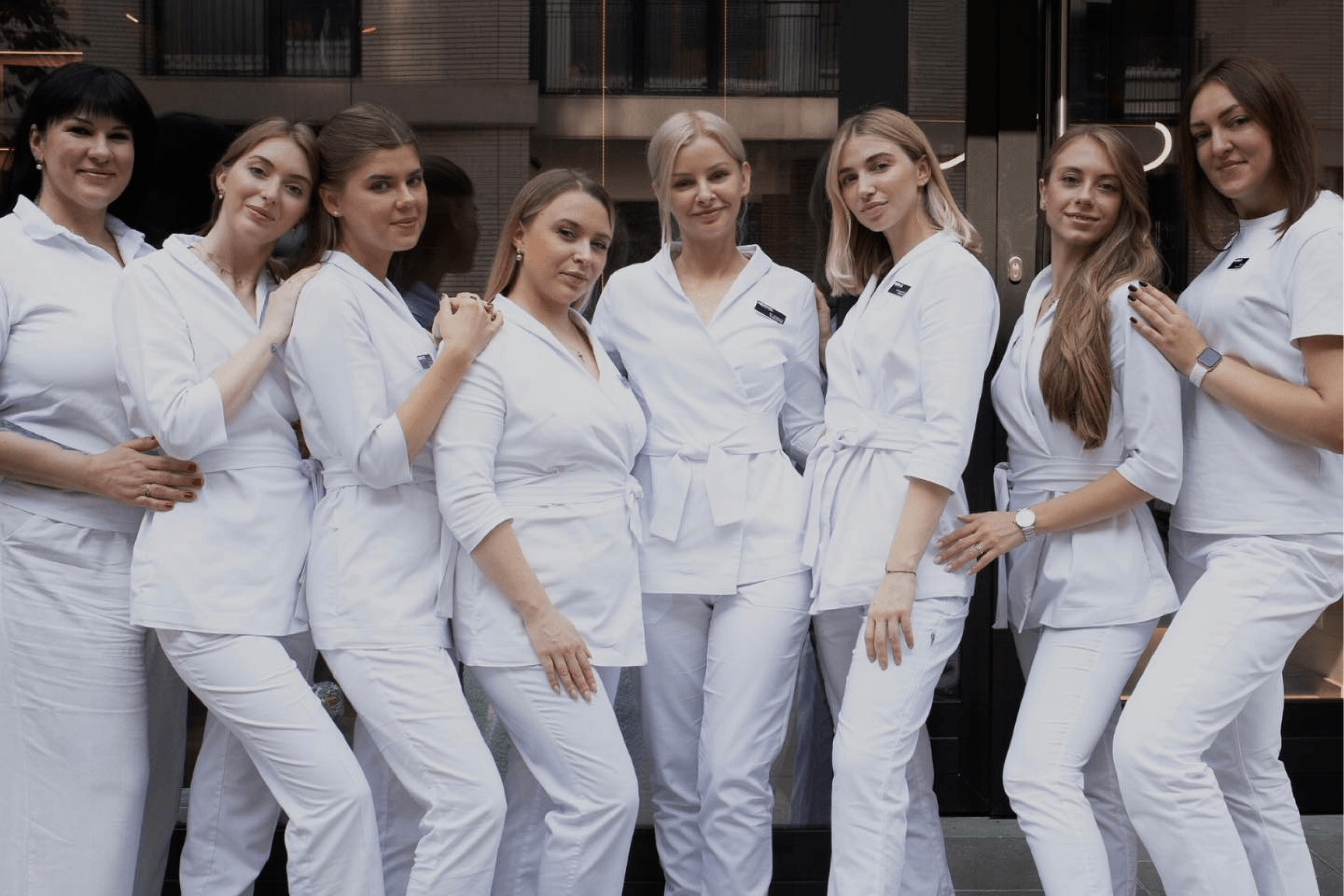
Alina: In 2018 we gradually dropped the other beauty services and focused entirely on cosmetology, where it all started. We hired an administrator and invested in modern equipment and professional at-home skincare products, including iS Clinical and Obagi, which were almost unknown on the market at the time. The team at that point included three cosmetologists, myself, one administrator, and a dermatologist with a Polish diploma who performed injection procedures, including Botox. Over time, other certified doctors from Ukraine and Belarus joined us. For several years we were the only Ukrainian cosmetology clinic in Warsaw.
Then came COVID-19. How did it affect the business, and what helped you get through it?
Danylo: We reopened the clinic in a new location just a few weeks before the pandemic hit, in February 2020. A government support program and an arrangement with our landlord allowed us to skip rent and cover only administrative costs. We used that time well. We started selling professional skincare products through Instagram. Alina ran online consultations and curated products that were not available for retail purchase at the time. In short, it created a new revenue stream that built on top of the clinic’s strong performance after lockdown. By 2021, we had a reputation as the best in Warsaw. Modern equipment, including lasers, let us compete even with Polish clinics.
Laser devices for aesthetic medicine are expensive: new equipment for hair removal or skin resurfacing can run anywhere from $40,000 to $150,000. How did you manage to acquire several such devices? After all, your prices were well below market at the start.
Alina: The thing is, a lot of clinics sell equipment when they close or upgrade. We bought quality second-hand devices, often at half the price of new ones. As for pricing, the business grew organically. The client base expanded every year, we built out the medical team, and new procedures were added gradually.
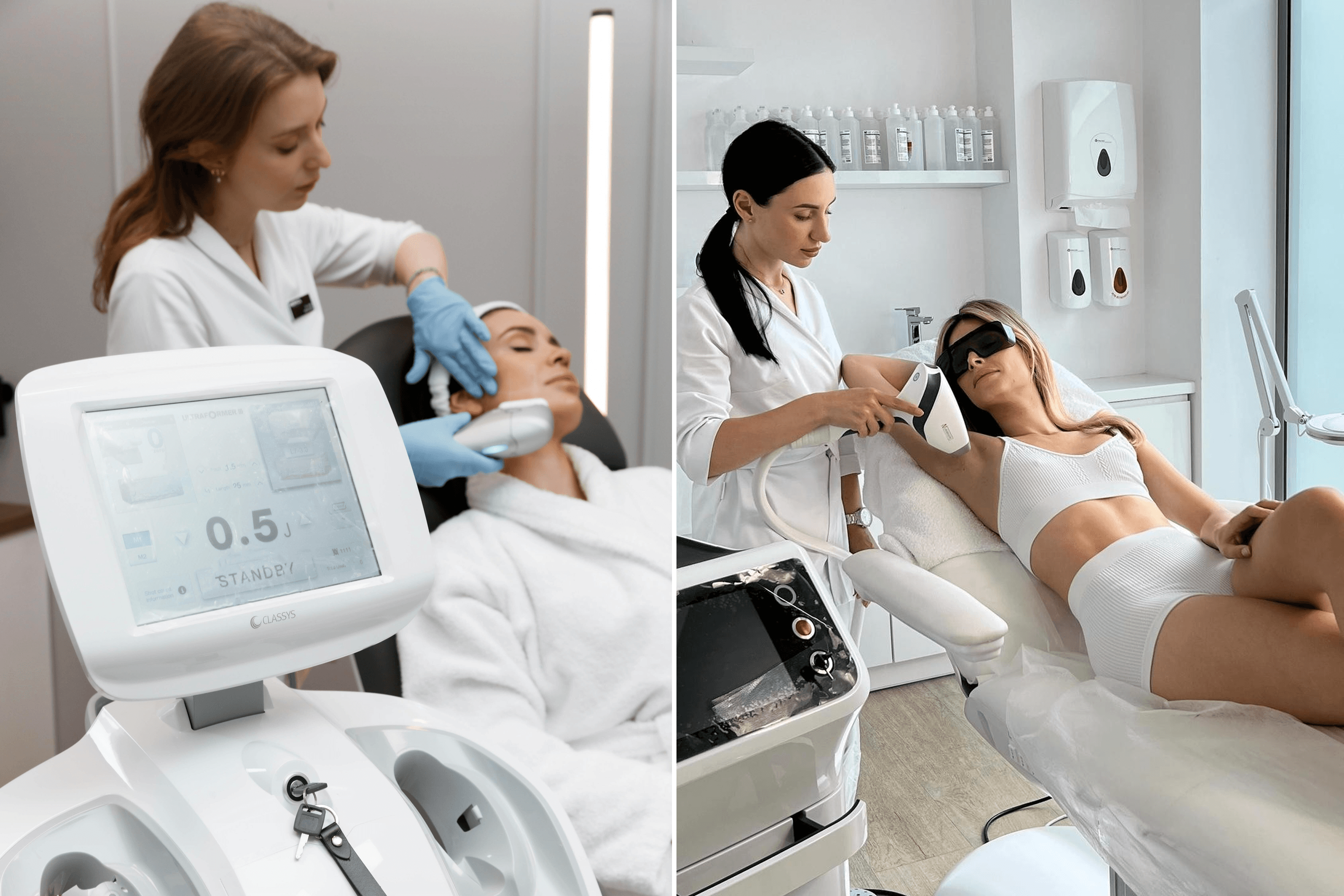
Various procedures performed at Herhel Clinic. Photo: herhel.clinic / Instagram / YB 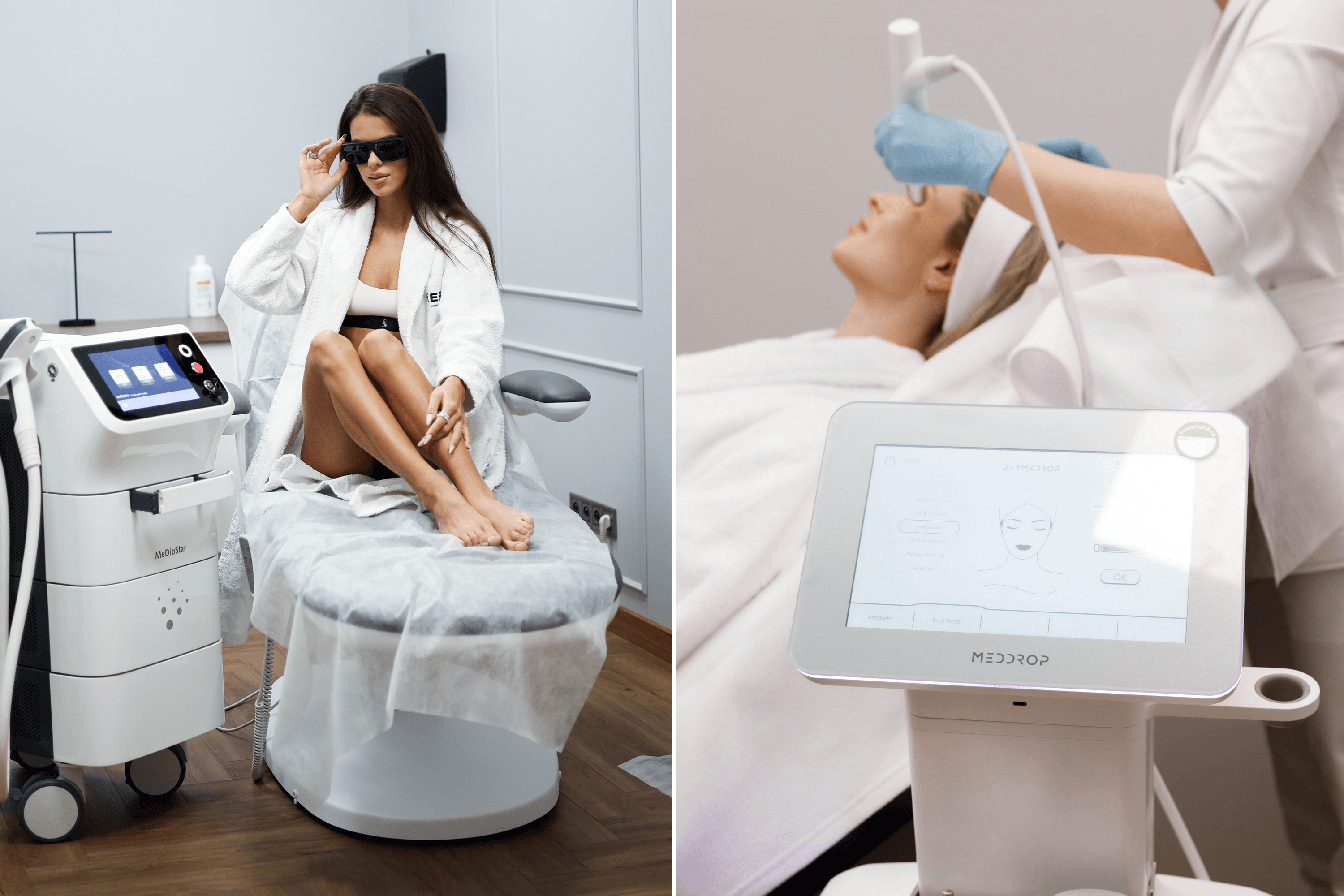
Photo: herhel.clinic / Instagram / YB 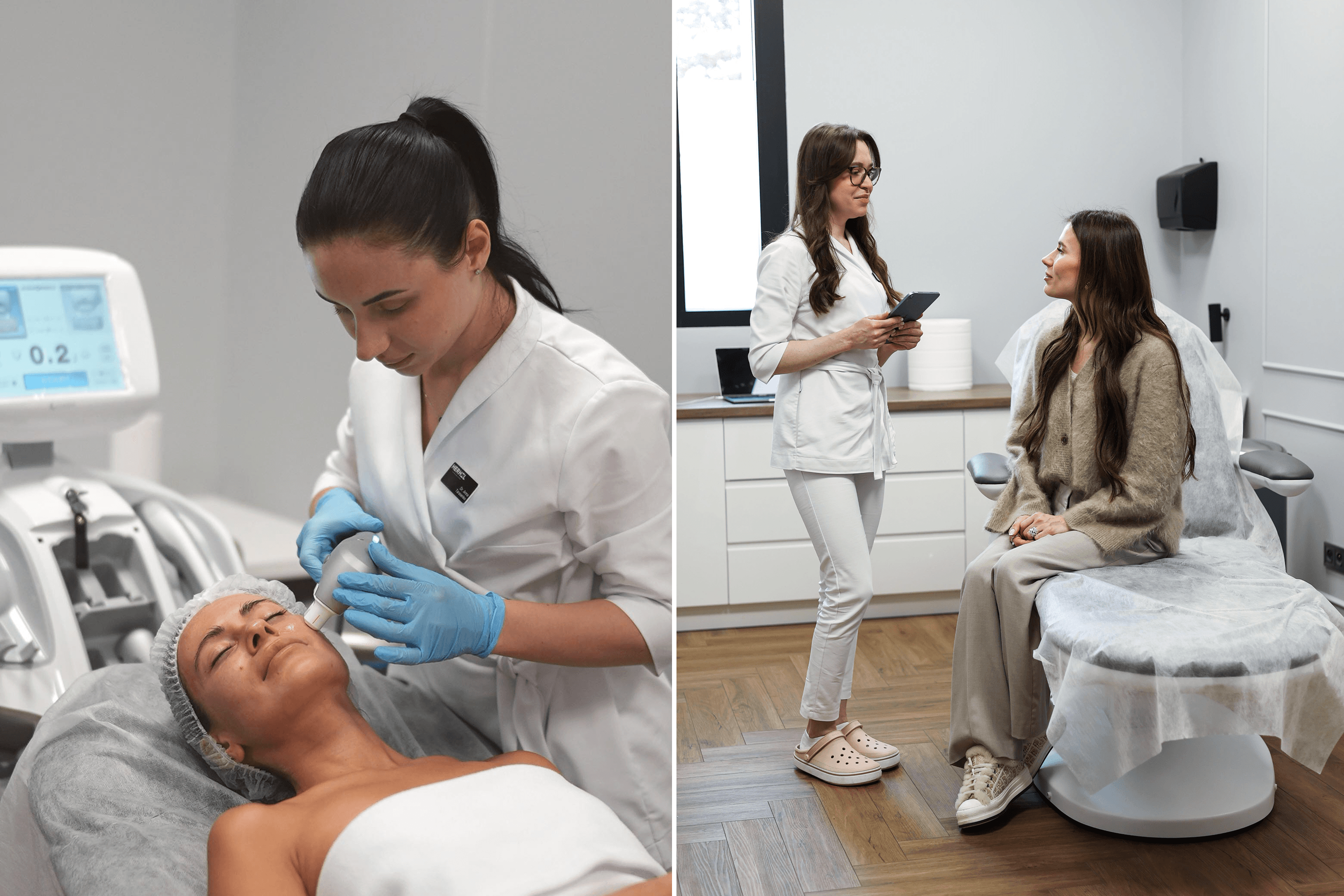
Photo: herhel.clinic / Instagram / YB 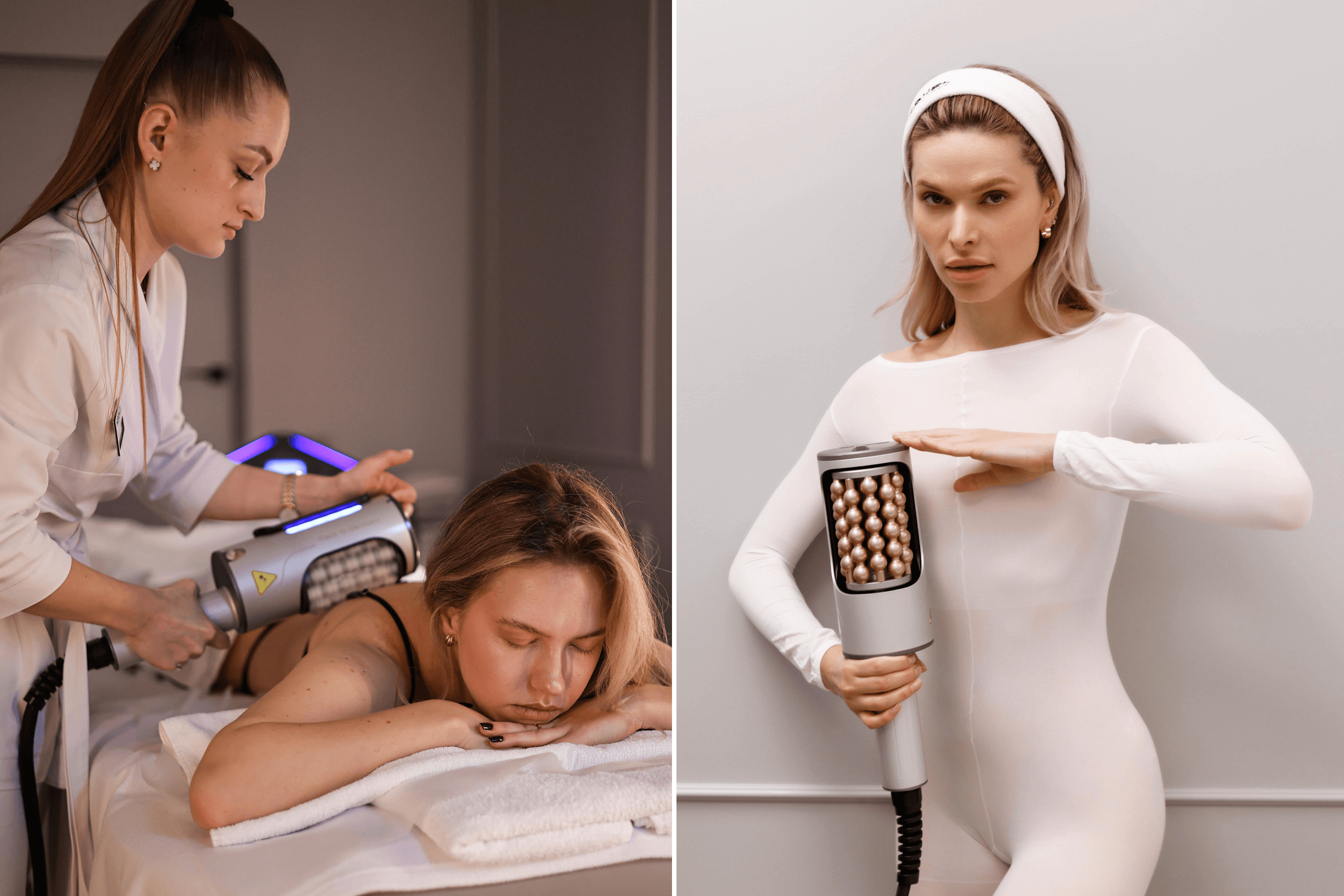
Photo: herhel.clinic / Instagram / YB 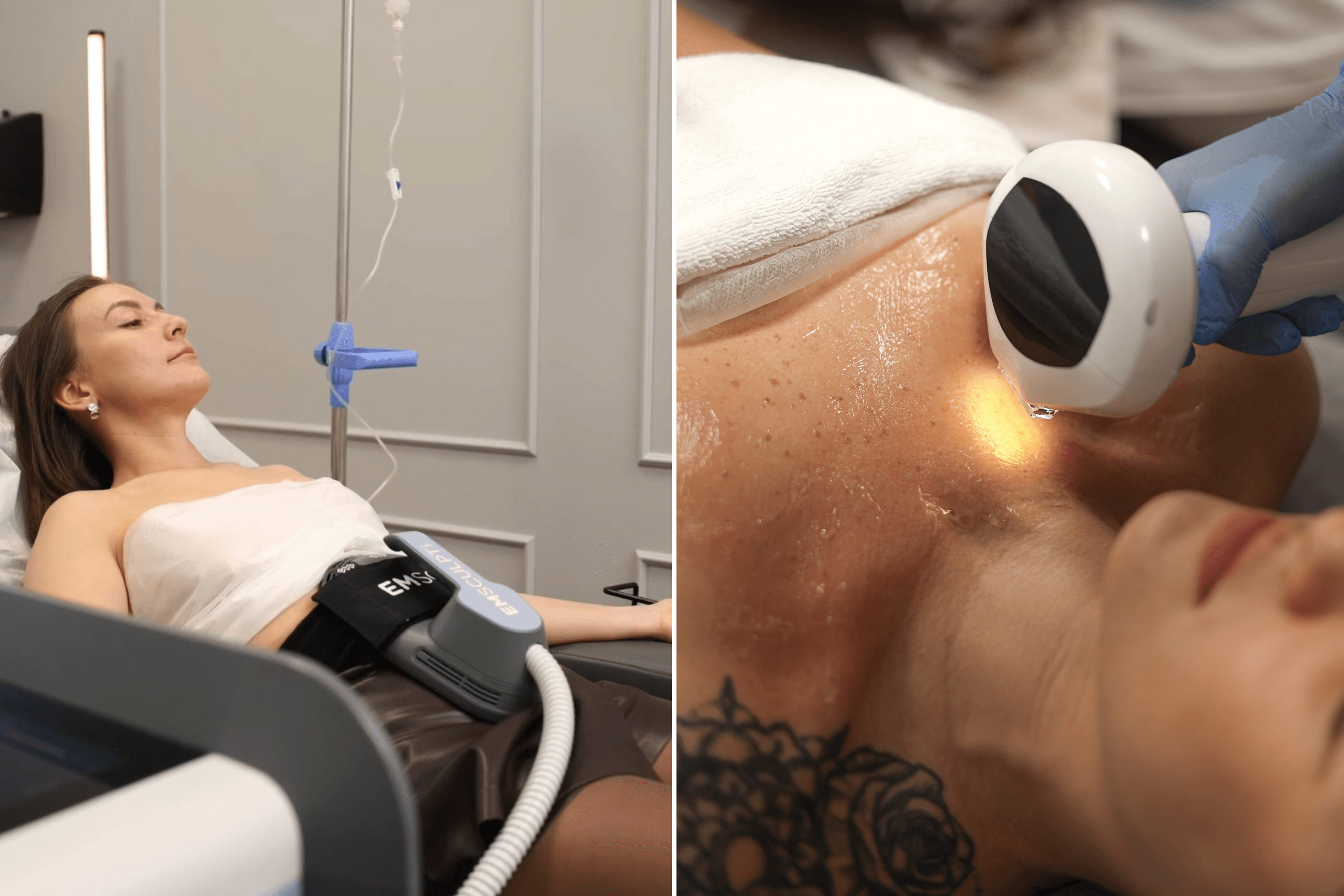
Photo: herhel.clinic / Instagram / YB
What is the clinic valued at today?
Danylo: The Warsaw clinic is valued at up to $4 million. That includes equipment, the client base, the established team, and all the investments made over the years.
Due to the full-scale invasion and the large number of Ukrainians now in Poland, competition in the beauty industry has become fierce. How do you compete for clients with Ukrainian clinics that opened after 2022?
Alina: Honestly, it is a constant struggle. Around ten new Ukrainian clinics have appeared in Warsaw in recent years, and that is just clinics. Count in private practices and home-based cosmetologists and the number of players has grown roughly tenfold. To hold on to clients today you have to keep improving, strengthen the loyalty program, invest in the team, marketing, and equipment. And the client pool in Poland is far smaller than in major Ukrainian cities.
How does your loyalty program work? Do you use discounts to attract clients?
Alina: We use a deposit system. For example, a client can put in $780 and receive $910 in credit to spend within a year on procedures or products. We have a tiered bonus structure: 7%, 10%, or up to 15% for regular clients. It is a way of thanking them for their trust.
Danylo: We are not chasing clients who come in for a 30% discount. The loyalty program is built for regulars. They get bonuses, we get stability and the ability to keep developing our service. Mutual benefit, without compromising quality.
What percentage of clients return after their first visit?
Alina: A client comes in for a consultation, describes what they are looking for, and the doctor puts together a skincare plan or a course of procedures to reach the desired result. About 80% come back. A course typically runs from one to six months.
Which services are most in demand?
Alina: We have three core areas: body, face, and hair, all with steady demand. The most requested procedures are Botox, IPL, Morpheus, HydraFacial, and mesotherapy/biorevitalization.
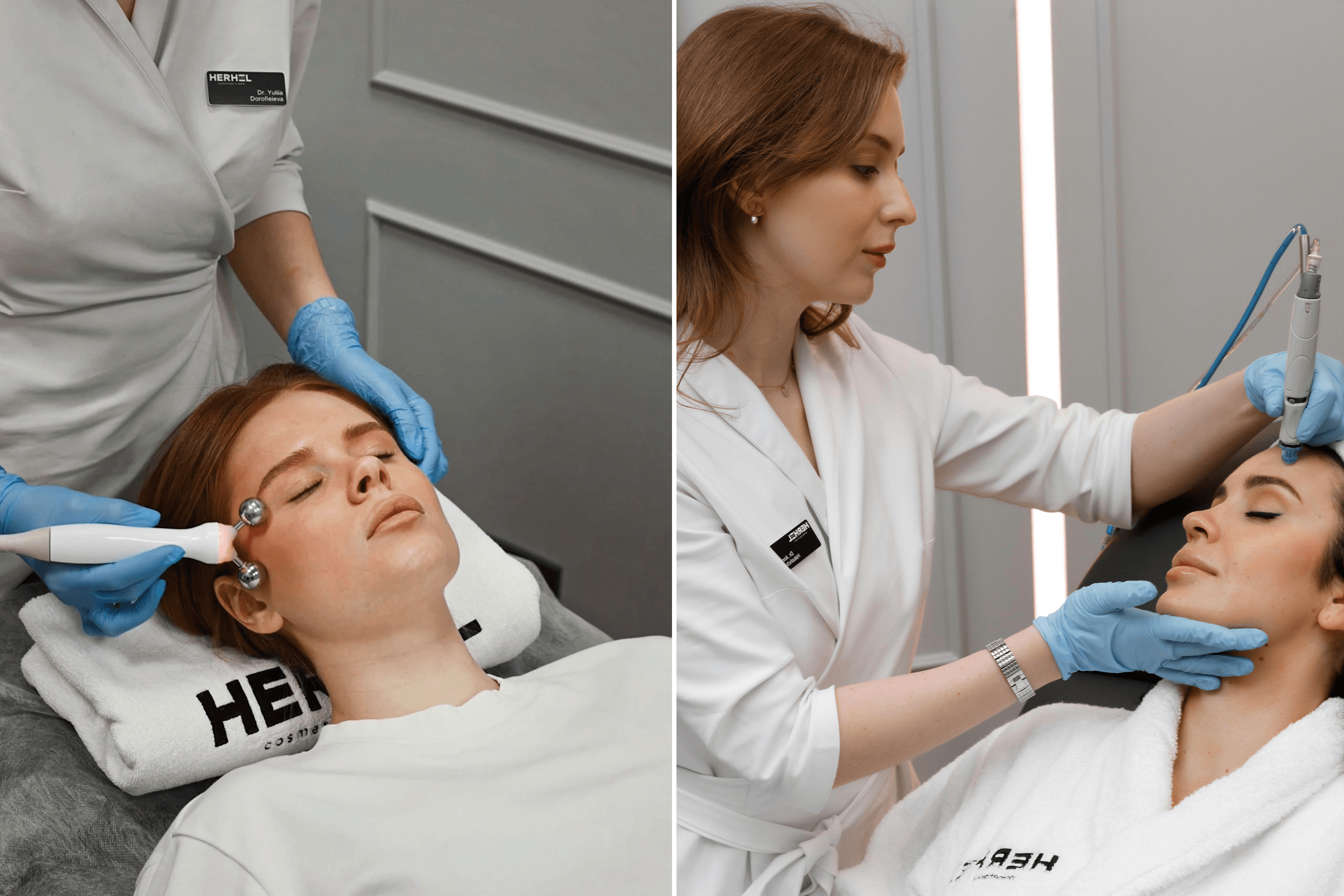
Various procedures performed at Herhel Clinic. Photo: herhel.clinic / Instagram / YB 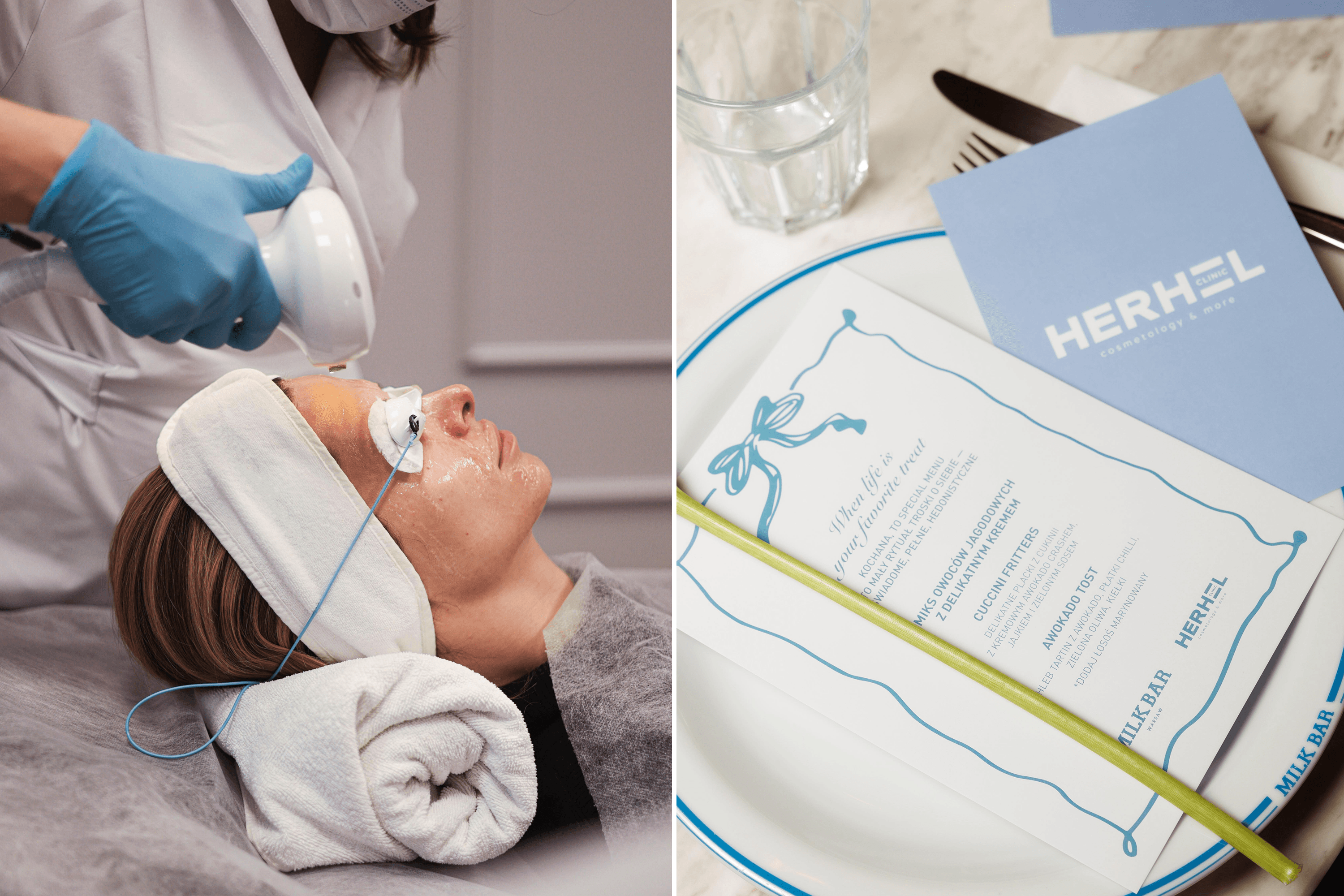
Photo: herhel.clinic / Instagram / YB 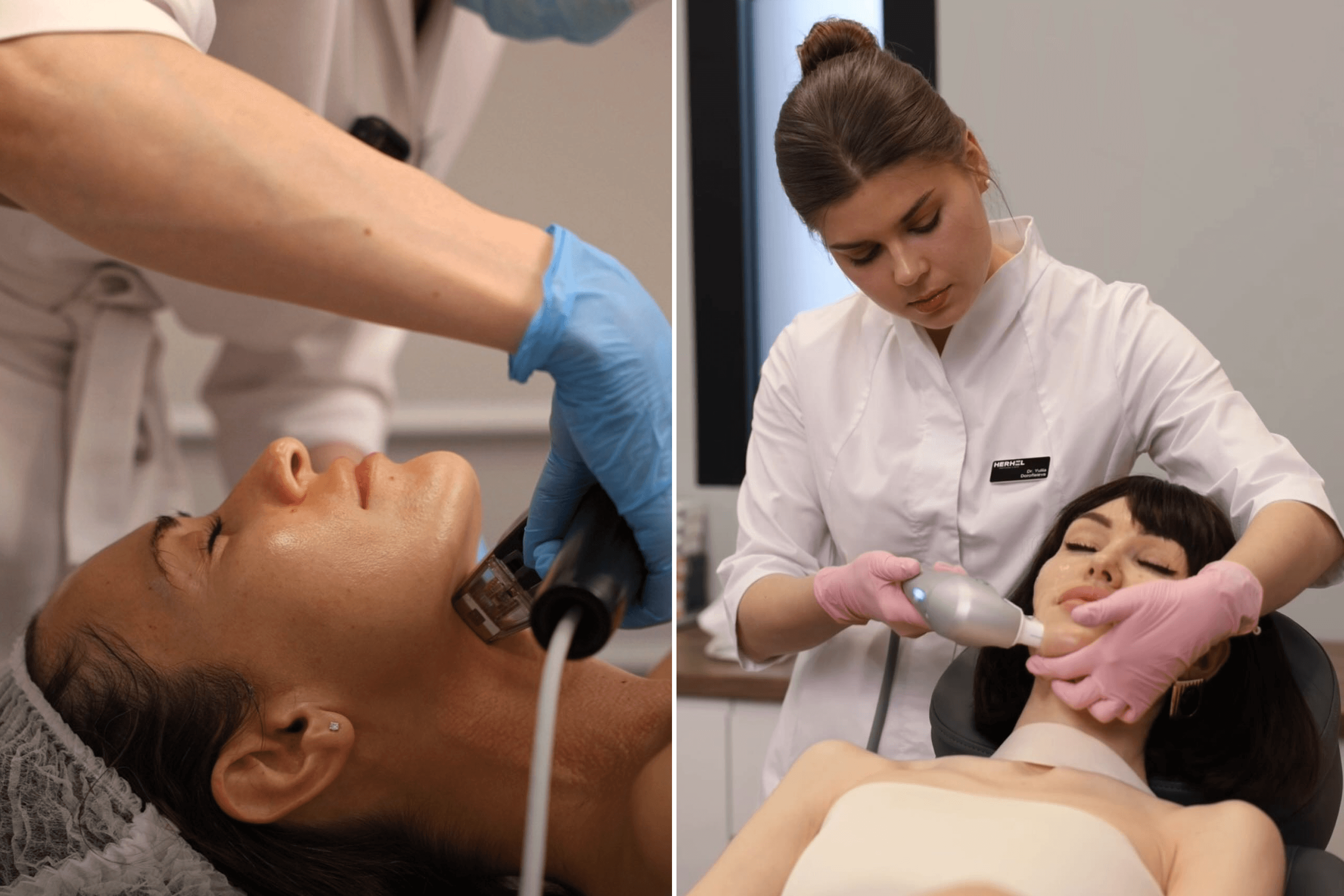
Photo: herhel.clinic / Instagram / YB 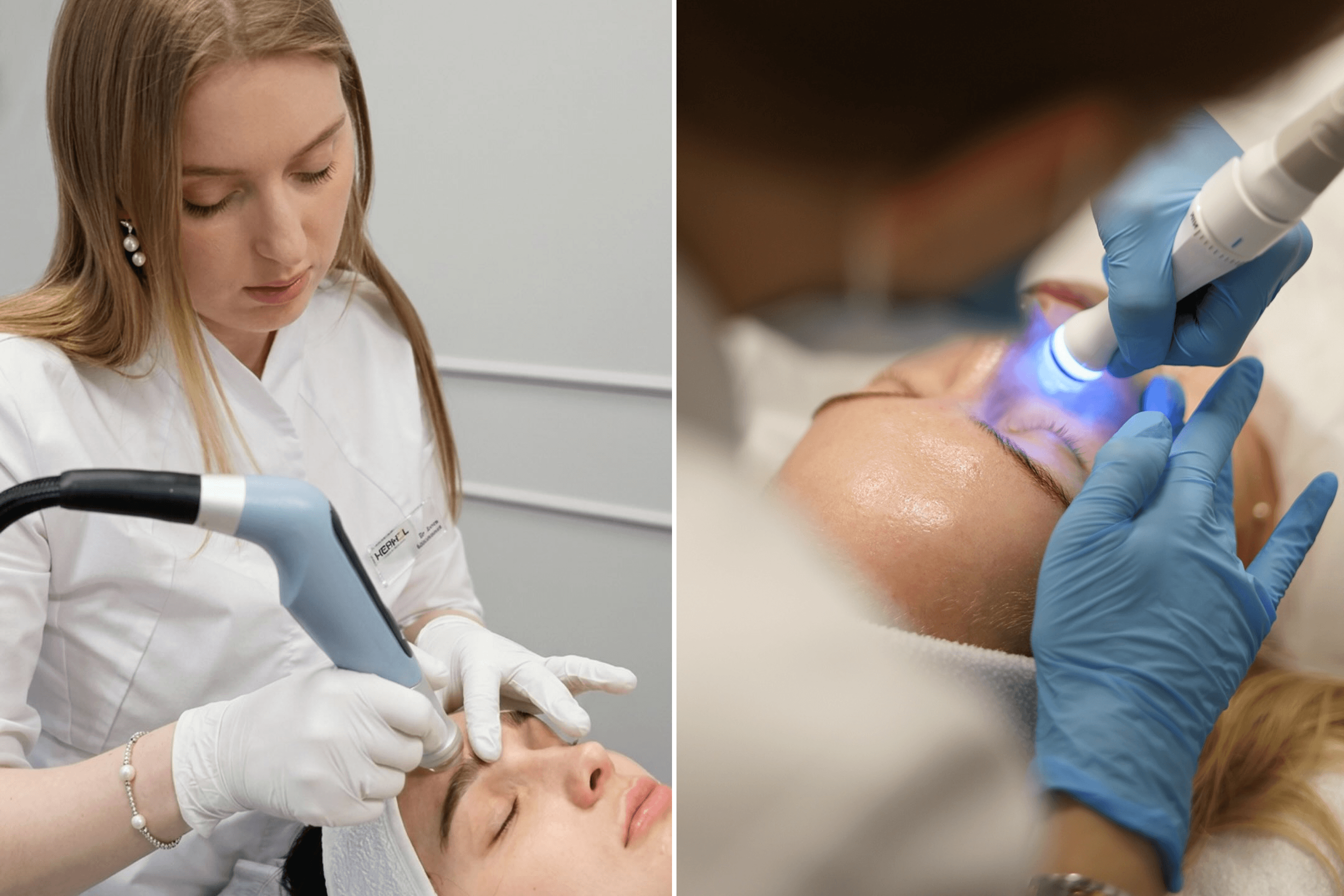
Photo: herhel.clinic / Instagram / YB 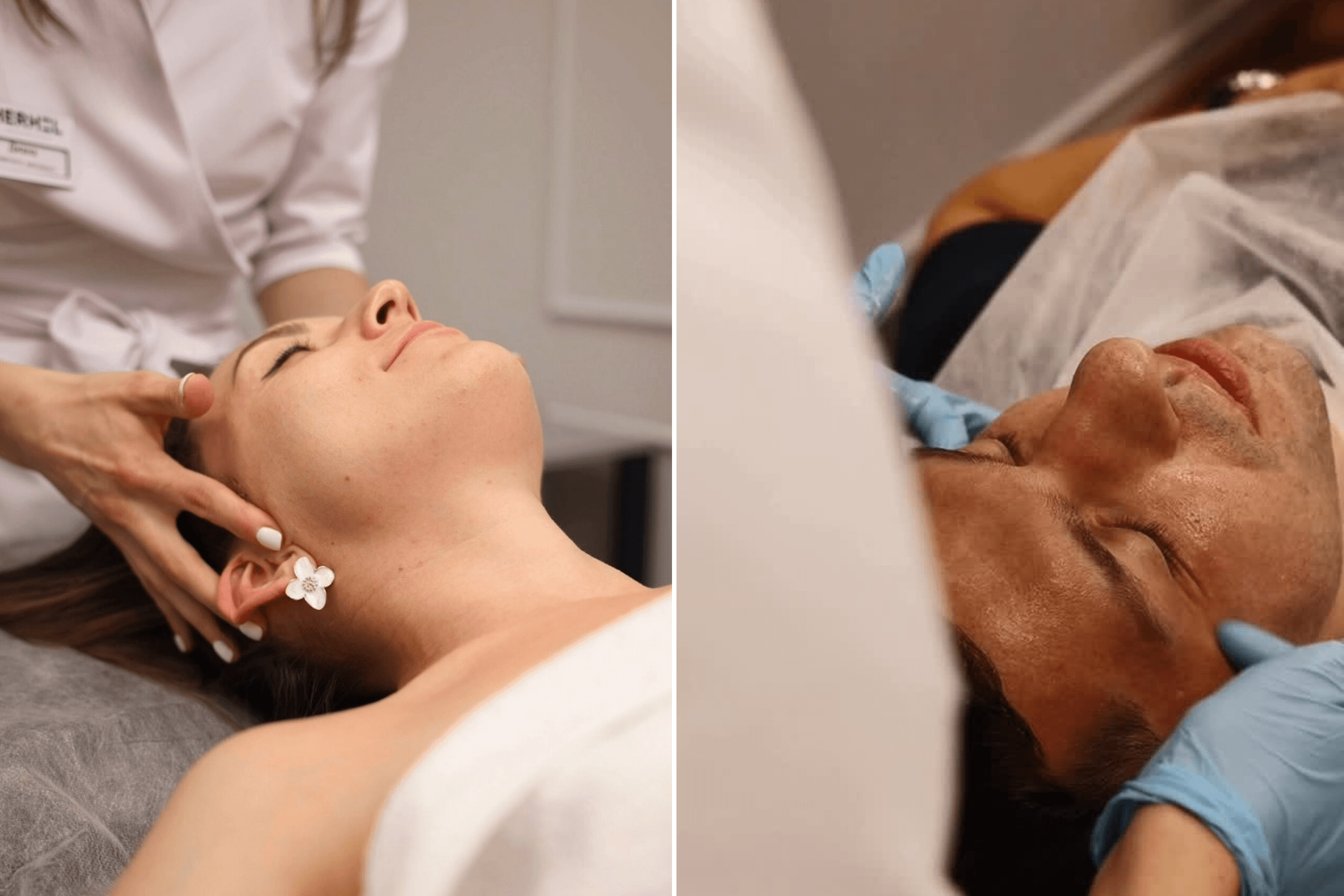
Photo: herhel.clinic / Instagram / YB
Do you think there is still social pressure to undergo anti-aging procedures to look younger?
Alina: The desire to look younger has always existed, so these procedures are driven not only by social media trends but also by the desire to maintain a healthy and well-groomed appearance. The key is approaching them consciously and following an individualized treatment plan prescribed by a doctor.
How often do complications come up after cosmetology procedures?
Alina: Individual reactions are possible, but in our practice they are extremely rare. All procedures follow medical protocols and we use only certified products. Since every person’s body responds differently, our medical team is always ready to step in quickly and professionally if needed.
Do you plan to expand into plastic surgery and more invasive procedures?
Alina: Yes, we have already started. The clinic offers minor facial surgery, including blepharoplasty under local anesthesia. We work with Ukrainian plastic surgeon Serhii Korolyuk. We do not yet have a full-time surgeon on staff or a standalone price list for these services. For now they take place through collaborations.
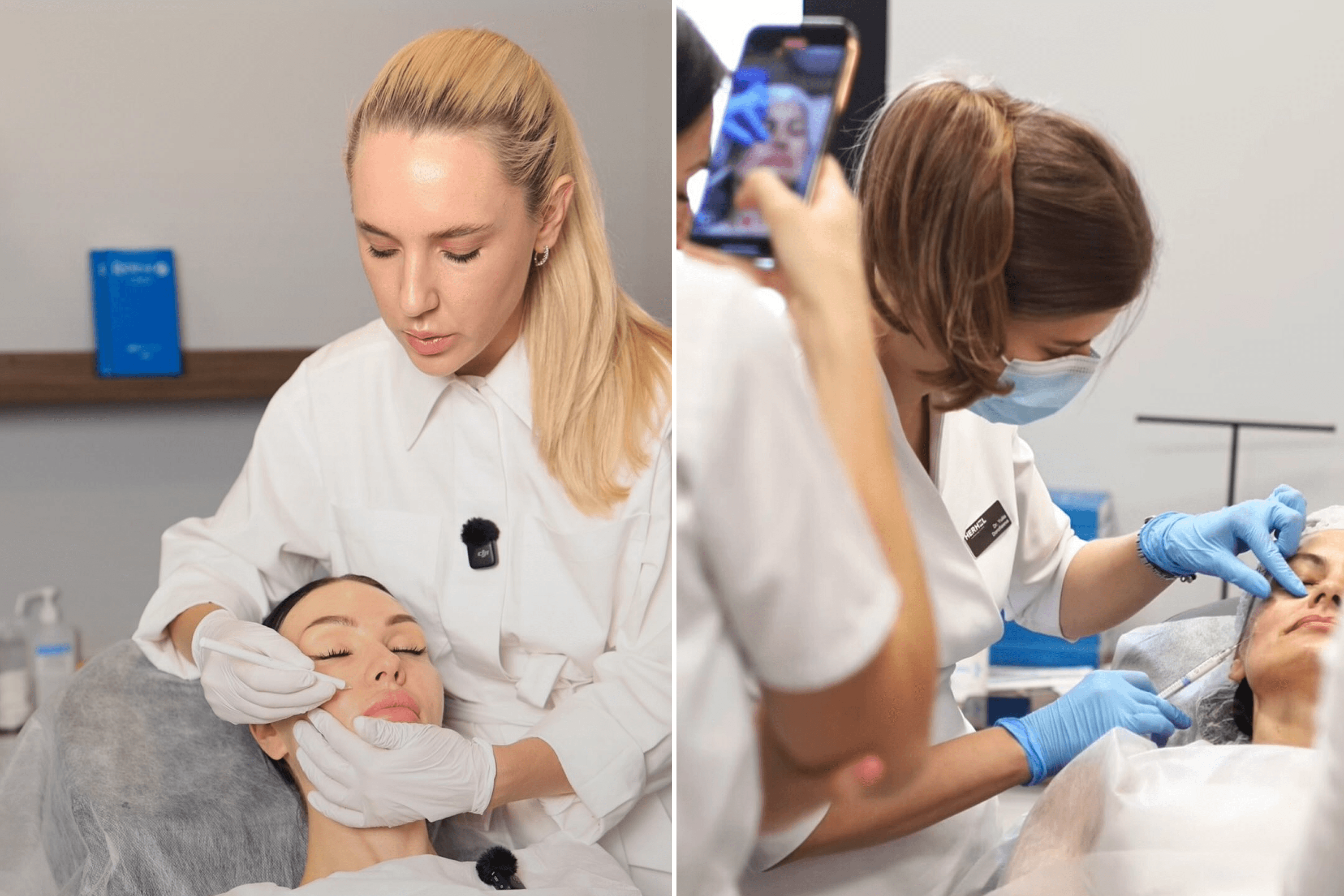
Various injection and surgical procedures performed at Herhel Clinic. Photo: herhel.clinic / Instagram / YB 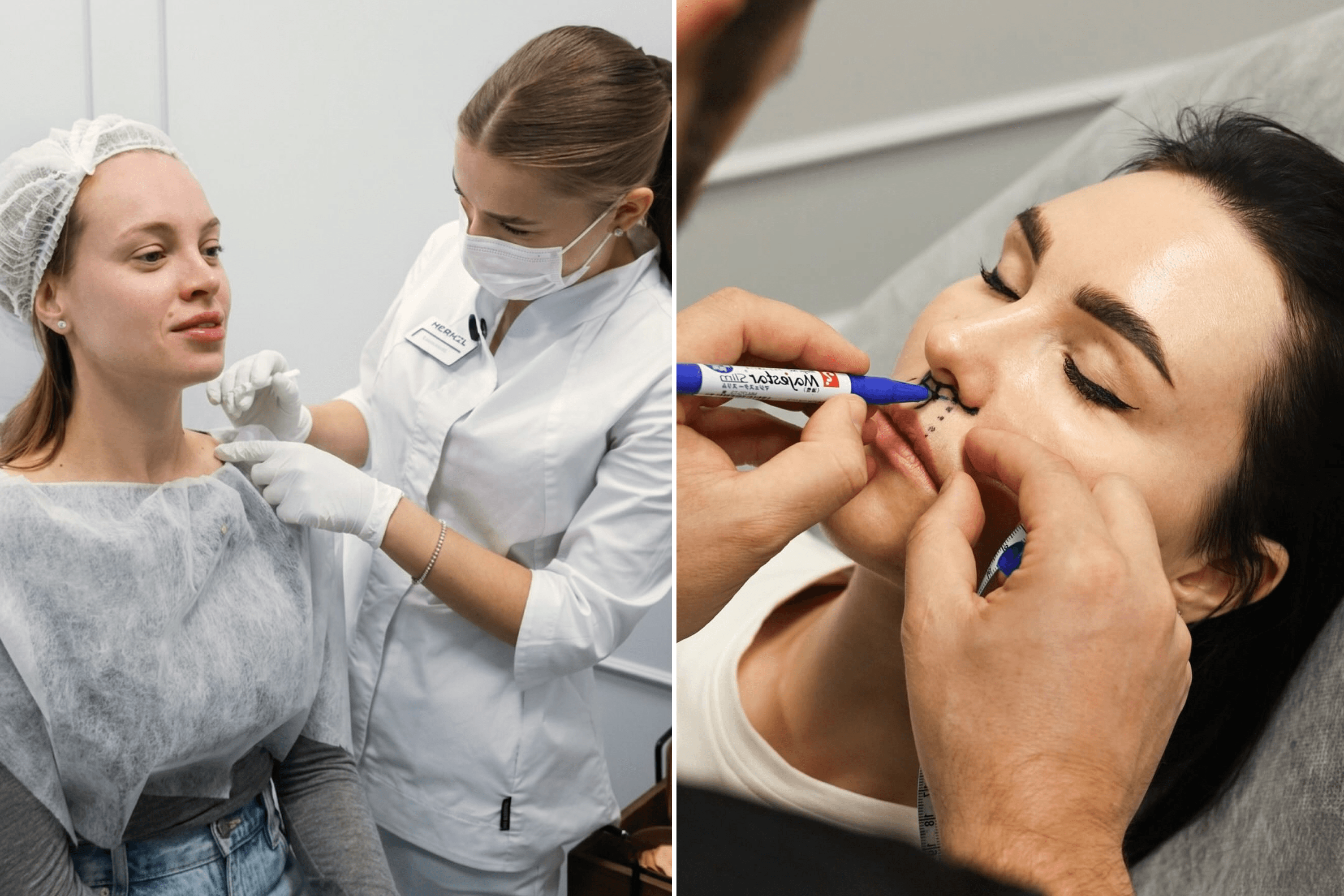
Photo: herhel.clinic / Instagram / YB 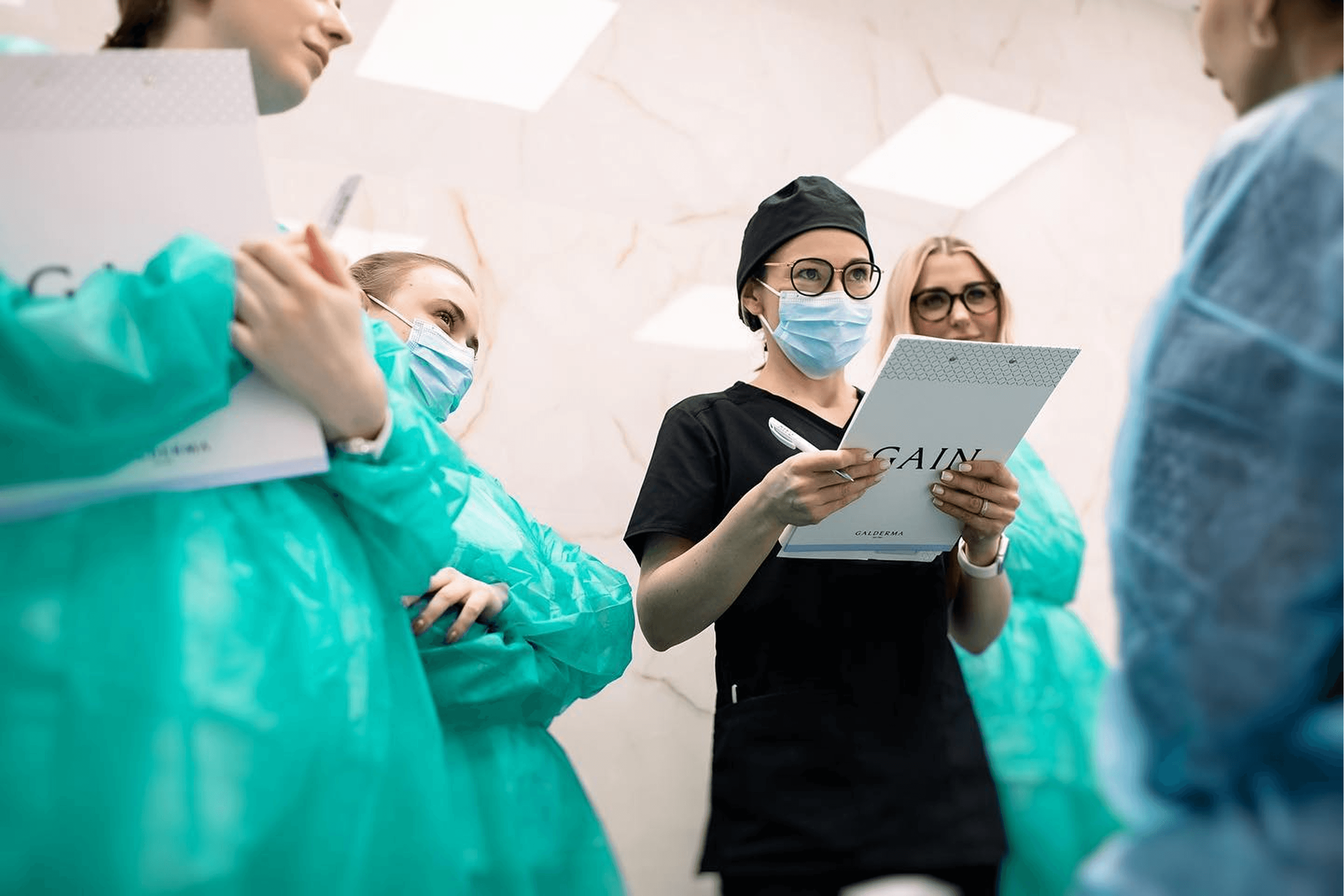
Photo: herhel.clinic / Instagram / YB 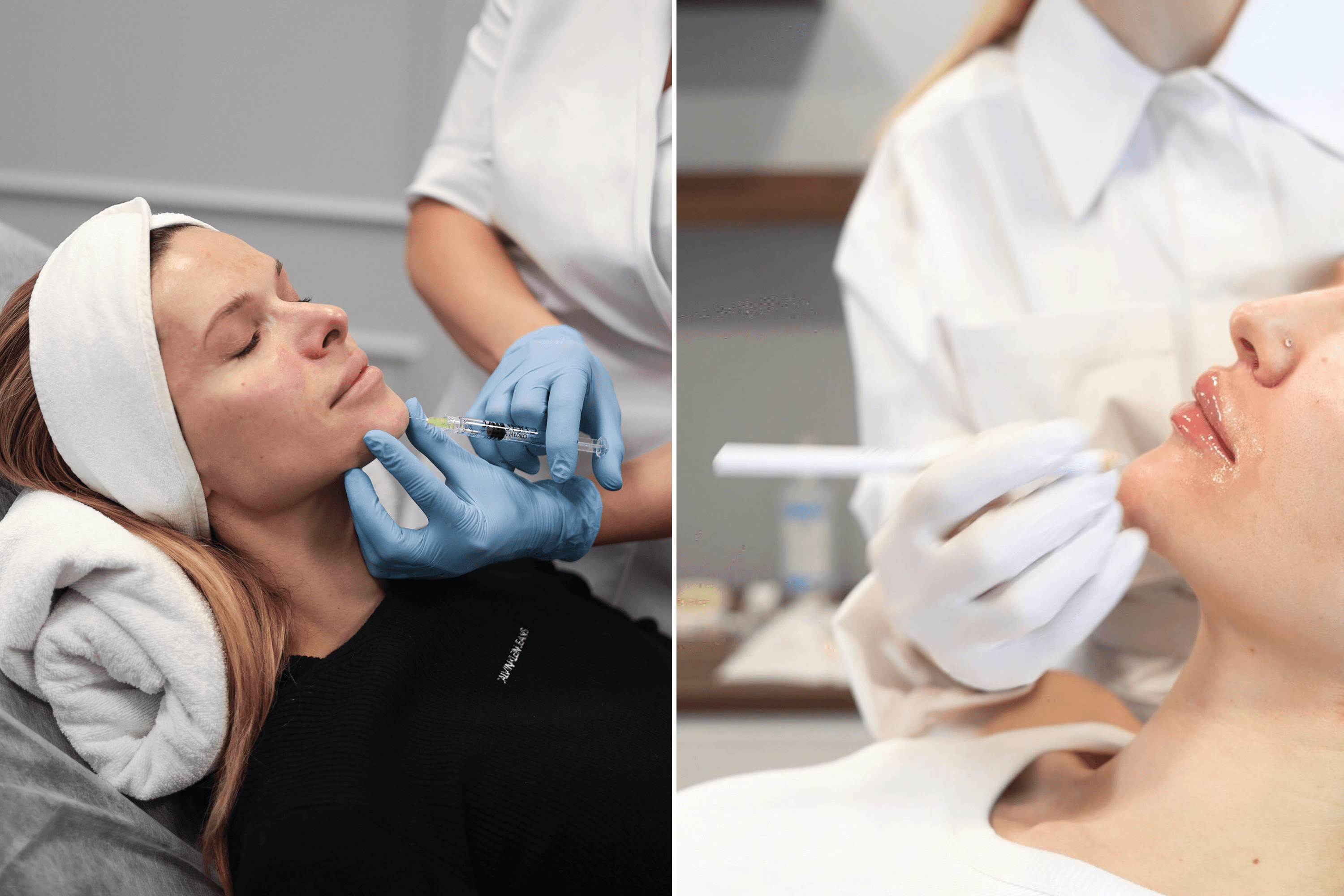
Photo: herhel.clinic / Instagram / YB 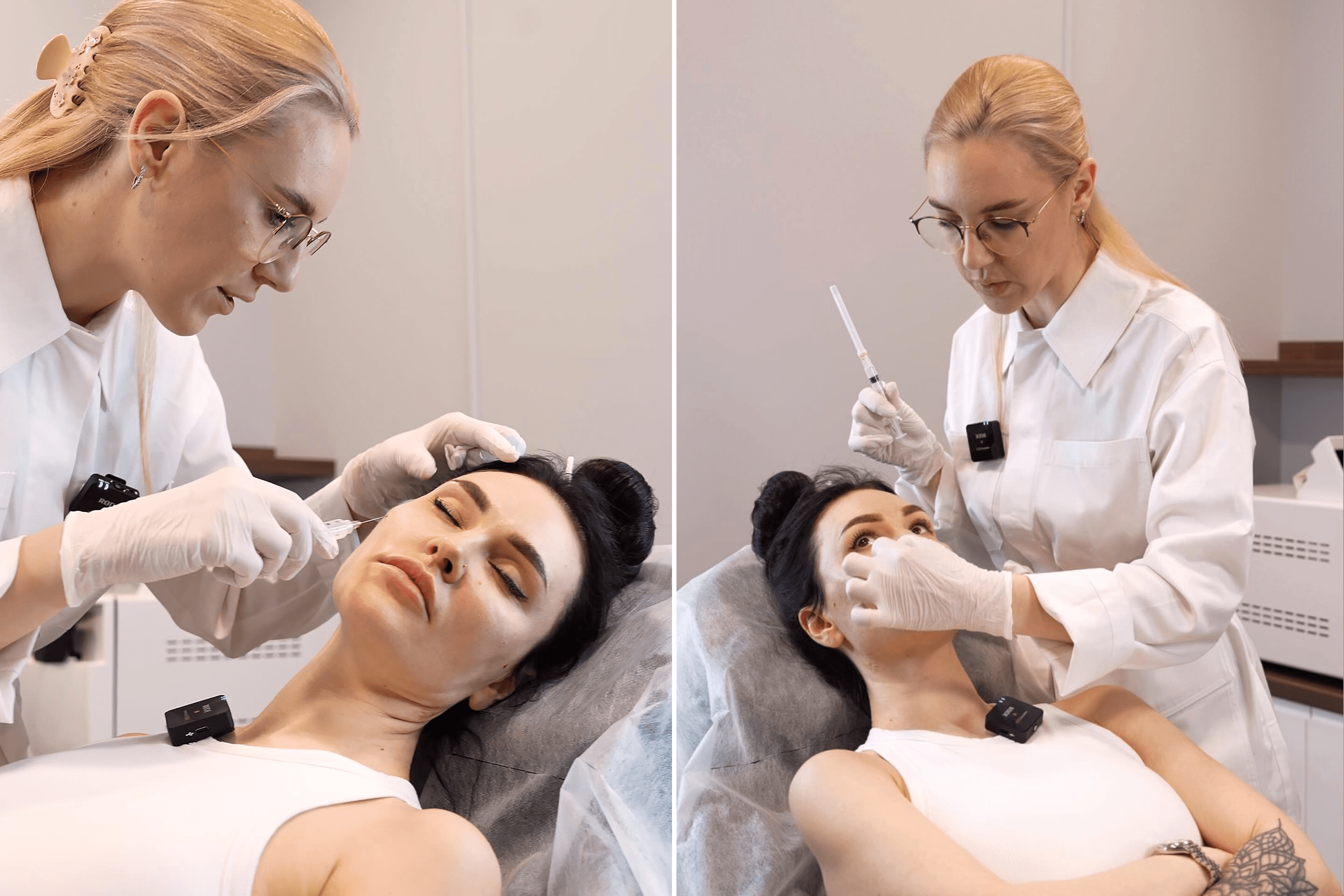
Photo: herhel.clinic / Instagram / YB
Danylo: Our plan for the coming year is to build out a medical center under the Herhel Clinic name in Warsaw, with a separate operating unit. We have already found a location and are preparing for renovation. The current space does not allow for a full-scale surgical setup.
How do you promote the clinic today?
Danylo: It has become much harder. Targeted advertising no longer delivers fast results. You invest today and may only see the effect three months later. PR in media outlets can take years to pay off. We have solid media presence, so we do not buy influencer or ambassador collaborations, but we do work with them on other terms.
Alina: The most important thing is to build a level of service and atmosphere where people want to talk about you online. Word of mouth works best.
With competition for every client so fierce right now, why did you decide to open a clinic in Wroclaw?
Danylo: It was a strategic decision. We chose Wroclaw based on demographic and economic indicators, and a detailed market analysis confirmed the risk was worth taking. The city is also well positioned for medical tourism. About 70% of our patients there come from Germany.
How is the Wroclaw branch organized, and what is the projected payback period?
Alina: We opened it in collaboration with Dr. Viktoriia Bilobrov. She oversees the medical team, treatment protocols, and compliance with our standards. A local manager handles operations, while we take care of marketing and finance. There are currently three doctors and one medical assistant working there.
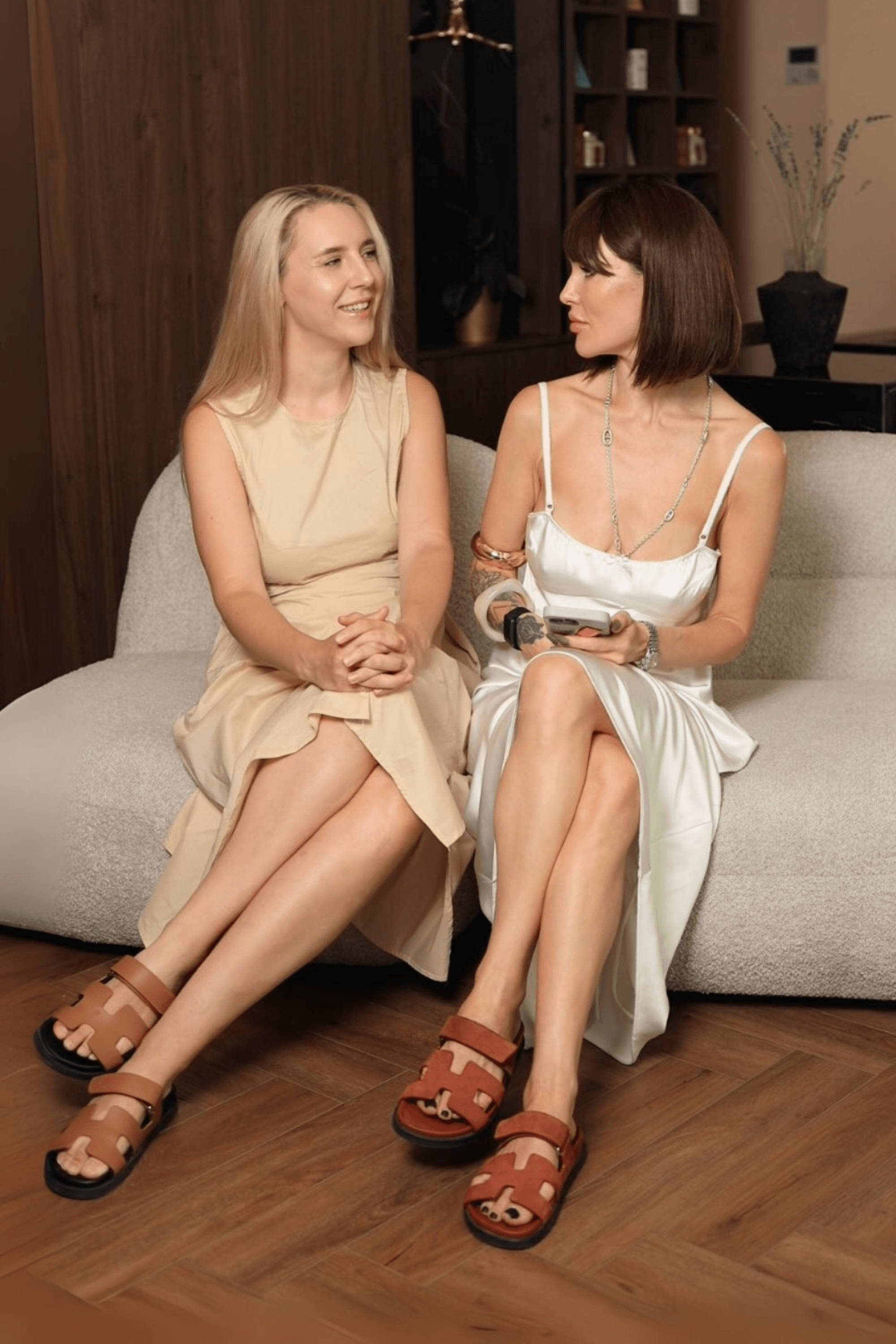
Danylo: We entered the project as equal partners, 50/50 with Viktoriia and her husband. Total investment amounts to $411,000. The projected payback period is up to three years, though in this business any such estimate is conditional.
You offer premium service, have years of experience, and a strong reputation. Why does your business still primarily serve Ukrainian clients rather than Polish ones?
Alina: We consciously focus on a Ukrainian audience. Polish clients have access to a large number of local clinics they are already used to. There is no reason for them to switch. For our target audience, our offering works much better across pricing, procedures, and marketing. Attracting Polish clients has never been our goal.
And finally, do you plan to open Herhel Clinic in other EU countries with significant Ukrainian communities?
Alina: No. Building a premium clinic requires full concentration of resources and attention. You cannot simply replicate the model in another country. You need to live it and be present on the ground. The Wroclaw model works only because of a strong local partner, and even that is not yet comparable to what we have in Warsaw.