
In 2022, event agency owner Pavlo Chmyruk and designer Yuliana Strypa created a Christmas tree topper shaped like a trident. It immediately became popular. In the first months alone, Ukrainians bought 700 of them. That’s how Grono was born, a brand that reimagines Ukrainian traditions and art and creates authentic holiday gifts.
Yellow Blue journalist Sofiia Korotunenko spoke with the brand’s founders about working during Russia’s full-scale invasion of Ukraine, Ukrainian art, and selling “products with Ukrainian character” abroad.
1
You founded Grono after the full-scale invasion began, in October 2022. How did you decide to start a business in such an unstable time?
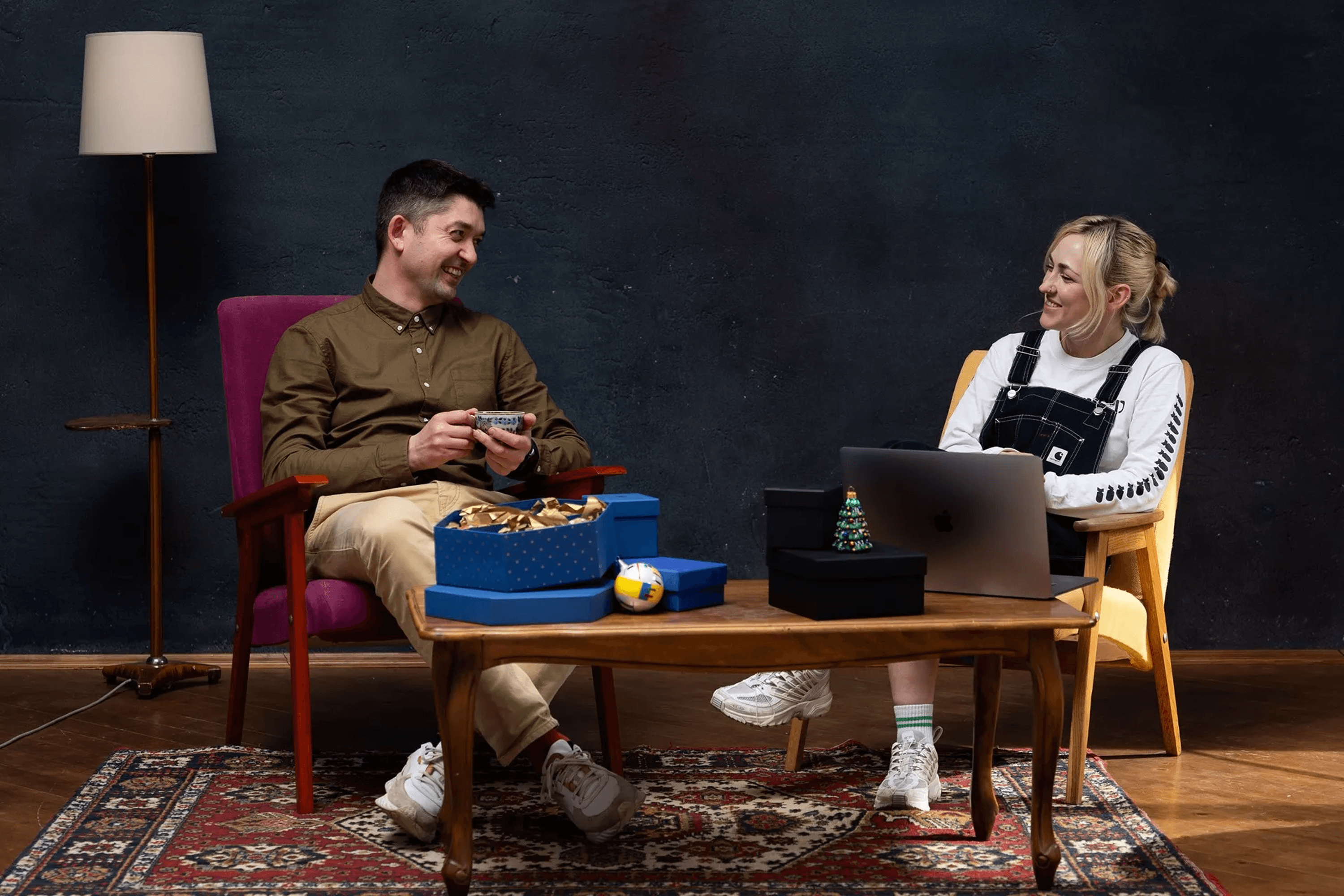
Yuliana: Pavlo and I have known each other for a long time. I work as a graphic designer at his agency, which organizes festivals and custom events. When the full-scale invasion started, obviously no one was ordering anything from us. We had no choice but to find new ways to make money. Pavlo is always coming up with all kinds of slightly crazy ideas, and I’m good at bringing them to life.
Pavlo: One of those ideas was a Christmas tree decoration nobody had made yet: a tree topper shaped like a trident. It’s an interesting alternative to the Soviet star. A friend of mine owns a Christmas ornament factory, so Yulia and I went to his factory, took a tour, and presented the idea. The first thing he said was: “I don’t understand why this hasn’t been done yet.”
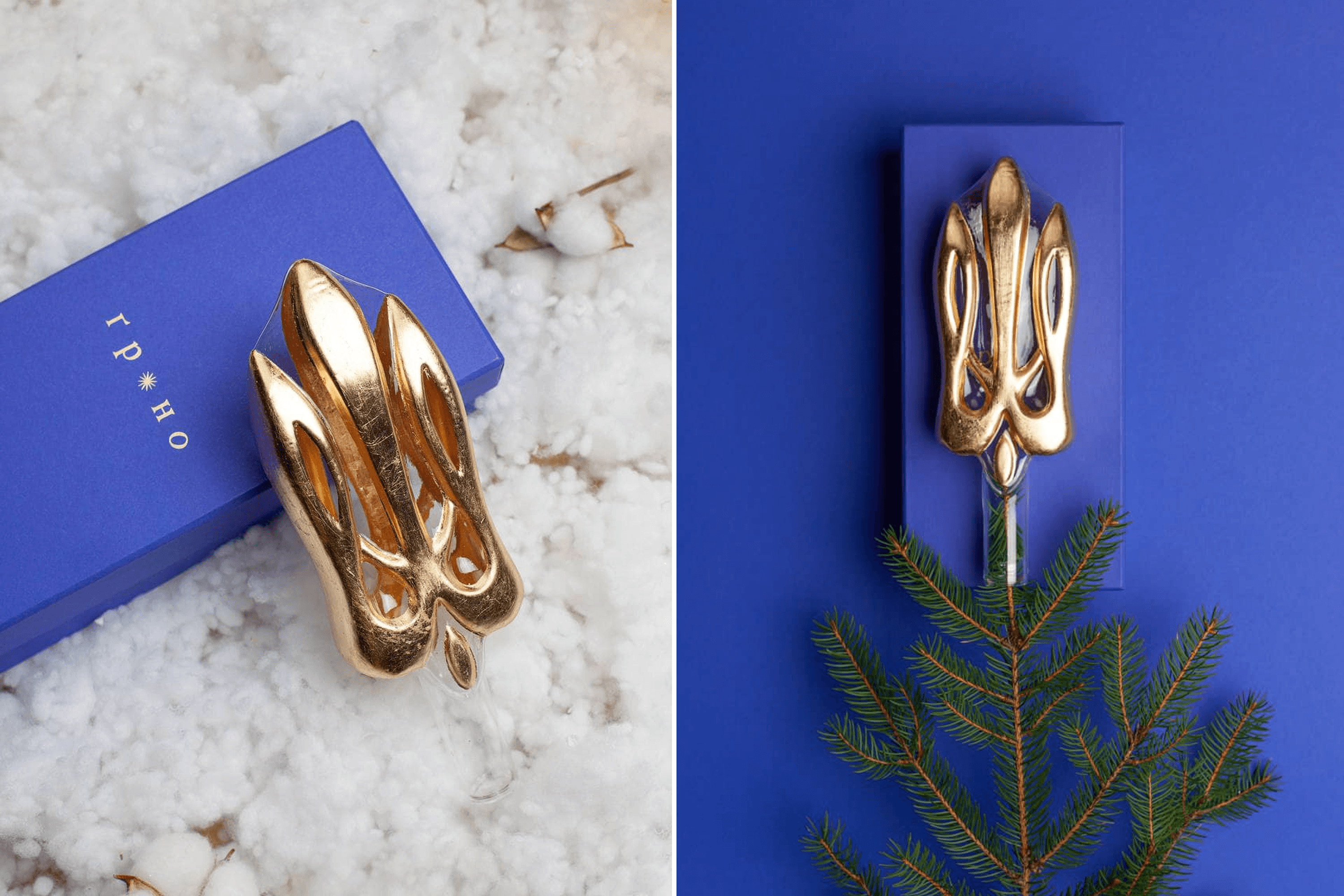
trident-shaped tree topper by the Grono brand. Photo: Grono / YB 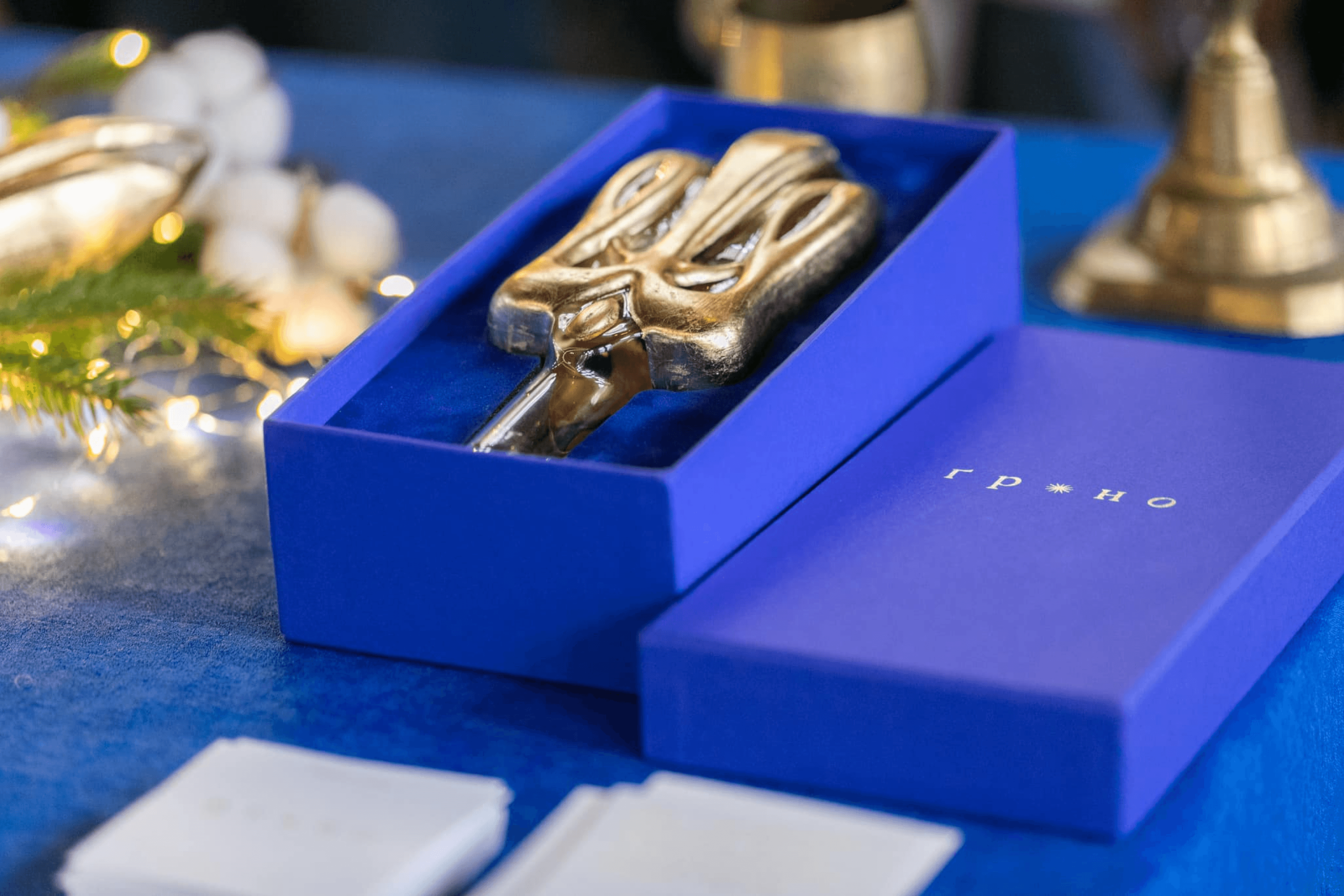
Photo: Grono / YB 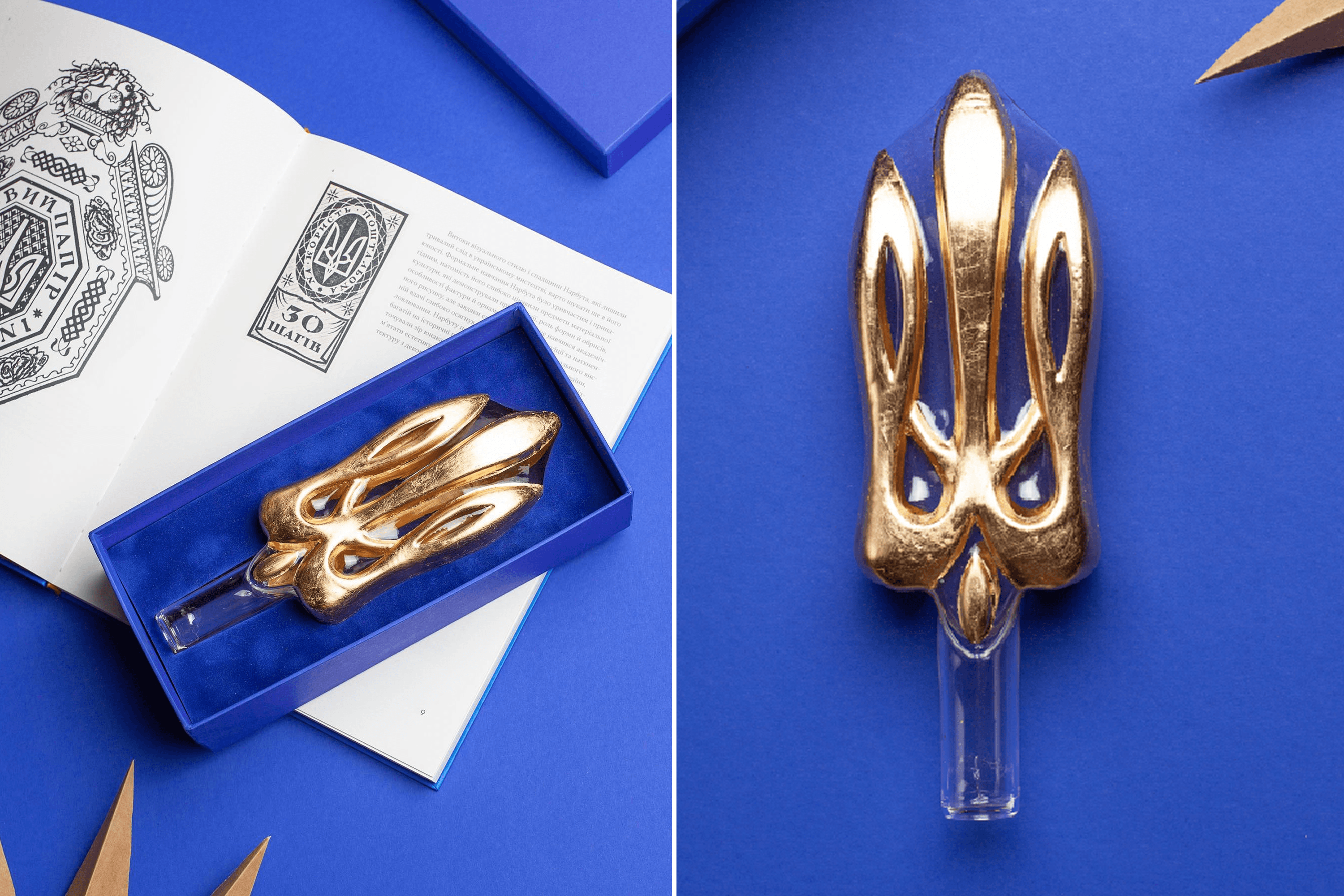
Photo: Grono / YB
How much did you invest in Grono at the start?
Pavlo: I borrowed $2,000 from my brother. With that money, we ordered molds to make the trident and a collection of glass christmas ornaments featuring paintings by Maria Prymachenko. That was our response to the Russians destroying her museum in Ivankiv. We signed a licensing agreement with the Prymachenko family foundation to use elements of her paintings on the ornaments.
With that same $2,000, we also built a website and had a strategy session with a business consultant to figure out our goals and market positioning. We kept costs low by agreeing to pay the toy factory and the foundation only after we’d sold the ornaments and tridents.
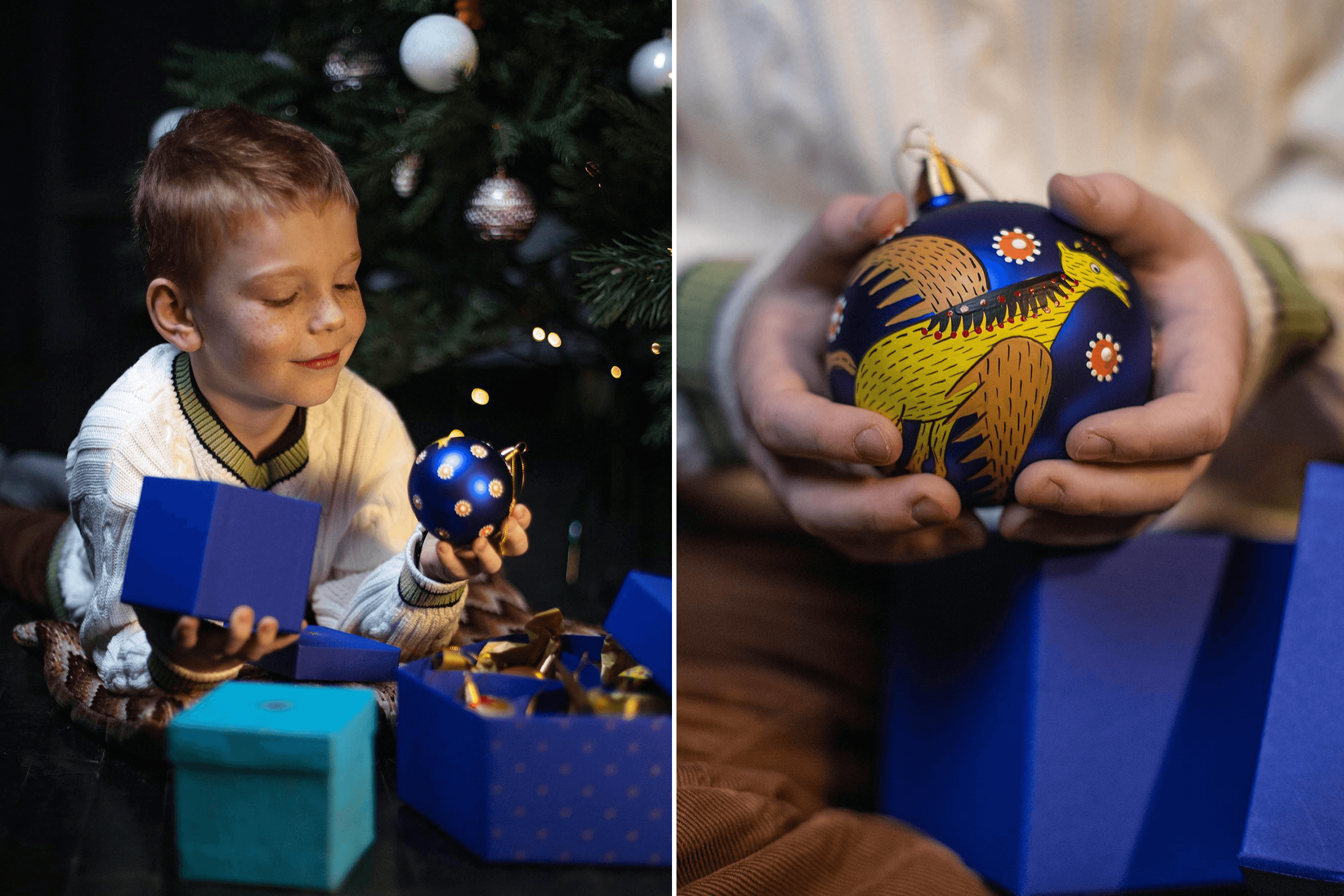
A collection of Christmas ornaments featuring paintings by Maria Prymachenko, created by the Grono brand. Photo: Grono / YB 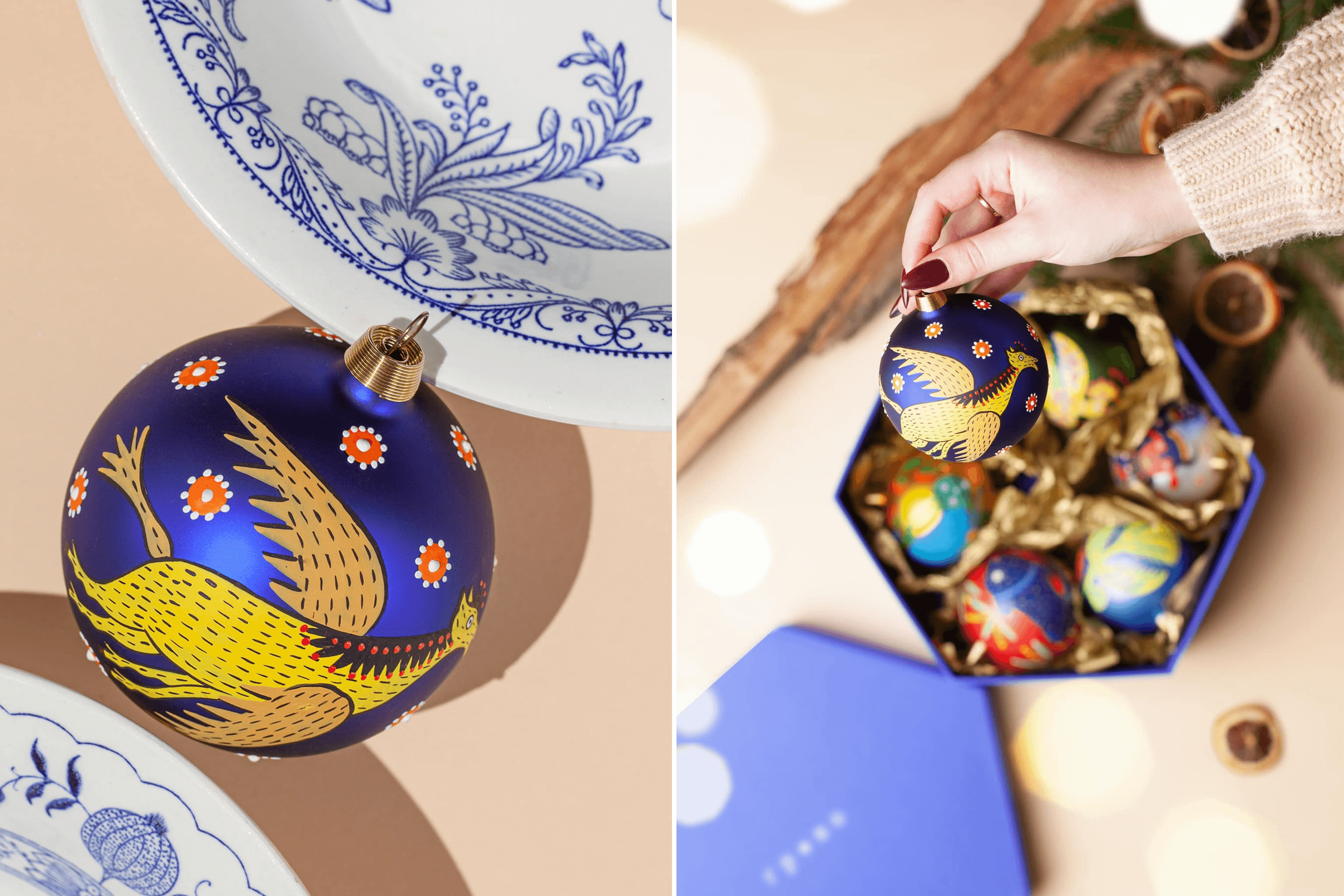
Photo: Grono / YB 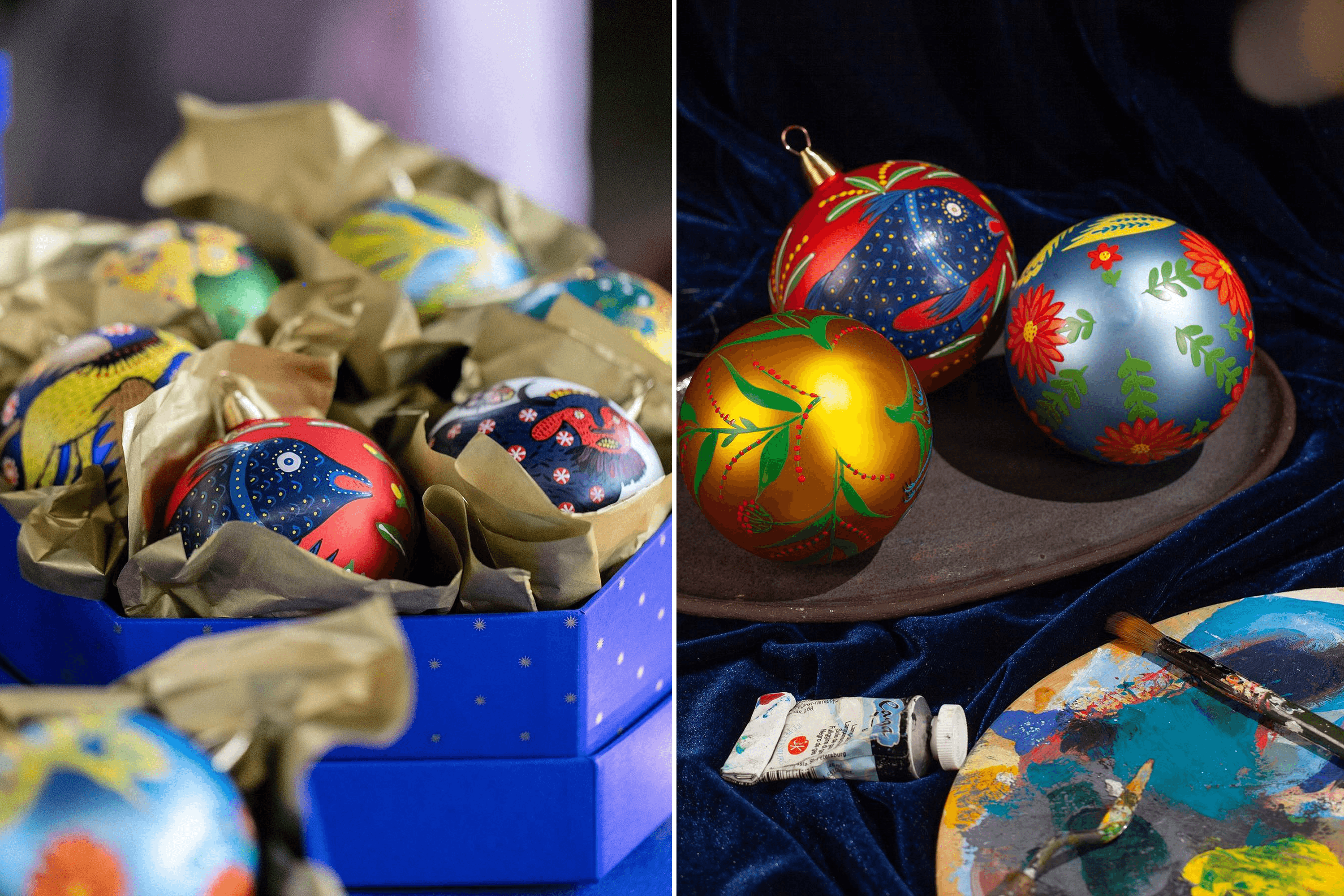
Photo: Grono / YB 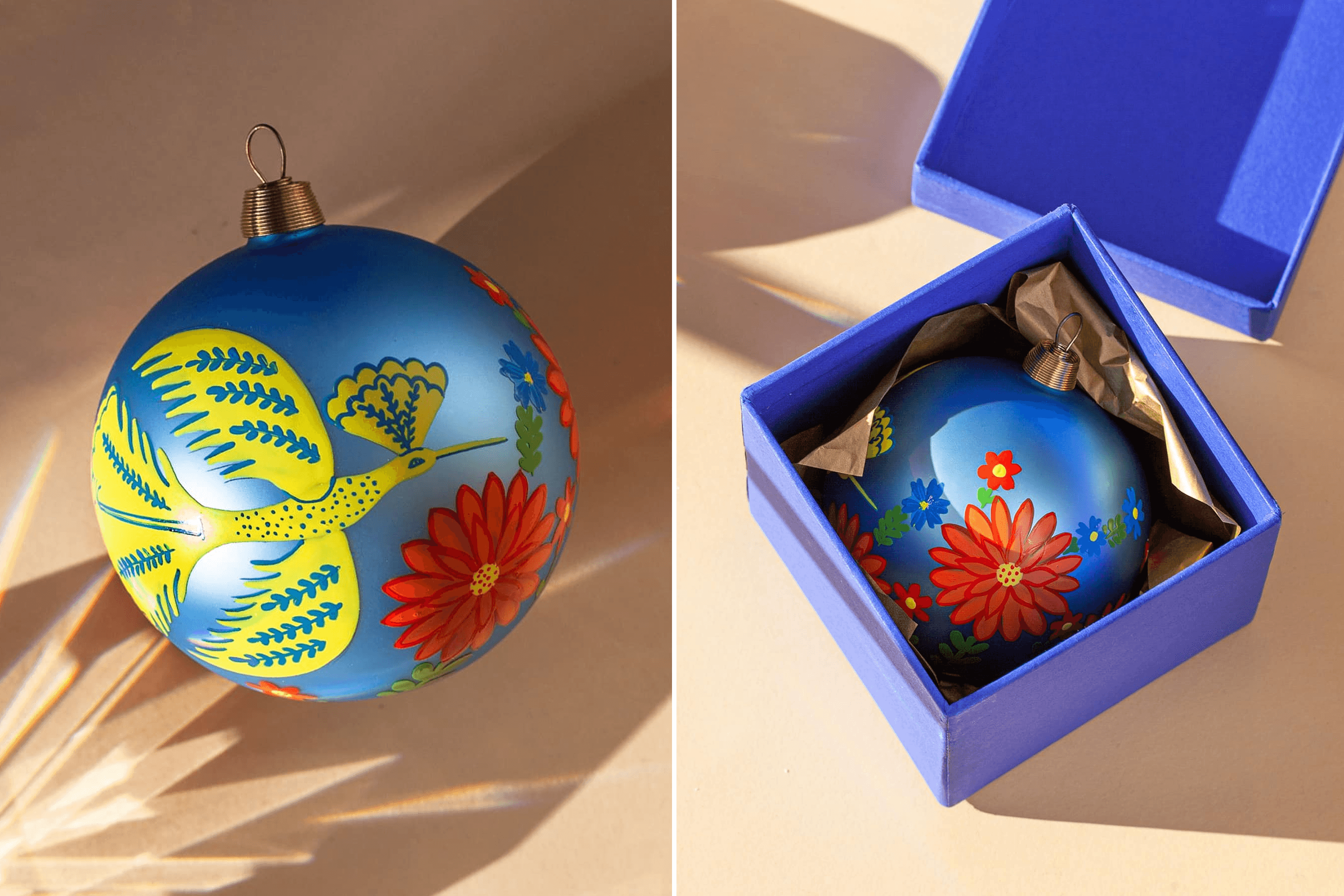
Photo: Grono / YB 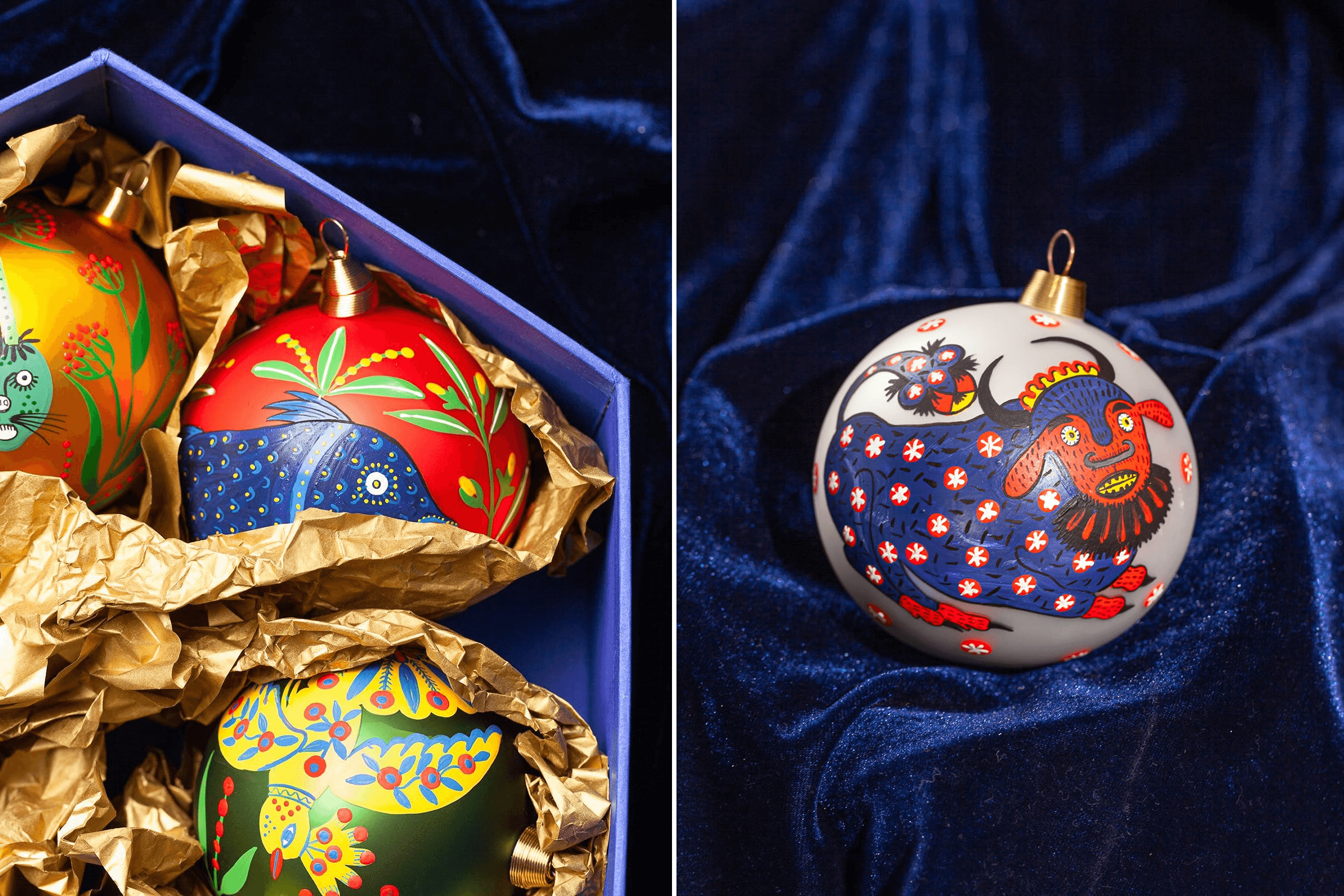
Photo: Grono / YB 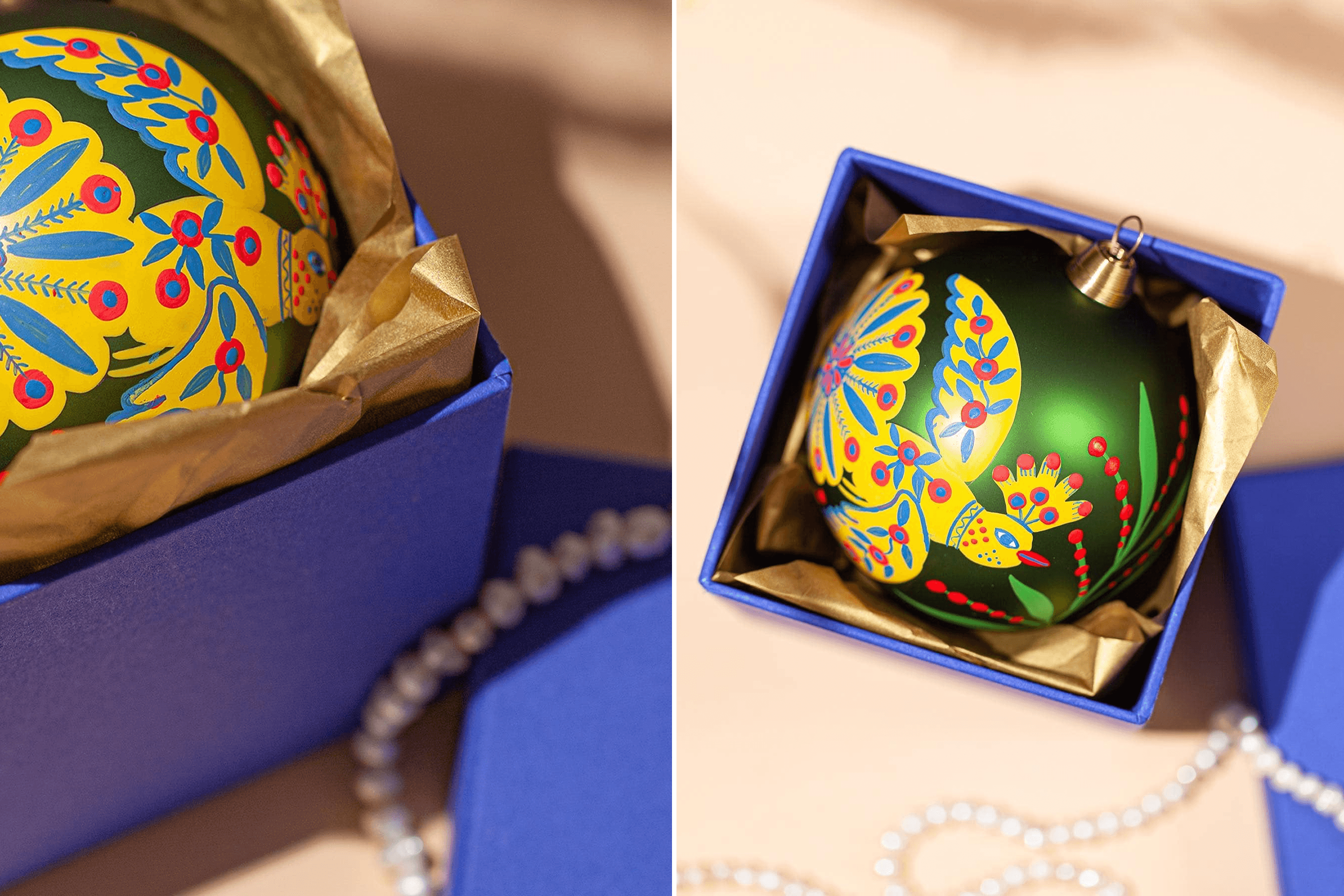
Photo: Grono / YB
How do you divide responsibilities?
Yuliana: Simply put, I handle everything creative, and Pavlo covers everything else. I’m in charge of design, approving samples and deciding what the packaging will look like. I also manage the marketing team. Pavlo deals with operations, finances, production, and works with artists' foundations.
Pavlo: At the start, we both did everything: logistics, packaging, marketing, design. When orders picked up, friends pitched in, packing, running to the post office, hand-writing shipping labels. By the next winter season, 2023/24, we’d brought on staff: an SMM manager, a marketer, and two packers.
You describe your products as “beautiful things with Ukrainian character.” Tell us more about the brand’s philosophy. What makes you unique?
Yuliana: Grono is about celebration. A family gathering around a big table, brought together by love for what is their own, including Ukrainian art. That celebration doesn’t have to be Easter or Christmas. It can be a birthday, a wedding, any occasion.
I’m also deeply bothered by Russia’s appropriation of our artists. I have a background in art, I’m passionate about art history, and I understand that culture is a vital part of our fight. We need to reclaim these artists for ourselves and introduce them to both Ukrainians and foreigners.
Art historian Oksana Semenyuk, who works with us on artist research, published a post on social media about our Malevich ornament collection. Many foreigners commented that they had no idea he was Ukrainian. Right after it went up, orders for those ornaments started pouring in from abroad.
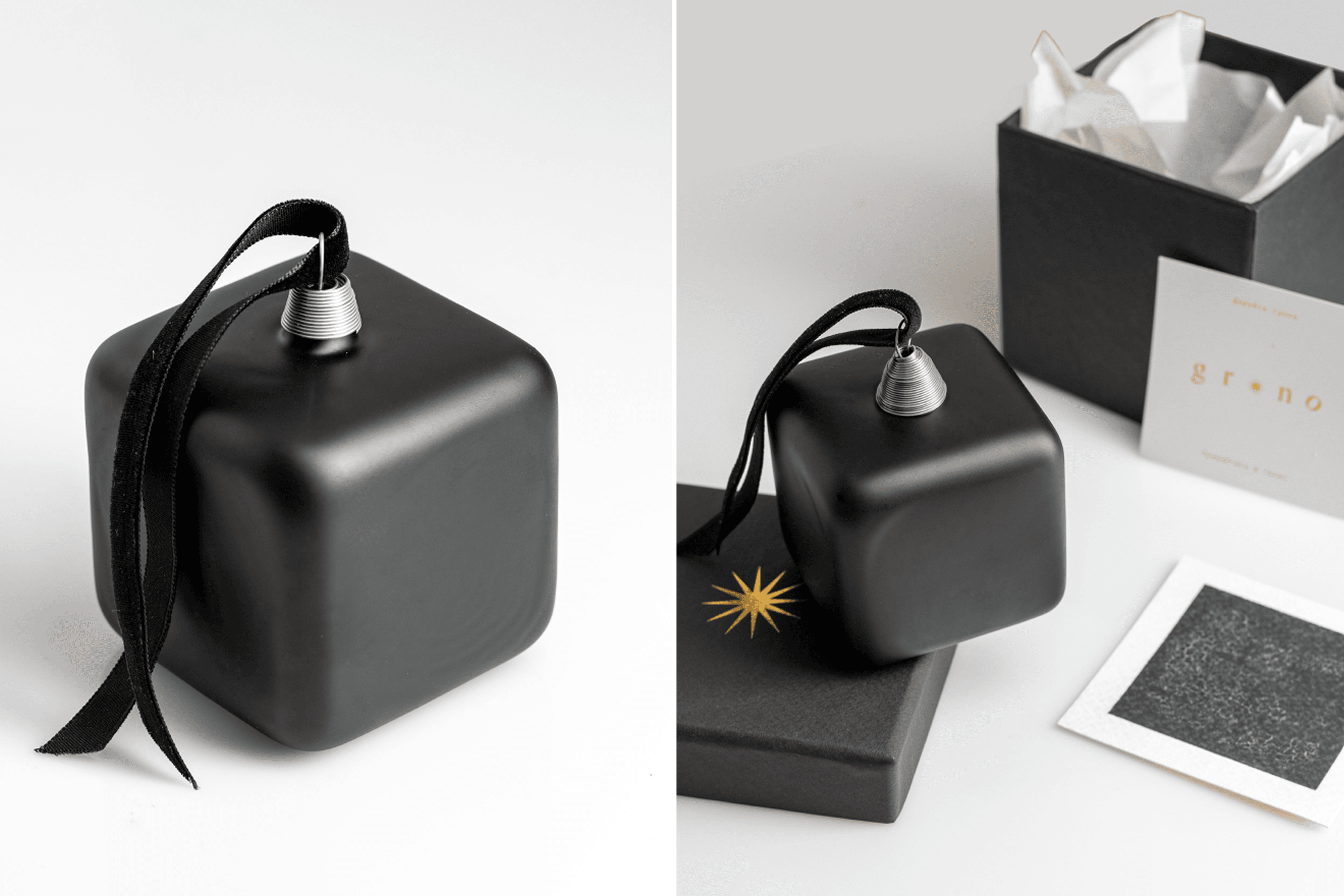
The “Malevych” ornament collection by the Grono brand. Photo: Grono / YB 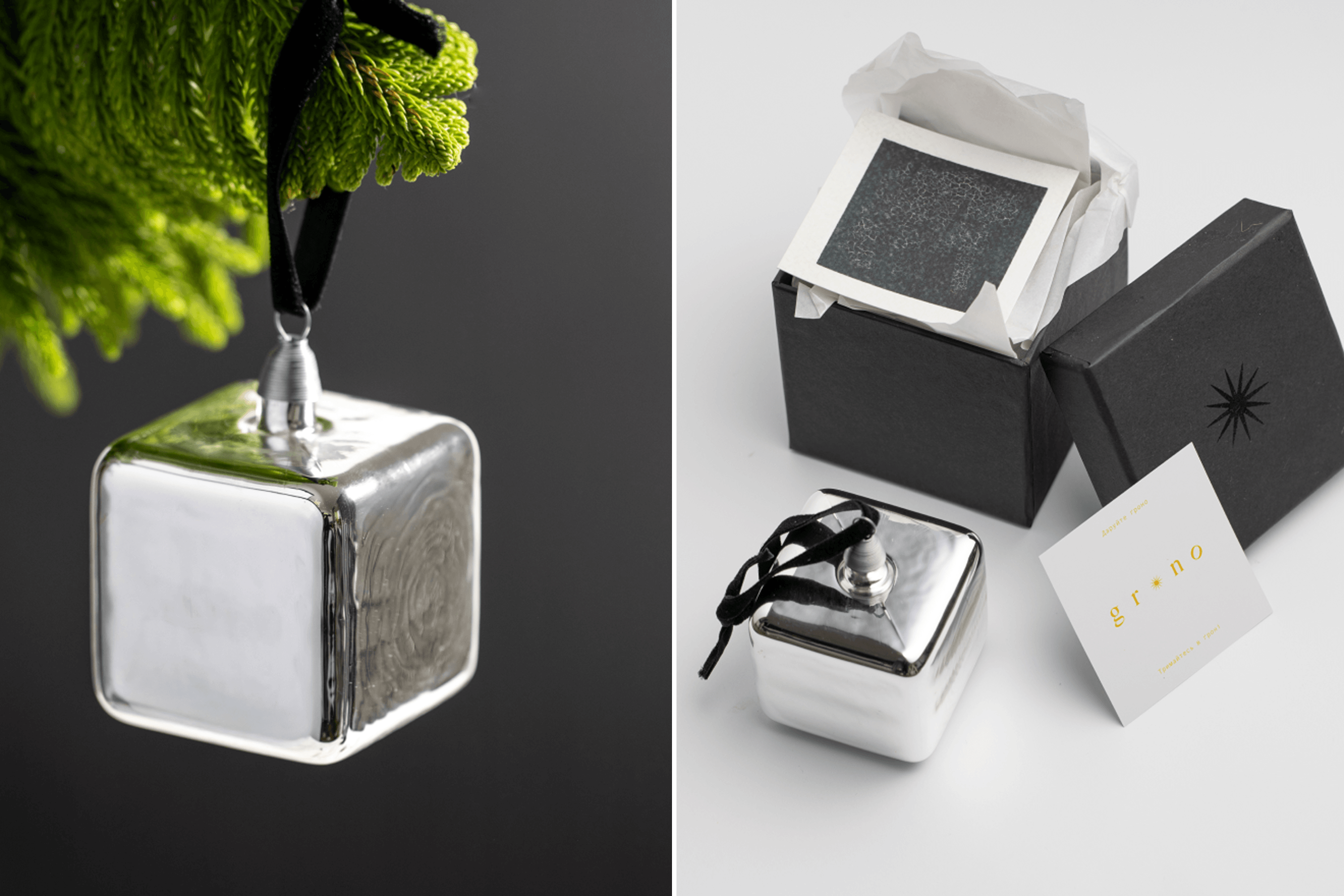
Photo: Grono / YB 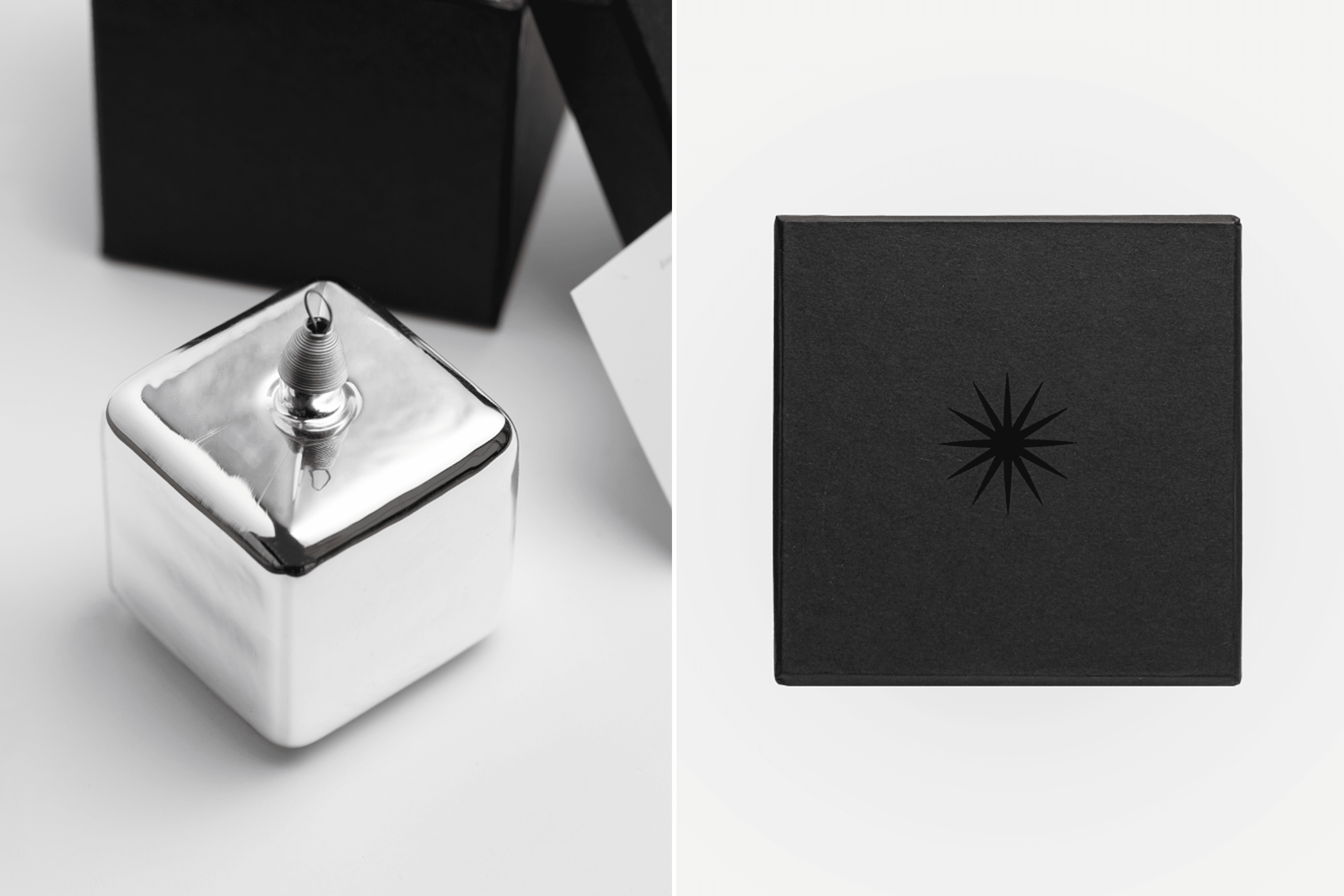
Photo: Grono / YB
Over three and a half years, you’ve expanded your range significantly: Christmas tree decorations, candles, ceramic candlesticks, embroidered towels and tablecloths, silk scarves, silver and ceramic jewelry. What made you develop so many different lines?
Pavlo: After our first season, we realized ornaments sell well, but only from October to December. The team we’d built couldn’t just work with us for those few months, and we didn’t want to change it every year. So we needed products that would sell year-round.
Yuliana: In the winter of 2023, we started looking for workshops to launch a new line of textiles and ceramics that I’d designed. I looked for artists whose work I wanted to put onto products and came across naive artist Polina Rayko. That’s how the Polina’s Flowers collection was born. Of course, the volumes aren’t anywhere near Christmas tree decorations, but people like them.
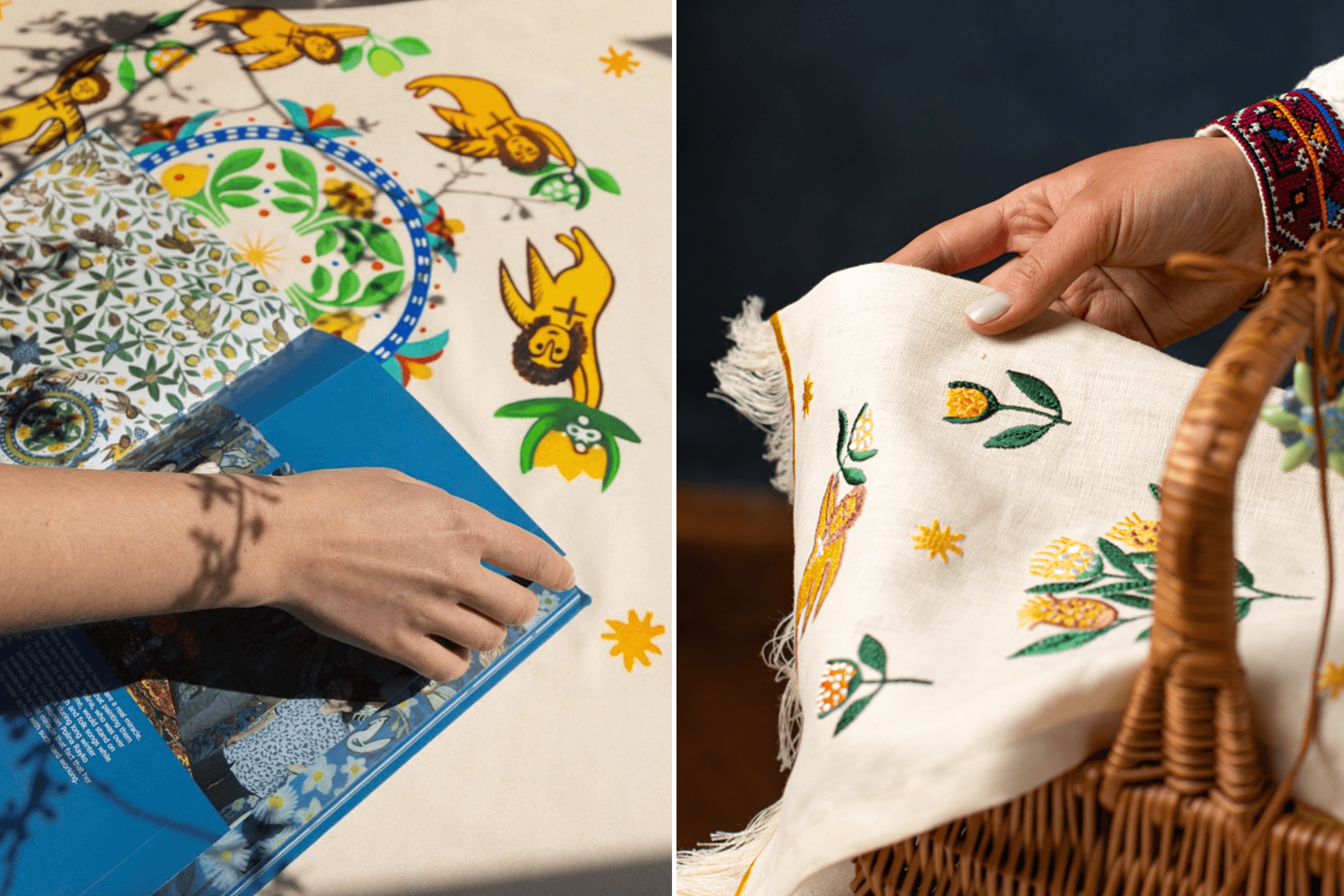
The “Polina’s Flowers” collection by the Grono brand. Photo: Grono / YB 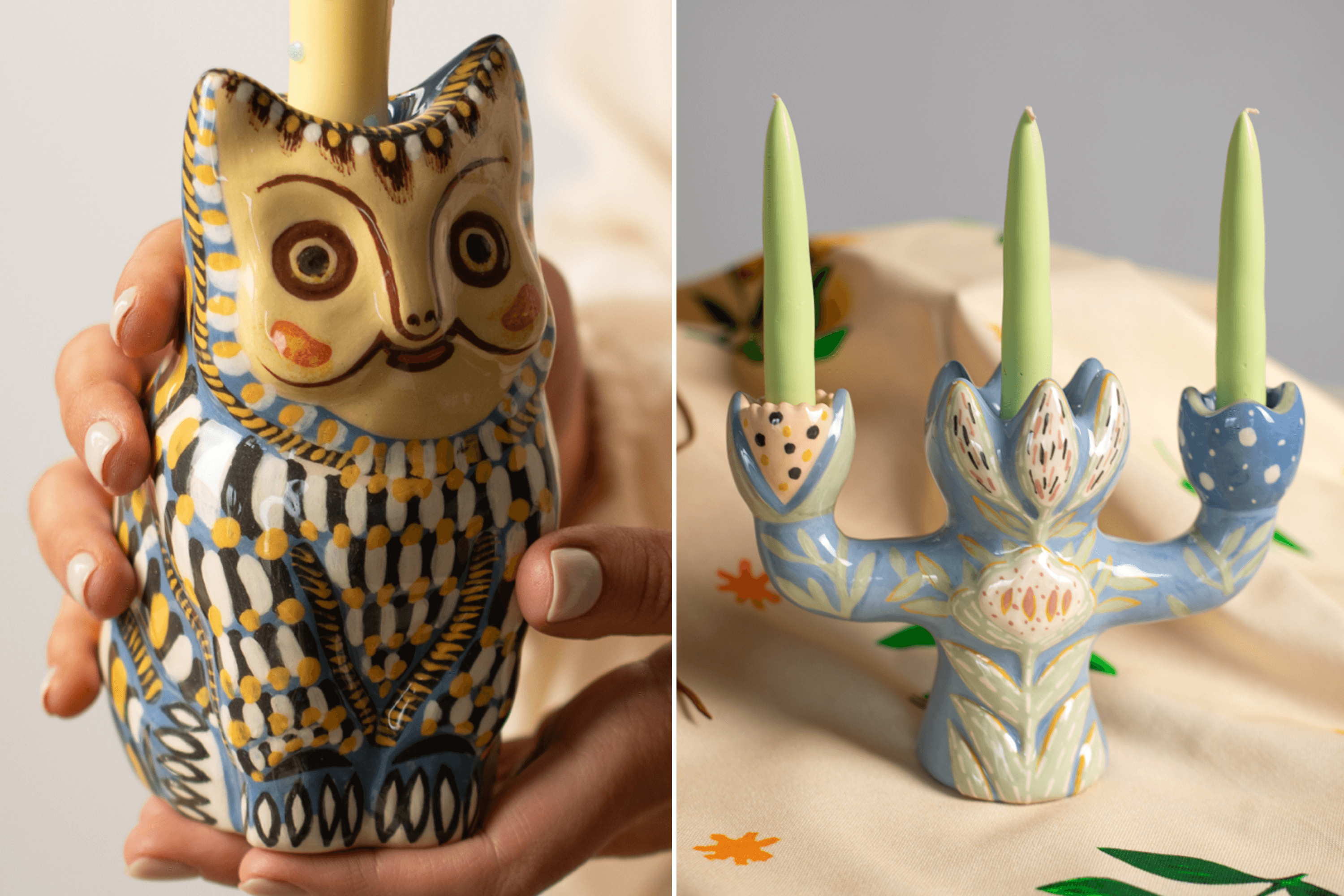
Photo: Grono / YB 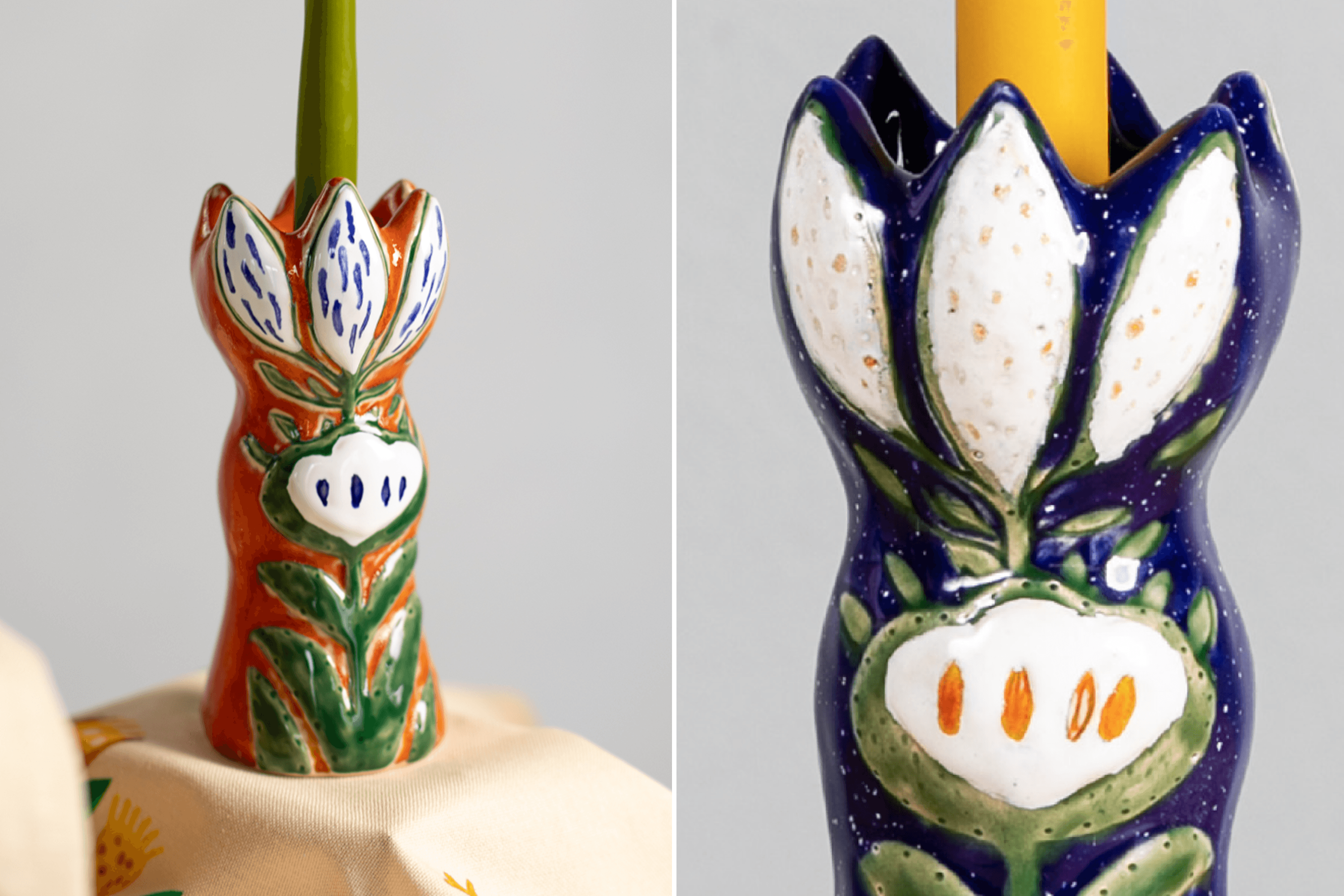
Photo: Grono / YB 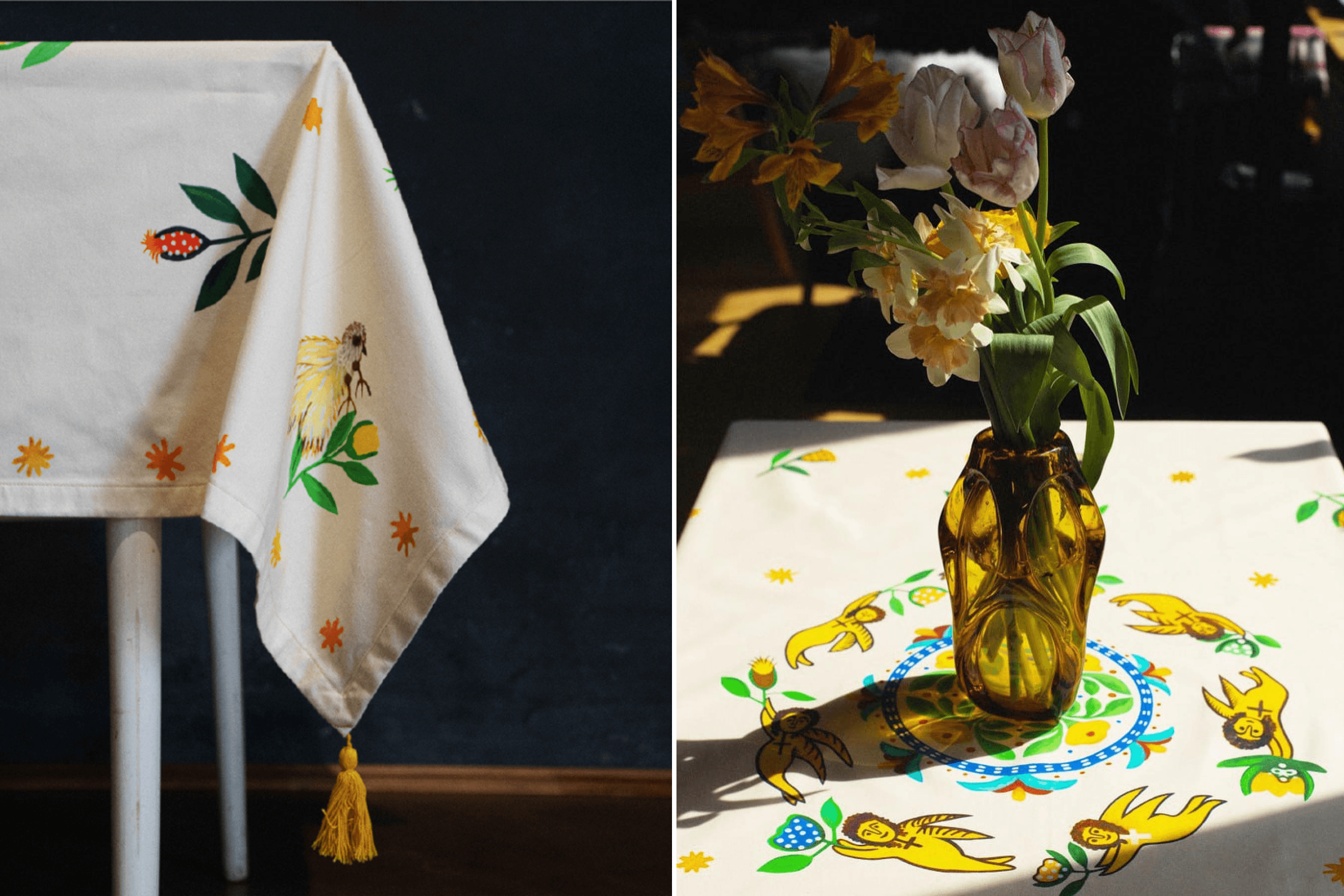
Photo: Grono / YB 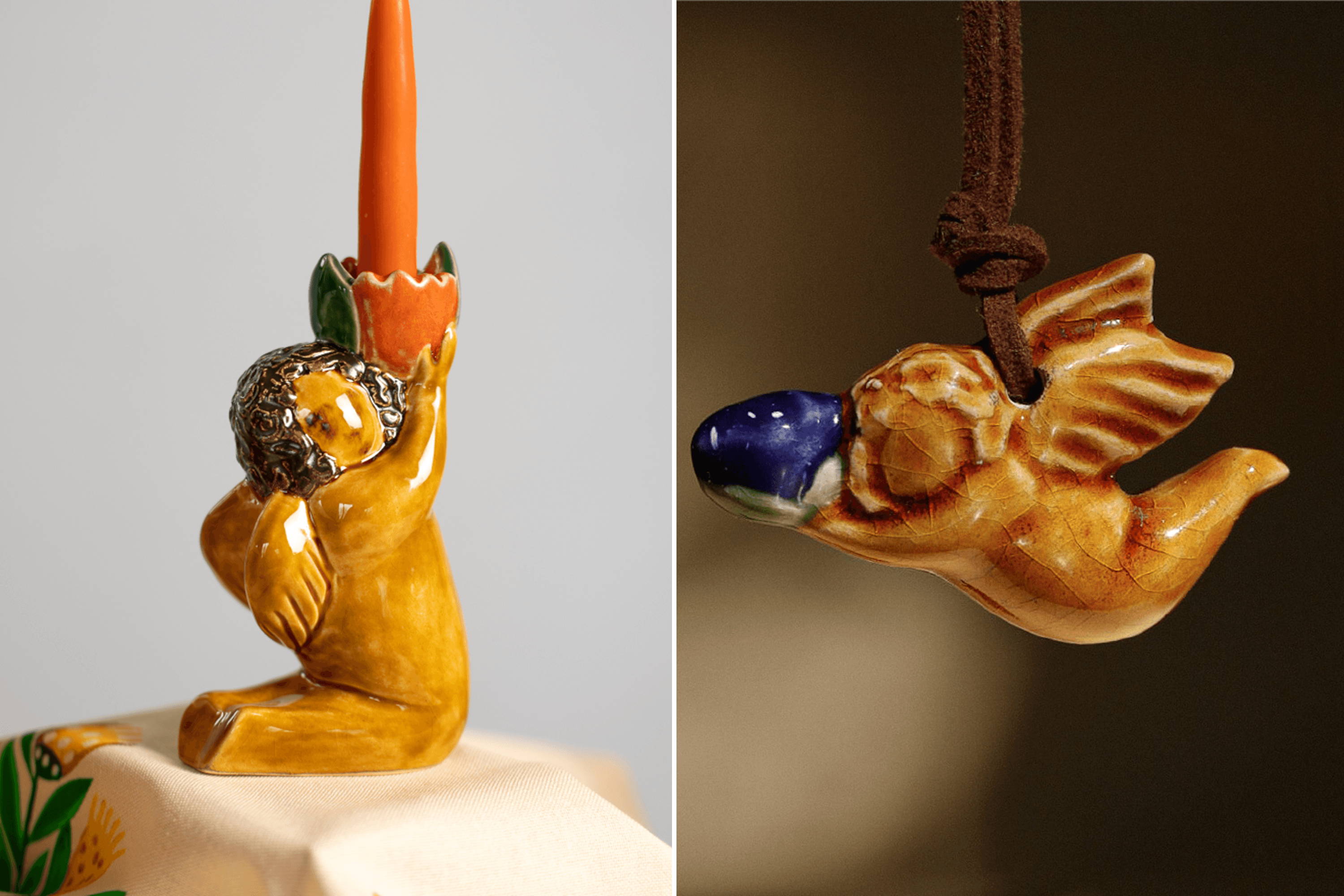
Photo: Grono / YB 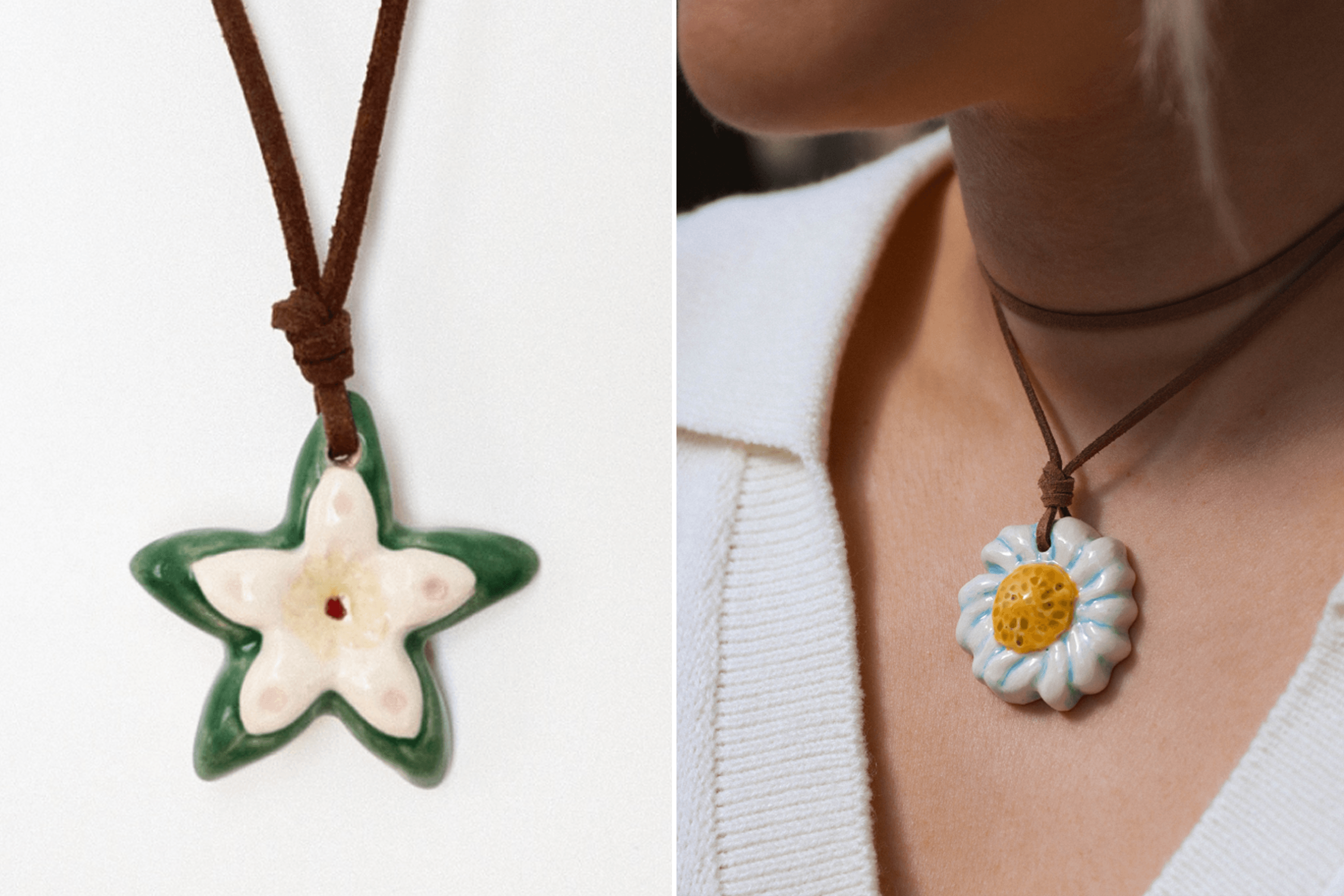
Photo: Grono / YB
We develop new collections the same way: get together, brainstorm, experiment. Our first silver piece was a pendant shaped like a trident, just like the tree topper. We noticed how much people liked it and decided to use it for something else. At a fair in Kyiv, we even met a girl who had it tattooed on her arm.
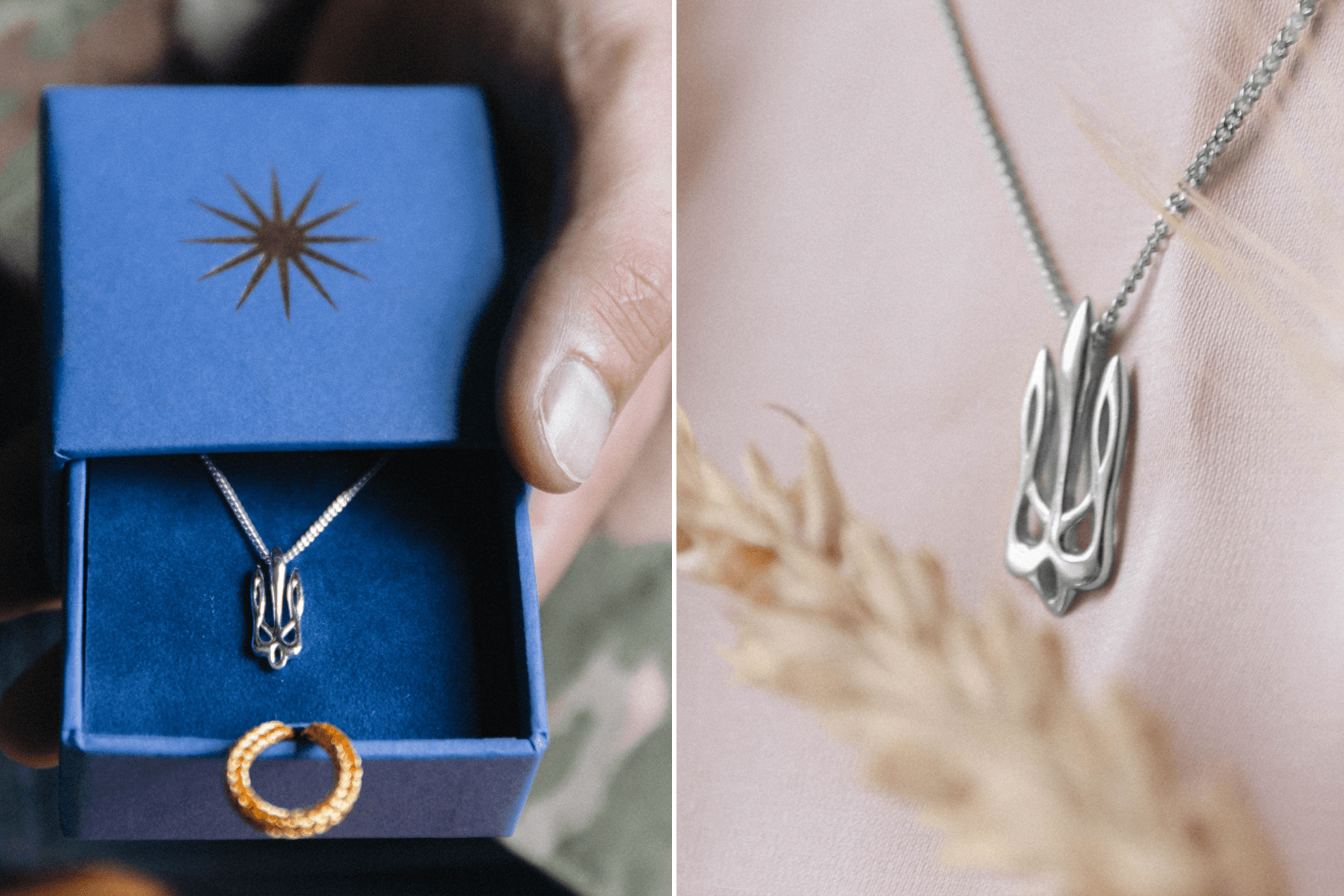
Tryzub-shaped pendant by the Grono brand. Photo: Grono / YB 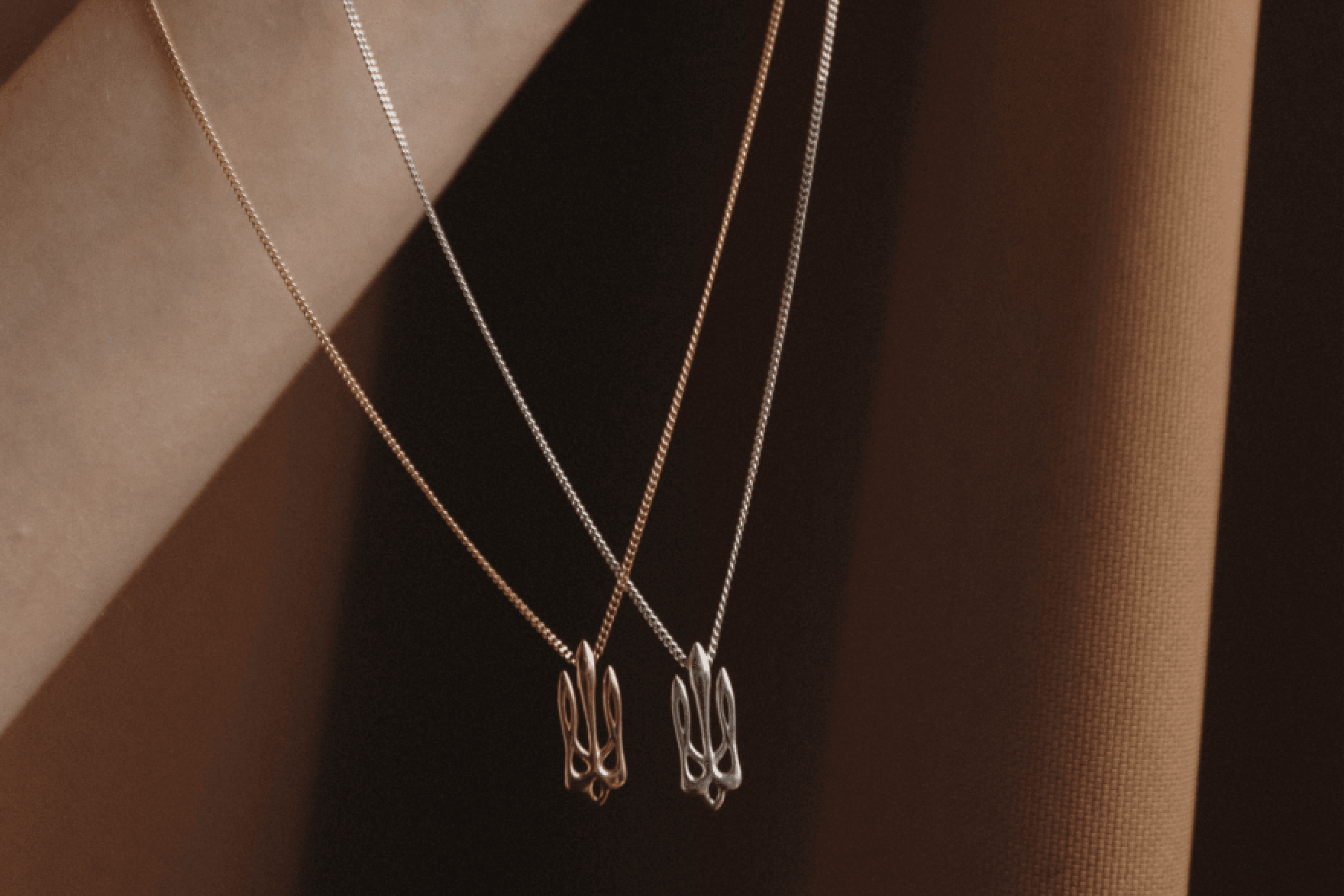
Photo: Grono / YB 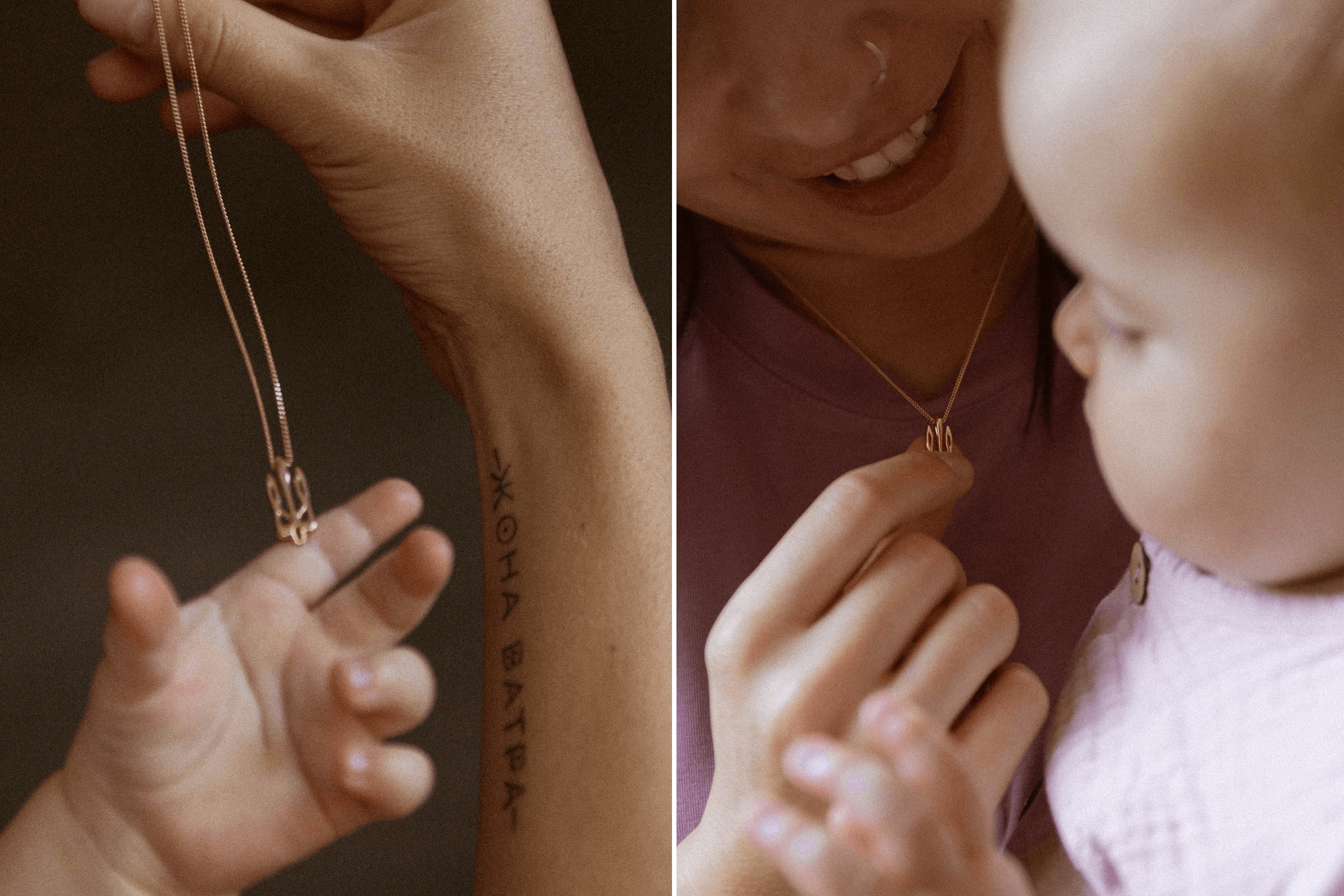
Photo: Grono / YB
Is all production outsourced? How do power outages from Russian attacks affect your artisans' work?
Yuliana: Yes, we don’t manufacture anything ourselves. In Kyiv, we make the printed ornaments and some of the packaging. Additional packaging comes from a workshop in Dnipro. Everything else is made in Lviv: hand-painted ornaments, ceramics, jewelry, and textiles.
Power outages hit our ceramicists hardest, since kilns need to run for hours at a stretch. During emergency outages, this becomes impossible, so those orders get delayed. Packaging production takes a hit too. Packaging matters a lot to us: for each product we create a box of a unique shape, apply our logo to the lid, and inside place the product and a postcard on a foam insert. But we try to find solutions. For example, we sell in standard packaging, because in the end the main thing is still the product itself.
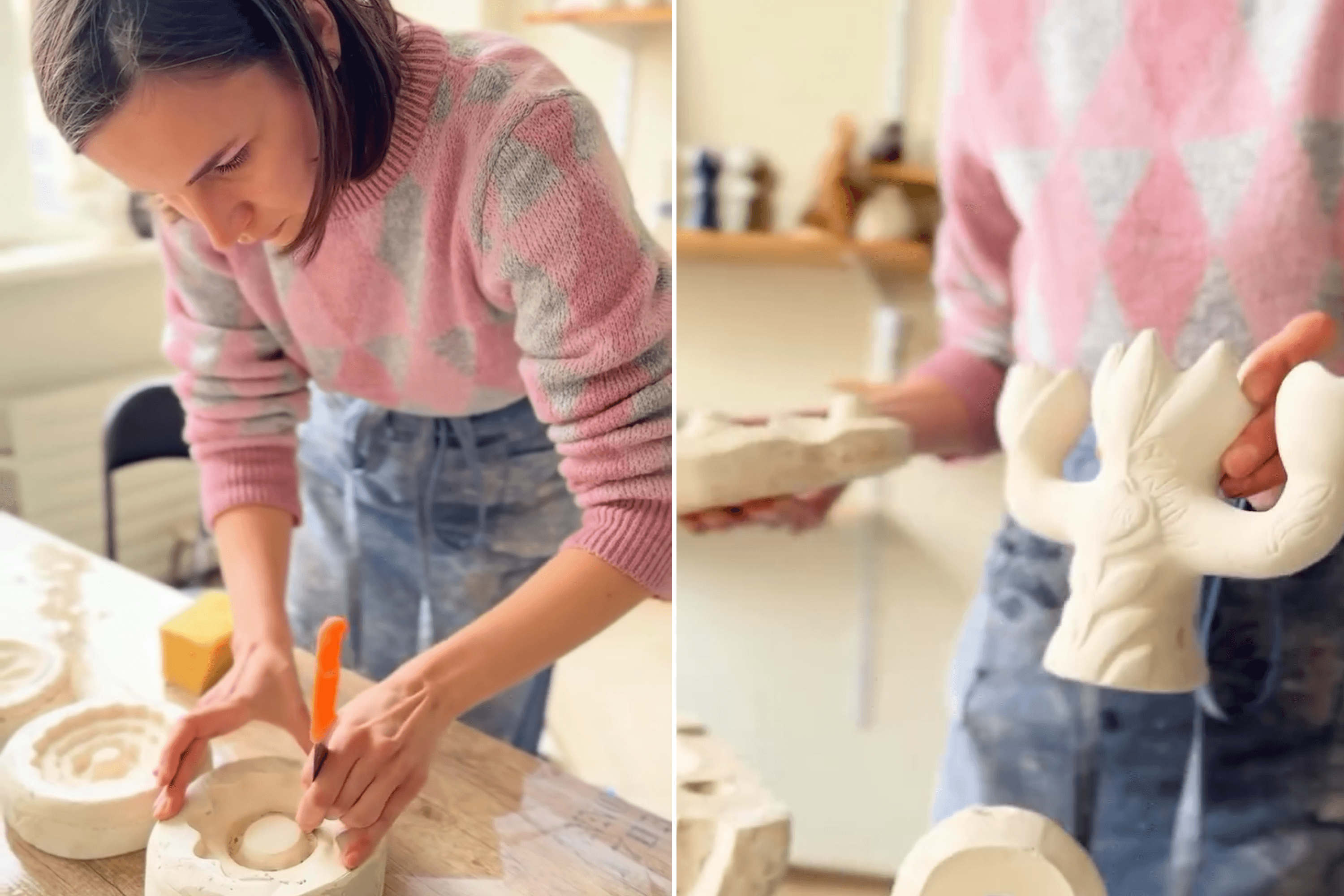
The production process of ceramic pieces by the Grono brand. Photo: Grono / Instagram / YB 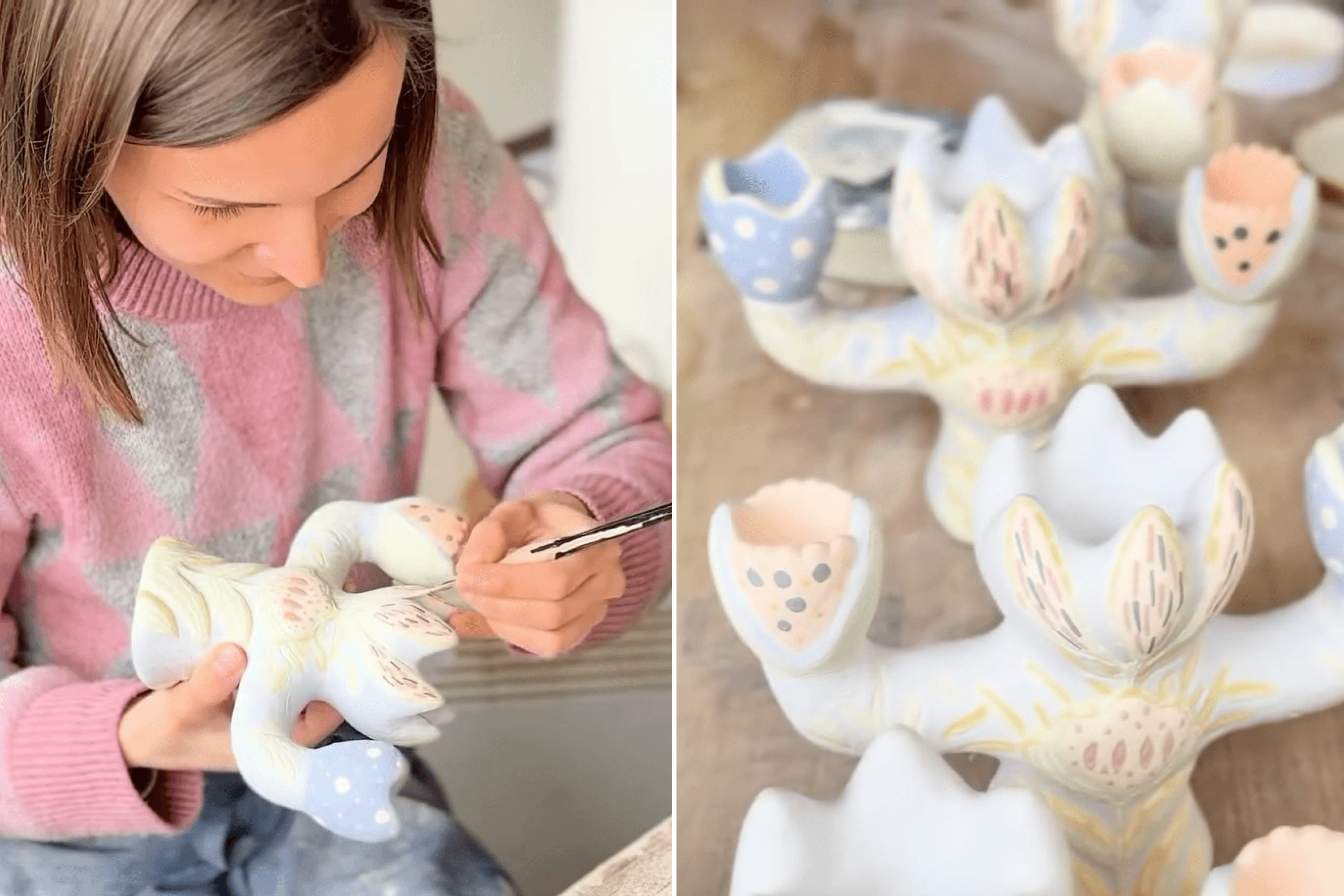
Photo: Grono / Instagram / YB 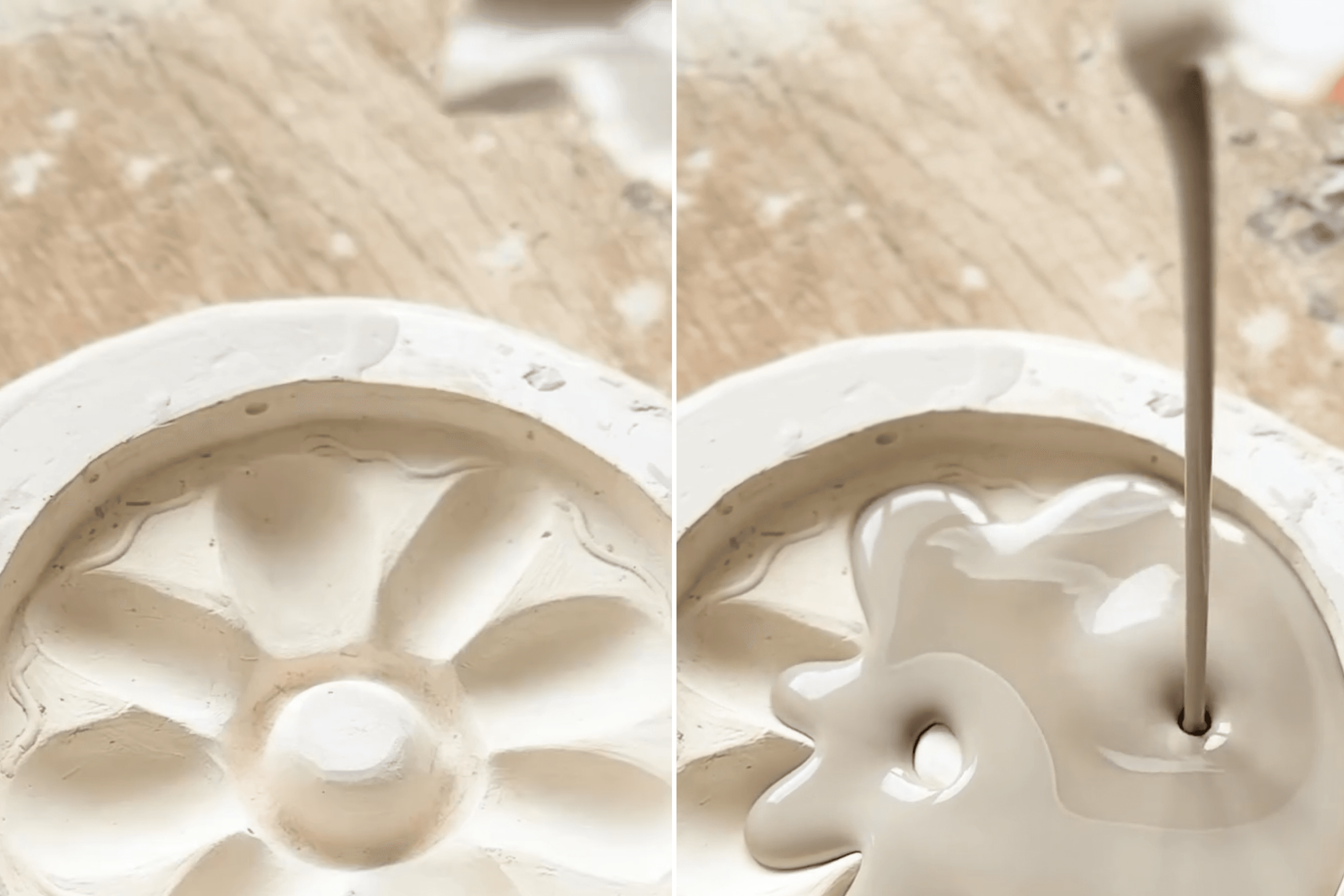
Photo: Grono / Instagram / YB 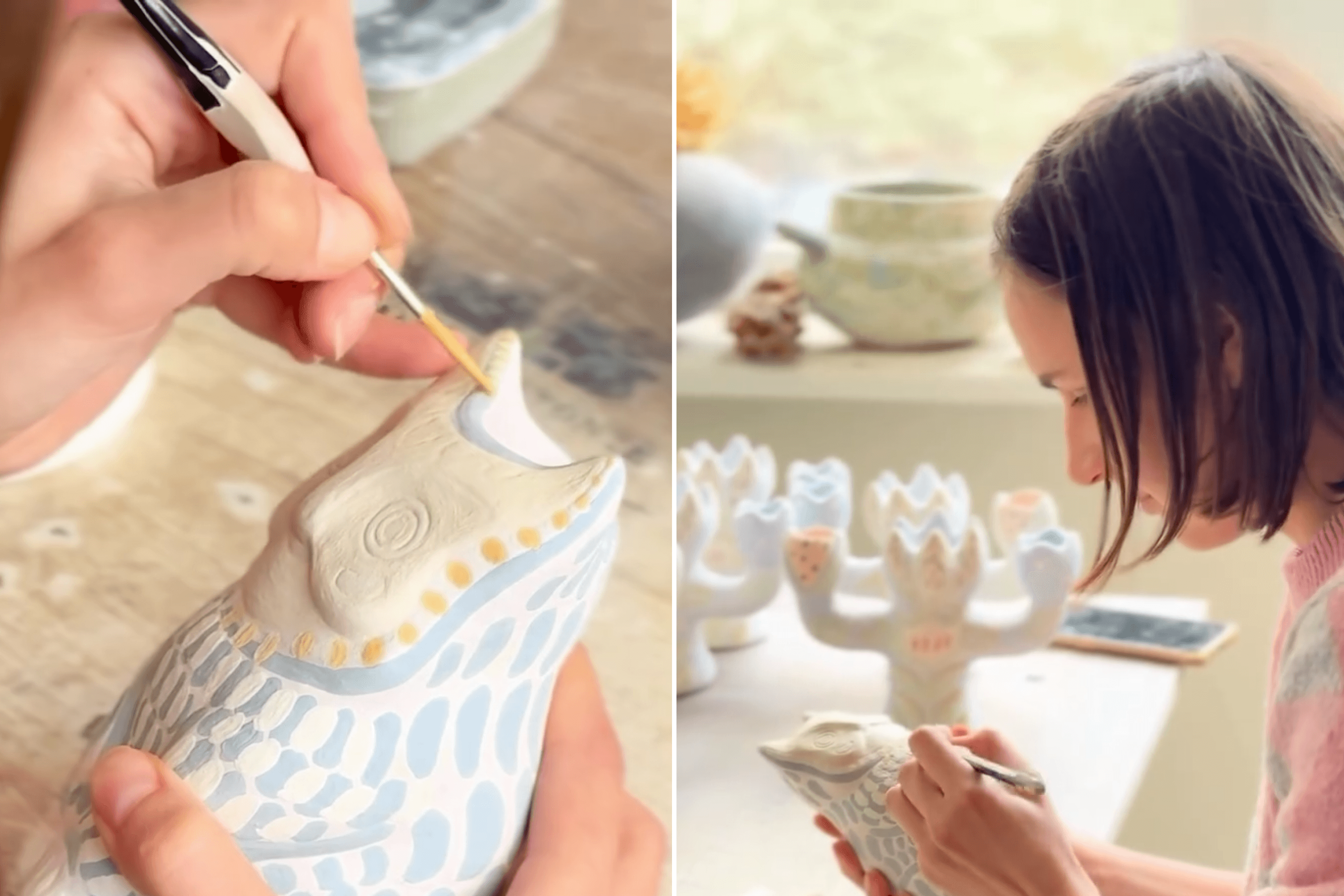
Photo: Grono / Instagram / YB 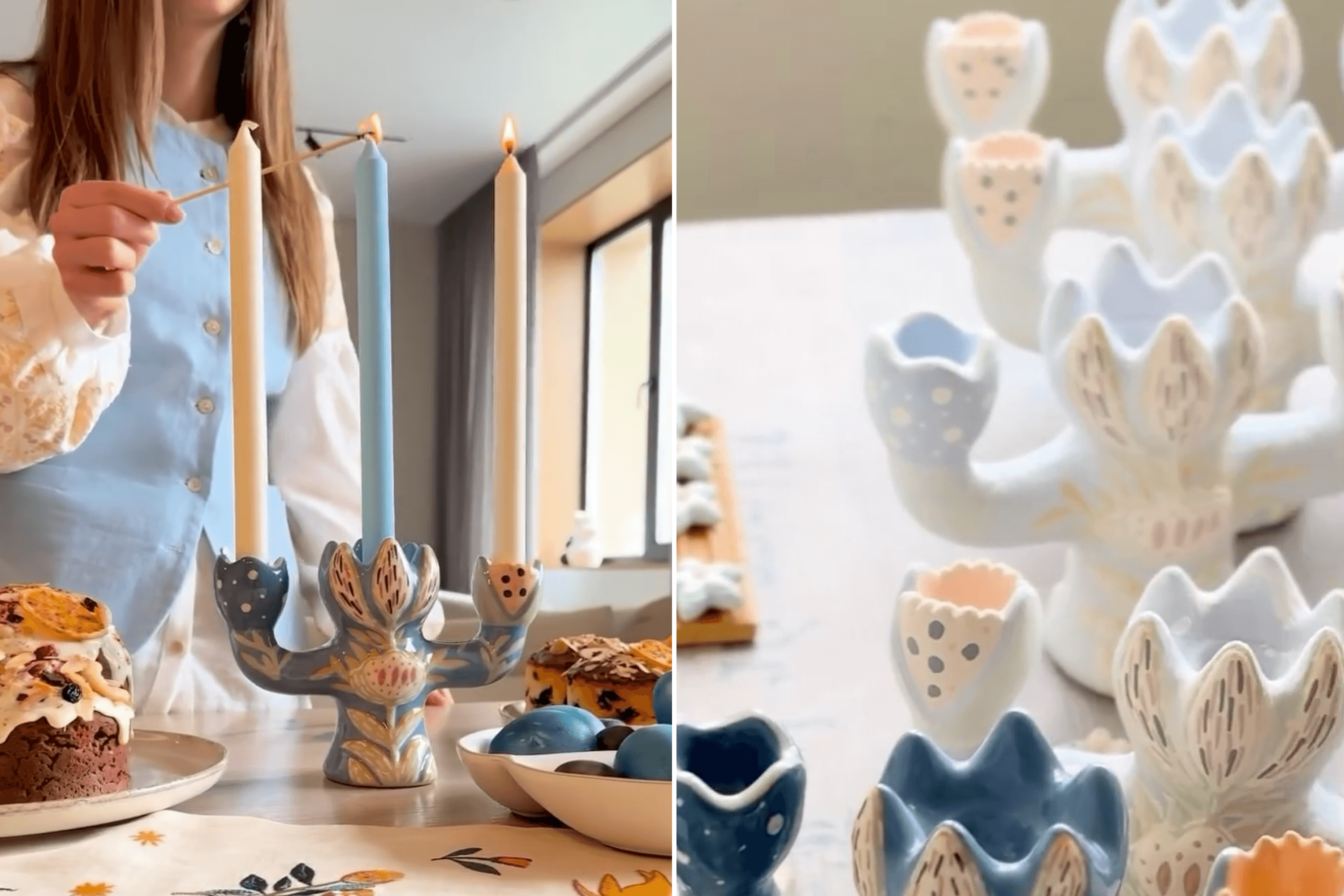
Photo: Grono / Instagram / YB
How do you create designs for new products?
Yuliana: I go through works by Ukrainian artists, choose what I want to use, and consult with the team and Pavlo. Then I draw sketches. That’s my favorite part. After that I meet with the artisans, a ceramicist or an artist from the toy factory. They develop prototypes that I approve. Then we go into production.
What are the terms for using Ukrainian artists' work?
Yuliana: We pay royalties to the Prymachenko family foundation and to tattoo artist Oleksandr Lutsyshyn, who created the Malanka ornament collection and the Tanok line of scarves and jewelry. The Ukrainian cities collection is our own design, so no royalties there, but we donate 10 percent of sales to the 1991 foundation, which helps cover the military’s needs.
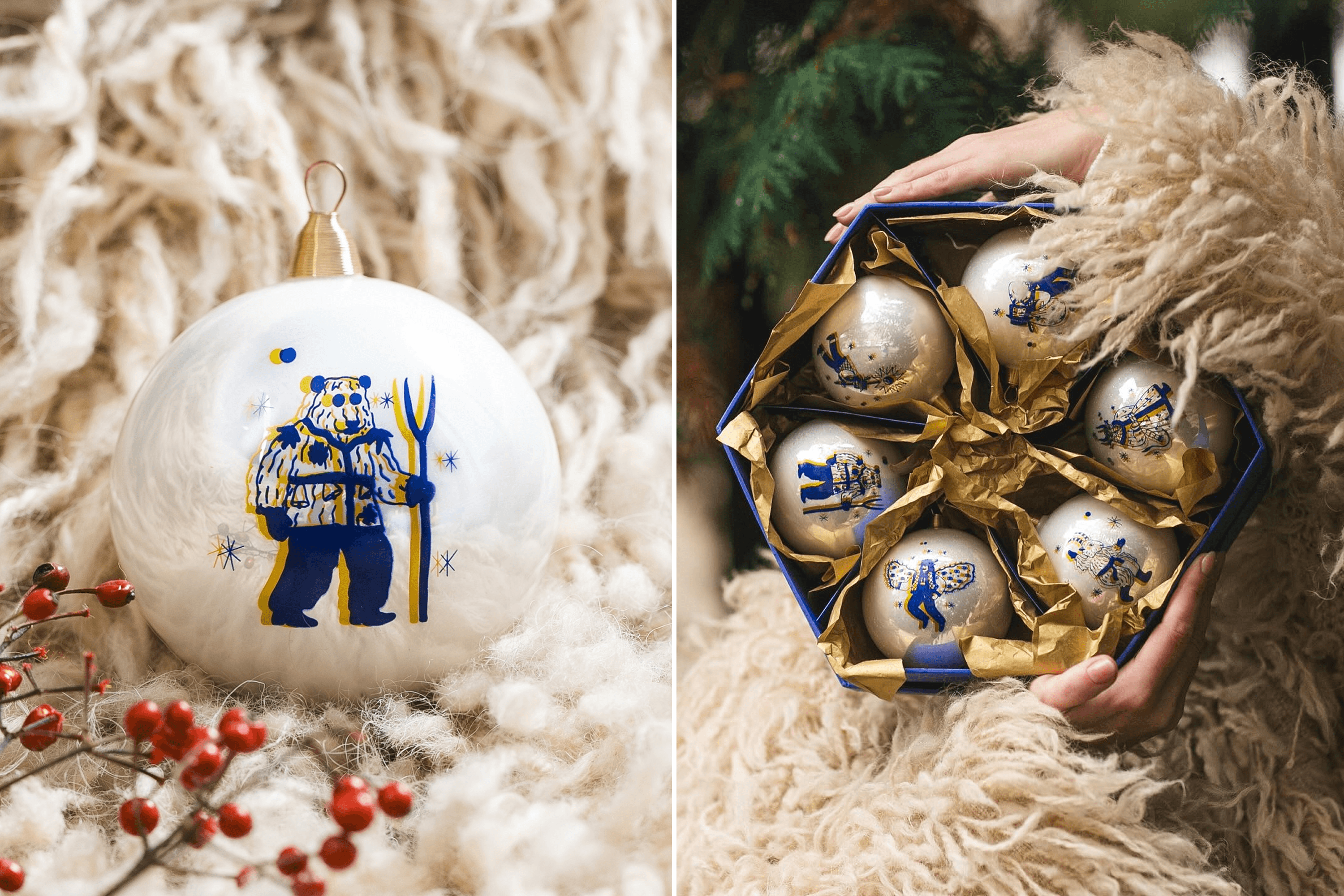
Some pieces from the “Malanka” Christmas ornament collection by the Grono brand. Photo: Grono / YB 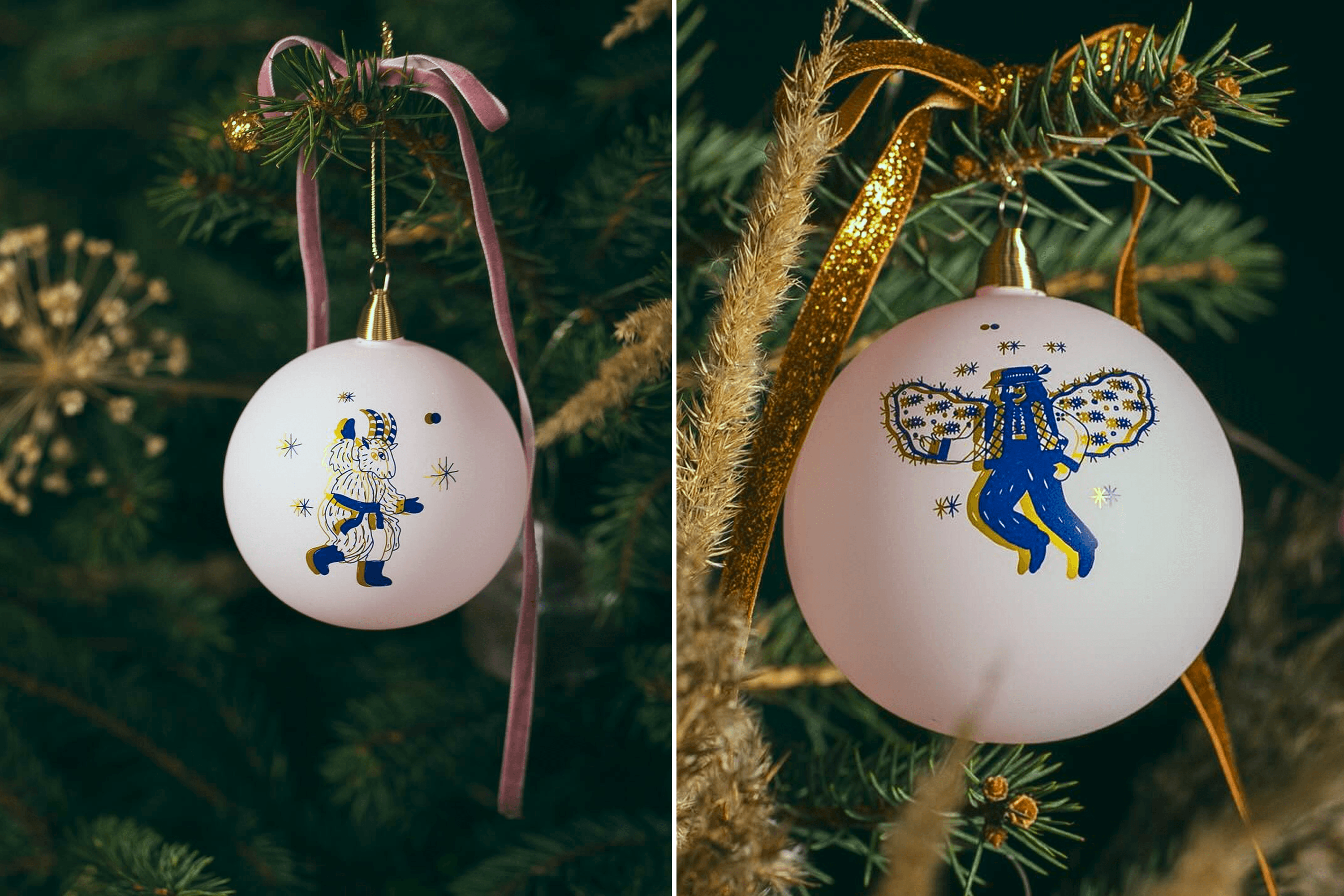
Photo: Grono / YB 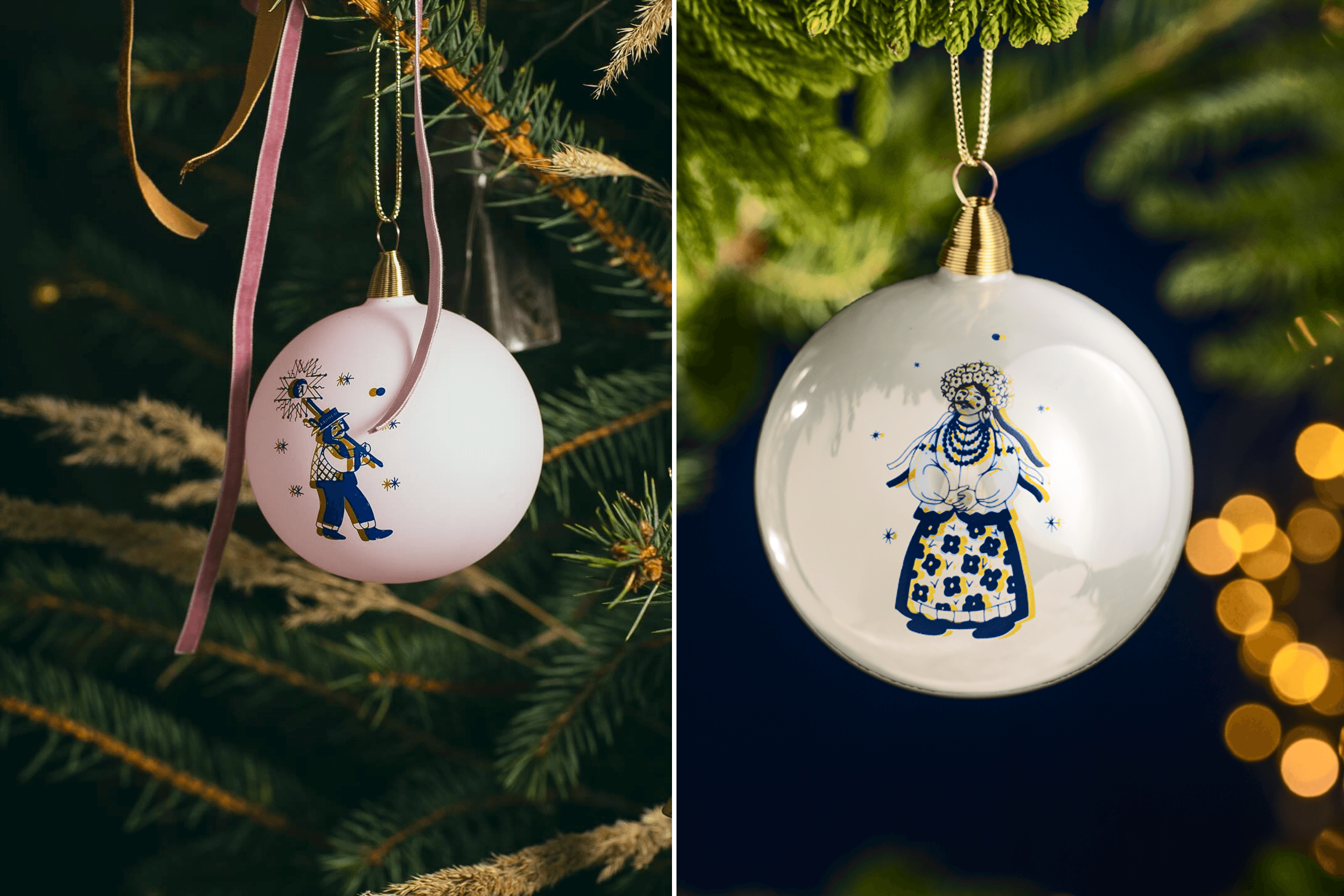
Photo: Grono / YB 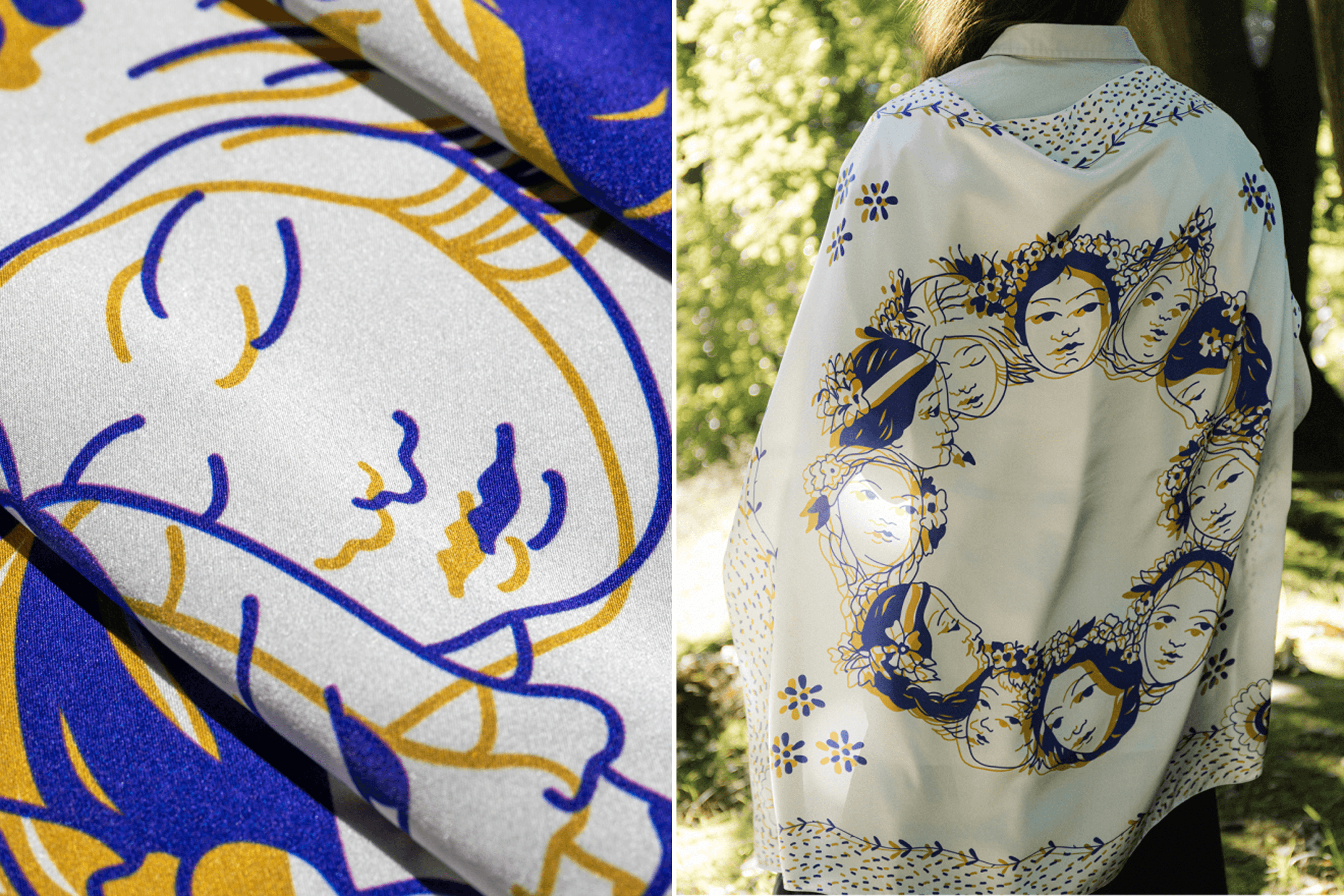
Деякі речі з колекції хустин та ювелірних виробів «Танок» від бренду Grono. Photo: Grono / YB 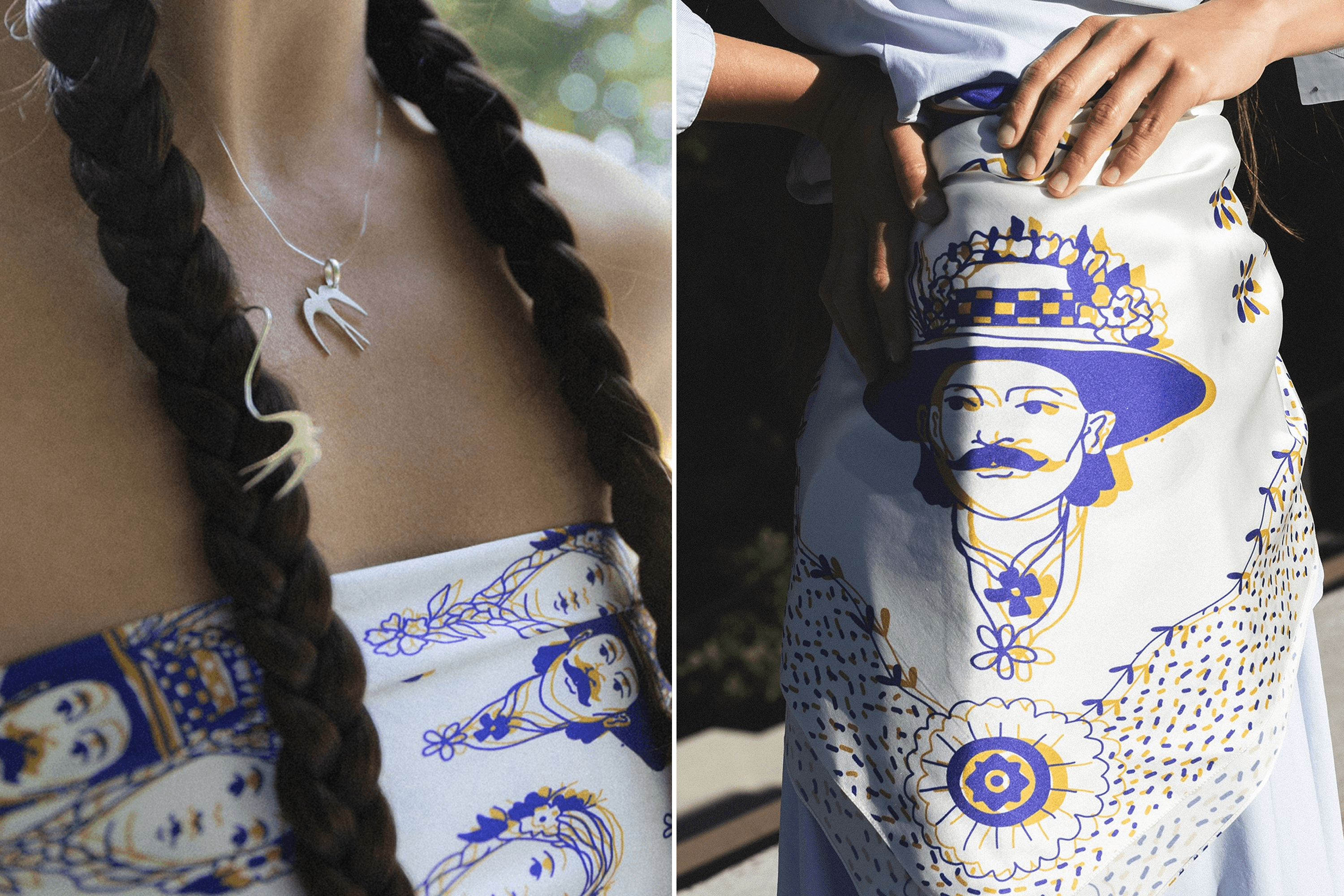
Photo: Grono / YB 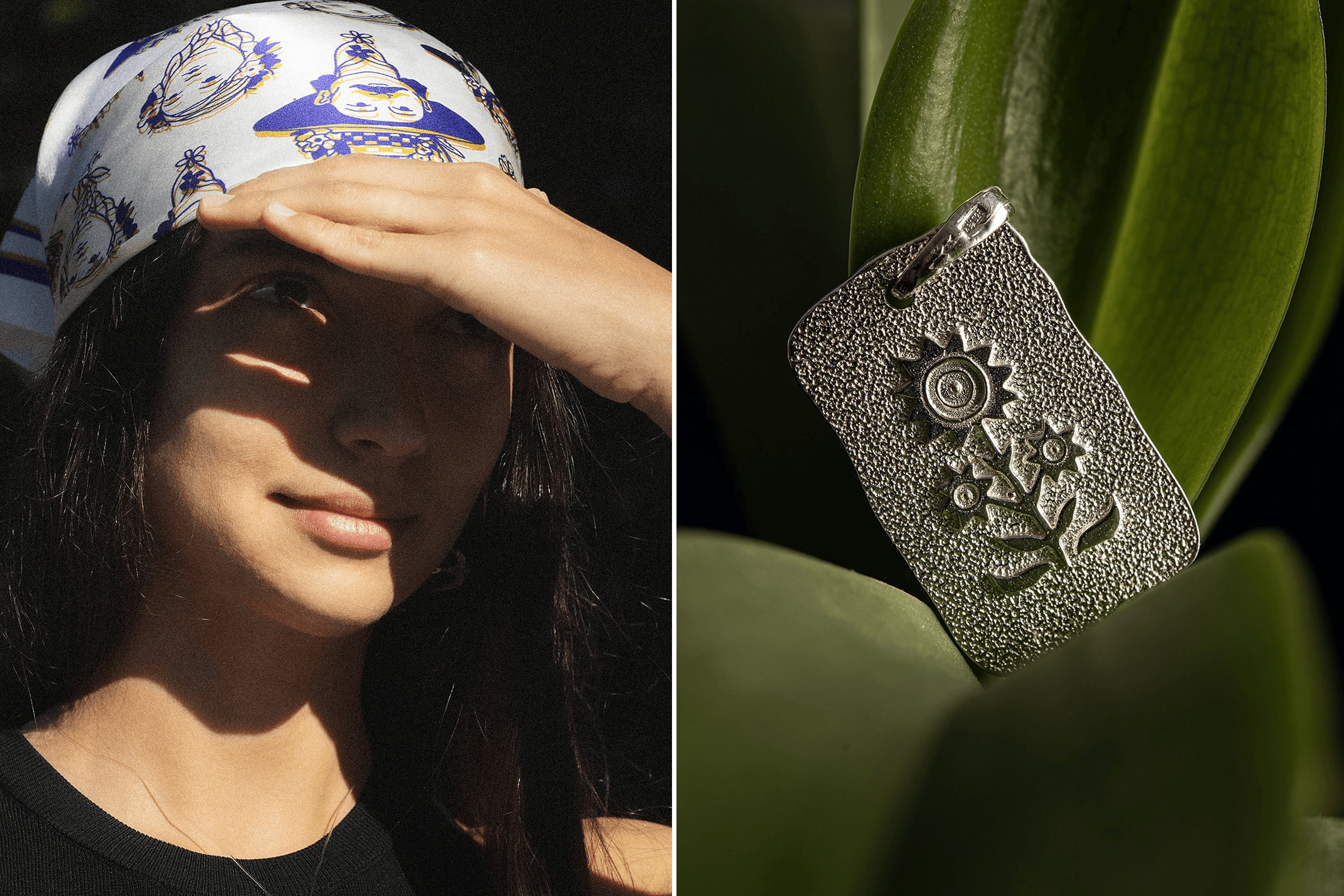
Photo: Grono / YB
For the textile line, we drew on paintings by naive artist Hanna Sobachko. She died in 1965 and her work is in the public domain, so we can use it freely. Polina Rayko died in 2004. Her only works are the murals on her house in Oleshky, which is now under Russian occupation. To preserve them, we transferred them onto our products.
Unfortunately, the director of the Polina Rayko foundation went missing during the occupation. We’d been supporting the women who looked after the house in Oleshky, but after the Russians blew up the Kakhovka dam and the town flooded, we lost contact with them.
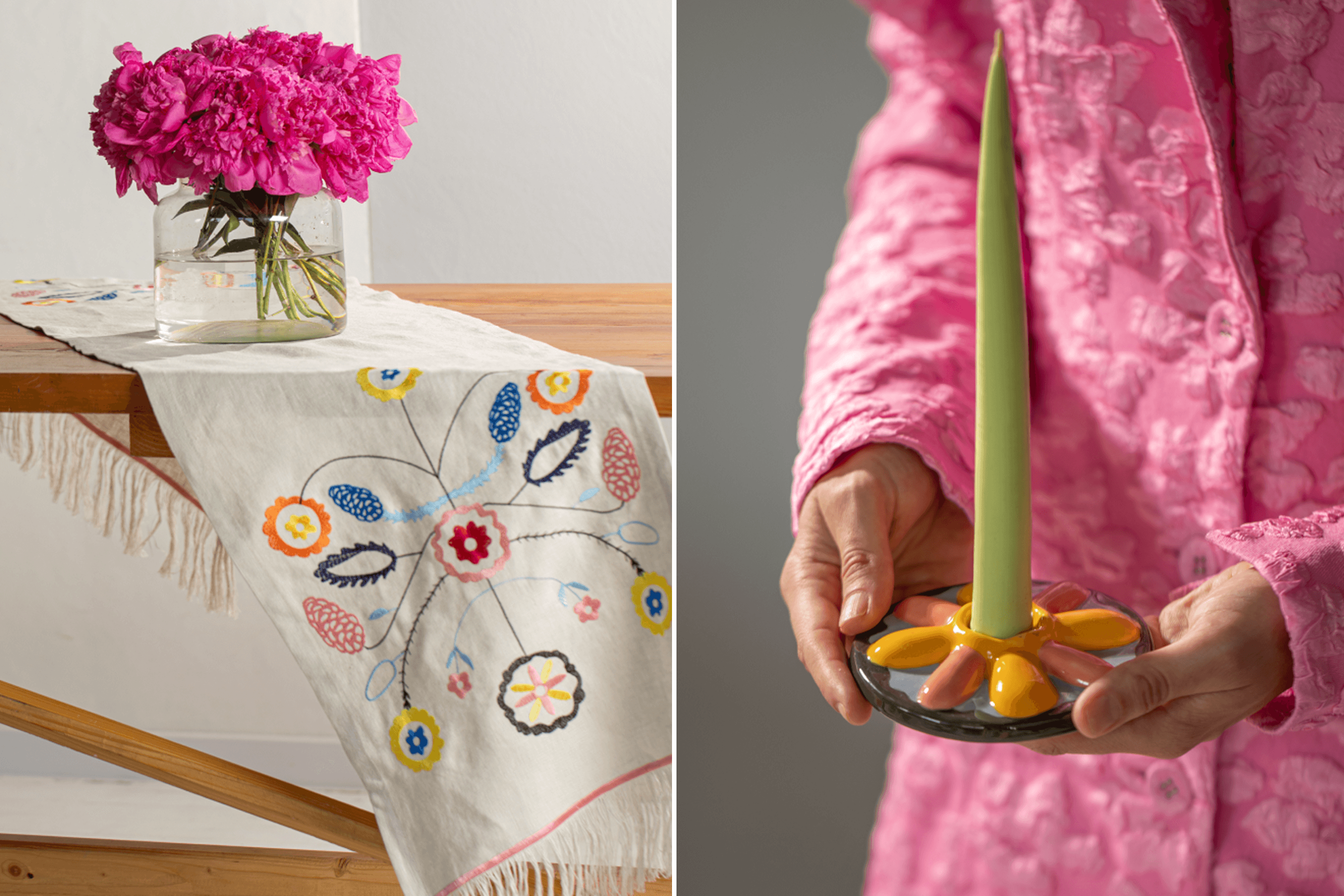
Pieces from the “Dyvosvit of Hanna” collection by the Grono brand. Photo: Grono / YB 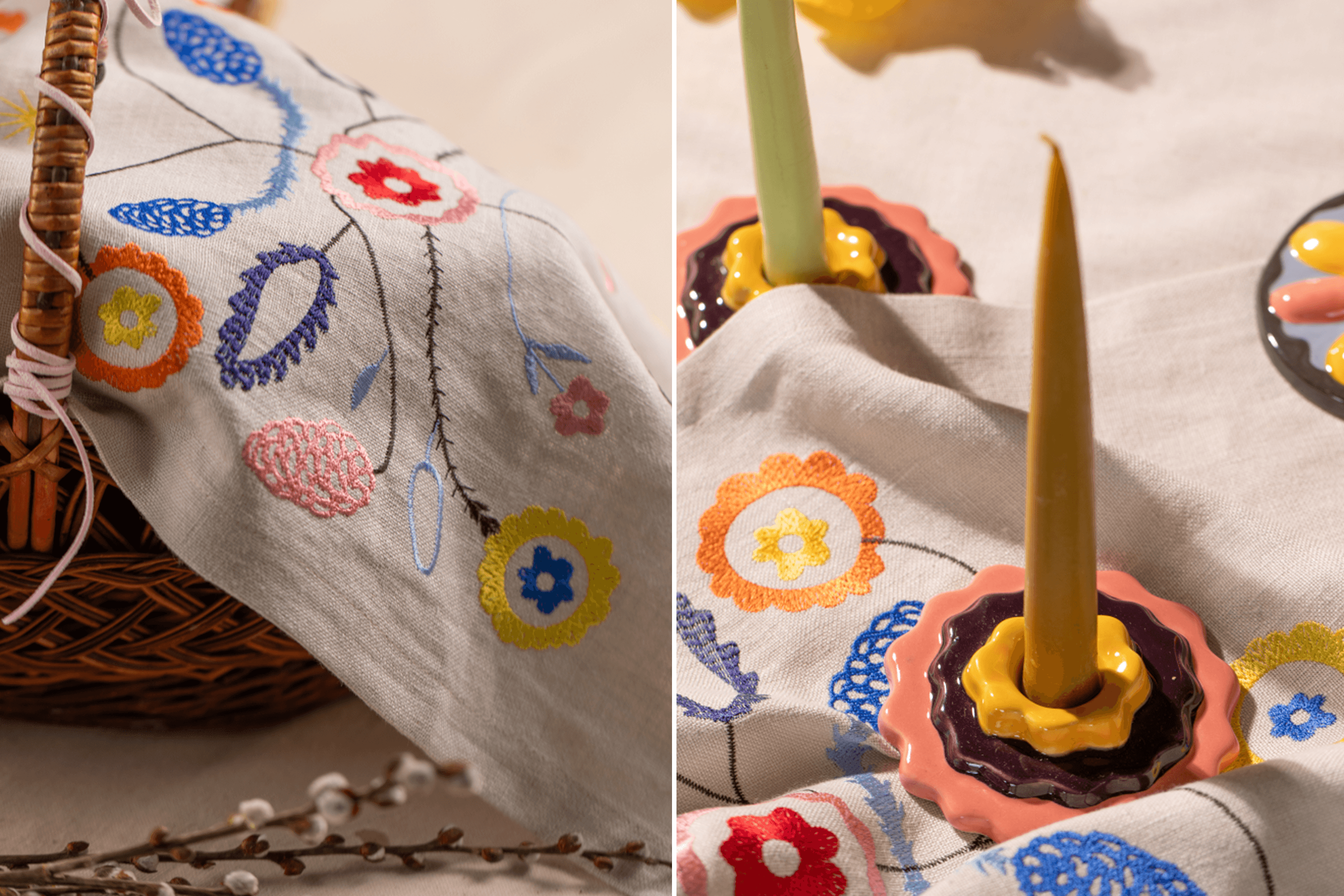
Photo: Grono / YB 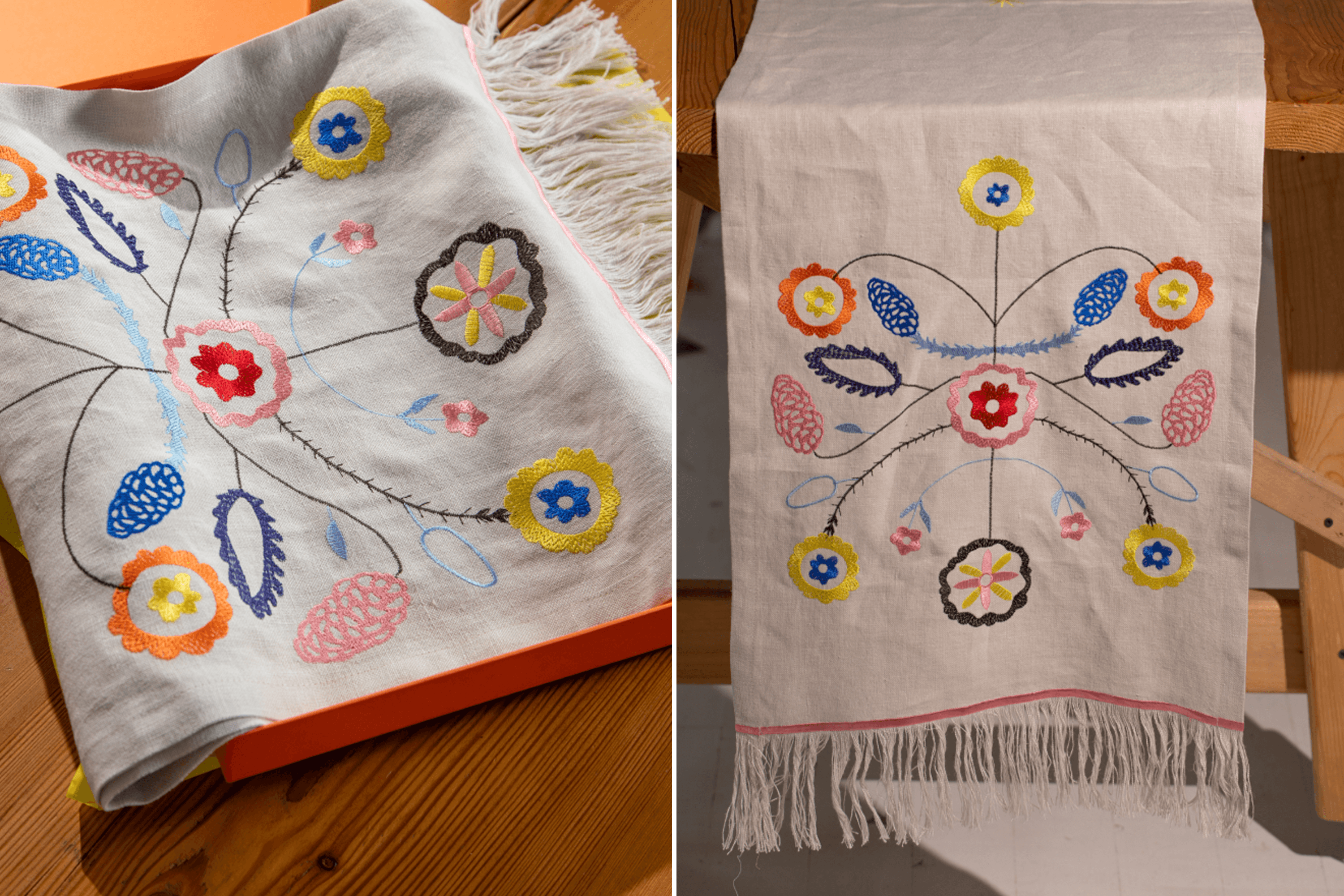
Photo: Grono / YB 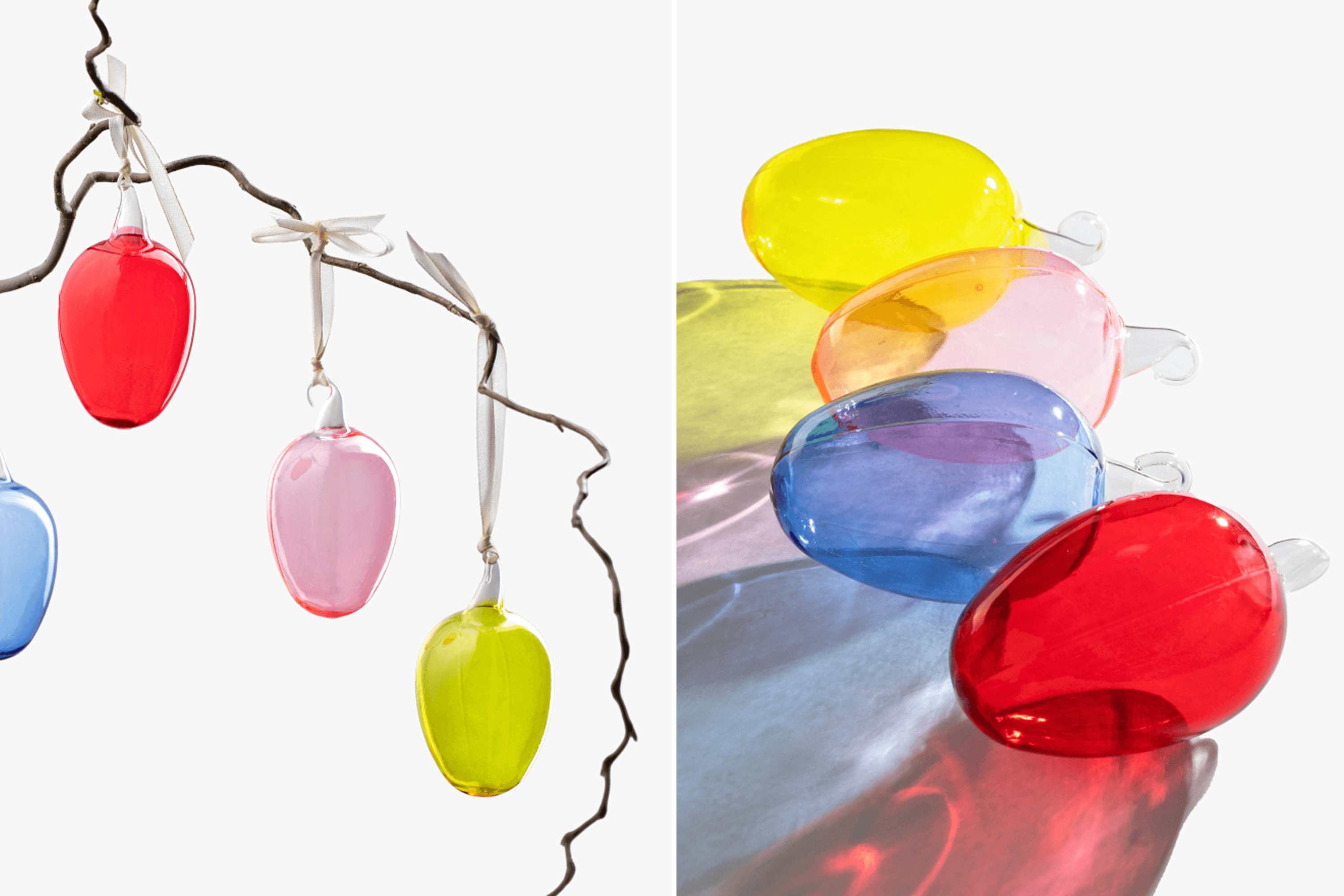
Photo: Grono / YB 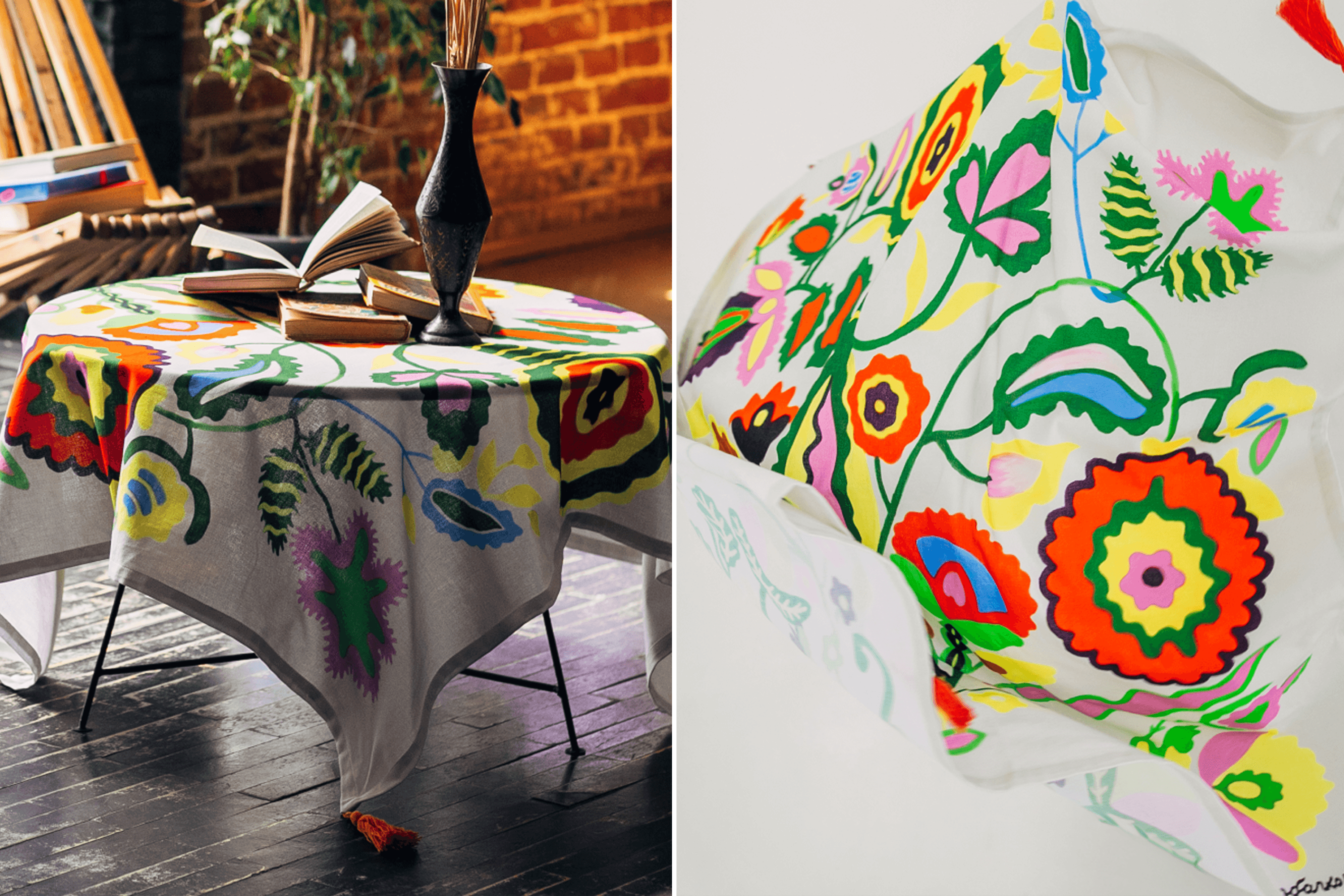
Photo: Grono / YB 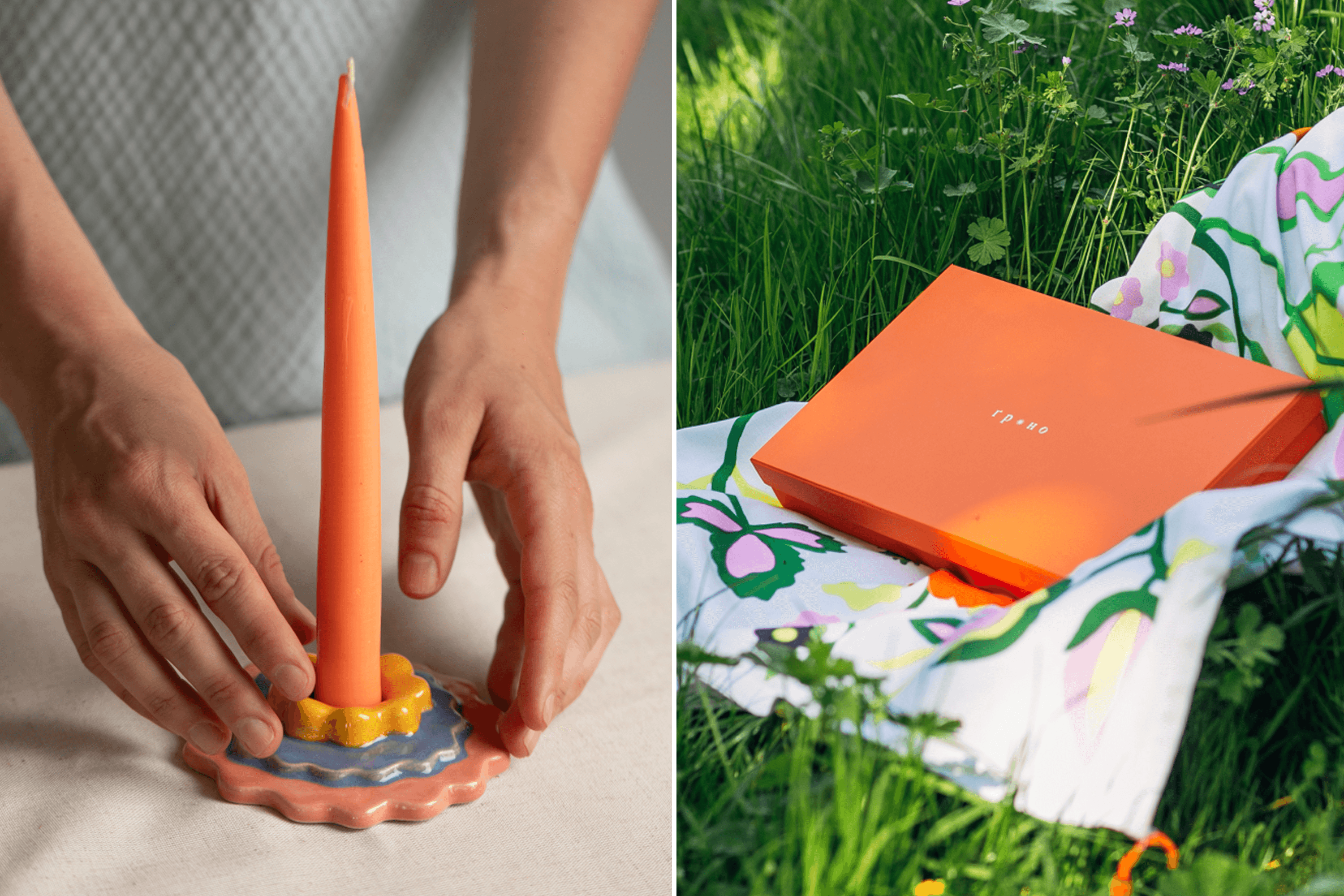
Photo: Grono / YB
Apart from Christmas tree decorations, which lines sell best?
Pavlo: A bit of everything. The standouts are the Zorianyi and Polina’s Flowers ceramic candlesticks, the embroidered Easter towels, and the silver pendant shaped like a trident. Summer brings in less than winter, but enough to keep the warehouse and team going.
Yuliana: Easter is a strong season for us. In spring 2025, we were well prepared and our ceramic and textile collections with works by Polina Rayko and Hanna Sobachko sold well.
At the beginning of the war, Ukrainians' interest in their own culture spiked. Has that demand faded over four years of full-scale invasion?
Pavlo: Interest hasn’t dropped, but supply has grown. There are a lot of brands making products with Ukrainian symbolism now, and I think everyone in this space can feel sales slipping because of it.
Yuliana: We’re glad Ukrainians are interested in their culture and love what is theirs. Hard to say where things go from here, but right now the trend looks positive.
How strong is the competition in your segment of the Ukrainian market? Who do you consider a competitor?
Pavlo: We’re a gift brand, so anyone making giftable things is technically our competition. At the same time, our products are on the pricier side and have a real artistic element, so no one’s buying 50 of our ornaments to fill a whole tree.
We keep an eye on what others are doing, but we’re focused on our own path: experimenting and working with artists, both living ones and the legacy of those who are gone. We also put a lot of focus on corporate orders for employee gifts. For example, one client once ordered as many as 403 trident toppers.
Yuliana: I’d rather see other gift makers as potential collaborators. We know the people behind Christmas Stories, a brand that also makes ornaments, and we actually produce some of our ornaments at their facility. Is that competition? Maybe, maybe not.
Have you already done collaborations with Ukrainian brands?
Yuliana: Recently we did our first collaboration with Dotyk, a Lviv skincare brand. It’s a set inspired by the Ukrainian tradition of painting the tree of life on the walls of homes. They made an aroma diffuser with a scent of fir and cedar, and we made a white glass christmas ornament painted with the tree of life. It’s a sweet collaboration about traditions, the smell of happiness and celebration. We liked this experience, and we have ideas for more, for example, with museums in Ukraine.
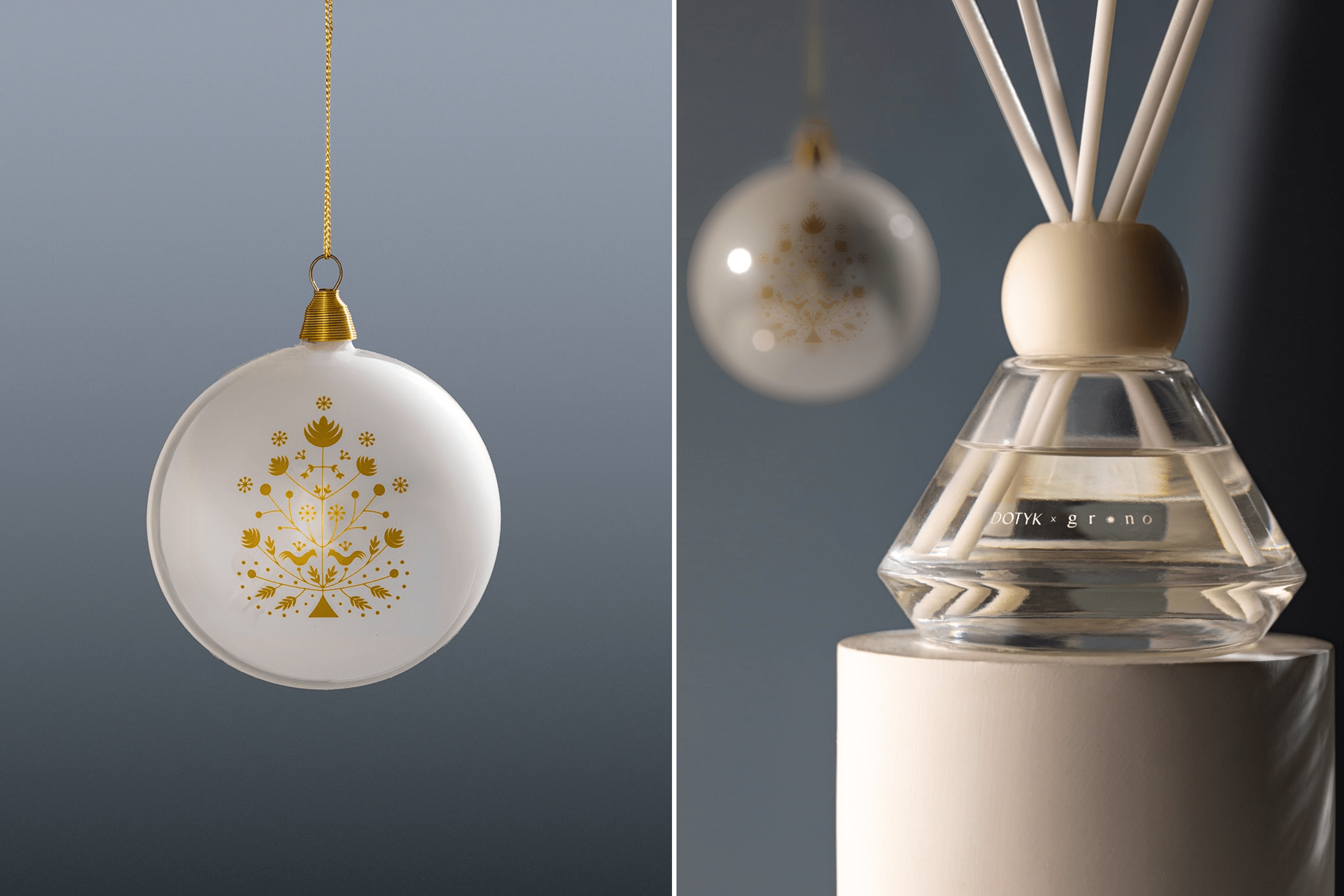
A collaboration between the Grono brand and the Lviv-based skincare brand Dotyk. Photo: Grono / Dotyk / Instagram / YB 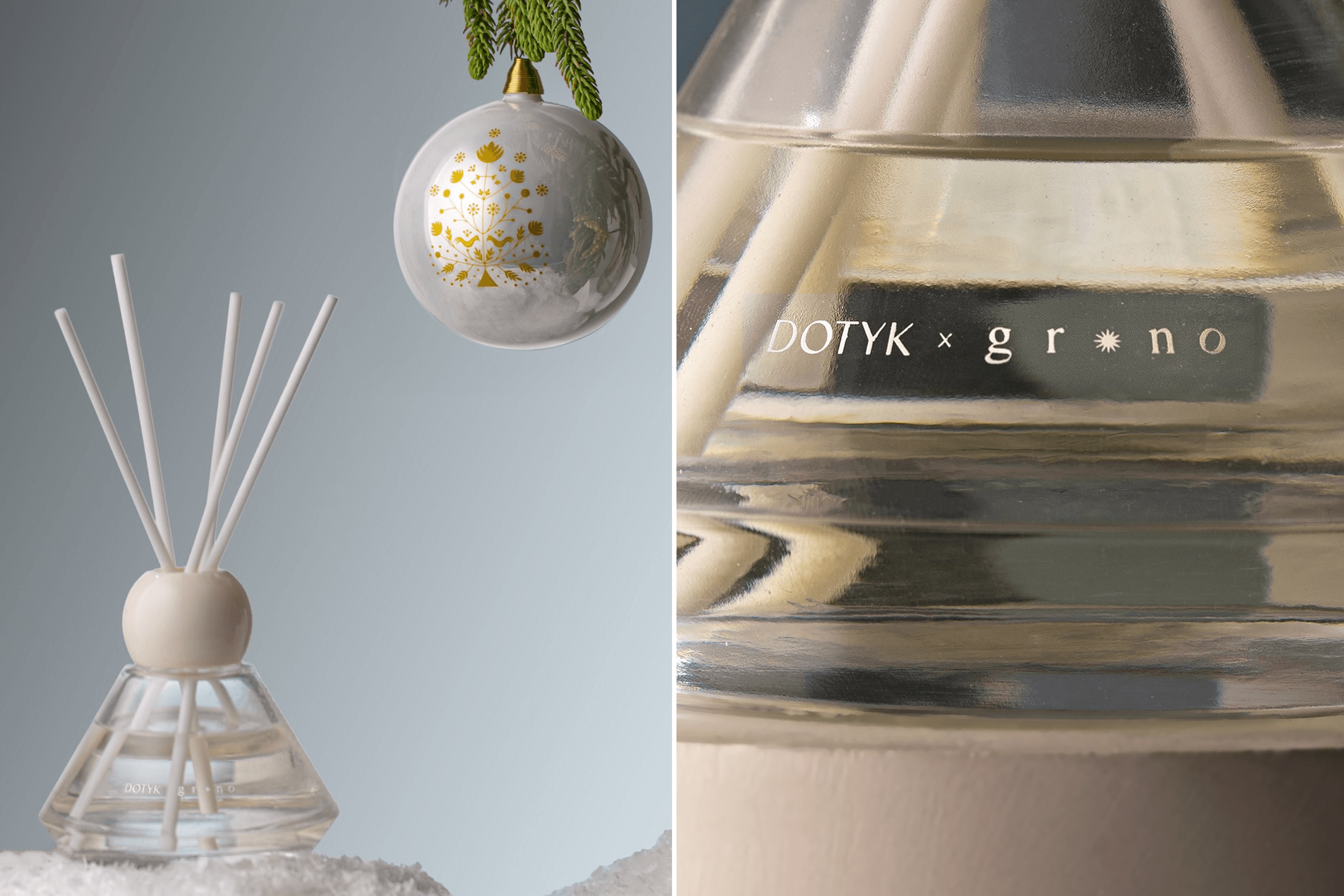
Photo: Grono / Dotyk / Instagram / YB
You mentioned corporate gifts. Tell us more about that. Which companies have you worked with?
Pavlo: We brand the gift boxes our products come in. We can also apply a company logo to printed ornaments, from the Koliada or Malanka collections, for example. For the 2025/26 season, we made these for the Lviv dental company Inspe and private hospitals Medicover and Lviv Medical Center. We can put logos on greeting cards too.
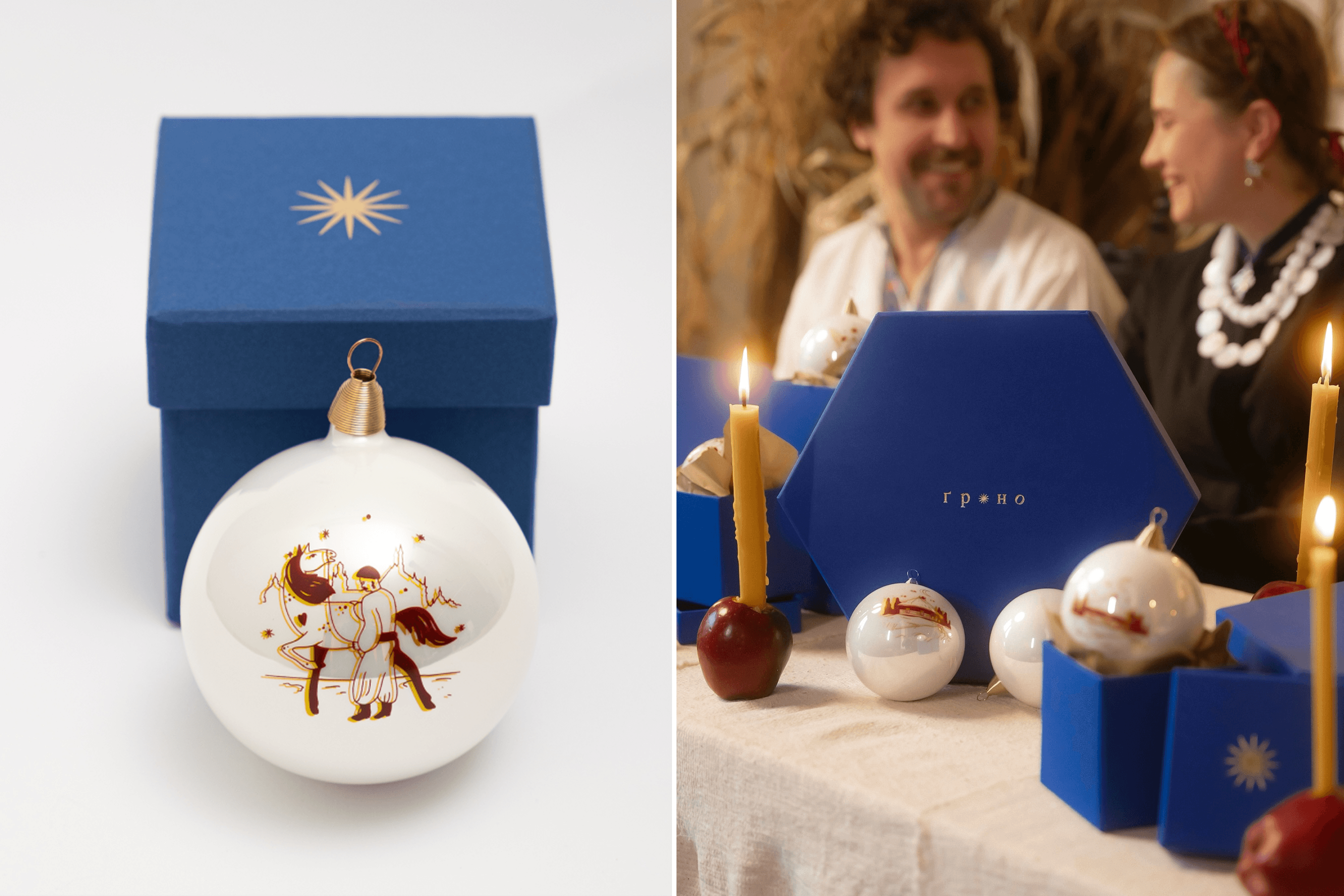
Christmas ornaments from the “Koliada” collection by the Grono brand. Photo: Grono / YB 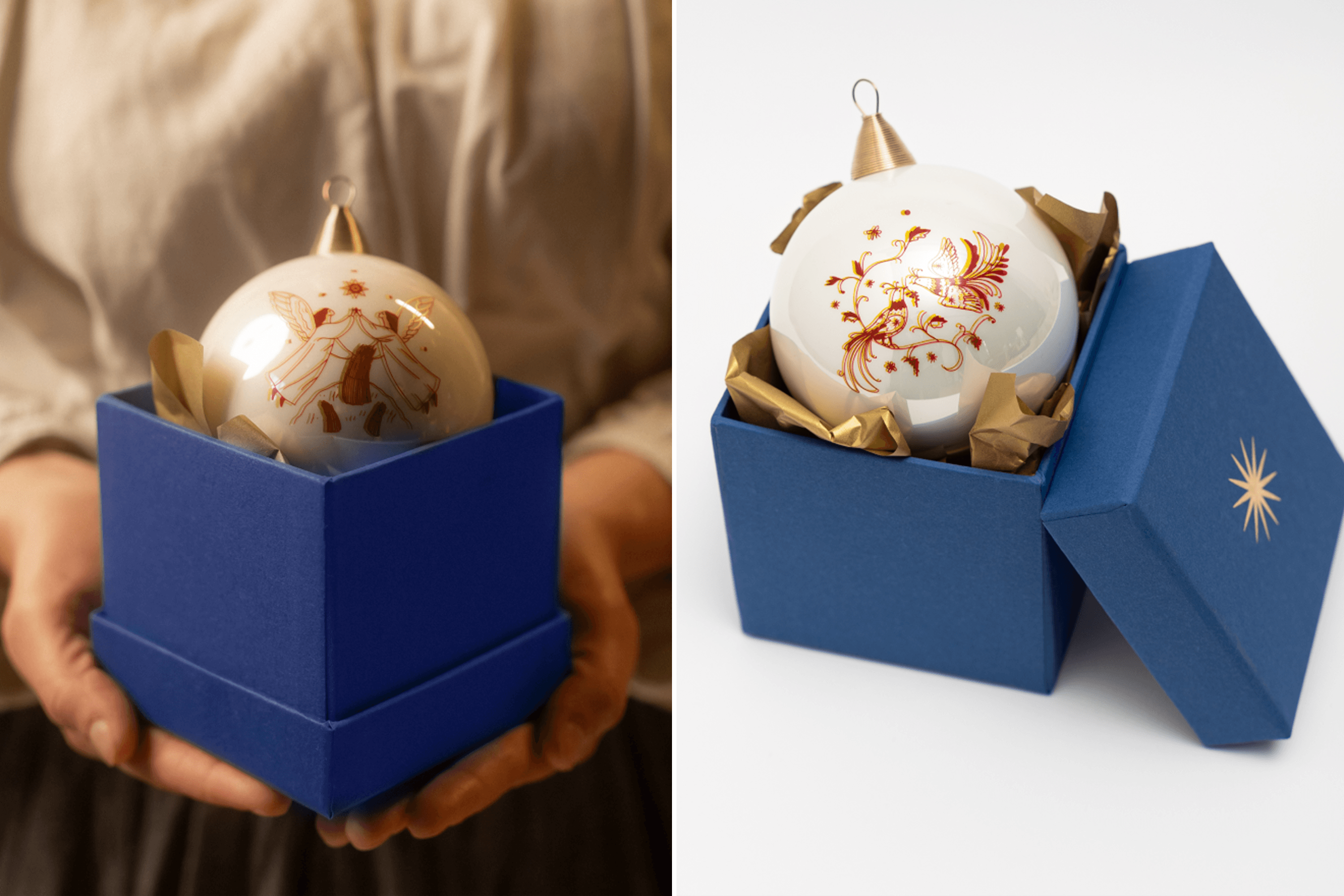
Photo: Grono / YB 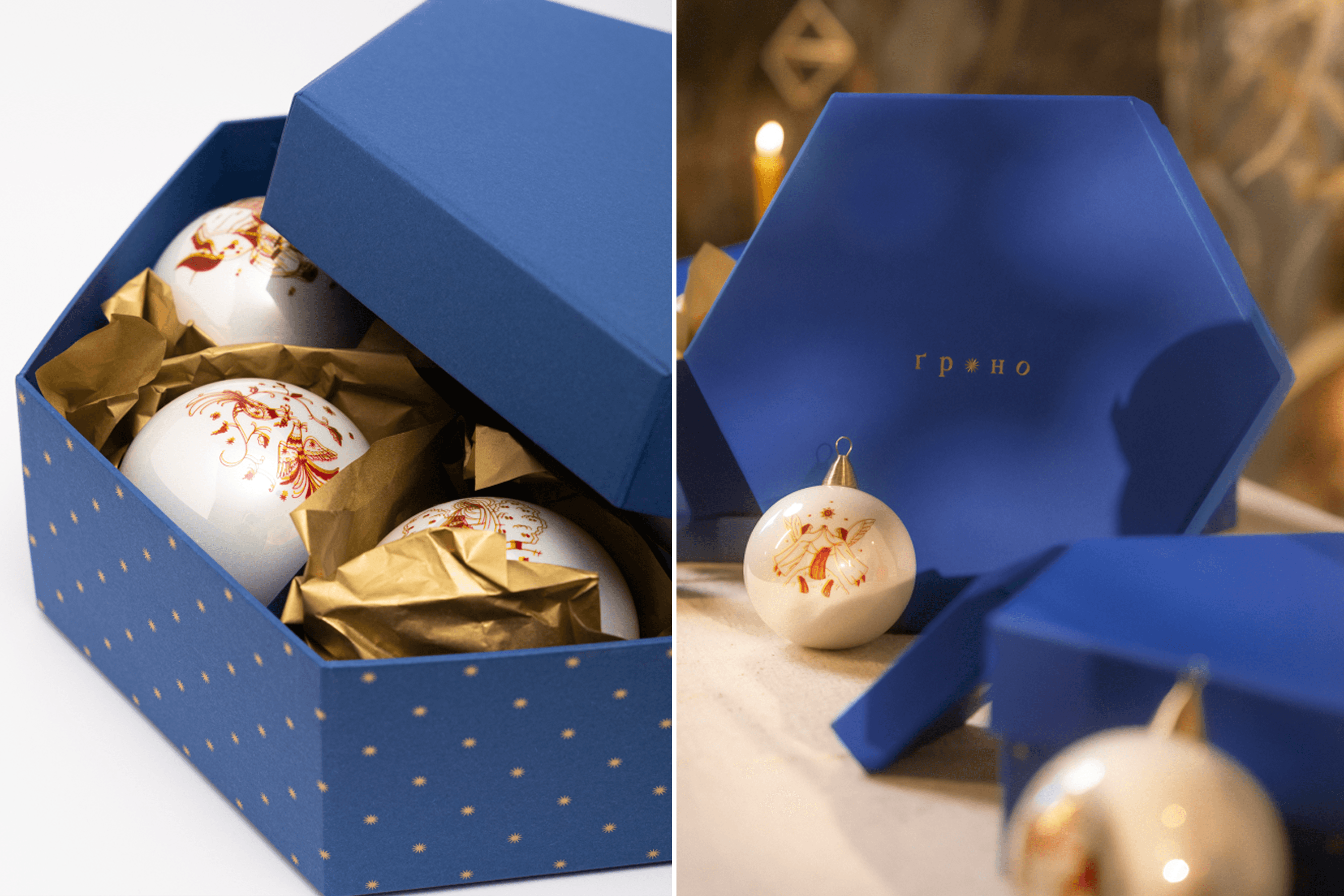
Photo: Grono / YB 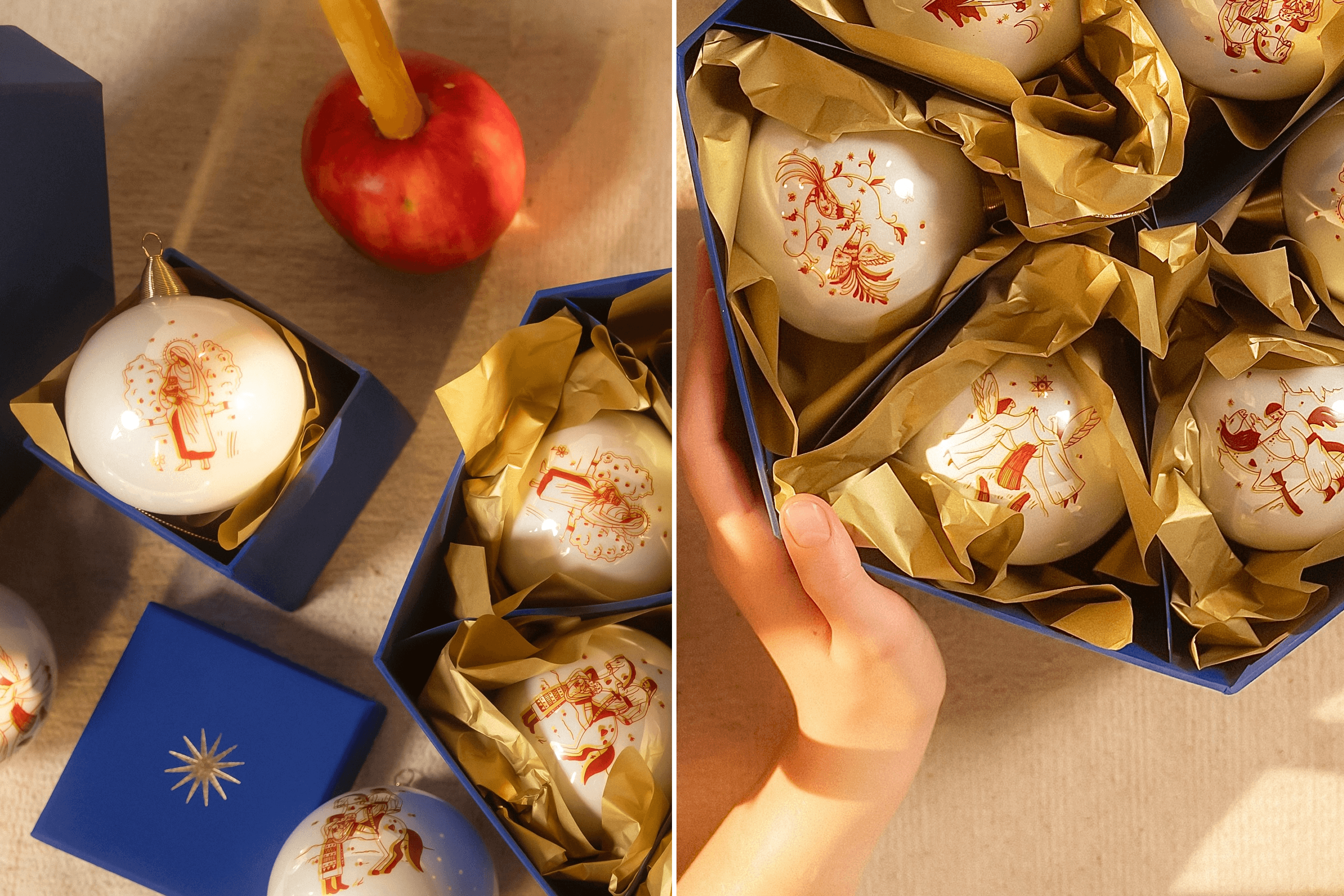
Photo: Grono / YB 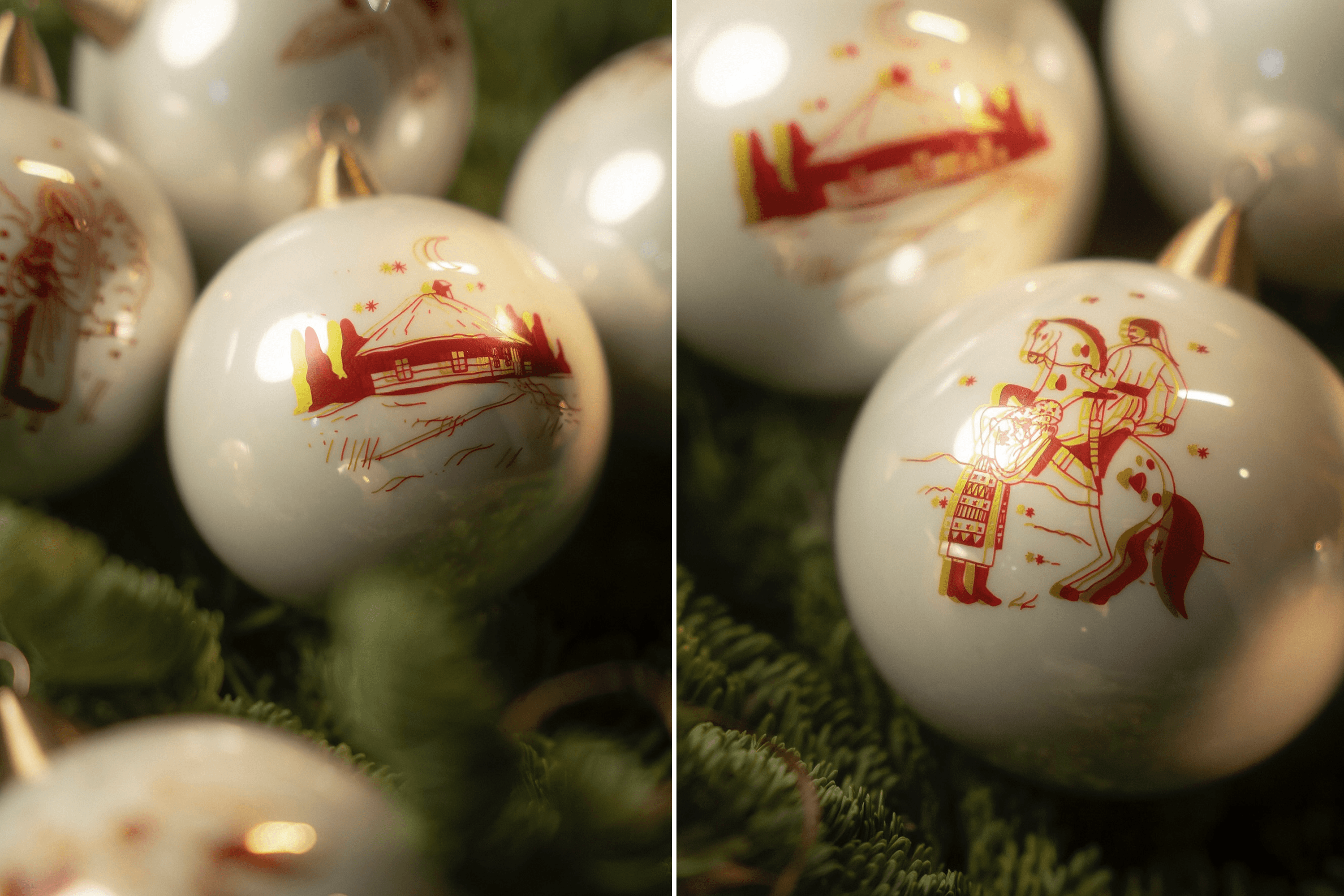
Photo: Grono / YB 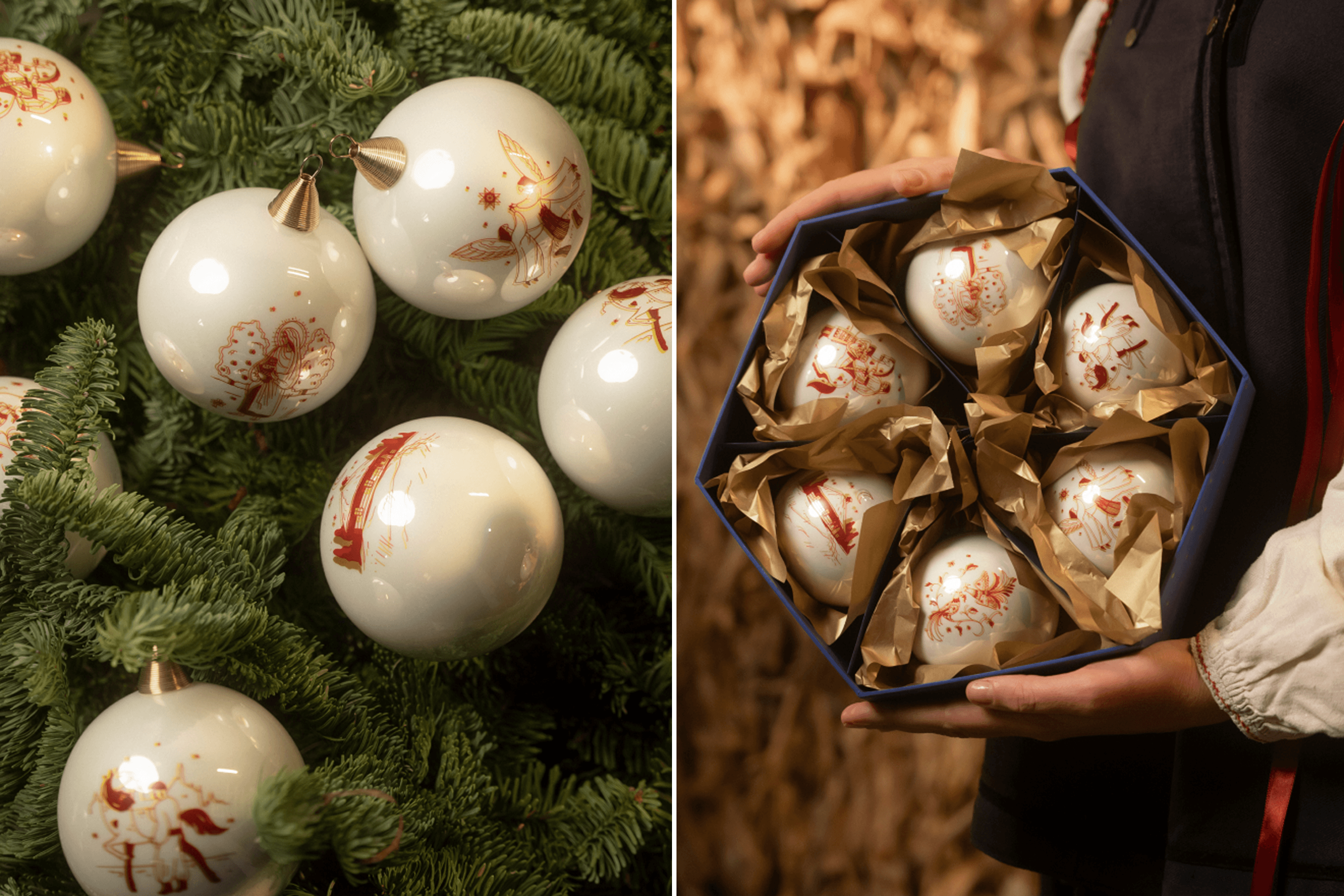
Photo: Grono / YB
These orders typically take two to four weeks, depending on the quantity, complexity, and how busy our artisans are. We give discounts to corporate clients. This is a priority area for us — in profitability, it’s already nearly on par with our B2C and B2B sales.
Yuliana: Banks are among our frequent corporate clients, monobank and Ukrgasbank for example, as well as IT companies and regional administrations. This year they ordered not only Christmas tree decorations but ceramics too. A great option for anyone looking for a gift with real Ukrainian meaning.
What are your biggest challenges right now? How do you deal with the problems caused by the full-scale war?
Pavlo: Grono was born during the full-scale war, so we don’t even know what it’s like to work without it. Power outages are the biggest problem. They cause delays all the way down the supply chain. There’s also the cold in our warehouse: in winter our packers are working in freezing conditions. And of course, the war affects people’s moods, which means they buy fewer gifts.
Yuliana: There’s also a more personal challenge for us. Grono’s range is constantly expanding, and so are the costs and the team. The winter season is particularly intense. Neither Pavlo nor I have ever managed a large company, so we’re learning a lot from scratch.
2
Your products have been on sale abroad since 2023, in showrooms in the US (New York, Chicago, San Francisco), Belgium (Antwerp), and Germany (Berlin). How did you find those partners, and how does the relationship work?
Yuliana: The showrooms in the US and Germany are run by Ukrainians who reached out to us and offered to carry our products. The owner of the Belgian showroom is of Ukrainian origin. We met her at the 3daysofdesign exhibition in Copenhagen, where we presented our work alongside other Ukrainian brands.
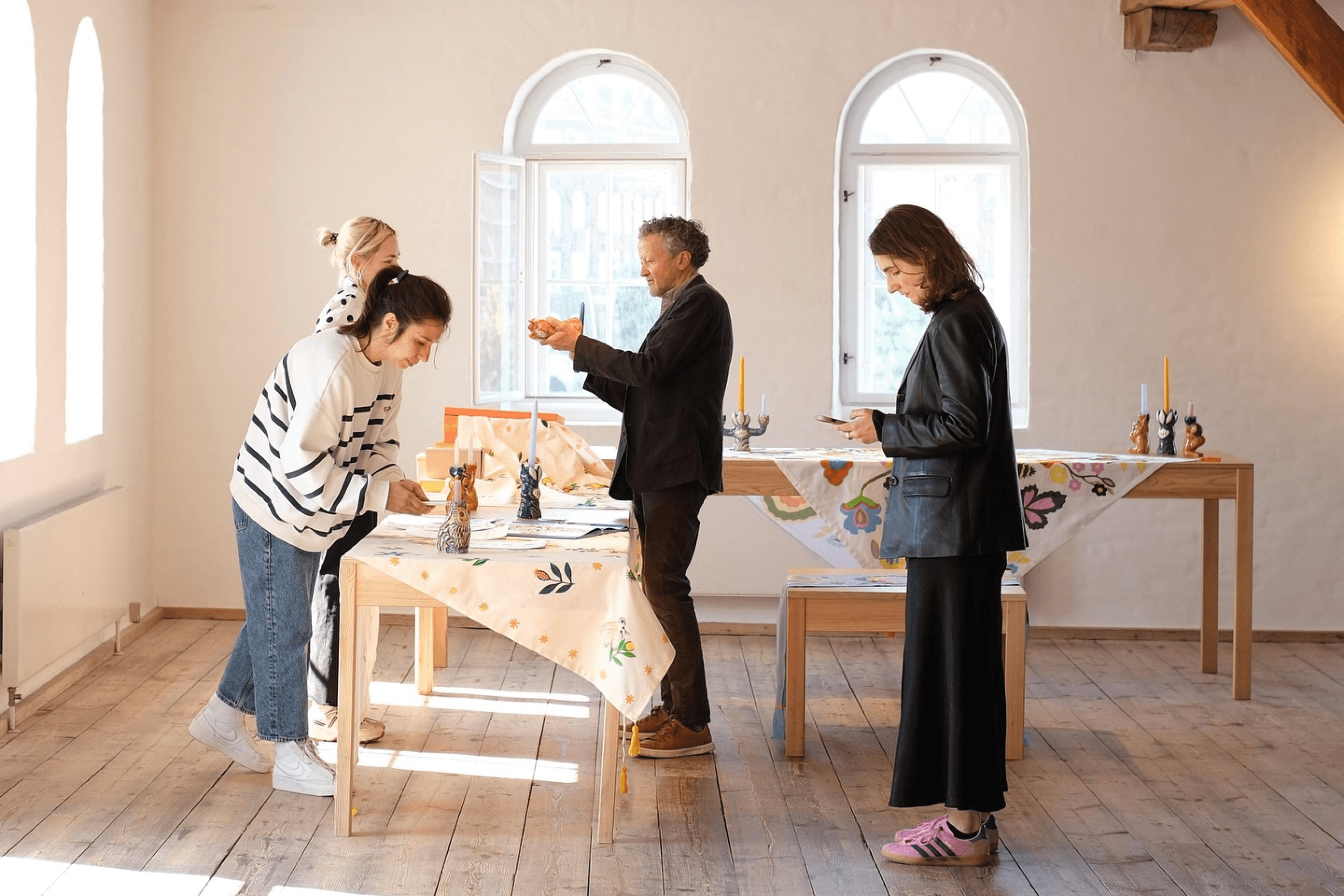
Grono at the “3 Days of Design” exhibition in Copenhagen. Photo: Grono / Facebook / YB 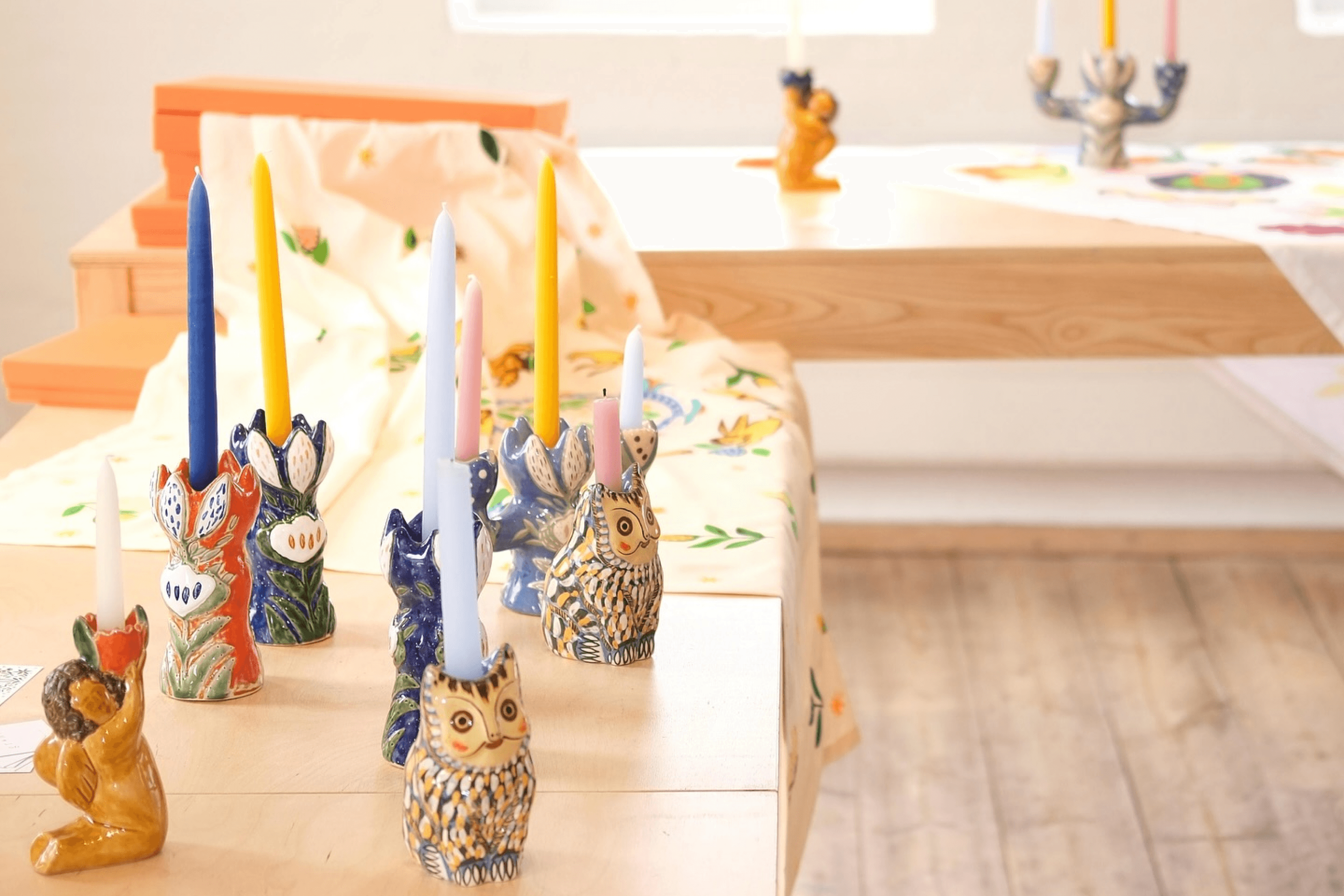
Photo: Grono / Facebook / YB 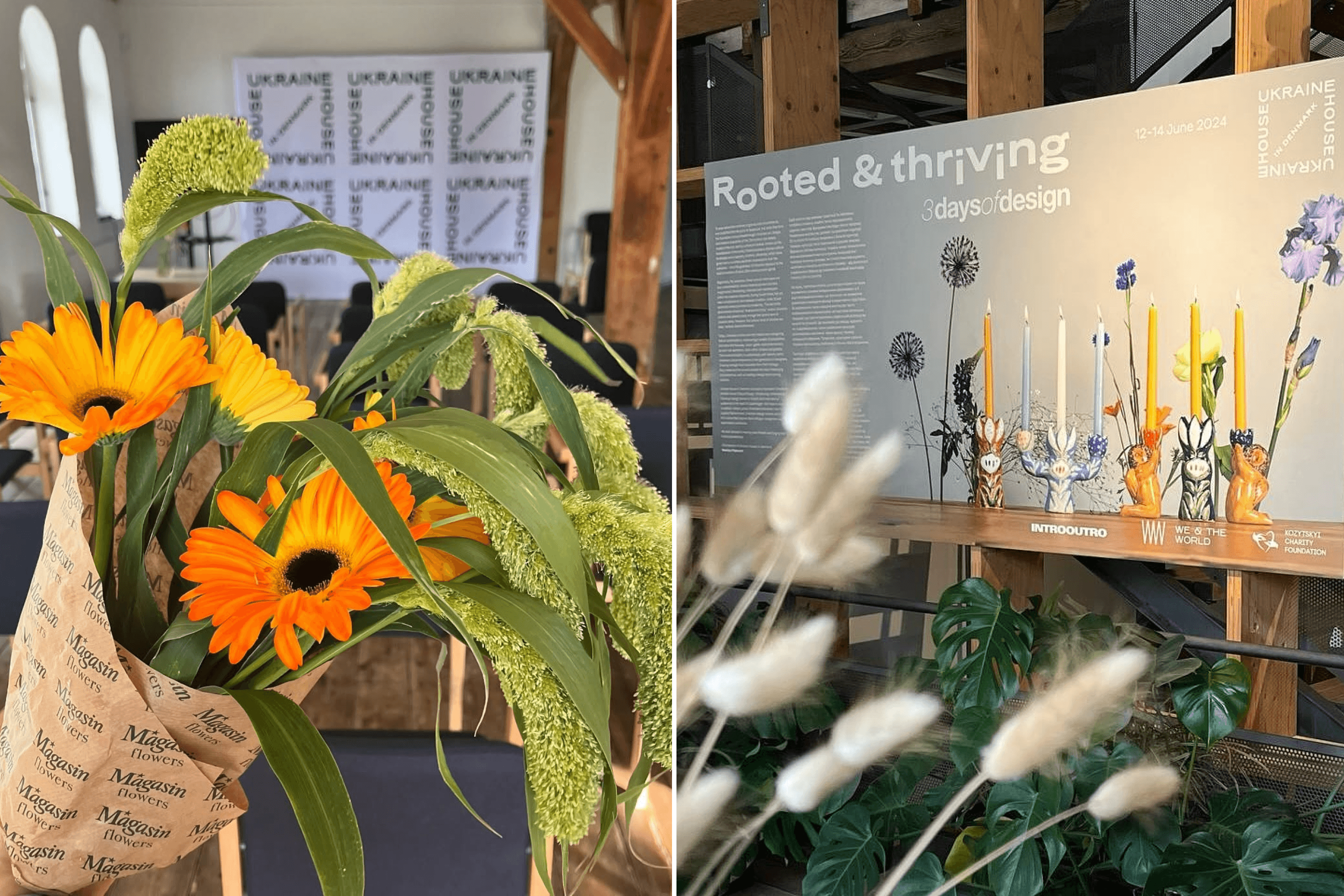
Photo: Grono / Facebook / YB 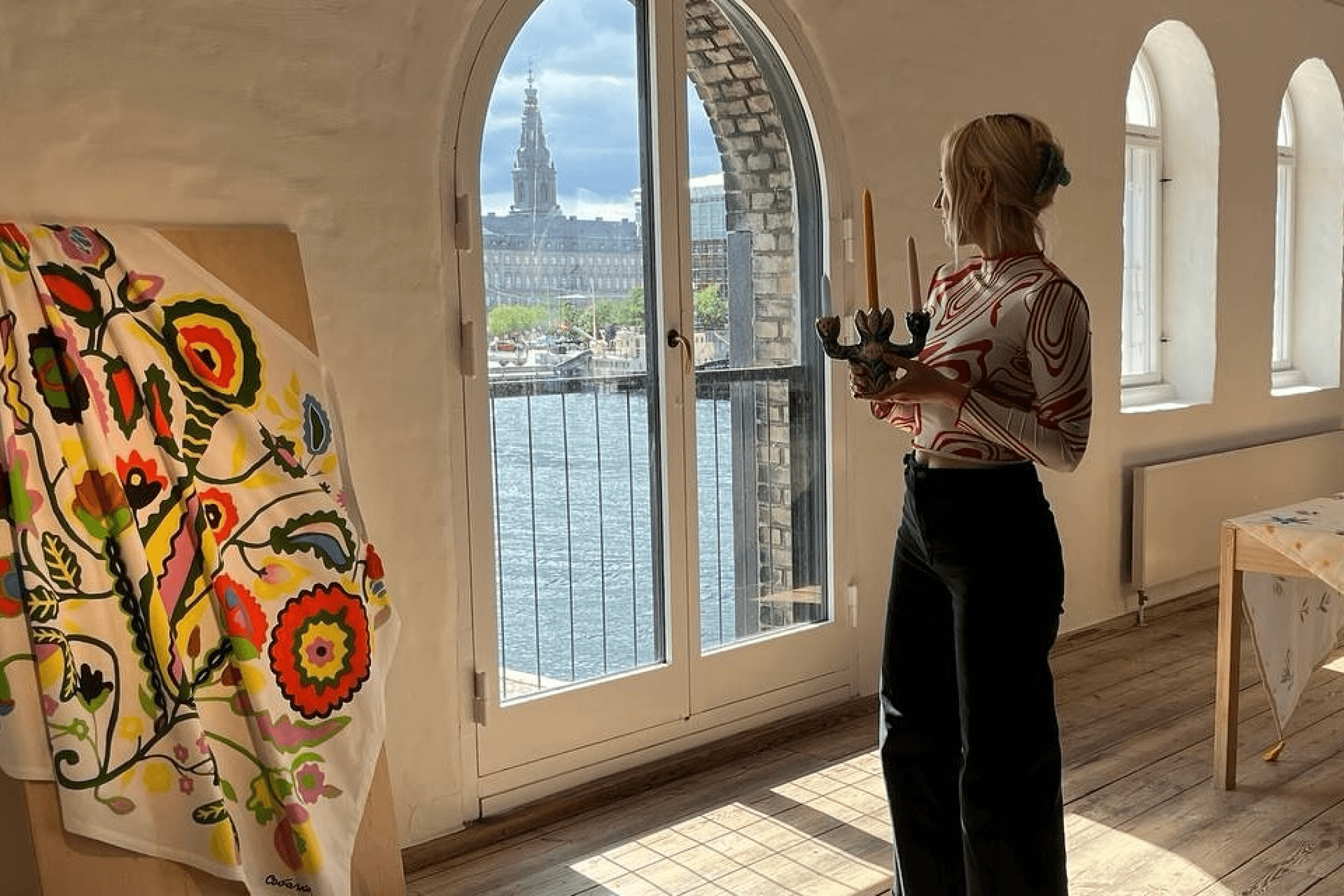
Photo: Grono / Facebook / YB
Pavlo: We have a dedicated employee who handles relations with both Ukrainian and foreign showrooms. With international stores, we require full prepayment and don’t accept returns. It’s just too complicated and expensive. We offer discounts, and for one of them we’ve arranged a deferred payment option. With Ukrainian showrooms it’s easier: at the end of the season they pay us for what sold and return the rest.
Does demand differ across showrooms in different countries?
Pavlo: Hard to say definitively. The owner in Germany placed a smaller order this year because she still had stock from last season. Chicago consistently orders a lot because our collections always sell out there.
We also ship internationally to every corner of the world and are actively developing that side of things. In November, we ran targeted social media ads in the US and Canada for users whose interface language was set to Ukrainian. For the next winter season, we’re planning a separate website specifically for international orders. It will calculate shipping costs automatically, so our manager doesn’t have to do it by hand and customers aren’t kept waiting on email exchanges.
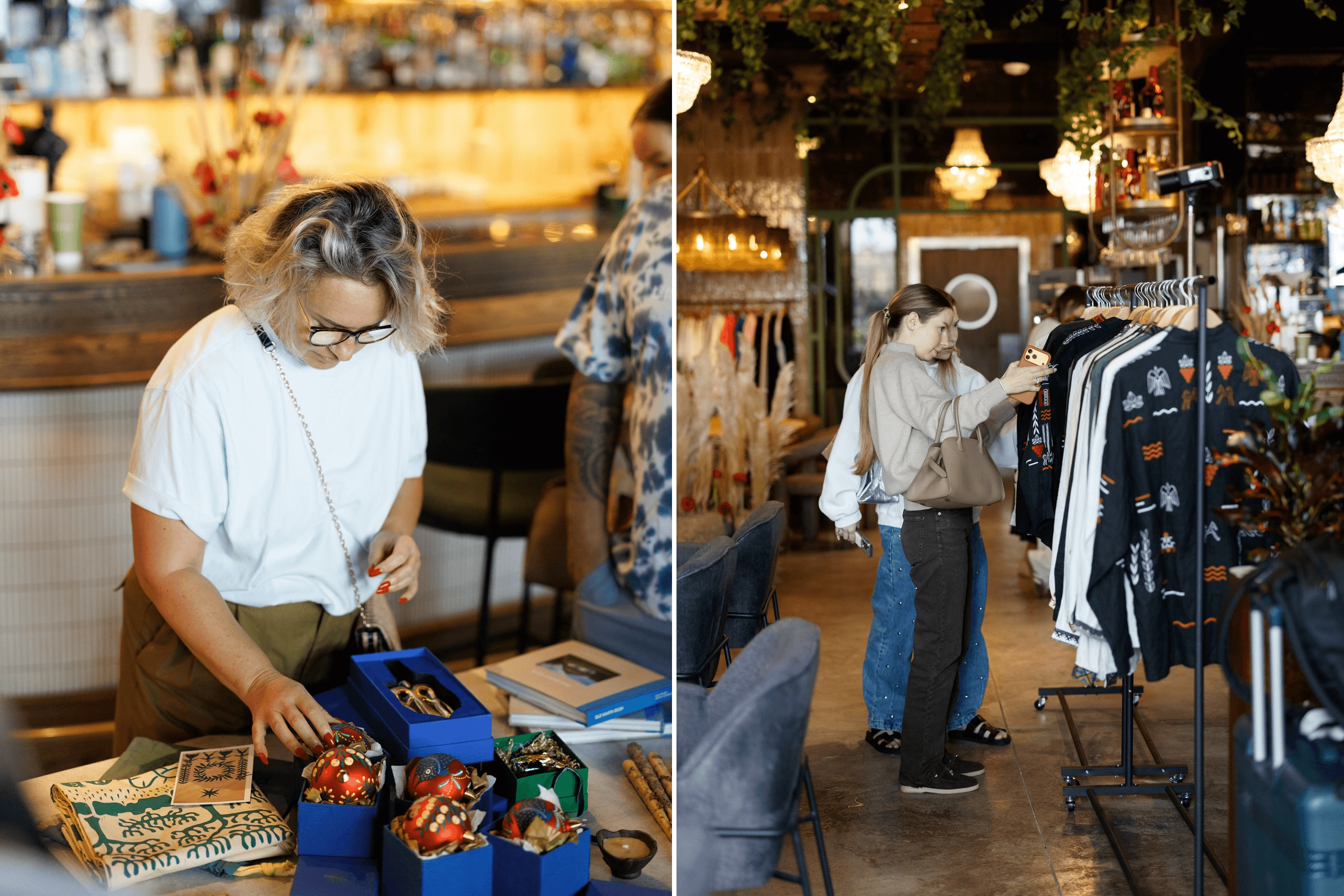
The atmosphere of the CODE 380 showroom in Chicago (USA), featuring products by the Grono brand. Photo: Code 380 / Instagram / YB 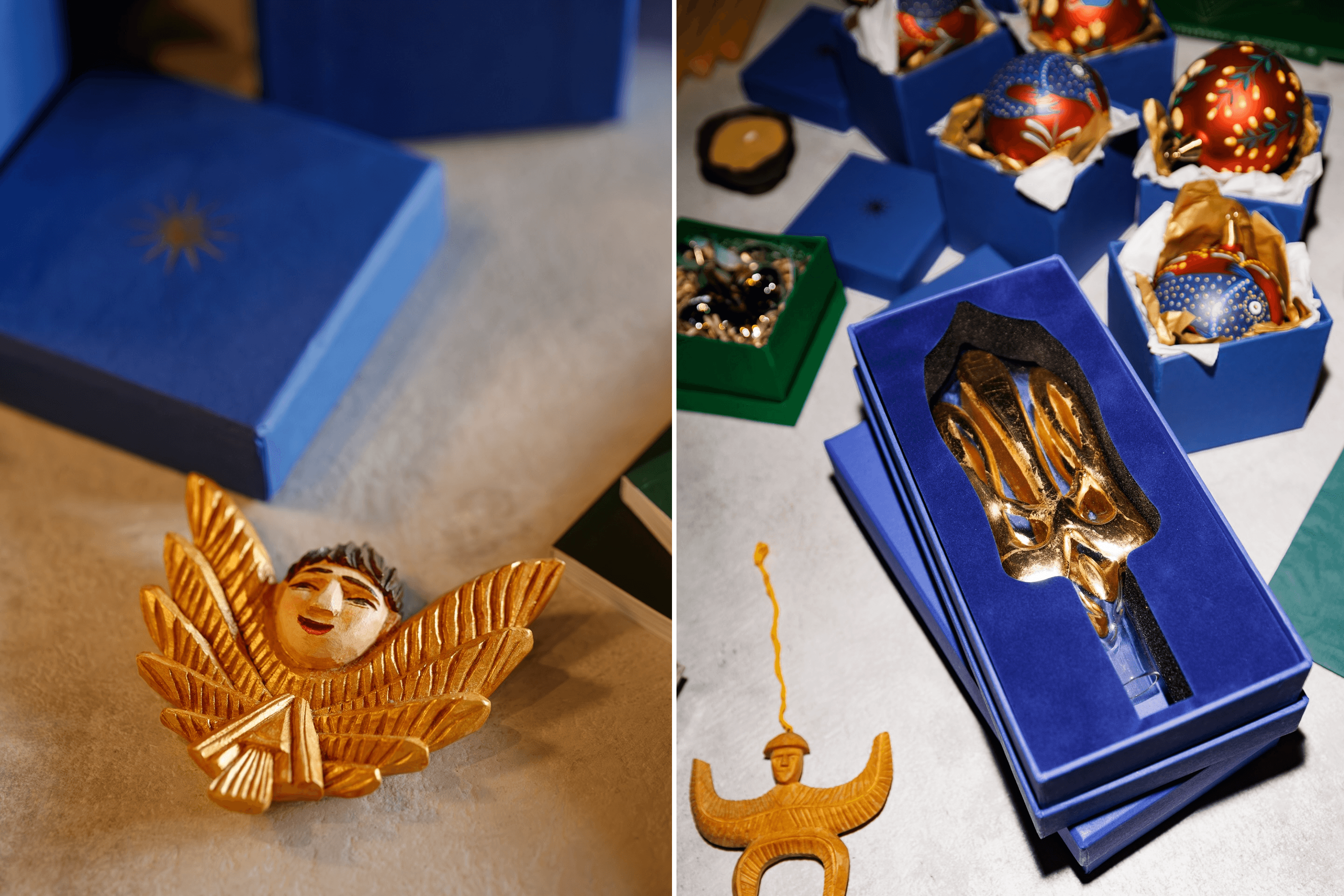
Photo: Code 380 / Instagram / YB 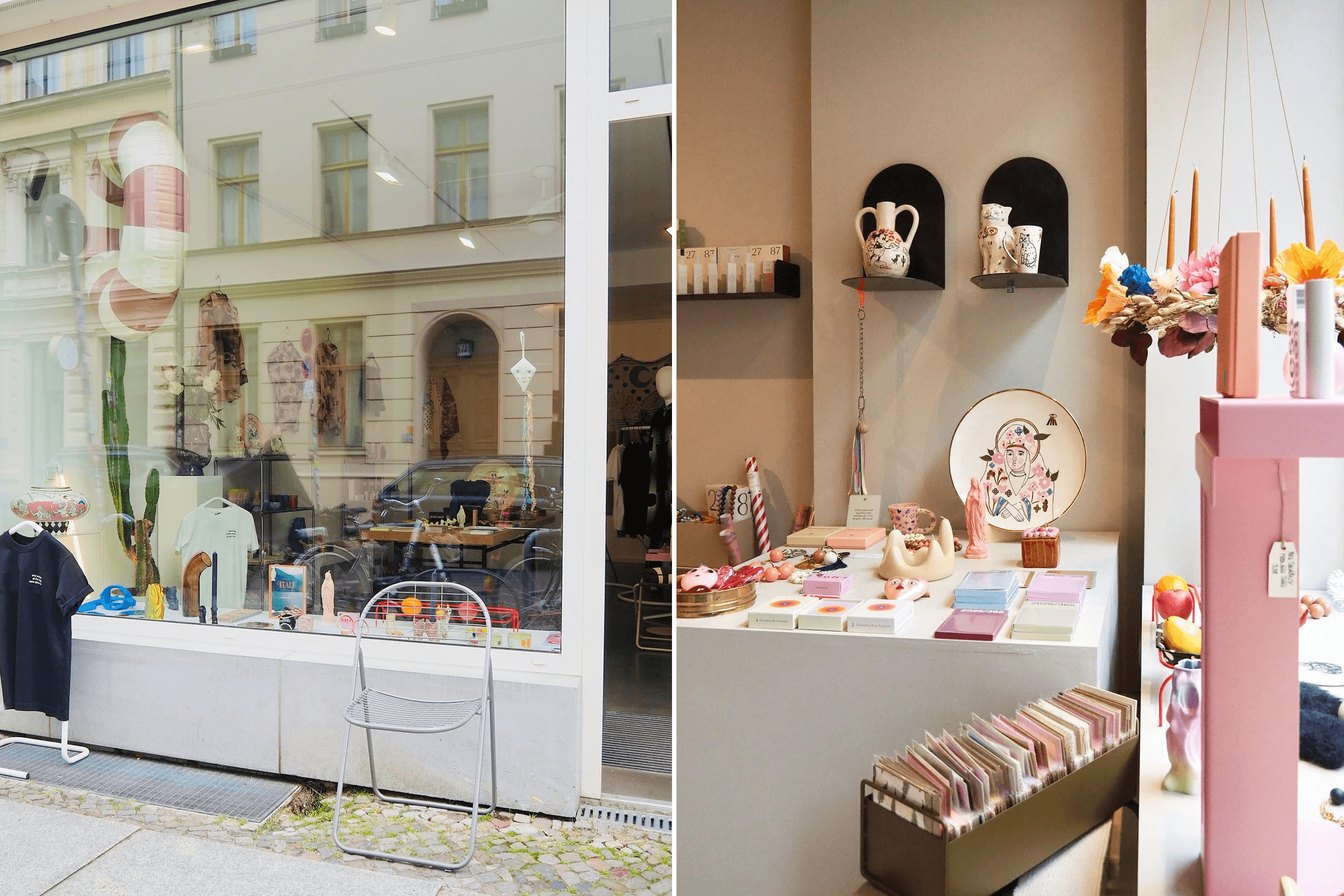
The atmosphere of the YES STUDIO showroom in Berlin (Germany), featuring products by the Grono brand. Photo: Yes Studio / Instagram / YB 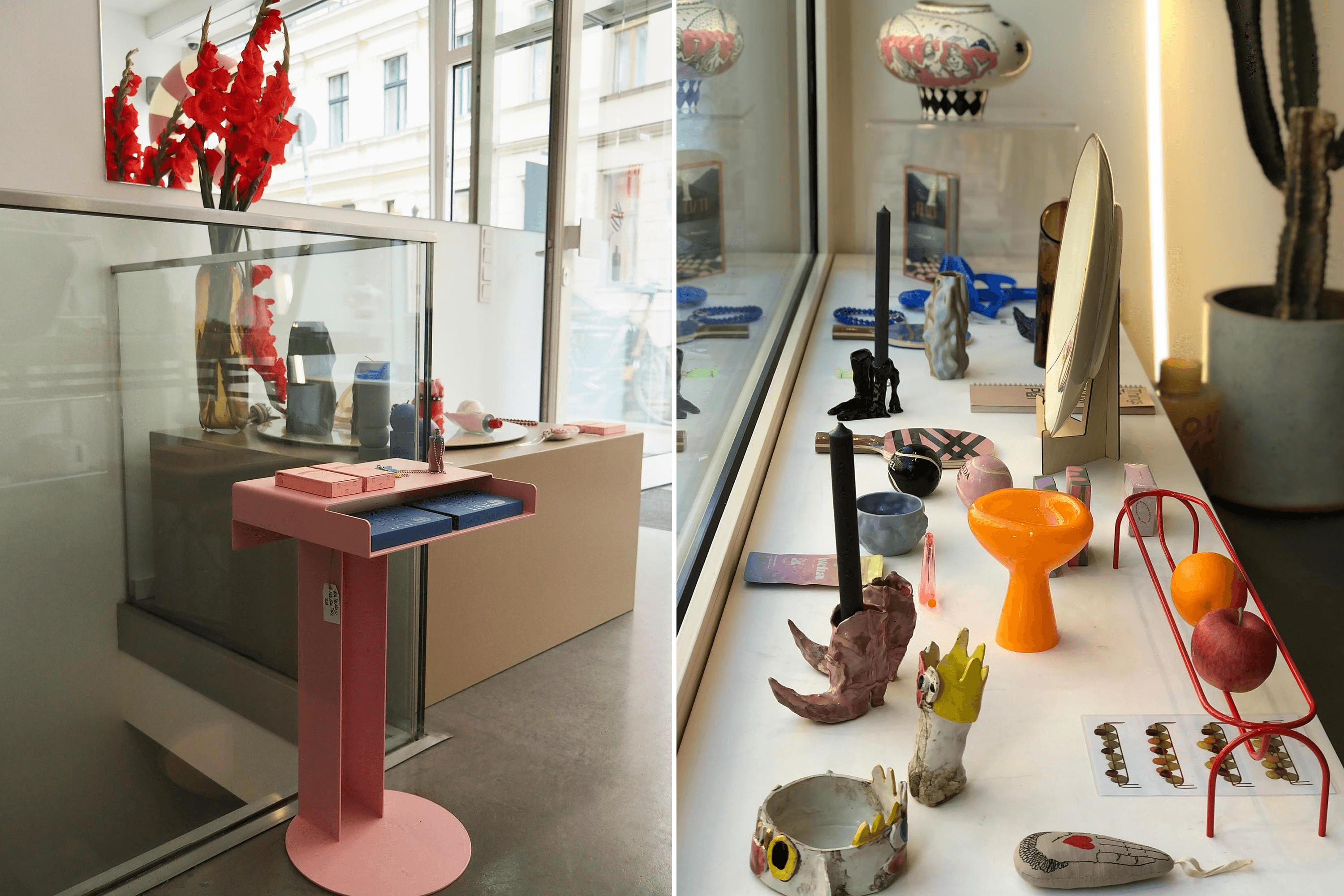
Photo: Yes Studio / Instagram / YB 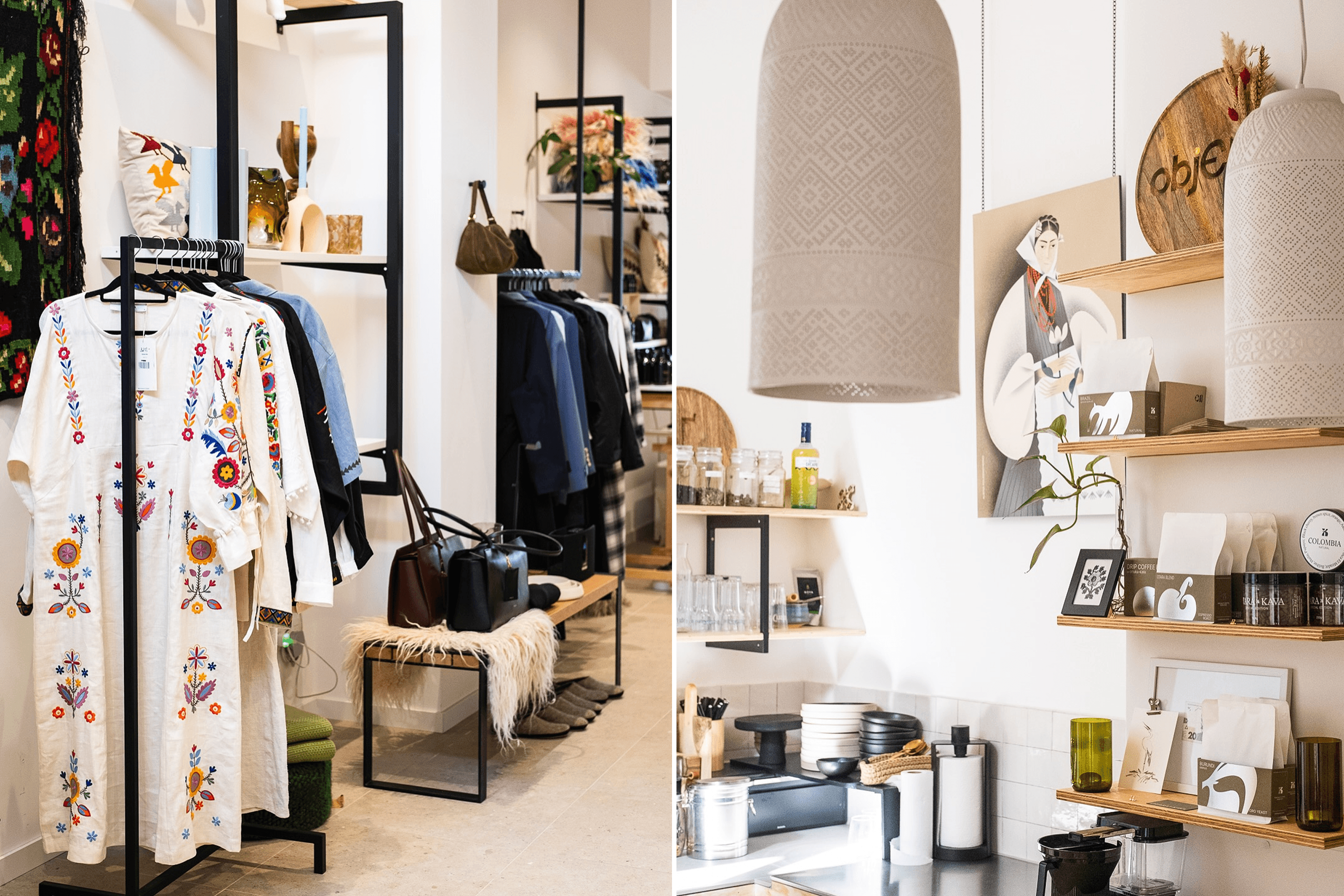
The atmosphere of the OBJEKTY showroom in Antwerp (Belgium), featuring products by the Grono brand. Photo: Objecty / Instagram / YB 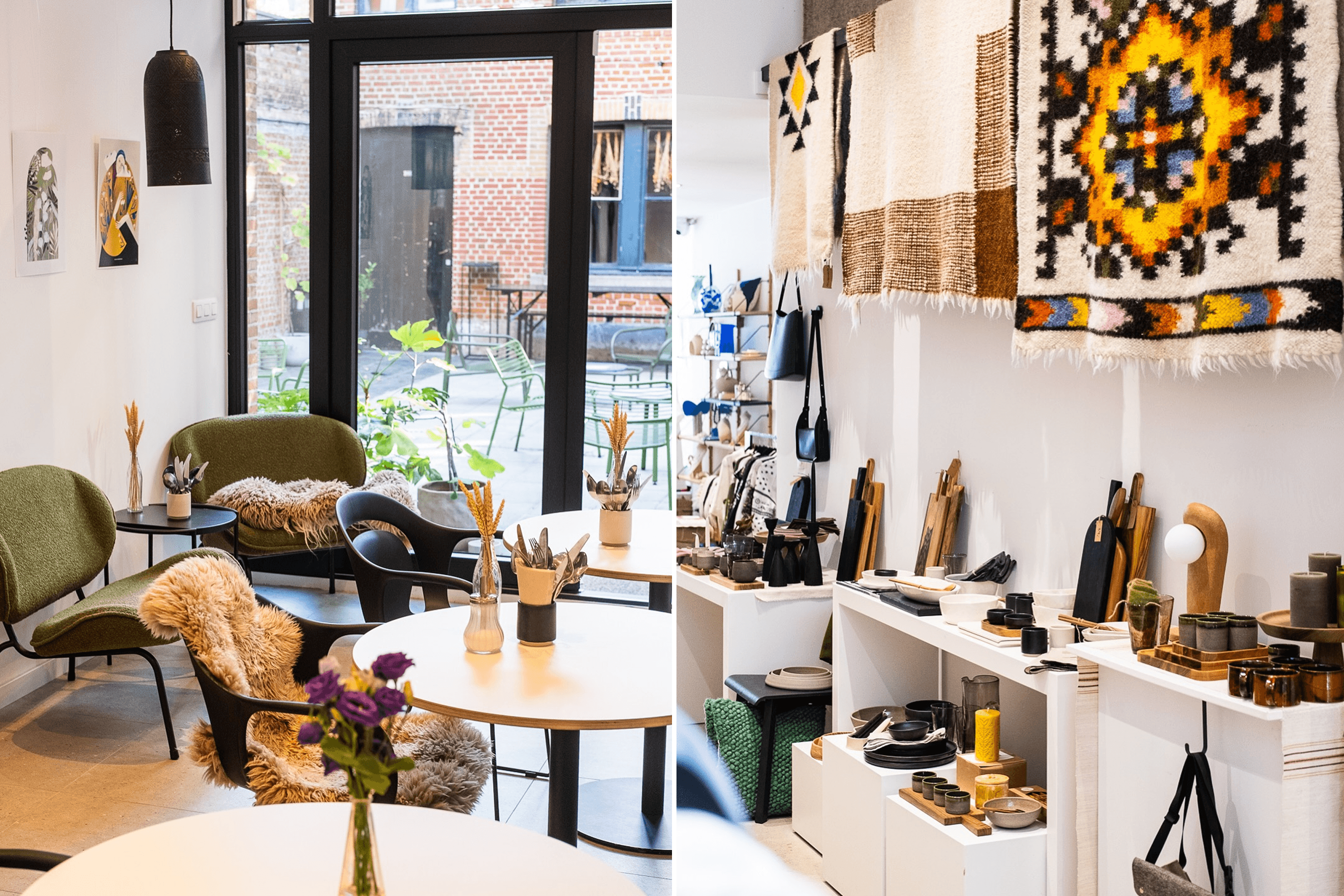
Photo: Objecty / Instagram / YB
To which countries have you delivered your products?
Yuliana: We have a wide geography of orders. This winter, orders went to Argentina, New Zealand, Japan, and Uzbekistan. We also sent ornaments to Ukrainian researchers at the Akademik Vernadsky station in Antarctica.
Every year they post a photo of their little decorated Christmas tree on social media. When we came across it, we decided to send them our ornaments. We got in touch, and it turned out one of the researchers was about to leave for the station from Kyiv. We handed him ornaments from the Prymachenko collection and a trident. Our pieces made a two-month journey to the station on an icebreaker. It was really special to receive their photos with our ornaments on the Christmas tree.
Pavlo: This year we also shipped to Finland, Sweden, the Czech Republic, and the US. Ukrainian embassies abroad and organizations like the Canada-Ukraine Foundation often order from us.
What percentage of your sales is export?
Pavlo: Counting both showrooms and direct international orders, around seven percent.
Do you think focusing on Ukrainian culture and the brand’s Ukrainian identity gives you an edge abroad?
Yuliana: Honestly, I think foreigners buy what they like and don’t necessarily think about whether it’s Ukrainian. We target our ads at the diaspora, because they feel nostalgic for Ukraine and want things that remind them of home.
Pavlo: When the post about our Malevich-inspired ornaments went viral on social media, many foreigners ordered them. They simply liked them. People who want to support Ukraine know which foundations to donate to.
What do you focus on in order not to get lost among Ukrainian brands selling abroad?
Yuliana: Our main advantage, I think, is that we incorporate Ukrainian symbols and elements of paintings into our designs. Even when we develop original pieces, it’s always interesting for me to give them a historical foundation. When we were creating a Lviv ornament, for example, I found a lion sculpture by Ukrainian artist Ivan Malyshko. We recreated the head of that sculpture because for us it’s a symbol of love for the city.
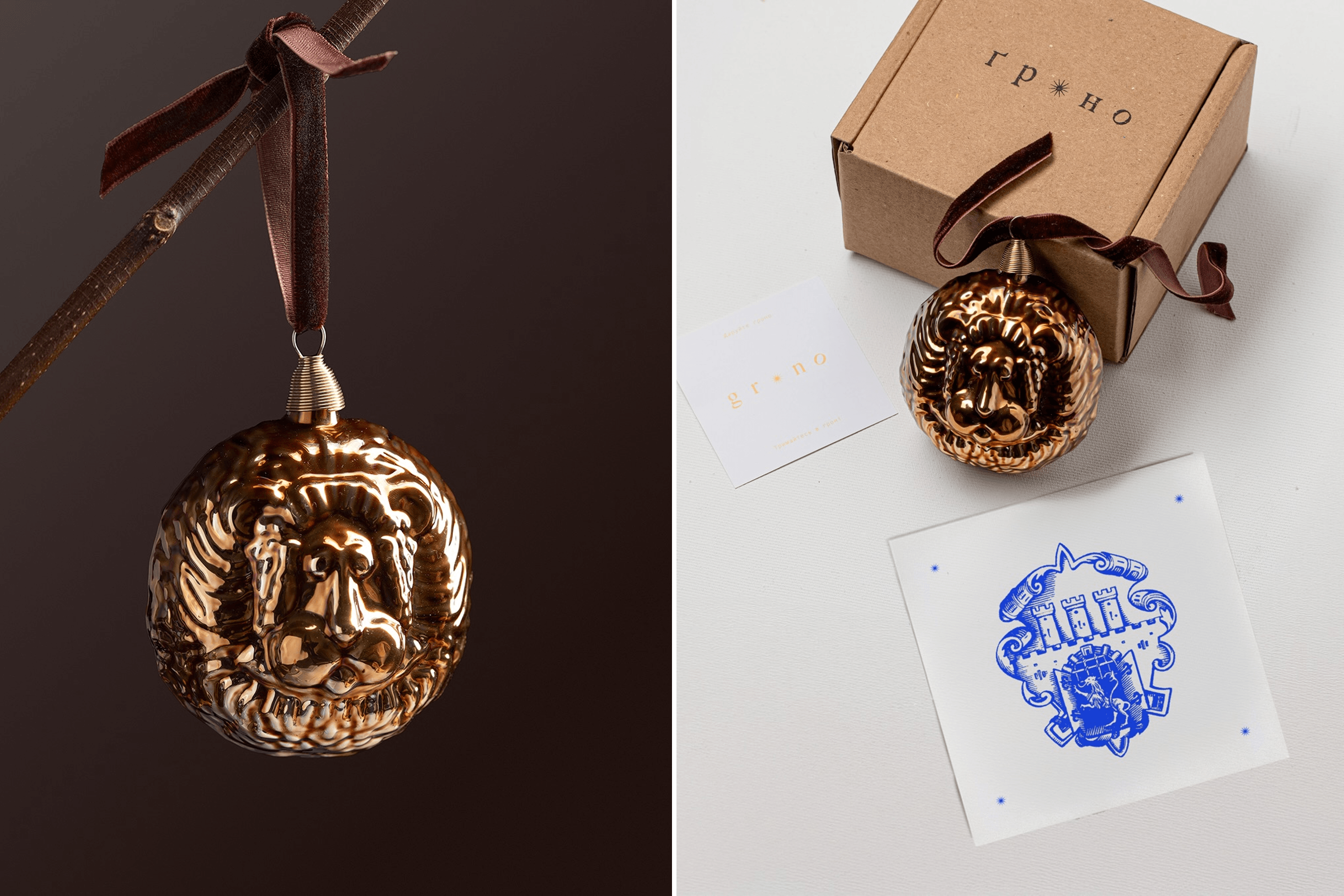
The “Lion” Christmas ornament by the Grono brand. Photo: Grono / YB 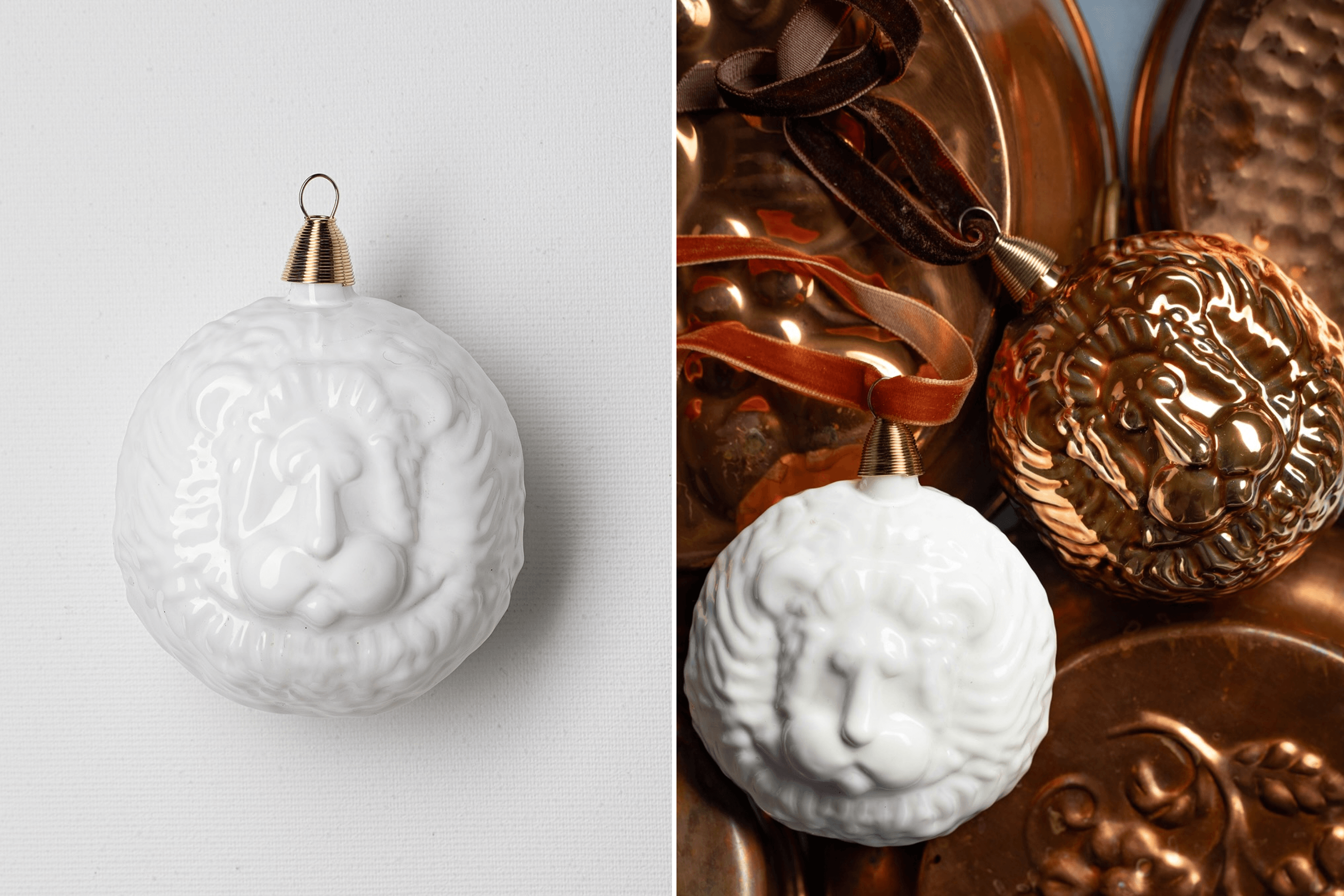
Photo: Grono / YB
3
Do you plan to expand your product lines or launch a new direction? Which markets are next for you?
Yuliana: We’ll definitely be expanding the ceramics line and the Christmas tree decoration collection. We already have ornaments dedicated to Kyiv, Lviv, and Crimea. But we want to create ones with symbols of every Ukrainian city, so that every Ukrainian can put a piece of their home on the Christmas tree. We’ve also released an expanded line of textiles and glass decorations for Easter.
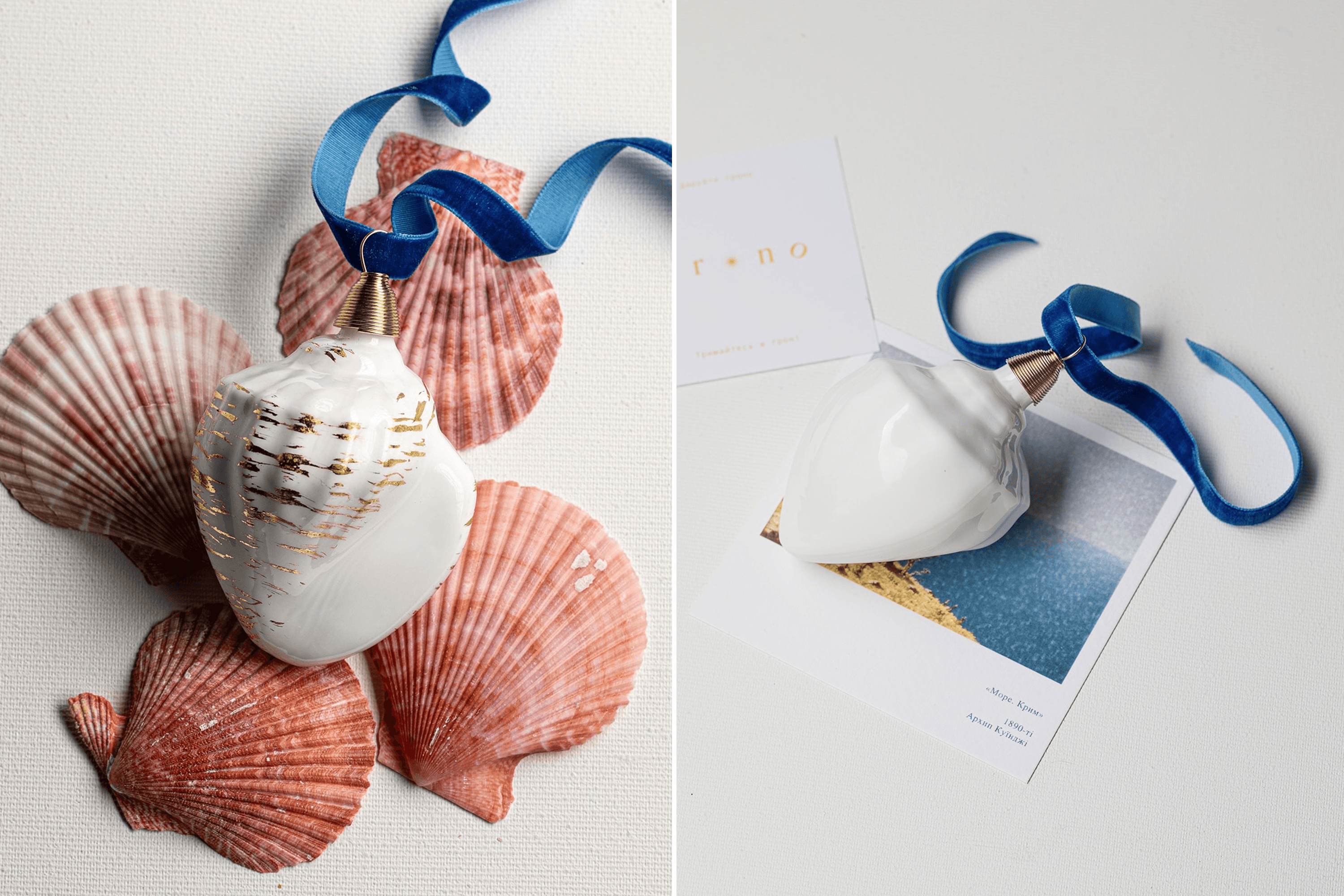
The “Shell” glass Christmas ornament by the Grono brand. Photo: Grono / YB 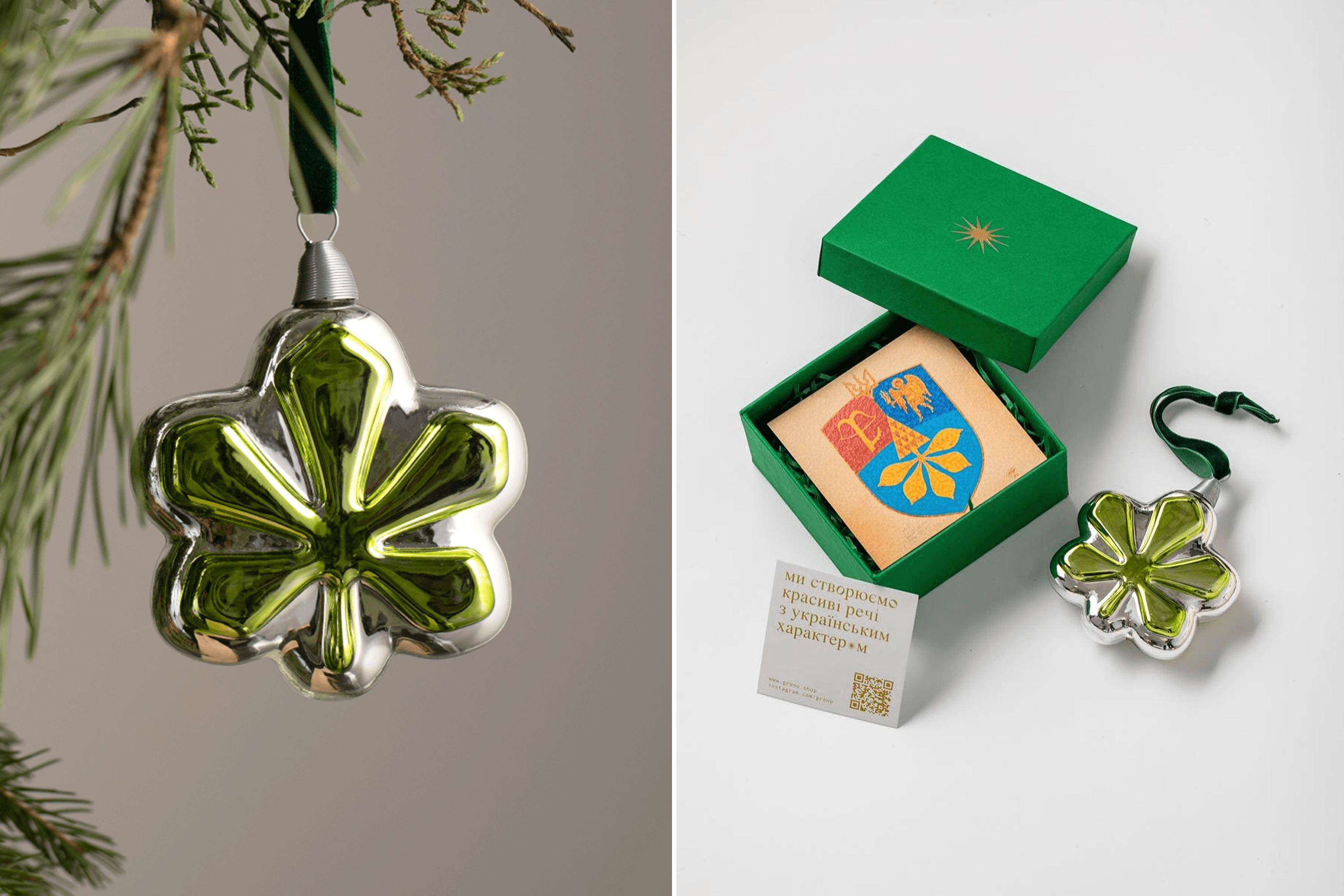
The “Chestnut” hand-painted Christmas ornament by the Grono brand. Photo: Grono / YB
Pavlo: We’re not planning to launch anything entirely new, just expand what we already have. On top of what Yuliana mentioned, we’ll be adding new ornaments to the Malevich series, making new embroidered scarves, candlesticks, and silver jewelry. We’ll also keep looking for new artists.
We’re open to working with more showrooms. They usually come to us on their own. Right now the priority is a user-friendly website for international orders. We’re also keen to find international corporate clients and will be working on that.
Considering your experience working during the full-scale war, what advice would you give Ukrainian entrepreneurs?
Pavlo: Don’t stop, and keep experimenting. Maybe not with huge investments or big risks, but just keep going.
Yuliana: Do what you really love. That’s the rule I always go back to when developing something new. I have to feel the value in it. When you believe in what you’re making, promoting and selling it comes naturally.
It also matters to me that the business is socially responsible. We’re able to work because soldiers are protecting us at the front, so we donate a share of our profit to support them. When you stick to your principles, things come together more easily.
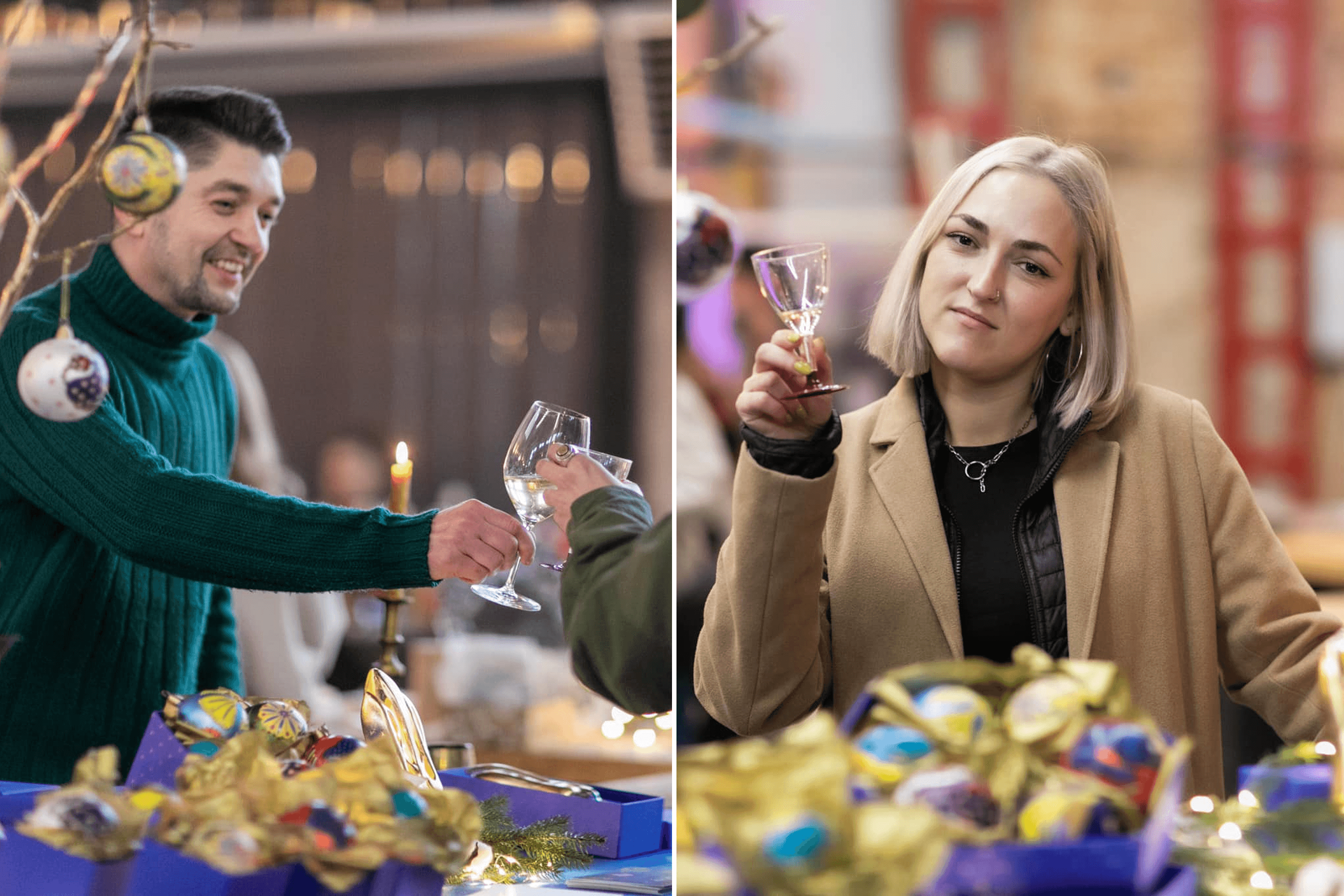
Pavlo Chmyruk and Yuliana Strypa at the Lviv Art and Wine festival. Photo: Grono / Facebook / YB 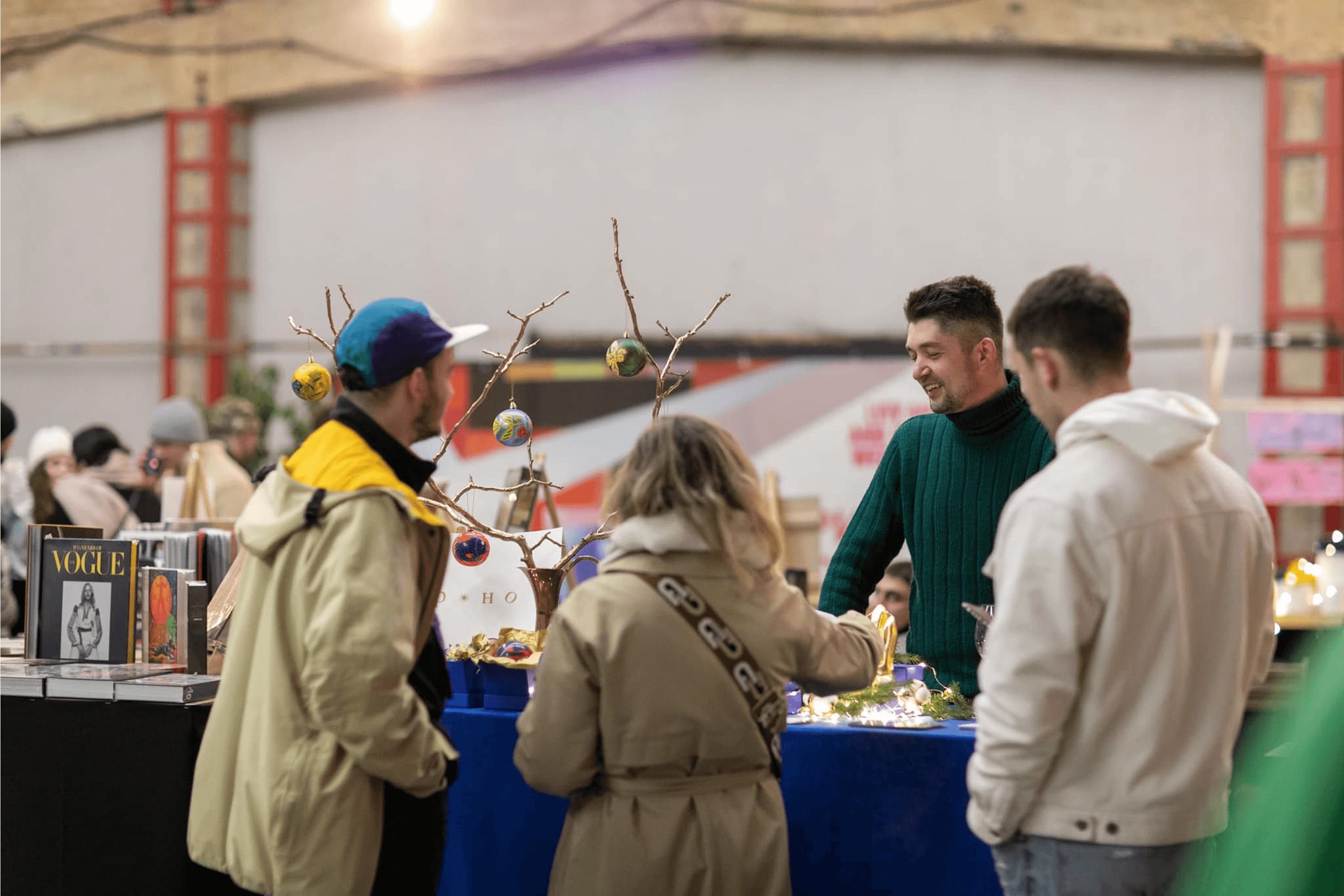
Photo: Grono / Facebook / YB 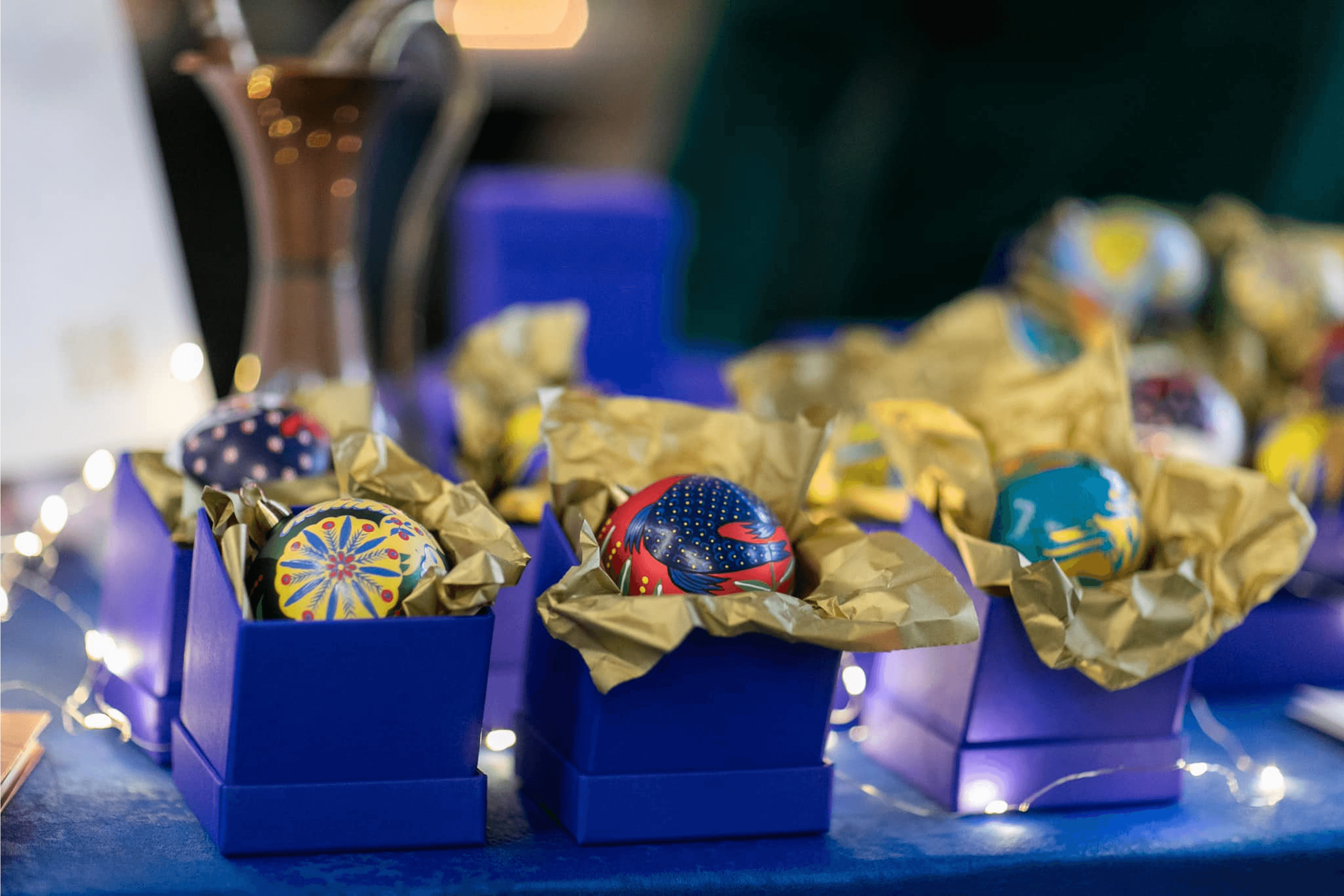
Photo: Grono / Facebook / YB 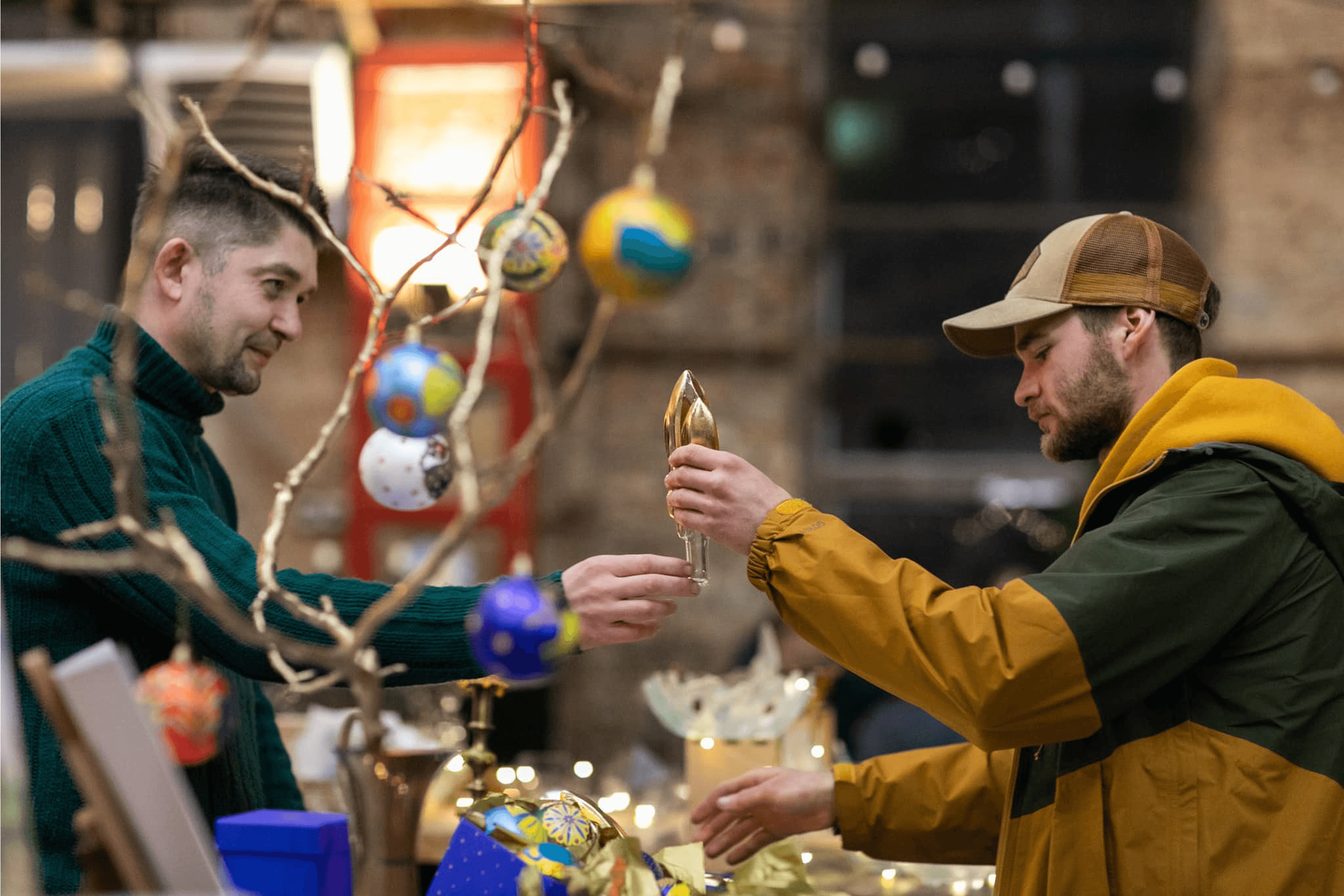
Photo: Grono / Facebook / YB 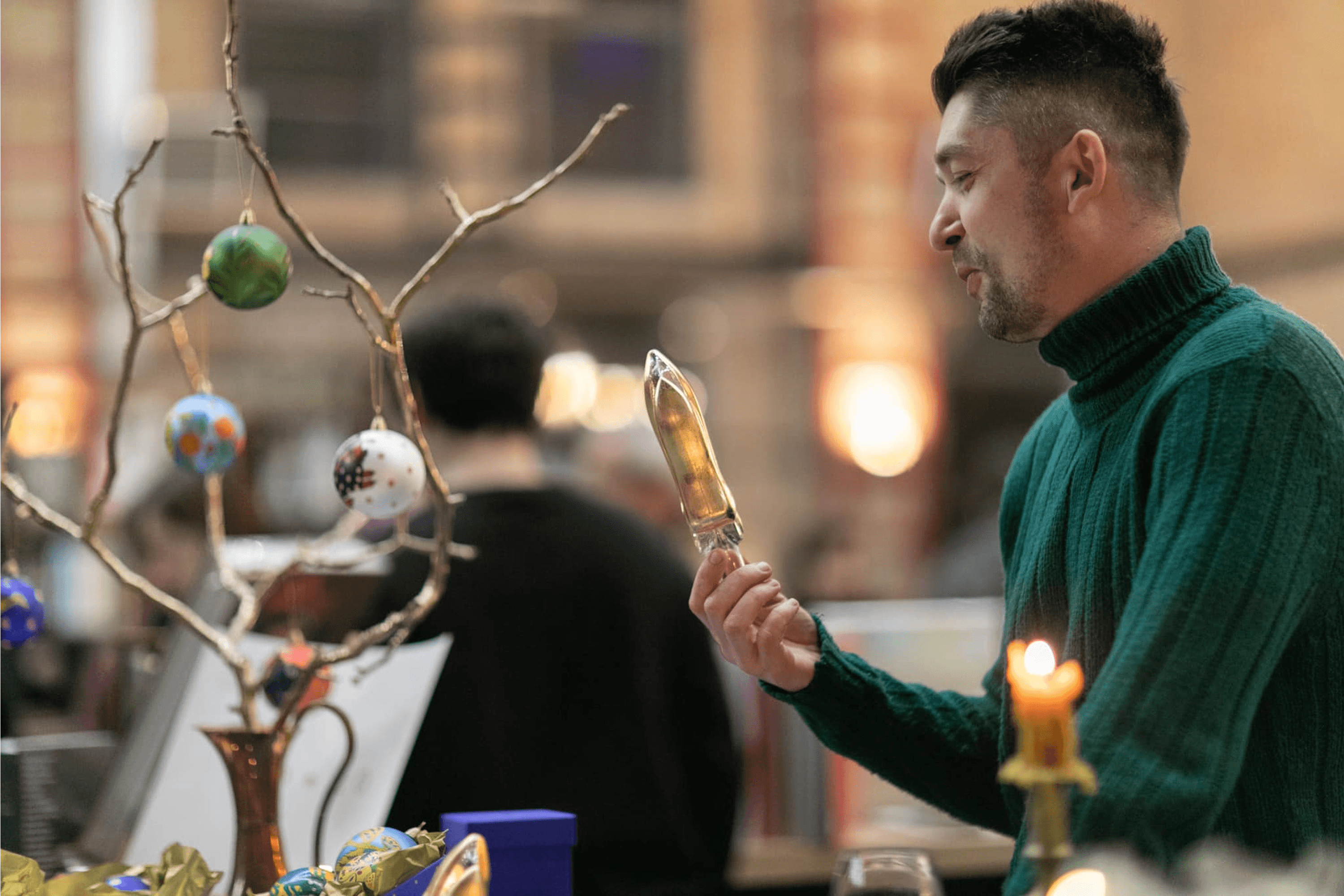
Photo: Grono / Facebook / YB 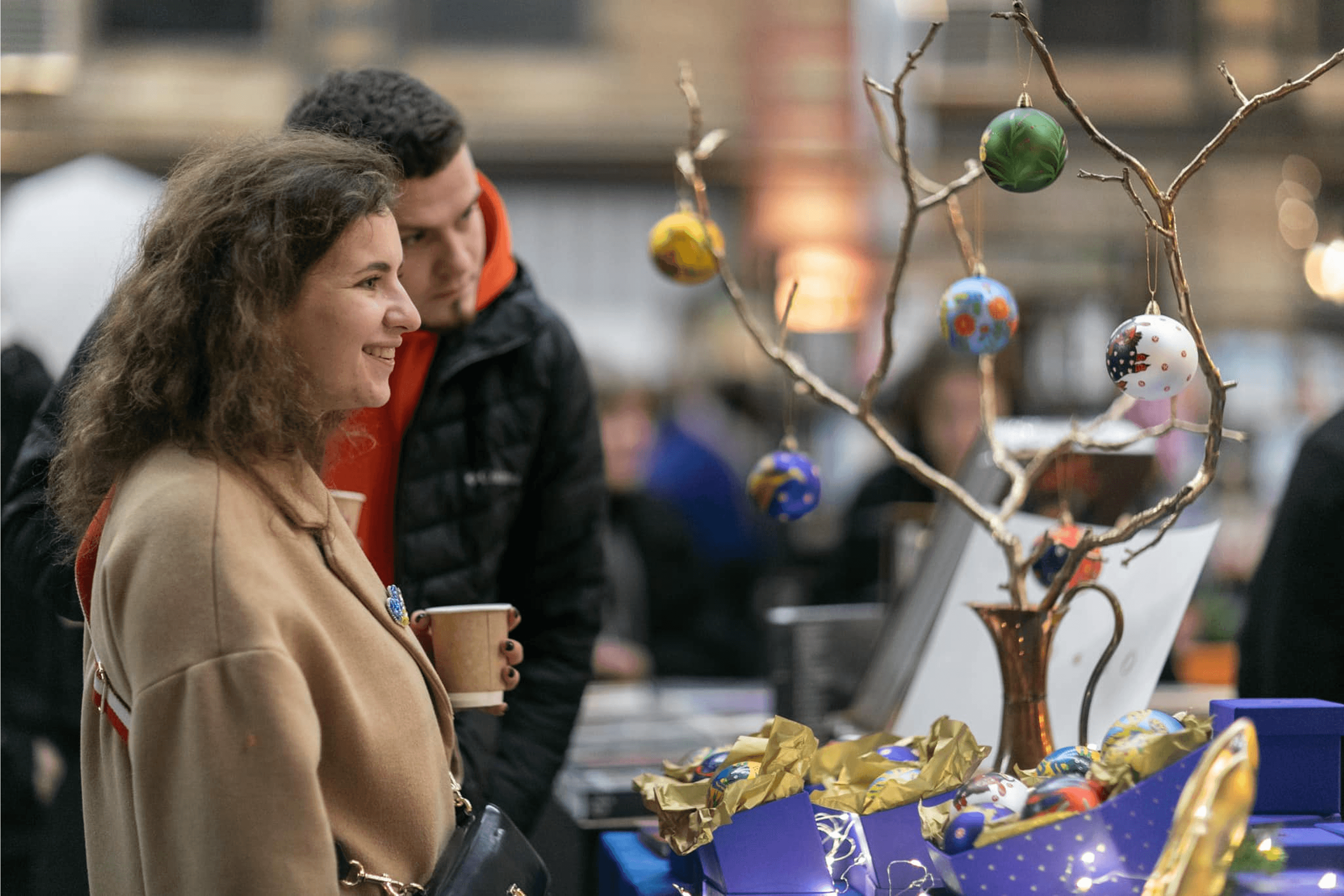
Photo: Grono / Facebook / YB


