In 2016, Maria Yakush, the owner of a restaurant consulting agency, needed tableware for a client project but could not find anything that matched her concept. Then she decided to create it herself, from her own sketches.
A year and a half later, Maria founded the handmade brand YaKUSH. It started with ceramics and gradually grew to include textiles, decor, tableware, and blown-glass lighting. Today, 70% of sales come from the B2C segment, with about a third of those being exports. YaKUSH products are represented in showrooms in Germany, Poland, Moldova, Georgia, the United Kingdom, the United States, and Canada.
Yellow Blue journalist Roksana Rublevska spoke with Maria Yakush about how the brand was created, its work during Russia’s full-scale war against Ukraine, and entering international markets.
How did the idea for the brand come to you?
I was doing restaurant consulting, working on concepts, rebrandings, and marketing, when I faced a concrete problem. The tableware I needed for one of my projects simply did not exist. In 2016, there were essentially no brands in Ukraine treating tableware as a functional product in its own right, whether for HoReCa or for private buyers. That gap was the starting point. If what you need does not exist, you make it. That is how YaKUSH appeared: a natural extension of my work with ideas and meaning, but now in material form.
I left consulting in 2020, when the COVID-19 pandemic began and the restaurant industry entered a crisis.
The earliest pieces by the YaKUSH brand. Photo: YaKUSH / Facebook / YB 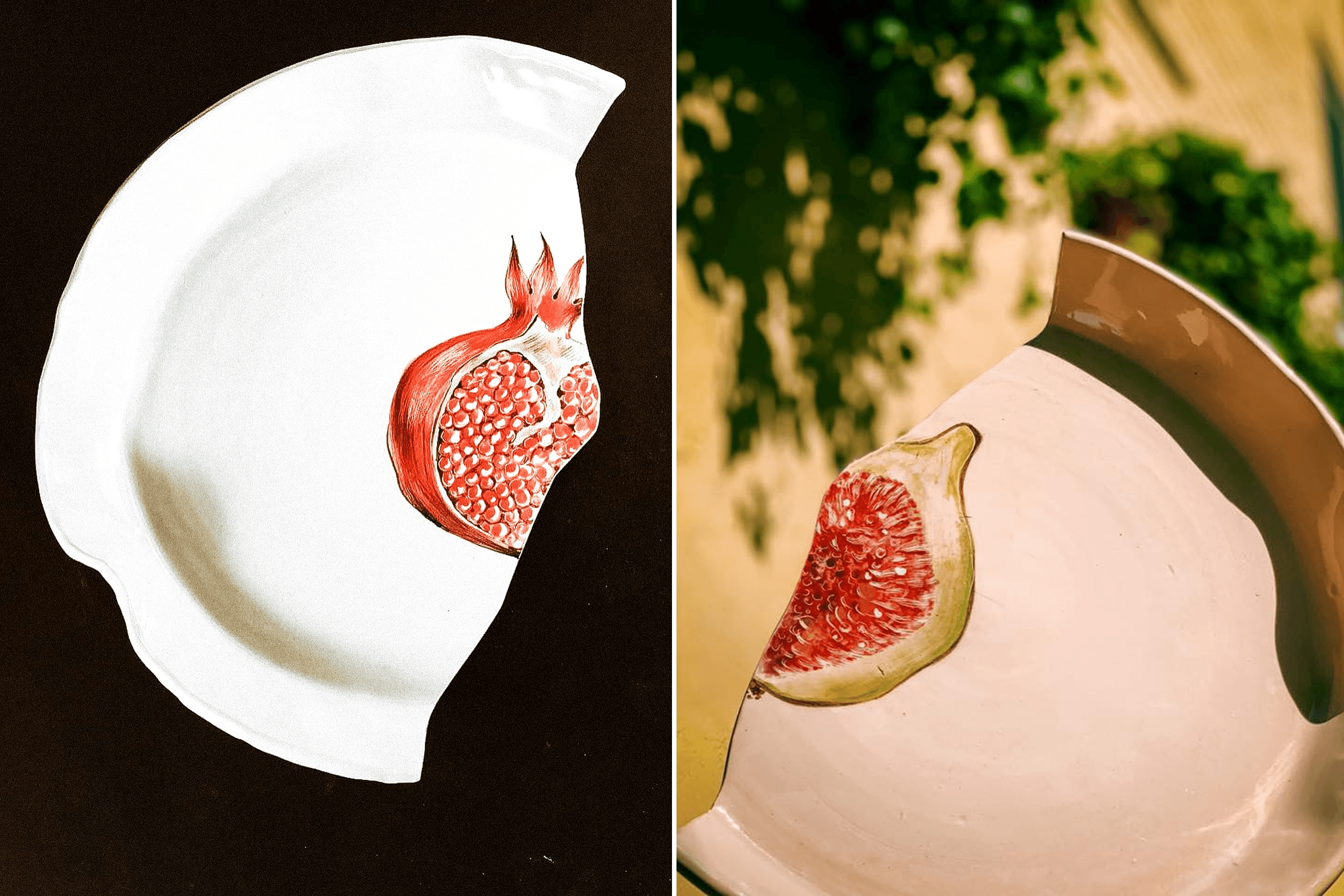
Photo: YaKUSH / Facebook / YB 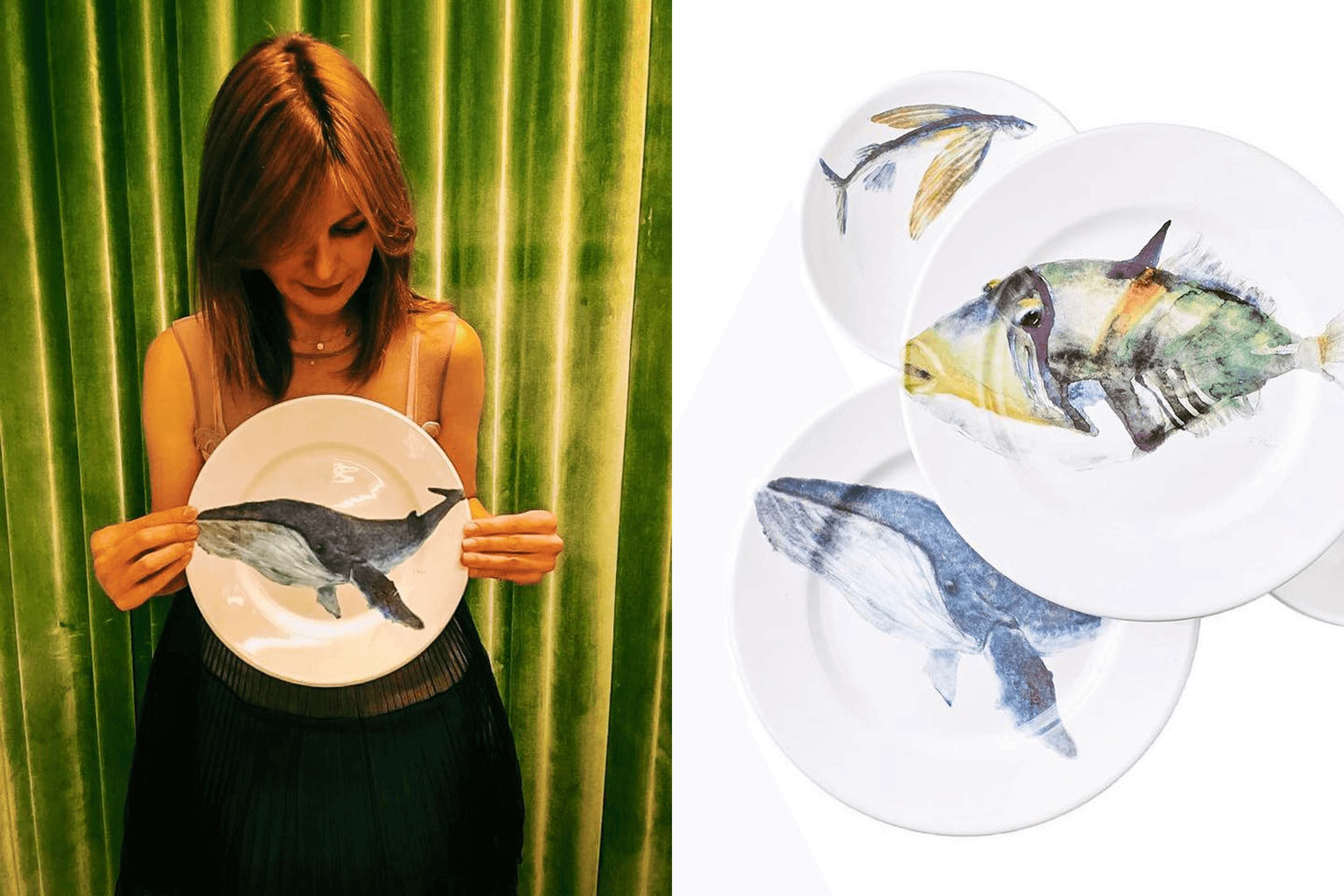
Photo: YaKUSH / Facebook / YB 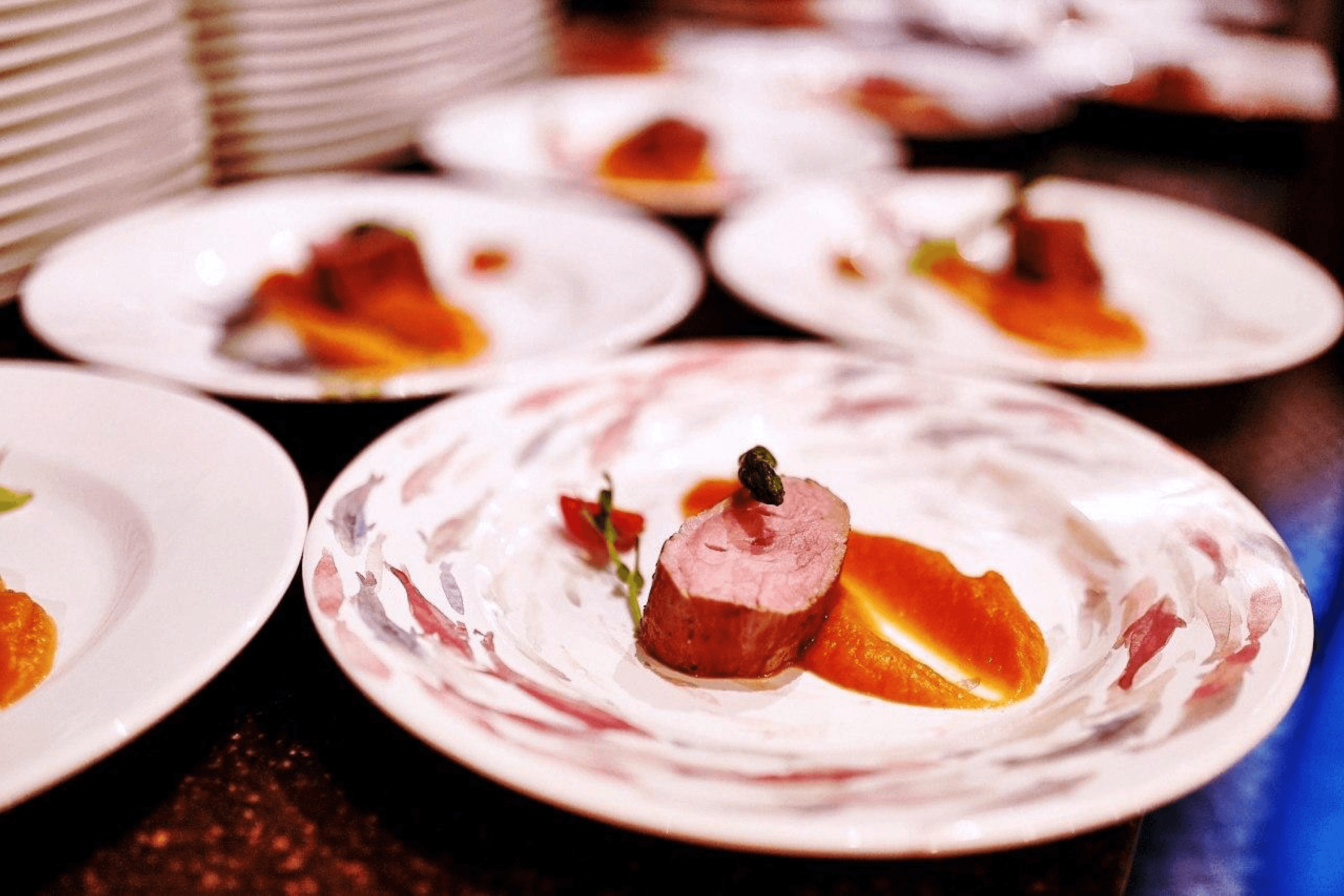
Photo: YaKUSH / Facebook / YB 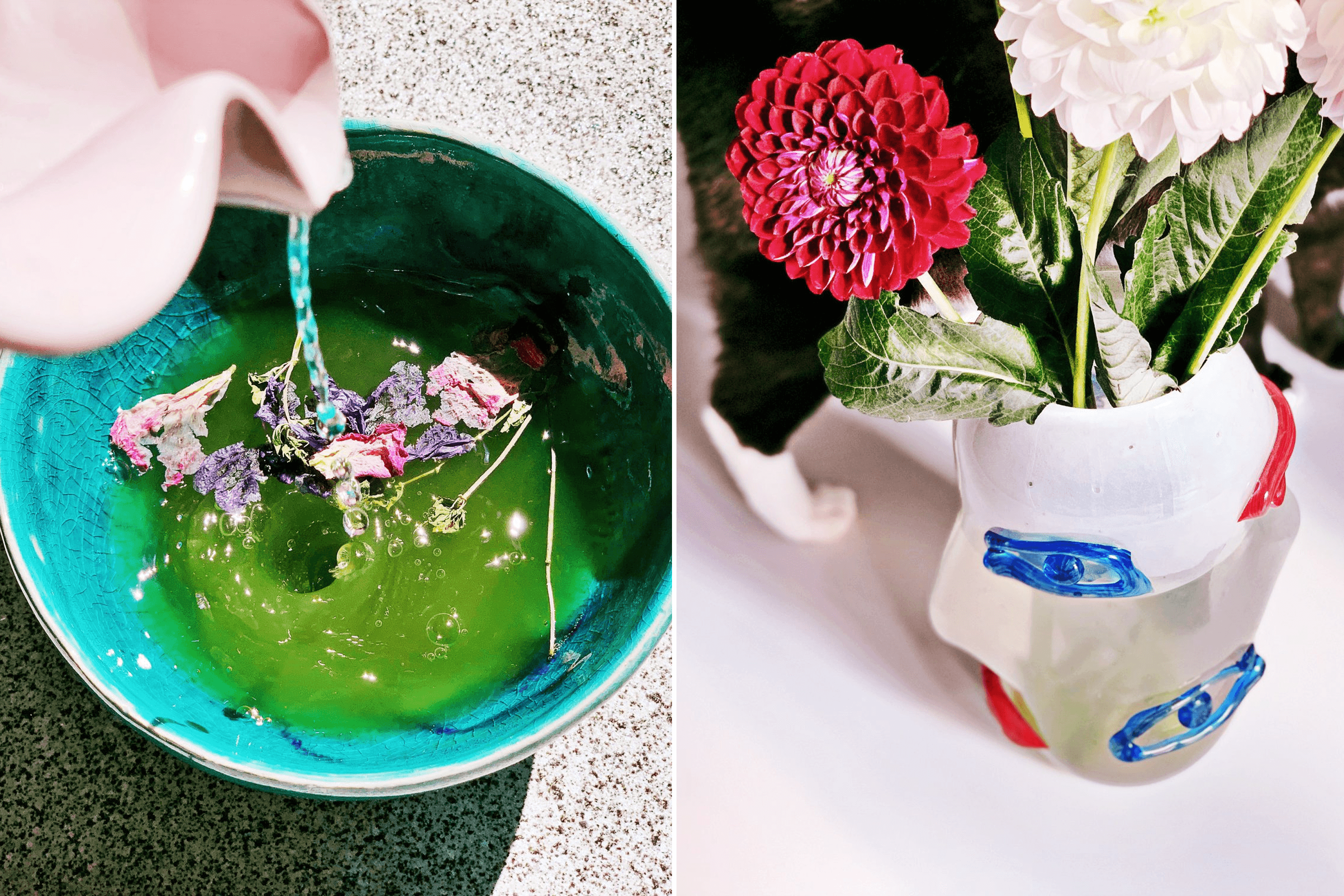
Photo: YaKUSH / Facebook / YB
Once you decided to change direction, where did you start?
I spent about a year and a half just doing research: studying production processes, exploring what kinds of collaboration were possible in Ukraine, looking at available materials and forgotten techniques that might appeal to buyers. I took private lessons with ceramicists to get a real feel for the craft and understand where it would push back.
In 2017, I founded the brand Masha Yakush Tableware. Friends helped with the visual identity, I started an Instagram page, and we put out the first two pilot ceramic collections. They were made by Ukrainian craftsmen from sketches by my friend, the artist Serge Payet. A few months later, we launched a website with a payment system, funded by the first Instagram sales.
In the beginning, we worked with serving ceramics: plates in various formats, from dinner to dessert, as well as platters.
The first clients were acquaintances, small business owners: restaurateurs and venue owners, as well as people from my close circle. The audience grew from there, organically through Instagram. That became our main channel. We invested in quality photography, built out the content, and ran targeted ads.
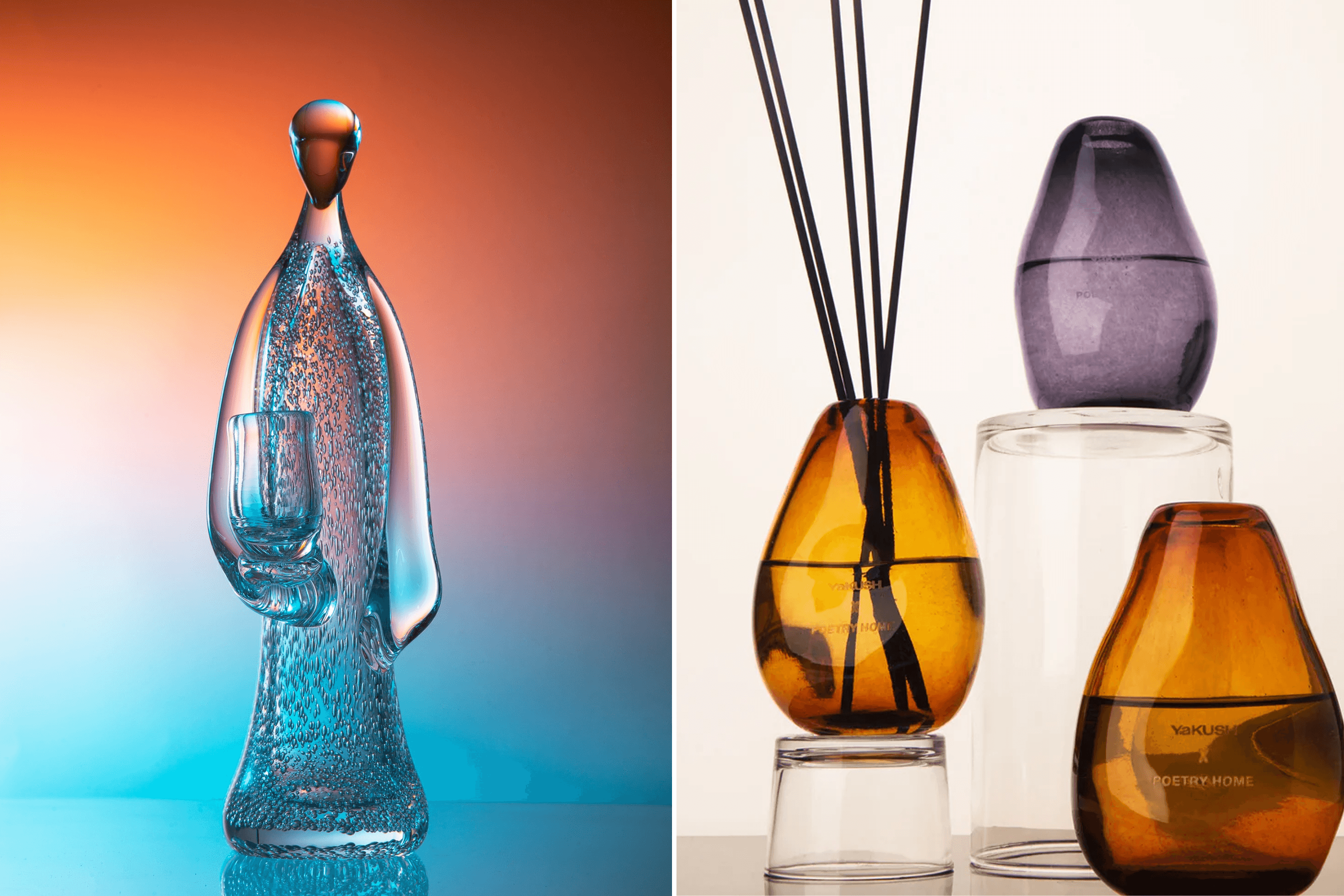
Some pieces by the YaKUSH brand. Photo: YaKUSH / YB 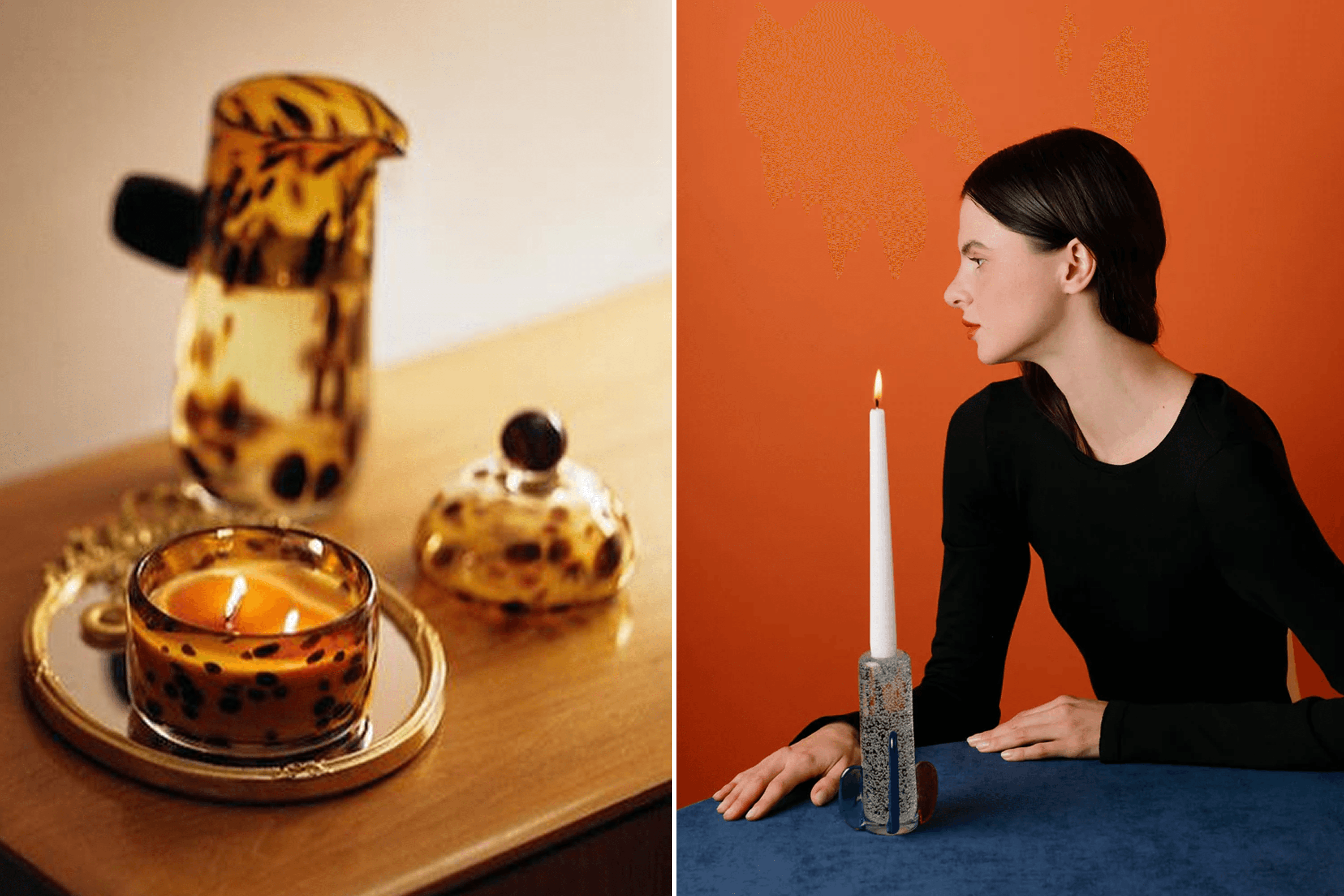
Photo: YaKUSH / YB 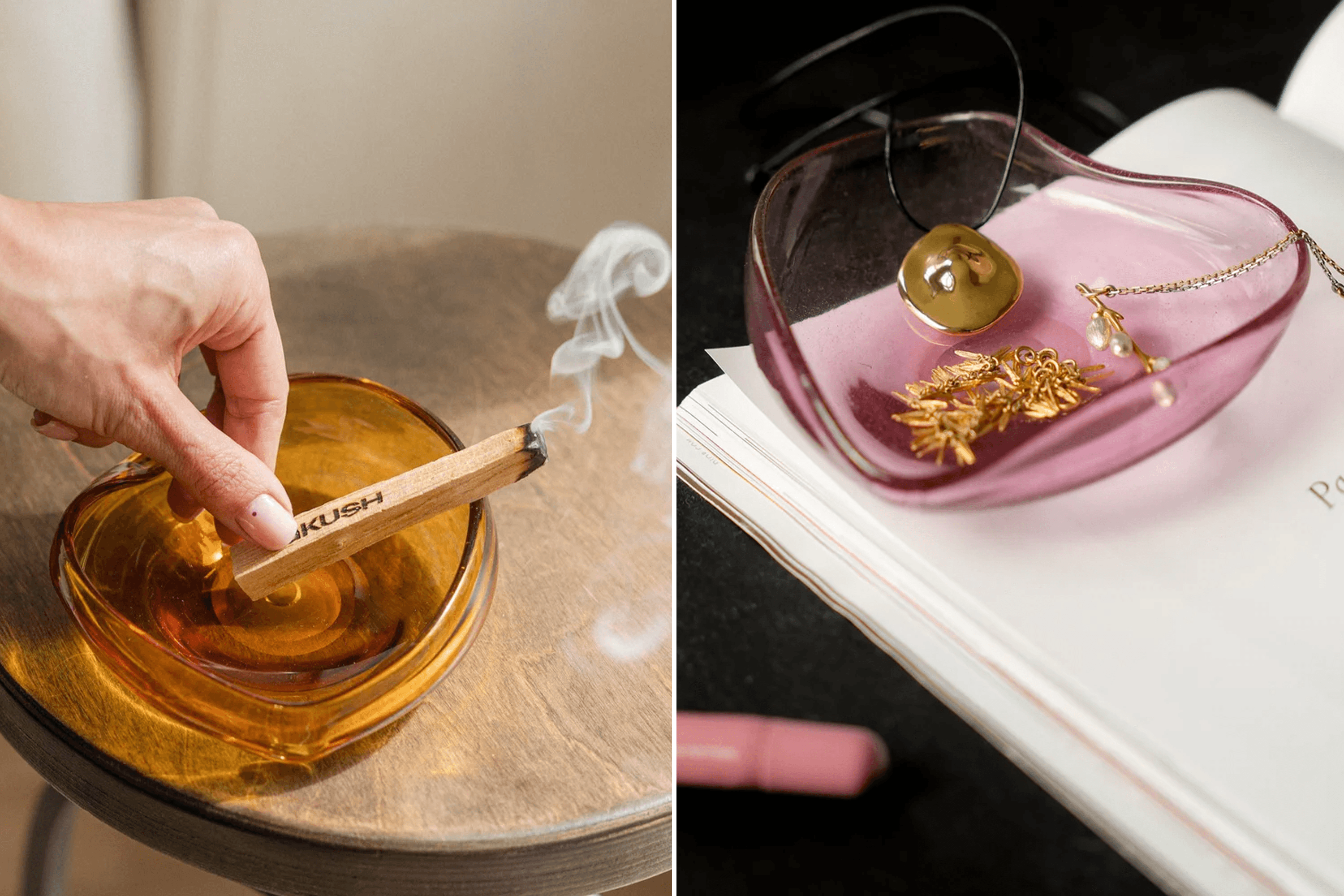
Photo: YaKUSH / YB 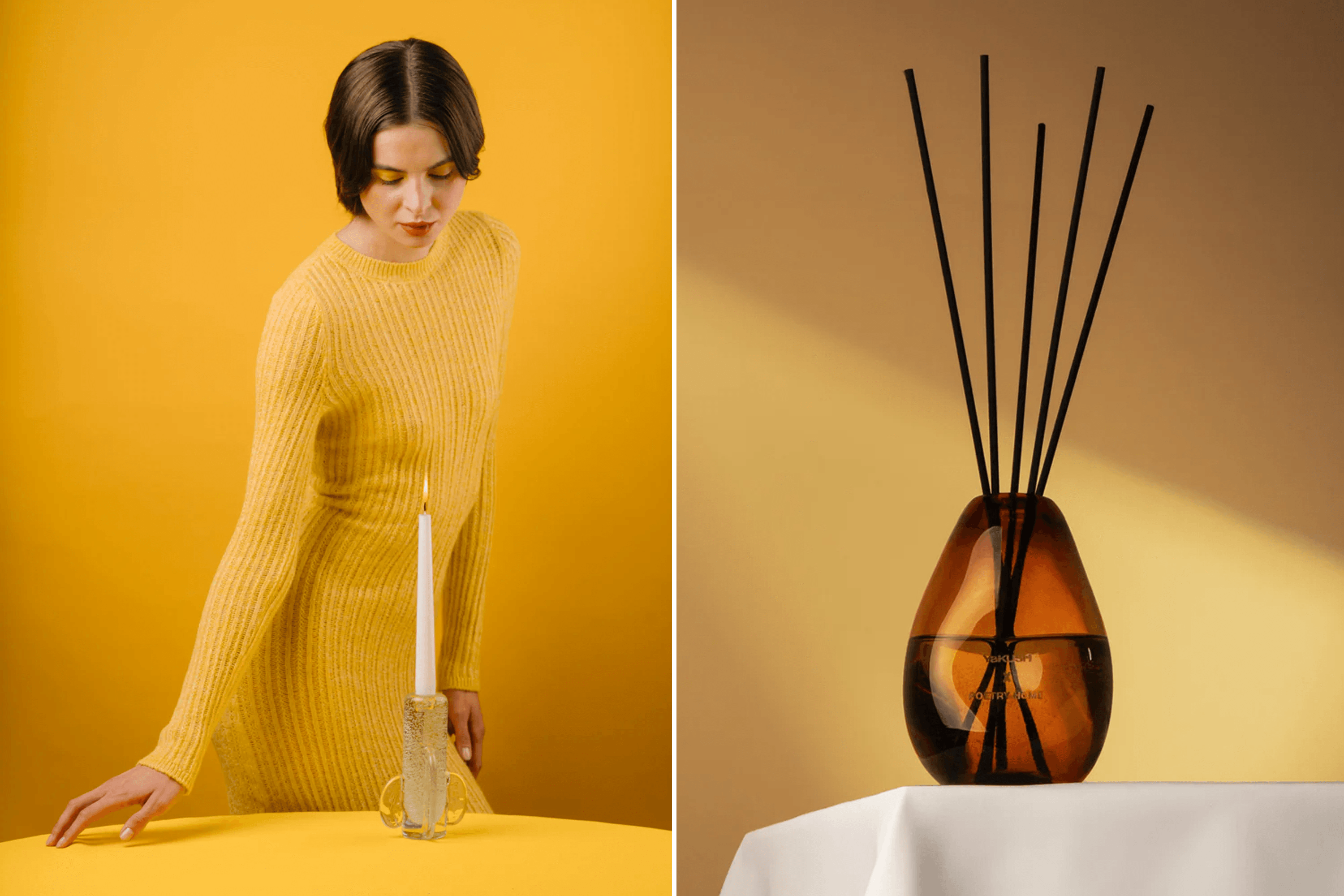
Photo: YaKUSH / YB 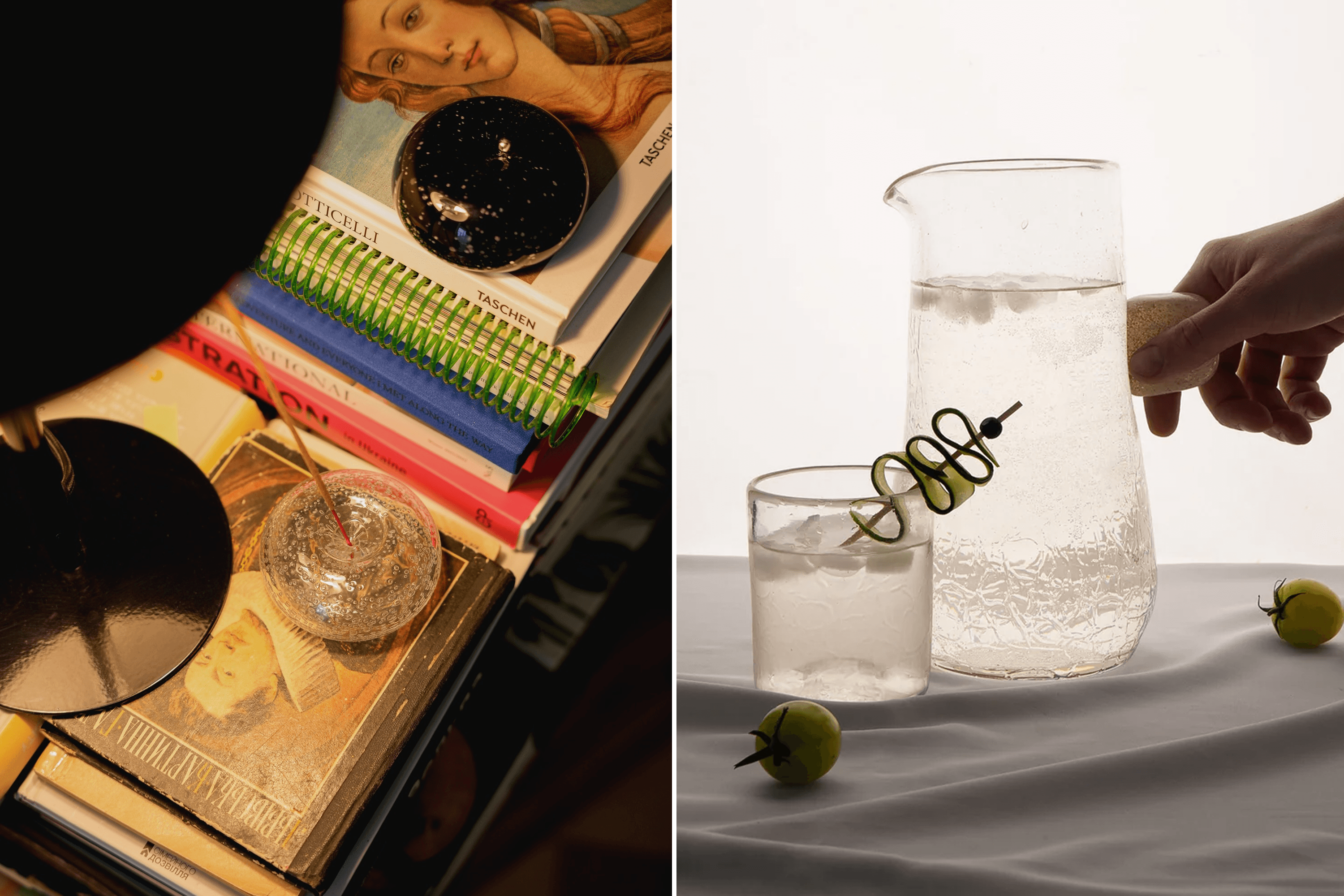
Photo: YaKUSH / YB
You had no prior experience in production. What challenges did you face at the start?
In 2017, Ukraine had very few craftsmen and almost no equipment capable of working with white porcelain or non-standard geometry. The market was geared toward style-focused or souvenir aesthetics.
To get the quality we wanted, we started working with a small manufactory in Umbria, Italy. The deciding factors were not just the price and the level of execution, but also their willingness to work with small batches, openness to experimentation, and a shared vision of the product. Craftsmen there produced ceramics and semi-porcelain from our samples, with decor applied using the decal technique. We shipped the finished goods to Ukraine and sold them through Instagram and the website.
How much did it cost to get started, and is it true that producing in Italy was cheaper than in Ukraine?
I put in about $3,000 of my own money: raw materials, craftsmen’s labor, and the first samples. The myth that local production is cheaper falls apart pretty quickly. Mineral components for ceramics and porcelain, pigments, glazes. Most of it is imported from the EU anyway, and skilled craftsmen cost about the same wherever you go.
I did not track total spending precisely at the time, since the costs were ongoing: manufacturing, logistics, salaries. Products started selling almost immediately, but we reinvested all profits into new collections and brand building.
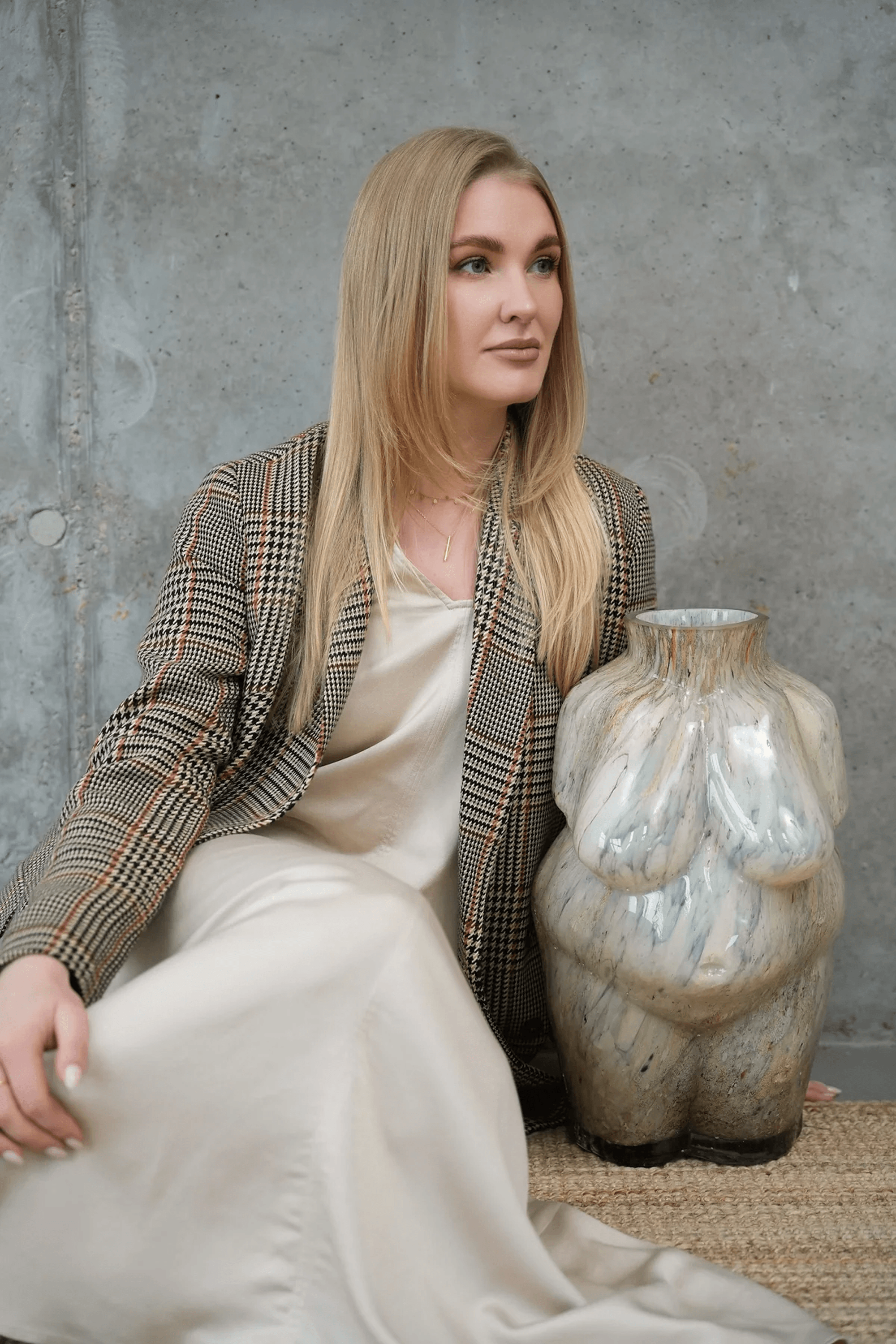
After leaving consulting, did you originally plan to sell tableware for HoReCa?
Initially, I saw restaurants and hotels as the main sales channel, but the first batches made it clear that the model did not hold up economically. Our product was just too expensive for the HoReCa segment. For example, a set of four plates cost around $100 at the time.
So the brand naturally shifted toward the end consumer: people who care about craftsmanship, handwork, and owning something truly unique. Fine handmade tableware cannot be produced at scale. Small runs always come with a higher price.
You stopped working with the Italian manufactory after the pandemic due to quarantine restrictions and shifted focus to blown glass. What drove that decision?
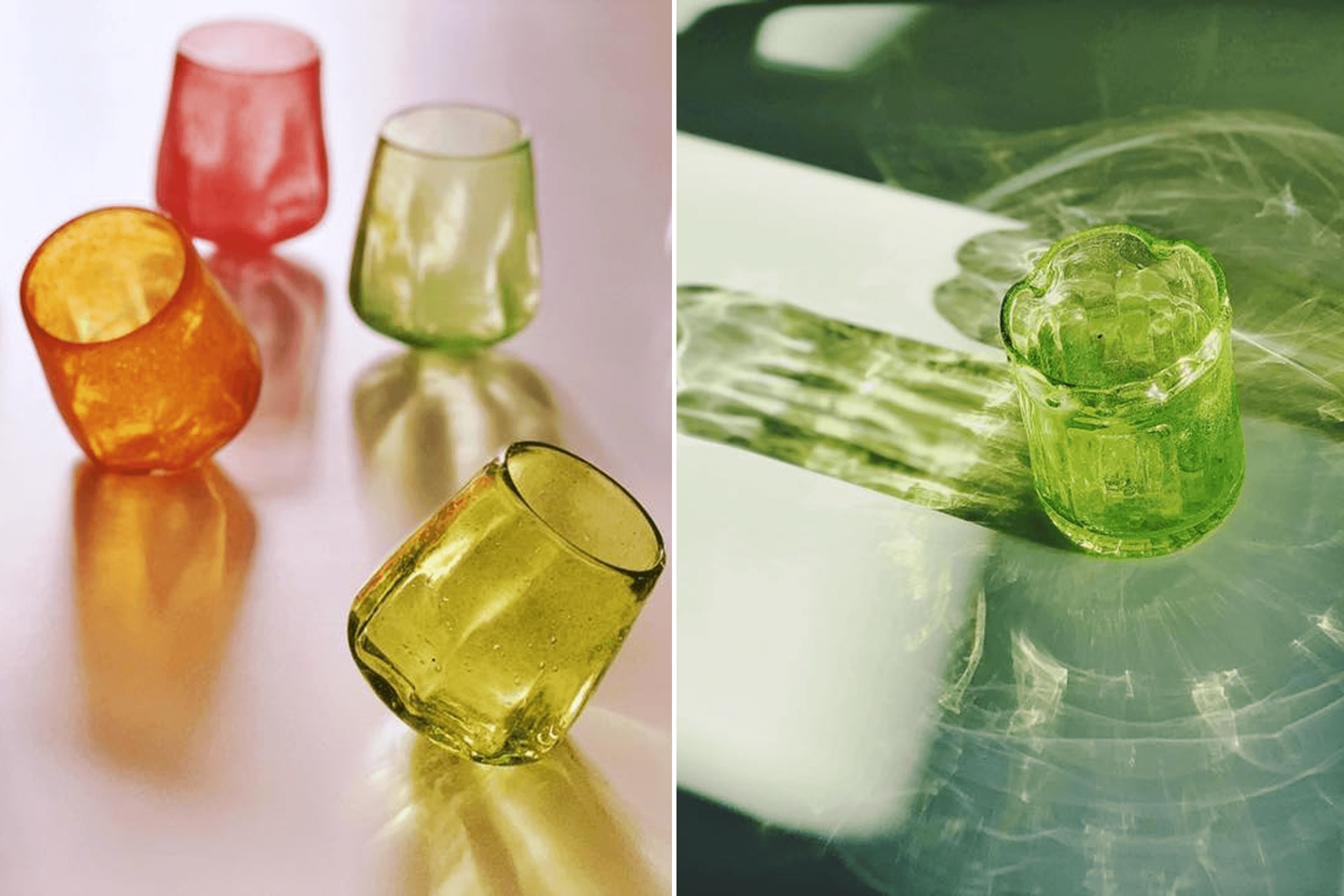
The first glass pieces, including The Balance glasses, actually appeared before the pandemic. But we were developing that direction slowly while focused on stabilizing the business. This became a turning point: Italian workshops shut down, and our focus naturally moved from ceramics to blown glass. We kept the core plate selection and a few popular serving shapes. We did not expand the ceramic line during that period, but we did not drop it entirely either.
After a small rebranding, we shortened the name to YaKUSH, and blown glass became our key product category. It is more expensive than ceramics, and reasonably so.
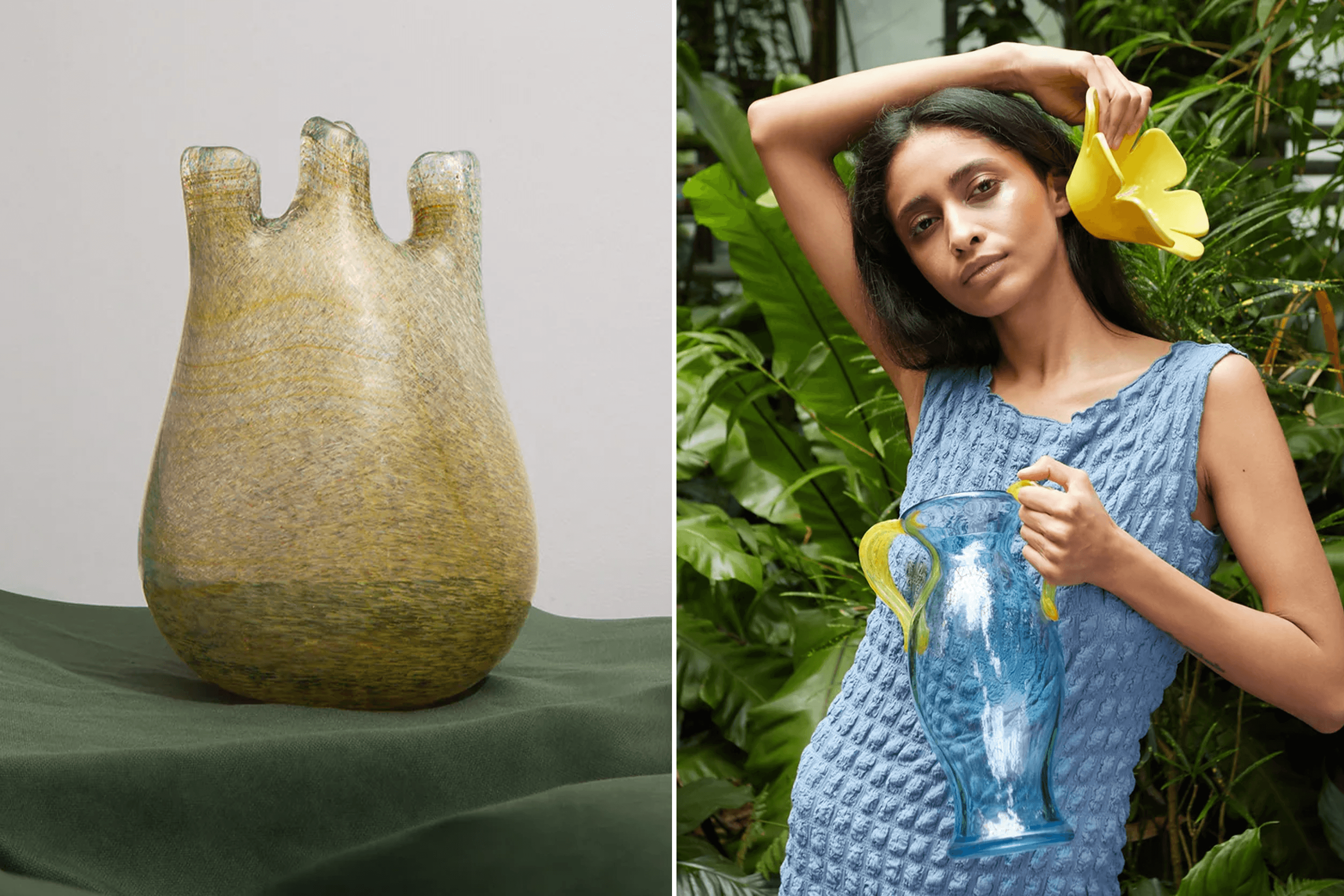
Some pieces by the YaKUSH brand. Photo: YaKUSH / Facebook / YB 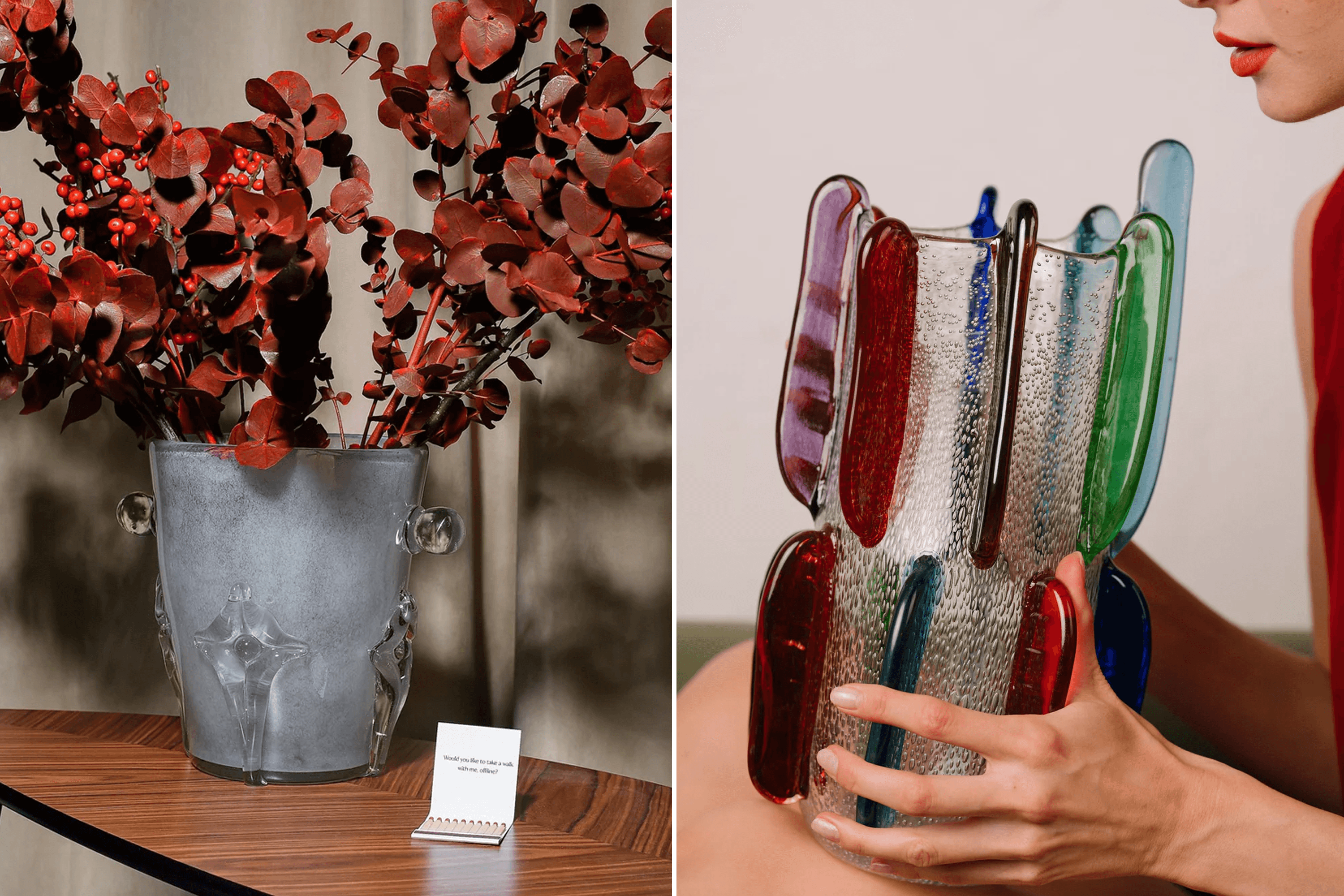
Photo: YaKUSH / Facebook / YB 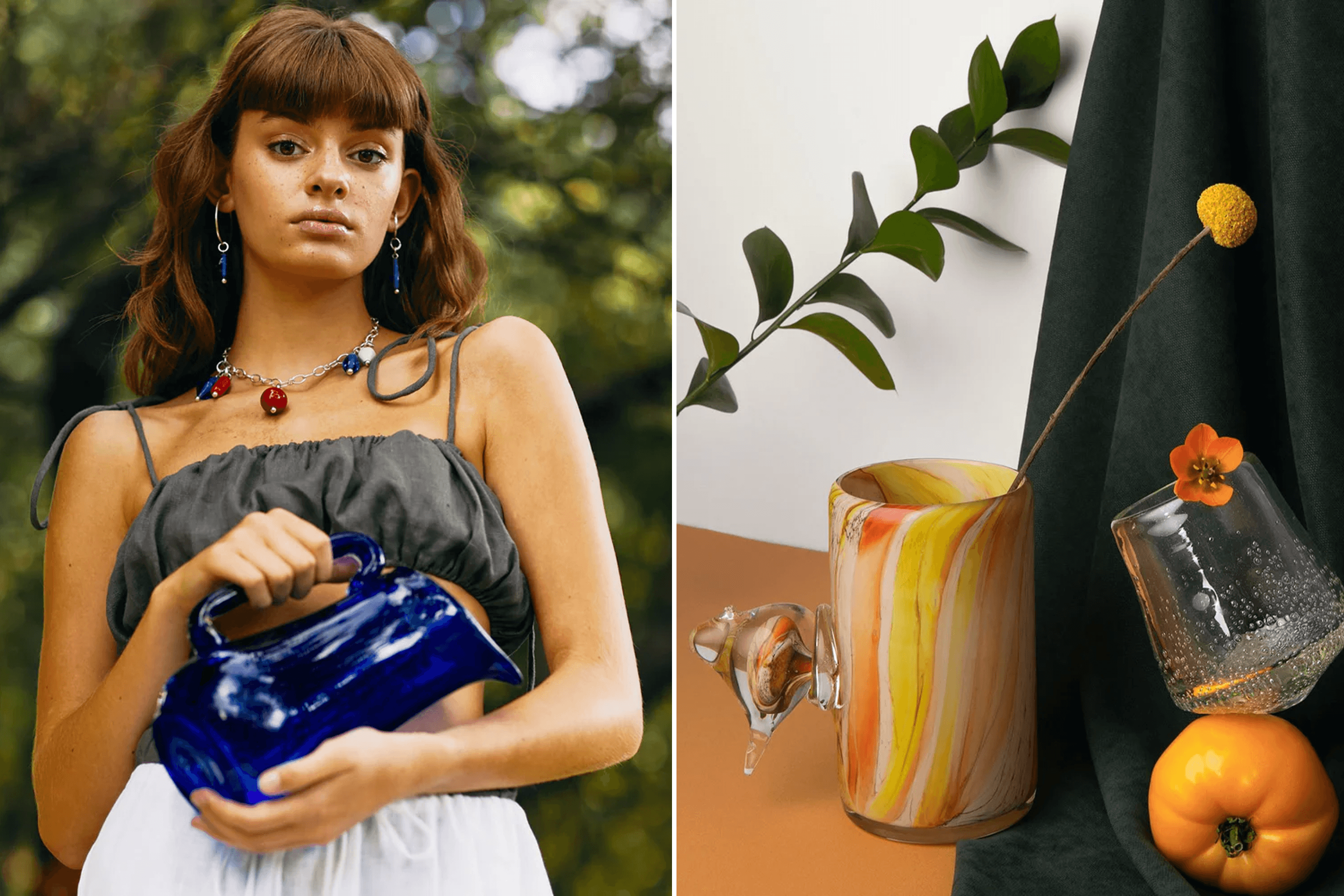
Photo: YaKUSH / Facebook / YB 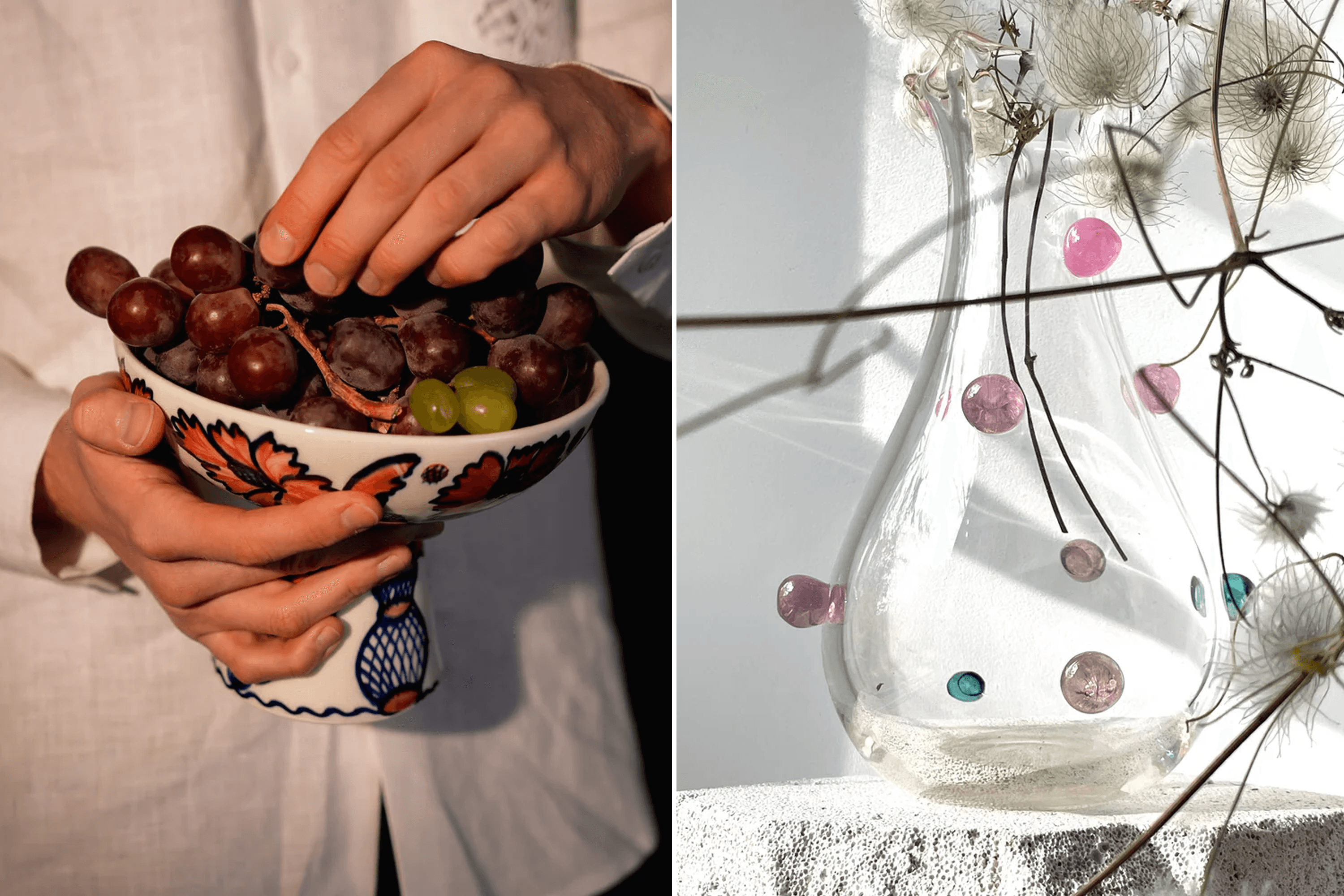
Photo: YaKUSH / Facebook / YB 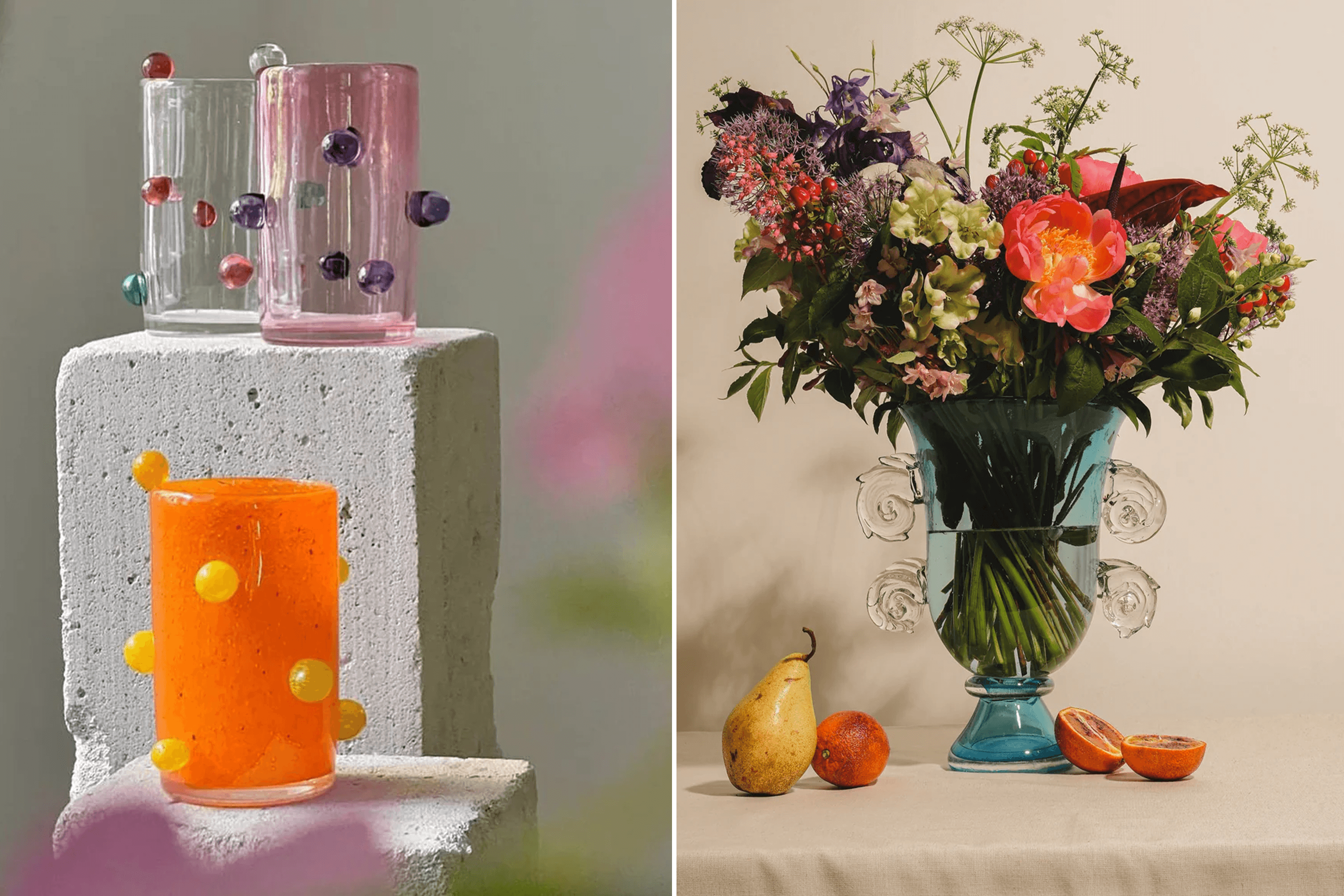
Photo: YaKUSH / Facebook / YB
Ukraine has very few blown-glass craftsmen. Did you understand the risks going in?
At the time there was essentially one working operation, and earlier attempts to revive the craft had not been successful. There was no systematic approach to it. You could say blown glass had simply been forgotten, and I saw a chance to build a contemporary design product around it. We were almost the only ones working with it in a new aesthetic: glasses, pitchers, decorative pieces.
After the rebranding and the product shift, was there a risk of losing your existing audience?
Any change in the product range is a challenge for a brand that already has a following, so yes, the risk was real. Some clients identified YaKUSH specifically with ceramics. But the brand could not remain static. We evolved while keeping our DNA intact, rolling out new categories in small batches and paying close attention to how people responded.
In the end, we not only held onto existing clients but brought in fresh ones. After 2021, new ceramic collections appeared alongside textiles, gifts, and candles. Today YaKUSH is a lifestyle brand with a wide range, all sharing a common aesthetic.
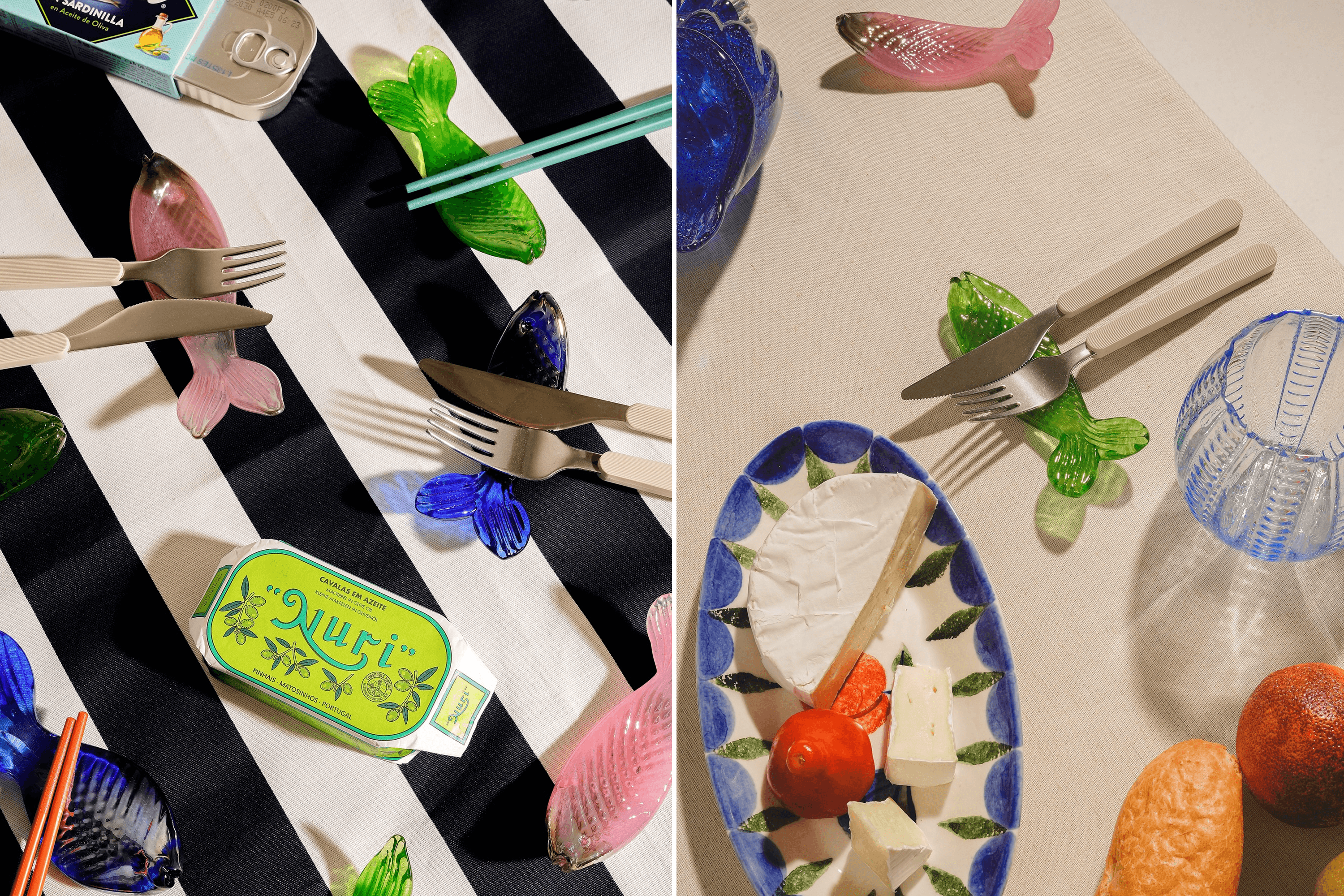
Some souvenirs by the YaKUSH brand. Photo: YaKUSH / YB 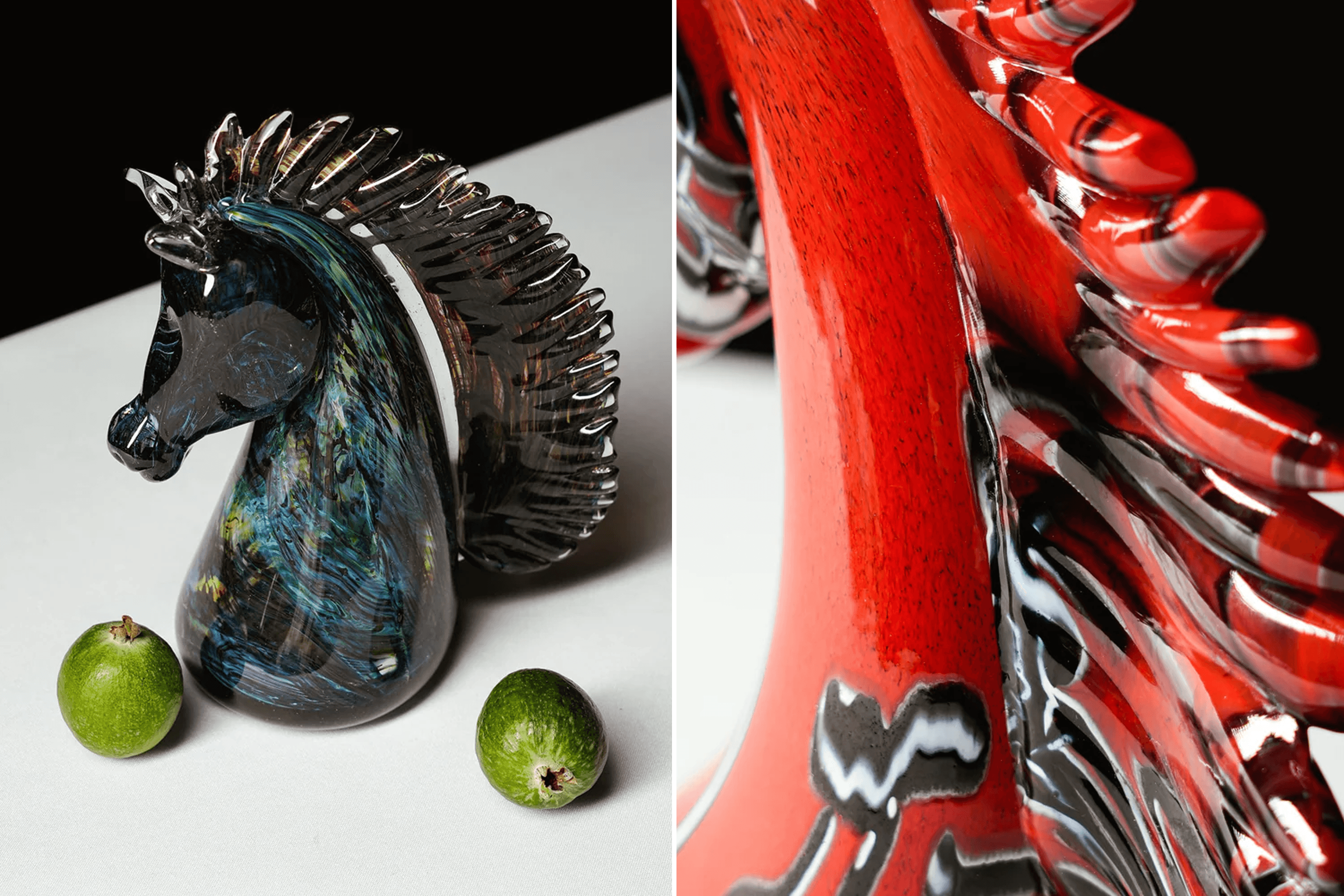
Photo: YaKUSH / YB 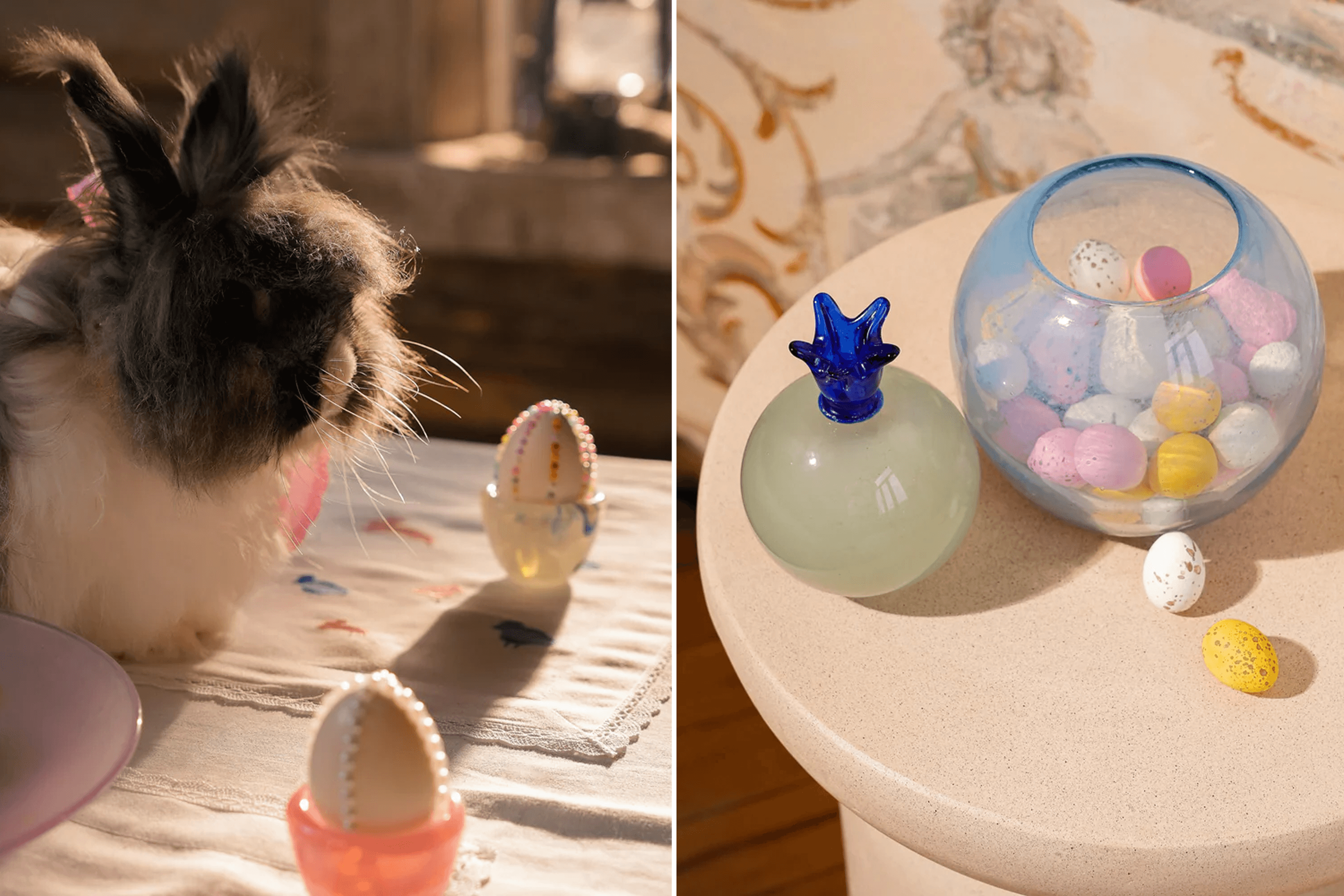
Photo: YaKUSH / YB 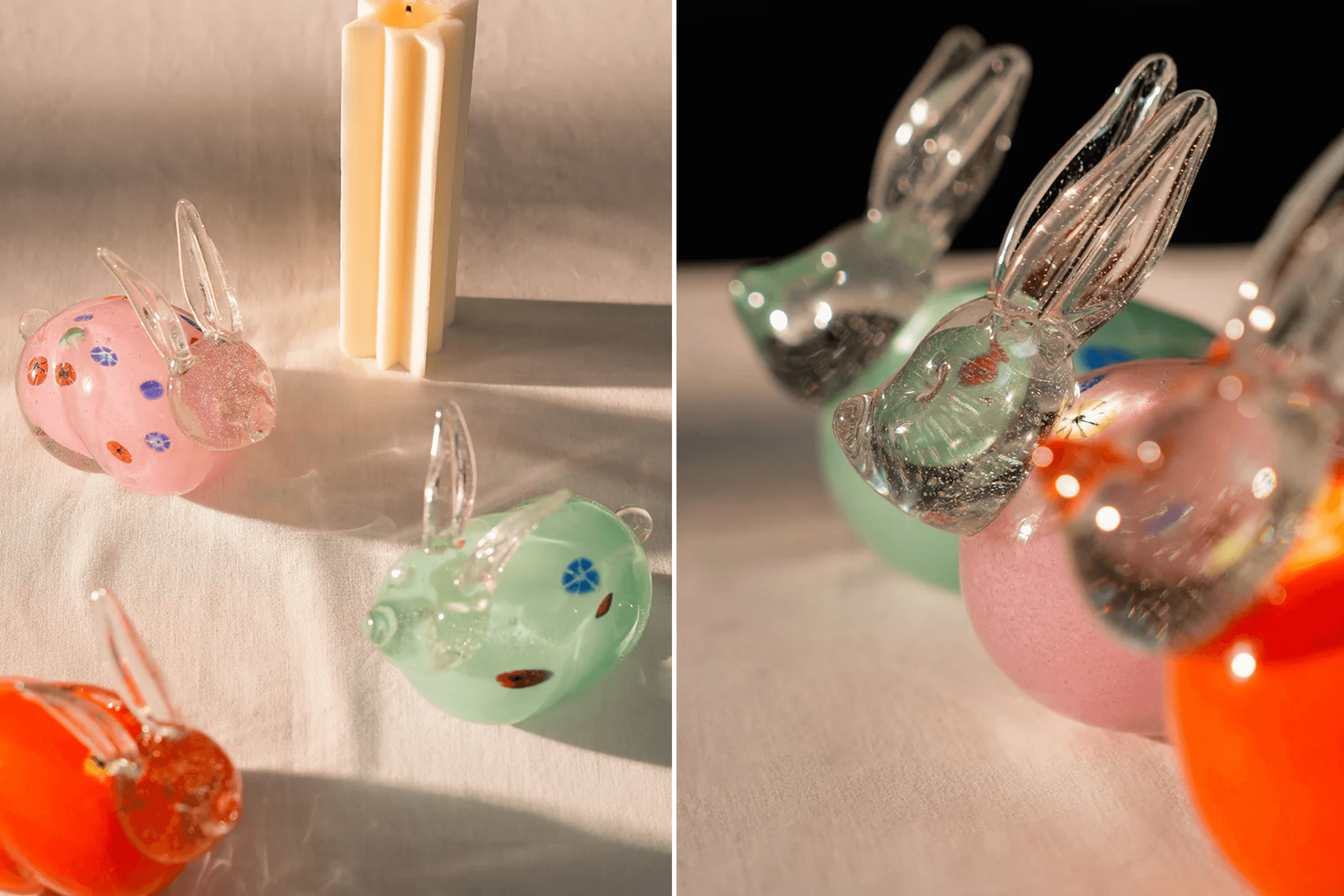
Photo: YaKUSH / YB 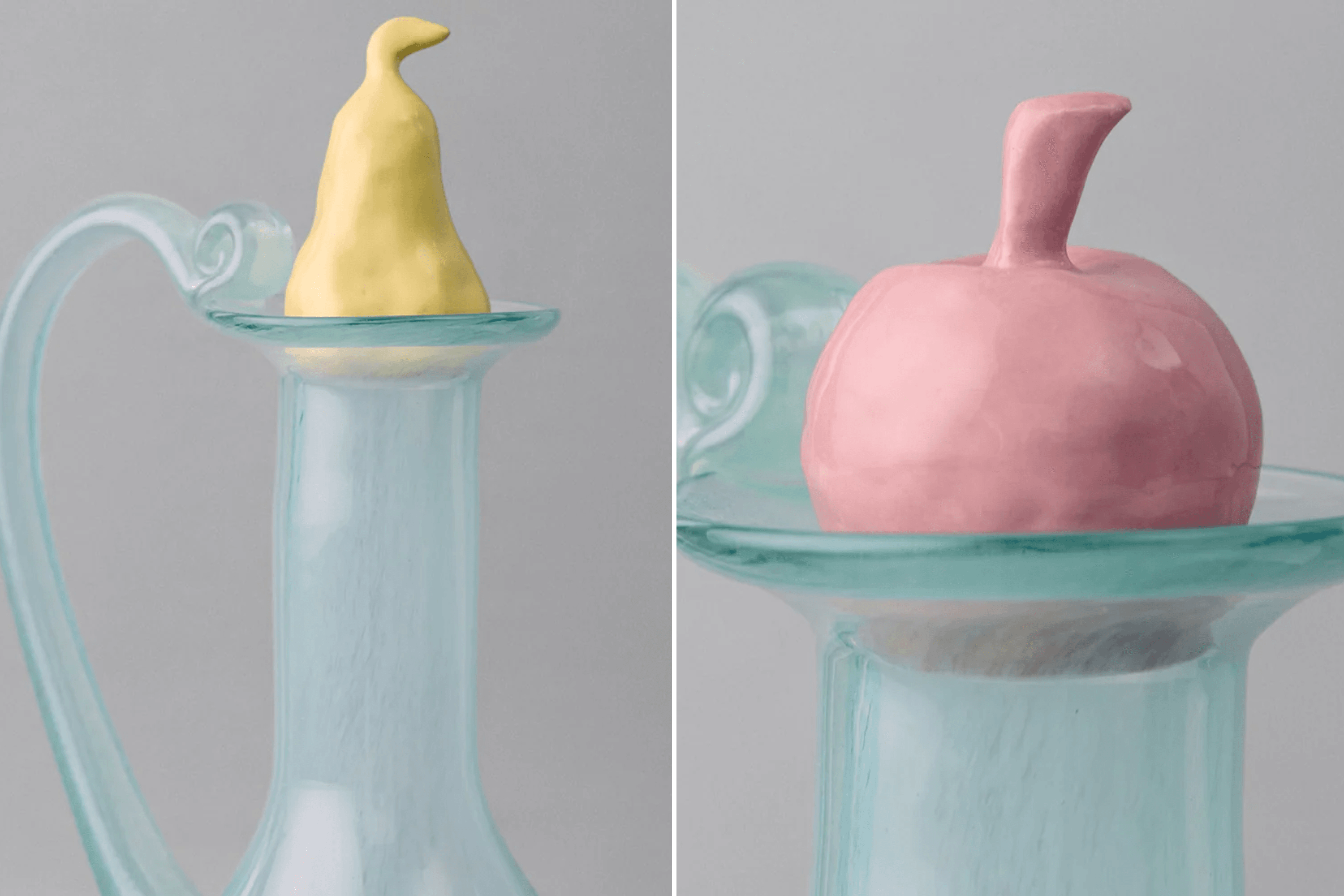
Photo: YaKUSH / YB
What percentage of your clients come back for repeat purchases?
Up to 45%.
Where is production based and how does it work?
The main blown-glass production is in Lviv, on a contract basis. The same craftsmen work for several Ukrainian brands, including ours. With the war, starting our own facility carries too much risk. Gas and power outages, and the high capital costs for equipment with no guarantee of market exclusivity.
We work with sewing and ceramic workshops the same way. The contract model lets us produce high-quality products of unique design while keeping craftsmen employed, though risks remain. Because everything is made by hand and skilled people are hard to find, our prices range from $22–$850.
What volumes do craftsmen produce each month?
Seamstresses can turn out up to 600 textile items a month. In good periods, the glass workshop reaches around 300 pieces a month.
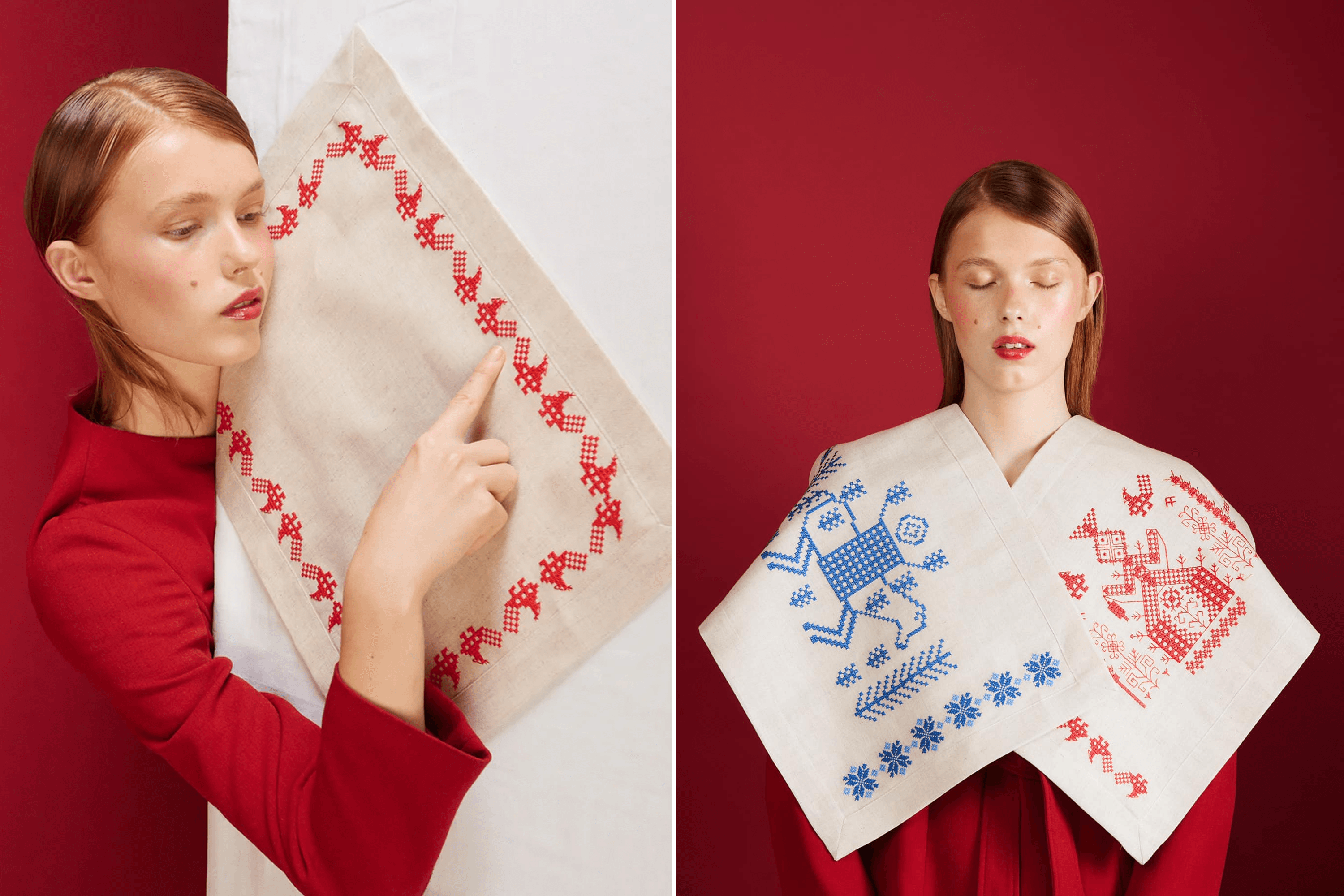
Textile pieces by the YaKUSH brand. Photo: YaKUSH / Facebook / YB 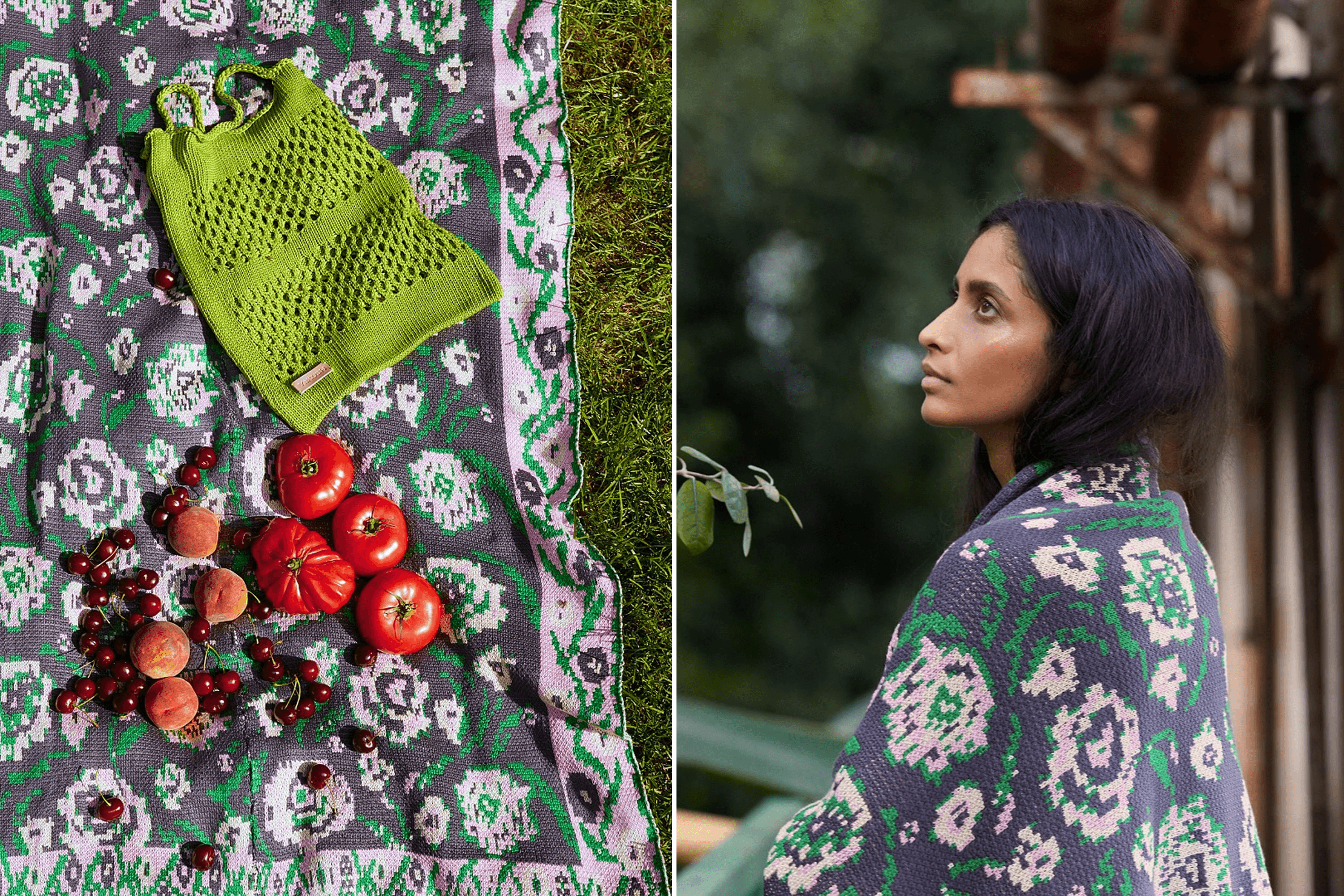
Photo: YaKUSH / Facebook / YB 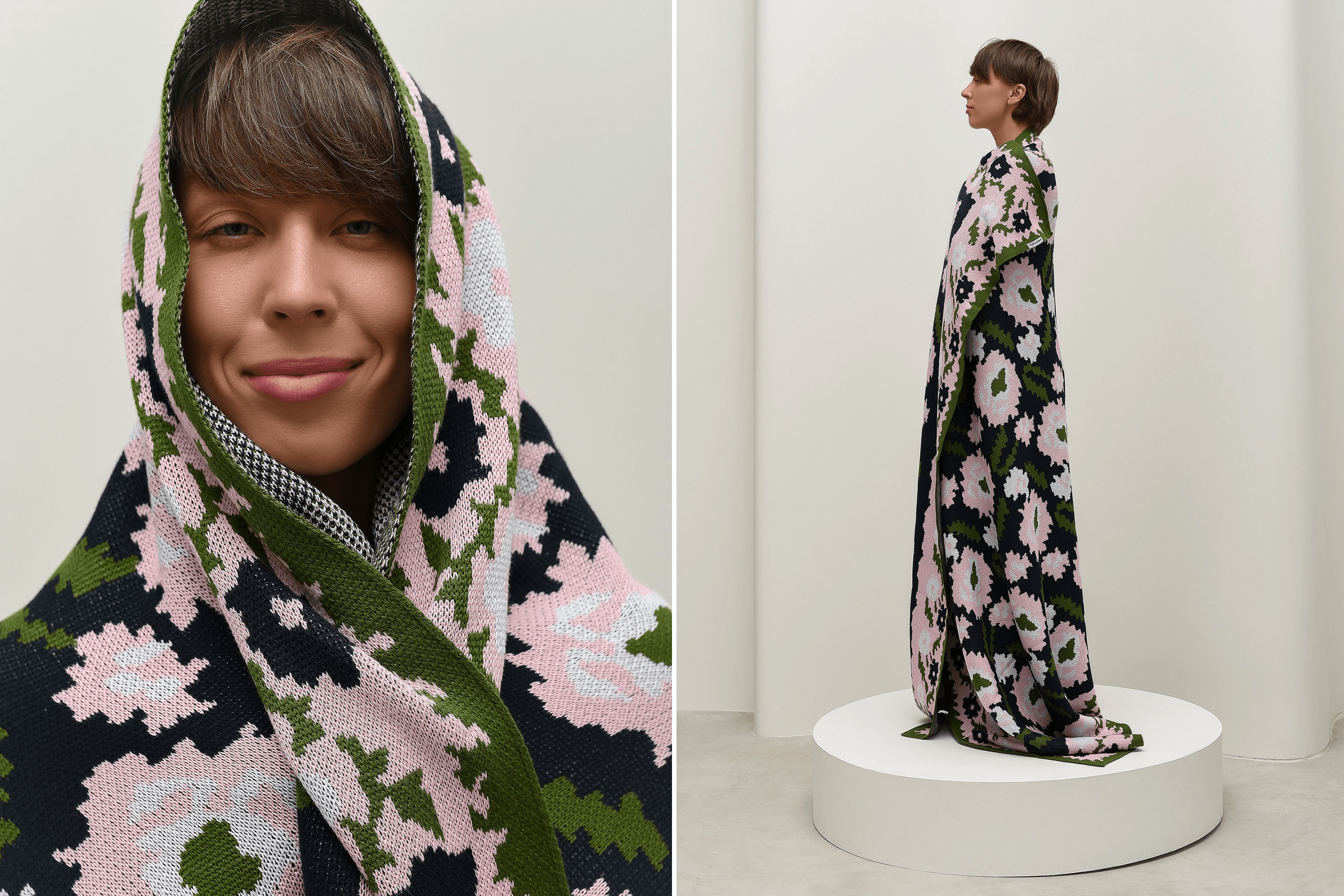
Photo: YaKUSH / Facebook / YB 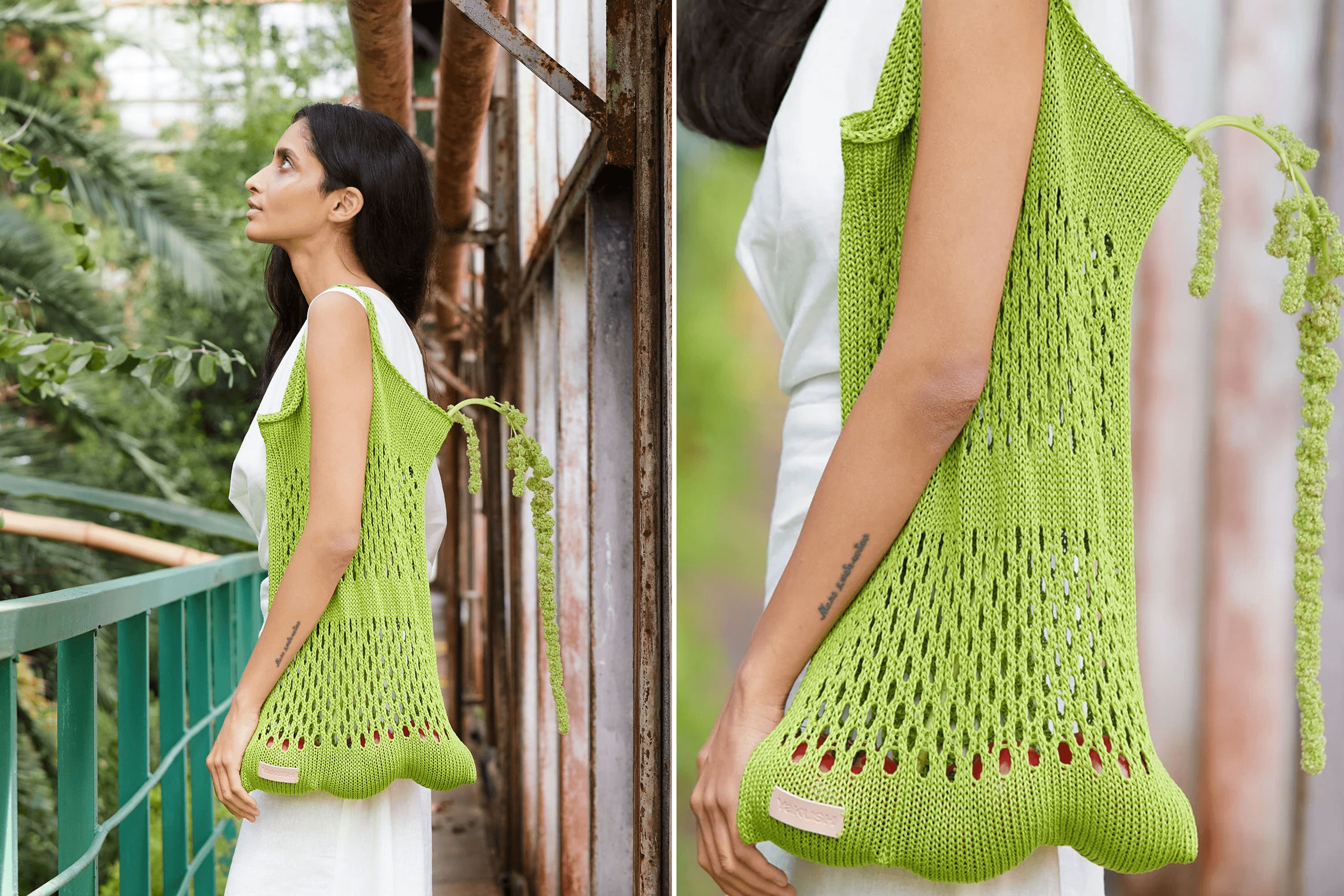
Photo: YaKUSH / Facebook / YB 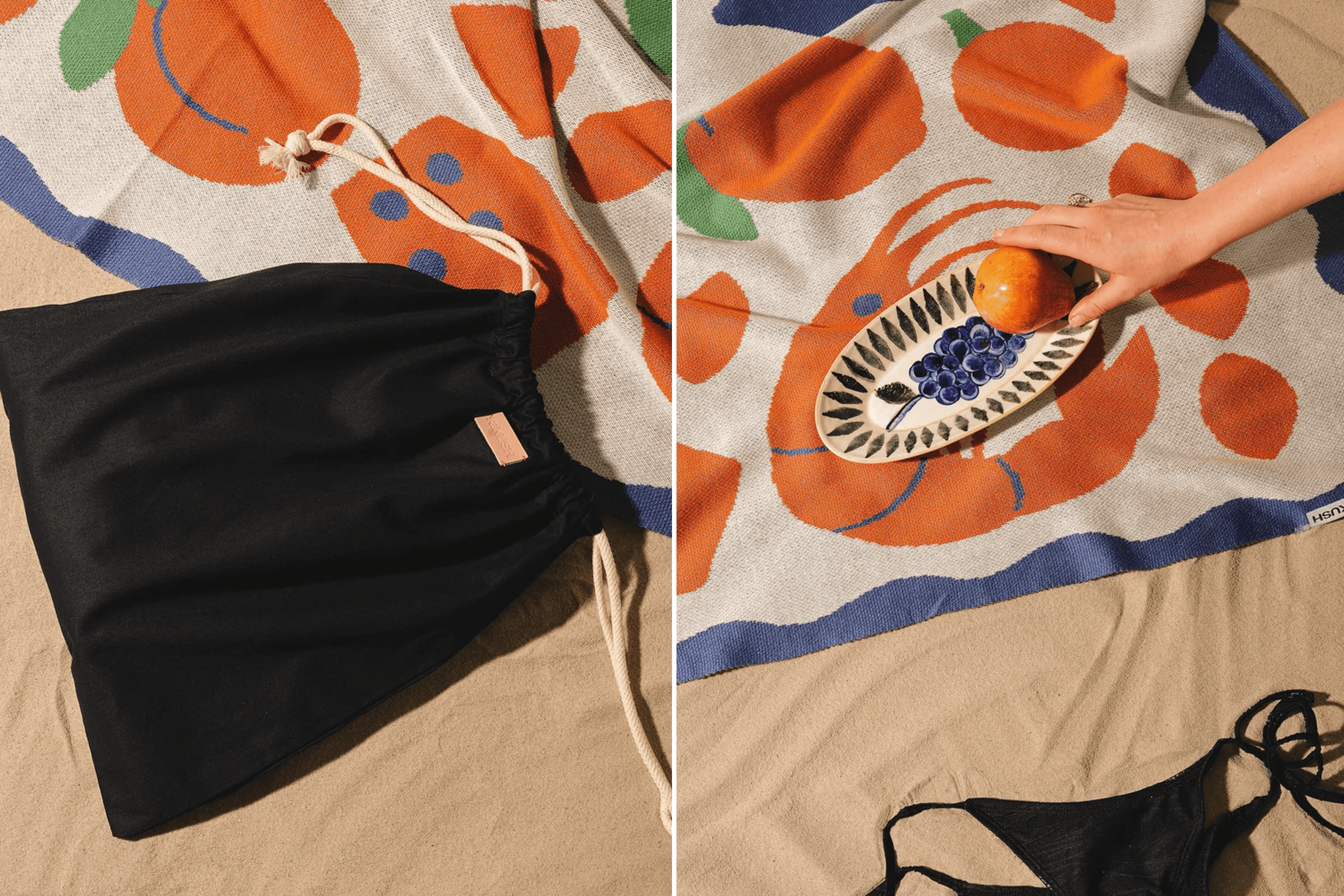
Photo: YaKUSH / Facebook / YB
Are you considering automating production to make larger batches?
Not right now. Maybe down the line, if glass 3D printers develop to the point where they can reproduce complex designs that cannot be done by hand. That technology is still not ready for production use.
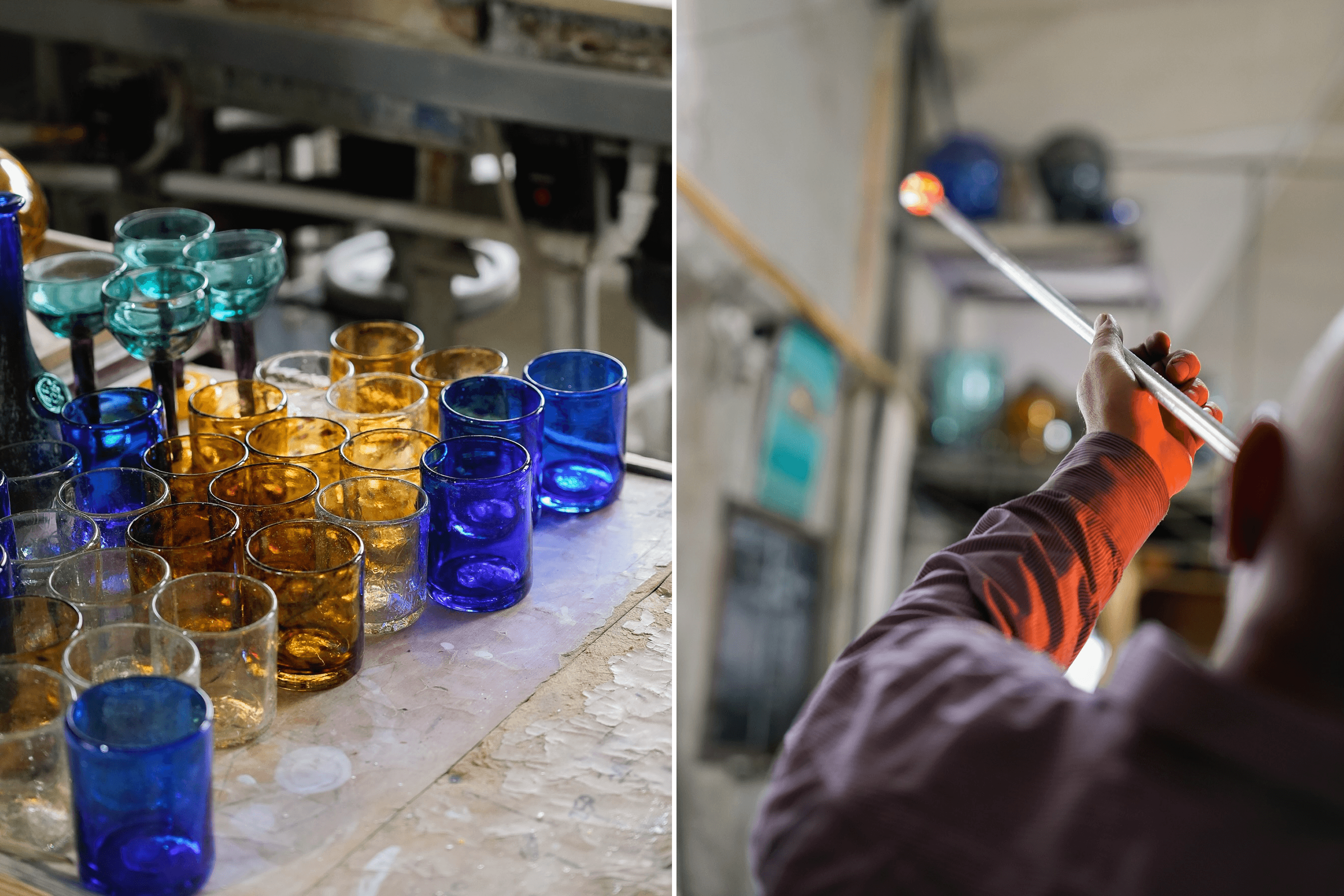
Some photos of the production process of YaKUSH pieces. Photo: YaKUSH / Facebook / YB 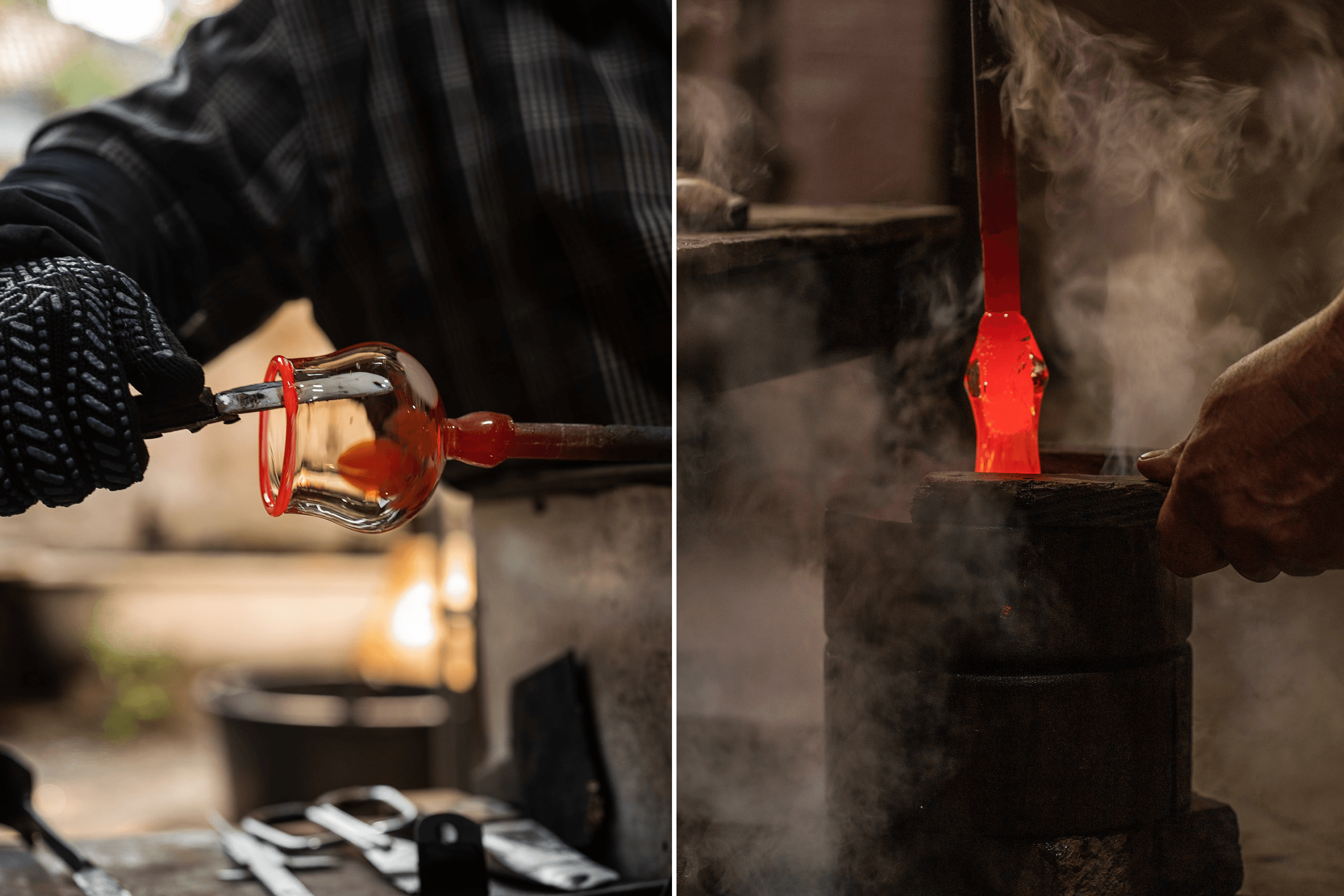
Photo: YaKUSH / Facebook / YB 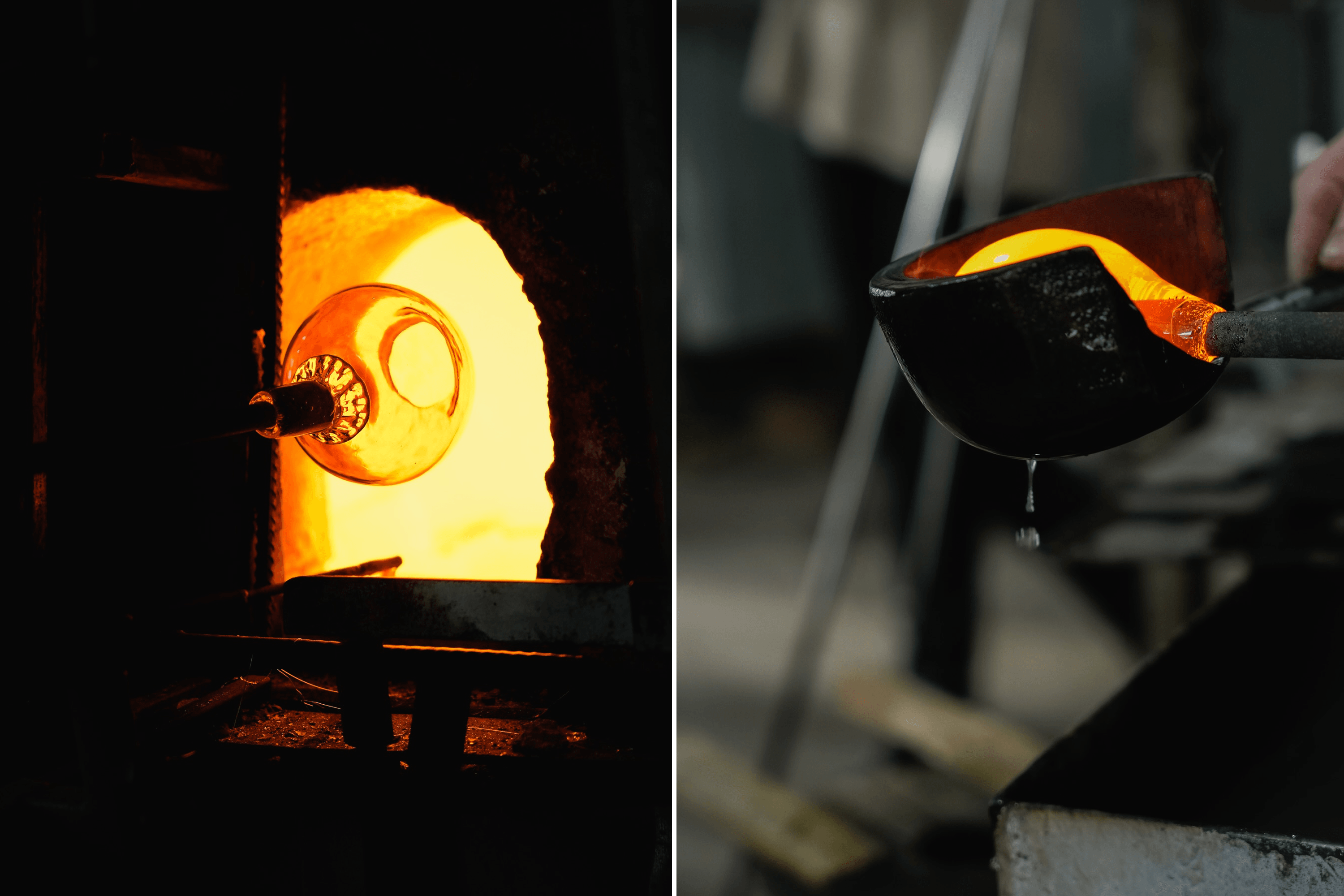
Photo: YaKUSH / Facebook / YB 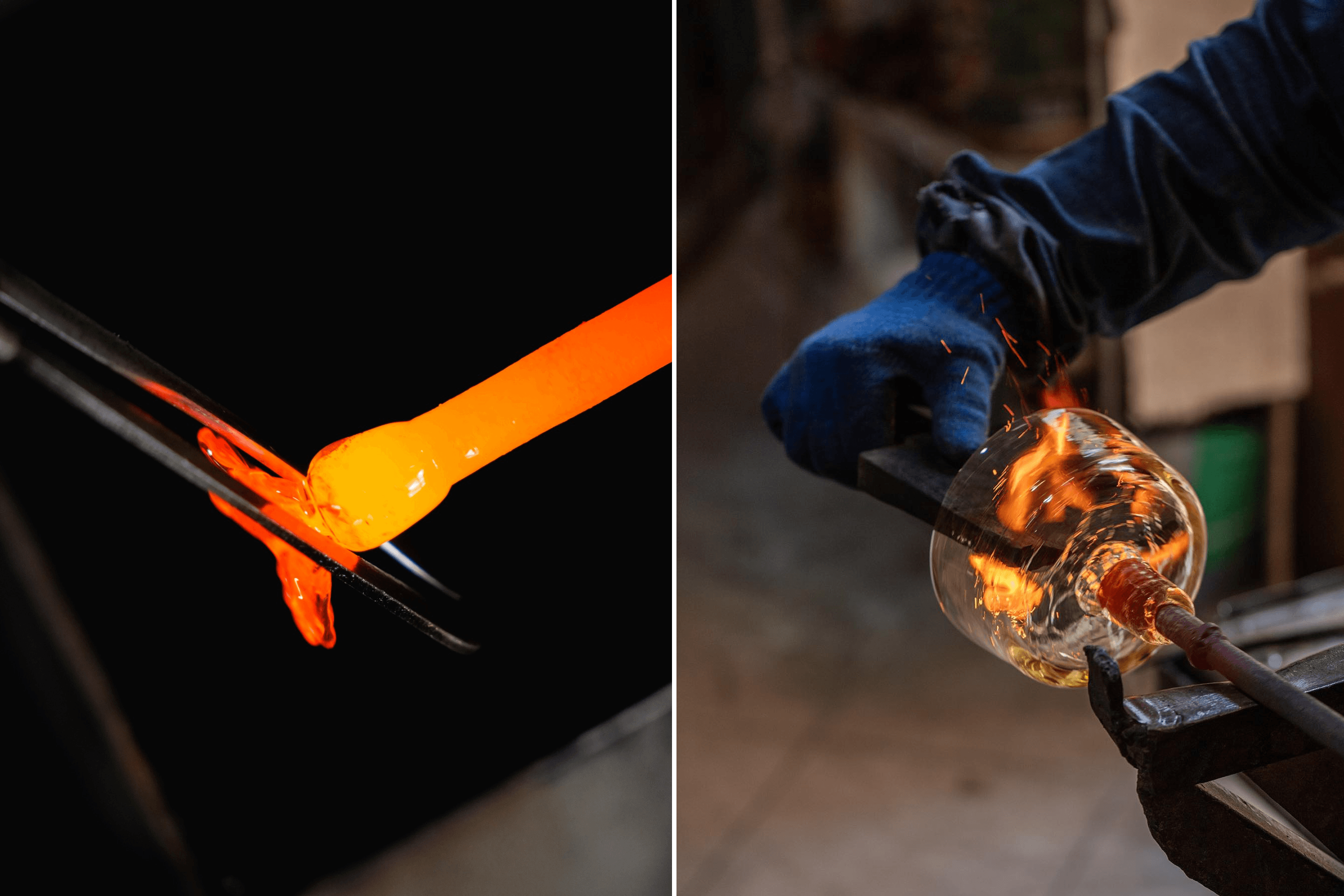
Photo: YaKUSH / Facebook / YB 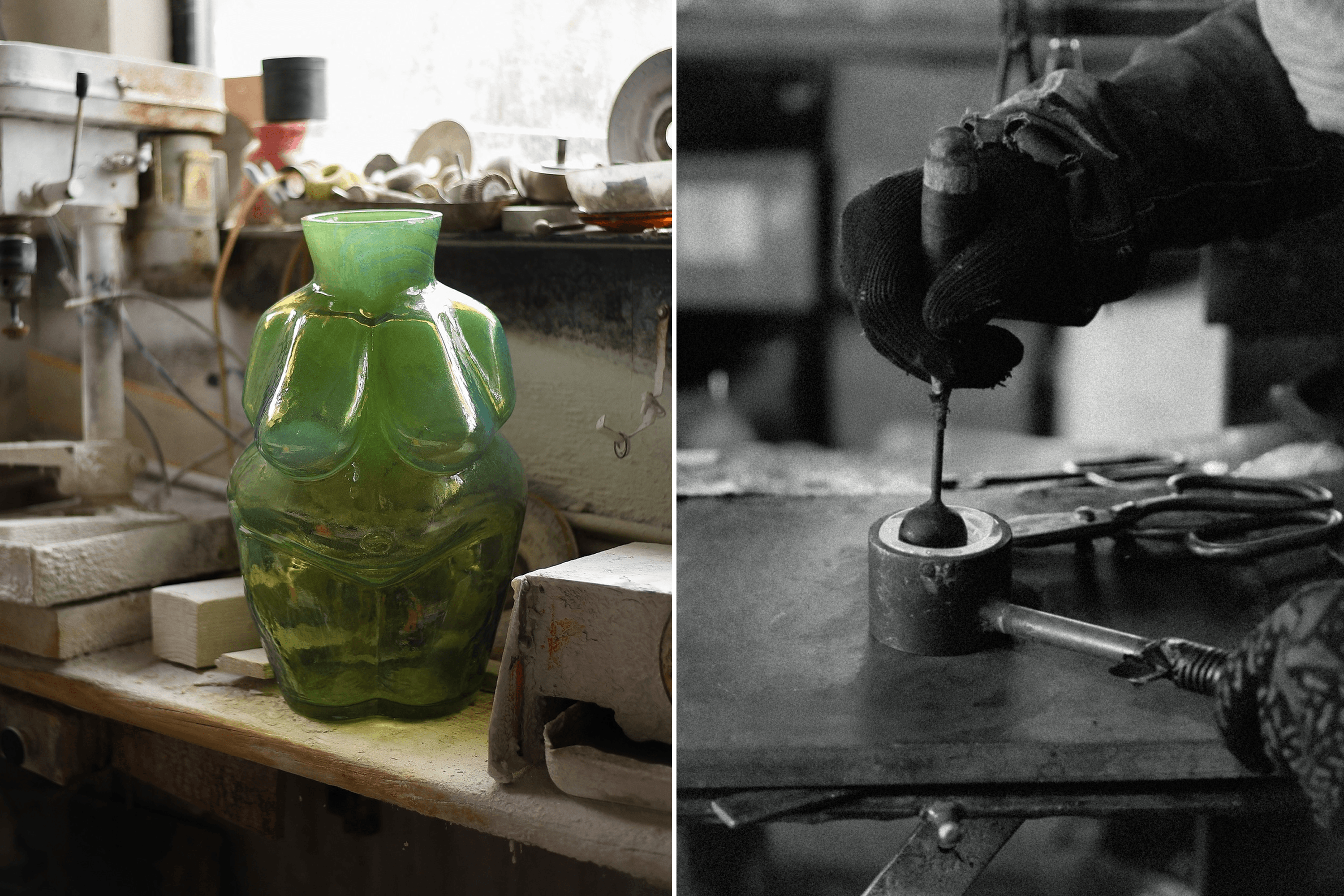
Photo: YaKUSH / Facebook / YB
Glass recycling is one of your eco-initiatives. Does it apply to the whole range or just certain pieces?
We use recycled glass across all our glass products. And to be specific: we are not talking about wine bottles or random household glass. Our craftsmen work with industrial-grade cullet made specifically for artistic production. It holds up under high temperatures, keeps its properties, and is completely safe. For us, it is a core part of the brand’s philosophy: giving material a second life.
Have you considered relocating production abroad due to Russia’s constant attacks on Ukraine’s energy infrastructure?
There are currently fewer power outages in Lviv, and we are hoping the situation stays stable. Just in case, we have an arrangement with a partner manufactory abroad to keep up with orders regardless.
How many employees do you have?
Twenty. Craftsmen, outsourced specialists, and managers.
How many new collections do you release each year?
Two main lines of 10 or more items each: summer and Christmas. Plus two smaller additional releases.
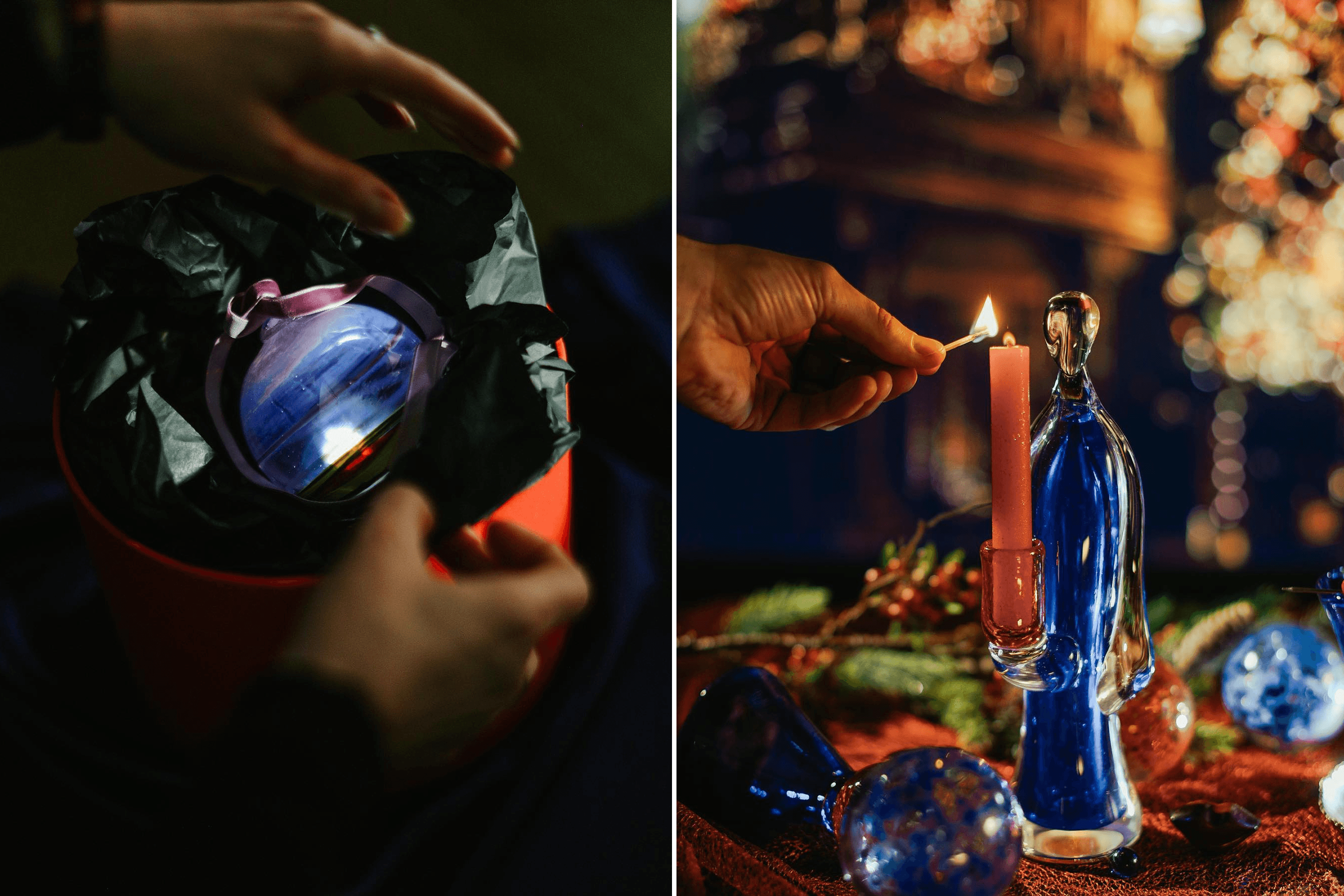
Some pieces from various collections by YaKUSH. Photo: YaKUSH / Facebook / YB 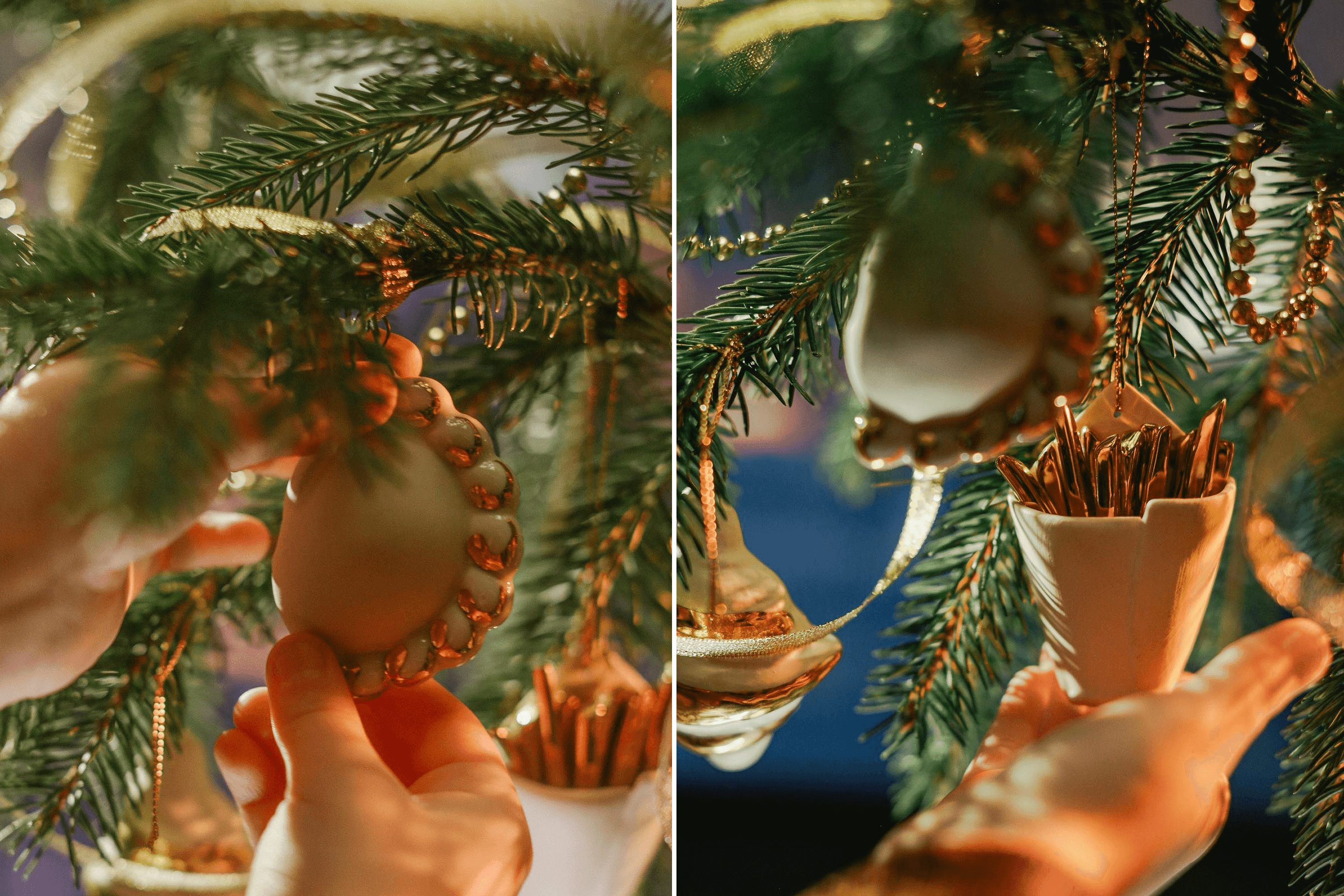
Photo: YaKUSH / Facebook / YB 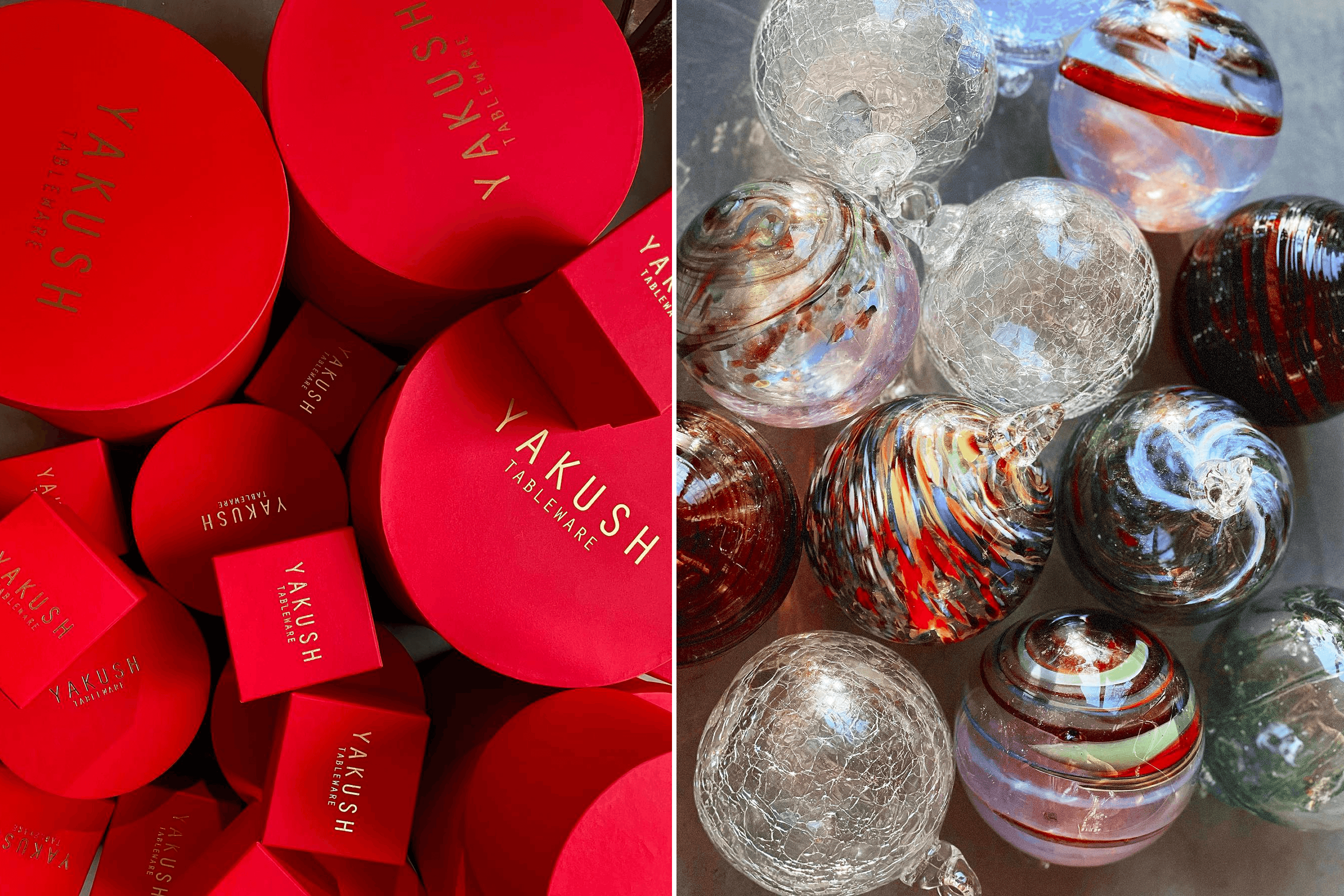
Photo: YaKUSH / Facebook / YB 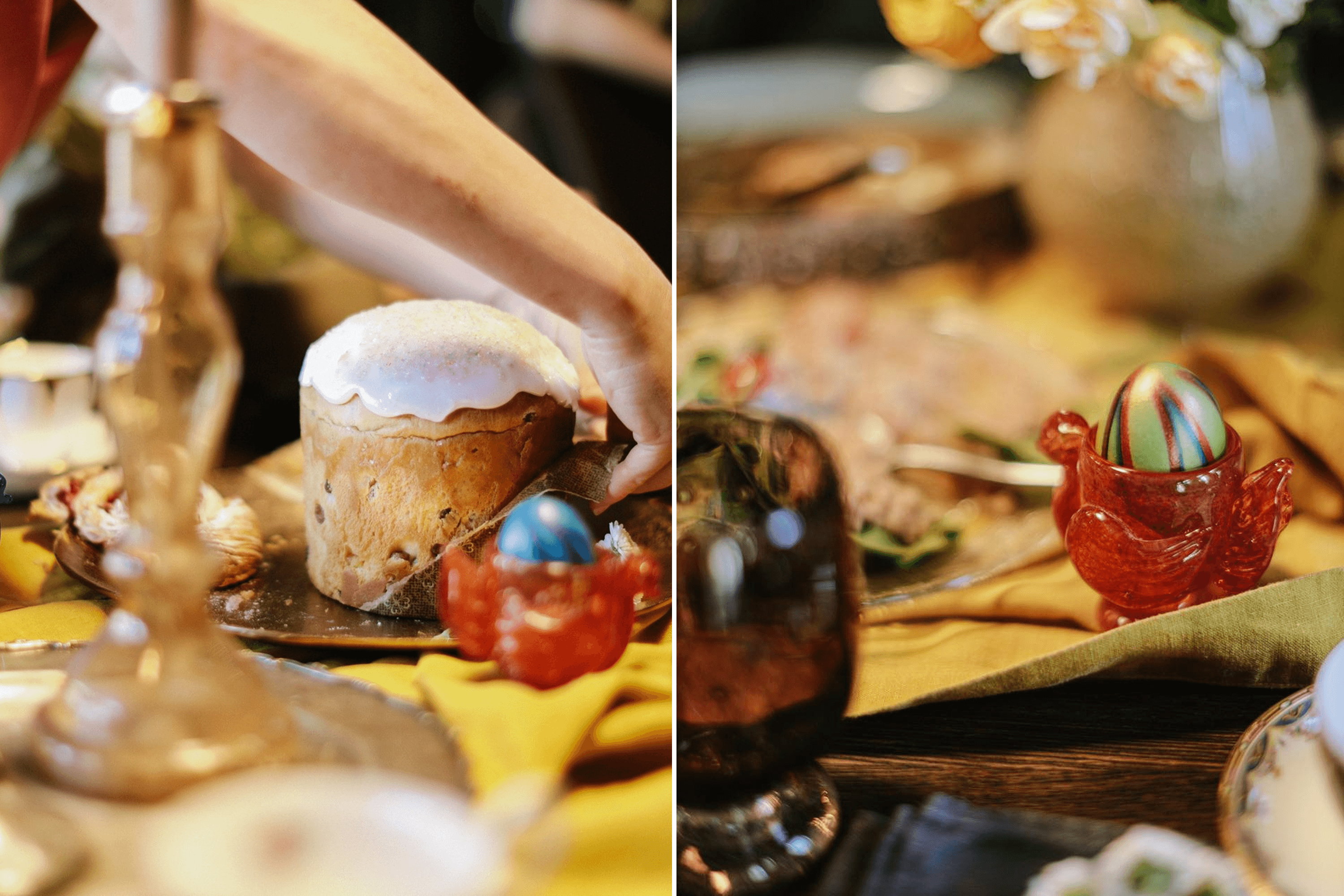
Photo: YaKUSH / Facebook / YB 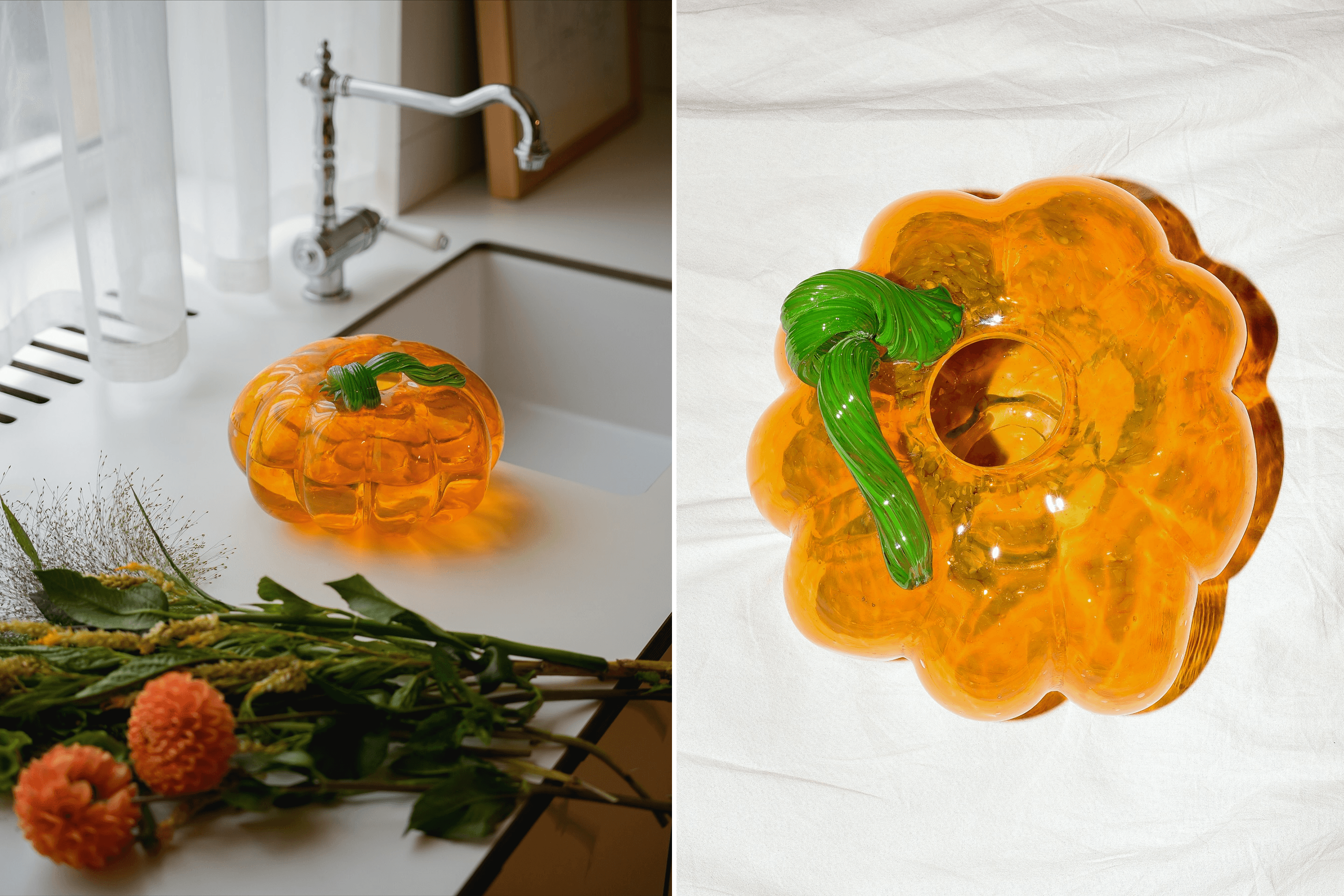
Photo: YaKUSH / Facebook / YB
If something from a collection sells well, do you keep producing it?
Some items stay in production longer than one season, but only the bestsellers remain. Everything else gets discontinued.
By the way, which product is your bestseller?
In Ukraine ― the Venus vase and the Blossom Coupe glasses. In the US ― the Bubble Gum vase.
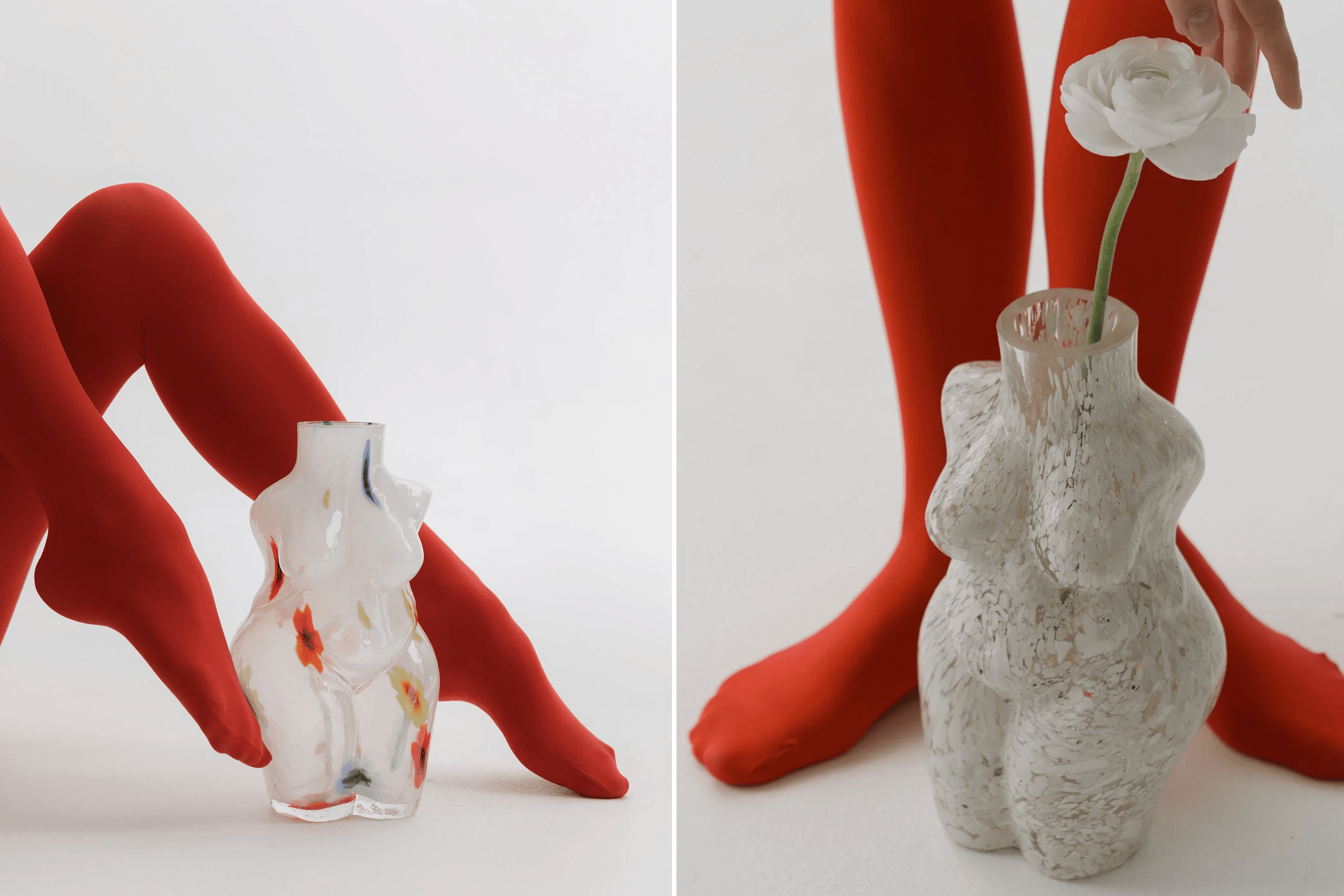
The Venus vase. Photo: YaKUSH / YB 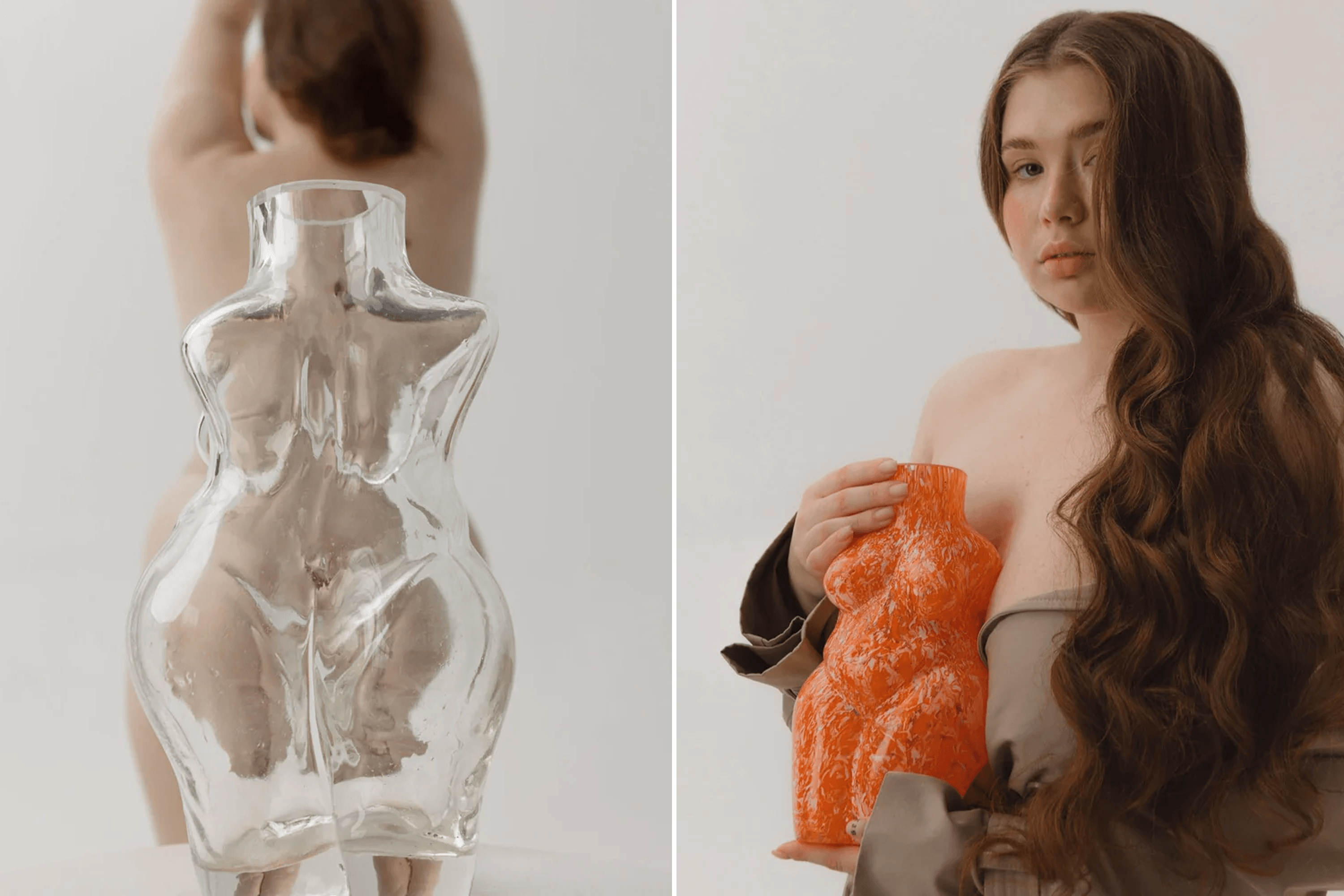
Photo: YaKUSH / YB 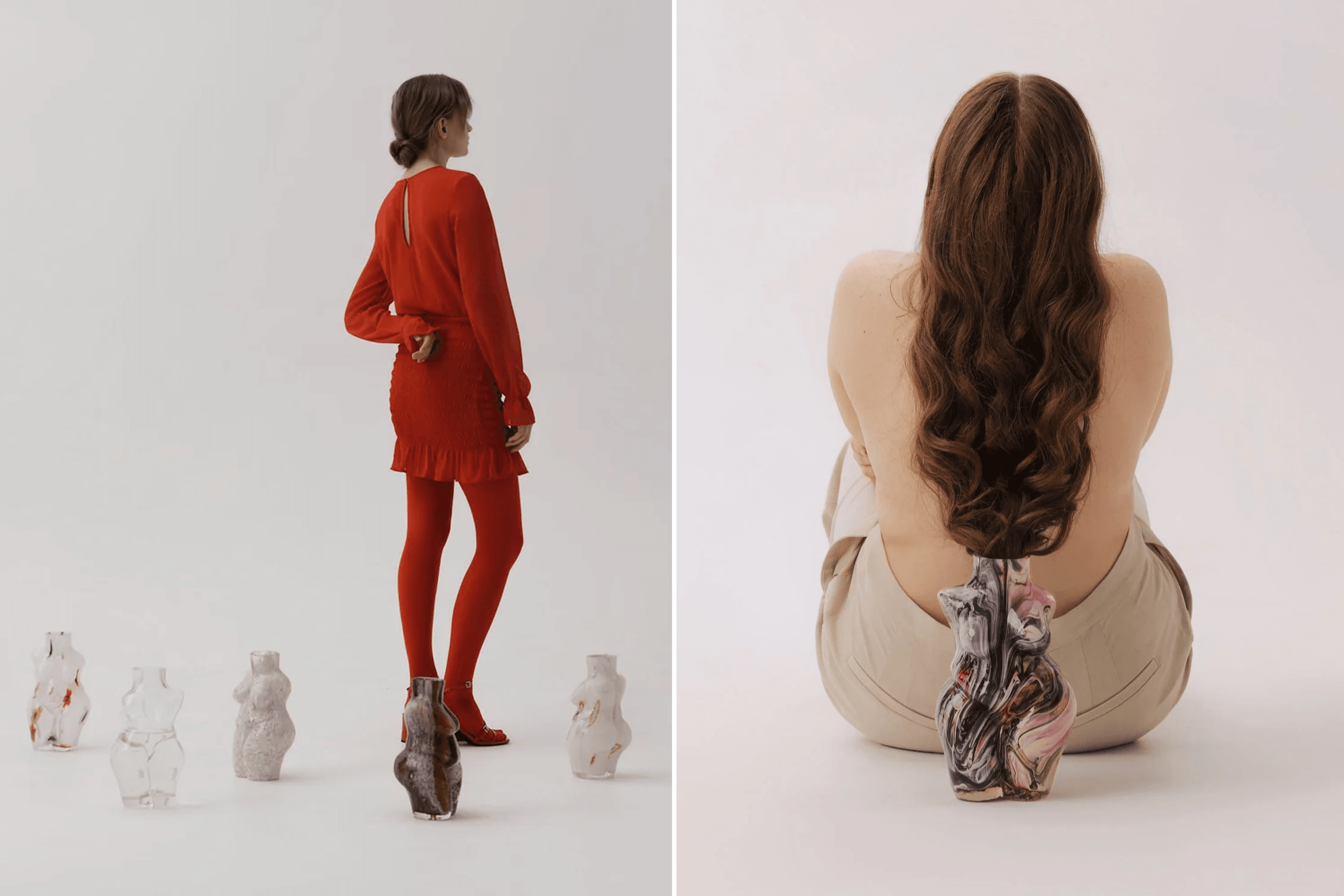
Photo: YaKUSH / YB 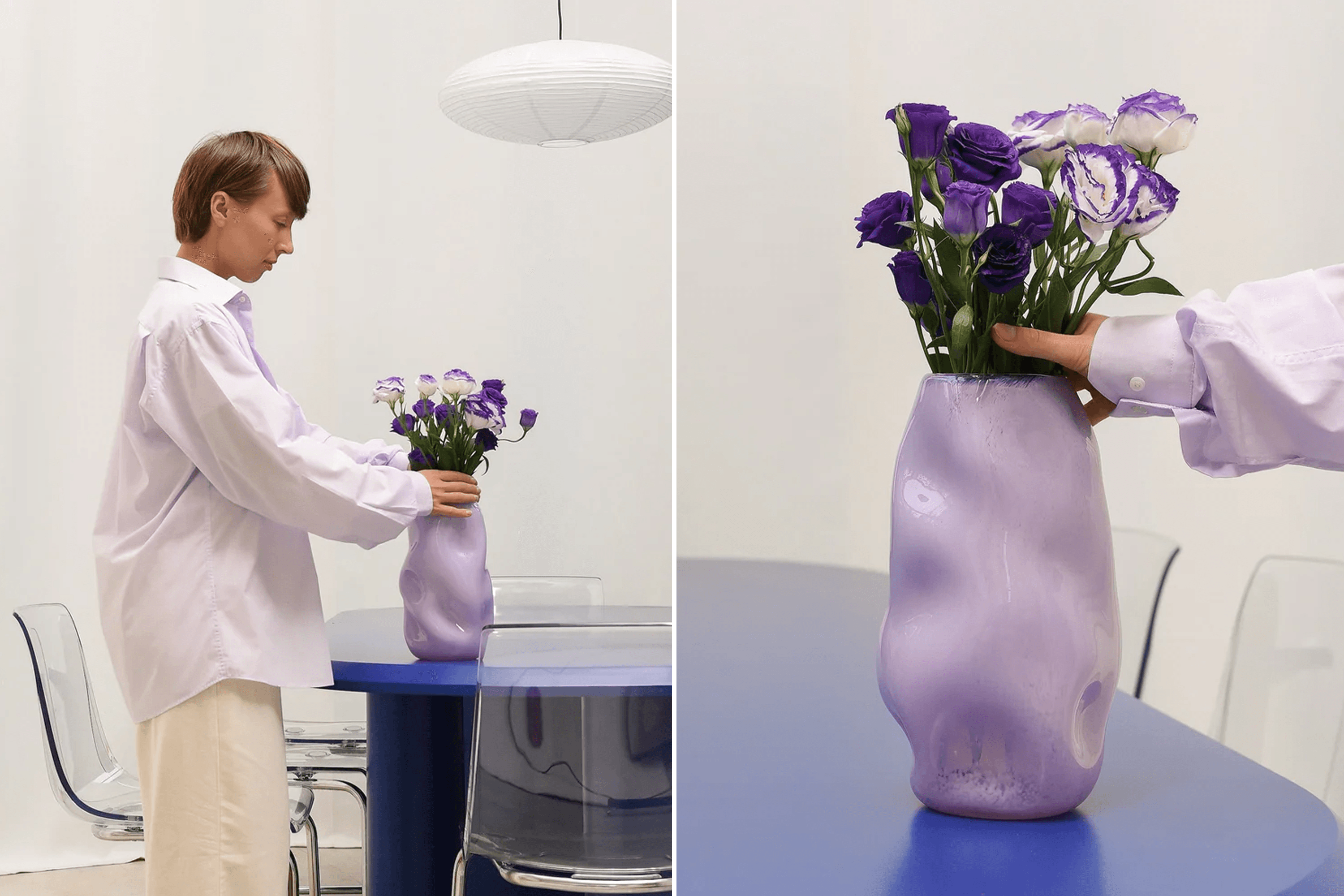
Ваза Bubble Gum. Photo: YaKUSH / YB 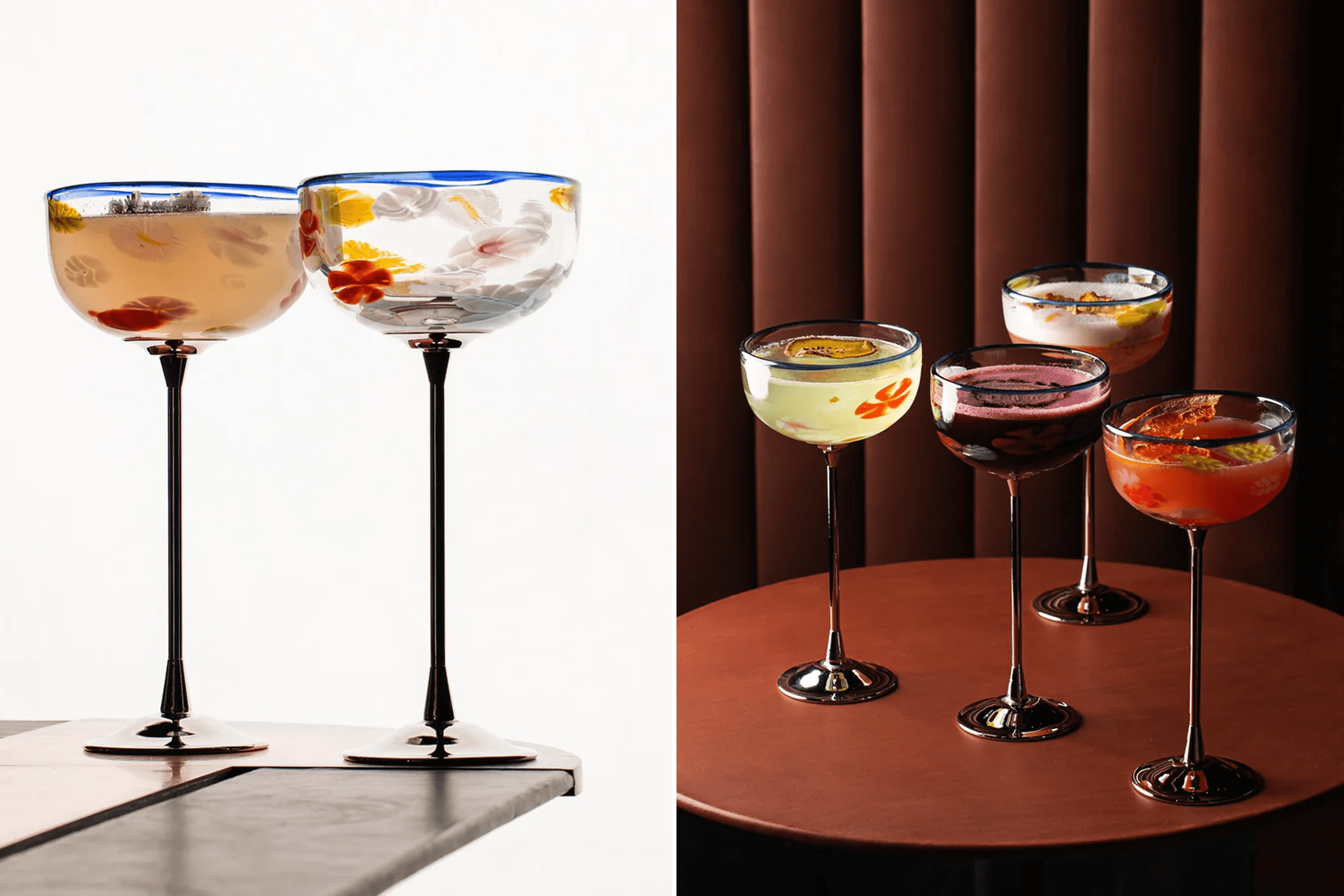
Келихи Blossom Coupe. Photo: YaKUSH / YB
Who creates the sketches for the collections and how does the development process work?
The first collections were made from sketches by the artist Serge Payet, as I mentioned. After that, I started drawing the sketches myself. A designer then takes my drawing and produces a technical blueprint or a 3D model.
From there it goes to production, where I work with the craftsmen to adapt the shape and color to what the material can actually do. Due to the technical nuances of handmade production, a piece can change along the way. Some go into production almost immediately. Others get redesigned two or even five times depending on complexity.
You are essentially playing two roles at once: designer and manufacturer. How do you hold both together?
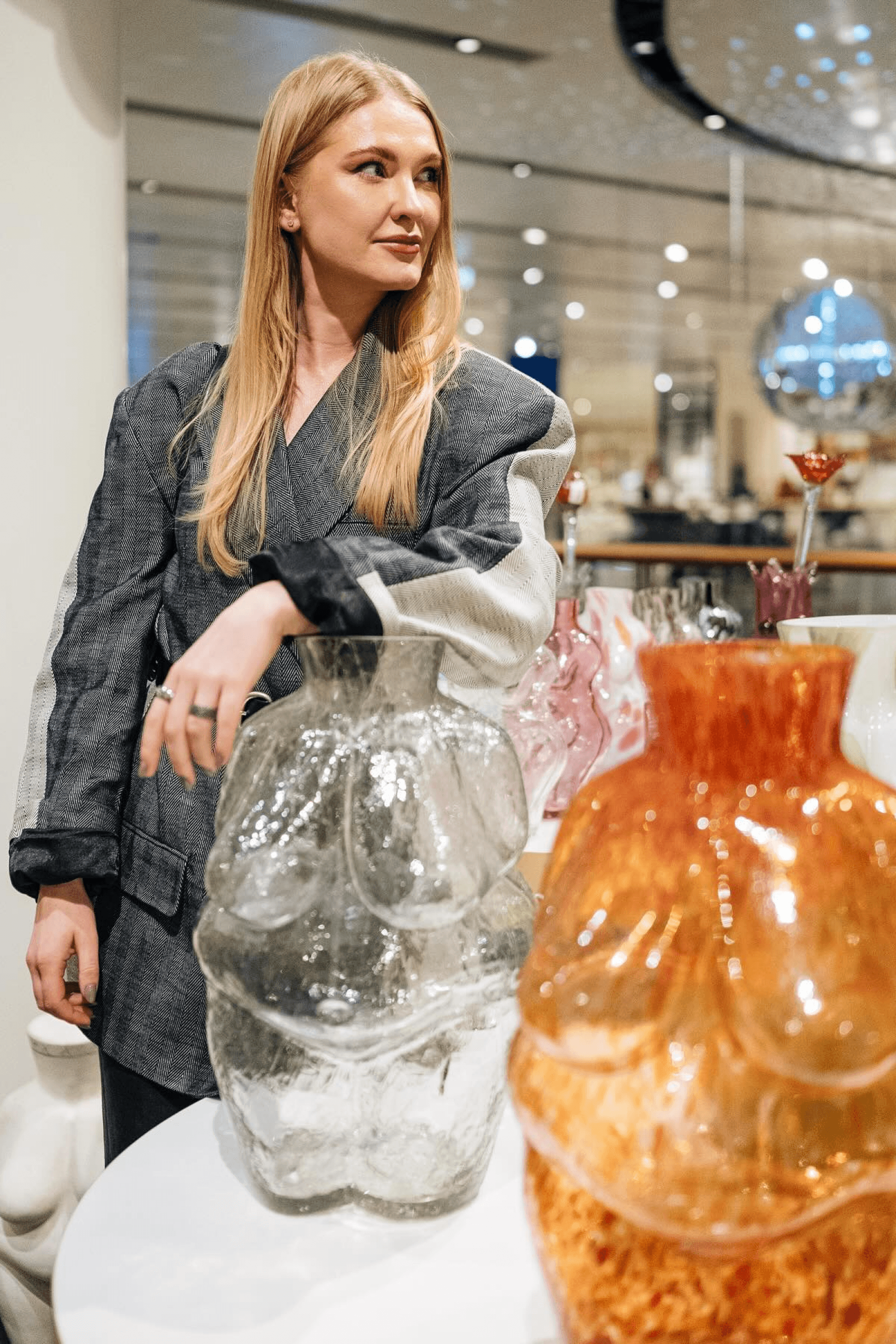
It is difficult, but it also gives me full control over the product. I understand the process from start to finish, and that lets me keep the brand coherent. As it turns out, I love both structure and creative work.
Do you make everything to order, or do you keep stock?
About 80% of items are made to order. We do keep a small inventory that we refresh each month depending on demand and the season. Vases, for instance, go into heavier production in spring and summer. Glasses we make year-round.
How long are clients currently waiting for orders, given shelling and power cuts? If someone orders more than 10 items, do you produce them faster?
No, we do not prioritize orders by size. Force-majeure situations happen: busy season, shelling, outages. But we keep clients updated on their order status throughout. Production time does not exceed three to four weeks.
In the context of force majeure: how has Russia’s full-scale invasion of Ukraine affected YaKUSH?
At the start of the war, the business stopped for about a month. We got back to work on April 1, 2022. Early orders came from Ukrainians abroad. They were buying our pieces for themselves or sending them as gifts: something with Ukrainian object design behind it.
The first B2B step was a spring pop-up of Ukrainian brands in Frankfurt in 2022. It showed that foreign companies were interested in what we made. After that came invitations to specialized trade events, including The Fair of Nice Things in Wroclaw, which brings together design showrooms and stores focused on tableware and decor. From there, our pieces found their way into showrooms in Poland, Germany, Moldova, Georgia, and the United Kingdom.
Our main B2B partners became design stores and showrooms working with tableware, decor, and fashion. We look for those kinds of spaces specifically to keep the brand in the right context and let the quality and craftsmanship speak for themselves.
After participating in exhibitions, you saw potential for the brand abroad. Which tools helped you enter international markets?
Targeted advertising directed at the countries we wanted to reach, and B2B trade shows. The most important among them: Maison&Objet, Milan Design Week, Ambiente in Frankfurt, Berlin Design Week, Free Days of Design, and Shopper Object in Prague. These events let you not only find partners but also gauge demand, test new product categories, make direct contact with clients, and see the global trends shaping design and pricing.
Did you have to adapt the product for different markets or individual clients?
No. For large orders we sometimes adjust colors: a client might choose blue pitchers instead of the white ones on the website. But the pieces themselves never change.
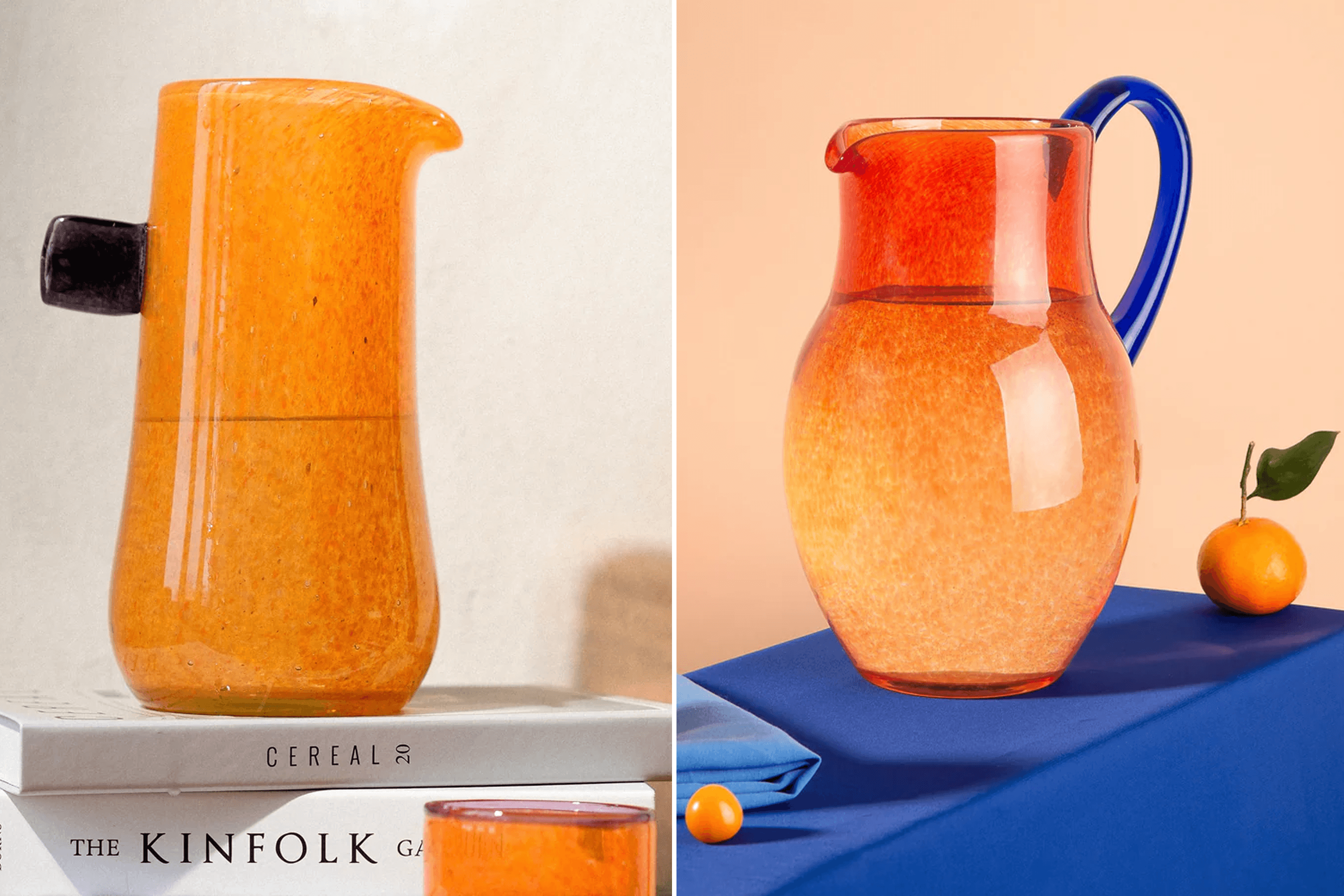
Some pieces by the YaKUSH brand. Photo: YaKUSH / YB 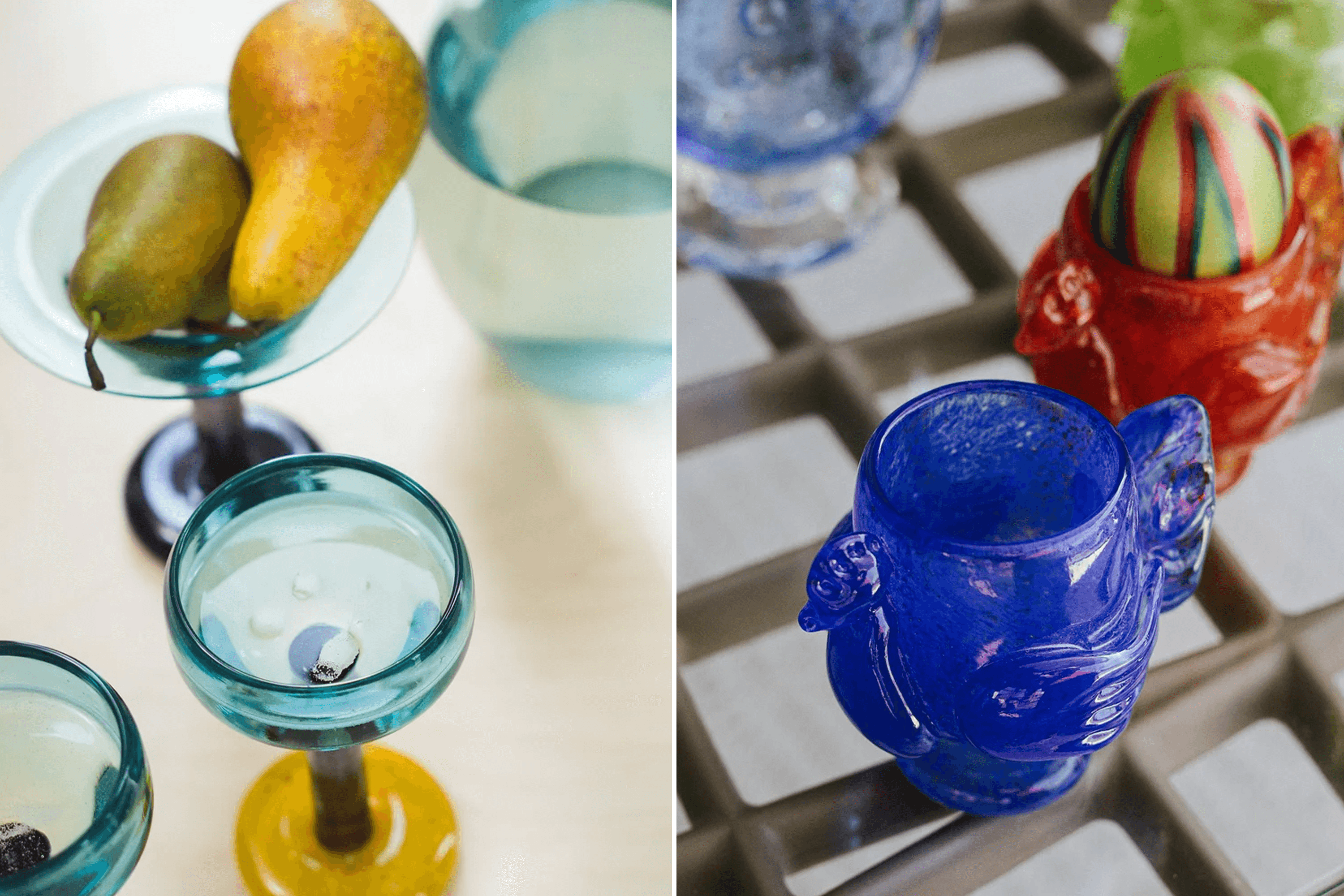
Photo: YaKUSH / YB 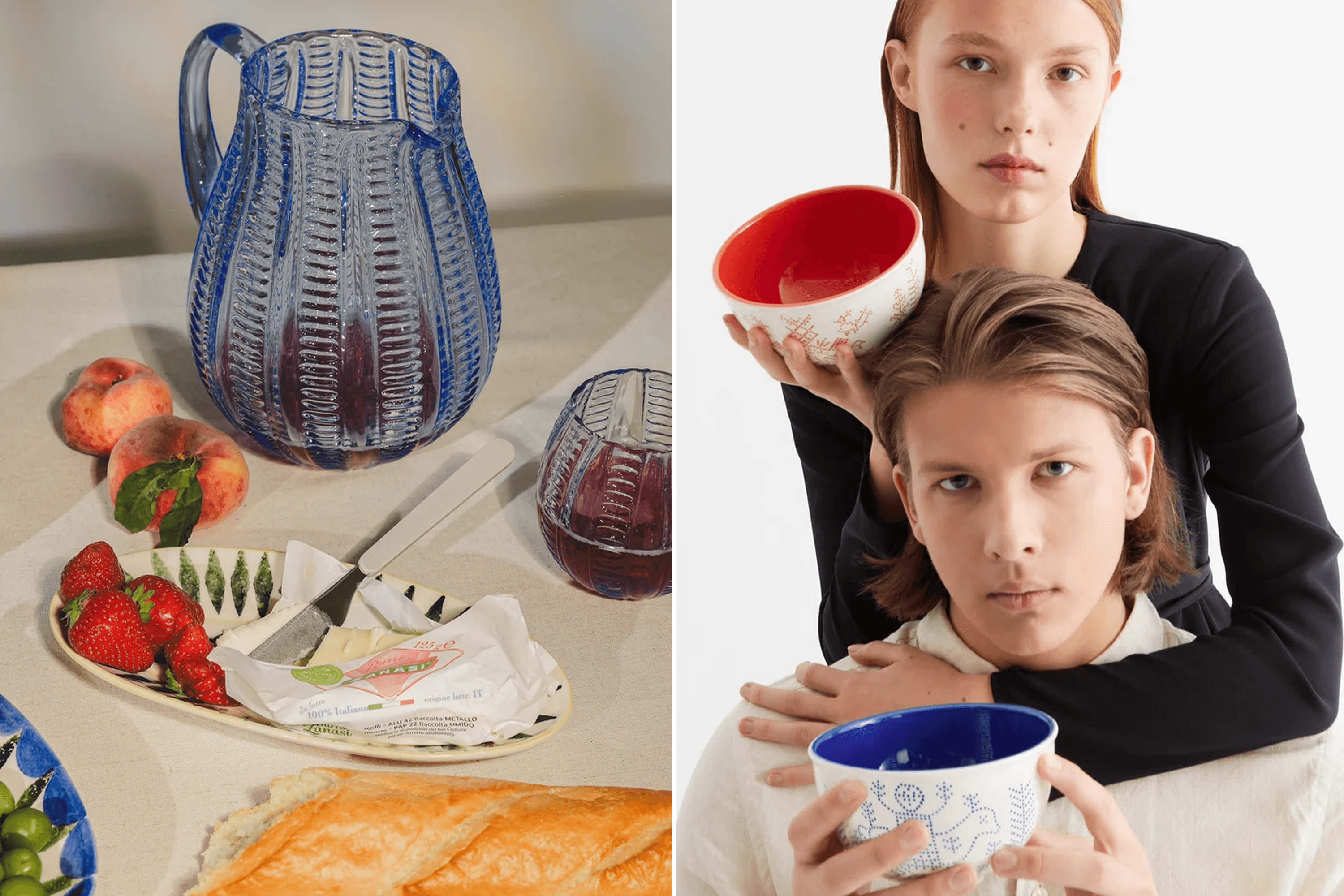
Photo: YaKUSH / YB 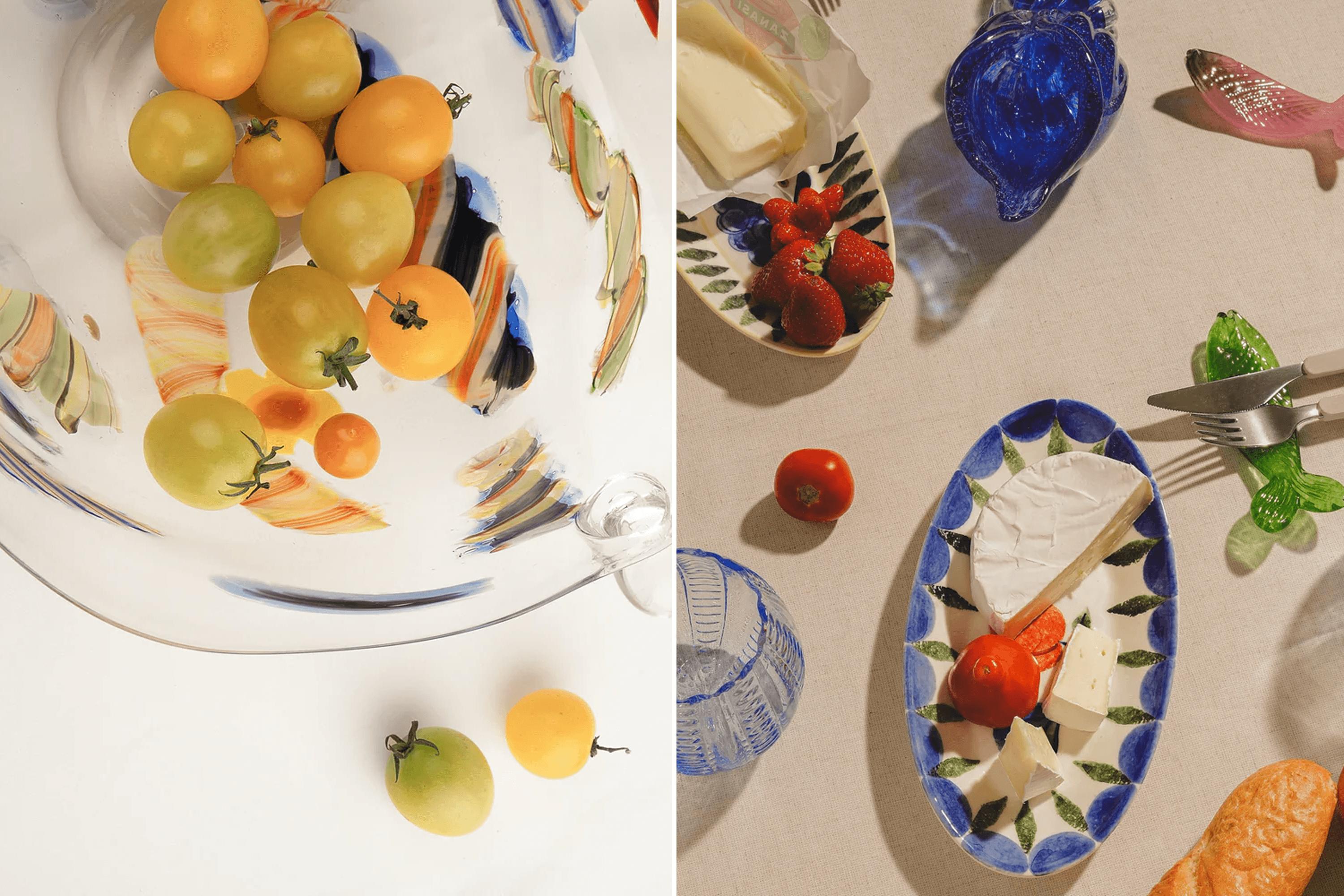
Photo: YaKUSH / YB 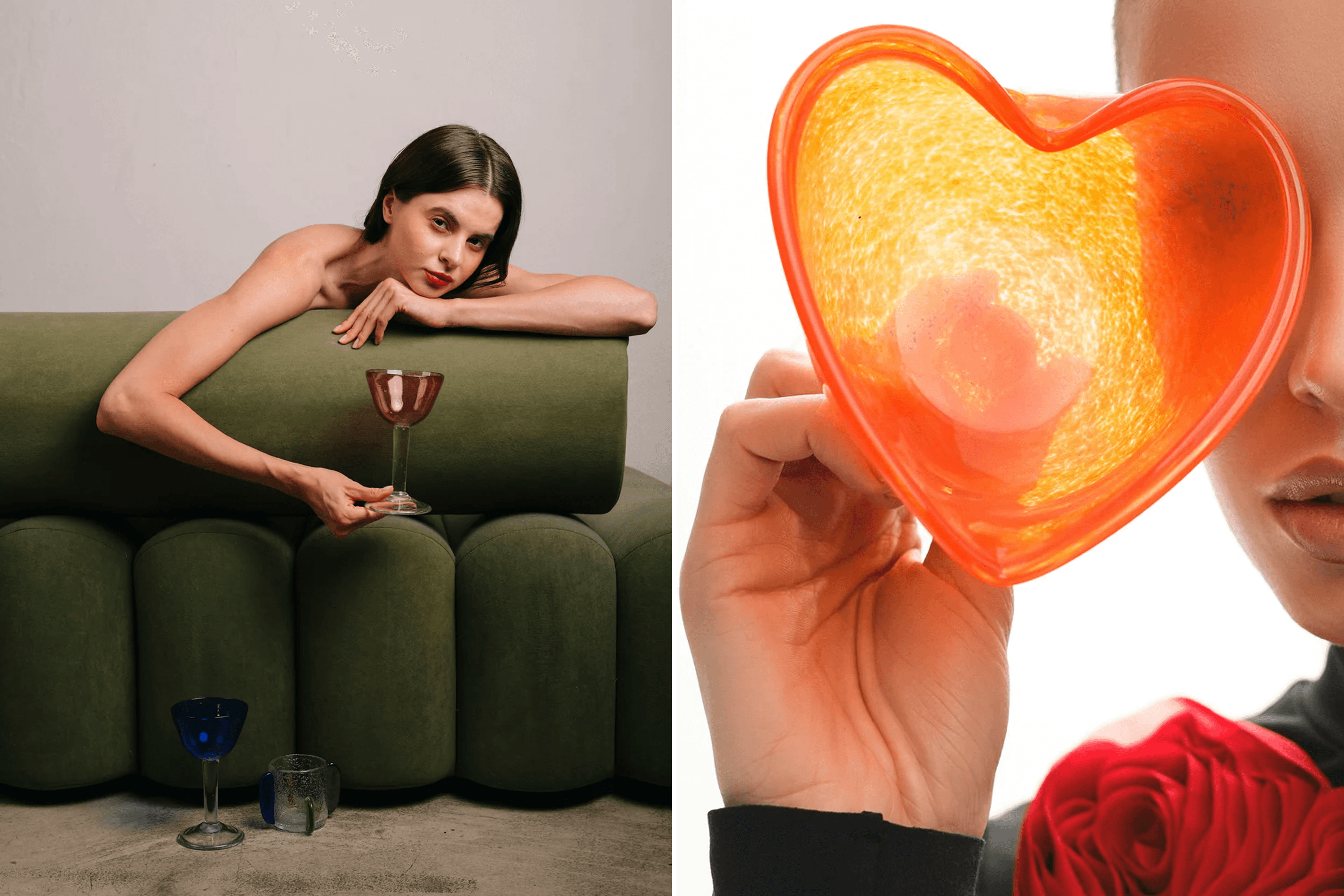
Photo: YaKUSH / YB
After 2022, you entered the US market through exhibitions. How exactly did you attract interest?
In 2023, two small showrooms came to us: Current Home in Manhattan and Williamsburg. New partners have been appearing in other states since then. In 2025 we began expanding our US presence more actively through trade shows. The market is saturated, but American buyers respond well to niche handmade brands with clear positioning. I think YaKUSH fits that description. The US is an interesting market for us. Quality, storytelling, and handmade work are valued there, and people are willing to pay for something unique.
We are also in Canada, at The Lobby by Heaps Estrin in Toronto. It is not just a store but a conceptual space combining a retail boutique, an art gallery, and a venue for events and community gatherings. That kind of partnership means a lot to us.
Is special certification required to sell in the EU and the US?
Not for tableware. It is produced at high temperatures and is completely safe. For lighting products, we do have the required certification.
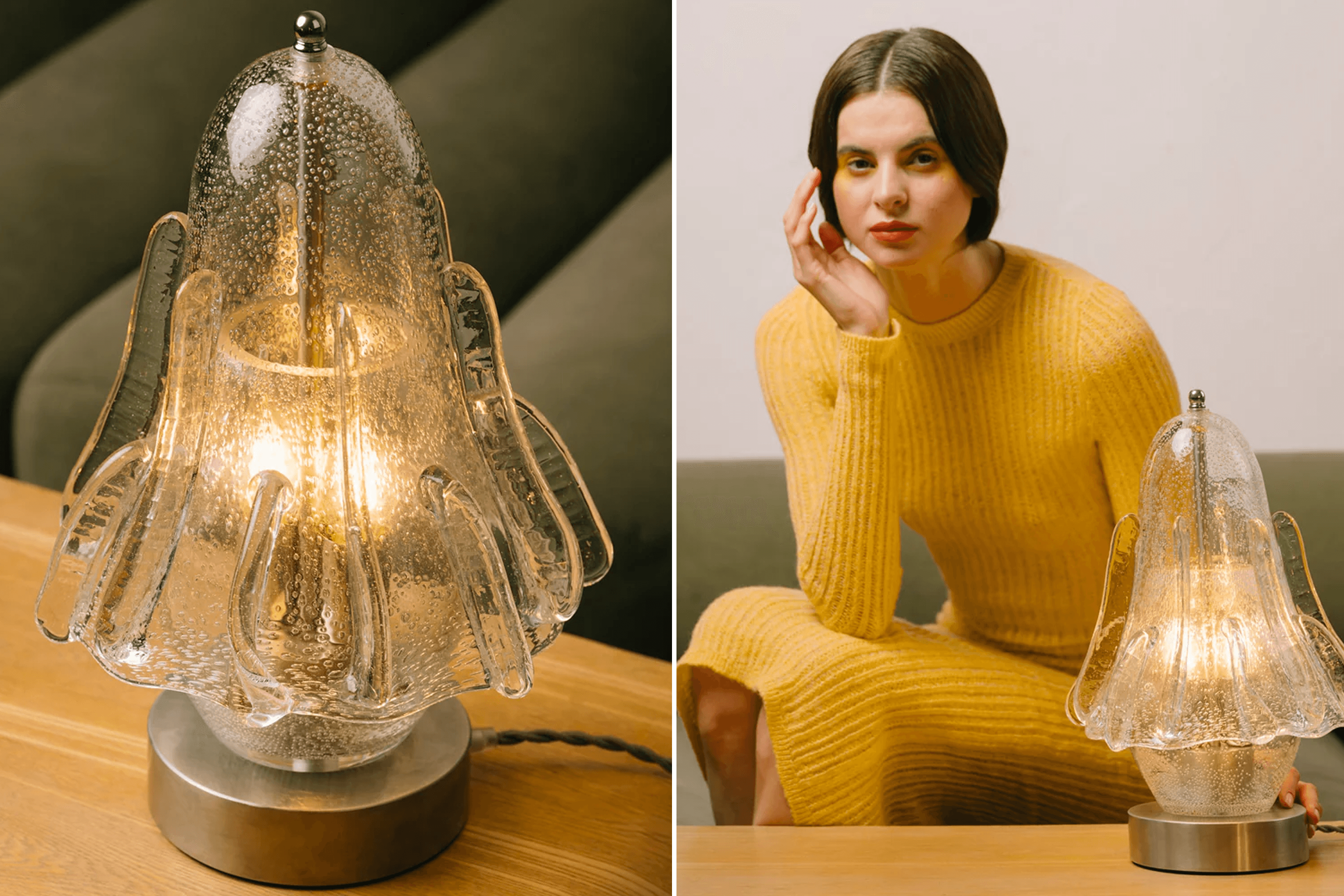
Lighting by the YaKUSH brand. Photo: YaKUSH / YB 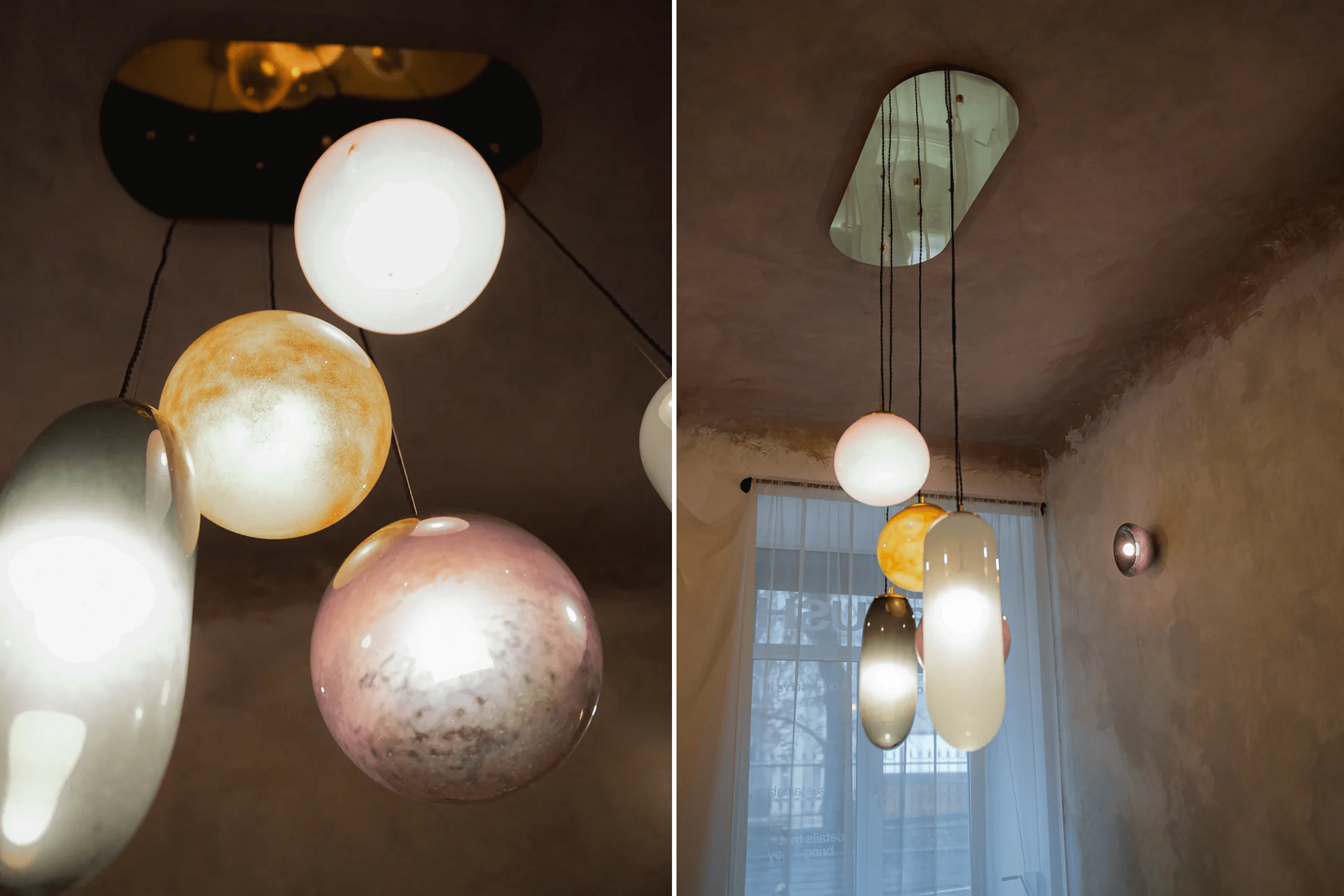
Photo: YaKUSH / YB 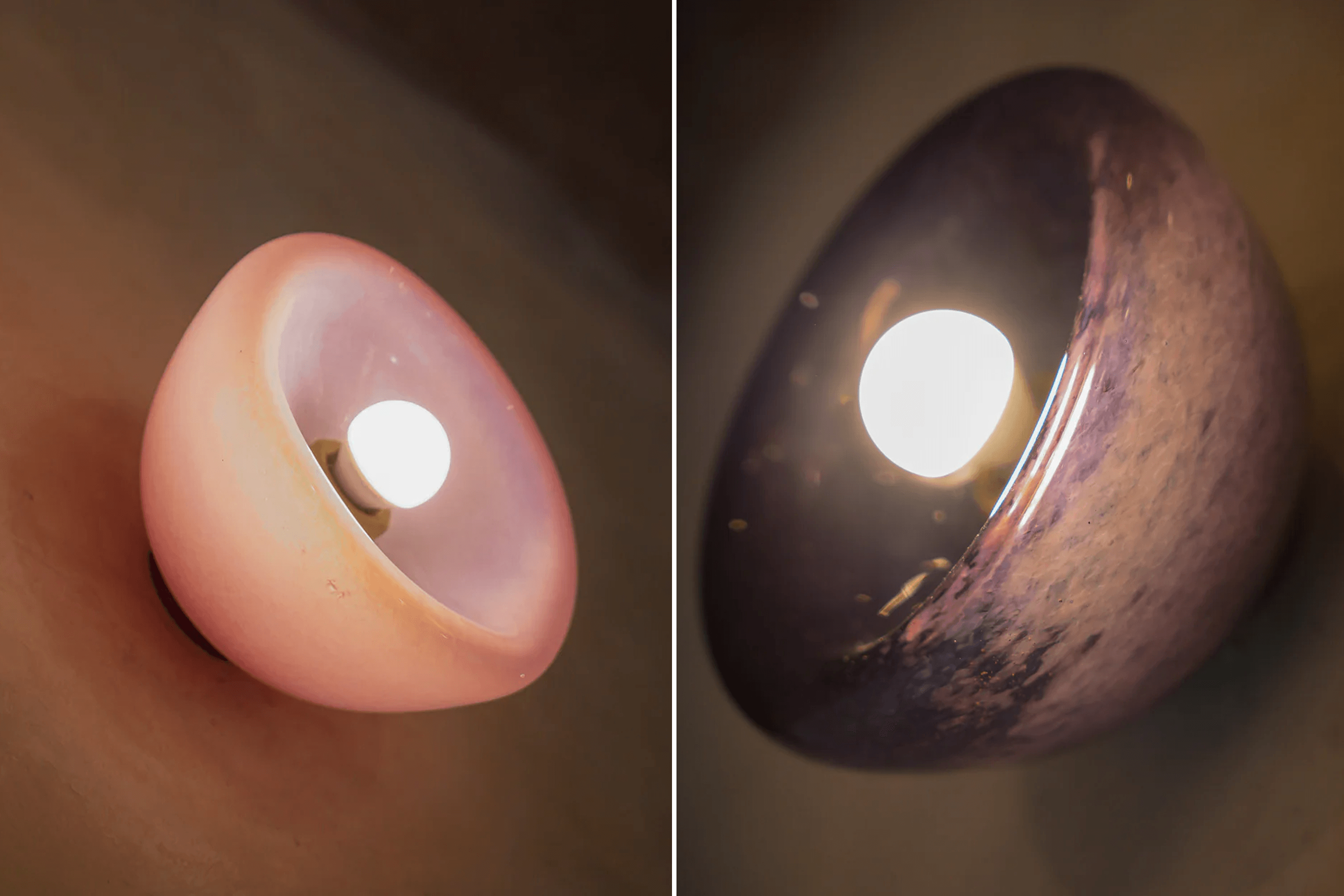
Photo: YaKUSH / YB 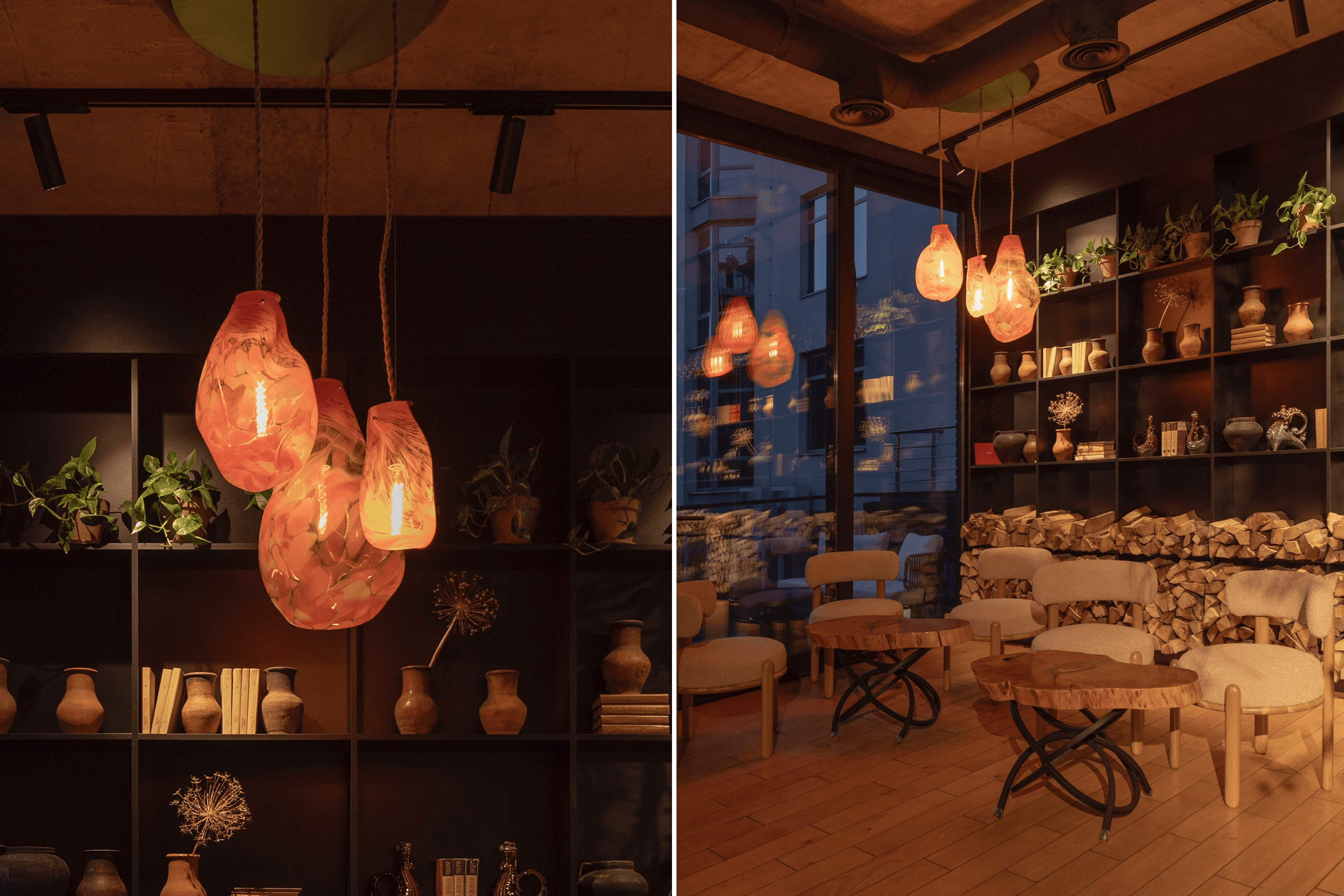
Photo: YaKUSH / Facebook / YB 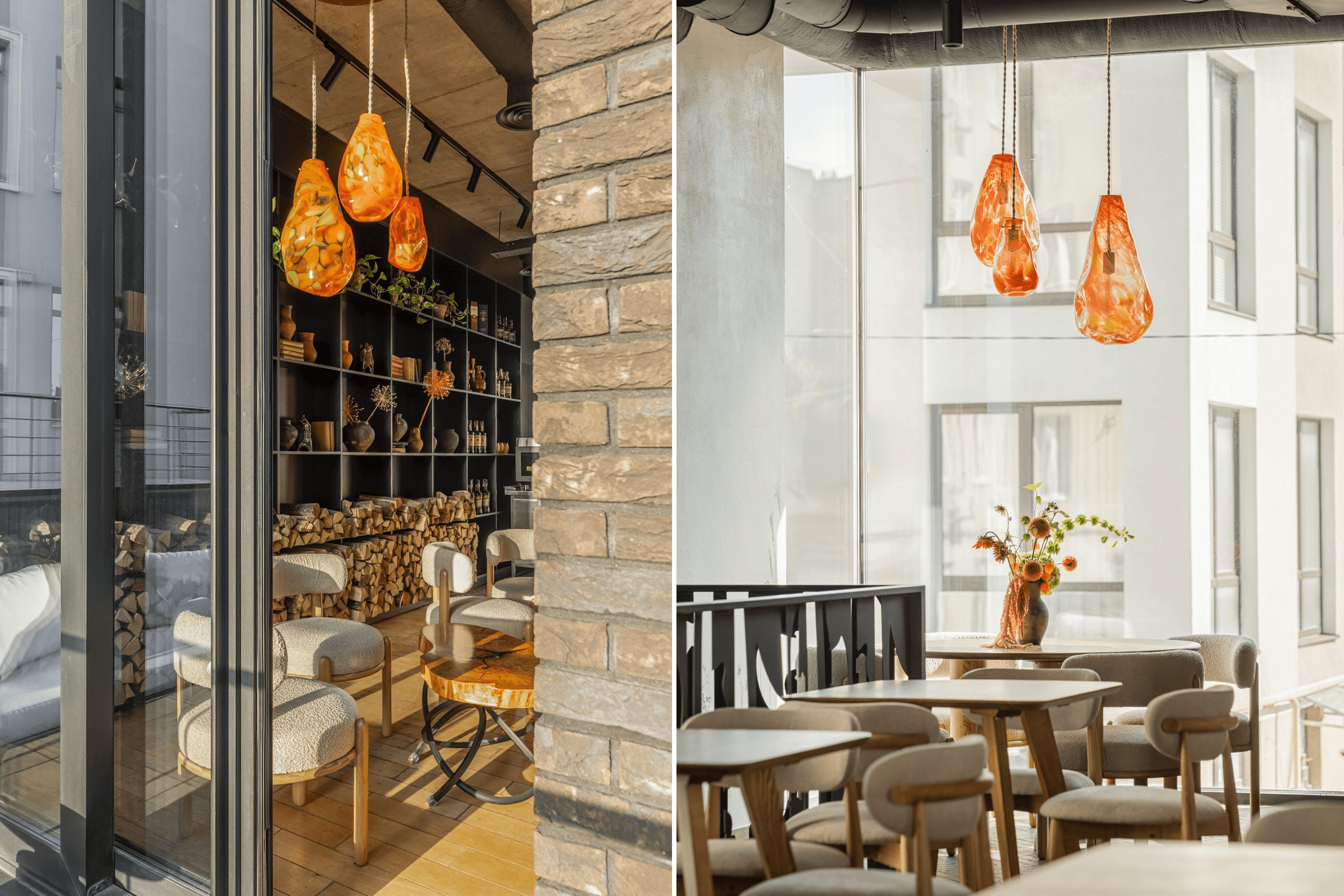
Photo: YaKUSH / Facebook / YB
How much do prices differ across Ukraine, the EU, and the US?
On average, our products are 20–40% more expensive in the EU and the US, depending on the category. Logistics, customs duties, taxes, and a different retail model in those markets all factor in.
You offer free worldwide shipping. Is that economically justified?
For now, yes, though part of the cost is built into the product price. Logistics expenses have gone up significantly since the US introduced a 10% duty on imported goods. We will be revisiting our shipping terms for the US because of that.
All premium brands sell meaning, not just objects. What meaning do you put into your products, and what should resonate with the customer?
First, the aesthetics of the piece itself. For international buyers, the price-to-quality ratio matters a lot. Comparable Murano glass pieces can cost two or three times more than ours.
On the less tangible side, our slogan is “the details that bring joy,” and it reflects the concept. Each collection has its own idea, and the items are created to evoke positive emotions and quite specific associations.
Since 2017, you have been through at least two major upheavals — the pandemic and the full-scale war. How did you get through them?
Both pushed us to adapt fast. During the pandemic, we overhauled our production processes and focused on local blown glass and ceramics. After 2022, we actively started working with international markets through trade shows and pop-ups. The main thing is to make decisions quickly and keep moving.
Finally, what are your plans for YaKUSH going forward?
We will keep building our position in the US and EU, and we are looking at expanding into other markets where there is real appetite for niche design and handmade work.