In February 2022, millions of Ukrainians were forced to leave their homes after Russia’s full-scale invasion. Over four years of war that shows no sign of ending, the crack between those who left and those who stayed has almost turned into an abyss. That is why the Yellow Blue editorial team is launching the podcast “Here and There.” We want it to be a place where we can look for ways to overcome that divide.
In the first episode, we talk with Olga Dukhnich, head of the Demography and Migration department at the Frontier Institute, about how the war has changed all of us and how to come to terms with those changes. Here are the key points from that conversation.
We still do not know exactly how many people live in Ukraine. The last and only population census was conducted in 2001. Data from mobile operators or passport registrations can help, but they do not confirm that people actually live in the country. Even before 2022, Ukrainians who went abroad for work often kept their registration at home. The figures we have are rough estimates: between 28 and 31 million residents, and only for the territories under Ukrainian control. There is no access to data from occupied areas.
Five to seven million Ukrainians have left the country. The number depends on whether those who went to Russia and Belarus are counted. Only the European Union, the United Kingdom, Canada, and the United States keep reliable records of newly arrived Ukrainians. About 300,000 people returned to Ukraine each quarter, but roughly the same number also left. Some went because of the difficult winter and will probably come back in the spring.
A “golden life” does not begin the moment someone crosses the Ukrainian border. According to Eurostat, around 60 percent of Ukrainians in EU countries work outside their field. Since August 2025, young men aged 18 to 22 have been leaving in growing numbers. Many of them will likely come back, especially those who left without any preparation or knowledge of the local language. They cannot pursue education, they work low-skilled jobs, and they live in dormitories.
Ukraine’s demographic problems started long before the war. The war only made them worse. Even if every Ukrainian who left returns and has children, it will make little difference over the next twenty years. The generation born in the 1990s and 2000s is very small. A modest increase in births happened only between 2008 and 2015. The birth rate is now predictably very low.
Europe’s fertility rate sits at 1.5 to 1.7. Ukraine’s is 0.9. The only country with a lower rate is South Korea, at 0.7. For a population to at least hold steady, the rate needs to be around 2.1 children per woman. Israel is often brought up as a positive example, but it is not a useful comparison since a significant share of births there come from Arab communities. Globally, the pattern is clear: women have fewer children because they have more education, careers, and ambitions. In wealthier societies, parents tend to want fewer children but invest more in each one. We should take our cue from Europe, where roughly one third of children are born to first-generation migrants.
The state needs to decide for itself which migrants to welcome. We need a migration policy that brings in a Ukrainian-speaking community with shared values, including people willing to defend the country. Migrants from other continents are already coming to join the Ukrainian army. Ukraine will not be able to remain monocultural. We will have to choose: either we change, or we disappear.
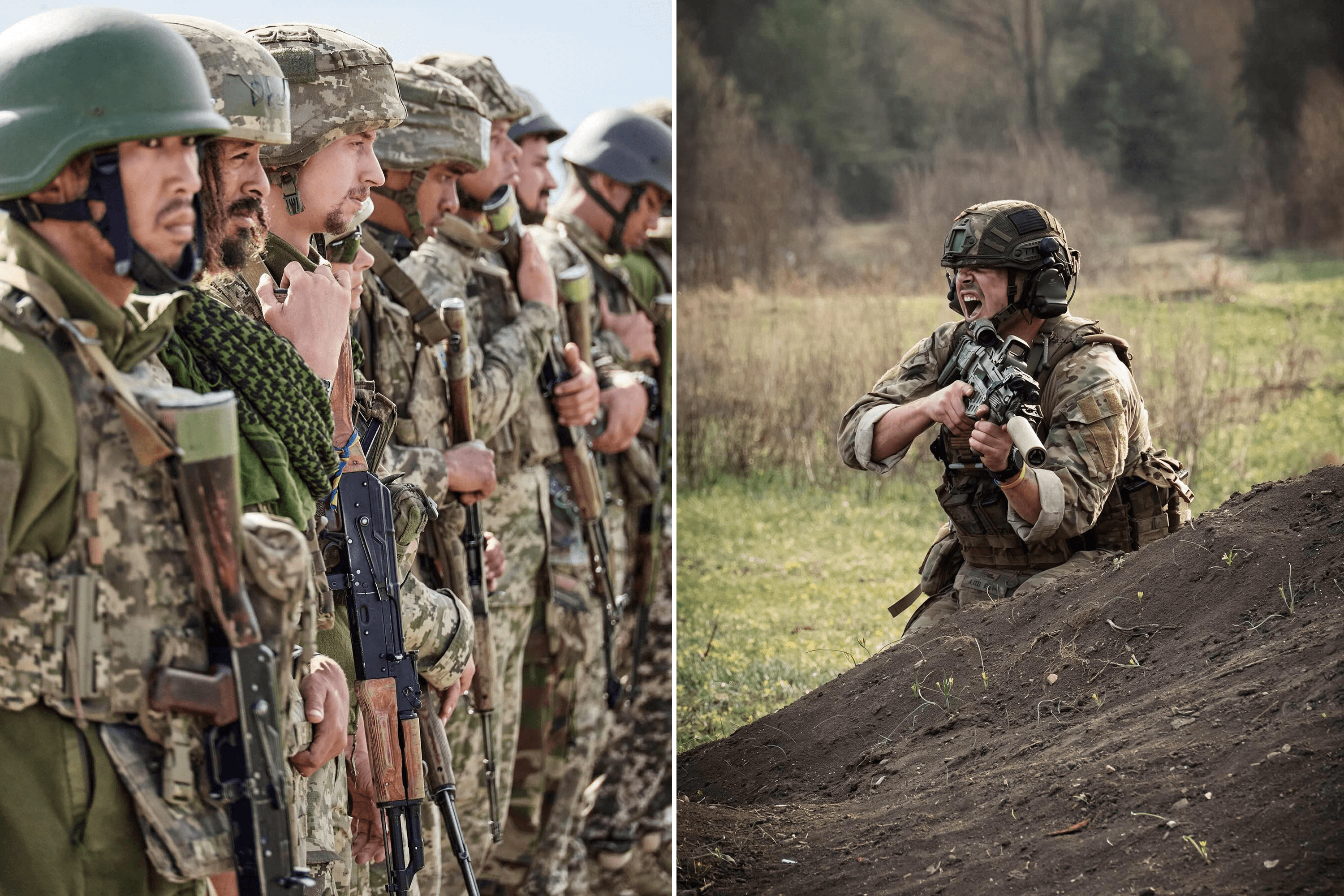
Some foreign soldiers serving in the Armed Forces of Ukraine in International Legionnaires | Ukraine. Photo: International Legionnaires | Ukraine / Instagram / YB 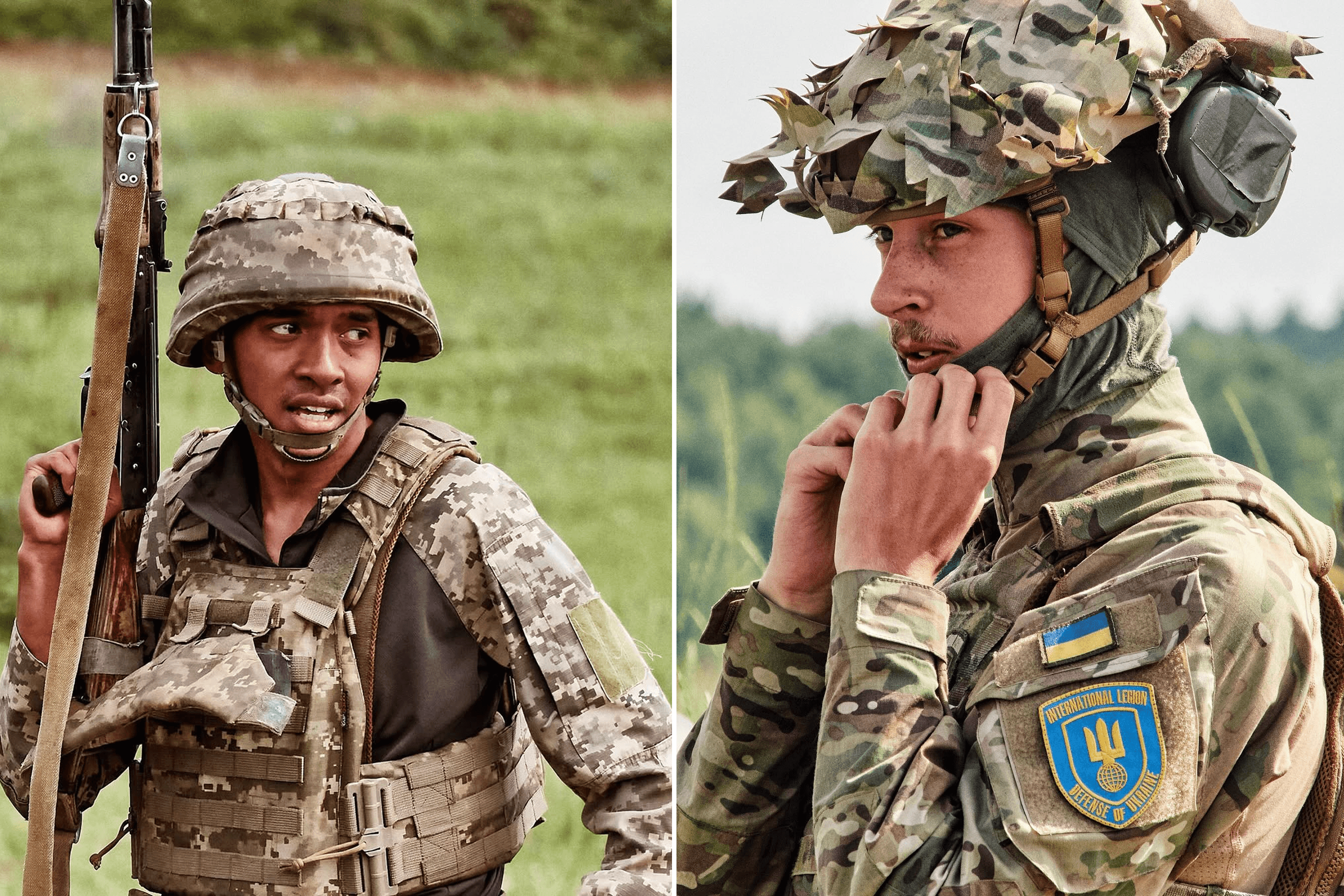
Photo: International Legionnaires | Ukraine / Instagram / YB 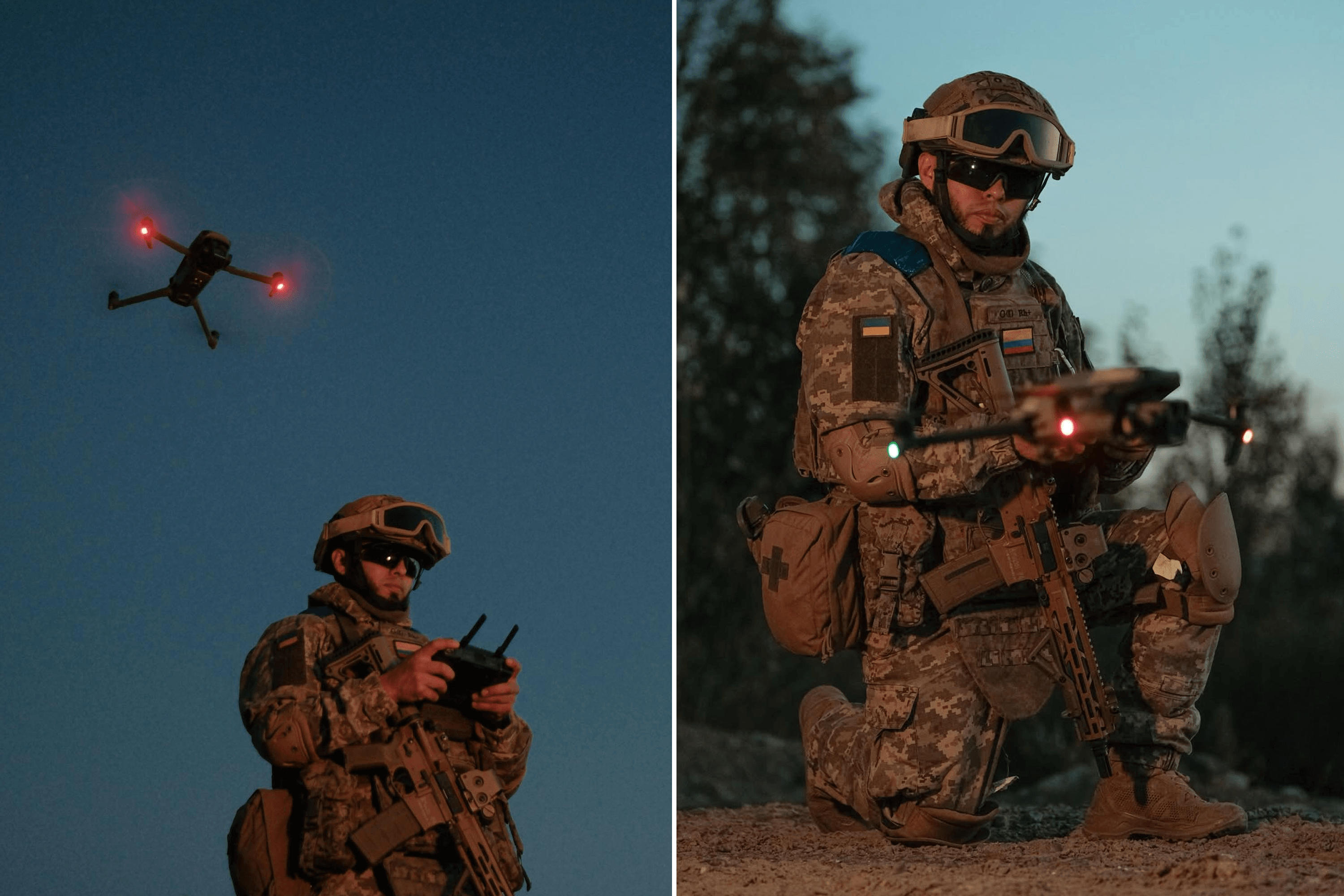
Photo: International Legionnaires | Ukraine / Instagram / YB 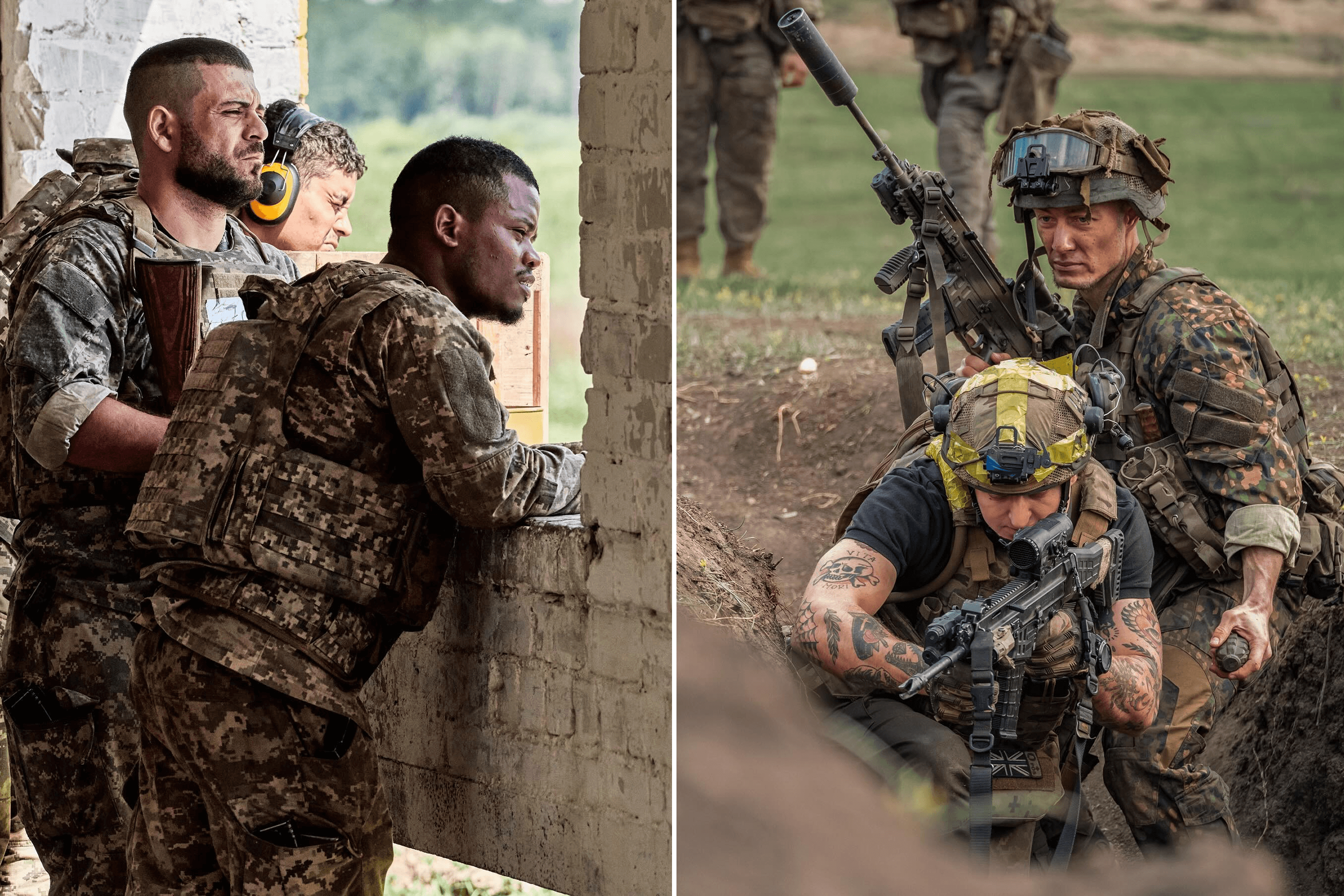
Photo: International Legionnaires | Ukraine / Instagram / YB 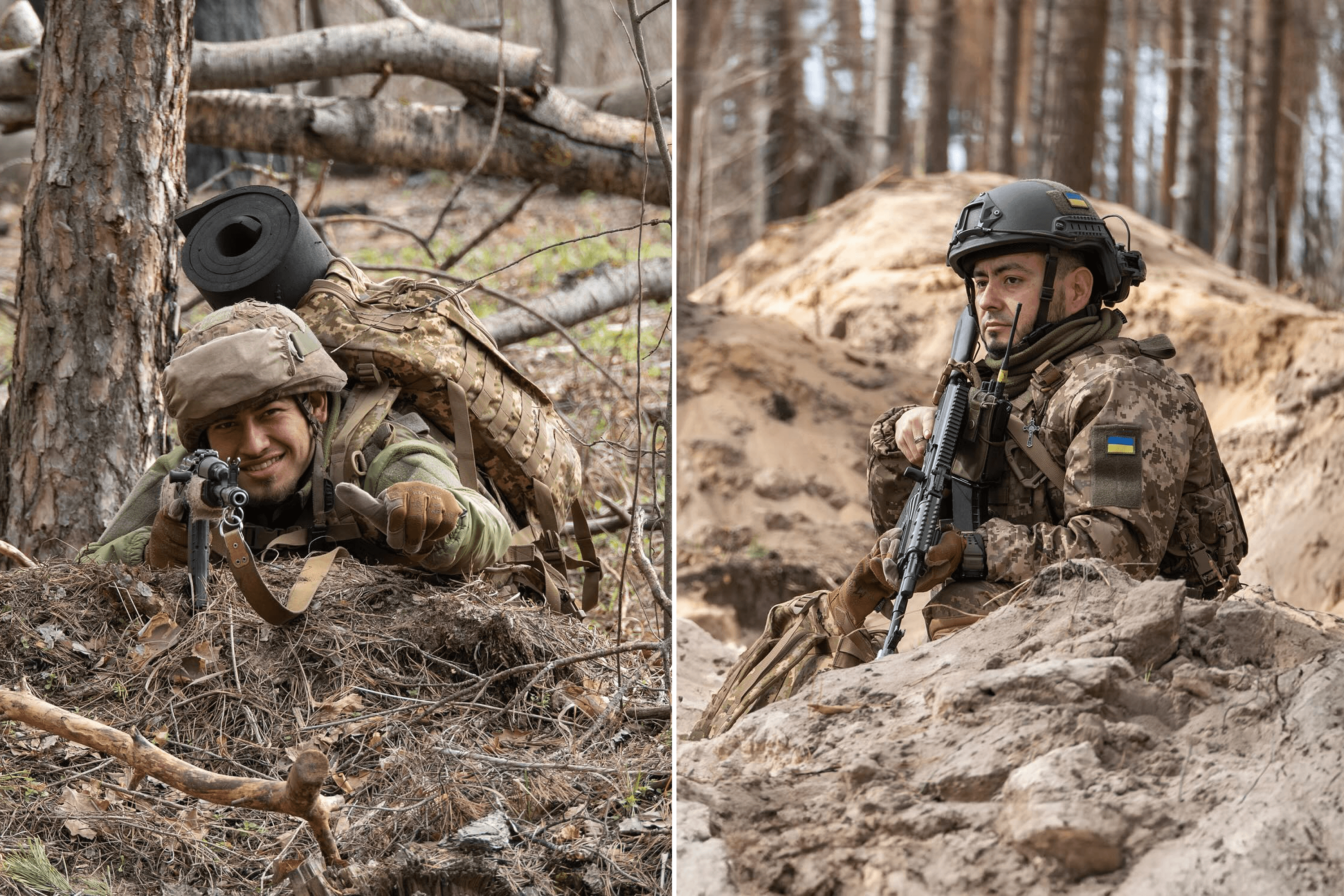
Photo: International Legionnaires | Ukraine / Instagram / YB
Ukrainians need to rethink who we are. We are no longer a nation tied to one language and one territory, as many of us used to think. We are now a global nation, spread across different parts of the world. In the years ahead, it will probably be difficult for Ukrainians to obtain citizenship in the countries where they have settled. We must be prepared for a reality where many of our people will live between two countries.
The Ukrainian nation is made up of different communities, and each one feels it is suffering the most. The war brought society together in some ways but also created new tensions. People in Ukraine don’t really understand those who left and assume that life abroad is much easier. So reproaching them seems fair: you get to let off some steam and prove that you suffer more. How do you build a conversation between those who are here and those who are there? The same way you would in any relationship you care about: look for common ground and talk honestly about your lives. Without that, the distance keeps growing. It is also worth keeping in mind that Ukraine will have a large group of veterans, somewhere between three and five million people. They are a diverse group: some speak Russian, some Ukrainian, they hold different political leanings, some have family abroad, others at home.
A person holds on to their choice because it gives their life value. For some, what matters is leaving, not breaking down, and giving their children a decent life. Another person stays under shelling, without basic comforts, but finds meaning in simply being home.
If we want to survive as a society, we have to recognize each other’s experience. Everyone pays something for the life they live today, and that price is painful for all of us.

Ukrainians tend to overestimate how much they are sacrificing for their children. A common story is of a mother working as a cleaner so her child can study in Budapest, for example. But this does not guarantee that the child will be more successful than their peers in Ukraine. That is why it is important for parents to take care of themselves and have their own lives.
Don’t be afraid to be vulnerable. What unites us during war is precisely shared vulnerability. People under shelling often feel angry when they see someone abroad going to a museum. But for that person, a visit there might be the only way to get through the day after a long shift gutting fish. Both sides need to develop more empathy.
Online hate is a release valve. It is like carrying a heavy load on your back while the person next to you seems to have far less weight. So you dump your twenty kilograms onto them. It is a basic psychological defense. How much anger people feel can depend on how intense the shelling is, and even on the season: spring brings optimism and the hate may ease up.
Social media also amplifies everything. People thinking about returning should keep in mind that back home, they will not necessarily be met with contempt.
Those who return to Ukraine need time to adapt. Life here moves much faster, subjectively, than in countries with stable and peaceful lives. Someone coming home after five years may not recognize the world people around them are living in.
There are three main factors that determine whether refugees will return. These are economic stability, physical safety, and a state that functions fairly. The end of the war alone will not bring people home. They need to see a reason to live in this country and build something here. Even before the war, many people did not trust the government and complained about corruption. Now that they have seen how things work elsewhere, they will expect Ukraine to meet those same standards.
I would like Ukrainian society to move closer to reality. A lot of people still feel that when the war ends, they will go back to February 23, 2022, and pick up where they left off. That is not the case. We will have a completely different future.