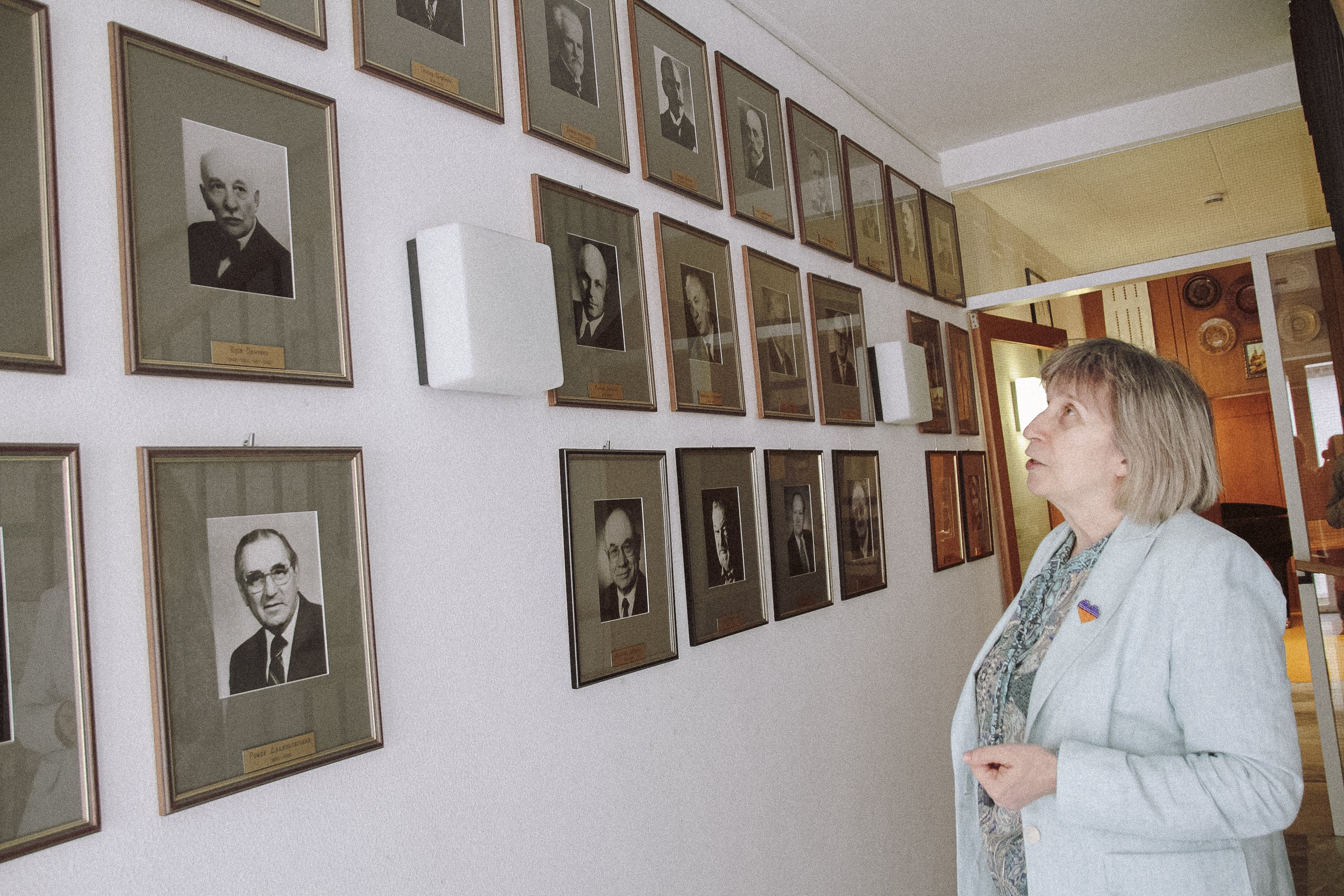
Larysa Didkovska is the Rector of the Ukrainian Free University (UFU) in Munich, a member of the European and Canadian Associations of Psychotherapists. She writes books on the psychology and socio-cultural adaptation of emigrants, and also expertly discusses what is happening to Ukrainians during the war and how to learn to live with it.
YBBP journalist Mila Shevchuk met with Larysa Didkovska at the UFU in Munich and spoke about the psychological peculiarities of Ukrainians as a nation: the pendulum of national self-esteem, our superpowers, who is more hardworking than Ukrainians, and our hopes.
These are the highlights of the conversation; you can listen to the full episode here. There is also a first part of the podcast with Larysa Didkovska — about different waves of Ukrainian emigration and their psychology available in both text and audio versions.
In jokes about national characteristics, there are not only myths, but sometimes the truth. It’s no coincidence that people talk about French romanticism and love lyrics, German order, and British conservatism. What is known about Ukrainians? One of my favorite jokes is:
— Do you know that Ukrainians rank first in the world for hard work? — No. And who is in second place? — Horses!
But the Ukrainians who emigrated to Canada were the ones who built it. Labor migration has always distinguished our people: they knew how to work, survive, and find solutions under any conditions. And even in the camps of Siberia, Ukrainians, taken there as “kurkuls,” didn’t give up: they built houses, created gardens and vegetable patches.
Our inferiority complex is imposed by the politics of colonization. This is contempt for the indigenous population, language, and culture. India also spoke English, although it had its own Hindi. This is what happened with the Ukrainian language because of the Russian Empire and the Soviet Union, where all peoples were supposedly “equal,” but teaching in educational institutions was somehow done in Russian. Young people who continued to speak Ukrainian felt inadequate, experiencing inferiority. That’s why we have a starting point that we are worse than others.
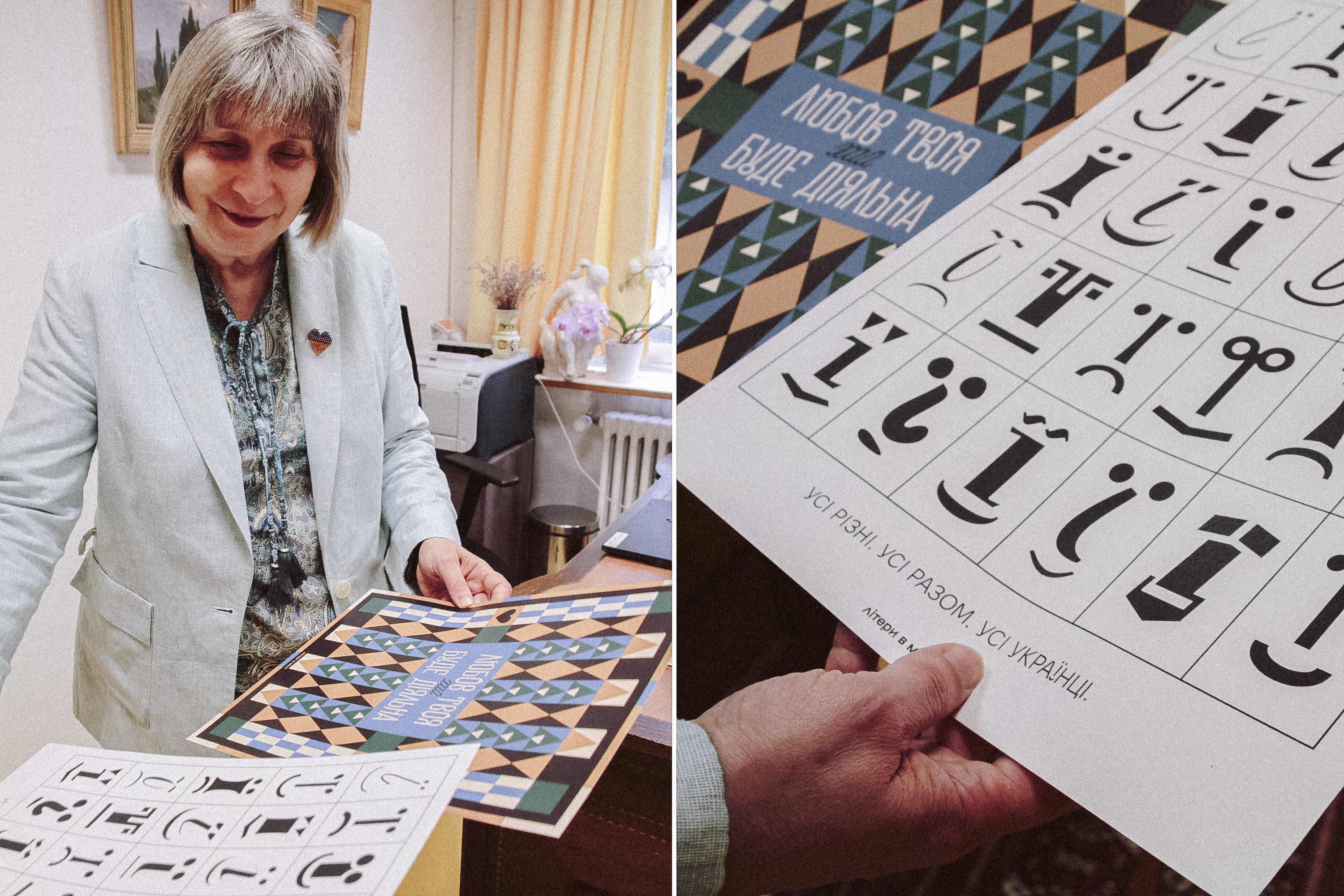
If the pendulum pushes off from the point of inferiority, it won’t stop in the middle. First, we will inevitably be carried to the opposite side—to the feeling that we are better than others. And only after that will we be able to return to a healthy balance, where we feel: I’m fine, and so are others; they are just different. But since the lower value of Ukraine has been imposed on us for so long, our history has been rewritten, and even the name “Kyivan Rus” has been manipulated, for this swing to finally stop, we truly need a certain period of hyper-value. But this phase must be temporary: the most important thing is that we don’t stay there.
Now is a quantum leap for our nation, as the war greatly catalyzes processes. We are forming a sense of national dignity, world reputation, and value. After all, the predictions of our surrender in three days or two weeks have been refuted by the fourth year of defending our independence against a monster many times larger. Our eastern neighbors always rely on the “Batyushka Tsar” (Tsar-Father), the western ones on the rule of law. And we rely on ourselves; this is our main resource.
Ukrainians have a cult of the home: everything in the house must be the best. This is also a compensation for inferiority: if I cannot have something bigger, I will at least have an ordered home. This will be my advantage over those who have neither a flower garden nor curtains on their windows.
There are four strategies of self-esteem. And three of them are the inferiority complex. The first position is when I’m worse than others. This is the feeling that the Russians long tried to instill in us: I envy, I want to be like them, speak Russian, and have the same career. The second is when I’m not okay, but others aren’t either; this is a way of hatred, when I devalue myself and simultaneously devalue others. The third is when I consider myself better than others, but this is not about healthy self-esteem, but rather an attempt to cover internal inferiority with pseudo-grandeur. This is how narcissistic superstructure works: everything is “great” for our eastern neighbors—"the Great Patriotic War”, “a great nation”, “a great Russian culture”. But this narcissistic pseudo-grandeur is a compensation for the feeling of worthlessness. And what the “great army of a great country” that attacks neighbors who posed no threat to it in the 21st century is actually like—everyone has already seen.
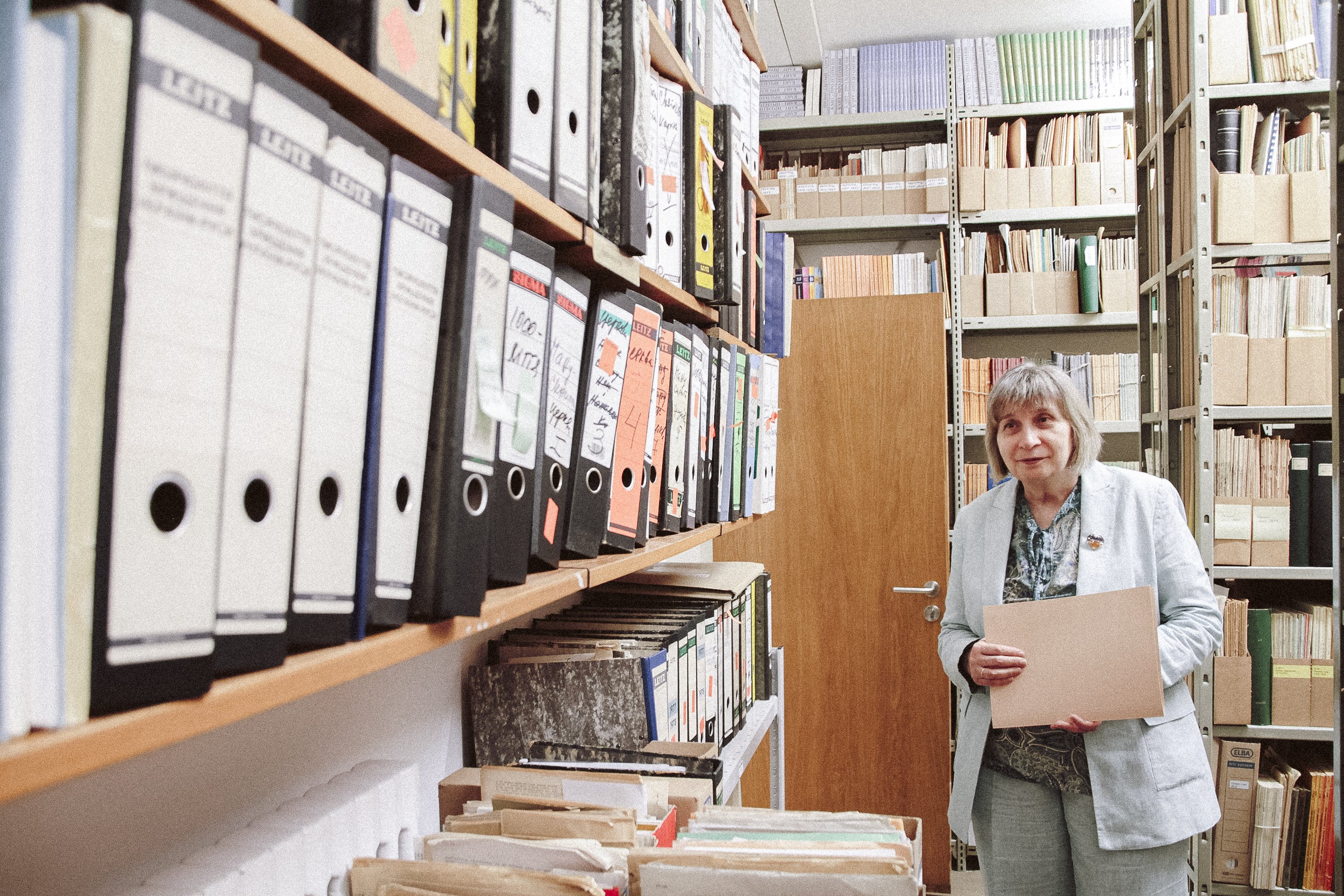
Photo: Аnna Andrievska / YBBP 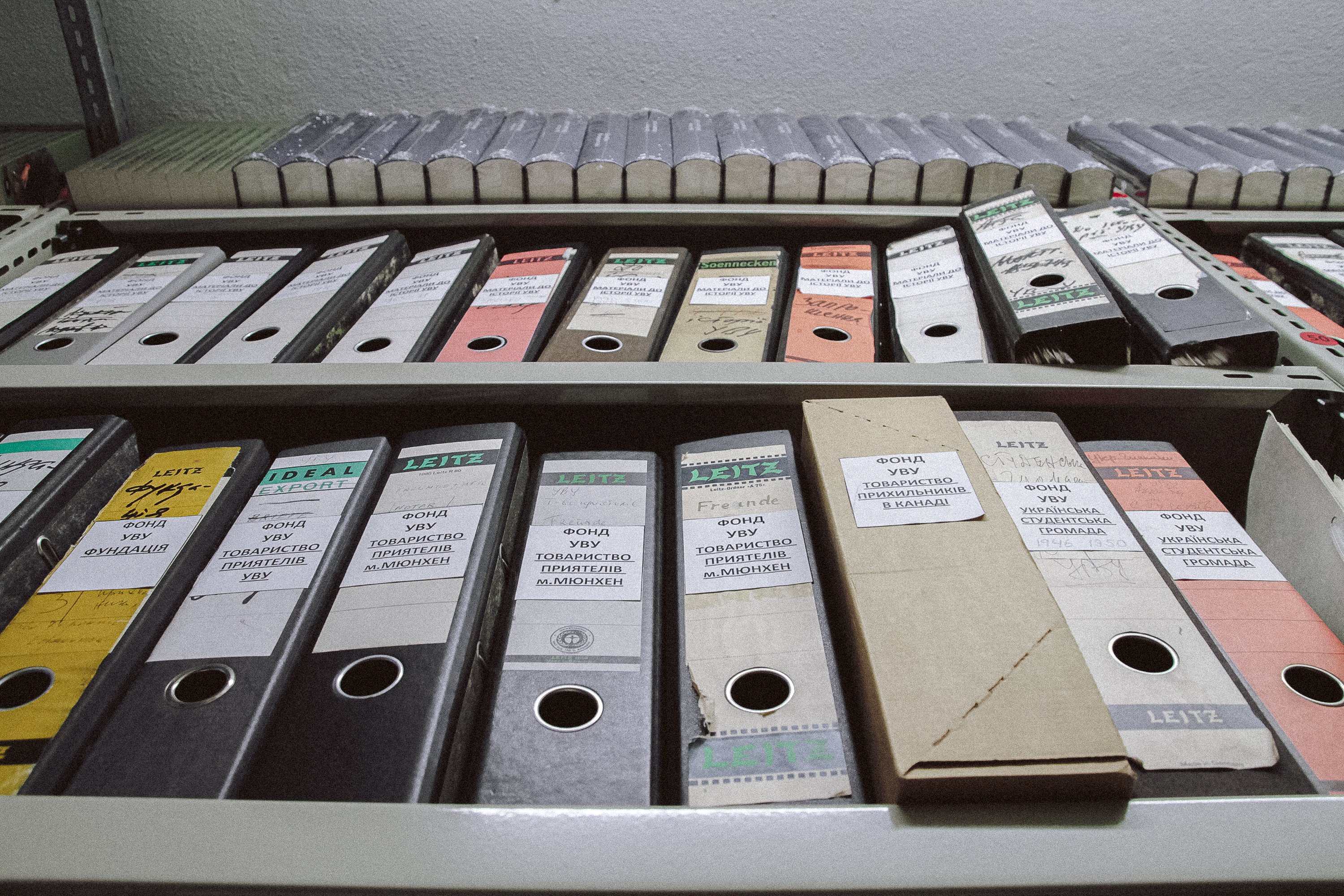
Photo: Аnna Andrievska / YBBP 
Photo: Аnna Andrievska / YBBP
It’s unfortunate that our character includes a sacrificial part, capable of enduring excessive suffering. Where others would have long ago stopped tolerating the inferiority complex, we could endure more. This trait allowed us to survive. But when enduring is no longer possible, such resilience turns into a powerful, virtually explosive energy of resistance. This is also part of our mentality: protest and rebellion. Many of our traits were formed not because of circumstances, but despite them—as a response to violence.
Ukrainians are predominantly monocultural, which affects our feeling of home, where everyone is “our own”. At the same time, we have regions that were historically multicultural. In the Lviv region and part of Volyn, there are many Polonisms in the language, in Bukovyna—Romanian names, in Transcarpathia—Hungarian ones. On the border, you seem to add new influences and languages to yourself, but at the same time, you feel even more distinctly Ukrainian. Because identity is easily dissolved when it is not yet formed, but it is not lost when it’s already stable. Then you calmly shake hands with anyone, understanding that they are neither worse nor better—just different. But this requires internal reconciliation. And although Odesa, Lviv, Chernivtsi, or Uzhhorod belonged to different states at various times, by national identity, they are Ukrainian cities.
Mykola Kolessa, a famous Lviv composer, was a citizen of six countries during his lifetime. He was a Ukrainian from a legendary family who lived to be 103 years old. On the same street in Lviv, his citizenship changed repeatedly: he was a citizen of Austria-Hungary; in 1918, he lived in the West Ukrainian People’s Republic; and after the First World War, he found himself in the Second Polish Republic under Polish flags. In 1939, his city became part of the USSR, later came the German occupation—and all of Lemberg was covered in swastikas, and then the Soviet government returned. And finally, Kolessa lived to see independent Ukraine and spent his last years there. Living on the same street, but in different states, he always adhered to his national identity; it was his pillar. No matter the government, Kolessa remained Ukrainian, spoke Ukrainian, and sang Ukrainian songs.
Photo: Аnna Andrievska / YBBP 
Photo: Аnna Andrievska / YBBP
Ukrainians are peaceful people. We have no history of imperialism or aggressive wars. That is why we surprise the world so much with our fight against Russia, because we are in different weight categories. This is why we ask for help. The Russians did not take into account that we know how to unite and defend ourselves. And that we have anarchist traits that prevent us from becoming a dictatorship. On the other hand, we still lack the rule of law, which we must achieve. This requires time, effort, and guidelines. We are going against the wind, but we are going.
Ukrainian women proved to be highly capable of caring for the elderly in Italy. This speaks of our compassion and sincerity. Among our cultural traits are a melodious language, sentimental rituals, strong family ties, and a readiness to support each other. When the “Iron Curtain” fell, Ukrainian emigrants, even those who had lived in Canada or the US for a long time, immediately began sending parcels home and helping their relatives. Similarly, many UFU graduates and friends from the US and Canada financially support the university, although they have spent most of their lives outside Ukraine. Such kinship and density of ties aren’t typical for all nations. But closeness is not only about love and care but also about conflicts and “The Kaidash Family”. Therefore, we may have more misunderstandings, quarrels, and power struggles, because they come as a package with closeness.
Photo: Аnna Andrievska / YBBP 
Photo: Аnna Andrievska / YBBP 
Photo: Аnna Andrievska / YBBP 
Photo: Аnna Andrievska / YBBP 
Photo: Аnna Andrievska / YBBP
Ukrainians have a lot of experience resisting empires. The choice always existed. There were few traitors, few dissidents, but most people stayed true to themselves, preserving both their own lives and their values: Easter, the Ukrainian language, lullabies, and vyshyvanky. Our mentality tends not to go into open resistance, but also not to renounce ourselves—a kind of partisan resistance for the sake of preserving national identity. Of course, I could not wear a vyshyvanka in a Soviet school, but at home on Christmas Eve, we wore it.
The war, in addition to polarizing the world, legalizes aggression. Previously, it was impossible to imagine impeccably made-up TV presenters with “Russian warship, go f*** yourself” written behind them. This radicalism is part of life during wartime. But people who are in safety may not be ready for such radicalism. Also, sometimes, the fears and worries of those outside Ukraine are greater than the fears and worries of those inside the country. Because we have adapted. When our soldiers return from captivity, it’s horrifying to us how they could have endured it there, but they survived. And this became their experience, traumatic growth, and adaptive skills.
We can form resilience through a sense of our own dignity. Post-traumatic growth and resilience are different concepts. Post-traumatic growth occurs when we have experienced trauma, managed to overcome it, and emerged from this experience stronger. And resilience is our internal stress resistance, the ability to cope not only with wartime difficulties but with any life challenges: defeats in sports, the experience of a dysfunctional family, any crises. Some children continued training after a failure in a sports section, others did not. The same is true in adult life: when I tell myself “I can do it, I will manage” and have evidence that I have managed before—that is resilience. Our resilience today is also dignity and international recognition. It’s no wonder there are memes: “NATO, don’t be afraid—the Armed Forces of Ukraine are with you”.
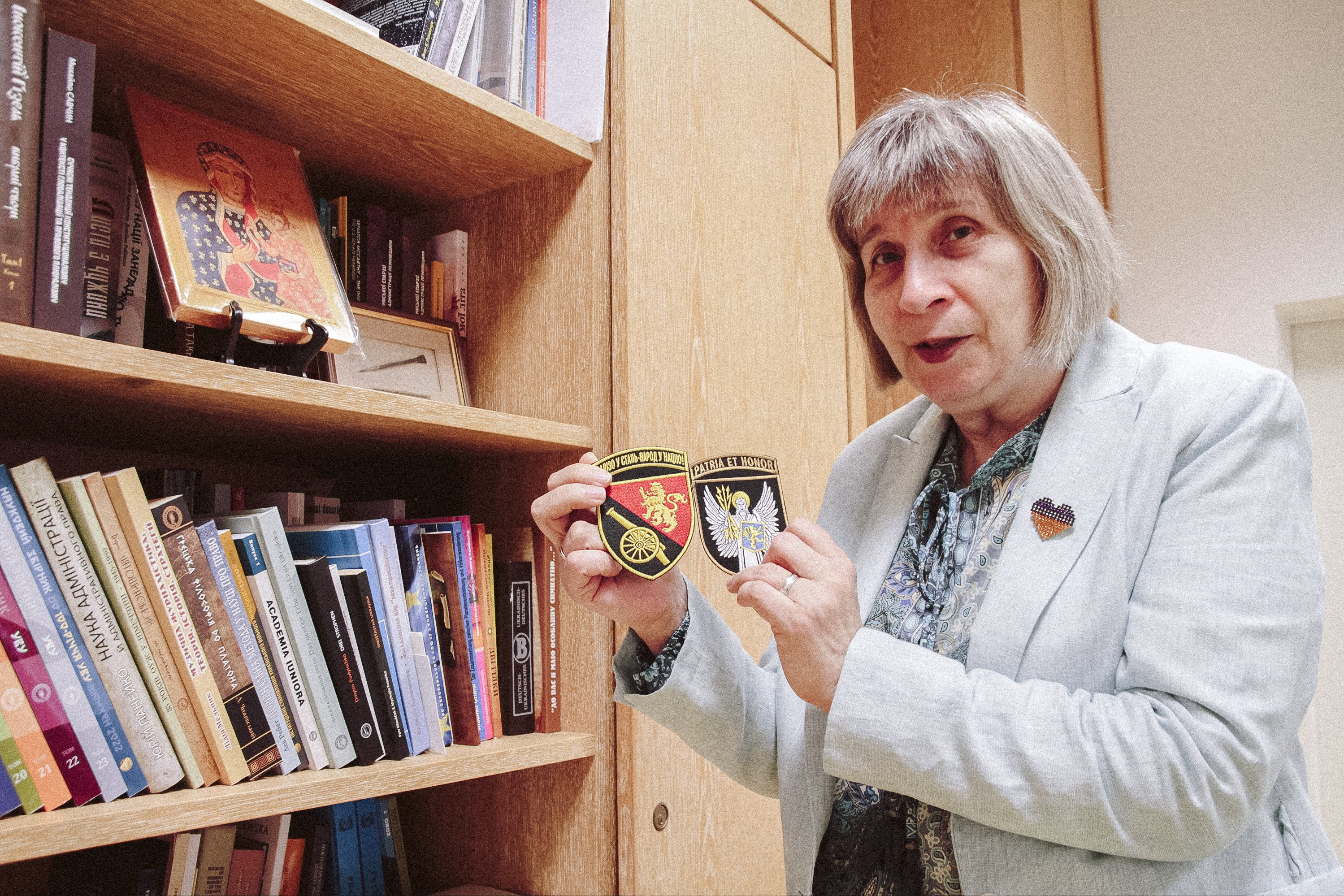
Photo: Аnna Andrievska / YBBP 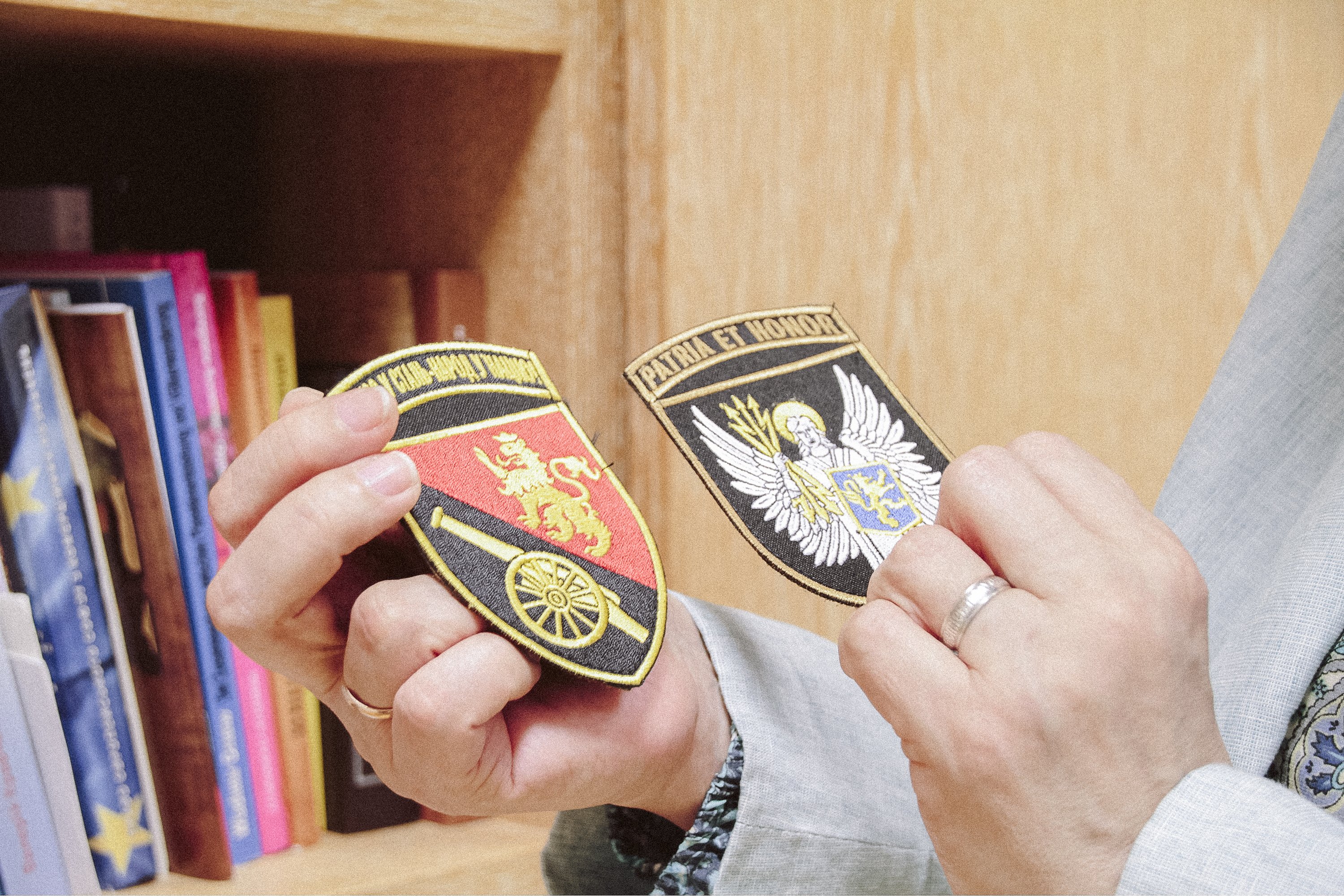
Photo: Аnna Andrievska / YBBP
The skill of survival is another characteristic of our mentality. And it is unfortunate that we know how to survive, because in peacetime, it’s better to know how to live. But this is very appropriate during wartime. We learn many skills very quickly, because it is about survival and greater safety.
We are very capable of learning. In extreme circumstances, all processes accelerate, and our nation lives in extremes constantly. We quickly learn both good and bad—so it’s important to properly manage new knowledge. Then the result will be global recognition, respect, and the acceptance of our equality with other nations. Today, Ukrainian specialists can teach the world a lot: we used to look up to Western experts, but now the expertise of our military is sometimes higher than that of those who were once their instructors. We can assert our dignity not by devaluing others, but by realizing our own value.
Currently, there is a lot of survivor’s guilt among Ukrainians: the military themselves talk about it, and there is guilt among those living in the rear and abroad. But the norm is in the middle: neither in lavish celebrations nor in guilt. Today, there are increasingly more weddings in Ukraine where brides and grooms choose national costumes or formal military uniforms. The marriage is often performed in the same garrison churches where the fallen are eulogized: a farewell, a wedding, and a baptism of children can all take place there in one day. This is life; it continues despite the war. And it is important to tell the world about this.
We can convey to the world that Ukrainians are a very creative nation. Where other countries would say something is impossible, Ukrainians will find not one, but several ways to do it. This is our ability to survive and our anarchist orientation: we don’t stop before limitations, just as we don’t recognize a dictator’s power over ourselves. Our creativity and inventiveness are sometimes “on the edge of a foul”. But in another way, we probably wouldn’t have survived. We don’t stop before obstacles.
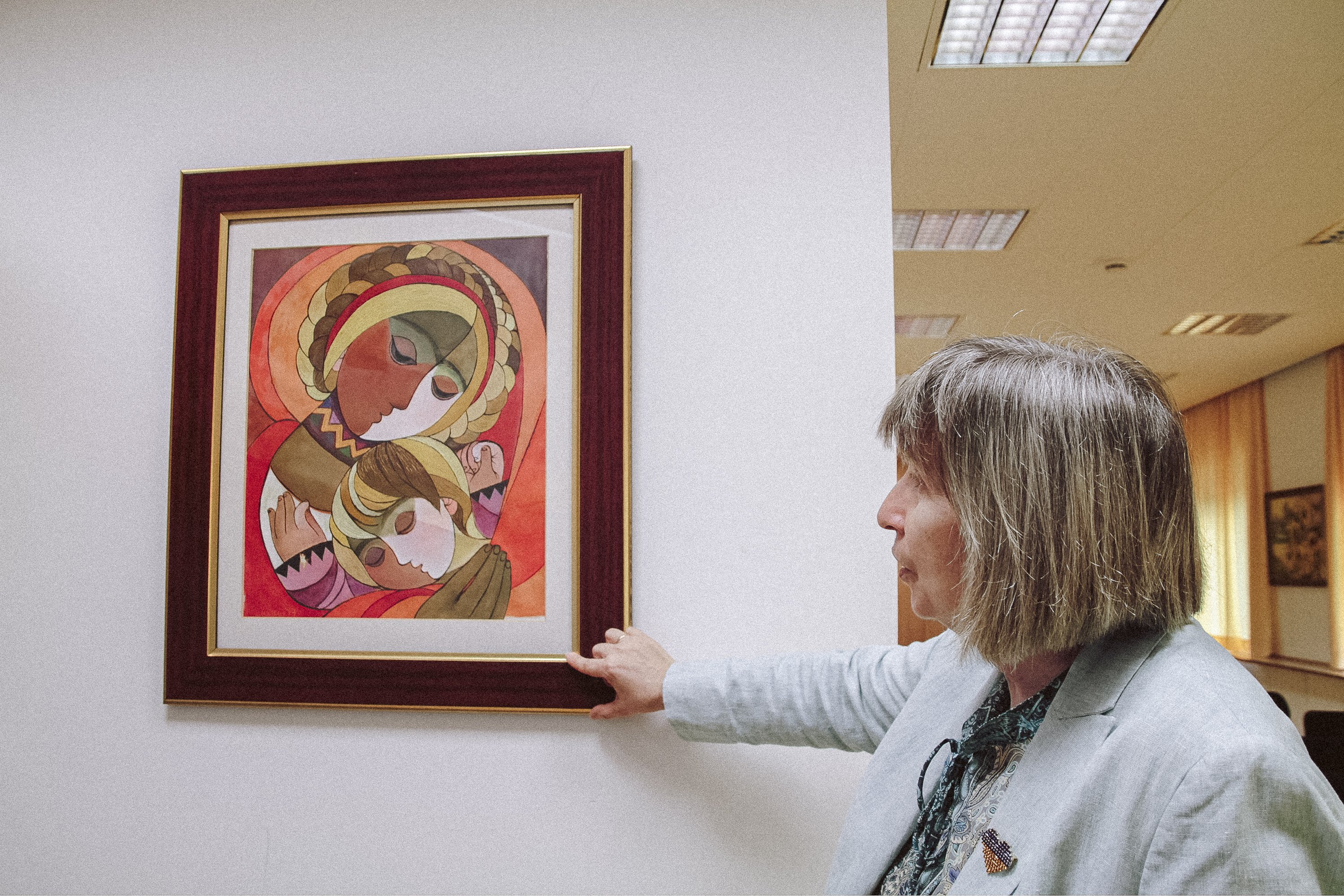
Photo: Аnna Andrievska / YBBP 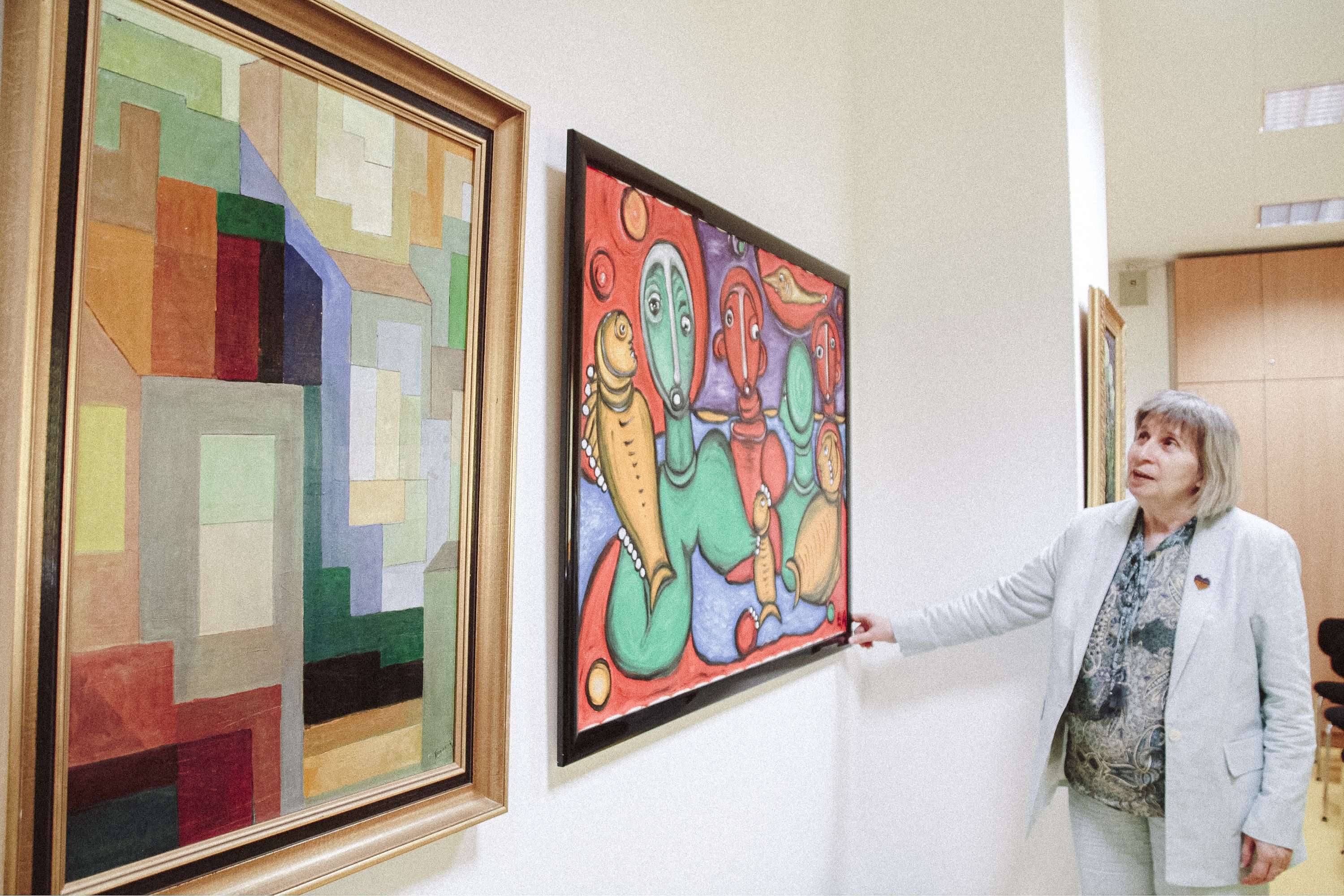
Photo: Аnna Andrievska / YBBP 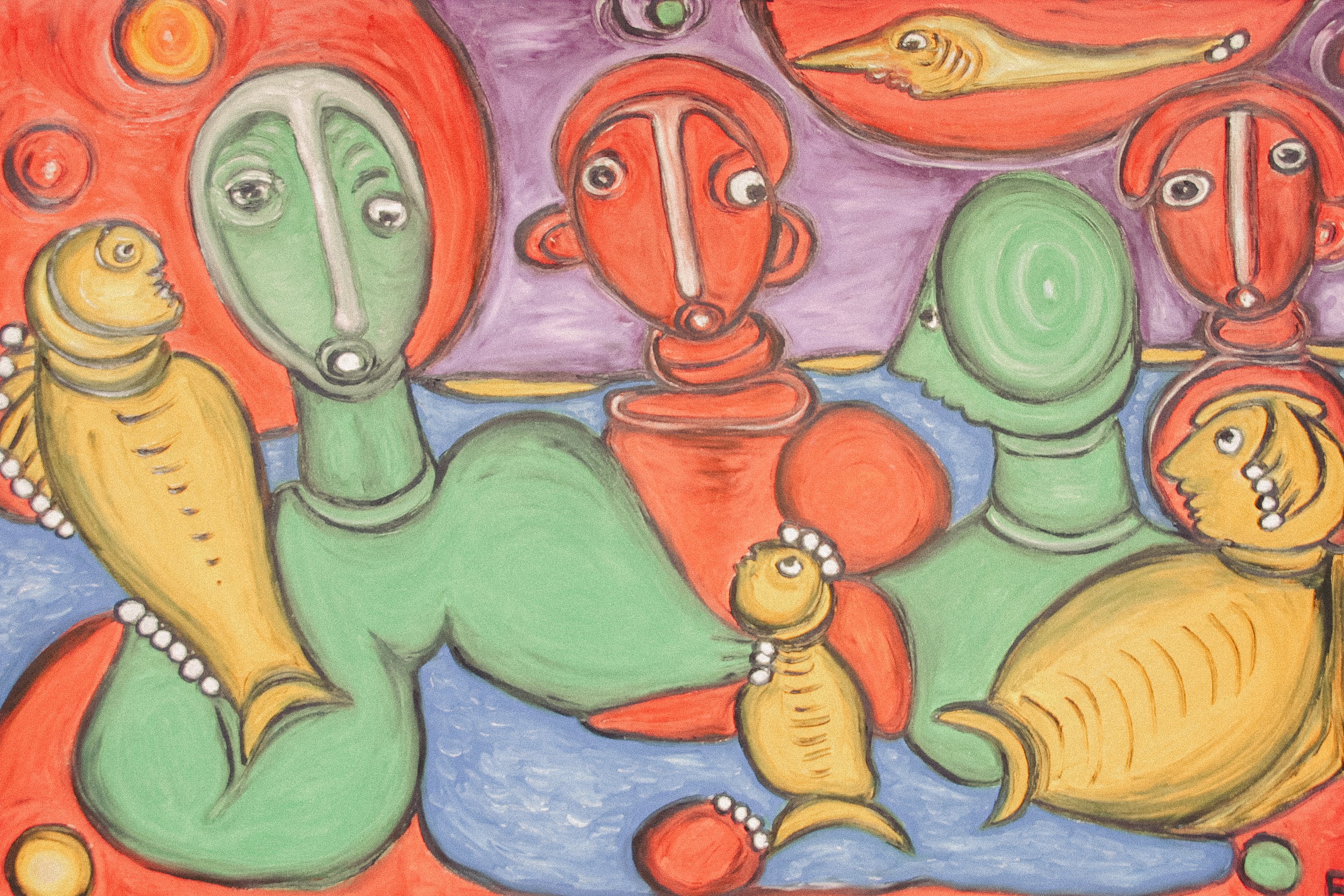
Photo: Аnna Andrievska / YBBP 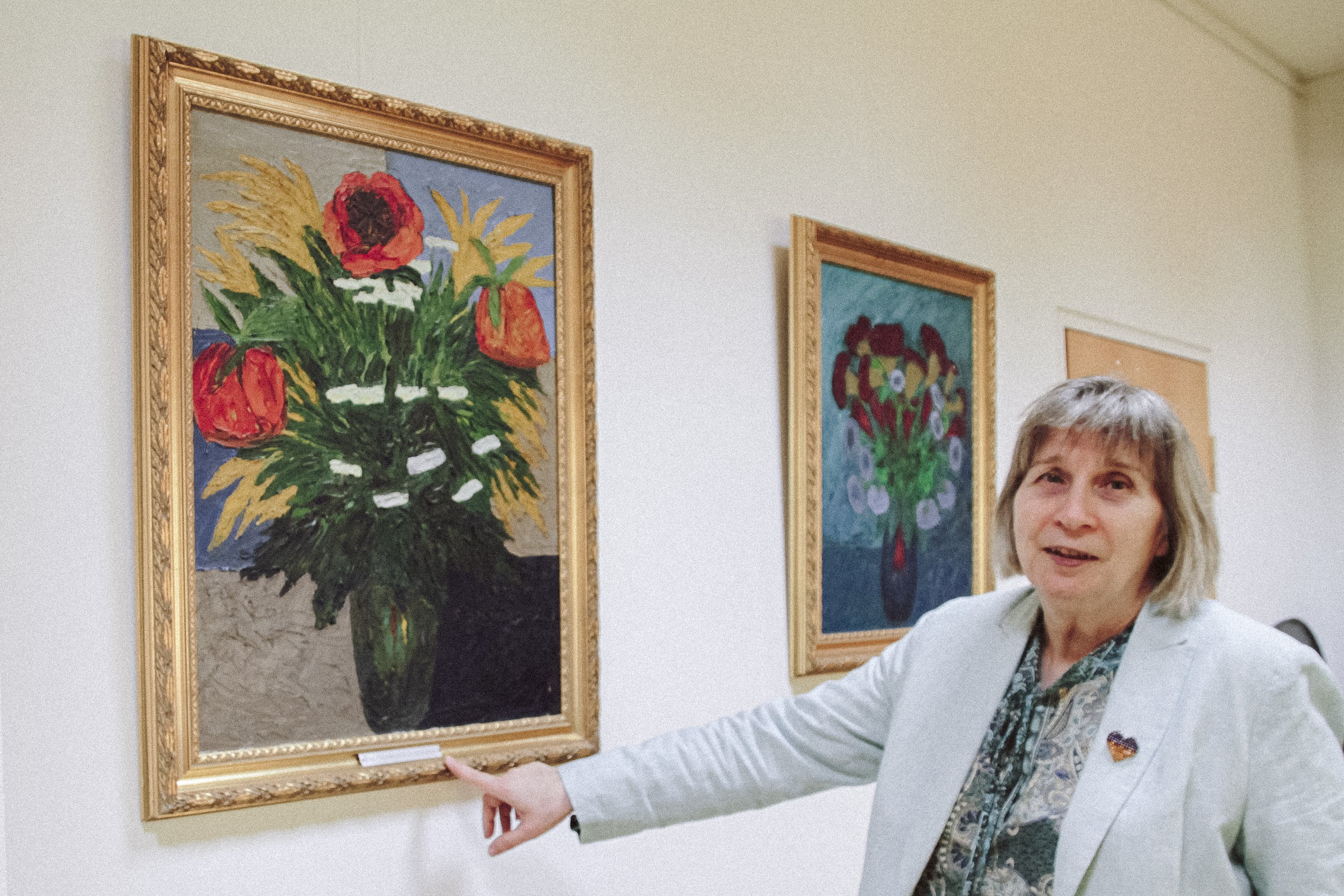
Photo: Аnna Andrievska / YBBP 
Photo: Аnna Andrievska / YBBP 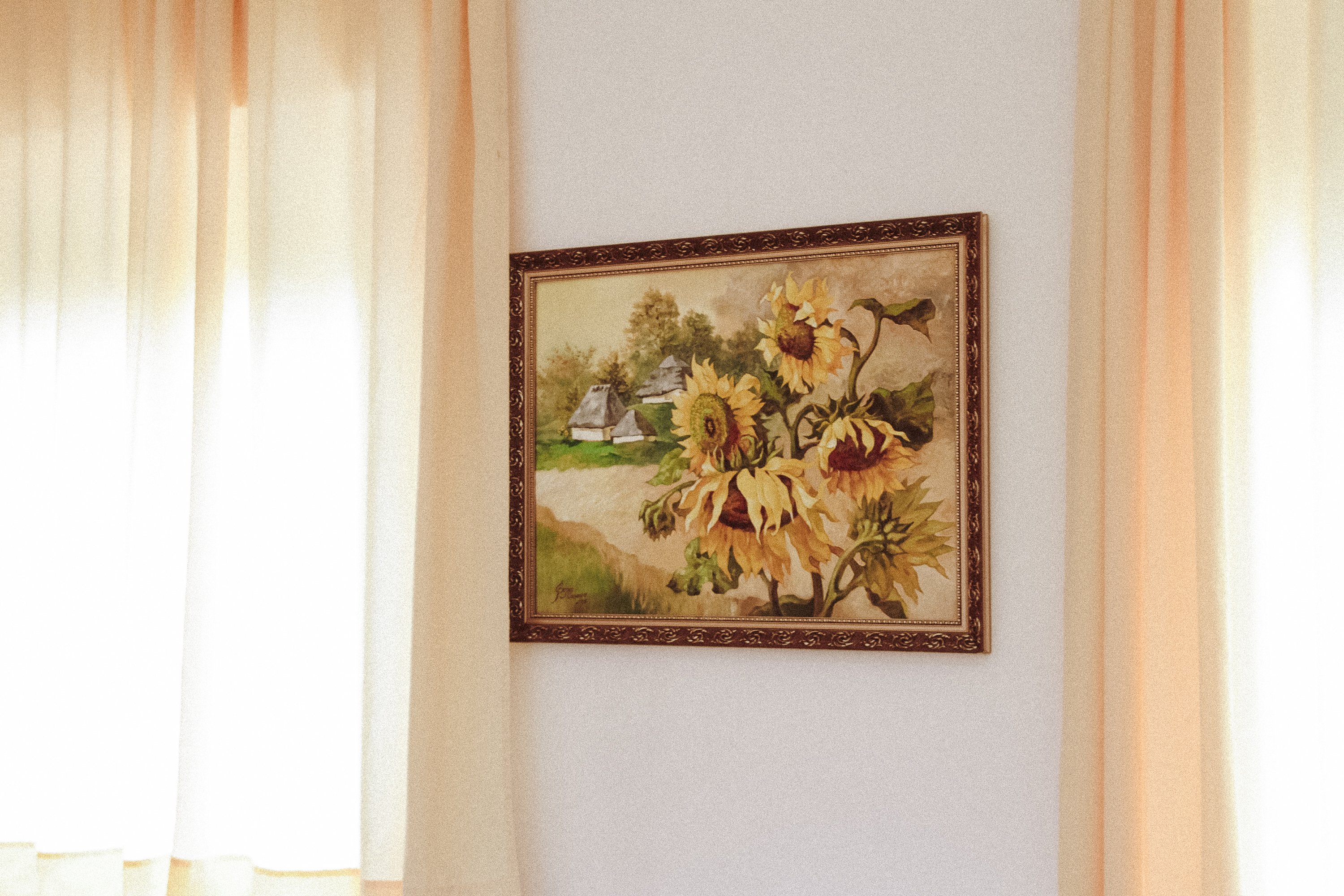
Photo: Аnna Andrievska / YBBP
My colleagues and I are studying the indicators of the psycho-emotional well-being of Ukrainian psychologists: what is happening to the category of specialists who help others during the war. Because you can’t pour from an empty jug. In all airlines worldwide, they say: “First put on your own oxygen mask, and then help others”. Foreign psychotherapists are very supportive of their Ukrainian colleagues. We have lectures for the third year now with SPR, which is the global community for psychotherapy research; I was at their conference in Krakow again this summer. Also, the Irish Gestalt Institute has been running a weekly psychotherapy group for Ukrainian psychologists from March 2022 until now.
“You are not victims, you are fighters”. This is what our friend from the British Gestalt University wrote to us on February 24th. It is difficult for Ukrainians to talk about the realities of war with foreigners. But contact with reality is necessary. We should not keep silent and treat this as a taboo. On the other hand, dramatizing and catastrophizing is simply frightening people. Then there will be stigmatization, and they will say about us: “They behave like victims”. We are not only victims, but fighters, where everyone fights in their own way. The picture of reality should be explained without dramatization, but also without devaluing your feelings. The full-scale war has been going on for almost four years, and it’s not easy to adapt to constant danger, because it is not only in the areas of combat: civilians die in their own beds.
Ukrainians should tell the world more about themselves—in different languages. Indeed, we have the skills for this: few nations possess such a number of languages. Residents of border regions always knew not only their own but also several others. This is also our resource. In many countries, people speak only one language, while Ukrainians often have two “at the start,” because due to the politics of colonization, it was impossible not to know Russian. Added to this is a foreign language—the language of the country where you found yourself—and often English. We need to calmly show ourselves to the world, not through hyperbole, but also not through self-devaluation or a feeling of inferiority, and do this in different languages.