In 2015, colleagues from an IT company, Marta Turetska and Andrii Pliasun, started sending warm socks to the front. But every pair was gray and plain. Marta and Andrii decided to make a batch of bright ones instead. They gave them to friends, then made another batch, and then another. That’s how Dodo Socks, one of Ukraine’s best-known sock brands, was born. The company has shops in Lviv and Kyiv, and in December last year it opened its first store in Japan. Yellow Blue journalist Artem Moskalenko spoke with Turetska about how the brand was born and grew, its partnership with Rubizhne Hosiery Manufactory, and the opening of its Japan store.
You’re not from the textile industry and previously worked in IT. How did you come up with the idea of making socks?
When the Russian invasion of Donbas began, our company started actively supporting the military. Warm winter socks were one of the main things being requested at the time. Andrii and I went looking for a place to order them at a good wholesale price and found out that a small hosiery workshop called Slava was operating in the same building as our office. We placed the first batch there, then the second and third, and that’s how our partnership started. During one of those orders, I casually mentioned that the designs were very dull and depressing and it would be nice to make something more cheerful. The workshop owner said, “Then bring us a design and we’ll make it more cheerful.” That one line started it all.
Andrii and I designed a pair with bicycles on them, since cycling was something we both loved. We gave them to friends and everyone loved them and asked for more. We ordered another batch in different colors and added more designs. Then we thought: why not turn this into a proper business since people liked it? We had no plan and no strategy.
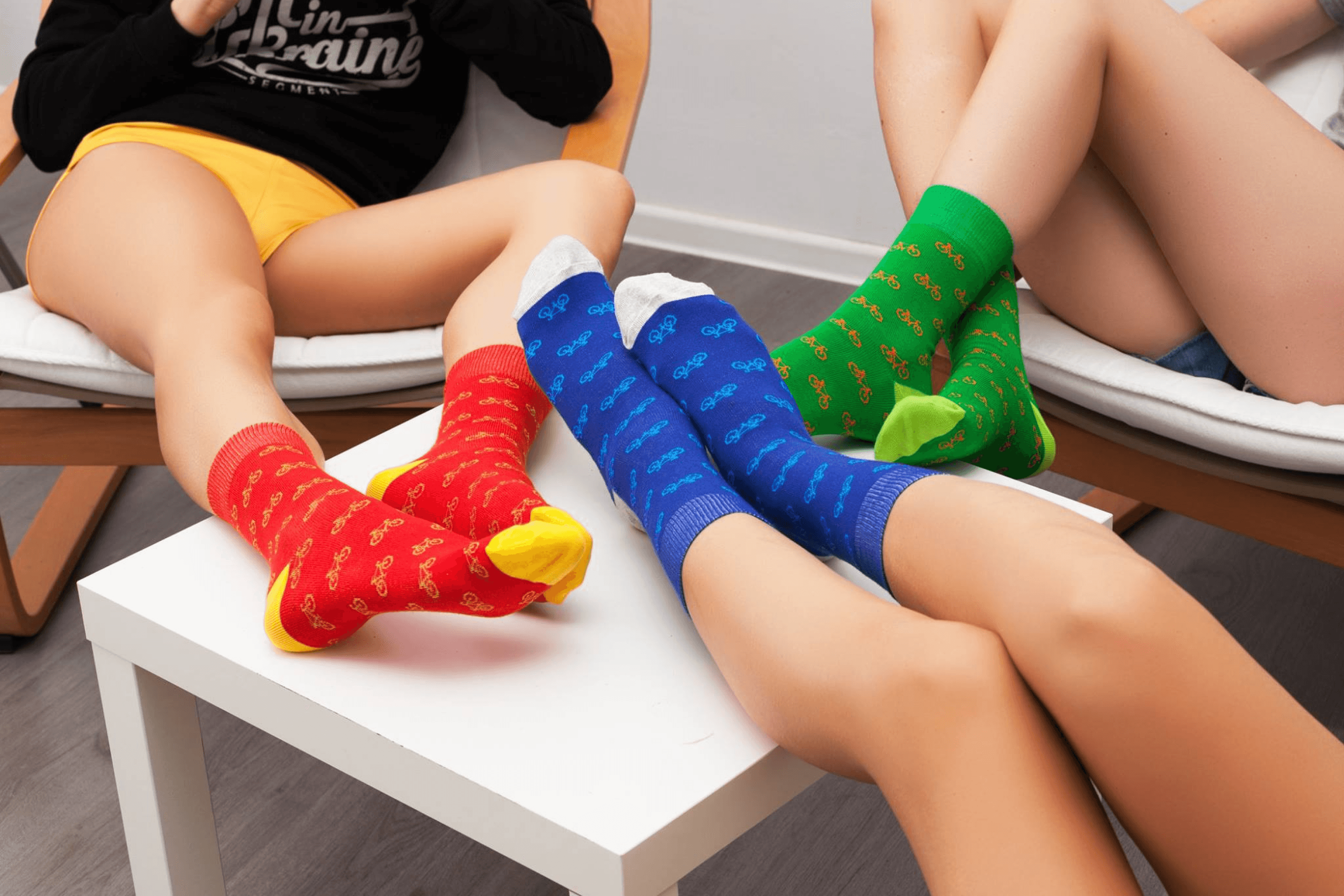
Early designs of Dodo Socks socks. Photo: Dodo Socks / Facebook / YB 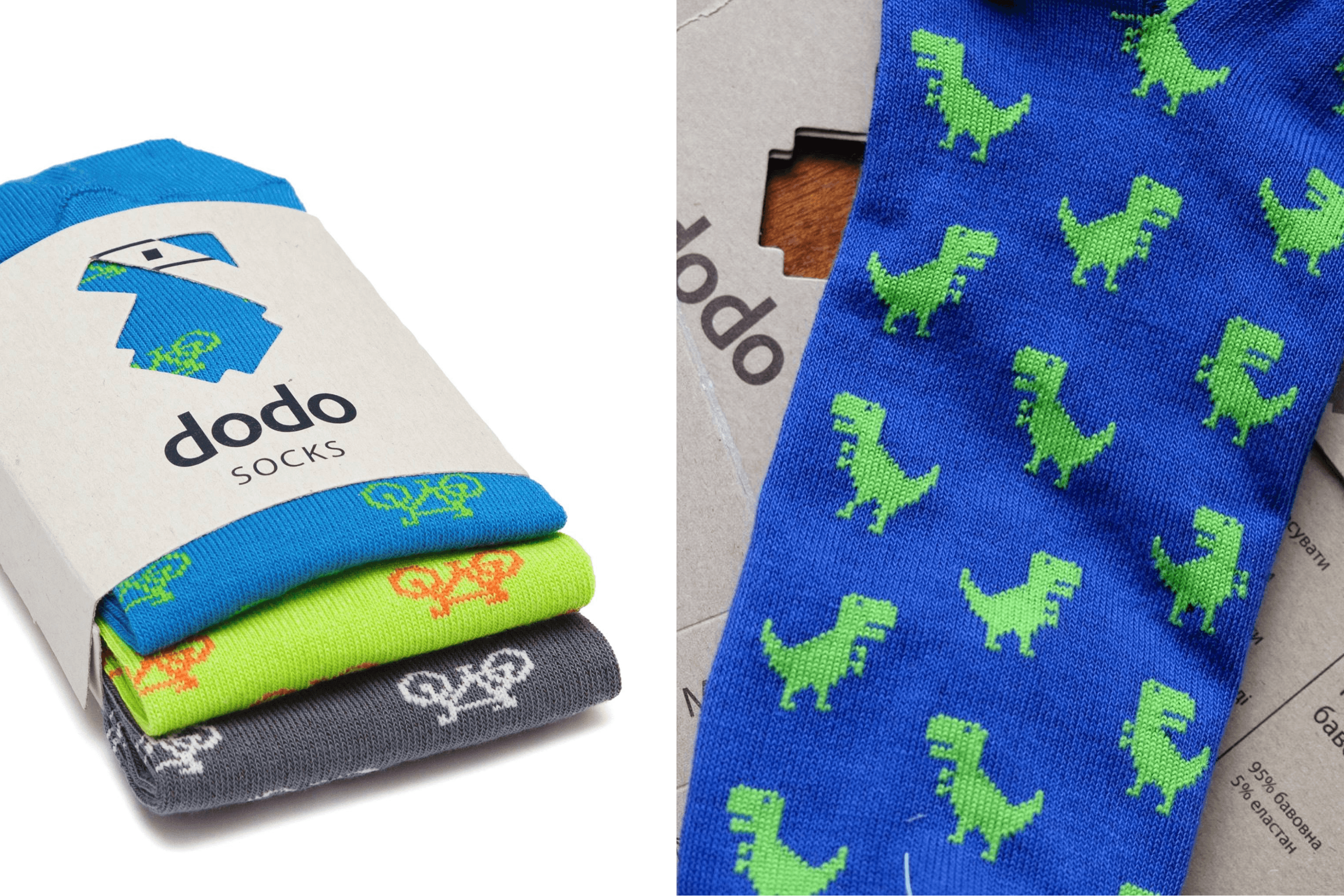
Photo: Dodo Socks / Facebook / YB 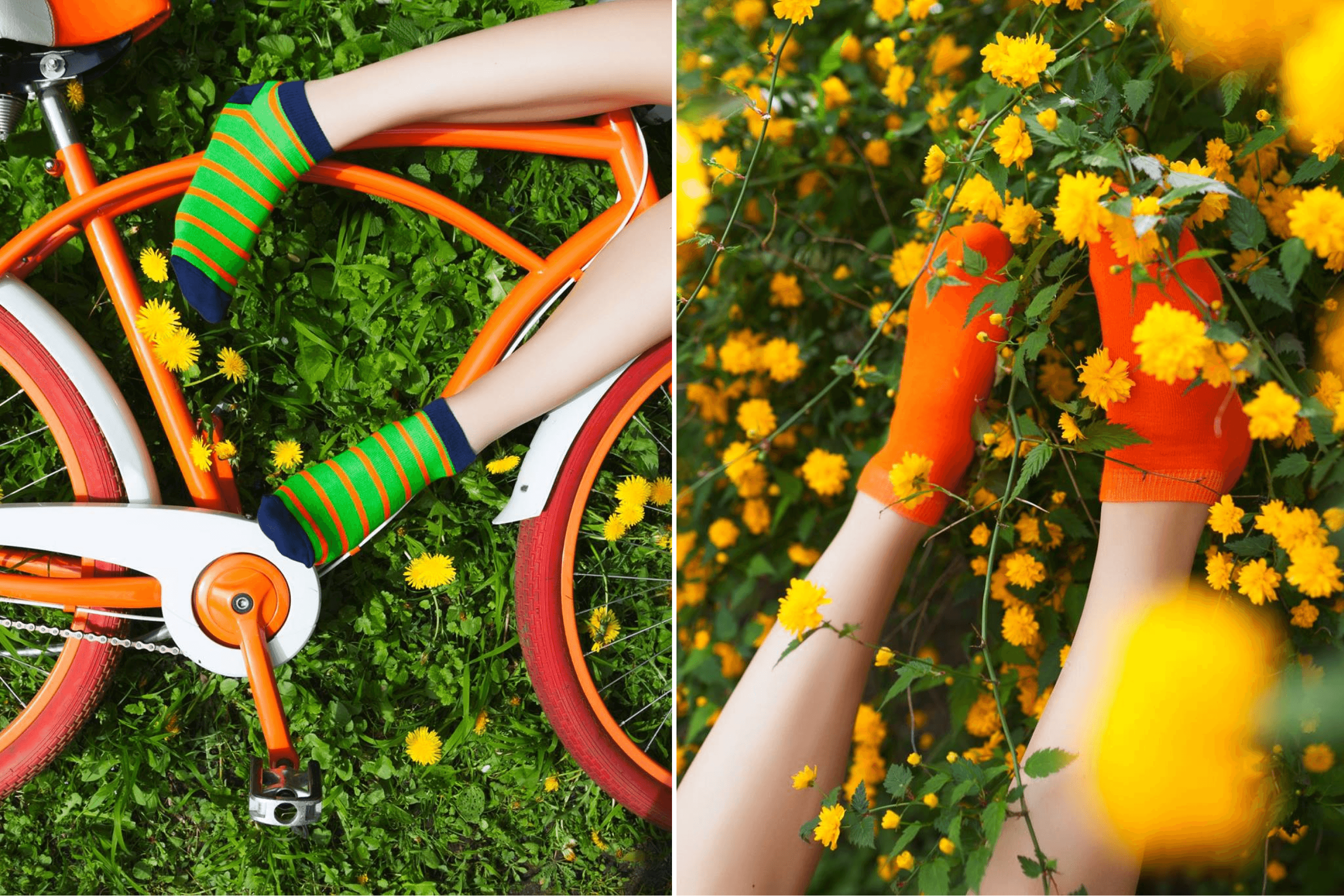
Photo: Dodo Socks / Facebook / YB 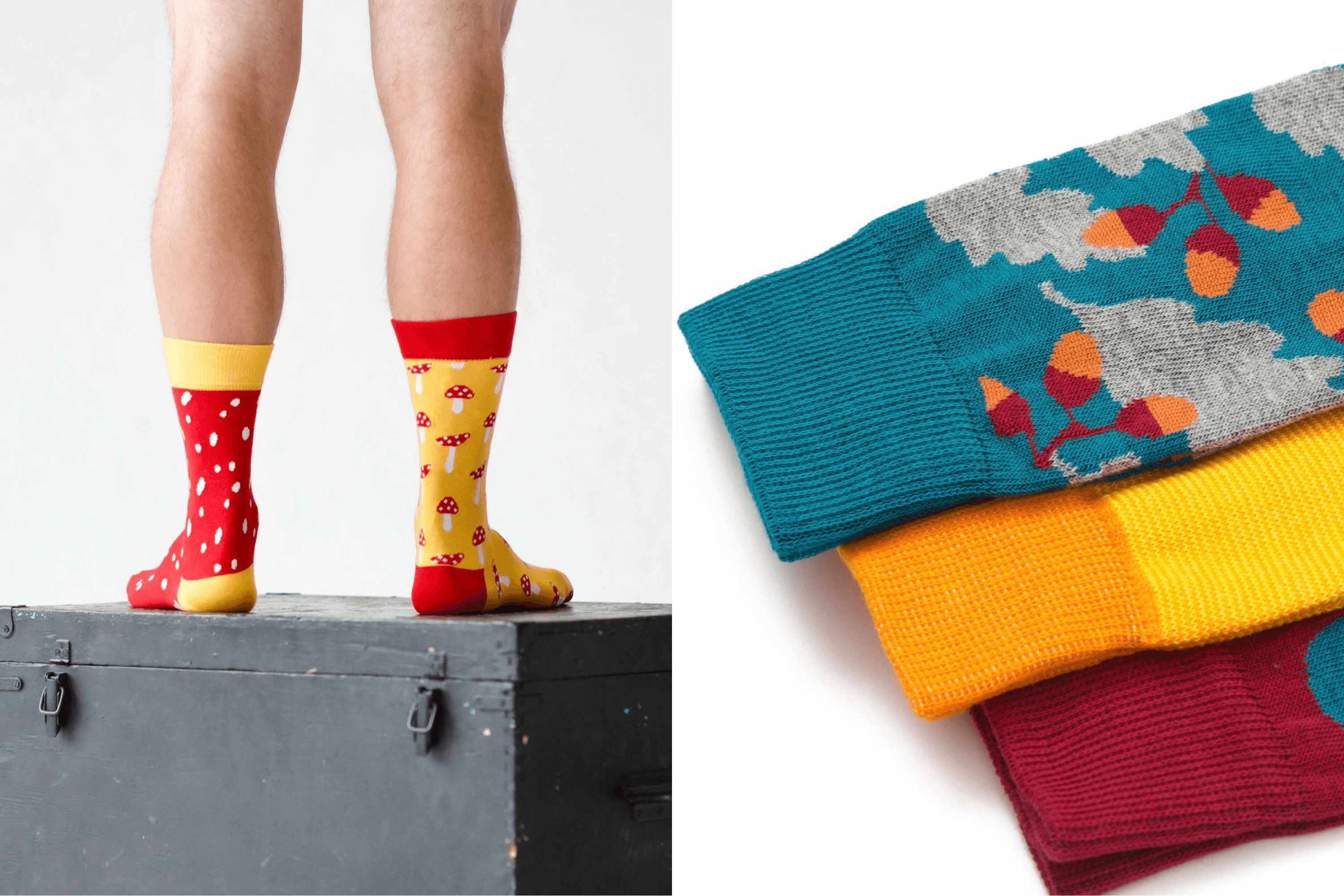
Photo: Dodo Socks / Facebook / YB 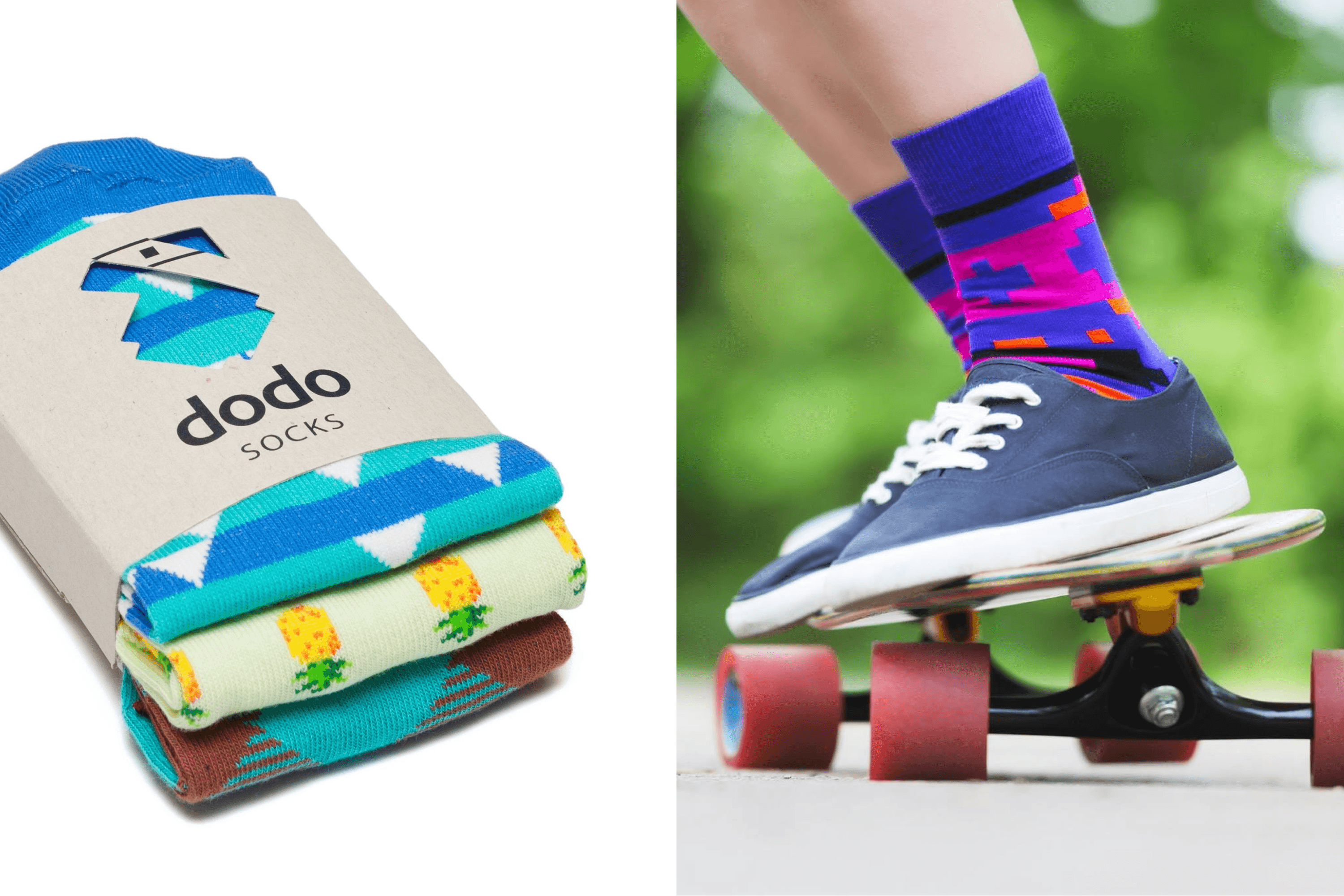
Photo: Dodo Socks / Facebook / YB 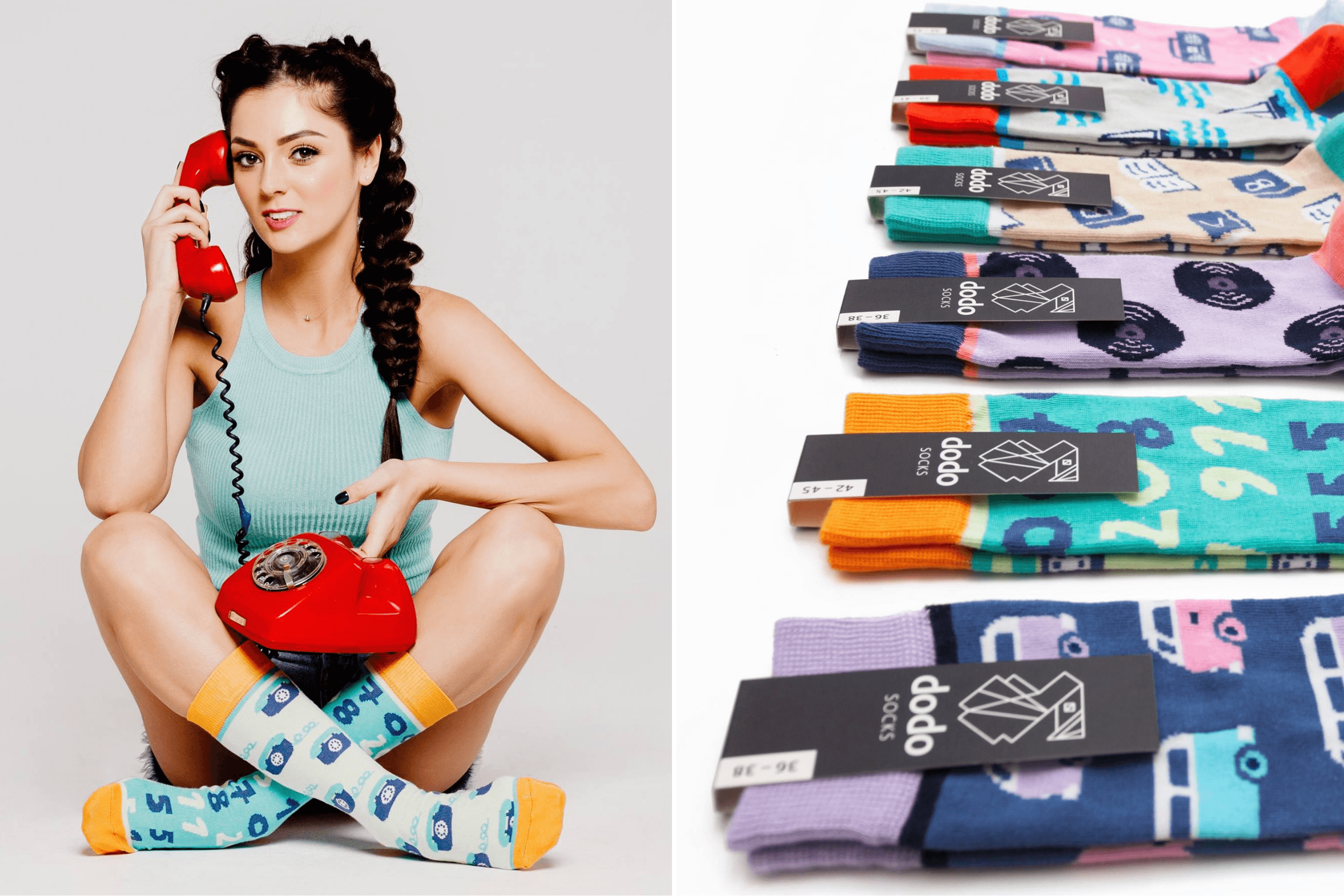
Photo: Dodo Socks / Facebook / YB
What were the initial investments?
We agreed that each of us would put in ₴20 000, so the starting capital was going to be ₴60 000, since there were three of us at first. But once we started treating it as a business rather than a hobby, our friend decided he’d rather stay in IT and wasn’t ready to build a business of his own. That left the two of us with ₴40 000. Most of it went into the logo, which was our biggest single expense. We also produced our first collection of 200 sock sets. At the time it felt like a disaster. We were sure we’d never sell them all. They sold out on the first day.
How long did the transition from hobby to business take?
About a year. Andrii stayed in IT longer since he already had a family and two kids and needed time to build up a financial cushion before leaving for good. Things were simpler for me. I didn’t need much to get by: I cycled everywhere, lived in an apartment my parents had given me, and my expenses were low. So walking away from IT into the unknown was easier.
When did Dodo Socks become self-sustaining and start making a profit?
The business started covering its own costs after the first collection sold out. Frankly, I didn’t take a salary that first year at all. We put everything back into the company, didn’t hire anyone, and did it all ourselves, including designing new styles. Our office was a nine-square-meter storage room in my parents' apartment. We worked there for a few months before renting a real office.
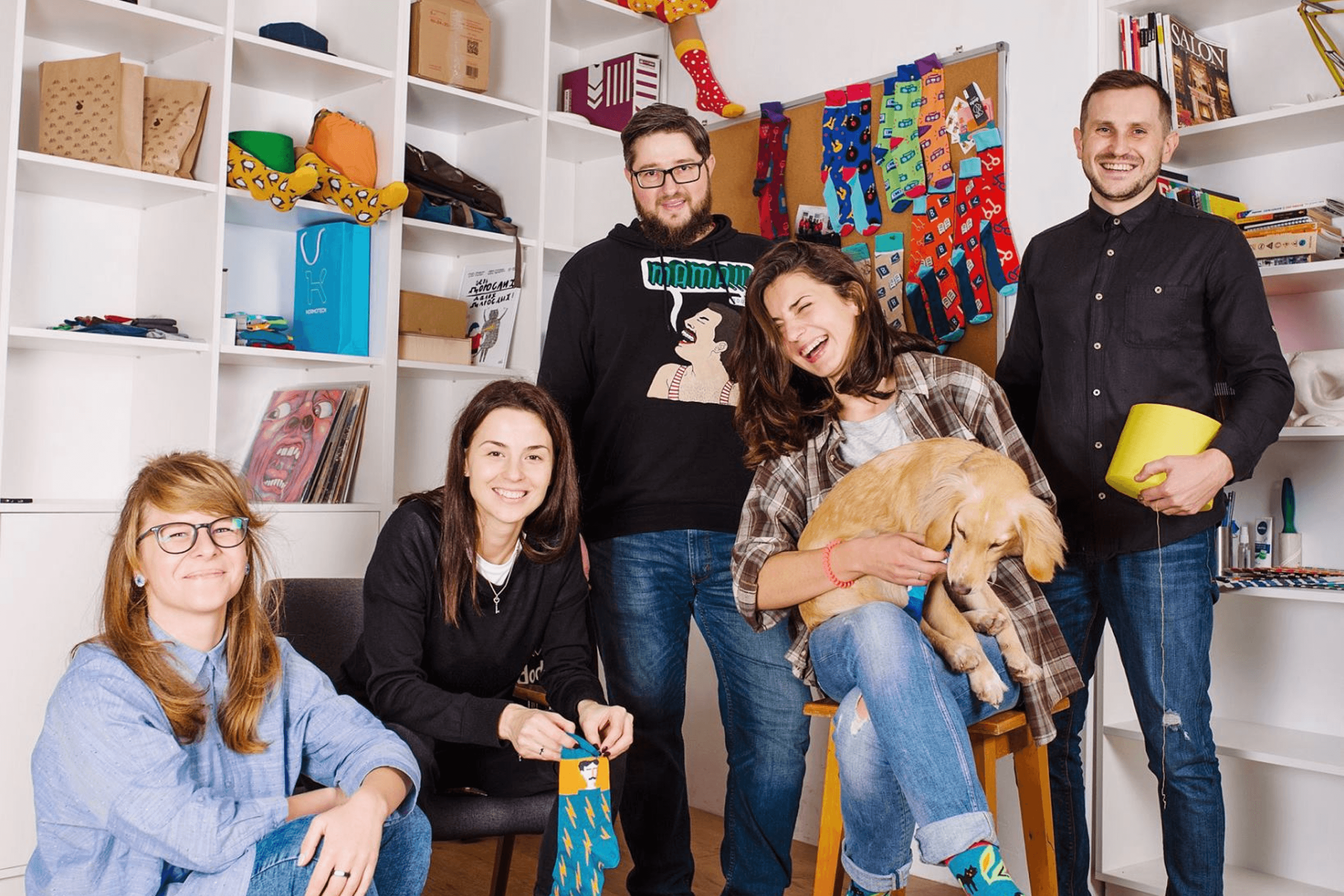
The Dodo Socks team in their new office. 2017. Photo: Dodo Socks / Facebook / YB 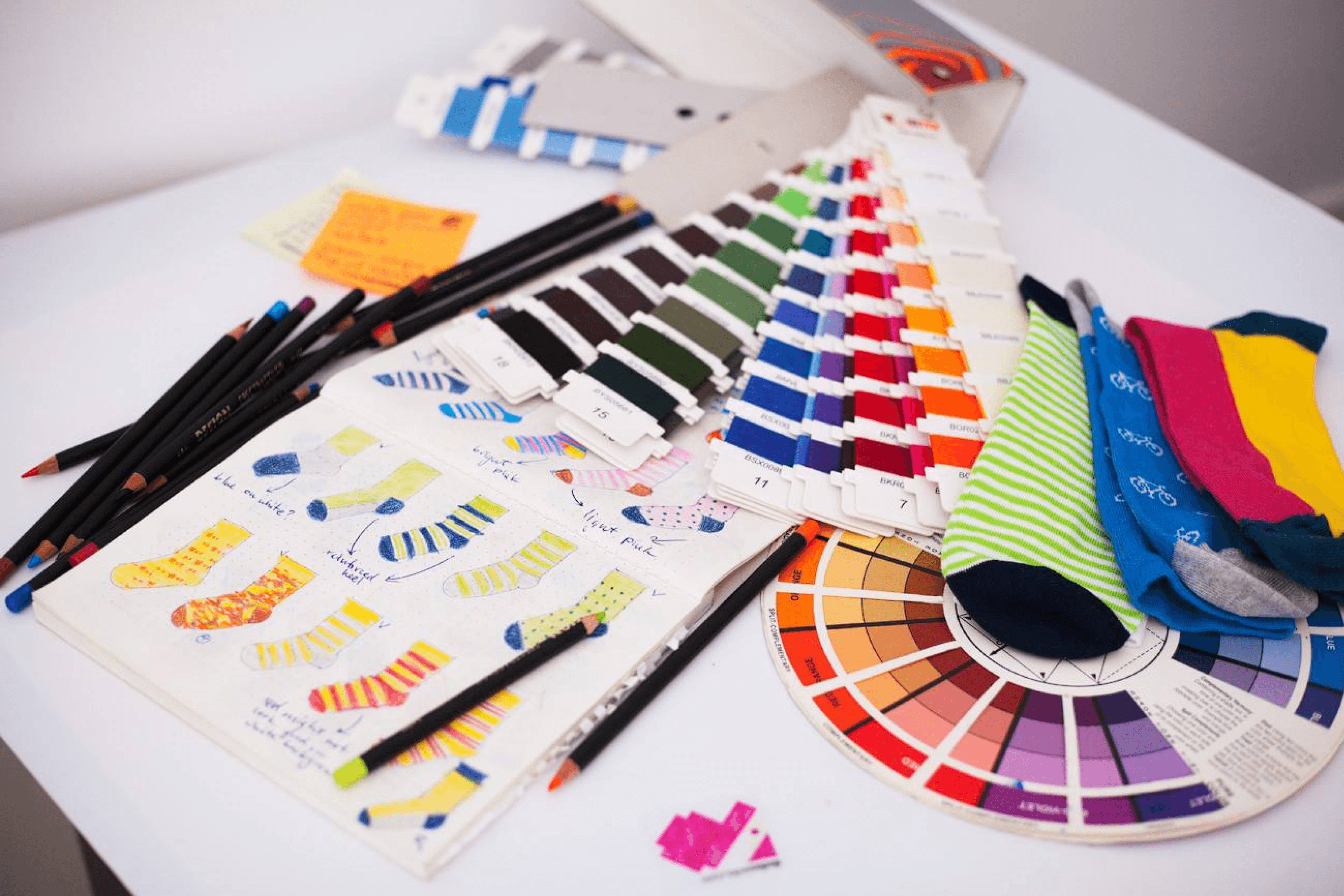
Photo: Dodo Socks / Facebook / YB 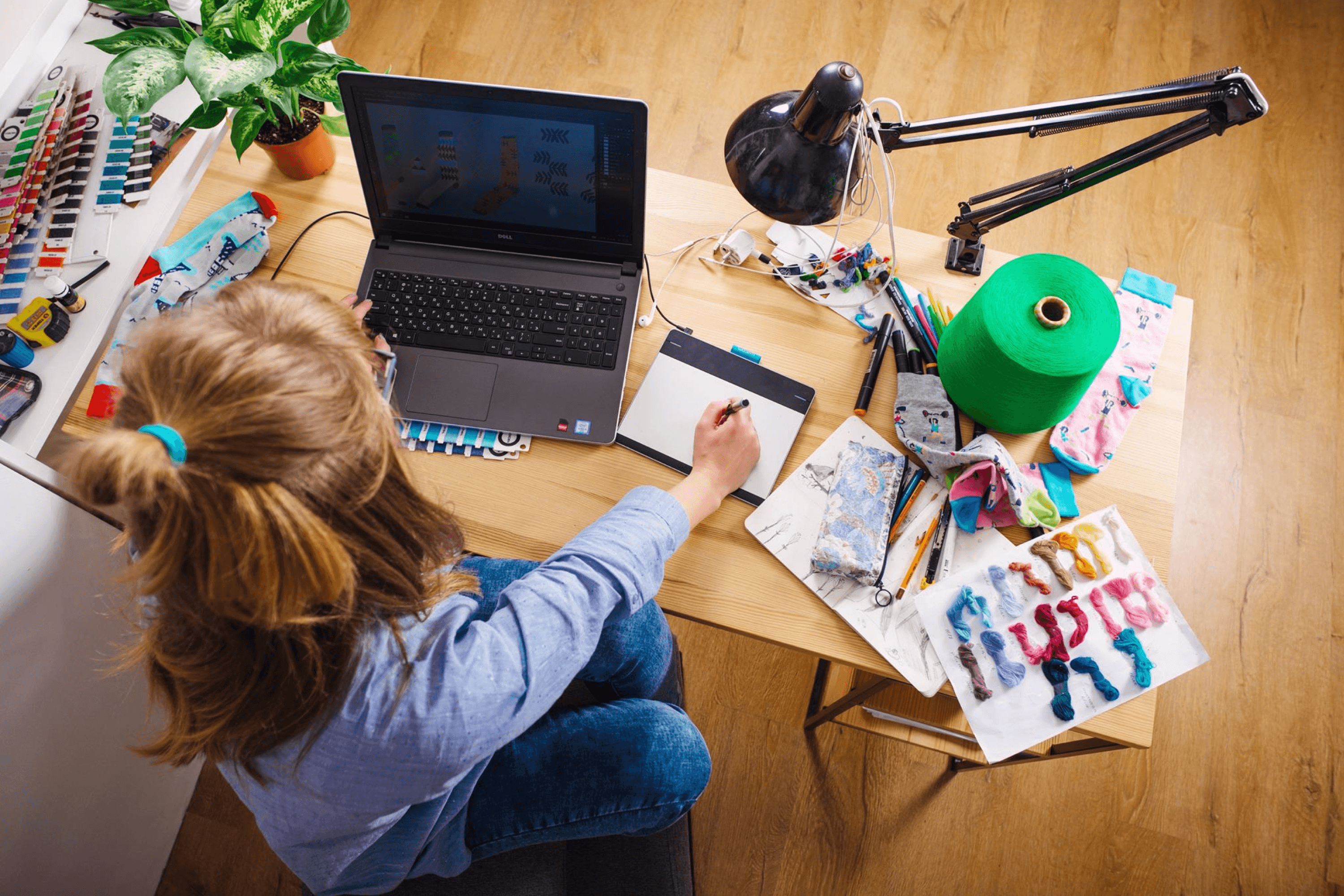
Photo: Dodo Socks / Facebook / YB 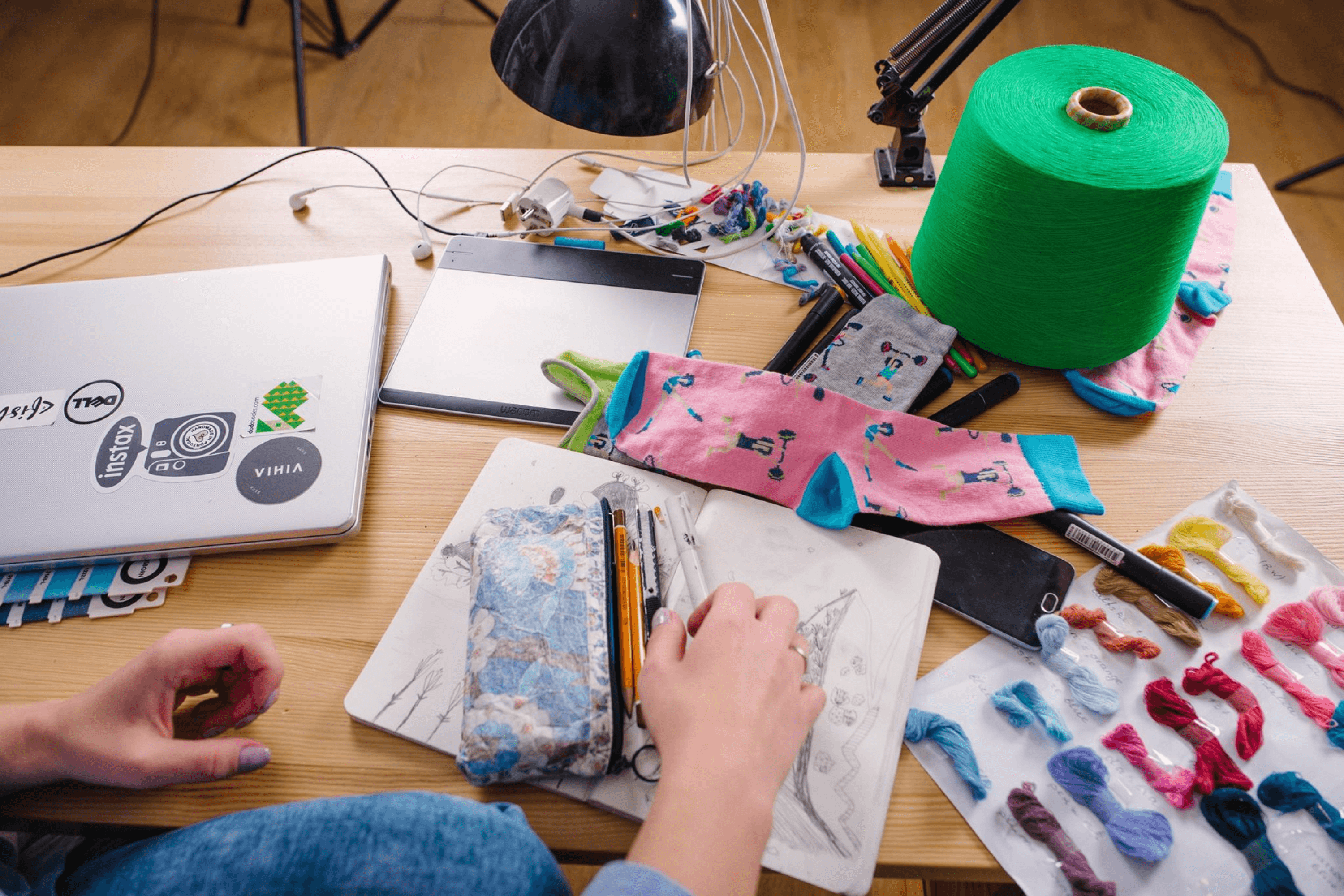
Photo: Dodo Socks / Facebook / YB 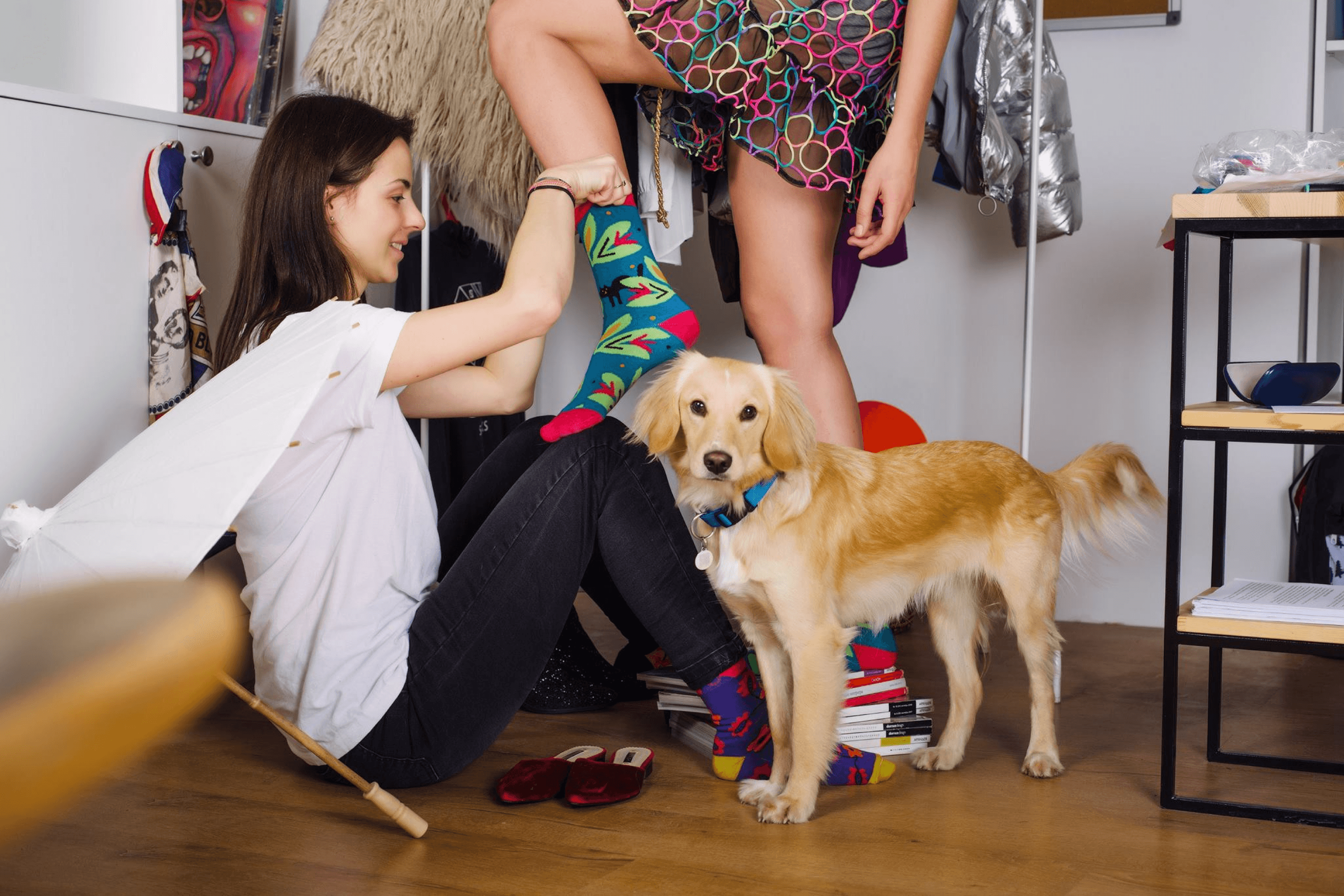
Photo: Dodo Socks / Facebook / YB 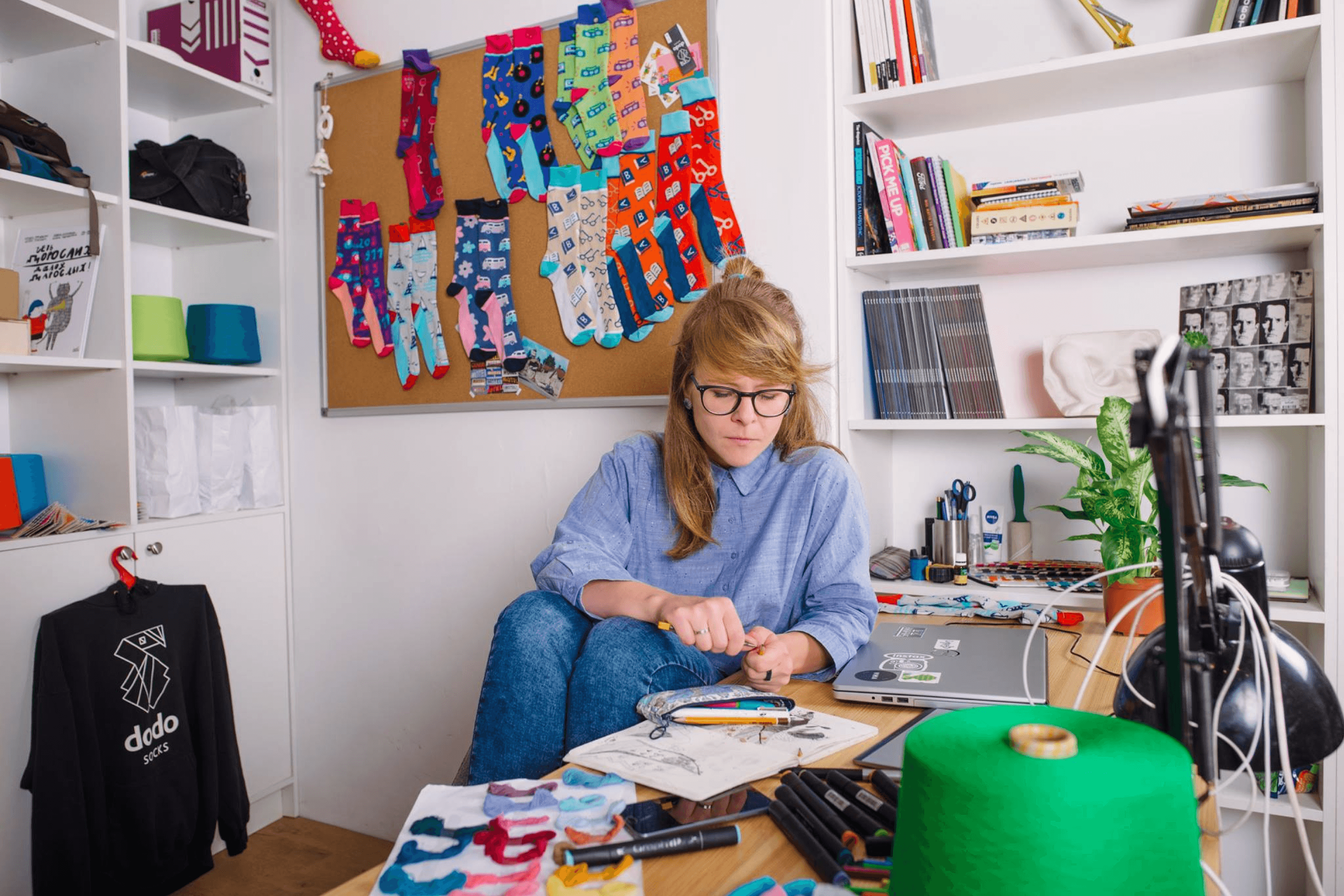
Photo: Dodo Socks / Facebook / YB
In our second year we started hiring. First someone to pack and ship orders, then our first designer. Revenue grew, but we used it for salaries and reinvested the rest into the business. Steady cash flow allowed us to grow quickly enough, expand the team, and add new collections. Profits followed. By the third year, Dodo was actually making money for its co-founders.
From the start you outsourced production rather than manufacturing in-house, and that’s still how you work today. Why did you choose this model?
We started out with the Slava workshop. Prices were good, but we were growing fast and knew their capacity wouldn’t keep up. We briefly thought about setting up our own workshop with one or two units, but dropped that idea quickly. People in the industry explained that you need at least ten machines just to break even. A used one ran €5 000, a new one €15 000, which meant the minimum upfront cost for used equipment alone would have been €50 000, with no guarantee of how long they’d hold up. That was way too much for us.
Moreover, the machines would need to run 24/7 to be cost-effective, since restarting them is expensive and any downtime means losses. We had neither the volumes nor the specialists to keep it running, and those are hard to find on the market. We couldn’t afford to poach them from other companies either. So we dropped the idea and went looking for a bigger contractor.
How did you eventually find one?
Finding a workshop in Ukraine with enough color options and the right quality level turned out to be difficult, so we kept switching contractors in search of the right fit. We mostly searched online. That’s how we found Rubizhne Hosiery Manufactory in the Luhansk region. We reached out, but didn’t hear back for a long time. They probably didn’t take us seriously. So I placed a larger order for simple, plain stockings without any bold colors, to avoid scaring them off with our designs. It worked. They agreed. The first batch was excellent and we were very pleased with the quality and materials.
Gradually we moved to more complex designs and output grew. Working with us became interesting for them. Eventually they dedicated specific machines to our orders and bought new ones just for us. Rubizhne Hosiery Manufactory completely transformed things for our brand. Our design options and product range suddenly expanded in a huge way. We were incredibly lucky to find each other.
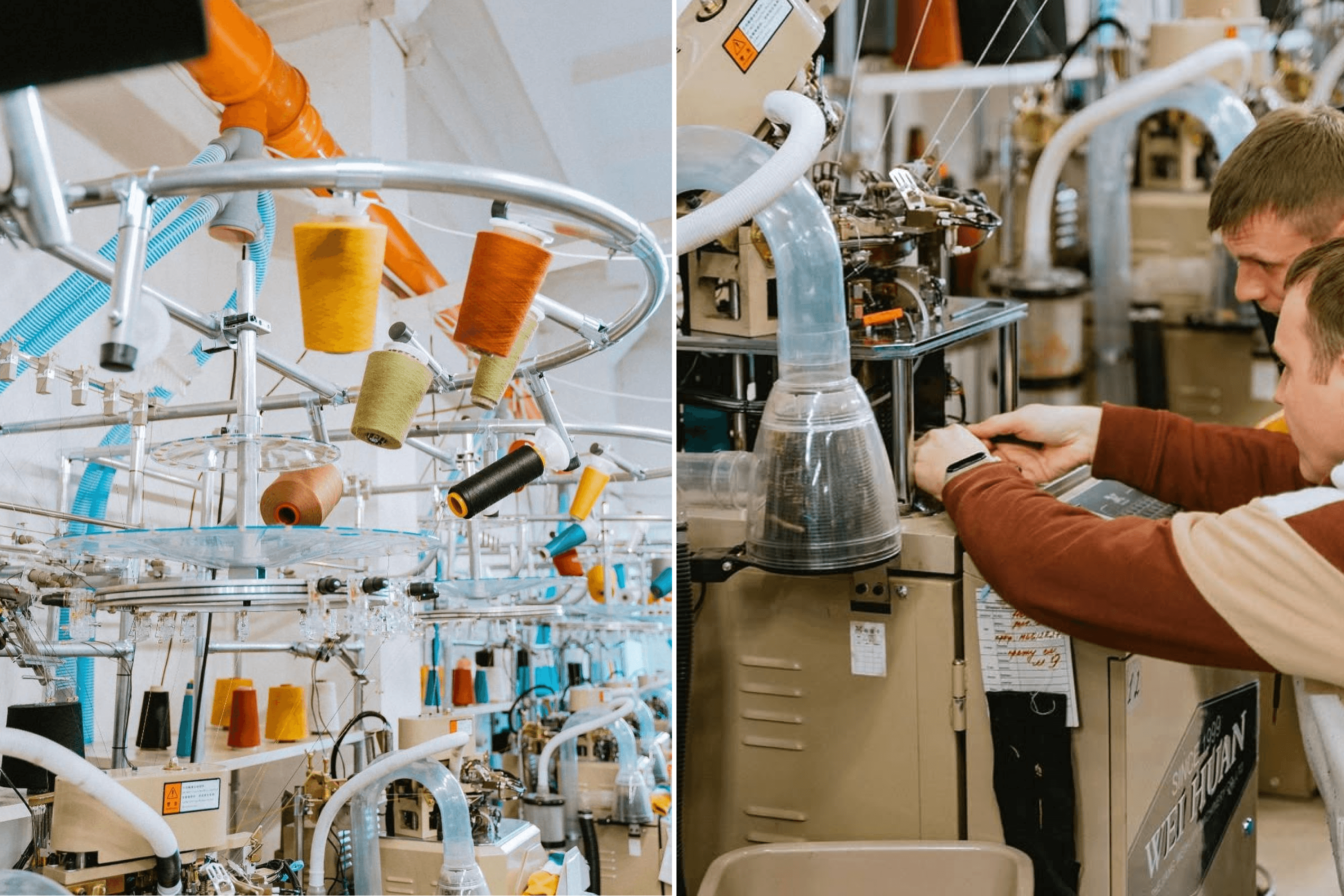
The production process of Dodo Socks socks. Photo: Dodo Socks / Instagram / YB 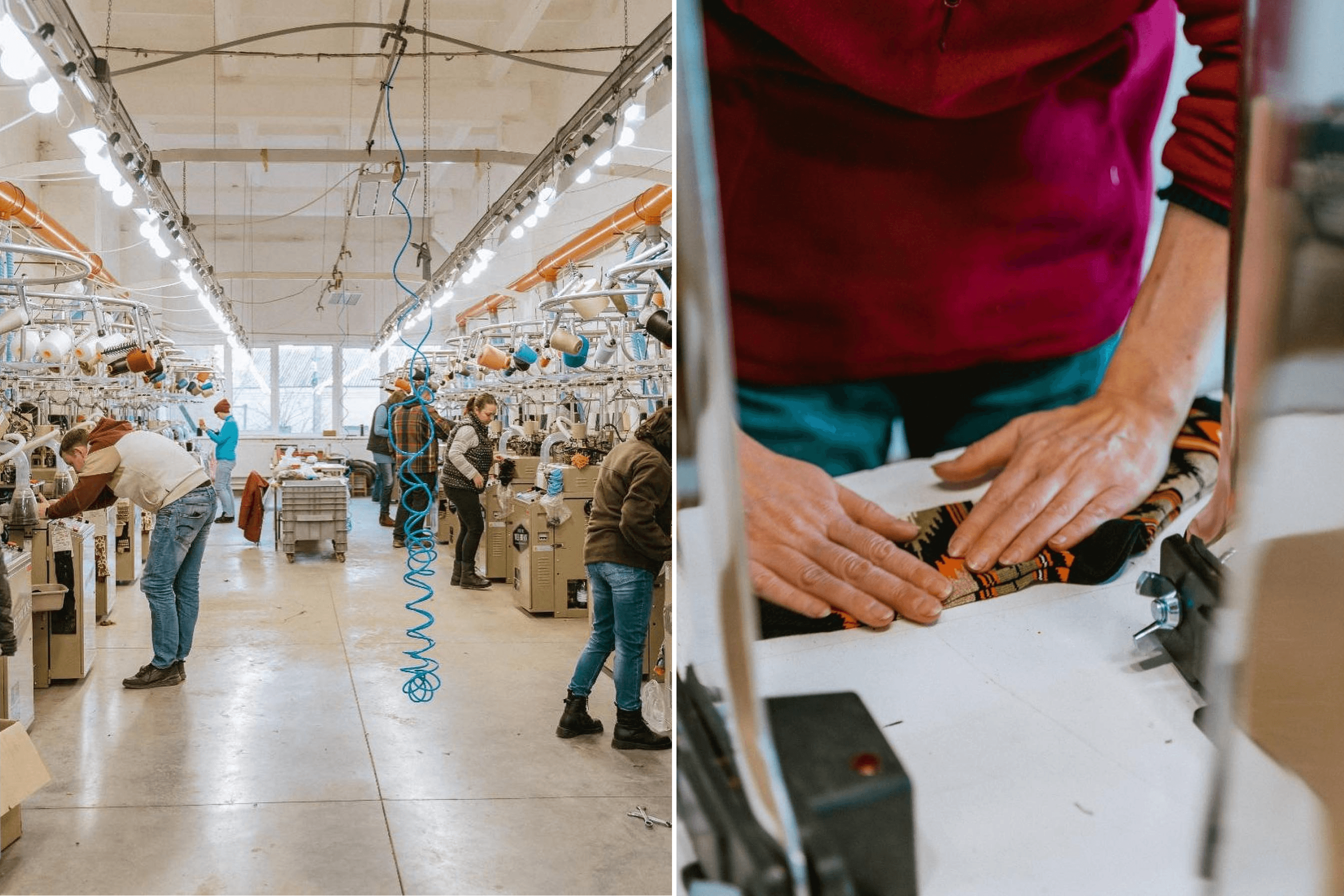
Photo: Dodo Socks / Instagram / YB 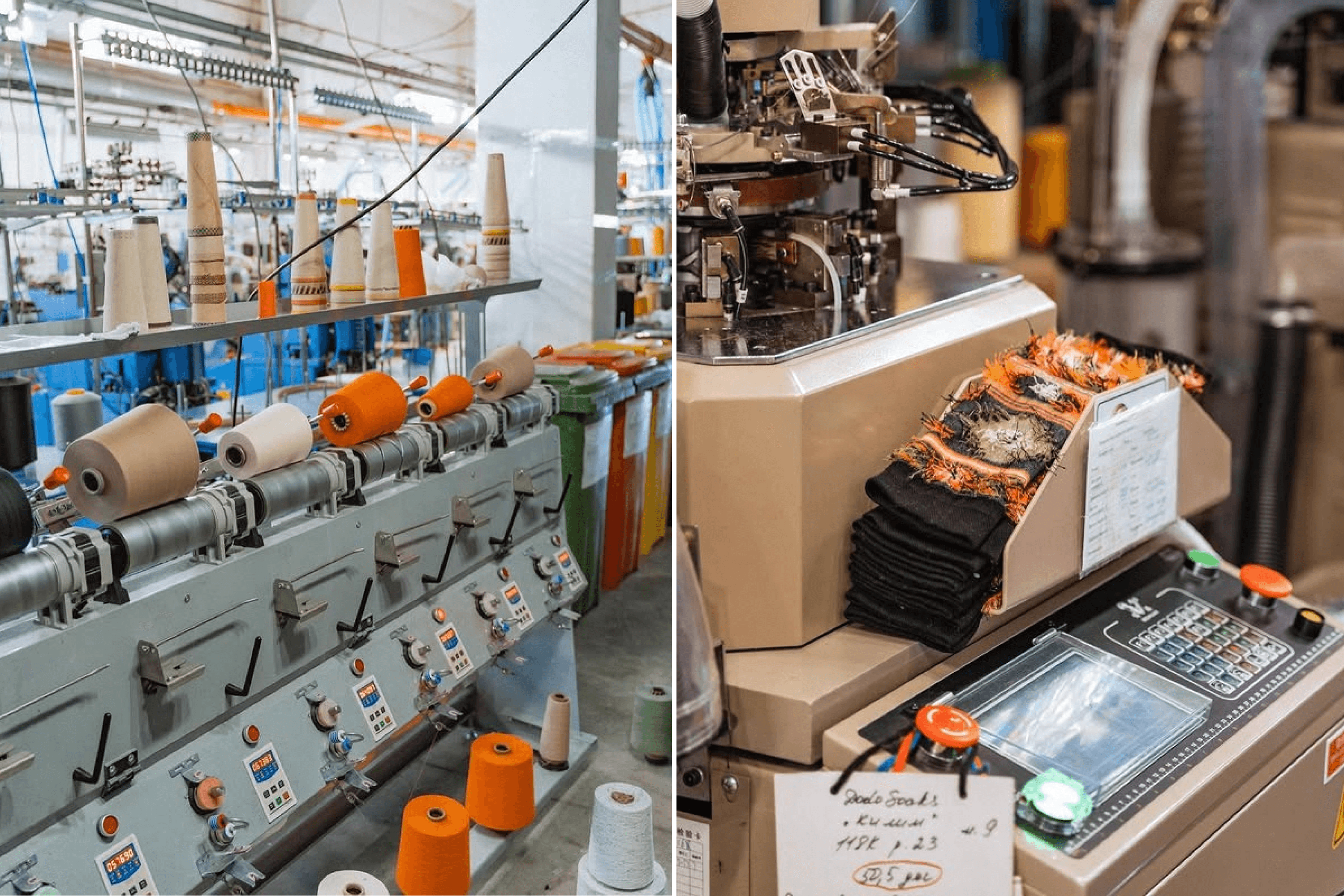
Photo: Dodo Socks / Instagram / YB 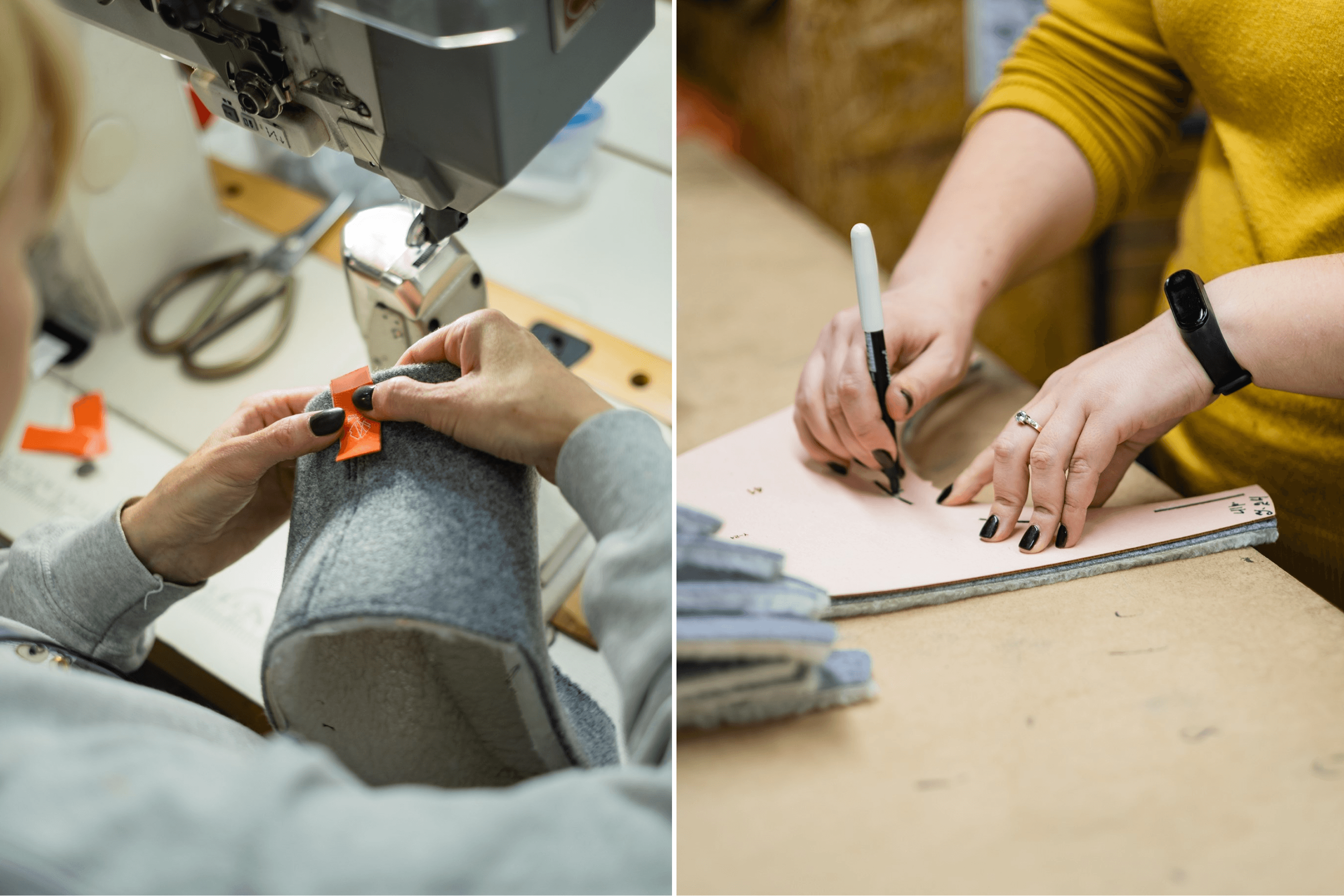
The production process of Dodo Socks slippers. Photo: Dodo Socks / Instagram / YB 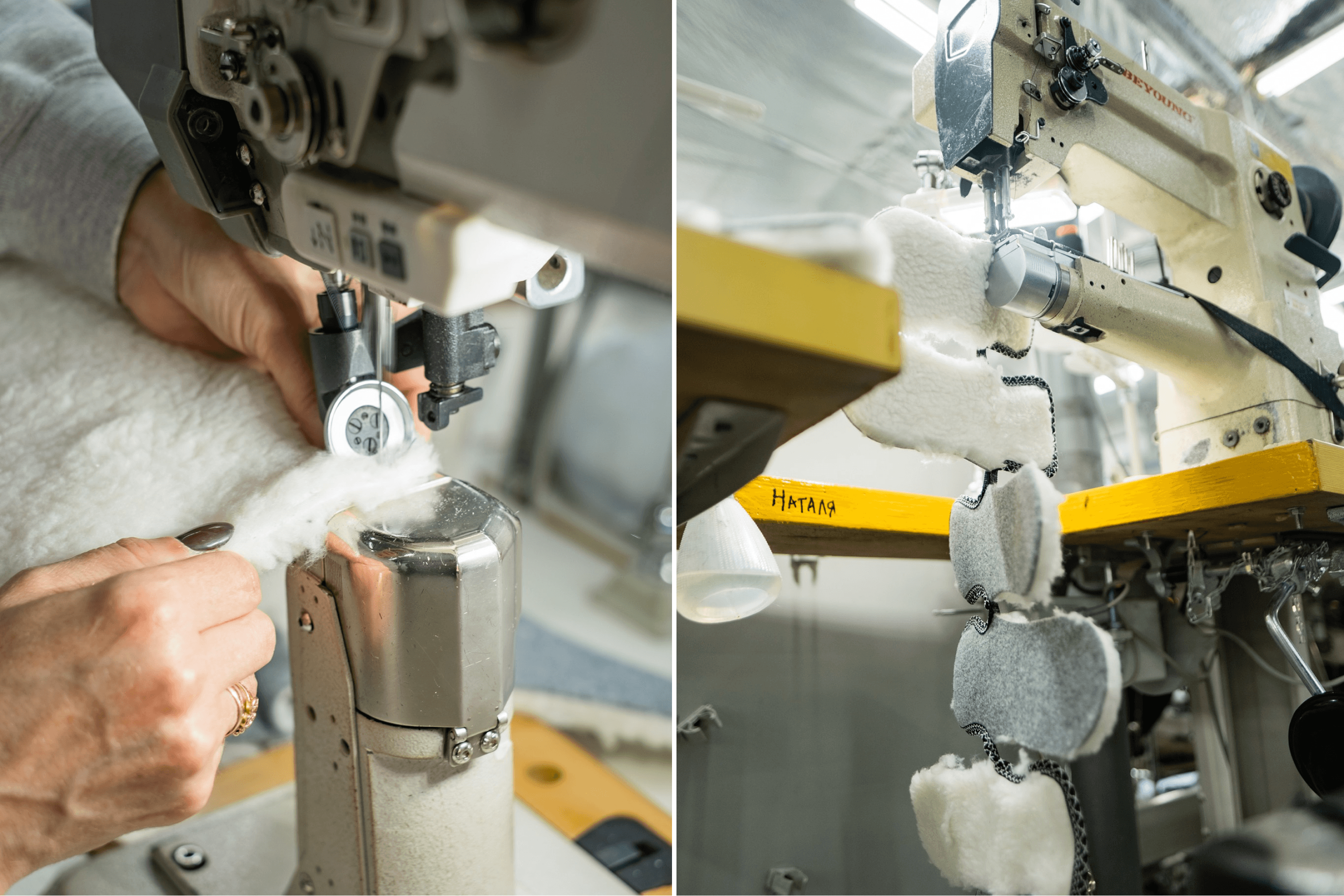
Photo: Dodo Socks / Instagram / YB 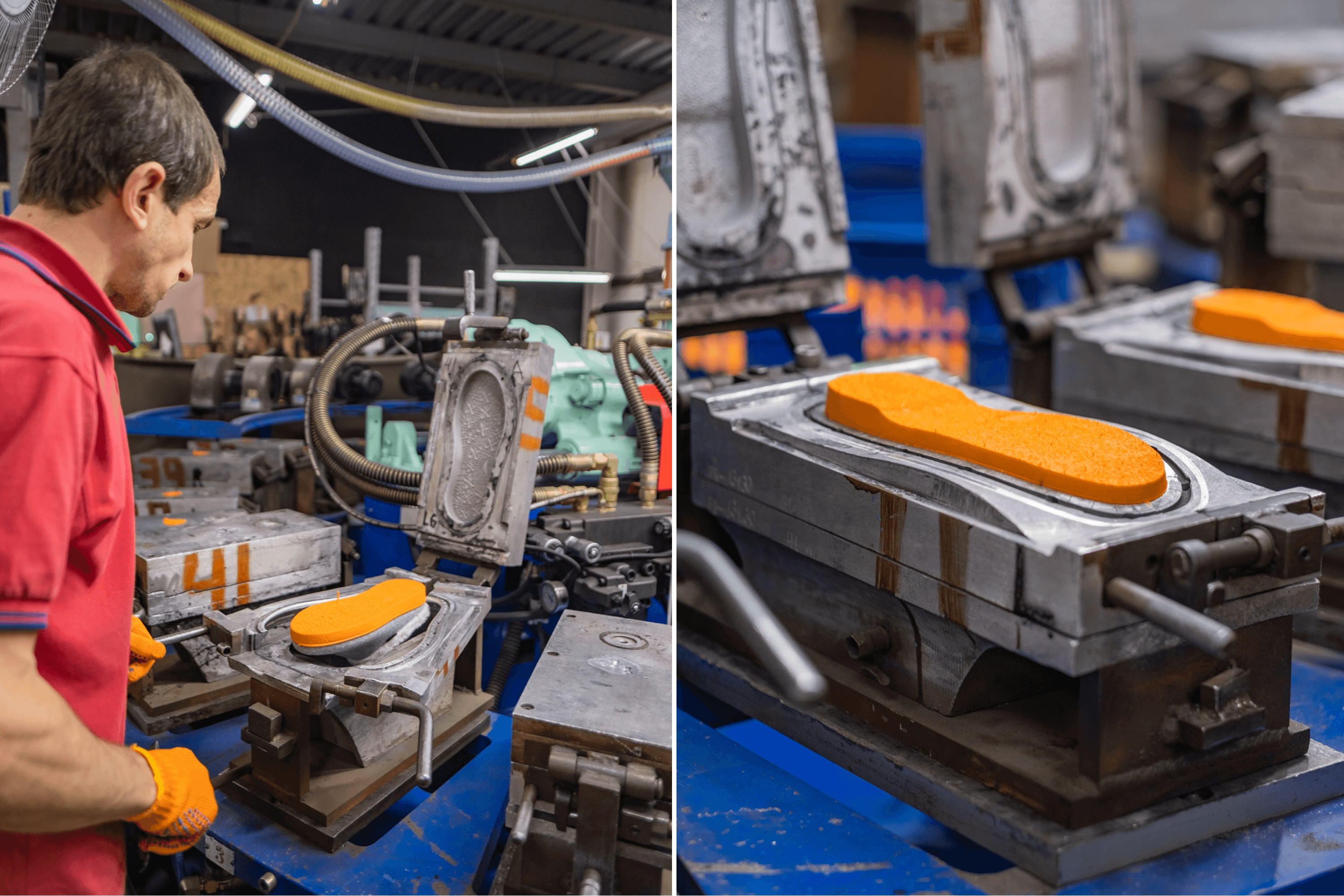
Photo: Dodo Socks / Instagram / YB
What are the terms of your arrangement with the contractor? Do they take a cut of sales or is it a fixed price?
Fixed price, always. Each product has its own rate. More complex designs cost more, simpler ones cost less. We pay a deposit when we place the order and the balance once the goods are ready. That’s always been our arrangement with every contractor.
In May 2022, Rubizhne, where the manufactory was located, was occupied by the Russian army. What happened to production?
On the eve of Russia’s full-scale invasion, we’d suggested to the founders that they at least partially relocate to Lviv and open a small workshop here. They had been through the occupation and liberation of Rubizhne in 2014 and were sure it wouldn’t happen again. But they did agree to come to Lviv for a while. On February 23, 2022, they arrived with small backpacks and could never go back home.
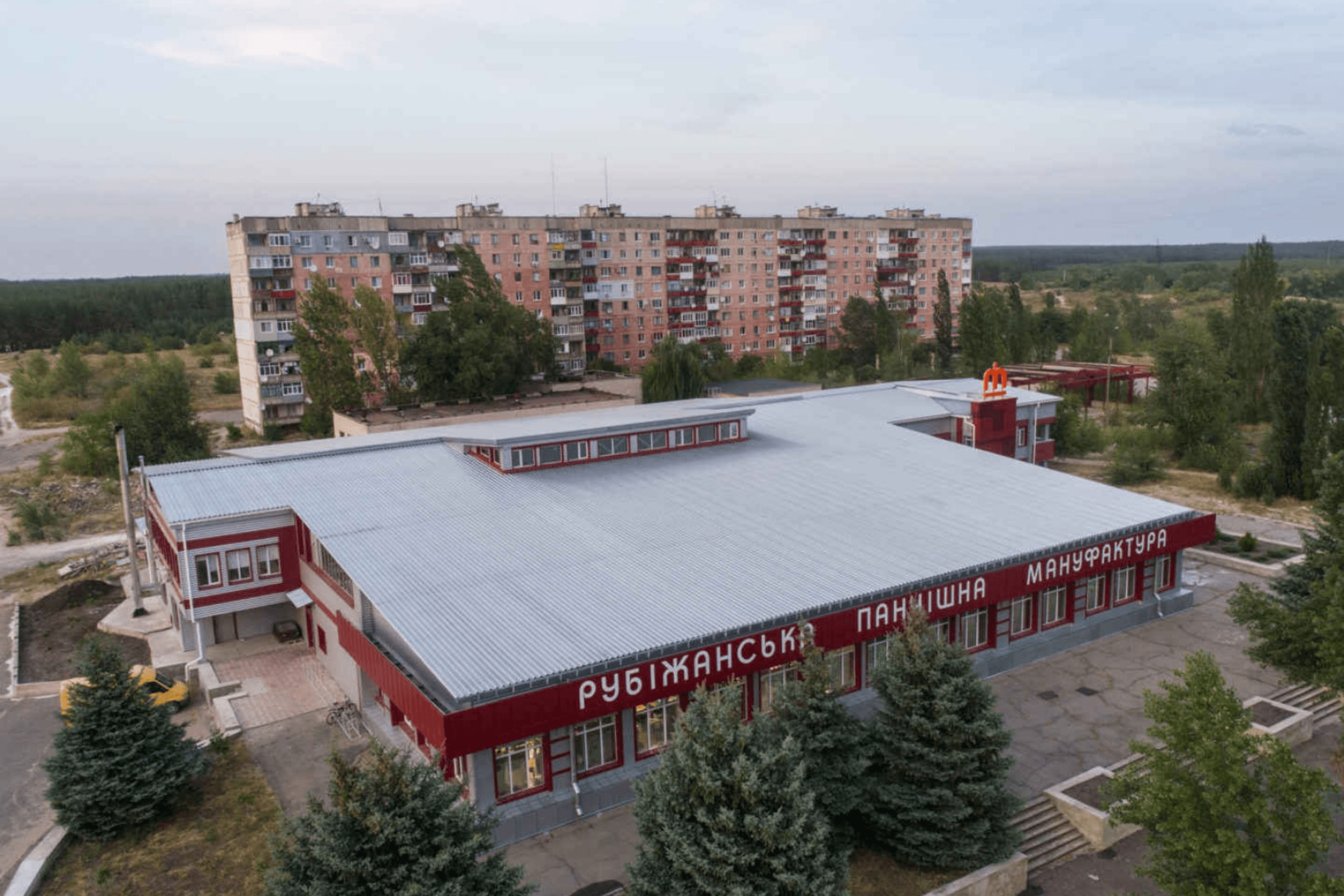
Photo: Dodo Socks / Facebook / YB 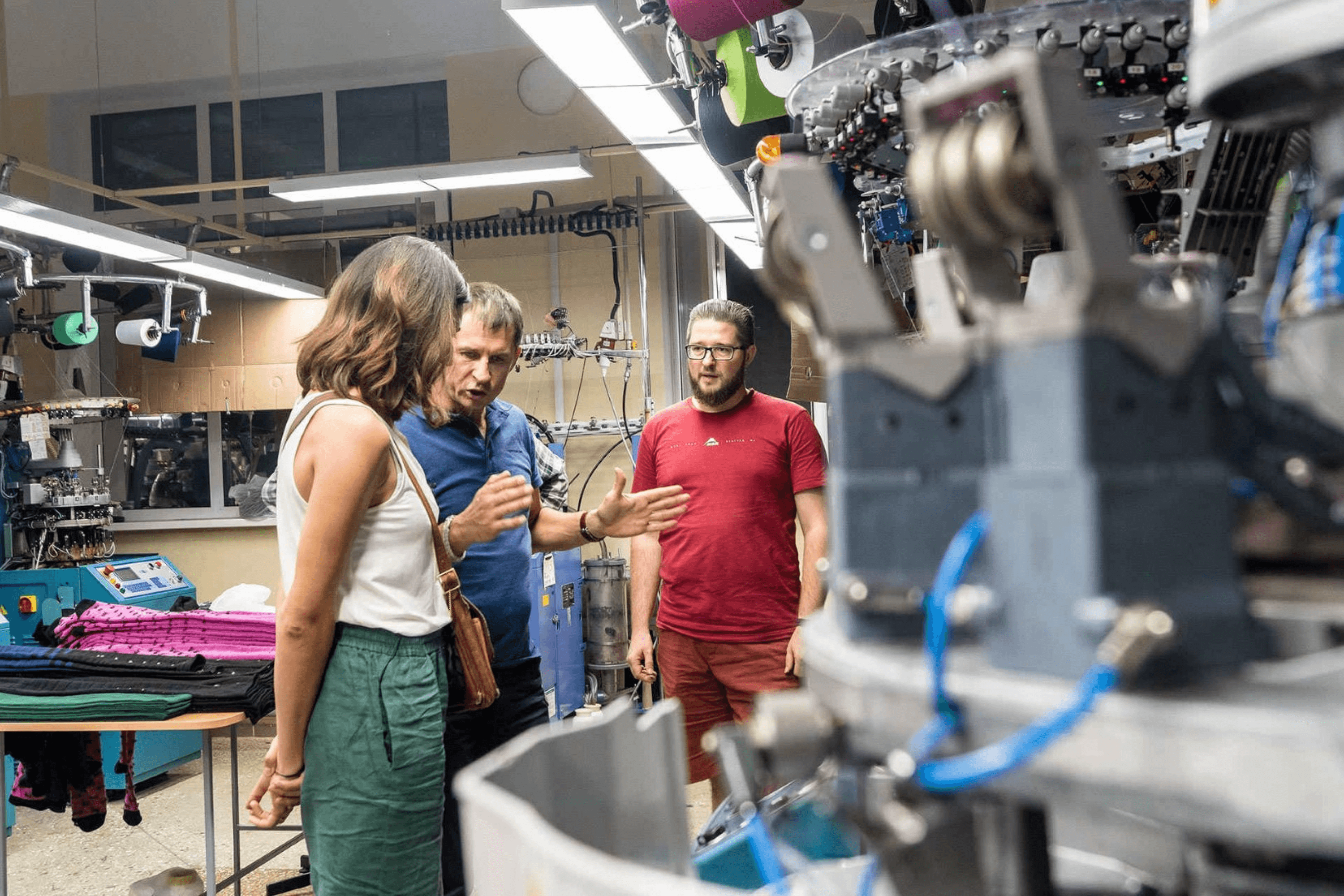
Photo: Dodo Socks / Facebook / YB 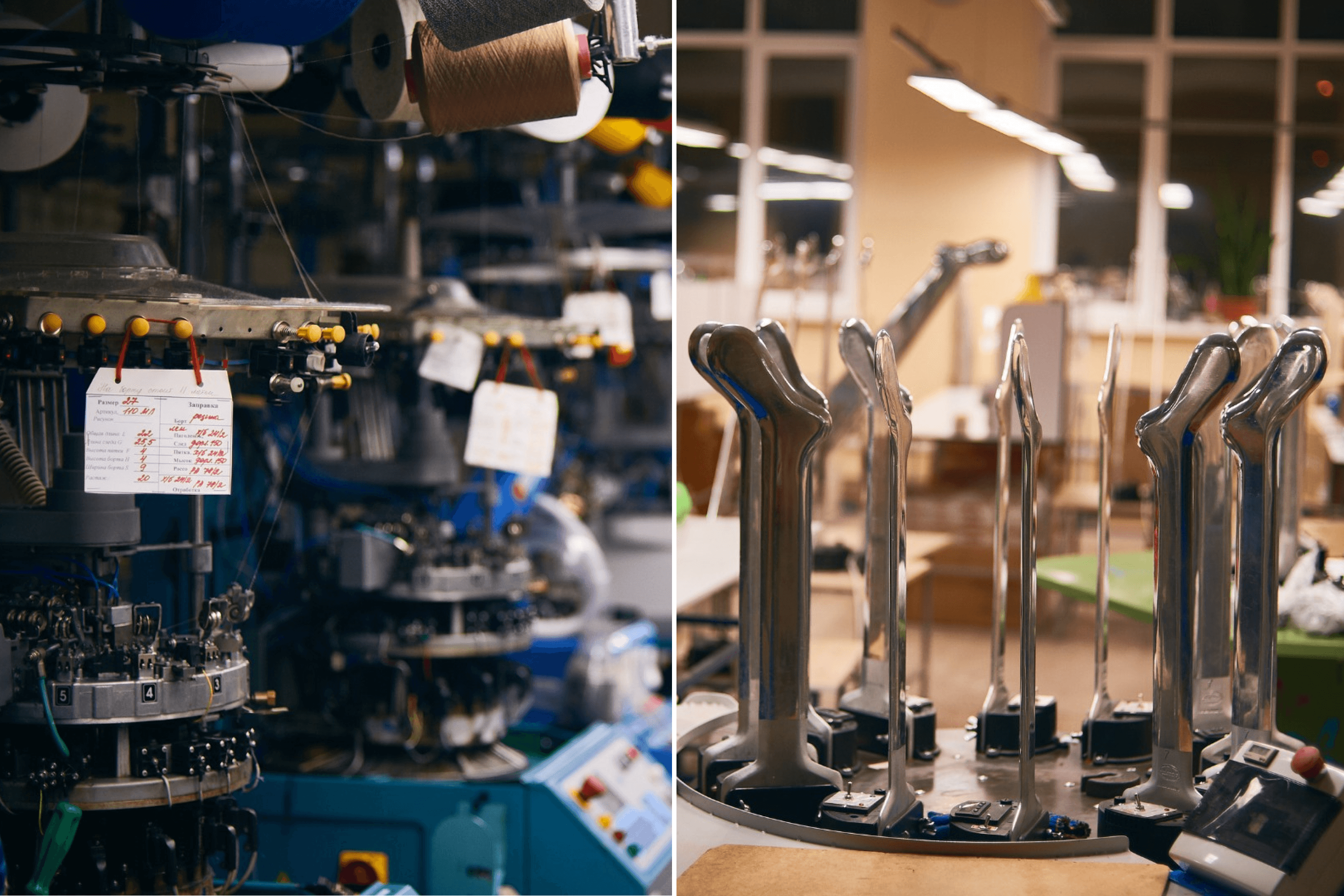
Photo: Dodo Socks / Facebook / YB 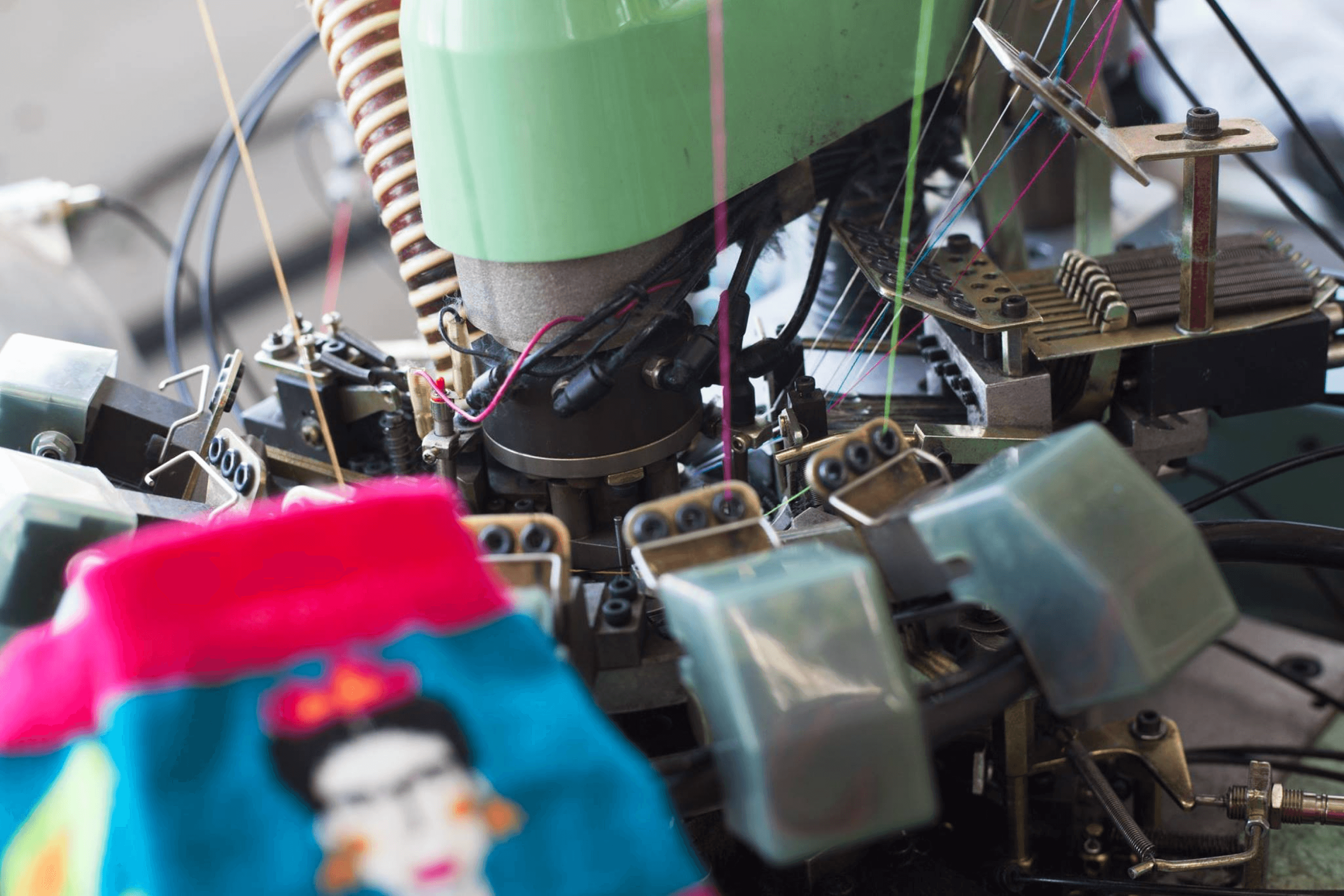
Photo: Dodo Socks / Facebook / YB 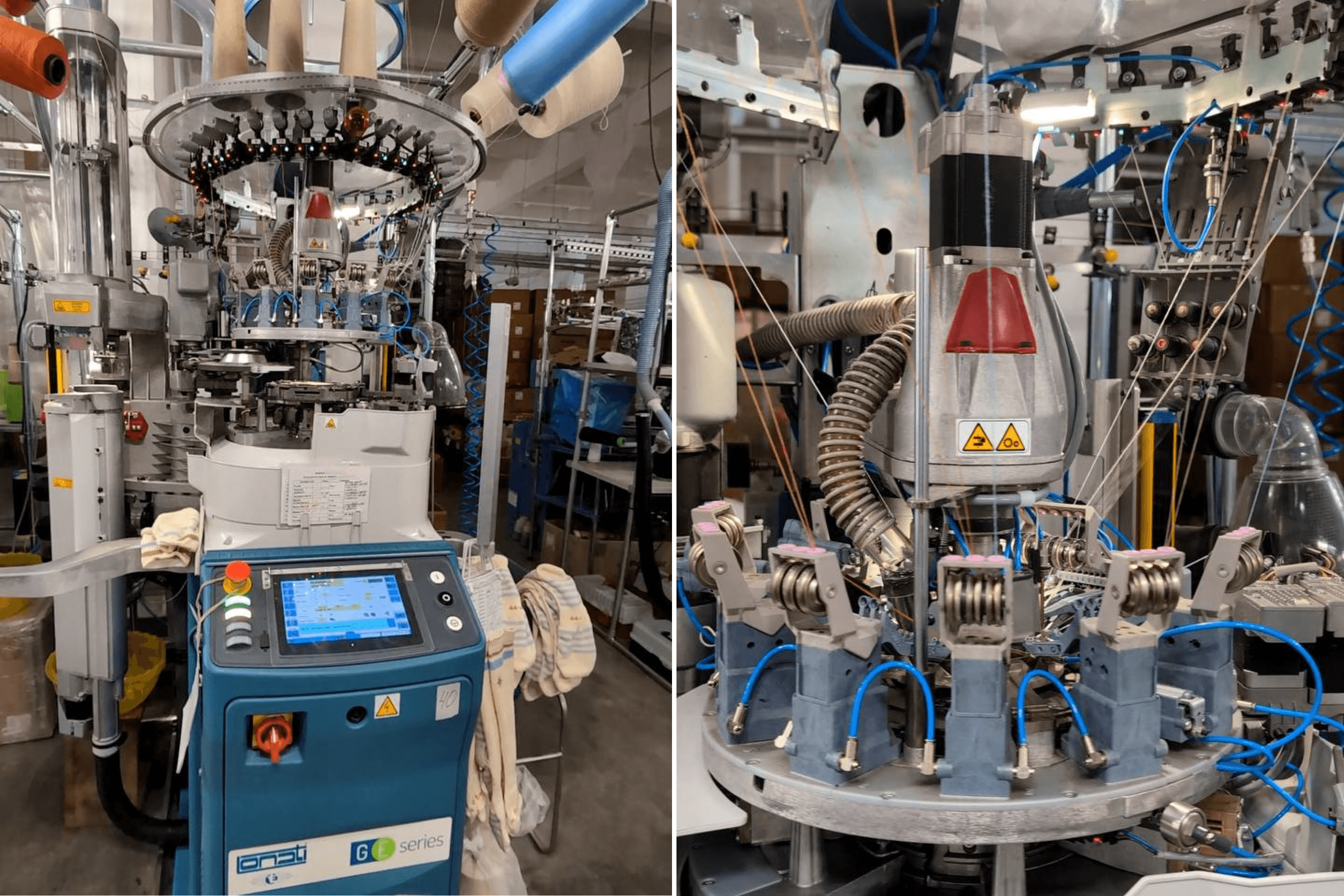
Photo: Dodo Socks / Facebook / YB 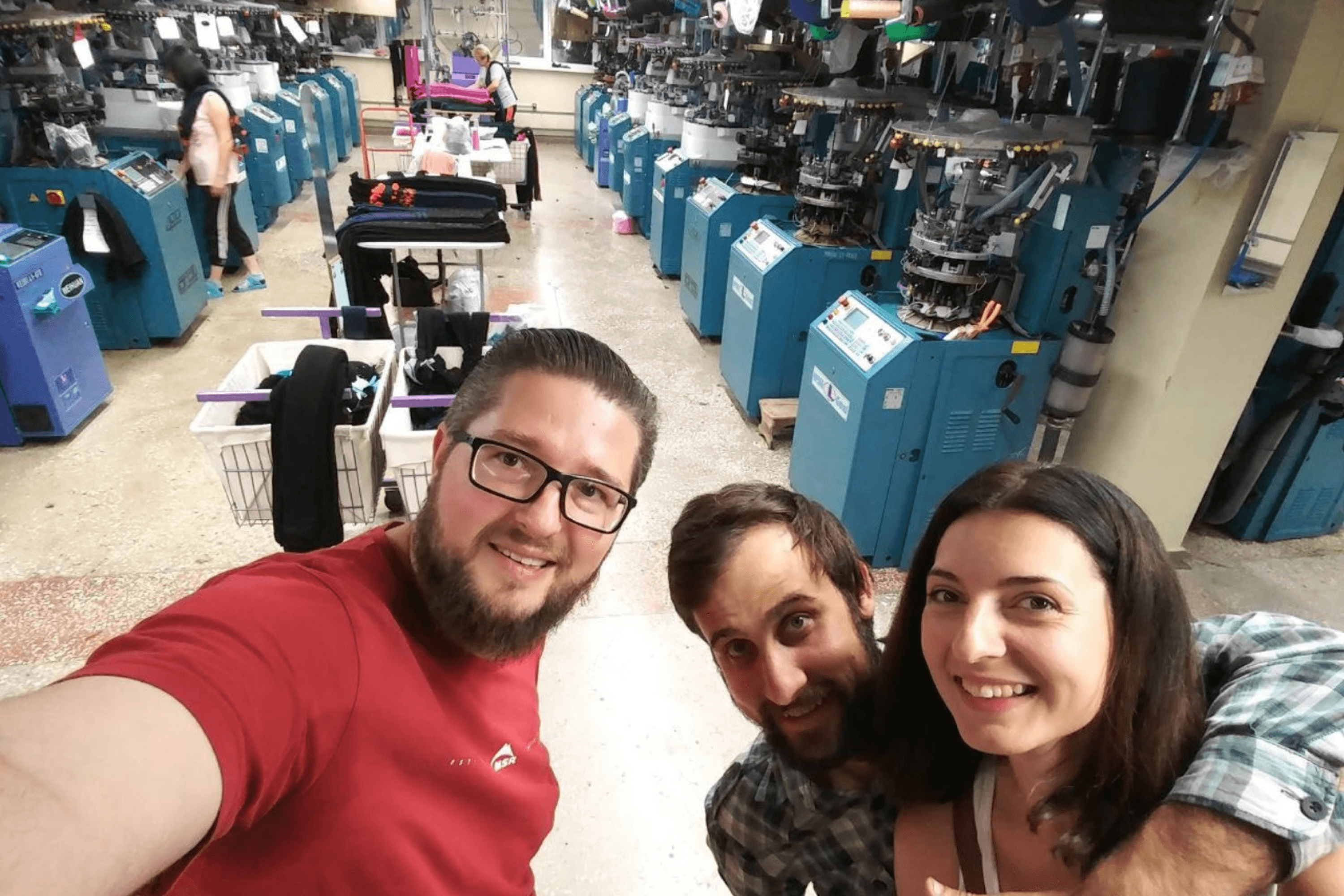
Photo: Dodo Socks / Facebook / YB
The machines and materials stayed behind. Russian troops eventually destroyed everything. In Lviv they had to start from scratch, and we helped where we could. Dodo gave them a loan to buy ten machines, and USAID helped cover their rent for several years. That let them partially rebuild. Their current capacity is only enough to handle our orders, so the Rubizhne Hosiery Manufactory brand is on hold for now.
Is Rubizhne Hosiery Manufactory now your only contractor?
For a while, as they were getting back on their feet, we worked with contractors in Lviv. They needed time to order machines, find premises, and hire staff. We worked with others for a few months, but as soon as we could, we went back to Rubizhne Hosiery Manufactory.
What was 2022 like for Dodo Socks?
It was tough. Our supplier just disappeared, and it happened right in the off-season. We’d basically sold through everything before the holidays and hadn’t restocked yet. We had some stock left, but not nearly enough. Many workshops we’d used before were near the front line and had shut down. We had to change course quickly.
We started looking for contractors in Lviv who were willing to make anything new. But most of them had stopped operating at first too. Once it became clear the war wasn’t ending quickly, everyone gradually started back up. With new contractors, we began making stickers, scarves, hats, even slippers. We worked with whoever was willing, just to somehow get through 2022 financially.
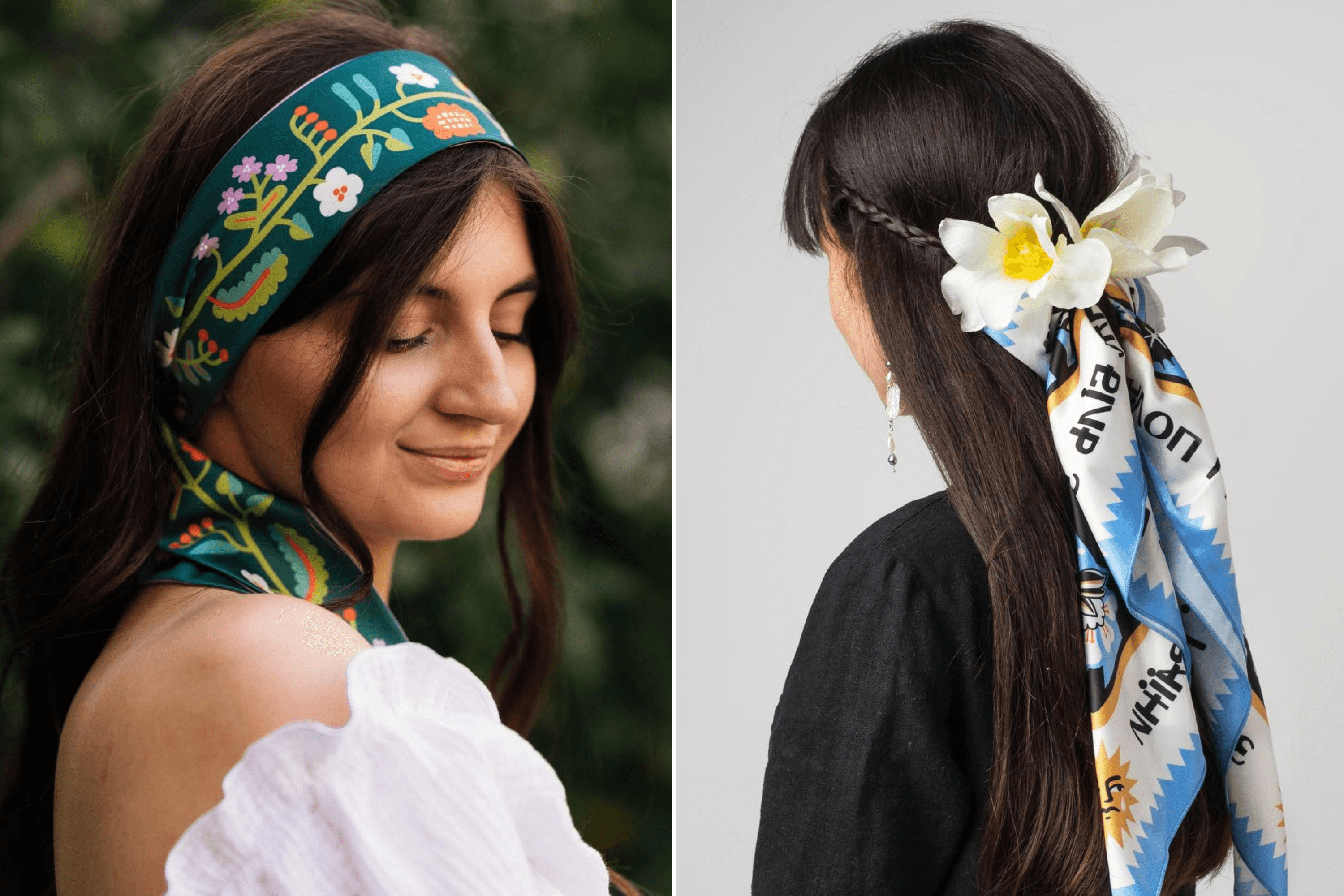
Scarves by the Dodo Socks brand. Photo: Dodo Socks / Instagram / YB 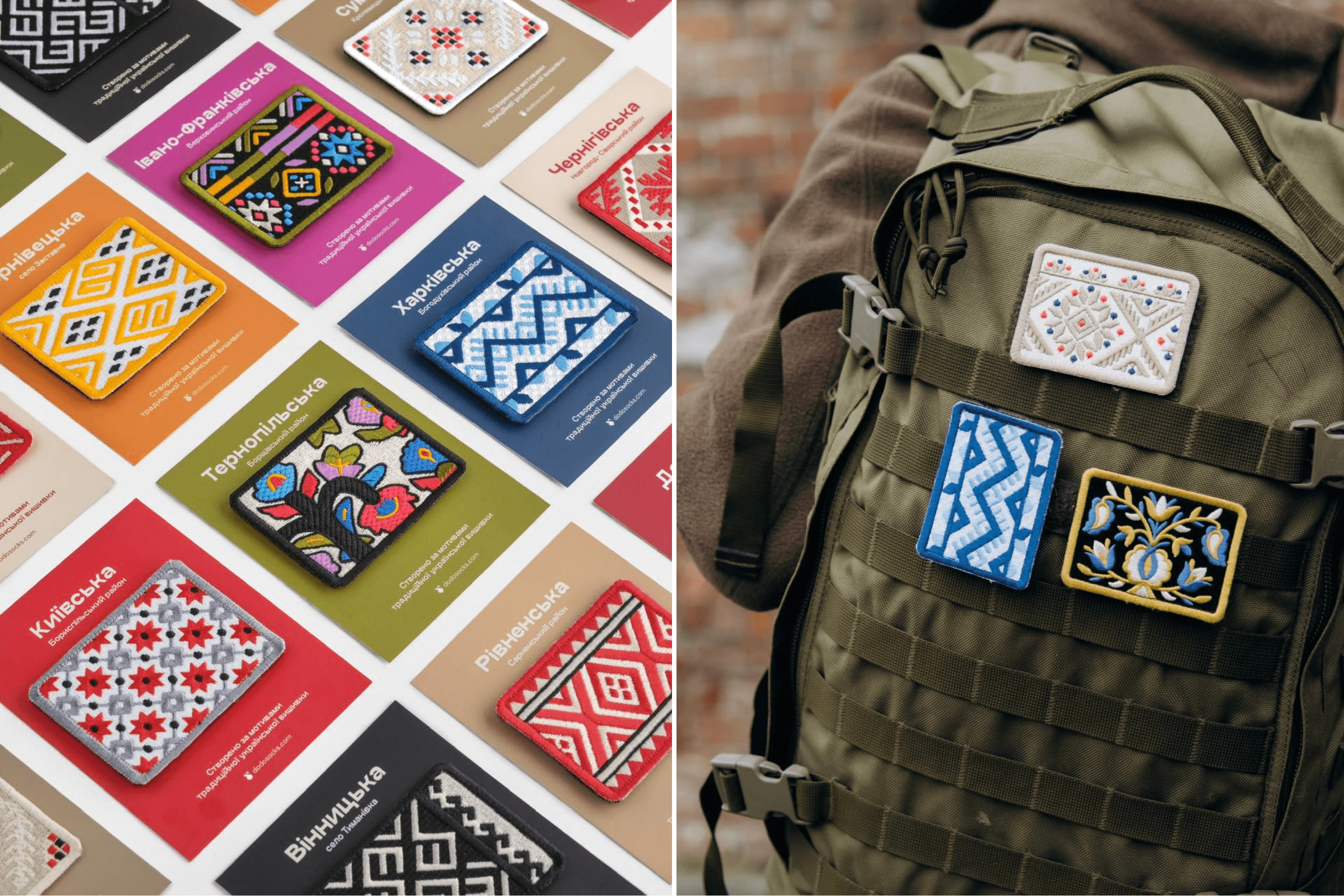
Patches by the Dodo Socks brand. Photo: Dodo Socks / Instagram / YB 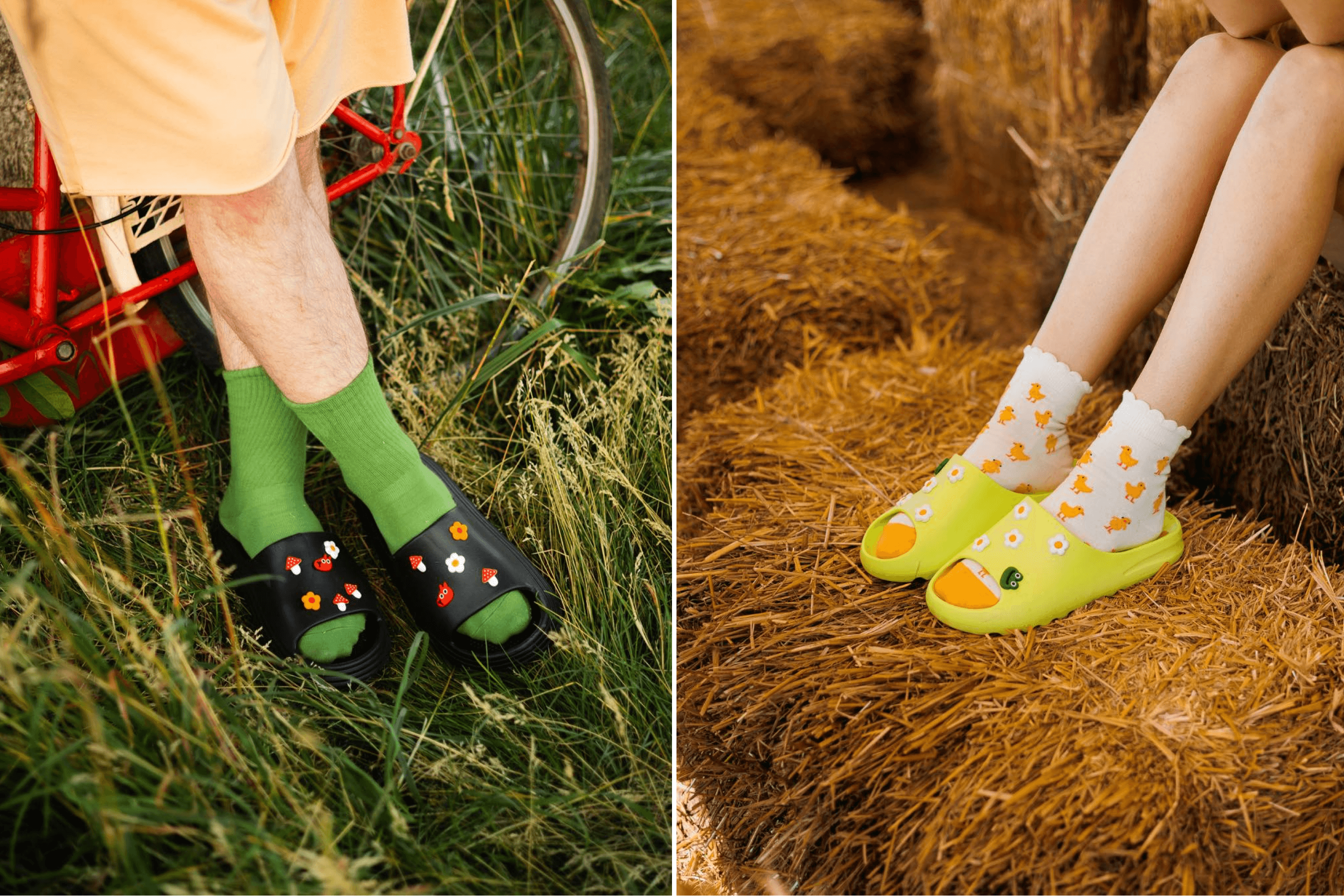
Slippers by the Dodo Socks brand. Photo: Dodo Socks / Instagram / YB 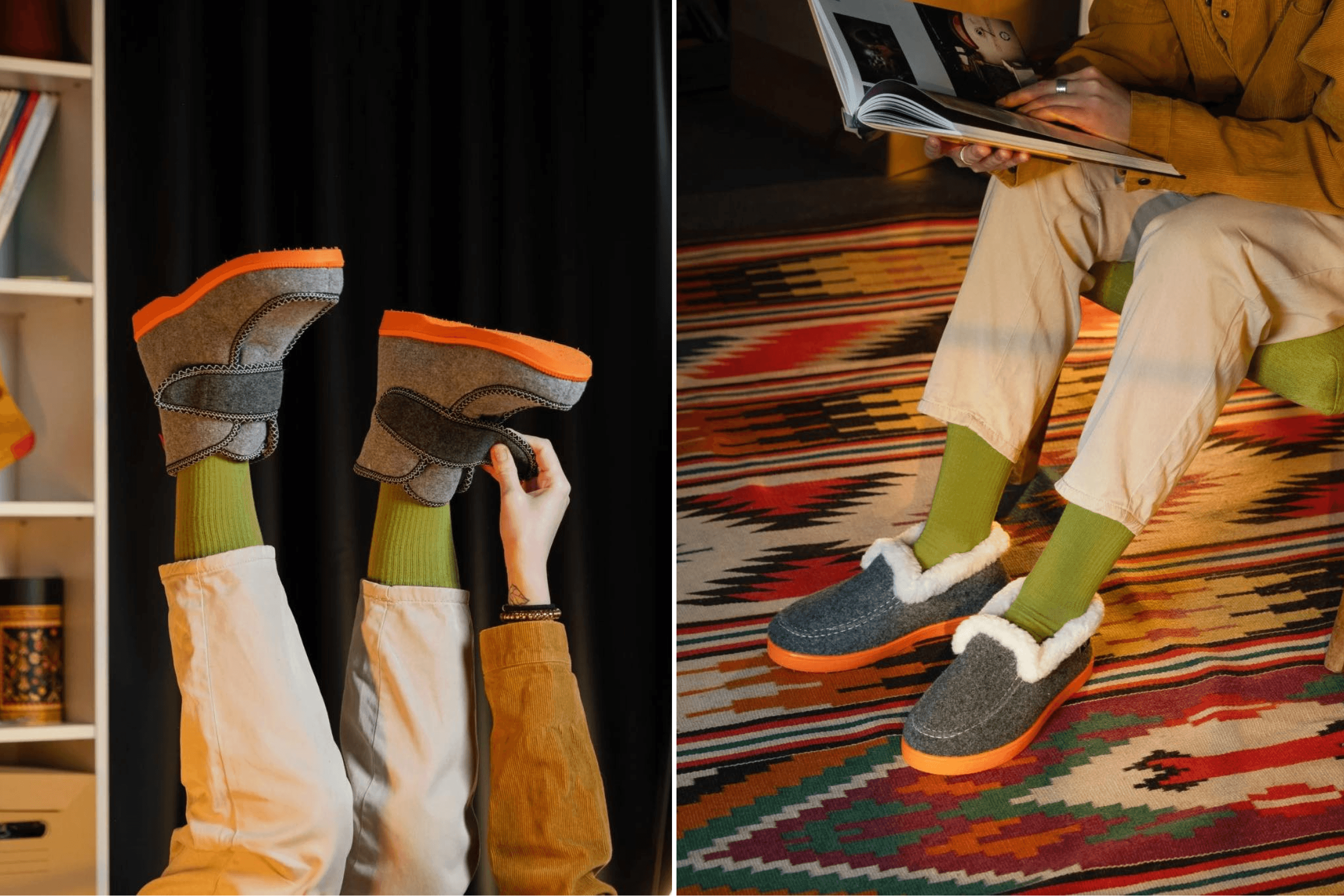
Felt boots by the Dodo Socks brand. Photo: Dodo Socks / Instagram / YB 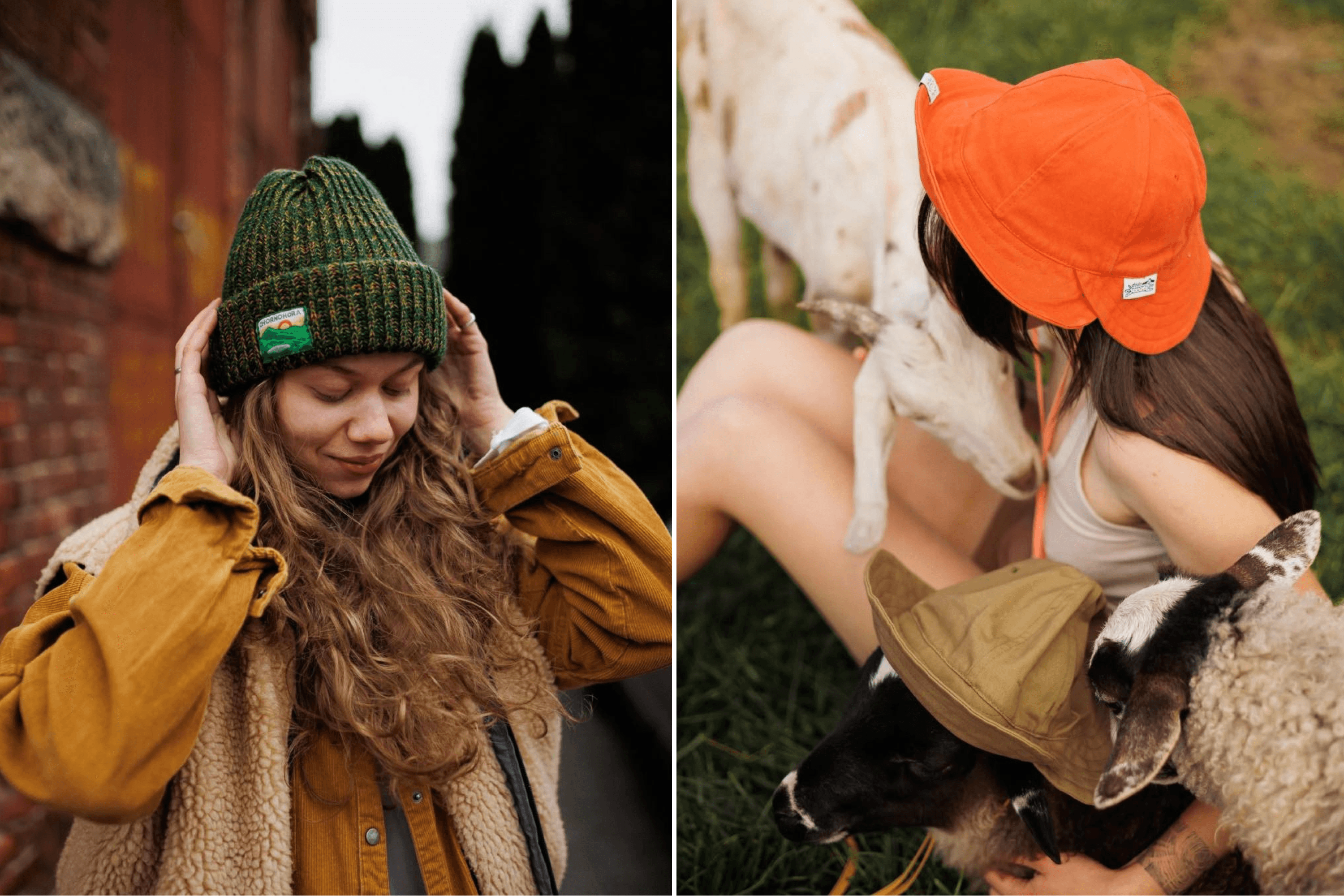
Hats by the Dodo Socks brand. Photo: Dodo Socks / Instagram / YB 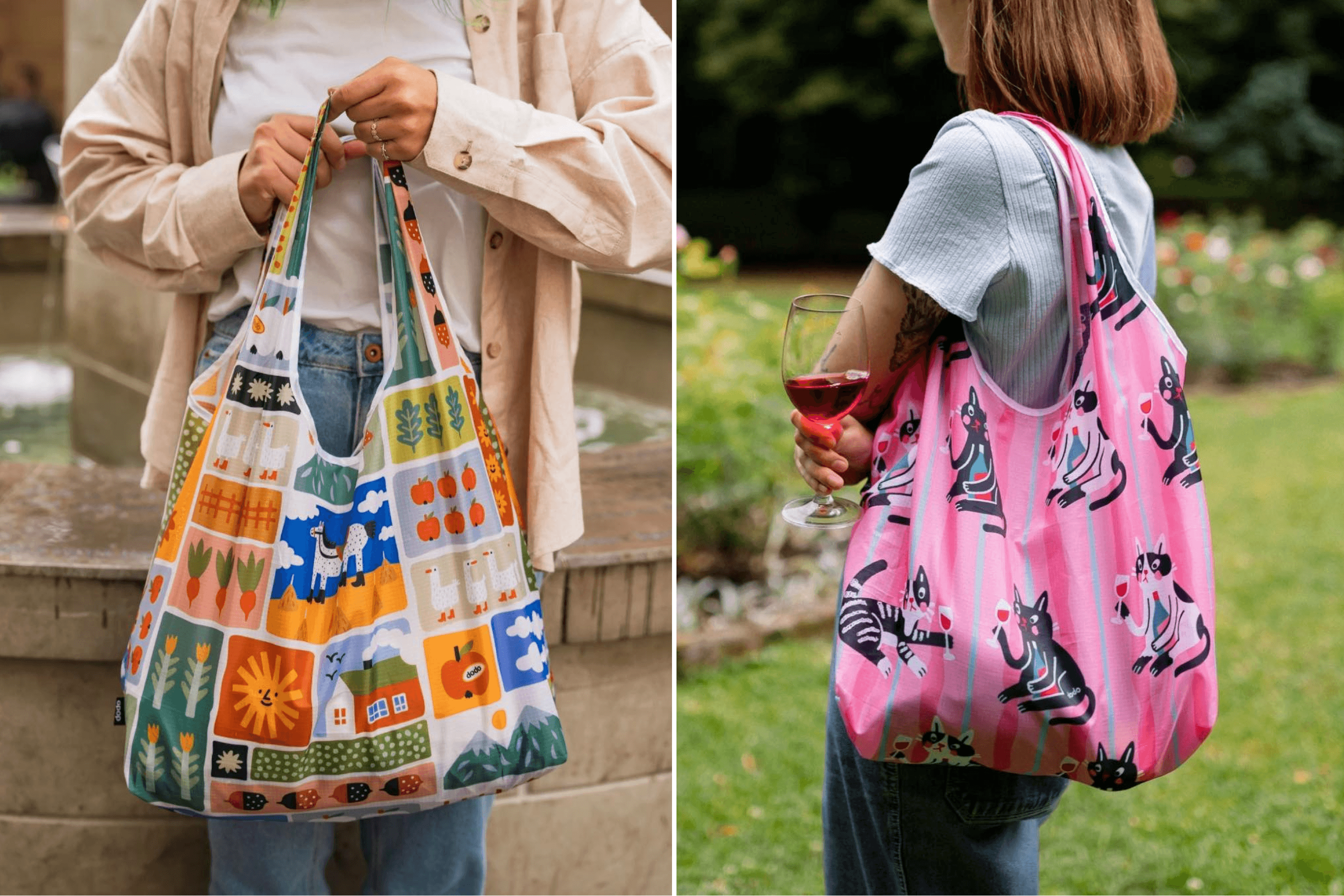
Bags by the Dodo Socks brand. Photo: Dodo Socks / Instagram / YB
Was underwear also something you started in 2022?
We actually started making underwear before the full-scale war, back in 2018. It was a natural expansion of the brand. Socks and underwear are generally seen as the same category, customers kept asking us to add it, and the market had very little to offer at the time. We decided to try it and it worked. Today underwear makes up 20 to 25% of sales, socks 60 to 65%, and everything else the remaining 10 to 20%. We definitely plan to grow that side of the business.
How exactly?
We have a lot of plans for underwear, far more than for socks. With socks, we can really only develop the tactical or sports directions, because we already do a lot with cotton and there isn’t much room to grow there. With underwear, t-shirts, and other clothing there’s still plenty of space. This year we already have plans to release certain clothing items we haven’t sold before.
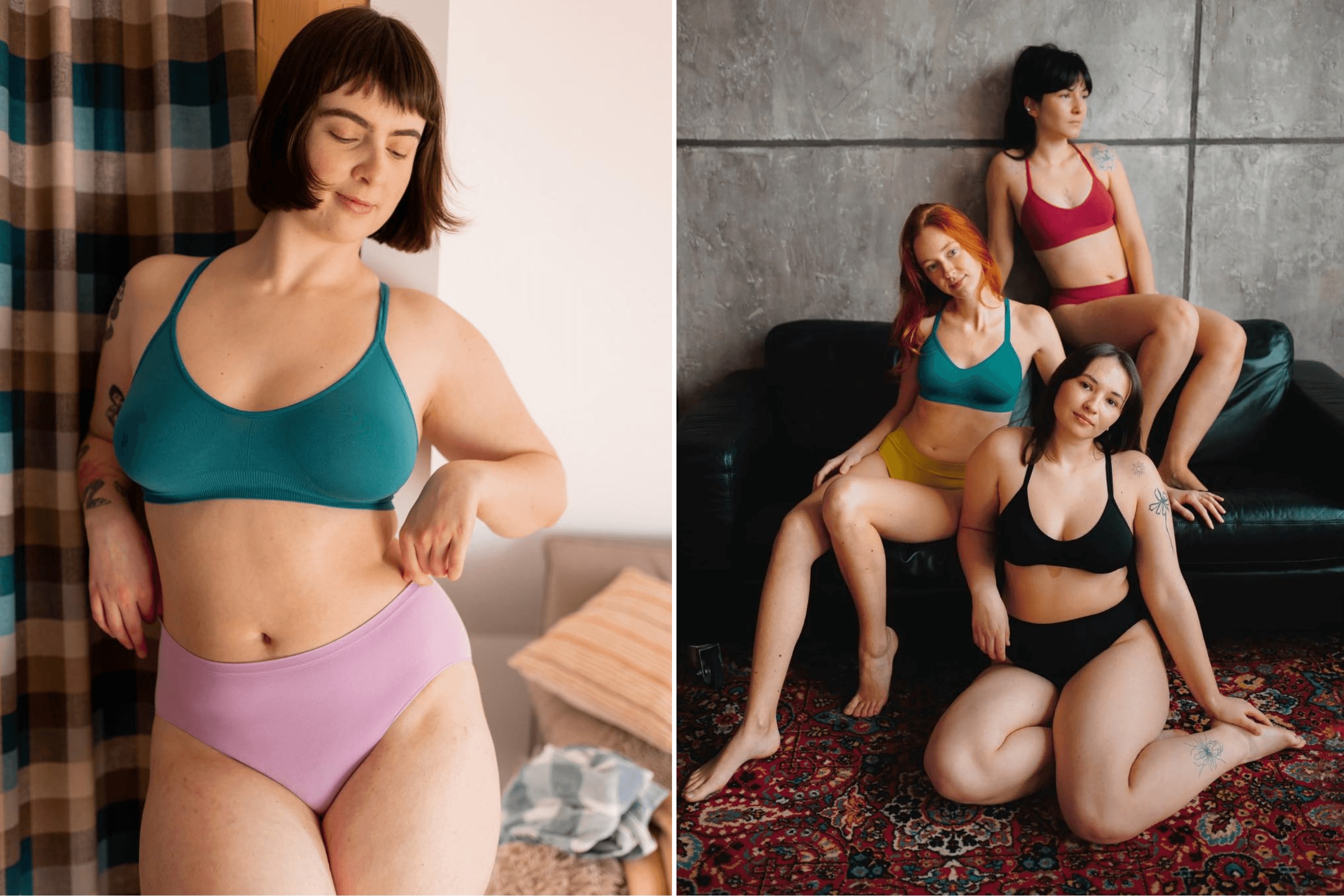
Some underwear and apparel by the Dodo Socks brand. Photo: Dodo Socks / Facebook / YB 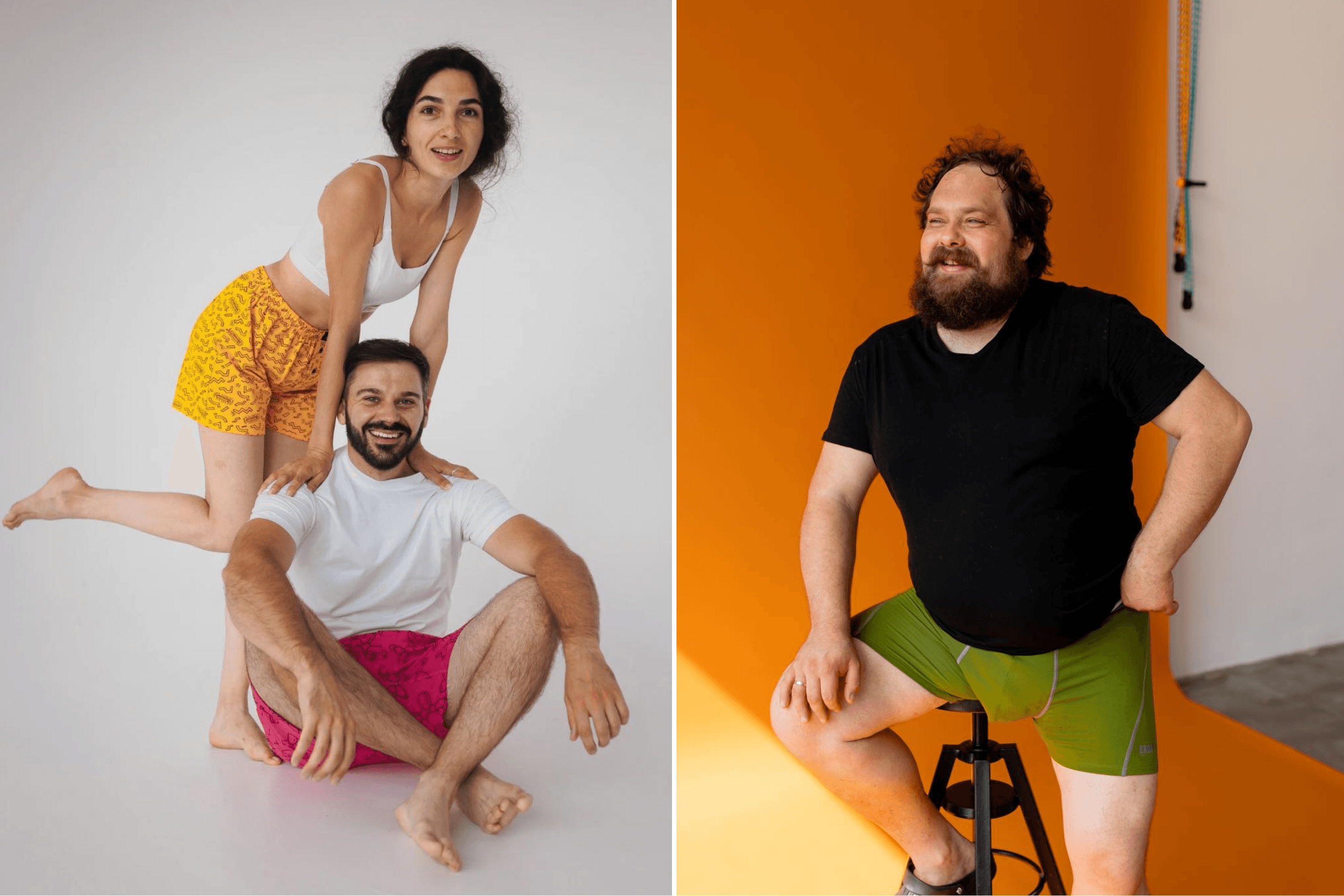
Photo: Dodo Socks / Facebook / YB 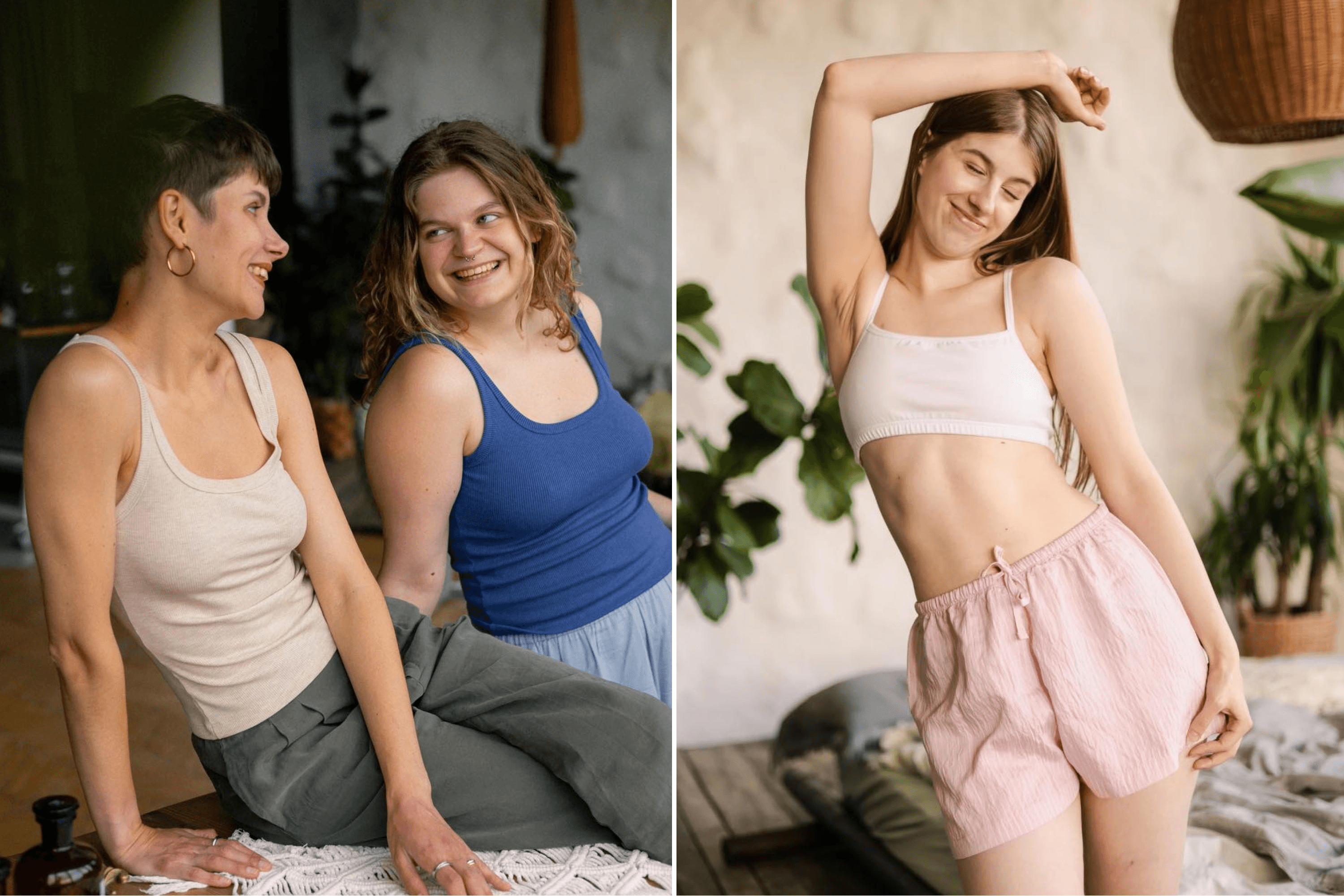
Photo: Dodo Socks / Facebook / YB 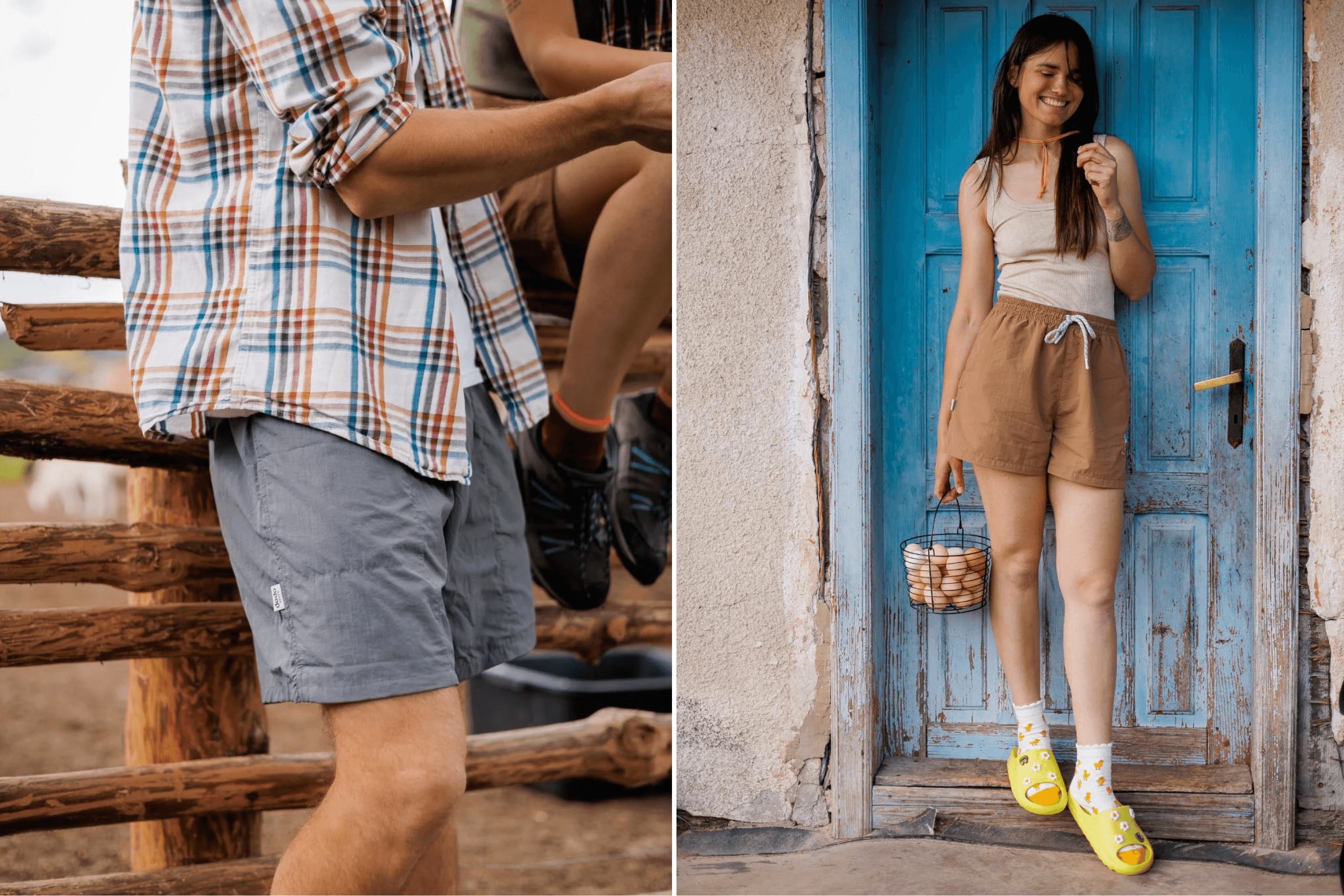
Photo: Dodo Socks / Facebook / YB 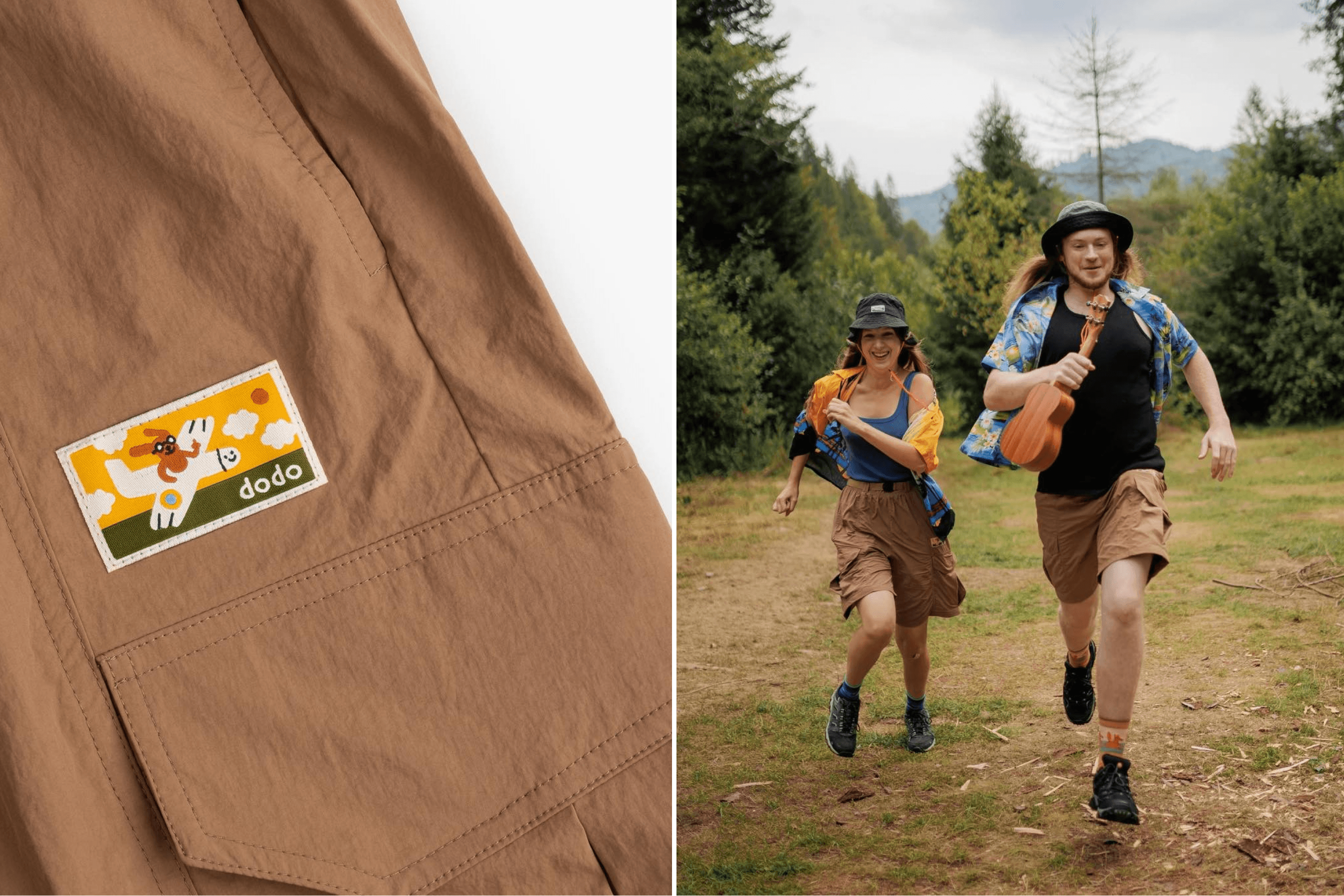
Photo: Dodo Socks / Facebook / YB
According to Forbes, you grew the company’s revenue one and a half times. How did you manage that?
Brand awareness surged in 2022. I think it came down mainly to our collaboration with the Come Back Alive Foundation. I hadn’t seen other sock brands do anything like it. Maybe something local, but nothing on that scale. In 2022, most Ukrainians chose Dodo to support the Ukrainian military. And along with the charity products, people bought other items too. So the company’s revenue did grow, but most of that money went to charity.
Can you share more about the collaboration with the Come Back Alive Foundation?
We started working with them before the full-scale invasion. There was already a sense of dread in the air, and we wanted to channel it into something useful, so we reached out. Our first big campaign invited musicians and comedians into our Lviv and Kyiv stores to work as salespeople for the day, with all the proceeds going to the foundation. We raised over ₴600 000. At the time that felt like an incredible amount.
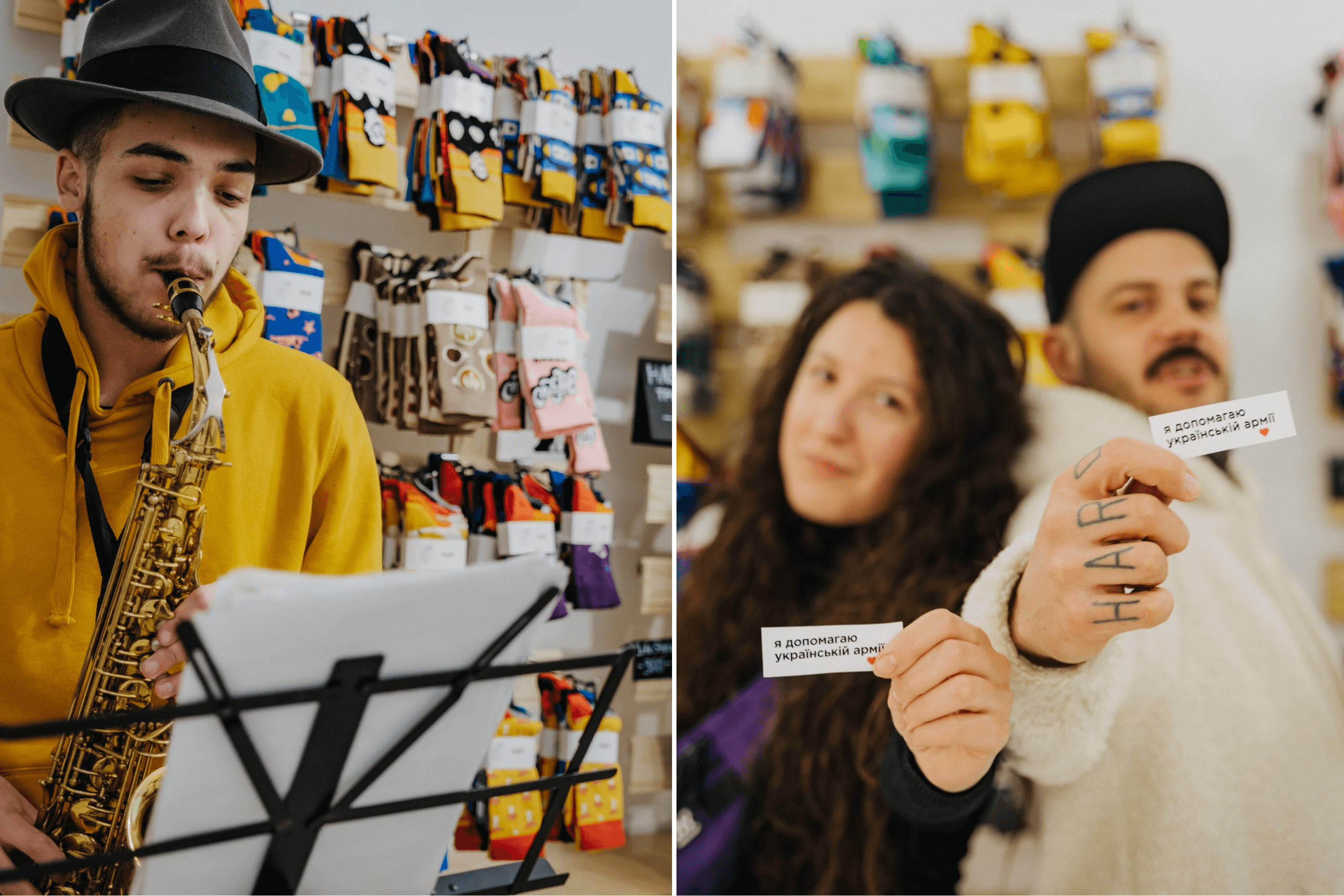
On February 12 and 13, 2022, influencers from Lviv and Kyiv became sales associates in Dodo Socks stores. Photo: Dodo Socks / Facebook / YB 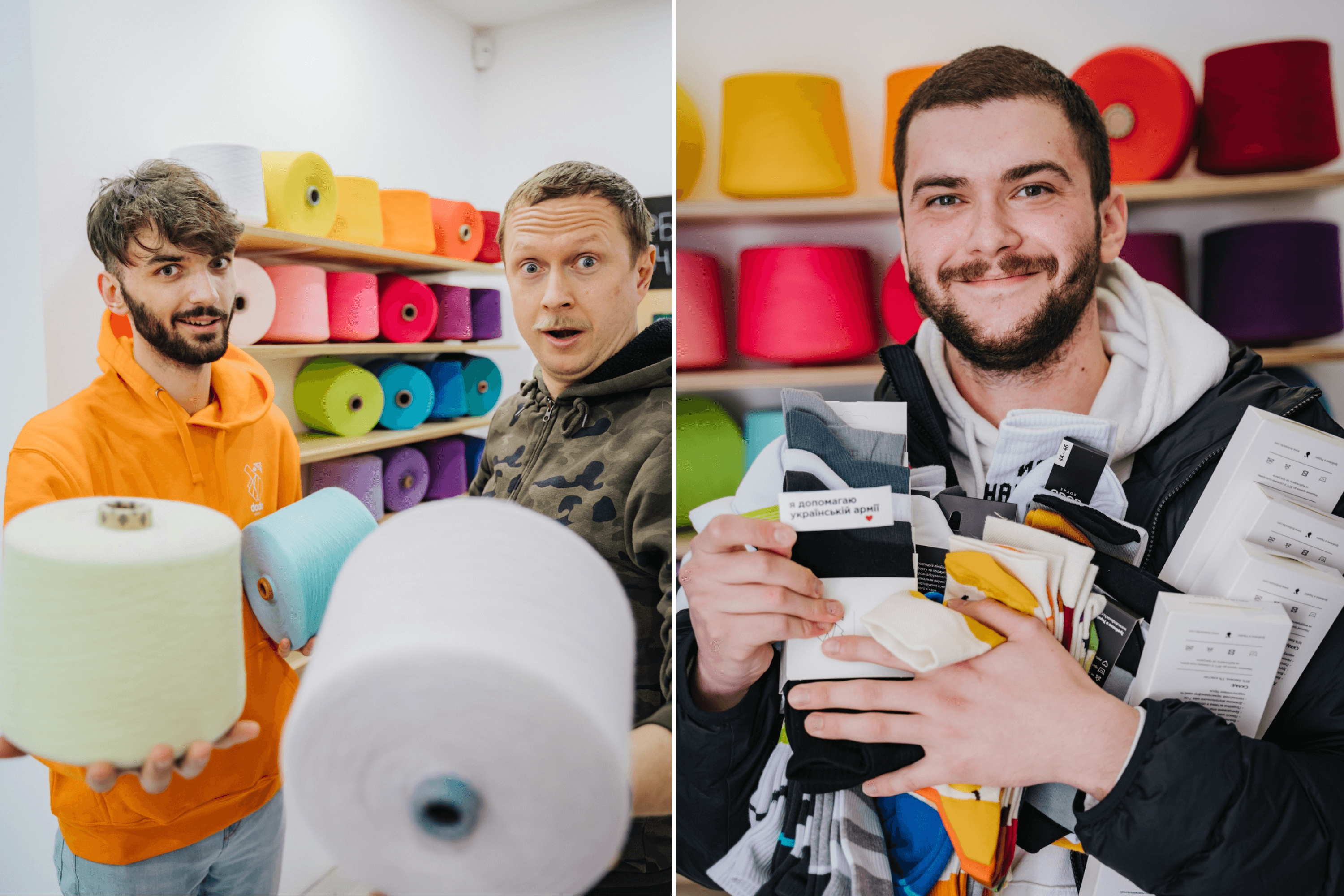
Photo: Dodo Socks / Facebook / YB 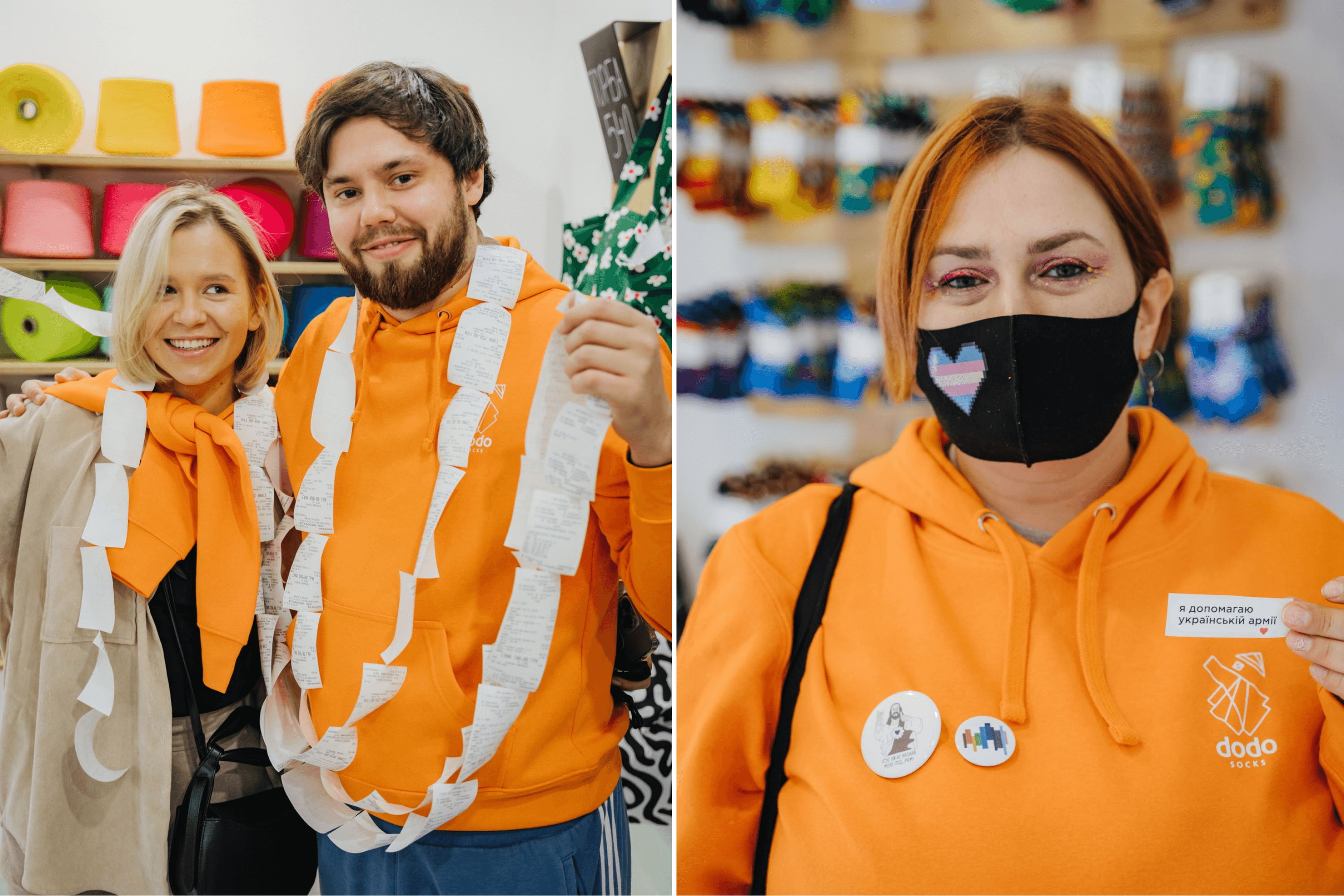
Photo: Dodo Socks / Facebook / YB 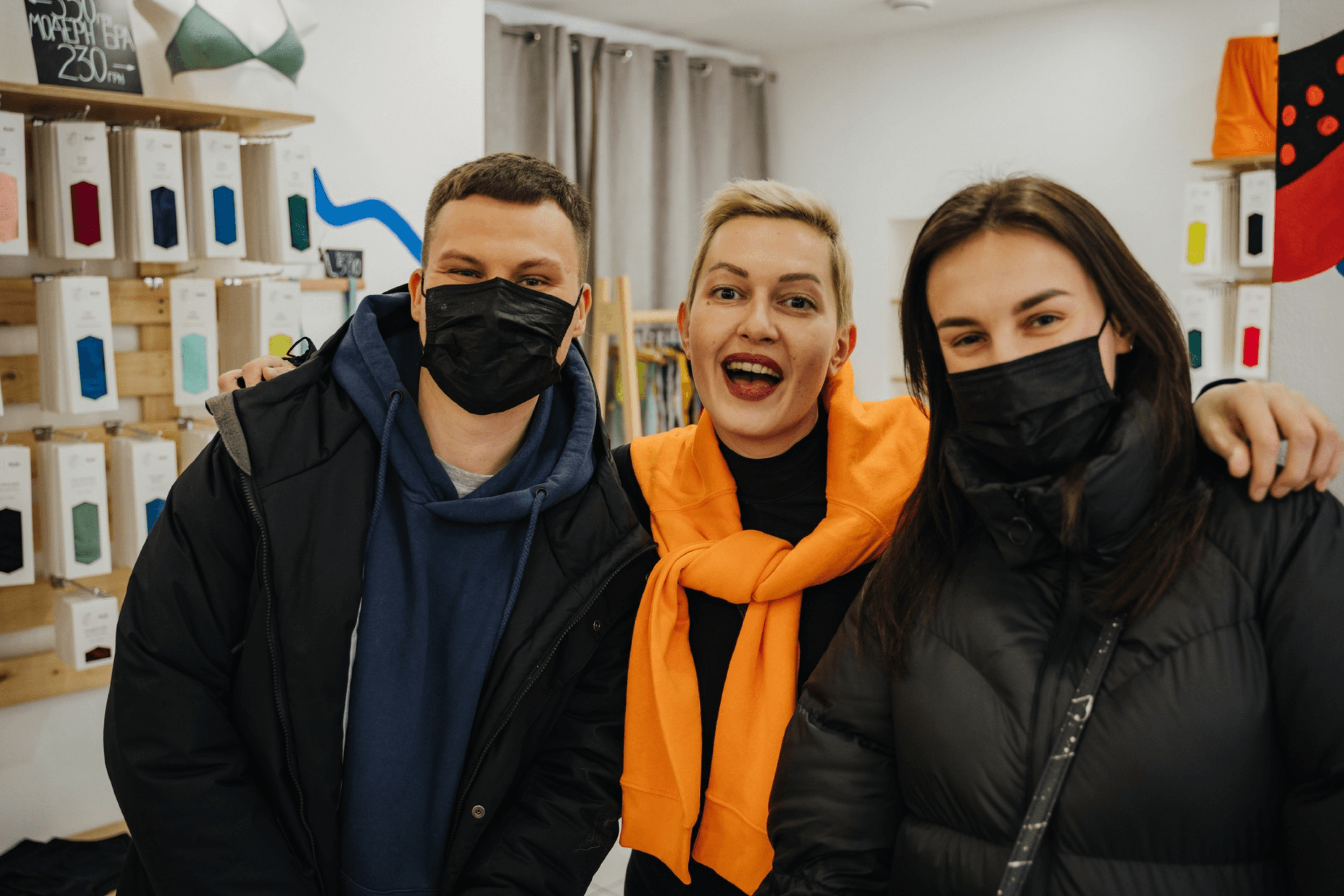
Photo: Dodo Socks / Facebook / YB 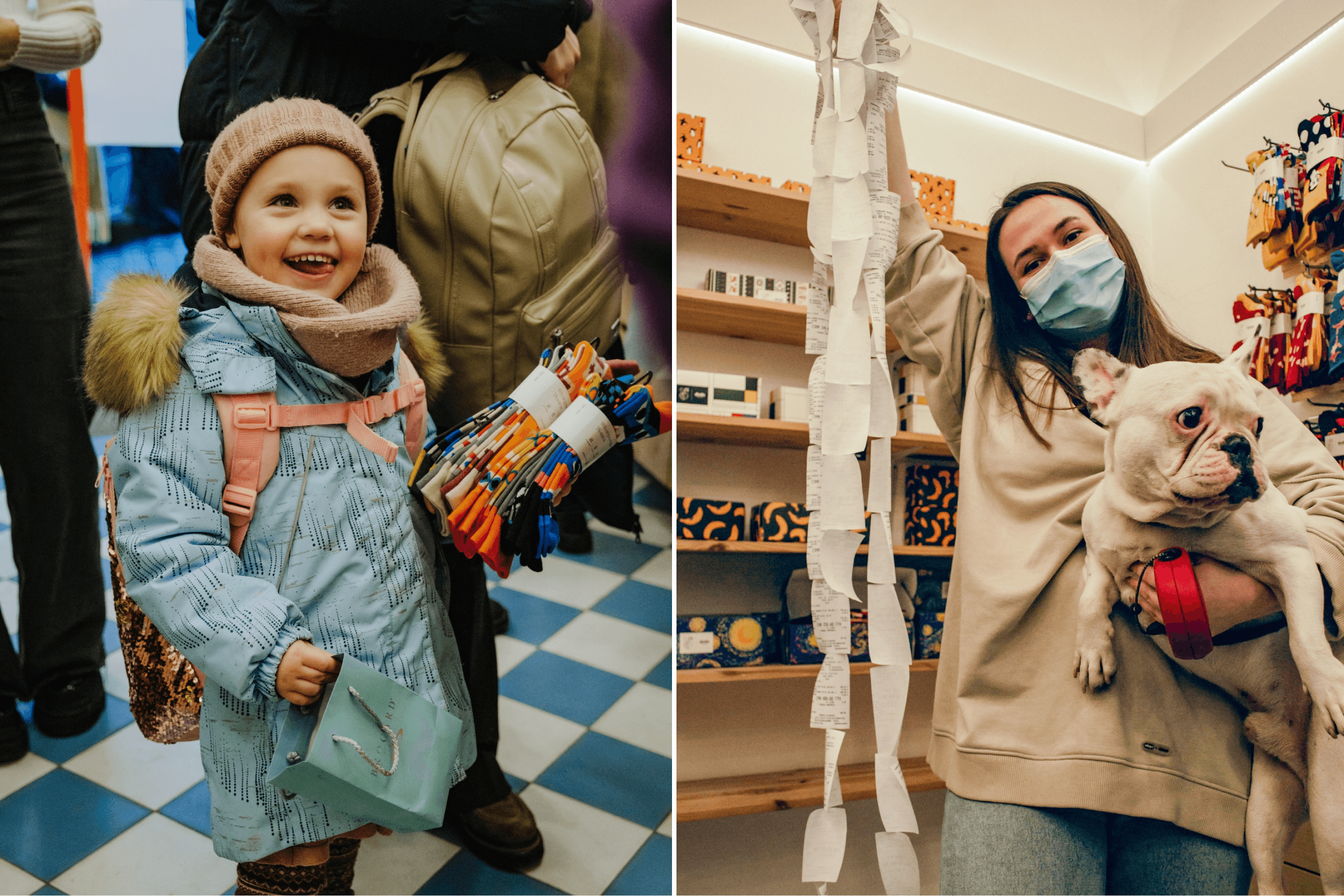
Photo: Dodo Socks / Facebook / YB 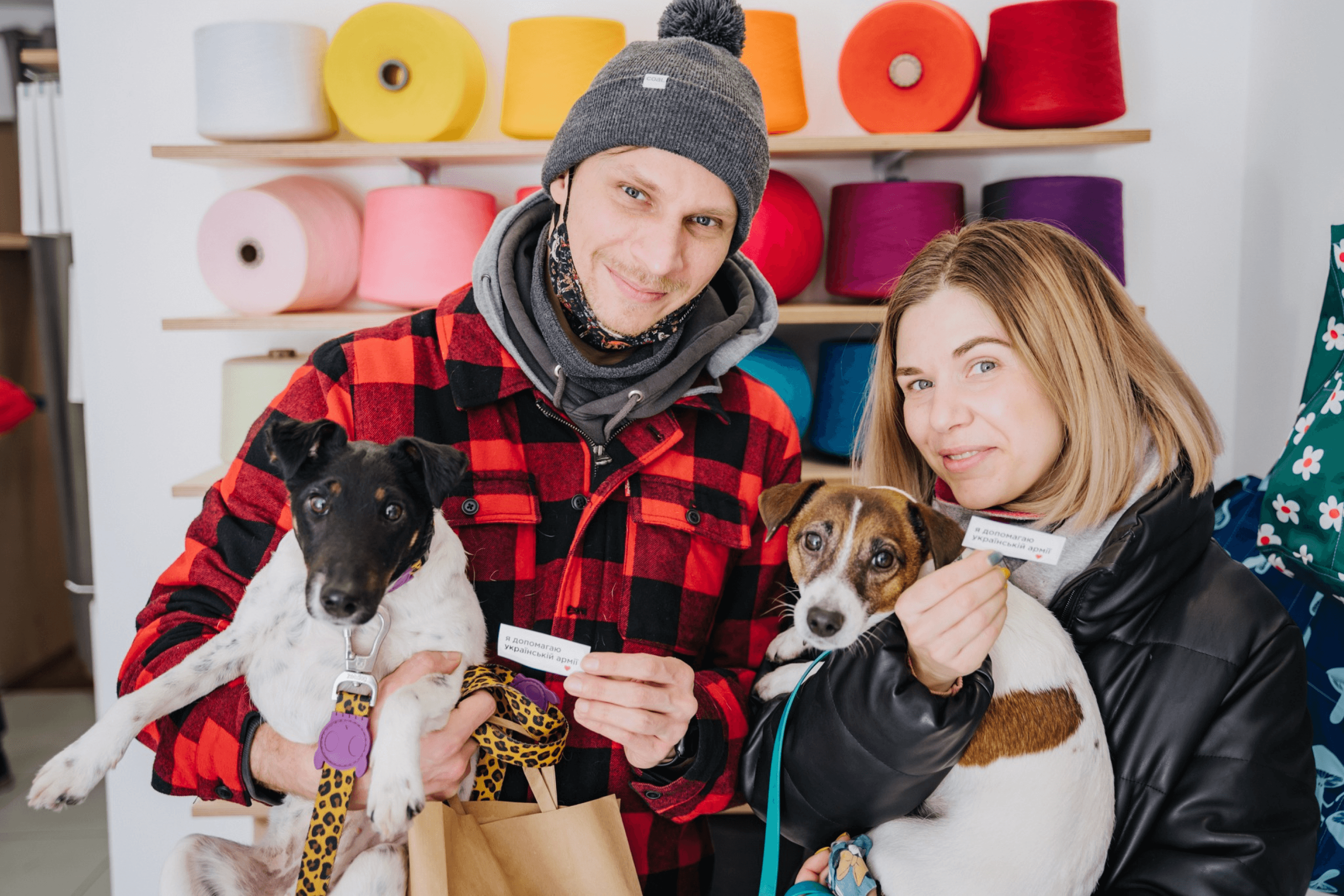
Photo: Dodo Socks / Facebook / YB
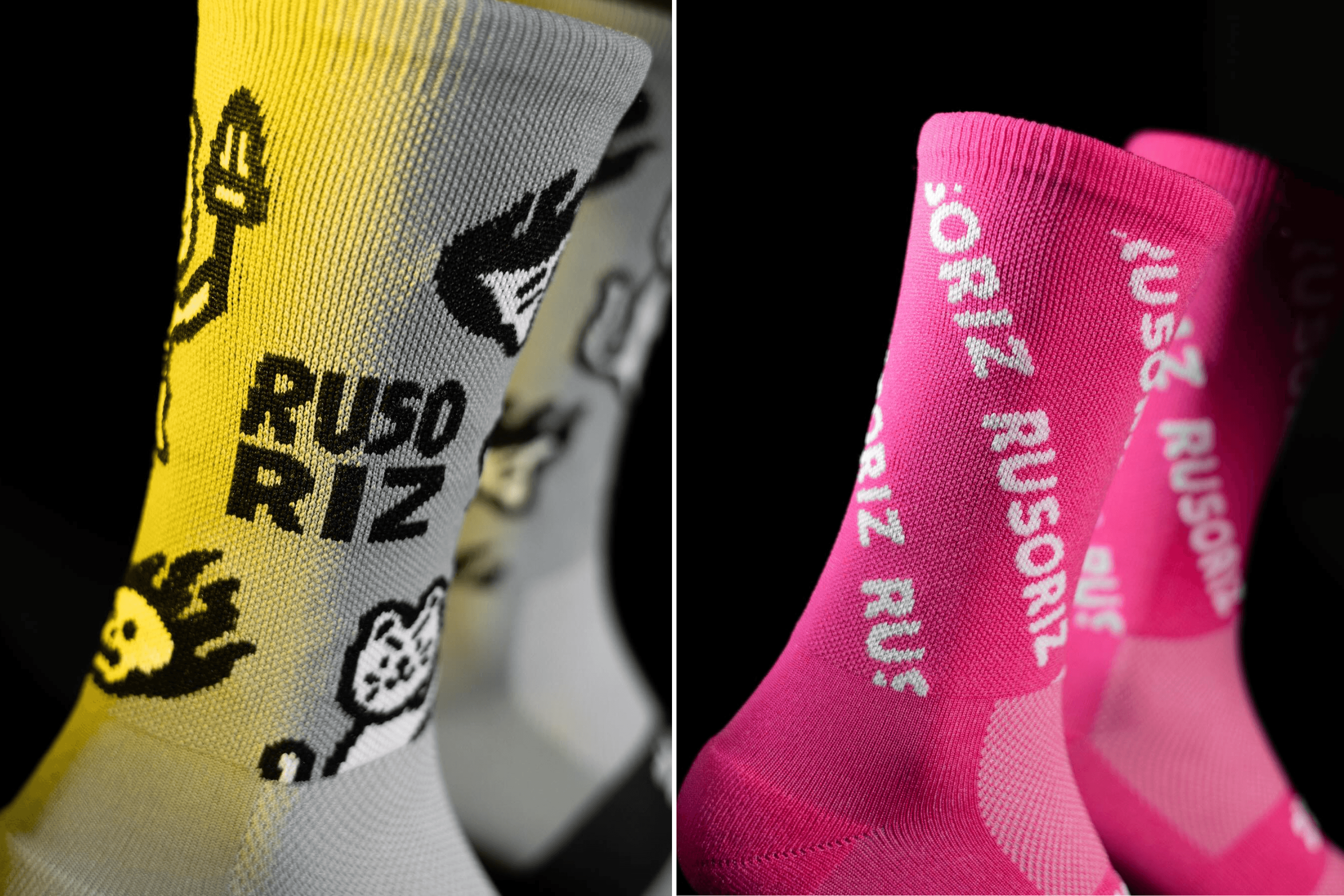
After the war began, we kept the partnership going. Probably the most successful thing we did was a pair of socks featuring a burning Kremlin. That raised over ₴2 000 000 for them and became our bestseller. For a while after the Rubizhne Hosiery Manufactory resumed operations, the whole workshop was running around the clock just to produce that design.
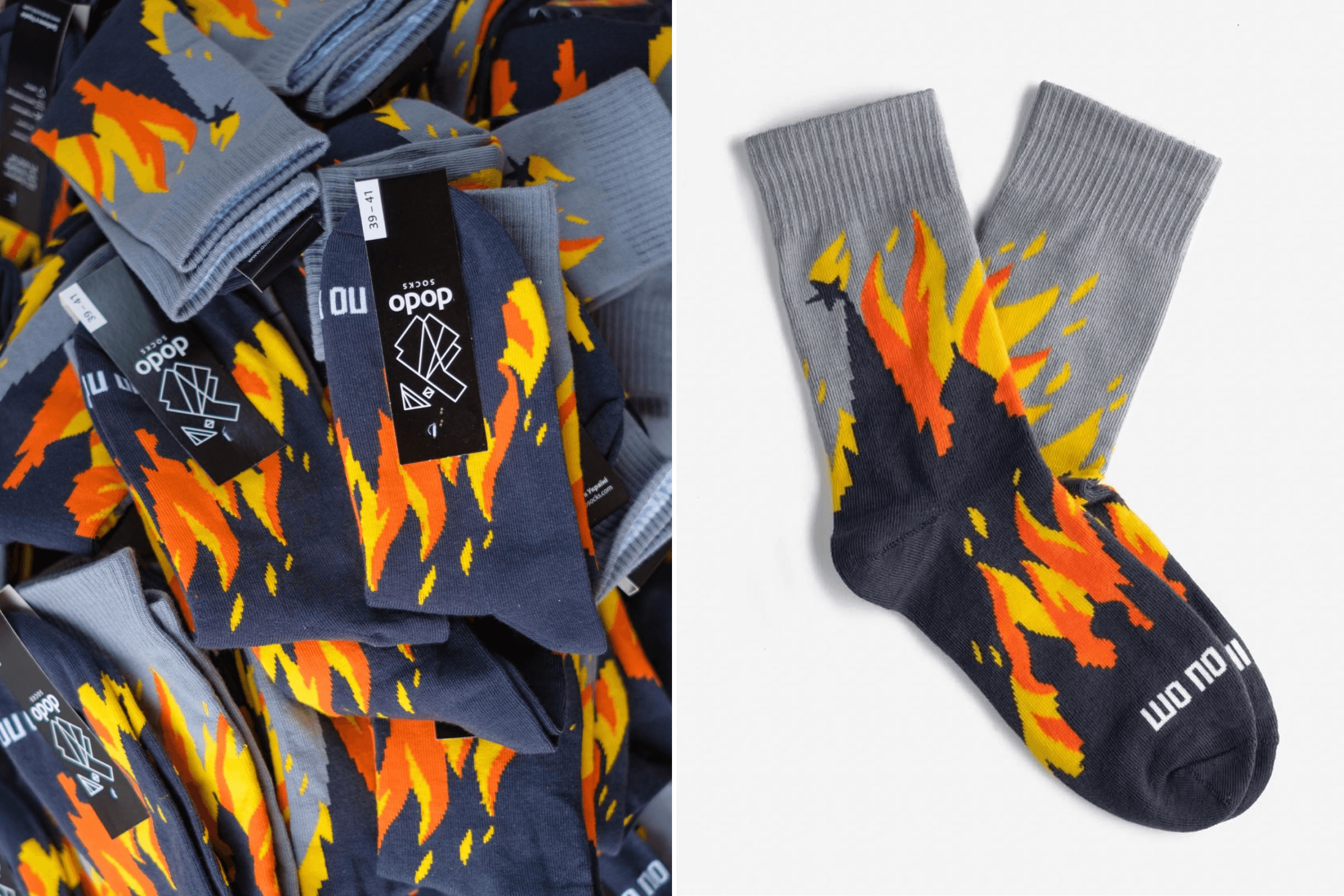
Dodo Socks socks created in collaboration with Come Back Alive Foundation. Photo: Dodo Socks / Instagram / YB 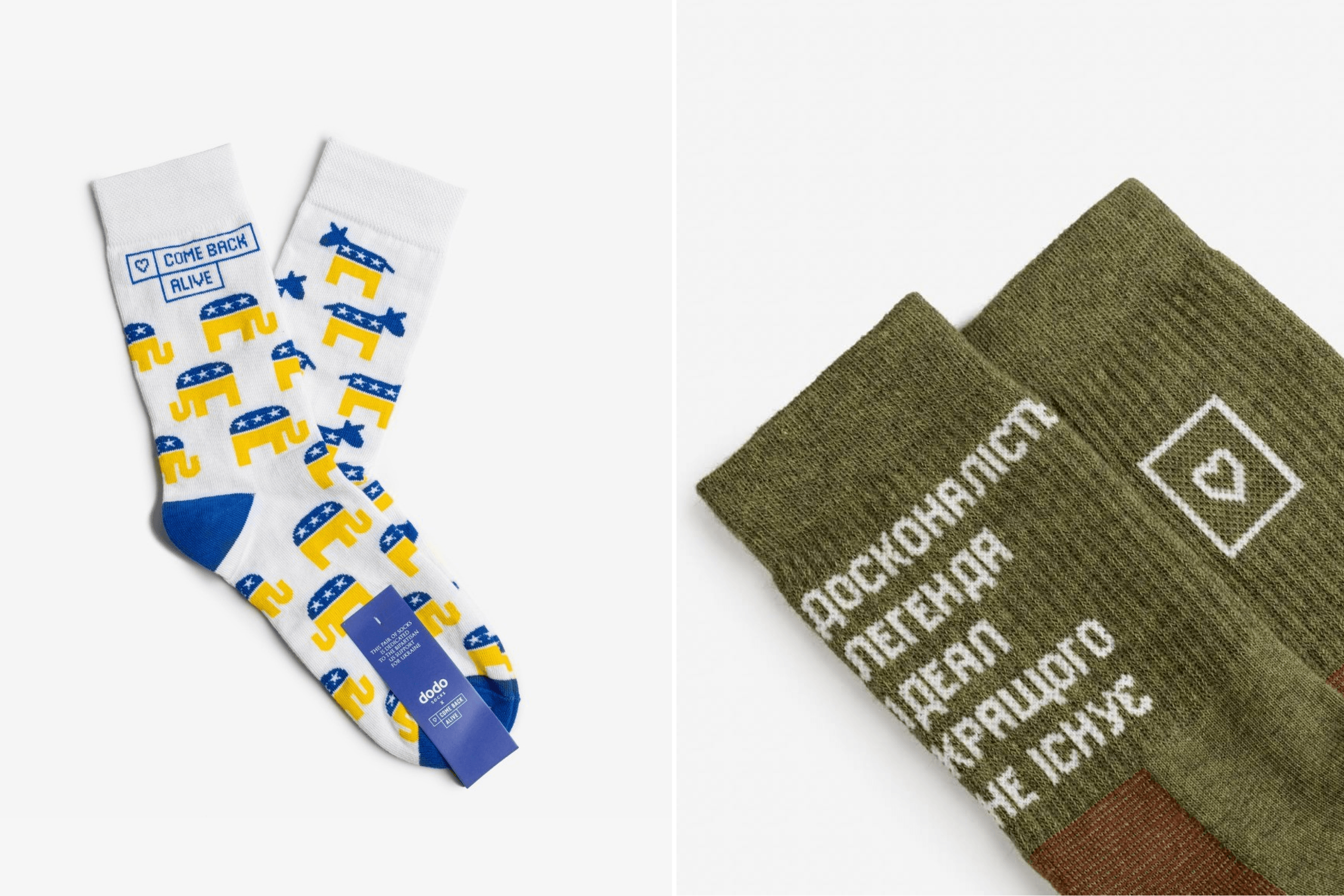
Photo: Dodo Socks / Instagram / YB 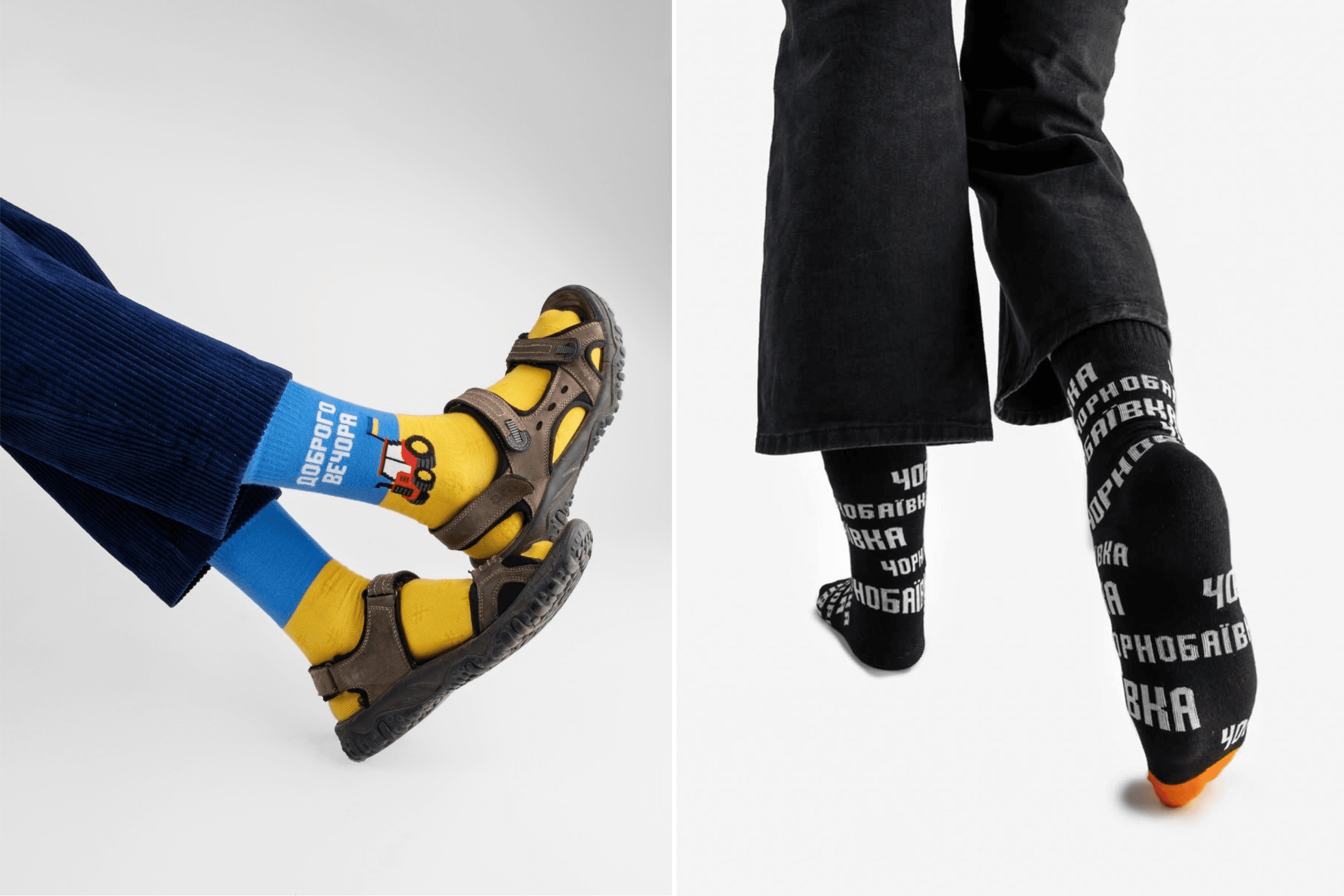
Photo: Dodo Socks / Instagram / YB 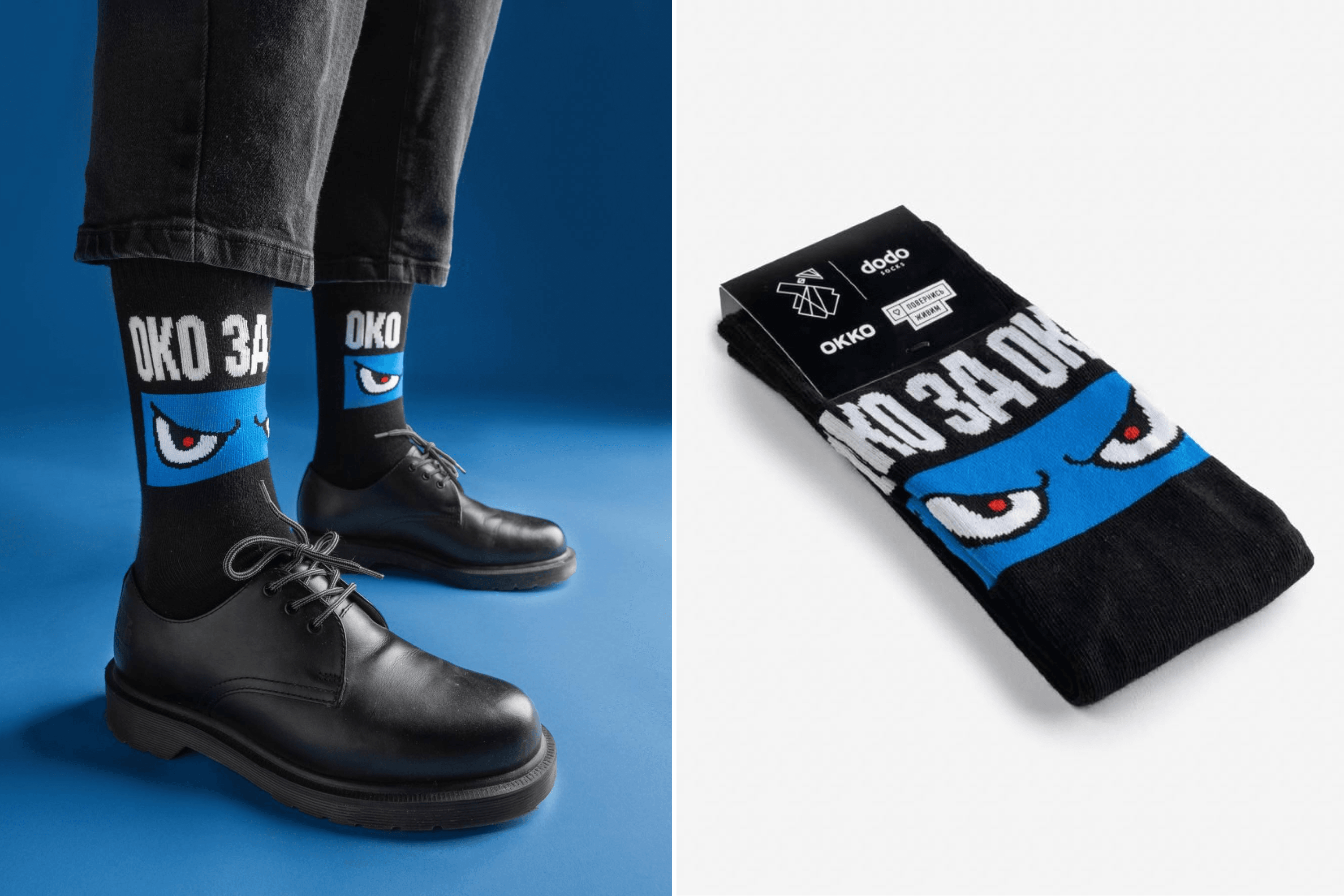
Photo: Dodo Socks / Instagram / YB 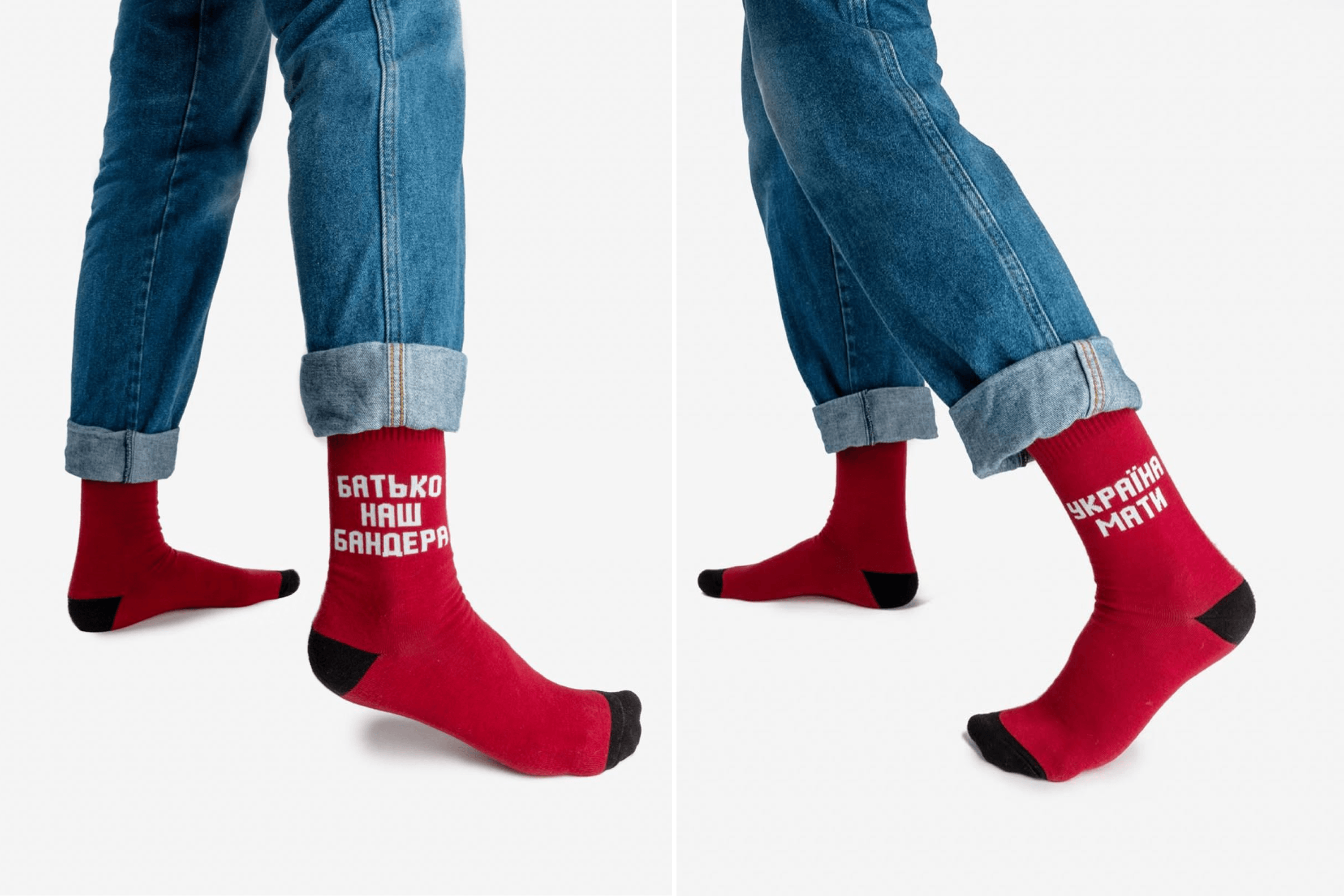
Photo: Dodo Socks / Instagram / YB 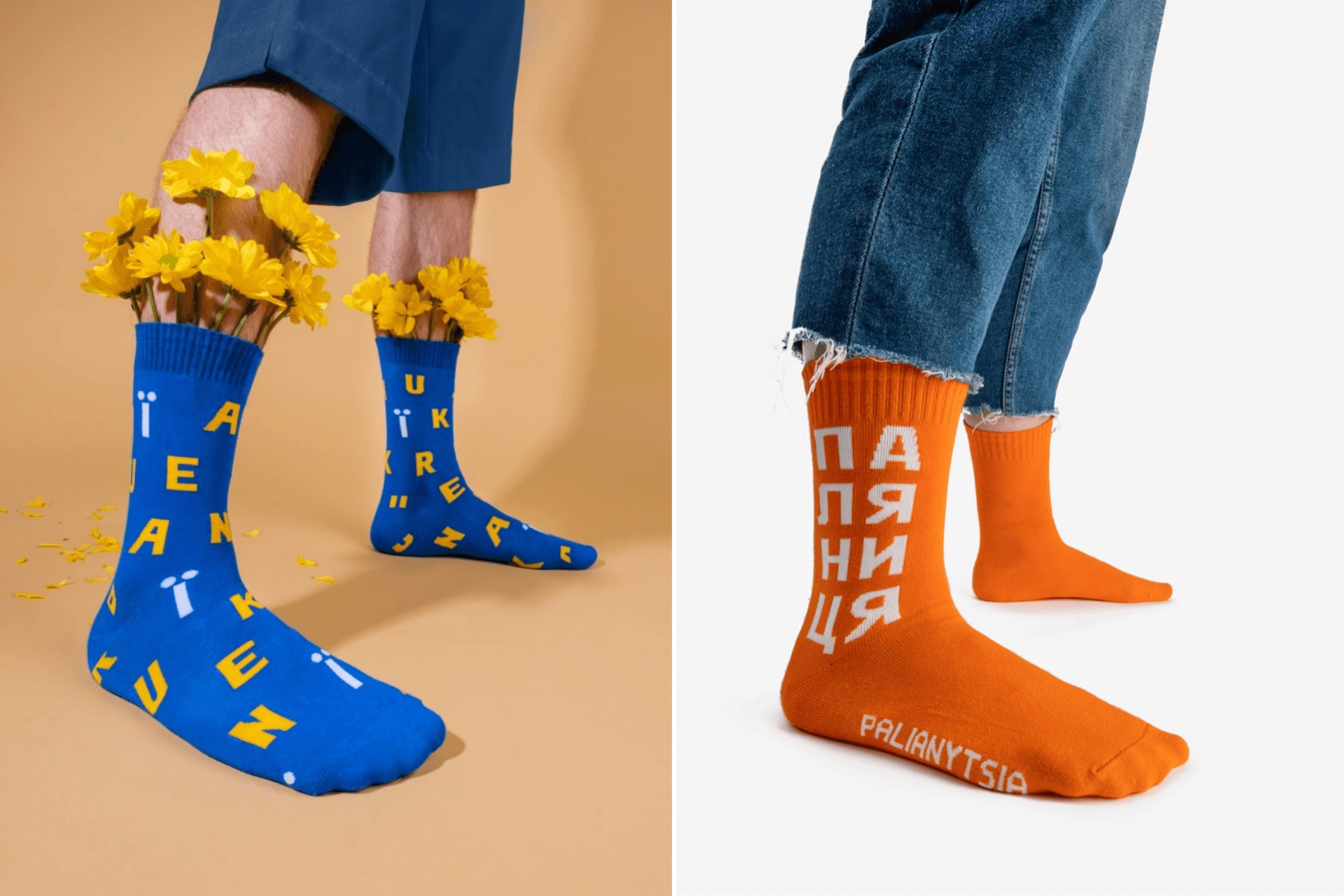
Photo: Dodo Socks / Instagram / YB
How do you arrange collaborations? Do you reach out to organizations or do they come to you?
In the early days, we proposed collaboration ideas ourselves, since the brand wasn’t well known and the format was new. As brand awareness grew, requests started coming to us, especially after the full-scale war began. Many foundations and charitable organizations got in touch wanting to raise funds for the Armed Forces of Ukraine. But it became clear we would have to turn some down. We would love to work with everyone and help each one, but our resources are limited, especially on the people side. We have a small design team, and most partners want us to develop the design ourselves, since that is one of the core values of our brand.
How long does it take to create a collaborative product, from idea to final release?
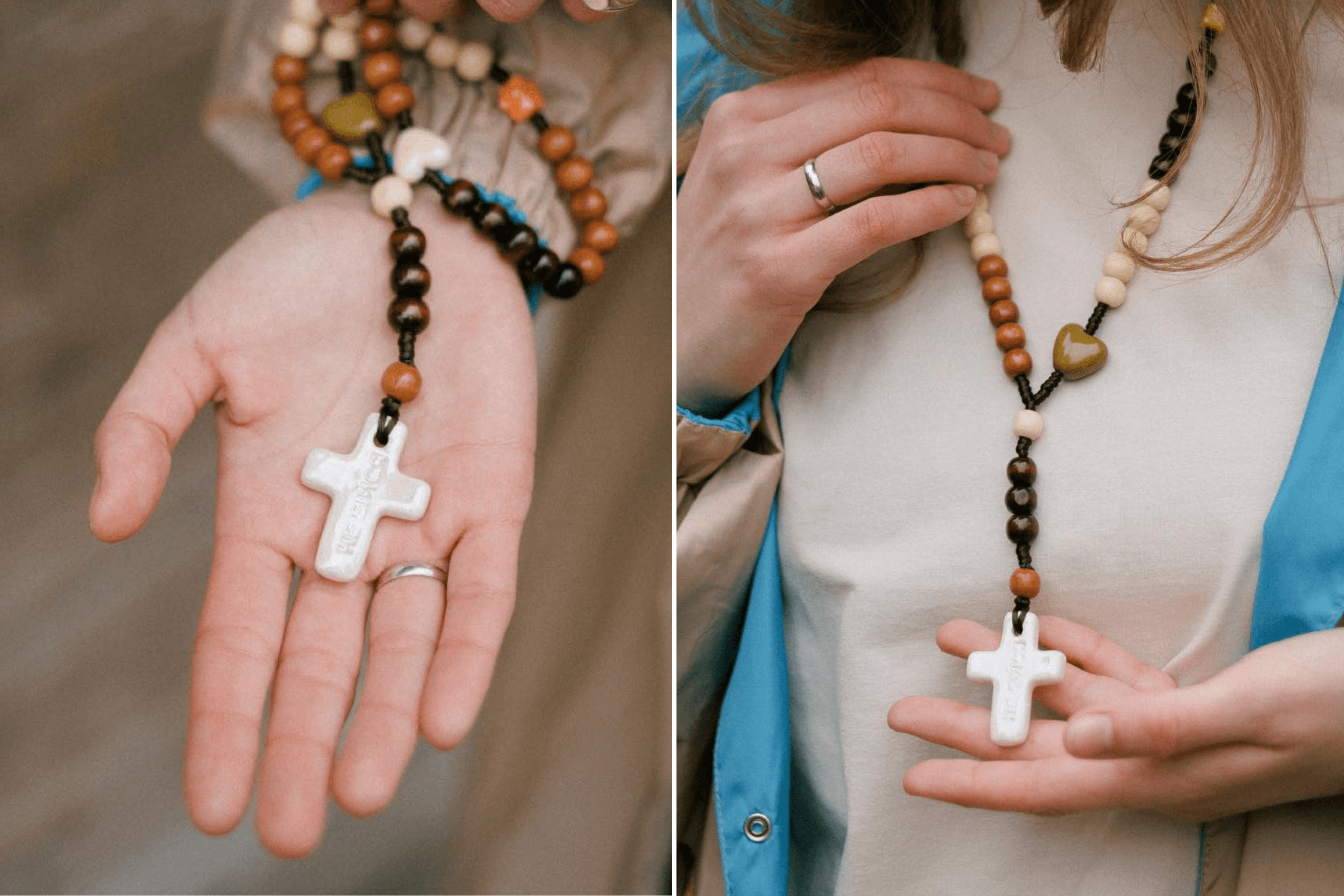
It depends on the product. Socks are faster to produce, usually about a month. Other things take longer. For example, we made a vervytsia together with thekomakoma. That was a completely unique experience for us and it took a record four months from the first message to the announcement.
The timeline also depends on what kind of request partners bring. Often they expect us to handle everything ourselves, or on the contrary they arrive with ready-made ideas that don’t always fit our style. Collaborations require a lot of communication and revisions, which can drag things out. Although sometimes it goes very smoothly, like with the Serhii Sternenko Community Foundation. They loved everything from the start without a single correction.
But collaborations weren’t the only thing that got the brand noticed. How important was social media for your visibility?
We actually started doing collaborations in the first place to grow our social media following quickly, especially on Instagram. We managed to build it up, but after the full-scale invasion began Meta started heavily blocking content related to war and charity. Our account picked up three red flags and we were on the verge of being blocked entirely, with our reach dropping sharply.
That’s when Twitter came to the rescue. There you could openly talk about charity initiatives and the war, so it became our main platform at the time. Twitter not only significantly raised our visibility during the war, but also helped us attract customers from abroad.
Is the social network X still an important platform for you?
Yes. Among Ukrainian brands, Dodo is probably one of those that pays it the most attention. But we also understand that its role has changed. 2022 was a time of very fast-moving communication, and Twitter worked brilliantly because people wanted real-time news from Ukraine. That’s no longer the case. The change in ownership has had an impact too. So now we balance across different platforms rather than focusing on just one. As a major brand we need to spread our communication across X, Instagram, and Threads, which is growing fast right now.
What’s your main sales channel today — website, social media, or stores?
Most orders come through our website, more than from our stores. A big share of that traffic comes from people who already know the brand and just type our address into the browser. Over 50% of orders are from returning customers. But social media is also an important channel. It all works together: people see the brand a few times on social media, and when they want to buy socks, they search for us on Google.
Dodo Socks customers aren’t only in Ukraine. When did you start exporting your products?
Our first export was to the US in 2017, but that partnership didn’t last. The partners couldn’t get through the slow season in spring and summer, when sales are a fraction of what they are in autumn and winter. We’ve also had partners in Germany and France. Those relationships ended for various reasons: some didn’t survive COVID, others just didn’t want to continue. You need reliable, committed partners for export to actually work, and we never actively went looking for them. People would reach out, we’d agree, but it never turned into something steady.
Right now we have solid partners in Germany and ship to them about three times a month. We also recently opened a store in Japan. Exports account for about 13.5% of total sales in 2025.
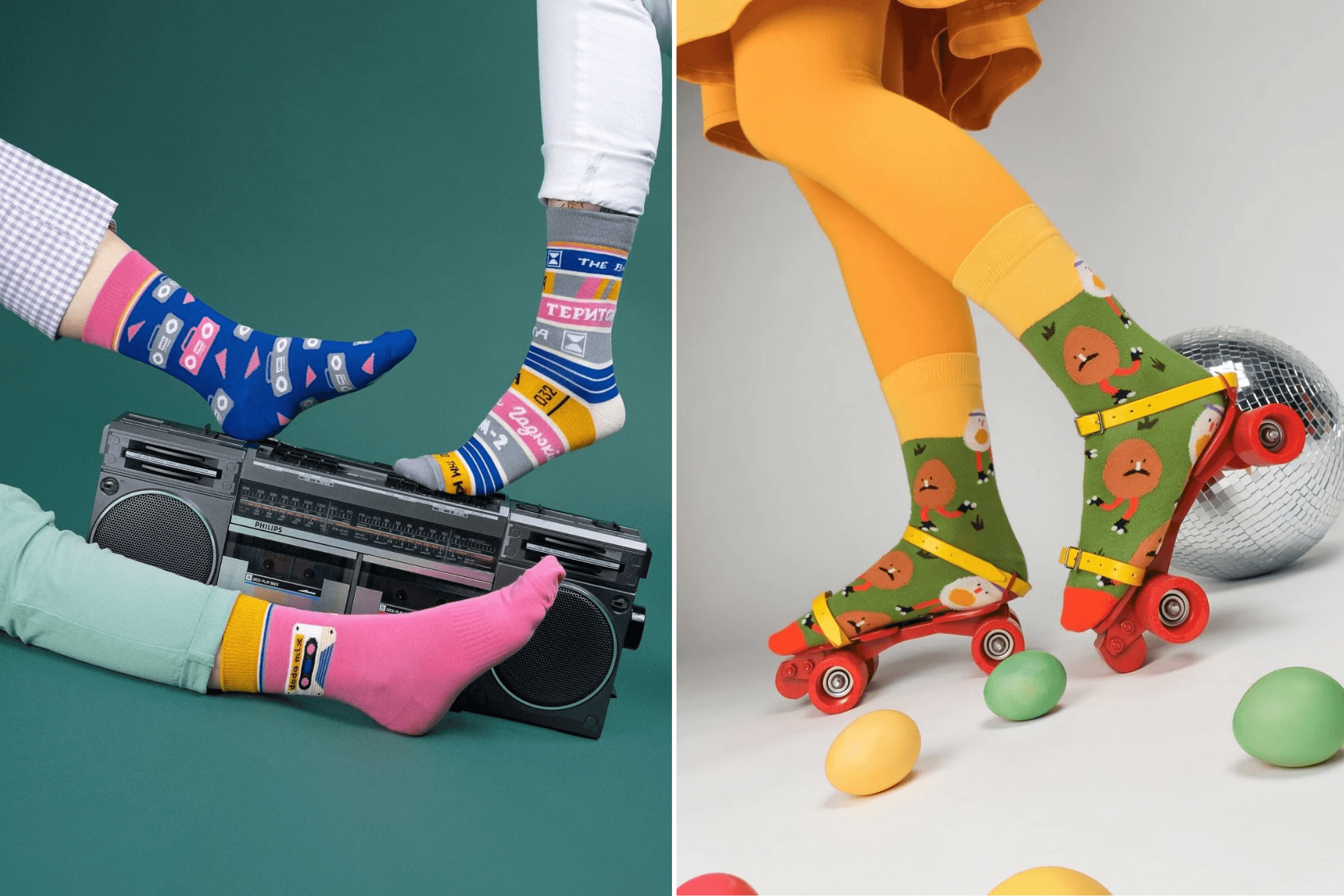
Dodo Socks socks featuring a variety of designs. Photo: Dodo Socks / Instagram / YB 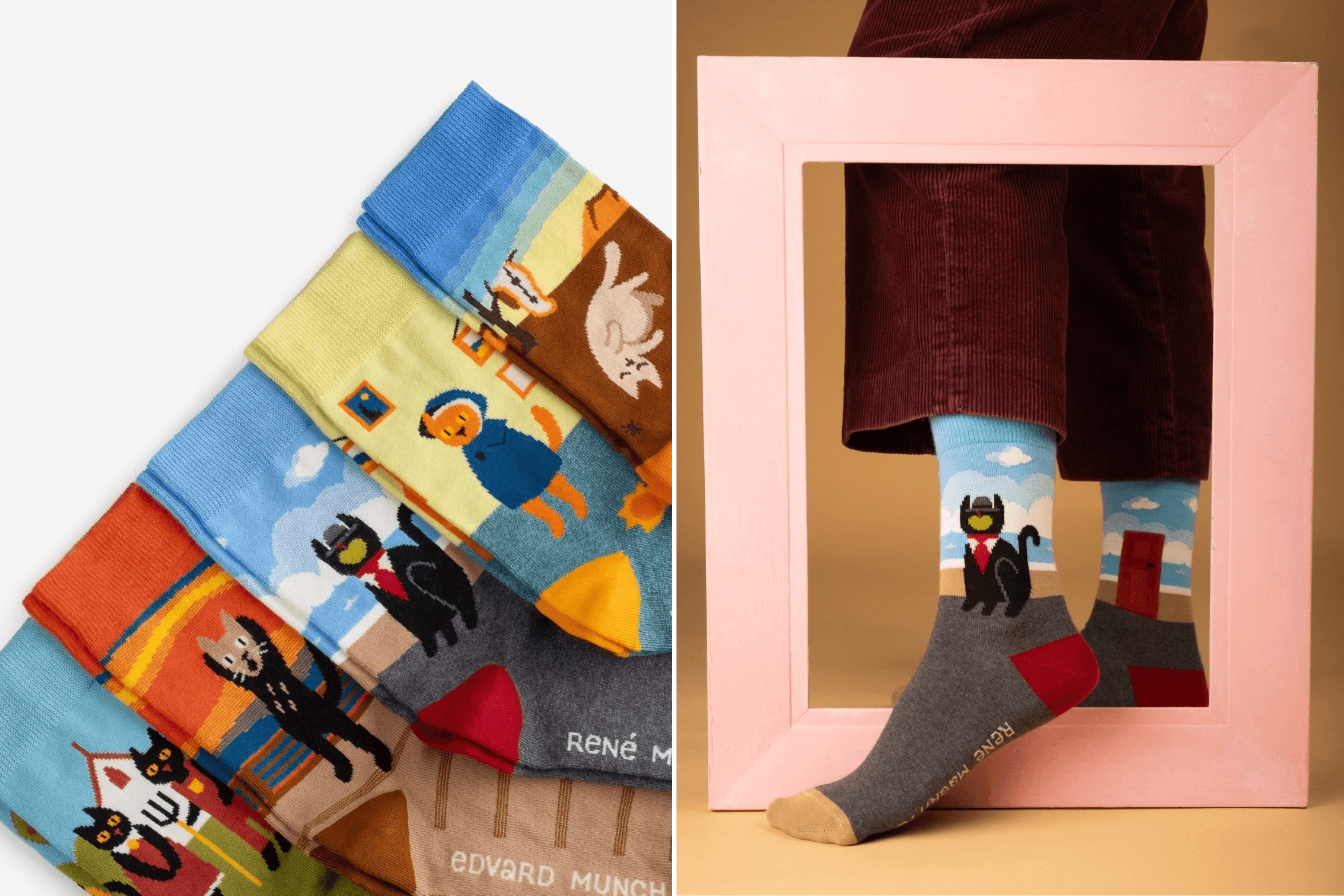
Photo: Dodo Socks / Instagram / YB 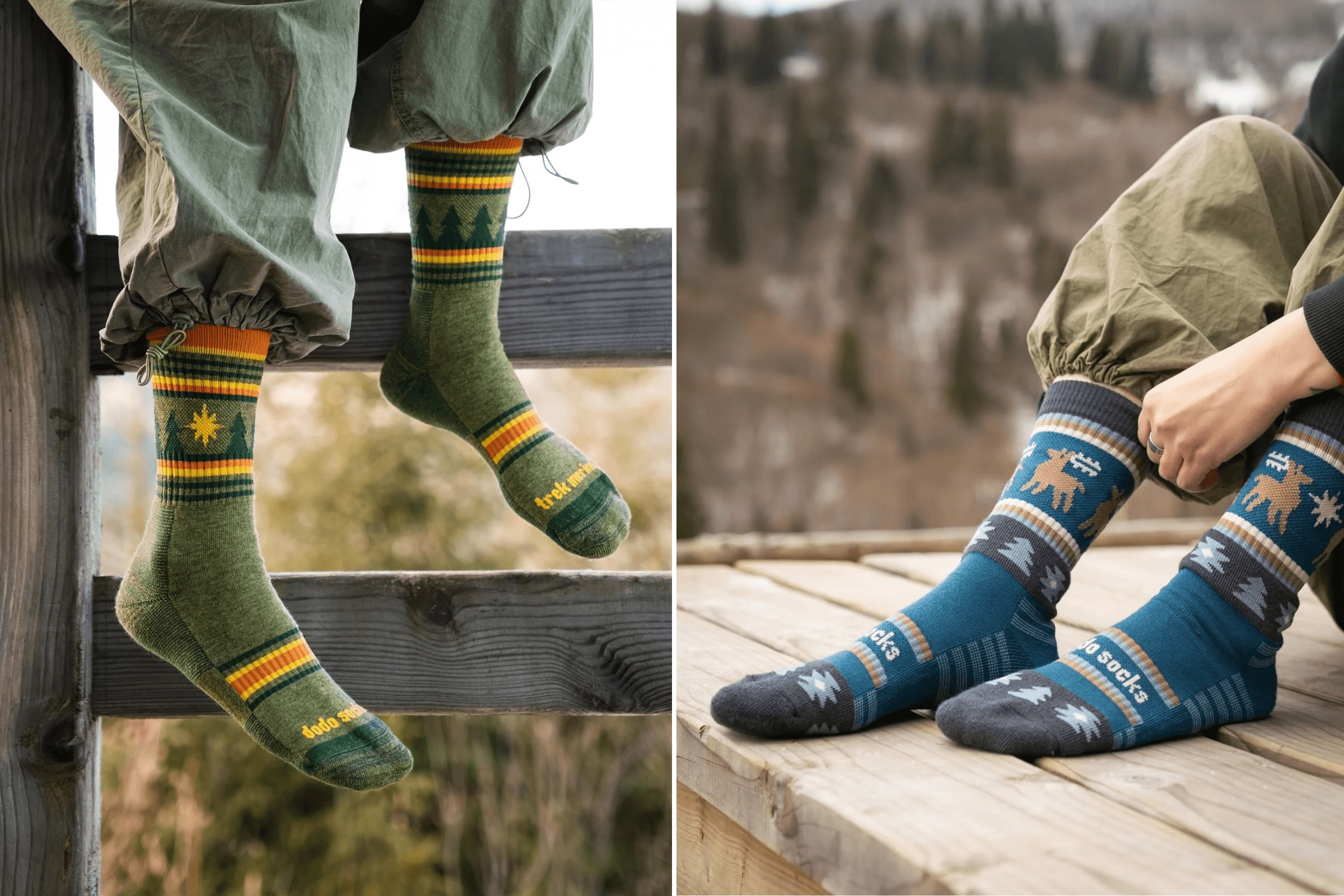
Photo: Dodo Socks / Instagram / YB 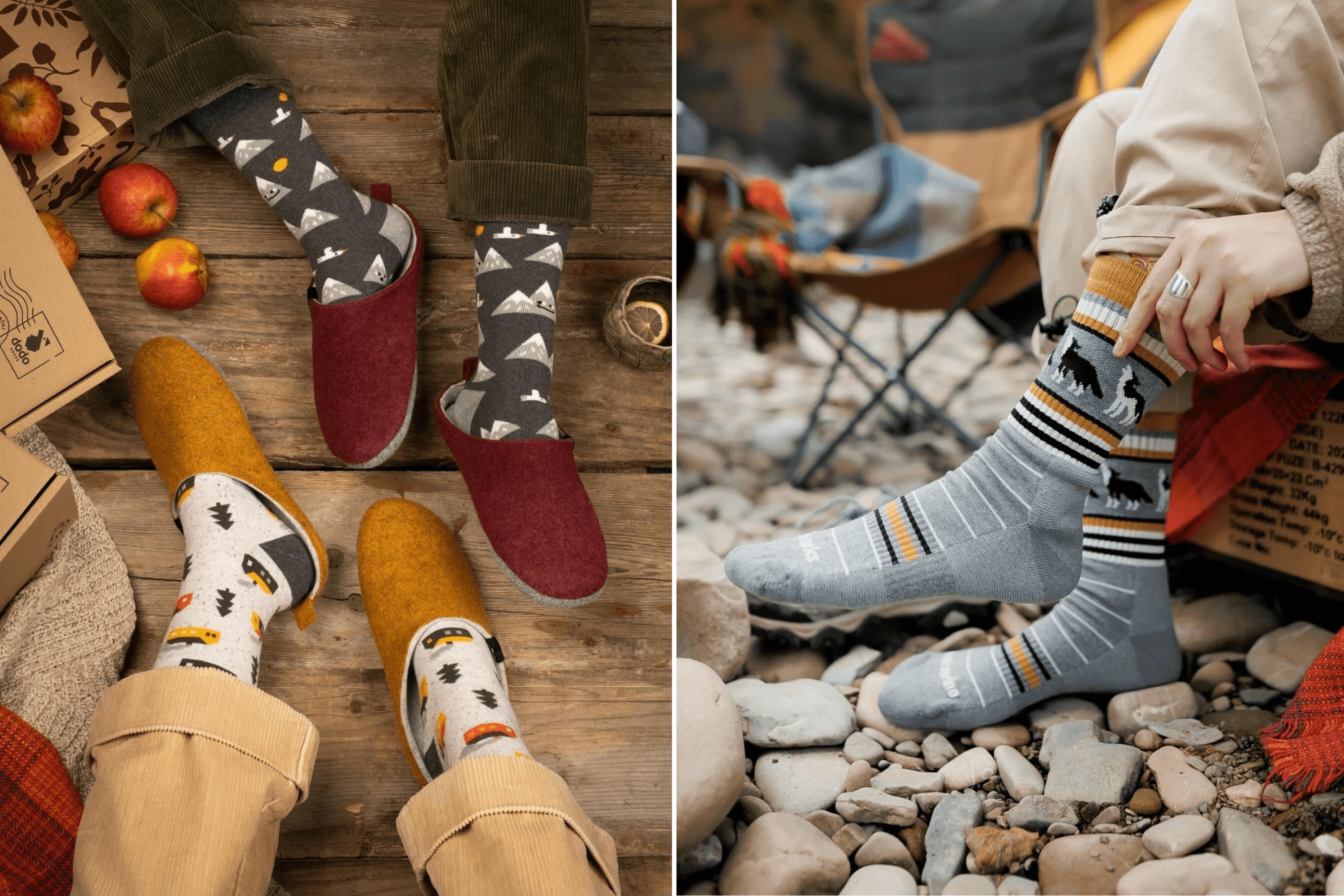
Photo: Dodo Socks / Instagram / YB 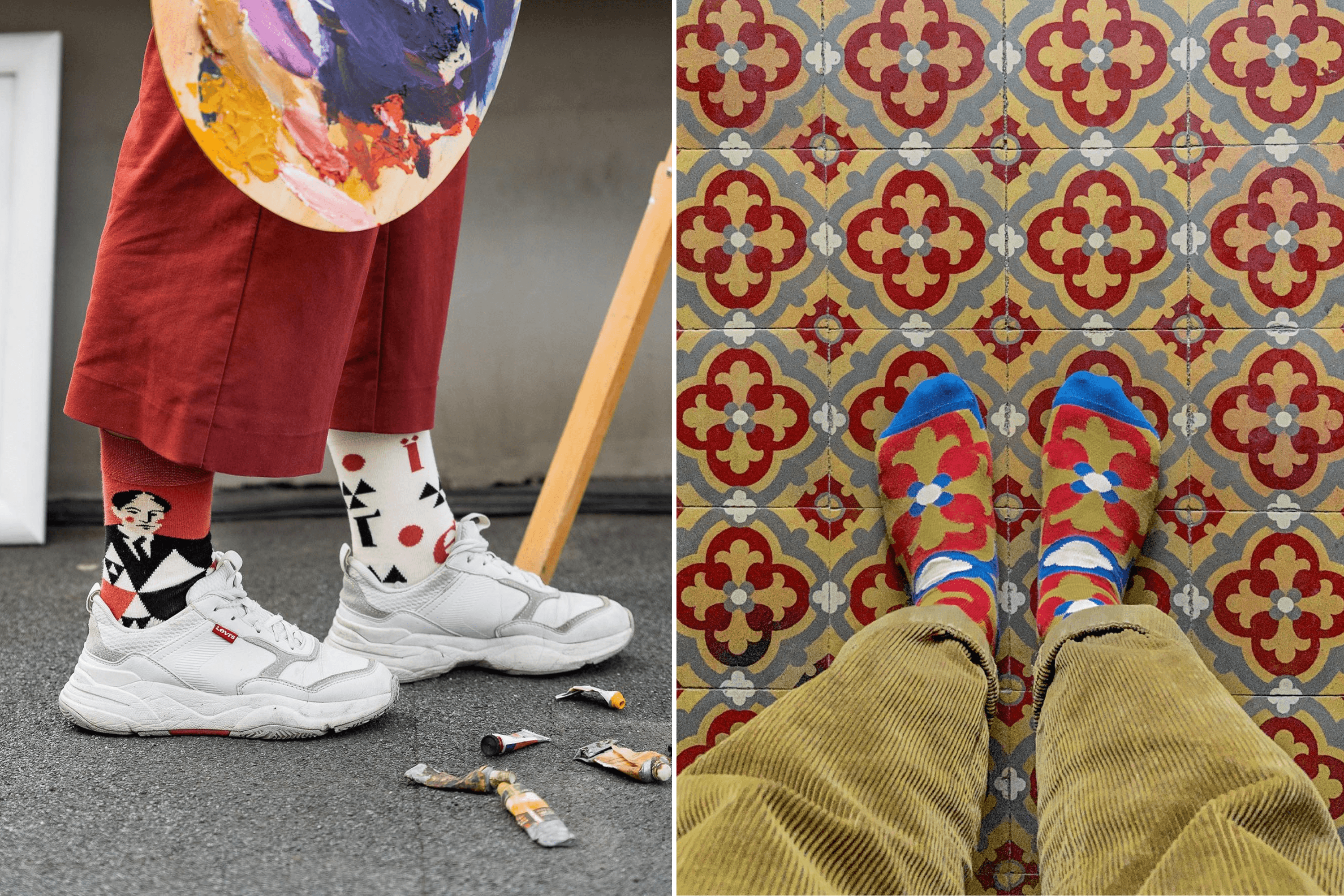
Photo: Dodo Socks / Instagram / YB 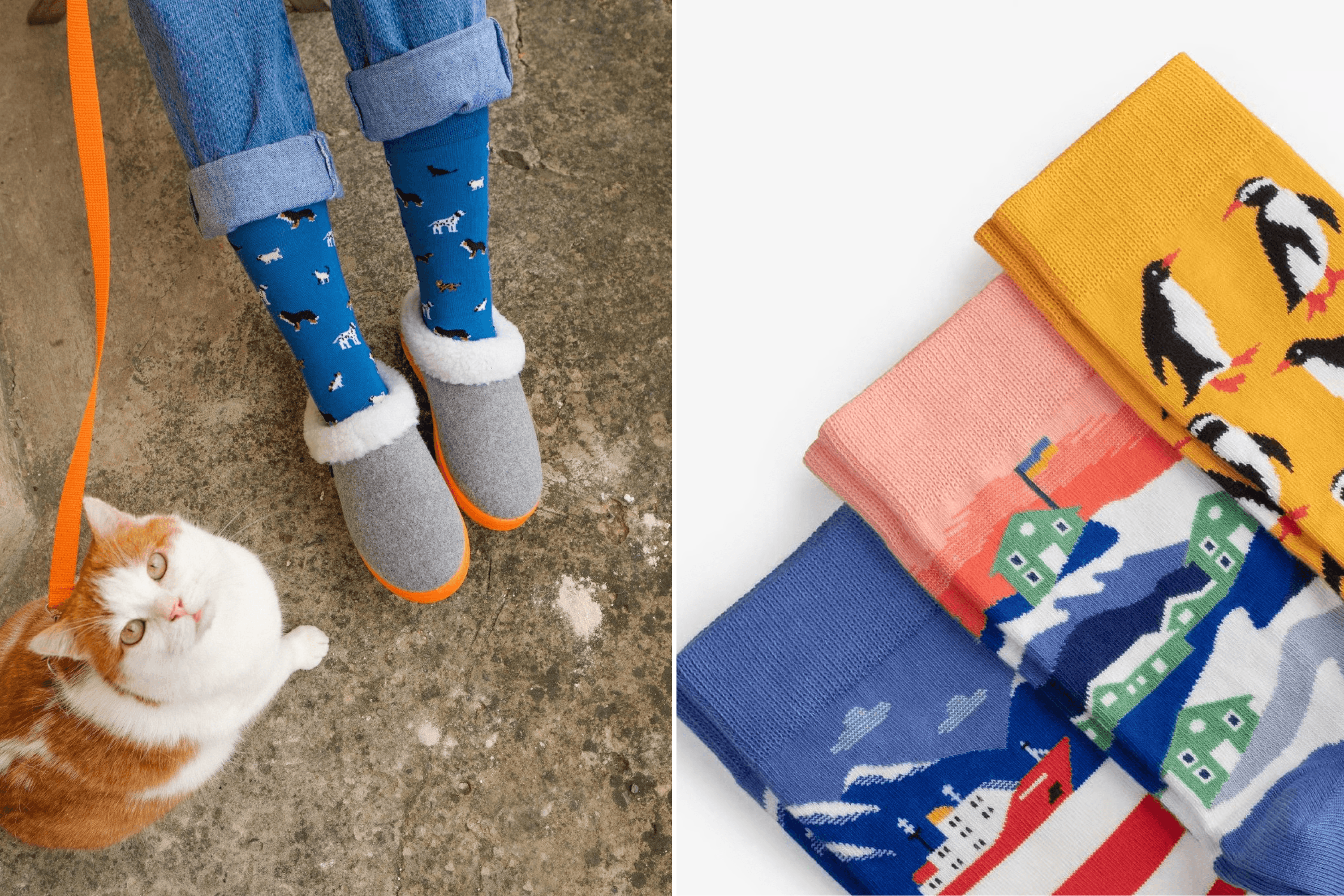
Photo: Dodo Socks / Instagram / YB
Why did you decide to open a store in Japan?
Our Japanese partners opened the store. We met them in 2023 at an industrial trade fair that had a whole pavilion dedicated to Ukrainian brands. Investors and business people interested in working with Ukraine came through, and that’s where Taro and Kiwi approached our stand. They wanted to work specifically with us. At first we just shipped them batches of socks, then they opened an online Dodo store in Japan and have since opened an actual store there.
Working with them is exactly what a good partnership looks like. And our level of involvement is much higher than with other partners. We create collections and designs specifically for their market, visit them there, and study what their customers actually need.
How is the Japan store different from the Dodo Socks shops in Kyiv and Lviv?
In Japan, the store is divided into two spaces: one is the Dodo Socks shop and the other is a café. They serve borshch, sell Ukrainian sweets and other treats. Our partners joined forces with a young entrepreneur who wanted to open a restaurant, and they decided to share the space, creating a café and a shop together. In Japan, this is quite a common format because of high rental costs.
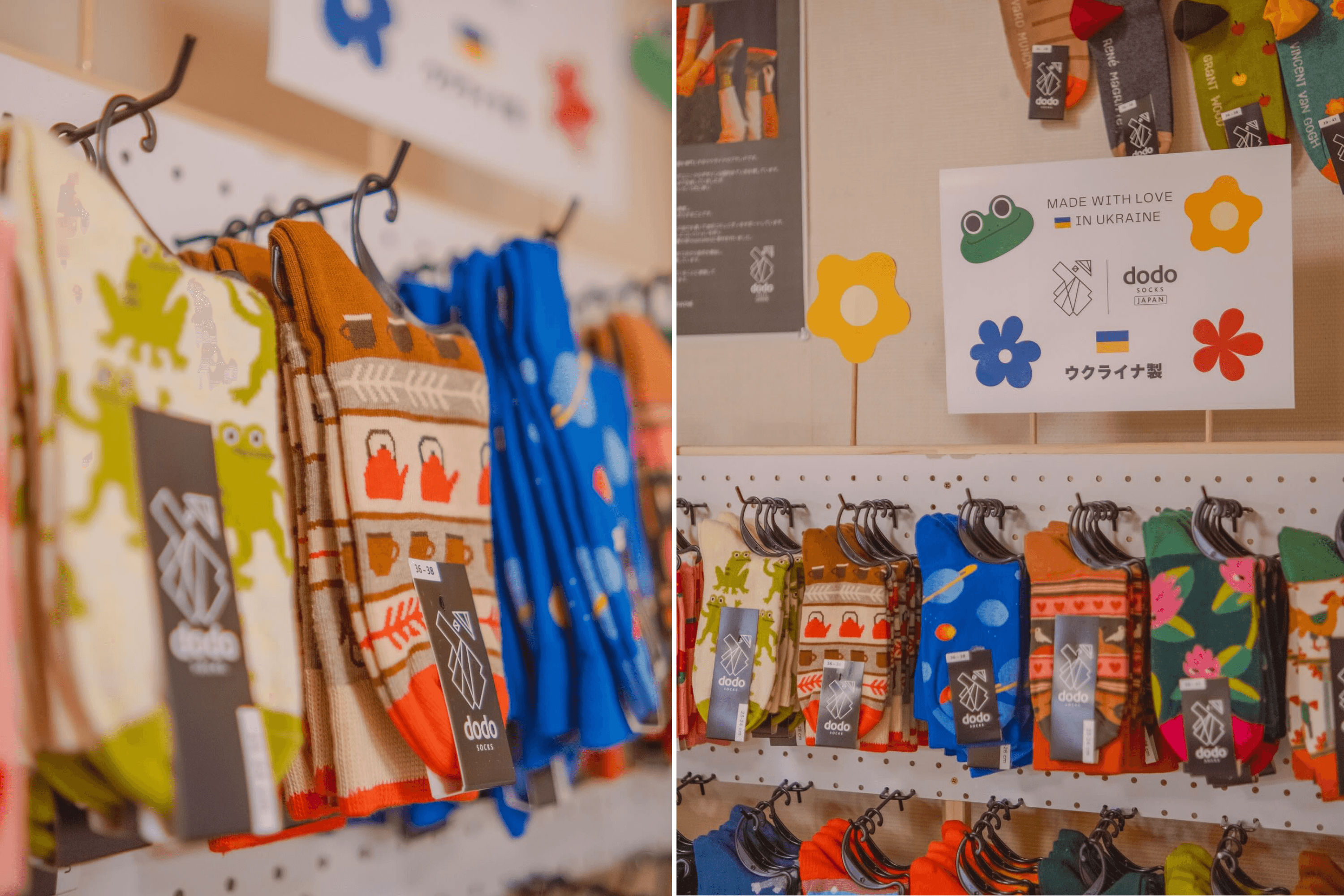
Dodo Socks in Japan. Photo: Dodo Socks Japan / Instagram / YB 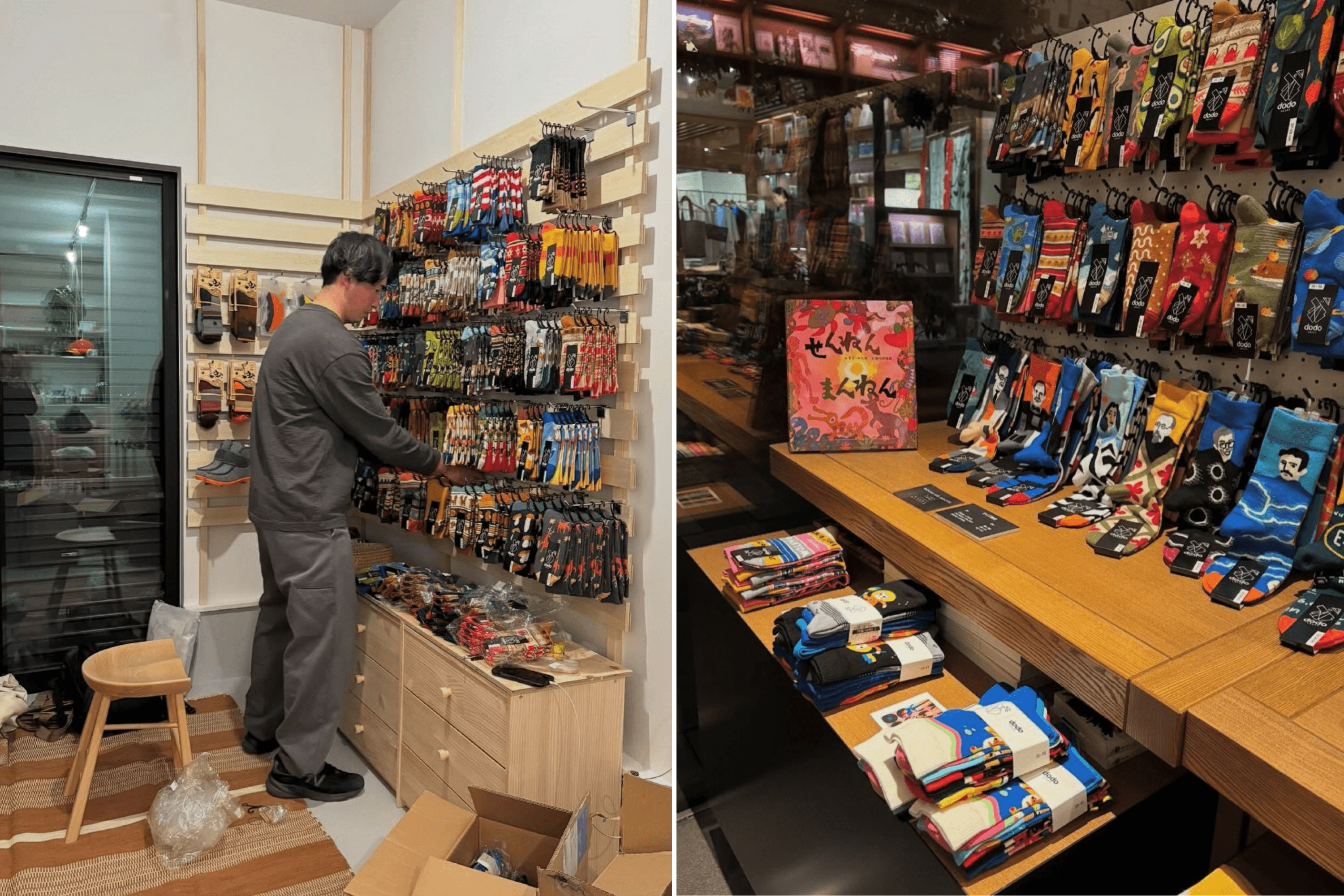
Photo: Dodo Socks Japan / Instagram / YB 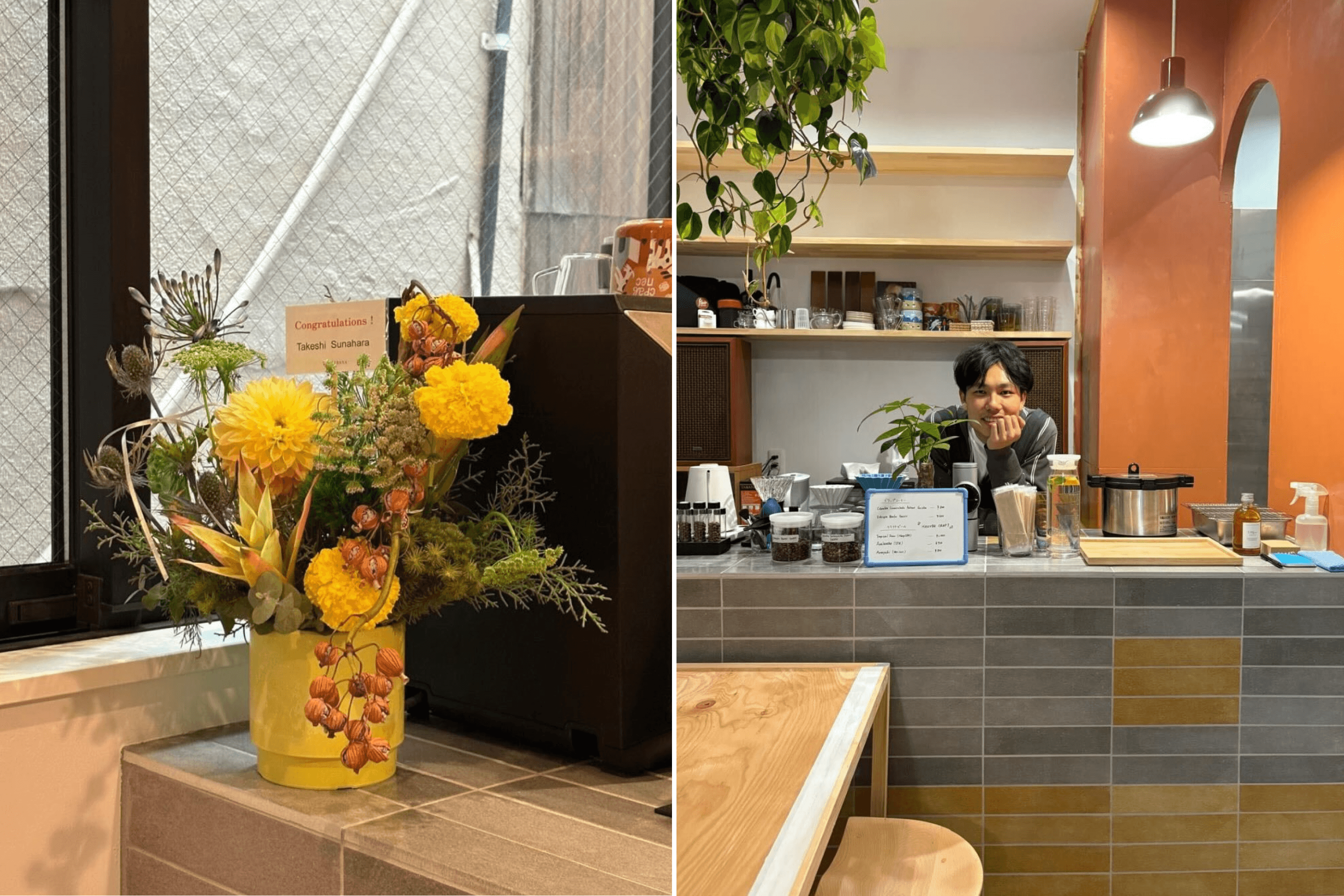
Photo: Dodo Socks Japan / Instagram / YB 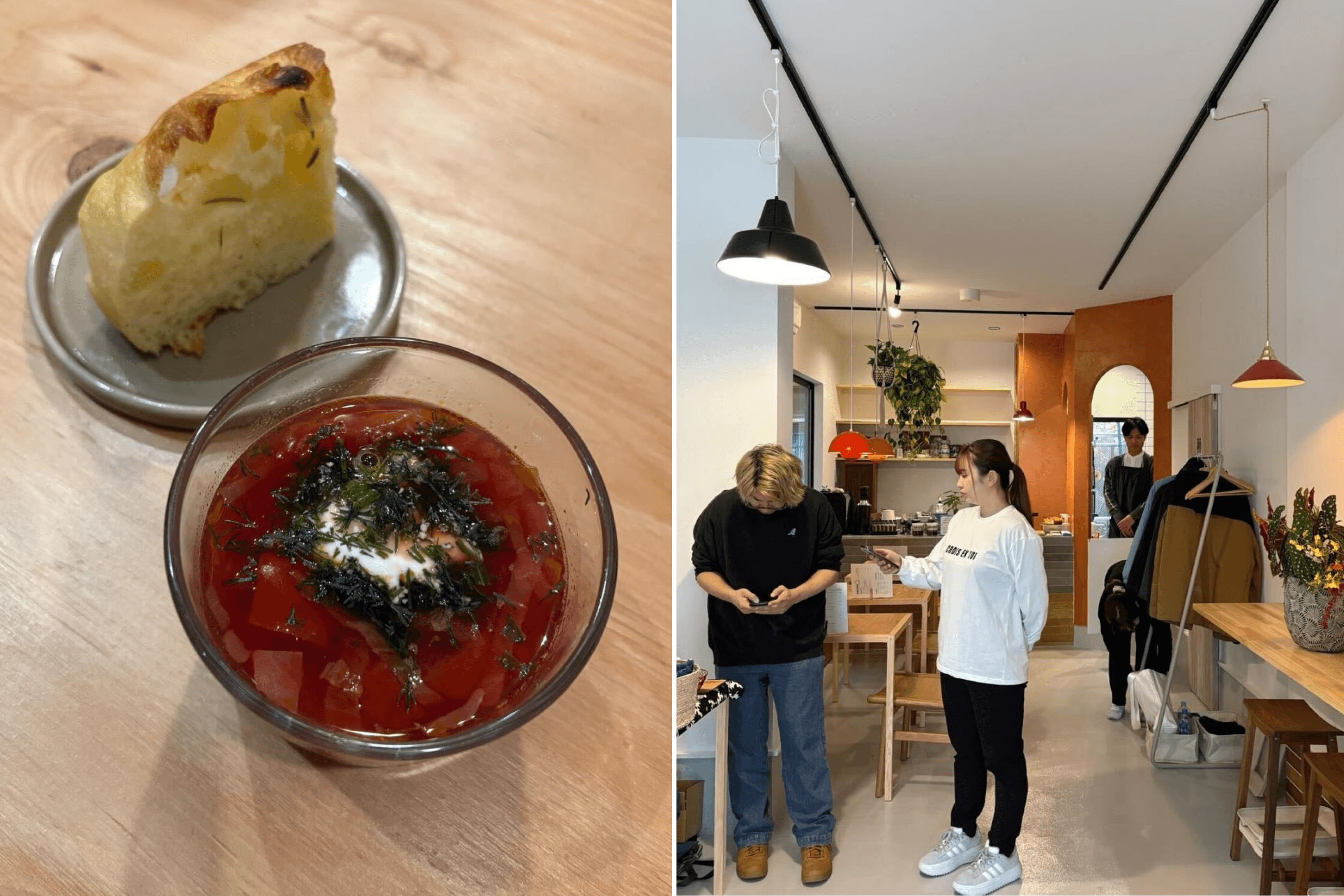
Photo: Dodo Socks Japan / Instagram / YB 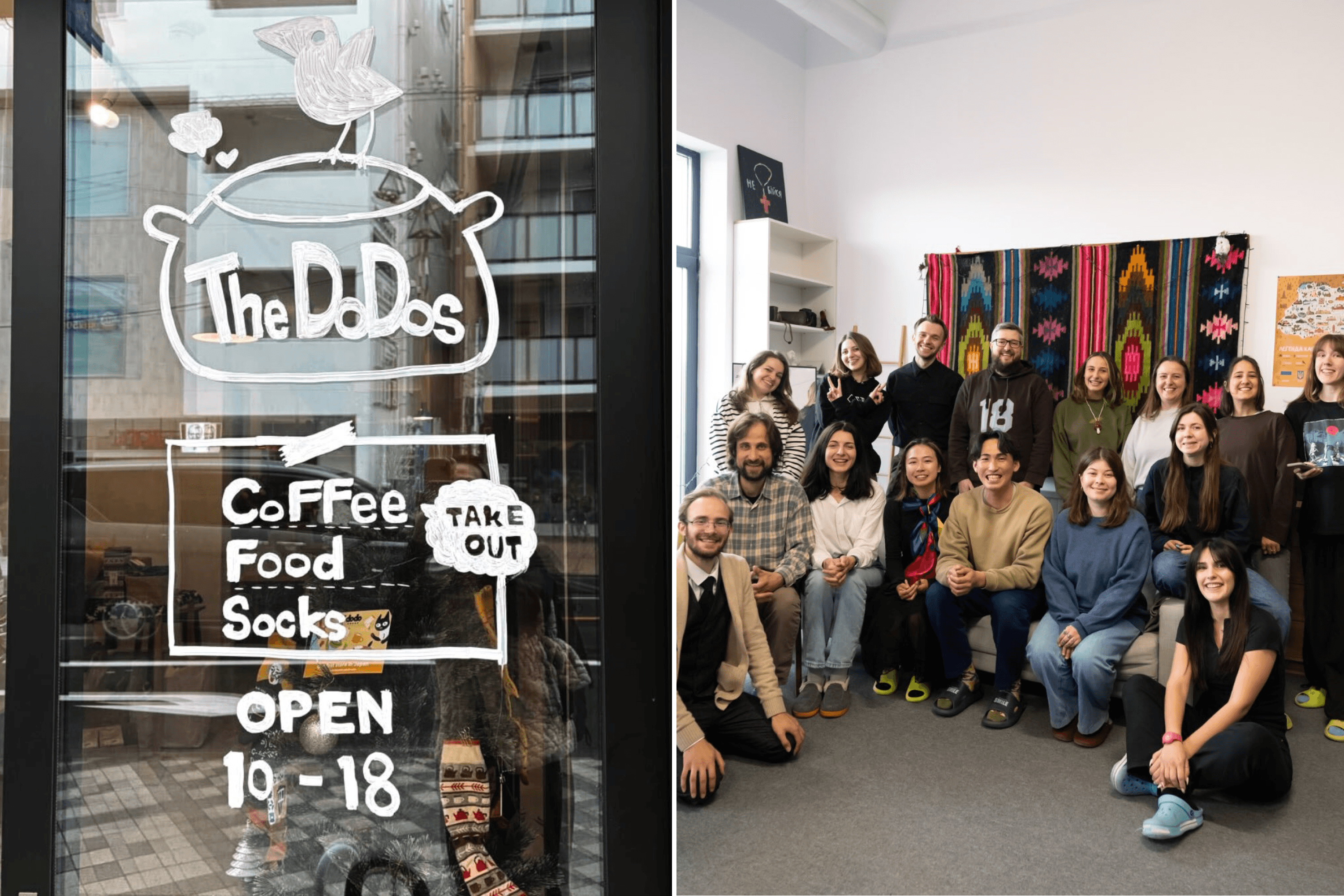
Photo: Dodo Socks Japan / Instagram / YB 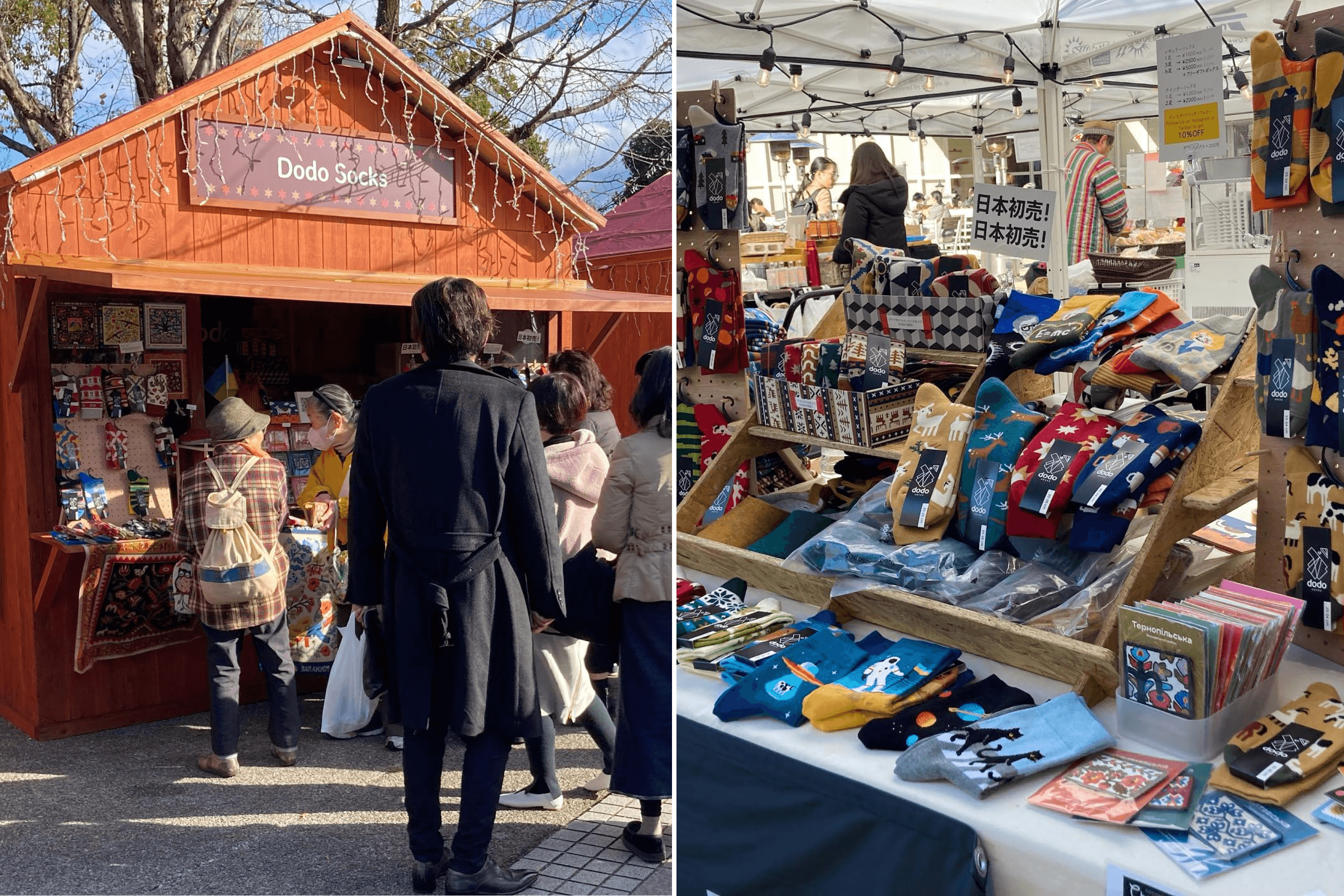
Photo: Dodo Socks Japan / Instagram / YB
How much did it cost your partners to open the store?
I don’t know the full amount, but they mentioned that the main expense is the rent, and the renovation was done at a low cost since it’s a new building. Monthly rent comes to $2,000, which is actually comparable to what we pay for our shop in central Lviv at $1,500 a month. But there’s a catch: the Lviv space is larger, and the Japan store is not in Tokyo but in a small seaside town called Zushi, just outside the capital.
What are the terms of your arrangement with them?
We are currently preparing the summer collection and sending them sketches and designs before production starts. They mark what they like. Sometimes they send their own requests: for example, they like a design but the colors don’t work, and we make adjustments for their market. We have already created two collections specifically for their requests and plan to continue. Our designers are happy knowing their work is being worn in Japan.
Then we ship them a batch of socks. In 2025 we made three shipments totalling nearly 20,000 units. Beyond the online store and the shop, our partners regularly take part in fairs and organize pop-up stores across Japan. This is also a popular format there, where small brand outposts open up within an existing space or business.
How do Ukrainian and Japanese tastes differ? What do you have to change?
We’re still figuring it out. But we’ve already learned one important lesson: Japanese consumers have a very refined sense of taste and style. They clearly distinguish between what is genuine and what is an imitation. The designs where we tried to replicate Japanese aesthetics didn’t appeal to our partners. They told us directly: “This looks like you’re trying to imitate Japanese design and not succeeding. Better to stay a Ukrainian brand and do what you do well.”
There are differences in colors and themes. Since the full-scale war began we’ve chosen muted pastel palettes, while our partners ask for brighter colors. War-related memes don’t resonate with them, but they like designs about village life, travel, storks, cottages, and mountains that remind them of Japanese landscapes. The most universally popular are designs with cute characters: frogs, capybaras, cats.
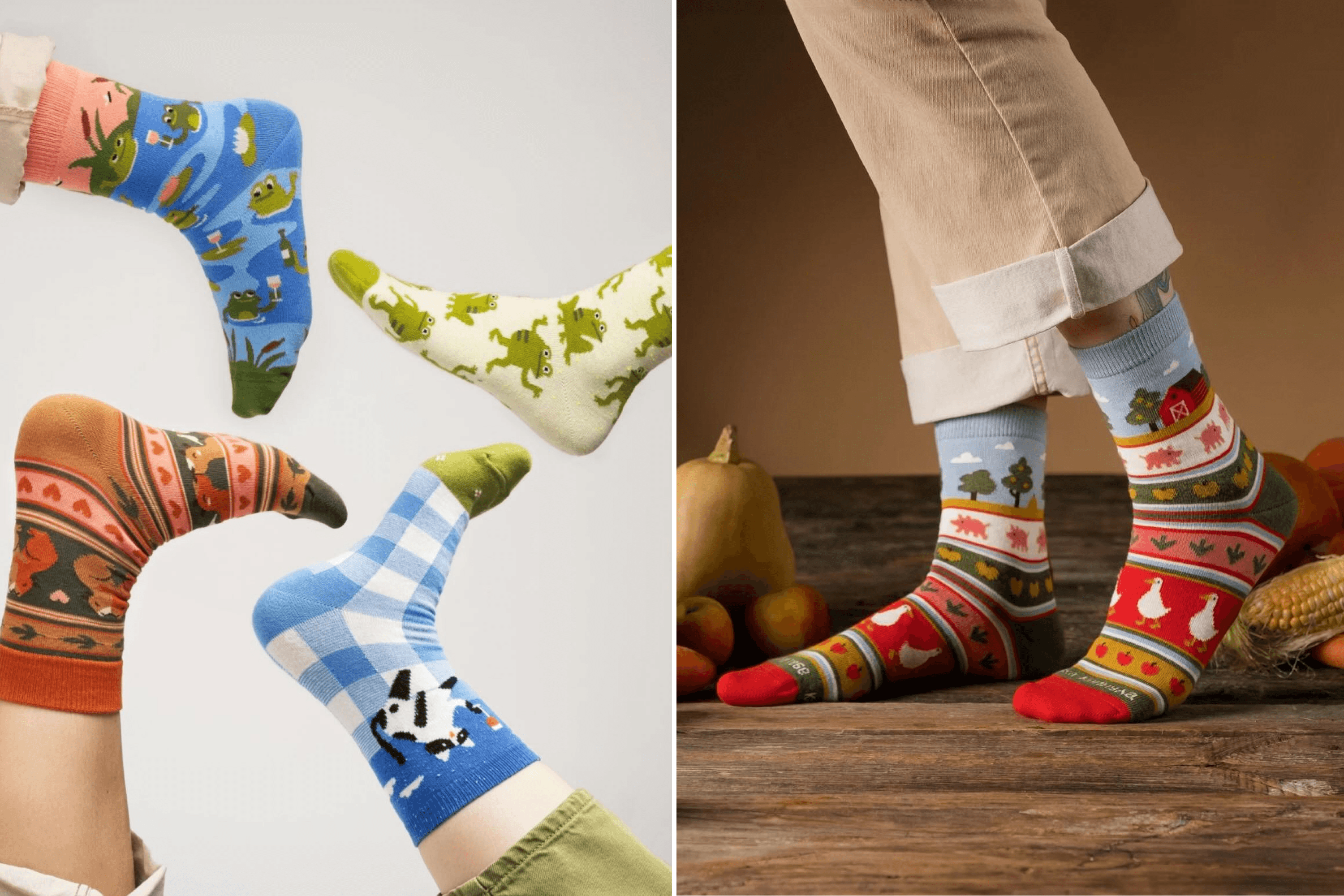
Some Dodo Socks socks from the assortment available in Japan. Photo: Dodo Socks Japan / Instagram / YB 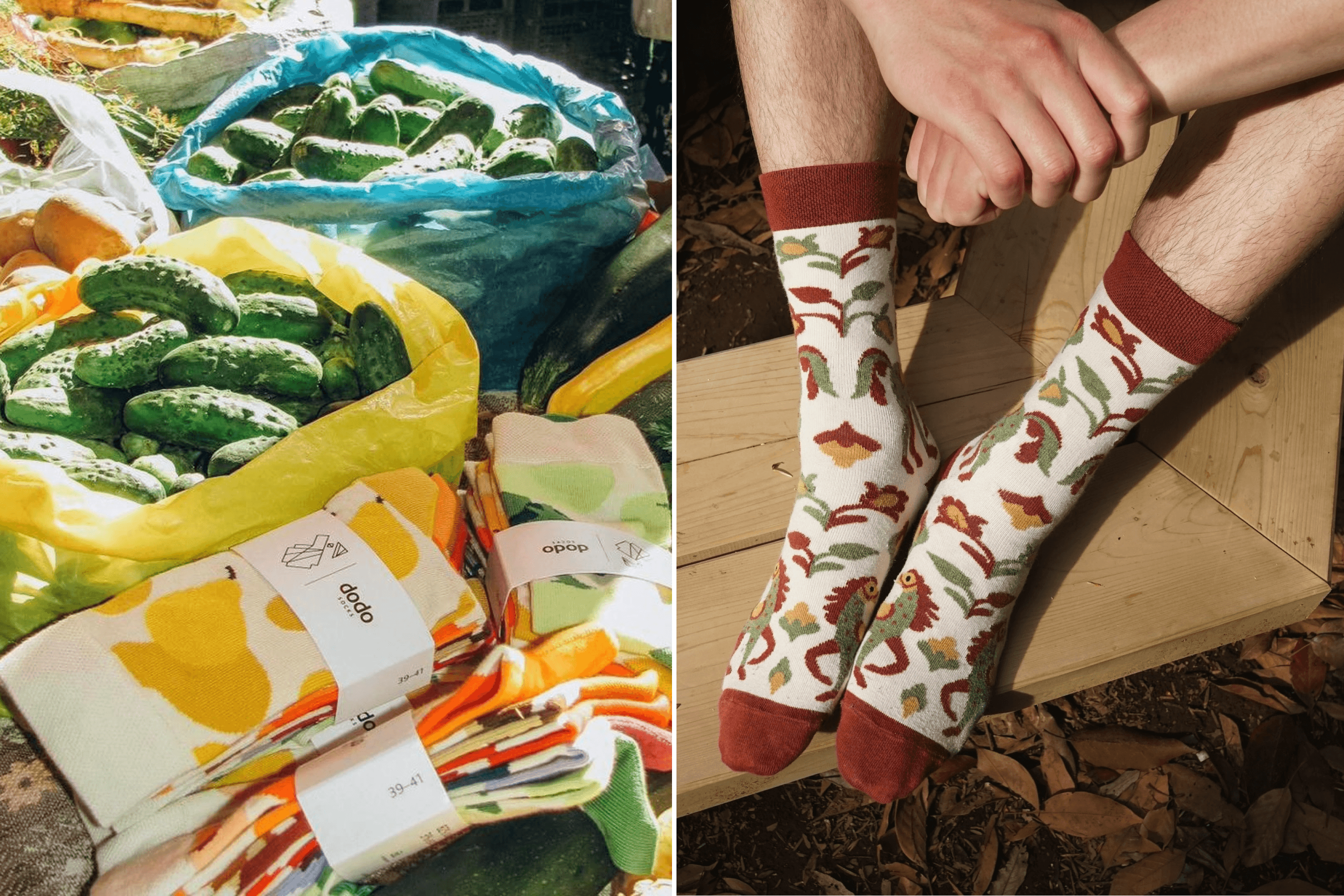
Photo: Dodo Socks Japan / Instagram / YB 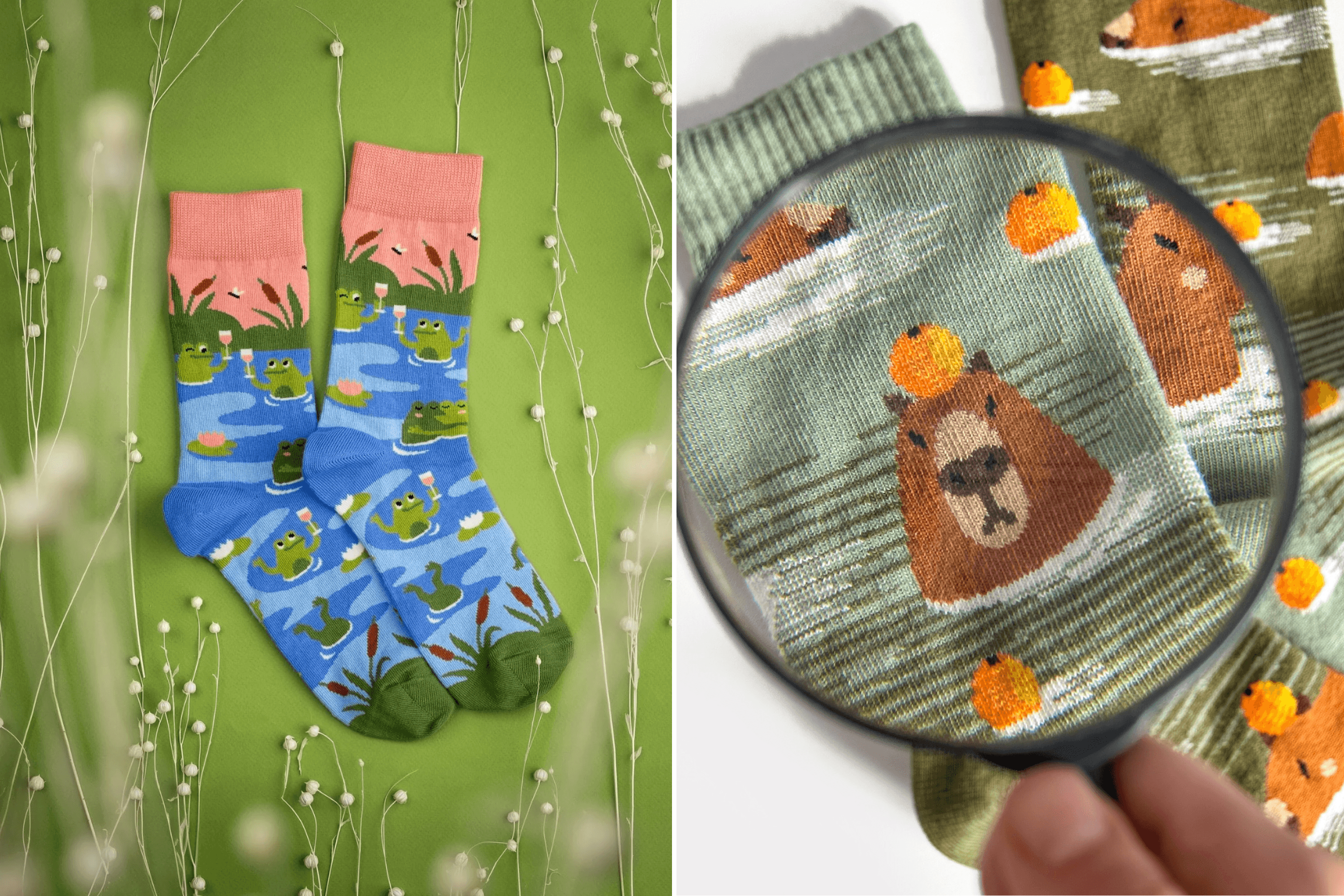
Photo: Dodo Socks Japan / Instagram / YB 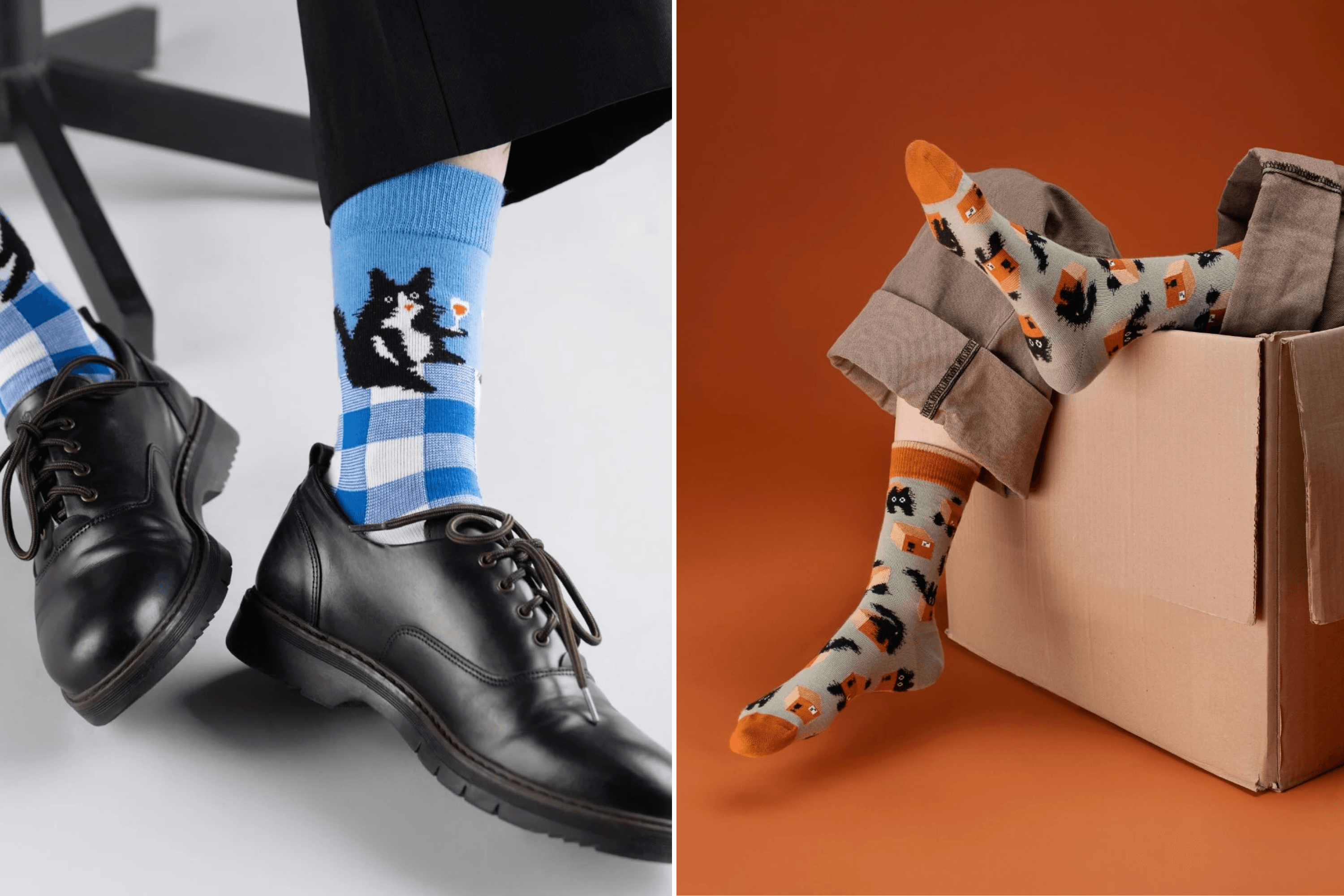
Photo: Dodo Socks Japan / Instagram / YB 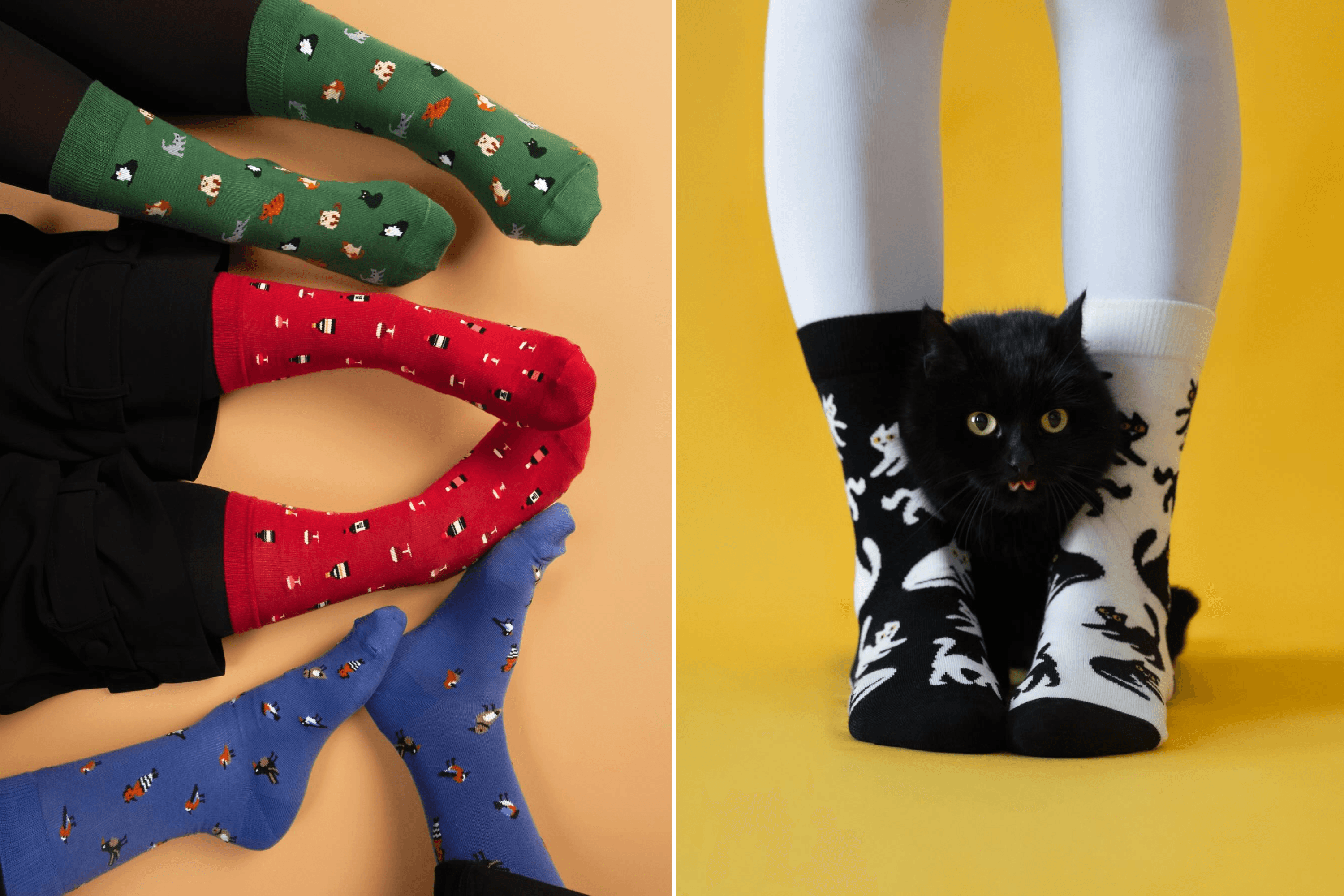
Photo: Dodo Socks Japan / Instagram / YB 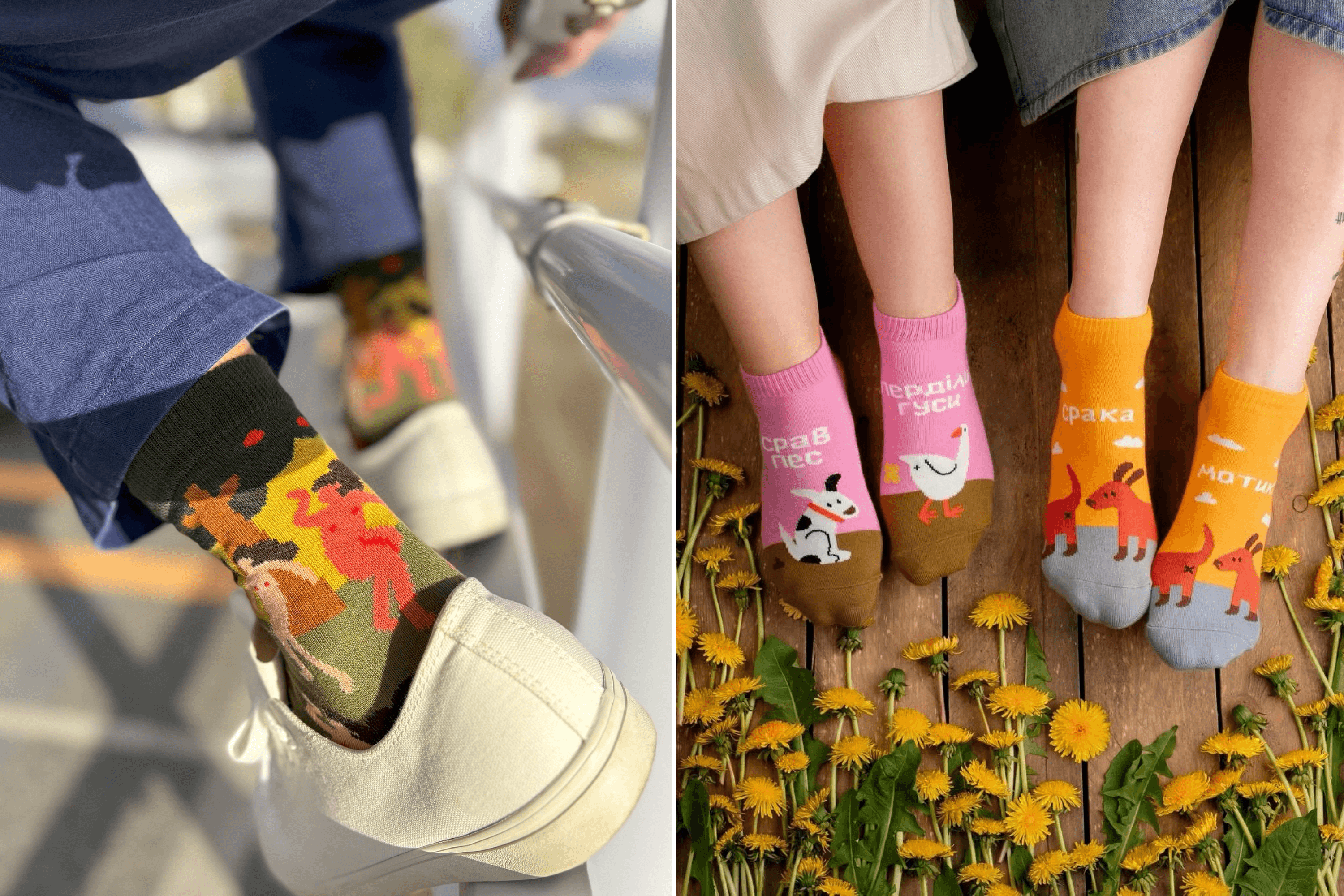
Photo: Dodo Socks Japan / Instagram / YB
Do you and your partners highlight the Ukrainian origin of the brand? Does it help or hurt?
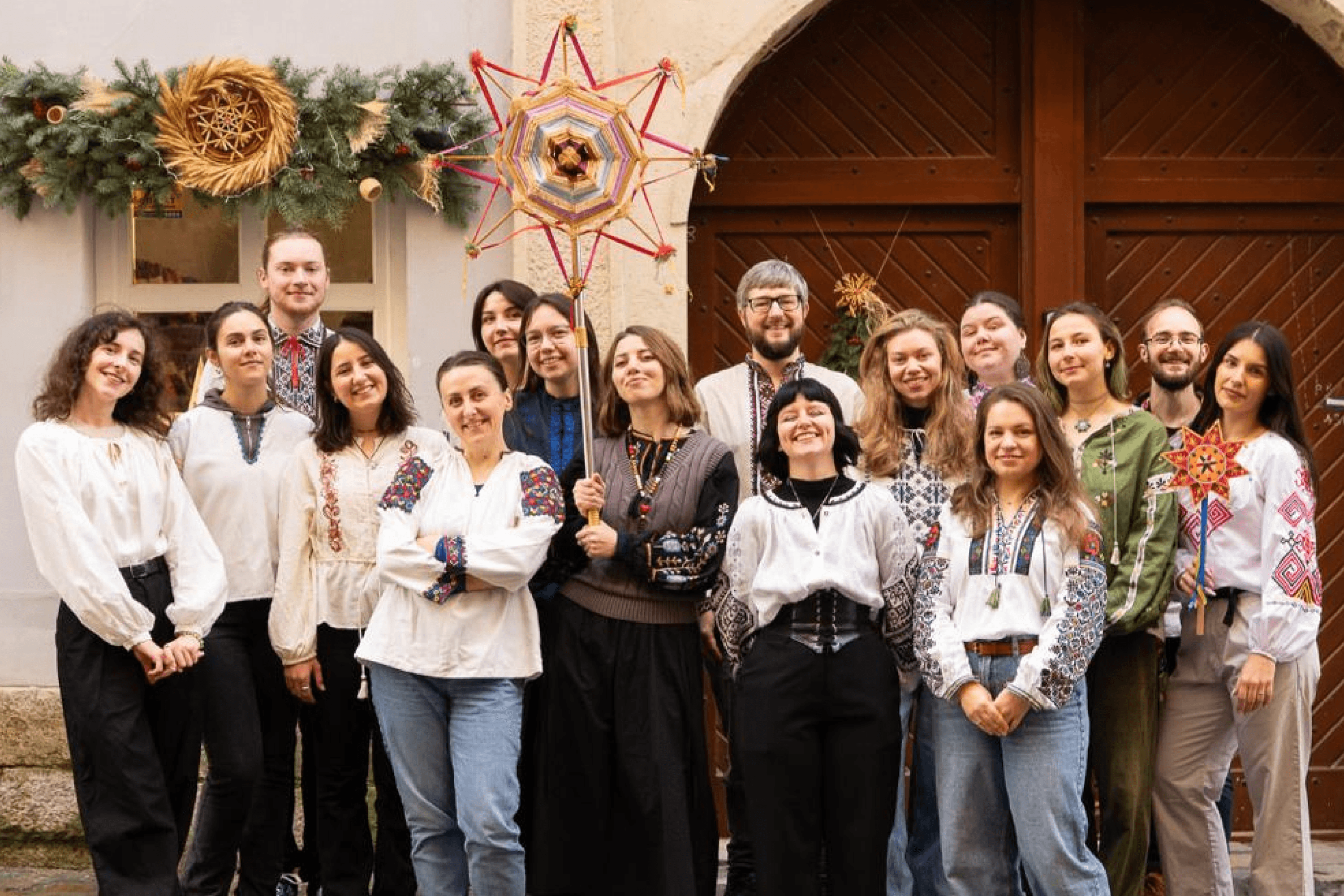
Our partners in Japan constantly emphasize our Ukrainian origin, and it works in our favor since Japanese people genuinely support Ukraine. The shop and website display Ukrainian flags, a map of Ukraine, the brand’s story, and photos of the team in vyshyvankas. At the same time, Japanese consumers want to know the story behind a brand and the meaning of each product, so our partners ask us to explain each design in detail. At first this was a challenge for us, since in Ukraine we are already a well-known brand, but in Japan we have to clearly explain every time who we are and what our value is.
Do you plan to open similar shops in other countries?
We had those plans last year. The idea was to first strengthen our online presence in certain markets, look at the numbers, and then decide where it made sense to open offline. We would naturally start with the nearest European markets, Poland for example, and move deeper into Europe from there. The plans are still there. But right now the biggest obstacle is probably the lack of resources and people. It seems like just as things start to come together and processes fall into place, a key person leaves and everything has to start over.
We have a small team, just over 30 people. Opening a store abroad requires a great deal of effort and dedicated resources. There is a serious staff shortage across all departments, and this isn’t just our problem. It’s the situation for many brands and companies in Ukraine: many people have left the country, many are serving in the Armed Forces. It makes everything harder day by day. And without a team, doing anything at scale is simply impossible. So right now everything depends on people.