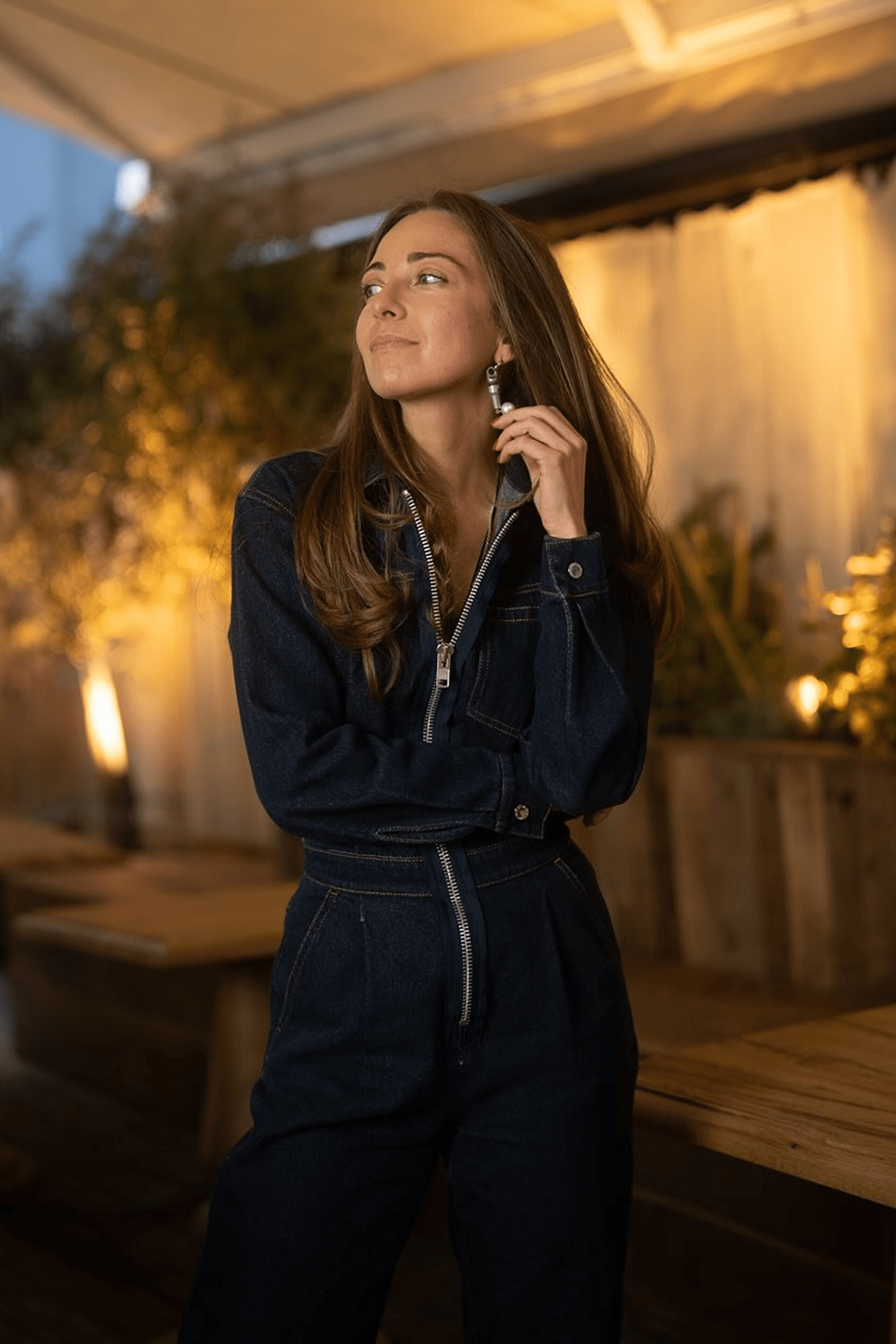
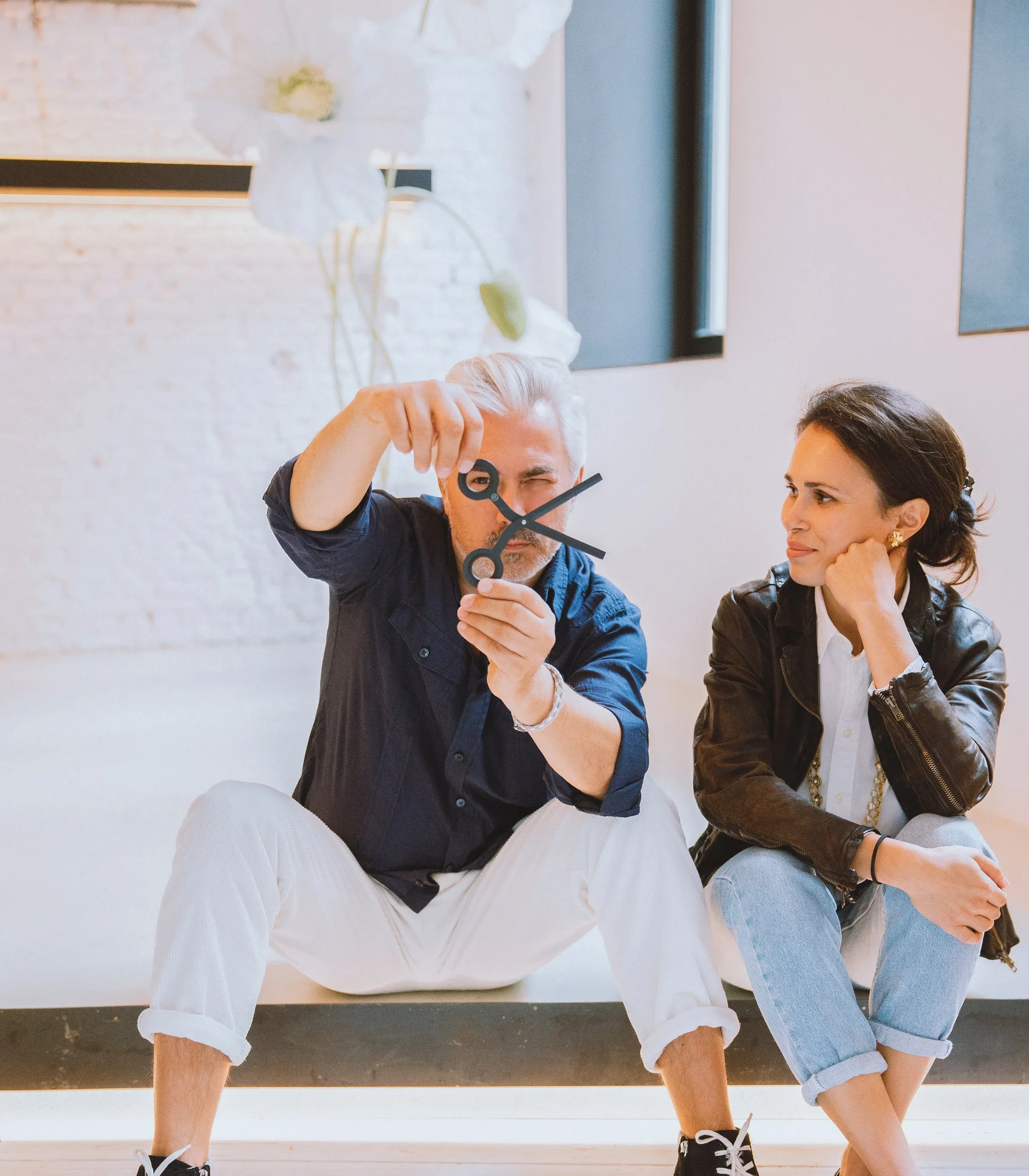
Kyiv native Anna Andriienko studied Business Law at Tilburg University in the Netherlands and initially planned to build a legal career. After returning to Kyiv in 2015, she switched to entrepreneurship instead. Using family savings, she opened the noodle bar Urban Wok and the eco-café Alʹtruyist, which operated until 2025.
Later, she launched coffee corners and a canteen for the Protasov business center. Following Russia’s full-scale invasion of Ukraine, Andriienko moved to London. There, in partnership with well-known Ukrainian restaurateur Alex Cooper, she launched Tatar Bunar, a modern interpretation of Bessarabian cuisine. In less than a year, the project received a positive review in The Guardian, was featured by Bloomberg, and caught the attention of the Michelin Guide’s blog.
In an interview with journalist Roksana Rublevska for Yellow Blue, the 36-year-old entrepreneur discusses opening a restaurant in the Shoreditch area and using Ukrainian cuisine as a form of cultural diplomacy.
- In 2025, 146 restaurants opened in London. This was the highest number of new openings since 2019.
- As of 2026, 10 Ukrainian restaurants are operating in the city.
Anna, what made you move from a legal career to entrepreneurship in the restaurant industry?
After several internships in the Netherlands, I realized legal work requires a systematic mindset that didn’t feel natural to me. Entrepreneurial drive felt more natural. Upon returning to Kyiv, I used family savings to start the noodle bar Urban Wok and the eco-café Alʹtruyist, which I’m especially proud of because of the community, charitable initiatives, and environmental projects that grew around it. The café ran from 2016 to 2025 but had to close due to the full-scale war and my relocation. Meanwhile, the coffee corners and the Protasov business center canteen continue operating under remote management.
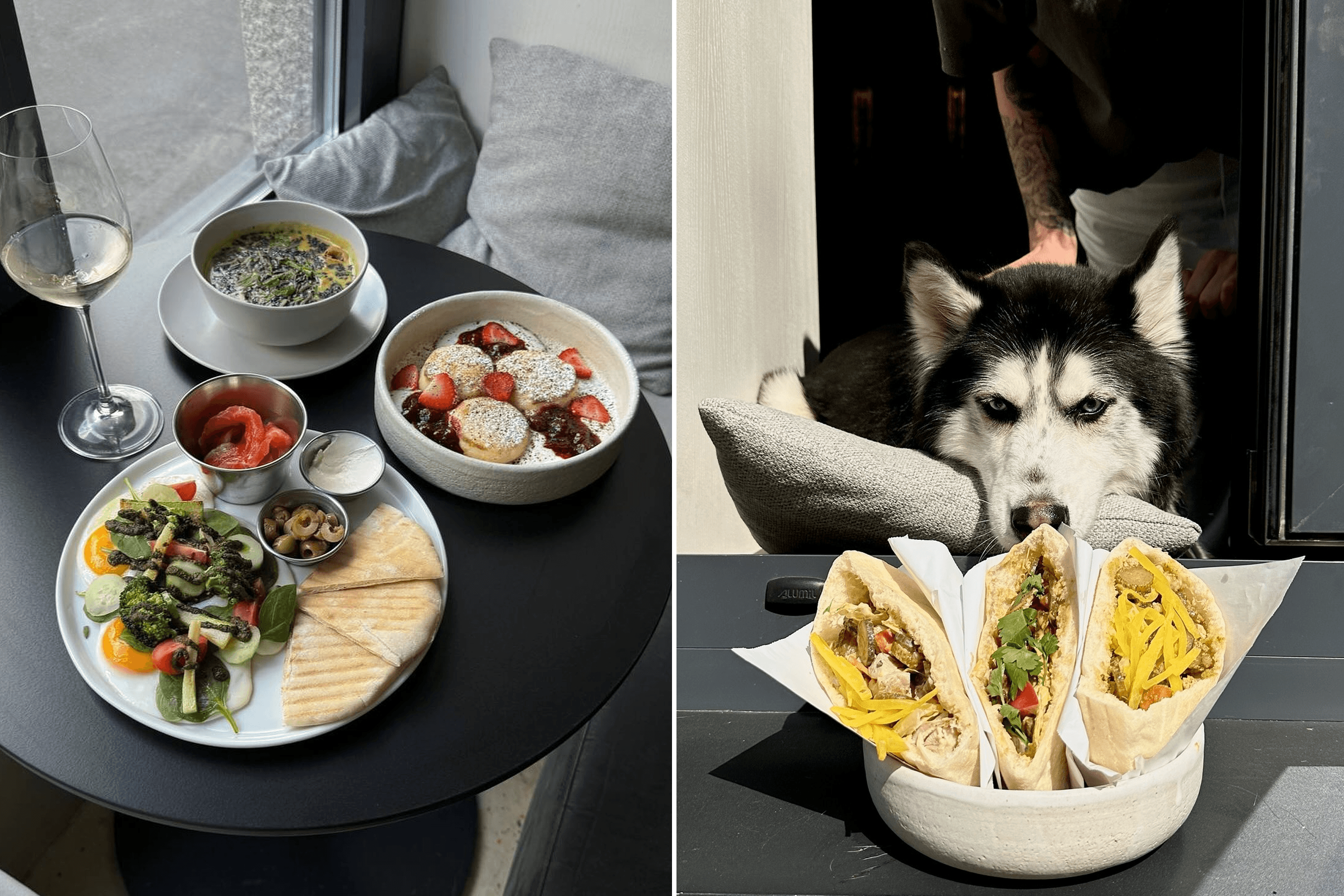
The atmosphere of Alʹtruyist. Photo: Altrueeast / Instagram / YB 
Photo: Altrueeast / Instagram / YB 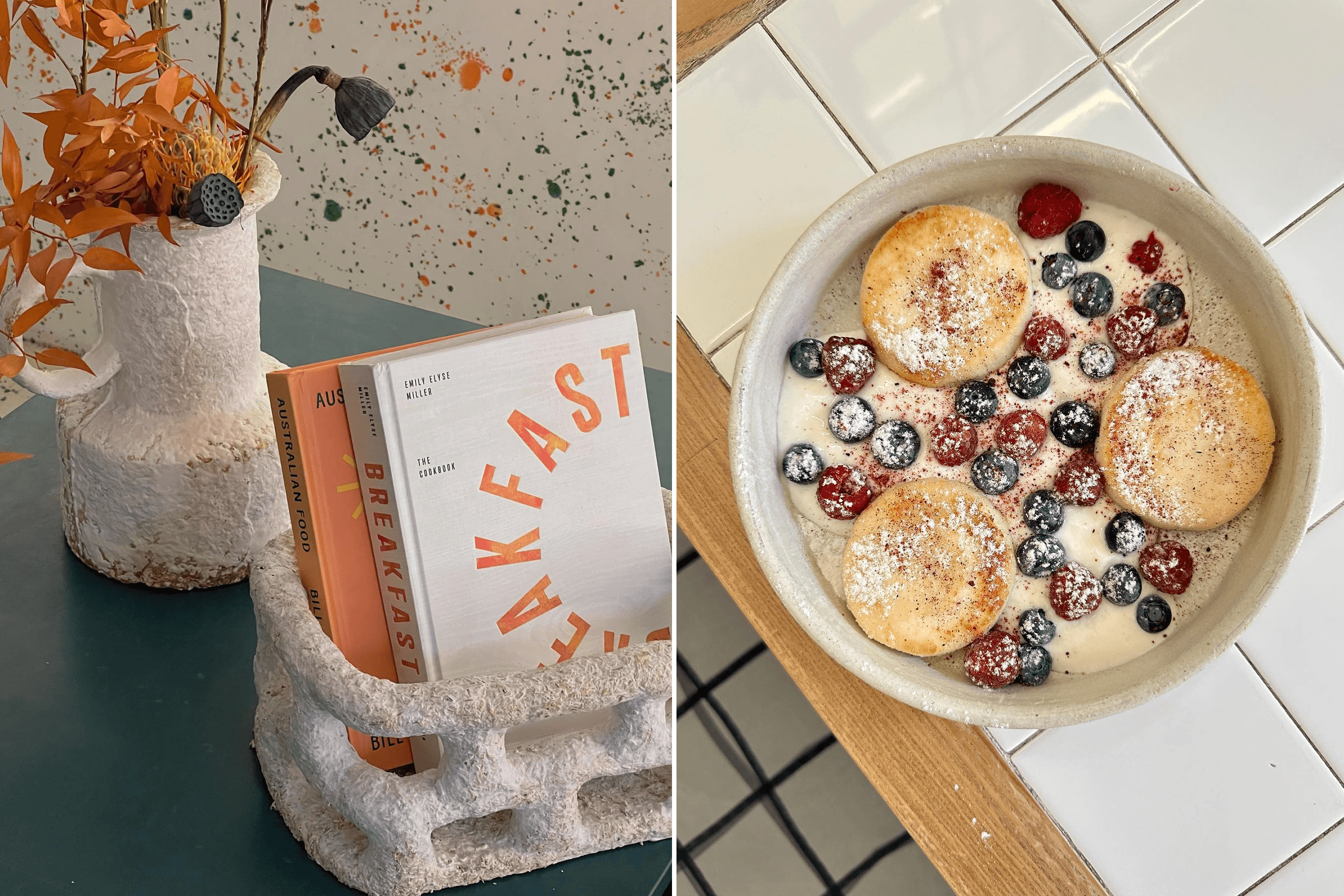
Photo: Altrueeast / Instagram / YB 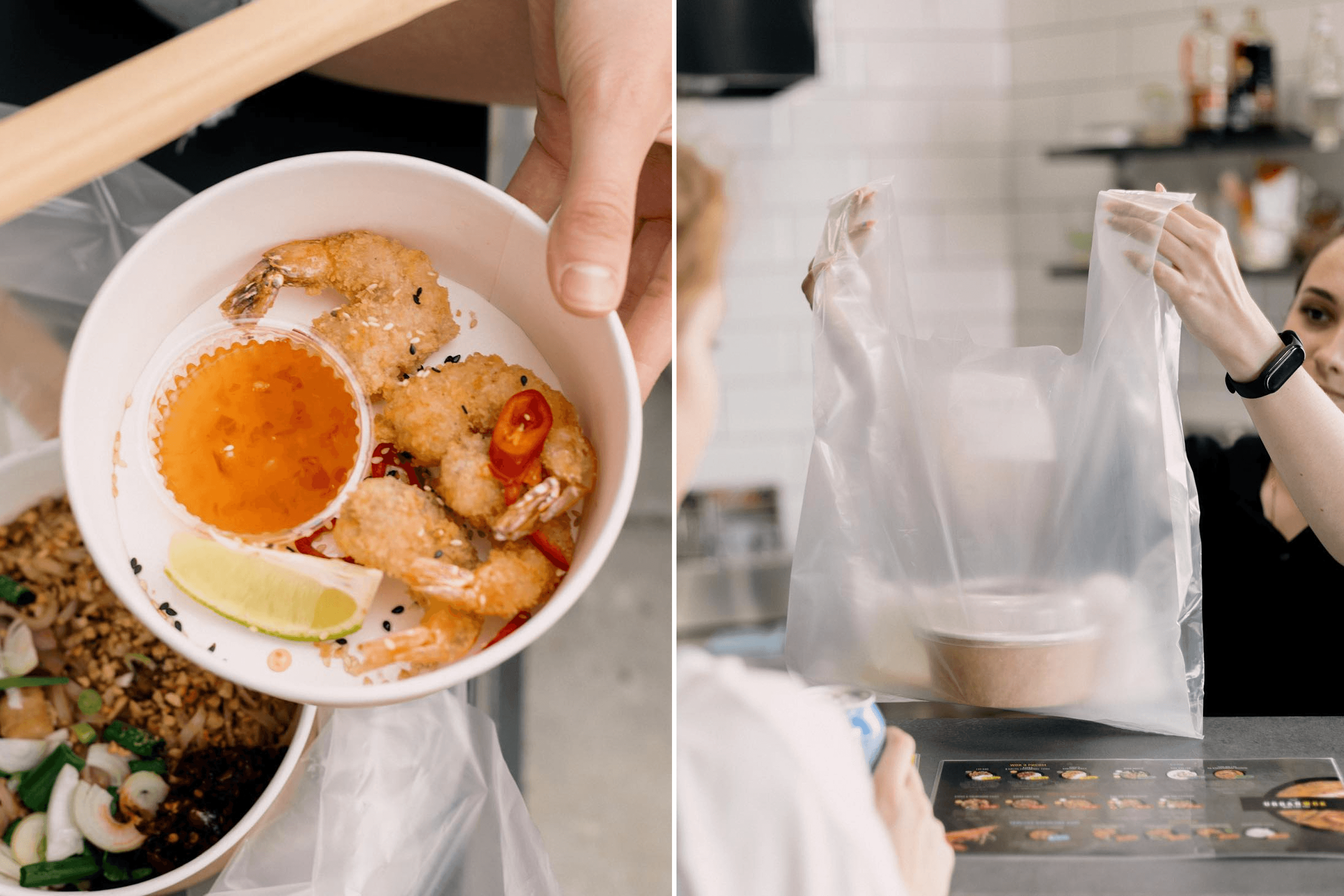
Атмесфера локшинної Urban Wok. Photo: Urban Wok / Instagram / YB 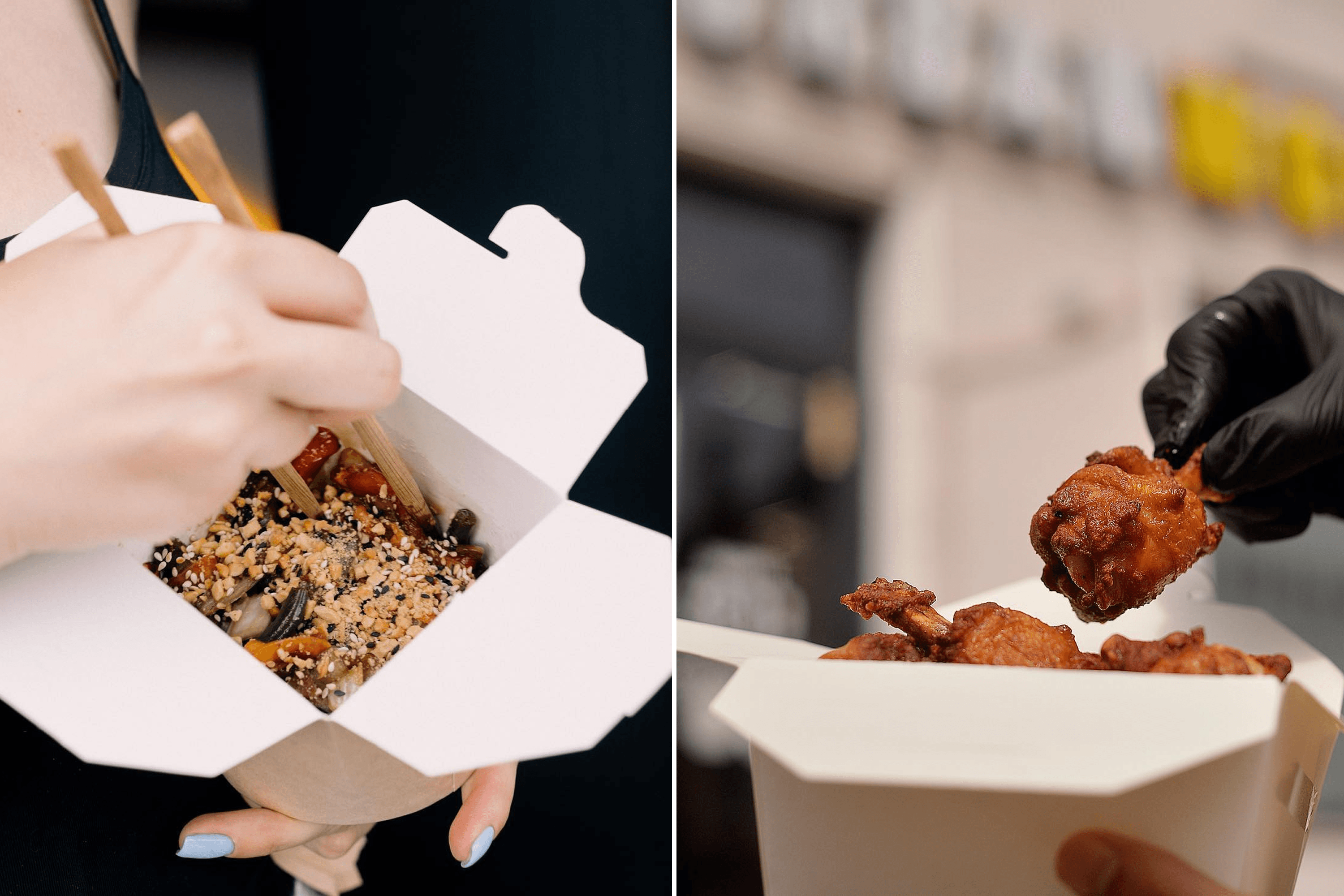
Photo: Urban Wok / Instagram / YB 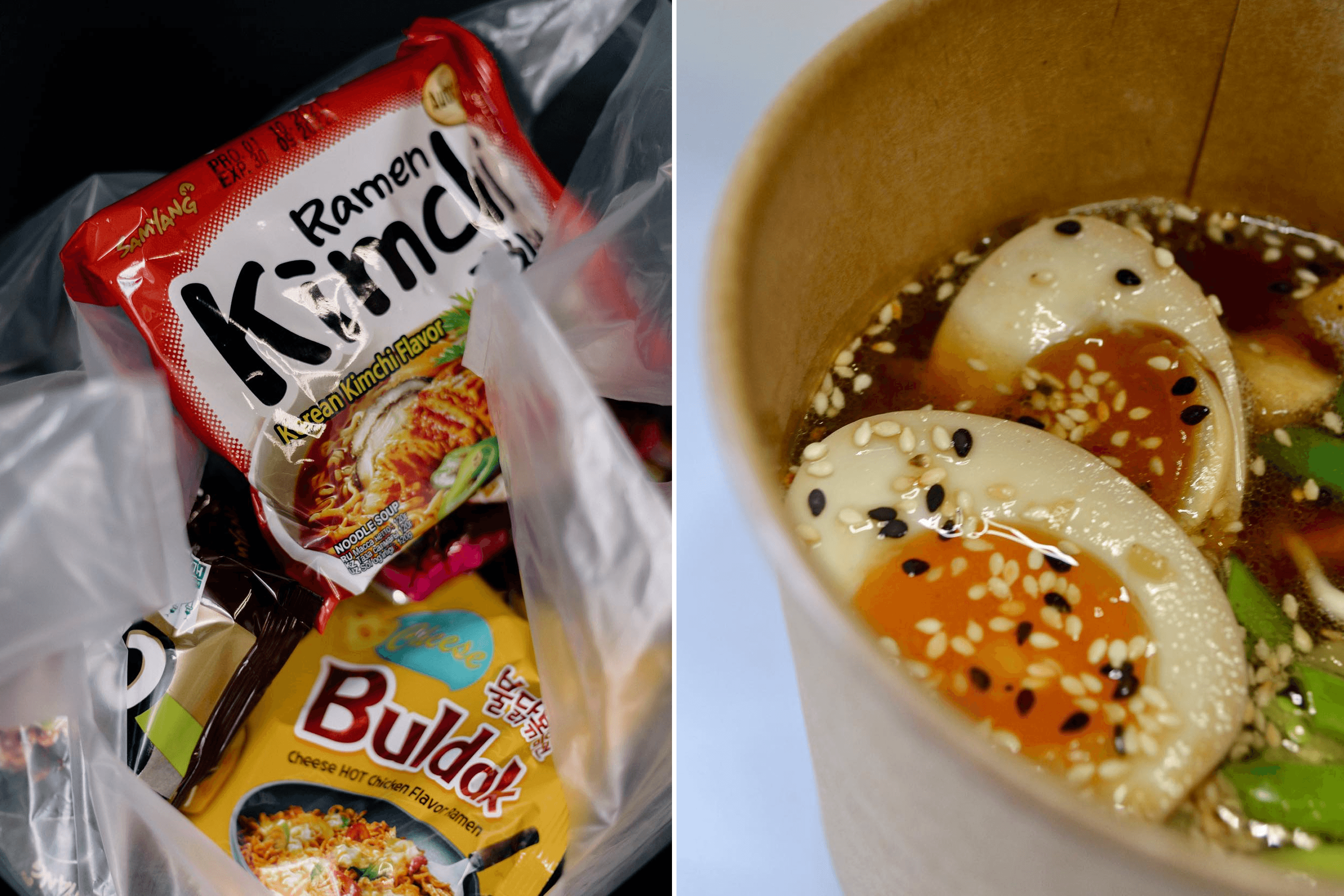
Photo: Urban Wok / Instagram / YB
Why did you choose London after Russia’s full-scale invasion of Ukraine?
I stayed in Kyiv for another month, then moved to London in April 2022. I spoke fluent English, and my brother was studying there at the time, so I had a place to stay. For nearly two years, I traveled regularly between Kyiv and London, hoping the war would end soon.
How did you come up with the idea for your own restaurant in London?
From the first days of the full-scale war, the British actively supported Ukrainians. I wanted to give back by creating something of my own. Initially, I planned to open a small breakfast café, but after speaking with my long-time friend Alex Cooper, I realized it had to be a restaurant. We had never worked together before, but we decided to give it a try and opened Tatar Bunar in London. We were both excited by the idea of showing the British that Ukrainian cuisine, and particularly Bessarabian cuisine, could be compelling and unfamiliar to British diners.
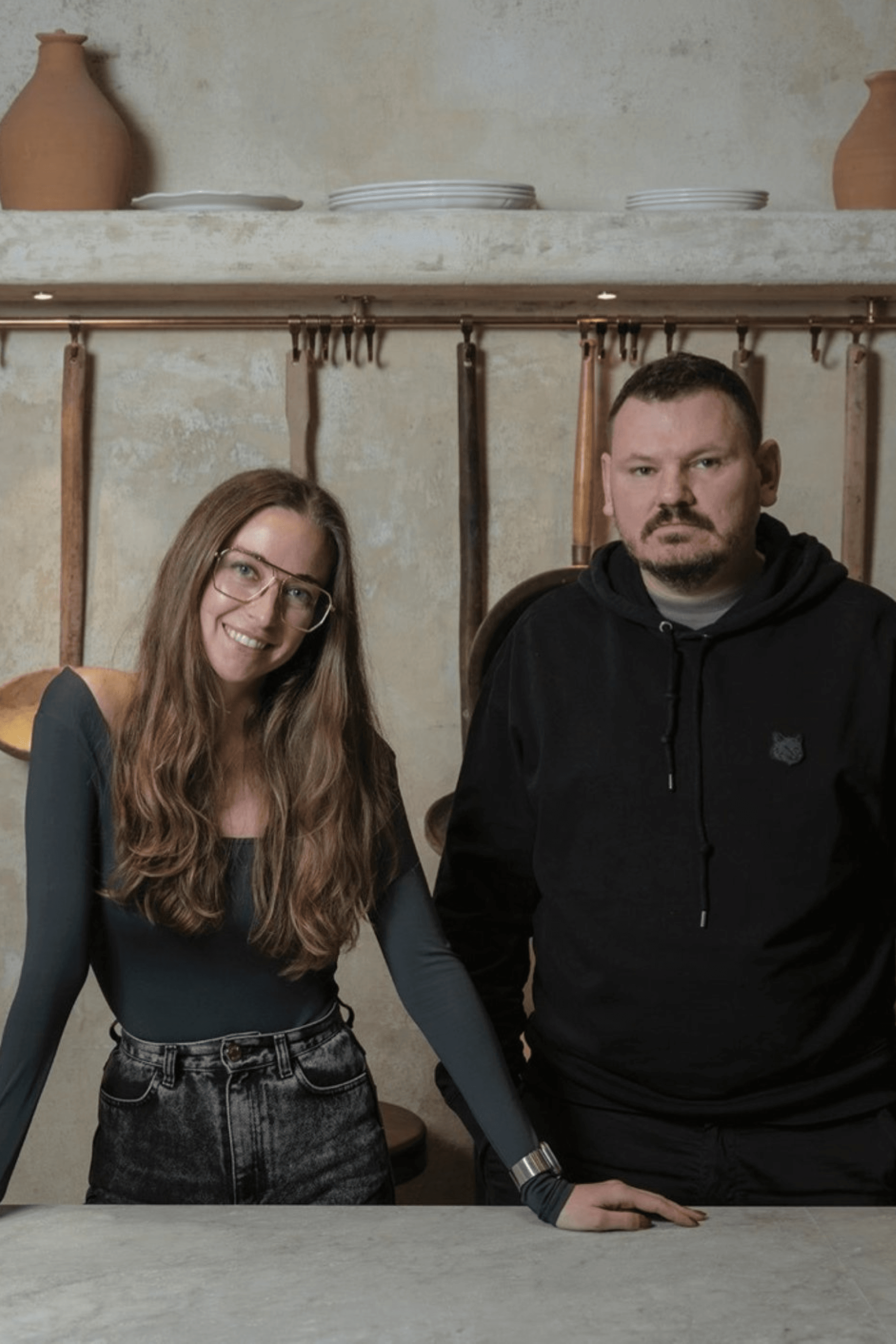
Alex Cooper is a well-known and experienced restaurateur who has opened more than 20 dining spots in Ukraine. Were you worried you’d get lost in his vision?
As it turned out, we share a common vision. Without that, partnership wouldn’t have been possible. We immediately divided responsibilities. I handle operations and local management, while Alex oversees the concept, menu, and pricing strategy.
After 2022, as The Guardian noted, ethnic restaurants in London stopped offering a “simplified image” of their countries. Today, depth, context, and where recipes come from matter. So we kept only the name of the Odesa-based Tatar Bunar, while the menu, design, and interior were built from scratch. Simply copying it to London wouldn’t have worked. The British market has different expectations. Running costs and service standards are higher, but guests are willing to pay for an idea and concept, not just the food.
We preserved Ukrainian flavors while mixing in products familiar to British diners. For example, we serve banosh with beef cheek or pair varenyky with black pudding. These “culinary bridges” make Ukrainian cuisine easier for a local audience to understand.
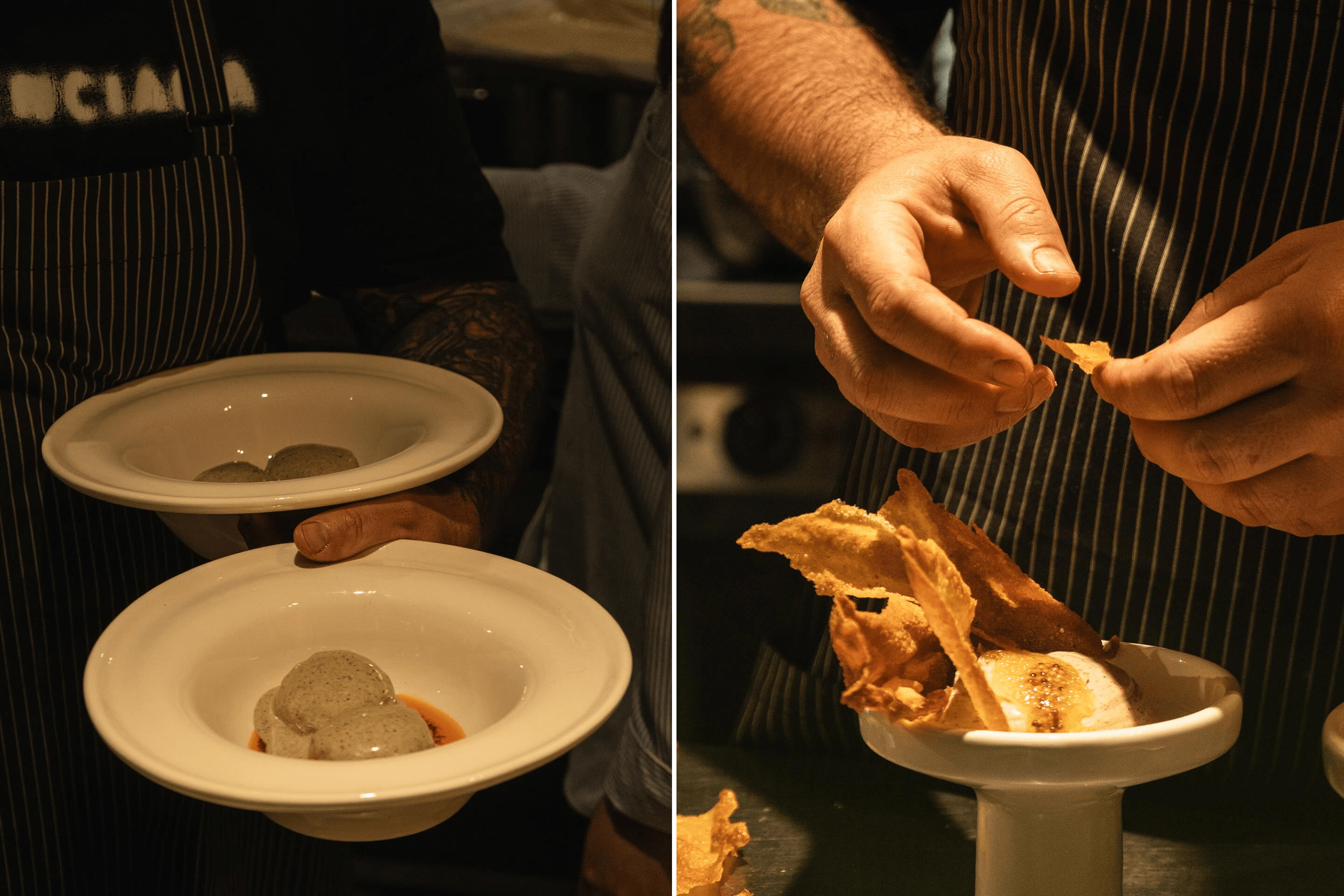
Some dishes from the menu of Tatar Bunar. Photo: Tatar Bunar / Instagram / YB 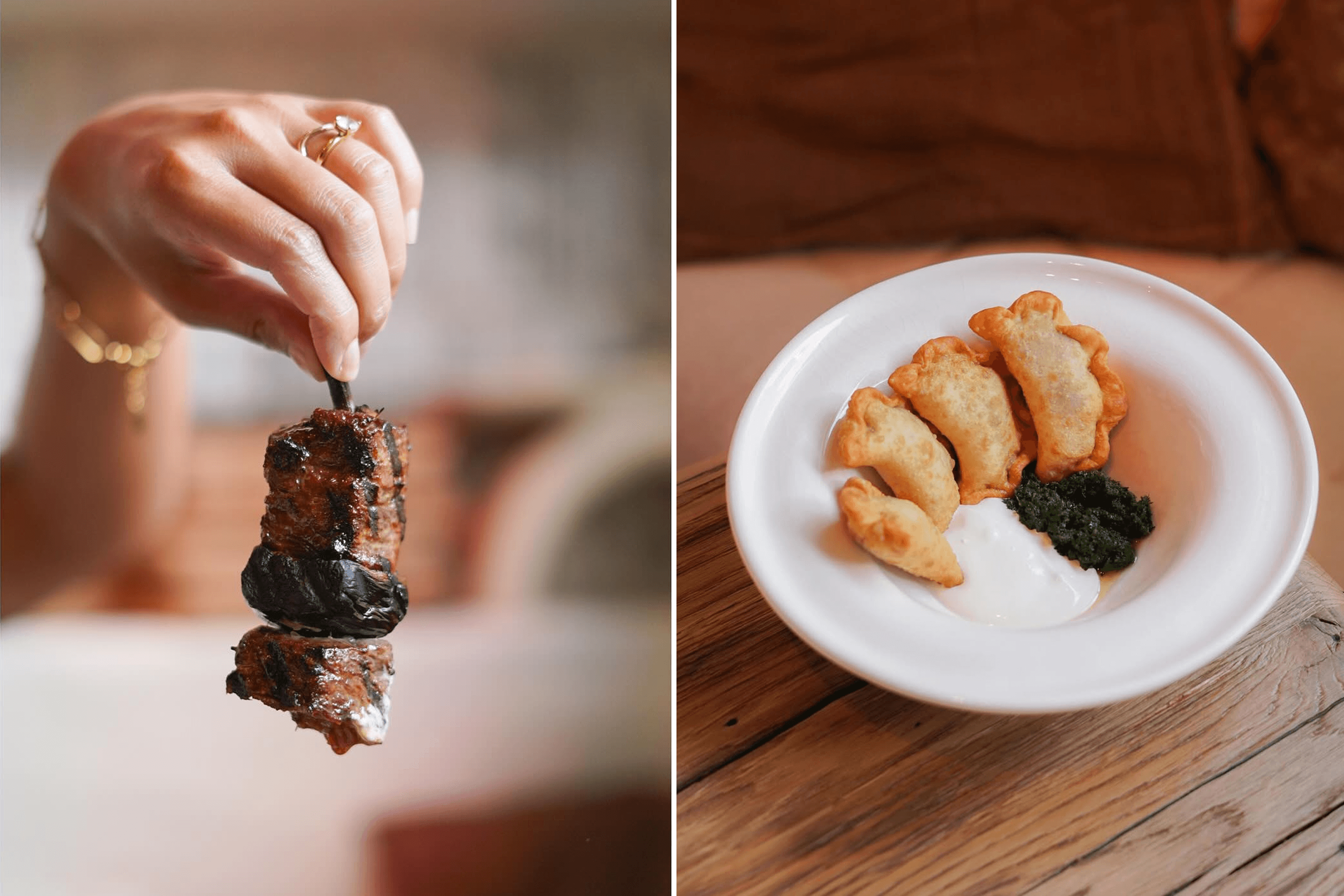
Photo: Tatar Bunar / Instagram / YB 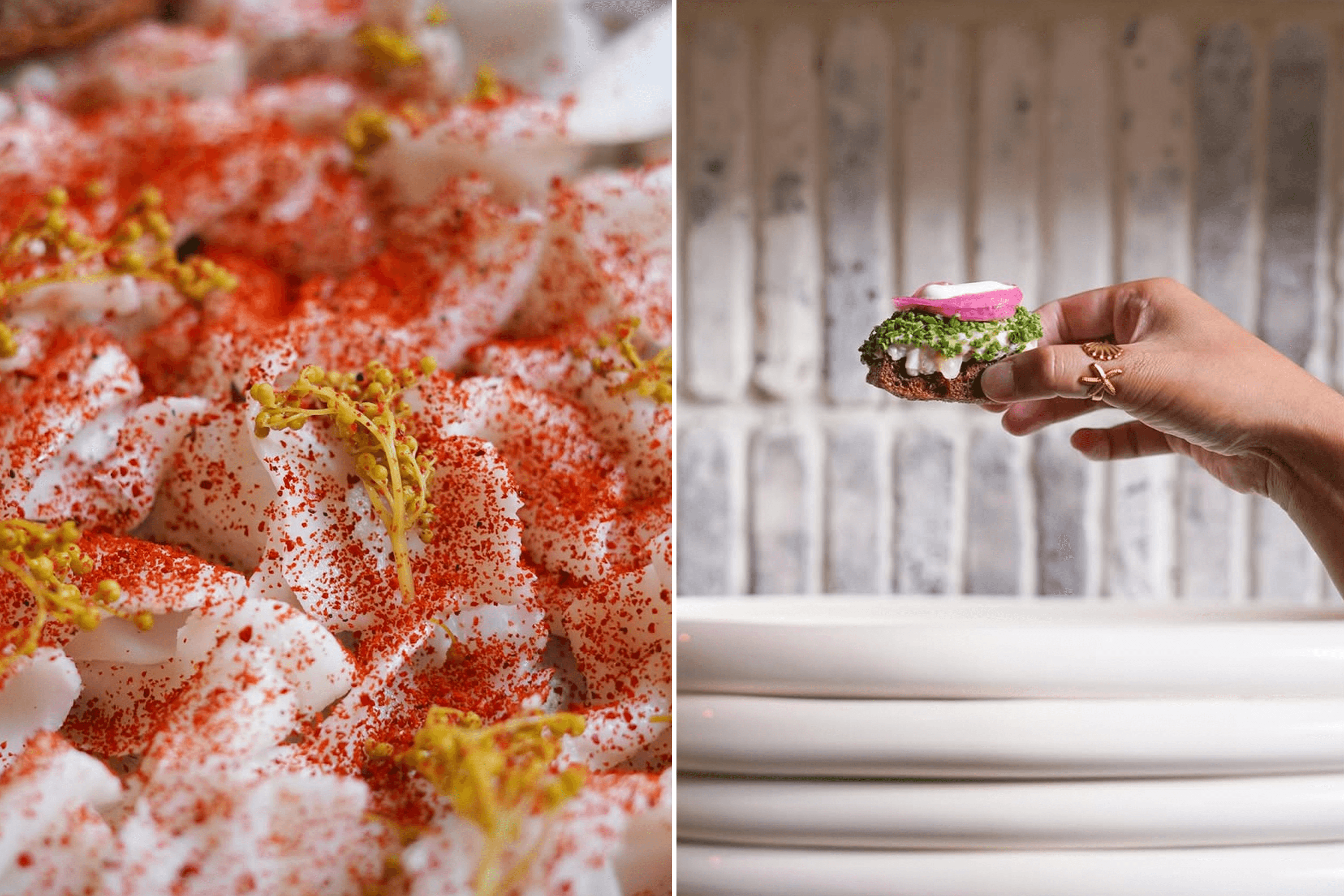
Photo: Tatar Bunar / Instagram / YB 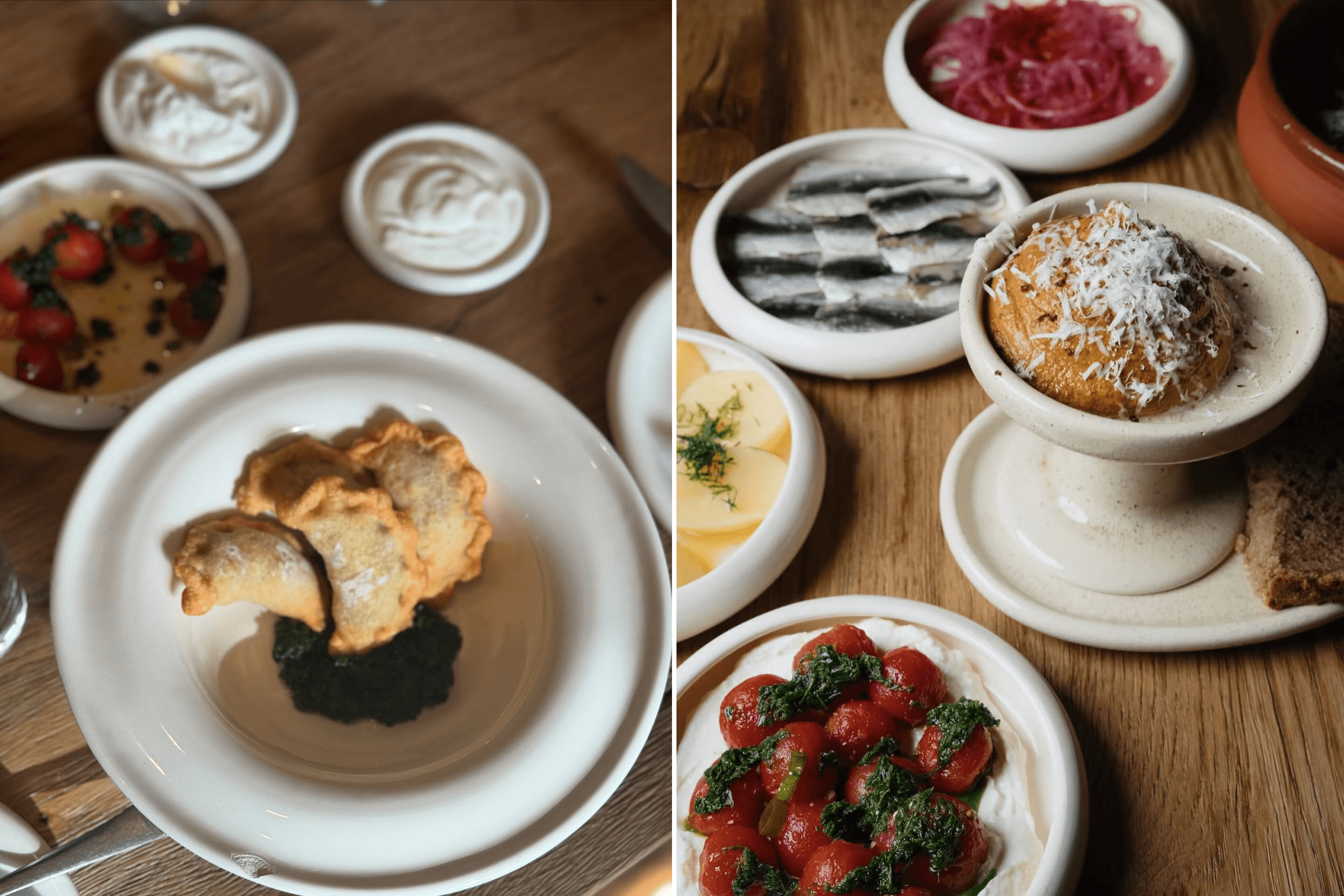
Photo: Tatar Bunar / Instagram / YB 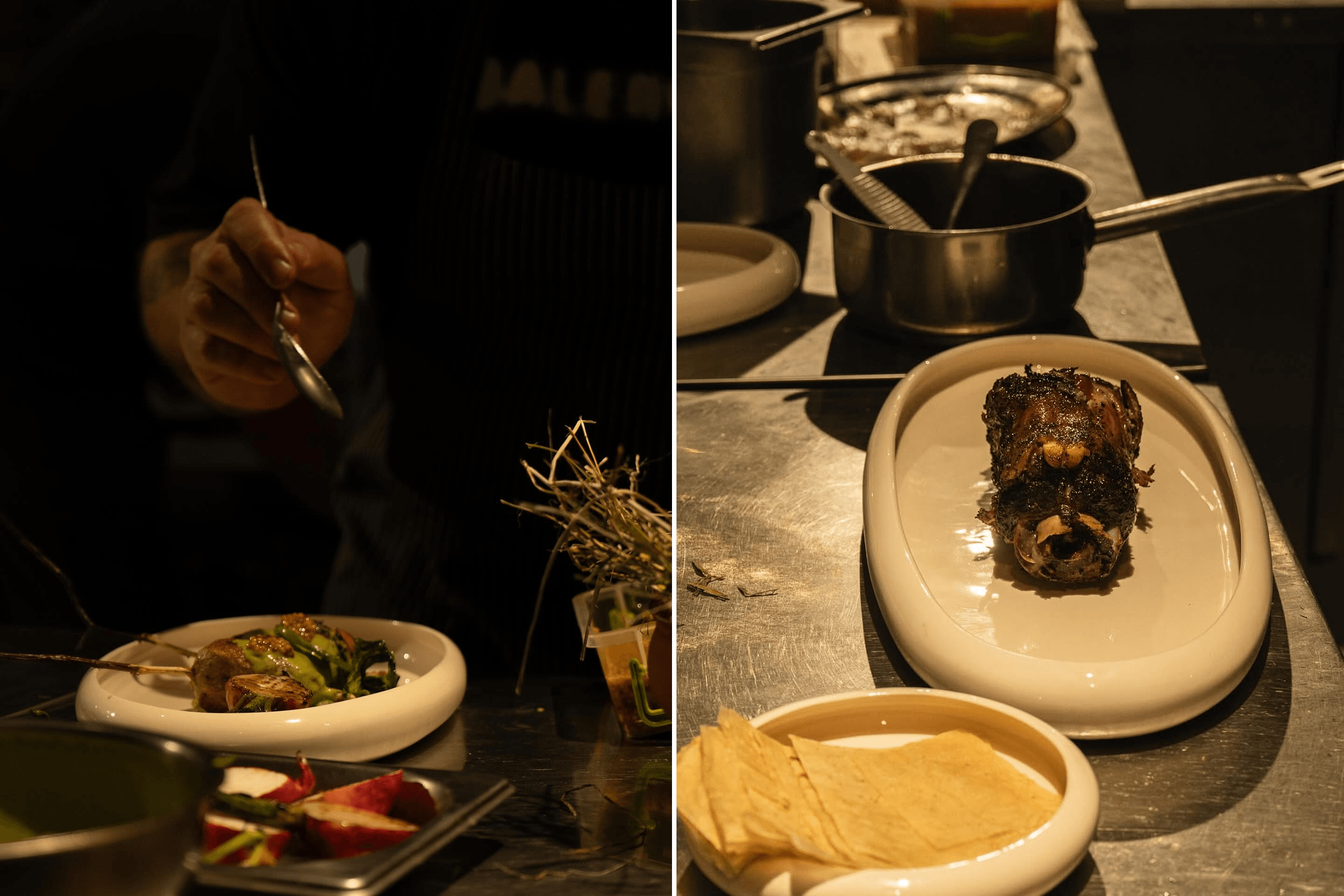
Photo: Tatar Bunar / Instagram / YB 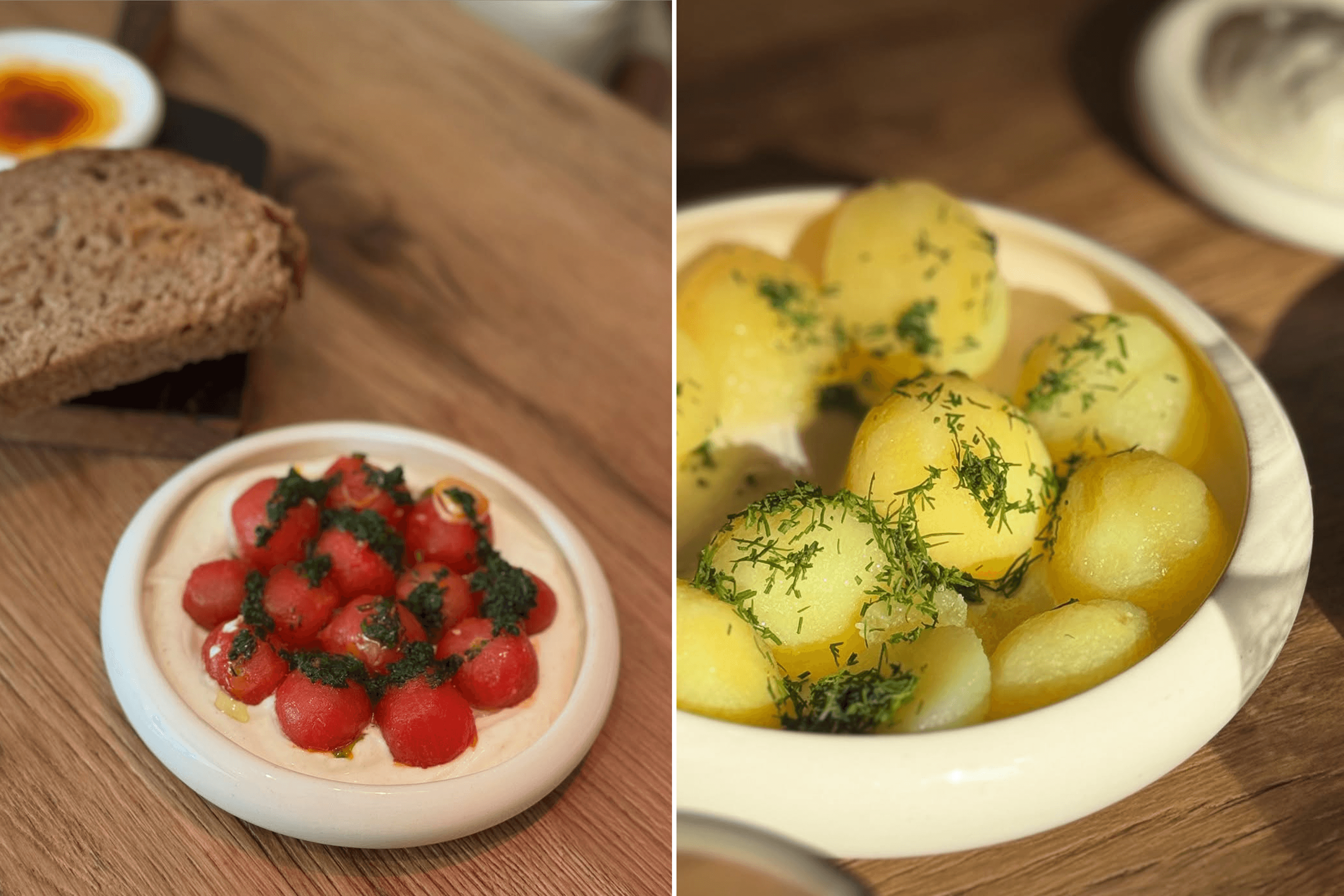
Photo: Tatar Bunar / Instagram / YB
How much does Alex Cooper’s name affect the restaurant’s popularity?
He acts as the conceptual chef. The restaurant’s brand is rooted primarily in Bessarabian traditions and Alex’s family recipes rather than his personal brand. For example, our bread is baked according to his mother’s 40-year-old recipe.
Guests who know his work do visit to see what he’s doing in London, but they represent a small percentage of our clientele.
Where did you start with the restaurant?
We developed the concept, determined the format, pricing segment, and location. We considered Notting Hill and Shoreditch, settled on Shoreditch. The area has lots of independent dining spots and creative hubs, so the audience is open to trying new food.
We chose a destination restaurant model where guests travel specifically to dine with us. The average check is £65 per person.
We registered the company, opened bank accounts, and finalized our partnership agreements before beginning the premises search, which lasted nine months.
How did you land a lease without prior UK business experience?
Most commercial properties belong to funds or large corporations, making it difficult to gain trust. I got rejected multiple times. After presenting Alex Cooper’s portfolio, though, we secured a 160 m² space previously occupied by a Spanish tapas restaurant.
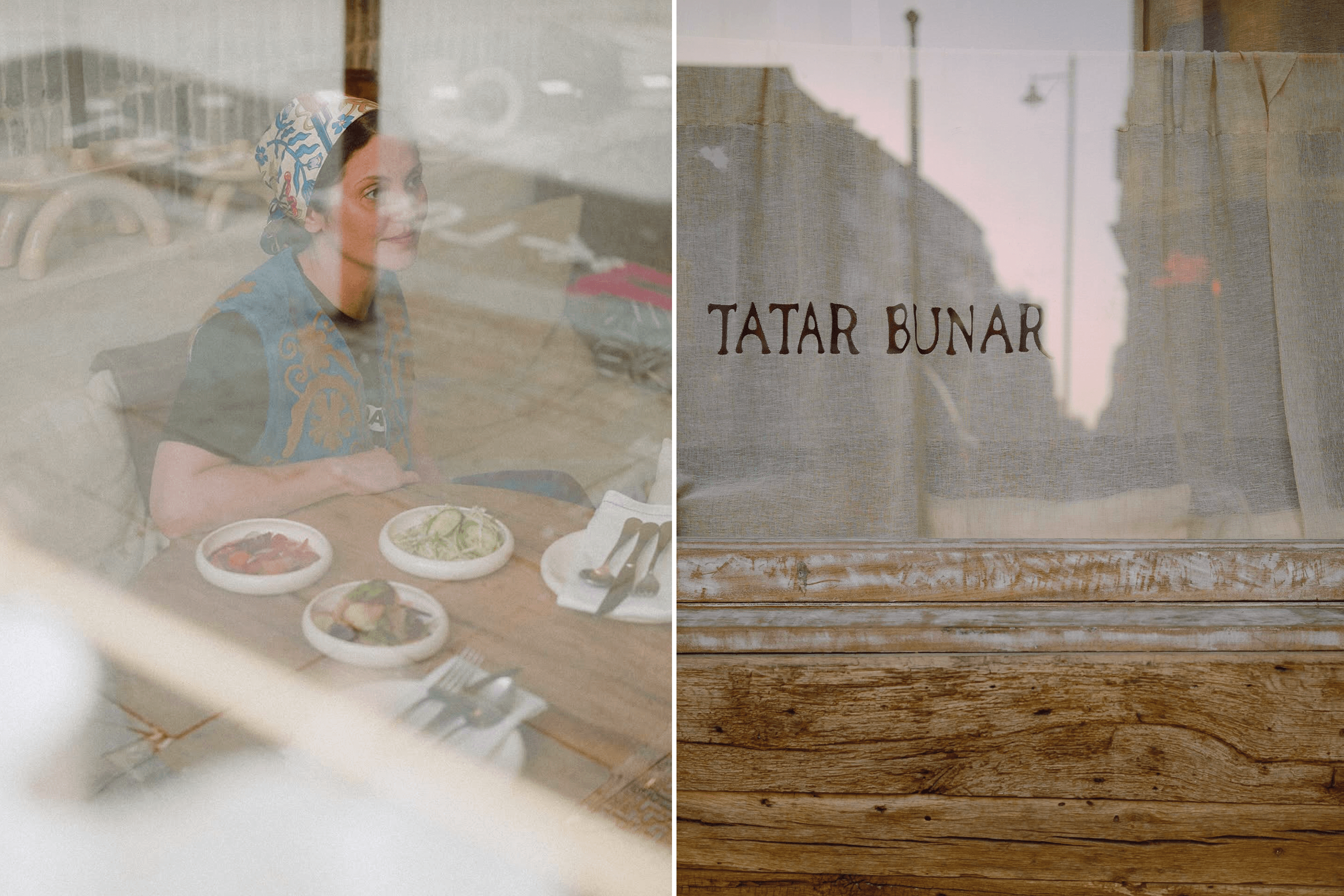
The atmosphere of Tatar Bunar. Photo: Tatar Bunar / Instagram / YB 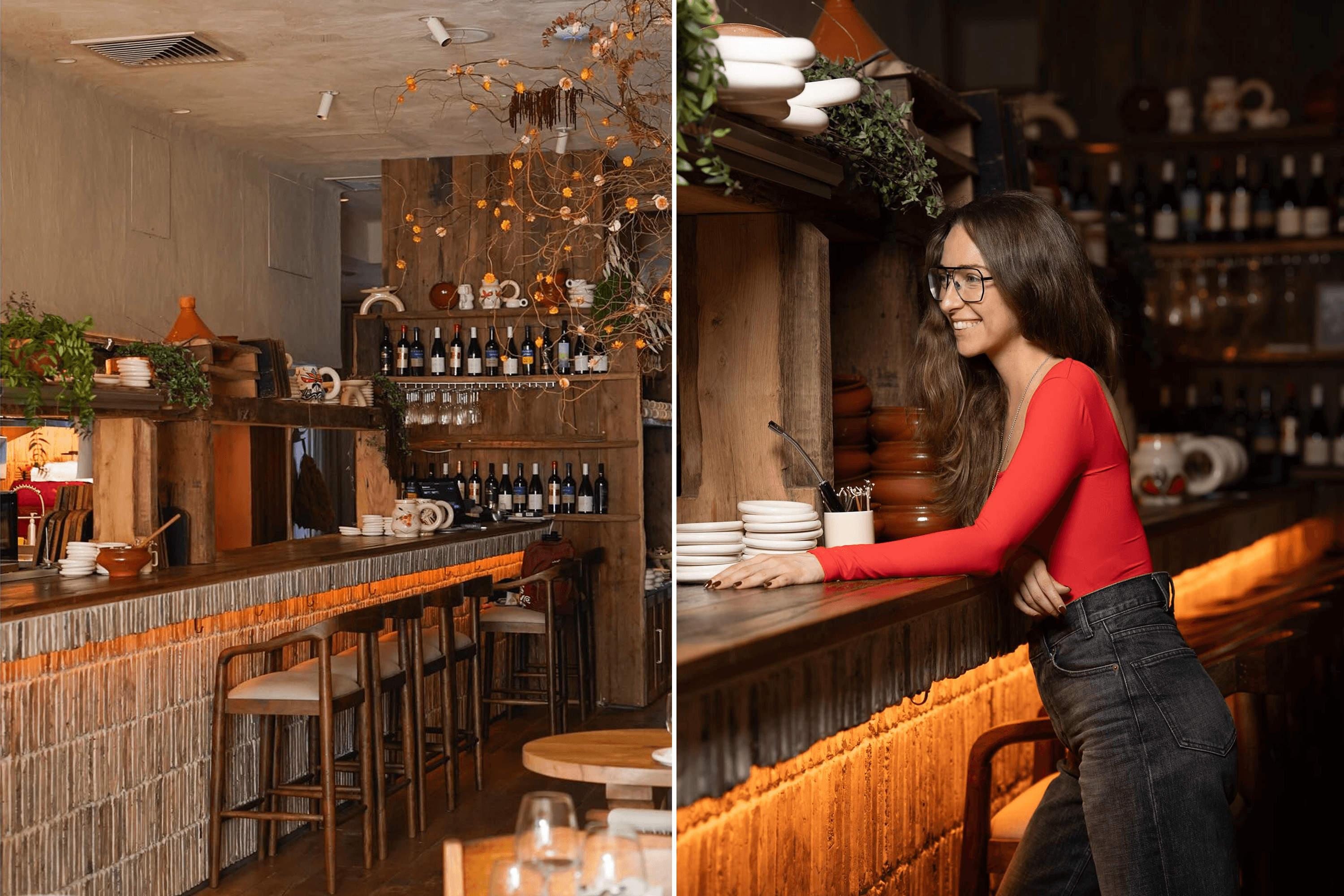
Photo: Tatar Bunar / Instagram / YB 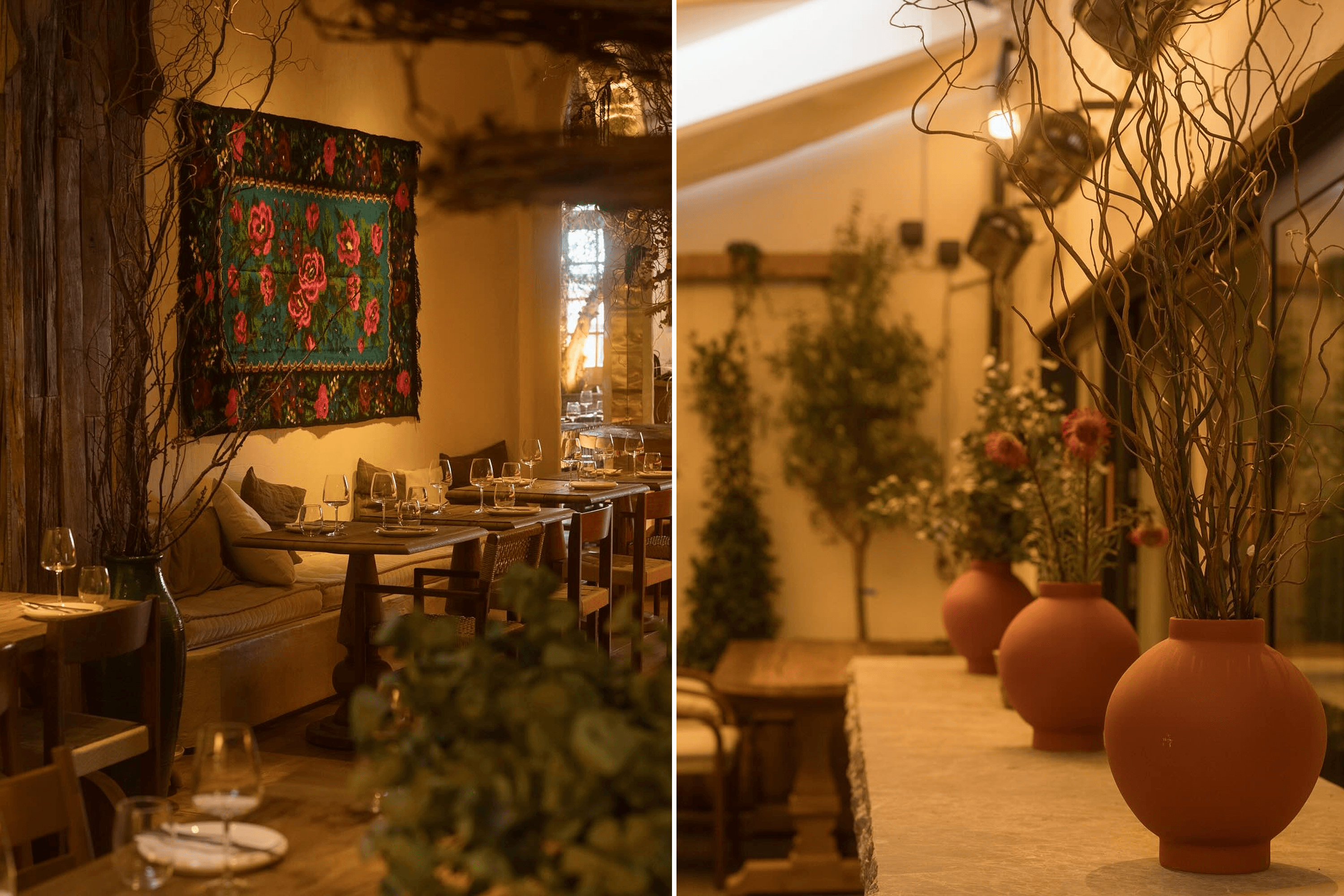
Photo: Tatar Bunar / Instagram / YB 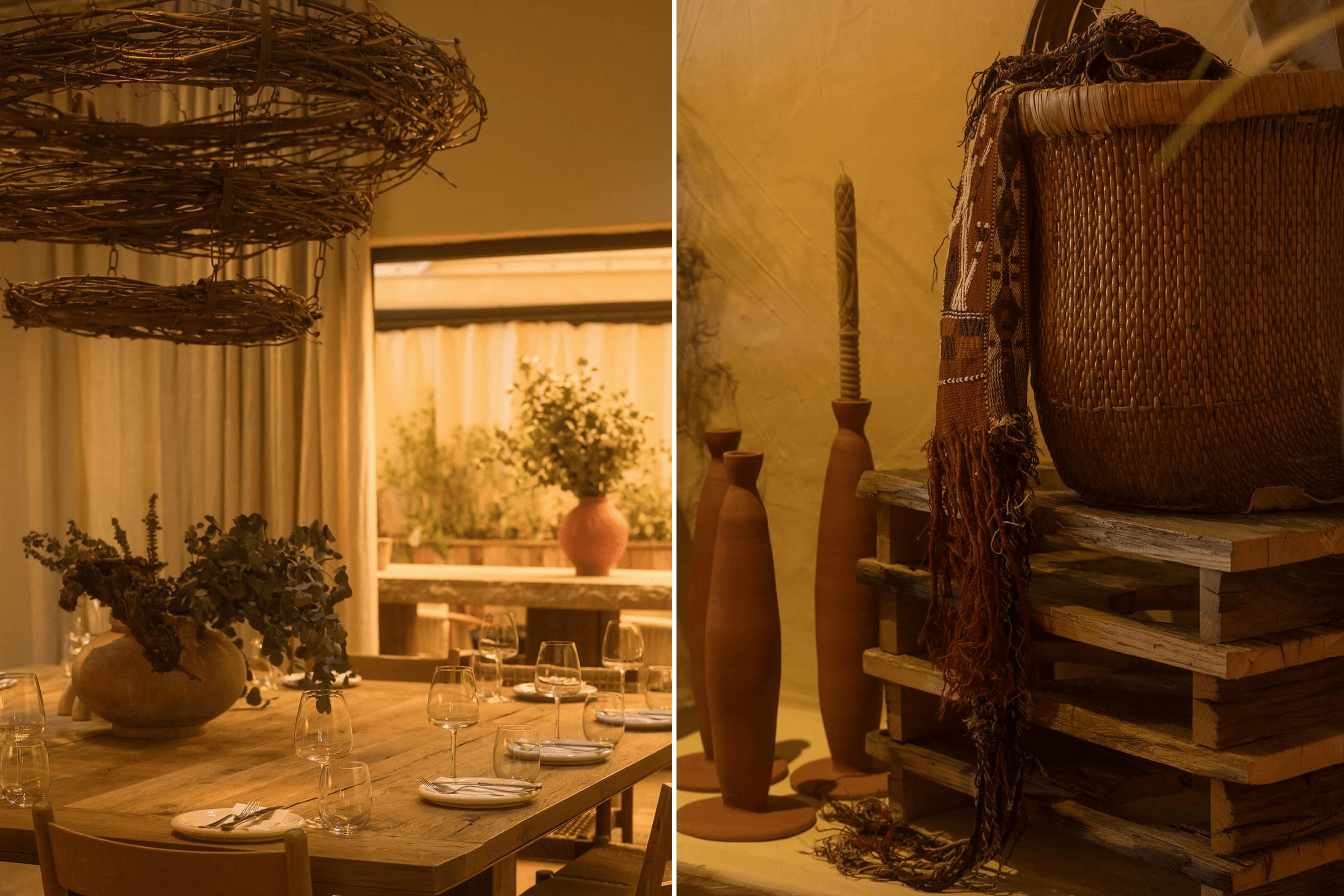
Photo: Tatar Bunar / Instagram / YB 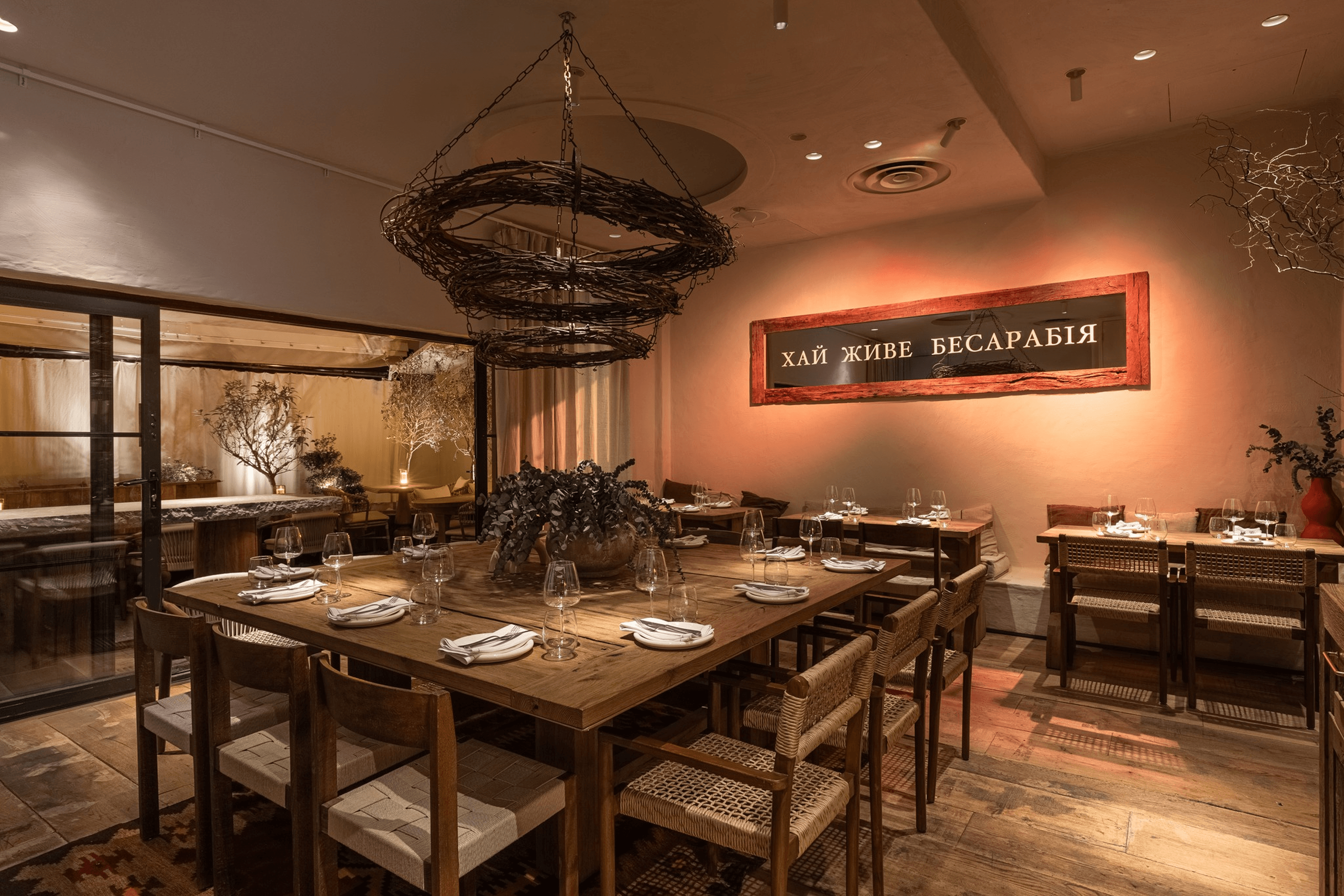
Photo: Tatar Bunar / Instagram / YB 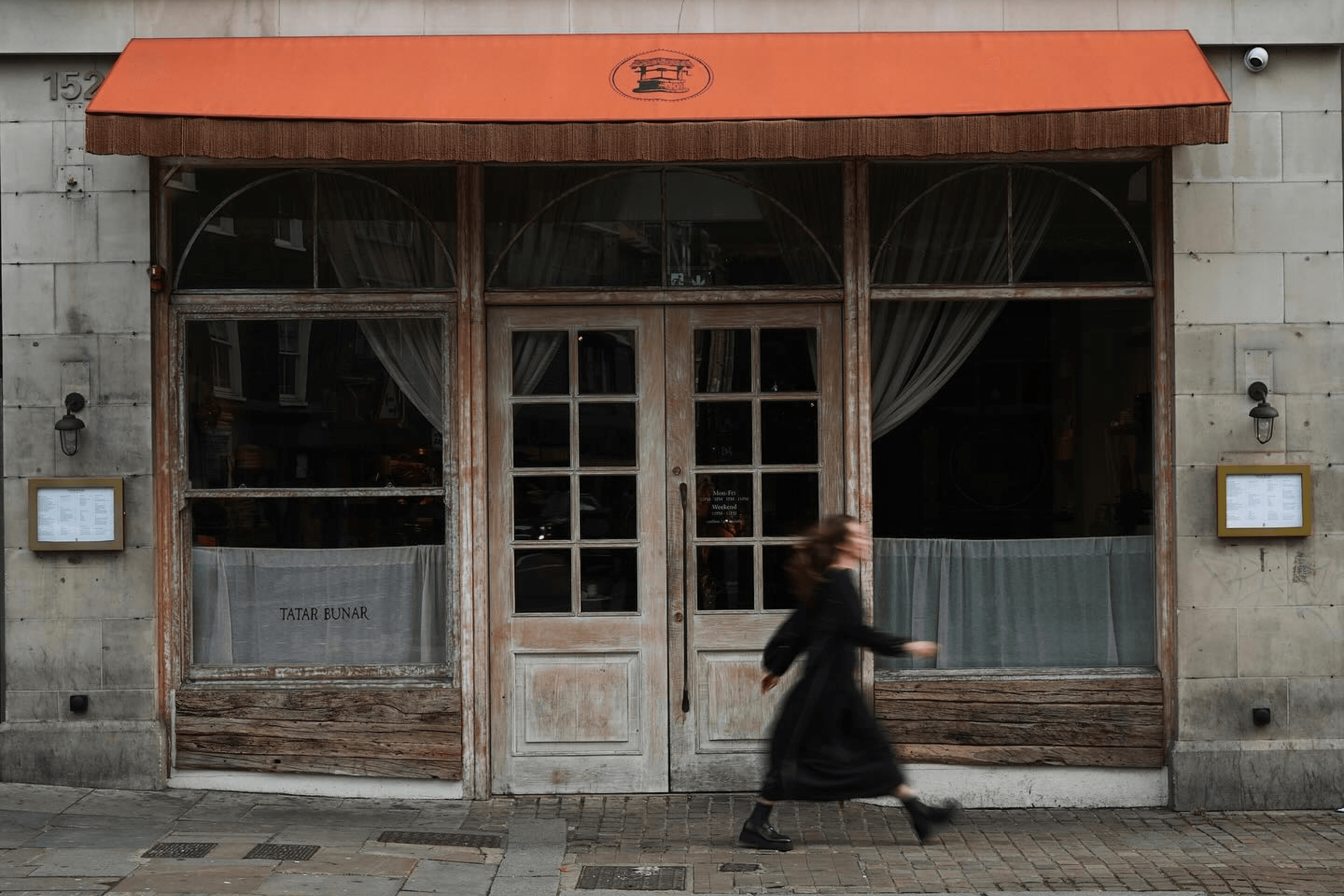
Photo: Anna Andriienko / Instagram / YB
Who designed the interior, and does it echo the Odesa location?
Unlike the Odesa Tatar Bunar, located in a historic mansion, the London restaurant fits into an urban setting. The interior was developed by Ukrainian studio I am Design in partnership with Alex Cooper. Together they worked on the concept, blueprints, and sketches, which builders then brought to life.
The space reflects an imagined Ukraine for people who live or grew up abroad and reconnect with their roots through the interior, as well as for foreigners who want to experience Ukrainian culture.
We focused on authenticity and craftsmanship. Whitewashed cottage aesthetics, wooden furniture and reclaimed timber from Barn Code and Old Wood Ukraine, handcrafted ceramics, tableware and tiles by Svitlana Sholomitska, lighting by Expolight, curtains by Myata Home. On the walls hang antique carpets from the Kosiv market, and I brought some vintage pieces from European flea markets. They echo Ukrainian everyday objects like kerosene lamps or wrought-iron candlesticks.
What level of investment did you need to open the restaurant? Did you take out loans?
Due to a non-disclosure agreement, I can’t share exact figures. But in London, renovation and fit-out for this type of place average from £3,000 per square meter, depending on the neighborhood. Rent for approximately 200 m² can reach £15,000 per month.
Total investment typically ranges from £500,000 to £5,000,000 depending on scale, location, square footage, and timeline. In our case, we invested only our own funds. We expect a return within 3–4 years.
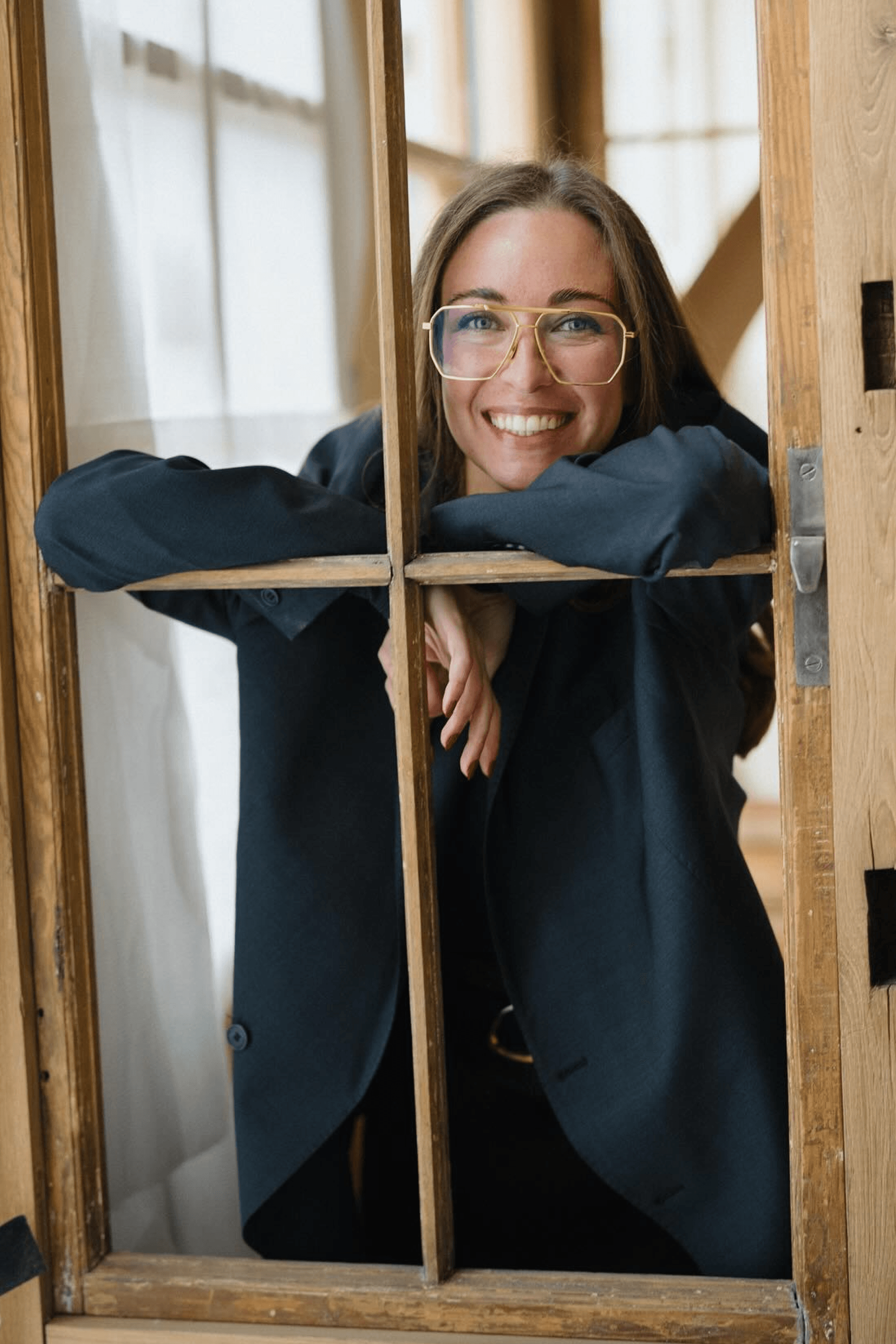
Was there a risk of not opening on time?
Every day. Ukrainian contractors reported shortages of materials for furniture, lighting, and décor. Deliveries were delayed by months, while opening was scheduled within two weeks. We had to quickly find alternatives.
Due to safety requirements, we had to get approval from the landlord and the local council not just for the restaurant façade but even for every straw garland. Otherwise, we risked being taken to court.
Budgets are always limited, and timelines rarely match the plan. Alex developed recipes in Ukraine, head chef Kate Tkachuk was supposed to come to London for menu testing, but her visa got delayed. All of this impacted budget, logistics, and deadlines. We were constantly adjusting to unexpected challenges, but that’s typical for any restaurant business.
What’s it like managing a London restaurant alone? What are your responsibilities?
I handle everything from fixing the toilet to finding suppliers, building strategy, talking to journalists. At first I worked on my own, now we have a general manager, but he joined just a month and a half ago.
How many people work for you total?
We have 22 employees, 11 of whom are Ukrainian. There are 8 chefs and 3 kitchen assistants, 8 waiters, a cleaner, a manager, and me. In December, when we had lots of guests, we hired additional part-time staff, usually Ukrainians. They learn quickly and understand the cuisine well.
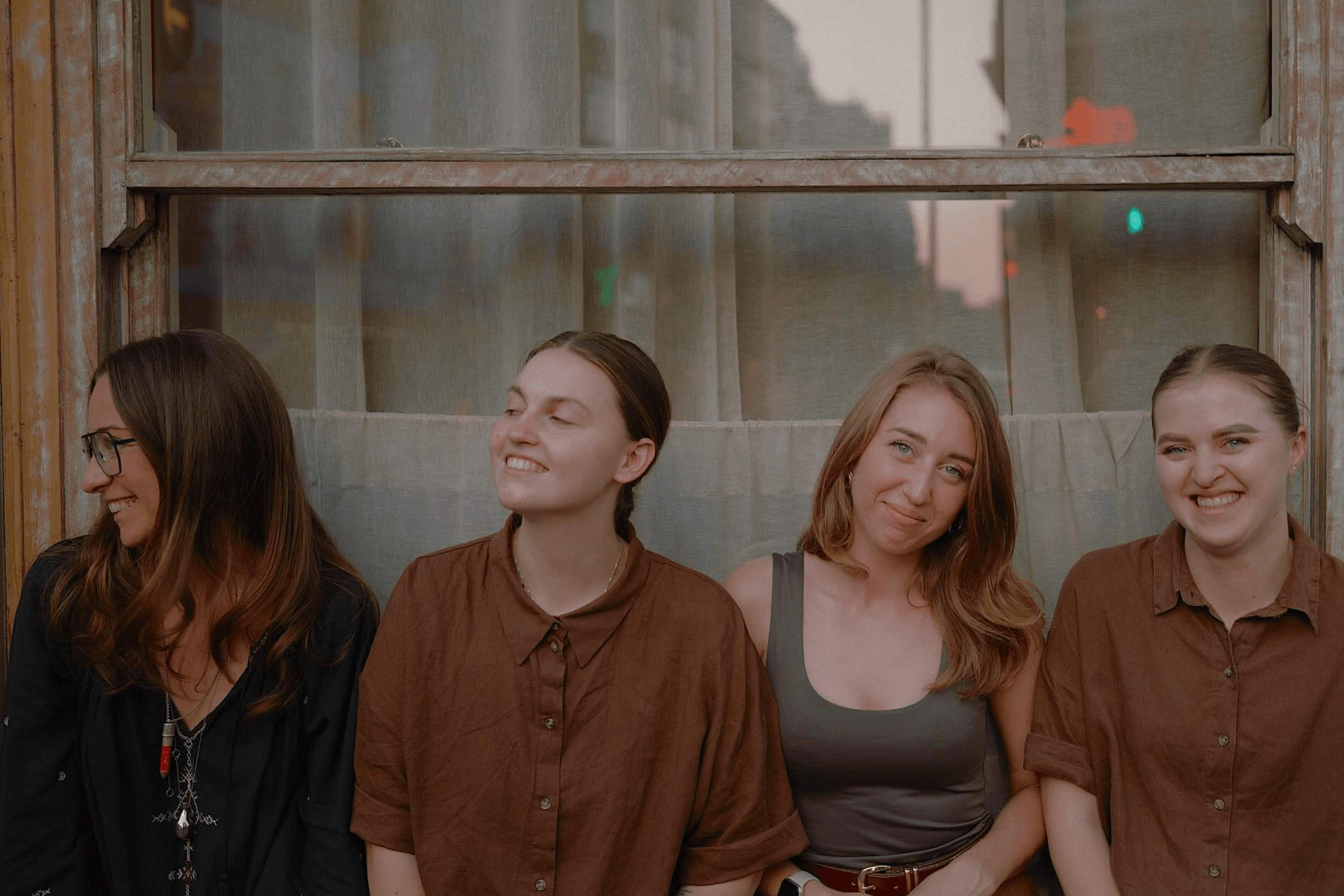
Meet the team behind Tatar Bunar. Photo: Anna Andriienko / Instagram / YB 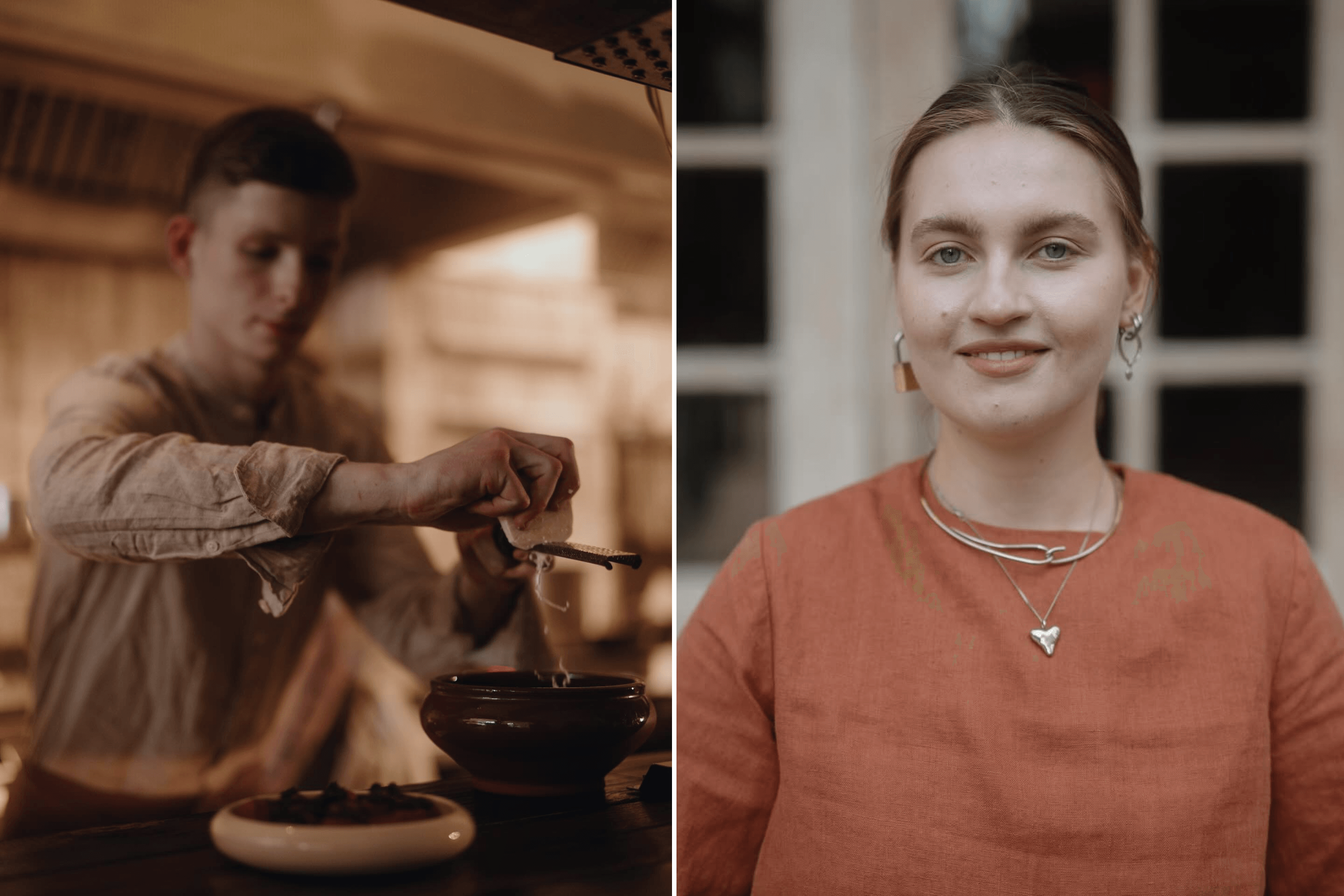
Photo: Tatar Bunar / Instagram / YB 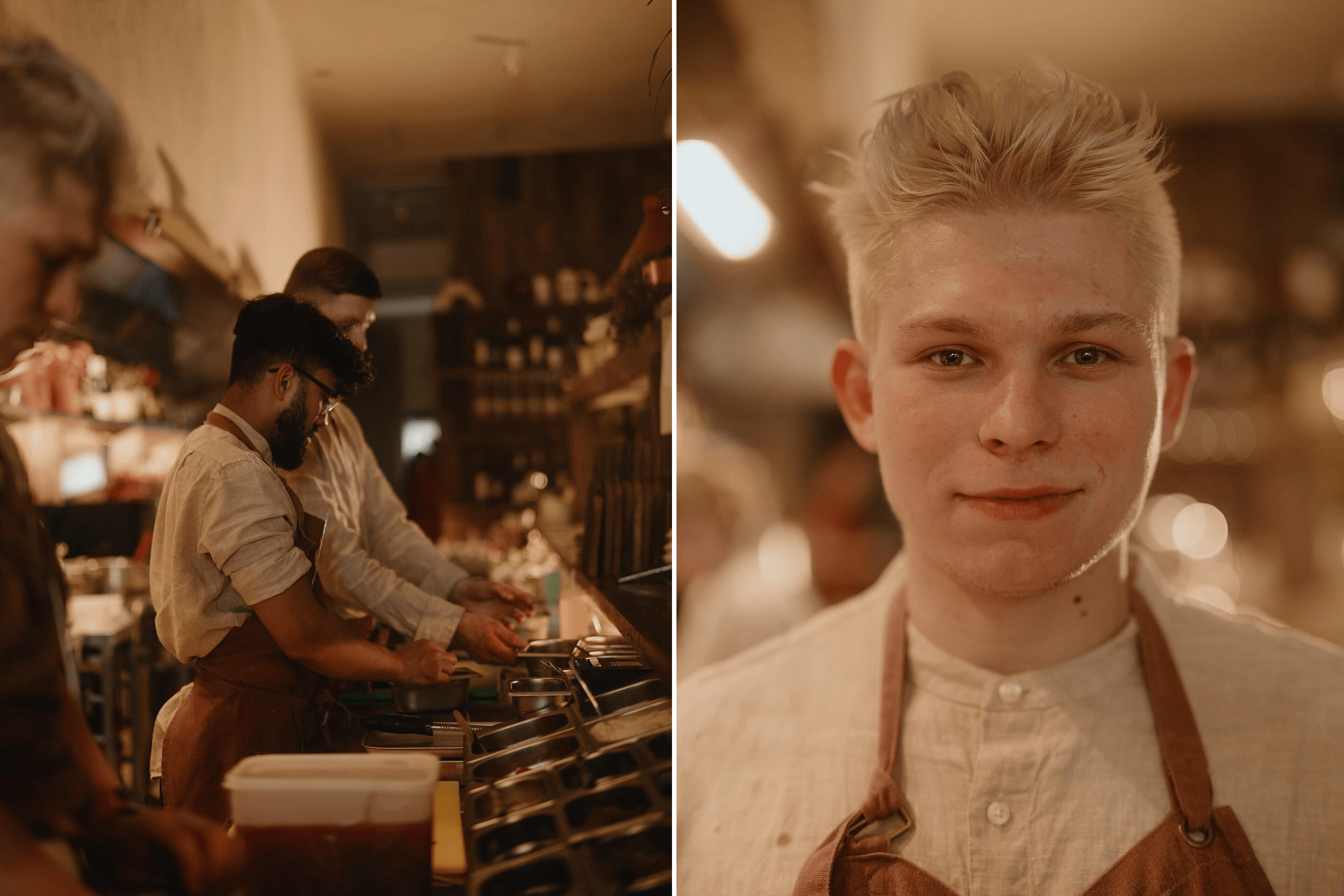
Photo: Tatar Bunar / Instagram / YB
How did the opening go?
We launched on March 21, 2025, without a big ceremony. For a month prior, the team refined the menu, plating, and operations, while head chef Kate Tkachuk tested recipes and built the workflow with staff. A week before we started, Alex shared the news on social media, and 20 people booked tables right away. On our first day, we welcomed over 50 guests.
How many seats do you have, and how many guests can you serve in an evening?
The main room seats 75, the terrace 25. On a busy night, we can serve up to 200 guests who typically spend an hour to an hour and a half with us.
How did you promote the restaurant?
We created content for social media and press with photographer Serhii Sarakhanov and brought in PR agency Fraser Communications to position the restaurant and work with media. Their services cost about £3,000 per month. The agency doesn’t manage social media. Their focus is print and online press. The agency specialists organize events for us. They know who to invite and help us get our message across.
Before opening, we took British journalists to Ukraine to show how restaurants operate during wartime. Ed Cumming from The Telegraph did a major interview that brought us media attention too. The British are a nation that reads a lot, and traditional media matters more to them than social media.
For example, Grace Dent, one of the most influential critics, came to our restaurant on her own and wrote a positive review in The Guardian. We couldn’t predict her visit, but I recognized her at the door and became her server. Dent’s review worked for us for another five months. Guests would come in and say she recommended our place. In Britain, you can only interest journalists, not buy them, and the outcome of their visits is always unpredictable.
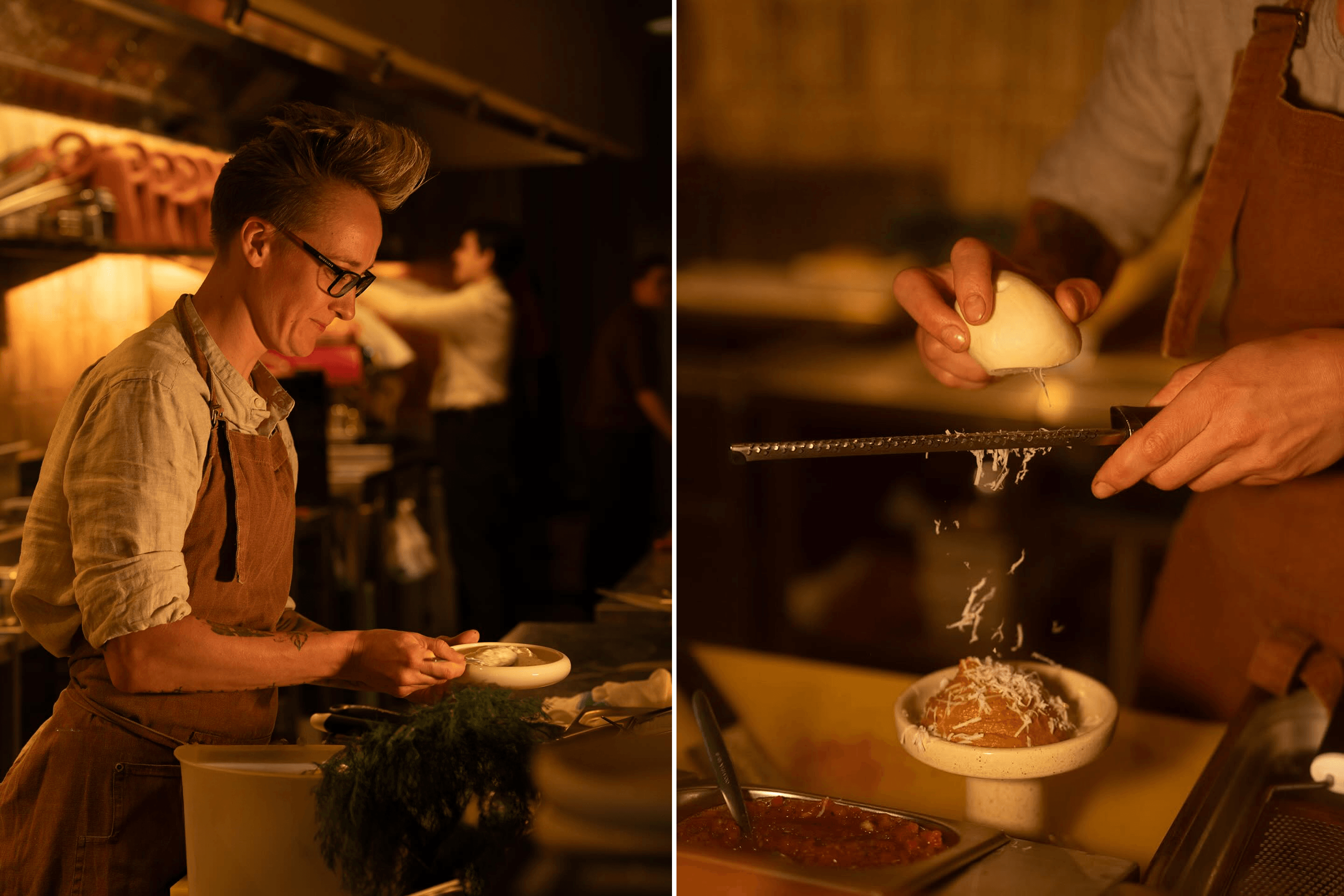
The kitchen of Tatar Bunar. Photo: Tatar Bunar / Instagram / YB 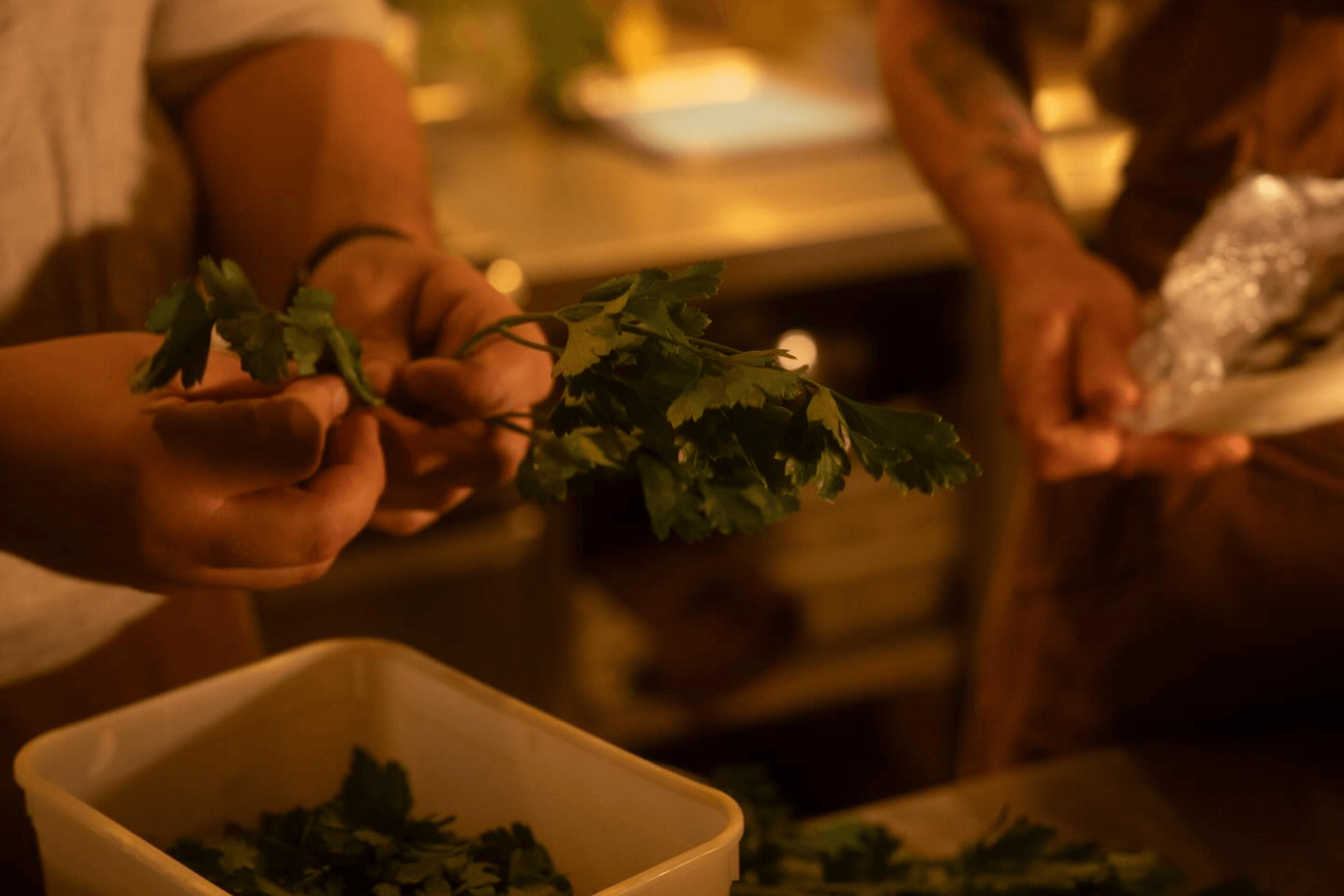
Photo: Tatar Bunar / Instagram / YB 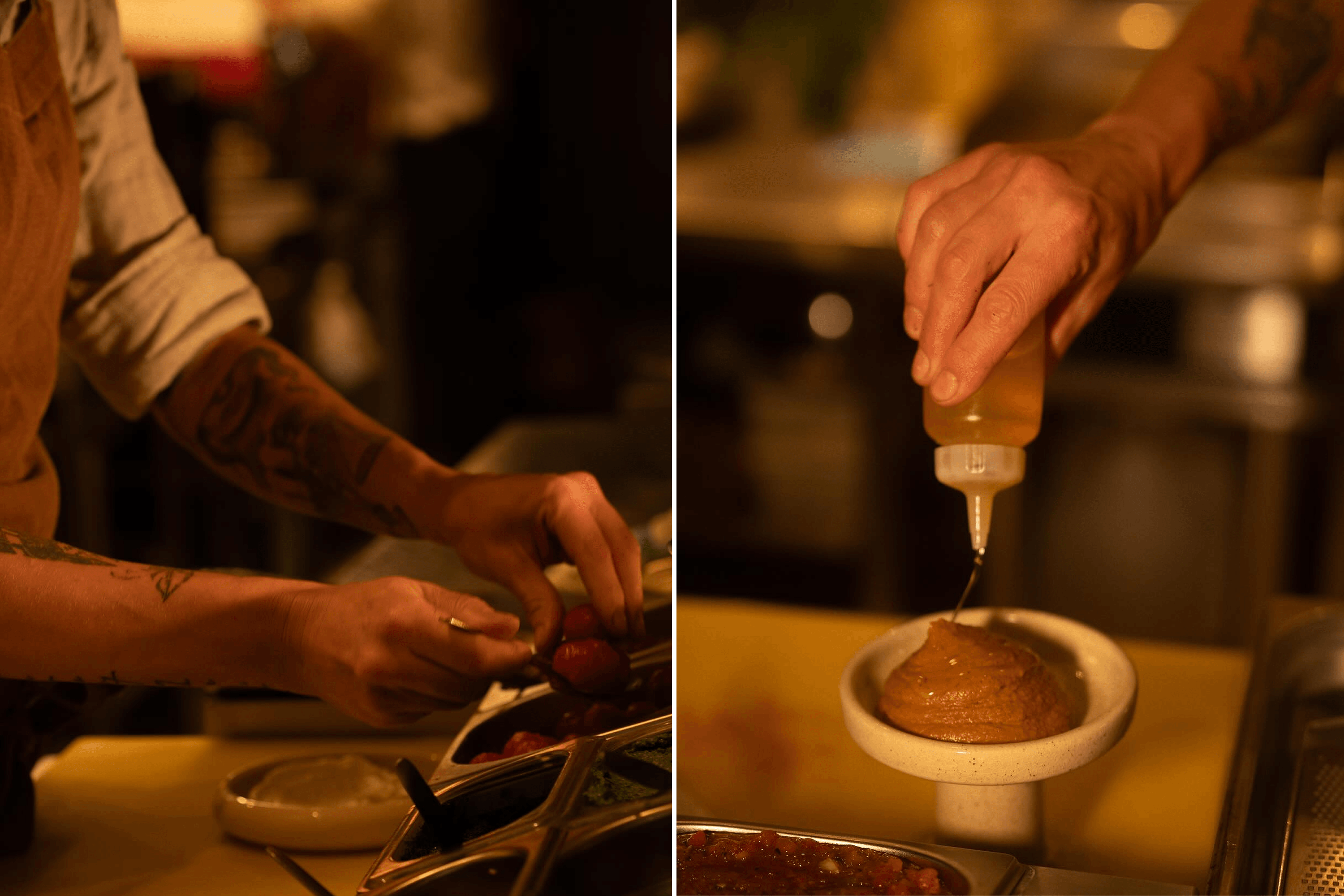
Photo: Tatar Bunar / Instagram / YB
The Michelin Guide’s blog took interest in you. Tell us how that happened.
A month after opening, Tatar Bunar appeared in the Michelin blog section “Restaurants to Watch.”
Getting into their guide means inspectors noticed the restaurant and recommend it for high-quality cuisine and service. A Michelin star goes to restaurants with exceptional cooking worth a special trip. They pay attention to venues with a unique format, innovative dishes, or notable media presence. If a chef already has stars from other projects, it might make the path somewhat easier, but the outcome is never automatic. For new restaurants, it’s always an extremely difficult task.
How is the menu developed, and which dishes became bestsellers?
The first menu was created by Alex Cooper and Kate Tkachuk, while brand chef of Cooper’s restaurants, Ike Weishtort, worked on the current version. Sous-chef Agne Zadarohkaite from Lithuania also works in the kitchen. She handles daily kitchen management and seasonal specials. The menu updates four times a year, and all changes get approved with Alex remotely.
The most popular items are chebureky and borshch. Borshch is served as a ceremony on wooden boards with three types of salo (cured pork fat), two types of bread, sour cream, smoked horseradish, and chili. Guests experiment with flavors themselves, creating their own combinations. The format somewhat resembles Korean hot pot.
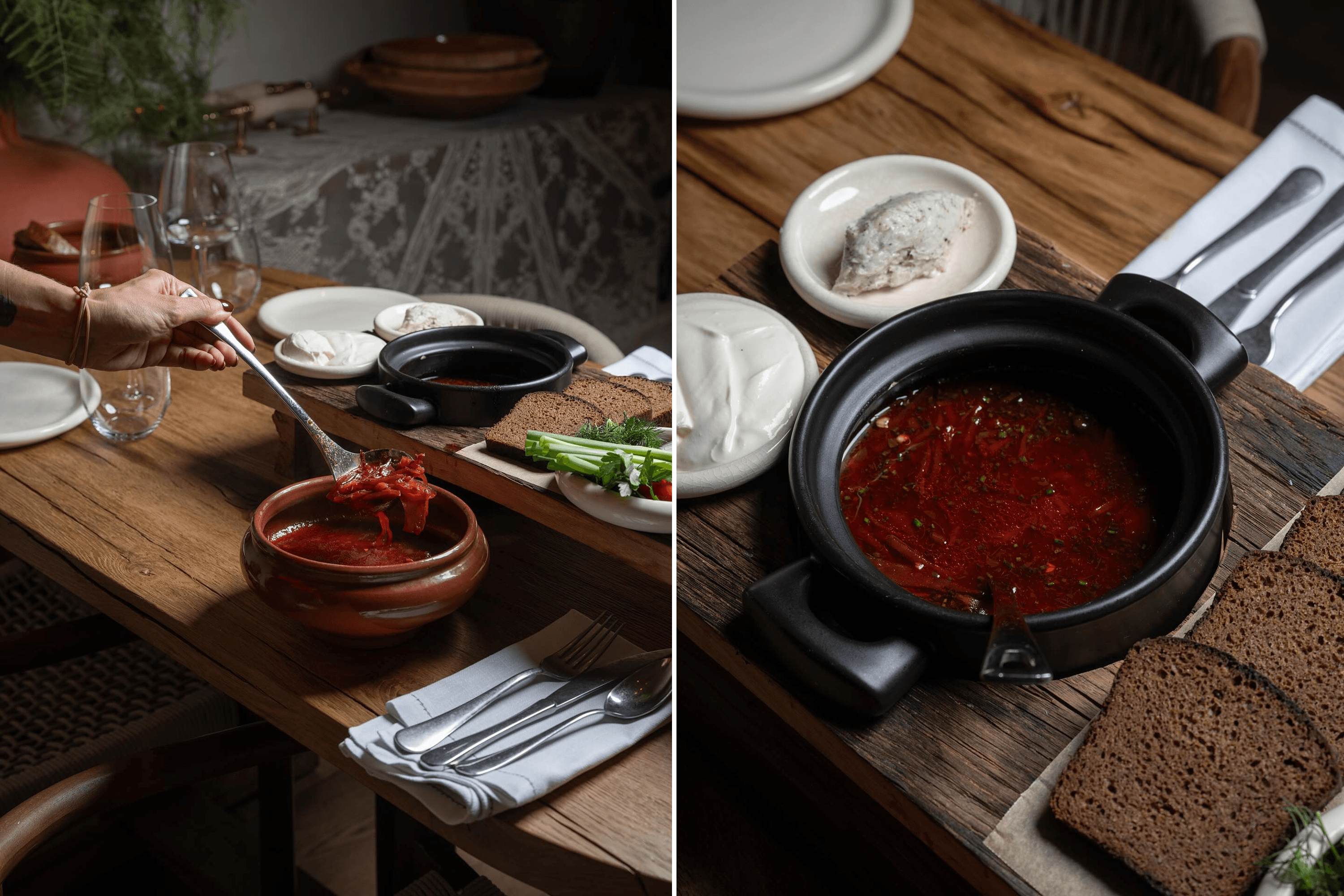
Borshch at Tatar Bunar. Photo: Tatar Bunar / Instagram / YB 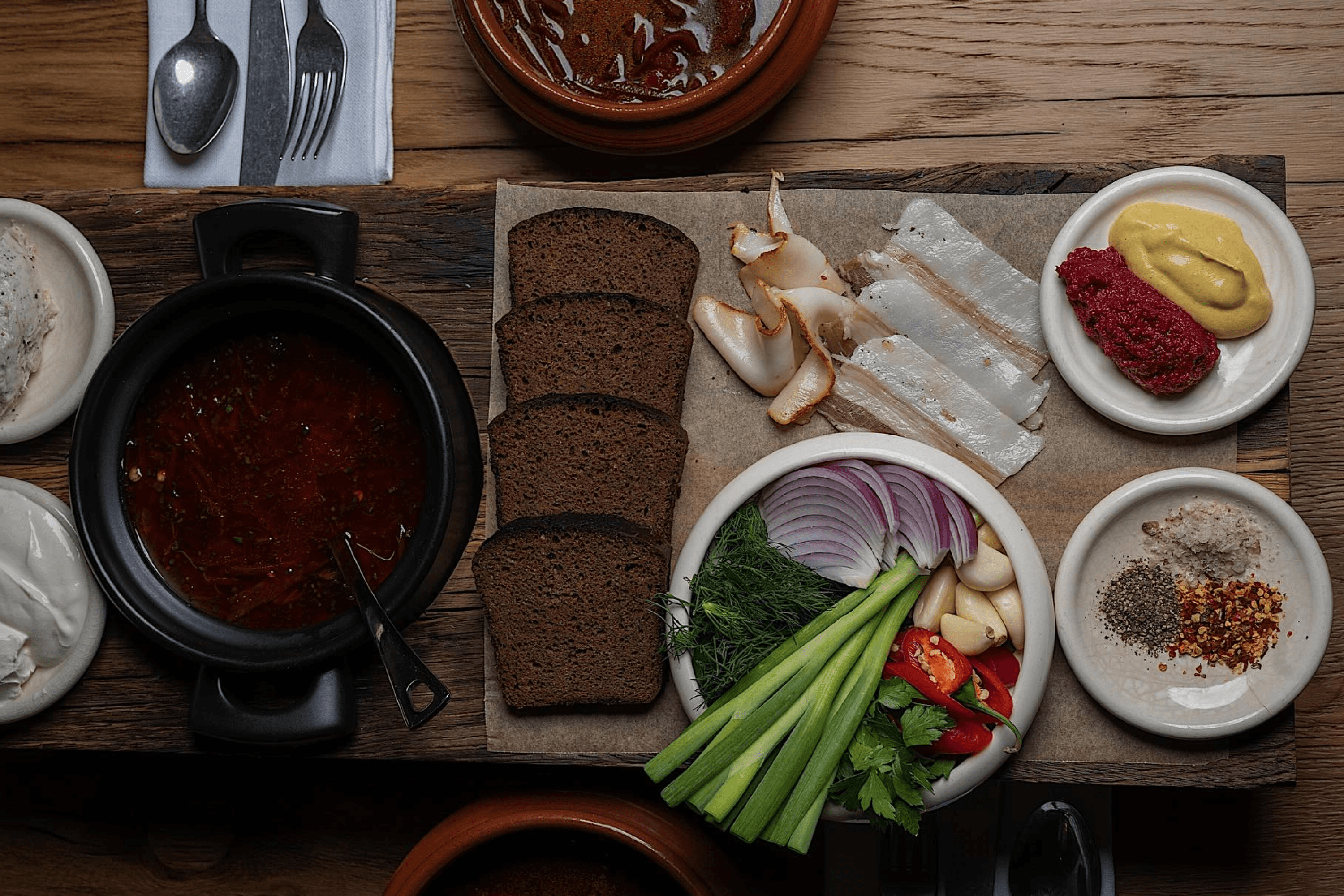
Photo: Tatar Bunar / Instagram / YB 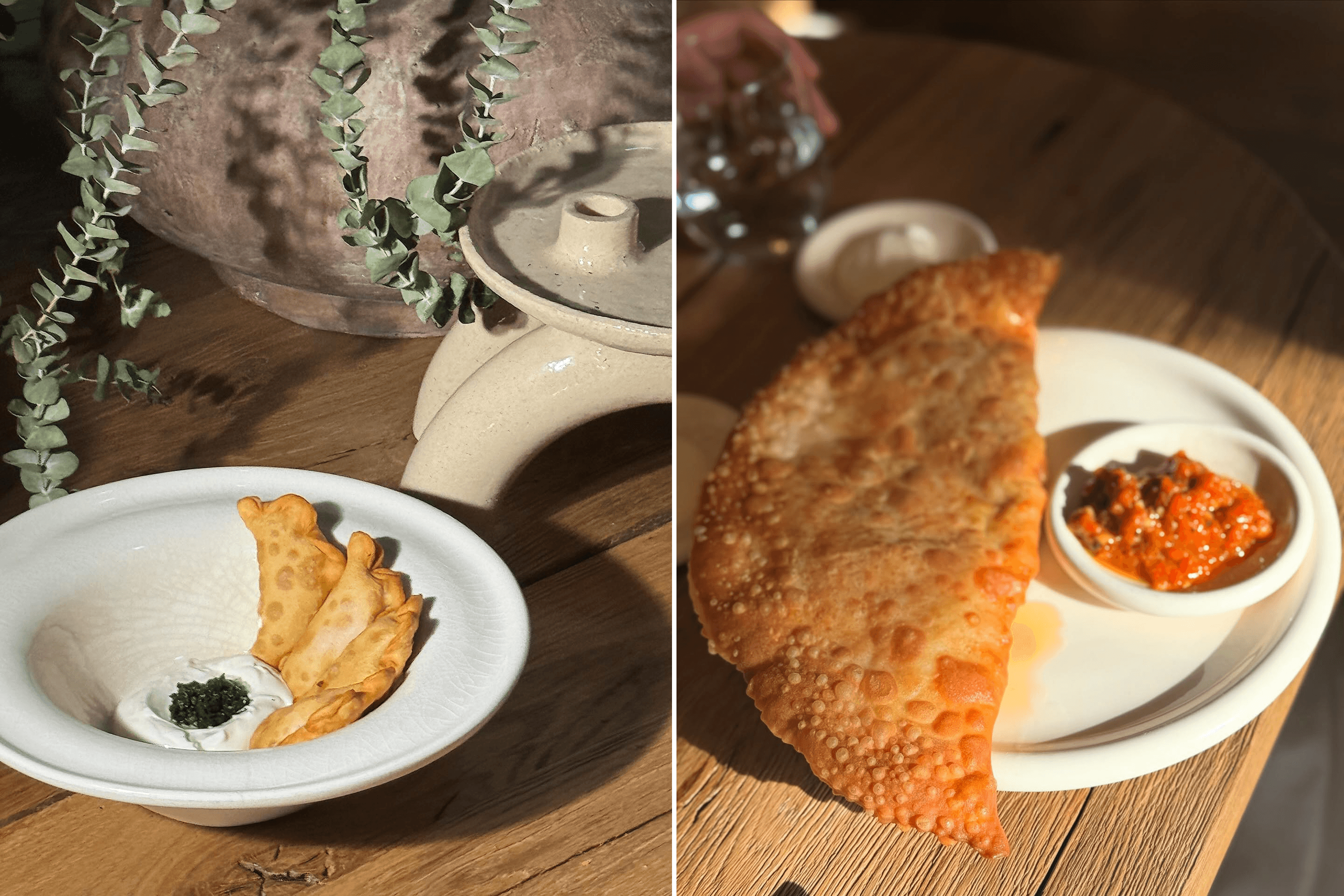
Чебуреки в ресторані Tatar Bunar. Photo: Tatar Bunar / Instagram / YB
What other promotional channels work?
We haven’t launched Facebook or Google ads yet. Guests come through TikTok and well-chosen influencers. Olia Hercules, a well-known Ukrainian chef in Britain, mentioned us in her article, and after that guests came in on her recommendation.
Who are your guests?
About 70% of our guests are Londoners, most of whom come specifically to try Ukrainian cuisine. And 30% are Ukrainians living in London or tourists looking for something different.
How do you approach guests of Russian origin?
I think Russians rarely come to us since we clearly position ourselves as a Ukrainian restaurant. At the same time, we can’t refuse guests based on origin. British law doesn’t allow that. All visitors follow established rules and mostly communicate in English. If a guest addresses us in Russian, we respond in Ukrainian or English. There have been cases when Ukrainian guests asked us to switch to Russian, but we don’t do that. There were also a few negative reviews from guests from Moldova and Romania who mentioned this in their reviews.
Which guest feedback touched you most?
I’m struck by third- and fourth-generation Ukrainians whose grandmothers or great-grandmothers emigrated decades ago. They come from the EU, Australia, Canada, or the US and recognize the flavors of traditional dishes. For example, a Canadian with Ukrainian roots tried mandzha and teared up because he remembered how his grandmother used to make it. There was a case when an Australian woman of Ukrainian descent asked to buy a clay pitcher from us so she could host Ukrainian dinners for friends in Sydney.
Do you plan to sell ceramics so everyone who wants one can have that opportunity?
Yes. In 2026 it will be available in the restaurant and online on the website, so guests can take home a piece of Ukrainian culture.
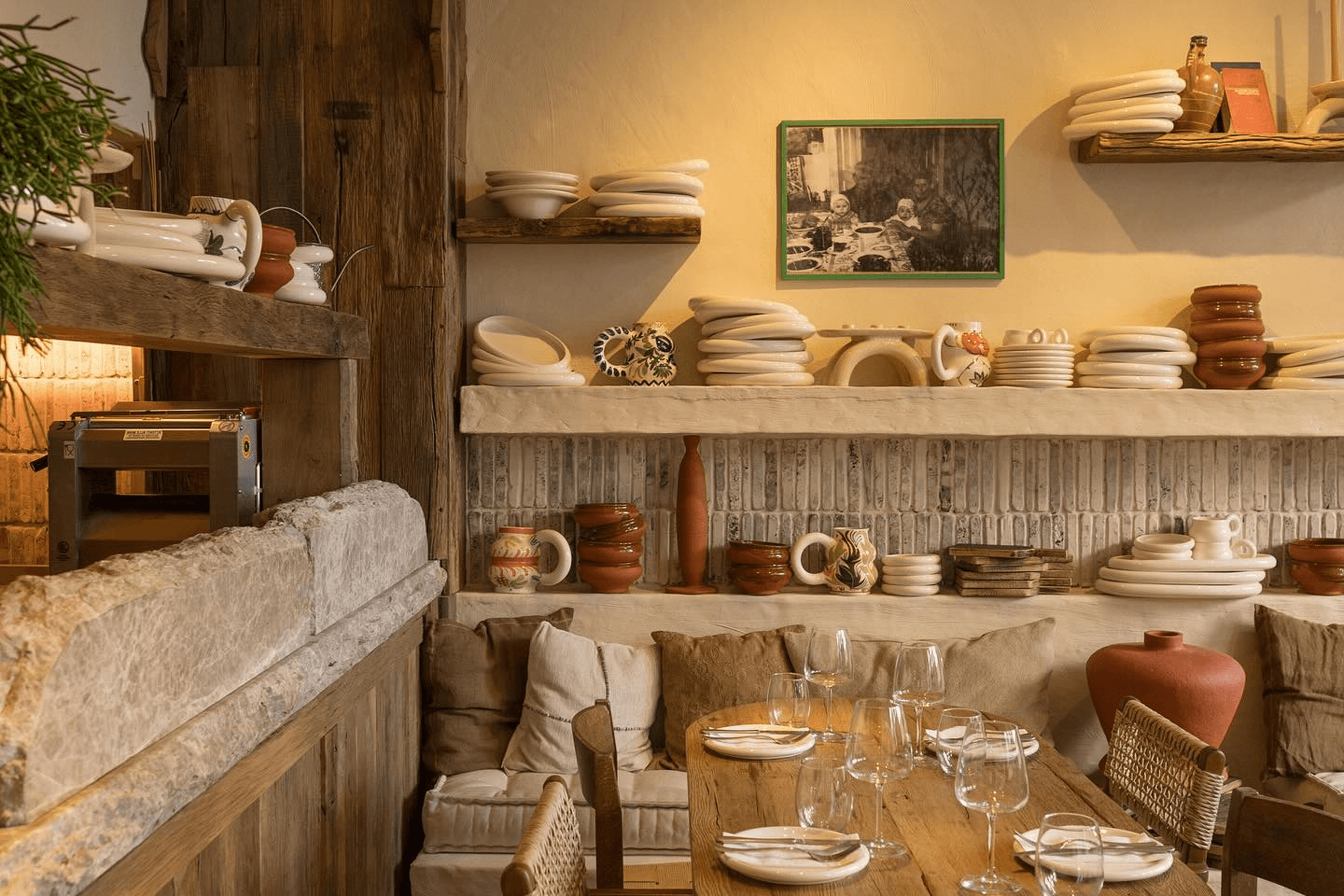
Ceramics at Tatar Bunar. Photo: Tatar Bunar / Instagram / YB 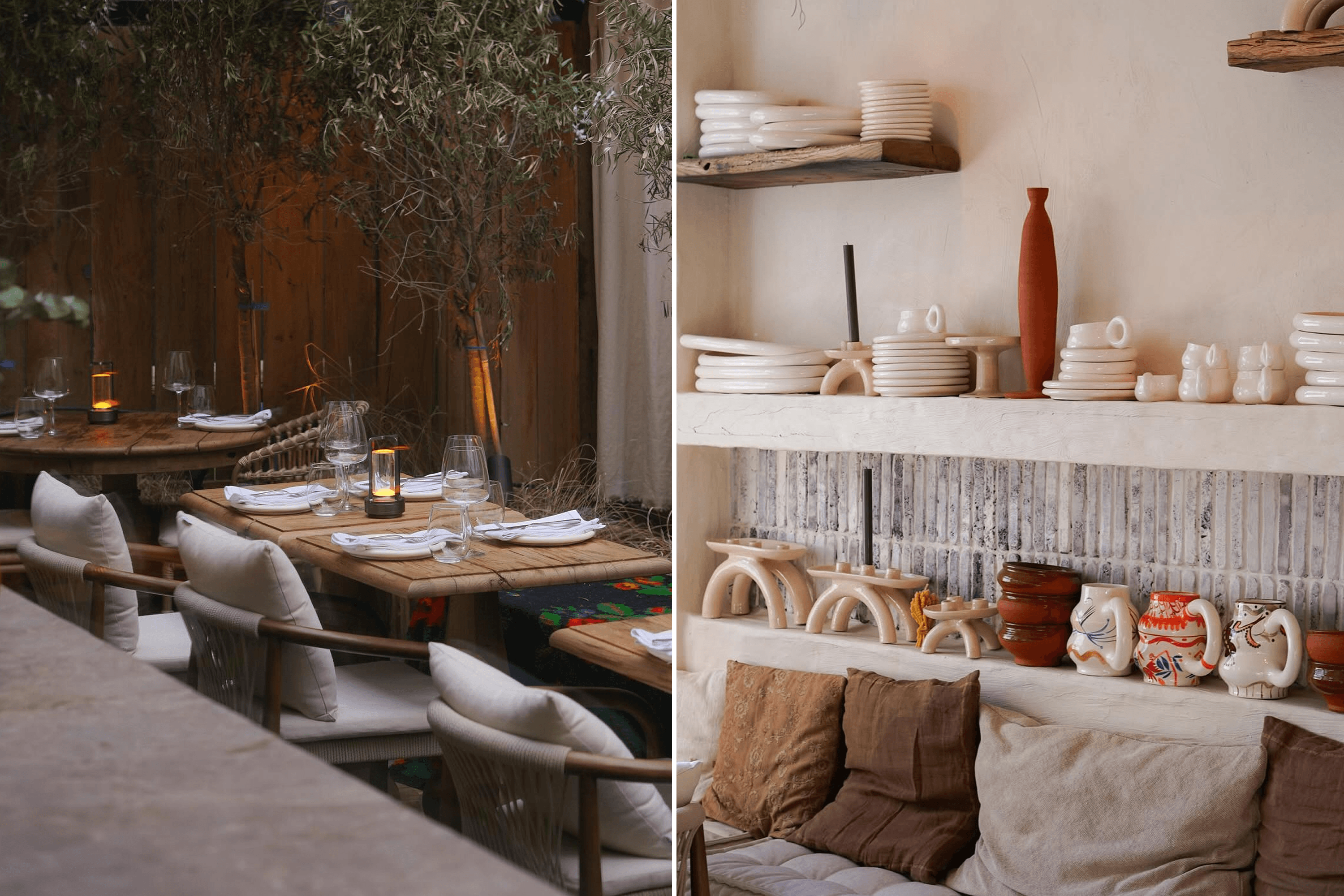
Photo: Tatar Bunar / Instagram / YB 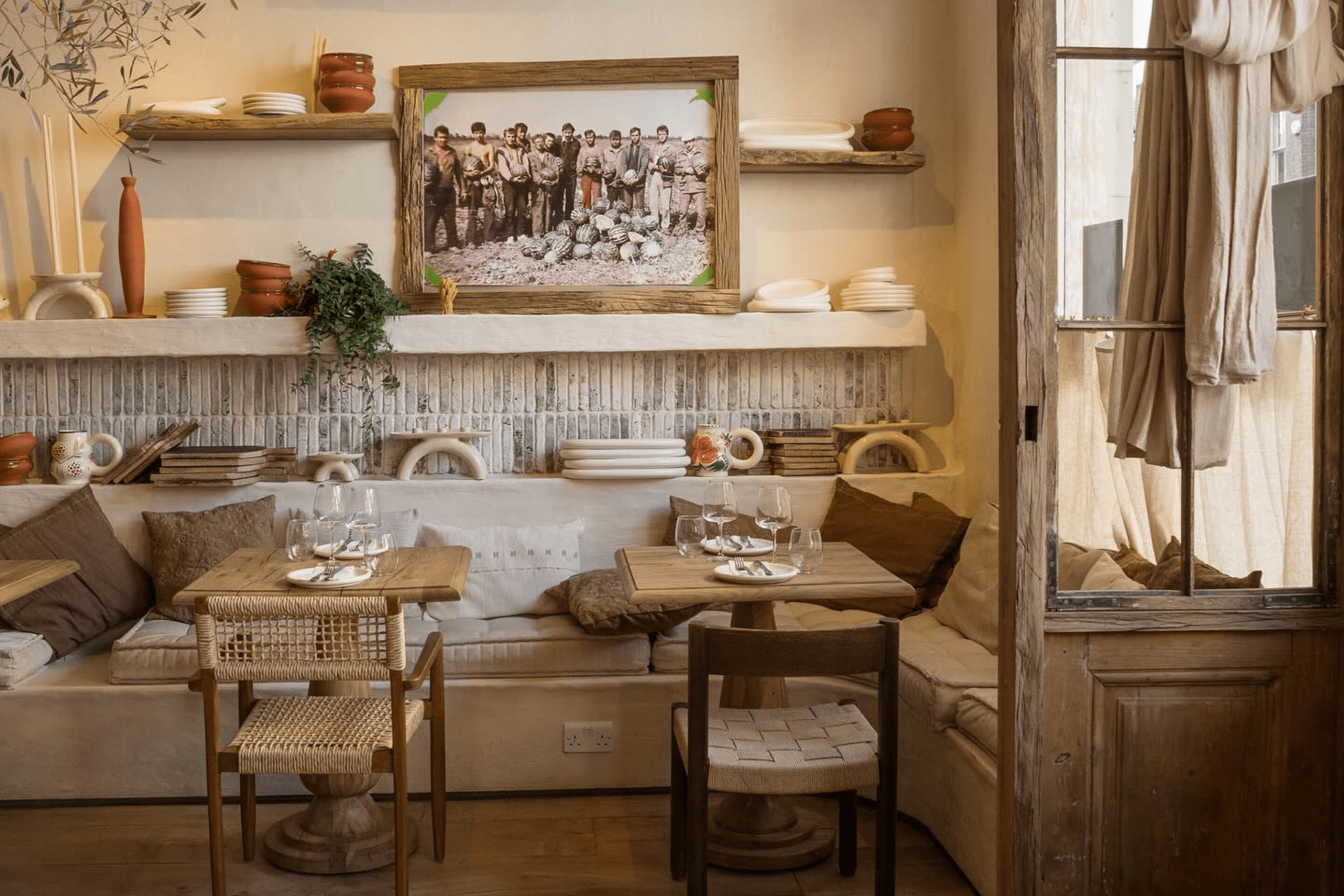
Photo: Tatar Bunar / Instagram / YB
Are there products you order only from Ukraine?
We used to bring aged bryndza cheese for a long time until we found it with a local supplier. We still bring in capers, elderflower, and Ukrainian paprika from Bessarabia. Our wine comes only from partner company Ukrainian Wines.
Do guests drink a lot of wine?
This is my first restaurant where wine consumption is so high. At first it surprised me since we’re not a bar. But the atmosphere influences it. The dark, romantic interior encourages ordering a glass of wine even when guests don’t usually have it with dinner.
You mentioned planning to open another Tatar Bunar in a different London neighborhood. Will you adapt the menu and concept to the location?
Yes. In London, people typically visit restaurants in their own neighborhood, so adapting the menu to the local audience is a natural step for scaling. At the same time, the essence of the place will remain unchanged. We keep the cuisine and concept. In more affluent neighborhoods, we might add a few pricier items, but popular dishes will stay.
Do you plan to expand Tatar Bunar to other European capitals?
Not for now. I’m convinced that a restaurant needs full immersion, especially right after it starts. So new locations make sense where you live and can be personally involved every day.