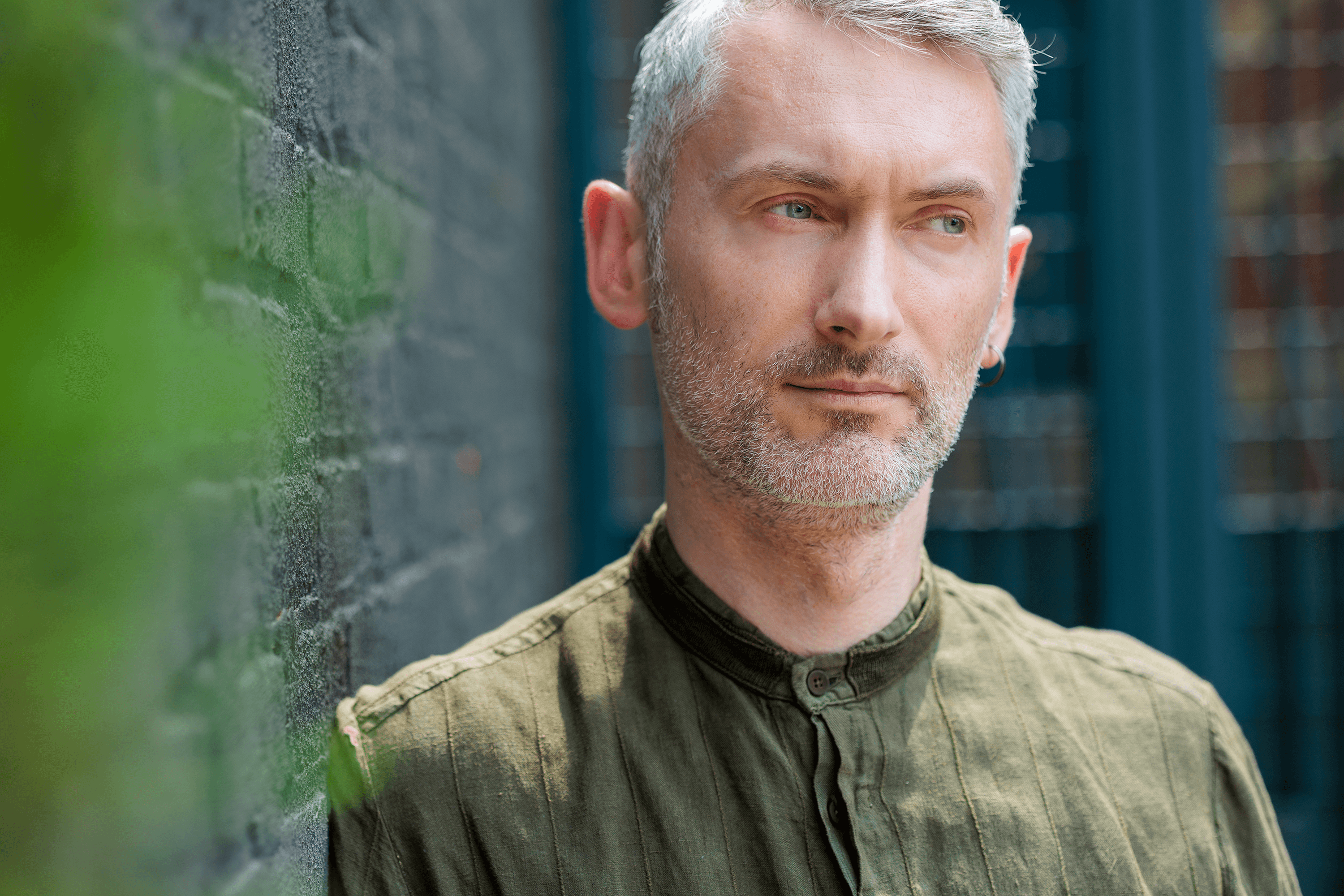
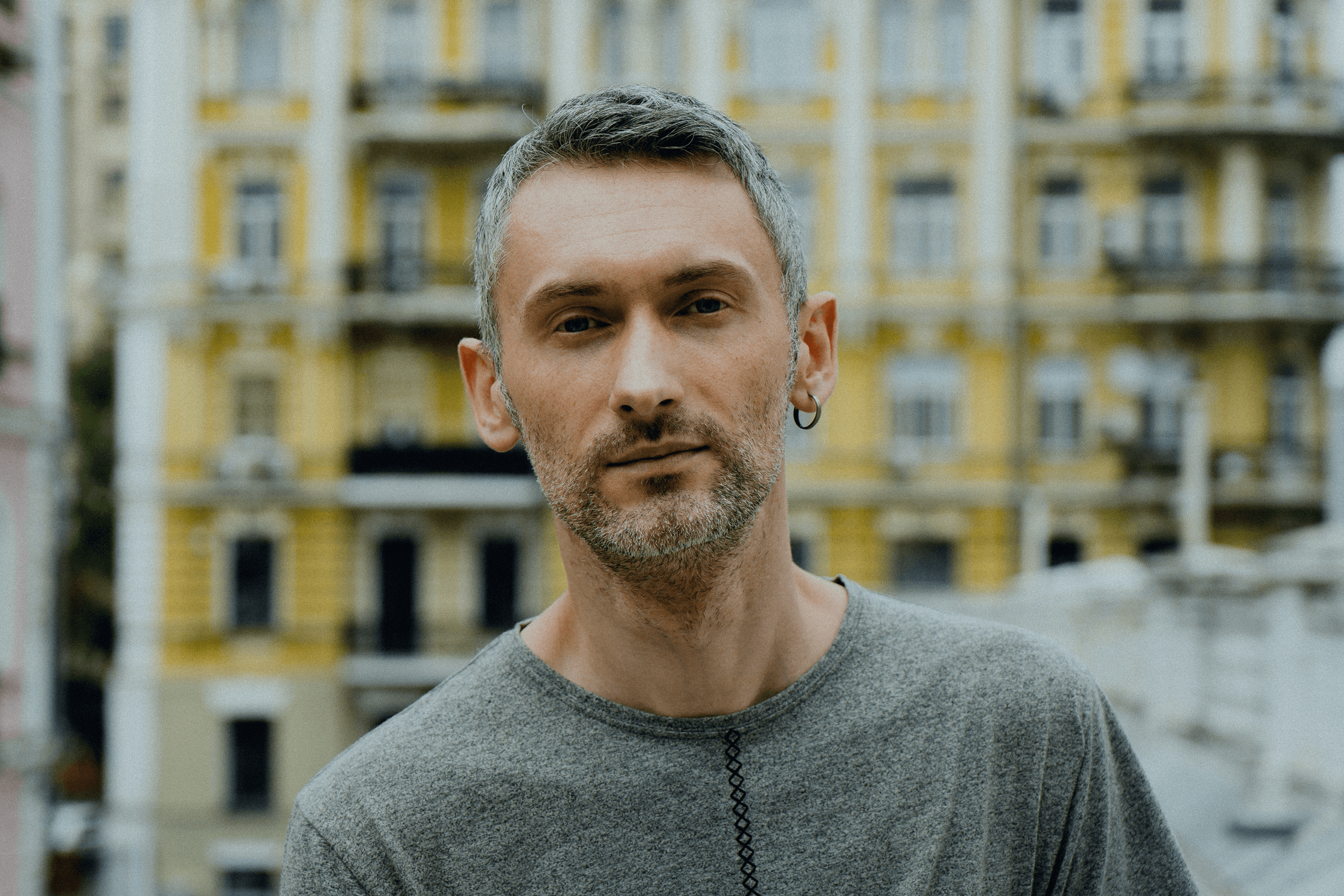
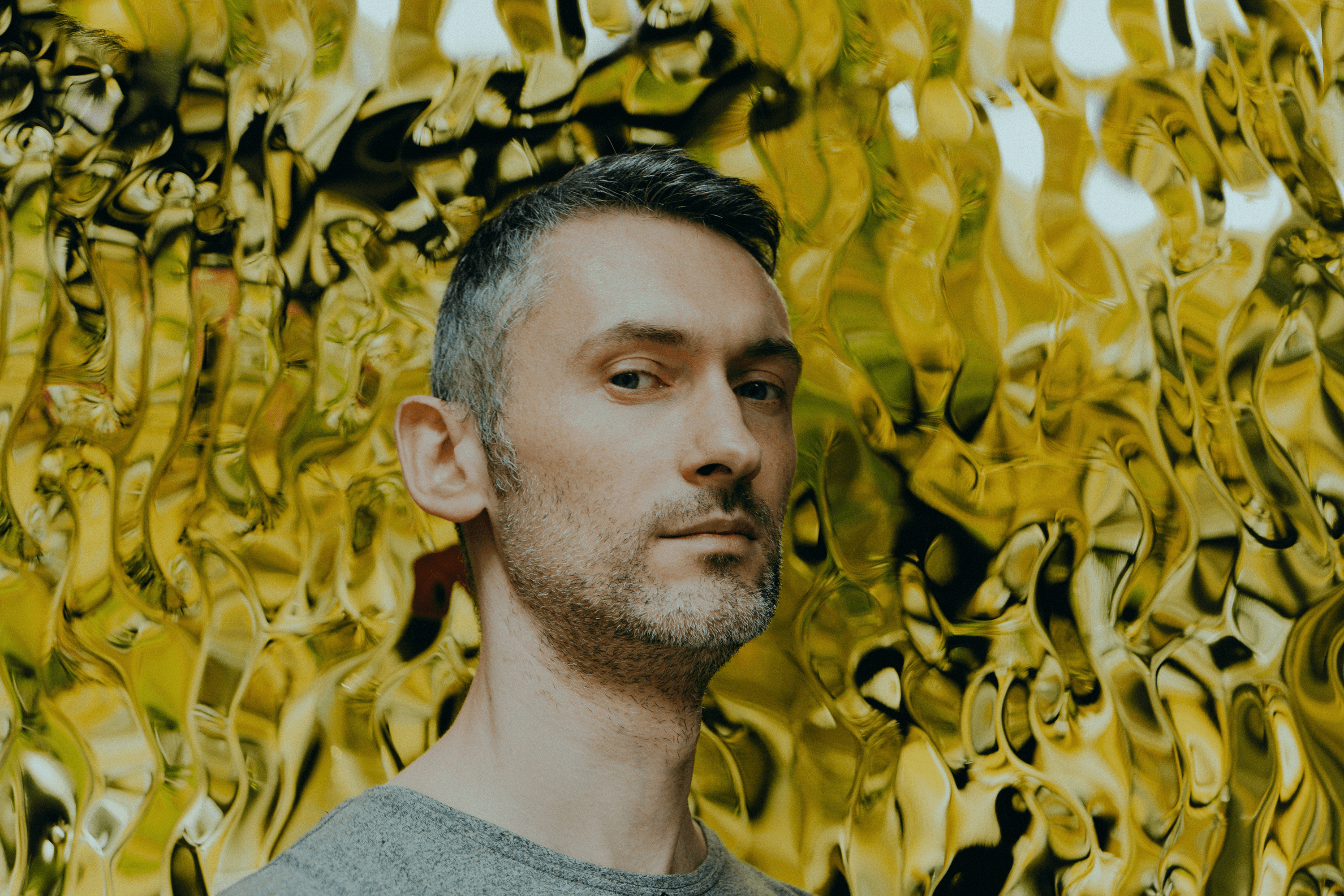
Yurko Gutsulyak, graphic designer, creative director, and co-founder of Gutsulyak.Studio has been developing the business with his sister, Zoryana Gutsulyak, since 2005. Born in Kalush and trained in marketing in Khmelnytskyi, he later relocated to Kyiv, where he quickly advanced through the design ranks and established his own studio just four years later.
His portfolio has earned recognition from top international competitions, including the Epica Awards, Red Dot, Pentawards, European Design Awards, Communication Arts, and the Dieline Awards. One project in particular, a tear-off calendar with matchsticks, helped establish his name on the global design scene.
In 2017, Yurko relocated to Toronto, where he continues to collaborate with clients in Ukraine and worldwide, including Kimberly-Clark, Asahi and Canada Post. One of his primary missions is to utilise design as a platform to spotlight Ukraine: its history, culture, and ongoing fight for freedom. Within the studio, Yurko leads the creative direction, while Zoryana oversees client partnerships. In November 2025, he was inducted into the Royal Canadian Academy of Arts, the country’s oldest arts institution and home to more than 650 acclaimed creators.
YBBP journalist Roksana Rublevska spoke with Yurko about his 24-year career, the design trends shaping the present and the future, and how working in Ukraine, Canada, and the U.S., compares.
Yurko, in one of your interviews, you mentioned that you once dreamed of becoming a 3D animator. How did that interest take shape in the late 1990s, when the profession was barely known in Ukraine?
At that time, this profession was still emerging in Ukraine, but I discovered that animation could already be studied in Kyiv. I wanted to work in a creative field, but my parents thought the profession had little future and pushed me toward a more “serious” education. I enrolled in Khmelnytskyi National University to study marketing, and after graduation, I began working in this field. A marketing department at that time dealt strictly with supply and sales — no research, no communication strategy. I felt I wasn’t growing, so I decided to move to Kyiv. I had nothing there: no friends, no connections. I needed any job I could find just to get by. A friend suggested I try graphic design — joking that “you just press a button and everything looks great” (laughs). For whatever reason, I believed him and decided to give it a try.
How quickly did you find your first job in graphic design?
In four days, a print shop hired me. This was back in 2001 — long before YouTube tutorials, online courses, or proper design schools. You had to figure everything out yourself by trial and error. I didn’t have formal art training and couldn’t draw, but I picked things up quickly. Within a few days, I was already handling orders on my own. I created business cards, flyers, brochures, and eventually, I started designing logos and basic corporate identities needed for small businesses.
Did the print shop know you were new to the field?
Of course, they knew, but it was quite a common practice back in the day. Print shops were looking for young, motivated people they could teach the basics to, and who would hit the ground running. That job gave me my first real hands-on experience: I learned to use graphic software and started to understand the fundamentals of the profession. My next step was a small but prominent Kyiv design studio at the time. There, I worked on visual identity projects, saw a proper brand book for the first time, and began to understand its structure. At the same time, I created packaging, labels, brochures, and booklets, expanding my own creative toolkit.
It took you less than three years to go from your first design job to winning international awards. How did you manage that without a formal design education?
Back then, there were no contemporary design schools to learn from, nor was there a clear understanding of what graphic design was. It was the early days of the internet, and there were almost no professional books, so I had to draw knowledge out of thin air. I could spend hours studying a piece of work that impressed me, breaking it down to understand why it worked, and challenging myself to reach that level. I was driven almost entirely by intuition and instinct. At the same time, I was constantly inspired, soaking up every bit of Western and Eastern culture I could get my hands on.
What was a designer’s pay in the early 2000s?
At the print shop, my monthly salary was $60. When I moved to a design studio, it went up to $110, and then to $150. To put that in perspective, a single design book cost about $100 back then, and often these were foreign editions or Russian reprints. You’d see people wandering through office buildings with big checkered bags full of books to sell. I could afford to buy maybe one a year. Luckily, the studio I worked at had a small library of about fifty design books. I went through them all, studied them closely, and set a personal standard: my work had to be at least as good as theirs.
Who decided what “good design” was at the time?
In the print shop, there was only one indicator: if the client paid, it meant they were satisfied. But when I went on to a design studio, I finally understood the purpose of design and how it actually works. Design is subjective, just like art, but good design can be recognized. It creates harmony and enriches people both emotionally and intellectually. It’s like a good book — it has a captivating style, a storyline that makes you think, and a lingering aftertaste. Same with design.
Within my first year as a staff designer, my projects began winning awards. These were early-2000s competitions such as the Kyiv International Advertising Festival, the Moscow International Festival, Identity, Idea, and other regional awards. At that time, European competitions were still terra incognita for Ukrainian designers, so we mostly competed within the post-Soviet region.
After several years working in a design studio, you joined the Koktebel wine and brandy brand as a graphic designer. What made you move to a large company, where, typically, there is hardly any creative freedom?
My work there felt more like being a “design secretary.” Well-known network agencies, including international ones, handled the brand’s major creative work. They would send over their concepts, which I had to adapt or refine. Often, I couldn’t believe that agencies with a global reputation could deliver such weak design solutions that drastically differ from their portfolio. The brand manager and the marketing director created design briefs, and I could suggest stronger ideas. But the response was almost always the same: “This is what the consumer wants.” And I had to execute it.
Did you struggle internally when the design you were asked to create was meant only to sell rather than to help shape the consumer’s taste?
Absolutely, the conflict was enormous. In the early 2000s, Ukraine had not yet developed its own visual taste. Design was treated mostly as a wrapper. I kept trying to lift the brand even one level higher to find visual solutions that actually carried some meaning.
Is that why in 2005 you decided to open your own studio and work under your own name?
Back then, we didn’t think in terms of business plans or startups. The Ukrainian market and the design industry were just starting to take shape. There were no workshops, no shared knowledge. You had to piece things together however you could. My sister, Zoryana, had a degree in economics and was managing a bank branch, but she was ready for a career change. So we decided to build a studio together.
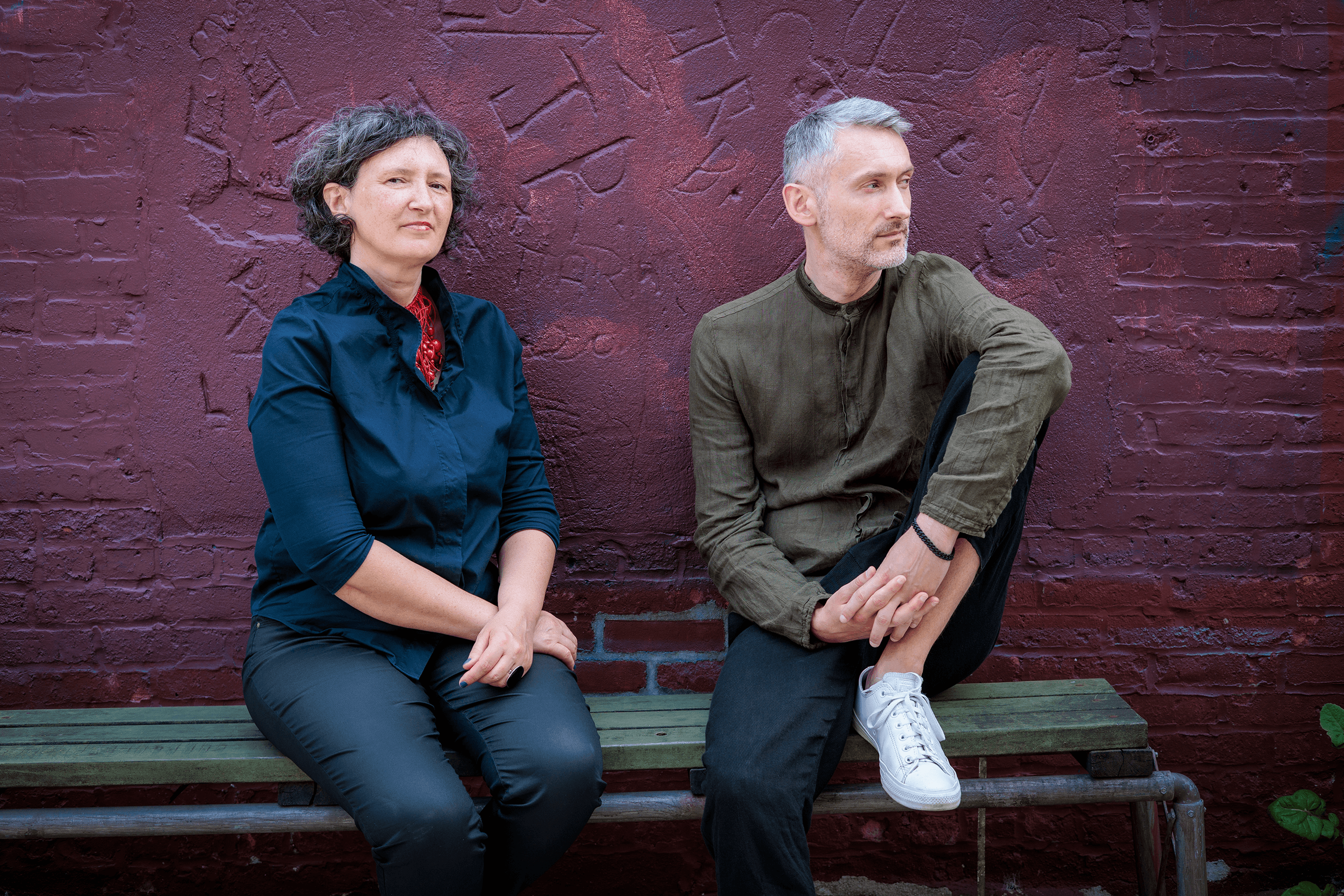
We bought a computer for $600 and set it up at home. That became our studio. I focused on design, while Zoryana handled operations, paperwork, and client communication. Even finding a contract template was impossible at the time, so we searched for guidance and asked anyone with legal knowledge who was somewhat open to talking and drafted documents ourselves.
One of the first major clients of our studio was Koktebel. Previously, I had been their in-house designer, but now we collaborated on a partnership basis.
Before, you weren’t allowed to change Koktebel’s visual language. How did you convince them to rethink their approach?
We already had an established relationship and a level of trust, so I began introducing creative ideas carefully. I explained my reasoning, showed references, and tried to strike a balance between commercial and aesthetic values. A major turning point was the brand’s New Year’s card. The task was simple and challenging at the same time: place the big logo in the centre, show the product, make the design as “sweet” as possible, and avoid excessive conceptuality. The result blended the “vanilla” visual taste of early-2000s Ukraine with the contemporary European design logic. It won silver at the European Design Awards, and I’m still proud of this project, because producing something meaningful under constraints is always the most challenging.
After that, my work began to win international awards regularly and appear in global publications, and I started receiving invitations to conferences. That was the moment I first began publicly discussing Ukrainian design and my approach to it. We worked in Ukrainian conditions, but created interesting designs that resonated in the West. This idea eventually became our studio’s philosophy: making the local relevant on a global stage.
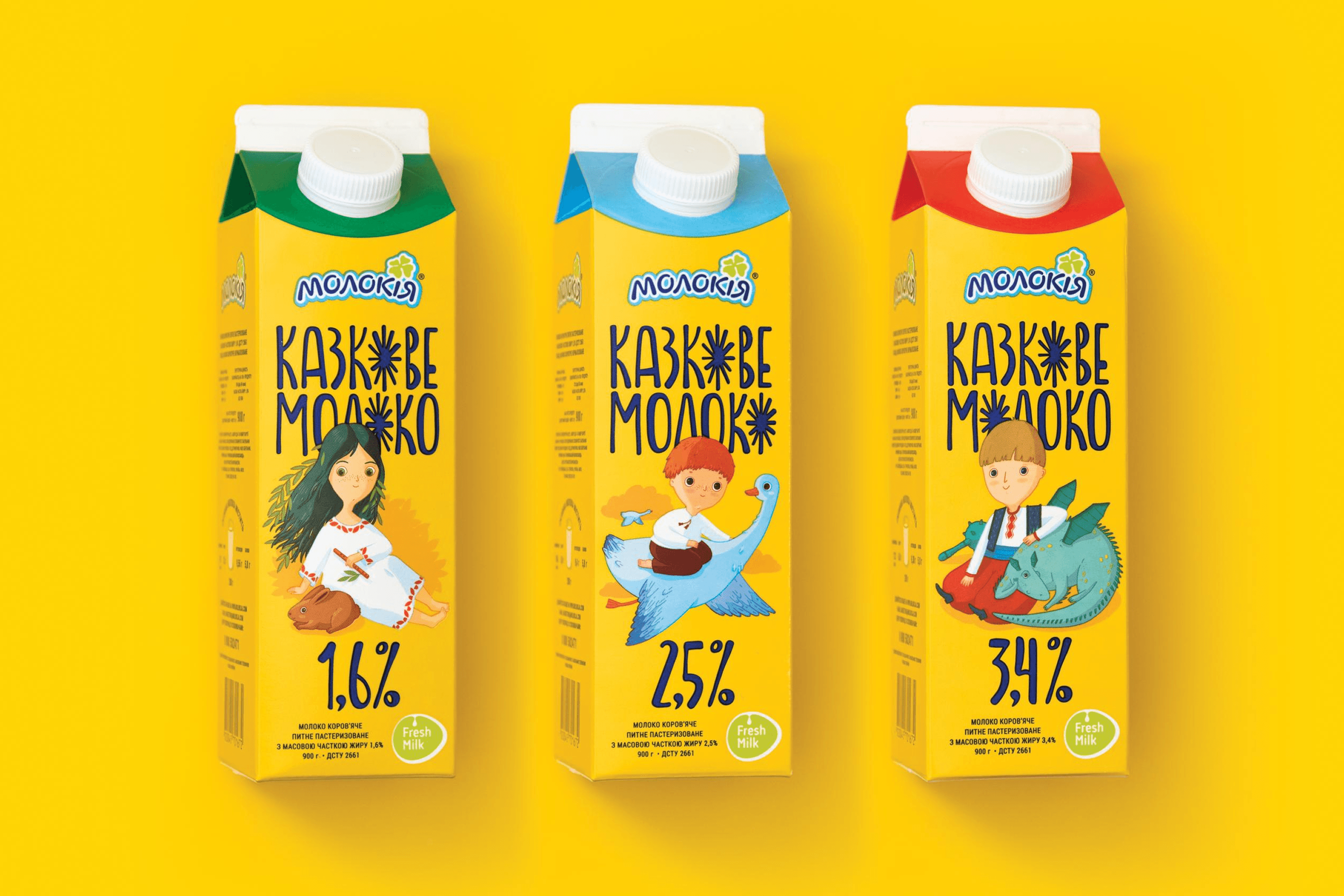
The design was created by Gutsulyak.Studio for Molokija in 2017. Photo: Gutsulyak.Studio / YBBP 
Photo: Gutsulyak.Studio / YBBP 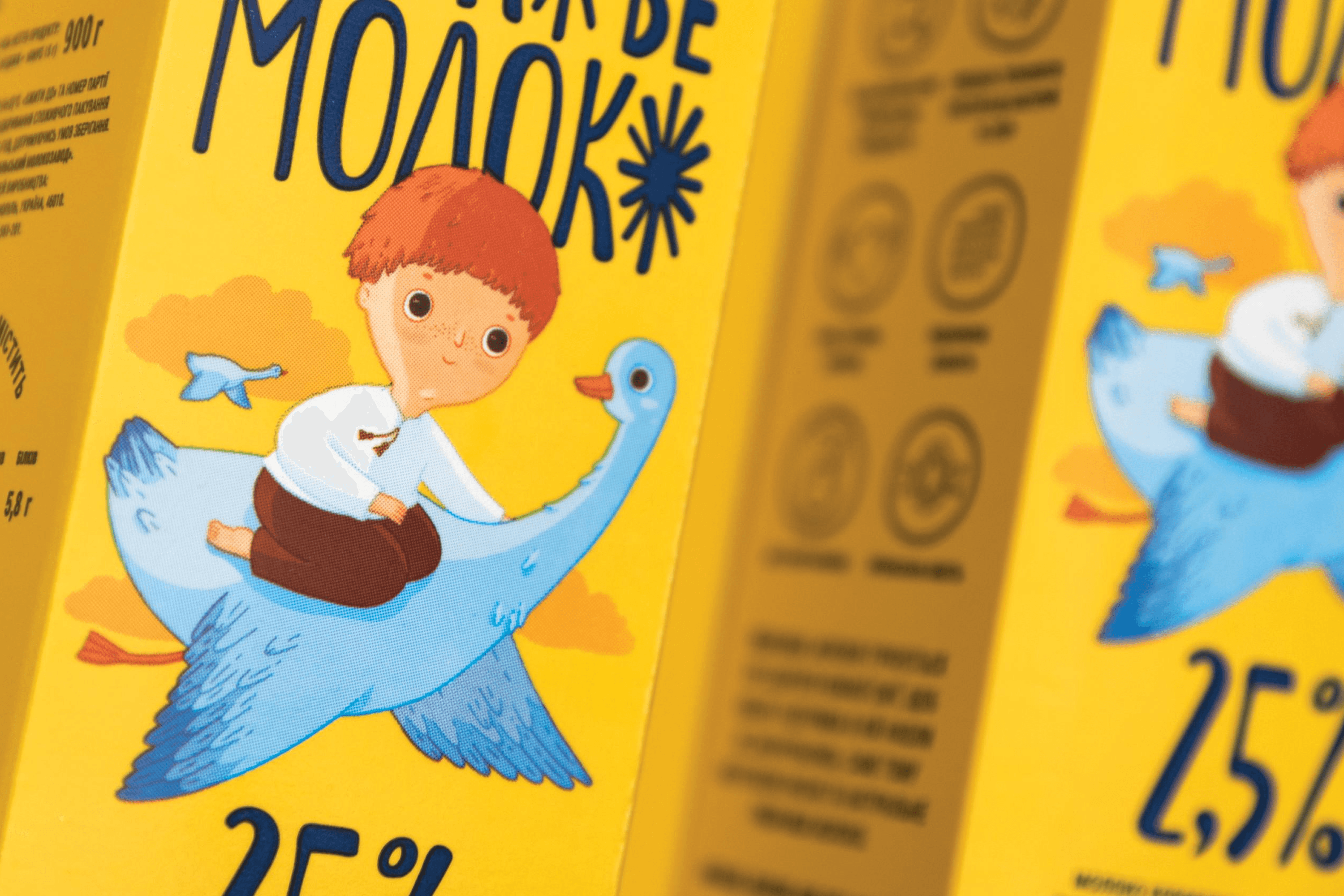
Photo: Gutsulyak.Studio / YBBP 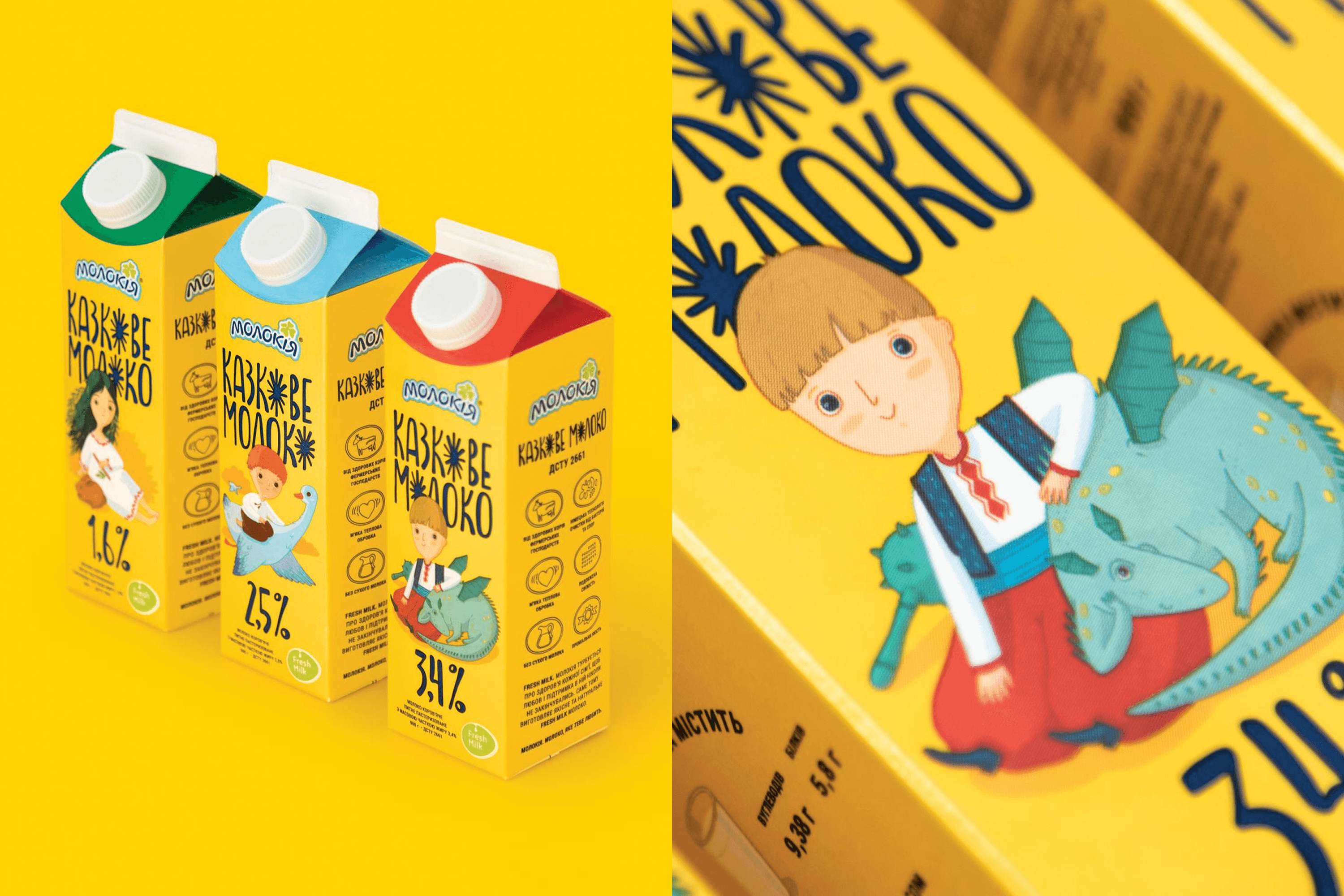
Photo: Gutsulyak.Studio / YBBP 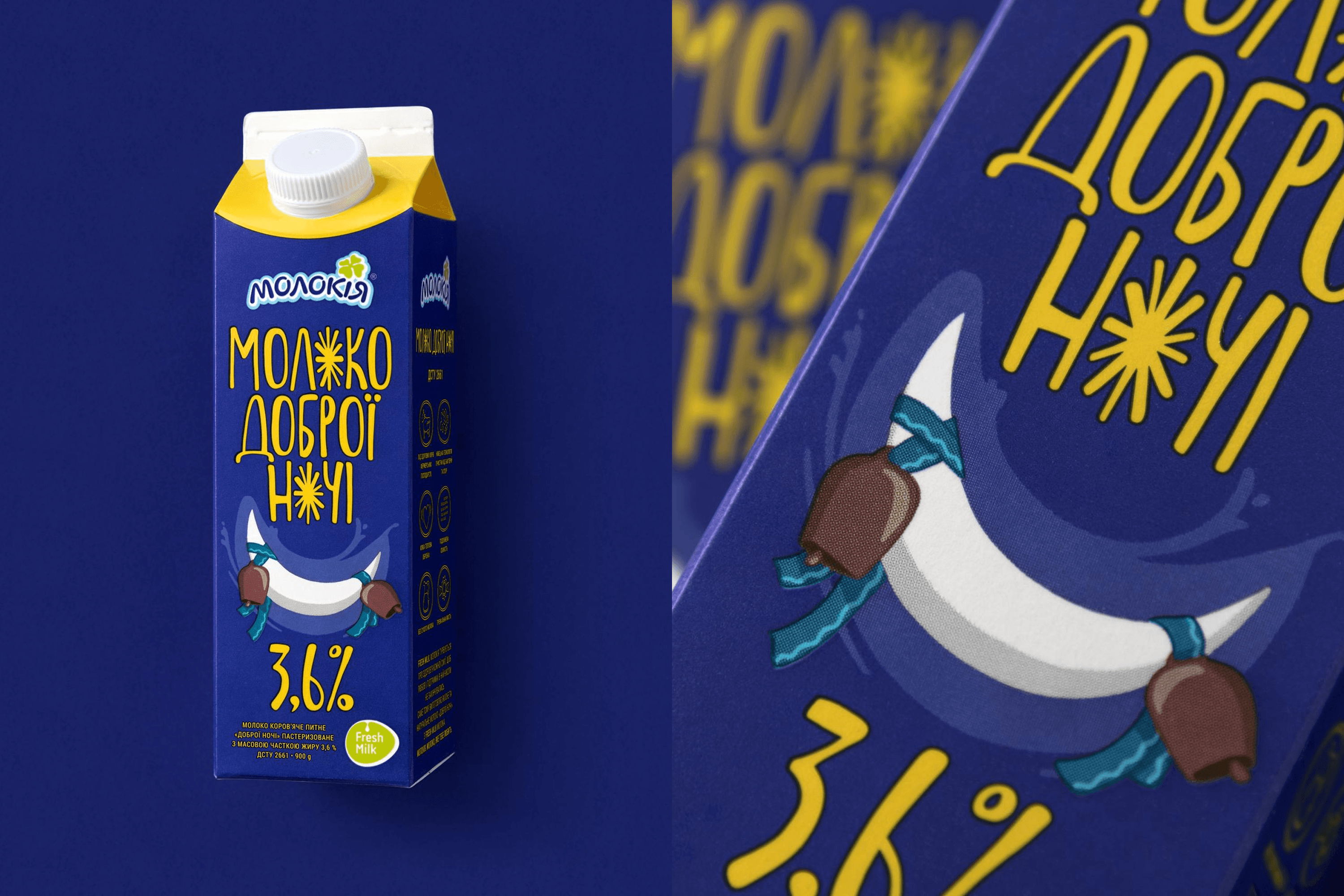
Photo: Gutsulyak.Studio / YBBP
Back to the start of your business — what was it like?
Our workload was largely seasonal, with the majority of orders coming between October and early January. Companies ordered a variety of holiday products, including corporate calendars, greeting cards, gift bags, branded decorations, and other promotional items. We had about 5–7 clients per year and balanced these seasonal projects with ongoing work for print houses. The income was enough to live on, especially in those relatively prosperous years for Ukraine. We intentionally declined work from political parties, and I don’t regret that.
Clients were charged based on the scope. For instance, the price of a calendar had two components: the idea or concept, plus the number of pages. In 2008, the concept alone cost around $3,000. Each additional page added about $1,000 to $1,500. A six-page calendar could cost between $9,000 and $12,000 for the concept and design.
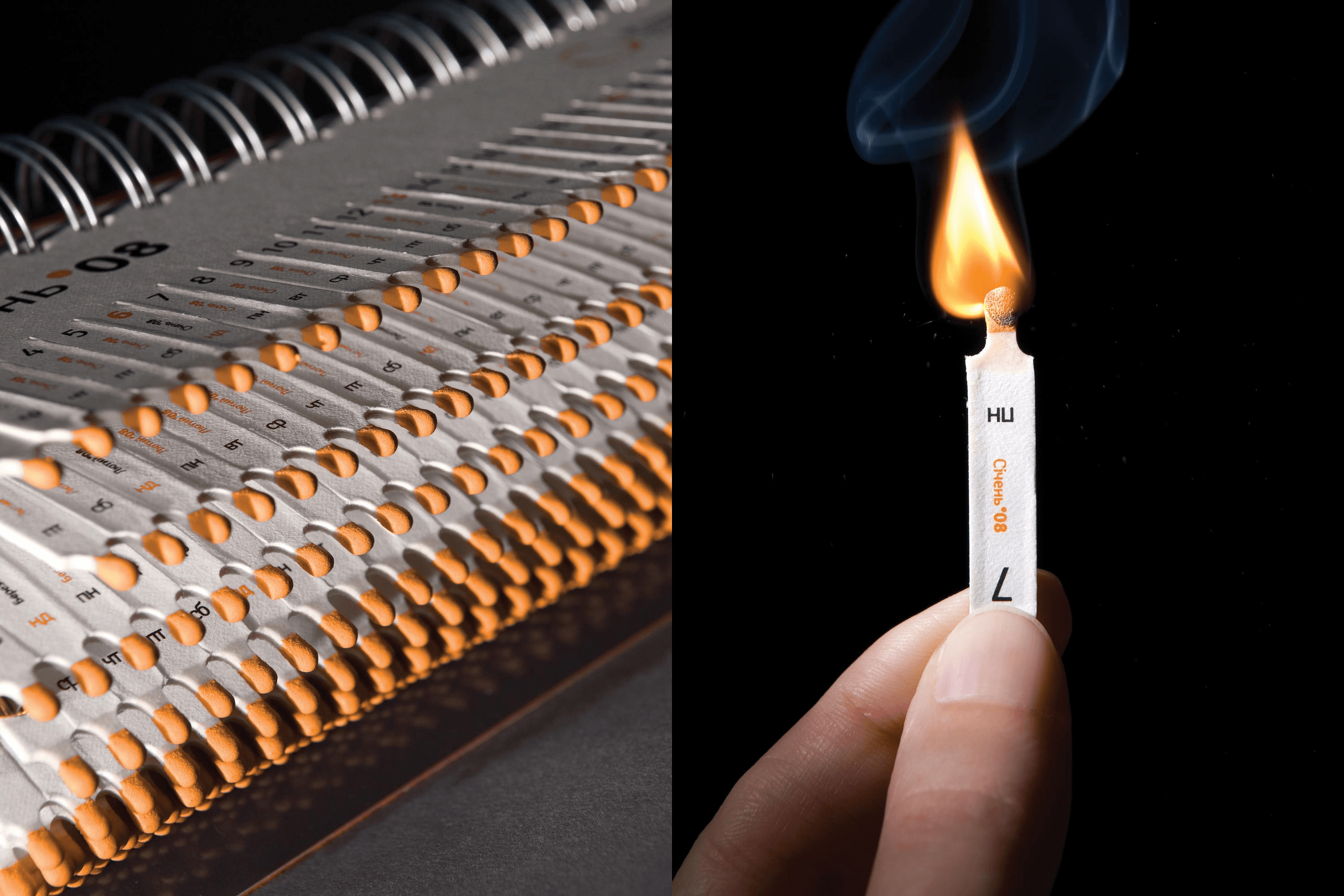
The design was created by Gutsulyak.Studio for VS Energy in 2008. Photo: Gutsulyak.Studio / YBBP 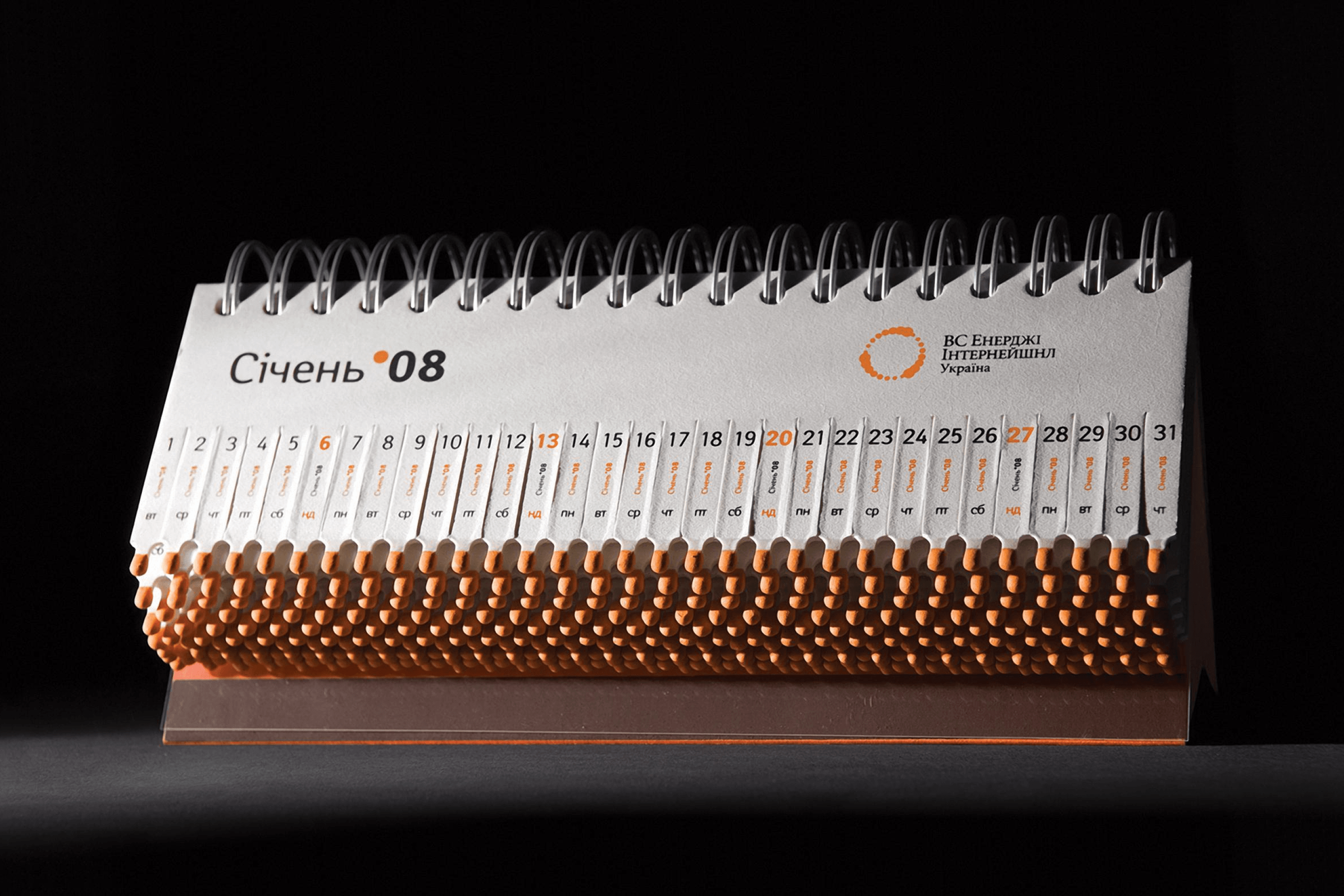
Photo: Gutsulyak.Studio / YBBP 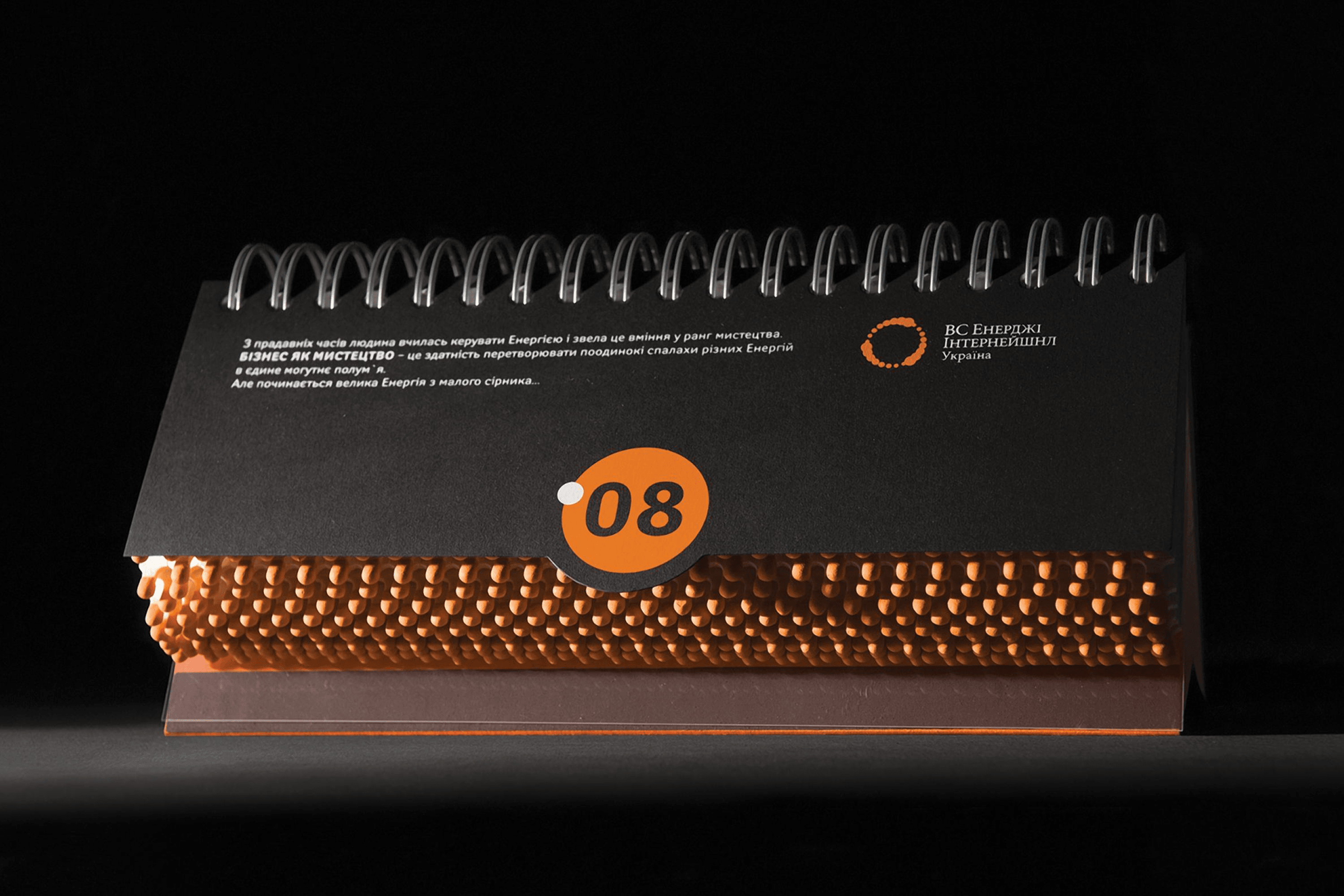
Photo: Gutsulyak.Studio / YBBP
How did clients discover you back then?
At the time, advertising and design media were very active both in Ukraine and internationally. My work was winning awards, and we were regularly featured in industry publications. That visibility brought us clients.
Did you intentionally choose to work just the two of you with your sister, without building a full team?
We only brought in specialists like illustrators, copywriters, photographers, and 3D artists when a project required them — and we still operate that way today.
What motivated you to move to another country?
The idea first came to me back in 2014. That’s when I realized one key difference between Ukraine and the West: in Western countries, designers don’t have to start from scratch every few years due to economic instability, they gradually build their reputation, team, and client base. This allows for stable, continuous development without constant “ups and downs.” That was the moment I wanted to try myself abroad, to see how the industry works, and also to experience life in another country.
What did your preparation for the move look like, and why did you choose Canada?
I considered English-speaking countries with open immigration programs: Australia, Canada, and the United States. Australia quickly dropped out due to changes in its immigration system for creative professionals, and the U.S. process required costly legal support. I didn’t want to break the law or live undocumented — for me, this wasn’t a form of escape but a conscious decision to seek a new experience.
While researching, I discovered the Government of Canada’s website. It laid out all the programs clearly and transparently, including the Self-Employed Program designed for cultural professionals with international recognition.
I prepared and applied by myself in 2014. The process was long, and after nearly three years of waiting, I had almost forgotten about it. Then in 2017, I received an email saying: “Your application has been approved. Welcome to Canada.” I had one year to make the move — and I wasn’t going to miss that chance.
I chose Toronto, the country’s largest financial and creative centre, an English-speaking city with a strong design industry. By that time, my sister had already moved to New York, so we both ended up in North America. And we still operate as one studio, working with clients in Ukraine, Canada, and the U.S.
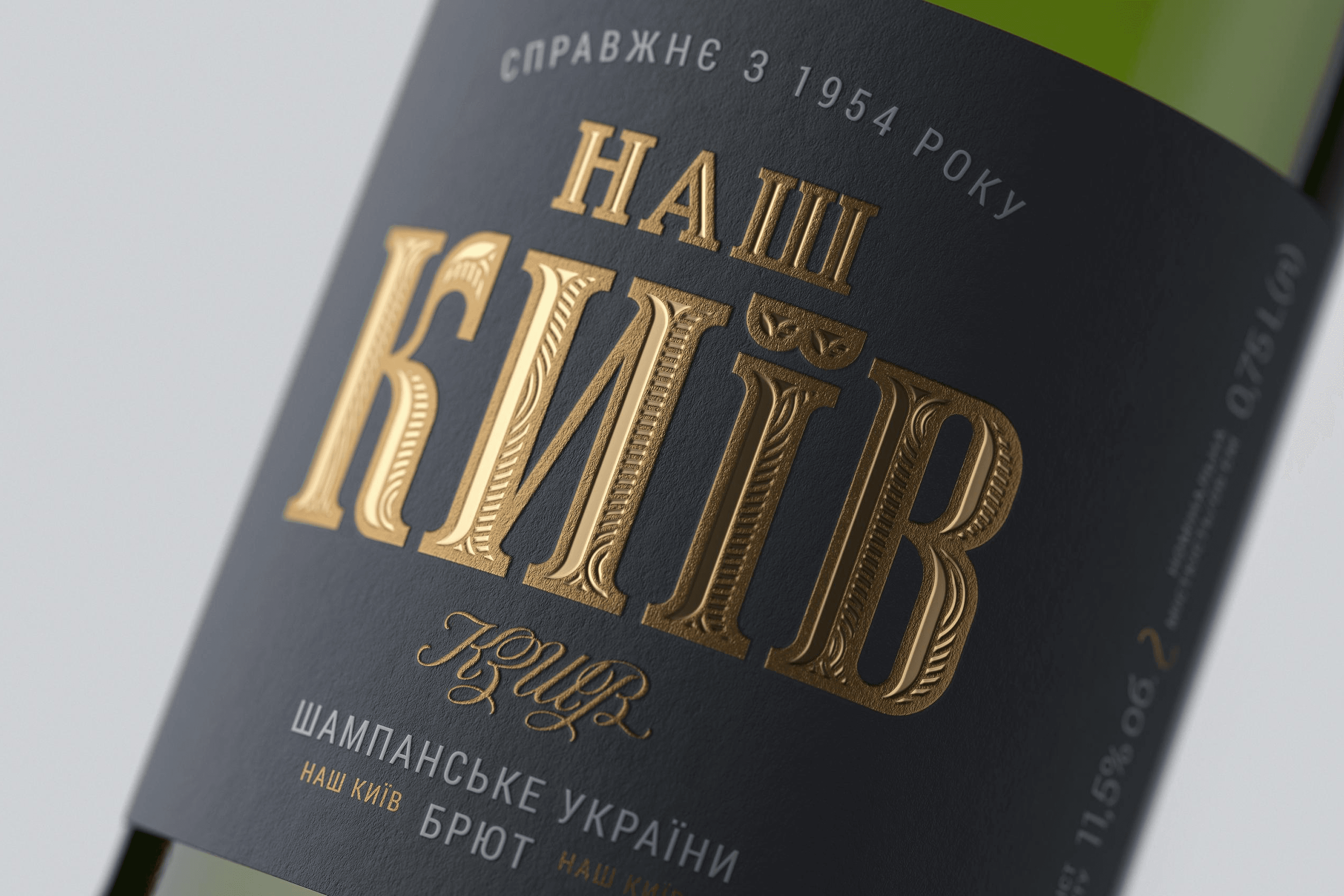
The design was created by Gutsulyak.Studio for Kyiv Factory of Sparkling Wines Stolychny in 2020. Photo: Gutsulyak.Studio / YBBP 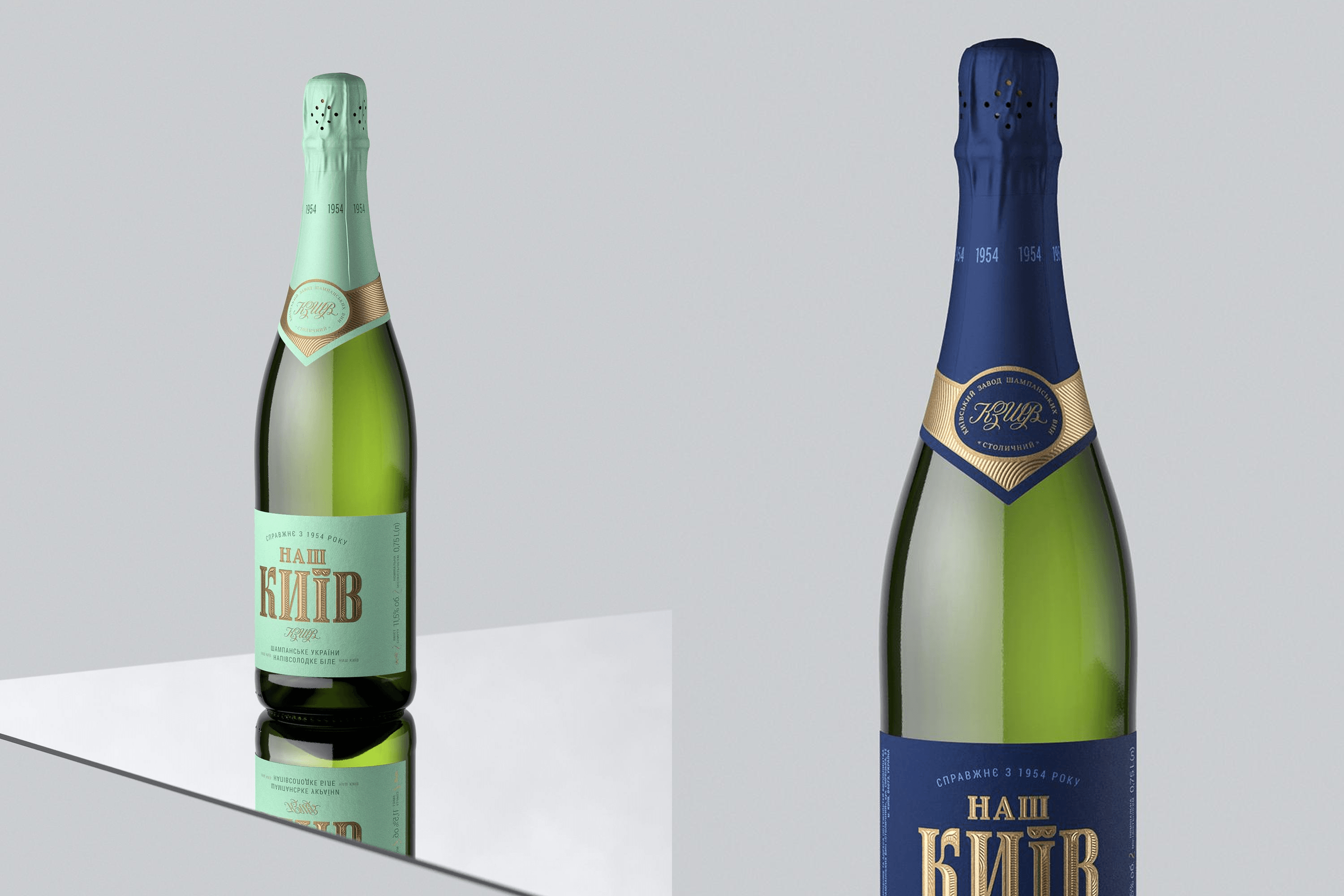
Photo: Gutsulyak.Studio / YBBP 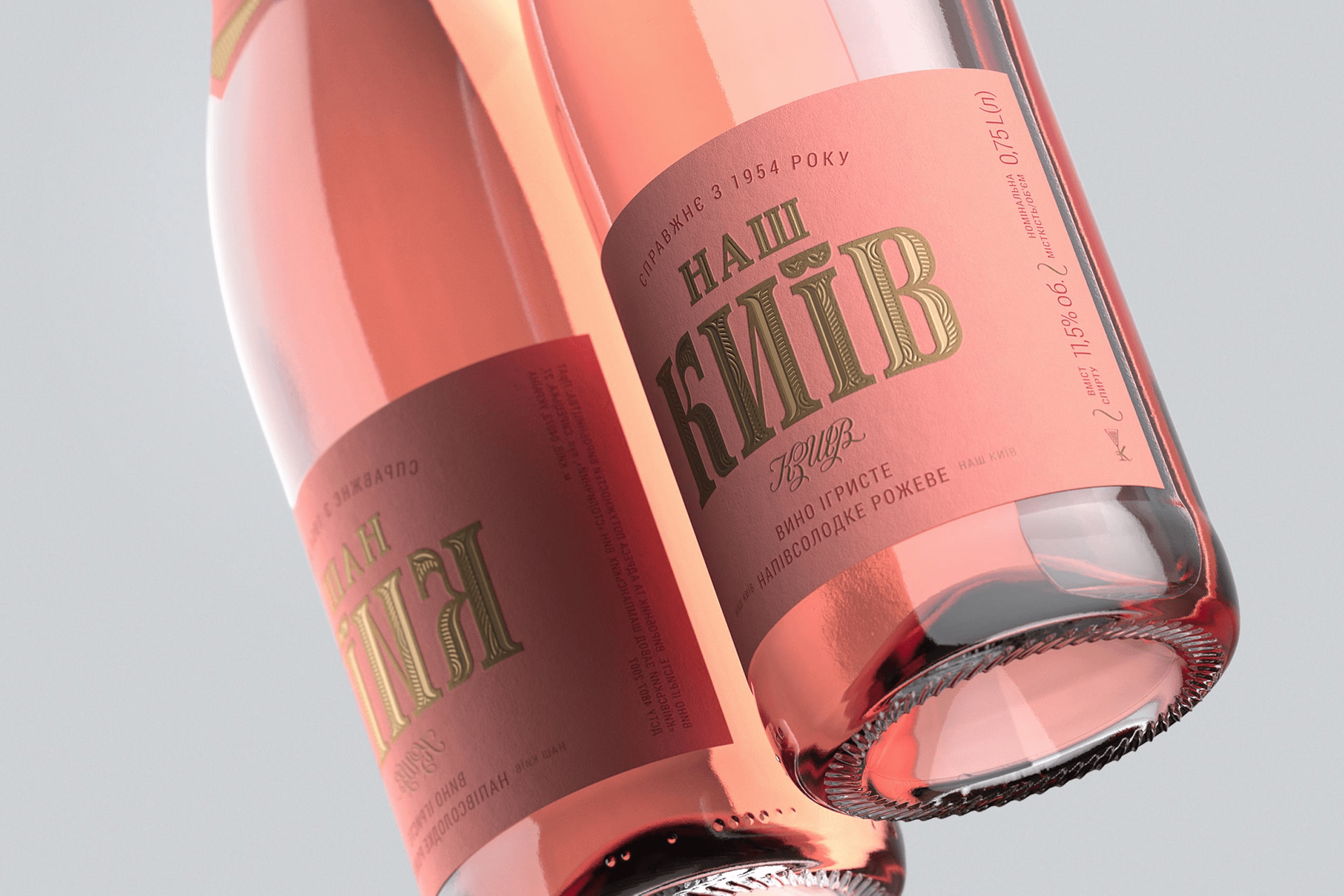
Photo: Gutsulyak.Studio / YBBP 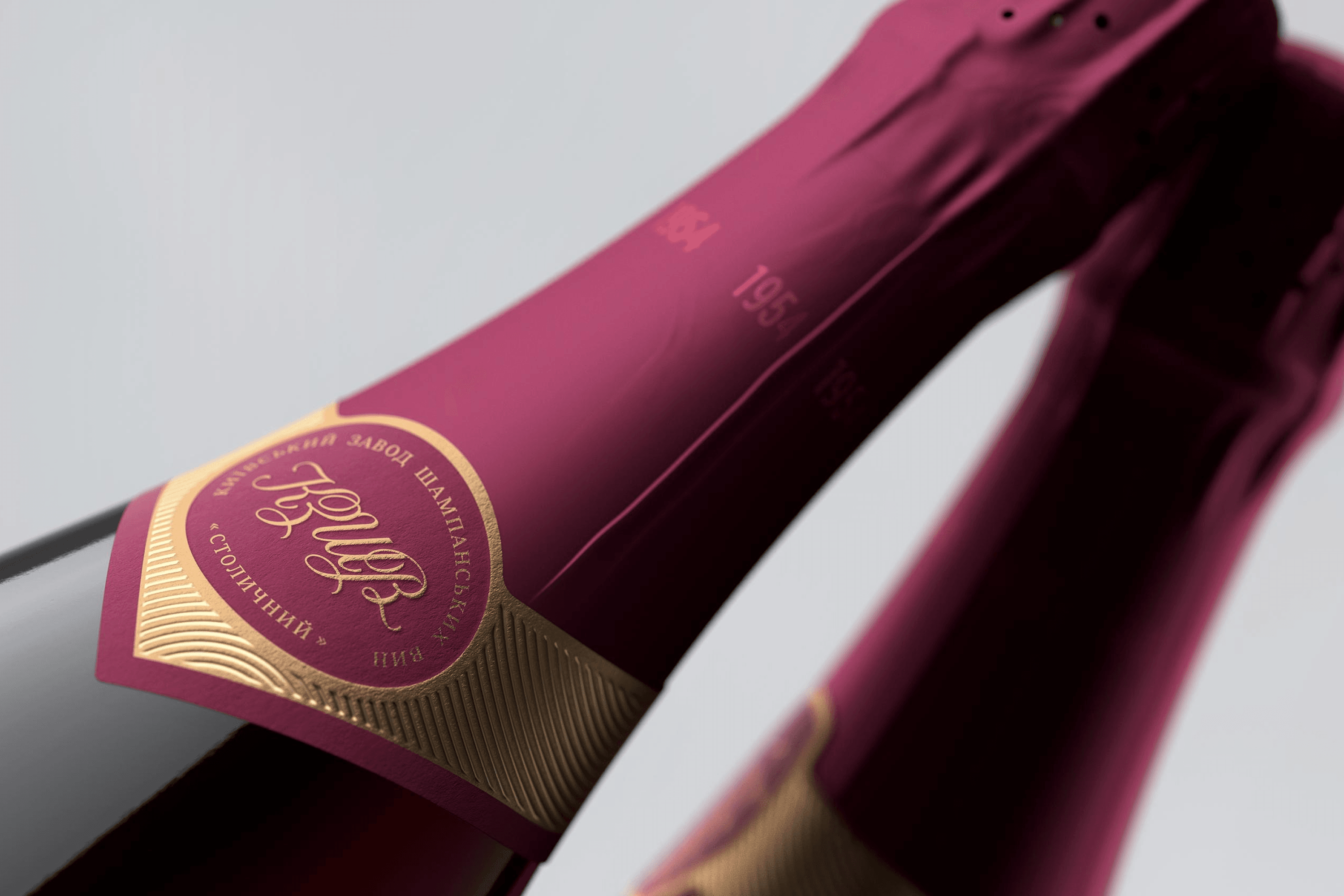
Photo: Gutsulyak.Studio / YBBP 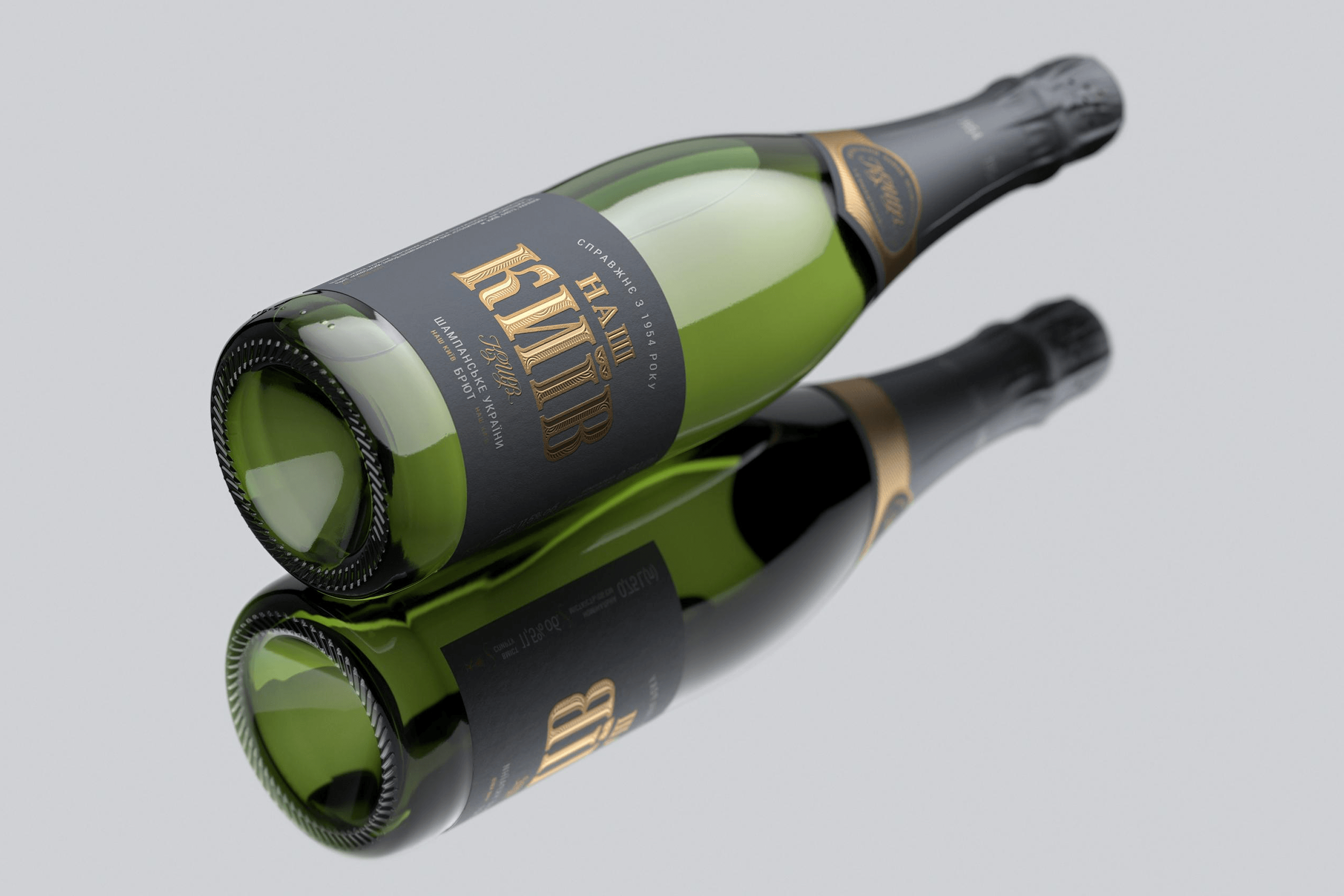
Photo: Gutsulyak.Studio / YBBP
How did you find new clients in Canada, especially since you arrived without any contacts?
The professional status and reputation I had built in Ukraine didn’t mean much here, I had to start over completely. I made a conscious choice to focus on local Canadian clients rather than relying solely on the Ukrainian diaspora. I’ve always remained connected to Ukraine, but I never saw the diaspora as my only opportunity for work.
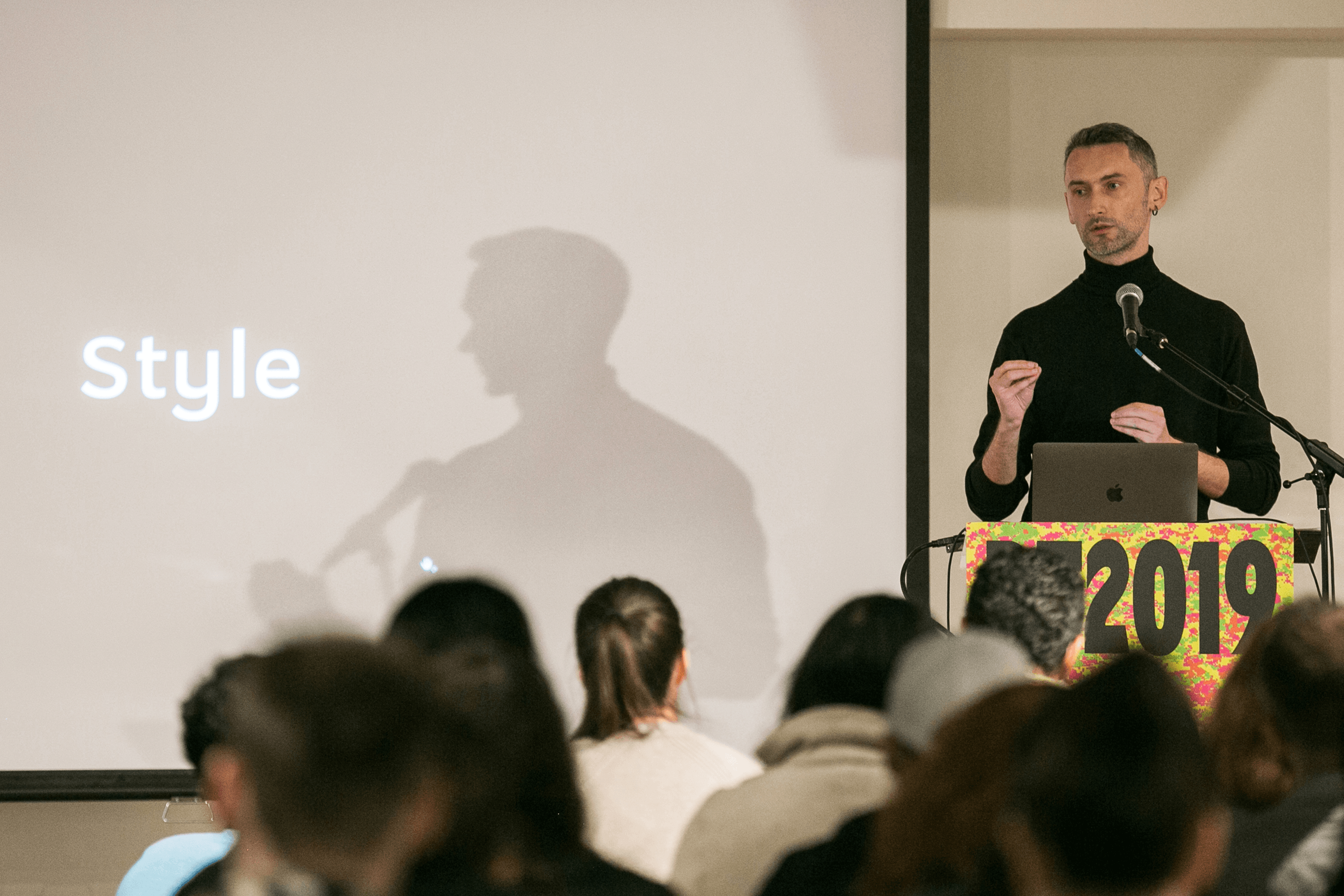
Early on, I joined the Association of Registered Graphic Designers (RGD) community. I still publish articles there, host webinars, and continue to expand my network. Step by step, it has helped me build credibility with local clients. Staying active keeps me visible and continues to bring in new projects.
How did you go about learning English?
I learned English gradually, alongside the studio’s growth. In 2007–2008, I began taking part in international competitions and speaking at conferences in Rotterdam, Reykjavík, Belgrade, and other professional events. That meant I needed to prepare presentations in English, write articles, and give interviews.
In 2014, while preparing my immigration documents for Canada, I took IELTS courses at the British Council. Travelling and interacting with colleagues from around the world gave me real, hands-on experience. When I moved to Canada, my English was strong enough for professional work — and I continue to improve it every day.
Who became your first client in Canada?
It was Ukrainians who, just like me, were starting their businesses in Canada. It was the Ukrainian community that helped me find my first clients.
Do clients find you now, or do you reach out to them?
Both happen, but most clients come to us either through referrals or because they’ve seen our work, and it speaks for itself.
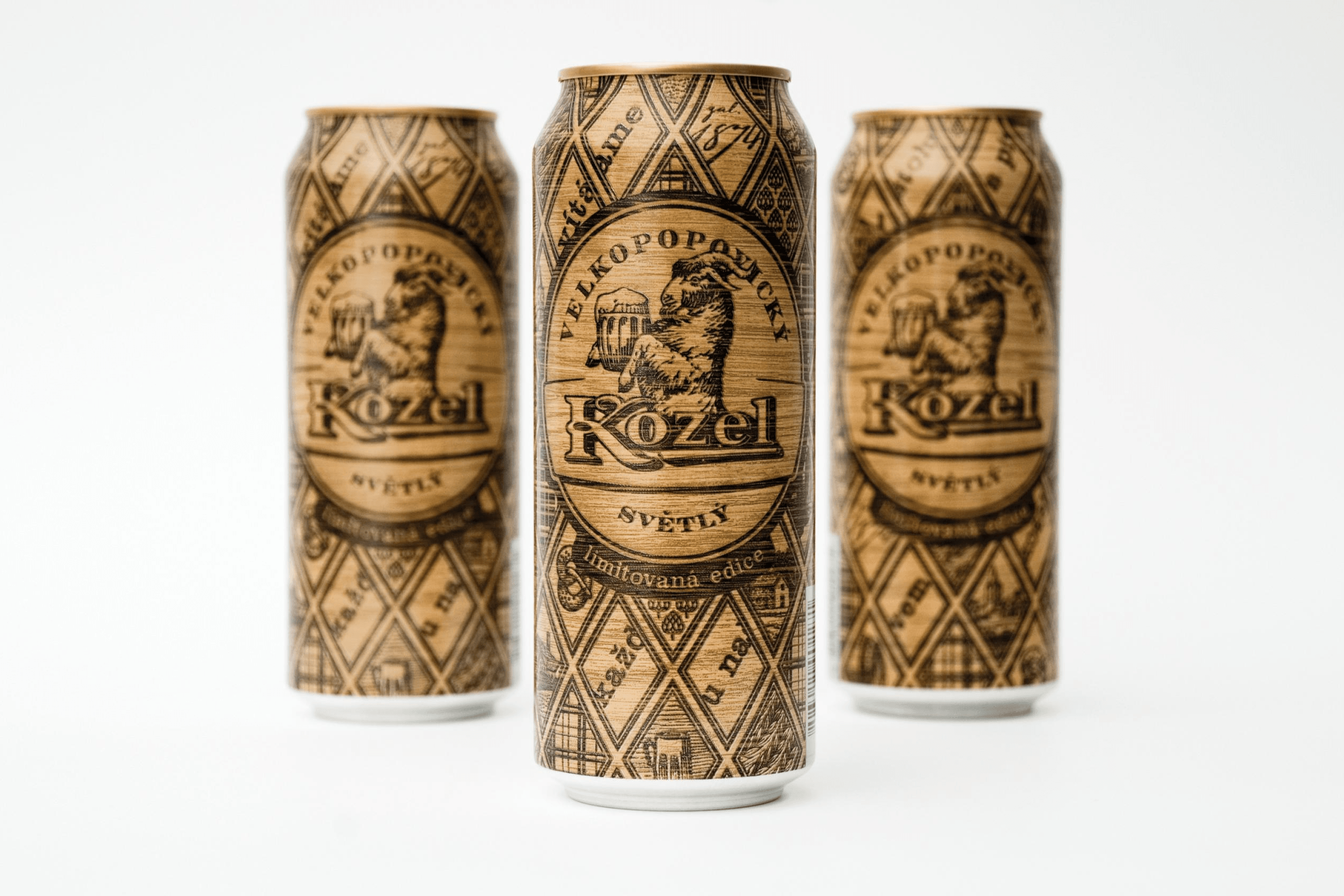
The design was created by Gutsulyak.Studio for Anadolu Efes in 2012. Photo: Gutsulyak.Studio / YBBP 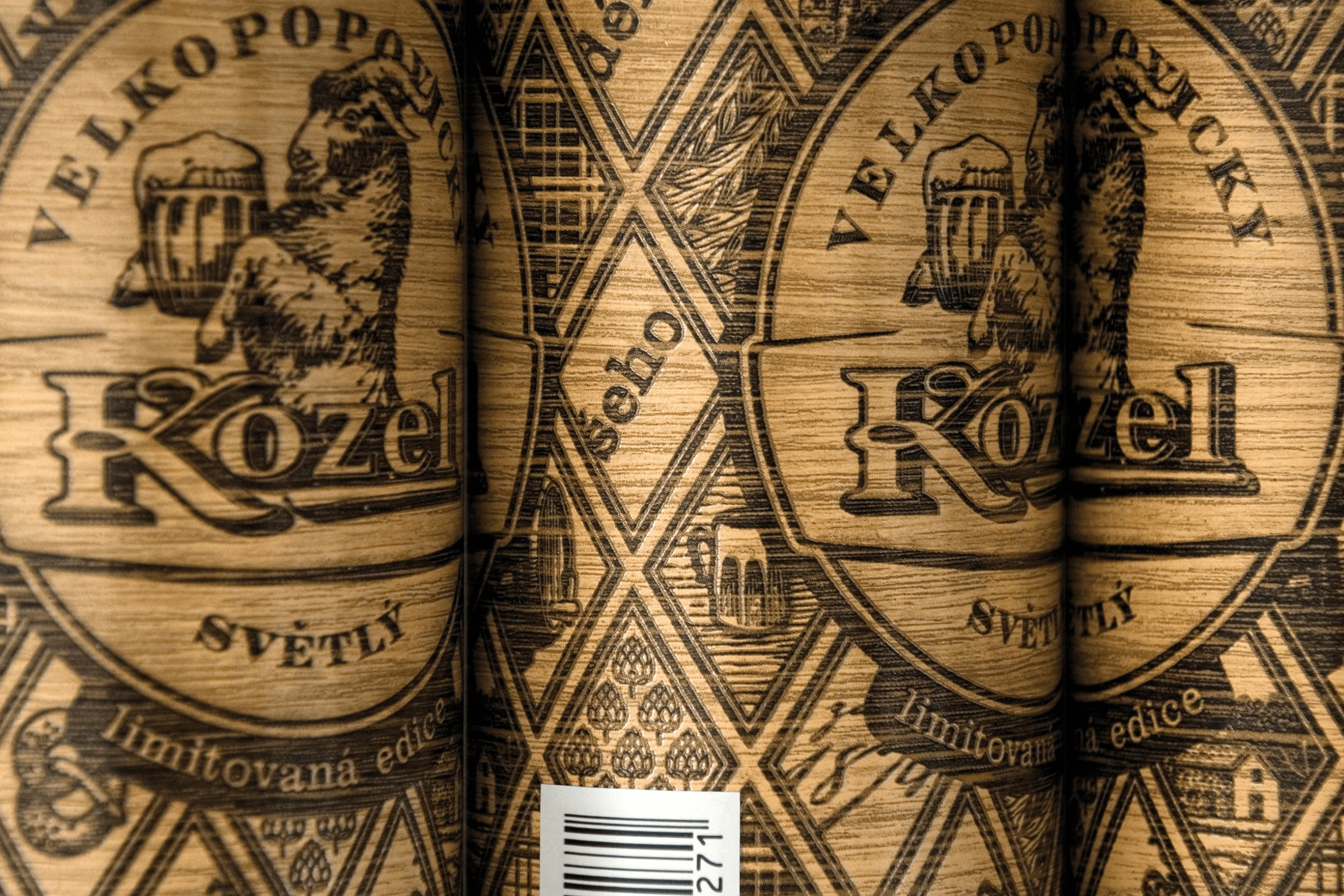
Photo: Gutsulyak.Studio / YBBP 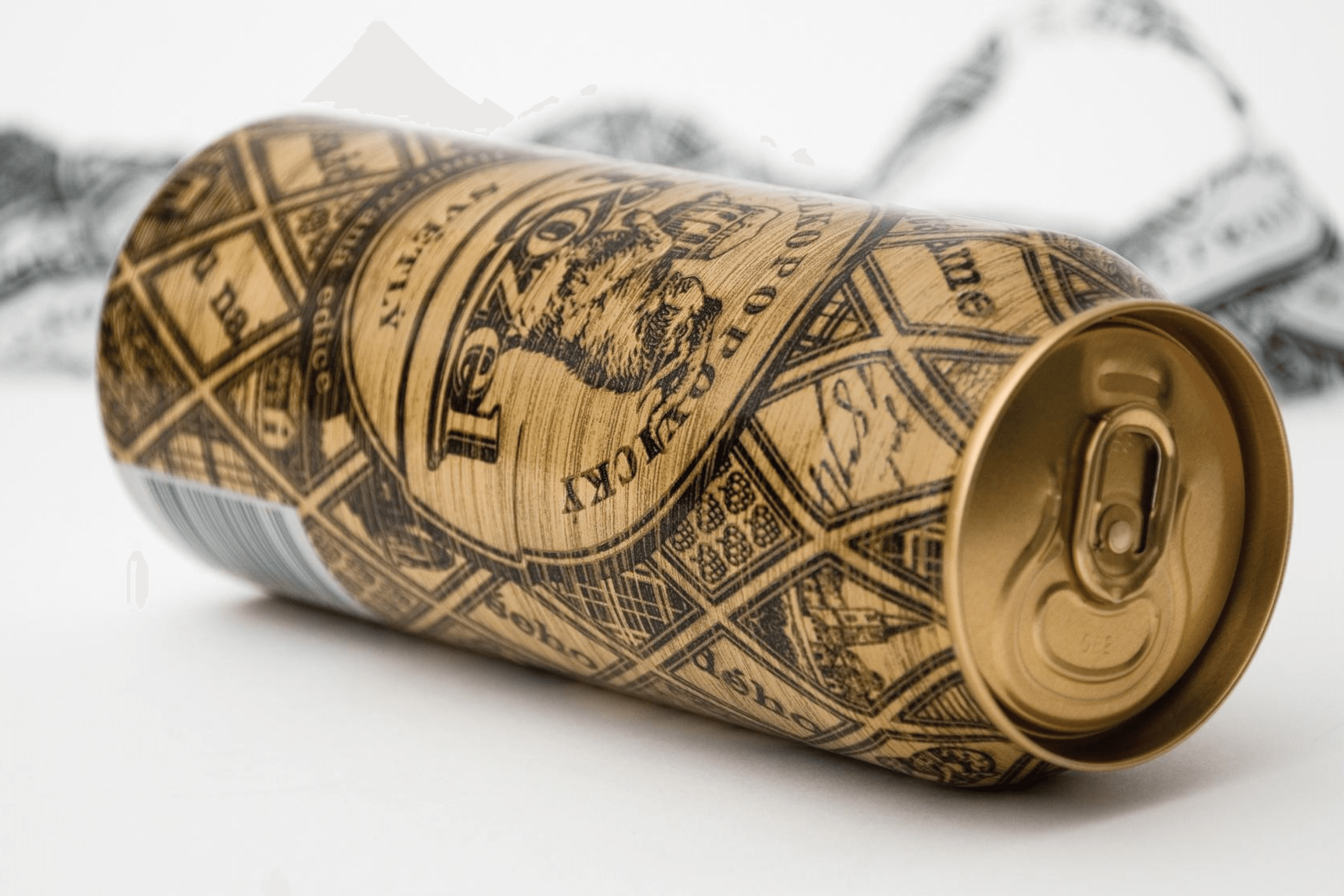
Photo: Gutsulyak.Studio / YBBP 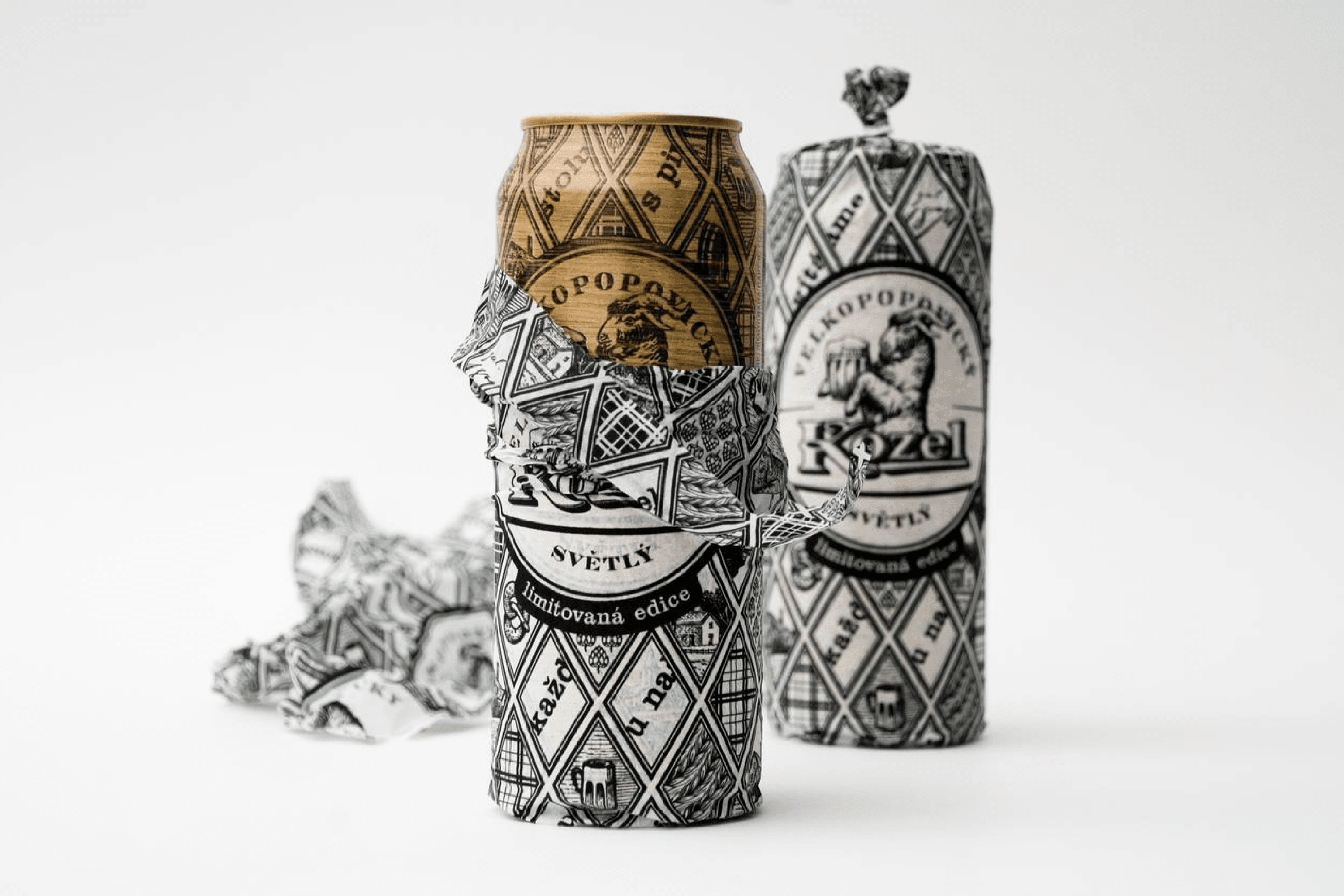
Photo: Gutsulyak.Studio / YBBP 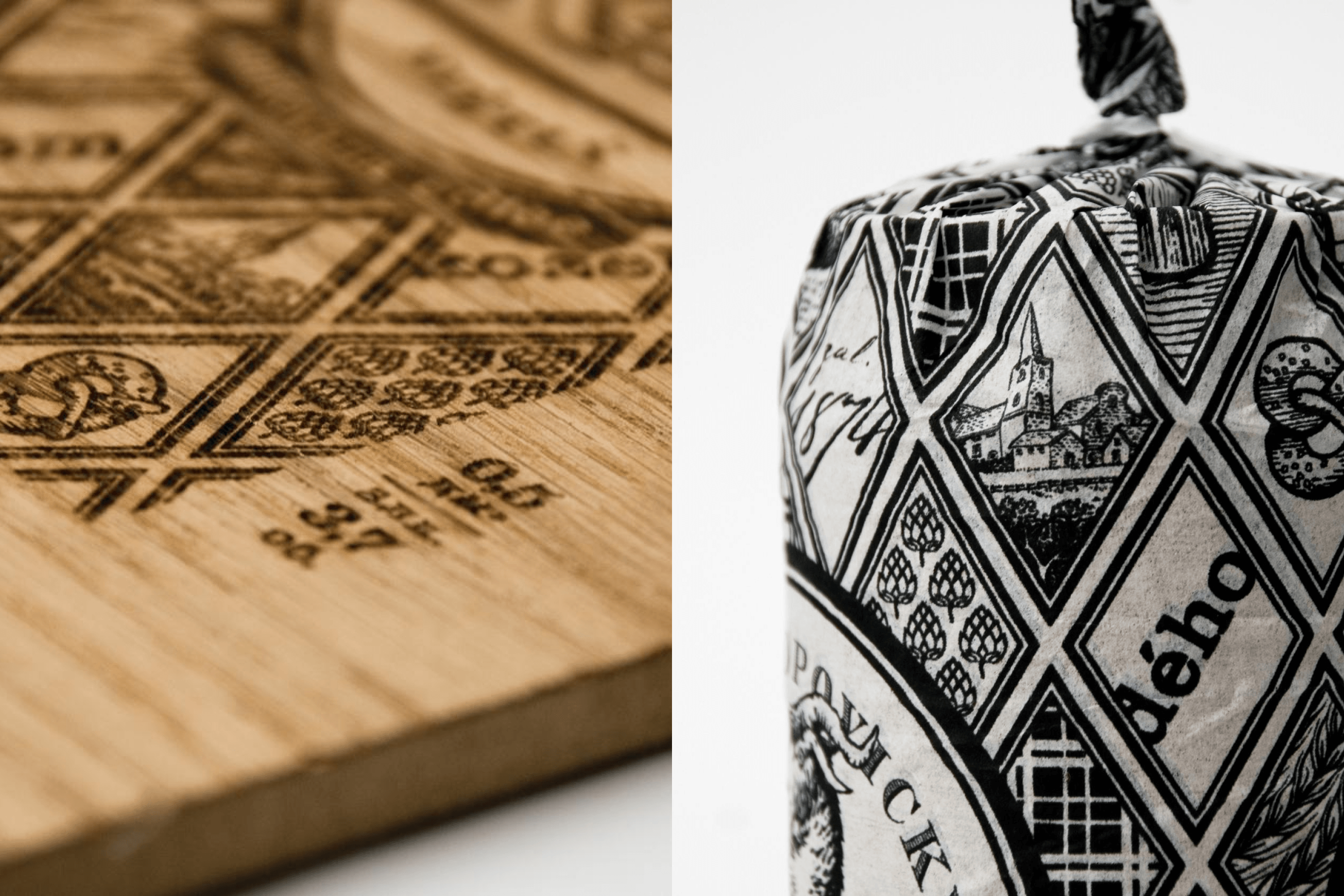
Photo: Gutsulyak.Studio / YBBP
In practice, direct outreach and cold calling are not very effective here. The North American market is built on personal recommendations. If you approach a company without a referral, you are likely to be ignored or viewed with suspicion.
How did you manage to build your contacts?
It’s a long and challenging process, and we’re still working on it. Our main strategy is to stay visible, meet people, show our work, and put ourselves out there, featuring the studio — primarily through professional exhibitions and conferences, where you can present your projects face-to-face.
What is the current ratio between your international and Ukrainian projects?
It’s roughly fifty-fifty. We operate in both local and global markets, keeping a healthy balance while expanding our presence in several countries at once.
How would you describe the Ukrainian market compared to Canada and the U.S.? How dynamic and financially attractive is it for your studio?
The Ukrainian market is incredibly active even in wartime. Ukrainians are naturally entrepreneurial, driven to improve their lives, and ready to work hard for it. That creates a fast-moving market where decisions are made quickly, and projects are launched at high speed.
The U.S. and Canadian markets are slower. Business processes here are often planned 2–3 years ahead. A design project you create today might not go public until years later, once the business launches. That’s why maintaining a balance is important for us — working with fast-paced markets like Ukraine’s helps us stay sharp and current.
Ukrainian projects are not much cheaper than Canadian or American ones. Ukraine is a highly competitive market, and that elevates the perceived value of design. raises the value of design. For Ukrainian companies, design matters because they are surrounded by a high-quality visual culture and look toward European standards. In Canada and the U.S., the quality competition is less intense due to lobbying and market monopolization, and companies are often less willing to invest heavily in design as a differentiator.
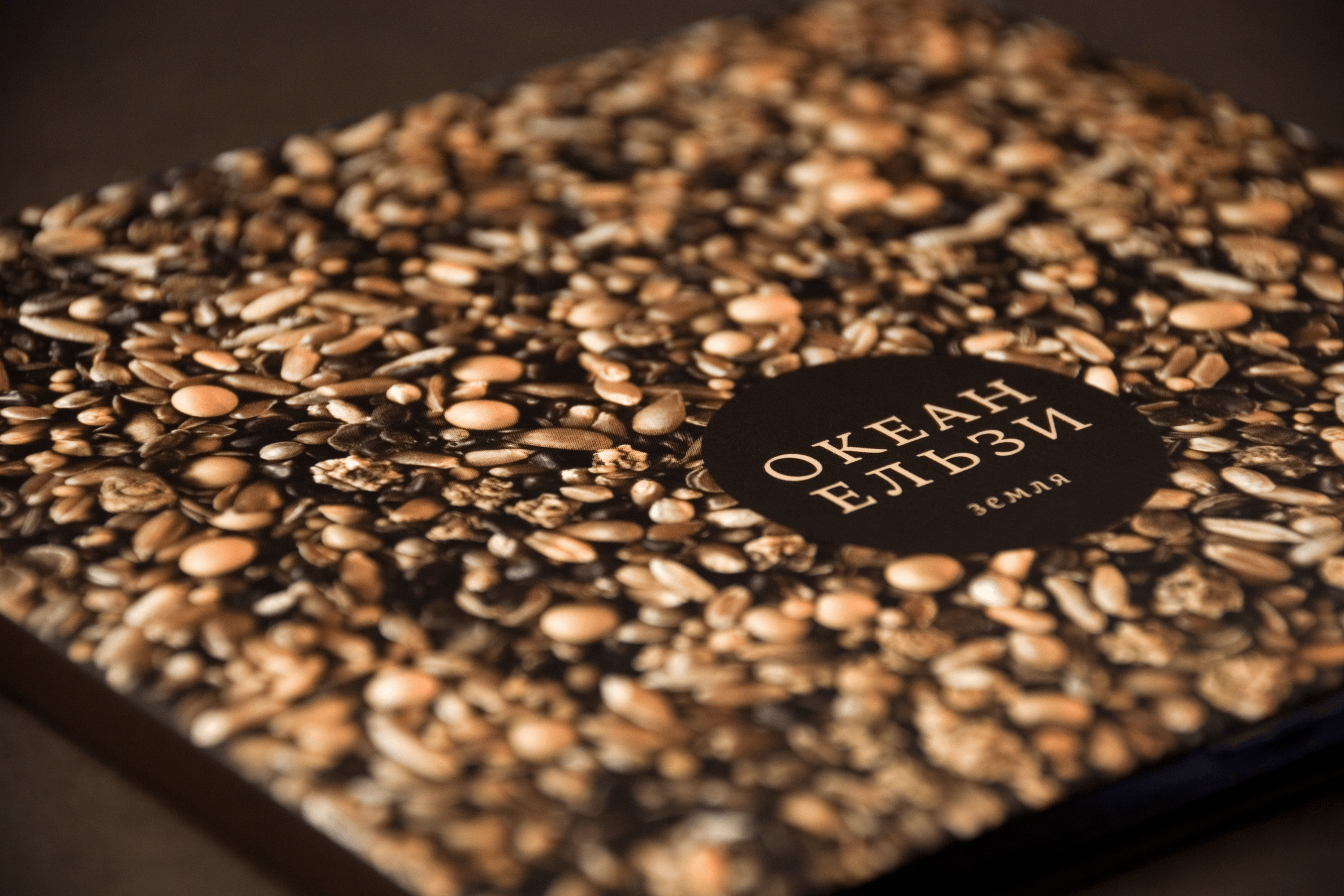
The design was created by Gutsulyak.Studio for Okean Elzy. Photo: Gutsulyak.Studio / YBBP 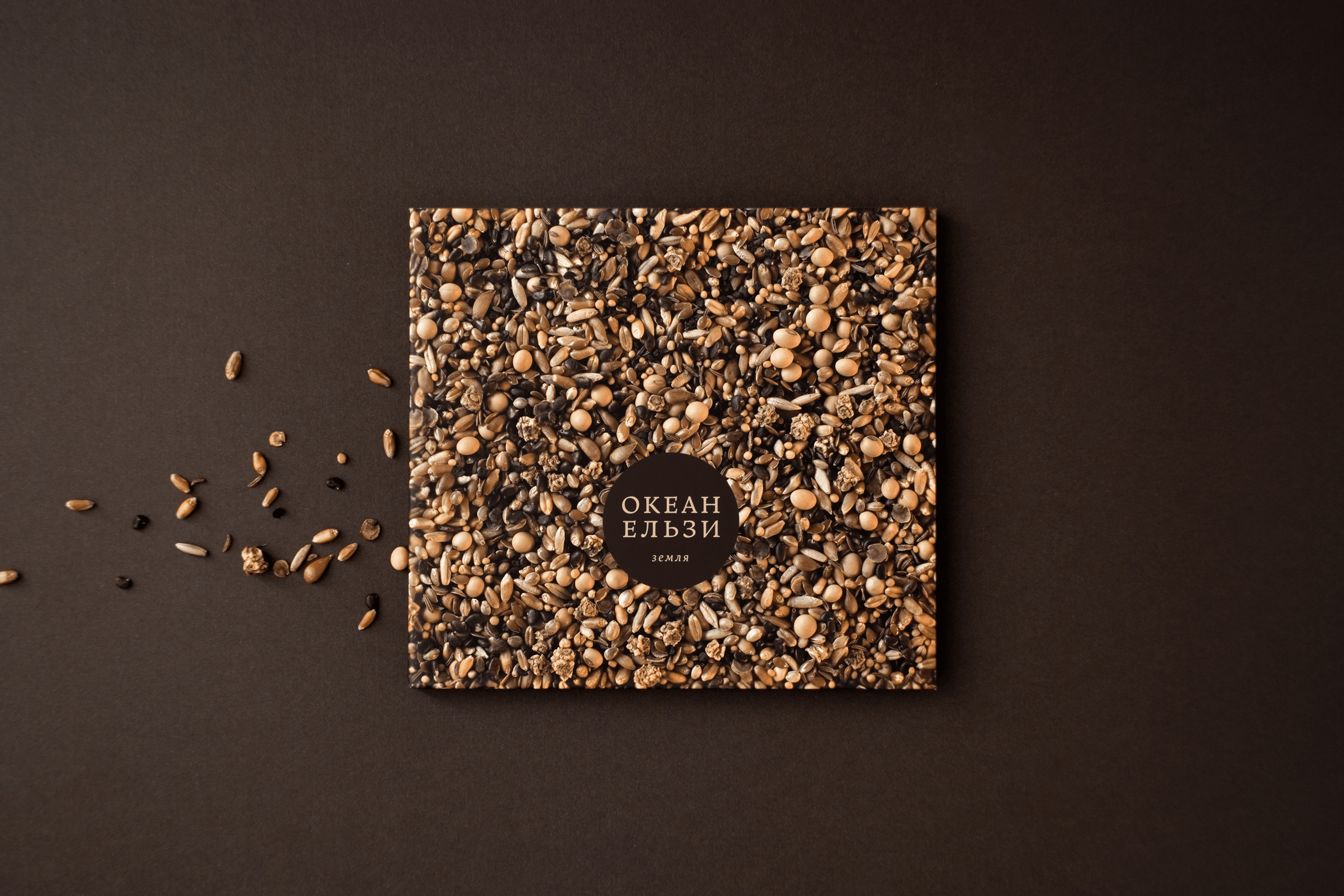
Photo: Gutsulyak.Studio / YBBP 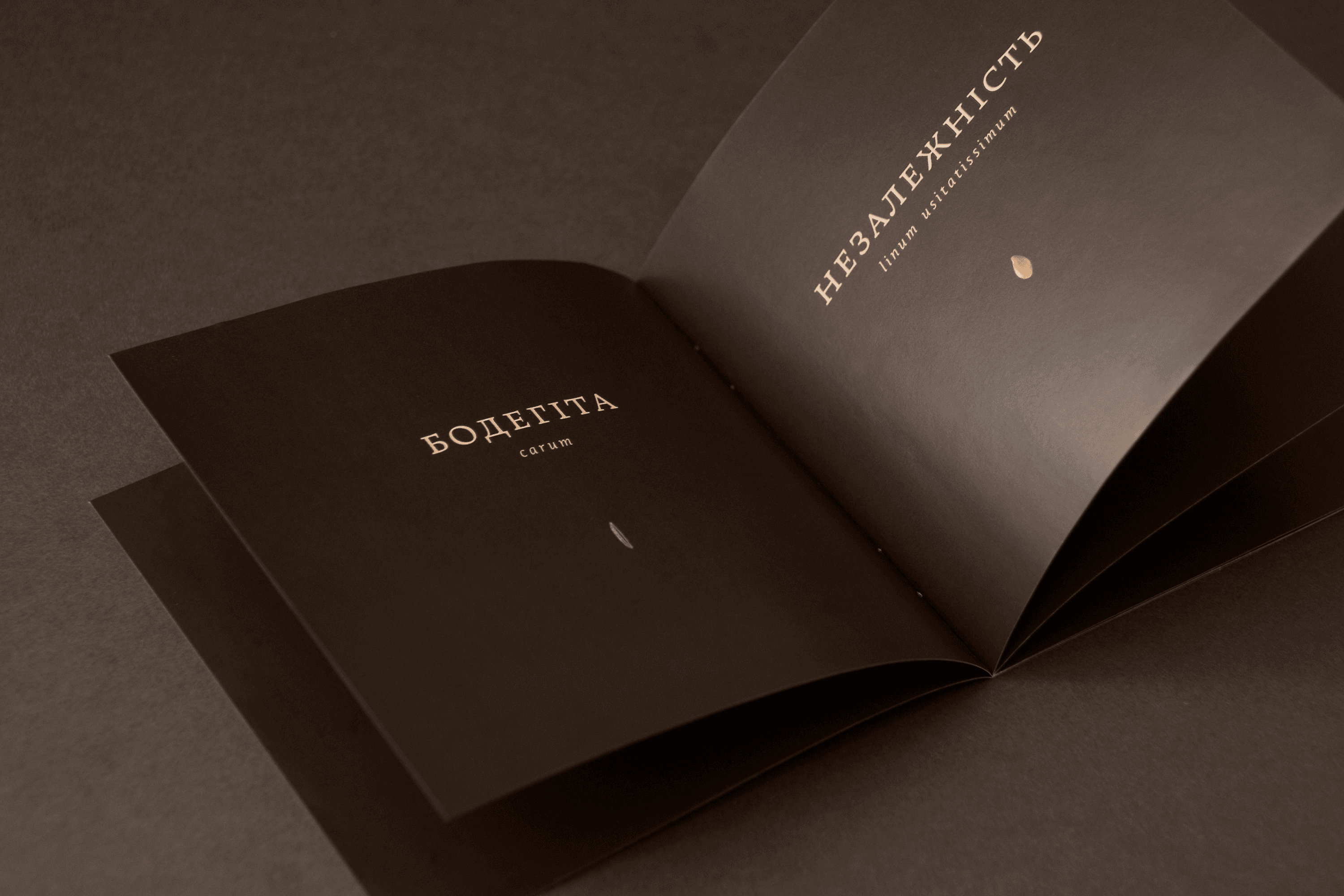
Photo: Gutsulyak.Studio / YBBP
How do you set pricing for corporate clients?
Most of the time, we work on a project-based fee. When a project involves a lot of technical or repetitive tasks, an hourly rate makes more sense, as it’s easier to manage the workload that way.
Pricing depends on several factors: the type of project, the market — whether it’s for a local or international, the level of competition in that industry, and the overall scope of work. This approach helps us set fair, transparent pricing that reflects both the complexity and the value of the project for the client.
Which area of design is currently the most profitable?
Packaging and branding.
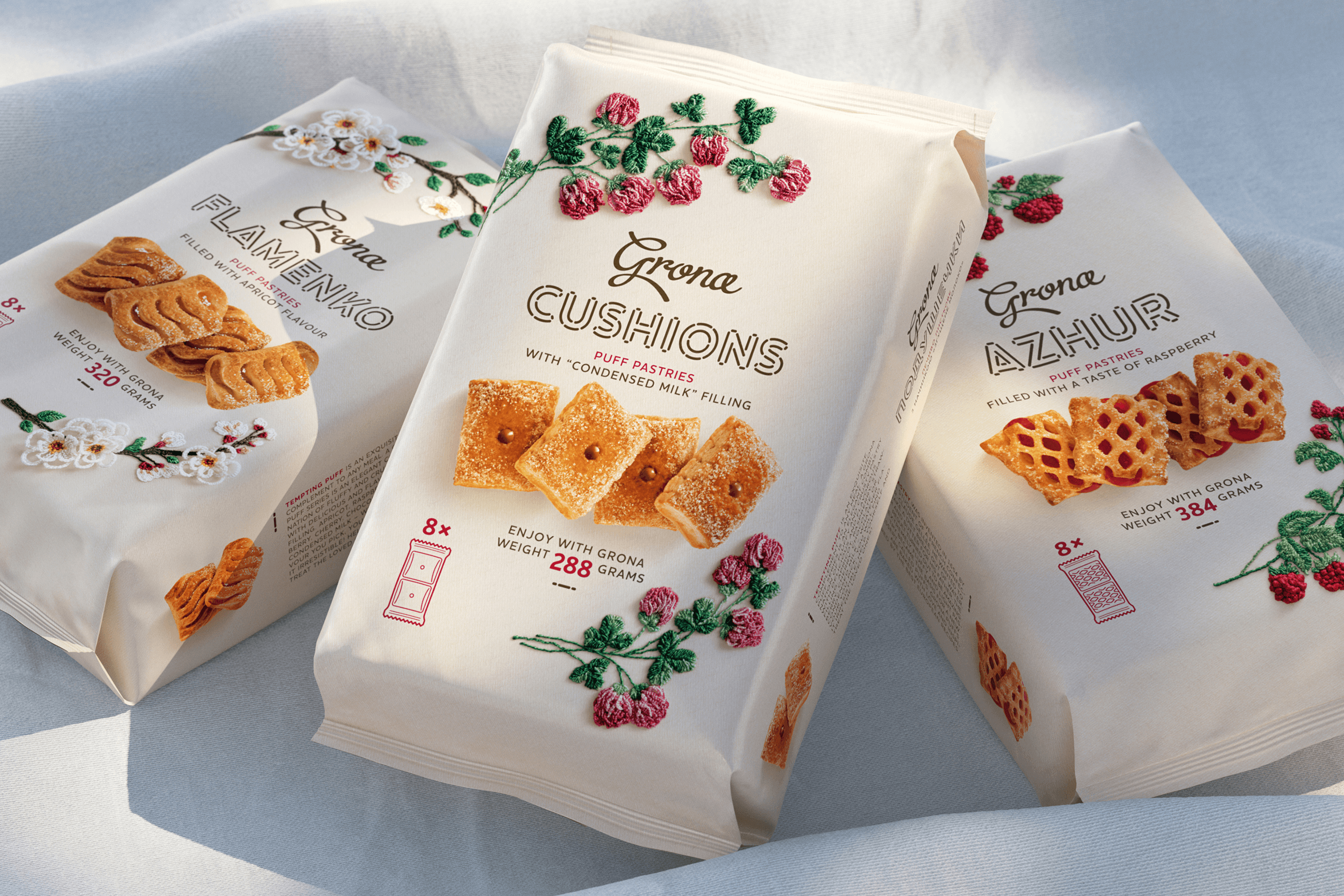
The design was created by Gutsulyak.Studio for Grona in 2013–2019. Photo: Gutsulyak.Studio / YBBP 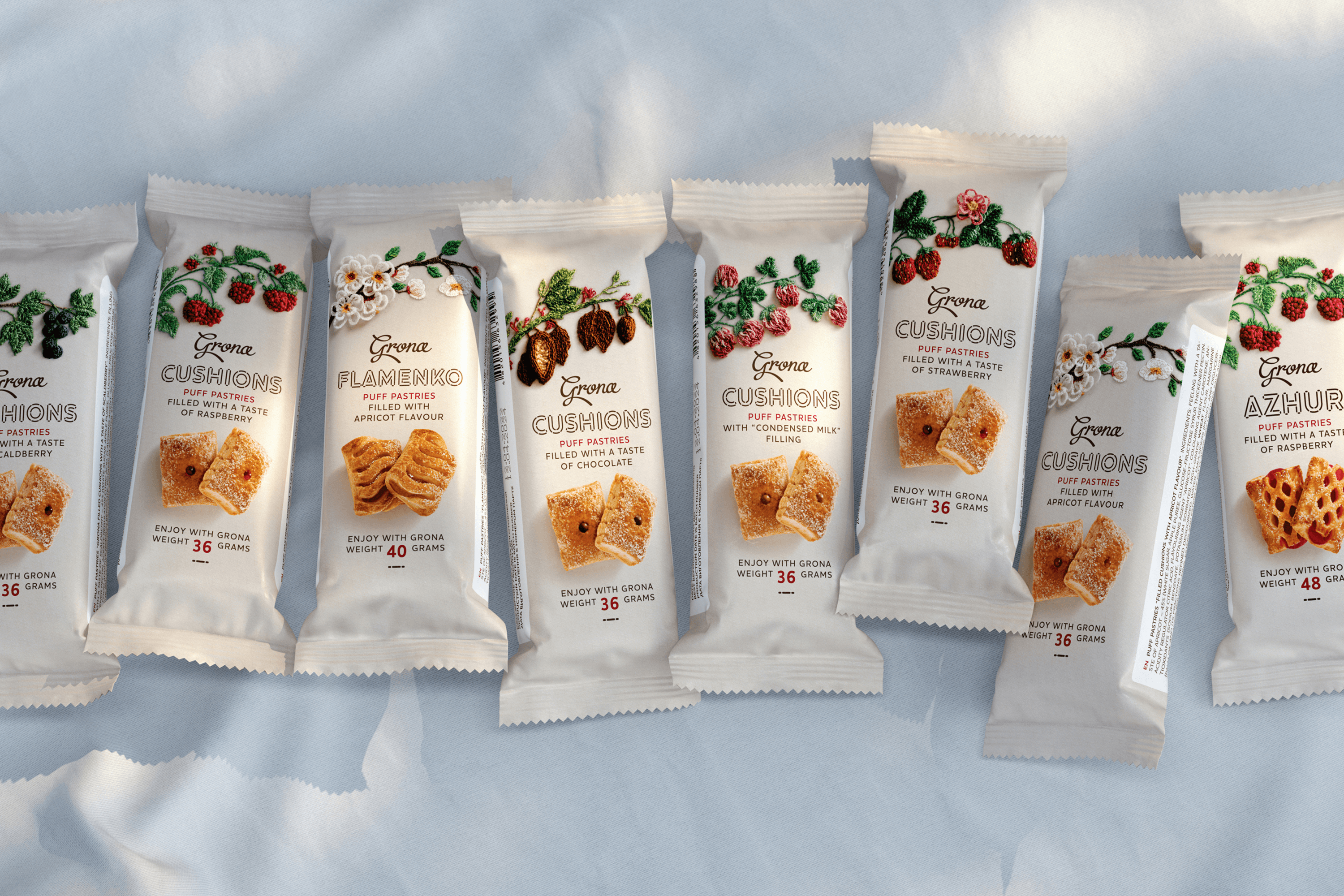
Photo: Gutsulyak.Studio / YBBP 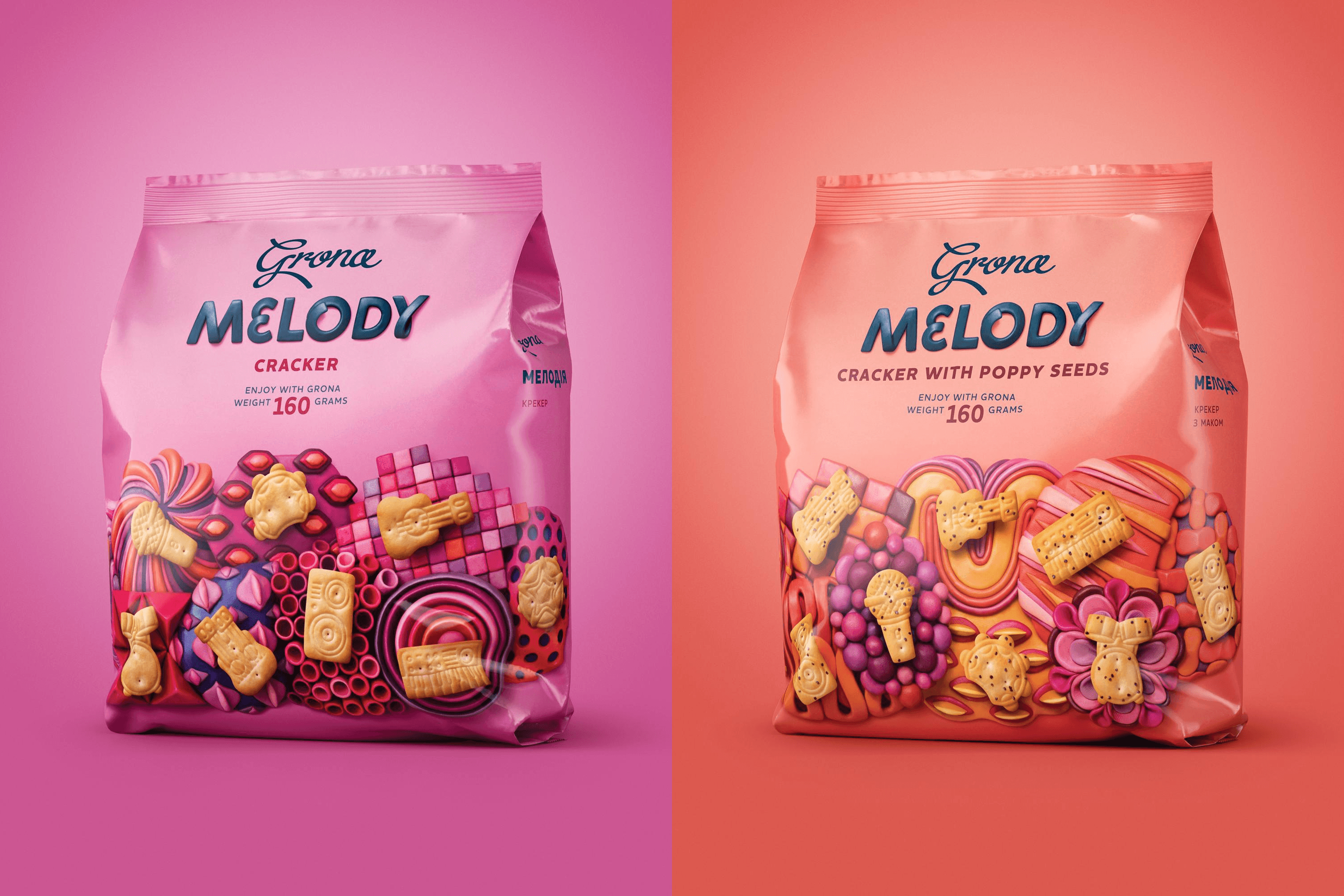
Photo: Gutsulyak.Studio / YBBP 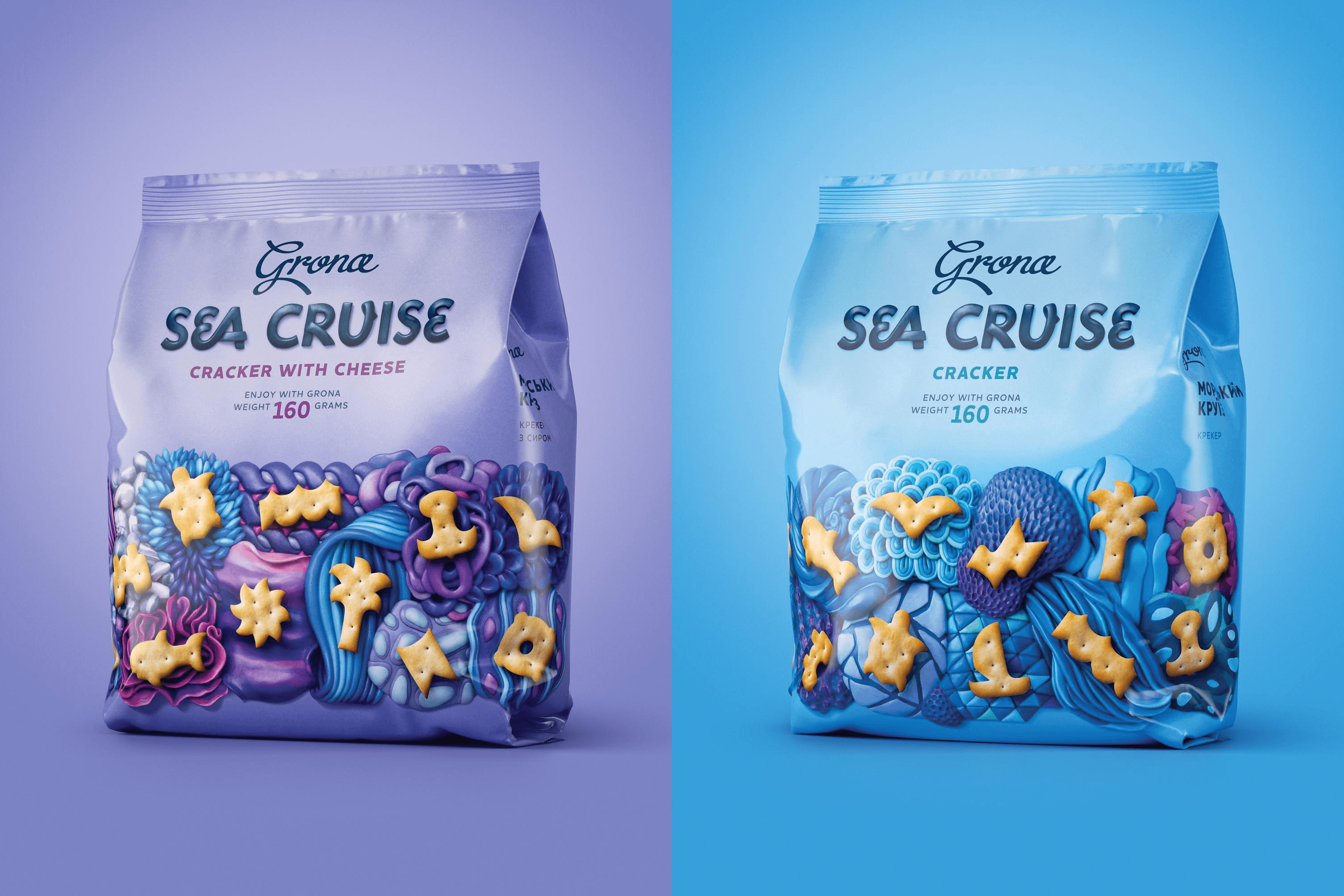
Photo: Gutsulyak.Studio / YBBP
What does your typical client workflow look like?
I usually present up to three concepts and provide a brief analysis for each one — what problem it solves, which option offers the fastest results, which requires more time or budget, and which is the most cost-efficient. When appropriate, I also recommend the option that makes the most sense.
Sharing just sketches doesn’t help much. Most clients can’t assess design from a professional standpoint. ‘Like’ or ‘Dislike’ is subjective, but a clear analysis helps them make a decision that genuinely supports their business objectives.
How do you choose which clients to work with today?
First of all, I need to understand that the client values design or is at least willing to have a meaningful dialogue. If someone says, “Just make it pretty,” without understanding what problem the design is supposed to solve, that’s a red flag. We always sign a contract and retain rights to showcase our work after launching the product. We respect our clients and follow ethical standards, but we do not compromise on the creator’s rights to be visible.
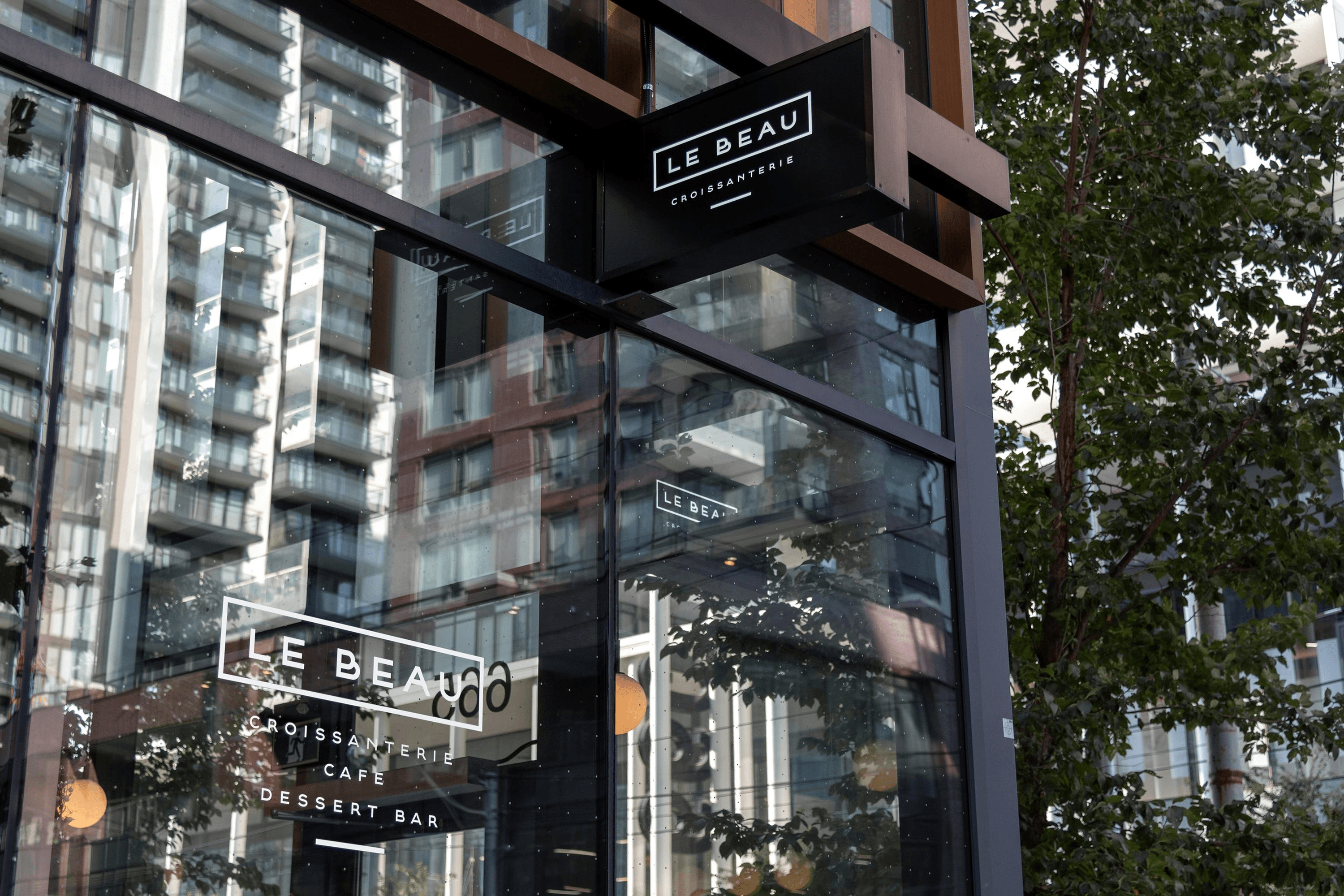
The design was created by Gutsulyak.Studio for Le Beau Lab in 2018–2023. Photo: Gutsulyak.Studio / YBBP 
Photo: Gutsulyak.Studio / YBBP 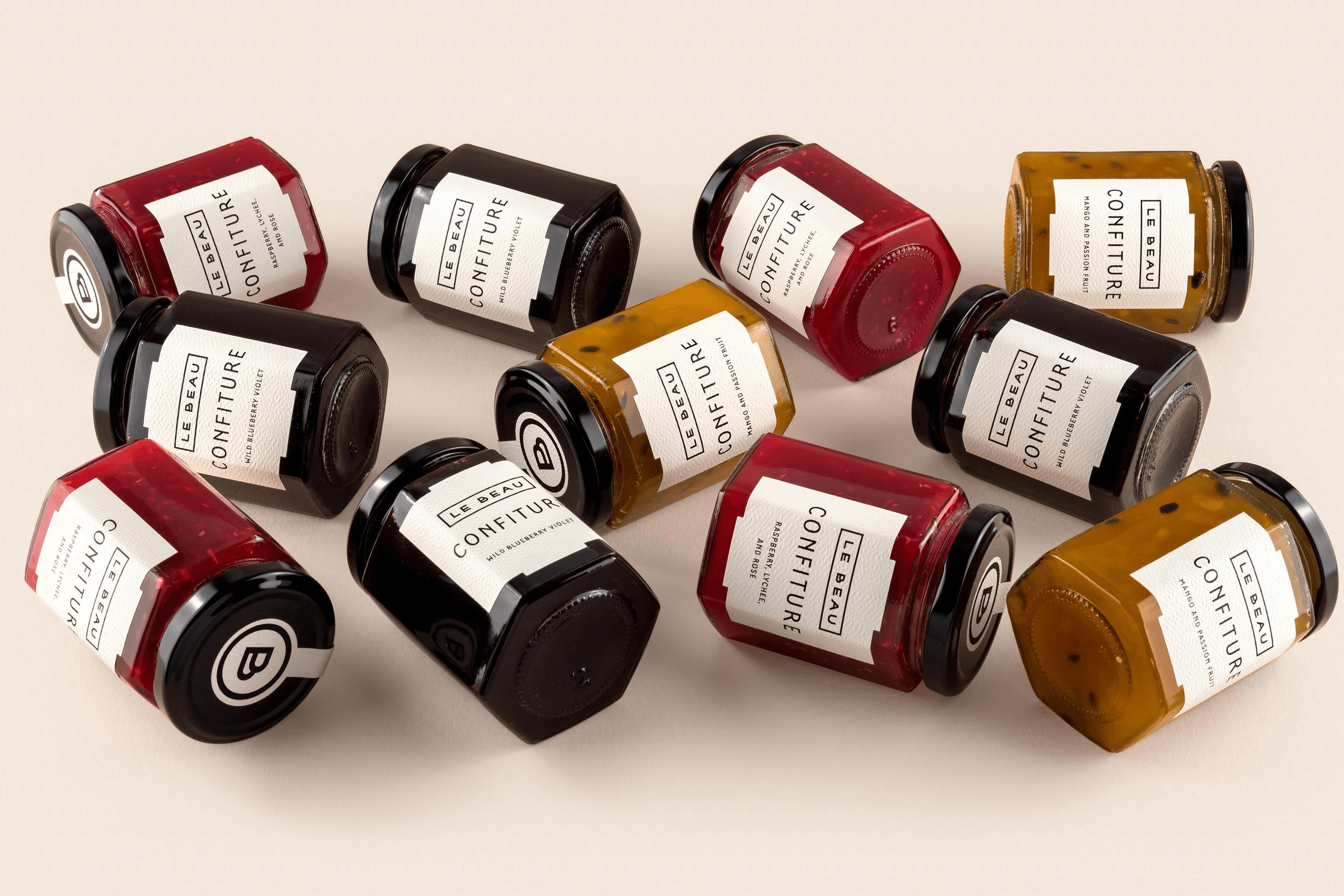
Photo: Gutsulyak.Studio / YBBP 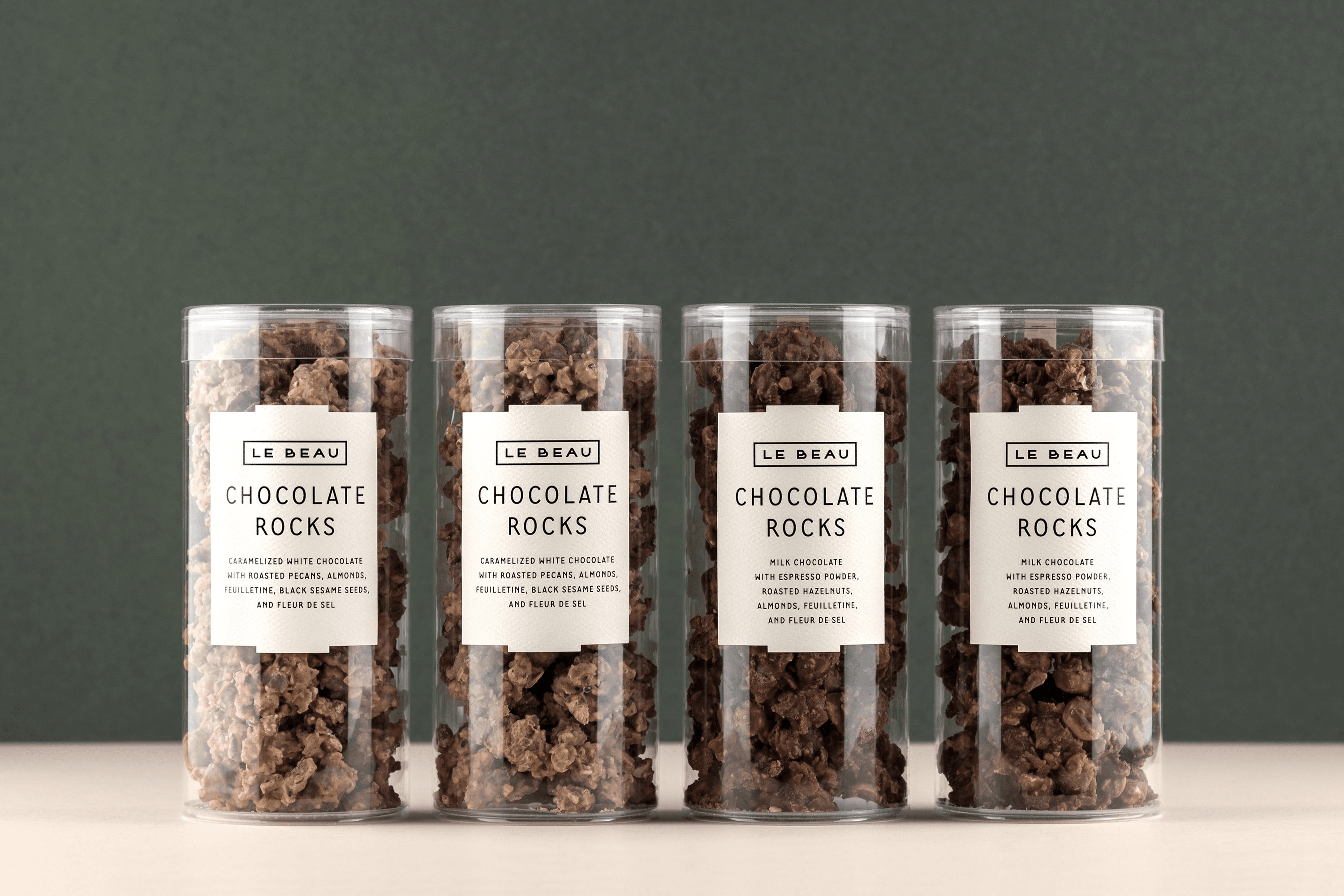
Photo: Gutsulyak.Studio / YBBP 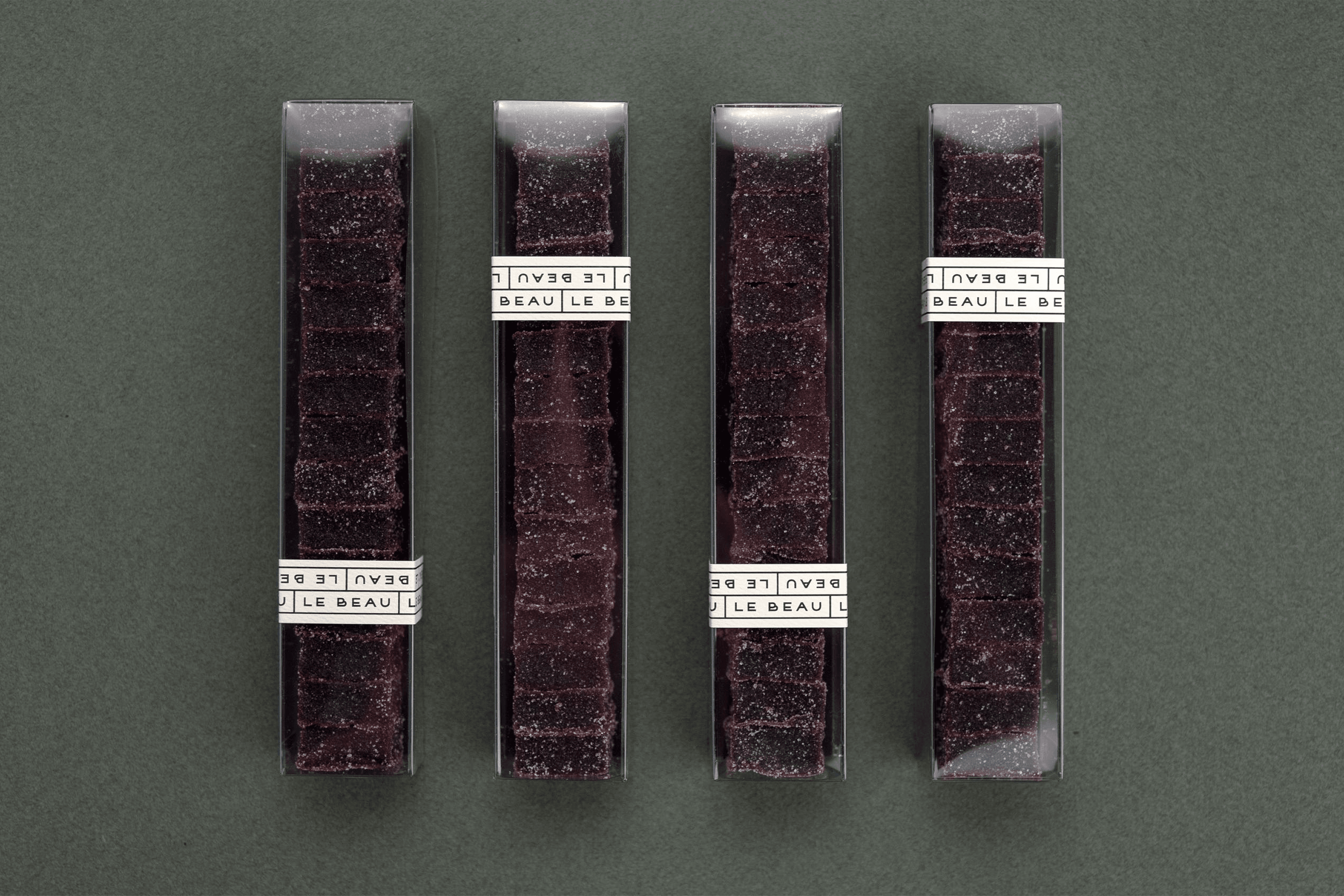
Photo: Gutsulyak.Studio / YBBP
And what does that mean in practice?
I must be acknowledged as the author of the work, and I need to be able to present it publicly. If a client is after a design without an attribution, then we either decline the project or negotiate a separate, substantial fee.
When you mention a waiver of attributing rights, are we talking hundreds or tens of thousands of dollars?
It depends on the size of the project, but typically the cost is four to five times higher than the project itself. Most clients aren’t prepared to pay that. Many assume that sending over an NDA automatically obliges us to agree to their terms.
How do you develop the idea for a client project?
For me, the foundation of a successful project is always communication. Before I move into the creative phase, I dive into the context. I explore the audience, the market, the competitors, review previous solutions, and clarify the brand’s objectives. It’s essential to understand not only what the client wants, but also why and how the solution will work in the long run.
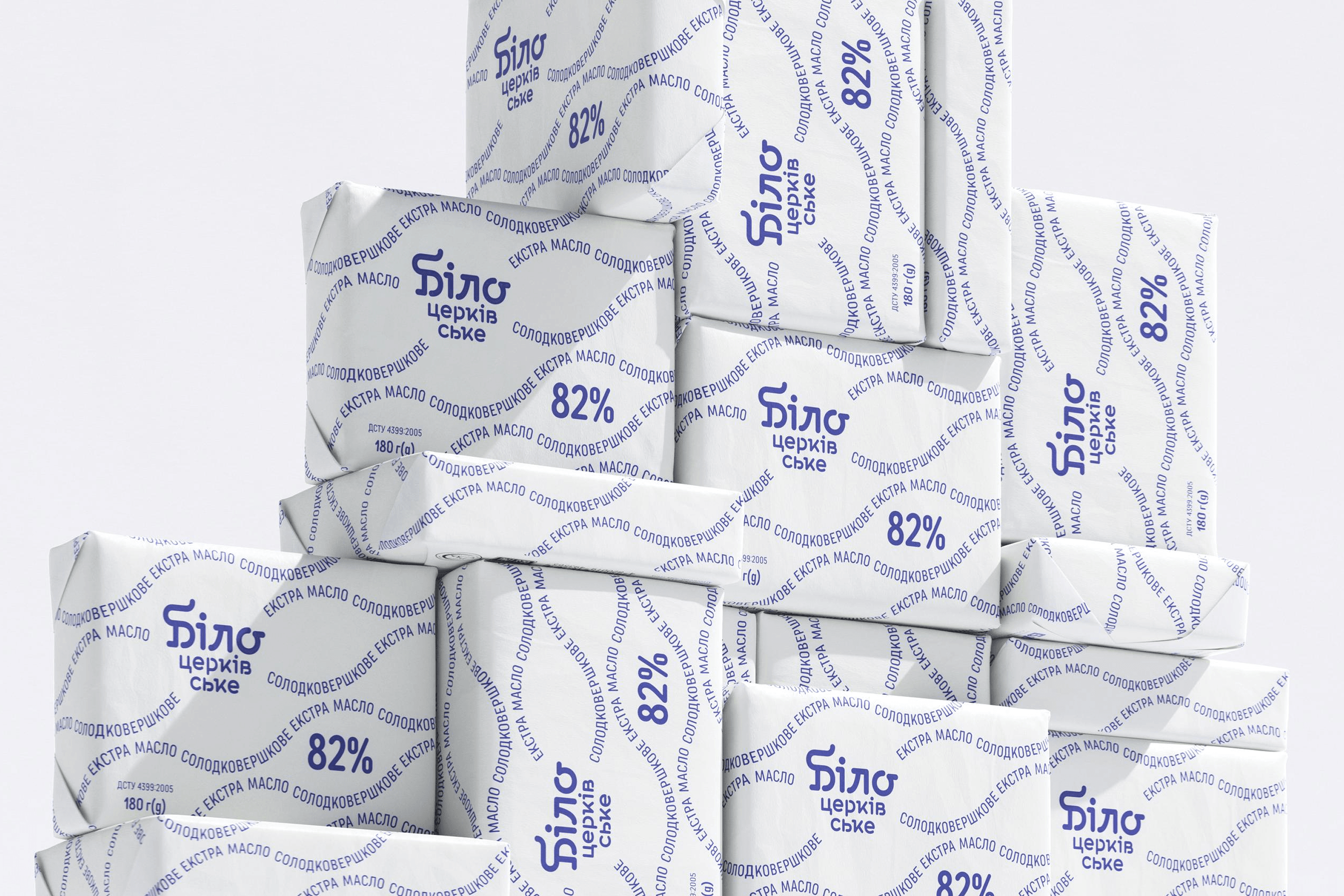
The design was created by Gutsulyak.Studio for Bilotserkivka Agroindustrial Group in 2021–2022. Photo: Gutsulyak.Studio / YBBP 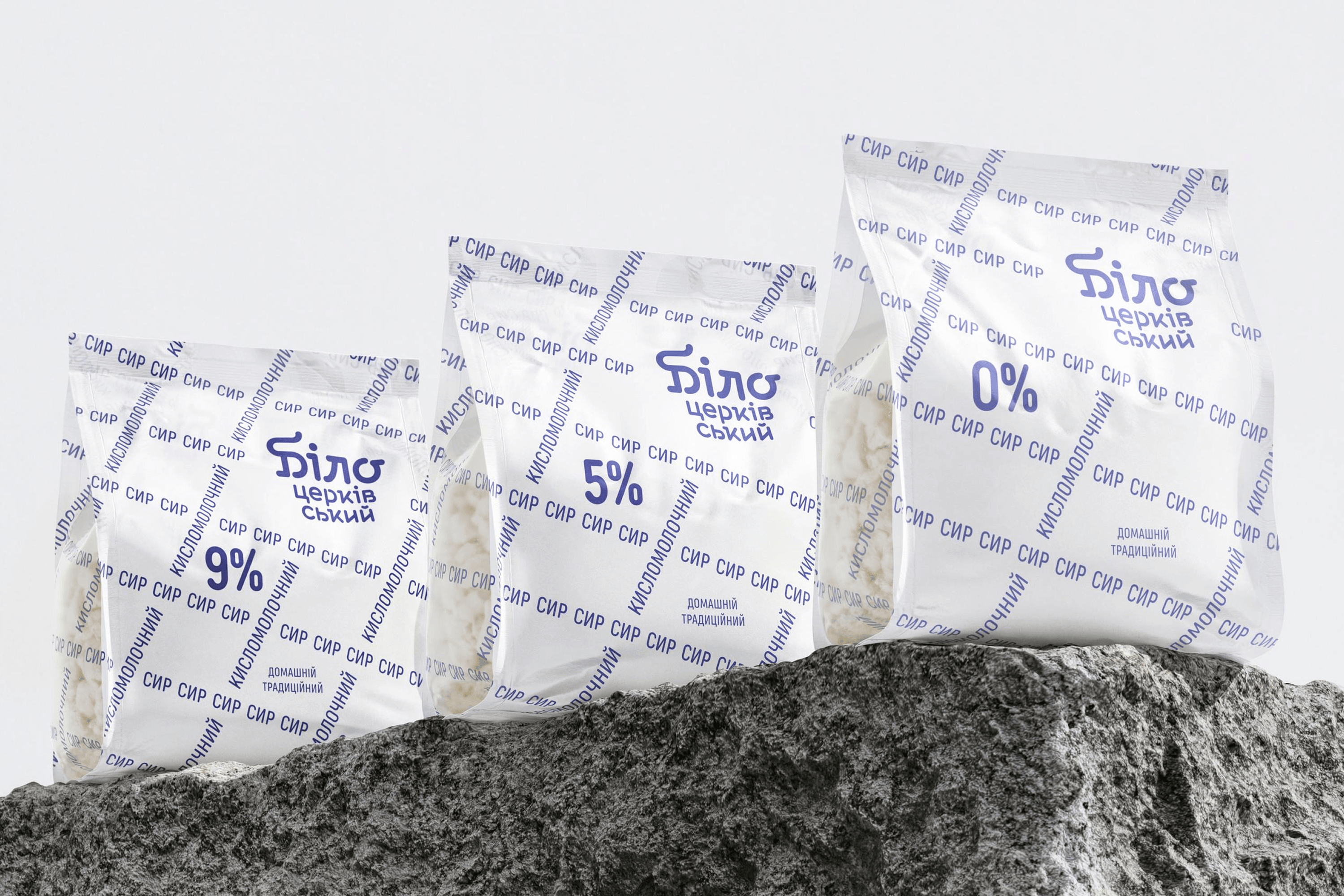
Photo: Gutsulyak.Studio / YBBP 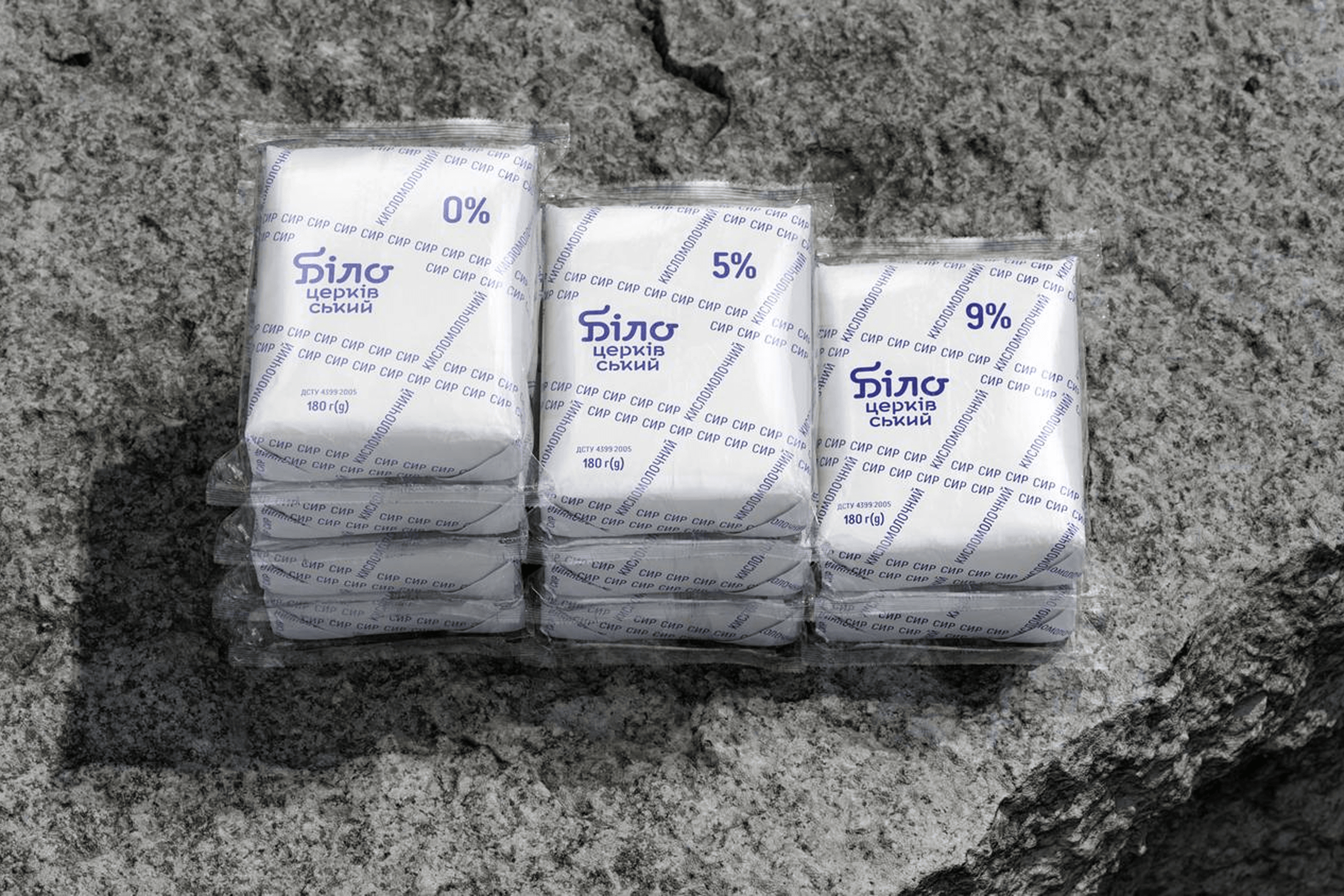
Photo: Gutsulyak.Studio / YBBP 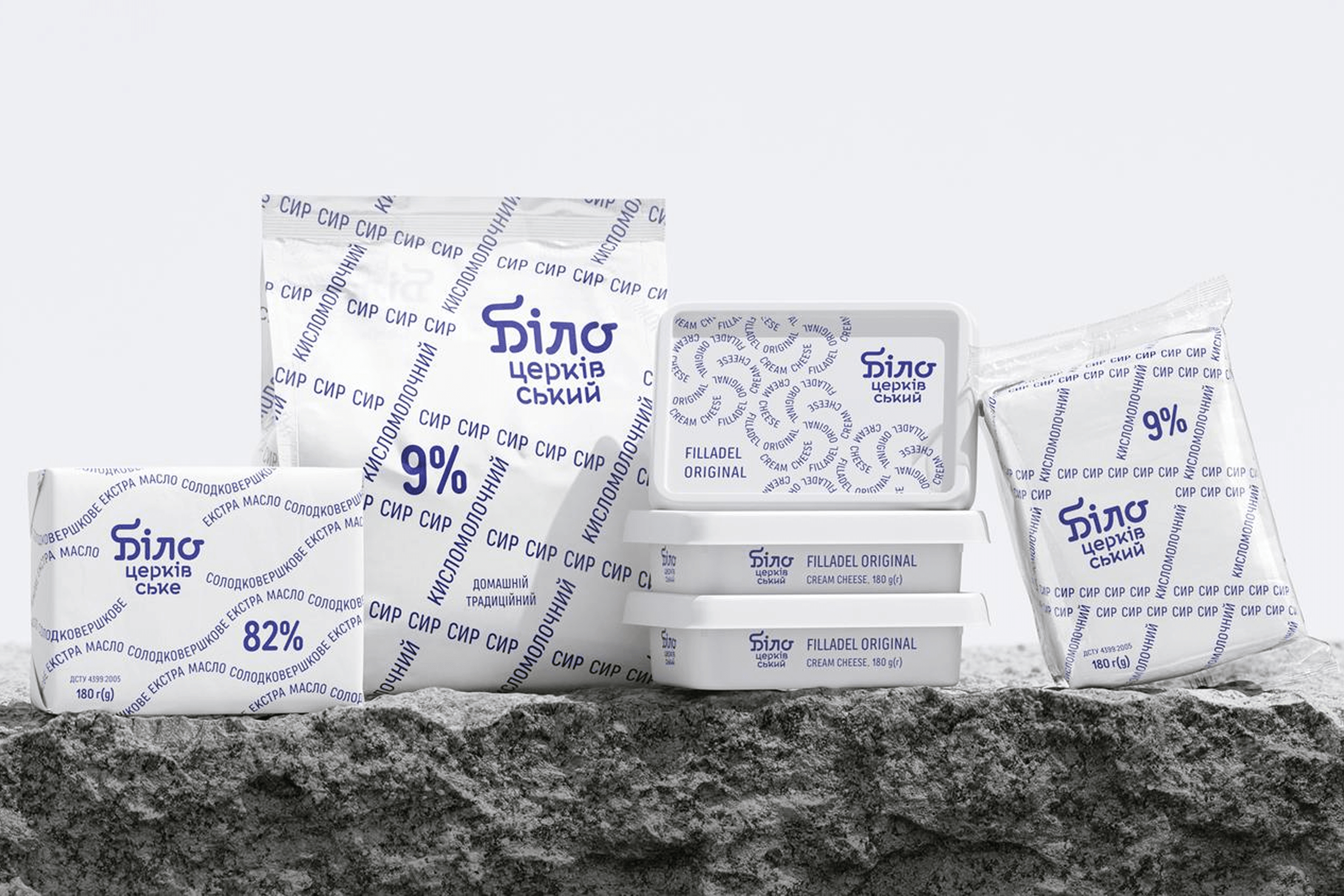
Photo: Gutsulyak.Studio / YBBP 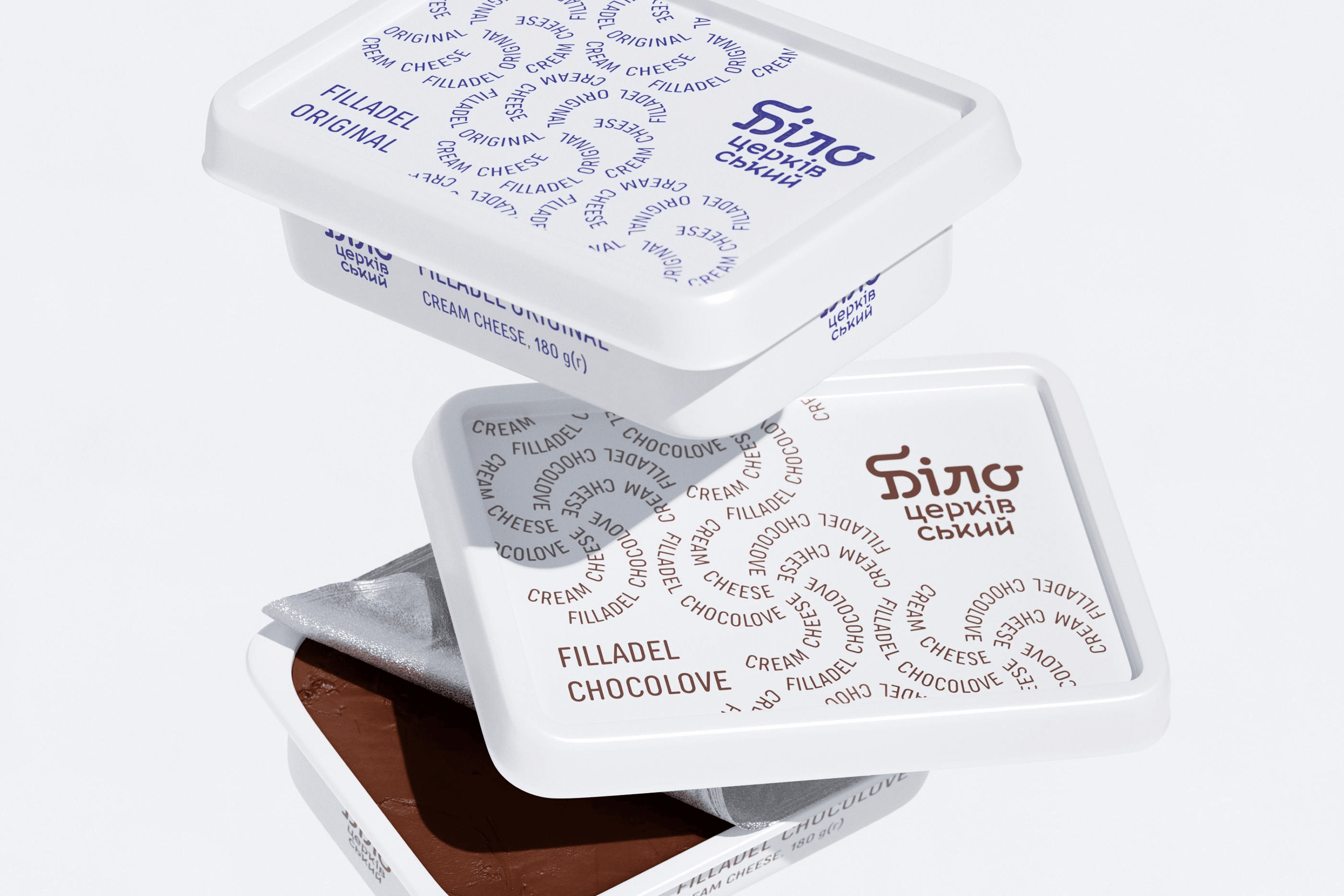
Photo: Gutsulyak.Studio / YBBP
Once the analytical groundwork is ready, the creative process begins. But creativity for me isn’t the end goal, it’s about finding the most relevant, strategic, and financially efficient solution that delivers real business impact.
My marketing background plays a huge role in this. I don’t treat design as self-expression. I treat it as a tool, where every element carries meaning and logic.
How many projects do you handle at once?
As of 2025, our studio handles around seven projects per year. Creating a full visual identity typically takes a minimum of three months — and that’s only if the client responds quickly at every stage. In twenty years of running the studio, we’ve had only one client who moved at that pace. More often, especially with larger brands, the discussion phase alone can take up to three months. In terms of simultaneous projects, we can comfortably manage up to five projects at once.
What is your personal approach to graphic design?
I turn to cultural heritage, I believe in preserving and rethinking visual traditions, and finding contemporary ways to adapt them.

The design was created by Gutsulyak.Studio for Brunka. Photo: Gutsulyak.Studio / YBBP 
Photo: Gutsulyak.Studio / YBBP 
Photo: Gutsulyak.Studio / YBBP 
Photo: Gutsulyak.Studio / YBBP 
Photo: Gutsulyak.Studio / YBBP
I intentionally avoid having one “signature style.” Every client and every project is unique, which means the solutions should be unique too. Some designers build a recognizable aesthetic so clients hire them for that look. My philosophy is different: I create design for the project’s goals, the audience, and the market.
How do you keep a creative idea from excessive client interference?
I start by listening very carefully during the briefing stage. Once I present the concepts, it’s important to get clear feedback — what works and what doesn’t.
If objections come up, we dig into the reasons behind them. Sometimes key information was missing at the start, other times, there are doubts about the relevance for the audience. My recommendations are never based on personal taste but on what will work best for the business.
Would you say there are clear trends in graphic design today? For instance, is there a move towards minimalism?
Design trends shift so rapidly now that it’s almost impossible to track them in the traditional way. The industry is in a state of constant change, being more influenced by political and social processes. On a bigger scale, we can speak of only one “meta-trend” — the ideological confrontation between the left-leaning and right-leaning approaches. The left perspective prioritizes accessibility, neutrality, and universality in design. The right perspective focuses on national identity, historical styles, and local traditions.
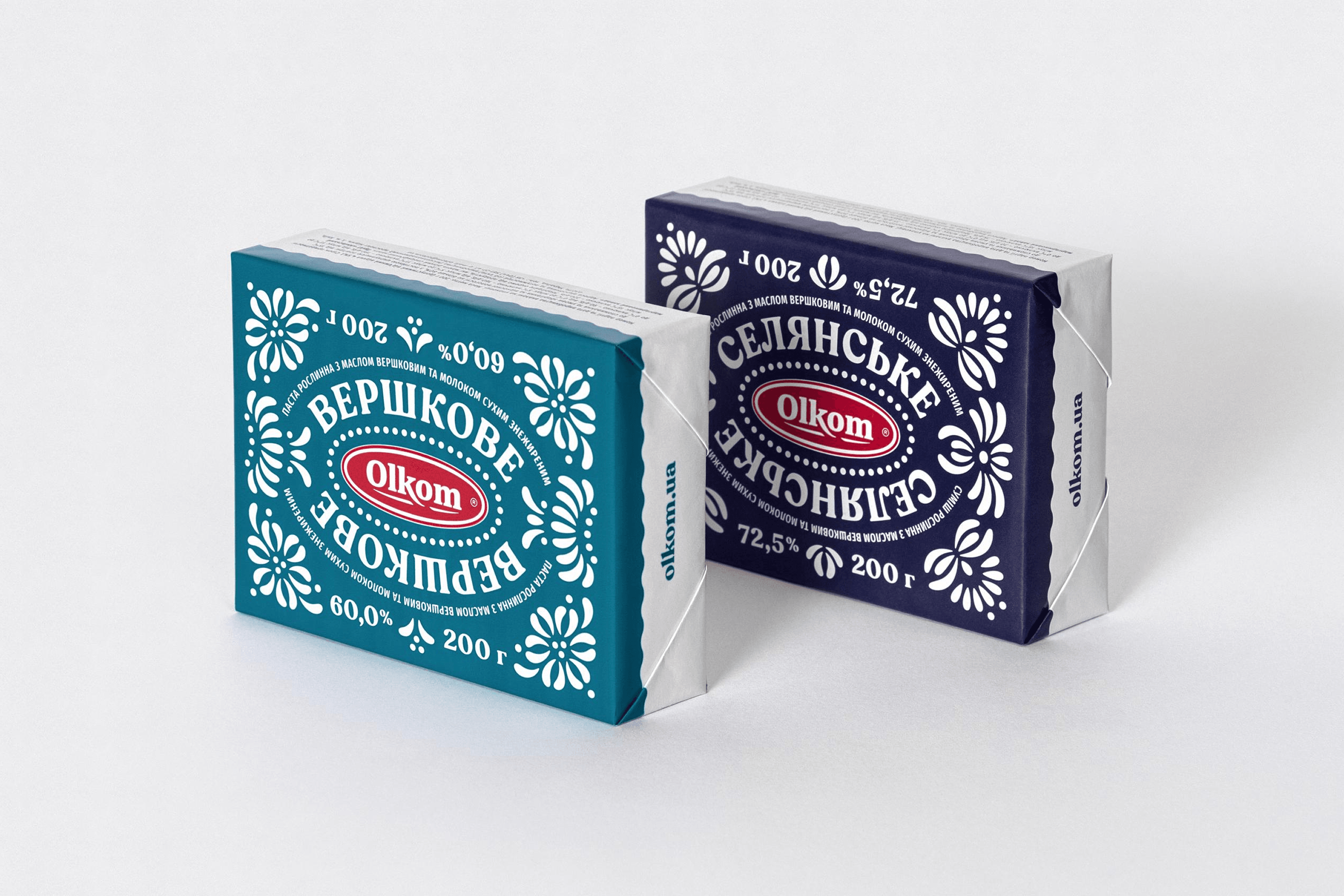
The design was created by Gutsulyak.Studio for Olkom in 2020. Photo: Gutsulyak.Studio / YBBP 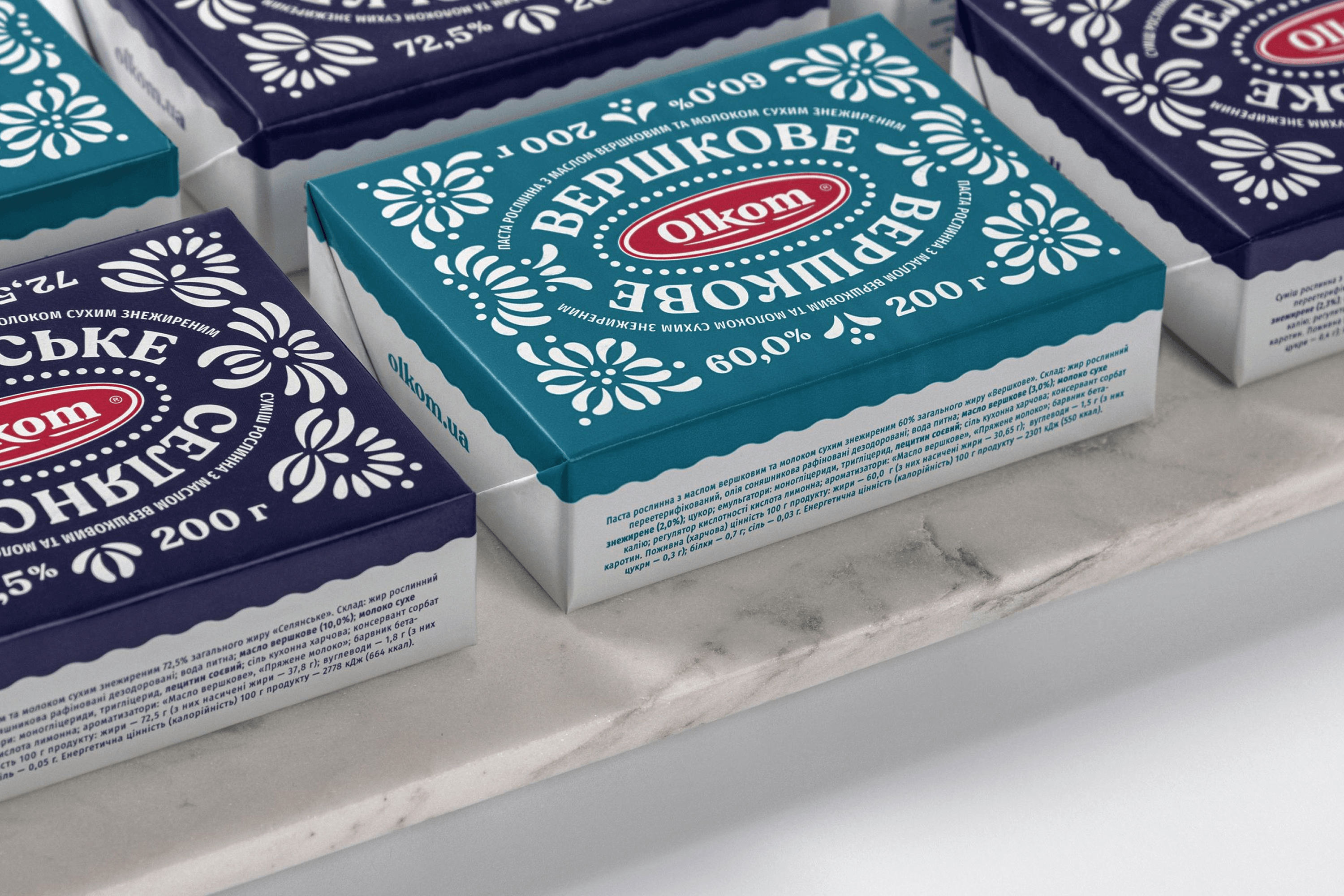
Photo: Gutsulyak.Studio / YBBP 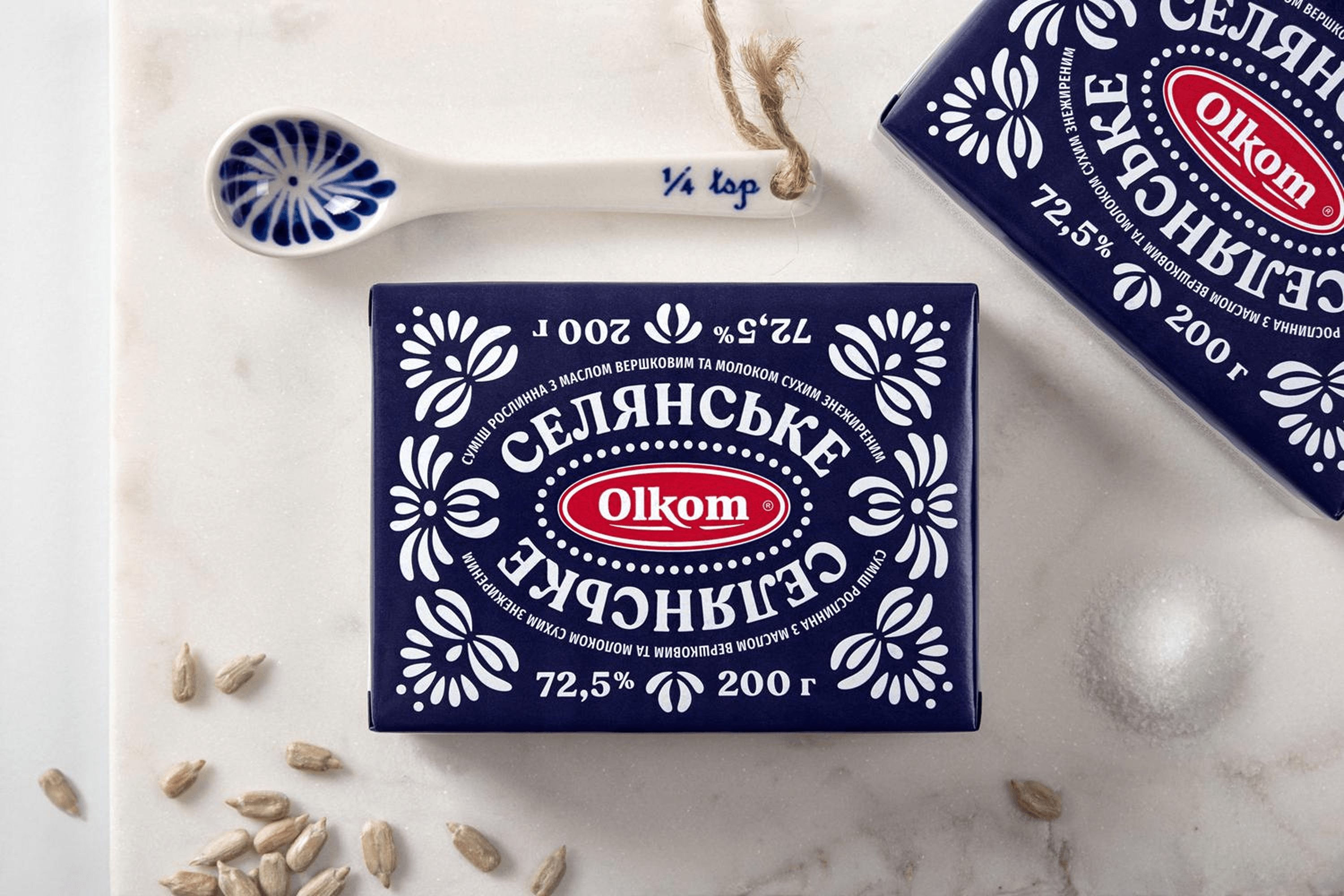
Photo: Gutsulyak.Studio / YBBP 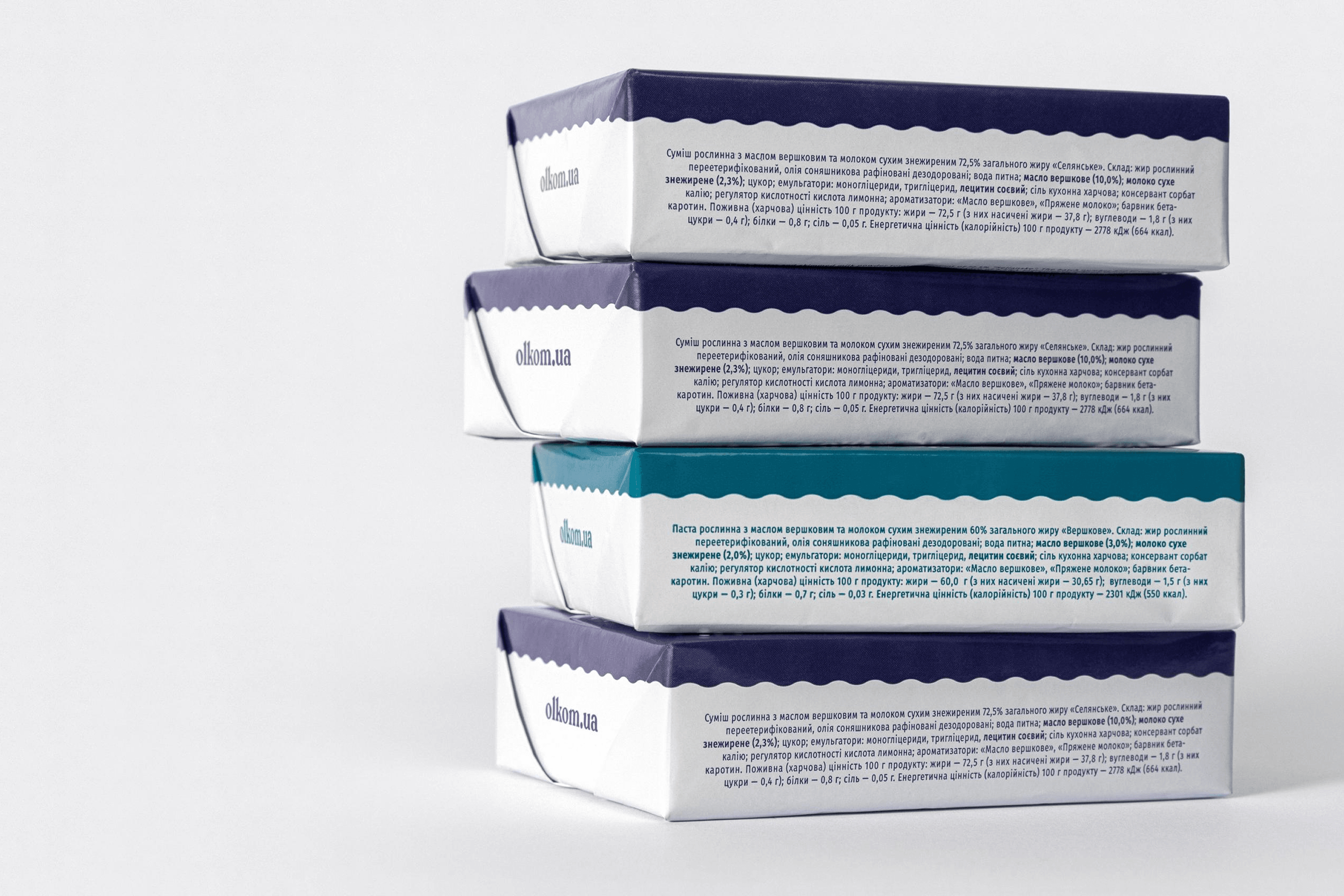
Photo: Gutsulyak.Studio / YBBP 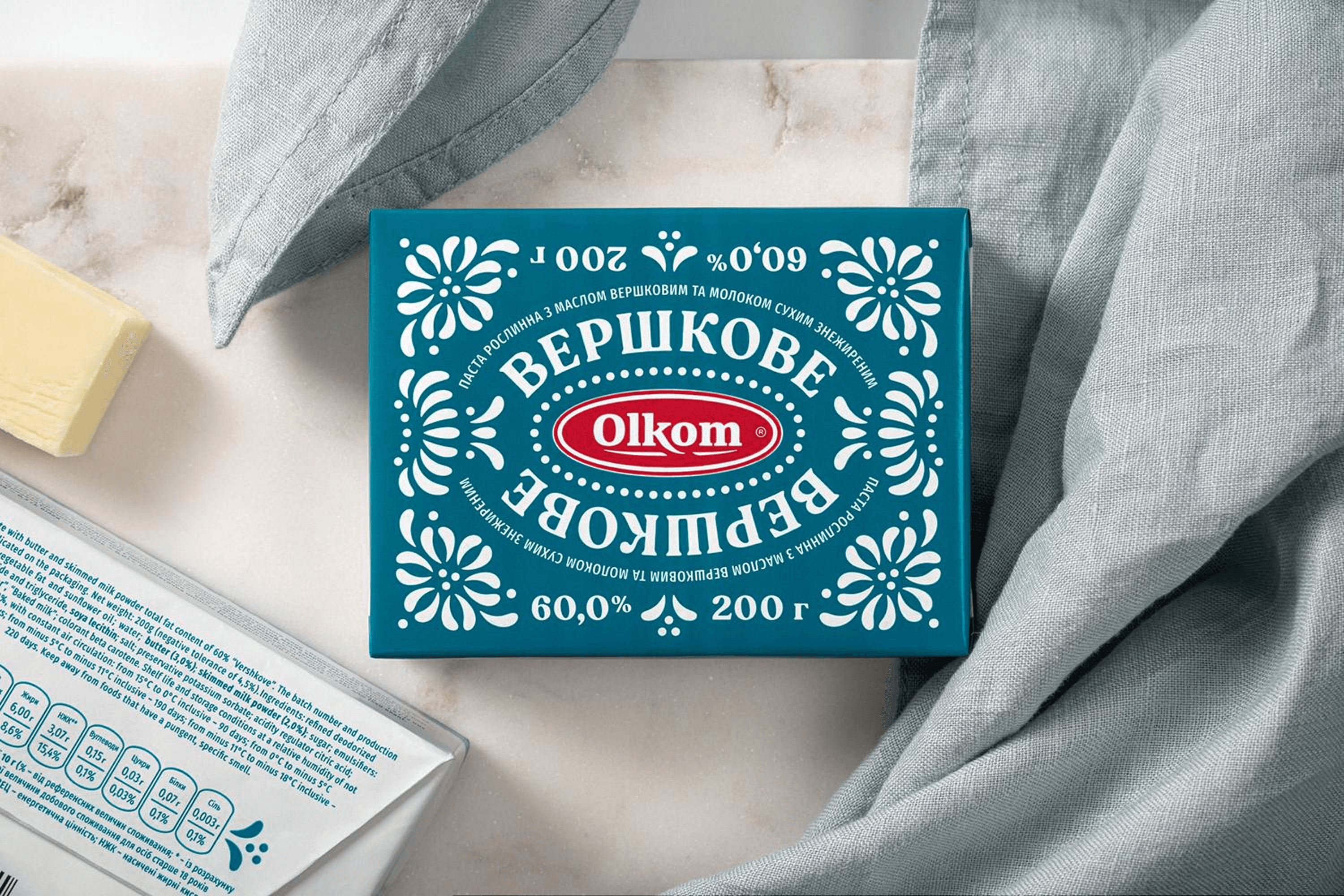
Photo: Gutsulyak.Studio / YBBP
What do you think graphic design is like today, when almost anyone can use basic software or AI tools?
Graphic design is going through tough times. In the past three to five years, the overall quality has noticeably dropped. Easy access to design software and the rise of AI have created the illusion that anyone can be a designer, even with no understanding of the profession. On top of a growing culture of “soft criticism,” where any work is treated as acceptable simply because someone tried, quality standards are dissolving. The line between professional and amateur work is thinner than ever. But this shift also creates space for those who hold themselves to a higher standard, those designers who think strategically and deliver meaningful, thoughtful solutions that templates and automated tools simply can’t produce.
There’s a popular saying in design, “Steal like an artist.” Do you agree with that philosophy?
I don’t. I never copy — I reinterpret and reflect. For me, novelty is a personal need, almost a professional principle. Before starting any project, I always research whether something similar already exists. If I find that the idea has been done before, I let it go and start over. It is important for me to feel that I am not repeating but discovering, even if that discovery is just personal.