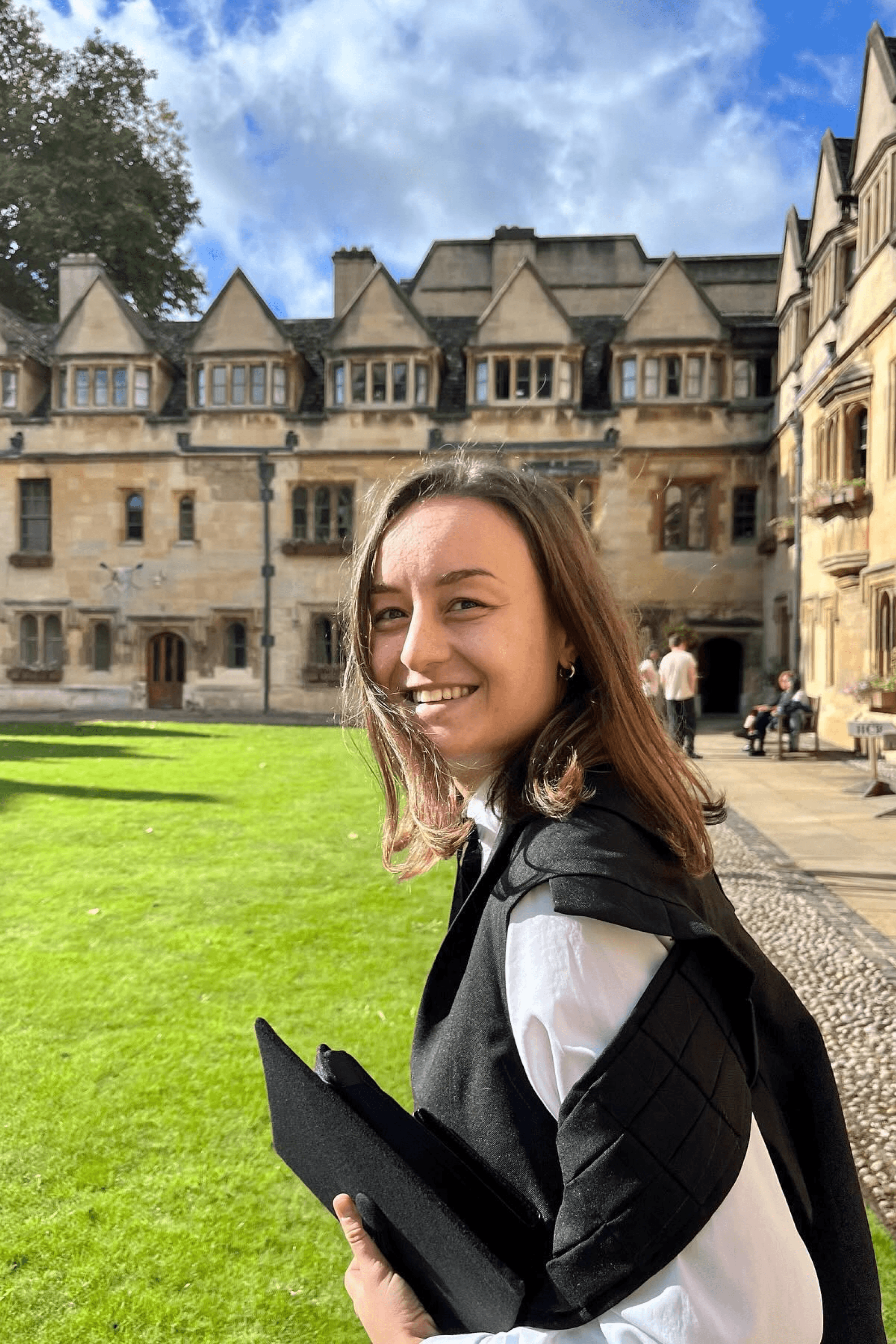
Data analyst and Oxford alumna Viktoriia Oliinyk has had a front-row seat to the meteoric rise of artificial intelligence over the past decade—tracing its evolution from early machine learning models to today’s autonomous AI systems.
Since 2018, she has spearheaded AI integration for global enterprises, advising clients ranging from the European Space Agency and Indian telecommunications giants to leading developers of next-generation microchips. Currently at OpenAI, Viktoriia tackles high-stakes technical problems at the absolute frontier of the field.
Yellow Blue journalist Sofiia Korotunenko sat down with Oliinyk to discuss her professional trajectory, her most compelling projects, and the fast-moving future of AI.
About Viktoriia Oliinyk |
|
|
|
|
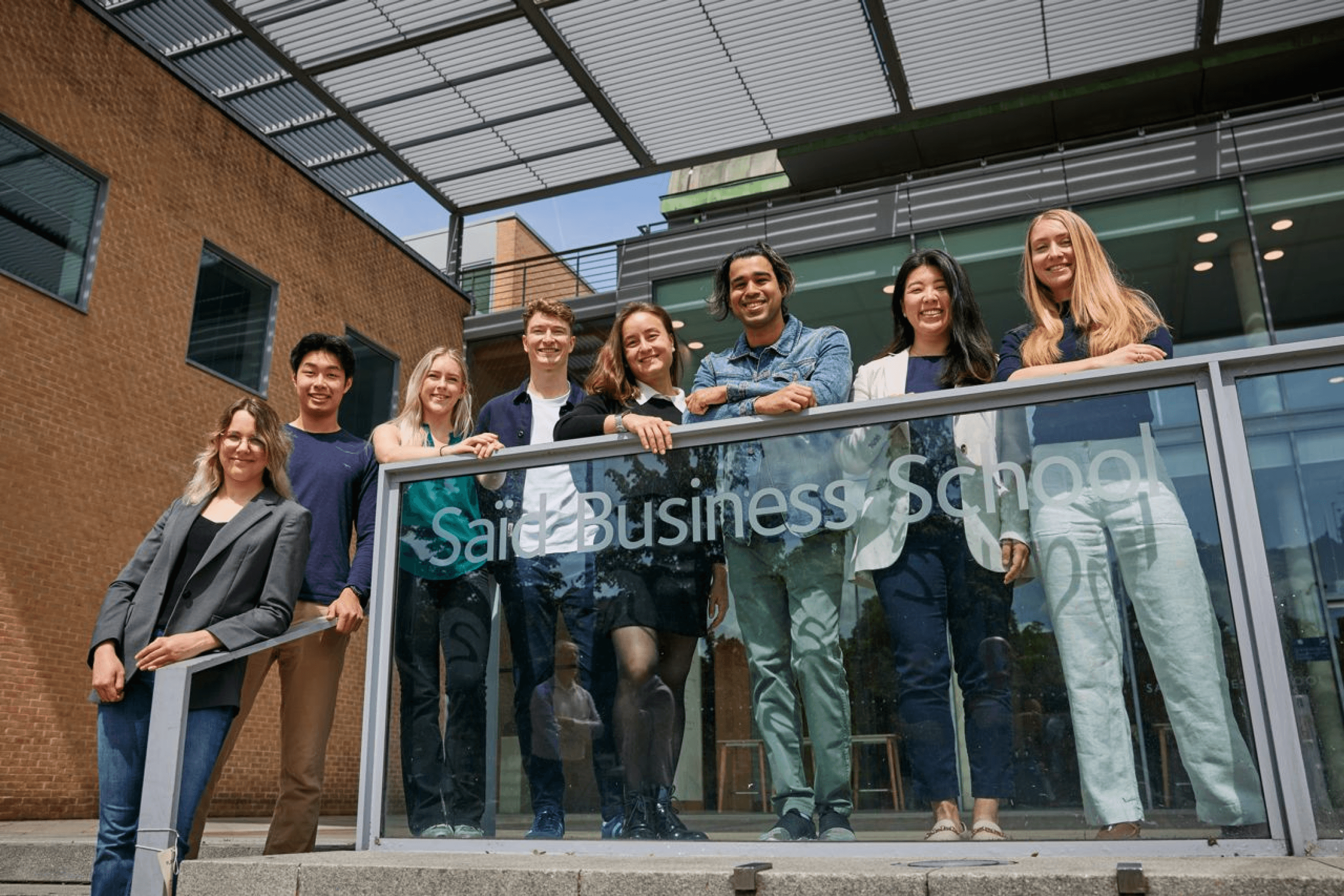
What got you interested in machine learning?
When I graduated from high school in 2011, there was no artificial intelligence, machine learning, or even data analytics yet. These concepts were only just starting to emerge in the public sphere, and one of my teachers recommended listening to lectures on machine learning by the famous Stanford professor Andrew Ng.
I immediately fell in love with the topic. First, it all looks mathematically beautiful. Second, this mathematics can be applied to real-world things—for example, predicting how prices are formed or how temperatures change in a specific part of the world. To me, it felt like magic. That’s how my love for machine intelligence began, and it has lasted for over ten years now.
In 2018, you started working at QuantumBlack, which was part of the international consulting firm McKinsey & Company. How did that come about? What exactly did you do?
I had been following QuantumBlack for a long time, having first heard about them in 2014. It was a very cool startup working with Formula 1, calculating optimal race car trajectories for them—calculations applied as the team prepared the racetrack. It was hard to imagine anything cooler than working with Formula 1.
When I finished my master’s degree in 2018, I had to choose between continuing my studies to pursue a PhD or going to work in the industry. An open position at QuantumBlack convinced me to choose the latter. McKinsey had already acquired QuantumBlack, but the project retained its startup vibe: they had a lot of freedom, sat in a separate London office with a lab, used cutting-edge technologies, and at the same time had access to real businesses—McKinsey’s clients.
All of my projects were international—these companies were located in the UK, India, Germany, Norway, and other countries. My team and I optimized medicine manufacturing so that the machinery would precisely fill bottles with pills, relieved bank employees of monotonous tasks, improved 3G network performance in India, and helped European Space Agency engineers control the International Space Station and other spacecraft.
Eight years ago, everything now associated with language models was only beginning to develop as a separate field—Natural Language Processing. So my team used AI as an algorithm that analyzed data and extracted interesting observations or made predictions. For instance, in banking, it predicted risks associated with specific clients and whether they should be granted a loan.
When we worked in India on 3G communications, the AI analyzed factors affecting signal quality around a specific tower: its height, the average number of people around it, and so on. The algorithm helped figure out what needed to be adjusted for the tower to function better—for example, raising or lowering it by 10 centimeters.
Could you share more details about one of the projects at QuantumBlack? For instance, the collaboration with the European Space Agency (ESA)?
My team and I spent a lot of time at the operations center in Germany, where they monitor the progress of missions on the International Space Station. New crews of astronauts regularly head into orbit to study space and its effects on humans. Meanwhile, a team of engineers on Earth monitors the telemetry of the station and other spacecraft used by the crew, remotely troubleshoots system errors, or issues instructions to the astronauts.
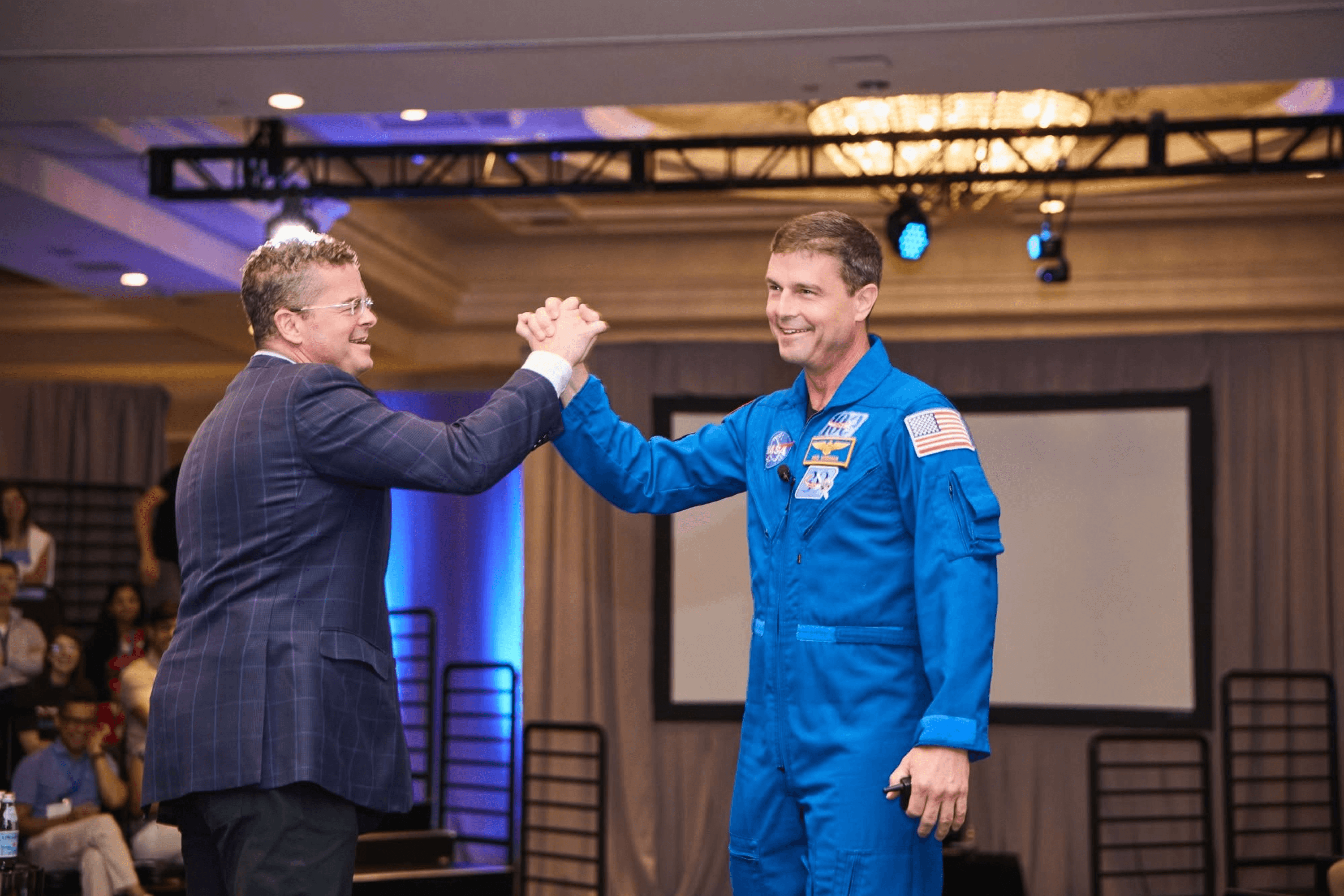
A meeting with Artemis II mission commander Reid Wiseman at McKinsey & Company. July 2026. Photo: McKinsey & Company / Facebook 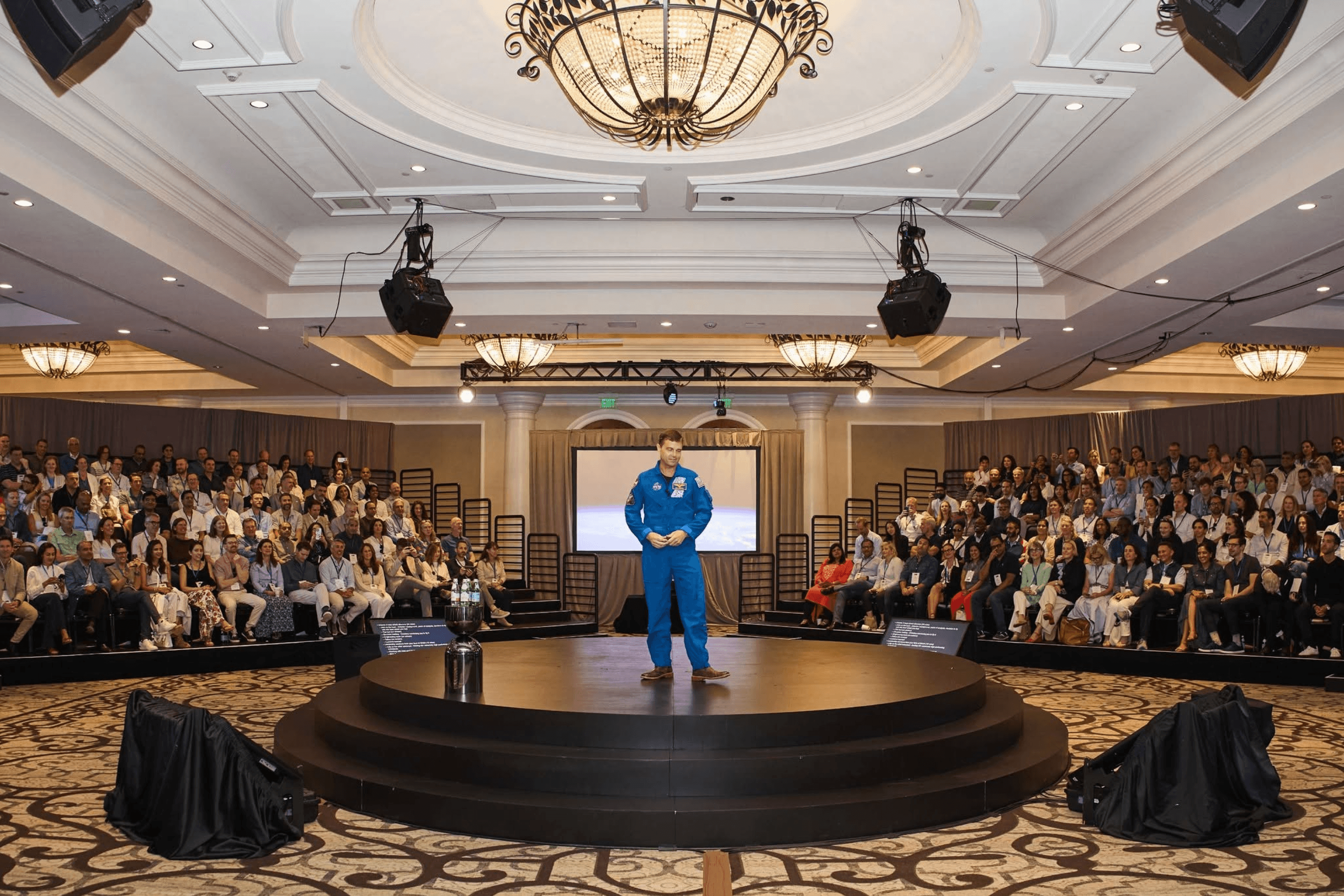
Photo: McKinsey & Company / Facebook 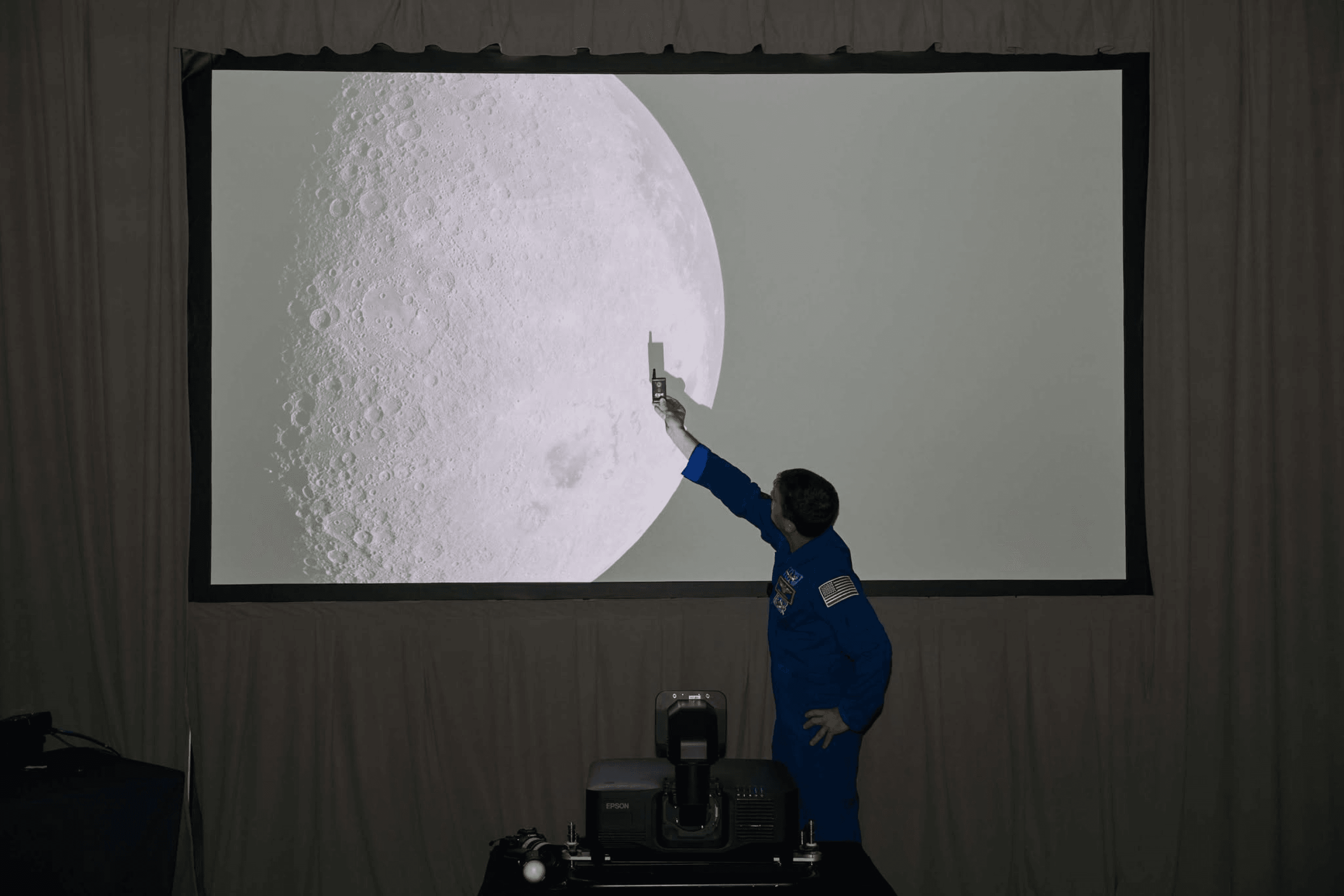
Photo: McKinsey & Company / Facebook
If something goes wrong with a spacecraft, the system alerts everyone—a red light literally flashes in the engineering center, and announcements play with references to Star Wars. They need to figure out what is happening quickly, so they used to pull out bulky 500-page printed manuals with instructions for every possible scenario and search for solutions manually. We built an assistant for them—a digital model where an engineer could input the parameter experiencing an issue, and the algorithm would search the manuals for related pages and output the necessary instruction.
Back then, we offered a very basic solution, whereas today, with AI’s new capabilities, we could build a much more powerful system—one as complex as a spaceship. For instance, an autonomous AI system that monitors telemetry on its own, predicts failures, and provides engineers with instructions on how to prevent them. It would be fascinating to return there and redo that project, though I suspect ESA has already done it. I found it extraordinarily inspiring to talk to people who have dedicated their lives to space. Those engineers’ eyes light up when they talk about black holes and other space phenomena. It’s incredible.
Since June 2025, you’ve been working at OpenAI’s UK division, building AI systems for businesses. Why did you choose this role? What projects are you working on here?
I finished my MBA and was looking for a new challenge. Right around that time, OpenAI began recruiting for a new team of engineers tasked with implementing AI across companies. I immediately liked their approach to technology—specifically the emphasis on tailoring it to real-world tasks. I also really liked the people who were already on the team—they were smart, proactive, and responsible, yet humble and without a “crown on their heads.” At the start, there were five of us; now, the team has grown to over 160 people living in nearly every corner of the world.
My work here is similar to what I did at QuantumBlack, but even more exciting—we tackle “Zero to One” problems, the kind that no one in the world has resolved using AI yet. We joke that we are “airdropped” onto assignments like Navy SEALs, needing to immediately get our bearings: understanding the company’s problem, figuring out how we can help, and ensuring our idea works in practice. You always have to think outside the box and spot which data and tools are missing to deliver a genuinely effective solution.
What was your first project at OpenAI?
It was with a company that designs semiconductors—both CPU and GPU chips. The former is the “internal brain” of many devices, including home appliances, while the latter is a graphics processing unit and one of the most critical components for AI progress, as scientists need it to train AI models.
My task was to help engineers work with a digital version of the chip, which they test before sending it into production. When there’s an issue with the chip, the simulation throws an error, and the researchers have to play Sherlock Holmes, “unraveling” the code to figure out what actually happened. Our goal was to build a system that would do this for them.
This field is highly specialized, and the only source of information was the company’s own engineers, with whom we needed to establish a rapport as quickly as possible. We held a two-day workshop with lectures and seminars where the company’s specialists explained what they do, the issues they face, and how they currently solve them.

At that time, I had only a basic understanding of how chips worked, and when all that information came crashing down on me, I thought, “My God, what is happening?” In the end, we built the system they needed, and I learned a great deal about chips. It’s a job where you are constantly learning and processing new information faster and faster.
Right now at OpenAI, I am once again working on a project that involves identifying vulnerabilities and bugs in new chips before they go into production. We were set a very serious and ambitious target: ensuring zero bugs in the final chip. Everyone understands that’s impossible. But we’re trying our best, deploying hundreds of agents to hunt for issues and propose super-creative ideas to resolve them. That’s also immensely fascinating.
What other projects is your team working on?
We had a major project with John Deere, which manufactures tractors, engineering equipment, and software to automate farming tasks. The goal was to optimize how they use fertilizers and chemicals. As always, we had to quickly dive into all the nuances of their operations, spending a lot of time communicating with account managers who support John Deere’s clients. As a result, our system reduced the spray volume of these products by 60–70 percent without any loss of efficacy.
Can you explain what your systems look like? Are they something like a specialized AI agent, like ChatGPT?
Not quite, because we have already reached a new level. Agents are AI models that a user interacts with in a chat and assigns tasks to. Now their capabilities have grown. For instance, with the user’s permission, ChatGPT can access Gmail to write and send emails on their behalf. Or make a purchase: find a requested item, fill in all the details on its own, and place the order.
Our team has already transitioned from chat interfaces to an autonomous infrastructure known in our industry as Harness. For example, for the project with engineers, we built a system that automatically and round-the-clock tests the performance of a digital chip. Say, while the engineer sleeps at night, Harness identifies bugs and goes to investigate them—such deep analysis takes a vast amount of time. In the morning, the engineer wakes up to a system-generated report detailing everything that went wrong, along with proposed solutions, giving them something to work with right away.
Can we call these systems Artificial General Intelligence (AGI)—capable of performing many different tasks simultaneously no worse than a human?
The term AGI is very broad, but it typically describes a level of intelligence capable of performing any economically valuable work that a human can currently do. It’s broader than an AI agent or a Harness system, as those are configured to operate with specific tools and can only perform actions pre-approved by the user.
Whether we have already reached AGI is a speculative question, and no one in the industry can give a definitive answer because this is an entirely new field. Different people hold different views, but overall we see that we are approaching it. For instance, OpenAI President Greg Brockman says we are already standing on the threshold of AGI.
OpenAI has several initiatives to assist Ukraine. Could you tell us about them? Which ones are you involved in?
In September, OpenAI granted Ukraine’s Ministry of Digital Transformation access to our cyber defense program for specialists, Daybreak. This initiative helps remediate and prevent cyberattacks, as well as identify vulnerabilities in a country’s own software. Ukraine will now be able to respond to cyber threats more effectively. I’m involved in this initiative, and it means a great deal to me.
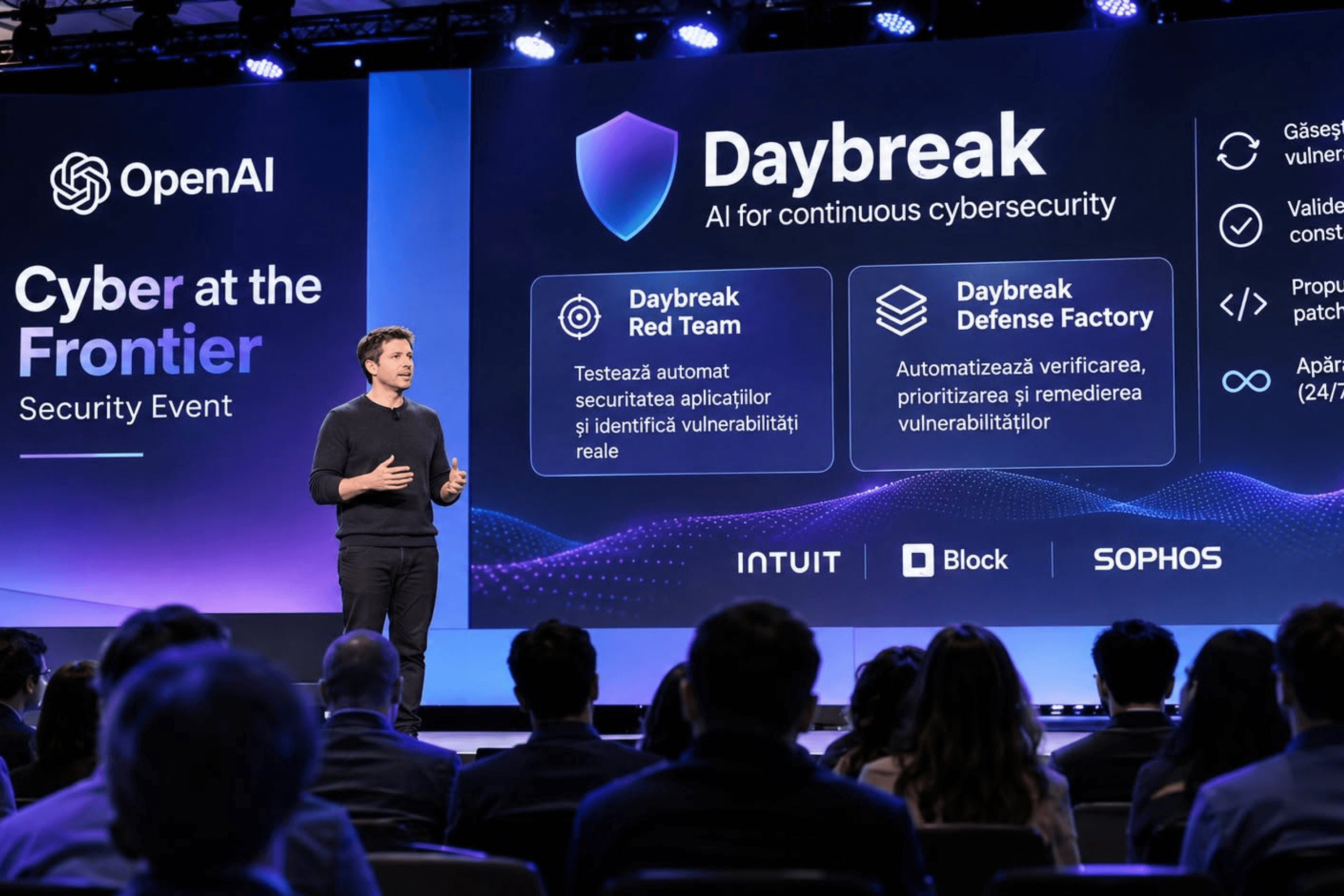
It’s also gratifying to know that OpenAI supports Ukraine in multiple ways. For example, we also have an initiative to support independent Ukrainian media through AIRPPU, as we understand the difficult conditions under which journalists operate during the full-scale invasion. They now have access to AI tools and instructions on how to use them effectively to streamline and ease their work.
Parallel to your work at OpenAI, you run your own charitable initiative supporting Ukrainian refugees—the DooBeeGood educational children’s camp in Romania. How did the idea for this project come about?
I co-founded DooBeeGood with my close friend and QuantumBlack colleague Diana Murguleț in April 2022. Diana is Romanian; at the start of the full-scale invasion, her parents took in my family and helped many other Ukrainian refugees in Romania.
Diana and I had long been interested in education issues and, even before the big war, launched an educational project in Ukraine on gender inequality. We were planning more ambitious projects, but hadn’t quite built up the courage to pursue them. In April 2022, I felt there was no point in putting things off any longer and suggested organizing a camp for refugee schoolchildren in Romania. Diana agreed, and off we went.
We raised funds for the first sessions among our friends, colleagues, and acquaintances. I was deeply moved by how much help and support we received. Many of our QuantumBlack colleagues not only donated but also joined the camp as volunteers.
For subsequent sessions, Diana’s parents and their friends, my high school and MBA classmates, and mothers of children who had already attended the camp all got involved. In 2024, we organized a special and profoundly important session with the Children of Heroes foundation for children who lost one or both parents to Russia’s war against Ukraine. It was a huge responsibility. A massive amount of work goes into every single session we run.
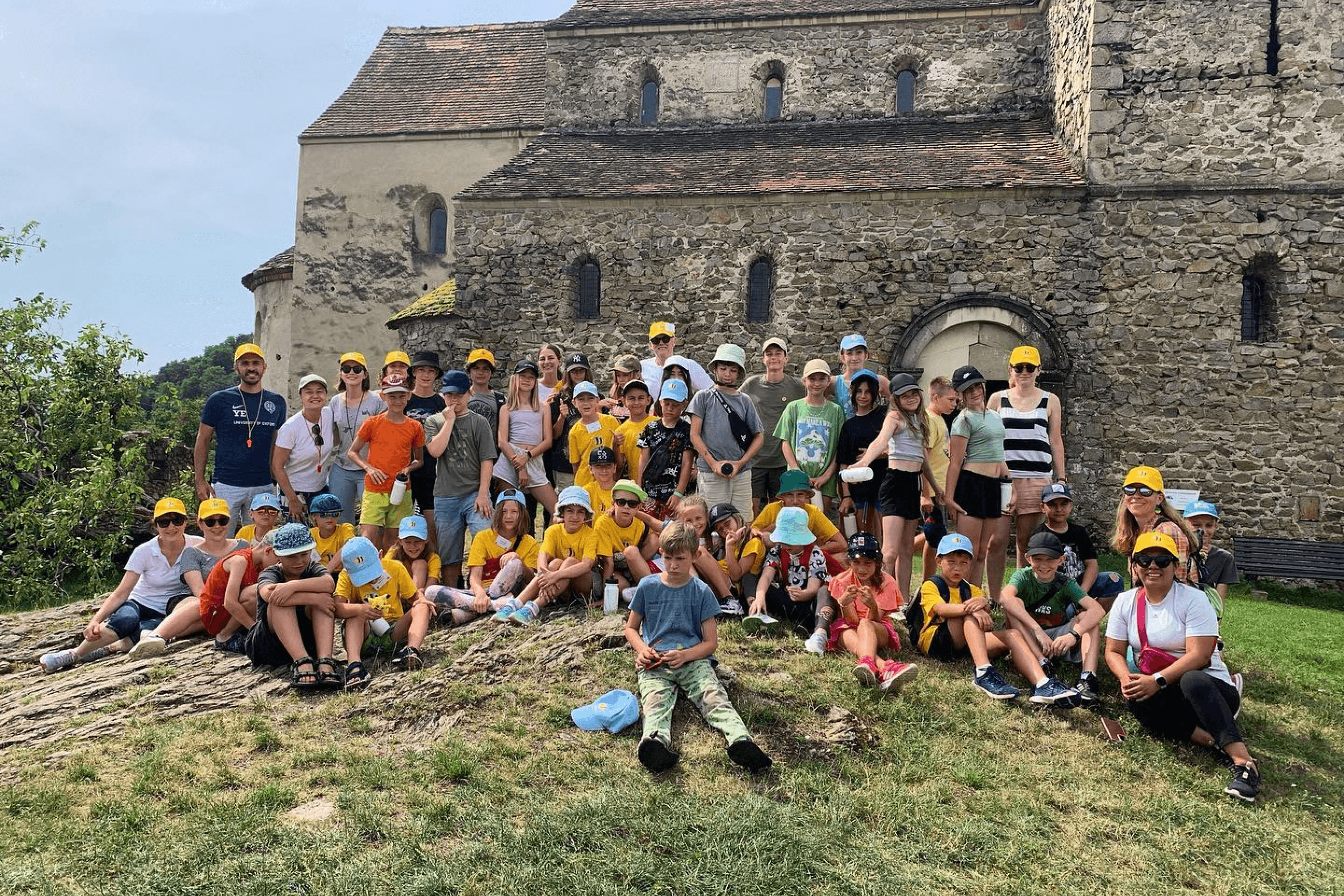
The DooBeeGood educational camp for Ukrainian refugee children in Romania, founded in April 2022. Photo: Doobeegood / Facebook 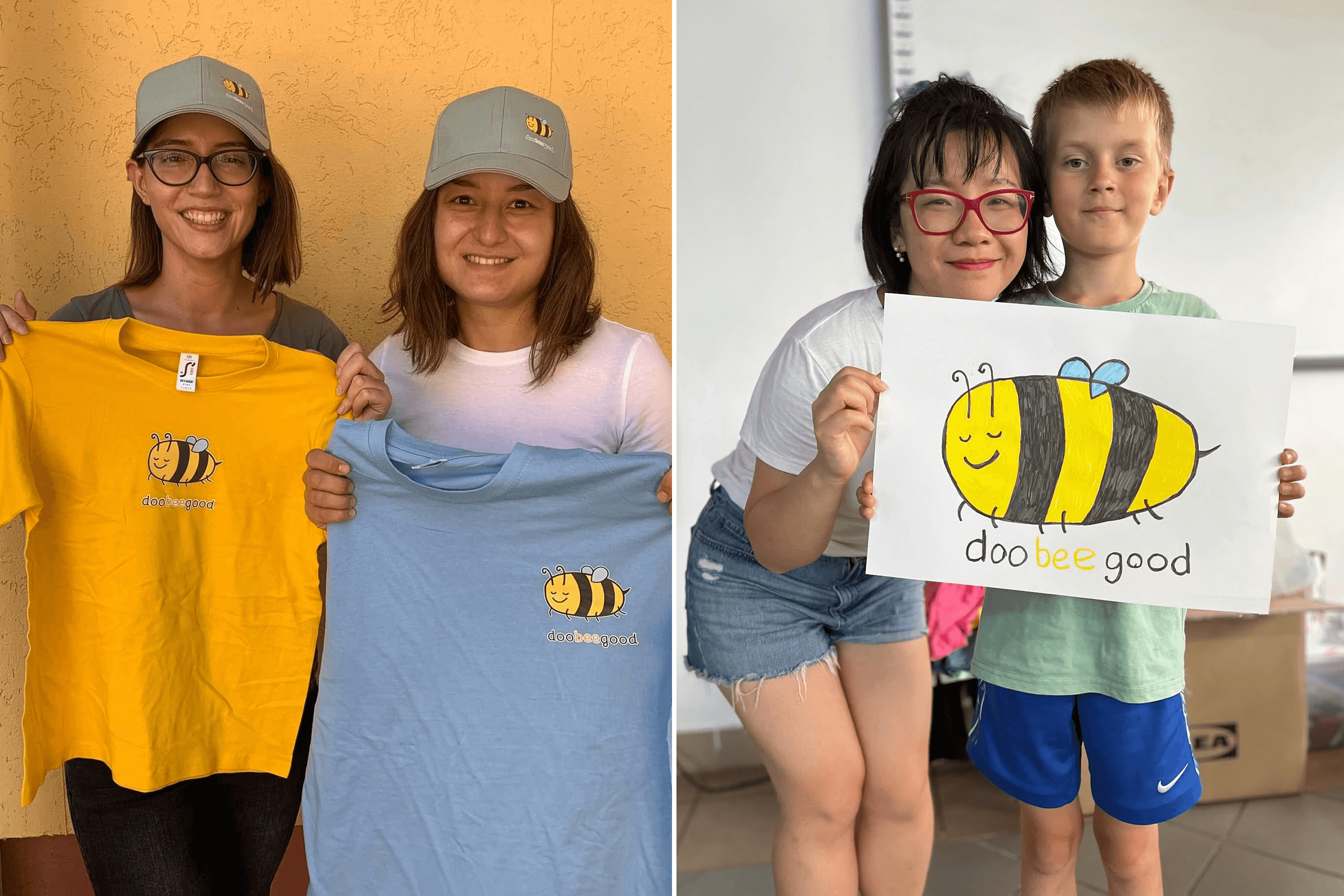
Photo: Doobeegood / Facebook 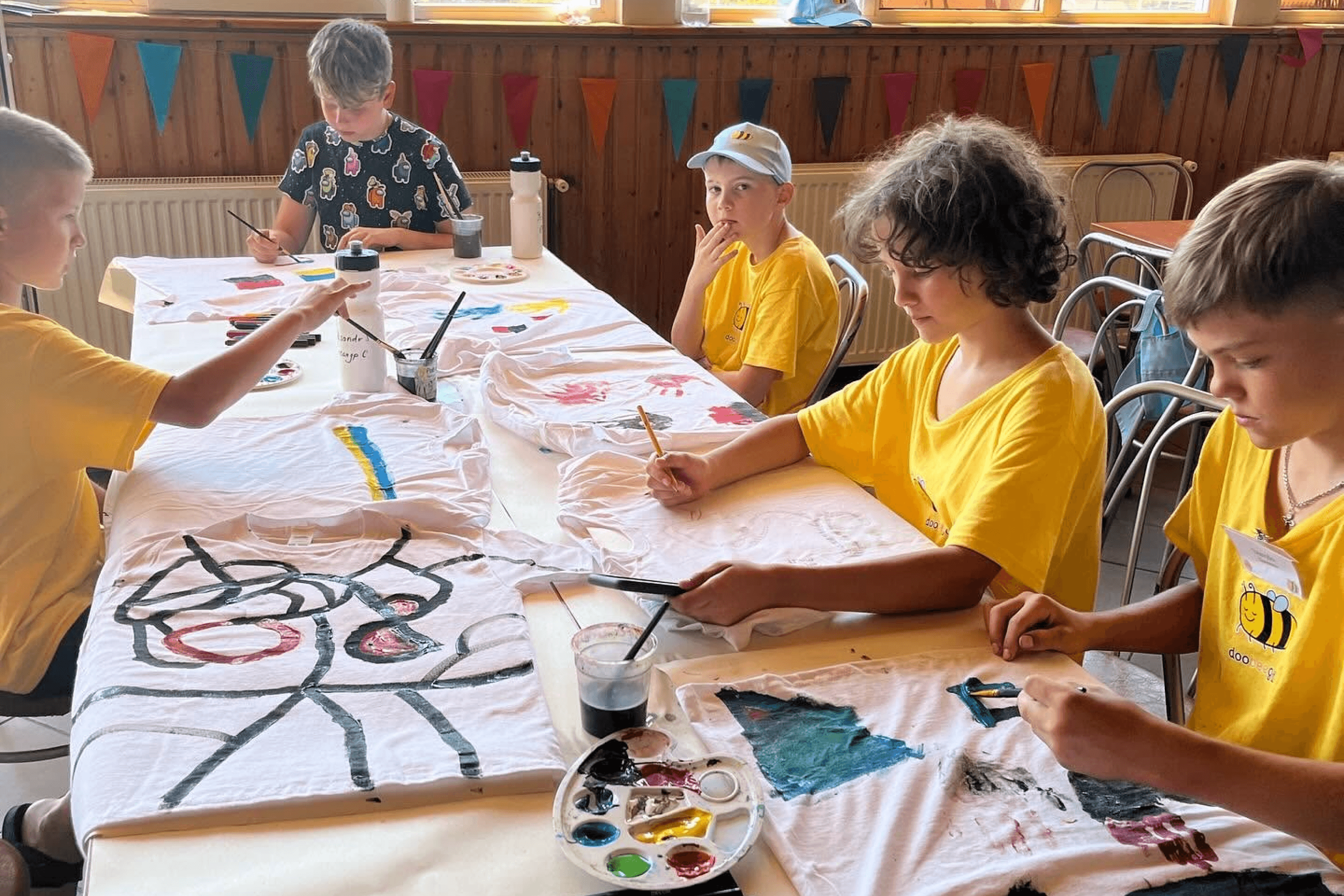
Photo: Doobeegood / Facebook 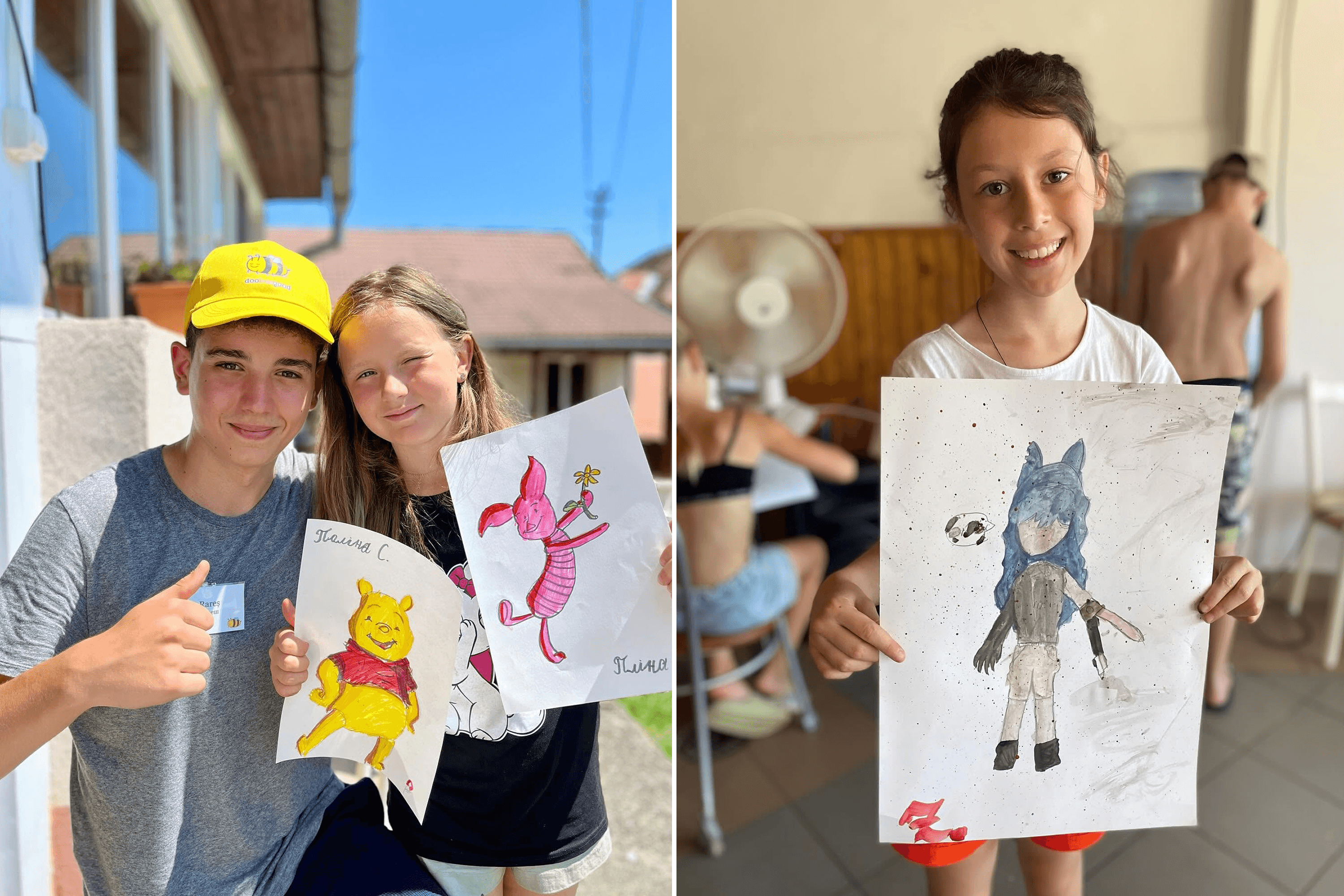
Photo: Doobeegood / Facebook 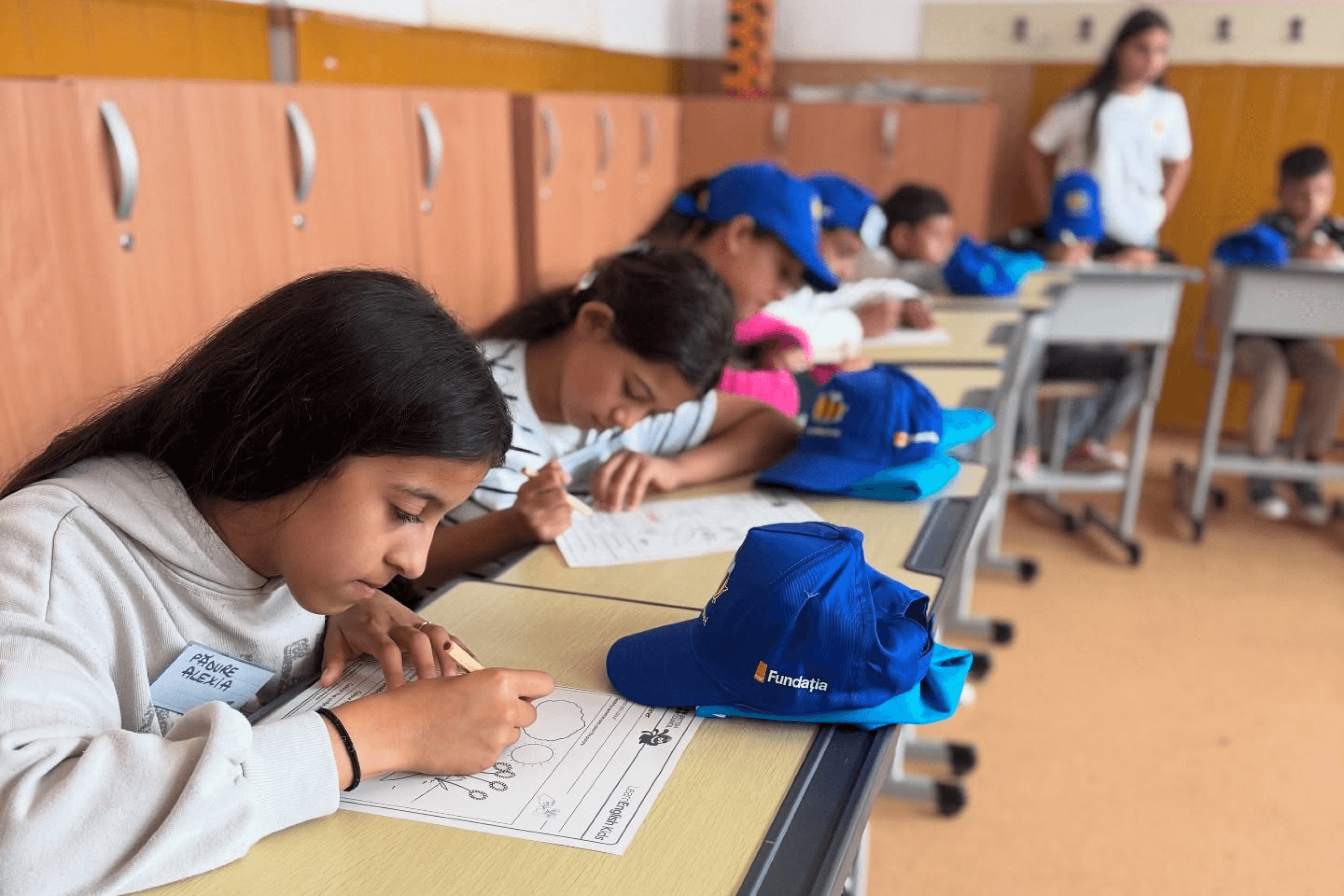
Photo: Doobeegood / Facebook
How many children have you helped so far?
Over four years of the project’s operation, we have welcomed more than 350 kids. These are Ukrainian refugees, as well as children from low-income Roma communities in Romania. In total, we’ve raised over $66,000—comprising donations from Diana’s and my network and grants from Romanian companies.
I’m deeply grateful to all the caring people who made this possible. The war robbed these children of the chance to study normally, socialize with peers, and try new things. I want as many children as possible to see a future for themselves, even under such circumstances.
Now I’m thinking about how to further develop DooBeeGood. Over these four years, the circumstances and needs of the children have shifted, so it’s important for us to understand what format will be most beneficial for them. I want our camp to offer them support and opportunities that will remain with them for the long haul.
Will DooBeeGood always remain a charitable initiative, or could the camp become a profitable venture in the future?
DooBeeGood is first and foremost a charitable initiative, and we have no plans to commercialize the project in the near future.
Returning to your work with artificial intelligence: when you were just starting your career, could you have imagined that this field would evolve so rapidly and reach such a scale?
When I was working with logistic regressions and very primitive algorithms, I couldn’t have imagined that in 2026 we would be doing such incredible things with artificial intelligence and seeing results that are sometimes mind-blowing. Everything changed in a very short period of time, and it’s incredible. It is a unique opportunity to witness a large-scale technological transformation unfolding.
What impressed me most was seeing how the scaling laws—which scientists were talking about five years ago—actually panned out. That is, if you increase an AI model’s size, its compute volume, number of parameters, and training time, you get much smarter models. I didn’t expect this law to predict development so accurately—and it continues to hold true for the further evolution of AI.
In your opinion, what is the most essential skill to work effectively and thrive in the age of AI?
Being able to adapt quickly and keep learning. The world is becoming more unpredictable, and no one knows what lies ahead. It’s crucial to notice the changes that have already occurred and those that are just emerging in order to adjust your direction swiftly.
Equally important is identifying the things that won’t change regardless of technological progress. For instance, businesses will always need to understand what people truly need and build trust with their customers. It seems to me that a long-term strategy should be built on precisely these fundamentals, while staying flexible when choosing the methods and tools to execute it.
How do you see your future at OpenAI and in the field of artificial intelligence?
I think about this a lot. Our team is growing, especially across European divisions, and we are constantly looking for new industries to partner with. Soon, we will have a lot of exciting work in life sciences and mechanical engineering, which is very thrilling.
Overall, I’m looking for new challenges—more complex engineering tasks. There are still many unresolved problems out there, and they could be even harder than working with chips. That will bring me immense satisfaction.