Maria Lesnikova is 37 years old. Since her youth, she was passionate about modern art, and in 2016, she discovered a new approach to nutrition. She studied it and later created her own product line in an eco-store. In April 2024, she launched Fermenteria Smakelig, a restaurant and production hub in Sant Cugat, Spain. Just five months later, the business broke even. Now, Fermenteria Smakelig is expanding its staff, scaling production, and entering the B2B market, while Lesnikova herself is teaching fermentation courses. She is currently seeking investors to scale the business across Spain and Europe. This is her story.
1.
Originally from Dnipro, Ukraine, Mariia Lesnikova’s was interested in modern art since teenage years, following all the local exhibitions in the city. That’s why she decided to pursue a career in the art sphere. For a year, she pursued photography in Berlin and art in Lublin. In 2014, an internship with Casa Slava, an organization promoting Slavic culture, brought her to Barcelona. There, while giving English-language city tours, she met her future husband, Joakim, from Norway. Their relationship moved quickly: Maria became pregnant within six months, and in 2016, they married and relocated to Joakim’s home in Trondheim, only to return to Spain eight months later.
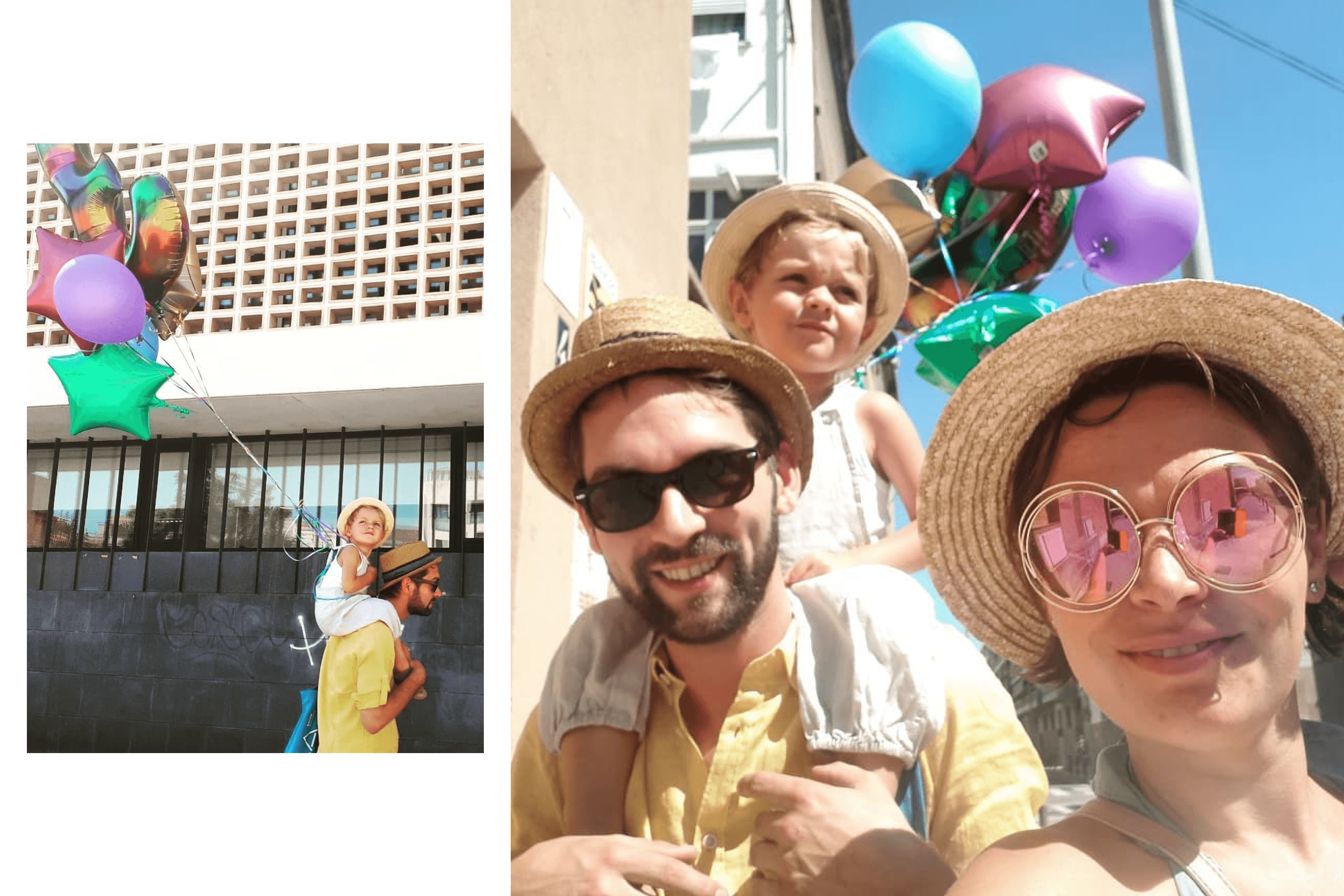
In 2019, Lesnikova deeply immersed herself in the world of fermentation, experimenting with vegetables and berries, making dishes and beverages at home. “Fermented foods are incredibly healthy—they contain probiotics that aid digestion,” she explains. “For example, legumes like beans and chickpeas have inhibitors that can make them hard to digest. Fermentation activates enzymes, making their molecular structure easier for the body to process.”
At the time, fermented vegetables were just beginning to gain traction in Spain. Eager to popularize them, Lesnikova shared her creations with friends, locals, and fellow expats, receiving positive feedback.
“My husband and I always cooked together, and eventually, we stopped enjoying restaurants because we realized we could make better food ourselves,” Lesnikova recalls. “My husband has a natural sense of taste, texture, and cooking techniques, while I have a developed imagination and a skill for aesthetically plating dishes. People started telling us we should open a restaurant.”
2.
In late 2022, Lesnikova took the advice and decided to launch her own business. The vision was a unique restaurant focused on fermented foods, complete with a small production facility and a tasting area. Sant Cugat, where her family lived, proved to be the perfect location. As one of Catalonia’s wealthiest towns and a hub for international companies, it boasts a large English-speaking expat community and a high demand for quality products.
For Lesnikova it was clear from the start: her concept would target locals seeking new, healthy, and delicious options, not tourists. She envisioned more than just a café; it would be a place to learn about how to use and make fermented foods. The couple developed the idea of an “obrador"—a small workshop with a tasting option, allowing them to both produce fermented goods and create a menu featuring them. Such a format provides an opportunity not only to sell products, but also to attract customers who want to learn more about how and why fermentation is so beneficial.
Lesnikova found a location with an existing pizza oven and a restaurant license, which cost €50,000, plus €1,000 per month for the 85 m² space. Using personal savings, passive investment income, and her husband’s inheritance, she began renovations and buying new equipment in 2023.
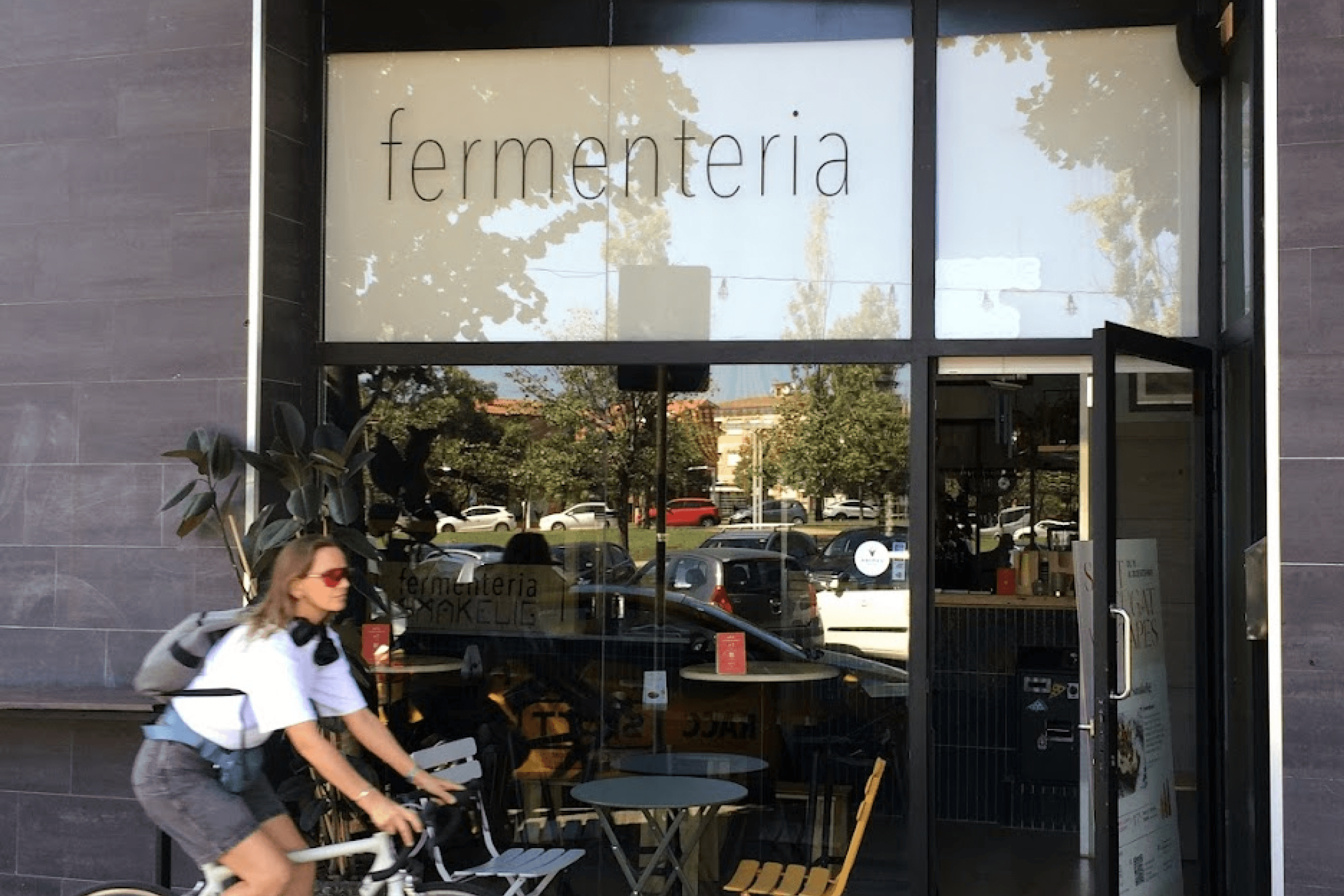
Photo: Fermenteria Smakelig / Instagram / YBBP 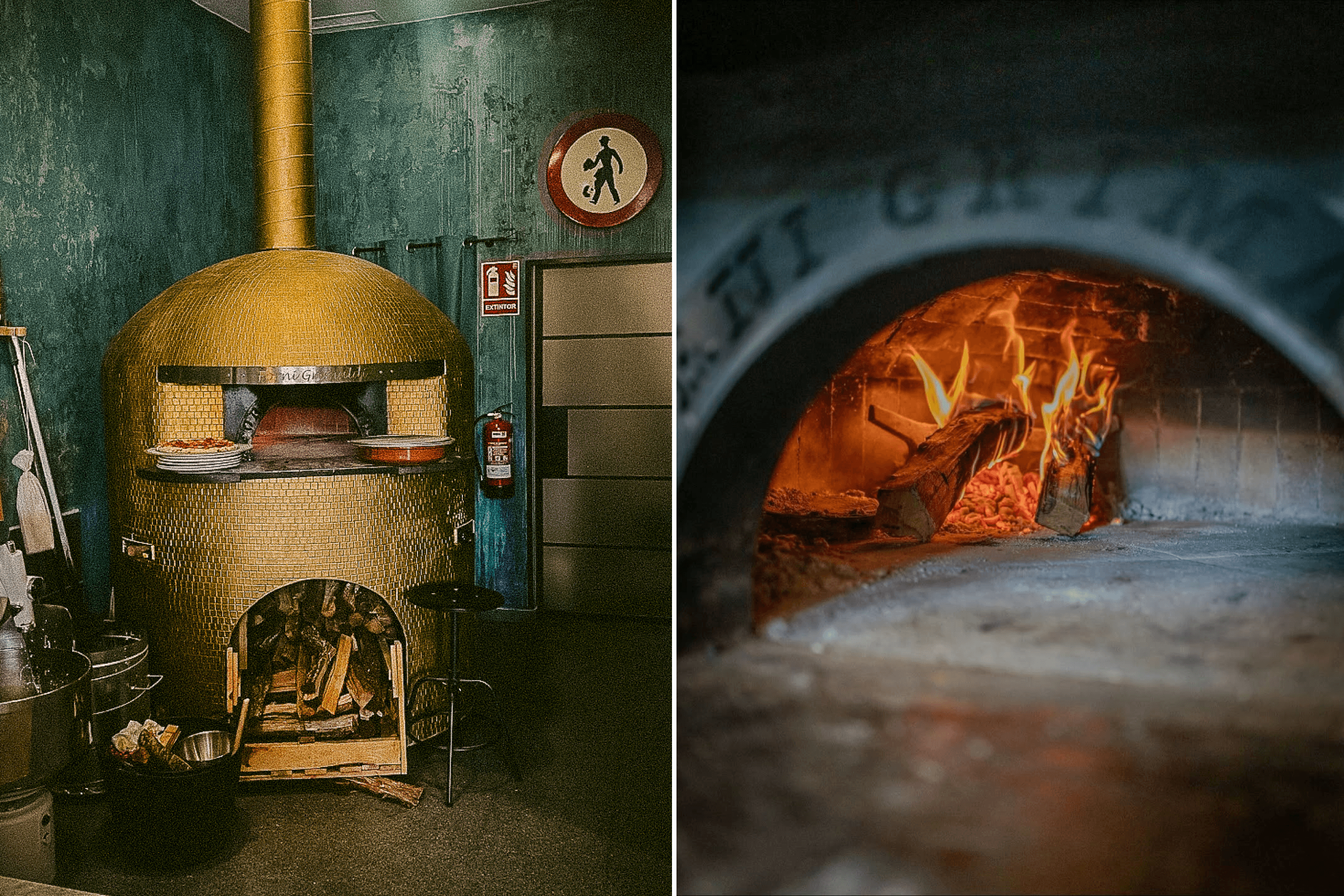
Photo: Fermenteria Smakelig / Instagram / YBBP
Fermenteria Smakelig opened its doors on April 25, 2024. Word-of-mouth was its primary driver, with 85% of customers becoming regulars. Lesnikova notes that 65-70% of her clientele are expats from Eastern Europe, Israel, Northern Europe, and the United States, with the remainder being Catalans or assimilated residents from Latin America. While the initial target was the 30-65 age group, the restaurant surprisingly attracted a much wider demographic, including seniors over 70 searching for healthy food and non-alcoholic beverages.
The restaurant’s menu includes not only traditional dishes but also unique combinations with fermented ingredients. For example, sourdough pizza with vinegar-fermented radish, and rose and strawberry kombucha. There are also fermented potatoes, which are used to make french fries. There is sourdough bread, fermented steaks, and fermented sauces with oysters. “Through these recipes, I am also promoting the wisdom of Ukrainian gastronomy,” Lesnikova says. “I’m showing people that fermentation isn’t complicated; it’s a process of love and care. The fact that we still ferment things in our home kitchens as a natural part of our diet introduces Spaniards to our culture of domestic care and reminds them that similar living traditions once existed in their own families.”
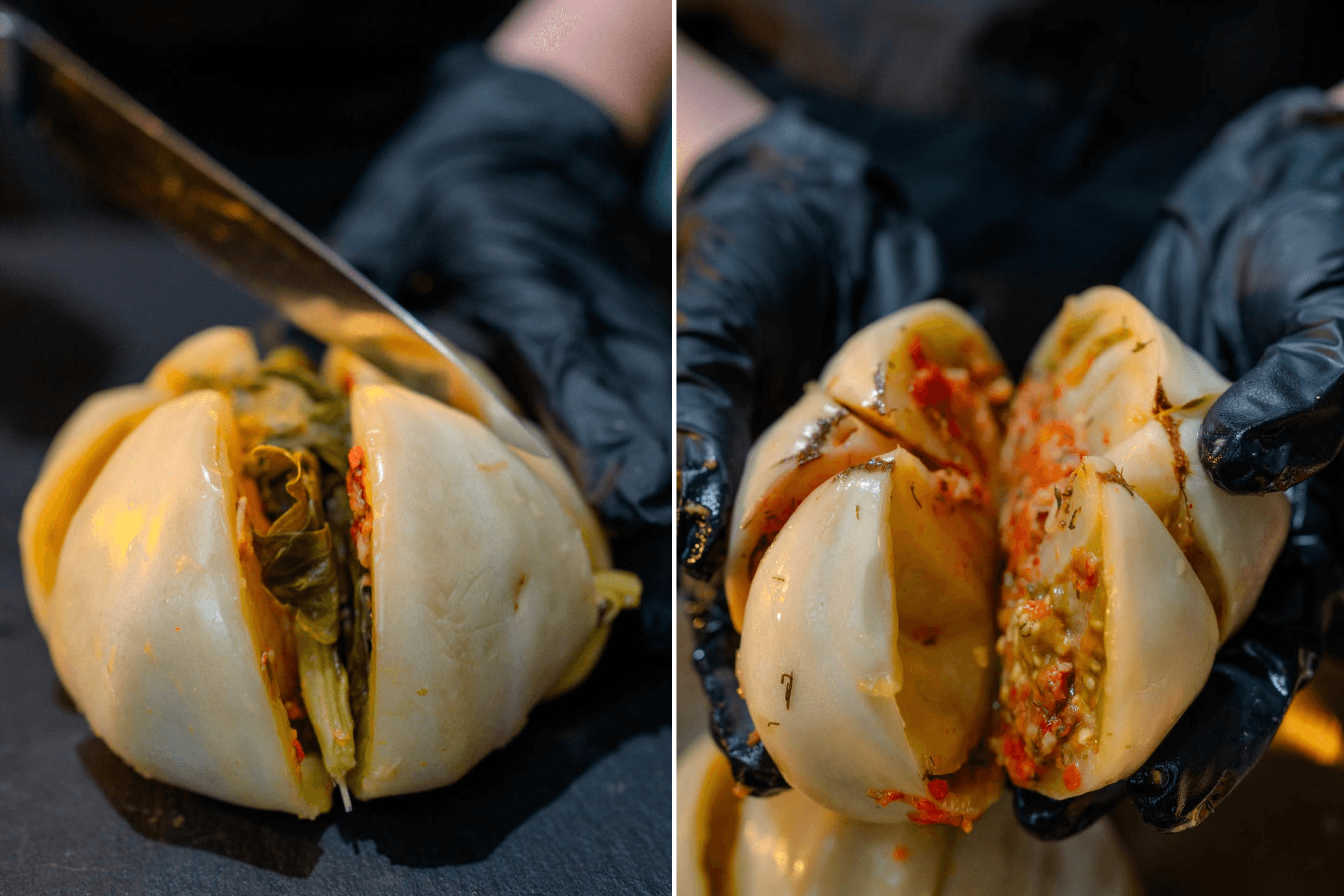
Photo: Fermenteria Smakelig / Instagram / YBBP 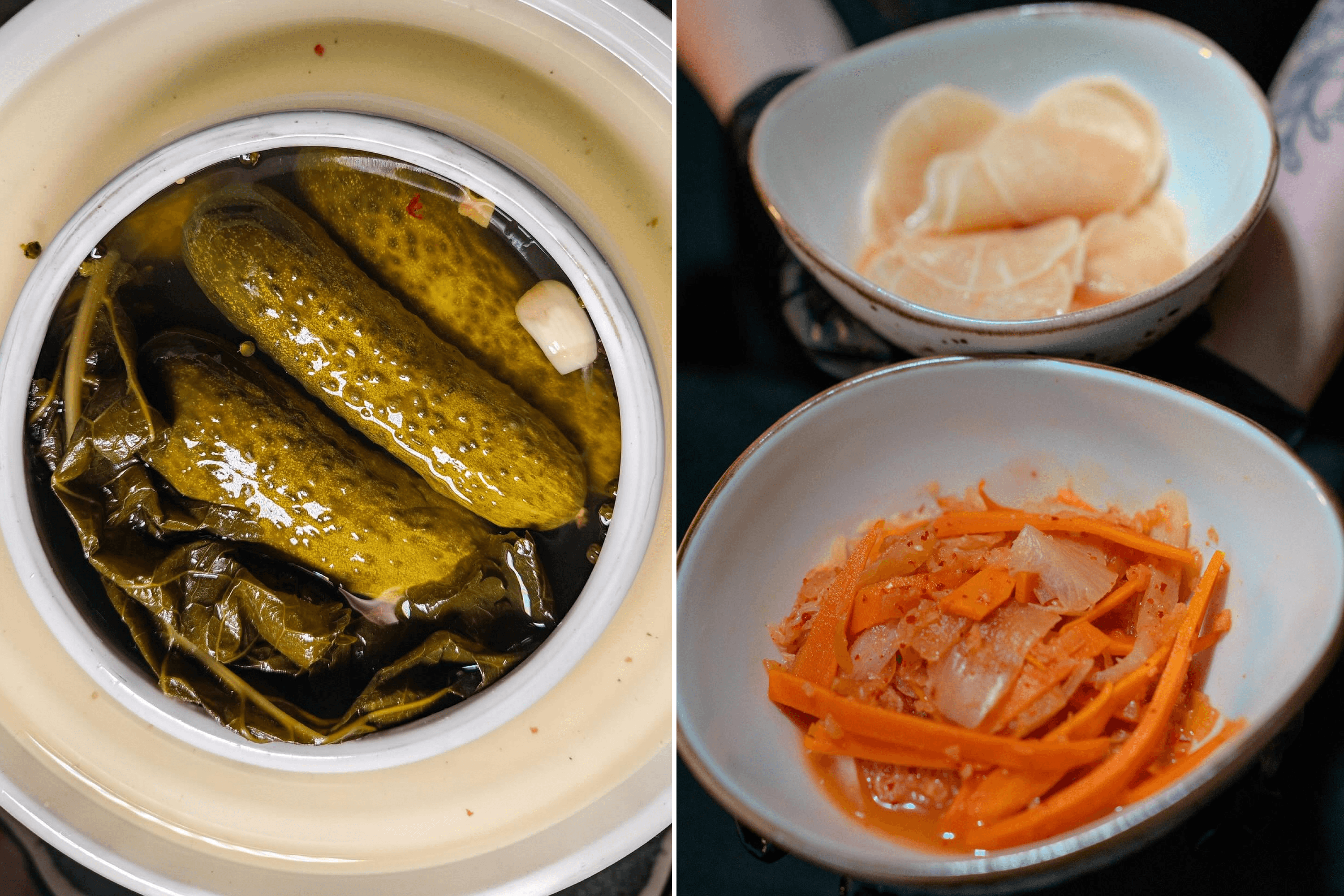
Photo: Fermenteria Smakelig / Instagram / YBBP 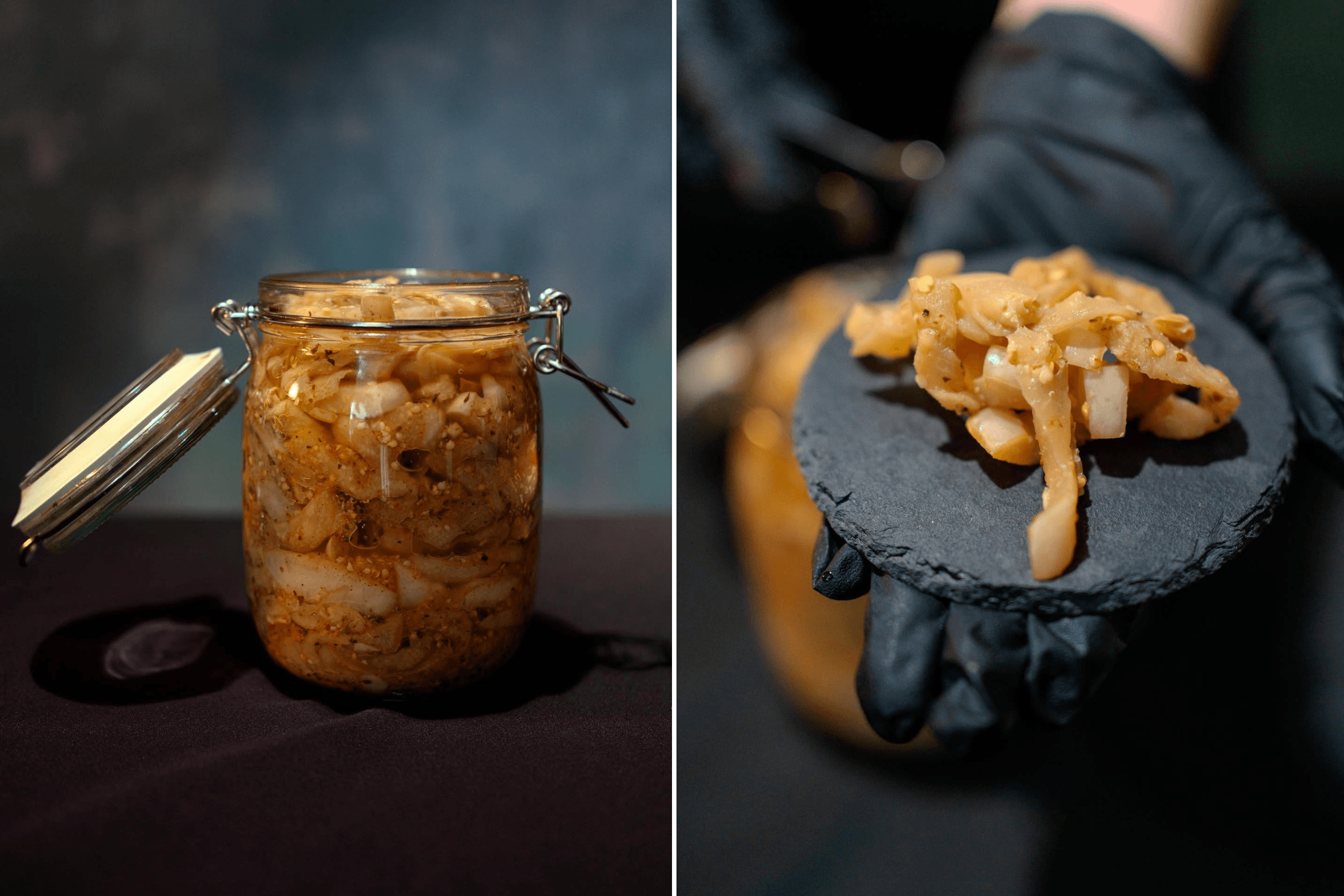
Photo: Fermenteria Smakelig / Instagram / YBBP
The restaurant’s business was highly seasonal. While late June 2024 was slow due to the expat exodus for the holidays, August—typically a quiet month in Spain—was busy as Fermenteria Smakelig remained open while other establishments closed.
However, for Maria, an important factor was not only stability but also the financial viability of the business. Starting in October 2024, the restaurant began bringing in only an additional €2000 per month, which didn’t meet her expectations. That’s why in January 2025, the restaurant closed for modernization. Lesnikova decided to invest in a new oven, which would make it possible to significantly increase the production volume of sourdough bread. There was also a need for new chambers for fermenting larger volumes, as Maria planned to increase production and begin selling products in other shops and cafes.
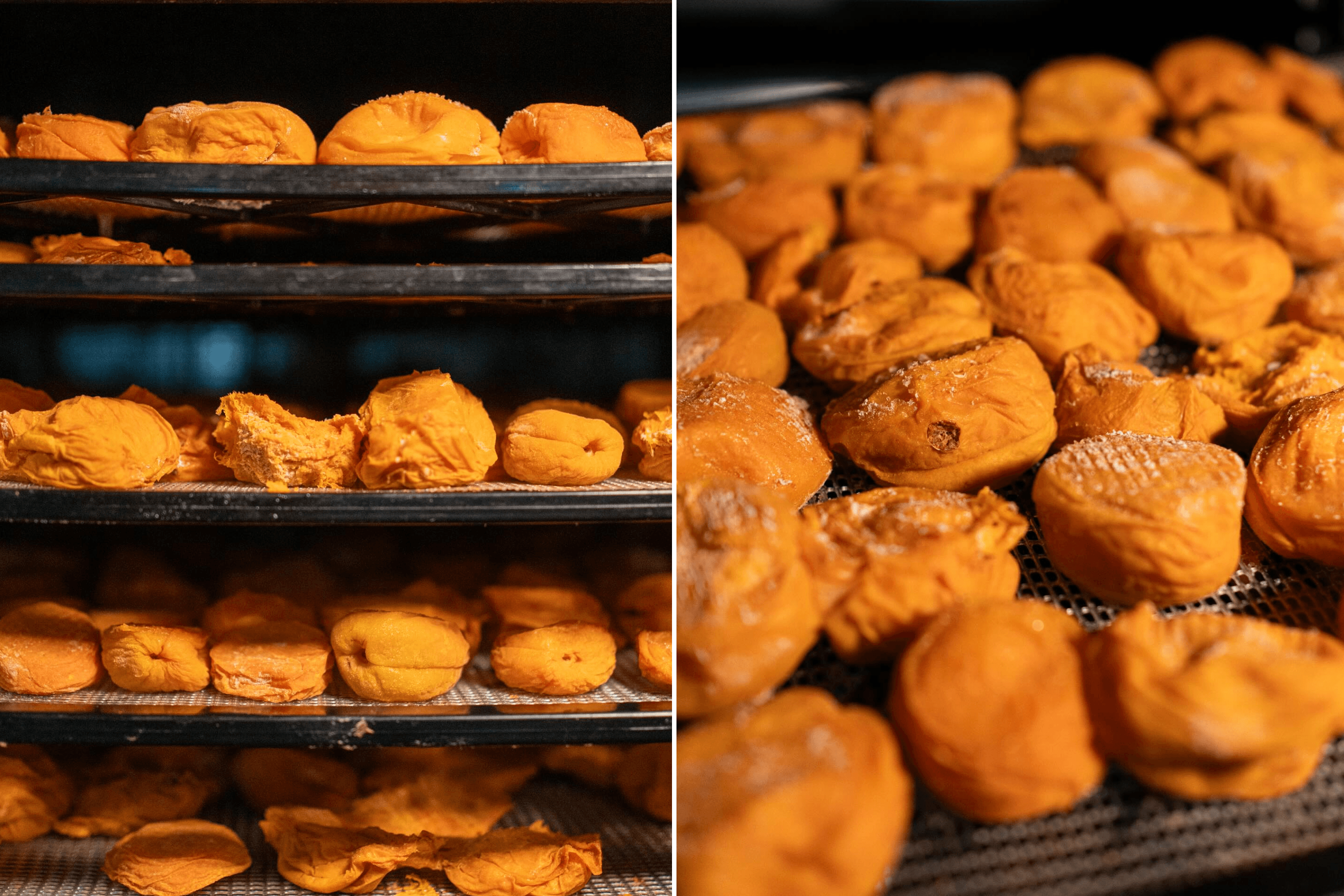
Photo: Fermenteria Smakelig / Instagram / YBBP 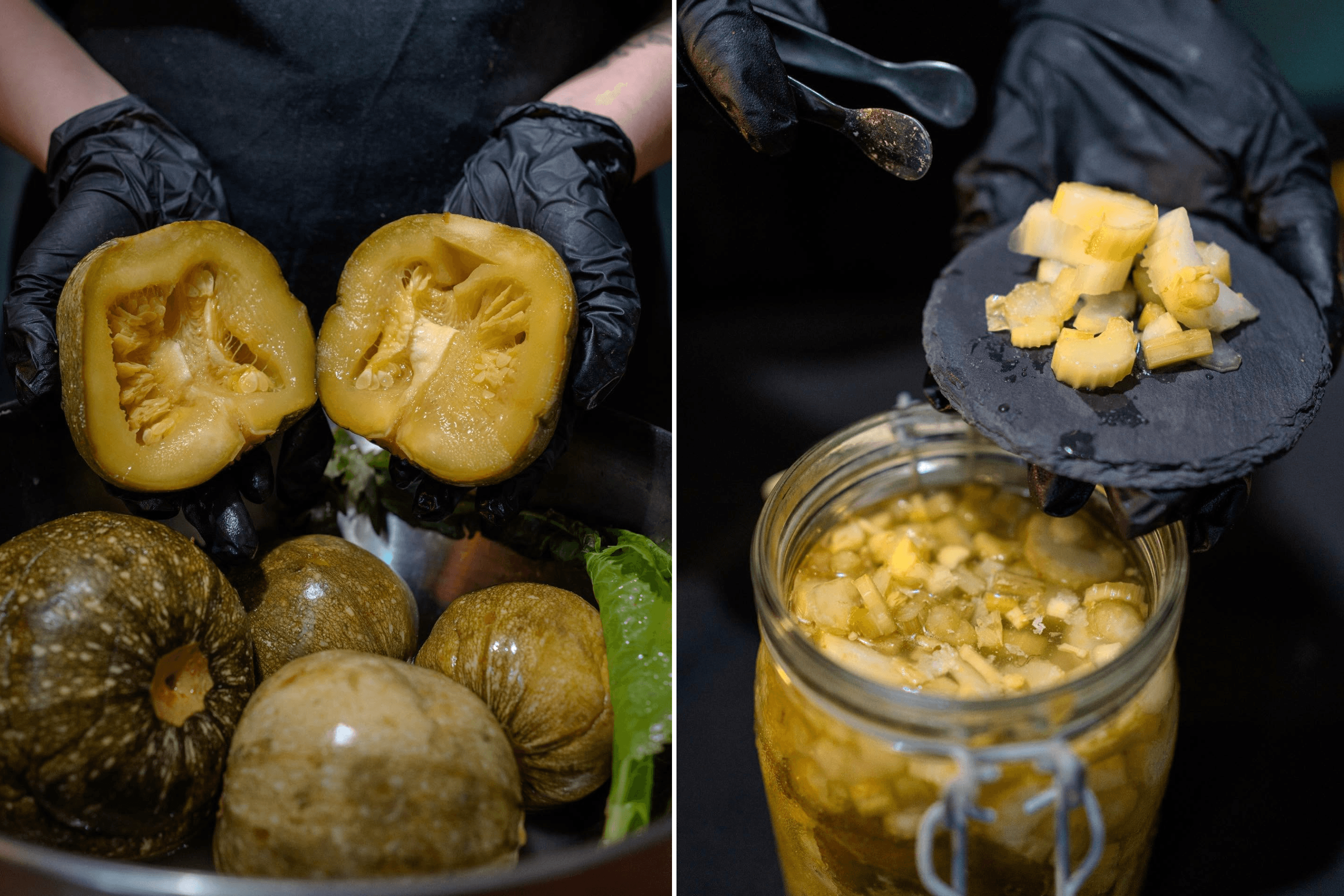
Photo: Fermenteria Smakelig / Instagram / YBBP 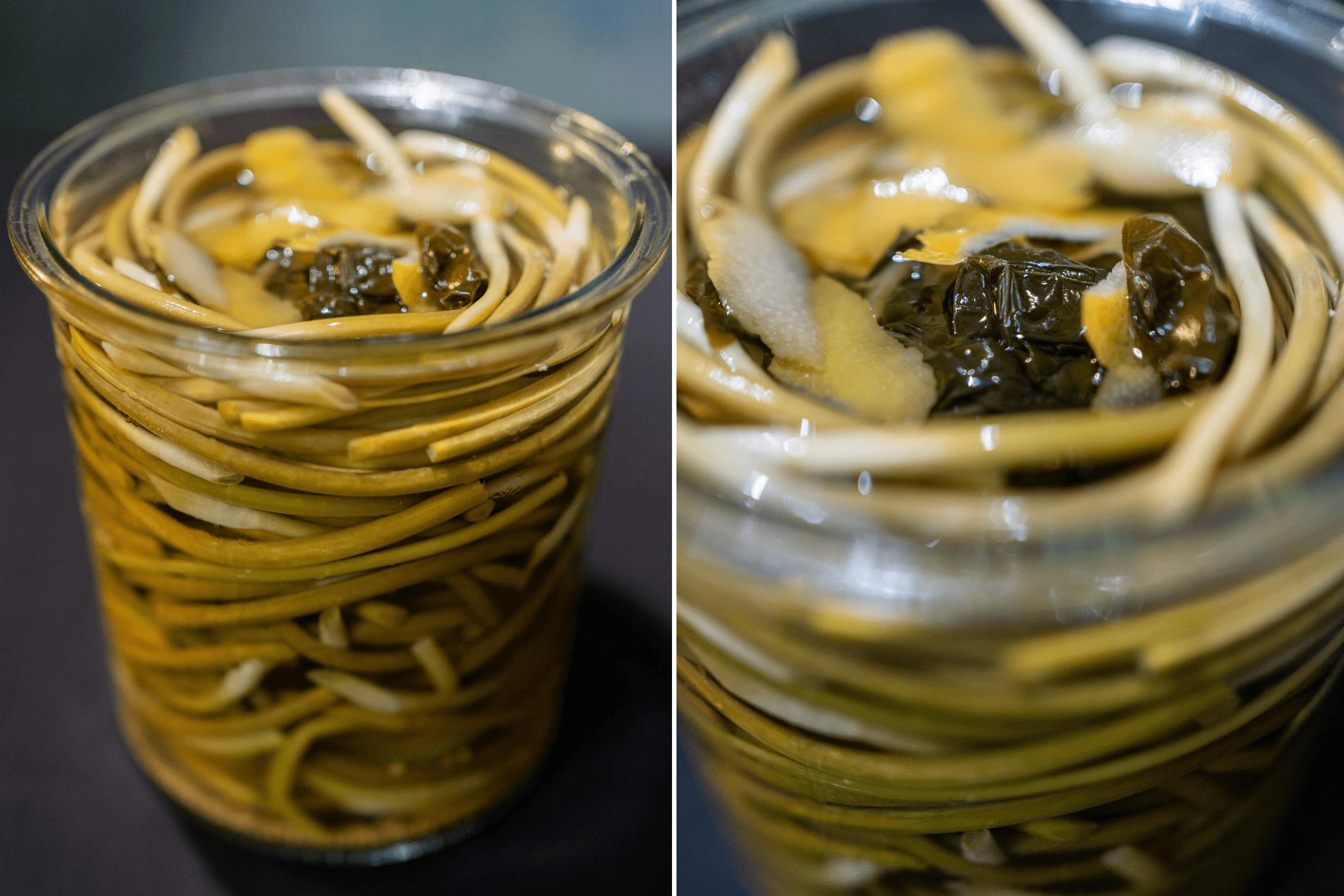
Photo: Fermenteria Smakelig / Instagram / YBBP
3.
Fermenteria Smakelig reopened on June 15, 2025, with expanded production capabilities following a €12,000 investment in new equipment and repairs. The menu grew to include new items like tempeh (fermented beans) and breakfast options like porridges and scrambles. All these dishes contain fermented ingredients—mushrooms, fruits, vegetables, or berries, which is characteristic of the restaurant’s concept.
“As the founder of a one-year-old project, I still do everything—from repairs and kitchen work to operations, supply, and marketing,” Lesnikova admits. “Of course, I plan to expand the team, delegate more and scale the business, but I believe that to delegate effectively, the owner must understand the entire 'internal kitchen'—especially a process as delicate and demanding as fermentation.”
The business has expanded its production and is now poised for B2B growth, securing contracts with two bars in Sant Cugat and Barcelona to sell its sourdough pizza bases. Lesnikova is also finalizing deals to supply kvass and kombucha to Bulka, a Ukrainian bakery in Barcelona. Lesnikova’s brand actively combines community activities (courses for fermenters and master classes) with regular trade in the updated space. The cost of one day of fermentation training is €45–50, and intensive three-day courses cost €100–120.
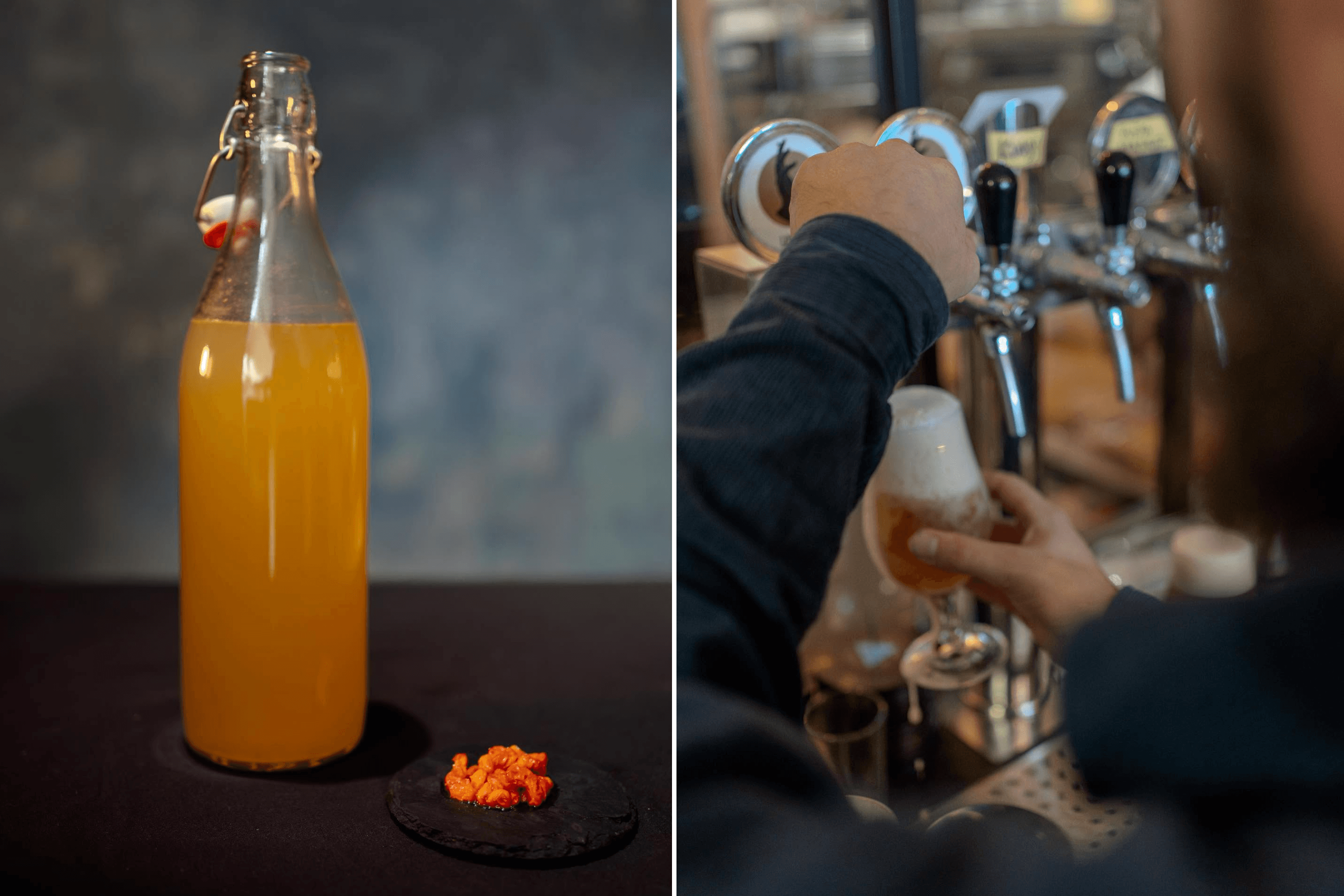
Photo: Fermenteria Smakelig / Instagram / YBBP 
Photo: Fermenteria Smakelig / Instagram / YBBP 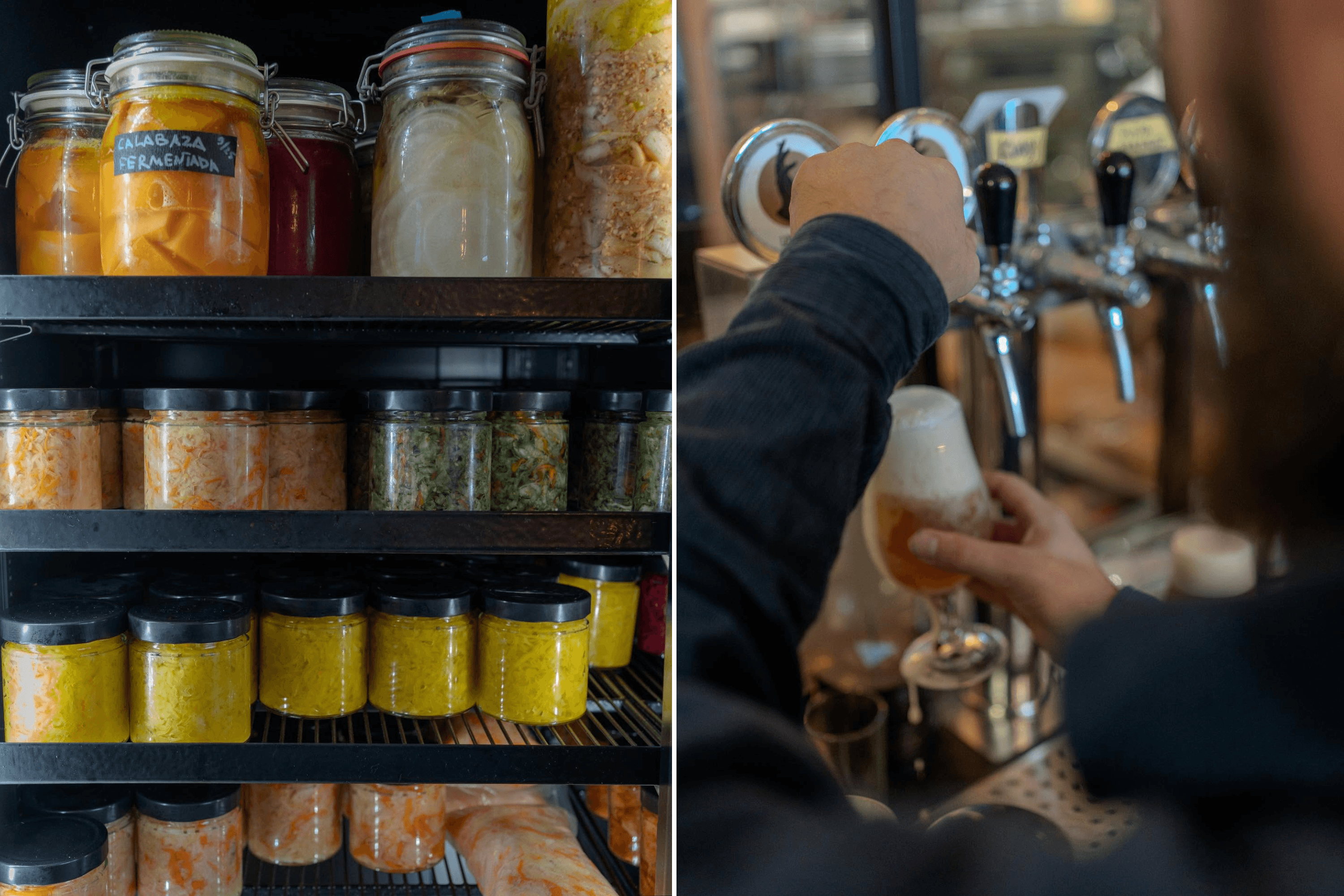
Photo: Fermenteria Smakelig / Instagram / YBBP
So far, Fermenteria Smakelig has not encountered any direct competitors in the fermented cuisine segment, although some bakeries have already mastered sourdough bread production. In Spain, the tradition of preserving food is more common than fermenting it. Therefore, Lesnikova combines local and Slavic traditions: for example, she prepares meat fermented in beets, rye bread, syrnyky (cheese pancakes), and tempeh—fermented beans prepared using a specialized chamber for fungal fermentation. The kvass on the restaurant’s menu has become a local hit: Catalans compare it to something between beer and cider, reminiscent of rural grain-based drinks.
Currently, the restaurant produces about 100 liters of liquid beverages per technological cycle (for example, on a Tuesday). The production of three types of kimchi is divided into 40-liter batches due to the intensive fermentation process. The fermentation of sauces lasts 21 days, and miso paste is aged for up to half a year before packaging. The scale of baking sourdough bread products and pizza is gradually increasing: Maria aims to reach a potential of 300 units per shift.
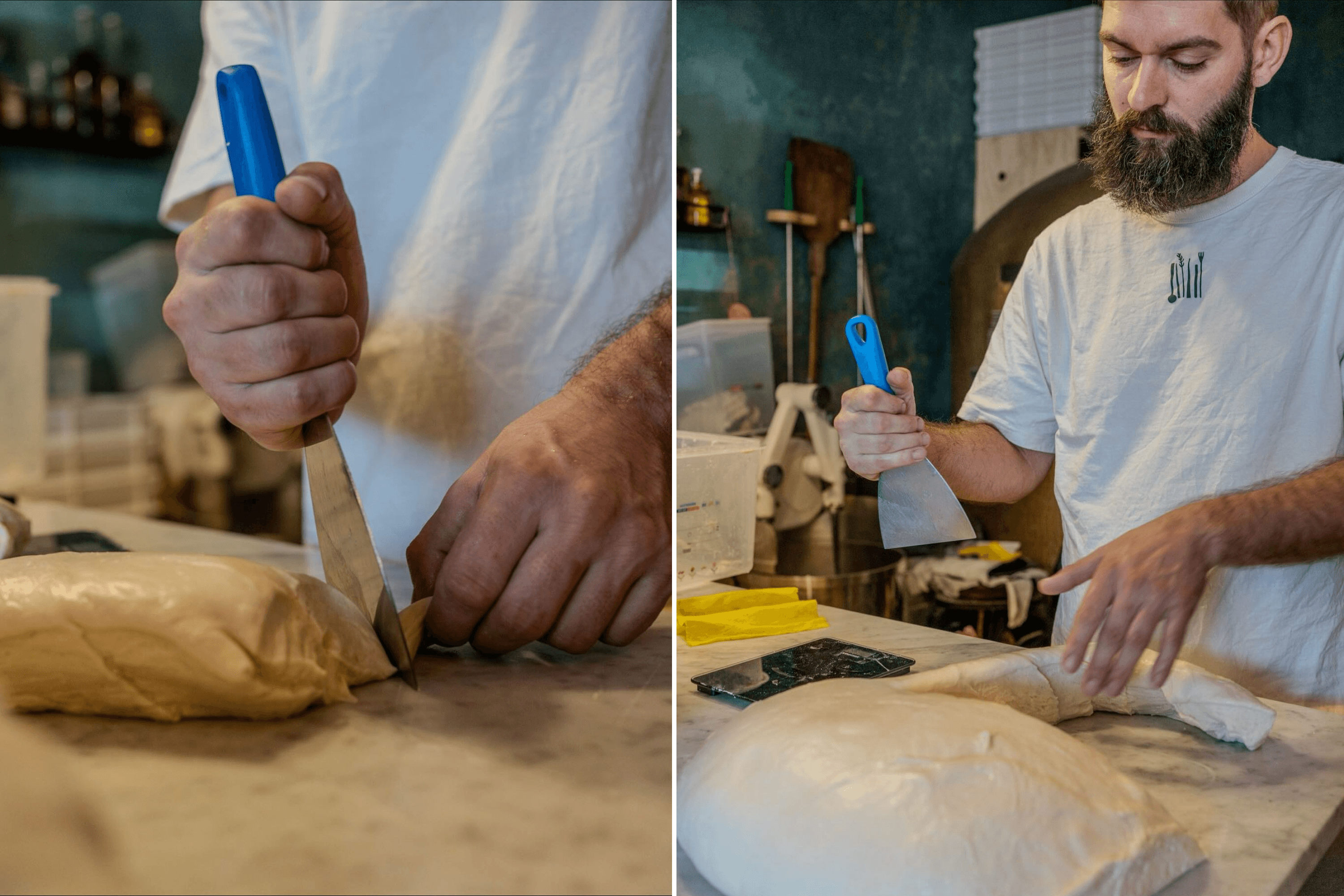
Photo: Fermenteria Smakelig / Instagram / YBBP 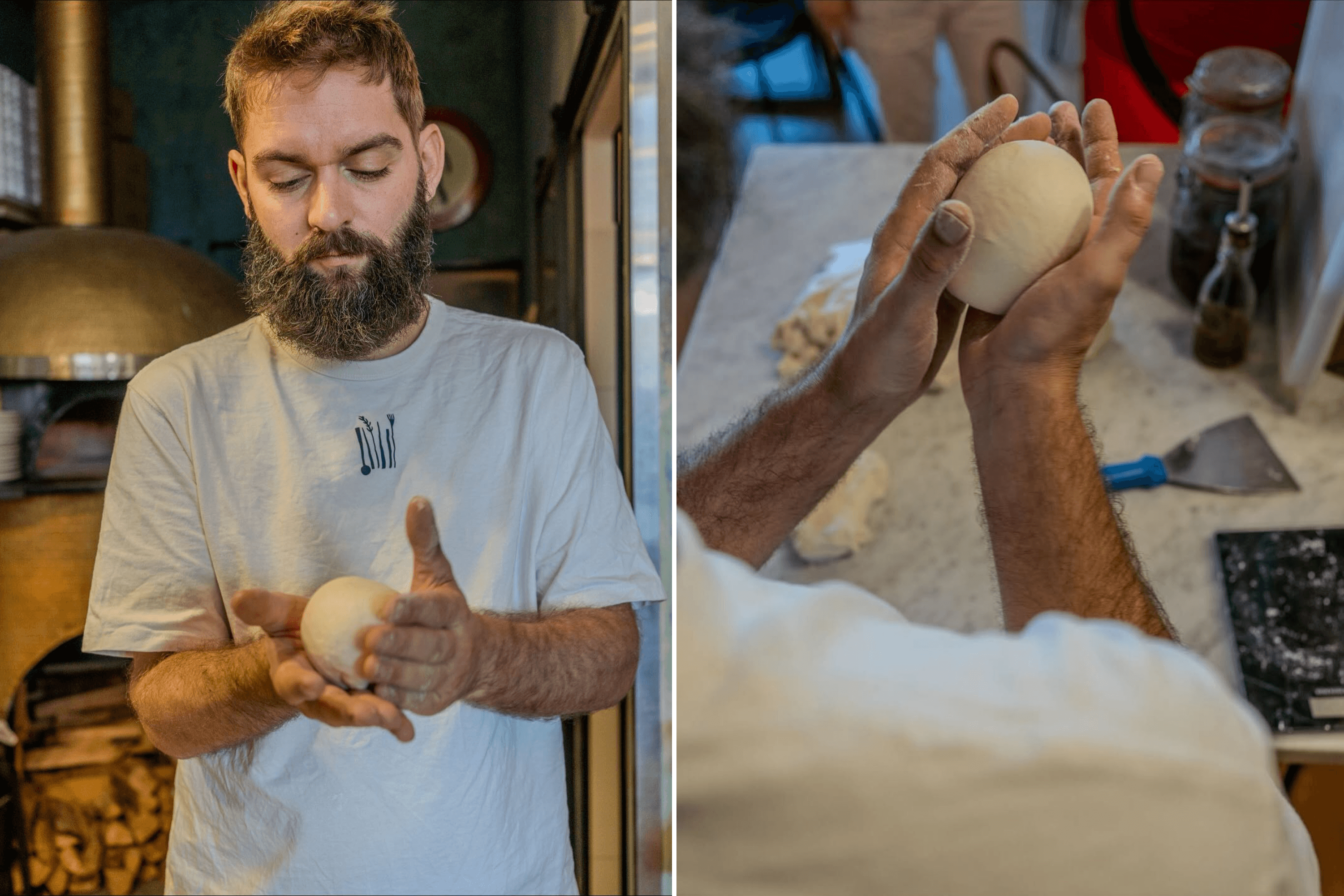
Photo: Fermenteria Smakelig / Instagram / YBBP 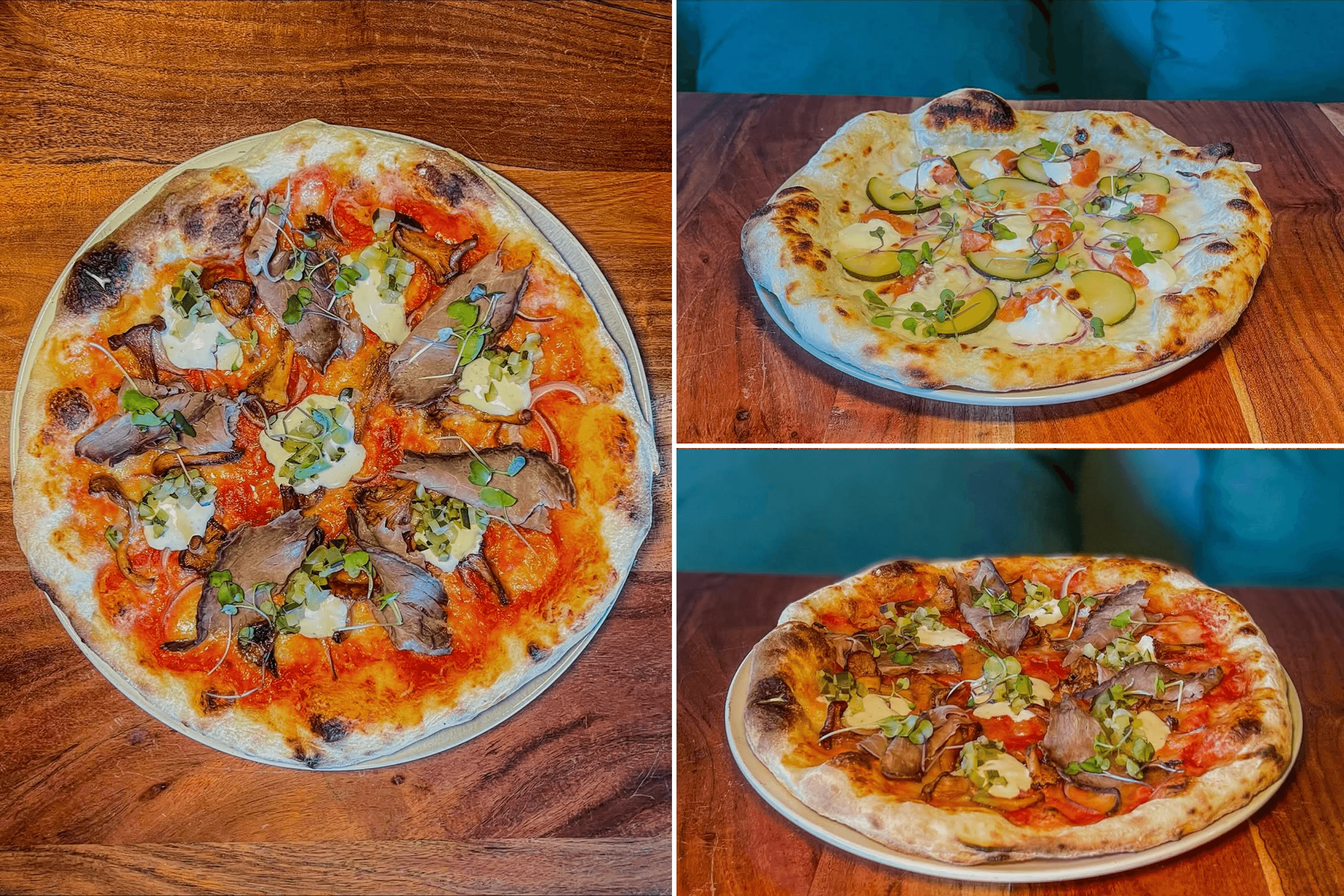
Photo: Fermenteria Smakelig / Instagram / YBBP
In Fermenteria Smakelig’s business model, the restaurant and production lines complement one another. However, profitability is intended to be driven by the sale of finished products—fermented beverages sold through the online store, a network of local partners, and distribution to restaurants and bars. The profit margin on main dishes and fermented products ranges from 56% to 150%—the highest being in the packaged goods segment, where the majority of the cost is attributed to the packaging rather than the product itself.
Farm-fresh ingredients are partially used for preparing dishes: meat and eggs are sourced from local farms, and vegetables from a trusted supplier. All organic waste is transformed into valuable ingredients: potato peels with the skin are used for frying, and lemon peels are used for preparing bitters. Scraps are used to make broths, chips, and powders, allowing the place to adhere to a zero-waste philosophy. Thanks to extended cold chain logistics, unpasteurized products can be stored for up to six months, or up to a week without refrigeration.
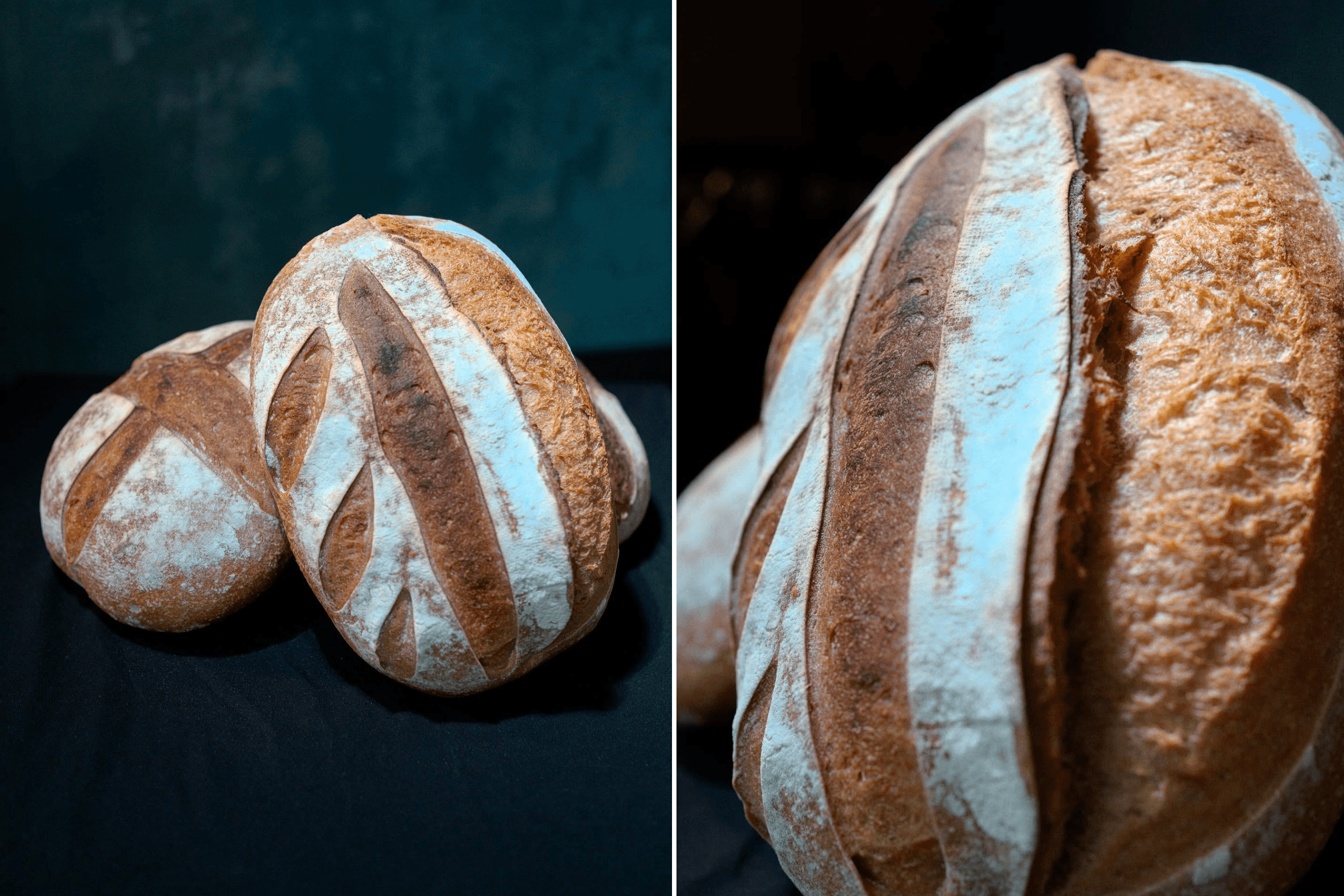
Photo: Fermenteria Smakelig / Instagram / YBBP 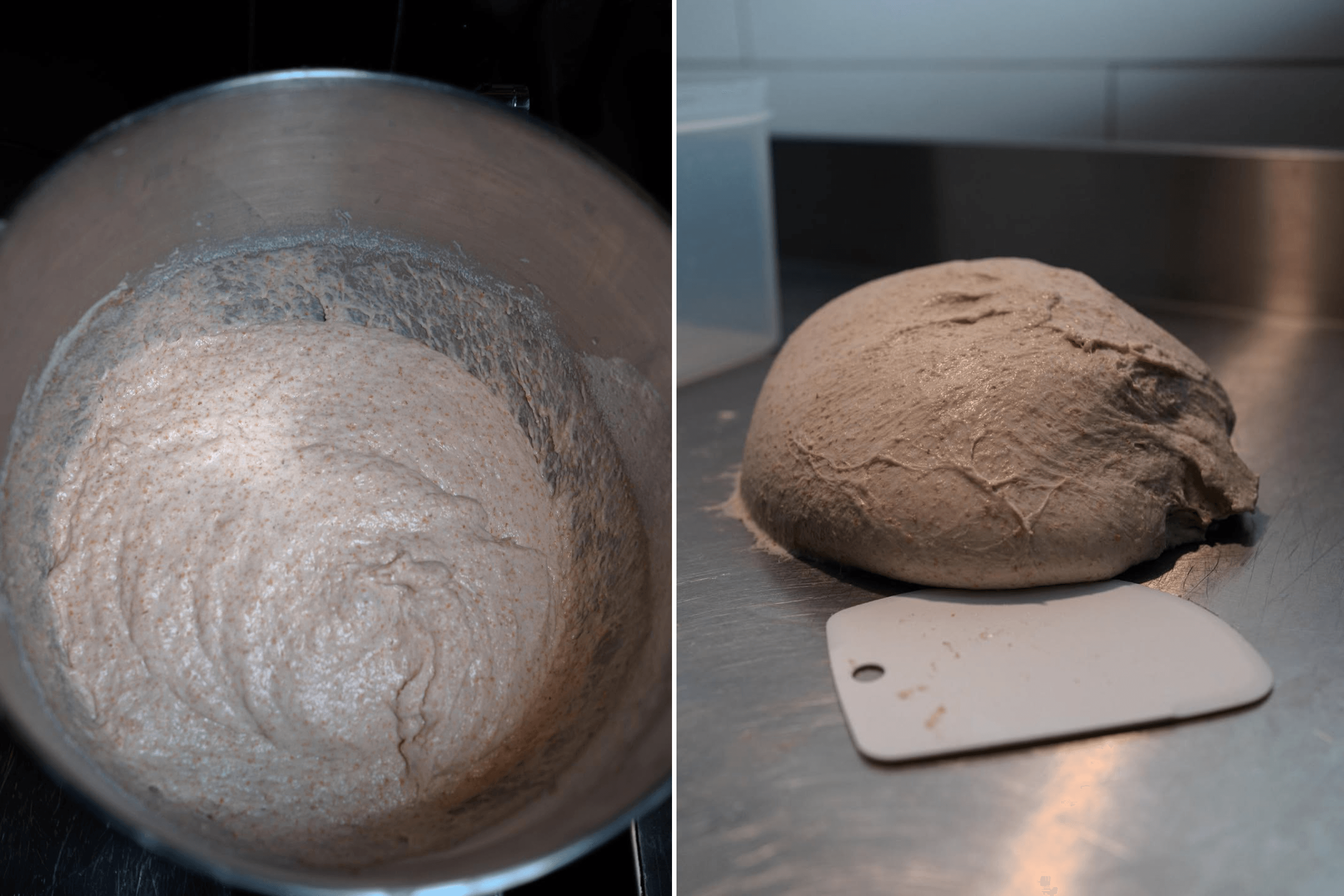
Photo: Fermenteria Smakelig / Instagram / YBBP 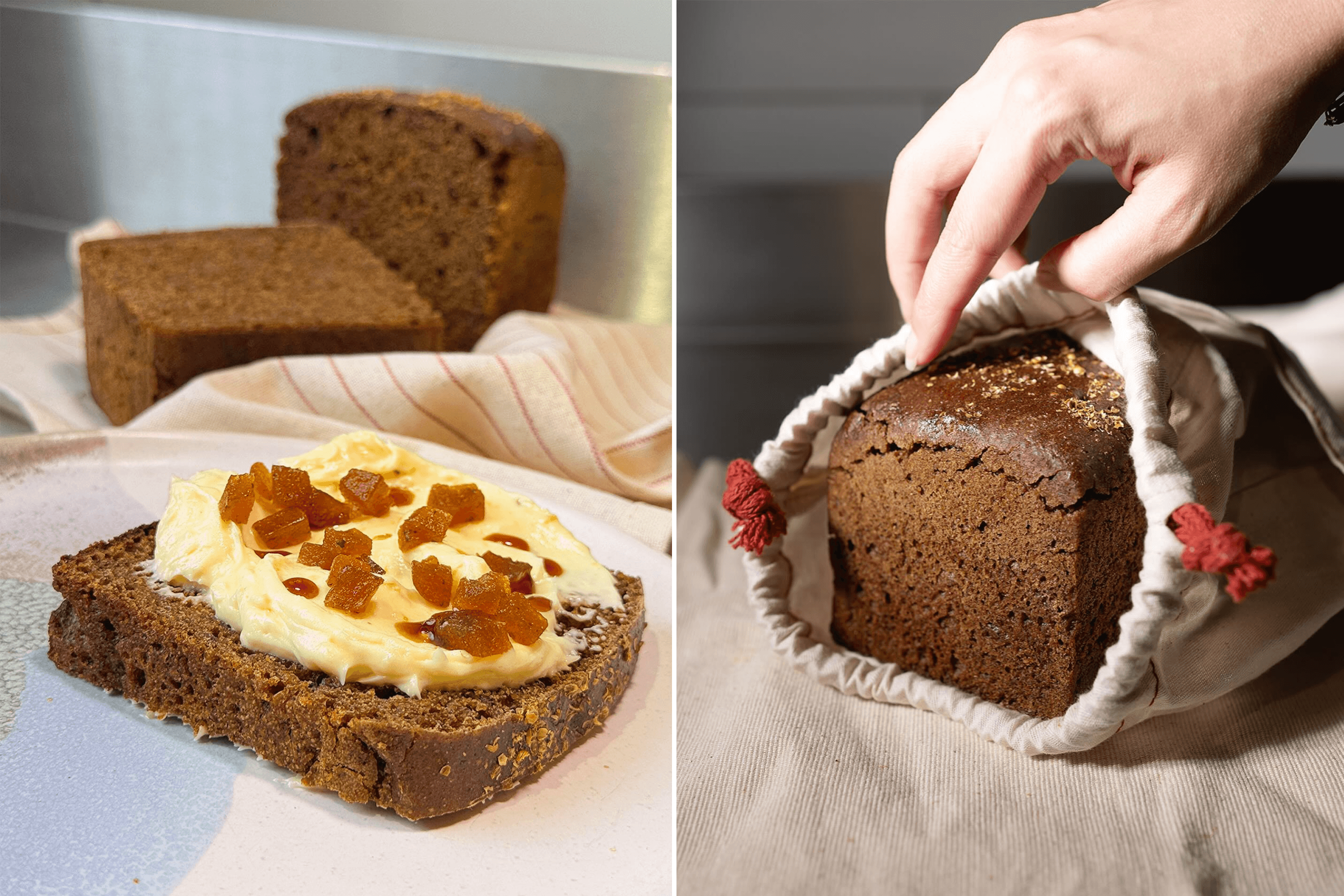
Photo: Fermenteria Smakelig / Instagram / YBBP
Following the renovation, Fermenteria Smakelig has transformed into a true art café. The ceiling and walls were hand-painted by Mariia herself with pseudo-fungal structures that imitate mold, creating the effect of a “micro-world life.” The furniture, partly purchased from antique shops and partly handmade by Mariia’s husband, complements the rustic ambiance.
A decorative accent in the interior is Mariia’s own photographic work from her diploma project: bacteria and fungi, experimentally grown on photographic film, which gradually “ate” the images. Service at Fermenteria Smakelig is built on an in-depth knowledge of each product: the staff or the owners personally tell guests about the origin of the ingredients, the fermentation technology, and the health benefits—from improved digestion to lower blood sugar levels. Guests have highly praised this “verbal contact,” describing the service as “warm” and one that “makes you want to trust a kitchen that doesn’t use frozen pre-prepared ingredients.”
The next stage is to expand production into a separate facility outside the main space and to find an investor for development in Spain, with the prospect of entering other European markets.
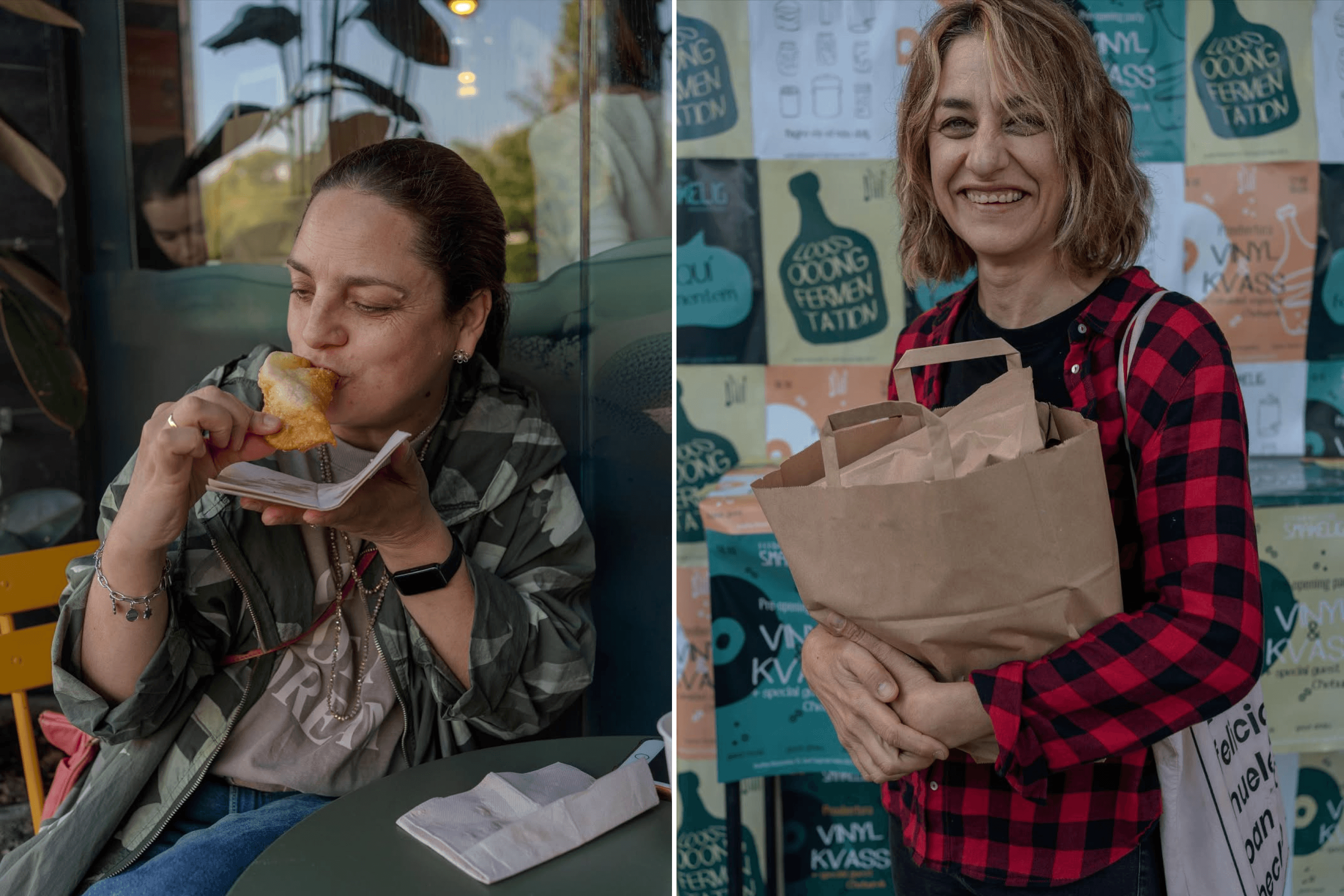
Гості ресторану Fermenteria Smakelig. Photo: Fermenteria Smakelig / Instagram / YBBP 
Photo: Fermenteria Smakelig / Instagram / YBBP 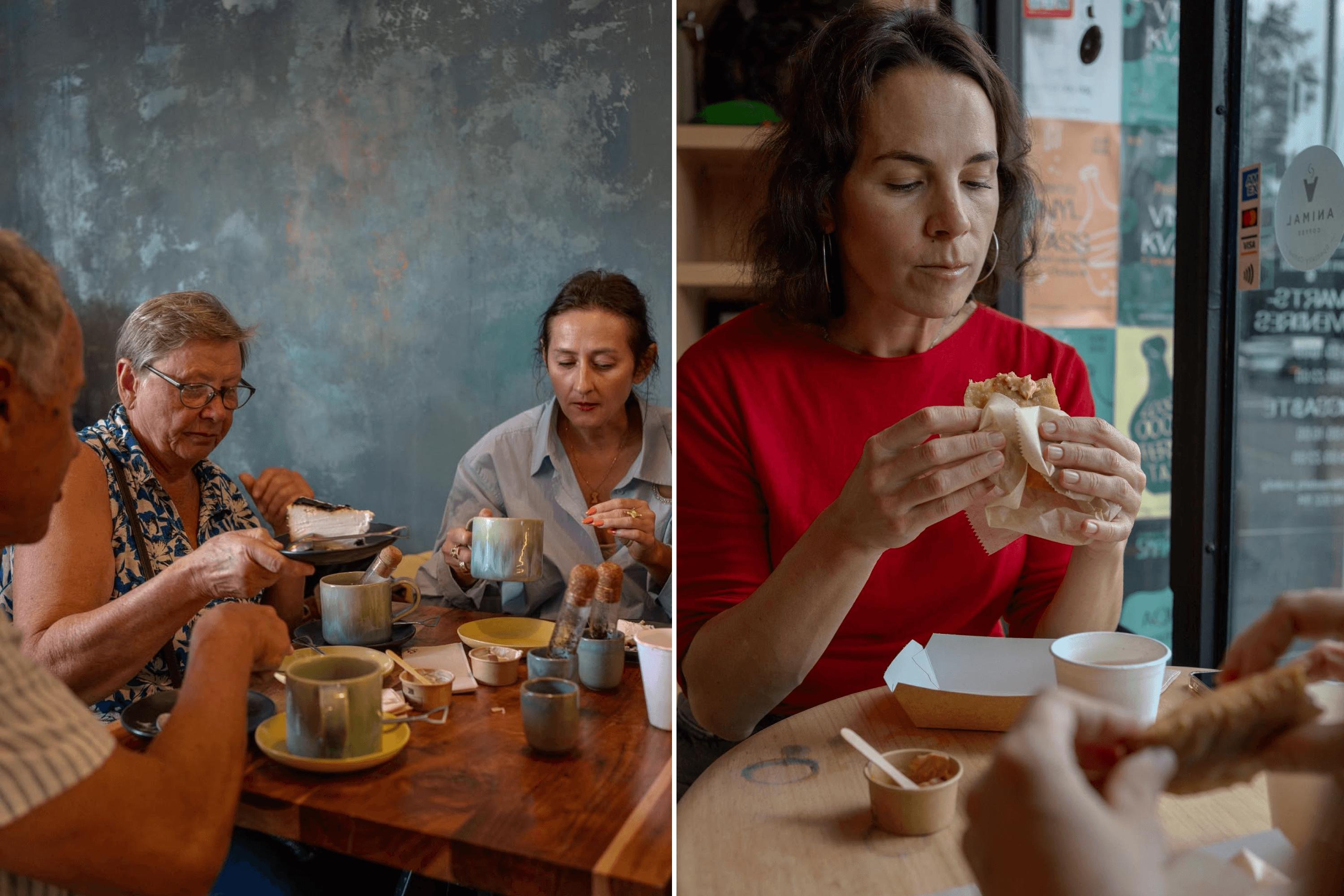
Photo: Fermenteria Smakelig / Instagram / YBBP