
Max Kidruk is one of Ukraine’s best-selling contemporary authors, with cumulative book sales topping 300,000 copies. In 2023, he launched The New Dark Ages, a sci-fi saga exploring humanity's future from Mars colonization to climate catastrophe. The first installment, The Colony, has sold over 80,000 copies, while its sequel, Collapse, published in February 2026, has already crossed the 50,000 mark. With his work now being published internationally, Kidruk’s next target is the UK market.
Ahead of his world tour, the author sat down with Yellow Blue journalist Artem Moskalenko to discuss promoting books abroad, why writers need literary agents, and why reality can sometimes prove stranger (and more absurd) than fiction.
Who is Max Kidruk? |
|
|
|
|
In short, what is your The New Dark Ages saga about?
The idea came to me about ten years ago: I wanted to write something akin to a historical novel, but set in the future. I set out to show what our world will look like as realistically as possible, through the lives of ordinary people. So I’m chronicling events set in 2141 and the crises I believe humanity will face by then.
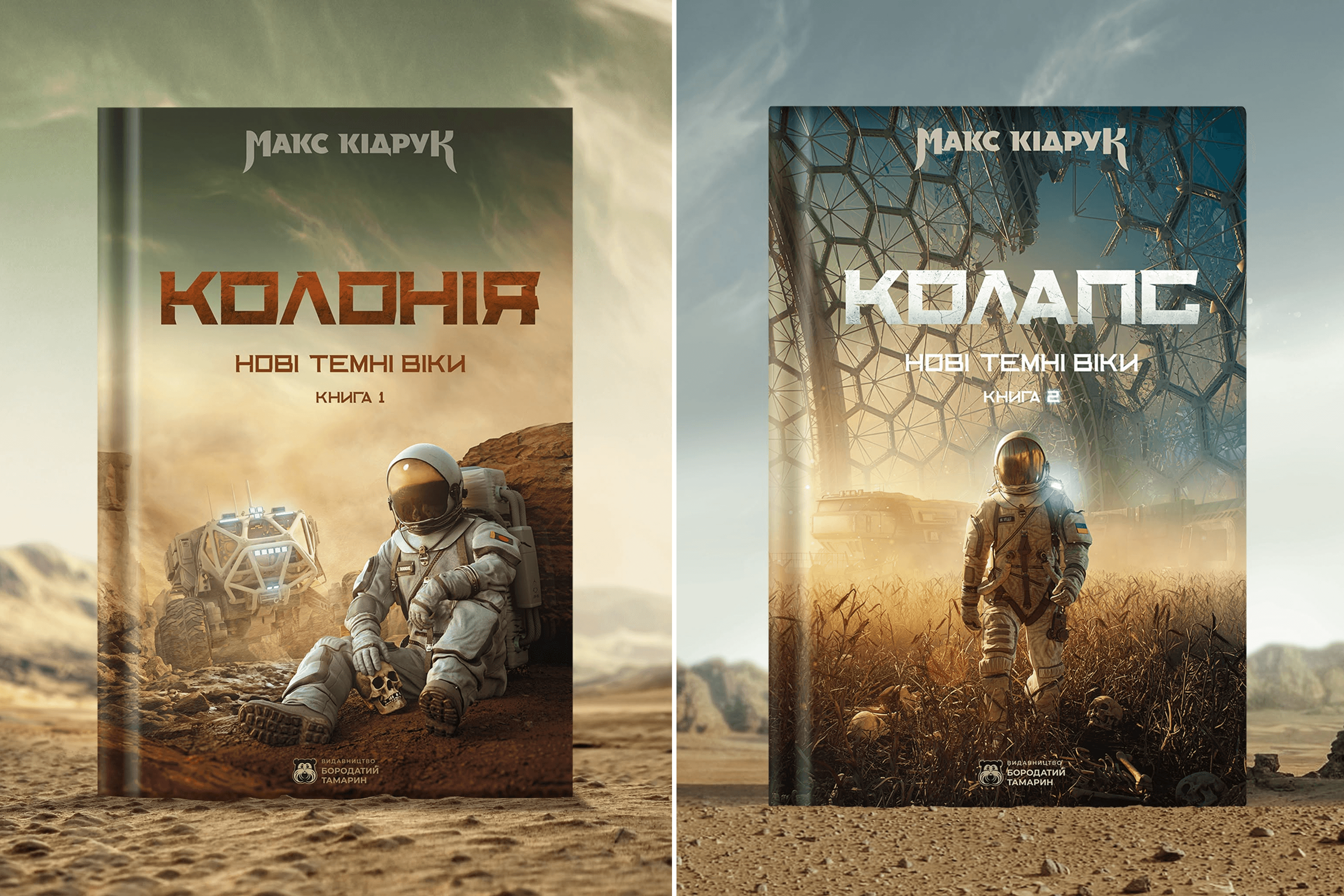
The central theme is the colonization of Mars and its attendant complications. I explore whether it’s even feasible, while delving into the socio-psychological aspects of the process: the friction between Earth as the ruling domain and Mars as its colony, and the rift between Earth-born settlers and those born on Mars. Personally, I’m convinced that humanity is incapable of colonizing other worlds, and I use the narrative to show why.
At the same time, I address the crises unfolding on Earth—for instance, the consequences of escalating climate change. In Collapse, a methane hydrate blowout triggers a sudden, massive release of methane from the ocean floor, causing unprecedented heatwaves around the globe. Right now, I’m working on the third book, which deals with the collapse of Antarctica’s Thwaites Glacier. It’s known as the “Doomsday Glacier” for a reason: if it disintegrates, global sea levels will surge, swallowing most of the world’s coastal cities.
I also write about a society that denies or ignores science, despite its quality of life depending on it entirely. And I tackle politics—specifically, the rise of ignorance and populism. Essentially, I’m mapping out what happens if the world follows the worst-case scenario.
Speaking of politics and rising populism—don’t you feel we’re already living in that worst-case scenario?
Modern politics has become so absurd that for the third installment, I’ve given up trying to invent anything crazier. If I were to write, say, that the U.S. President pulled down his pants and defecated on the floor during a press briefing, it sounds outrageous—yet you can’t be entirely sure it wouldn’t happen. Trump has already shared a video depicting him dropping “poop” bombs on protesters from a fighter jet. If I’d put something like that in a novel a few years ago, it would have seemed absurdly unrealistic.
Far more absurd things happen in real life. Take Trump claiming—alongside U.S. Health Secretary and anti-vaxxer Kennedy Jr., plus TV doctor Dr. Oz—that paracetamol causes autism. It wasn’t even clear where they got it from; there weren’t even fake papers, junk science, or conspiracy theories to back it up. So as an author, I just yield: I can’t beat reality in this battle of the absurd.
You were wrapping up work on the saga’s first installment, The Colony, in late 2022. What were the conditions like back then?
The book came out on January 1, 2023, but we were prepping it for print during the harsh late autumn and early winter of 2022. Russian missile and drone strikes hit the entire country almost weekly, forcing us to work through persistent, multi-day blackouts.
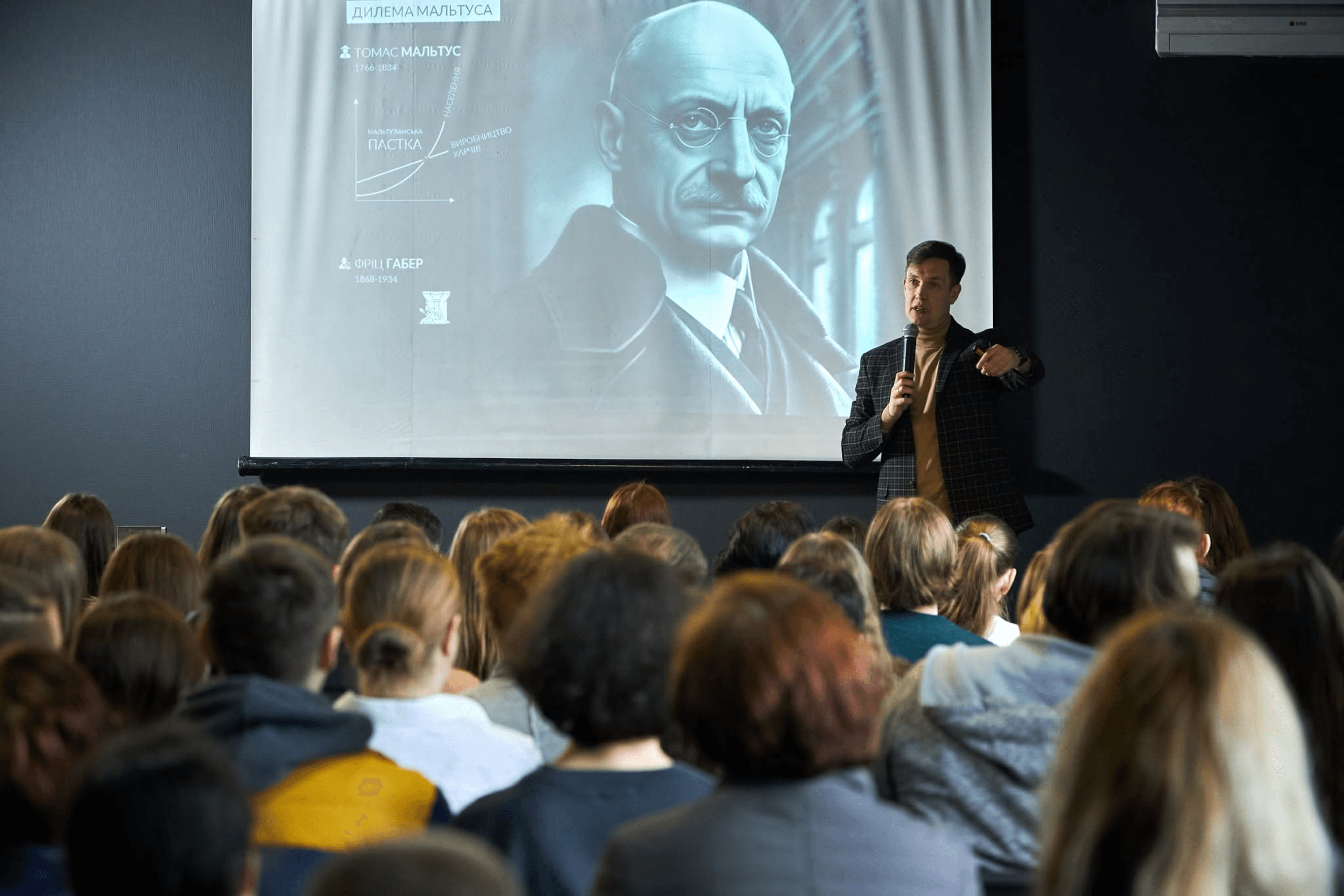
The presentation of Max Kidruk’s book “Colony” at the Zaporizhzhia Regional Youth Center. April 30, 2023. Photo: Влад Барбашов / Max Kidruk / Facebook 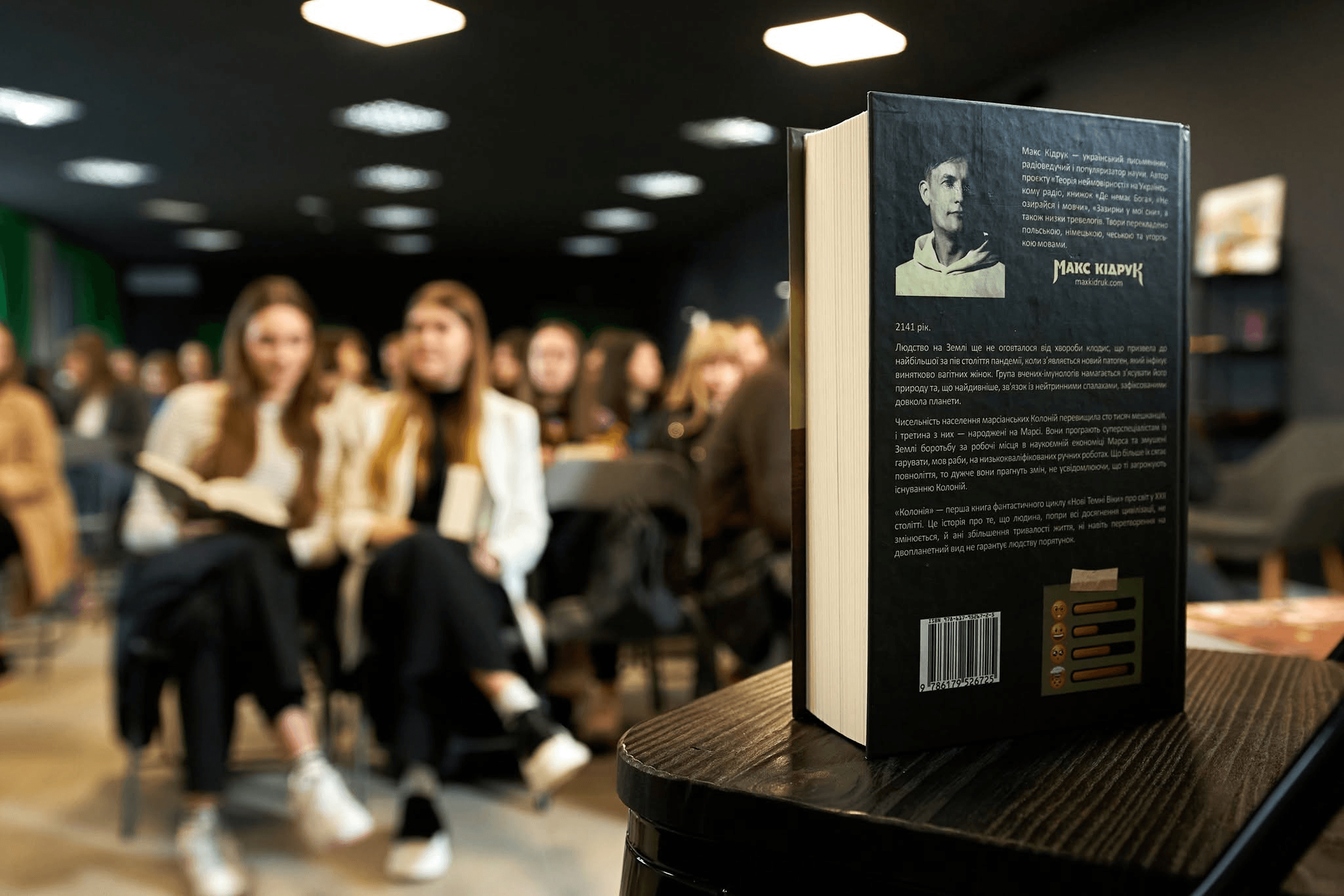
Photo: Влад Барбашов / Max Kidruk / Facebook 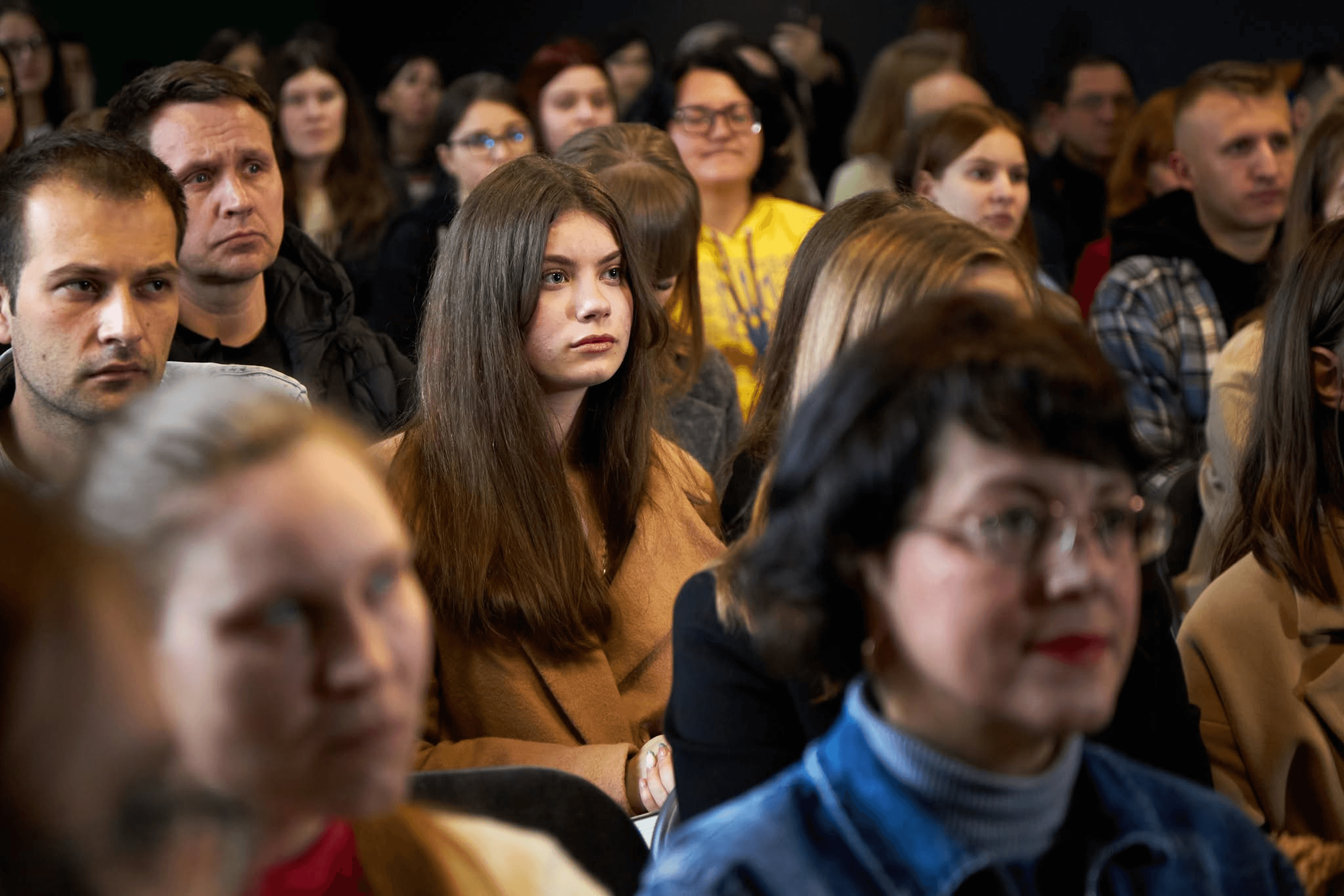
Photo: Влад Барбашов / Max Kidruk / Facebook 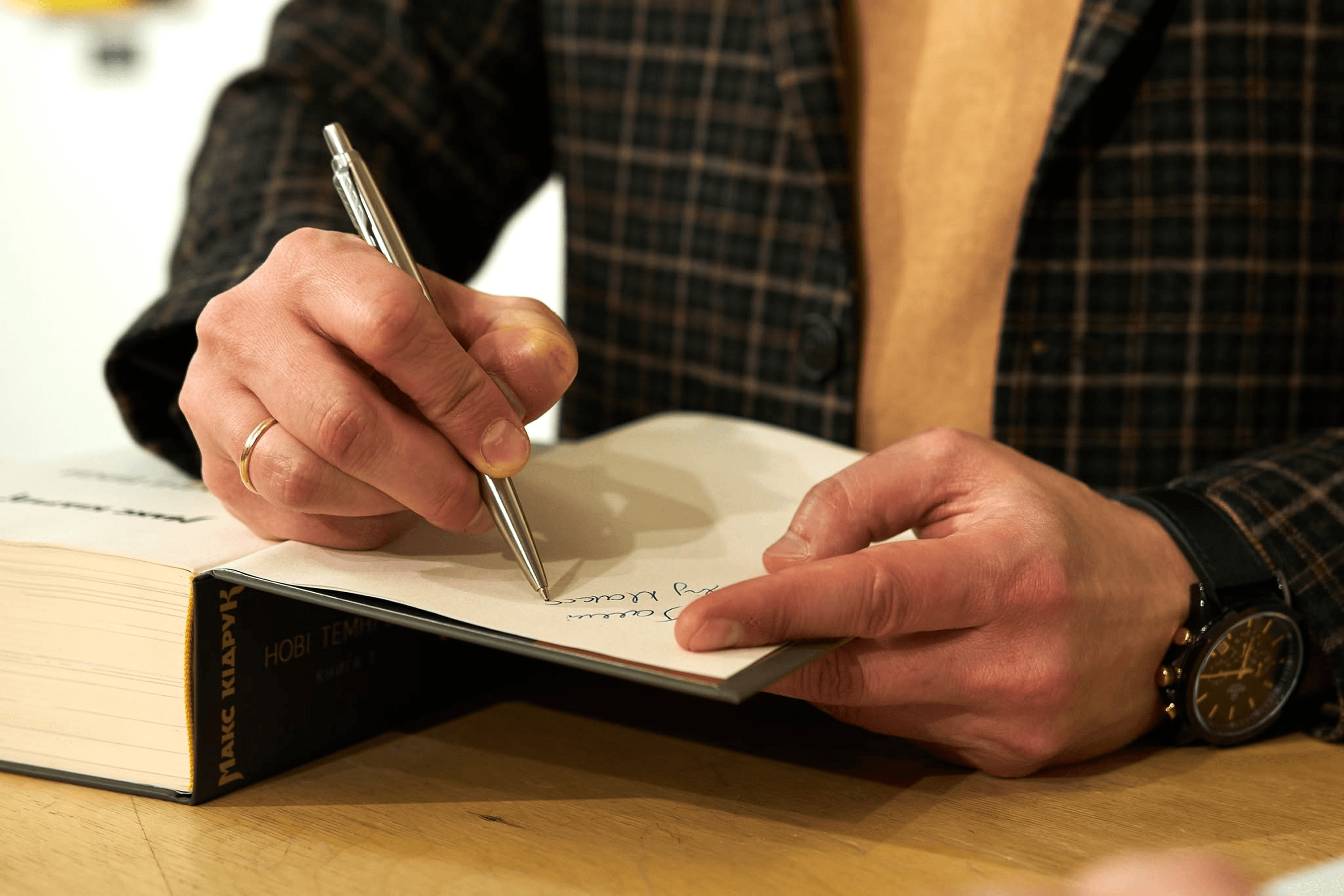
Photo: Влад Барбашов / Max Kidruk / Facebook 
Photo: Влад Барбашов / Max Kidruk / Facebook 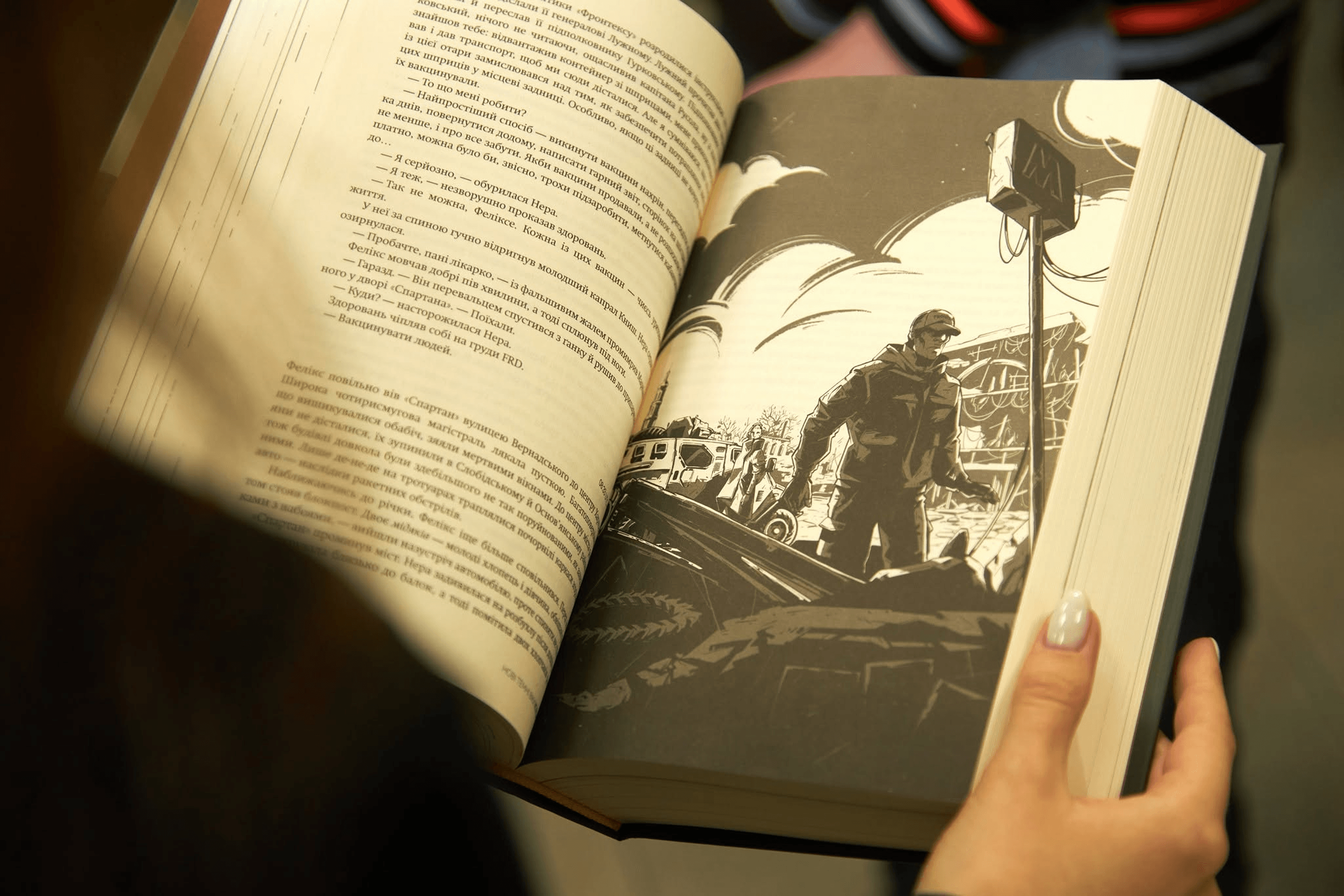
Photo: Влад Барбашов / Max Kidruk / Facebook
It was a period of utter uncertainty. I had no idea if we’d even have the internet in January to announce the release, whether bookstores would be open to sell it, or if banks would function so the publishing house could process sales. But that was on me for delaying it: the manuscript was 90 percent complete when the full-scale invasion hit, and we could have published it back in the summer of 2022.
Why didn’t you release it earlier? What were you waiting for before publishing The Colony?
For a long time, I couldn’t bring myself to believe that anyone would care about this book during a full-scale war. It’s nearly a thousand pages where I’m essentially just setting up the board, with the primary action unfolding in the second book, Collapse. Eventually, I realized the war was going to drag on, and if I wanted to keep writing, I had to publish. My colleagues at Zhupansky Publishing House and A-BA-BA-HA-LA-MA-HA helped push me toward that decision. They pointed out that Ukrainian book sales were actually rising. First, because the massive influx of Russian and Russian-language books stopped after the full-scale invasion; second, because interest in Ukrainian authors surged. That’s what prompted my wife and me to finally launch our own imprint, Bearded Tamarin Publishing, in November 2022 after putting it off for so long. The Colony was our very first title.
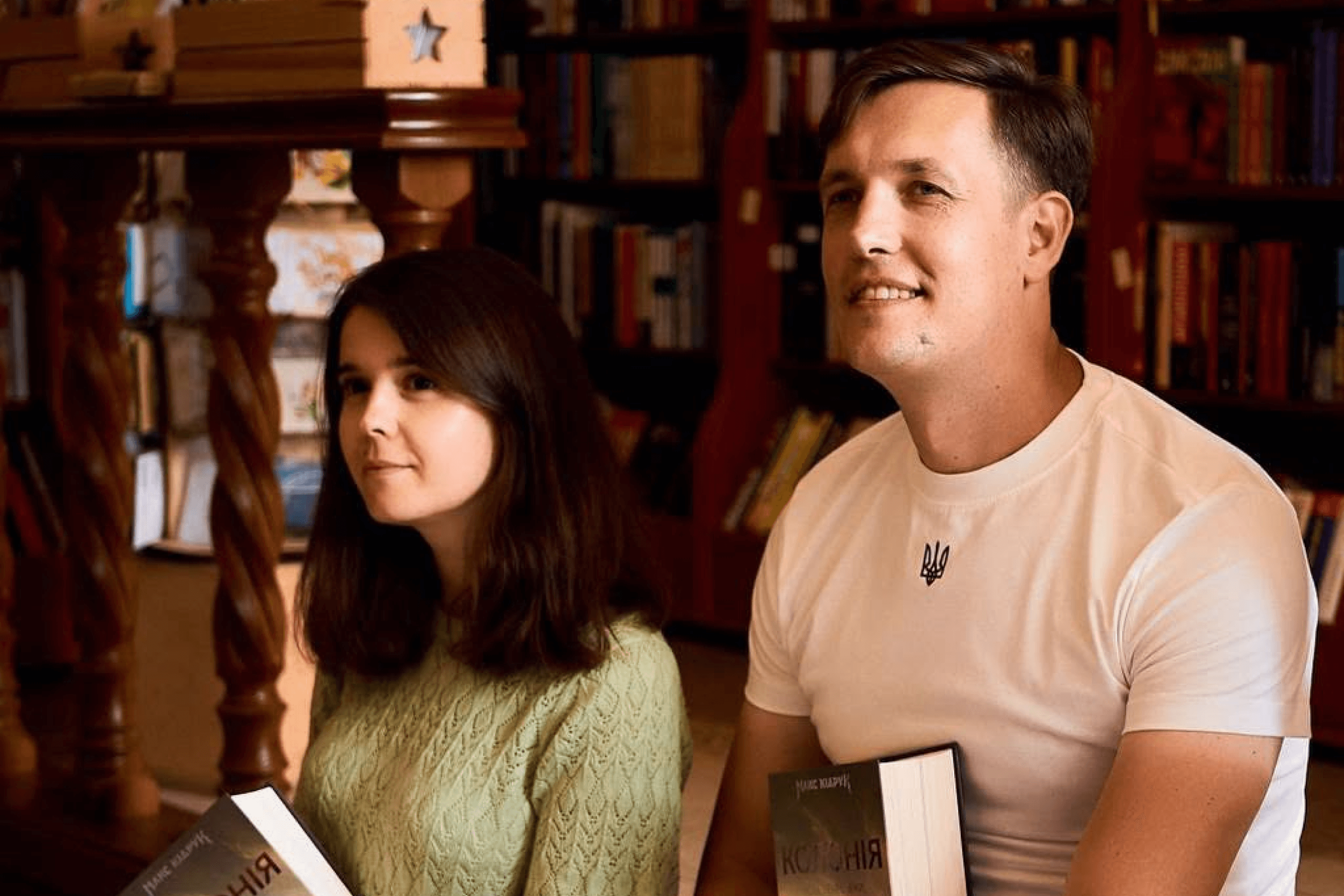
We decided on an initial print run of 12,000 copies, hoping to sell them throughout 2023. That would cover overhead, salaries, and warehouse rent—breaking even would have been a win in itself. But I vastly underestimated Ukrainian readers. We opened pre-orders on November 20–21, and within a single week, sales completely recouped the initial printing costs. Over the past three years, The Colony has gone through 11 print runs totaling 80,000 copies, with a 12th currently on the presses. We only trigger a new run once the previous one has fully sold out.
You wrote most of The Colony before the full-scale invasion. Did you alter the plot of this or subsequent installments after the war broke out?
The overarching plot remained unchanged, though certain details shifted. For instance, in The Colony, I describe a demilitarized zone in eastern Ukraine’s Donbas region and originally planned to include a map of it in the book. But over the course of 2022, I realized how raw that subject remained: in the early months of the full-scale invasion, no one wanted to contemplate parts of Ukraine still being occupied more than a century from now. So while I left the text intact, I pulled the map.
In the second book, I depict FPV drone strikes on Mars. Initially, that scene featured large, remotely piloted military drones firing bombs and missiles—along the lines of an MQ-9 Reaper. During the first months of the invasion, I saw how much more effective FPV drones were and recognized them as the next evolutionary leap in warfare.
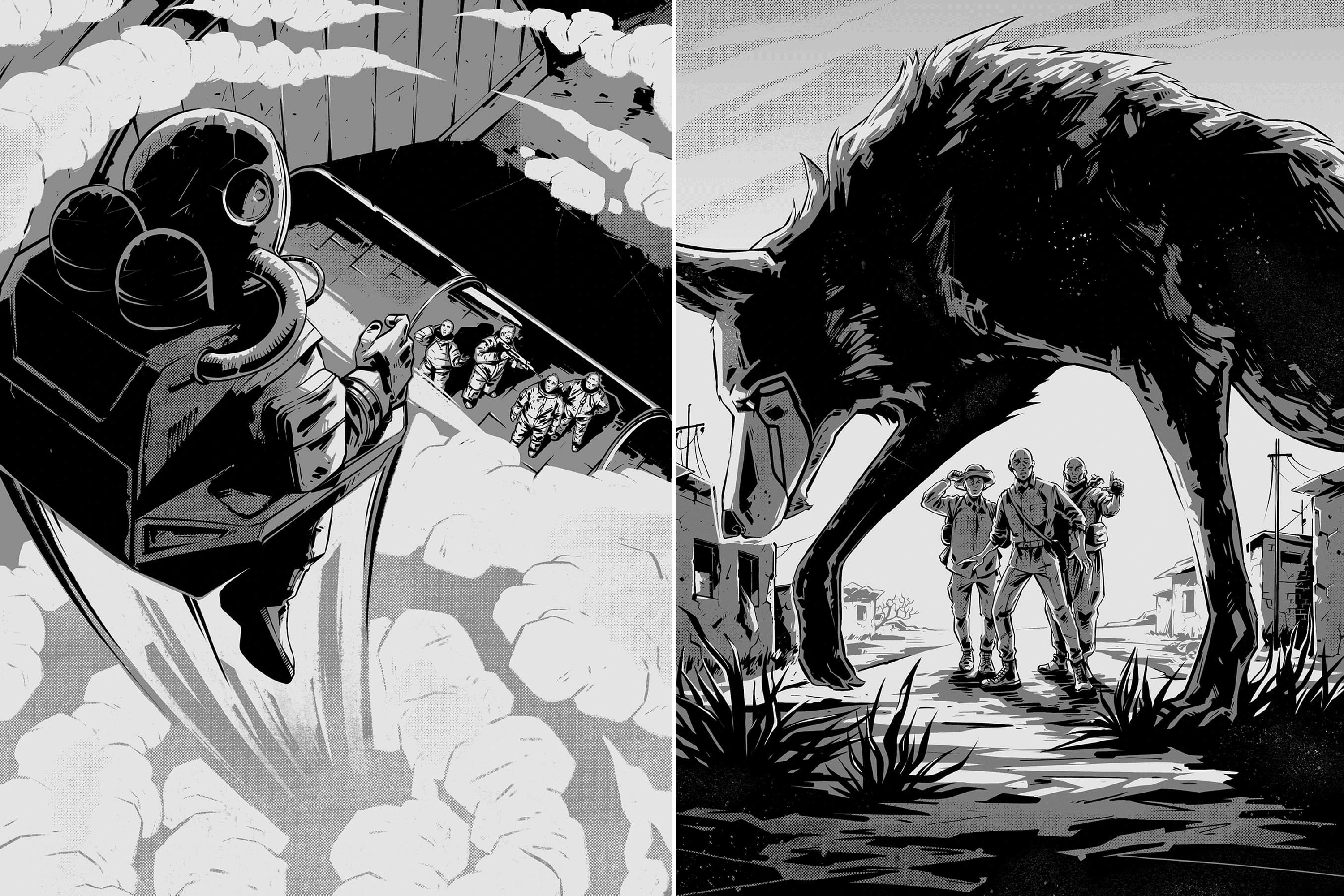
Illustrations from Max Kidruk’s “The New Dark Ages” saga. Photo: tamarinbooks.com 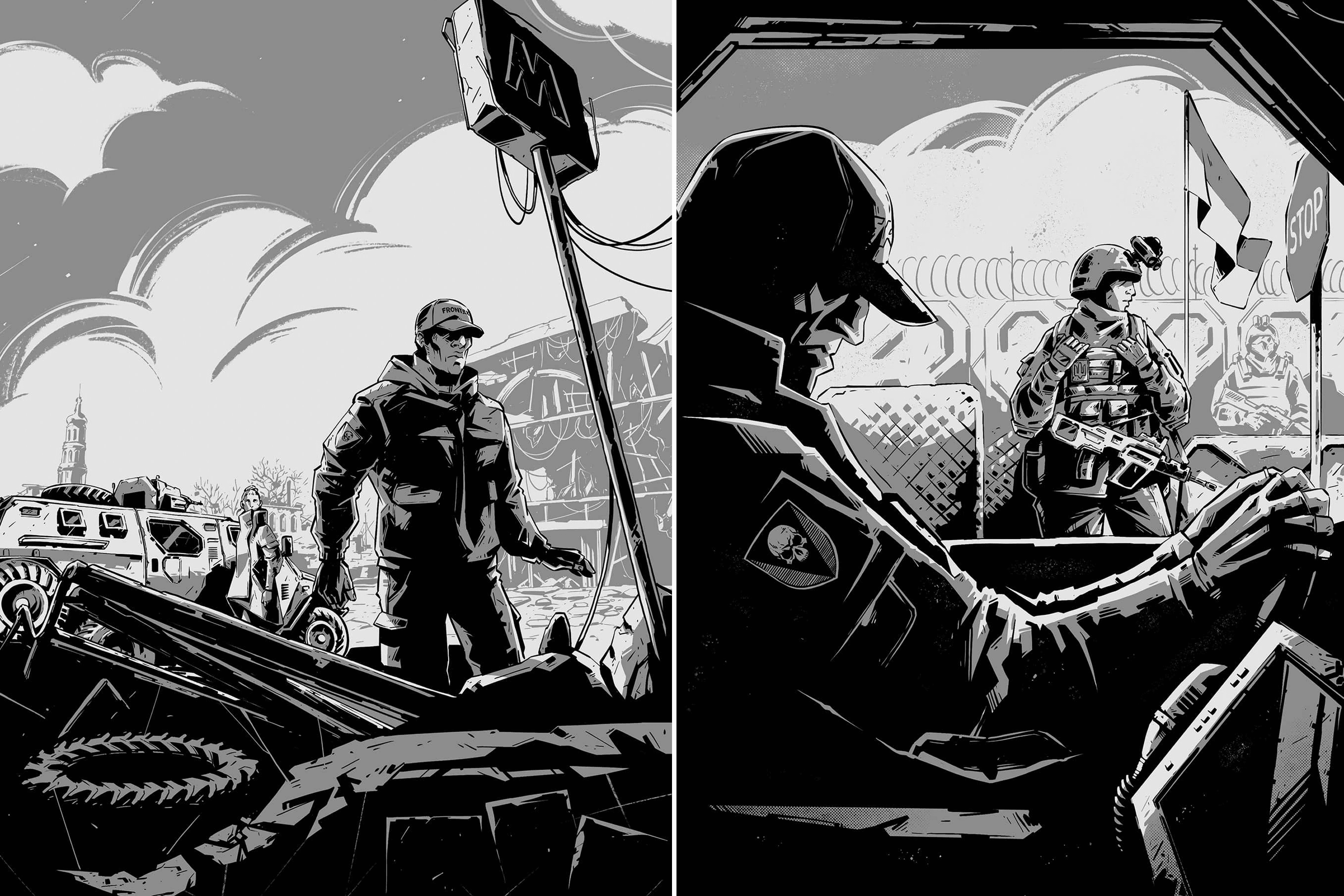
Photo: tamarinbooks.com 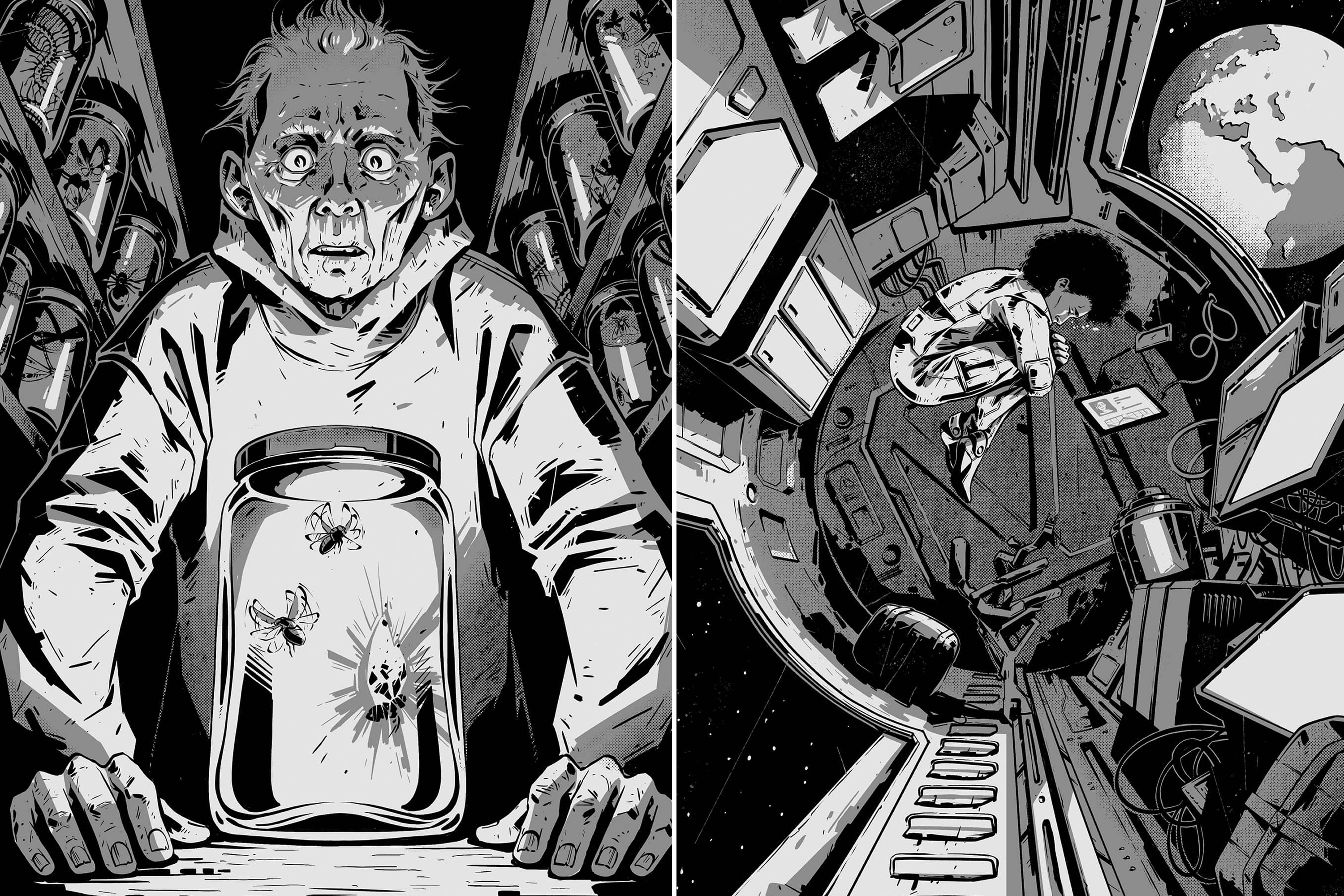
Photo: tamarinbooks.com 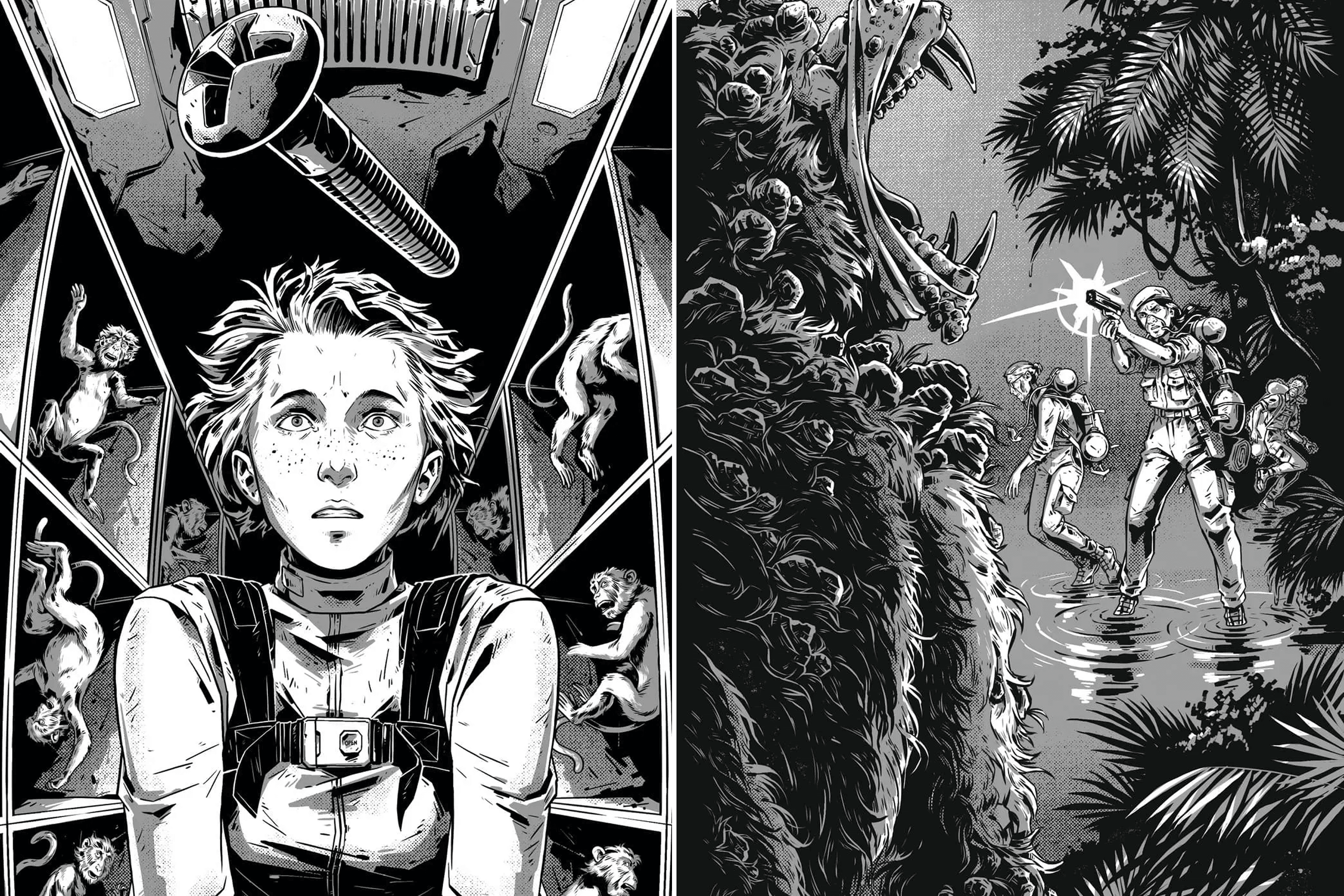
Photo: tamarinbooks.com 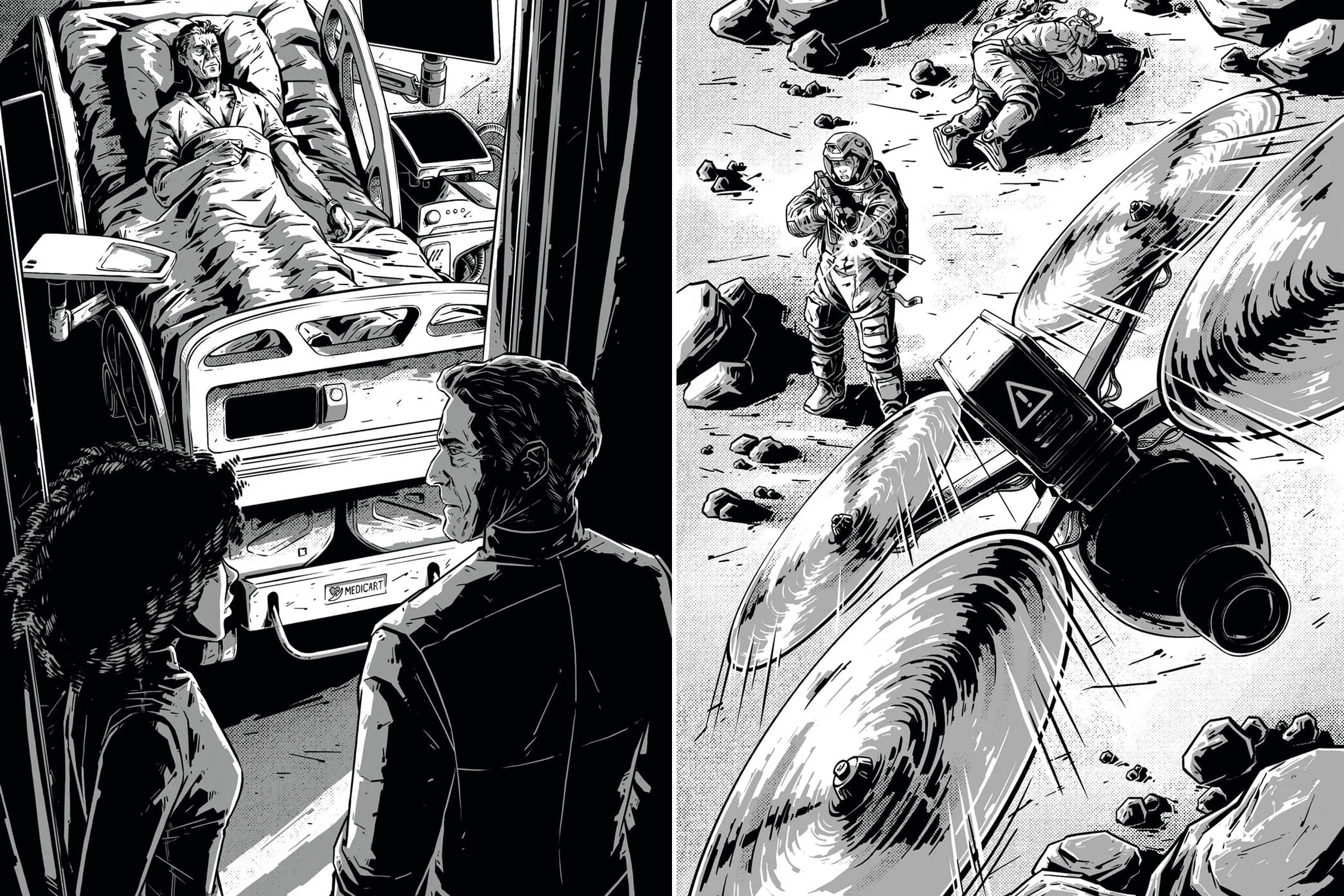
Photo: tamarinbooks.com
The Colony has already been translated into Polish and Hungarian, with a Slovak translation underway. How do you navigate working with foreign publishers?
Typically, authors work through literary agents. Agents identify writers with crossover potential for foreign markets, reach out, and sign agreements. From there, the agent handles the business side: pitching to publishers, negotiating rights, advances, and translation deals in various territories.
That’s how it happened for me: agents took notice of my work thanks to my international book tours. Currently, two agents represent my international rights—one based in Germany and the other in the UK.
What does that partnership look like in practice?
Once a representation agreement is signed, the agent puts together a submission package—featuring a blurb, synopsis, and sample translation—and pitches it to publishers worldwide. If a publisher buys the rights, they take it from there: handling the translation and release. I receive royalties from sales, a portion of which goes to the agent.
In some cases, the agent and I hire a translator and prepare a full English manuscript before pitching it to publishers at all. We chose this strategy for the UK market, which I’m keen to enter because of its size and self-sustainability. I wanted to hand British publishers a polished, virtually flawless translation from the start. So we spent a year and a half refining the English translations of The Colony and Collapse. My agent began pitching both titles to British publishers at the Frankfurt Book Fair this past October. We’ll see how it turns out.
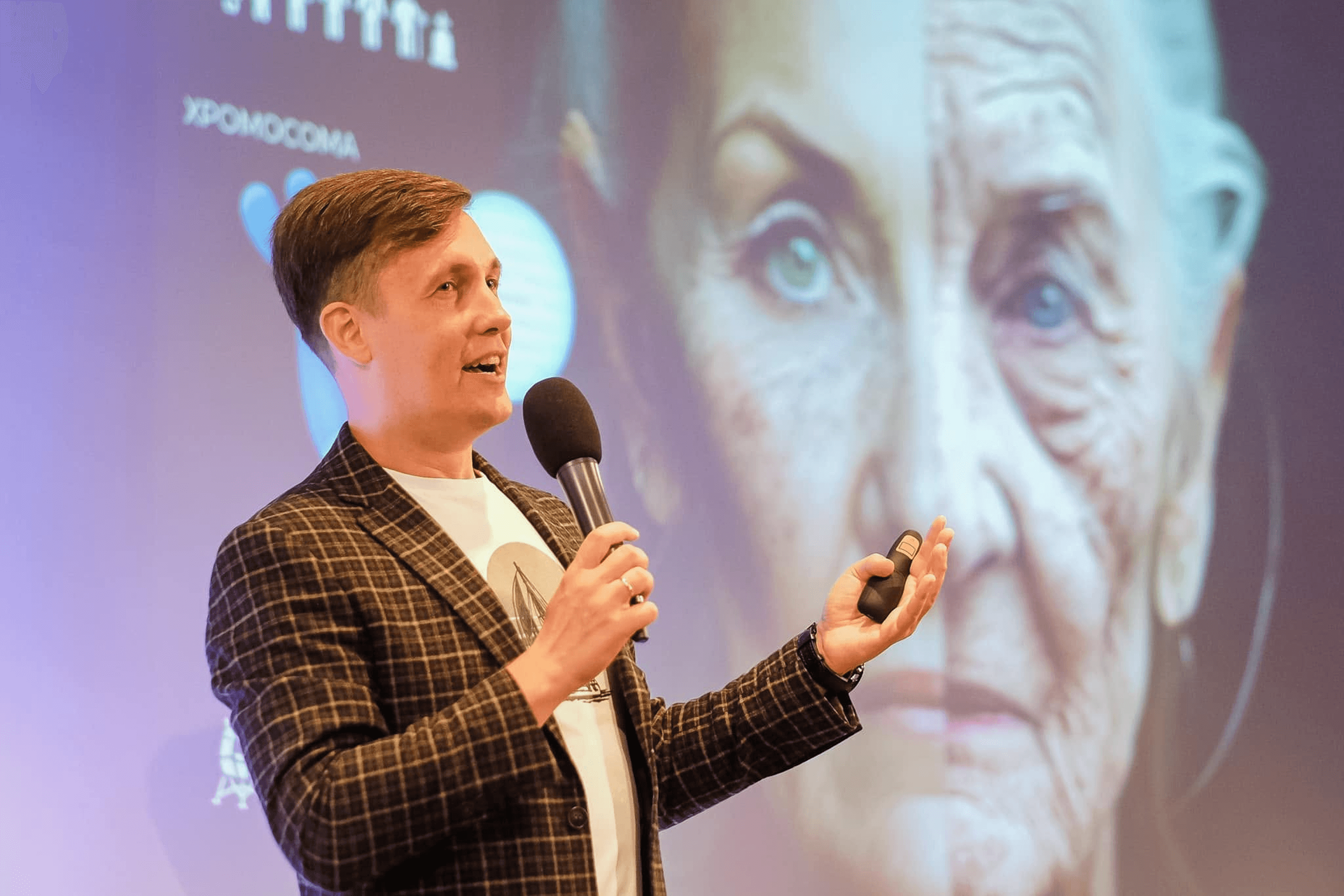
The presentation of Max Kidruk’s book “Colony” in Hamburg. October 2023. Photo: Elias Hanter / Max Kidruk / Facebook 
Photo: Elias Hanter / Max Kidruk / Facebook 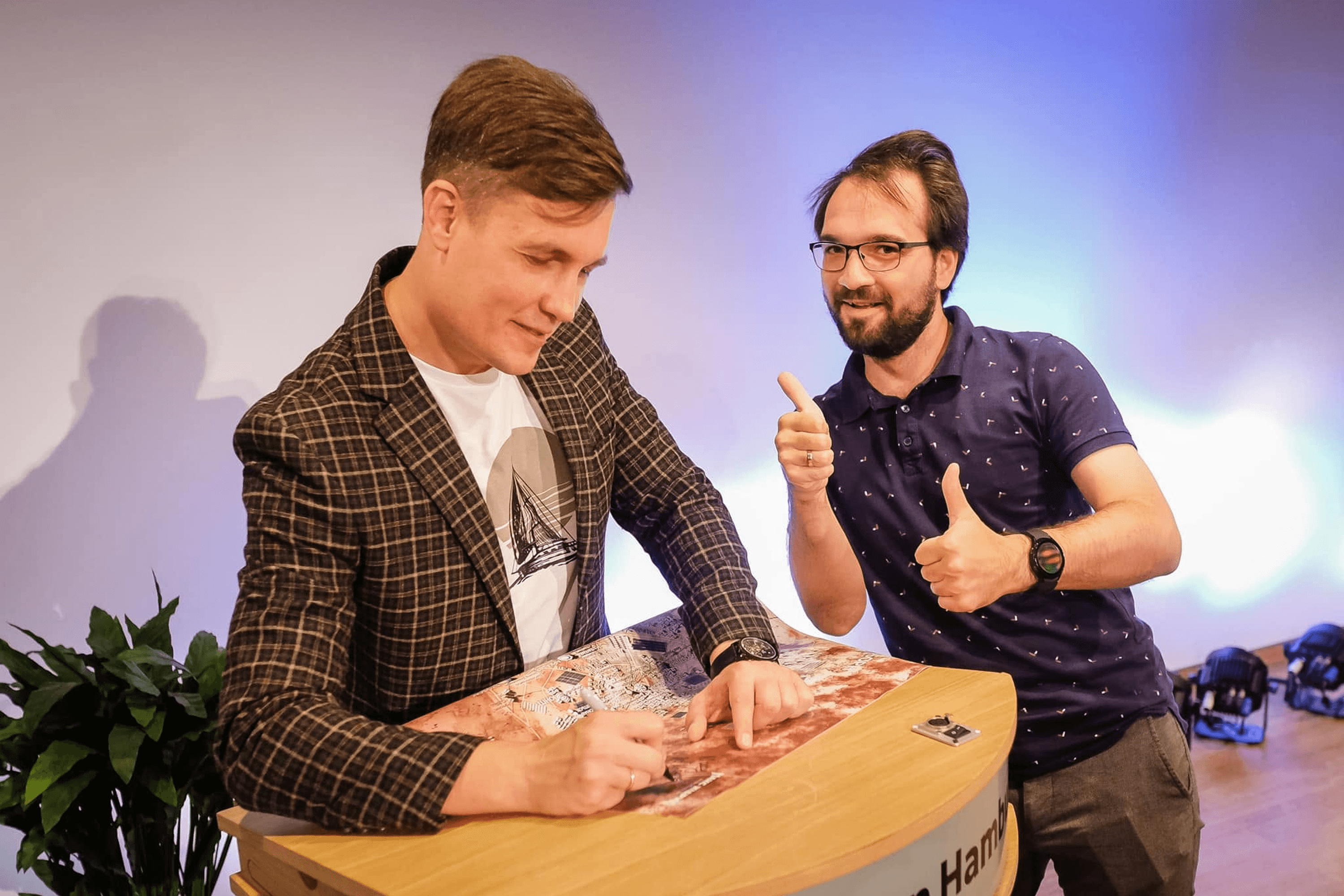
Photo: Elias Hanter / Max Kidruk / Facebook 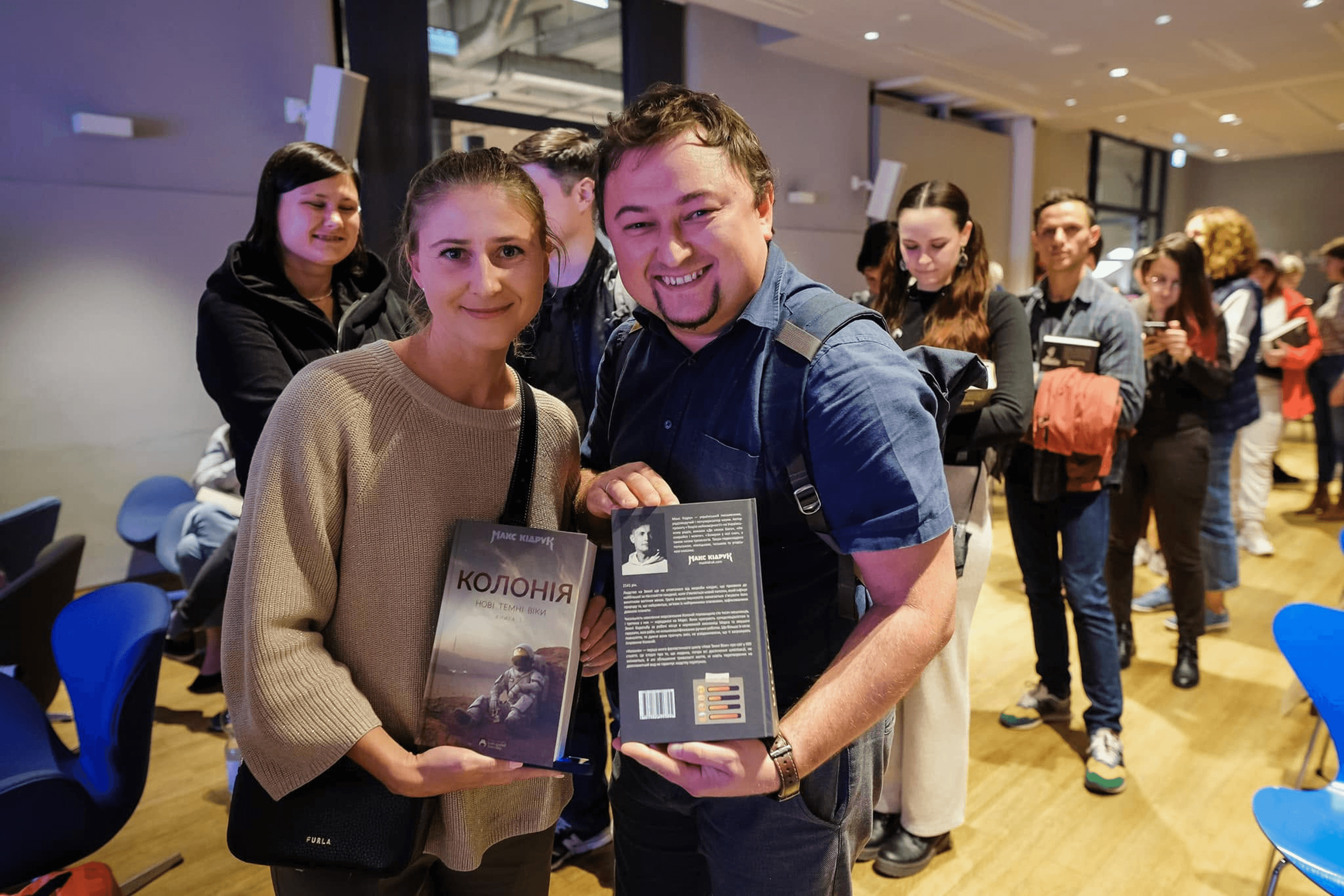
Photo: Elias Hanter / Max Kidruk / Facebook 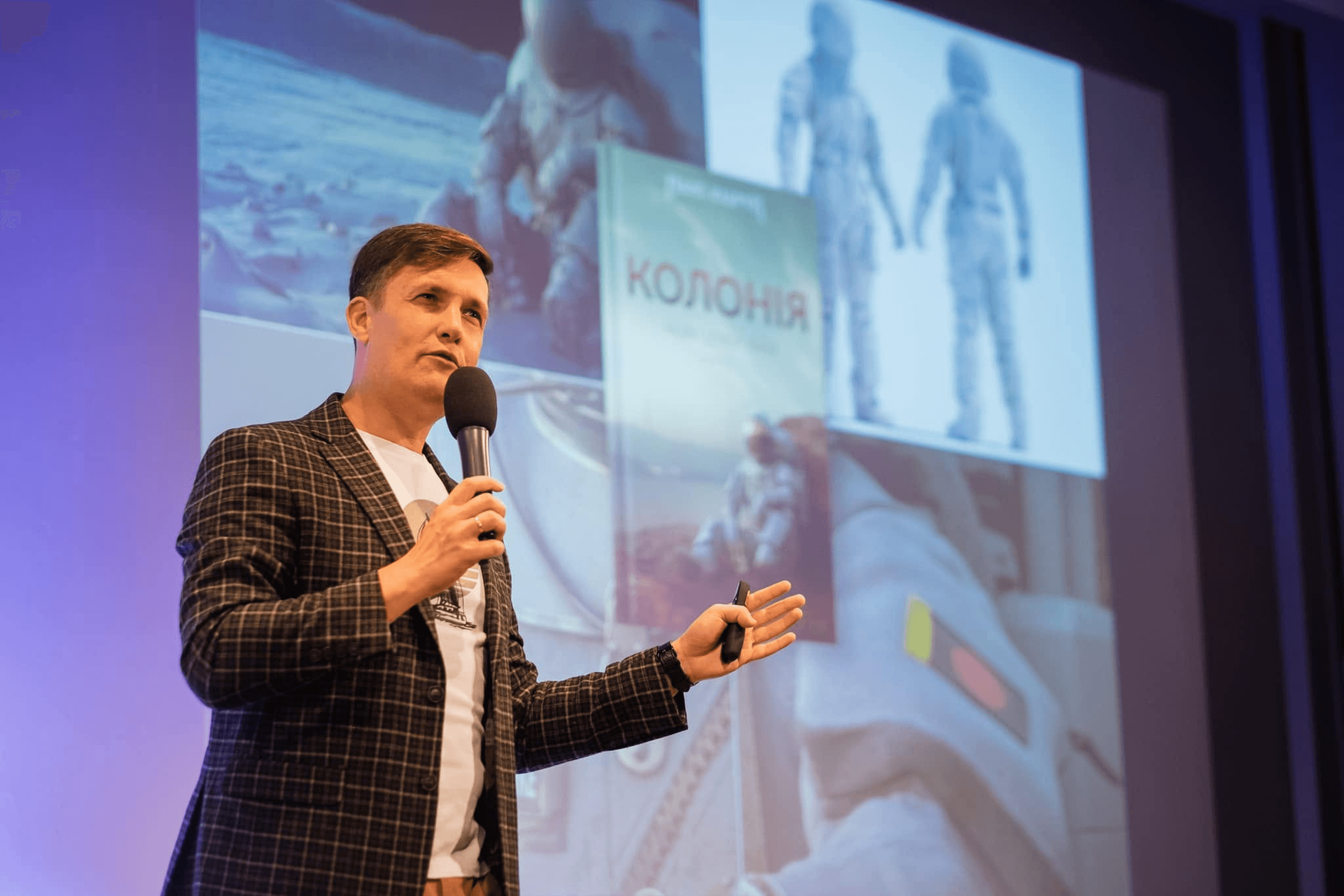
Photo: Elias Hanter / Max Kidruk / Facebook 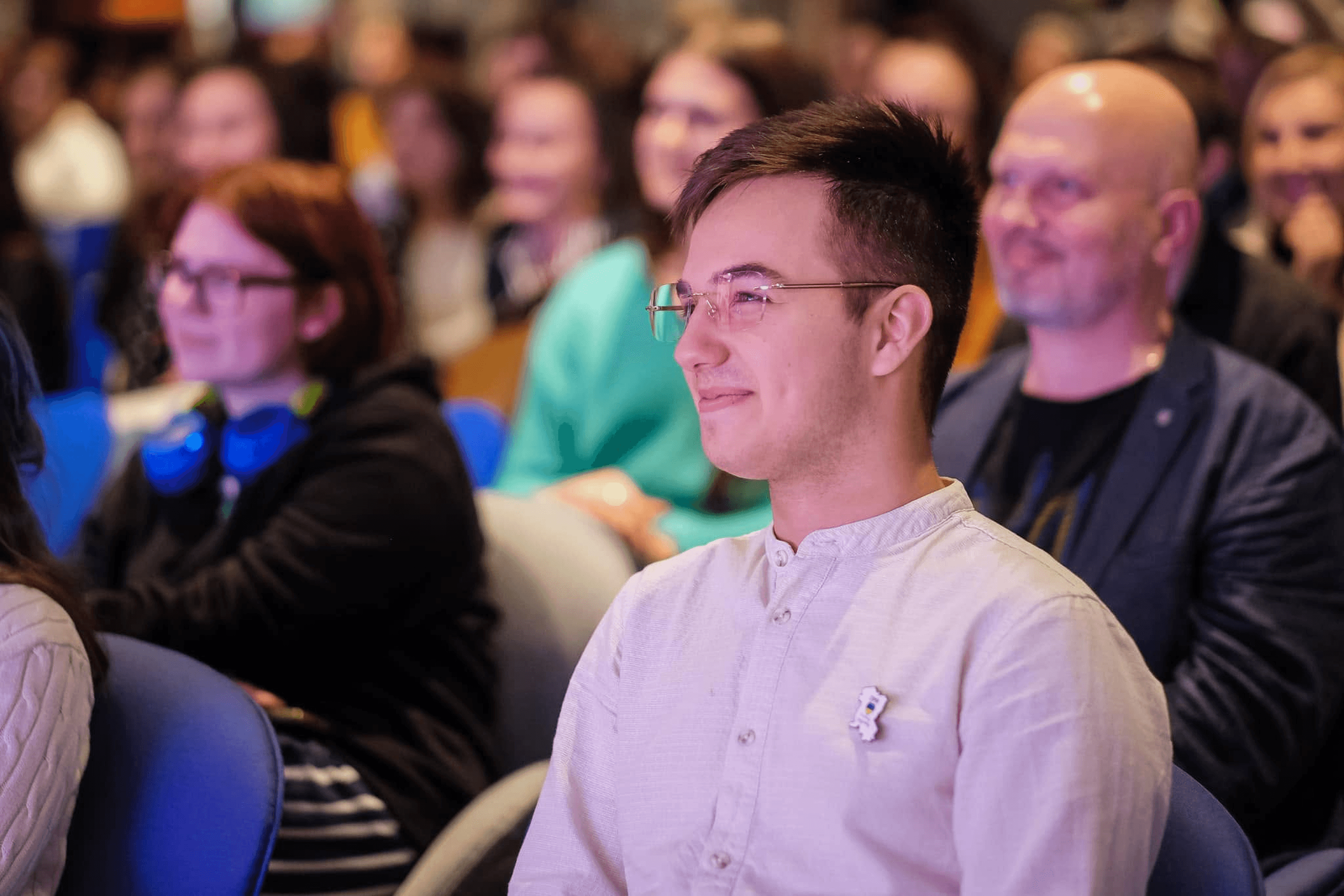
Photo: Elias Hanter / Max Kidruk / Facebook
Right now, the first two installments have fewer translations than we’d like, largely due to their length. The Colony runs nearly a thousand pages, and the full four-part saga will total around four thousand. Translating and selling a 200-page book is a much easier sell than a 1,000-page tome. Look at Artur Dron’s Hemingway Knows Nothing, which has been translated into eight languages. It’s a wonderful book, and I’m not making a quality comparison here, but the larger the book, the higher the financial barrier to translate and publish it. That sheer scale is what deters many foreign publishers.
What rights does a foreign publisher acquire?
In the case of The New Dark Ages, publishers usually acquire rights to both the text and the illustrations straight away, though not because I force their hand. We put so much effort into the visual presentation of these books—3D cover art, maps, schematics—that when my agents present publishers with the full package alongside the manuscript, buying the complete set is a no-brainer. If a publisher ever refused, I’d insist on retaining strict control over design. Accurate visuals are crucial, as improper graphics could distort readers' understanding of the saga and its resolution, which right now only I know.
I had a frustrating experience with a Polish publisher that put a fur-clad cyborg on the cover of the Polish translation of Bot. That artwork had absolutely nothing to do with the story and ruined the book’s appeal for prospective readers. It was an early translation, back when I lacked the leverage to stand my ground and prevent that kind of disaster.

Maps from Max Kidruk’s “The New Dark Ages” saga. Photo: tamarinbooks.com 
Photo: tamarinbooks.com 
Photo: Max Kidruk / Facebook
Besides cover design and interior artwork, what else do you retain control over?
Through my agent, I control everything except the translation quality itself. I can’t verify that firsthand since I don’t speak Polish, Hungarian, or Slovak, but I do influence the choice of translators: I’m sent sample excerpts and consult with native speakers. I also insist on assigning a technical/scientific editor to every edition as the text contains specialized technical details that require precise translation.
Do you sell rights book by book or for the entire saga at once?
I never sign multi-book deals for the full saga upfront because the remaining books don’t exist yet. That’s a strict personal rule. A publisher buys the rights to one book, and if it performs well, they acquire the next. As of now, publishers in all three countries that picked up The Colony have already signed Collapse. The Polish edition is scheduled for release in late October 2026.
Are you pleased with how The Colony performed in Poland, and what are your expectations for Collapse?
Yes, very pleased. The initial run of 7,000 copies sold through, prompting the publisher to print an additional 5,000. From what I understand about the Polish market, those are solid numbers, and my publisher agrees. Incidentally, on Lubimy Czytać—the Polish equivalent of Goodreads—you’ll find plenty of Ukrainian titles. Among them, only one has gathered more ratings than The Colony: Serhiy Zhadan’s The Orphanage. But The Colony hasn’t even been out for a year in Poland, whereas The Orphanage has been on the market there for seven years.
During the Warsaw Book Fair this past May, it wasn’t just Ukrainians coming up for signings: plenty of Polish readers were queuing up holding copies of The Colony. So I’m cautiously optimistic about the Polish release of Collapse. I’m confident that readers who enjoyed the first installment will find the second even more compelling.
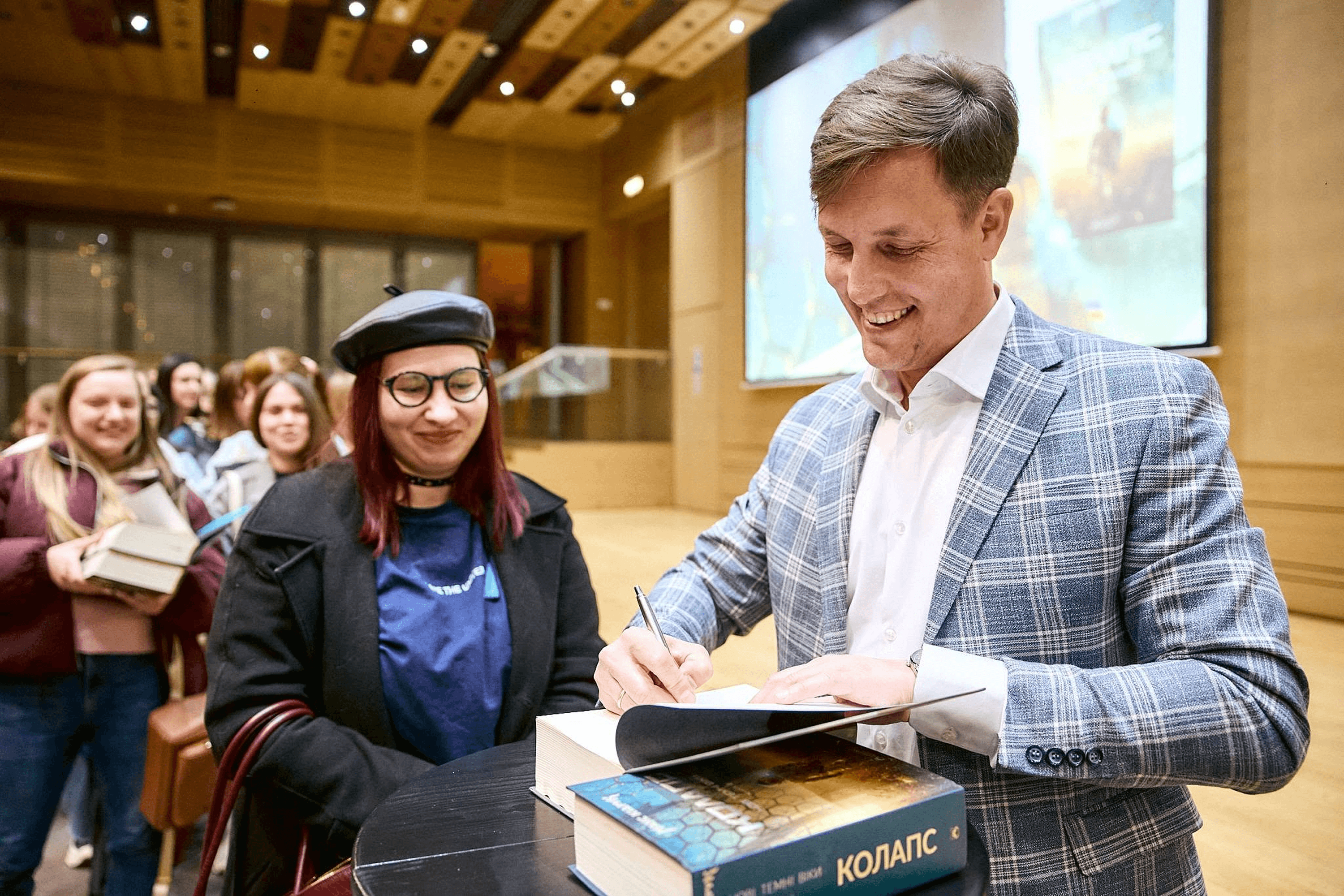
The presentation of Max Kidruk’s book “Collapse” in Kyiv. April 19, 2026. Photo: Оля Закревська / Max Kidruk / Facebook 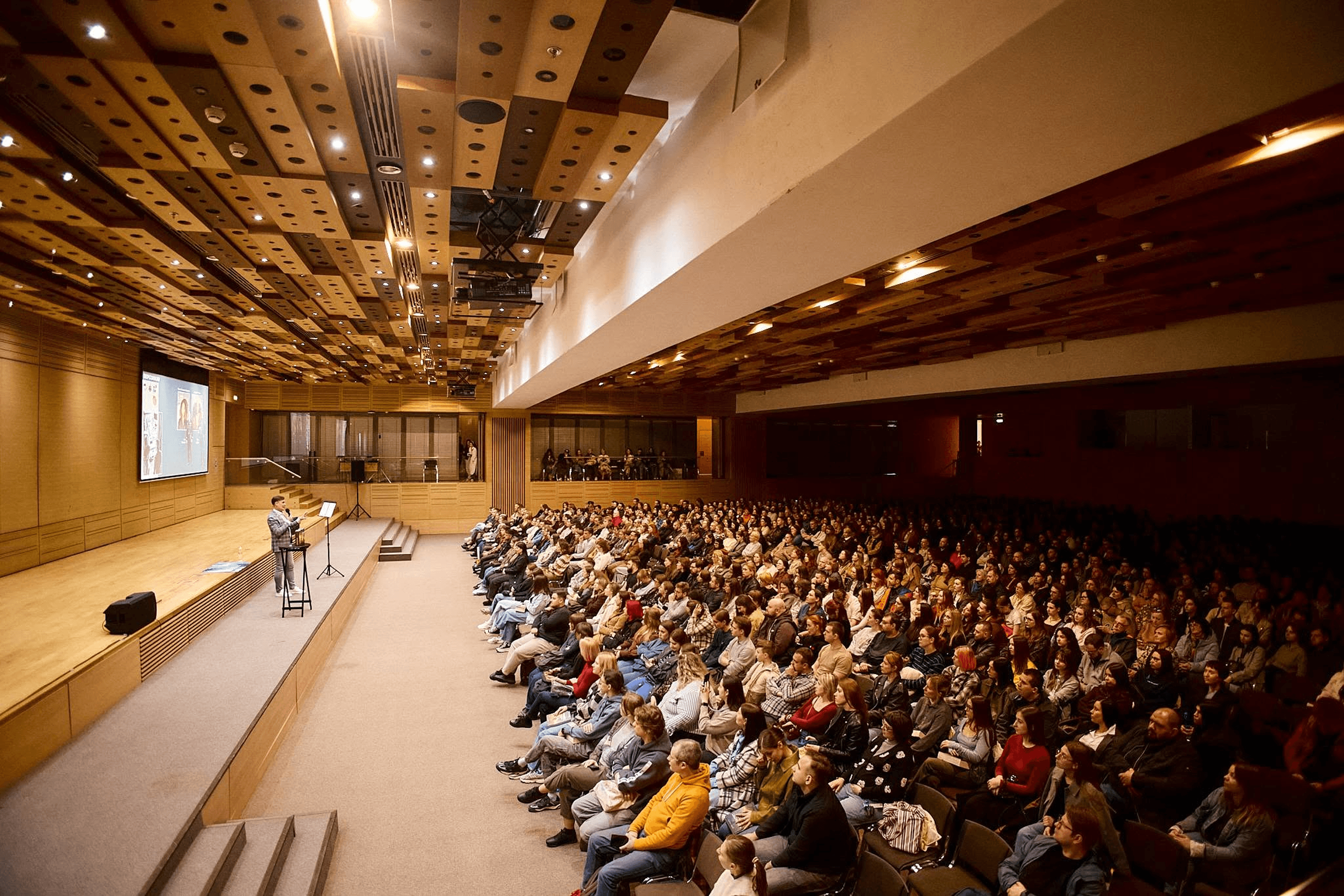
Photo: Оля Закревська / Max Kidruk / Facebook 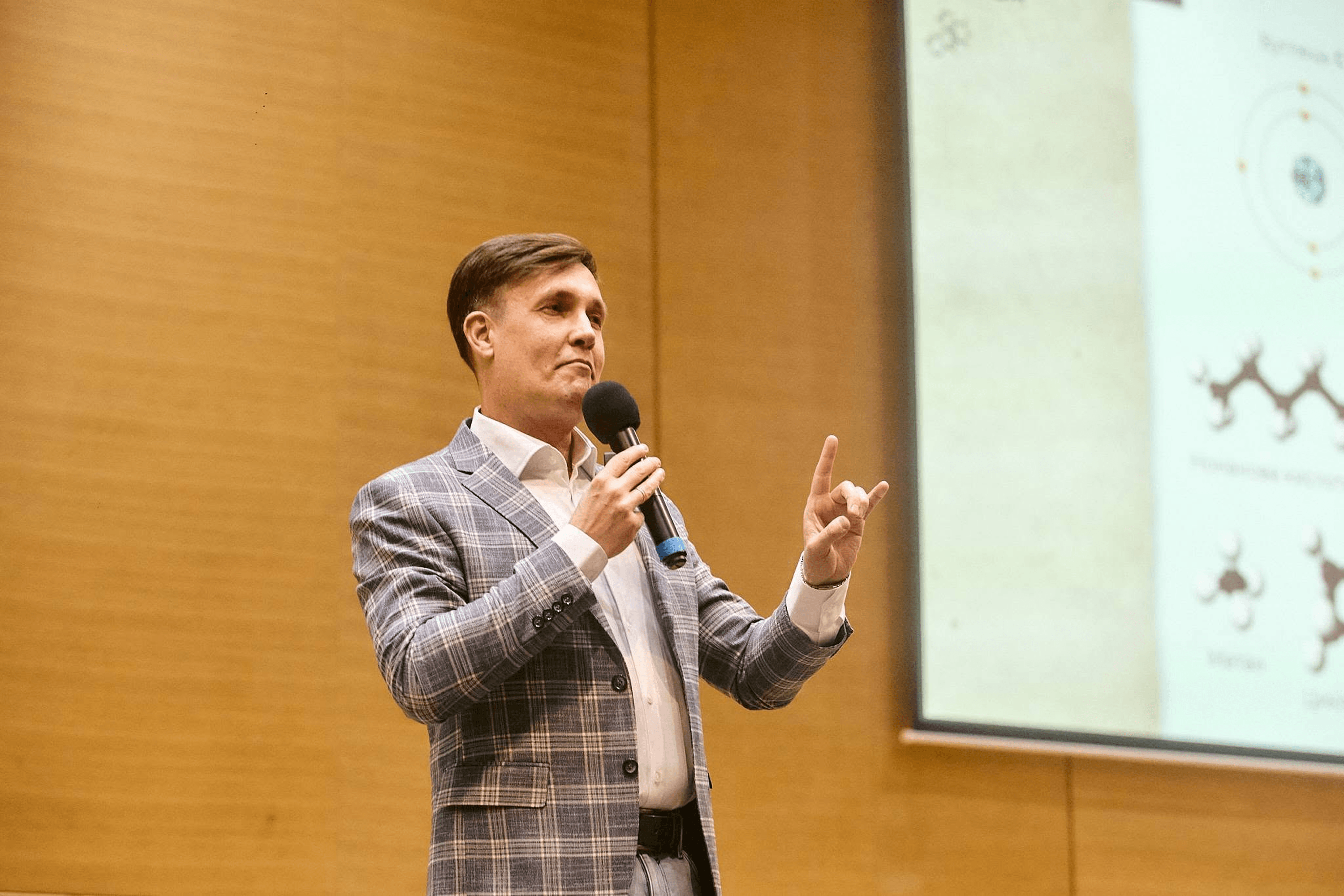
Photo: Оля Закревська / Max Kidruk / Facebook 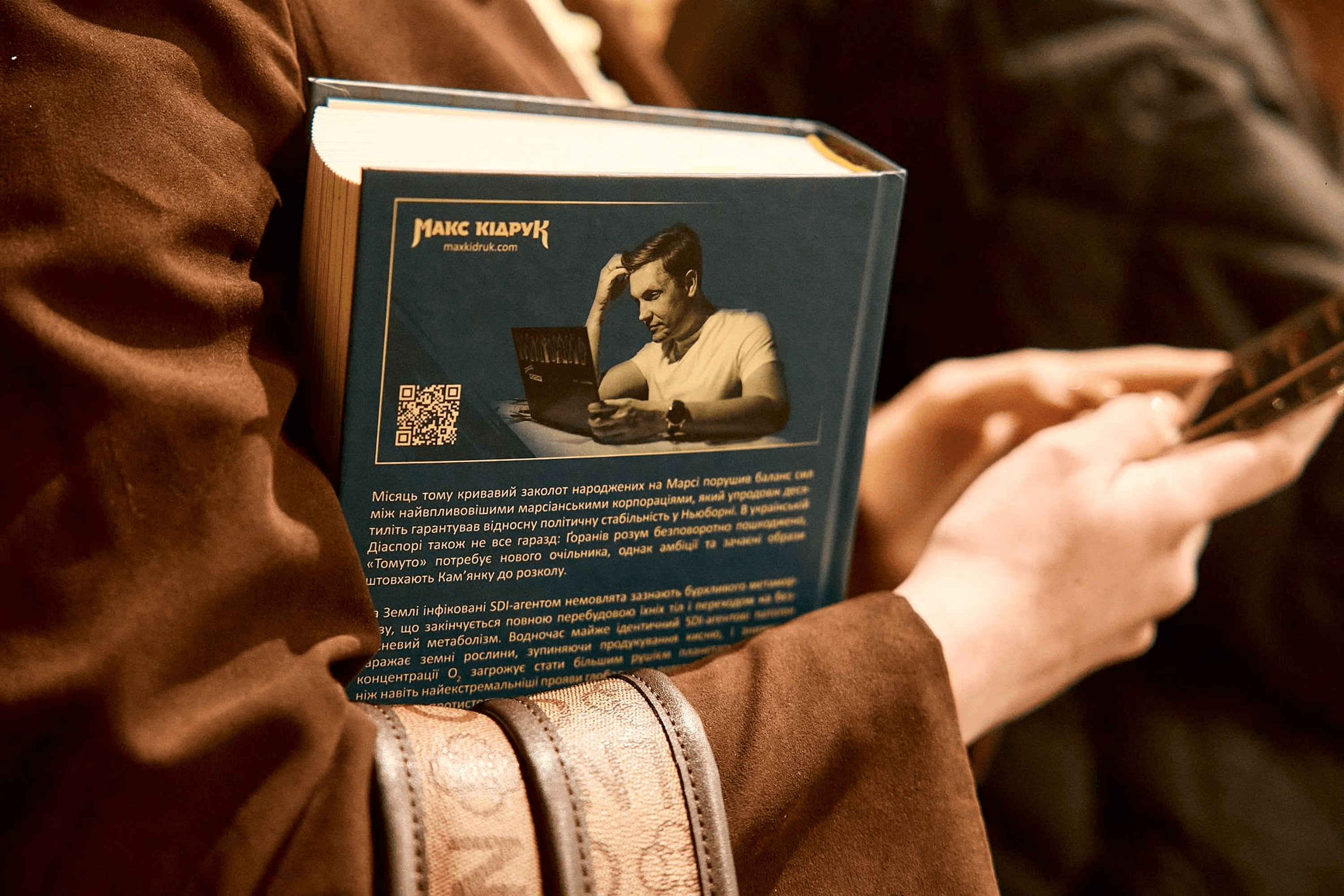
Photo: Оля Закревська / Max Kidruk / Facebook 
Photo: Оля Закревська / Max Kidruk / Facebook 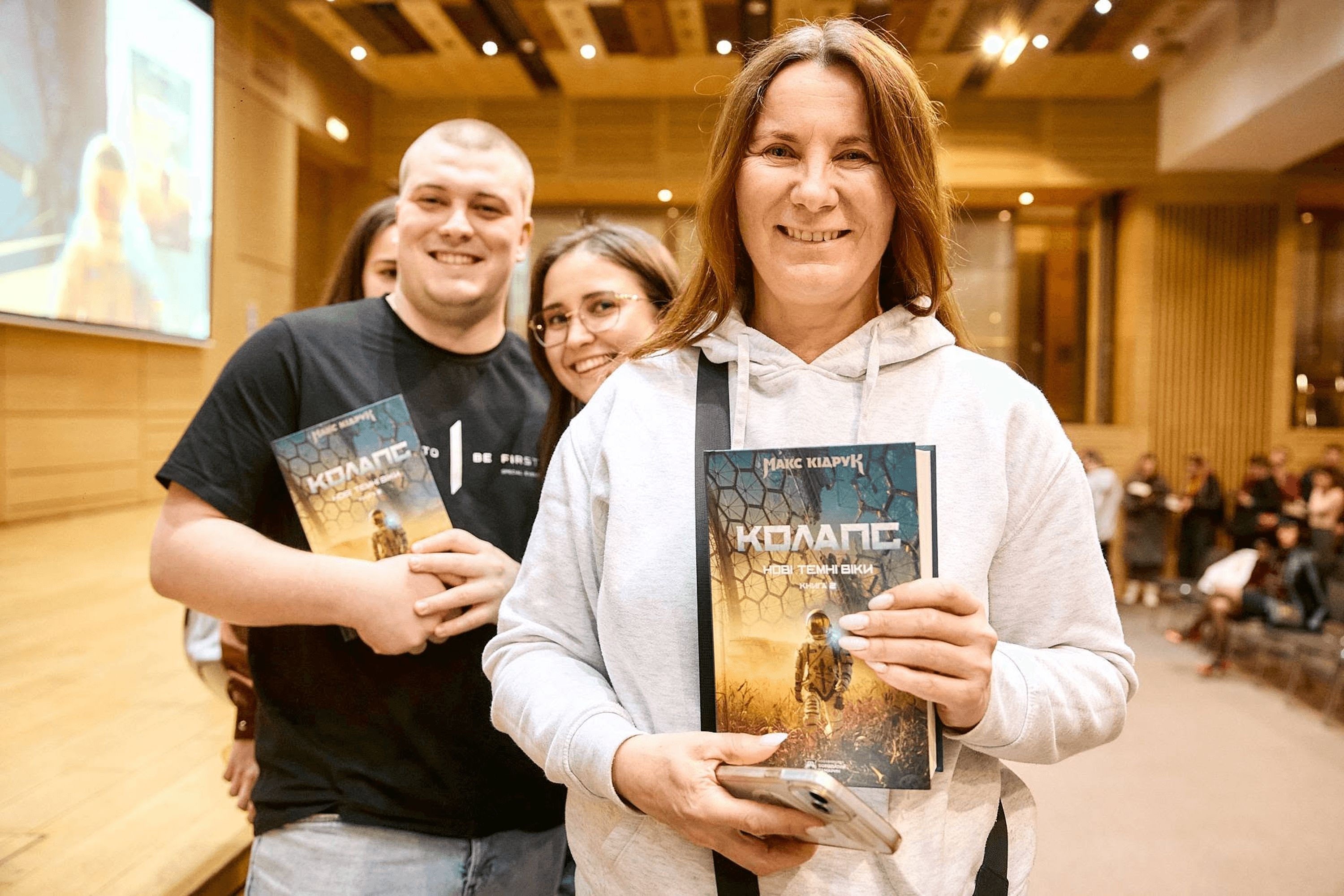
Photo: Оля Закревська / Max Kidruk / Facebook
From a financial standpoint, is it more lucrative to publish in Ukraine or abroad?
Hands down in Ukraine, because here my wife and I run our own imprint. Overseas, I earn royalties—a percentage of sales, out of which I have to cover agent fees and substantial taxes. Besides, print runs in Ukraine will always eclipse overseas numbers.
Of course, one can daydream about a breakout hit in a major English-language market like the UK or the US where a book drops in English, goes viral, hits massive print runs, and generates serious revenue. But those are my wildest fantasies, hardly something to rely on.
This autumn, you’re embarking on a 22-country tour for Collapse, following your major 2023 European tour for The Colony. Why tour countries where your books haven’t even been translated yet?
Book marketing is a unique beast, and author tours are among the few strategies that genuinely move copies and build brand awareness. In countries without translations, my events draw mostly the Ukrainian diaspora: for them, it’s a rare chance to pick up a book in their native language. Still, we prepare English program handouts for every stop so local attendees can follow along. Where local translations do exist, I run separate programming tailored specifically for local and Ukrainian readers.
On our previous European tour, we had no translated books available at all, yet crowds of diaspora readers turned out without knowing much about my work beforehand. I’m confident many will return this time. By the way, all profits from book and merch sales throughout the tour are donated directly to support the Azov Brigade.
How are your international events structured? What draws people who haven’t even read your books?
Every event I host is a cross between a science lecture and stand-up comedy. Most of the session centers on the real-world science behind the novel: I dive into the actual discoveries, theories, and emerging technologies that underpin the plot. We cover everything from Martian colonization and astrophysics to virology, climate change, and future scenarios for humanity. I also share updates on my upcoming projects and take Q&A about storylines and characters. It’s always engaging and entertaining, so readers who’ve seen me live in Ukraine recommend the show to friends abroad. And they show up even if they’ve never picked up my books.
Do you notice differences in how audiences react across different countries?
Not at all. If a presentation is polished and well-structured, audiences will find it equally engaging and funny, no matter where they are. That’s why I prepare meticulously, rehearse every segment, and never rely on improvisation.
Earlier in our conversation, you mentioned the crises that worry you most in The New Dark Ages. Are there issues on your mind that you haven’t tackled in print yet?
There’s one issue I barely touch on in The New Dark Ages. It’s so massive it warrants its own standalone novel or even an entire saga: population decline in developed nations. In South Korea, for instance, the total fertility rate has plummeted to under 0.9 births per woman, far below the replacement level of 2.1. At this rate, the country’s population could shrink by nearly a third by 2070. Some assume fewer people simply means more resources to go around, but that’s not how economics works. We’d face a reality where there’s simply no one left to maintain water grids, provide healthcare, teach, or produce food.
Perhaps we’ll engineer ways to extend active lifespan, and the demographic crisis will resolve itself—much like global food shortages were averted when Fritz Haber developed atmospheric nitrogen fixation to produce synthetic fertilizers. Maybe we’ll find a breakthrough this time too, and I’ll prove to have been an alarmist. Either way, it’s certainly fodder for a future book, or even a brand-new saga. But for now, my focus is entirely on The New Dark Ages. Nothing else holds my attention.

Max Kidruk during the presentation of his book “Colony” in Rivne. April 2023. Photo: Кузмічов Юра / Max Kidruk / Facebook 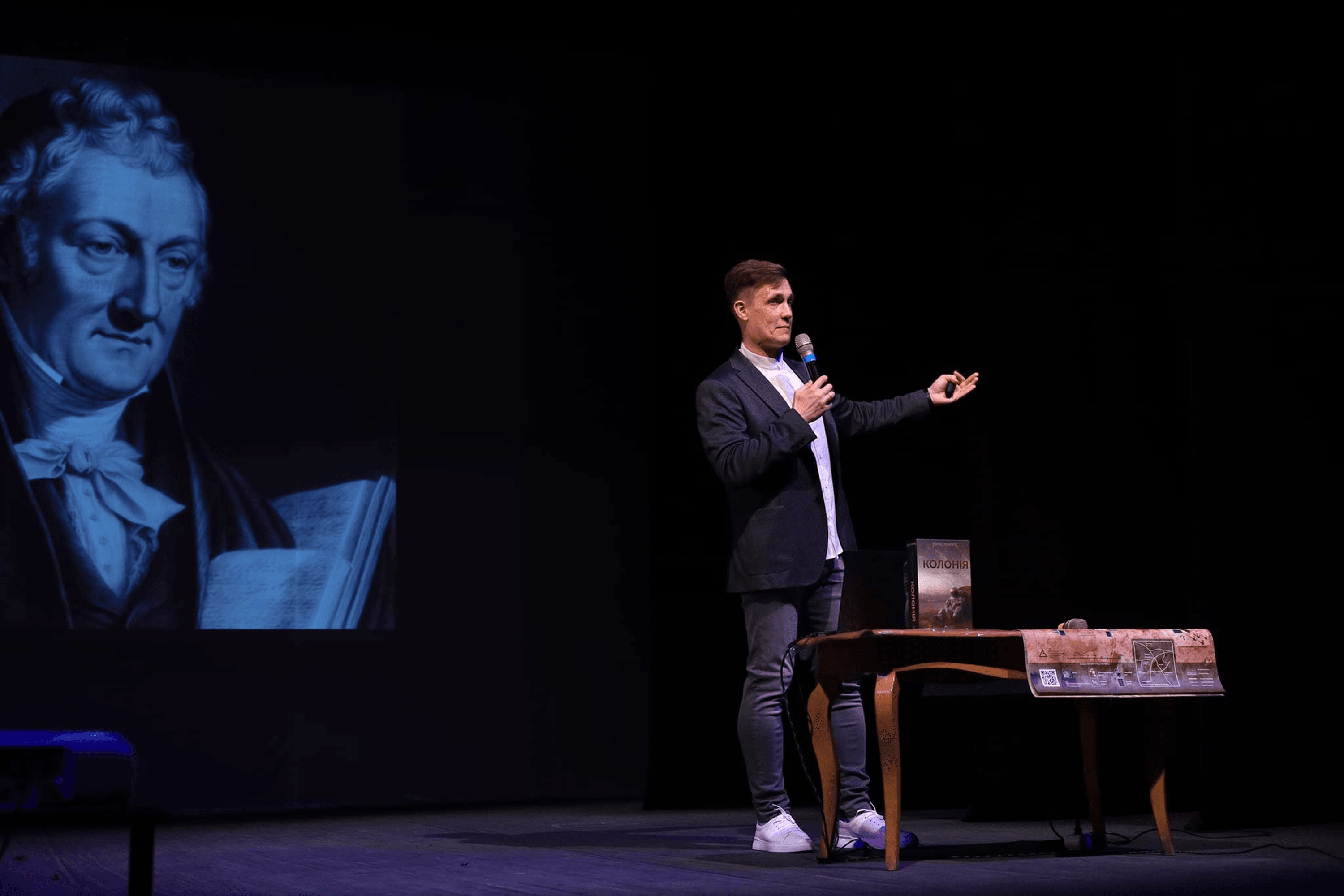
Photo: Кузмічов Юра / Max Kidruk / Facebook 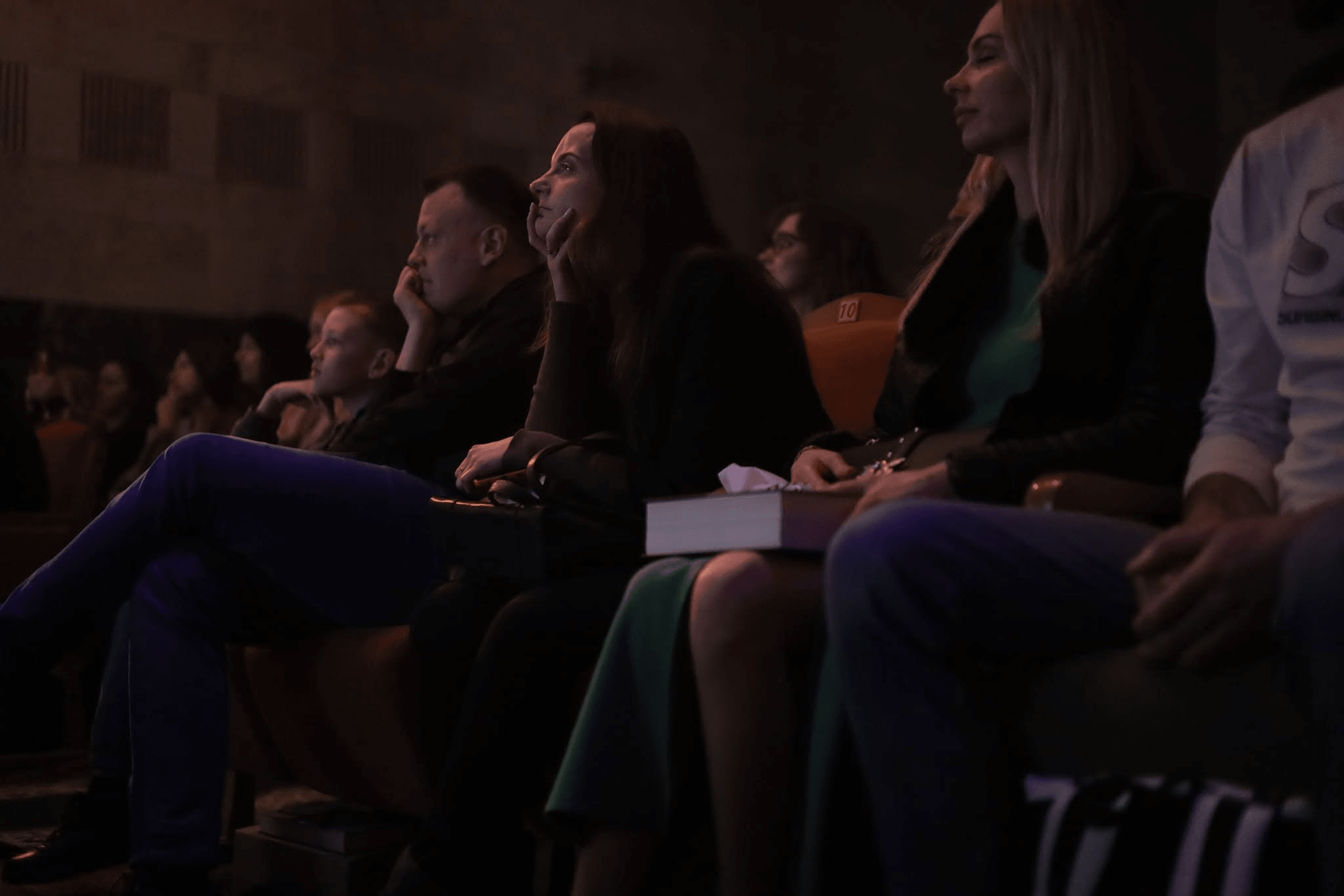
Photo: Кузмічов Юра / Max Kidruk / Facebook 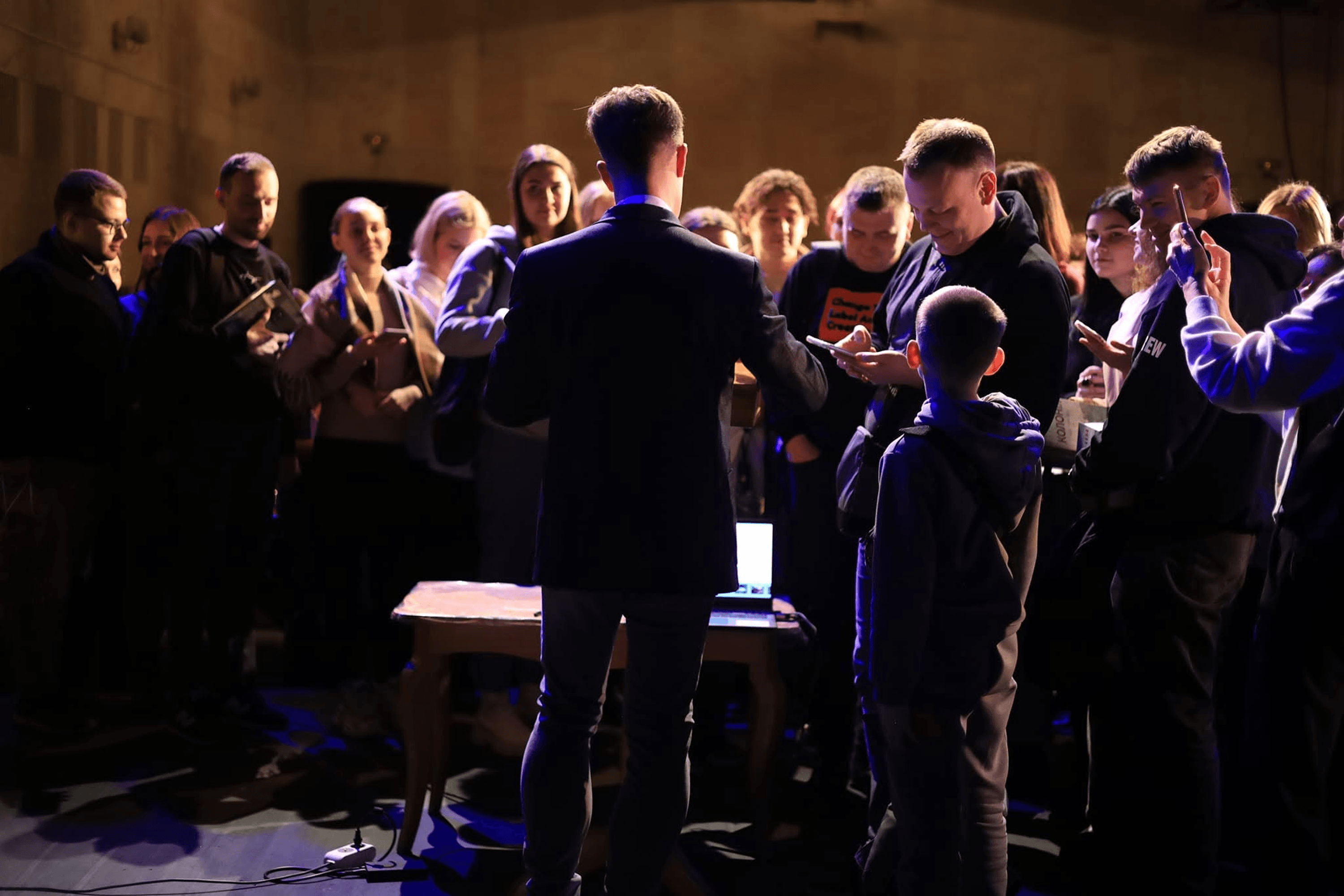
Photo: Кузмічов Юра / Max Kidruk / Facebook 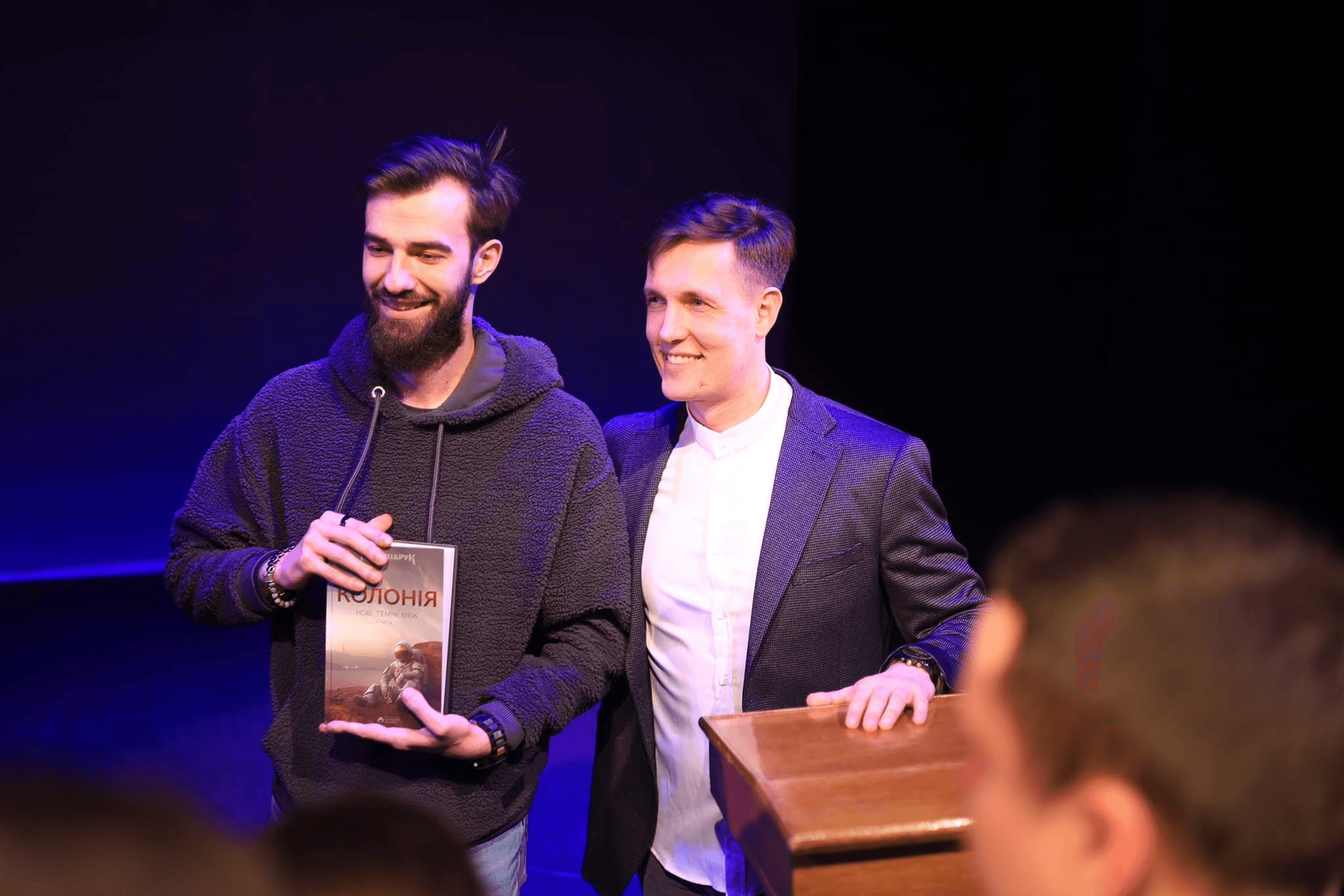
Photo: Кузмічов Юра / Max Kidruk / Facebook 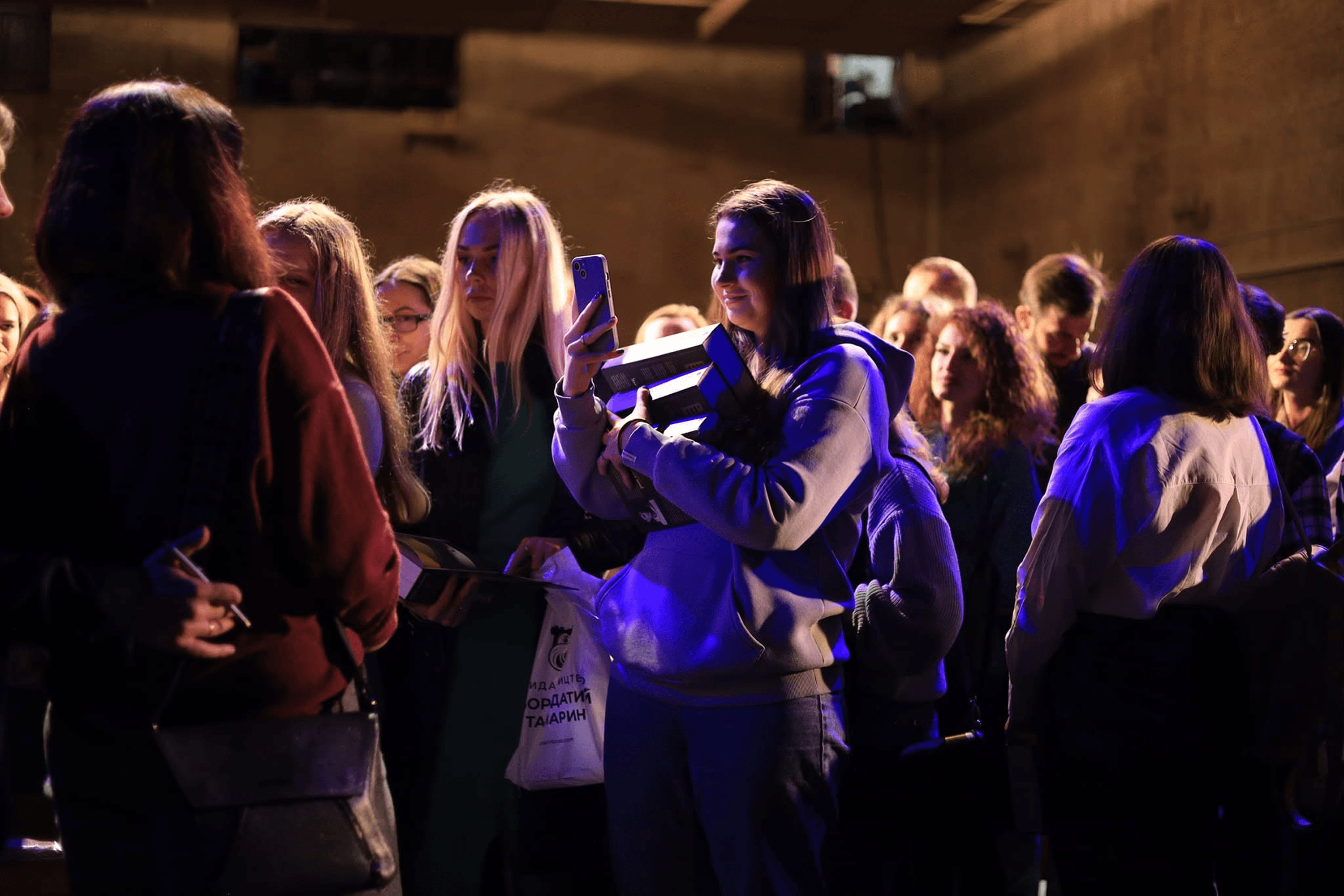
Photo: Кузмічов Юра / Max Kidruk / Facebook


