I have a bad habit of starting every morning not with coffee or a shower, but with the news. On August 28, I did the same right away. And I read about a massive Russian attack. At around seven in the morning, Vivat’s COO, Anastasiia, called me and said, “Not a good morning today.” That is how I found out about the strike on a Nova Poshta depot in the Kyiv region where our books were stored.
Their warehouses close during air raid alerts, so we hoped no one had been hurt. No one was. So my first thought was simple: it was a shame we had not managed to move all the books that were waiting for the Book Country festival, which was supposed to take place in Kyiv in mid-September. The strike destroyed 35,500 Vivat books, and the direct cost to us came to UAH 16.6 million.
This was not the publishing house’s first loss. In May 2024, the Russians struck the Factor-Druk printing house in Kharkiv, which is part of our group. That time, we lost not just books but people. Seven printing house employees were killed, and another 22 were injured. Fifty thousand book blocks that had already been printed went up in flames, along with covers, endpapers, and other materials. The losses totaled around UAH 20 million.
Even if we look at it purely as a business, losing books is about far more than money. It takes at least a year, often a year and a half, to create a book, from acquiring the rights or working with the author to translation, editing, design, printing, marketing, and sales. When all of this burns because of Russian missiles, I look at the ashes and do not see a lost print run. I see the work of dozens of people who put their lives into these books wiped out in an instant.
Even the first time we were hit, our team reacted almost instantly. Everyone was shocked and devastated, but we set up a crisis team right away, divided up the work, put people in charge, and set deadlines. After the second strike, we did the same. Crisis management has become routine for us. Whenever something happens, be it a backlog of work, a flooded warehouse (like last year, when a storm tore off part of the roof), or the need to urgently replace an important employee, we immediately form a working group, draw up an action plan, and decide who is responsible and who needs to be brought in. Then we hold five-minute check-ins: what has been done, what has not, and where help is needed. We cannot predict the next strike or crisis. But we can react quickly and keep the damage as small as possible.
I have always loved our team. No one on the team is here by accident. We take a long time to find and choose the right people, and we put a lot of effort into their onboarding and training. But I was amazed by how quickly and smoothly the team pulls together in a crisis. And this is one of the reasons why my task as a leader today is not only to keep the business afloat but to grow it, despite everything.
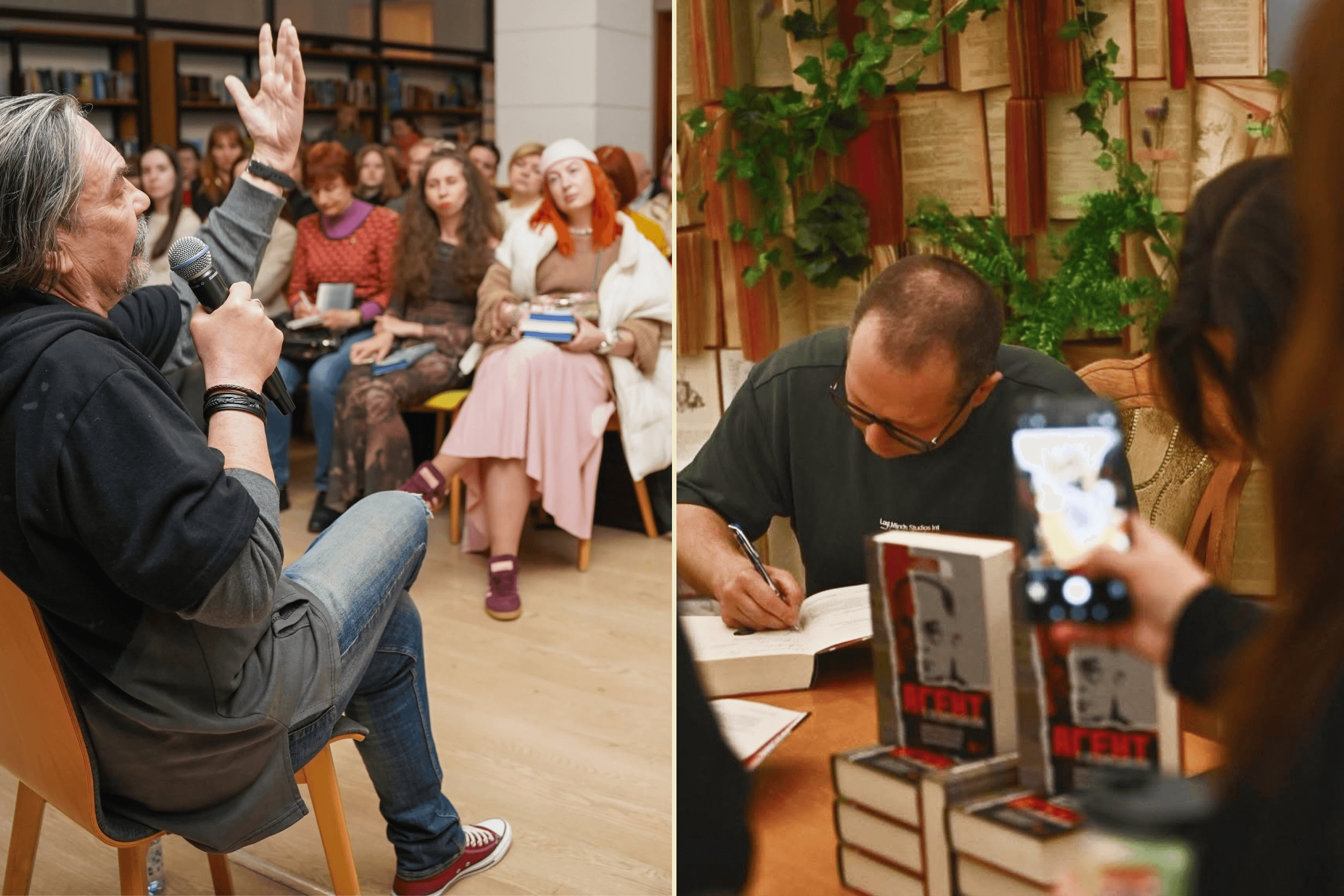
The atmosphere and interiors of Vivat bookstores. Photo: Vivat / Facebook 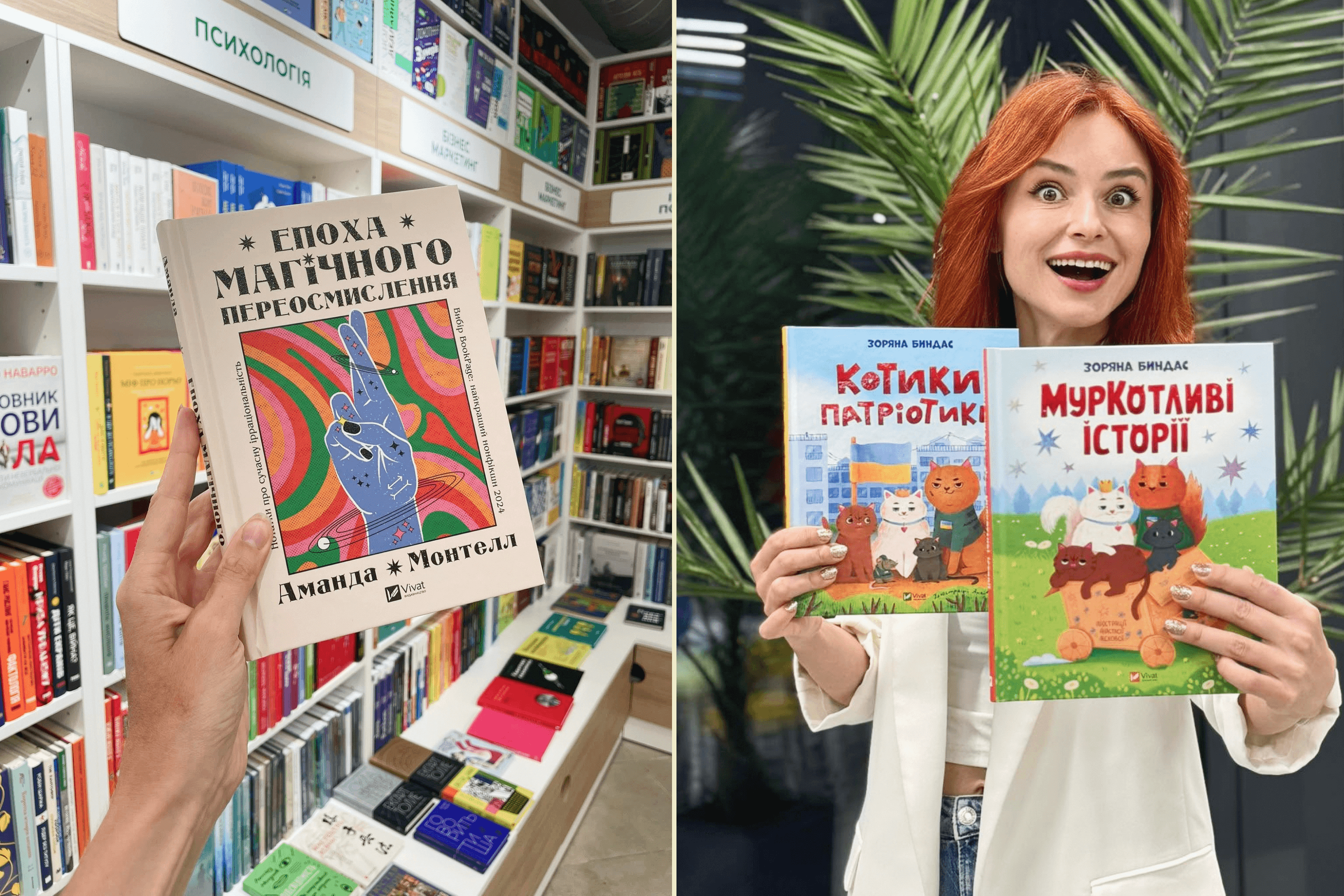
Photo: Vivat / Facebook 
Photo: Vivat / Facebook 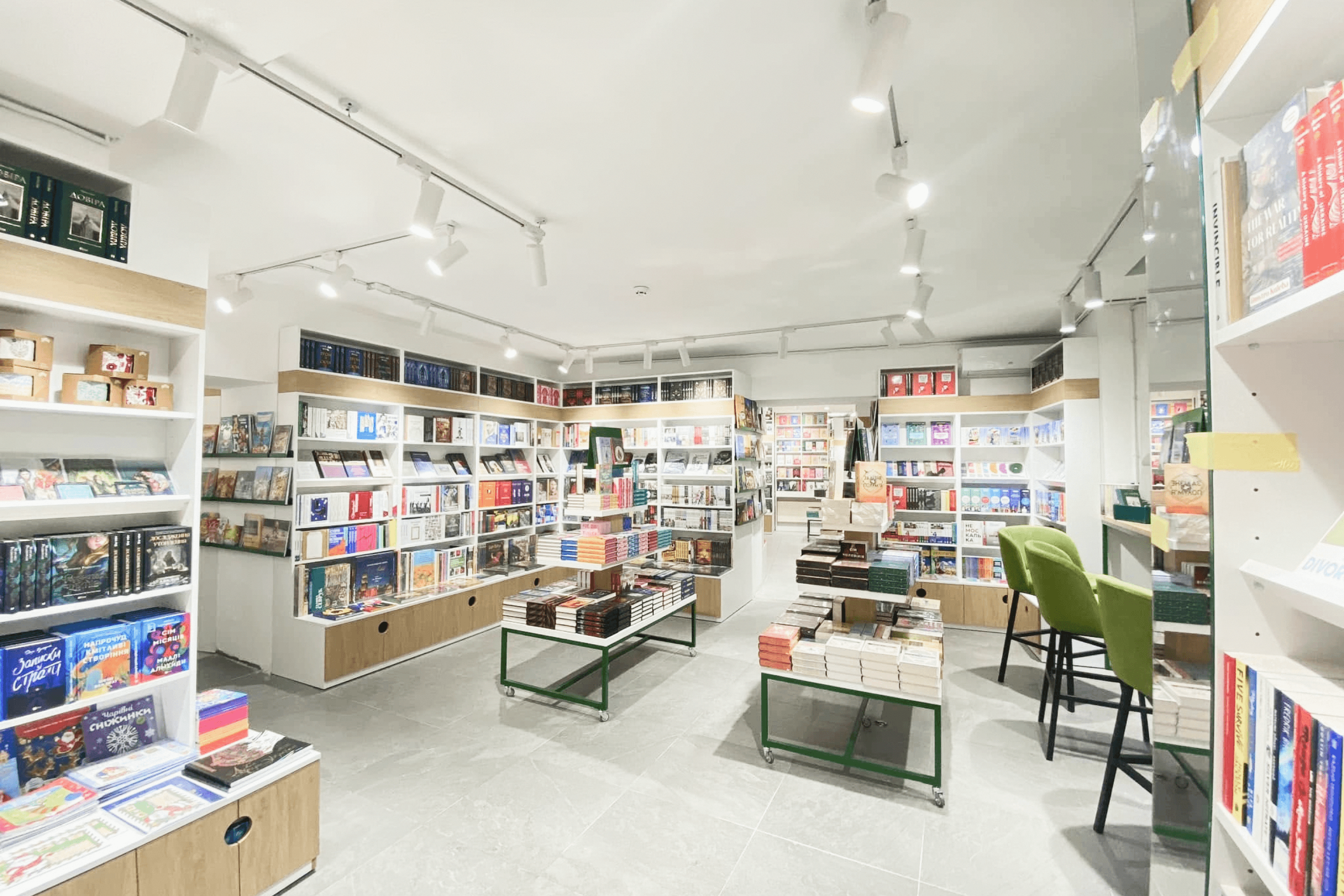
Photo: Vivat / Facebook 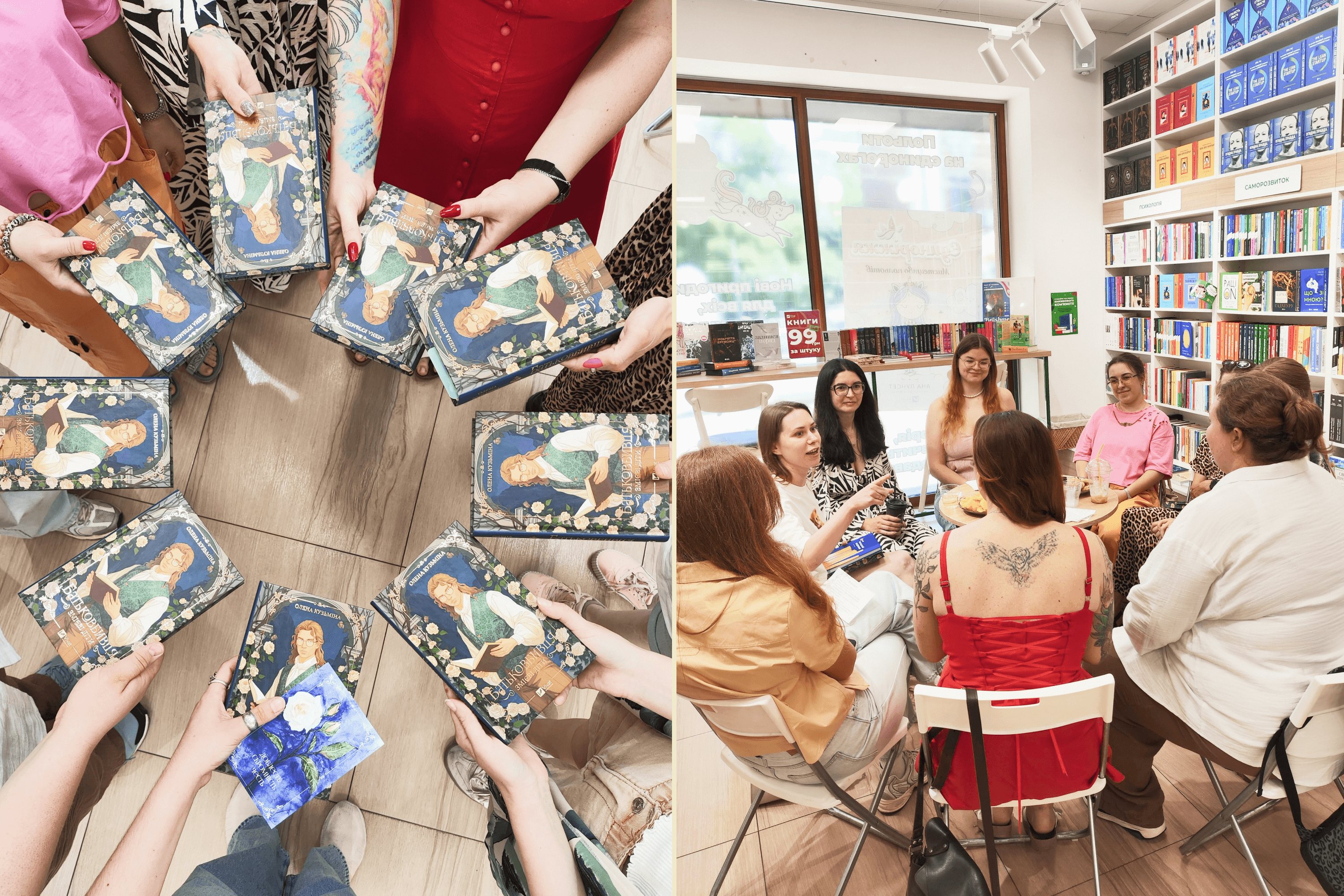
Photo: Vivat / Facebook
So it is no paradox that we are launching Lilith, a new publishing house within the Vivat group, now of all times. The idea came about around a year ago. We were researching the market to understand which segment of books was worth separating out. We analyzed what literature is popular abroad, what Ukrainians read, and which genres have already grown big enough to have their own voice and positioning. We realized it was romance, romantic fantasy, and romantic thrillers. Lilith will specialize in these genres.
We wanted to present the publishing house properly and on a large scale at Book Country. We were preparing a stand and printing books, and the team put a lot of work into the launch. But the festival was canceled because of the security situation. We decided not to wait for better times and to launch anyway, even if that meant announcing it on social media rather than at a major festival.
I do not want Russia deciding for us which books to publish and which projects to launch. We cannot spend years just holding on to what we have, or make every decision in fear of a loss that could come any day. You can lose anything. Living under that fear all the time is simply impossible.
Vivat’s experience is not unique. All Ukrainian publishers live under constant threat: the physical destruction of infrastructure, declining purchasing power among readers, rising production costs, currency fluctuations, staff shortages due to mobilization and people leaving the country. At the same time, over the years of the war, the industry has become more systematic. We have learned to work remotely, manage teams through metrics and dashboards, and respond to change more quickly. But we have also become very, very tired. A few years ago, someone asked me what I wanted most, and I said: a good night’s sleep. It was a joke then, but with every passing year it becomes less funny and more like the truth.
Sometimes I wonder what I will want to remember about this time once the war is over. And I definitely want to remember more than just the losses and photographs of the ashes. That is why we are not stopping. This year we opened more than 15 bookstores. We keep acquiring and publishing new titles, automating processes, and moving to new software. We are launching Lilith, and we plan to open another publishing house. We have even picked a name.
We are not growing as quickly as we could in peacetime. But we continue to live, work, and make plans. I want this to be what we remember most one day.