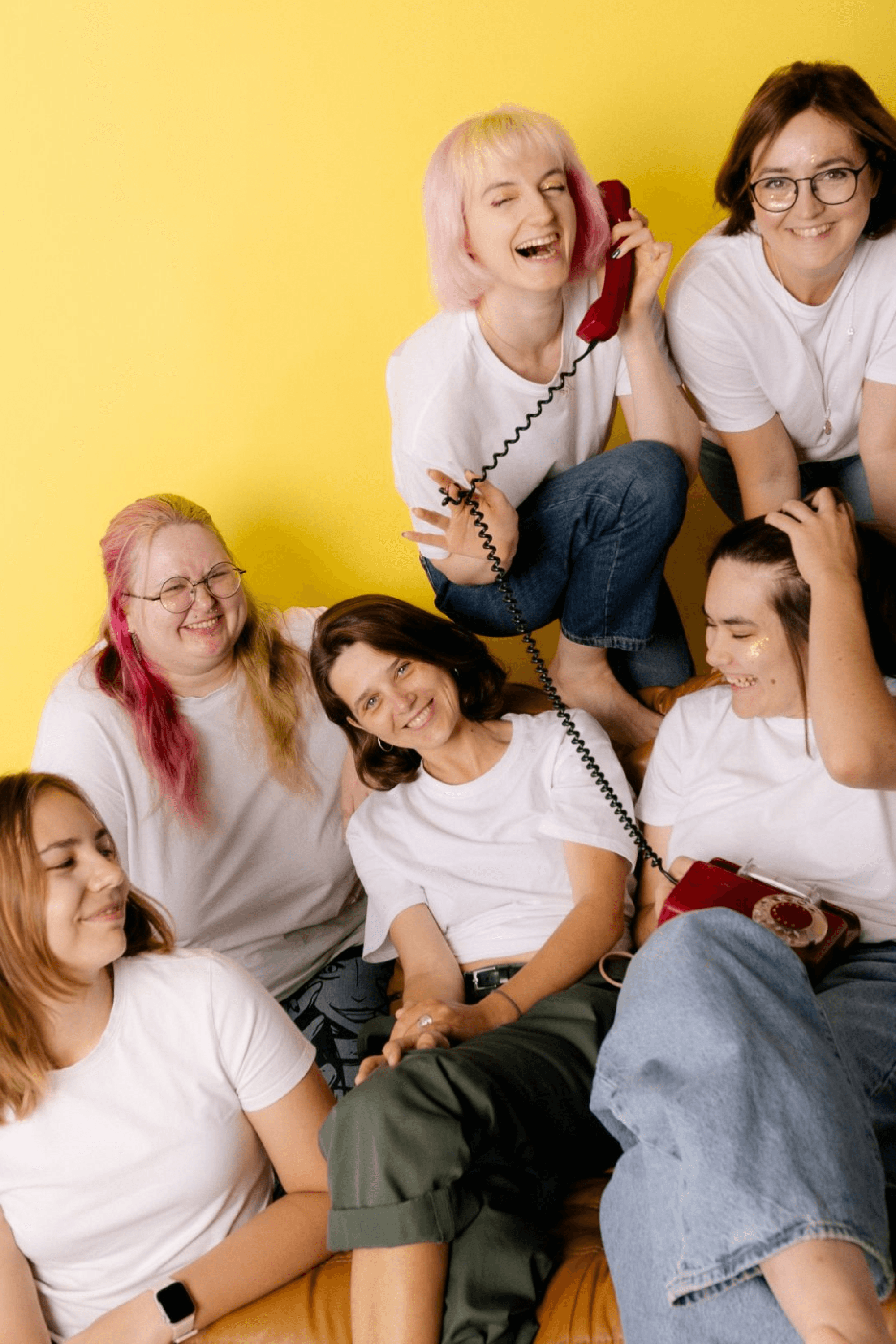
Anastasiia Podorozhnia initially created Martynka as a space where Ukrainians could get answers to simple, everyday questions. Over time, the initiative grew into a service providing assistance to women refugees and migrants experiencing violence. In the tenth episode of the HERE&THERE podcast, we spoke with her about why it’s becoming increasingly difficult for Ukrainians abroad to remain a cohesive community, how to help migrant children, why sex education is necessary, and why things are getting harder for Ukrainians living abroad. This is a brief summary of the conversation.
Martynka came into existence thanks to my family’s experience. Before the full-scale invasion, I was the only person in my family who lived abroad. So, literally from the very first days of the war, acquaintances, strangers, and family members started writing to me and asking about everything under the sun: how to buy a tram ticket in Poland, how to see a doctor, where to turn for help. Very quickly, I realized that the most vulnerable people had no idea where to look for assistance at all. This applies, in particular, to people with severe illnesses, those who have survived violence, and other groups for whom it was unclear in the first weeks of the war whether accessible services and pathways for help even existed.
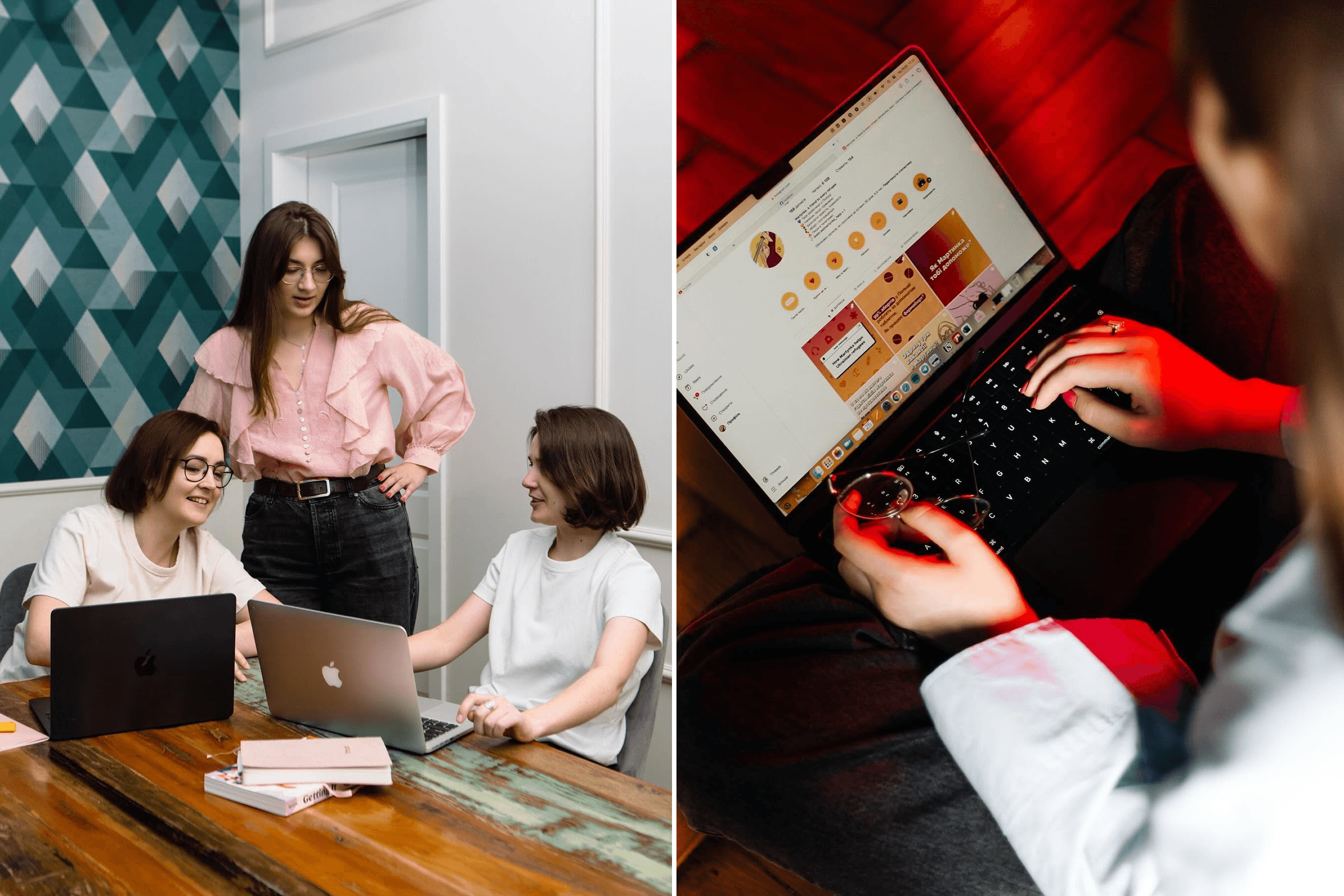
The Martynka team. Photo: Nastya Podorozhnya / Facebook 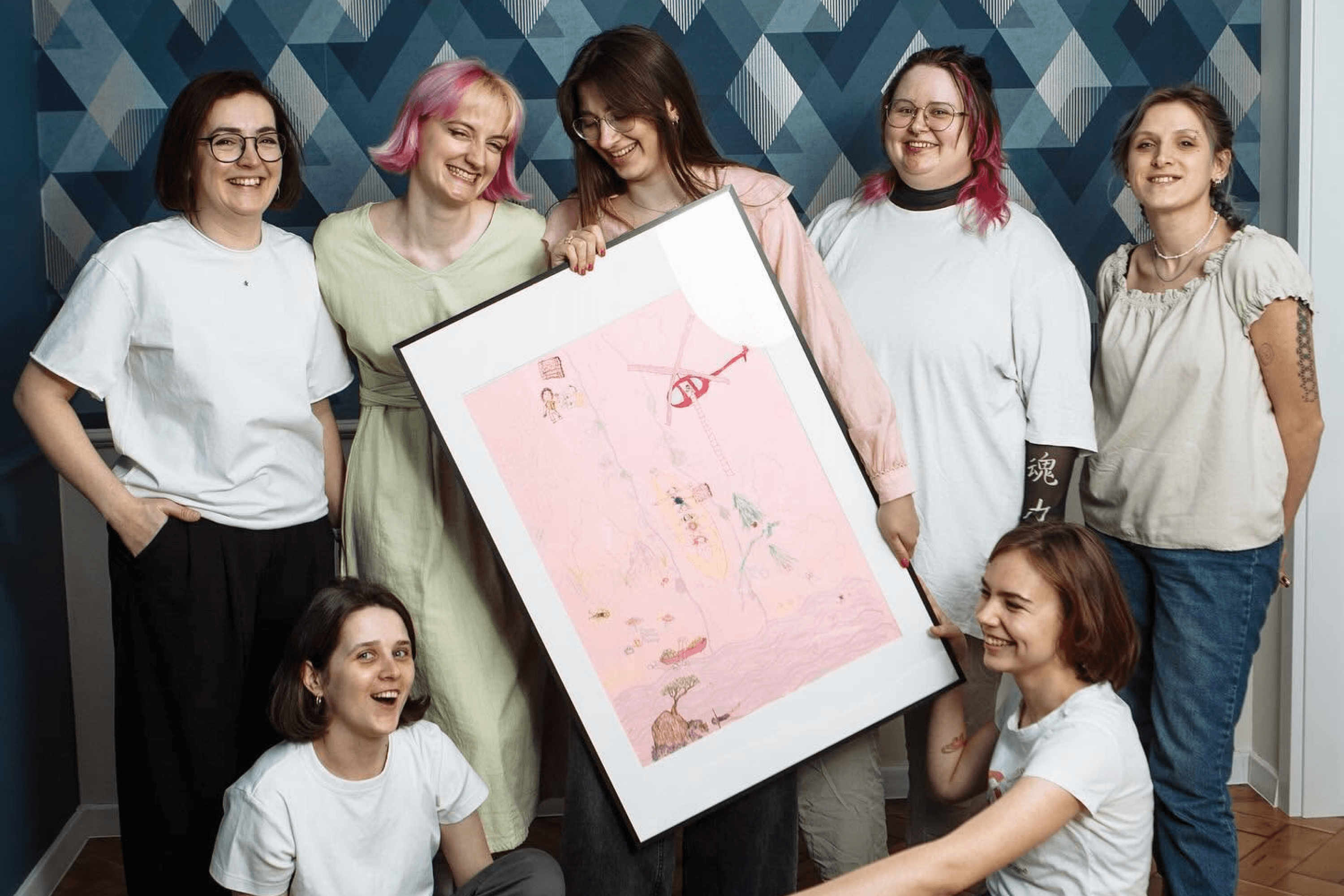
Photo: Nastya Podorozhnya / Facebook 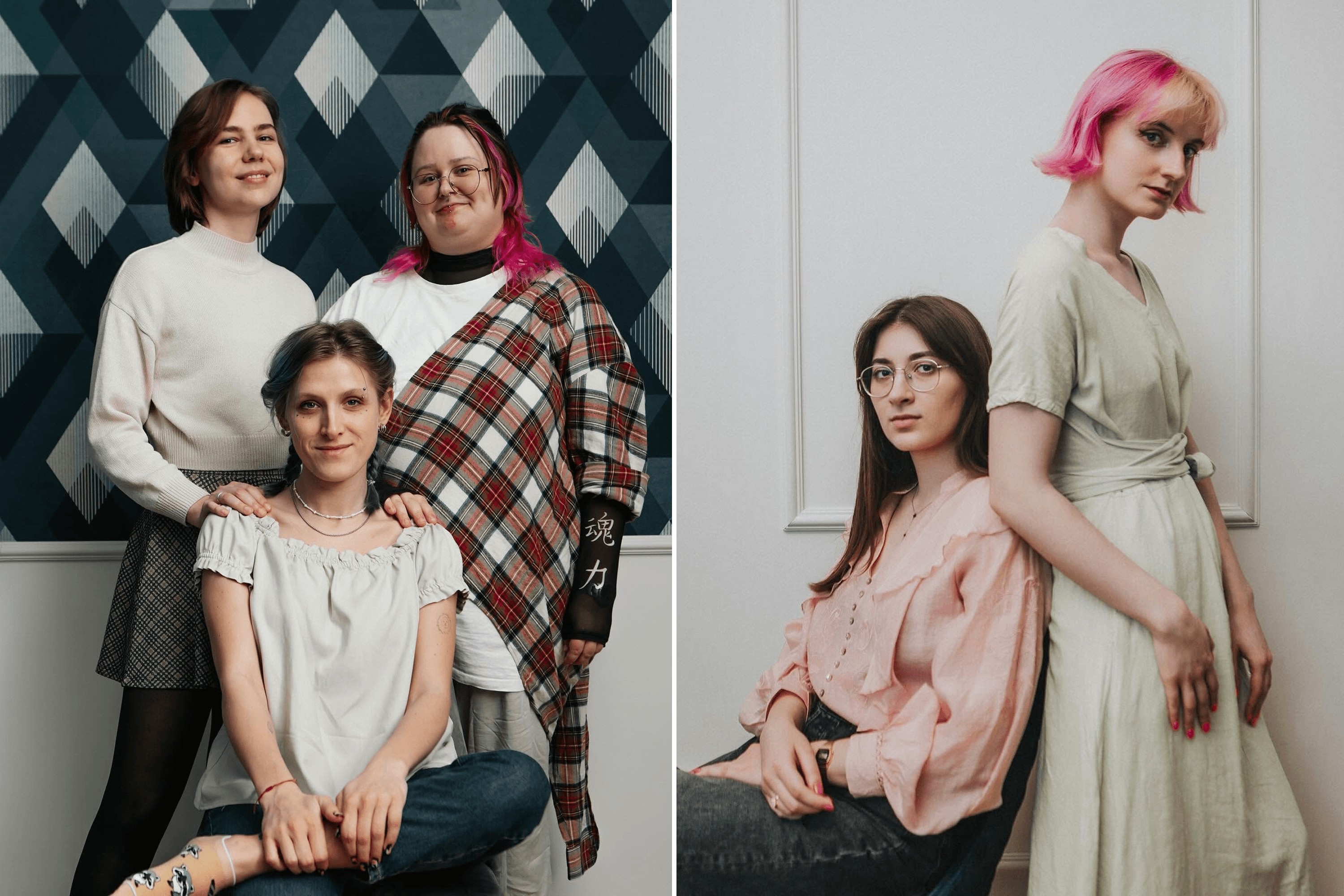
Photo: Nastya Podorozhnya / Facebook
We rarely talk about how lonely a person can feel in forced emigration. It’s not a topic that evokes empathy or one that donors eagerly fund. Yet from loneliness and the absence of a community, people’s minds can literally start to unravel. Today, one of Martynka’s most popular services is support groups. These are not necessarily therapeutic groups: sometimes the main point is simply to leave your home and see other people. This is felt especially acutely by people who belong to multiple minorities at once. We have support groups for queer refugees. A person can be a Ukrainian refugee, while feeling out of place in a traditional migrant environment. In the local queer community, there will also be different cultural codes. That’s why it is essential for us to create spaces where a person doesn’t feel like the odd one out.
Our second large support group is for mothers. This, too, is a very lonely experience: being without a partner, protecting your child from bullying, and communicating with the school in a different language. For example, if a child is bullied because of a Ukrainian accent, a psychologist might advise changing schools. But does the mother have the physical, financial, and mental resources to just pick up and change the child’s school? Such challenges require an infrastructure that’s often simply not there.
Fairly quickly, Martynka began helping victims of sexual violence. When I was a student at a Polish university, a man attacked me in the street. I went to the police, faced xenophobia, officers making jokes, and a situation where I had to prove that this had actually happened to me. In the end, a prosecutor believed me, a case was opened, I made it to court, and I saw the man who had attacked me right there.
This experience broke me for a long time, but at the same time, it shaped many of my values. Now Martynka is so well known in Poland that people find us through search engines and write to us almost daily. Helping about two people a day in such situations has already become a daily routine for us.
Sometimes we literally have to pull people out of situations where their freedom has been stripped away. We had a case where we helped a queer person from Ukraine who ended up in a very shady house linked to a drug distribution network. They had confiscated the person’s passport, checked their messages, and controlled them. This is one of the most terrifying stories we have worked on. But violence is not limited to human trafficking. We also help Ukrainian, Belarusian, and Iranian female students who experience sexual violence at universities, at parties, or in dormitories. I live in Kraków, and I know which dormitories generate the most requests for Martynka.
Violence against women is a universal problem. For Ukrainians, Poland sometimes becomes a meme about “the Middle Ages,” especially due to the abortion ban. But all of us live in a patriarchy. When I talk about how the police didn’t believe me after the attack, people aren’t shocked as if it sounds like something unbelievable. Unfortunately, we all know that a woman may not get justice even after turning for help.
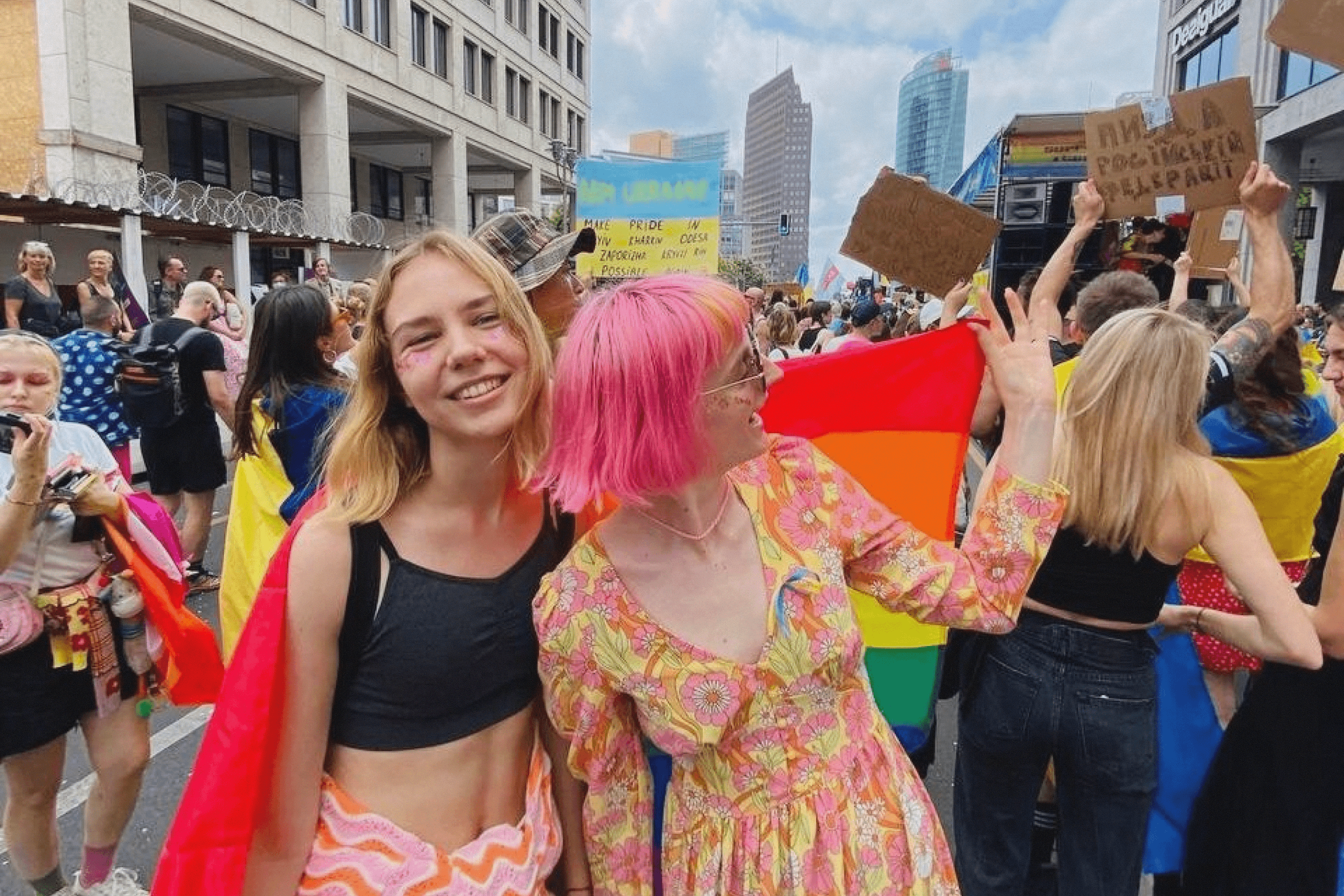
Members of the Martynka Foundation team during a Pride march. Photo: Martynka Foundation / LinkedIn 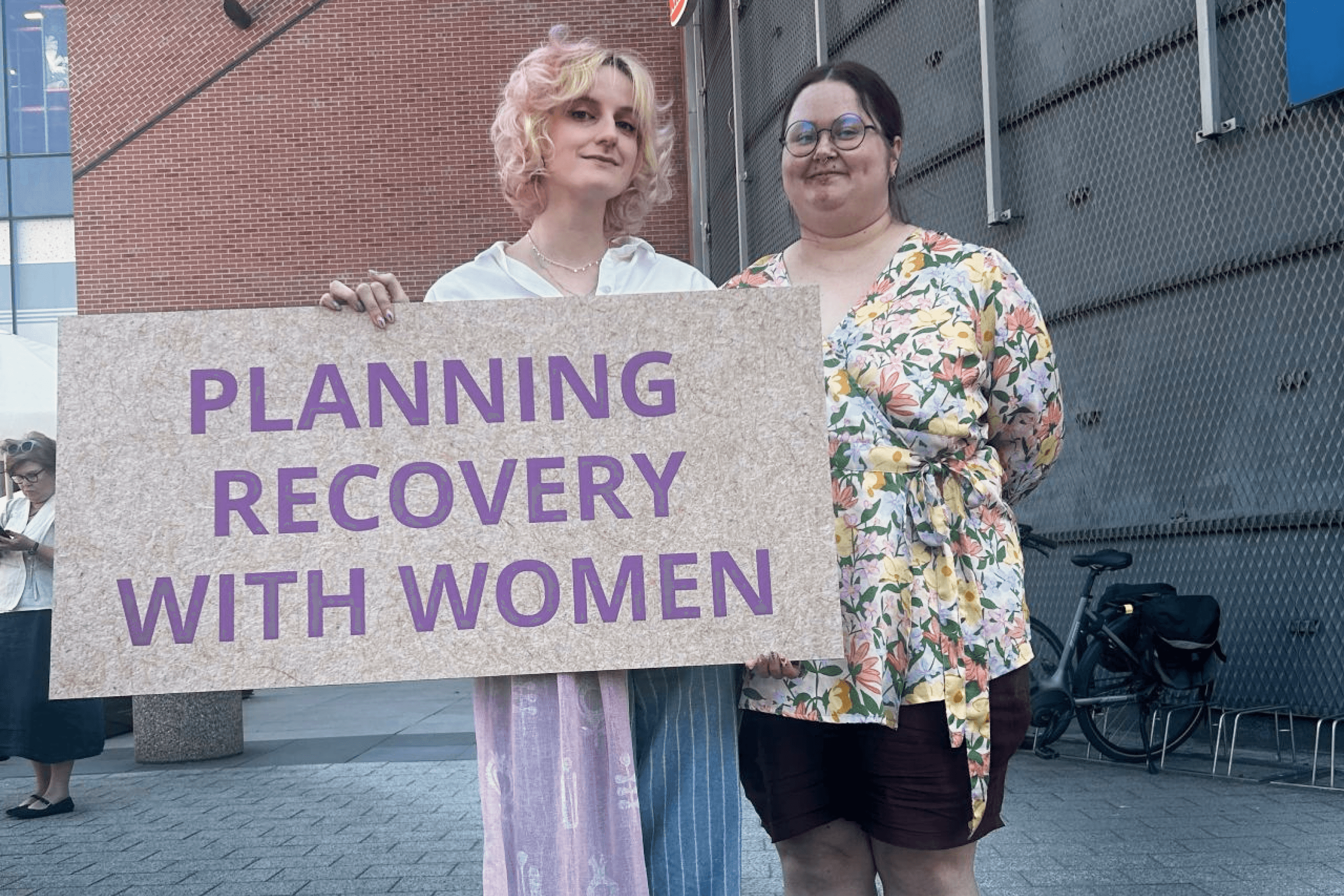
Nastya Podorozhnya and Niko Doroshenko at events held as part of the Ukraine Recovery Conference 2026. Gdańsk, Poland, June 2026. Photo: Martynka Foundation / LinkedIn 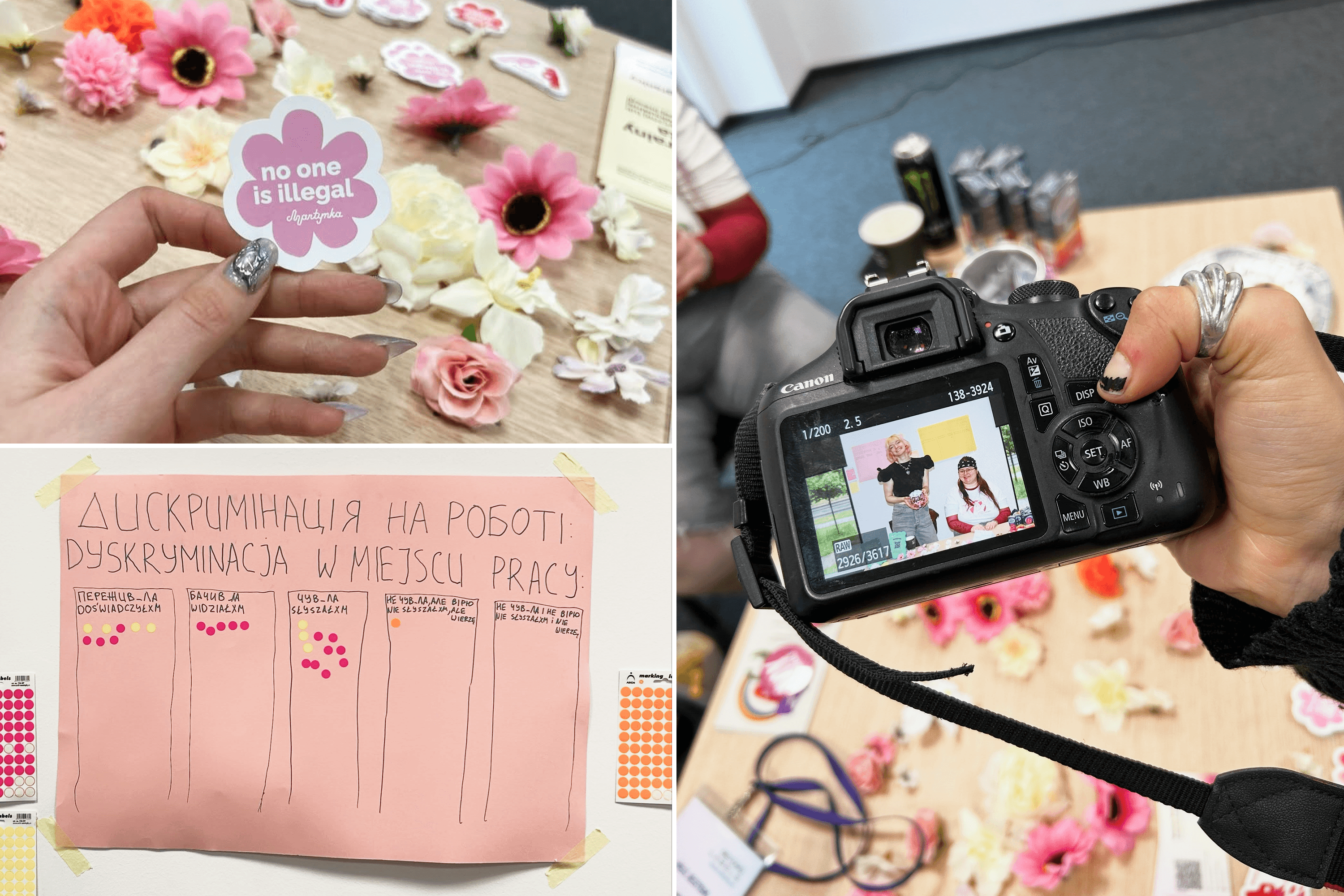
Representatives of the Martynka organization at the Beyond Labels inclusive job fair. May 31, 2026. Photo: Martynka Foundation / LinkedIn
Martynka opened up the world of large international organizations to me, and I don’t like it. I became acquainted with the world of the UN, the Red Cross, and other major structures, and I often fail to understand how people can be responsible for entire vast regions without knowing basic facts about the countries they work with. I had an instance where a UNFPA officer, responsible for several Central and Eastern European countries, asked me if it was legal to be gay in Poland and whether people were sent to prison for it. It’s difficult for me to comprehend how someone can carry such responsibility while remaining unaware of basic things.
That’s why I’m particularly proud that the people working at Martynka actually understand what they are doing. We have Ukrainian women who have survived violence themselves, as well as Belarusian women. They help in the same way they would want to help a friend, a sister, or a mother. I value this precise quality very deeply. Even in everyday life—say, while getting my nails done—when I hear a painful story from someone, I immediately start thinking about whether we can help.
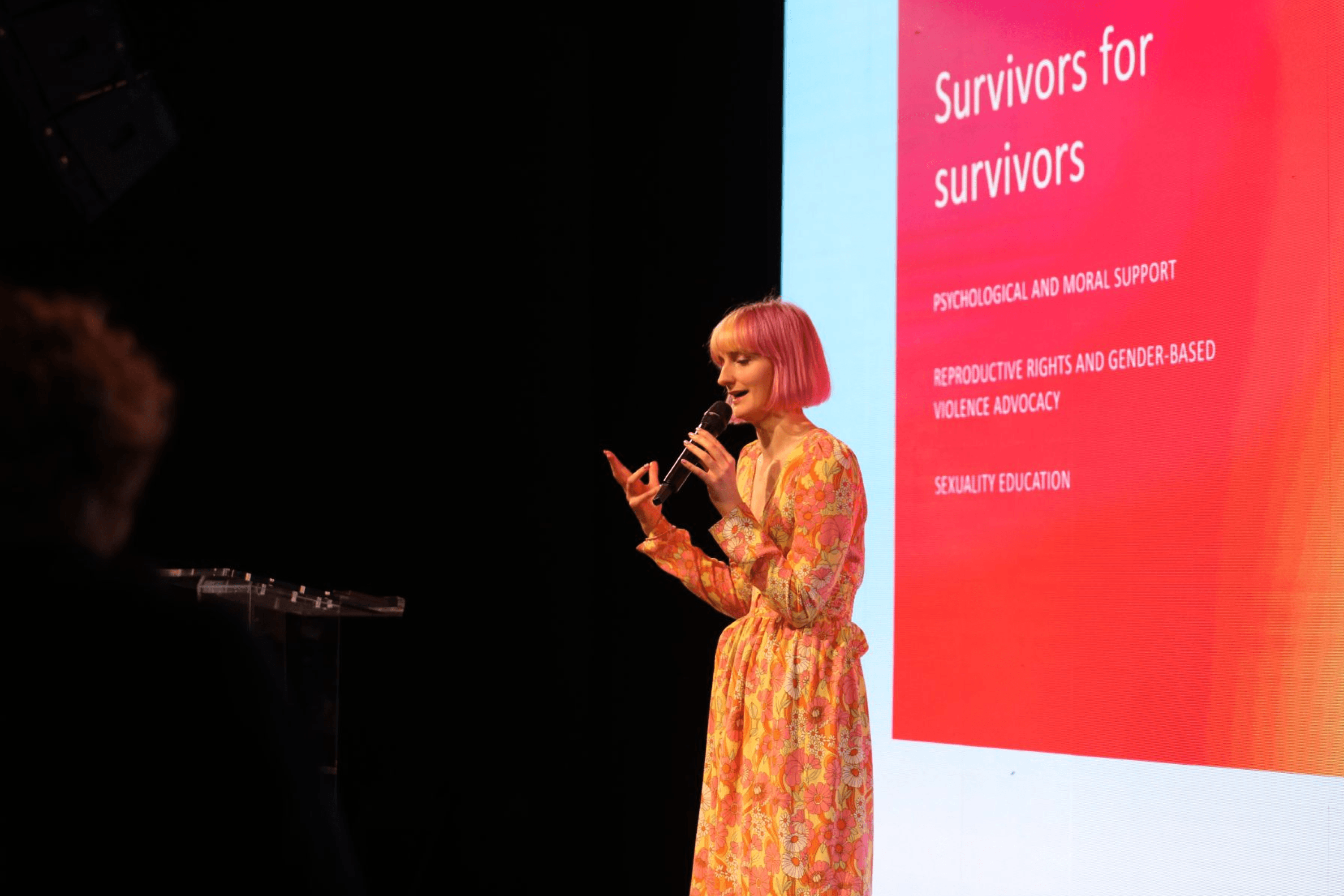
Refugees and their children desperately need sex education. Imagine an eleven-year-old child who moved to Poland with her mother and grandmother, and then gets her period. She may have been attending a Polish school for two years already, knowing how to say “multiply” or “divide,” yet not knowing how to say “vulva,” “bleeding,” or “tampon” in Polish. The lack of necessary vocabulary can isolate a child just as severely as not knowing the language overall. A child doesn’t know how to explain to a doctor where it hurts, nor does she understand which words are medical, which are informal, and which might be profanities. She doesn’t know how to talk about her own body with adults or peers. Sexuality is an essential part of one’s identity, so the absence of this language limits a child immensely.
Yet almost no one wants to tackle this. It’s hard to score political points on such topics, so they are excluded from many state programs. In Poland, sex education is so politicized that even basic questions about menstruation, fertilization, or contraception become subjects of political struggle. As a result, the privacy of children and families can be violated simply because adults are incapable of speaking calmly about health.
Over the past few years, being a Ukrainian woman abroad has become significantly harder. I see the growing tension toward Ukrainians, and both my professional and personal life suffer from it. I have started hearing much more often that I’m “not from here” and should go back to Ukraine. Our hotline receives five to ten calls every day from people describing how uncomfortable they feel simply stepping out into the street. This doesn’t mean Poland has turned into a dangerous country where every Ukrainian faces an attack. But when you regularly see stories of everyday violence or discrimination, you get the feeling that you constantly need to be on guard.
Poland has a strong Ukrainian community, but is it sufficient for civic mobilization? I don’t have the answer. I like Armenia’s experience, which demonstrates how a country can maintain a bond with its diaspora rather than losing it, while actively showing that it takes pride in them. At a carpet museum in Armenia, I saw a portion of the exhibition dedicated to carpets that the museum gifts to prominent representatives of the diaspora. There were stories about Kim Kardashian, Charles Aznavour, and others. Yet all of them share one condition: you must travel to Armenia yourself to collect the carpet. There is a very simple yet powerful idea behind this gesture: “We love you for what you do abroad, you matter to us—but come home.” I feel this could serve as an example for Ukraine as well. A country might not be widely known in the world, yet people learn about it through representatives of its diaspora and through the culture they carry.
Over four years, Martynka has grown, but right now things are harder for us than ever before. Almost no one has left the team during all this time, and I’m immensely proud of the people who stay with us. When someone writes to the hotline, everyone wants to help: colleagues call other organizations, exchange messages in group chats, and search for the best option. This represents four years of tremendous love for the people we assist. Even a small donation can translate into tangible help for us. Approximately 150 PLN pays for one psychotherapy session. Around $100 can provide full support for a survivor of sexual violence: placement in our confidential shelter, legal and psychological assistance, food, support for her child, and 24/7 contact with the hotline.
I want women who find themselves abroad at the hardest moment of their lives to know: they’re not alone. They may not have family nearby, they may not know the language, they may not understand the system, they may fear the police, or they may simply not know where to go. But somewhere, there are people ready to pick up the phone, look for solutions, find a lawyer, a psychologist, a shelter, or simply be by their side.
- You can support Martynka by following this link.