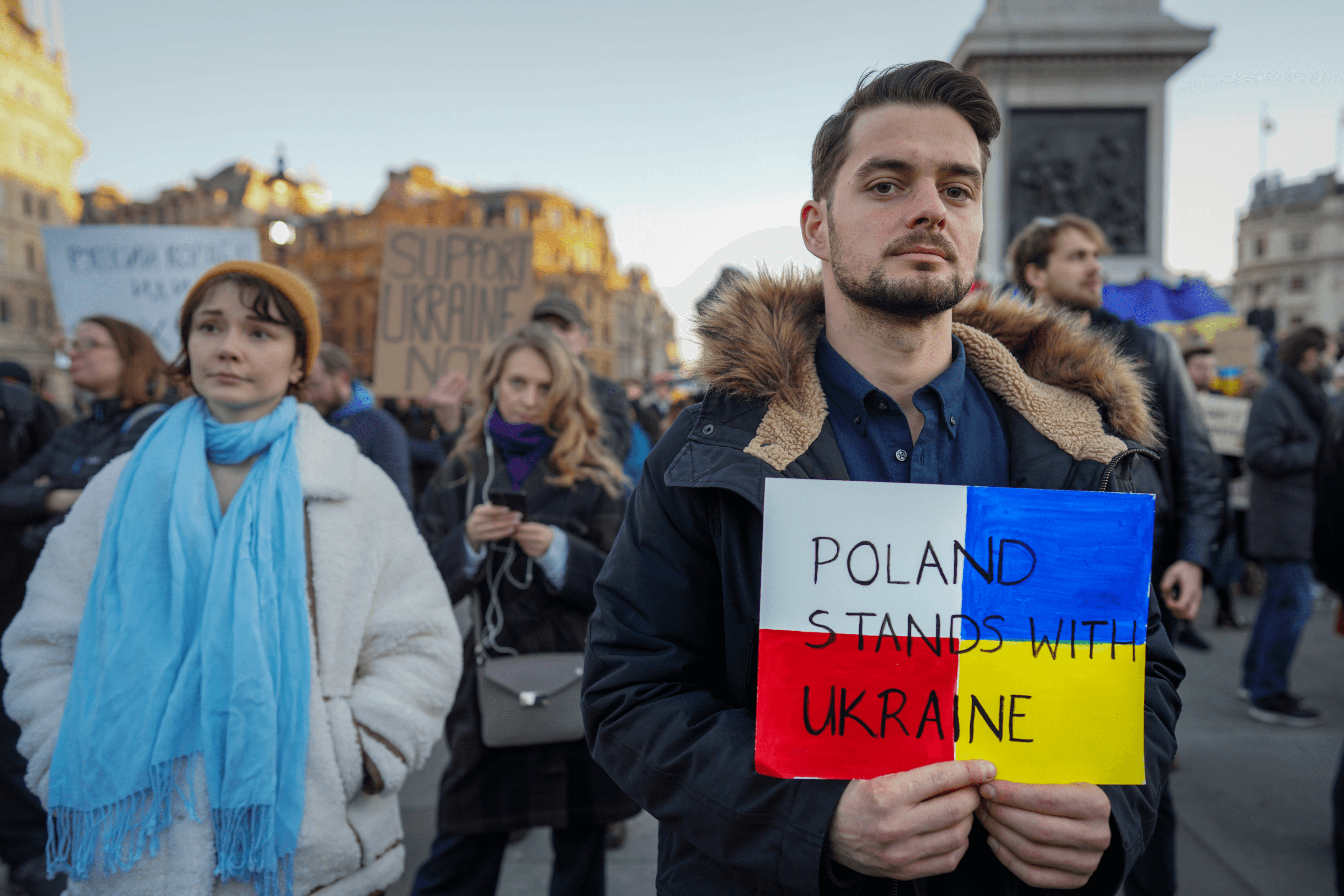
Following the full-scale invasion, Poland became the primary refuge for millions of Ukrainians. But in just a few years, Polish public sentiment has noticeably shifted. Anti-Ukrainian rhetoric has moved from the fringes to the mainstream, becoming a fixture in domestic politics.
Yellow Blue editor-in-chief Yuliana Skibitska sat down with Warsaw-based journalist and researcher Olena Babakova to discuss the root causes of this shift, the changing role of Ukrainians in Poland, why economic arguments aren’t enough to curb the backlash, and what it would take to turn the tide.
Ukrainian-Polish relations have weathered multiple crises. How does the current situation differ from previous ones?
Tensions between Ukraine and Poland have simmered for years. In the late 2010s, Polish experts often described bilateral relations as the worst since Ukraine’s independence. Disputes centered around historical memory, VAT refunds, Ukrainian exports, and the challenges facing Polish businesses in Ukraine.
In the 2010s, Polish companies were already actively recruiting Ukrainians for factories and other jobs. But a typical situation looked something like this: a Polish manager and hundreds of Ukrainian workers, a workers' hostel, and a shop with a Ukrainian woman at the checkout. The contact of Ukrainian labor migrants with Polish society was limited. So even if there was tension in politics between the countries, individual Ukrainians might hardly have felt it. They were either in Poland for a short time, or worked among other foreigners, or simply didn’t have many points of contact with Polish society.
But after 2022, one fundamental thing changed—Ukrainians became a part of Polish society in a much broader sense. Previously, Poles might have had a negative attitude toward abstract Ukrainians, people they hardly ever met. After 2022, the Ukrainian middle class arrived, women with children. People started renting apartments, going to restaurants, shopping malls, museums, and taking their children to schools much more often. Ukrainians began working in offices, opening businesses, and using Polish infrastructure. That is, now these are no longer abstract Ukrainians. These are people who live in the same building with you, ride the same bus, and work in the same office. This, in my opinion, is the main change. The fact that political tension began to affect the lives of specific individuals.
And why exactly did the increase in contacts between Ukrainians and Poles become a source of tension?
In 2022, helping Ukrainians was very comfortable emotionally. At the border stood people with a single suitcase, children and women fleeing the war. There was a stark imbalance of agency: Poles were the helpers, and Ukrainians were the ones in need. An often overlooked aspect here is the role of the established Ukrainian diaspora in Poland. In major cities, the relief infrastructure could hardly have been built so fast without Ukrainian organizations that already knew the community’s needs, spoke the language, and had ties with local administrations and international organisatons.
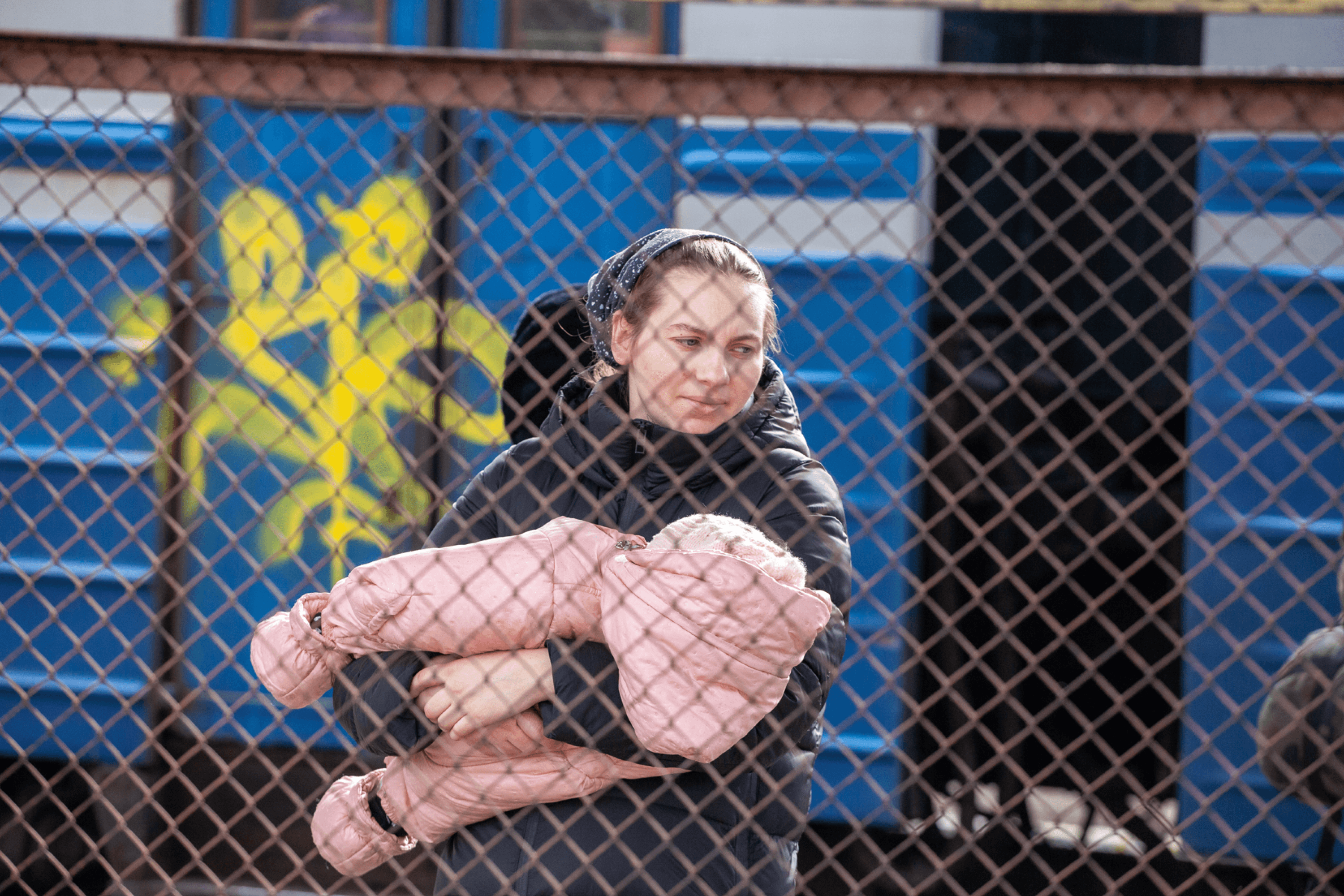
Ukrainians evacuate to Poland following the start of Russia’s full-scale invasion. Przemyśl, Poland, February 27, 2022. Photo: Wikimedia / YB 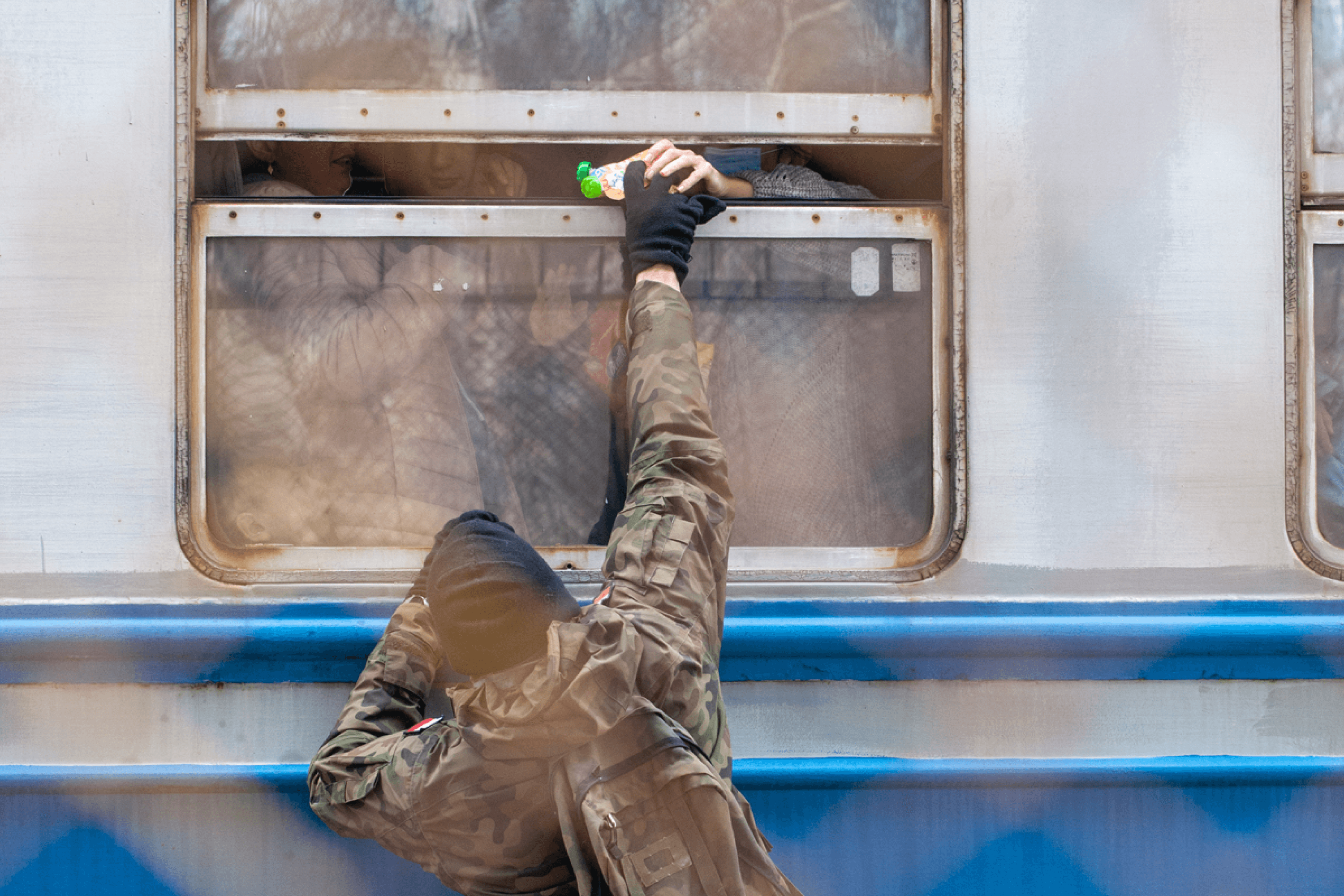
Photo: Wikimedia / YB 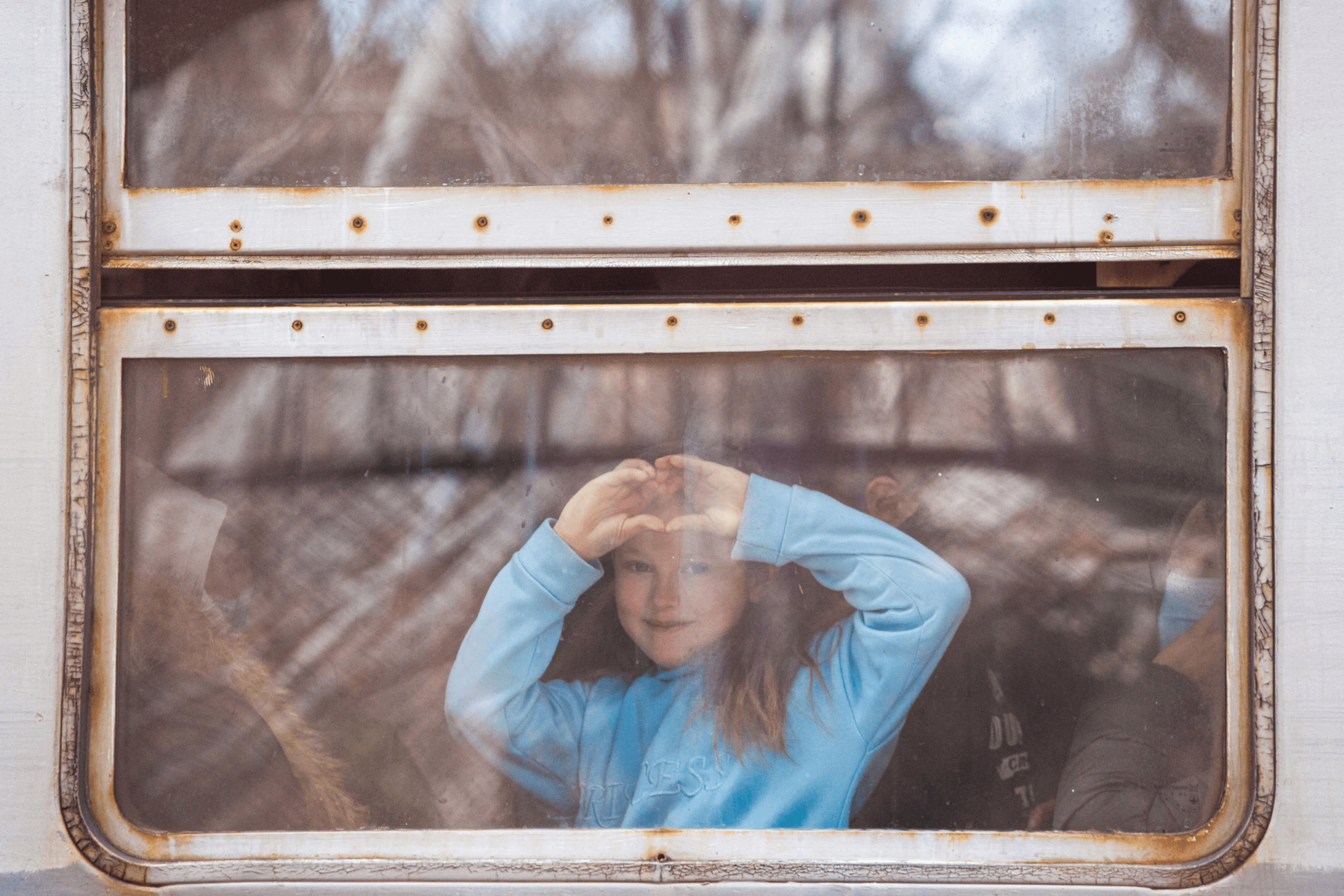
Photo: Wikimedia / YB 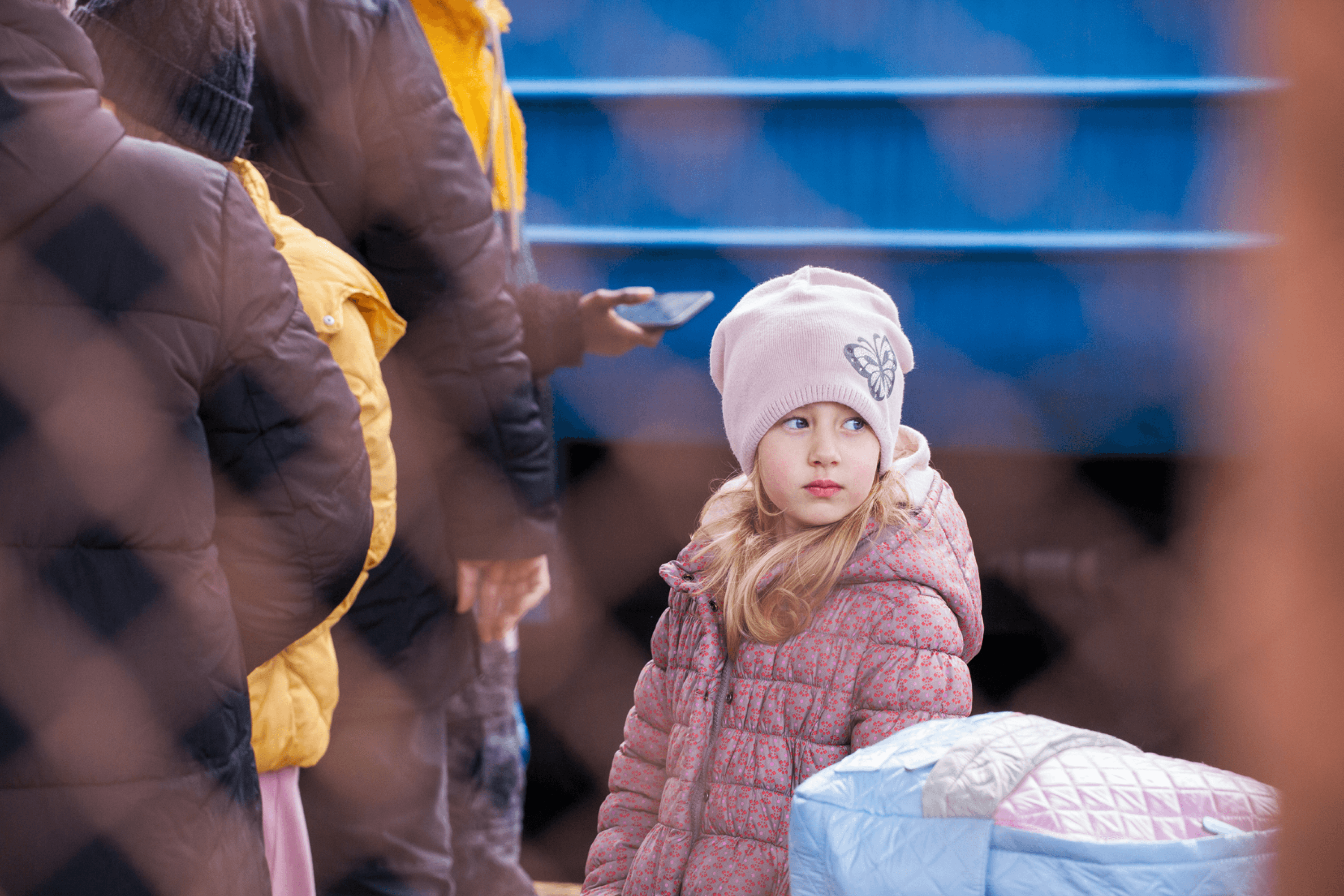
Photo: Wikimedia / YB
But Ukrainians got back on their feet quite quickly. Today, over 70 percent of adult Ukrainian refugees in Poland are employed—alongside more than 90 percent of pre-war Ukrainian labor migrants. They are opening businesses, cafes, beauty salons, and event agencies, becoming highly visible in public life. And it turns out that these people, alongside their gratitude, have their own expectations and frustrations with their new reality. They no longer want to be passive recipients of aid; they want to be active participants in society. Once this assertion of agency begins, helping is no longer so emotionally uncomplicated. The refugee starts to challenge your position as the “benevolent savior.”
This friction is clearly visible even in everyday situations. A Ukrainian woman might ask a man not to smoke near her child, remind a cyclist about traffic rules, or ask someone to stop swearing on the bus. Ukrainians don’t believe Poles have lost their status as hosts in their own country, but they do now consider themselves a legitimate part of the local community and shared space. The fact that they feel entitled to remind locals of basic social norms irritates a certain segment of society immensely. Once again, this comes down to the negotiation of agency.
How much do you think the discourse itself about Ukraine and Ukrainians in Polish politics has changed?
Drastically. The 2023 grain crisis was a major flashpoint. At the time, we saw rhetoric framing Ukrainian grain as a health hazard to Polish children and a scheme to line the pockets of Ukrainian oligarchs. And these weren’t just the talking points of fringe pundits—they were being weaponized by the leaders of parliamentary factions.
However, the biggest catalyst, in my view, was the 2025 presidential campaign. Professor Przemysław Sadura of the University of Warsaw and I conducted a non-representative study among Ukrainians living in Warsaw and the Masovian Voivodeship. We weren’t specifically seeking out victims of anti-Ukrainian sentiment; we simply asked what their daily lives and relations with Poles had been like recently.
The vast majority of respondents—both pre-war migrants and those who arrived after 2022—reported a deterioration in relations. They consistently pointed to the winter and spring of 2025 as the turning point, a period when the presidential campaign was heavily dominated by debates over refugee welfare payments, the “800+” child benefit program, and access to Polish healthcare.
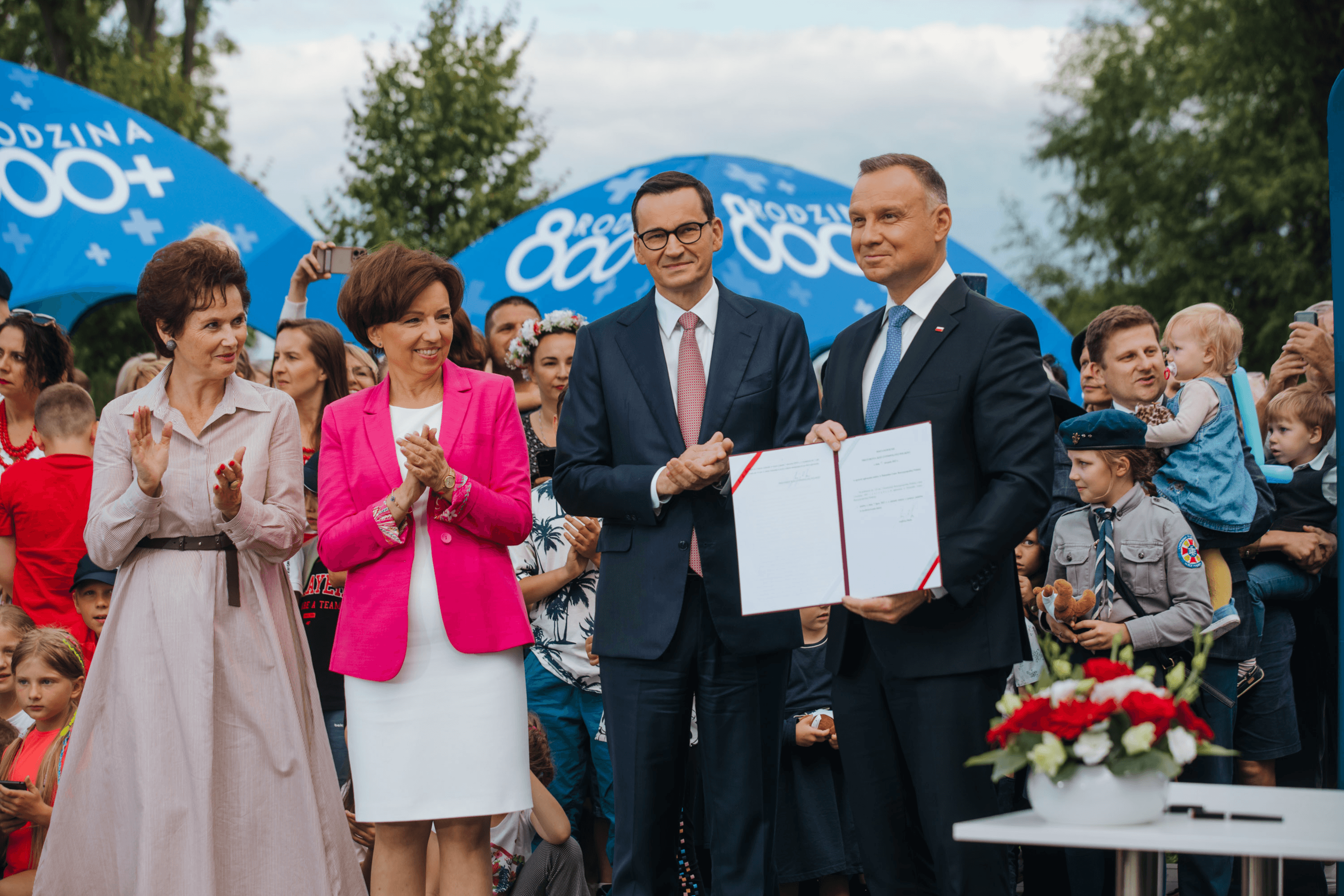
Polish Prime Minister Mateusz Morawiecki during the presentation of the government’s 800+ family support program. Poland, August 7, 2023. Photo: gov.pl 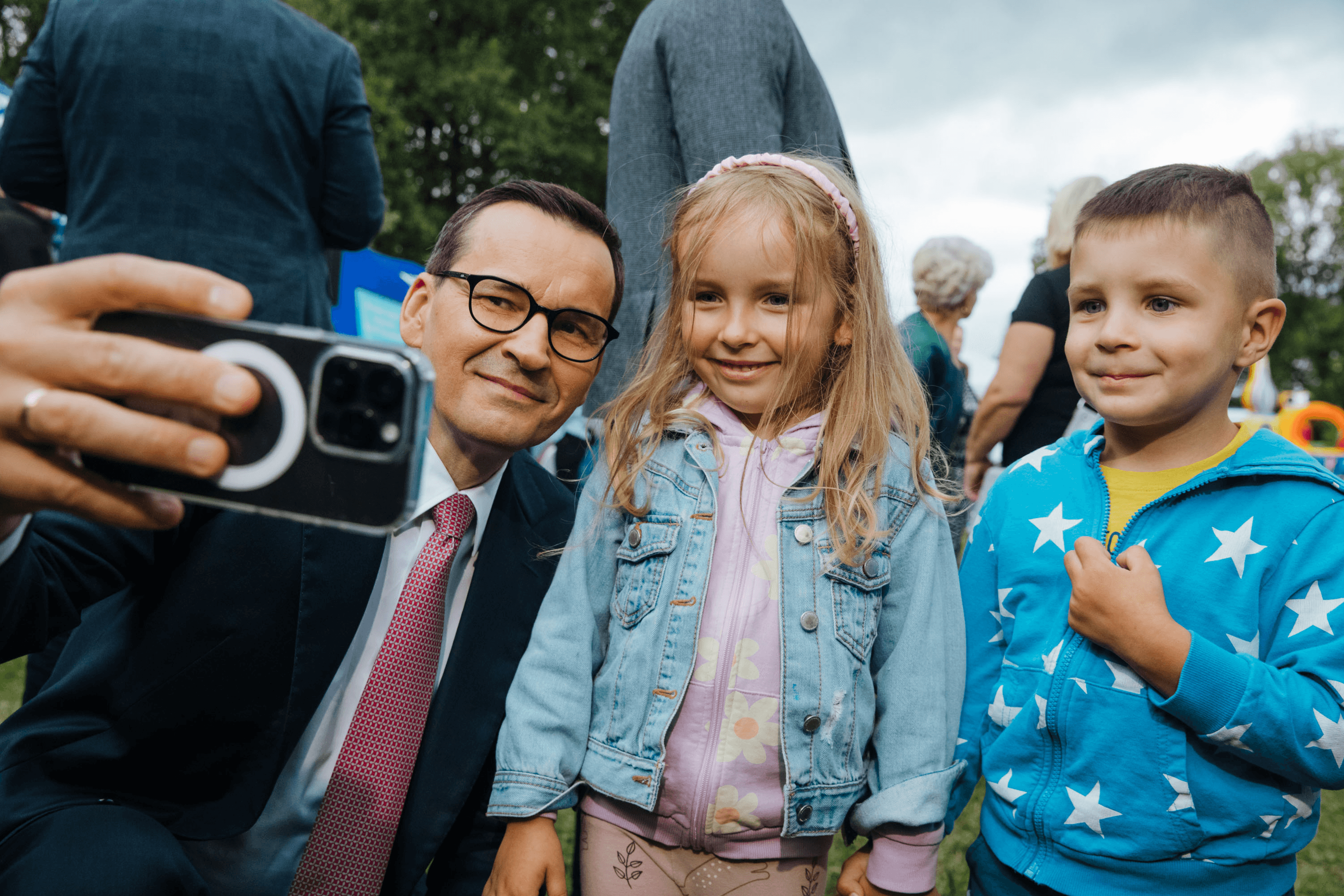
Photo: gov.pl 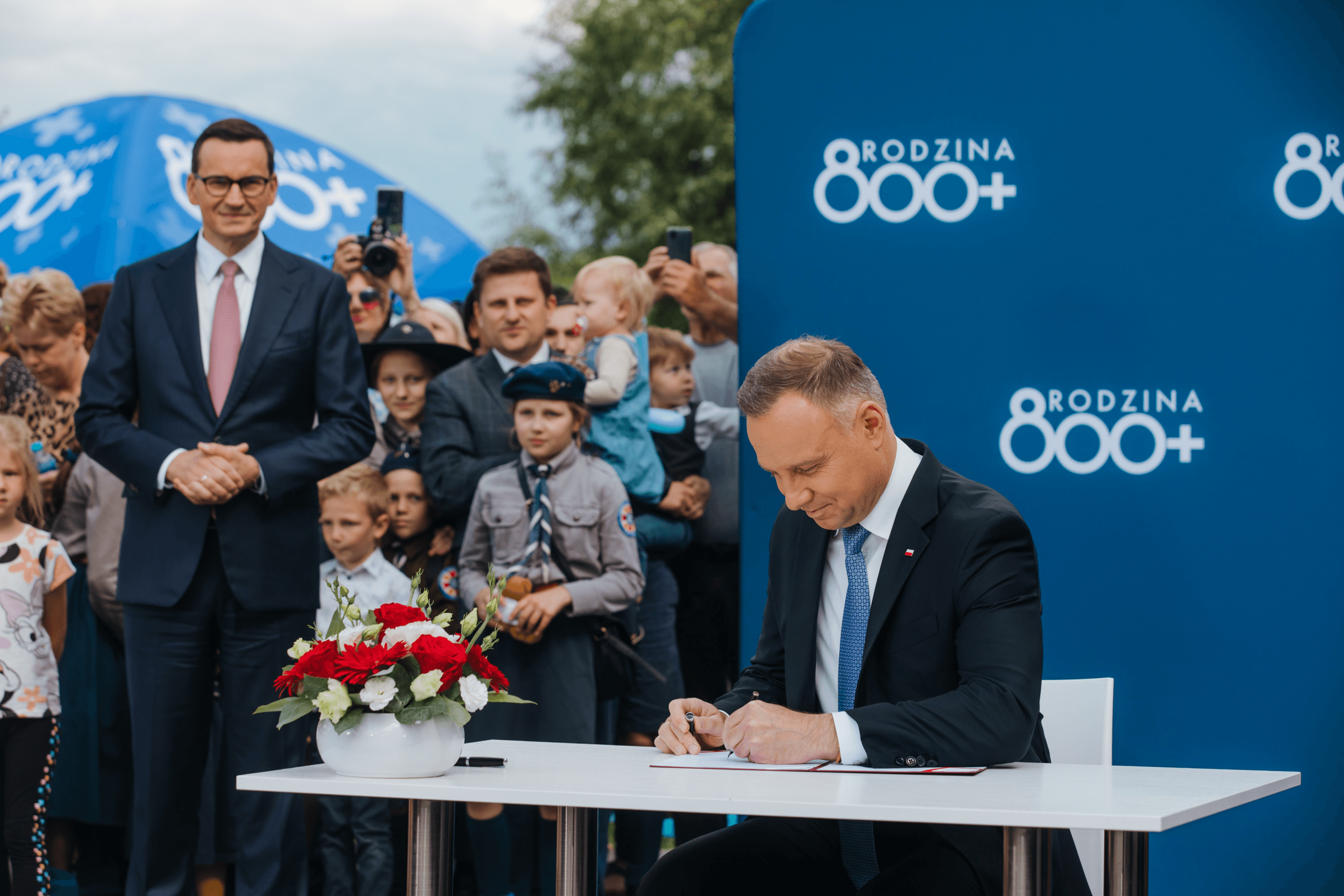
Photo: gov.pl 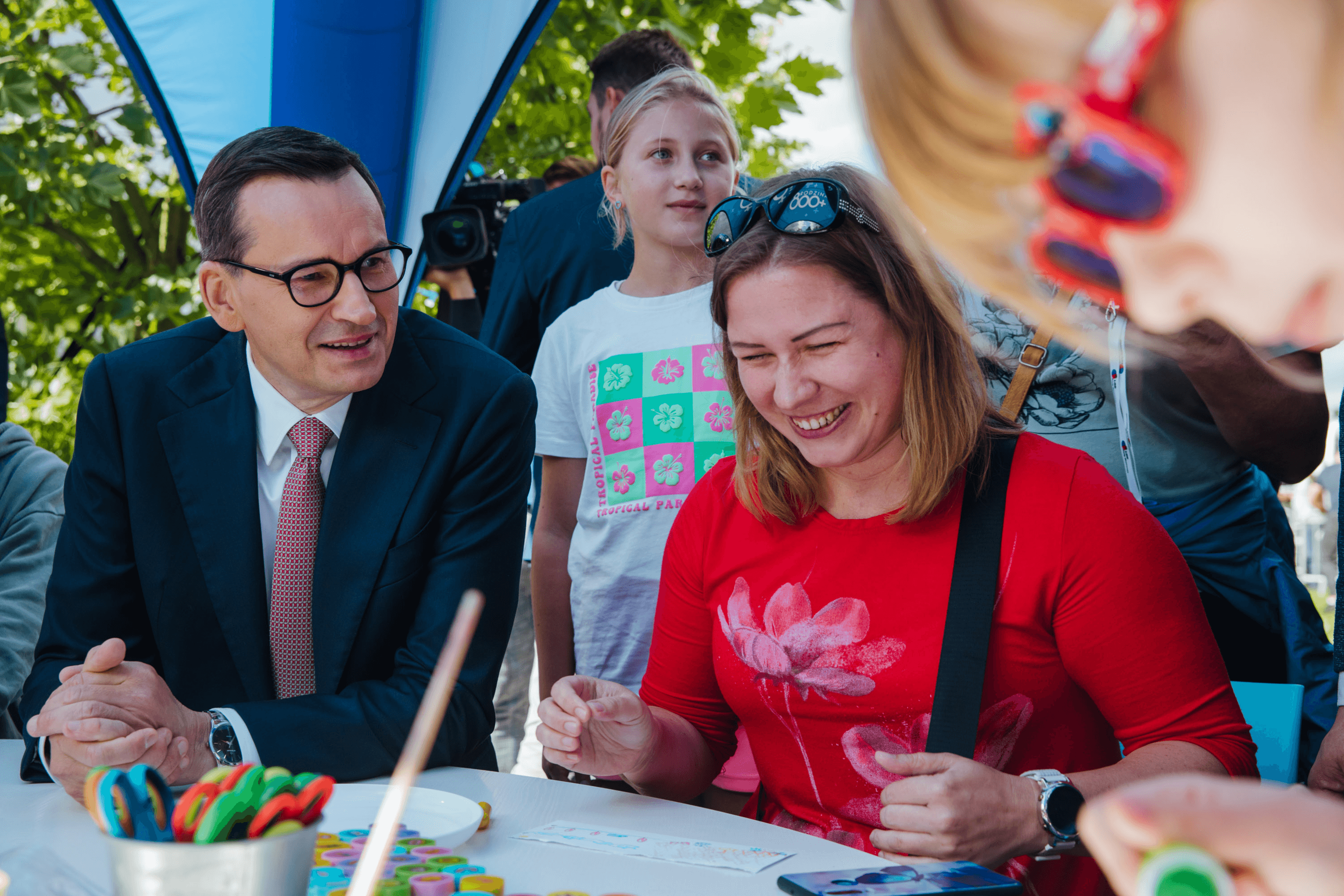
Photo: gov.pl
There is a very telling dichotomy here: Ukraine must be supported because it is vital to Poland’s national security, but the rhetoric surrounding Ukrainians living inside Poland is an entirely different story. Przemysław Sadura and Sławomir Sierakowski captured this perfectly in the title of their 2023 focus group report: “Poles for Ukraine, but against Ukrainians.” It perfectly sums up the paradox: steadfast support for the Ukrainian state can easily coexist with growing frustration toward Ukrainians as neighbors.
Among right-wing parties in Europe, there is great discontent with migrants coming, for example, from the Middle East or Africa, because, roughly speaking, they are living off the state and not earning money themselves. But in Poland, it’s quite the opposite: the Polish economy has benefited greatly from the fact that Ukrainians integrated there. Yet discontent exists nonetheless. Why is that?
Because logic here isn’t purely economic. I recently spoke with a French journalist, and she asked whether anti-Ukrainian sentiment isn’t simply a Polish variation of the migrant-phobia currently spreading across many Western countries. In a sense—yes. If you look at the classic arguments of the European right against migrants, they usually sound like this: they arrive illegally, live off social welfare, worsen the crime situation, and threaten the local way of life.
In the case of Ukrainians in Poland, these arguments work very poorly. The overwhelming majority of Ukrainians are in Poland legally. They work. The crime rate among them is no higher than the national average. And it’s difficult to find a migration in Europe that would be culturally closer to Poles than the Ukrainian one.
Yet, this fails to curb the resentment. In this regard, the situation strongly echoes the UK just before Brexit, when Polish, Romanian, and Bulgarian migrants faced strikingly similar accusations. They were scapegoated for supposedly leeching off the welfare state, stealing jobs, straining the healthcare system, and disrespecting British culture. In reality, the picture was far more nuanced, and these migrants were economically vital to the country.
In short, economic contributions alone cannot shield a migrant group from political mobilization against them.
Do you think the Ukrainian media are exacerbating the situation by over-reporting on conflicts that, in reality, are quite rare?
We need to distinguish between different types of incidents. Many of the most publicized clashes in recent weeks—which caused outrage among Ukrainians both at home and in Poland—involve people engaged in antisocial behavior: drunk, aggressive men who would look for a fight regardless of anyone’s nationality. If you look at the incidents that read most like police reports, they typically take place on public transport or at bus stops, involving intoxicated young men acting aggressively.
But there is another layer—what I call “soft xenophobia.” For instance, colleagues might tell a Ukrainian researcher at a top Polish university, “This is a pretty good paper… for a Ukrainian.” Or a Polish coworker might constantly nitpick their accent. In a corporate office, a Ukrainian woman’s minor language mistakes might be pointedly corrected, even if Polish isn’t their primary working language. Or a stranger might approach a Ukrainian in their courtyard and ask when they’re finally going home. These aren’t crimes. But based on my observations and the study I mentioned, such microaggressions are becoming much more frequent.
Another crucial point is that we are witnessing not just physical aggression, but the emergence of a permissive atmosphere: an unspoken consensus that it is acceptable to openly express negative attitudes toward Ukrainians. How that attitude is expressed simply depends on a person’s social class and education level.
It’s true that Ukrainian media have started covering conflicts in Poland much more frequently. And the media effect is real—bad news is always easier to sell than good news, especially in the daily news cycle. But it would be a mistake to assume these conflicts are merely a media fabrication. Over the past few years, an entire class of politicians, journalists, and pundits has emerged in Poland for whom bashing Ukraine and Ukrainians has become a core part of their public brand. For them, this rhetoric translates into views, symbolic capital, and political clout.
Are you noticing that Ukrainians have started self-censoring more? Perhaps speaking Ukrainian less, even during private phone calls?
It definitely happens, though we lack comprehensive studies on the subject. In our research, only a handful of people explicitly mentioned avoiding speaking Ukrainian or Russian on the phone in public out of fear of potential aggression—even if they generally have no issues with Poles.
I see this much more often, however, among parents whose children attend Polish schools. They might instruct their kids: don’t speak Ukrainian around your classmates, avoid conflicts, and if anything happens, report it to the teacher immediately. This is a highly alarming sign. Self-censorship means people are altering their behavior not in response to a direct threat, but out of anticipation of a negative reaction from the local community.
In your view, are there Ukrainians who are completely insulated from these anti-Ukrainian sentiments?
Yes. Paradoxically, it’s often those who are the least integrated into Polish society. This could be a manual laborer working 14-hour days, stuck in a strict “work-to-home” loop with almost no interaction with Poles. Conversely, it could be a high-income expat working in English at a multinational corporation, living in an upscale neighborhood, and sending their kids to a private school. They either have minimal contact with broader Polish society, or they only interact with progressive circles where multiculturalism is a given.
Our study revealed a troubling subjective trend: those who are less socially integrated are often more satisfied with their lives in Poland. The people who most frequently report unpleasant encounters are those actively trying to become an integral part of Polish society—attending local schools, working alongside Poles, taking public transit, and participating in community life. This is a very grim outlook. If someone concludes that “the less I interact with Poles, the better my life will be,” it defeats the entire purpose of integration.
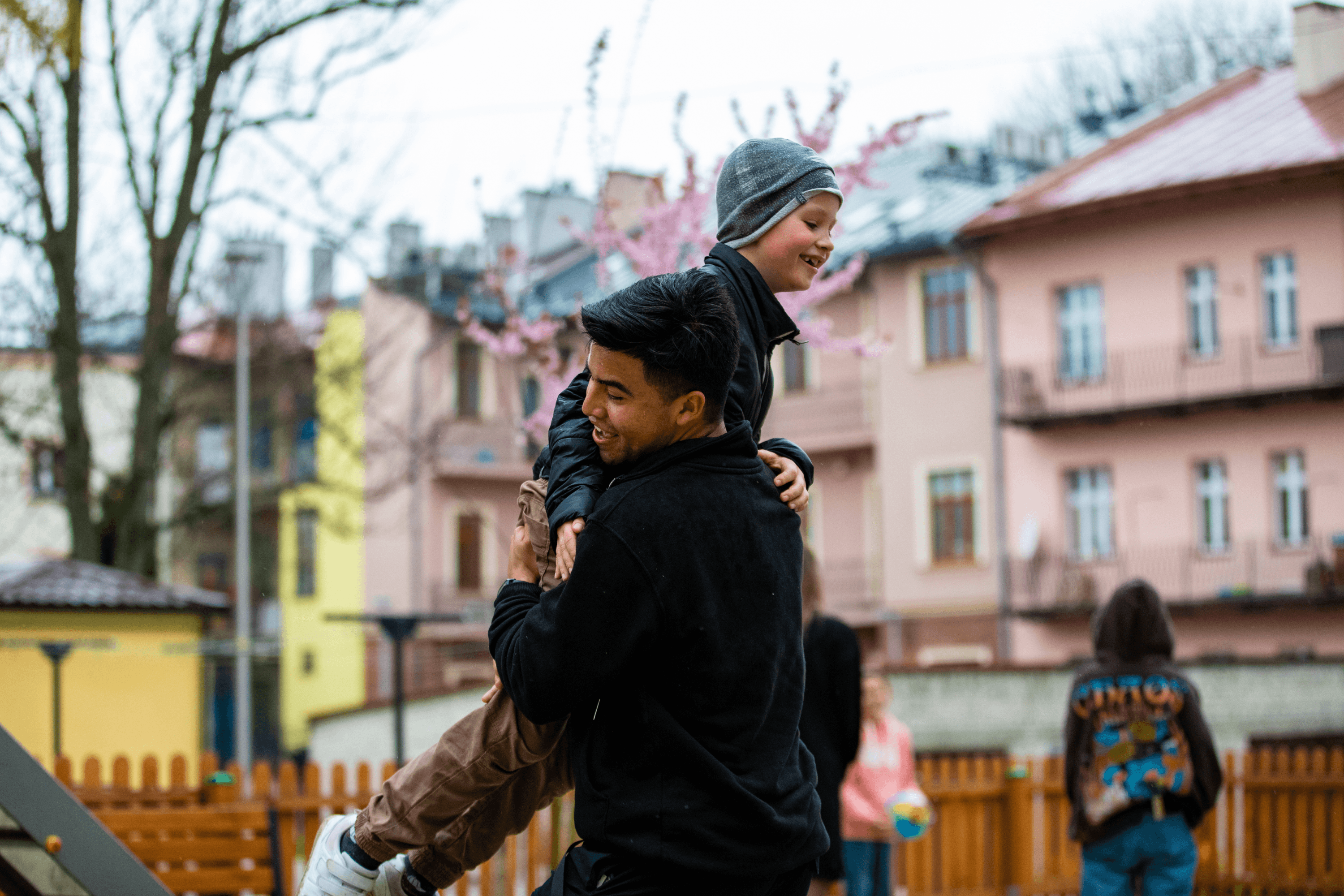
U.S. service members speak with Ukrainian children who found refuge in Poland. Rzeszów, Poland, April 24, 2022. Photo: Wikimedia / YB 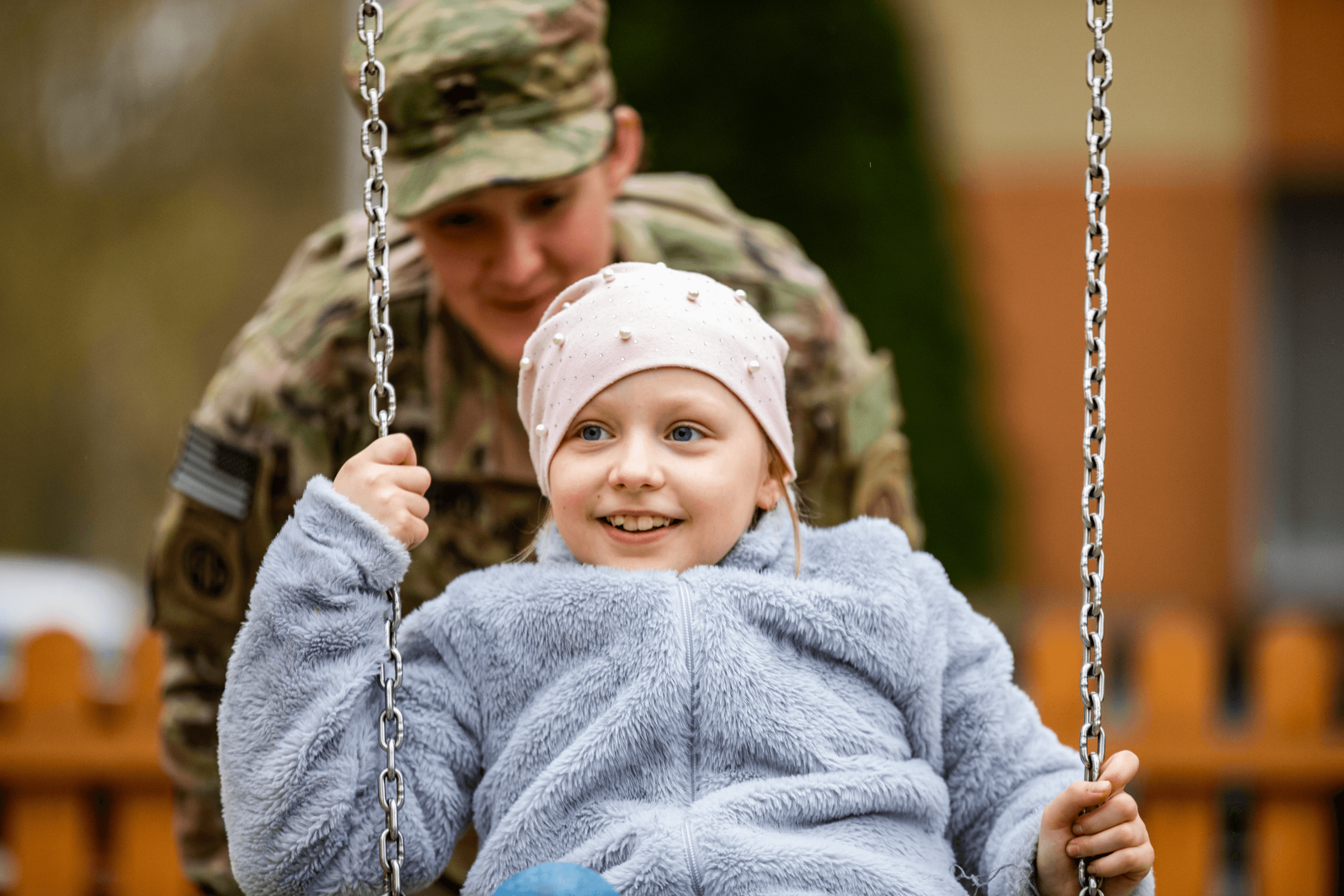
Photo: Wikimedia / YB 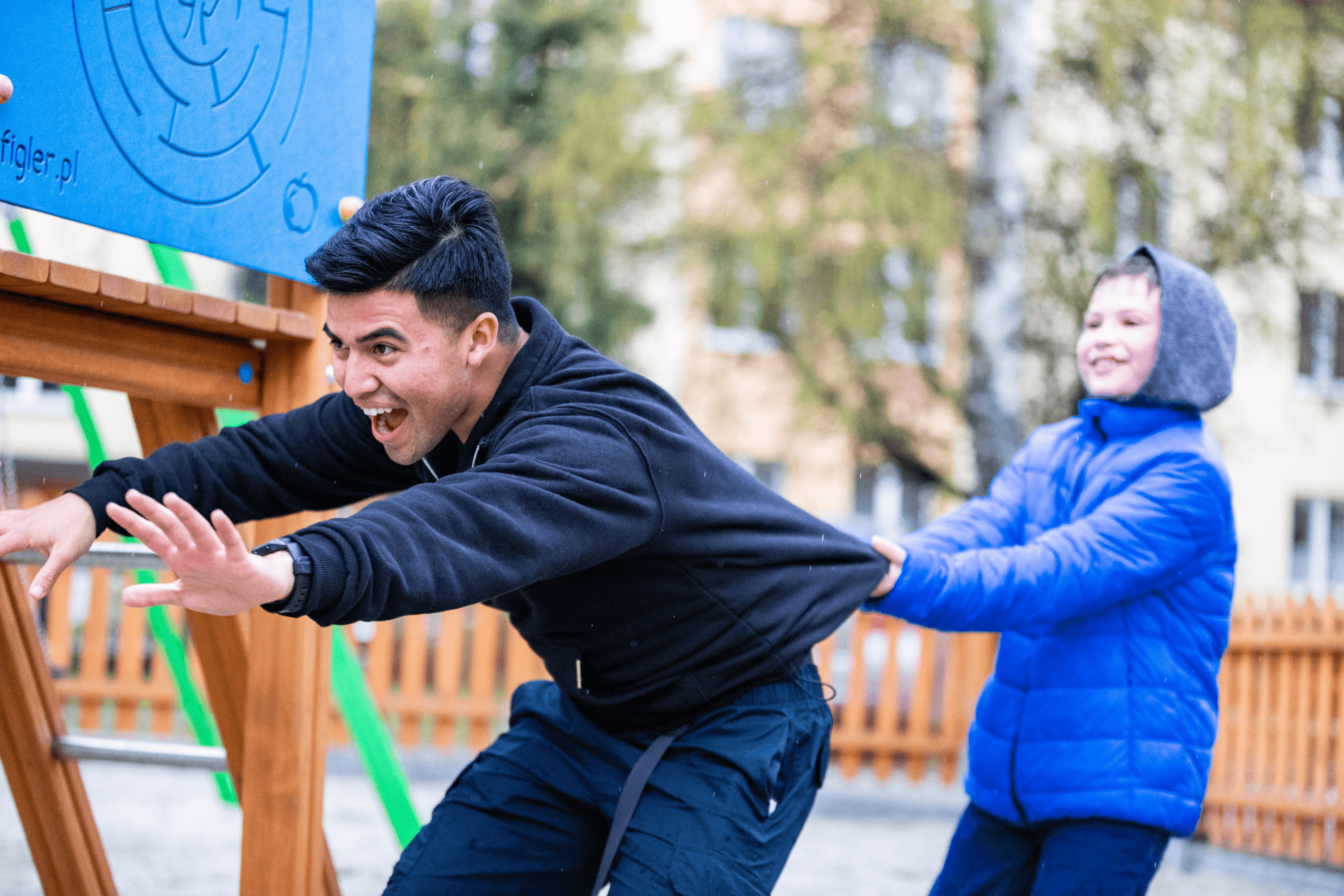
Photo: Wikimedia / YB 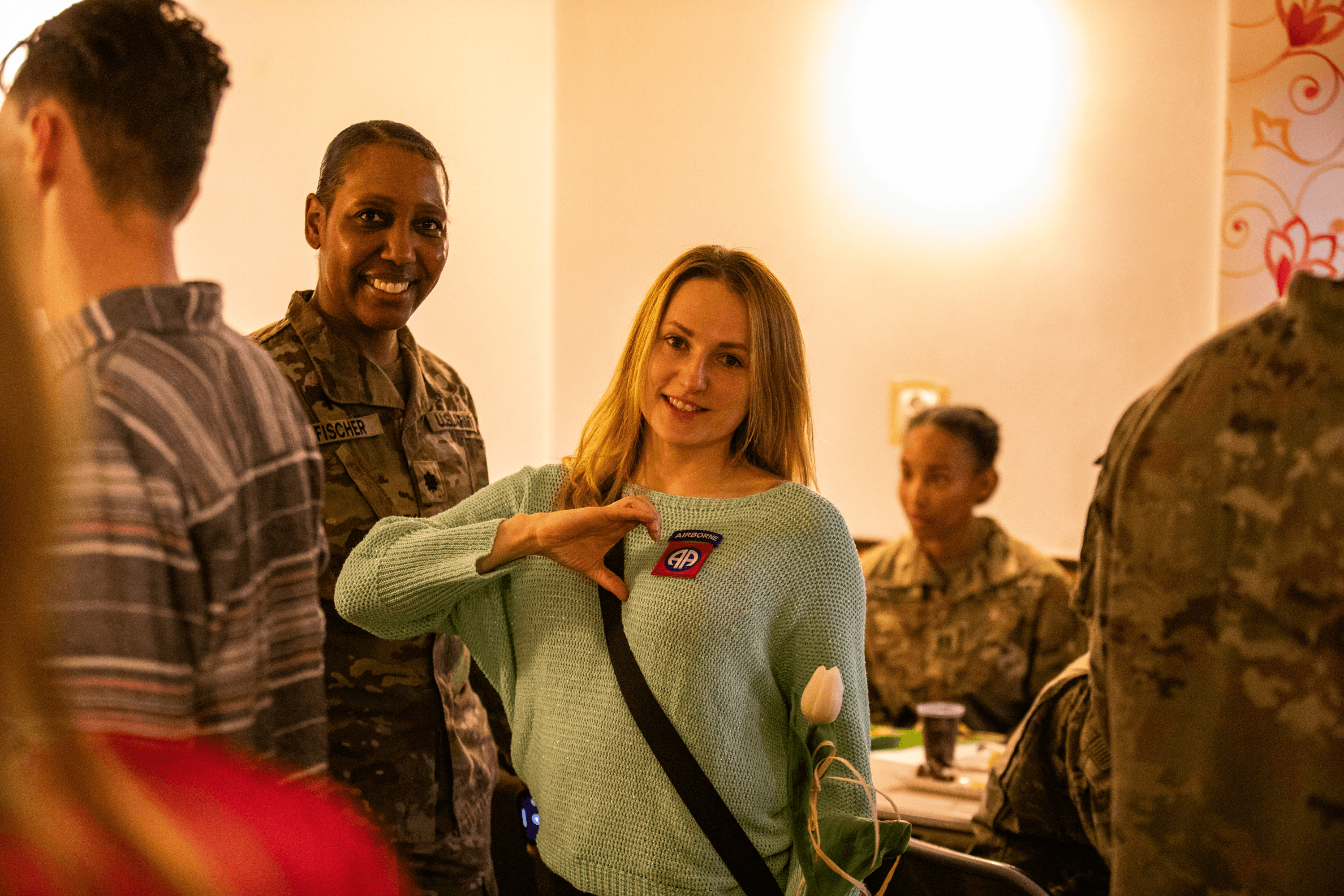
Photo: Wikimedia / YB
How do the Polish police generally record these crimes? Who reports them, and who stays silent?
A few years ago, the OSCE and the Polish Ombudsman estimated that only one in twenty foreigners reports hate crimes to the police. Some simply cannot afford the time. Many work hourly jobs, and filing a report means losing a day’s pay. For an individual, that’s too steep a cost for an incident they might rationalize as “not that serious.”
There is another issue: people lack faith in an adequate police response. A Russian acquaintance of mine was spat on and called a “Banderite.” When she went to the police, they simply asked her, “But you’re not Ukrainian, are you?"—essentially questioning why she even took offense.
Police and prosecutors do react quickly to cases that make headlines or go viral on social media, such as the verbal abuse of Ukrainian teenage girls on a bus or the assault on a Ukrainian couple in Wrocław. Officially, around 180 nationality-based attacks on Ukrainians have been registered since the beginning of the year, but these figures are obviously just the tip of the iceberg.
Why, then, aren’t we seeing a mass exodus of Ukrainians from Poland?
First, relocating to another country is a massive legal and logistical hurdle. You cannot simply swap Polish temporary protection status for a Spanish or Italian equivalent. As for labor migrants, some may already be leaving without updating their paperwork; within the Schengen Area, tracking actual residency is notoriously difficult.
Second, most people don’t find the situation unbearable enough to uproot their entire lives over one or two altercations on a bus. From my observations, the ones genuinely planning to leave are those whose children have been affected by these incidents. That kind of harm is the hardest to brush off or offset with the positive aspects of living in the country.
And many Ukrainians simply have nowhere left to return to.
Exactly. During our study, I spoke with an elderly woman from the occupied part of the Kherson region. She is barely scraping by in Poland; when her temporary protection expired in March 2026, she lost the local supplement to her Ukrainian pension and is now struggling to afford medication. She wants to go back to Ukraine, but as she put it: “Suppose I buy a ticket and end up at the Lviv train station. What are my next steps?” When she first traveled to Poland, she knew volunteers would be waiting at the station to help with housing, food, and paperwork. In Ukraine, there is no such safety net. And that is an elderly woman living alone—let alone families with children. As a result, Ukrainian migrants and refugees in Poland have essentially become collateral damage in the deteriorating relations between our countries.
How heated do you expect the Ukrainian issue to get in Polish politics over the coming years?
Right now, there’s no indication the topic will fade anytime soon. If you look at Polish media, YouTube, and social networks, anything concerning Ukraine and Ukrainians drives massive engagement. Ukraine is now firmly entrenched in Polish domestic politics. A politician doesn’t need to have a platform on healthcare, education, or taxes to get noticed; a distinct stance on Ukraine almost guarantees visibility.
And this has not been exclusively a right-wing talking point for a long time. Since 2023, anti-Ukrainian rhetoric has been adopted by a much broader spectrum of politicians. Even Donald Tusk—hardly a far-right figure—plays into this, drawing a line between supporting the Ukrainian state and attitudes toward Ukrainians in Poland. The Law and Justice party recently proposed deporting Ukrainian men who lack legal employment in Poland. That idea is backed by 67 percent of Poles—a massive chunk of the electorate.
I find this trend deeply alarming. Once a foreign policy issue becomes weaponized in domestic politics, it is incredibly difficult to root it out.
There is a common perception that the so-called Polonization of Ukrainians is inevitable. Furthermore, reports indicate that a growing number of Ukrainians living in Poland want to obtain Polish citizenship. From your perspective on the ground, will Ukrainian identity truly become diluted, and will they eventually just assimilate as ordinary Polish citizens?
I wouldn’t call it “Polonization.” It’s more accurate to speak about assimilation, which can follow integration—a process similar to immigration in Germany or Norway. But assimilation requires more than just considering yourself Polish; others must see you as Polish, too. And here is the catch: Polish identity is quite ethnic and not particularly inclusive. Therefore, even someone with a Polish passport who has lived here for years won’t necessarily be perceived as Polish by the locals.
Identity is far more complex than language. I know families whose children speak Polish more often than Ukrainian, yet they still consider themselves Ukrainian. They might celebrate Vyshyvanka Day at their Polish schools, take a deep interest in Ukraine, and support Ukrainian initiatives. So, the question isn’t just about what language you speak. The real question is whether Ukraine remains your cultural anchor.
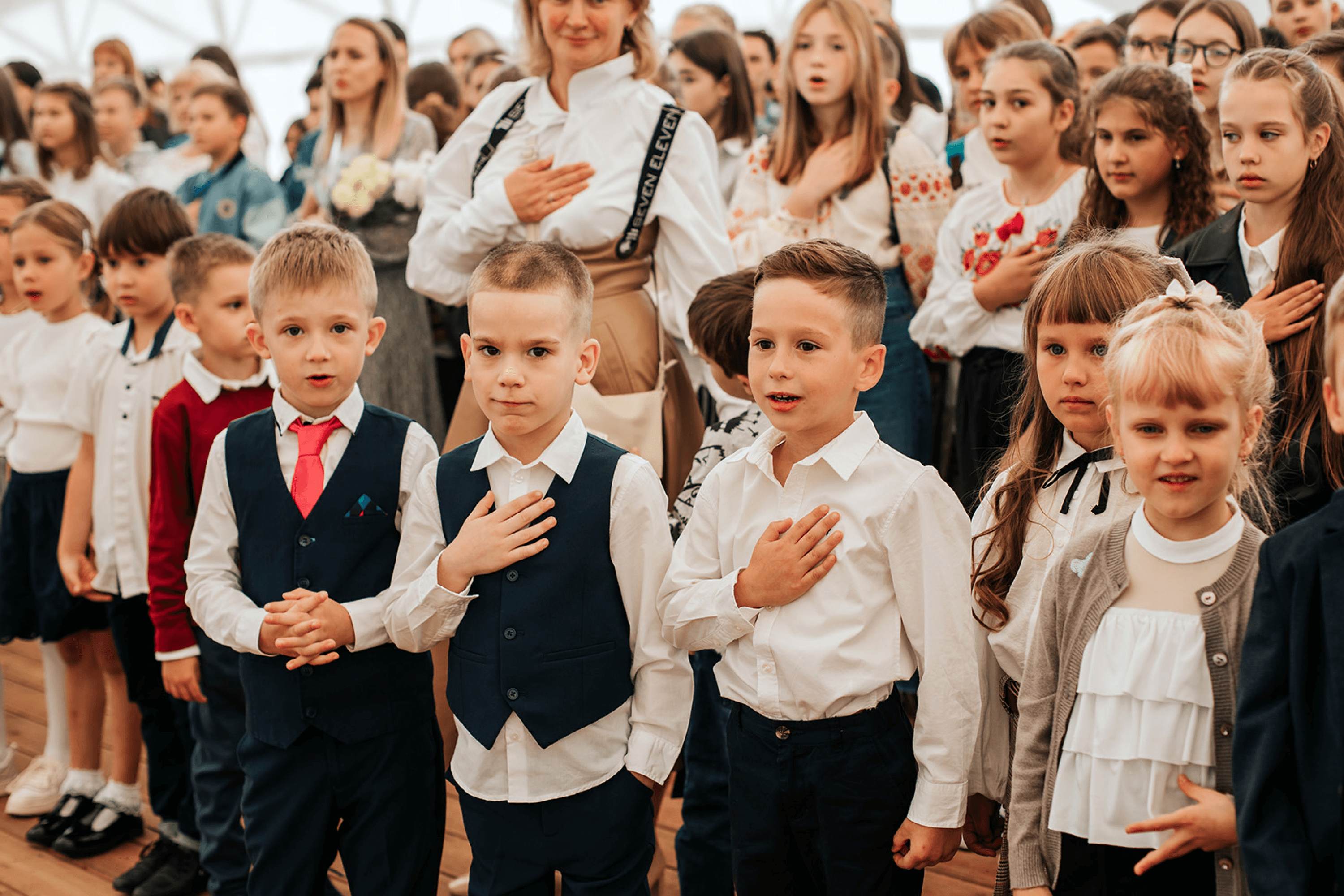
The First Ukrainian School in Poland. Photo: Фундація «Незламна Україна» 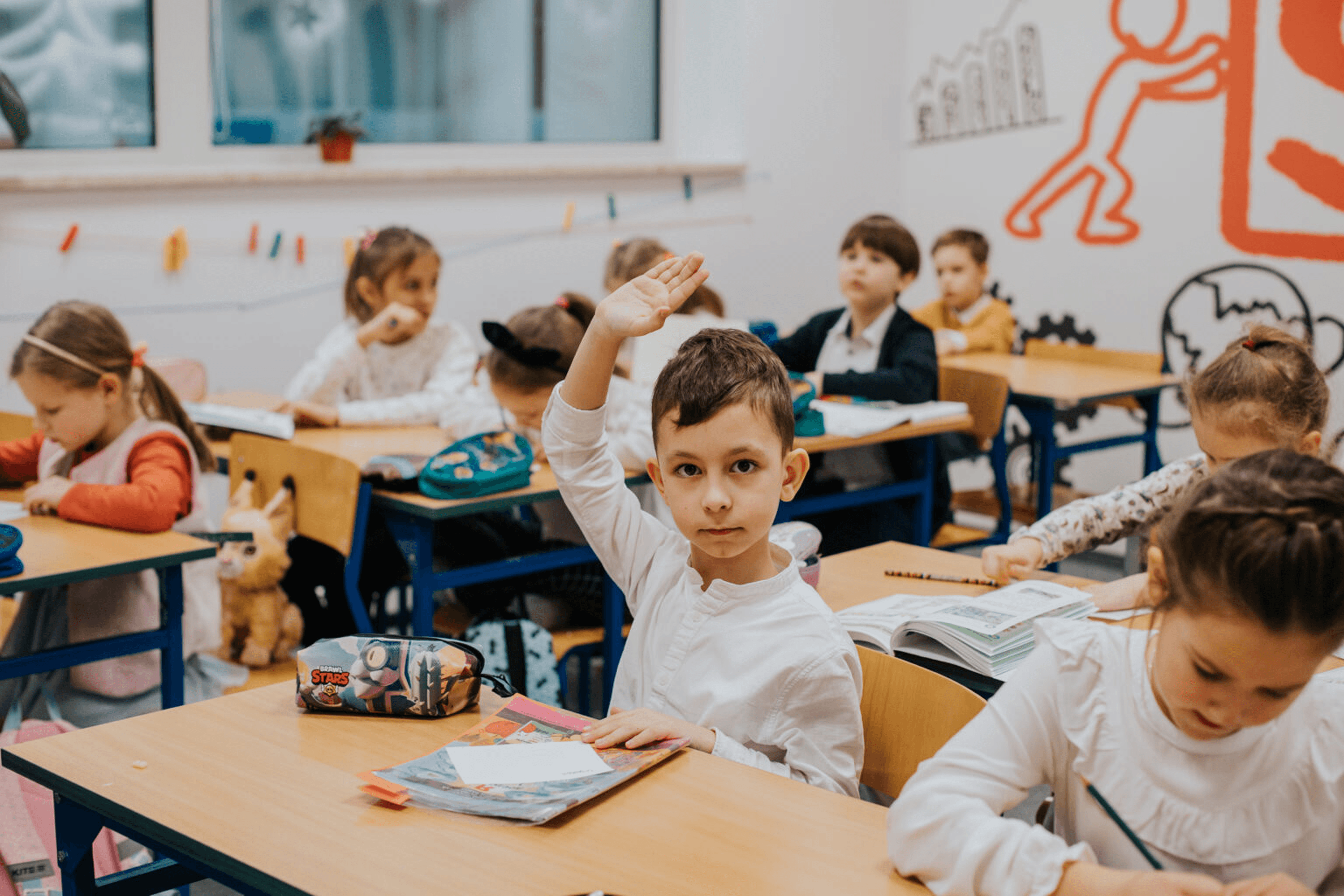
Photo: Фундація «Незламна Україна» 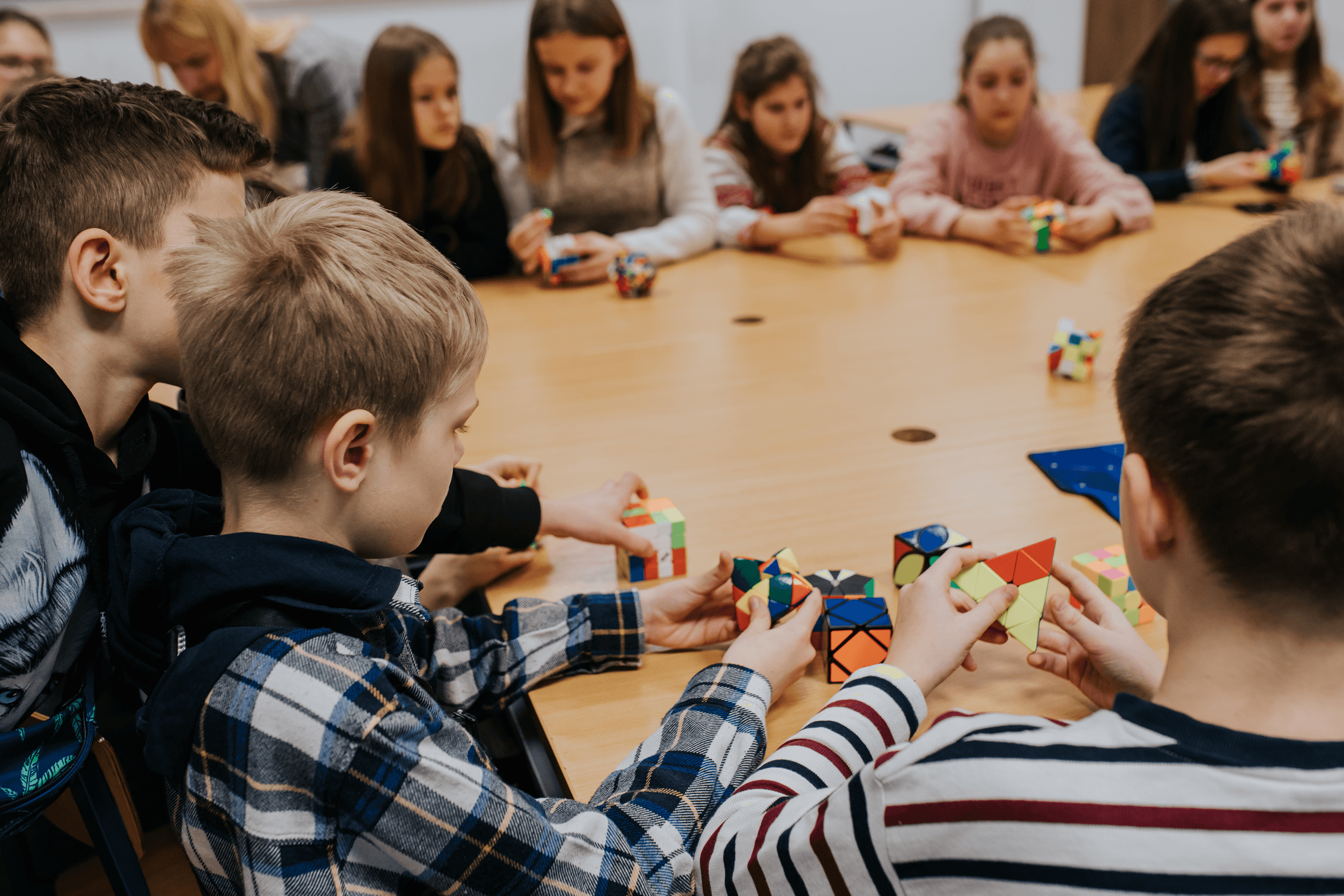
Photo: Фундація «Незламна Україна»
What is the Ukrainian community doing to address this crisis?
The problem is that a single, unified Ukrainian community in Poland doesn’t exist. There is the established Ukrainian national minority—people born in Poland, descendants of those who were resettled, who hold Polish citizenship. There are organizations that have been around since long before 2022. And then there are dozens of new organizations founded after the full-scale invasion began.
I recently conducted a study of Ukrainian organizations in Poland. There are roughly 50 NGOs with Ukrainian board members whose primary focus is Ukraine and Ukrainians. However, most of them focus less on culture and more on basic integration: Polish language courses, civic education, and employment assistance. In other words, while the infrastructure exists, the community is highly fragmented. There is no single umbrella body to represent all Ukrainians in Poland.
Then there is the issue of political agency. Most Ukrainians cannot vote in Polish elections. Over the past 15 years, only about 50,000 Ukrainian migrants have obtained Polish citizenship. So, while the community is massive—up to 1.7 million people—its actual political clout is extremely limited. Theoretically, a joint council could be formed to present a unified stance. But that immediately raises questions: who would represent it, who would define that common position, and how would you prevent infighting among organizations?
What, then, can actually change the situation?
I don’t see an easy fix. I doubt we will see a massive shift unless two things happen: a dramatic drop in Ukrainian migration to Poland, and a fundamental change in Polish domestic political rhetoric.
However, it would be a mistake to conclude that Polish society has become entirely anti-Ukrainian. That is just as inaccurate as ignoring the negative trends altogether. The majority of Poles still hold normal, positive attitudes toward Ukrainians. It’s just that the hostile minority has become far more vocal and has gained significant media and political traction.
We must document xenophobic incidents, speak out against them, and protest. It’s encouraging to see campaigns and rallies against racism and xenophobia in Poland, and to see people publicly showing Ukrainians that they are welcome.
At the same time, we need to recognize that Ukrainians in Poland are incredibly diverse; we cannot treat them as a single, homogeneous monolith. Perhaps we should worry less about whether they display enough national symbols, and focus more on whether they remain connected to Ukraine, continue to support it, and keep the conversation about it alive in their host countries.