Just a few years ago, Ukraine was solely a recipient of Western military aid. Today, it’s rapidly transforming into a major arms manufacturer and a potential global exporter. In fact, the production capacity of Ukrainian state and private defense companies now far exceeds what the government can procure.
To help local manufacturers enter international markets, Ukraine’s Cabinet of Ministers has introduced new export mechanisms and fast-tracked the approval process. The first to benefit is F-Drones. Producing UAVs since 2023, the company recently delivered 2,000 drones to the United States under this simplified procedure. Here is what this shift means for the future.
How the Ukrainian defense industry developed from 1991 to 2014 |
|---|
|
|
|
|
|
How 2022 changed the Ukrainian defense industry
After 2014, Ukraine maintained its status as a major arms exporter while simultaneously ramping up imports of critical weapons and components. Domestic enterprises produced internationally competitive hardware—including tanks, armored vehicles, aircraft and naval turbines, and anti-tank missile systems. Yet, the Ukrainian Armed Forces desperately needed modern equipment that was either produced in insufficient quantities or missing entirely from the domestic portfolio.
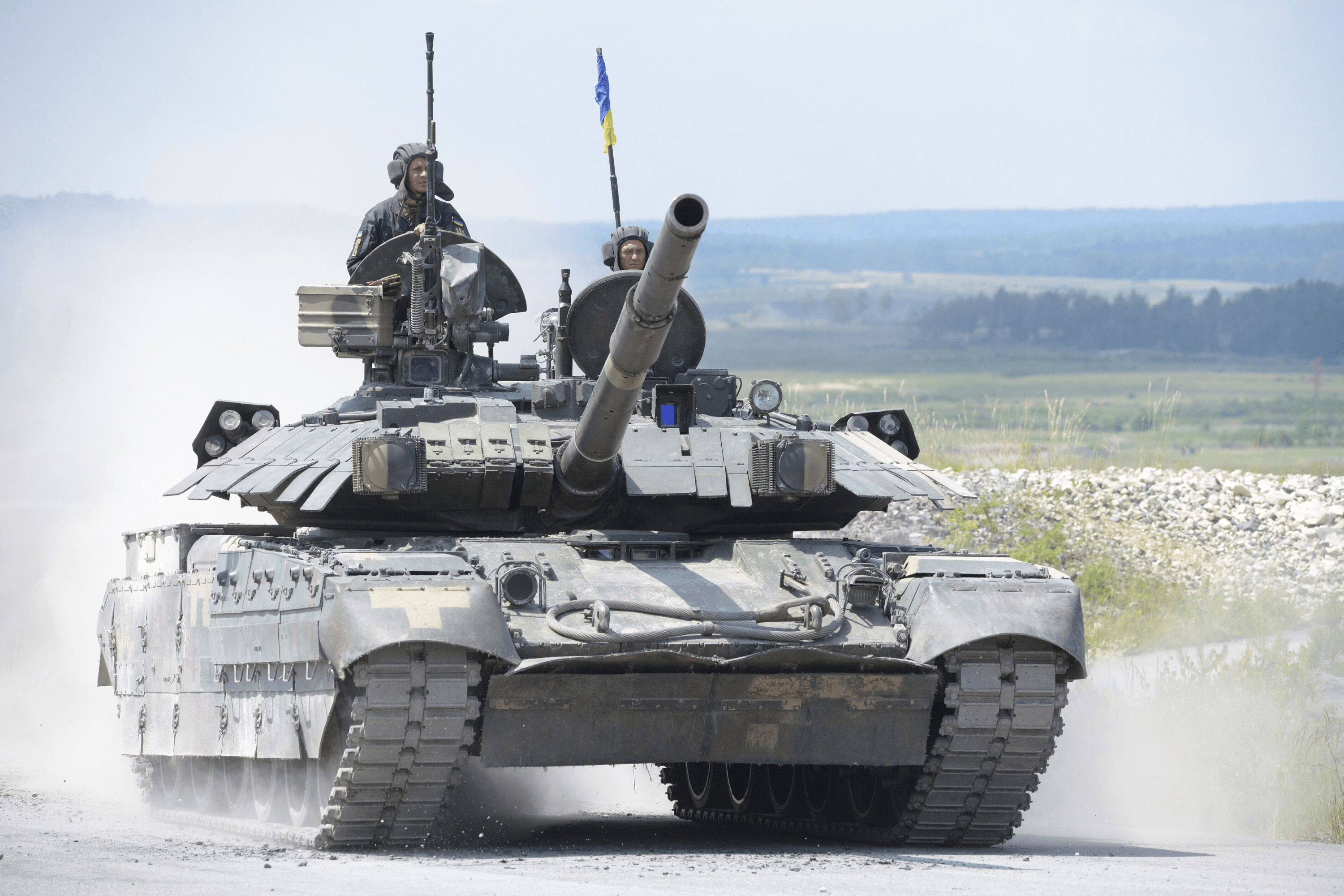
Ukrainian-made military equipment. The T-84 tank during the Strong Europe Tank Challenge at the Grafenwoehr Training Area, Germany, 2018. Photo: Wikimedia / YB 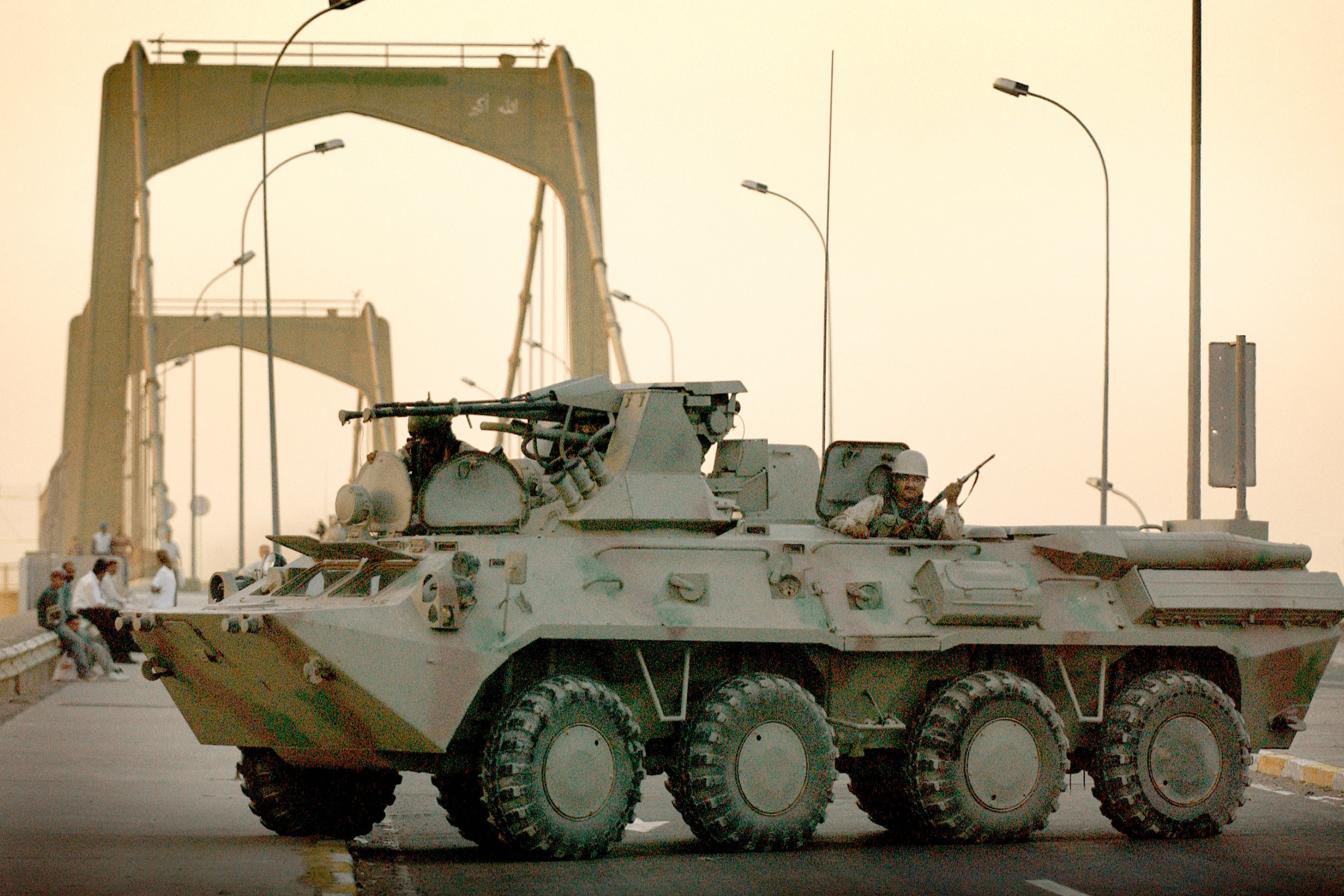
The BTR-94 armored personnel carrier in Baghdad, Iraq, during Operation Iraqi Freedom, 2004. Photo: Wikimedia / YB 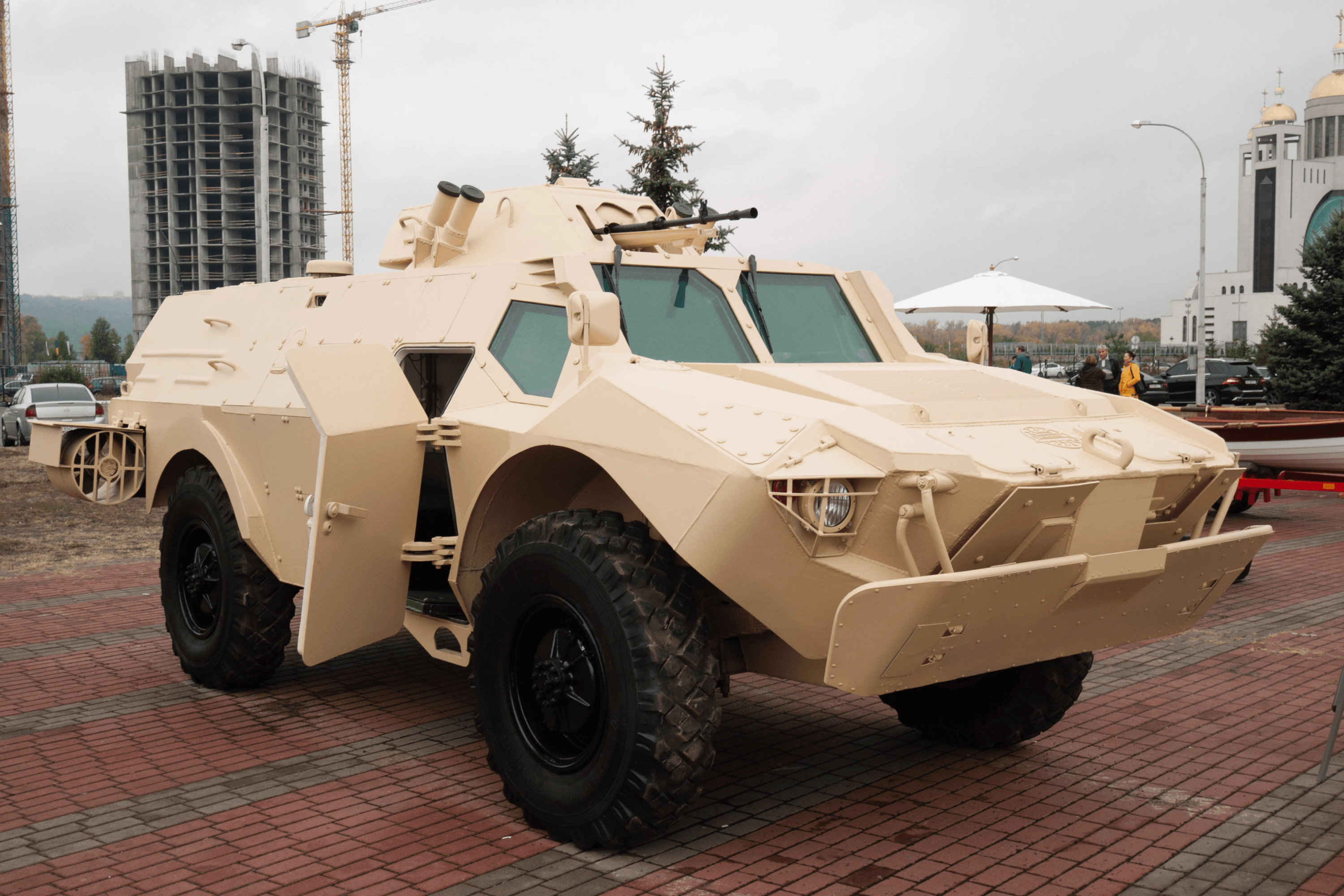
The BKM Hekkon armored reconnaissance vehicle. Kyiv, Ukraine. Photo: Wikimedia / YB 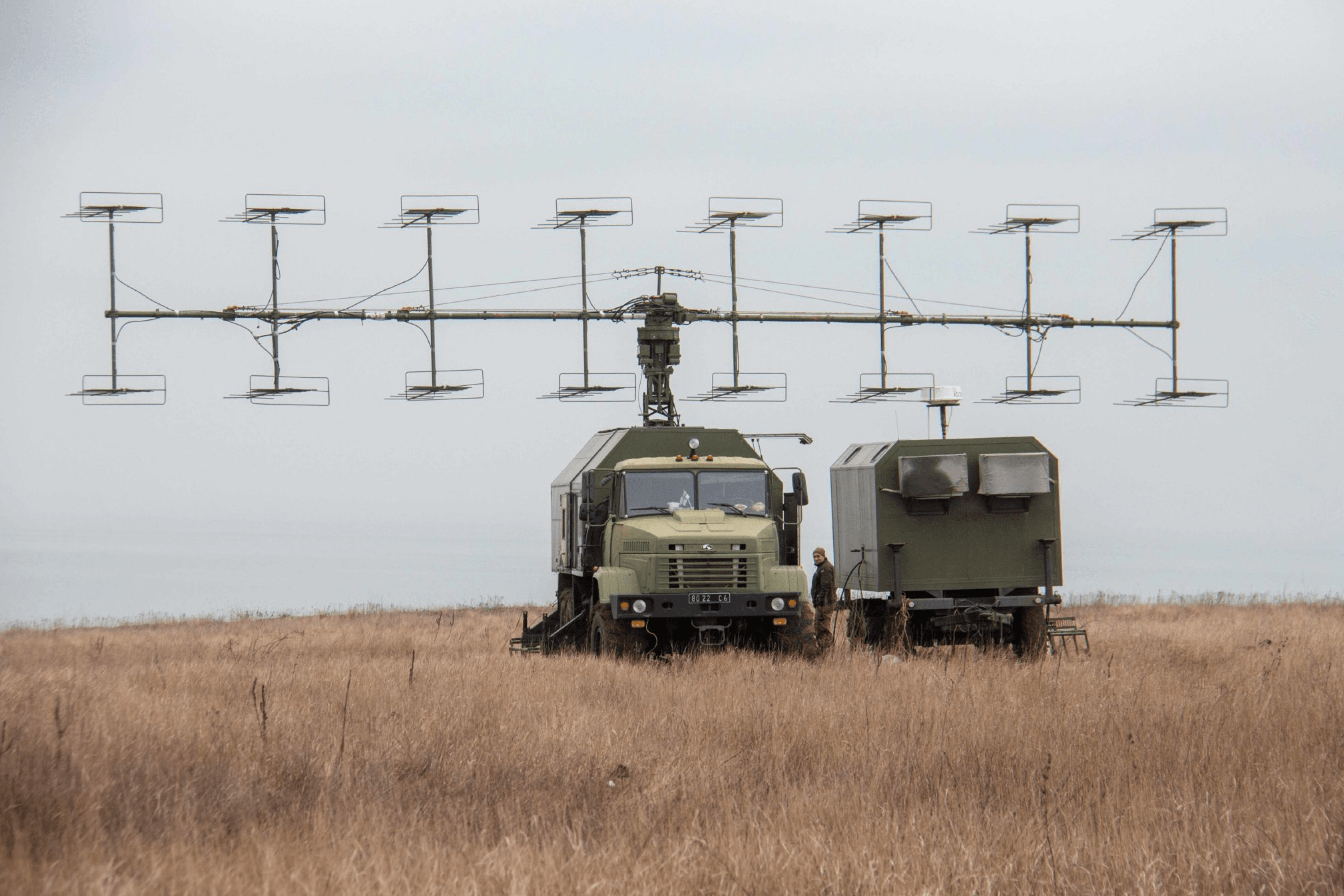
The Ukrainian P-18 Malakhit two-dimensional radar station. Location and date unknown. Photo: Wikimedia / YB
The deepest dependency lay in high-tech imports: modern electronics, thermal and night-vision optics, secure communications, advanced radars, drones, avionics, and precision-guided munitions parts.
Furthermore, after severing defense ties with Russia, Ukrainian manufacturers had to substitute thousands of Russian components by developing their own alternatives or sourcing them from Western and Asian markets.
When the full-scale invasion began, the state’s survival demanded an absolute maximization of weapon supplies, making a de facto arms export embargo both logical and vital. The State Service of Export Control (SSEC) halted new export permits, and most existing foreign contracts were suspended to prioritize national defense. Despite relentless Russian strikes, Ukraine’s defense sector proved resilient and gradually recovered. The government opened the market to private manufacturers, while Western allies stepped up to supply advanced weaponry—ranging from armor to Patriot systems and F-16s—alongside jointly developed cutting-edge tech.
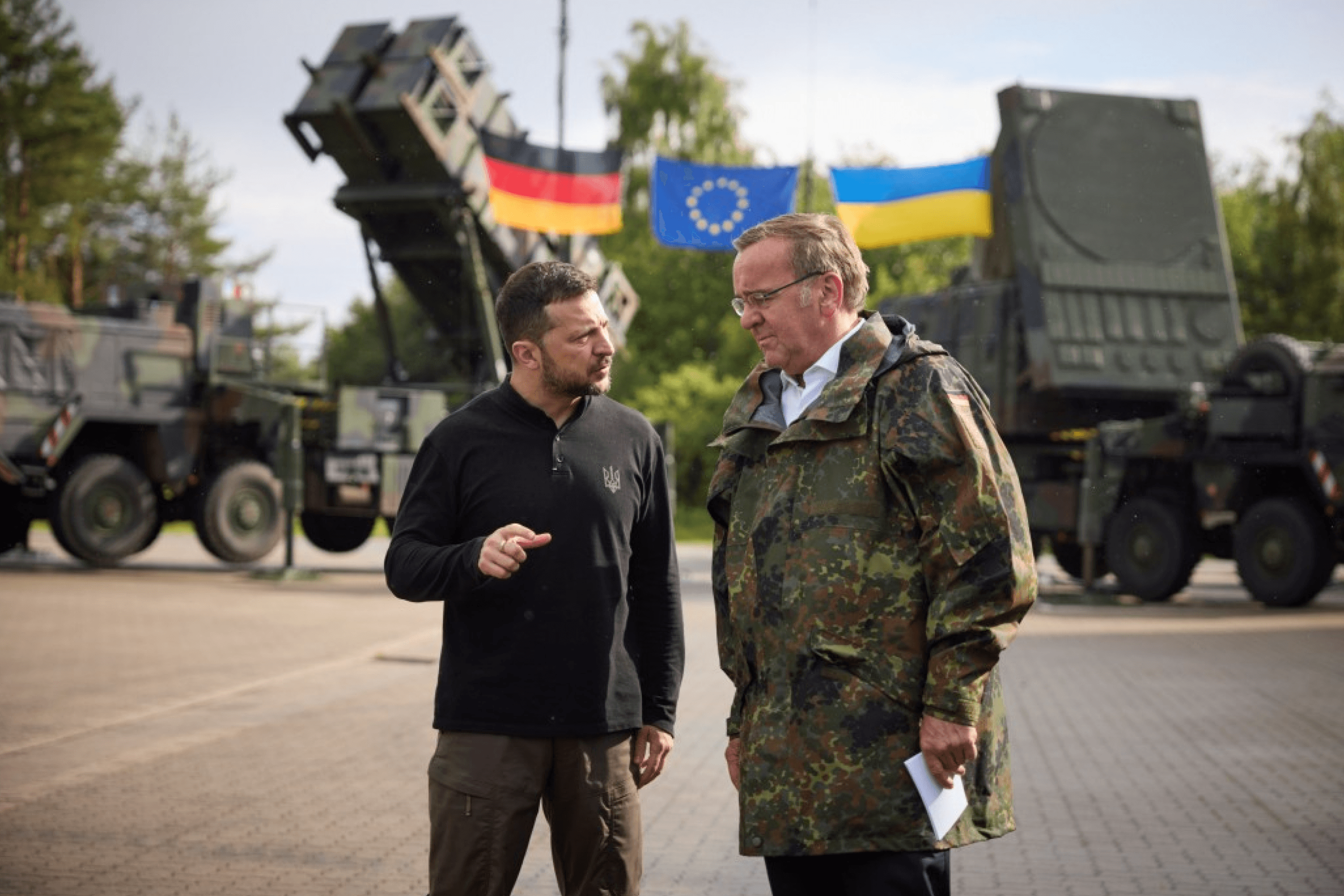
Ukrainian President Volodymyr Zelenskyy and German Defence Minister Boris Pistorius beside a Patriot air defense system in Germany, June 11, 2024. Photo: president.gov.ua 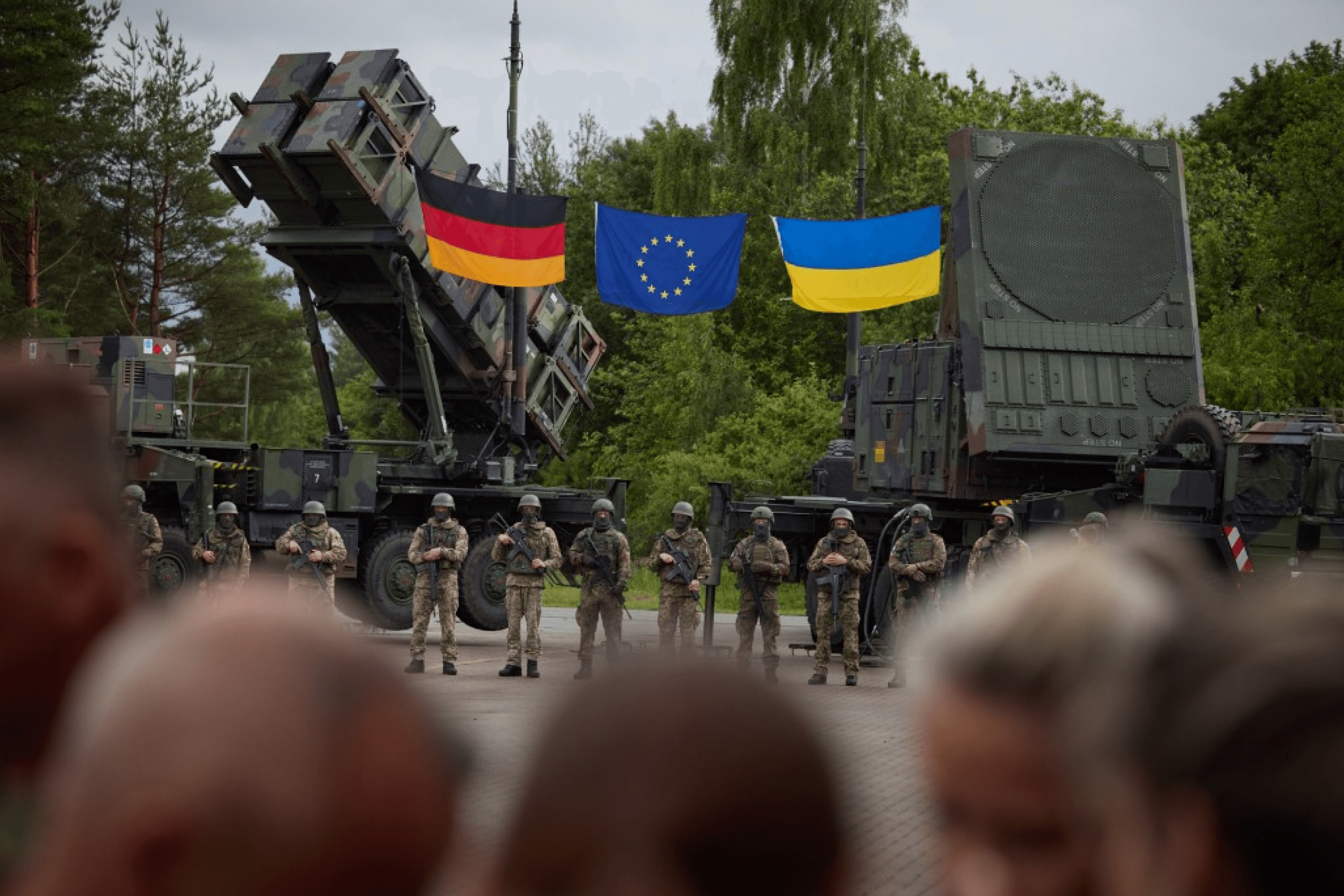
Photo: president.gov.ua 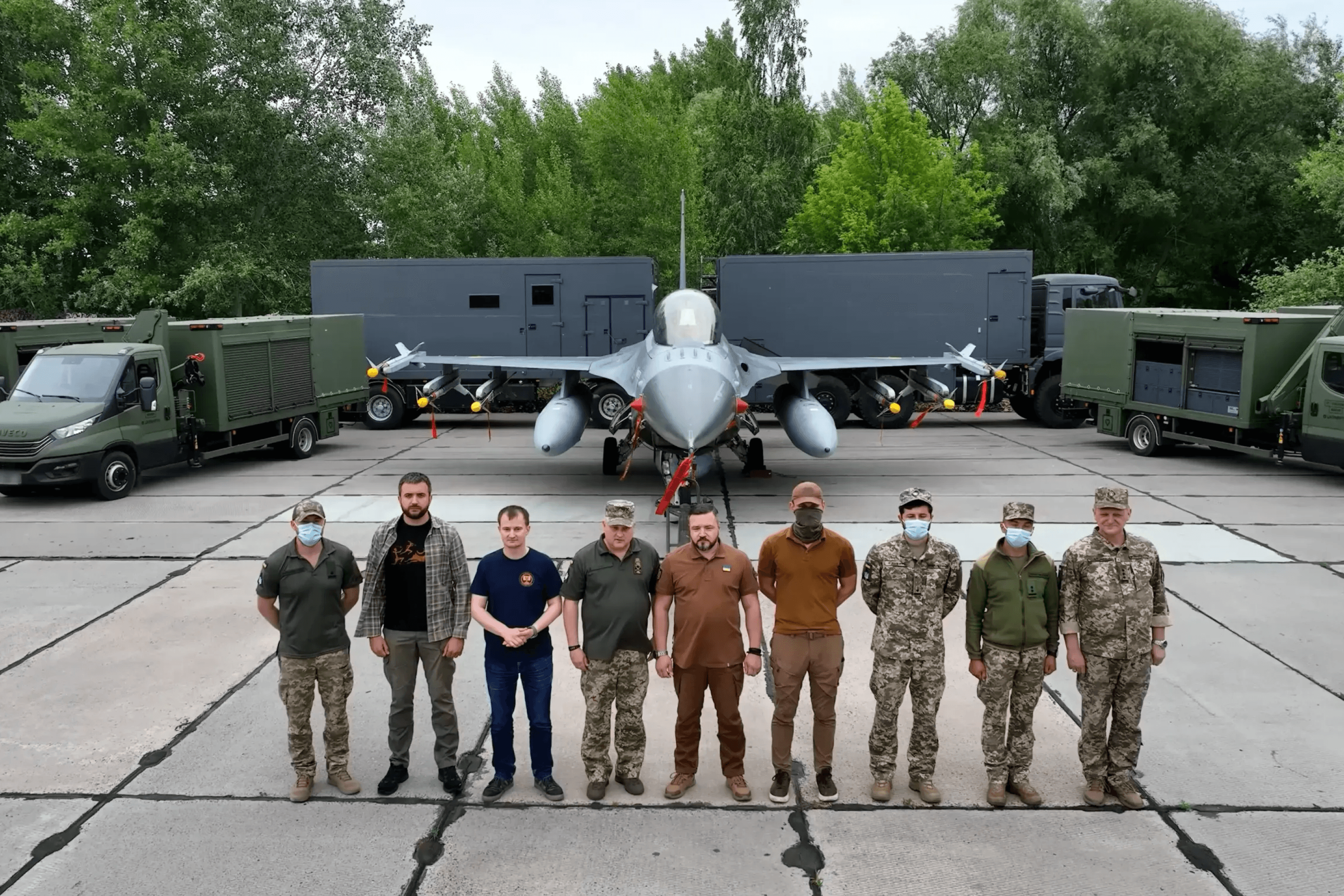
A Ukrainian Air Force F-16 fighter jet and mobile aircraft maintenance units. Ukraine, July 2025. Photo: mod.gov.ua
The evolution of the Ukrainian defense industry has unfolded in several distinct phases: |
|---|
|
|
|
|
A major catalyst in this transformation has been the Brave1 cluster. Launched in 2023 as a state grant program for defense-tech startups, Brave1 has evolved into a comprehensive ecosystem uniting the government, the military, developers, and investors. Today, it does more than just fast-track the journey from idea to battlefield-ready product; it serves as a vital bridge, translating frontline military needs into precise technical requirements for manufacturers.
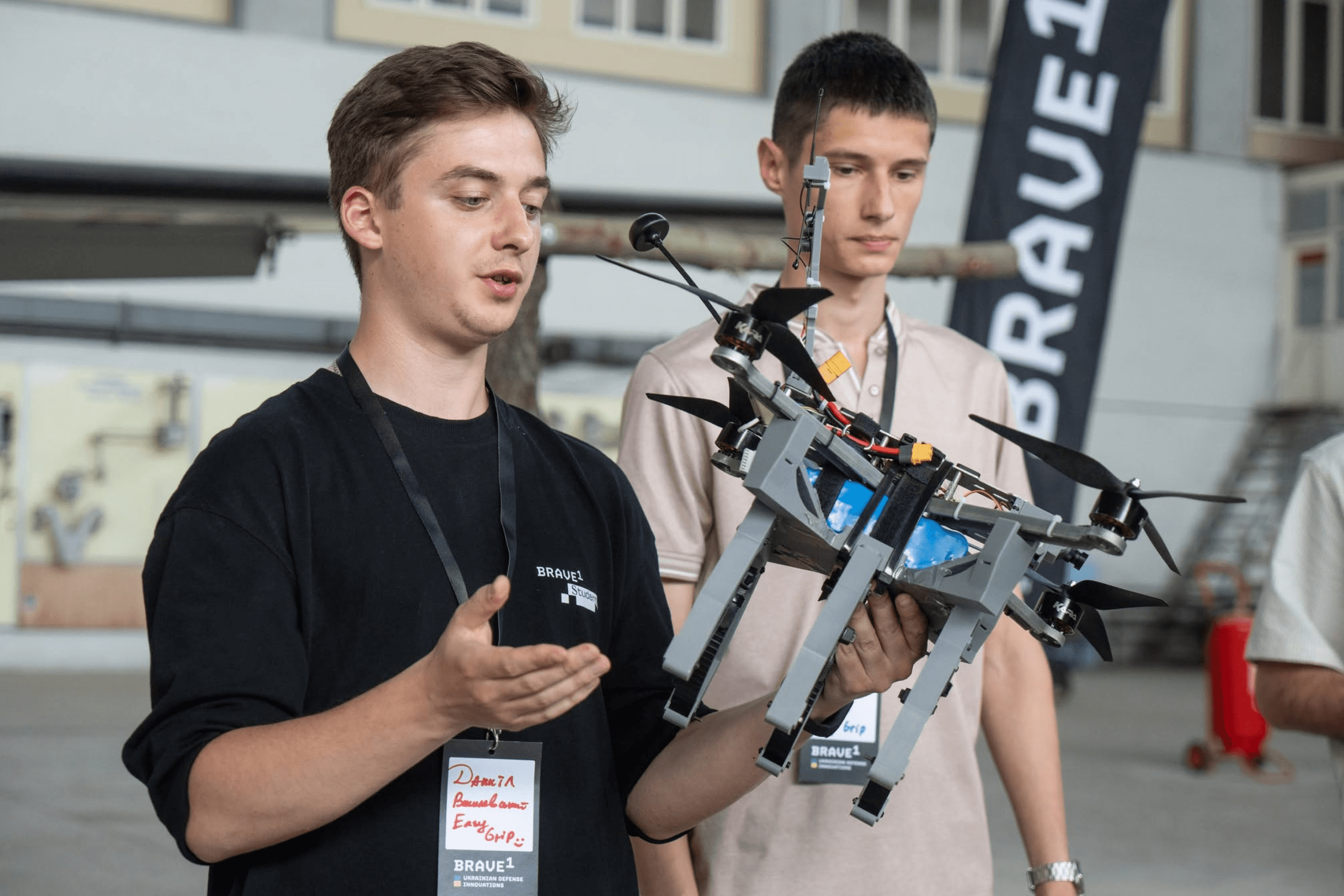
A Defense Tech Valley 2025 participant demonstrates an unmanned aerial vehicle (UAV). Kyiv, September 2025. Photo: Brave1 / Facebook 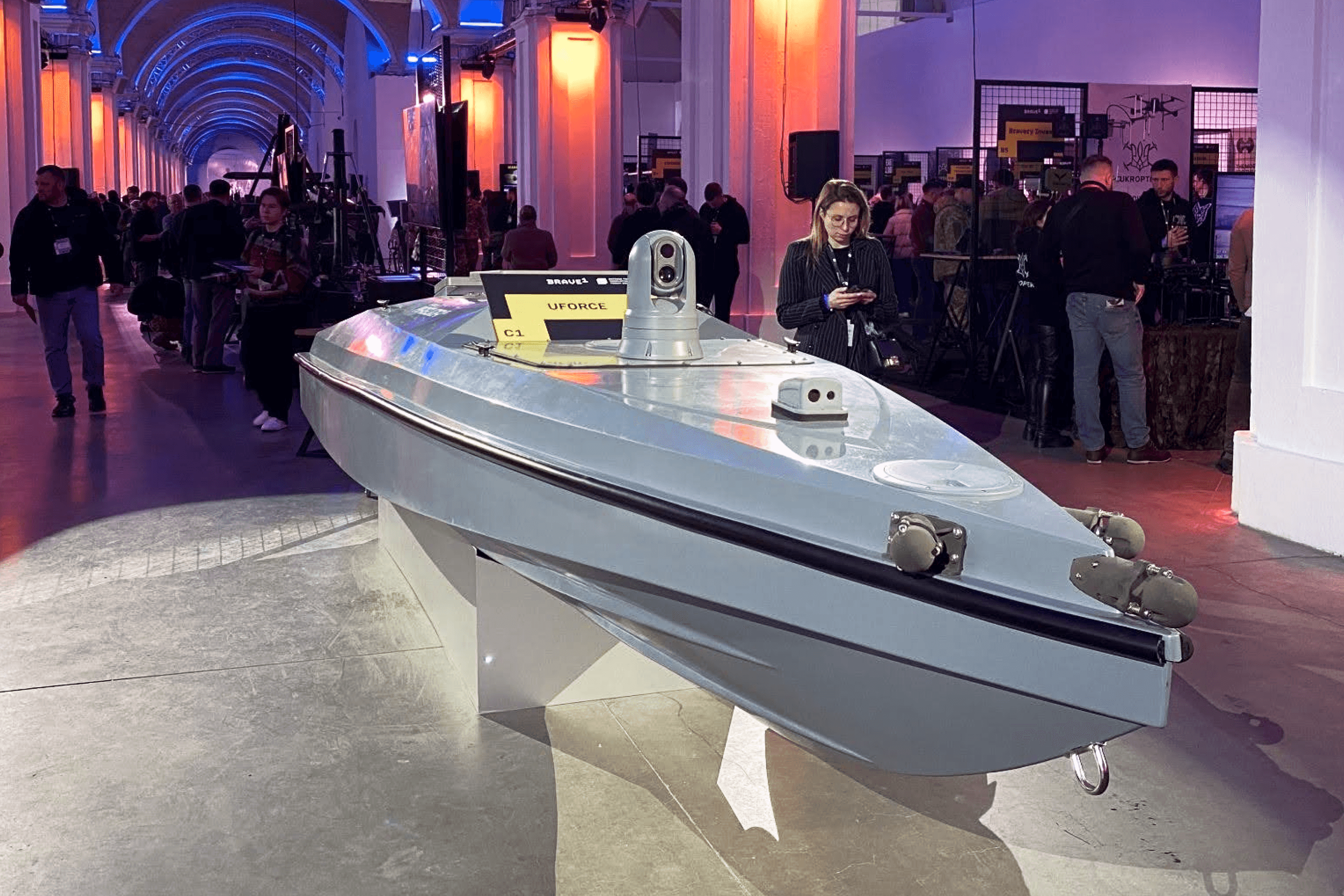
The Uforce naval drone. Photo: Oleksii Bogza / YB 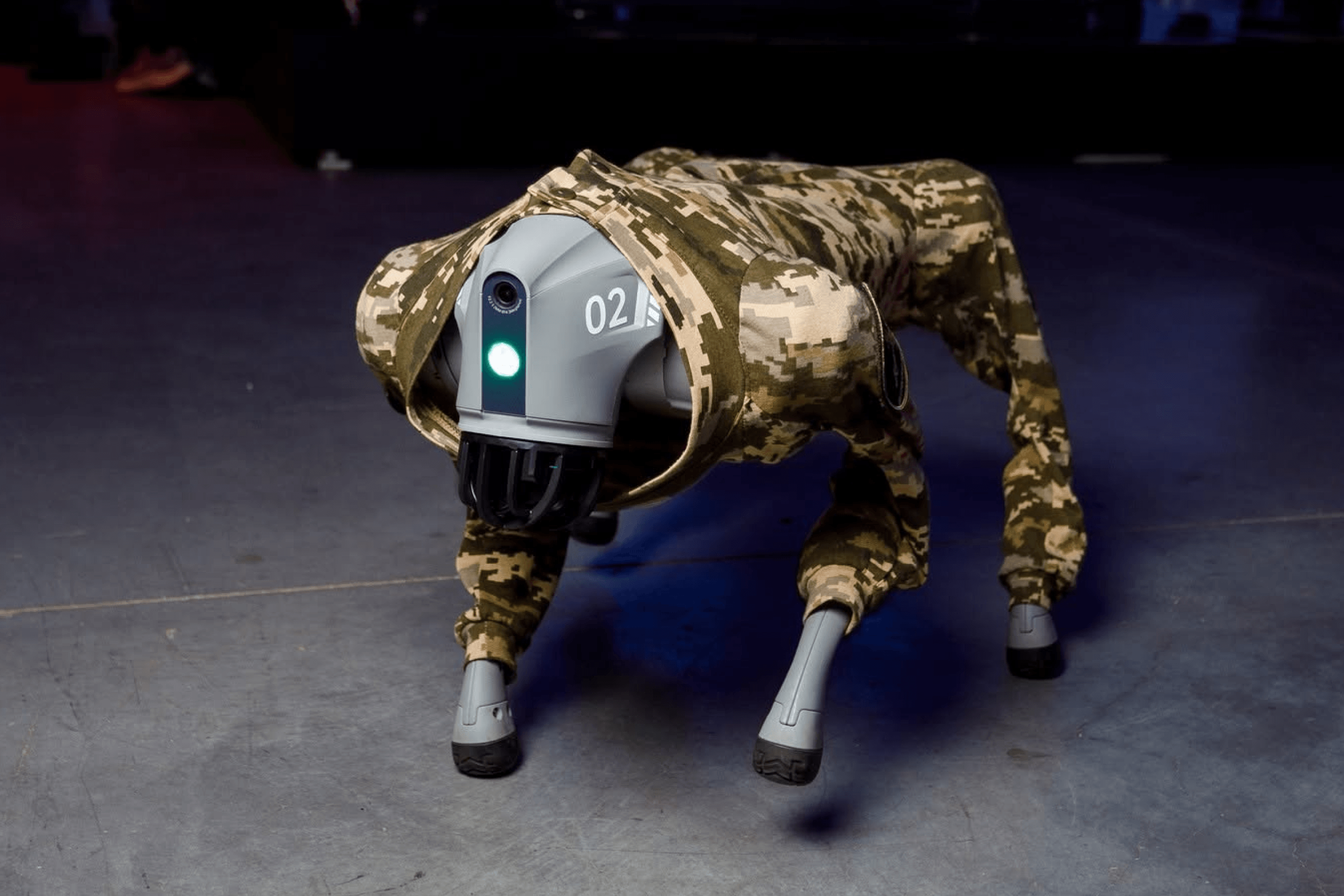
A service dog at the Defense Tech Innovations Forum 2025 in Kyiv. February 2025. Photo: Brave1 / Facebook 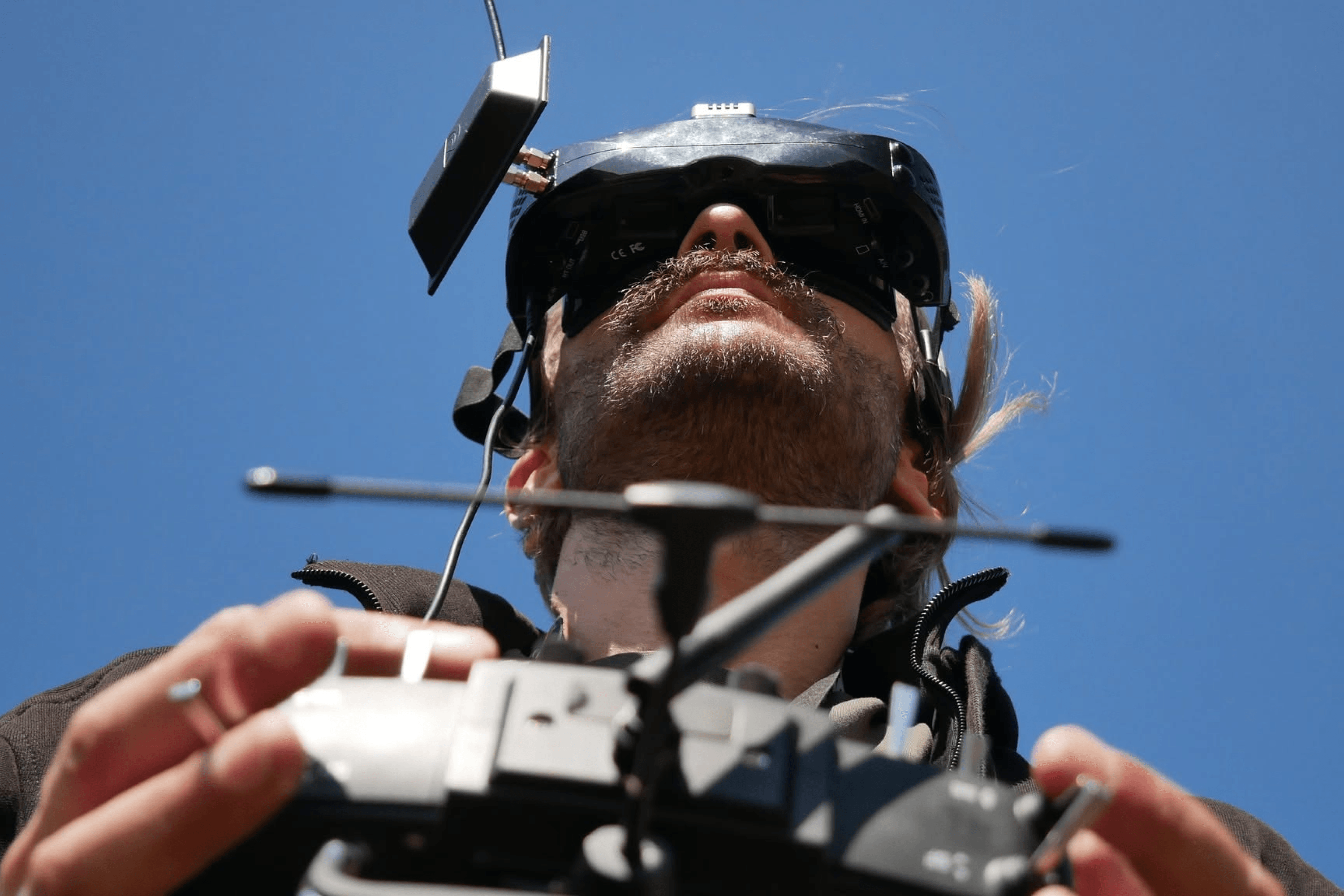
A participant in the Precision hackathon wearing FPV goggles and holding a drone controller. August 2024. Photo: Brave1 / Facebook
Why the West is interested in Ukrainian drones
Every year, Ukraine has scaled up its capabilities across all areas. This can be illustrated by the strikes on Russia’s oil and gas infrastructure. The number of strikes increases manifold each year.
These strikes highlight the broader evolution of Ukraine’s defense sector. Beyond the dramatic footage of long-range FP-1 or Liutyi drones hitting Russian factories lies the relentless work of engineers—ensuring these systems fly, strike precisely, and continuously adapt to evade Russian countermeasures.
Direct contact with frontline units allows manufacturers to modify drones in real time. This unprecedented battlefield feedback loop is exactly why Ukrainian drones outperform their foreign counterparts: they are purpose-built for modern warfare. They are also significantly cheaper and mass-produced. In July 2026, President Volodymyr Zelenskyy announced that Ukraine was already manufacturing 10 million drones annually, with plans to double that figure. Achieving this massive growth will inevitably rely on unlocking export contracts.
For years, defense contractors have lobbied for a controlled export regime, as major players quickly outgrew the domestic market’s purchasing capacity. To keep innovating, they need global revenue. Without sufficient state orders, some companies were forced to scale back, relocate abroad, or shut down entirely. According to the Technological Forces of Ukraine association, 90 percent of private manufacturers were already in export talks by early 2026, with a strong preference for selling finished, ready-to-use systems.
However, the prospect of arms exports has sparked fierce debate within the country. Critics frequently raise a pointed question: “How can Ukraine ask for foreign military aid while selling its own weapons abroad?” Conversely, proponents argue that lifting export restrictions offers crucial benefits:
- Exported goods can be sold at a premium compared to domestic state contracts.
- Relocating production abroad shields manufacturing lines from potential Russian strikes.
- Companies can finally run their production lines at maximum capacity.
- Export revenues can be directly funneled back into defense capabilities and R&D.
Formally, arms exports were never explicitly banned. In practice, however, nearly all export applications were blocked by the Ministry of Defense on the grounds that the Armed Forces of Ukraine needed the equipment. Yet, when manufacturers offered these same products to the state, they were told the budget lacked the necessary funds. This created a bureaucratic Catch-22: defense companies were left with no domestic contracts and no permission to sell abroad.
Build with Ukraine: the transitional phase
On June 20, 2025, President Volodymyr Zelenskyy launched the Build with Ukraine program. At the time, Ukraine had an estimated $43 billion capacity for weapons production, with domestic enterprises already meeting roughly 40 percent of the military’s needs. To scale up further, the government turned to international partners for additional funding.

By October 2025, the initiative yielded its first major results: an agreement with the Netherlands to jointly manufacture long-range drones. Under this model, Ukrainian firms contributed their technology and combat-tested expertise, while production was shifted to a secure environment in the Netherlands, free from Russian attacks. In exchange, the Dutch gained exclusive access to battlefield-proven innovations. This partnership continues to expand—following an initial $127 million investment, the Netherlands pledged another $227 million for drone co-production in April 2026.
Canada soon emerged as another key partner. Under a 2025 defense pact, the two nations agreed to co-produce military equipment. Ukraine brought its manufacturing know-how and proprietary tech, while Canada supplied the financing and access to its advanced industrial base. To fuel these joint ventures, Ottawa earmarked $220 million specifically for drones, counter-UAS capabilities, and electronic warfare (EW) systems. The collaboration quickly took shape: in May 2026, Canada’s Sentinel Research and Development partnered with Ukraine’s Airlogix to form Airlogix-Sentinel, a joint venture dedicated to producing Ukrainian unmanned systems in North America.
What is happening with defense exports today
The deadlock over exporting Ukrainian weapons was finally broken in 2025. In April, the Cabinet of Ministers granted select domestic enterprises the authority to export military products of their own manufacture. However, this still fell short of a full market opening.
A major turning point came in February 2026. The Interdepartmental Commission on Military-Technical Cooperation Policy and Export Control resumed operations after an eight-month hiatus. Its primary mandate is to shape the mechanisms and policies governing controlled arms exports.
On July 1, 2026, the Cabinet of Ministers adopted a dedicated procedure for the international transfer of military and dual-use goods under martial law. This new framework establishes a streamlined permitting mechanism, a list of eligible partner countries, and strict end-use verification protocols. Crucially, the state retains the right to veto any export if the products are needed by the Armed Forces of Ukraine or if the sale could jeopardize national defense.
Key changes in export rules: |
|---|
|
|
|
|
|
|
By the end of June, the State Service of Export Control (SSEC) had processed 478 applications, approving 313. According to Ihor Fedirko, Executive Director of the Ukrainian Armaments Council, 33 companies secured export rights during this period, with the Cabinet of Ministers authorizing another 17 individual export decisions.

Ihor Fedirko (center) at the Ukrainian Technological Sports Championship, which brought together manufacturers of drones, components, and ground robotic systems. August 2025. Photo: Ihor Fedirko / Facebook 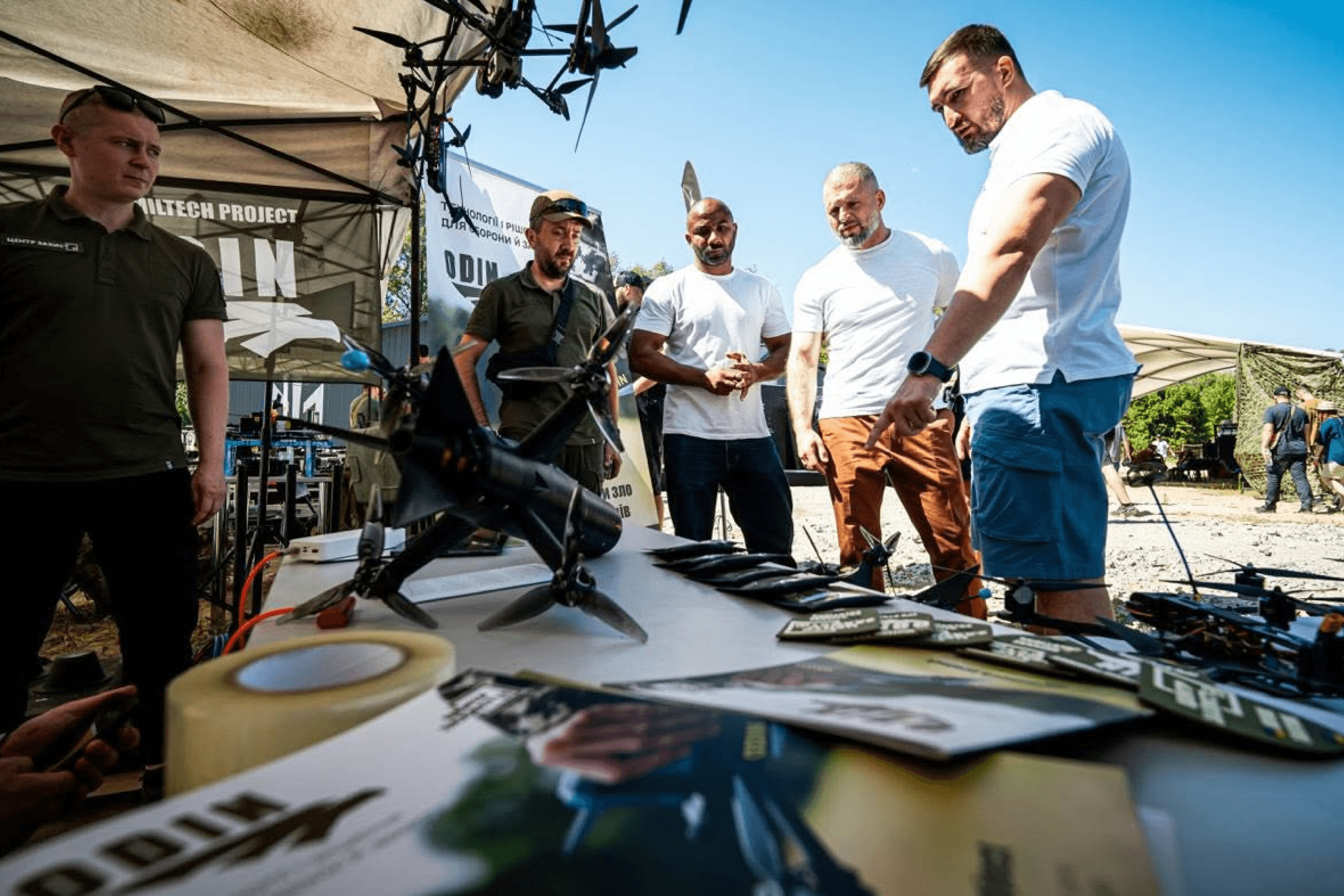
Photo: Ihor Fedirko / Facebook 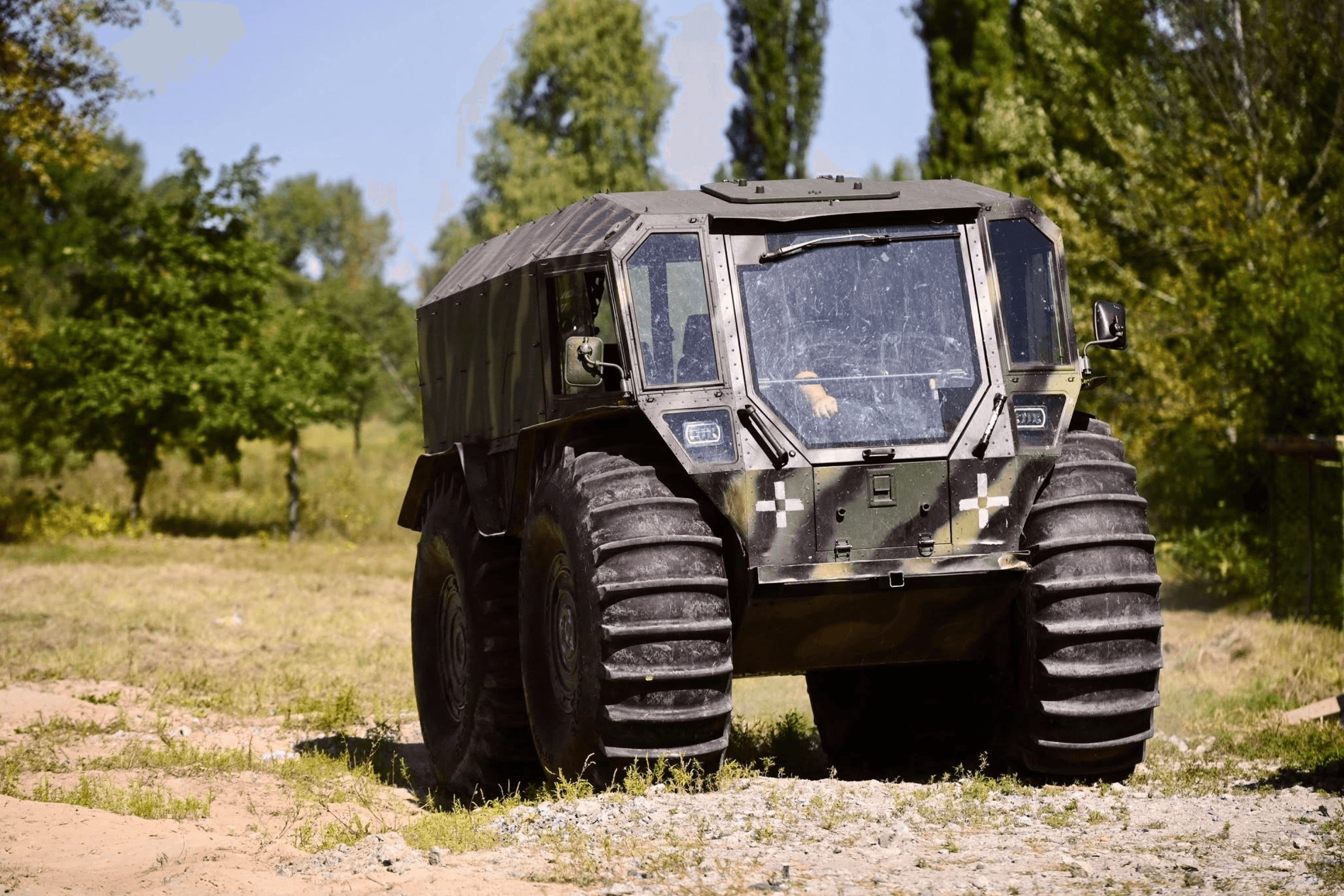
Photo: Ihor Fedirko / Facebook 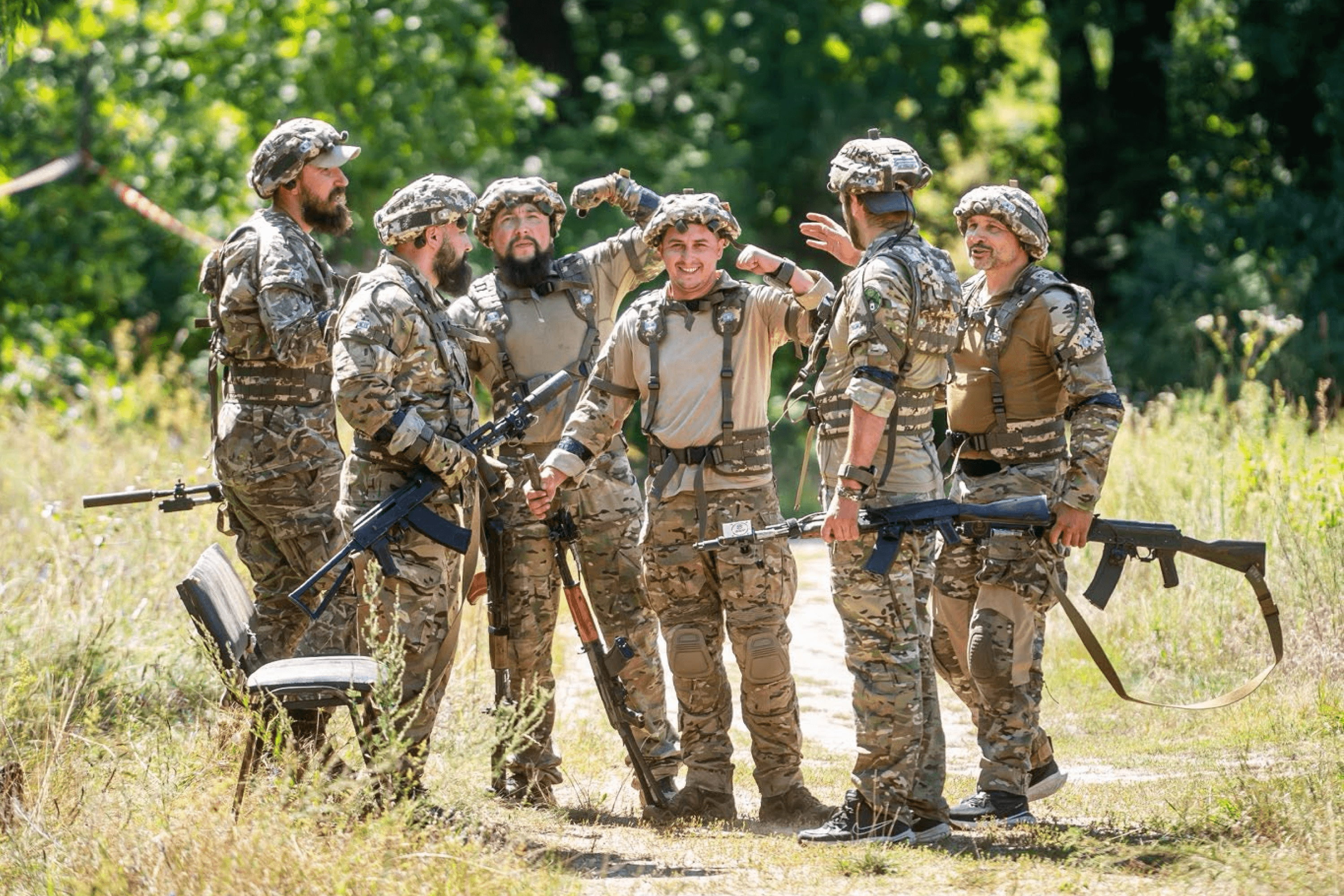
Photo: Ihor Fedirko / Facebook
While the number of permits issued this year is approaching 2024 levels (517 compared to 599), it remains well below the pre-invasion baseline of 974 permits in 2021. Most historical permits covered spare parts for legacy equipment, though, rather than new contracts. The bottleneck lies in the approval process: beyond the SSEC, applications require sign-off from the Interdepartmental Commission and various other agencies. Lacking statutory deadlines, requests often languished in bureaucratic limbo.
Compounding the friction is the absence of a finalized list of prohibited goods, leaving companies in the dark about why a license might be denied. Furthermore, most defense tech firms emerged after 2022 and lack experience with export compliance. However, Oleh Tsilvik, acting head of the SSEC, told Yellow Blue that the agency has launched a training program to help manufacturers navigate the new regulatory landscape.

These teething problems are natural, Fedirko notes, as an uncontrolled export market is not an option. The state must ensure that foreign sales don’t compromise supplies to the frontline.
“For the industry, this unlocks new capital, investment, and the ability to operate at full capacity,” Fedirko adds. “We are transitioning from aid recipients to vital technology suppliers. The future architecture of European security simply won’t be complete without us.”